From Paris to Pasture: La Ferme de Brouage
A Parisian family have transformed a former monastery situated 500 kilometres outside the city into a vegetable farm. Future-orientated agriculture and constant change define this place, which also offers accommodations for guests.
Changes? La-Gripperie-Saint-Symphorien has seen plenty of them over the centuries. The village of just under 600 inhabitants is located on the edge of the former Gulf of Saintonge, less than an hour south-east of La Rochelle. An area once flood-ed by the sea, the landmass began to develop from 400 AD onwards. The inlet that remained was called “La Brouage”. The area west of La-Grippe-rie-Saint-Symphorien up to the At-lantic is still pure marshland, its clay-laden soil is subject to constant swelling and shrinkage.
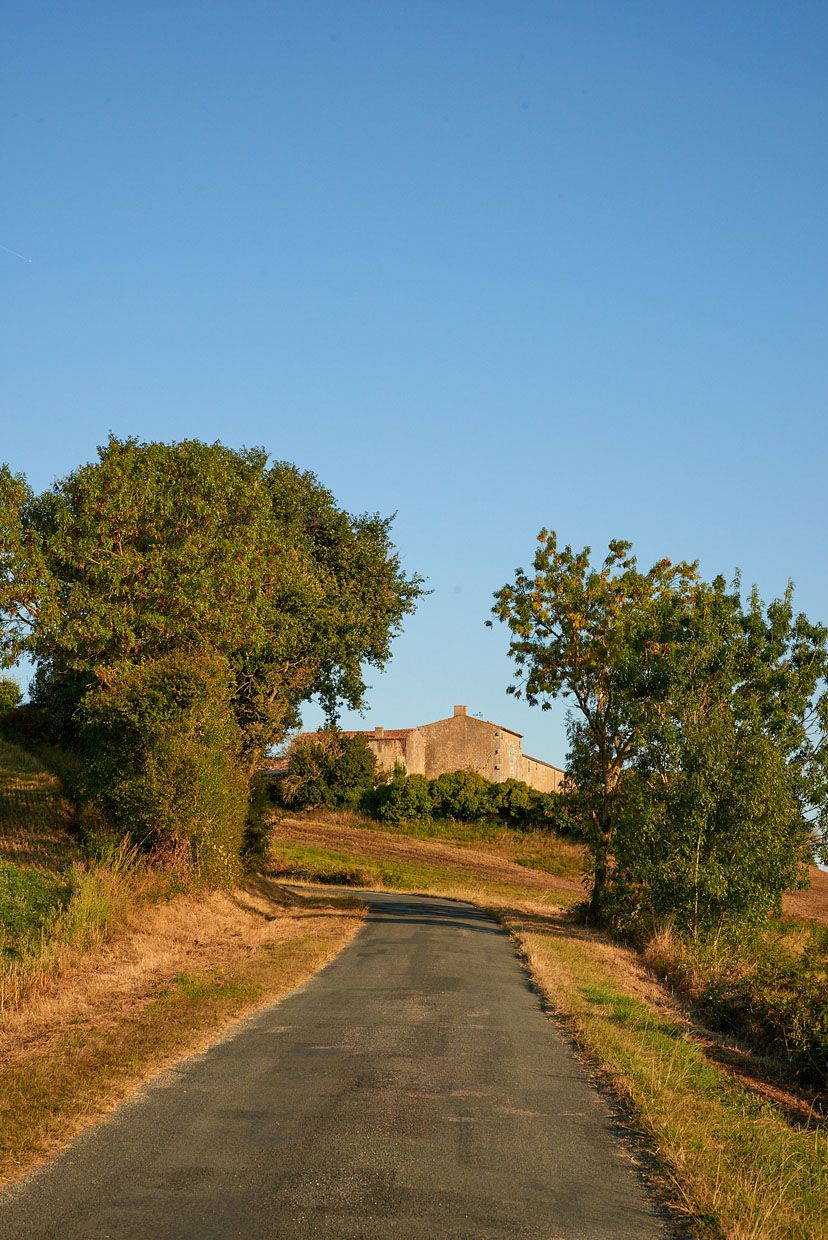
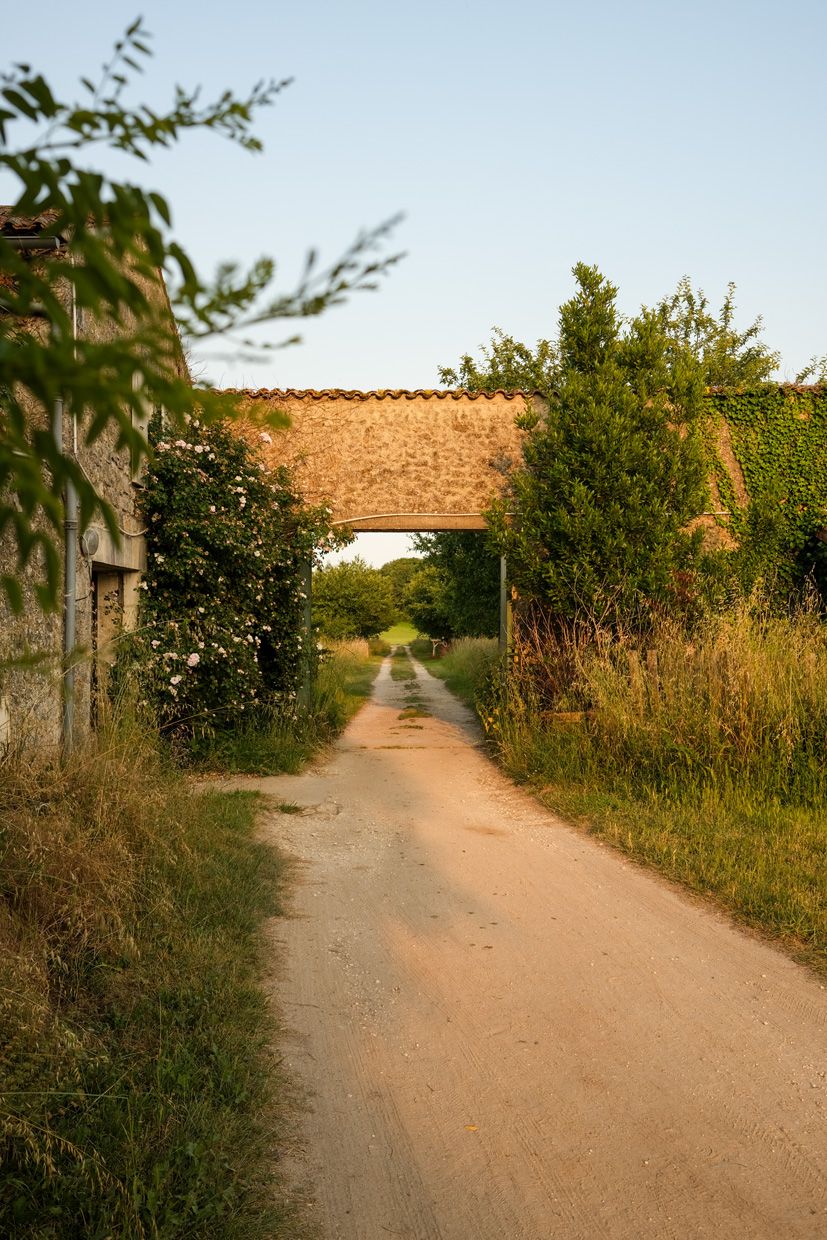
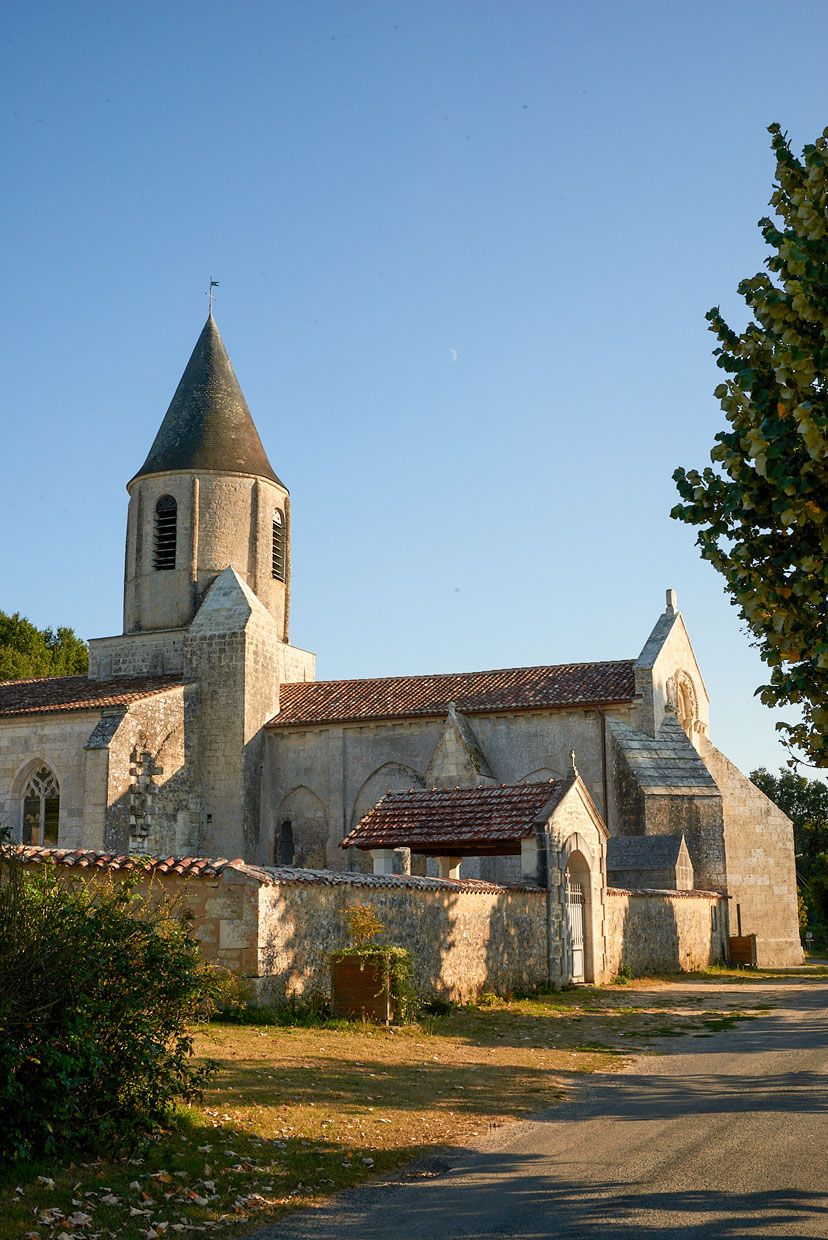
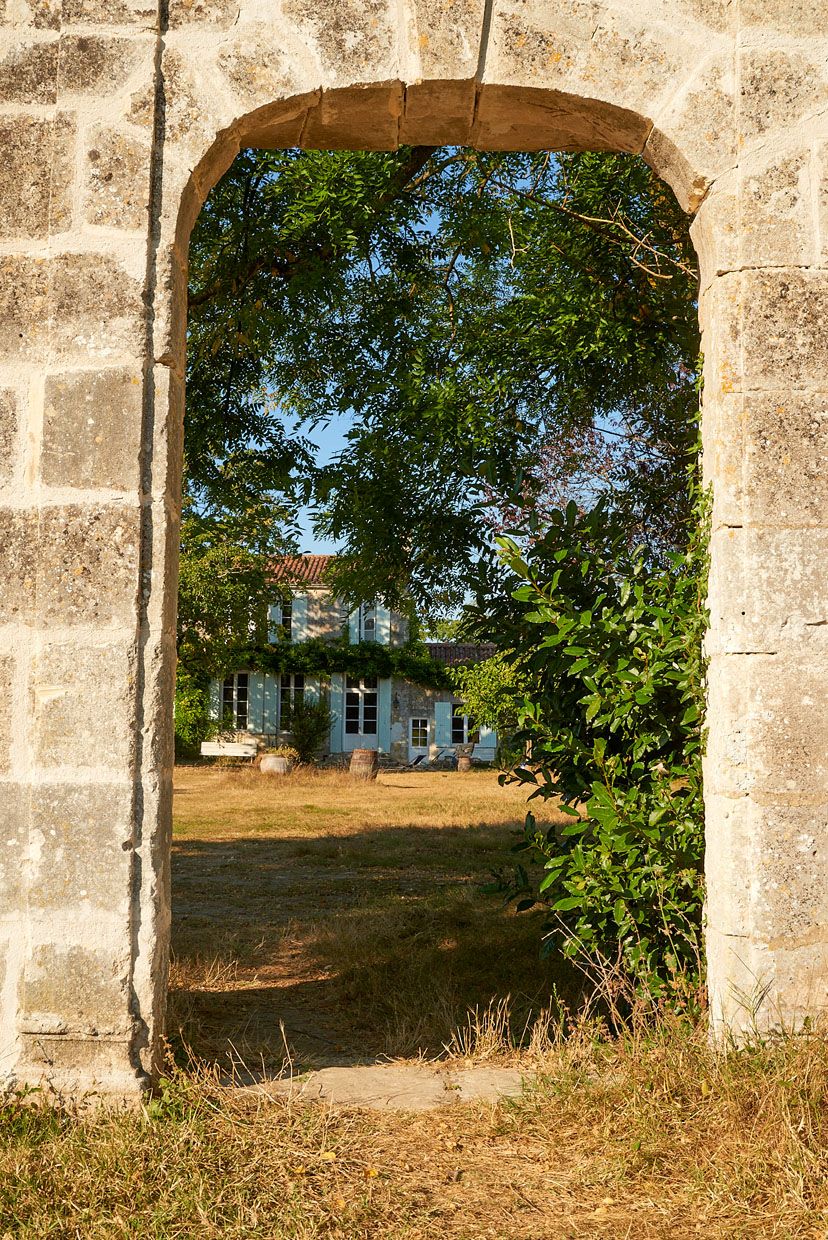
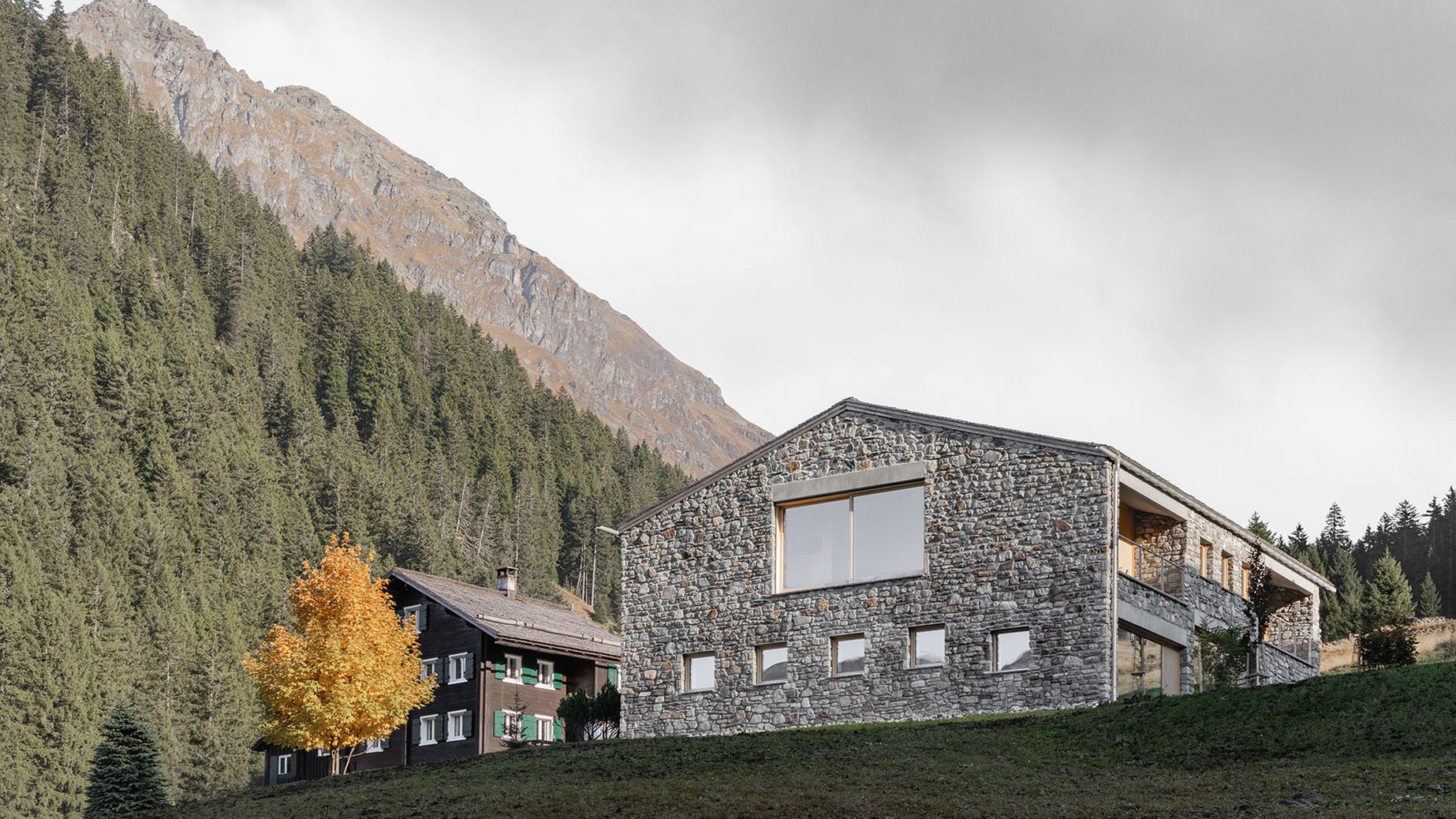
In the twelfth century, one of the most important Benedictine abbeys in France, situated 30 kilometres away in Saintes, founded a daughter cloister here. It was probably dissolved – just like its mother house – during the French Revolution; since then, the building has served a residential function, most recently as a second home. The outbuildings dating back to the eighteenth century were originally stables but have stood empty for 150 years.
At the time the family lived in the rather barren 9th Arrondissement – “the stoniest”, as Hanh-Claire describes it.
The family of seven discovered the four-hectare property while touring western and southern France in search of their future home. The youngest child was one year old at the time, the oldest ten. The parents, Hanh-Claire and Antoine, were dyed-in-the-wool city dwellers, having grown up in Paris and working in international firms. At the time the family lived in the rather barren 9th Arrondissement – “the stoniest”, as Hanh-Claire describes it. But they wanted to dare to change, to make the world a better place for themselves and their children. So, they explored France, drove to La Rochelle and from there south to the Cévennes and Montpellier. “But this is the region that felt right for us”, recalls Hanh-Claire. “We told ourselves that it would not get as hot here as it does in the south, and that we probably would not experience water shortages here either – which is a very important consideration for a vegetable farm”.
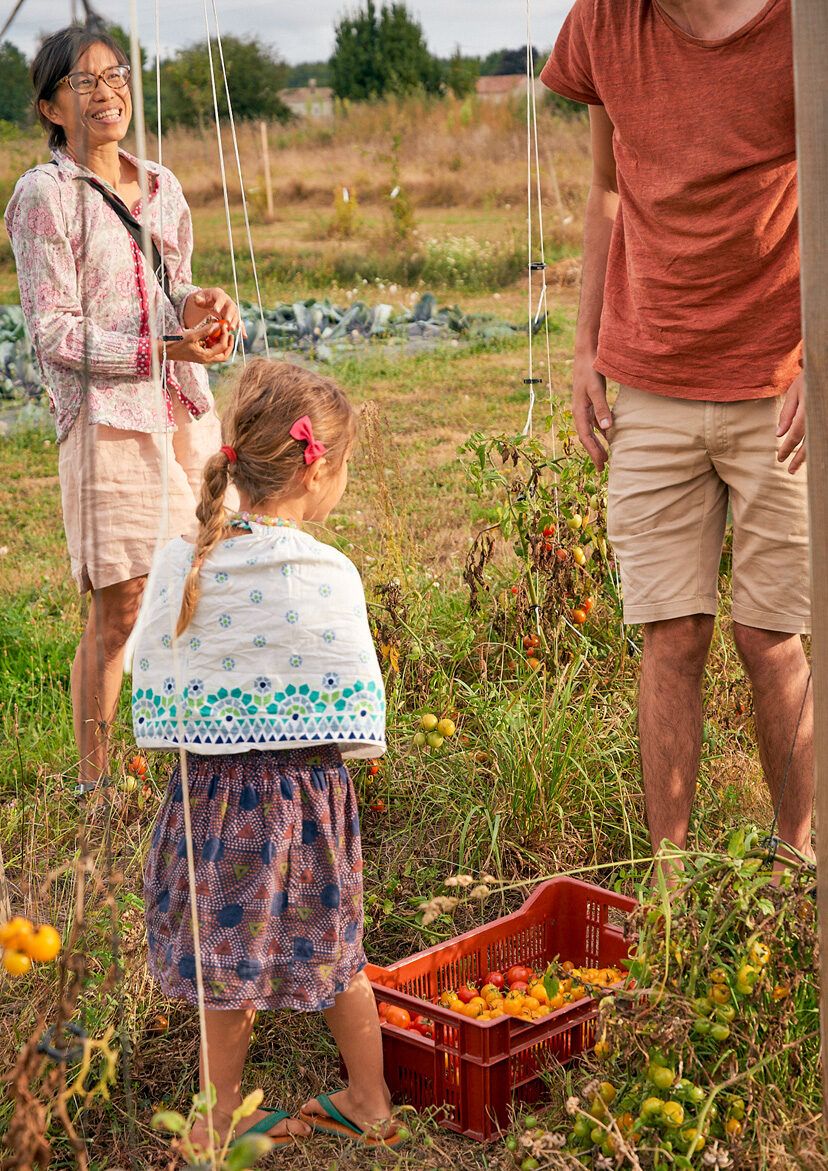
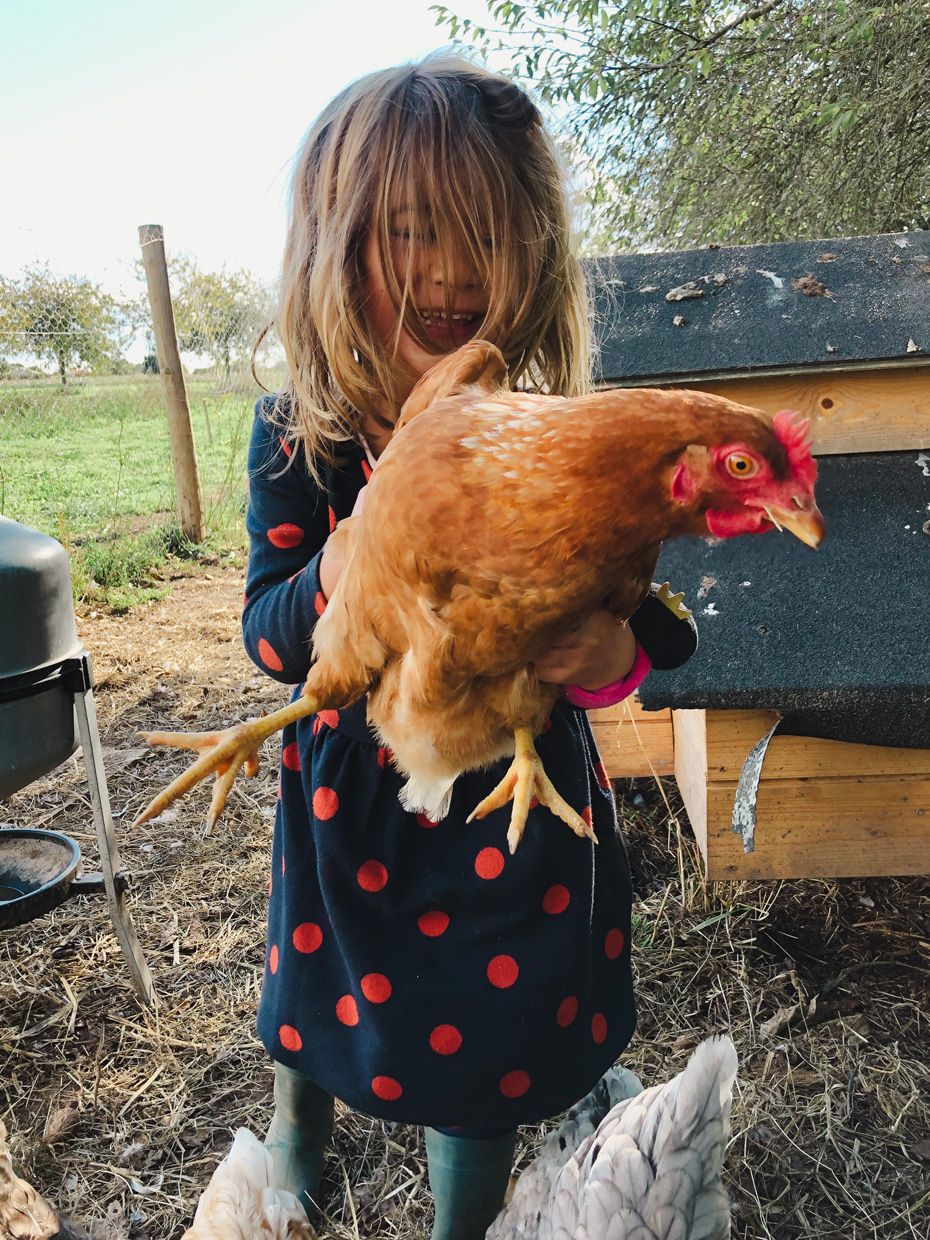
With the purchase successful, the family left Paris and moved to Charente-Maritime. Hanh-Claire and Antoine attended adult education courses on organic farming and set about establishing a fruit and vegetable farm that made sense to them on their four-hectare site: one requiring a lot of manual labour, which eschewed artificial fertilisers and chemical pesticides, but was still economically viable. “Until the phylloxera crisis in the 19th century there was viticulture on the estate, so we were relatively confident that the soil was good, and that it had been allowed to rest long enough to be free of chemicals”. At first, it was important to prove themselves to the locals, Hanh-Claire recalls:
“The local residents were reserved but curious. So, we worked hard, removing the overgrowth and preparing the soil – proving that we were serious”. It must have seemed odd to the village natives that two city dwellers wanted to try their hand at farming in this remote region. “Most of them probably did not expect us to last very long”.
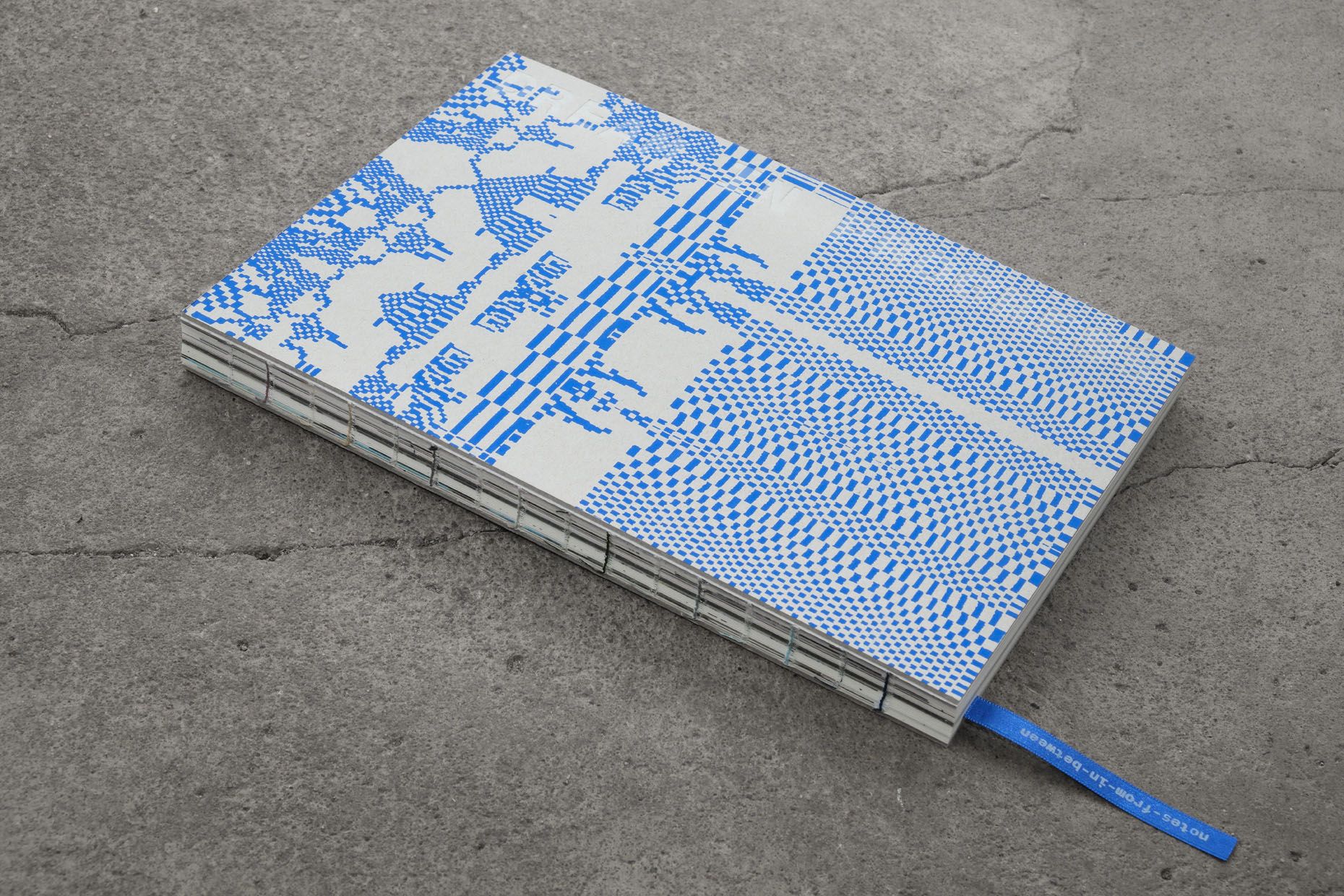
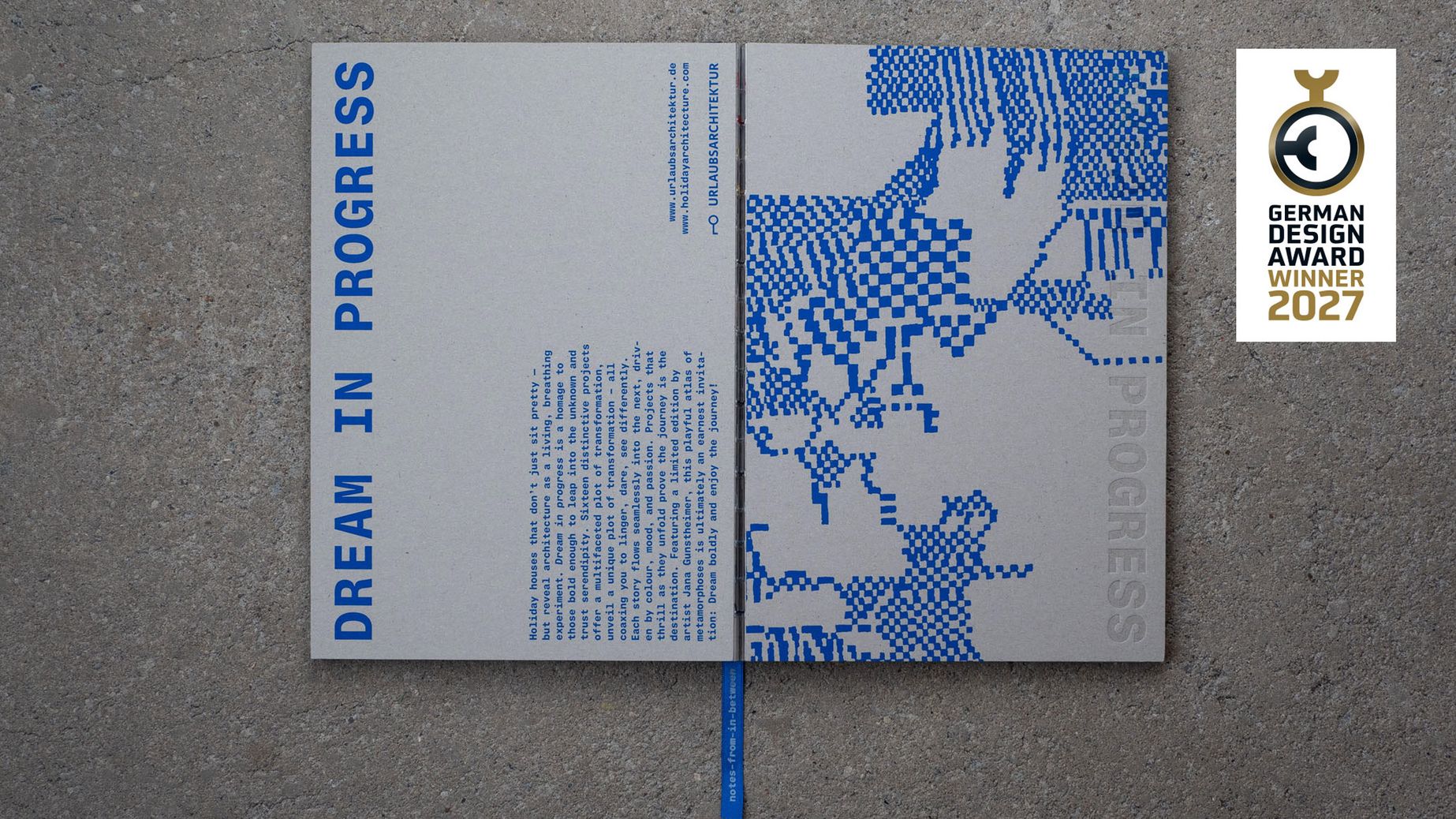
This article first appeared in our book Dream in Progress.
The book is a homage to those bold enough to leap into the unknown and trust serendipity. Sixteen distinctive projects offer a multifaceted plot of transformation – all coaxing you to see differently. Featuring a limited edition by artist Jana Gunstheimer, this playful atlas is ultimately an earnest invitation: Dream boldly and enjoy the journey!
You can purchase the book at any bookshop or directly from our online shop.
The two did not just have a plan to grow fruit and vegetables. From the outset, they had the idea of setting up vacation apartments in the large outbuildings, inspired by Italian and Greek hospitality models. Antoine emphasises that they did not invent this concept: “We’ve simply imported it. In these countries, there are working farms that also offer stylish accommodations”. That is rarely found in France. “Either it is a functioning farm that also rents out a few poorly furnished rooms. Or there are stylish alternative holiday spaces, where you’ve got at most a few straw bales, two cats, and three rabbits, to give the impression you are on a farm”.
In the twelfth century, one of the most important Benedictine abbeys in France, situated 30 kilometres away in Saintes, founded a daughter cloister here. It was probably dissolved – just like its mother house – during the French Revolution; since then, the building has served a residential function, most recently as a second home. The outbuildings dating back to the eighteenth century were originally stables but have stood empty for 150 years.
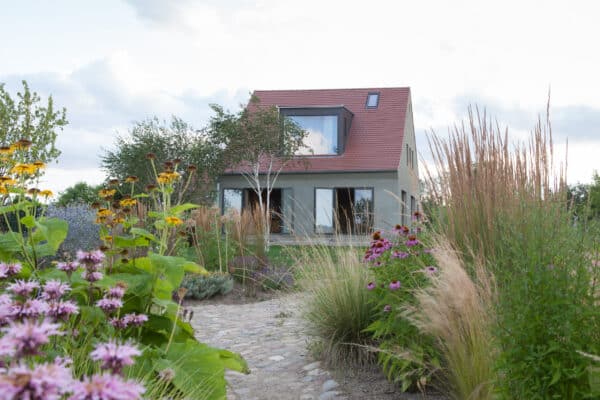
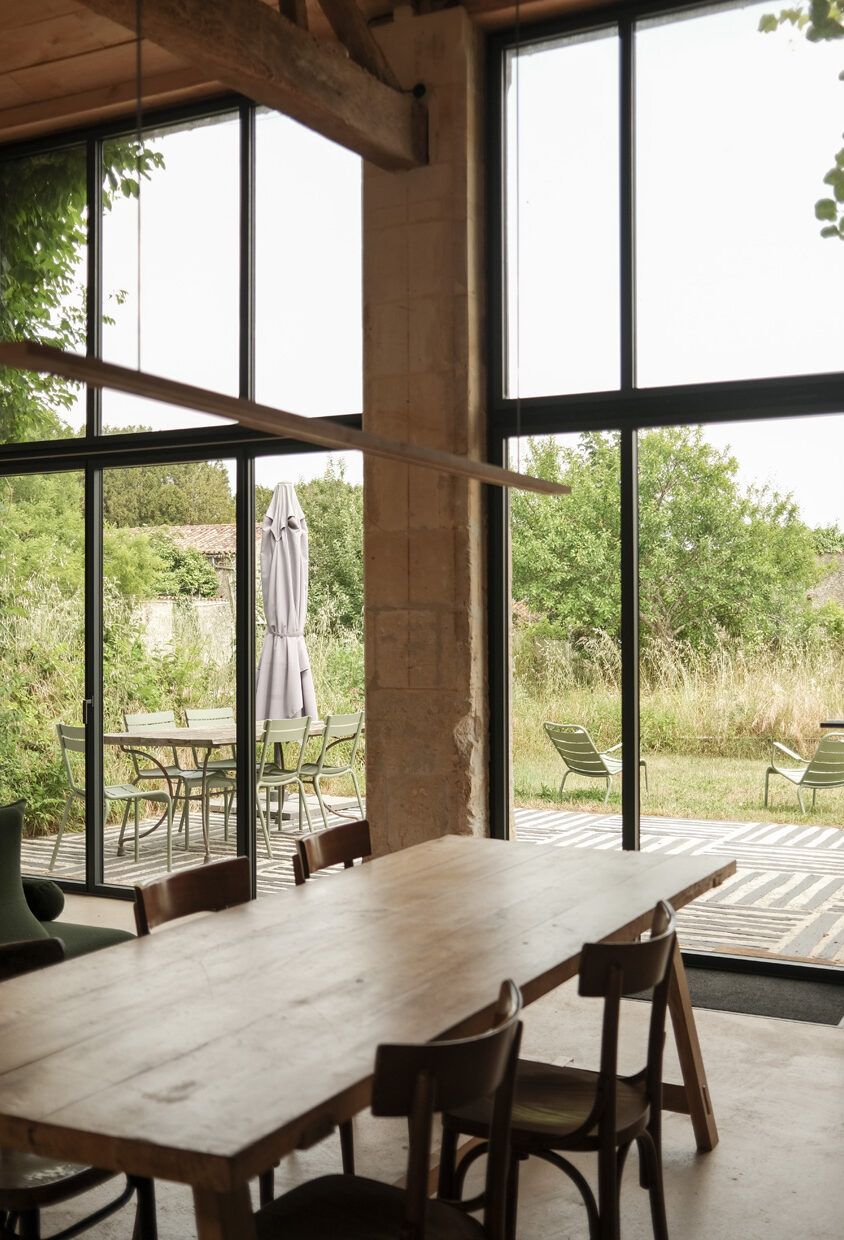
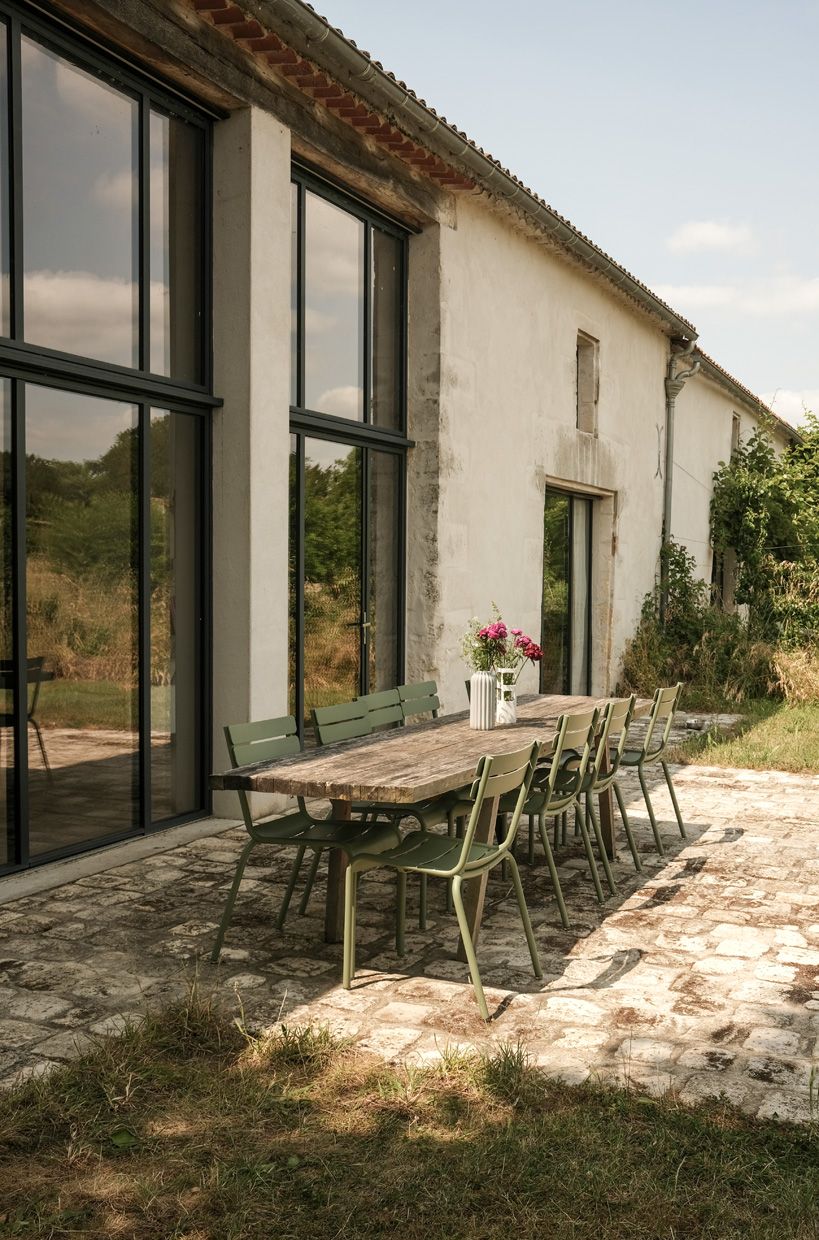
The adjacent buildings are perfect for the vacation rental project, as they are solid structures with 50-centimetre-thick walls. Hanh-Claire and Antoine wanted a modern, minimalist, yet cosy ambiance – and they pretty quickly had a sense of who could best help them achieve this. They knew the Swedish architect Anki Linde from their time in Paris. Antoine had already worked with her in his role as Marketing Director for Dyson France on the construction of its new French headquarters. The project wrapped up just before he and his family decided to leave the capital. “Of course, Anki couldn’t come here all the time for the construction. So, she just did the design, and we took care of the execution and construction management ourselves”, he explains.
Consequently, while building up the farm business, the couple was also busy completing a total of five holiday apartments. The two report that they simply felt like managing the construction site – especially since they already had some prior experience from their time in Paris. As Antoine elaborates, “This way we are familiar with everything here and can take care of things ourselves when repairs are necessary”.
Every time guests arrive and leave their things, it transforms the place and enlivens it in a whole new way.
Since 2020, a total of 36 guests can be accommodated at the Ferme de Brouage. “It is a very different kind of holidaymaking compared to elsewhere”, describes Hanh-Claire. Her husband says the pair gave the architect just one word as a briefing: “Monastic”. This is to say that, despite all the modern comforts, the appearance of the apartments should be very minimalist. “Every time guests arrive and leave their things, it transforms the place and enlivens it in a whole new way”, relates Hanh-Claire.
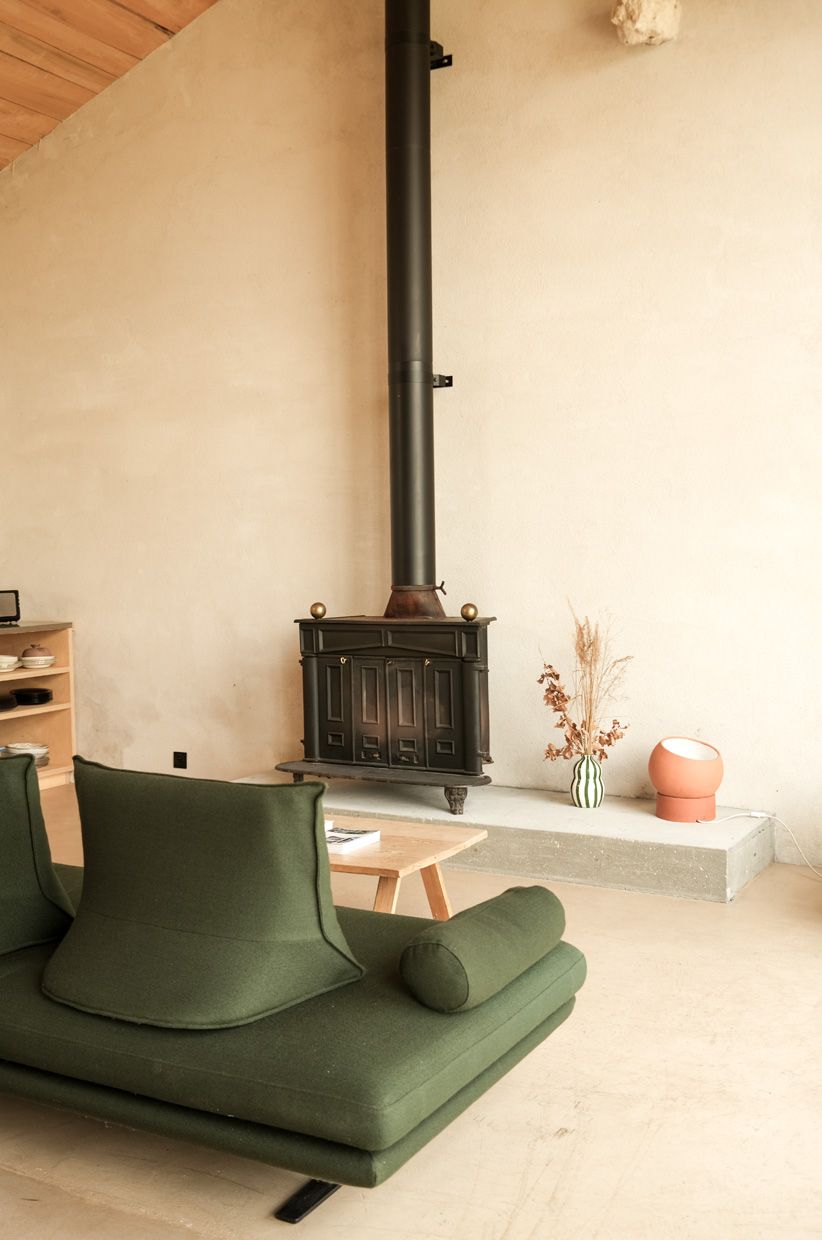
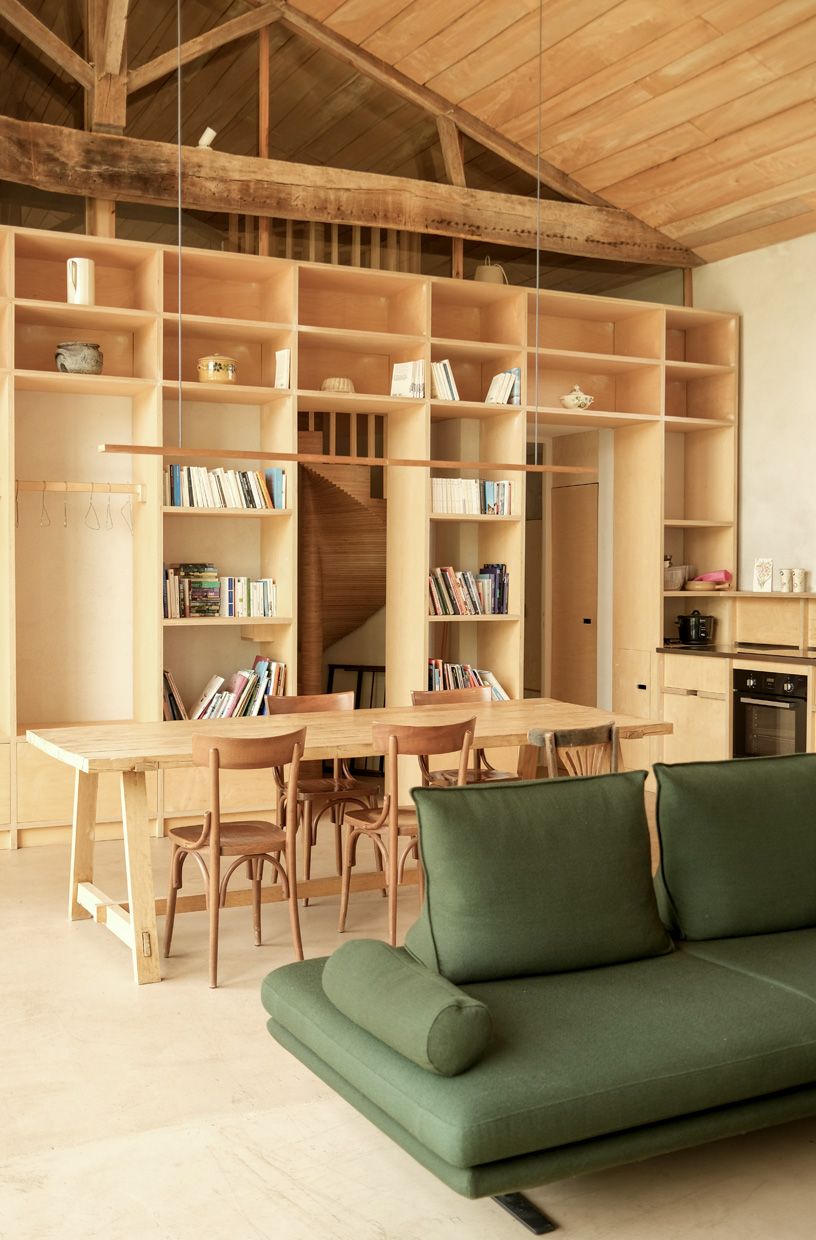
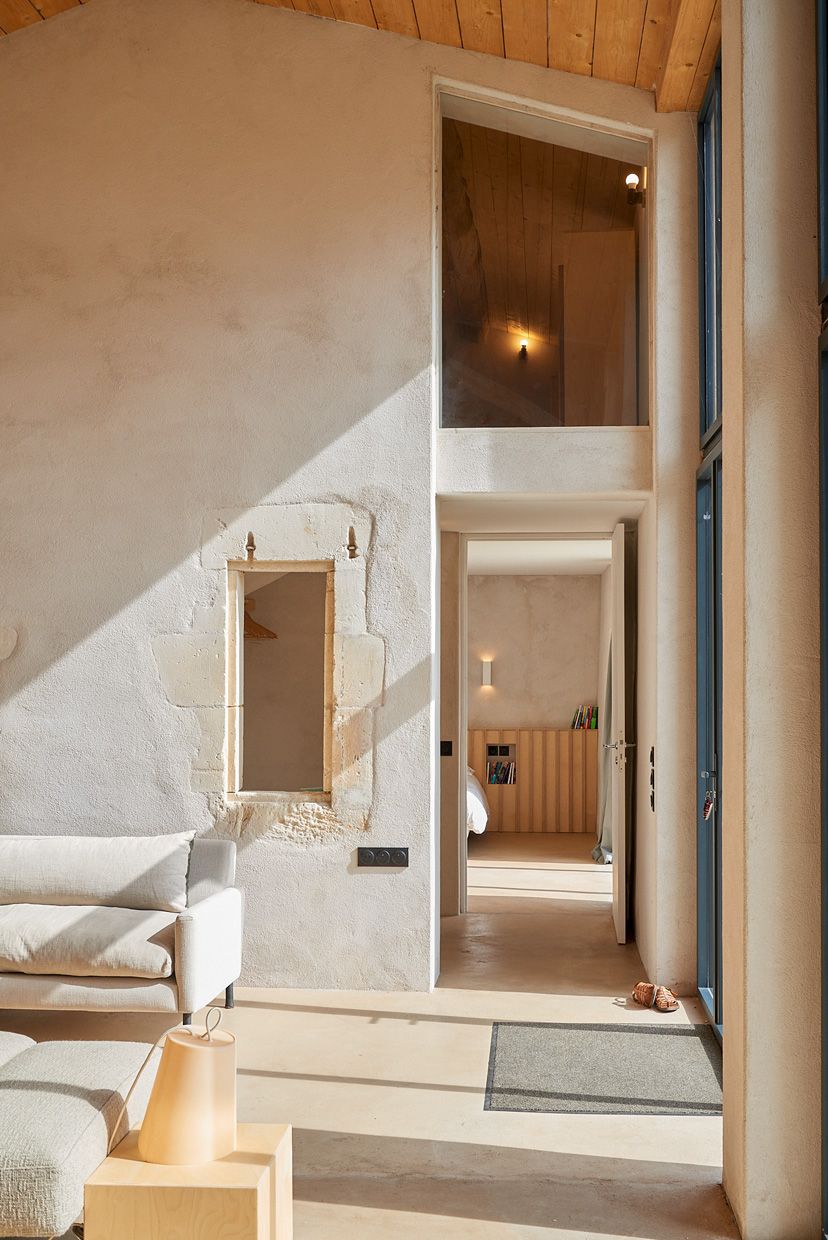
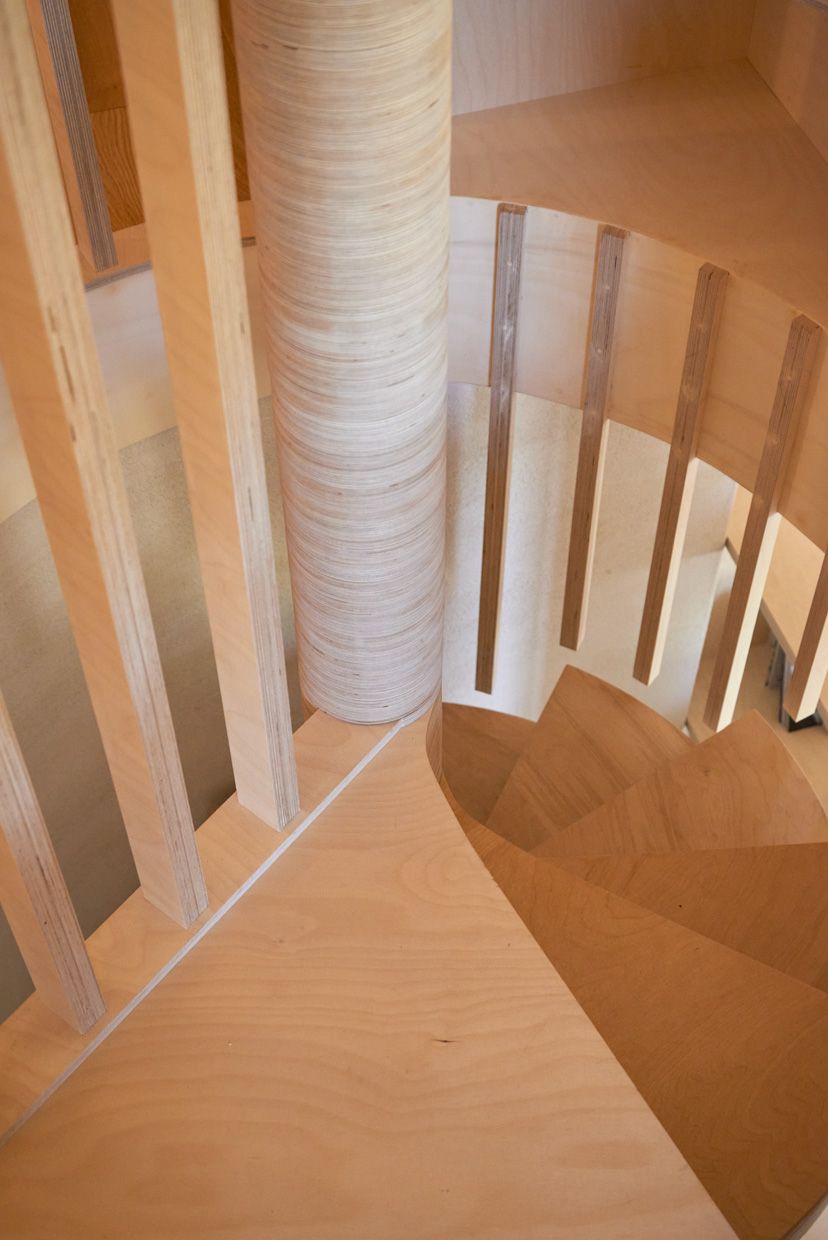
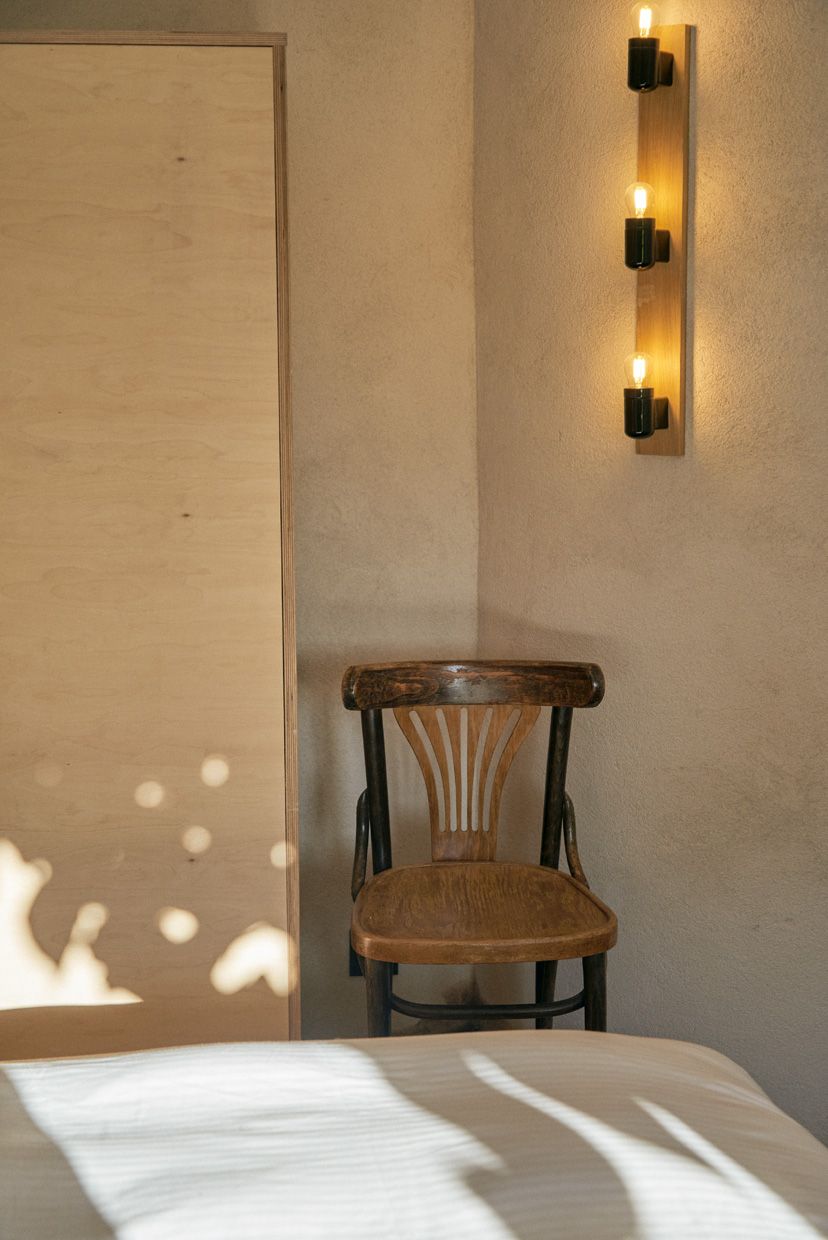
The idea is that simplicity enables guests to discover their own unique ways of relaxing. “You often come out of the hectic city and then it’s good to have some peace and quiet for your eyes”, explains Hanh-Claire. The design contributes to this objective: apart from the kitchen work surfaces, which are stainless steel, the apartments exclusively feature natural materials like stone and wood, clay and hemp.
There is no distracting decoration. The furniture is mostly second hand – it was important to them both to keep the ecological footprint of the entire project as small as possible.
This proximity to production actually has an impact on both children and adults alike. It makes people reflect on their own consumption.
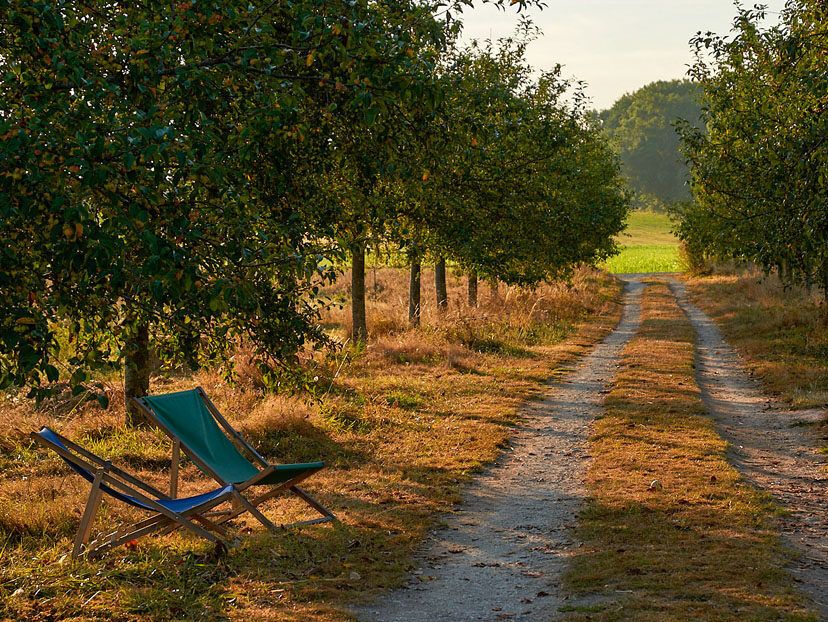
And so, every week, guests arrive from France and Belgium, from the Netherlands and Germany. Again and again you meet the two hosts or their children on the farm or in the fields. You can also meet at one of the evening events; the Ferme de Brouage hosts concerts, readings, or large dinners at a long trestle table in the greenhouse. Or you might encounter one of the “Artists in Residence” who regularly come to the farm in cooperation with the regional cultural directorate to work on their projects for a while. In this way, the Ferme de Brouage has developed into a kind of cultural centre in the village.
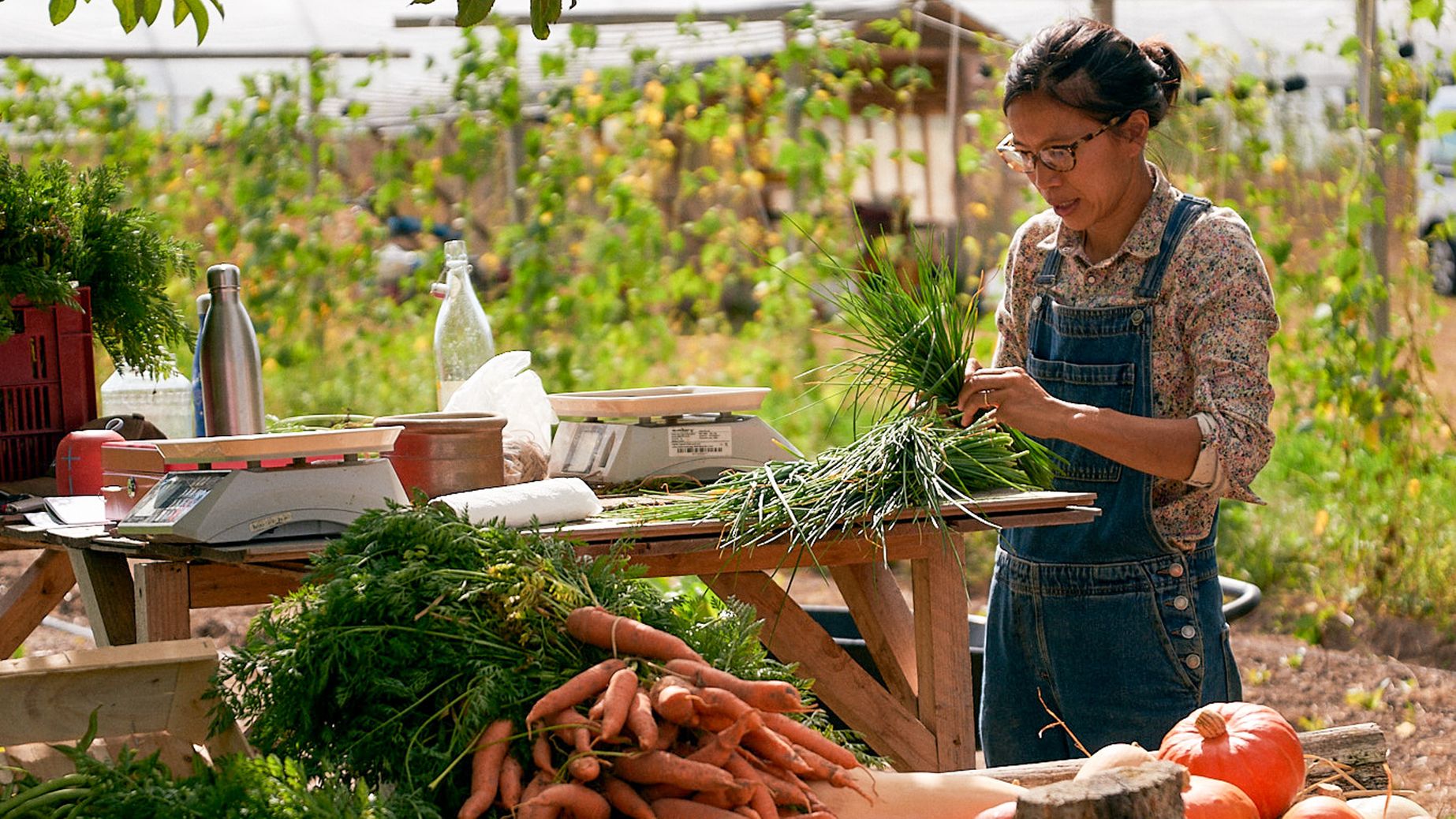
As one can imagine, Antoine and his wife have little time to rest in their daily lives – not least because they are in a constant process of experimenting, learning, and changing. “Vegetable farming was and still is the biggest unknown for both of us”, admits Antoine. It took them seven years to really be satisfied with the results. “But we are doing this out of conviction, not because it would bring in a lot of money”. To satisfy the requirements of ambitious regional chefs, they, along with their team, grow 50 different types of fruits and vegetables, including 25 different tomatoes, six types of aubergines and ten sorts of peppers,along with flowers and herbs. “The prerequisite is always that the result is excellent even without the use of chemical fertilisers”, says Antoine. That is why he also relies on low-maintenance crops like savoycabbage, lettuce, beetroot, and fennel, which are well-adapted to the region’s soil and climate.
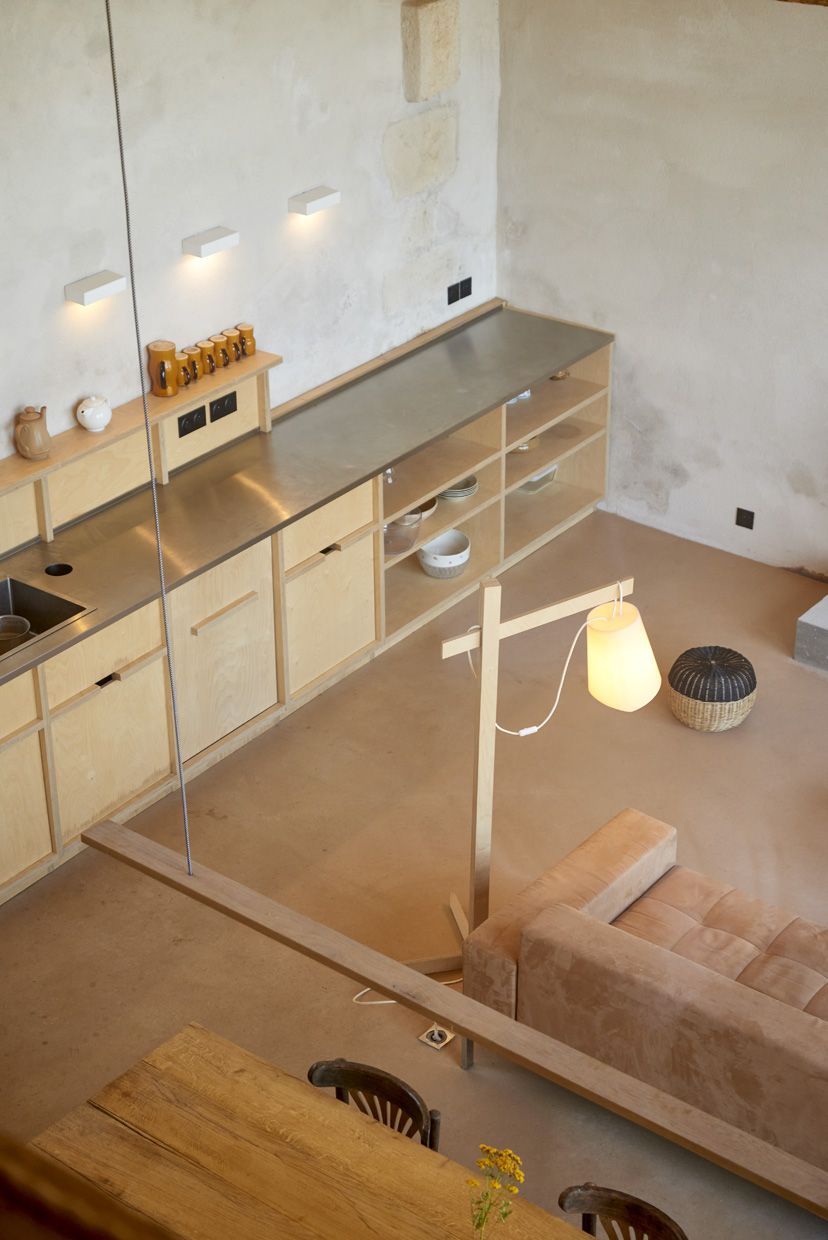
The holiday apartment guests also benefit from all the hoeing, weeding,and thinning. The farm’s concept includes that guests can obtain an unlimited supply of fruit, vegetables, flowers, and herbs from Antoine and Hanh-Claire’s fields, with which they can cook for family or friends. Consequently, the kitchens in the holi-day apartments are comprehensively equipped, so that it is a real pleasure to prepare cabbage, carrots, tomatoes, and zucchini. That’s exactly what makes it special”, observes Antoine. “The vegetable garden is not just here as a display to attract guests. They can harvest the same pro-duce for themselves that we pack into the crates destined for Michelin-starred restaurants”.
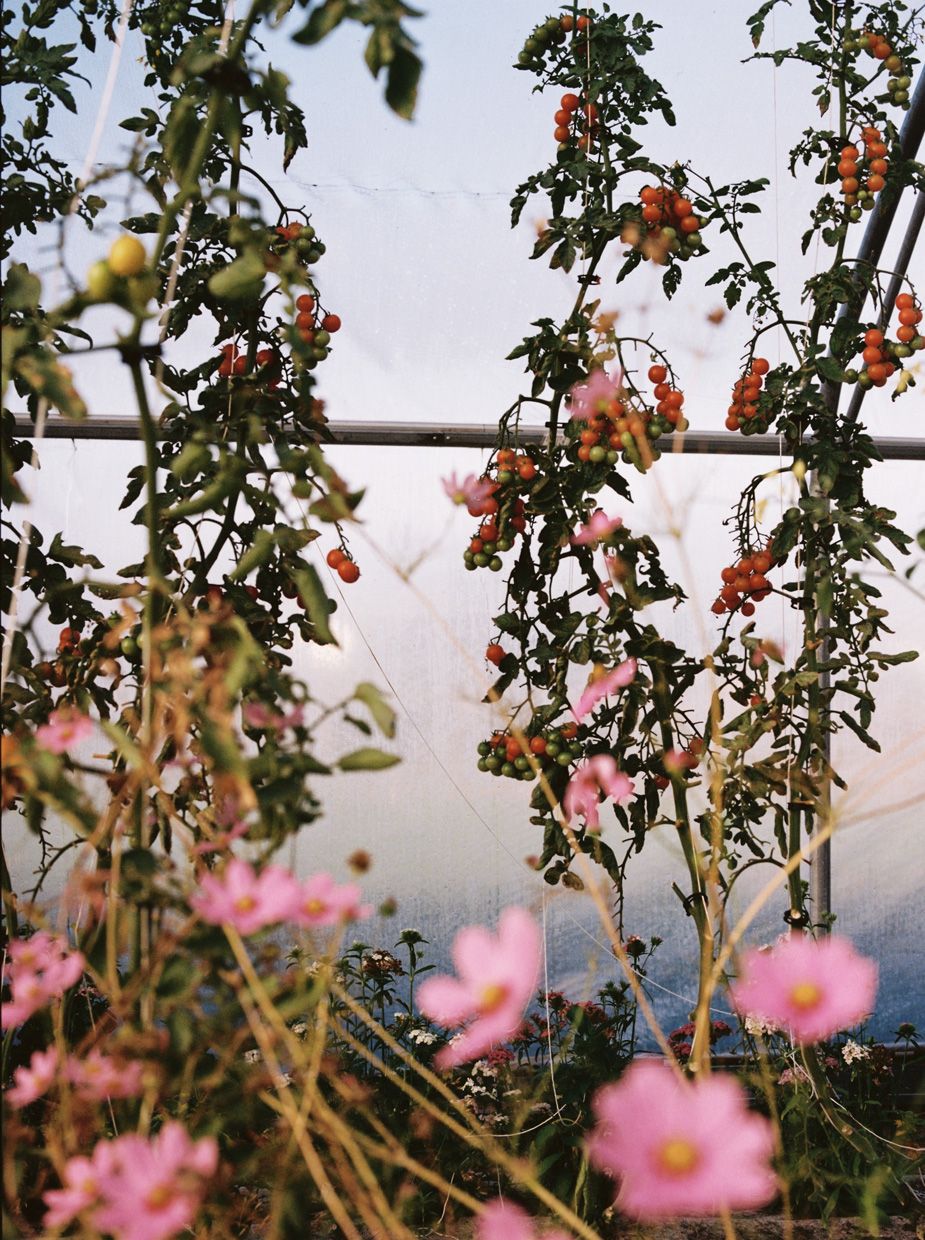
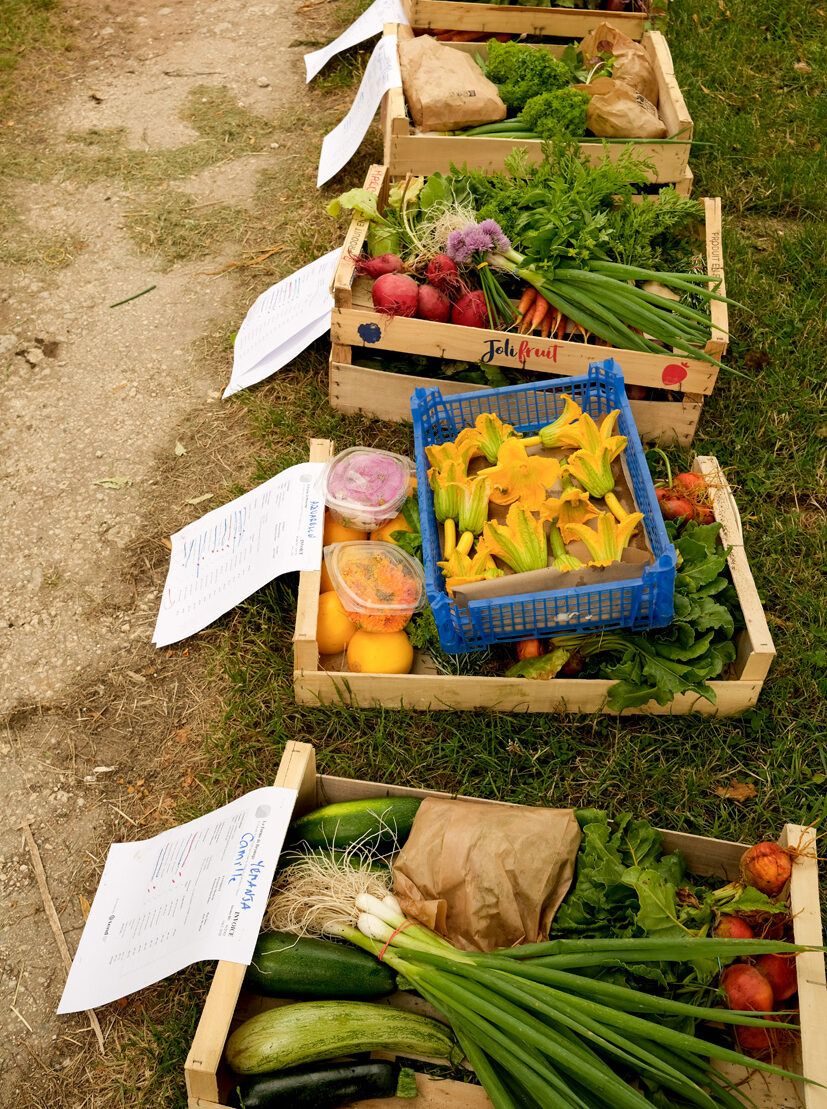
This creates a special relationship between the hosts and their visitors. “Many guests, especially those from Germany and the Netherlands, come to us specifically because of our vegetable cultivation”, remarks Antoine. He recounts how a cook from Potsdam, who was there with his family, suddenly came to him and his employees on the field with a plate in hishand: “He had arranged the dish incredibly beautifully and came to me with it – while I was kneeling on all fours next to the carrots. But he really wanted me to try it”.
For Antoine and Hanh-Claire, how-ever, the transformation is far from over. “We have a real passion for making new projects a reality”, he admits. The next ones are already being planned: a hall is to be built in 2026 so that cultural events can be less dependent on the weather. And so, the Ferme de Brouage will change a little again.
Words: Barbara Hallmann
Photos: Antoine Leveque & Friends
This article first appeared in our book Dream in Progress. The book is available to purchase from our shop.
0 Comments