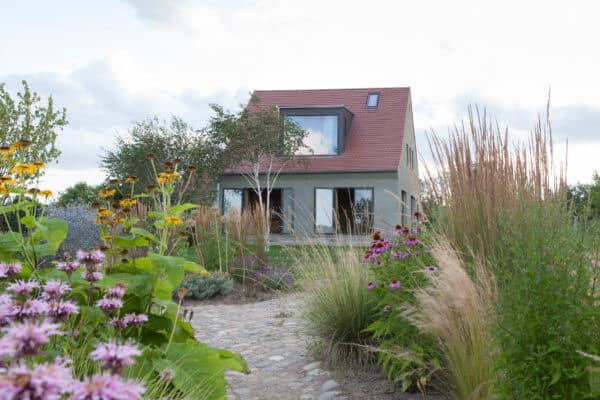
Late Modernism, Second Life
Exploring the Danish functionalism of Arne Jacobsen and Otto Weitling in Germany: a journey to a West German–Danish modernism that is now being reevaluated.
Some buildings need time before they can be seen in a new light. In the early decades, they were regarded as symbols of a present looking resolutely to the future. Later, they appeared too austere, too austere, too much defined by concrete, grids and large-scale forms. Today, many of them stand at a third stage: no longer new, yet far from having told their full story.
This applies in a particular way to the German buildings by Arne Jacobsen and Otto Weitling. They are scattered across the former Federal Republic: in Berlin, Hanover, Hamburg, on Fehmarn, in Castrop-Rauxel and Mainz. Anyone wishing to understand them must travel. To atrium houses in Berlin’s Hansaviertel, to a glass foyer in the Herrenhausen Gardens in Hanover, to a school in Hamburg’s Othmarschen district, to a former corporate headquarters in Hamburg’s City Nord, to a holiday resort on the Baltic coast, and to town halls in the Ruhr region and on the Rhine.
I have been engaged with these buildings for years: as an author, curator and through places that hold personal significance for me. I know Fehmarn and Burgtiefe not only from archives, documents and books, but from earliest childhood. It becomes particularly clear there how architecture first becomes part of everyday life, then fades into the background, and eventually has to be recognised once again as Baukultur. Taken together, these places tell the story of a West German–Danish modernism of the 1960s and 1970s. Of a Federal Republic searching for new forms of housing, education, administration, leisure and public life. And of architects who did not import Nordic Functionalism as a style, but translated it into concrete tasks: into floor plans, materials, squares and spaces for everyday life.
To this day, Arne Jacobsen is known in Germany above all as a product designer. His architecture is less mobile than a chair, a lamp or a set of cutlery. It cannot simply be collected or moved elsewhere. It stands in places that themselves have changed, and with them the way these buildings are perceived has also changed. All of these buildings are listed or form part of protected ensembles. Protection alone, however, does not bring them into the 21st century. They must be renovated, used, explained and, at times, reassessed in the light of old judgements. That is precisely why this journey is worthwhile: it leads to a late modernism that no longer appears self-evidently modern and yet is capable of becoming contemporary once again.
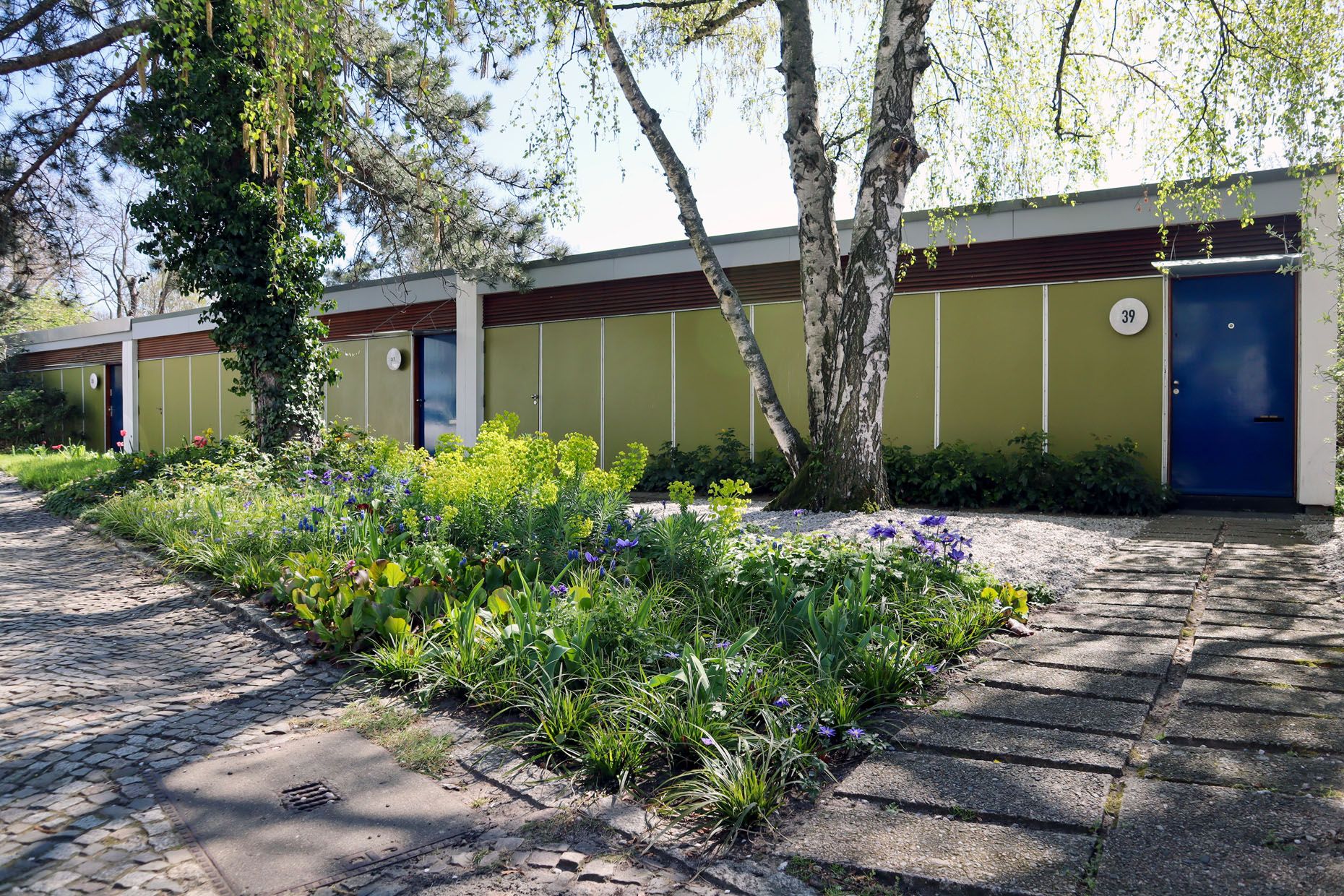
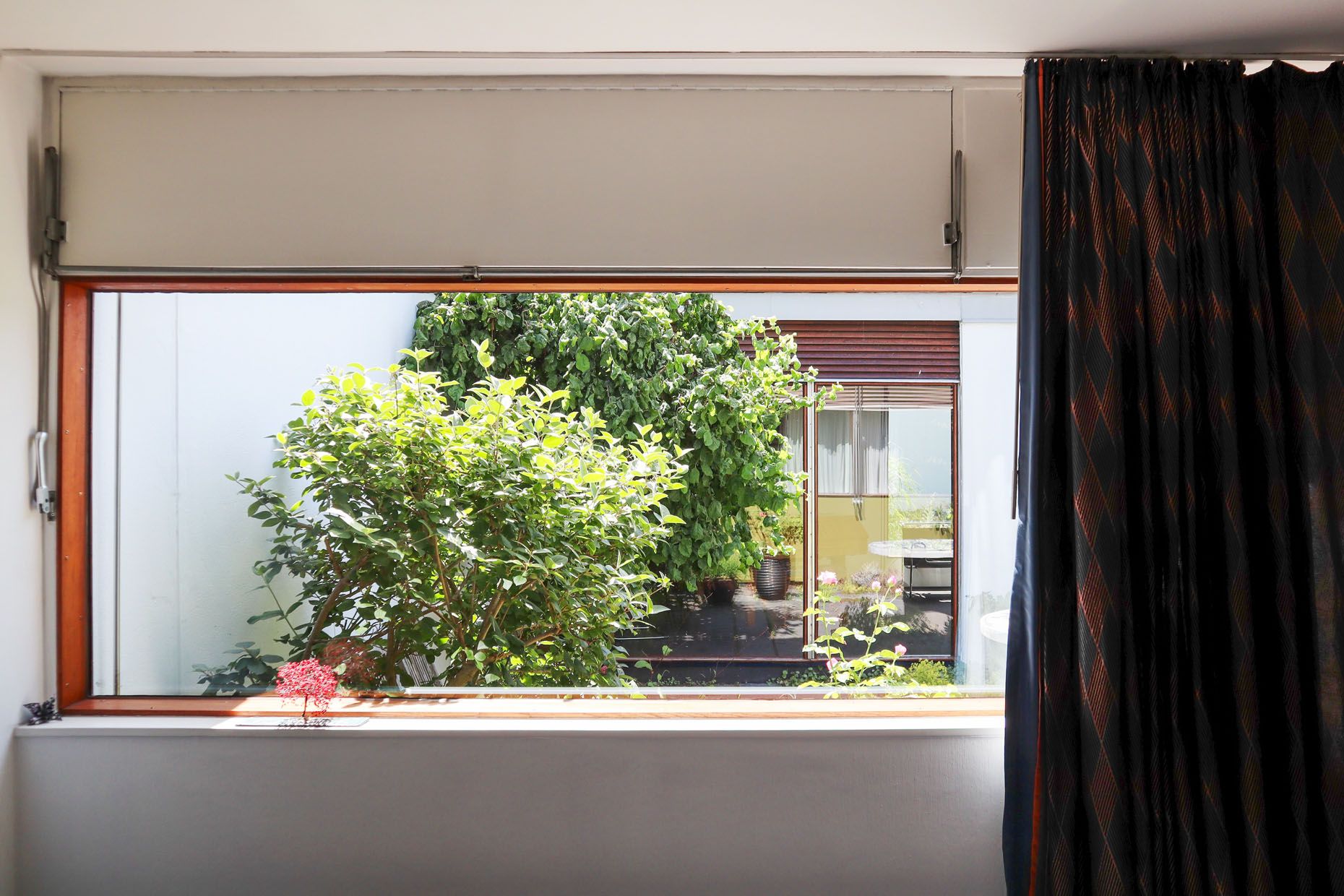
In Berlin, this journey begins quietly. For the Interbau exhibition of 1957, Jacobsen designed four atrium houses in the Hansaviertel district. They are characterised by scale, retreat and closeness. They organise living through light, walls, gardens and short distances. Anyone passing by today will not encounter a grand gesture. This is an initial clue to understanding Jacobsen and Weitling in Germany: their buildings rarely reveal themselves through a single image. They require a second glance, movement and use.
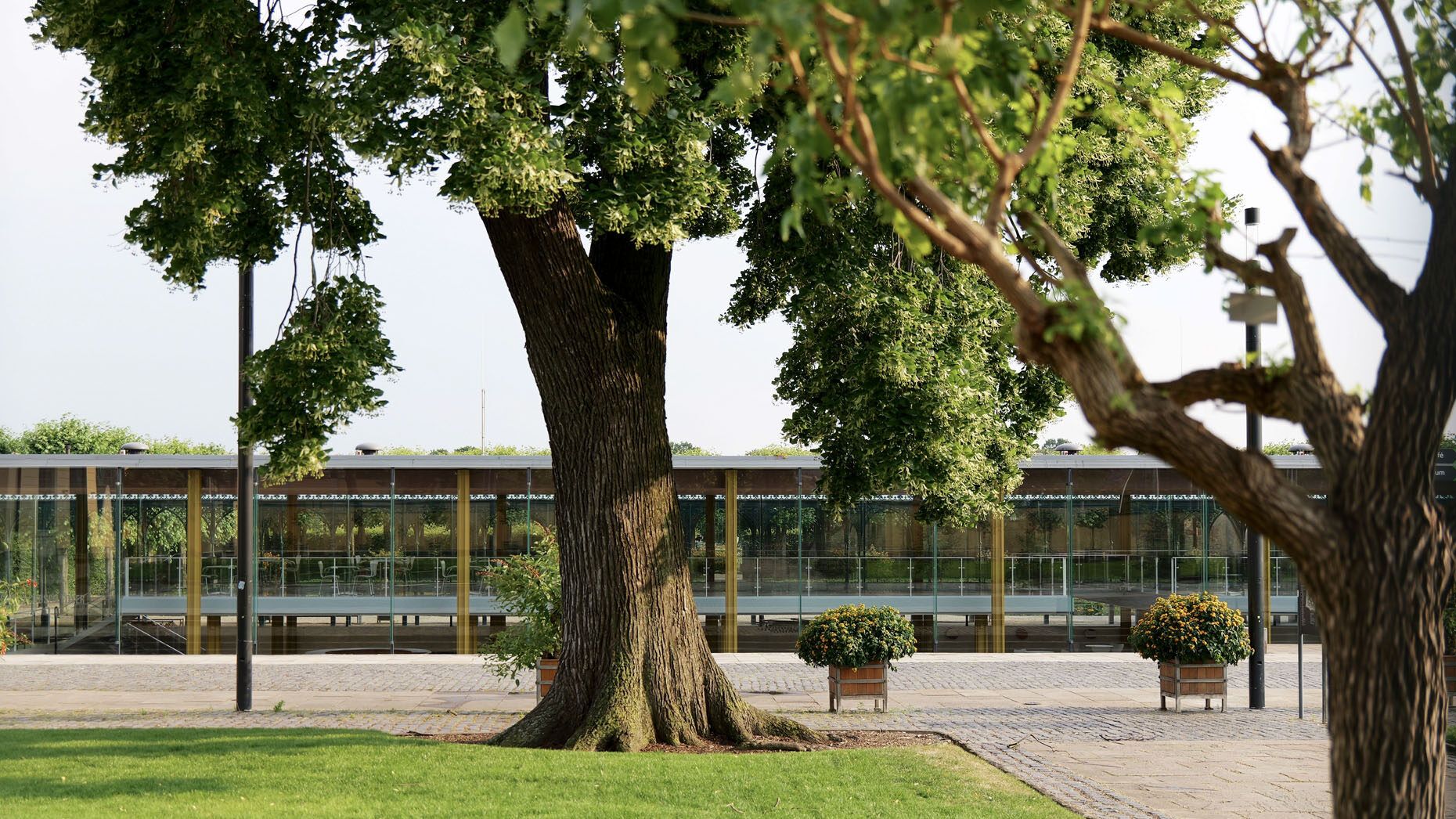
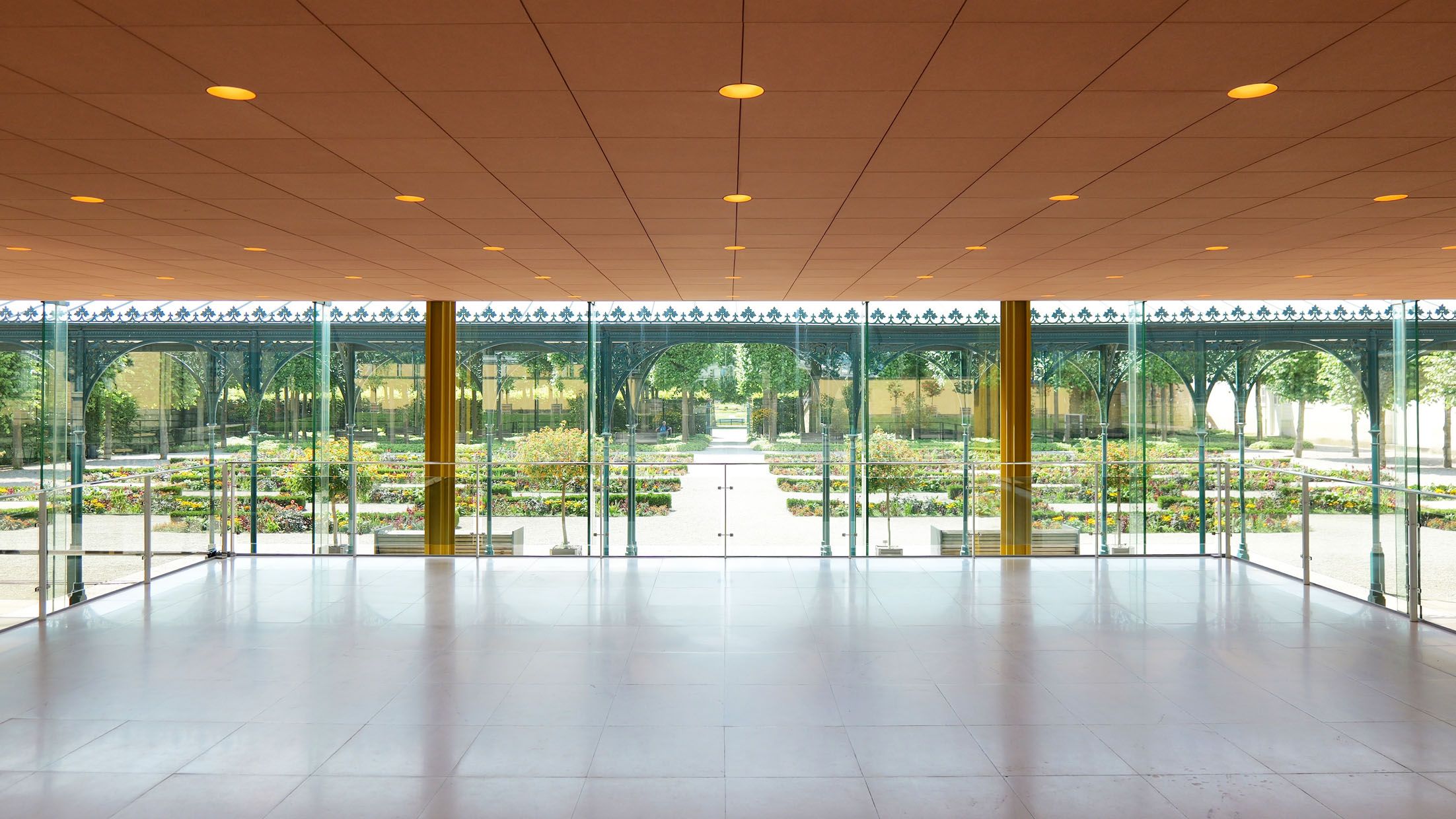
In Hanover, the architecture becomes more transparent. The Arne Jacobsen Foyer in the Herrenhausen Gardens was opened in 1966 and refurbished in 2018. Located at the edge of a historic ensemble, it works with glass, steel, light and restraint. The building frames the transition between garden and event space, between Baroque order and post-war modernism. After the refurbishment, what one notices above all is the building itself, not the refurbishment. That is precisely the achievement: the technology was renewed, while the character remained intact.
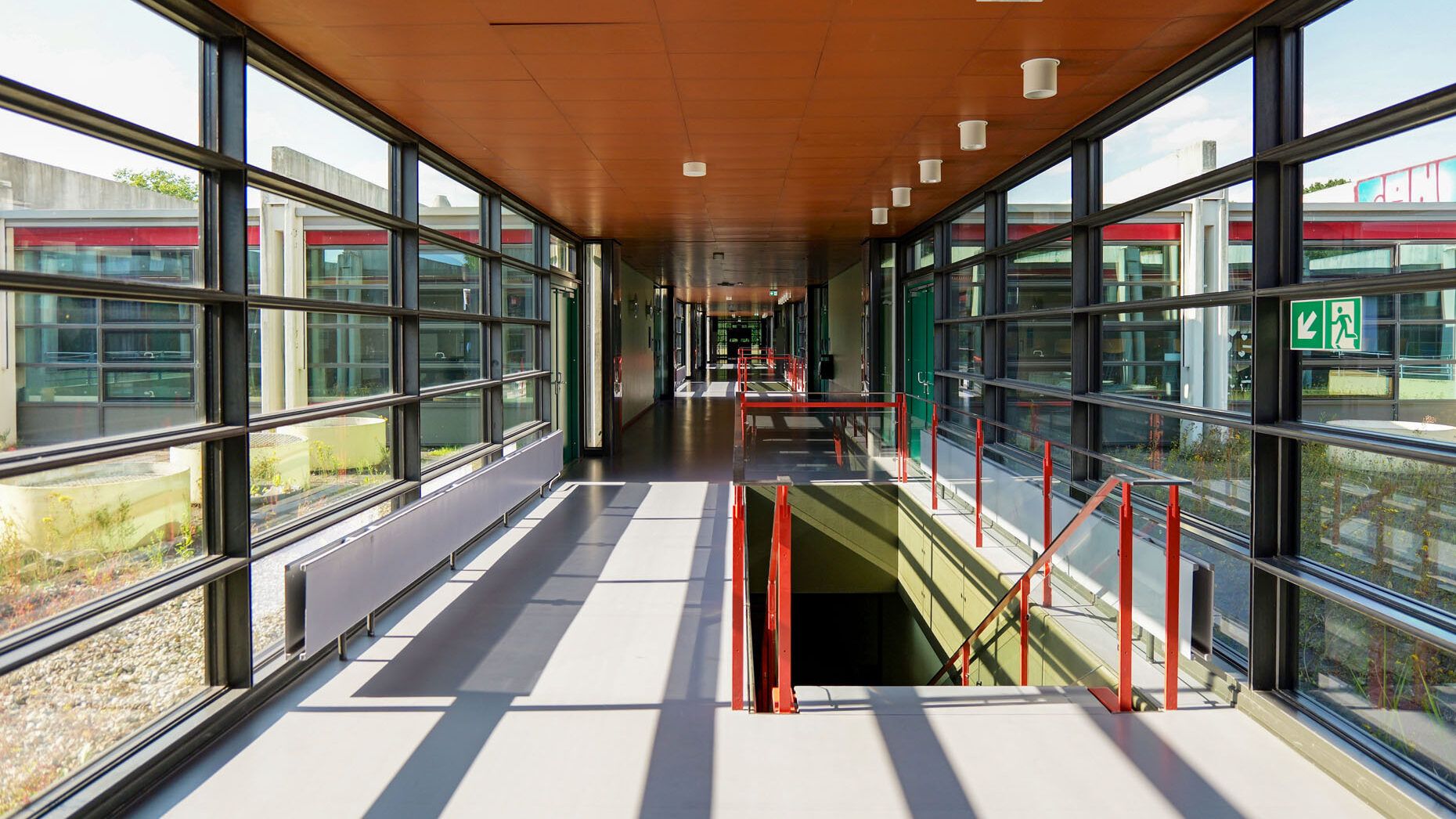
Hamburg presents two other interpretations. The Christianeum, a grammar school in the Othmarschen district, was built between 1968 and 1971. Its external concrete support structure, glazed façades, interior colour scheme and pavilion-like classrooms turn the school building into a learning environment of the late modern period. Both exterior and interior, including parts of the furnishings, are listed. The comprehensive interior refurbishment, completed in 2017, demonstrates how much coordination is required when fire protection, hazardous materials, everyday school operations and original building fabric all come together in a structure of this kind.
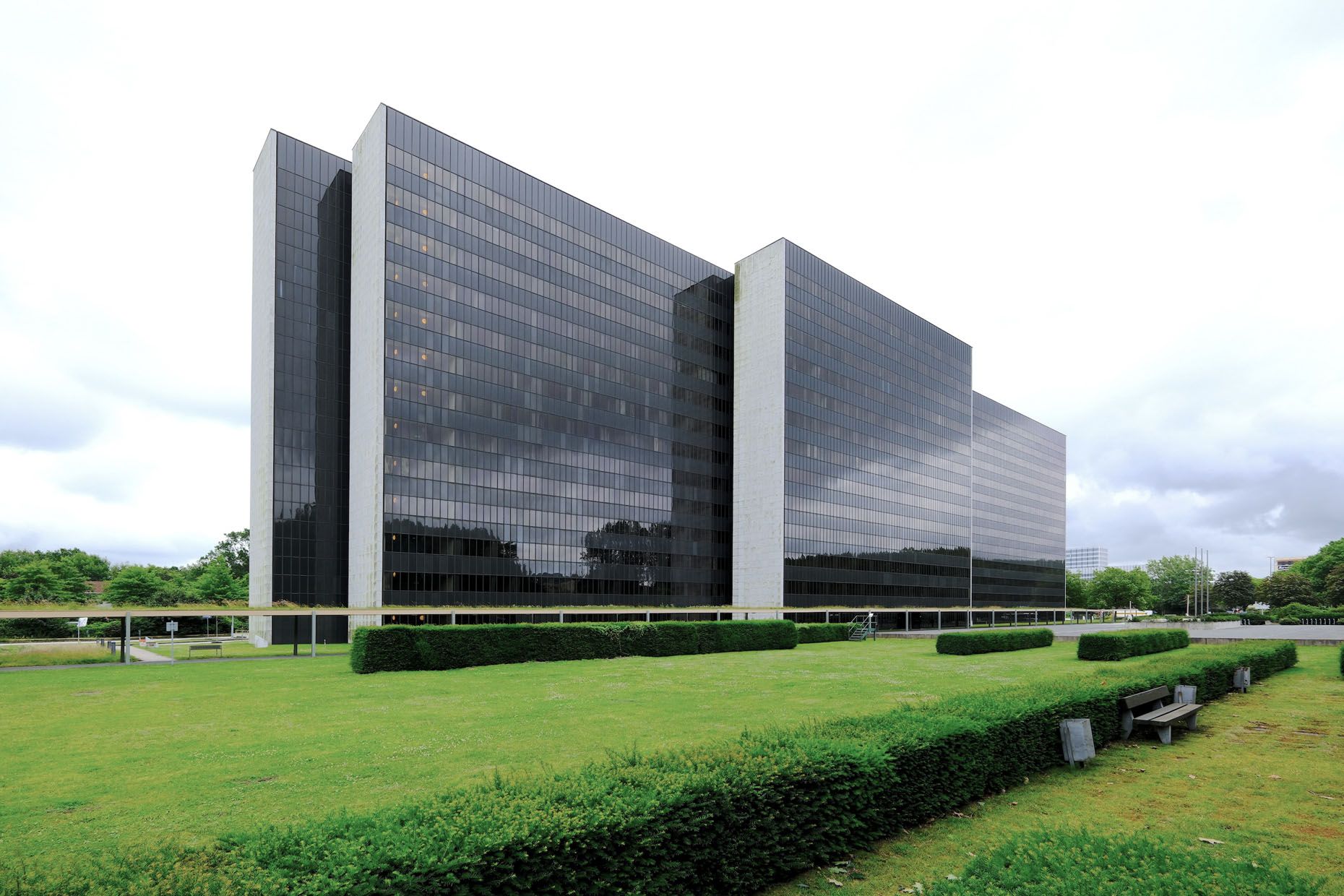
In the City Nord office district stands the Arne Jacobsen Haus, formerly the headquarters of HEW and later of Vattenfall. The slab-like high-rise, with its monolithic appearance, was inaugurated in 1969 and is among Hamburg’s best-known administrative buildings. Today, the structure is being revitalised in accordance with its listed status. In future, it will house the Hamburg-Nord district authority. A former corporate headquarters is thus becoming an administrative building embedded in the everyday life of the city. The façade must be upgraded to improve energy efficiency, while the interior has to accommodate new working environments. The project demonstrates what is at stake with many buildings from this era: the decisive question is not whether they are still considered beautiful enough, but whether they are robust enough to take on new functions.
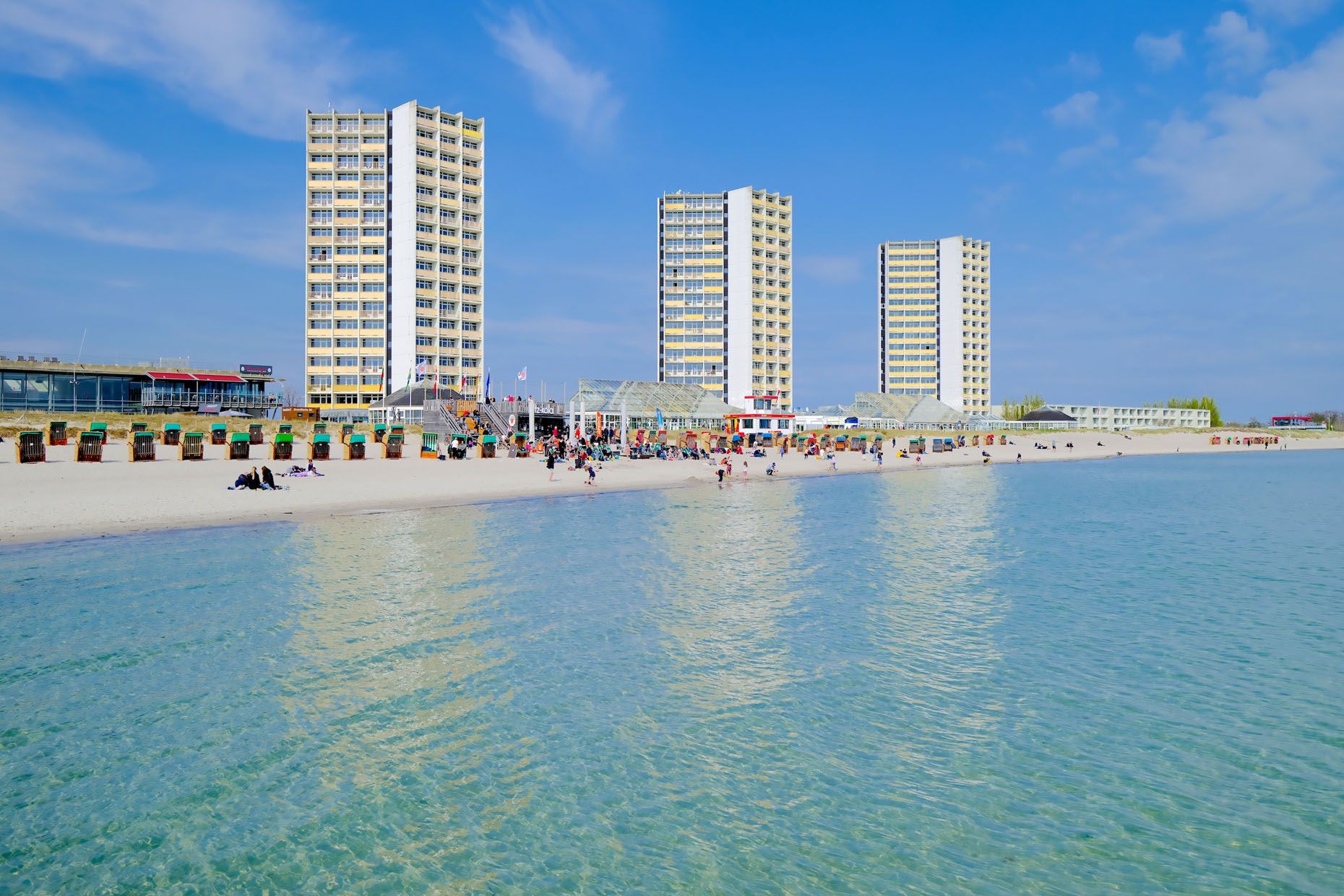
On Fehmarn, West German–Danish modernism becomes holiday architecture. In Burgtiefe, on the Südstrand, the two Danish architects designed from the 1960s onwards a complex consisting of apartment buildings, bungalows, the distinctive high-rise towers, the Haus des Gastes and a seawater wave pool. The municipality of Burg wanted a modern seaside resort. The architects responded with landscape, pathways, sea and openness. Much has changed since then; some elements were lost, others have remained remarkably effective. Since 2004, the ensemble has been listed. Those spending their holidays there may well be sleeping within a piece of architectural history without even realising it.
Burgtiefe is not an ideal place of remembrance. That is precisely what makes it interesting. The complex tells not only a story of design, but also of profitability, mass tourism, private apartments, refurbishment issues and the long road towards recognition. The old conflict remains visible: how much comfort is expected today? How much existing fabric is one prepared to accept? And at what point does good holiday architecture begin not with something new, but with continuing what already exists?
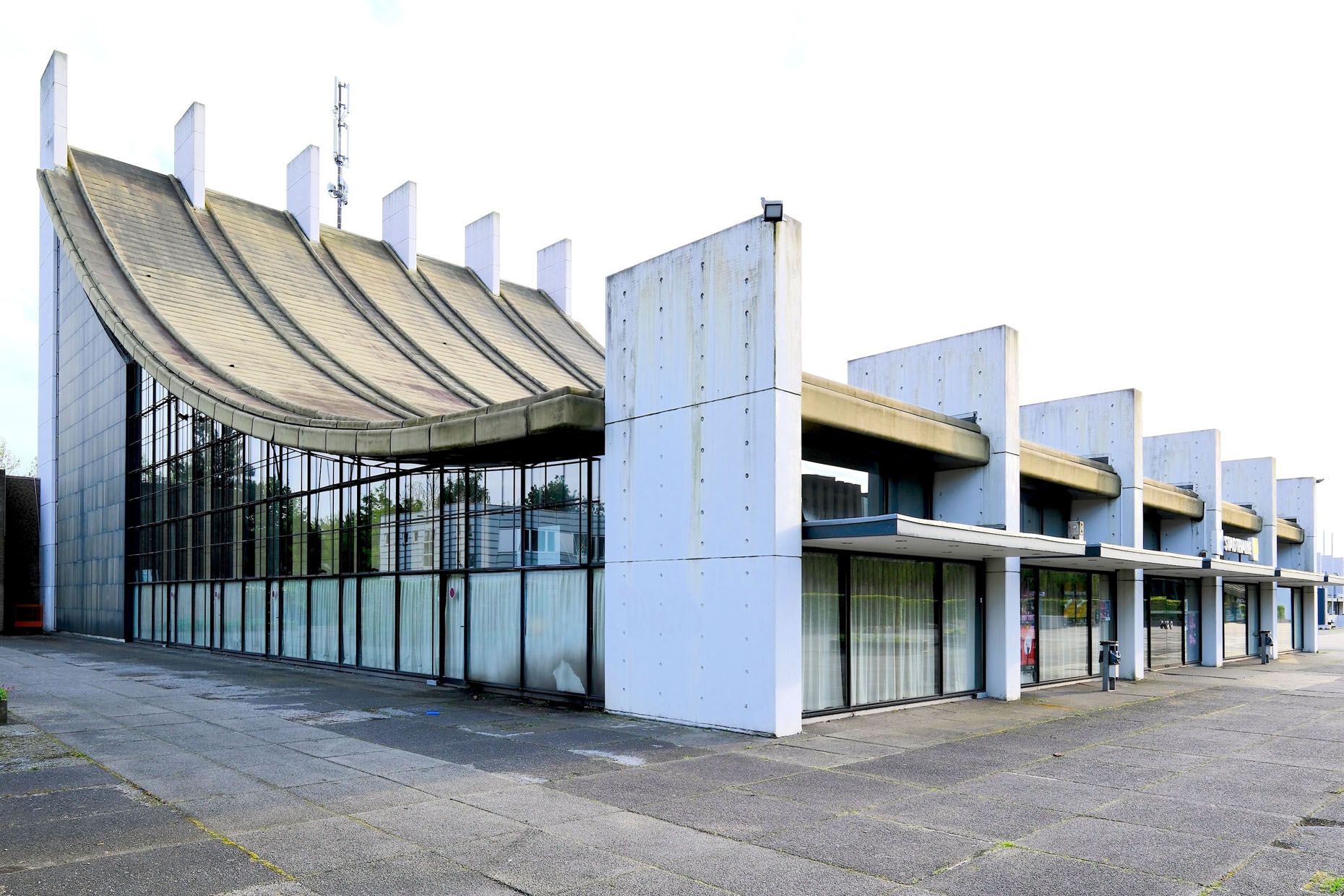
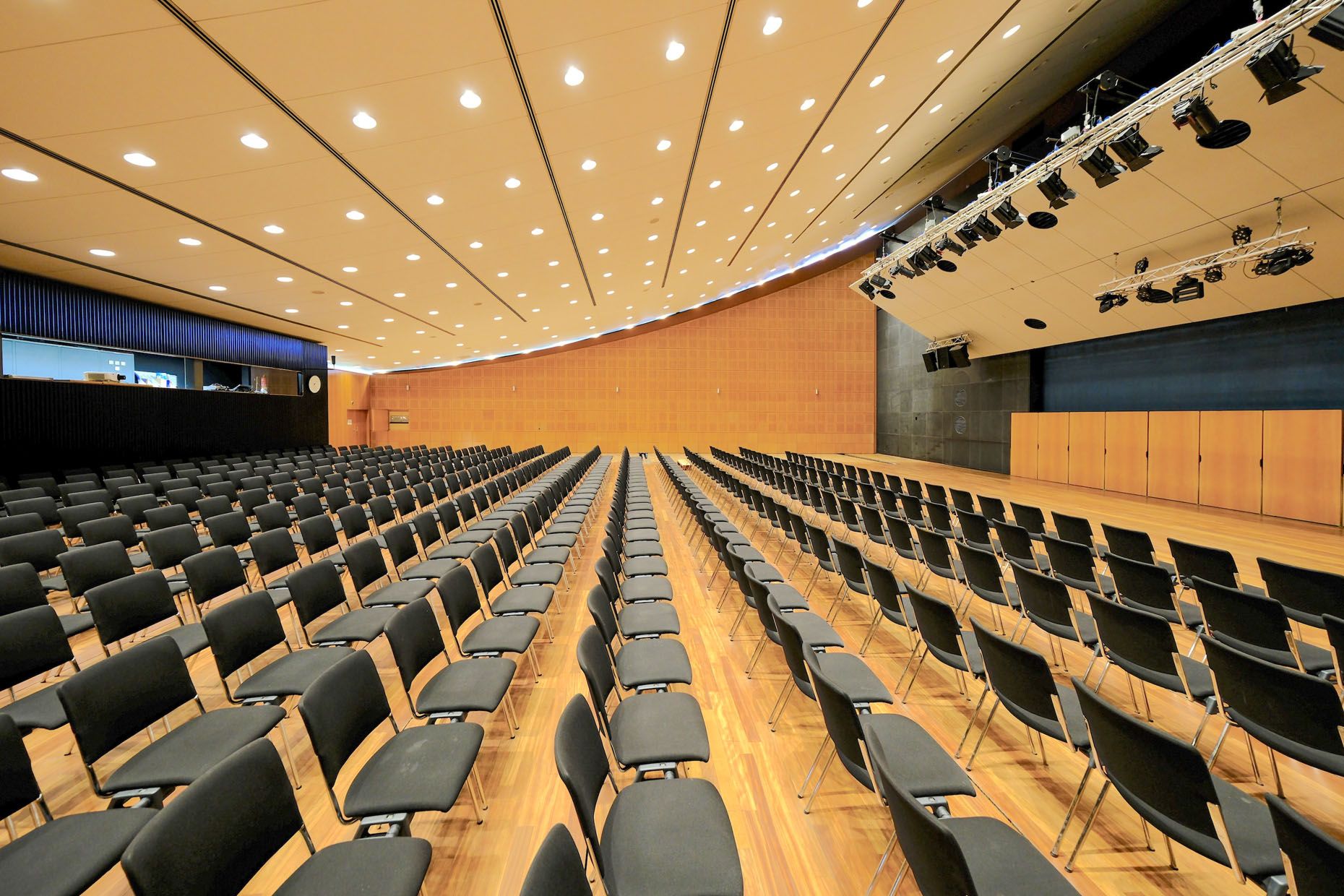
In Castrop-Rauxel, modernism becomes the town centre. The Forum complex, comprising the town hall, civic hall and Europahalle, emerged following Jacobsen and Weitling’s winning competition entry and was completed by Otto Weitling and Hans Dissing after Jacobsen’s death. Here, the focus was on public life: administration, culture and urban life were to come together on a new plateau. Brick, square, foyer, council chamber, civic hall and Europahalle form an ensemble that does not decorate, but structures. Today, the question of the future arises here as well. Public squares must become more climate-resilient, accessible and usable. A town hall forum from the 1970s must once again prove itself in the 21st century.
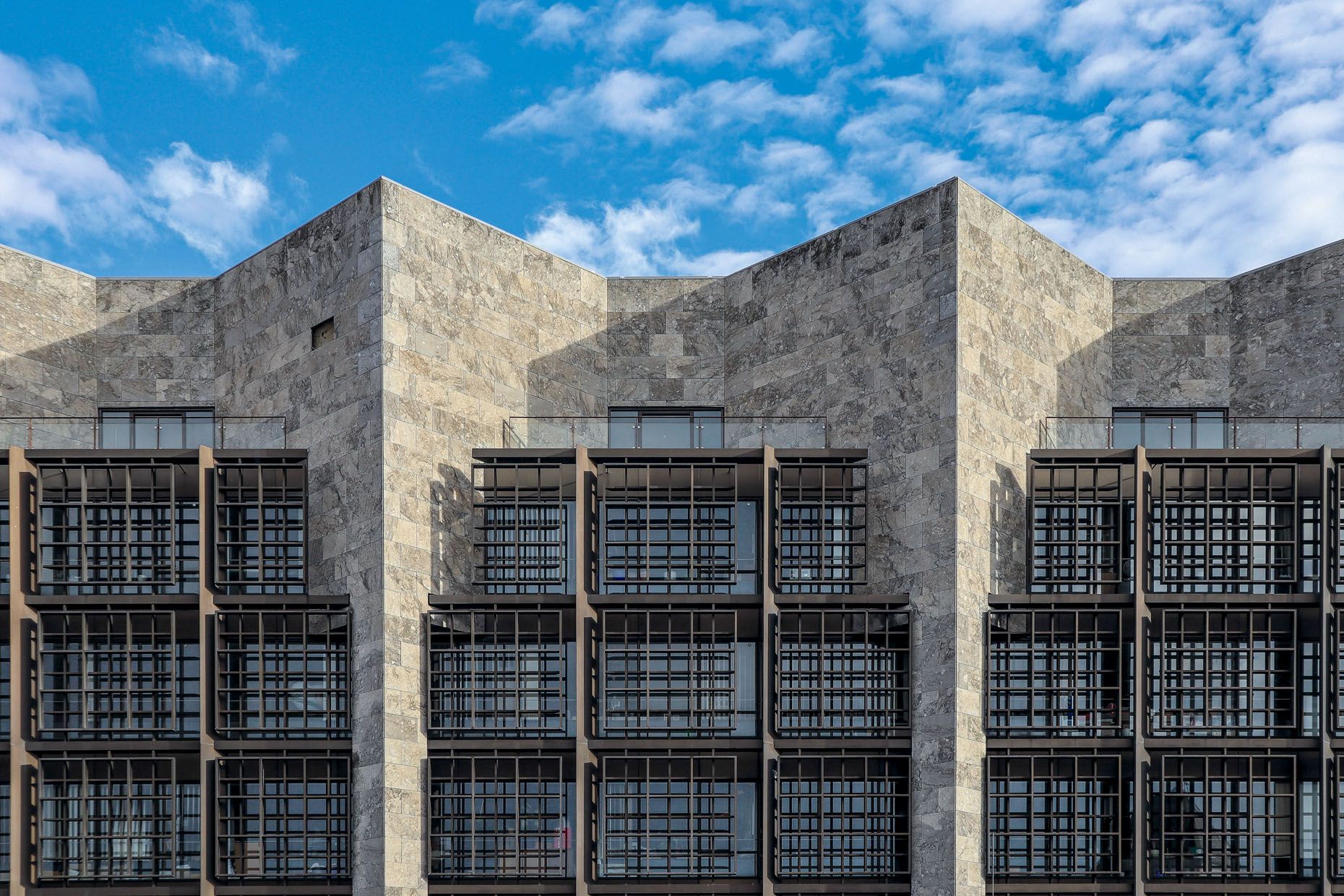
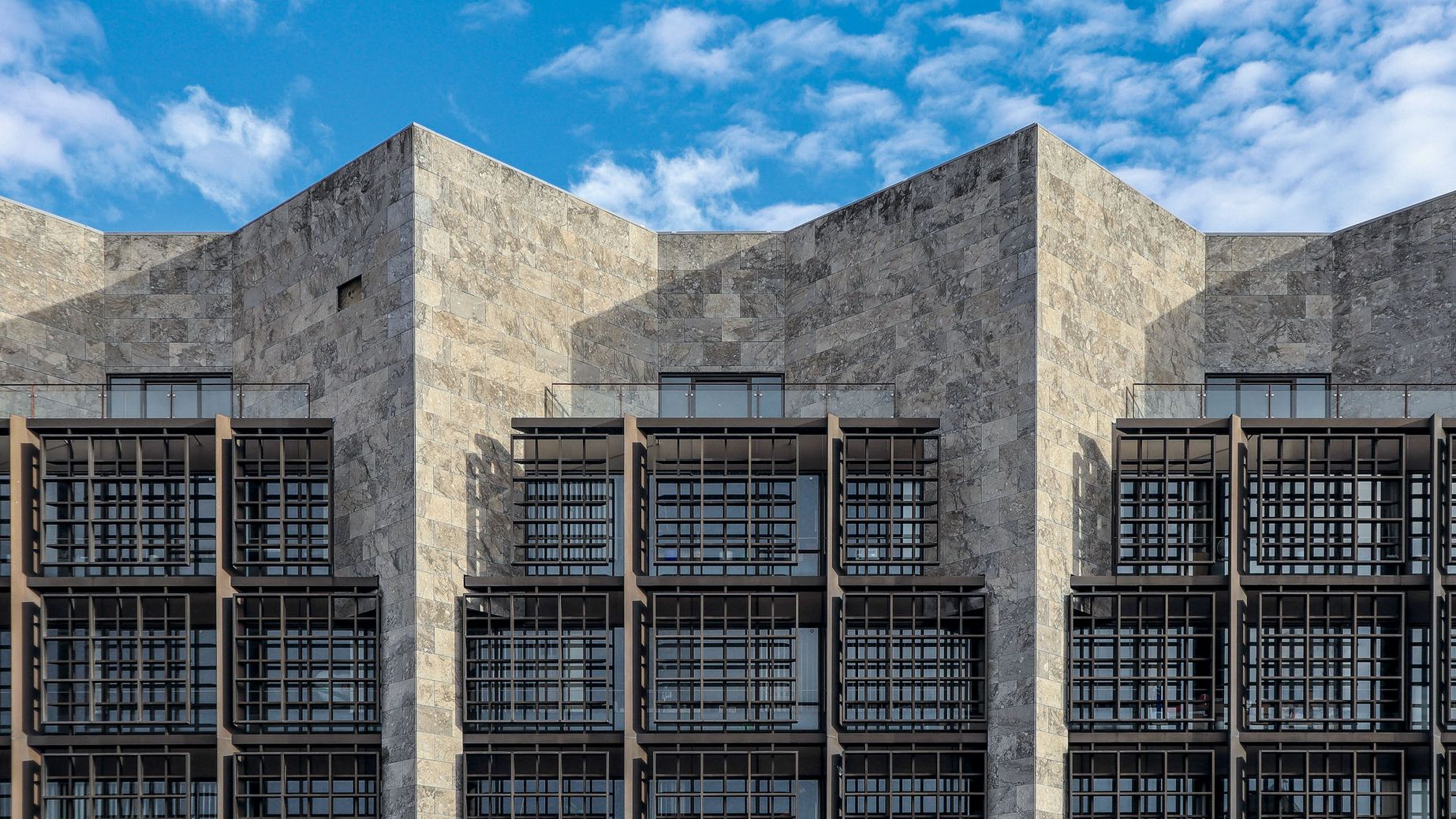
With Mainz, this journey reaches the Rhine. The town hall was built in the early 1970s and was fiercely debated for many years. Many regarded the building as alien, heavy and unwelcoming. Others recognised a Gesamtkunstwerk: from the large volume to foyer, council chamber and meeting rooms through to luminaires, furniture and details. The building is now listed and undergoing refurbishment. The problems are concrete: building services, fire protection and damaged façades. Yet the core issue remains one of Baukultur. What should be preserved when a public building of the late modern period is expected to continue functioning?
This journey does not lead to Jacobsen alone. It leads to a joint body of work created with Otto Weitling. He was not merely a partner or custodian of the estate. Many of the German projects emerged through this collaboration and were continued after Jacobsen’s death. Anyone speaking about this architecture is speaking about continuity and translation. Danish Functionalism encountered West German requirements. The result was not copies of Scandinavian precedents, but independent responses to schools, town halls, administration, holidays and the city.
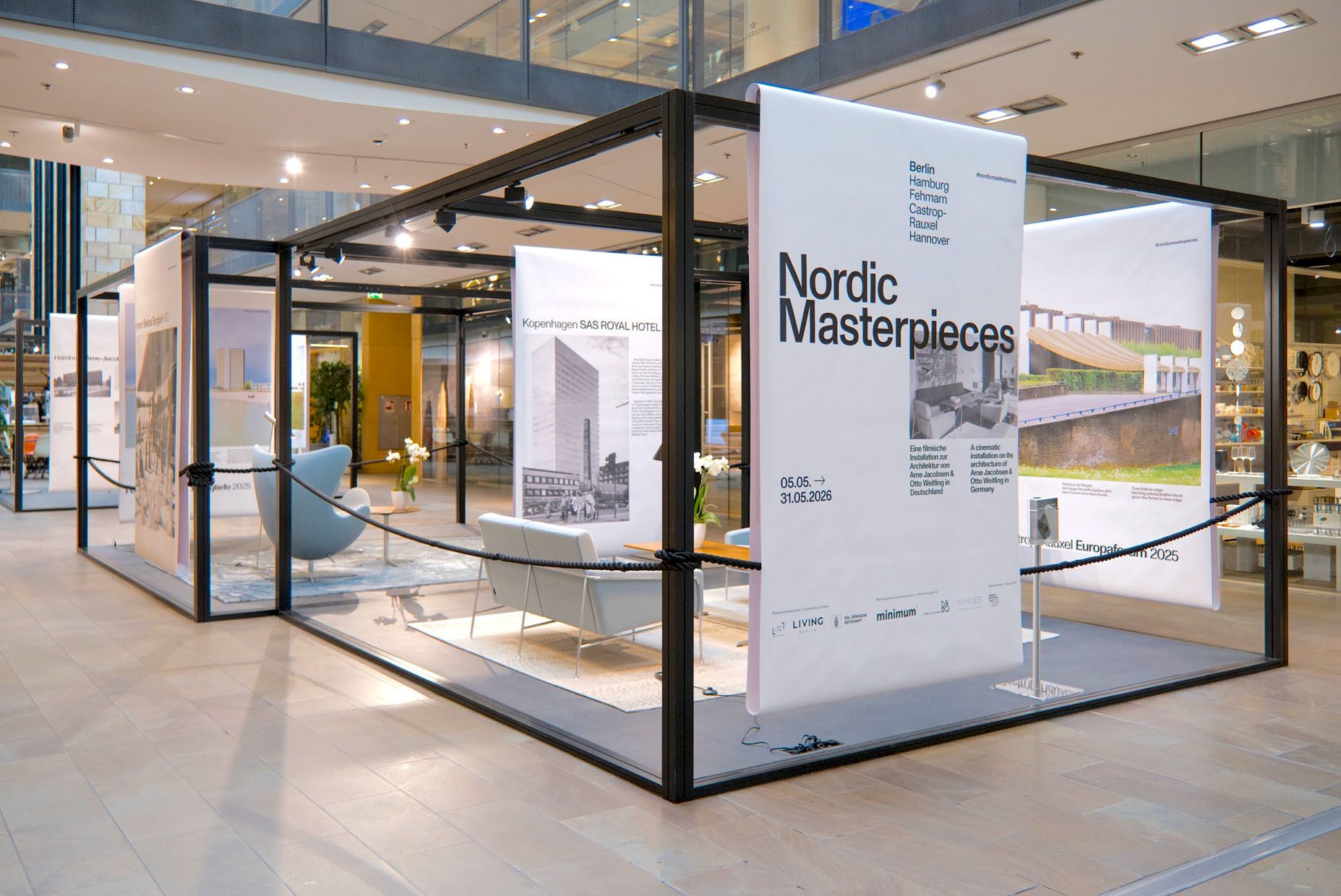
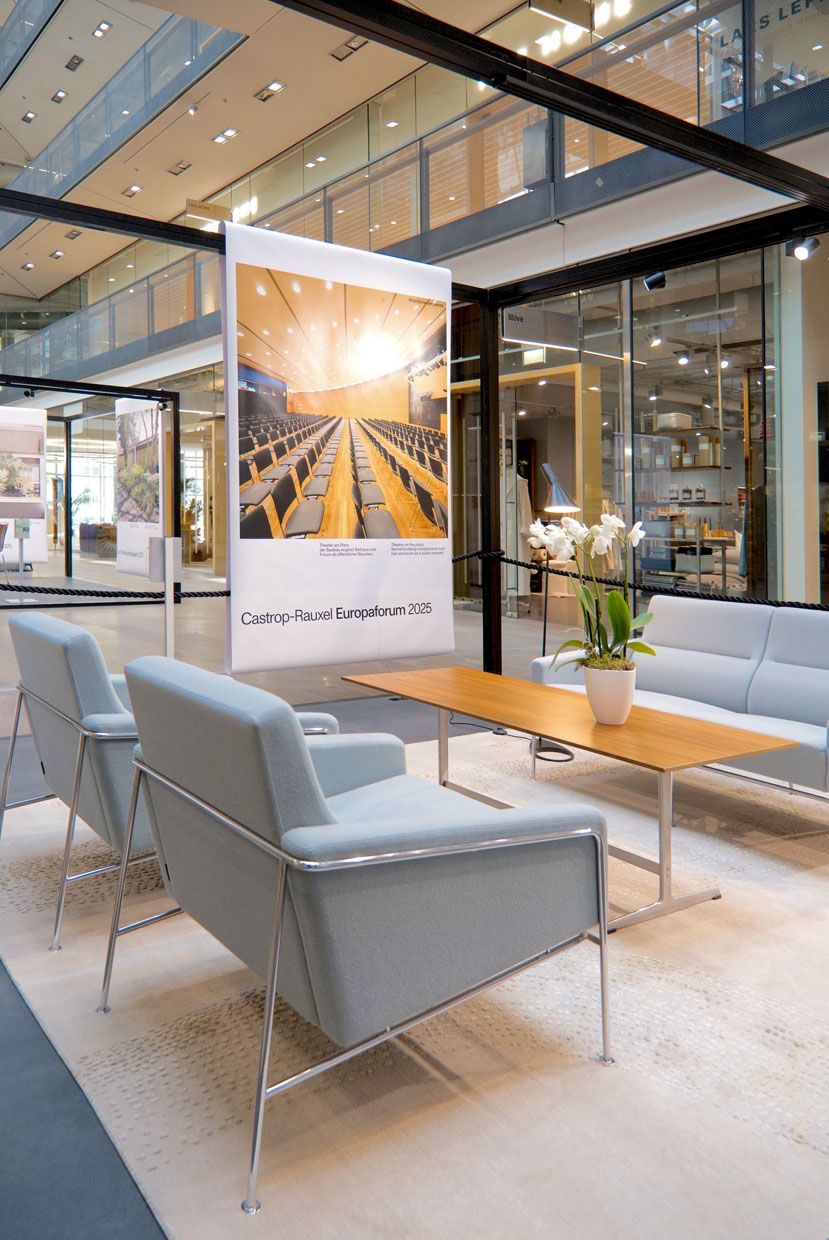
It was also out of this long-standing engagement that my film installation “Nordic Masterpieces” emerged, presented in Berlin and Hamburg in 2026. Rather than foregrounding design, it focuses on the buildings themselves as cinematic short portraits. As an exhibition, it offers an occasion to take another look. The actual journey, however, leads to the places themselves. To buildings that are long past being new and yet continue to function.
Anyone following them travels through a piece of West German–Danish Baukultur across the former Federal Republic. Everywhere, the same question arises: how does architecture remain modern once it is no longer new? The answer does not lie in restoring an original condition. It lies in use, repair and thoughtful adaptation. In this second life, late modernism becomes current once more.
Arne Jacobsen and Otto Weitling in Germany: stations of a journey
The German buildings of Arne Jacobsen and Otto Weitling can be found in Berlin (2/3), Hanover (1/4), Hamburg (5/6), Fehmarn (7), Castrop-Rauxel (8/9) and Mainz (10). Some are readily accessible to visitors: the Arne Jacobsen Foyer in the Herrenhausen Gardens, the holiday complex at Burgtiefe on Fehmarn or the Forum complex in Castrop-Rauxel. Others can be experienced primarily from the outside: the atrium houses in Berlin’s Hansaviertel, the Christianeum in Hamburg or the Arne Jacobsen Haus in City Nord, which is currently being revitalised. Despite its refurbishment, Mainz Town Hall remains an important building on the Rhine. Those wishing to explore the oeuvre more comprehensively will find another station in Mainz-Hartenberg/Münchfeld: the former Novo Building, constructed between 1967 and 1969.
The film installation “Nordic Masterpieces” on the architecture of Arne Jacobsen and Otto Weitling in Germany was developed together with co-curator and architect Hendrik Bohle and filmmaker David Laubmeier. It was on view at LIVING BERLIN from 5–31 May 2026 and has been shown since 5 June in the gärtner showroom in Hamburg, where it will be screened until 10 July 2026.
Author: Jan Dimog
Image credits: Atriumhäuser, Berlin © Hendrik Bohle (1/2), Arne-Jacobsen-Foyer, Hannover © Hendrik Bohle (3/4),Gymnasium Christianeum, Hamburg © Hendrik Bohle (5), Arne-Jacobsen-Haus (former HEW-headquarter), Hamburg © Jan Dimog (6), Burgtiefe, Fehmarn © Jan Dimog (7), Forum, Castrop-Rauxel © Jan Dimog (8/9), Rathaus, Mainz © Hendrik Bohle (Cover Photo, 10), Film Installation „Nordic Masterpieces“, Berlin © Jan Dimog (11/12)
0 Comments