
Stars without airs and graces: The vigilius mountain resort
In times when breathless living has become an attitude and ‘fast’ an attribute that rushes fashion, food and daily life at high speed, an island sits on the Vigiljoch, which for 20 years has expressed its essence and offers what we all miss: the luxury of simply being.
Detangling the soul
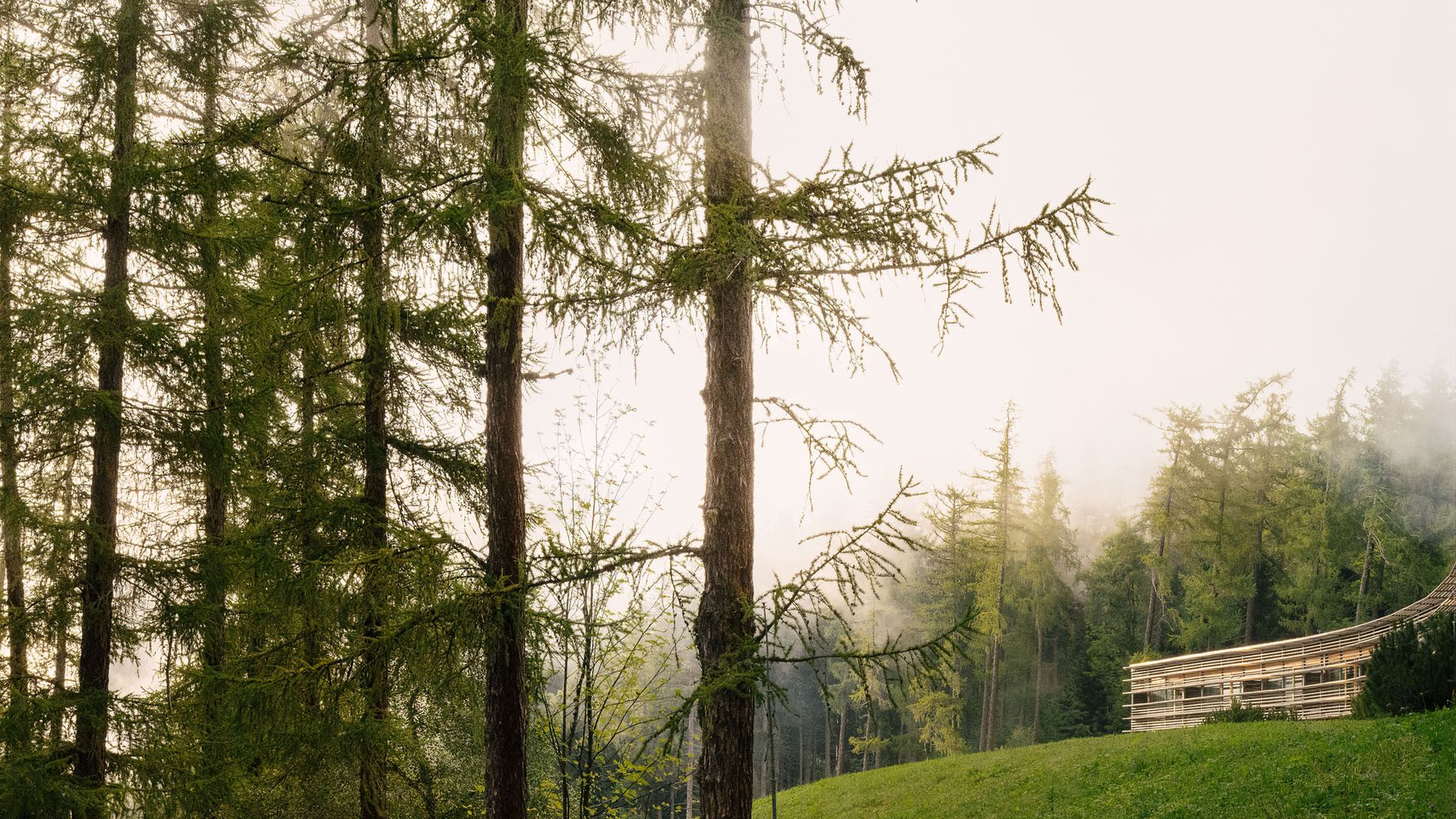
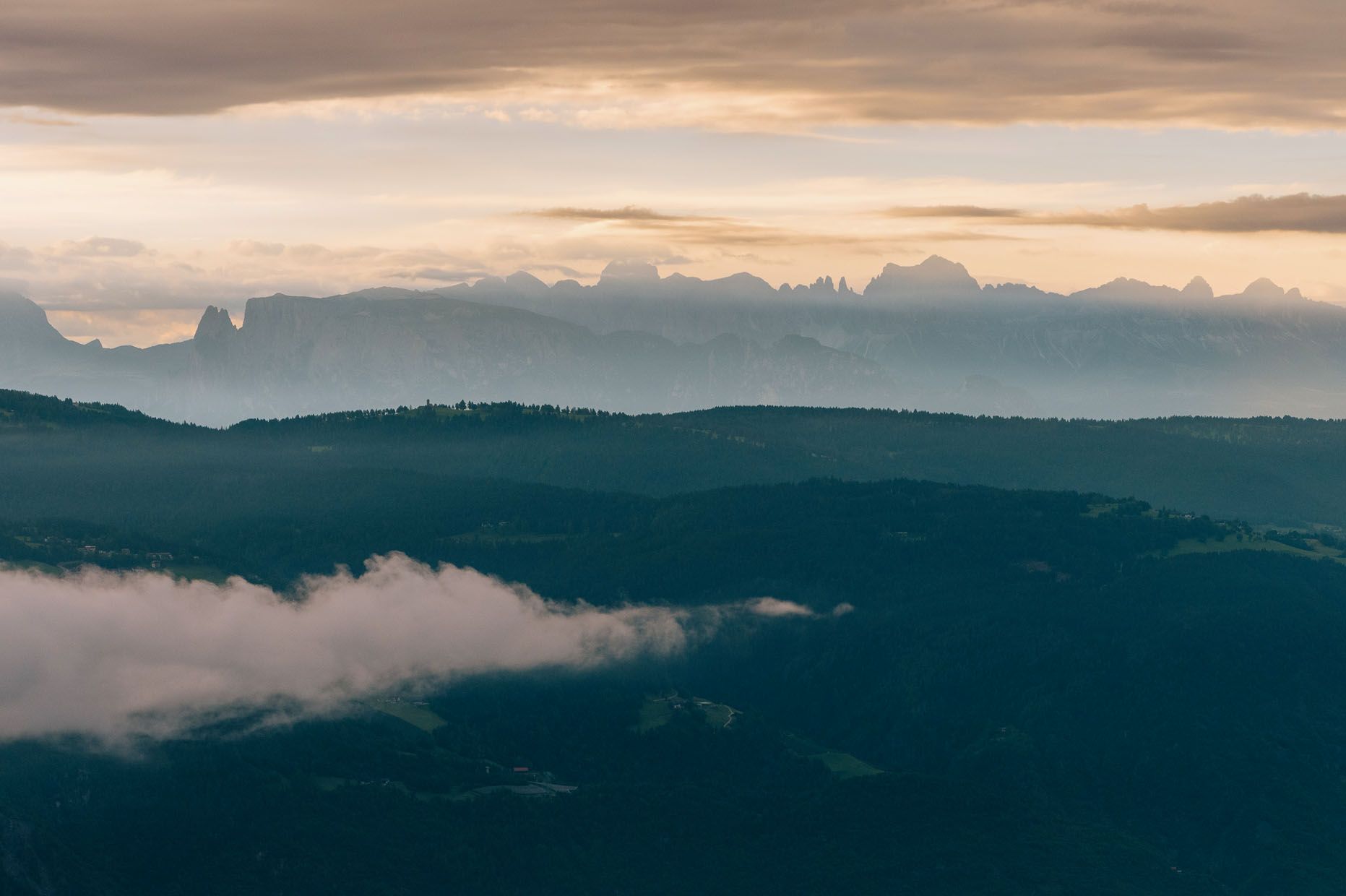
Far removed from the bold world and its hustle and bustle, the vigilius mountain resort rests in its self-chosen exile amidst the healing silence of the forest. At an altitude of 1,500 metres, on the flanks of the car-free Vigiljoch Nature Park — the home mountain of Lana and nearby Merano. From here you can see the whole world: your gaze wanders over the Adige Valley, the near Dolomites and the dense green of the coniferous forests.
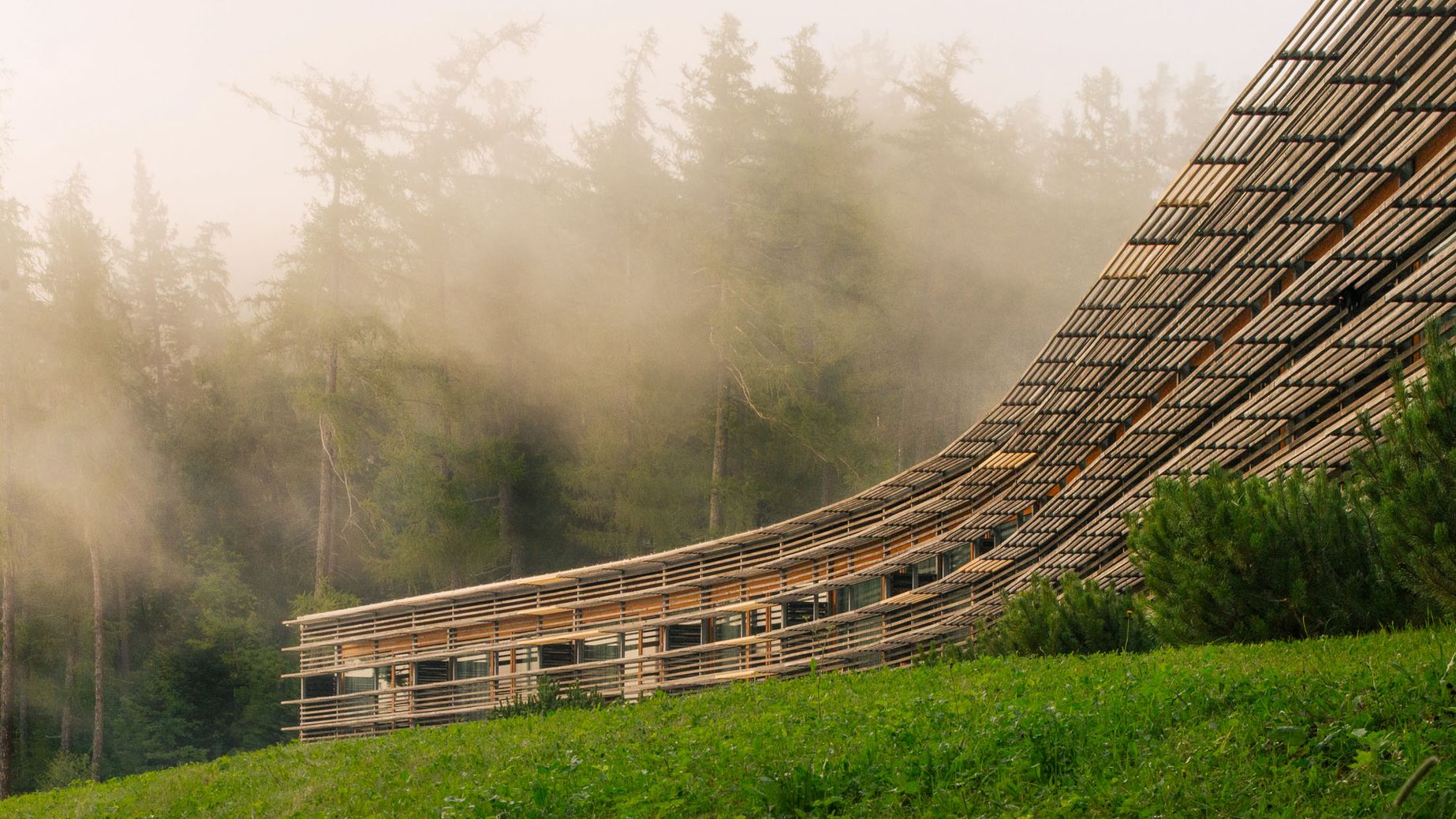
The legendary mountain hotel, a light-footed, four-handed masterpiece by Matteo Thun and building owner Ulrich Ladurner, was carefully nestled between the larch pines 20 years ago and is respectfully integrated into the forest landscape with a naturally sustainable approach. Symbiosis is the leitmotif, inner freedom the consequence. Inside and out, the hotel delights its guests with far-reaching views, peace and space for holistic well-being. The spirit of the forest and the mountains is omnipresent, the view has always the same vanishing point: nature.
Where other places need loud labels and flashy wrappings to attract attention, the vigilius has been celebrating a timeless simplicity for two decades. In enriching seclusion, it aims for quiet luxury and is a soothing presence in the style-jungle of South Tyrolean tourism. With clear aesthetics and consistent content, the hotel has made a strong statement and become an icon. Thun and Ladurner have anchored their vision of sustainable hospitality culture in the mossy forest floor with sensitive antennae for future-relevant values. They haven’t built a castle in the air, but a healing sanctuary where the soul can unravel and find clarity. This is what the world today needs more than ever.
Five minutes and a half
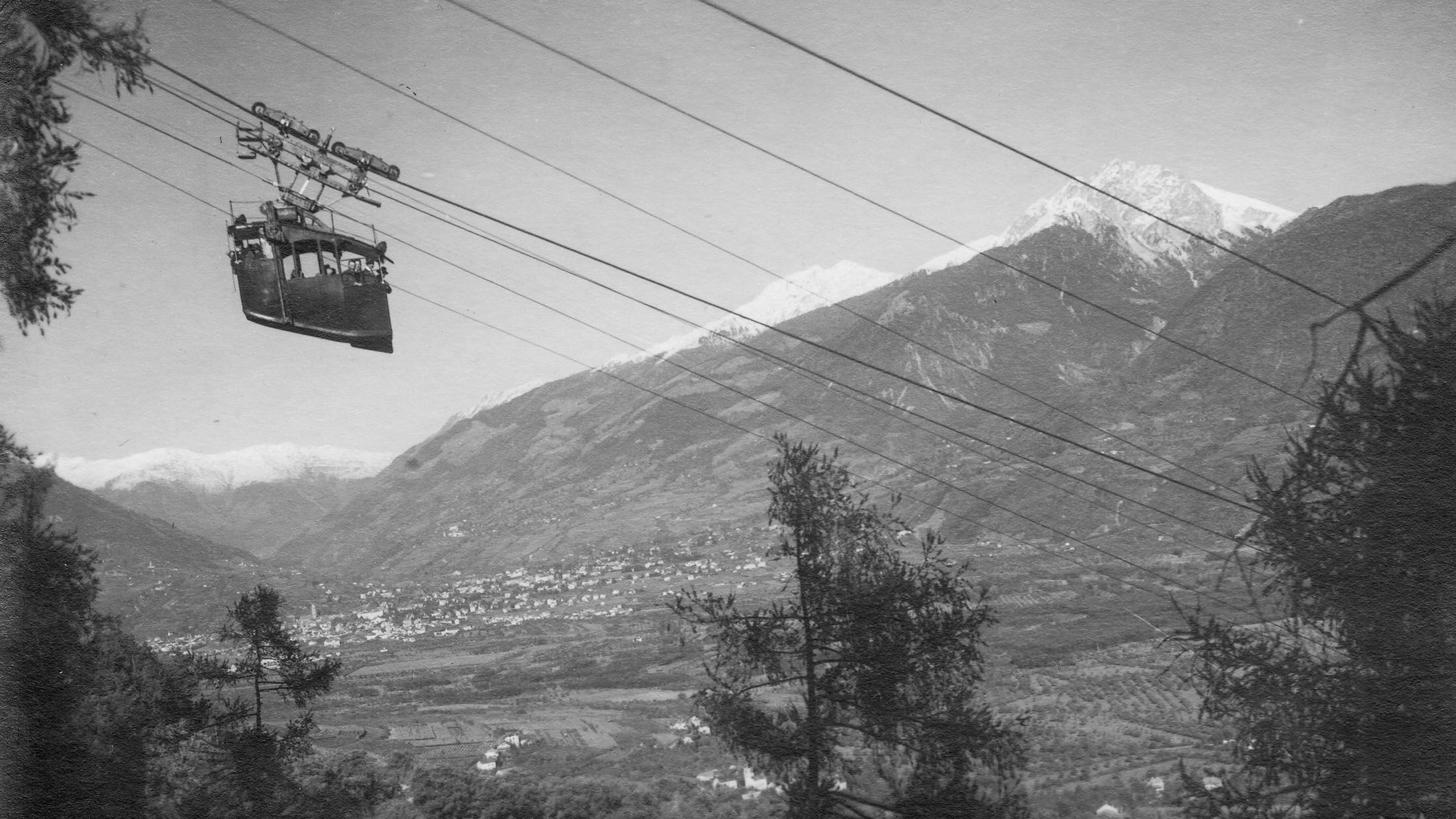
The only connection with the rest of the world is a cable car. It feels as if you are travelling into another dimension. As the gondola glides silently into the sky, life ‘down there’ recedes first from view, then from thought. The houses become smaller, details lose their sharpness and significance and the senses shift their focus. Like clocks that suddenly follow a different pace. Then, it all becomes wide, quiet and very, very green.
After five and a half minutes, you reach the mountain station at 1486 metres. The cable car opens, your suitcase is kindly taken, you are given a warm welcome and accompanied to the hotel. The air is filled with forest, resin and freedom. Never has arriving been so wonderful.
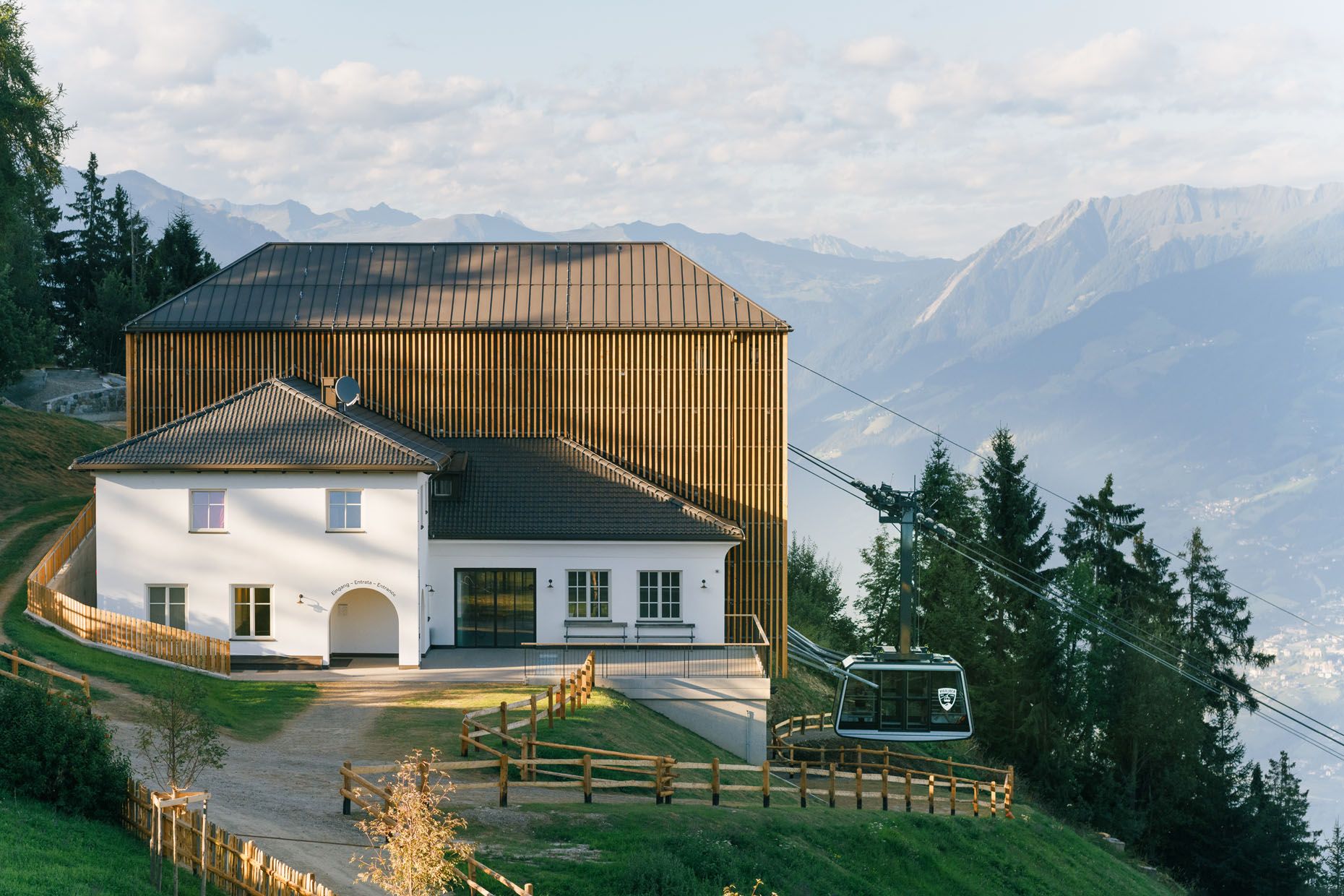
The third oldest cable car in Europe has been running from Lana to the Vigiljoch since 1912. A pioneering work and sensation at the time, the local mountain of the small municipality in the southern corner of the Merano valley basin soon became a popular destination and a ‘little escape’ for city dwellers and holidaymakers seeking freshness and regeneration.
The cable car was renovated in 1952, and in 2006 the owner of vigilius took it over as the main shareholder and modernised it. Since 2023, up to 40 people have been gliding barrier-free up to the Joch in the brand-new cabin.
The car, whether it’s a shiny cabriolet, SUV or rusty Beetle, stays in the hotel garage at the valley station. A minor matter with a big impact, as status is irrelevant up in the mountain hotel. The vigilius welcomes its guests openly and without preconceptions, aims to offer genuine hospitality and to meet people at eye level — appearance remains in the valley.
Neverland
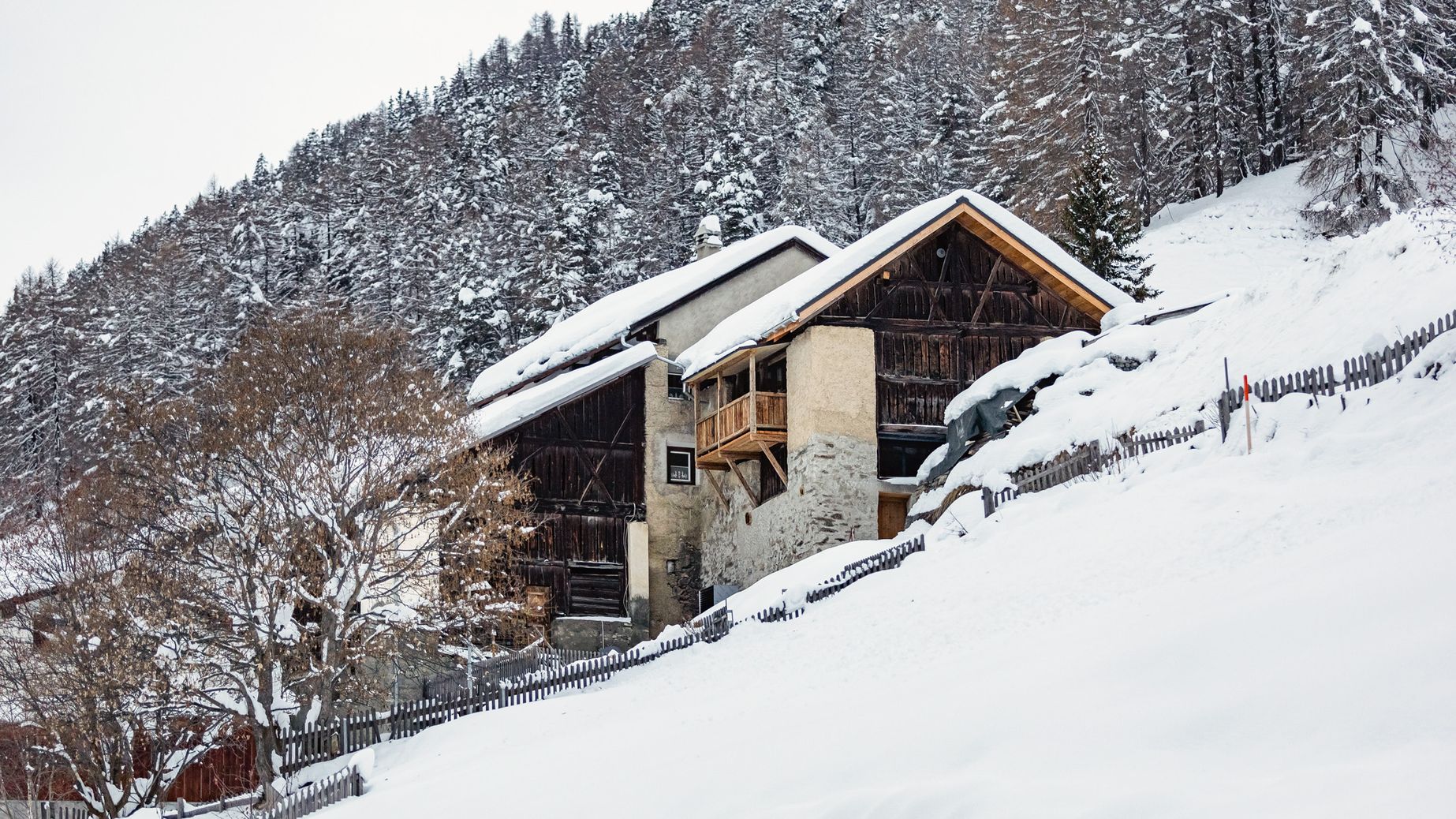
Pleasingly little has changed on the Vigiljoch in recent decades. Quaint wooden chalets and eclectic holiday villas nestle under the conifers along the hiking trails and indulge in bucolic memories of yesteryear. It is just as quiet here today as it was 50 or 100 years ago. Those who come up to the Joch are driven by a longing for some distance and grounding. Or perhaps a sense of childhood déjà vu.
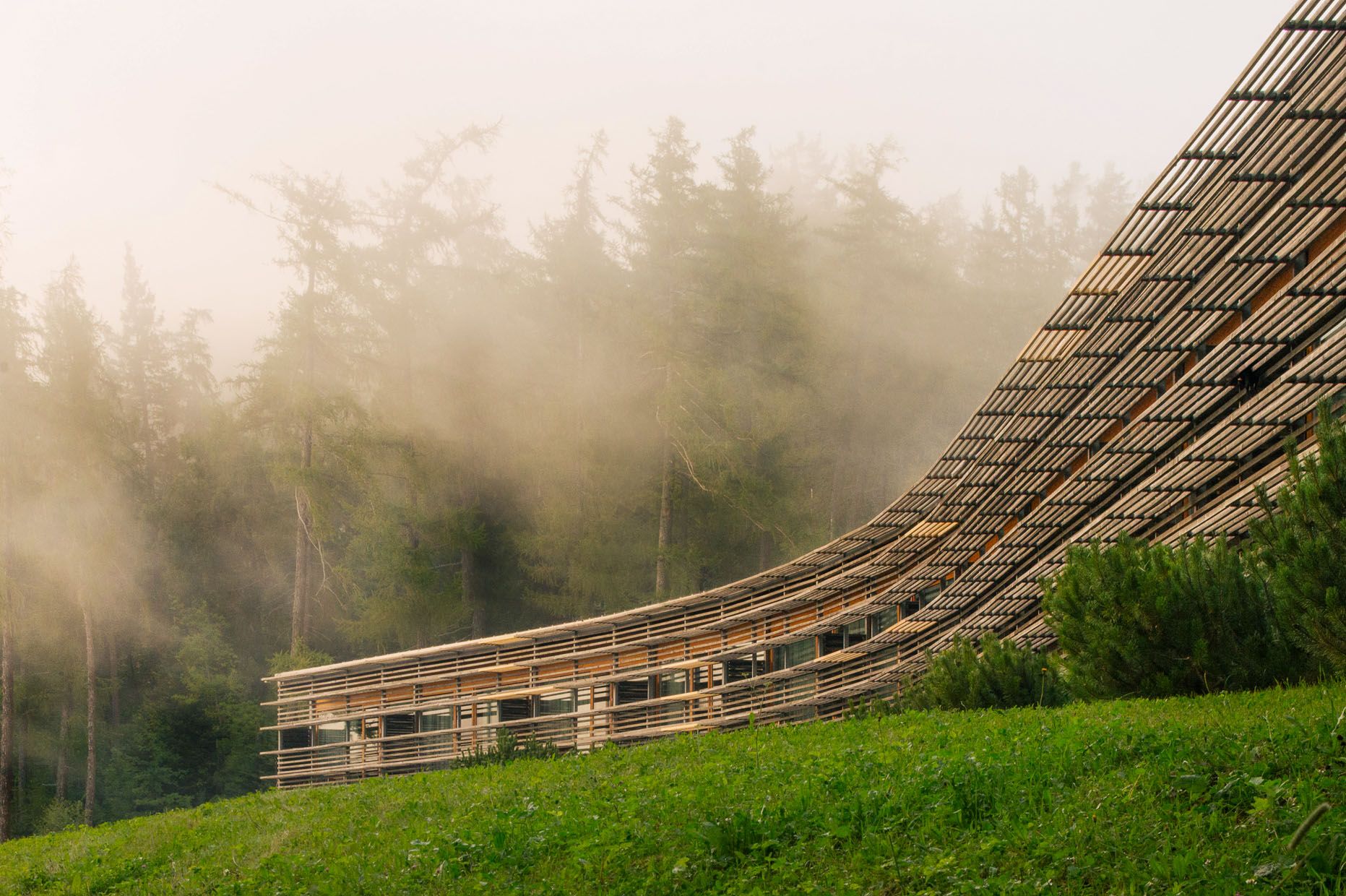
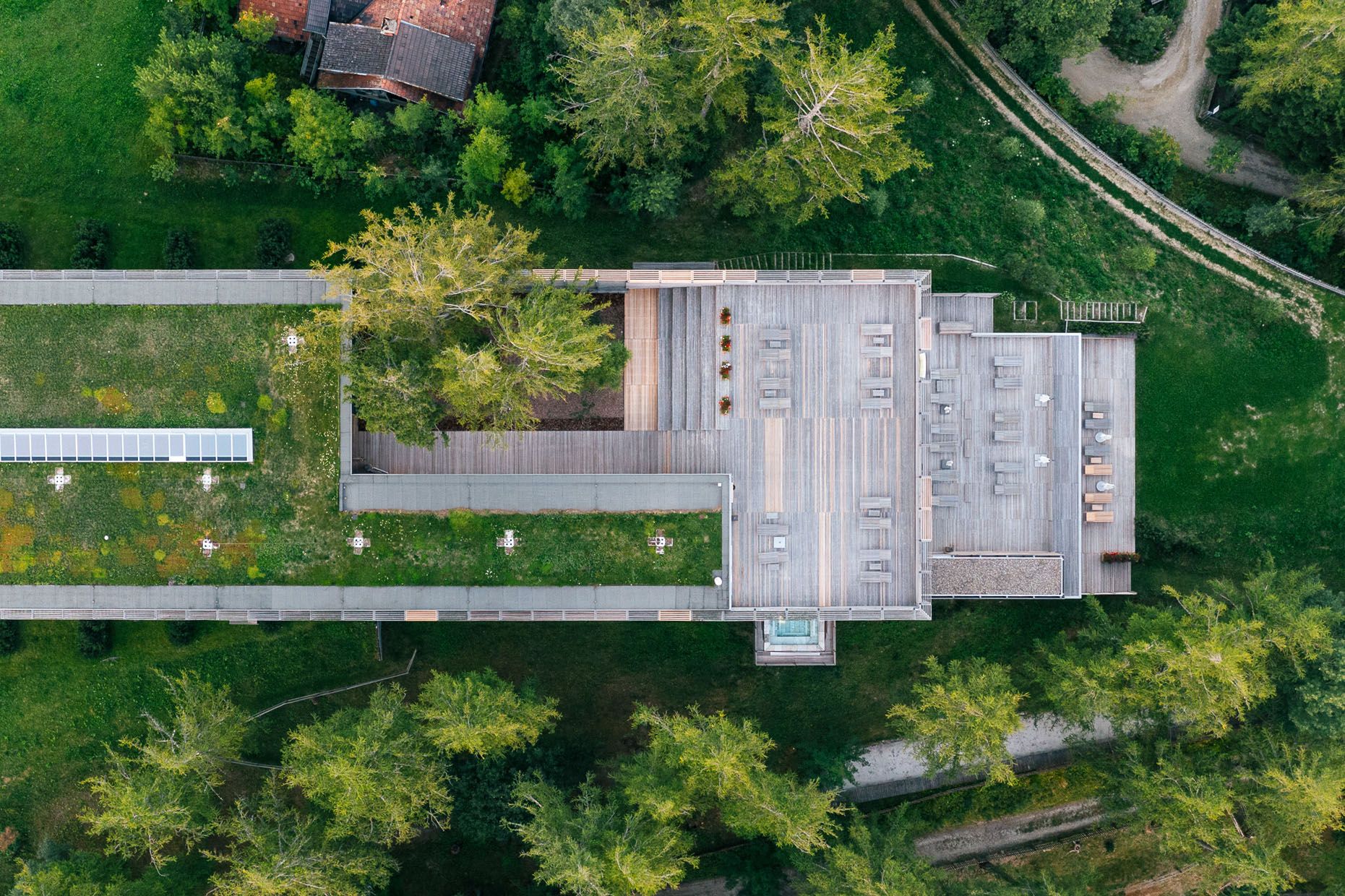
In this place of nostalgic lightness, the Thun-Ladurner duo has conceived an architecture that is utterly uncompromising: everything is nature. Clear lines and an unobtrusive design language characterise the elongated building — Modernism made of wood. The simple silhouette nestles against the slope like a huge, horizontal tree trunk, surrounded by nothing but forest, air and silence. From the cable car, it is almost impossible to distinguish the wood and glass façade of the hotel with its green roof from its natural surroundings.
All 35 rooms and 6 suites of the mountain hotel face east or west, bathing in the warm light of the morning sun and evening glow. The sky is reflected in the large windows, from inside you look out into the clearing greenery: forest bathing at its best.
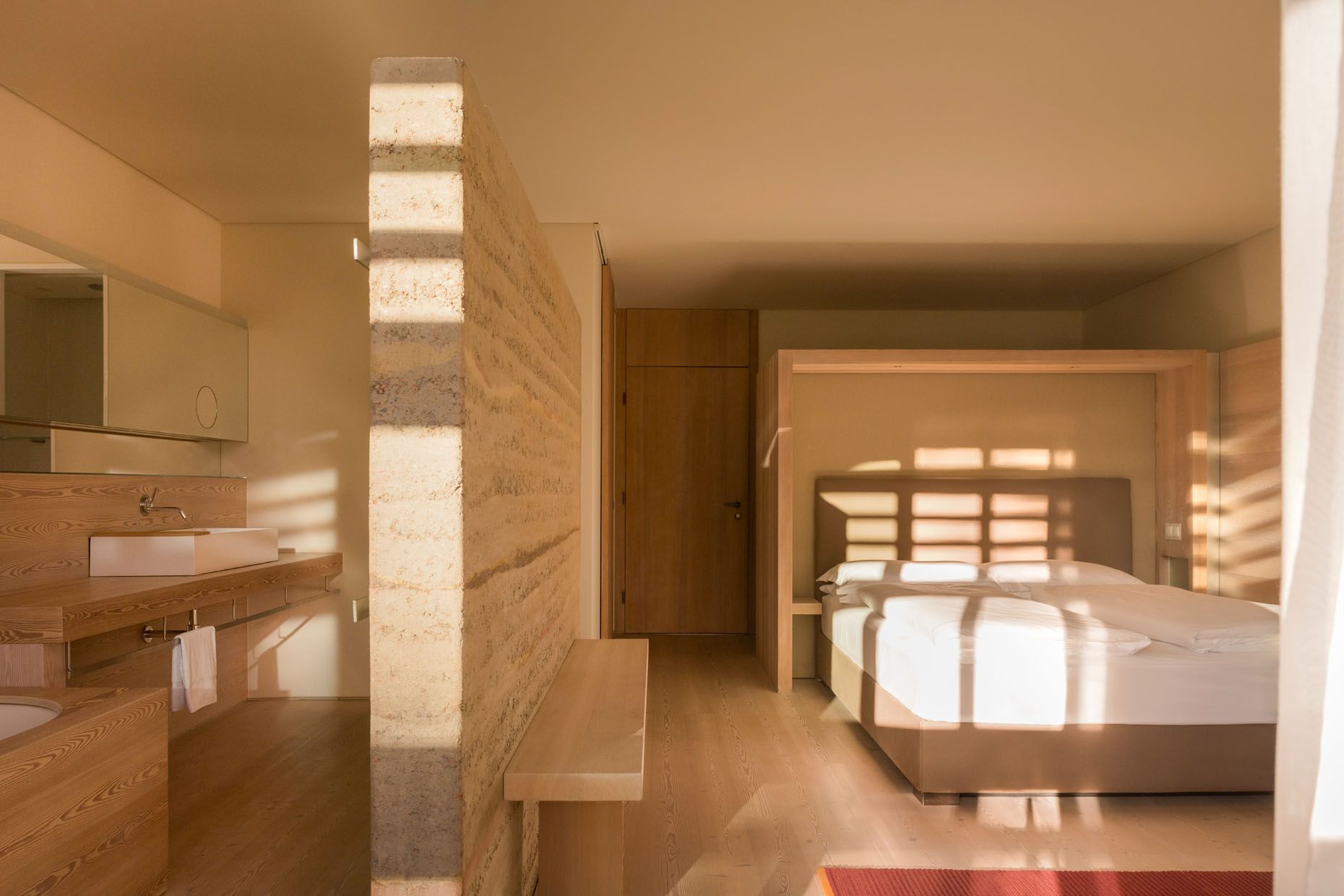
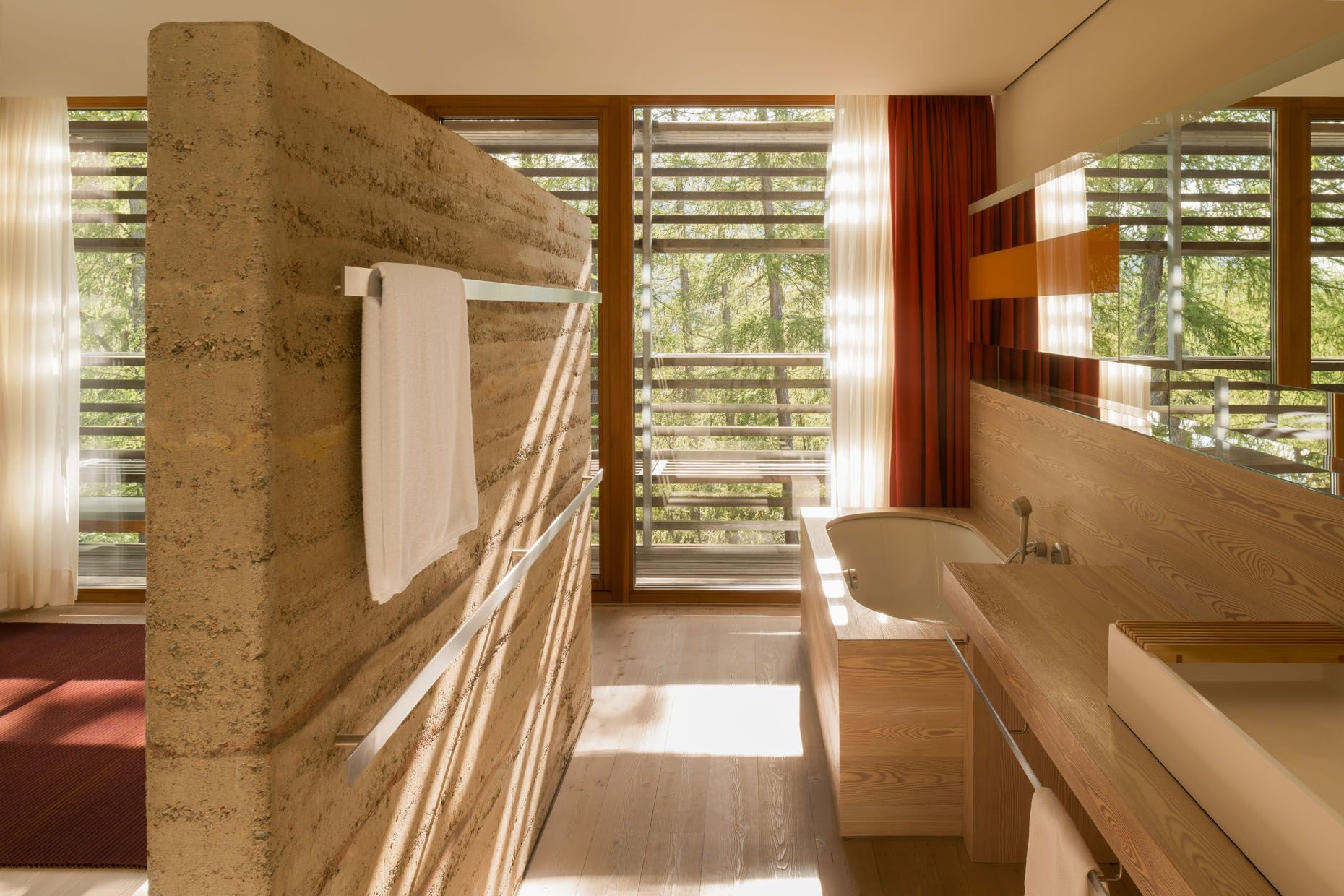
Matteo Thun nicknamed his first hospitality project Neverland, and for both men — the Milan-based archistar and the large-scale entrepreneur from Merano — the vigilius became their very personal island, that non-place of eternal freedom (and childhood) that inspired their creative imagination to create a truly ground-breaking project. And the vigilius? It does not age. After 20 years, it has gained experience, carefully reinvented itself and confidently handed over the reins to the next generation. It has put on patina and disappeared into the forest like a chameleon.
Ecotrip
With all due respect, you need to have a certain degree of unwavering stubbornness to realise a hotel project that dares to turn the classic basics of the hospitality industry so thoroughly and successfully upside down. And you need the right partner in crime. Fortunately, Ulrich Ladurner had both at hand. The visionary entrepreneur from Merano, who founded Dr. Schär GmbH in 1980 — today the international market leader for gluten-free foods — has deeply rooted his pioneering spirit in the vigilius, too.
As a child, he often strolled through the woods of the Vigiljoch. He was fascinated by the old mountain hotel from 1912 right next to the cable car station. ‘I always wondered who was in there, what kind of people they were and what was going on behind those walls.’ Legitimate questions, as the hotel hosted illustrious guests from politics (Willi Brandt) and the aristocracy in its heyday from the 1930s to the 1960s. But the glamour and glory faded and the guest house rapidly fell into decay until the entrepreneur bought it many years later and came to the hotel business like the virgin to the child. It was in the air that a bold dream would come true in the place of his childhood memories:
‘I wanted to do something special. And if it has been possible without a road before, why not again?’
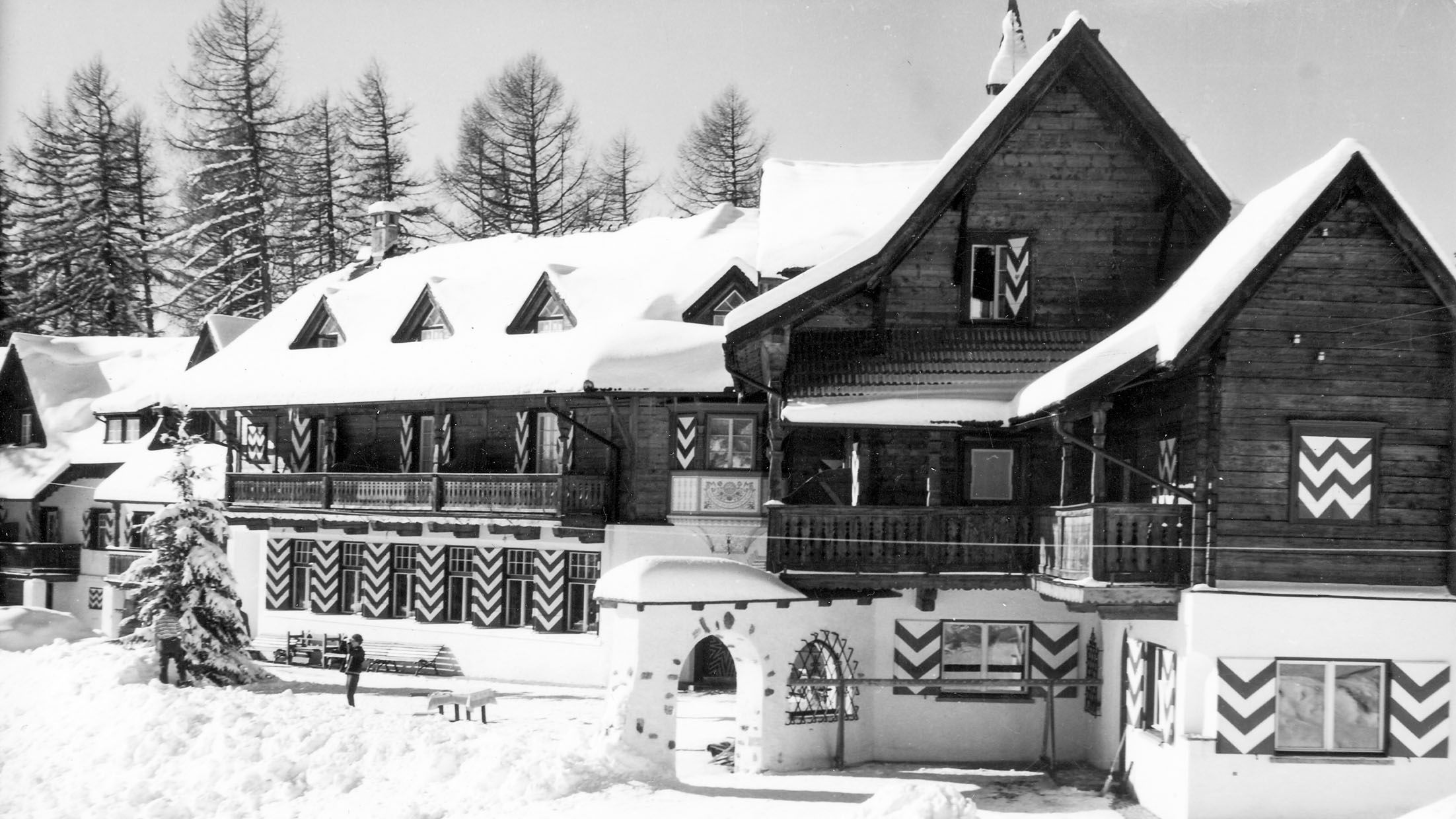
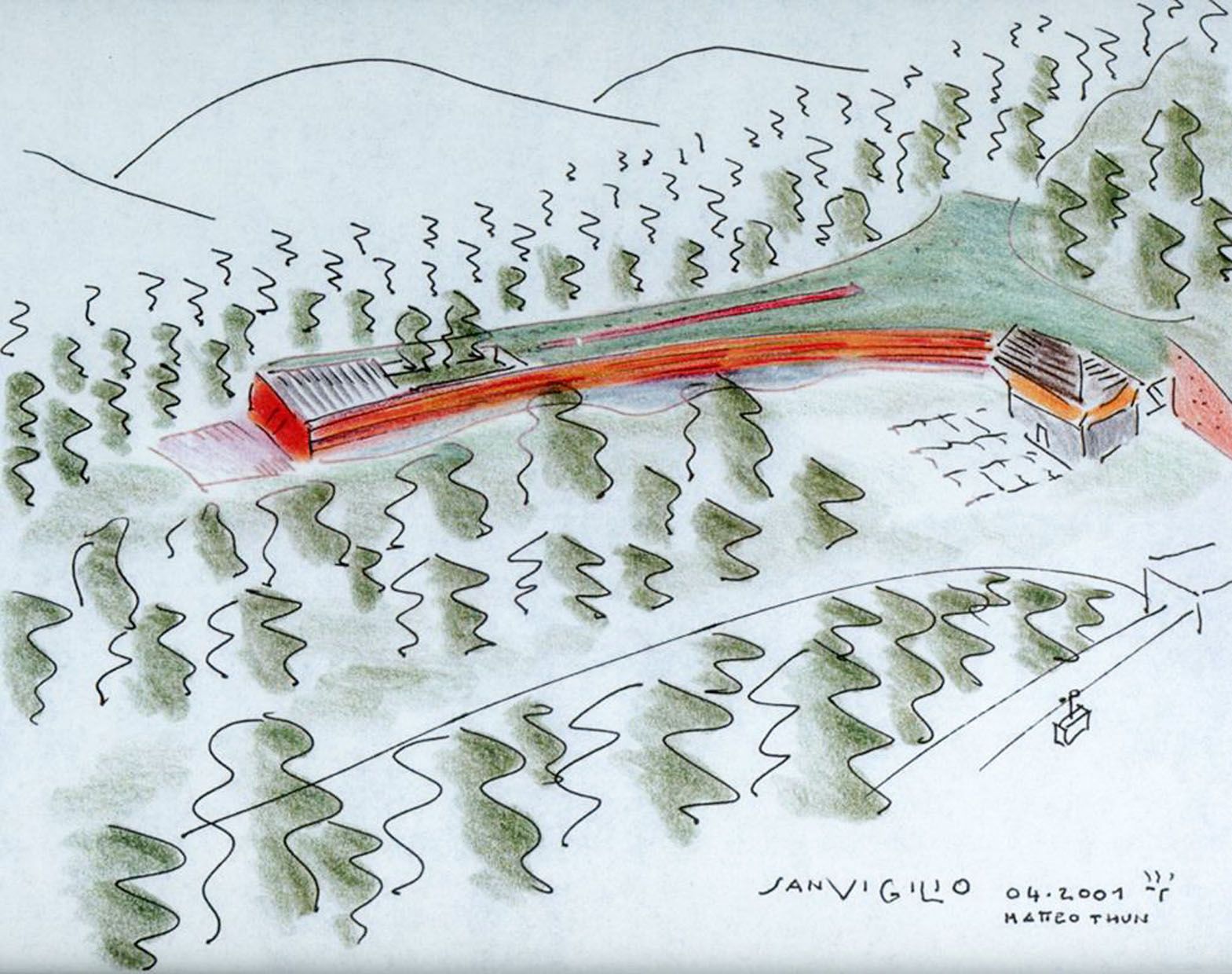
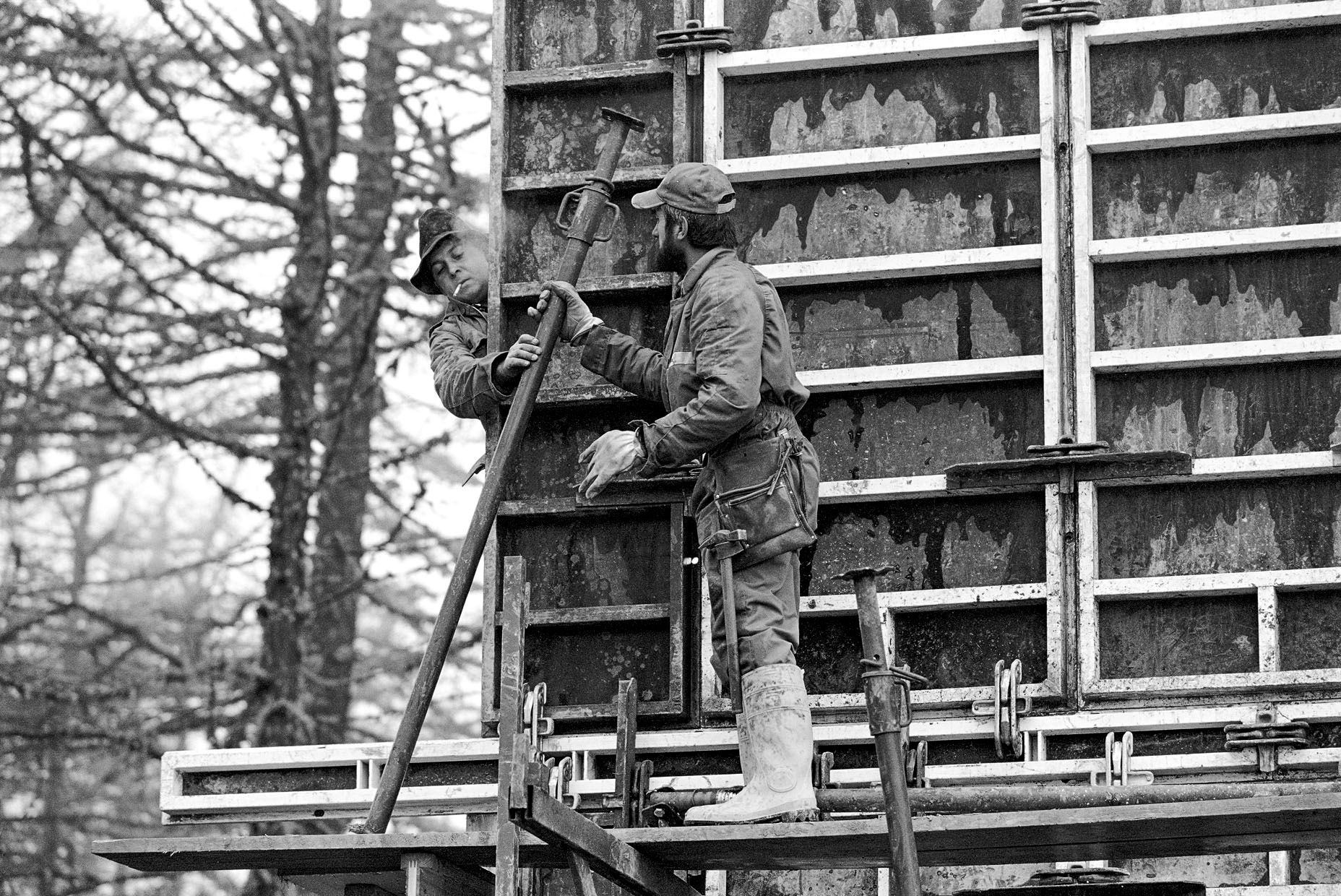
In spring 2001, Ladurner and Matteo Thun met for the first time in front of the completely derelict Berghotel Vigiljoch. The gut feeling was right, the two men were on the same wavelength right from the start. The owner’s message was clear: ‘Everything I do here will not be as beautiful as nature itself’. At this first encounter, the architect sketched his idea off the top of his head: the fallen tree trunk. That was it. The planning took a year, the realisation two. In 2003, the vigilius mountain resort was inaugurated on the site of the old mountain hotel. With a clear concept that set the course: ‘Eco, not ego’. Even though the modern building was initially met with criticism, the vigilius quickly became a model for a new kind of ecological luxury and in 2005 was certified as the first Klimahaus‑A hotel in Italy. Ladurner’s stubbornness has preserved the Vigiljoch’s idyllic peace and quiet.
Mountain anemones
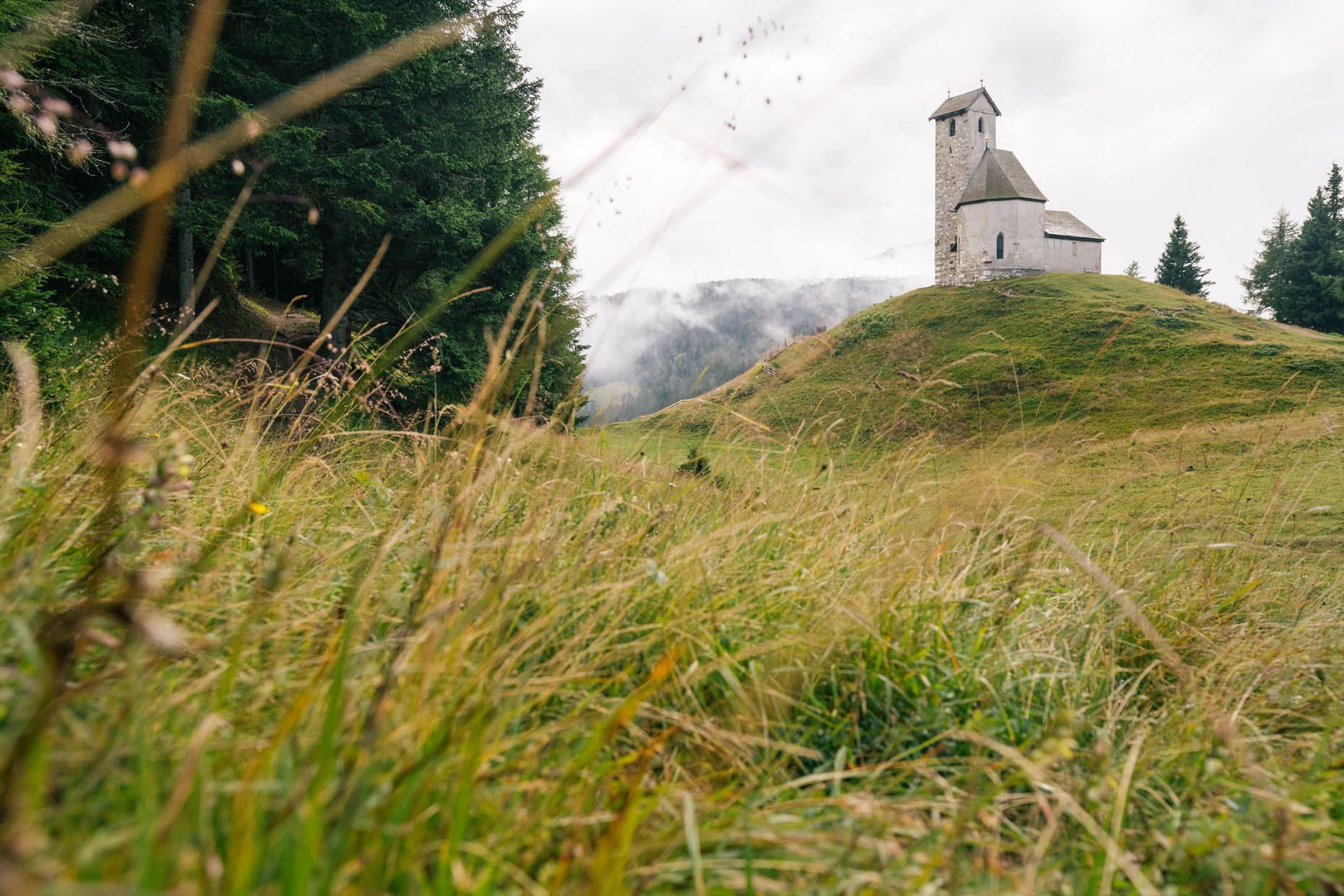
An impressive diversity of species thrives in this tranquil idyll. The end of winter is heralded by crocuses, speckling the spring-like alpine meadows with white and purple. Summer conjures up carpets of alpine roses, mountain anemones, cranberries and foxgloves and covers the landscape with bright blue dots of gentian. Wild orchids bloom around the lonely little church of St Vigilius, and a few minutes’ walk away lies the Schwarze Lacke — a natural biotope that provides a precious habitat for frogs, dragonflies, fish and newts.
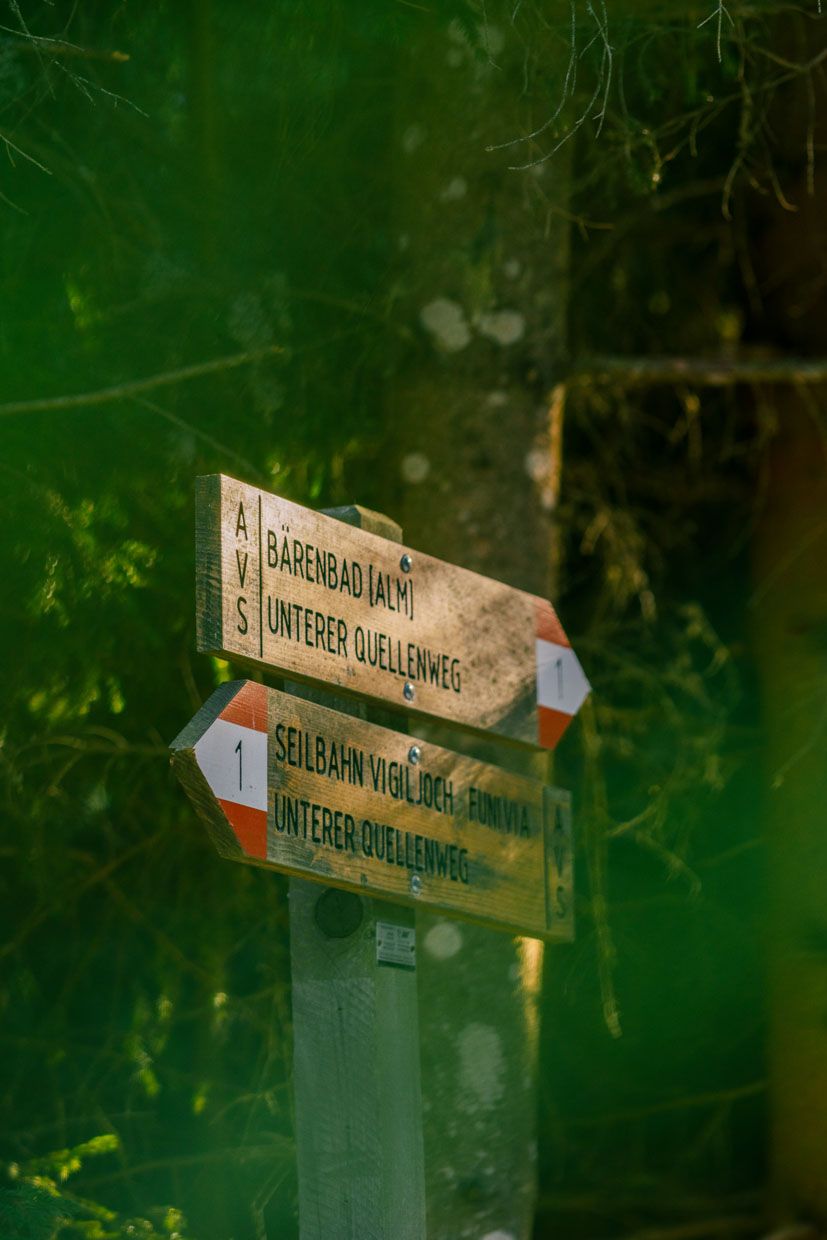
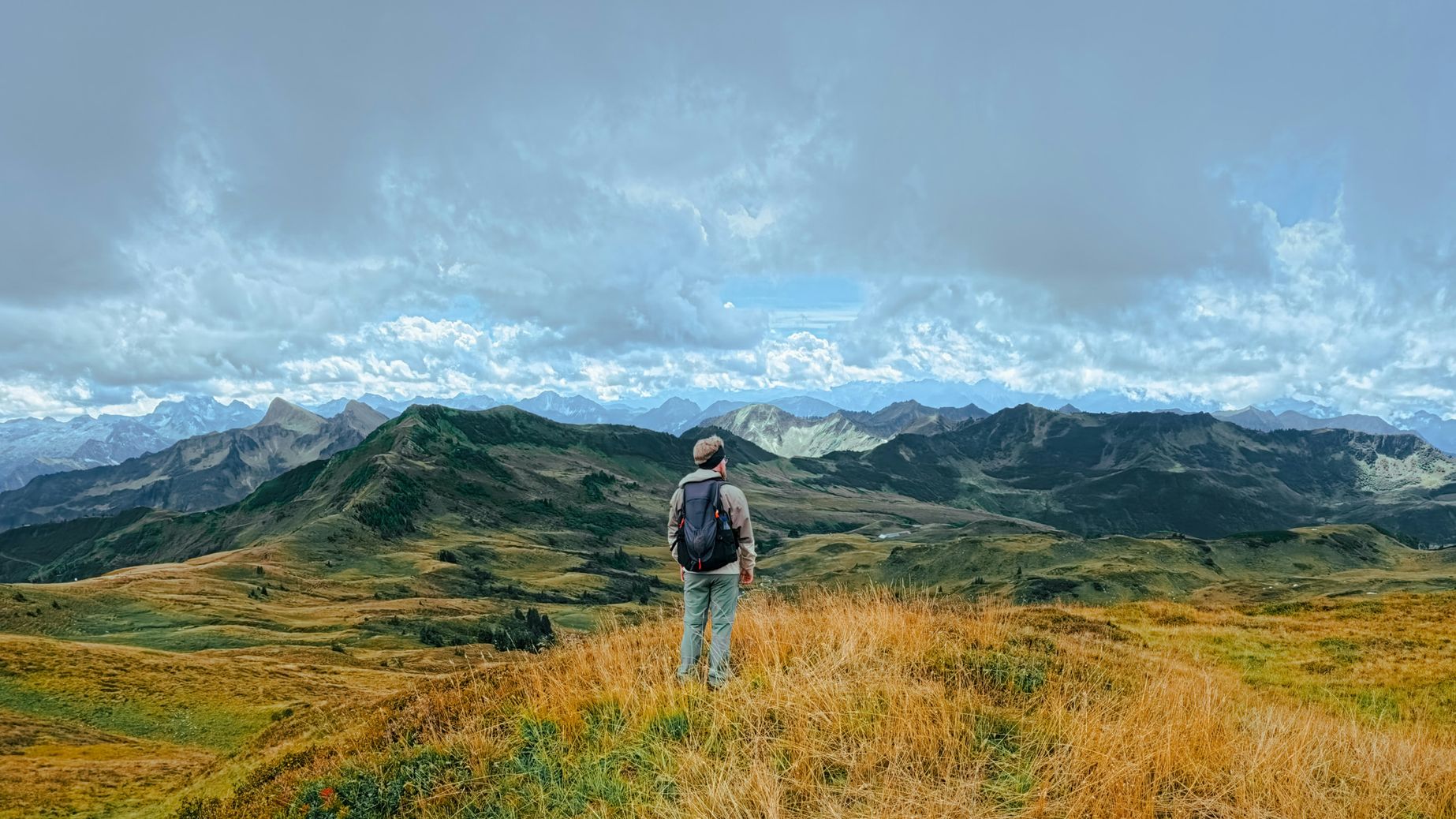
The nature reserve extends over more than 100 km of paths and leads hikers and cyclists through dense forests, across larch meadows and alpine pastures with cosy inns. Paths intersect again and again and open up different routes for all levels of difficulty and demands. Mountain and e‑bikes, tour tips and a rucksack are available at the vigilius.
Those who prefer to be whisked up even higher can take the leisurely chairlift directly from the hotel. The ride is both time travel and meditation. The single-seater rattles gently as the world, forest and hikers pass by in slow motion. There is no rush here — that is the most powerful lesson of the Vigiljoch.
A balancing act
The vigilius is based on a holistic planning approach, according to which everything, from the architecture to the shoehorn, comes from one and the same workshop, in the tradition of the Italian master workshops of the Renaissance. This sharpens the eye and sense for the big picture and the balance of the elements. What is not needed is not missed, televisions for example.
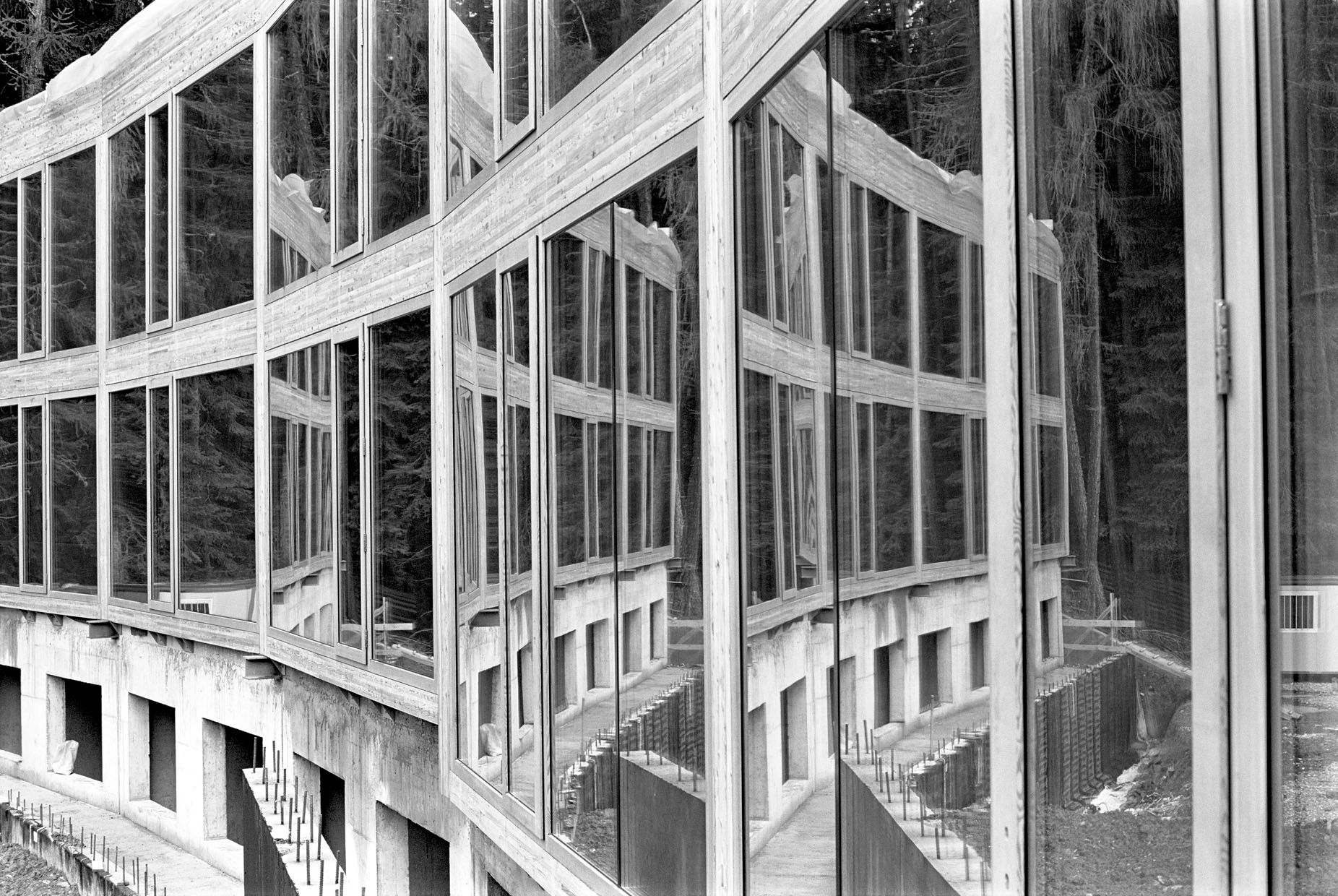
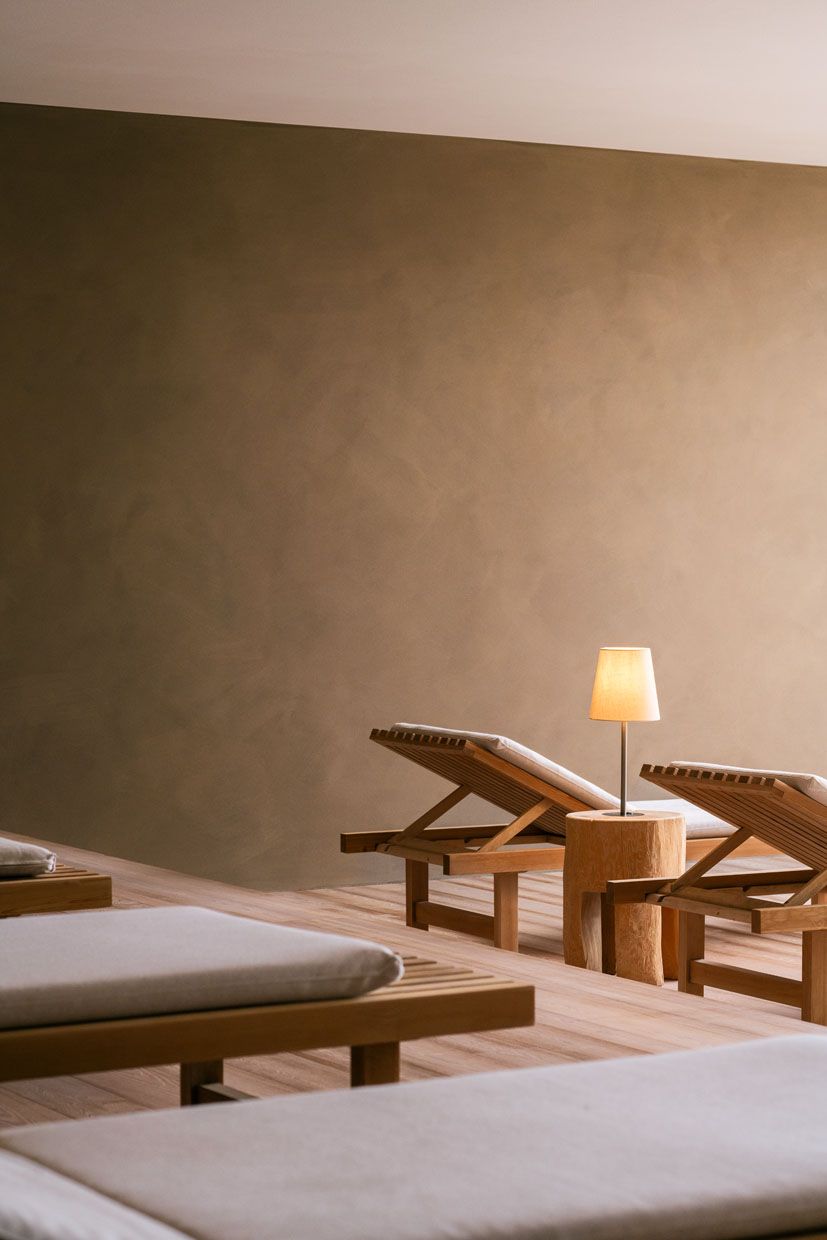
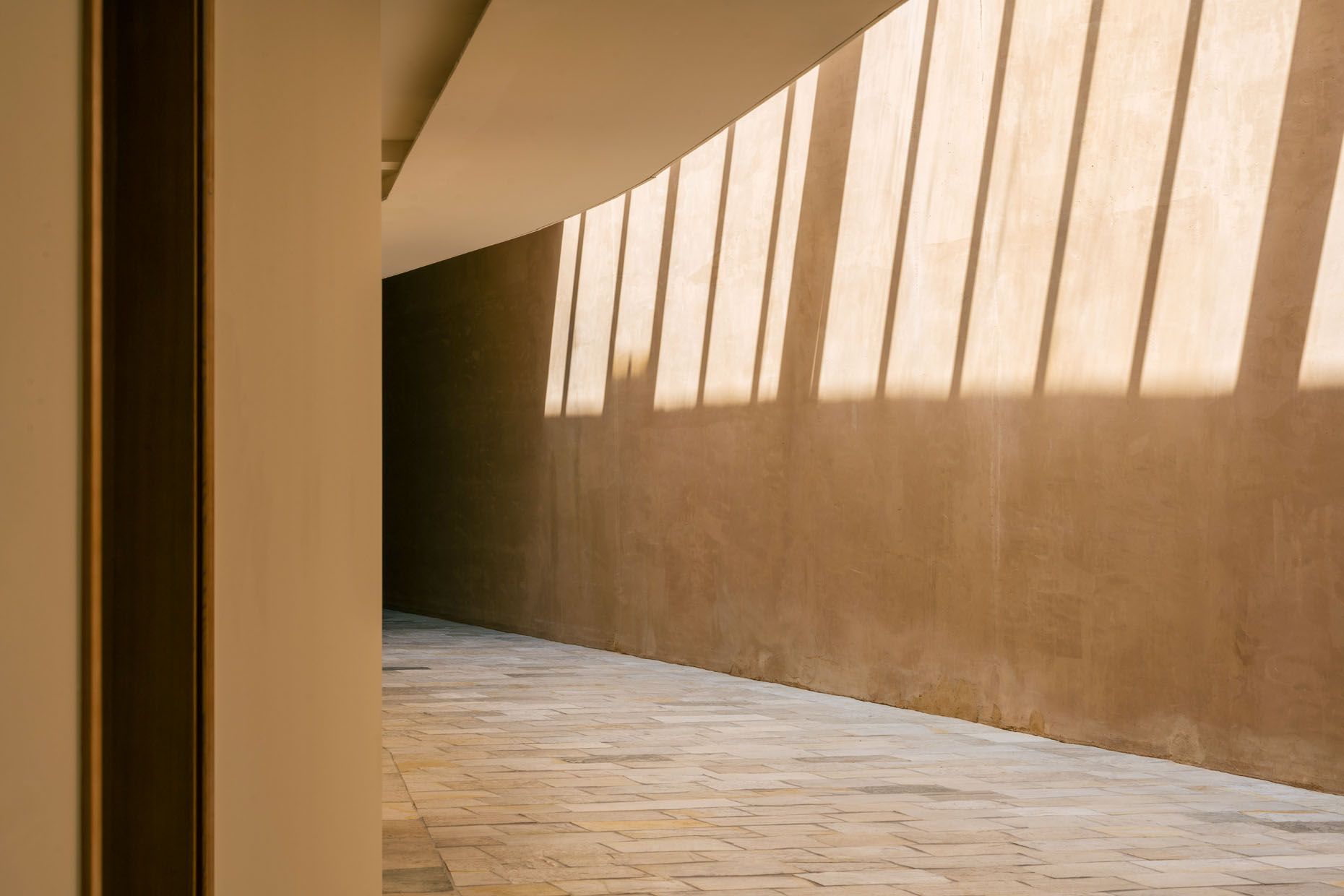
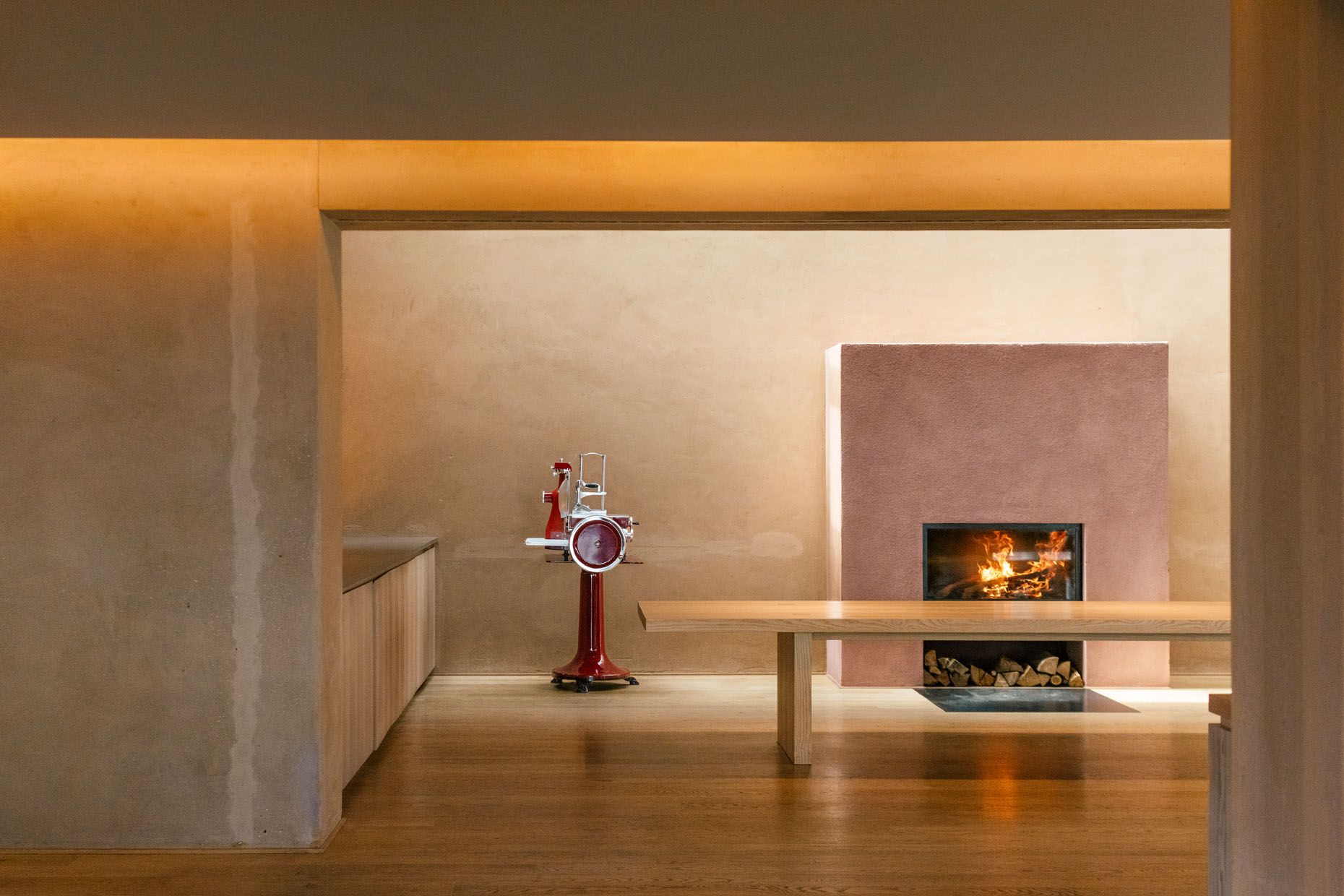
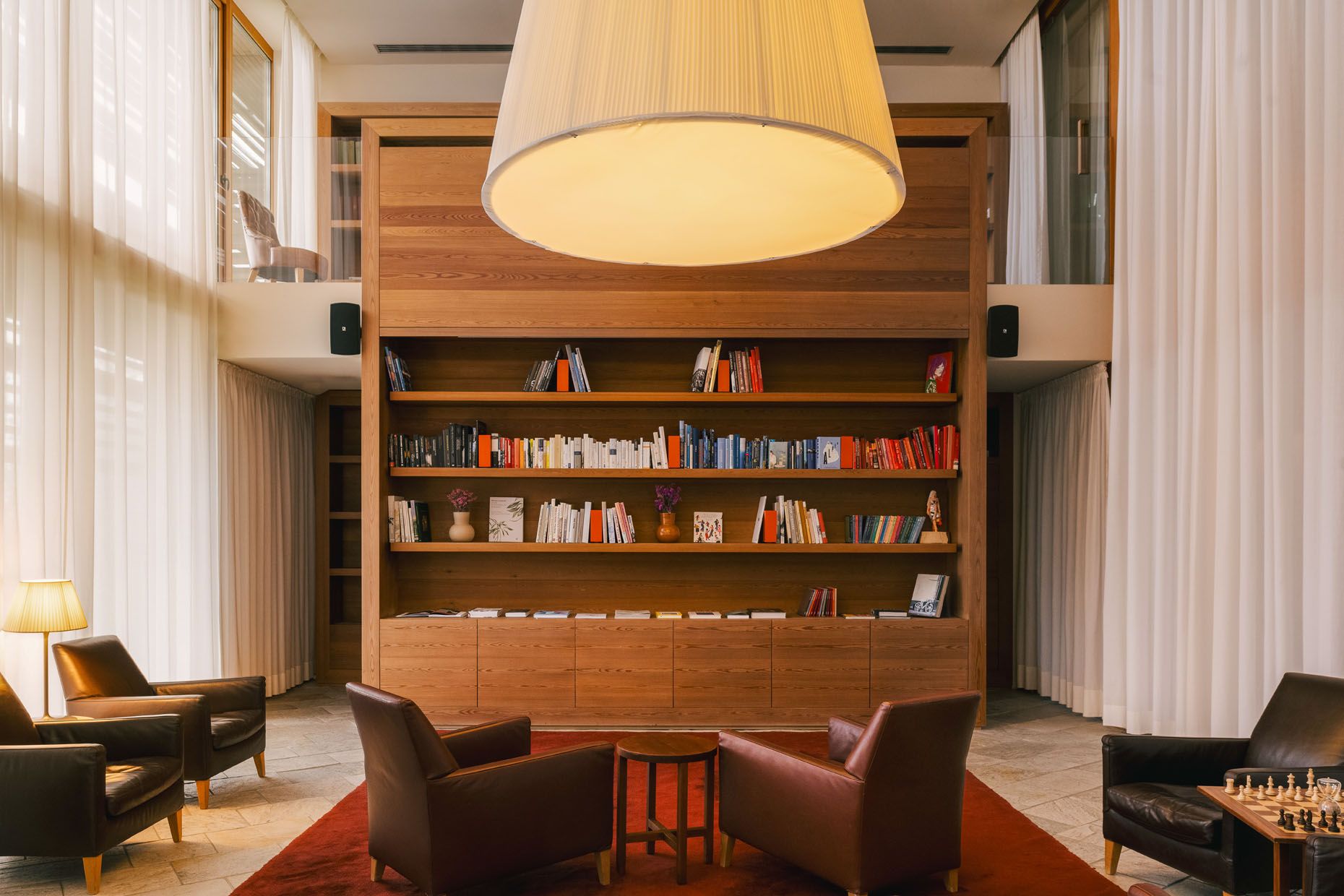
The result is a sanctuary of sophisticated simplicity. The luxury is in the detail, the materials and the precise craftsmanship. It is also in the masterful equillibrium that creates poetry from reduction and lightness from solidity. Larch wood, glass, silver quartzite and clay achieve the aesthetic balancing act between timeless clarity, subtle sensuality and alpine affinity.
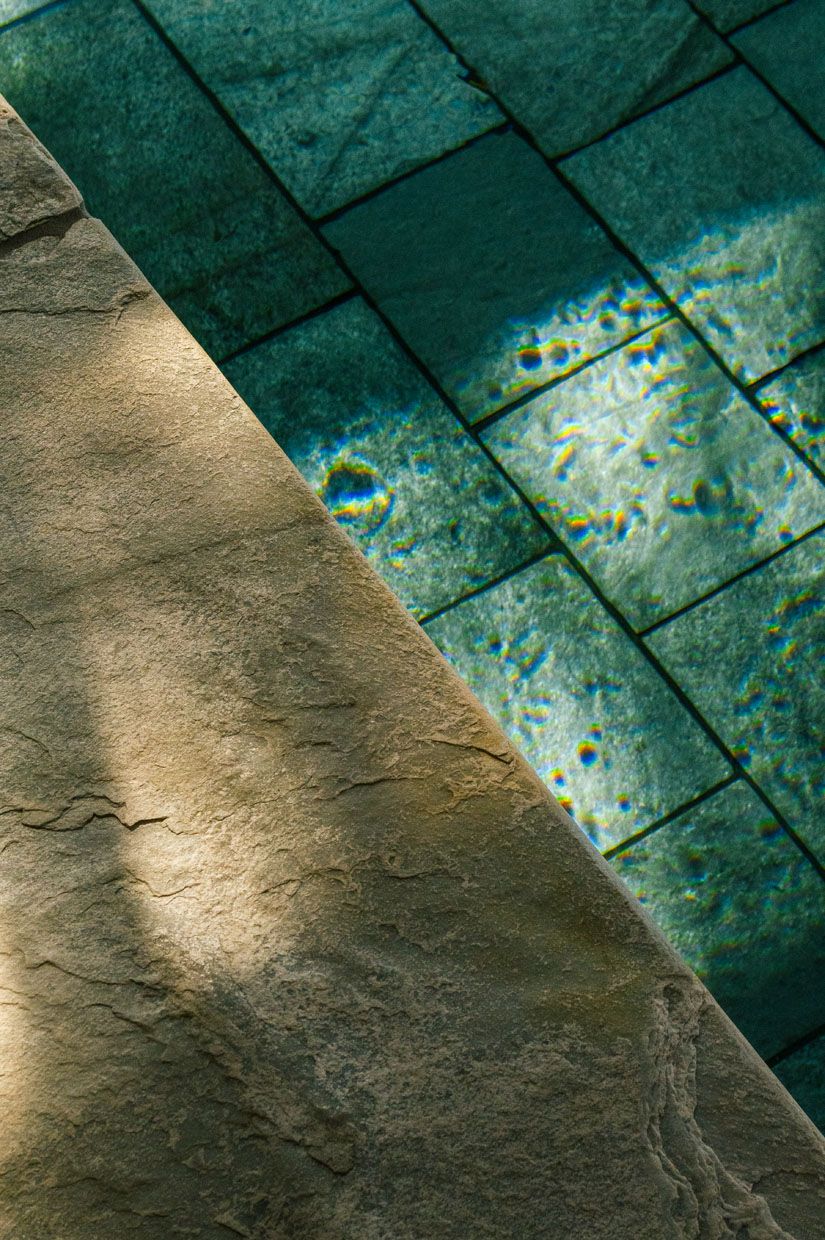
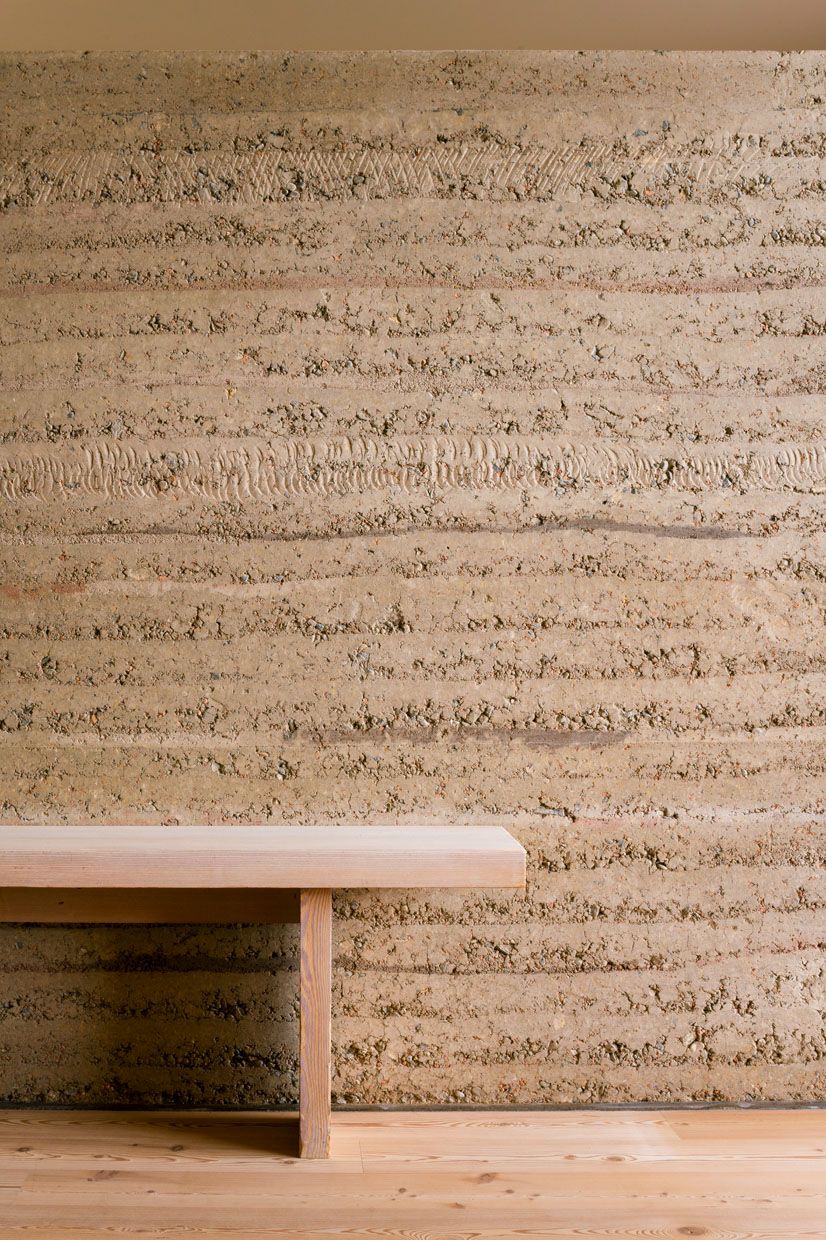
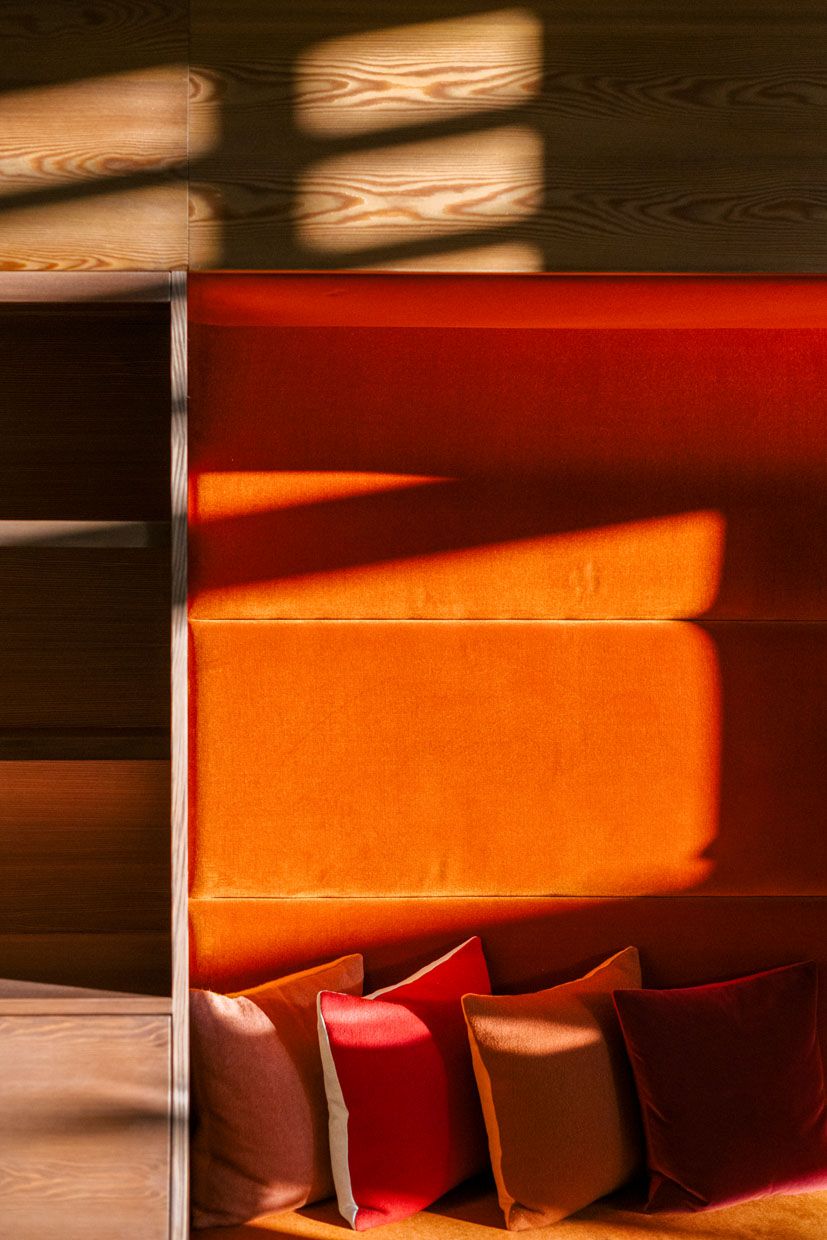
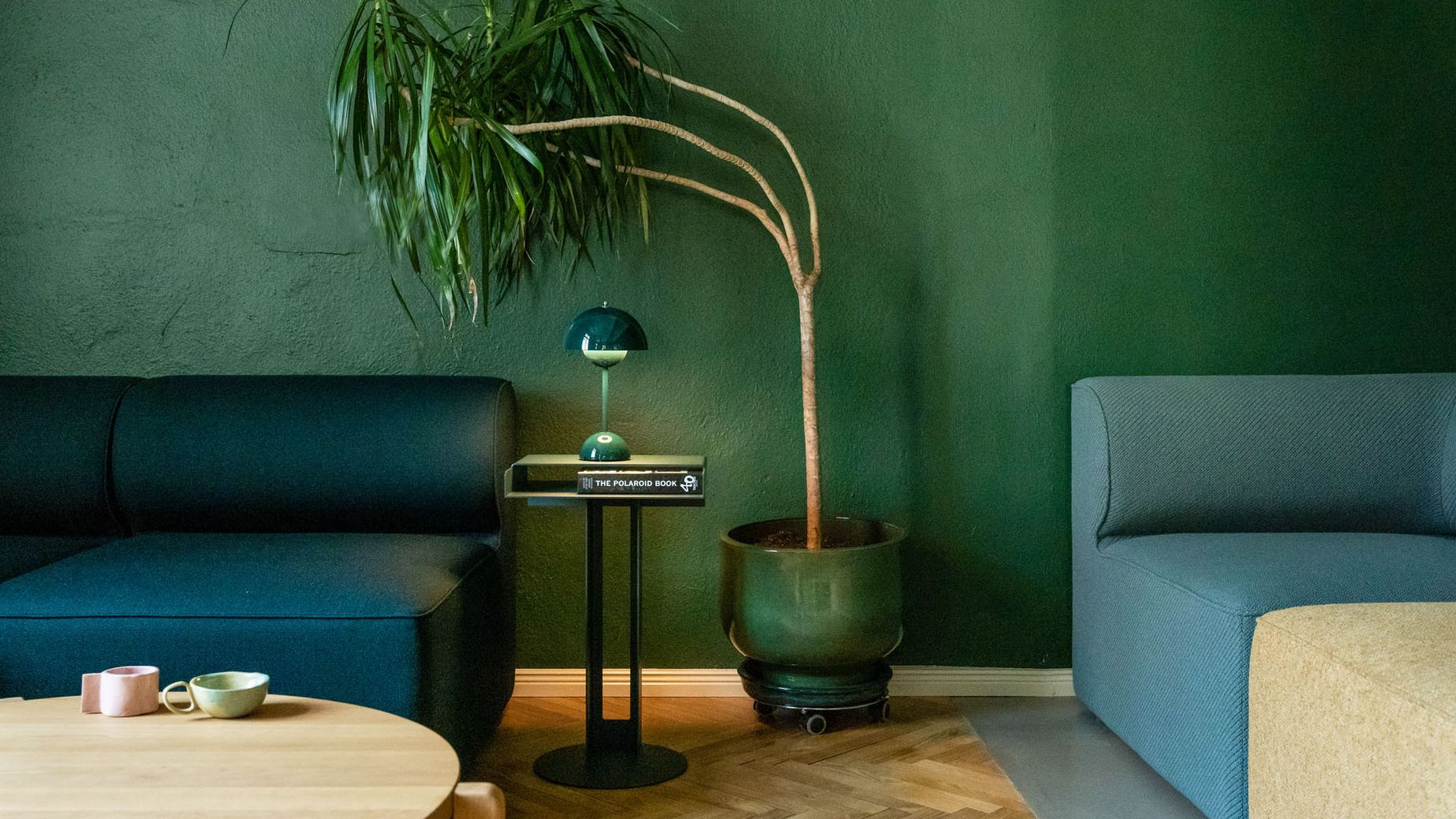
You can’t explain the vigilius because more than a place, it is a feeling. Its spaces create identities and have their own emotional presence. The choreography of the light on the surfaces and the tactile quality of the natural materials create a softness that wants to be touched — with the eyes, the hands, barefoot.
The five female Tibetans
The holistic approach that Matteo Thun applied to the design of his tree trunk also runs through the content and corporate philosophy of vigilius. Participation, flat hierarchies and an open culture of dialogue are elements that make all the difference for hotel employees, especially at 1500 metres above sea level, where the gears and logistics of a hotel run a little differently than in the valley.
All the people who work at vigilius have committed to a specific mentorship that is not necessarily related to their core professional tasks. Learnt in depth, this becomes part of the programme and the identity of the mountain resort.
And there is another element that is omnipresent: female intuition.
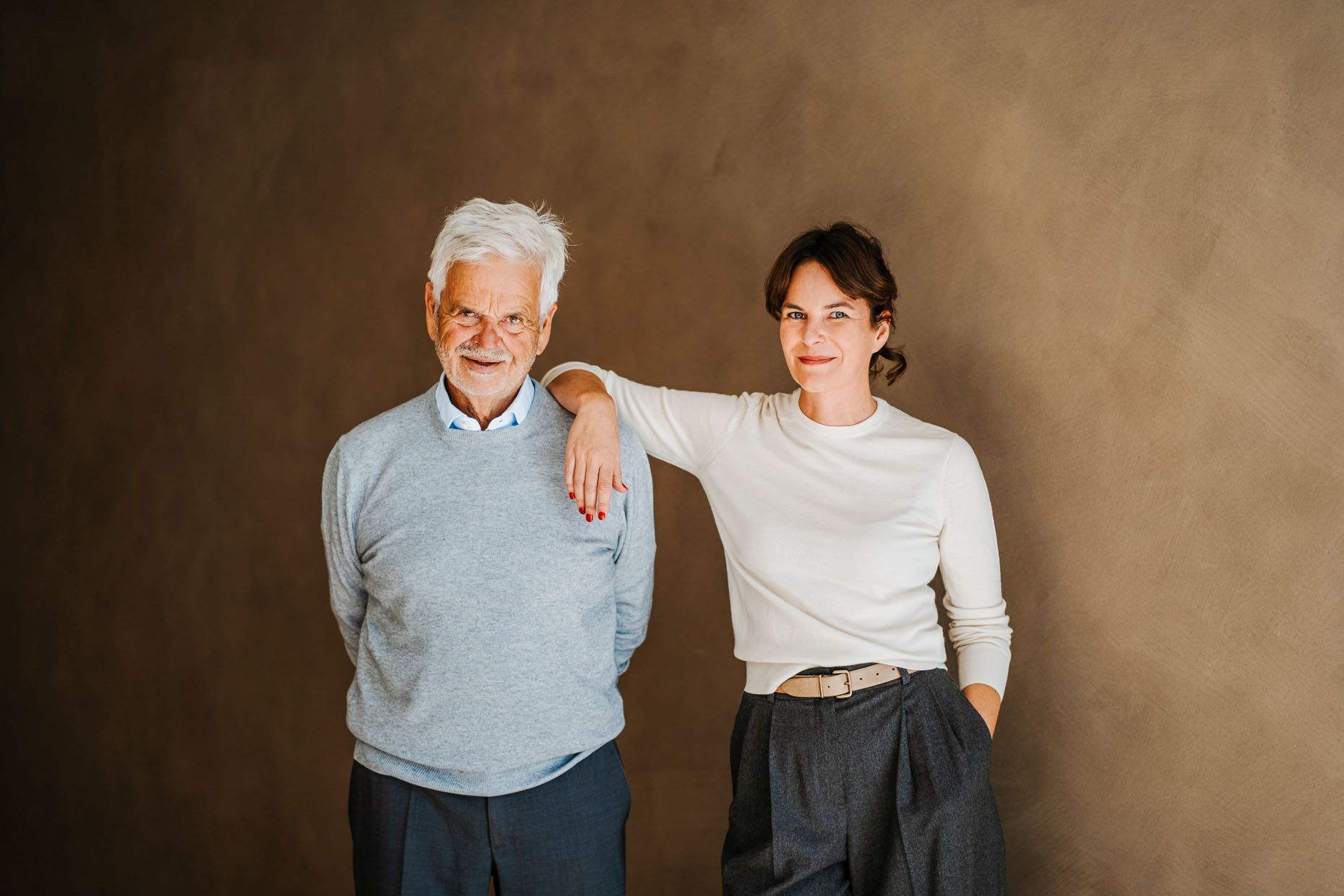
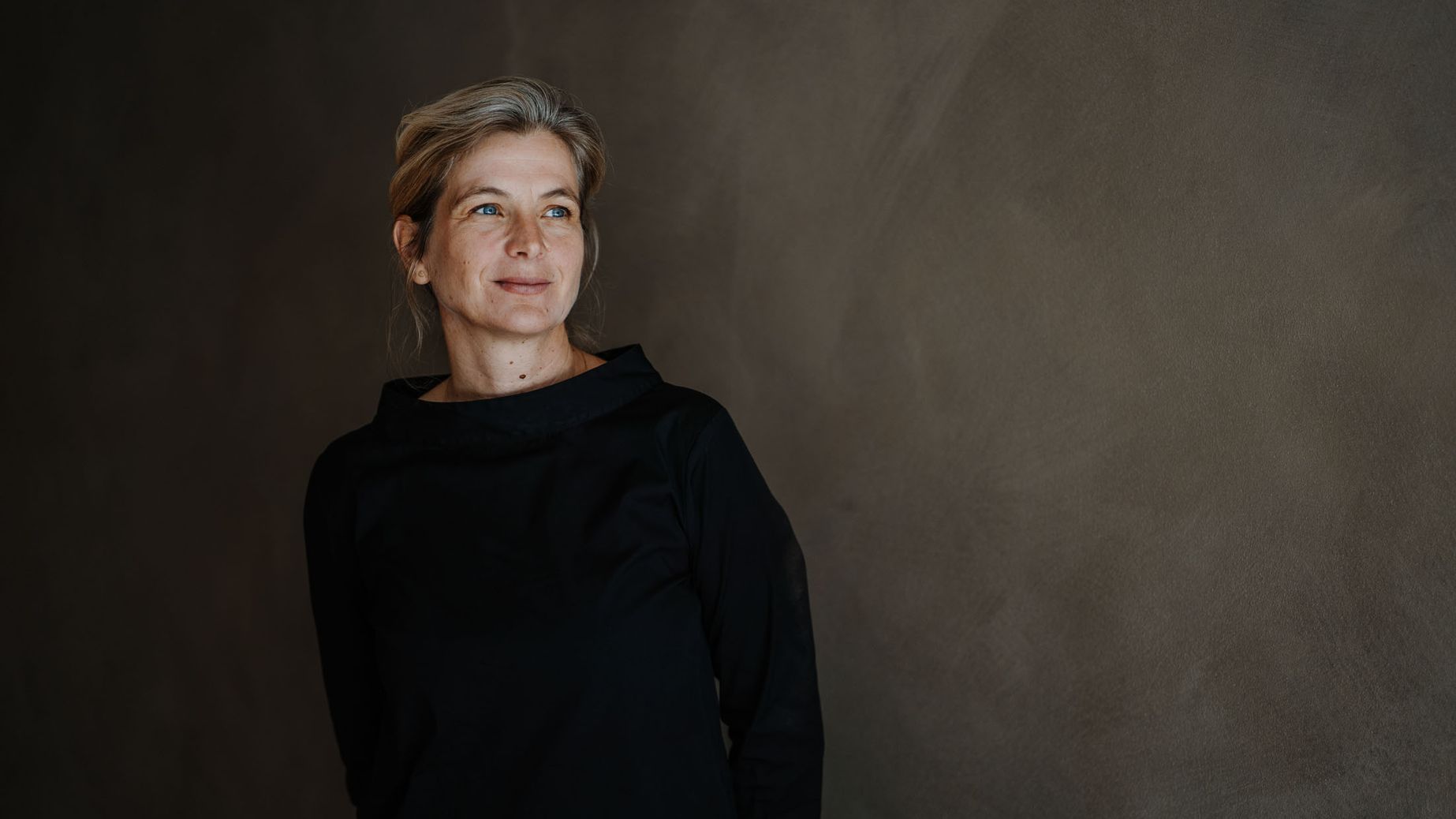
Just over a year ago, Ingrid Ladurner took over the management of the vigilius, living and preserving the values of the hotel in the generational change and running the extraordinary mountain hotel together with the two young hotel managers Vera Dejori and Eva-Maria Zöggeler. Sophia Estgfäller is the woman in charge of events and somehow manages to be in different places at the same time. Christina Biasi-von Berg, head of the Merano-based architecture studio biquadra, has been curating the design of the vigilius together with Matteo Thun for 20 years and is now responsible for the maintenance and further development of the hotel.
And their mentorships?
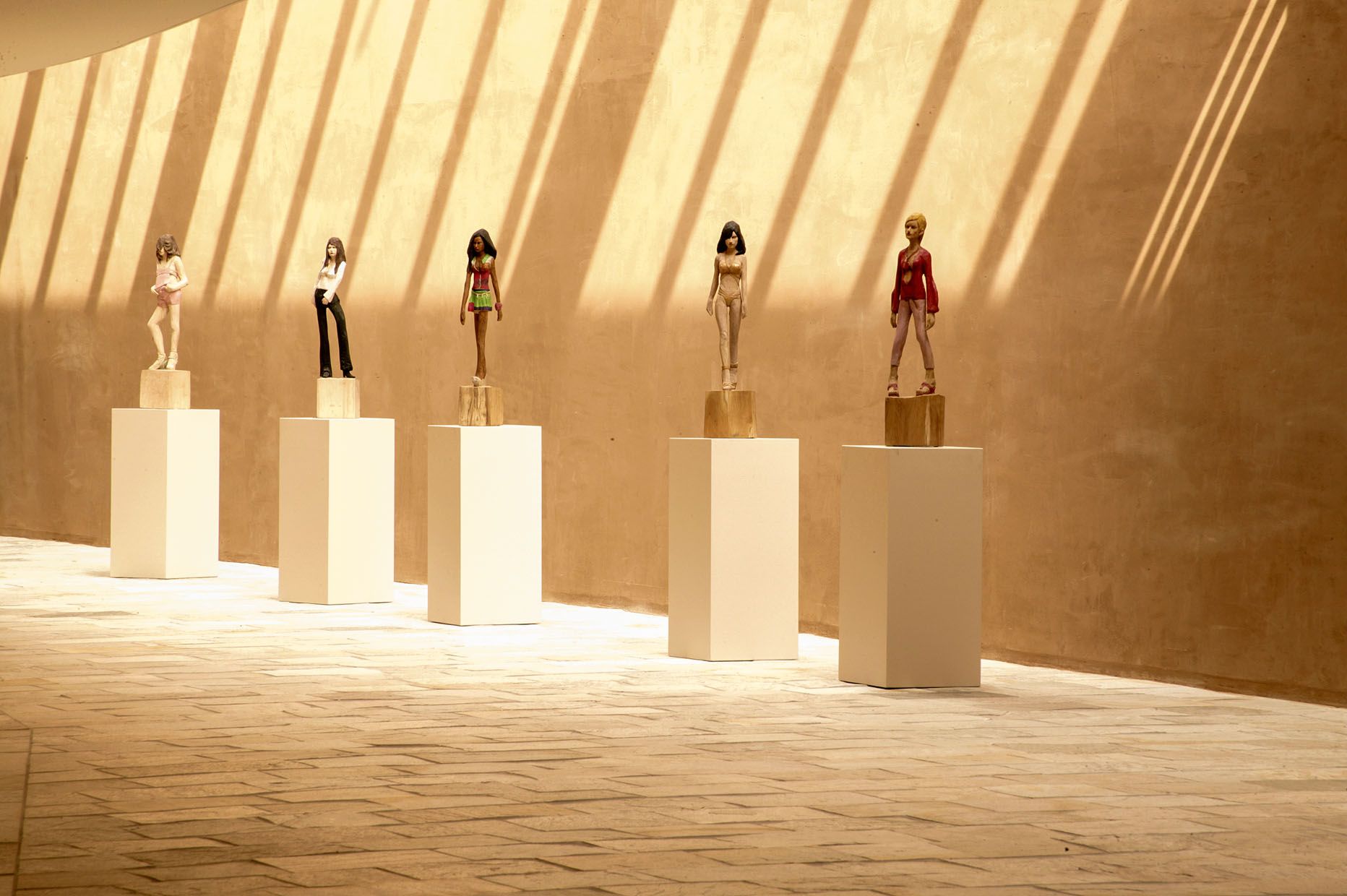
The sculptures by Japanese artist Hideki Iinuma, archery, kintsugi, boccia, hatha yoga and The Five Tibetans®.
Islands for the senses
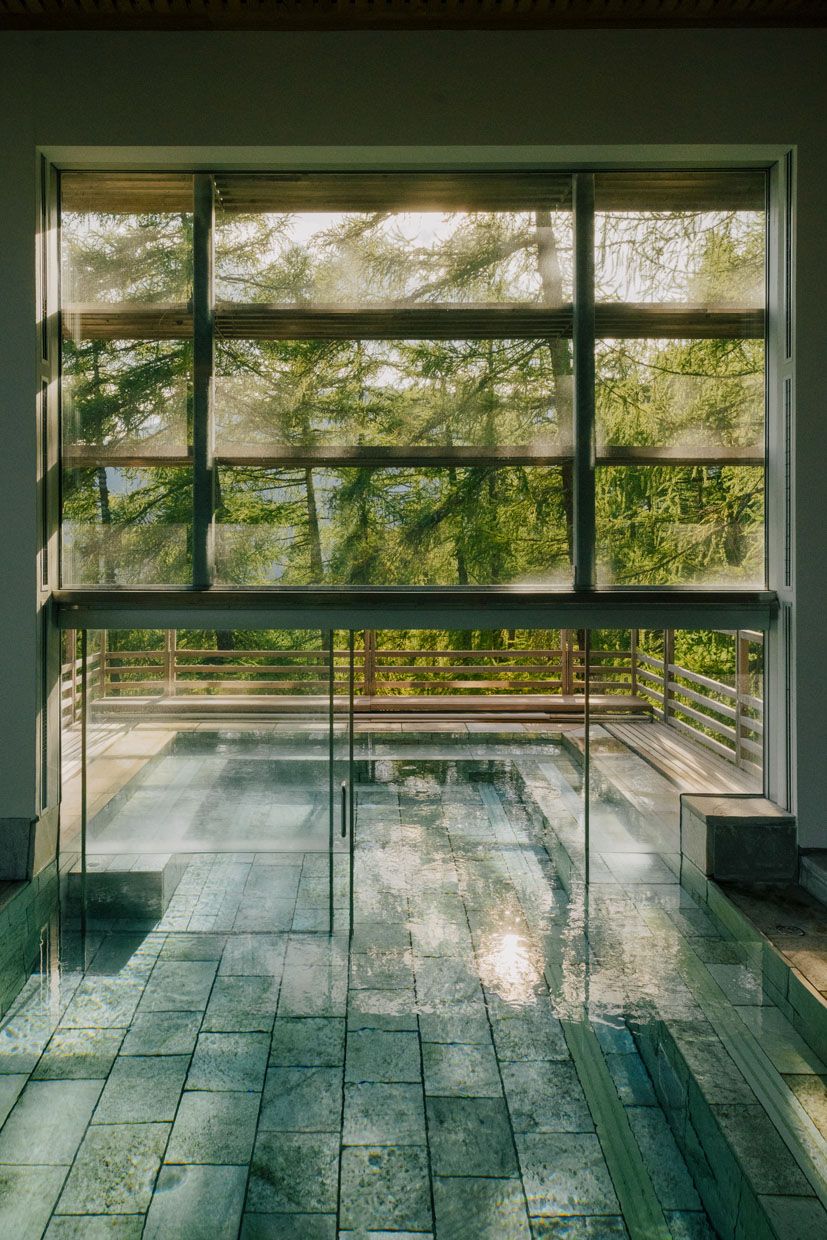
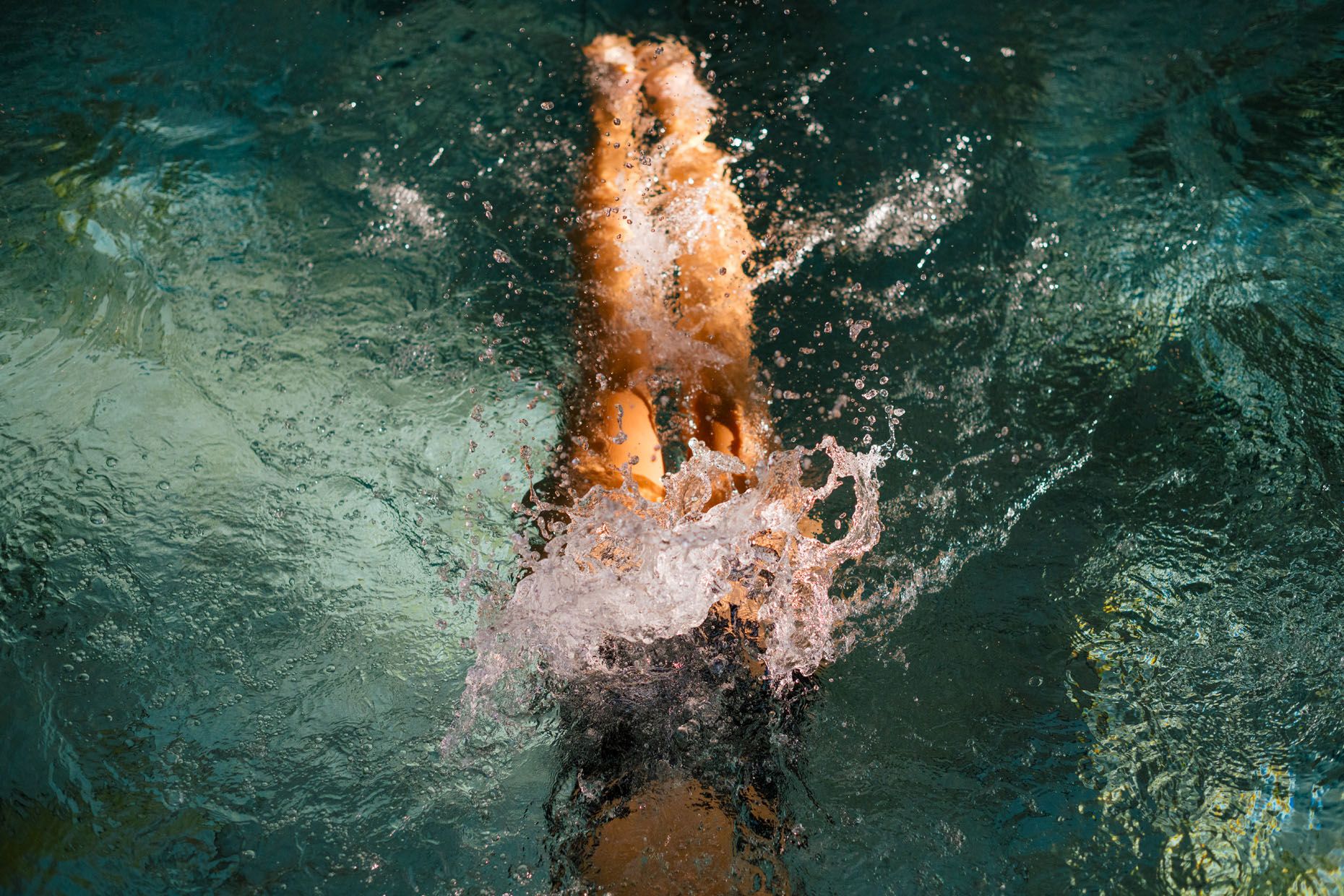
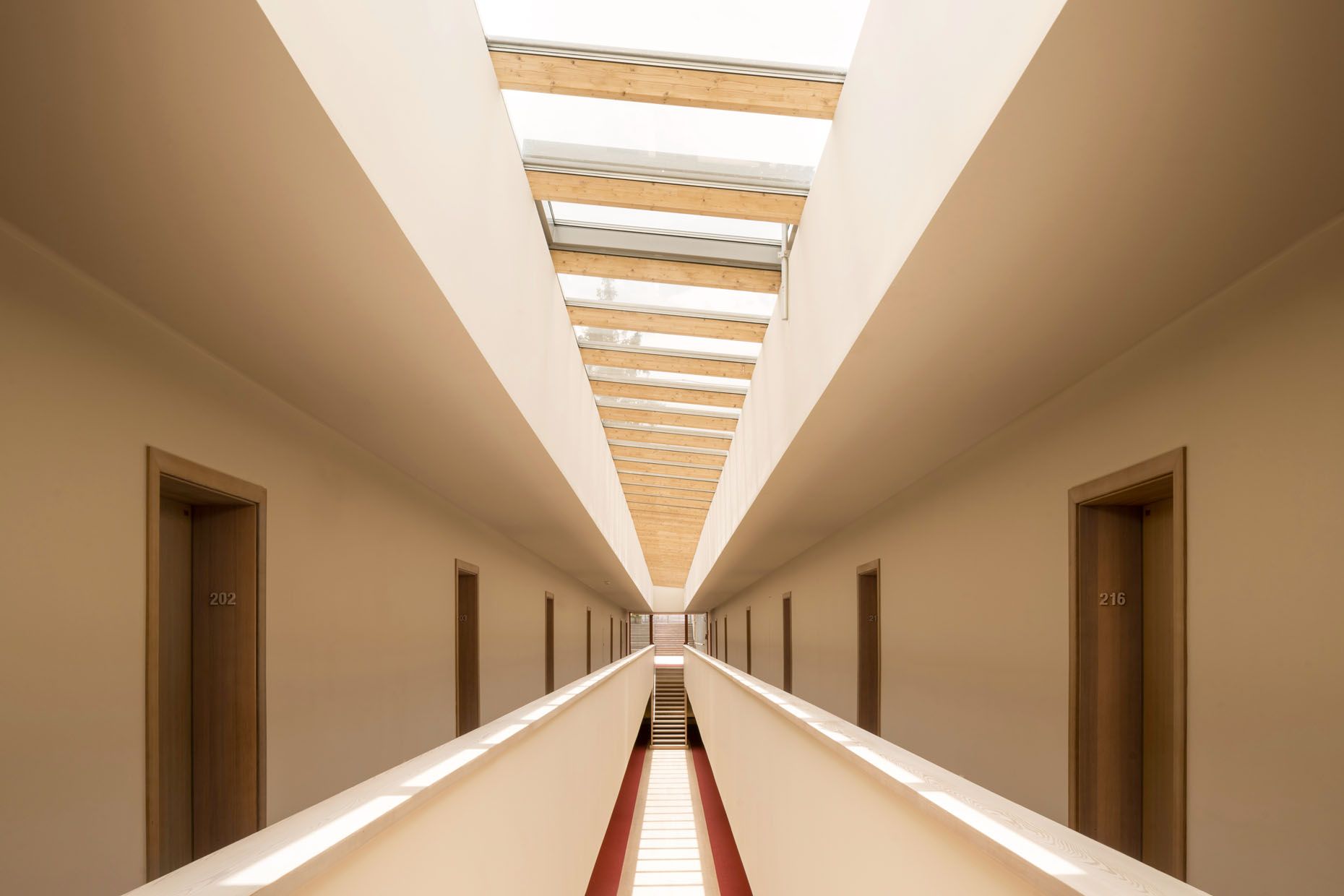
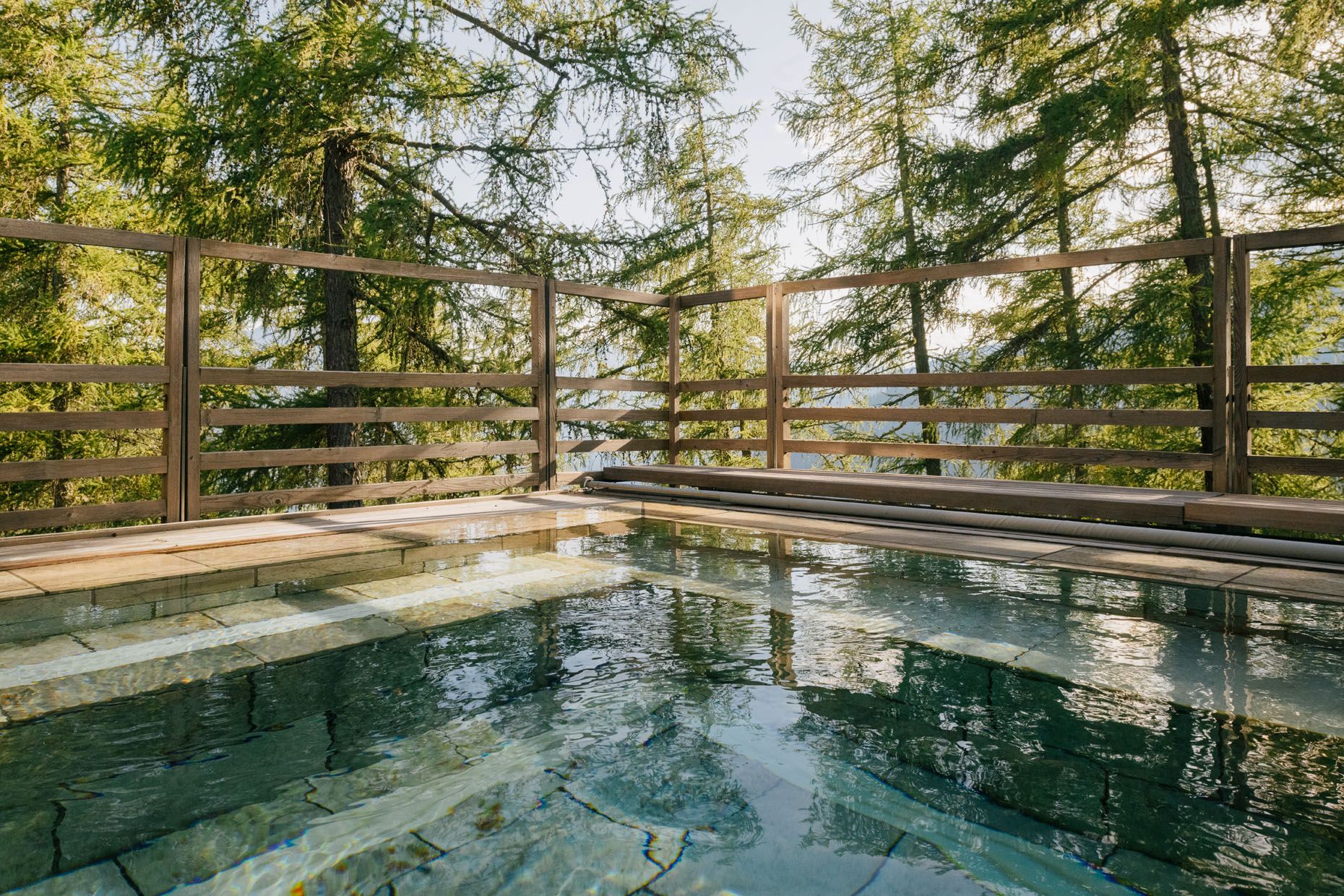
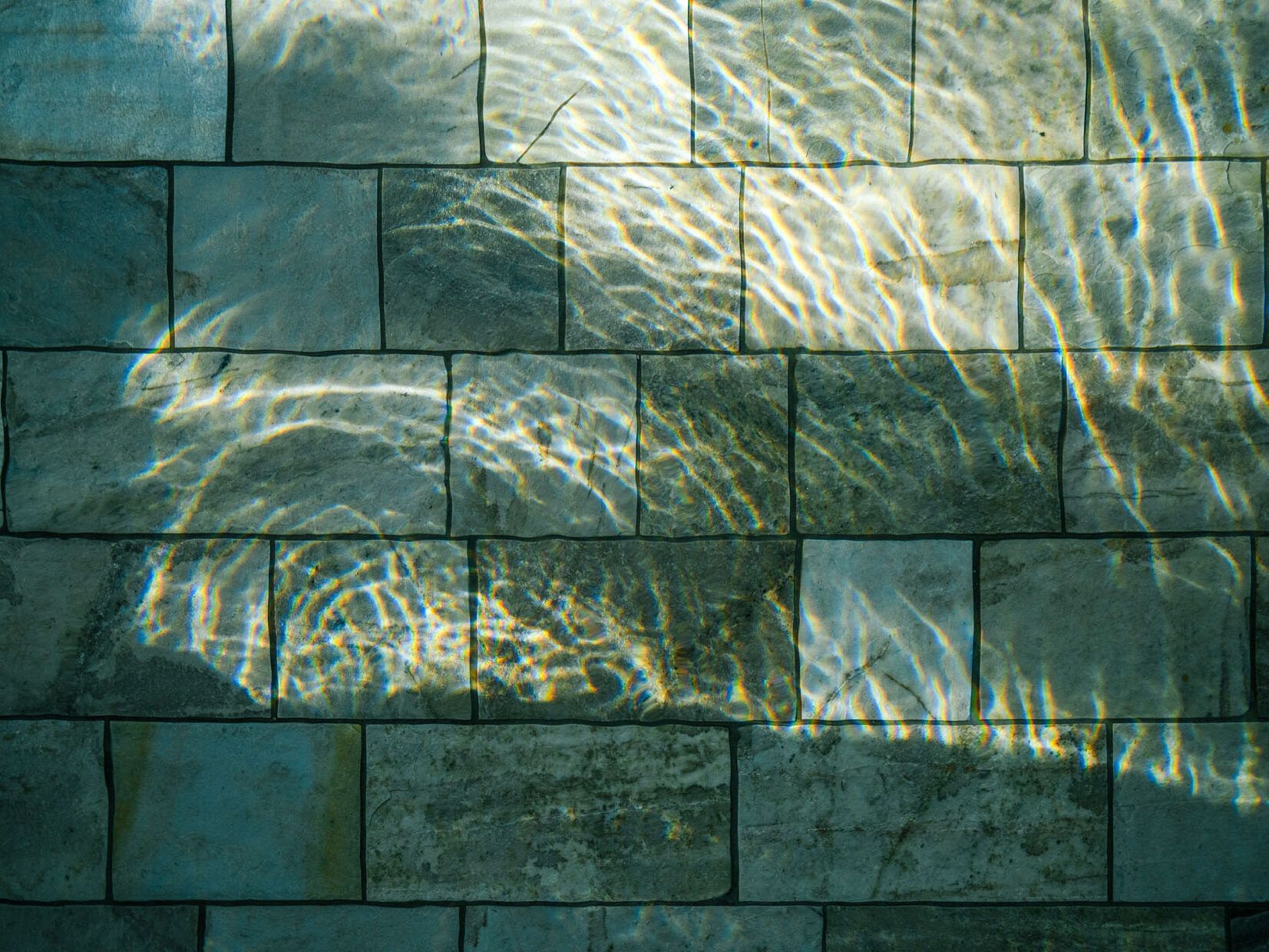
A common scene at the vigilius: people in bathrobes stroll leisurely through the bright, contemplative gateways — known elsewhere as hotel corridors. You can read the joyful anticipation on their faces. To what? To peaceful, gentle, healing moments in the Aquiléia spa. The forest reflects in the water like a kaleidoscope. The body becomes very light, the thoughts follow suit. Swiss stone pine oil, steam bath, hay flowers and a sauna infusion with wild herbs. Luckily, time passes very slowly up here.
A very precious element bubbles up from the nearby mountain springs of the Vigiljoch and flows from every tap in the hotel: Water of a high mineral quality.
On its way through the depths of the mountains, it comes into frequent contact with granite. Since the 1960s, it has been collected in an ingenious system of channels and tunnels before flowing into Merano, around 1200 metres below, where it is bottled as mineral water.
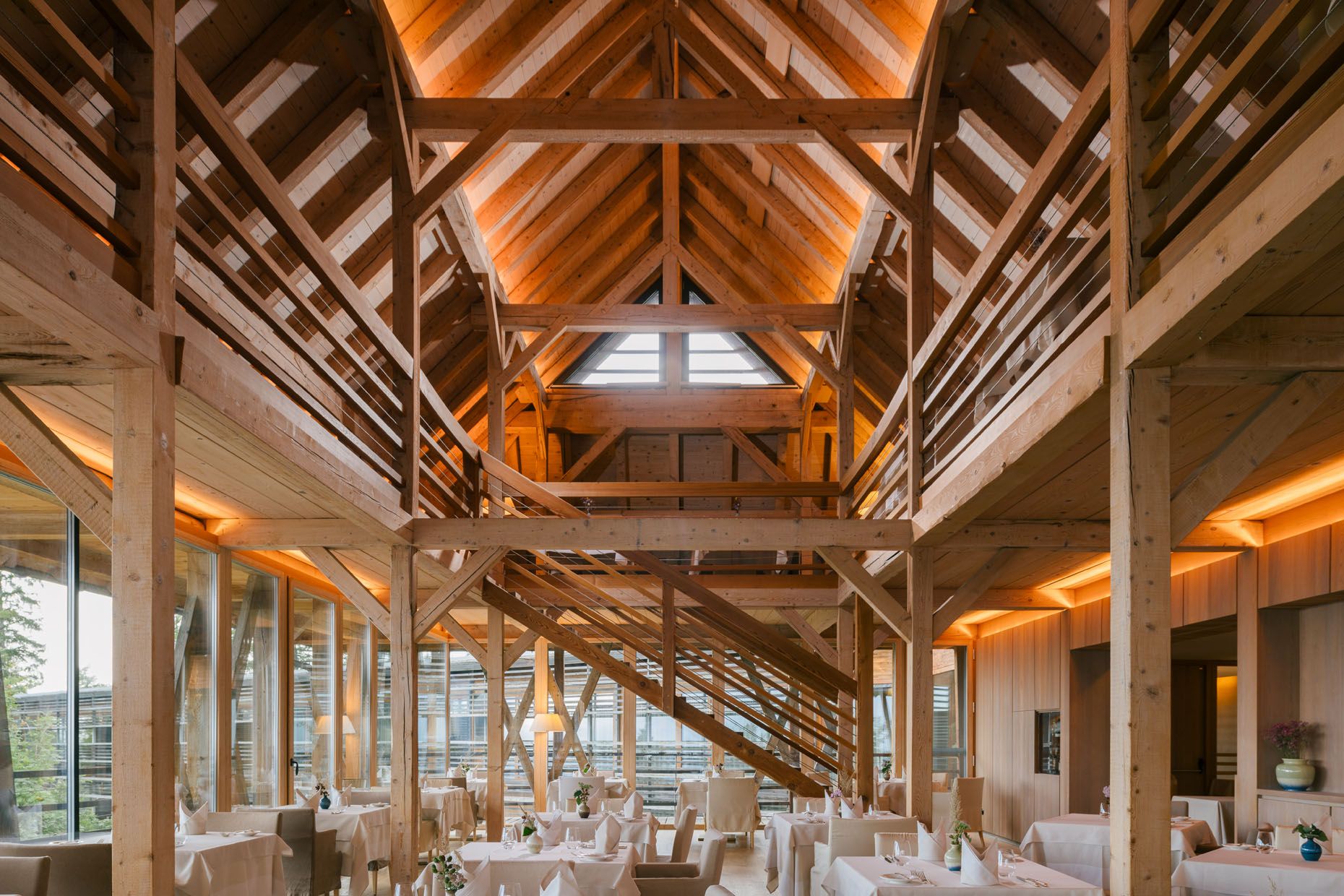
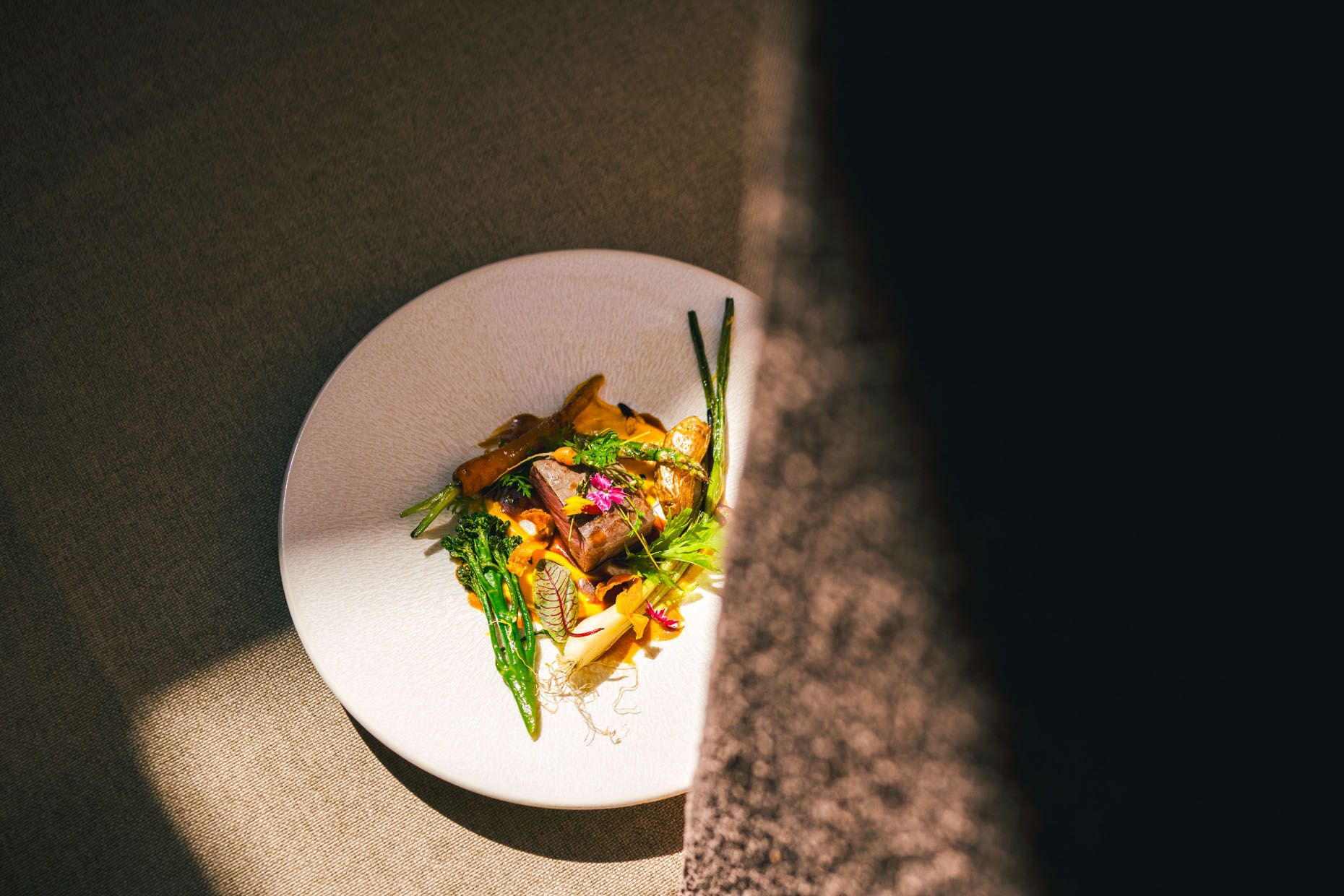
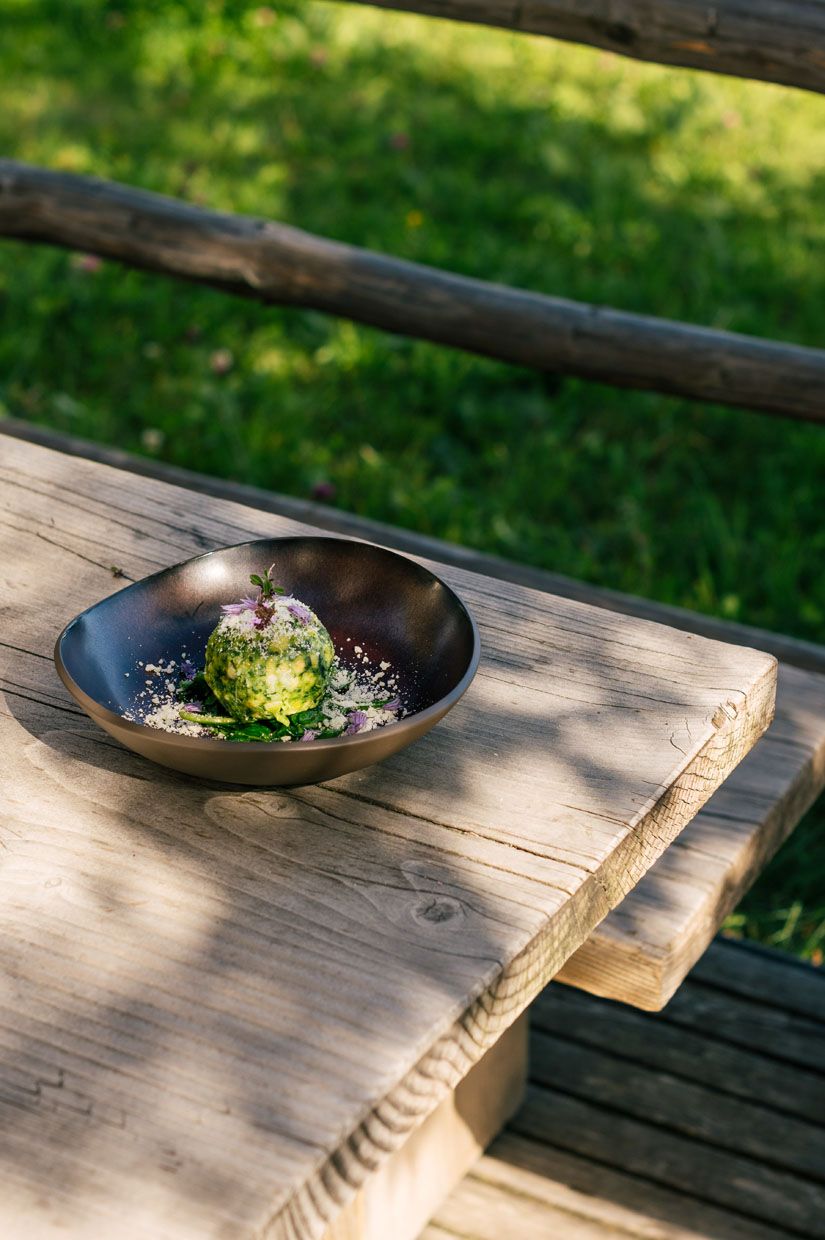
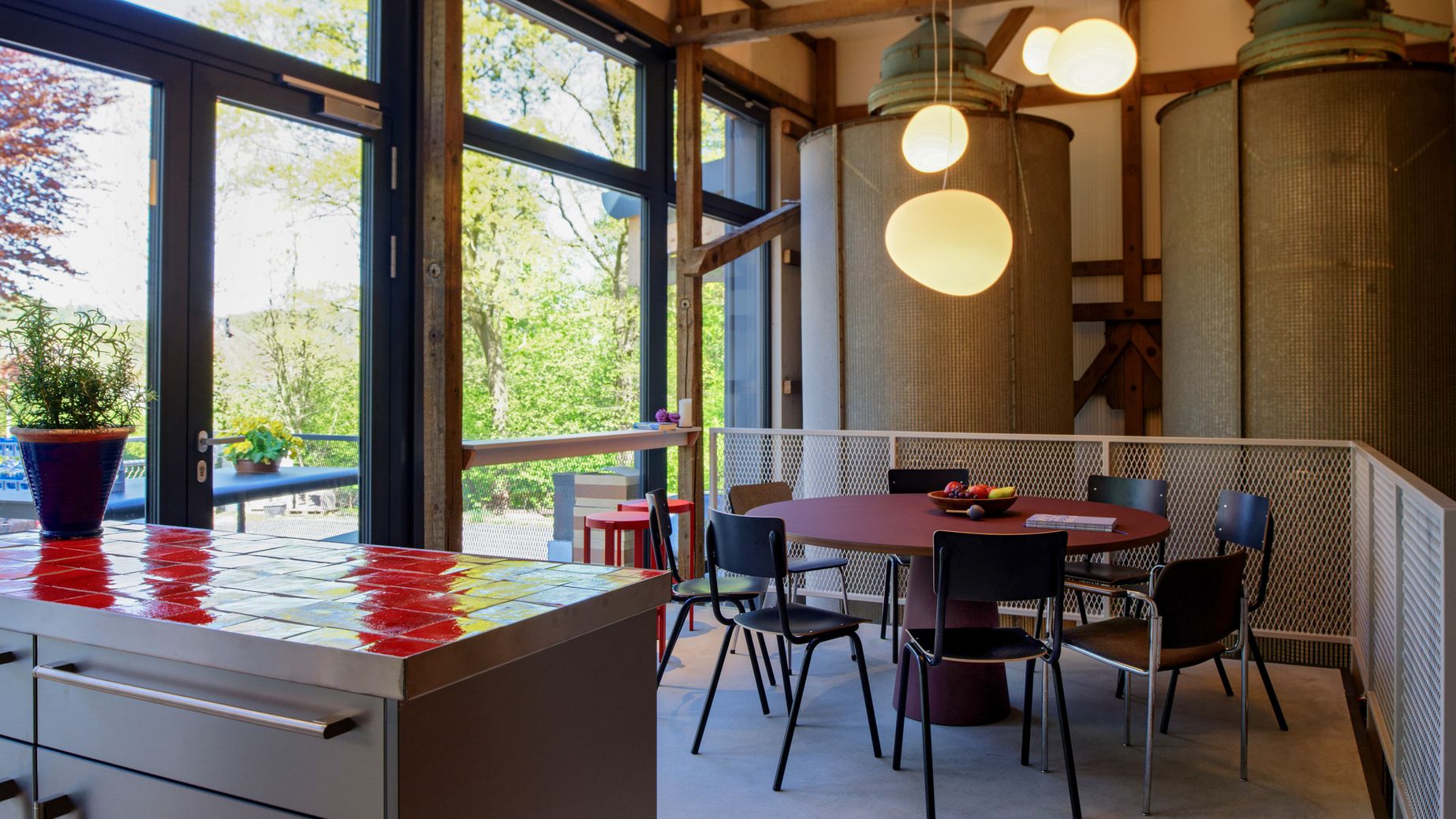
In the elegant, architecturally spectacular restaurant 1500, you enjoy breakfast and dinner from a bird’s eye view, as if in a giant tree house made of glass and a forest of 300-year-old beams. The people who shape the vigilius are in their element here, you can tell. Head chef Daniel Sanin loves the wild herbs of the Vigiljoch and translates the emotion of the mountain landscape into regional cuisine with a cosmopolitan twist. When sommelière Svetlana talks about wine, every bottle becomes a character piece.
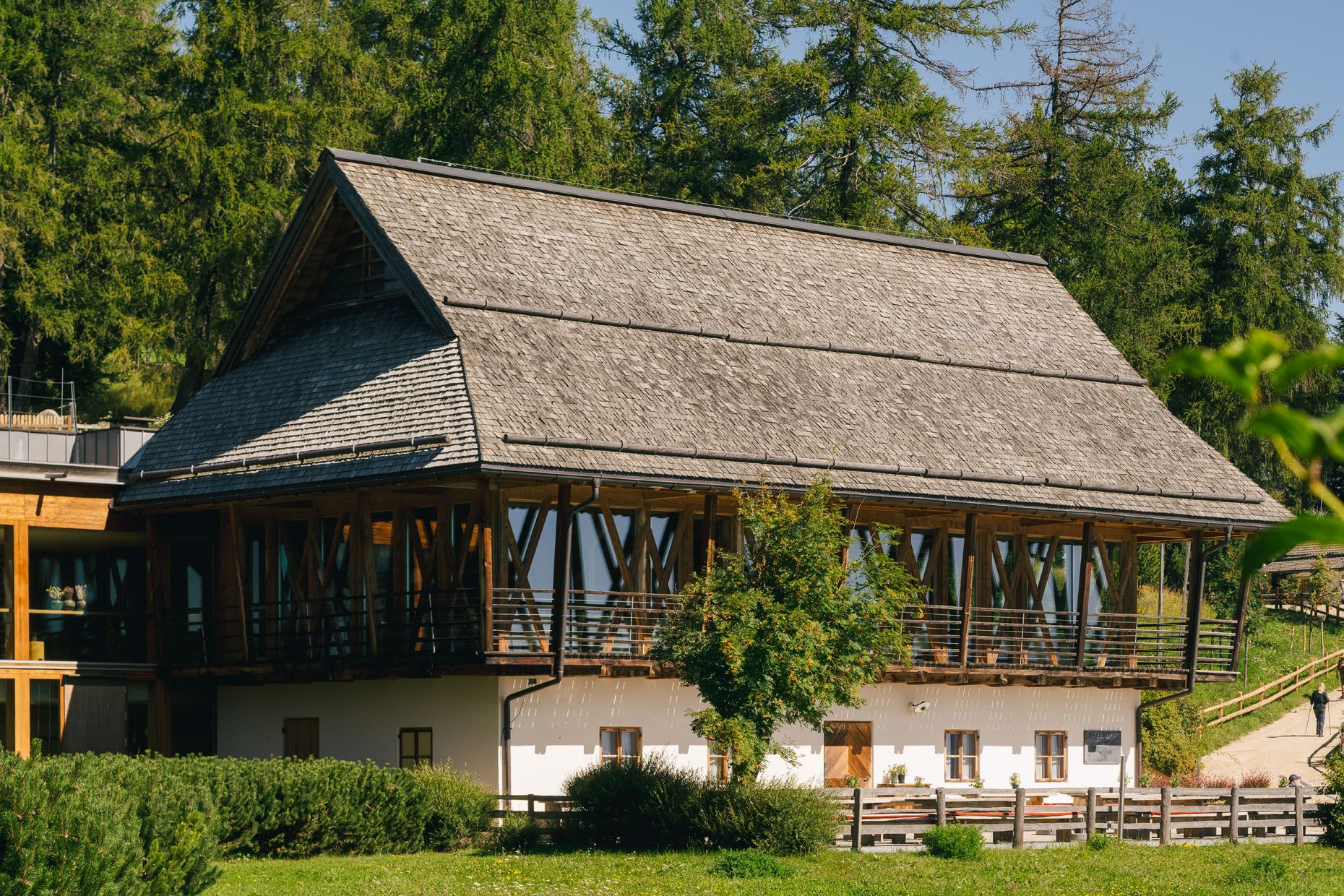
On the panoramic terrace of the traditional Ida-Stube, which is also open to day guests, you can sit in front of a movie-like mountain backdrop and follow the tranquil journey of the cable car. Early in the morning, it takes heavily laden hikers up to the Joch, who a little later soar through the air like eagles on a paraglider. In the evening, alpenglow accompanies the aperitif.
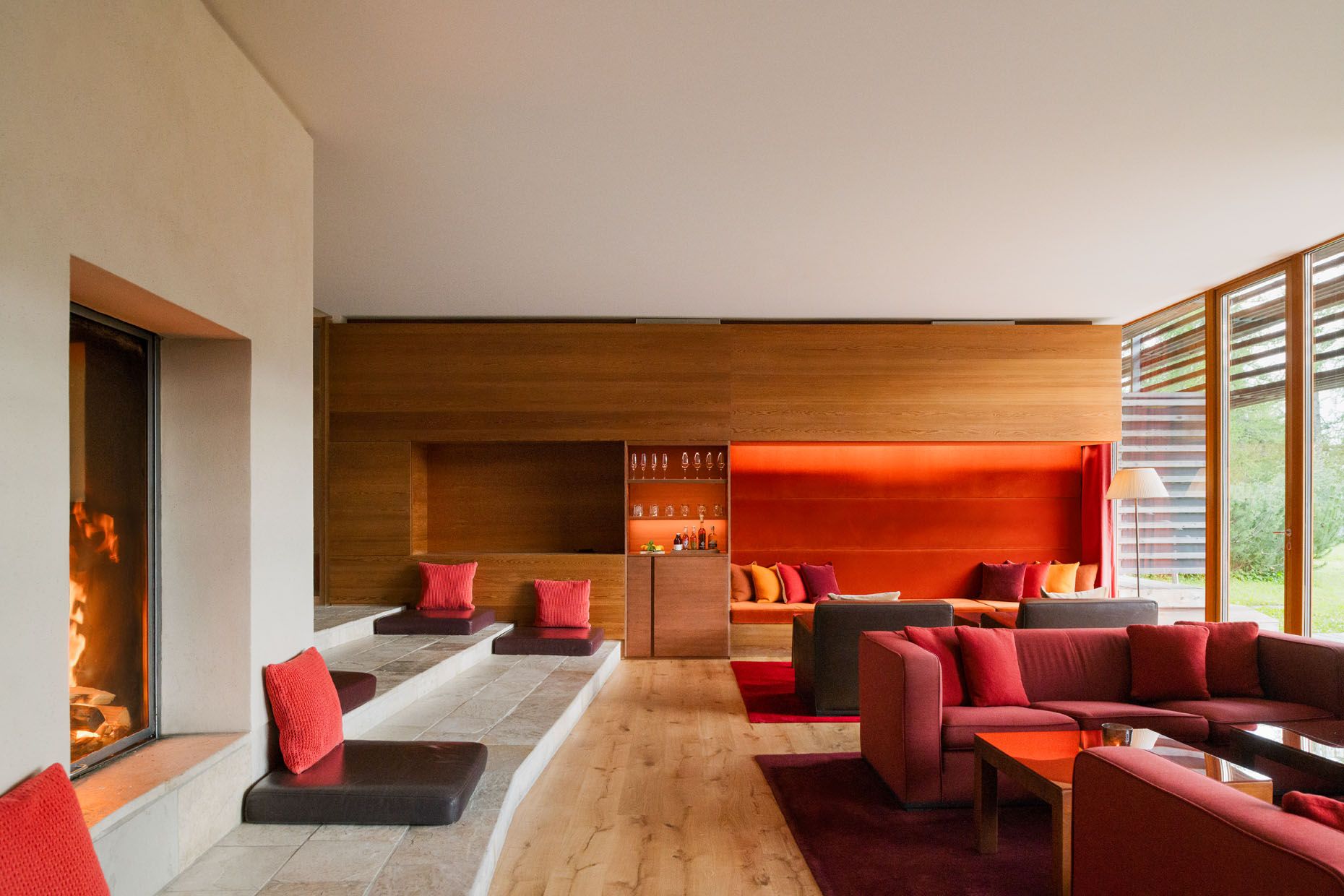
After the last descent into the valley at 7 pm, guests have the house all to themselves again and time for long conversations on the stairs by the fireplace or in the red velvet sofas of the piazza, the communicative heart of the house. If you step out onto the terrace and into the cold night air, you can almost touch the starry sky. Down in the valley, the lights of Lana and Merano are twinkling, a cosy bed and a beautiful dream await.
Think Tank
The father of the vigilius is a quiet source of inspiration. With gentle constancy, he nudges his fellows to think along and further and crystallises visions that are socially relevant, aim to create stability and are always driven by joie de vivre and open-mindedness.
The best example: the sensus events. Once a year, vigilius invites renowned, interdisciplinary minds to the seclusion of the Vigiljoch to discuss future-relevant issues relating to an overarching theme — from longing to risk culture — with the necessary distance from the world — and to place them in a regional and global context. The think tanks on the Vigiljoch are open to guests of the hotel as well as to all those who are willing to take a little time to explore deep topics. The path to self-knowledge is only a short quantum leap away: five and a half minutes.
Stars without airs and graces
The Mountain Resort is officially a five-star hotel, but it defies all the pigeonholes and rigidities that still set the tone for this category. The vigilius is authentic and unvarnished. The guest — every guest — is met authentically and with empathy and has all the space needed to reconnect. That is true luxury.
The Ladurners’ mountain resort could not fit better into the post-pandemic pyramid of needs with its holistic and essential approach. It has stood in its place for 20 years and yet it is as if the world is rediscovering it, seeing it with new eyes and appreciating it more consciously for what it has always been: a stroke of luck on all levels.
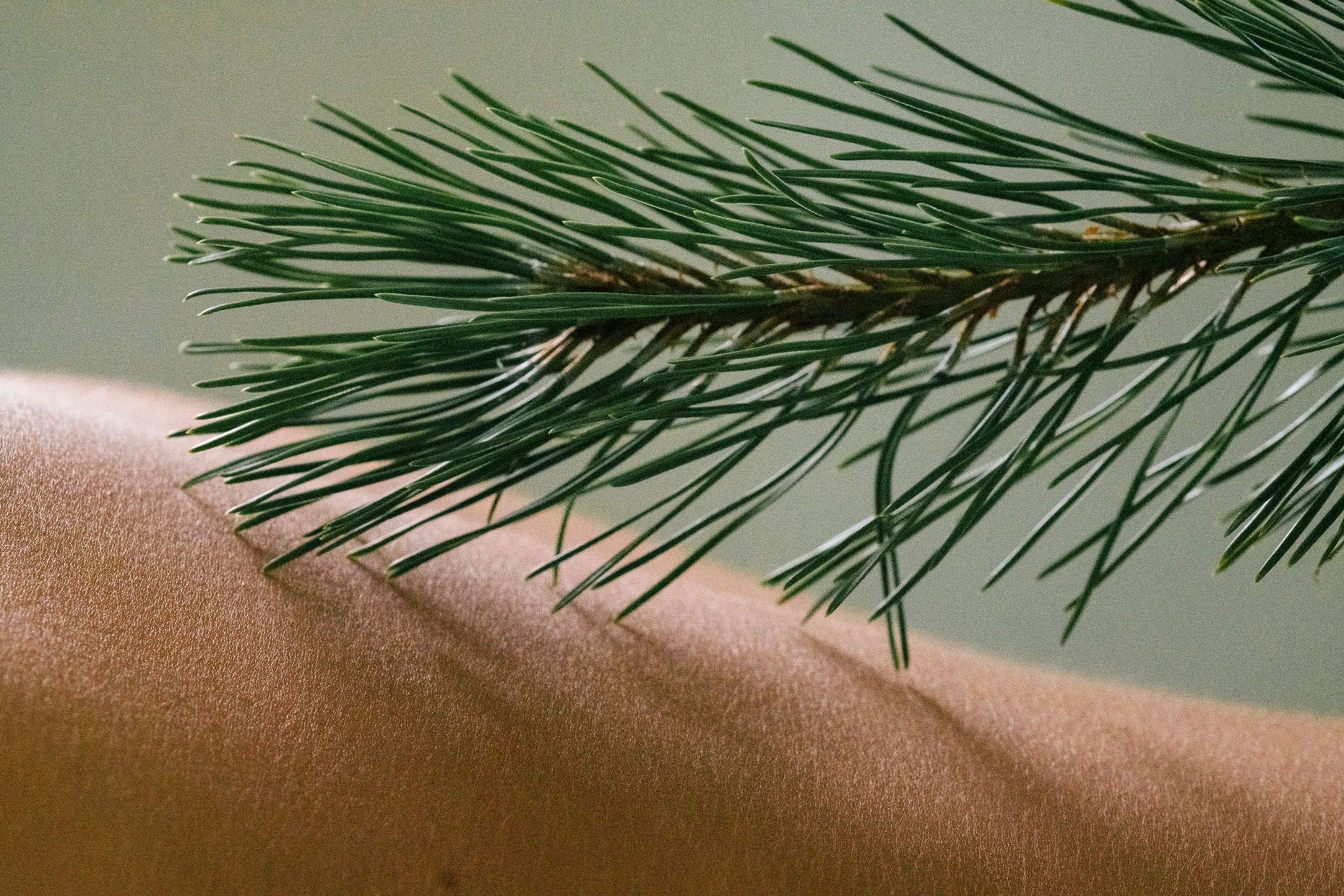
In overtourism-ridden South Tyrol, where hotels are springing up like mushrooms and the copy-and-paste of a strangely artificial, modern alpine style all too often has become the modus operandi, the vigilius is a plea for distinct identity and a true encounter with the soul of a place. Whether in front of a velvety Vernatsch and the panorama of the Rosengarten, during a mountain pine massage or in the hotel library while browsing through the vigilius mountain stories is up to you. Those who get involved will be surprised. That’s what makes it so special here.
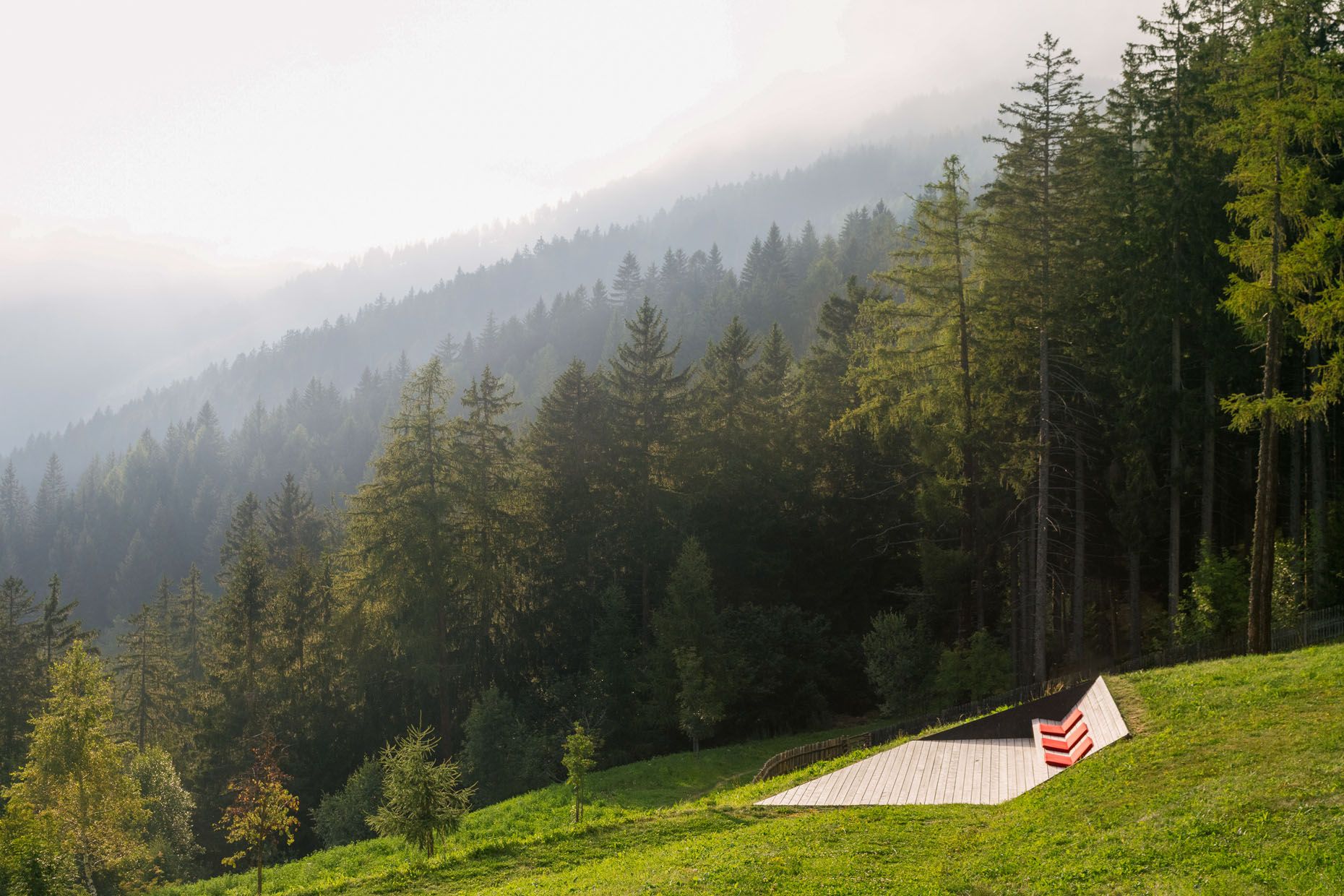
The vigilius is an island of nature, supported by an architecture in which people can be themselves and initiate their very own evolution. The house creates the space and the quality of time in which pausing and movement, invisible quantum leaps and aha experiences are given their moment. For this and for the atmosphere that you have to experience to fall in love, this place gets 5 stars. Also a whole night sky full.
It’s not easy to find your way back from this gentle non-place into the noisy, fast-paced world. Five and a half minutes can sometimes be like a gateway to another life. The island on the Vigiljoch only seems to exist as long as you can experience and feel it, after which it remains a vague longing in your head, stomach and soul. As if it was all just a dream. You get a bit addicted to the vigilius. There’s only one remedy: come back. Soon.
Text: Britta Krämer, June 2024
Photos, unless otherwise noted: Tobias Kaser; photo with sculptures by Hideki Iinuma: Serge Brison; portrait photo: Franziska Unterholzner; black and white photos: Georg Mayr; sketch: Matteo Thun

One Comment
Der Artikel beschreibt sehr gut das Vigilius Mountain Resort, das ich bereits mehrfach besuchte und das immer wieder aufs Neue begeistert. Man kann dieses Hotel kaum umfassend beschreiben. Es ist ein Erlebnis für alle Sinne. Man muss sich auf dieses Haus, seinen Stil, seine Umgebung und Atmosphäre einlassen, um es voll zu genießen. Man verläßt diesen Ort dann anders als man gekommen ist.