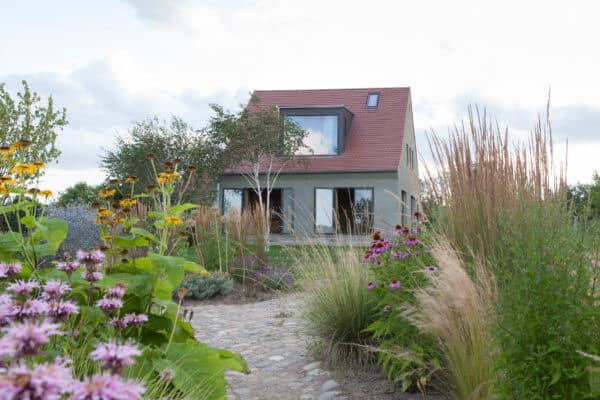
The charm of the unfinished – or: just do it
Sometimes it is precisely the imperfect that makes something appear perfect. In architecture, there are clever approaches that play with the unfinished, the authentic or the minimalist and impress with their own aesthetics. A consideration.
When we talk about “architect-designed houses” – and that’s what the majority of the houses listed on HOLIDAYARCHITECTURE are – we usually assume that the design of the houses has been thought through to the last detail and, well, is meant to last for ever. In the new buildings, everything seems to be cast from the same mould, and in the renovated properties, old and new elements complement each other to perfection, everything is perfectly orchestrated. This perfection is pleasing to the eye and has, of course, become an important quality criterion.
Sometimes, however, it is precisely the imperfect that makes something appear perfect – there is the sloping wall, the aging tiles or the old wallpaper, which at first glance seem to disturb the aesthetic eye, only to be perceived as particularly charming a moment later.
In architecture and its use, there are numerous approaches that embrace the principle of the unfinished or imperfect. In Europe, the Dutch have a particularly playful approach to the subject – in German-speaking countries, we seem to have a harder time steering towards an open-ended result without a set of rules. Perhaps it is the abundance of regulations, or perhaps it is the lack of a “just-do-it” mentality? Nevertheless, in this country, as well as in other European countries, there are some charming approaches that impress with their own aesthetics. In addition to the deliberately imperfect in well-designed architecture, these also include the temporary use of vacant buildings, temporarily habitable minimalist living concepts or an authentic holiday experience without comfort. A brief consideration.
In between and for a limited time only.
The pop-up (or pop-down) principle takes advantage of the trend towards imperfection and has been enjoying great popularity for several years: shops, event spaces, restaurants or even hotels pop up in the most unlikely of places for a limited time. Often, vacant premises are used for a temporary period or before a building is demolished. In the context of changes to the real estate landscape, temporary uses are particularly attractive in large cities. In most cases, it is usually the uncomplicated and provisional – and thus imperfect- use of what is available that lends most locations their charm : sometimes raw, unfinished walls bear witness to the previous use of the rooms, sometimes the low-key design of the interior, or simply the fact that a true gem is hidden behind a rundown house façade – surprising effects come in different forms.
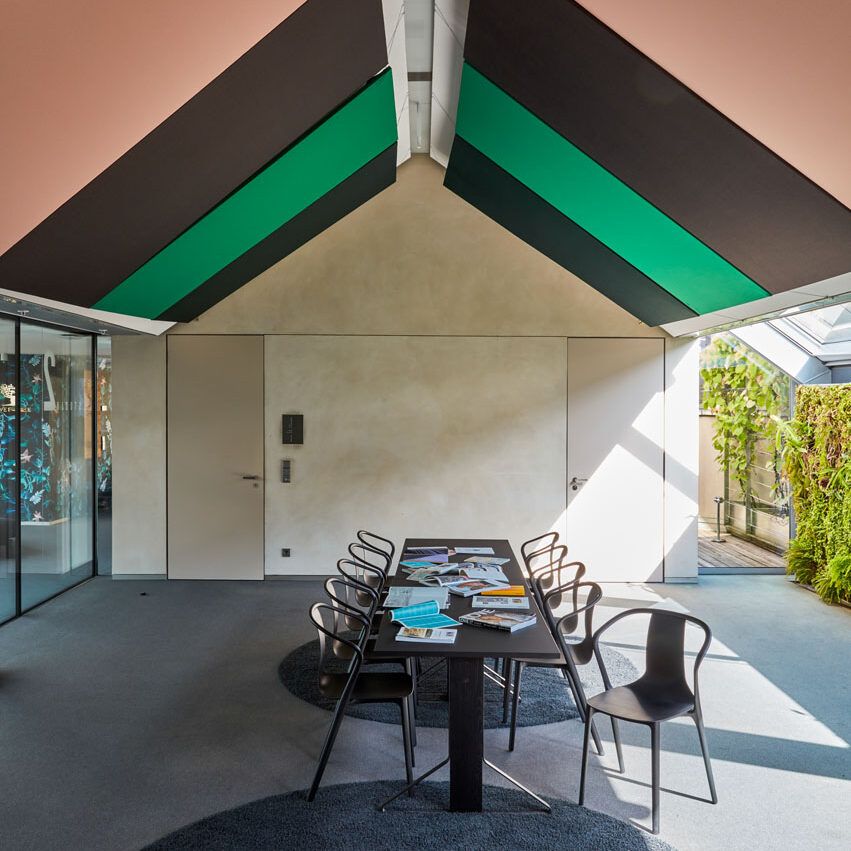
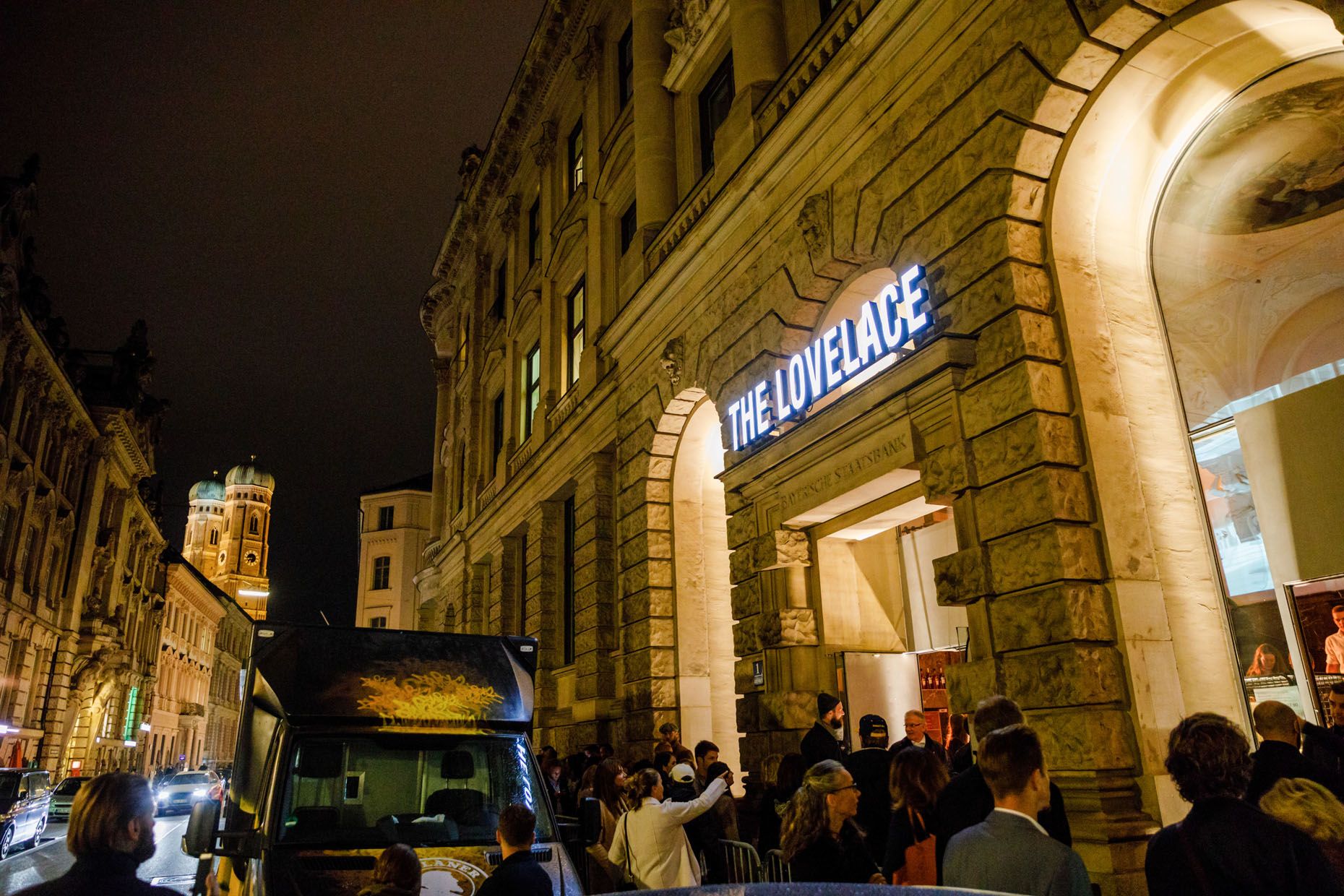
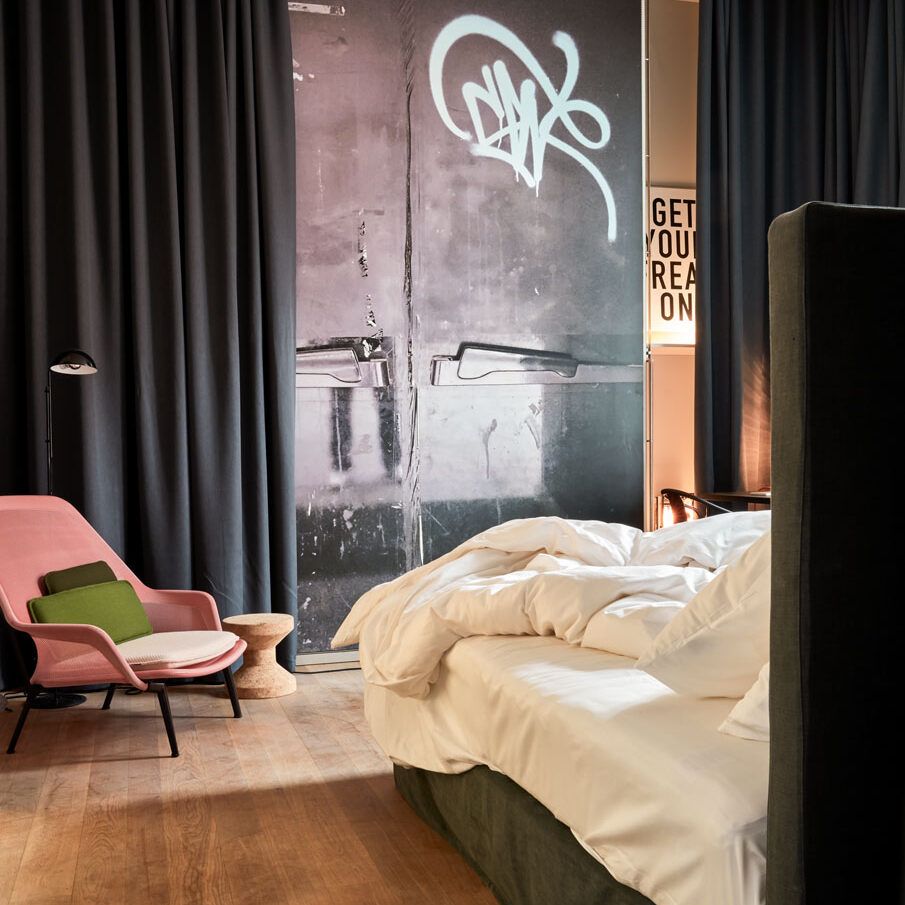
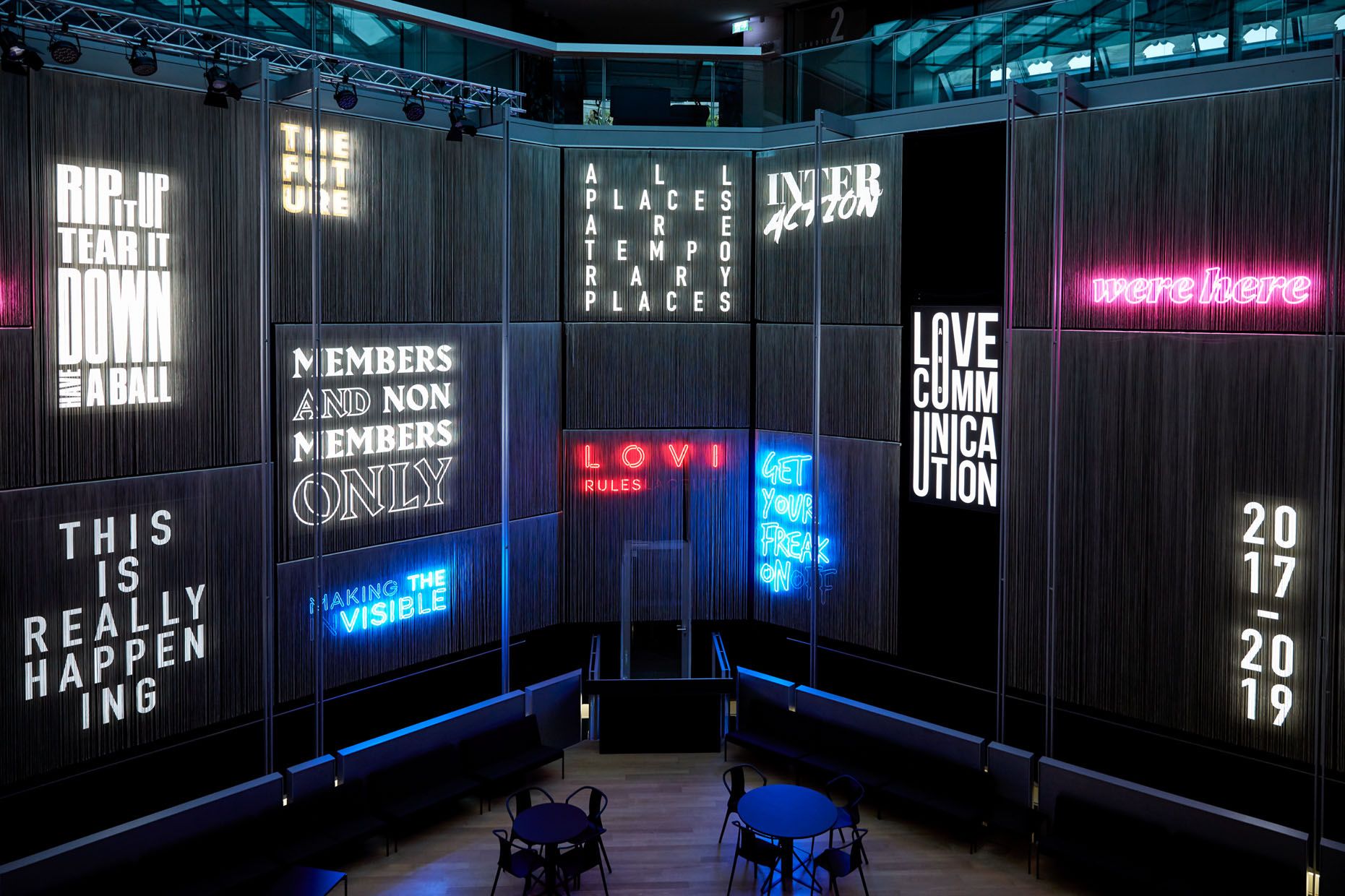
Particularly with pop-up accommodation, the focus is on the appeal of the unusual – whether it’s the repurposing of a former commercial building, The Lovelace in Munich, the hotel ‘happening’ which transformed a heritage listed bank building into an inspiring event venue with a few B&B rooms available for a limited time, or the temporary Hotel WDrei, a vacant hotel annexe at the Munich Opera House and from where guests are directed to nearby trendy locations for breakfast.
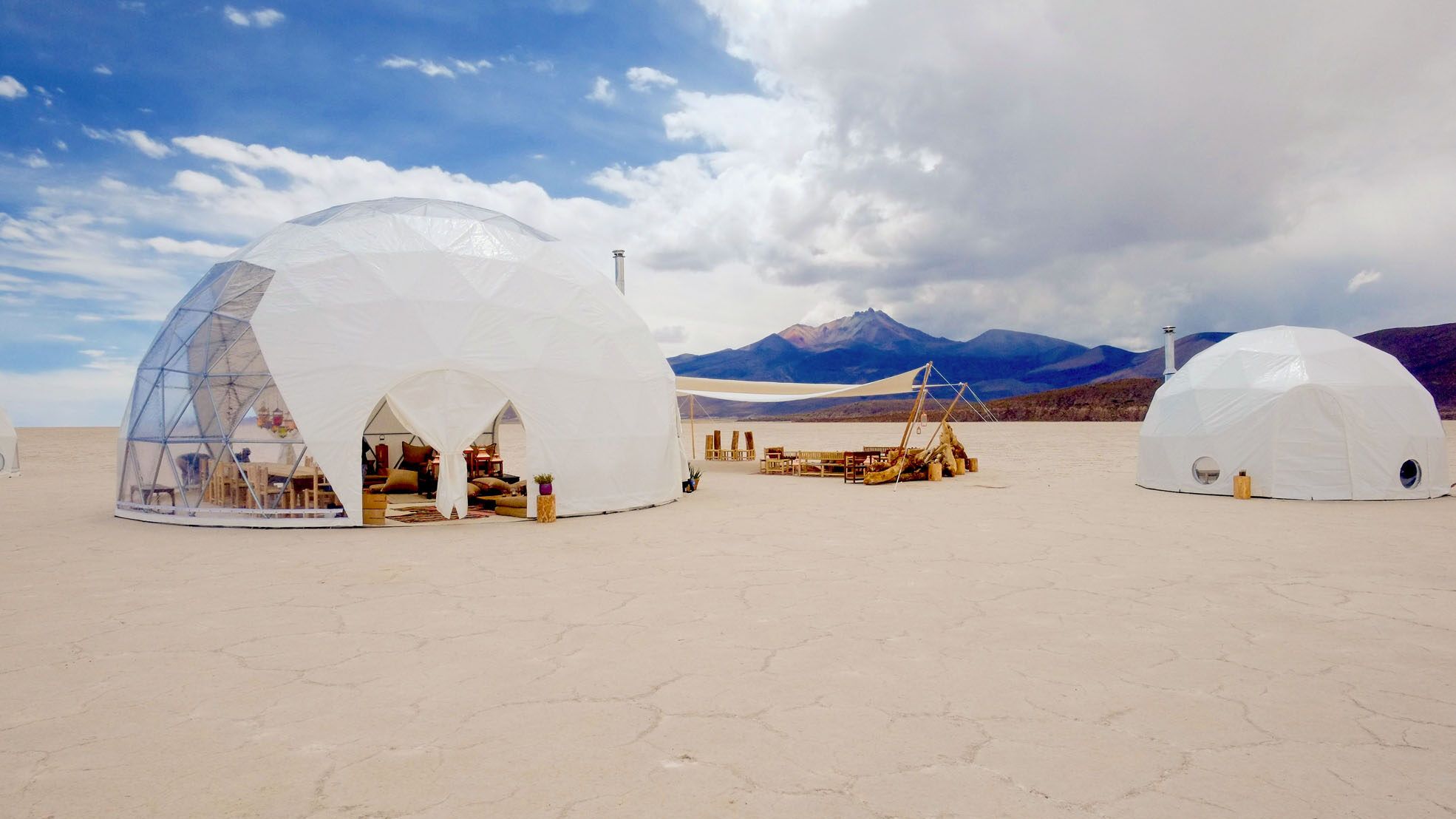
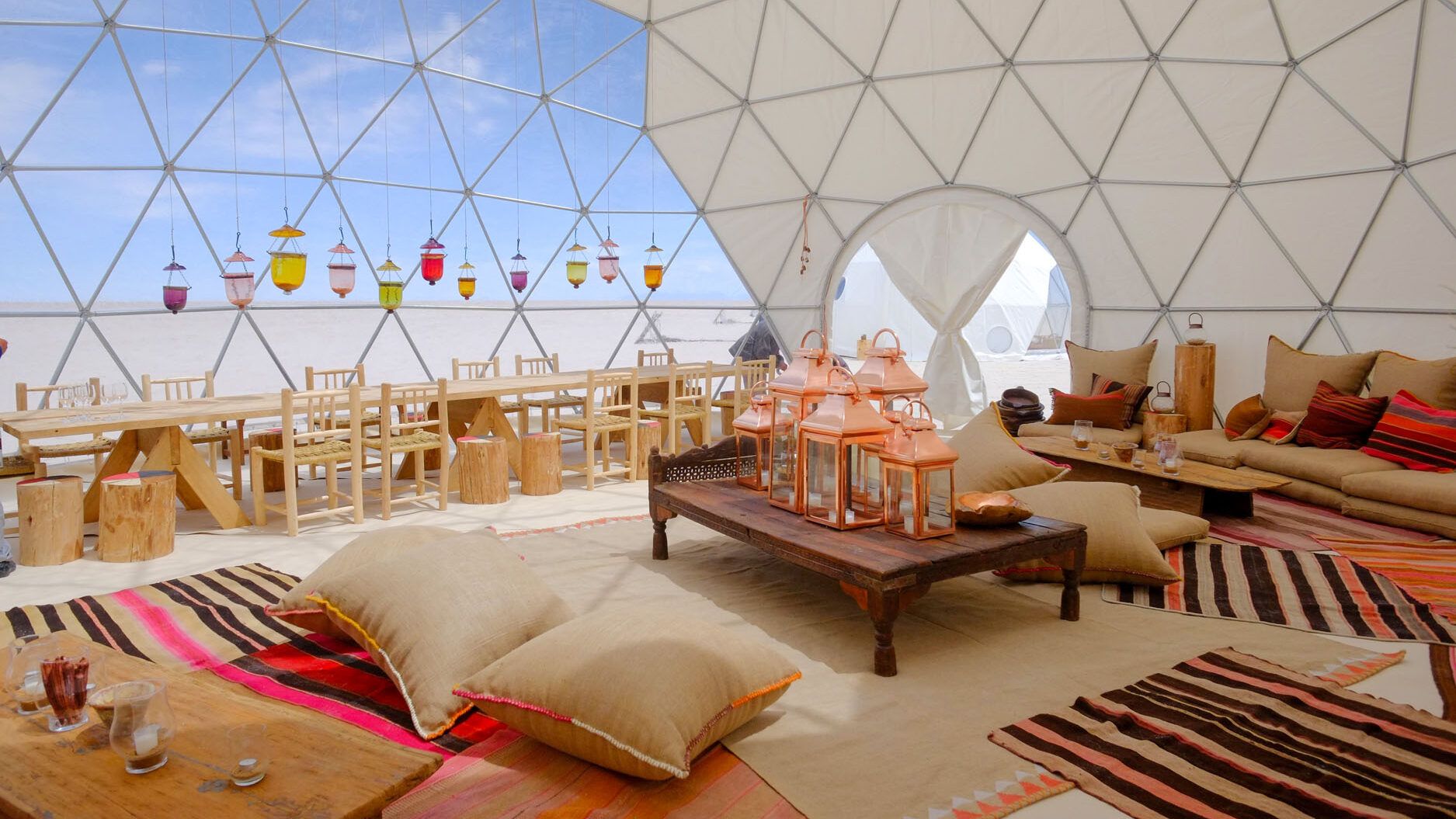
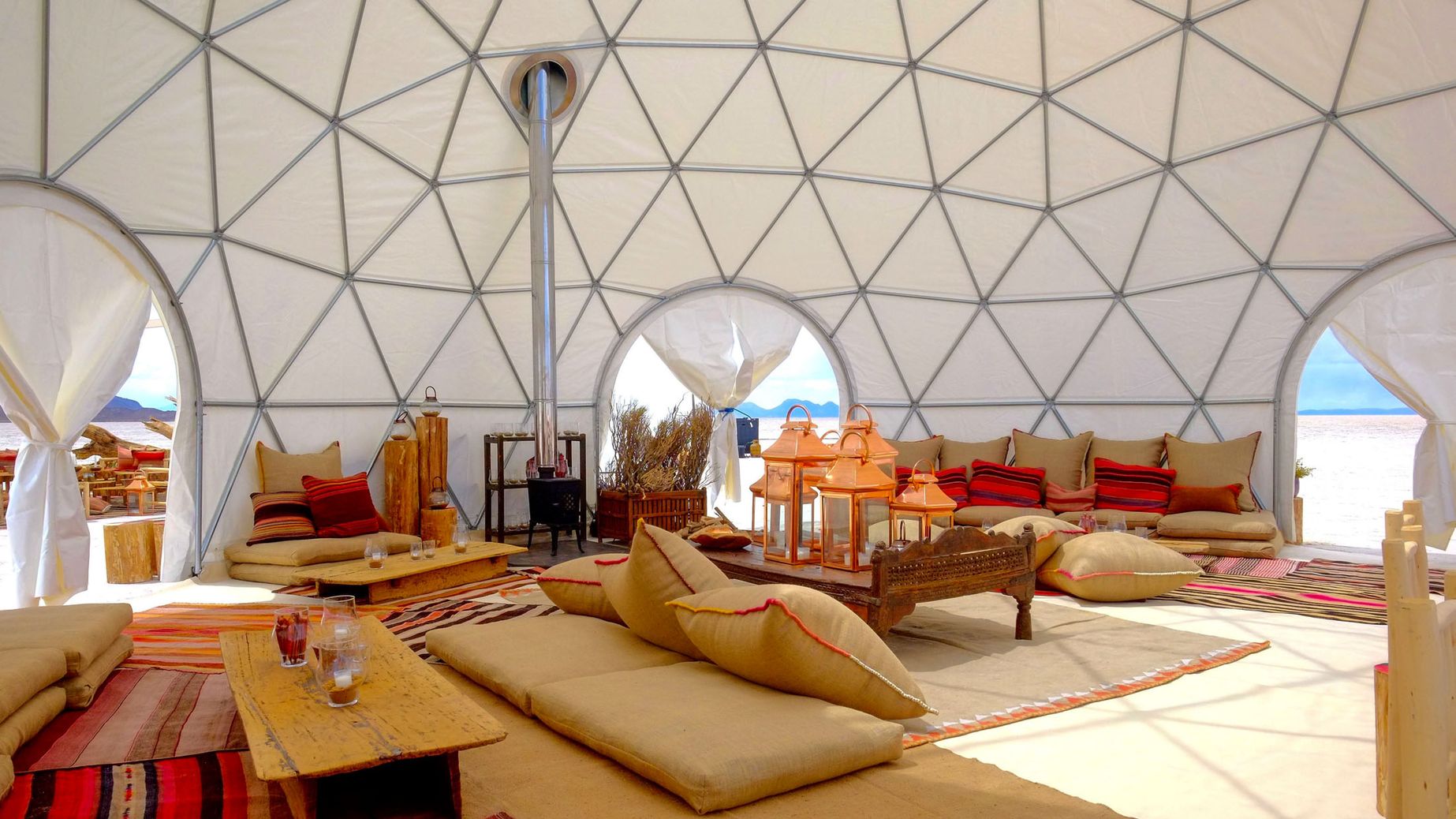
The British travel agency Black Tomato offers an unusual concept with its unique and short-term glamping accommodation in remote locations around the world. And in Switzerland, the “Swiss Urban Sleeping” campaign has created around a dozen unusual hotel rooms, each of which was only rented out for rent for a few months. The list could almost go on forever.
Provisional and minimal.
Similarly provisional, albeit of a completely different nature, are temporary accommodation options such as the capsule hotels popular in Japan: minimalist sleeping berths that do without comfort due to their short-term use and play on the appeal of reduction. A sensible reduction in living space is a recurring topic for discussion – whether due to a lack of space or to the overpriced property market. In countries like Japan, living in a few square metres is perfectly normal. The first honeycomb hotels, as they are also known, were built there as early as 1979 for reasons of the aforementioned shortage of space: the accommodation offers little more than sleeping berths arranged in a honeycomb-like pattern, which, although very functional and somewhat makeshift, do not appear particularly cozy. The concept has been taken up in some German cities in recent years – the Berlin Space Night Capsule Hostel exudes a somewhat sci-fi charm, while Cab20 in Hamburg and Area 247 in Karlsruhe are a bit more casual and have an appealing communal area, while the Boxhotel in Hannover embodies the moderate form with very small, wood-panelled cubicles – minimalist, yet cozy. The tourism award-winning Sleeperoo cubes also offer sleeping accommodation in the smallest of spaces: the cubes, which can be flexibly assembled using a plug-in principle, temporarily turn unusual places such as museums or ports into hotel rooms.
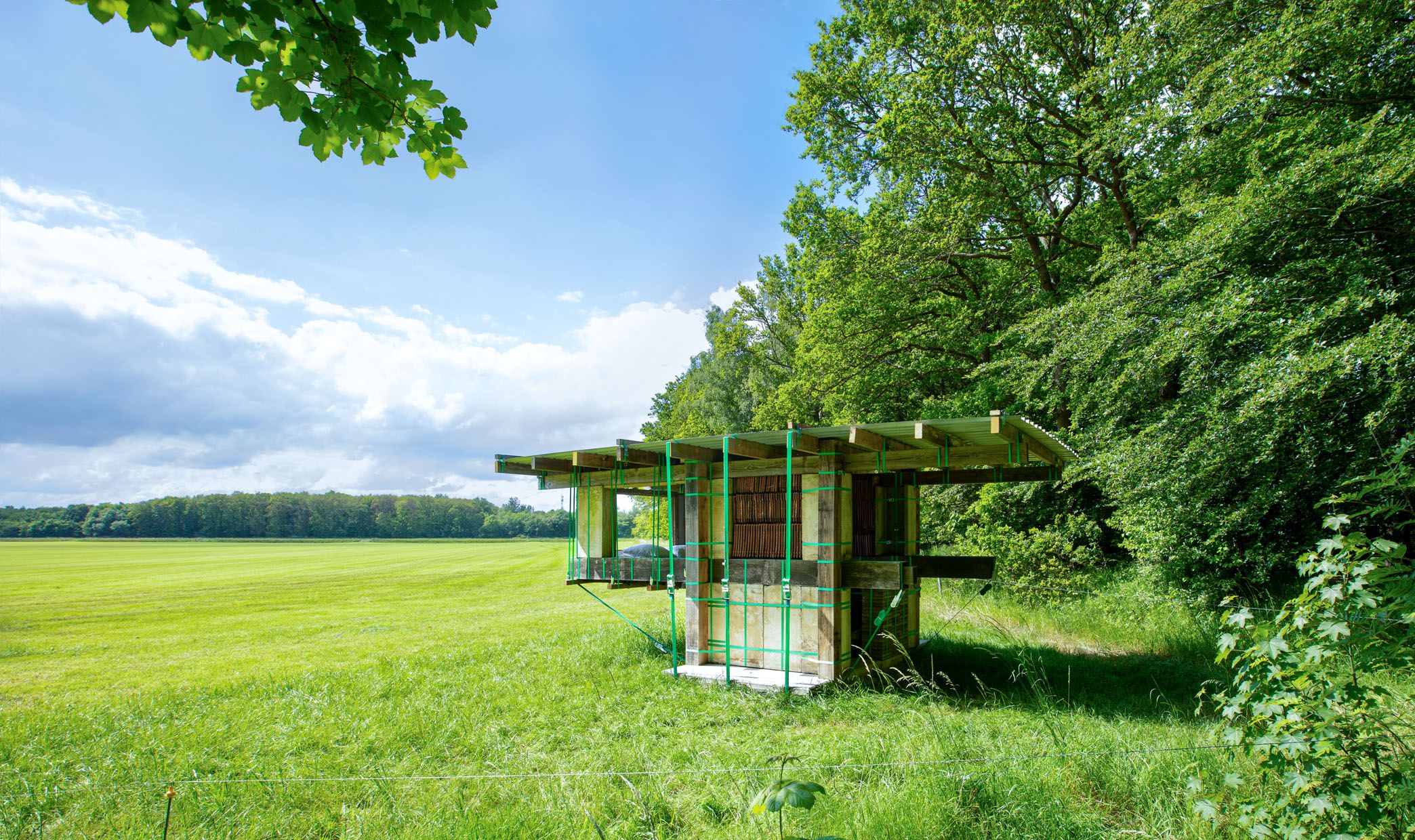
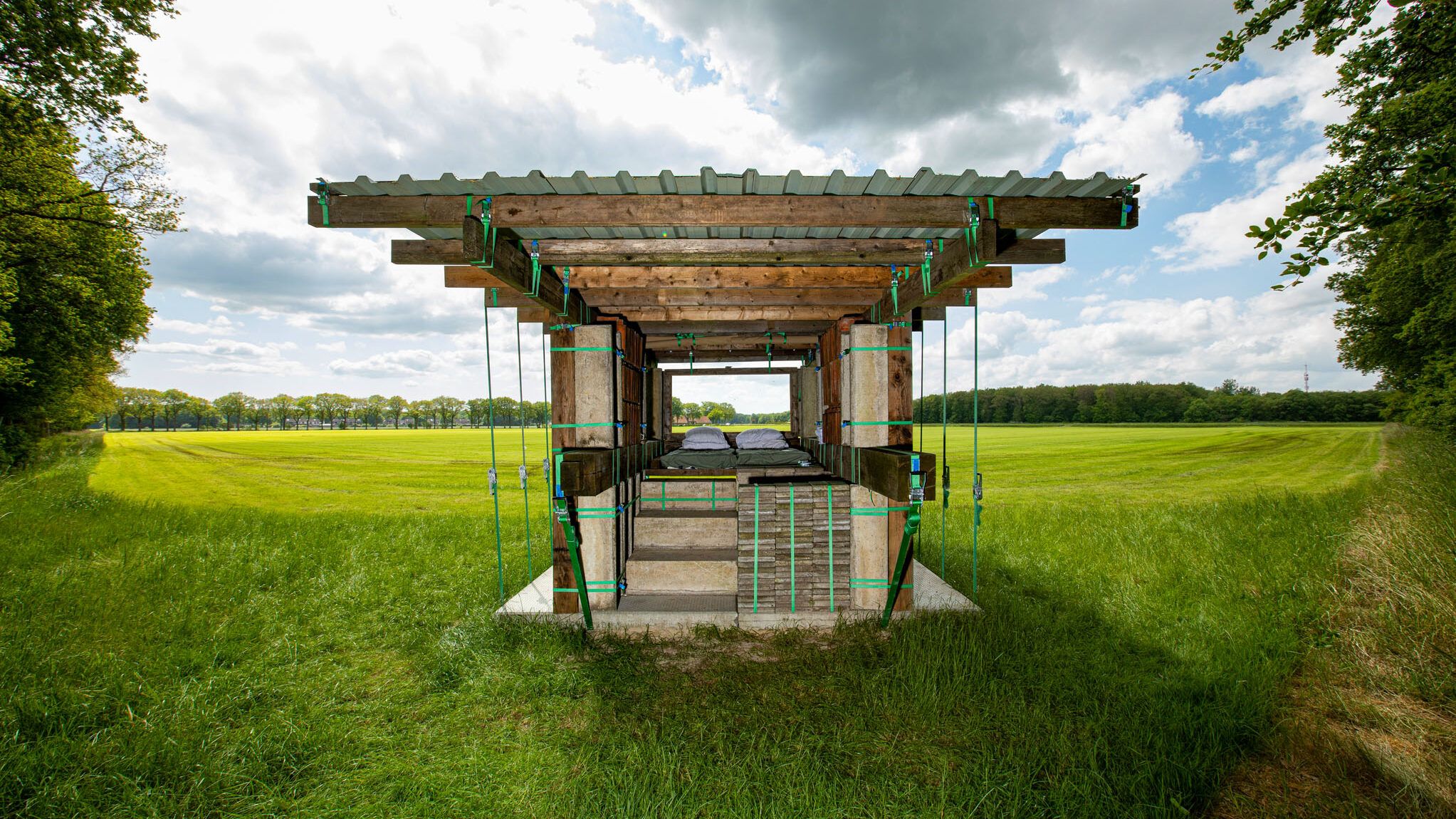
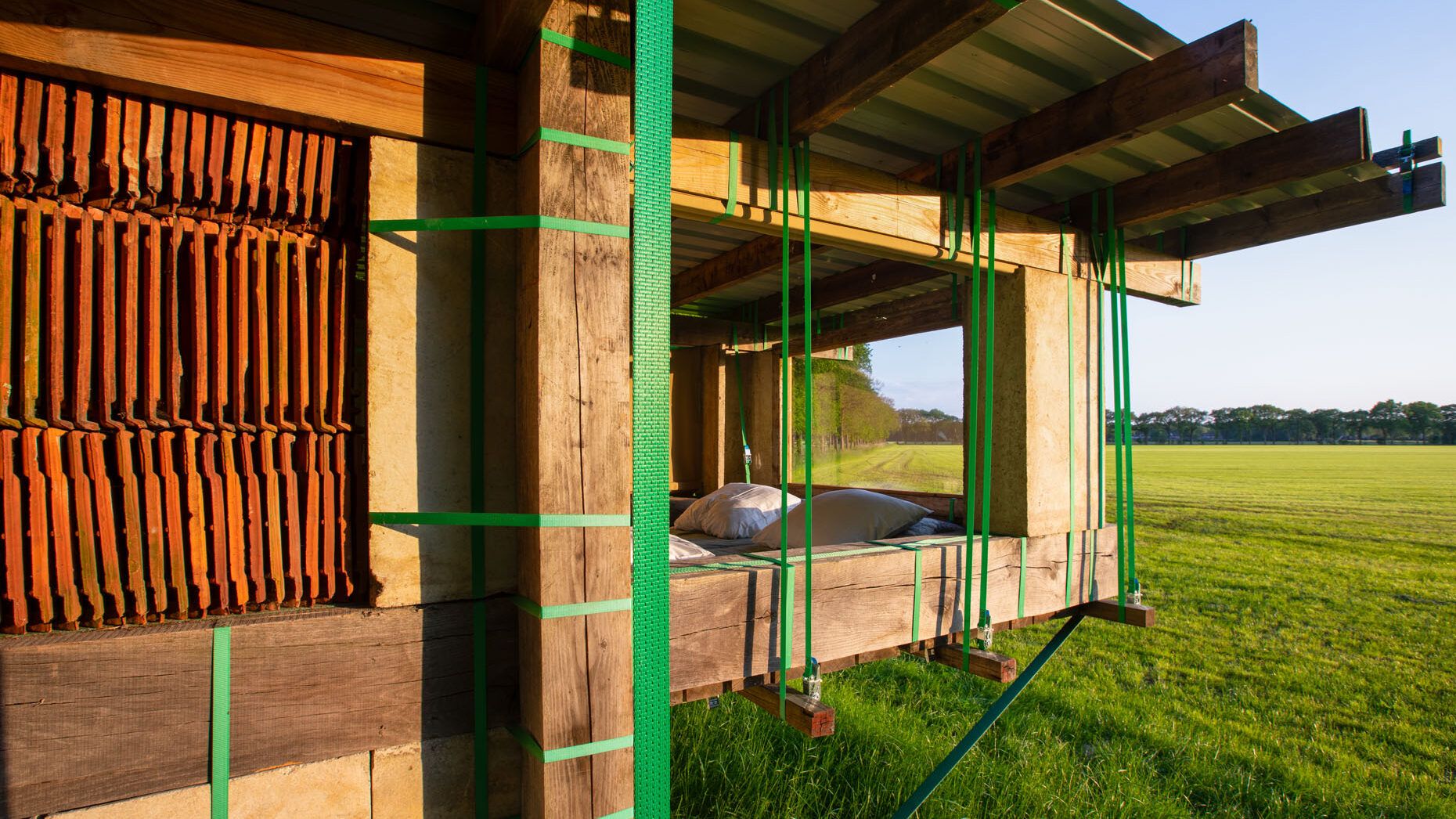
And sometimes it is the simplest ideas that are the most convincing: for example, to mark the 200th anniversary of the Dutch municipality of Veenhuizen, the Amsterdam-based architecture firm Overtreders W built a temporary type of accommodation called Stable Stack that consists entirely of borrowed materials. Built on a concrete pillar, the structure is made of wood and a variety of other elements such as roof tiles and corrugated iron, and is held together only by bright green straps.
Authentic and imperfect.
The trend of spending holidays in the most “authentic” accommodation possible also implies the appeal of imperfection.
The original idea behind the creation of the Grätzlhotels [Neighbourhood hotels], a project of the Viennese Urbanauts was to use existing rooms: guests stay in converted, former shops in a central location and, thanks to the close connection to the neighbourhood, have the opportunity to experience life in the district.
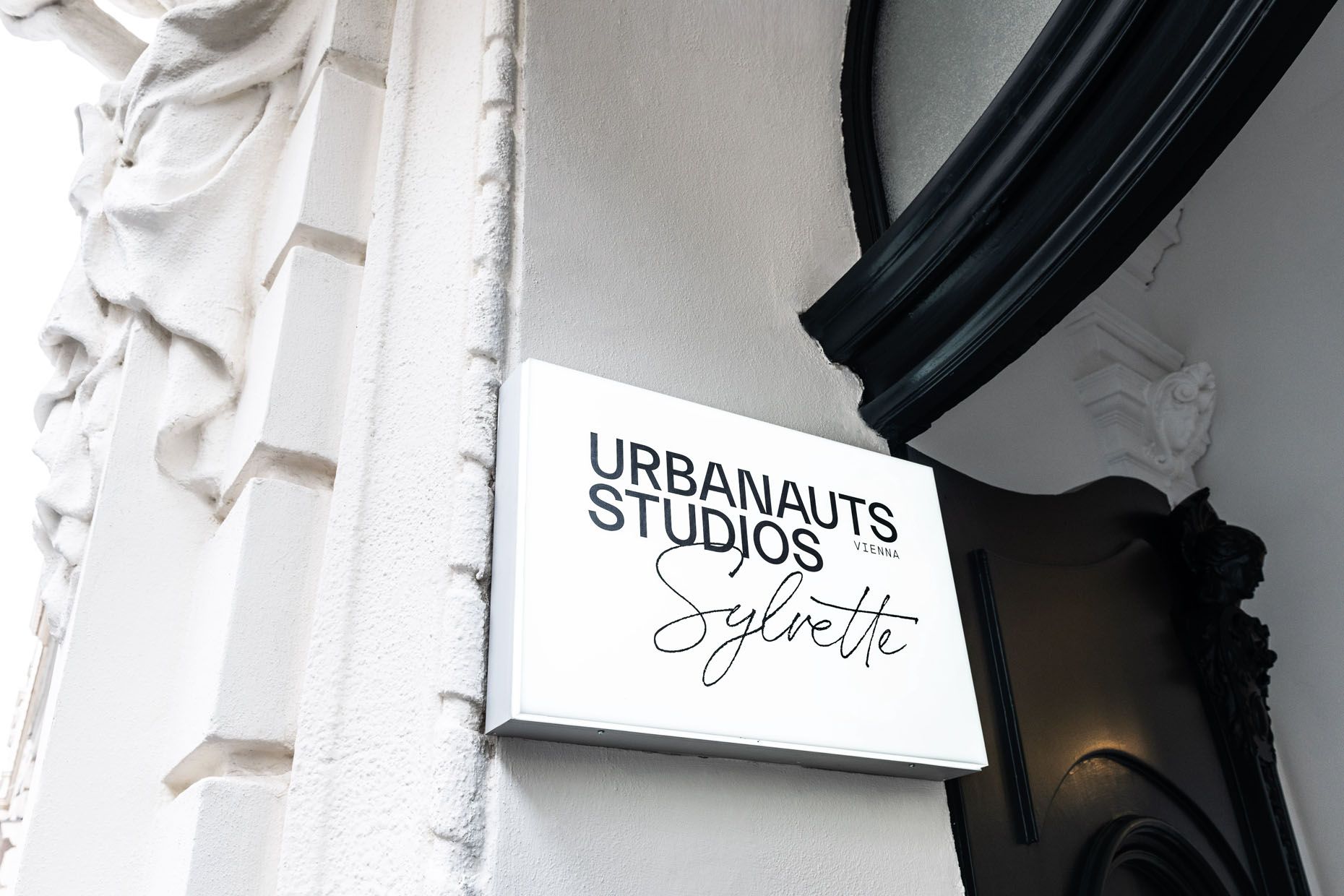
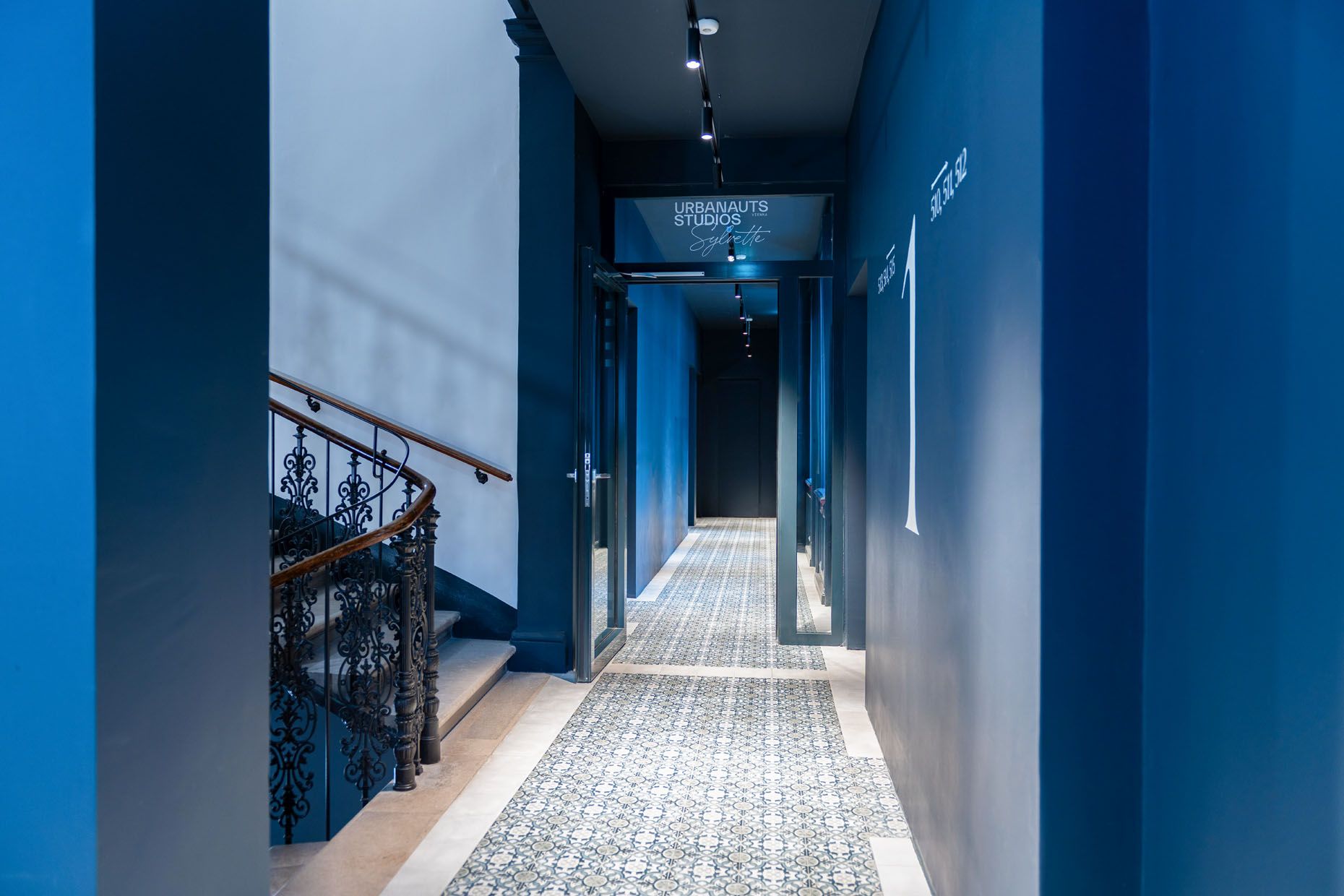
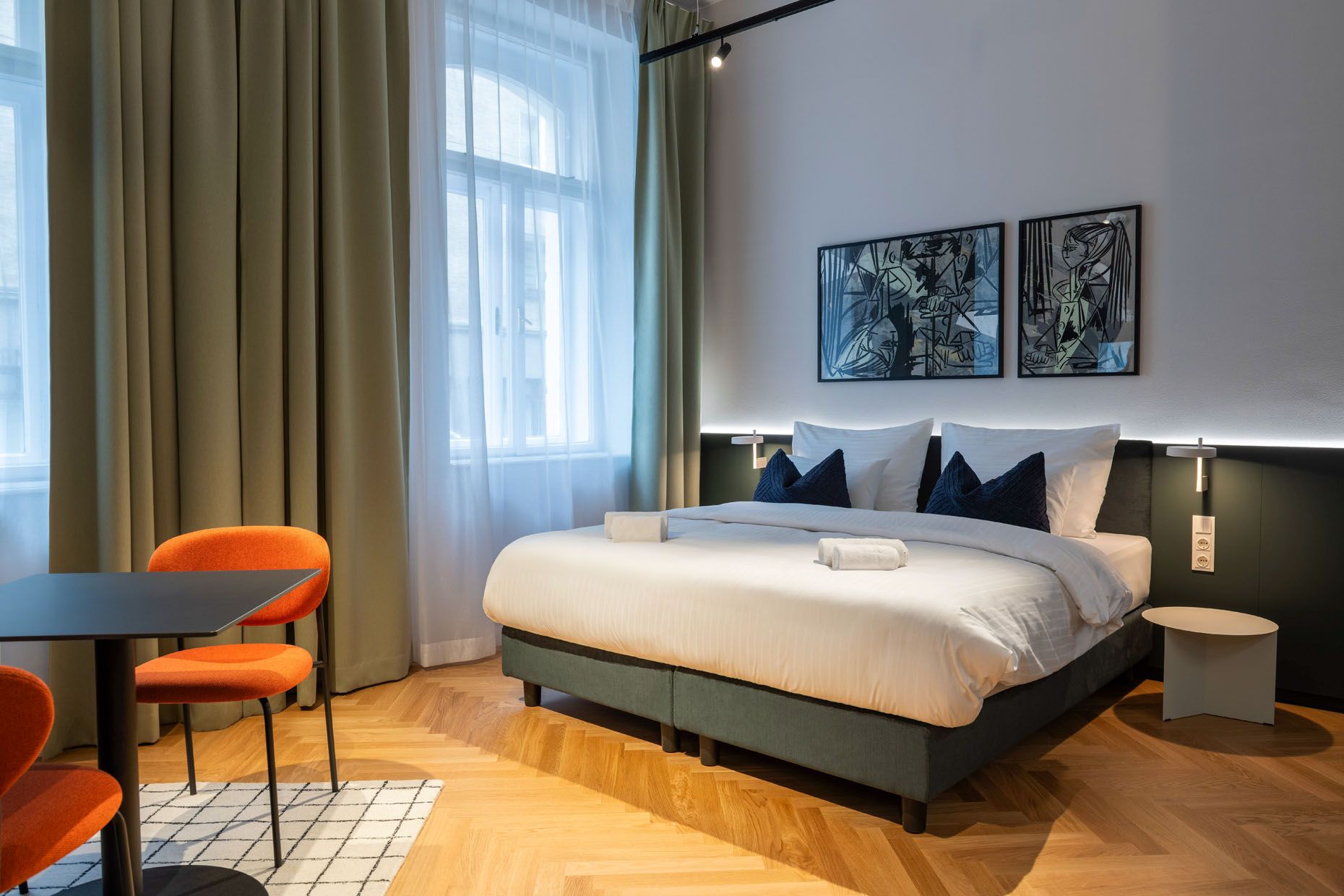
The concept is based on the idea of the Albergo Diffuso, a concept from Italy originally conceived to revive abandoned villages by integrating holiday accommodation scattered around the village. As in the Gräzlhotels, the aim is to integrate tourist accommodation into the established environment, to provide authentic living and to make use of existing living space – to “experience the soul of the place”.
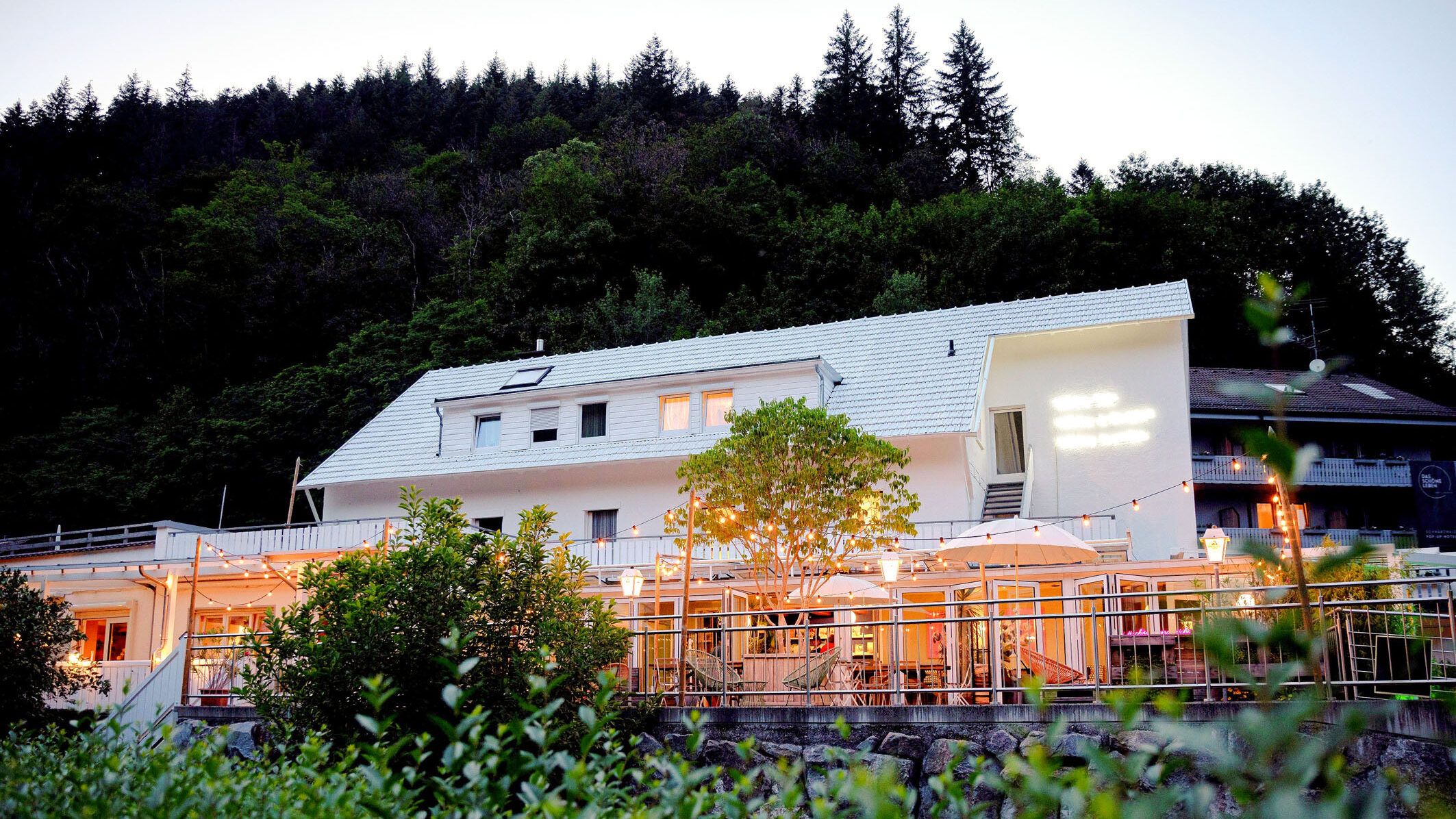
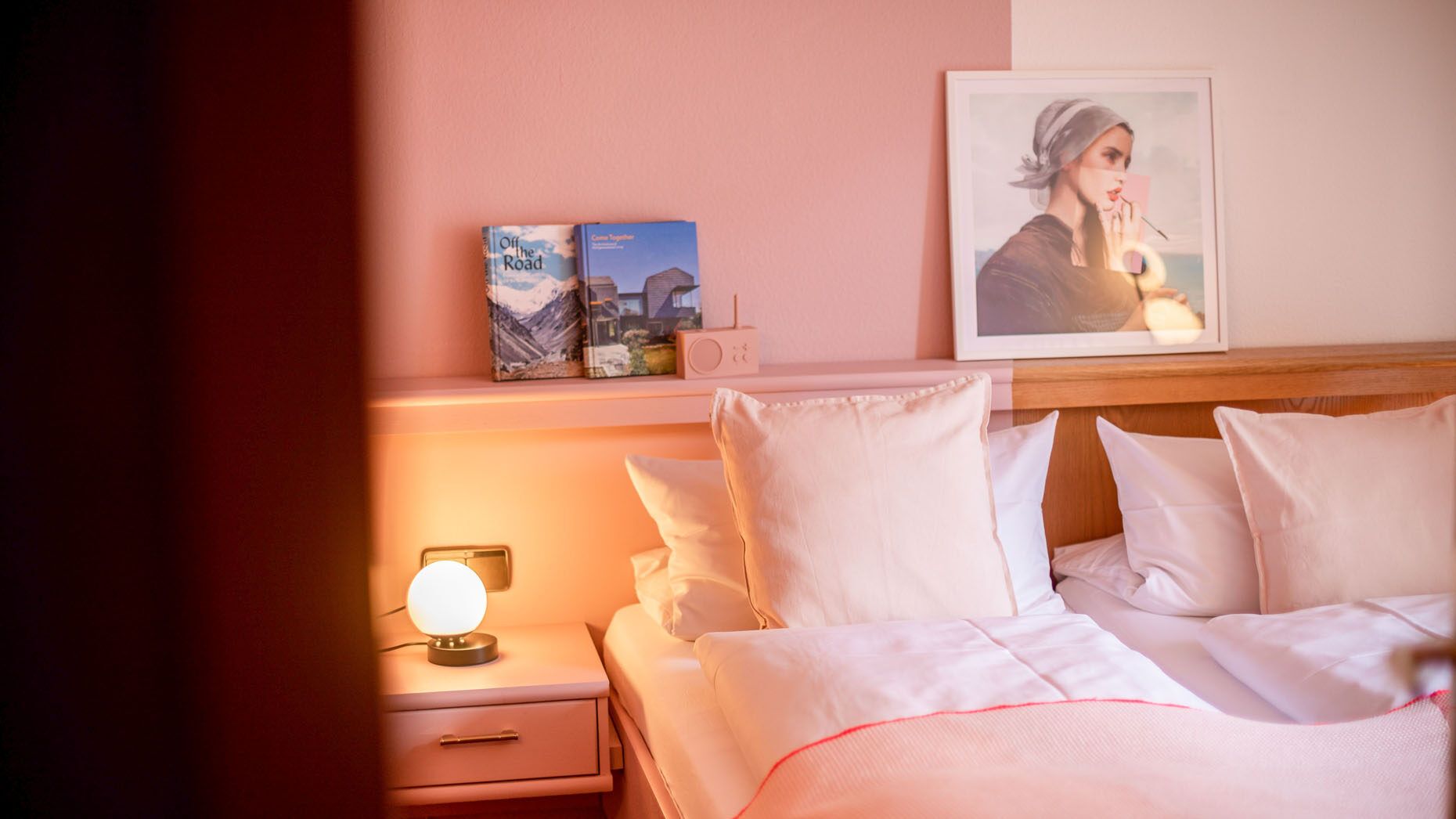
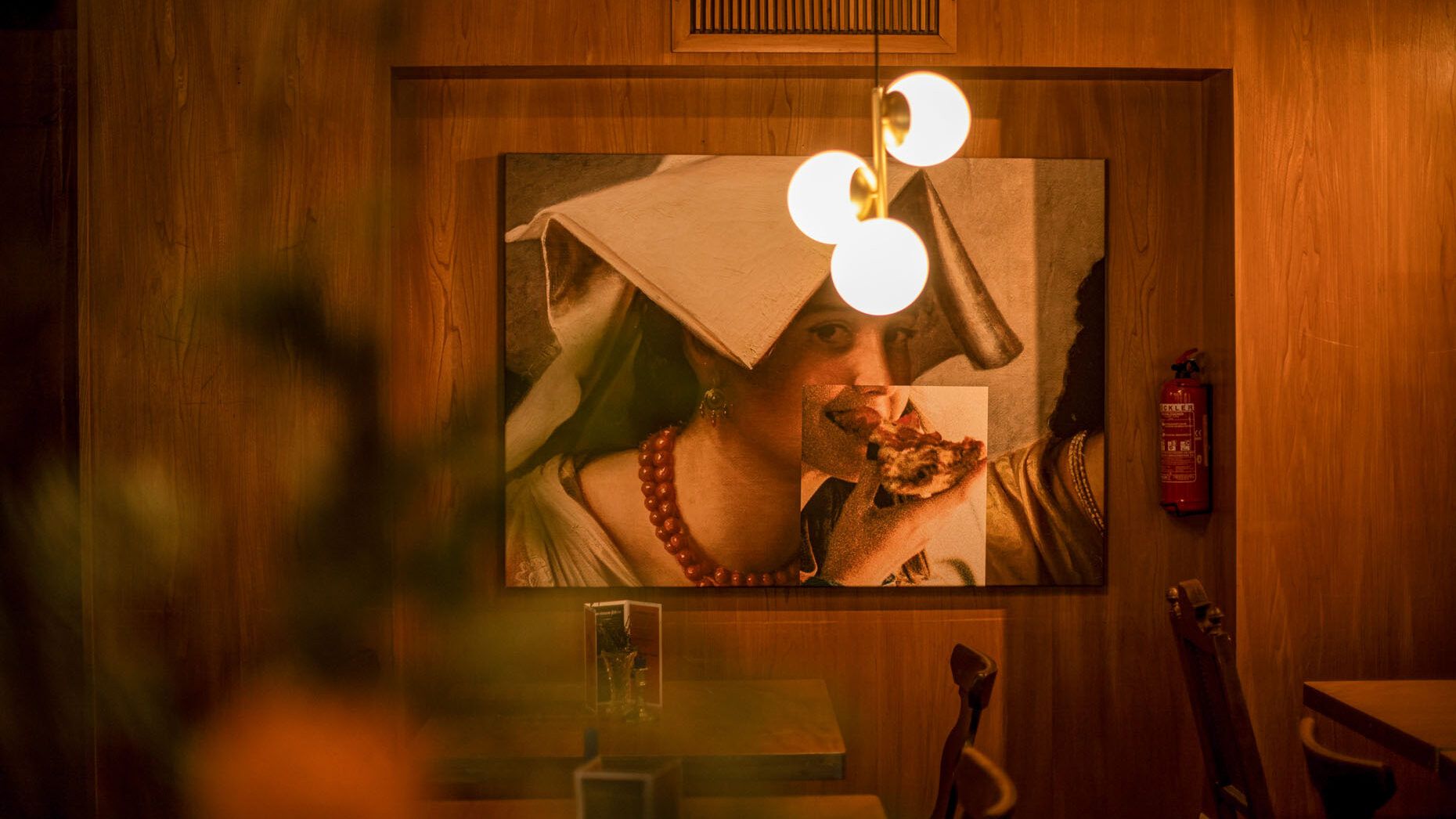
Das Schöne Leben [The Beautiful Life], an improvised redesign of a traditional hotel in the rural Black Forest, also wants to be everything but perfect – in keeping with the Japanese aesthetic concept of wabi-sabi, which sees beauty in simple things. Perhaps this is the essence of all pop-ups and temporary uses: experiencing the authenticity of a place, consciously celebrating the little things that make a place special.
Whether used temporarily or built to last, whether perfect or imperfect: every approach to designing a place can be justified. The juxtaposition of different approaches can be very enriching – this applies to architecture as well as to society. To achieve this, it is best not to always wait until you have found the perfect solution – otherwise you might miss a wonderful moment.
Text: Tina Barankay
Picture credits: The Lovelace © Thomas Kiewning © Steve Herud (1- 4), Blink-Luxury Trips by Black Tomato (cover picture, 5, 6), © Stéphane Gautronneau, Stable Stack © Reinder Bakker (7–9), Urbanauts Studio Sylvette © Martina Lajczak (10–12), The Good Life © Joshua Rzepka (13–15).

0 Comments