
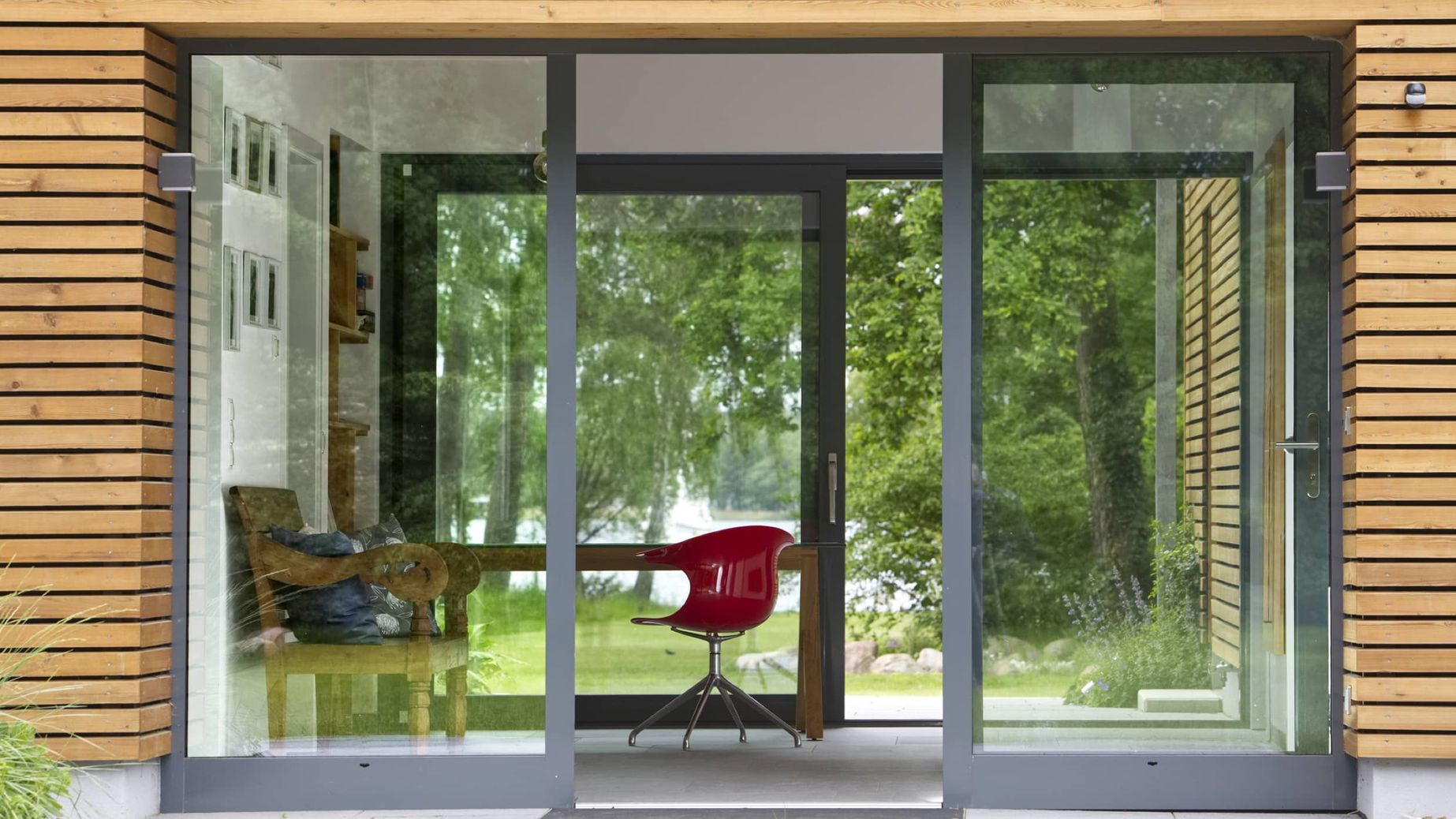
Finally, holidays are possible again, what joy. When it comes to packing, however, it becomes clear that ideas differ: In addition to the laptop, his headset also ends up in the suitcase, while she packs hiking boots and badminton rackets. He wants to use the time to finally catch up on a few things, she dreams of relaxed weeks without having to think about online conferences. Or vice versa. The argument starts even before the holiday.
Holiday office. Work(vac)ation. Quietly and silently, these word creations have crept into our everyday language. Not long ago, they would have been seen as a contradiction in terms — what did holiday and work have to do with each other? Now, after a year and a half of the pandemic, the terms seem almost interwoven.
But what sounds promising to one person causes the other person to break out in a sweat — many a relationship is put to the test by the now socially acceptable blending of private life and work. What do you mean, you’re taking your computer with you? I’m not the only one responsible for the children during the holidays! Or: We wanted to go hiking — how long will the meeting go on for? There is always potential for conflict, regardless of whether you go on workation as a couple or as a family, and the discussion about the sense or nonsense of this combination of work and holiday is inevitable.
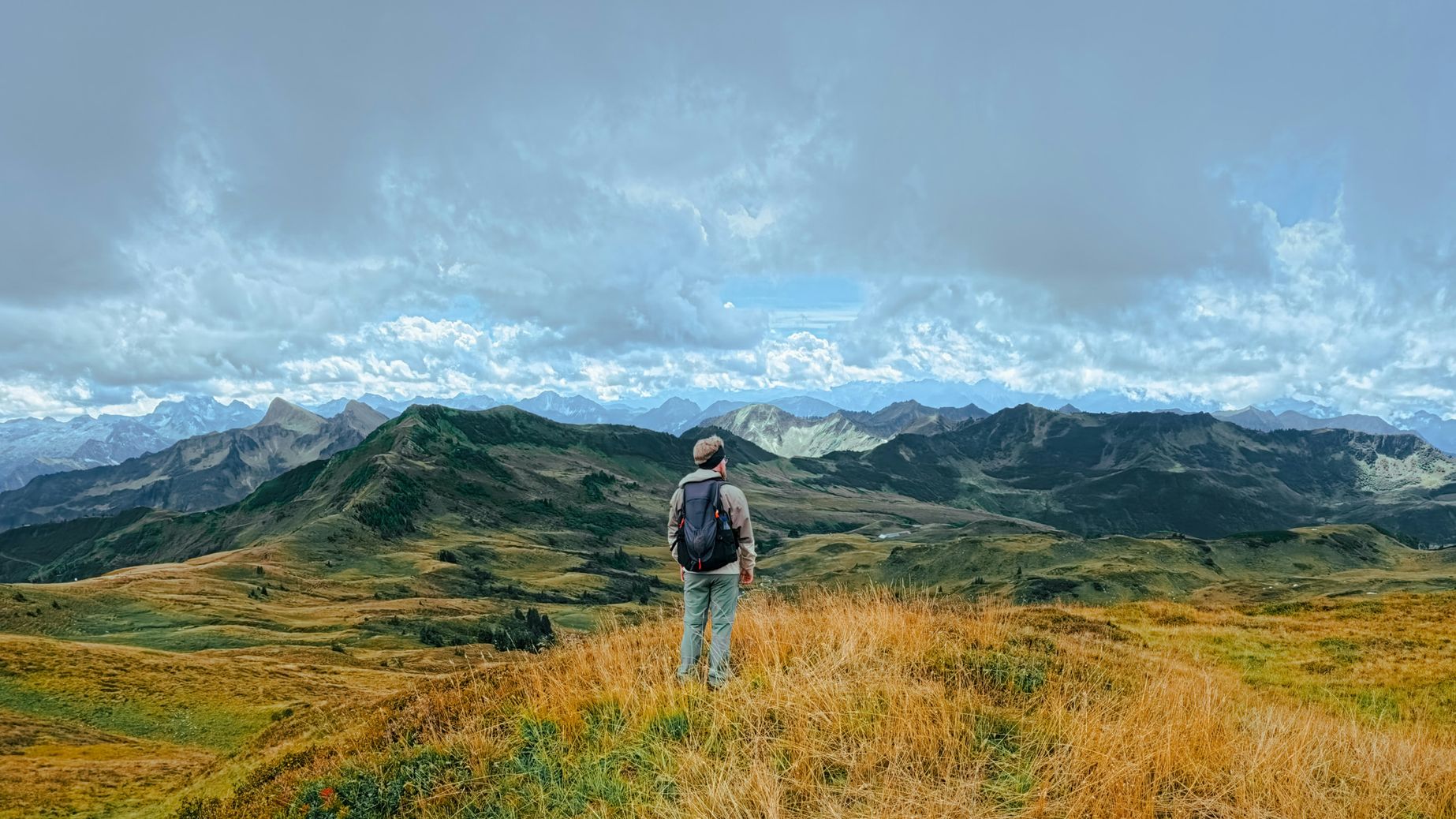
What actually is workation? While for one person it might mean the opportunity to spend the annual holiday with the family despite a heavy workload, for another it means the freedom to temporarily swap the office workplace for a secluded mountain hut. But no matter how you interpret workation, the discussions remain controversial. Because most people love one aspect of the new work option: calling the office in China and fifteen minutes later romping with the children in the pool, and yet sometimes they reach their limits: lack of understanding from their partner or simply not being able to really switch off. Which brings us to the next topic: Does it really make sense to combine work and private life so closely? What about the numerous studies that prove that a separation of the two is advisable to prevent personal overload?
Increasingly, future models of life and work are also being discussed on a theoretical level. The Architecture Biennale in Venice, for example, is addressing the question: “How will we live together?” — although one could also ask more specifically: “How will we WORK together?”. Because the way we live together has an impact on the way we work together and vice versa. This is not just about defining working arrangements and cultures, but also in particular about creating an environment that enables effective and creative work, in short: about creating new places of for working. Even though the pandemic seems to have accelerated this development, the social philosopher Frithjof Bergmann coined the term “New Work” as early as the 1970s, which stands for mostly alternative forms of work. In the working world of the future, people should orient themselves to “what they really, really want”. Nevertheless, until now it was (somewhat abbreviated) mainly freelancers who bustled about in internet cafés all over the world with their laptops, made fun of or envied by many. In the future, it will most likely be possible for a large part of the office-working population to work independently of a fixed workplace, at least temporarily — provided the individual regulations of the respective employer allow this.
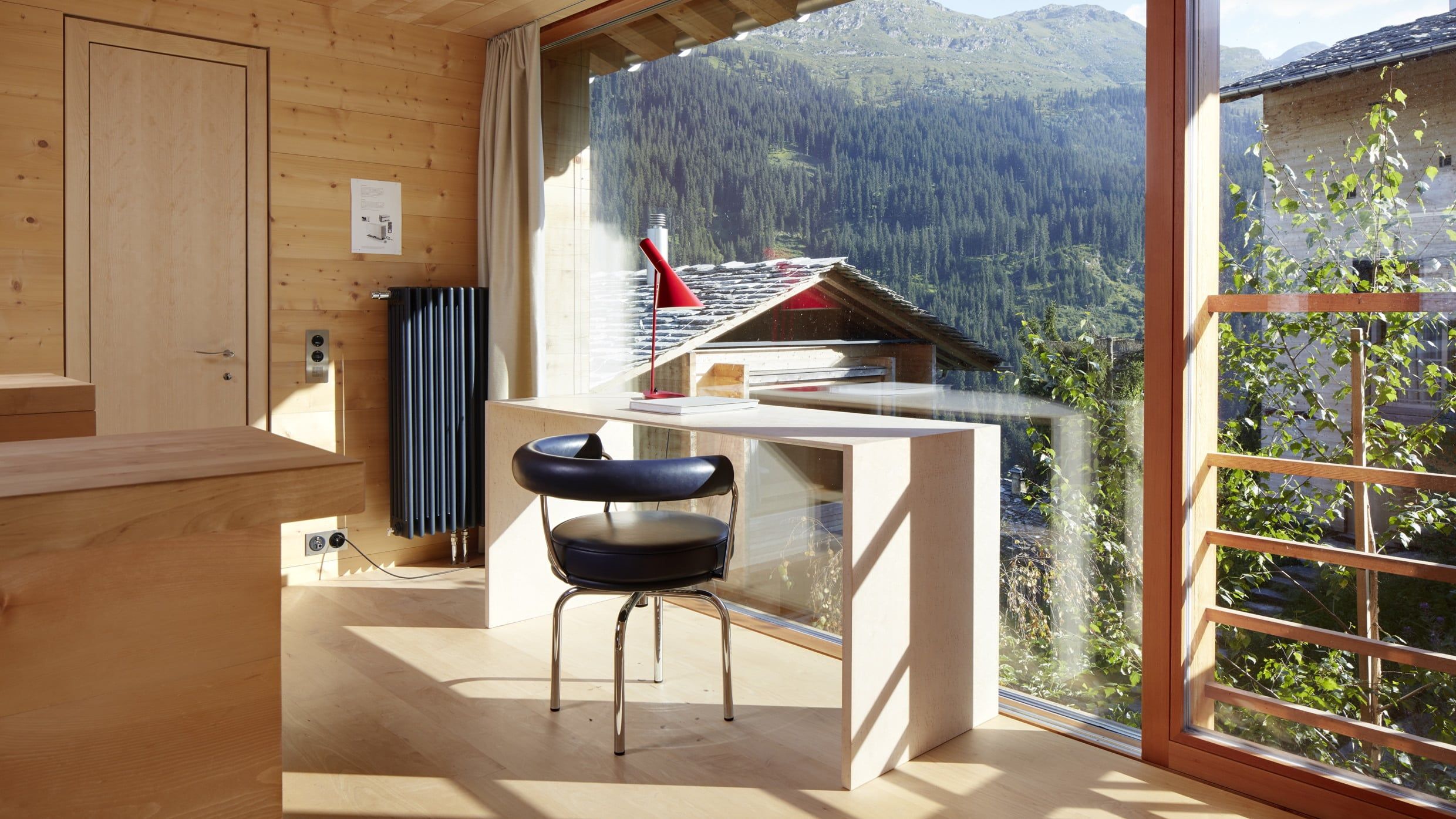
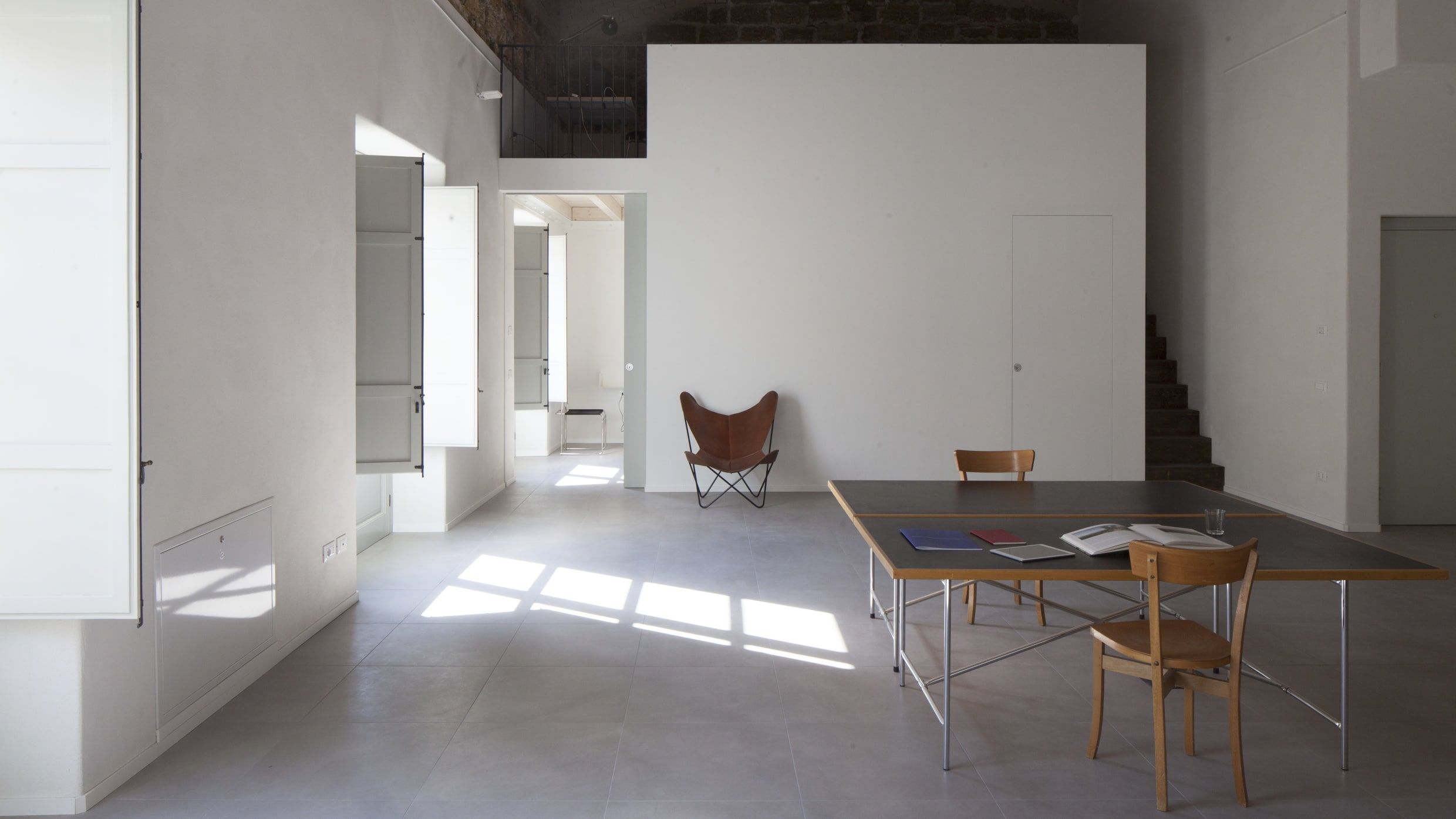
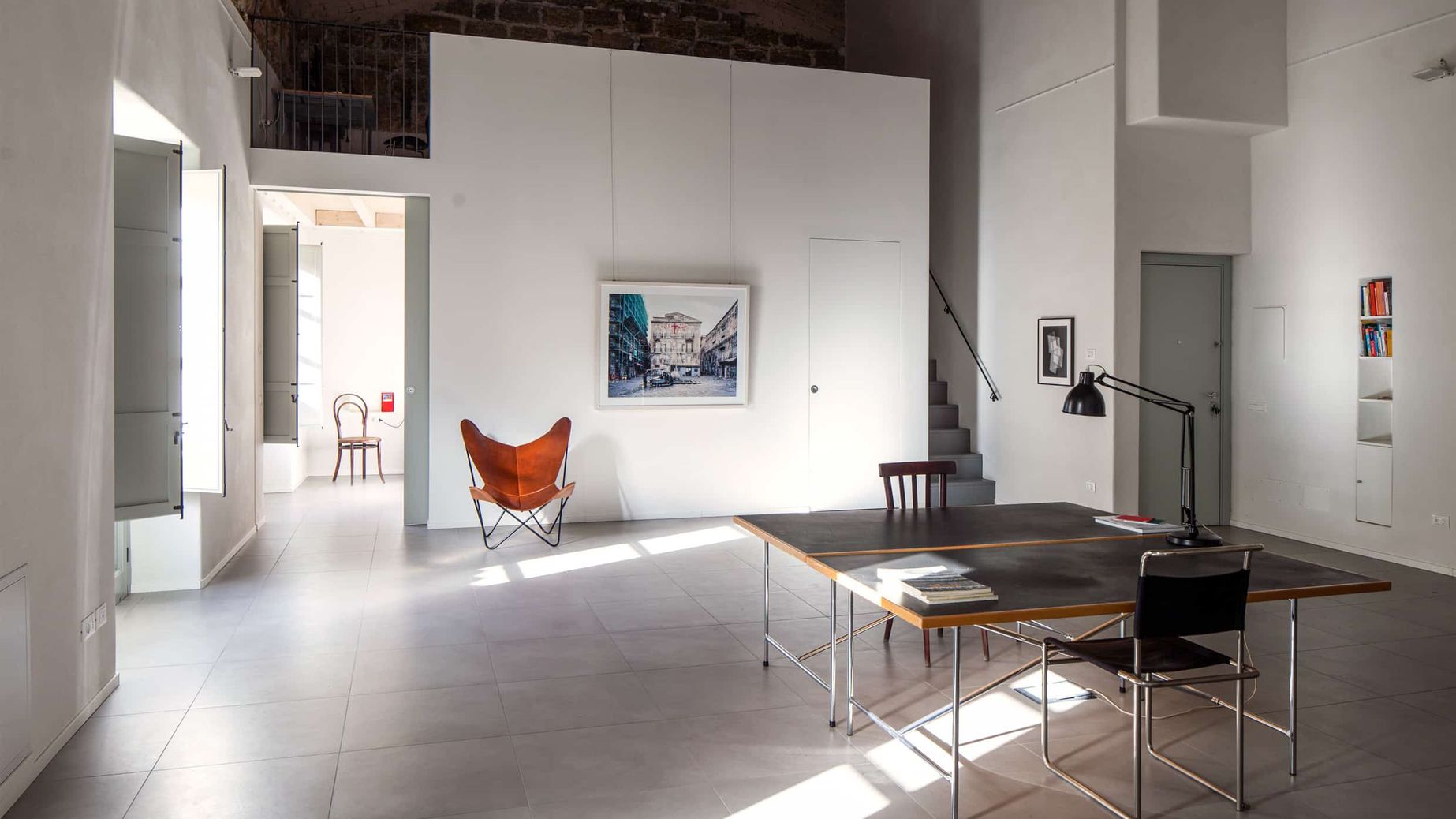
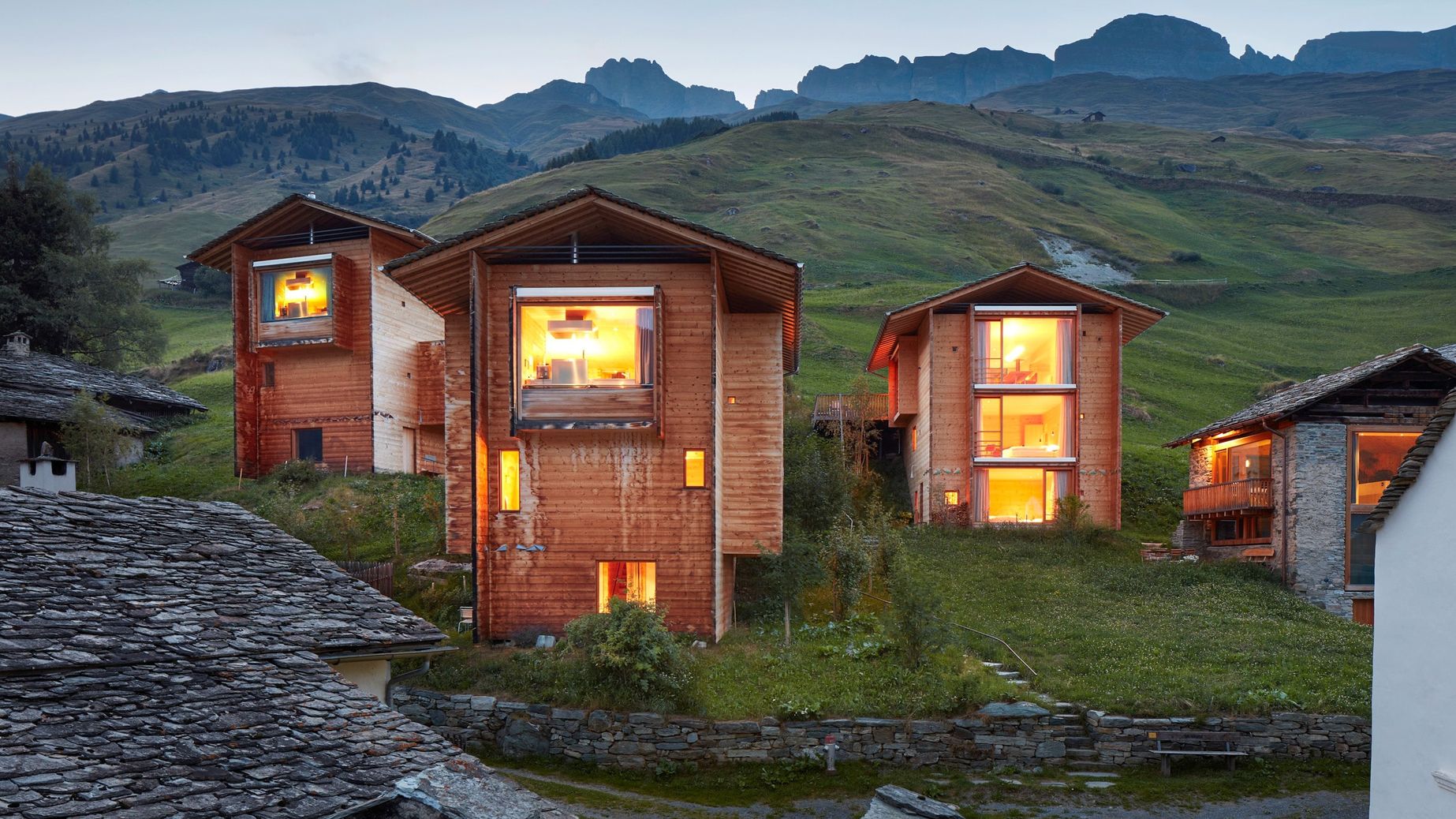
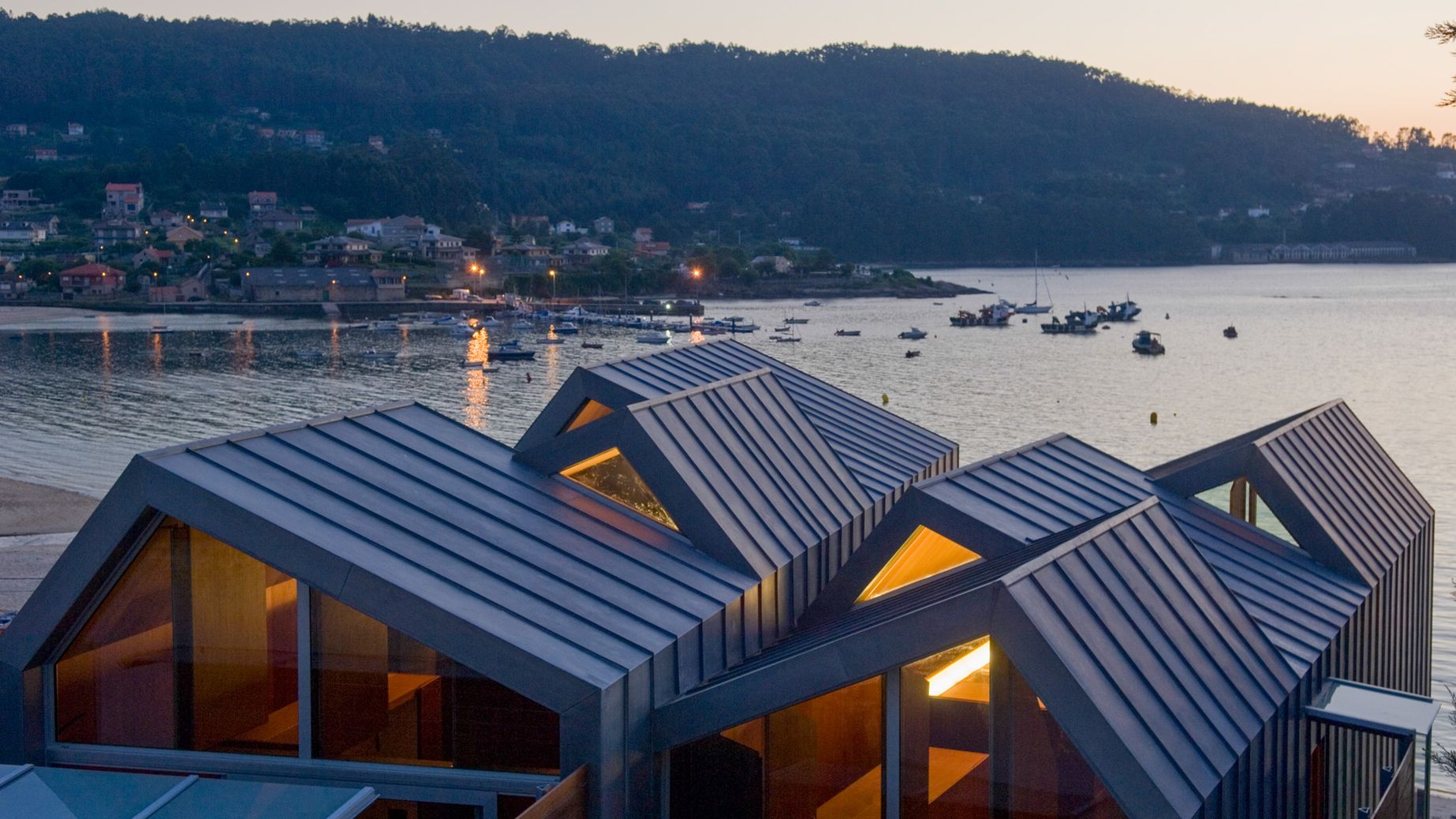
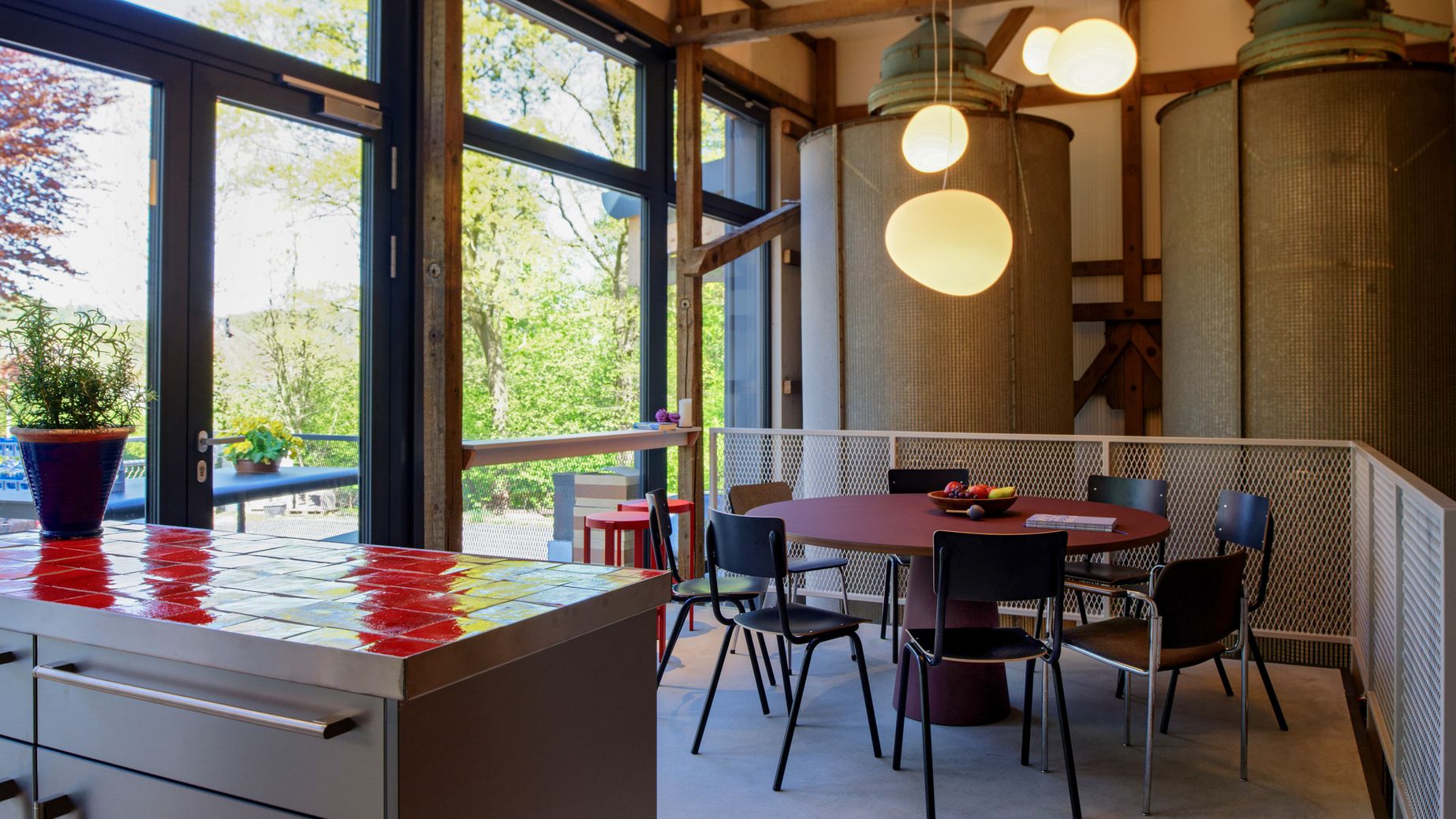
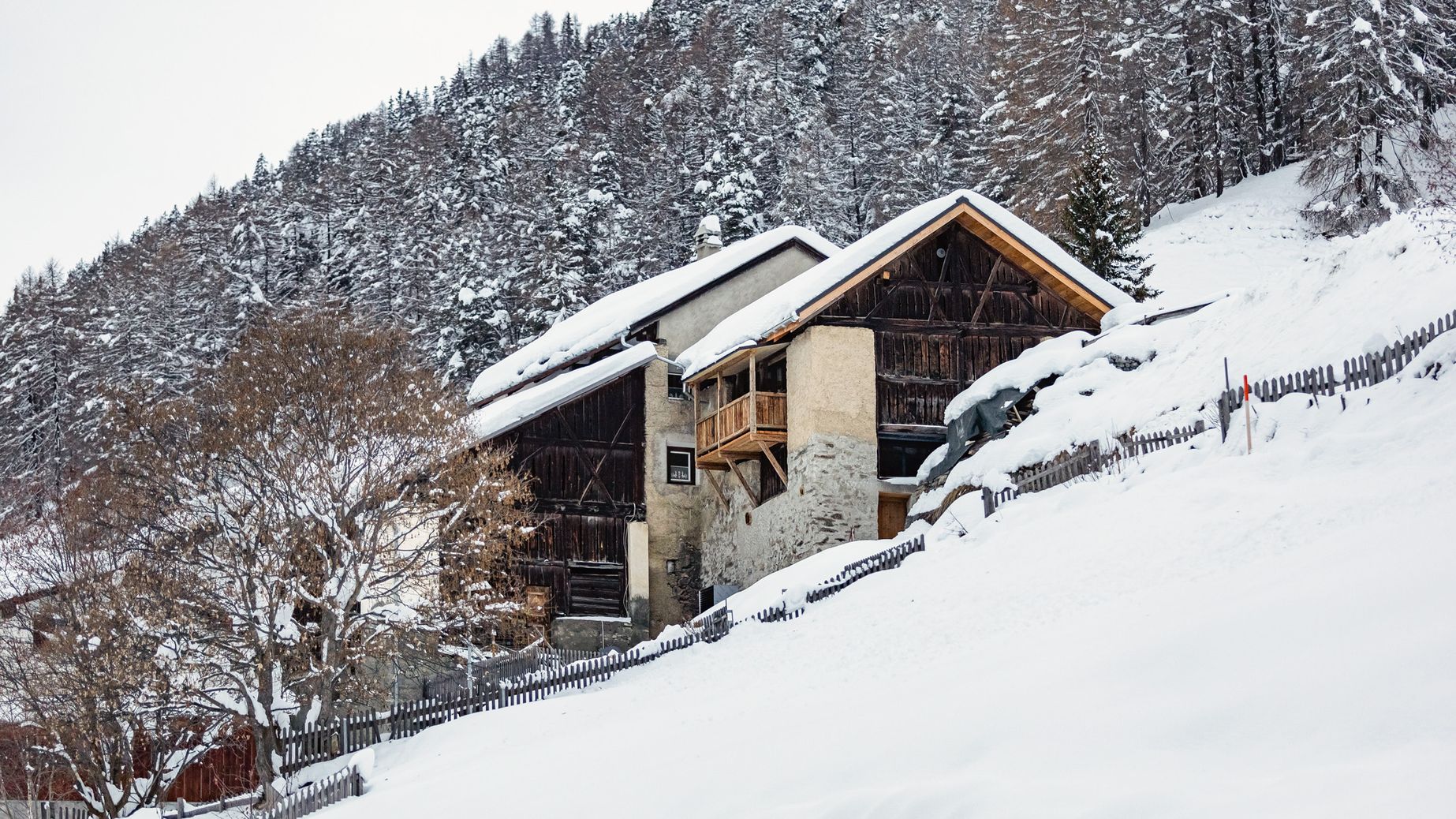
In fact, in recent months tourism has discovered for itself what creative agencies understood a long time ago and what numerous companies have also understood in recent years: that a positively designed environment can not only inspire but also motivate. But how should (or can) these places be designed? In principle, any place is conceivable as a temporary refuge for work — whether a house by the sea, a remote mountain hut or a house in the city. But each individual needs a different environment to be able to work. For some, headphones and a sofa may be enough, but most people need more: a place to retreat to, a desk, good lighting, a beautiful view. Here, as with the choice of location, it is personal habits and preferences that matter most. Conflicts often arise because one person doesn’t know what the other needs — and this applies to the ideas of a holiday, a workation and the equipment of the working environment.
Research shows that there are suitable places for every type of workation, for retreat seekers as well as for couples, families or work teams. However, the supposedly best working environment is often limited to a desk in the corner of the living room and a reasonable WIFI connection. To meet the trend, accommodation would have to go one step further and create an environment that meets the needs of at least one target group. Only then could workation accommodation be taken seriously as such – and as is necessary with the inflationary “art hotels”, one would not have to first check very closely to see whether the accommodation really does do justice to the leitmotif. And if the environment is really, really attuned to all needs, the balancing act between work and leisure on holiday is sure to succeed.
Text: Tina Barankay, July 2021
About the author: Tina Barankay has been combining her passion for aesthetics and design with her professional activities for many years, among others as an editor for the architecture magazine DETAIL. As a freelance journalist and consultant, she publishes articles, produces publications and designs communication concepts in the fields of architecture, interior design and design.
2 Comments
Vielen Dank für diesen lesenswerten Artikel! Ich persönlich empfinde Workation als absolute Bereicherung. Ich denke allerdings, dass es den jährlichen Urlaub nicht ersetzen, sondern ergänzen sollte. 30 Tage Urlaub + x Tage Workation hört sich doch gut an… :)
Ein wichtiges und hier sehr gut auf den Punkt gebrachtes Thema! Danke an die Autorin und das UA Team als Multiplikator. Der Schlusssatz ist versöhnlich und zugleich herausfordernd. Aus der Vermieterperspektive möchte ich anmerken daß es nicht den genormten Gast gibt. Wir alle haben Grundbedürfnisse, Bedürfnisse und individuelle Bedürfnisse. Eine gelingende Mischung daraus zu realisieren liegt im Gespür der Vermieter /-innen… Mehr Input dazu von Ihnen, liebe Frau Barankay, wäre spannend. Uns allen einen unbeschwerten Sommer!