Guiding Architects: Seeing the world through different eyes
Interview — Guiding Architects has been an institution for 20 years when it comes to exploring cities and regions under the expert guidance of architects.
Guiding Architects has been an institution for 20 years when it comes to exploring cities and regions under the expert guidance of architects and architectural journalists. Long-time partners Anneke Bokern (Amsterdam, Rotterdam), Thomas Krüger (Berlin) and Bernd Nitsch (Bilbao) tell us what guests can expect and how the network works.
With the help of your team, people can discover European and worldwide metropolises and their regions – in tours of varying lengths, but in our experience always of high quality. What do you offer your customers?
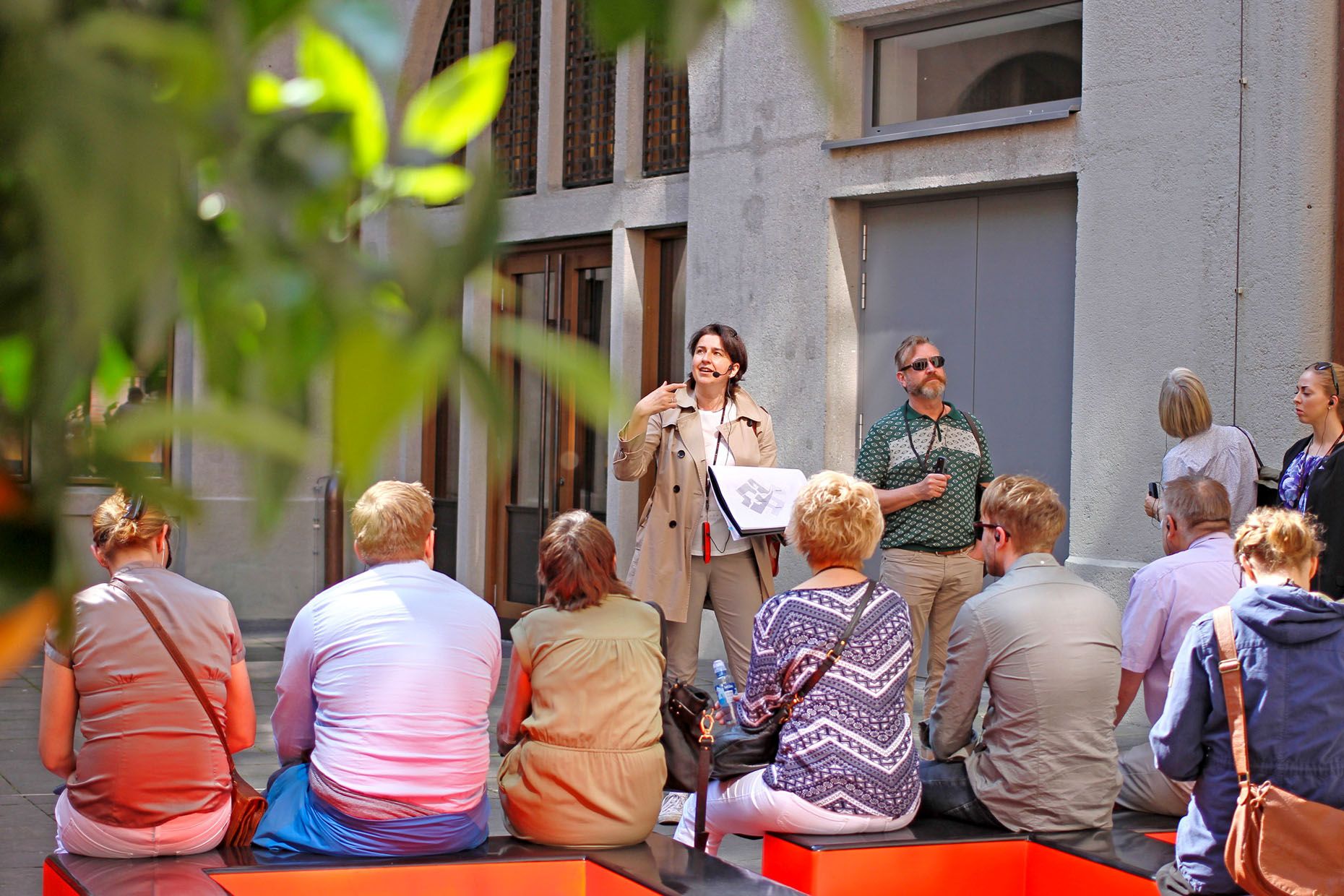
Bernd Nitsch: As locally networked architects, we have prepared a large number of suggestions for tours of architecture that is worth seeing, from which our customers can choose or combine themselves, ranging from modules to individual multi-day tours.
We are a very heterogeneous network. Most of our members are based in large cities and offer tours to their cities and surrounding areas. But there are also some partners who represent a whole region – in my case Bilbao and the entire Basque Country.
You have been offering this programme for quite some time now…what is the key to your success?
Thomas Krüger: I think what unites us is the great joy of communicating the culture of architecture to other people. It was certainly no coincidence that in 1996 I met Hans Geilinger, an architect who, like me, had a teaching background and was visiting Berlin with his Swiss students at the time. We were united by this passion to help other people open their eyes, to understand the world through architecture. At that time, a lifelong friendship developed that ultimately formed the basis for our network. Two became four, then we were eleven and suddenly an association.
I like this somewhat unwieldy term of informing people about the culture of building because it encompasses architecture, urban planning, landscape architecture and engineering. It’s not just about buildings, but about the things behind them. We don’t explain boring physics of building or the science of building materials, we look at the culture of building as a mirror of society.With city tours by architects, we have discovered an opening and found a steadily growing niche. Previously, such tours were often conducted by art historians, who usually looked back into the past. The architect’s point of view, however, is based on the present – and people are interested in that because everyone has to relate to architecture. I think that explains the success of Guiding Architects.
Has the demand changed over the years?
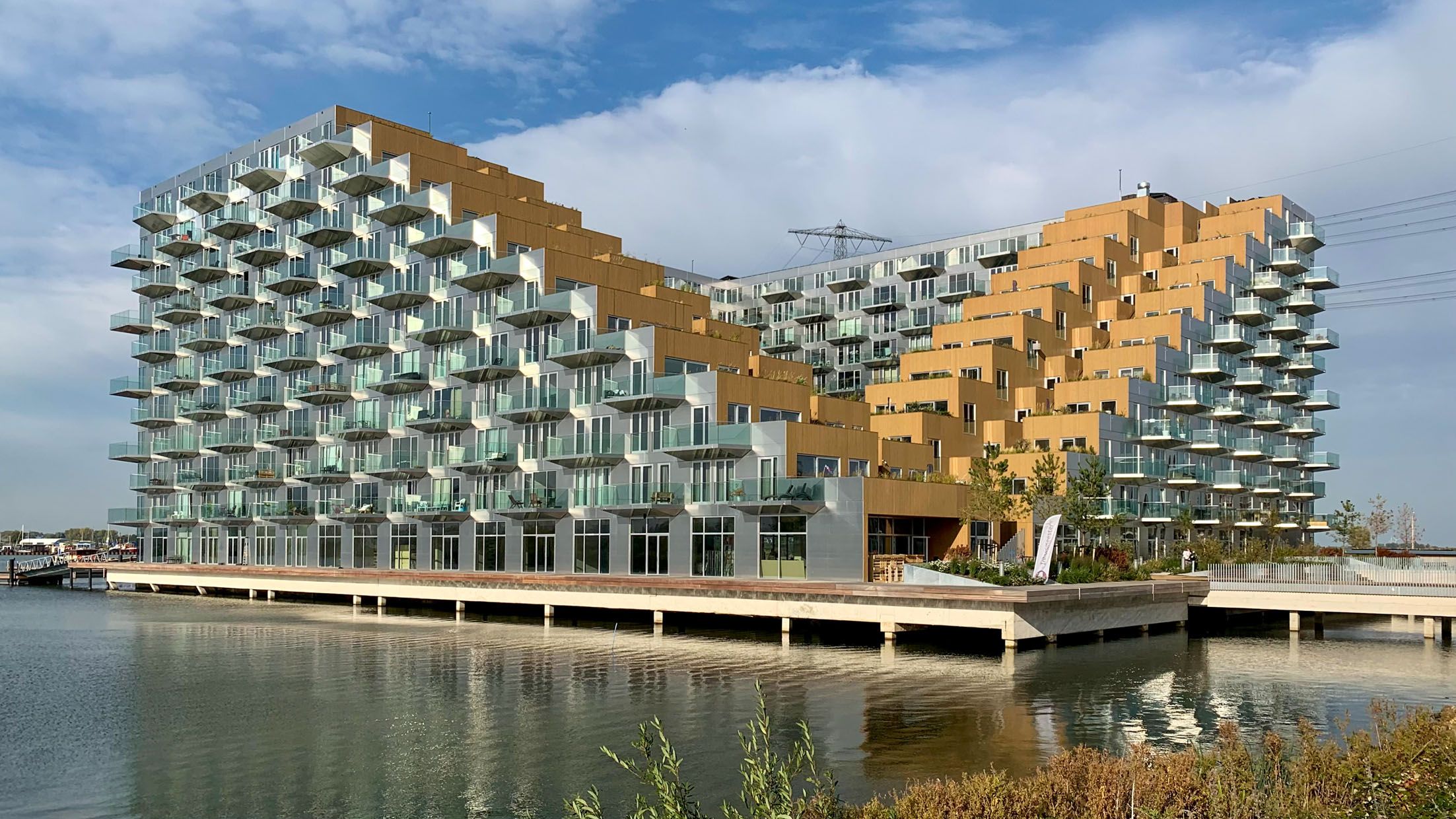
Anneke Bokern: Typical clients of Guiding Architects have always been architecture offices, architects’ associations, project developers, cities and municipalities, students, but also art associations and lovers of architecture. That hasn’t changed much. But of course they now want to see more and more projects around the theme of sustainability. Innovative housing is also very popular as a tour theme at various locations. Here in Holland, the countries of origin of the groups have lately been changing noticeably. We have always had many German-speaking guests, but also many Scandinavians. More and more companies, however, find it unacceptable to fly their entire staff across Europe for a short teambuilding excursion. That’s why Norwegians and Swedes don’t come to the Netherlands as often as they used to, but now our neighbours from the east and south visit much more often. Good international train connections are worth their weight in gold!
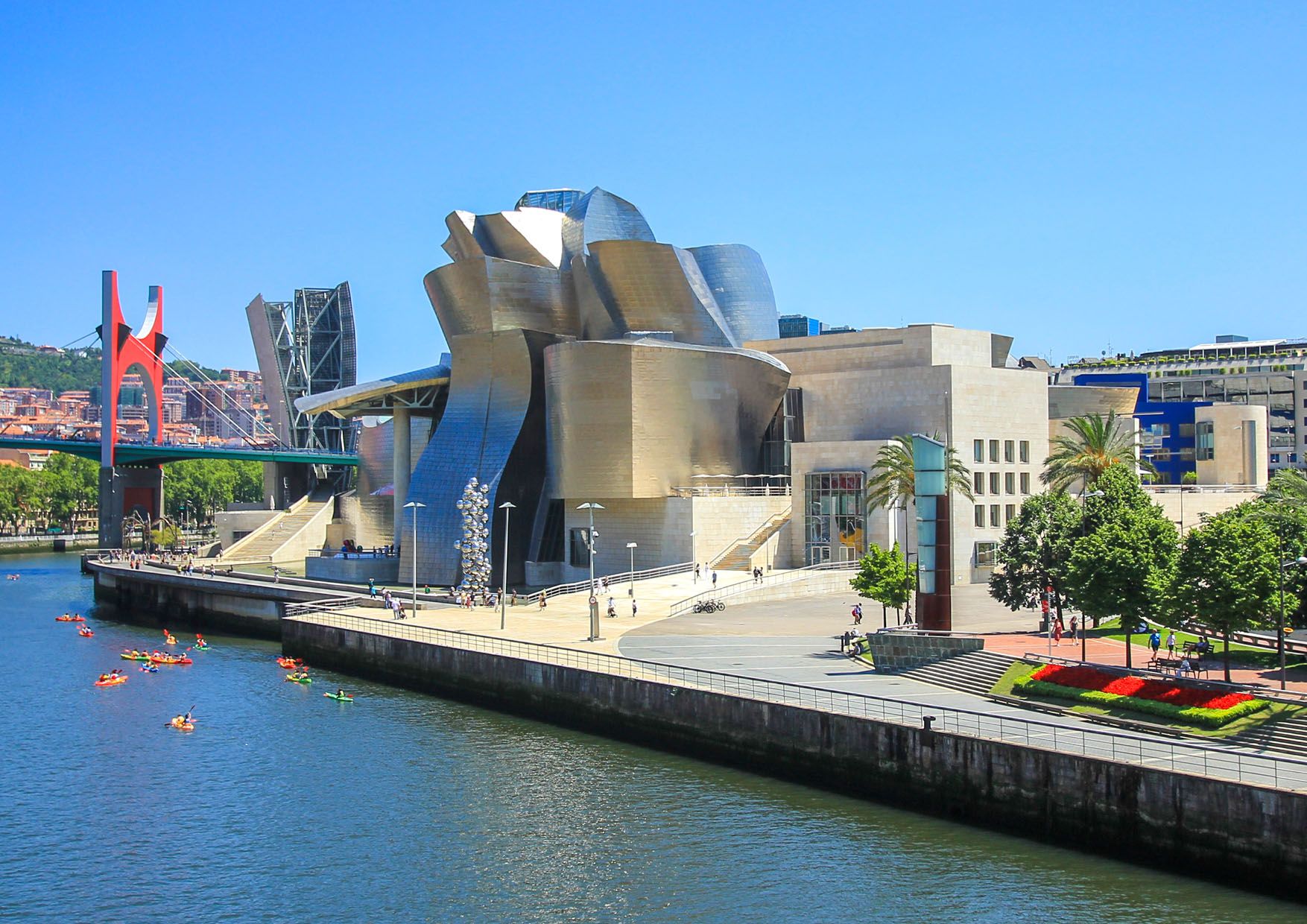
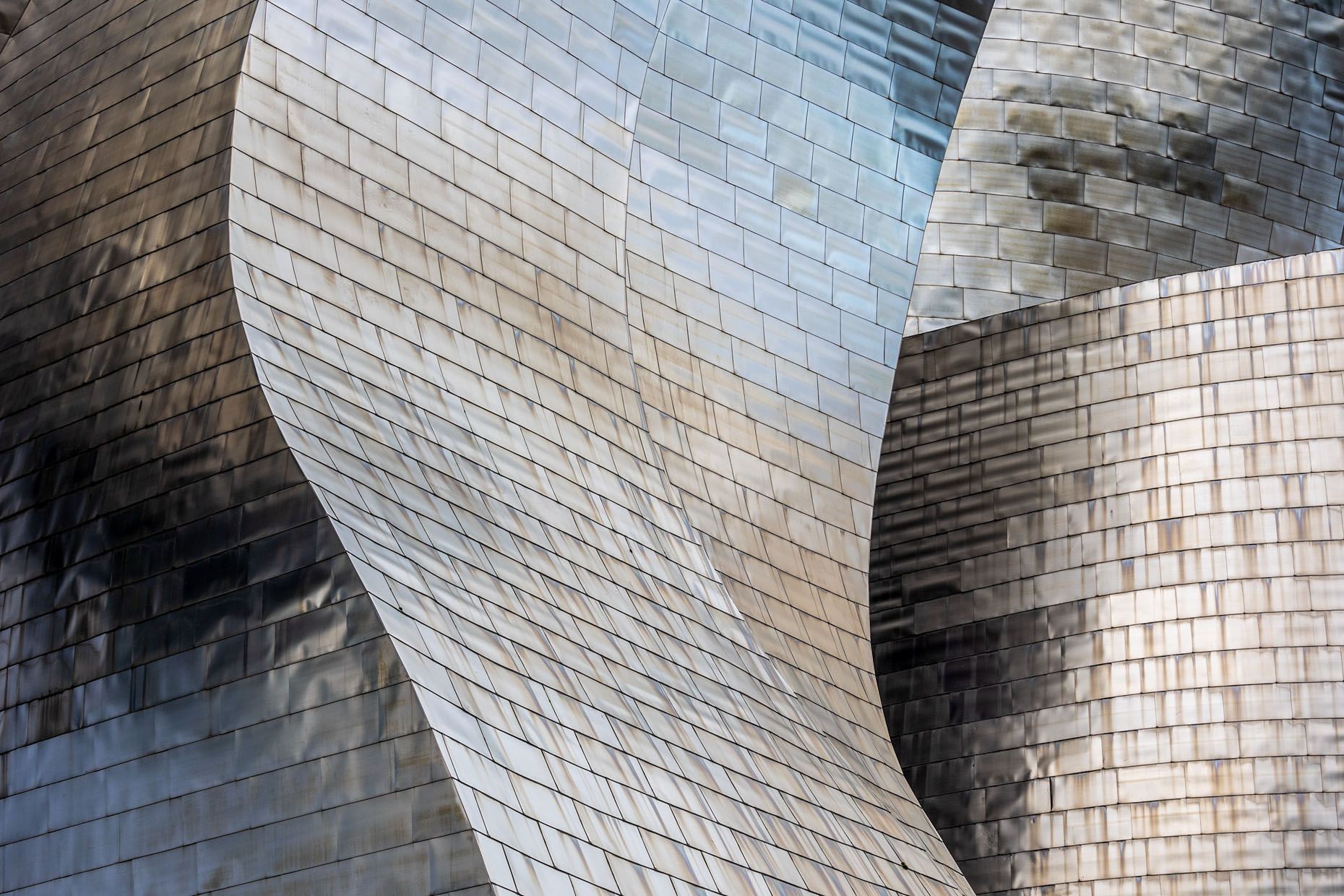
Bernd Nitsch: Today’s world is changing rapidly and so are the topics that our customers are most interested in. Interesting architecture is usually created in a progressive environment. This is especially true for Bilbao, which has given itself a new “image” with its Guggenheim Museum. The city is in a constant state of change, from zero to one hundred, so to speak – from 1997 onwards, Bilbao has been virtually overrun by travellers.
Clients from the more professional environment often have a strategic interest: They want to learn from local experience. We play our part in understanding what has been built and drawing the right conclusions from it.
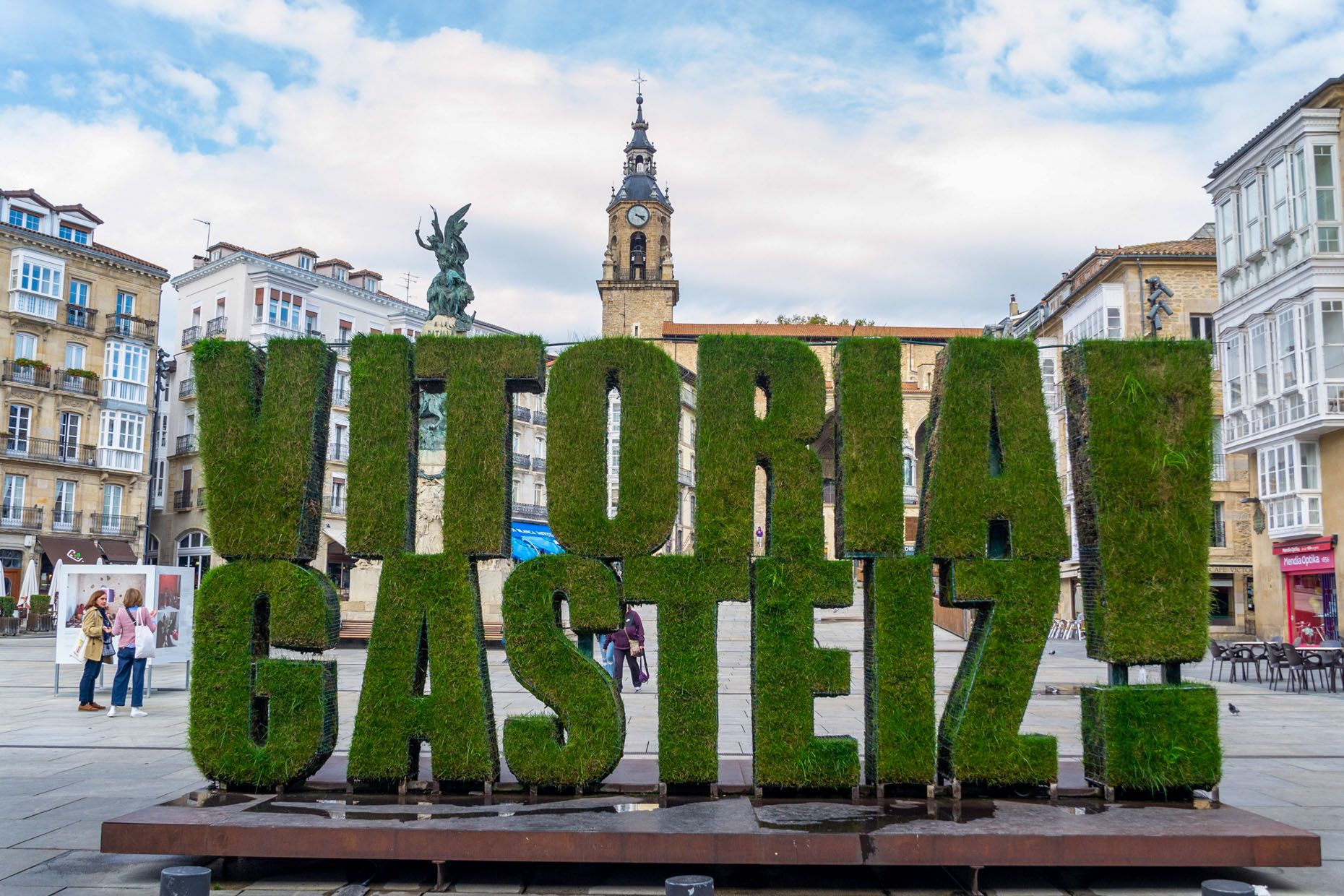
While the Guggenheim has become a permanent magnet, new places are being added all the time: Vitoria in the south of Bilbao, for example. The capital of the Spanish autonomous region of the Basque Country became known to a wider circle in 2012 as the “European green capital” thanks to its green strategic urban policy.
How have you adapted your programmes to the changes in demand?
Anneke Bokern: In addition to programme highlights with architectural icons, many Guiding Architects now also offer tours on themes around sustainability, for example on new mobility concepts, water management, timber construction or transformation. This also has the advantage that we address new customer groups who might not book a classic architecture tour.
We are also working on making our tours more sustainable. This includes, for example, offering fewer bus tours and more bike tours.
Do you also feel the effects of developments in tourism, i.e. how have guests’ expectations changed over the years?
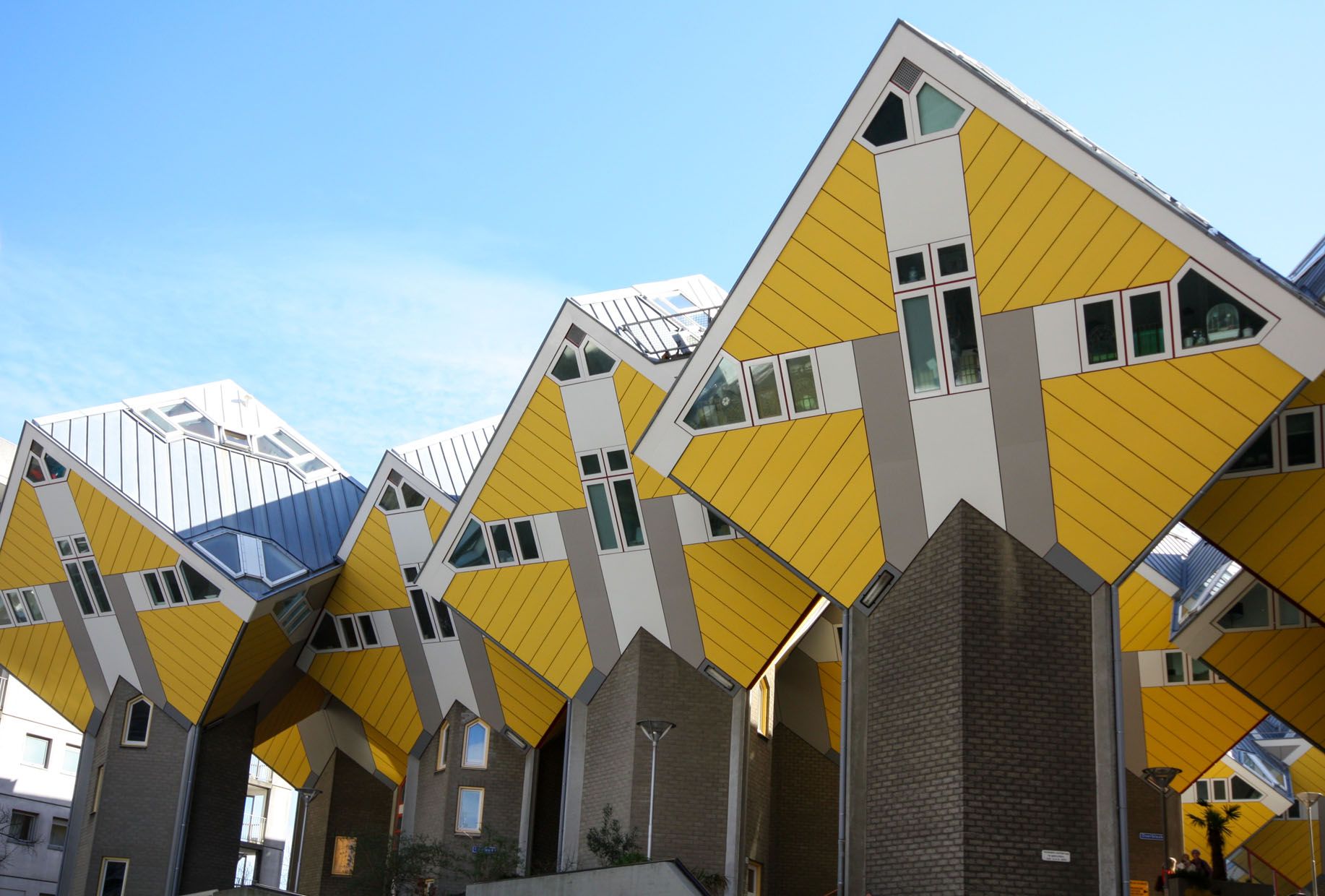
Anneke Bokern: An important trend is certainly that in addition to “A” cities, “B” cities are also increasingly in demand. Of course, Berlin, Paris or New York remain classics that everyone likes to visit. But more and more groups are also drawn to Valencia, Rotterdam or Glasgow. There are still many new things to discover there, hotel prices are lower and it’s not so crowded.
Thomas Krüger: In addition to the architecture tours in our cities, some of us now also offer architecture tours that go further afield and these too are becoming increasingly popular. They are not only aimed at professional colleagues, but at everyone interested in building culture.
You meet regularly to exchange ideas. Do you observe significant local differences in the interest of the guests or in intercultural communication?
Thomas Krüger: Yes, there are clear differences. Our Spanish or Italian partners, for example, rarely have local groups; they cater to almost 100 per cent guests from German- or English-speaking countries. There are also clear differences in mentality: Scandinavians, Austrians, Swiss or Germans are often very wealthy, keen to travel and hungry for education, whereas Southern European or Asian groups also have their own agenda but tend to pursue more touristic interests when travelling.
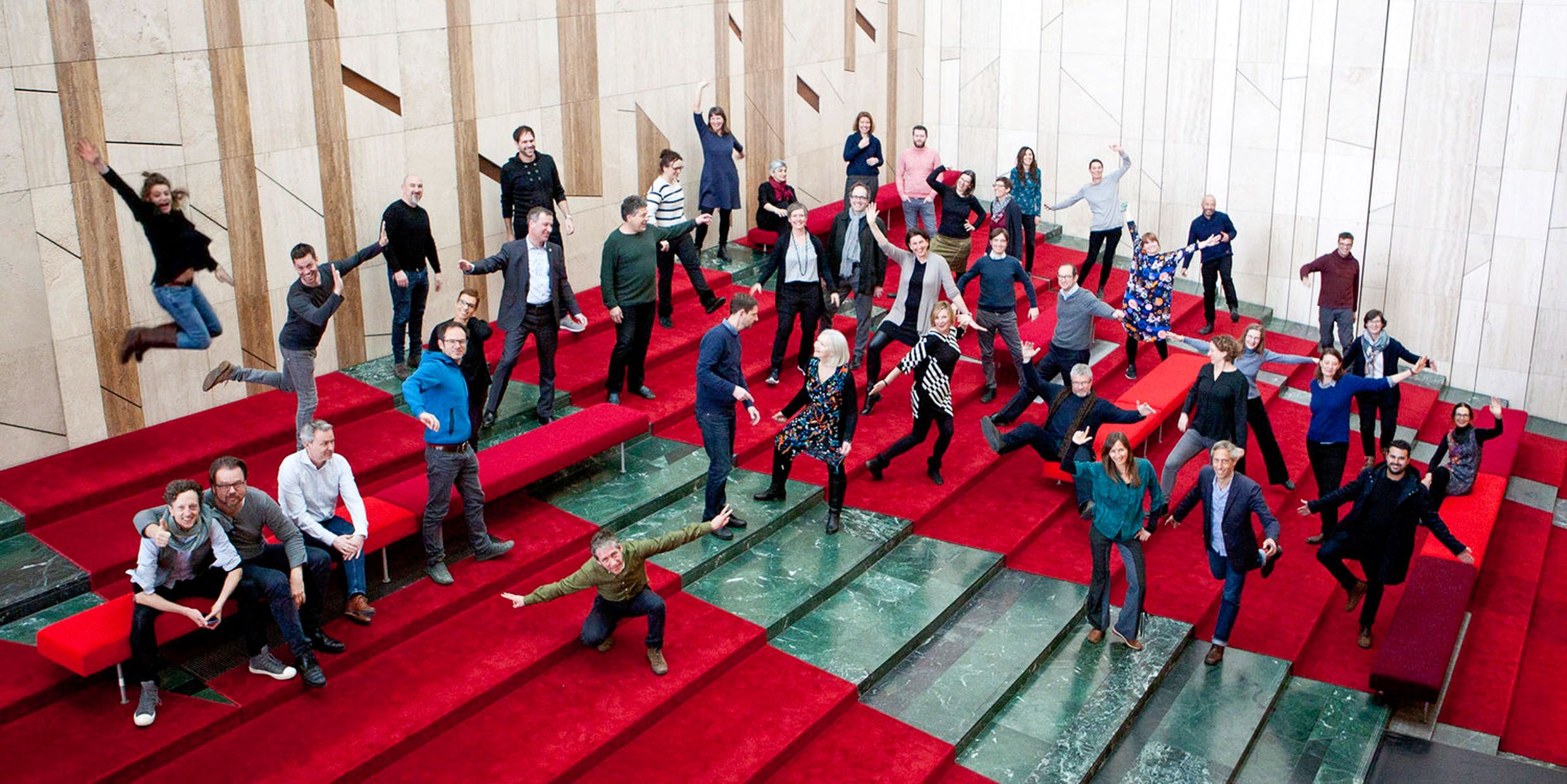
Anneke Bokern: At our annual meeting, the first thing we notice is how great the cultural differences are within our organisation. More than 40 locations in Europe and overseas – it’s always like a small United Nations Congress. Everyone communicates, negotiates, celebrates in their own way (grins).
But of course, differences in the guests’ wishes are also noticeable in the exchange. In some cities, the groups mainly want to see new star architecture, in others more architectural classics. In Istanbul or Santiago de Chile, for example, clients often want to book an all-inclusive package, whereas in more familiar surroundings they prefer to arrange many things themselves.
Bernd Nitsch: It is noticeable that some themes, such as sustainability, are dealt with at a very different pace depending on the country.
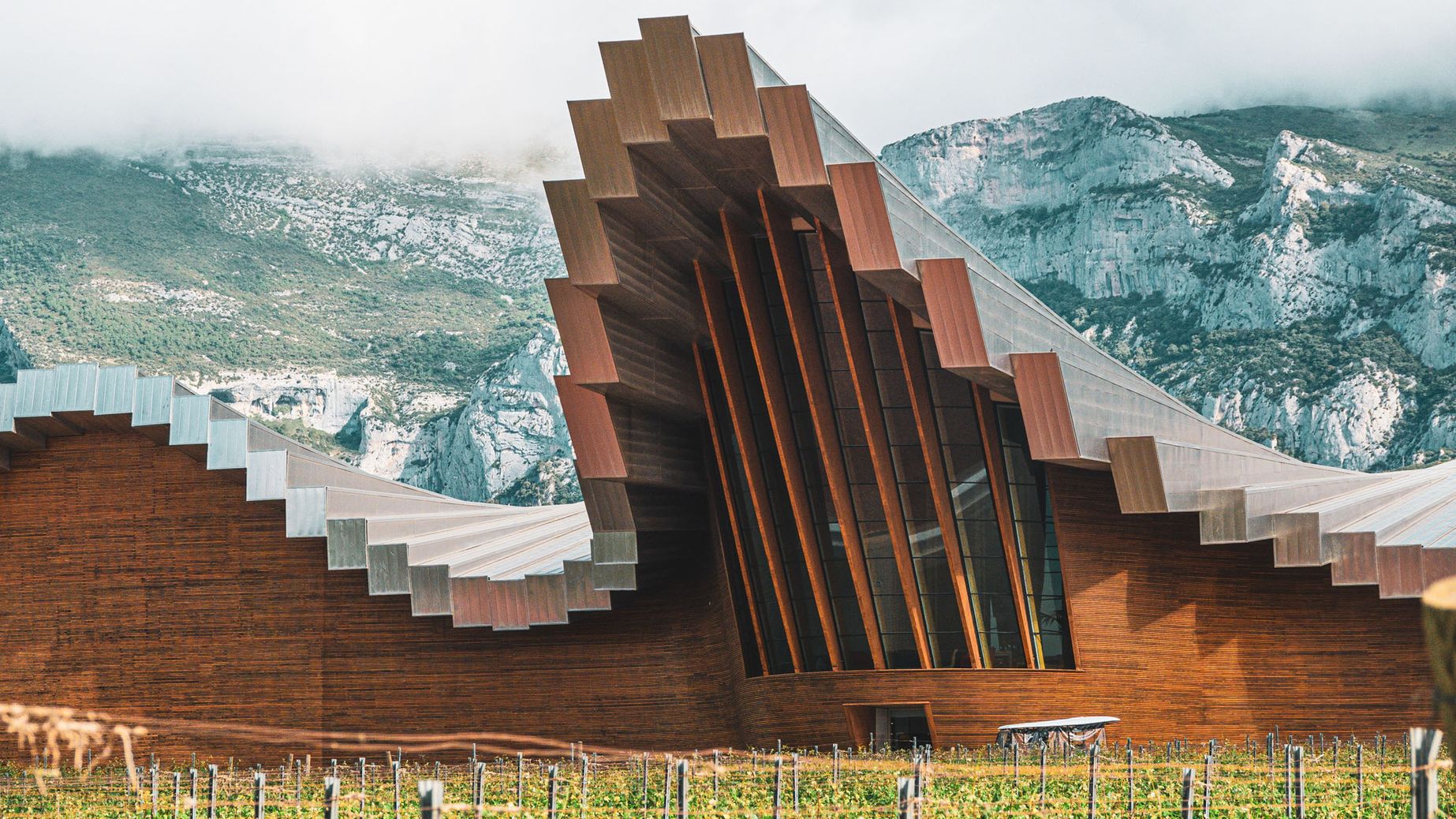
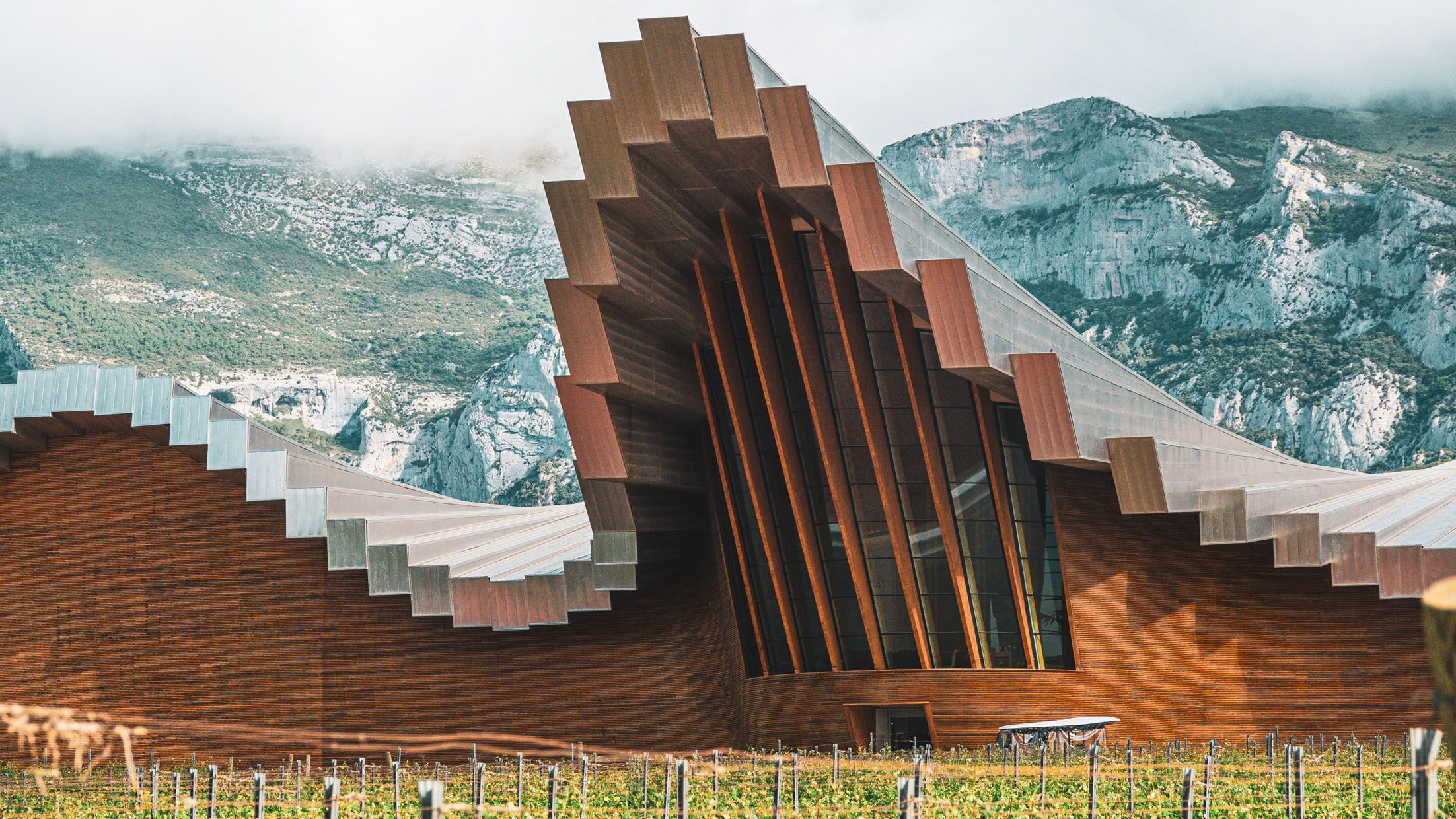
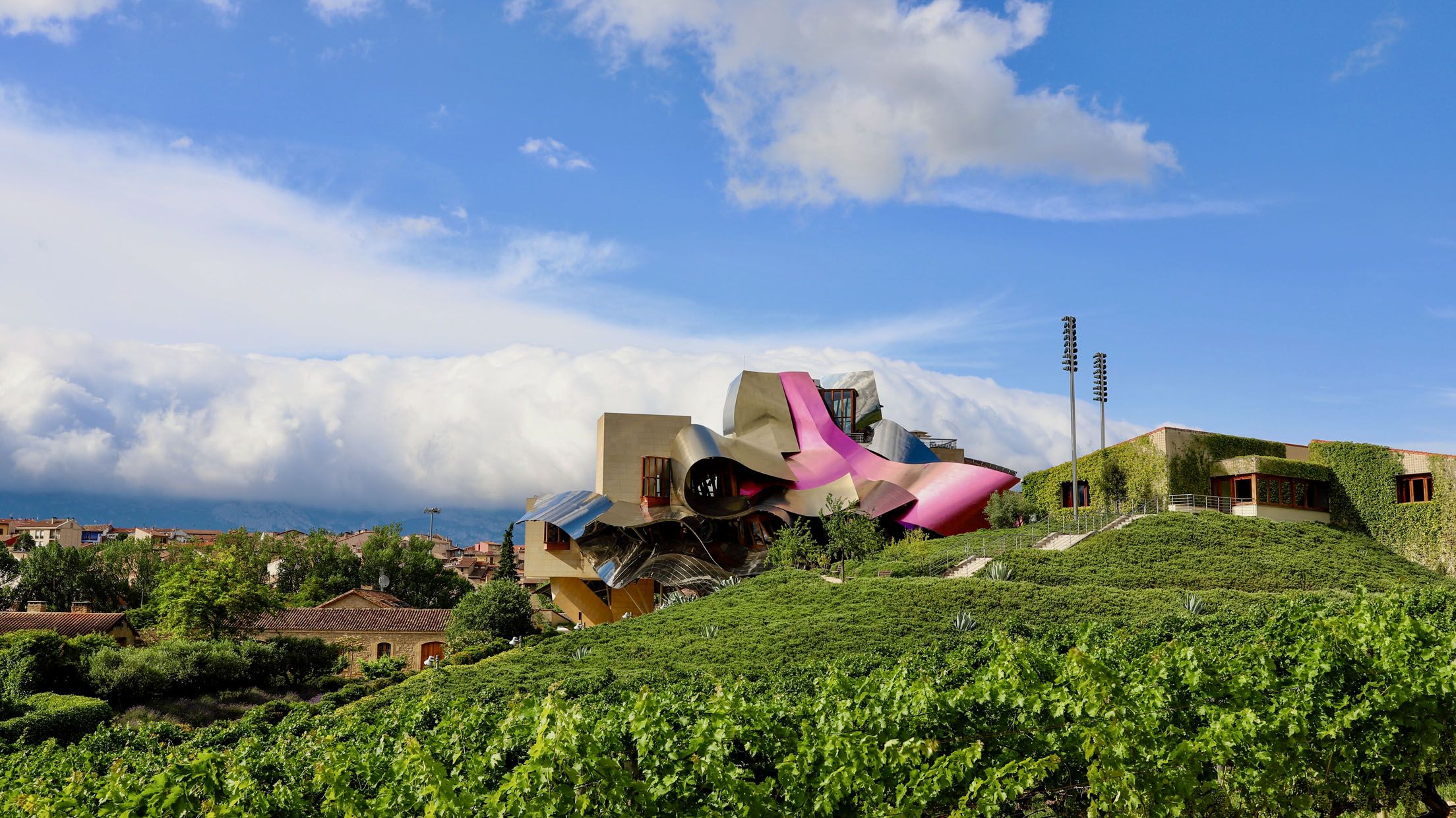
What’s more: As a rather “regional” member, I cannot offer certain themes from the large cities; but in Bilbao, with Rioja, there is a wonderful, rural experience around architecture and wine.
How does quality control actually work for you – do you validate each other?
Bernd Nitsch: Quality control is taken very seriously in the network. We invest a lot of time and energy in selecting new partners. Our goal is to be able to recommend every other member of the network unconditionally.
To this end, we have formulated standards according to which our tours should run in order to create a qualitative recognition value.
The exchange within the framework of our annual meetings and workshops, but also the reciprocal visits help to constantly apply and improve these standards.
Do you have any personal architectural highlights or unforgettable memories from guided tours?
Thomas Krüger: For us in the Berlin team, the greatest sense of achievement is when we can awaken an interest in building culture among very young people – schoolchildren, for example. They are the most difficult clientele to “grab their attention”, because: Who in their teens is interested in the culture of building and the art of architecture and in groups at that? A real challenge. And the best praise when we hear after a guided tour: “I had no idea how many interesting aspects there could be in a single building.”
I have many personal highlights, and they change too. I have just returned from an Aalto tour in Finland and am still completely enthralled by his town hall in Säynatsalo, which I only knew from pictures. This shows once again how important the physical, the haptic experience of architecture is. The drive to see things in the original, to really “experience” architecture and to pass that on is something that unites the Guiding Architects.
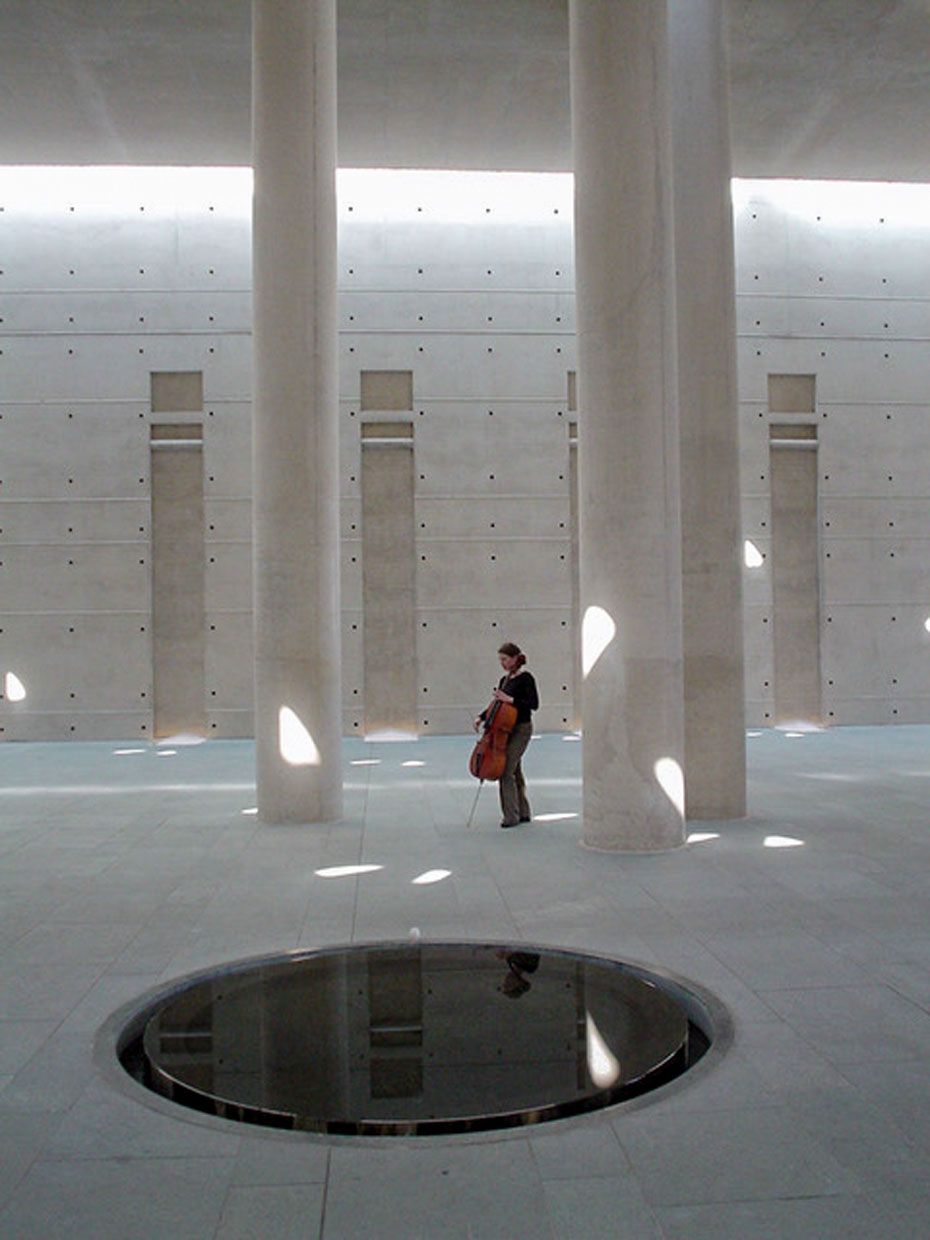
My personal favourite building in Berlin is the Baumschulenweg Crematorium by Schultes and Frank Architects, because it has a solemn aura with modern language that you otherwise only remember from old cathedrals.
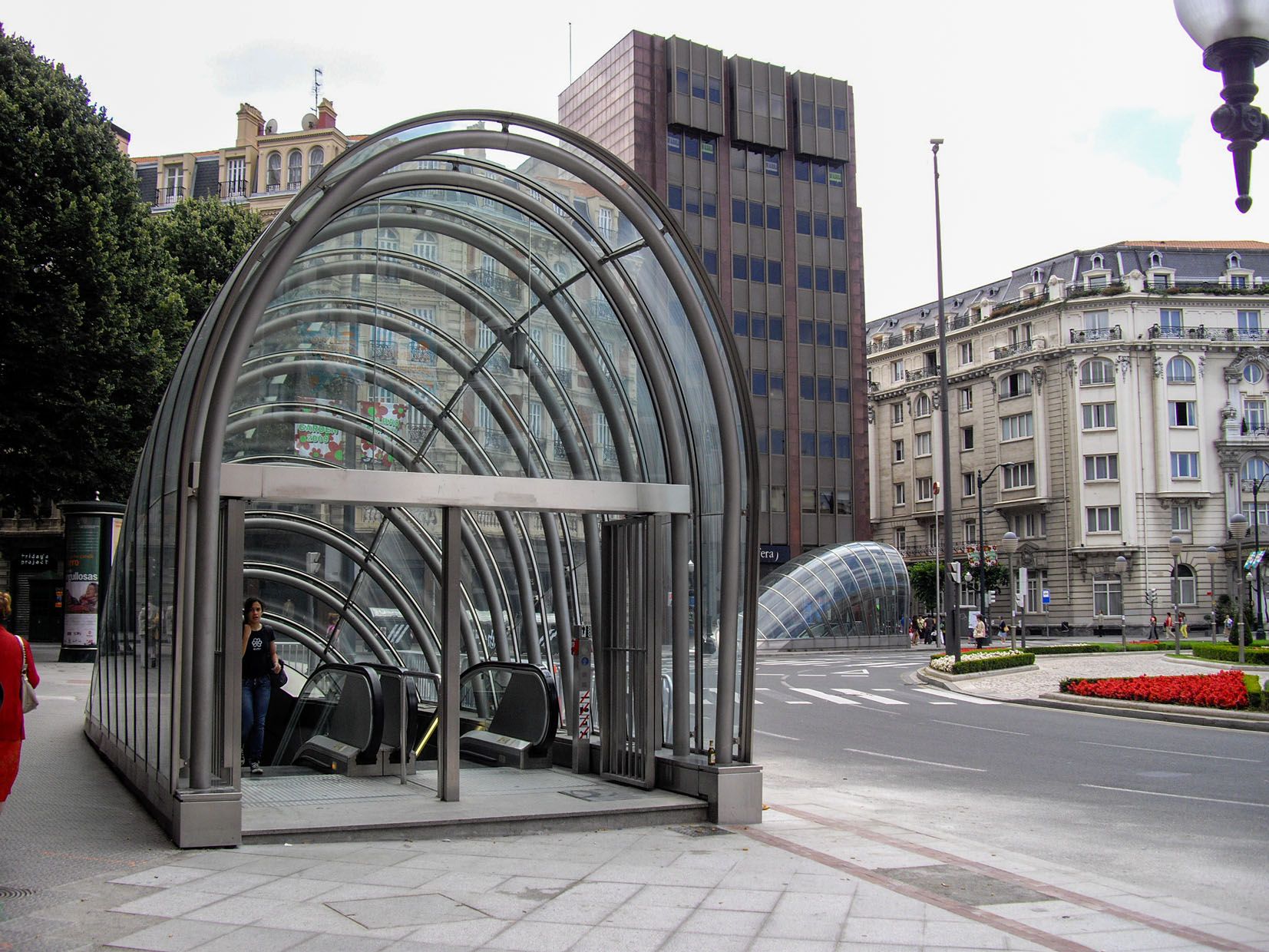
Bernd Nitsch: Of course you have your favourites on your own tours… although – for reasons of professional ethics alone this is clearly subjective. In my case, for example, among my favourites are the metro of Bilbao or a superbly realised renovation plus an extension of a historical building such as the Casa del Condestable in Pamplona.
It is very pleasant to change sides at our network meetings and to be guided by colleagues as listeners – especially in buildings that you can only get into with the right contacts.
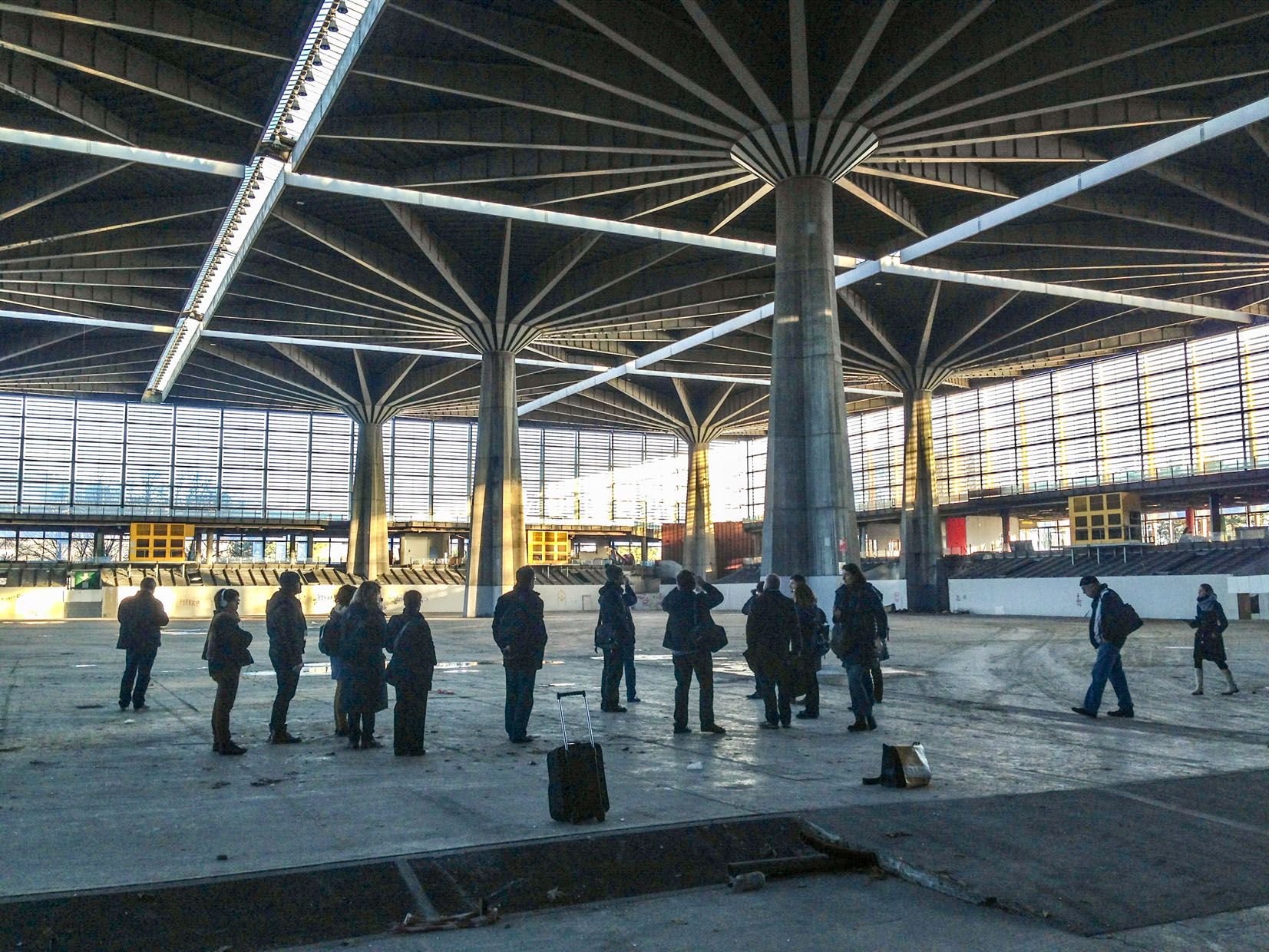
Anneke Bokern: I’m always happy when clients want to see not only the latest highlights but also, for example, brutalist or structuralist architecture. Then I’m happy to go the extra mile to make it possible to visit a private home, for example. My highlights on guided tours for colleagues were a picnic at Antonio Bonet’s magnificent Casa Ricarda in Barcelona and an exclusive visit to Pier Luigi Nervi’s empty Palazzo del Lavoro in Turin.
Guiding Architects is the world’s largest international network of architecture tour companies. The idea was conceived in 1996 by architects Hans Geilinger and Thomas Krüger who conducted architecture tours in their home cities of Barcelona and Berlin.
The network grew organically and informally, before becoming an official institution in 2004, with 11 founding members. Now with 38 member companies in 22 countries, the association is based in Zurich and hosts about 30,000 guests per year at 42 destinations worldwide.
Interview: Ulrich Stefan Knoll, August 2023
Photo credits:
Cover photo Ysios. Foto: © cvzzn, Unsplash
01 © Kerstin Leicht, Guiding Architects München
02 Guggenheim Museum. © Bernd Nitsch, Guiding Architects Bilbao
03 Guggenheim Museum. © Mario La Pergola / Unsplash
04 Vitoria-Gasteiz. © David Vives / Unsplash
05 Vitoria-Gasteiz. © Bernd Nitsch, Guiding Architects Bilbao
06 Cube-houses Rotterdam. © Anneke Bokern, architour.nl
07 Sluishuis Amsterdam. © Anneke Bokern, architour.nl
08 Group photo Guiding Architects. © Éva Fábián, Guiding Architects
09 Ysios. Foto: © cvzzn, Unsplash
10 Marqués de Riscal. © Jun Lee, Unsplash
11 Crematory Berlin-Baumschulenweg. © Thomas Krüger
12 Metro Bilbao, Plaza Moyua. © Bernd Nitsch, Guiding Architects Bilbao
13 Palazzo del Lavoro, Turin. © Anneke Bokern, architour.nl
One Comment
Wunderbar, dass es dieses netzwerk gibt, liebe kolleg:innen, ich habe es selbst schon in lissabon genossen! oriana klebs, architektin