
The Art of Holding Back: An Interview with Martin Gruber
The closer you get to the essence of a place, the less need there is for grand gestures. Martin Gruber talks about the power of the human touch, the beauty of reduction, artistic experimentation and an architecture that grows out of a close connection with nature.
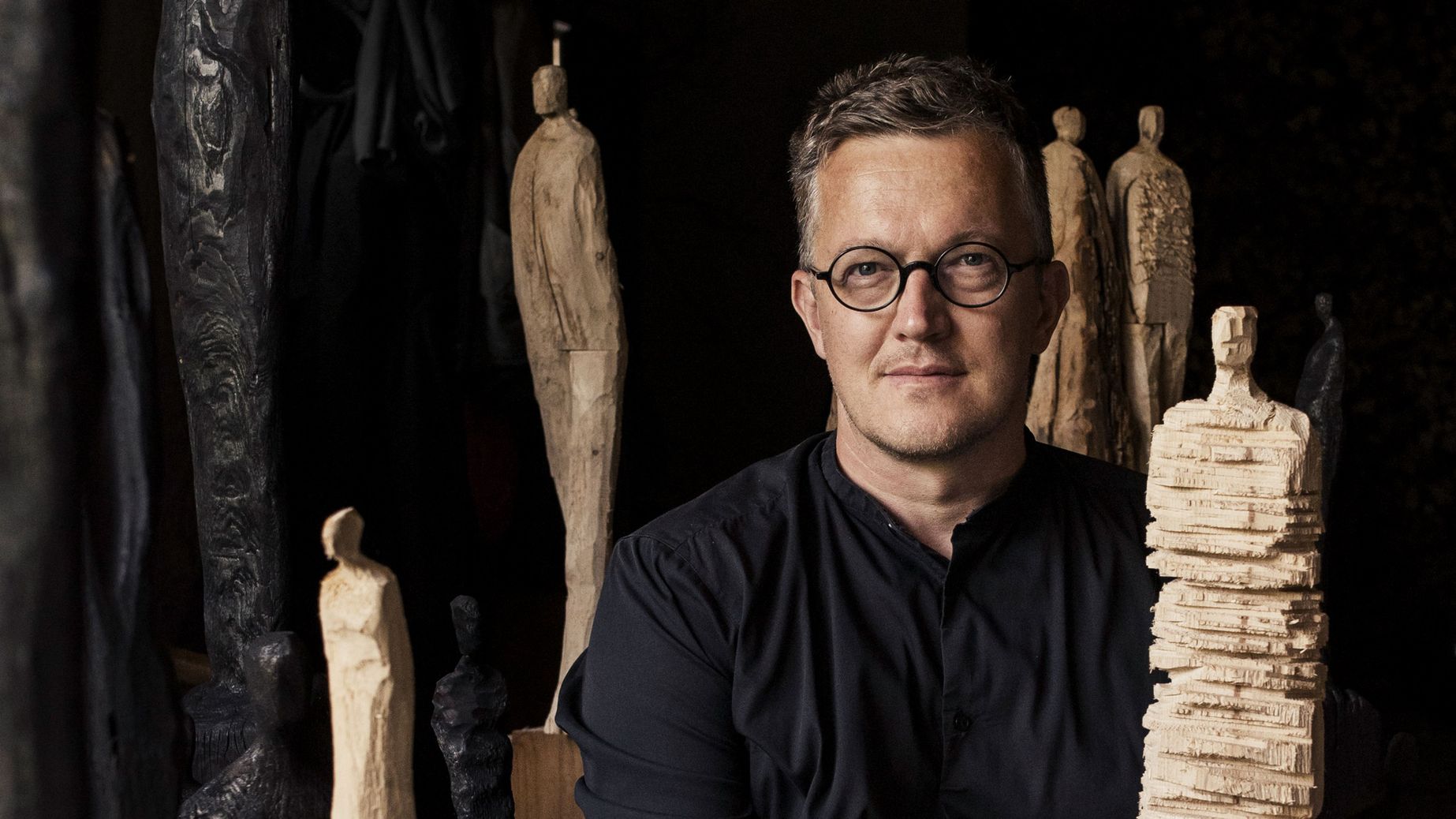
Hello Martin – lovely to see you again! What are you working on at the moment?
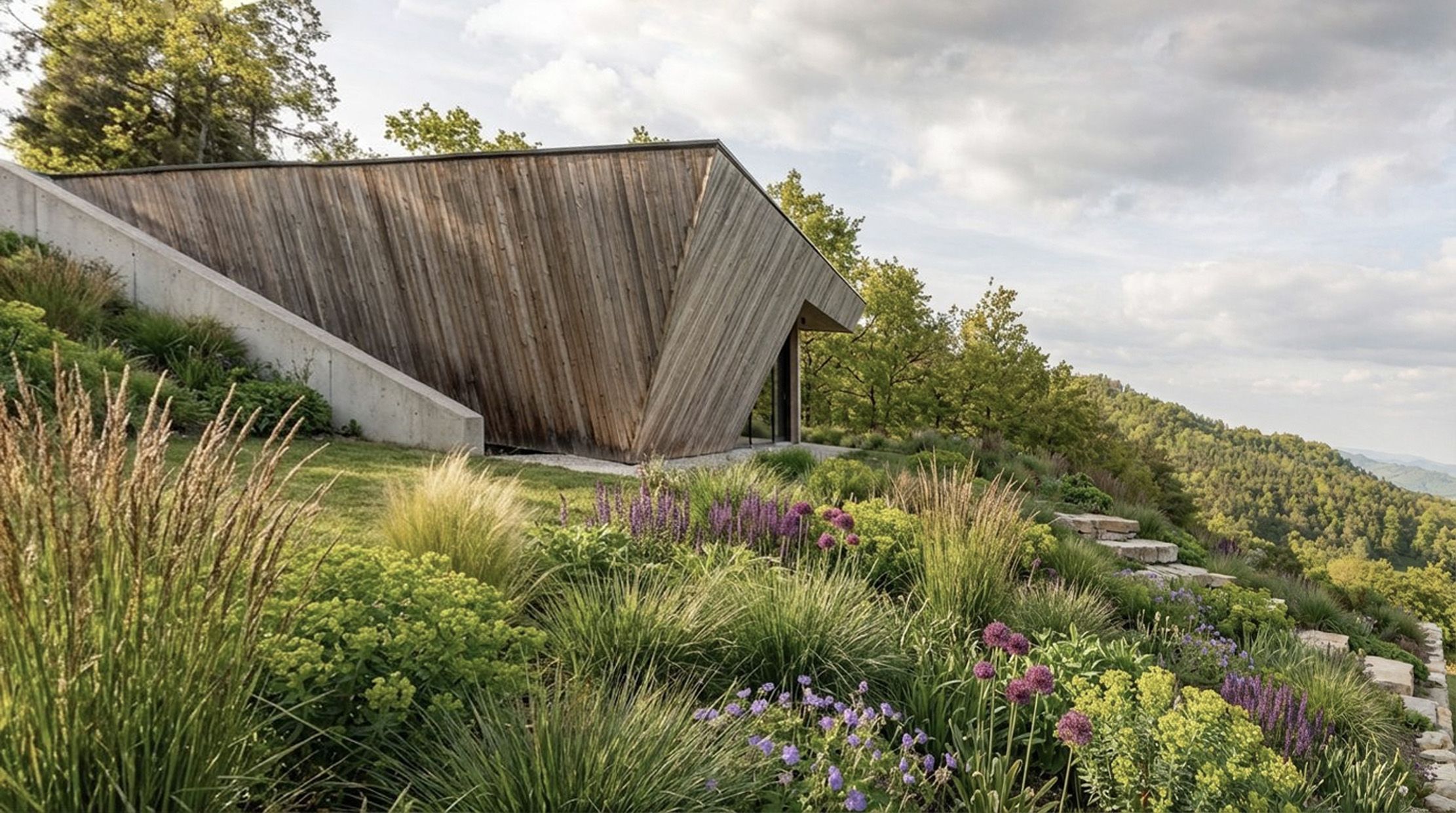
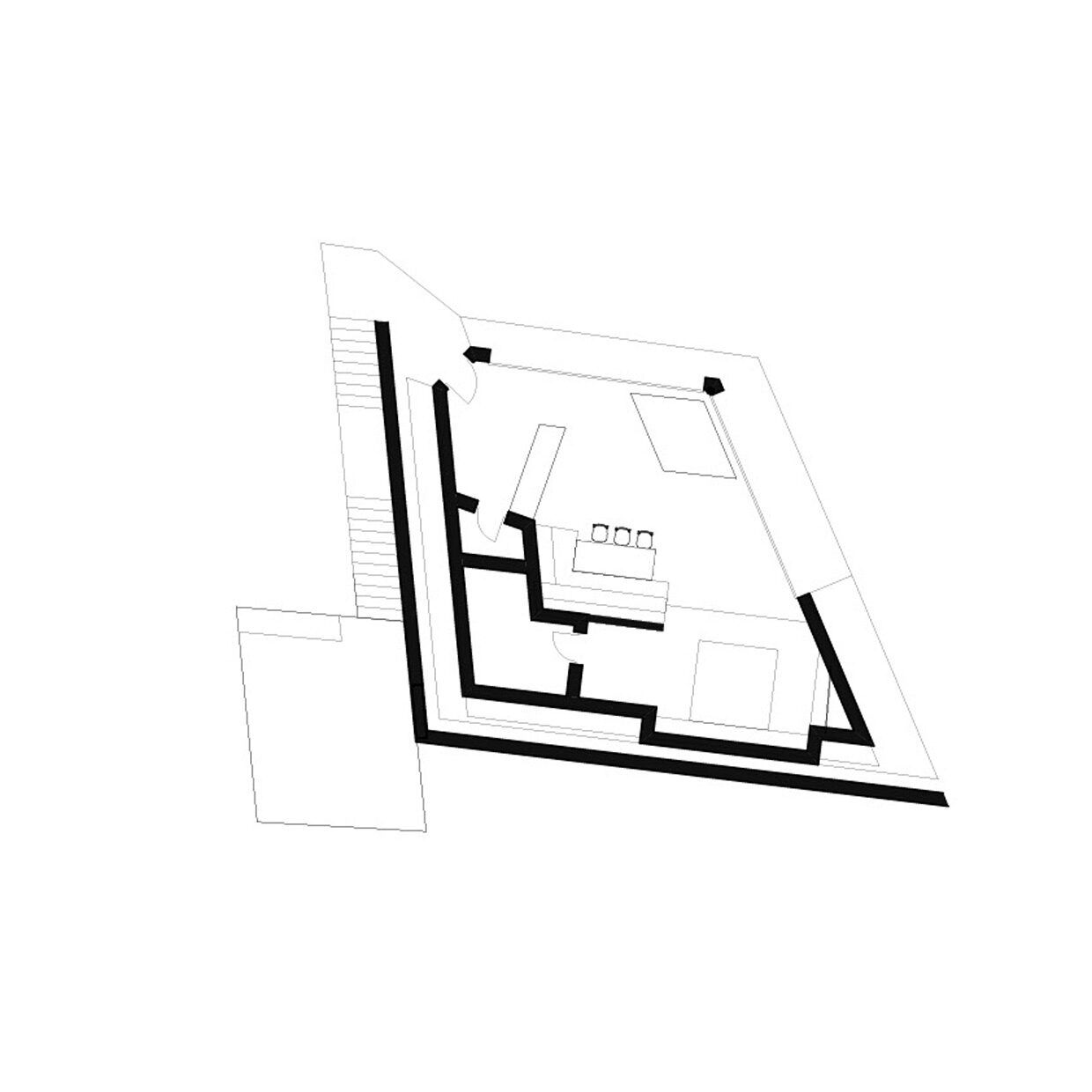
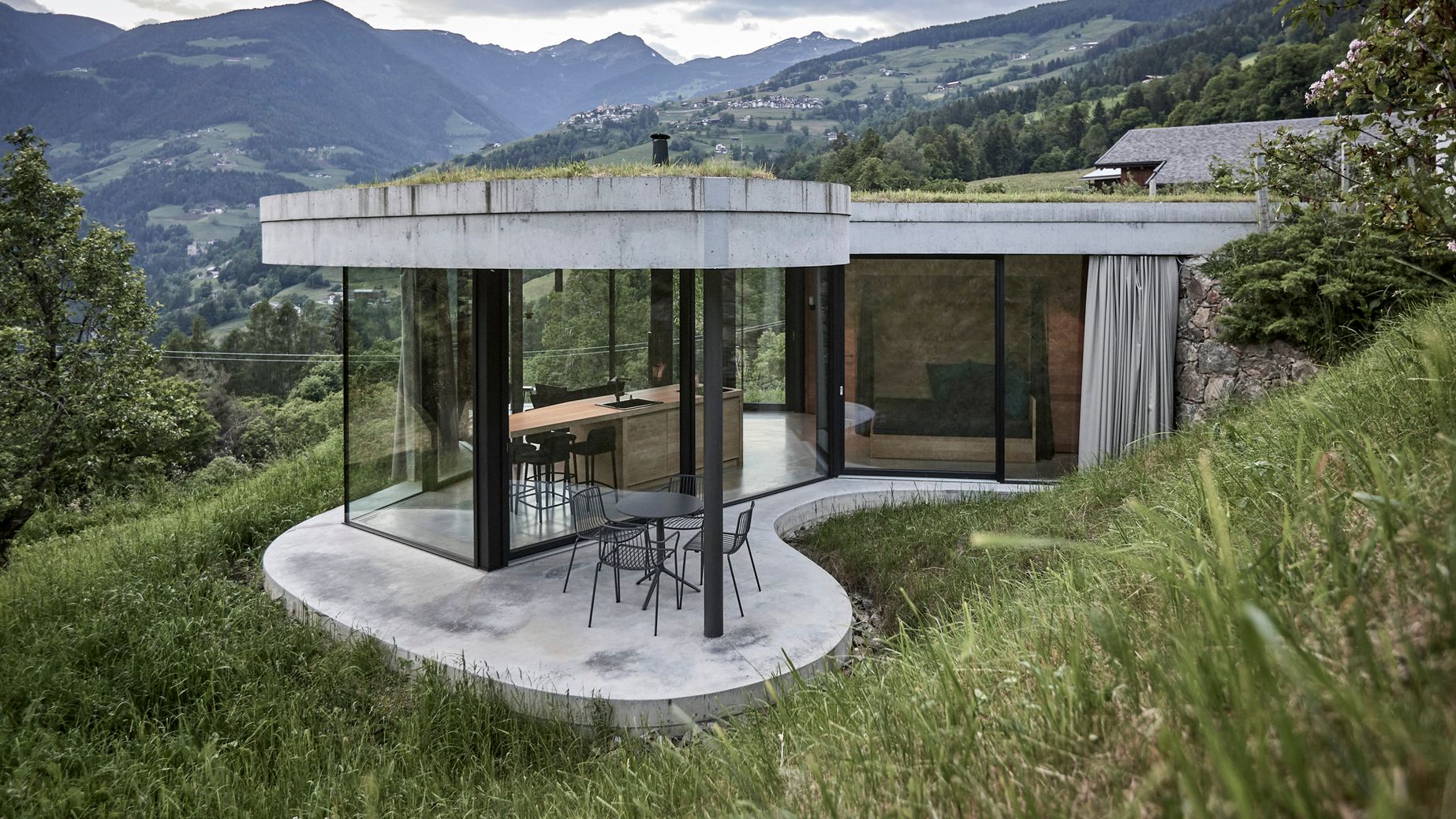
Mono is currently taking shape in the Ahrntal valley. When you stand in front of the site, there is initially very little to see: two walls lie in the mountain meadow, with a space opening up between them. The house is set into the slope, its two glazed sides looking up and down the valley. I like this simple gesture. It doesn’t try to compete with the landscape. The longer you stand there, the less certain you become where the architecture begins and the place ends.
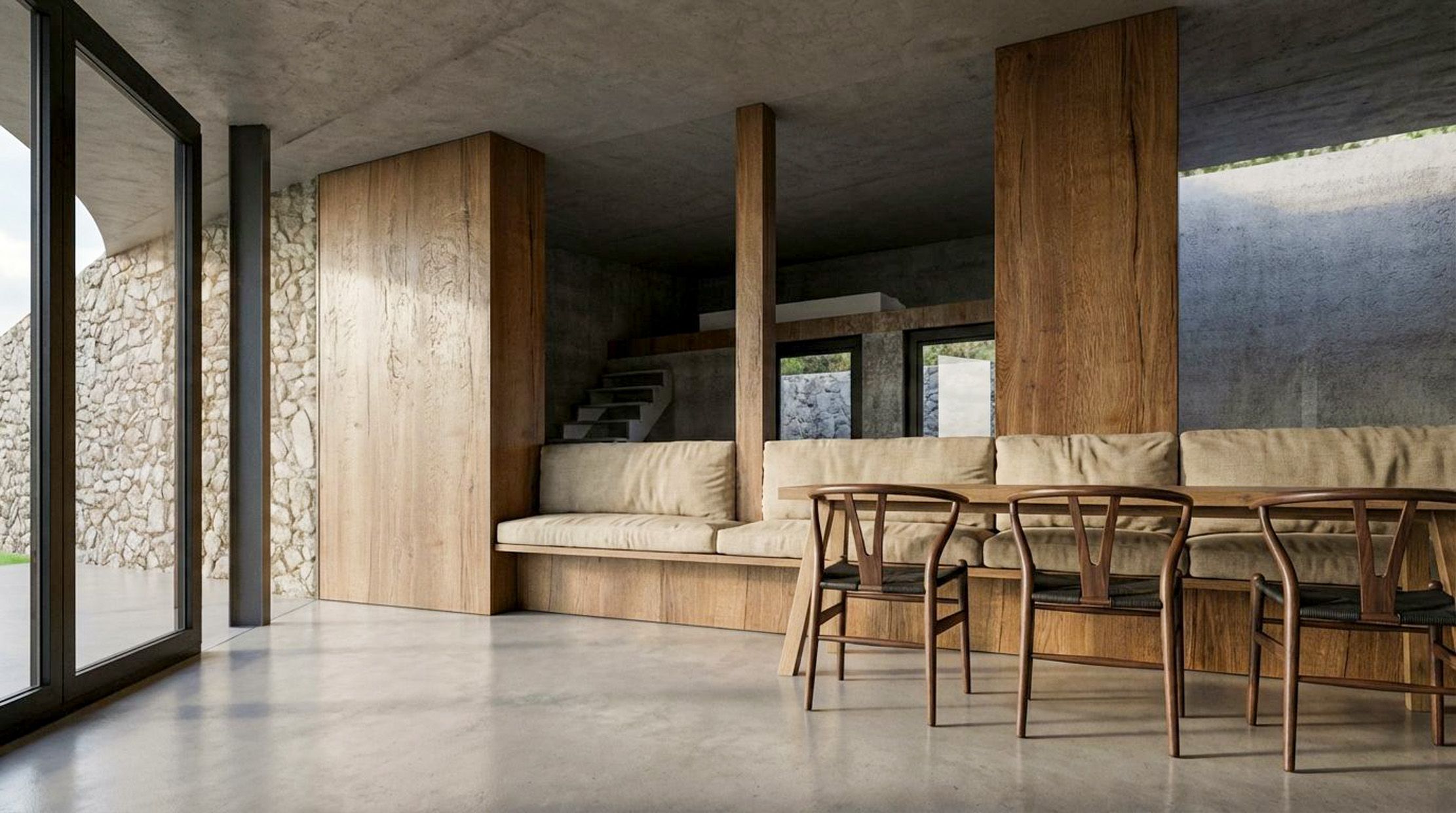
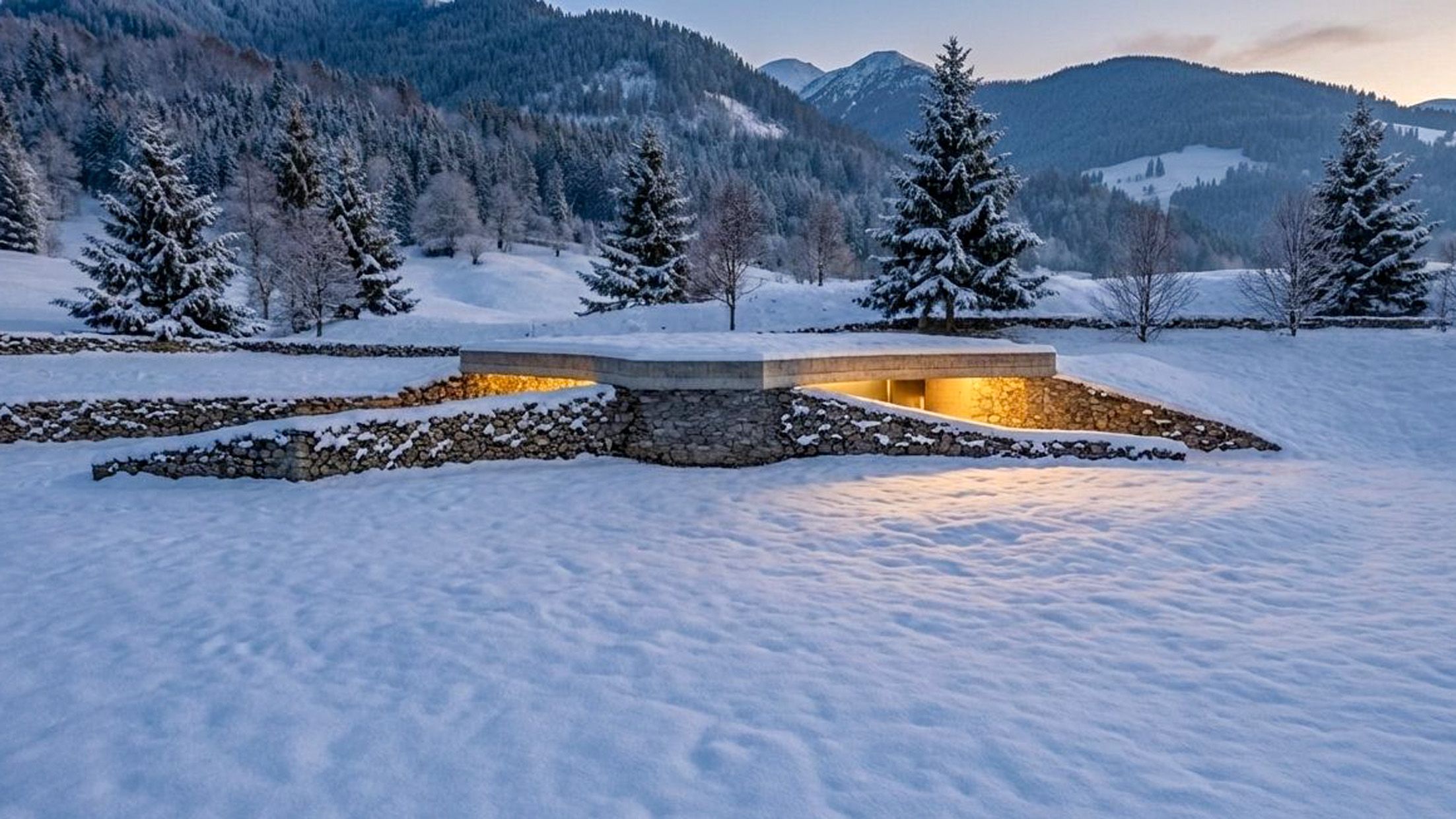
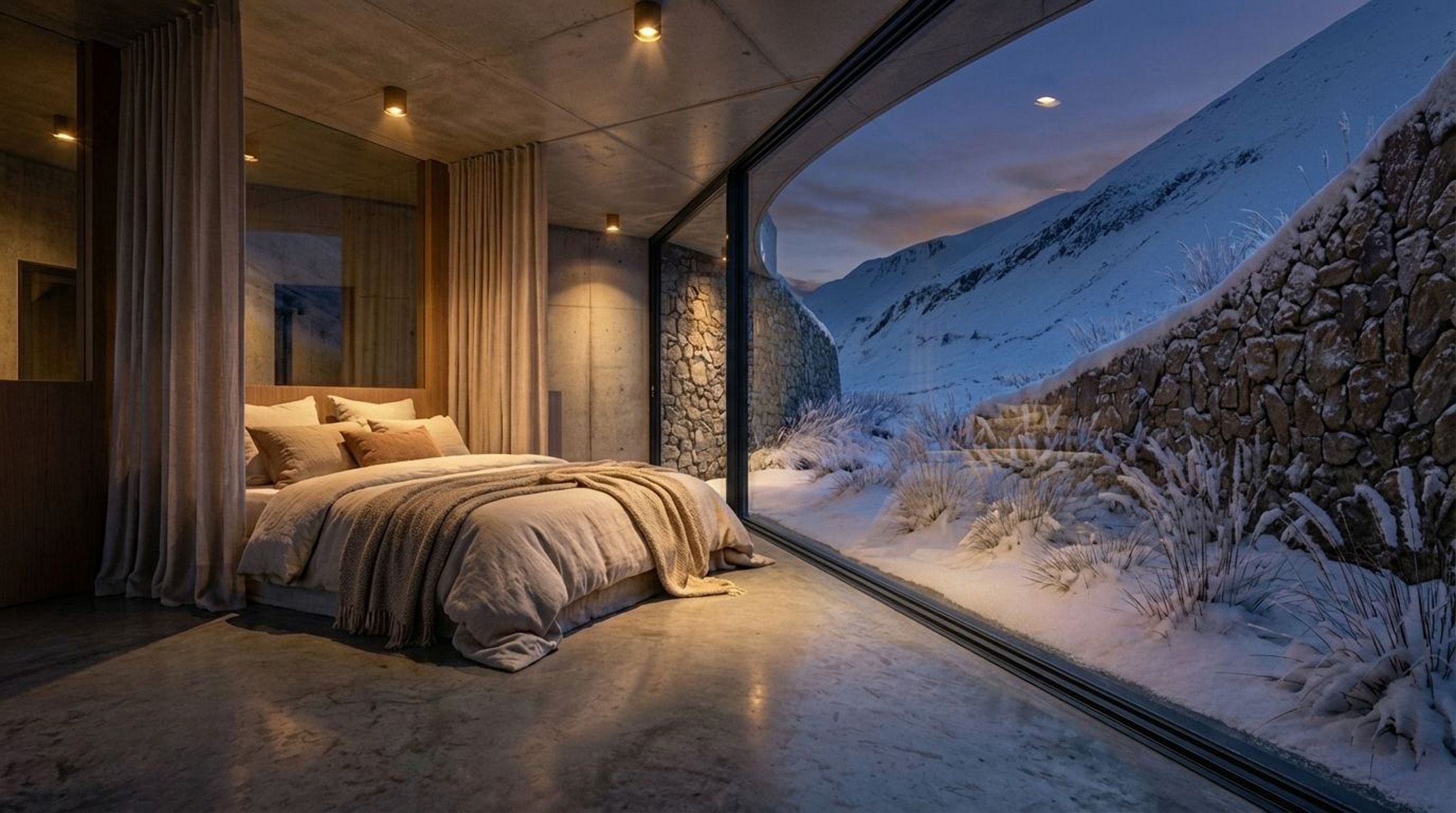
Perhaps this approach also comes from the old retaining walls you find everywhere around here. They were built because they were necessary. Nobody thought of them as architecture at the time. Over the decades, they have become part of the landscape. Their beauty comes from how natural and self-evident they seem. It is precisely this sense of naturalness that I look for in new houses too.
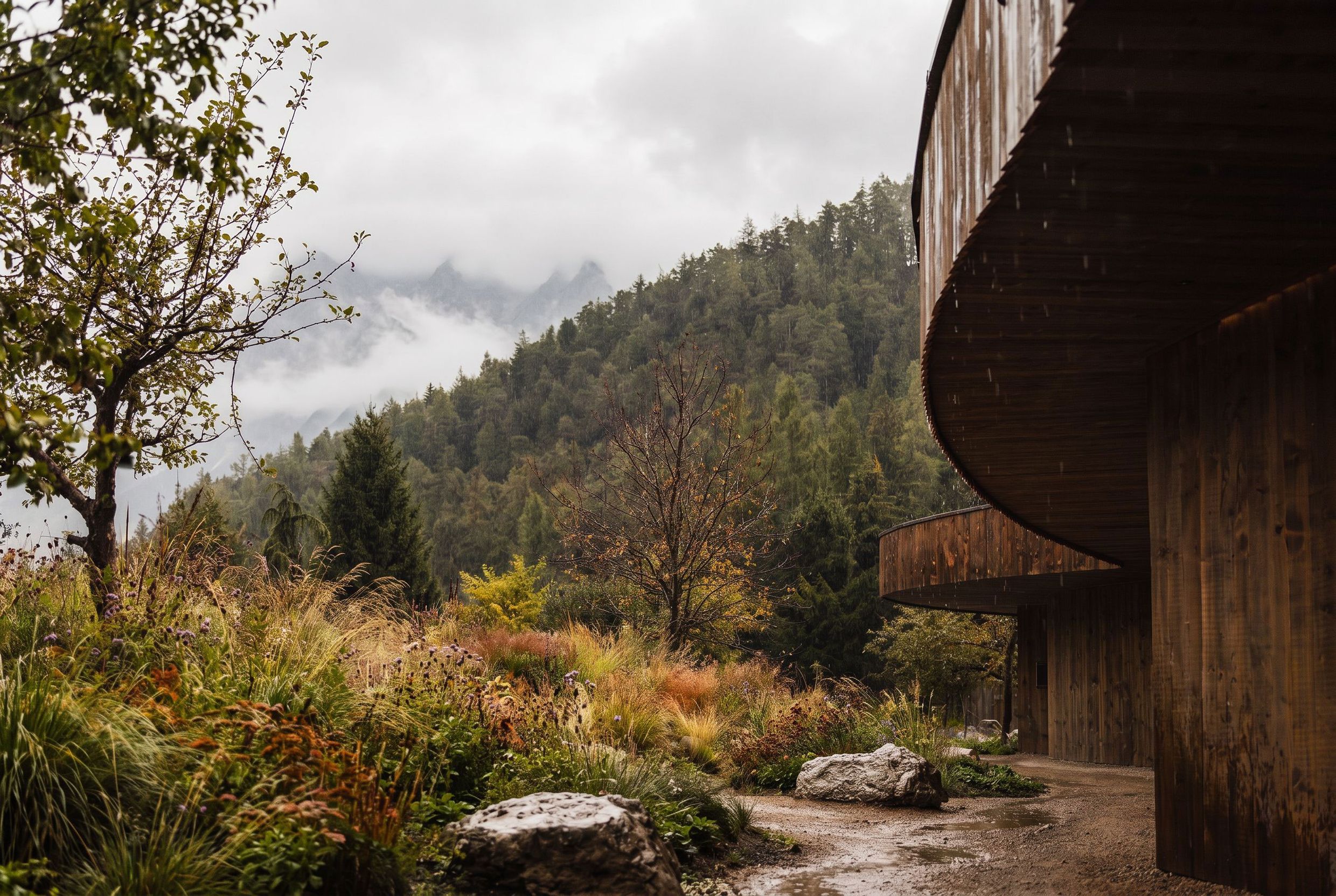
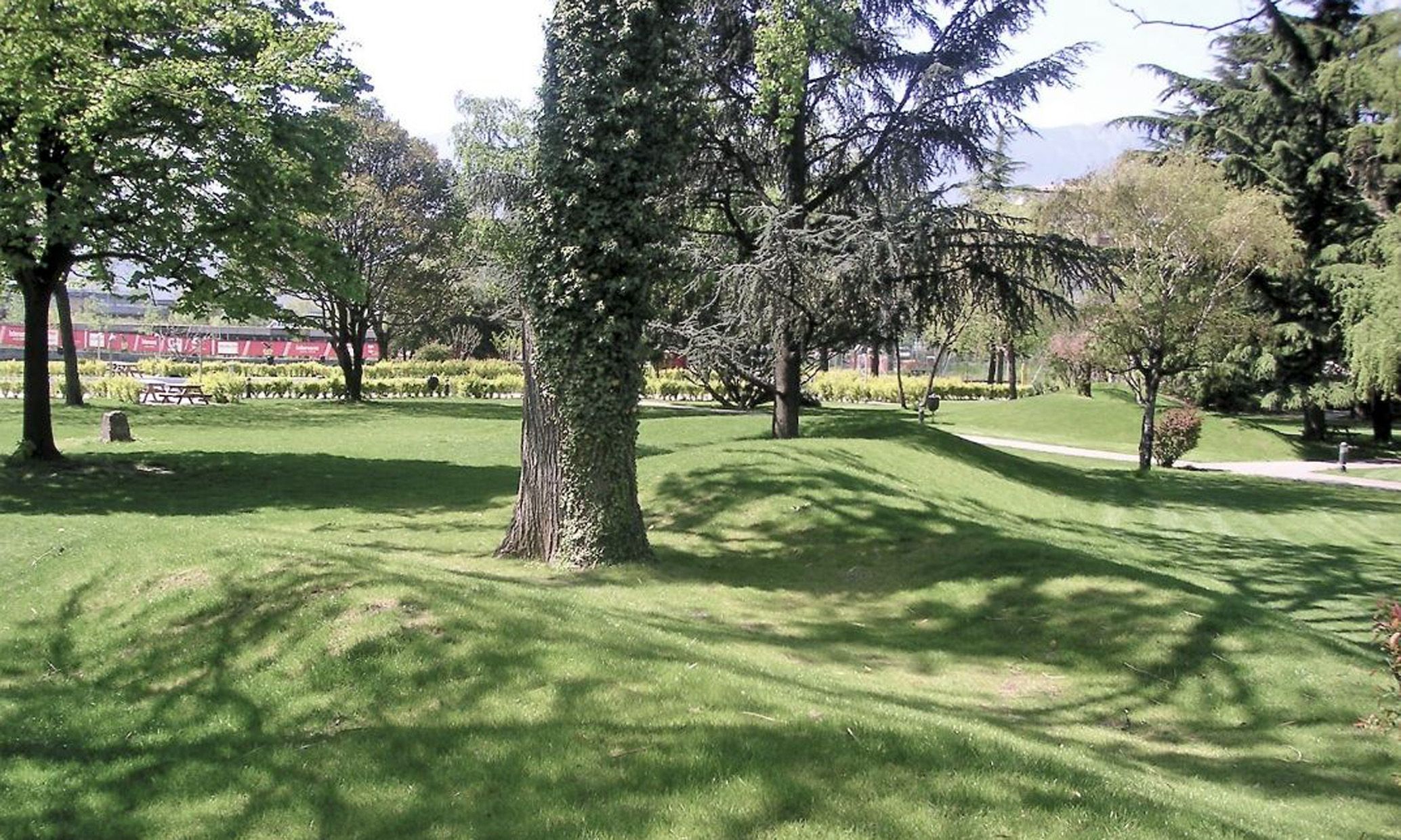
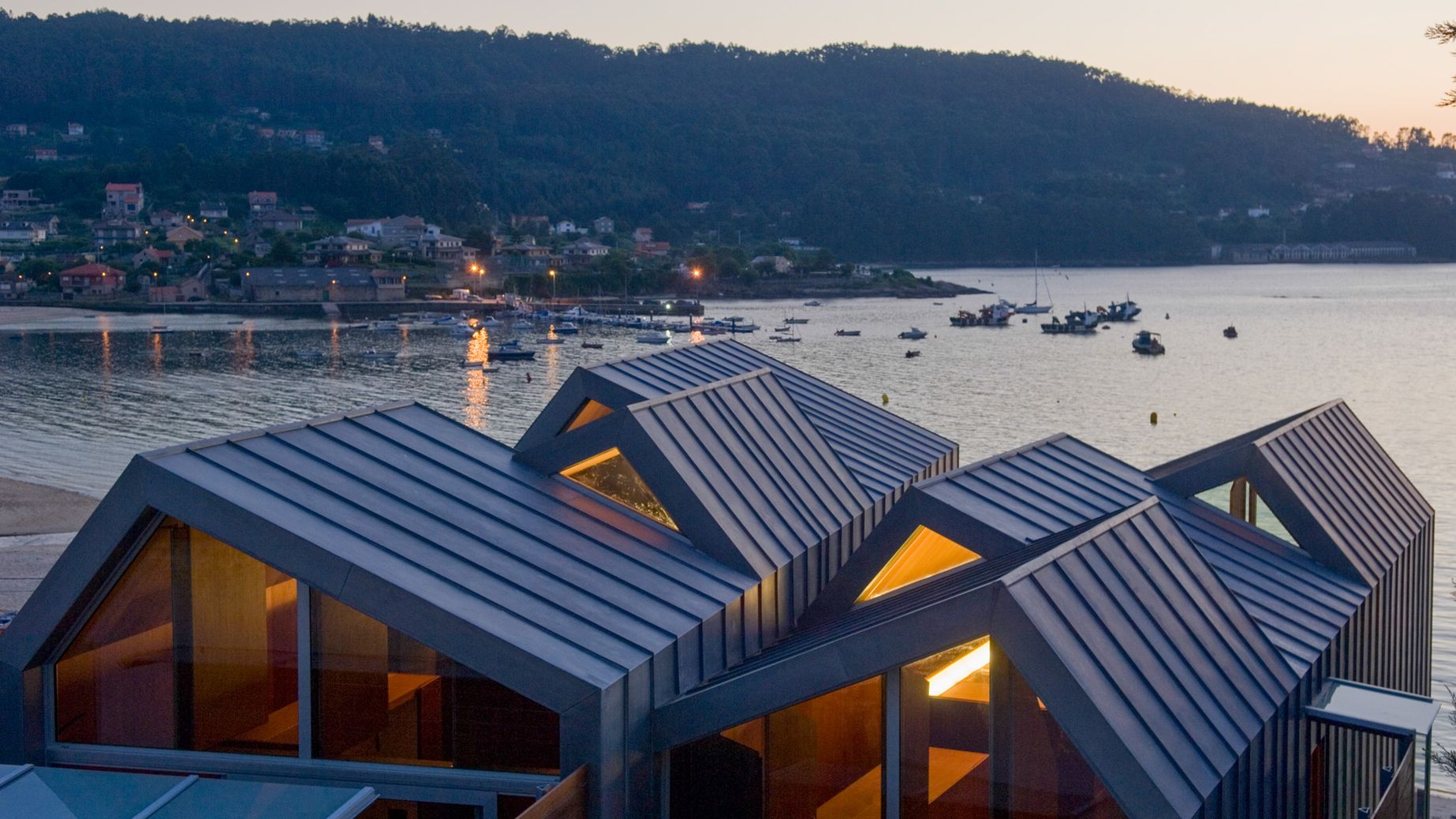
At the beginning of September, we also opened Living Lands in Biberwier. A former campsite was dismantled and transformed into an undulating garden, flanked by an “inhabitable garden wall”. Its form is derived from the Loisach river, which flows past the site. The result is an organic architecture that nevertheless remains very calm and clear.
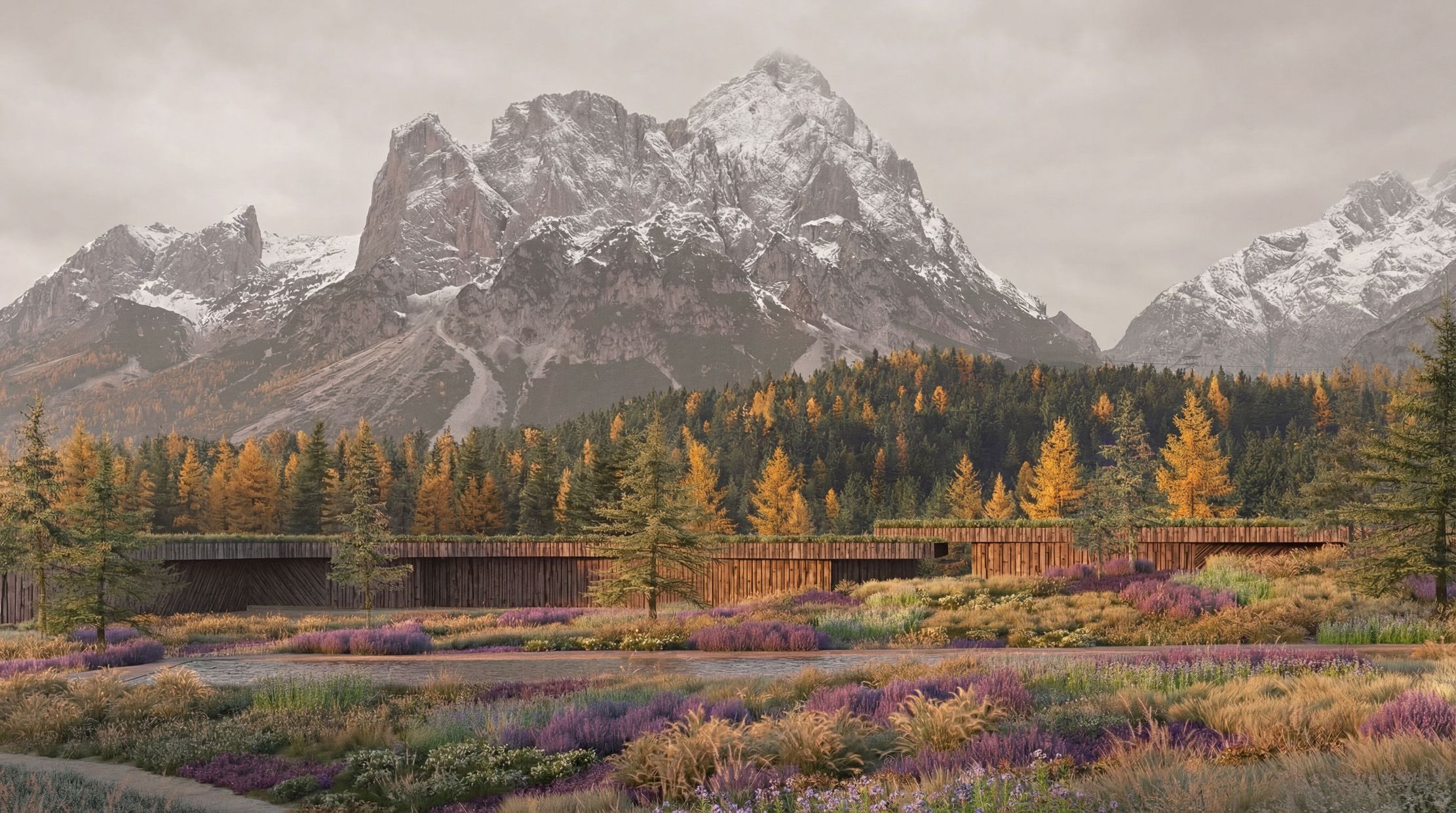
The idea behind this reversal of the building was very simple: the longing for a sheltered interior. An interior like a garden, almost like a little paradise.
What shapes your fundamental architectural approach? How do you address a project?
Let me start the other way round. In the end, it has to be good. HOLIDAYARCHITECTURE selects architecture of genuine quality. Taken as a whole, this approach creates trust and makes a valuable contribution to architecture, inspiring people and drawing them in.
That is the aspiration I bring to every project. First, I take the time to look closely, and then I try to develop an affection for the place, the existing fabric and the people involved. Applying this attitude makes it easier to find the starting point for a project – and that process is often rooted in an artistic approach.
For me, art is the attentive, the meticulous element, something that goes beyond the ordinary and the necessary … often something rather difficult to find – simply art. And usually it involves an ideal. I’m looking for a beauty that is beyond dispute, that natural beauty that can be intuitively recognised and understood by as many people as possible. A beauty without a moralising edge.
When I’m unsure about a design decision, I try to think of architecture more as a film than as a plan. Life, after all, consists inherently of dynamic states. Needs change. The surroundings change with the seasons. I like trying to identify patterns in all of this and taking a stance. I also like transitions and intermediate states – perhaps that’s precisely why I like building sites.
When a project really moves me, it feels like a film of a life. I suddenly become very serious, and I become more aware of everything. I ask myself whether I have put enough feeling and love into it. Not just love of detail – that too – but an overall sense of attentiveness, responsibility and goodwill.
The role of the human element as a central force is very important to me. It starts with the client, whom I sometimes agree with too readily. But I also often give in because I trust that the concept is still strong enough. And so I sometimes give the craftspeople a bit more freedom, once they understand the concept. That creates something like passion and, from there, a kind of friendship. That’s roughly the atmosphere on my building sites.
Incidentally, as a young architect I always regarded this willingness to give in as a weakness; now I see it more as something that is simply part of who I am. Ultimately, it’s about transforming that mutual trust into beauty. Because architecture is very static and designed for the very long term, everything has to be calibrated with enormous foresight – to the best of one’s knowledge and belief.
Do you work mainly on your own, or do you have a team?
The design for a project grows from within, so initially that’s me, one hundred per cent. I used to have six employees. Over time, they all set up on their own. I now work with some of them on a freelance basis, as well as with other young architects. Everyone has their particular strengths: getting a plan approved locally, for example, or coordinating with engineers on fire safety and cadastral matters. An entire orchestra always comes together, and I see being able to design as the greatest privilege. But of course, taken as a whole, it’s certainly not a one-man show.
On your website, you yourself write: “Building also means knowing when to hold back”. Would it be fair to say that – also given your limited manpower – you are particularly selective about which projects you actually take on?
I like to look at every building project. But before any planning or building begins, each project is first and foremost a fresh start – with a new place, a new client and a new brief. The first thing this requires is a creative analysis of what is already there. Nothing needs to be drawn at this stage; I simply want to pause. It is essential to give yourself enough time during this phase to ask the right questions before looking for answers. After all, you have to want to find something before you can start looking for it.
Analysis is followed by synthesis: usually five or six design ideas that I weigh up against one another – and that is something I actually do on my own. Afterwards, I like to sit down with an older local resident and the craftspeople. And, in my mind, Professor Volker Giencke or Oscar Niemeyer are always sitting on my shoulder too, testing my ideas for legibility, simplicity and subjective taste. This is the phase in which the idea has to pass the test of reality before the next steps can follow.
You said that you never like your architecture to compete with nature. How exactly do you achieve that? Does it already happen during this contemplative phase?
Yes. The spirit of the place and nature as both inspiration and the mother of all things are essential aspects. There is also a spiritual dimension to nature. With Living Lands, there was a moment when I found myself thinking of Hesse’s Siddhartha and of how he looks into the stream, simply observing the water. I firmly believe that the closer a project is to nature, the more coherent it is – because people often like to argue about architecture and beauty, but they don’t argue about nature.
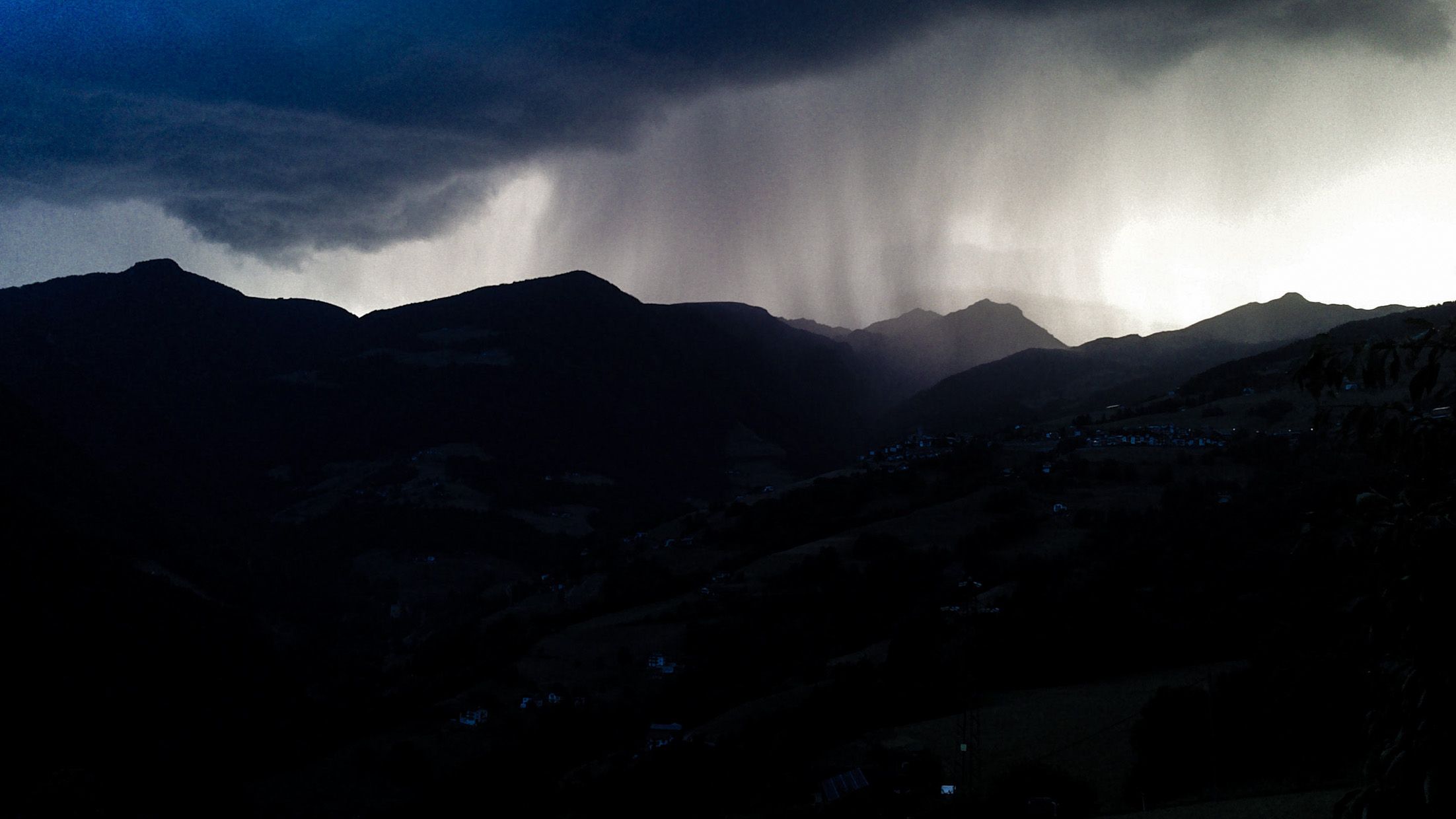
Everything in nature is beautiful – even the desert is beautiful. If you really engage with it, at some point you realise that there is nothing in nature that feels wrong. And you start to notice the details. We architects should practise this way of seeing things too. My father might be standing next to me, for example, and say: “Look, the swallows don’t have any puddles left to provide the mud they need to build their nests.” Meanwhile, some architectural project for the design of a public square has just won an award – everything is perfect, except there aren’t any puddles left. That wakes me up and brings me back down to earth.
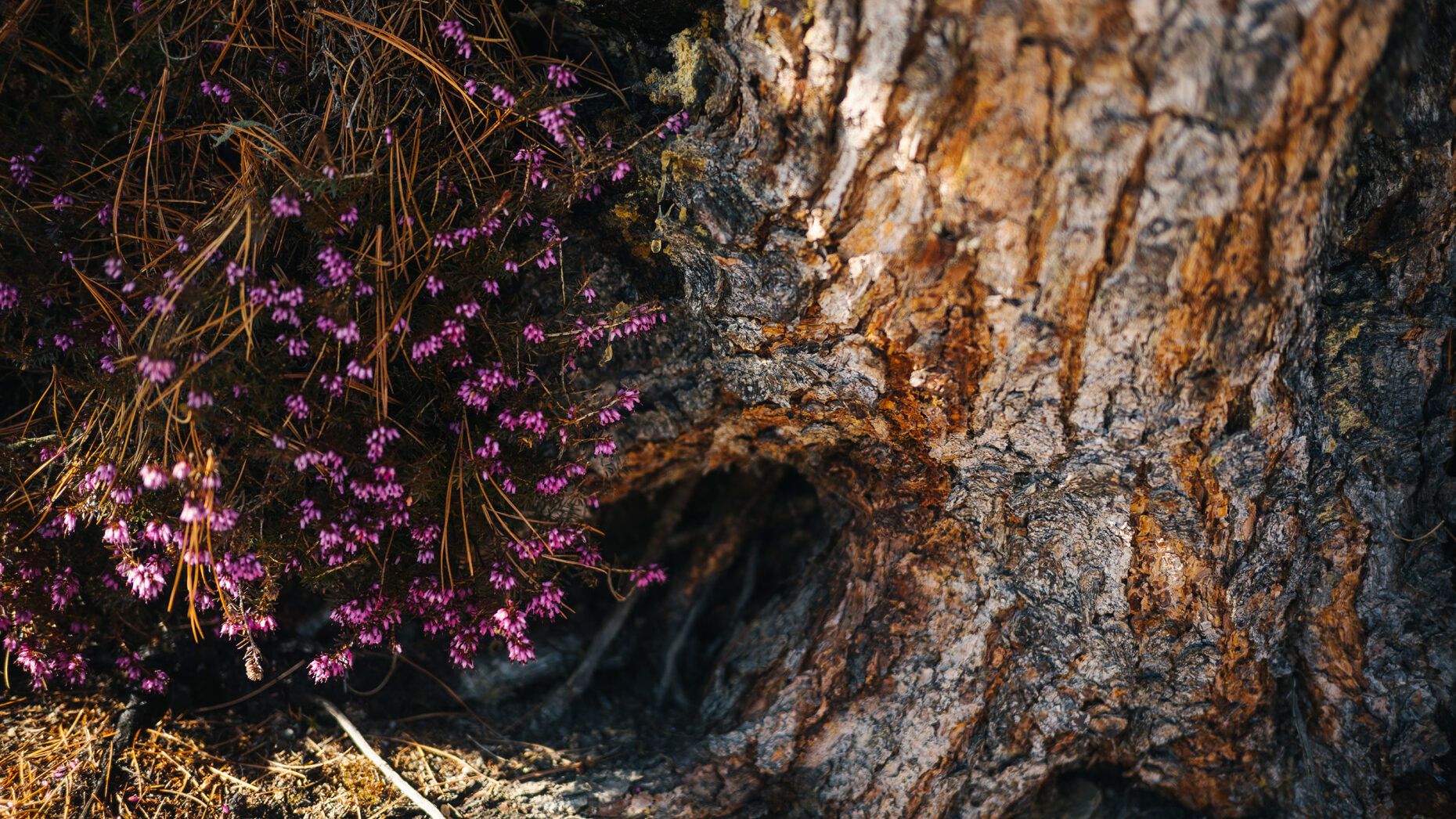
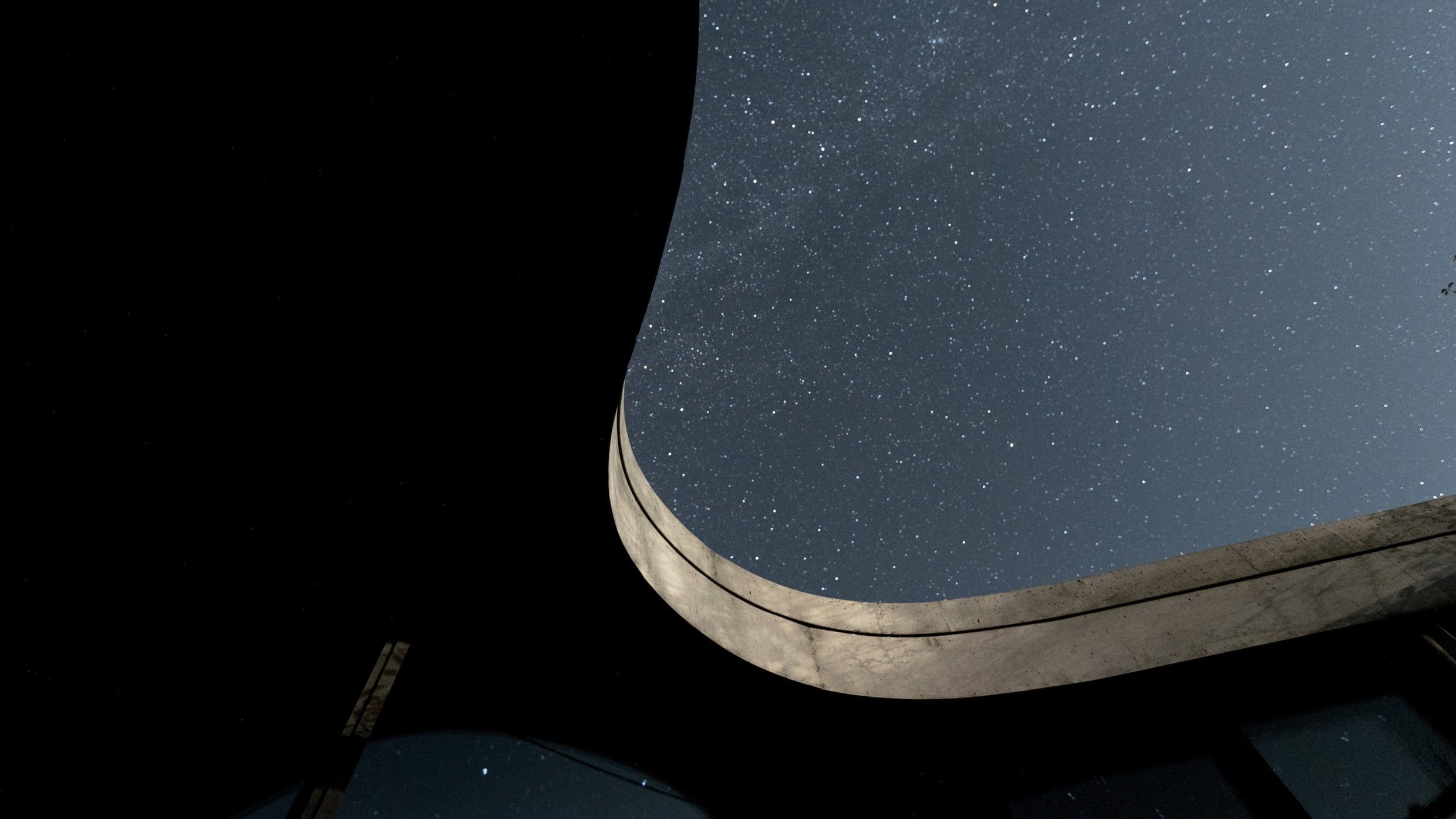
Staying with nature: if you browse through the comments about Freiform, your own holiday home, you come across descriptions such as “Nature Observatory” or “not designed as a house, but as an organic sculpture”. Was that your intention when you designed it?
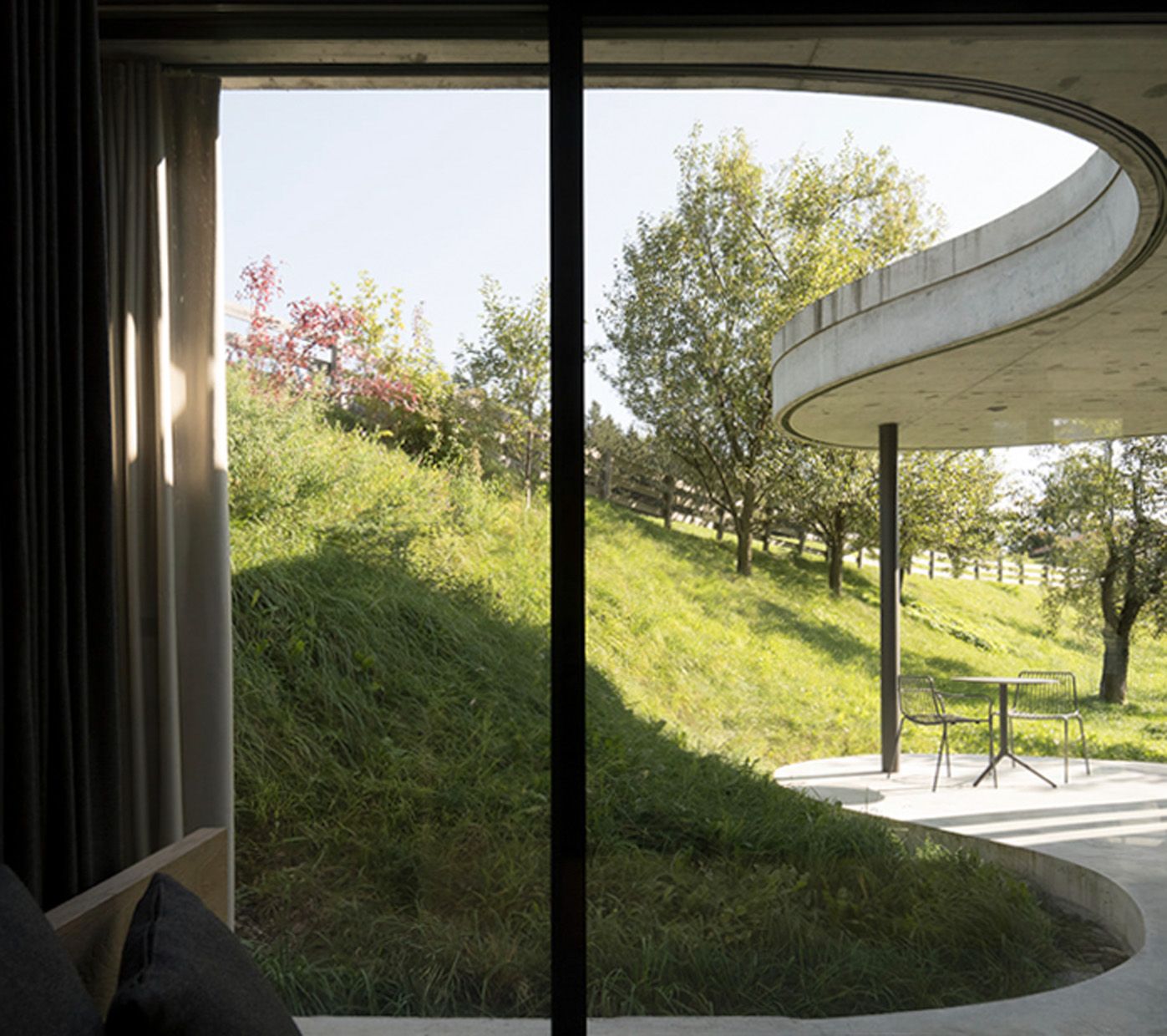
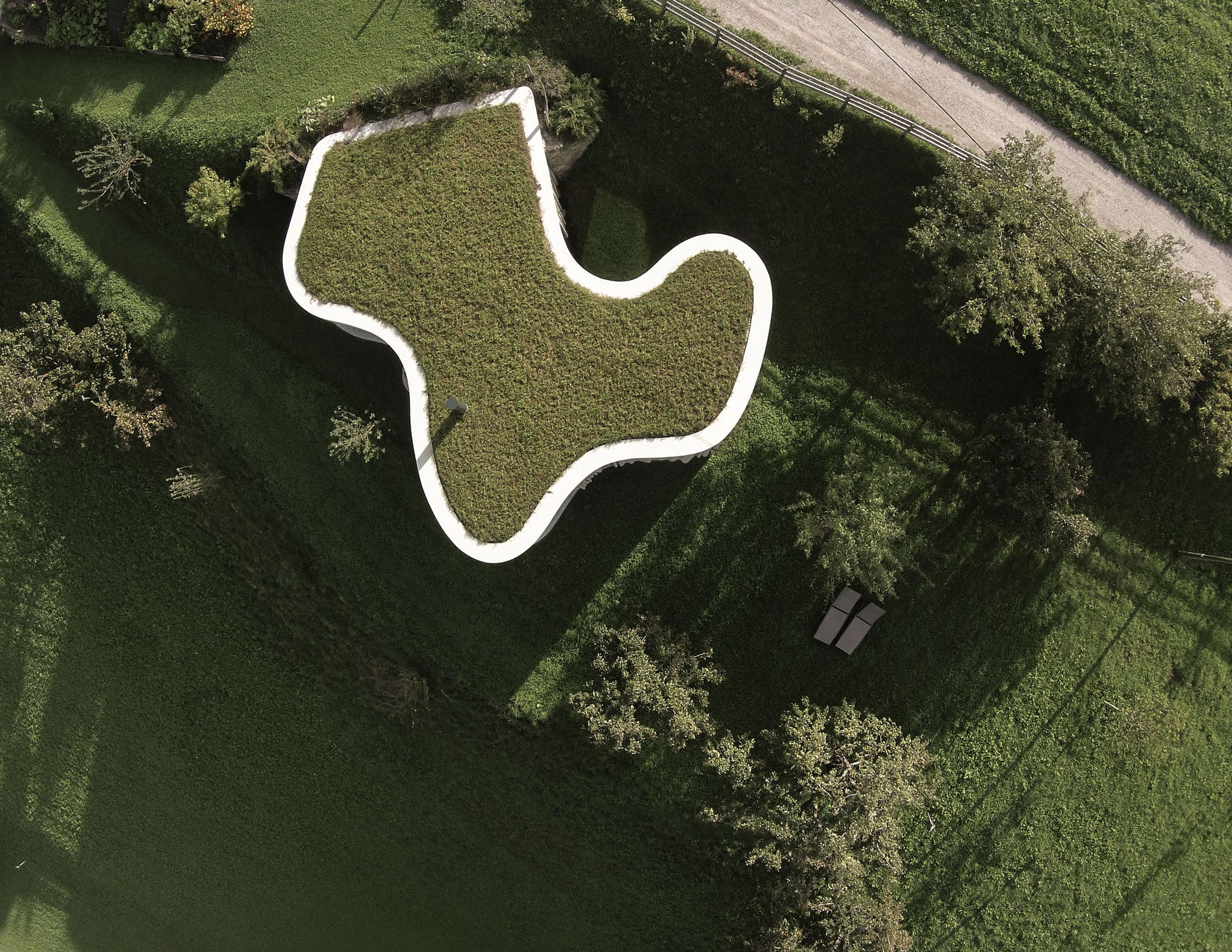
I’m happy to admit that sometimes the hand moves faster than the mind and I couldn’t possibly have thought all of it through in advance. Freiform involved a lot of experiments that happened to work. The basic idea was to place furniture in a meadow and wrap a loop around it to keep residents warm. And rather than positioning the whole thing straight across the slope, I set it at a slight angle so that you can look both uphill and downhill. Freiform reflects a great deal of who I am as a person.
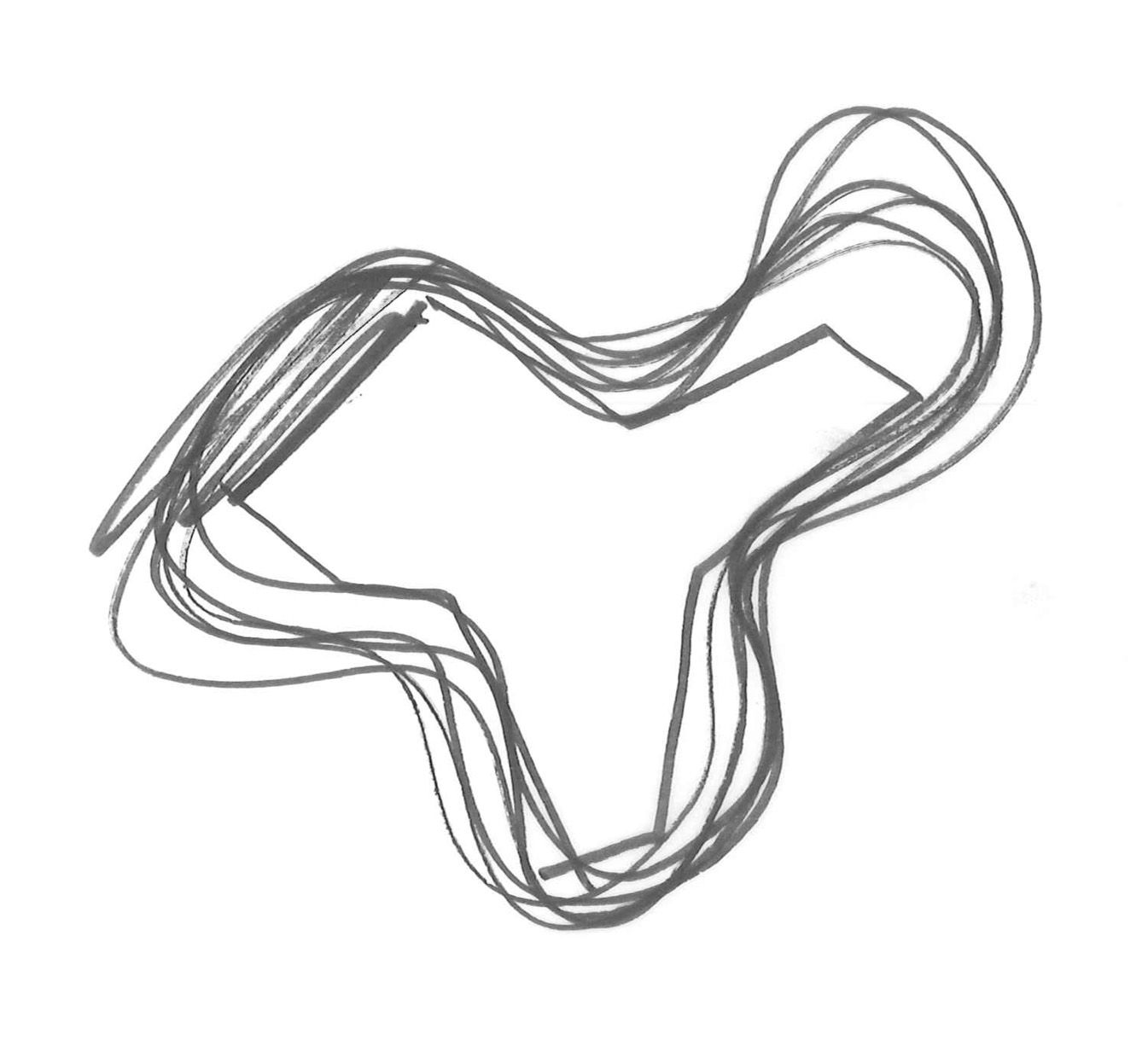
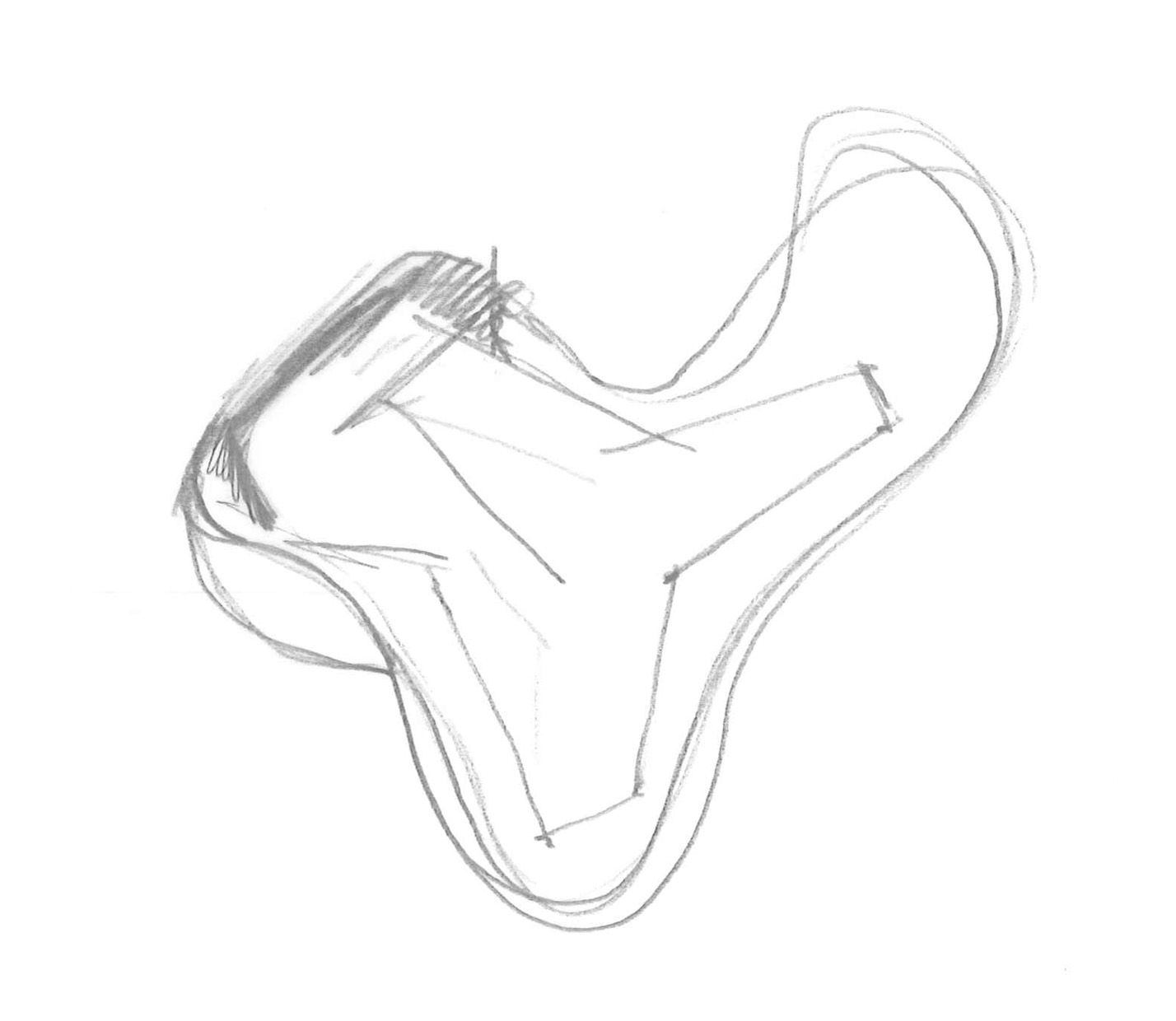
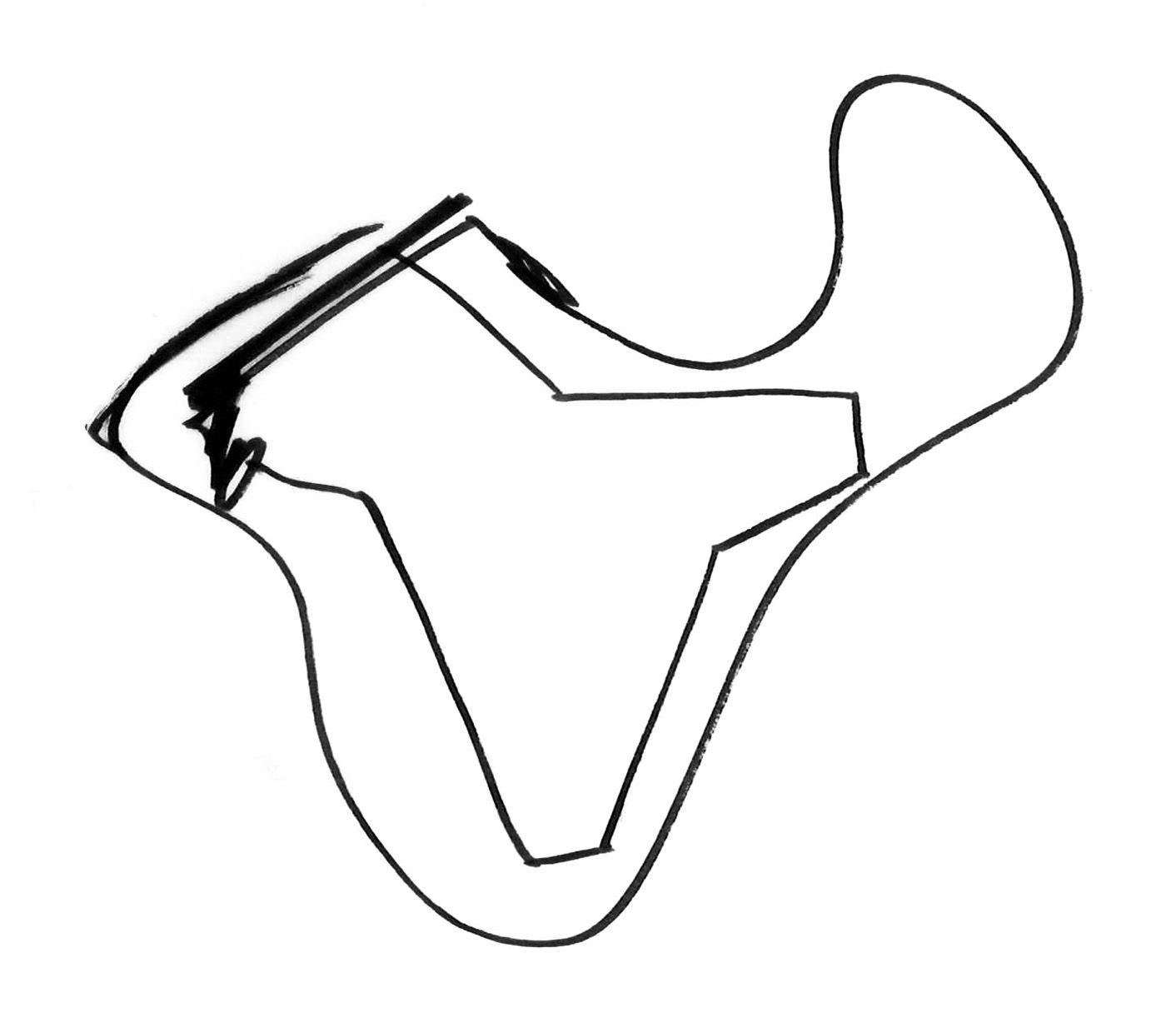
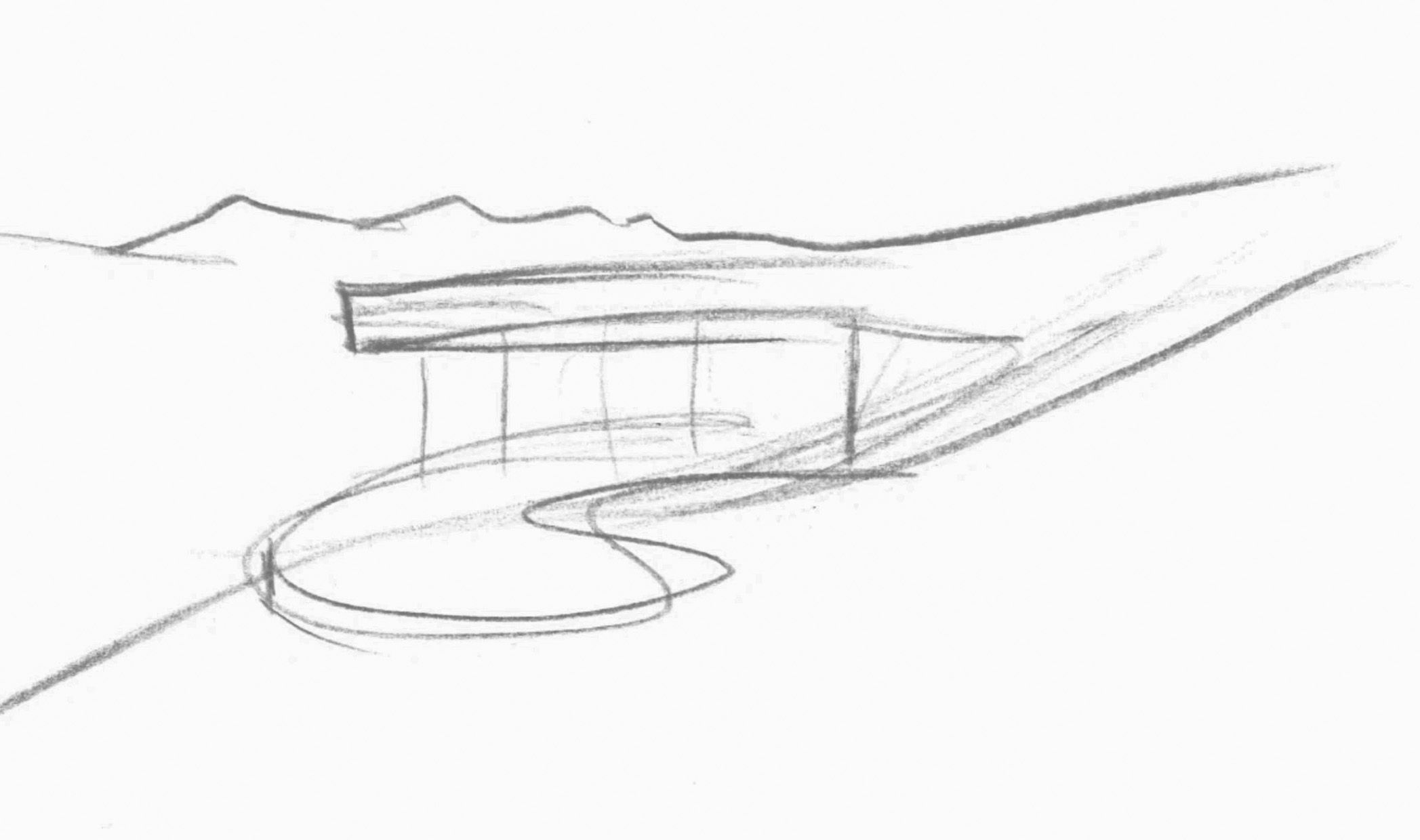
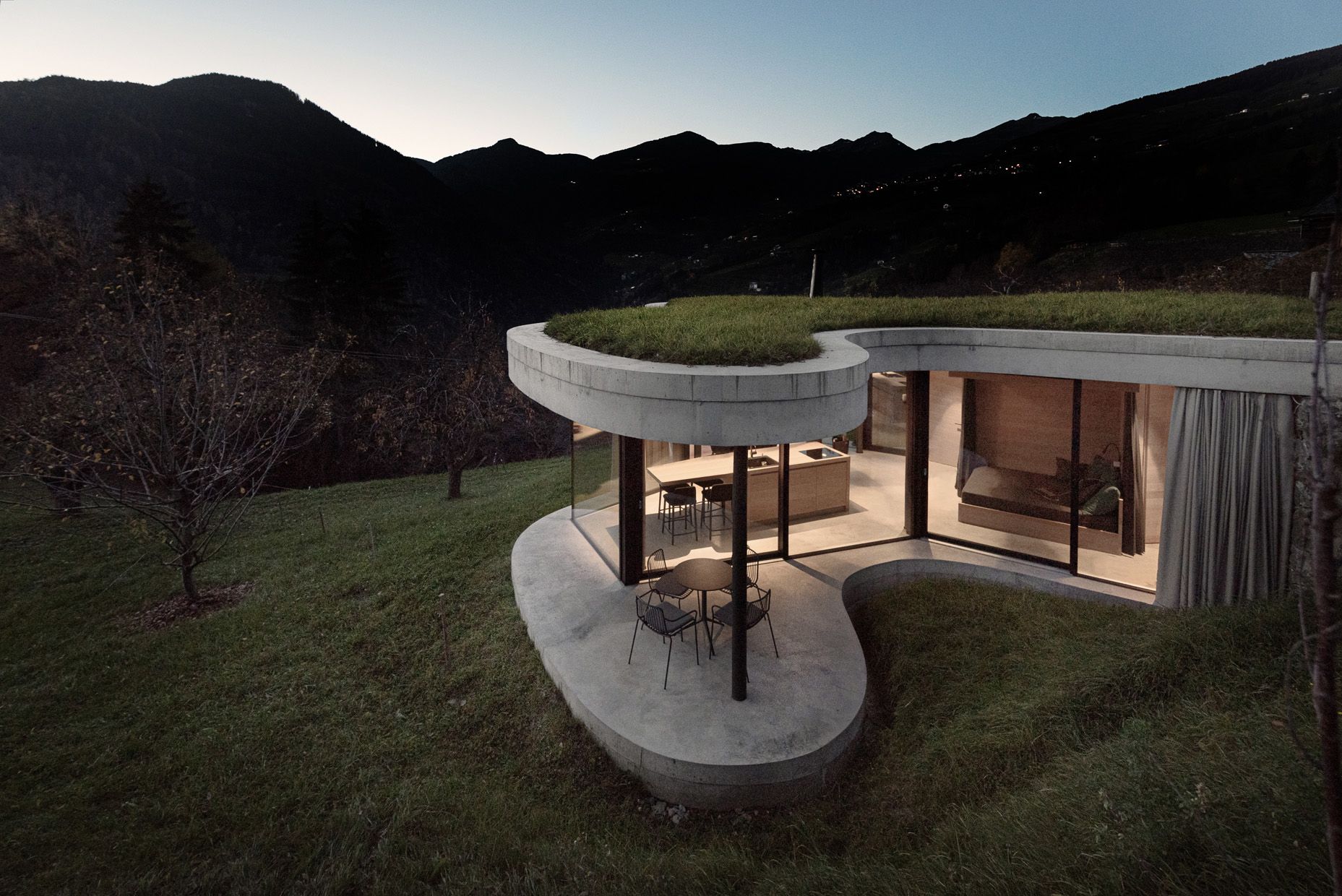
It was also exciting because it was the first project where I was both client and architect. Naturally, that led to some enormous arguments with myself. But at a certain point, there was the freedom and energy for that sweeping gesture – and it still makes me breathe deeply today. It’s wonderful to see the impact architecture can have.
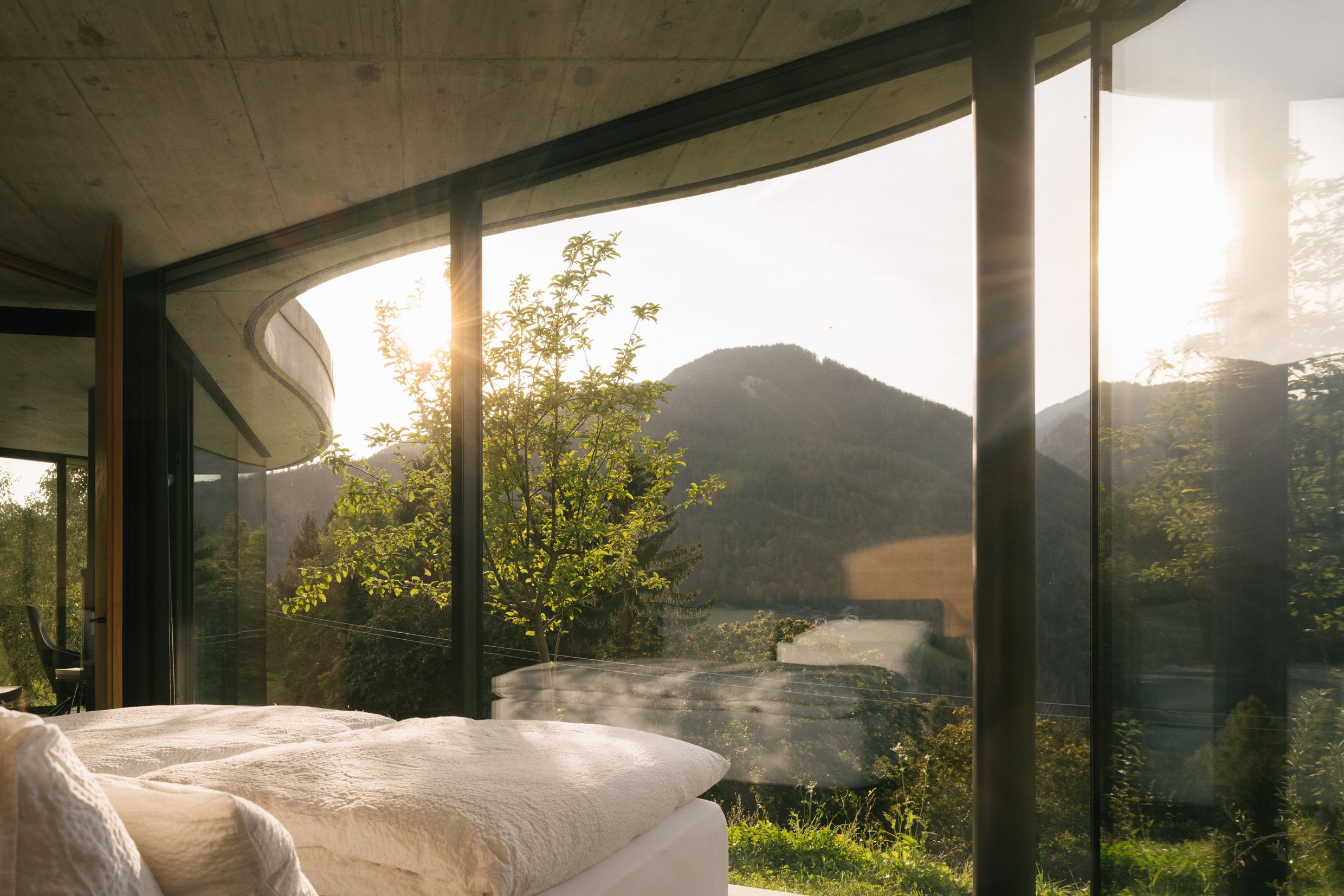
We’ve had the opportunity to experience Freiform ourselves. The presence of nature is all-encompassing, while the architecture has a soothing sense of naturalness.
Thank you for the compliment! This is reflected in many of the comments in the guestbook, and they also make it clear that the architecture quite obviously works without an instruction manual. Many guests stay in bed for a very long time because they simply can’t tear themselves away from the ever-changing views!
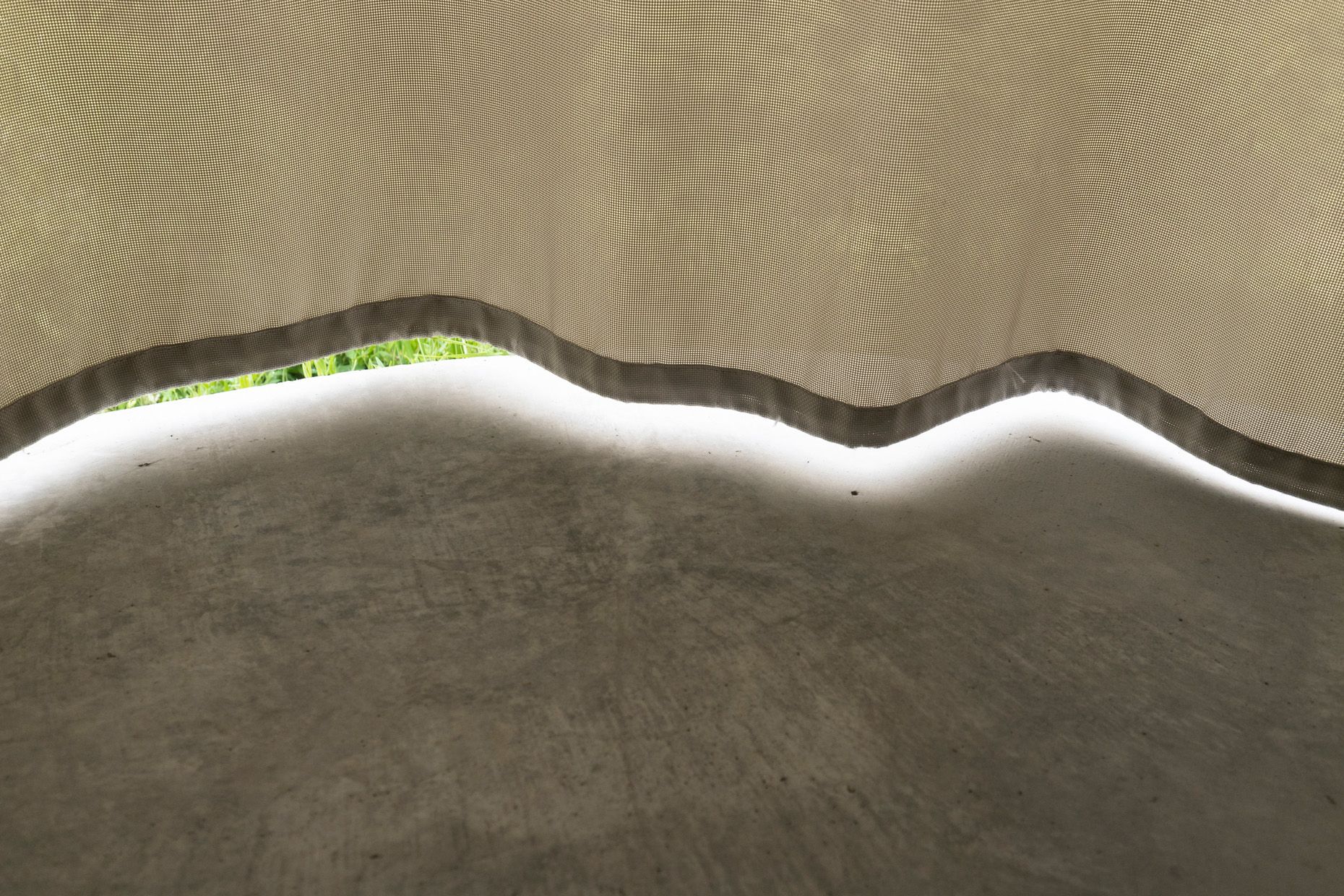
Alongside its strong tactile quality, Freiform – like many of your other projects – is striking for its many small design details. Do you design these yourself?
For me, a concept requires you to carry the building through from beginning to end. Not with the perfection of industry or product design, but with a more archaic tactility. My wife and I, for example, cut the recesses for the lights ourselves and then simply wedged the fittings into place. When you enjoy getting involved in the making yourself, you can feel the idea merging with the act of doing. In my view, that is the most honest form of communication. More specifically, we didn’t want to hang designer lamps there, because they could hang anywhere. For us, it was about light and about not obstructing the view.
In any case, I think we have far too much respect for white walls or perfect floors. When I saw Niemeyer’s felt-tip sketches on white walls – something normally only small children are allowed to do – I found it impressive. The human being is elevated and the wall becomes less important. That’s how it should be.
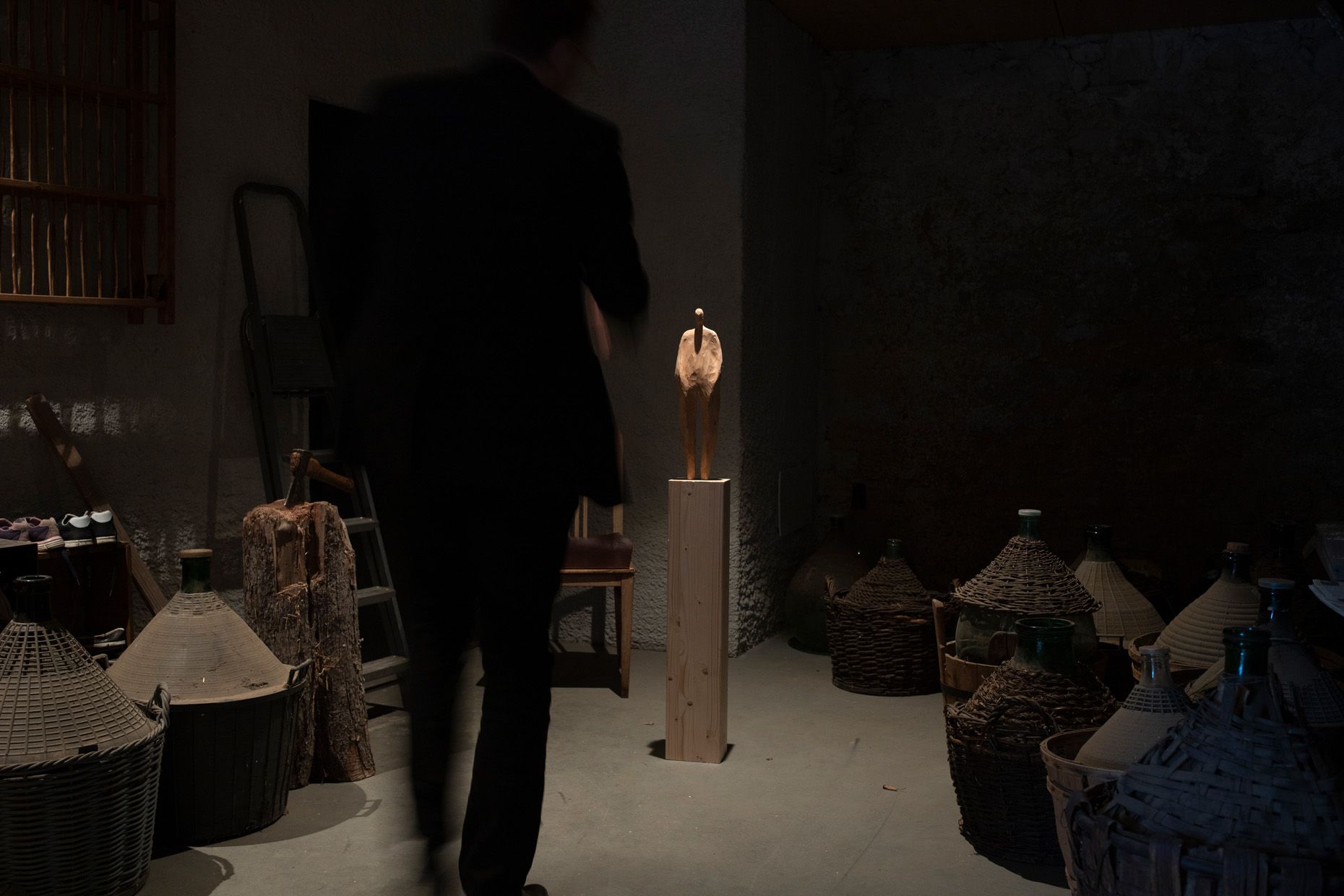
Just as with my wooden sculptures, some of which are charred, I eventually plucked up the courage to work on the walls too, using, for example, soot-covered gloves. Of course, I asked myself beforehand: am I really allowed to do this? And what happens if it goes wrong? But eventually I thought: the house belongs to me, not the other way round. Once you’ve taken that risk and then see and feel what happens, it is something entirely different from hanging a picture on a white wall. It affects you in a completely different way.
So this is the applied attitude you mentioned earlier, which you practise in both architecture and art?
Yes. These tests of courage and exercises in the analogue realm – that is, an appreciation of the original with all the elements of chance, and even the possibility of failure – require you to experiment and to accept that you can never fully control the process.
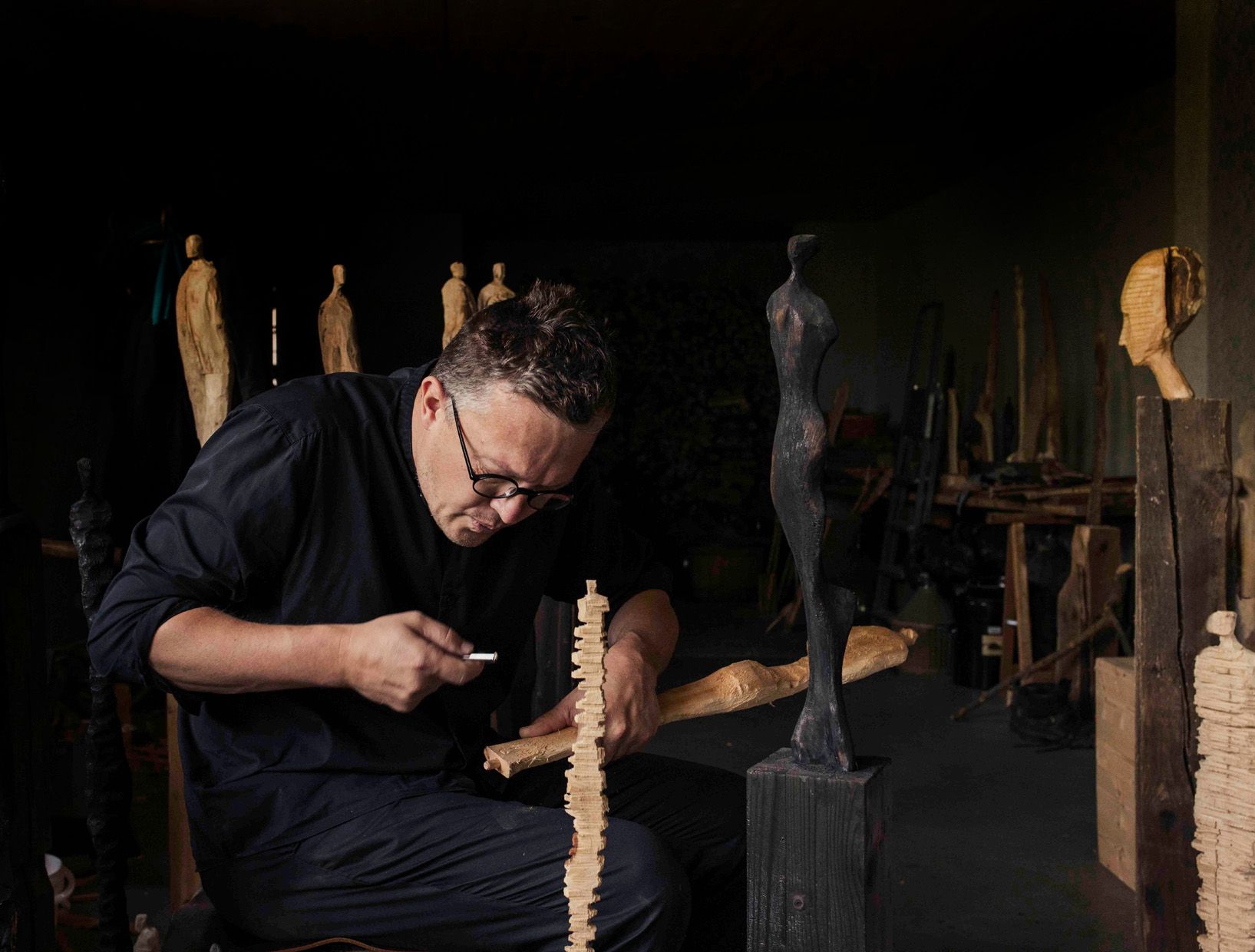
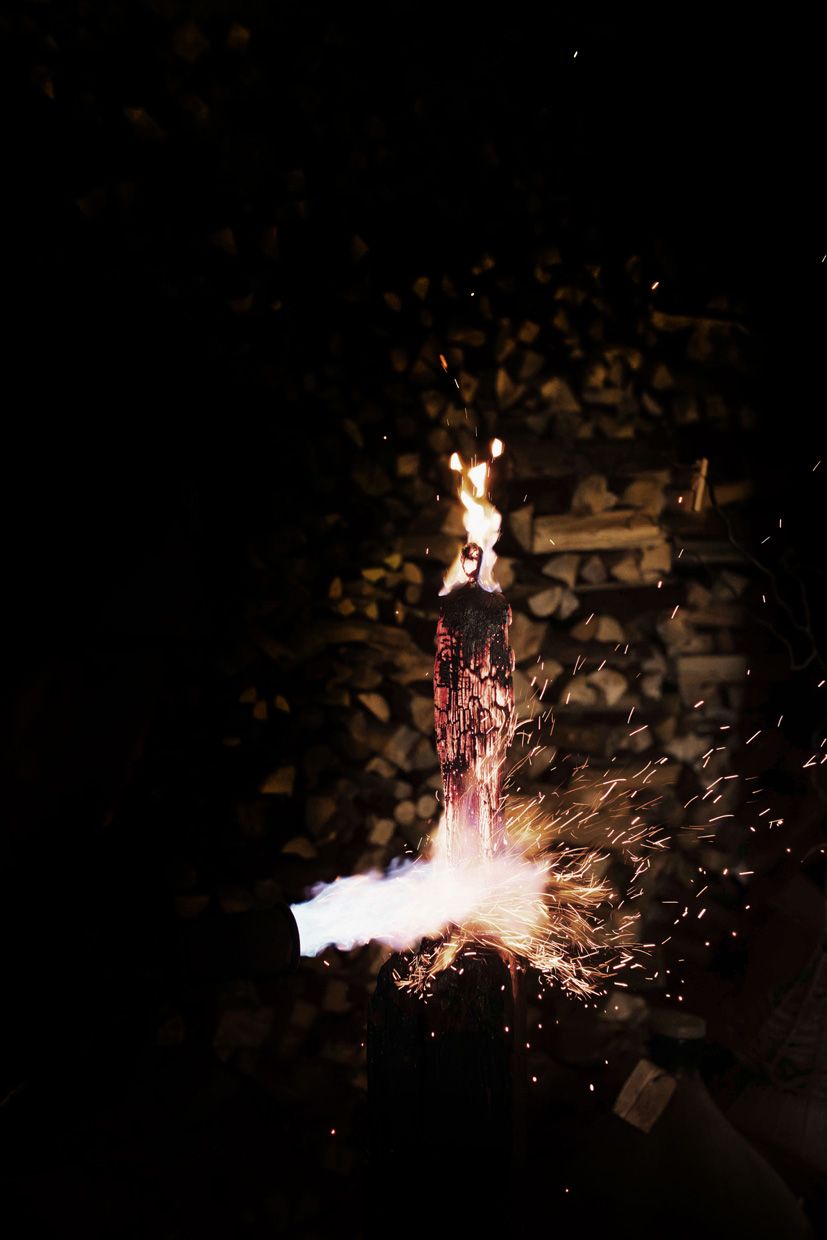
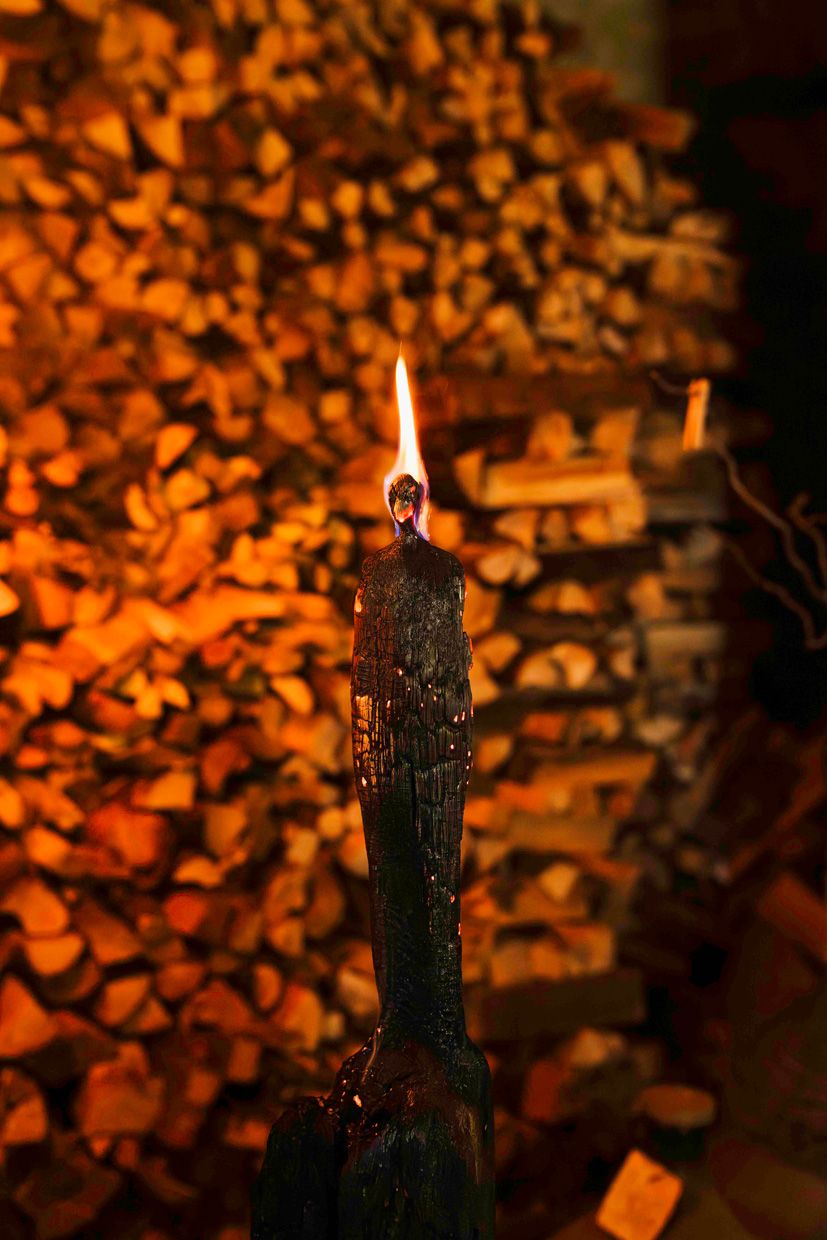
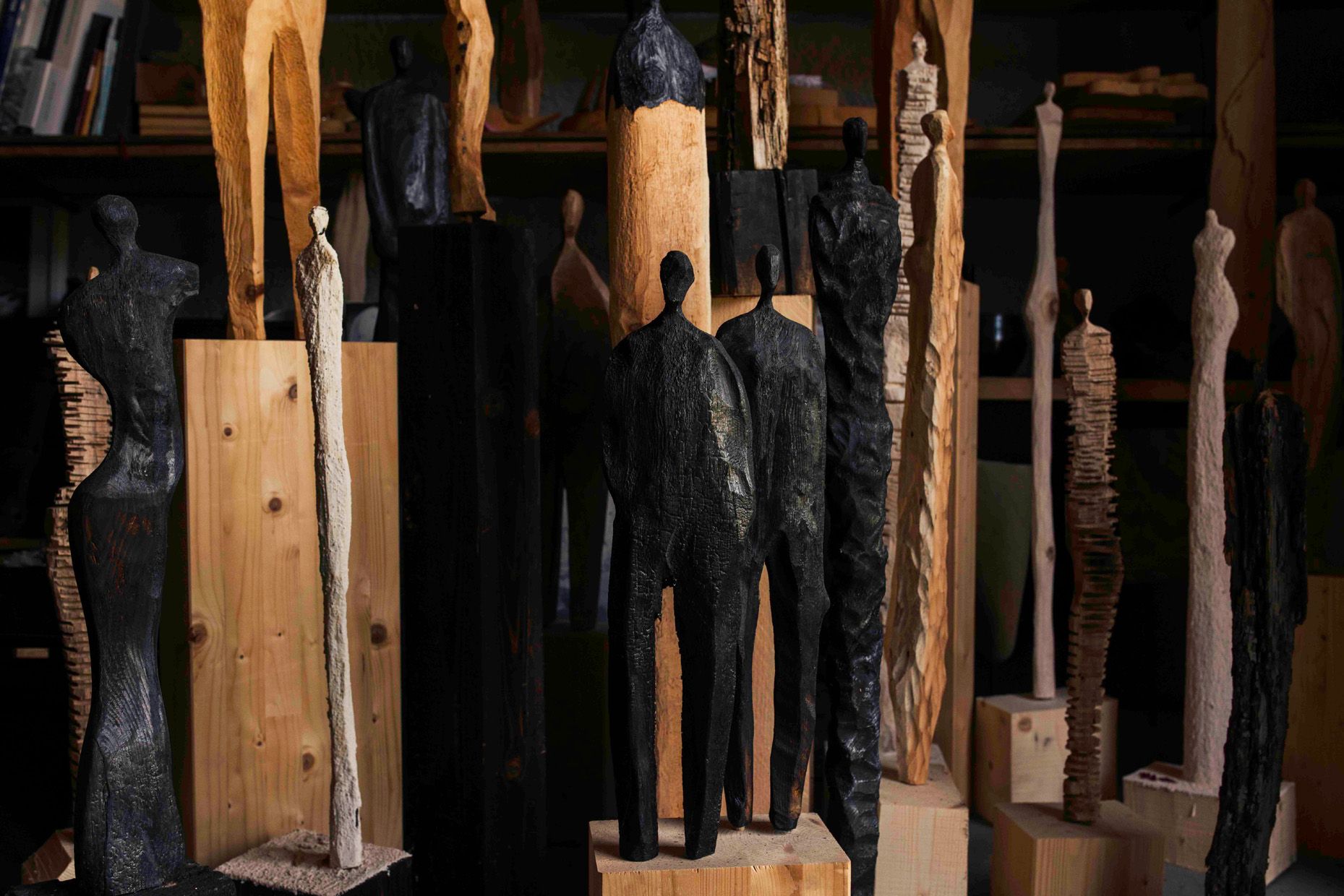
With houses, I don’t like making mistakes; there is too much responsibility involved. With sculptures, on the other hand, I’m free. While my father is very pragmatic and primarily sees the calorific value of a log of wood, I try to coax a spirit out of the wood. Not everything has to be perfect – quite the opposite. Figuration already feels restrictive to me. You have to give the viewers the freedom to see and discover something for themselves. Despite all the practice I’ve had by now, it remains a very individual process. And a very exciting one!
This brings us back to the art of holding back, doesn’t it?
Exactly. The essential question you have to answer every single time is: how far do I go, and when do I say, “It’s finished now”? You can “overdesign” a piece, after all. So you must be in touch with yourself and trust your instincts. Reason alone can’t do it. Particularly now, in an age of AI and robotics dominated by algorithms, this genuine act of creating with a warm heart is especially important to me as a counterbalance.
Since much of your work is set in the mountains, I presume that reduction plays a particularly vital role there.
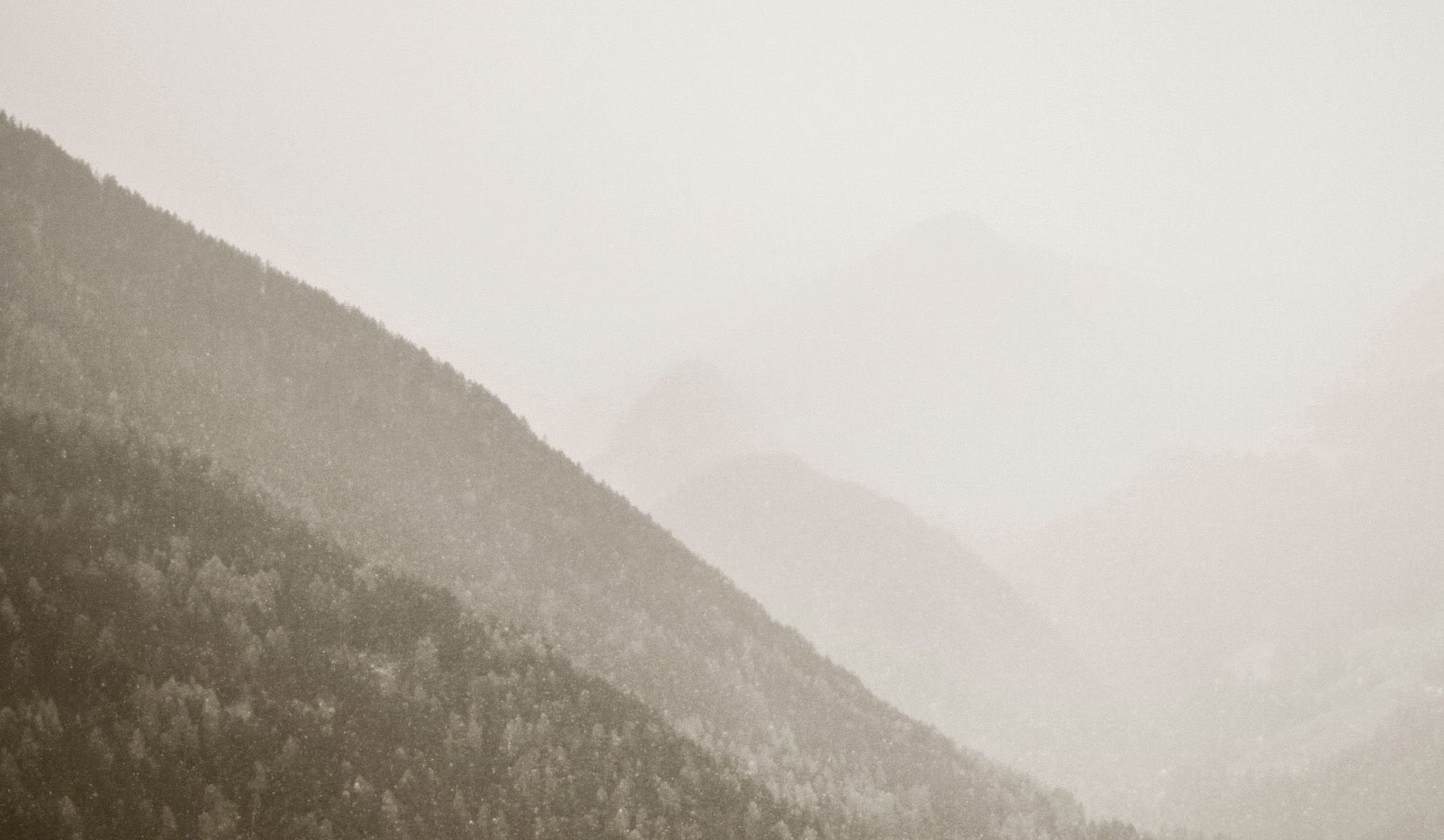
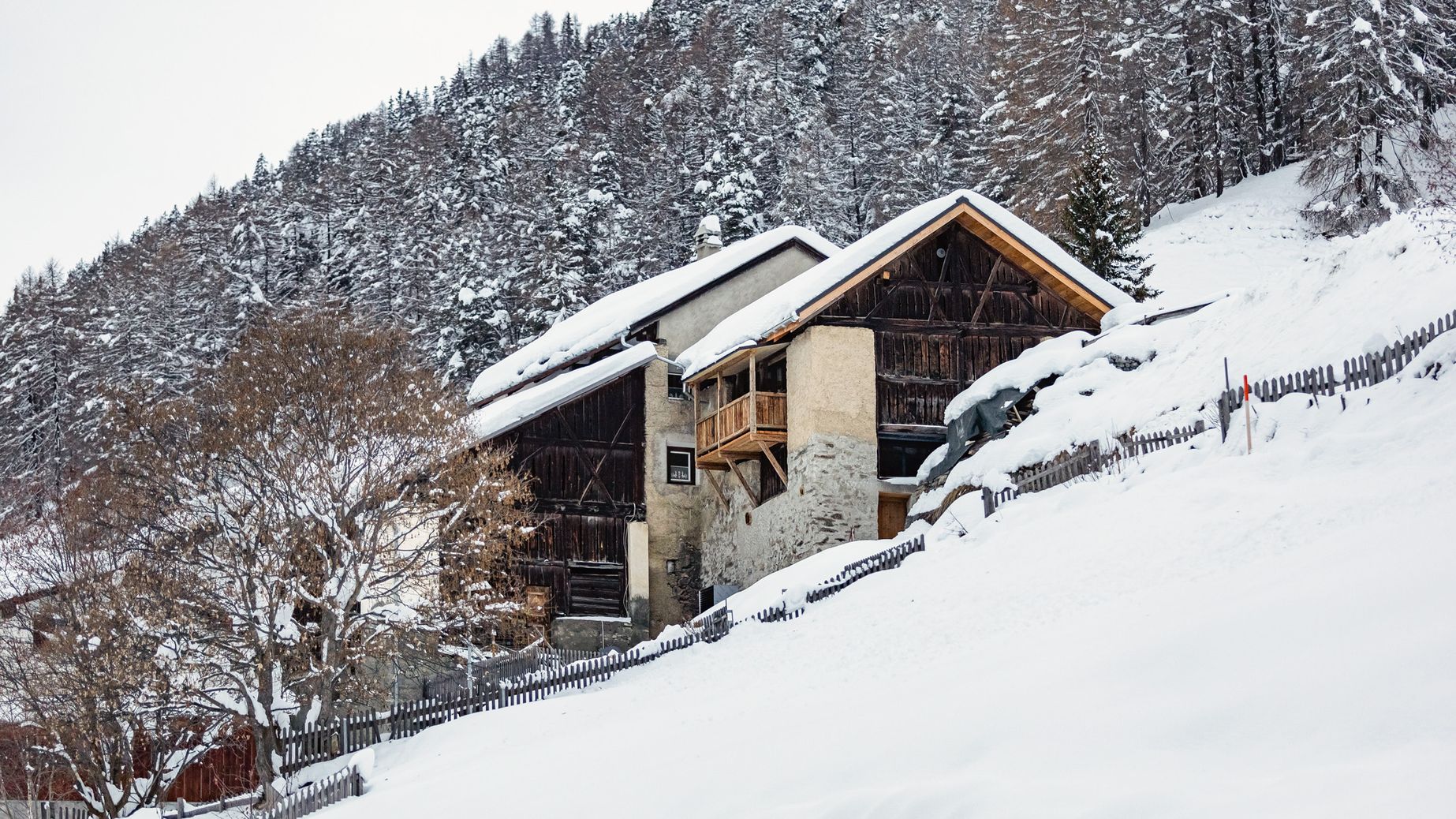
A building always transforms a place too; there is an interplay between the two. So in sensitive landscapes such as the Alps, it isn’t simply about the spirit of the place itself. It is also very much about behaving appropriately, exercising restraint and paying particular attention to the context. Because every intervention also gives rise to a spirit of the building itself.
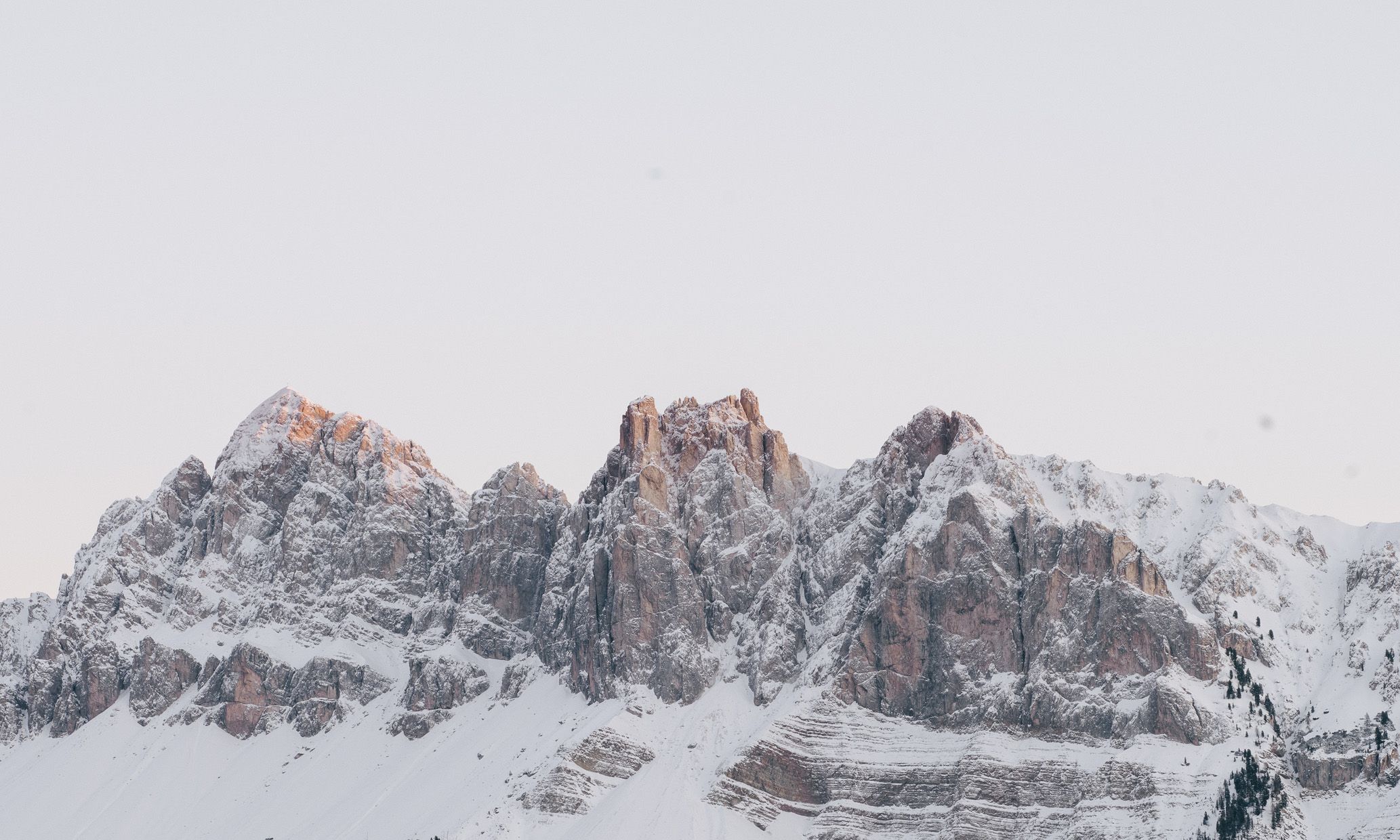
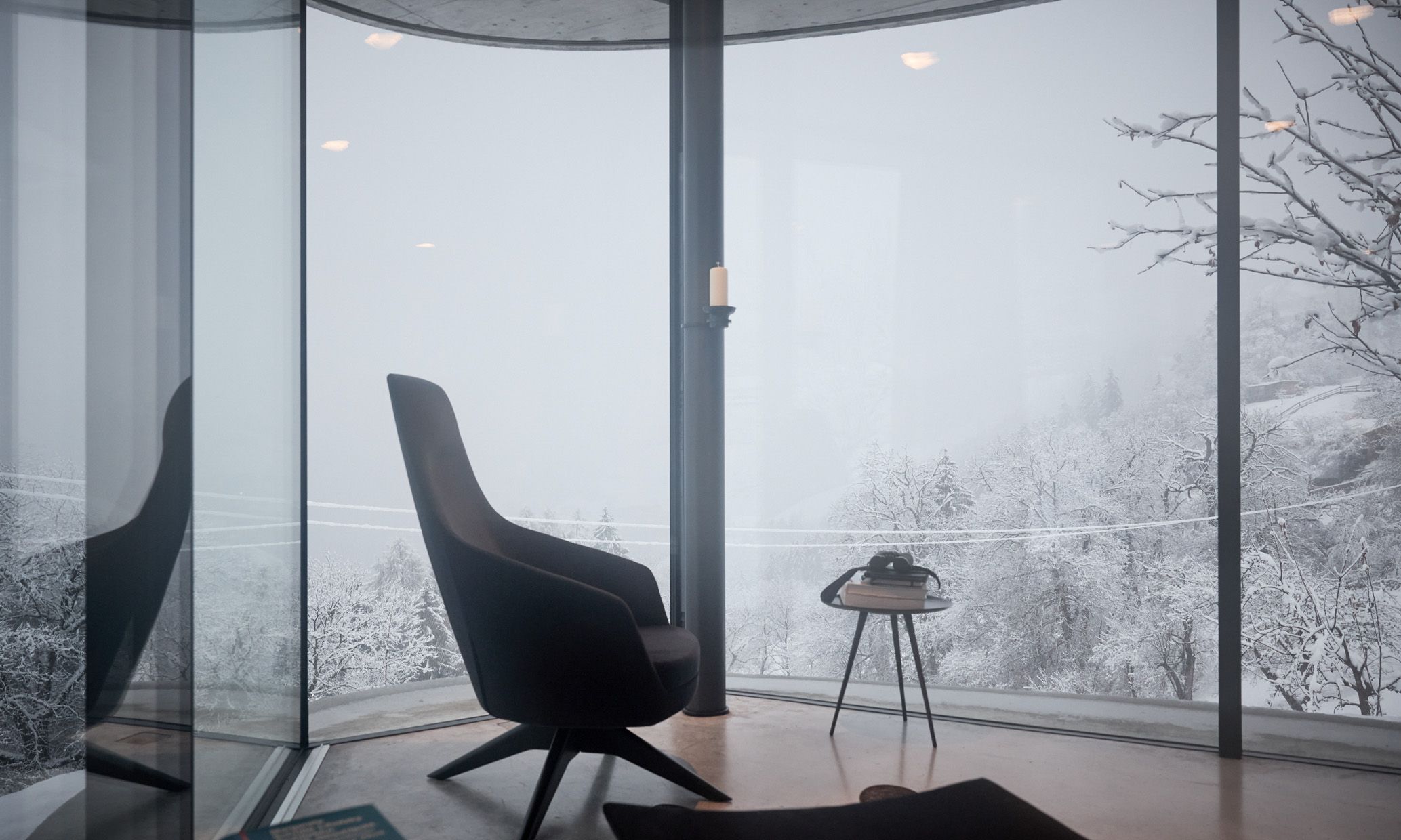
Building is always a public matter and therefore a visible responsibility. From a physical point of view, there is a certain indifference down on the plain, whereas the mountains are defined by their horizons and their relationship with gravity and therefore require a different approach.
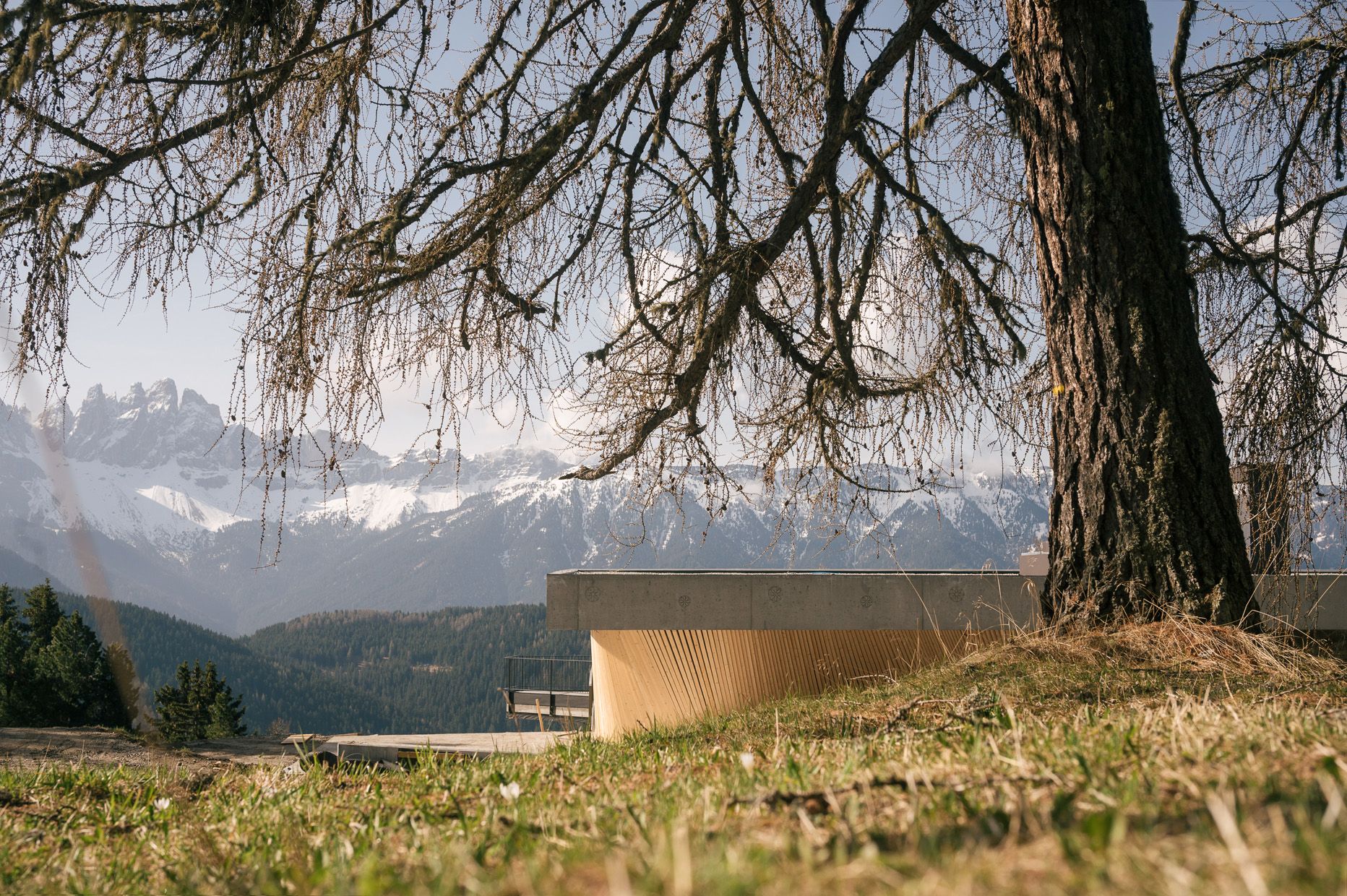
With Anders, you made a very clear statement when you decided to downsize what had been a hotel with a large number of beds. In other projects too, you have not only held back in your own interventions but actively proposed reduction and scaling back.
Apart from the fact that the banks were somewhat anxious about the future at the time and COVID also played a part, in the case of the anders suites, I suggested to the owner that he should return to the very essence of hospitality.
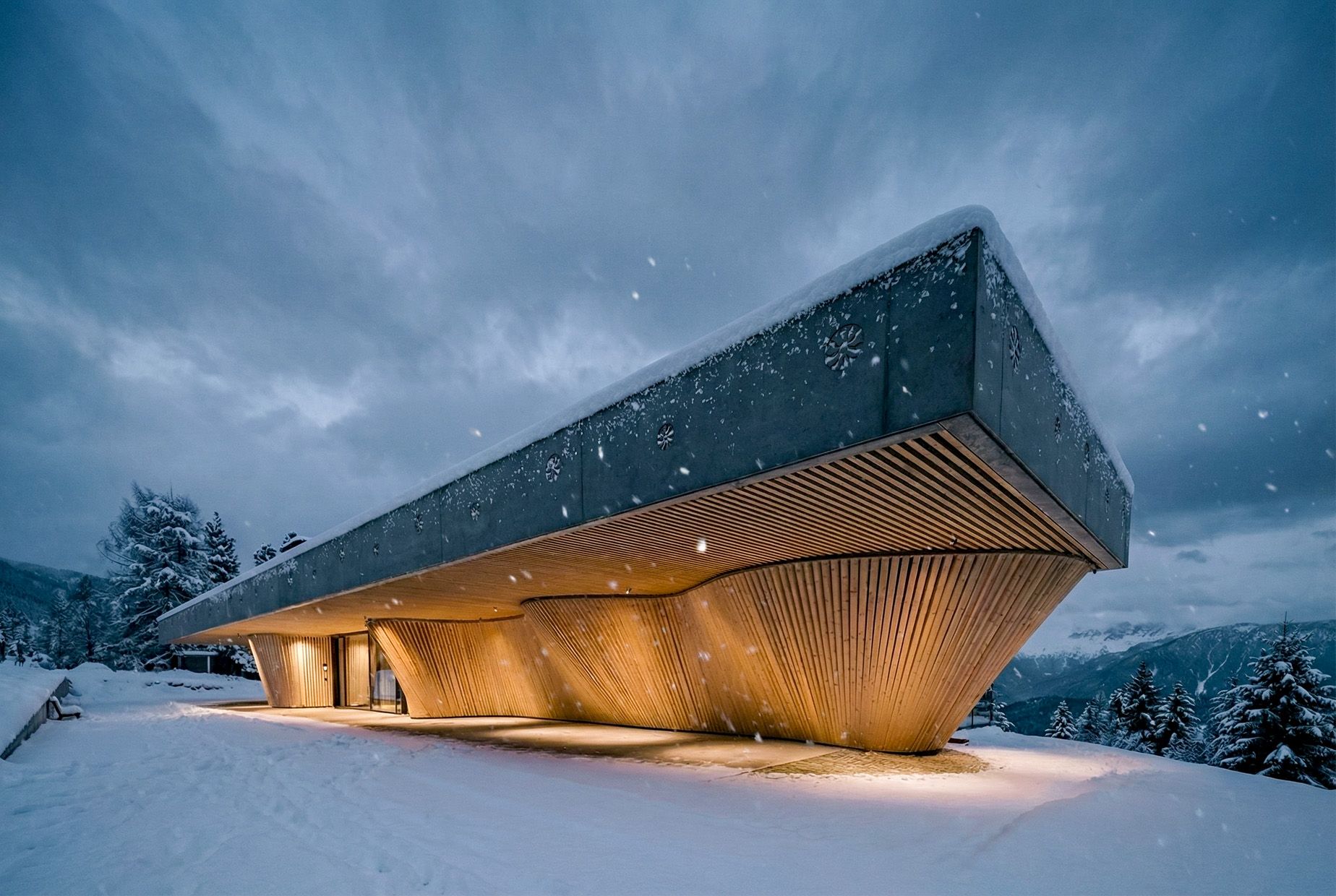
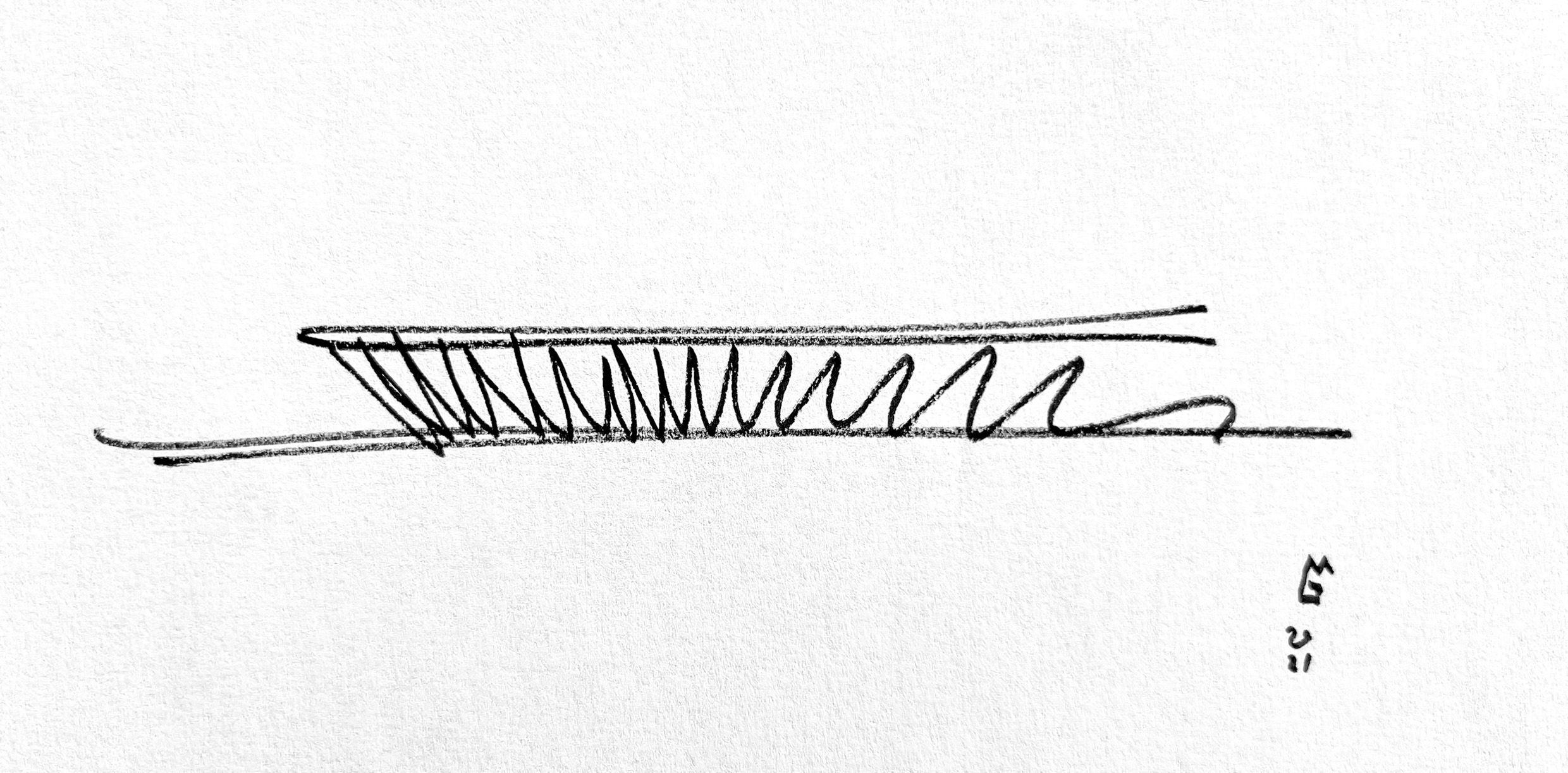
When tourism first began to take off in our area 40 or 50 years ago, people simply welcomed visitors into their homes, without any concepts or marketing. There was simply a certain goodwill towards guests – or “strangers”, as they were still called back then. You gave them a bed and let them sit at the table with you. That was something a family could manage in those days without making huge investments, taking on debt or needing employees. It was all much smaller and more modest than it is today.
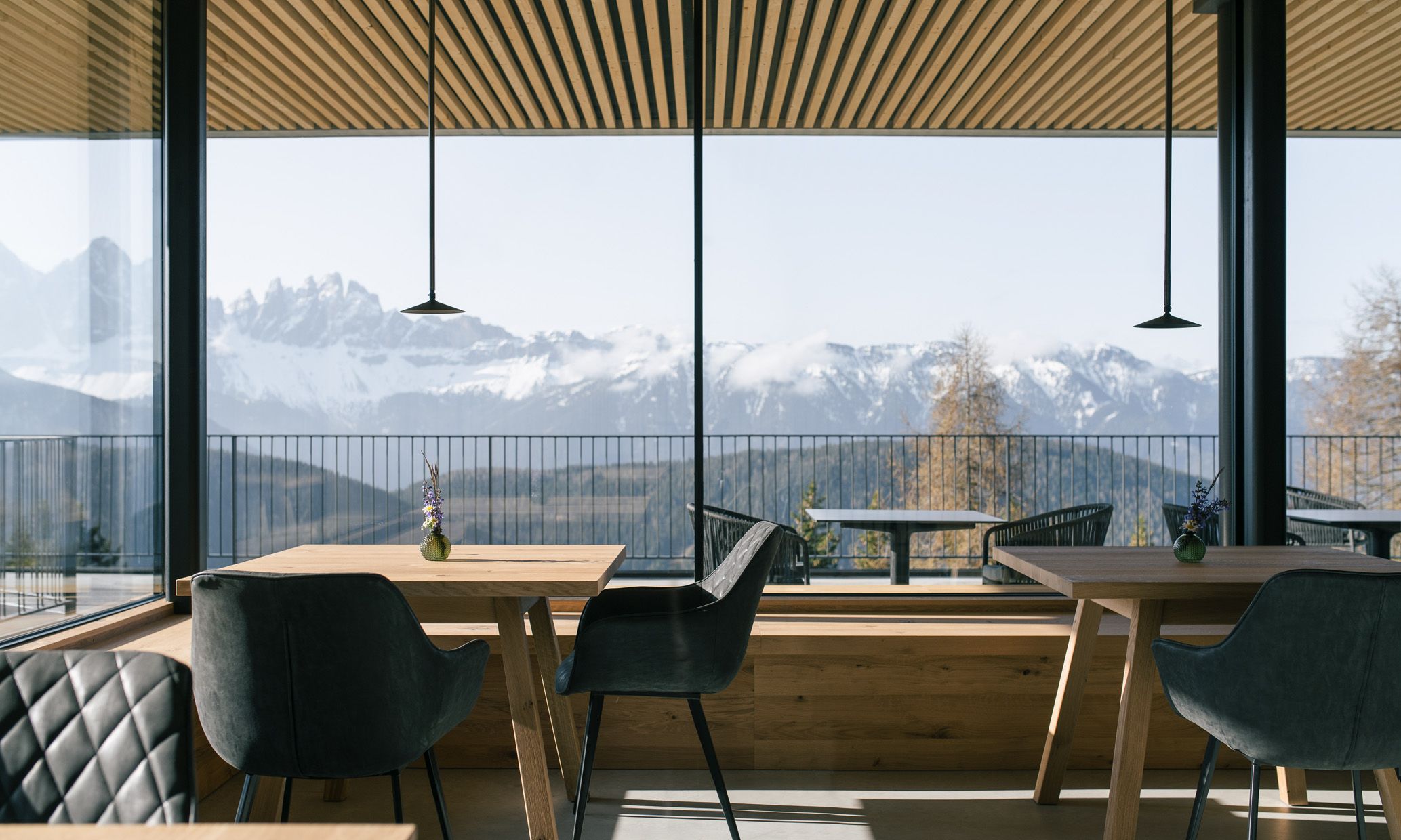
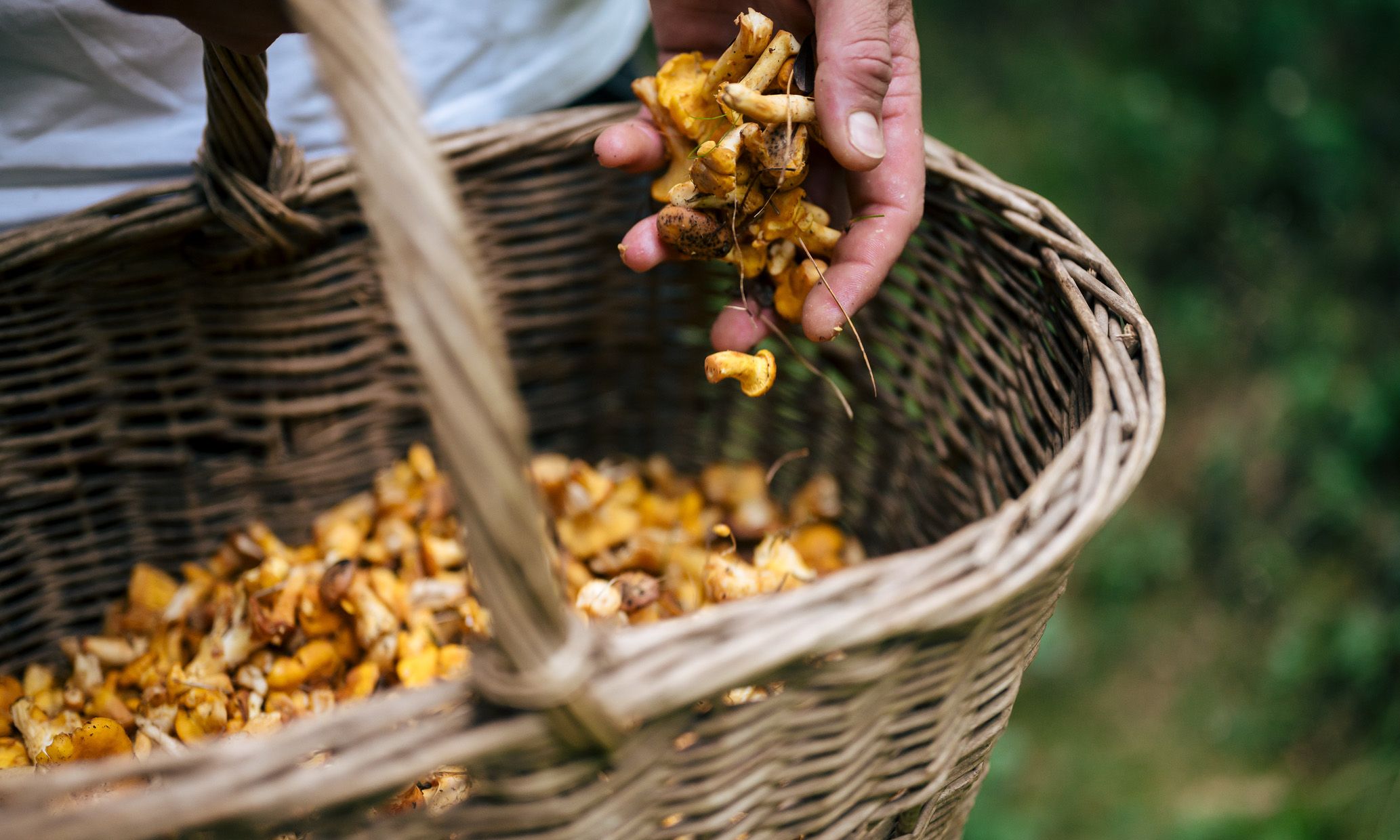
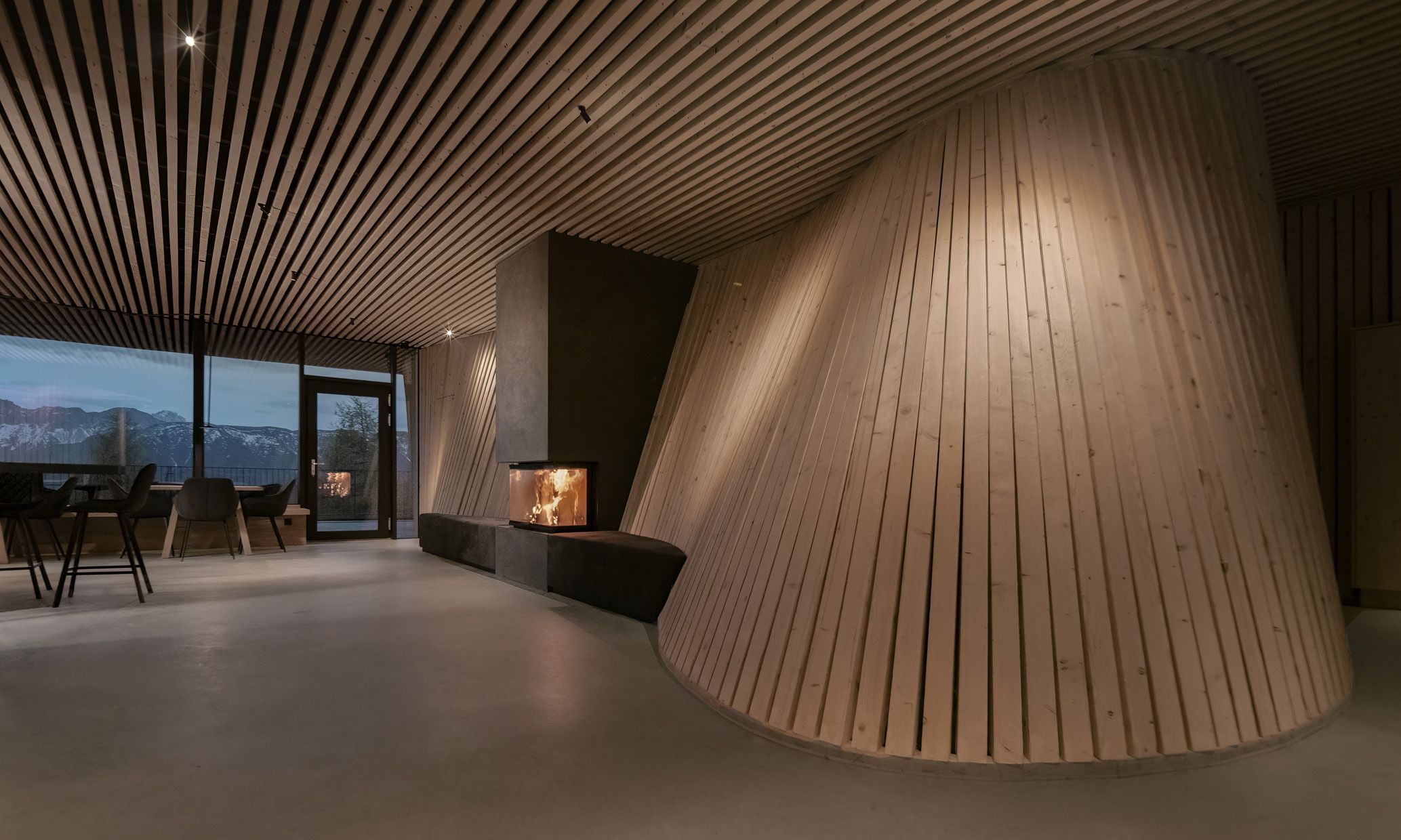
This downsizing at anders meant that there was once again more time for the guests. Suddenly, even the chanterelles they pick themselves are enough for everyone again. And so, in the evening, the host sits with the guests, perhaps over a glass of wine, and once again has time to spare. That’s a tremendous quality for everyone involved.
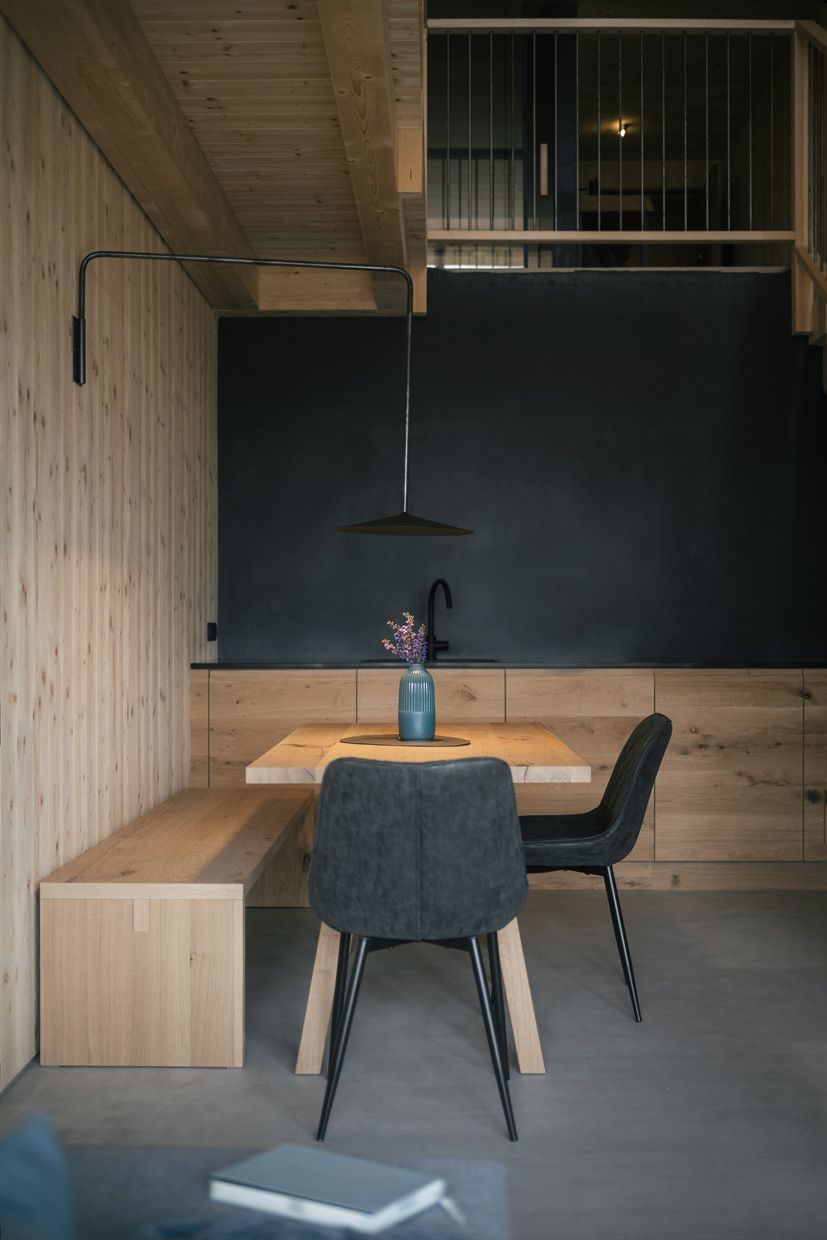
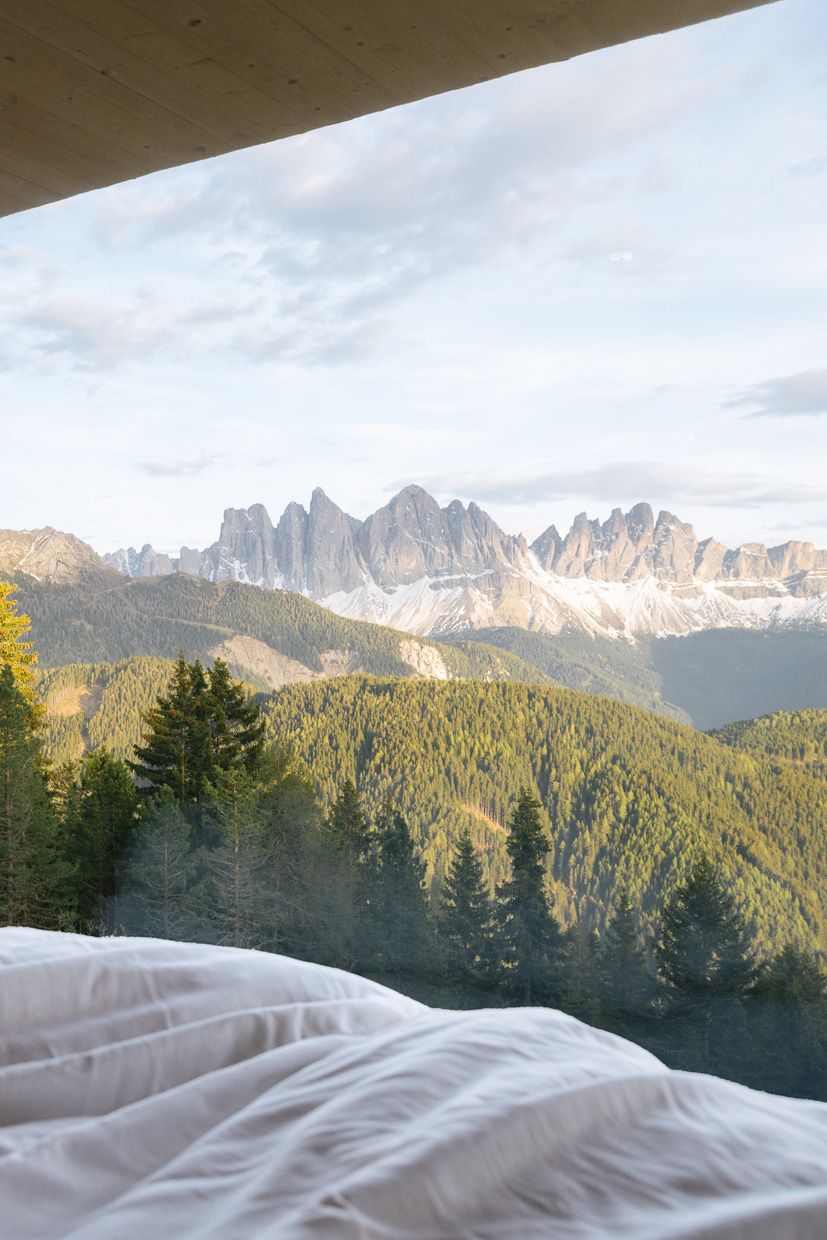
With your projects such as Mono or Nidum, one gets the impression that you have taken your sensitive approach to place and landscape to yet another level. You yourself have described this – very aptly, we think – as “disappearing through design”.
Conceptual design is about essence. With Mono, we designed using architectural elements that were already present on the site, thereby rediscovering the everyday in the process.
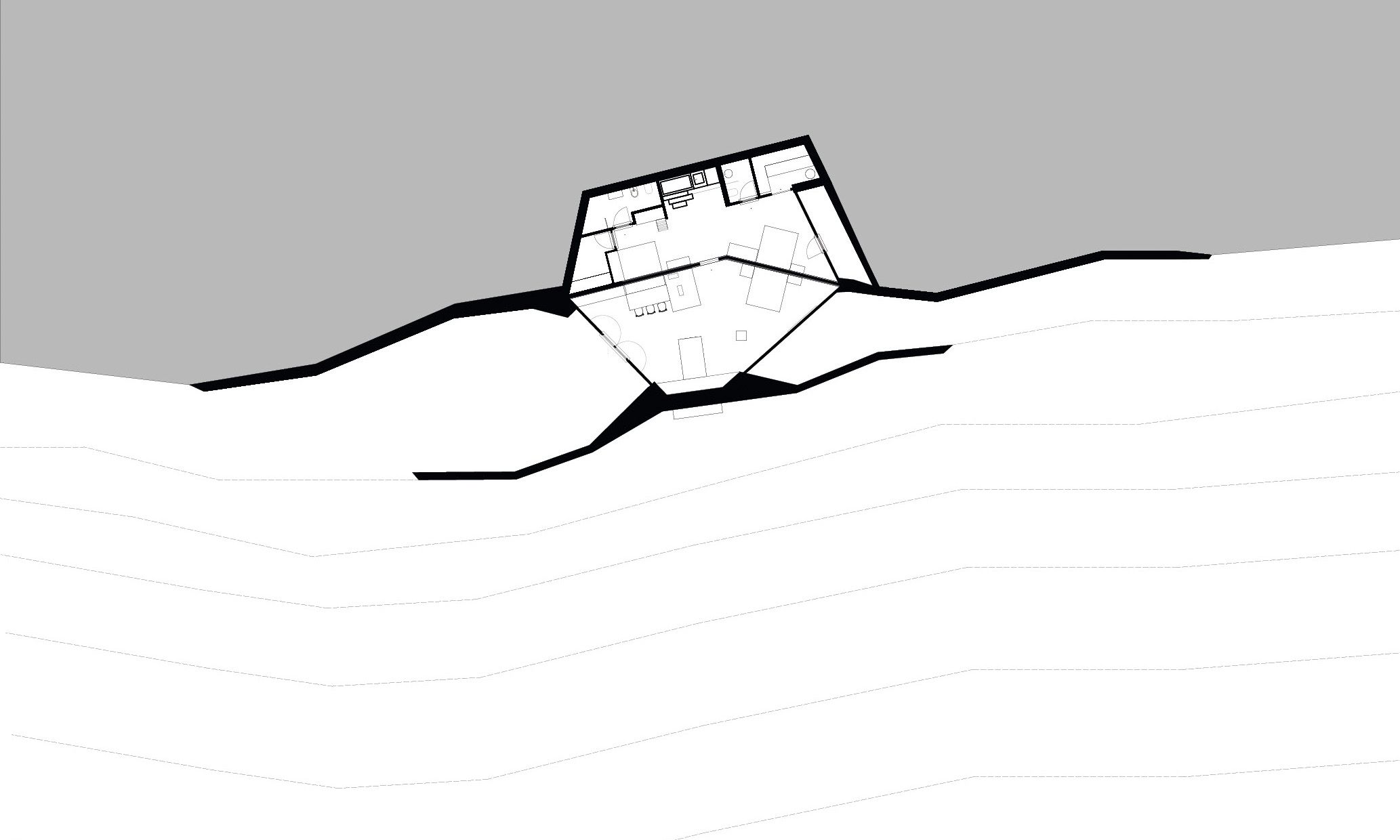
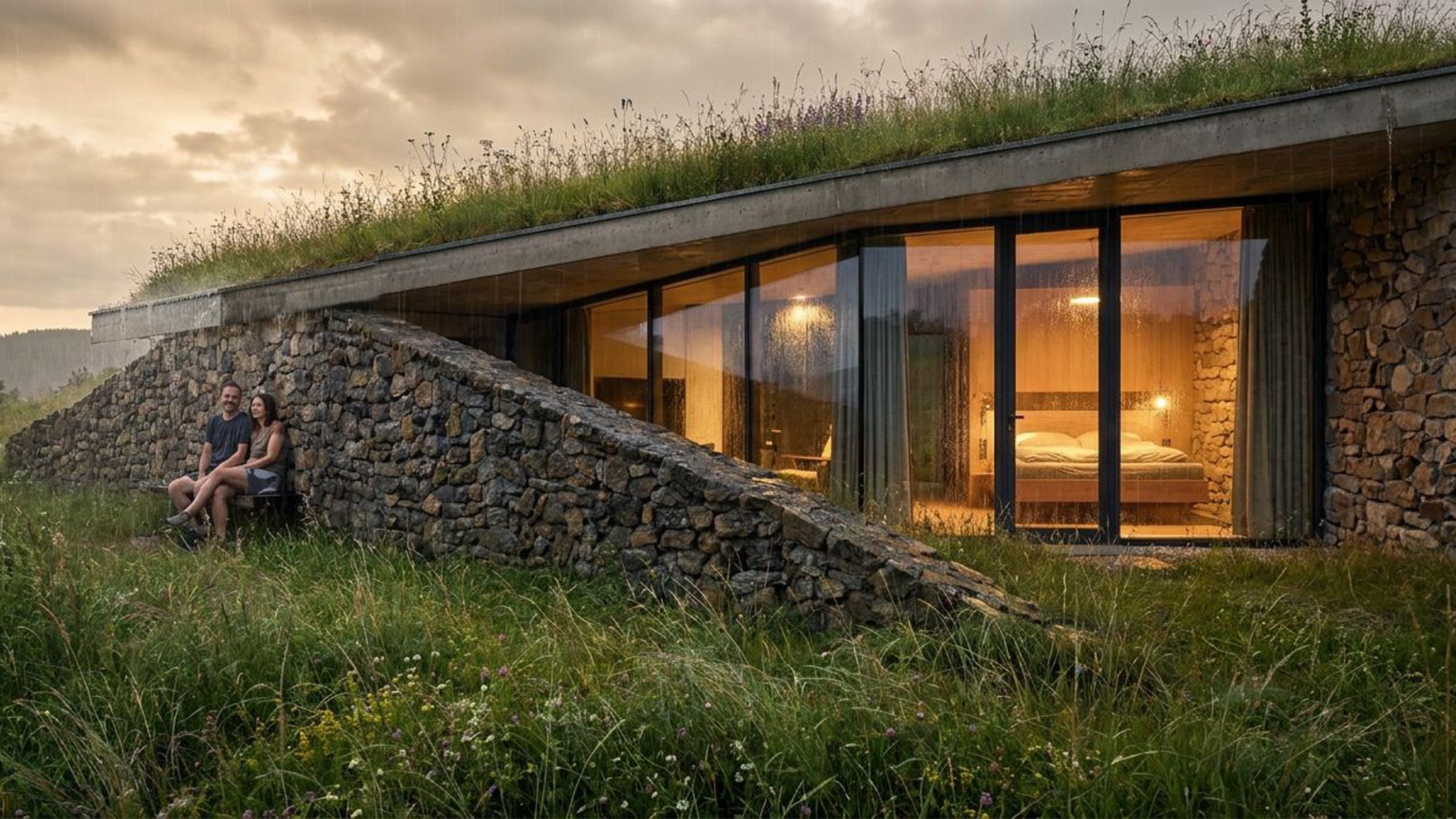
Instead of automatically directing the view downhill, we opened up views both up and down the valley. This allowed the project to disappear from view from the road while still opening the house to nature to the south and north.
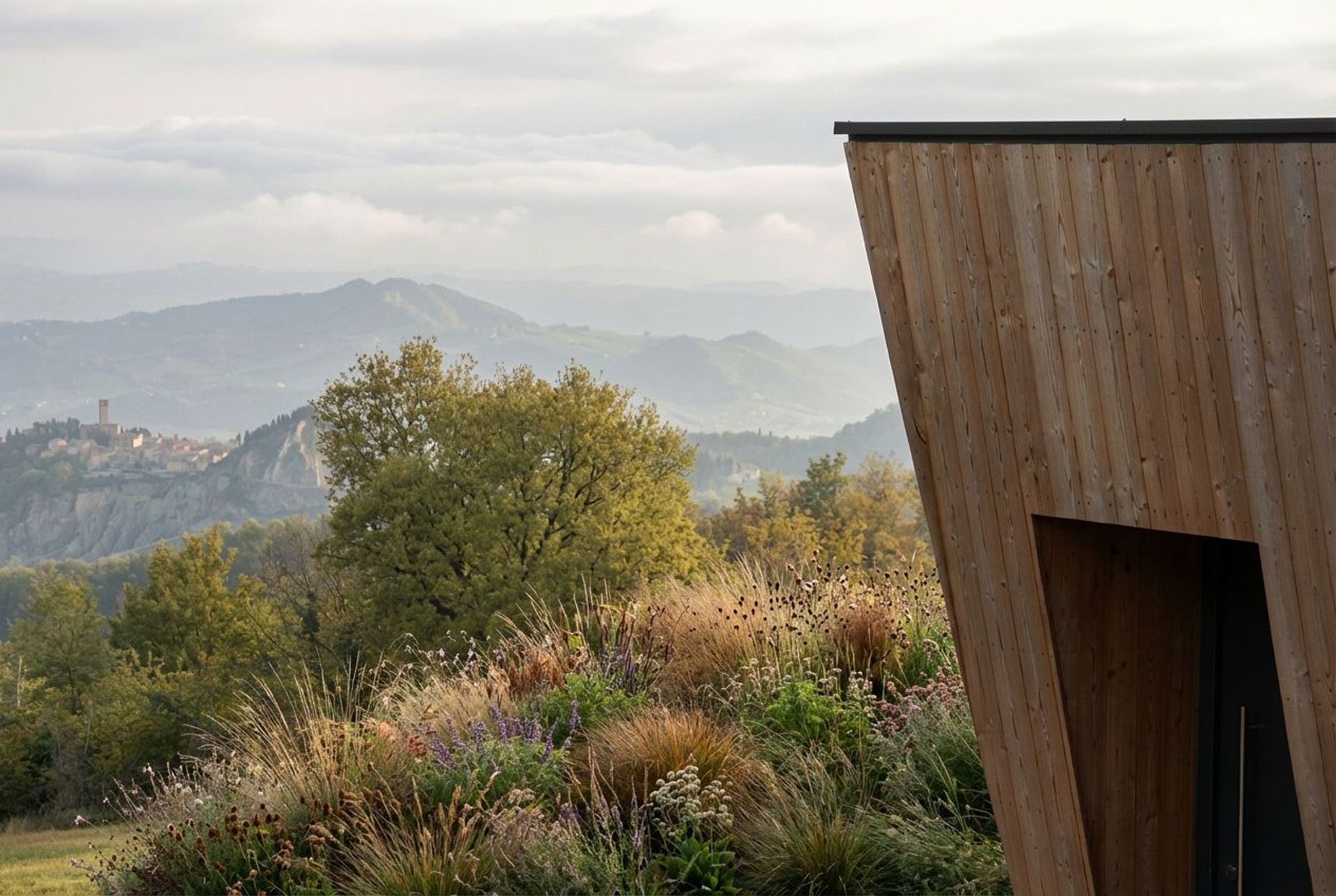
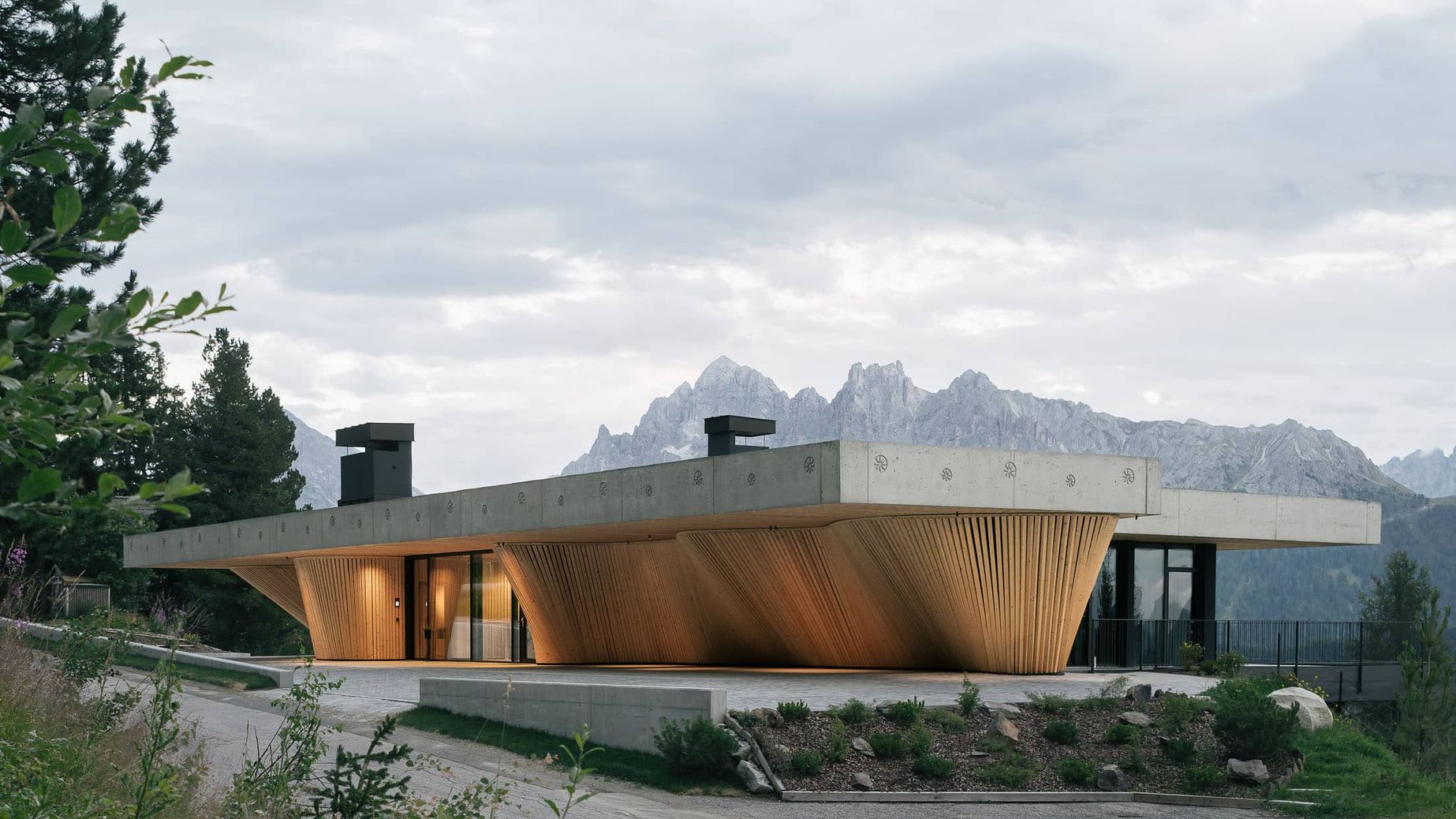
Nidum, on the other hand, is a private house. The owner actually wanted a sort of copy of Freiform, which of course I didn’t do (chuckles). I also had to tell him that I wouldn’t have time for another six months. At that point, I assumed that would be the end of it. But Marco called again exactly six months later. And then I began exploring the possibilities offered by local craftsmanship.
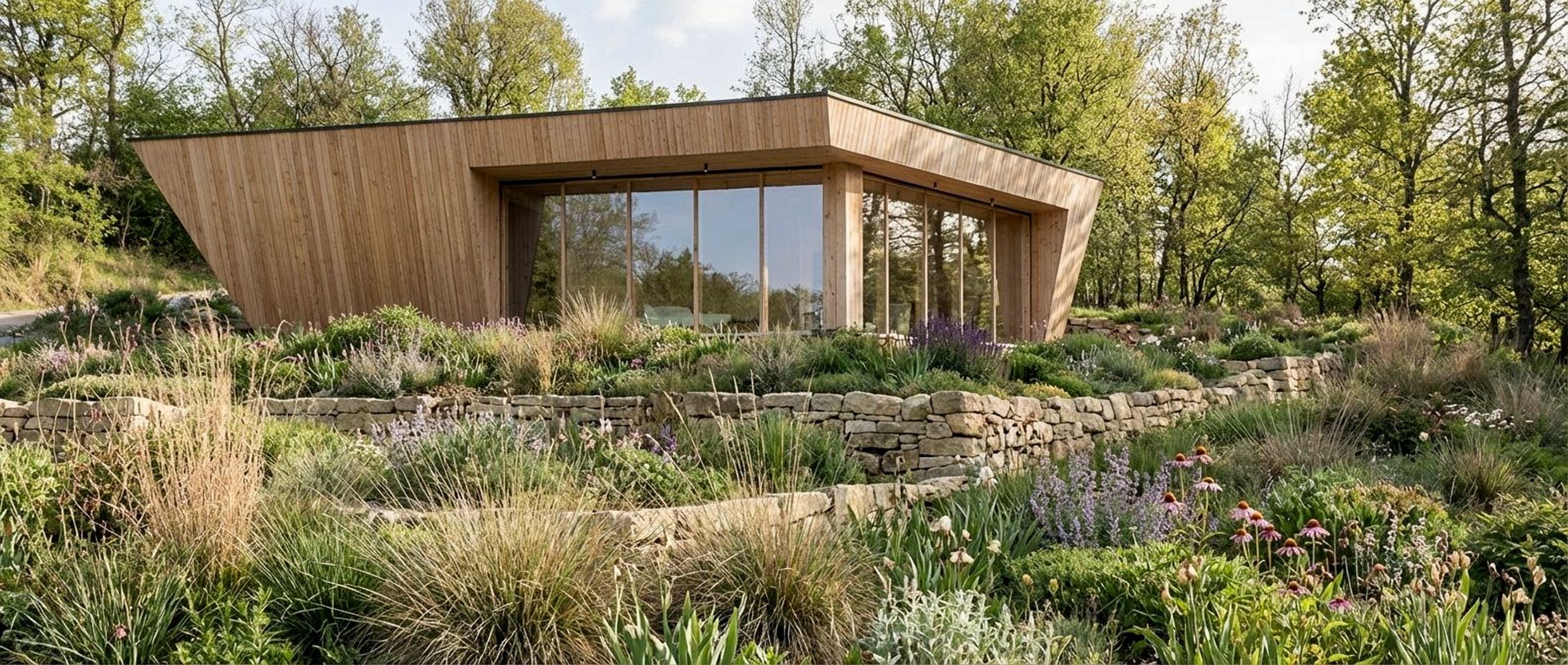
The result is a prefabricated timber structure that was assembled in a workshop in South Tyrol and then, so to speak, “planted” on the site. The angled wall is a reference to anders, although here it wasn’t realised in a curved form.
As you can see, I don’t even like right angles in the vertical. I find this inclination more pleasant. A backrest is slightly inclined too, after all.
What other principles are particularly important to you?
In my view, we should – or perhaps better, we could – be content with much less and appreciate and enjoy simple things more. These days, design is often addicted to the wow effect, and in politics it is the extremes that prevail.
When I look at my parents, for example, at the simple life they led and how benevolent and positive they always were towards everything around them, I become conscious of this beautiful, contented middle ground. Humanity, diligence and the idea that it is enough to appreciate simple, everyday things for their very ordinariness. Metaphorically speaking, not everything needs to have rough edges.
The element of surprise that we create by questioning the everyday is entirely sufficient. All it takes is passion and a delight in the little things. I believe in the soft side of life.
You mean that things find their own form, much like the organic shapes in your architecture – emerging from the flow and the process because you are able to embrace what the context offers you and are prepared to fit in?
That puts it perfectly – that could almost be a quote from me!
I’m convinced that we arrive at much better solutions when we listen to one another. Of course, ours is a technical profession … but for me, feeling, the human element, mutual appreciation and passion are the decisive factors. Trust as an applied attitude, so to speak.
Martin, thank you very much for talking to us!
Martin Gruber is a freelance architect from Brixen, South Tyrol. He lives and works with his family on a farm in Verdings (Freiform), where he also creates wooden sculptures.
During his career as a sportsman (run-off-track luge vice-world champion in 1999/2000), Martin Gruber studied architecture in Vienna, Innsbruck, New York and Venice. In 2001, he founded his studio and has been working as a freelance architect both at home and abroad ever since.
Driven by the conviction that every era, every place and every person possesses its own inherent beauty, Martin Gruber works with minimalist forms and seeks to reveal this beauty through essential design. In doing so, he leaves sufficient scope for the viewer’s interpretation, enabling a highly personal perception of his projects and works, so that a strong sense of trust in subjectively beautiful architecture and art can be fostered.
Interview: The interview was conducted by Britta Krämer and Ulrich Stefan Knoll.
Image credits: Martin Gruber © Kathie McKnoulty (Titelbild); Mono © Martin Gruber (1–3, 35/36); Living Lands © Martin Gruber (4/5); Naturpanoramen und ‑stimmungen © Martin Gruber © Tobias Kaser (6–9, 18, 23–25, 41); Freiform © Martin Gruber © Tobias Kaser (10–16, 26); Skulpturen © Elisa Cappellari © Kathie McKnoulty (17, 19–22); Anders Suites © Tobias Kaser © Martin Gruber (27–34); Nidum © Martin Gruber (37–40)
0 Comments