

While walking in the foothills of the Alps, a Swedish house appears in the distance behind a bend in the road: red and white wooden building, verandah, Bullerbü flair. Very pretty and homely, but somehow out of place in the local landscape. “Everything is a copy,” said architect Zaha Hadid – but even if inspiration from other buildings is part of all architecture, she can hardly have meant planning and building without consideration for the respective landscape, regional traditions and resources.
In China, there is little hesitation to (cheaply) copy every conceivable product, whether design classics, sneakers and smartphones or even entire buildings such as the Eiffel Tower, the Golden Gate Bridge, British town houses or even a complete Austrian village. Fake architecture often seems strange to us, but copies are not uncommon in this country either. For example, Tuscan villas can be found in the Black Forest, aero painting in the Uckermark or half-timbered houses without any reference to the local building tradition.
In response to this, numerous initiatives, foundations and networks have sprung up across Europe in recent years with the declared aim of strengthening regional building culture(s) and creating an awareness of their importance through a regional architectural policy. In this context, the term “regional building culture” does not only refer to the building of houses per se, but is understood as an extended cultural concept and also includes local history and traditions. There is more to “good” building than “just” using locally available resources: Architecture should also relate to the respective landscape and take traditional building methods into account.
In our era, which is characterised by ever more rapid change and fast evolving mobility, typical regional buildings provide a welcome counterpoint to advancing globalisation. Almost unlimited travel and the worldwide movement of goods have led to the imitation of architectural styles from all over the world in the most inappropriate places, and as a result regional characteristics are increasingly disappearing and the architecture is becoming similar and interchangeable. This development is favoured not only by the desires awakened when travelling, but also in particular by the fact that any conceivable material can be procured in almost any place in the world. Consequently, even sustainably planned houses are ultimately the opposite of what they aim to be if the natural stones and woods used come from overseas.
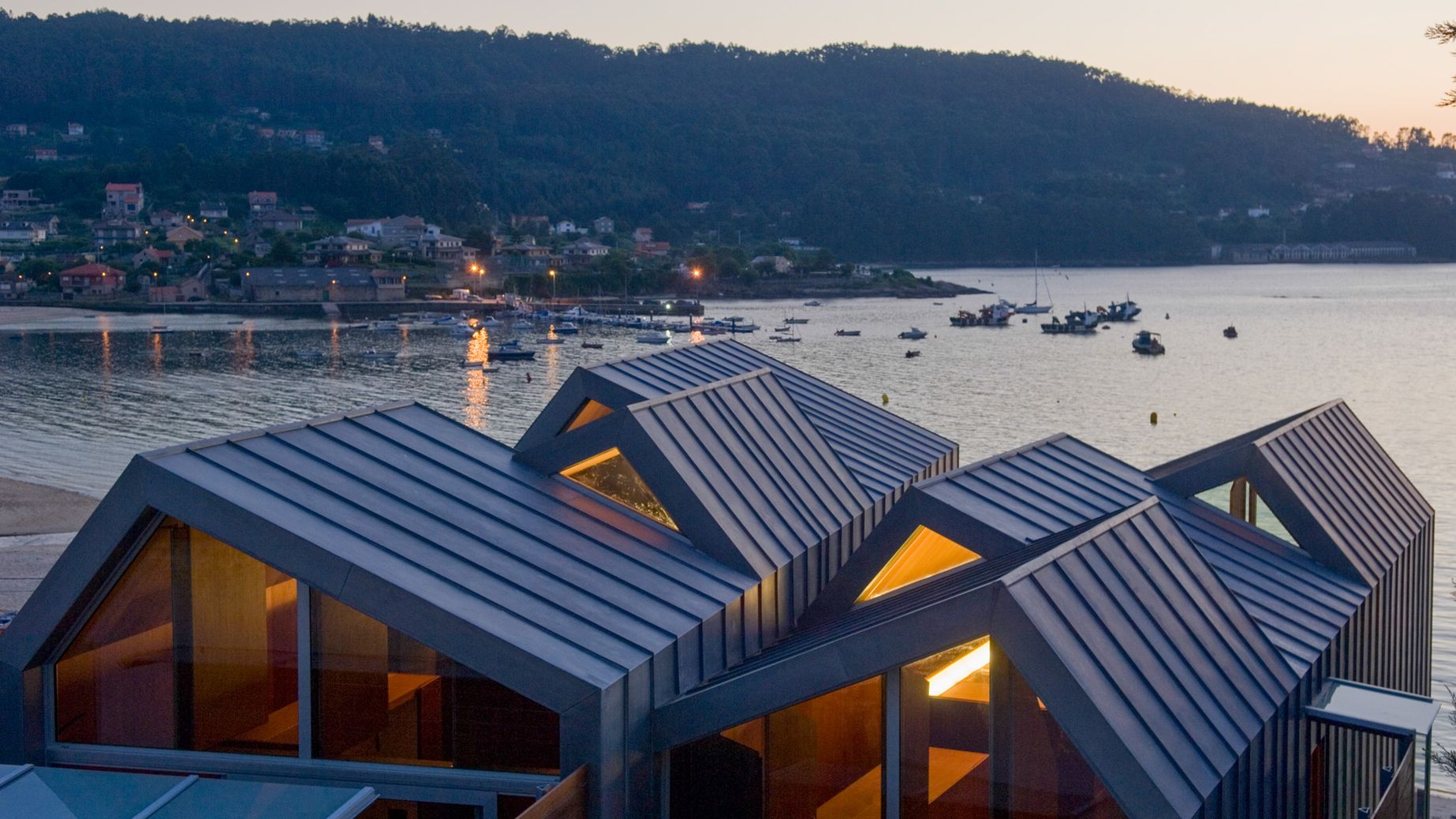
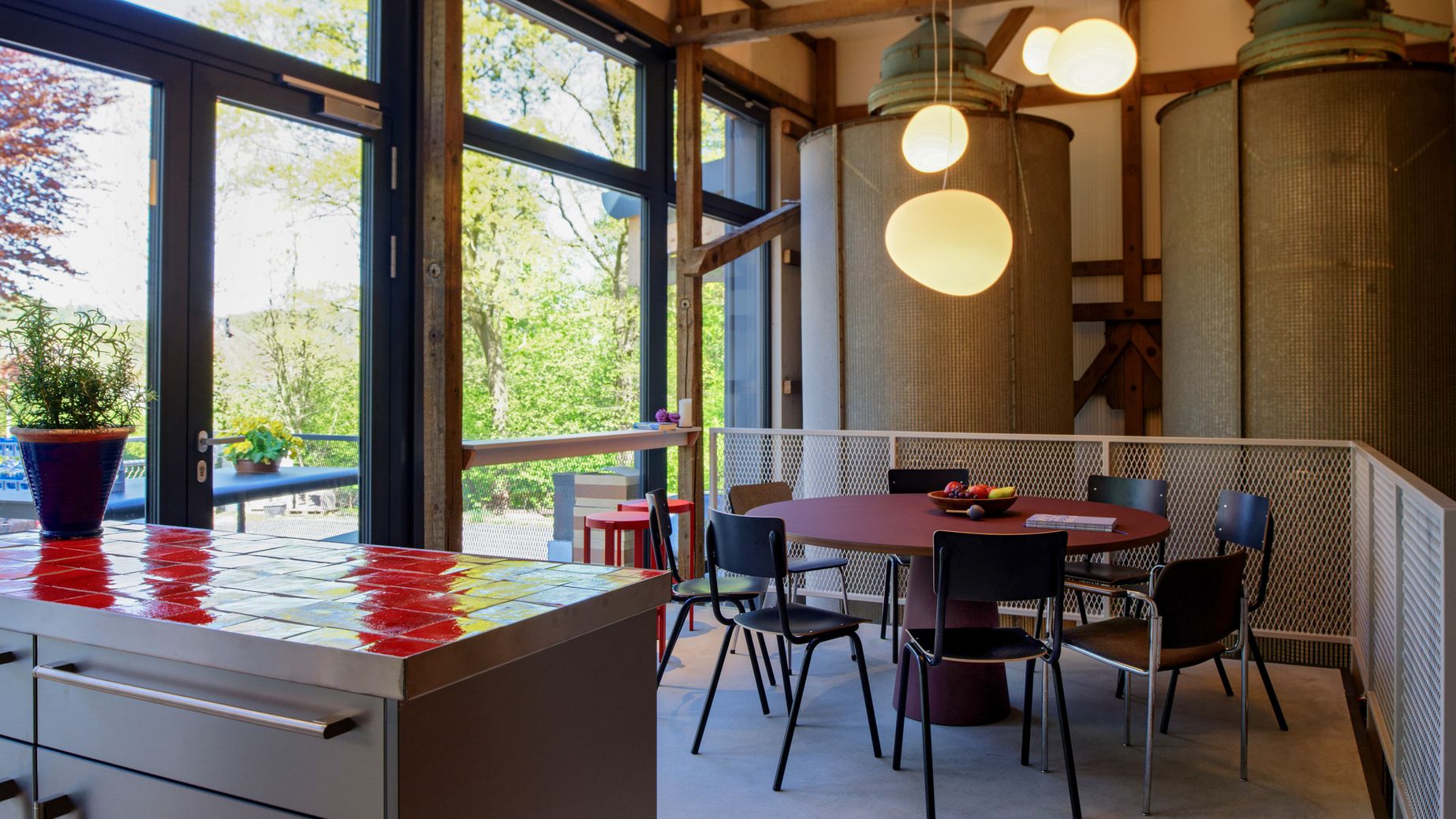
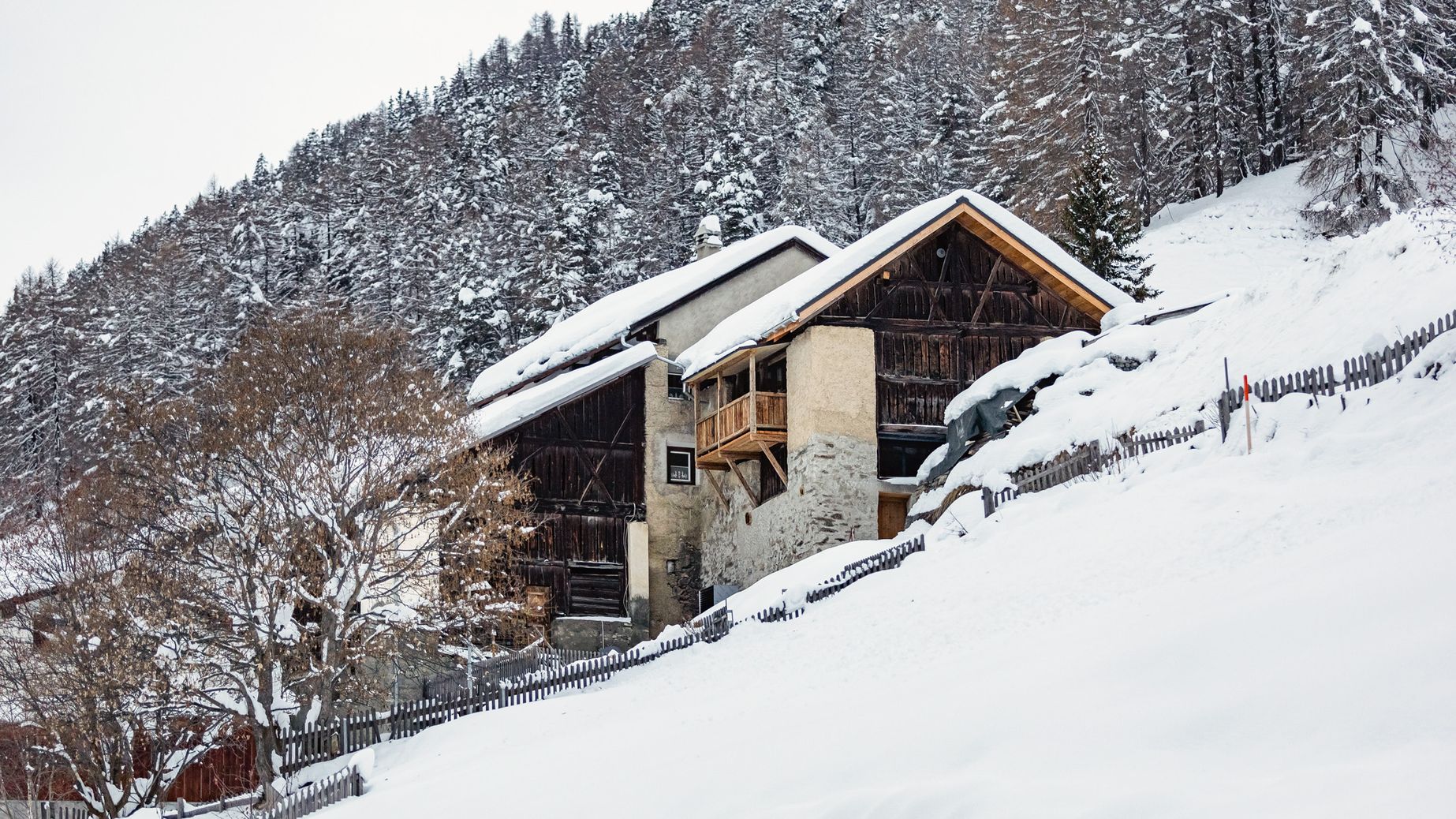
In order to preserve regional diversity and create characteristic building cultures, buildings – or even a design – must adapt to their respective context. It is about a harmonious interplay of tradition and modernity and about highlighting local identity without falling into clichéd formal language. Fortunately, there are more and more architects who are committed to regionally typical, high-quality construction and who work with local materials such as local wood and stone or sheep’s wool. The typical local construction method provides the basis for a contemporary reinterpretation – architectural prizes with a local connection precisely promote this approach. Successful examples can be found in regions such as Vorarlberg, South Tyrol or the Black Forest. Another charming approach is the Italian “Albergo Diffuso”, where the accommodation, reception and restaurant of a hostel are scattered throughout the village – in small buildings that blend naturally into the typical regional townscape.
Tourism in particular benefits from the return to the regionally typical, because: Who would want to travel to Umbria and find themselves in a Finnish log cabin with a sauna – or vice versa? In addition to a distinctive landscape and natural environment, a mature, typical local architecture conveys the authenticity, charm and variety that we (almost) all seek when travelling. After all, there are wonderful dwellings that harmoniously combine typical regional architecture with modern building elements and design classics.
I like the simplicity and straightforwardness as well as the materiality of Scandinavian design very much – just as I am fascinated by traditional handcraft techniques from Latin America as well as the colouring of African fabrics. A mix of styles is wonderful – in the interior. But a Swedish house in the Bavarian hinterland seems a bit out of place to me – an architectural statement in the wrong place.
Text: Tina Barankay, January 2022
About the author: Tina Barankay has been combining her passion for aesthetics and design with her professional activities for many years, among others as an editor for the architecture magazine DETAIL. As a freelance journalist and consultant, she publishes articles, produces publications and designs communication concepts in the fields of architecture, interior design and design.
7 Comments
Vielen Dank für Ihren Artikel, der so treffend meine Beobachtungen wiedergibt, wie ich sie als “Mittelgebirglerin” oft auf meinen Reisen durch die Alpengebiete Europas auch in dieser Form machen durfte. Ein regionaltypisches Haus, das kopiert und in einer falschen Umgebung platziert ist, ist jedoch noch die mildere Variante der architektonischen Grausamkeiten. Gefährlicher sehe ich jedoch die Tatsache, wie Systemhäuser als seelenlose Pop-Up-Häuser an den deutschen und inzwischen auch österreichischen Speckgürteln, wie Pilze aus dem Boden schießen. (Das i‑Tüpfelchen sind noch die Systemhäuser inmitten eines regionaltypischen Ortskerns, wie bereits in Südtirol gesichtet.) Dieser Flächenbrand nimmt so rasant zu, missachtet aber die Tatsache, dass mit diesem Flächenfrass auch kostbare, fruchtbare Böden zubetoniert werden, die einem Land auch noch ein gewisses Maß an Autarkie garantieren. Gerade die coronabedingten Lieferengpässe sollten was, diese Thematik angeht, zum Nachdenken anregen.
Thanks for asking, Gina. Unfortunately, most of the relevant websites only exist in German — but we will probably take this as an opportunity to present some initiatives here more detailed in the future.
I would love to learn about the “numerous initiatives, foundations and networks have sprung up across Europe in recent years with the declared aim of strengthening regional building culture(s) and creating an awareness of their importance through a regional architectural policy” that the author mentions. I serve on the Landmarks and Historic Districts of my small town in New York State and have always wished I had some examples of language and outcomes to help me explain the importance of ‘respecting regional’, whether it be farmhouse or mid-century Modern. Maybe someone can guide me toward these groups? Many thanks!
Herzlichen Dank für diesen zutreffenden Bericht. Ich wohne in den Schweizerslpen. Arosa, Davos, St. Moritz ist nur ein Katzensprung entfernt. Was da architektonisch passiert und immer noch gebaut wird hat Dir Journslistin treffend beschrieben!Für die Bewohnerinnen die das ganze Jahr hier leben , ist es oft fast zum heulen! Glücklicherweise gibts junge Architekten die sehr sensibel planen! Was hier als Alpenarchitektur angepriesen wird ist an Kitsch nicht zu überbieten!
Wahre Worte. Auch wenn ich keine Architektin bin, berührt mich dieses Statement sehr. Für mich ist das Beispiel Vorarlberg so richtungsweisend. Hier verschmelzen innovativ und mit hoher Handwerkskunst historische Baukultur und moderne Architektur miteinander. Diese Entwicklung geht aber auch mit einem großen Selbstbewusstsein und Heimatverbundenheit der Menschen einher. Schwieriger ist es in Regionen, deren architektonische Identität verblasste oder gar nicht klar vorhanden war. Da mag die Versuchung teilweise groß sein, etwas zu bauen, das man anderswo entdeckt und als “schön” empfunden hat – auch wenn es dann wie ein Fremdkörper wirkt…
Vielen Dank für diesen überaus wahren Text. Ich wohne und arbeite in einer touristischen Alpenregion, in der die Kopie “perfektioniert” wird. Man ist hier Einzelkämpfer, aber ich bin mir sicher, auf lange Sicht zahlt es sich aus.
Herzliche Grüße — Claudia Feuersinger
Den Ausführungen kann ich nur zustimmen. Seit Jahren bitte ich Architekten, kein Schwarzwaldhaus in den Hüttener Bergen (SH) zu planen.