Best of Modernism: Iconic Houses
For more than a decade the Iconic Houses platform has been the guide par excellence to modern house museums worldwide. In this interview, founder Natascha Drabbe explains what else the network can accomplish.
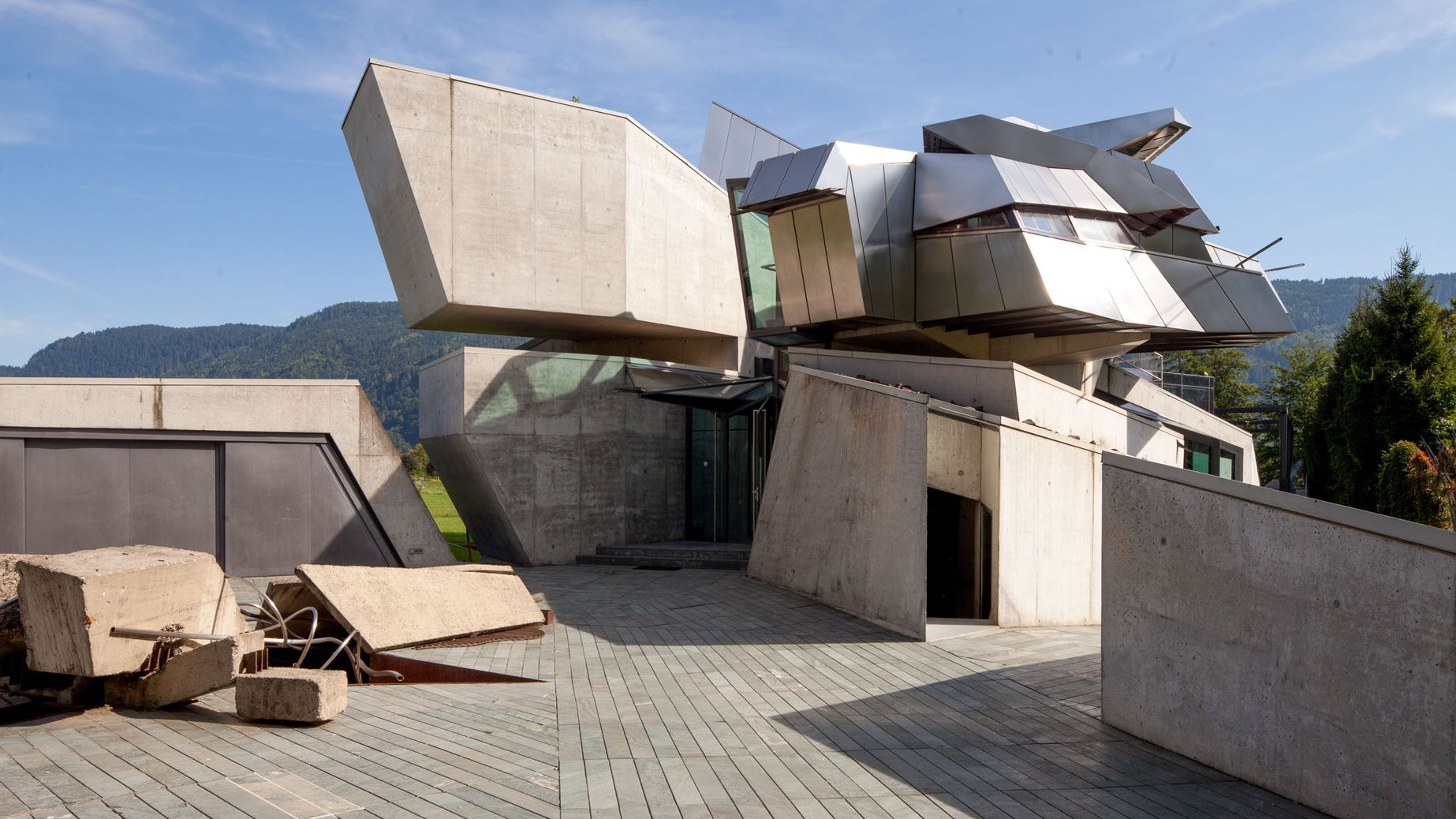
URLAUBSARCHITEKTUR (UA): The extent to which the freedom to experiment can enrich architecture and enable progress can be seen impressively in the Iconic Houses collection. Was this freedom and its architectural results the trigger for the project that you initiated in 2012?
Natascha Drabbe: I have always been fascinated by the innovative modernist houses of the 1920s and 1930s. In my studies of Art History, I fell in love with the villas that Palladio designed. His Villa Rotonda, with four similar facades, but four different views, planted the seed in me to find out what theories architects have developed regarding the framing of the views in their architecture.
As an avid traveller myself, always looking for new and undiscovered destinations, I thought there must be more people like me: architects as well as architecture and design lovers who want to find all those interesting places on one free platform. And so the idea for Iconic Houses was born.
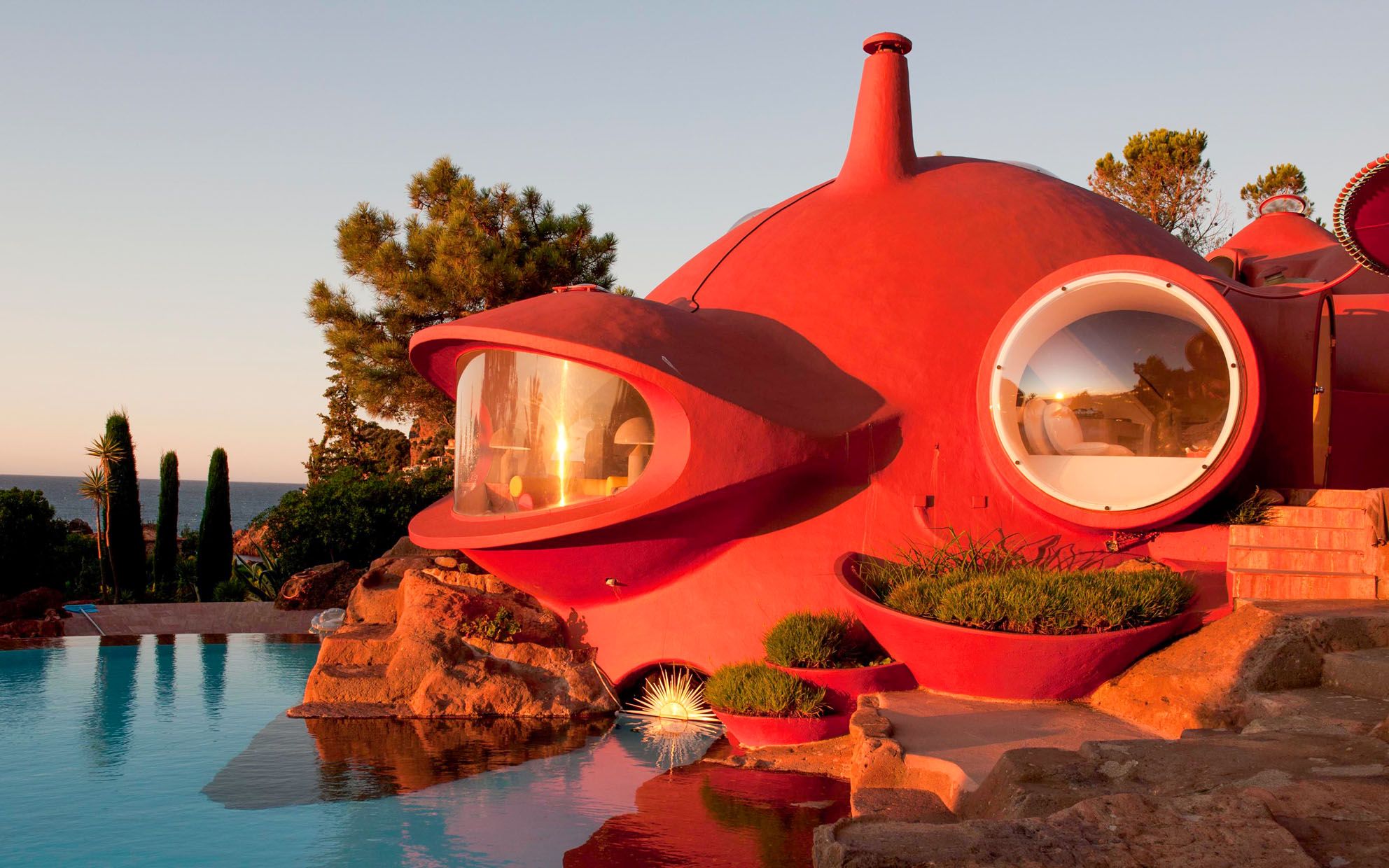
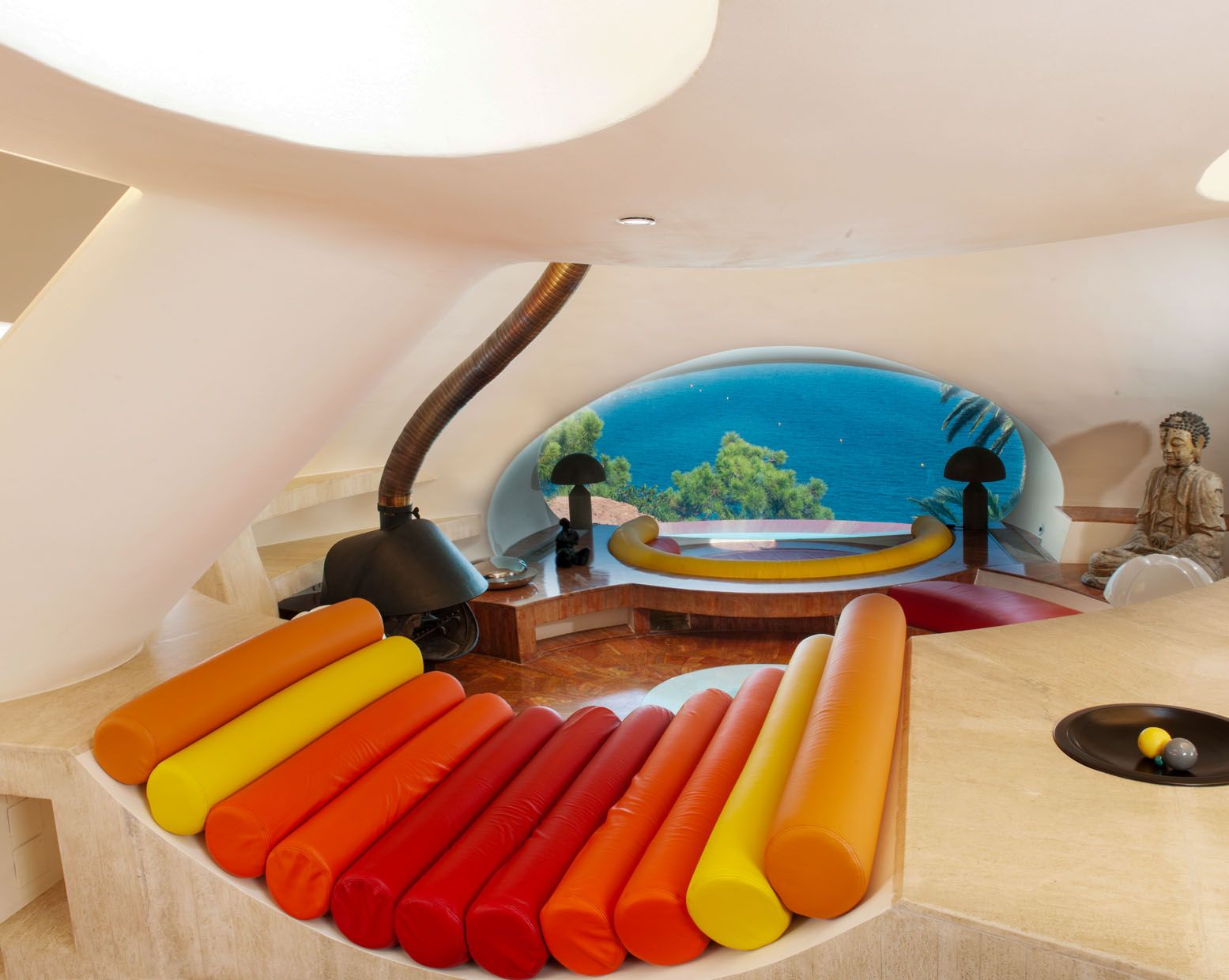
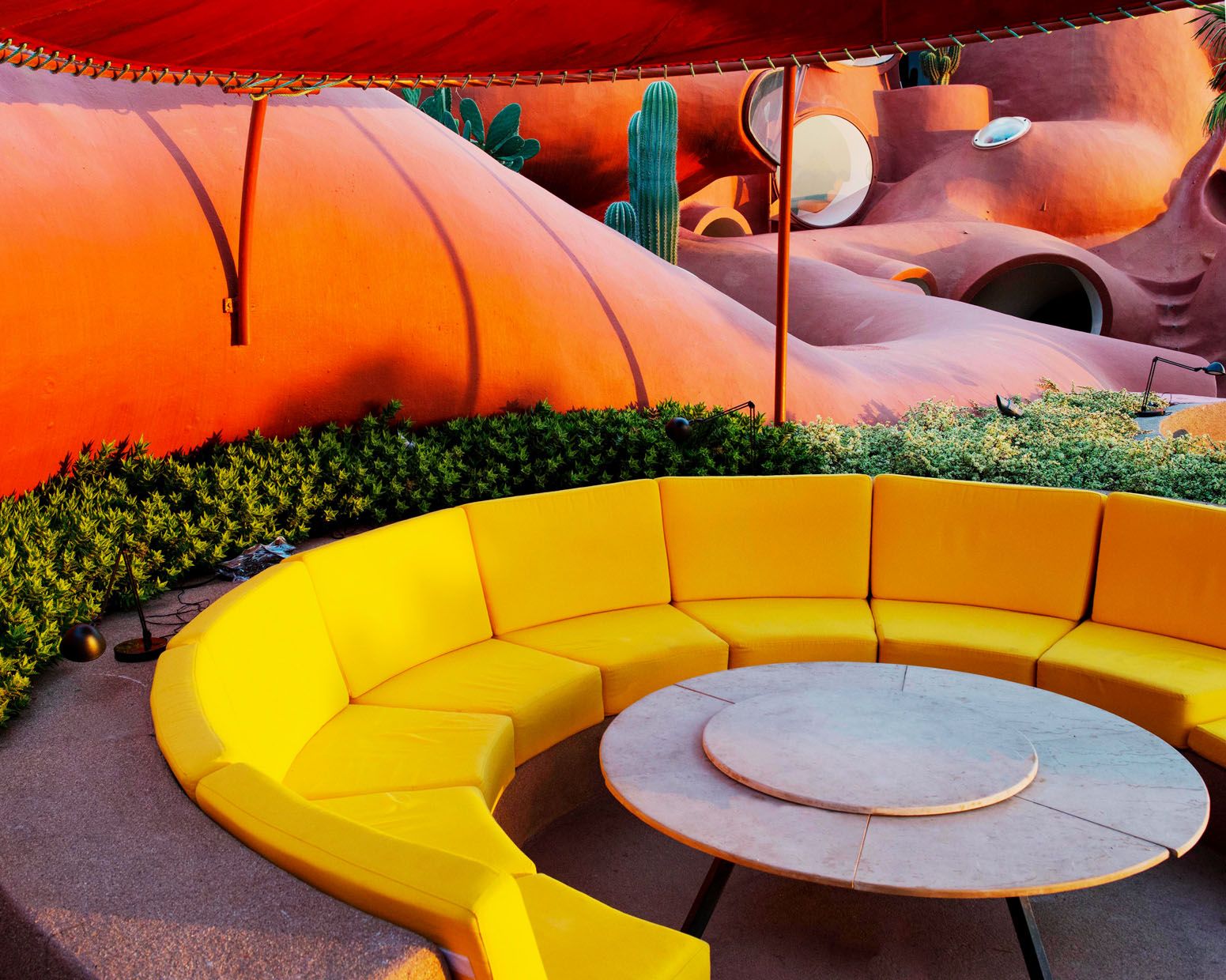
UA: What do you think the greatest benefit of your international network over the years has been?
Natascha Drabbe: It’s been more than ten years now since the Iconic Houses website was launched, and much has been achieved in that time! Above all perhaps, the worldwide house museum collection has doubled: this year we will welcome the 200th house museum, and the foundation has moved towards a much broader mission.
Initially conceived to inform architecture and design aficionados how to visit the modern house museums and those houses in which you can even spend the night, all of which it continues to do, the network has also branched out into protecting icons at risk, creating a valuable toolkit for owners of a modern house, raising awareness, and advocating for younger people to take over. In our projects, we also focus on house museum management and cooperation between the professionals who run these museums.
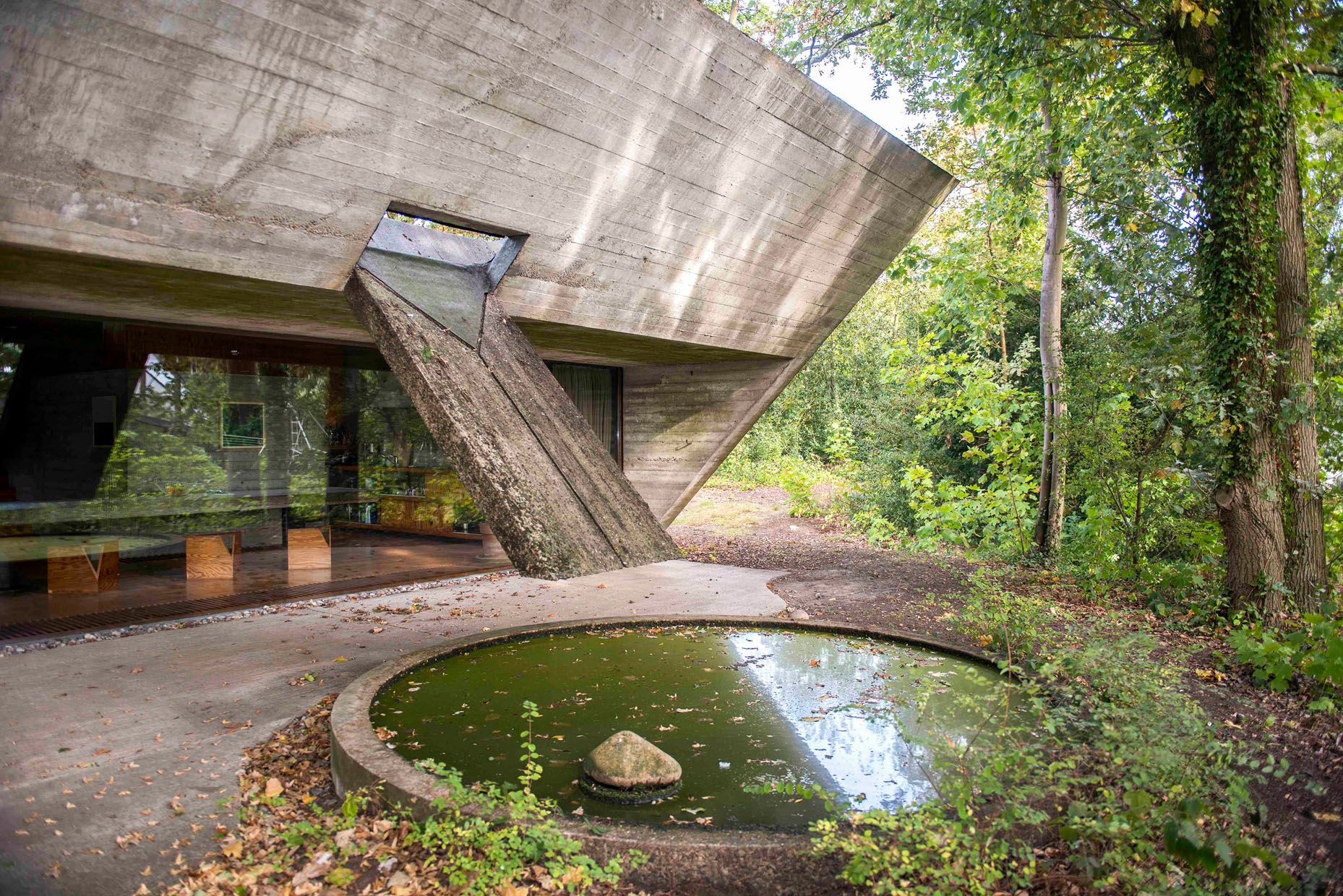
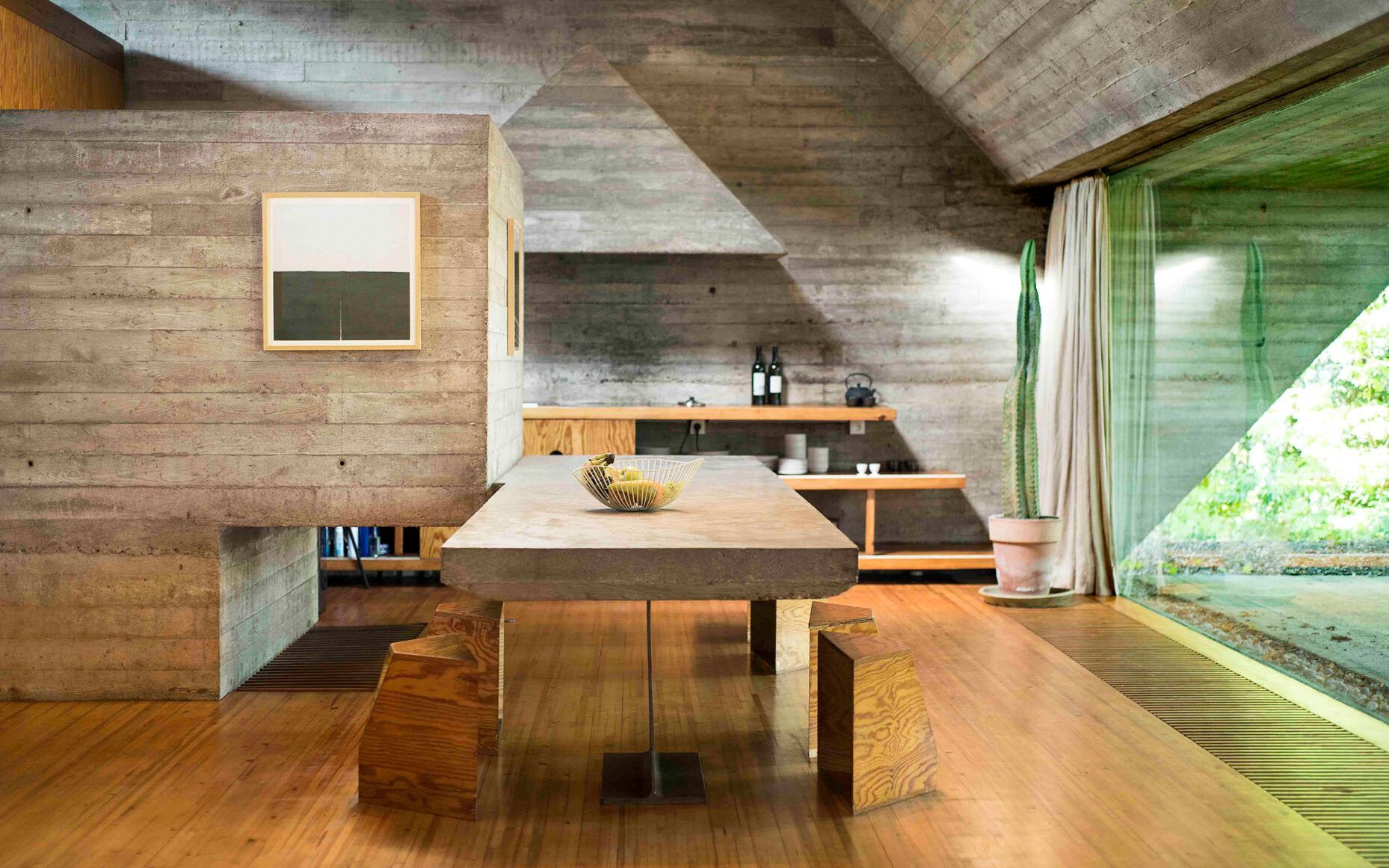
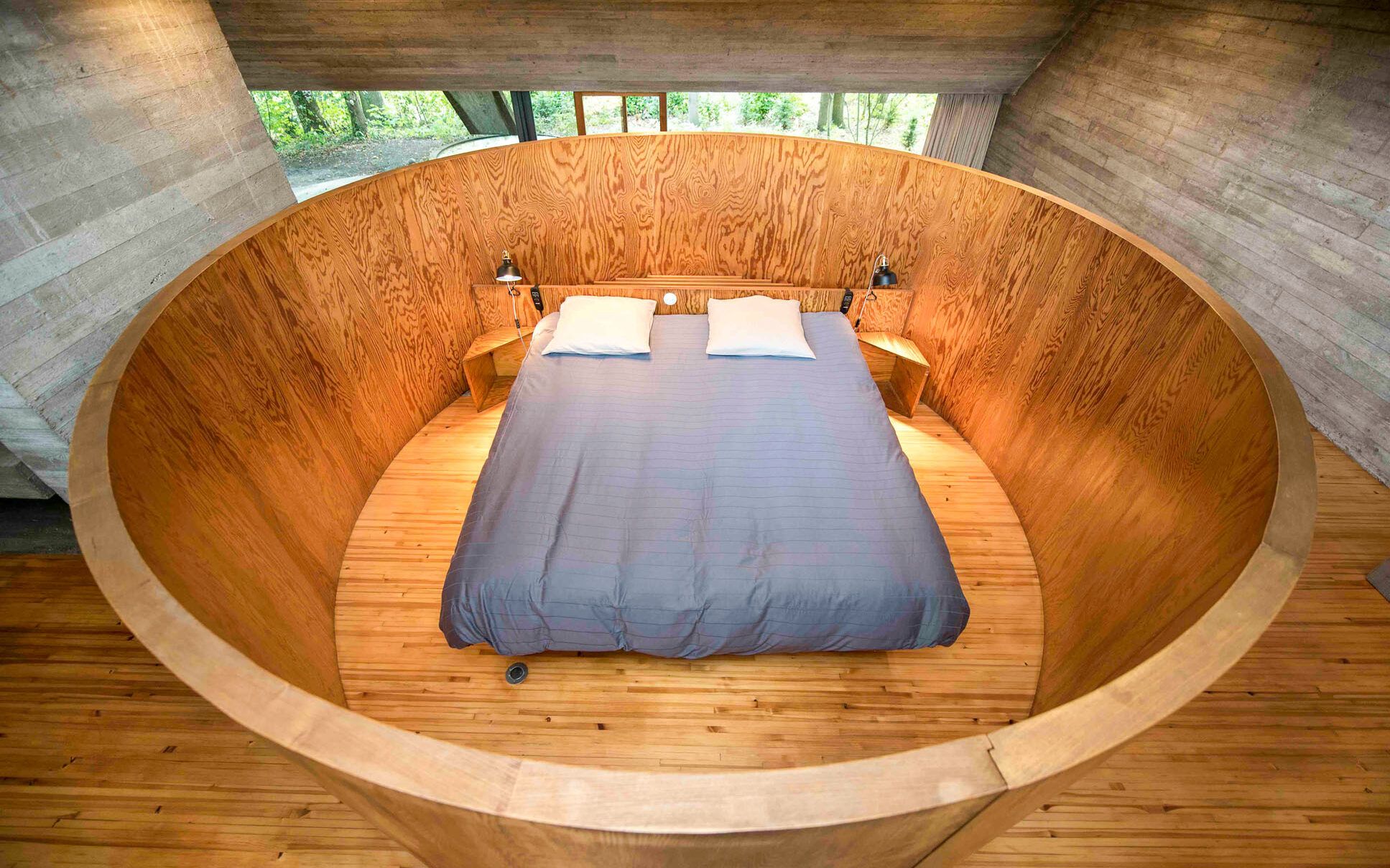
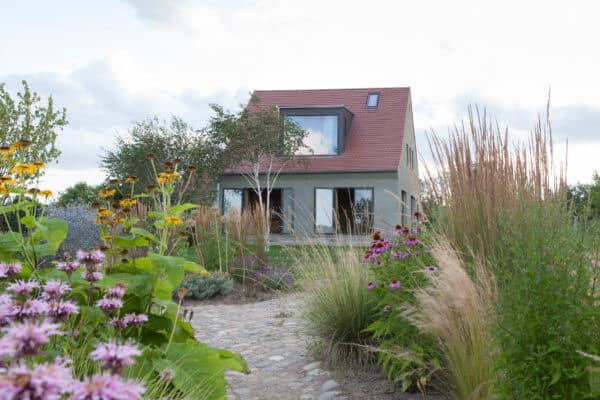
UA: In some of the houses you can even stay overnight, in Europe for example in the following:
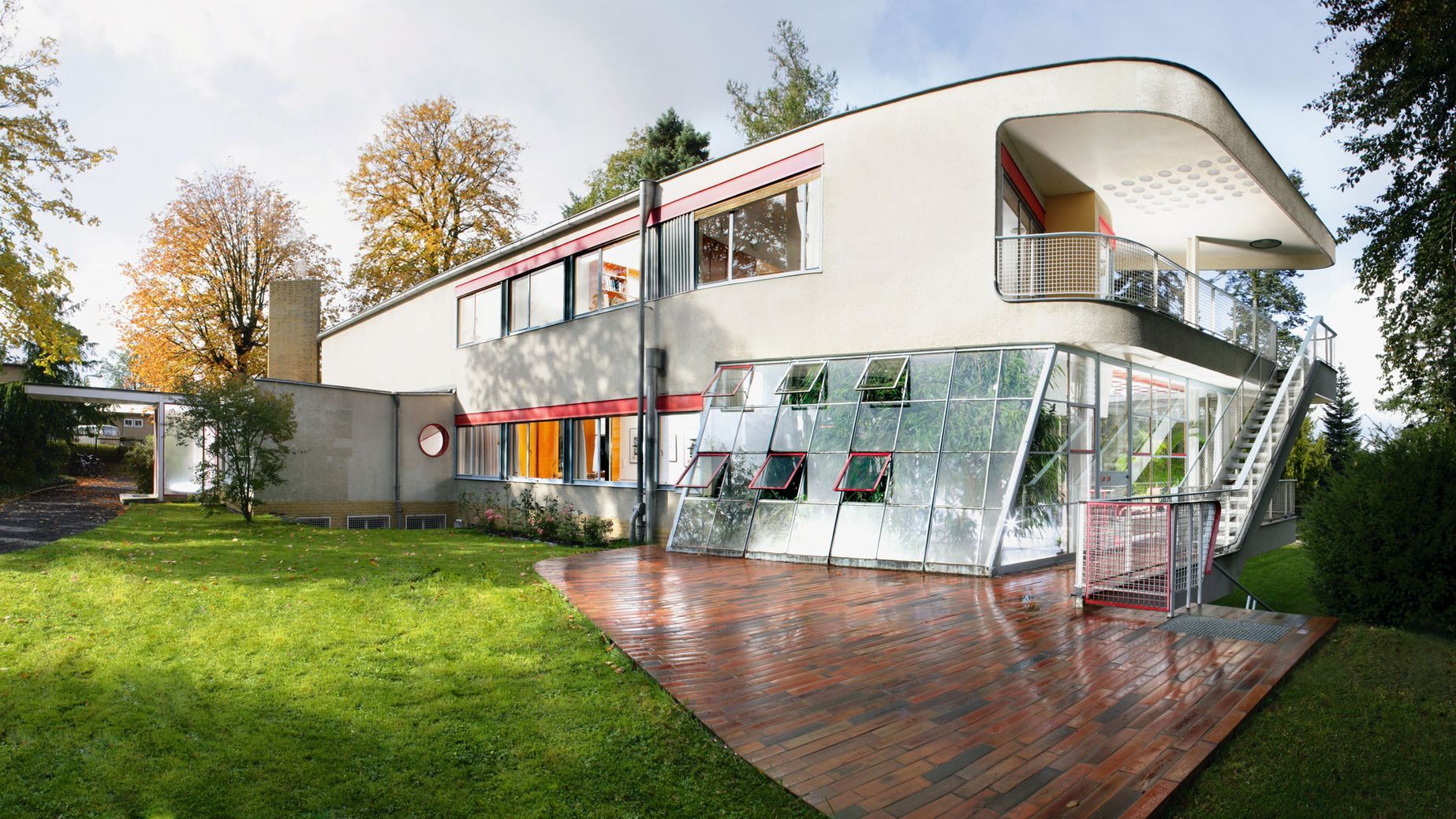
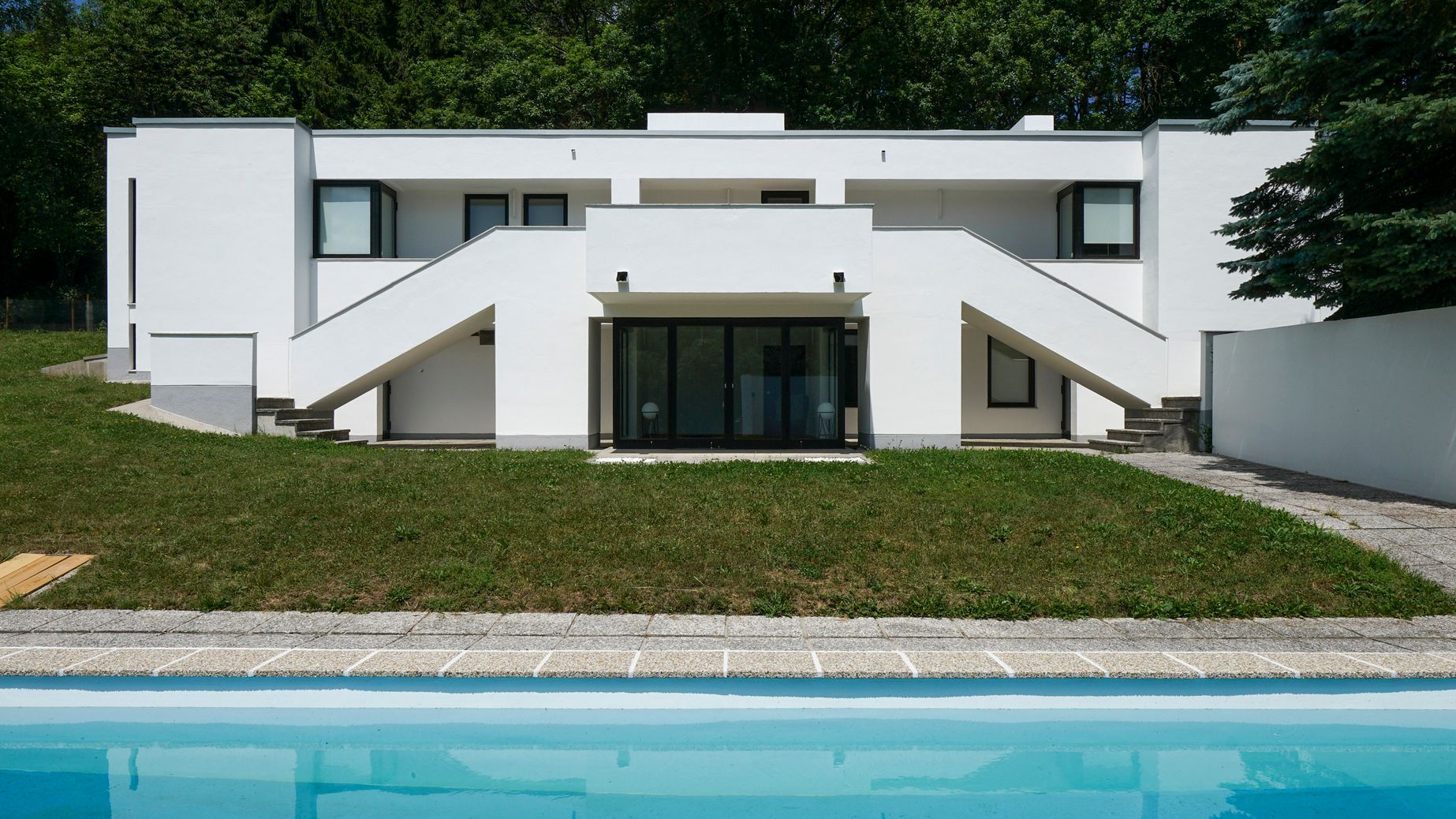
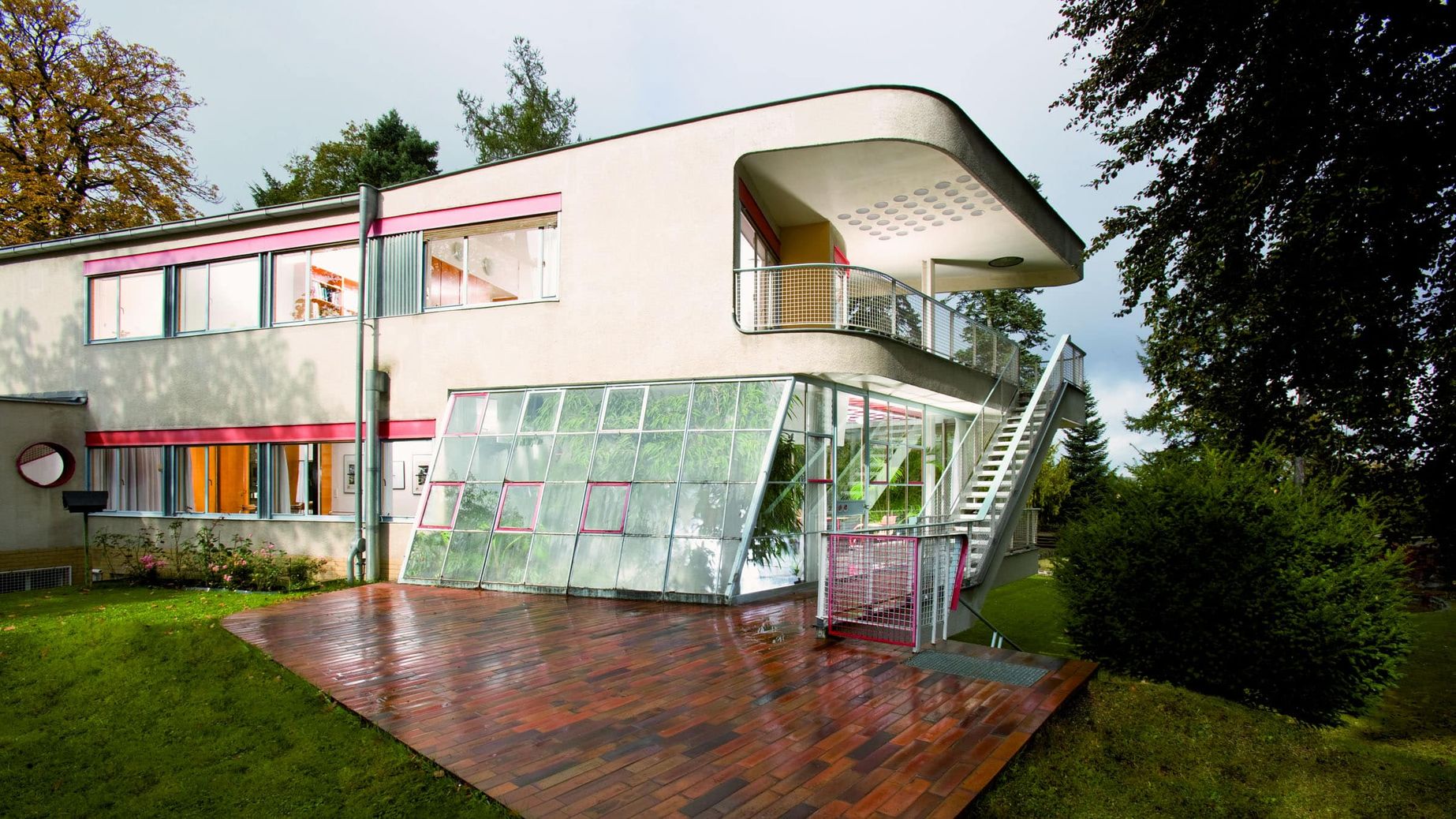
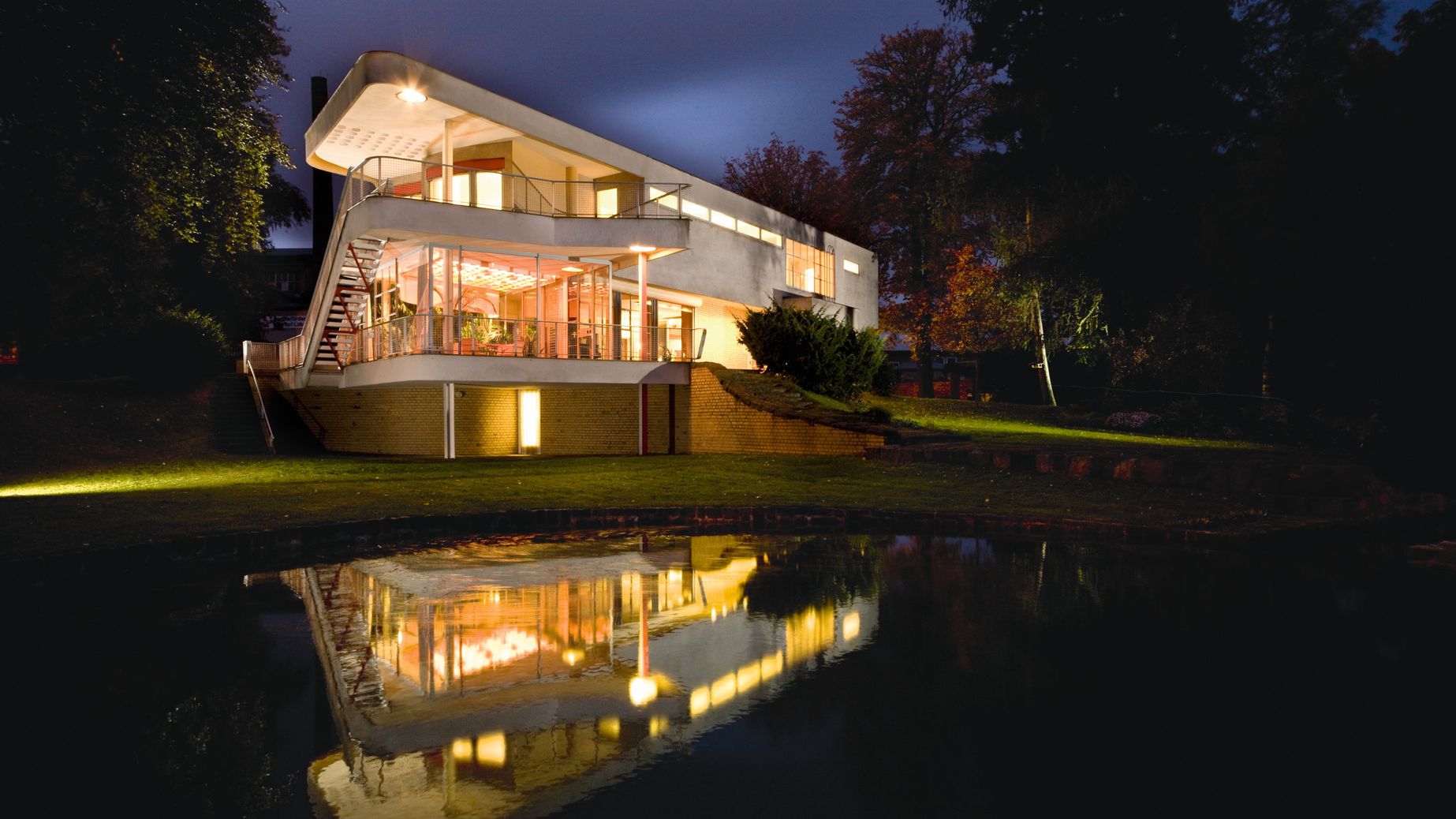
Natascha Drabbe: The most memorable were my stays at the Van Wassenhove House and Haus Schminke.
Being somewhere for 24 hours permanently gives you a completely different view of things, you can focus much more on the details because during a tour you are often inclined to listen and look at the tour guide. At Schminke I saw a curtain track on the ceiling between the gentleman’s and lady’s bed. I have no idea why they wouldn’t want to see each other at night…
And the Van Wassenhove House is a kind of loft space, quite austere with sturdy shapes but very Zen. These experiences cannot be obtained from photos: it’s about the changing light during the day or with different weather conditions, the smells and the sounds that let you experience a house to the fullest.
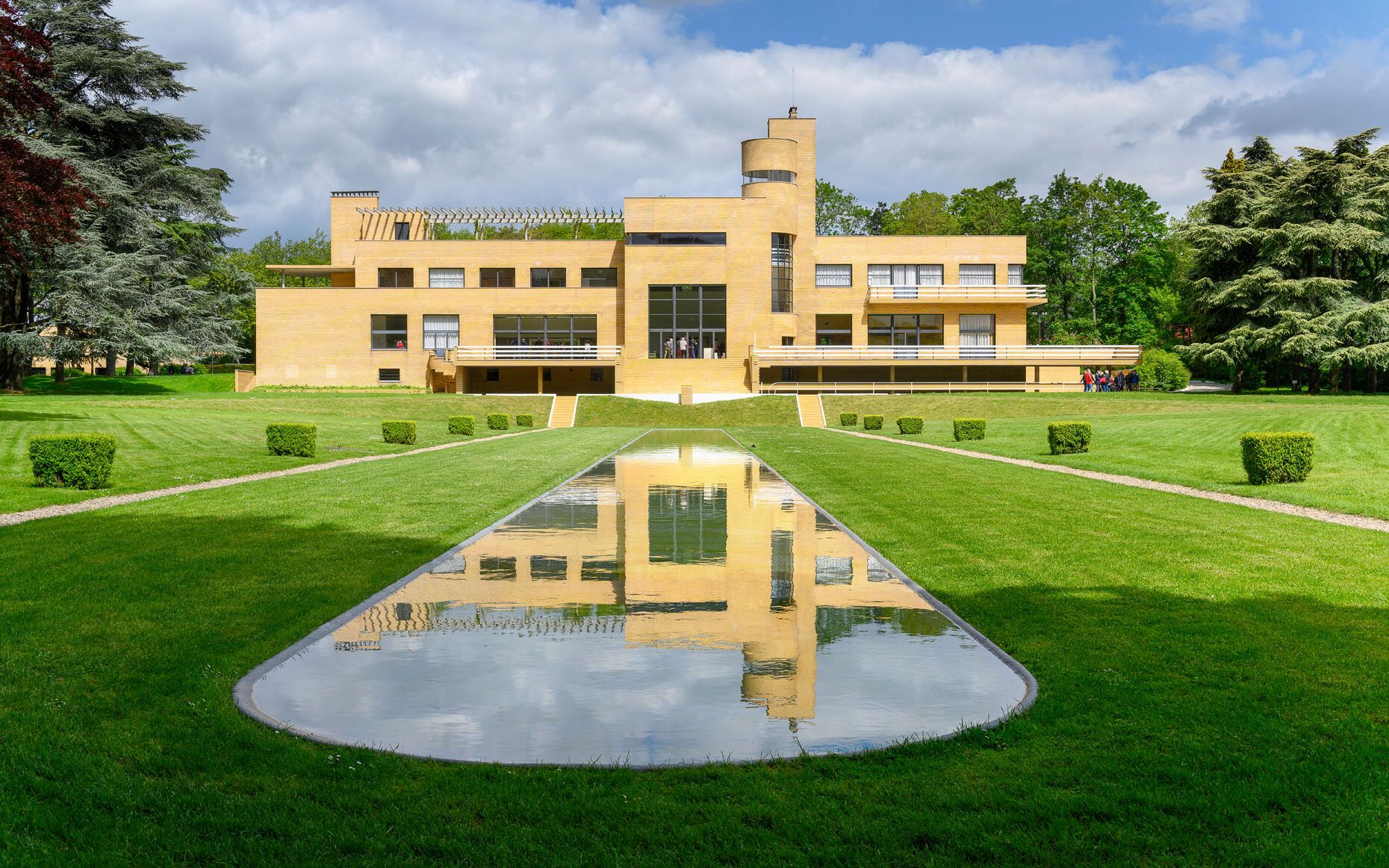
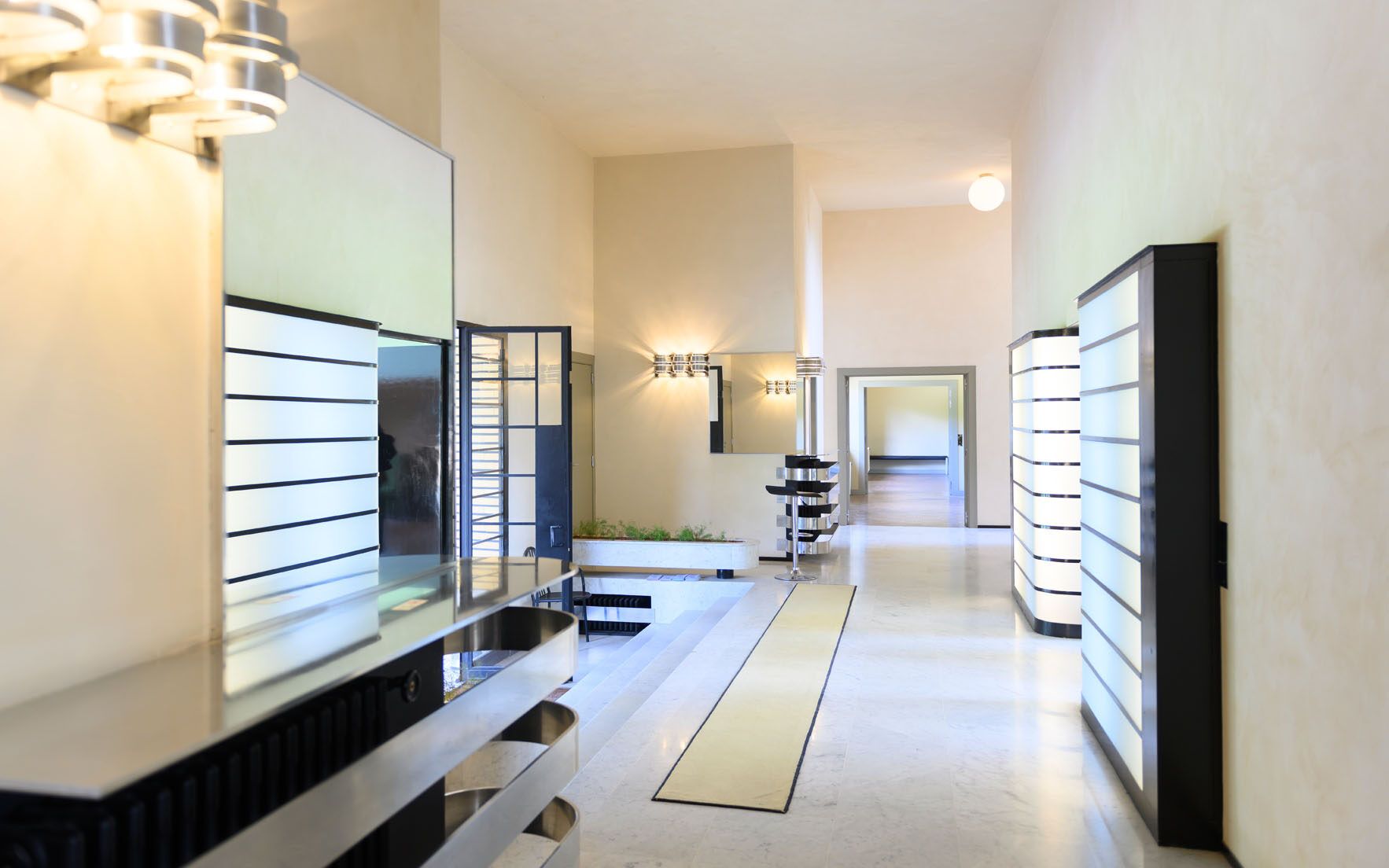
UA: On your website, there are also the sections “Icons at Risk” and “Icons for Sale”. So, at best, you are also contributing to saving architectural icons that are threatened with demolition. A difficult mission?
Natascha Drabbe: The Icons at Risk are the orphans of Modernism: Villa Tugendhat, Villa Savoye, Villa Cavrois, Haus Schminke, Villa E‑1027. Why did these abandoned houses first have to fall into ruins before they were rediscovered, restored, and opened to the public? We try to prevent that decline by considering right away that they will one day be appreciated again and then hopefully a lot of money for restoration can be saved.
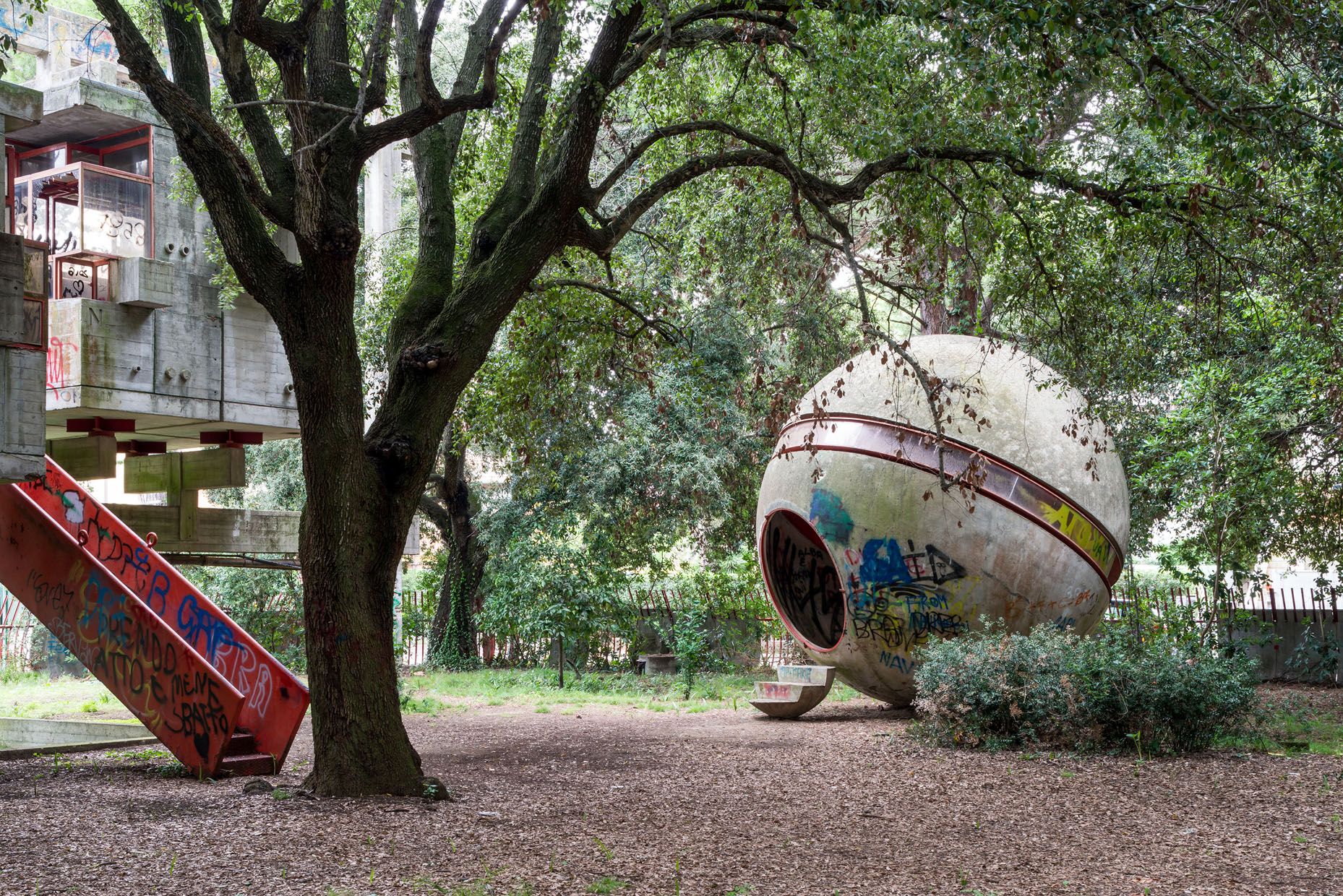
What concerns us at the moment is the decline of Giuseppe Perugini’s Casa Sperimentale (1968–1975) near Rome. The structure is on the verge of collapse and action needs to be taken soon. We hope that the right parties will find each other to save this for the future. In an ideal world, the museum for architecture for instance, MAXXI in Rome and FAI (the Italian Heritage Organization) together with a fund for heritage could join forces to rescue this unique piece of architecture. As has been the case with Villa Cavrois from the moment the house came under the care of the Centre des monuments nationaux: it has been transformed from almost ruins to a museum with a hundred thousand visitors per year.
Our listing service Icons for Sale is intended to reduce the time houses are on the market and to quickly find them the caring, committed owners they deserve. Two of the greatest enemies of Modern houses are deferred maintenance and vacancy. Sadly, owners are all too often unable to afford essential upkeep; and when homes are left empty, they deteriorate rapidly. In both cases, houses are more susceptible to decay, weather, and vandalism. This is where the listing service of Iconic Houses aims to help. Looking for Caring Owners: Iconic Houses on the Market is dedicated exclusively to connecting buyers and sellers of Modern houses on a global scale. Houses need active, informed, and enthusiastic owners (or tenants) to survive.
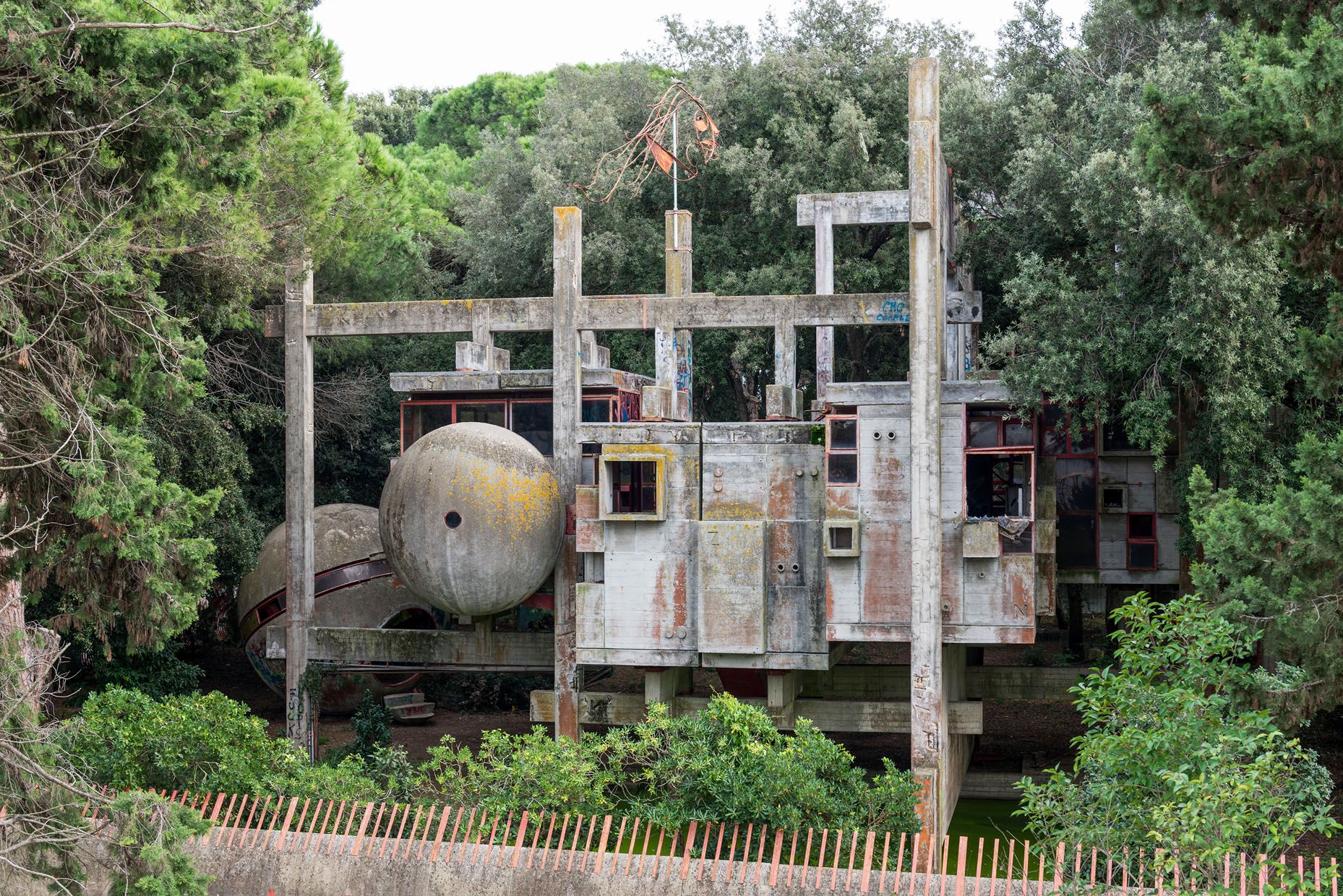
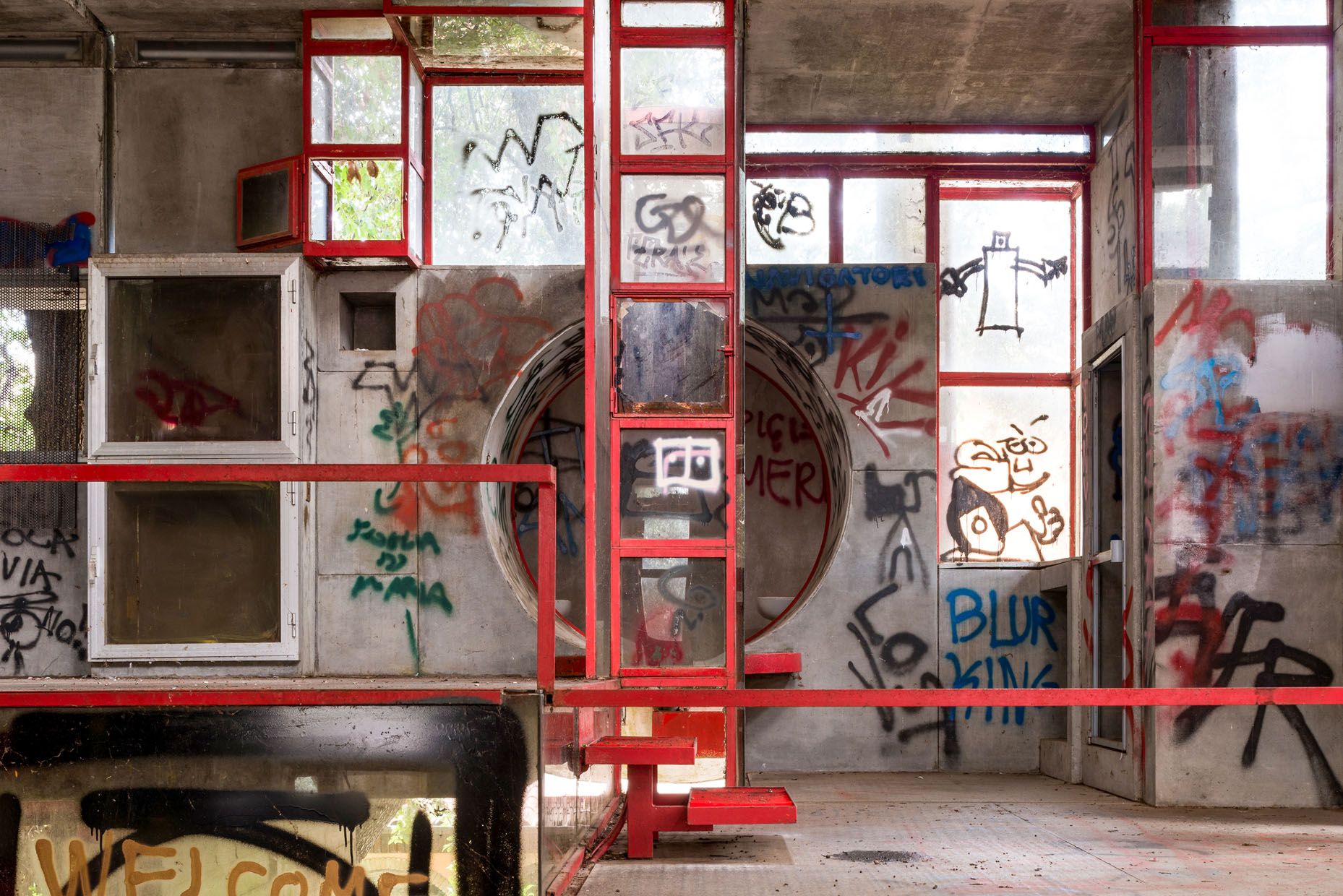
UA: Anyone with a passion for architecture has the chance to accompany you on a city tour in Amsterdam in May 2024. What can guests expect there?
Natascha Drabbe: The new format “City Icons” makes its debut with Amsterdam: Housing Highlights. From Friday 24 to Sunday 26 we will be exploring Amsterdam’s unique residential architecture – from its Golden Age roots in the 17th century, to the modernist social housing heritage, and its present-day fruits in the form of contemporary residential projects with the wow factor. Experts put everything in context and tell you what to look out for on the tours.
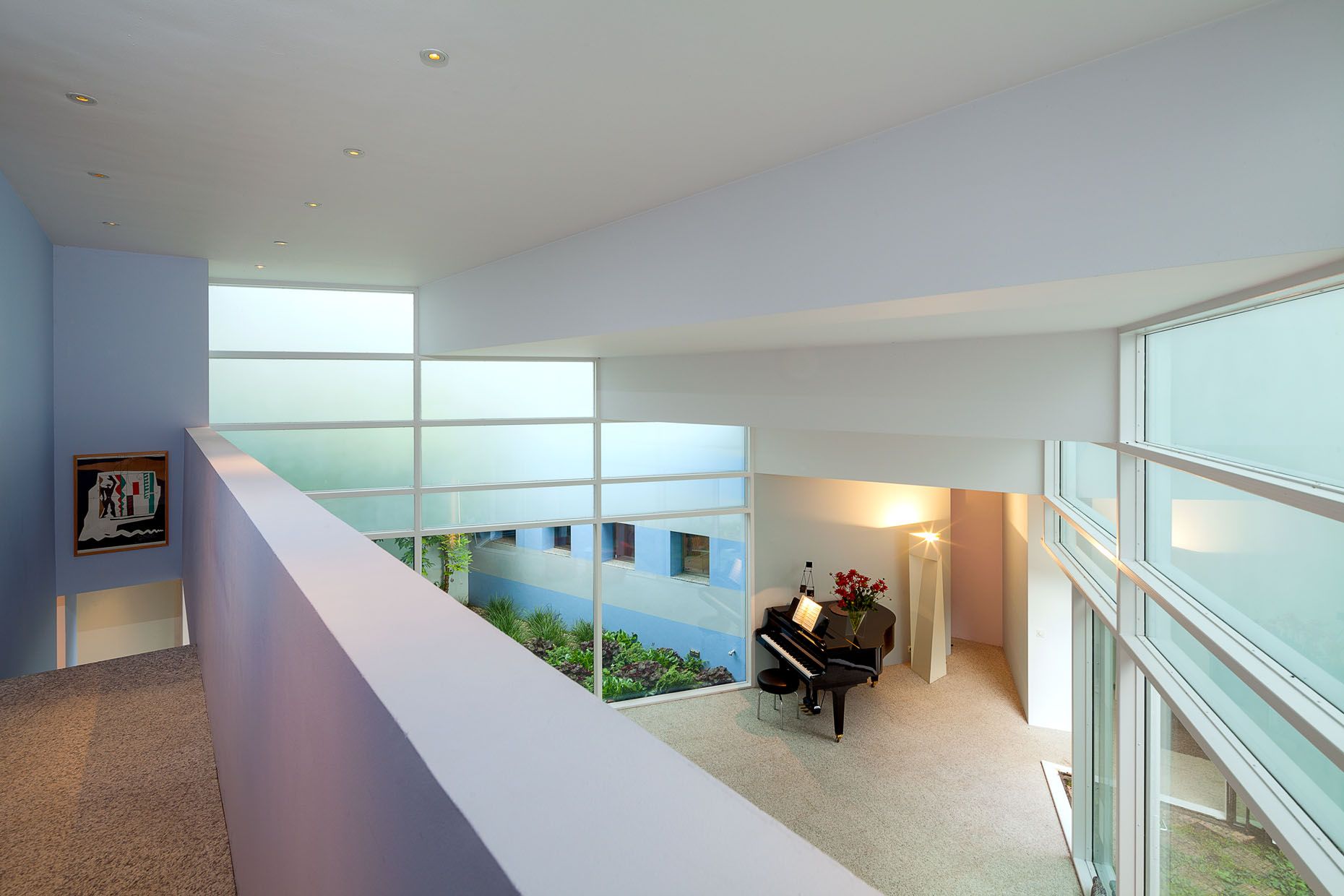
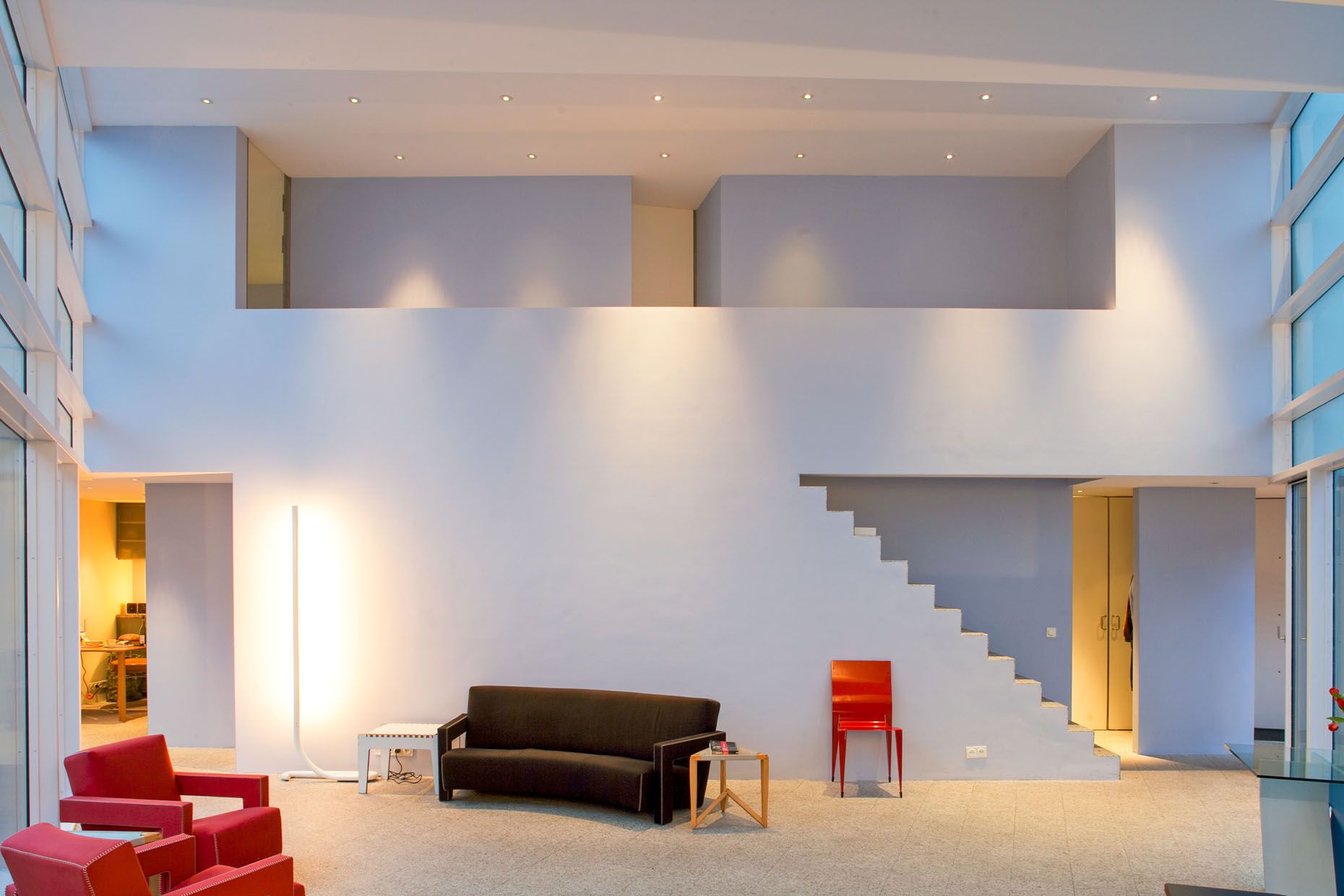
Iconic Houses is the international non-profit network connecting architecturally significant houses and artists’ homes and studios from the 20th century that are open to the public as a house museum. In addition to promoting to a wide audience the almost 200 modern house museums that make up the network, Iconic Houses is also a knowledge platform dedicated to exchanging expertise among museum professionals about preservation, house museum management, advocacy and stimulating cooperation. International conferences were held in London, Barcelona, Los Angeles, New Canaan, CT., and Prague. The next conference will be held in Chicago in May 2025. The Iconic Houses Foundation is based at the Van Schijndel House (1992) in Utrecht, the youngest monument of the Netherlands.
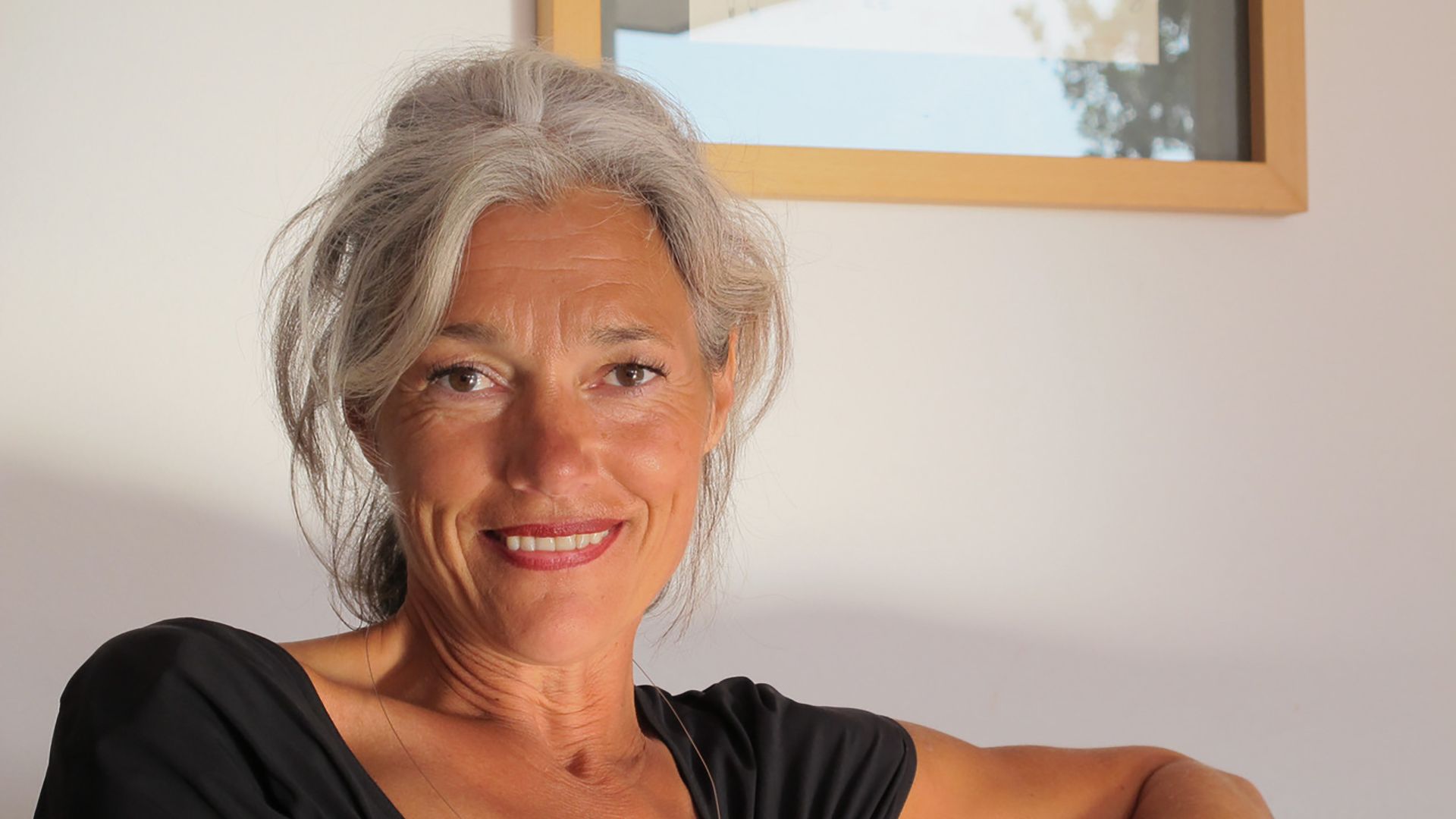
Natascha Drabbe is the Executive Director and Founder of the Iconic Houses Network. She graduated in the field of architectural history at Utrecht University, the Netherlands, and has published, curated, lectured, and participated in design and architecture juries at home and abroad.
Between 2002 and 2006, Drabbe was the international project manager at the Dutch Design Foundation. In 2007 she set up the Mart van Schijndel Foundation, to keep alive the ideas of architect Mart van Schijndel and make his private house in Utrecht available for cultural activities like tours, lectures, concerts, and film screenings. This initiative was followed by the founding of the Iconic Houses Foundation that launched in 2012.
Iconic Houses at Holidayarchitecture
Interview: Ulrich Stefan Knoll
Photos: Domenig Steinhaus © Gerhard Maurer (1), Maison Bernard © Yves Gellie, courtesy Fonds de dotation Maison Bernard (2–4), Van Wassenhove Haus © Els Zweerink (5 — 7), Villa Cavrois © Els Zweerink (8/9), Casa Sperimentale © French Tye (10 ‑12), Van Schijndel Haus © Imre Csány / DAPh (13), Van Schijndel Haus © Luuk Kramer (14), Natascha Drabbe © Federico Domestico
0 Comments