
Design, nature and species protection in the holiday home garden
Interview with German garden designer Rainer Elstermann about “the” perfect garden, the special requirements in the rental sector and the “New German Style”.
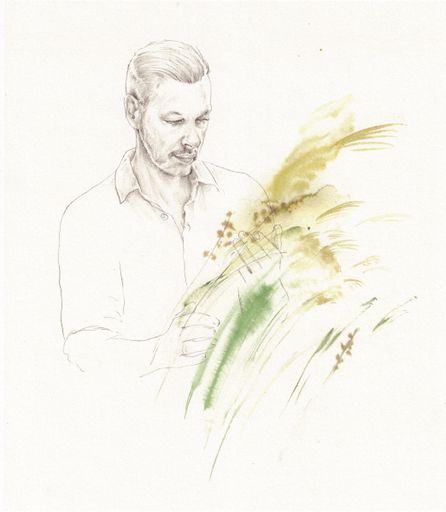
The German garden designer Rainer Elstermann is truly multi-talented. He once worked with the German experimental film group Teufelsberg Produktion and following a career change, was later successful on the international stage for 25 years as a professional photographer. He has been planning gardens since 2009 – again as an autodidact – with great success. First in Germany, now also internationally.
As part of our network meeting, we met him in his adopted home, the Uckermark in northern Germany. And took the opportunity to talk intensively about “the” perfect garden, the special requirements in the rental sector and the “New German Style”.
Holiday home gardens have to meet different requirements than purely private gardens – especially in terms of maintenance. From your experience can you briefly describe the main differences?
Issues such as drought-resistant plant varieties, surface drainage via the green areas and the least possible sealing of the soil play a major role. At the same time, however, a minimum of feasibility and comfort should be ensured. And the added value for the neighbourhood as well as the surrounding population and landscape where the holiday home is located is of even greater importance than in purely privately used houses, because a commercial use is also always assumed to involve greater responsibility.
What is the added value for landlords of holiday properties through professional planning?
I think that is obvious. An additional, high-quality space is created. A place that is used more intensively for almost half of the year than any other indoor space.
In the past, it was enough for most people to have a house in the country – with a lawn and a field next to it. But those times have changed.
Today, everyone wants to contribute to environmental protection and enjoy the positive effects of it themselves – such as healthy and active wildlife, for example a large number of insects or birds. Exciting fragrances and a variety of visual attractions from a carefully planned display of flowers all year round do the rest. Even more so on holiday.
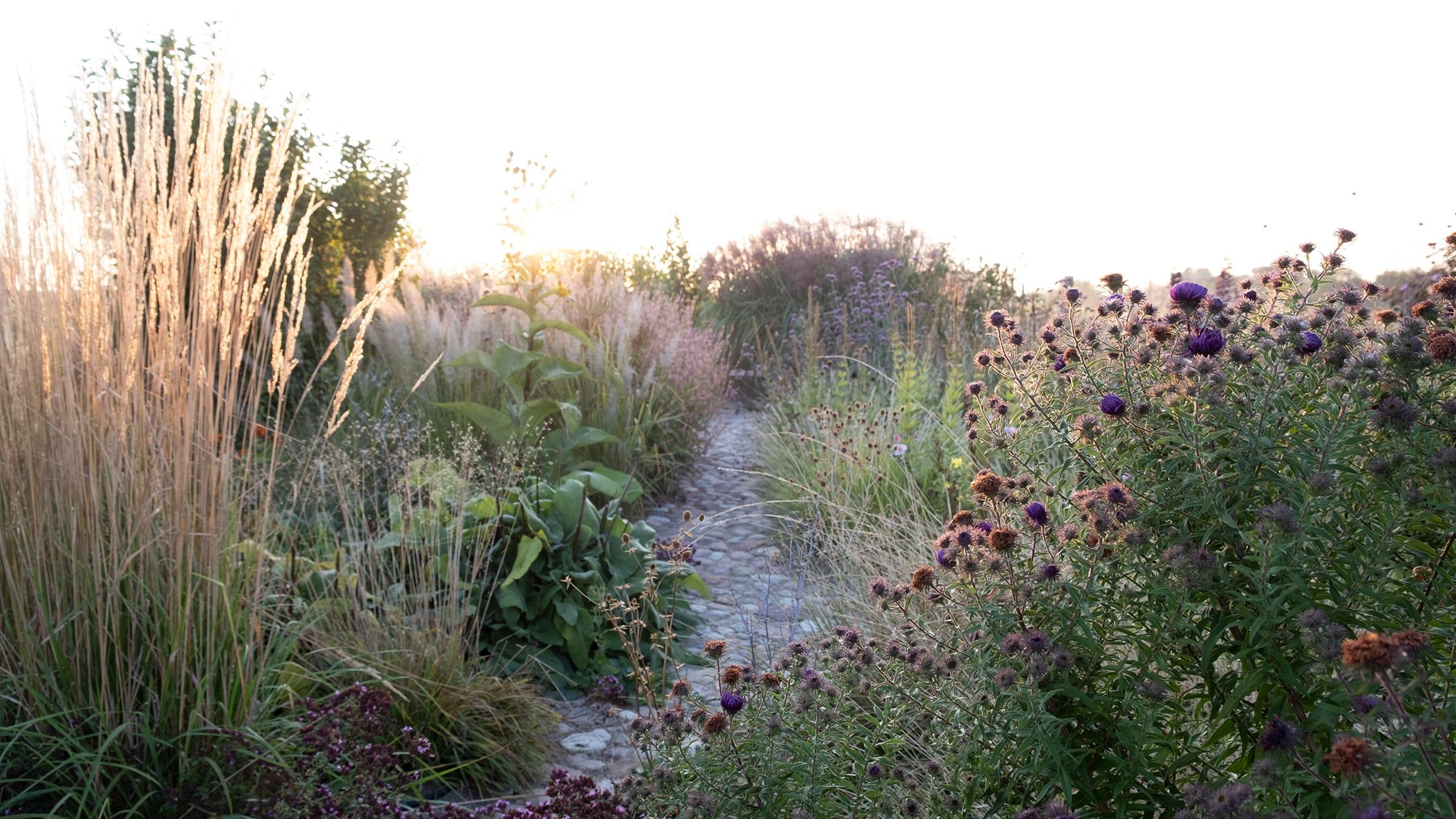
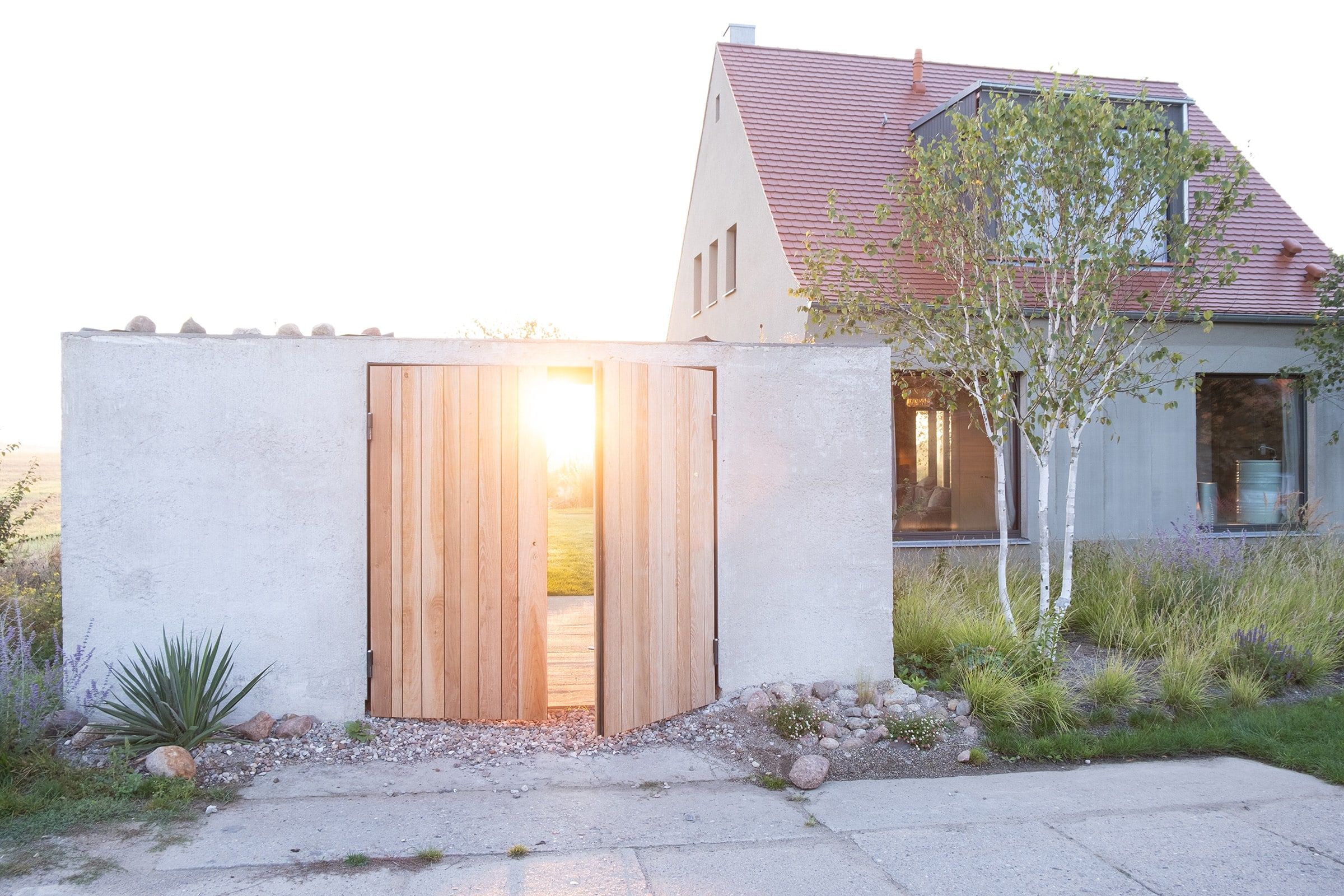
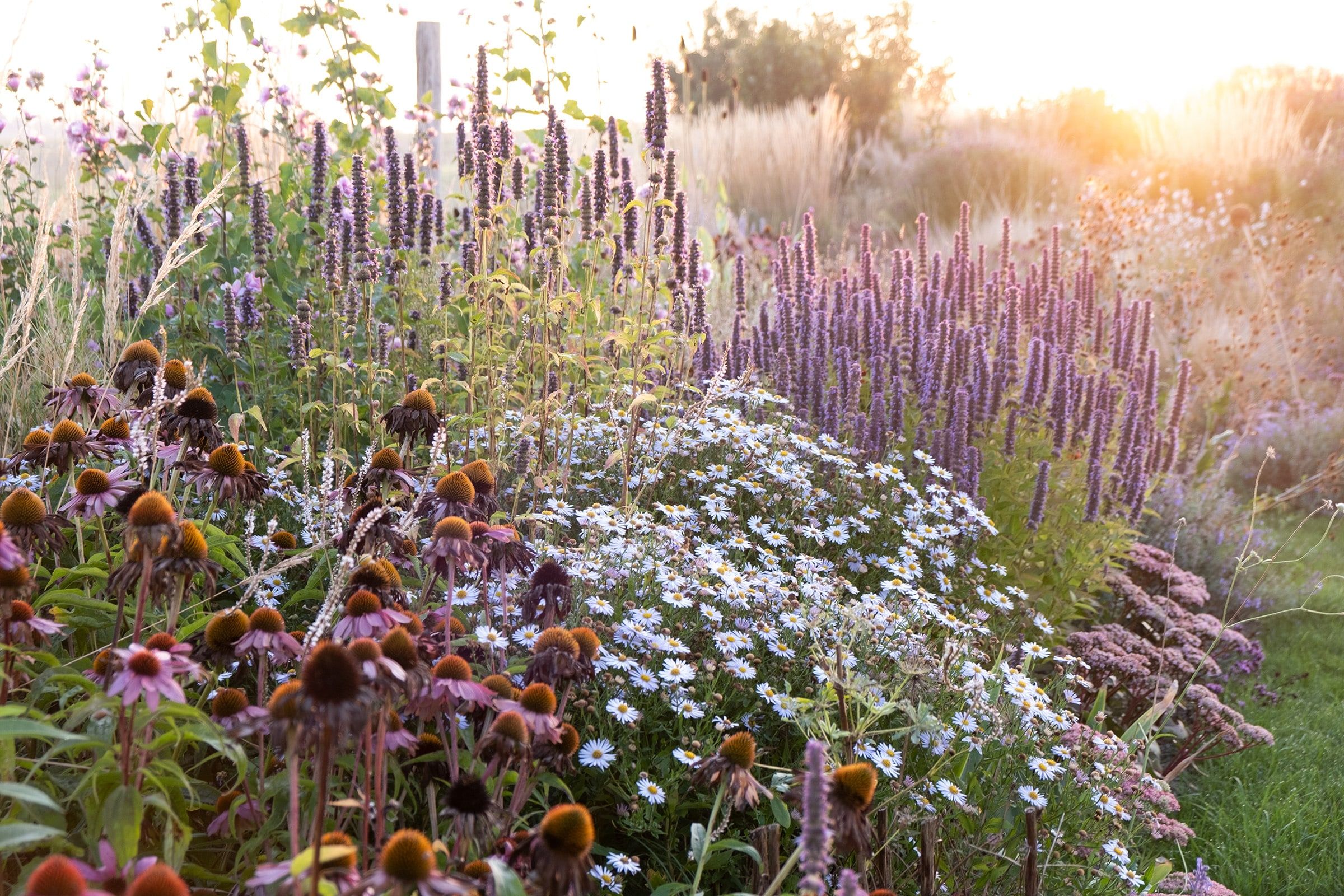
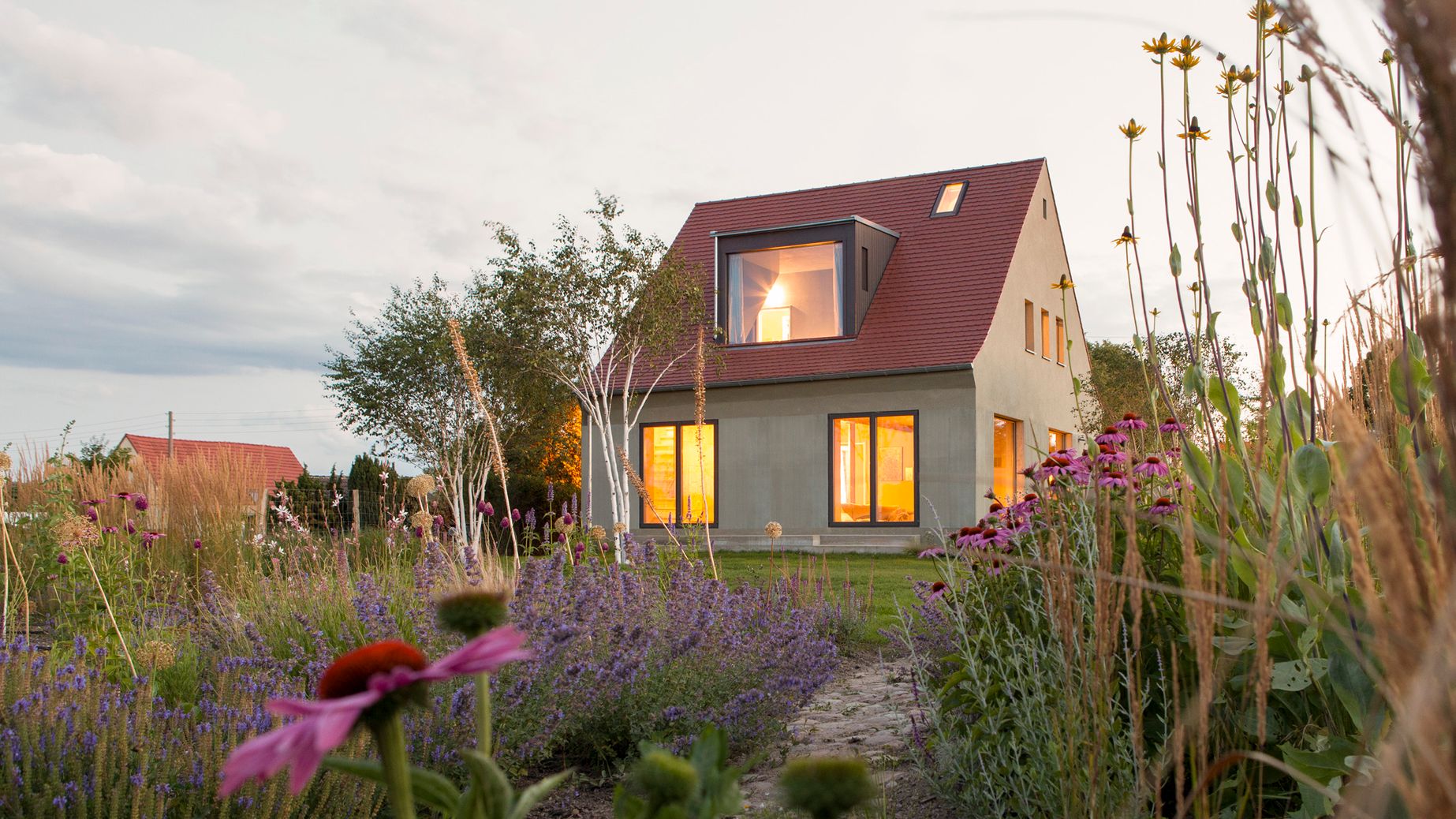
A good example is Die kleine Acht. Before we started work on the garden, the neighbours, beekeepers since 1962, told us that unfortunately there were no butterflies left and also very little food for the bees. Even in the very first year of planting, they remarked in amazement that they had never seen so many insects in one place
Actually, we had primarily only ensured a long flowering phase from February to December and planted as many different perennials as possible in a small space.
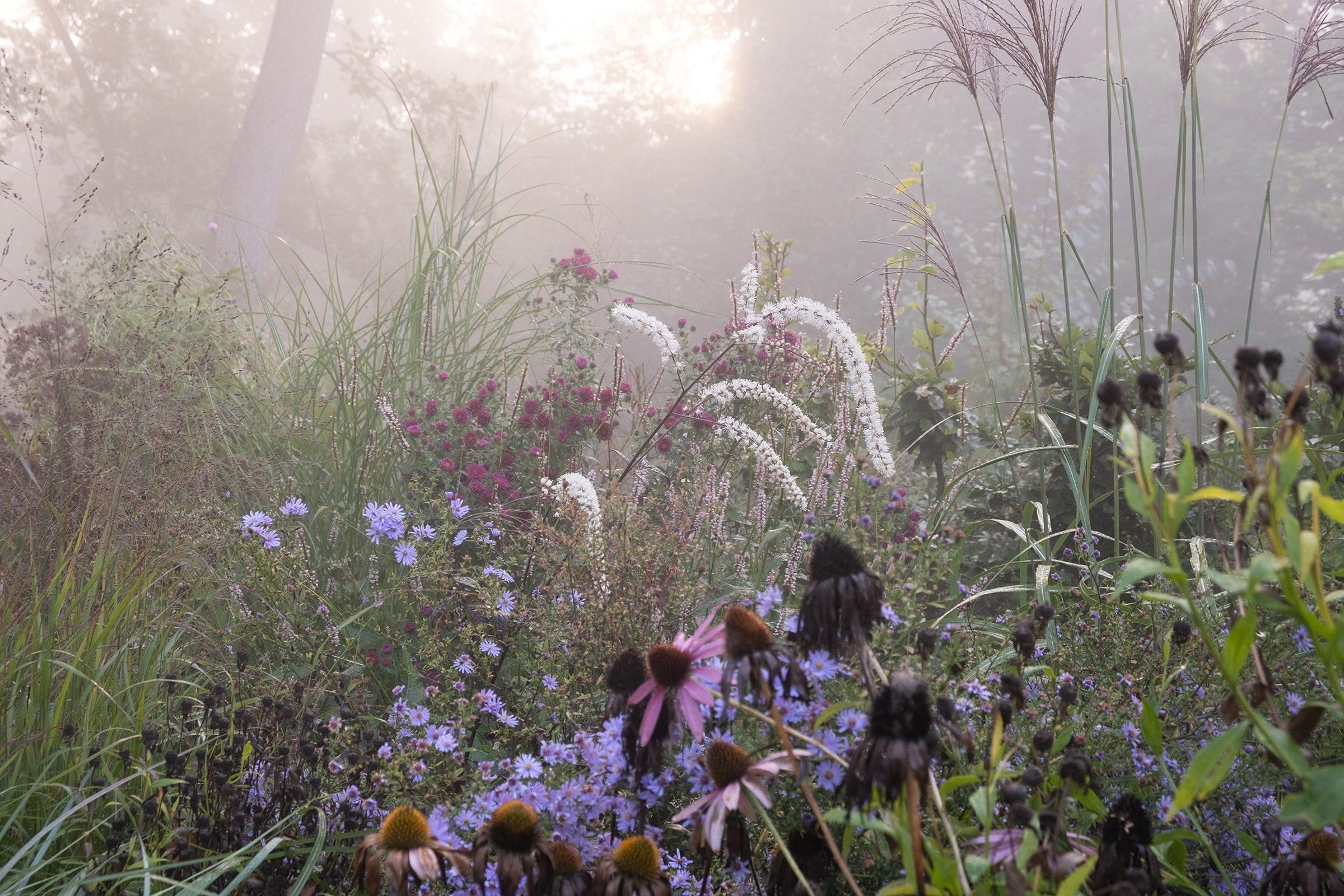
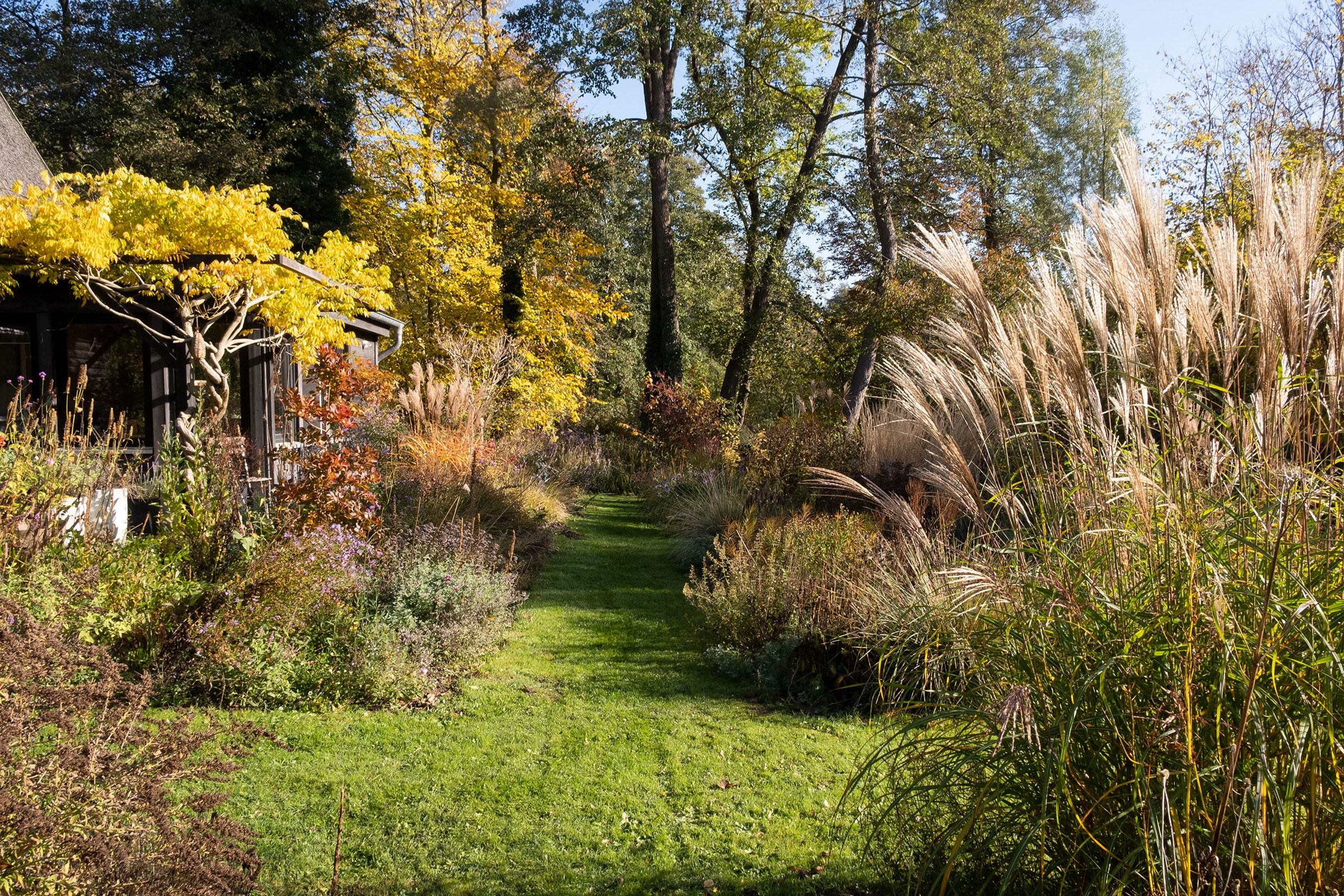
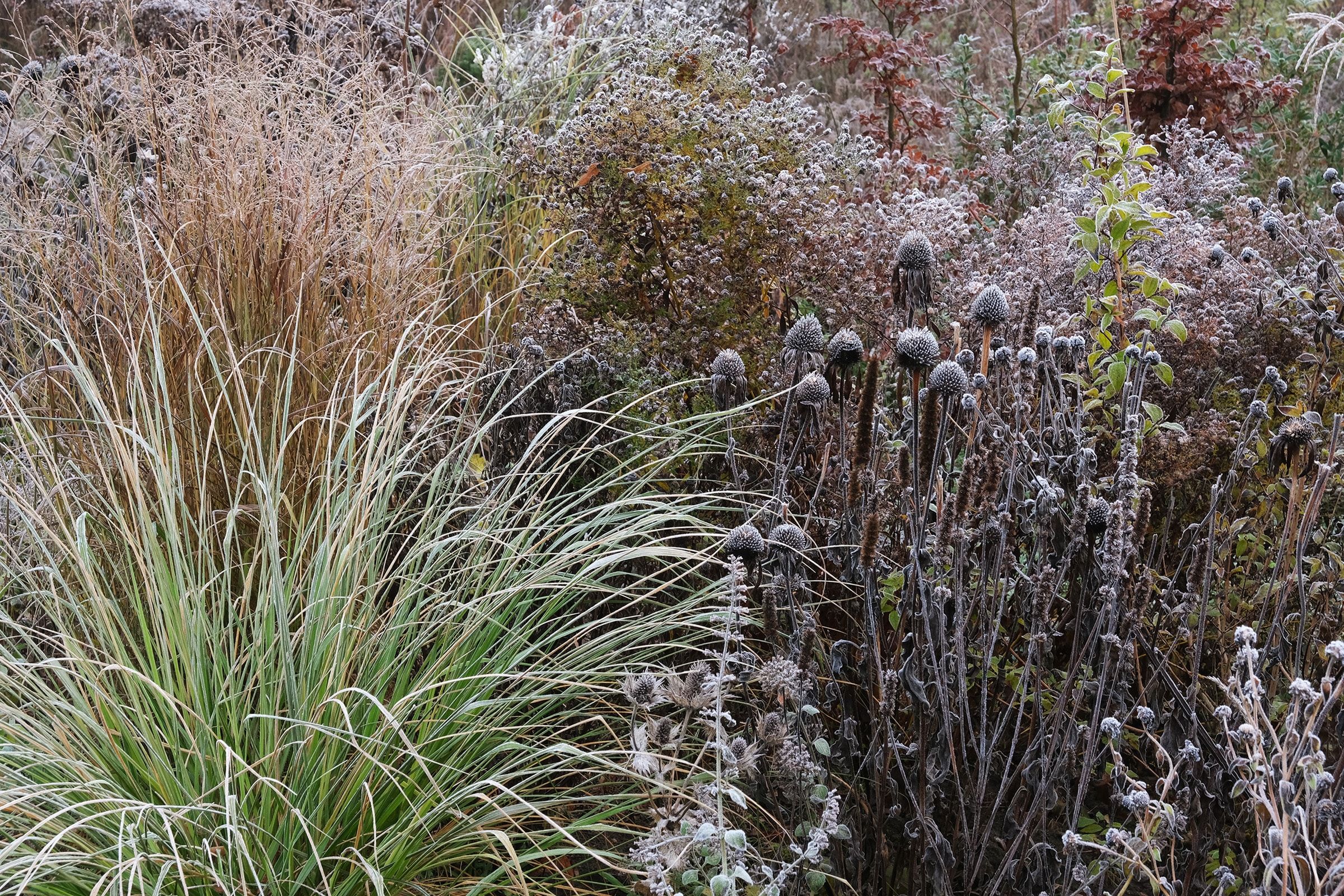
Mr Elstermann, we had a look together at the holiday home designed by the architect Thomas Kröger at Blankensee, which is in the process of completion and will soon be published on Holidayarchitecture. And you planned the layout of the gardens – as you did for other partner houses. Was that a dream job or is that misleading?
Absolutely. Thomas Kröger – like the British landscape designer Dan Pearson, whom I also hold in high esteem – has the great gift that his plans seem to blend in with the surrounding landscape. No matter how elaborate or radical the design, the layout never seems like a foreign element in the landscape. Architects whose planning and thought processes are of such high quality, even outdoors, greatly improve collaboration and, above all, the overall result.
In any case, it is a great privilege for me to be able to work closely with fantastic architects, who take the time and trouble to explain their plans to me in minute detail and to include me in all the thought processes of their planning. This year, for example, I’m working on two projects by the architectural firm of Patrick Batek, who has a very different approach to Thomas, but one that is similar in that the radical aspects of the design are subordinate to the logic of the whole, as it were.
Although I am often approached by architects to do building projects, there is also very fruitful and direct collaboration between clients and myself, without an intermediary. This often has the advantage that problems can be solved more easily and not every detail has to be defined in advance. Garden planning is best when many decisions are adapted directly on site and not implemented 100 per cent from the drawing board.
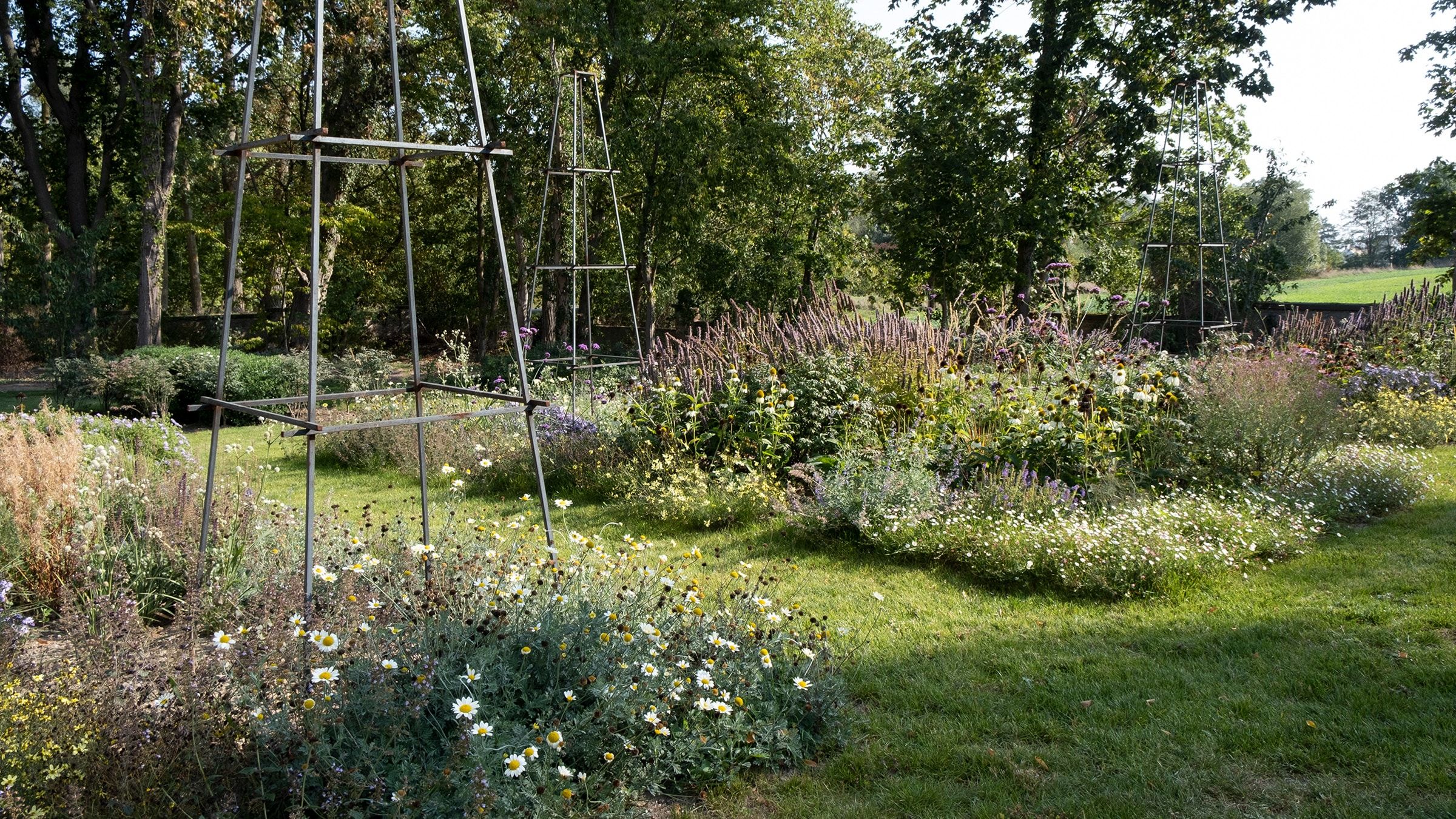
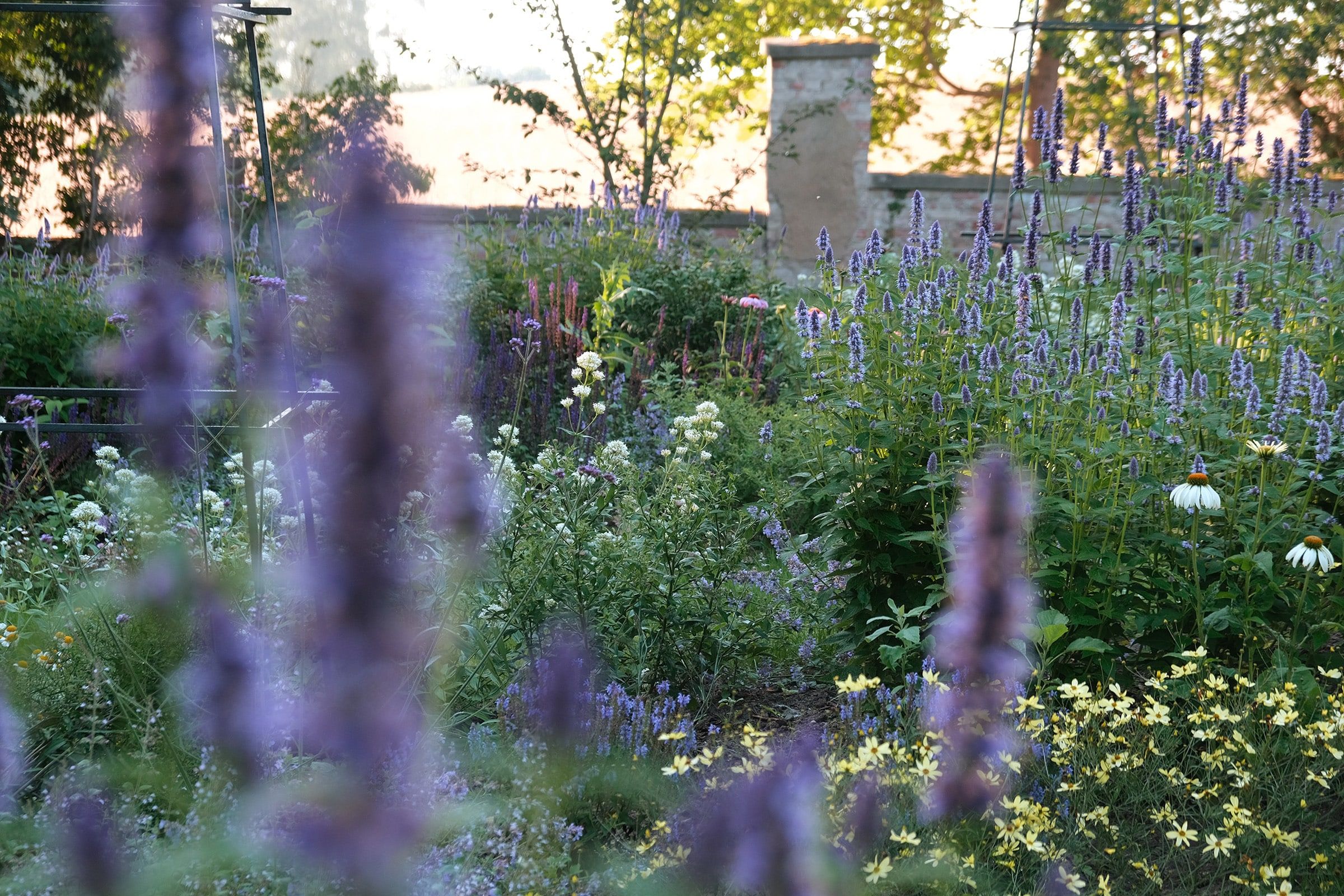
The experts have been talking about the “New German Style” for years. Please explain briefly what this actually means.
In my subjective definition of the New German Style, the convergence of three factors is essential. Firstly, the influence of different gardening personalities of the 20th century: for example, Karl Foerster, who popularised the use of grasses in the garden; as well as Richard Hansen and his scientific research (Die Stauden und ihre Lebensbereiche [Perennials and their habitats]); or for example, Ernst Pagels, who is responsible for many varieties of naturalistic plants that are popular today. Secondly, there was the ban on pesticides in public spaces in Germany and the ensuing research on resilient and robust varieties. Thirdly, in my view, the aesthetic, nature-oriented vision of various European designers such as Henk Gerritsen or Piet Oudolf is also important.
I consider the ideal embodiment of the New German Style to be Cassian Schmidt, who has been running the Hermannshof in Weinheim for many years.
And what are the current trends?
At the moment, of course, all the issues surrounding climate change and biodiversity are very important. So, drought-resistant plantings, combined with the longest possible flowering phases.
The most extensive research that has taken place in this regard has been published as “The Great Dixter Biodiversity Audit 2017–2019” .
On the whole, it was found that the highest biodiversity was found in the most cultivated parts of the garden (more than in wild meadows, for example) – simply because there is a longer flowering phase. In this way, garden designers are able to contribute to species and climate protection without having to sacrifice “design”.
As a garden or landscape designer, I also see myself in the tradition of artists who have always had a research role and worked on a scientific basis. In this sense, I have been experimenting successfully for years with, among other things, non-organic mulch cover or the large-scale use of sheep’s wool matting to suppress unwanted growth. My own 3.500 square metre garden is therefore not a planned or designed garden, but a constantly changing playing field, in which I try out new things.
With all the ecological specifications that play a crucial role these days, I always see myself as a designer whose task is first and foremost to create an emotional experience for people.
You plan a garden; at some point it will be a built environment – and what happens then?
In the vast majority of cases, I take over long-term care of the gardens at the request of the clients. It sounds strange, but I become friends with most of the builders in the course of the construction, so we stay in touch anyway and I visit the property several times a year and make recommendations. In addition, in most cases there are small maintenance teams, with whom I consult.
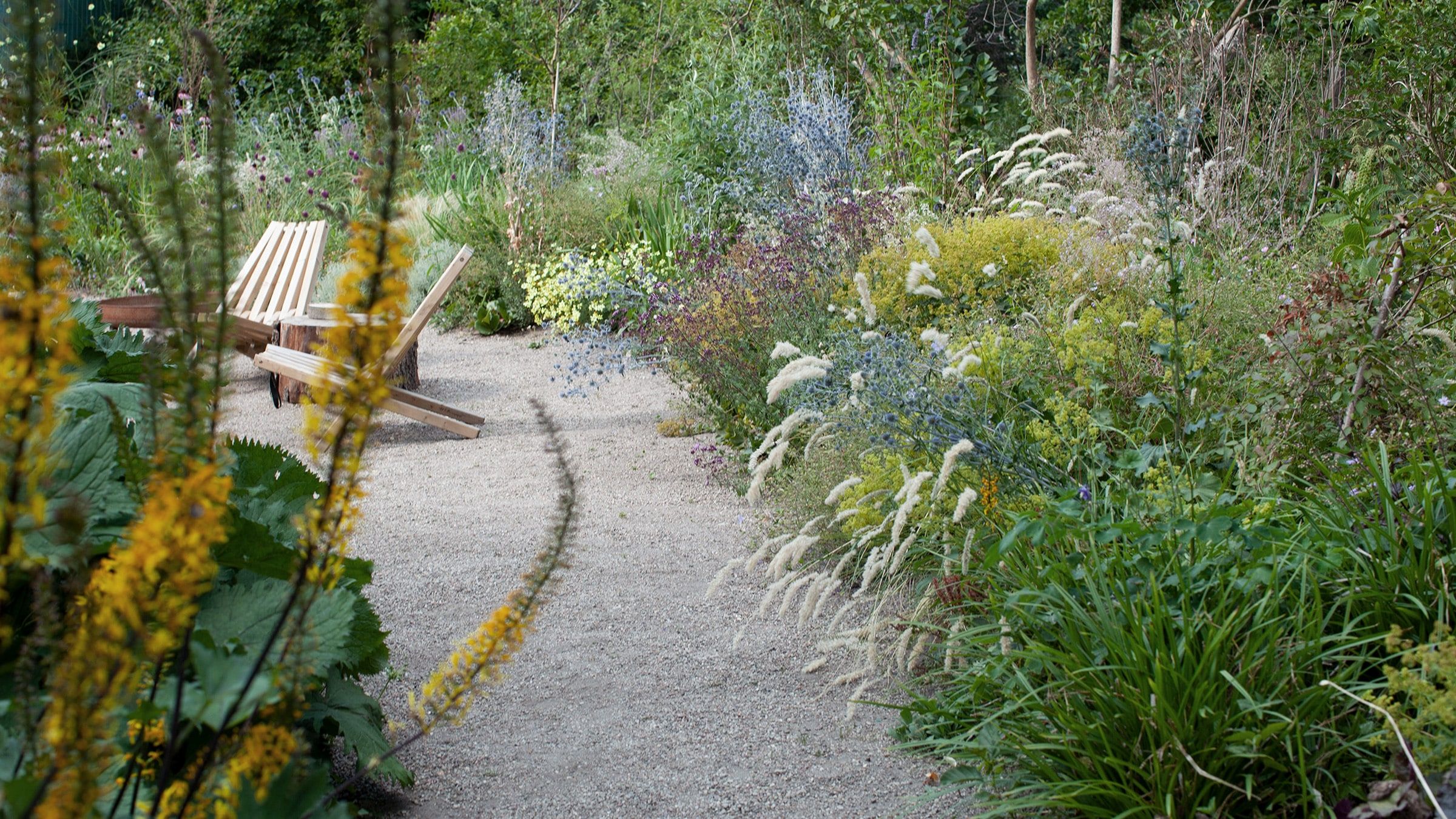
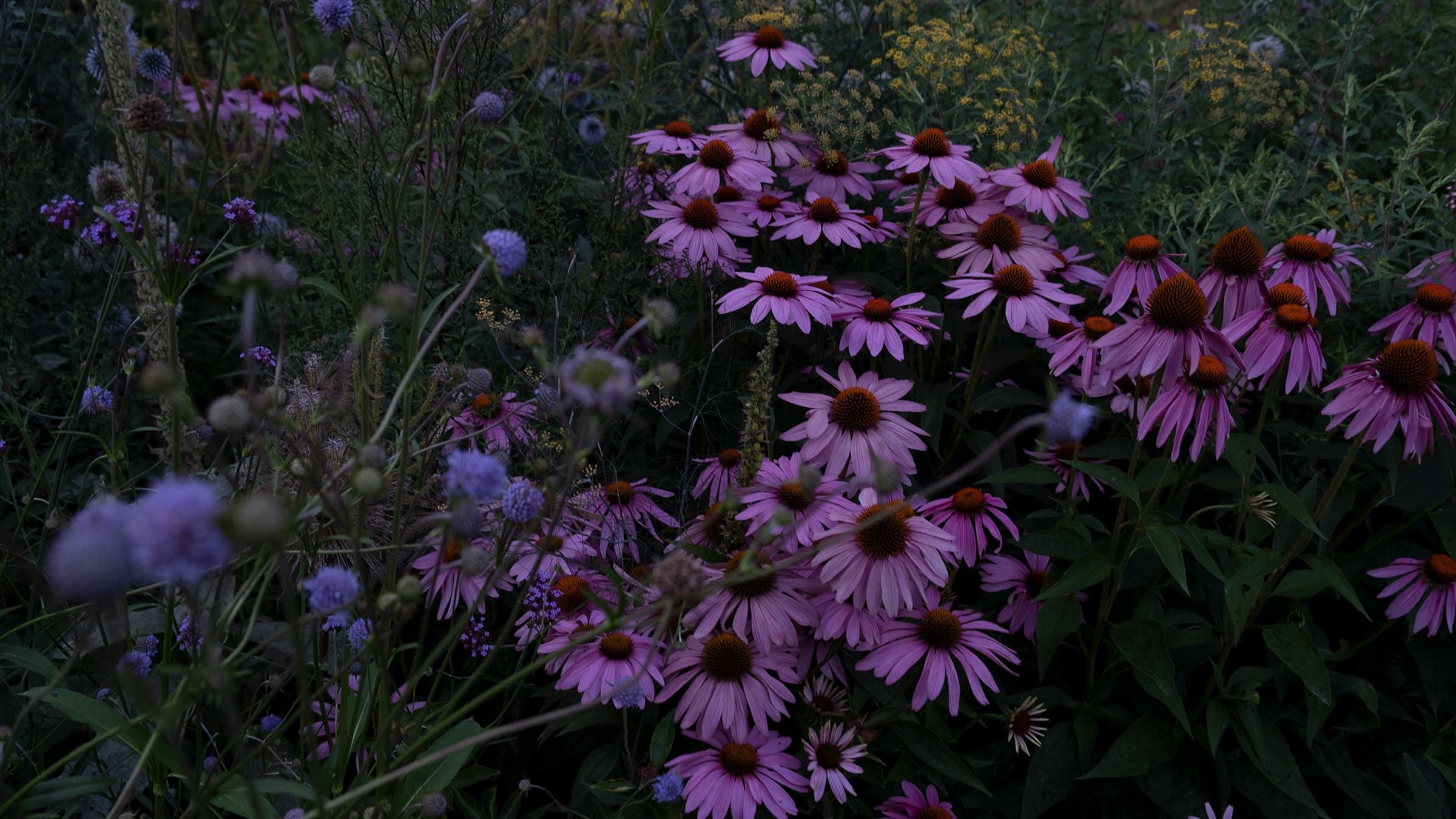
What are the most common mistakes or what are unrealistic ideas on the part of the clients?
The idea of a low-maintenance garden with thousands of perennials is still widespread. And at the same time there is confusion about the concept of “gardening”.
On the one hand, people like to invest a lot of time and effort in mowing large areas of lawn. But the actual activity of gardening, on the other hand, is scorned. Which is surprising, because with a fraction of the time that a lawn takes, attractive perennial varieties can be maintained. Cassian Schmidt, for example, has calculated for certain varieties that the maintenance effort is three to four minutes per square metre and per year. This is more than feasible, but of course it has to be intentional and first of all understood.
Gardening is not a job, but an activity. Once customers have internalised this, they are also prepared to compensate for the diverse added value of a garden with a certain amount of maintenance.
What do you recommend to holiday homeowners who are considering professional garden planning?
Spend a lot of time in nature and be open to the unexpected. Look at lots of gardens. There are fantastic public gardens — in Germany, for example, the Ebertpark in Ludwigshafen with the wonderful planting displays by Harald Sauer, Planten un Blomen in Hamburg or the Piet Oudolf planting scheme in Maximilianpark in Hamm.
And of course, a visit to state and national garden shows is always worthwhile. In some (German) federal states there is also an “Open Garden Day” where you can get a glimpse of otherwise inaccessible private gardens belonging to garden enthusiasts.
Book tip:
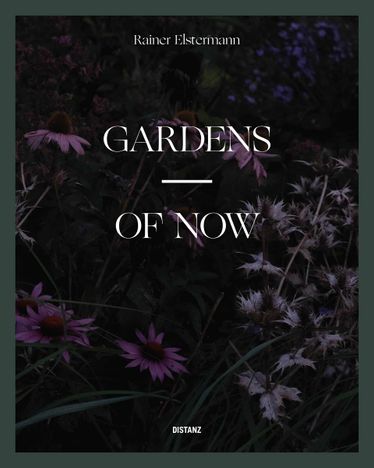
Rainer Elstermann – Gärten der Gegenwart / Gardens of Now, DISTANZ Verlag.
Hardcover. German/English. ISBN 978–3‑95476–431‑0, Date of publication: June 2022
Interview: Ulrich Stefan Knoll, April 2022
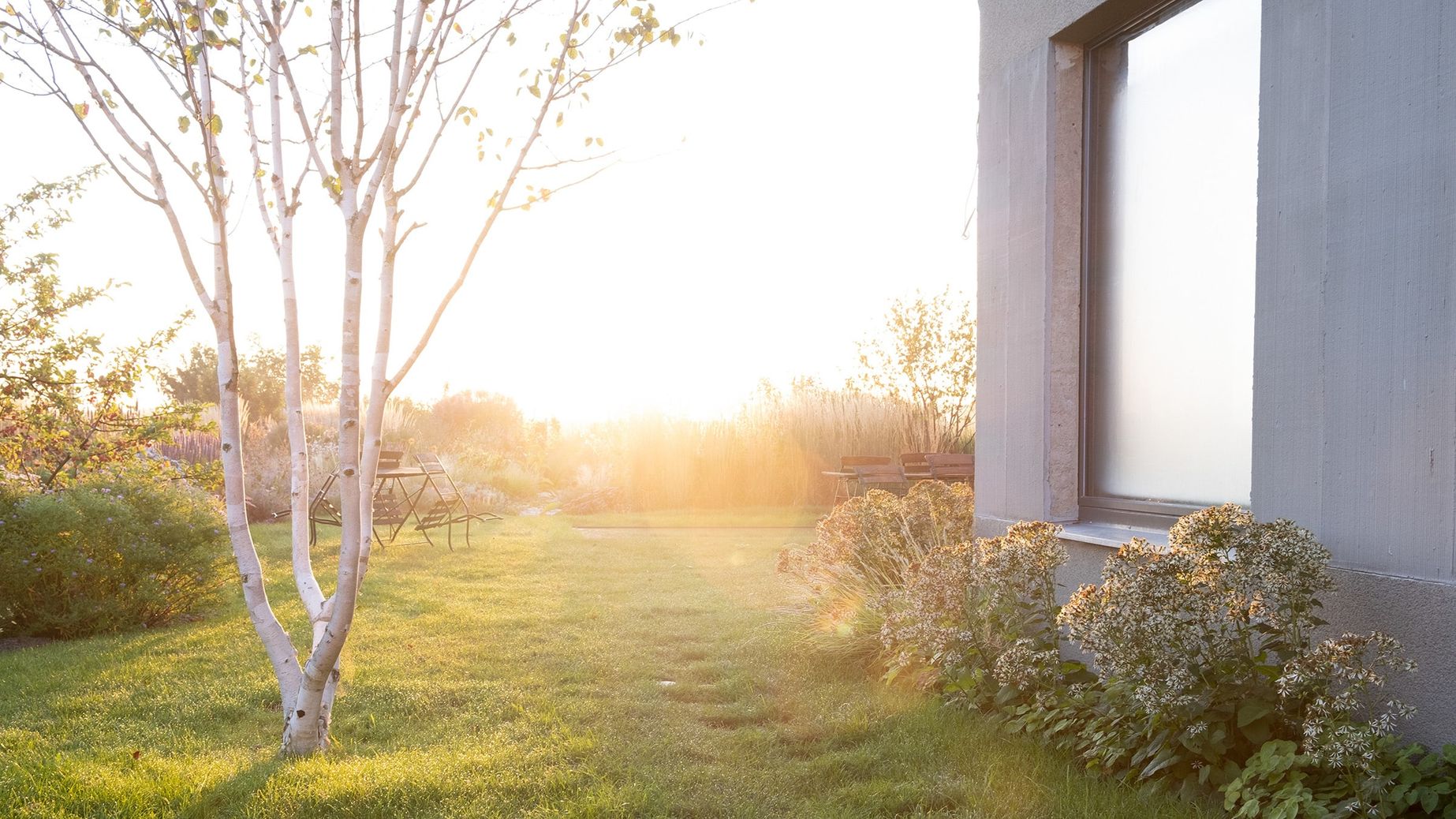
Cover photo: Die kleine Acht. Draft / Photo © Rainer Elstermann

2 Comments
Ein weitere Vertreter des New German Style ist Joachim Hegmann.
Die von Piet Oudolf geplante Aussenanlage von Vitra in Weil am Rhein ist ebenso sehenswert.
Grandios