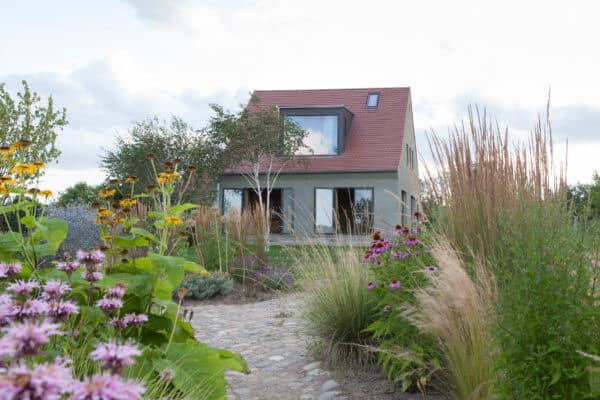
Jonathan Tuckey: “Building new things wasn’t in my DNA”
Friday afternoon – time for a phone call! This time, London calling. A reflective conversation with Jonathan Tuckey, founder of Tuckey Design Studio, about his convictions, architectural influences, beer brewing and the charm of hand drawings.
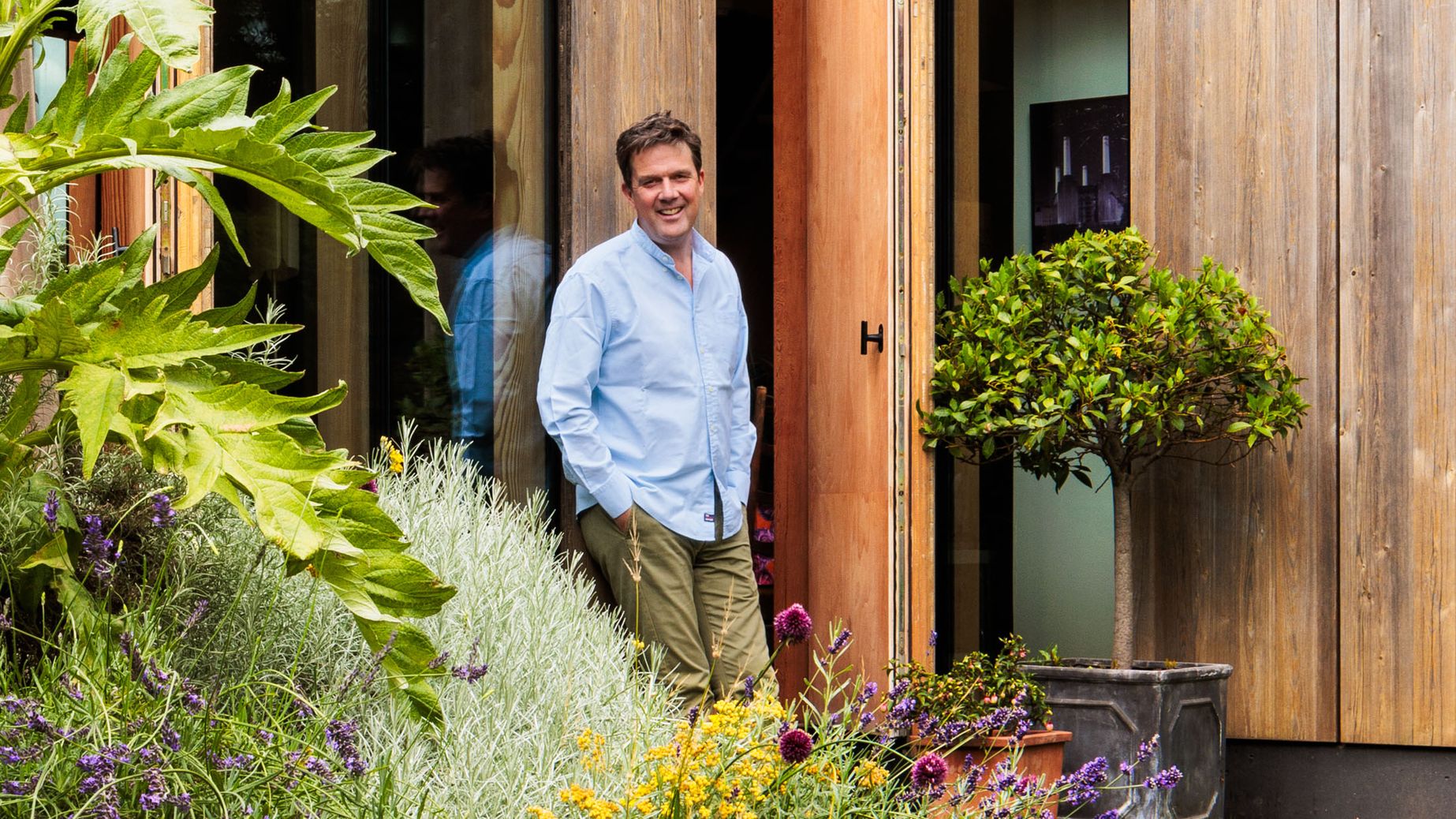
Thanks for your time, Jonathan! Where are you at the moment?
At the moment, I’m in my office at home, like so often on Fridays. Half of the team is working at home then, the other half is in our office, in an old, converted pub in London.
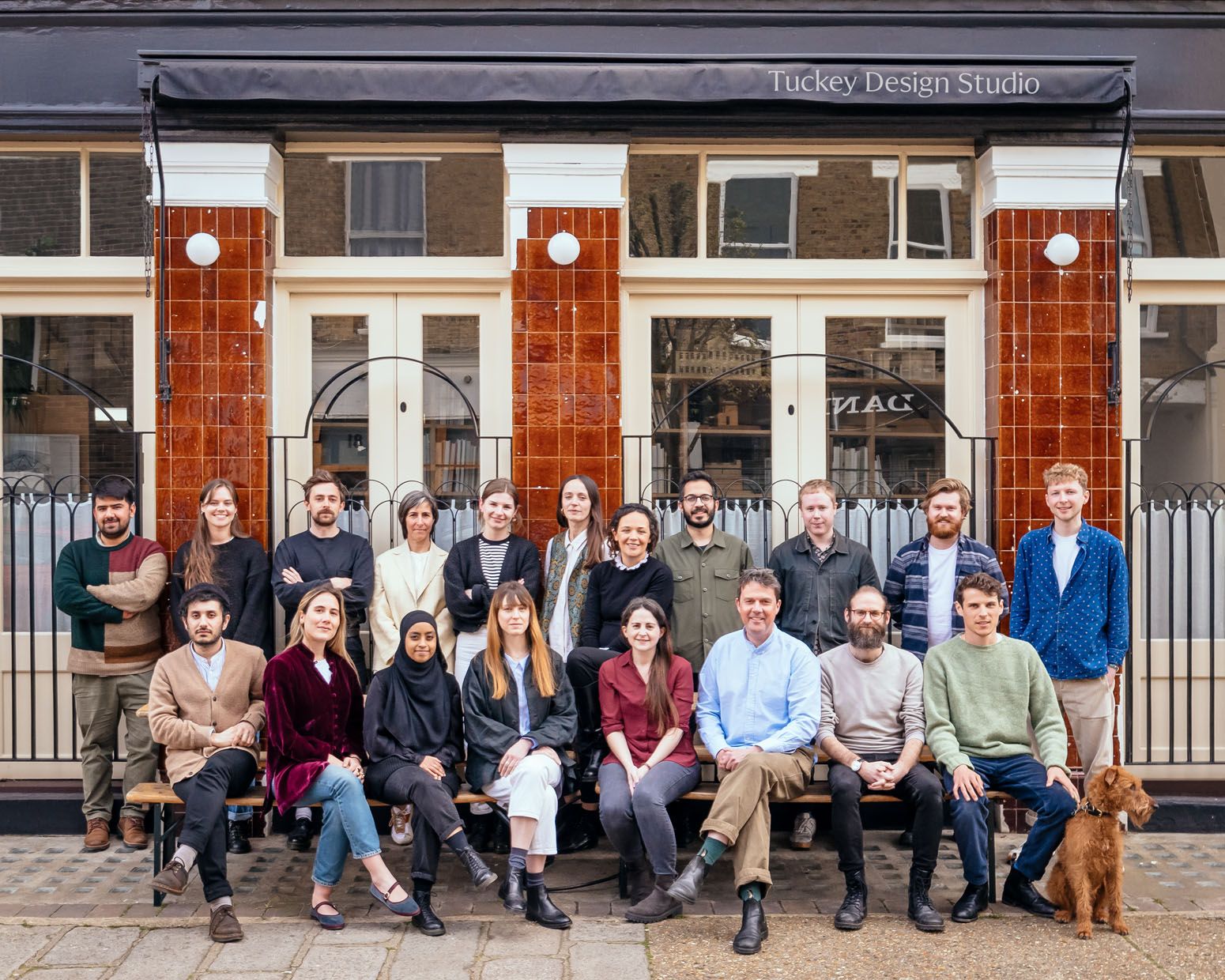
Are there still pub fixtures in your office?
Sadly, when we moved in, the bar had been taken out already. But we still have stone vaults in the basement, which we use for storing samples and materials. They provide the perfect condition for brewing beer, so we have a brewing competition two or three times a year. This is a really nice opportunity to test people’s skills outside of architecture and also to bring together reasons to celebrate other things in life also.
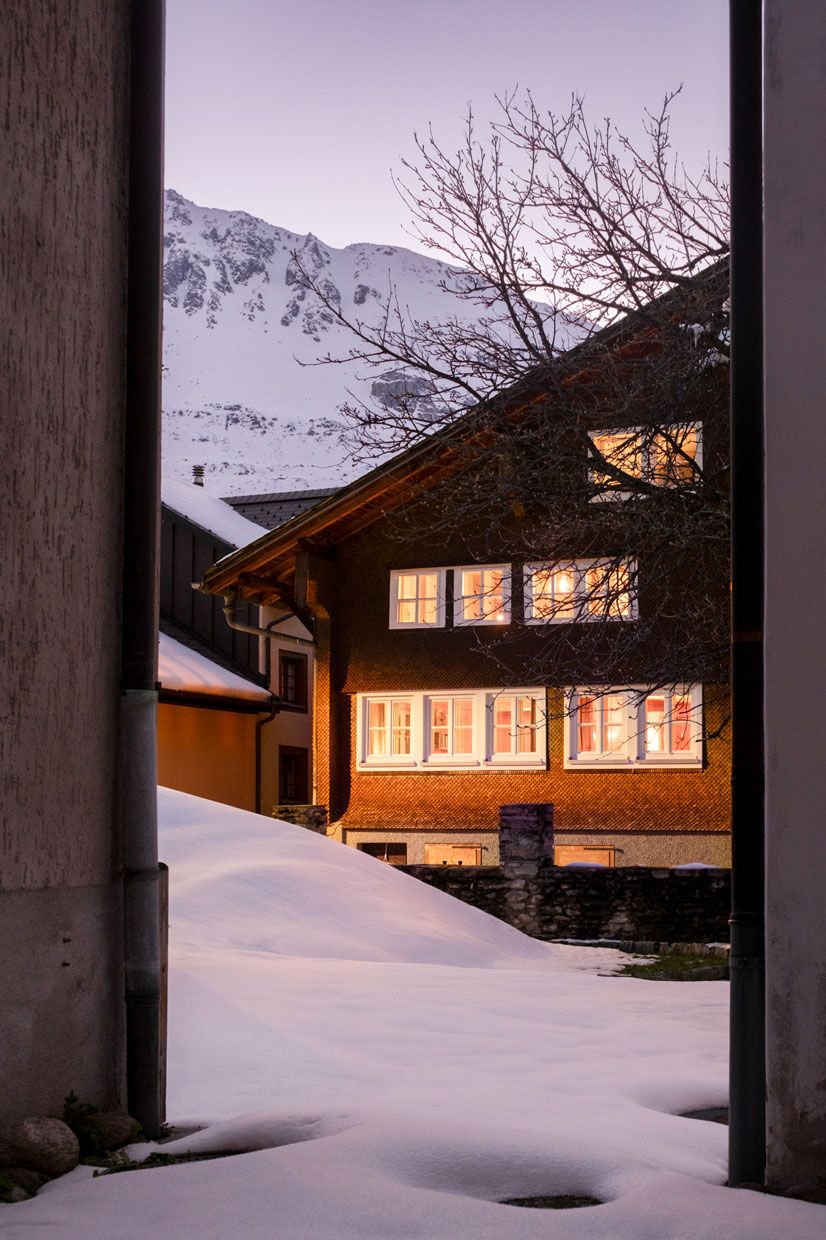
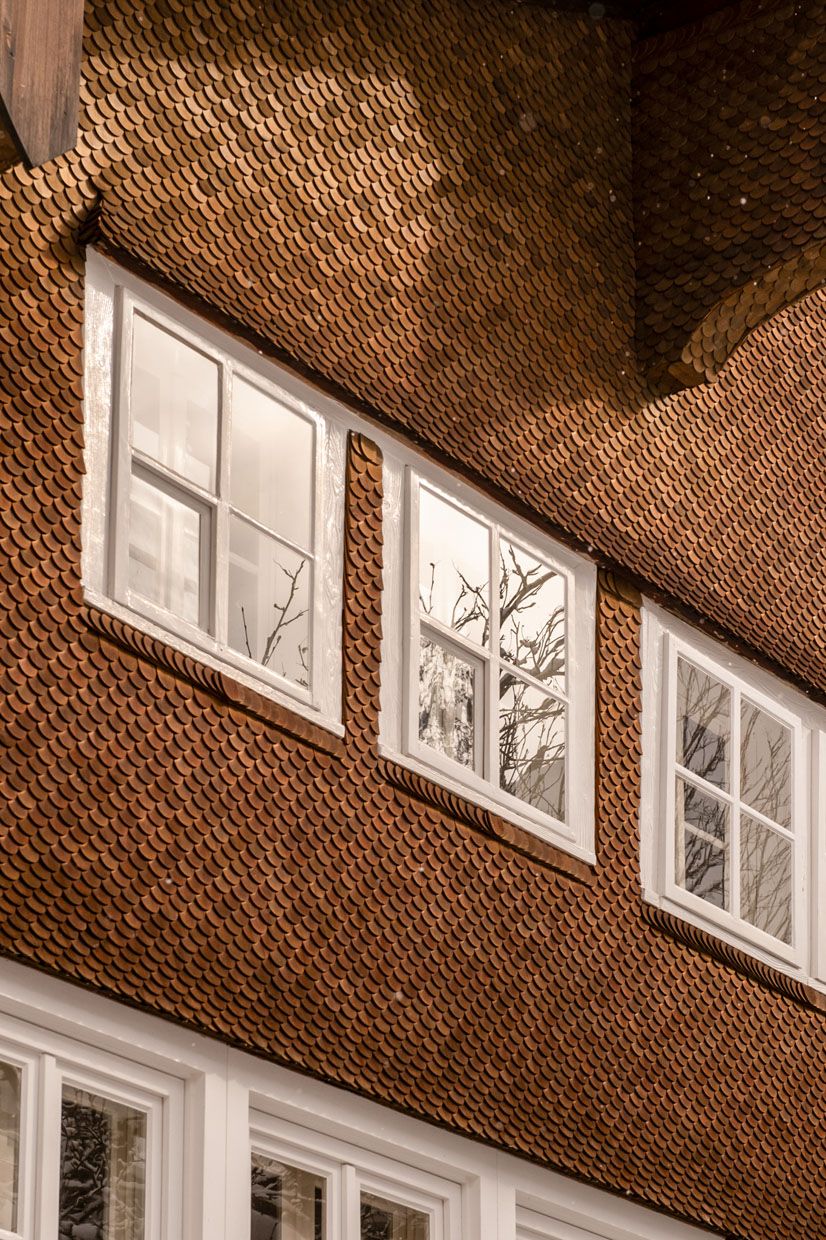
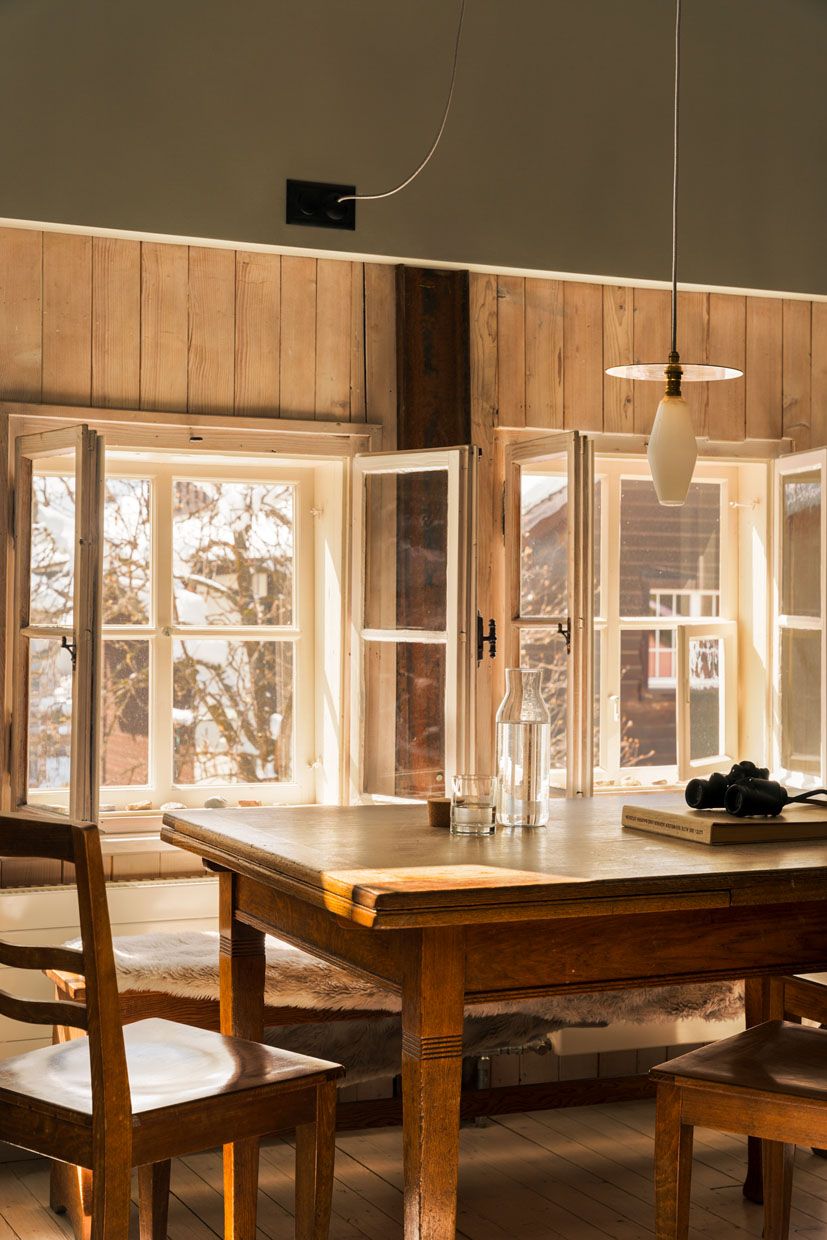
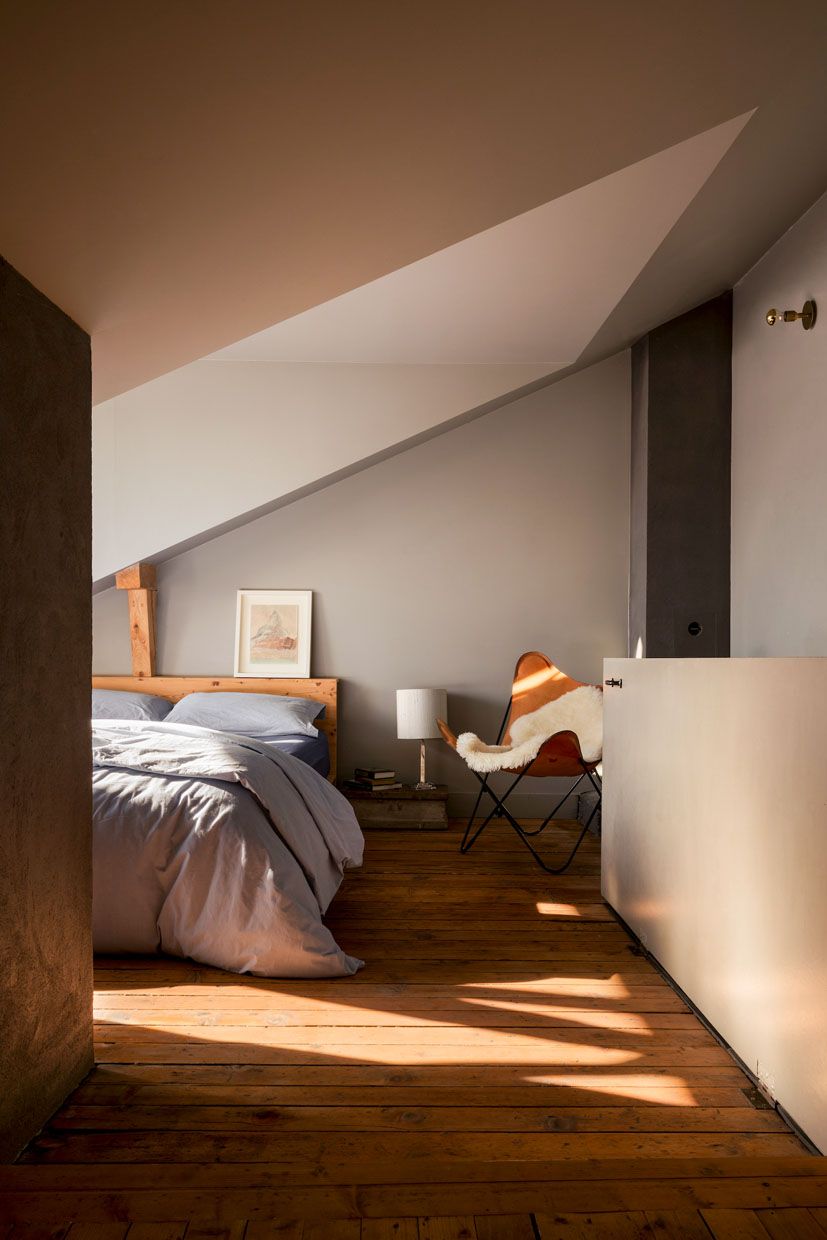
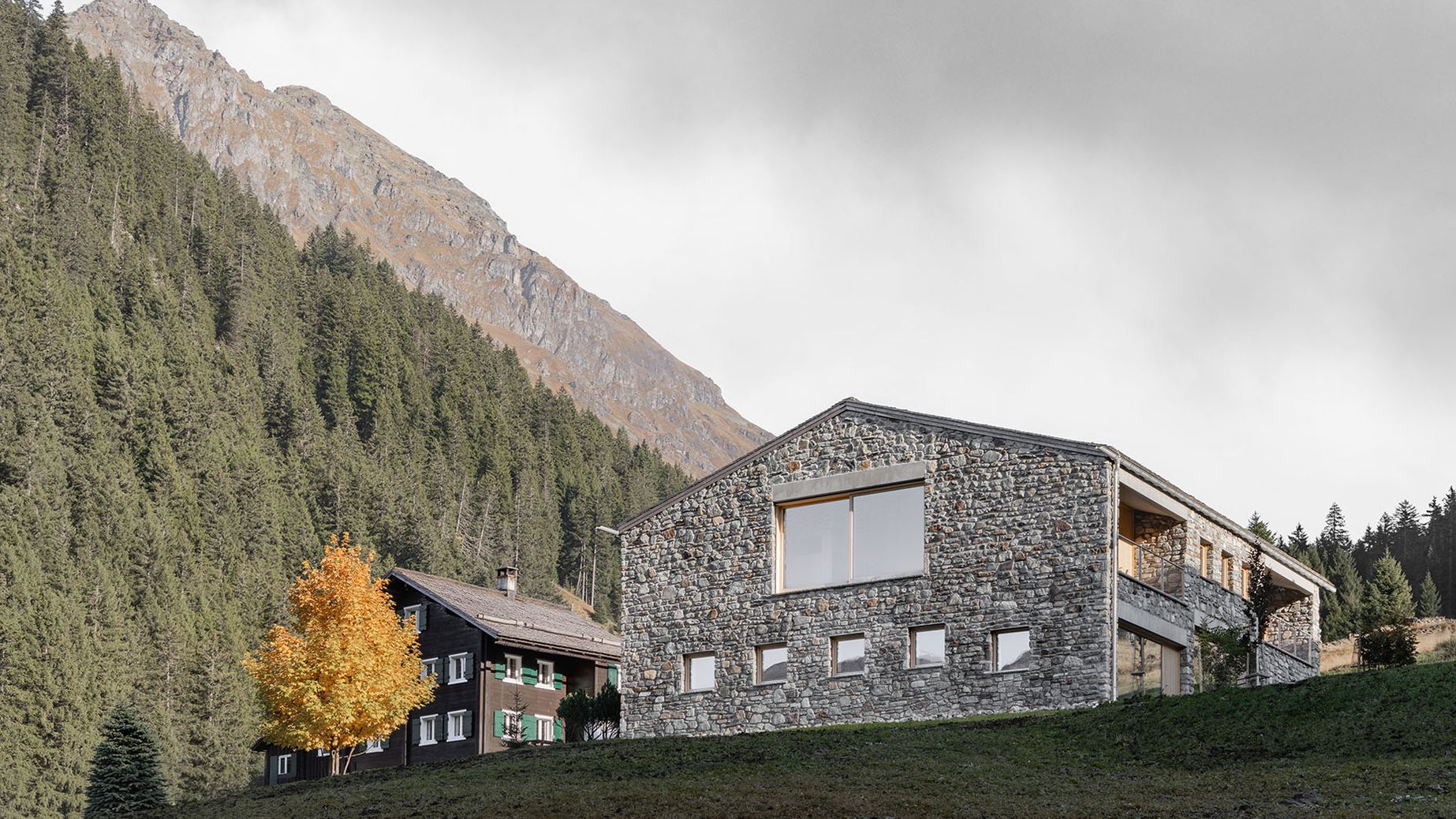
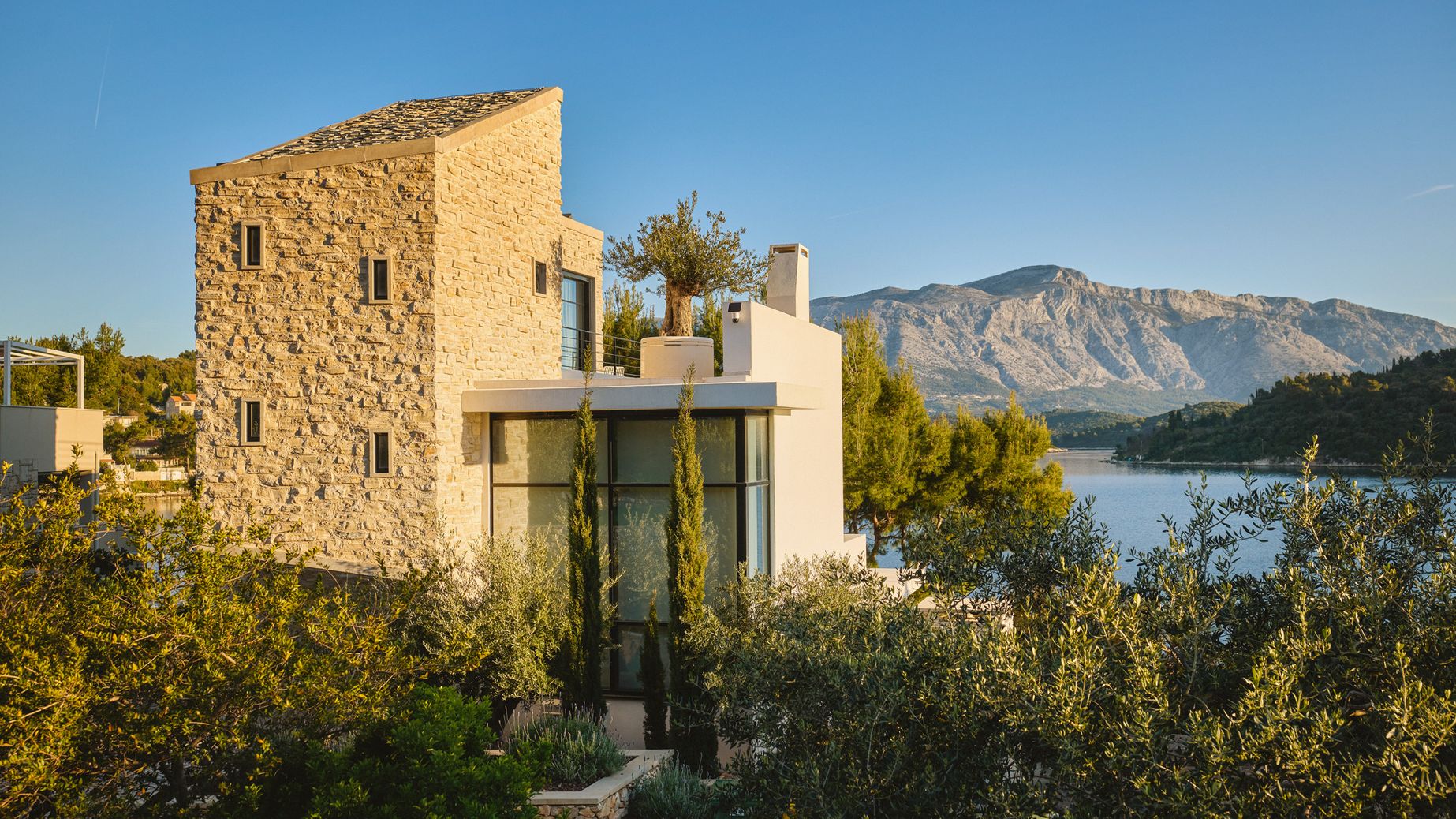
Coming back to architecture, we’d like to talk to you about Andermatt and Halbhaus (pictures above). How did the story begin?
Everything about our involvement in Andermatt is an accident, a very happy accident as holidaymakers in a friend’s apartment in 2008. We had never been to this part of the mountains and had a very happy week there. When we came back the year after, our friend had decided to move from the apartment and find a property. By chance, that week a property came on the market, and he asked me to visit and discuss what possibilities it offered. By the end he agreed, that this was a project for him and for me. So, I said to my wife over a cheese fondue: “I’m so excited, I’ll be coming back here every month over the next few years”. And she quickly replied: “I’ve got a good idea – why don’t we move here? You could commute to London for the other projects…”. So, within three months we had moved the family to Andermatt and stayed there for two years. At that time, I built my first project there, which is called Rothaus (pictures below).
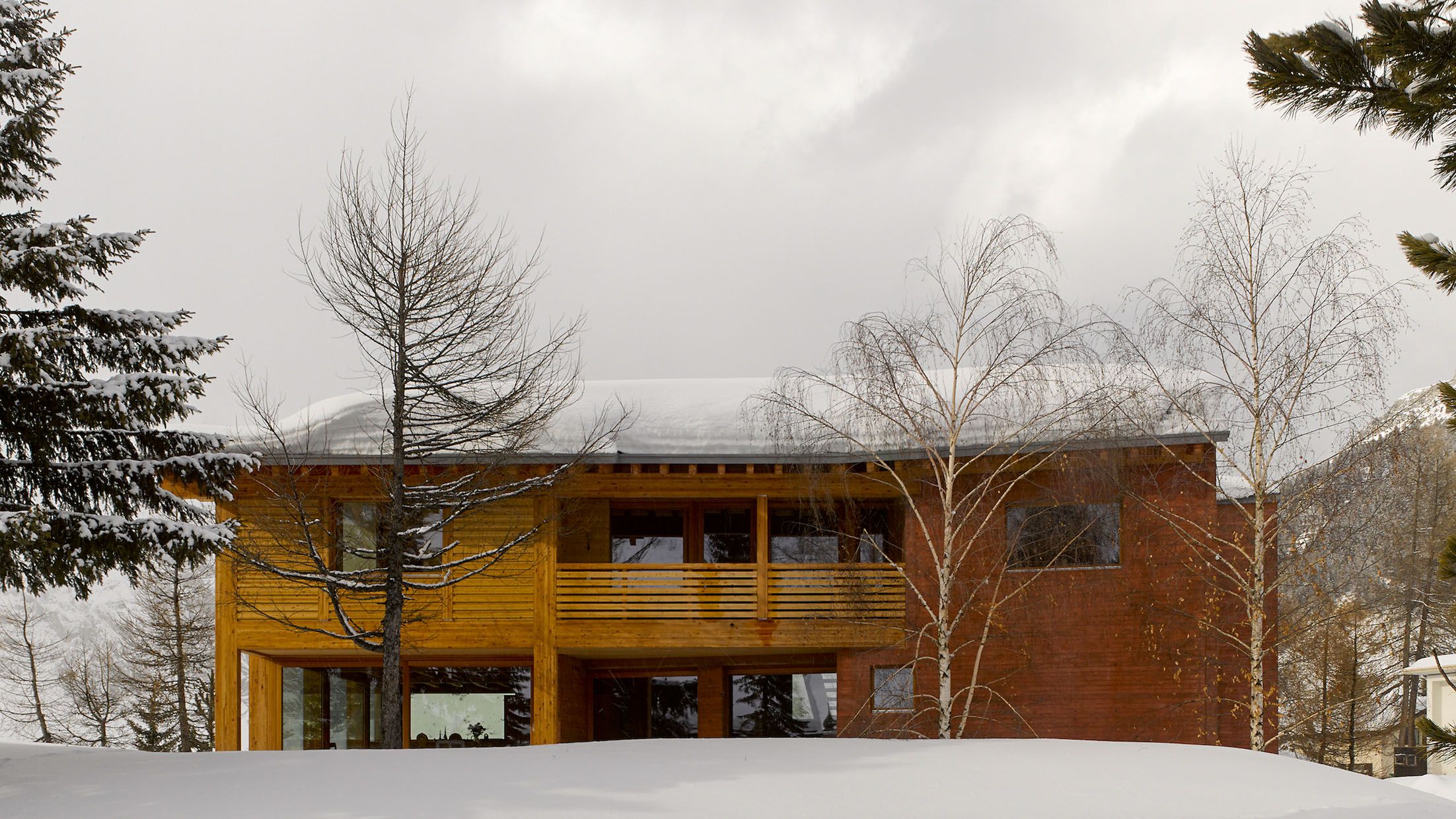
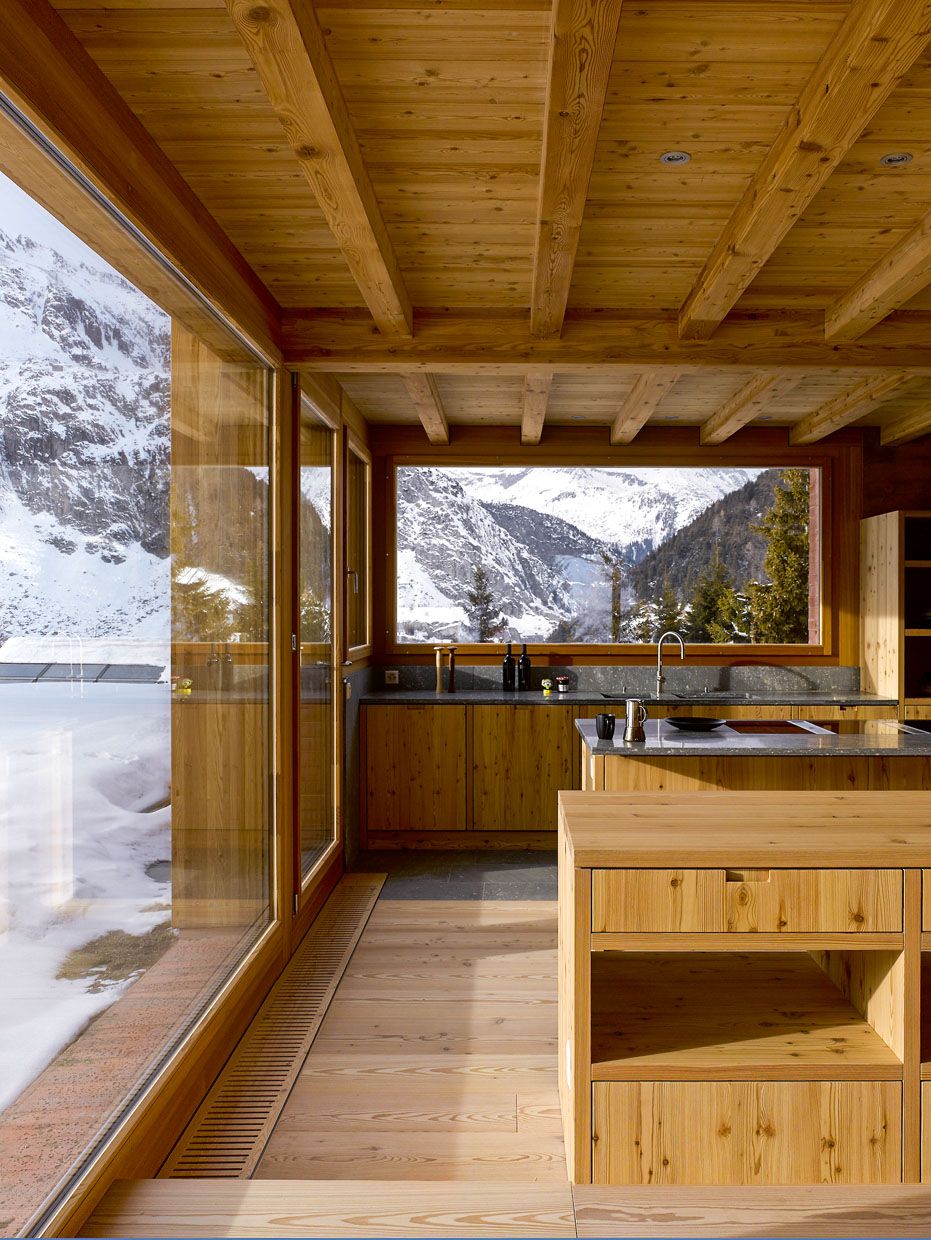
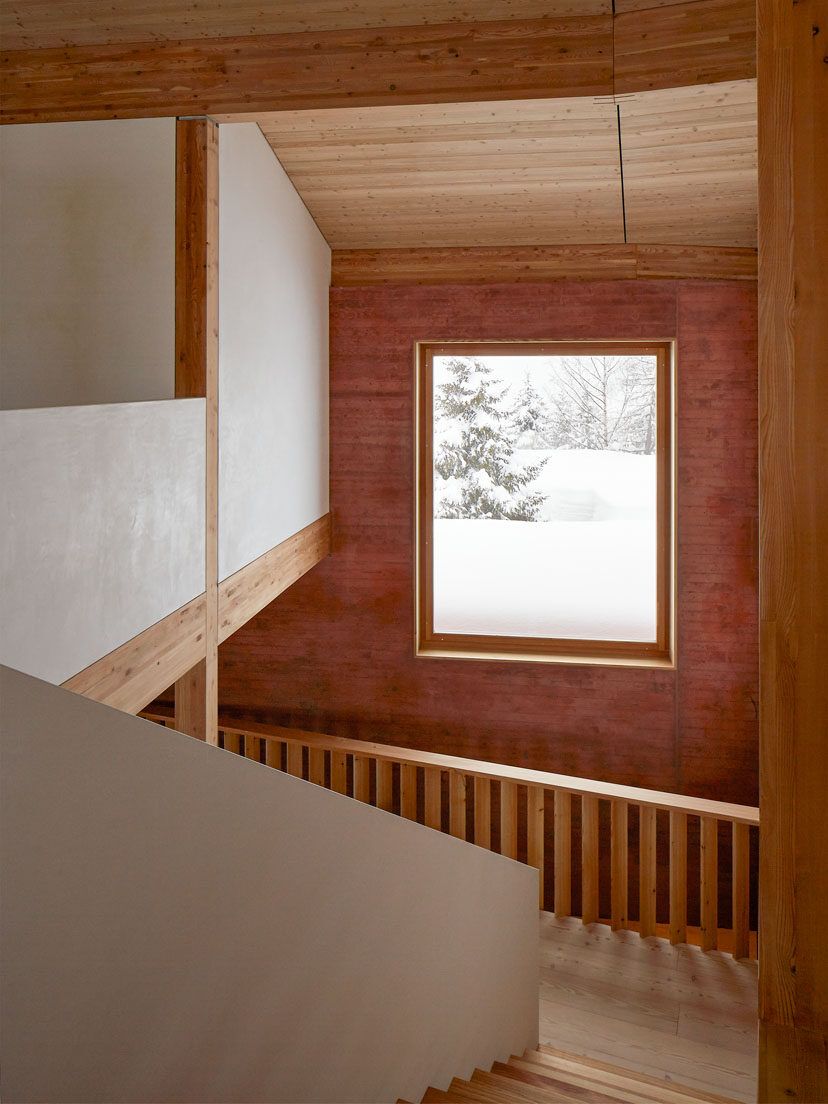
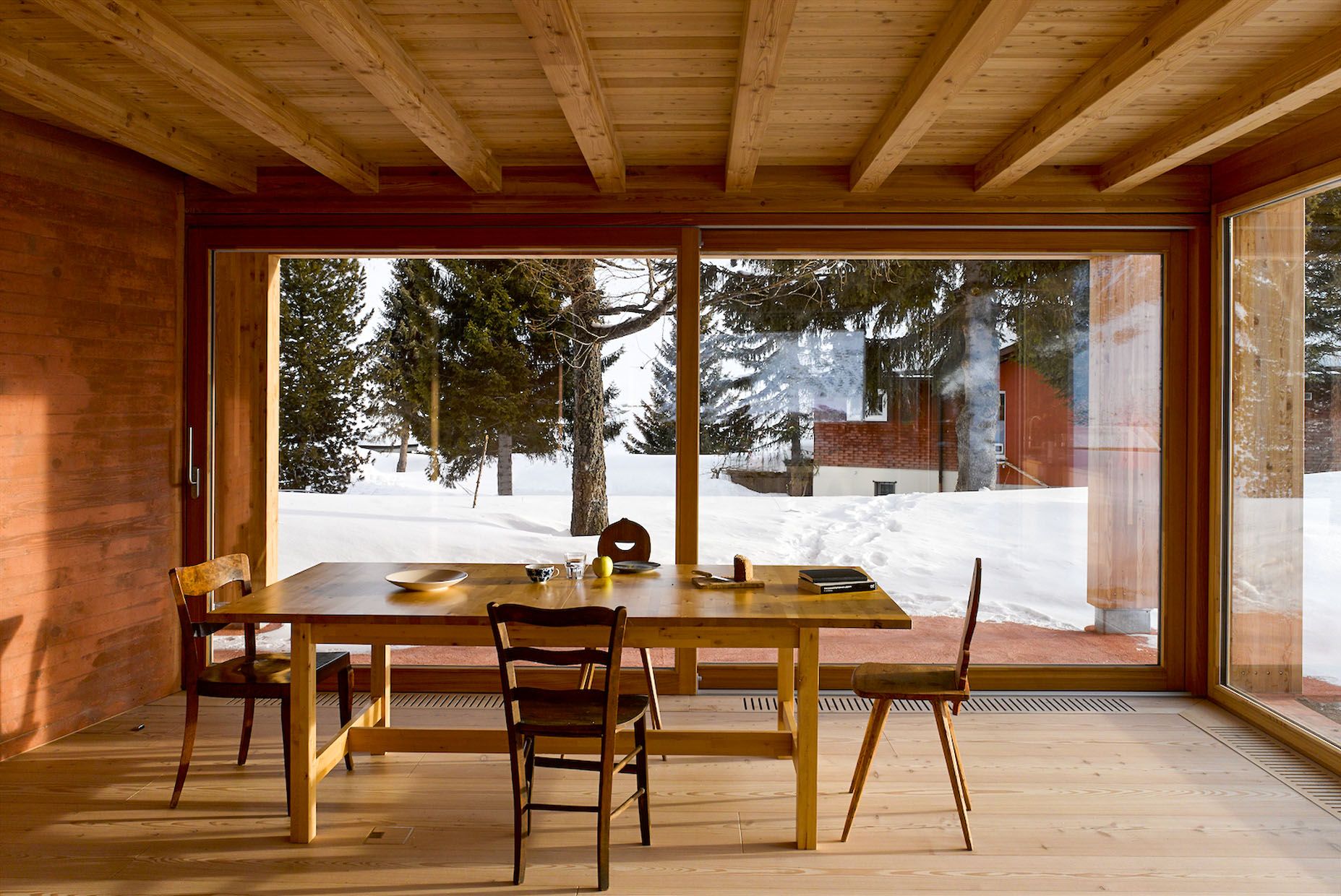
After that project we moved the family back to London, but we realized, that we had fallen in love with the mountains. Our landlady in Andermatt knew how much we were missing the mountains and phoned one day and said “I think, I have found the perfect building for you”. We immediately went there and saw how perfectly Halbhaus – Andermatt Chalet was going to be for us.
All they want to do, is knock it down and build a modern house.
Jonathan Tuckey
We did the renovation ourselves. And, sure enough, the Swiss community came to realize, that there was potential in buildings of that type — possibly better for holidays rather than for full-time living as they are unconventional, traditional houses. We bought the building in 2013 and completed the work in 2014.
Since then, we have been renting it out when we are not using it ourselves. We meet wonderful guests via HOLIDAYARCHITECTURE. Enthusiasts of the mountains, of architecture and traditional buildings appreciate the building as much as we do. My wife handles the communication with the guests. She really enjoys meeting the people who book Halbhaus, so that’s why she still does the job herself instead of engaging someone else.
Do you still go back often?
Oh, yes! I have a small architectural office in the village. And from there, we have also been doing work in Switzerland, Austria, France and Italy.
Were you involved in the other major project in Andermatt, and what do you think of the development there over the last few years?
No, we have been watching it from a distance … it is clearly a fascinating thing to see a very, very large development in a rural community in the mountains. I don’t think, at least in the last 20 years, there has been anything of that scale in the Alps like Andermatt-Reuss.
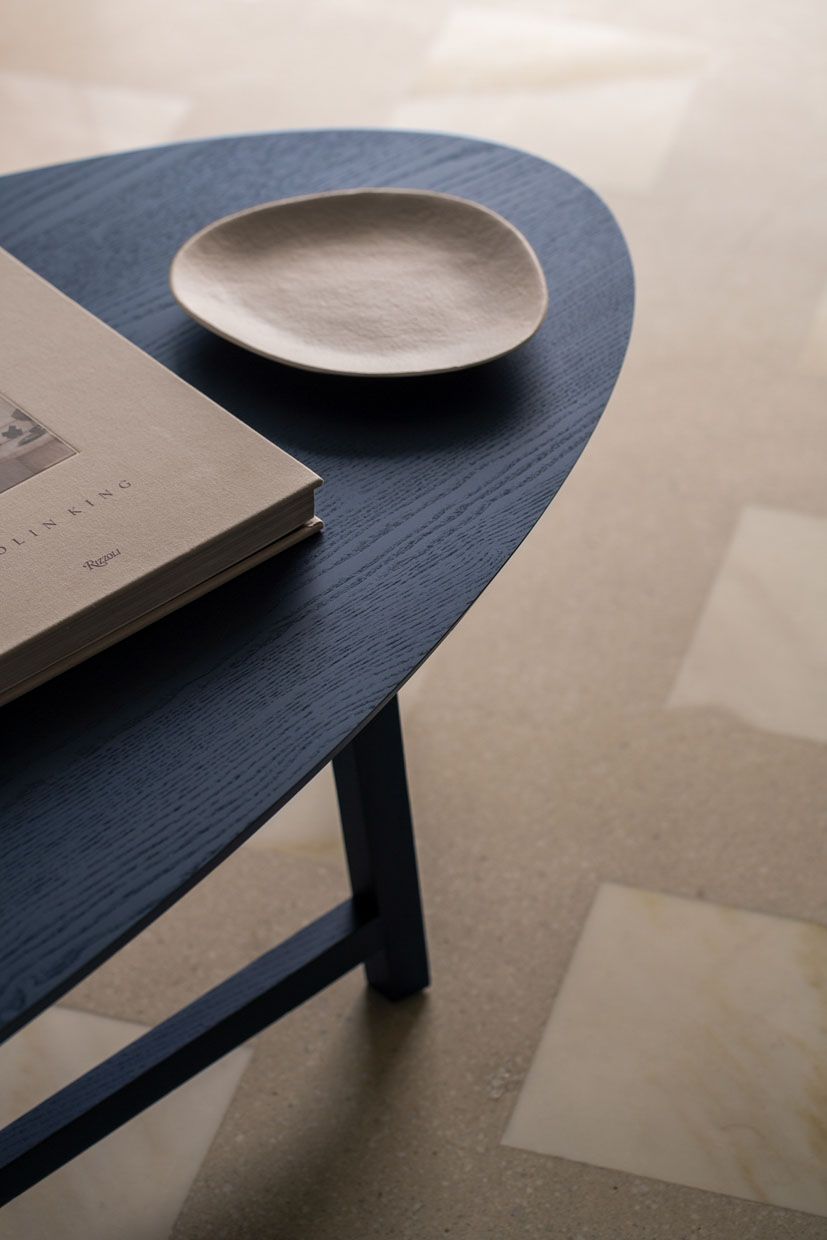
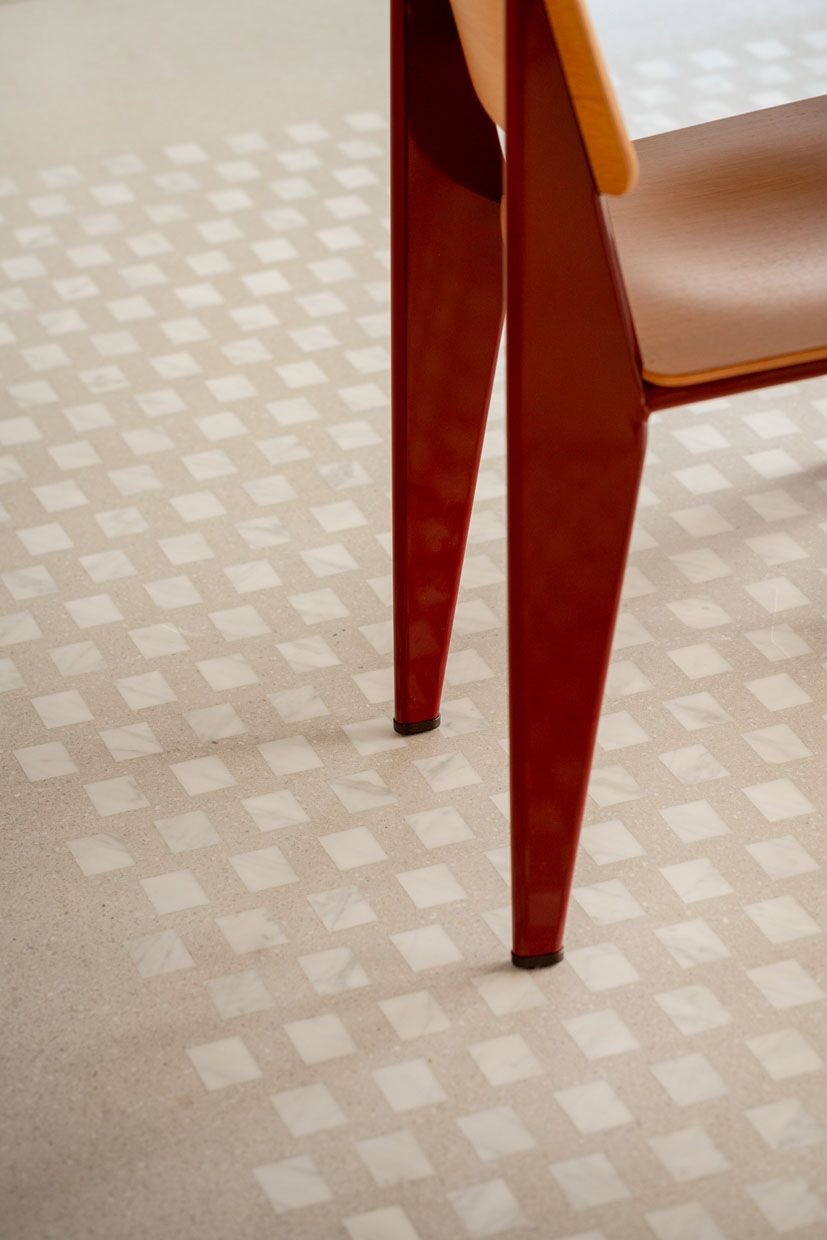
As you work in many countries, we were wondering what difference you see in the realization of projects and in the perception of architecture?
The approach of different trades and artisans for example is interesting to see. We like to use materials that will acquire patina over time and take on qualities of age in use. When working in Berlin that was really difficult for people to accept. It took some interesting dialogues in order to reassure people that we wouldn’t be disappointed if it looked different in a years’ time. As a general characterization, those similarities would have been what we experienced in Germany, Switzerland and Austria. And in a very different way to how we would approach things in UK and Italy. There, we didn’t even need that conversation, it was just accepted. I cannot really explain, why this is the case.
As a rule, respect for the profession seems to be greater everywhere than it is in the UK. I think in the UK that respect has possibly been eroded by the market or by the developer; within the UK, as an architect, you’re just one voice at the table and the last voice might well be the financier. You’ll be asked for your opinion, but it will definitely not be the final one.
In the UK, whatever the scale of the project, you commission it via a main contractor. So, most of the time, you have a remote conversation with the builder. My studio always uses a lot of energy trying to persuade or encourage the main contractor that it is ok for us to talk to the end user, because it is important that we communicate well. Whereas the contract system in Berlin or in Andermatt is such, that you don’t even have a main contractor. You only speak to the builder. And that is a wonderful thing. I appreciate that enormously because you can talk to the person who is going to make something, hear their opinion and therefore come to an understanding of what is going to be the right solution.
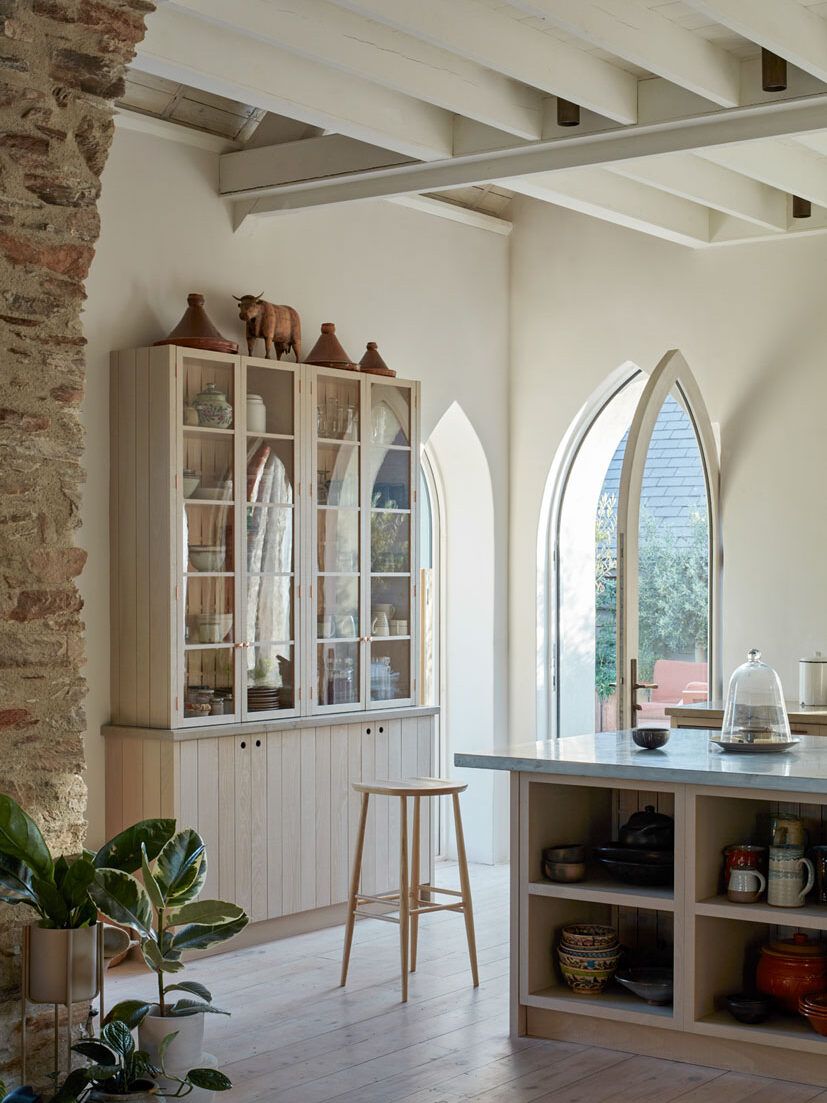
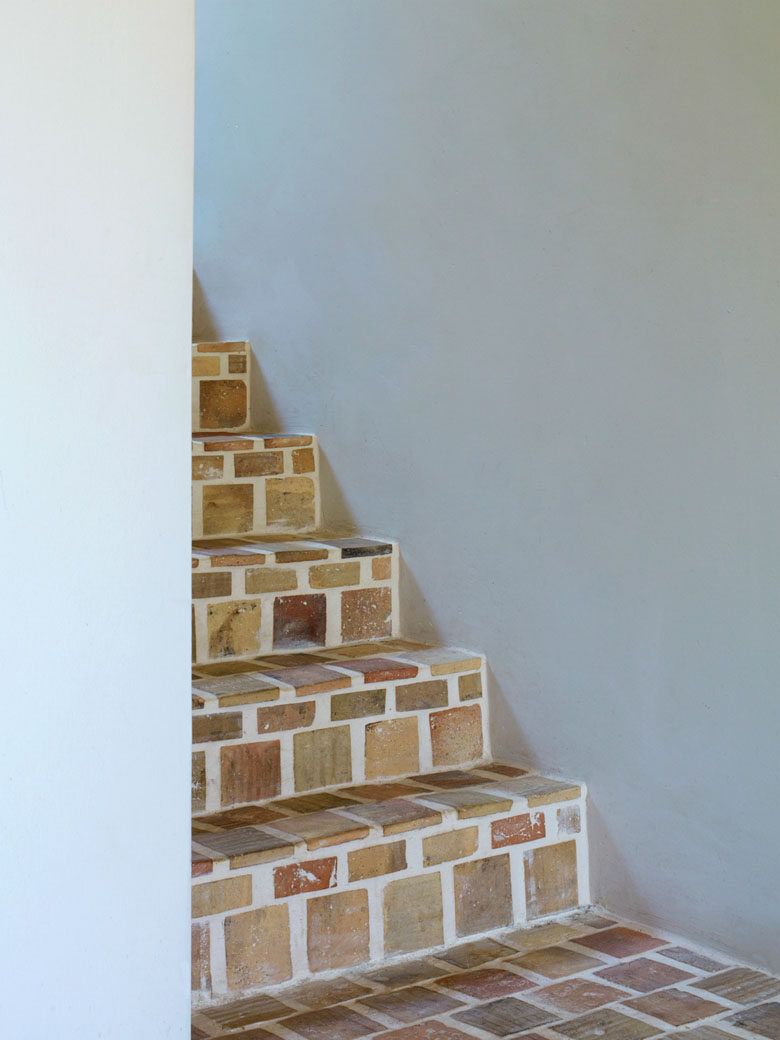
I personally feel extremely fortunate, that we do half of our work outside of the UK. Because this allows us to see things with fresh eyes – both in our own country and abroad. It is an enormous privilege and a luxury to be able to do that. I think it is really wonderful in our small continent that we have these fundamental differences across quite small distances, of how we approach a piece of wood or at tile or a vision for the future.
From my perspective, I do like making use of the things that we’ve already got. When I said the Swiss approach to our house would be to knock it down, they actually would have said let’s build a new one that is going to last for the next 200 years. And they are probably right in the long term. But it really is a waste of materials, and we often have to think creatively of how we can work with what we’ve already got. I think that’s where I have enjoyed watching our profession evolve in the last 25 years.
Because I didn’t study architecture, building new things wasn’t in my DNA.
Jonathan Tuckey
When I started to practice, it was to focus on existing buildings. 25 years before, this was quite an alien subject, because every architect was focused on building new buildings and I remember so many people saying “Why are you not interested in building new things?”. Because I didn’t study architecture, that wasn’t in my DNA. I didn’t start my education with a white piece of paper, I always started with a full piece of paper. For me trying to find solutions for existing things was very much normal to me. However, it was not particularly common in the profession. But, certainly in the UK, retrofit has become a vital, necessary and exciting topic. People are really excited about what they can do with old buildings and change them – not just conserving, but radically altering them. I’m pleased to see that the industry and I have come much closer together.
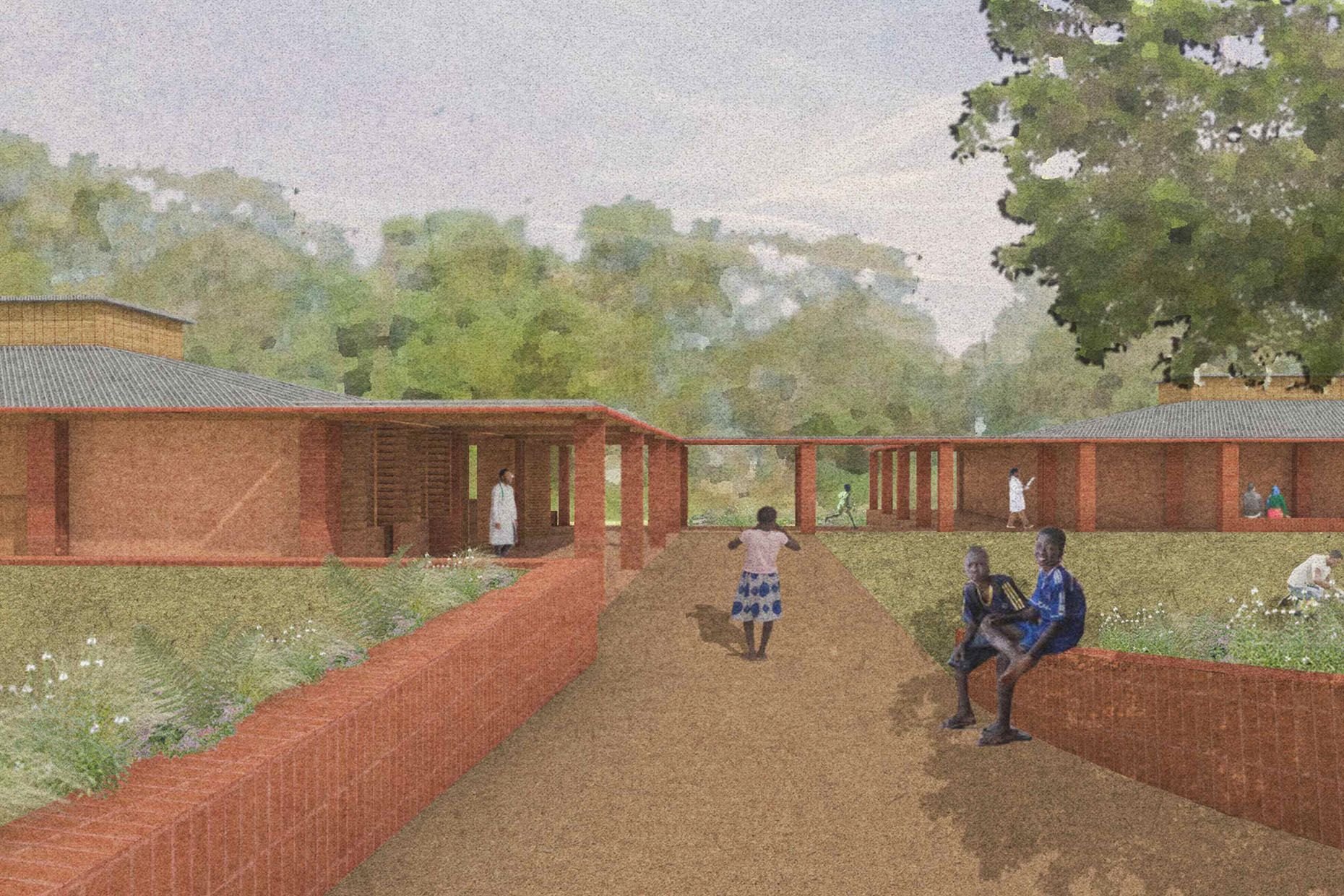
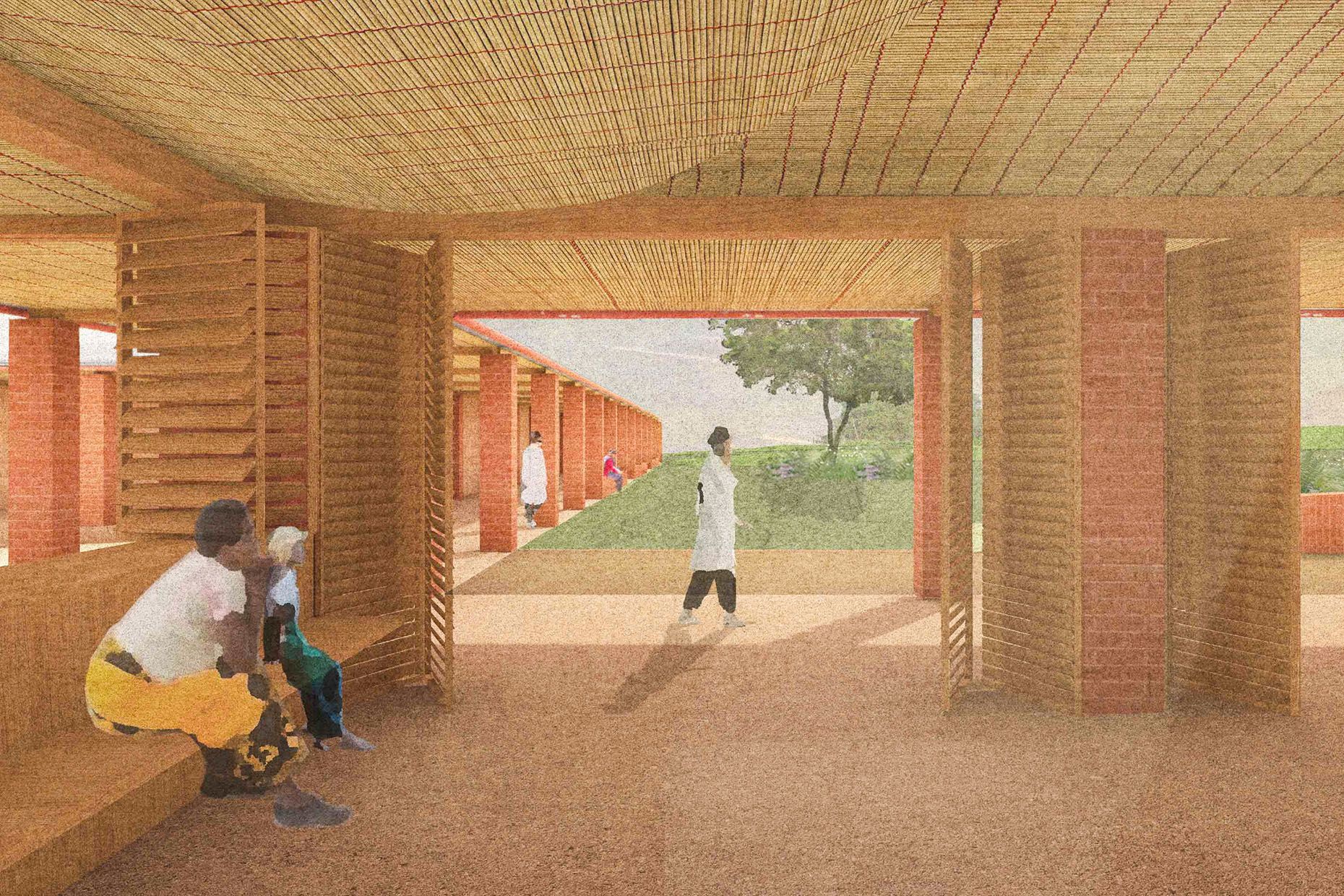
You offer a limited number of pro bono projects a year. Could you tell us a bit more about that, please?
We started it about eight, nine years ago. We were getting quite frustrated that there is an industry which sends out invitations to tender to architects, normally from developers. They require architects to do an enormous load of work for free. This means working night and day for these proposals and a lot of brainpower. In this process there is only one winner and many architects end up doing a lot of work for free.
So, one day one of the guys in my office said: “Why don’t we invent the reverse competition? We send out to people who do not have the resources to commsion a project, saying we are prepared to do the same amount of work that we normally do for free for developers for one of you. Send in your building, and we decide on which one we are going to work on”.
So, we wrote to schools, to youth clubs and to sport centres. To people, who dream about doing a project, but are in the dilemma that in order to get the money they first need to present a render or a vision. We wrote to 20 schools and we got 20 positive feedbacks. And we thought: Wow, this is amazing. We can decide, which one we want to do! So, since then we do this from time to time and the clients are super grateful …
It just feels like a nice new approach to address the frustration in our industry. It produces a really positive energy in the studio. Clients who didn’t seem to have the possibility in the first place can actually do things. It gets them on the ladder, it gets them started.
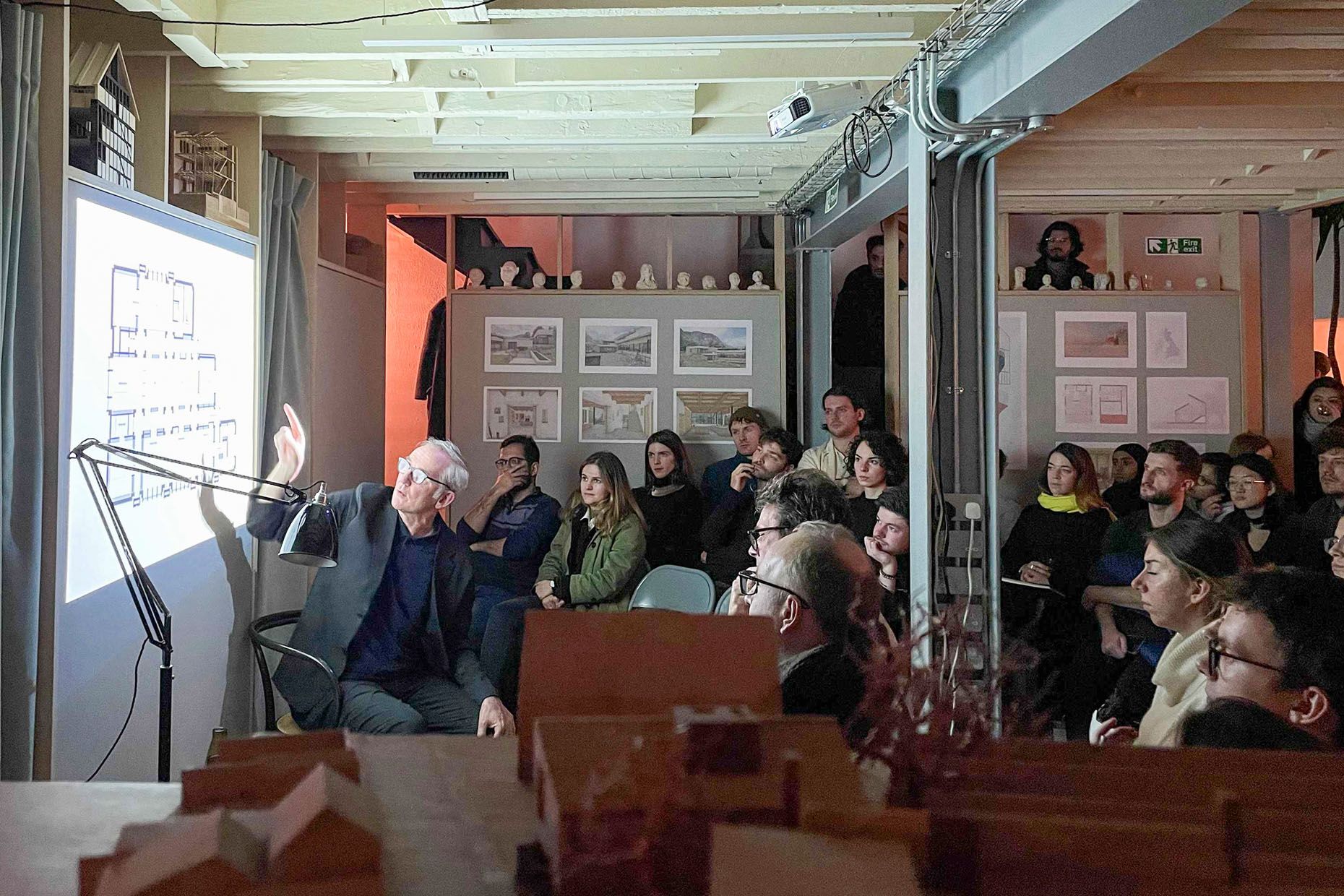
You are doing another interesting format which is called “Building on the built” — a kind of talk series, right?
It is like a little publishing platform and a series of talks with an own website. We had an exhibition in 2016 and we were lent a space of one our clients. Someone very smart in the studio said, they thought just an exhibition on its own would be a bit boring. Why don’t we have alongside it some dialogues and conversations?
The space was very big, so for two weeks twice a week we had these breakfast conversations. We invited different thinkers and talkers on the subject and an amazing number of people came – at 8 in the morning! In the evening we invited people to do lectures, four times in two weeks. It was just a super popular event. As the exhibition was called “Building on the built”, we made sure that the lectures were only on that subject – very much around altering existing buildings.
We enjoyed this so much, that we decided to keep it going. Since then, we have probably hosted about six talks a year in our studio. As it is a very informal way to talk, it feels quite intimate and conversational. The website itself helps to build a particular dialogue about altering existing buildings, too. Meanwhile the format is so well-known, that people send in books they have written on the subject, students send their projects … it has got an energy of its own. All in all, it is a collaborative research project.
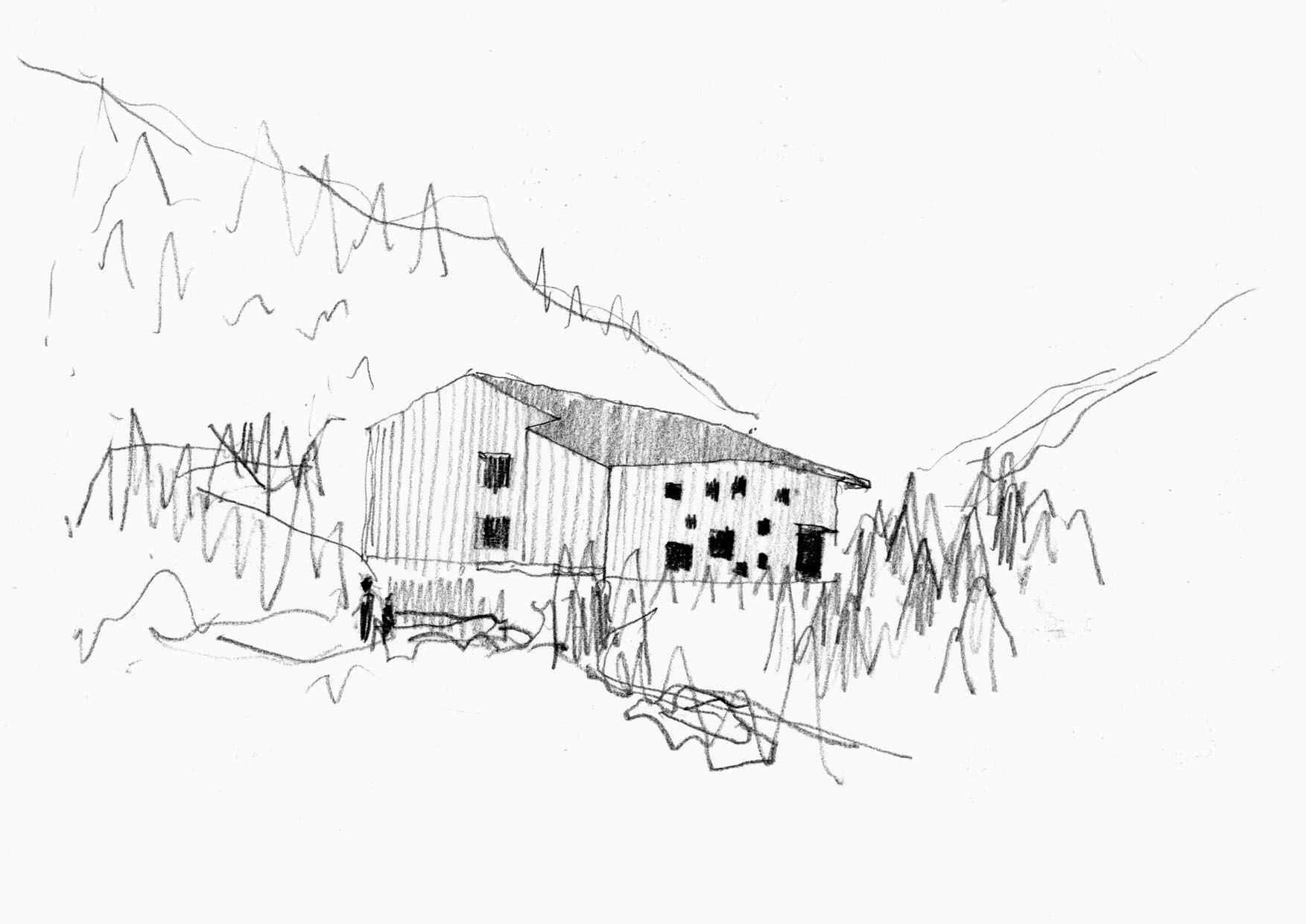
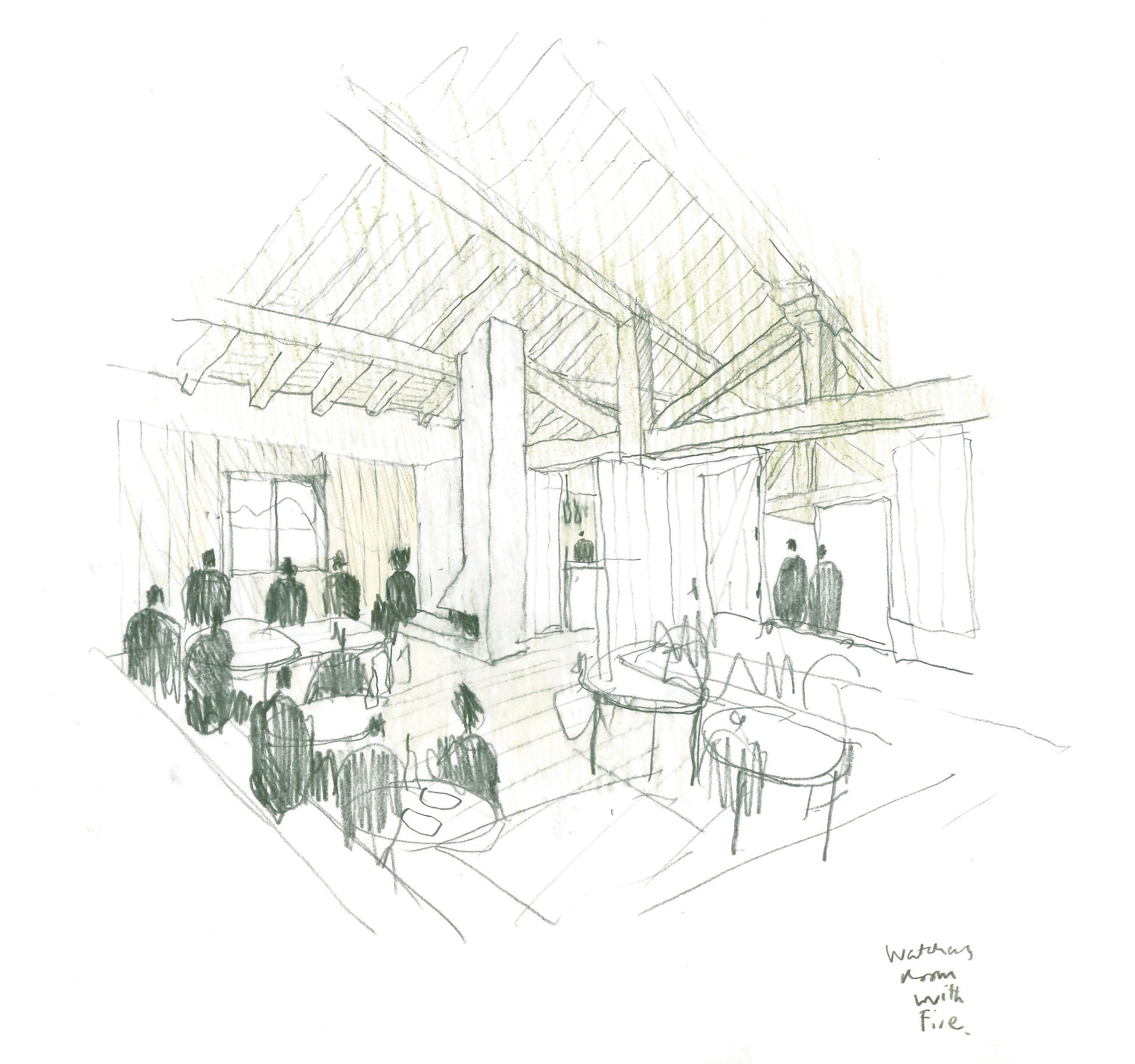
On your website, one can see wonderful hand drawn sketches here and there. It seems that not all the work is still done on computers, right?
We do that a lot. It has always been an important way for me to test, explore and illustrate ideas. And it gives me great pleasure that everyone else in the studio does the same. They are confident that they have the time to do it.
In our studio, you are never more than a metre from someone sketching something on paper.
Jonathan Tuckey
Of course, we also build a lot of models and there is an enormous amount of digital work, but there is something very timeless about hand-brain coordination, I think. It slows a project down a bit and that means that the decisions that we make are normally a bit more conscious.
Thanks for talking to us, Jonathan!
The house
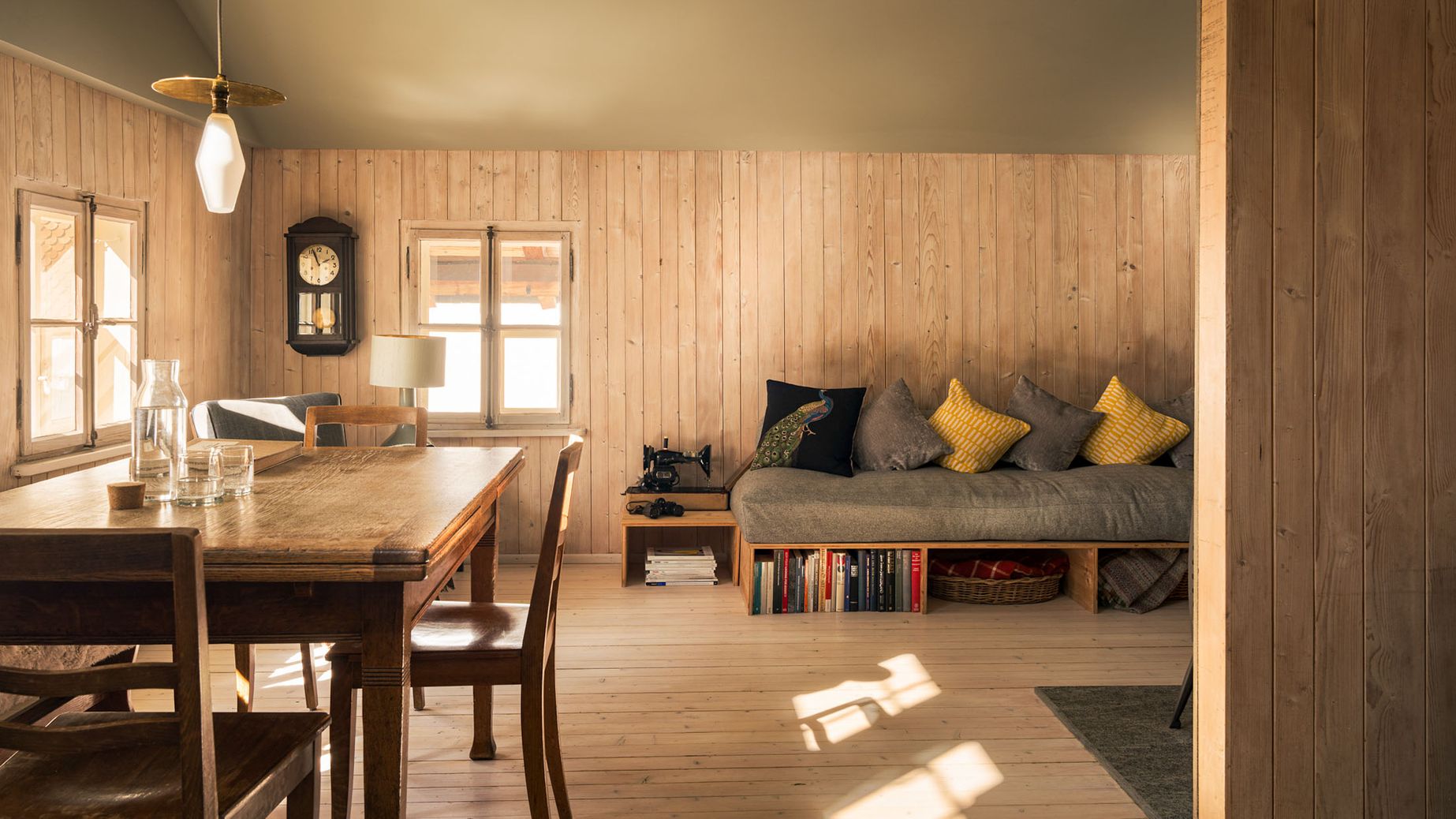
Jonathan founded his design practice Tuckey Design Studio in 2000 having previously worked for David Chipperfield Architects and Fletcher Priest Architects.
Having originally studied Anthropology, the varying ways spaces and places can be reused and remodelled has been a constant area of interest for Jonathan’s design practice and a recurring theme during his extensive teaching experience.
Jonathan studied under and taught alongside Fred Scott and has long been one of the UK’s leading advocates for remodelling and radically transforming old buildings for modern uses.
Interview: The interview was conducted by Jan Hamer and Ulrich Stefan Knoll
Photos: Jonathan Tuckey © Dirk Lindner (cover photo), Tuckey Design Studio © Jim Stephenson (1), Halbhaus © Dario Borruto (2–5), Rothaus © James Brittain (6–9), Lake Como Villa © Dario Borruto (10–13), The Old Chapel © James Brittain (14, 15), Eswatini Eye Hospital © Tuckey Design Studio (16,17), Building on the built © Arran Semple (18), Sketches Rothaus / Wachthuus © Jonathan Tuckey (19, 20)
0 Comments