
Le Havre and its unique modernist architecture
The port city in Normandy has had an eventful history, requiring its reinvention several times over. This year marks the 20-year anniversary of its designation as a UNESCO World Heritage Site. And is a good reason to revisit the past.

Ground zero and radical new beginnings
On 5 September 1944, the face of Le Havre changed forever. Allied bombing all but obliterated the historic centre. More than 5,000 people were killed, around 80,000 lost their homes and over 12,500 buildings were razed to the ground. A town once boasting narrow streets, merchants’ dwellings and storehouses had been reduced to 150 hectares of rubble. Buildings no longer obstructed the view of the sea.

Instead of reconstructing the urban space – as many other European towns and cities had done – the French government decided to go back to the drawing board. The idea was not to just rebuild Le Havre, but redesign it as a modern archetype of a city. The top priority was to build apartments. But all other construction projects ranging from local government buildings to churches to schools to cultural facilities and the infrastructure were also replanned.
Auguste Perret, a pioneer of reinforced concrete construction, was tasked with the job. Between 1945 and 1954, Auguste, his brothers Claude and Gustave, and a team of over 60 architects developed a coherent and (until today) unparalleled vision for the new Le Havre. Decades passed until this urban-planning and architectural triumph was recognised as pioneering. In 2005, it was finally designated a UNESCO World Heritage Site.
An urban plan as a manifesto
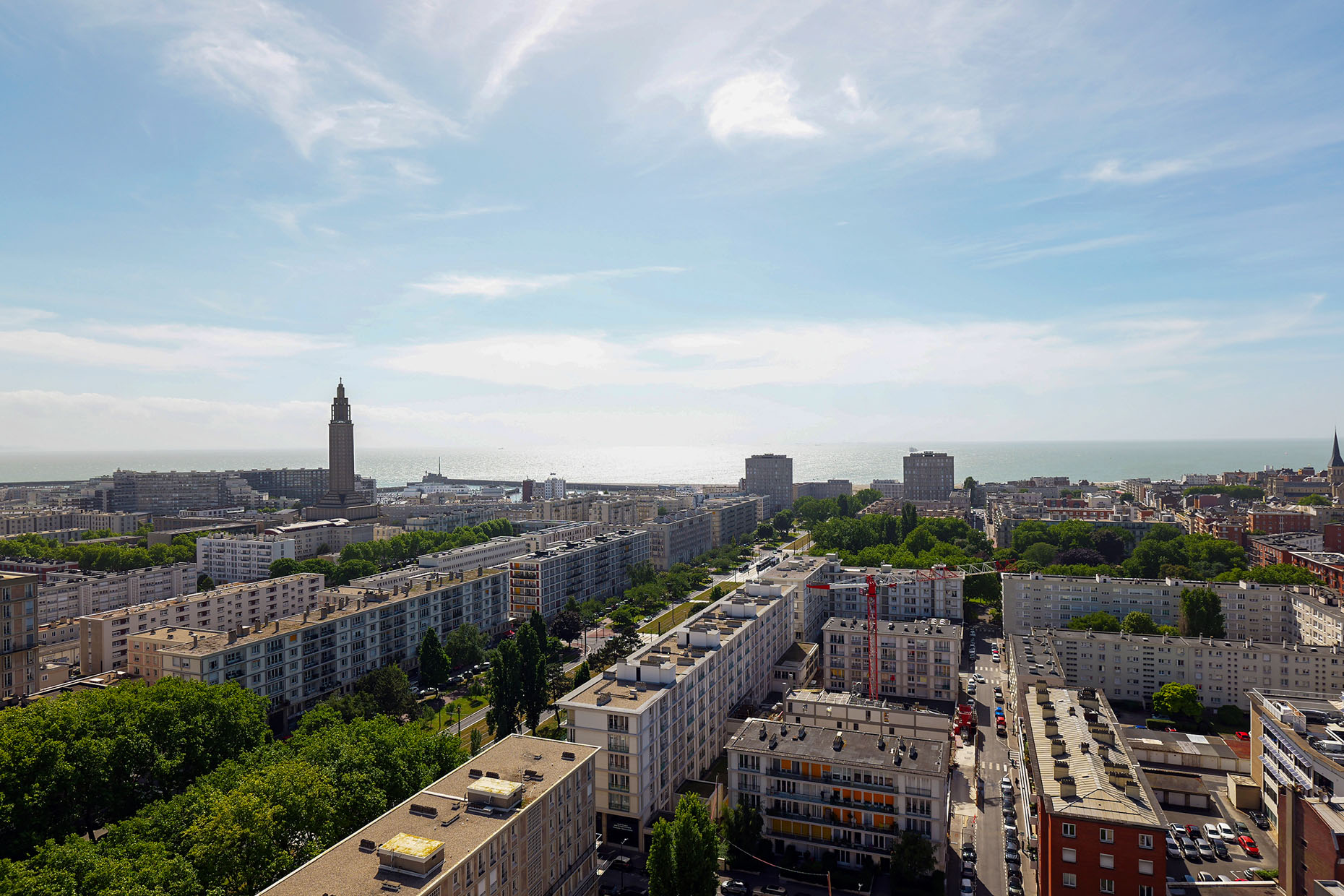
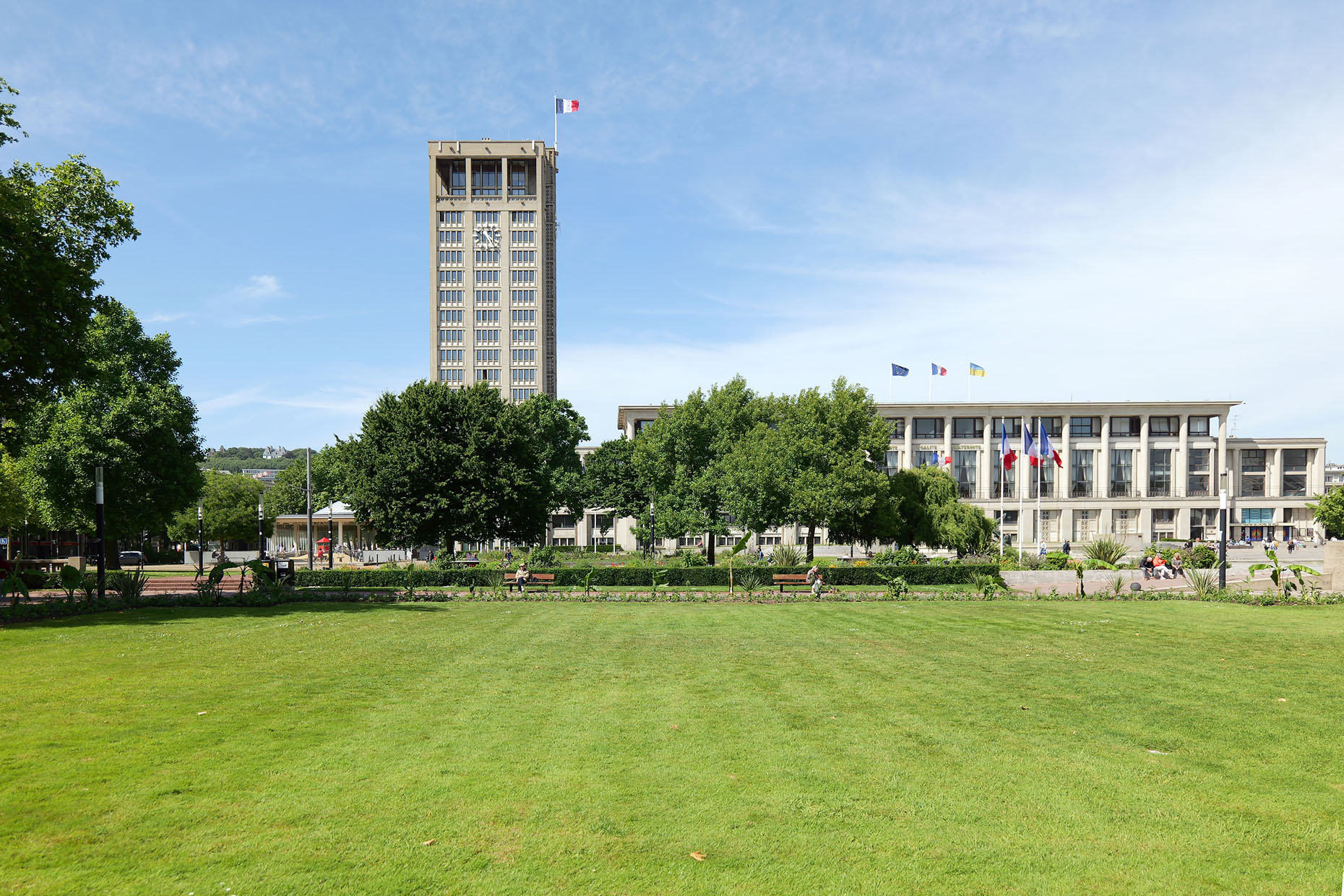
The vista from the 72-metre-high town hall tower – itself a Perret construction – provides an exceptionally good overview of the underlying concept for the new Le Havre. Perret placed central buildings like the town hall and churches on historic sites. He retained the shape of the old harbour basin and developed a clear, right-angled street grid. Three main axes form an urban triangle in the new centre. In the north, Avenue Foch, lined with avenues and residential streets, connects the town hall square with the Atlantic. Two high-rises point the way to the coast. In the south, Rue de Paris leads to the old harbour basin and is flanked by arcades and small shops. François the First Boulevard forms the diagonal axis and mirrors the shape of the coastline.
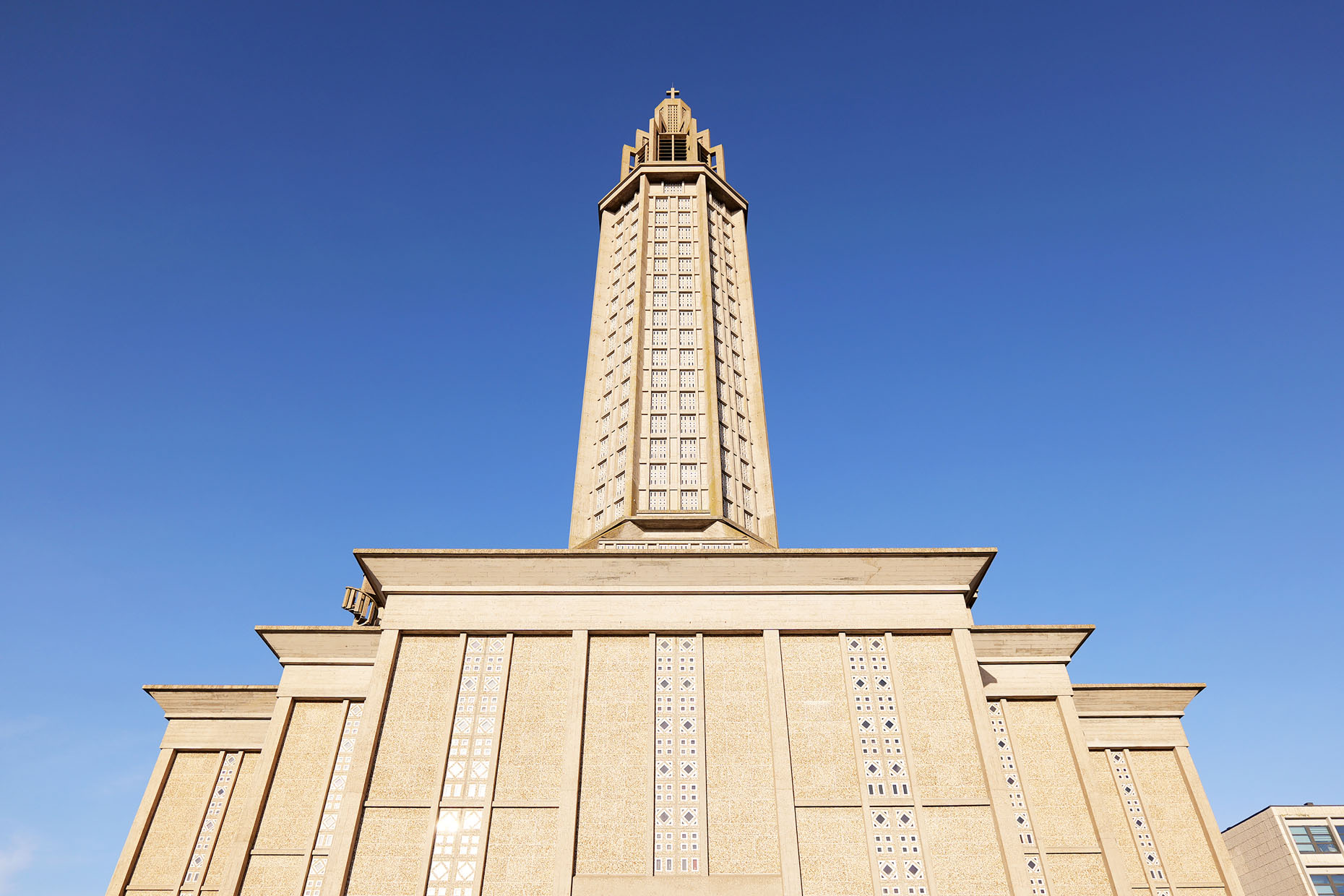
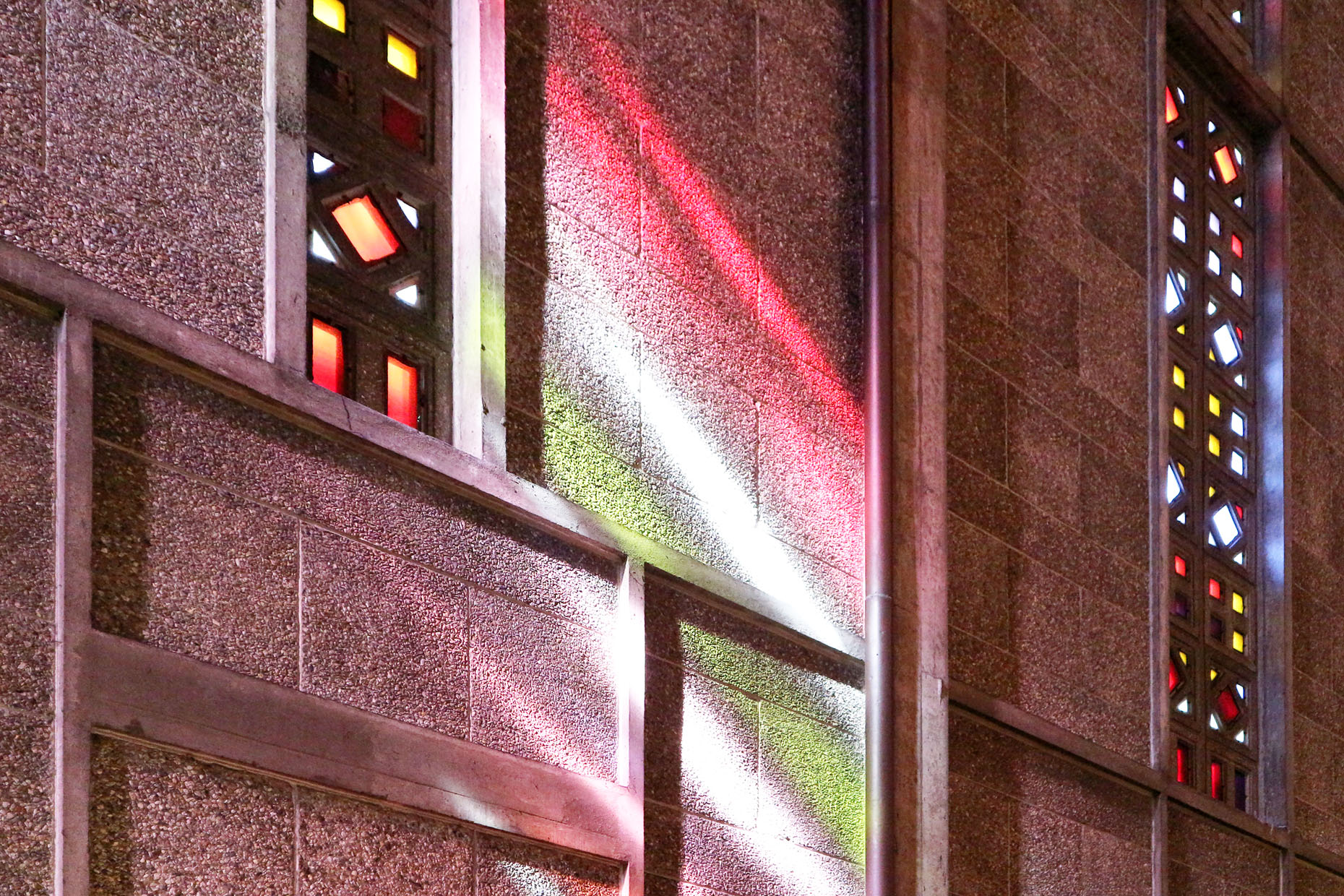
Perret’s Église Saint-Joseph du Havre is a new landmark resembling a lighthouse at the heart of the city. Due to Marguerite Huré’s superb stained-glass windows, the church also shimmers from within.
An urban layout that appears austere and functional on a map is actually very diverse in reality. Alleyways, small squares, passageways, semi-open courtyards, shady arcades, spacious parks and car-free spaces feature between the major axes. The buildings vary in terms of height and permeability, without looking overbearing. Everything is designed to take light, air, and human beings into account. It’s the expression of a city built for everyone.
Architecture with a system and a soul
Perret’s principles also applied to residential buildings. All buildings are based on one clear grid with 6.24 metres spacing between each pillar and divisible by two and three. The supporting structure of concrete pillars, cross-beams and ceiling panels remains visible. The grid creates order, but also allows diversity. Balconies, loggias, arcades and floor-to-ceiling windows are the result. The apartments themselves are light flooded with flexible, open-plan layouts.
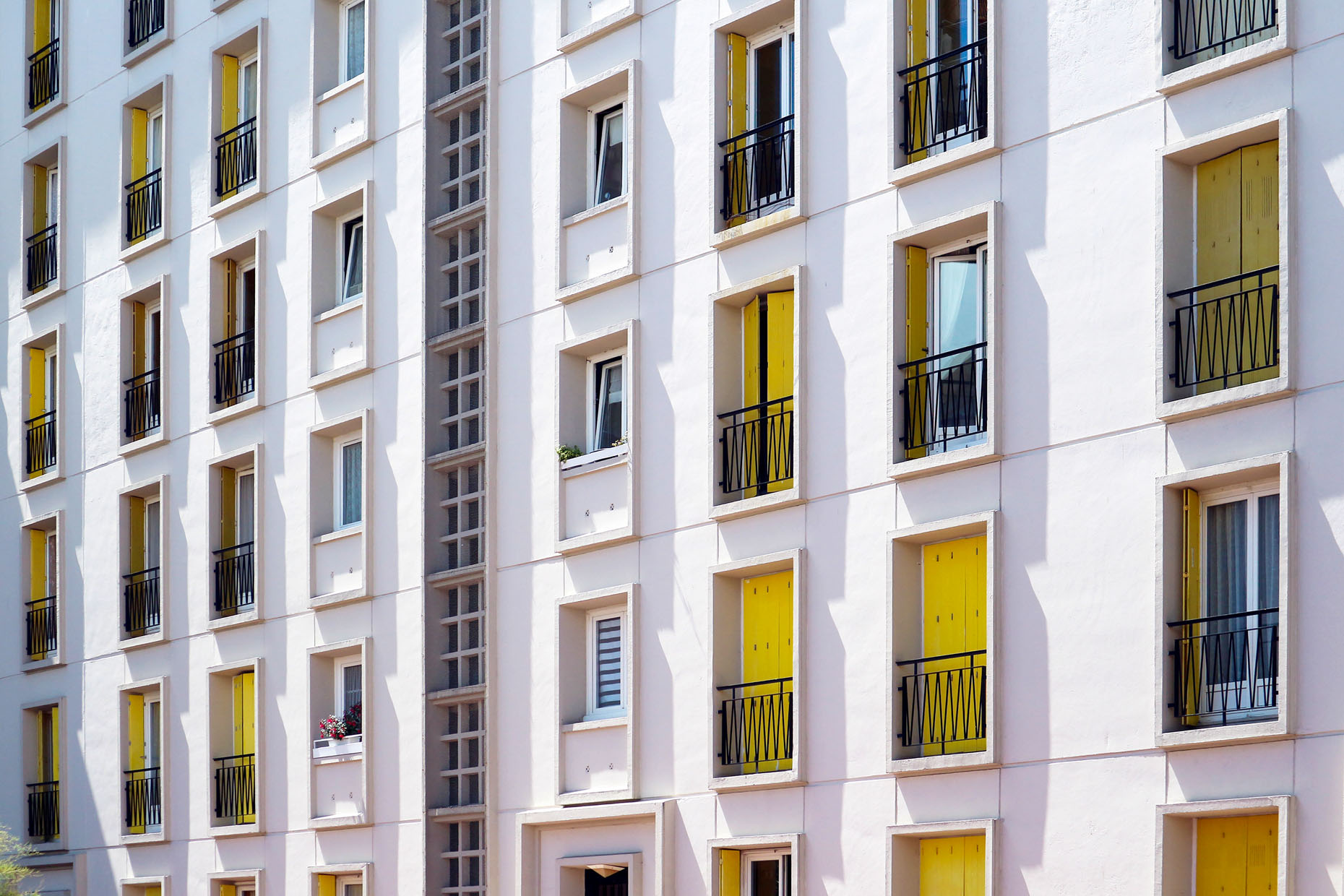
The facade served as a canvas of artistic expression. Perret mixed concrete with splinters of glass and stones from the rubble. Depending on granularity and processing method, he created surfaces with profound materiality by grinding, sawing, chiselling, or polishing them. Concrete, an industrial material, acquired a tactile quality that still surprises people today.

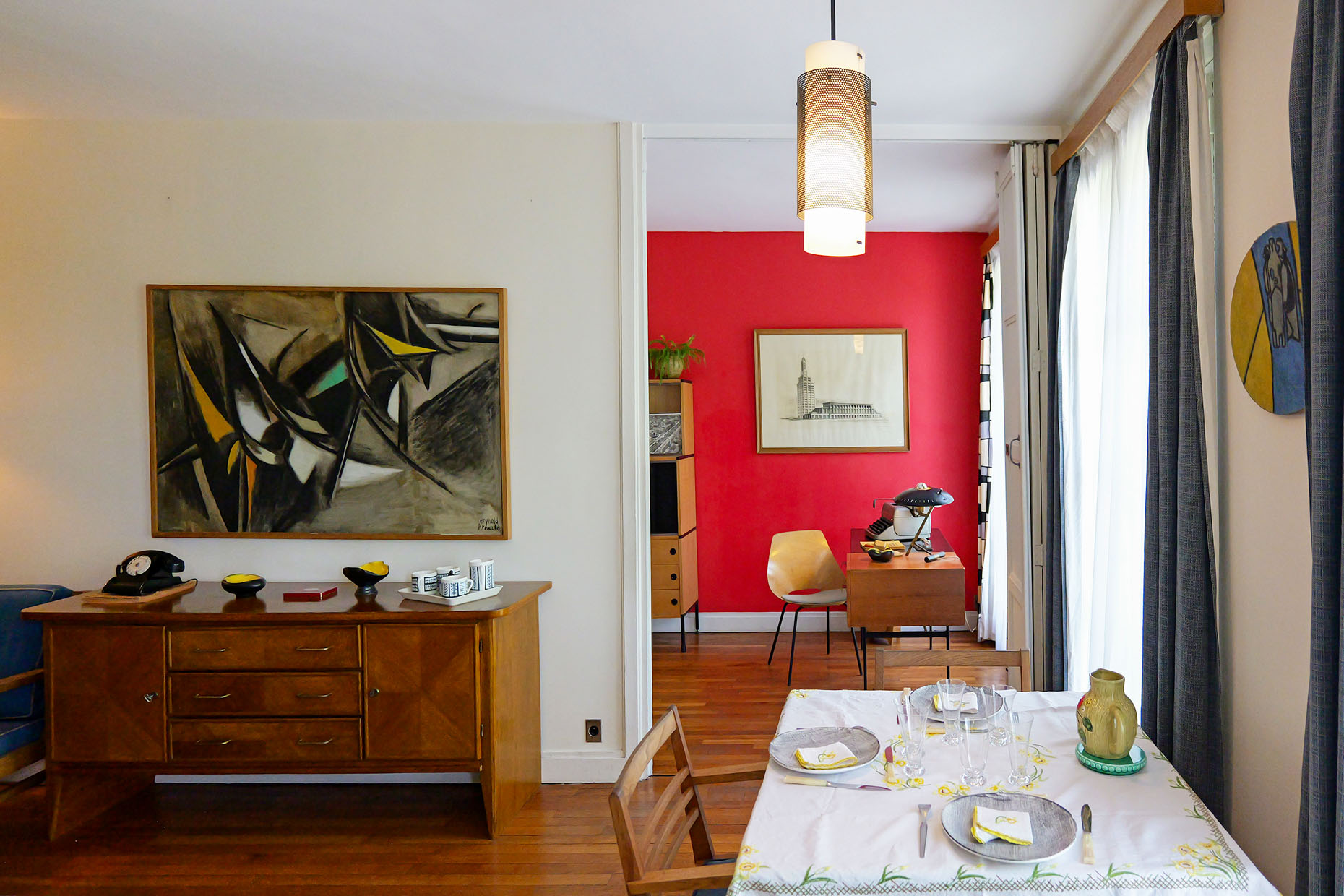
This feature is particularly evident in the neighbourhood around Place de l’Hôtel-de-Ville. Perret spearheaded the construction of the buildings known as Immeubles sans affectation individuelle (I.S.A.I.). One of the standard post-war flats is now an architecturally very striking show apartment, featuring an open floor plan, modern furnishings, and sophisticated lighting. Designers like René Gabriel and Marcel Gascoin provided the furniture to match.
An urban, outdoor museum
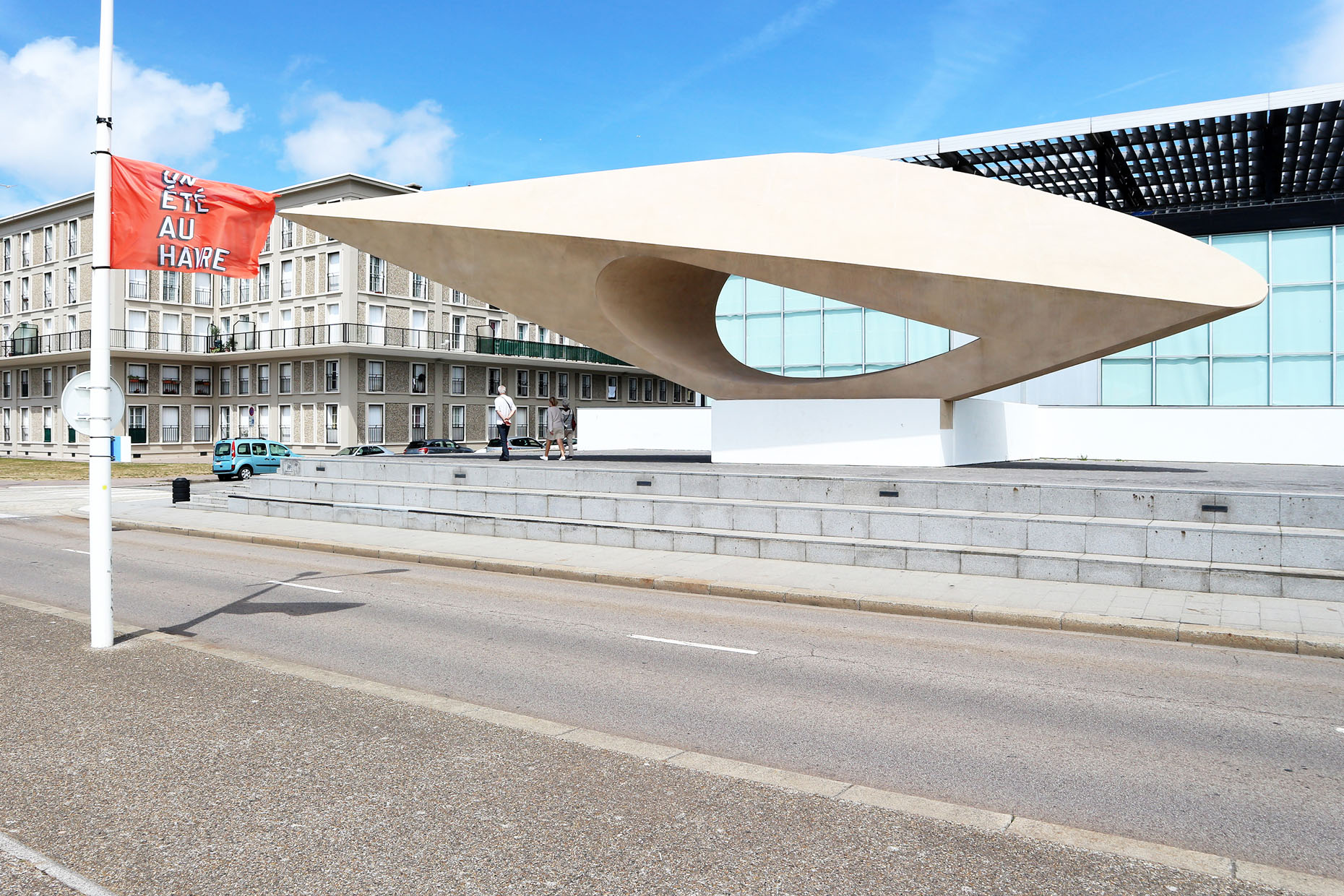
Le Havre isn’t a place preserved for all eternity, but a vibrant hub of change. Since the 500-year anniversary celebrations in 2017, Normandy’s biggest city has been a frequent showcase of international art during the summer festival called Un Été au Havre. Artists create works that explore urban history, space, and identity.

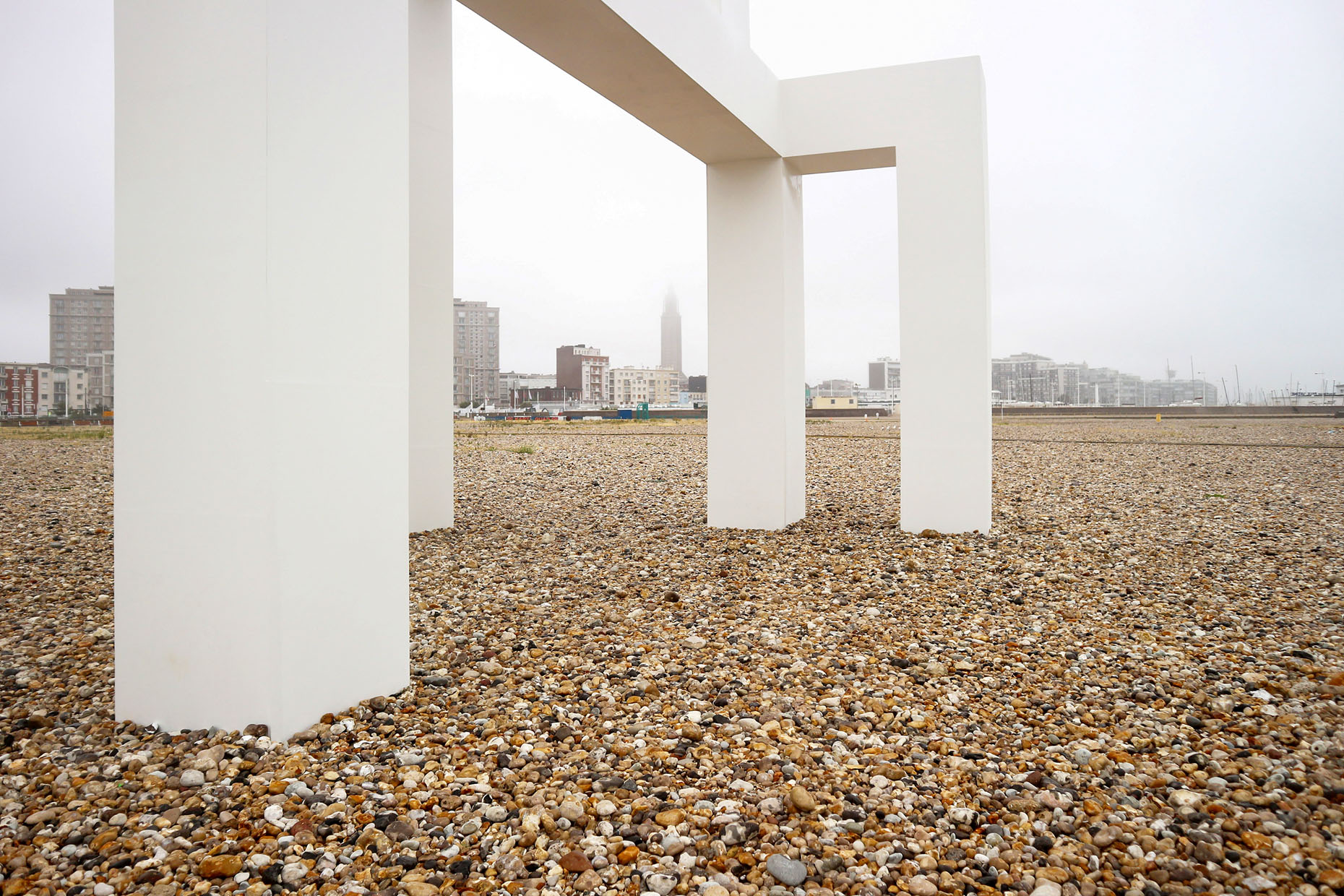
For instance, there’s the La Lune s’est posée au Havre installation by Arthur Gosse. In this case, a concrete moon reposes on a pond on Saint-Roch Square and is lit up poetically at night. Or there’s the UP#3 by Lang/Baumann, a geometric structure on the beach that redefines the relationship between architecture, sculptures, and the landscape. Fabien Mérelle’s Jusqu’au bout du monde sculpture, showing the artist carrying a child on his shoulders, has also become a symbol of responsibility and the future. After a fire, donations helped to finance its restoration. Today, it’s located on the northern seawall as a reminder of the past.
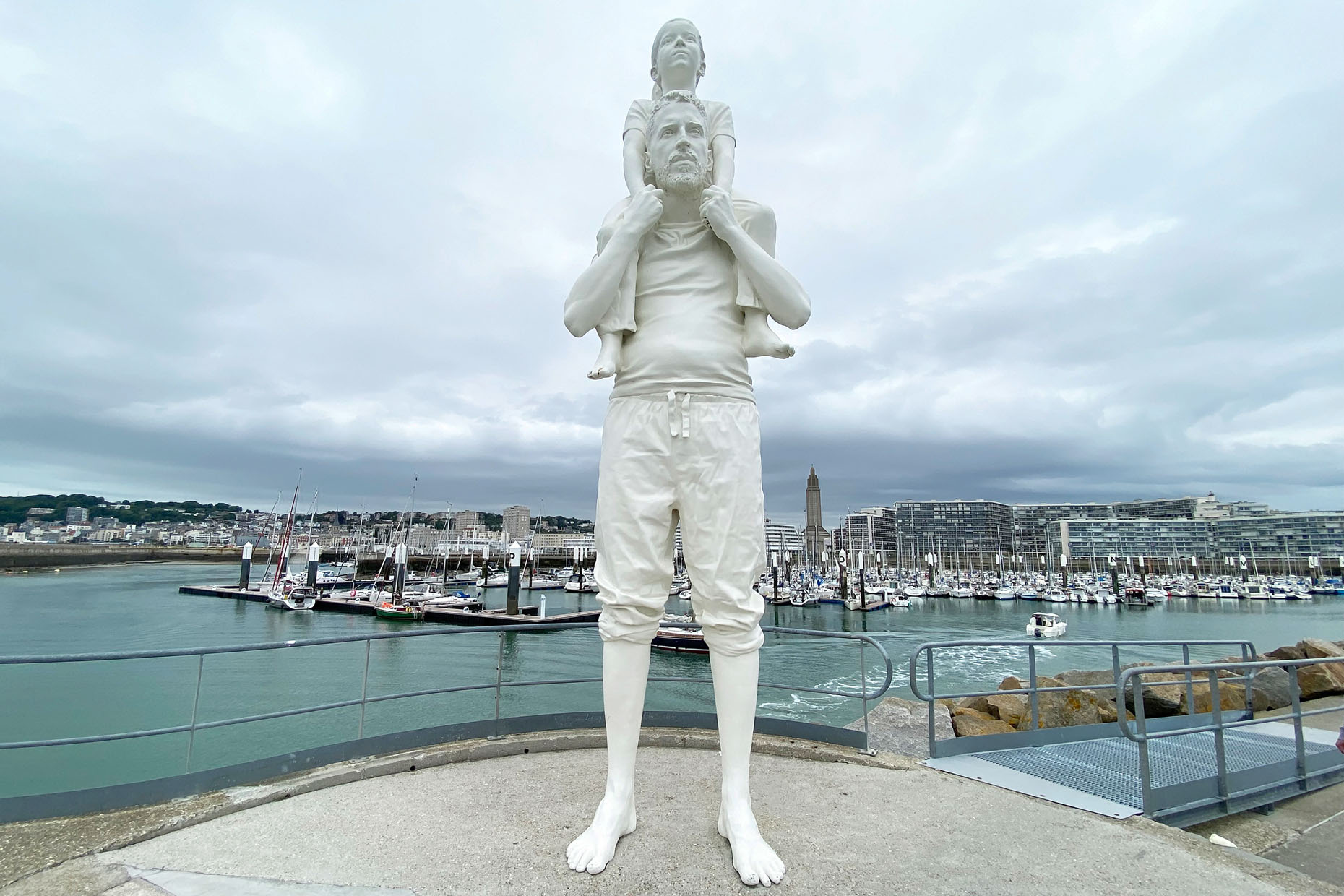
These works of art transform the urban space. They set accents, challenge perceptions and invite debate – not from a distance, but in the everyday life of the city.
Twenty years as a UNESCO World Heritage Site
As one of just a handful of cities in the 20th century, UNESCO designated the reconstructed centre of Le Havre a World Heritage Site on 15 July 2005. The organisation paid tribute to the rebuilt city under Auguste Perret as an architectural and societal blueprint.
In its anniversary year of 2025, Le Havre will celebrate with exhibitions, city tours, light projections, and an open photography competition. Locals are invited to join in and include their memories, pictures, and perspectives.

Places such as Oskar Niemeyer’s Volcan complex of buildings or the Bassin du Commerce harbour basin will be illuminated and redesigned. The anniversary is not merely a retrospective. It also prompts us to ask how we can build and rebuild for human beings, the community, and the future.
Text: Hendrik Bohle
Photos (all): Hendrick Bohle
0 Comments