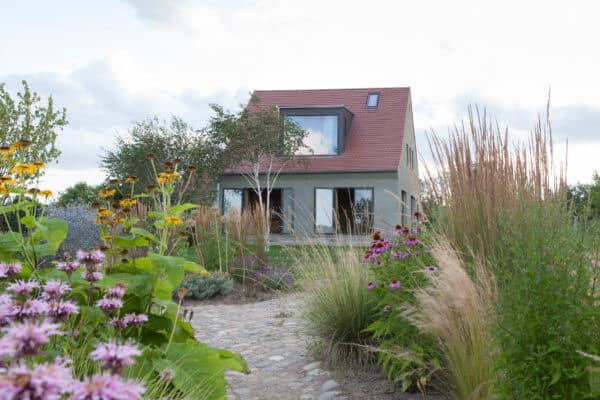
Monument Preservation – the state cannot do everything
Across Europe, many successes achieved in the field of monument preservation can be attributed to private organisations and foundations. Our author Anneke Bokern examines the strategies they pursue, which approaches are most promising, and where the limitations of these models lie.
When it comes to monument preservation, most people initially assume it is the responsibility of public authorities. Isn’t it the state, the federal region or the municipality that takes care of identifying and preserving buildings worthy of protection? After all, there are laws and funding programmes in place. That is true – but public instruments have their limits: they only apply to buildings that have already been surveyed and listed. Anything that slips through this official net depends on private initiative.
Across Europe, numerous private organisations and foundations are active that complement – and in some cases even substitute – public measures. They do so through project funding, lobbying, or by acquiring buildings themselves. But which of these approaches is the most effective?
Lobbying is the most visible strategy – which is, of course, its very purpose. Campaigns and publications aim to bring endangered buildings into the spotlight and often to generate political pressure. One of the best-known organisations working in this way is the British Twentieth Century Society. It advocates for buildings that often lack broad public acceptance. When it was founded in 1979, its focus was primarily on pre-war modernism (hence its original name, the Thirties Society), but post-war architecture was soon added to its agenda. Numerous buildings have already been saved thanks to media campaigns. However, these measures are not always successful, as demonstrated by Robin Hood Gardens in London. In an effort to preserve this iconic housing complex, completed in 1972 by Alison and Peter Smithson, the organisation launched one of the largest campaigns in architectural conservation, supported by prominent architects such as Richard Rogers and Zaha Hadid. Ultimately, however, it succumbed to political priorities and financial pressures: the final section of Robin Hood Gardens was demolished in March 2025. As influential as public outreach may be, its impact ultimately remains dependent on external decision-makers.
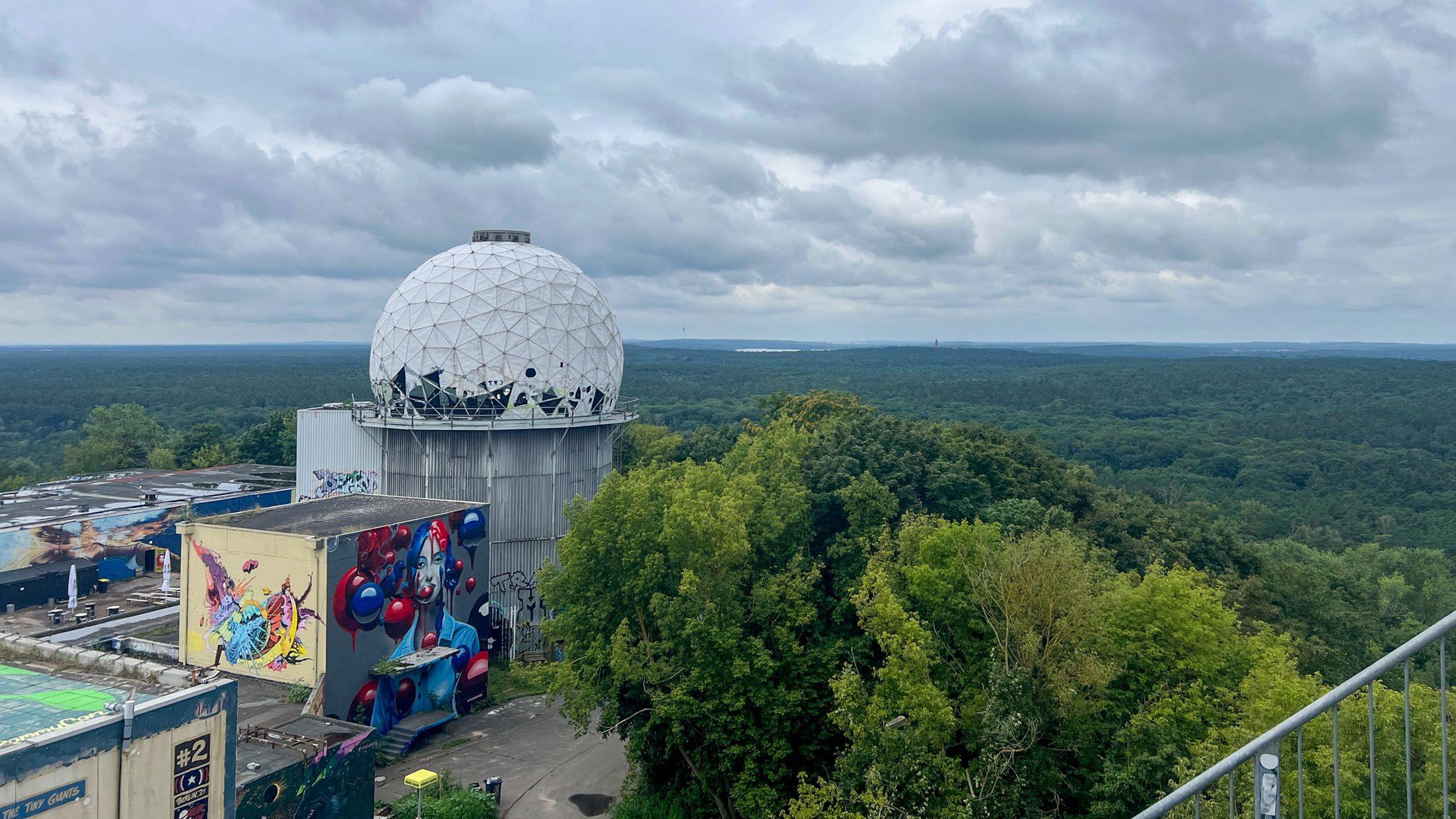
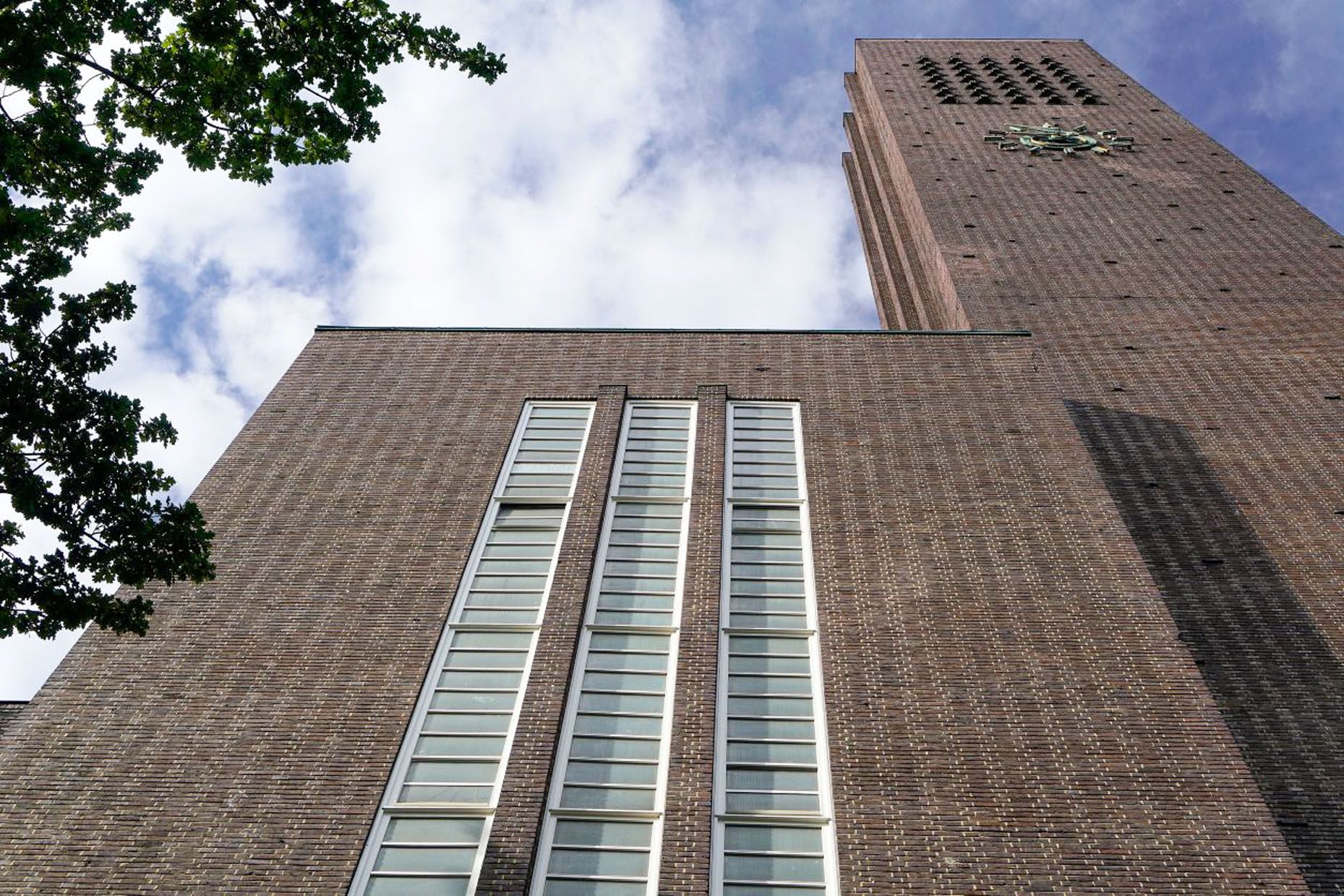
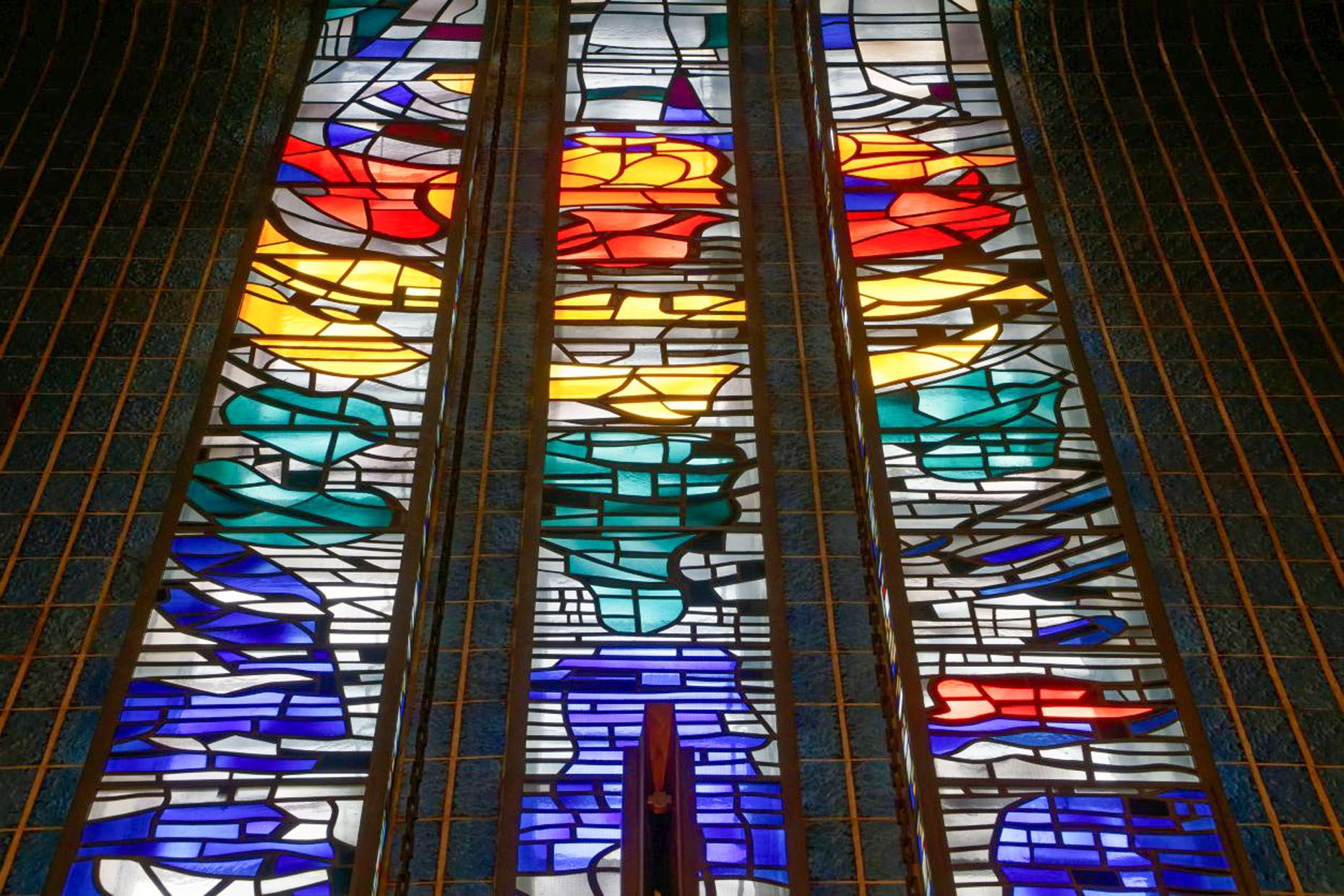

Another model is the targeted funding of projects. The most prominent example in Europe is the Deutsche Stiftung Denkmalschutz (German Foundation for Monument Protection) – a private foundation supported by donations, which organises the annual Day of Open Monuments and, above all, supports around 600 projects each year. More than 7,500 historical buildings have already received financial assistance. However, here’s the catch: Only buildings already granted listed status are eligible. The foundation therefore builds upon the framework of state monument preservation, but cannot safeguard structures that fall through the official net – and these are often the ones most in need of support.
Both lobbying and project funding thus contribute only indirectly to preservation, as the organisations themselves do not decide how existing buildings are ultimately treated. If one wants to have a direct influence on which buildings are preserved, there is only one option: they must be acquired.
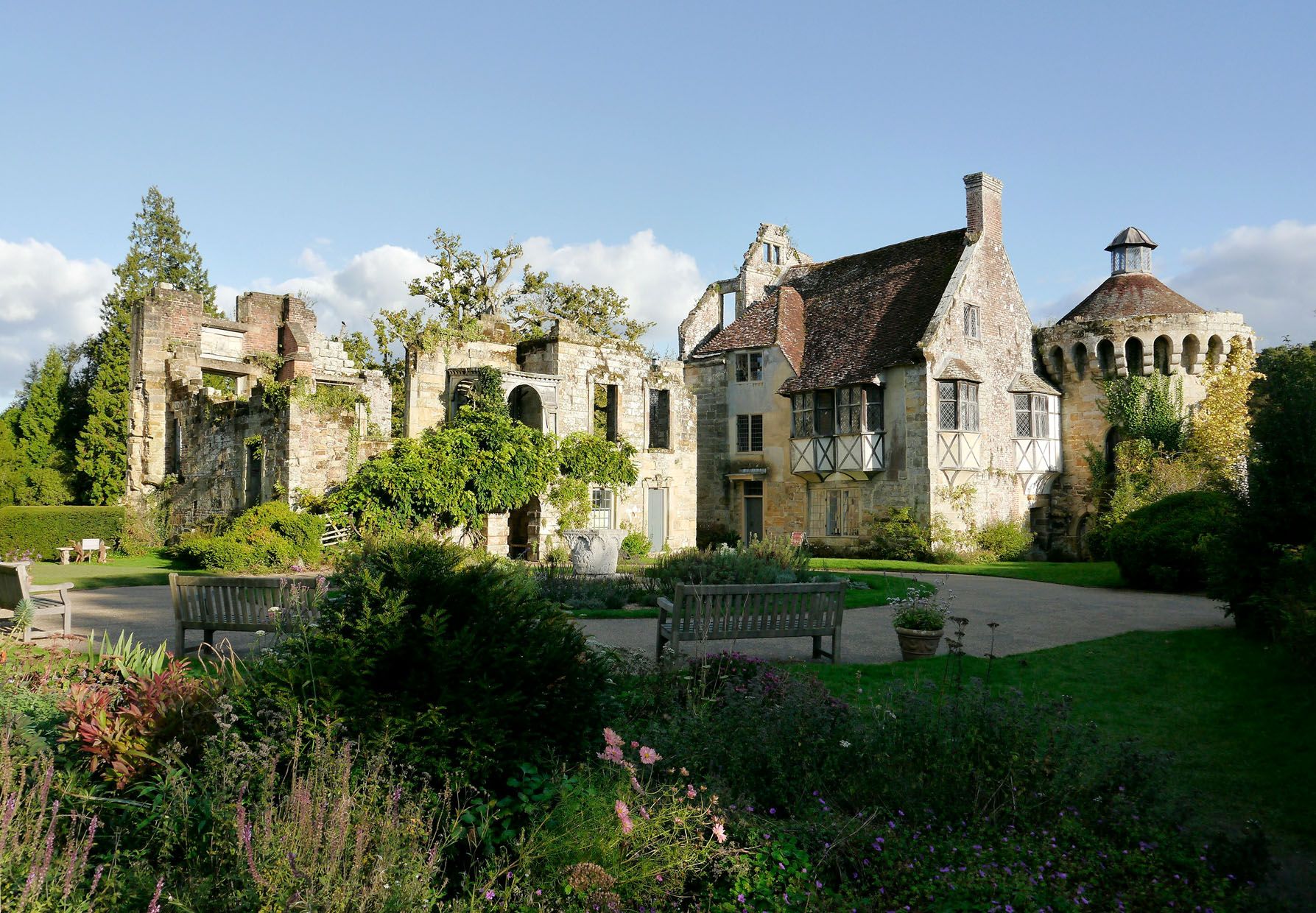
There are now several foundations that specialise in purchasing, restoring and managing buildings worthy of protection. Once again, a British organisation served as a model for this approach: the National Trust, founded in 1895 – a charitable organisation with no state backing, which today owns around 500 historical properties from all periods, as well as gardens, industrial and infrastructural heritage sites, and some 250,000 hectares of land. But what is to be done with all these assets? Ownership alone is not enough – they also need to be put to use. Accordingly, the National Trust rents out around 5,000 houses and cottages as residential properties and approximately 400 as holiday homes, ranging from tiny smugglers’ huts to entire country estates. Alongside historical buildings, the portfolio also includes a number of modern villas, such as House Chert on the Isle of Wight, which dates from the 1970s.
Holiday letting is not without controversy. Many of the National Trust’s regular tenants – it is one of the largest landlords in the country – complain that an increasing number of properties are being converted into lucrative holiday accommodation, thereby being withdrawn both from the housing market and from their social context. Nevertheless, the principle of financing historic monuments through holiday rentals has been widely adopted internationally.
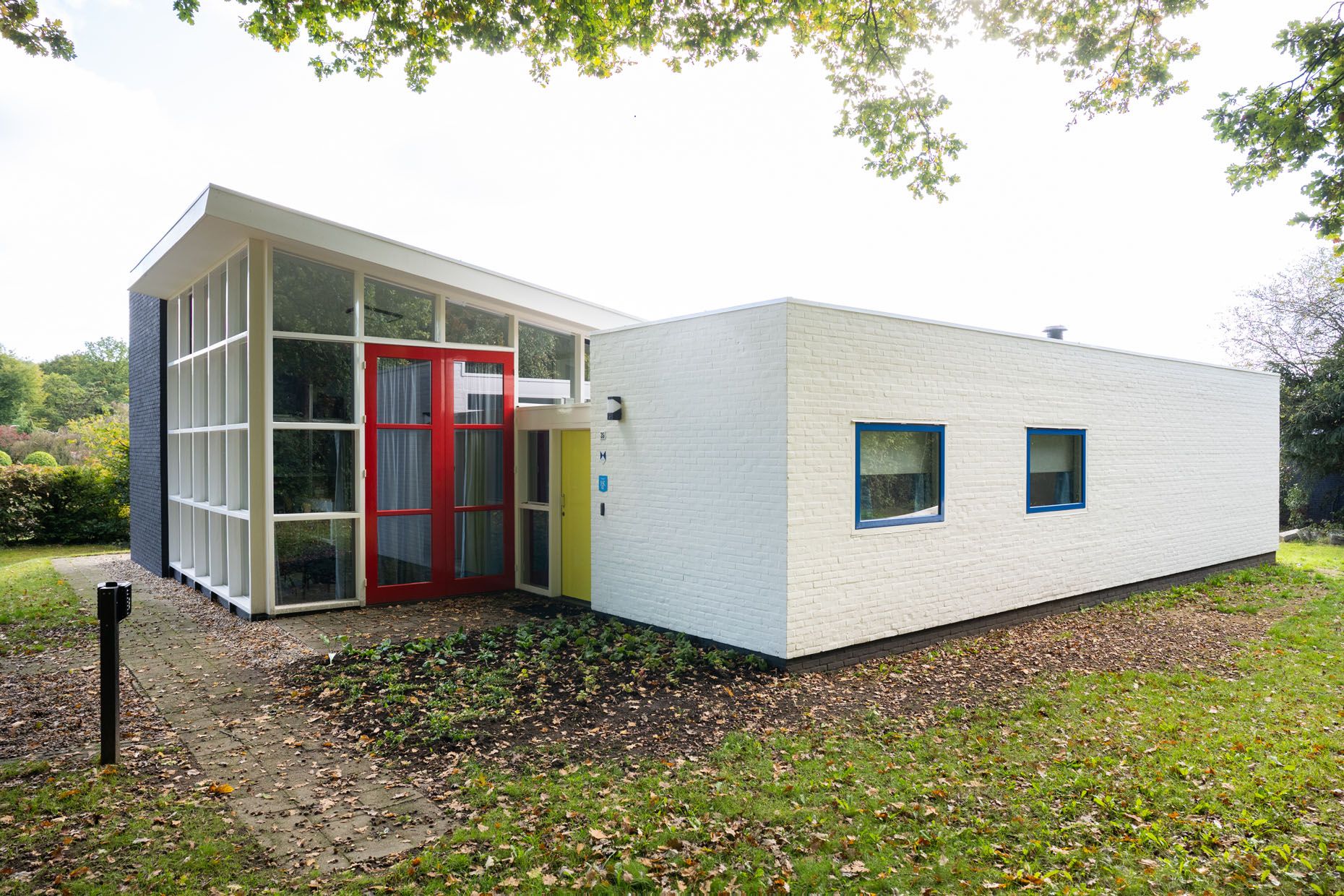
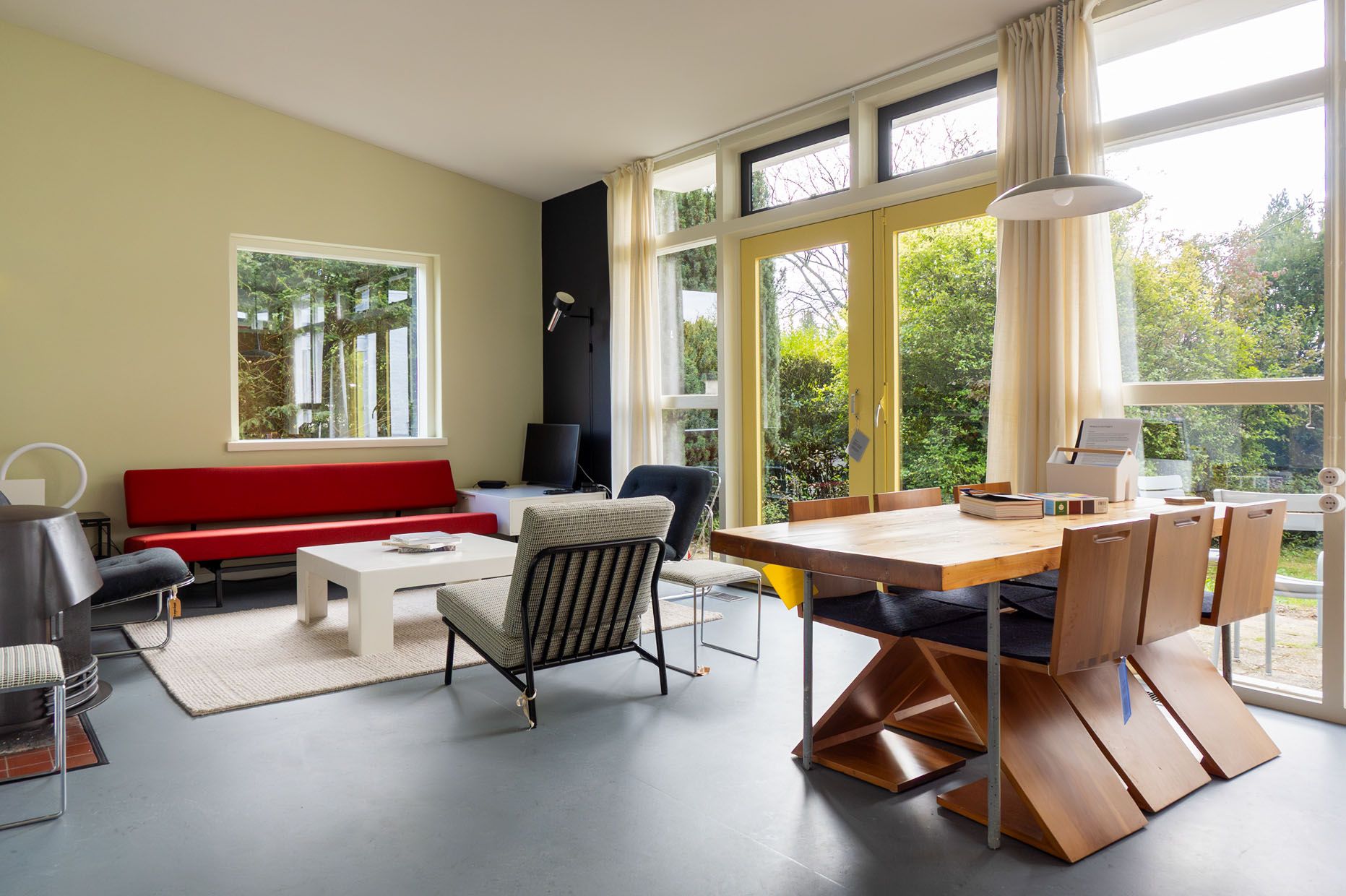
The Dutch Hendrick de Keyser Foundation, for example, also acquires buildings worthy of preservation, renting them out either as holiday homes or as long-term residential or working spaces. Its focus is on individual houses from all periods, from the 17th century to post-war modernism, often located in urban settings and identifiable only by a small blue plaque indicating the foundation’s ownership.
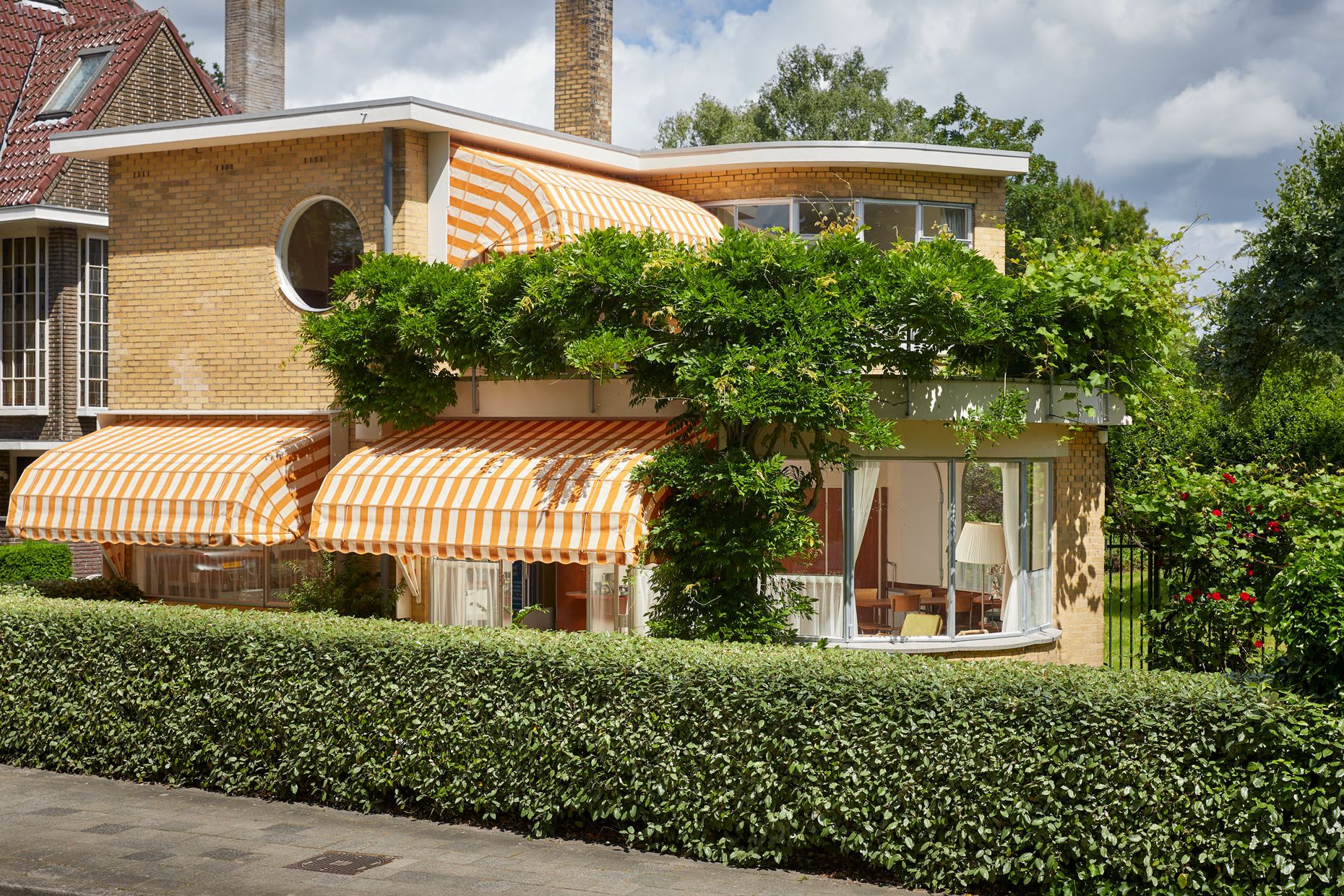
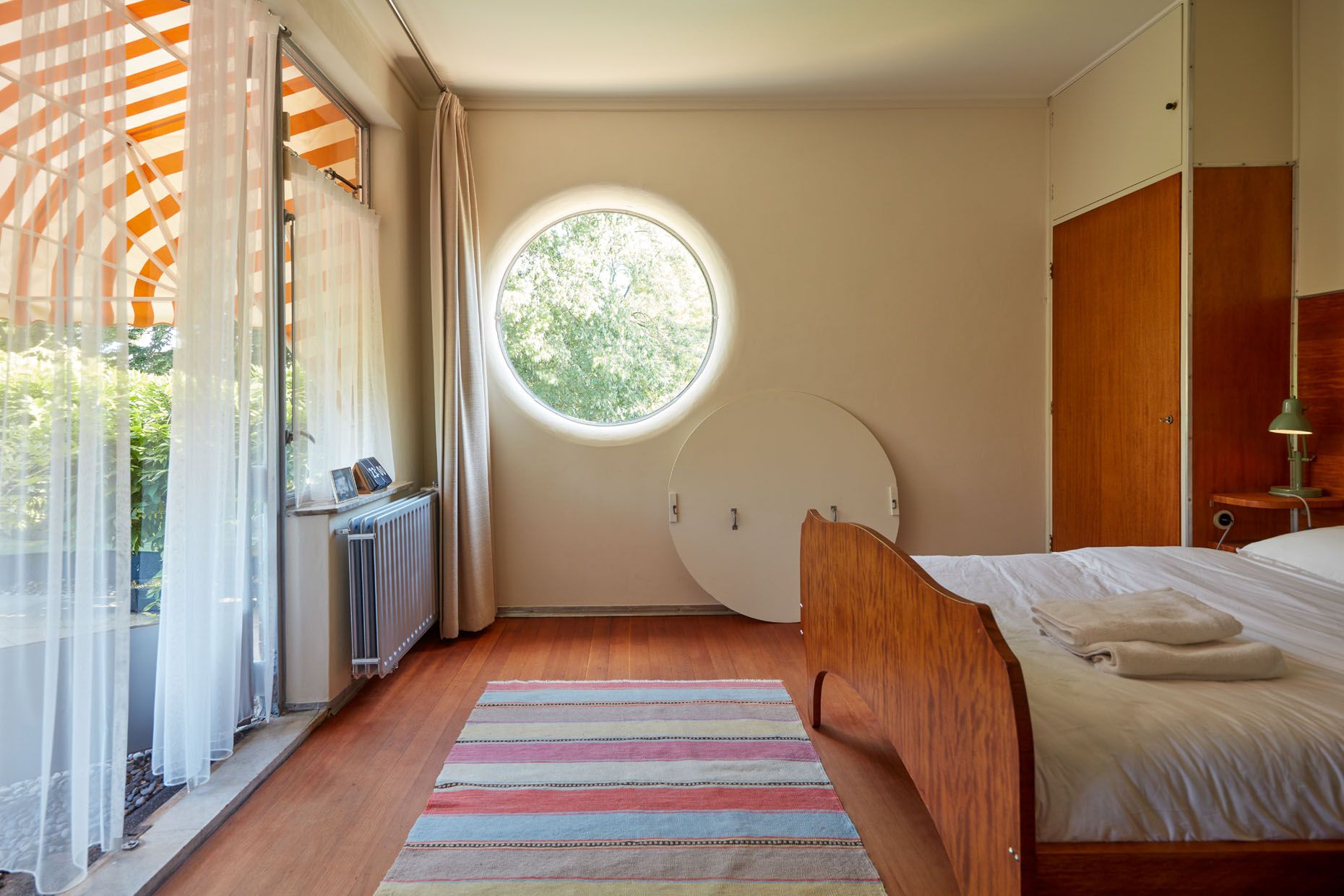
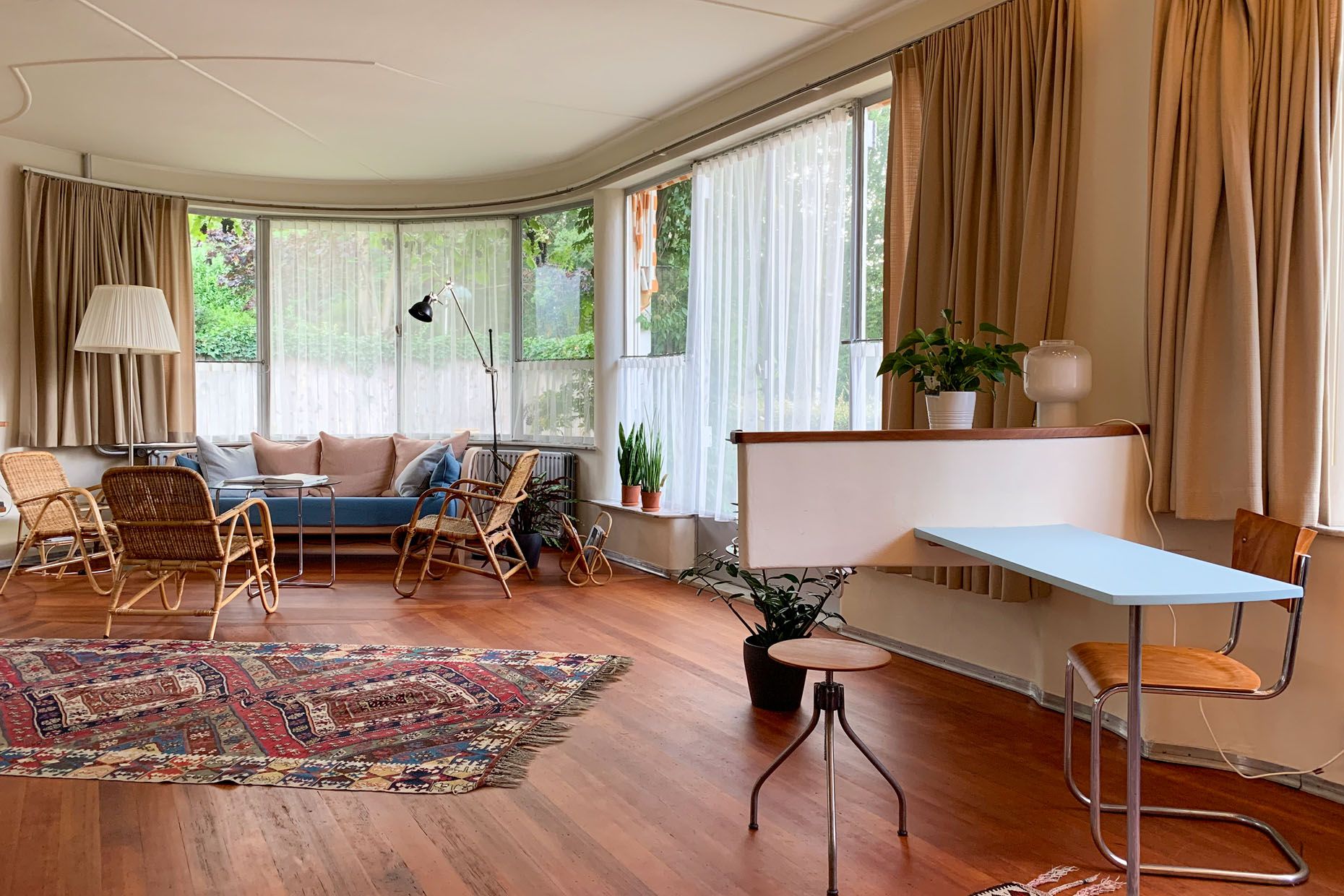
In some cases, properties shift from short-term holiday use to long-term rental, or vice versa, as with the Van Ravesteyn House in Utrecht. Designed in 1932 by the architect of the same name, it was at times available for short stays and at others open to the public as a house museum. However, as the returns proved insufficient, it is now let on a long-term basis. “In order to future-proof our collection, we need to set priorities,” the foundation states.
Long-term rental, by contrast, is not an option for the British Landmark Trust. It deliberately focuses on smaller, less convenient or more remote historical buildings for which no viable conventional use exists. Holiday letting is their means of rescue, with rental income flowing directly into maintenance. The Landmark Trust only rarely acquires the properties; instead, it typically agrees on alternative forms of collaboration with owners who are unable to save a building on their own.
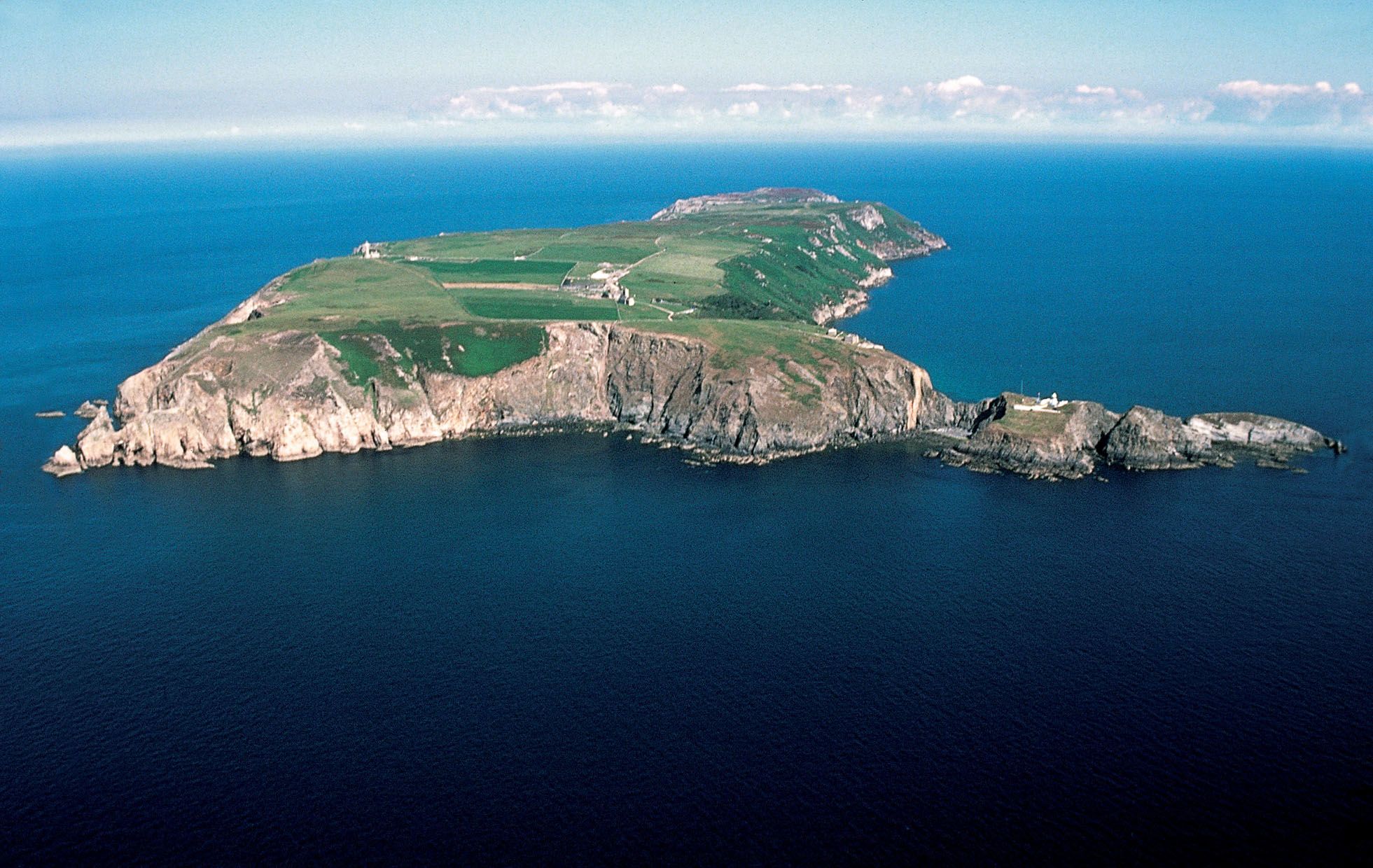
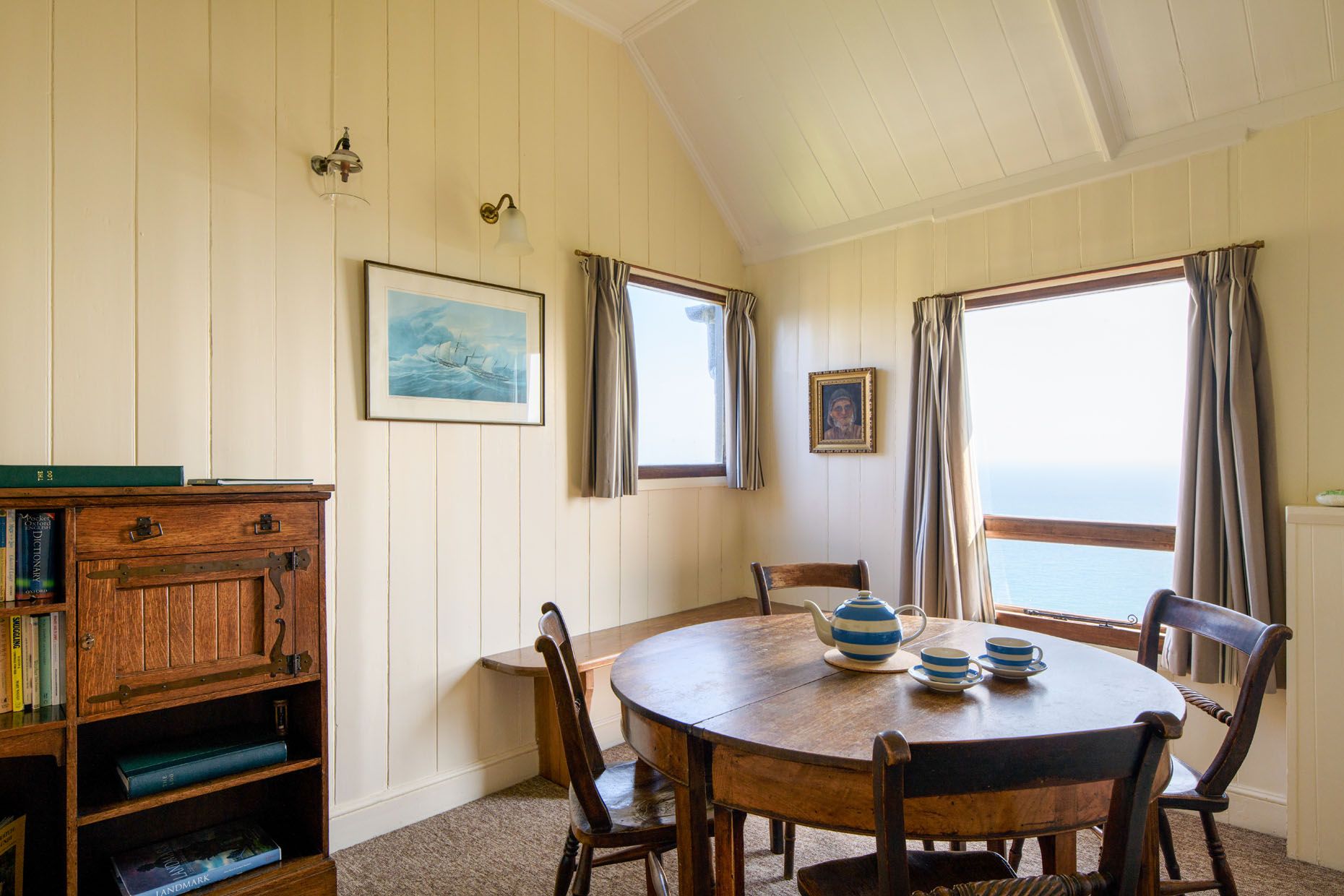
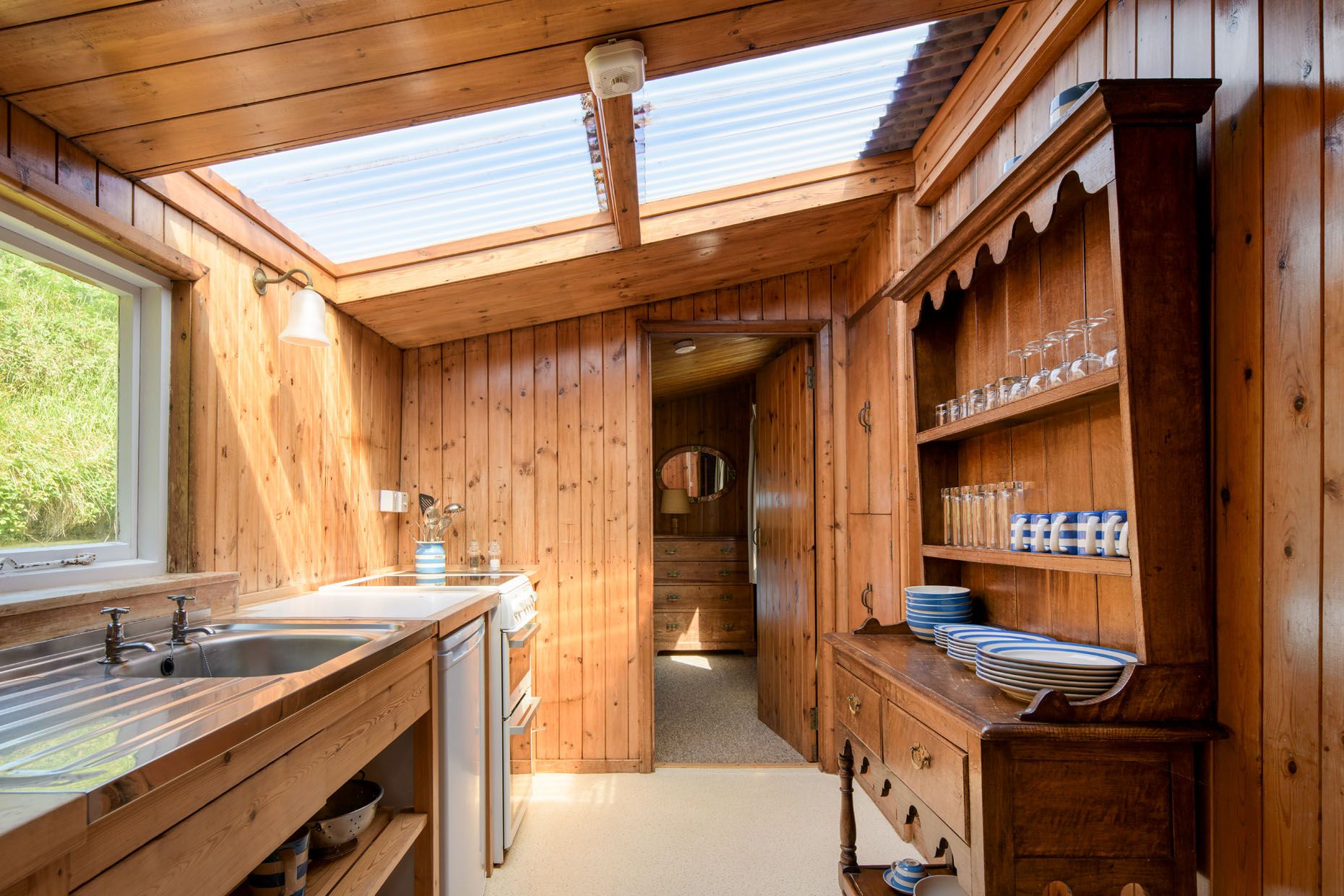
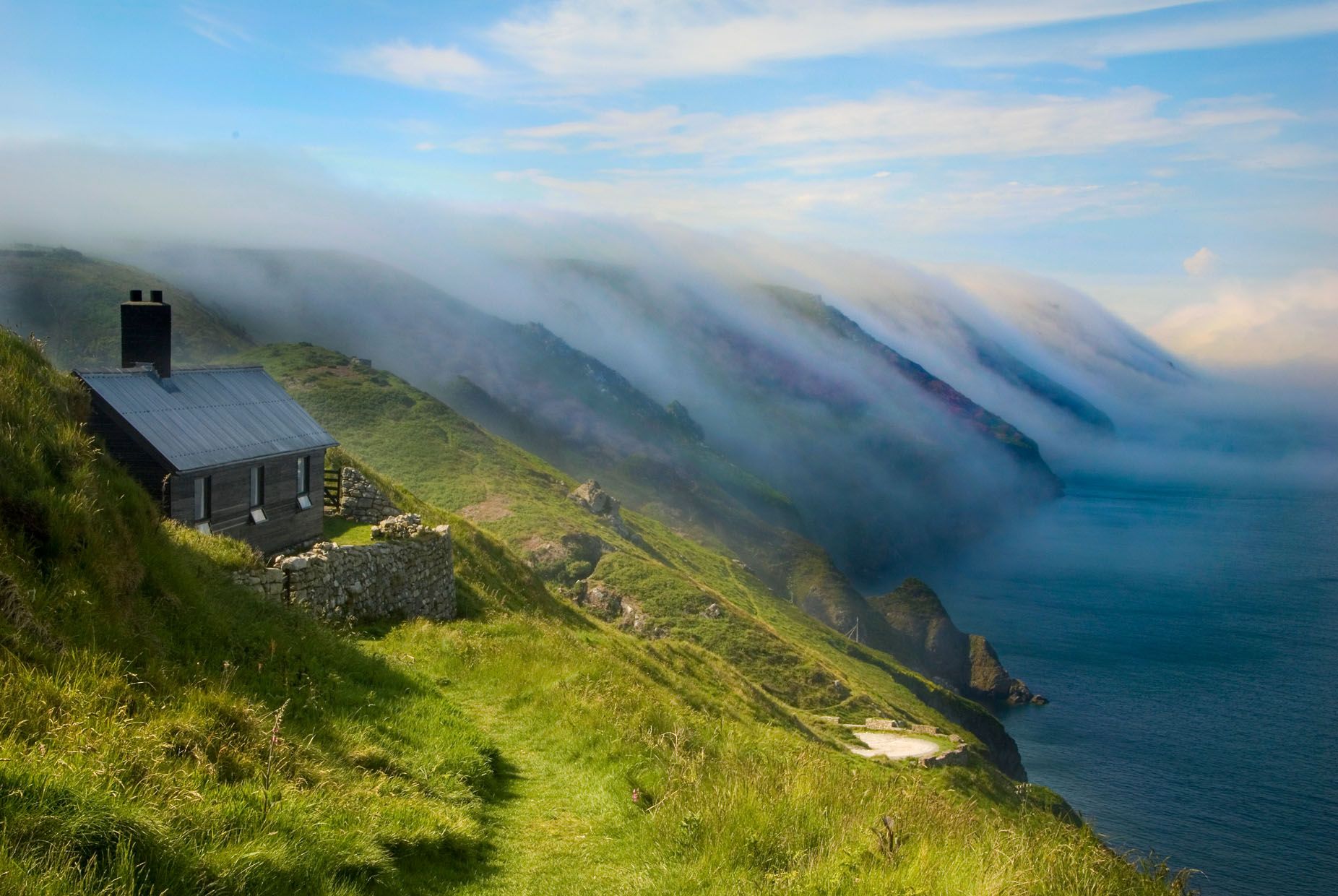
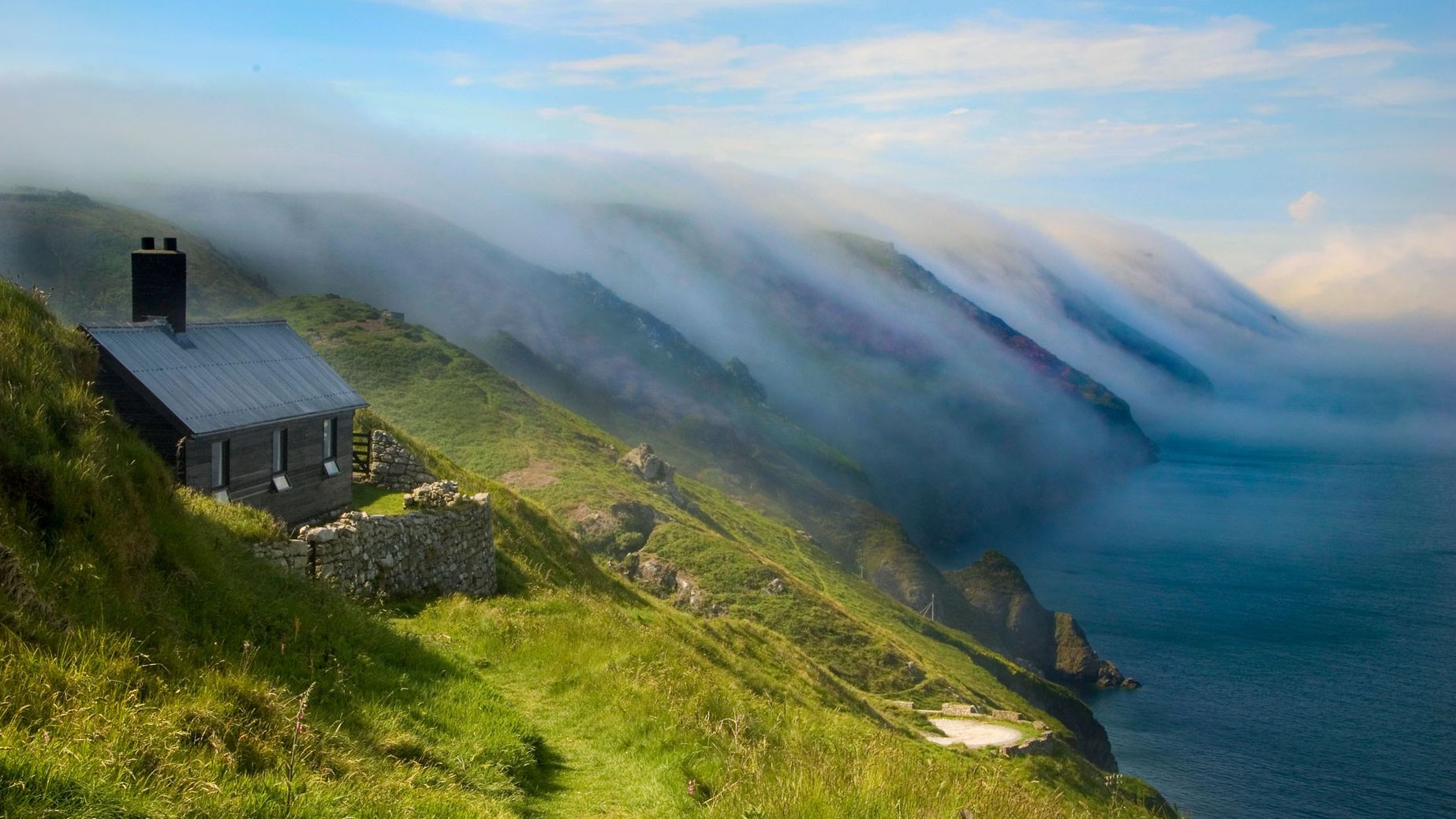
Its portfolio even includes an entire island: Lundy Island off the coast of Devon, once an illegal self-declared state and now home to 23 holiday accommodations in a castle and various cottages. The island itself is owned by the National Trust.
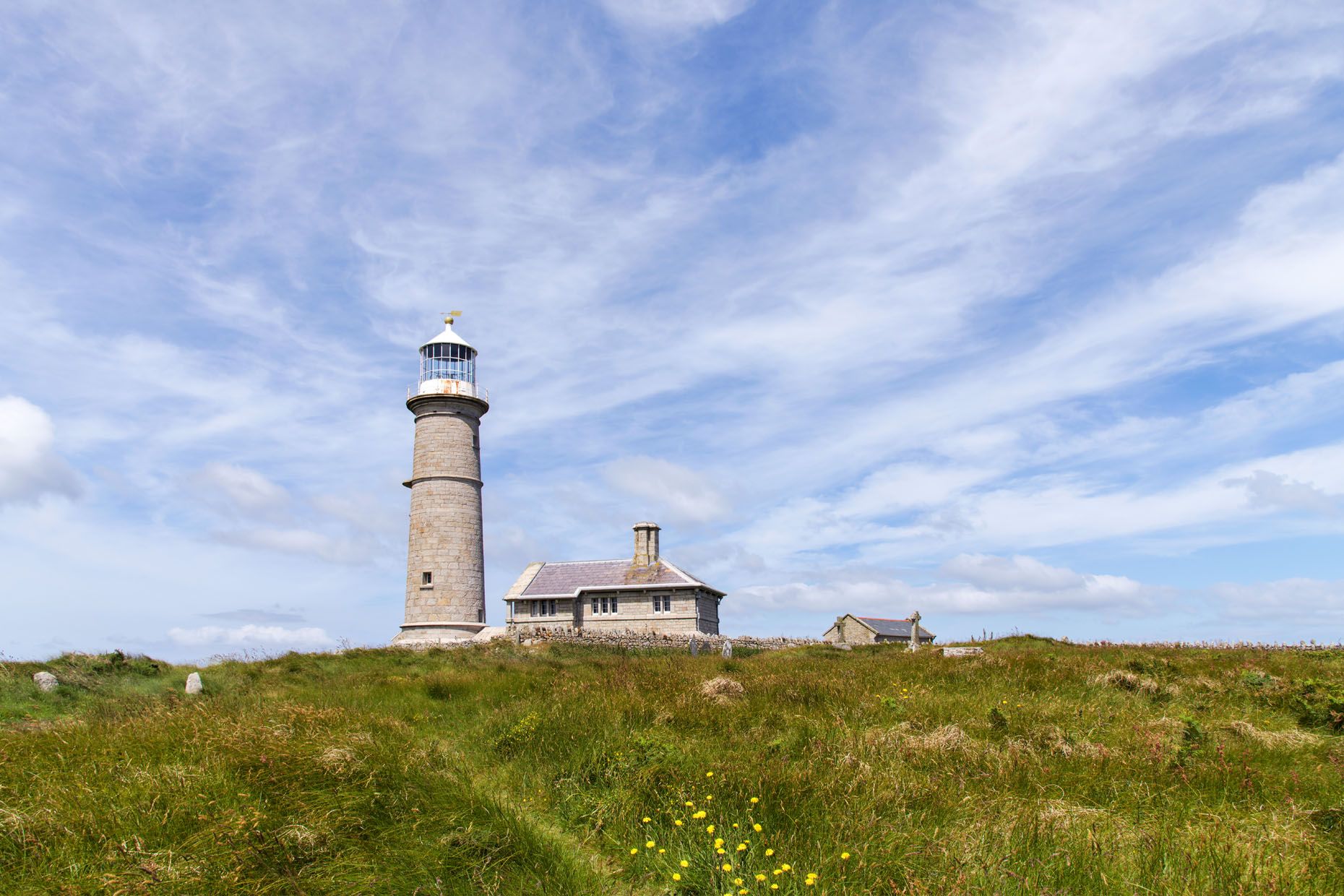
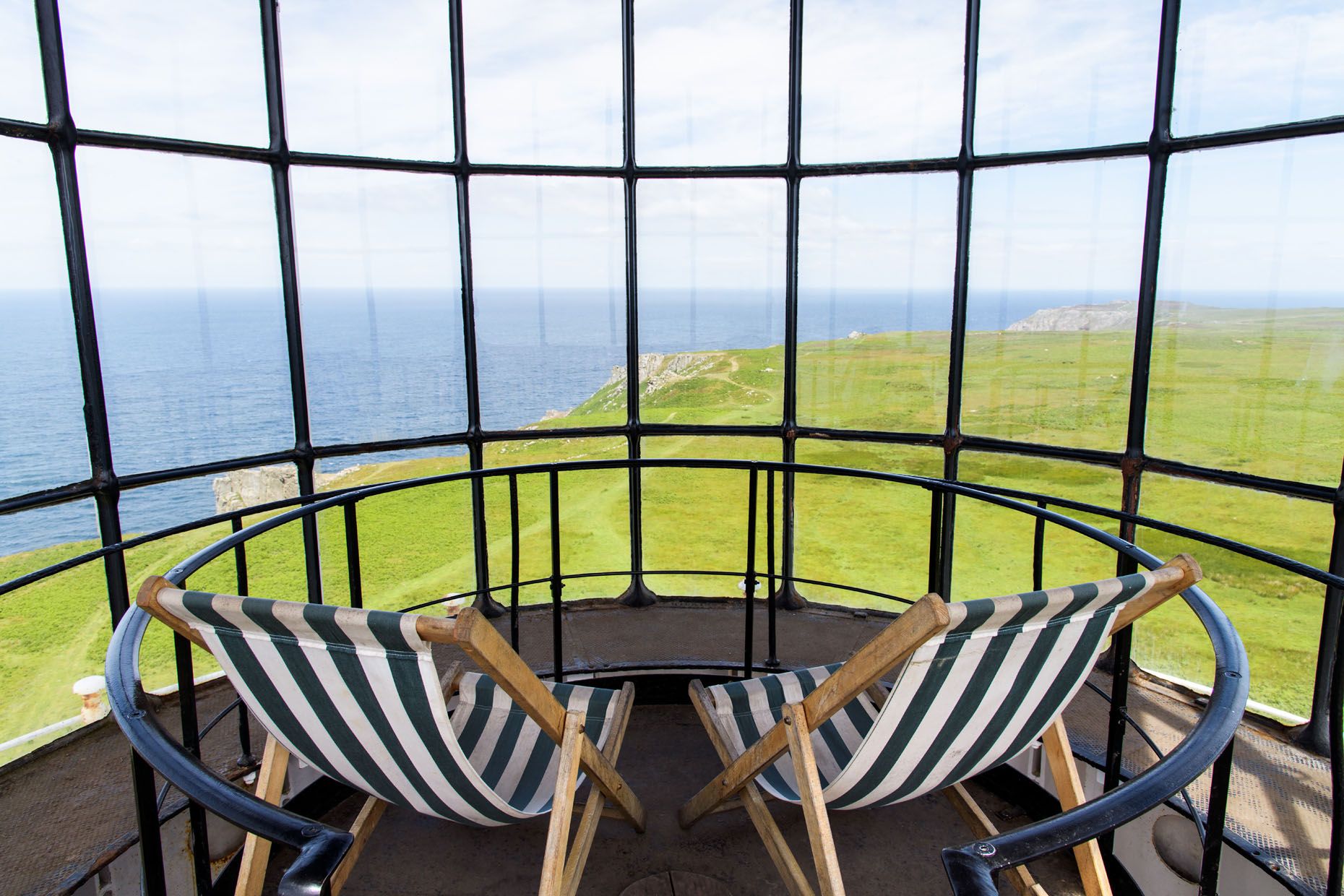
A key question for the Trust when selecting buildings is: “Is it somewhere nice to spend a holiday – once restored, can we make it financially sustainable?” At the same time, its website emphasises: “We are a building preservation charity first and foremost, not a holiday letting agency.” Clearly, balancing charitable purpose with a viable funding model is not always straightforward, and the criticism that holiday rentals risk becoming an end in themselves is never far away.
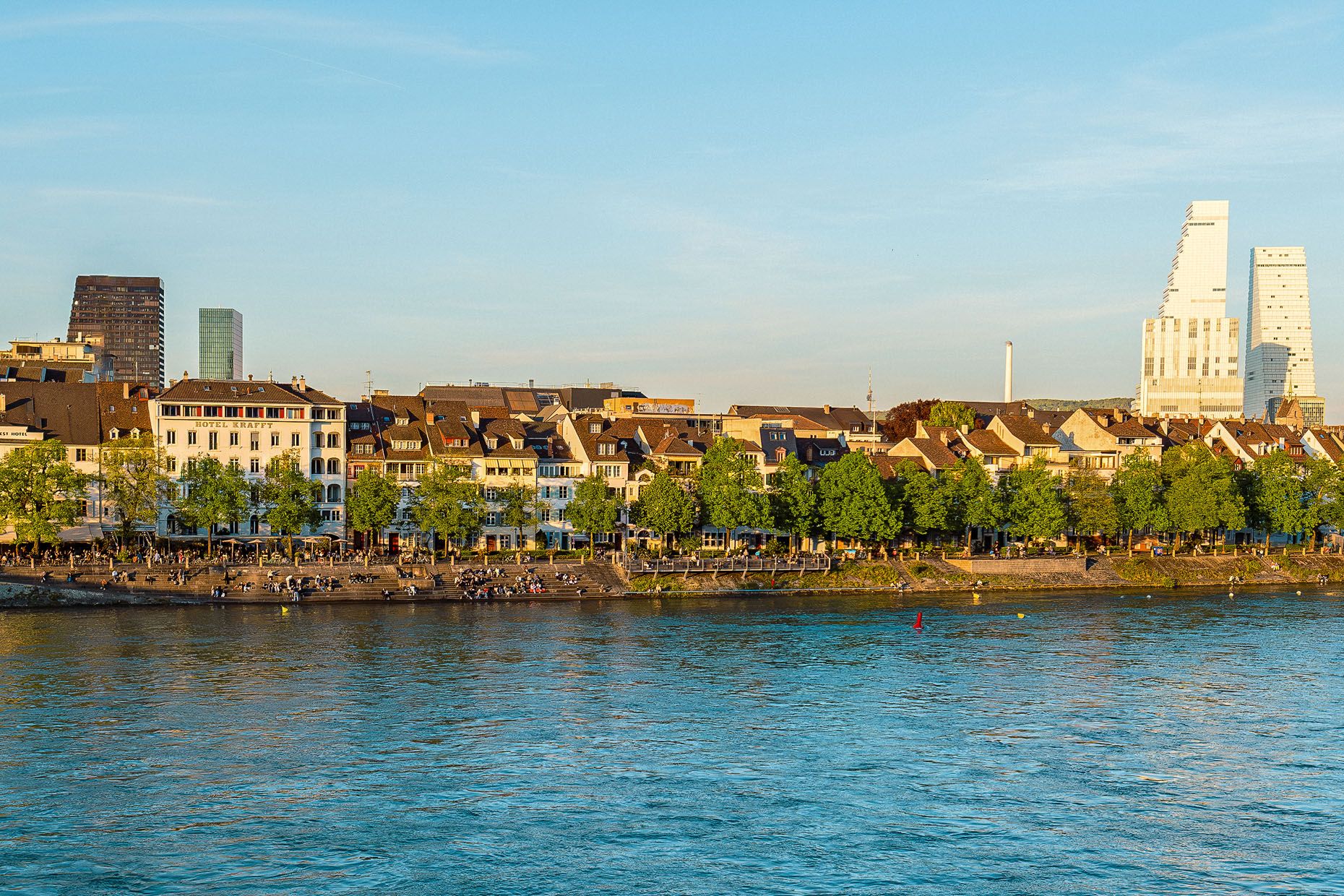
The Swiss Edith Maryon Foundation, by contrast, is spared such concerns, as its social mission is beyond doubt. It does not operate primarily in monument preservation, but as a land and property foundation financed through donations, gifts and bequests. Land and buildings are acquired and removed from the speculative market in order to secure their long-term socially responsible use. Founded as recently as 1990 by three idealists with initial capital of just 12,000 Swiss francs, the foundation today manages a property portfolio worth millions, comprising around 170 holdings.
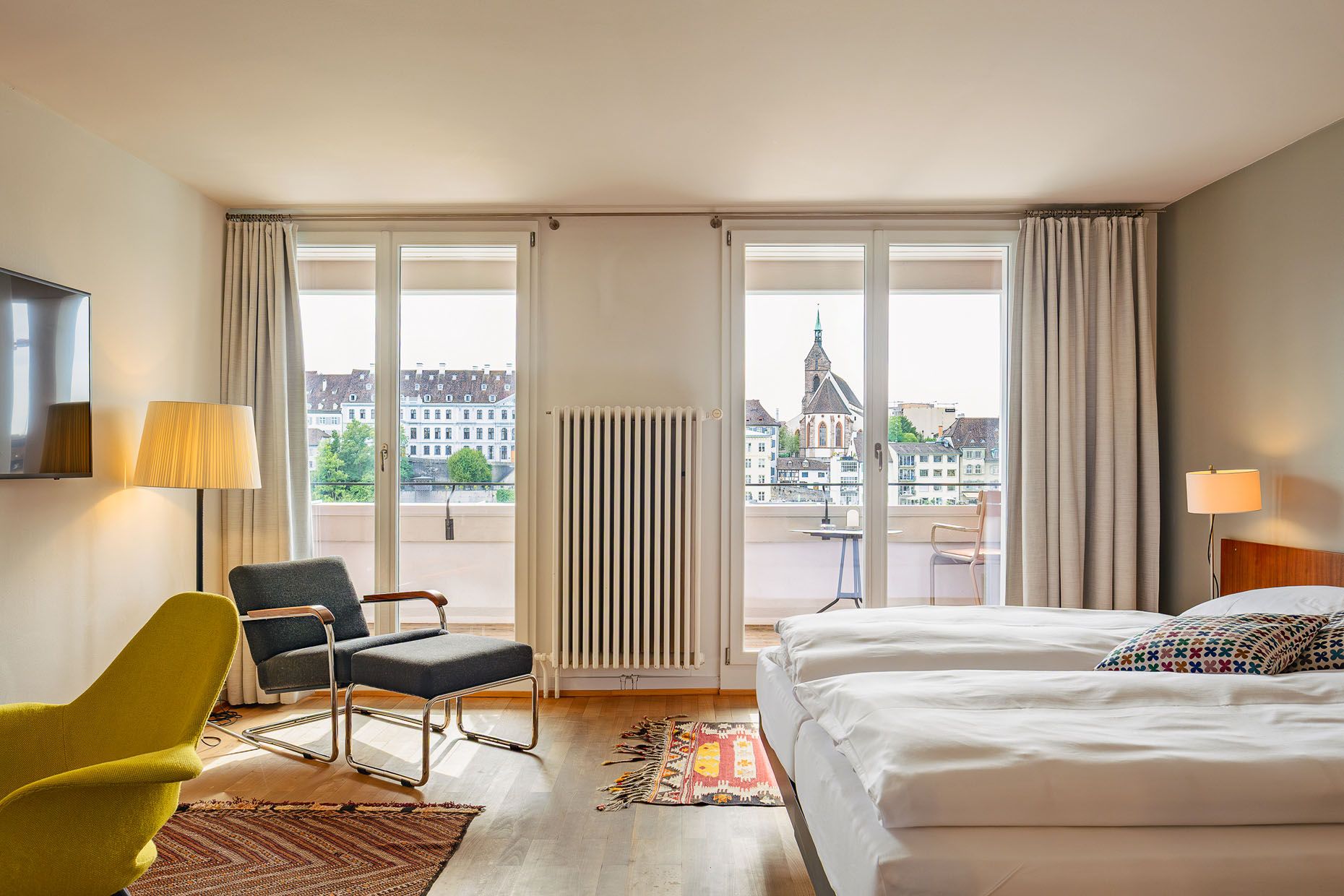
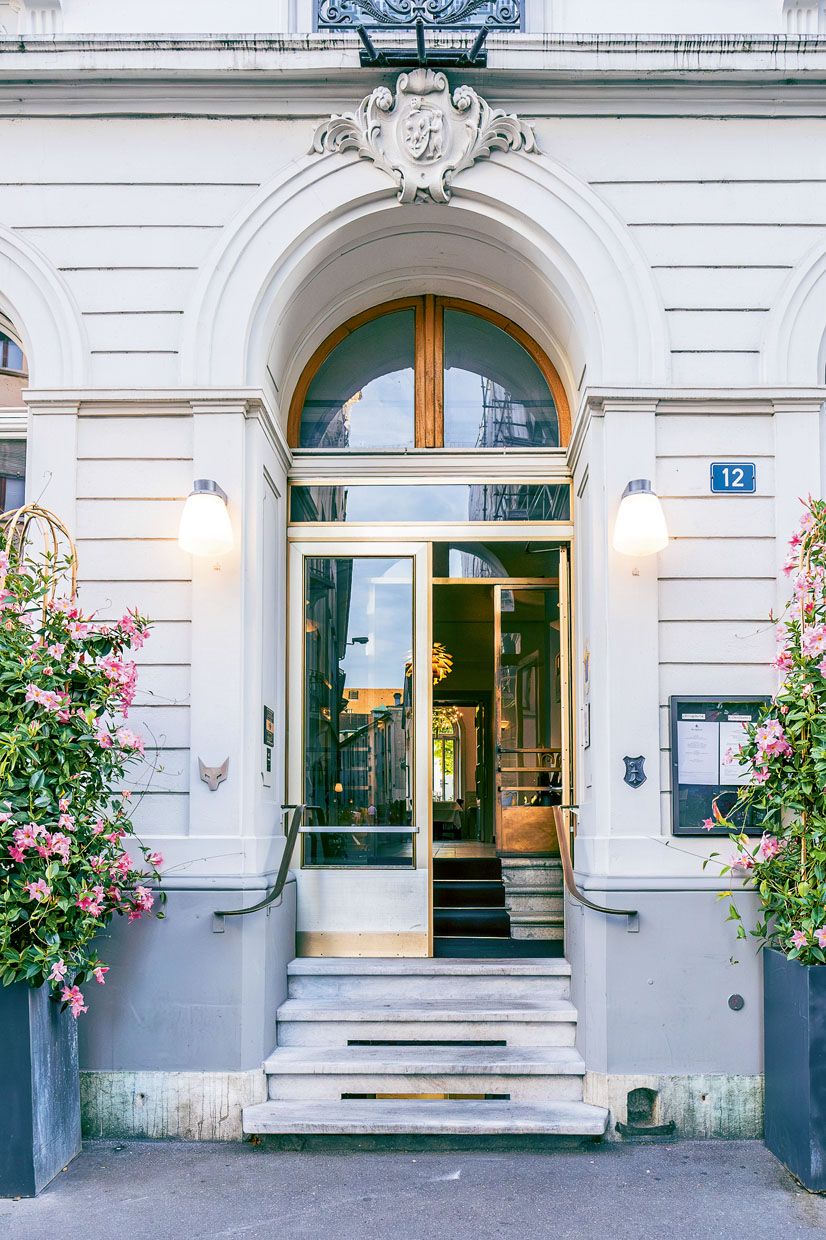
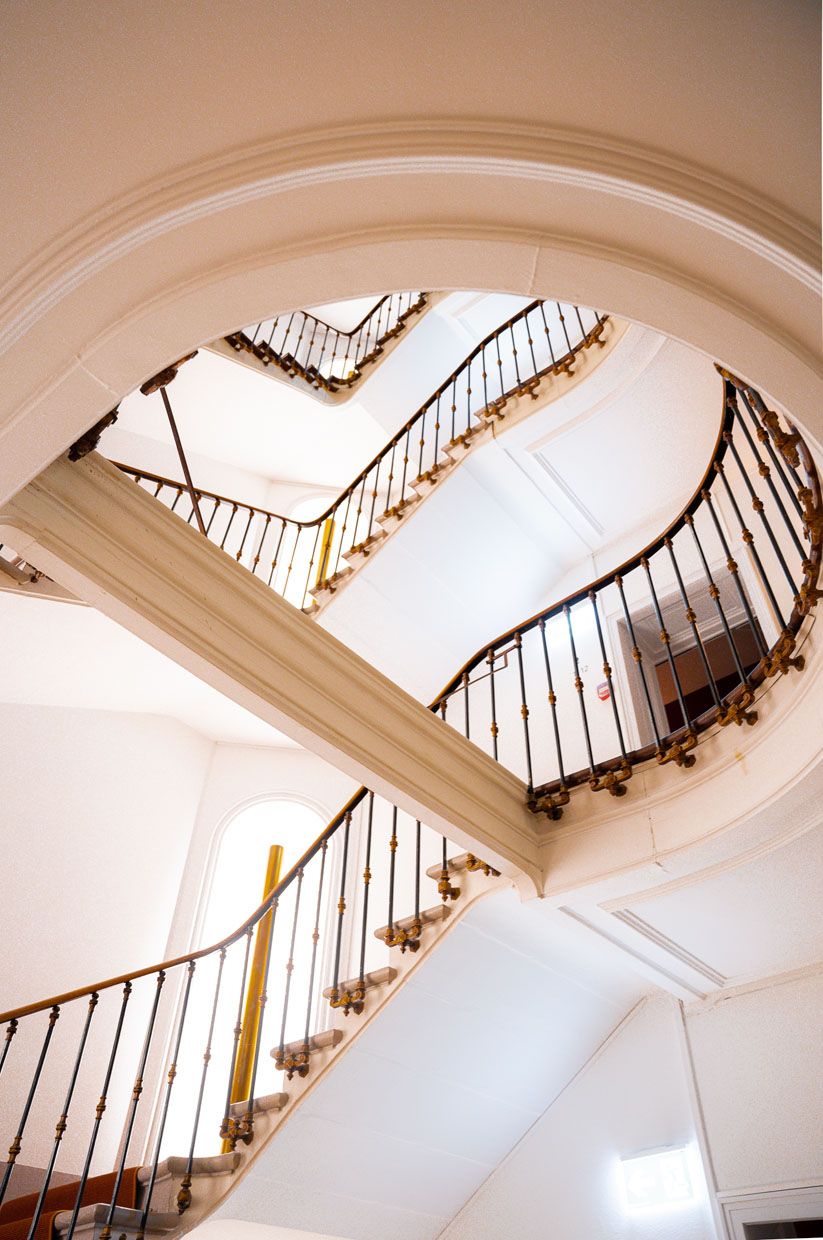
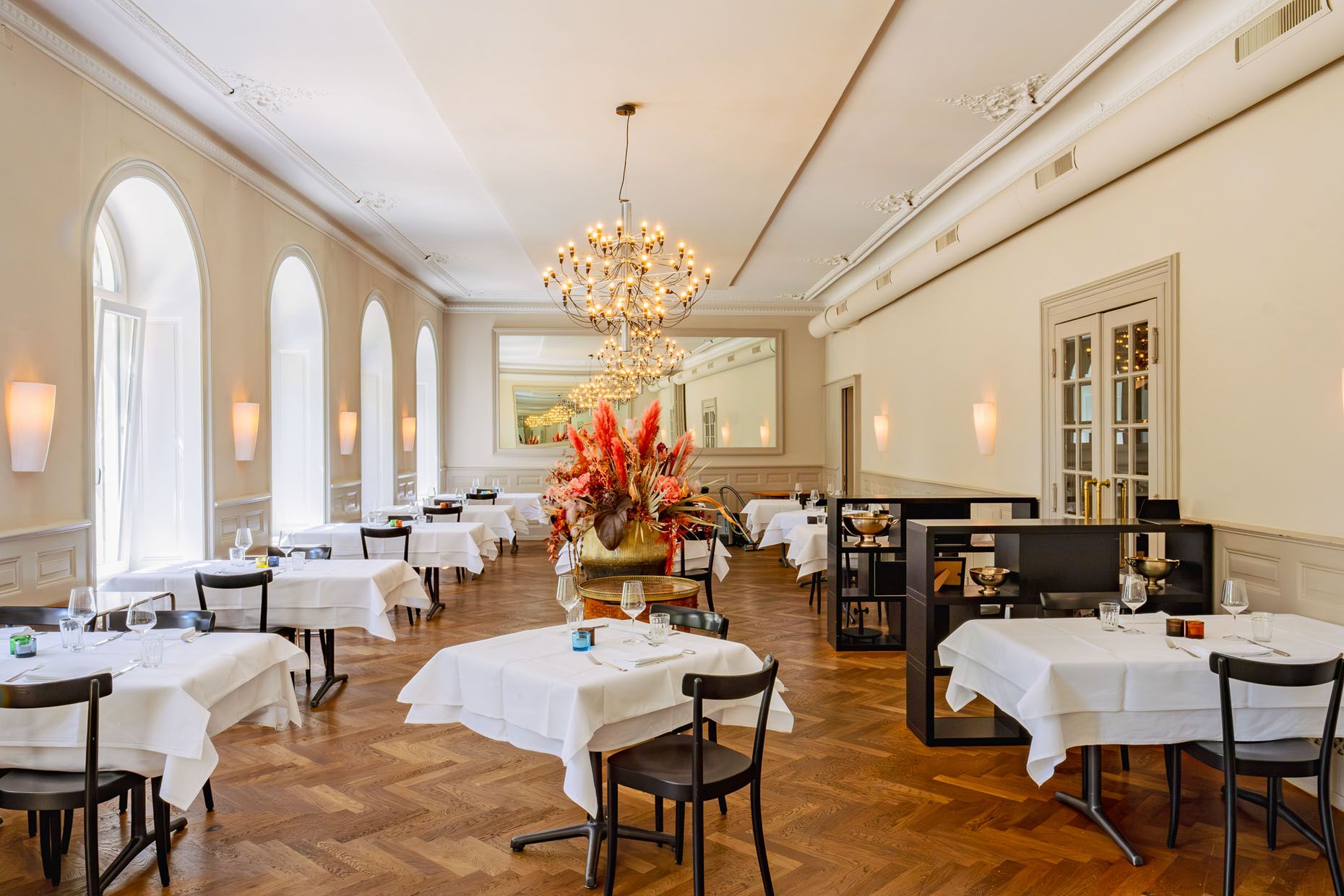
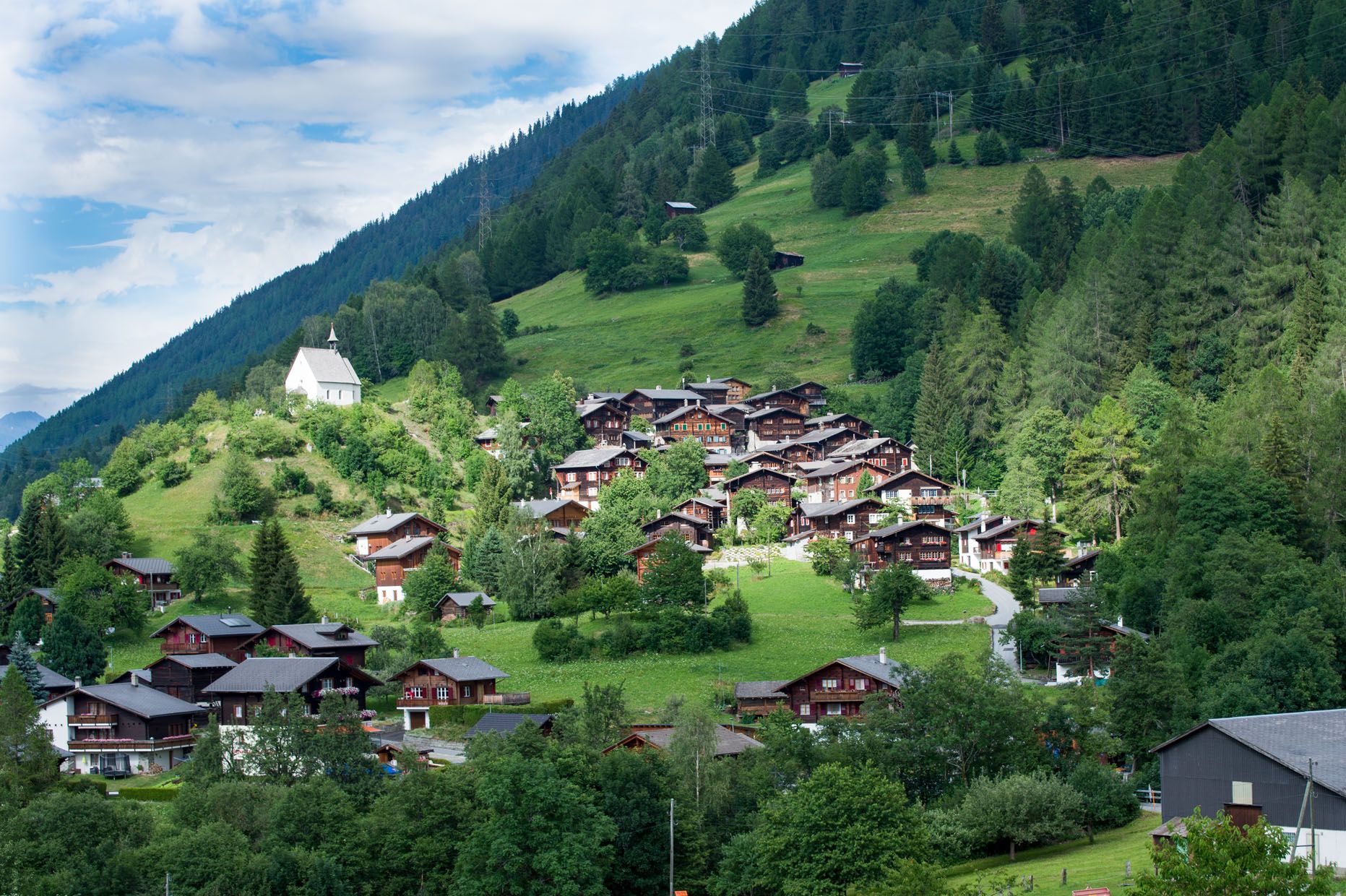
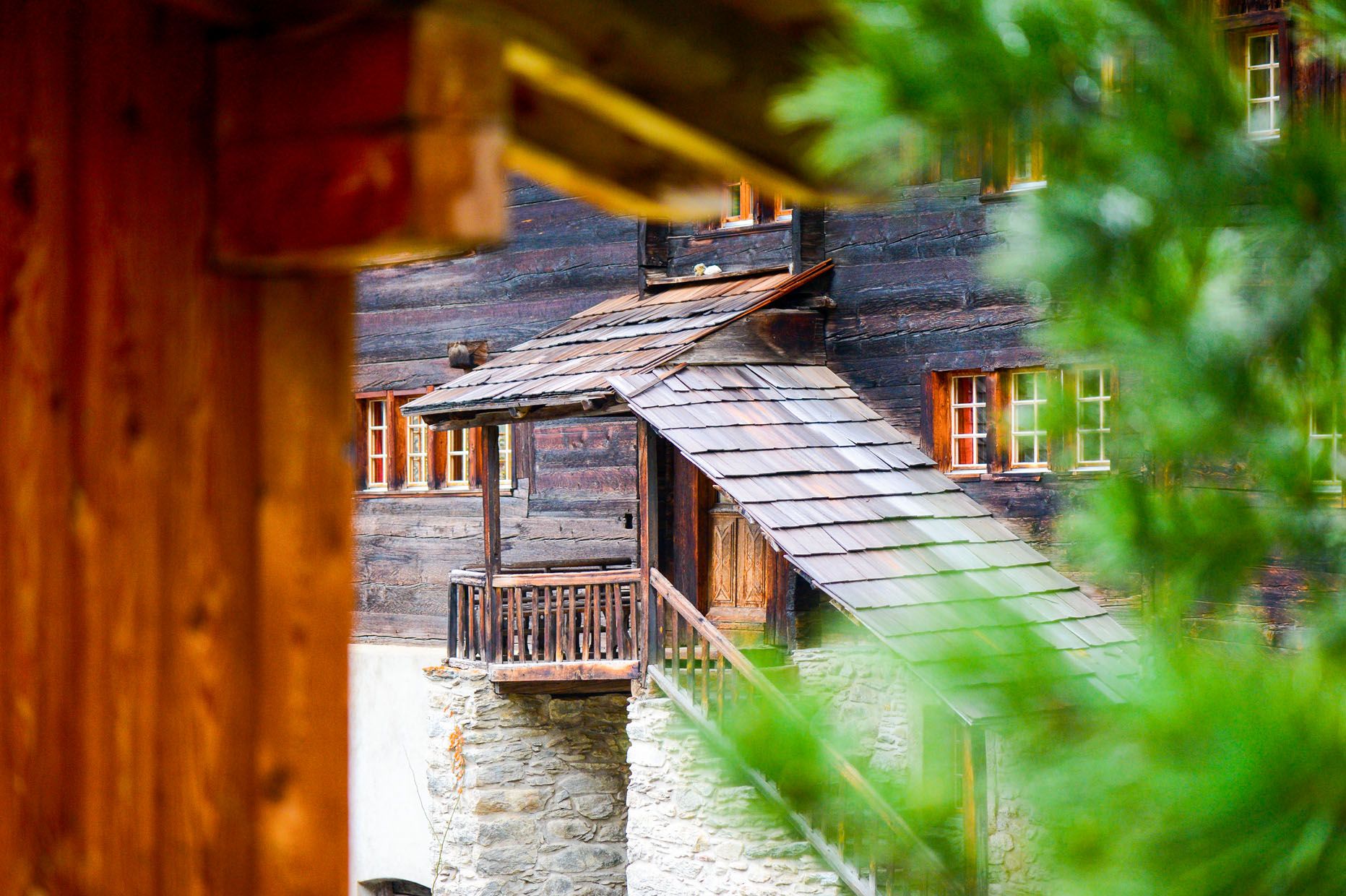
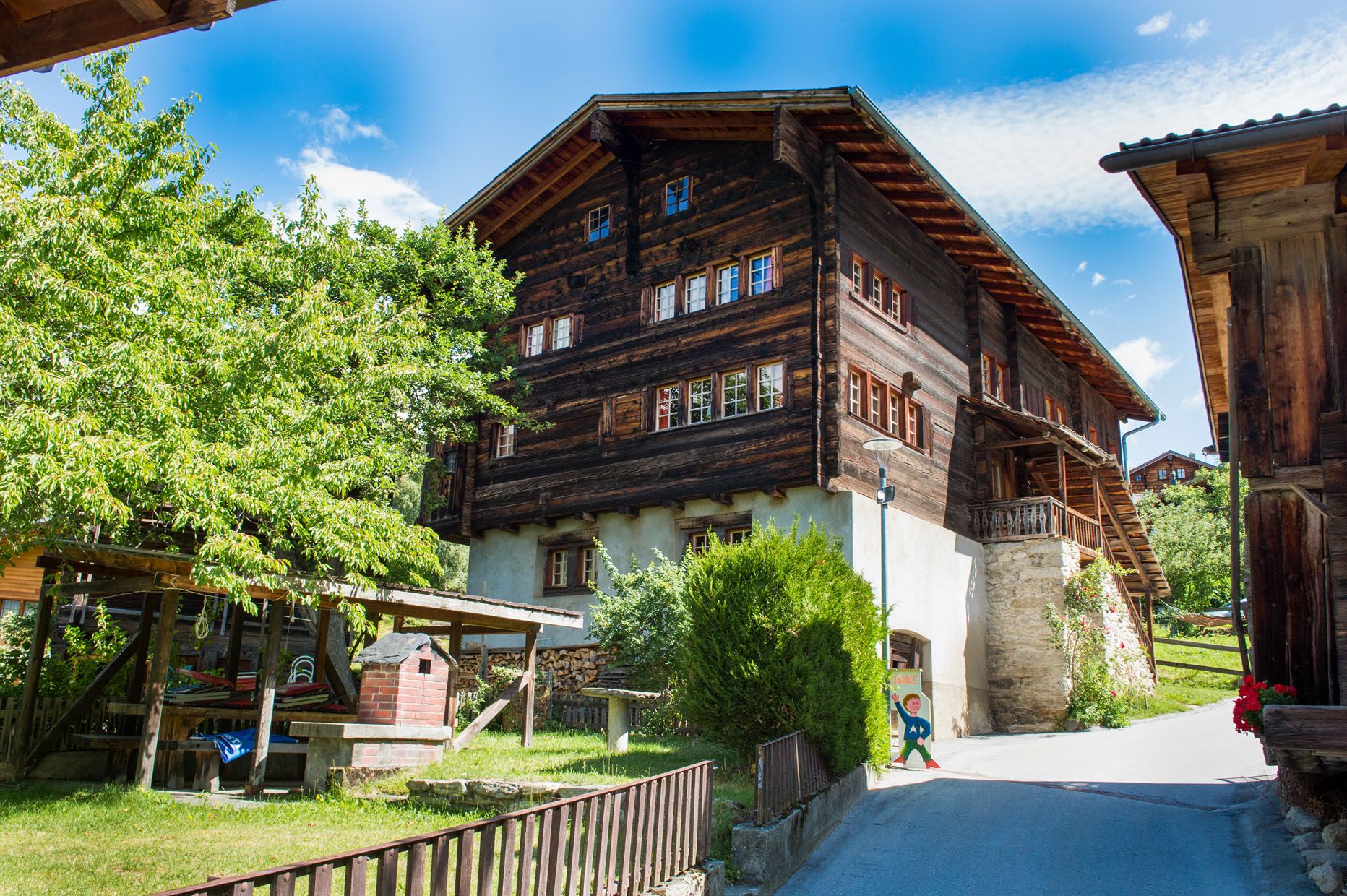
These include not only, but also, historical buildings, which are thus preserved without formal heritage protection. Many are rented out on a long-term basis, while some are also available to holidaymakers – such as the 400-year-old Melchior Schiner House in Valais or Hotel Krafft in Basel.
Project funding and lobbying are important tools in monument protection and can achieve broad impact. However, ownership remains the most reliable guarantee of long-term preservation – even if it is also the most costly approach. This is why the use of buildings plays such a crucial role. Ideally, multiple objectives can be achieved at once: buildings that (as yet) fall outside the scope of official protection are preserved, while their non-museal use also generates added social value.
Further European organisations and foundations
Stiftung Ferien im Baudenkmal (Switzerland)
The non-profit foundation is dedicated to preserving historically significant buildings in Switzerland by carefully restoring them and making them available as holiday homes. In this way, historic buildings are not only preserved, but also actively used and brought to life. You can read our interview with Christine Matthey, the foundation’s director, here.
Initiative Denkmalschutz (Austria)
This non-profit association advocates for the preservation of endangered cultural assets in Austria through public statements, campaigns and political pressure. It sees itself as a broad civil society platform bringing together professional experts and engaged members of the public.
Irish Georgian Society (Ireland)
Founded by two members of the Guinness family, the organisation promotes the conservation of outstanding architecture and decorative arts of all periods in Ireland – through educational programmes, scholarships, restoration funding, participation in planning processes and lobbying.
Fortidsminneforeningen / National Trust of Norway (Norway)
Norway’s oldest monument preservation organisation is dedicated to preserving cultural monuments from all periods. It manages around 40 properties of its own – including eight of the world’s remaining stave churches – and plays an active watchdog role in relation to state monument protection authorities.
Realdania (Denmark)
This membership-based philanthropic association owns a collection of historical buildings representing five centuries of Danish architectural history. It rents them to private individuals and businesses and also invests in innovative new buildings and urban development projects.
French Heritage Society (France)
An American non-profit organisation that supports the preservation of French architectural and cultural heritage in both France and the United States through restoration funding and educational programmes.
Fondation du Patrimoine (France)
This private non-profit organisation promotes the preservation of French heritage through fundraising campaigns, corporate partnerships and initiatives such as the “Loto du Patrimoine” (Heritage Lottery).
Fondo per l’Ambiente Italiano (Italy)
Modelled on the British National Trust, the organisation acquires and restores historical buildings, gardens and landscapes across Italy and opens them to the public.
Hispania Nostra (Spain)
The organisation protects and promotes Spain’s cultural and natural heritage through campaigns, awards, a Red List of endangered sites, and international networking via Europa Nostra.
APRUPP (Portugal)
The Portuguese association promotes and disseminates the concept of urban rehabilitation as an instrument for safeguarding the built heritage – through knowledge transfer, training and networking of professional experts.
Monumenta (Greece)
This non-profit organisation is dedicated to the protection of natural and architectural heritage in Greece and Cyprus. Its activities include interventions to safeguard endangered monuments and historical buildings, as well as research and educational programmes and public outreach.
Czech National Trust (Czech Republic)
Modelled on the British example, this organisation promotes the protection and conservation of Czech cultural heritage through sponsorship and volunteer engagement, aiming to foster a culture of civic involvement in monument preservation.
New Heritage Foundation (Poland)
The foundation is committed to preserving historical manor houses and castles in Poland – through conservation projects, a network of experts and craftspeople, and the involvement of volunteers.
Text: Anneke Bokern
Photo credits: Landmark Trust: Lundy Island, Hanmers: © Stuart Leavy (Cover photo), Deutsche Stiftung Denkmalschutz: Radarstation Teufelsberg © Alexander Gütter (1), Deutsche Stiftung Denkmalschutz: Kirche Hohenzollernplatz, Berlin-Wilmersdorf © Claus Boeckh (2–4), National Trust: Scotney Castle, Lamberhurst, Kent, UK © Steve Payne / Unsplash (5), Hendrick de Keyser: Huis Slegers. Baujahr 1955, Architekt: Gerrit Rietveld. Foto: © Elise Borsboom (6/7), Hendryk de Keyser: Huis Van Ravesteyn © Anneke Bokern © Herman van Heusden (8–10), Landmark Trust: Lundy Island, Luftbild © Landmark Trust (11), Landmark Trust: Lundy Island, Hanmers: © Stuart Leavy © Jill Tate (12–14), Landmark Trust: Lundy Island, Old Lighthouse © Jill Tate (15/16), Stiftung Edith Maryon: Hotel Krafft, Basel © Krafft Gruppe (17–21), Stiftung Edith Maryon: Melchior Schiner Haus, Wallis © Samuel Riggenbach (22–24)

3 Comments
Thanks, Anneke, great article!
Großartig! Vielen Dank!
Danke für diesen spannenden Beitrag!