
Bridging the gap between history and modernity in Switzerland
The Swiss Foundation for Holidays in a Historical Building has been working at the interface between tourism and the conservation of historical buildings by promoting the preservation of historically significant buildings. Threatened architectural monuments are revived as holiday properties after gentle restoration.
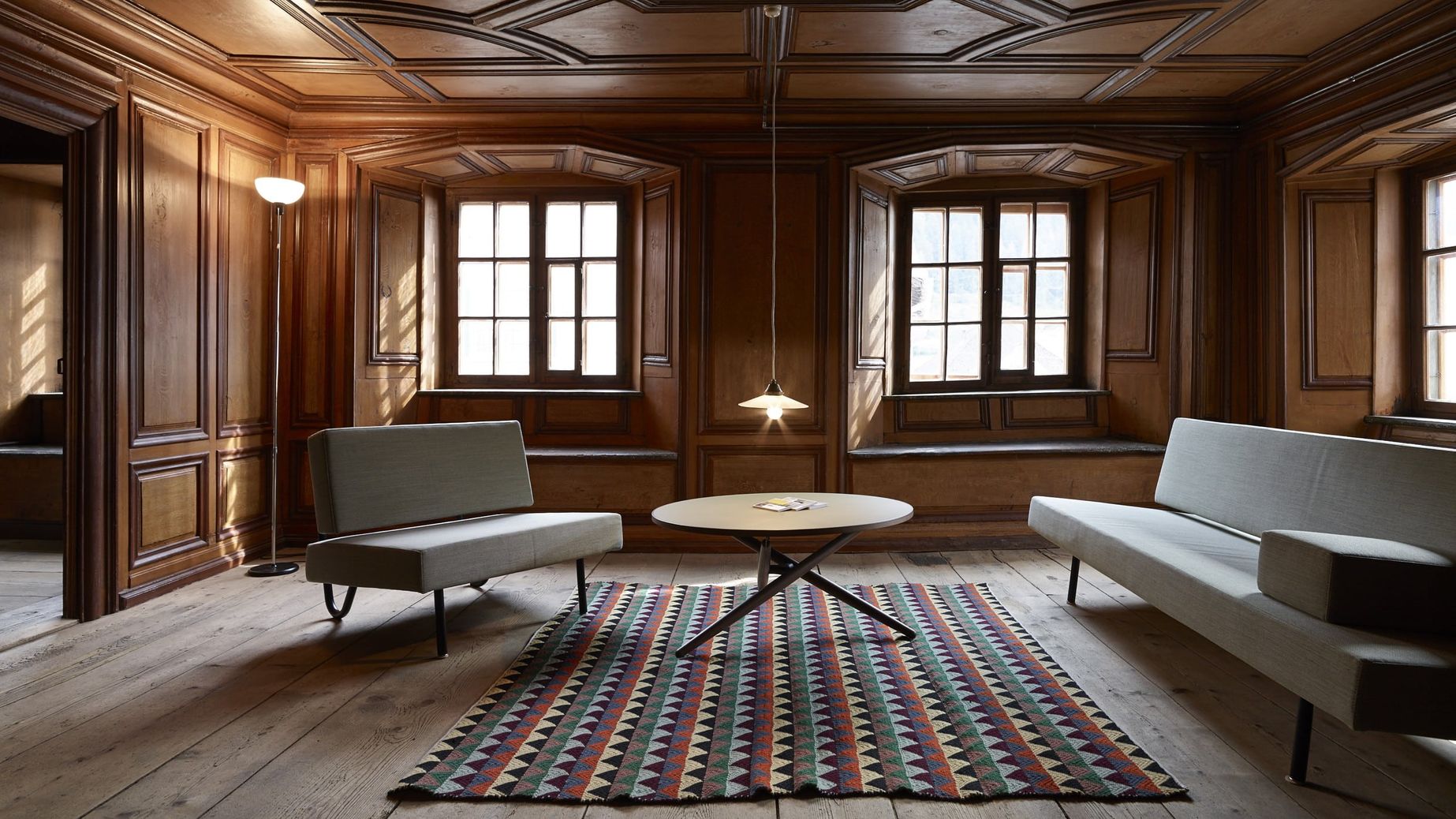
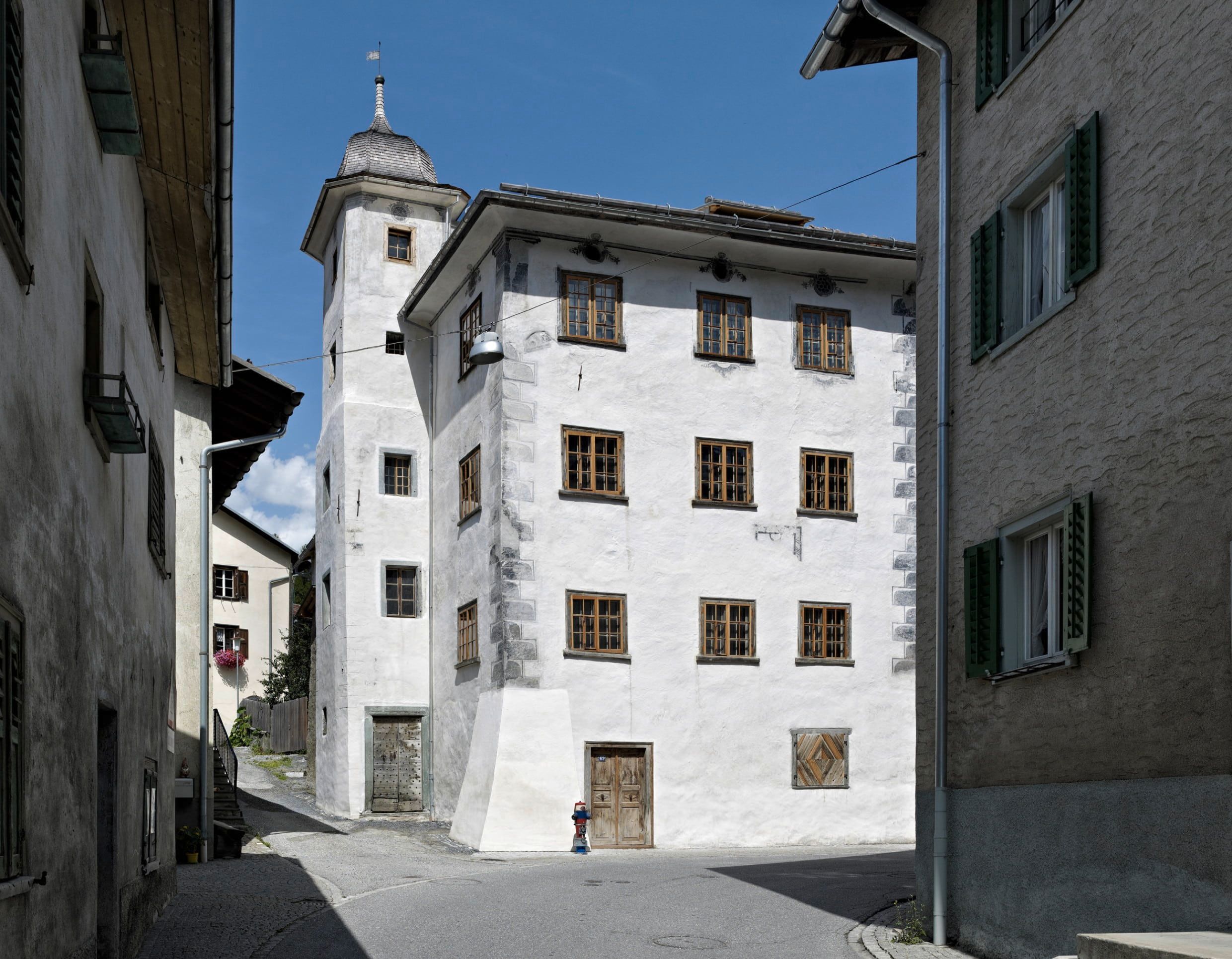
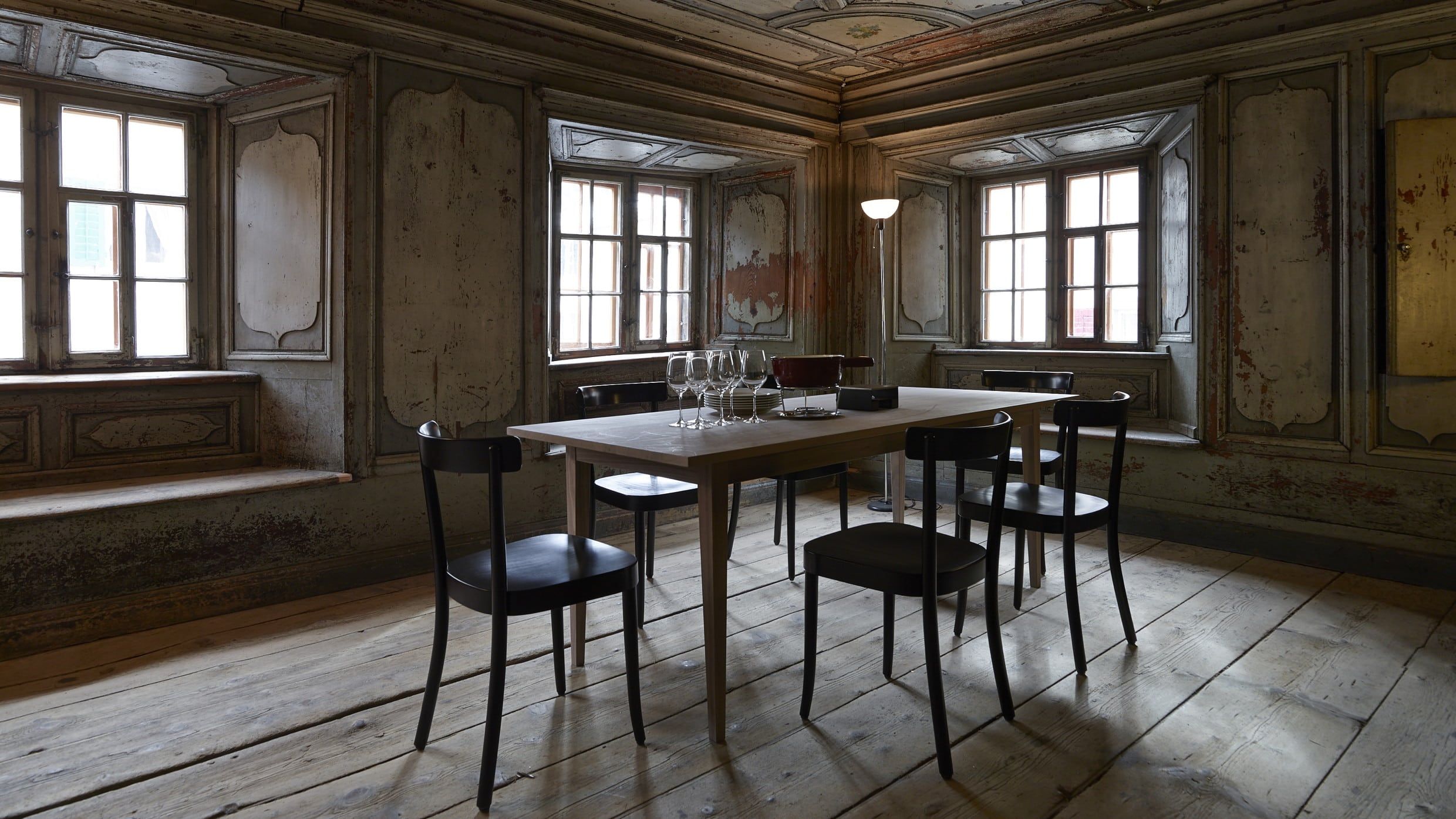
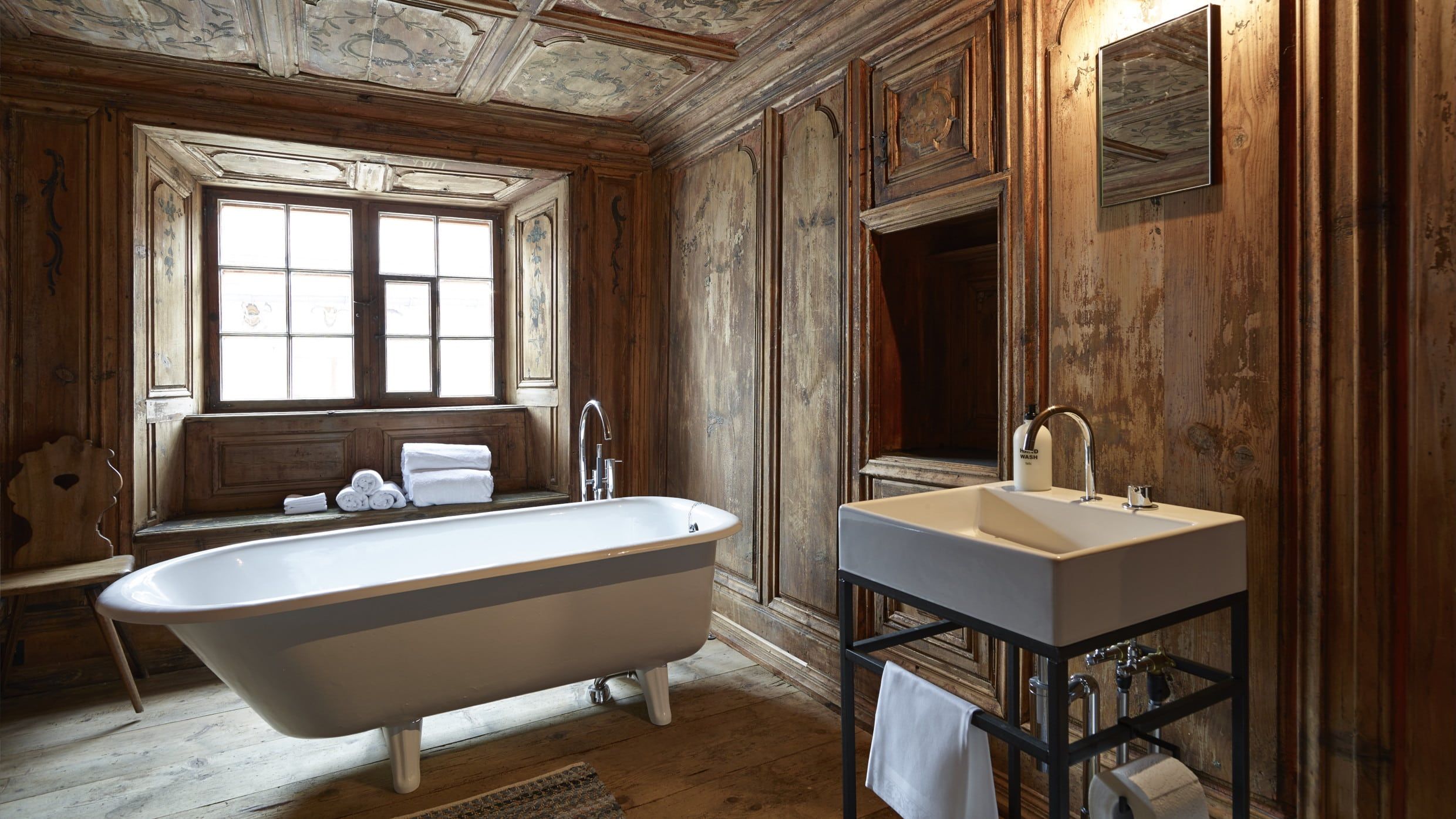
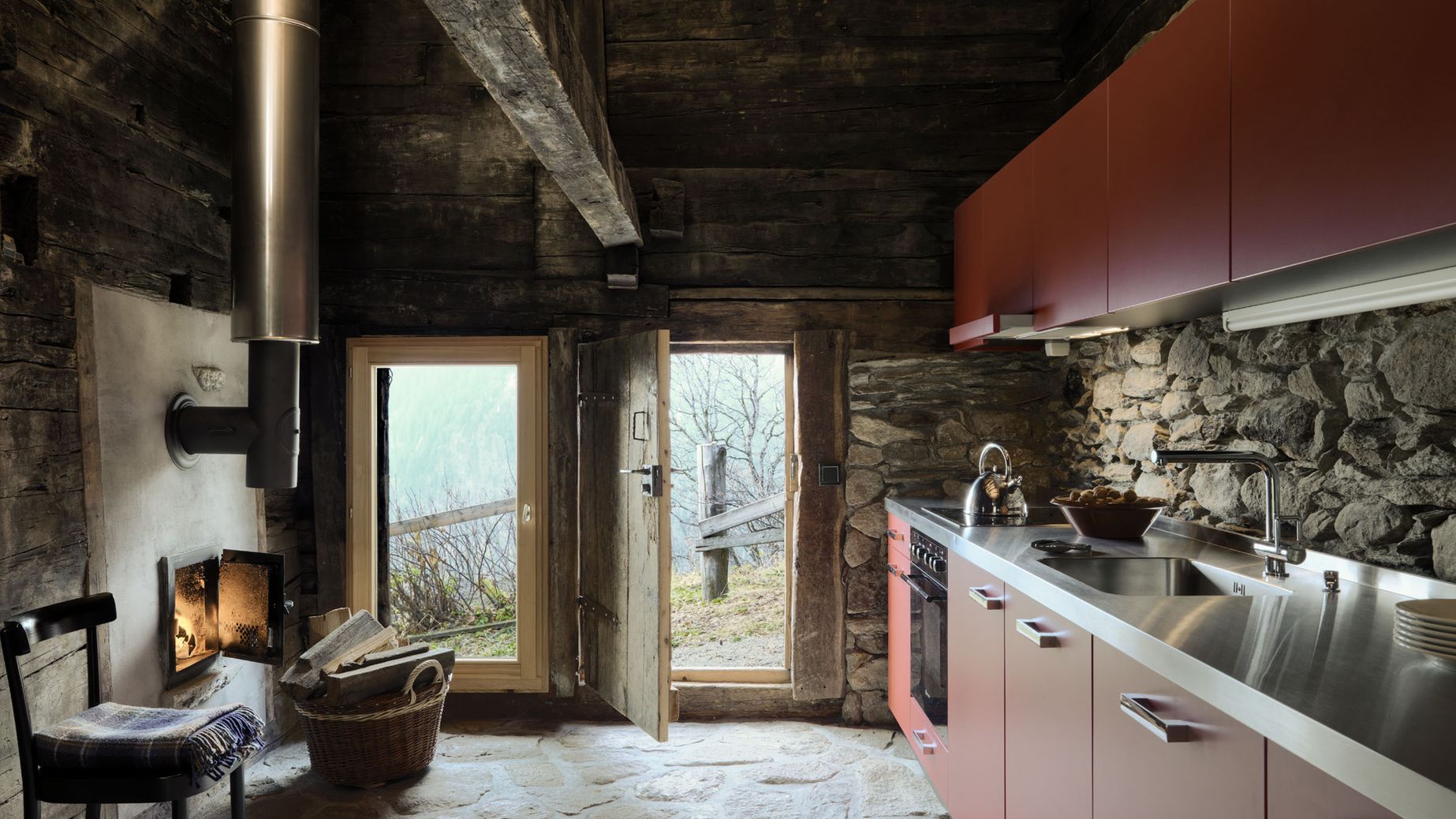
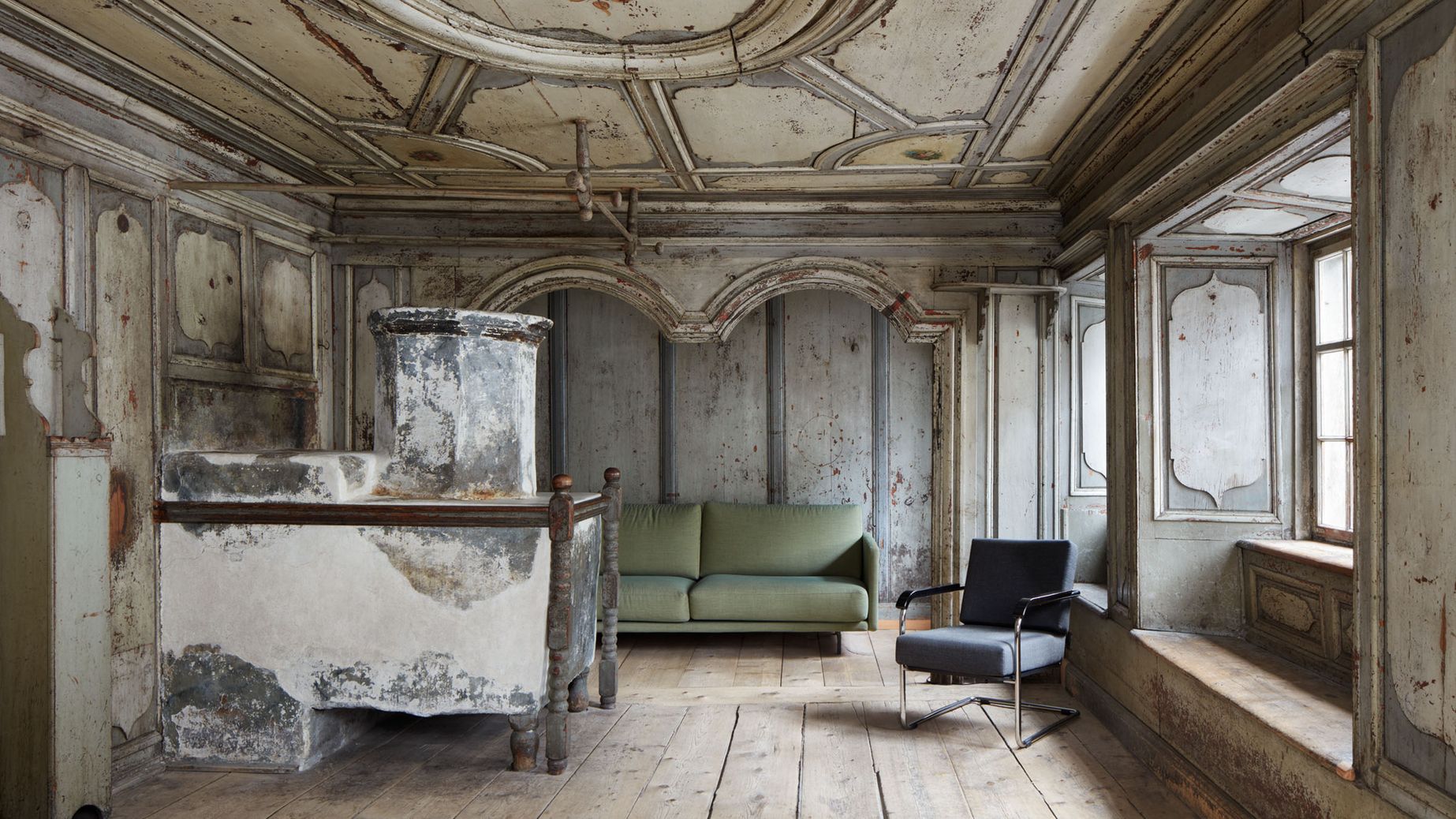
Since 2005, the Swiss Foundation for Holidays in a Historical Building (“Stiftung Ferien im Baudenkmal”) has been working at the interface between tourism and the conservation of historical buildings by promoting the preservation of historically significant buildings throughout Switzerland. Historical buildings that have fallen into disrepair and are threatened with demolition or vacancy are revived as holiday properties after gentle restoration and are made available to the public. More than 50 historic buildings are available to guests for a special kind of holiday.
An interview with Christine Matthey, director of the Foundation.

Ms Matthey, how do the houses find you, or rather, how do you find them?
The Foundation was founded almost 20 years ago. During this time, we have been able to build up a certain reputation in the circles dedicated to conservation and architecture of historically significant buildings in Switzerland. Every week we receive requests for cooperation from owners of historical buildings who want to restore and/or rent out their property with our help.
Not all houses become the property of the Foundation. What other models are there?
Depending on the needs of the building and the owners, we offer various options for cooperation. On the one hand, there are the two options of selling the building to our foundation for a symbolic price or transferring it to us under building rights. With these two solutions, the Foundation is responsible for financing the restoration and the continued care of the building. If the property is to remain in private ownership and it has been restored in accordance with our criteria or the criteria of building preservation, the property will be leased. The responsibility then remains with the owners. Depending on the wishes of the owners, we offer to work together with our network to restore and furnish the property, with the aim of subsequently including the historical building in the range of services offered by our Foundation.
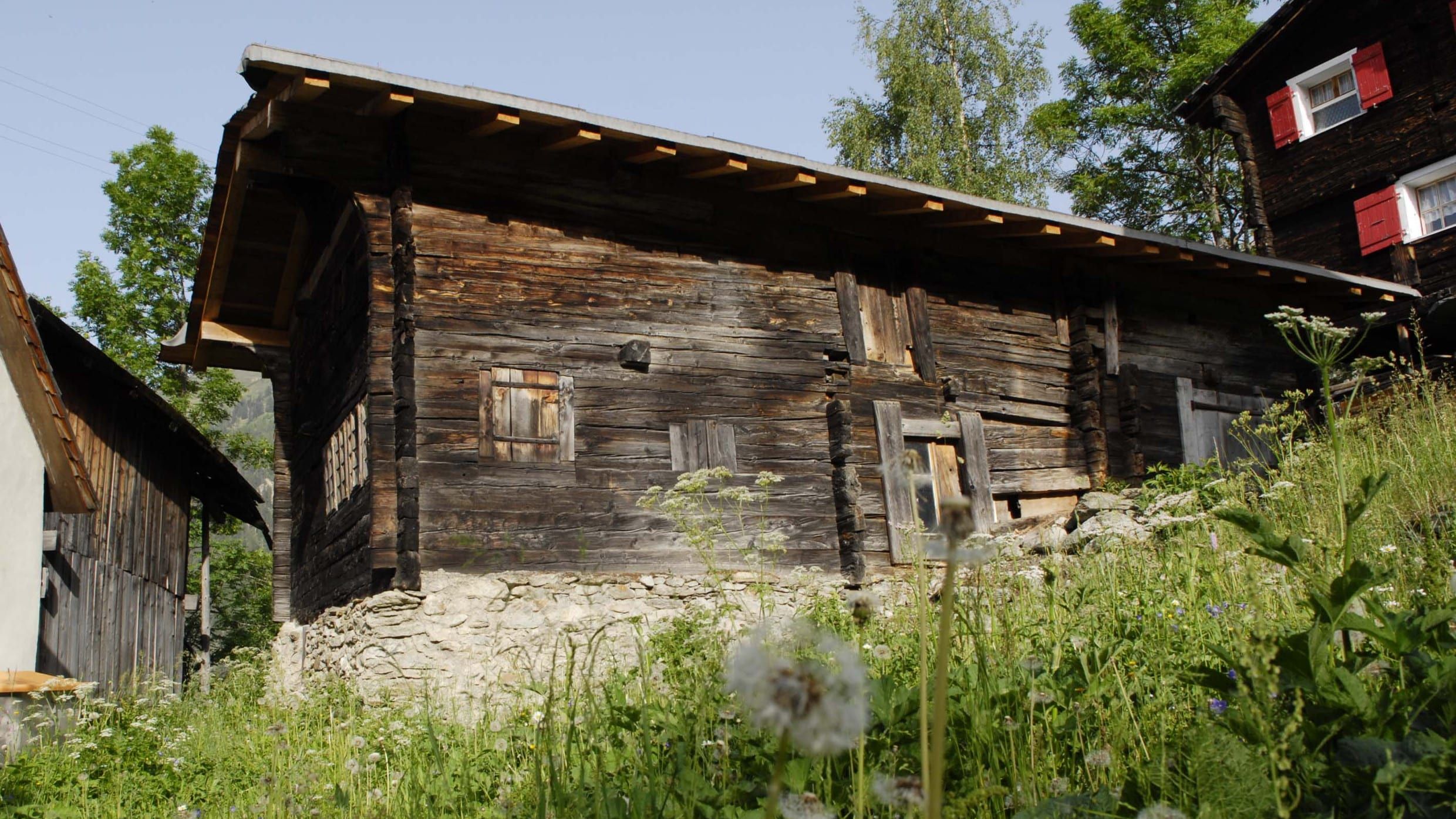
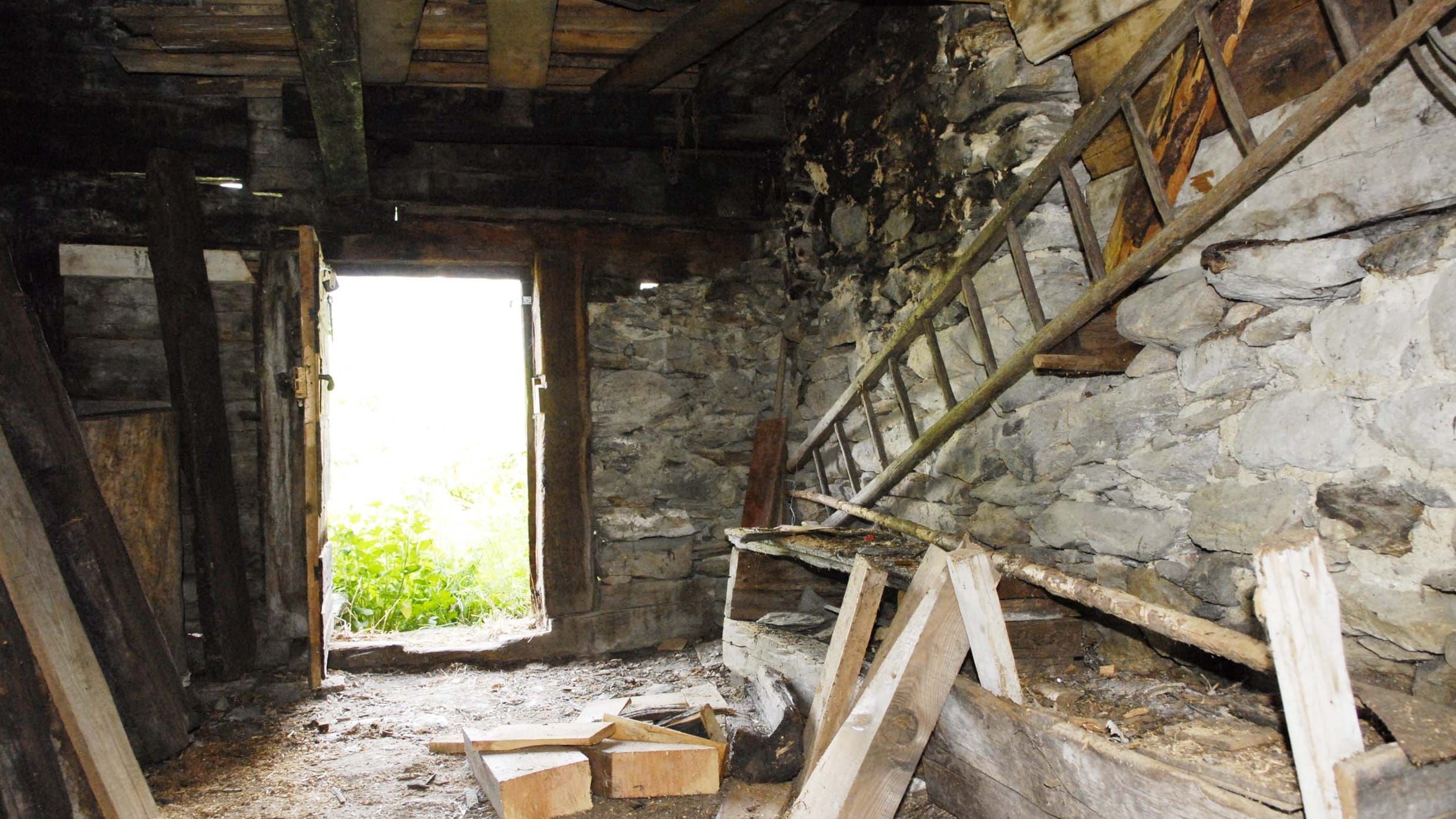
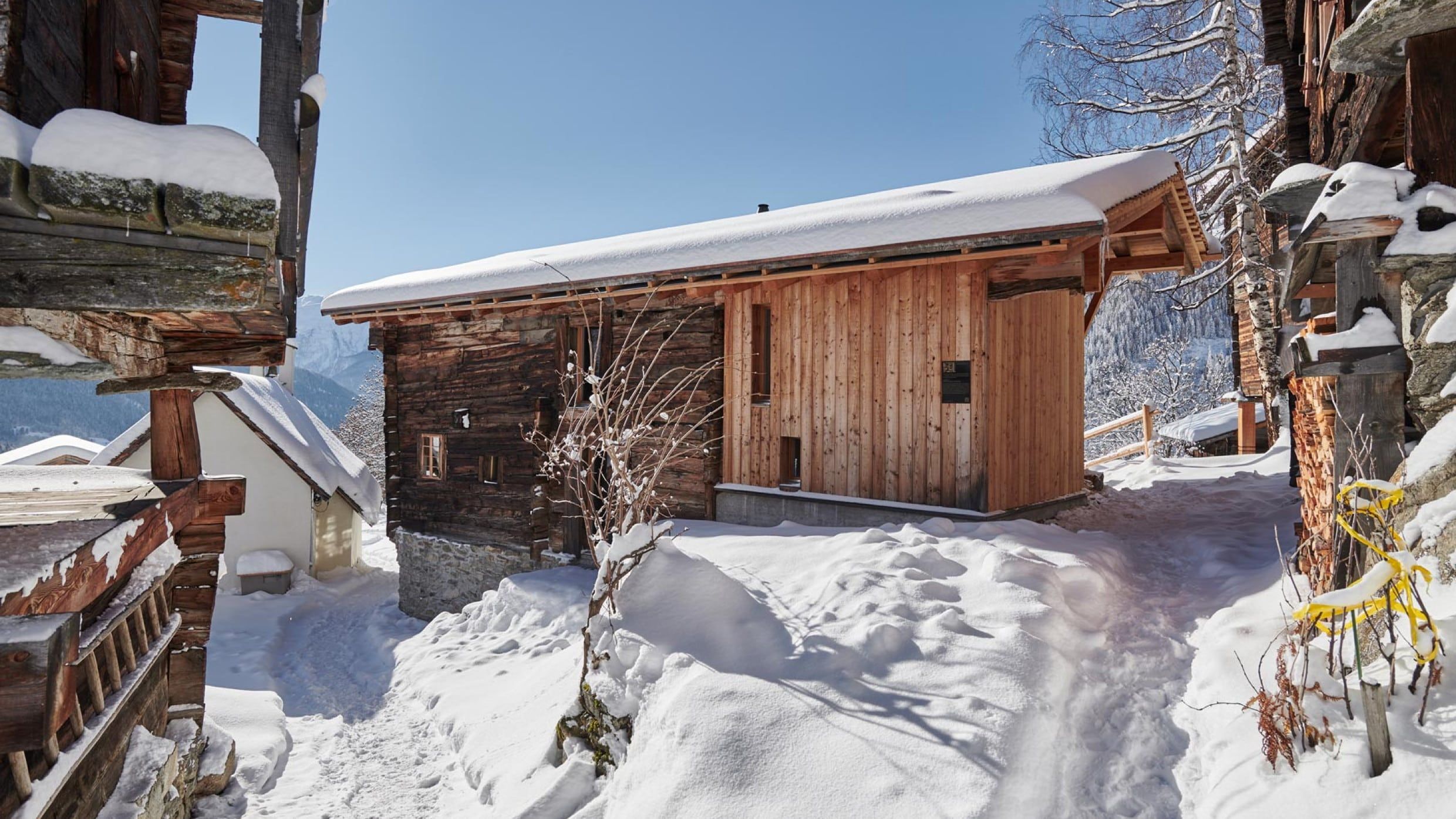
They assess the general suitability of an object based on a catalogue with quality guidelines. Is it at all possible – despite all the structural and regional individuality – to decide in this way whether a house can be saved and used or how exactly do you proceed in each individual case?
As a Foundation, we have clear guidelines and committees that are involved in the process. First of all, every house nominated is evaluated by the person responsible for architecture and building culture. If the property has potential, we present it to our internal building committee, consisting of architects and heritage conservationists. This committee allows us to obtain further expert opinions on the structural and architectural aspects and to assess the property thoroughly, for example: Does it meet our standards? Is enough of the historical fabric preserved? The building committee formulates a recommendation to our Foundation Board, where the final decisions are made.
If an agreement of cooperation is reached, the property is posted on our platform by our communications and leasing officers and is usually booked out quite quickly. Our audience is delighted to discover new regions and architectural styles with each new property.
If a building is transferred to our Foundation under building rights or for a symbolic price, it requires further steps. A large part of time and energy is taken up by raising the funds for the renovation. This is done with the support of foundations, like-minded associations and partners, private individuals and the public sector. For the restoration, we work with local architects and rely on a large network of local artisans who know the regional materials and building techniques well.
The work is not to be underestimated. All in all, there are always several years between the nomination of a historical building and its inclusion in our programme.
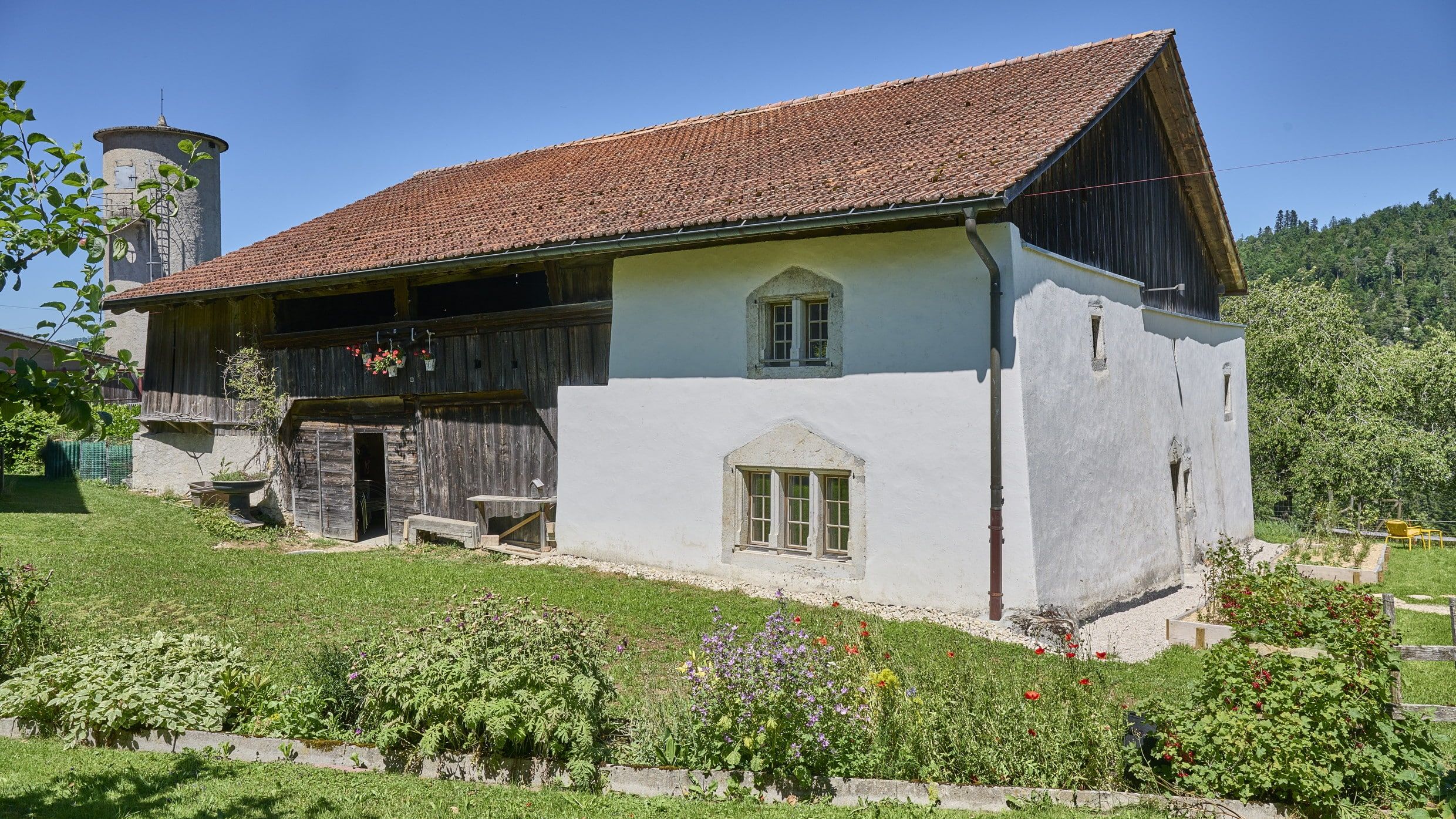
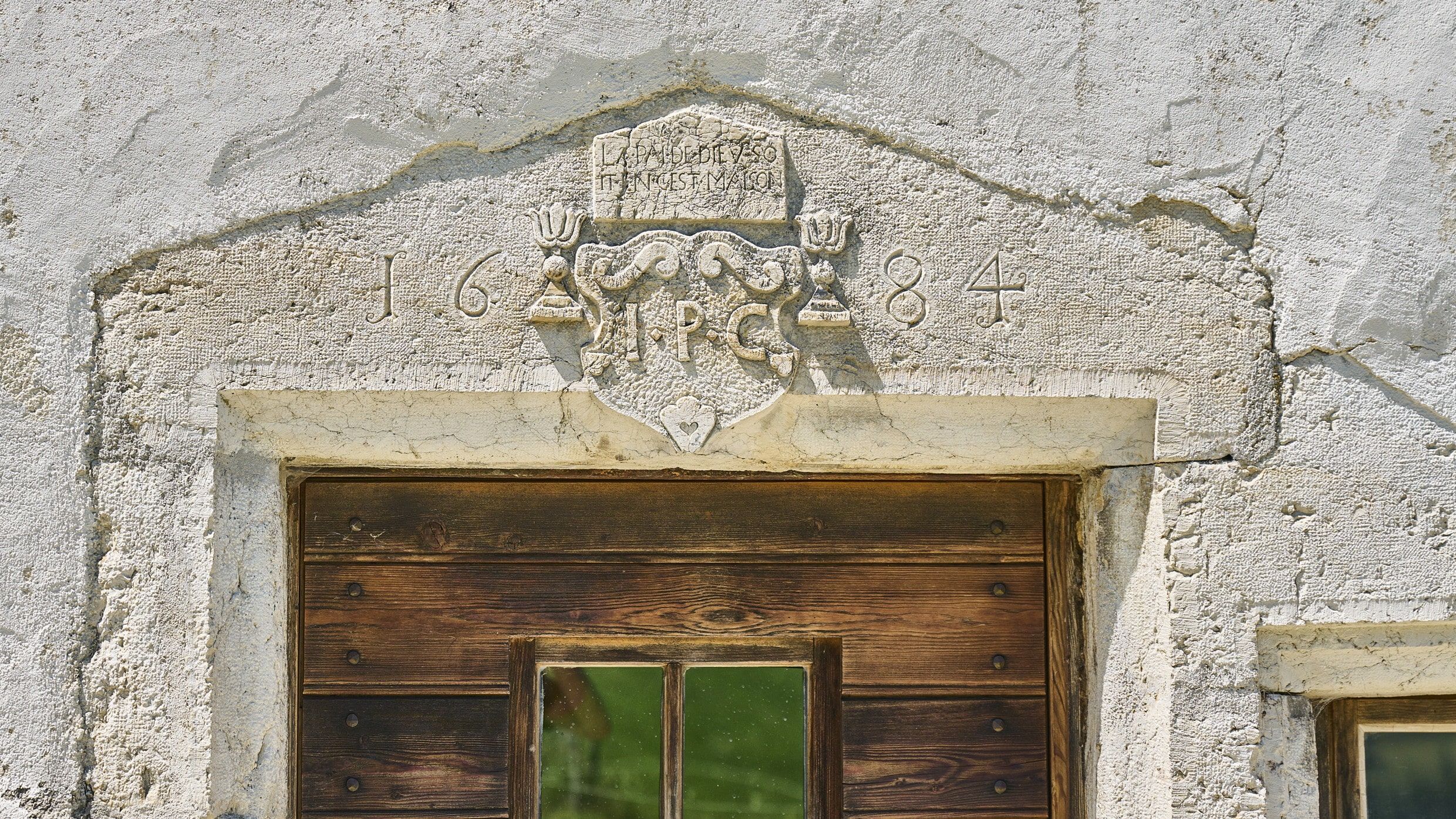
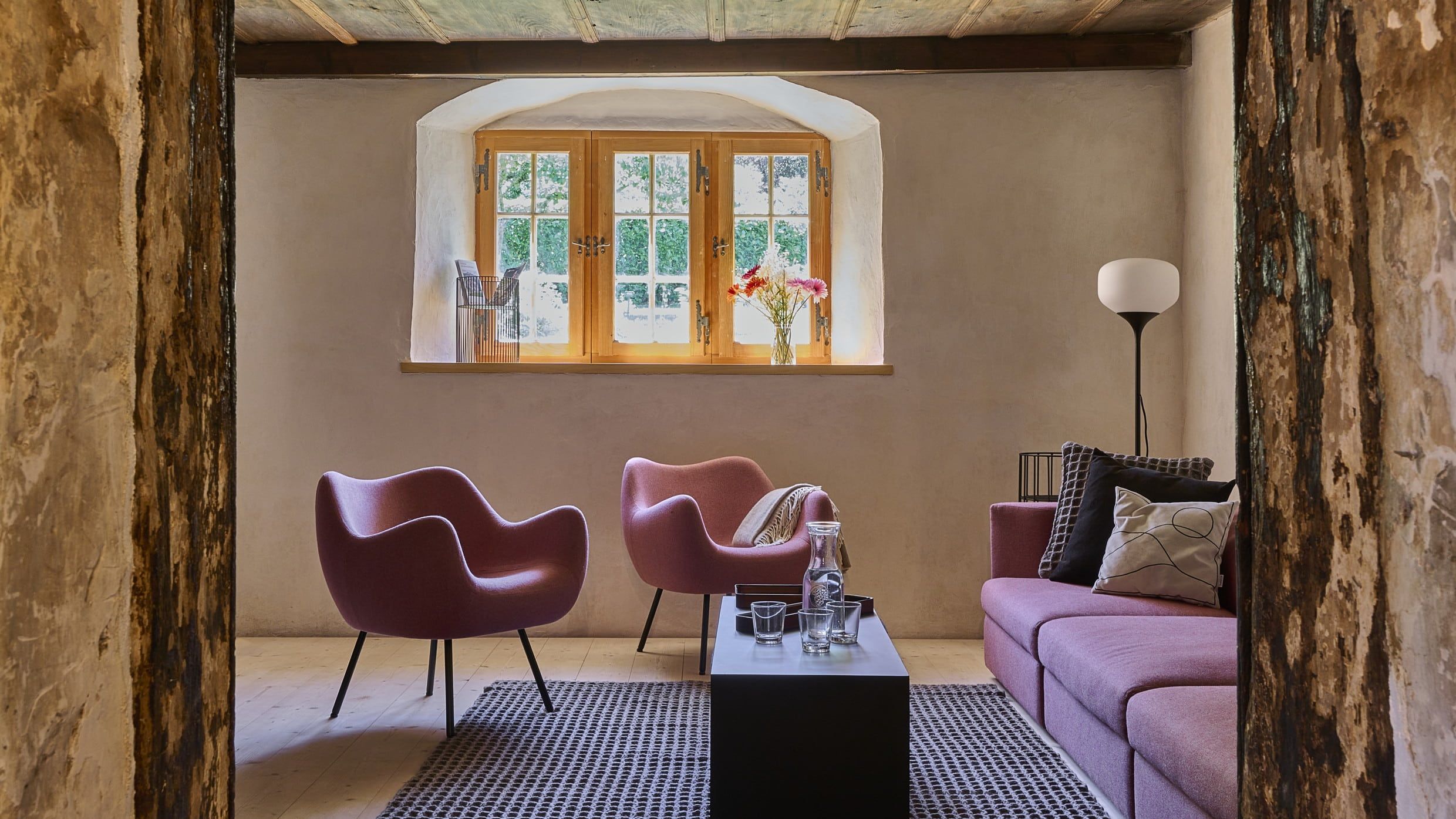
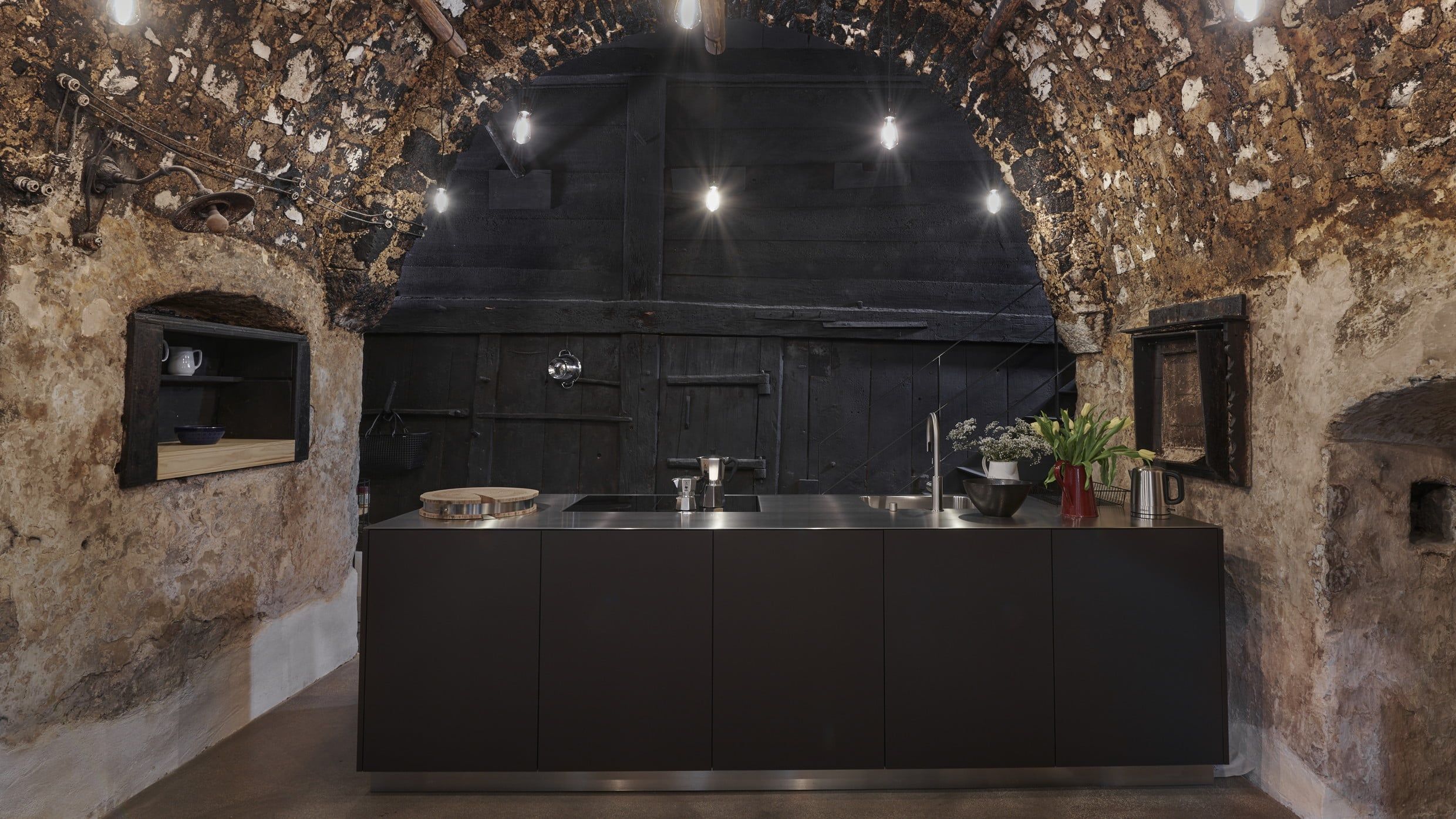
Currently, a new house, the Jura farmhouse Maison Heidi, has gone online and another building, the Kaplanei in Ernen, is in the process of being added. What distinguishes these projects, what are the special challenges?
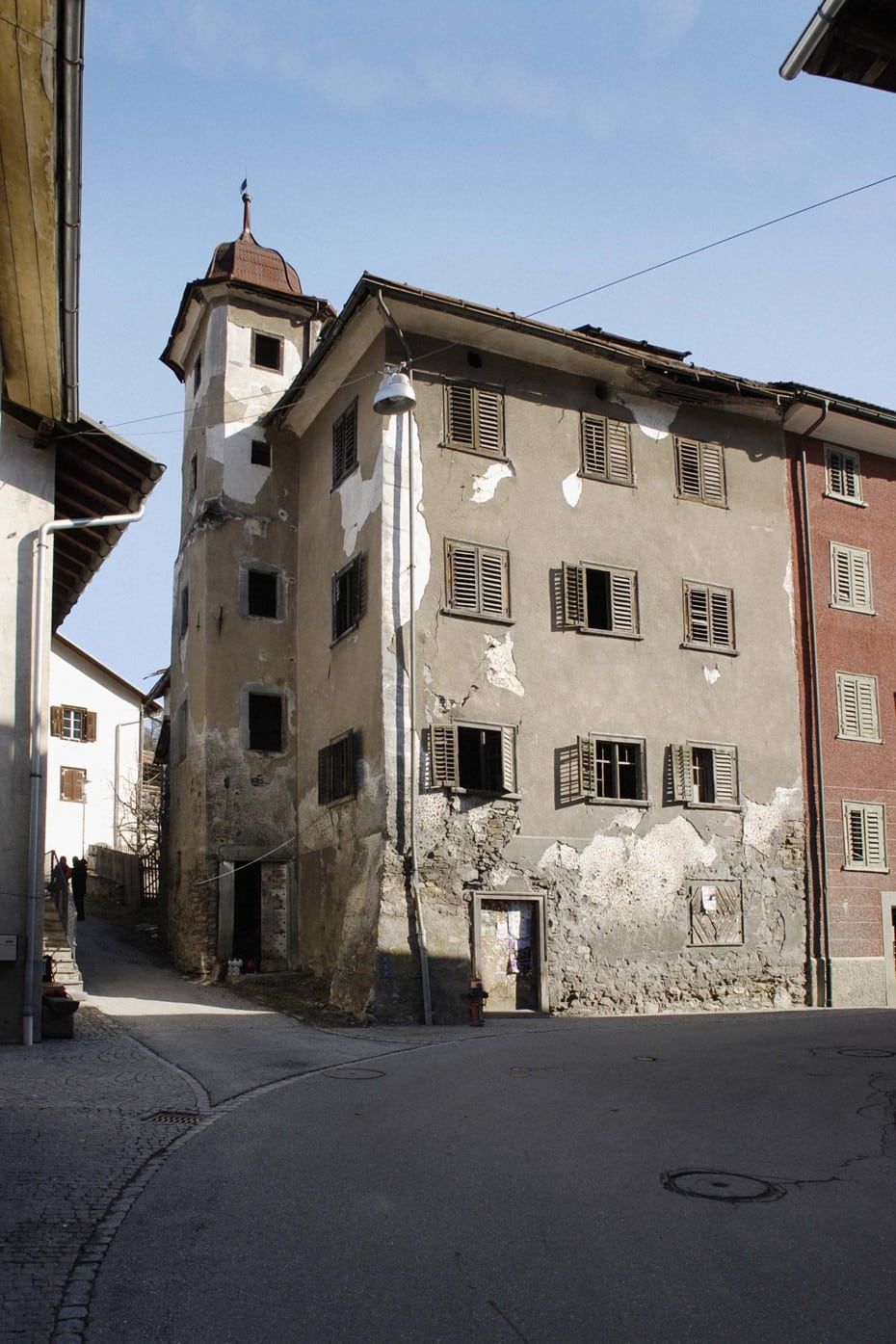
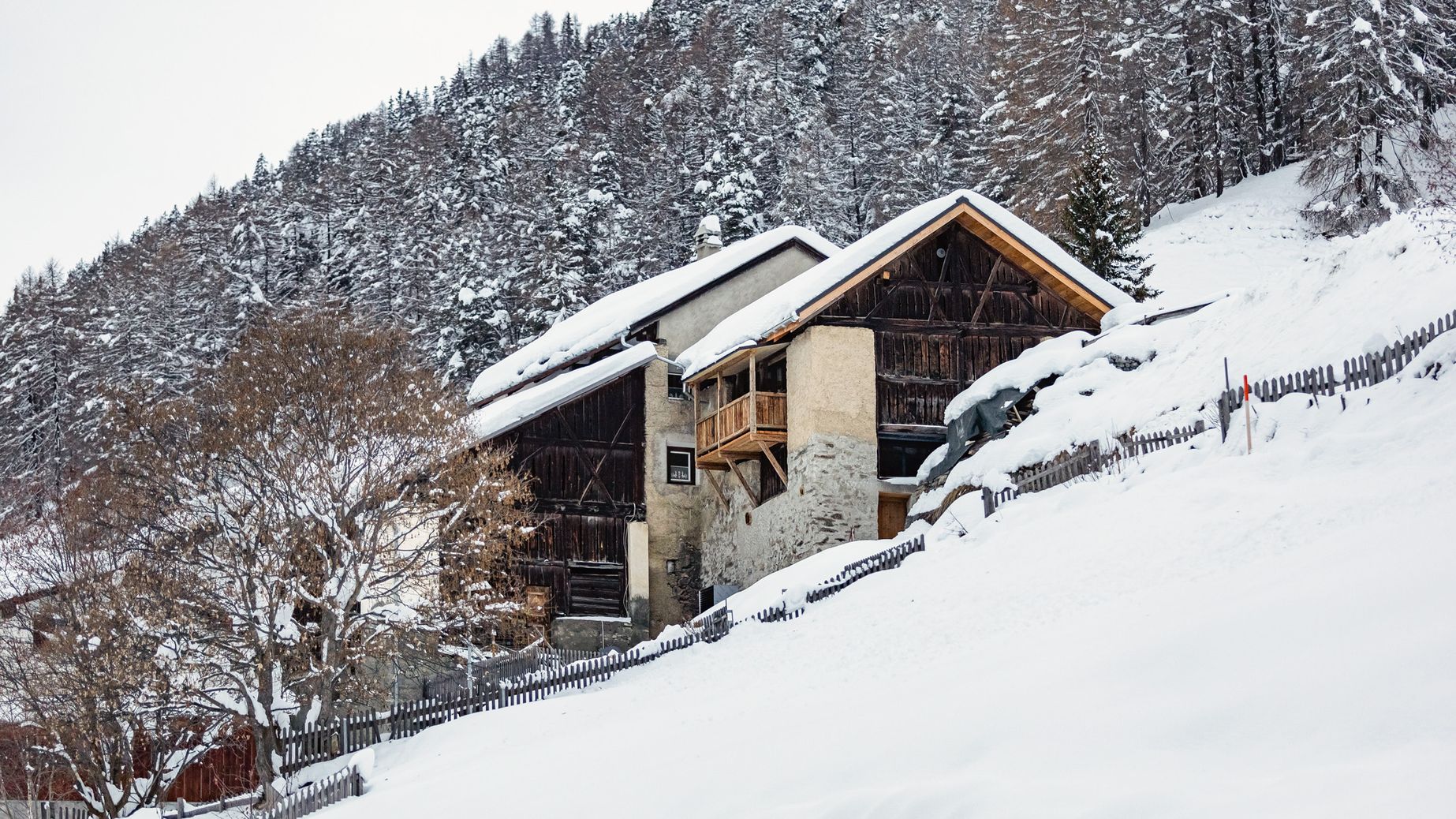
We were able to successfully open the Maison Heidi this April, and fortunately it is already the bookings are going very well. We are in the middle of the construction phase for the Kaplanei. We hope to be able to open it next spring. With the Kaplanei, we had to plan the construction phases well because the house is located in the Alpine region, and it is hardly possible to work on it in winter. Challenges with this property were, for example, a special historical plaster that was discovered in the process. We had hoped to be able to reproduce the plaster. Unfortunately, that was not possible, so we decided to preserve the original plaster wherever possible and to complement it with a contemporary plaster. Visually, it hardly makes a difference, but nevertheless it is very important in such cases to document all interventions well.
Apart from that, we have to deal with the usual challenges that historical buildings bring with them. For example, moisture and water from the hillside affecting the plinth area, or the decision to which building era a property should be attributed to – since the houses each have many different historical layers. But that is exactly what is exciting about our work! We try to find the optimal solutions for each building in order to preserve it authentically and sustainably.
Since 2020, the Foundation has also been “brokering” houses on the online platform Marché Patrimoine – what are we to understand by that?
In recent years, we have received many enquiries for properties that our foundation could not include in its programme for various reasons. Be it because of the reasons mentioned above or because we, as a small foundation, simply did not have enough human and financial resources to take on every historical building. At the same time, more and more people came forward who were interested in acquiring a historical property. This gave rise to the idea of a platform in cooperation with the Swiss Heritage Society to network these enquiries.
The goal of Marché Patrimoine is the future-proof preservation and maintenance of historical properties. Therefore, it is not truly a real estate platform in the conventional sense. We are concerned with the long-term preservation of houses of all kinds that are worthy of protection: from residential and farmhouses to larger building complexes such as historical hotels or industrial buildings.
Since the end of 2020, we have already successfully brokered over 60 properties. The concept has thus proven itself.
Some of the properties have been renovated by the new owners with our support and will be rented out in the coming years through Ferien im Baudenkmal [Holidays in a Historical Building.] A “win-win-win” for the buildings, the sellers and buyers and in some cases also for our Foundation.
Your houses are by no means run-of-the-mill. Do you have to “instruct” the guests in advance on how to use them? And: Is the feedback also correspondingly special?
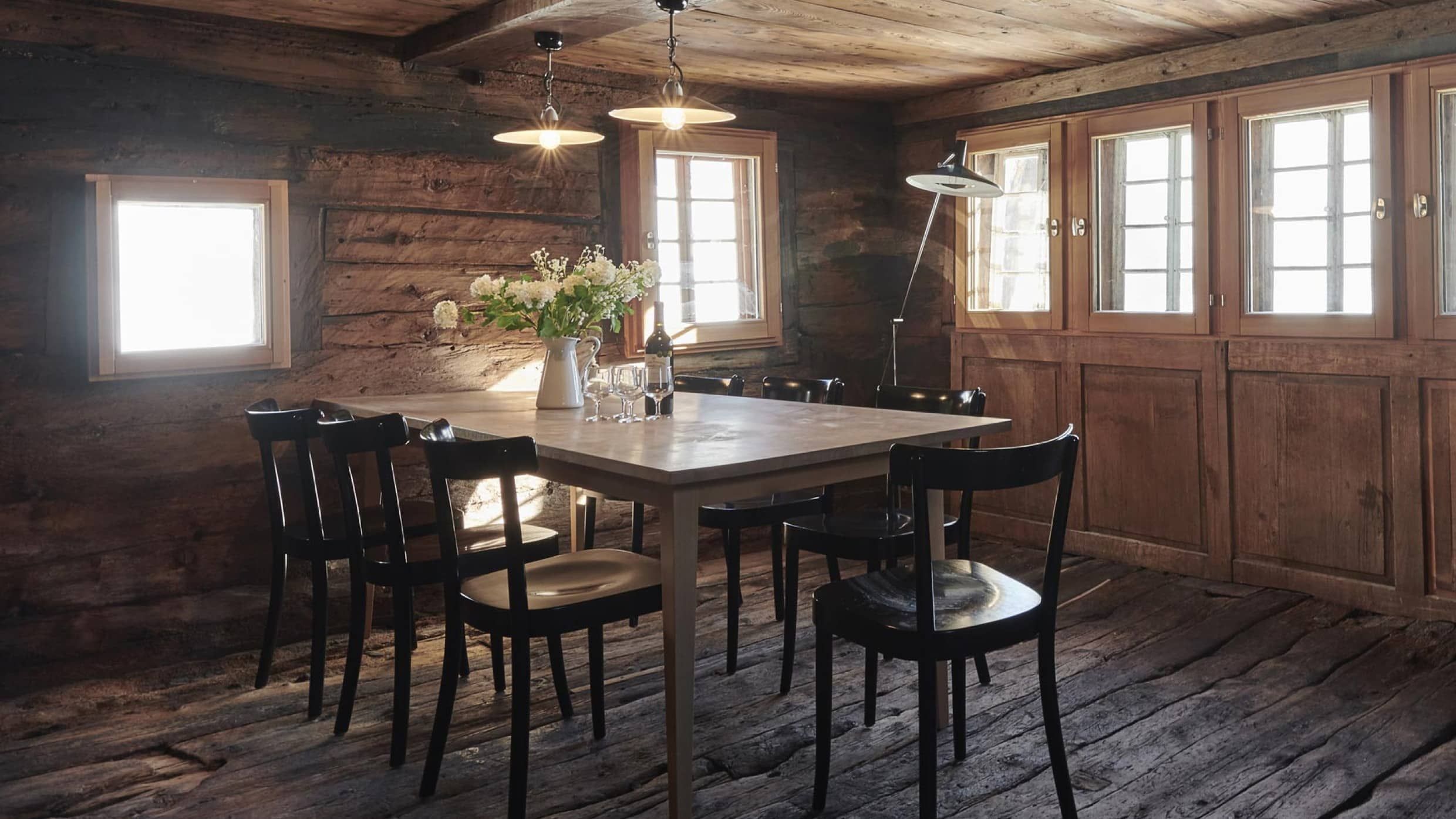
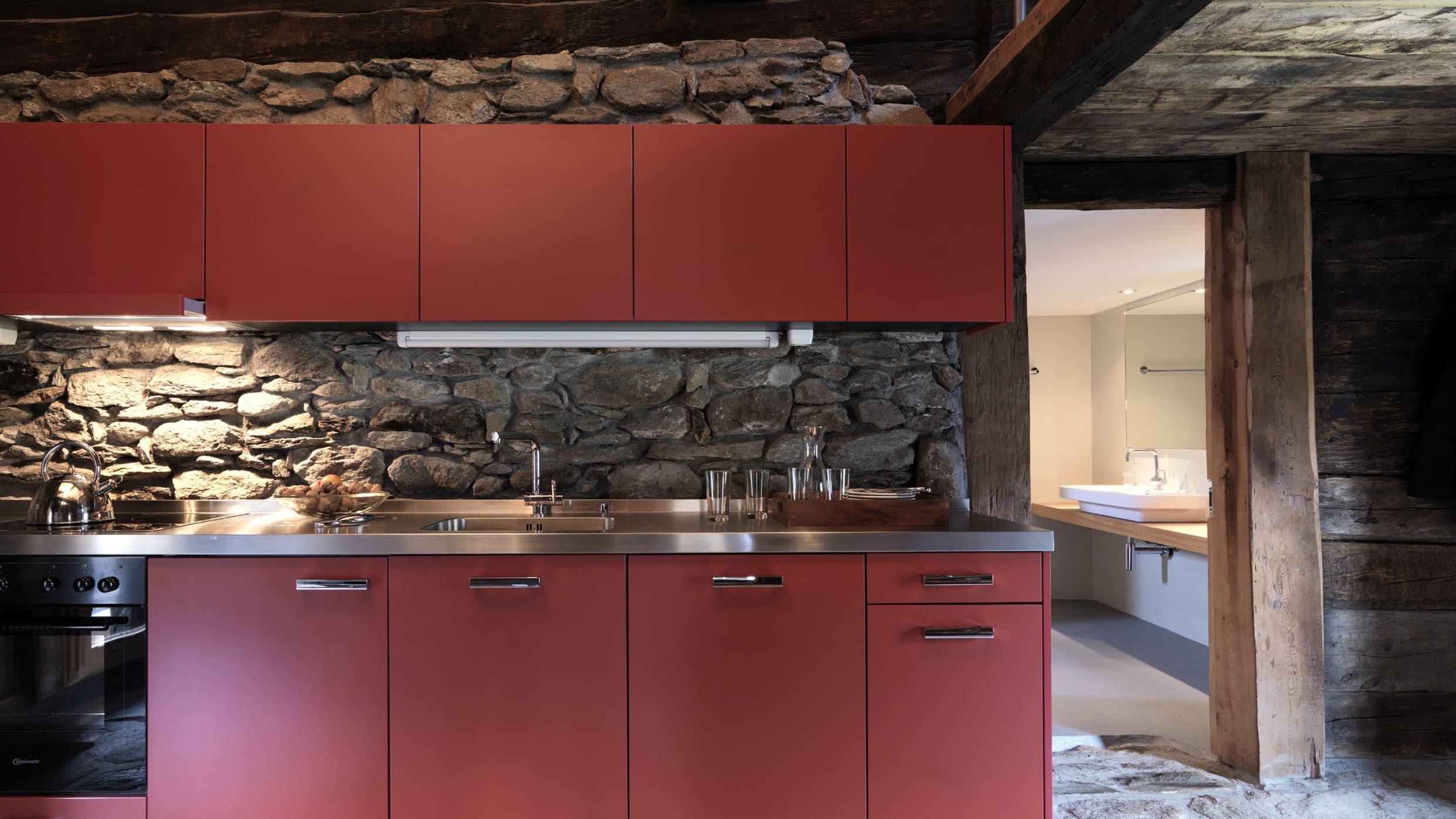
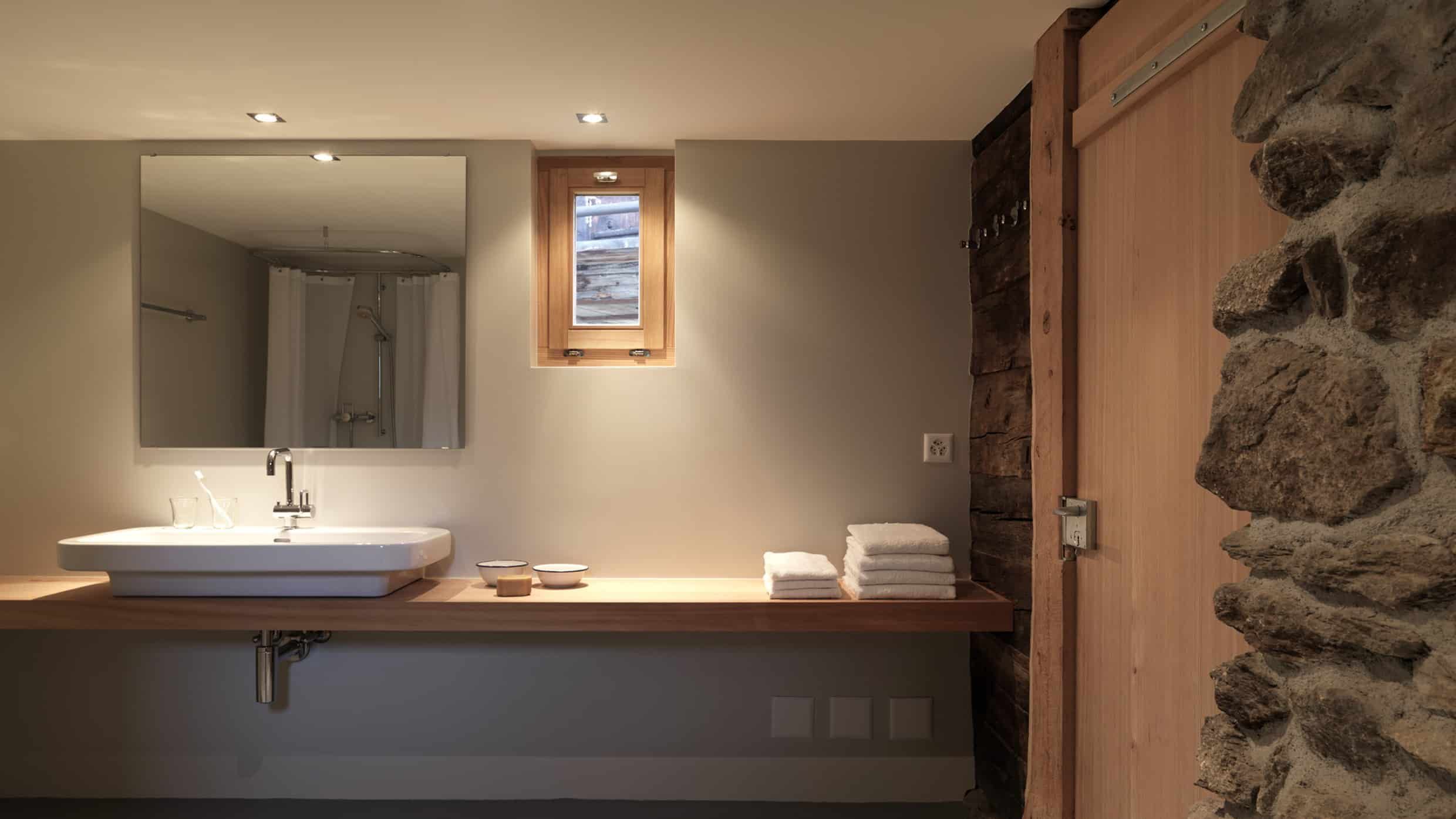
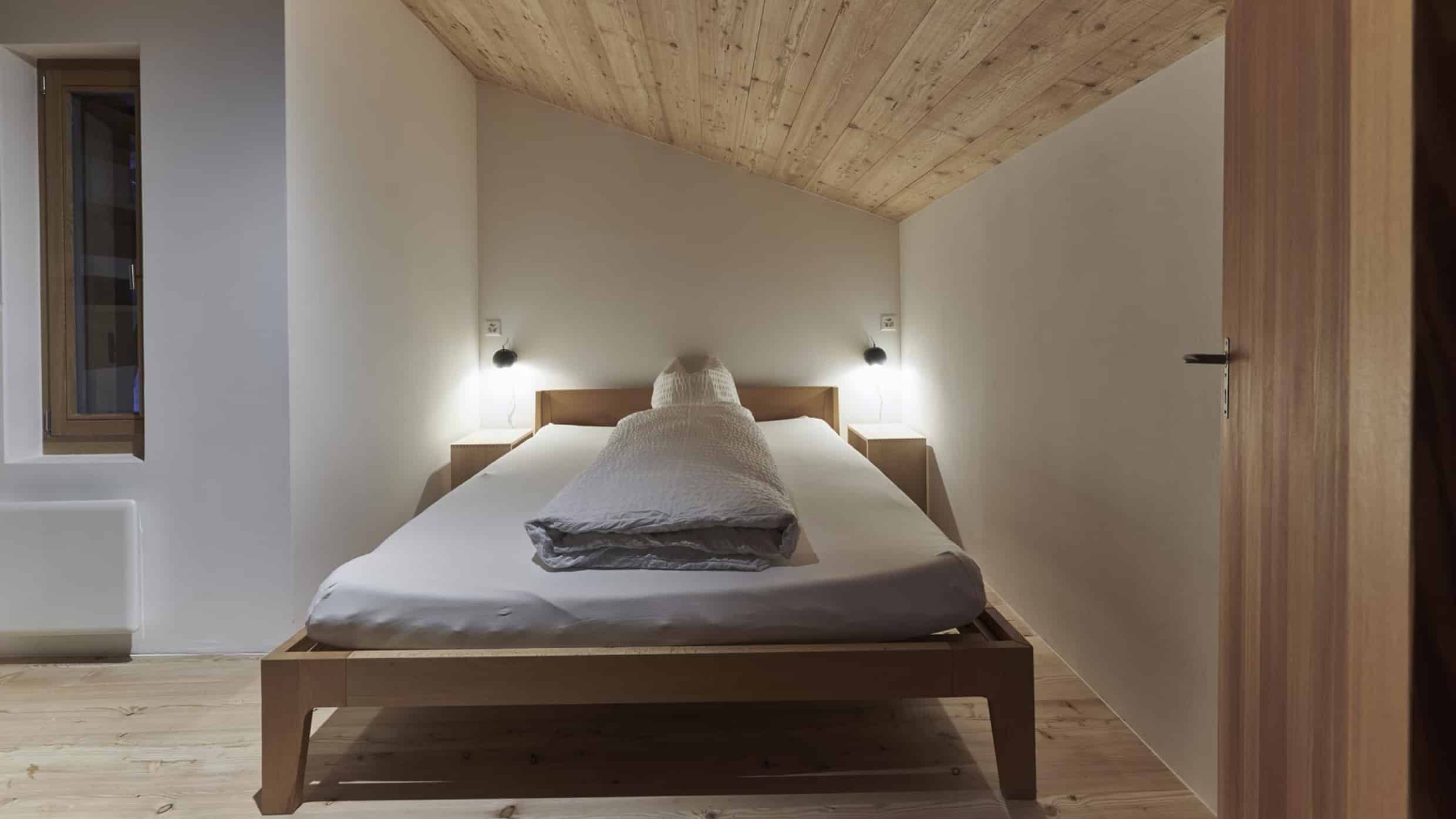
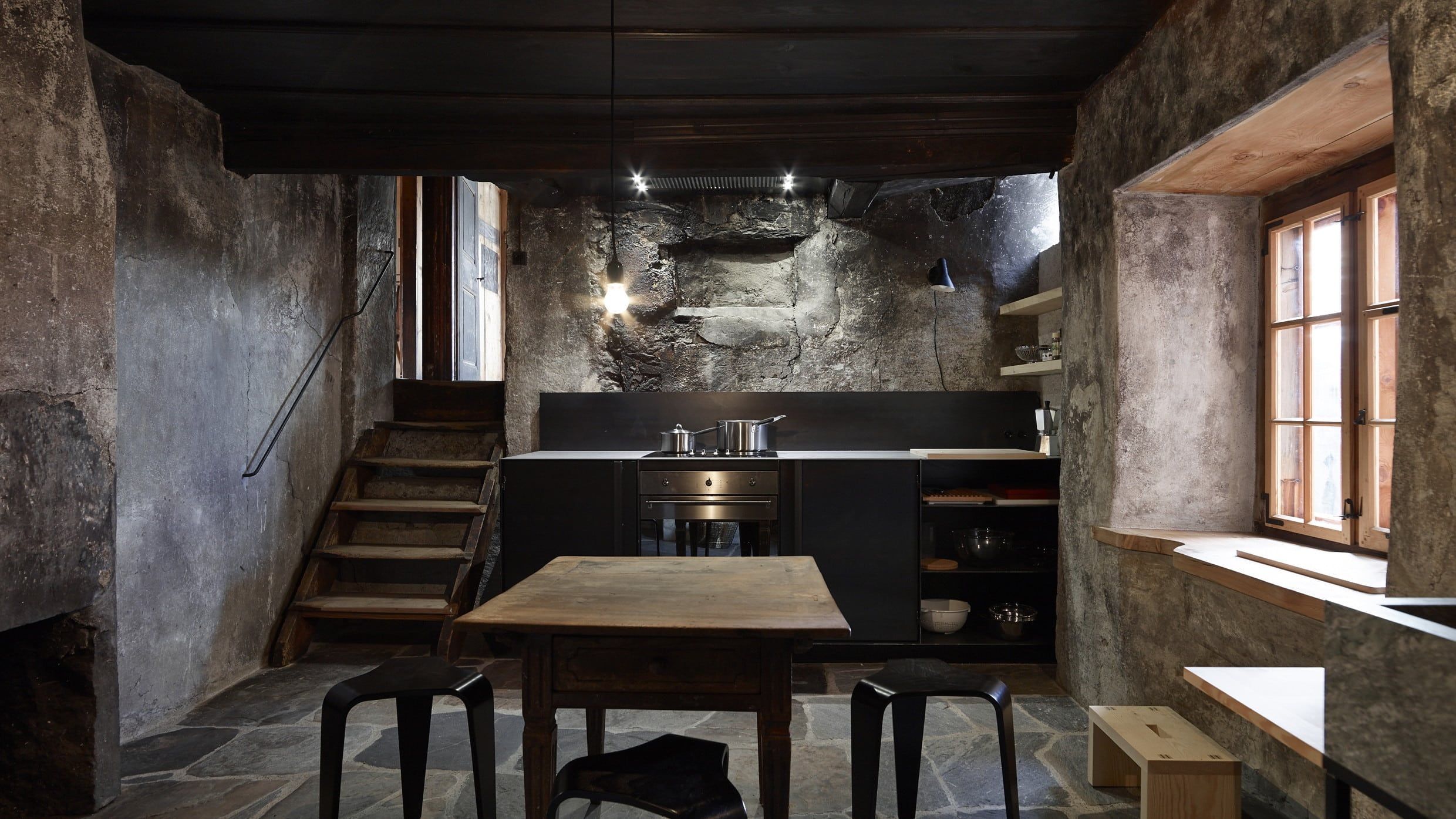
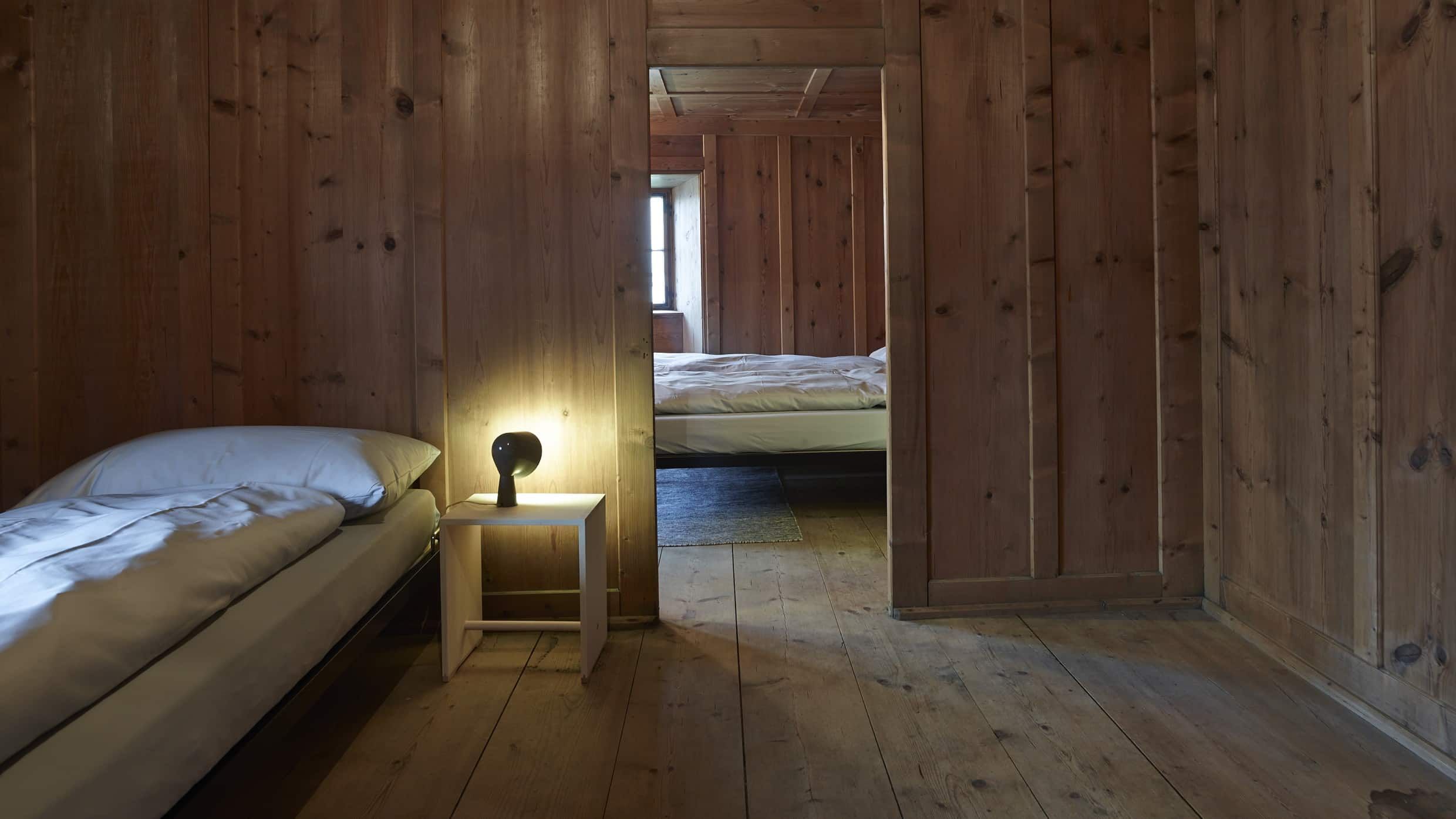
Fortunately, the vast majority of our holiday guests know what they are getting into when they spend their holidays in a historical building. They know that some of the houses we offer are centuries old, with high doorsteps, worn floors or low ceilings. We inform our guests in advance about the individual structural characteristics of each building on our website and in the information for tenants. So, there are hardly ever any surprises when guests arrive. In addition, our housekeepers give our guests a personal introduction to the history of the house when they arrive, and practical information, such as how to light a stove.
Our holiday guests are explicitly looking for something special, something authentic in the houses. They book their holidays primarily to have the “experience of historical buildings”. We are delighted to be able to introduce them to the diversity of Swiss architectural culture with each new historical building we add to our programme.
The Foundation was established by the Swiss Heritage Society. The association, which has been in existence since 1905, plays a leading role in Switzerland in the field of building culture as an independent non-government organisation.
The interview was conducted by Ulrich Stefan Knoll.
Teaser image: © Zeljko Gataric

0 Comments