
NEWood: Mycelium Miracle for the Building Industry
Researchers at Karlsruhe Institute of Technology are developing NEWood, a new class of bio-based materials. The goal is to create a recyclable alternative to conventional MDF, OSB and particle boards.
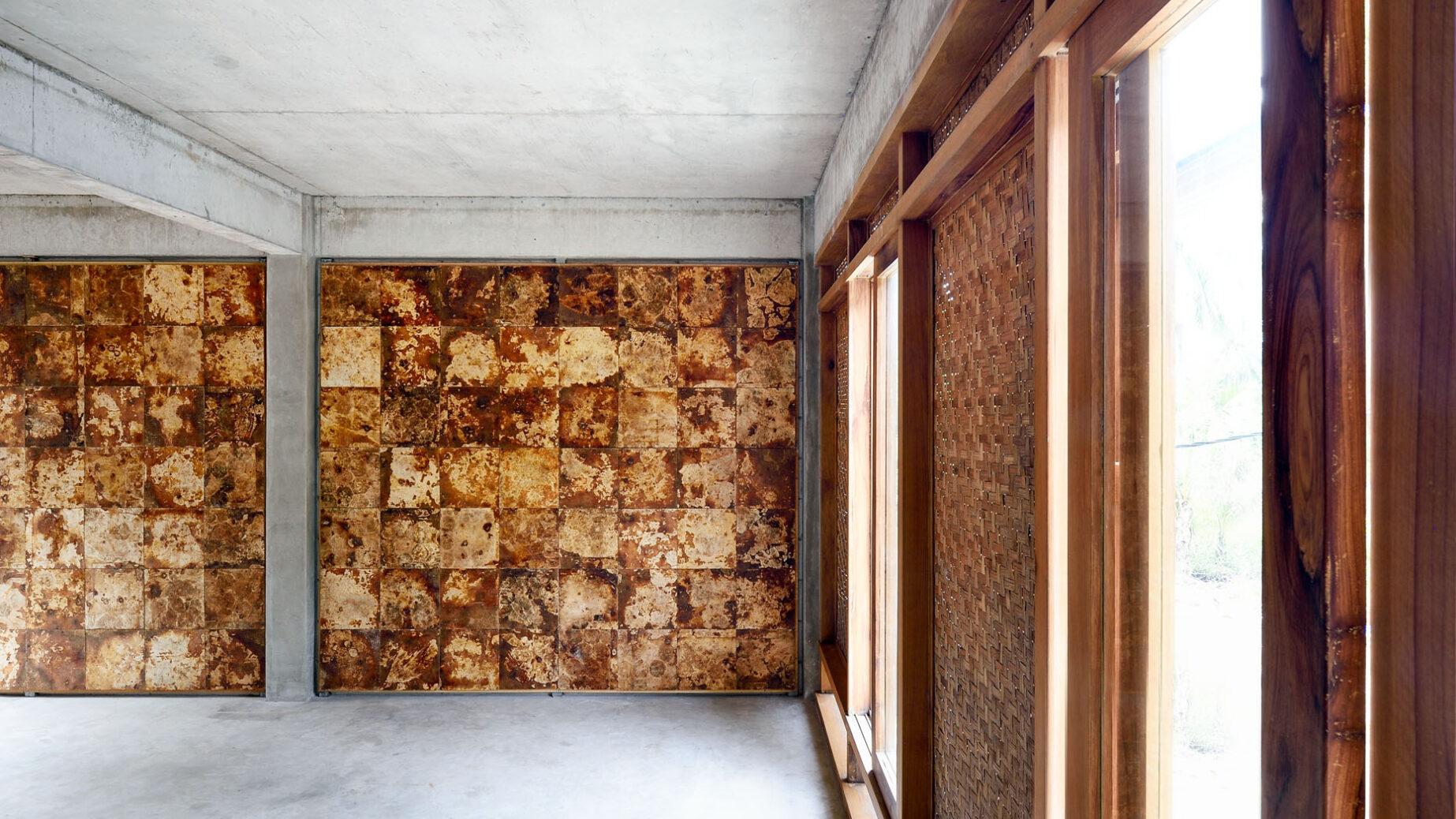
NEWood uses agricultural waste and wood waste instead of freshly cut wood and fungal mycelium to replace synthetic binders.
Dr. Nazanin Saeidi and Dr. Rebekka Volk explain how this process works and describe the material’s potential.
Are you developing this new material independently at KIT, or are there already industry partners involved in the project?
NEWood was entirely developed at Karlsruhe Institute of Technology (KIT), at the Institute for Building Design and Technology (IEB), under the leadership of Prof. Dirk Hebel, Chair of Sustainable Construction. We have already carried out several industry projects in which we collaborated with partners from various sectors, such as the furniture and construction industries, to develop products based on our technology. These partners come from various sectors, such as the furniture and construction industries.
How do the material properties compare to MDF, OSB and particle boards?
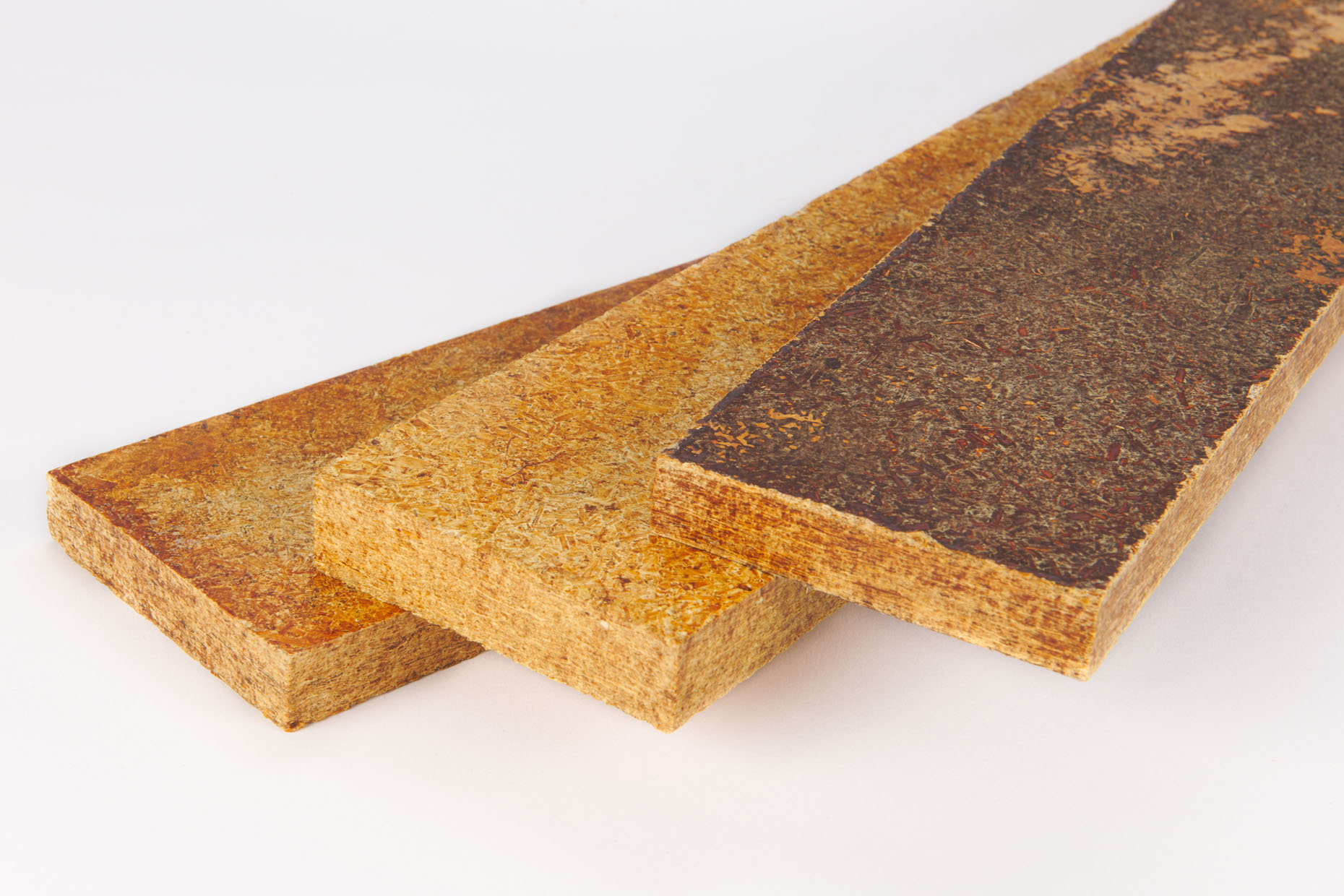
Our medium- and high-density NEWood variants have material properties comparable to conventional wood-based materials such as OSB, MDF and particle boards. At the same time, we are developing lightweight mycelium materials with properties similar to those of synthetic insulation materials like EPS and mineral wool. These are ideal for applications like thermal and acoustic insulation in the construction industry. Overall, we are still in the process of exploring and specifically optimising the properties of our materials.
Besides the main goal of developing an alternative for insulation and soundproofing, are there other potential areas of application?
Lightweight mycelium materials hold great potential to replace conventional insulation materials for both thermal and acoustic applications. Moreover, mycelium materials can generally be customised for various applications across industries, such as packaging. In addition, increasing the material density, for example, can enhance strength, making it suitable for uses like flooring or wall systems.
Are you simulating applications in construction under laboratory conditions, or has NEWood already been incorporated into architectural projects?
We are primarily testing NEWood under laboratory conditions. However, we are already collaborating with companies on potential pilot projects to use the material in simulated, industry-related environments.
NEWood was a winner of the Competitionline Campus Award 2023. Has public awareness of the project increased since then?
The recognition we’ve received through various awards and media coverage has allowed us to contribute to raising awareness about the importance of renewable building materials, particularly with our focus on mycelium-based solutions. However, it is important to highlight that many other research teams and companies have also made significant progress in developing mycelium materials for diverse industries—from food and textiles to packaging and construction. We are proud to be part of this growing movement, working alongside others to explore the wide-ranging applications and benefits of mycelium.
A brief look into the crystal ball: when could NEWood see large-scale use in the construction industry?
We are already paving the way for the future. Alongside our ongoing research and development to further optimise the properties and production of NEWood, we are also making mycelium materials commercially viable with the support of the industry and through several pilot projects. We are confident that NEWood will be on the market within the next two to four years. Of course, this would not be possible without collaboration among all stakeholders and policymakers who recognise the value of sustainable and renewable materials.
What does the breakthrough to market maturity depend on? Is it rather the price gap to conventional competitor products, the interest of the economy or the challenges in research that have not yet been solved?
The breakthrough depends on reducing the cost gap compared to competing materials, securing the interest of industry through partnerships and refining production processes for scalability. Of course, consumer education and awareness also play a crucial role.
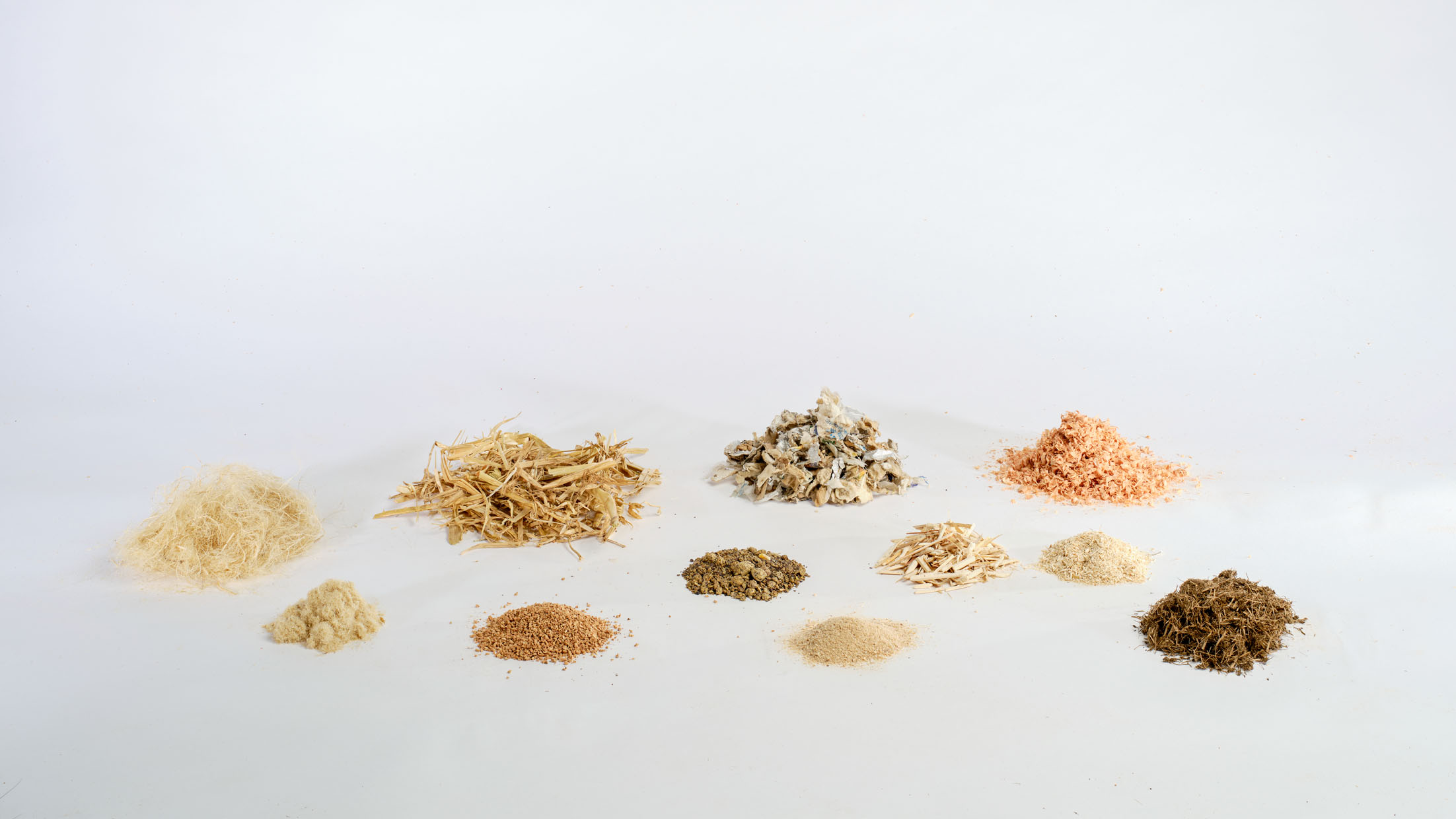
Does Germany produce enough suitable waste that could serve as the basis for large-scale production of NEWood?
Yes, Germany generates significant amounts of agricultural and wood waste that could be reused for large-scale NEWood production.
Are there specific aspects in your fungal cultivation compared to the food industry?
Indeed, there are significant differences. While the food industry focuses on flavour and yield, we use specific mycelium strains of edible fungi that are optimised for binding properties and mechanical performance. Our process is designed to control the mycelium growth so that it acts as a biological binder for our materials—an approach that is not applied in the food industry.
We also focus on wood-decomposing fungi in particular, fungi that are able to directly break down wood and other fibre-based agricultural waste. This allows us to produce sustainable materials from waste products.
How do you demonstrate the material’s sustainability during the development process?
We assess environmental impacts through ecological and economic lifecycle analyses, evaluate the CO2 reduction potential and quantify the material’s ability to replace synthetic and wood-based products.
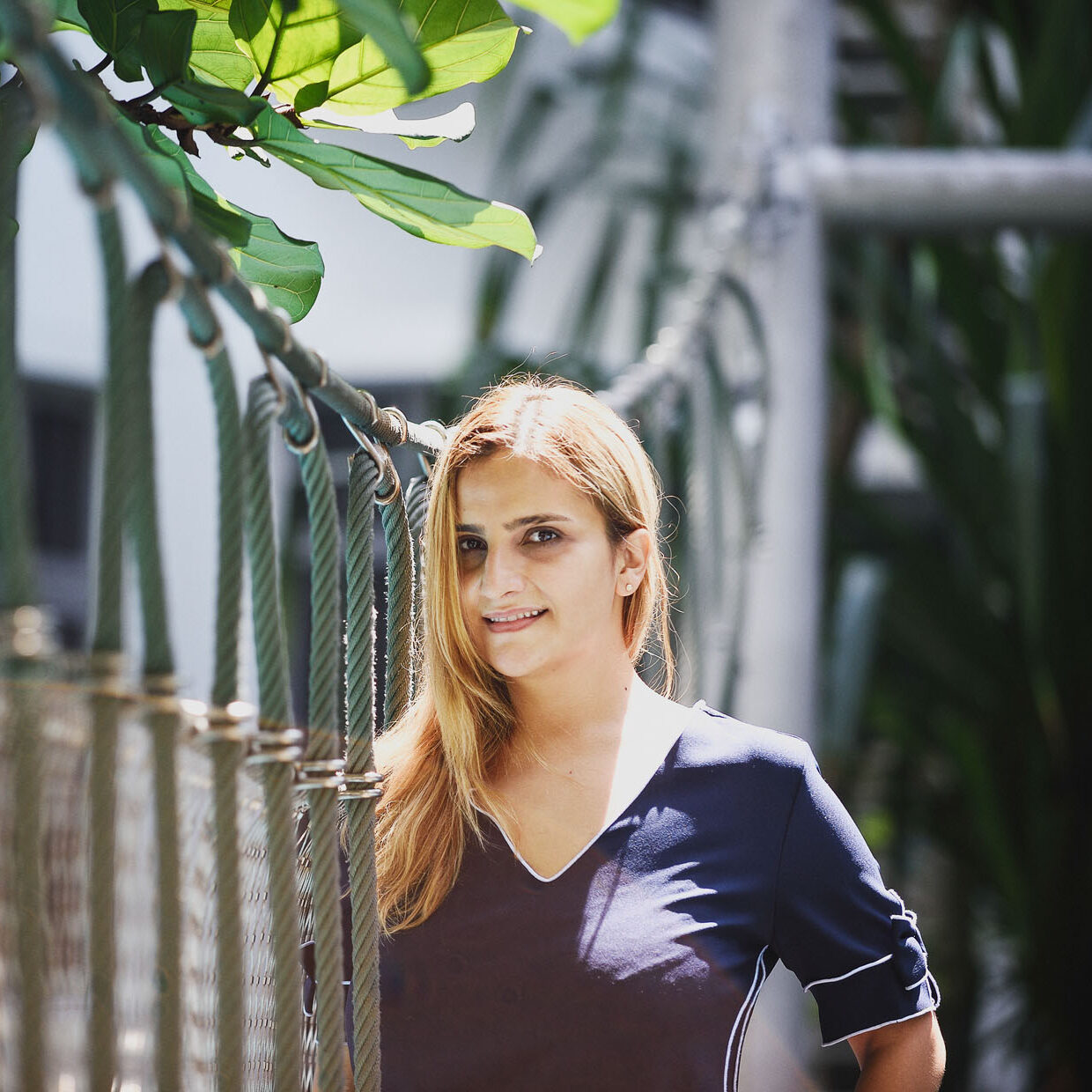
Dr. Nazanin Saeidi is senior researcher and head of research at the Chair of Sustainable Construction of Karlsruhe Institute of Technology (KIT) and co-principal investigator at the Future Cities Laboratory of the Singapore-ETH Centre.
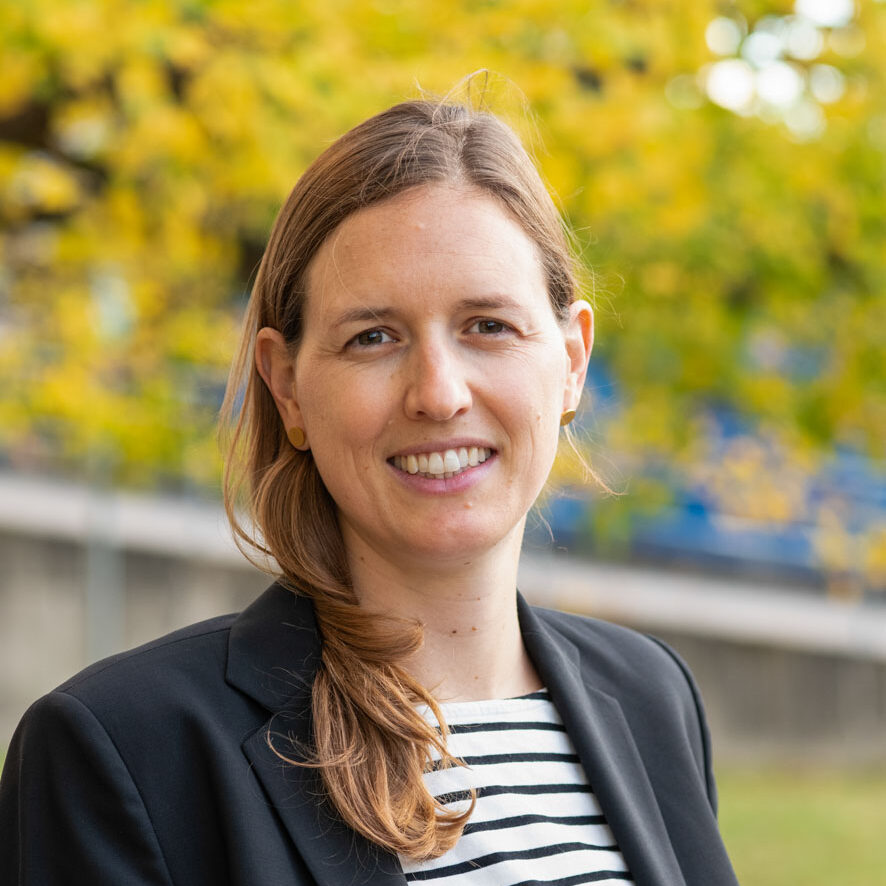
Dr.-Ing. Rebekka Volk is head of the KIT research group Resource management of the built environment at the Institute for Industrial Production (IIP) of Karlsruhe Institute of Technology (KIT).
Interview: The interview was conducted by Ulrich Stefan Knoll. Ulrich Stefan Knoll
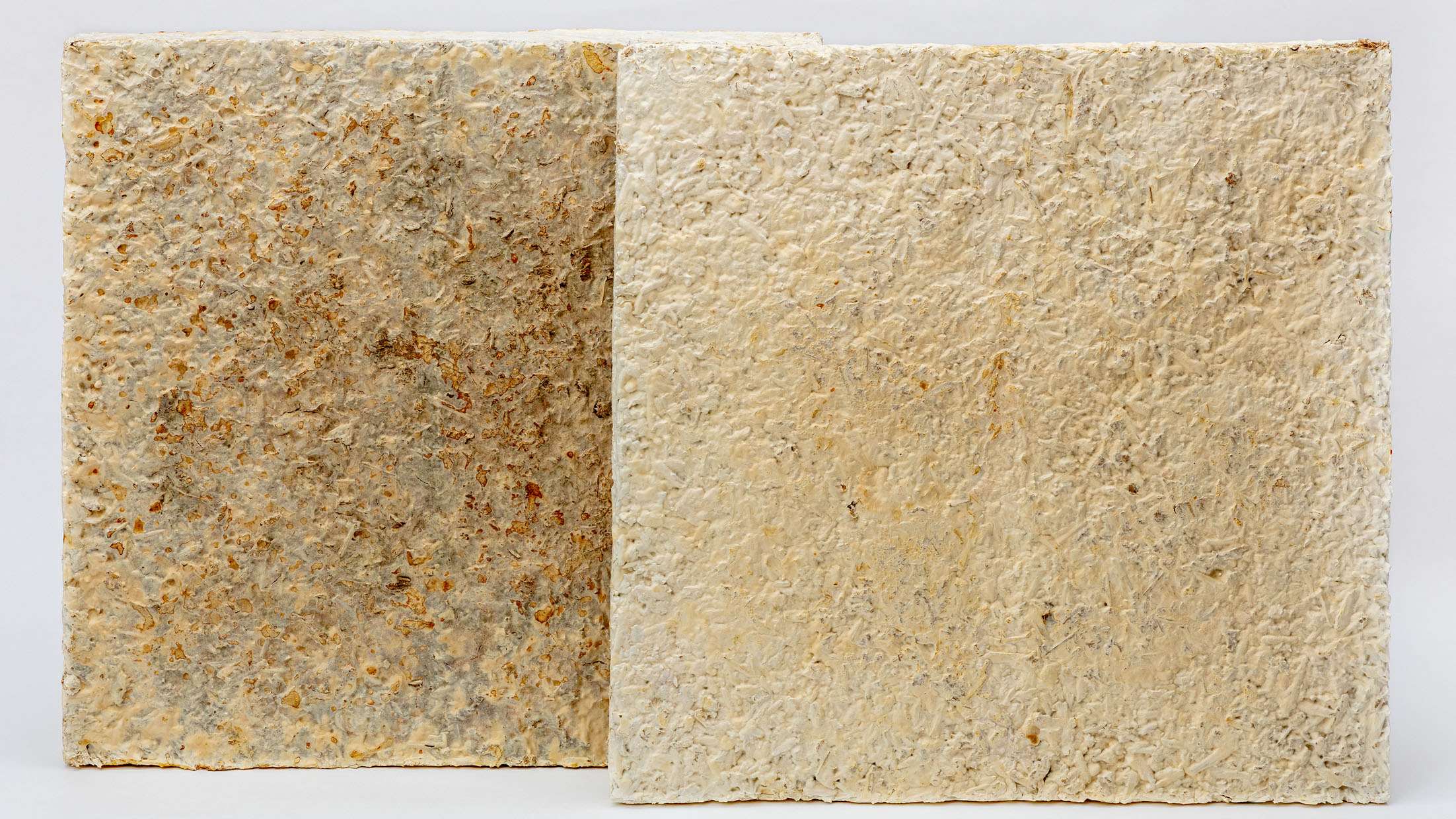
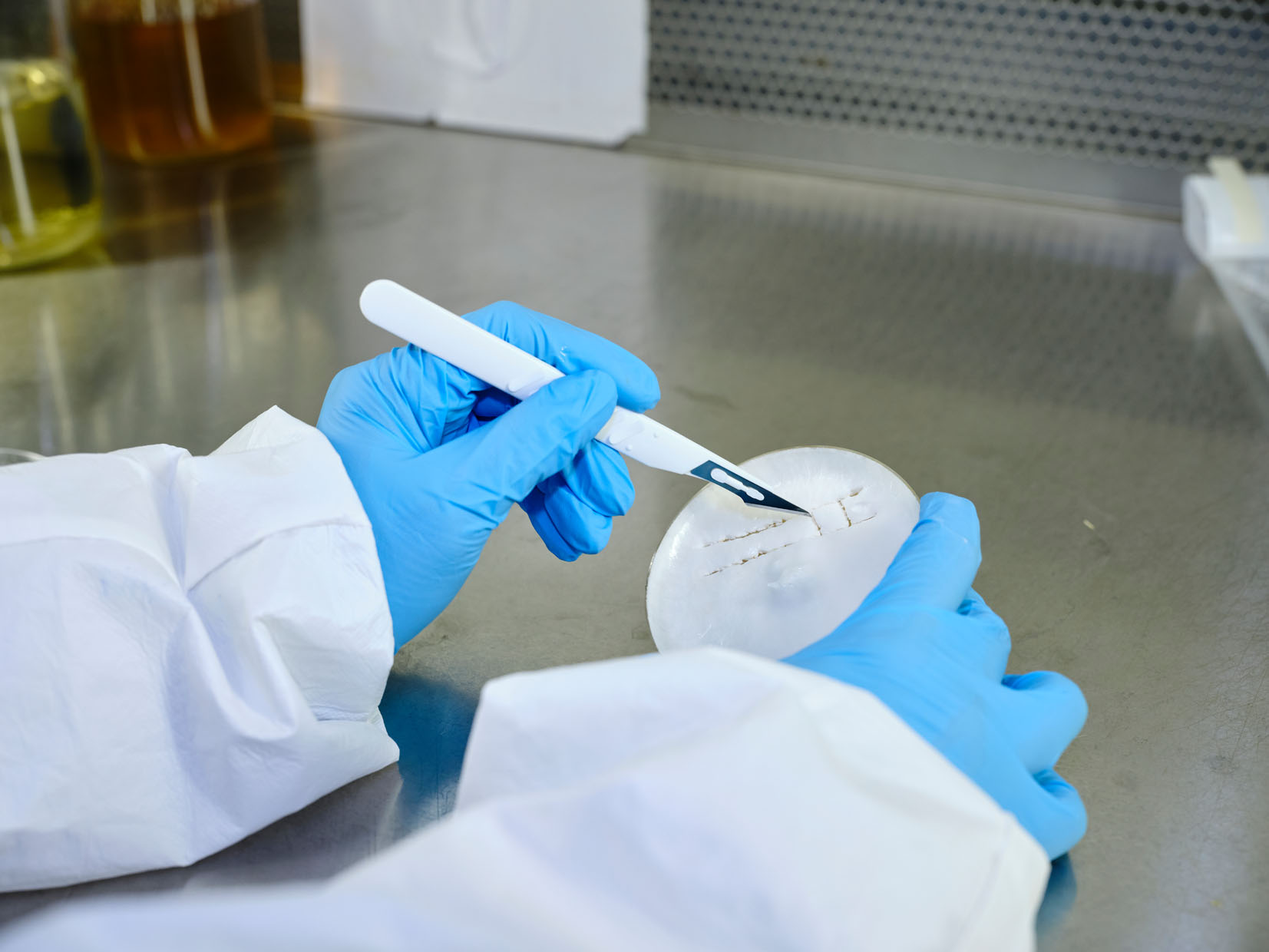
Photos: Demonstration Showcase building on Batam Island in Indonesia © Carlina Teteris (Cover photo), NEWood © Lisa Jungheim / KIT (1), Lightweight mycelium © Lisa Jungheim / KIT (2), Starter culture of mycelium © Tobias Wootton / KIT (3), Different waste resources © Tobias Wootton/ KIT (4), Dr. Nazanin Saeidi © Carlina Teteris (5), Dr.-Ing. Rebekka Volk © Markus Breig / KIT (6)

0 Comments