Tropicalised seaside modernism – built to last for generations!
Until the Second World War, Royan was a fashionable seaside resort. In 1945, bombs almost completely destroyed the town on the French Atlantic coast. Its reconstruction gave rise to a distinctive post-war modernism that, until recently, was widely overlooked.
They say war is history’s great accelerator. That progress emerges from destruction. And they also say that capitalism knows no limits, only expansion – until it destroys itself by its own means. Royan is a place where both theses become tangible in built form. That may serve as a sufficient prologue to a text about a miracle of reconstruction that almost brought about its own demise.
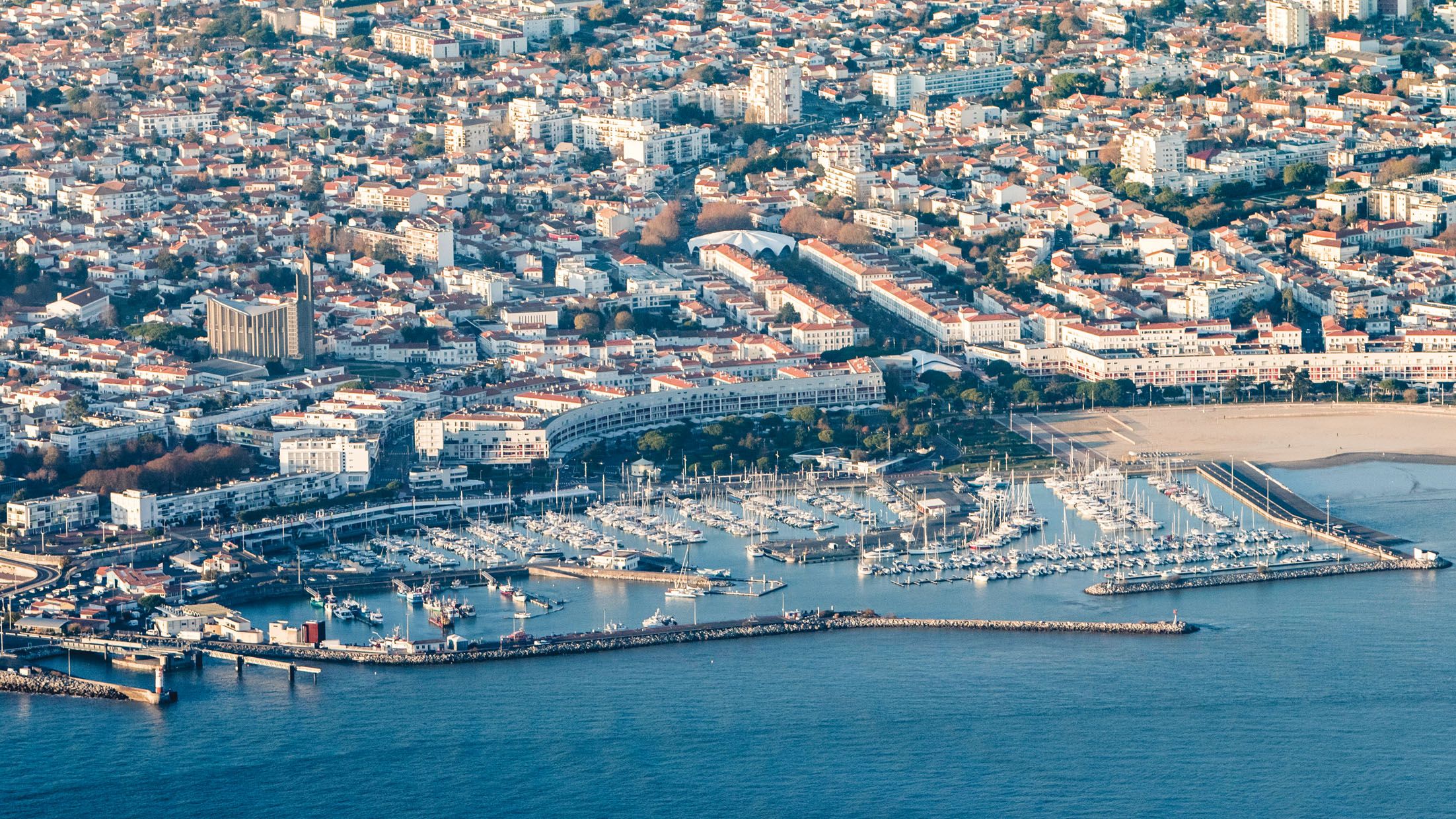
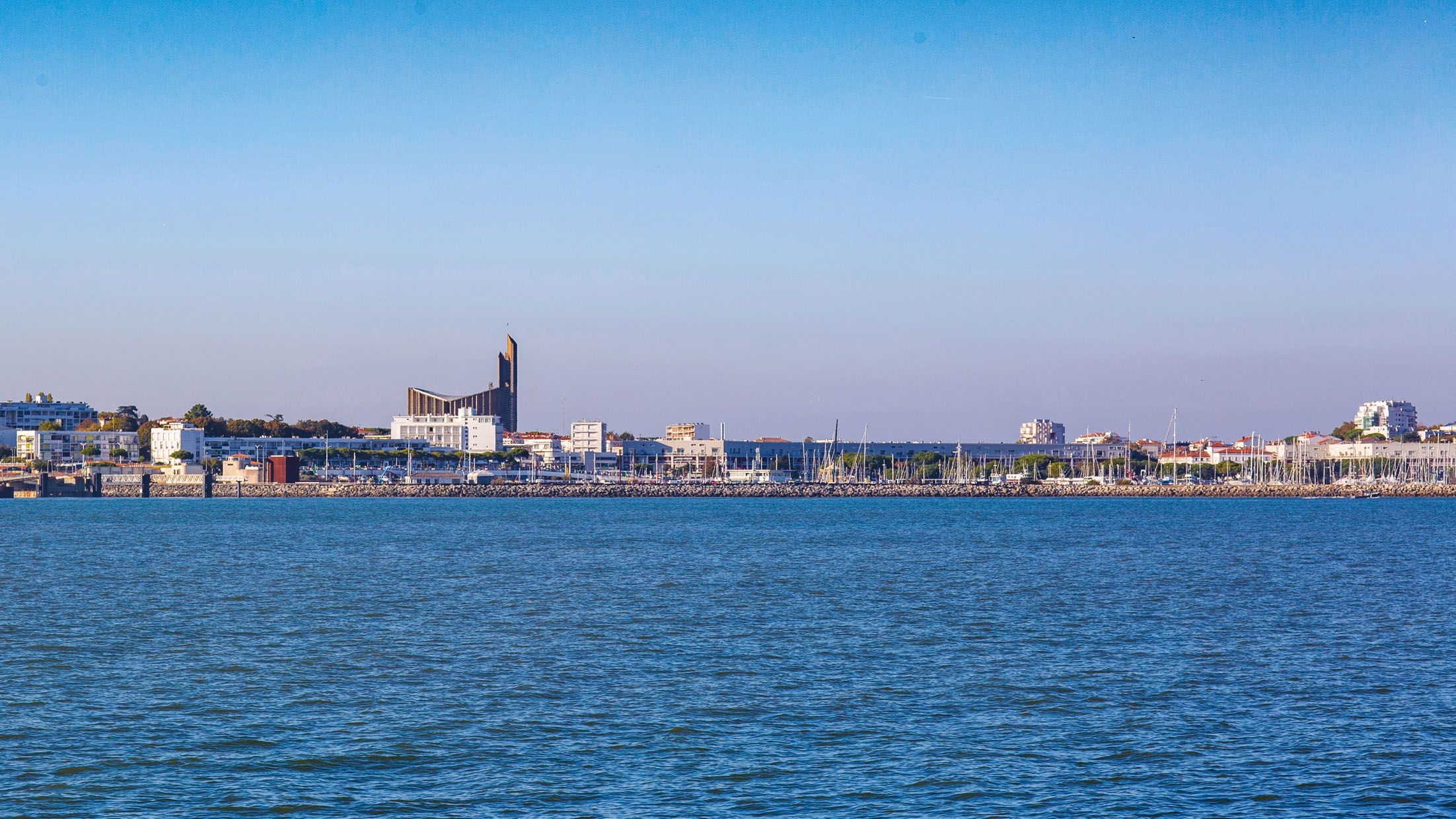
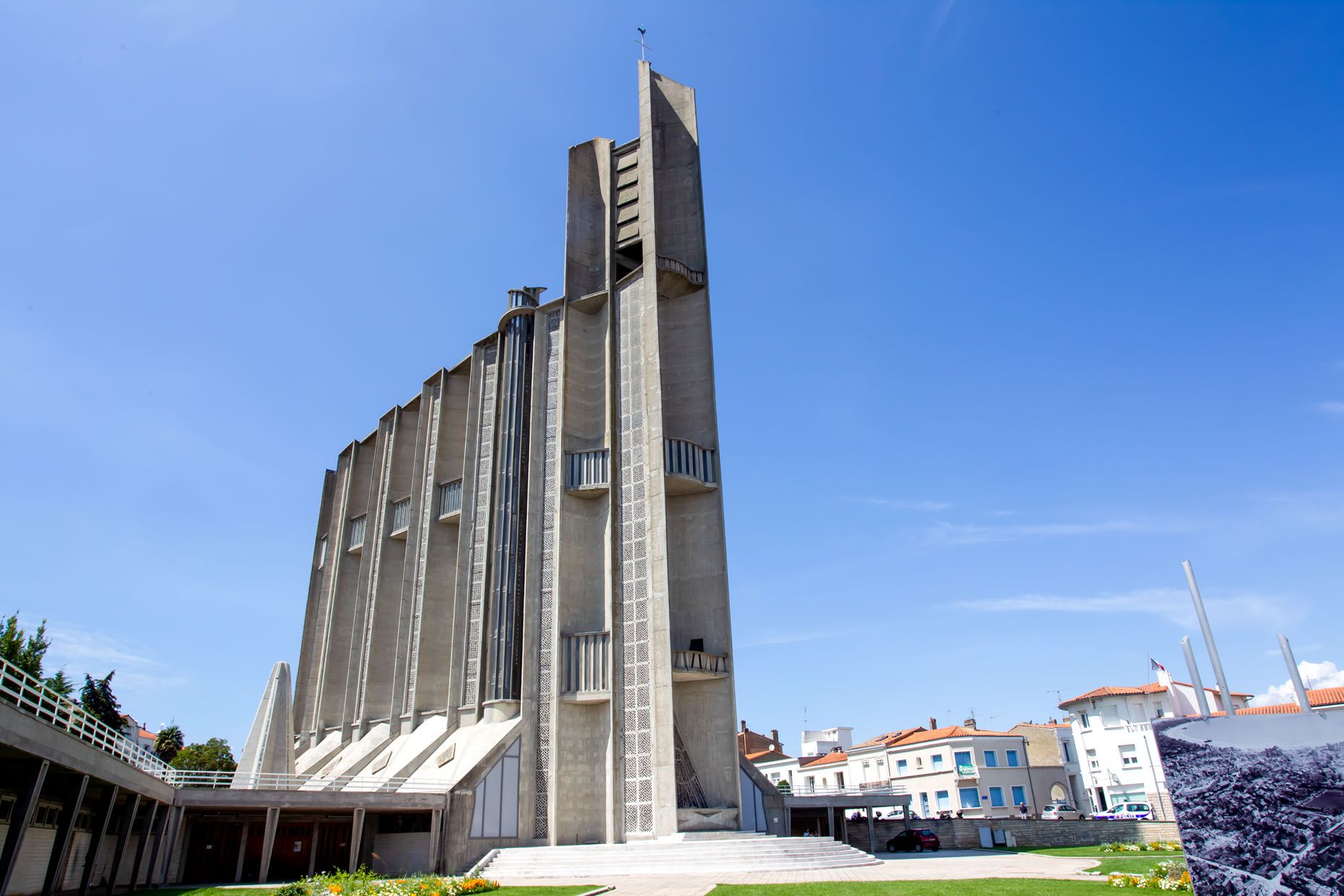
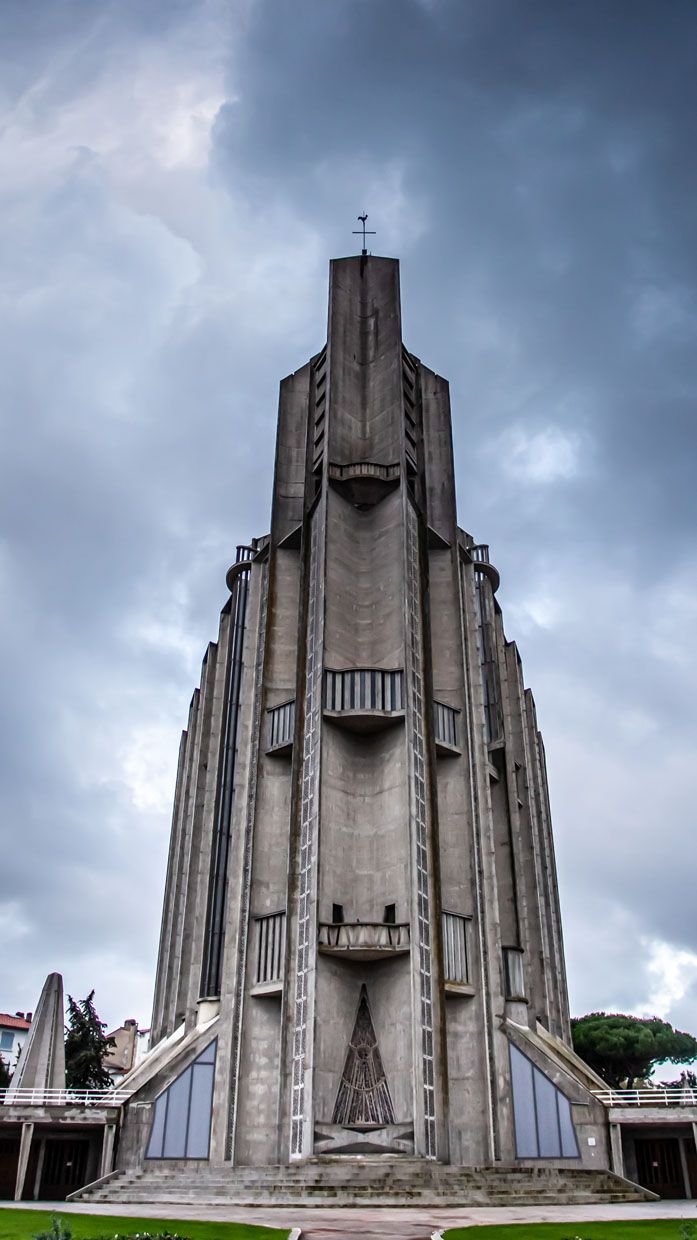
Those who are lucky approach Royan from the south, at sunset. Then the white façades of this place – about which, outside France, surprisingly little is known – begin to glow. In twenty minutes, the ferry rocks its way across from Le Verdon, at the northern tip of the Médoc wine-growing peninsula, to Charente-Maritime. Visible from far away is the town’s highest point, the tower of its grey concrete church. But otherwise Royan keeps its cheerful elegance to itself for a little longer. Acquaintances from the region had warned us when we told them about the trip: Why Royan, that’s an ugly place! And even the waiter in the beach café, shortly after our arrival, remarked that there were certainly more beautiful places than this one.
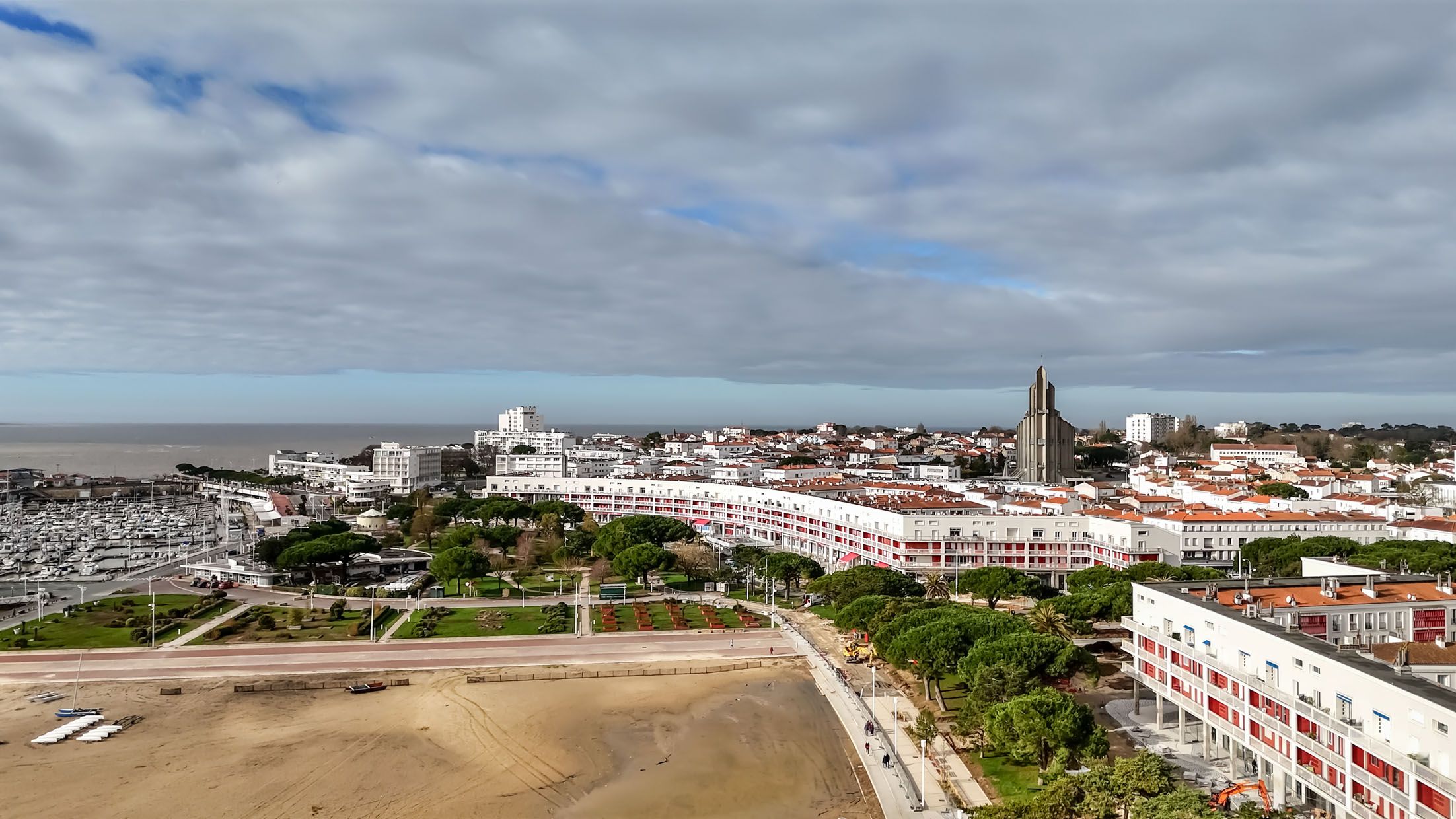
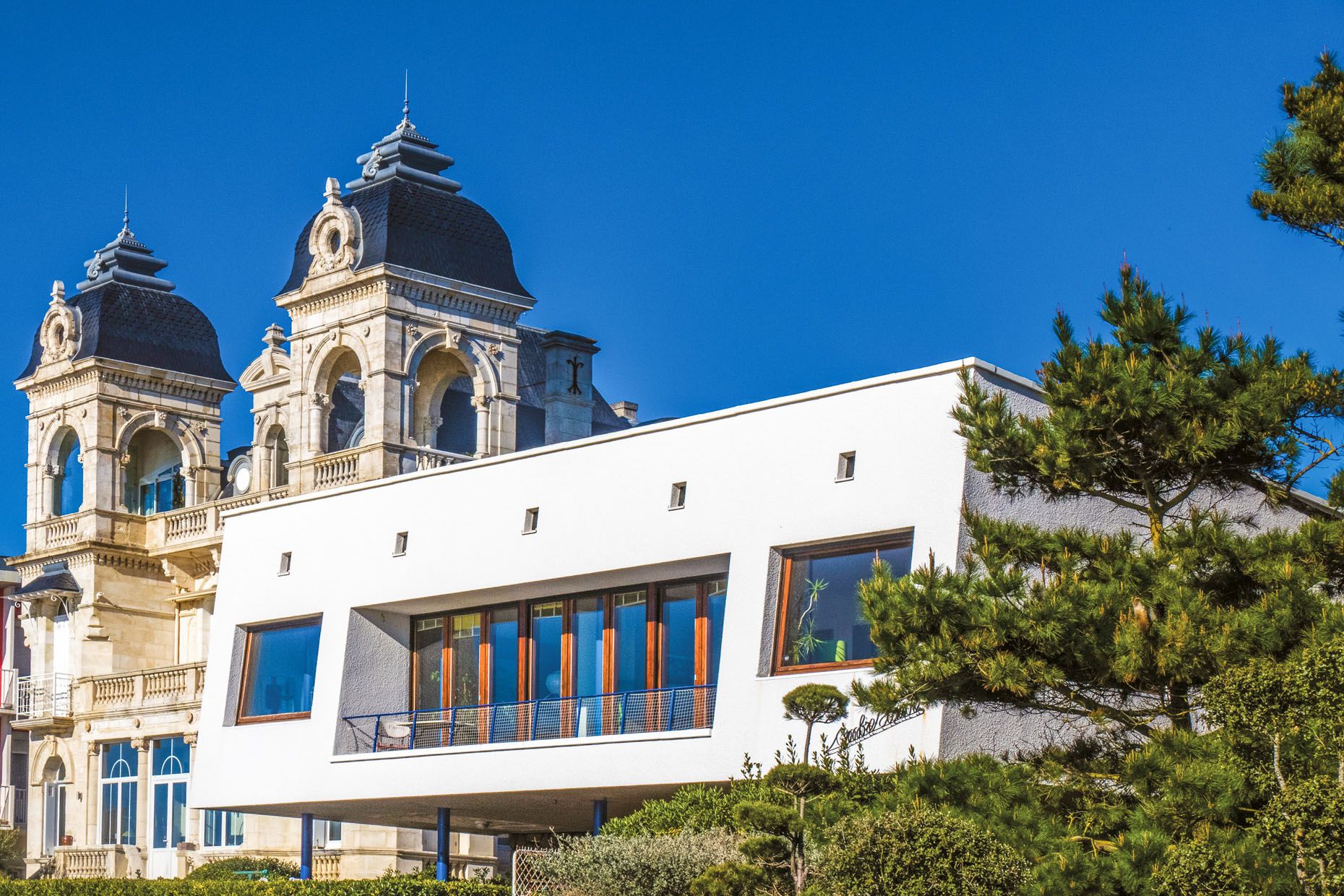
The approach to the town’s history begins in the semi-basement of the congress centre, in the Centre d’Interprétation de l’Architecture et du Patrimoine – the interpretation centre for architecture and built heritage, which opened in 2023.
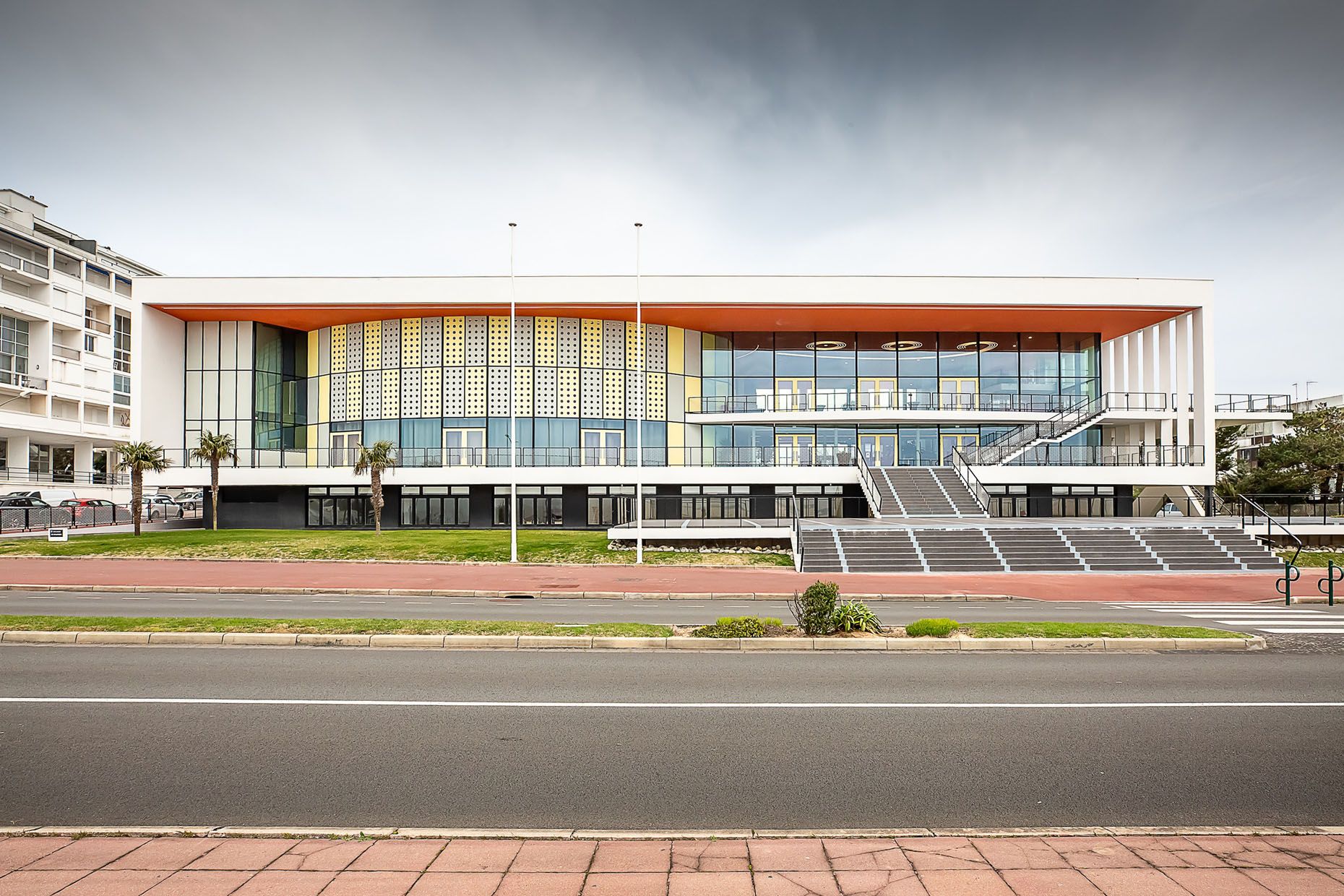
The exhibition space aims to give the residents of Royan, as well as the many summer visitors, an understanding of how Royan became what it is today. Its director is the art historian Charlotte de Charette, who holds a doctorate. When she welcomes visitors, it quickly becomes clear that Royan is something special, something one can feel passionate about. She is helping to bring about a shift in the perception of the tropicalised seaside modernism that is so characteristic of this resort at the mouth of the Gironde. She and the information centre also achieve this by looking back to the time when Royan was still a place of opulent seaside architecture from the late nineteenth century.
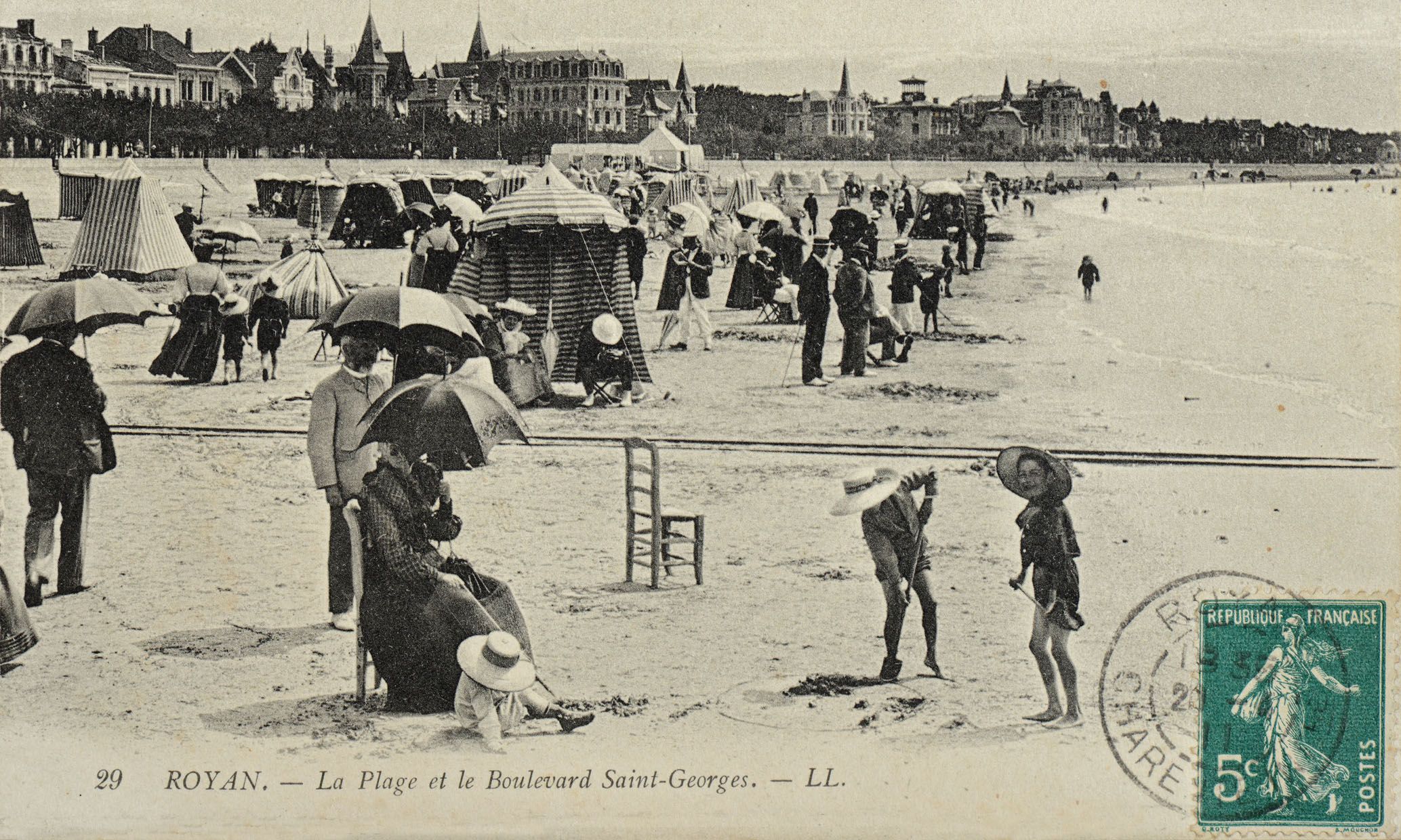
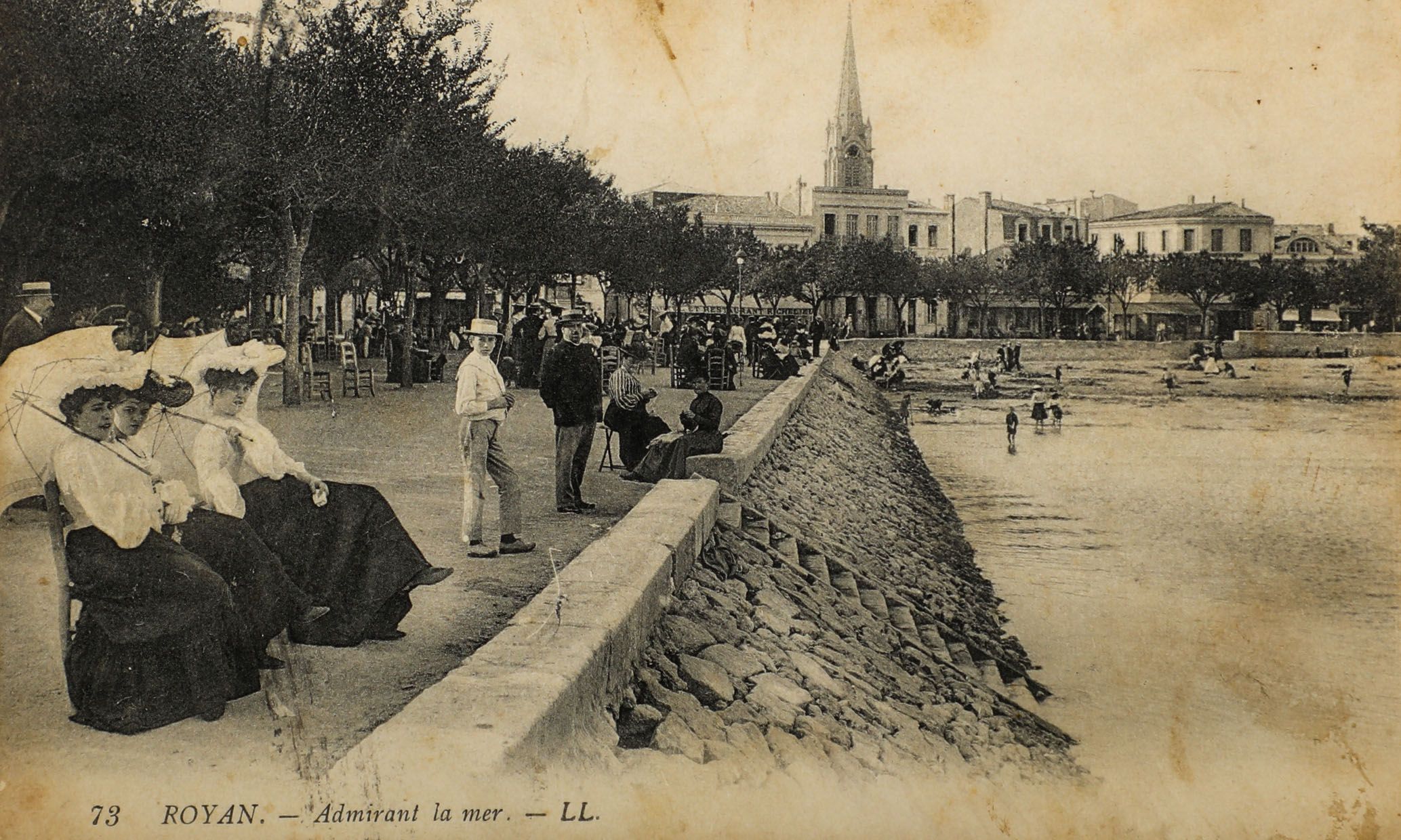
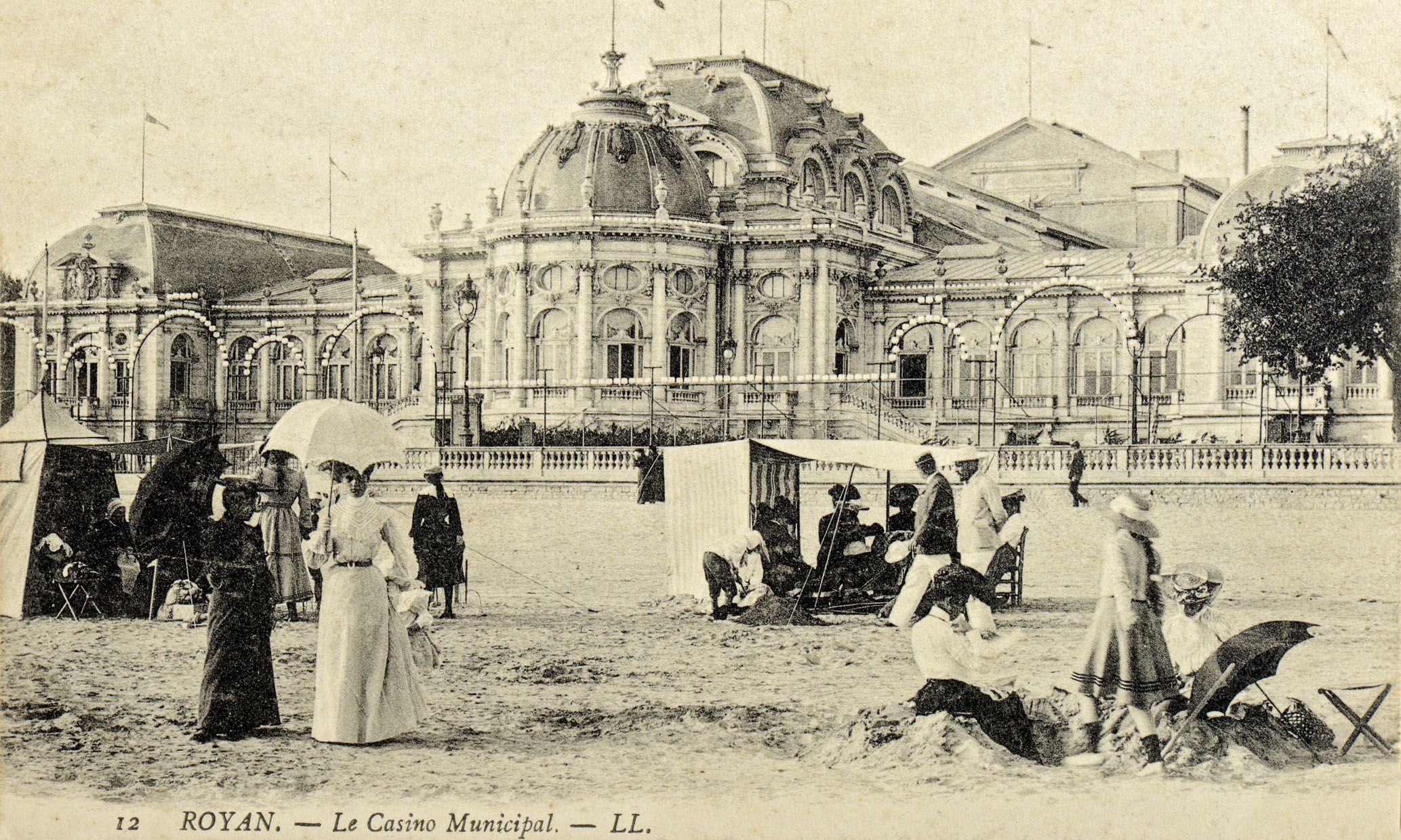
How easily it might have been preserved! Royan was occupied by the Germans during the Second World War, who built part of their Atlantic Wall here. Until January 1945, the situation remained as calm as it could be in an occupied town – both sides hoped the war in Royan might end relatively peacefully. But events took a different turn. For early 1945, the Allies had initially planned an air raid on the minefields and bunkers around the town, but then cancelled it; repelling a German counteroffensive in the Ardennes had taken priority. The British, however, had not received the update and dropped thousands of tonnes of bombs – and, for the first time, napalm – at the mouth of the Gironde. And they did so exclusively on the town itself.
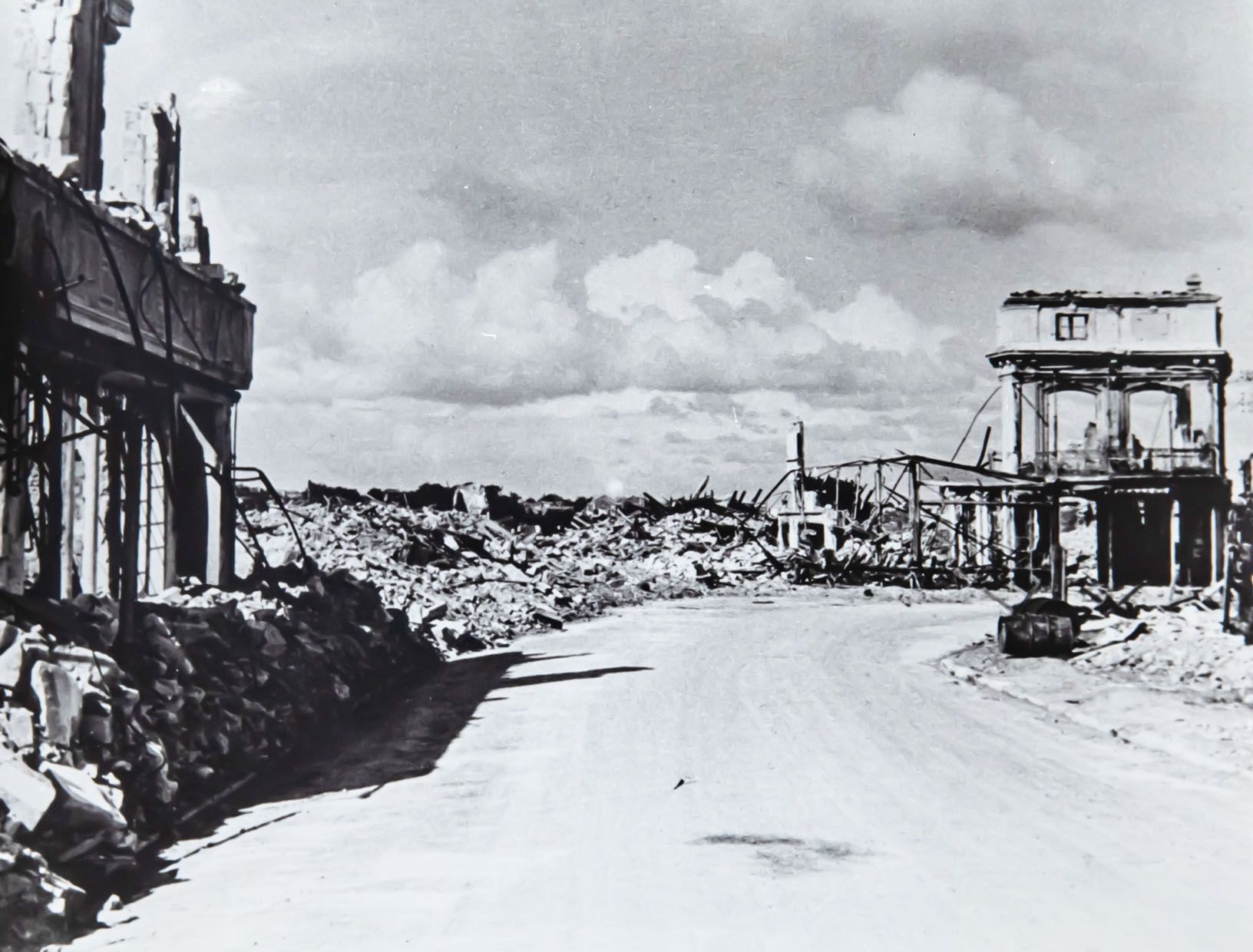
On the morning of 5 January 1945, the thermometer at the Gironde estuary showed –10 degrees Celsius, and the once cheerful seaside resort lay in ruins. Only 250 of the original 4,000 villas remained standing; around 500 civilians were dead and 1,000 wounded – the British had also assumed, mistaken as they were, that the town had been completely evacuated. Of the roughly 5,000 Wehrmacht soldiers in the “Poche de Royan”, the Royan pocket, the majority survived unscathed in their bunkers. Today one can picnic on top of them, overlooking the Atlantic. The Germans did not capitulate until a second bombardment and the advance of ground troops in mid-April.
France, however, had already prepared for what would have to follow. As early as 1944, the Ministry of Reconstruction and Urbanism (MRU) had been established in Vichy, and in June 1945, architect Claude Ferret was appointed chief planner for Royan. From then on, the 38-year-old led a team of 80 – many of them very young – and developed a master plan for the new town at the mouth of the Gironde.
In September 1945, however, Le Figaro reported that Le Corbusier would be taking over the reconstruction. The master denied it somewhat piqued; his handwritten note to the editor-in-chief is displayed in the information centre. In fact, Charlotte de Charette suspects that Le Corbusier must have been frustrated: he was not entrusted with planning any of the cities that needed reconstruction.
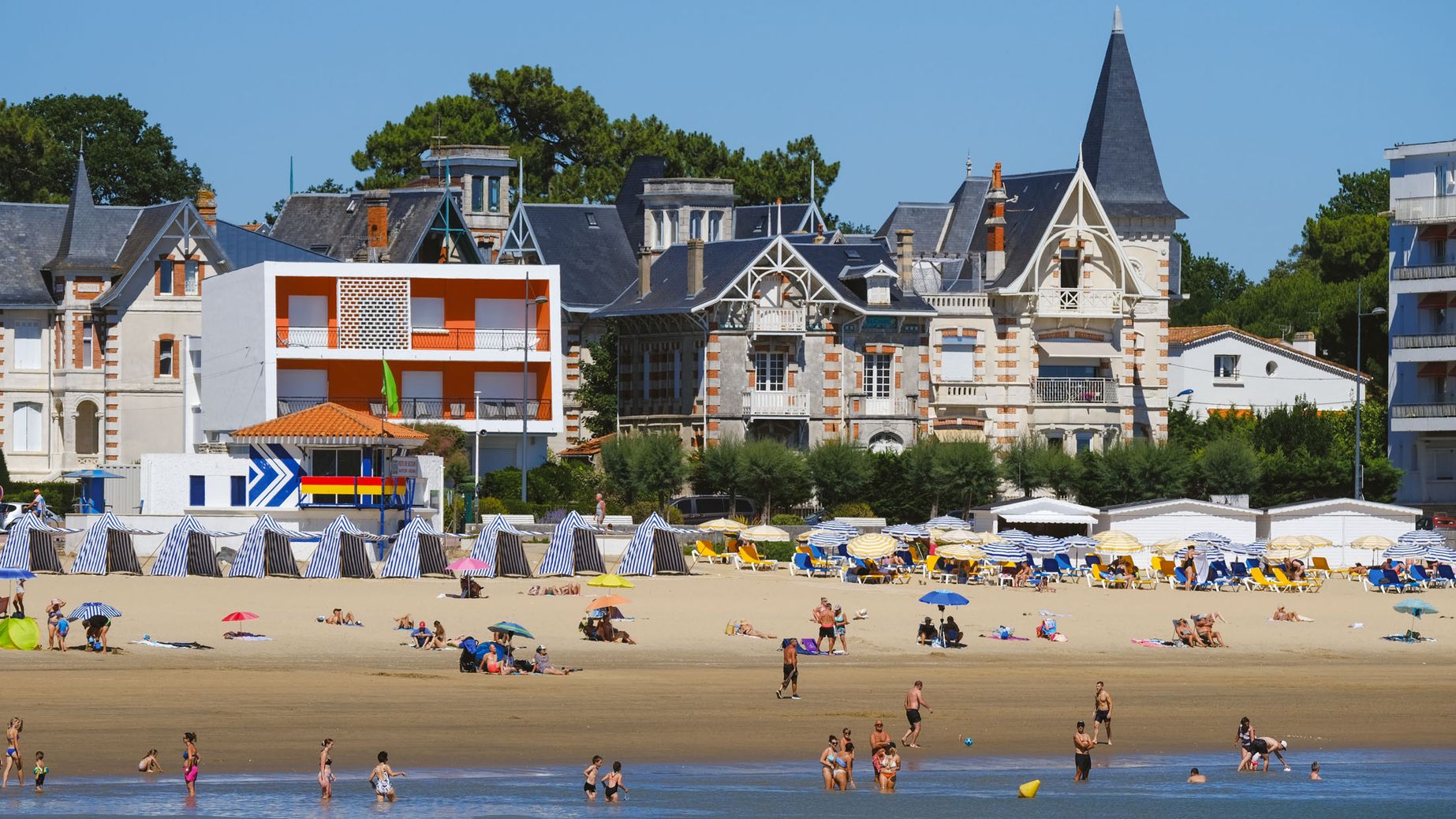
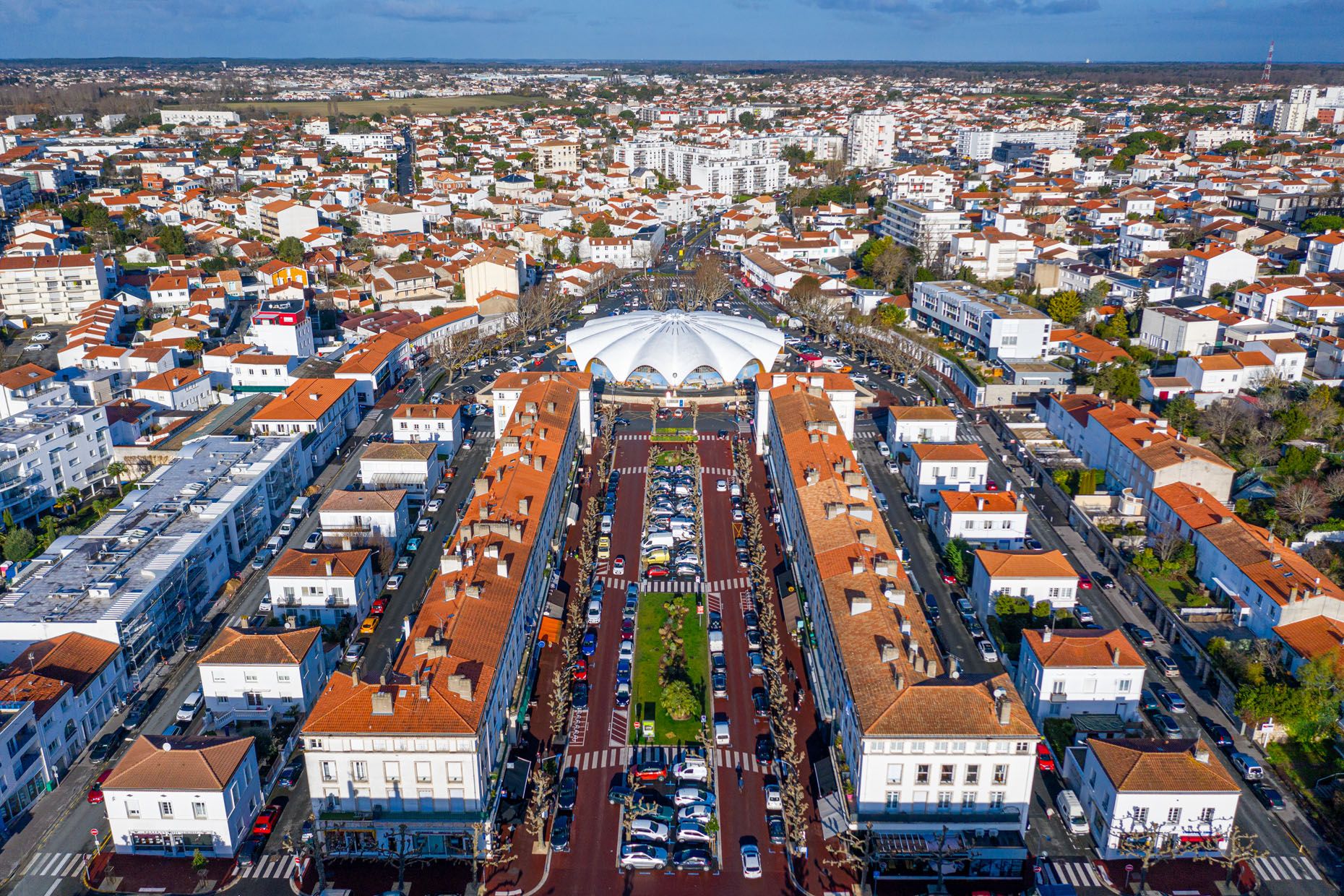
By that time, Ferret and his architects were already at their drawing boards. Louis Simon and André Morrisseau had designed the first new buildings as early as 1945, which still shape the townscape today: two rows of buildings lining the boulevard between the beach and the central market hall, completed in 1956, still clearly exude the spirit of Art Deco.
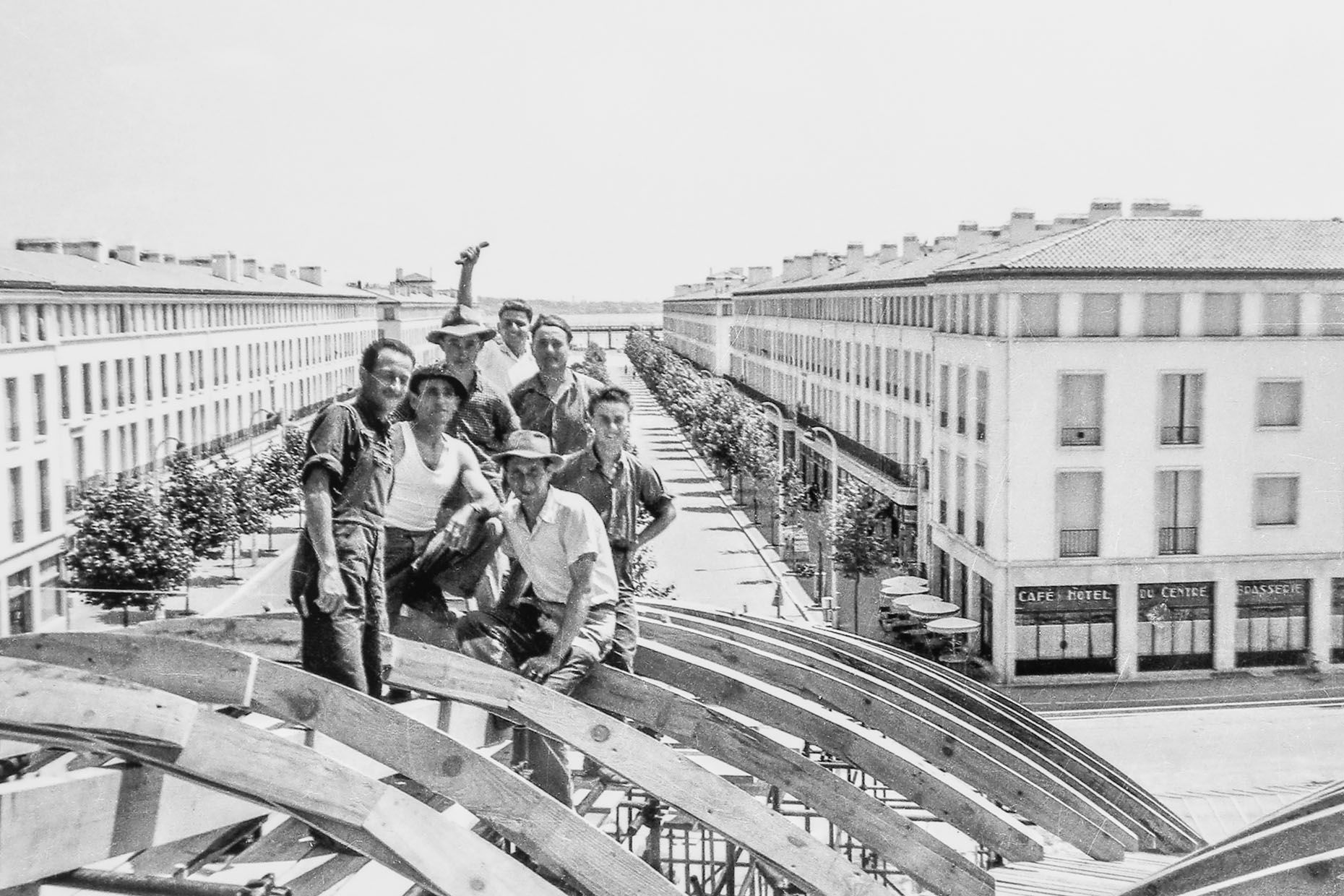
One may assume that things would have continued in Ferret’s pre-war style – had he and his team not come across the current issue of the magazine L’Architecture d’Aujourd’hui in September 1947, which featured a dossier on Oscar Niemeyer’s Brazilian modernism. During the war, French architects had presumably been preoccupied with matters other than the latest stylistic developments. For Ferret’s team, the sight of those light, white buildings from the tropics must have opened up a new world. Yet to truly understand their astonishment, one must picture not only the rubble and hastily built emergency shelters that shaped their daily reality, but also the fact that printed journals were the only medium providing information about new developments. Inspired by what they saw, Ferret and his collaborators sought a way to reinterpret this cheerful Brazilian architecture to suit the conditions on their side of the Atlantic.
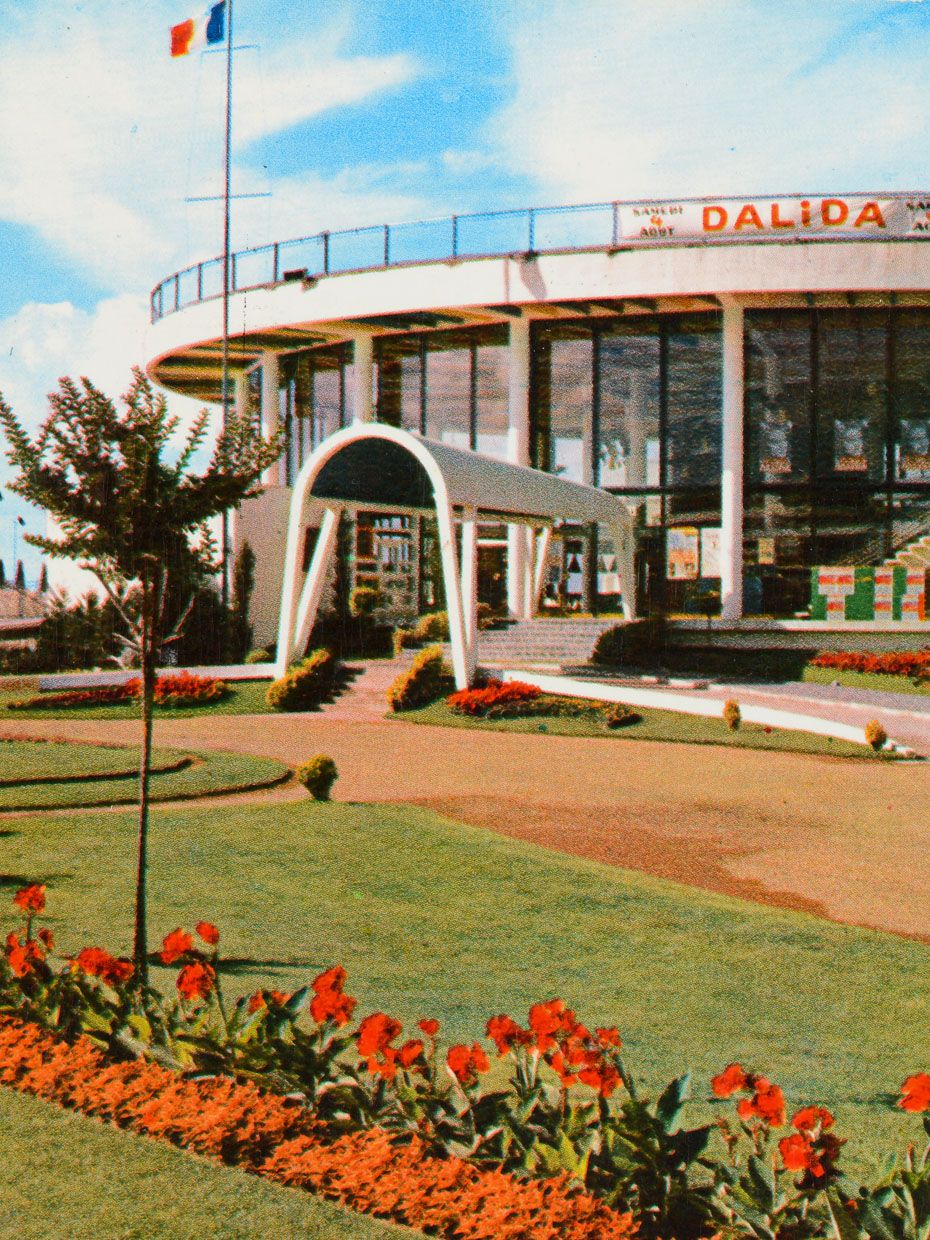
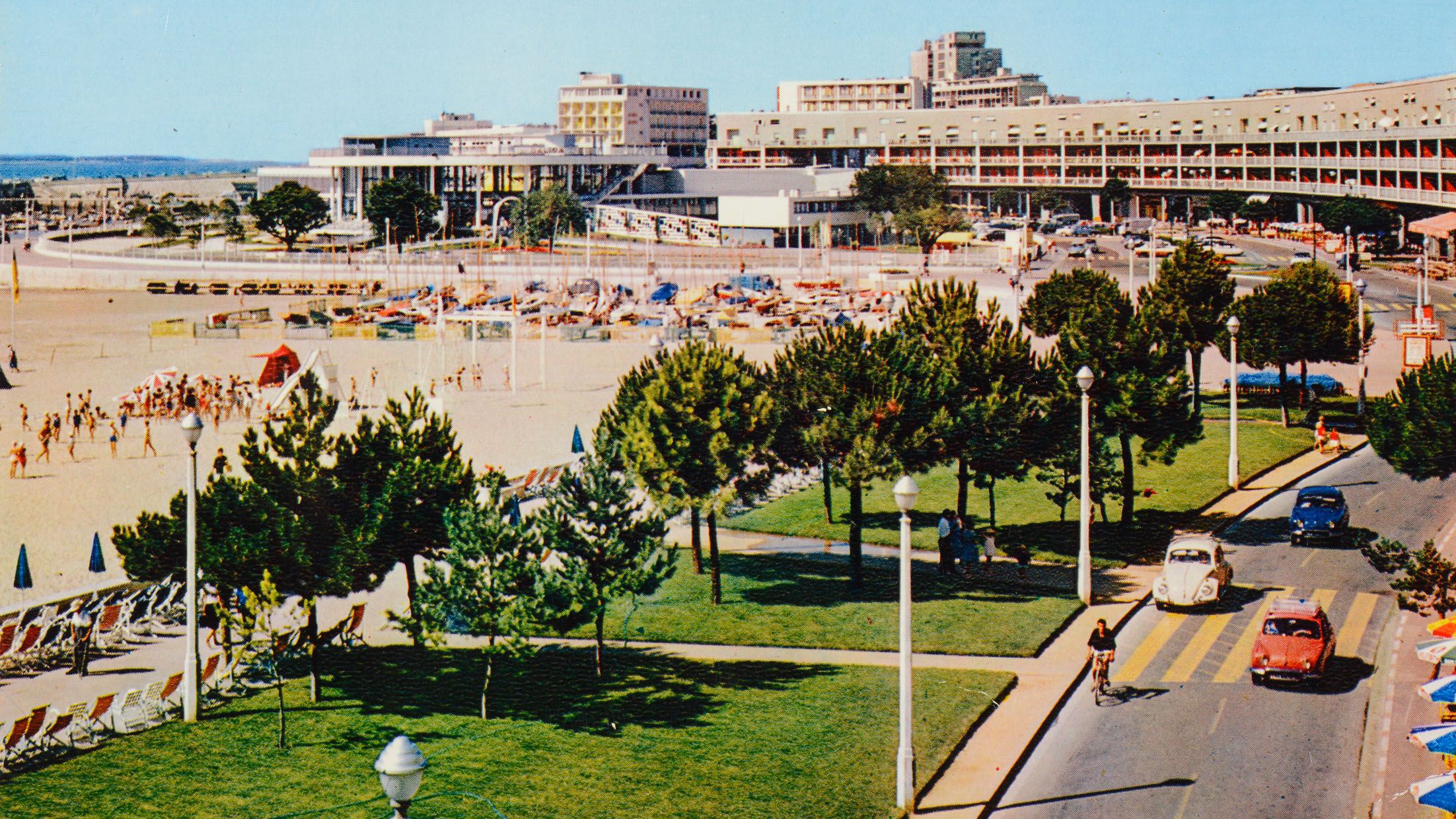
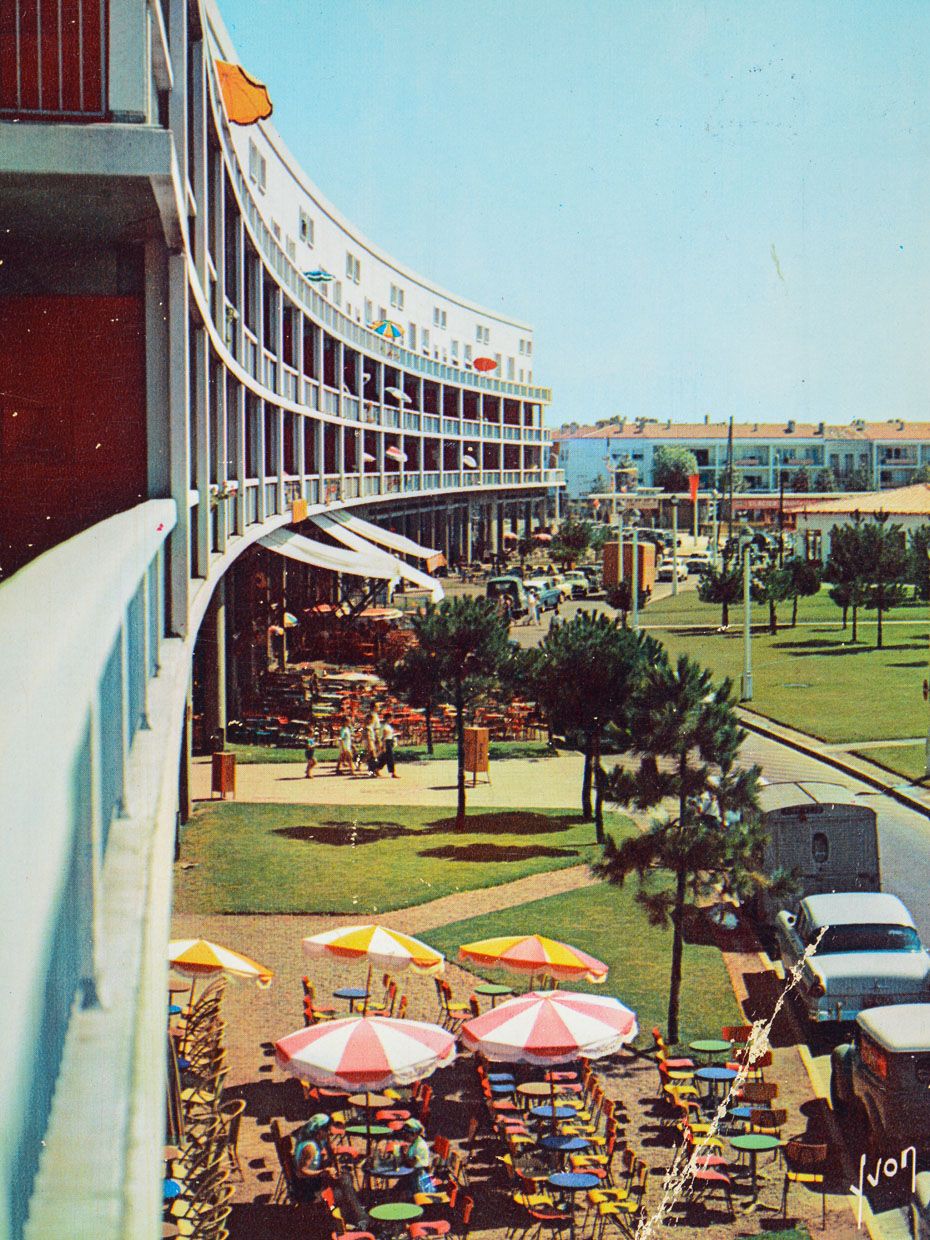
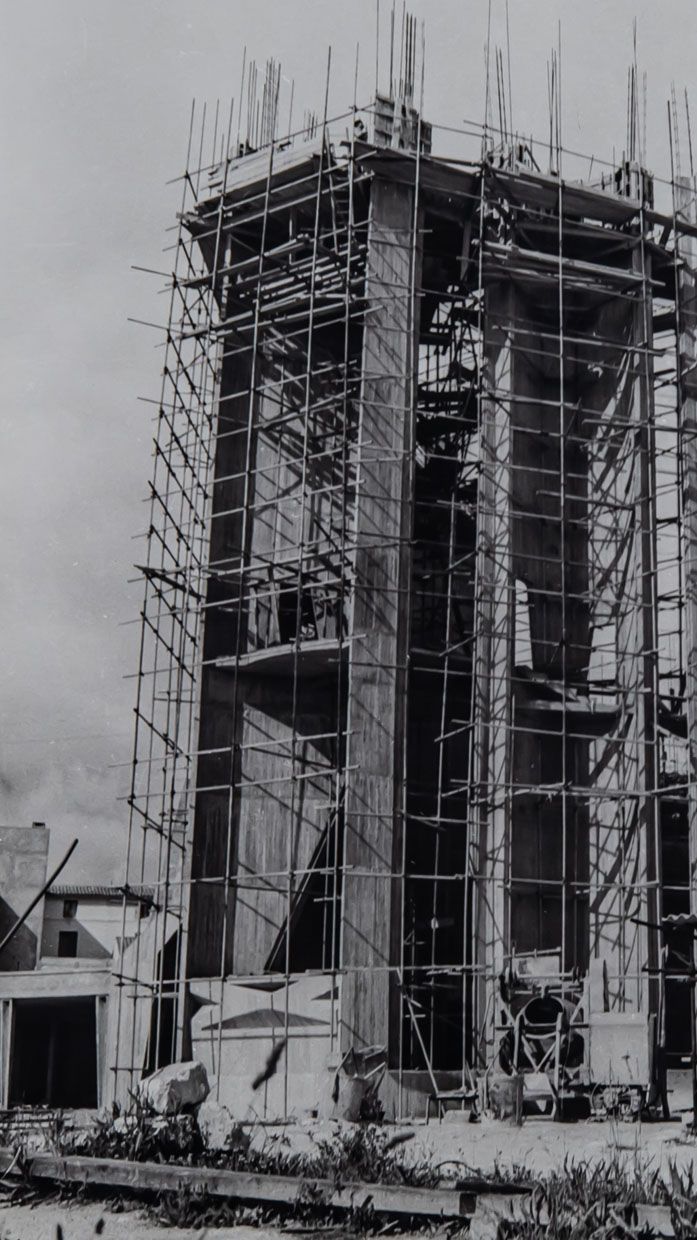
By around 1958, they had created a modern town on the ruins of the seaside resort, designed for a small number of residents in winter and many holidaymakers in summer. Villas, housing complexes, hotels and holiday apartments were built, along with public buildings such as a market hall, a congress centre, schools, a post office and a church.
Not everything has survived to the present day – some buildings were demolished. One example was the Portique, the “balcony over the sea”, a striking gallery that connected the two wings of the residential and commercial buildings along the bay. It served as a promenade for the people of Royan and their visitors. The casino on the bay met a similar fate: by the mid-1980s – only 26 years after its construction – it too had disappeared. A local living near Royan recalls: “As a child and teenager, I was incredibly fascinated by the interior of that building. But I never really understood why.”
Given this enthusiasm for demolition, it is hardly surprising that even the buildings that remained were treated with little care. Optimisation took precedence over preservation. Private owners were not the only ones who “beautified” their houses – adding glass extensions to terraces or considering themselves very progressive when replacing an ageing front door with a model from the DIY store. The town itself long set the example in its disregard for the architectural heritage. Where the arcades of the Front de Mer had once opened onto green spaces and café terraces, the 1990s saw the creation of space for souvenir shops, bars and restaurants – in the form of rows of pavilions with wave-shaped roofs placed directly in front of the arcades. These rows of pavilions occupied almost all the space between the building and the street; the former open areas – and with them the lightness of the ensemble – had given way to hot waffles, beach blouses, inflatable mattresses and platters of seafood.
That Royan’s architectural heritage eventually came to be appreciated is also thanks to an initiative by the French Ministry of Culture, which began to give particular attention to post-war architecture in the 2000s. But it may also have had something to do with the fact that Didier Quentin became mayor of Royan in 2008. Quentin had grown up closely connected to the town’s reconstruction; his father Marc was a local freelance architect with his own practice. During Quentin’s time in office, Royan successfully applied for the label “Ville d’Art et d’Histoire”, and numerous buildings were listed as historic monuments – previously only the most emblematic structures, such as the cathedral and the market hall, had enjoyed that status. In the 2010s the protected ensemble zone was expanded, and efforts to communicate the architectural heritage were stepped up.
At the centre of these activities today is the information centre in the semi-basement of the renovated congress hall. Charlotte de Charette quickly places several of the brochures in visitors’ hands that the town has developed for building owners and craftspeople. They illustrate details of Royan’s 1950s buildings – historical windows, balustrades, staircases or front doors – and foster appreciation of the existing fabric. Thanks to these small booklets, one begins to notice the very details that make the buildings beautiful. Other forces have also done their part. In 2019, for instance, the documentary filmmaker Jean-Marie Bertineau introduced a wider audience to the value of Royan’s architecture with his 50-minute television documentary L’architecture du soleil. Meanwhile, various coffee-table books with large-format architectural photographs make it possible for travellers to take Royan’s modernism home with them in their luggage.
Fortunately, some architects have also dedicated themselves to the very practical task of preserving Royan’s architectural heritage. Florence Deau, who grew up in the region, focuses in particular on refurbishment and sensitive interior design.
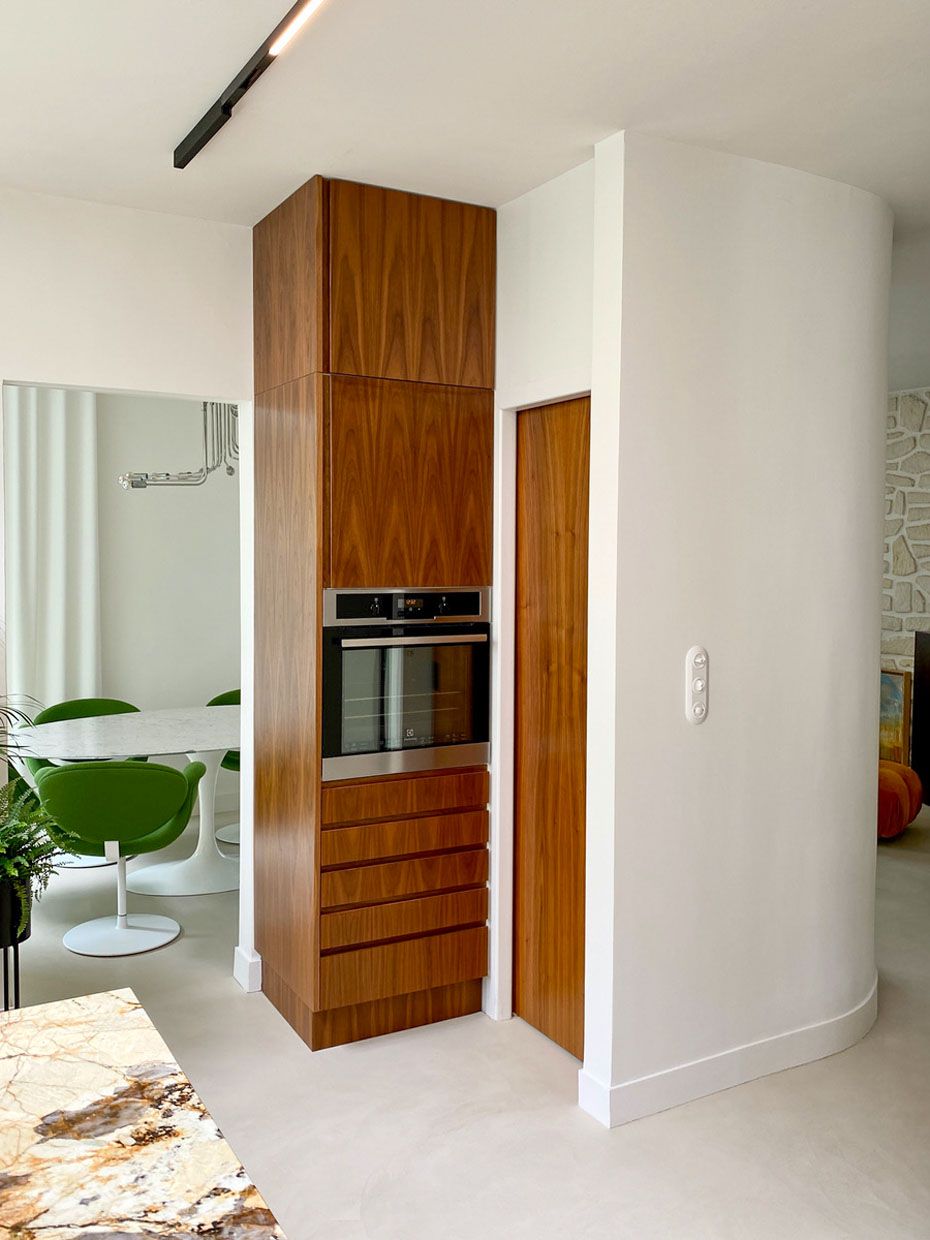
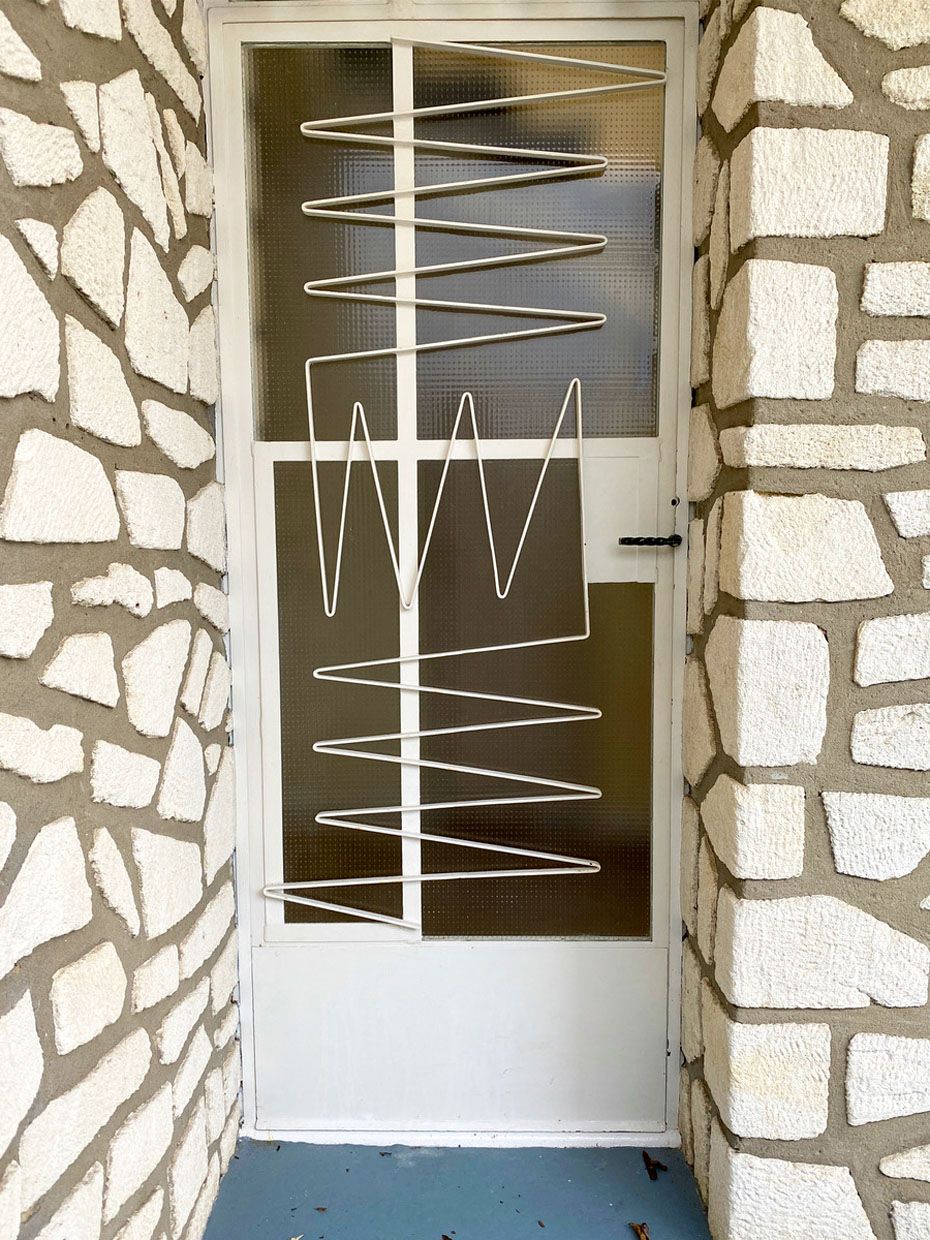
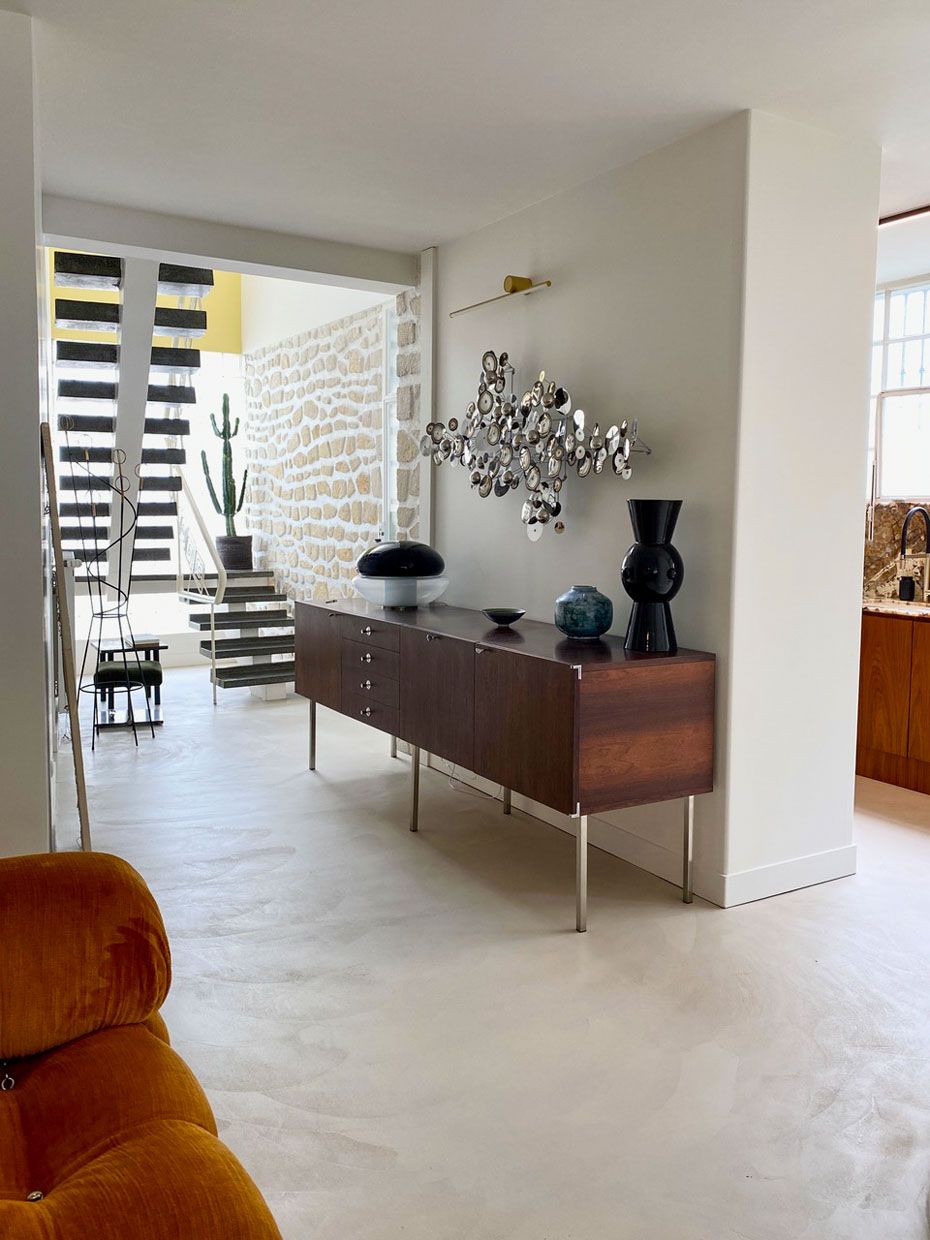
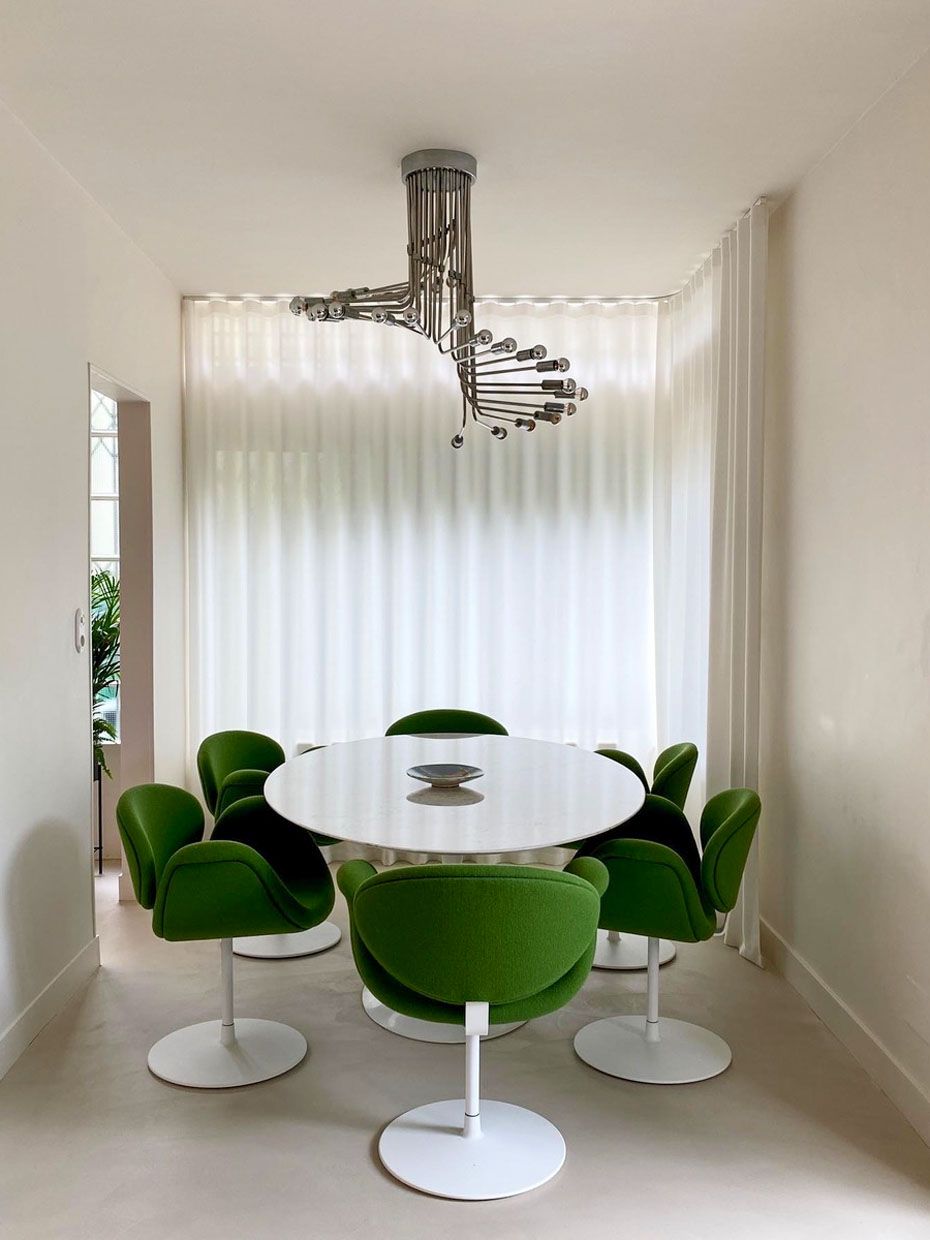
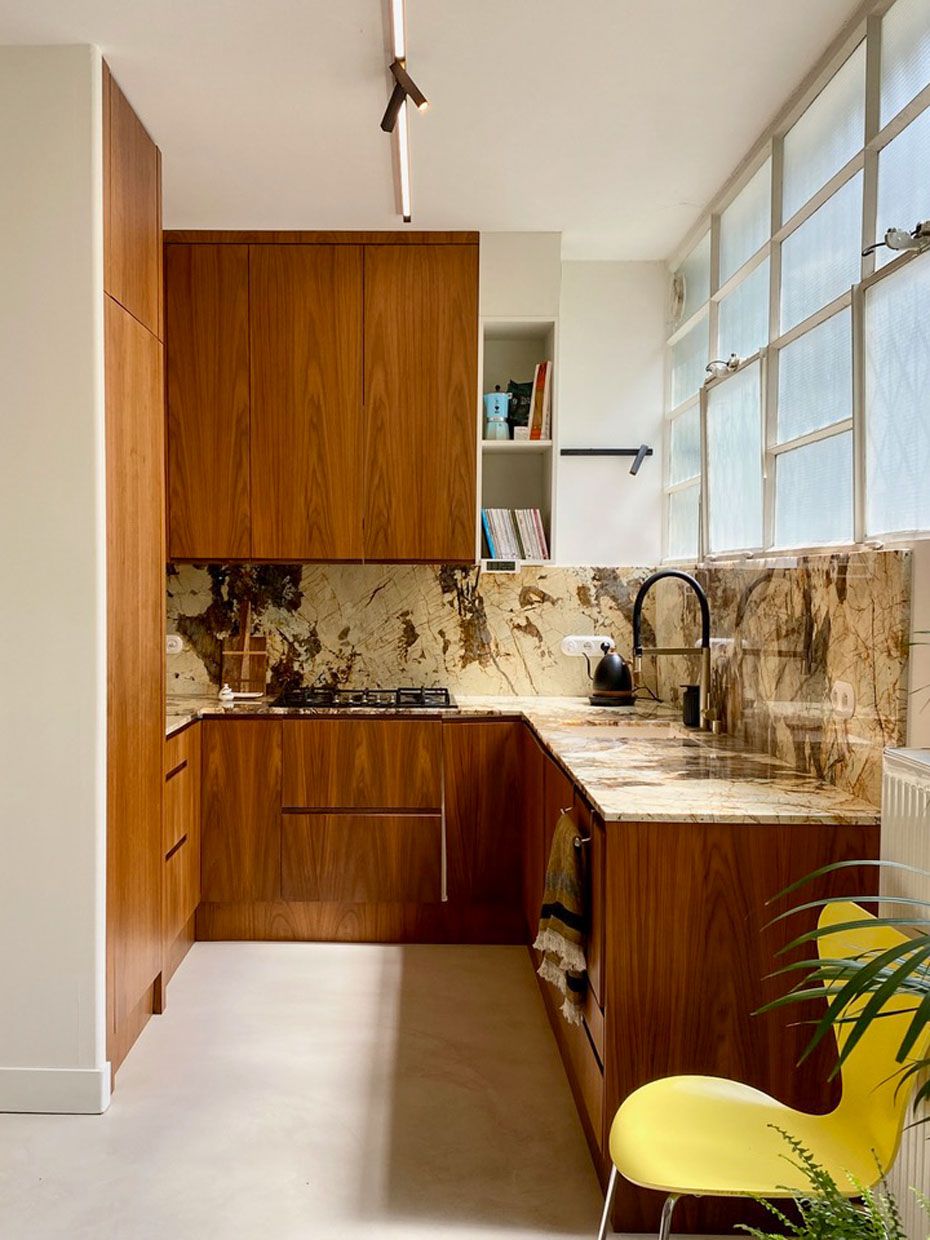
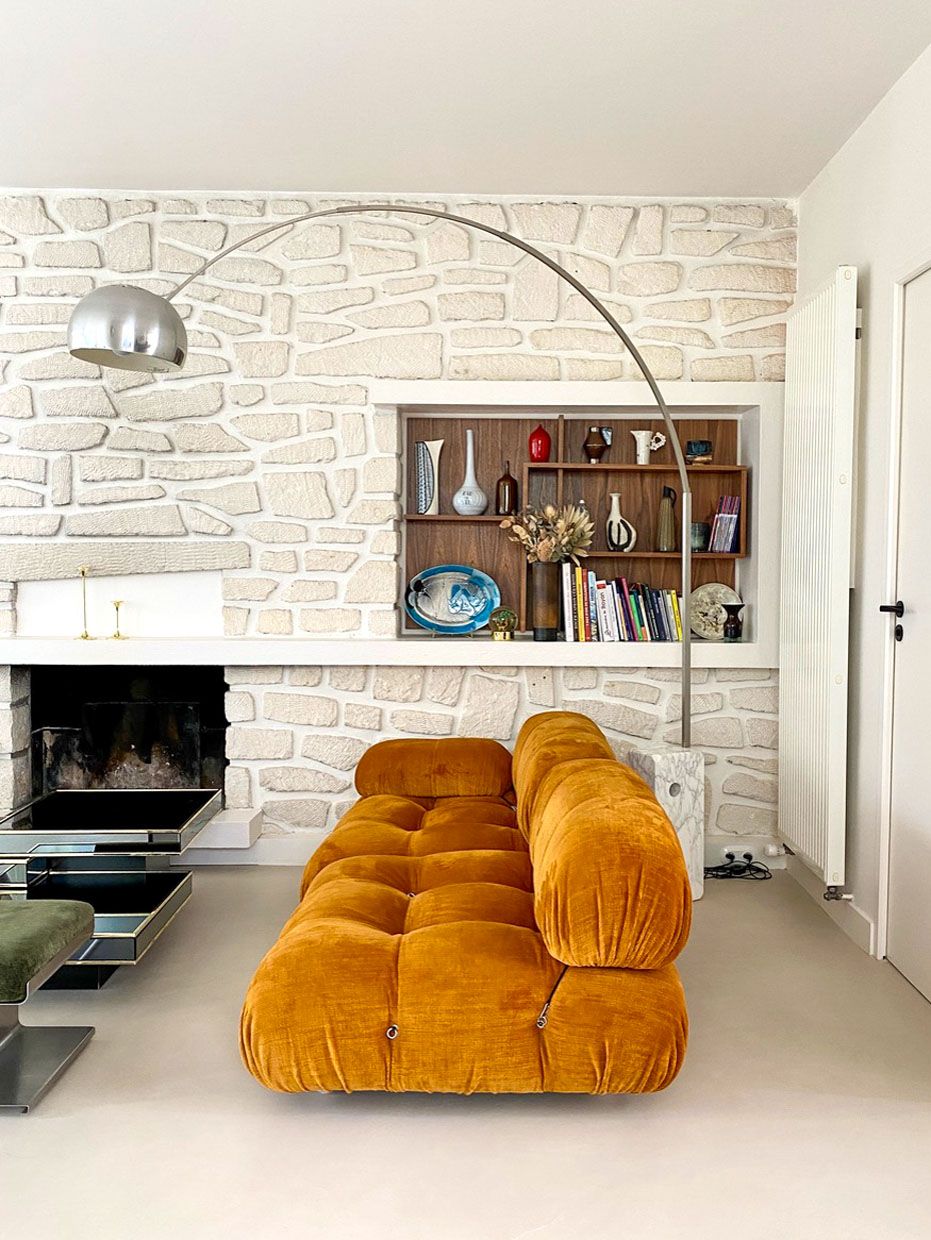
Her work combines original elements with contemporary interpretation and makes a significant contribution to the appreciation of the local heritage.
Pierre Ferret, son of chief planner Claude Ferret, is also actively engaged. Together with Chatillon Architectes, he oversaw the refurbishment of the Palais des Congrès and, from 2017 onwards, carefully restored it to its original 1950s condition.
Diagonally opposite the congress centre, on the other side of Foncillon beach, however, the legacy of the post-war period did not survive. Here, an open-air seawater pool dating from the early 1960s once attracted bathers – and merely mentioning it still brings a smile to the faces of many older connoisseurs of Royan. But the pool had fallen into disrepair, and the municipality lacked the funds for restoration; demolition loomed. The people of Royan protested vehemently. To no avail: on the same site, a regional investor and patron built an apartment complex with a private pool, partially incorporating elements of the former structure.
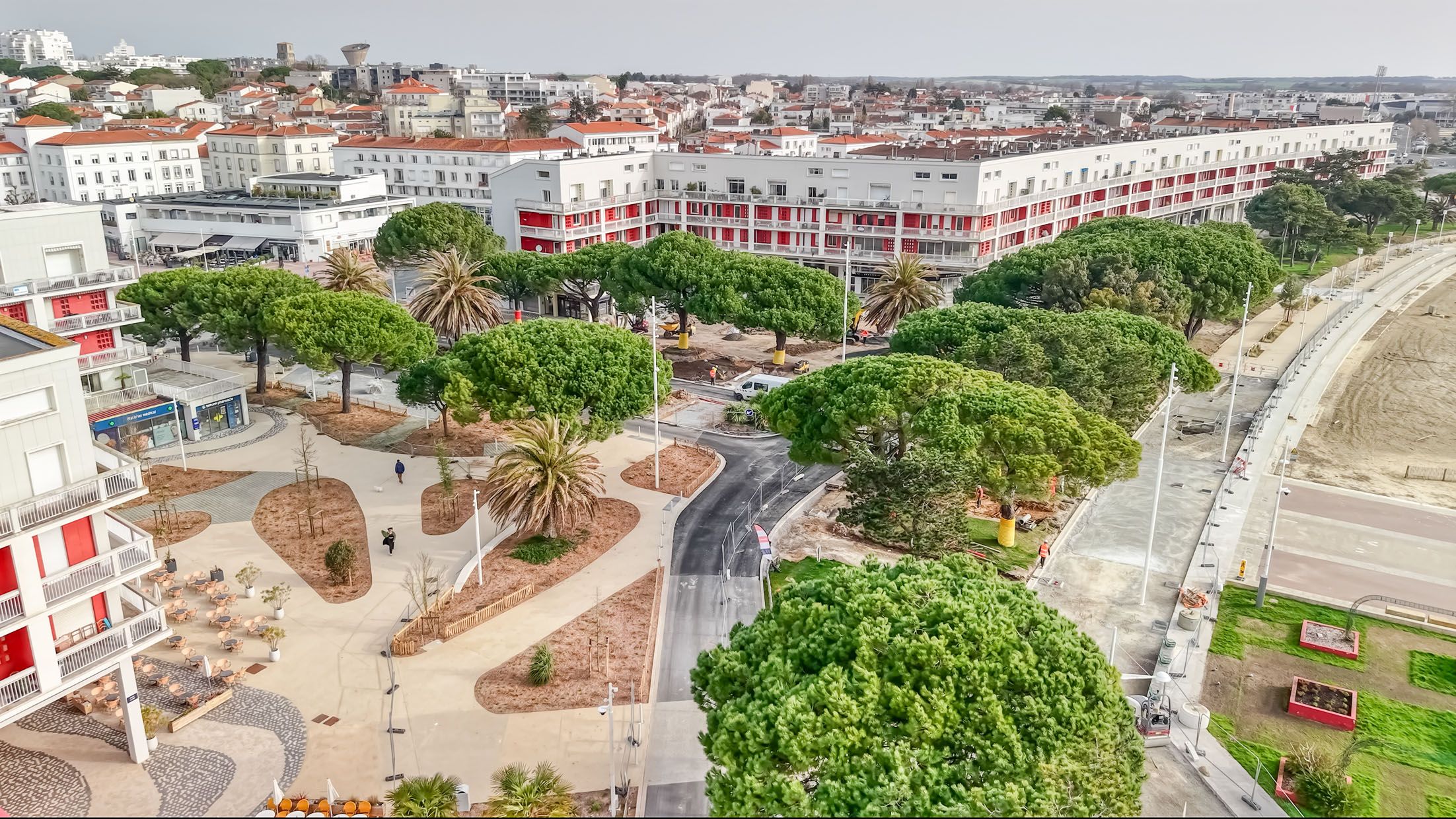
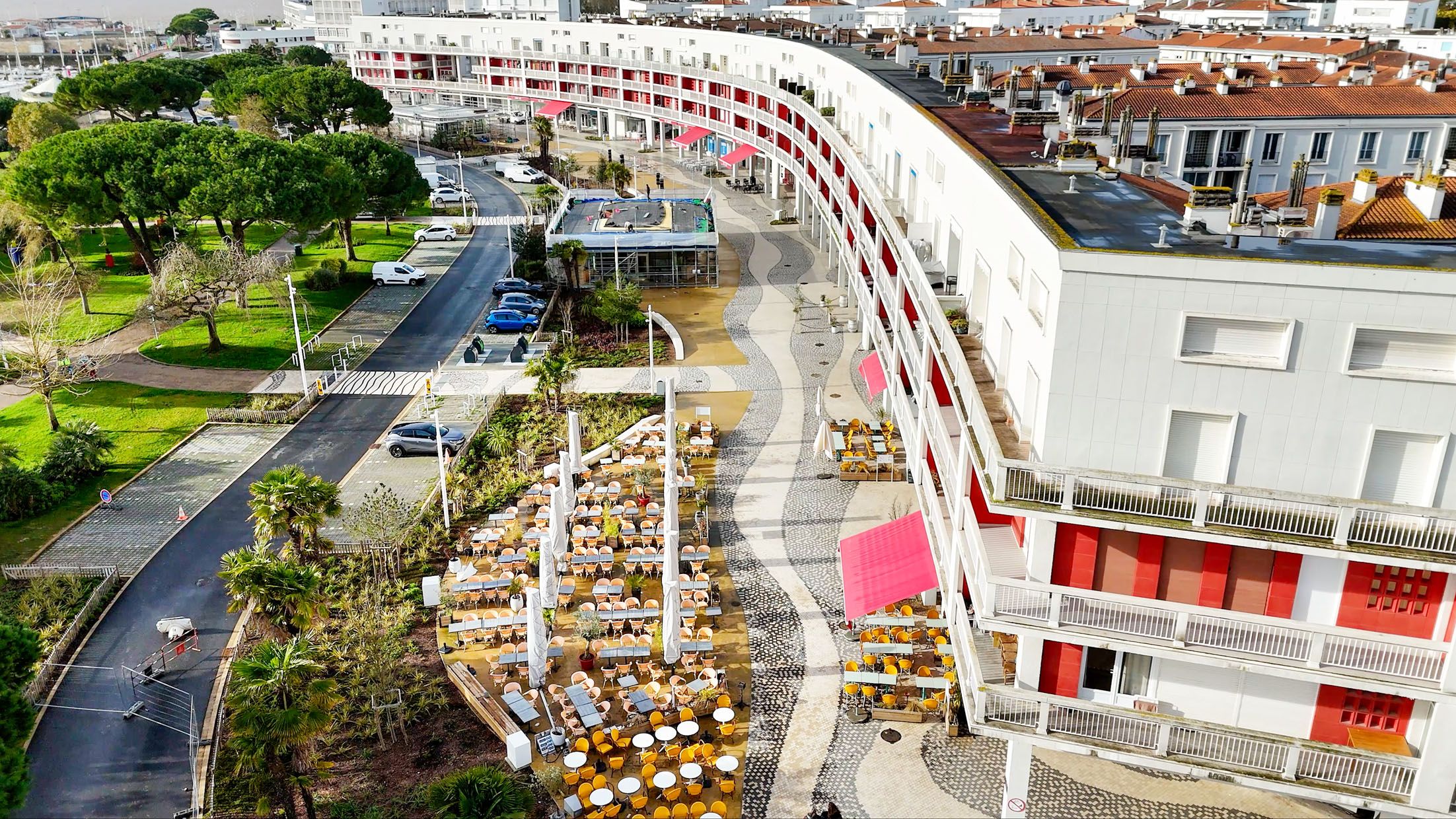
Some mistakes, fortunately, can be corrected later – and sometimes they are. Since 2025, the town itself has been investing around ten million euros in the Front de Mer. The pavilions with their wave-shaped roofs from the 1990s have been removed, making way for large café terraces and a new promenade. “Most people are very pleased about this change, although one should bear in mind that it is an urban development project rather than an architectural one,” Charlotte de Charette comments on the fact that the “balcony over the sea” has not been reconstructed.
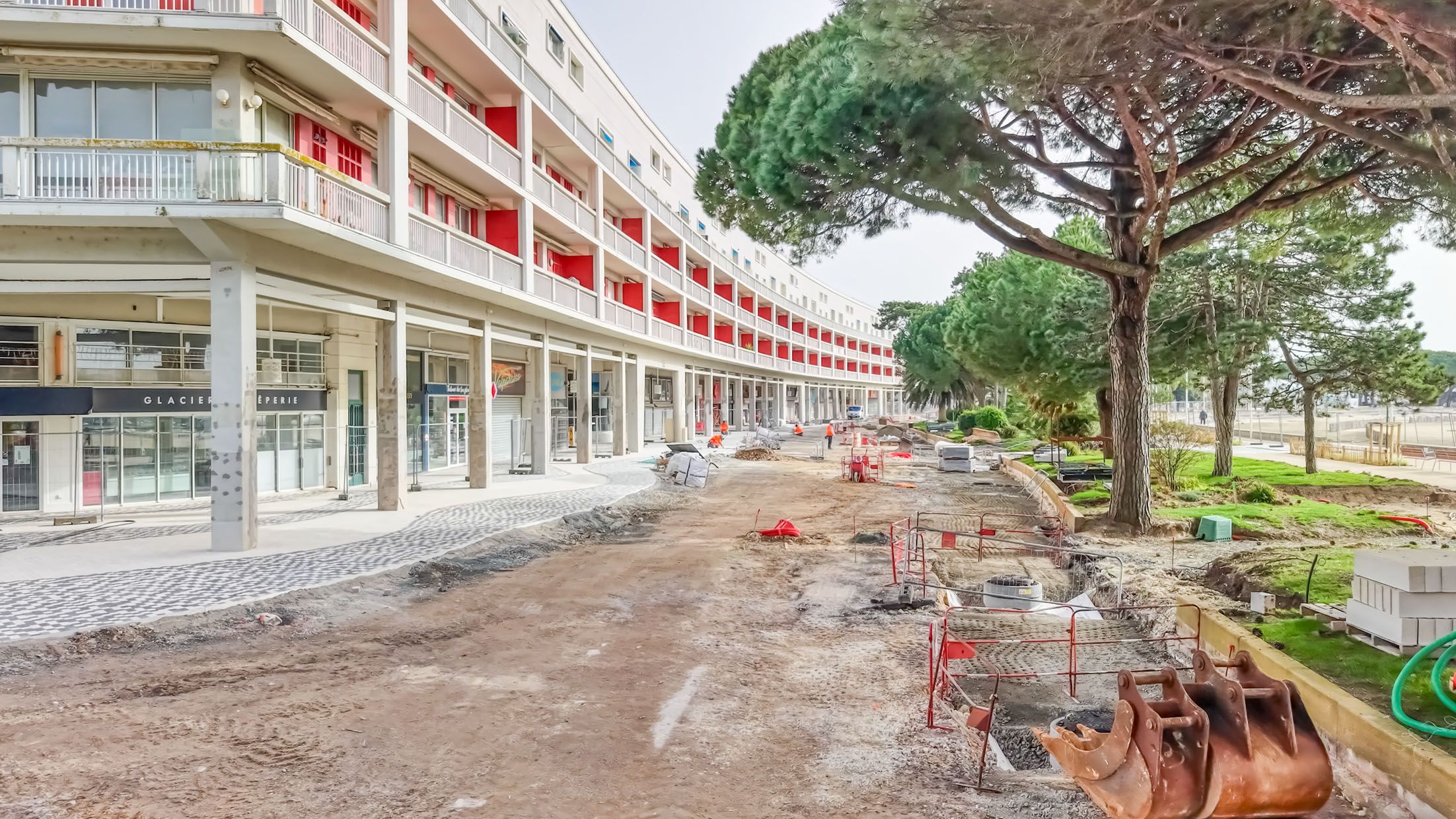
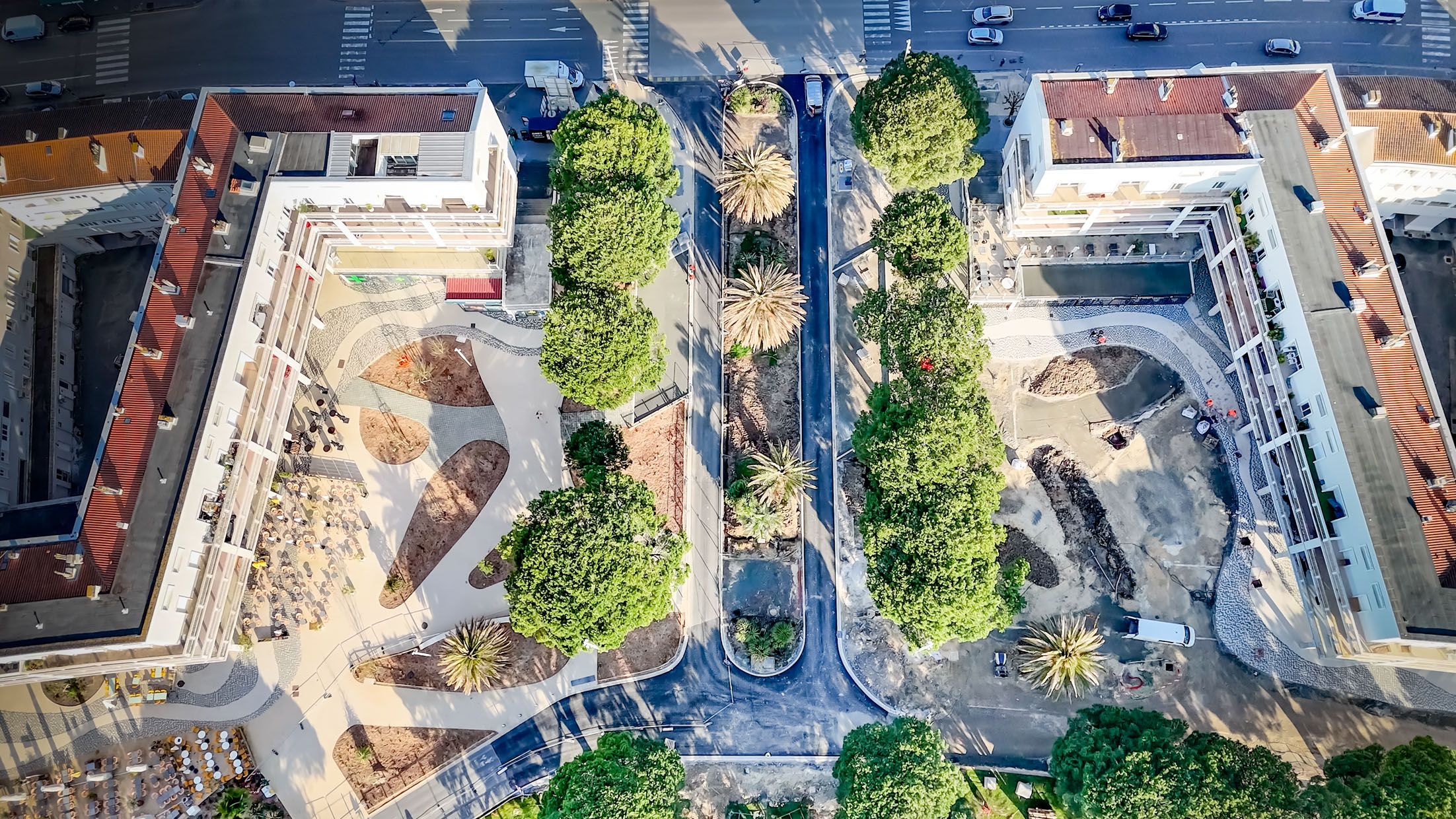
The enthusiasm of restaurateurs and souvenir sellers, on the other hand, still has some way to grow. After all, they are losing covered space and, during the summer months, are no longer allowed to hang the beach dresses, buckets and shirts they sell outside their shops. Yet this, too, is part of Royan – a town that is not an open-air museum of post-war architecture but a place where life continues to unfold. Where people die, learn and love. Every day. And, ideally, a town that treats its heritage in such a way that future generations will recognise its value – and preserve it. That would honour the remark chief planner Ferret is said to have made to the people of Royan: “I did not build this town for you, but for your grandchildren.”
Editor’s note: You can find suitable accommodation from our portfolio at La Ferme de Brouage, 25 kilometres away.
Text: Barbara Hallmann
Image credits: Front de Mer © Raymond Riehl (Cover photo), Aerial Royan © Thierry Avan (1), View of the town from the sea © Thierry Avan (2), Plage Grande Conche and 1950s building © Thierry Avan (3, 4), Conference centre (Palais de Congrès) © Raymond Riehl (5), Pre-war views © Musée de Royan (6–8), War damage © Musée de Royan (9), Market hall and Boulevard © Ville de Royan (10), © Denis Bibbal / Artgrafik (11), Casino and Front de Mer © Ville de Royan (12–14), Église Notre-Dame de Royan © Raymond Riehl (15, 16), © JP Dumont / Ville de Royan (17), Renovation of the villa 1953 by architect M. Quentin, carried out by Florence Deau © Florence Deau / www.flodeau.com (18–23), Redesign Front de Mer © Raymond Riehl /24–27)

0 Comments