
Breac.House — The texture of place
Draußen wilde Ursprünglichkeit, drinnen sanftes und höchst komfortables Refugium. Ein Neuanfang im Donegal.
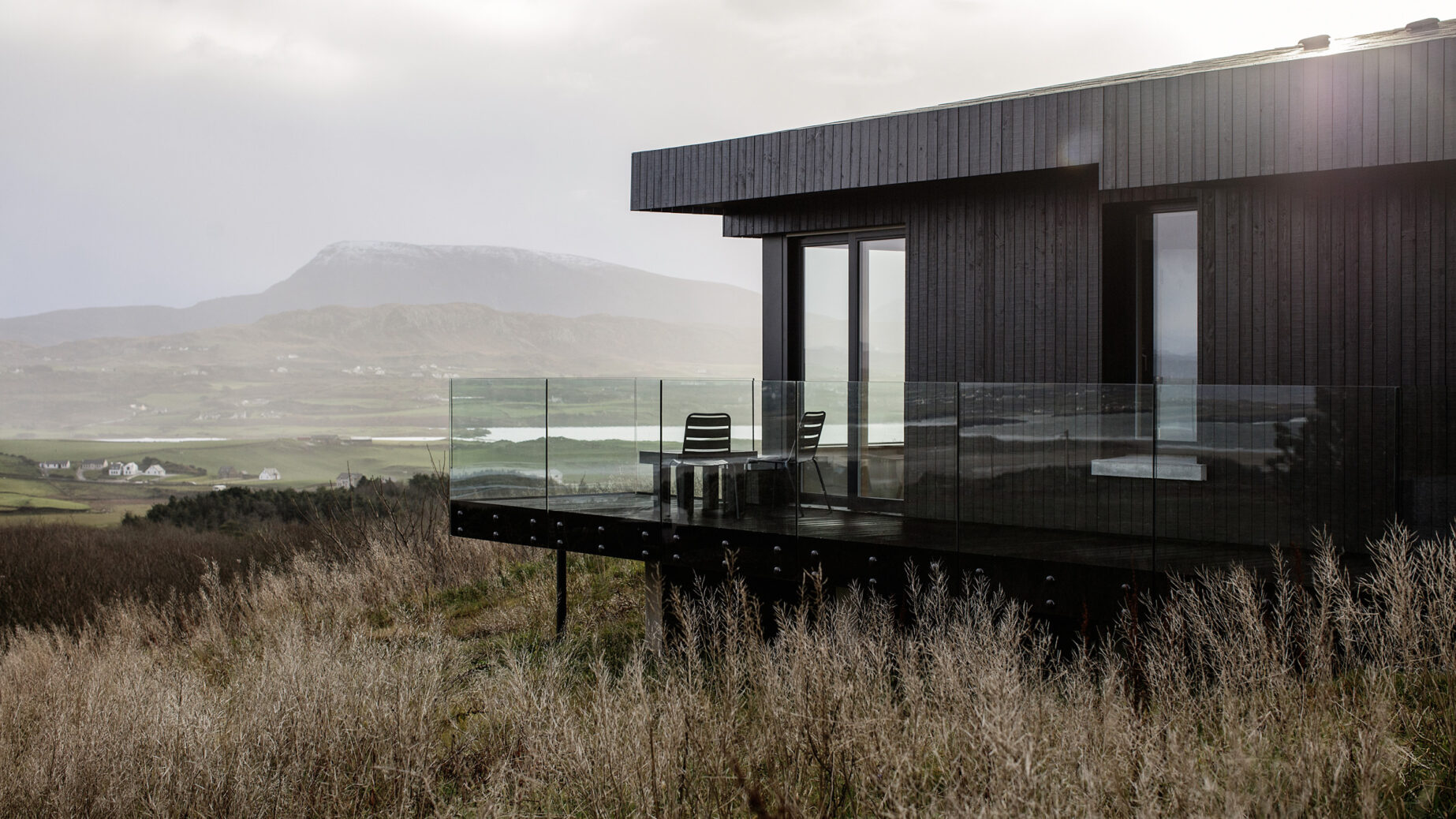
There are places in this world that have an irresistible gravitational pull. Places that in a very sublime way resonate with our soul and tell us more about our hidden dreams than we have ever imagined. And sometimes these places enchant us so deeply as to turn our whole life upside down.
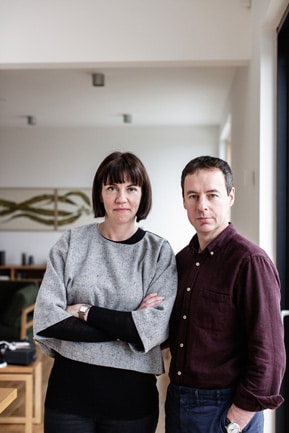
In 2016 the North Atlantic winds of change blew Catherine Burke and Niall Campbell into a small village at the far edge of Ireland, granting them a new beginning which is deeply inspired by the essence and legacy of County Donegal in all its aspects. In a breathtaking setting they have created their contemporary version of the traditional longhouse, a peaceful hideaway that nourishes the soul and tingles the senses: Breac.House.
Silent dialogue
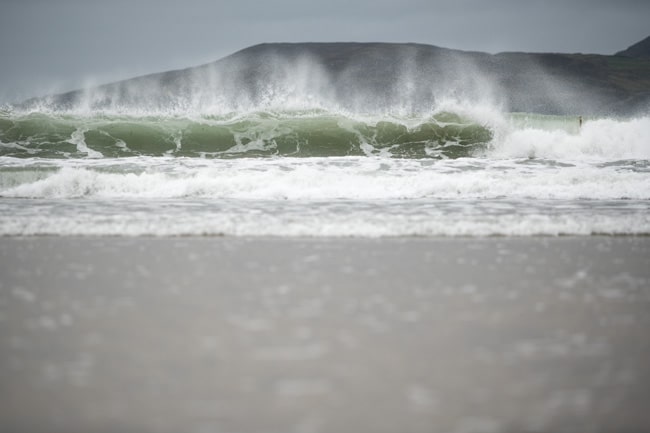
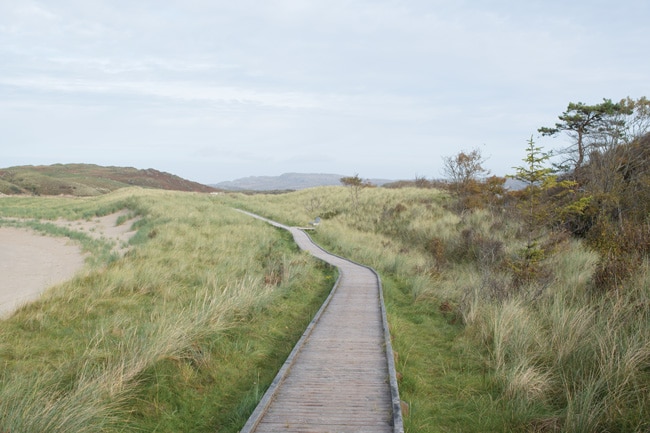
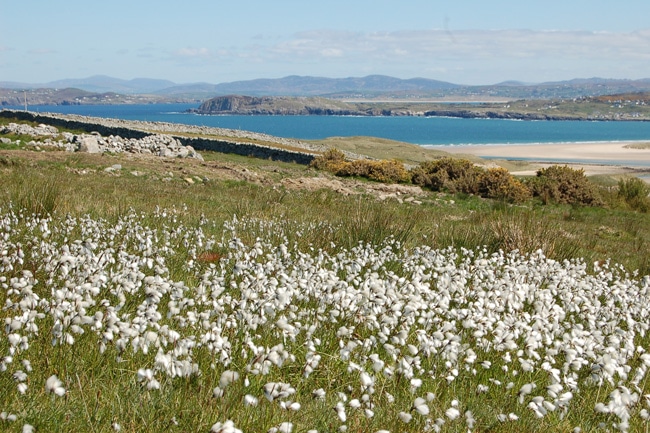
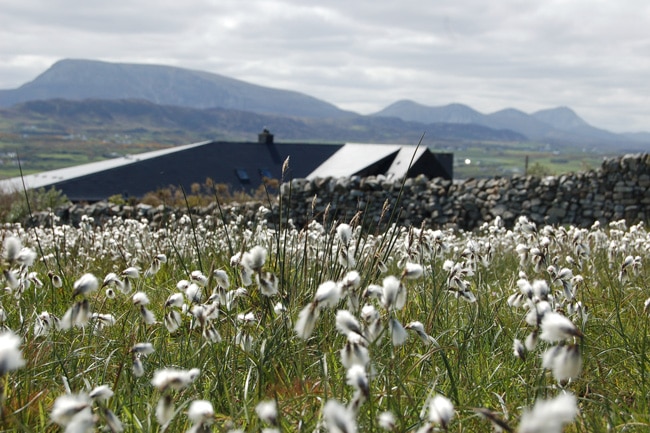
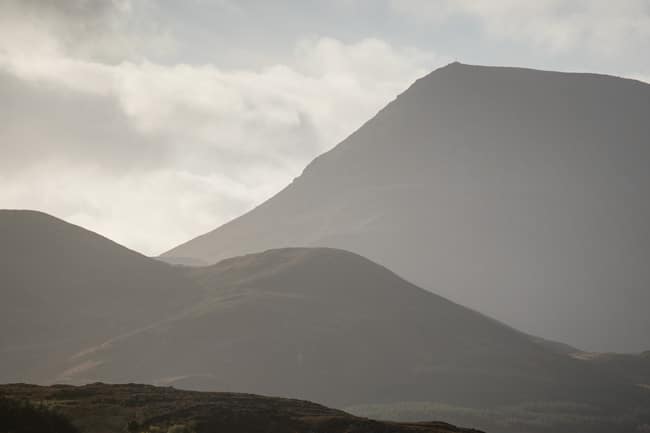
At the northernmost edge of the Republic of Ireland, on a headland along the Wild Atlantic Way, one of the island’s most dramatic natural scenarios unfolds, revealing its timeless and untamed beauty: Horn Head. Covered with a soft blanket of grass and vibrant purple heather, the cliffs plunge 180 metres into the churning waves of the Atlantic Ocean. Sea birds nest in their crevices as the archaic landscape is a protected habitat for a rich variety of flora and fauna. The view sweeps far and wide across the water and the striking silhouettes of Errigal and Muckish Mountain. Wind-crested dunes, golden sandy beaches and secluded bays line the spurs of the headland.
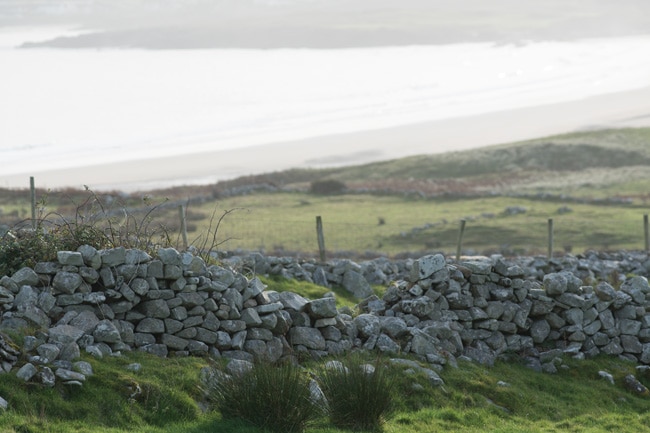
Every now and then you come across the remains of Celtic stone circles or prehistoric field marks and you sense that at this outermost corner of the world the mystical heritage of the past is ever-present and blends with the present to an inextricable whole. Right in the middle of it all, Breac.House stands in silent dialogue with the endless sky, with mist and sunsets, with storms, stars and the dancing aurora borealis. Just one stone bridge connects Horn Head with the mainland, beyond the bridge you will find the vibrant former fishing village of Dunfanaghy, which is pervaded by the spirit of Donegal: you can see it in the friendly faces of its people and read it in their hands, which witness this places’s pulsing creativity and a life in close contact with nature and the elements.
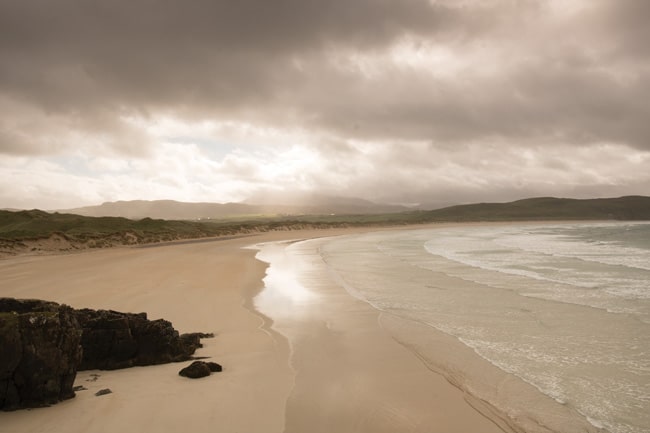
In every beginning lives a magic within
Niall came to Donegal as a child during the summer holidays as his mother’s family originated from this area. Decades later, he and his wife Catherine bought a small weekend cottage near Dunfanaghy to escape their frenetic work life in Dublin and to inhale silence and unspoilt nature in the wild vastness of Horn Head. The weekend escapes quickly turned into extended stays and each time the return to the hustle and bustle of the Irish capital became less tempting.
“We wanted to find a way to move here completely, while continuing to work. But then we both got the same idea that Horn Head would be a great setting for a special and very high quality accommodation for holidaymakers. We imagined a house that would continue the architectural tradition of this area and at the same time reflect our own travel experiences around the globe. It was obvious that this idea would only work in the exact right place. And then we found it — or did it find us? We had walked by this property a thousand times before! One day we saw a “for sale” sign hanging on the fence. And we knew this was it: the perfect place! From here, you have a view above the sea, mountains and lake that makes you feel like you are flying.”
Catherine and Niall continued to work in their old jobs and simultaneously began to breathe life into their vision: a luxurious yet essential, authentic and cosmopolitan home — not a hotel. For guests who are looking for something slightly different. It took a year to design and plan, another year to build, and then the time had come for a fresh start: both left the Dublin finance world behind and prepared themselves for their new role as hosts. Profession became vocation.
“Viele Prinzipien sind die gleichen: gute Kommunikation, Zuhören können, Bedürfnisorientierung…all diese Dinge. Wir sind weder Architekten noch hatten wir je zuvor in der Hotelbranche gearbeitet. Aber wir lieben gute Gestaltung, feinen Service und exzellentes Essen und wir haben uns dem Konzept unseres B&B aus der Perspektive des Gastes angenähert und Räume und Inhalte geschaffen, wie wir sie uns auf unseren eigenen Reisen“Many client services principles we learned in our former roles are pretty much the same as what’s required at Breac.House: good communication, attentive listening, empathy…all these things. We are neither architects nor have we ever worked in the hotel industry before. But we love good design, fine service and excellent food and we have approached the concept of our B&B from the guest’s perspective, creating spaces and experiences that we would like to encounter on our own travels. One question we raised again and again was: Would we like to spend our holidays here ourselves? It was probably the firm belief in what we love that guided us and it has worked … so far”. wünschen. Eine Frage, die wir uns wieder und wieder stellten war: Würden wir hier selbst gerne Urlaub machen? Es war wohl der Glaube an das, was wir lieben, der uns antrieb und es hat funktioniert.”
Longhouse legacy
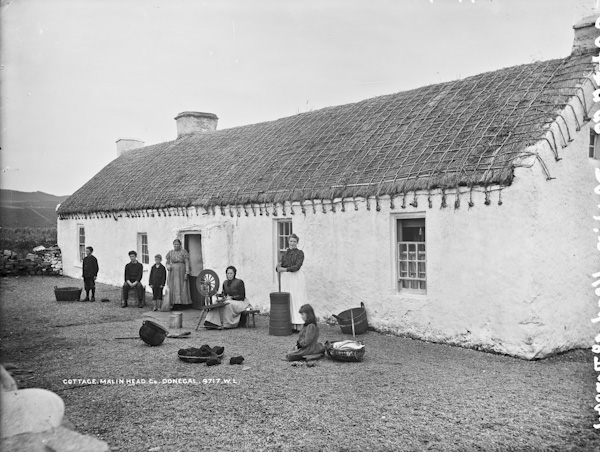
Breac.House is situated in an area that shows Ireland at its wildest and most exposed. There is a long tradition of vernacular architecture here which was conceived to provide shelter from the elements. The traditional longhouse has successfully defied the elements since the Middle Ages and is a common thread linking the settlement traditions of the coastal communities of Ireland, Scotland and Scandinavia. Solid and built from local stone, covered with grass, reeds or rough slate depending on the local resources available, the longhouse is an architectural concept that has sheltered many generations of families from the climatic moods of the Atlantic Ocean: sleek, single-storey elongated buildings, with rounded corners and small, irregular windows, with thick walls and paved with the driftwood that the grass cutters recovered from the nearby marshes. The houses adapted so perfectly to the outlines of the hills that the storms swept over without not even noticing them.
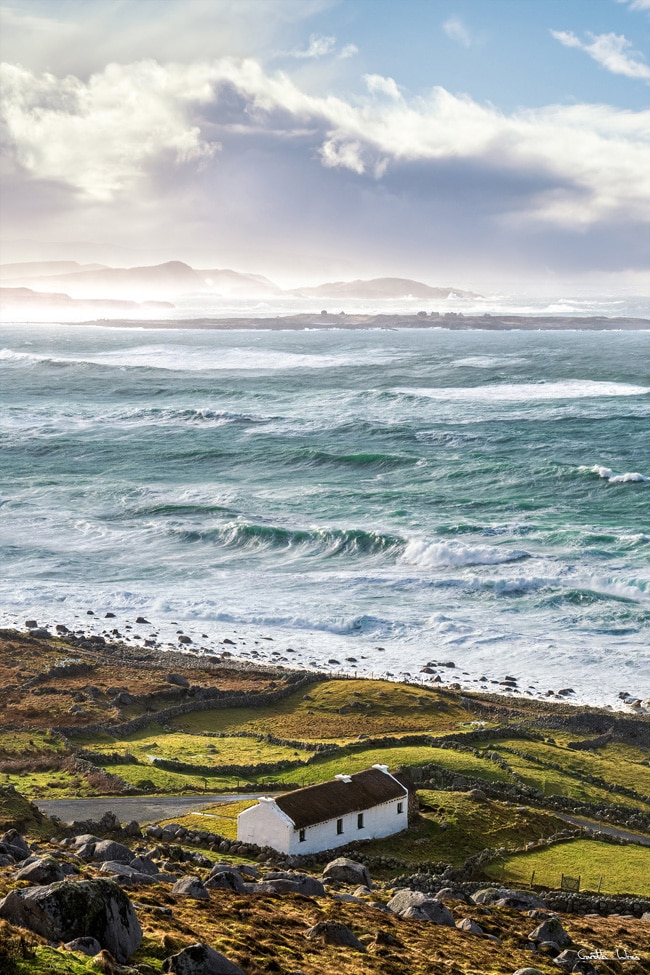
Just a few decades ago, the county of Donegal was richly dotted with these old whitewashed cottages, but today the number of remaining, intact buildings has diminished. Many of them fell victim to dubious modernisation measures and lost their original form and soul, others are slowly but surely falling into decline. A superficial glance may not find anything more than an idyllic postcard motif in these grass-covered ruins, but a closer look reveals the tragedy of their disappearance: the longhouse is a precious witness to the Irish way of life and respectful solutions are needed in order to preserve this cultural legacy and anchor it in the present.
The architectural idea behind Breac.House starts right here: “With our building we wanted to take the architectural tradition of Western Ireland to the next level. But how do you express a centuries-old building concept and its materials in a contemporary, appealing way?” The answer lay in the texture of the place.
Speckled
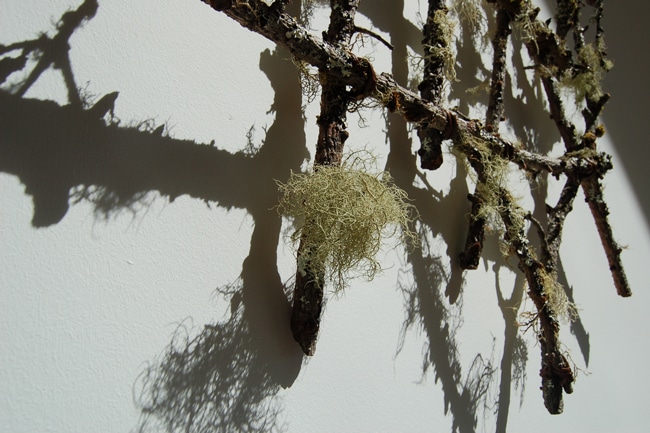
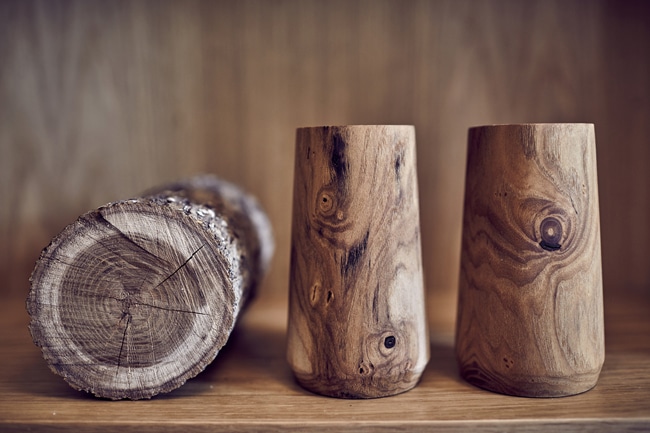
breac is the Irish and Scottish Gaelic word for speckled and refers especially to the spotted polychromy of nature. The manifold shades of the rocky heath landscape, its soft colour palette as well as the raw beauty and rough texture of the natural elements became the design motif of Breac.House and a sublime visual and haptic experience for its inhabitants: warm wood and chunky tweed, pure wool, Fanad granite, Ardara quartzite, clay, stones and seaweed. The essence of Donegal — touching strongly recommended!
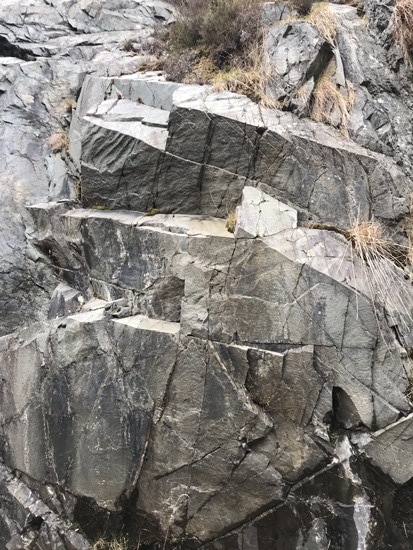
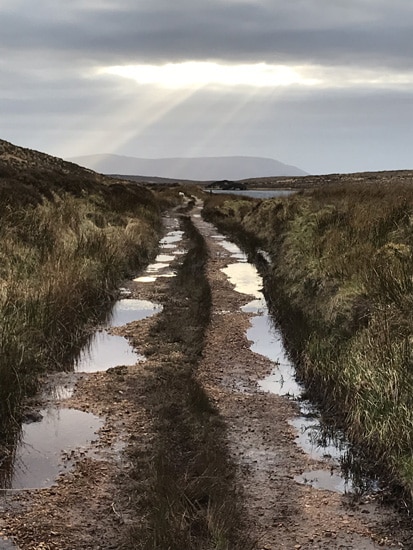
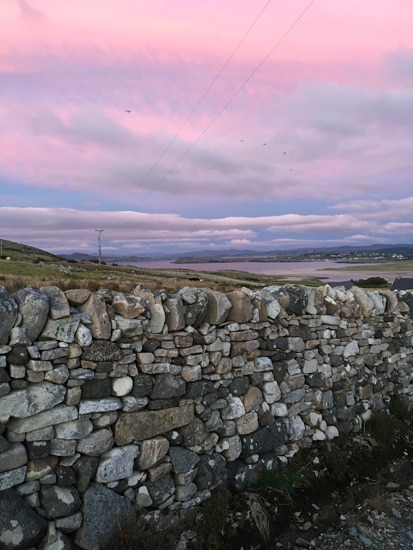
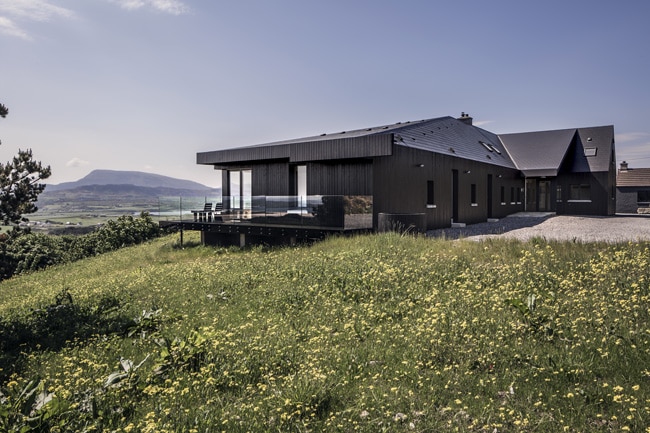
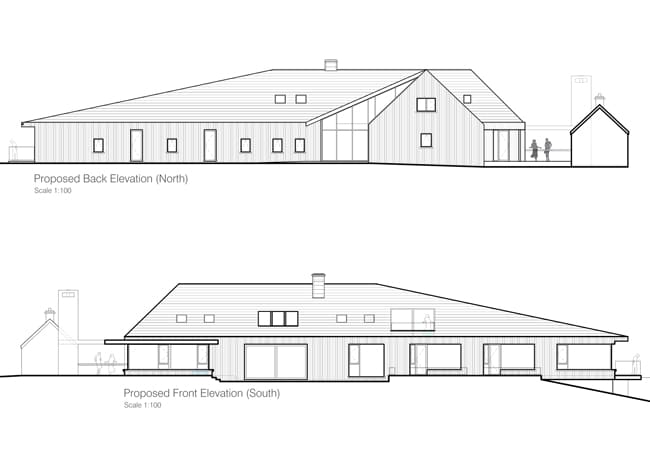
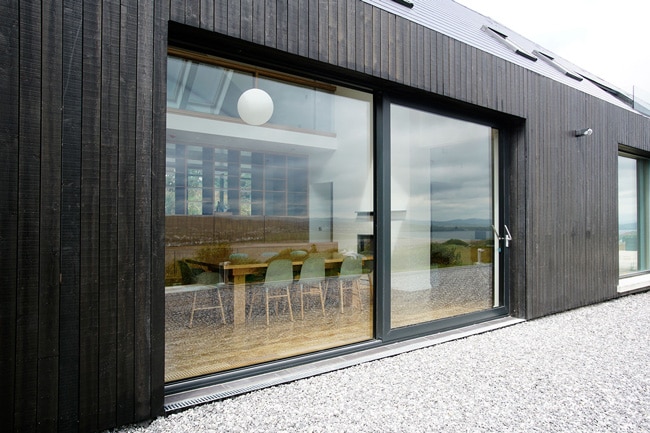
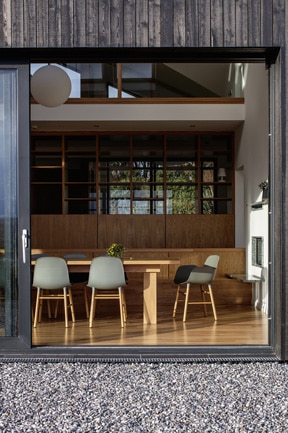
For the architectural realisation of their vision, Catherine and Niall brought the award-winning Donegal firm of MacGabhann Architects on board. The brother duo Tarla and Antoin MacGabhann — supported by a talented team of local craftsmen — have masterfully managed the balancing act between ancient concepts and modern shape and function. Today, Breac.House appears as a harmonious liaison of unashamedly contemporary design and traditional building wisdom. Dark larch wood covers the elongated building and makes it blend into the hilly heathland. Its outlines are distinctive yet in careful dialogue with the surroundings: Breac.House echoes the sleek silhouette of Muckish Mountain (meaning “pigs back” in Irish), it reflects and respects the genius loci and translates a centuries-old tradition into contemporary living concepts.
Ode to the essence
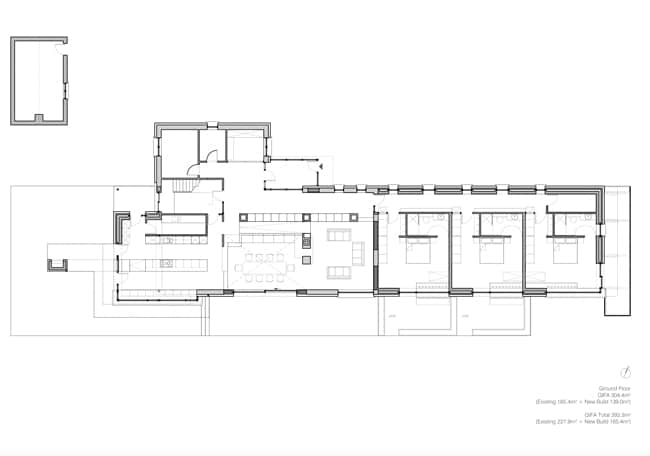
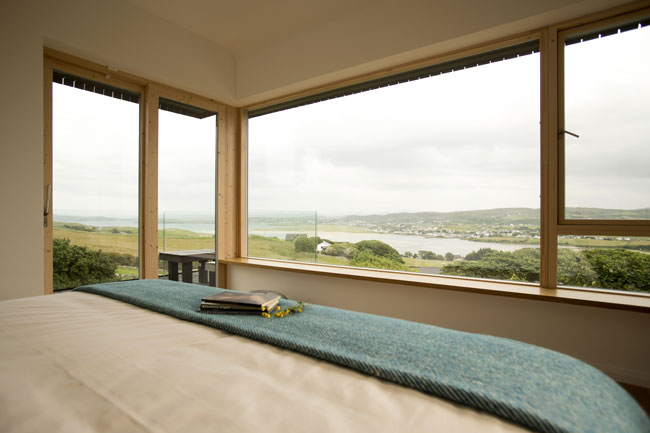
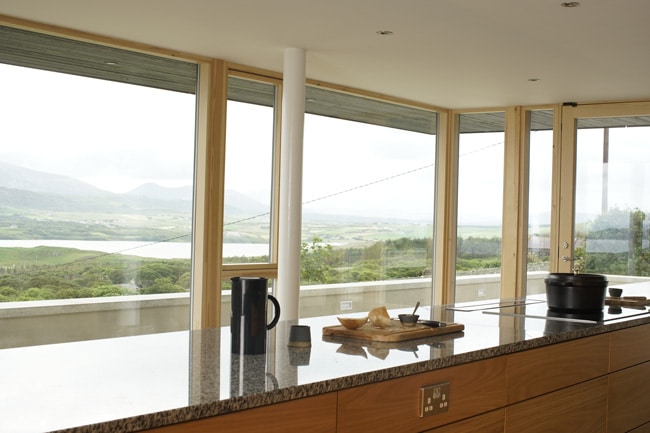
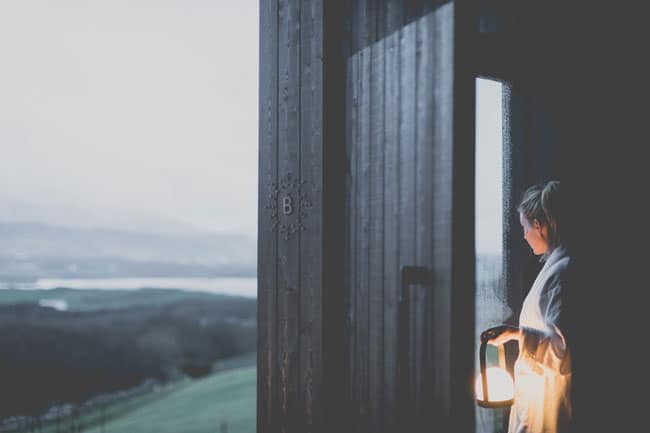
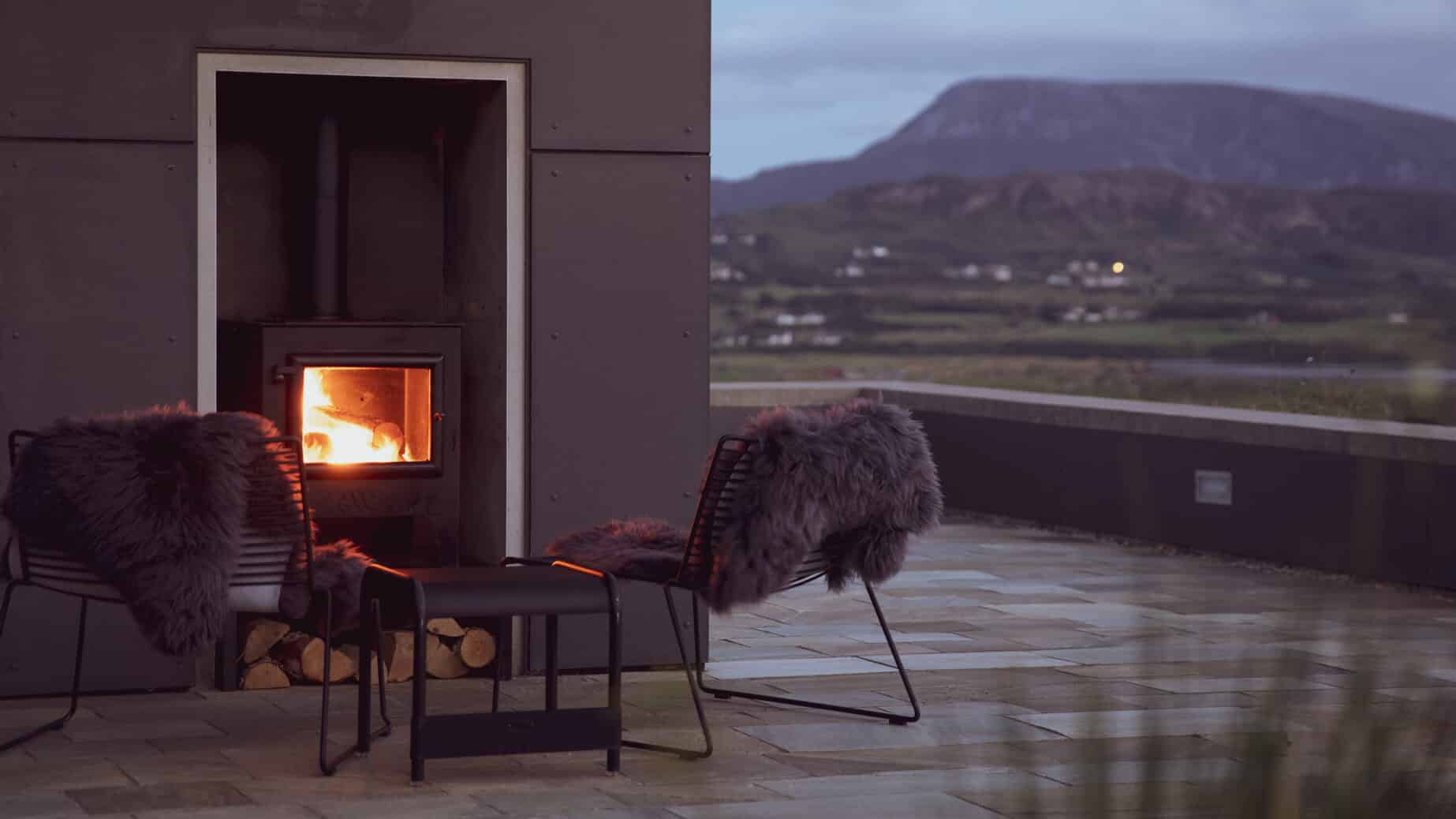
Outside wild, unspoilt nature, inside a soft, warm and most comfortable shelter. The three guest rooms open up to the Atlantic Ocean with huge glass fronts and you feel as if floating in a space cabin through the dramatic coastal scenery. The heart of the B&B is the open-plan living and dining area, glazed to the front it opens up to the roof.
Breac.House is sleek and clear — almost monastic. It is a place for reflection, for contemplation, for silent observation. Straight lines and clean shapes define the light flooded spaces and reveal Catherine and Niall’s love for Scandinavian design and Japanese living concepts: Everything has its place and everything has a meaning. Every gesture is full of respectful awareness. Some ingenious, thoughtful amenities make the guests very quickly very happy. More will not be revealed at this stage!
“When our guests enter their room for the first time, they are sometimes surprised and say “Oh, there’s nothing here! And after a few minutes, they will say “Oh wow, we have everything we need!” We have created a lot of invisible storage spaces to accommodate all the stuff you need without visually overloading the rooms. You may not see them, but they’re there.” says Niall with some satisfaction. “We don’t want to distract eyes and soul from this view for anything in the world!
Closing the circle
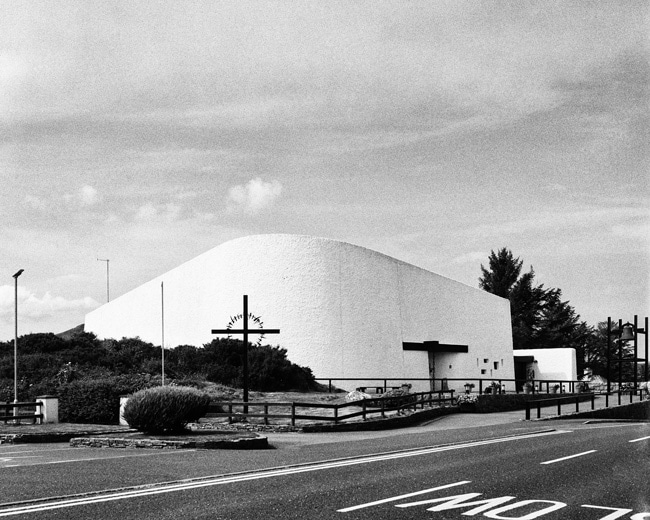
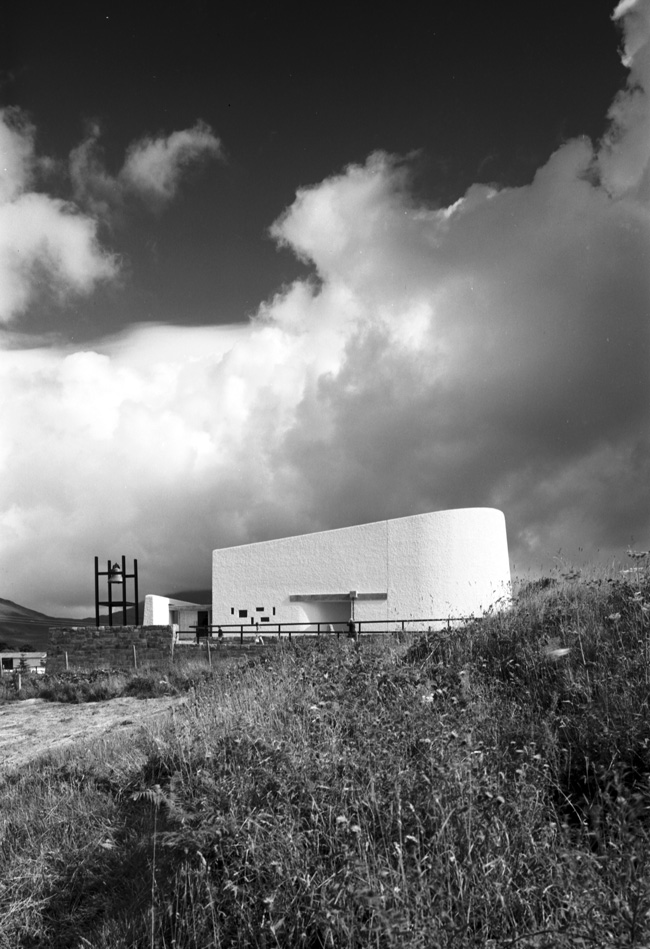
The contemplative character of Breac.House embraces a further source of inspiration: it pays tribute to the architecture of Liam McCormick (often referred to as Ireland’s Alvar Aalto), who designed several modernist church buildings in Donegal in the 1950s, 60s and 70s and has left a remarkable architectural heritage.
McCormick’s churches were unlike anything seen on the Emerald Isle until then: striking and distinctive from the outside and puristic, yet pervaded with warmth and softness inside, they relate directly to the nature and history of their surroundings. St. Michaels Church in Creeslough for instance, which is located not far from Breac.House, reflects the outlines of Muckish Mountain and six small openings in the walls recall the irregular window shapes of the old longhouses with a humorous wink. And thus the circle closes and connects Ireland’s ingenious architect of churches directly with Breac.House — not only in terms of architectural concepts: both, the son of the architect, who worked in Liam McCormick’s planning team, as well as the son of the building contractor, who realised all his buildings, were part of the construction crew at Horn Head.
At home with friends
Catherine and Niall have intentionally designed Breac.House in a way that allows them to live with their guests under the same roof: “Actually one of the architect’s original questions to us was whether we wanted to design two separate buildings, one for guests and one for us. We instinctively knew that we wanted to coexist and share common rituals with our guests. At the same time everyone has complete privacy. Besides the fact that to a certain extent we are always on duty, it is really great because we have deliberately removed some of the traditional barriers of hospitality. It is somewhat like dancing: Sometimes we move towards each other and come together and sometimes we fall apart. Our guests like the fact that they live in our home, it gives them a feeling of security, belonging and comfort. In the evening, we invite our guests for an aperitif: Those who wish to have a chat and a glass of excellent whiskey join in, those who prefer their privacy, retreat to a quiet corner of the house or the garden. No matter what the guests prefer, they all feel that this house has an authentic, homelike character.”
Local creativity
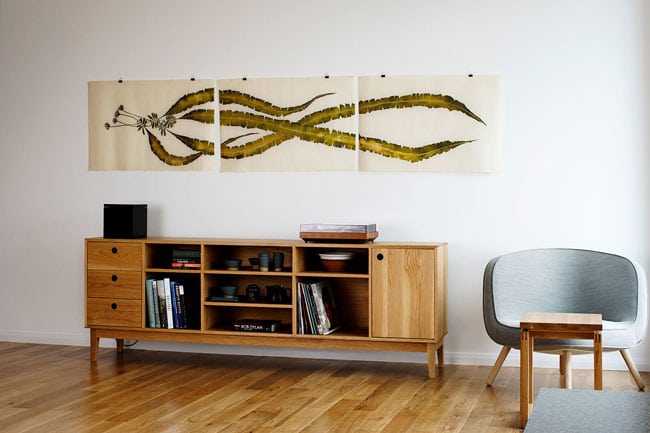
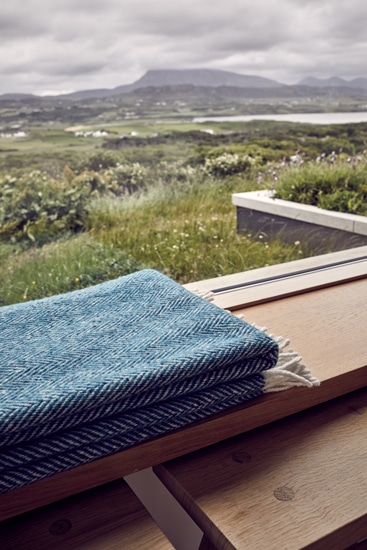
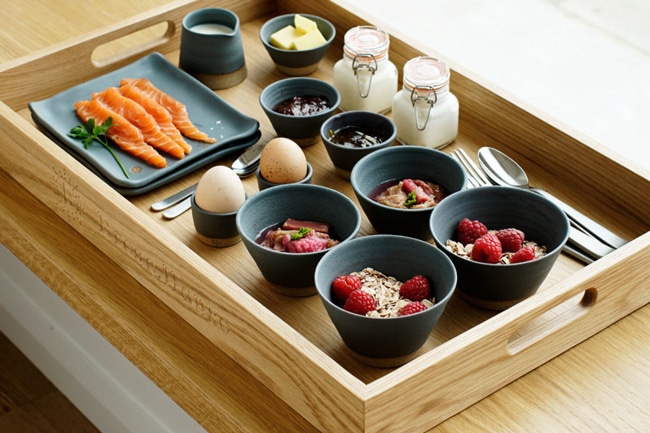
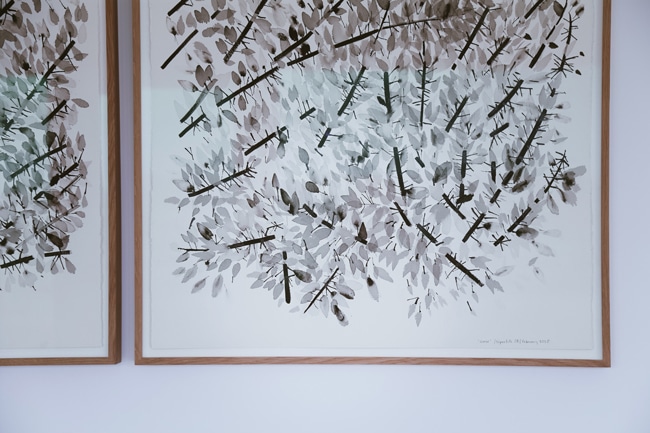
Ultimately, everything at Breac.House rotates around the authentic experience of the place. The guests get in touch with the local environment, the people, their traditions and artefacts. Catherine and Niall designed the custom interior of their B&B together with a group of local makers, designers and artists who share their passion for the creative spirit of Donegal. Breac.House’s guests are wrapped in Eddie Doherty’s soft tweed blankets, they lounge on Simon O’Driscoll’s oak sofa, drink their Irish breakfast tea from the handmade pottery of the Moore sisters from Dunfanaghy and contemplate in front of Superfolk’s Atlantic seaweed triptych. The wildflower honey and turf smoked salmon comes directly from the neighbour. A deeper insight into these creative and culinary collaborations can be found in the Breac.House Journal.
“Around Dunfanaghy, and the North West more broadly, many young locals have recently opened up new artisan studios, small shops and food businesses and we are delighted about the cooperation and inspiring exchange. We are very thankful for how kindly we have been welcomed and how much support we have received from the community, even if they certainly were a bit sceptical at first about the unusual look of Breac.House. We are not a seasonal business, we live here, this makes a big difference and we think they are now rather proud of their Horn Head hideaway”.
Rituals
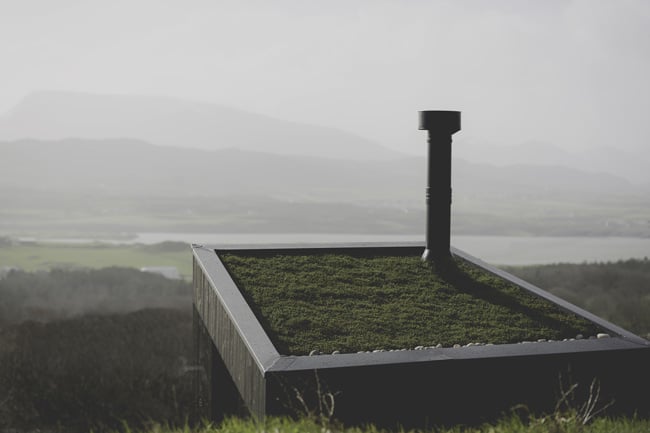
Whoever thought the Finns invented the sauna has never seen a Celtic “sweathouse”! The Celts built their round, grass-covered sweat houses out of stone and turf and always very close to a water source. A small opening in the middle of the roof served as a smoke outlet for the fire that heated up the sweathouse and into which some big stones were placed. Then, the hot stones were dipped into the nearby river, stream or sea and quickly brought back inside: the Celtic steam bath was ready!
The wood-fired sauna in the garden of Breac.House re-interprets the ancient treatment method of the Celts in a contemporary way, while remaining completely off-grid thanks to grass, stone, wood and water. After an invigorating seaweed bath, the two of you can relax here with a view of the vast landscape and recall the experiences of the day: a hike up Mount Errigal with a breathtaking view of the Scottish Islands, a horseback ride on the beach, a kayak tour in the early morning light, a visit to a local weaving mill or pottery workshop or simply a few cosy hours in front of a plate of fresh seafood and a pint of Guiness, somewhere in a nice pub beyond the little stone bridge.…
May you take the time,
to celebrate the silent wonders,
which in the noisy world
have no admirers.
Irish proverb.
Text: Britta Krämer, November 2020
Overview: Here you can find all HomeStories at a glance! If you want to stay up to date every month, you can subscribe to our HomeStory newsletter here.
The house

One Comment
Sinnlich und anregend!