Charles O. Job: The Art of Joining
We spoke with the Swiss designer about attitude and curiosity – and about his fascinating journey from architecture and urban planning to design, from Lagos via London to Zurich and beyond.
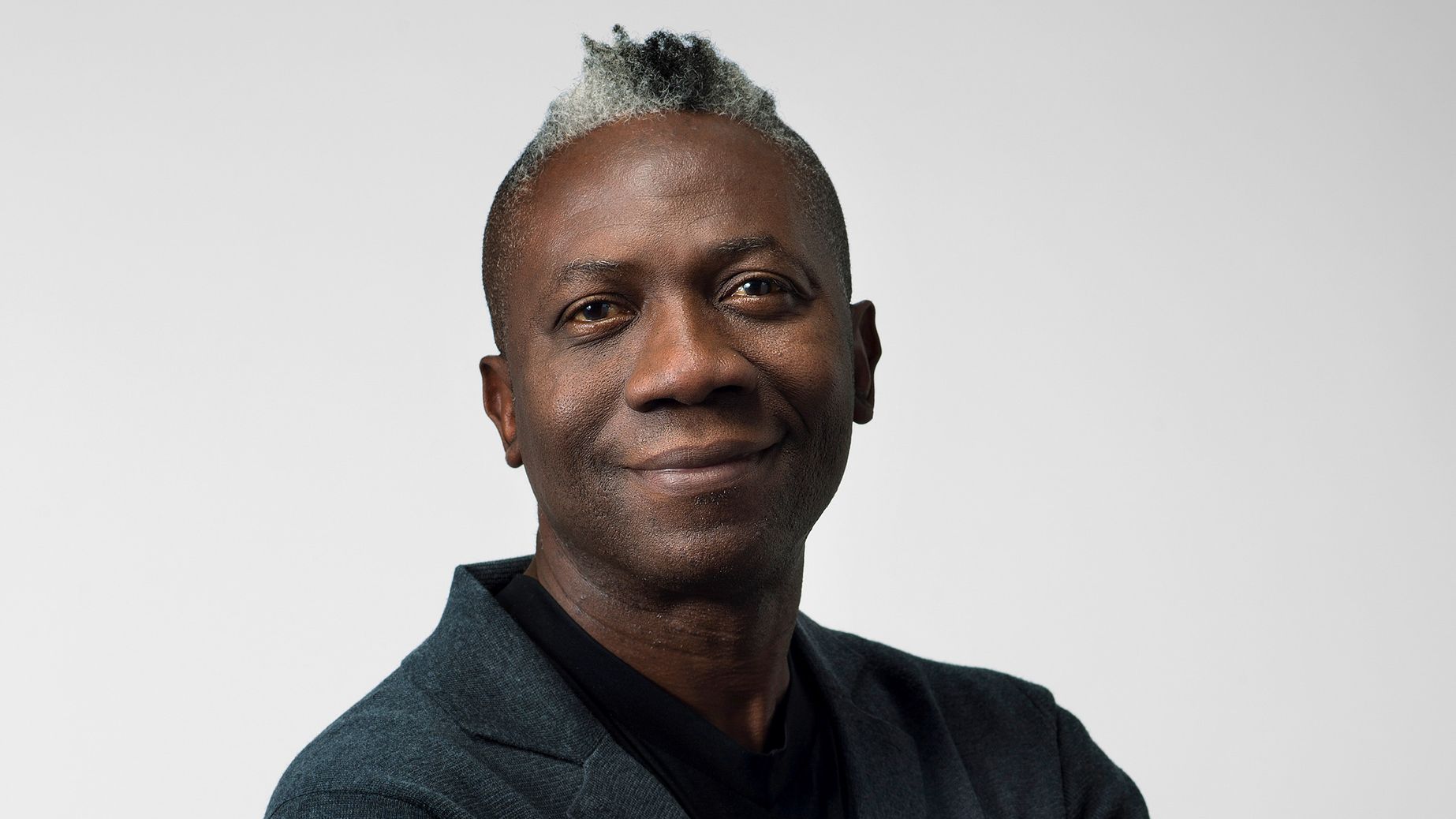
Hallo Charles! How are you, and where are we reaching you right now?
I’m well, thank you! I’m currently in Zurich, at home.
Speaking of home: you were born in Nigeria and also lived in London for a while. What exactly has your life journey been like?
I was born in Lagos. My father worked for the Bank of Nigeria and was transferred to London when I was 15 to set up the branch there. I then completed my A‑levels in Scotland and studied architecture and urban planning at Oxford Brookes University. Actually, that’s where I met my wife – you know her well as a partner in your network.
And then you became a designer?
Yes, life takes strange turns. I still teach architecture, by the way – I’m a lecturer at Bern University of Applied Sciences. But I don’t want to build anymore, I just want to teach.
Building was simply too complex
and too big for me. You need so many people, an incredible amount of time –
and then you always have to start over –
it’s just too long-winded.
But you did build, didn’t you?
Of course! When I came to Switzerland, I worked with Santiago Calatrava. But architecture was never really my thing – I always found building a bit tedious. It just takes so long, and there are so many people involved, all wanting a say.
So there came a point when you decided you had to do something else?
Exactly. At some point, a colleague at Calatrava pointed out that ETH was looking for teaching assistants. I found teaching really exciting and got the job – that’s how it all started.
But we’re still not at the point where you became a designer …
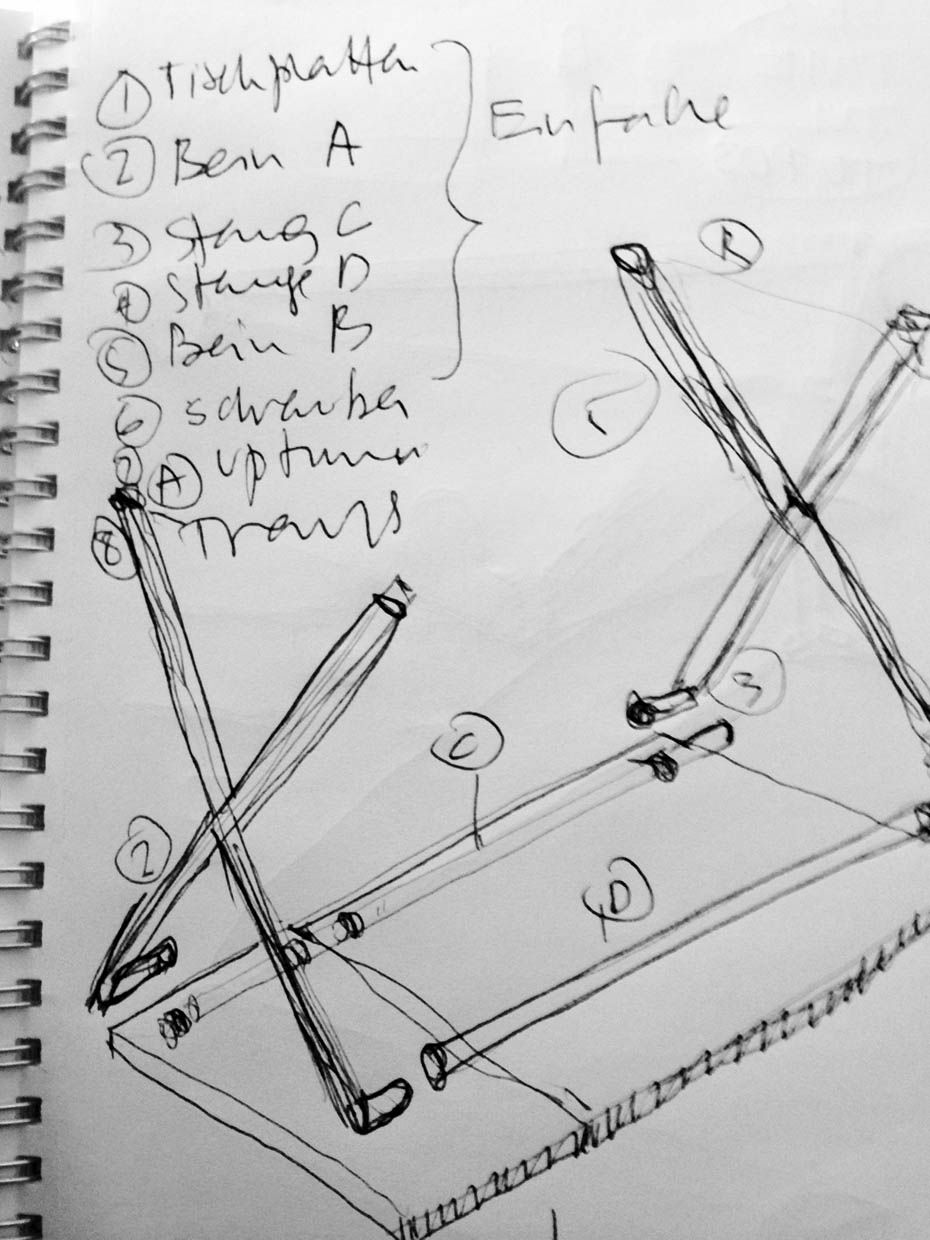
I’ve always loved designing – even in architecture. And since I was only working part-time at ETH, I started entering design competitions. It was just fun. Then I won a few prizes, and that’s how I slowly slipped into the design world.
But you don’t teach design, do you?
That wouldn’t even be allowed in Switzerland, since I don’t have a formal design education. And honestly, I couldn’t do it. I lack the theoretical knowledge of systems, materials, and production methods.
The most important thing:
Develop a clear stance
and stay curious.
Since we were just talking about your teaching: what’s the most important thing you want your students to take away?
I think it’s really important for students to develop their own stance. That’s actually why I take part in so many competitions – I want to find out what my own position on a given topic is. And to get there, you have to try things out, maybe even fail, before you get to the point. Another key point is being curious – and staying that way. A lot of students are afraid of doing something wrong and, in my view, aren’t curious enough.
That’s why I start my lectures in a completely absurd way: they first have to spatially locate words. The exercise is called “experience spaces”. We go outside, pick a location, and do an analysis, make sketches. Then I ask: “What kind of place is this, how would you describe it?” In the studio, they’re then asked to create a space that conveys the phenomenon they’ve just described in words. Many students are totally confused at first. But it definitely helps them develop a personal attitude. And it fosters curiosity.
So, you’re also aiming for each individual to learn how to subjectively define the qualities of a space and identify its potential?
Exactly.
Let’s go back briefly to your transition from architecture to design. Would it be fair to say that you went from an architectural office more or less straight to the essentials of living – and above all to the subject of chairs?
Yes, that’s right. I’ve always been fascinated by the little things – really small-scale objects. But at Calatrava – a genius, if you ask me – there are no small things. Everything is always big and very complex.
And now, would you say you’ve found your ideal scale?
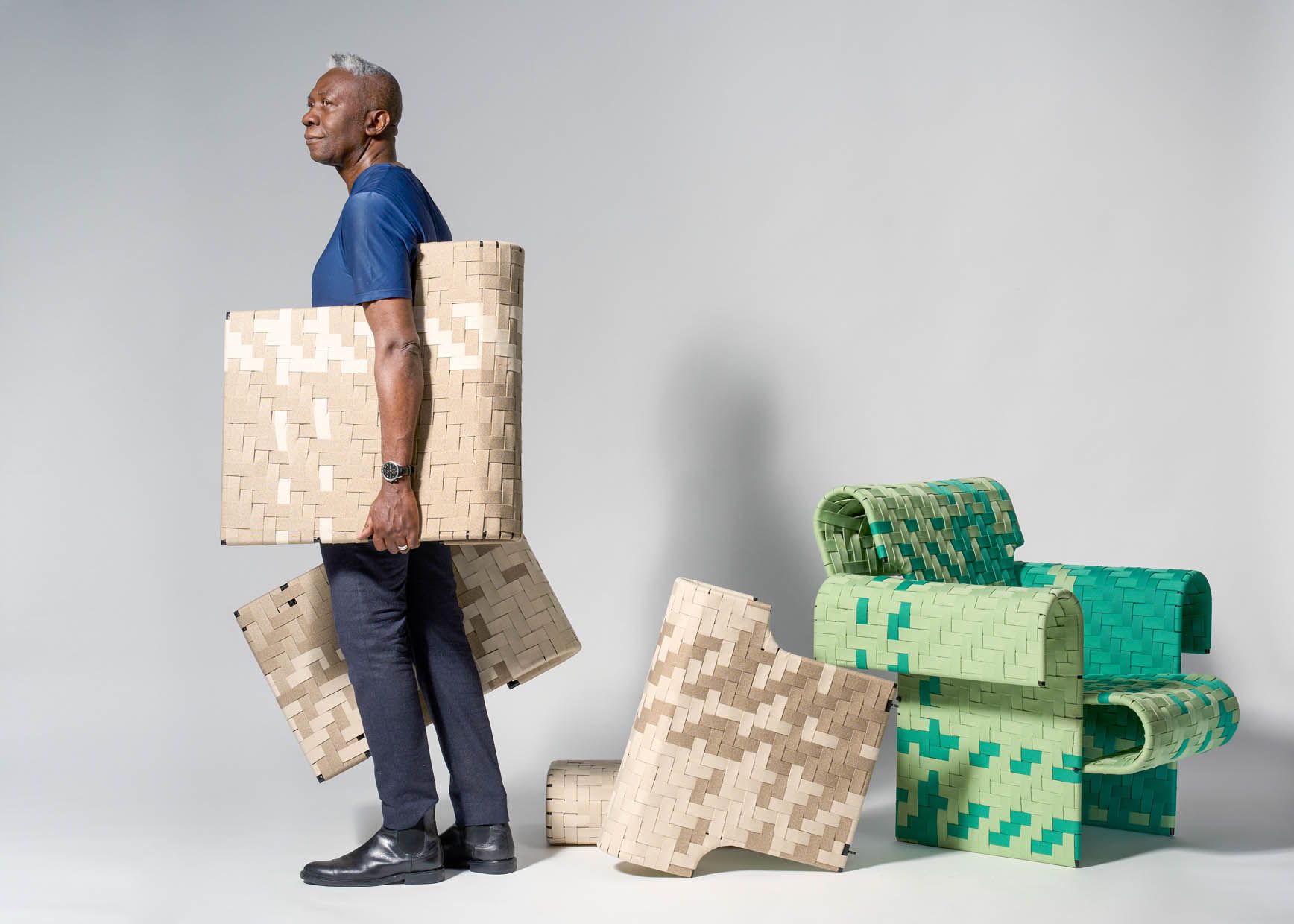
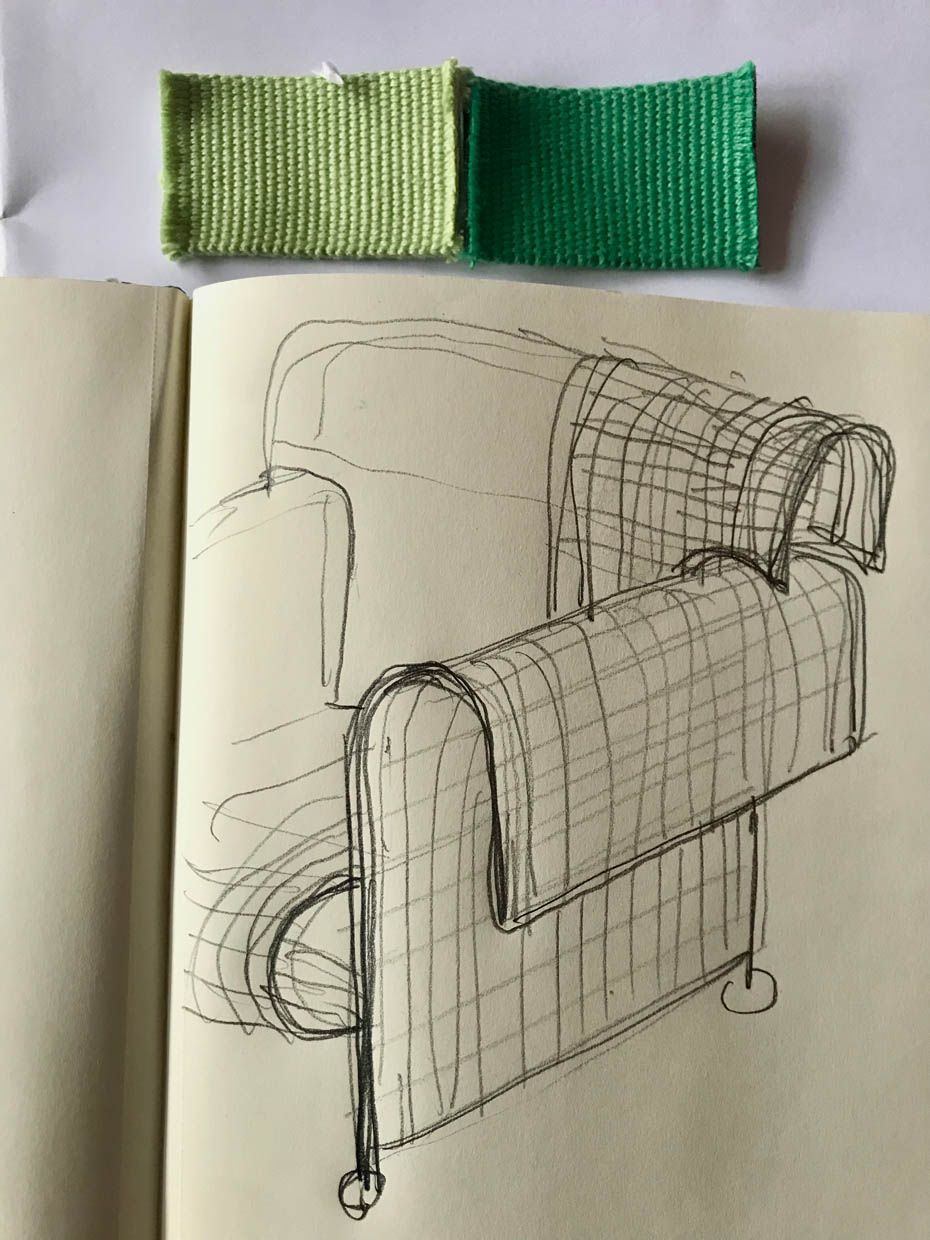
Yes, you could say that. I’ve always been fascinated by objects – really small things: lamps, chairs, benches, that sort of thing. I really like that because you can do it on your own, without a team. And you have to develop your own attitude towards it. That’s what I find exciting about a chair or a shelf – everyday objects we all use. That fascinated me much more than big buildings.
What would a house look like that matches your ideas? One that’s so simple you could design and build it all by yourself – is that even possible?
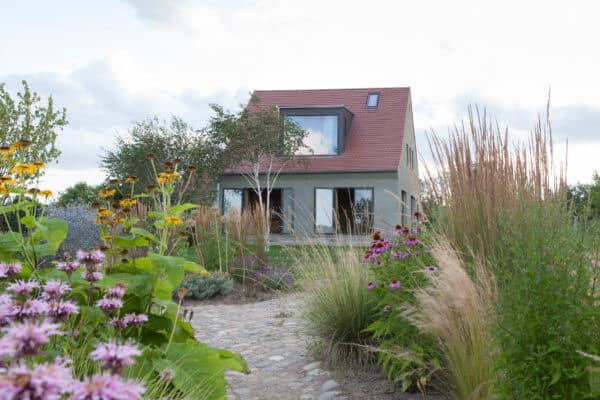
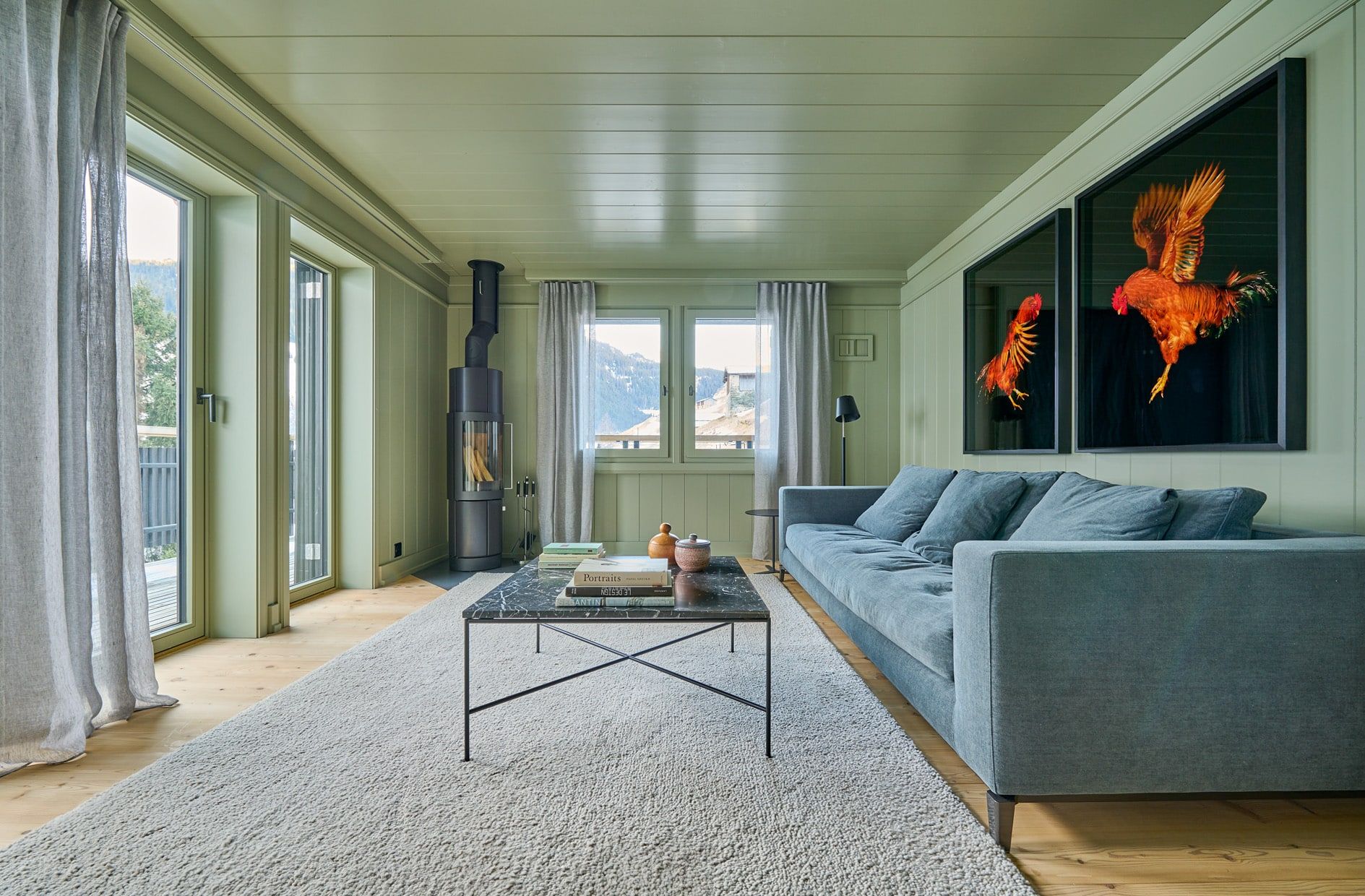
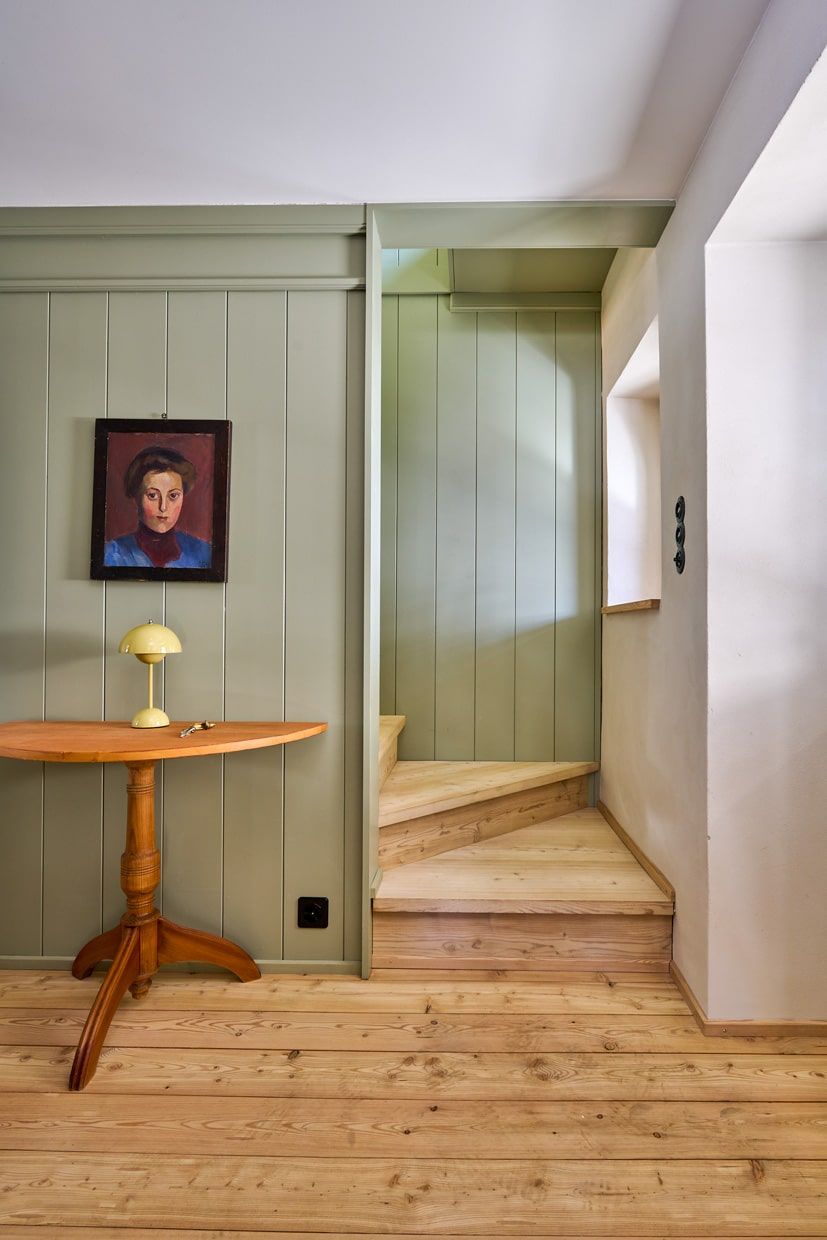
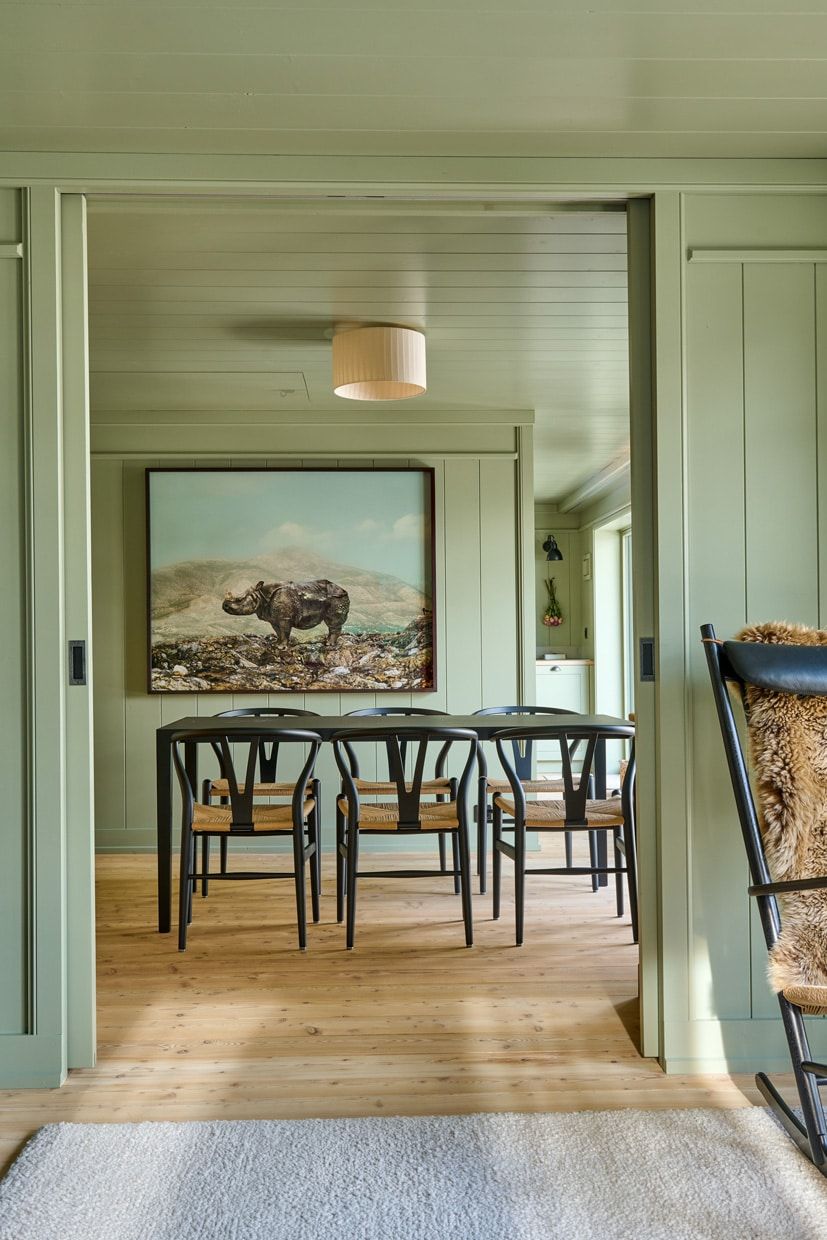
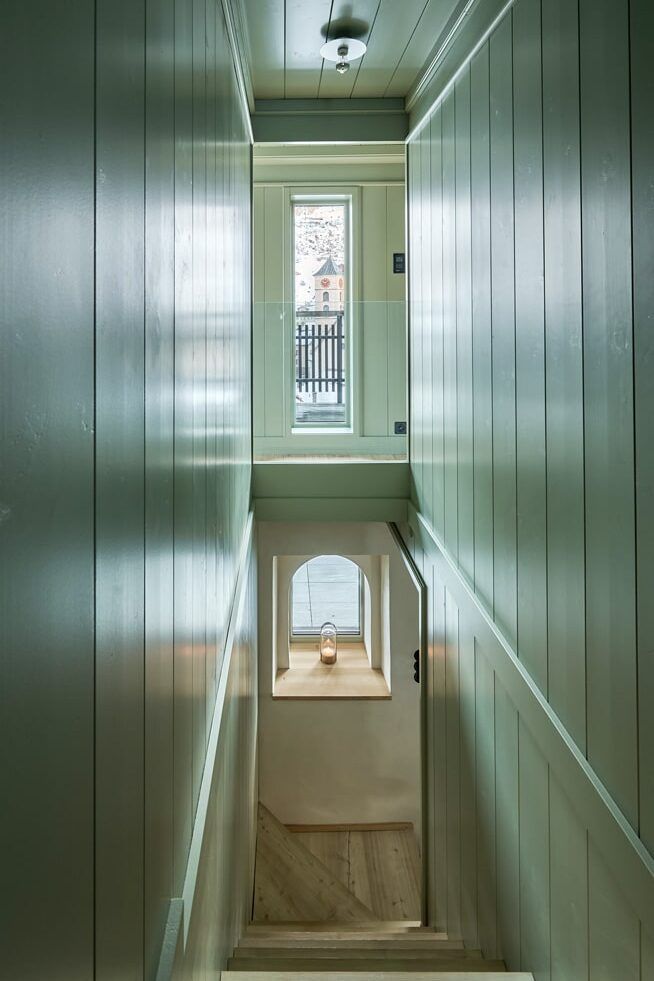
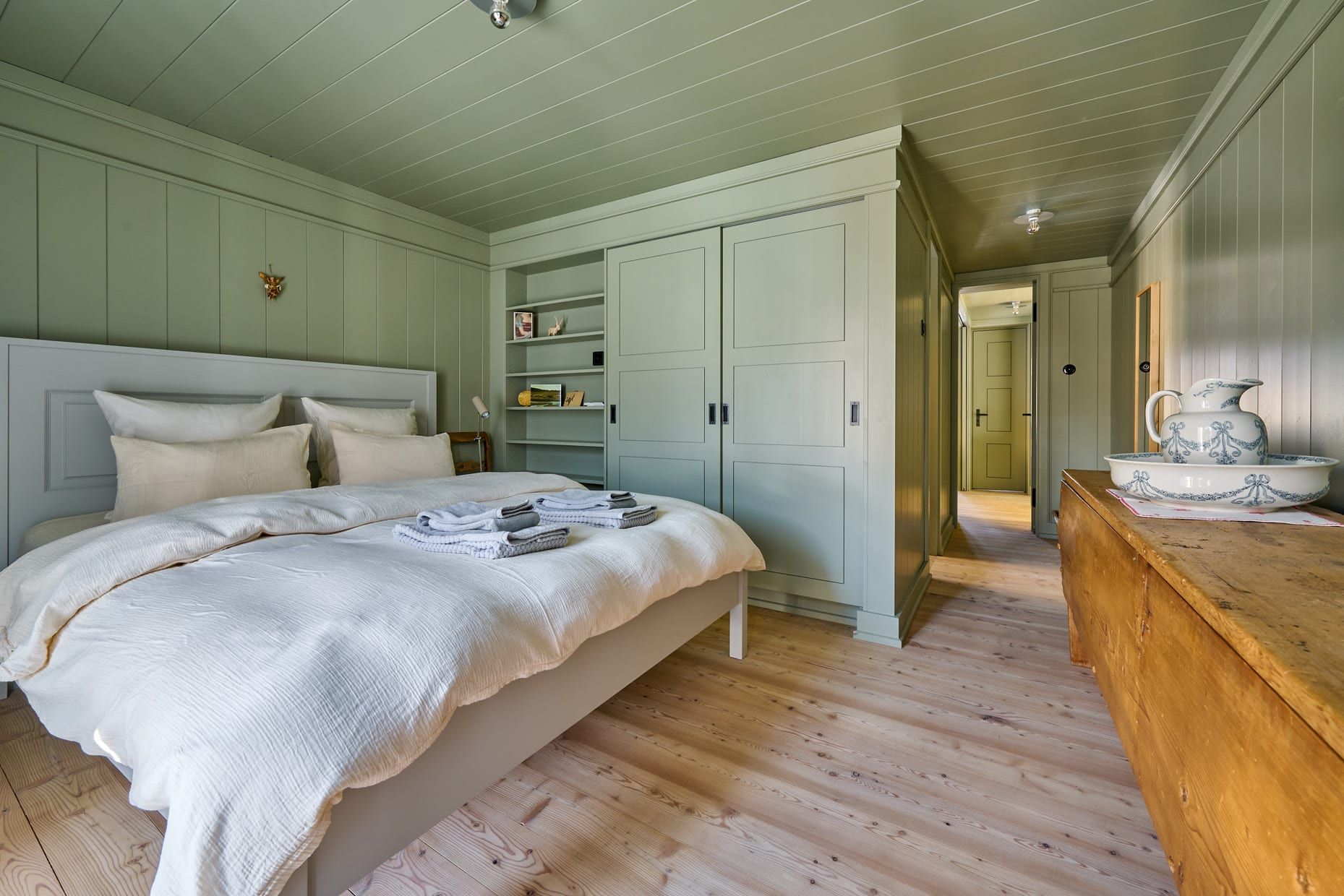
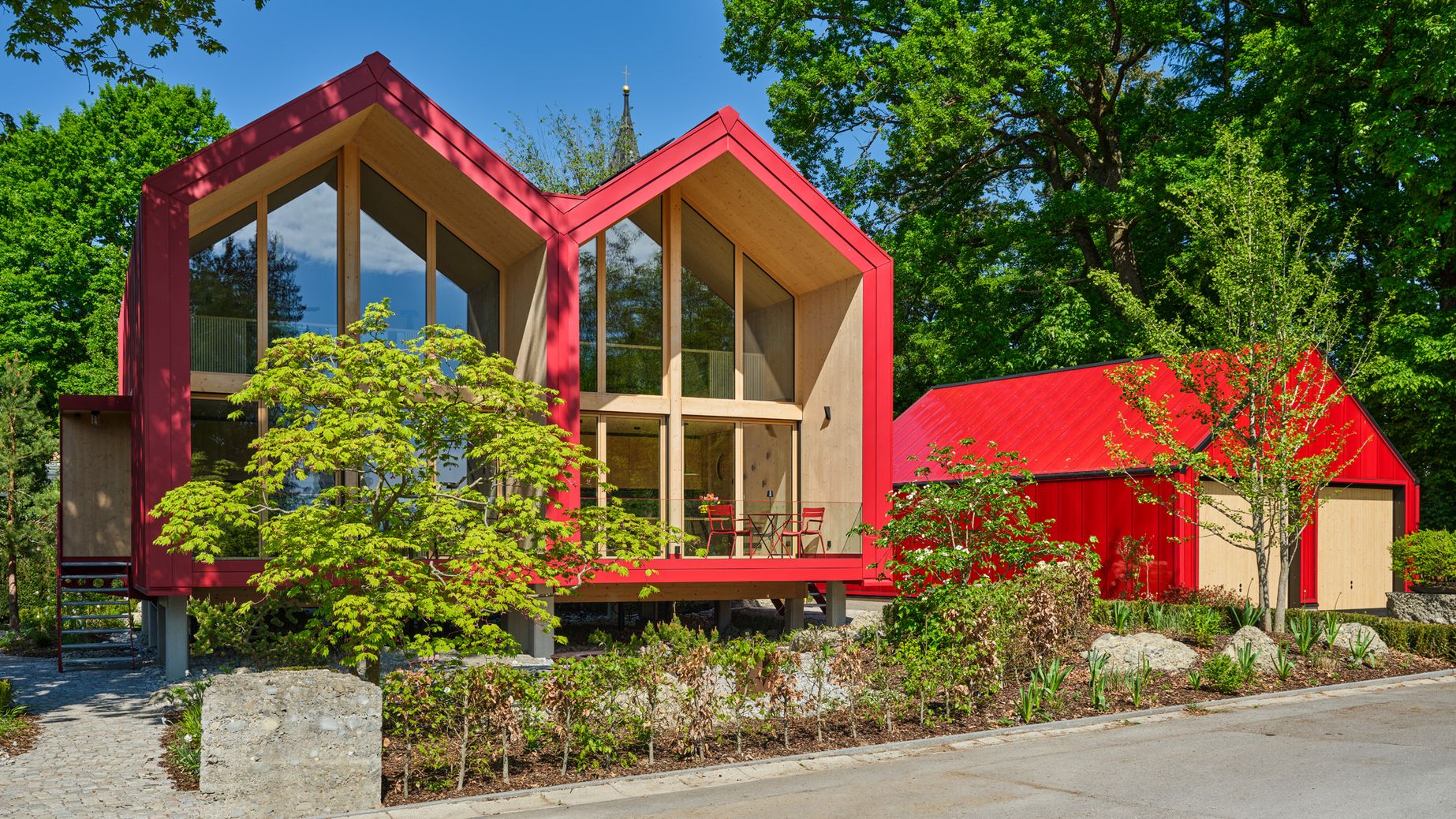
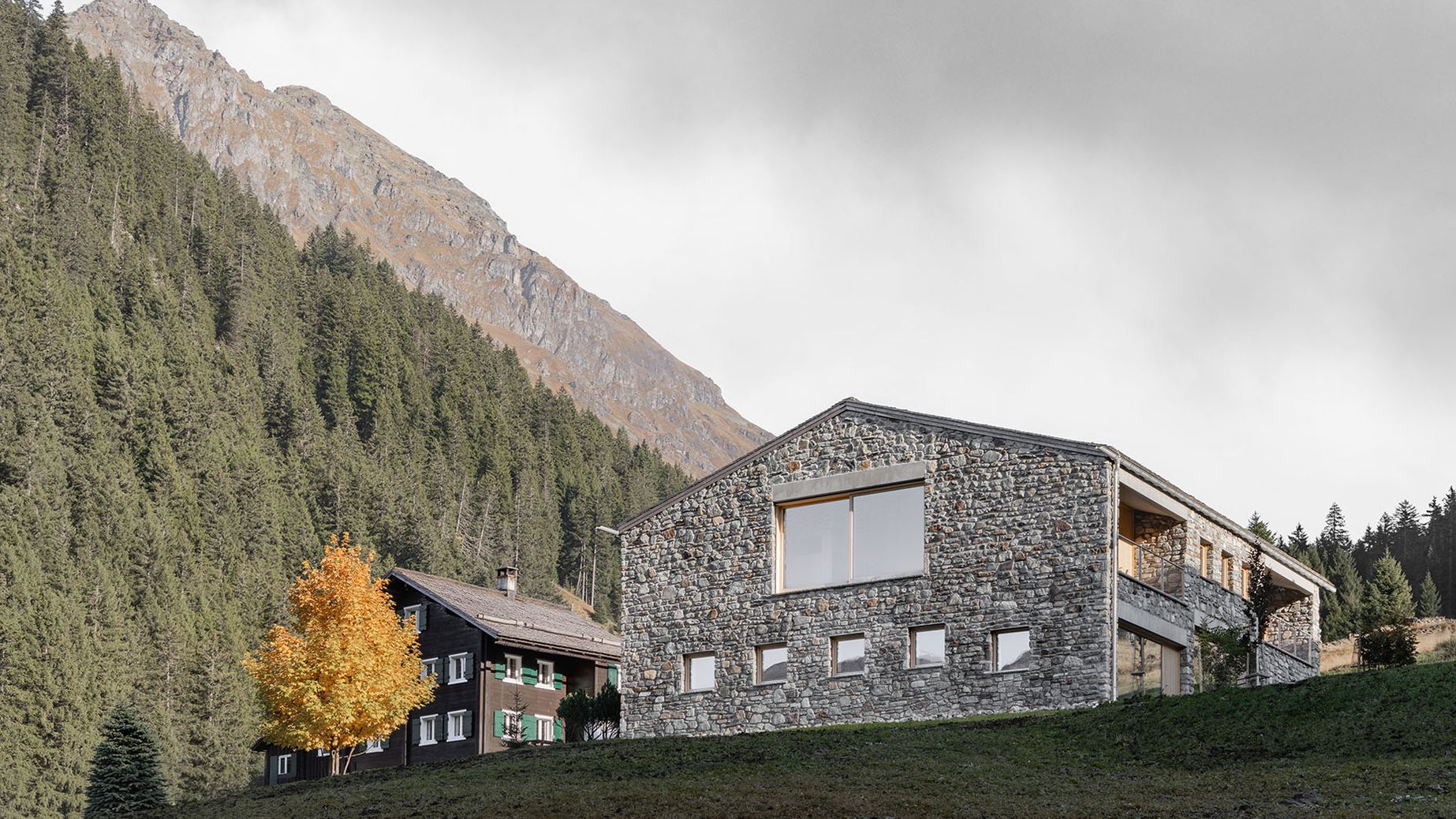
Even though I wasn’t the architect for it: I think Reidun Dolva Grand did a fantastic job on the Ariasana House in Vals together with my wife. That’s a scale I really like. There’s nothing banal about it, and the level of detail is really well done. Spaces, small features, the use of colour – those are the things that fascinate me.
So, you weren’t involved in the project as an architect?
We talked a lot about it, of course, but as an architect, I stayed out of it. I was more of a consultant.
Impressive! Only a few architects manage to do that!
I don’t find that difficult. I’m not someone who dominates a project, and my wife has excellent taste. So, there were maybe a few discussions when I didn’t quite agree, but nothing serious.
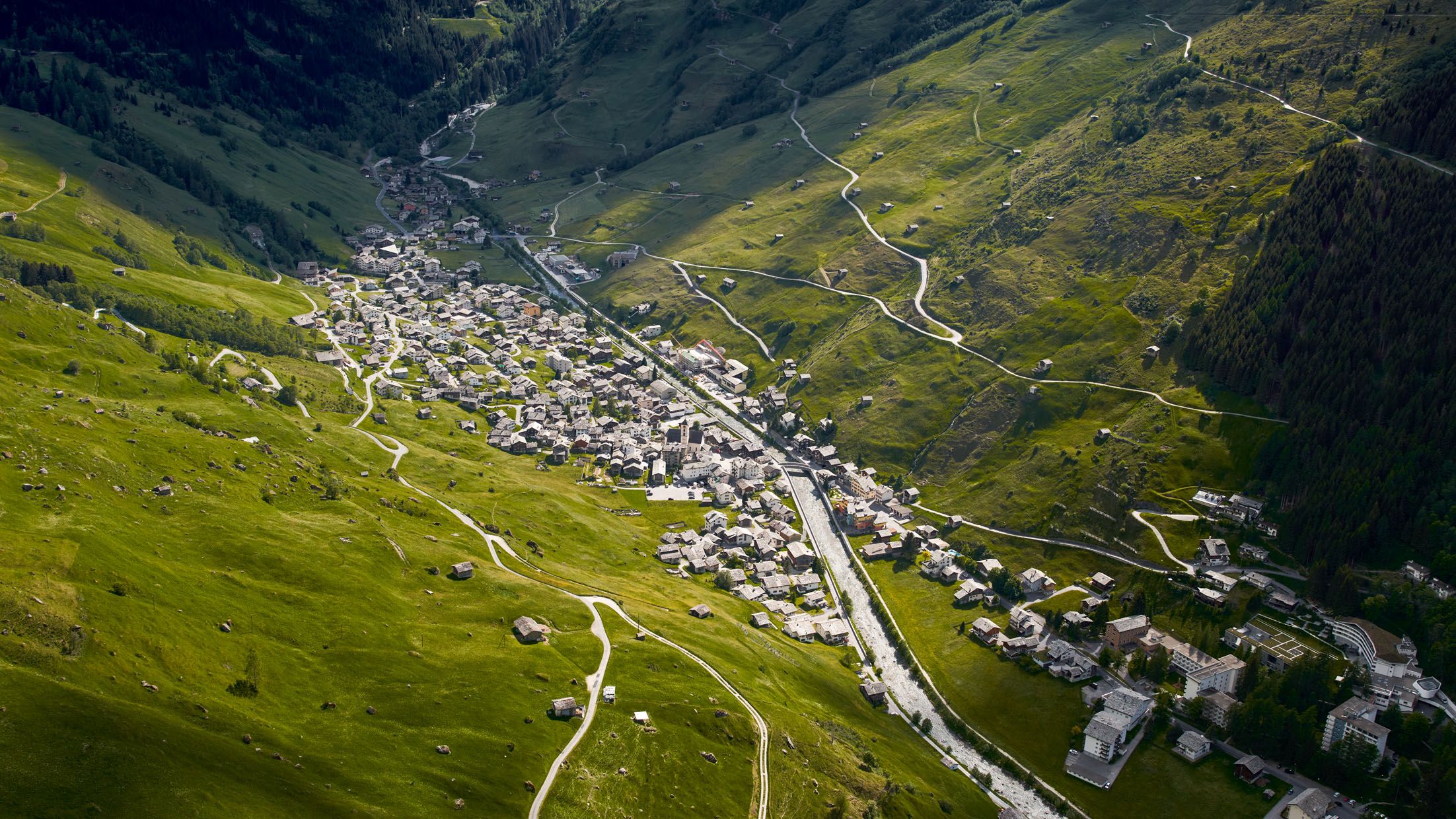
Since you regularly stay in your own holiday home: how do you see the development of Vals in recent years?
I thought the plan for that new hotel tower was a mistake. Maybe it was just a PR stunt, who knows. In any case, I’m glad Thom Mayne didn’t build it. He’s a great architect, no question – but for Vals, it would have been a disaster. On the other hand, I think it’s good that the hotel belonging to the spa has been refurbished. Maybe it’s all a bit too five-star-plus now, but those star-architect-designed interiors are obviously attracting people.
All in all, I’m glad that Vals has kept the character of a small village and has stayed much more authentic than many other Alpine towns.
Have you ever planned a holiday home yourself?
No, not yet. And if I did, it probably wouldn’t be very spectacular. I’ve always loved reduction. It gives the eye time to adjust – and then, gradually, to discover interesting things.
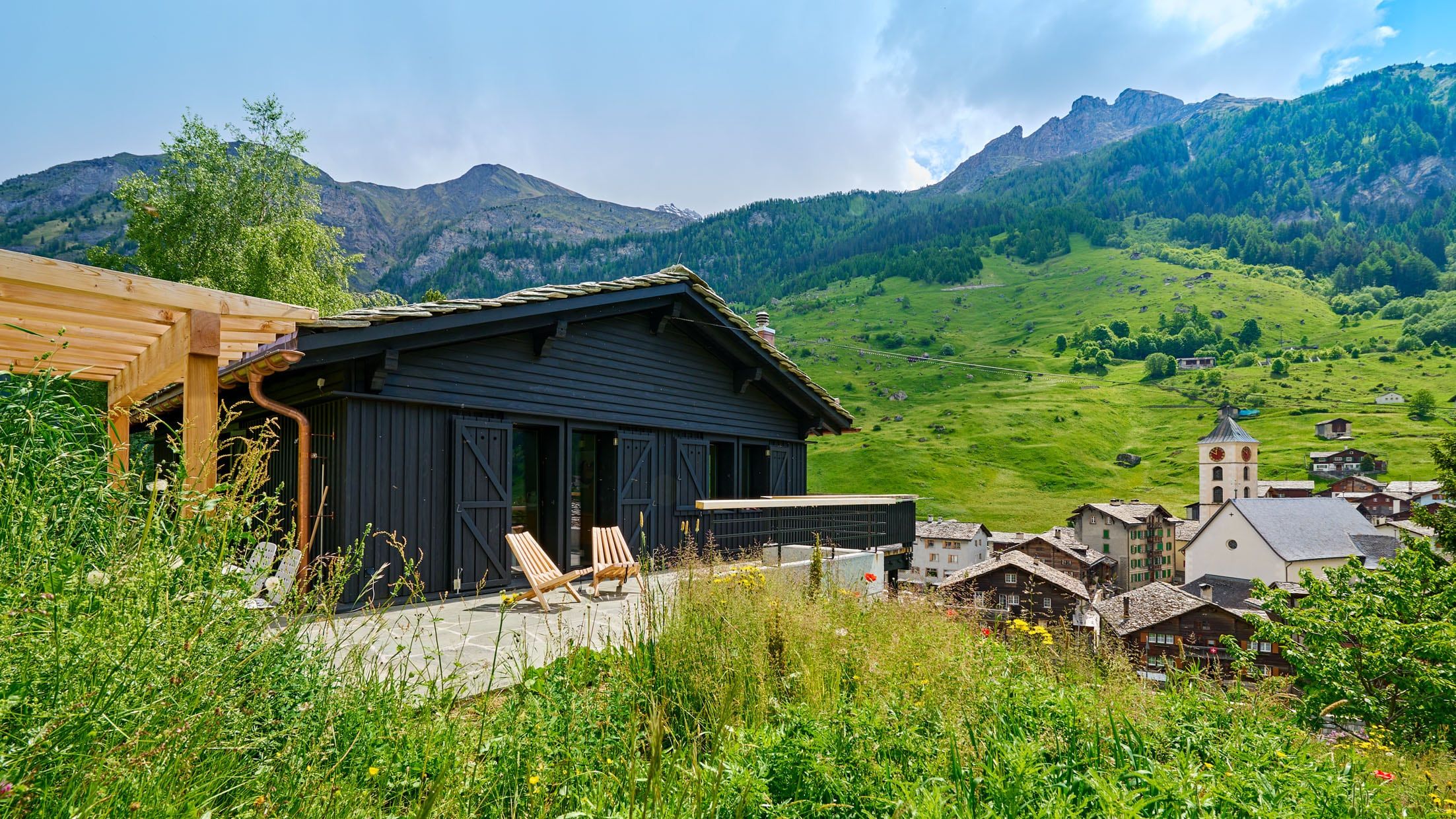
Perhaps the earlier question can be asked the other way around: What do you need when you’re on holiday – what really matters to you, and what could you easily do without?
When I arrive in Vals after a three-hour drive, I always enjoy the view of the village the most. That visual connection to the place is essential to me. It grounds me. It tells me I’m here – not just anywhere. Apart from the wonderful mountain air, I don’t really need much else.
The view truly makes all the difference. I have chairs in Zurich, I have books in Zurich – but that view, I only have in Vals.
My designs are simple.
But that’s not about minimalism;
rather, it’s about making
the most of small things.
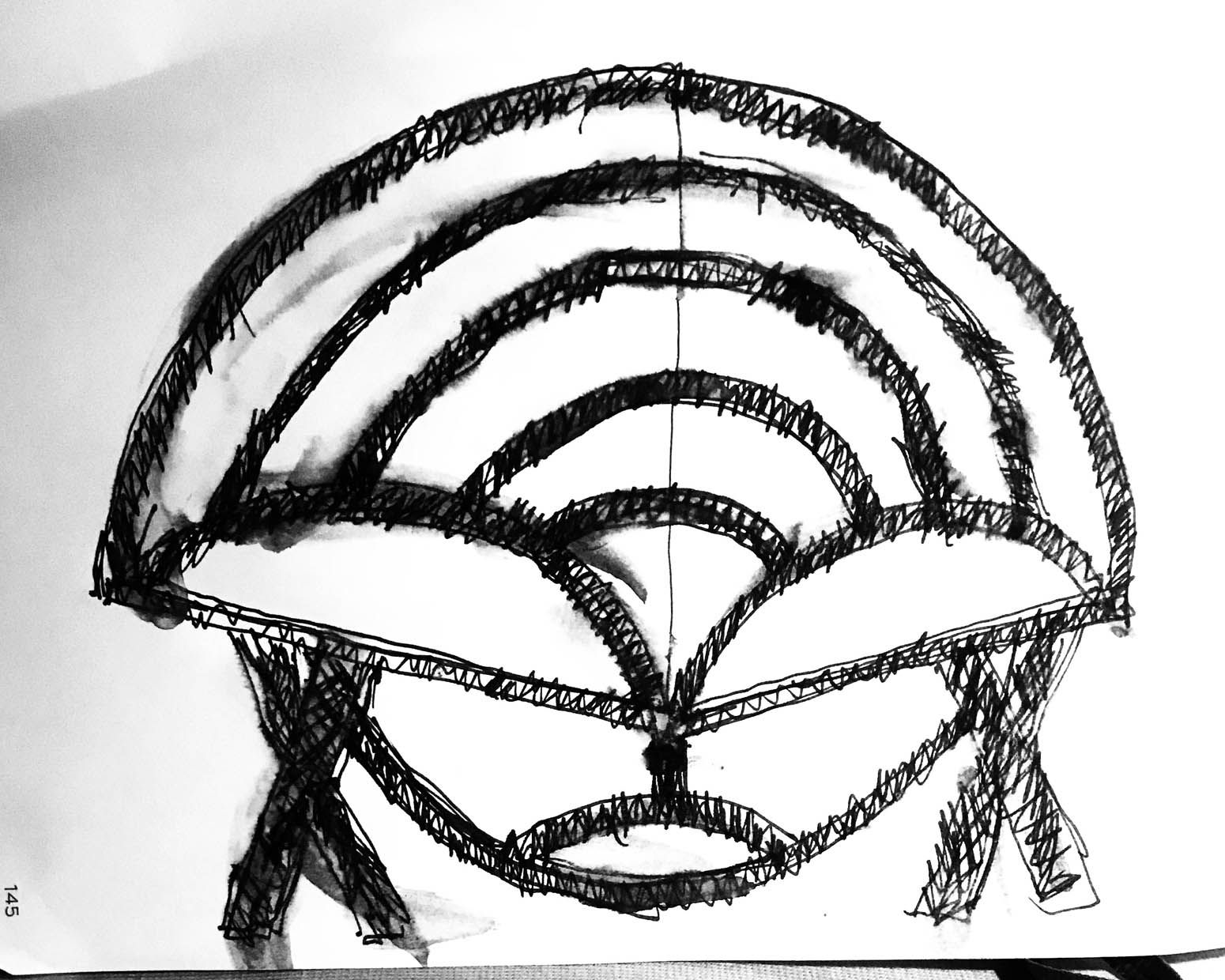
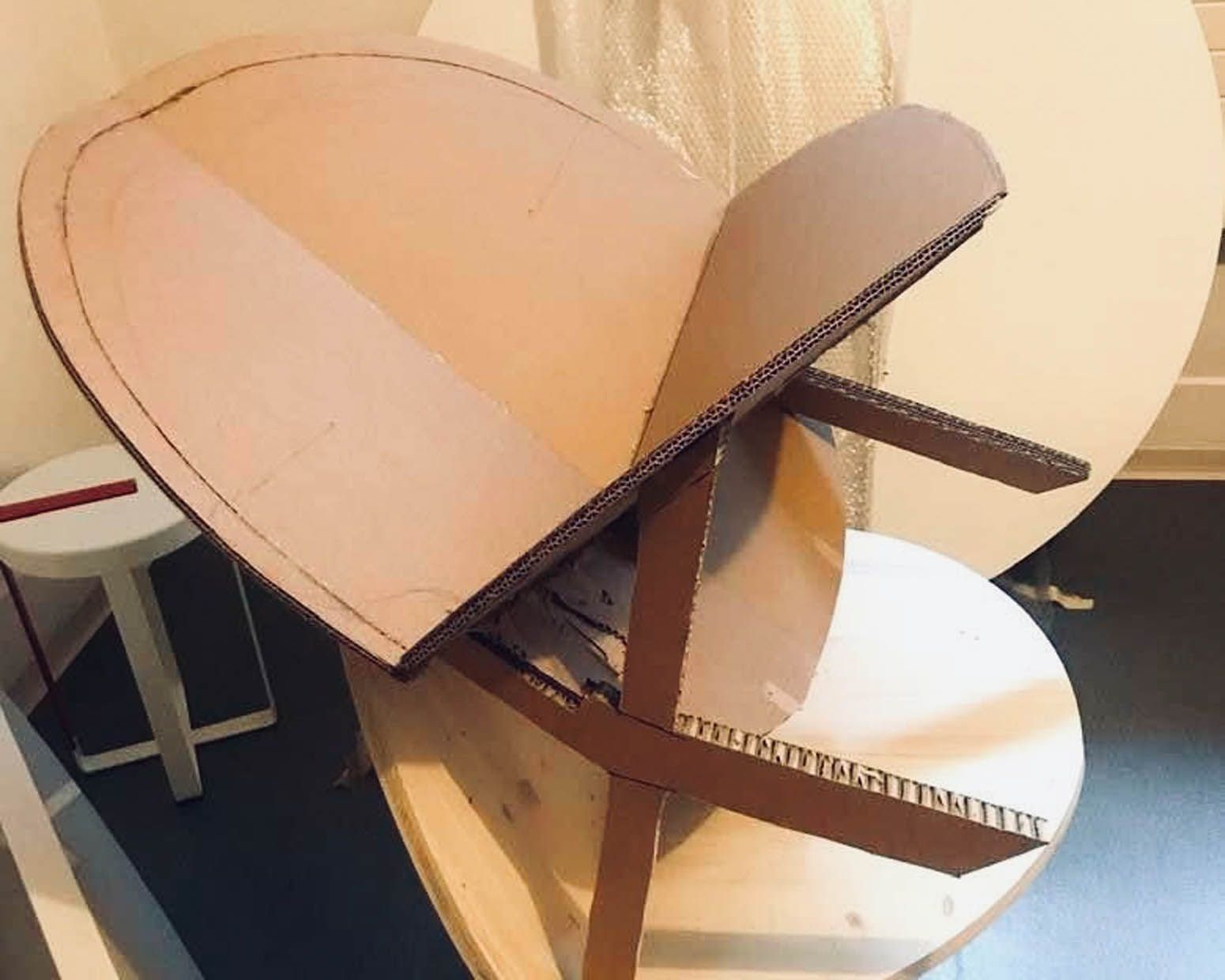
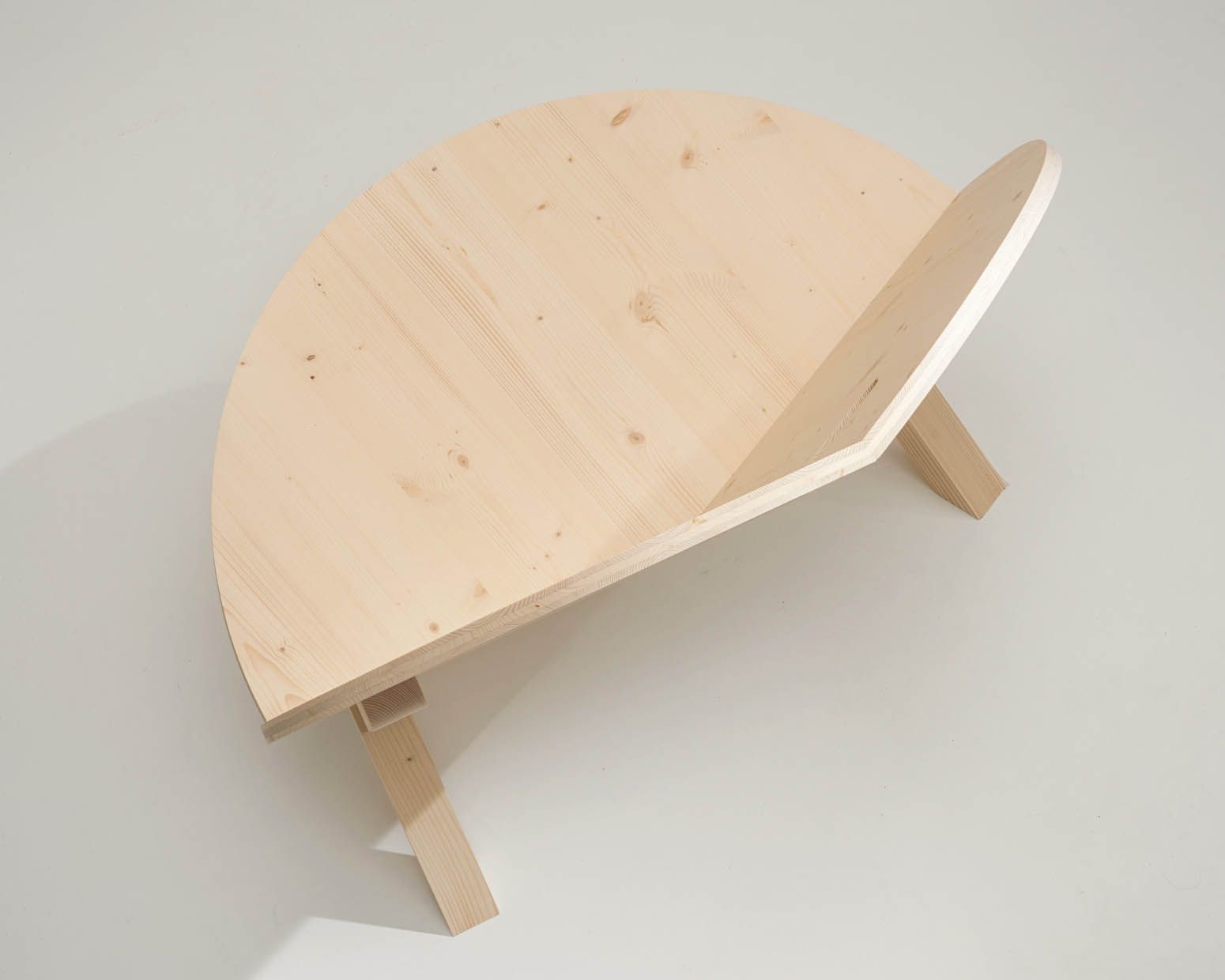
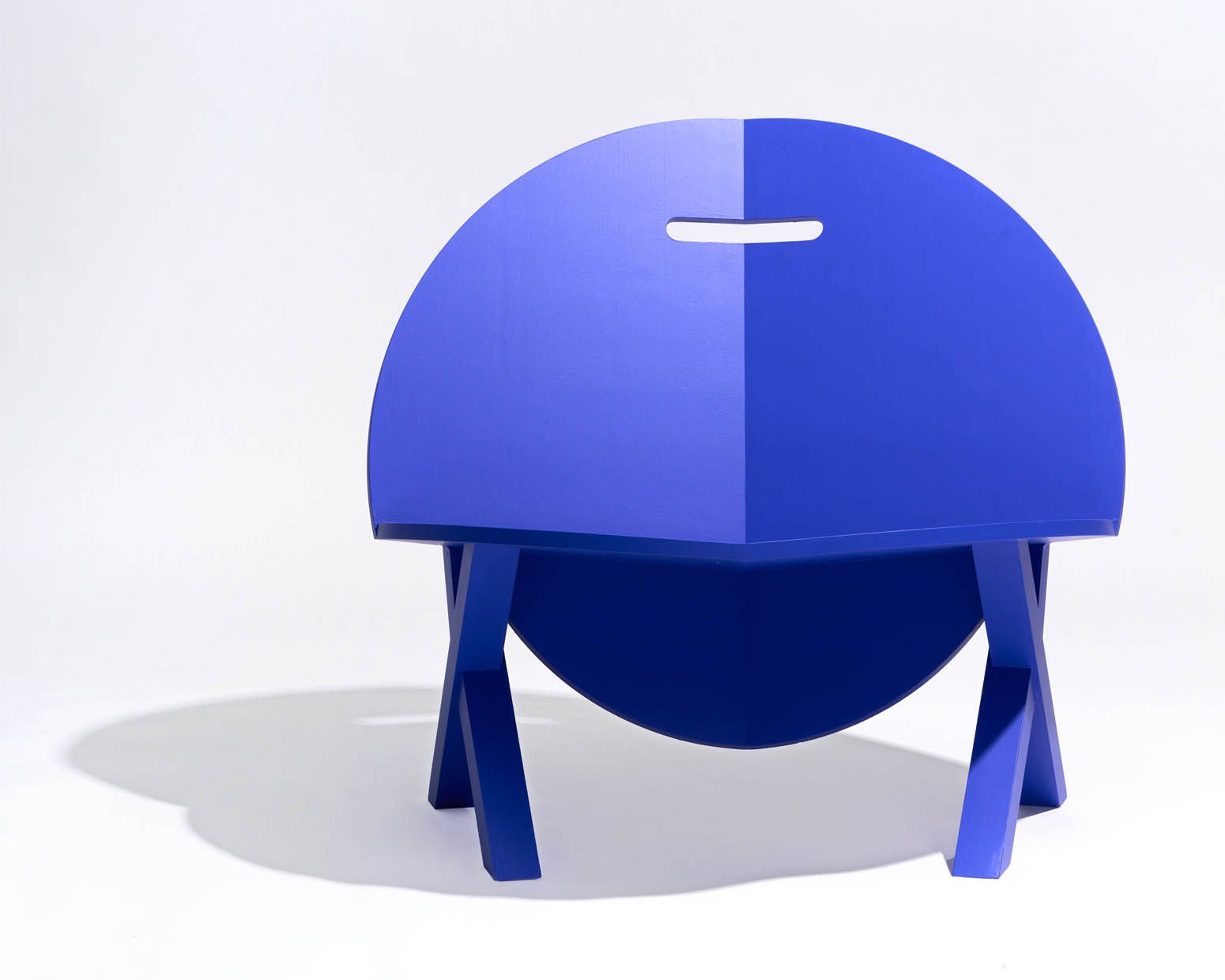
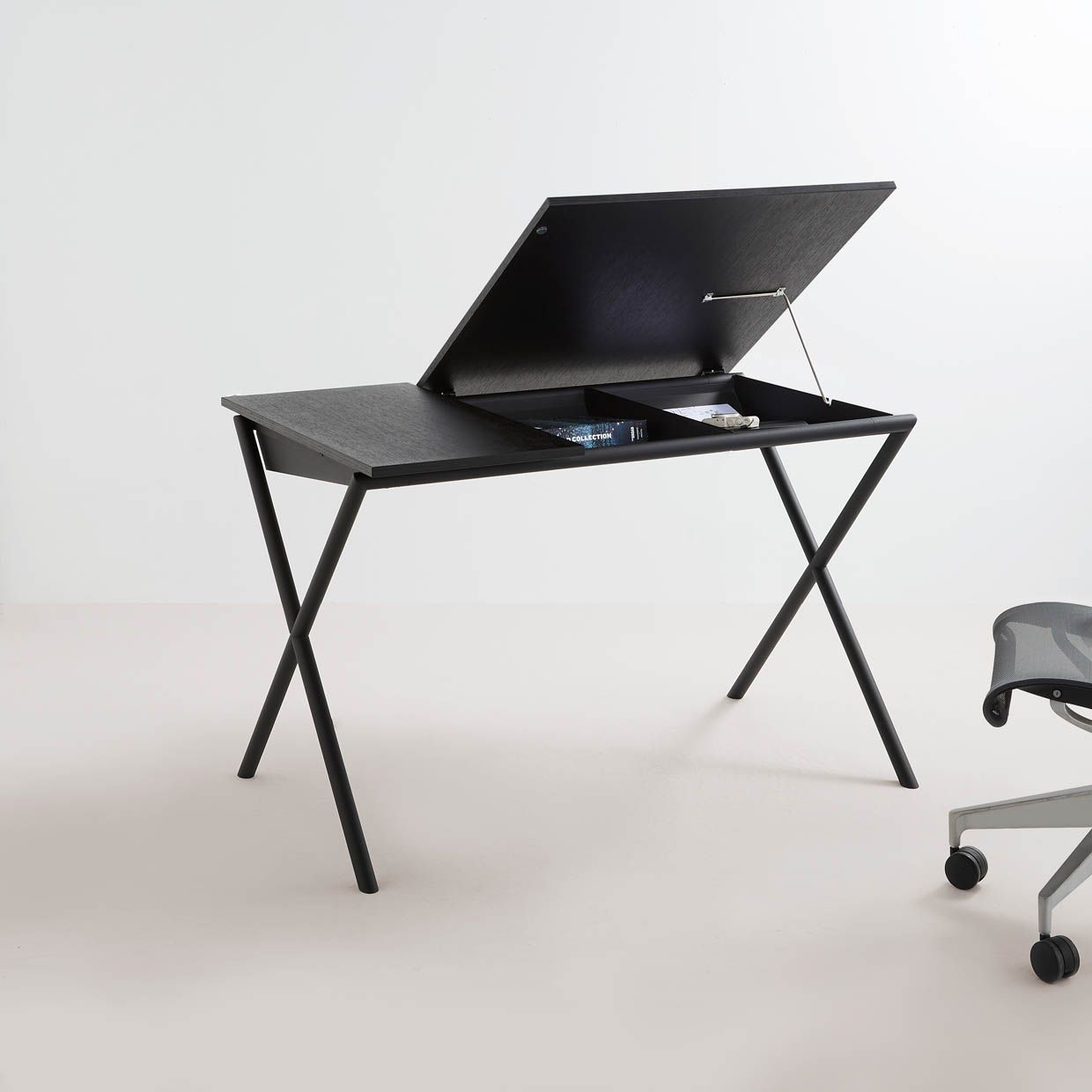
Chairs are still a good example, of course. Looking at your designs, one gets the impression that they are extremely transparent in terms of how they are joined. They’re also modular, demountable – everything feels incredibly straightforward and logical. How do you arrive at that kind of solution?
That has a lot to do with my childhood. In Nigeria, all children more or less made their own toys. Sixty years ago, it was normal to go outside and see what you could find. And whatever you found, you built something out of it. We let ourselves be guided by what we discovered. But the real challenge was always how to put things together: how do I join these parts in a way that makes sense?
When you’re a child, it has to be quite simple – otherwise, you just can’t manage it. Not in the sense of minimalism, really – I’d call it maximalism: how can I make the most of the small things? The art was always in the joining – how to bring everything together in the simplest and most meaningful way possible. And that concept has stayed with me to this day.
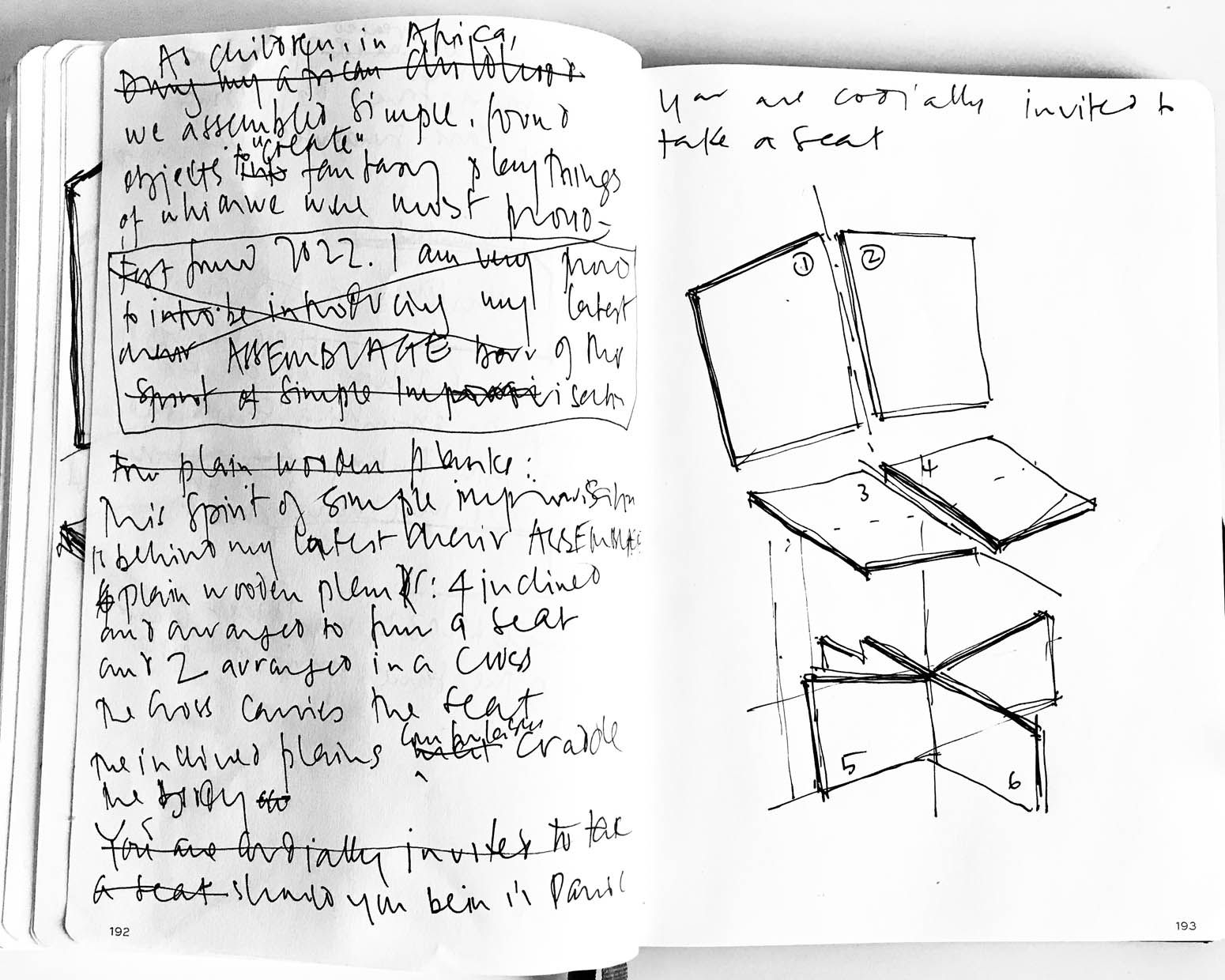
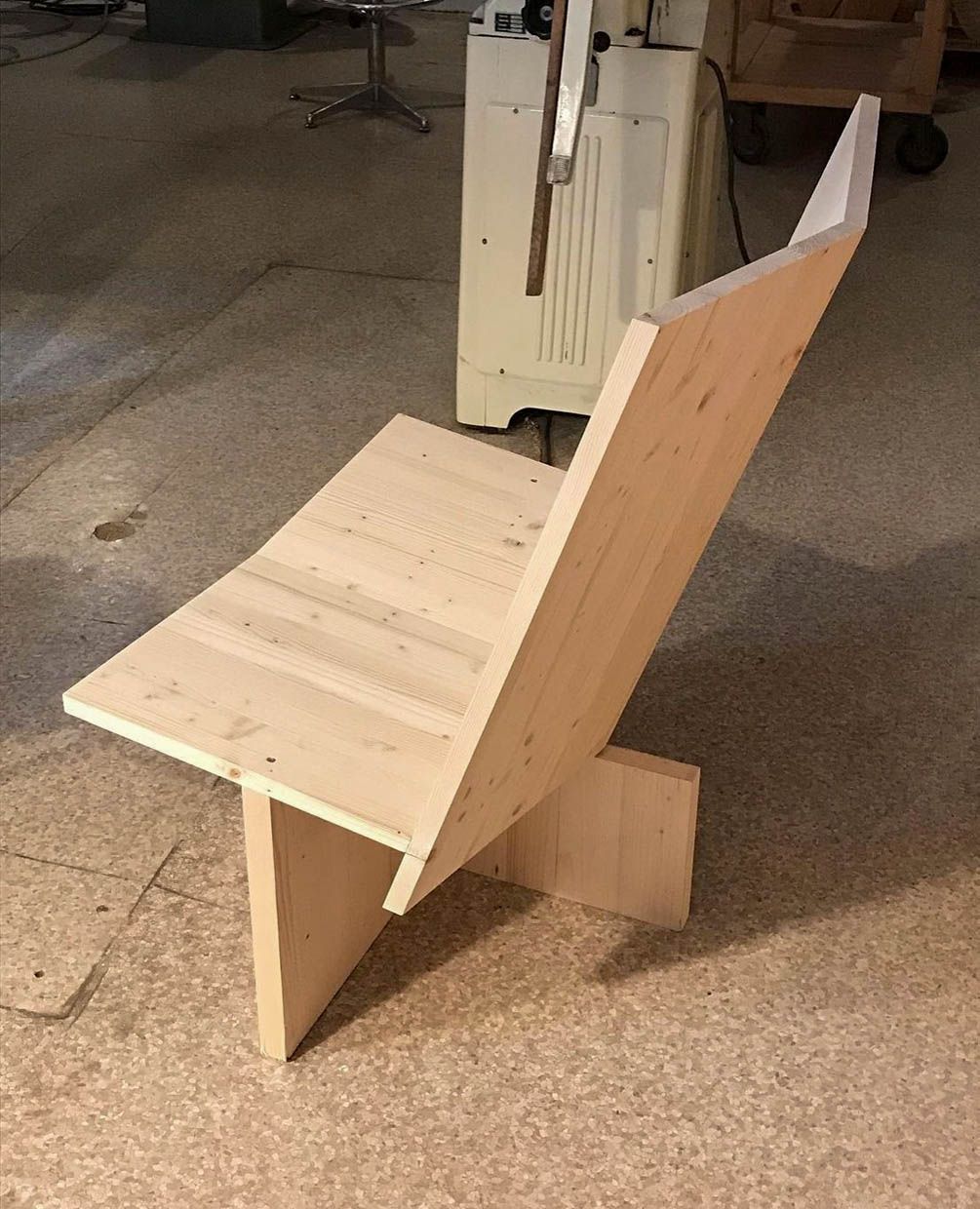
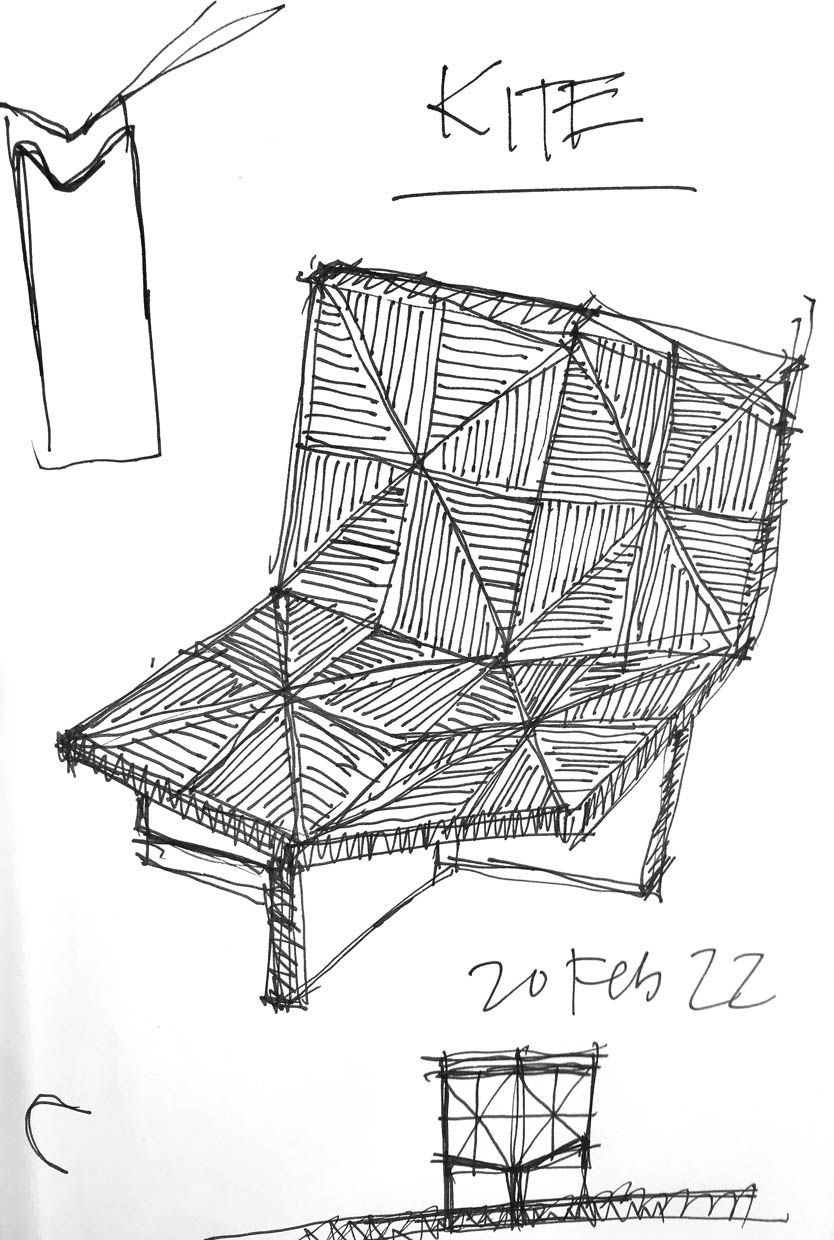
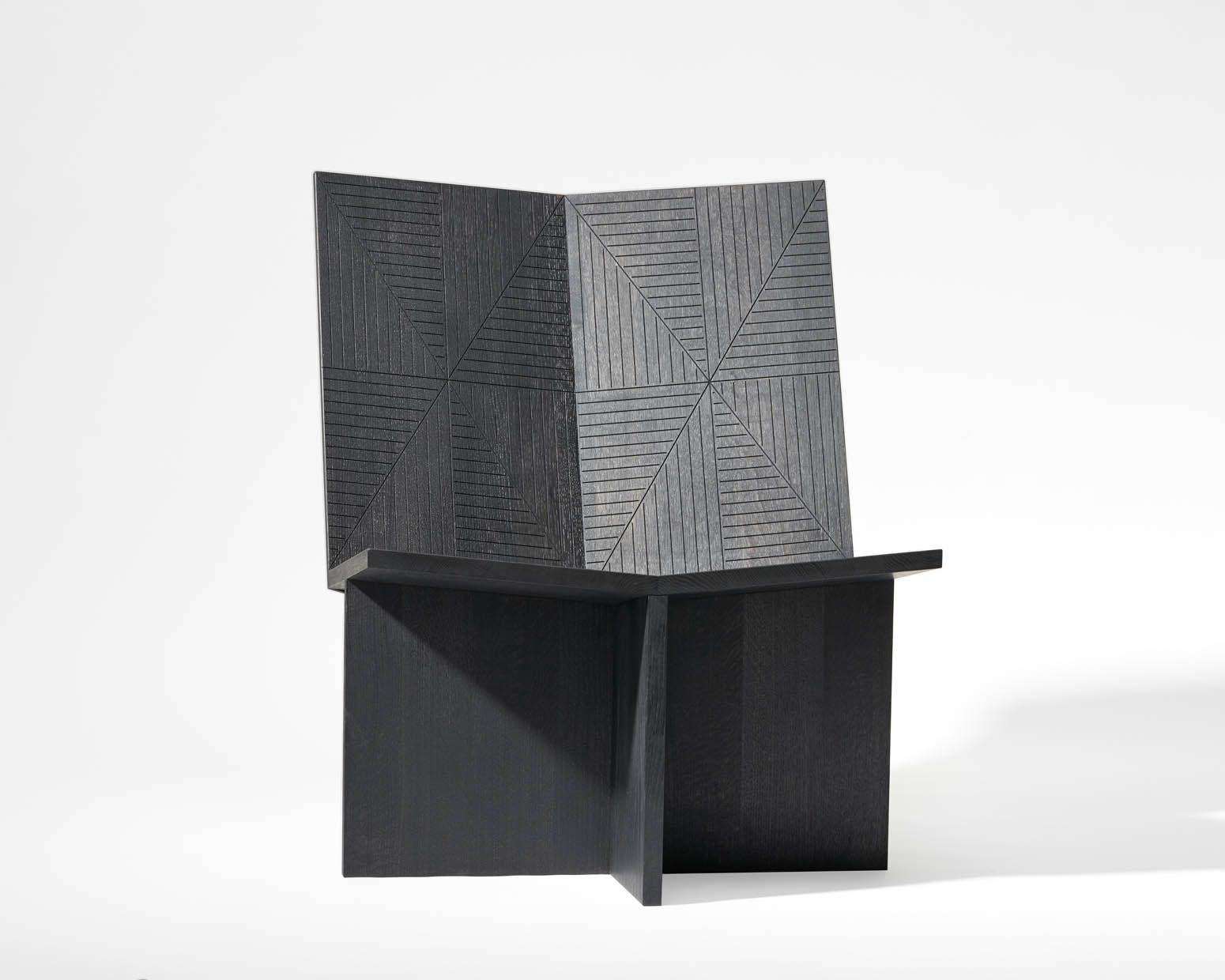
Most of the time, the things that seem effortless and logical in the end are the result of a long journey, often a lengthy process. How do you or your team approach this – I’m sure you have a team at your side?
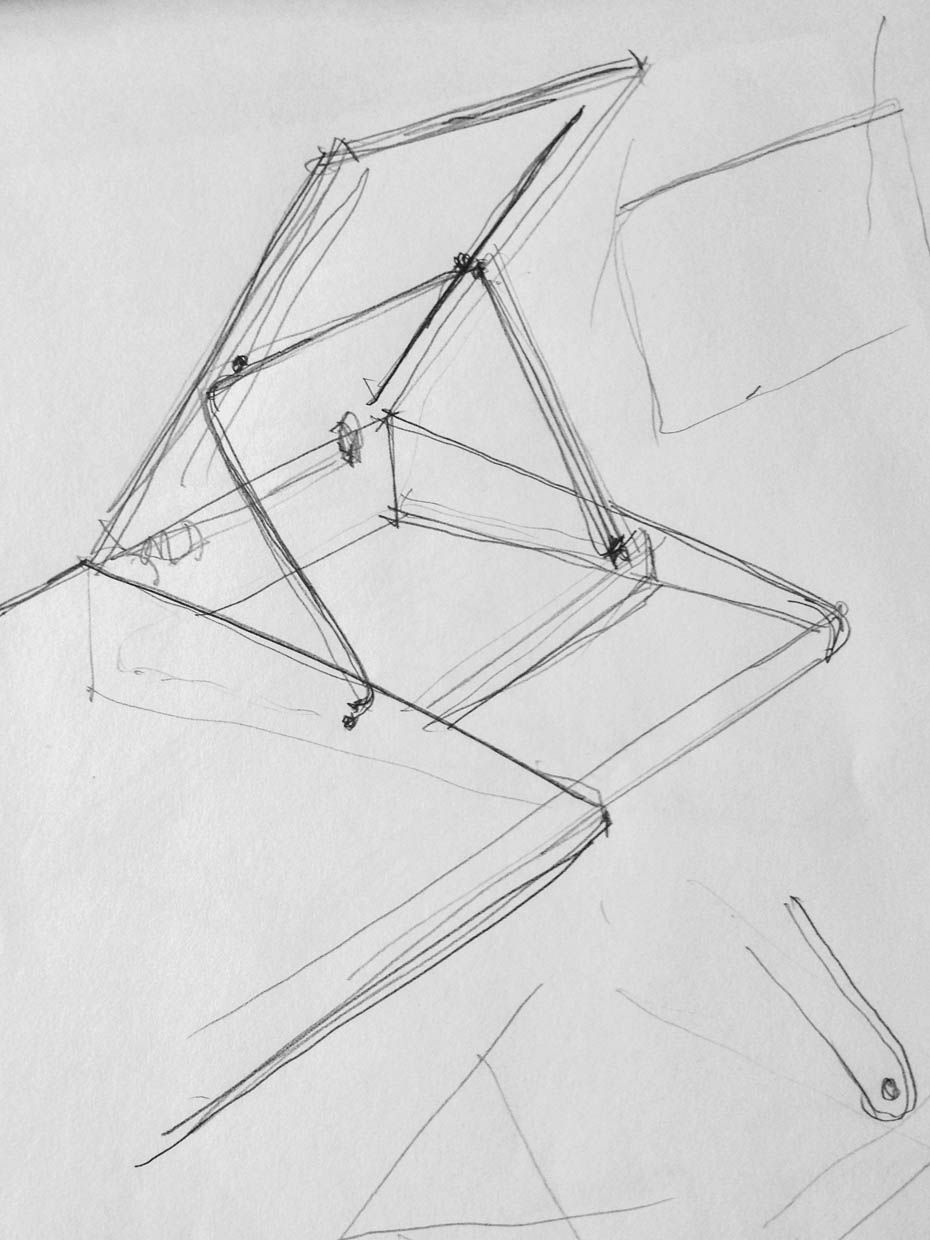
No, I don’t have a team. I have sketchbooks, which I work in constantly. And a small studio where I build lots of models. I usually work in cardboard and let the models sit there for a few weeks. I keep looking at them. And at the point where I feel I have no more questions, I know the design is reasonably coherent. I just have to look at it long enough to know I can’t simplify it any further.
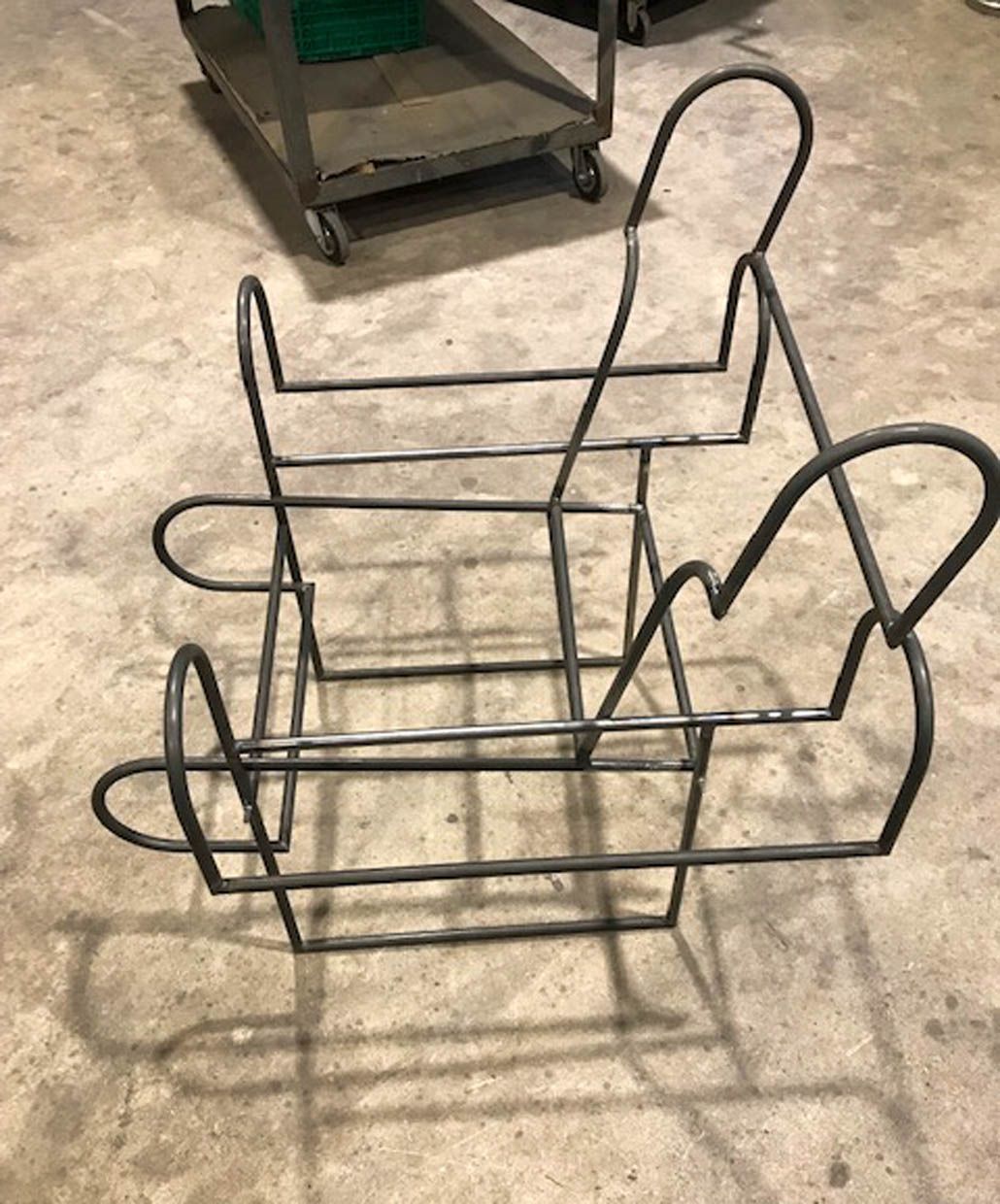
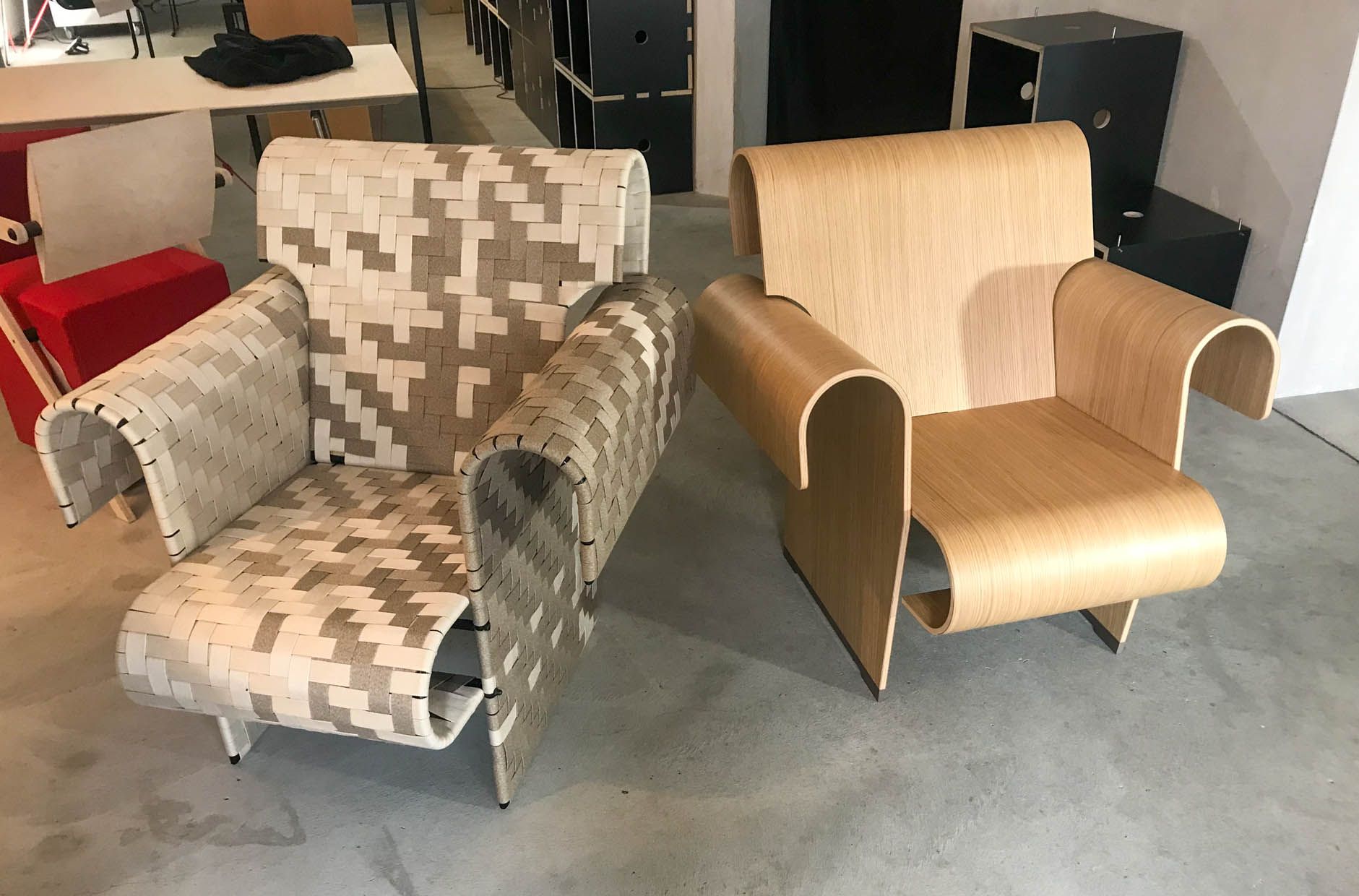
Then I go to a colleague of mine, we discuss it, and he builds a prototype. He’s a cabinetmaker, studied jewellery, and used to build furniture. That works perfectly.
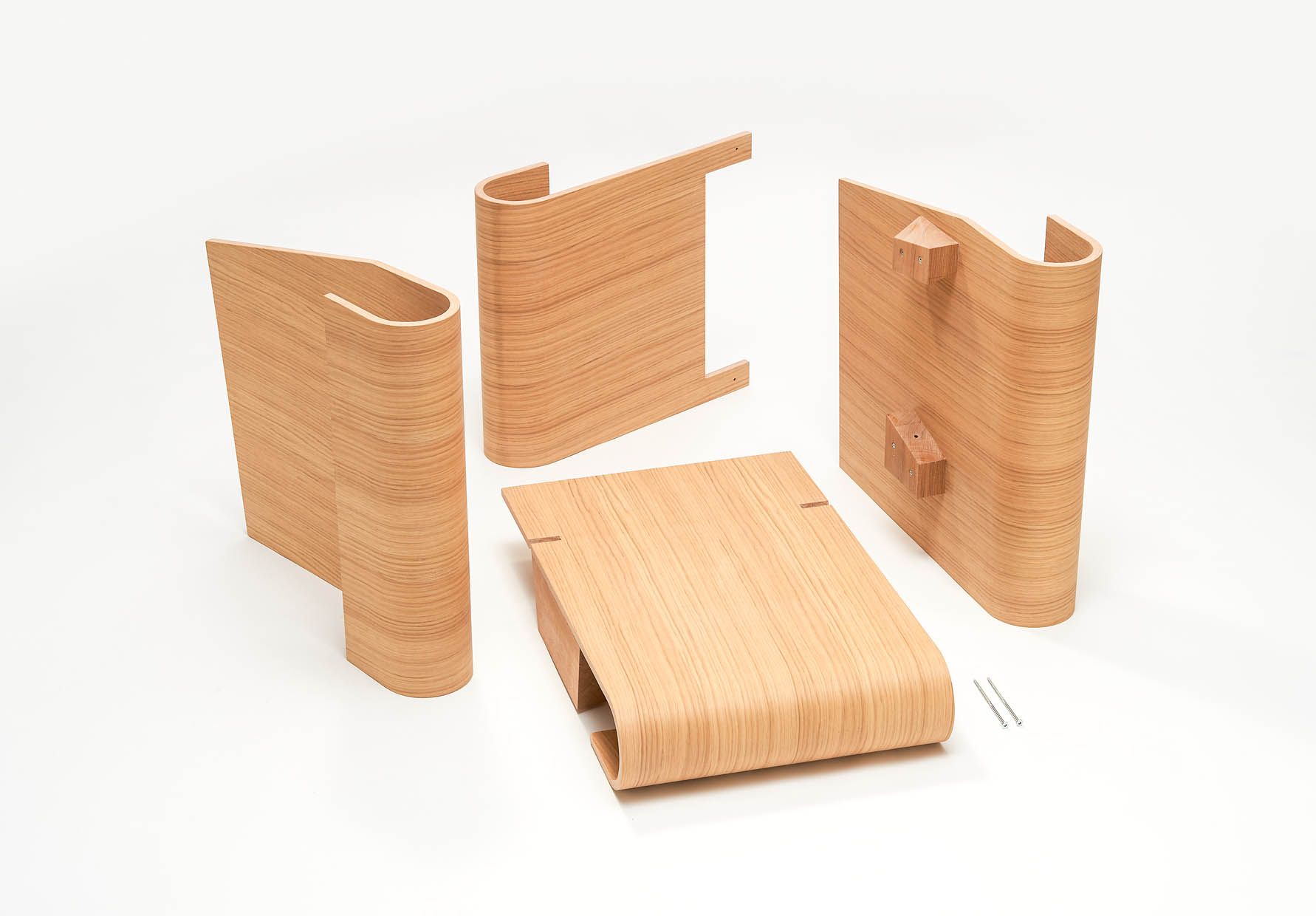
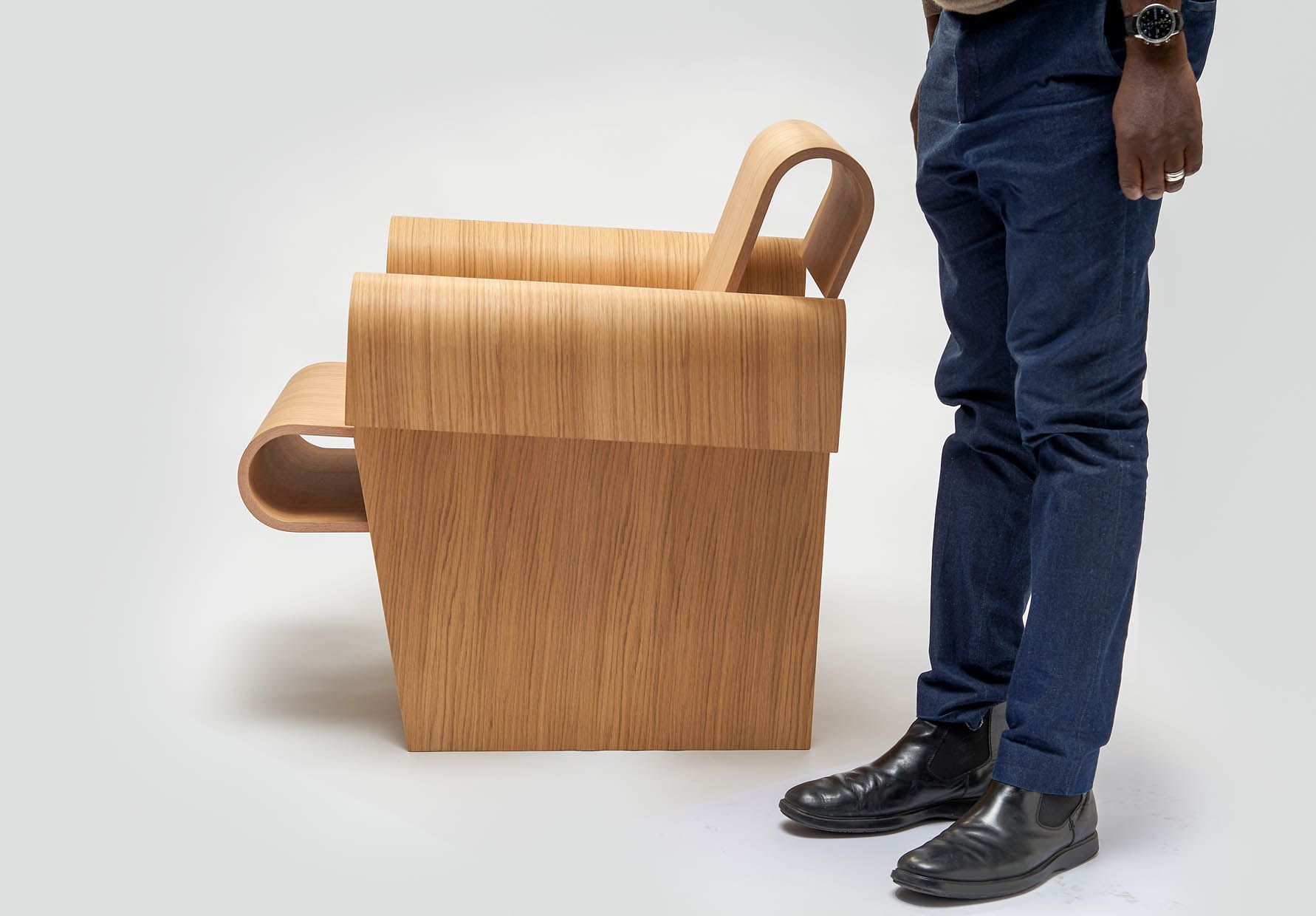
Do you collaborate with regular production partners, or how does it usually work?
So far, I do everything for myself – I don’t work on commission. Once I have a prototype, I try to find a producer. It’s probably not the most sustainable way, because it takes a lot of time and energy. But I also teach, which means I don’t have that much time. One advantage, though, is that I can take things at my own pace.
So, after February, when you stop teaching, will you have more time to focus on design?
Yes, exactly. I’ll be working with a number of companies, including a lighting manufacturer. I’m really looking forward to that!
Have you already designed lights before?
Yes, I’ve designed lights before and even won a competition for Philips. But so far, nothing has actually gone into production. That might change by the next lighting fair in Frankfurt!
I’ll also be working with a lighting company in South Africa. That connection came about after I was named Designer of the Year in South Africa in 2024 and exhibited in Johannesburg.
Well, good luminaires with a strong design – and at an affordable price – are still very hard to find. That’s a real challenge!
Yes, I’m very excited about it. Although I do feel a bit of pressure. There are already so many beautiful lights out there. So, I’m really curious myself to find out what my own take on the topic will be, and what the outcome might look like. If I manage to design something that is super simple, works well, is elegant and functional at the same time, then I would have achieved my goal. Let’s see. It’s a great challenge, for sure!
Will the lights be aimed at private interiors or more for office spaces?
The idea is that they’ll work for both.
We’re curious to see what comes out of it.
Yes, me too!
You probably follow architecture and design in Africa much more closely than we do. What stands out to you?
Two years ago, I was invited to curate the Design Week in Lagos. And I was really impressed by how many young, curious people there are. That said, most of them are drawn more towards gallery work and collectable furniture. But I’m more interested in mass production. I’d rather create something for ordinary people. I’m currently trying to get that going with manufacturers in South Africa and Angola. The demand is definitely there – it’s just that production methods and facilities aren’t yet quite where they need to be. But that’s something we’re working on now.
Furniture for everyone –
not just for museums.
And what will the proposed design look like?
At the moment, a lot of furniture is either very expensive or designed in a rather historicising way. My approach would be to create affordable furniture with a much more universal, modern, and timeless design – ideally something that could also be sold beyond Africa. Furniture for everyone, you might say. Not made for museums – but for everyday people to actually buy and use.
You’ve just been on the jury of the German Design Award. What impressions did you take away?
I really enjoy sitting on juries because you meet such interesting people from a wide range of industries and from all over the world. And you spend a few days in intense discussion. You need to be able to listen, to have a clear attitude, and to argue your position well – and sometimes you need to compromise. For instance, when the person opposite you prefers a very colourful design and I’ve fallen in love with a very pared-back, Japanese-inspired piece – that’s when it gets really interesting.
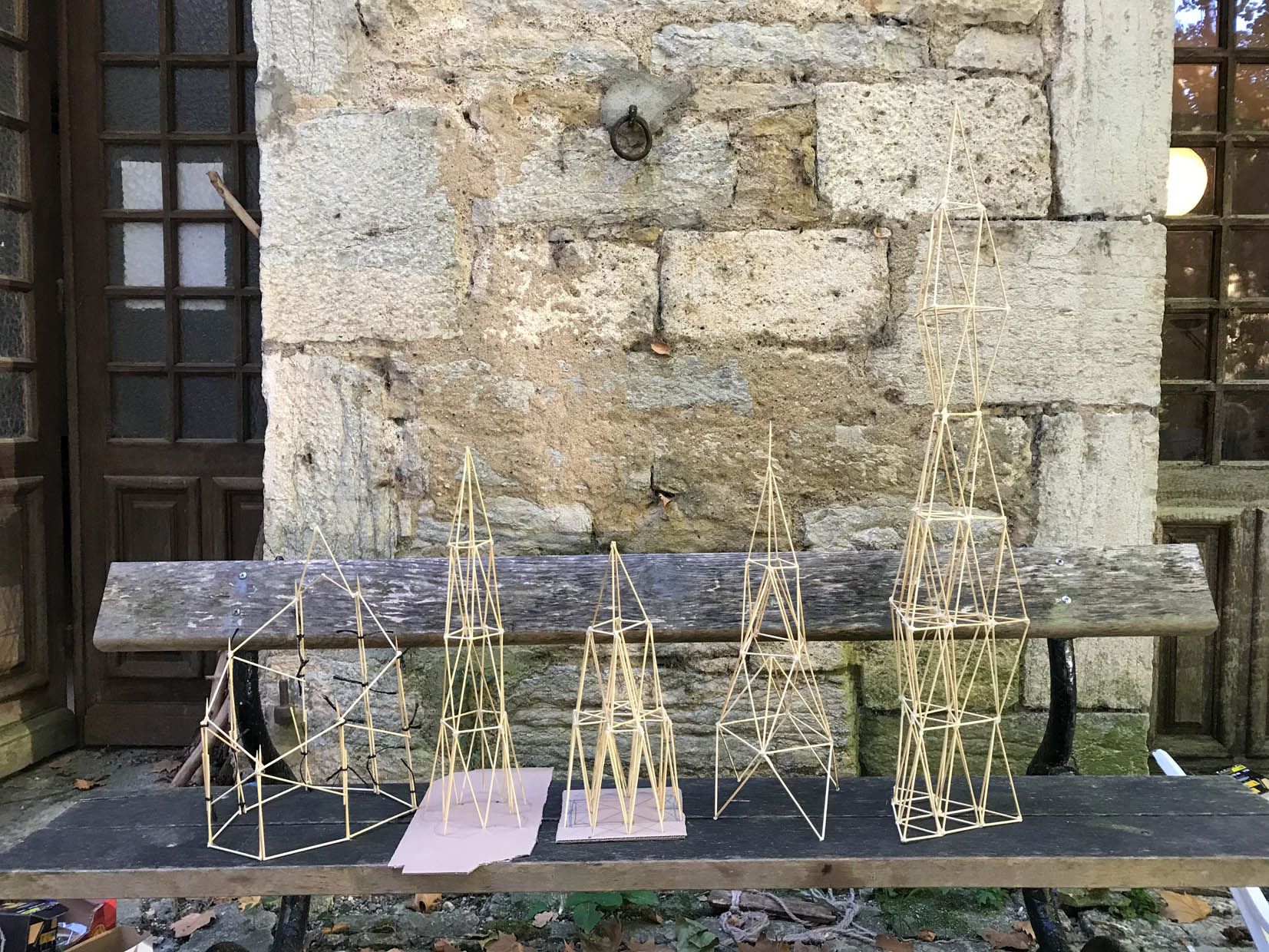
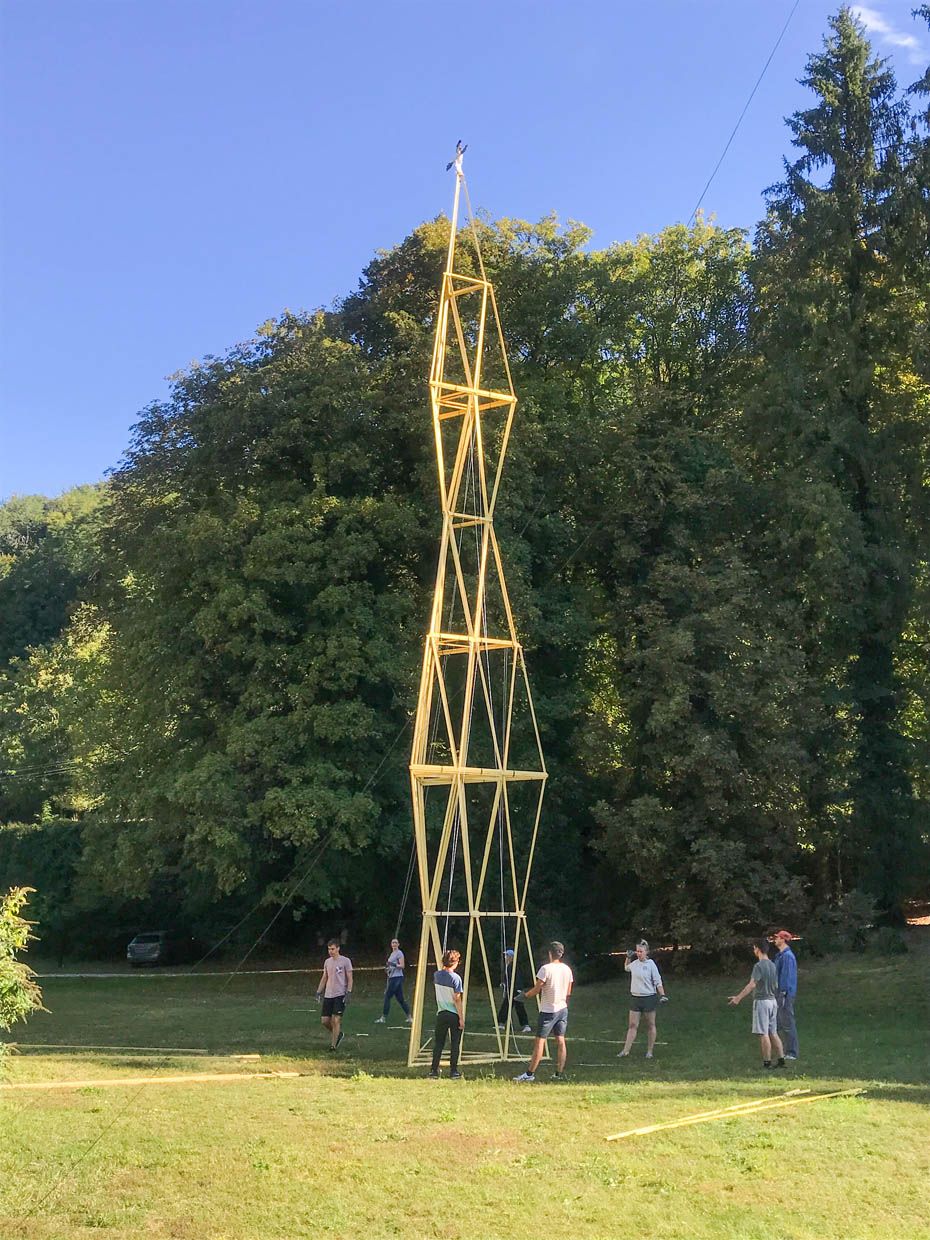
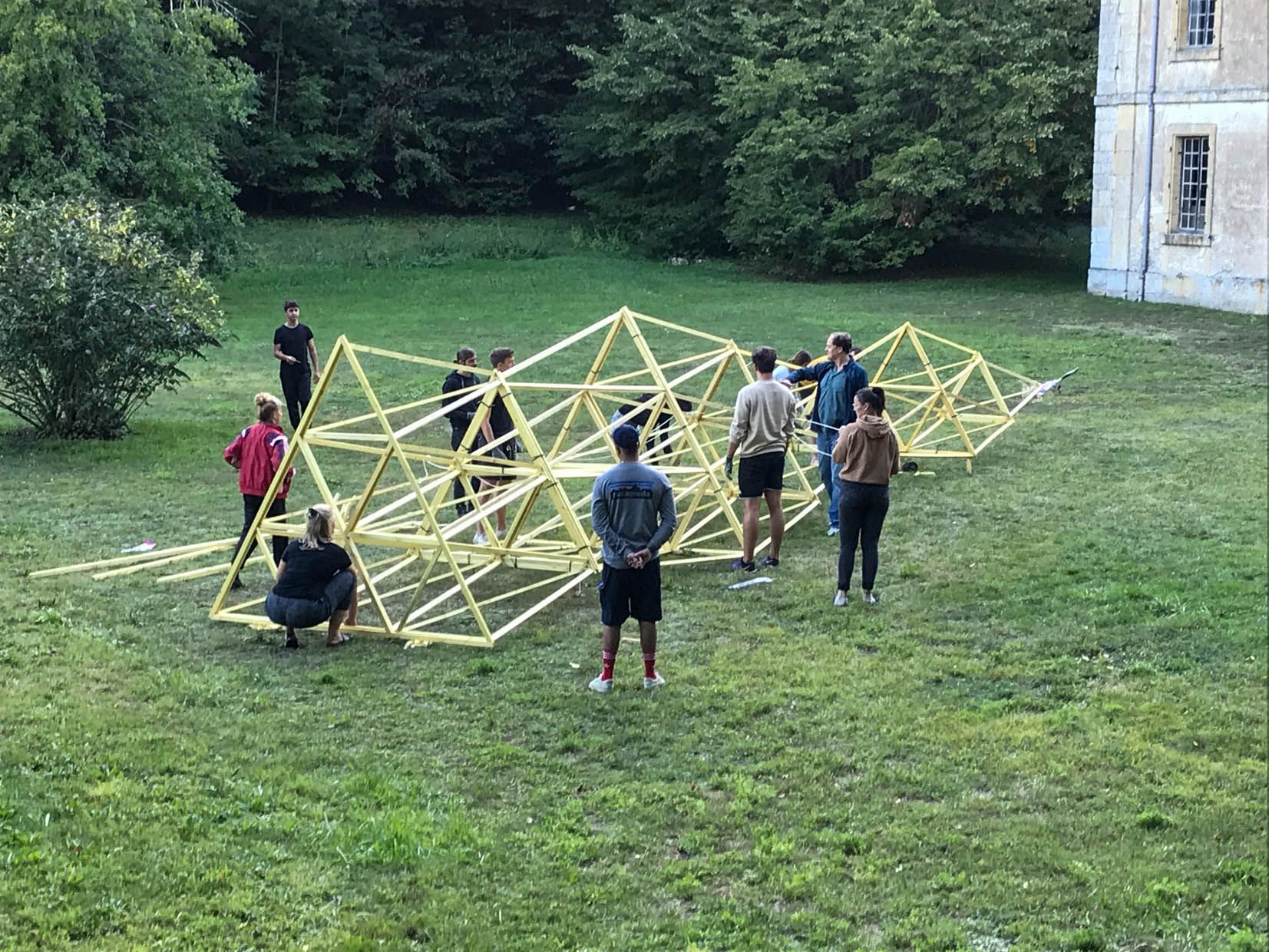
Let’s go back to teaching for a moment. We saw that you’ve taken part in summer schools with your students, including trips to Africa. What kind of impulse do these experiences bring?
With the summer schools that I developed with Prof. Dr. Axel Gampp and have been co-directing for over 10 years, we have travelled to India, Egypt, Riga and, currently, Istanbul, among other places. Again, it’s about attitude: you’re immersed in a different culture and, say, around the topic of “pavilion”. You learn about local construction methods, how things are designed and built in that particular place. Then we build it by hand – a practical exercise spanning two weeks. It’s always one of my highlights of the year!
I believe this is the fastest way for students to learn: on site, without computers, using their own hands.
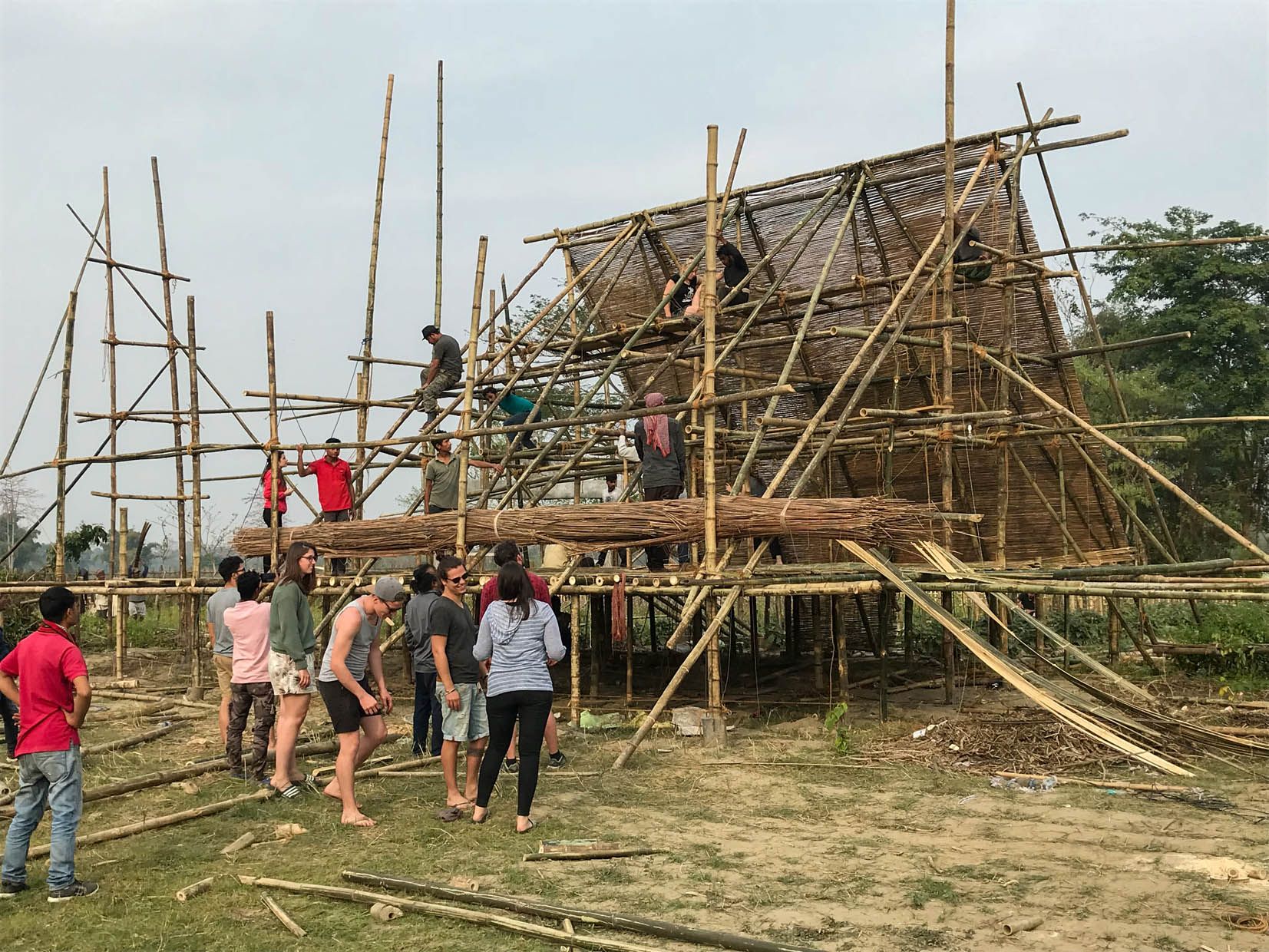
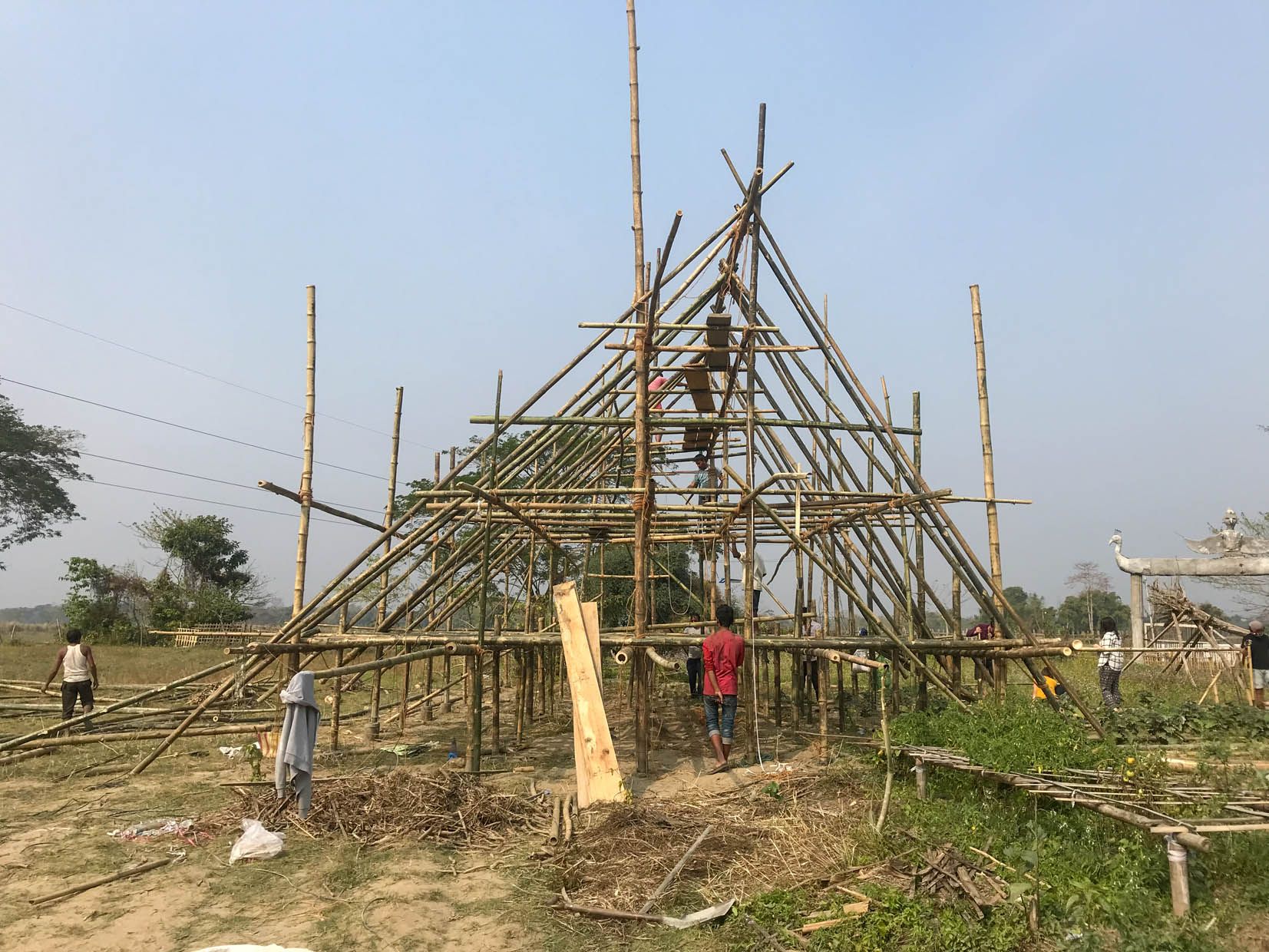
It’s important that the students enjoy themselves there and also enjoy learning in general. We try not to be too philosophical but to convey that architecture is something we all live and experience through our senses. I try to teach them that you can feel it. They should try to sense what it means to be in a space or to shape a piece of furniture. After all, it’s all made for people, and used by people. And when your senses are tuned in, you can really feel that.
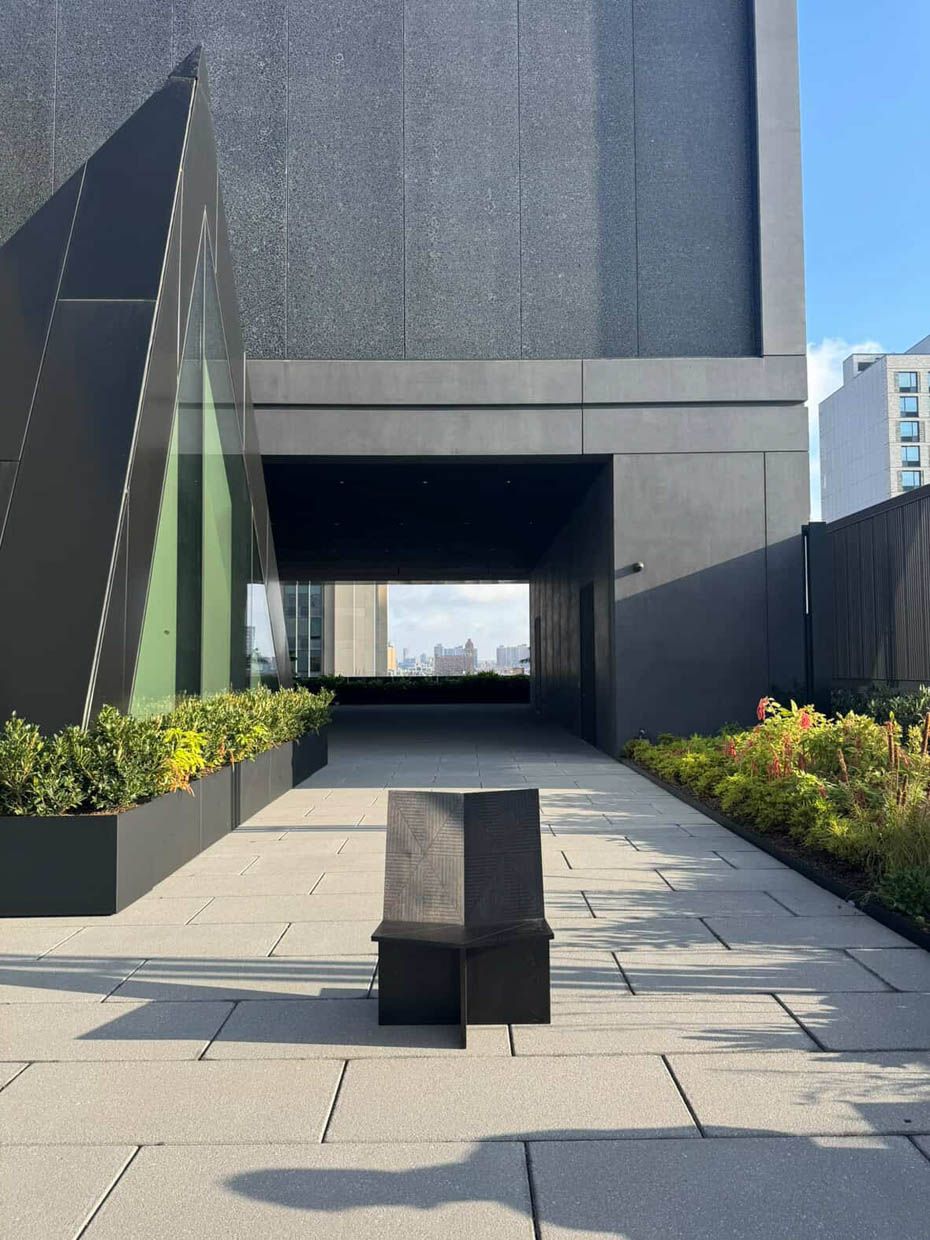
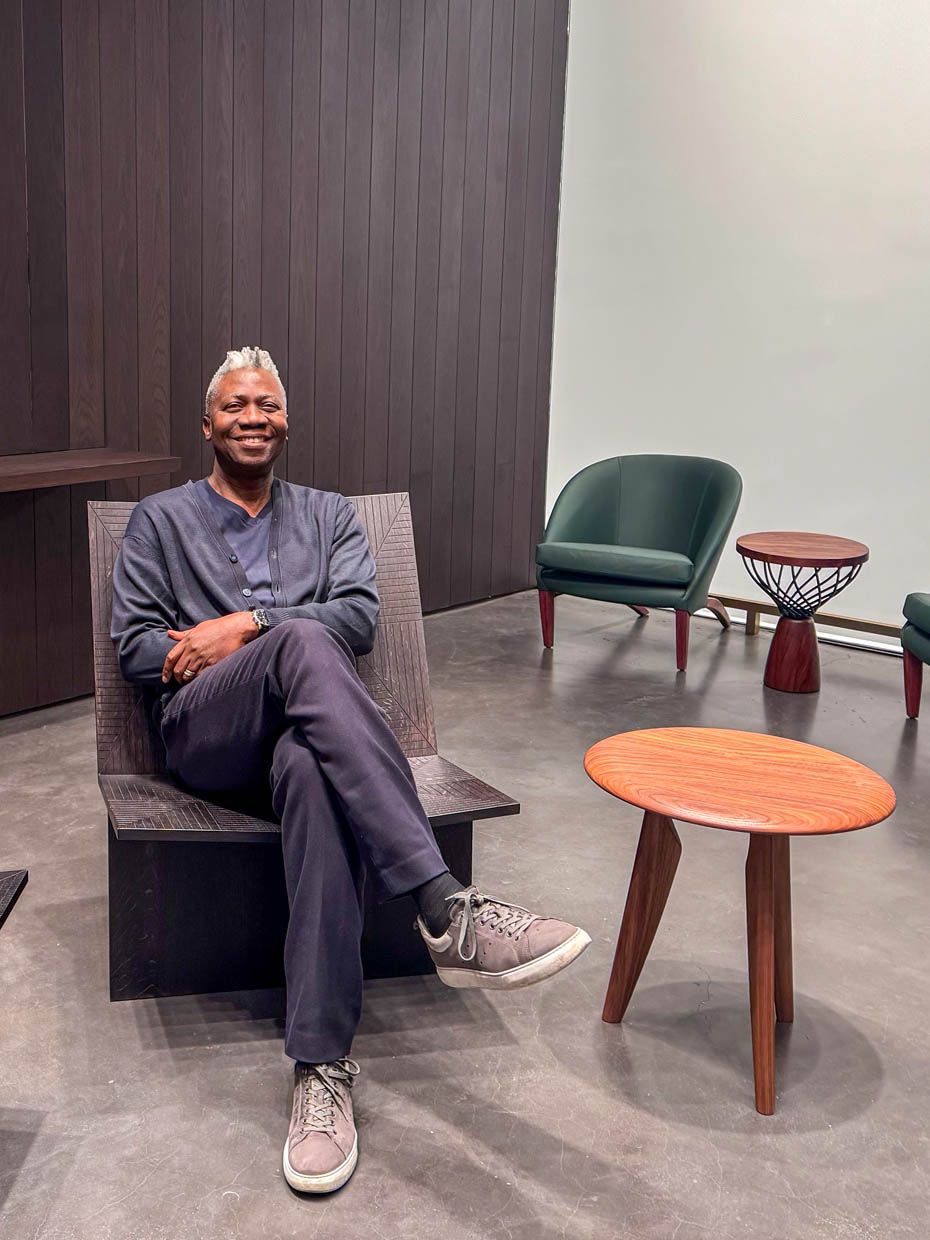
Back to your chairs – any recent news?
I was recently in New York. The Studio Museum in Harlem has purchased three of my Assemblage Chairs for their permanent collection. That’s not something that happens every day!
Congratulations, Charles! And thank you very much for the conversation.
Charles O. Job was born in Lagos Nigeria. He achieved his diploma in architecture, and a masters degree in urban design at the Oxford Brookes University, followed by work experience in various architectural practises in London, Paris and Zürich.
He was juniour faculty member at the renowned Swiss Federal Polytechnic (ETH) in Zürich for many years, and was appointed professor of architectural design theory at the Berne University of Applied Sciences in 2008, where he continues to teach part time.
Working in the fields of architecture, interior design, product, furniture and lighting design, his studio considers architecture in its variety of scales. A constant quest for simple innovation is the common thread through its wide repertoire of projects.
Charles O. Job has served on many international design juries including IF Germany, German Design Awards, Asia Pacific Interior Design Awards (APIDA), D&AD Awards Great Britain, World Architecture Festival, Trinity Buoy Wharf Drawing Prize,UK & Prix Lignum, Switzerland. He has won numerous international competitions. Several of his chairs have been acquired by notable Design Museum collections such as the Vitra Design Museum, the Denver Art Museum and The Studio Museum in Harlem.
Interview: The interview was conducted by Jan Hamer and Ulrich Stefan Knoll.
Photos: Charles O. Job © Dominic Büttner (Cover photo), SEQ © Dominic Büttner (2) © Charles O. Job (1/3), Afro-Sketch © Dominic Büttner (4), Afro-Sketch: Draft and pattern © Charles O. Job (5), Haus Ariasana © Martin Hemmi (6–10), Aerial Vals © Lukas Schweizer / Visit Vals AG (11), Haus Ariasana © Martin Hemmi (12), Mask: Idea sketch © Charles O. Job (13), Mask: Models © Charles O. Job (14), Mask: Prototype © Dominic Büttner (15), Mask © Dominic Büttner (16), Assemblage: Idea sketches and Prototype © Charles O. Job (17–19), Assemblage © Dominic Büttner (20), Sketch: Development phase © Charles O. Job (21), Sketch and Afro-Sketch: Prototypes © Charles O. Job (22), Sketch © Dominic Büttner (23/24), Summer School France © Charles O. Job (25–27), Summer School India © Charles O. Job (28/29), Assemblage in Studio Museum © Isata Elizabeth Yansaneh (30/31)
0 Comments