
Flirting with Le Corbusier
Swedish art curator Sofia Mavroudis on the legacy of olive trees, the intriguing identity of a place and how this all turned into an architectural crush on Le Corbusier amidst the Cretan wilderness.
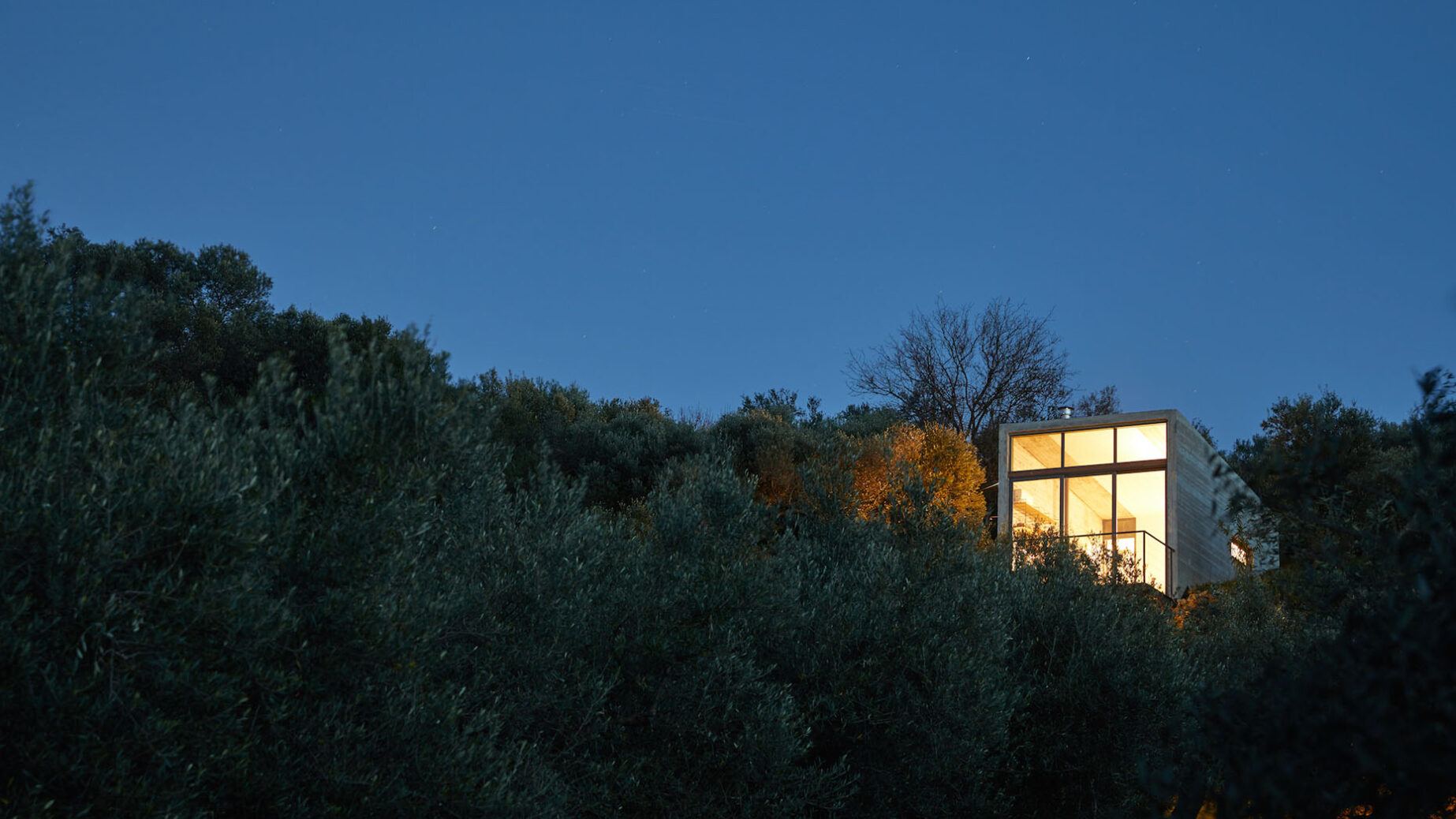
Every November, below the rays of the winter sun, the Cretan hills, dotted with an infinity of silver shimmering olive trees, are bursting with life. Tractors, nets and people with sticks — once wooden and nowadays mechanical — are moving from tree to tree to pick the olives and turn them into the “gold of the Mediterranean”. Traditionally, olive cultivation is a family business where everyone gets involved. Antonis has walked these hills since the late 80s when he was still a child. He got to know every corner of his family’s land by heart and continued its legacy.
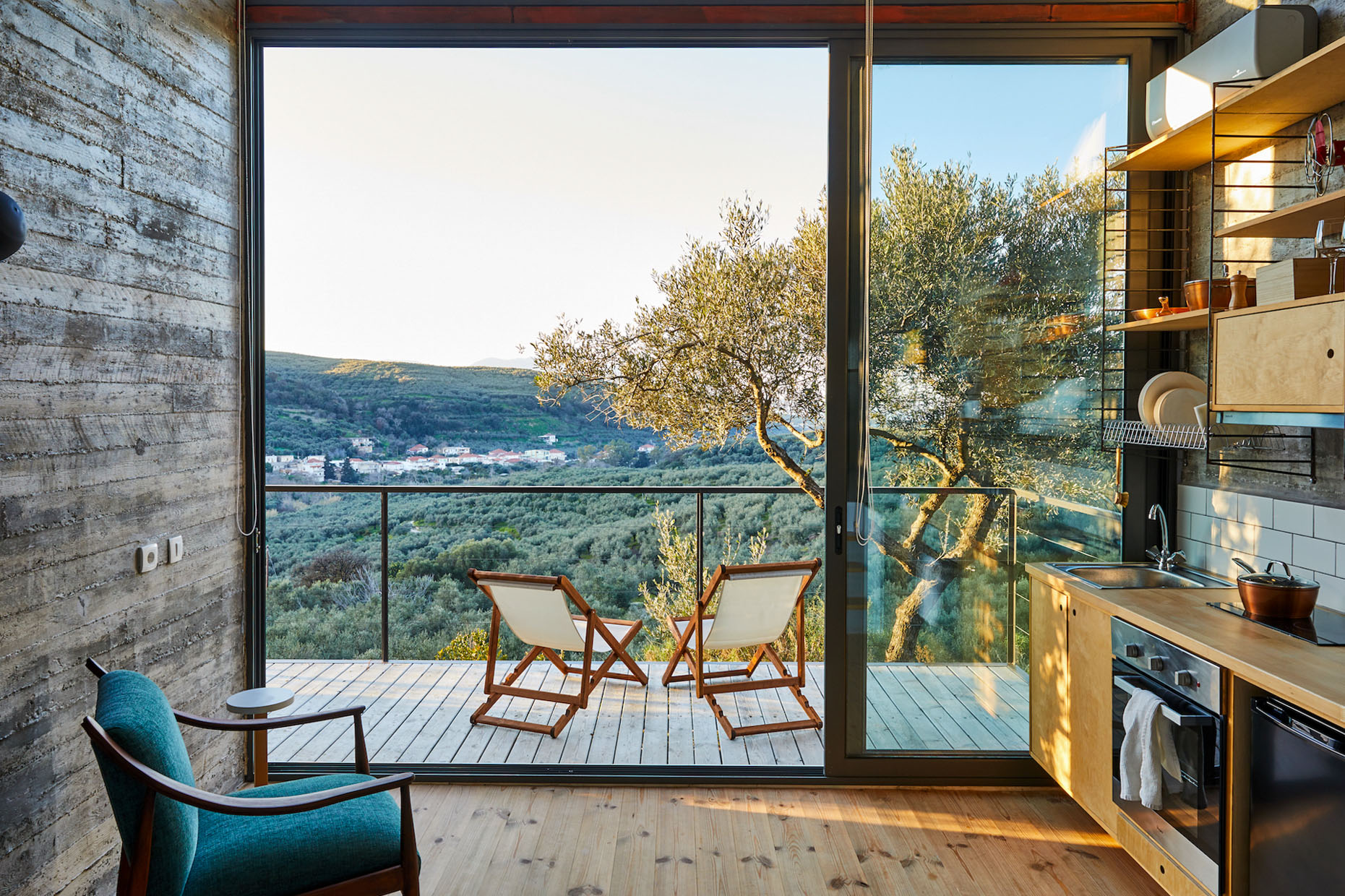
Antonis’ grandfather was born in the late 1890s during the Ottoman empire, in a small village not far from the Cretan west coast, in a house that was built around 1600, conquered by and reconquered from the Ottomans, and is now still owned by his family. The village is called Dermitziana and currently has approximately ten inhabitants. Its name derives from the Turkish word “demirci”, for blacksmith, as the local Ottoman pashas established their blacksmith workshops in the village, producing everything from pots and saucepans to guns.
As an artist who is concerned with how history and identity are connected to a certain physical place, Antonis has created the work “My grandfather the Ottoman, the Cretan, the Greek” — a portrait of his grandfather, who had three national identities before he was even 20 years old — without ever leaving his hometown to do so. The Ottomans left Crete in 1898 and the island was declared autonomous. In 1913 it was annexed to the mainland of Greece.
After the Turkish conquerors had left, the fields in the area were handed over to the villagers. Distributing the land evenly among them was quite a tricky business: The area was, unlike today, not entirely planted with olive trees, but depending on the altitude of the hill, people cultivated grapes, oranges, potatoes, bananas, sesame seeds, spelt, wheat and various vegetables for domestic use.
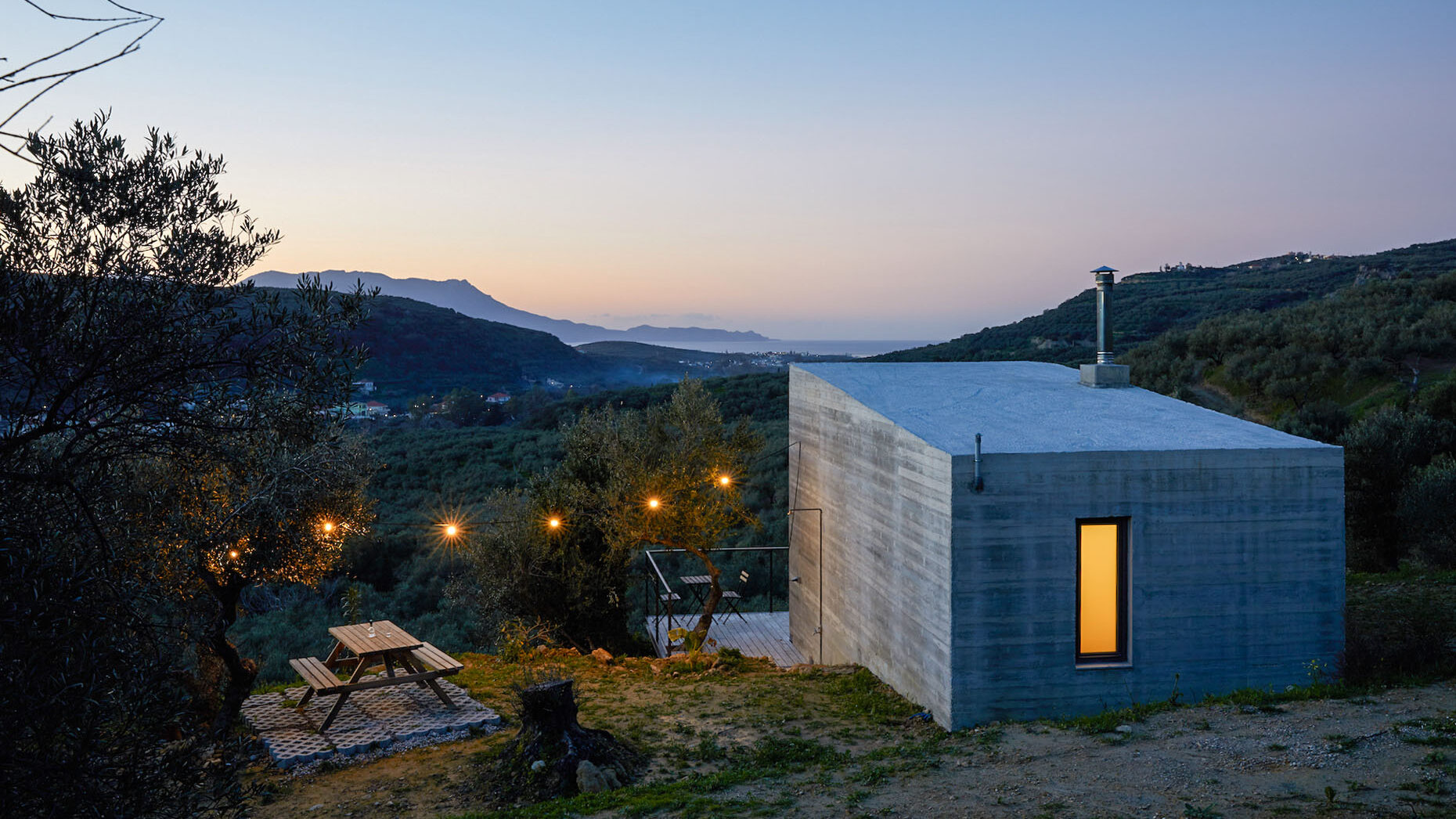
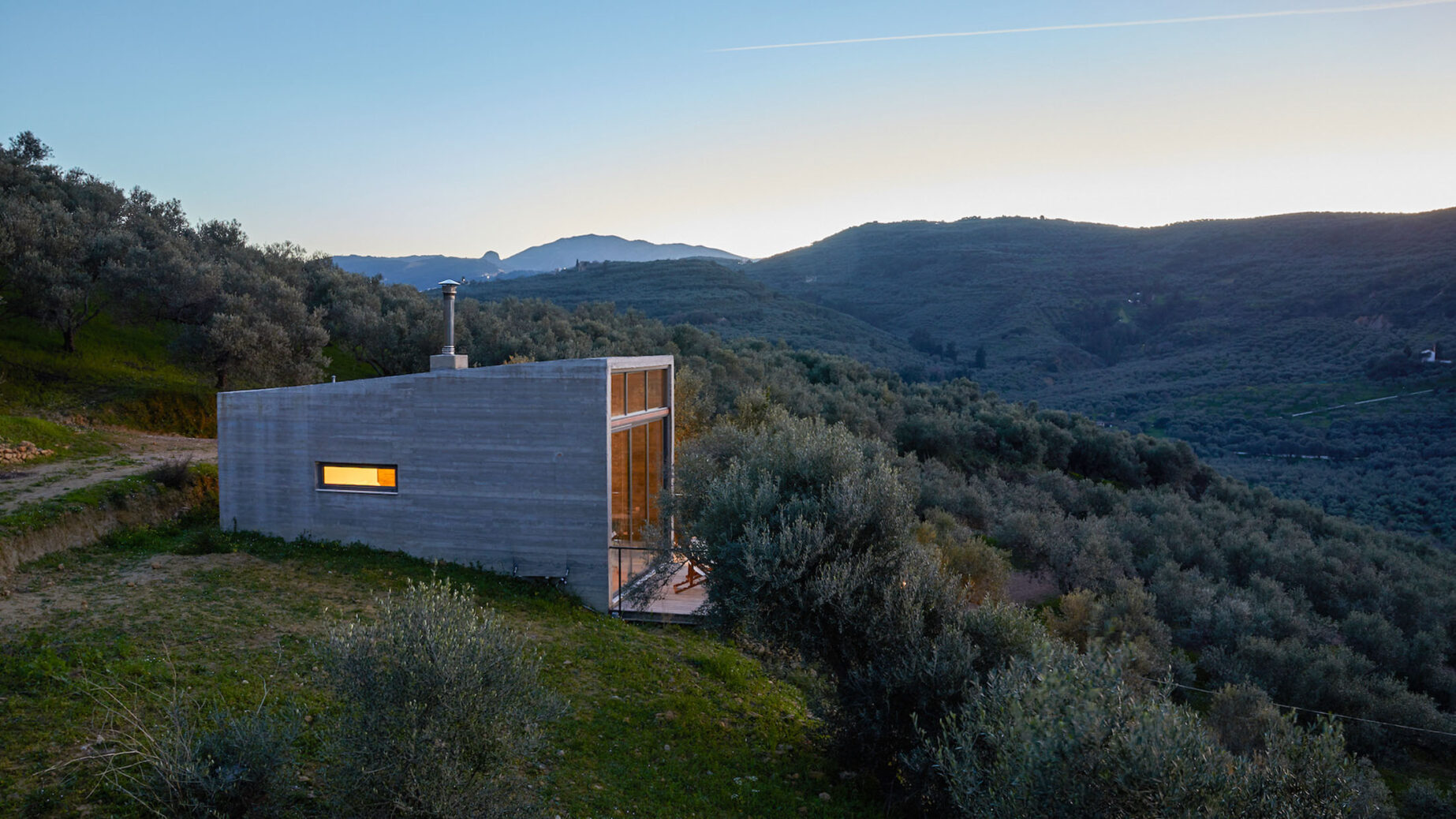
The olive grove on which we built the two cabanons of our Cabanon Concrete Retreat, is one of these fields, just outside of Dermitziana. When he was still very young, Antonis already had a strong feeling that these hills had a somewhat magical aura — the view from here is amazing and the countless olive trees provide a sense of shelter. But at that time, not many people were able to imagine why anyone would ever wish to come to this remote place. Most Cretan visitors flocked to the big and shiny hotel resorts on the coast. Tourism has changed a lot since then, of course.
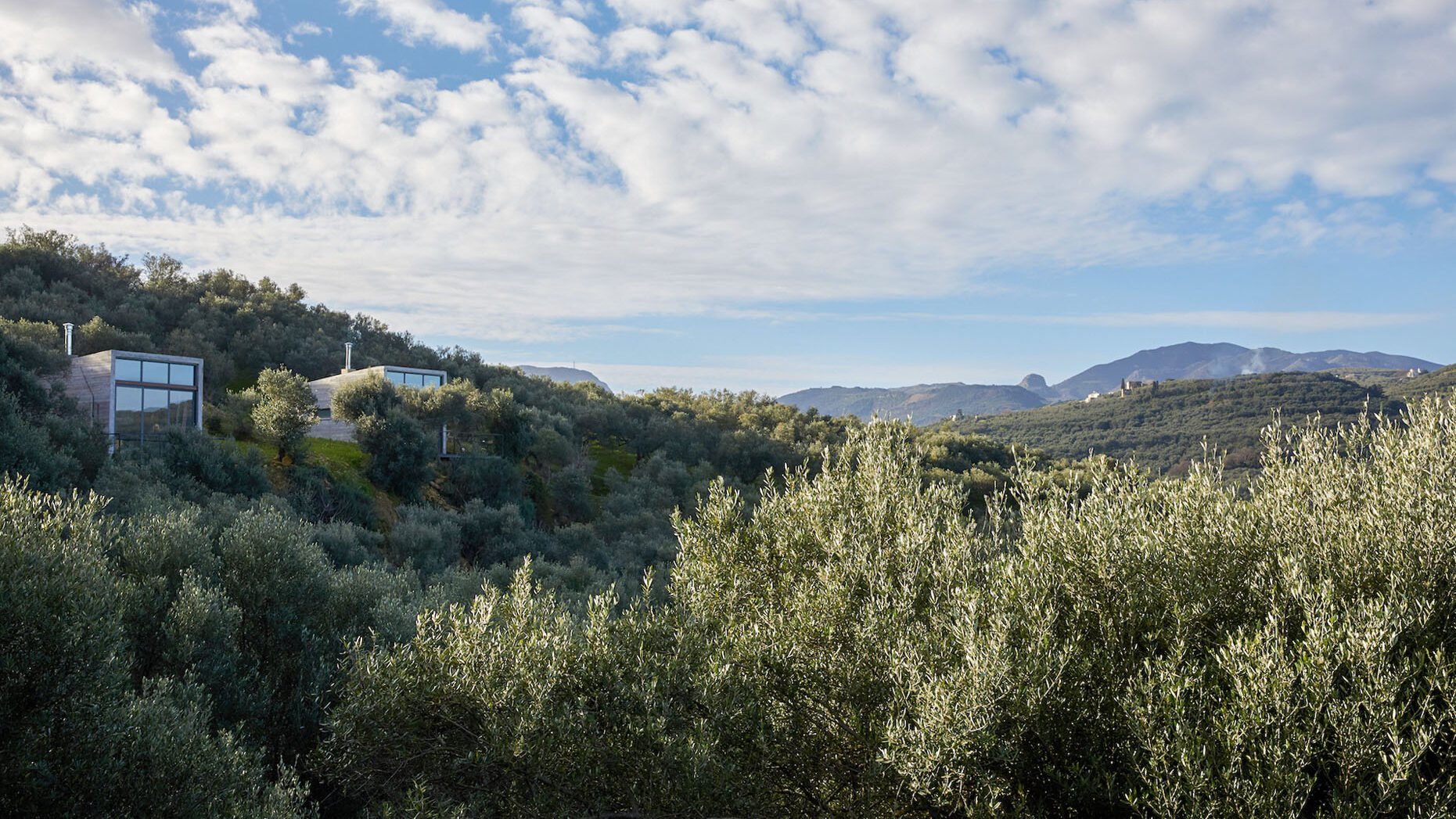
I had never been to Crete before I went there with Antonis for the first time. My parents are Greek and I was born and raised in Stockholm, Sweden. I did not really “belong” to a particular place, and no particular place in any corner of the world formed my identity; rather, I was a child of globalisation. Perhaps exactly because of this, my studies as an art curator evolved around the notion of site-specificity, the studying of how a person and their environment interact in an organic, never-ending interchange.
The term “site-specific” first appeared in the wake of Minimalist art in the 1960s and a site was perceived by its actual physical attributes — walls, ceiling, lighting conditions or the context of the environment if it was outdoors. When you place an artwork or a piece of architecture in a particular place, there are different parameters to work with: location, scale and materials, but also the more ephemeral atmospheric ones: are the mountains close, or is the air pervaded by the sea breeze? How will it look in bright sunshine or even during rain and lightning? Does the essence of the location change with the work being placed there?
But a site is not merely a physical architectural entity with compositional challenges. As everything is part of a context, a site can never only be its physical attributes of wall, ceiling, road, tree, etc., as much as an ancient site is completely different without its history. So it is not surprising that the definition of site-specificity evolved from the early days of Minimalism into something much more conceptual.
The notion of site-specificity expanded to include three parts: the perspective of the site, the visitor and the creator. The history, the symbolism and the identity of a place became much more significant. The visitors’ subjective interpretations gained emphasis. Every visitors’ background, their knowledge or historical references, but also the mood of the moment, the weather or even the particular friend that they might invite along, started to play a meaningful role and added layers to the experience.And lastly, the intentions of the creator, personal references and standpoints also became components of site-specificity.
This is the intriguing aspect of a place — it’s so much more than just a location.
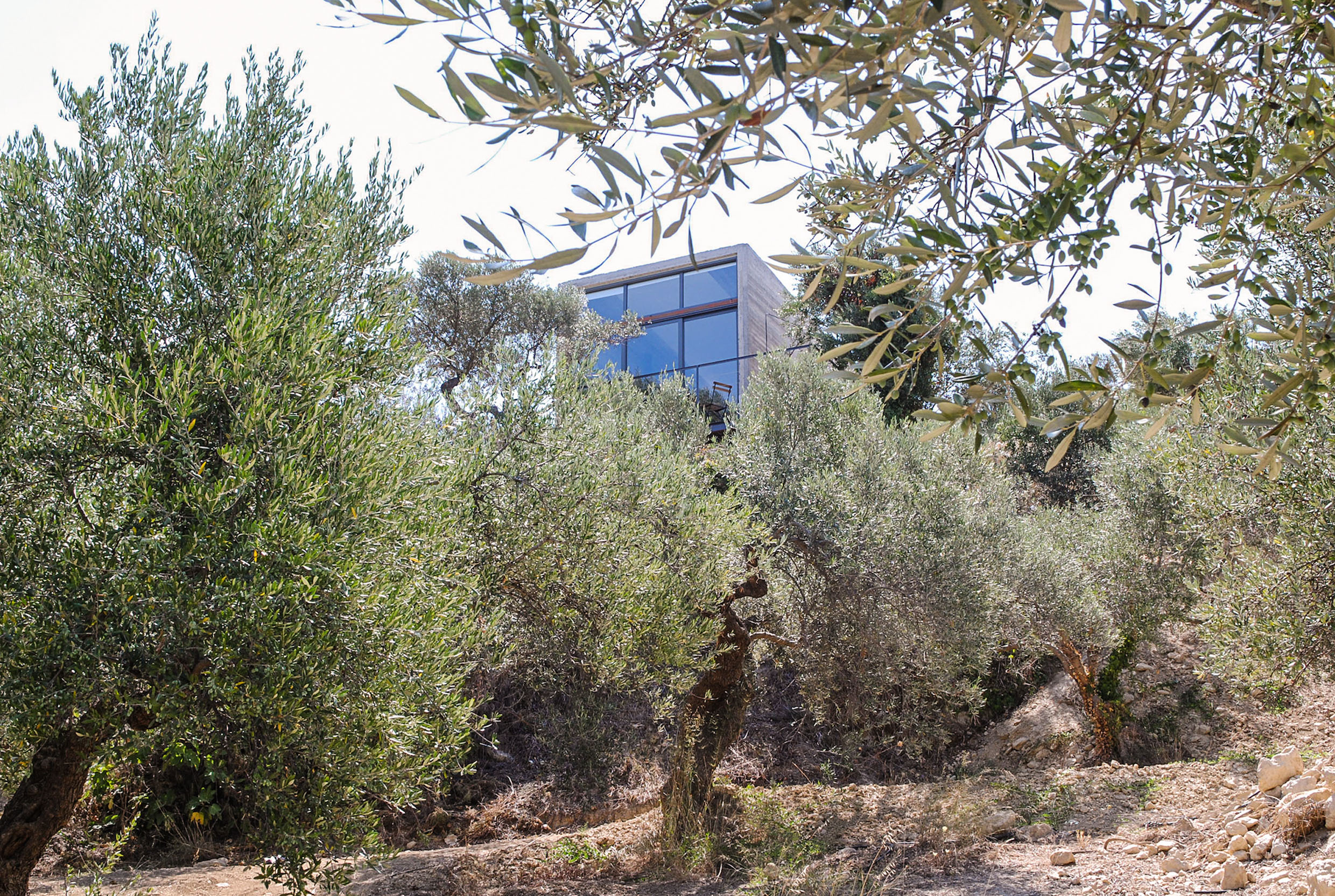
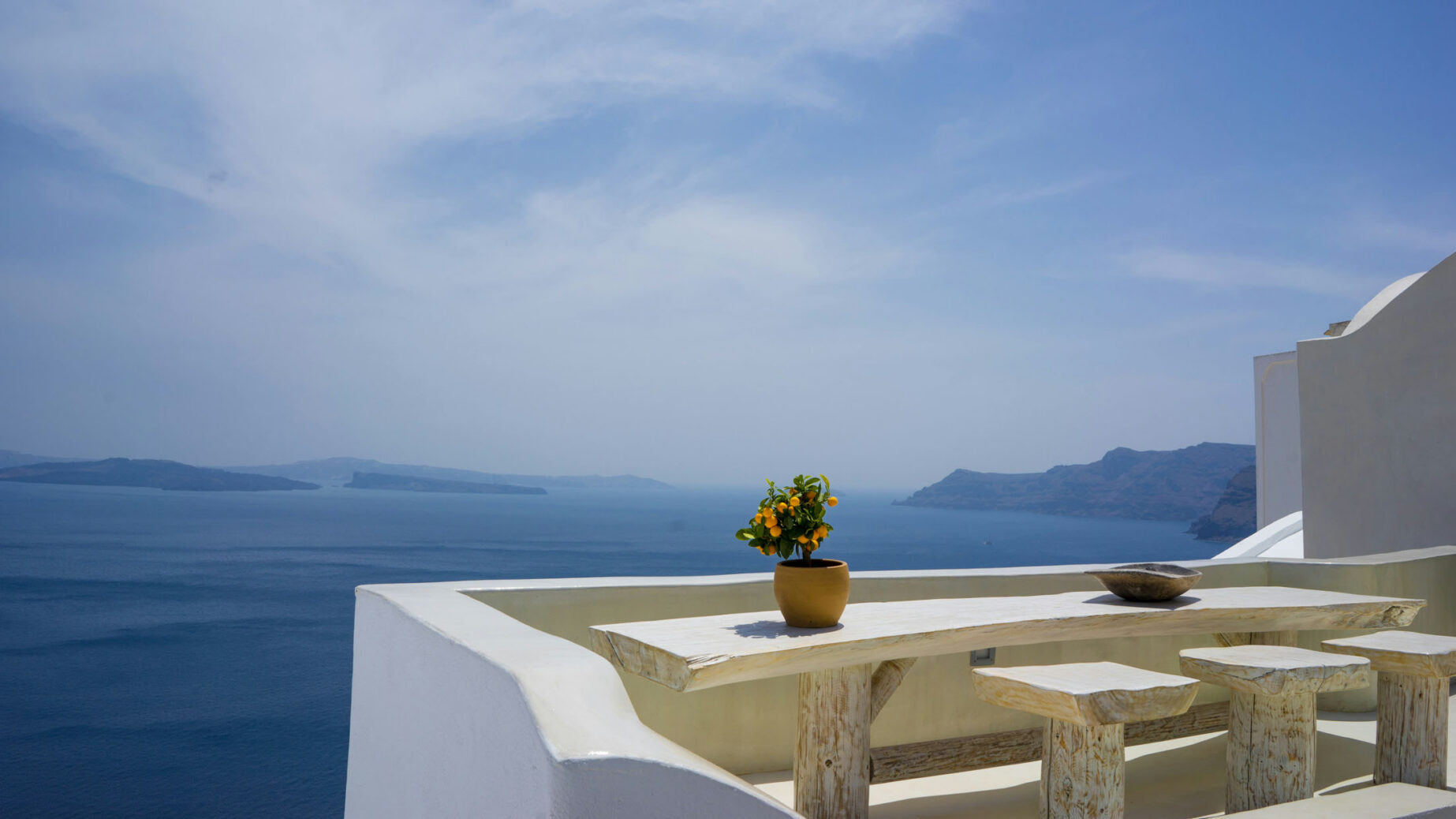
When Antonis and I created the Cabanon Concrete Retreat, we did it with all this in mind. The physical framework is Crete, an island in the Mediterranean. The setting is the olive grove which Antonis’ family has marked with its history and that is interwoven with the history of the island. We also had to deal with the issues of tourism and visitors’ expectations. What do they expect and to what degree is this due to Cretan stereotypes? Lastly, there is Antonis’ and my artistic approach that sees the cabanons as an art project. How could we express our aesthetic sense, create something site-specific and emphasise the experience of the place with its surrounding nature and breathtaking view?
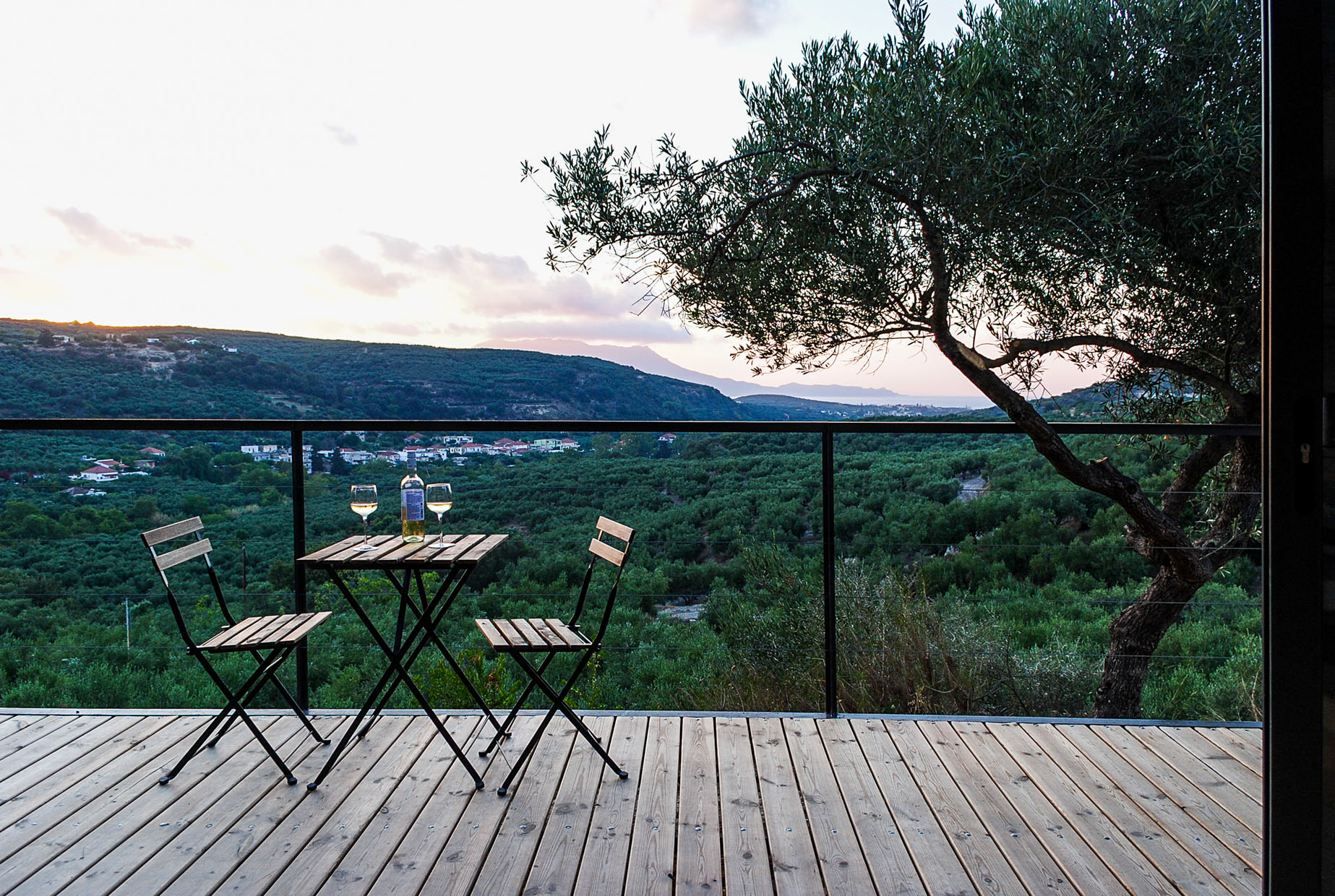
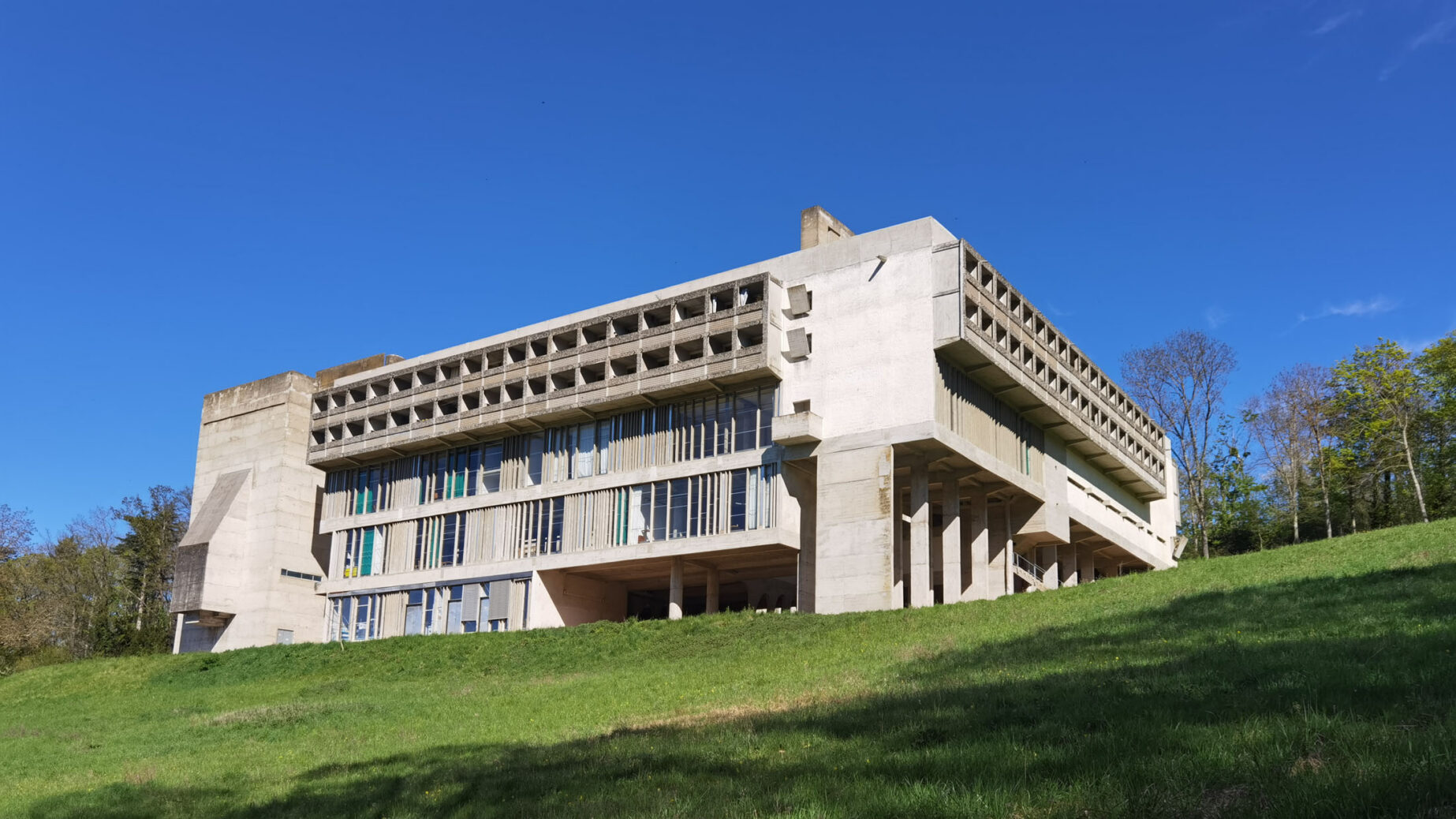
I have always loved Le Corbusier and his clean geometric forms and open efficient spaces, where form follows function. Neither Antonis or I believe in excessiveness, rather, we adhere to slow living ourselves. So we combined the modernist architectural language of Le Corbusier and materials like raw concrete, steel and glass with the concept and atmosphere of his personal tiny holiday cabin he had built for himself and his wife Yvonne at Cap-Martin, just above the French Mediterranean sea. This resonated well with the fact that strolling through the rural Cretan landscape, you come across similar looking simple huts, built by shepherds and farmers as storage spaces, usually built in concrete or whatever accessible cheap material they could find. While building our cabins, we met several locals, wondering why we would build storehouses at the top of a cliff.
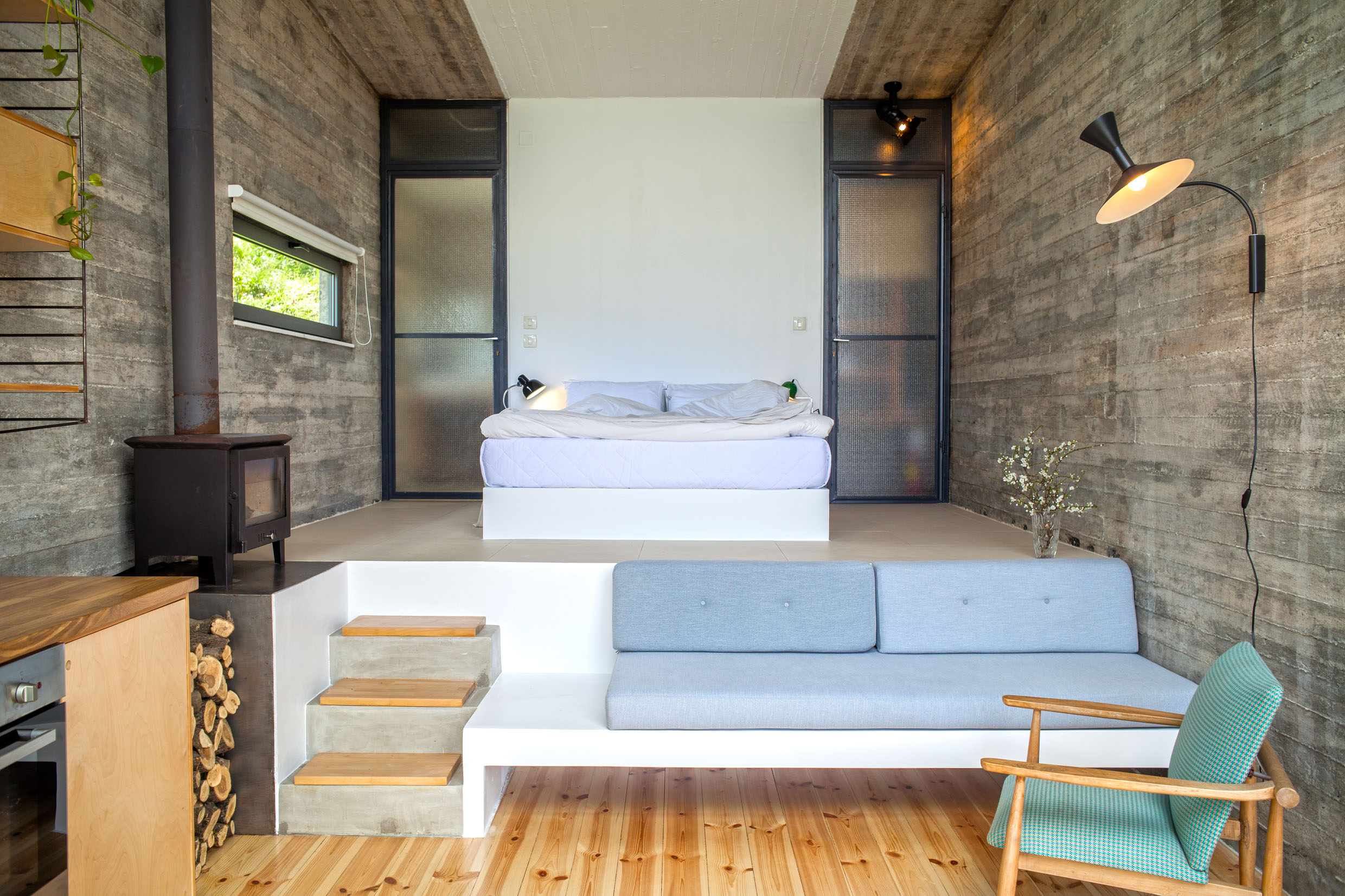
For 18 years Le Corbusier spent every August at his Le Cabanon, living the modernist utopian dream of a simple summer life. The cabin consists of a single 3.6 by 3.6‑metre wood-lined room, without a kitchen or indoor washing facilities. Instead, it was attached via an internal partition to the fish taverna next door, L’Etoile de Mer, which was owned by Thomas Rebutato, a plumber from Italy, who decided to try his luck in the taverna business by the sea shore. The two men became friends and in exchange for Le Corbusier getting access to the plot of land next to the taverna to build his Cabanon, Le Corbusier built five interconnected holiday huts for Rebutato. This relationship of give and take, typical of the Mediterranean, gives an insight into the life Le Corbusier enjoyed during the summers there. It’s a story about spending endless hours over a simple meal together with friends, dozing during the hot midday sun, with the almost unbearable sound of the cicadas, rubbing the dried salt from the sea off your body. It’s about picking the tomato from the soil and eating it right away. The relationship with nature and the different perception of time help us to understand how the Mediterranean and its harsh sun, salty air and authentic slow living has always enchanted travellers throughout the centuries.
Le Corbusier loved the Mediterranean and its light, its long history of great civilisations and its rough nature with its scenery of rocks, olive trees and the sea. We share both, the love and the scenery. We, too, focused on simplicity as we eliminated unnecessary space and kept it as close to the essence as possible. We interwove the inside with the outside and created a space that is primarily about unwinding, feeling the sea breeze and taking time doing nothing — because that is what inspiration needs in order to be refuelled. Mixing his methods of expression, Le Corbusier was an architect, artist, writer and designer. I’m sure he knew all about the importance of the time in-between productivity.
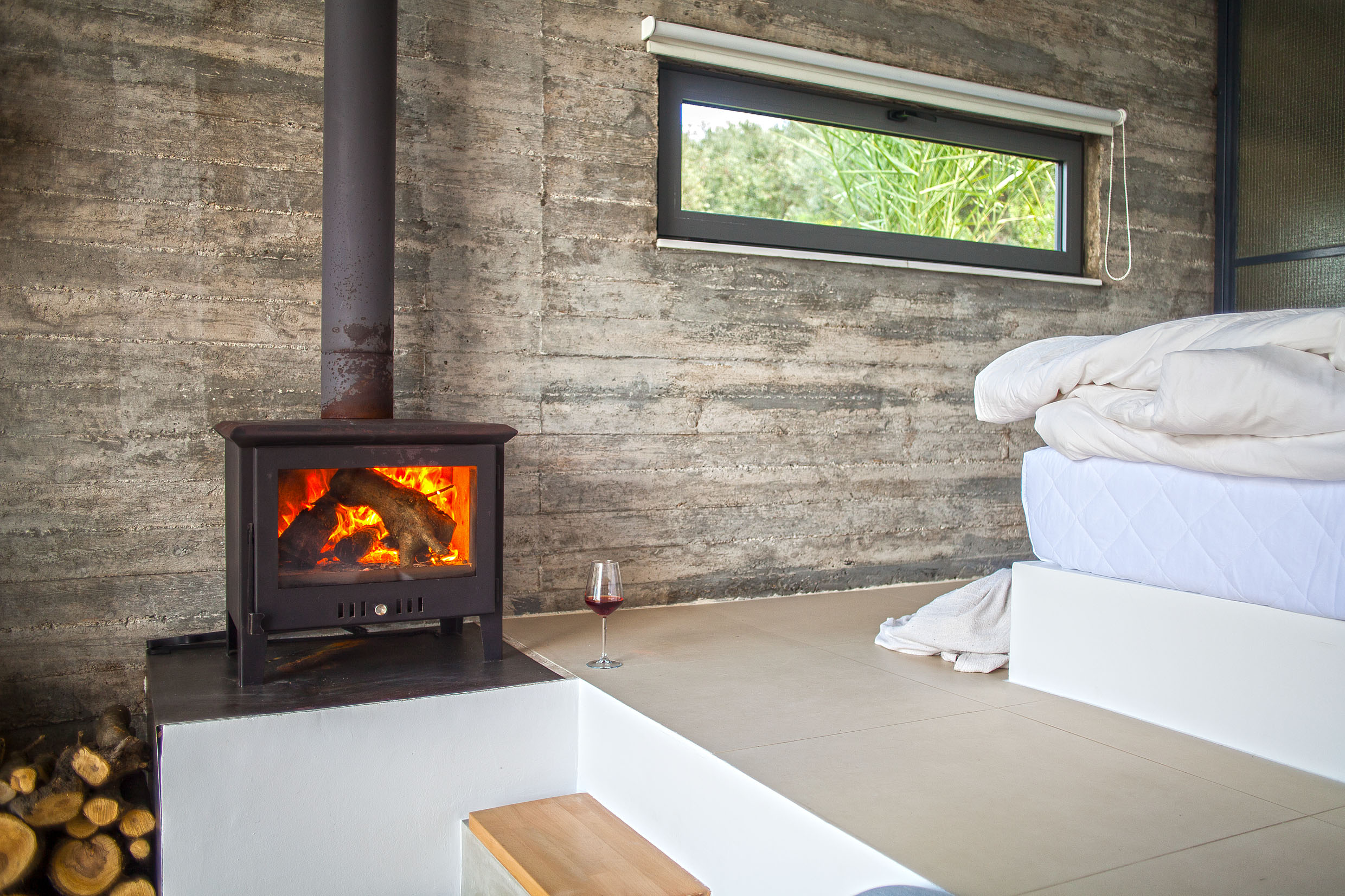
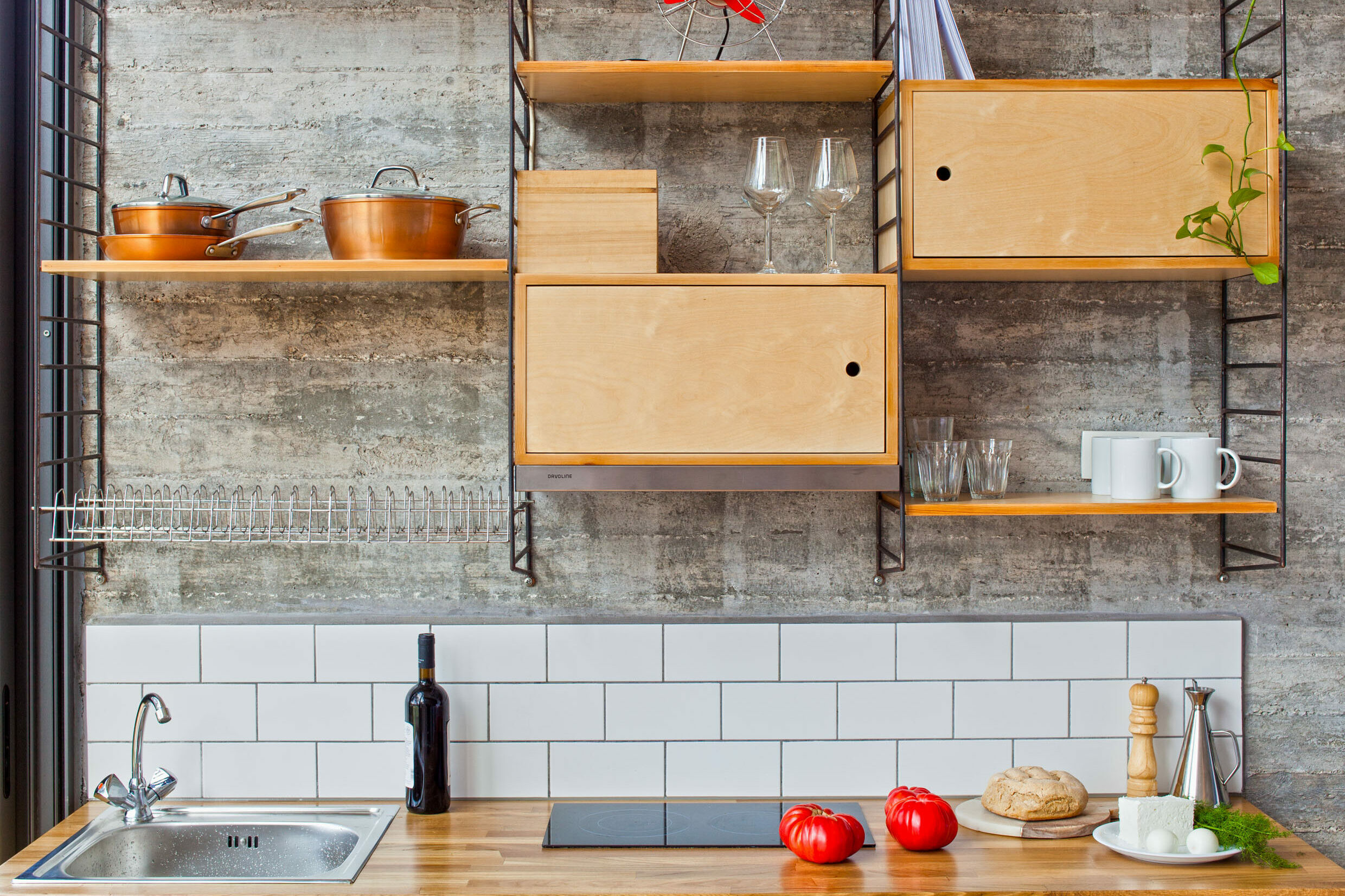
Things are simple here. But it’s a simplicity that contains so much and surprises with genuine experiences. It offers the space to focus on human relationships, a chance to look at the concept of time differently, not to mention the beauty of biting into a freshly picked tomato from the vegetable garden.
This simplicity makes existential questions arise out of silence and stillness. You feel exposed to wild nature and reach out in awe to the Milky Way at night — it’s there just right above your head — and say hello to the neighbour’s sheep that come over for a visit. Antonis and I have learned to let things take their time and run their course and to appreciate the small gestures, the subtleness and depth of a moment. Ultimately, what we do on this piece of land, that has been cherished by the family since the time of Antonis’ grandfather, is to encourage our guests to re-imagine what true luxury is.
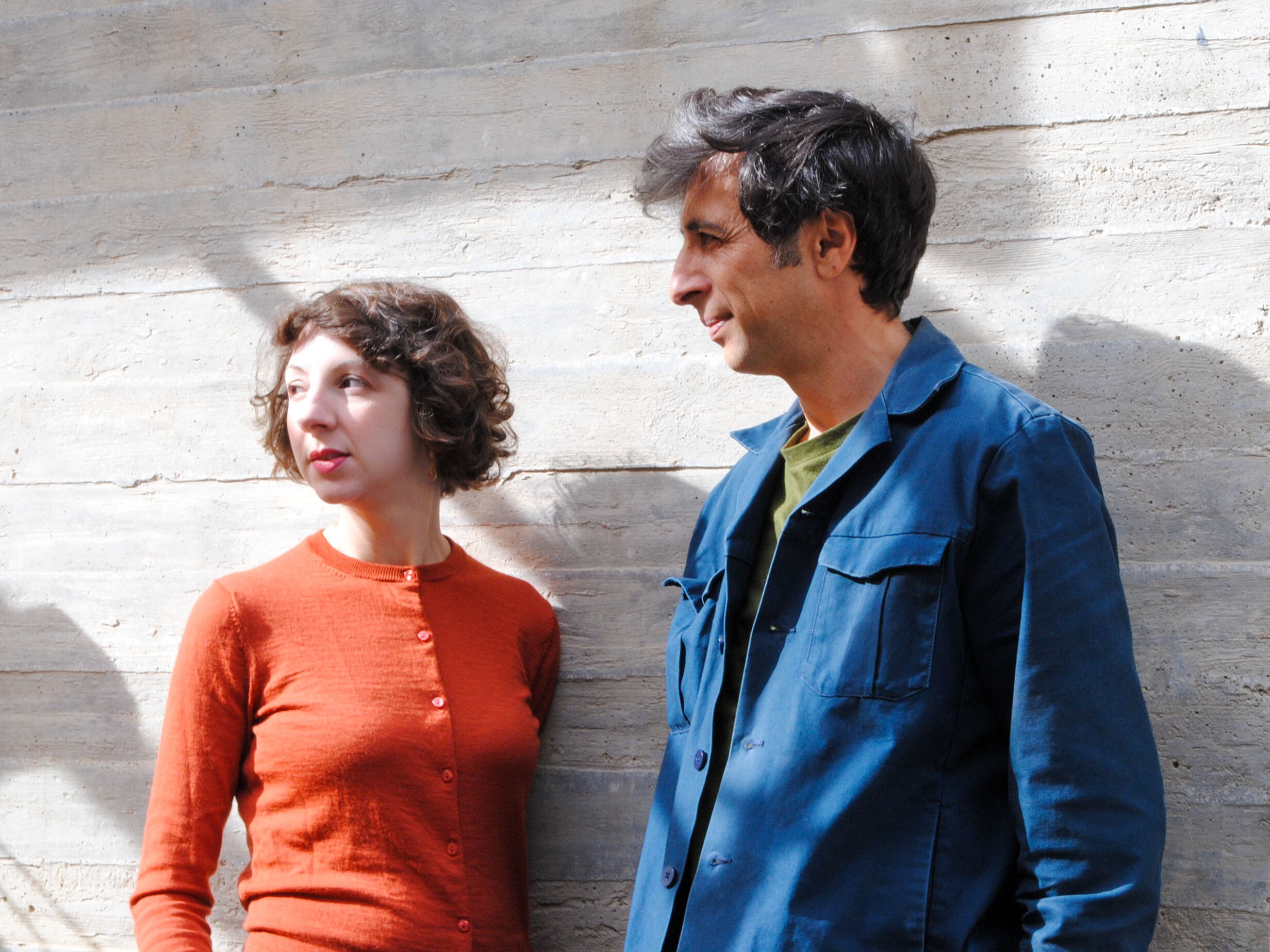
Antonis Choudalakis and Sofia Mavroudis. He is a Greek artist, she a Swedish art cura-tor. They created their Cabanon Concrete Retreat on the island of Crete as an extension of their artistic practice: The minimalist cabins focus on the experience of place and the in-teraction with the environment.
Text: Sofia Mavroudis. This article first appeared as part of our book publication Space & Time
Photos: © Sofia Pitidou, Alpha Smoot, Sofia Mavroudis, Dimitris Barounis
Das Haus
One Comment
wir waren schon zu Gast dort, es war einer der schönsten Sommer Kretas in diesem wunderbaren Olivenhain, das Gastgeberpaar ist reizend, die Anfahrt etwas verwegen, weil die beiden kleinen Häuser im Hain versteckt liegen, was Teil der Qualität ist. absolut empfehlenswert!