Designed by architects for travel enthusiasts: Our curated collection of outstanding holiday accomodations — also via map. Do you already know our new entry?
URLAUBSARCHITEKTUR is Europe’s leading online portal for architecturally outstanding holiday homes. We’ve published a series of award-winning books—available in bookshops or directly in our online shop.
Less of everything – that’s what we often want in our daily lives. In this case, time out in a few square metres is ideal. This also allows you to enjoy the benefits of nature more quickly – it’s only two steps to the front door.
Designed by architects for travel enthusiasts: Our curated collection of outstanding holiday accomodations — also via map. Do you already know our new entry?
Less of everything – that's what we often want in our daily lives. In this case, time out in a few square metres is ideal. This also allows you to enjoy the benefits of nature more quickly – it's only two steps to the front door.
in September 2025
Dare to go miniature
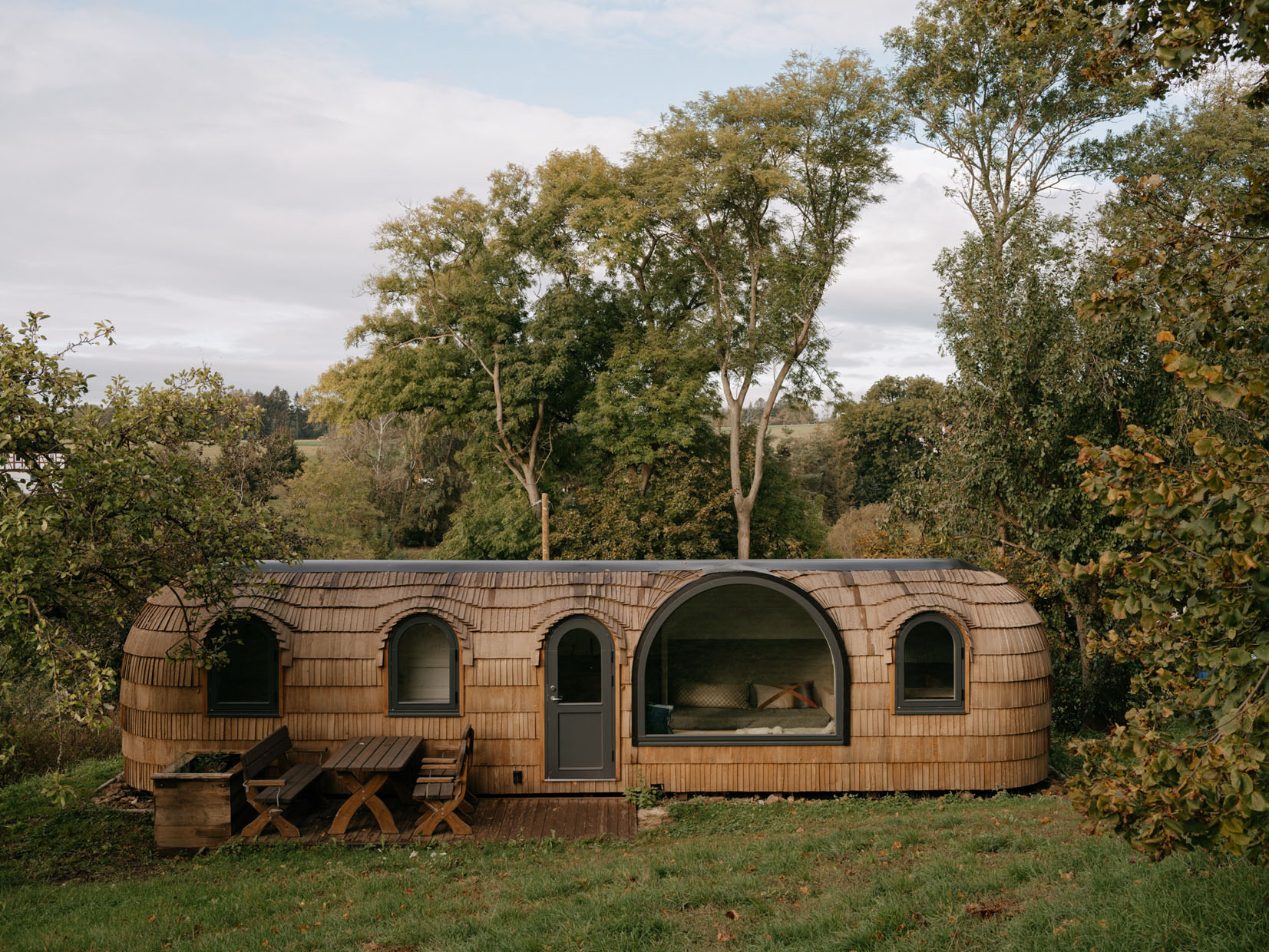
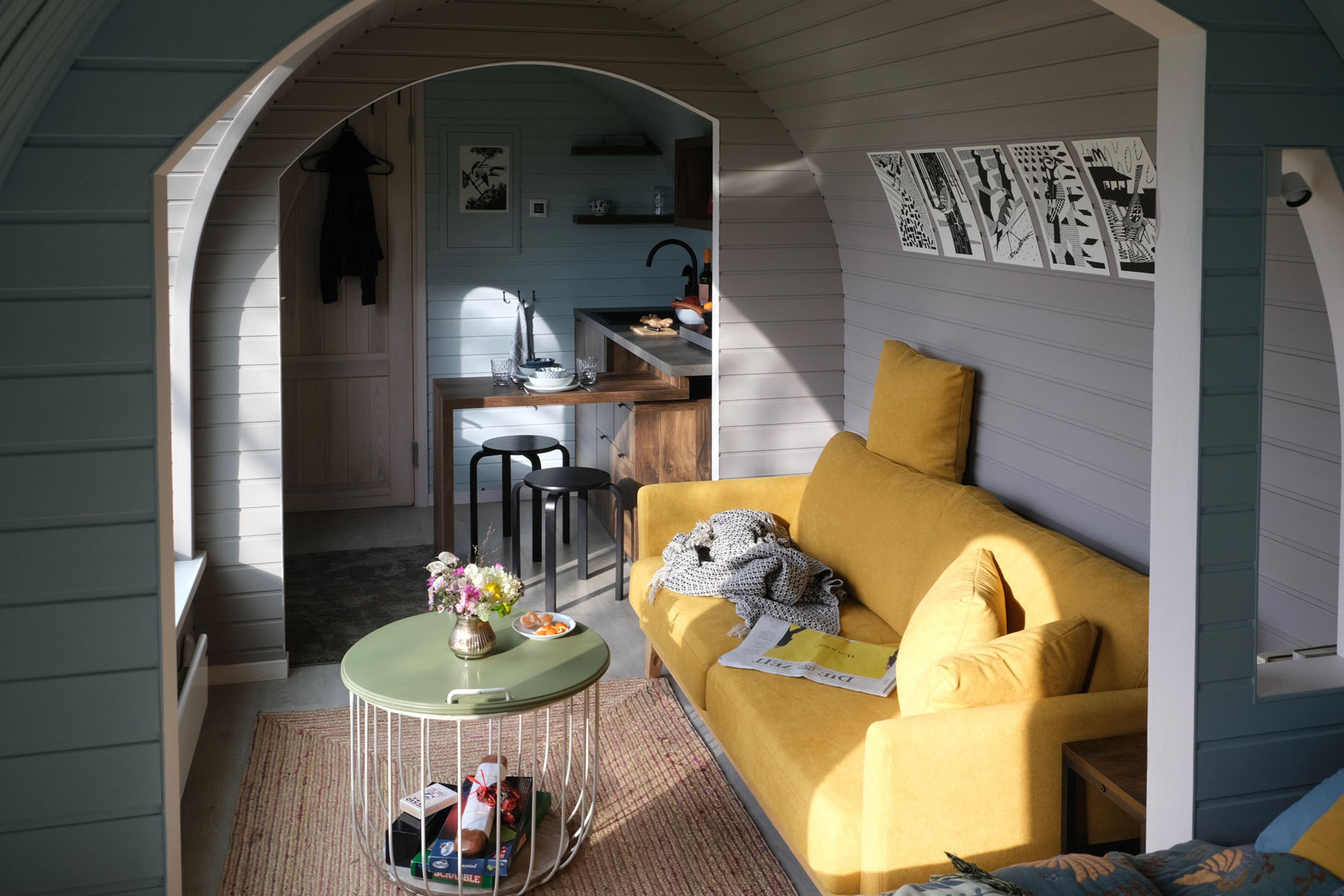
People from the Erzgebirge [Ore Mountains] are great at making big things as small as possible – we know this from wooden toys. These two micro cabins, located less than an hour’s drive south-west of Chemnitz, prove that this also works with houses.
Contrary to Erzgebirge tradition, it was three women in Hirschfeld who completed their refuge for travellers on their parents’ farm with holiday homes that are almost toy-sized. The two cottages with their organic shapes, built in wood for two to four guests, look like caves. Is this perhaps where you can experience the ‘uterine feeling’ that was once discussed in architecture theory lectures …?
Step outside and you’ll find yourself in a dreamland: fruit trees, hedges, a vegetable garden – something that many people remember from their childhood. What wasn’t there back then? A boules court and a wood-fired sauna. Because today, with less of everything here and there, there can also be a little more.
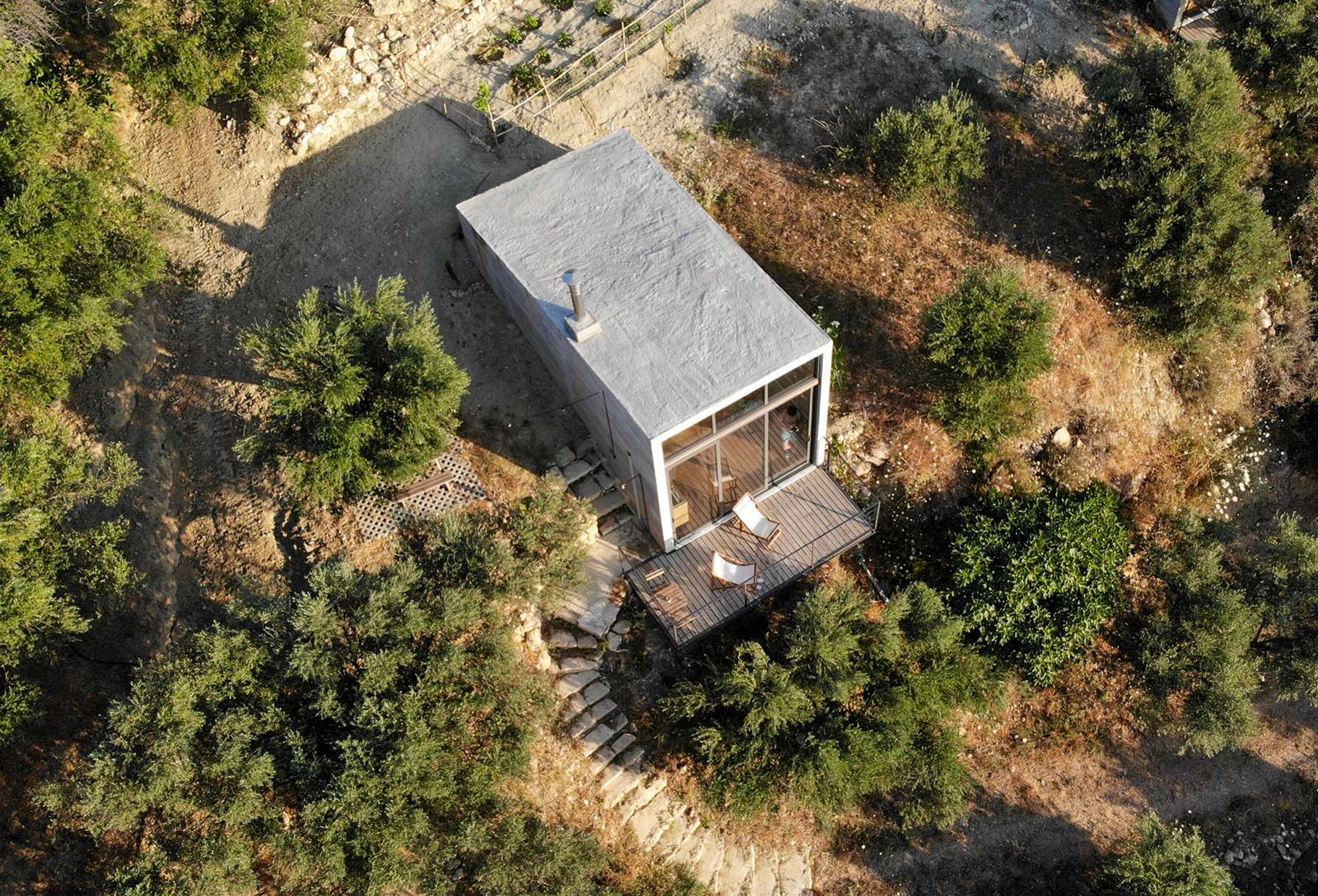
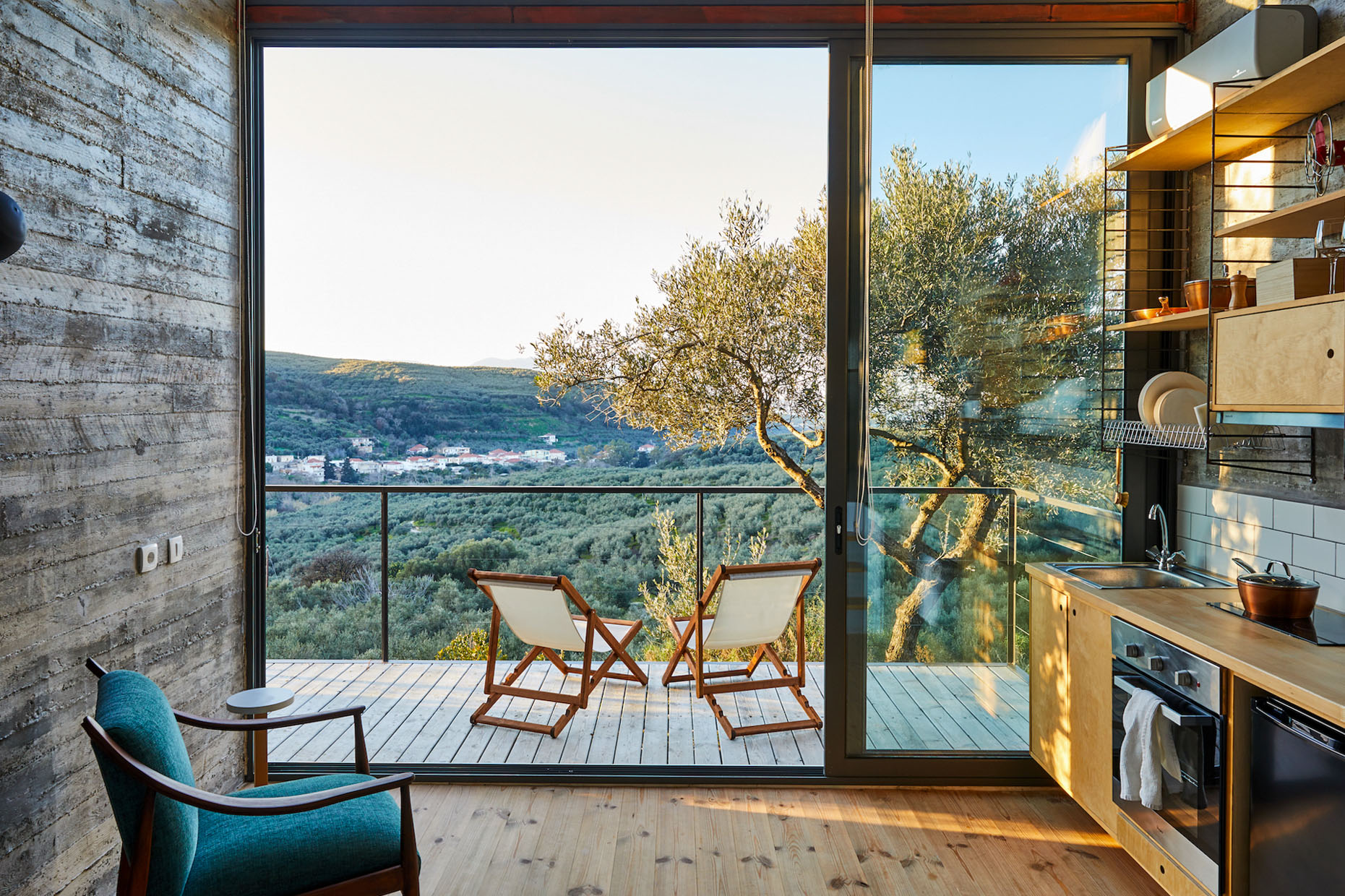
These two 32-square-metre houses in western Crete are named after their role models, making transparent their connection to the most iconic of all micro-houses, Le Corbusier’s Cabanon. Compared to the original, however, there have been a few changes here. And that’s a good thing.
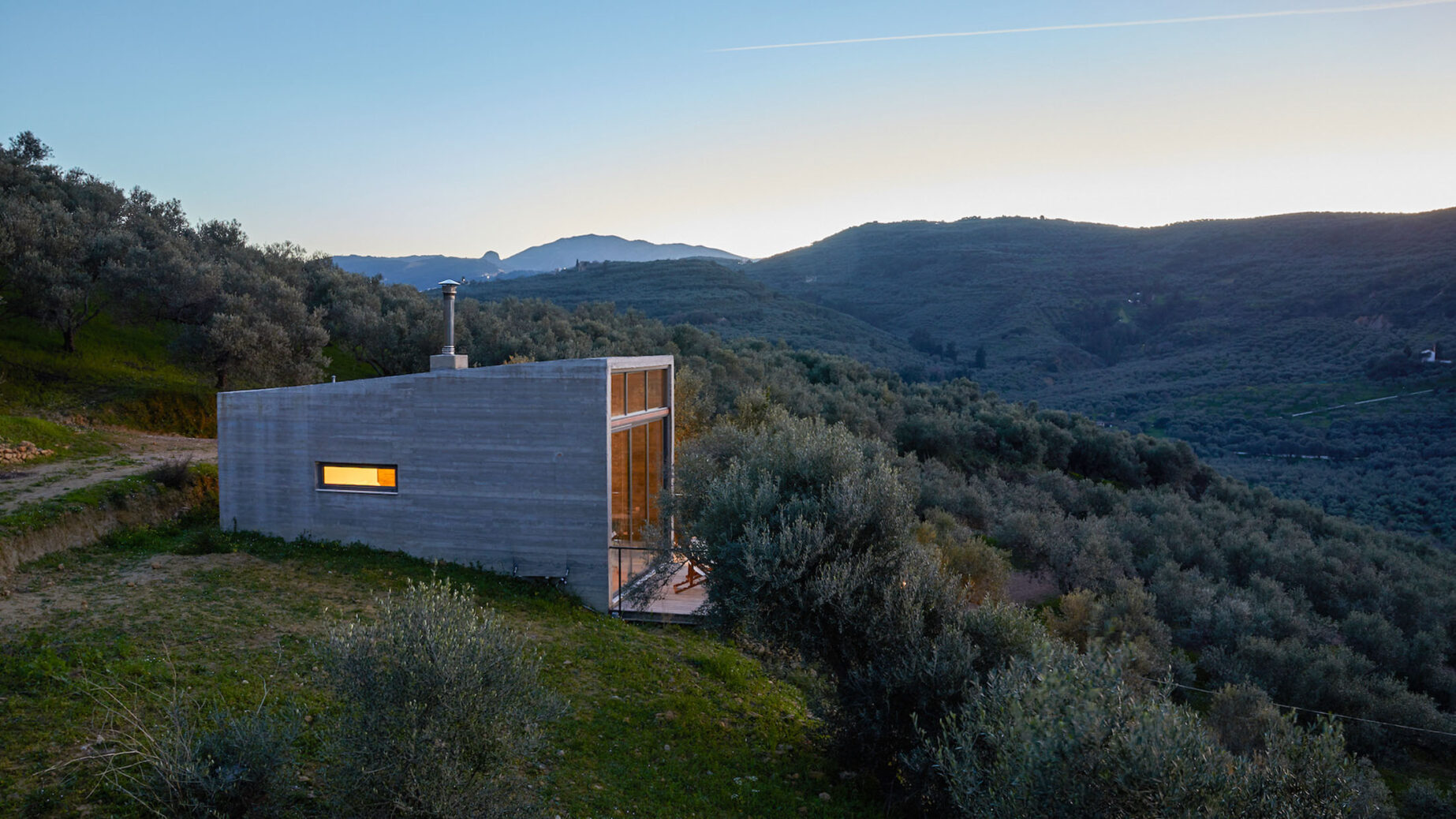
In terms of views and materials, Batakis Architects have taken a new approach to Le Corbusier – here, the Cité Radieuse in Marseille was more of an inspiration: the concrete buildings have a fully glazed façade, offering unobstructed views of the Gulf of Kissamos to the north. The one-room concept has been retained, with the kitchen, living room and sleeping area merging into one another. However, the sleeping area is raised by four steps, so that in the morning, even with the remnants of the previous evening still lying around, you can snuggle into your pillows and enjoy the view of the hilly landscape with olive groves stretching all the way to the Mediterranean Sea.
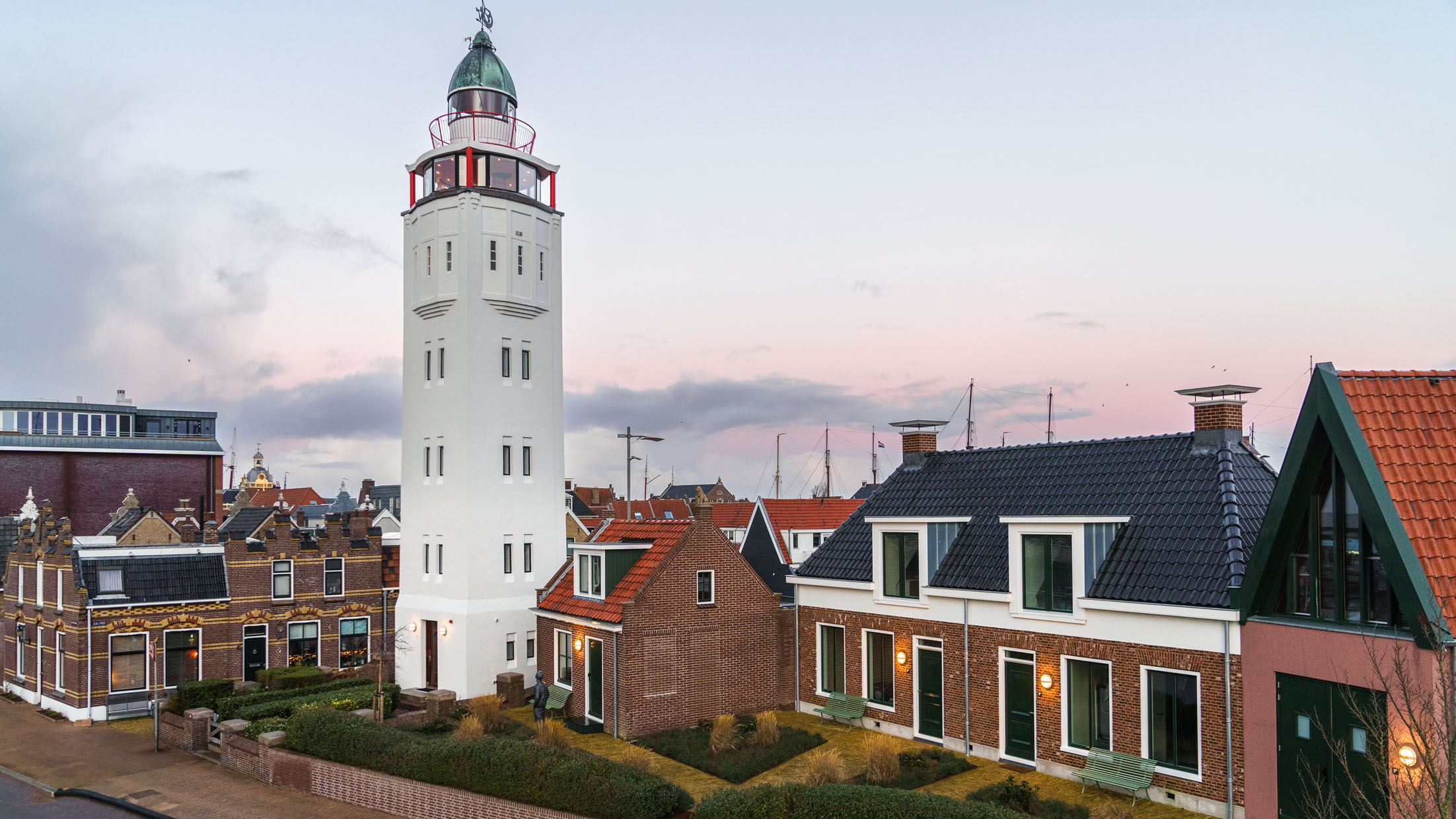
Two holiday homes, which could hardly be smaller, are located at the harbour of the North Frisian town of Harlingen. Here, you can choose between a new building and a renovated one. Both show what can be achieved in a small space.
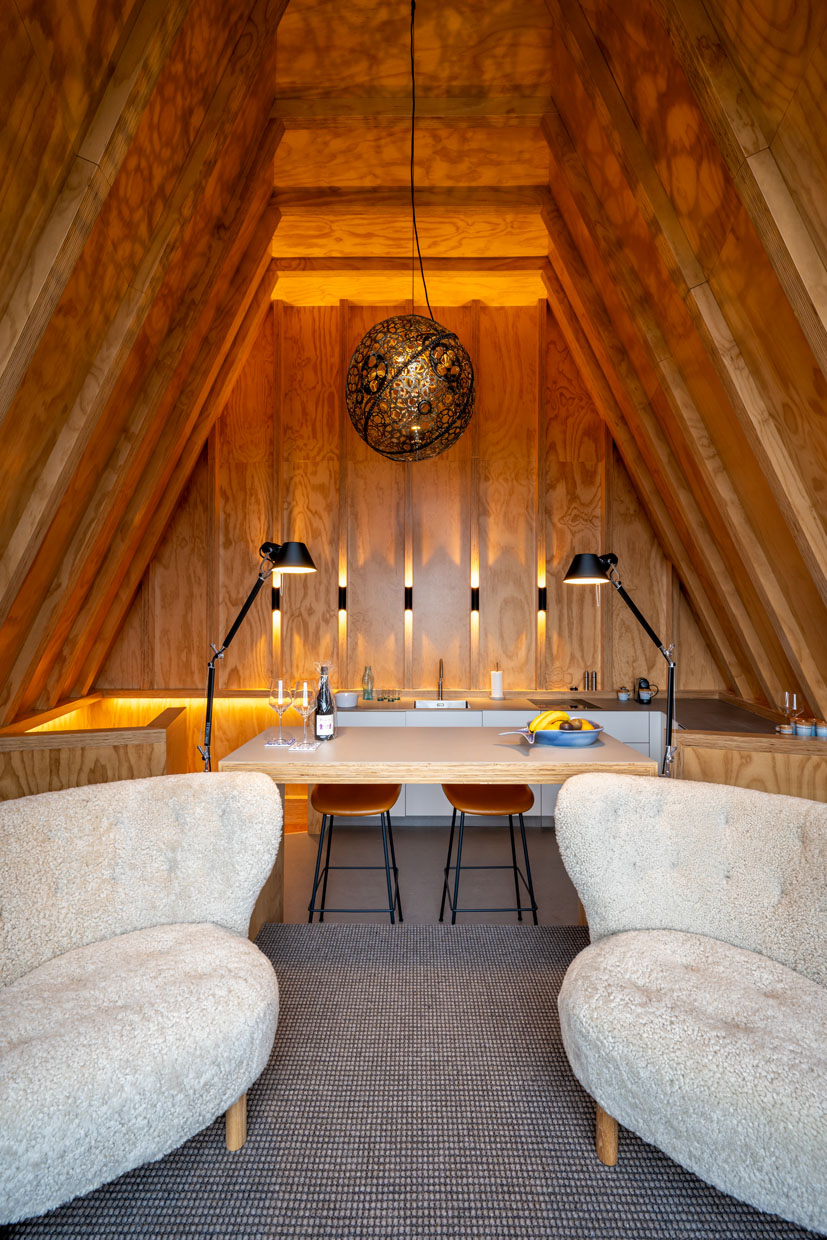
The plot of land for the Ahoy house, completed in 2025 by the Dutch firm J.O.N.G., is just 15 square metres in size. And Ahoy is a gem for two, offering the cosiest of cosy. In the bedroom on the ground floor, you feel like you’re in a ship’s hull. Upstairs in the small living room with kitchen, on the other hand, you can dip biscuits into your tea while lost in thought and watch what’s happening in the harbour through the panoramic window. The same interesting view can be enjoyed from the historical, slightly larger neighbouring house, the Wachter, from the lookout on the upper floor, where there is even a telescope. Because here – believe it or not – everything you need fits on the ground floor: the living room with kitchen and, next to it, the bathroom and a bunk bed .
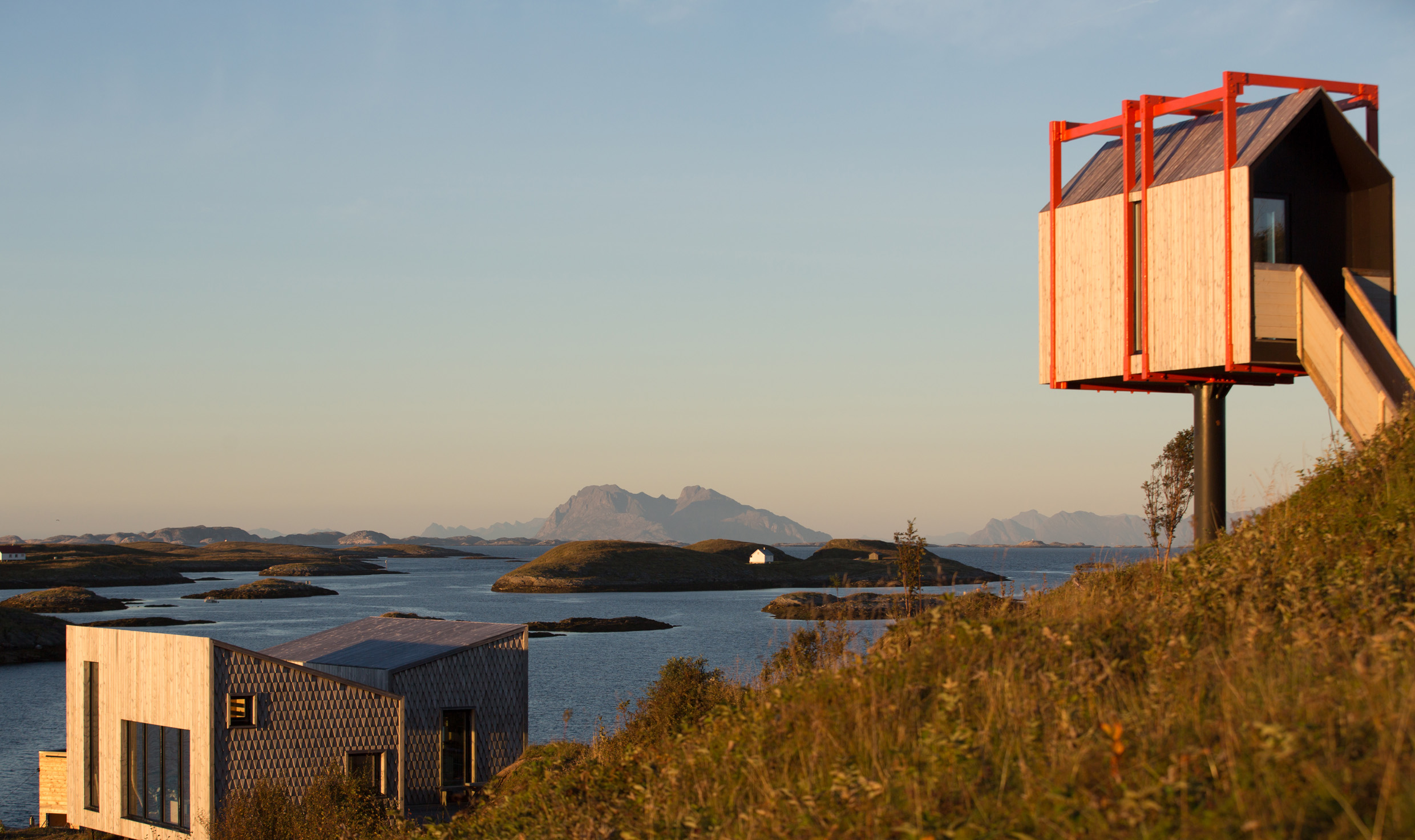
Some places seem so remote that they are somehow beyond imagination. Fordypningsrommet in northern Norway is one such place. The truth is:if the eleven cabins weren’t as small as they are, it would be a different experience.
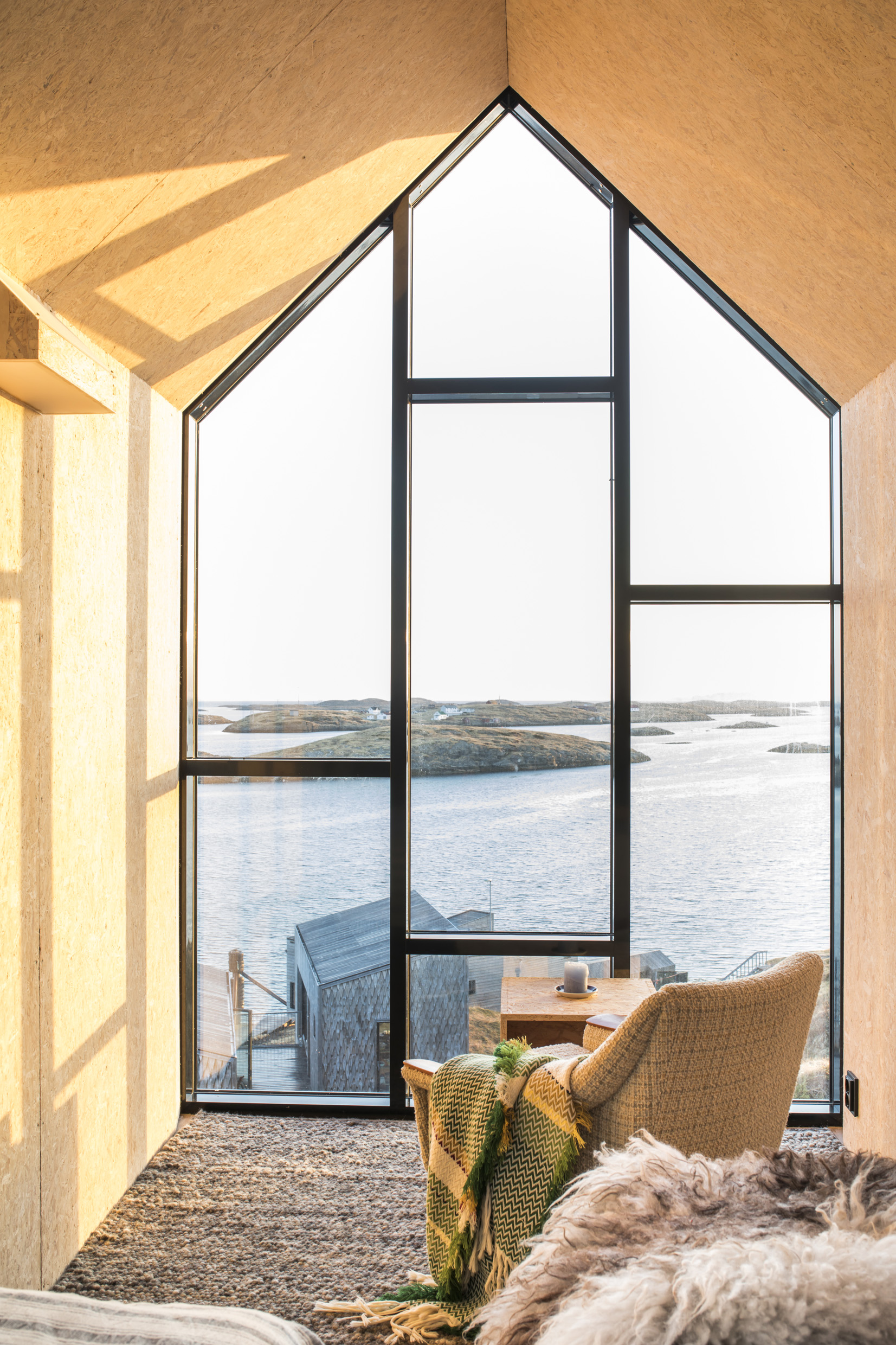
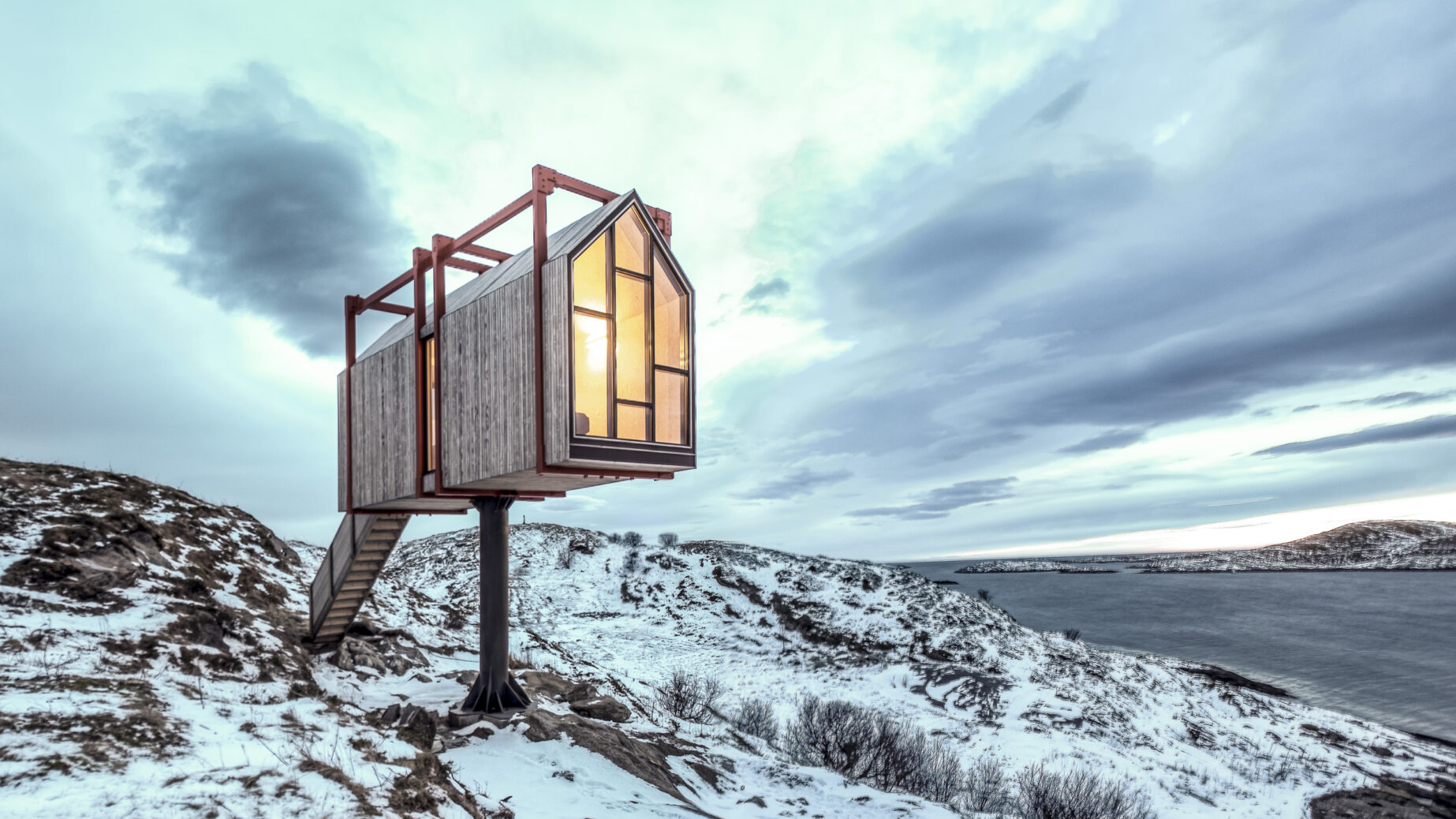
The archipelago in the North Sea on the one hand and the village of cabins on the other seem to mirror each other: 300 small islands in the sea, grouped together to form an archipelago – and on one of the islands, eleven small cabins, grouped together to form a village. Five cabins for sleeping, plus one with a shared bathroom. Another contains the kitchen, one the living area. A little further away are a sauna hut and a changing room. There is also another one that has everything you need for an outdoor kitchen. And then there’s one more: it stands on stilts, overlooks the archipelago and is equipped with a daybed and armchairs. It is the perfect space for deep thoughts – which corresponds to the Norwegian name of the accommodation.
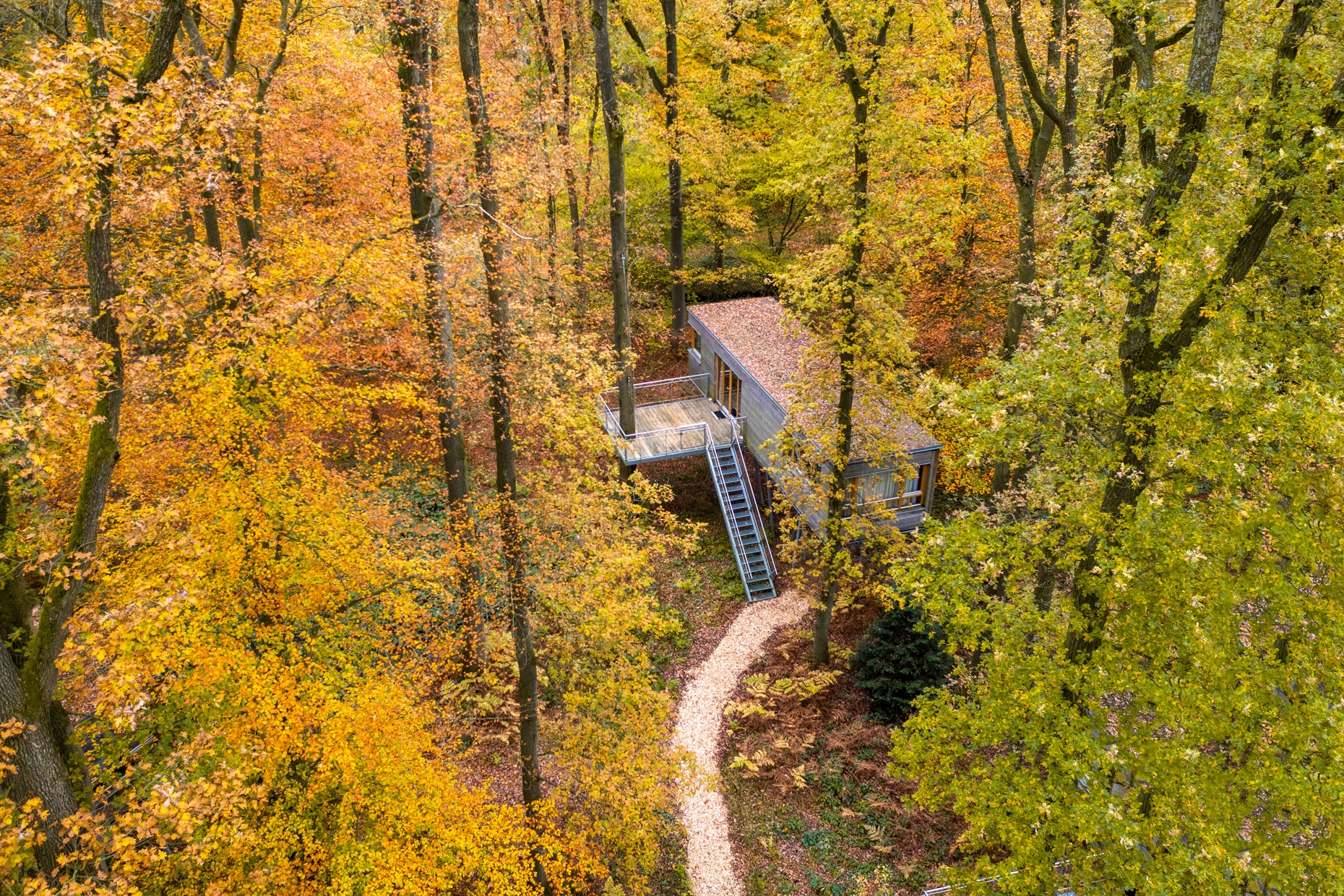
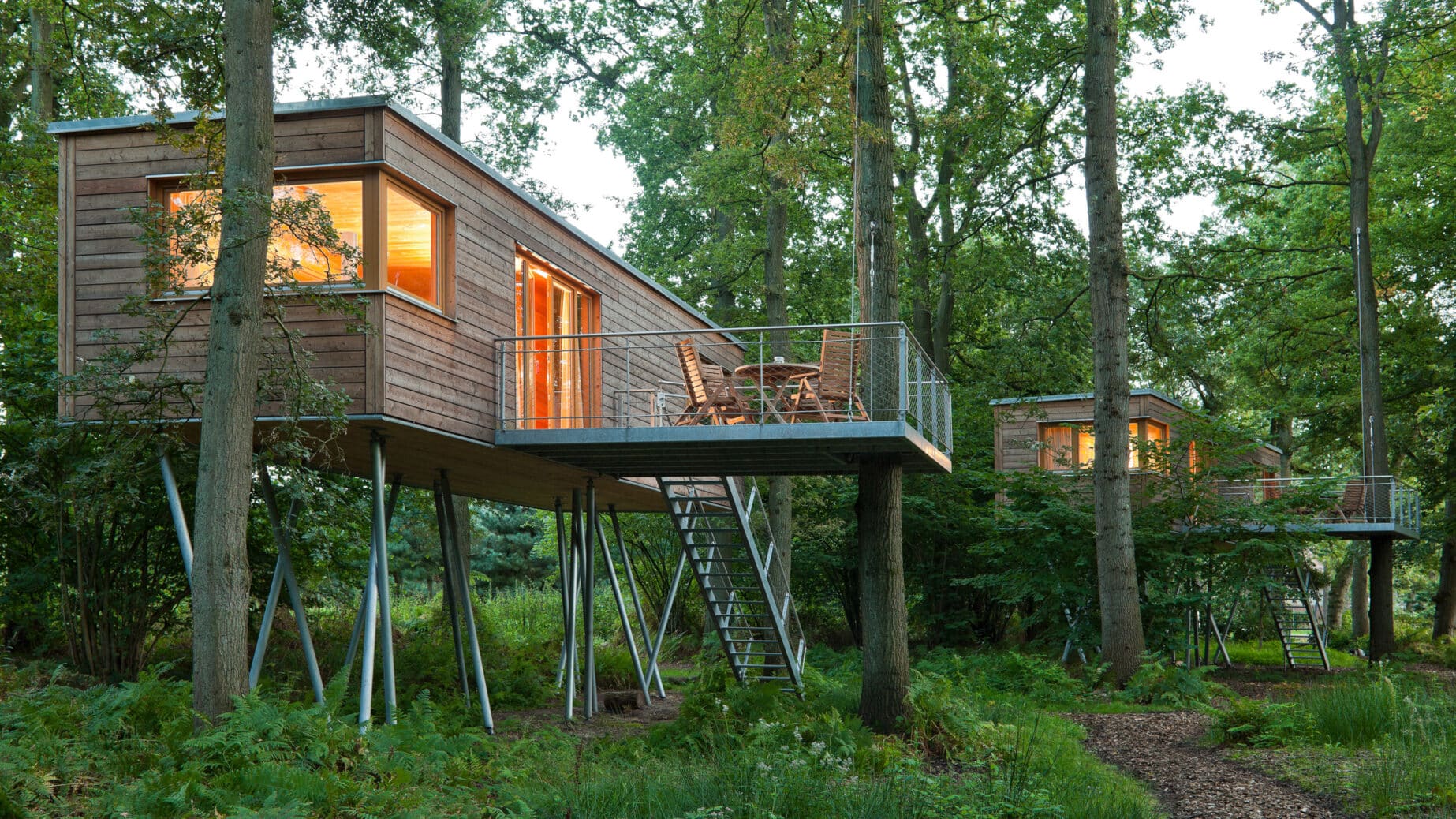
Admittedly, the wooden houses on stilts are not exactly tiny, but when you lie in bed at night and look up through the branches at the starry sky, you feel very small indeed.
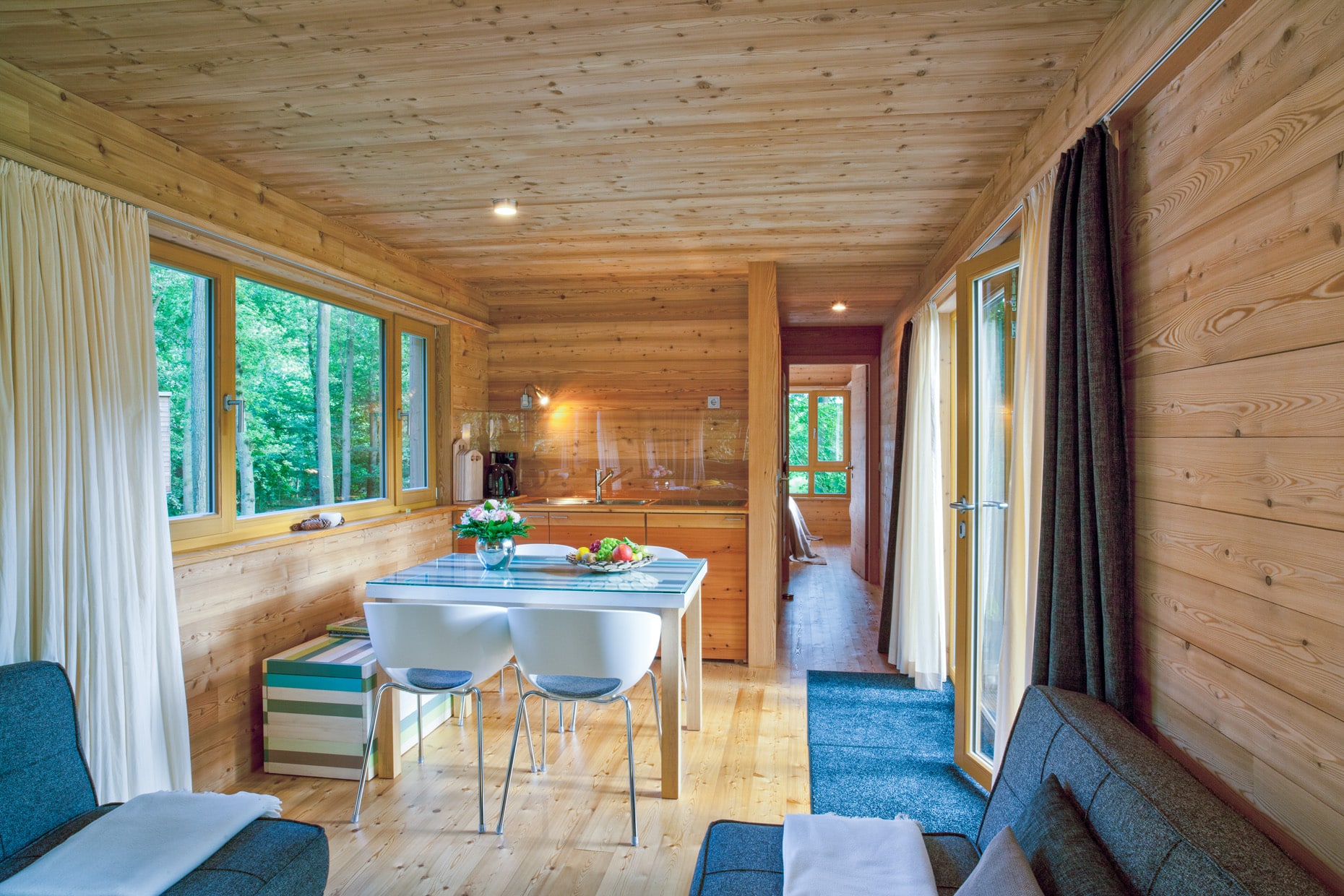
The four cabins stand in a forest of beech and oak trees at a height of four metres. Those who stay here feel a little removed from the world: and what previously seemed big and important suddenly becomes insignificant and small. Each cabin is 40 square metres in size and can accommodate up to four people. The forest actually extends into the rooms – albeit in a figurative sense, as the tree houses are made of Austrian larch wood, which shields against harmful radiation and creates an extremely pleasant indoor climate. Those who have had enough of being indoors can spend time on the terrace watching squirrels or listening to woodpeckers.
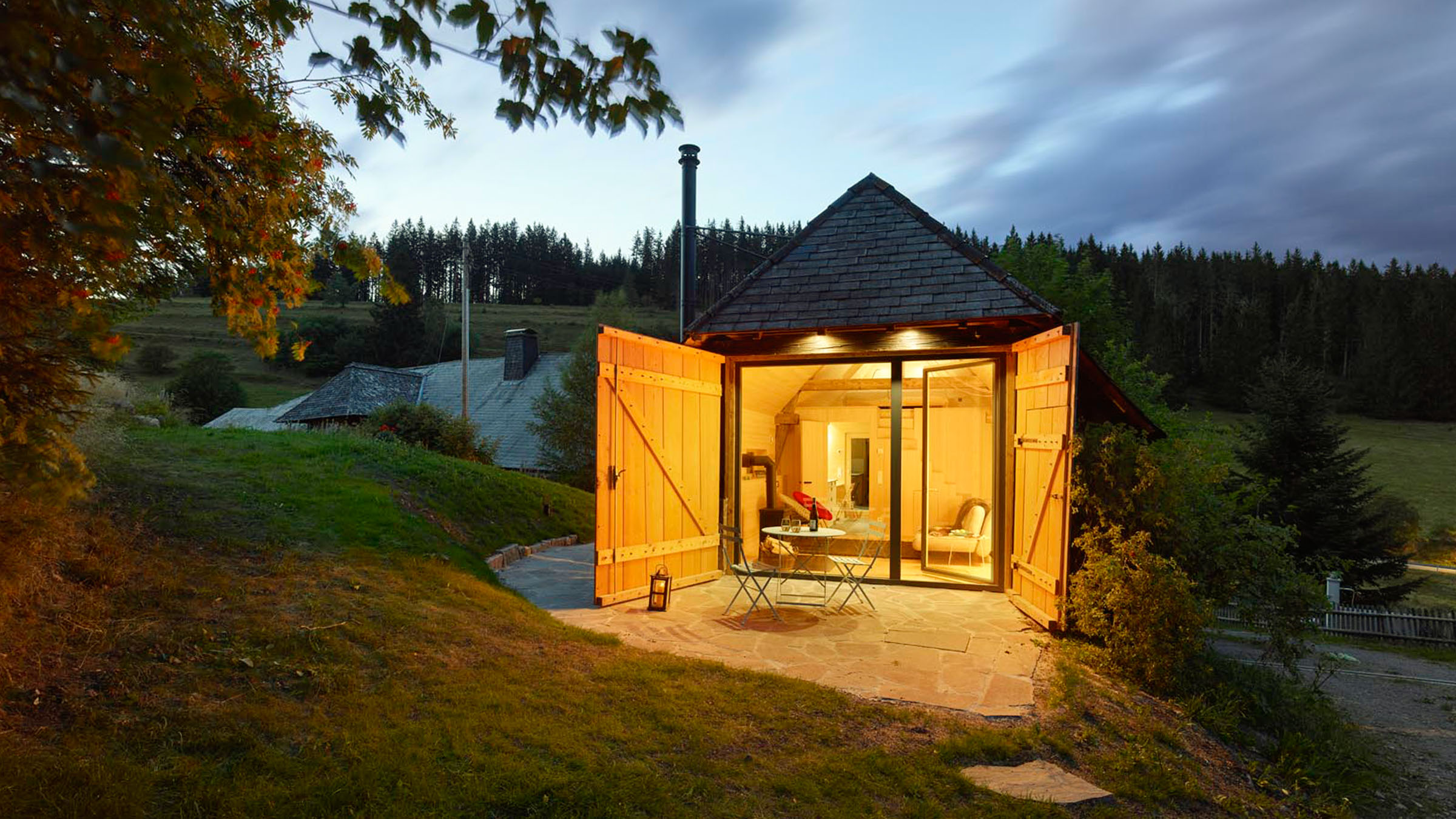
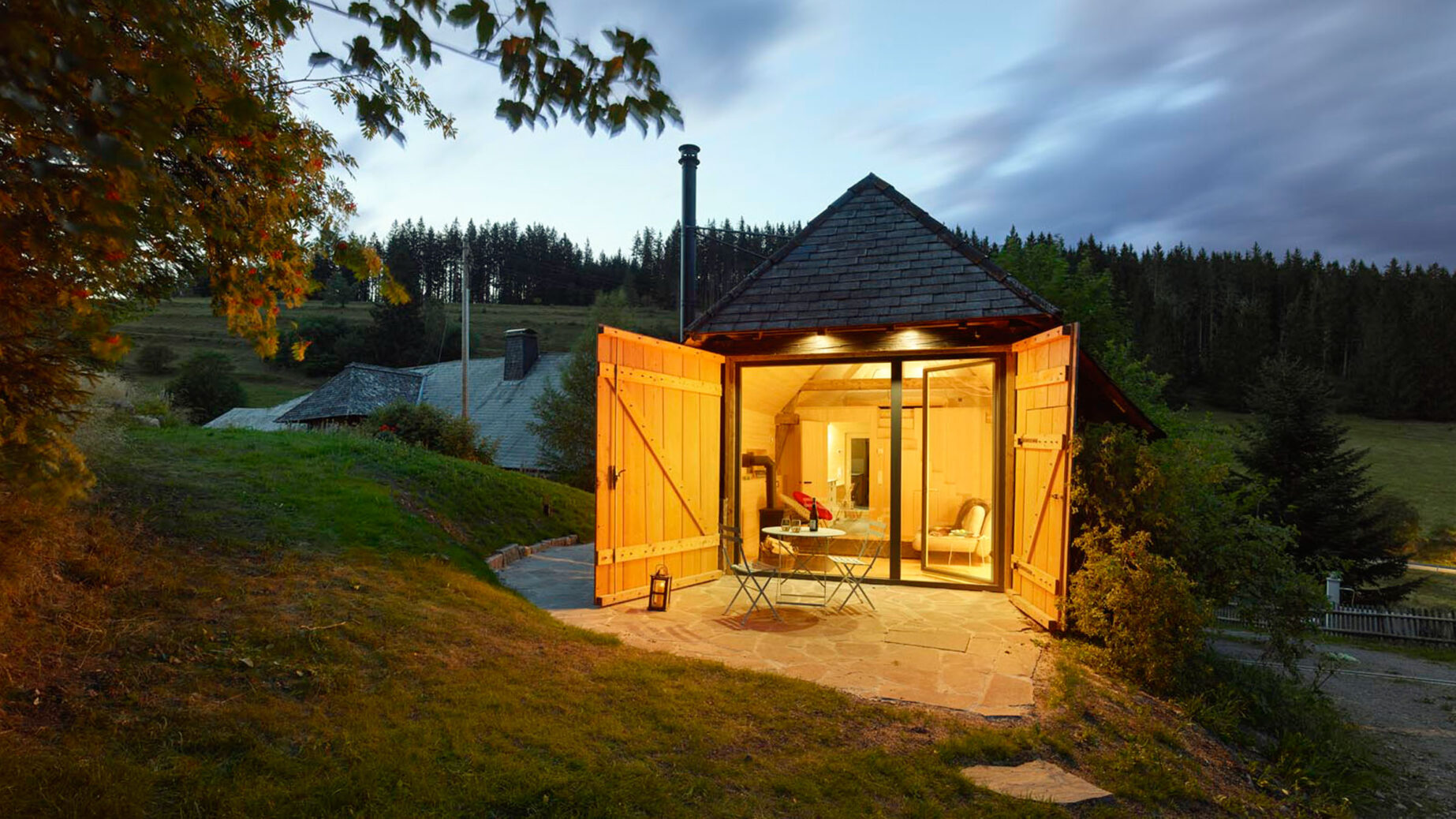
Once upon a time, there was a tractor shed that no longer had a purpose. But instead of letting it disappear, it was transformed. A symbol of the region’s transformation from agriculture to gentle tourism, it became a special holiday home.
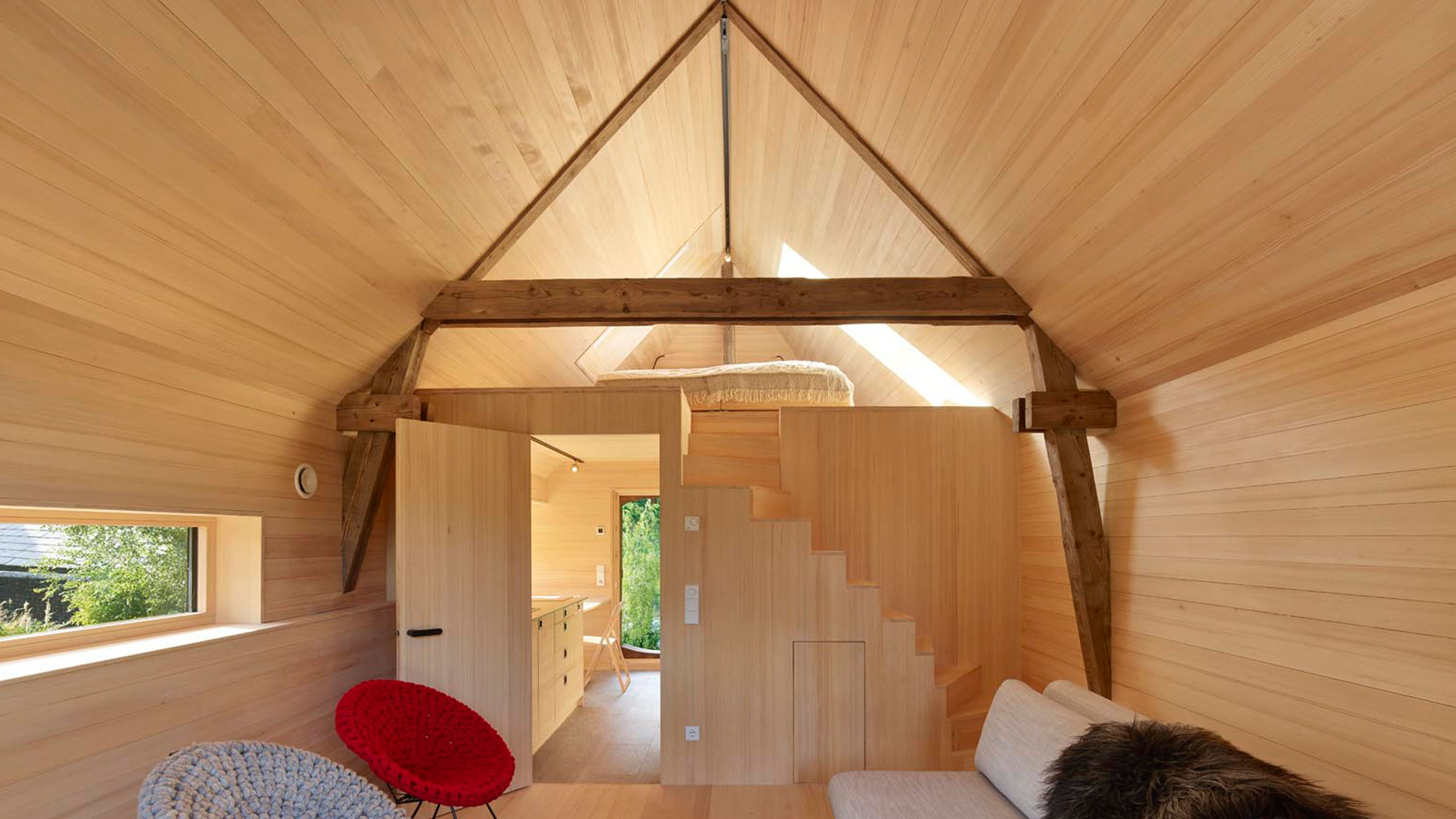
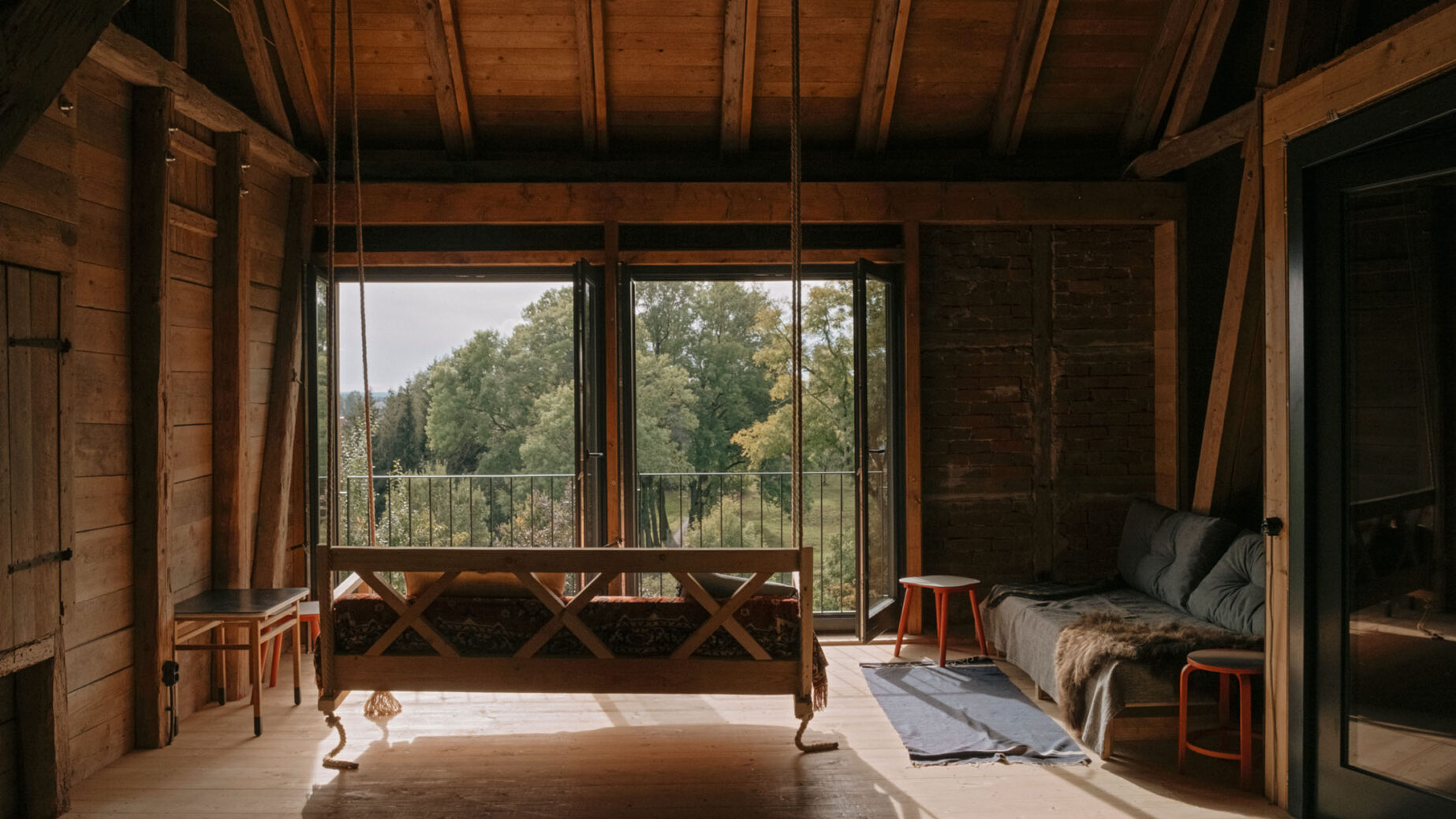
As with any conversion of a small functional building into a micro-dwelling, the question arose: where to put everything you need? In the La Chalette project, this is how Ohlf Schoch Architects answered the question: the holiday home is accessed from the rear; the ground floor contains the kitchen and bathroom as well as a living room with a sofa bed. A narrow staircase leads up to the cosy sleeping loft under the roof. Local silver fir was chosen as the most important material for the interior design – which is an obvious choice. The holiday home for two to a maximum of four people is now complete, including a virtual guarantee of several awards. A space-saving wonder where you feel as cosy as in a Black Forest wooden box.
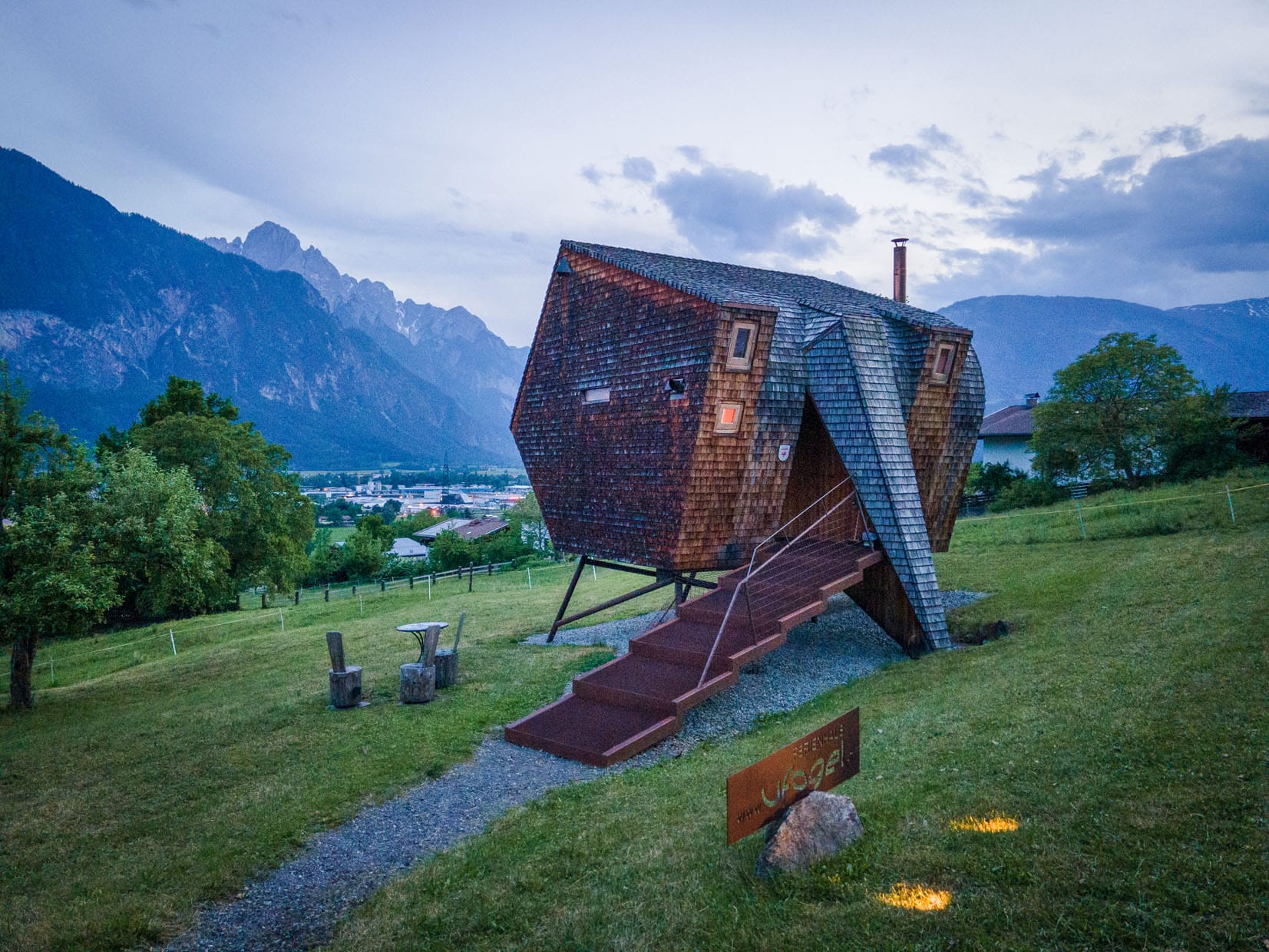
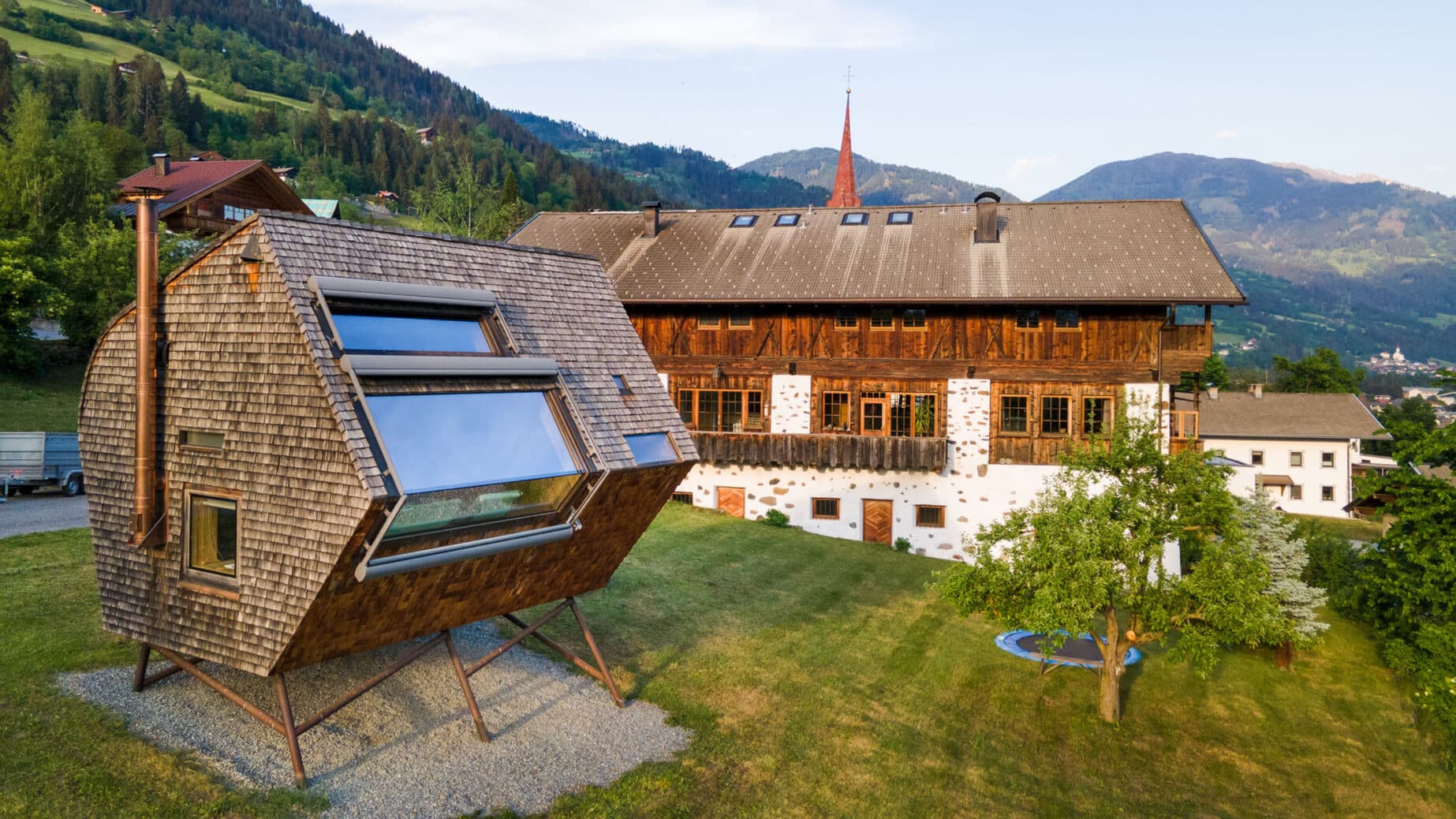
This property simply makes you smile: from a distance, the 45-square-metre cabin designed by architect Peter Jungmann from Lienz looks a bit like a mixture of a flying saucer and a thick, rather plump bird. It is aptly named Ufogel.
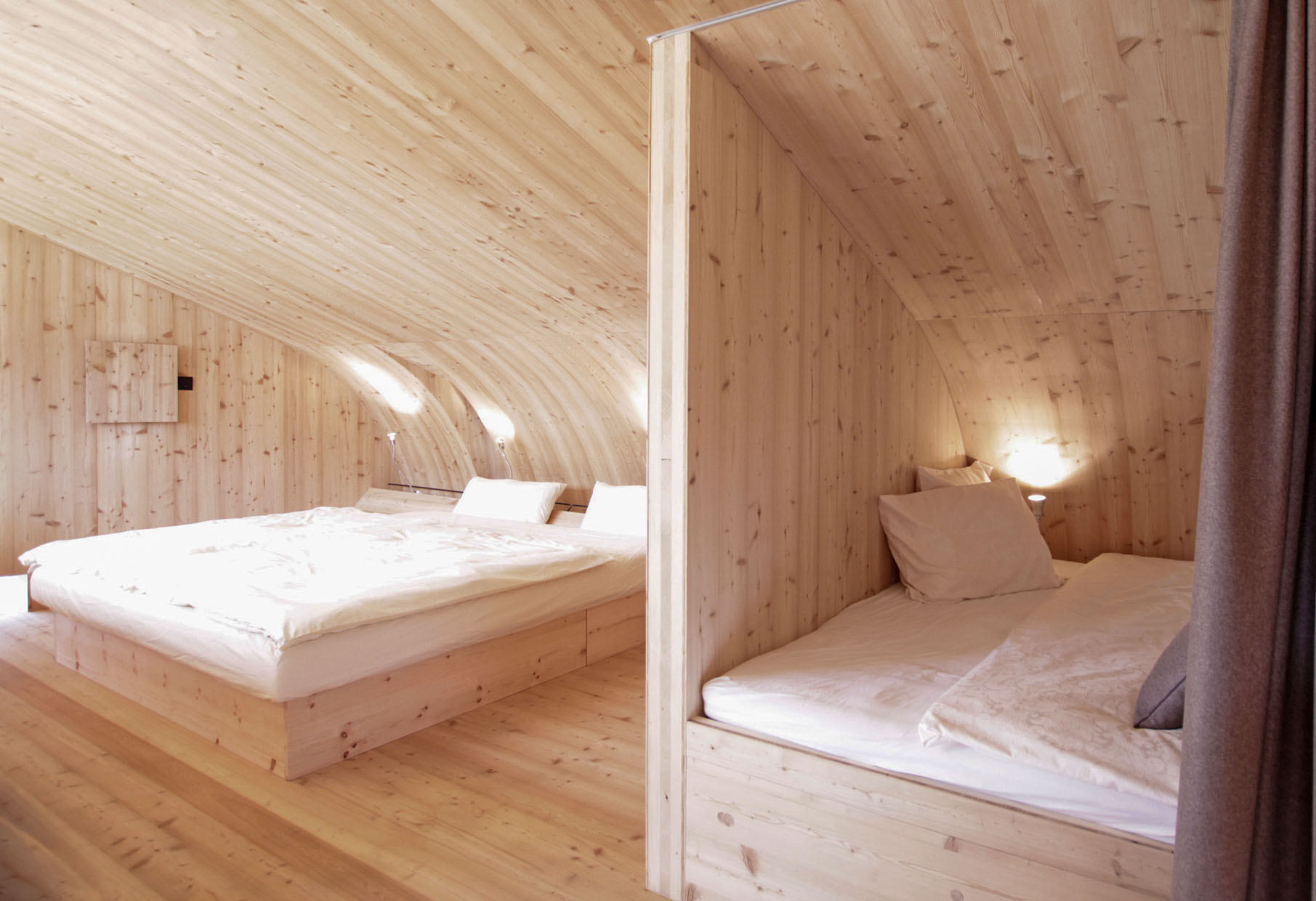
However, its shape is no joke – the Ufogel was actually designed as a shelter, and what looks like a bird’s beak was intended to provide protection from snow in the mountains. But the building ended up on a meadow in the East Tyrolean village of Nußdorf. It can accommodate up to eight people, with sleeping areas both on the gallery at the top on the gallery and in a relaxation area in the middle. The eat in kitchen with a large dining area is right at the bottom. The panoramic windows still allow you to feel close to the mountains. And because there are many visual connections between the different floors, the micro-space still gives an unconditional impression of spaciousness.
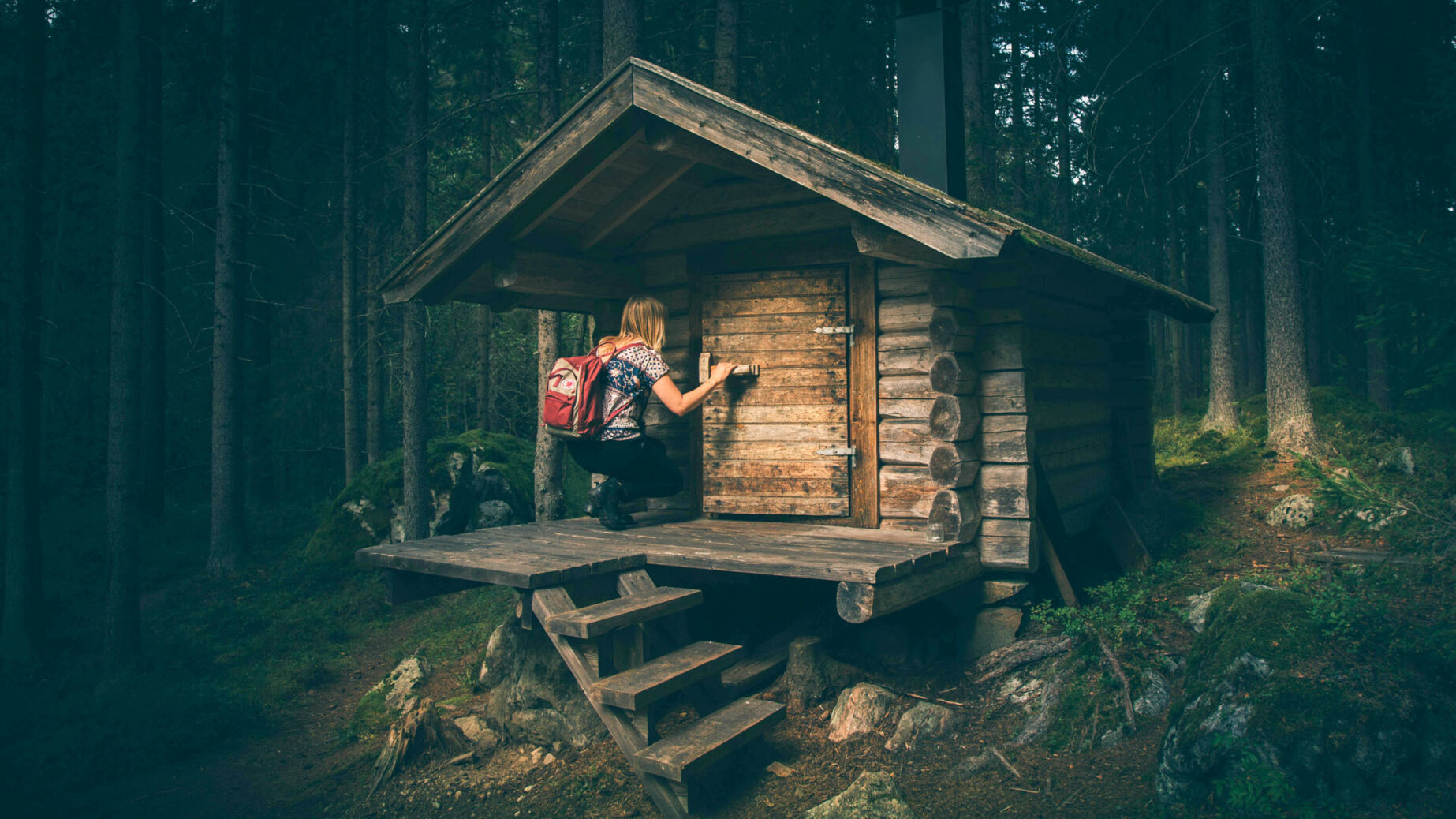
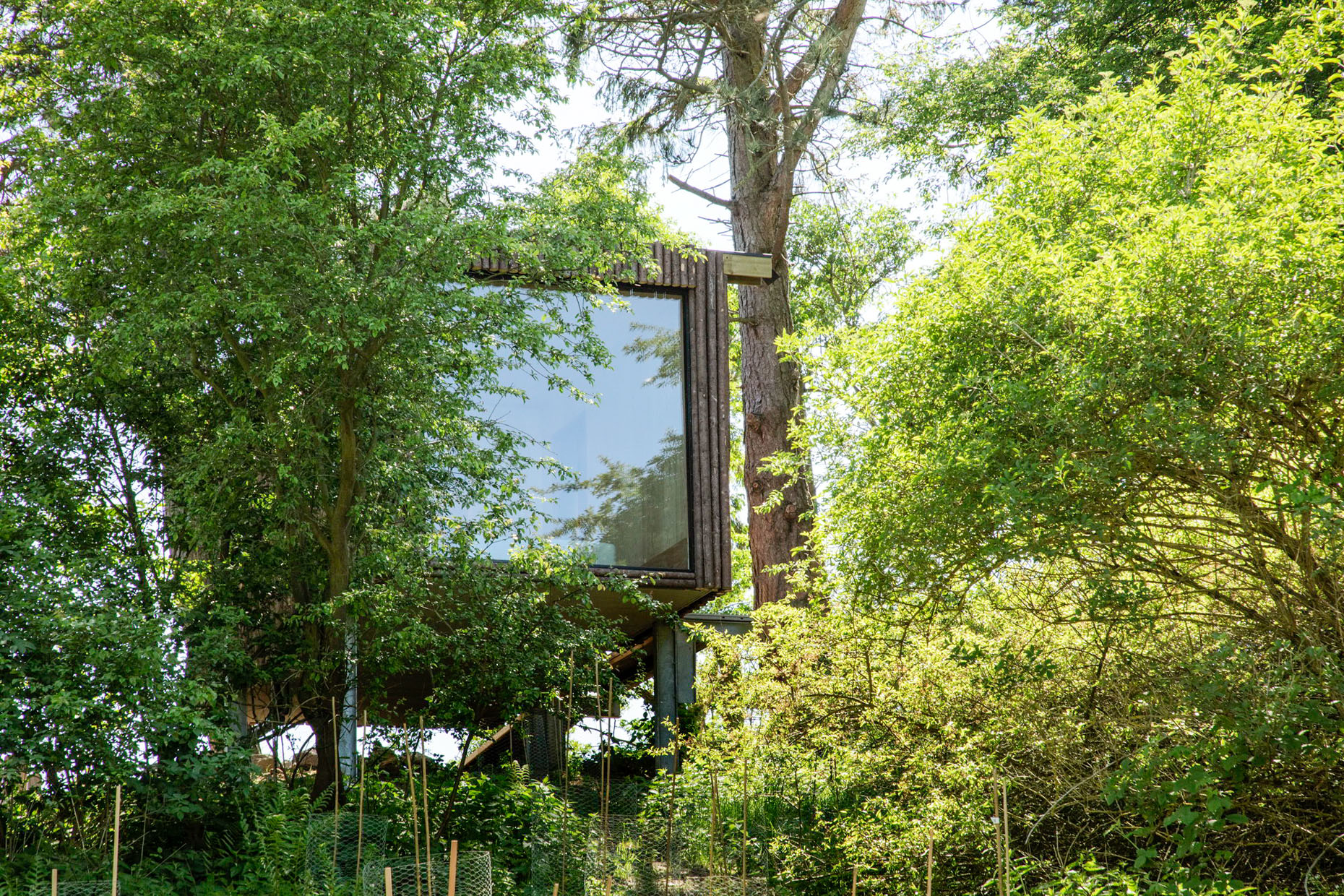
In a small pine forest, an hour west of Copenhagen, there is a place for uncompromising seclusion. From a distance, it is difficult to make out the mini house among the trees. How did this come about? The façade was clad with thin pine branches by architect Leif Jørgensen.
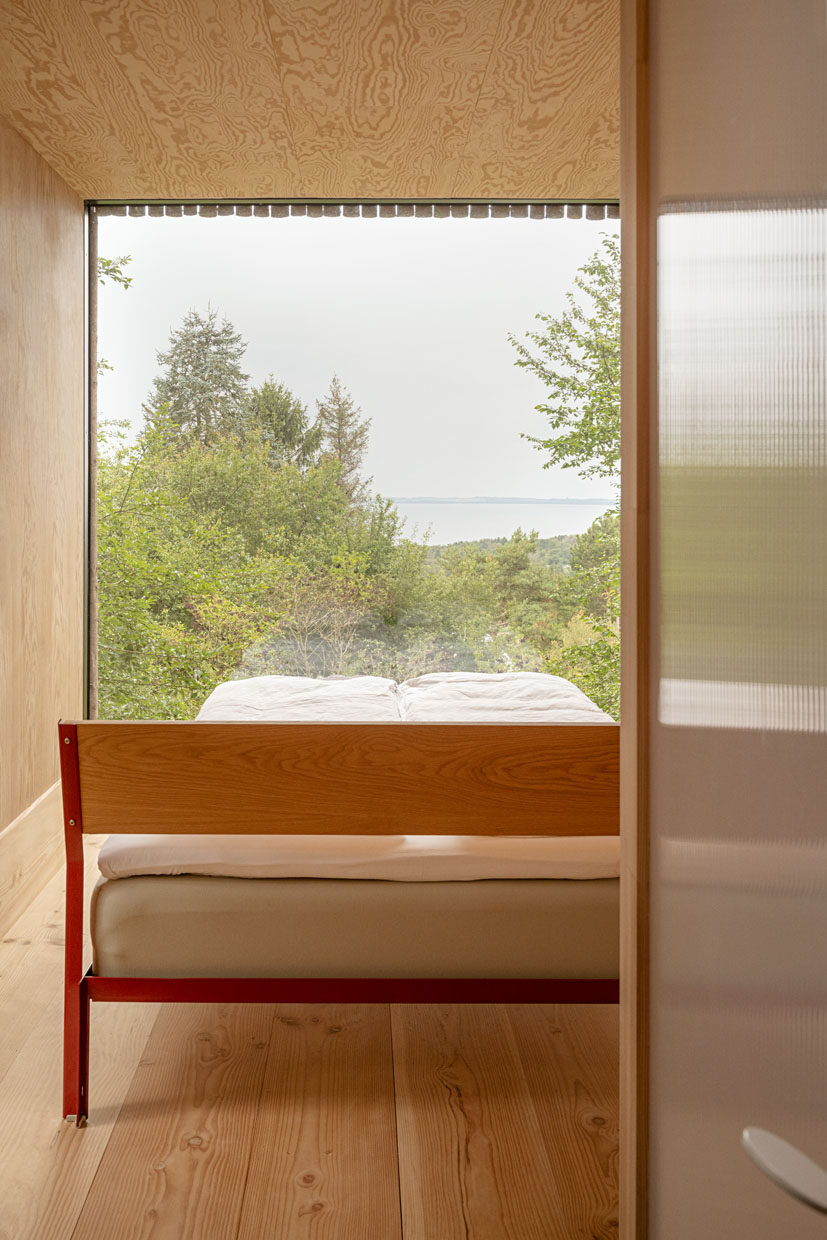
Inside, everything that two people need is provided– a bed, kitchenette and bathroom. The real luxury here is not the 12.5 square metres of space available, but the absolute minimalism. This makes the view from the bed over the bushes and trees to the north, towards the gentle waves of the Baltic Sea in Sejerø Bay, all the more impressive. Depending on the season and weather, this view changes completely. But it always creates space for undisturbed thinking, which would hardly be possible anywhere else. Lined with pine wood, the interior also blends in with the surrounding forest. Day and night, the view from the bed through the skylight into the sky is also impressive.
Barbara Hallmann studied in Weimar and Lyon and completed a traineeship at ARD. Since 2009, she has dedicated herself to writing about architecture, urban planning and design. She also developed an upscale boutique guest concept and was jointly responsible for the successful identity campaign of a slow travel destination that was previously not very visible. She lives in Germany and France - and likes to be found by stories when travelling.
Between town and mudflats: the two holiday homes at the foot of the Harlingen lighthouse unveil themselves as artfully designed tiny houses behind a Frisian façade.
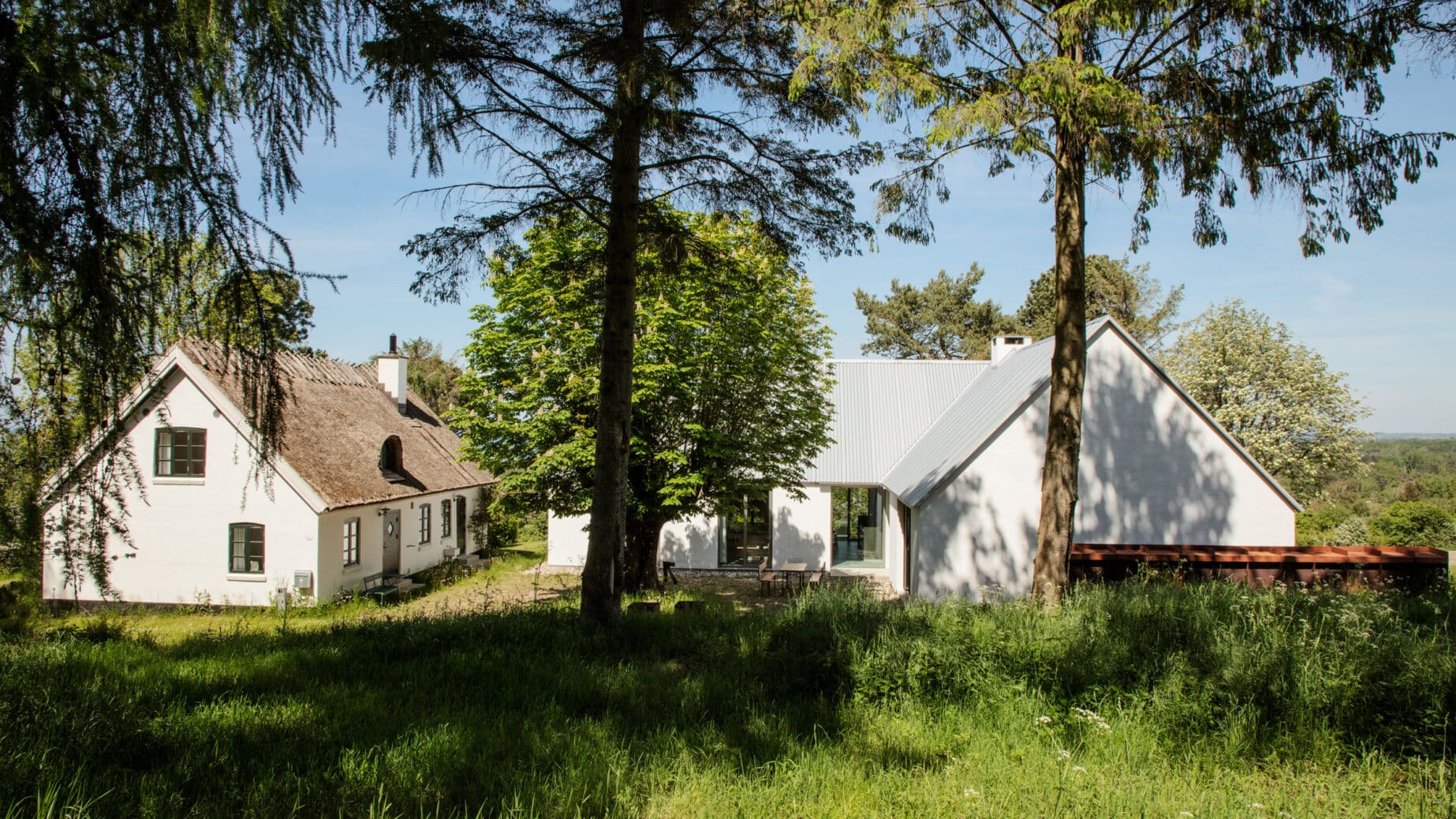
In the Danish coastal region of Odsherred, architect and designer Leif Jørgensen and his wife, designer Mette Bache, have (re)built an ensemble of three houses with great attention to every detail: Farm House, Barn House and Shelter.
These two holiday homes, built by the artist couple Sofia Mavroudis and Antonis Choudalakis on a hillside on the island of Crete, were inspired by Le Cabanon, the famous wooden hut designed by Le Corbusier.
In the far north of Norway – on a small island in the Fleinvær Archipelago within the Arctic Circle – the composer and musician Håvard Lund has created a retreat for artists and vacationers.
La Chalette is a holiday cottage in the Upper Black Forest. It is located next to two historic houses on the edge of the village. On the outside you can still see its former use as a tractor shed, inside you feel like you are in a fine wooden box.
Inspiring universe: The Stall & Sterne holiday estate between the Ore Mountains and Vogtland is an example of a creative approach to building in existing structures - full of ideas, colours and spatial experiences.
A strange object has landed next to an old farmhouse in the East Tyrolian village Nussdorf. Floating on stilts over the hill, this exceptional holiday house looks like a blend of a UFO and a bird.
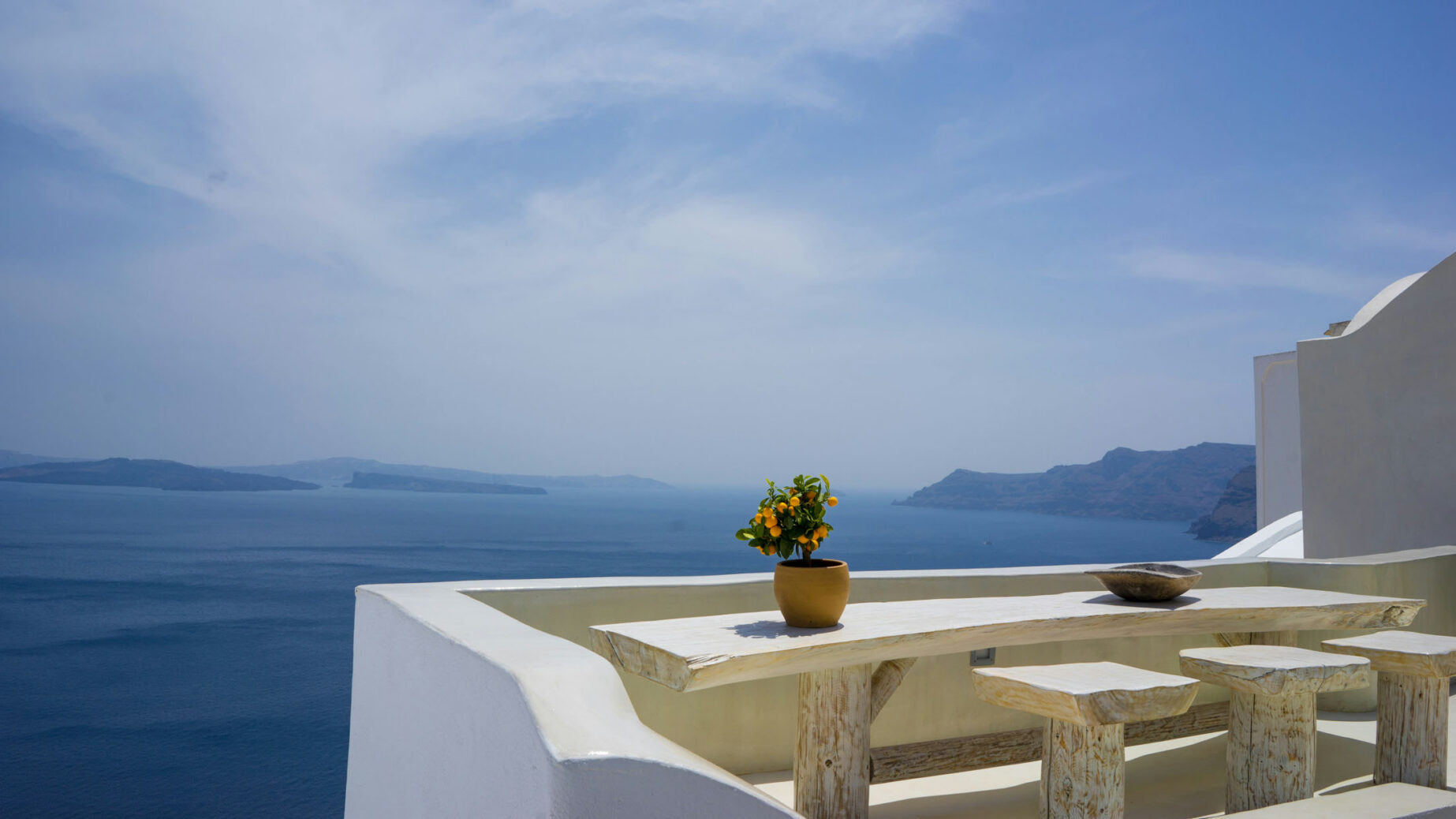
The living room is arguably the only room we don’t actually need. We sleep, cook and wash ourselves elsewhere. Yet somehow, when it’s not there, its absence is immediately felt. Here are eight holiday homes with a summery feel that have moved this unnecessary yet indispensable space outdoors.
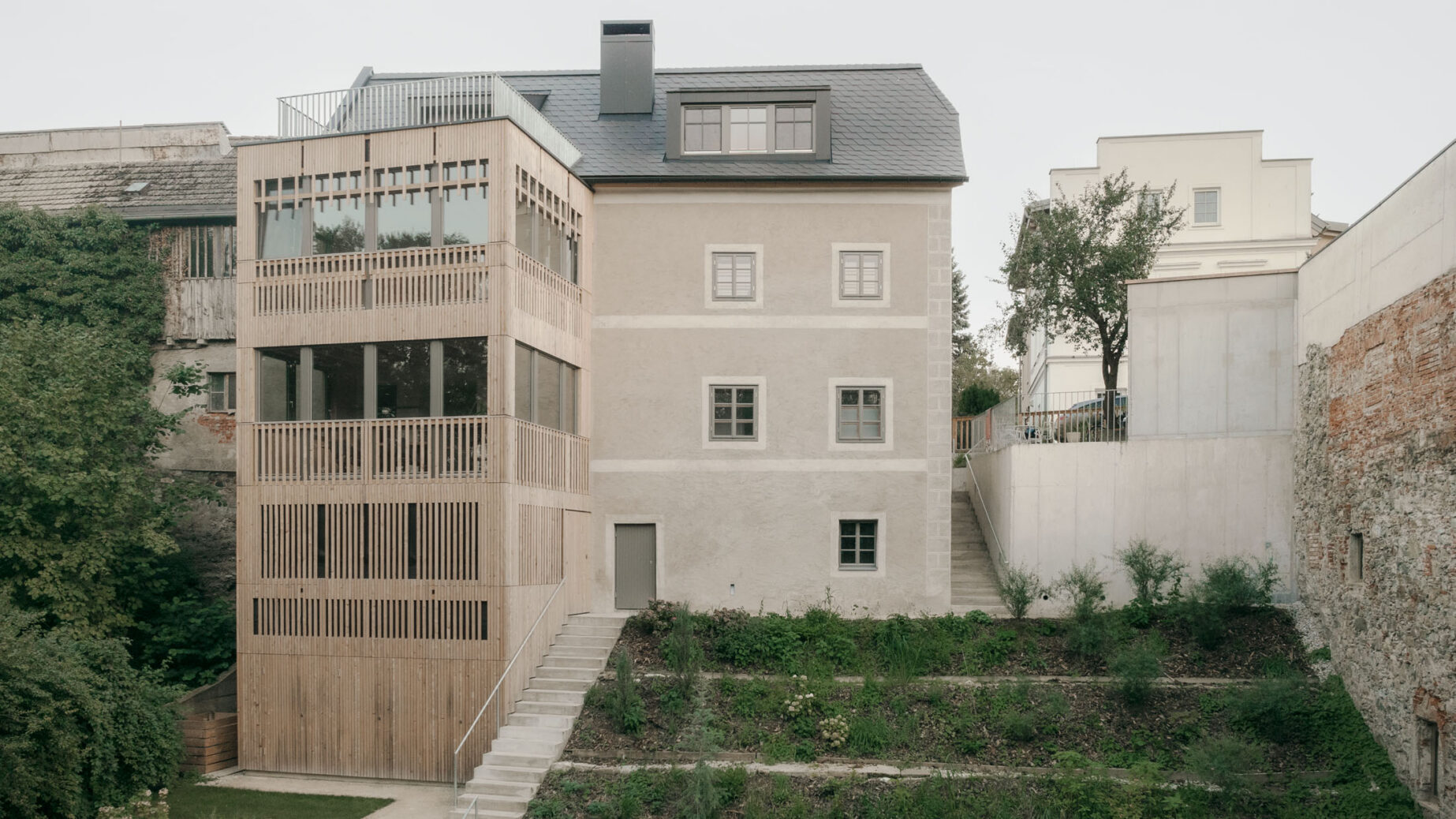
The Flößerhaus Steyr embodies the history of the Upper Austrian town: built in the 17th century on the banks of the River Enns, it later fell into disrepair, before being restored and extended with due respect.
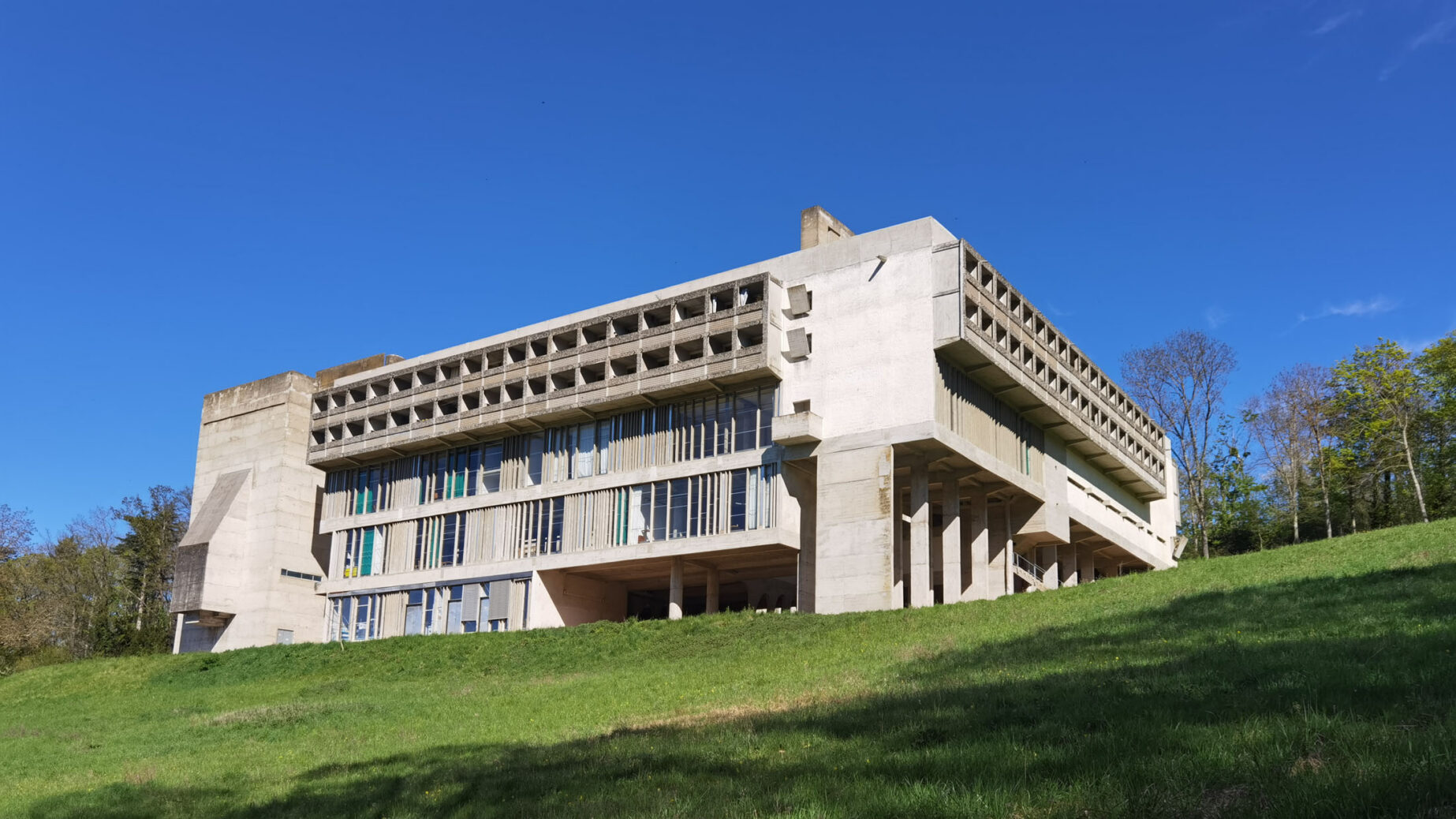
Anyone wishing to immerse themselves in Le Corbusier’s architecture at close quarters and savour it in contemplative silence will find the perfect destination in the Couvent de La Tourette. Dr Brigitte Schultz visited this remarkable place of tranquillity for us.
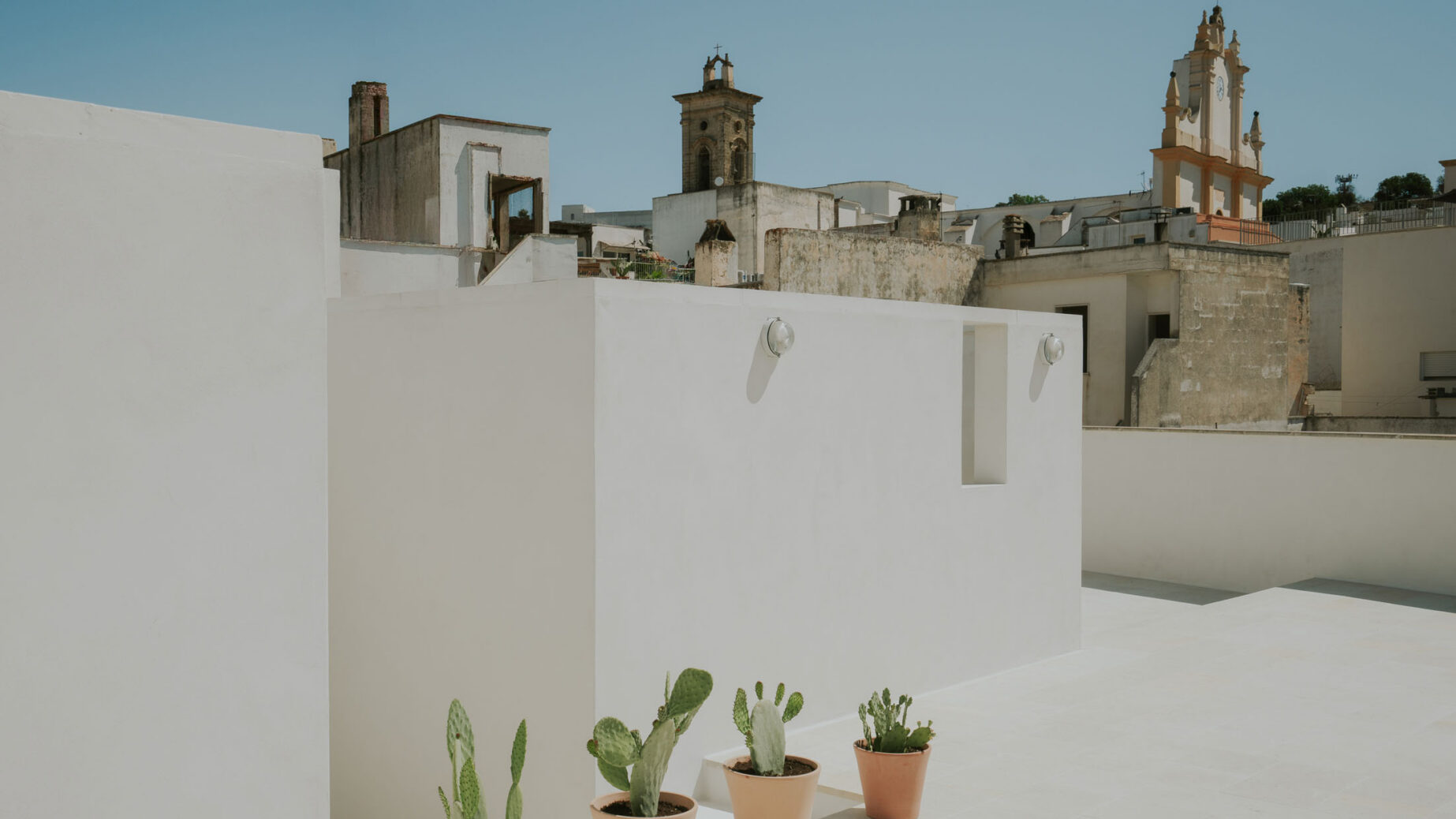
A gateway to Salento: to this day, Palazzo Coppola plays a central role in the urban fabric. The 190-square-metre roof terrace serves as a viewpoint overlooking the Ionian Sea and, stretching from the sun deck with its plunge pool to the dining area with its outdoor kitchen, is the largest room in the house.




0 Comments