From Scotland to Sicily: Extraordinary sculpture parks in Europe
A gigantic head among the rocks, an immersive art landscape that doubles as a playground, a freestanding wall with fiery colour gradients in a forest clearing: places across Europe where art and landscape come together in extraordinary ways.
Europe’s sculpture parks demonstrate just how diverse the interplay between art and landscape can be. Private initiatives have created such places in a wide variety of settings – on hilltops, in forests, by the sea or in expansive landscape parks. Some works invite interaction, others engage with their surroundings or turn the landscape itself into a work of art. A selection.
A Museum Surrounded by Nature – Kröller-Müller
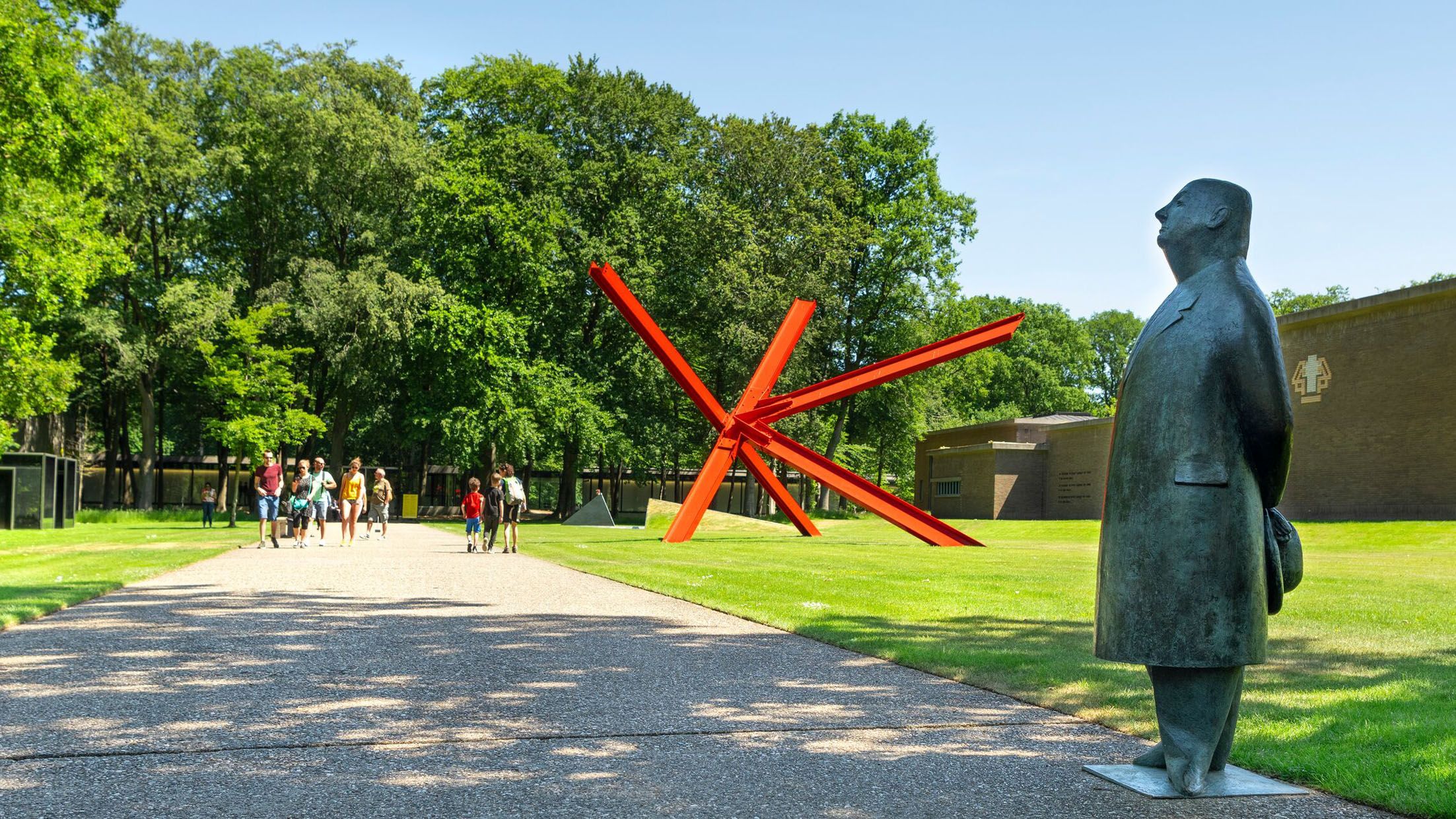
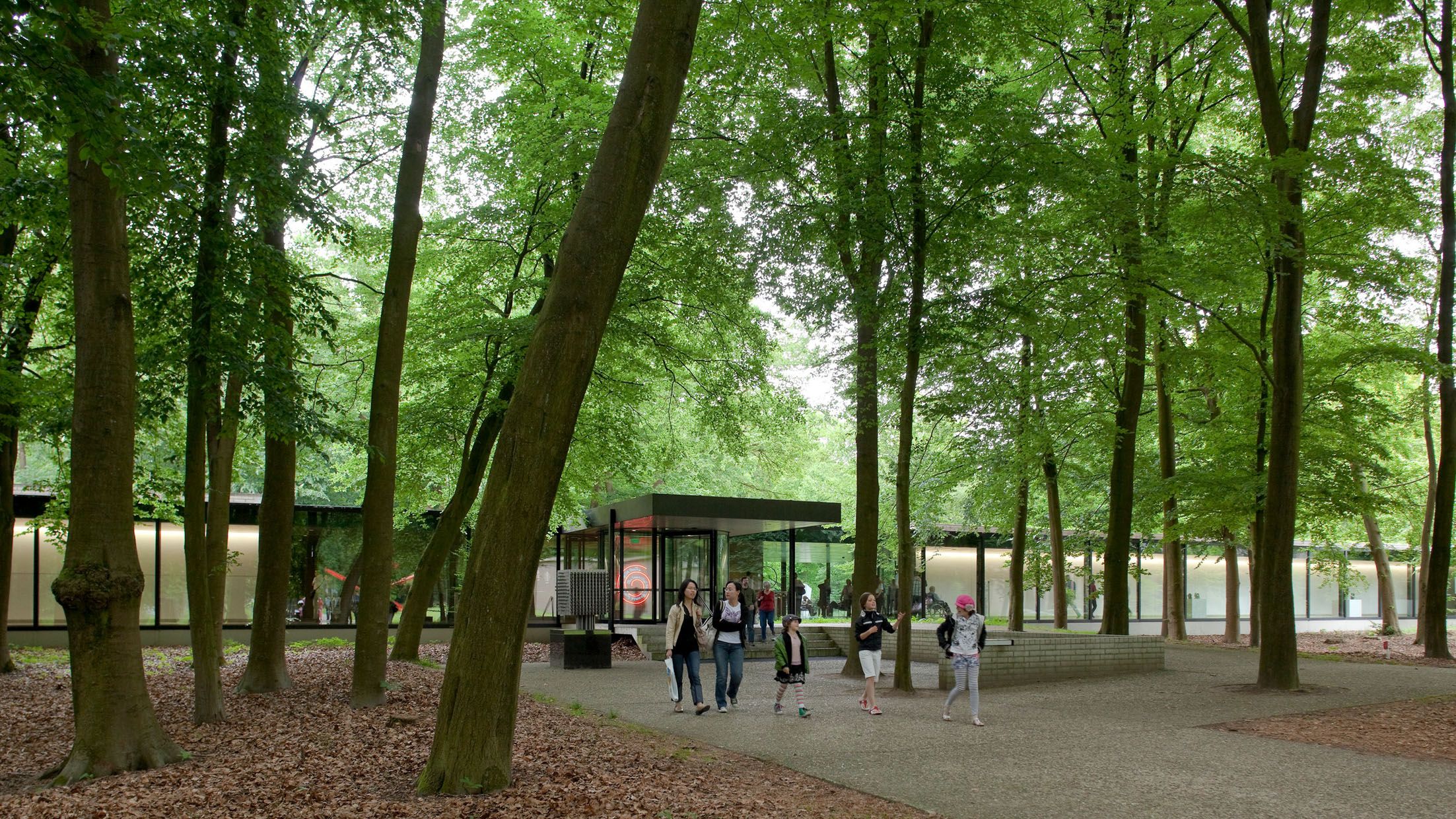
The Kröller-Müller Museum, with its extensive sculpture garden, is situated in the heart of De Hoge Veluwe National Park. Even the journey there is part of the experience, taking visitors through forests, heathland and open grasslands.
Nature and tranquillity as a prelude to art: art collector and patron Helene Kröller-Müller was convinced that this was an ideal setting in which to appreciate art. Her dream was to create a public place where art and nature could come together. Between 1907 and 1922, she and her husband Anton built up a collection of around 11,500 works of art. The Kröller-Müller Museum opened in 1938, featuring masterpieces of modern art from Claude Monet to Pablo Picasso and one of the world’s most important collections of works by Van Gogh.
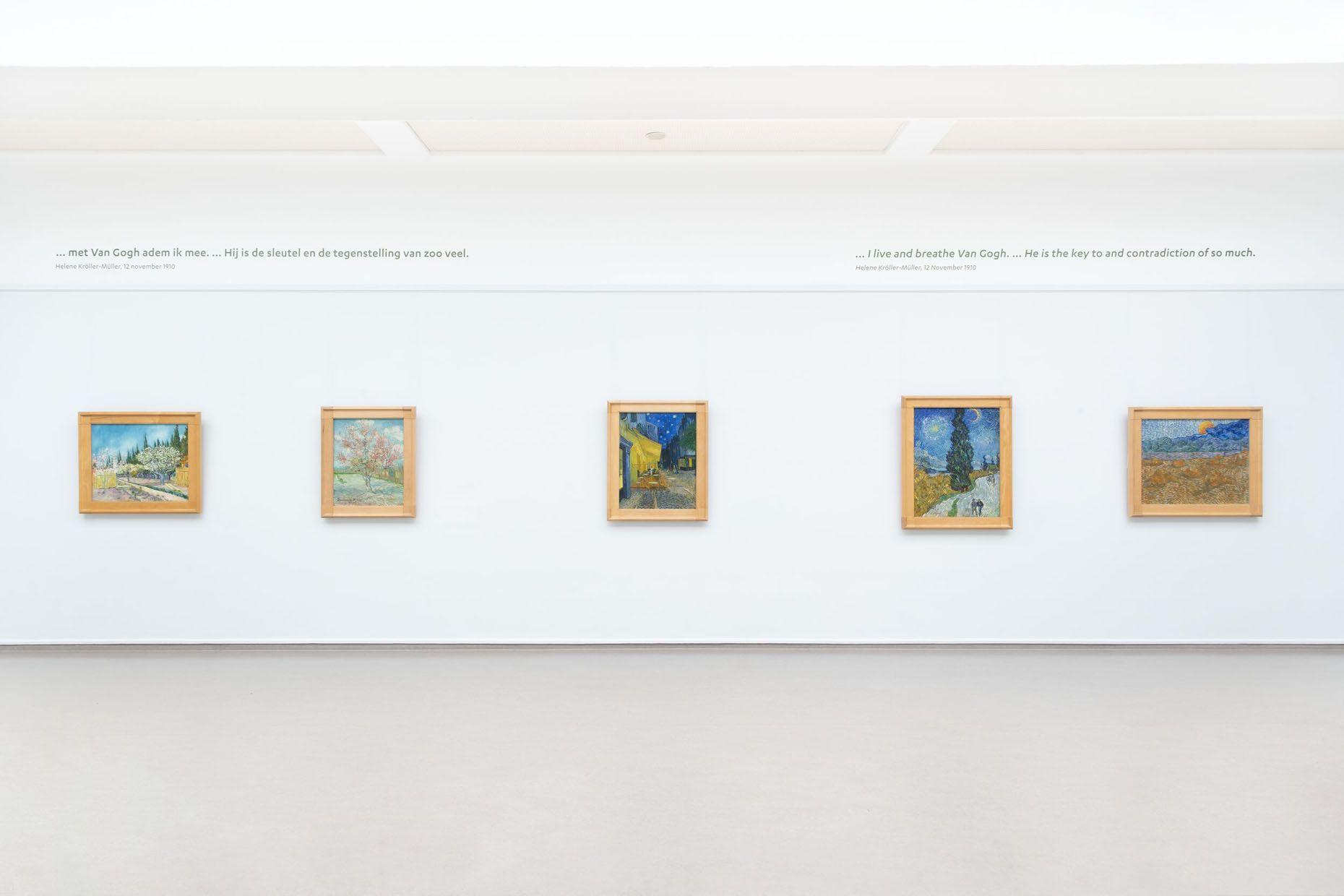
After Helene’s death, the museum’s then director, Bram Hammacher, took this vision further. He established sculpture as a major focus in its own right and opened a sculpture garden in 1961, where nature and art were intended to coexist on equal terms.
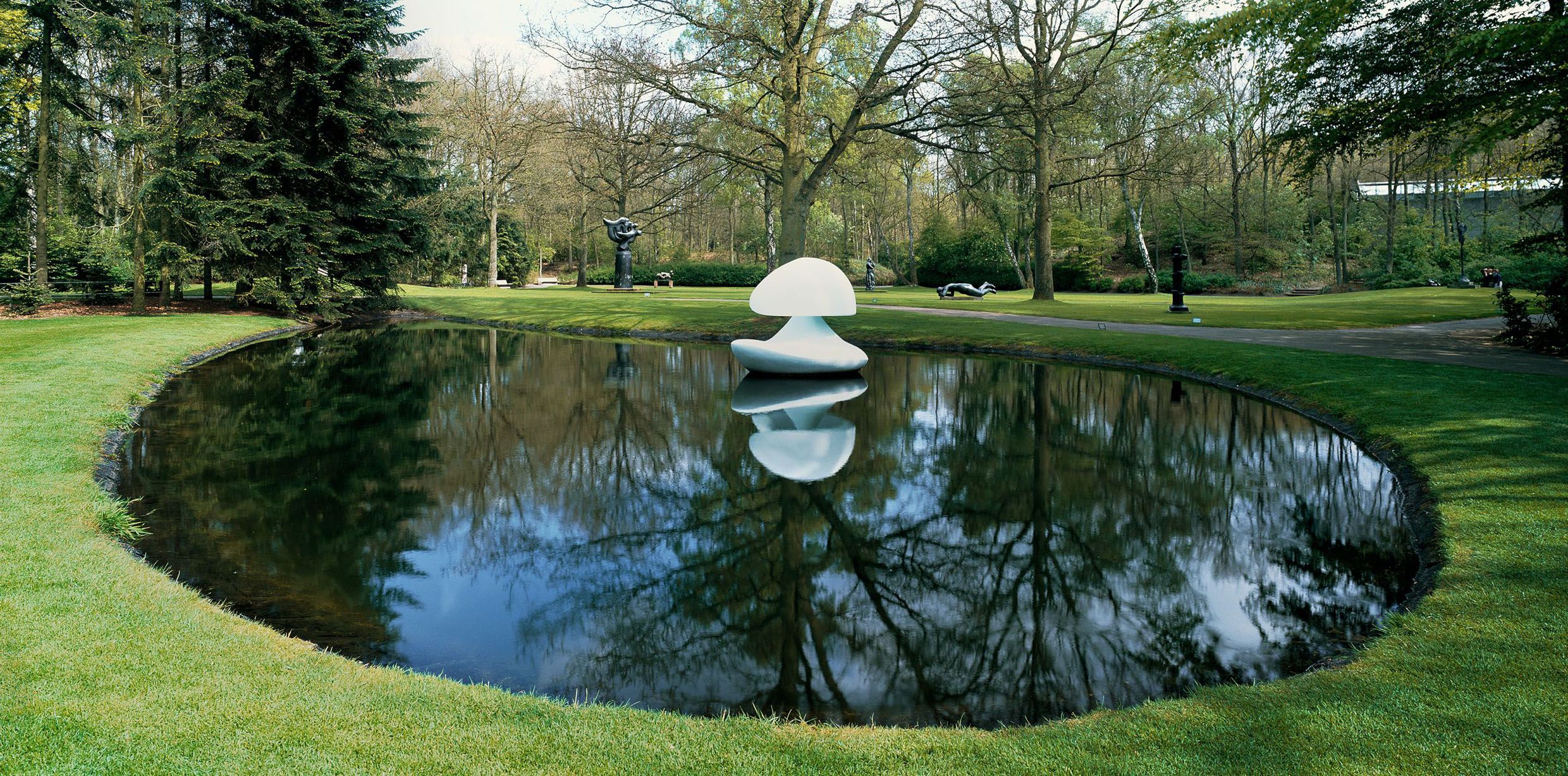
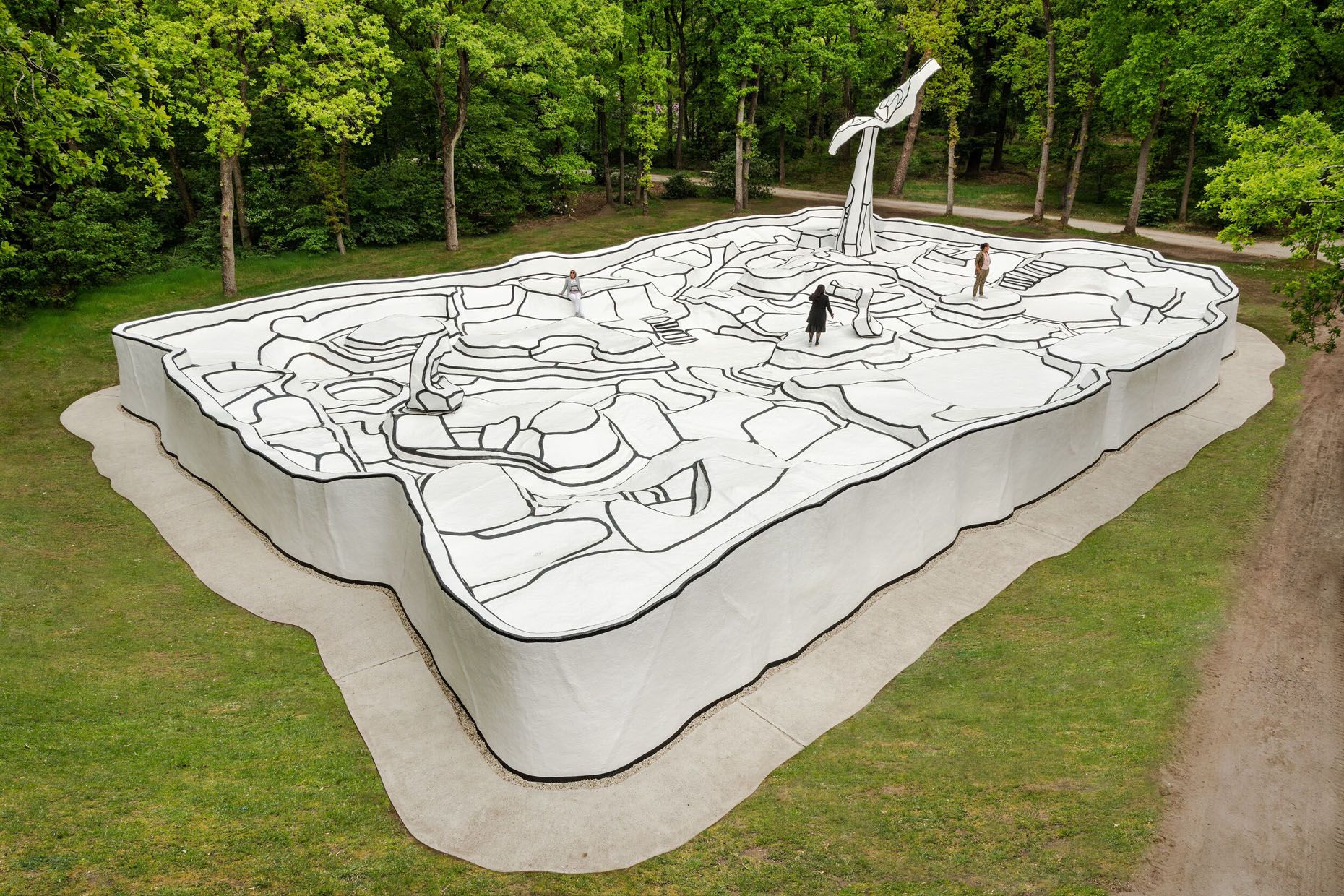
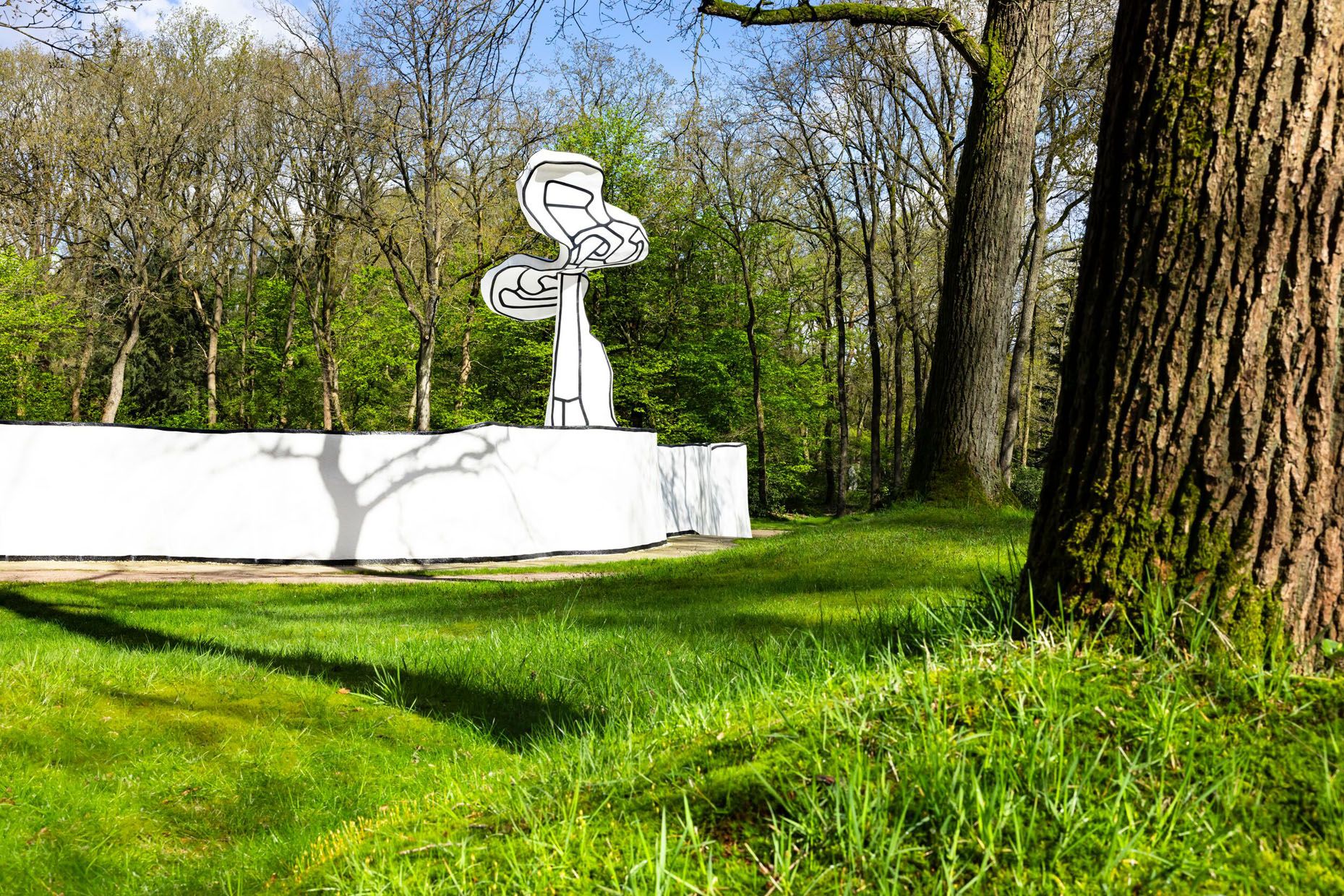
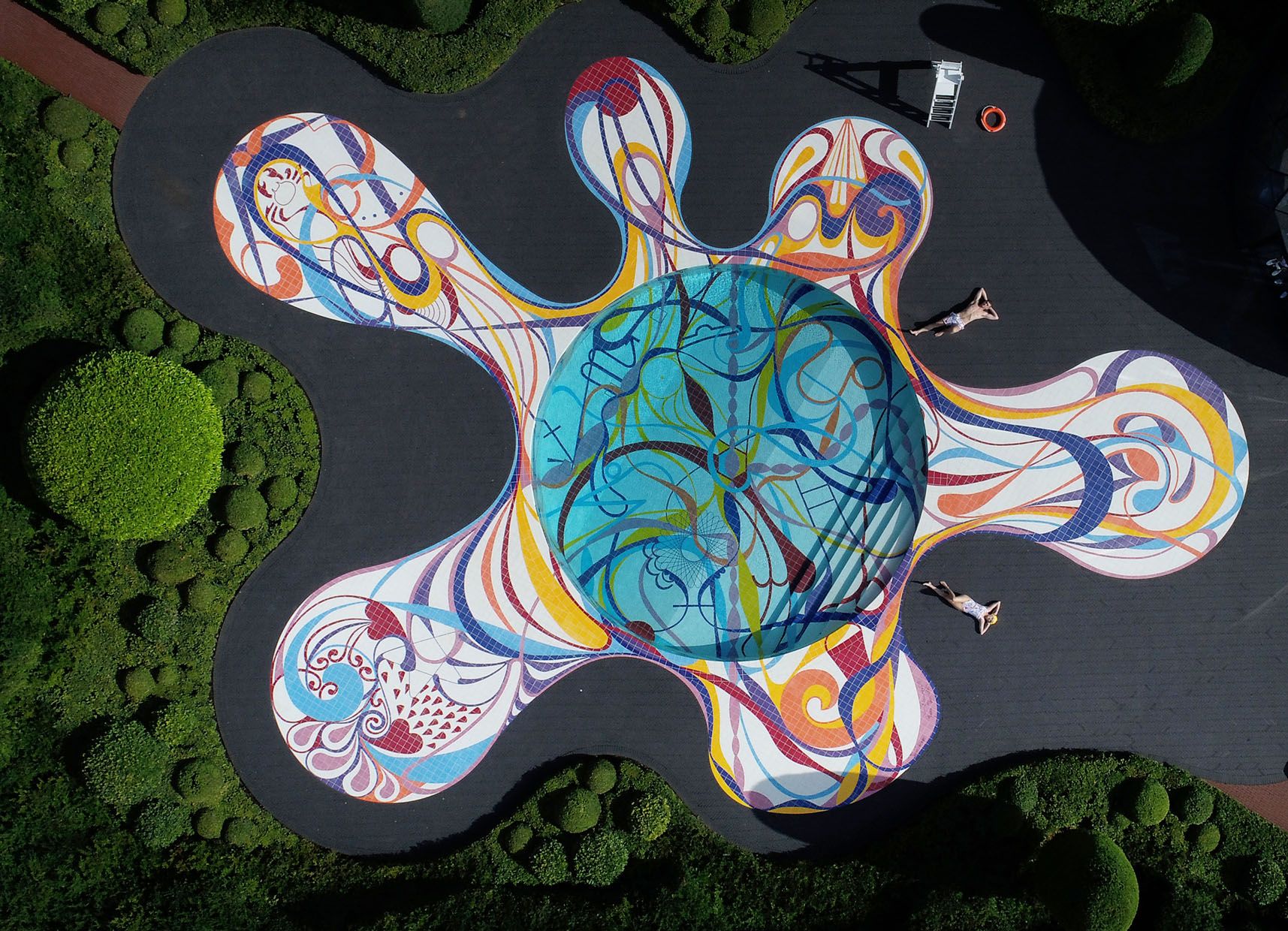
Today, more than 200 sculptures demonstrate the many ways in which art can engage with its surroundings. For Sculpture flottante, Otterlo (1960/61), for example, Marta Pan conceived the sculpture and pond as a single entity, with wind, water and reflections forming part of the work. Jean Dubuffet’s Jardin d’émail (1974) is an artificial landscape of white, relief-like surfaces. It is a playground where visitors can climb, slide down or simply lie back and gaze at the sky.
Architecture, too, is part of this interplay. Two pavilions originally designed for sculpture exhibitions in Arnhem’s Sonsbeek Park found a new home here: Gerrit Rietveld’s open structure from 1955 and Aldo van Eyck’s pavilion from 1965/66.
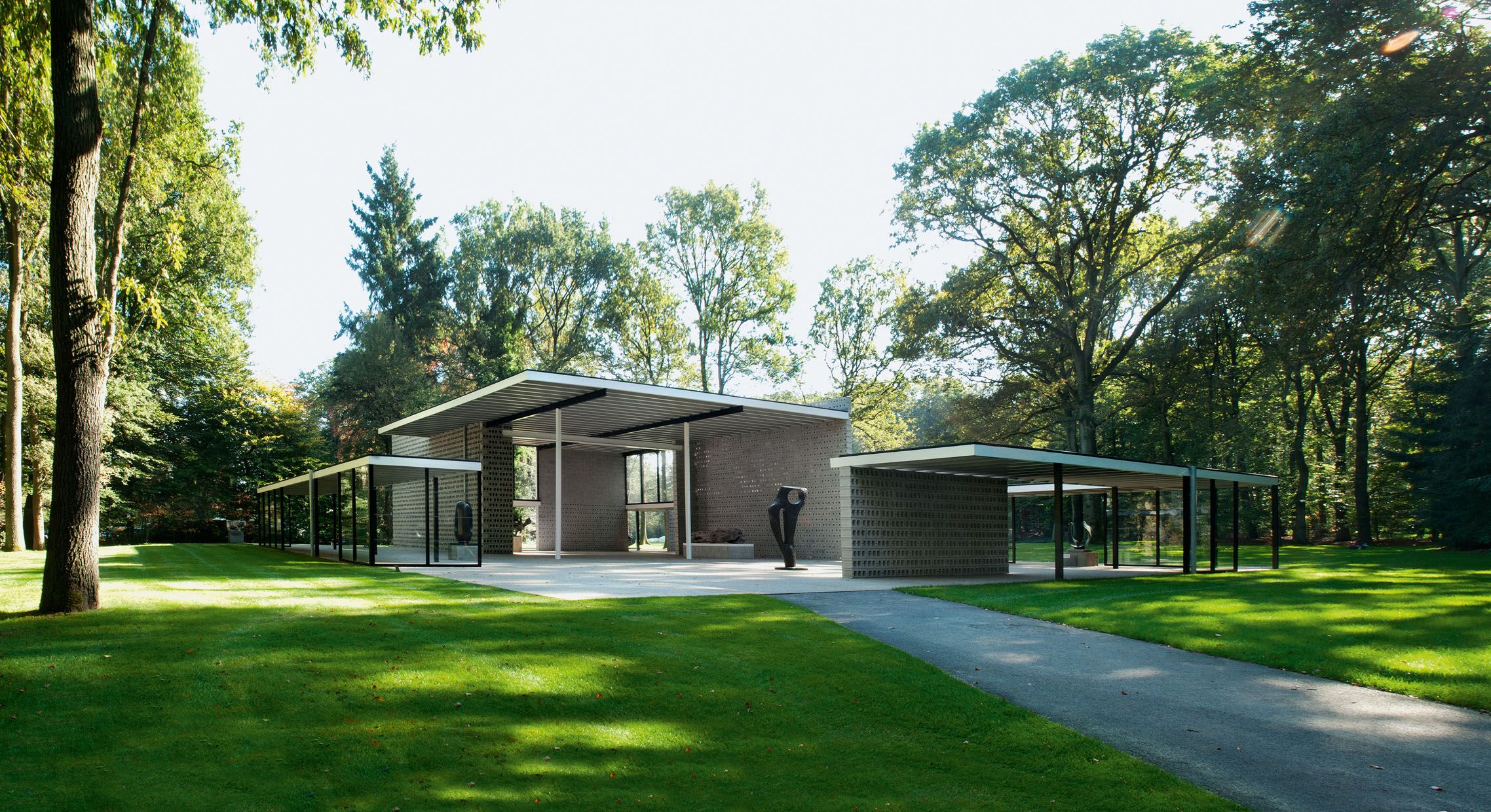
Since 1995, landscape architecture practice West 8 has been involved in the garden’s ongoing development, creating distinct areas that provide individual contexts for the artworks. Thereby, the seasons have also become a more integral part of the artistic experience. Pierre Huyghe’s La Saison des Fêtes (2010, realised in 2016), for example, illustrates just how closely art and natural processes can interact. On a sandy site, the artist created a circular garden with around 45 plant species associated with festivals and rituals from around the world, each of which blooms at a different time. As a result, the garden changes throughout the year, taking on a different atmosphere with each season.
Solo Sculpture Trail – Art Along New Paths
It is one of Spain’s most beautiful yet least-known regions: Matarraña in the north-east of the country. Rugged rock formations, wooded hills and small historic villages characterise this remote landscape in Aragon. Here, among centuries-old vineyards, olive groves and holm oak forests, Eva Albarrán and Christian Bourdais have created an unusual sculpture trail.
Albarrán and Bourdais run contemporary art galleries in Madrid and on Menorca. With the trail, they aim to move beyond the confines of the conventional exhibition space and bring large-scale art into dialogue with the landscape. Temporary exhibitions, initially held every two years, were followed by the permanent opening of the sculpture trail in 2025. Today, visitors encounter around twenty works by international artists along a route of approximately three kilometres, many created specifically for this location. They explore questions relating to nature and the environment and make the consequences of human activity visible.
Claudia Comte’s Burning Sunset (2023) demonstrates just how closely art and landscape are intertwined here. The freestanding, six-metre-high acrylic mural stands in a clearing surrounded by trees. Black undulating lines and gradients of red and yellow evoke the flickering and surging of flames. Comte’s artistic practice explores climate change and the protection of ecosystems. Her work draws attention to the immediate threat posed by forest fires.
Constructed from steel rods and concrete fragments, Mona Hatoum’s Orbital (2021) resembles the skeletal framework of a globe, covered in fragments reminiscent of the rubble of destroyed buildings. Tilted at an angle and seemingly thrown off balance, the sphere evokes a world in a perpetual state of destruction. The globe is a recurring motif in Hatoum’s exploration of global conflicts.
The sculpture trail forms part of a larger project. Back in 2010, Albarrán and Bourdais initiated Solo Houses, an architectural project inspired by the Californian Case Study Houses. The plan is to create fifteen experimental holiday homes designed by leading architects. So far, two houses have been completed on the approximately 200-hectare site and are available to book as holiday accommodation. Like the Solo Sculpture Trail, they have a close relationship with the surrounding landscape.
Skulptur i Pilane – Ancient Graves Meet Contemporary Art
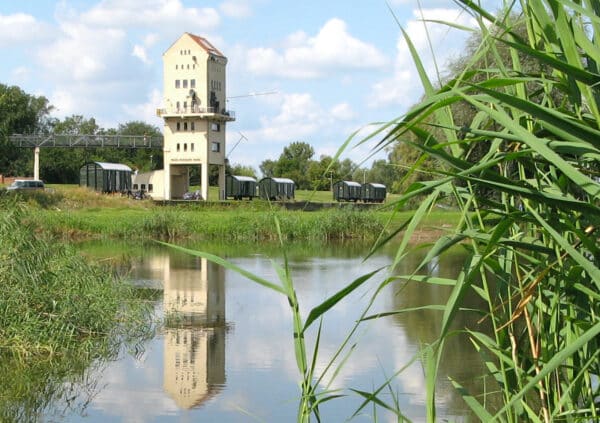
Skulptur i Pilane is located on the island of Tjörn in Bohuslän, a region of rocks, skerries and small bays on Sweden’s west coast. Around 2,000 years ago, this was not only a burial ground but also a gathering place where people came together. Peter Lennby wanted to reconnect with this history when he had the overgrown cultural landscape cleared to establish exhibitions of contemporary art here.
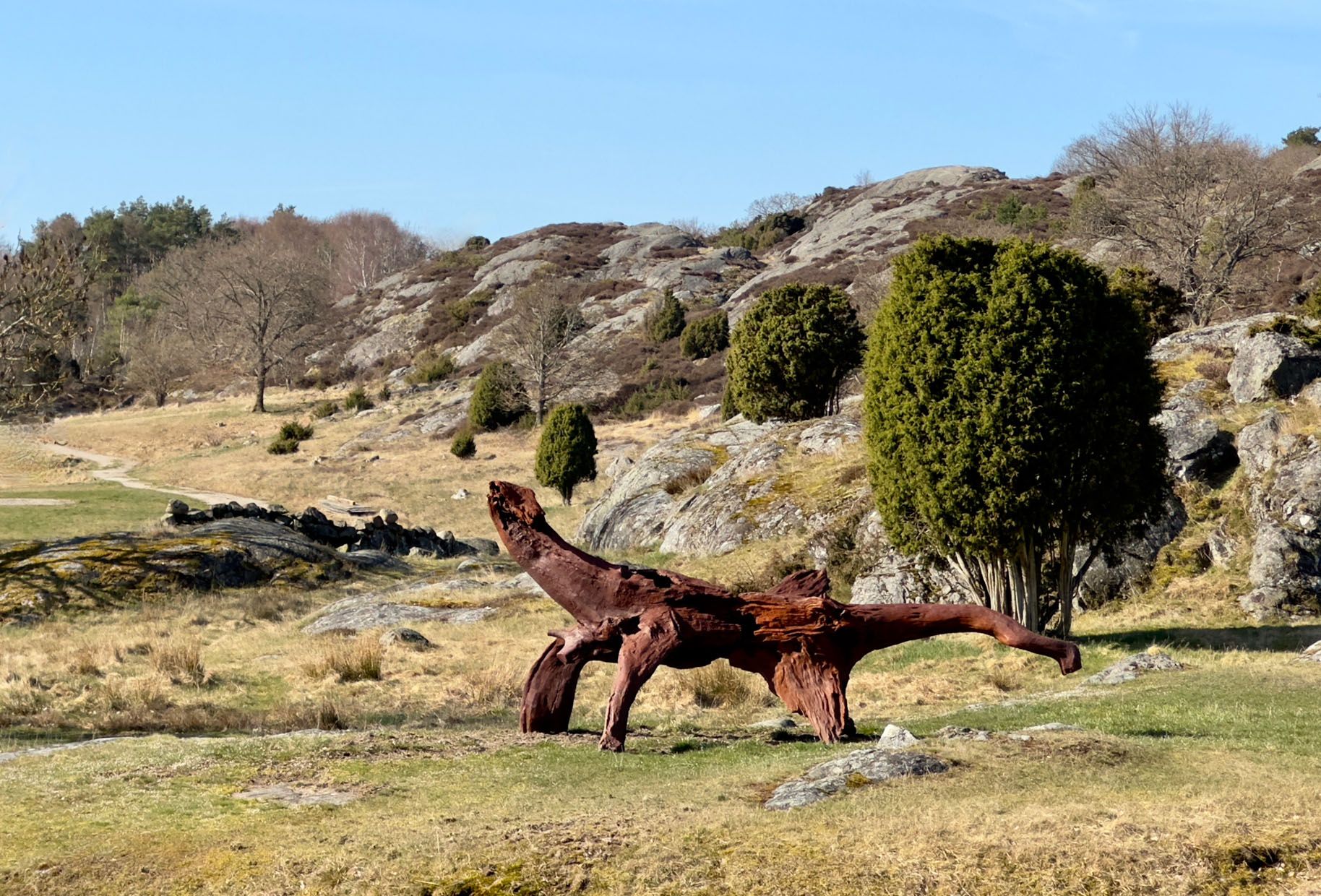
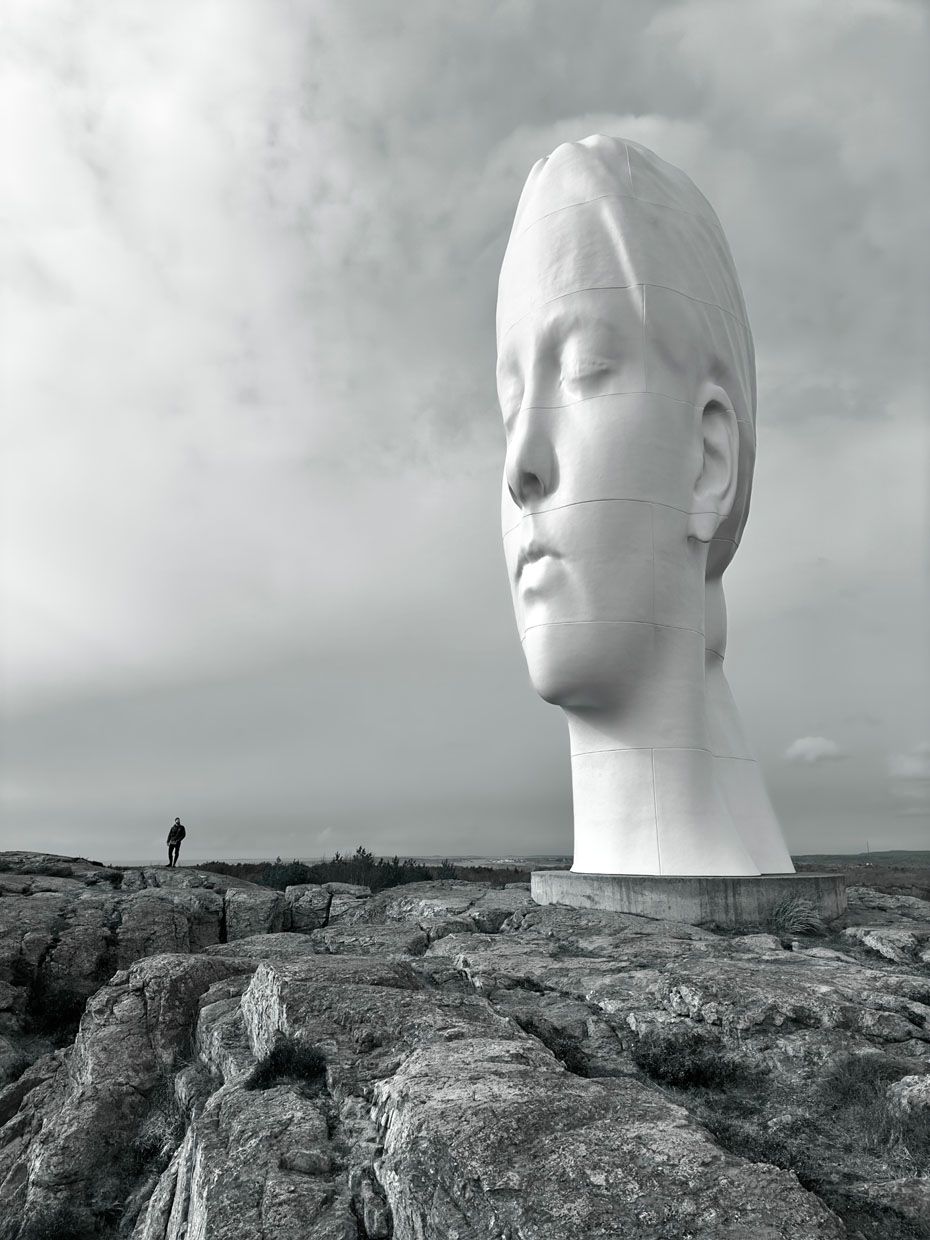
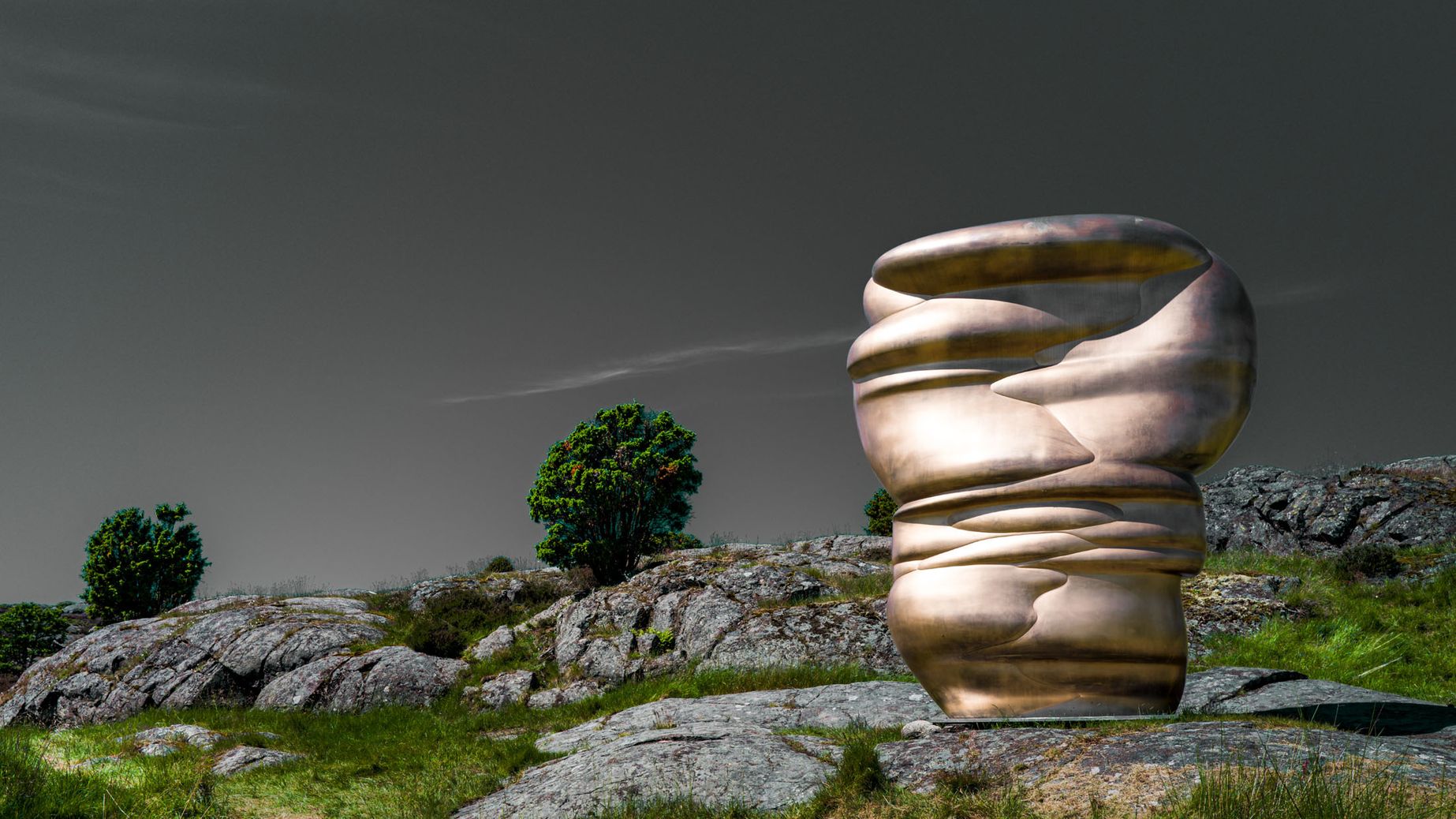
A gigantic head is visible from afar: Anna (2015) by Spanish artist Jaume Plensa. The sculpture arrived in Pilane in 2016 and proved so popular that it was acquired permanently. To this day, it remains the only permanent artwork on the site. The other works change with the annual summer exhibitions, which bring together Swedish and internationally renowned artists.
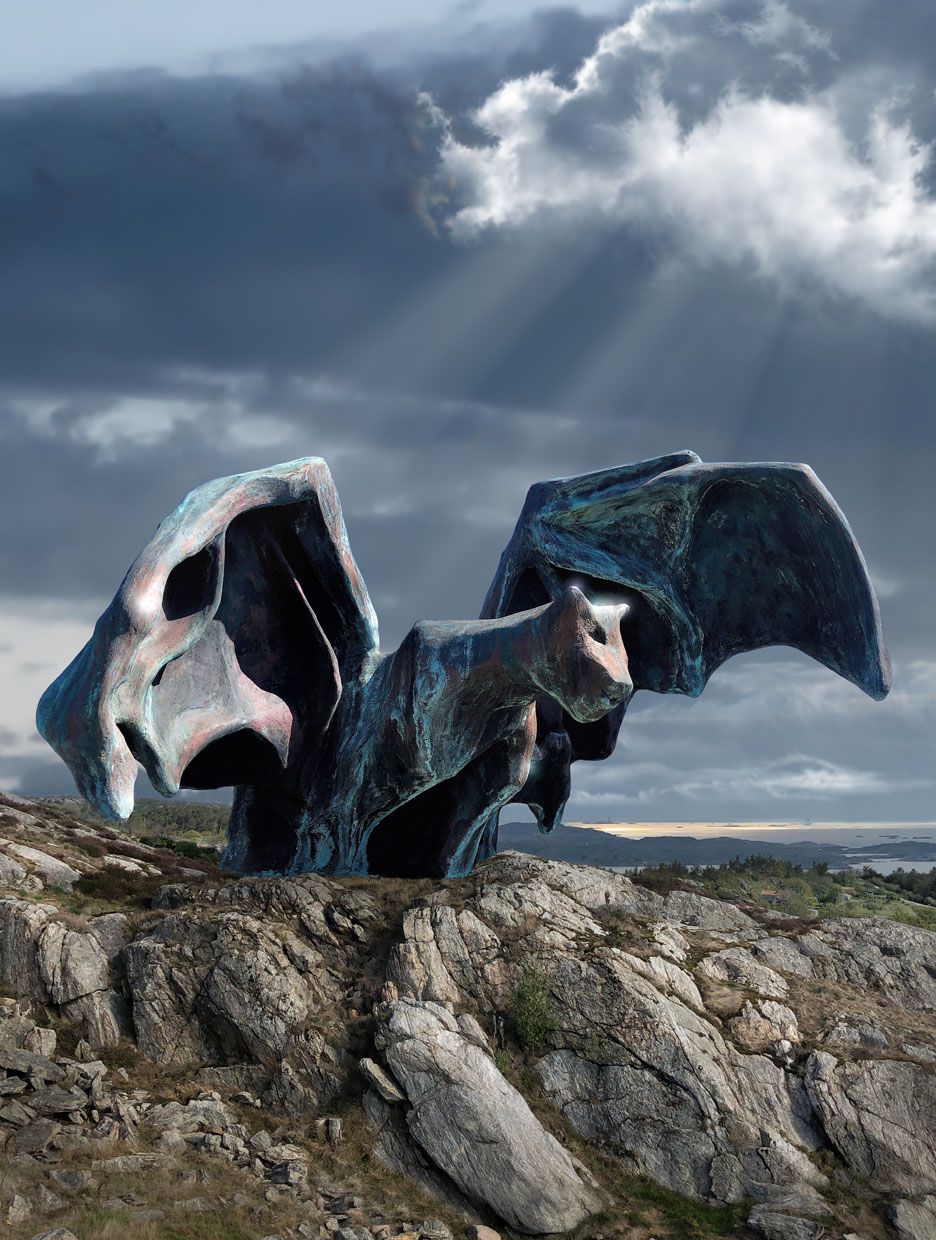
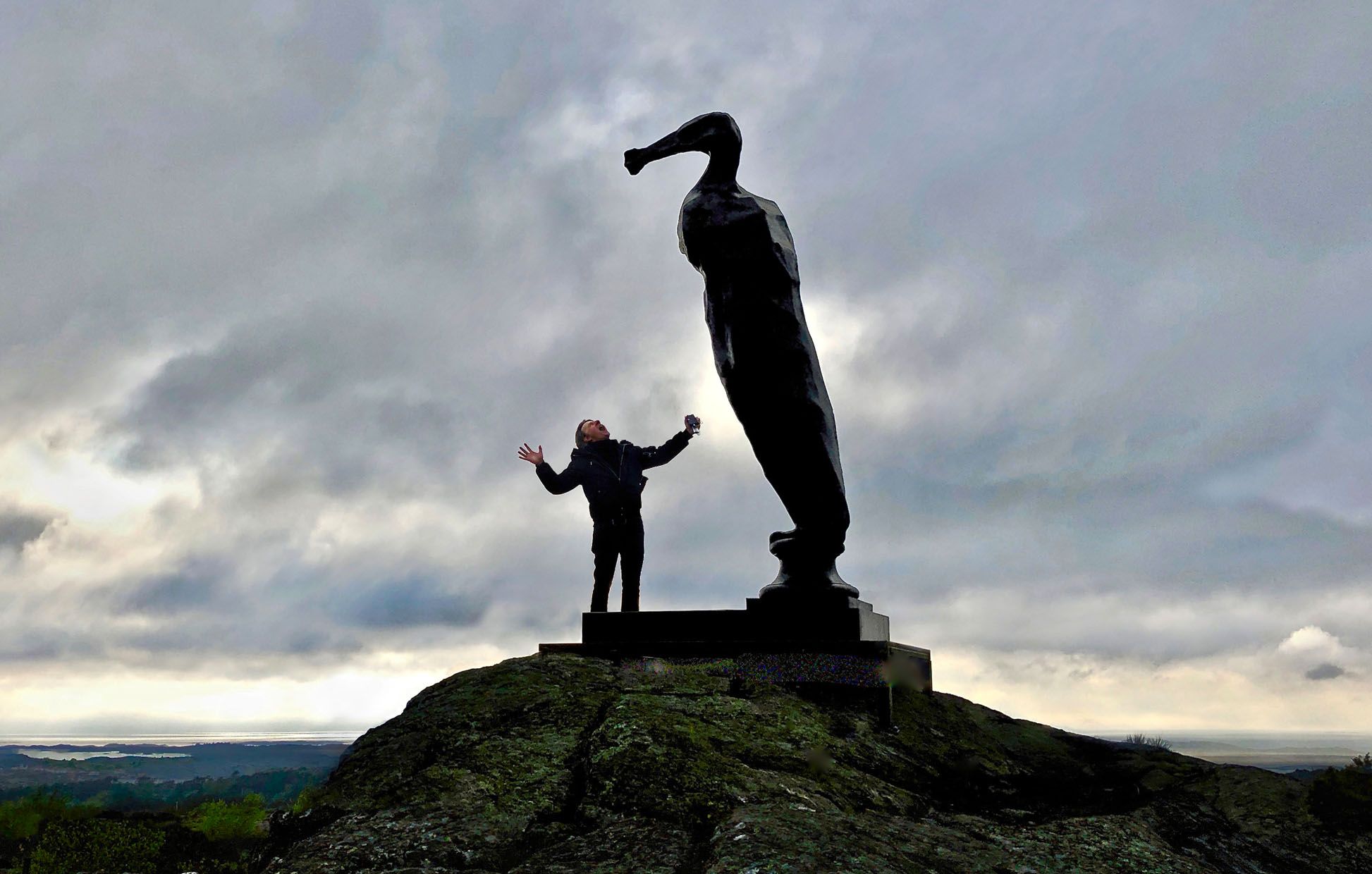
In 2019, for example, Belgian sculptor Johan Creten exhibited some of his most impressive bronze works in Pilane: De Vleermuis, De Gier and The Price of Freedom. In De Vleermuis (2014–2019), a monumental sculpture of a bat, Creten explores the animal’s ambiguous symbolism. He incorporated a staircase that allowed visitors to climb the sculpture and interact with it directly.
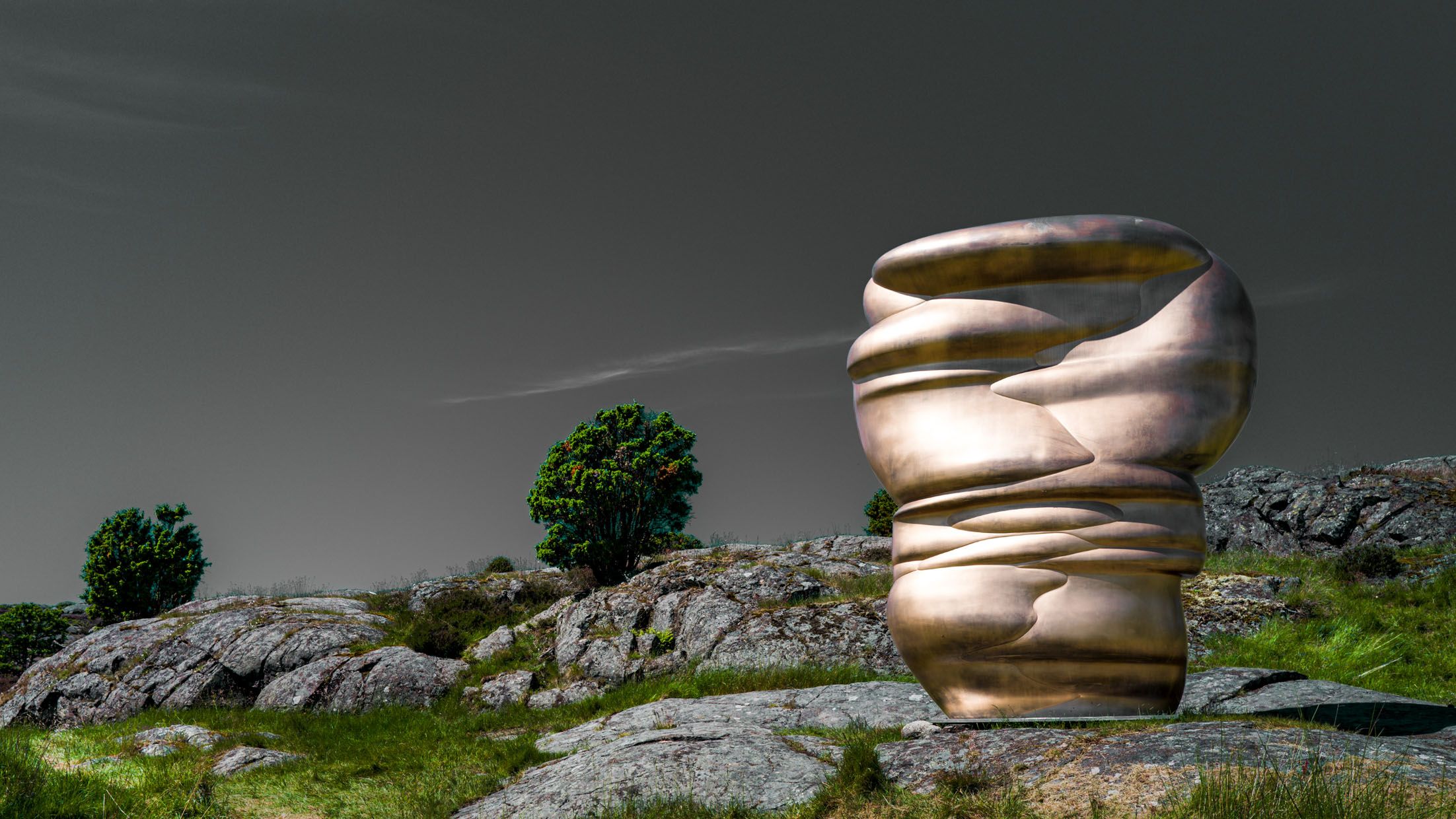
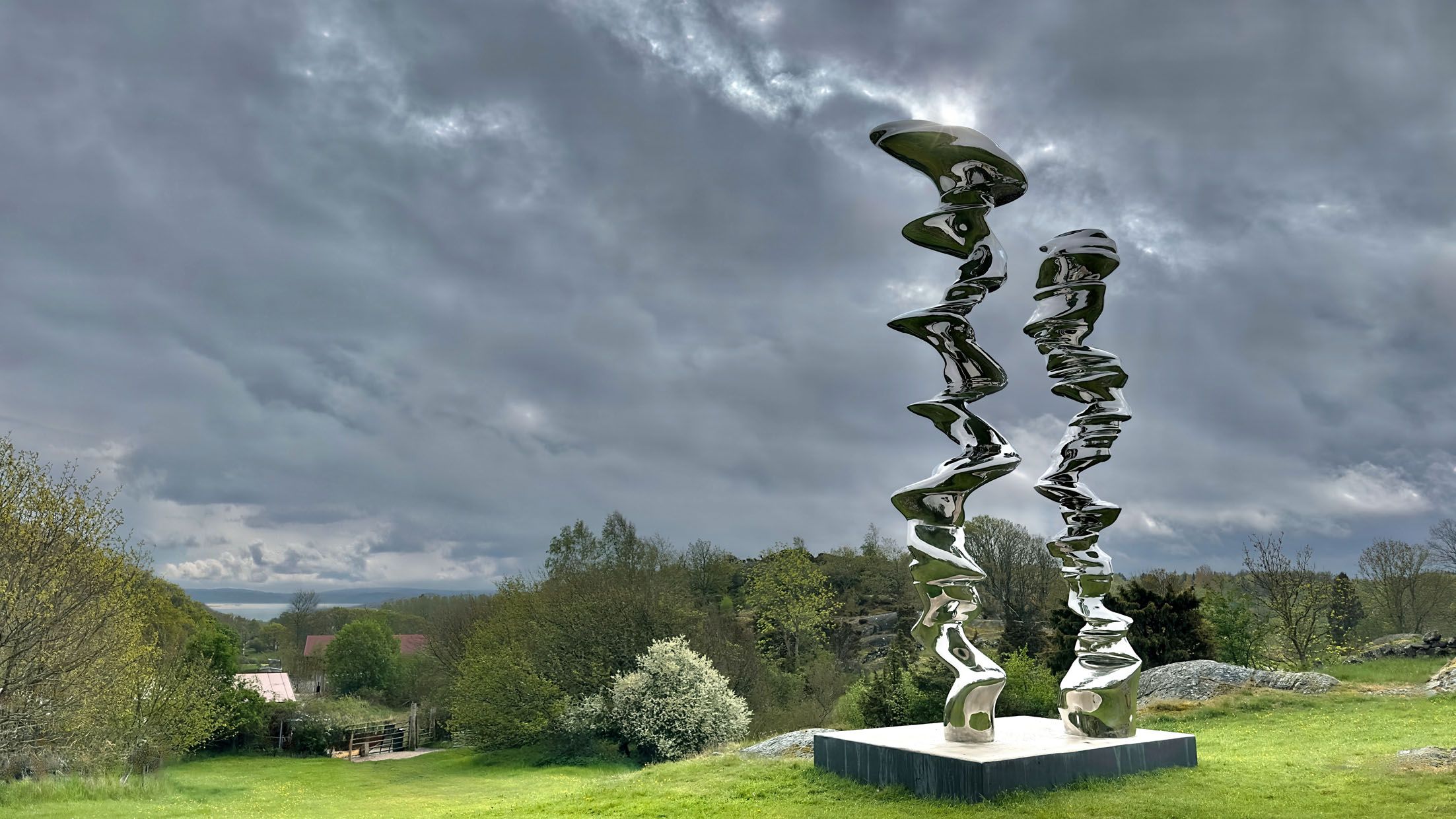
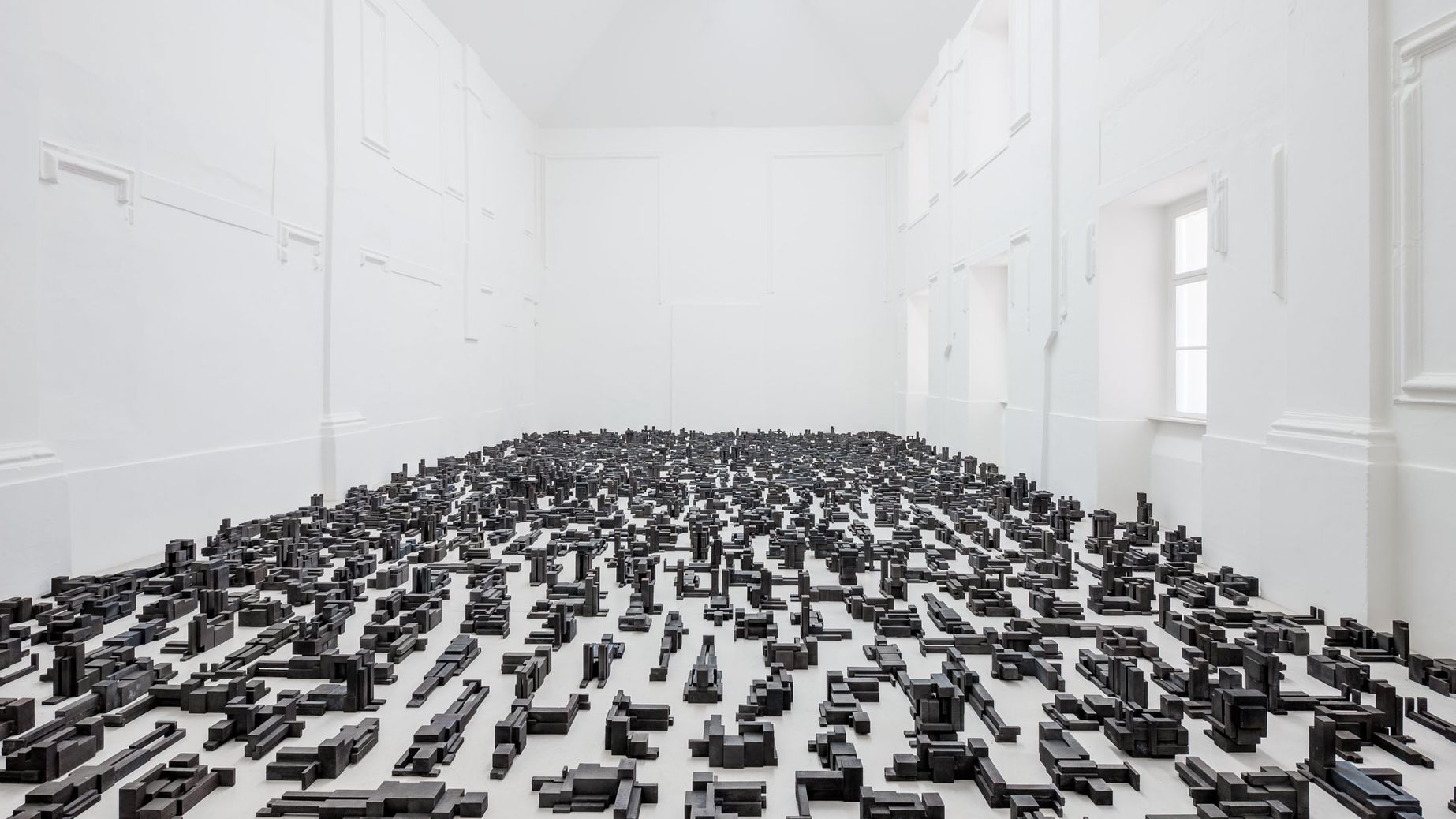
In 2026, to mark the twentieth anniversary of Skulptur i Pilane, the exhibition featured eleven works by British-German artist Tony Cragg, among others. Per Svensson’s flower-shaped sculptures Sounding Flowers I–III (2026) added an acoustic dimension to the exhibition, generating sounds using solar energy.
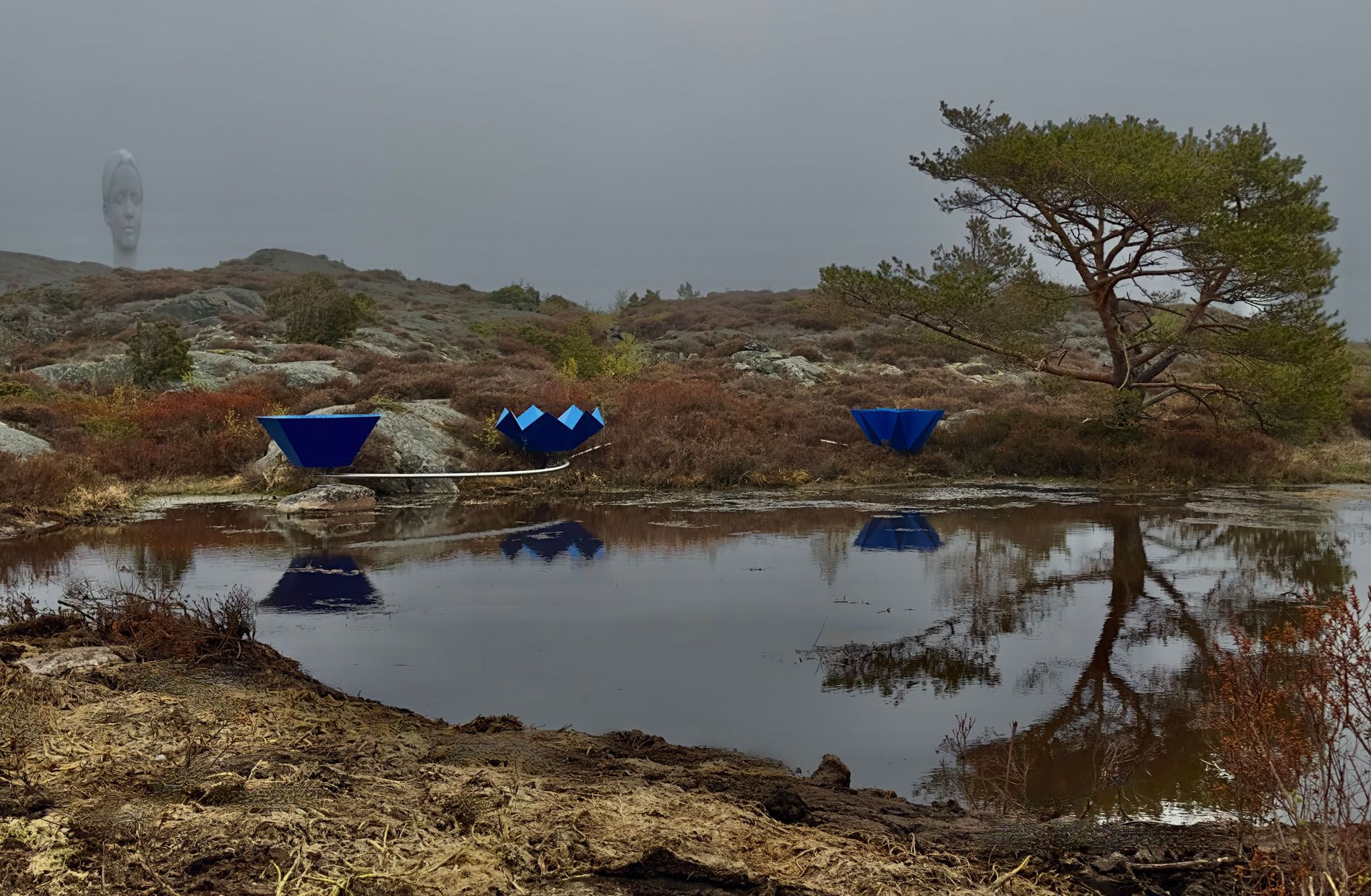
Visitors are free to wander through the hilly landscape, past rocky outcrops, small burial mounds and stone circles. In summer, sheep graze among the ancient graves, keeping the meadows open. The artworks emerge between the rocks, creating contrasts or seemingly merging with their surroundings. While the other works move on, Anna remains, a landmark visible from afar in the rocky landscape. Her quiet presence promises that the following summer will once again bring art to Pilane.
Fiumara d’Arte – An Art Trail in Northern Sicily
In northern Sicily, contemporary art appears in unexpected places: on hilltops, by the sea and in the heart of small towns and villages. The works belong to Fiumara d’Arte, an art trail extending across several municipalities and engaging with the landscape in unusual ways. It follows the course of the Fiumara di Tusa, a river that once flowed for 21 kilometres through the Nebrodi Mountains to the ancient city of Halaesa. Today, its riverbed is largely dry, carrying water only intermittently in winter.
The idea for Fiumara d’Arte emerged in 1982. Sicilian artist and patron Antonio Presti wanted to make monumental works of art accessible to everyone and financed them with his own funds.
The project began in 1986 with Pietro Consagra’s La materia poteva non esserci: an 18-metre-high reinforced concrete structure consisting of two parallel elements, one black and the other white. A passage opens up between them, inviting visitors to walk through the sculpture as if passing through a gateway. Three years later, Tano Festa created a striking counterpoint on the coast with Monumento per un poeta morto / Finestra sul mare. An enormous blue reinforced concrete frame encloses a view of the sea, while a black monolith interrupts the opening. Italo Lanfredini’s Labirinto di Arianna (1989) also invites visitors to experience art physically. A winding path leads between two-metre-high concrete walls into the heart of a labyrinth. The surrounding landscape disappears from view, leaving the sky as a point of orientation.
The idea of erecting monumental artworks on public land and gifting them to the community initially met with considerable resistance. Years of legal disputes and political conflicts followed. Since 2006, Fiumara d’Arte has been recognised as part of Sicily’s cultural heritage. What began as a controversial idea has become an internationally renowned art and landscape project.
Jupiter Artland – Art in Dialogue with the Landscape
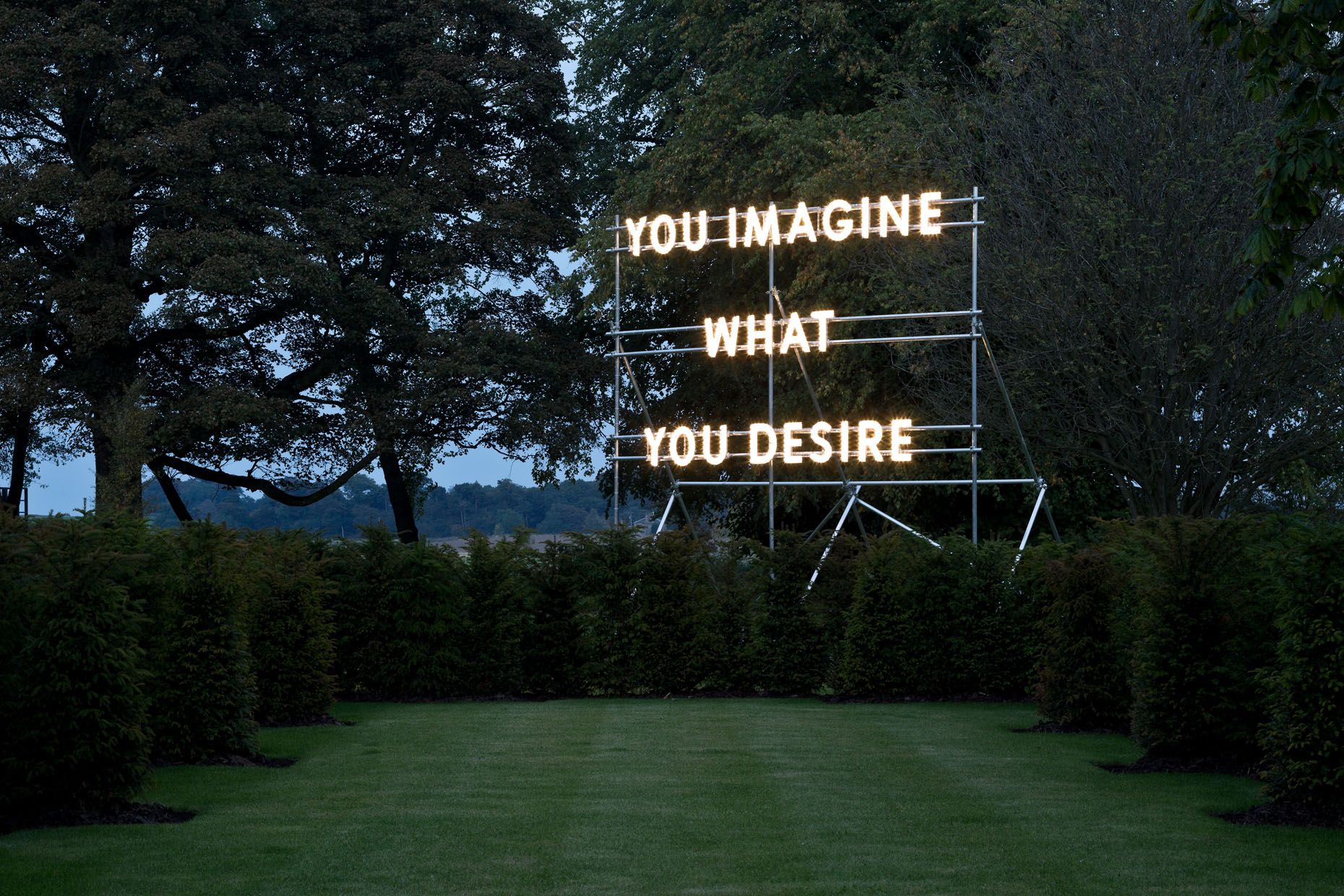
Jupiter Artland, a contemporary sculpture park and exhibition venue, is situated in the countryside west of Edinburgh. Here, Robert and Nicky Wilson have created a place where art and landscape intertwine and enrich one another.
In 1999, the couple purchased the historic Bonnington House and moved with their family from London to Scotland. Their shared passion for art and desire to share this experience with others gave rise to Jupiter Artland. In 2009, the Wilsons opened the approximately 40-hectare estate to the public.
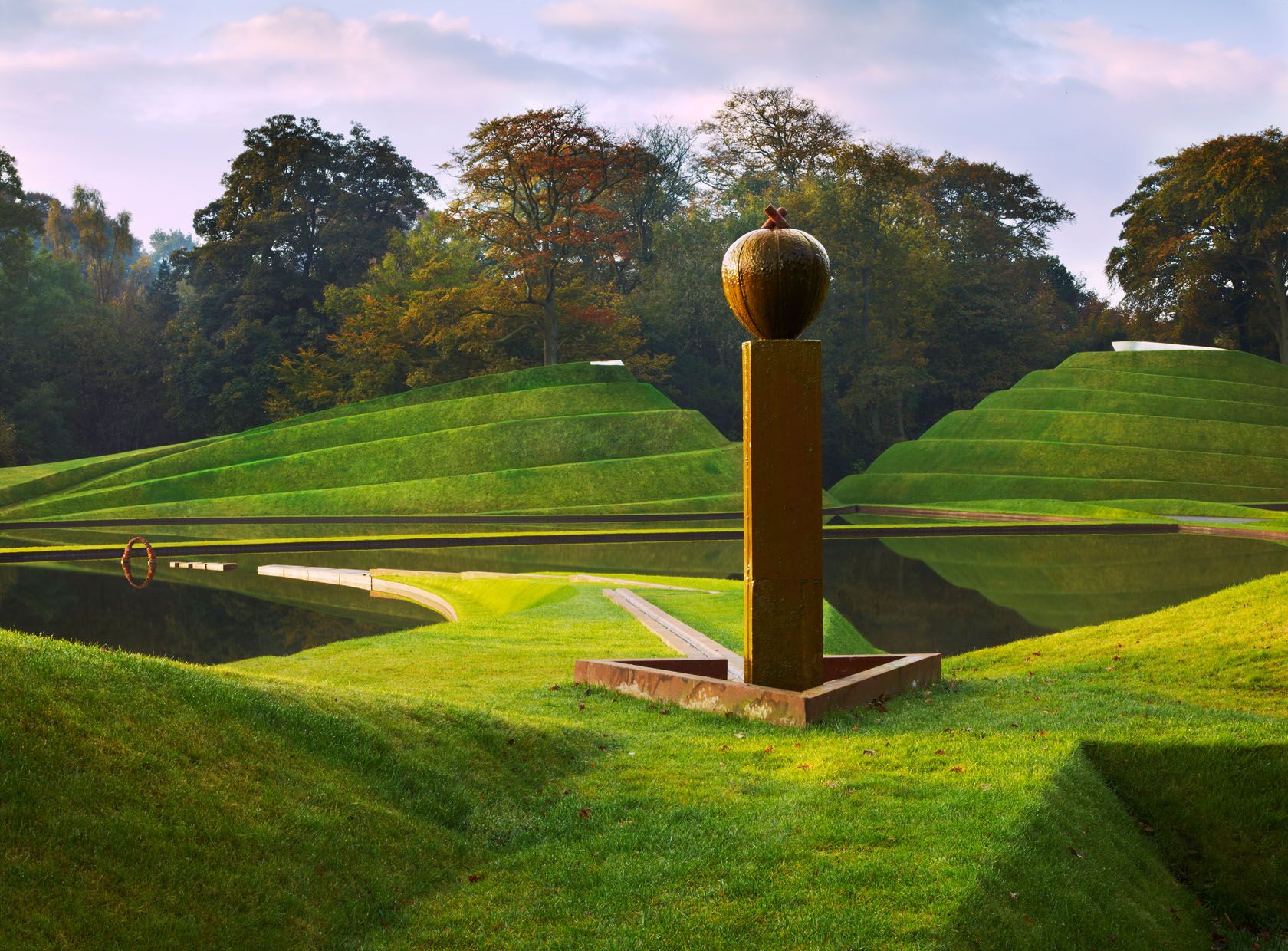
The first artwork commissioned by Nicky Wilson was Charles Jencks’ Cells of Life (2003–2010). It took eight years to create this almost otherworldly landscape of grass-covered earth formations and curving expanses of water. Here, the landscape itself becomes a work of art: its forms give the landscape a new appearance and make the journey through it part of the artistic experience.
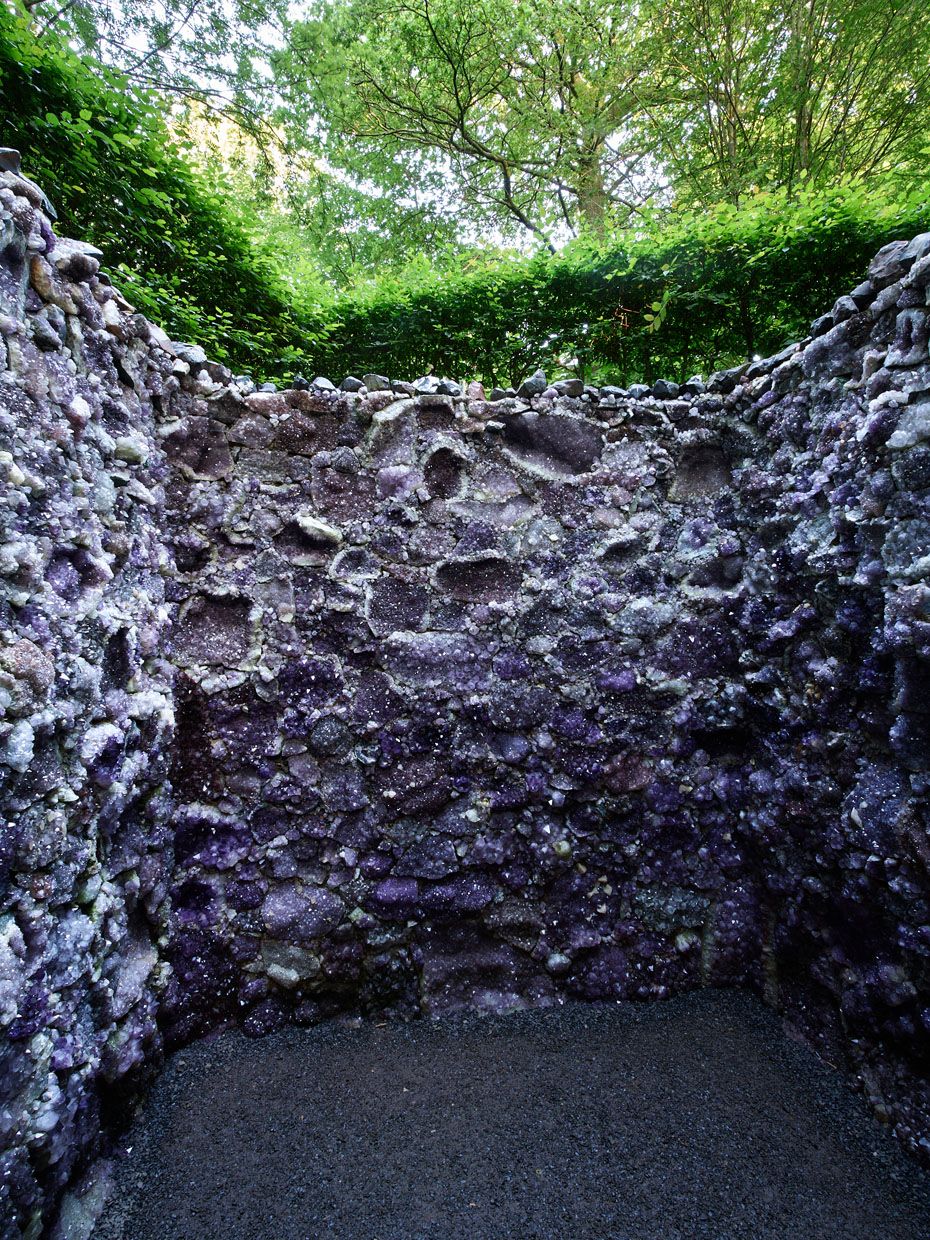
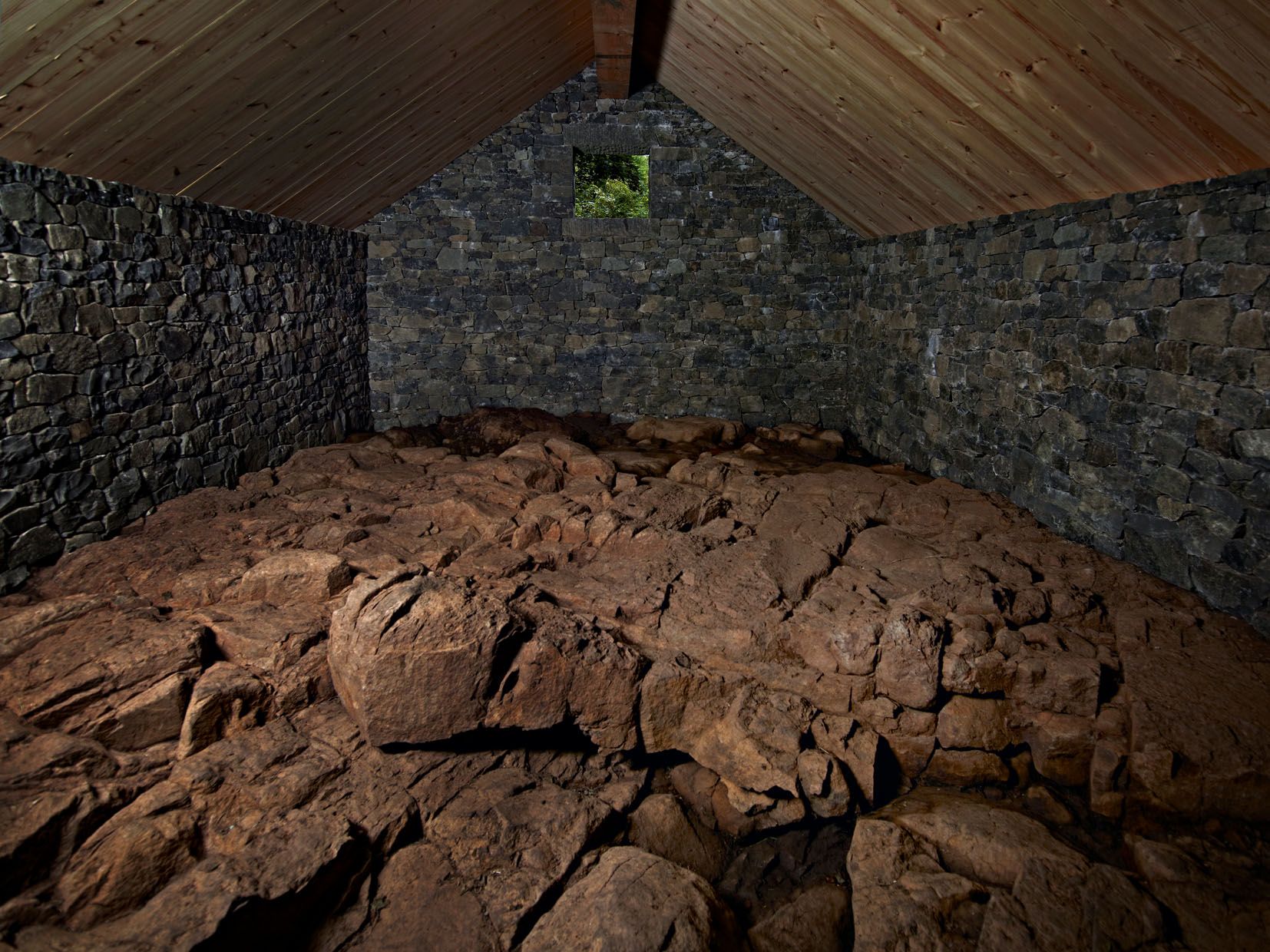
The collection grows year after year through specially commissioned works that emerge from an engagement with the site. Many artists spend extended periods here while developing their projects. For The Light Pours Out of Me (2012), Anya Gallaccio embedded a crystalline chamber in the forest floor, its walls lined with purple amethyst crystals. With Stone House (Bonnington) (2009), Andy Goldsworthy created an unassuming stone building, inside which the exposed bedrock emerges. He used the stones left over from its construction for Stone Coppice (2009), placing them among the coppice shoots of a woodland. As the trees grow, they gradually envelop the stones and slowly lift them upwards.
The Wilsons collaborate with artists whose work inspires them – from Tracey Emin and Anish Kapoor to Cornelia Parker. Yet Jupiter Artland is intended to be more than a place where art is collected and exhibited. The Wilsons want every child in Scotland to have free access to art. Through school visits and projects across the country, they are taking this vision far beyond the park itself.
More Landscape and Sculpture Parks in Europe
Among the many parks in Europe, the following ones caught our eye in particular, alongside those already mentioned. If you have any other parks you’d particularly recommend, please feel free to leave a comment!
Norway – Kistefos Sculpture Park
More than 50 sculptures by international artists in a landscape shaped by the river and its industrial heritage, complemented by striking contemporary architecture.
Italy – Collezione Gori – Fattoria di Celle
On a historic estate in Tuscany, more than 80 artworks are integrated into the park, villa and other buildings.
France – Domaine de Boisbuchet
On a 150-hectare estate in the Charente region, historical buildings meet experimental architecture and design.
France – Château La Coste
A trail through vineyards and olive groves leads to contemporary artworks and projects by international artists and architects.
Denmark – Rudolph Tegners Museum und Skulpturenpark
In the heathland of North Zealand, visitors encounter monumental sculptures by Danish sculptor Rudolph Tegner, who also designed the adjoining museum.
Spain – Fundación NMAC
In southern Andalusia, international artists create site-specific works that engage with the landscape and the region’s history, geography and society.
Portugal – Parque de Serralves
This 18-hectare landscape park in Porto combines historical gardens, woodland and a traditional farm with a permanent collection of sculptures.
Read more about sculpture parks
Text: Christiane Weidemann
Cover photo: © Skulptur i Pilane: Masks by Tony Cragg. Photo: Peter Lennby
0 Comments