
Every room is a flowery artwork: Baixa House
Right in the centre of Lisbon, more precisely in the Baixa district in the heart of the old town, which is under a preservation order, and therefore very close to famous places such as the Praça do Comércio square on the banks of the Tagus, URLAUBSARCHITEKTUR has had a very popular holiday accommodation for many years: the Baixa House.
This is an article from our archive. It was published in July 2020, so some details may no longer be up to date.
By Ulrich Stefan Knoll
Lisbon is not only the political and economic centre of Portugal but also often referred to as the “City of Light”. As if that wasn’t reason enough to travel there, the sun shines 300 days a year, and the city and its surroundings are rich in sights and cultural offers. Right in the centre, more precisely in the Baixa quarter in the middle of the protected old town and hence very close to famous places, as for example the Praça do Comércio square on the banks of the Tejo river, URLAUBSARCHITEKTUR has had a favourite holiday accommodation for many years: Baixa House.
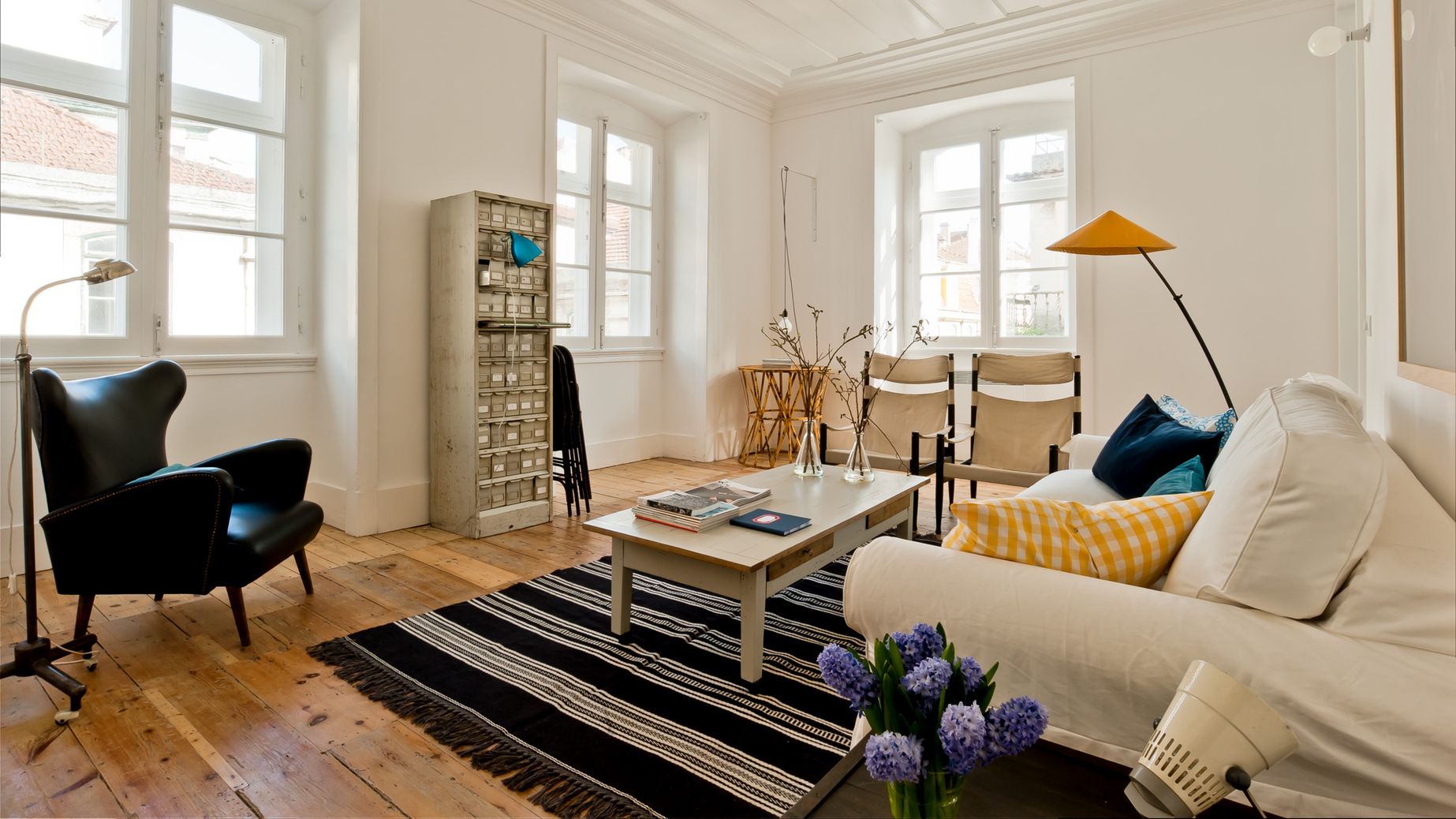
13 individual apartments await the guest, located in a historic, Pombaline-style, XVIIIth century building, which combines late-baroque with neo-classicism. The building has a façade that is distinguished by its blue azulejo tiles, an unmistakeable mark of Portuguese identity. Its refurbishment—completed in 2011—is the work of Portuguese architect José Adrião in close cooperation with its proprietor, Spanish landscape architect Jesús Moraime, and the interior designers Javier Carrasco and Juan de Mayoralgo.
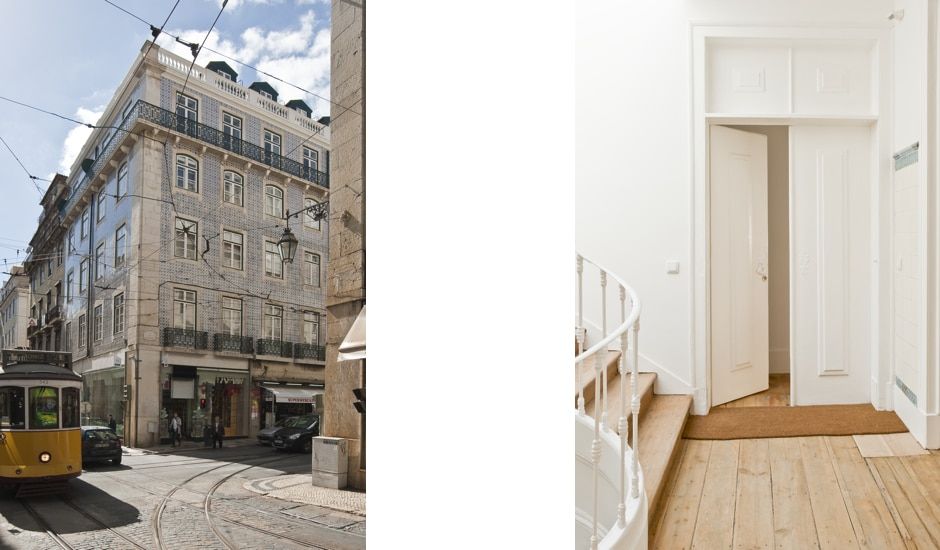
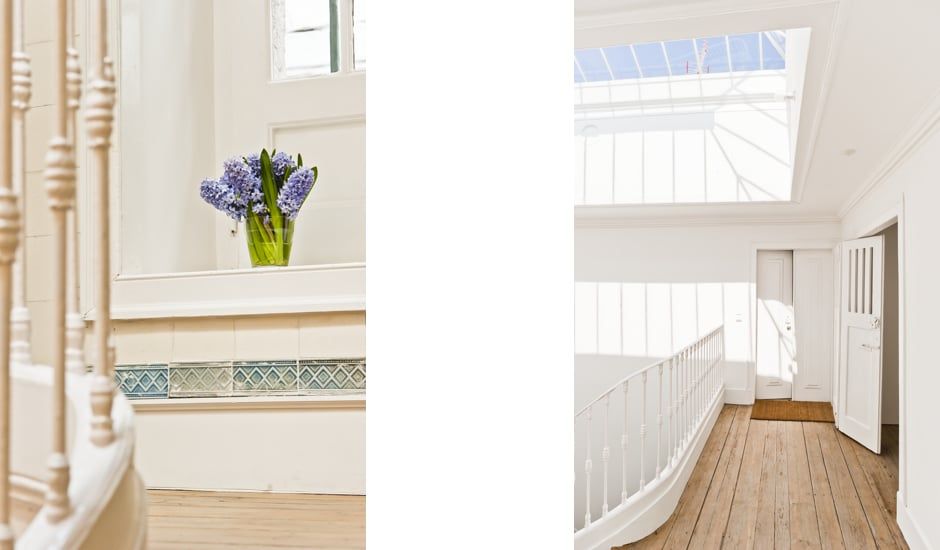
Since the construction of the building in the late 18th century, there have been numerous changes that have significantly modified the original character of its components. The project strategy decided upon was therefore to accept its existing heterogeneous character. The intervention was defined as a new addition in continuity with the history of the building, incorporating the changes of different times and leaving aside a possible restoration process. The main interventions determined by the project were the typological change from two apartments per floor to three, the installation of an elevator, the replacement of all infrastructures and the preservation of a substantial part of construction elements.
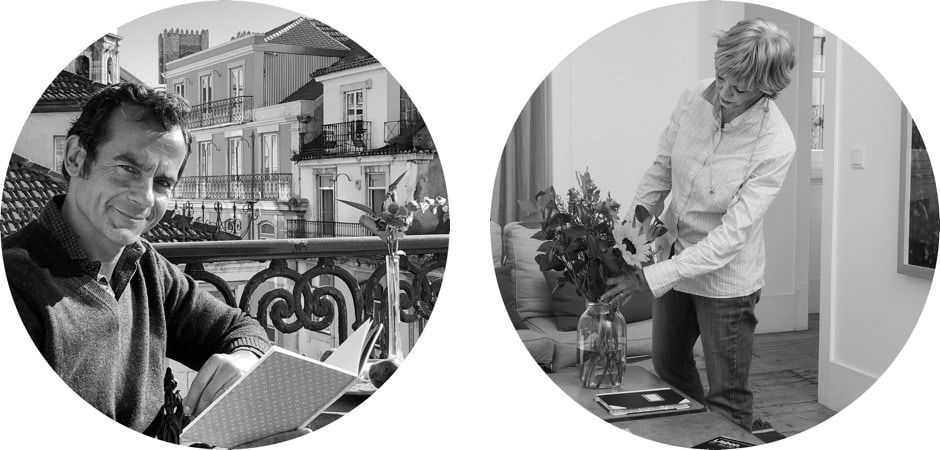
We talked to Jesús Moraime, owner as well as multi-talented entrepreneur, and the good soul of the house, Anabela Bartolo. She not only has 30 years of experience in the hotel business and speaks five languages, she also lovingly takes cares of simply everything: flowers, breakfast, first-hand recommendations and, in required, even of Christmas decoration.*
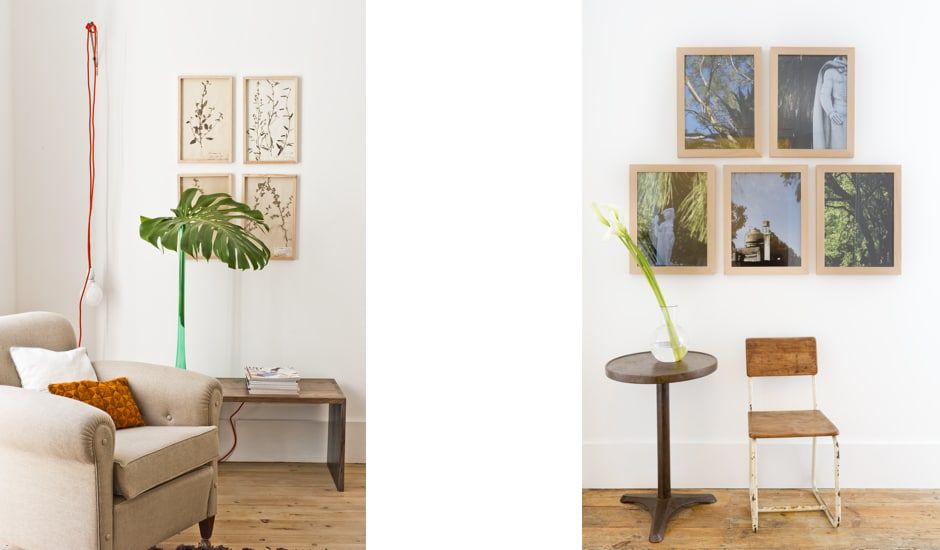
UA: A peculiarity that we did not mention yet is the interior decoration of the single apartments, each of which bears a relation to one of Lisbon’s famous parks. How did this idea come about?
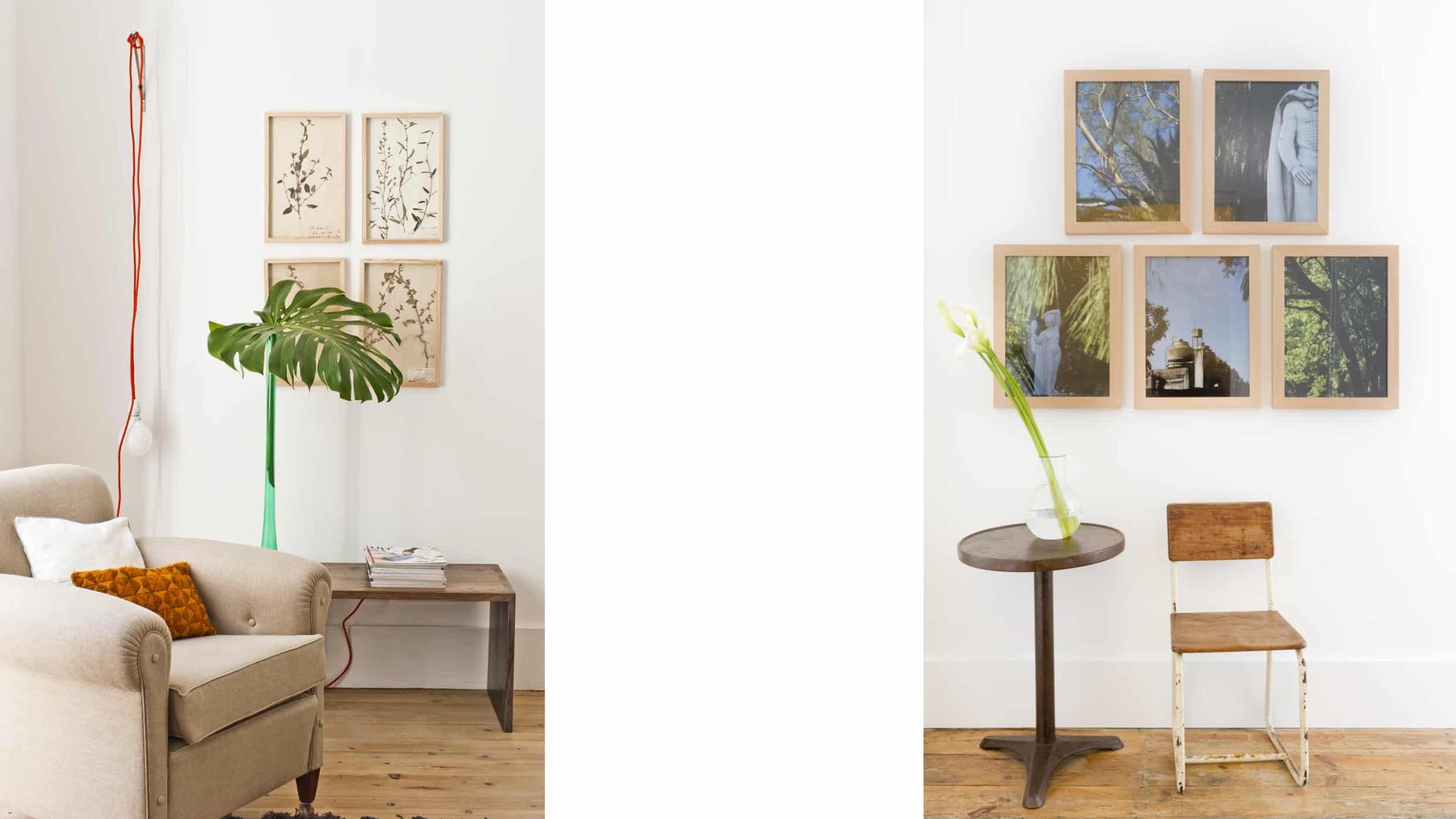
Jesús: The gardens and how the vegetation mixes with the urban architecture seems to me one of the most notable characteristics of Lisbon. Being a landscape architect and a great lover of Lisbon’s gardens, it seemed very appropriate to pay homage to them in the apartments and also to help bring them closer to all those who come here to get to know and enjoy the city.
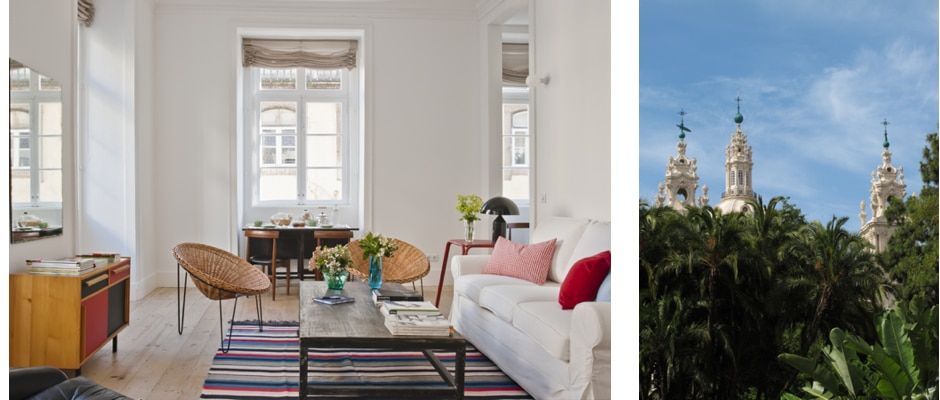
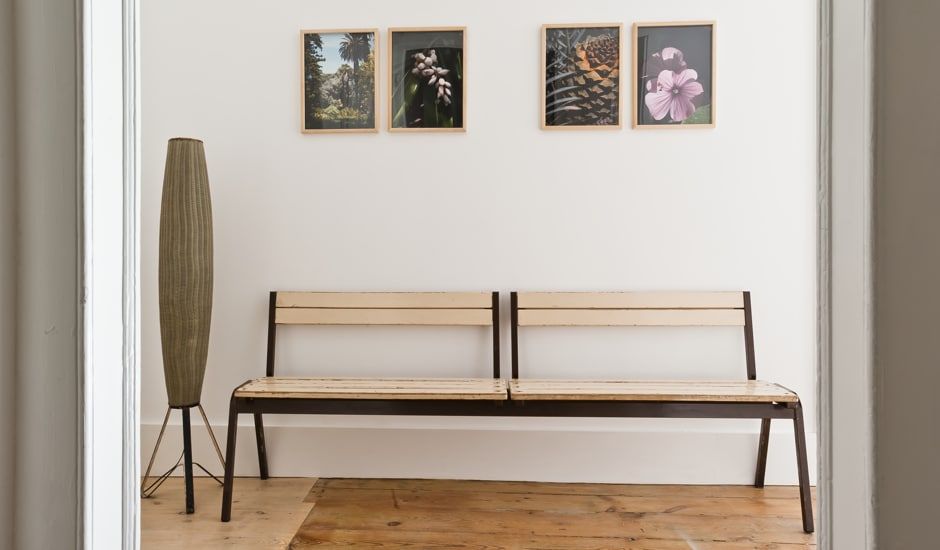
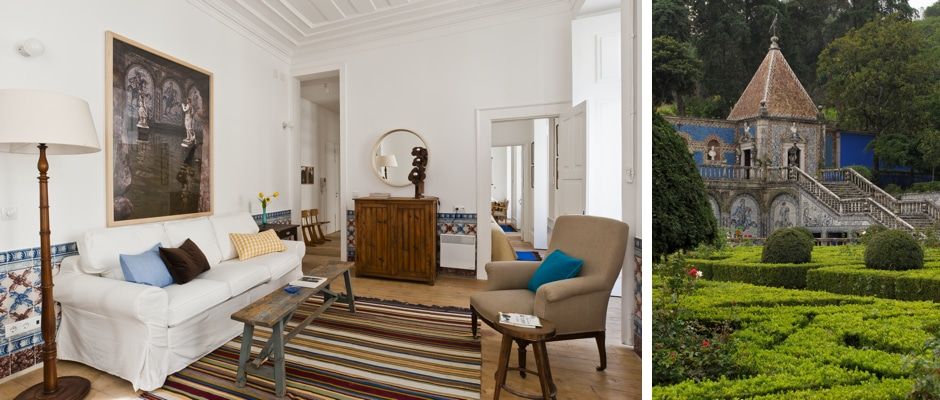
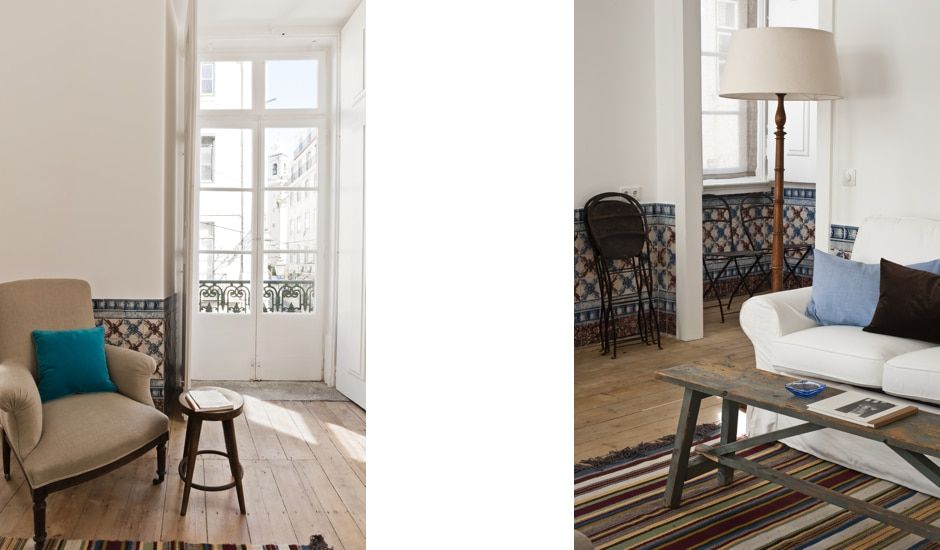
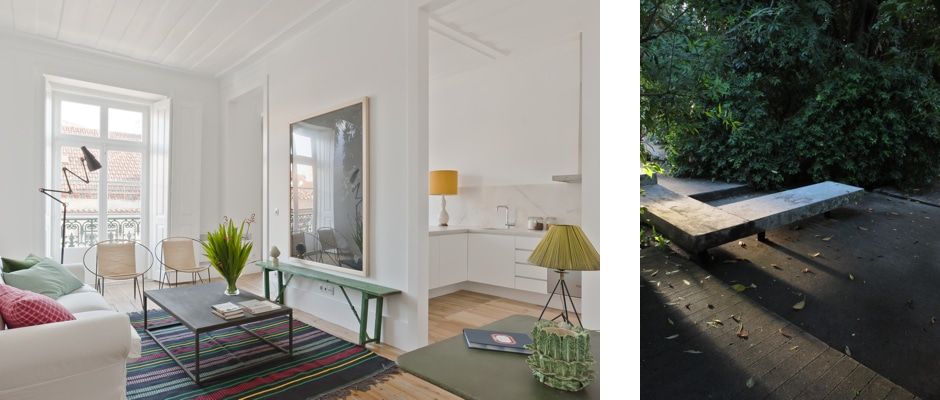
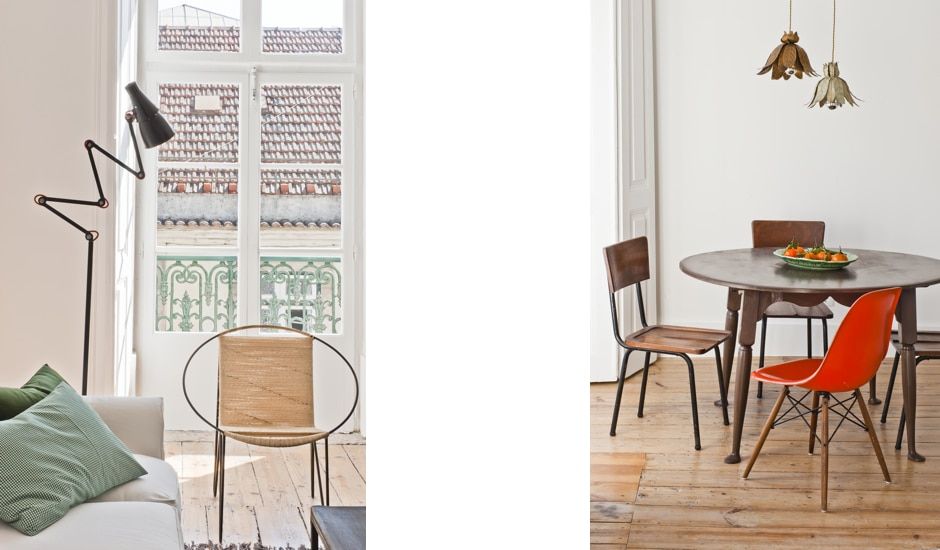
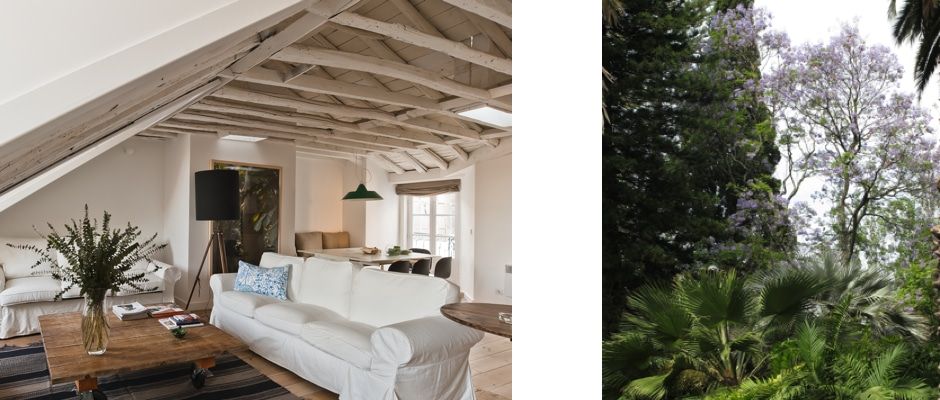
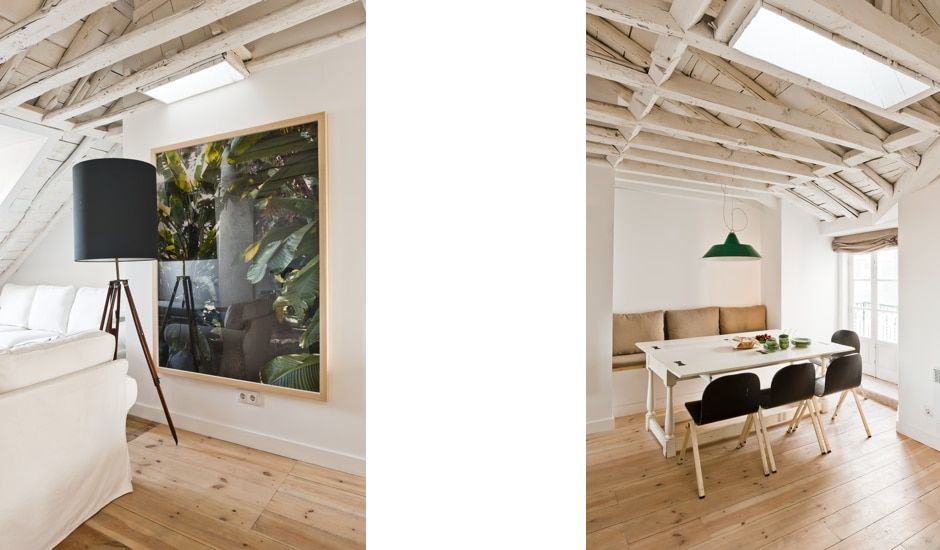
UA: How is it that today everything comes across as a wonderfully light, almost floating composition of delicate but well-defined individual spaces, enriched by so many, yet subtle references to Portuguese (garden) culture?
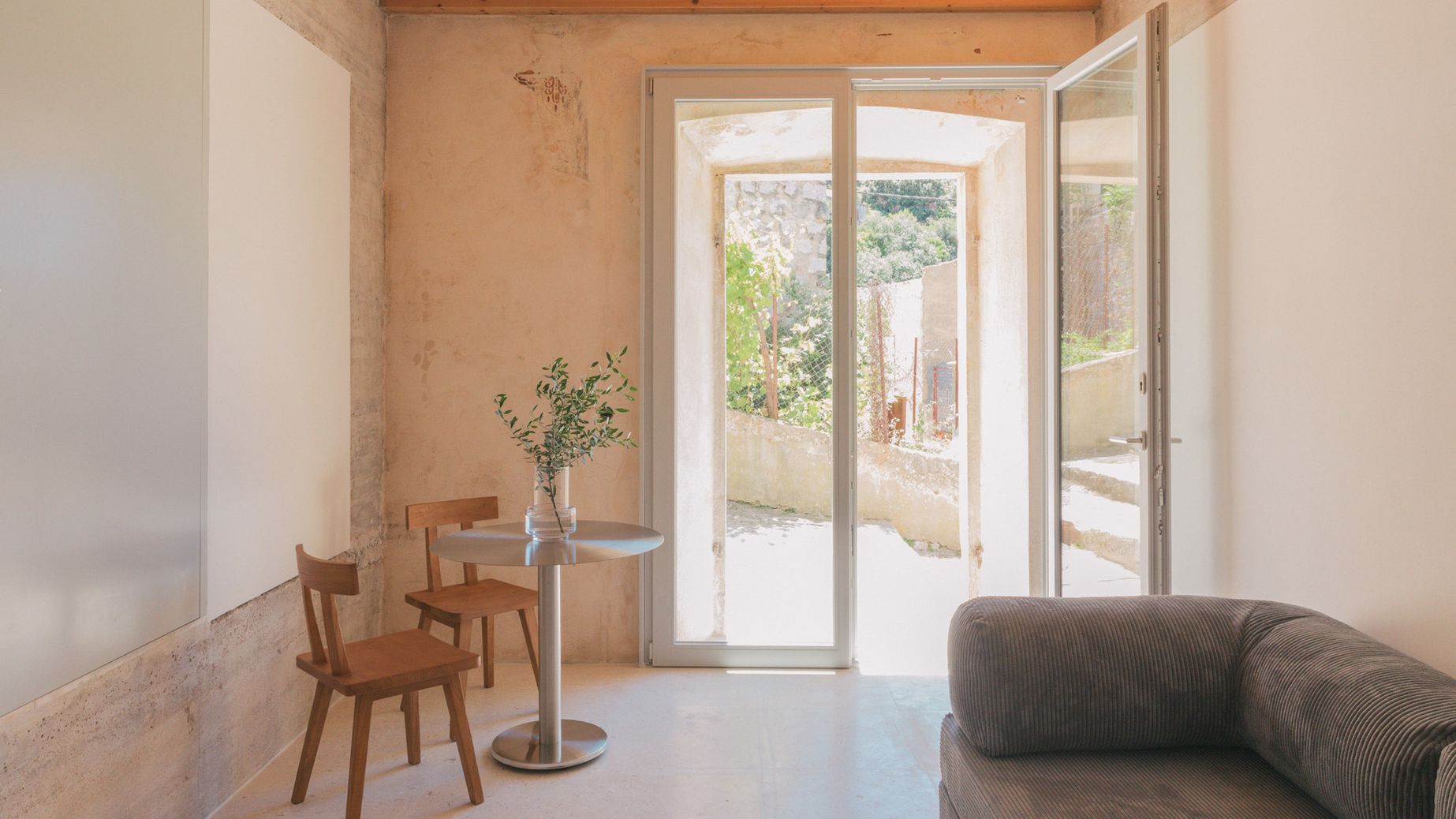
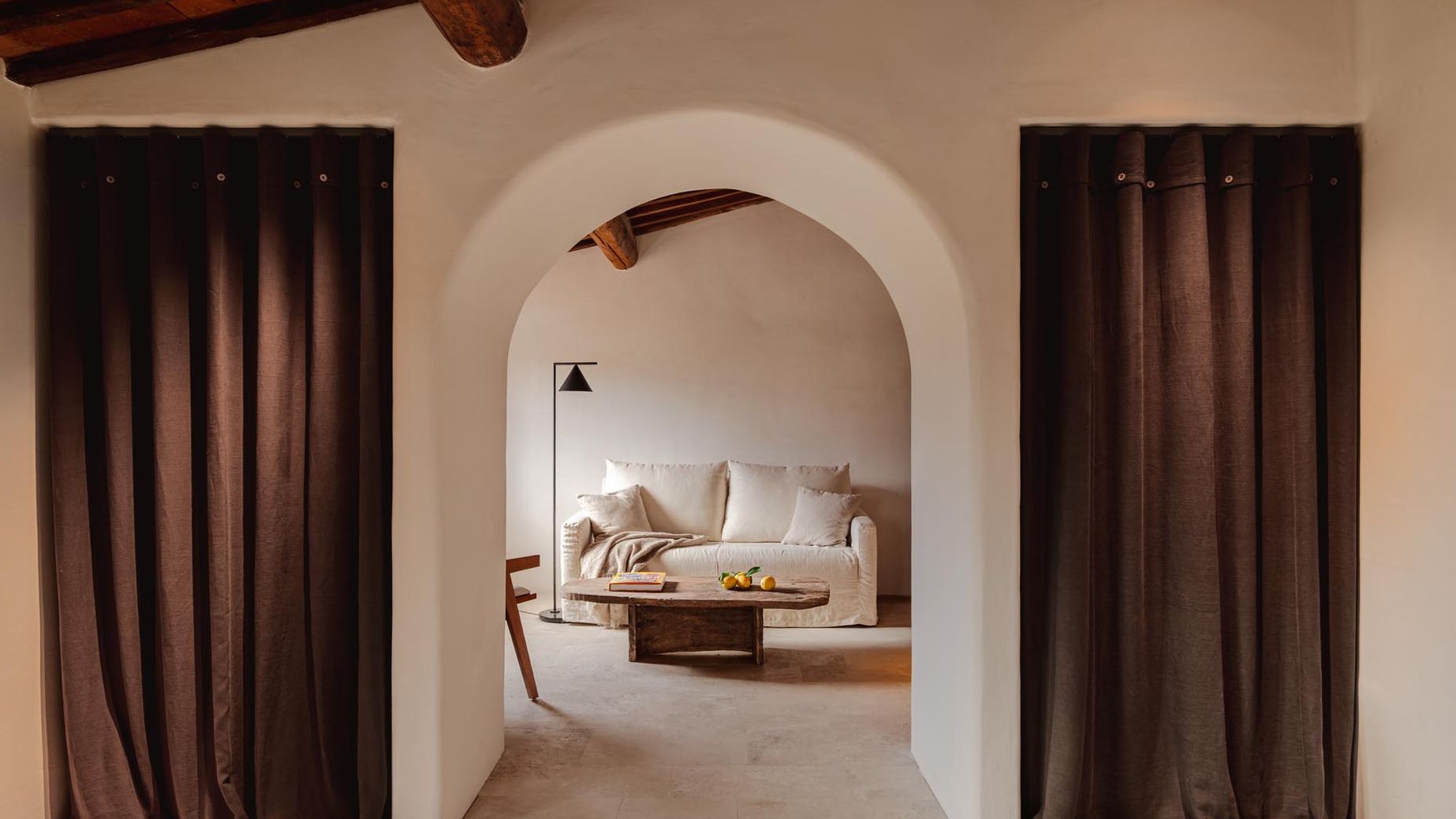
Jesús: All the pieces of the puzzle fit together perfectly. Architect Jose Adriao helped me from the first moment in choosing the building from a technical point of view, and once we had found Baixa House, where soul and functionality were united, we began to work closely on the project. My initial idea was to bring an abandoned building back to life with a respectful approach to the local character, trying to preserve the original qualities of the building, doors, windows, ceilings and floors to the greatest extent possible.
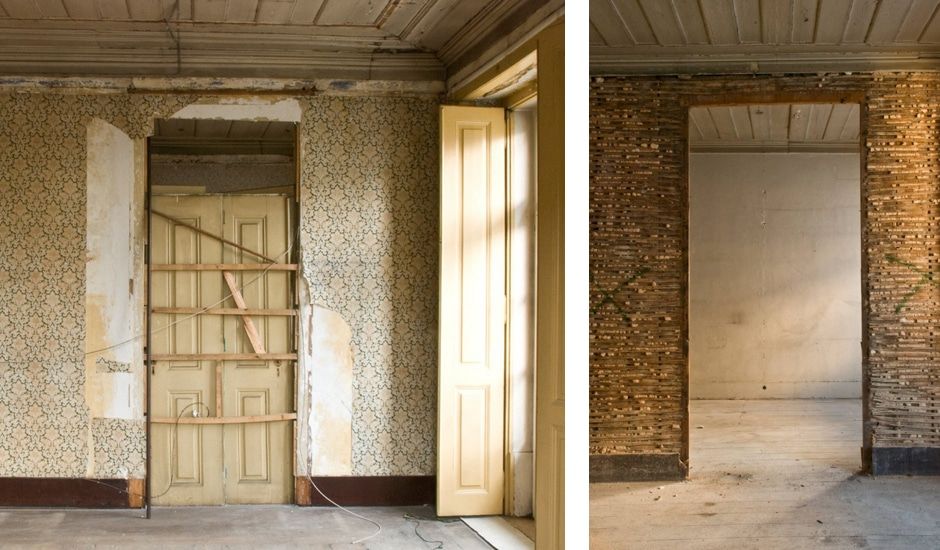
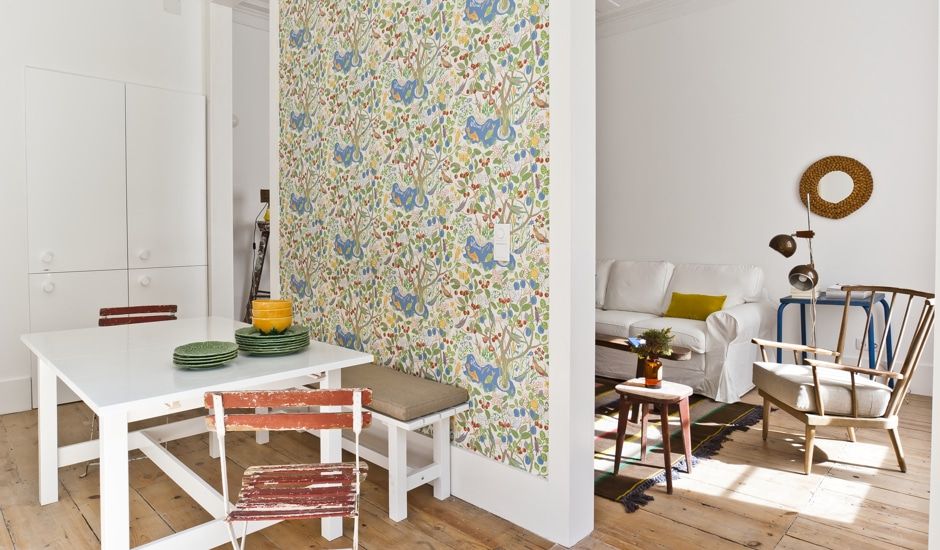
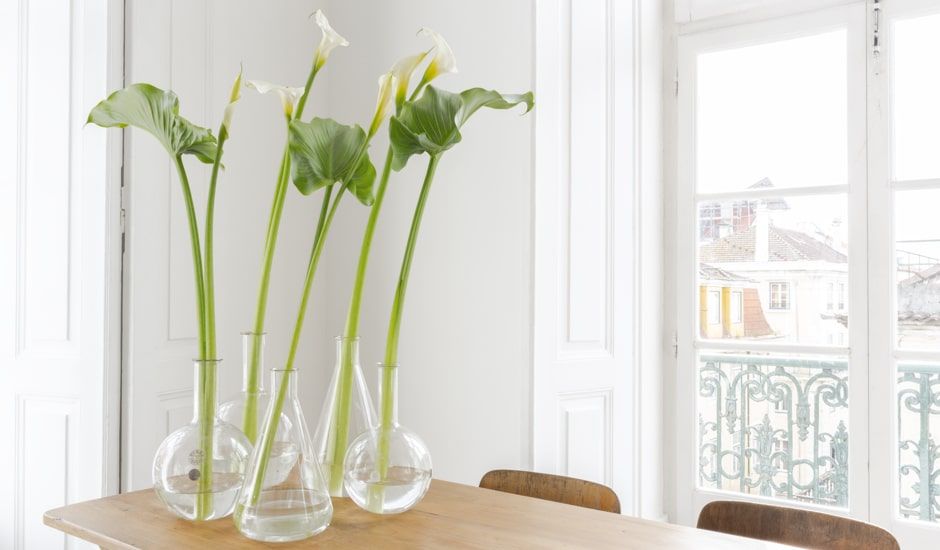
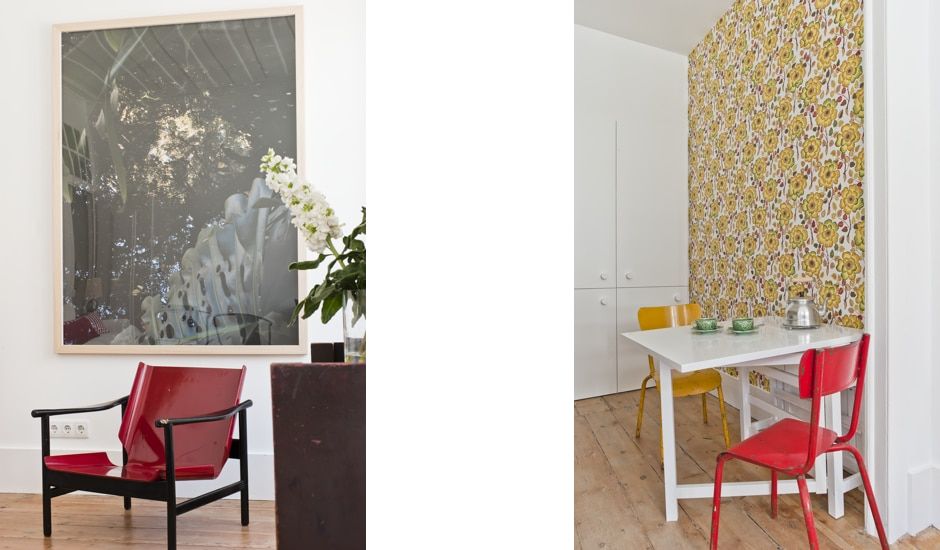
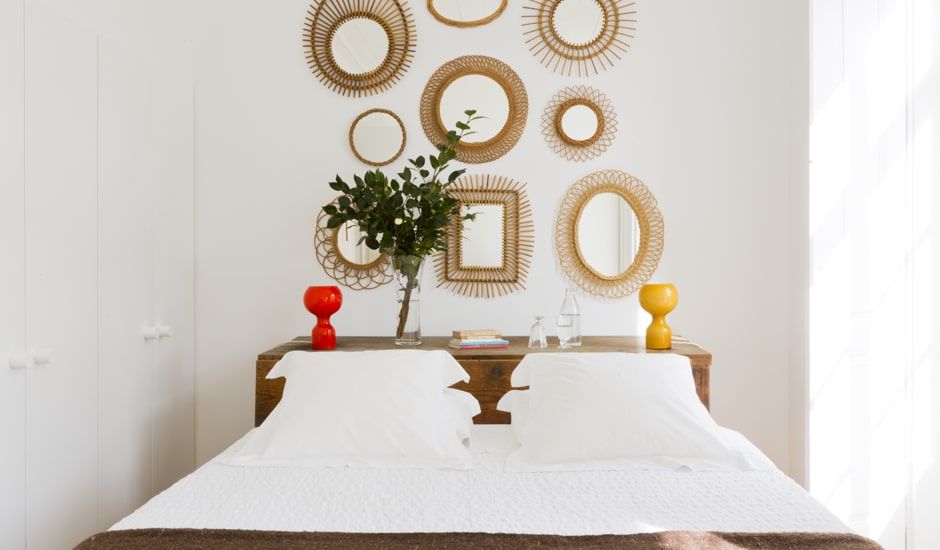
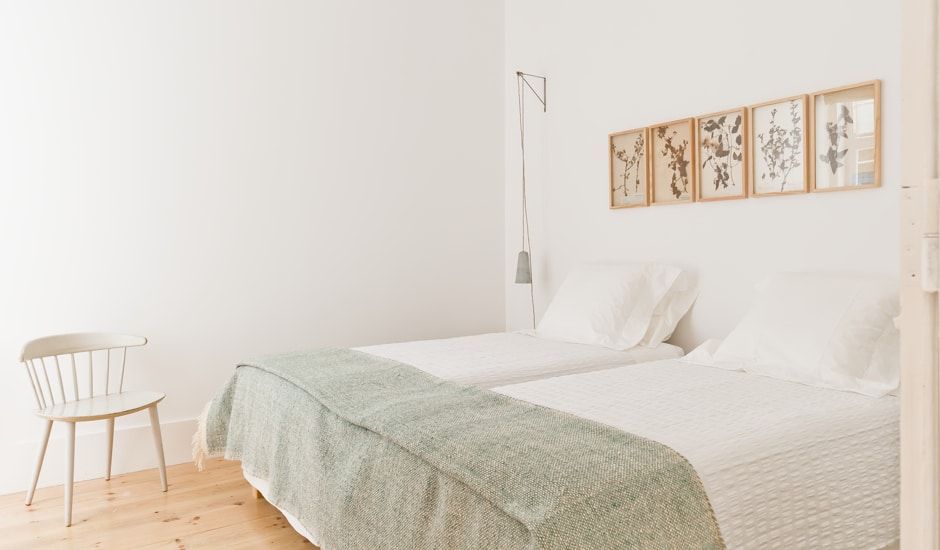
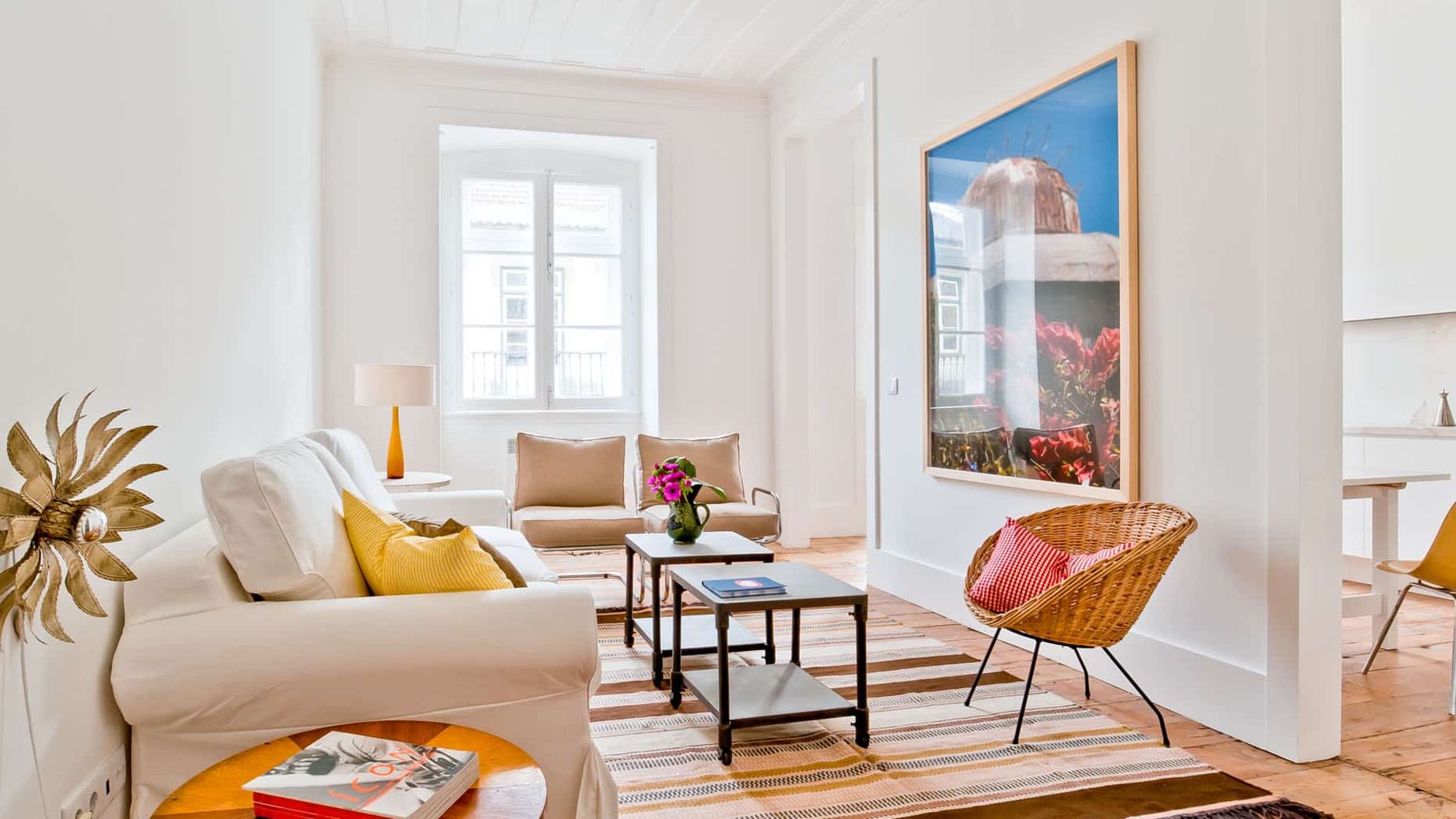
What was initially planned as long-term rental apartments became the Baixa House project after I got to know this type of short-stay accommodation and experienced how pleasant it was to stay in them and to be more closely immersed in the daily life of Lisbon. At that moment, when the work was almost finished, María Ulecia, a person with a lot of experience and a pioneer in the world of local accommodation in Lisbon, joined the project and contributed to its final conceptualisation. Working in unison we decided that the best way to establish that link between the city parks and the apartments was the use of visual references. So I started to work on it with the camera in hand to achieve the large, medium and small-format photographs that today accompany us in every corner of the apartments. The collaboration with UGO, the interior design studio of Javier Carrasco and Juan de Mayoralgo, was fundamental to transforming the building into Baixa House. They perfectly understood the idea of finishing a space with a very Portuguese air, using traditional artisan elements and making reference to the city gardens in the type of furniture and the colour scheme. Baixa House had to be a unique experience—from its architecture to the warm attention of the house staff, through to its furniture, household linen, flowers and breakfast.
UA: During my visit I experienced a wonderful feeling—like in a habitable exhibition, sheltered and inspired at the same time. What role does art play in your life, Jesús?
Jesús: I feel that all my life I have been quite close to art, mainly in my work as a landscape architect, where designing spaces, plant arrangements or lighting effects or just drawing my projects in watercolours is essential. I think my whole work is closely connected to art. This is also true for my photography work, and, yes, even more intensively in our touristic world as the creator of Baixa House and various other accommodation projects. For me, art is everywhere—in garden design as well as in many other inspiring contexts.
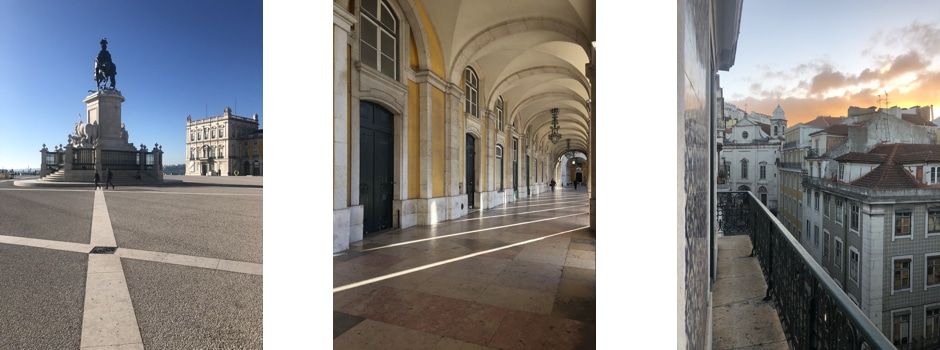
UA: How come that you, as a native Spaniard living in Spain, fell in love with Lisbon in the first place, and why did you choose this house—there could have been “easier“ projects, couldn’t there?
Jésus: Since I was a child, I have had a very close relationship with Portugal—as a holiday destination or close to places where I lived temporarily. Over the years, through love I made a great group of friends in Lisbon, who, together with the city’s fascinating architecture, its charming hilly landscape and the connection to the sea, were the keys that helped me define myself.
And, yes of course, I could have found easier projects, but I fell in love with this building and the opportunity to bring a neglected world back to life. A pleasant and very fruitful experience that ended in a building renovation, which, and this is a nice side effect, has fortunately been widely recognised—with, for instance, the 2011 Vasco Villalba Prize from the Gulbenkian Foundation for Historic Refurbishment as well as being a finalist in the 2012 FAD awards.
UA: Jesús, as a renowned expert on historical Iberian gardens, what would you recommend guests to see at least—what makes the Lisboan gardens special?
Jesús: Lisbon has one of the richest horticultural heritage in Europe, with gardens from the 17th to the 20th century, which tell us a lot about the history of the city and its inhabitants, and up to four gardens that have been granted the label of botanical. In its gardens, influences from the Roman and Islamic past, blended with others from the Italian Renaissance and French and English courtly fashions come together with exotic vegetation from the Portuguese overseas colonies. All in all, a heritage that is not sufficiently valued and more than worth getting to know and enjoy.
Anabela, you have been running the Baixa House since 2015. Where do your guests come from and what do they like most?
Anabela: The majority of our guests come from Europe, with Germany taking the leading role for us. But apart from nationality, I notice that our guests appreciate that there is a soul behind our apartments; not only with regards to the architecture itself but behind all activities—starting with the booking contact and correspondence, to check-in, through to presence and service in the building. As we have followed our strategy of direct bookings, our clients feel confident in every phase of the relationship. They know that they can maintain their privacy here to the extent that they want—with a very discreet but high-quality background service. The resulting freedom seems to be a rather ideal mix for our guests.
UA: Talking of guests, what is your general idea of welcoming visitors?
Jesús: In an era of globalisation and depersonalisation, being able to appreciate the character of a place and the warmth of its people is something that we believe Baixa House contributes to. The combination of the location, the architecture, the respect for the past, the history of Lisbon’s gardens, a special and timeless decoration and a staff that is in every detail passionate about welcoming and caring for our guests is the key to what we offer at Baixa House.
Anabela: As I mentioned earlier, the best welcome you can give to your guests is to understand how to make them feel comfortable. This feeling comes from both the details and the soul of the place. The greatest proof of this trust is the respect, the sympathy, the enormous understanding and the caring words we have received from our guests in the past, difficult months of the global crisis.
Footnote 1
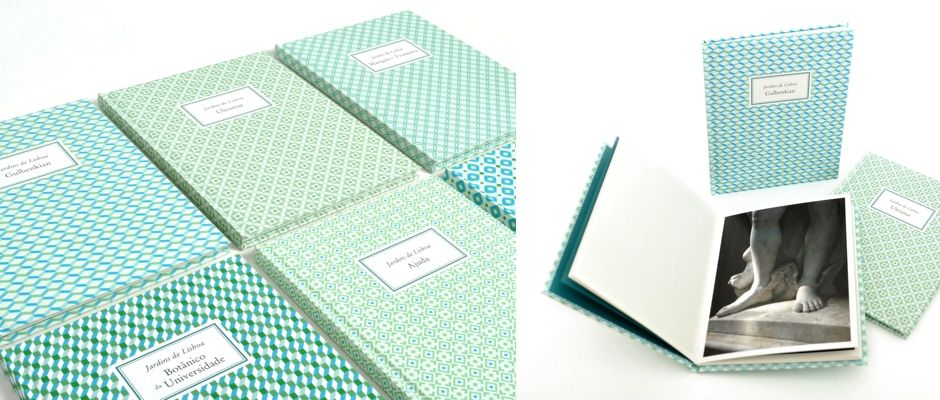
The special relationship of the apartments and their corresponding gardens is described in individual portraits that can be found on the Baixa Houses website ((https://baixahouse.com/de/lissabon-reisefuehrer/lissabon-gaerten/belem/)). For all those interested in details about the gardens of Lisbon: Jesús Moraime has edited a nine-part book series, which you will, of course, find in the house.
Footnote 2
* We had been chatting about Christmas decoration at the beginning as I had been asking Anabela for the most unusual, curious or charming thing she has ever been asked by her guests so far… so, here is the little outtake!
Anabela: Last Christmas we had a big catholic family staying in several apartments of Baixa House, and it was amazing the way they asked me to arrange for Christmas crafts as decoration in the biggest apartment, where they were all having the festive meals. They trusted me without knowing me, and I had the opportunity to visit several Christmas markets to search for decoration. I found so many beautiful and creative things, and this gave me the opportunity to meet many interesting people and artisans. I was especially proud of a beautiful crib and a Christmas tree that I found at Carcavelos, my local market. They loved it, and this was the most important gesture. What could be better than happy guests?
Text: Ulrich Stefan Knoll, Juli 2020
Overview: Here you will find all HomeStories at a glance! If you want to stay up to date on a monthly basis, you can subscribe to our HomeStory newsletter here.
The house
0 Comments