
Cascais – From royal summer residence to cultural city
The royal family used to spend their summers not far from Lisbon. Later, Cascais became a hotspot for the Portuguese and foreign upper classes. Today, street art, high-class museums and excellent architecture are concentrated there in a small area.
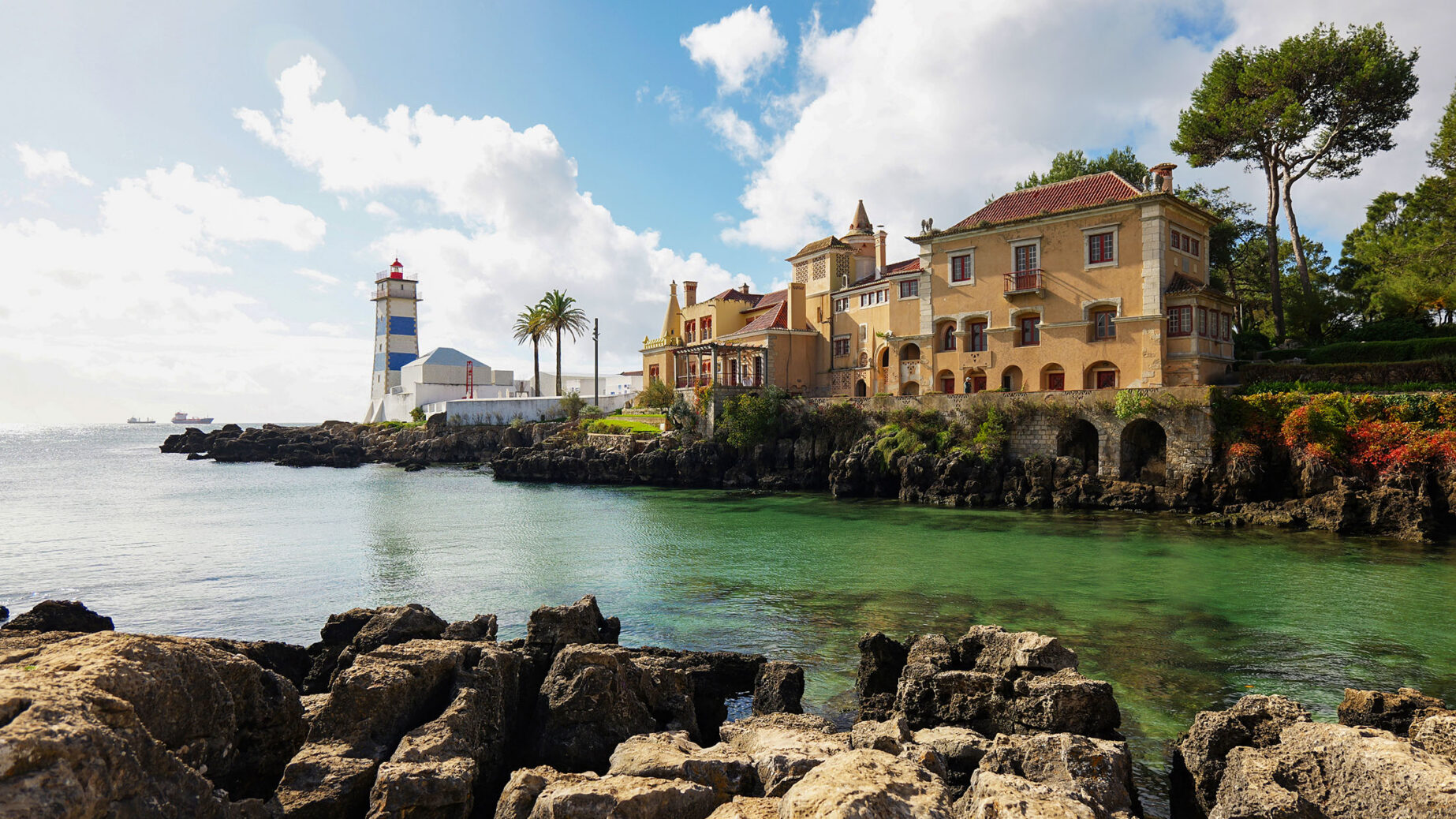
One of the most beautiful ways to get from Lisbon to Cascais, 30 kilometres away, is by train along the coast. The railway line runs close to the Atlantic Ocean, passing shimmering white beaches, glittering bays and the endless blue of the sea. At the end of the journey, you arrive at an enchanting town.
Once a fishing village, Cascais developed into the summer residence of the royal family in the 19th century and became a magnet for the Portuguese and foreign upper classes – a transformation that continues to shape the town’s appearance, culture and identity to this day. Today, Cascais thrives on both this heritage and modern art, street art, international museums and architectural diversity, all of which can be explored on foot within just a few square kilometres.
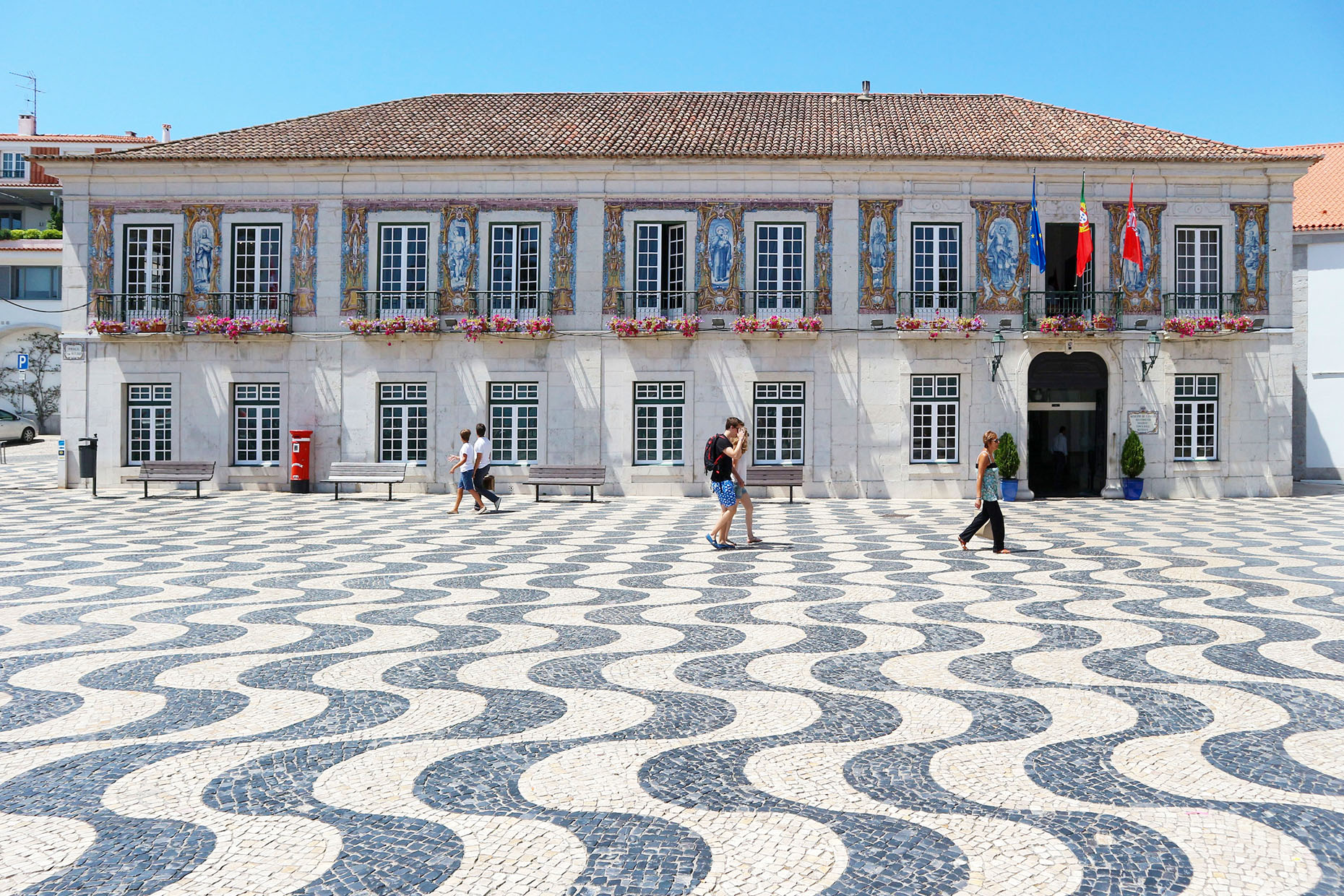
Museu da Vila – Câmara Municipal de Cascais
The Museu da Vila on the central Praça 5 de Outubro, with its wave-shaped black and white paving, is located in the former 18th-century town hall. Its façade displays typical features of regional architecture: white façades, blue azulejos [painted ceramic tiles], red tiled roofs, symmetrical windows and wrought-iron balconies.
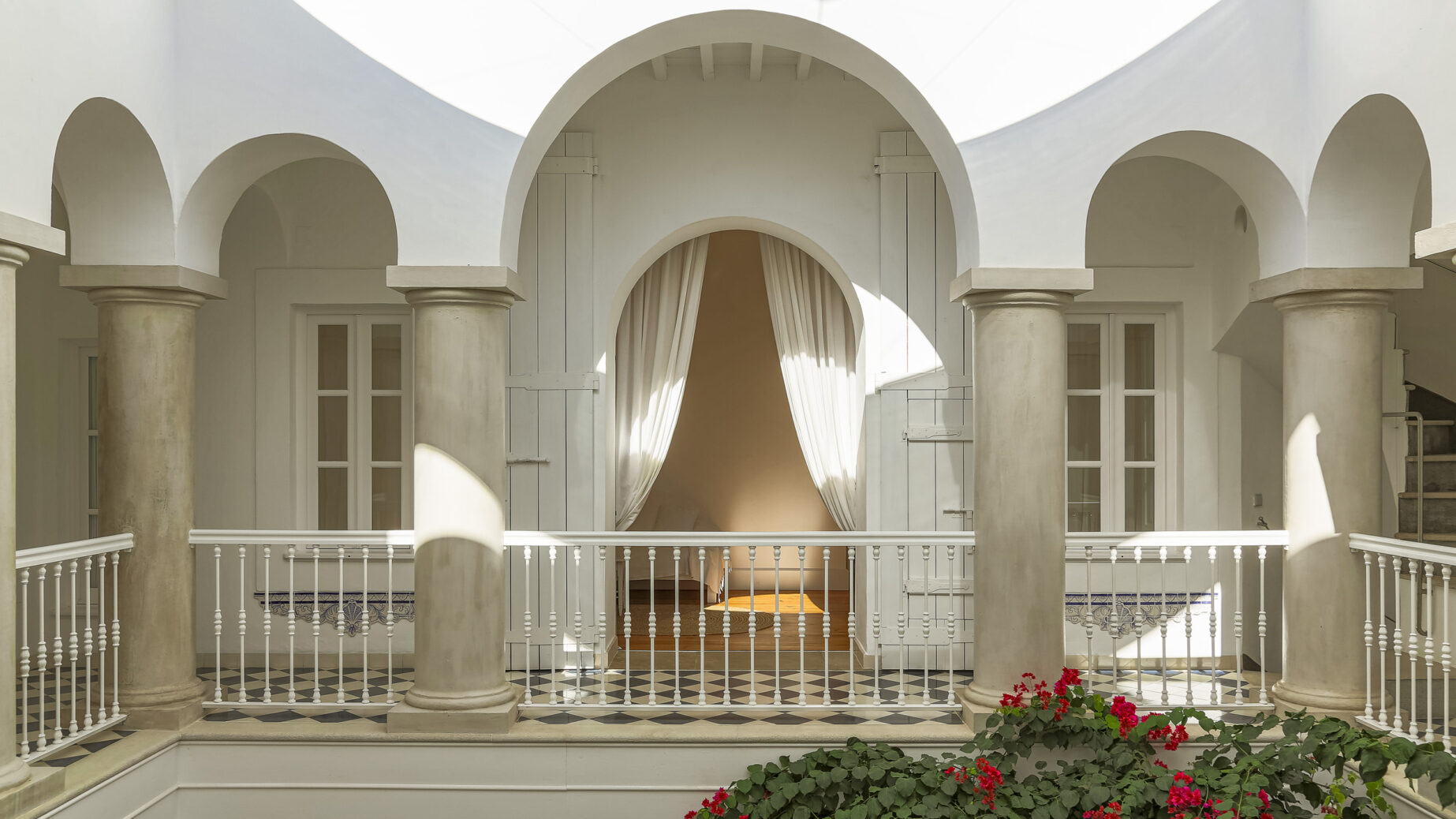
Inside, high ceilings, some of which are panelled with wood, and spacious halls are combined with carefully restored details such as traditional tiled floors and stucco work. During the restoration, particular emphasis was placed on preserving historical elements that recall Cascais’ importance as a retreat for the nobility. Today, the building serves as a museum that documents the connection between past and present.
Casa Sommer
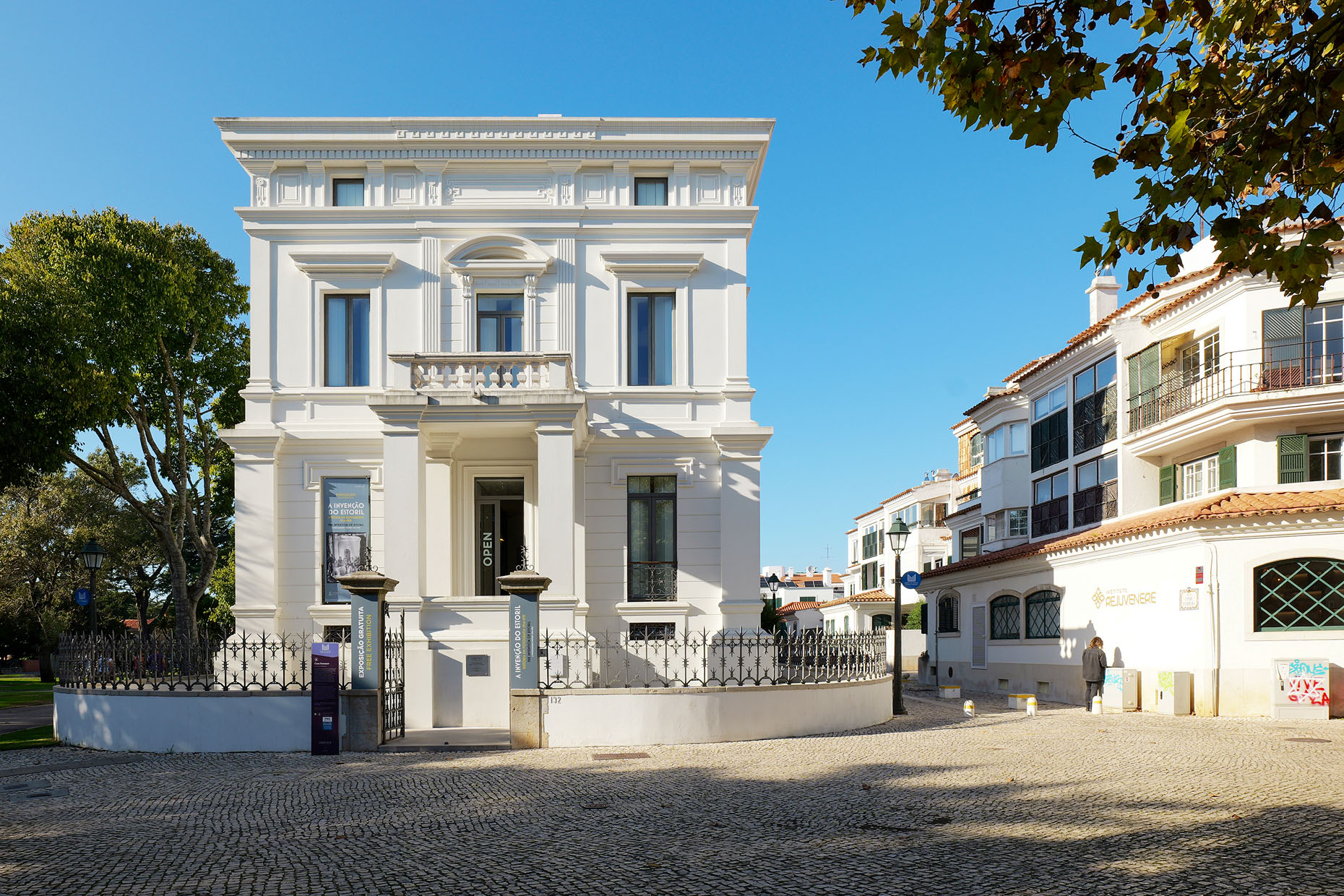
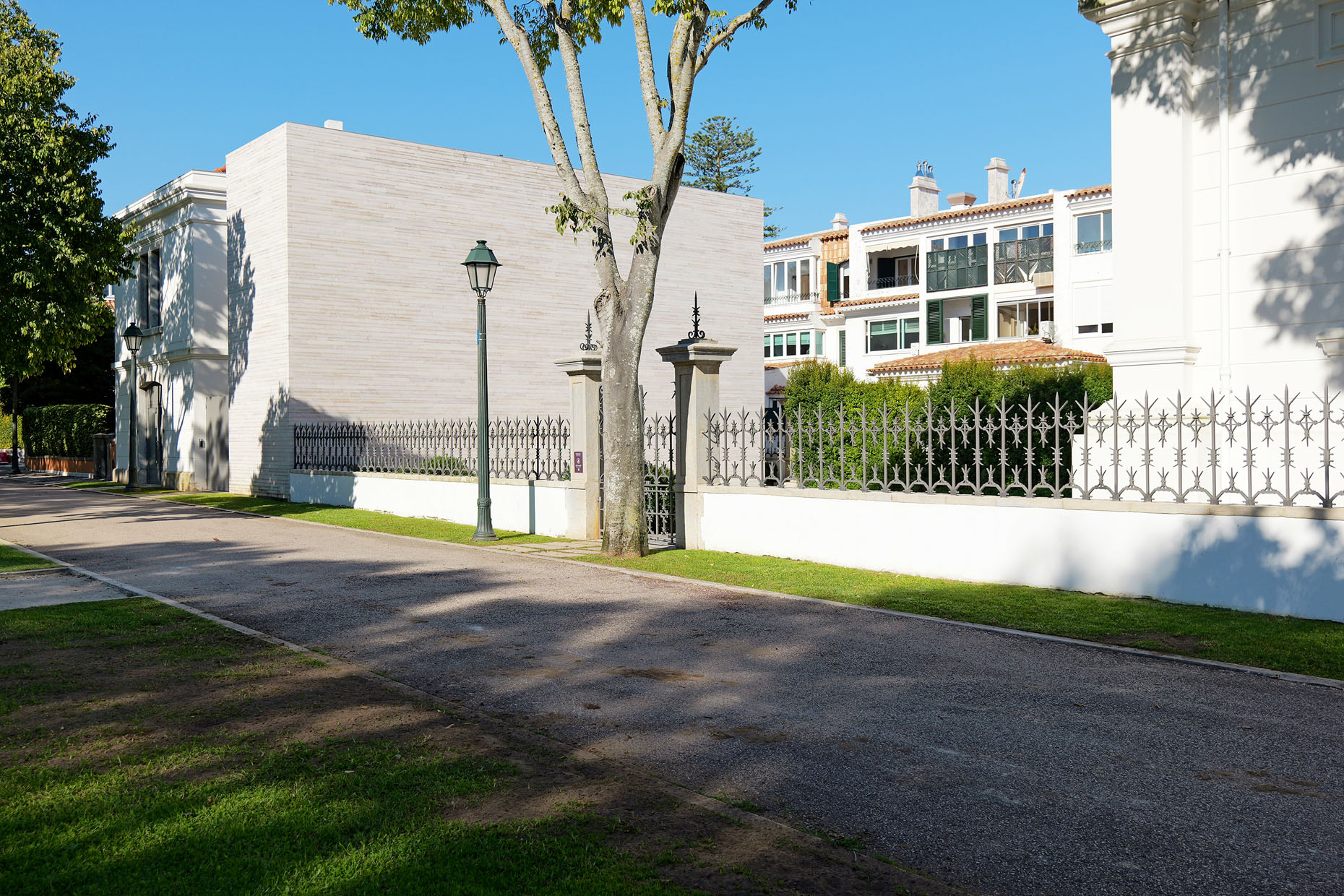
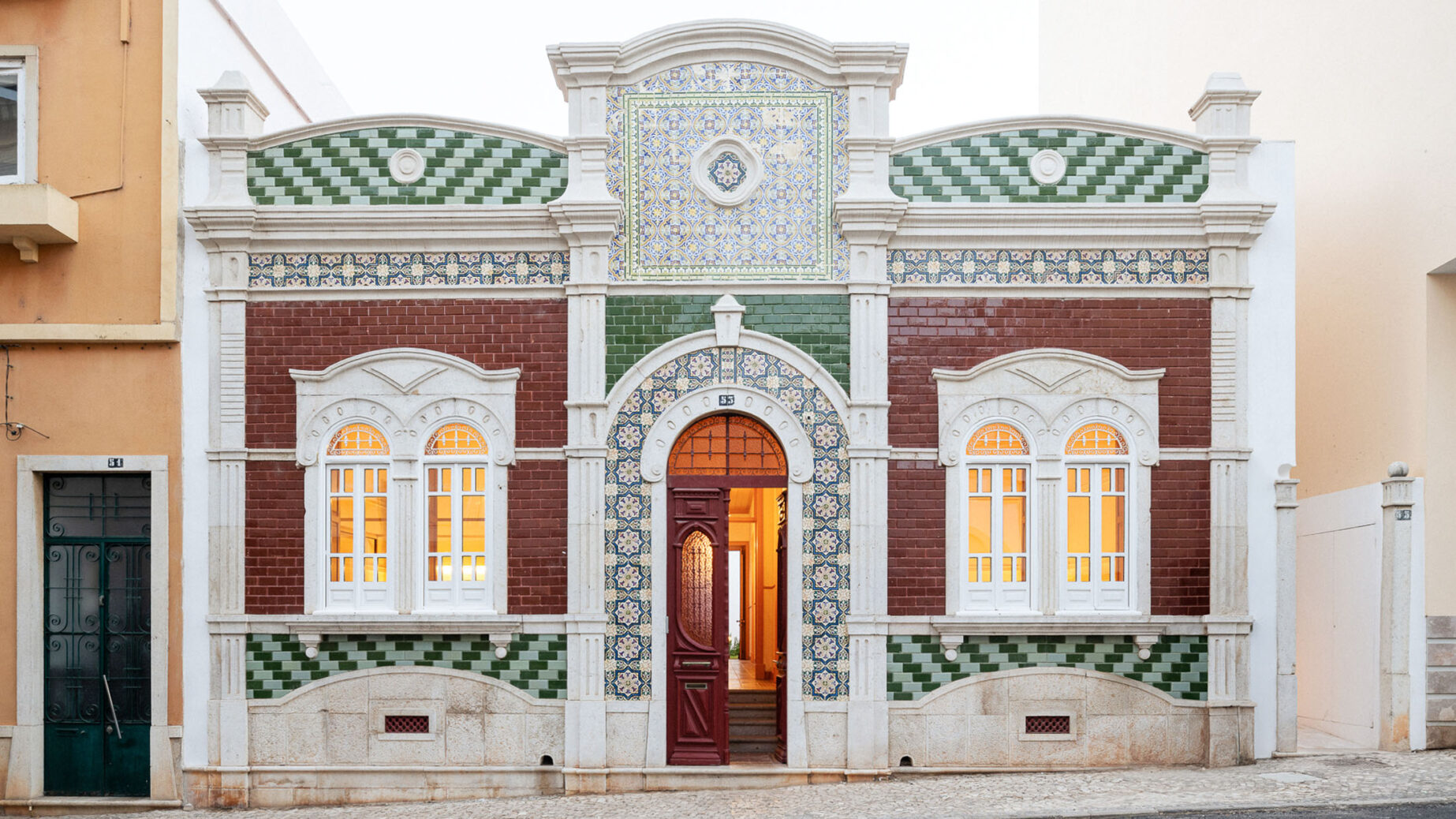
Following the narrow Rua Marquês Leal Pancada past the Igreja Paroquial de Nossa Senhora da Assunção, you come to Casa Sommer. It is considered a striking example of late 19th century Portuguese neoclassicism. Built for the entrepreneur Henrique de Sommer, it delights with its clear proportions, fluted pilasters and austere portico; at the same time, it is imbued with the softness of the light and the materials used on site.
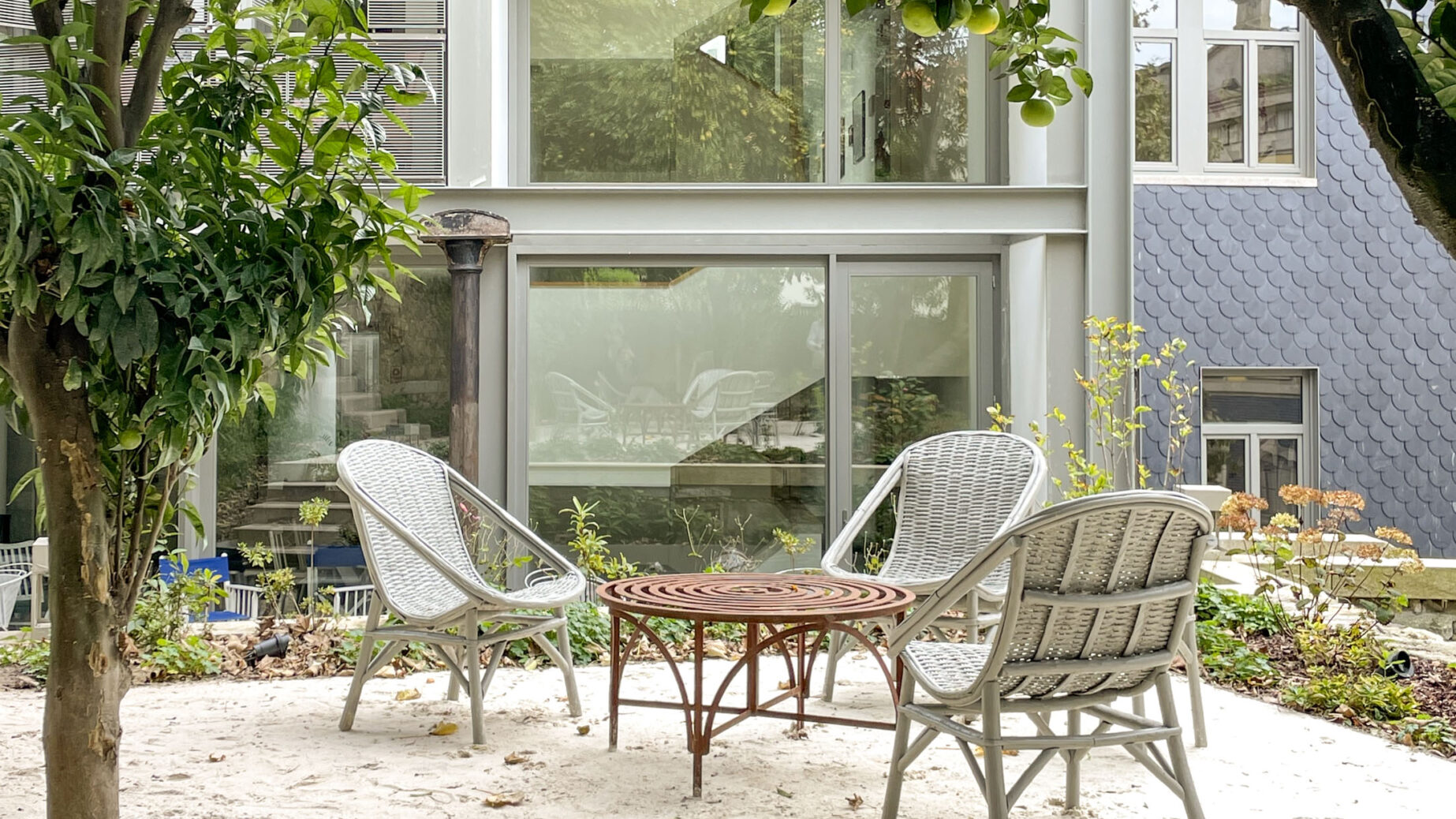
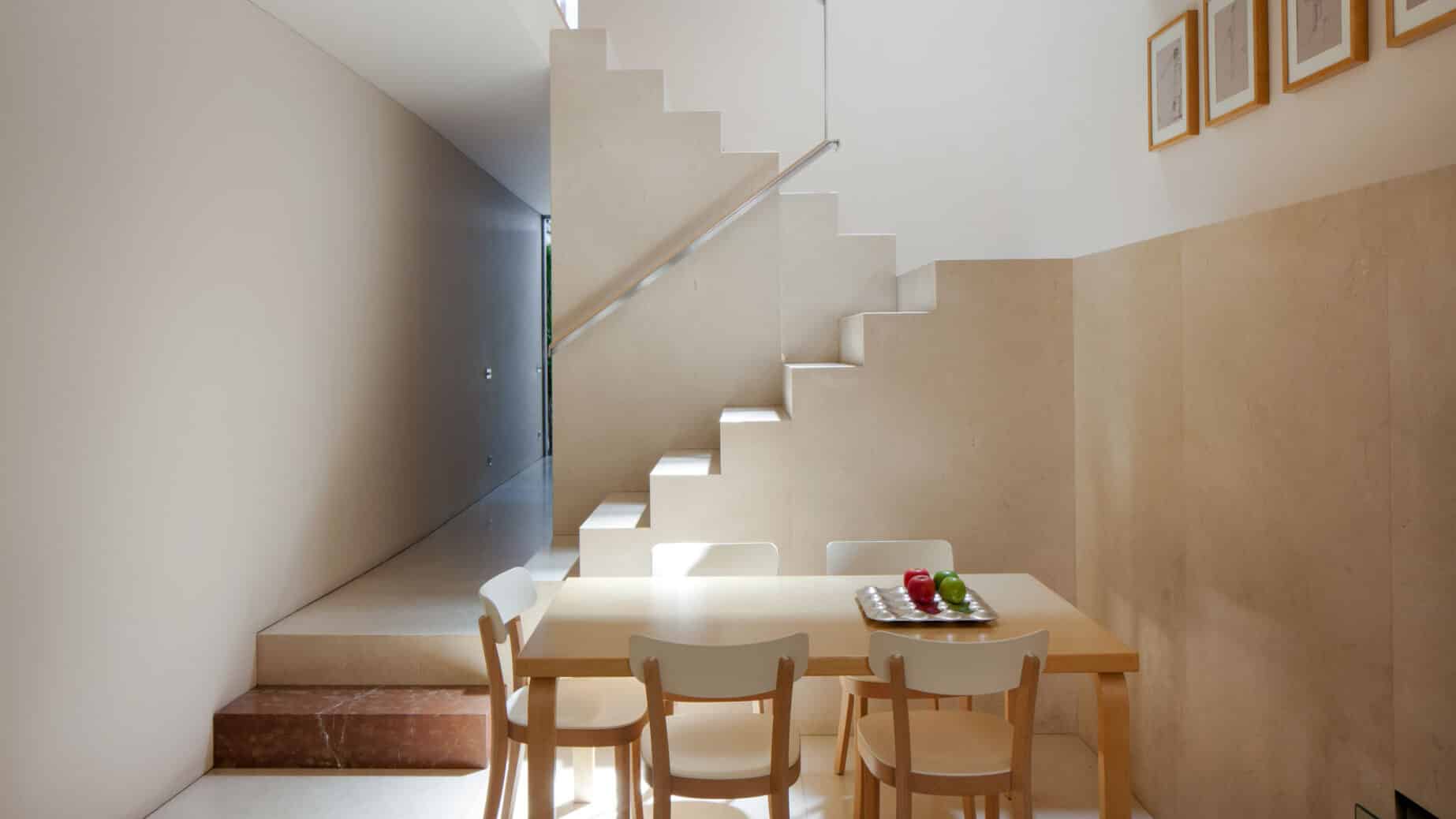
After an eventful history, Casa Sommer was fully restored in 2016 by architect Paula Santos and extended with an unobtrusive new building which is connected underground – a careful blend of traditional and modern architecture. Today, the Casa contains the Cascais municipal archives and stands as an architectural testament to the connection between historical heritage and contemporary use.
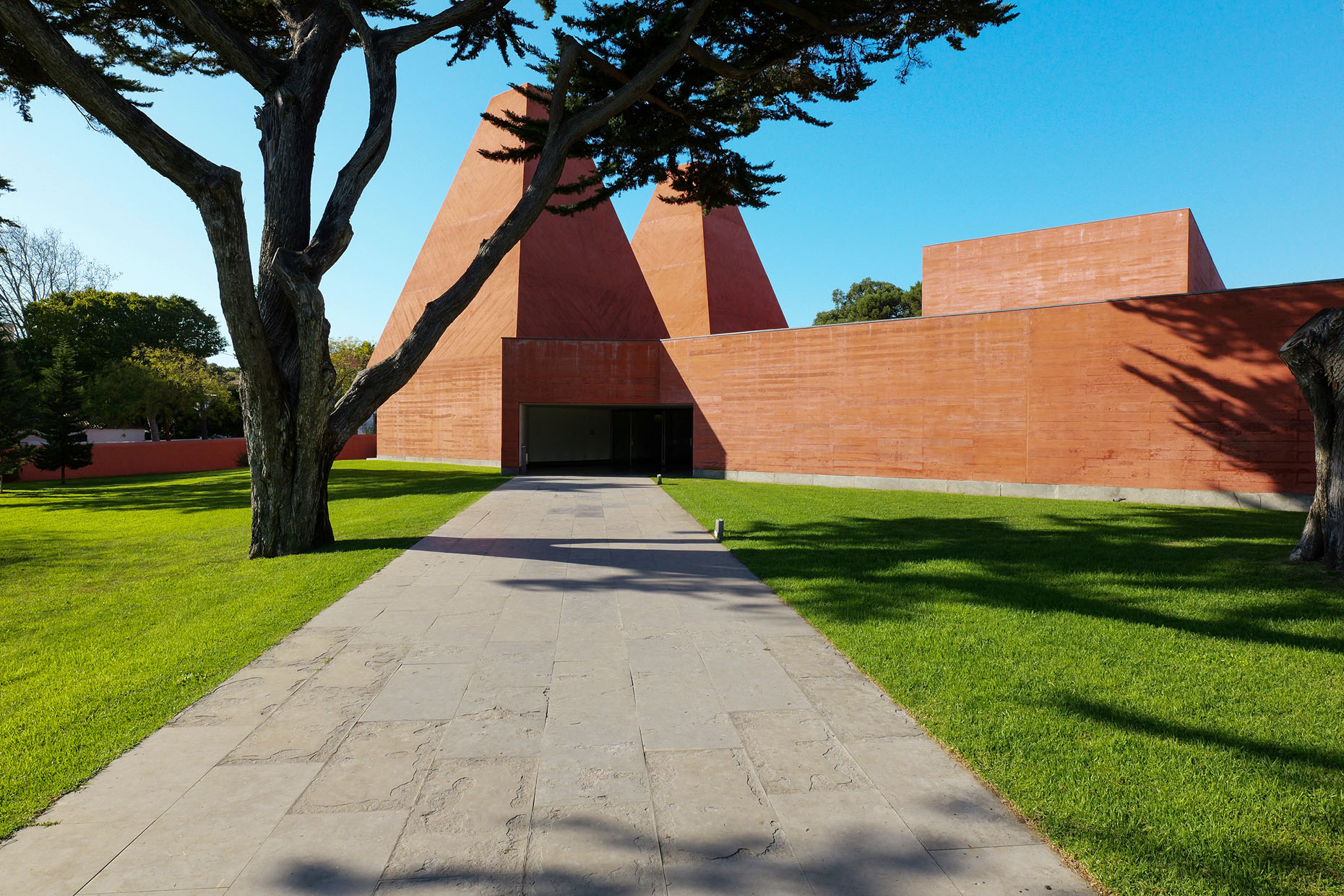
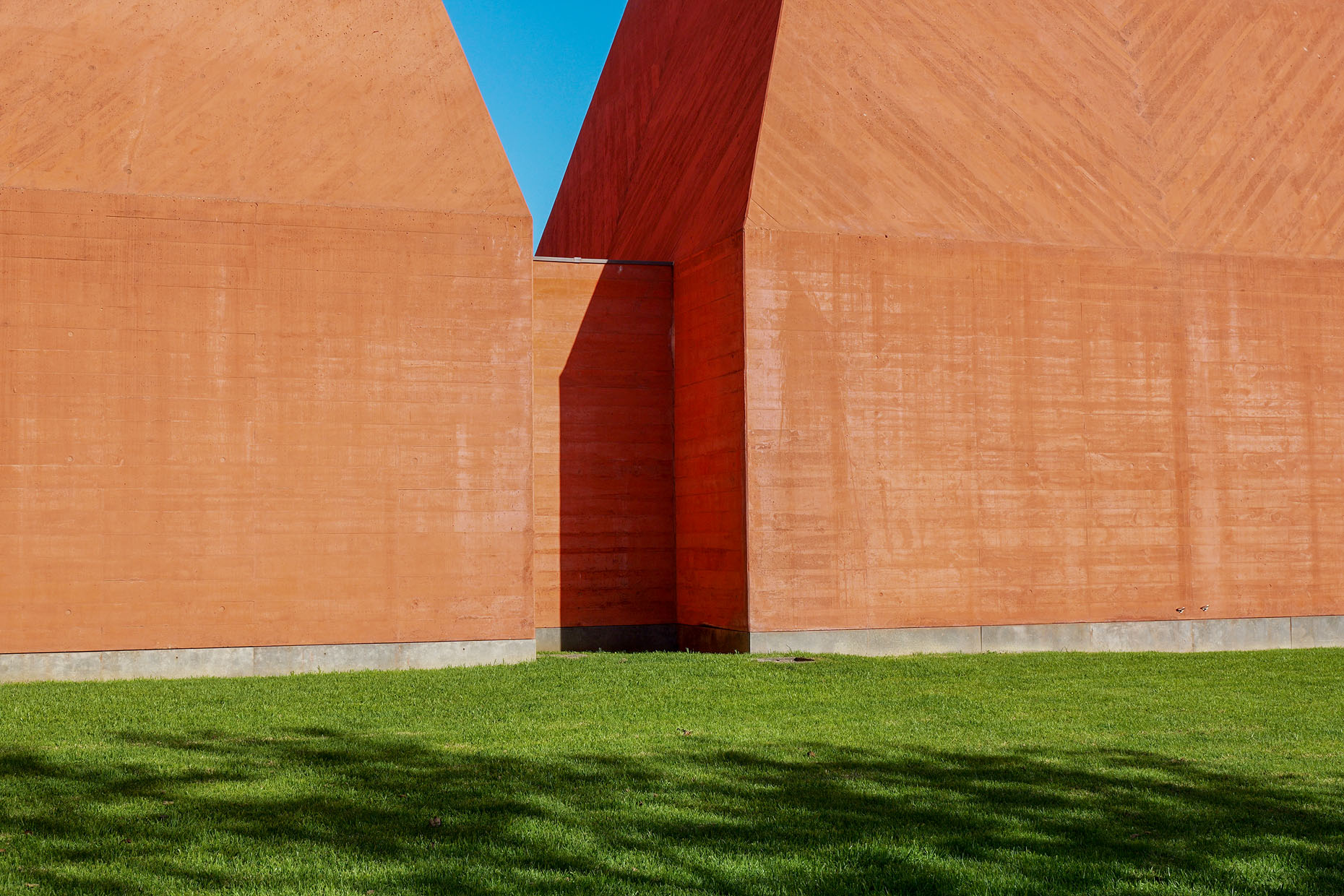
Casa das Histórias Paula Rego
Designed by Eduardo Souto de Moura, winner of the Pritzker Prize (2011) and the Praemium Imperiale (2025), Casa das Histórias Paula Rego forms a striking contrast to the historical architecture of the city and makes a radically modern statement. Two pyramid-like towers and an earth-red façade characterise the appearance of this museum – the latter echoes the earth and at the same time contrasts with the surrounding vegetation.
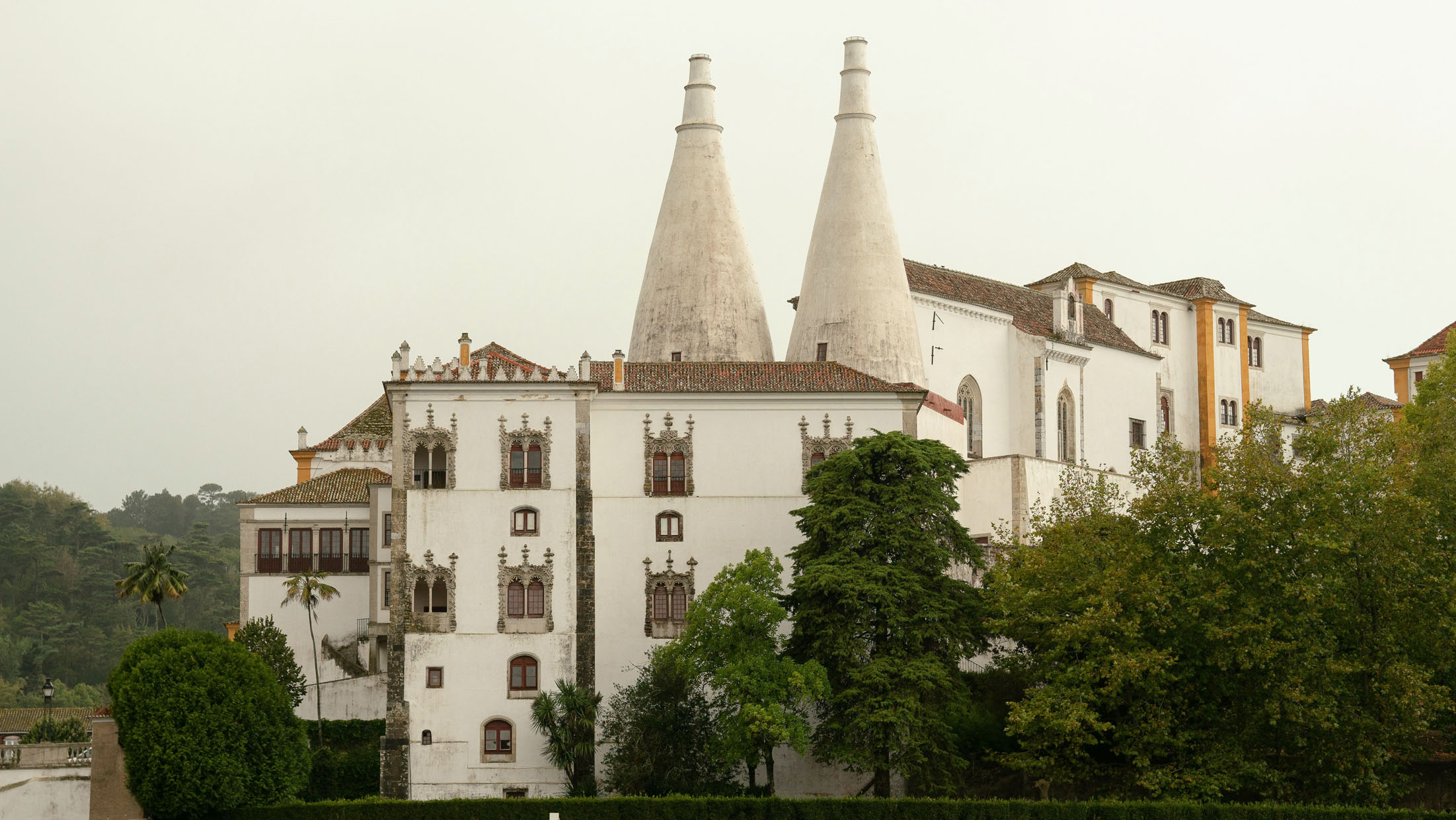
Souto de Moura was inspired by the forms of the Palácio Nacional da Sintra. The towers of the Casa are reminiscent of the old kitchen chimneys of the Palace, and the building’s sequence of rooms plays with light and shadow.
Inside, the works of painter Paula Rego are on display. The artist has made international art history with her uncompromisingly narrative images and feminist urgency. Architecture and art come together here with such immediacy that the building itself seems to be a metaphor for Rego’s work: angular, powerful, resilient and at the same time grounded.
Citadel Art District
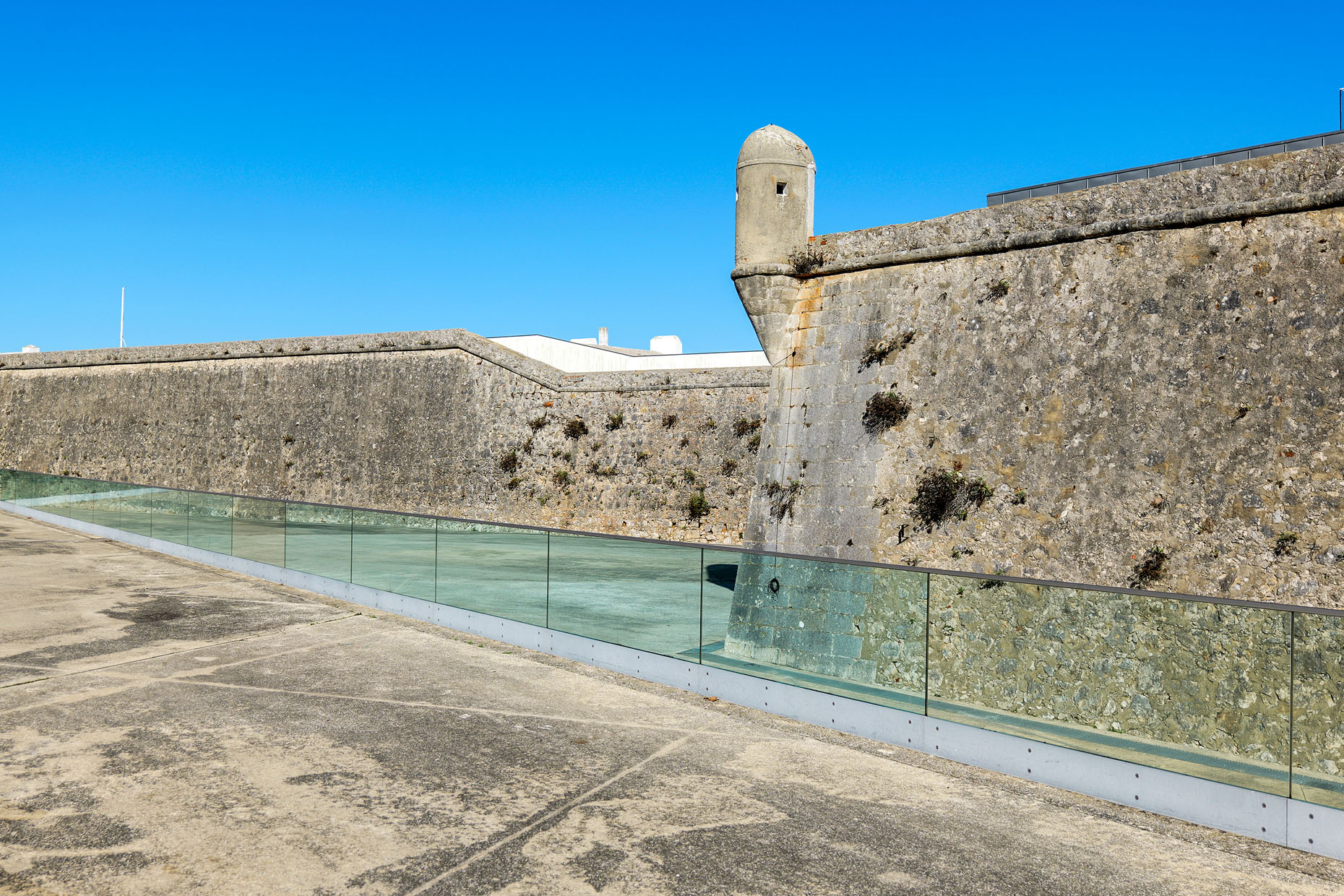
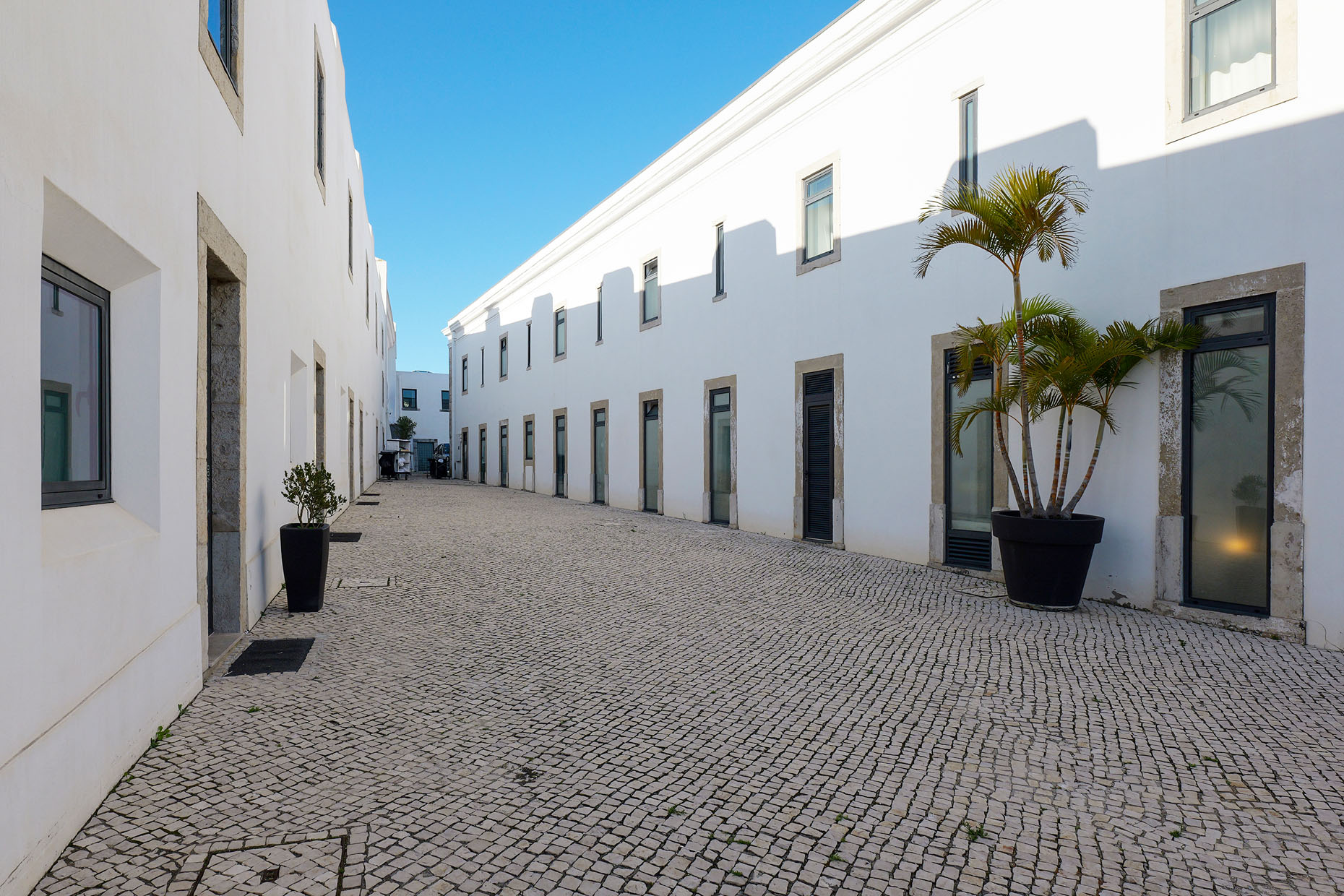
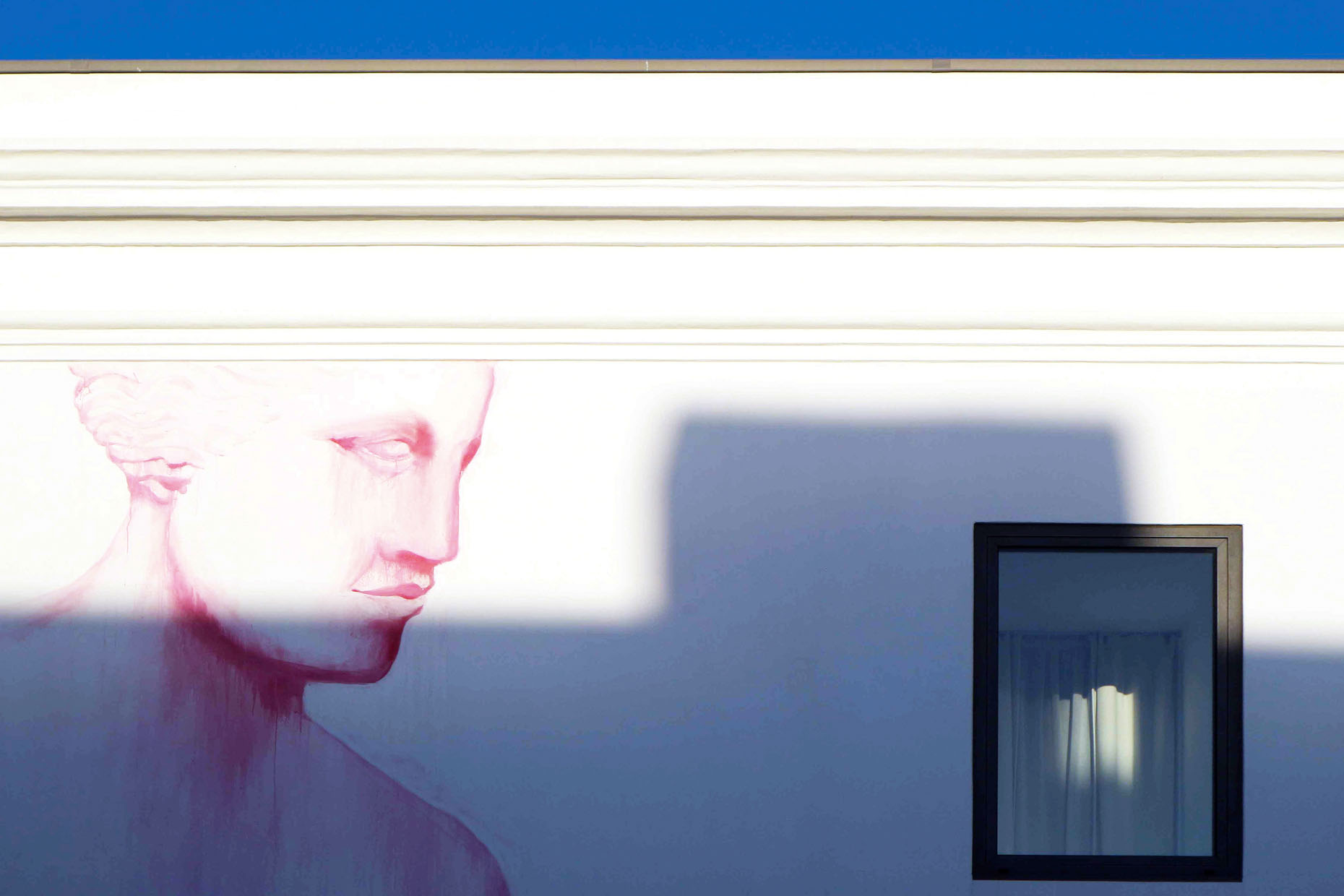
The historical fortifications of Cascais have also found a new purpose today. The 17th-century citadel, once built to defend against pirates, has been transformed into a lively cultural district. In the ‘Citadel Art District’, the thick walls now allow passers-by to view the interior. Courtyards and glass fronts invite the sky inside, while studios and installations transform the once-sealed-off place into open terrain. The fortress has become a resonance chamber – history that does not shut itself off, but intertwines with the present.
Museu Condes de Castro Guimarães und Casa de Santa Maria
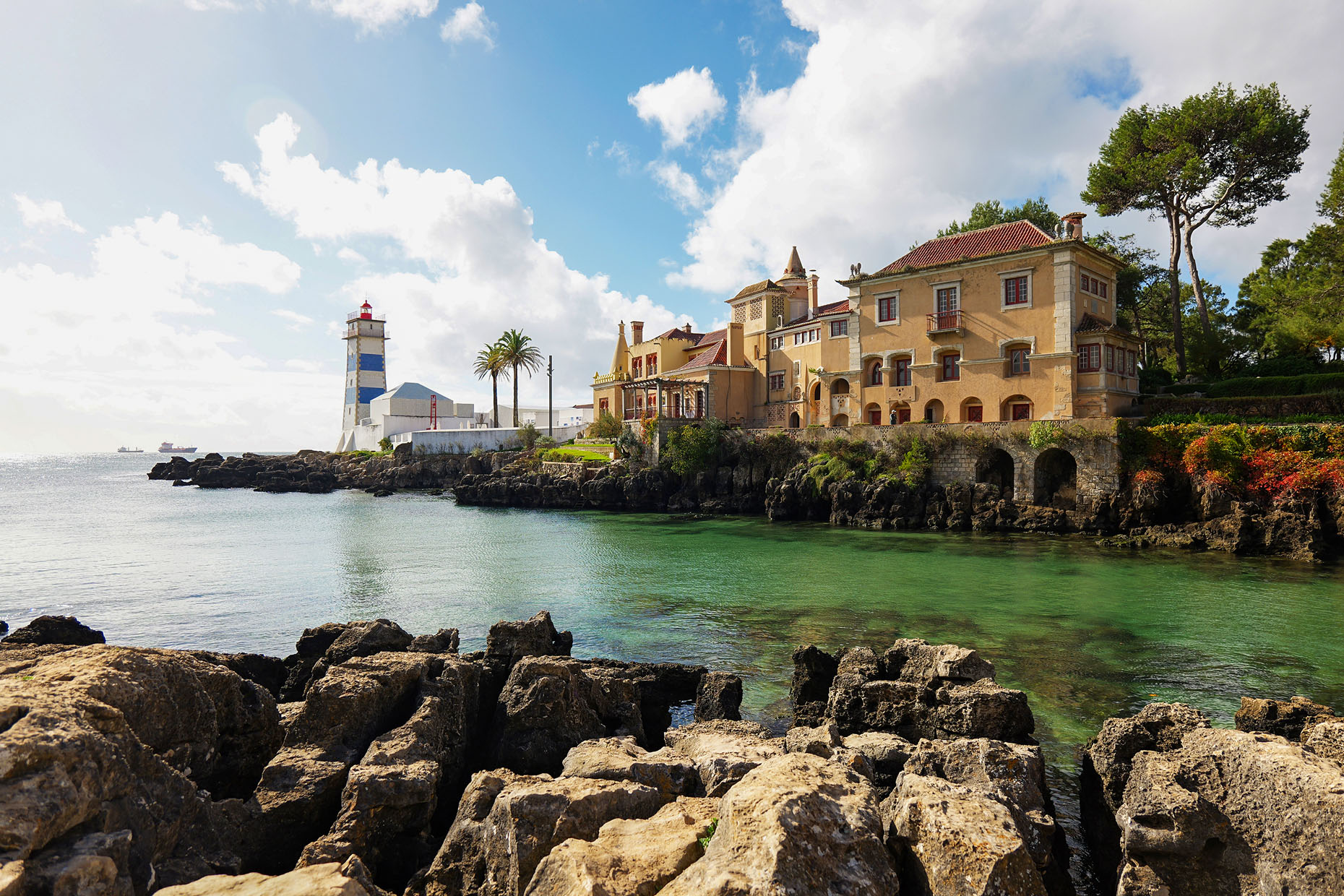
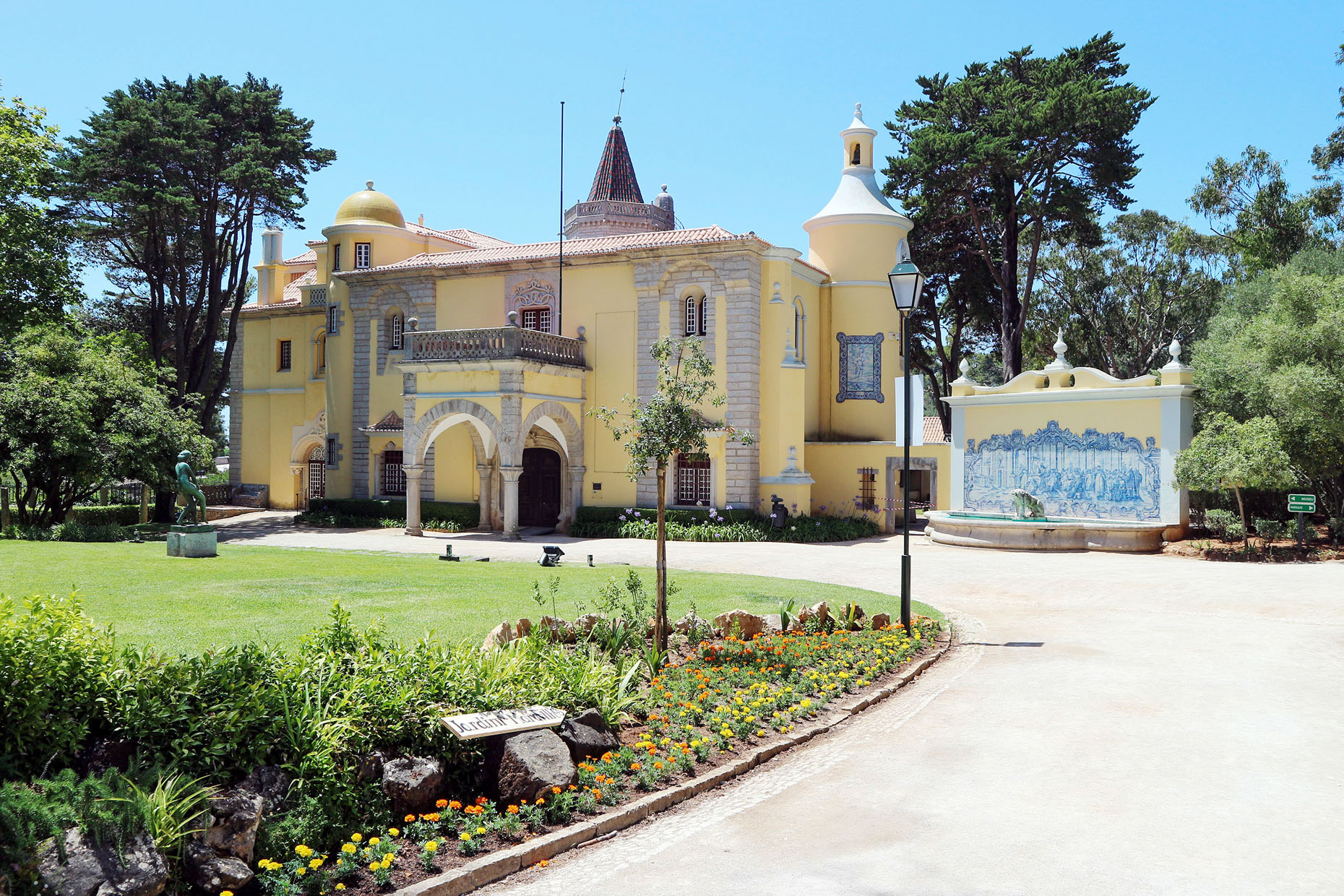
A little further behind the Marina de Cascais, two buildings stand just a few metres apart, embodying the dawn of modernity around 1900 in contrasting ways. The Museu Condes de Castro Guimarães – once the villa of entrepreneur Jorge O’Neill – features battlements and turrets, Gothic arches and romanticised ornamentation: an architectural ideal, more dream than reality. Just a few steps away is the Casa de Santa Maria, designed by Raul Lino, with its clean lines, traditional tiled roof and recessed azulejos. It is not a nostalgic masquerade, but the quiet birth of a Portuguese modernism that reinvents the regional.
Although completely different in style, the two neighbouring houses complement each other in their aesthetic effect – like two voices in a duet: one full of melancholy, the other already looking to the future.
Farol Museu de Santa Marta
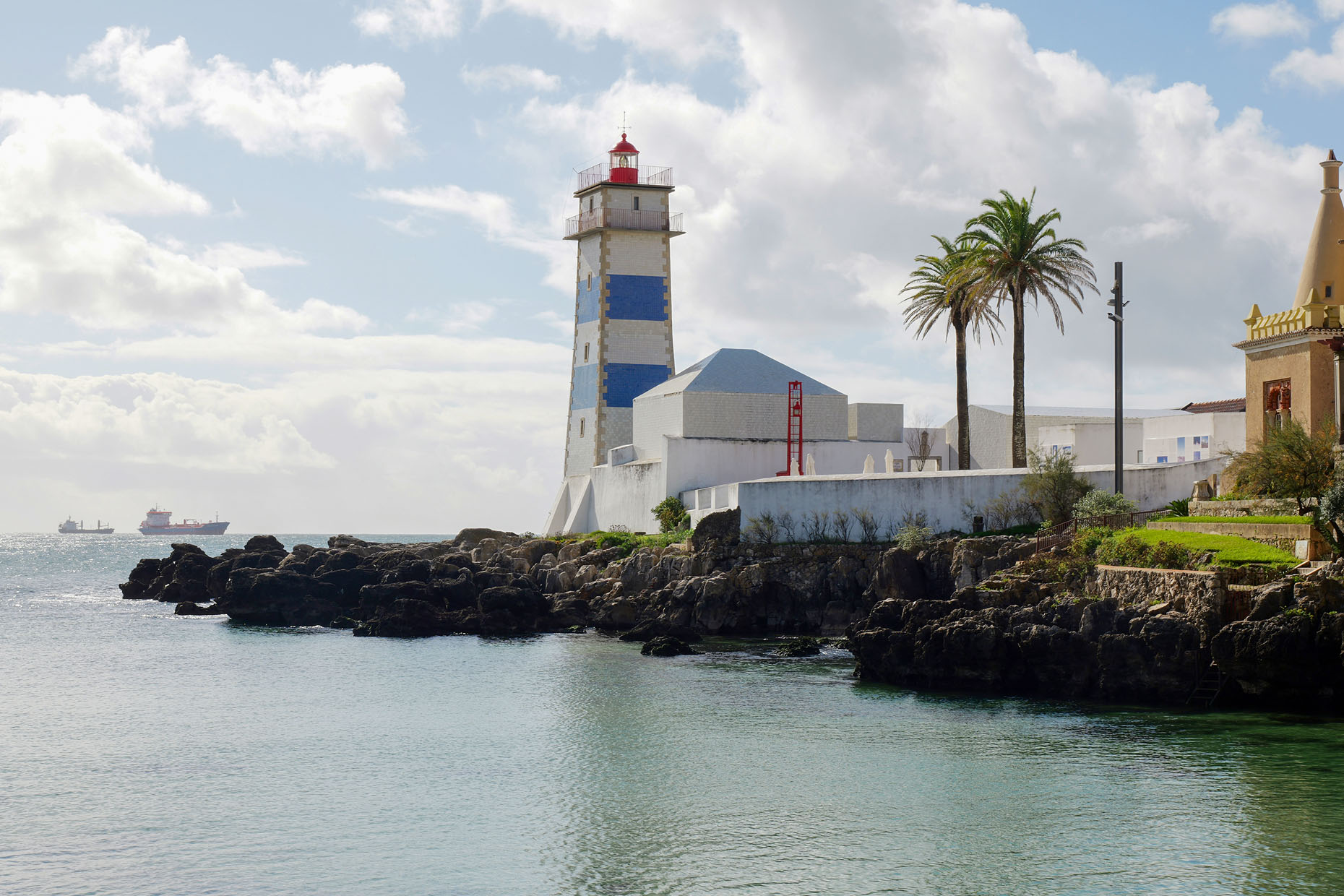
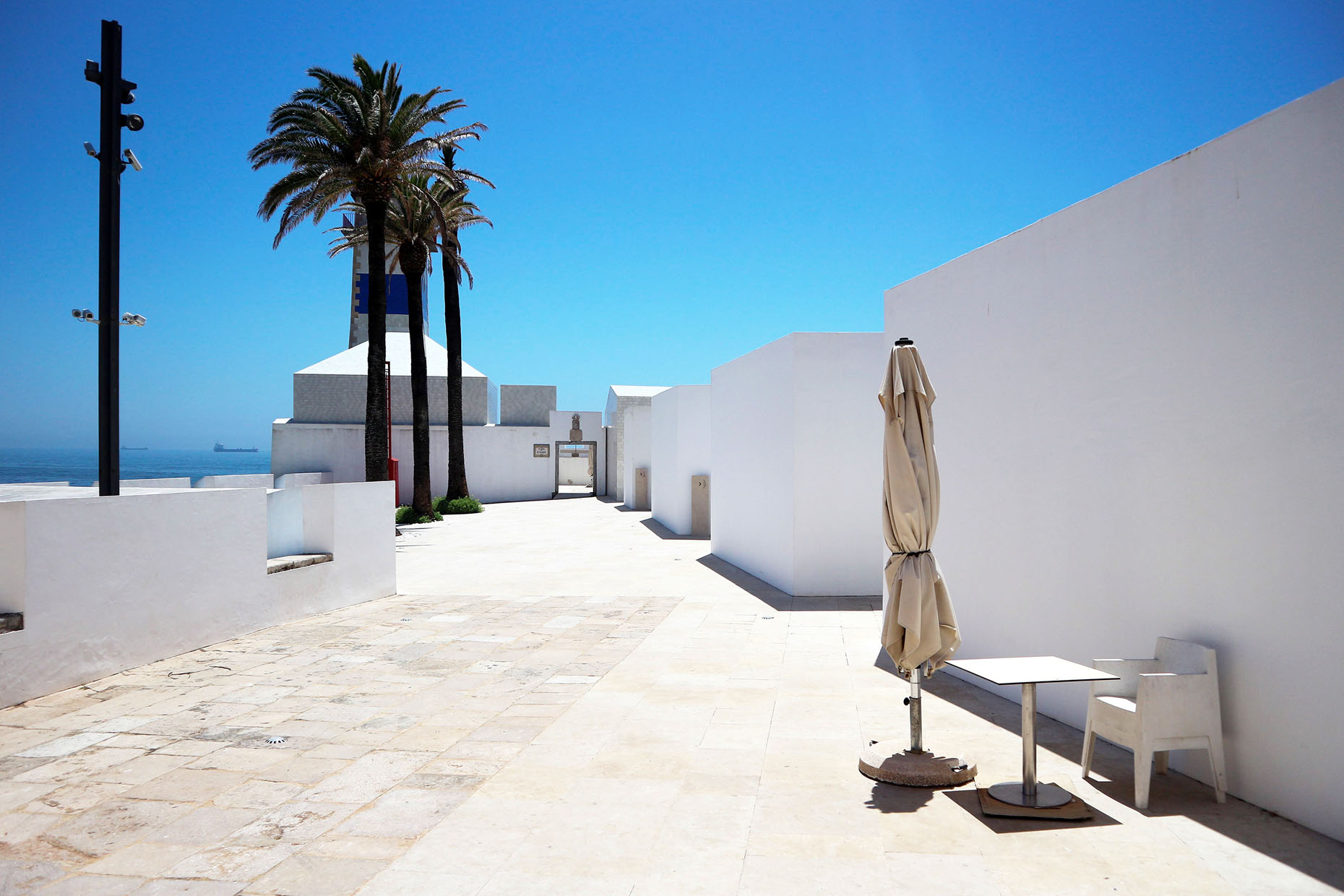
The Santa Marta lighthouse is right next door and has been guiding sailors since 1868. Simple yet poetic, the chalk-white tower rises above blue azulejo wings. When architects Francisco and Manuel Aires Mateus added a minimalist new building to the ensemble, they created spaces of ascetic clarity that frame the view of the Atlantic Ocean. Function, form and memory find a quiet balance here. The lighthouse is no longer just maritime infrastructure, but a space for reflection – architecture that mirrors the ocean.
Casal Saloio – Outeiro de Polima
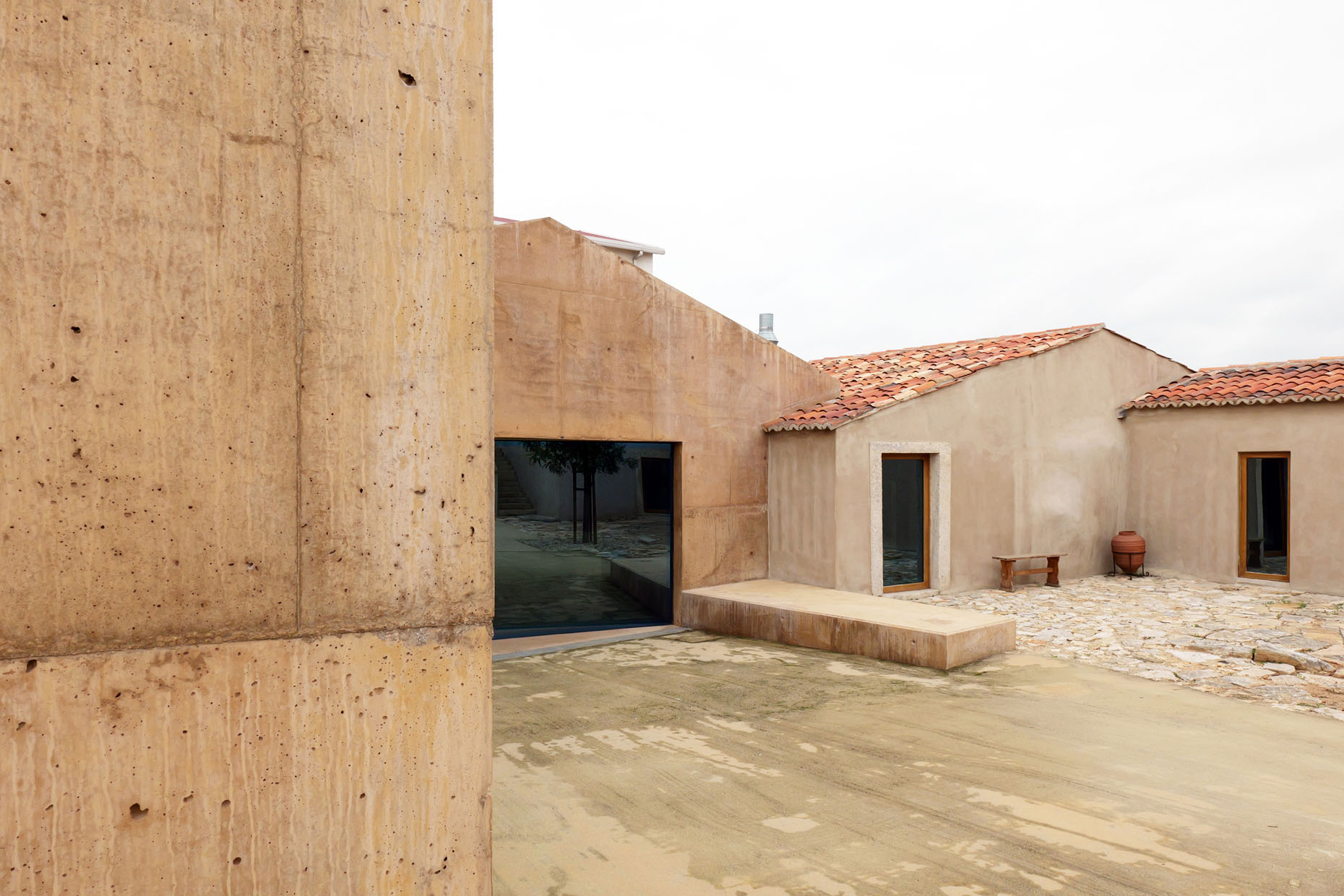
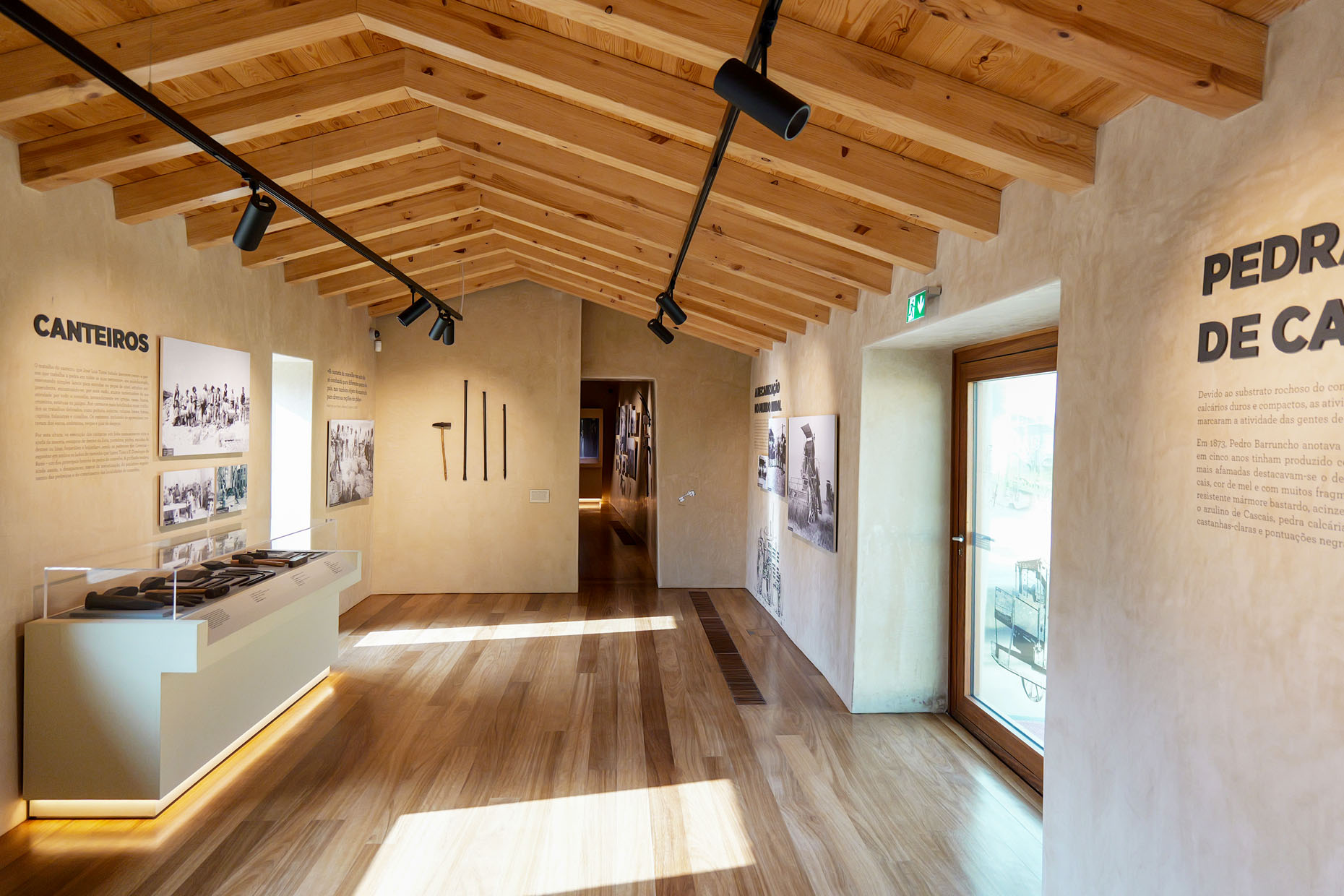
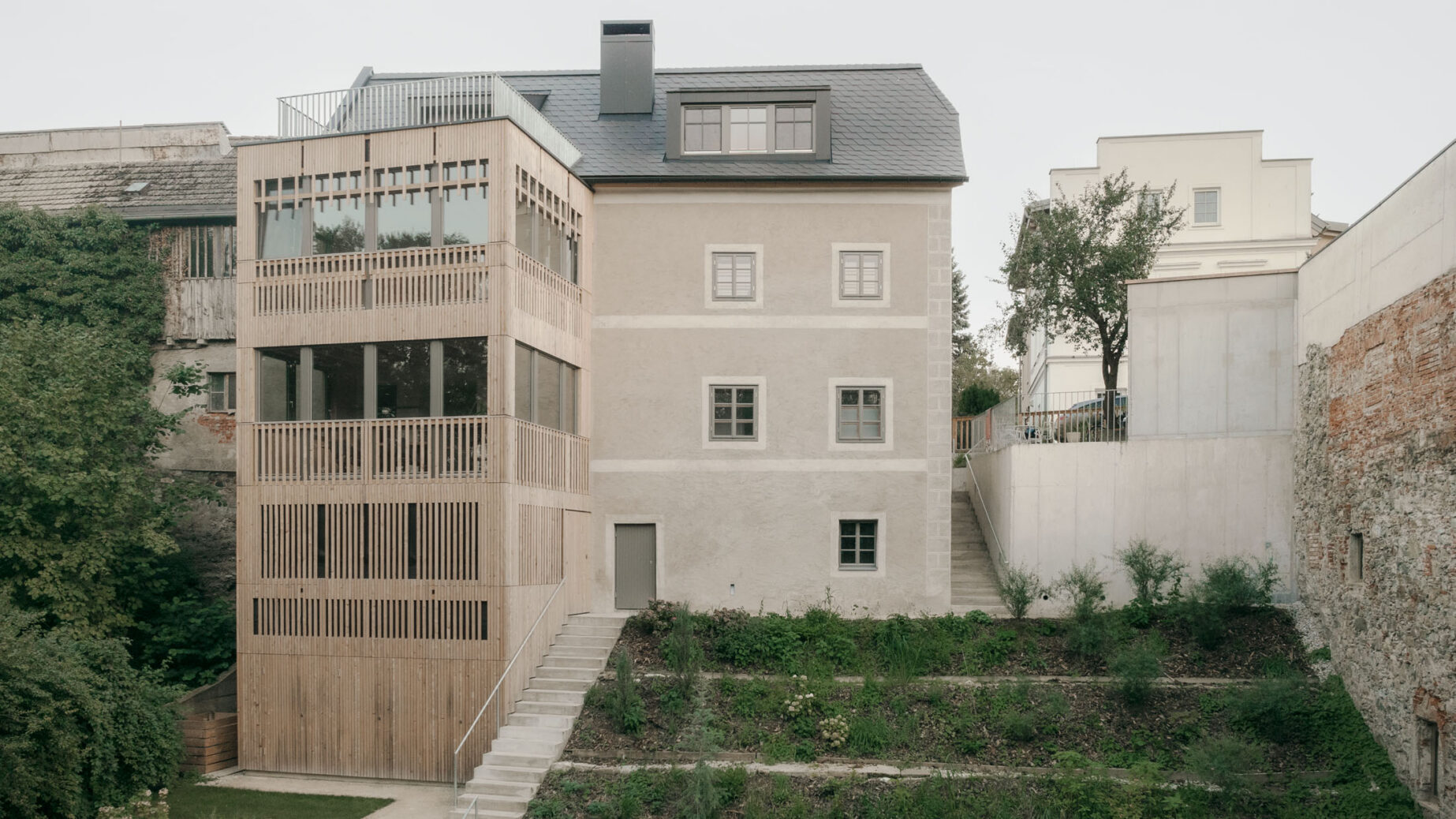
Casal Saloio – a simple 16th-century farmstead that keeps a unique rural culture alive – can be found in the village of Outeiro de Polina, northeast of Cascais. The term ‘Saloio’ refers to more than just the people of the rural surroundings of Lisbon; it stands for a unique way of life, characterised by agriculture, craftsmanship and a close connection to nature. In 2023, Miguel Marcelino carefully transformed the estate into a museum that links the past and the present. The quarry stone walls, the old oven and the wooden beams were preserved and complemented by bright new structures made of stone, wood and glass. The result is not a reconstructed idyll, but an architecture that reveals breaks, cracks and additions as traces of life – a poetic archive in dialogue with history and landscape.
Cascais is not an open-air museum that keeps its past behind glass, but a city that lives in constant dialogue – between royal retreat and cosmopolitan awakening, between fishermen’s huts and avant-garde. Here, architecture is never just a shell, but an expression: a language that tells of longings, disruptions and renewals. Strolling through Cascais, you experience an urban composition in which history and the present do not clash as opposites, but find their own harmony in their dissonances.
Text: Hendrik Bohle
Photos: Farol Museu de Santa Marta, Museu Condes de Castro Guimarães und Casa de Santa Maria (Cover photo, 10) © Hendrik Bohle, Museu da Vila (1) © Hendrik Bohle, Casa Sommer (2, 3) © Hendrik Bohle, Casa das Historias Paula Rego (4, 5) © Hendrik Bohle, Palácio Nacional da Sintra (6) © Seifeddine Dridi / Unsplash, Citadel Art District (7–9) © Hendrik Bohle, Museu Condes de Castro Guimarães (11) © Hendrik Bohle, Farol Museu de Santa Marta (12, 13) © Hendrik Bohle, Casal Saloio (14, 15) © Hendrik Bohle
HOLIDAYARCHITECTURE houses in Portugal





0 Comments