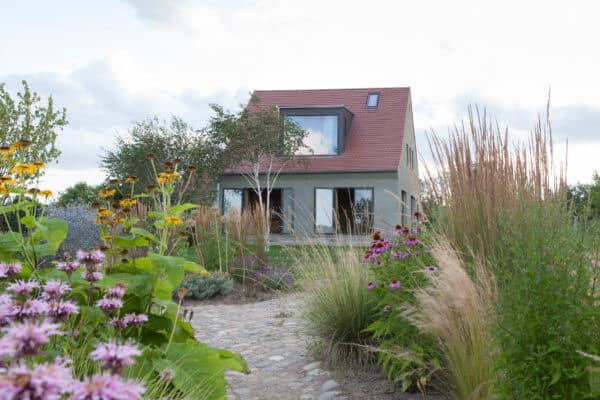
Progressive Province: The future lies in the countryside
What is possible even when there is large-scale migration from the countryside and everyday life is characterized by vacancy and stagnation? An interview with town developer, visionary and ex-journalist Frederik Fischer, who has been breathing new life into the countryside for years.
Frederik, with Neulandia and the Summer of Pioneers, you have been promoting the idea of living and working in the countryside for years, primarily in eastern Germany. What has been your experience, and what success can you see?
The most important thing I have learned is that you really can achieve a great deal in rural areas. That politics can be shaped there, can be experienced directly, and that it also ‘pays off’ for politicians. Whereas on the big political stage, you tend to get the impression that no matter what you do, you’ll always get shot down, figuratively speaking of course.
We experience things differently in rural areas: politicians who really get totally involved in a project, who pursue a vision and see it implemented. That doesn’t go down well with everyone locally, but it does with the majority.
A specific example: the mayor of Wiesenburg, with whom I have just had a long conversation, described very well how he himself has learned an incredible amount through his collaboration on the KoDorf [ approx. Cooperative Village].
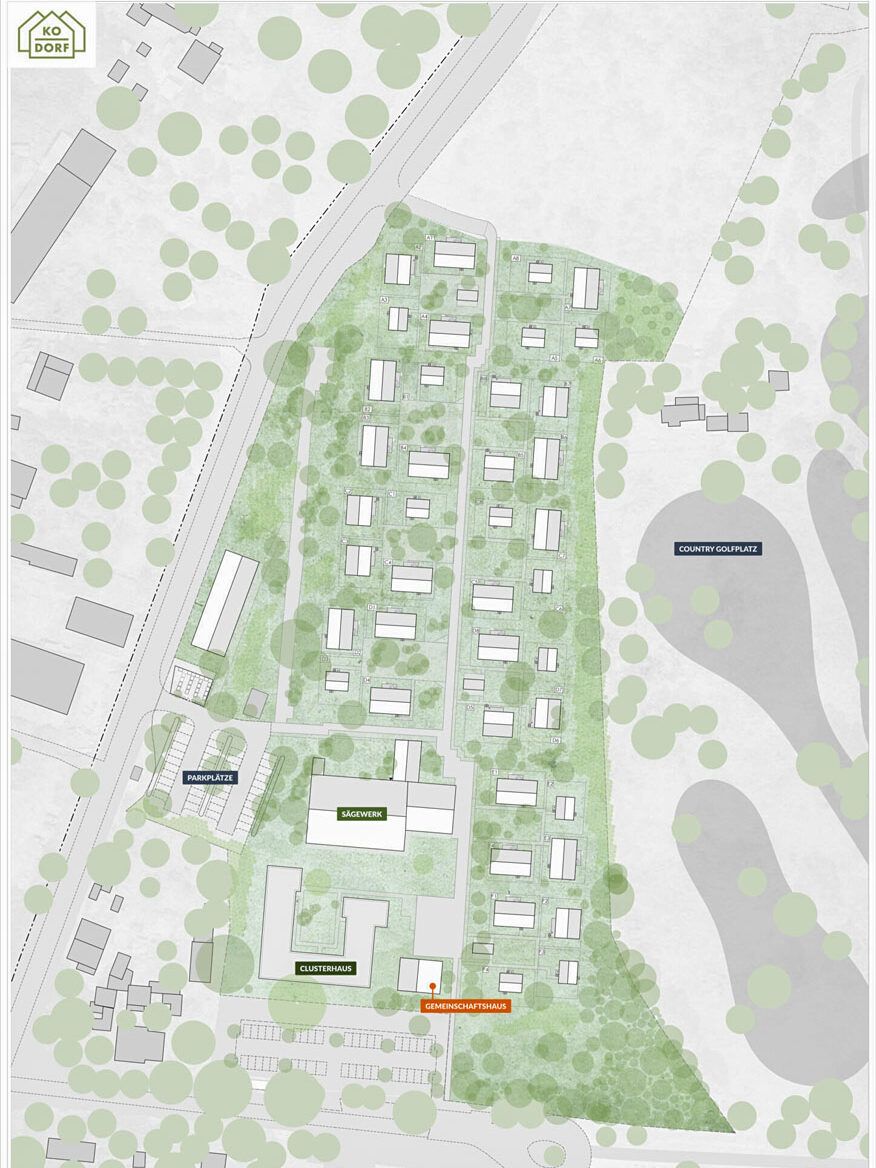
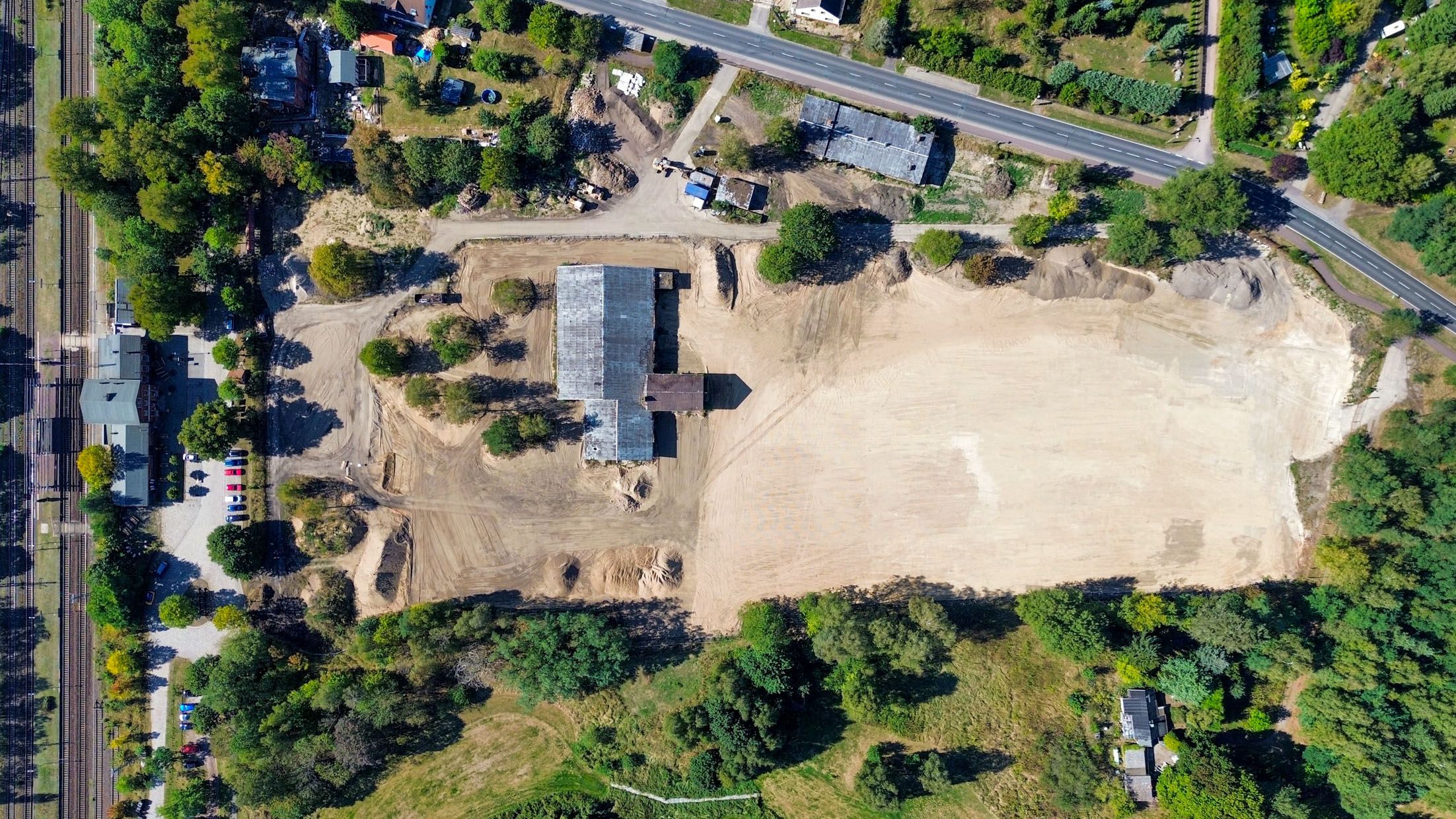
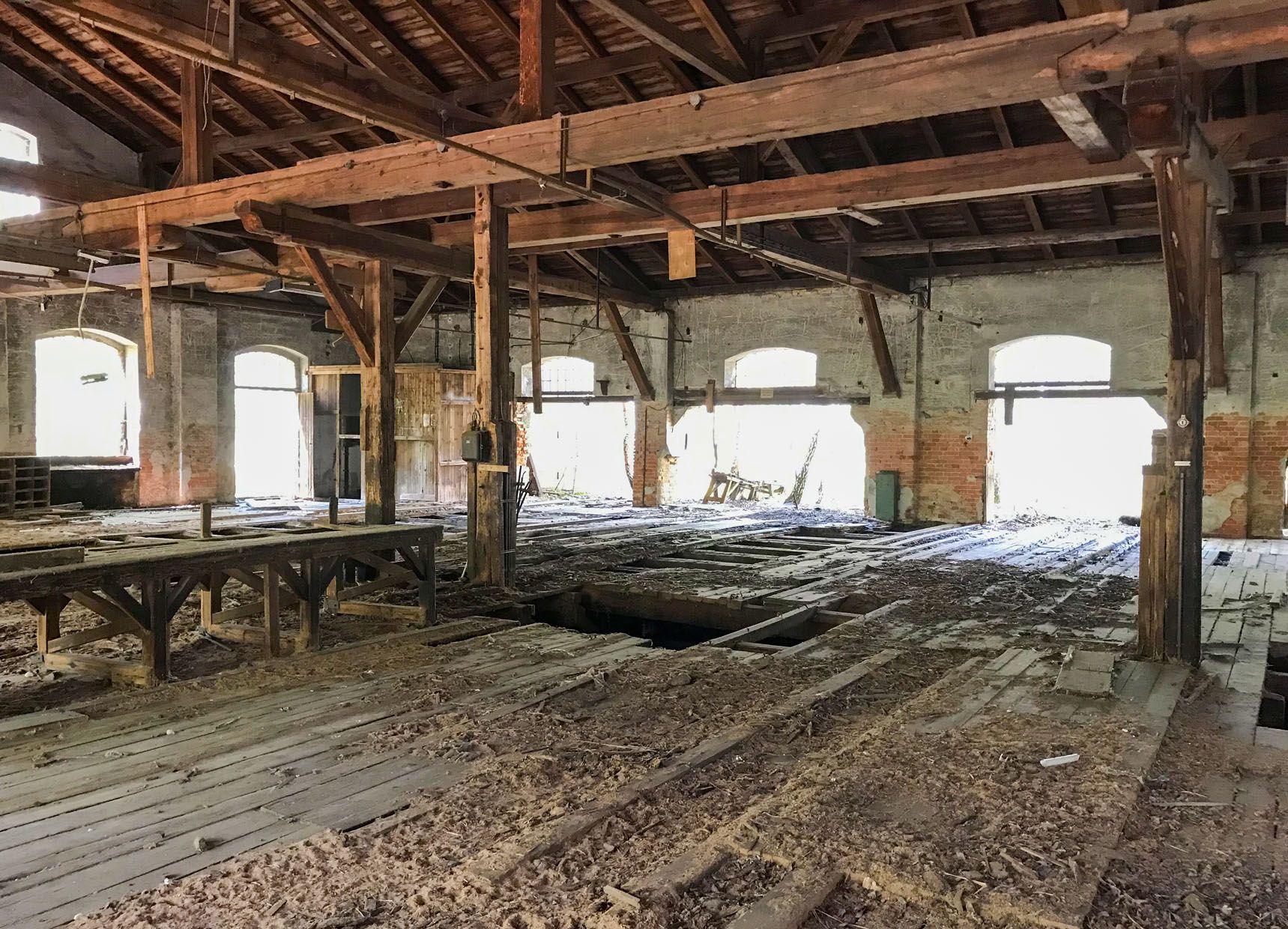
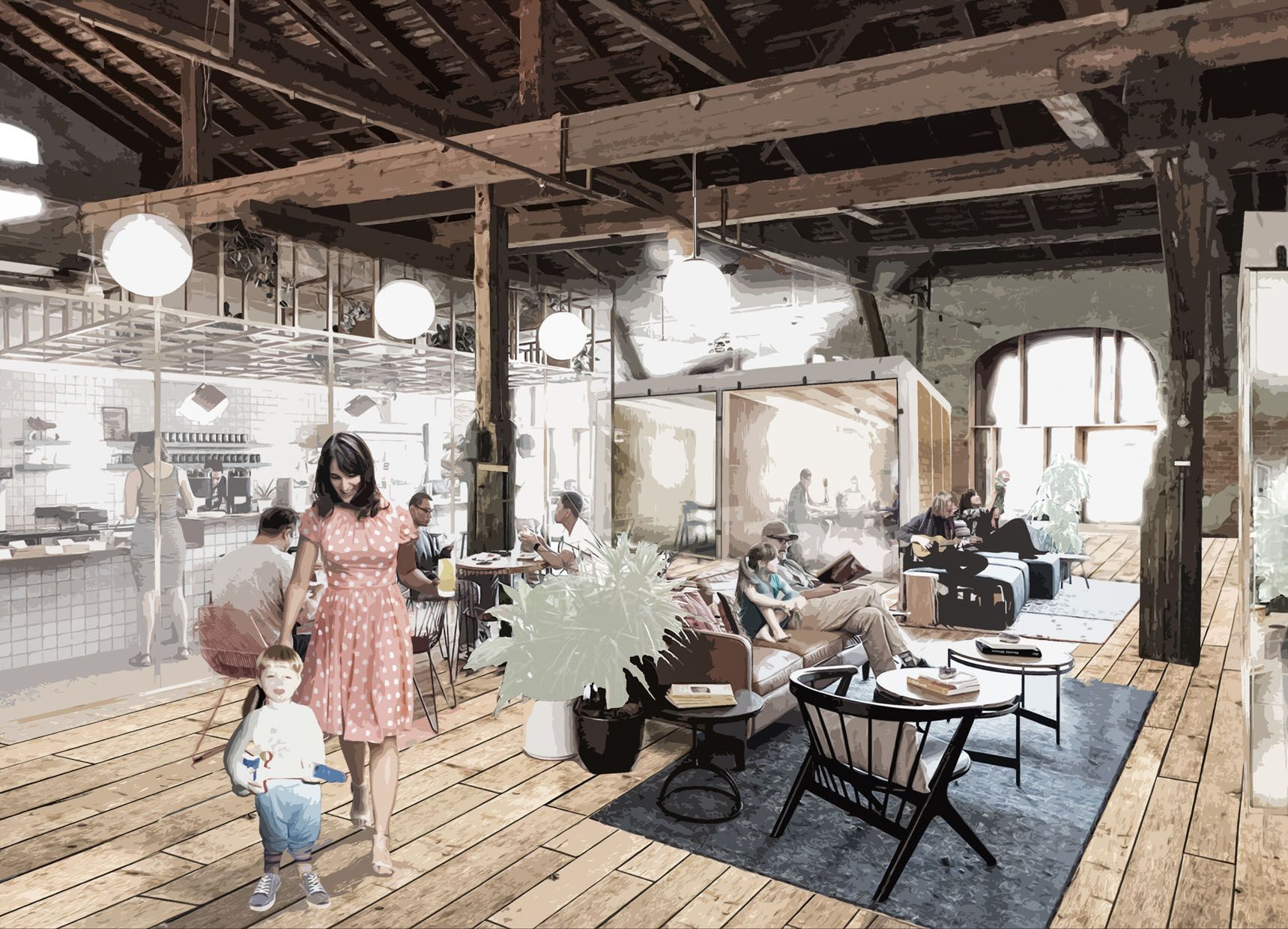
On the one hand technically, for example with regard to urban land-use planning or procedures regarding construction law, but also strategically – how important public relations work is, how important good relationships with funding providers are, simply political lobbying: networks in the creative scene, in urban areas. It was really nice to see how he described a ‘learning journey’. And above all, with a happy ending. He has now been re-elected and can confirm that local work is being rewarded. You have also just seen that in the ZDF documentary.
What actually prompted you, as a media scholar and economist, to devote yourself to this particular topic??
I left traditional journalism immediately after my studies and traineeship and founded my first media start-up. With an accelerator programme, we were able to move to Silicon Valley and became a partner of Twitter.
In San Francisco, I experienced a kind of homelessness and neglect that was unimaginable in Germany at the time. Compared to the housing crisis, the tech start-ups with their often cynical business models seemed increasingly uninteresting to me.
But I am still enthusiastic about innovation. Now it is the so-called social innovation that motivates me. And the social aspect is really what fascinates me most about architecture. Good architecture can make an important contribution to a functioning community.
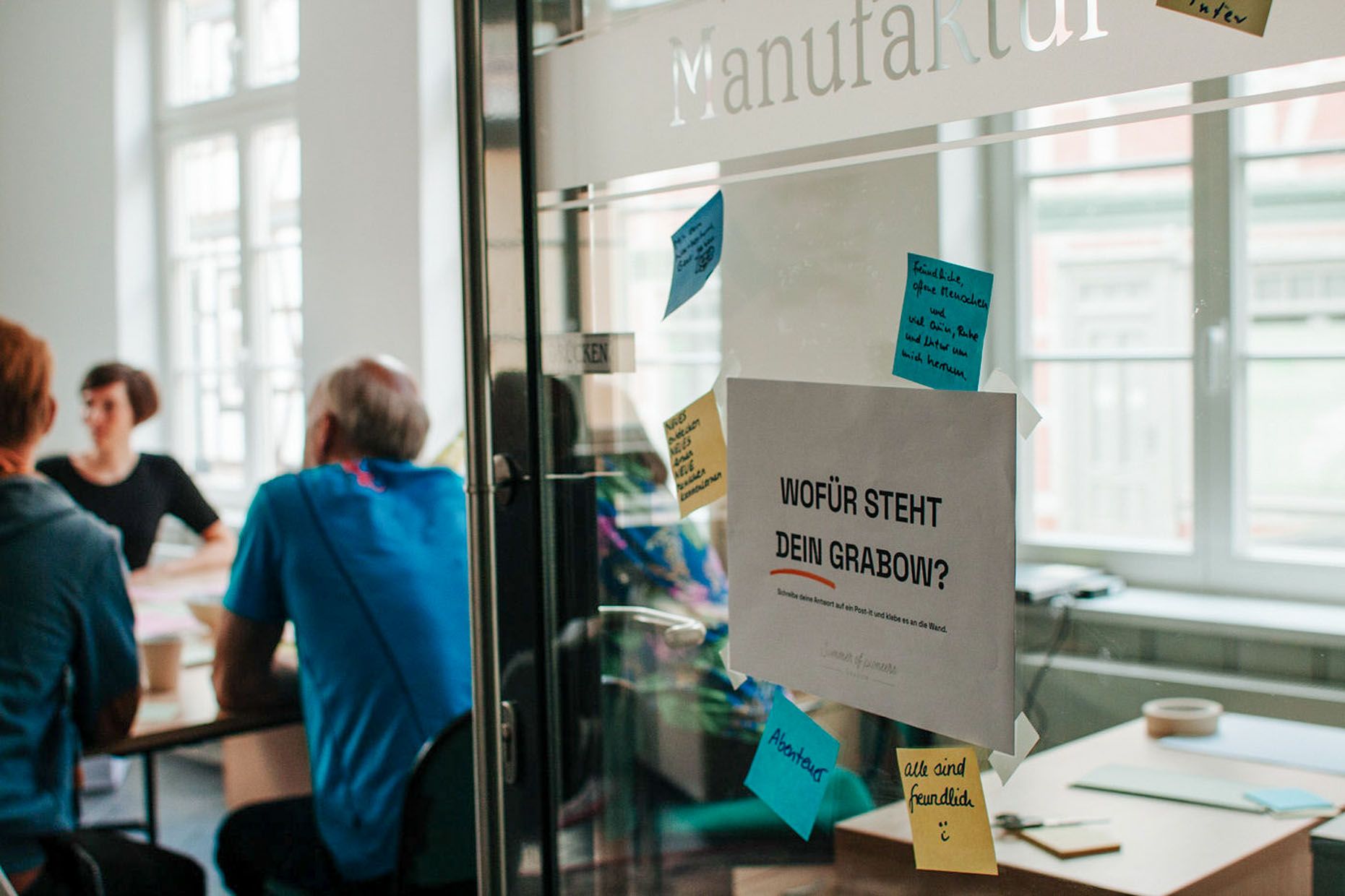
Can you give us an example of what can ideally change in a community in just a few years?
The good news first: a great deal. I would like to mention Wittenberge as an example. We organised the first Summer of Pioneers there in 2019. At the time, the town was the epitome of a loser of reunification. Almost all of the major industrial companies had closed within a few years of reunification. Forty per cent of the population had left. The vacancy rate was enormous.
The Summer of Pioneers and the widespread media coverage of the project, as well as the dedicated work of the administration, the Pioneers and the civilian population, changed the mood.
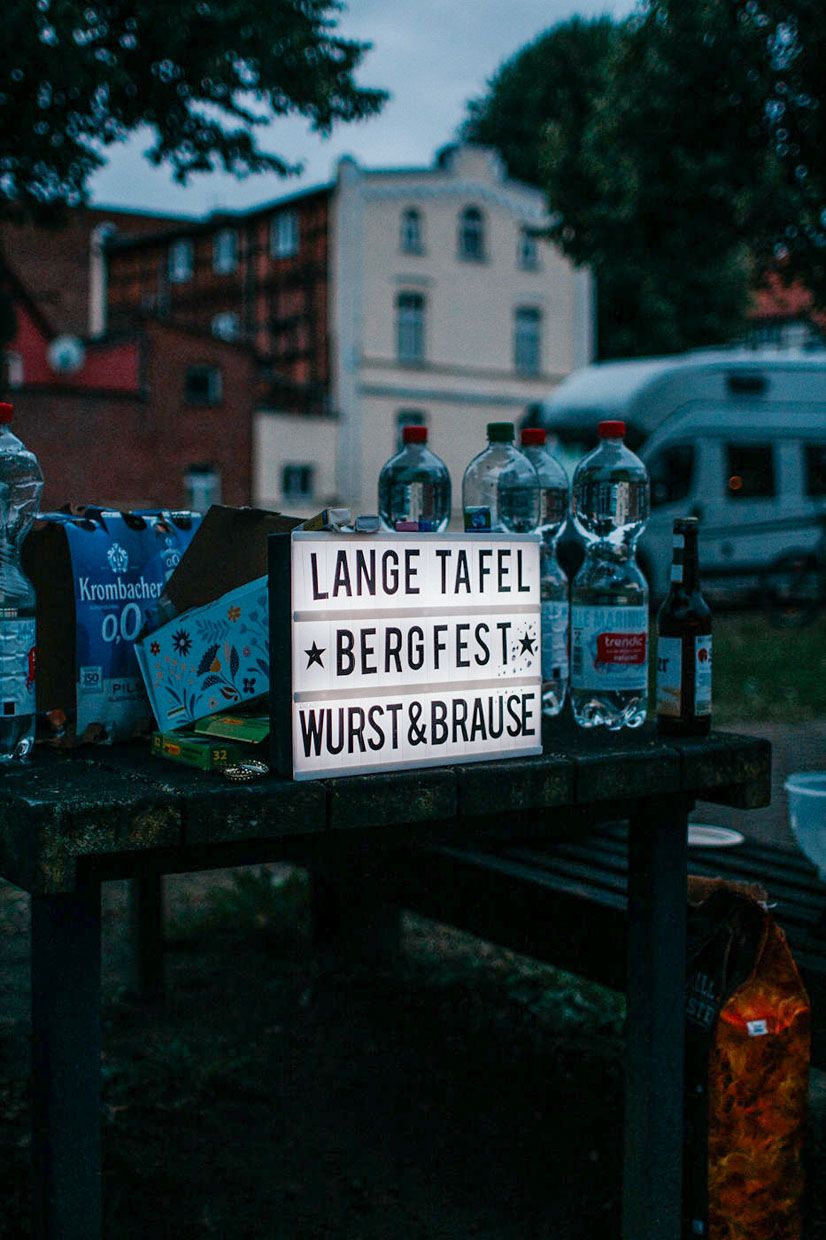
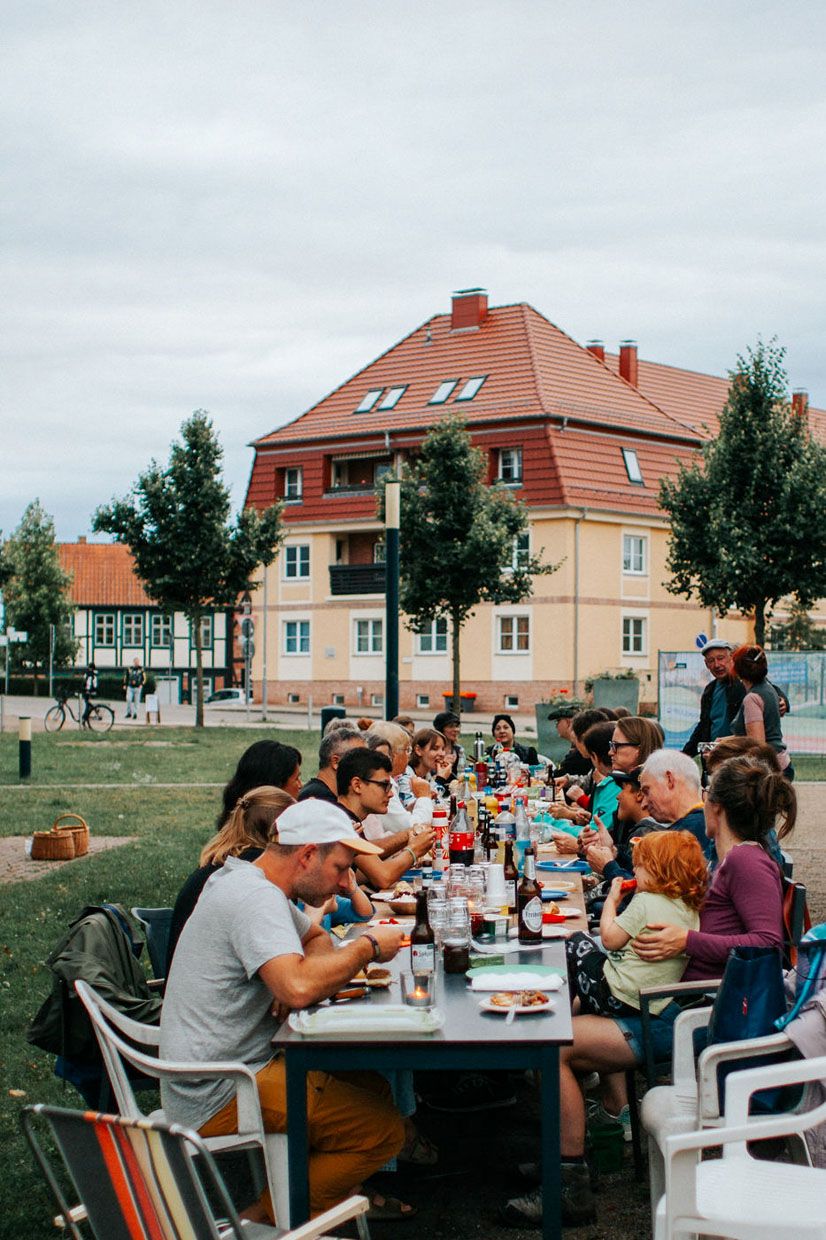
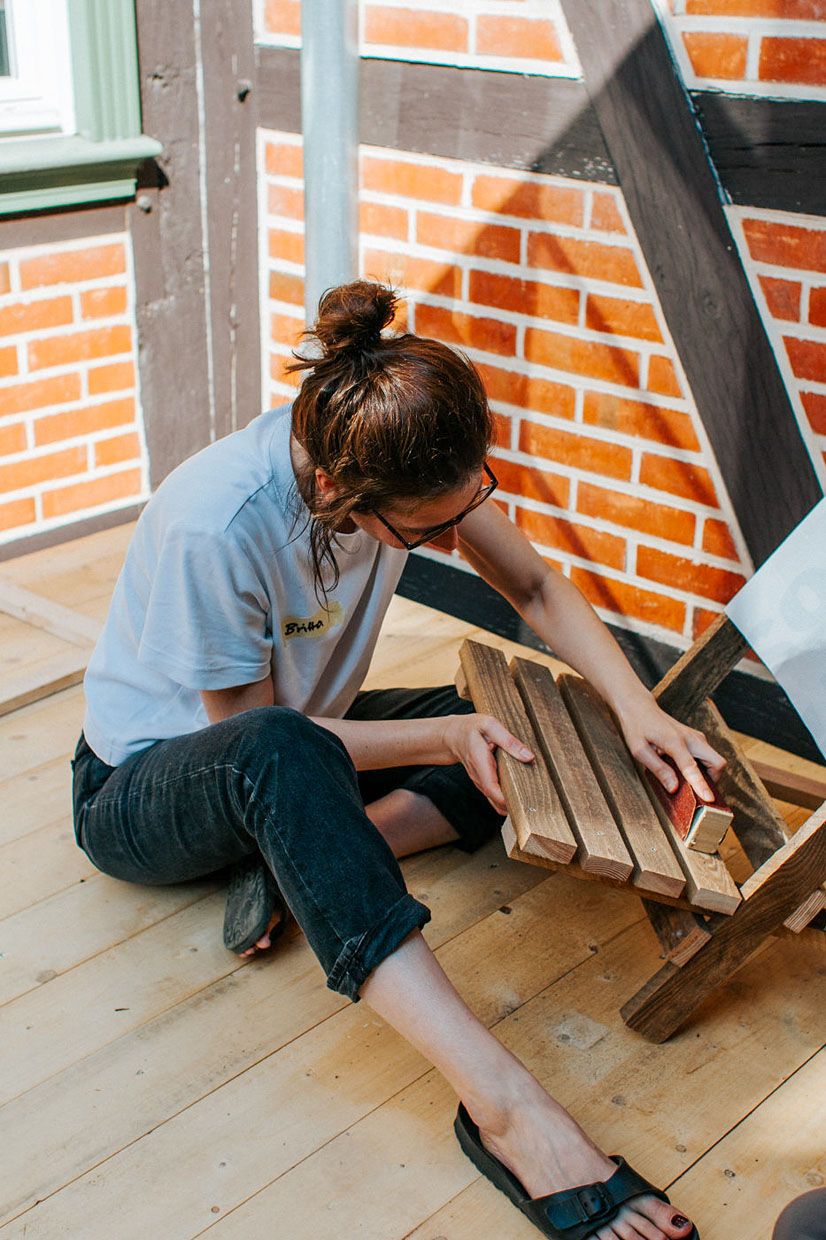
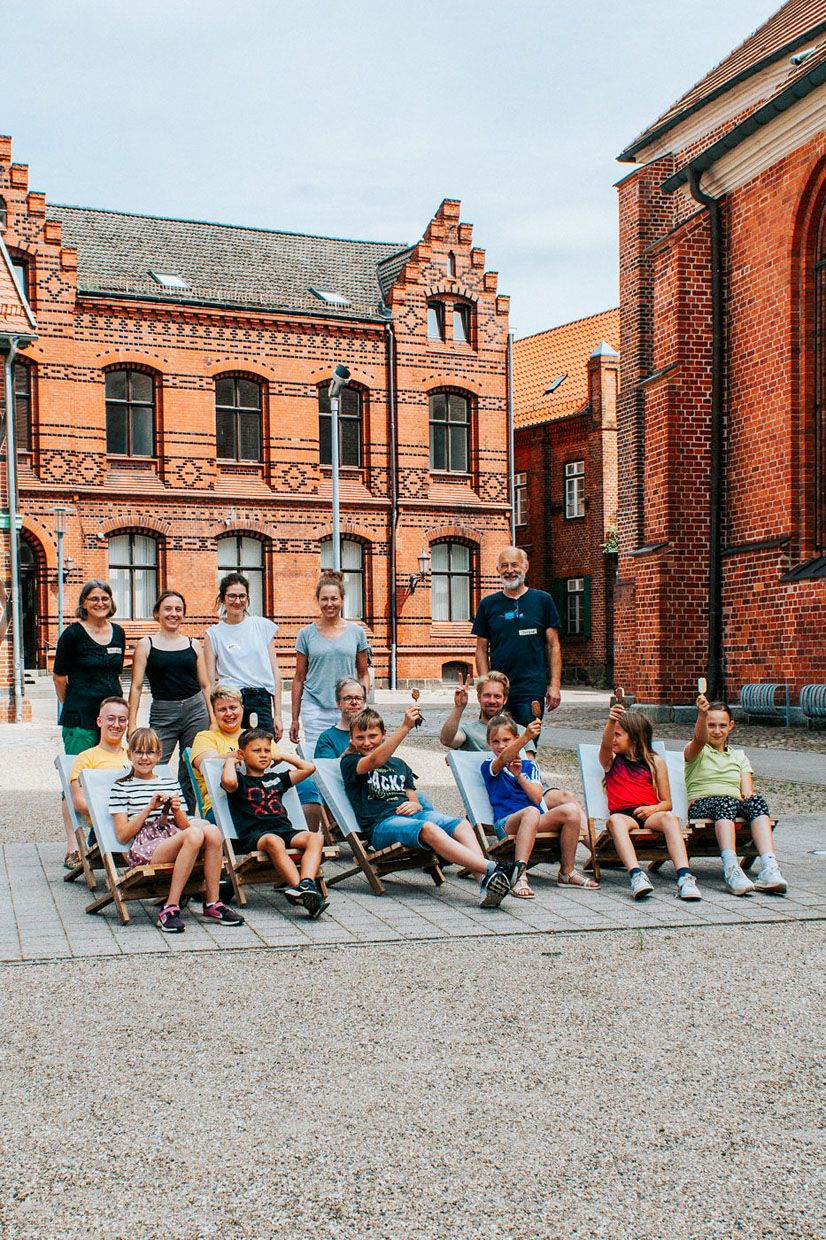
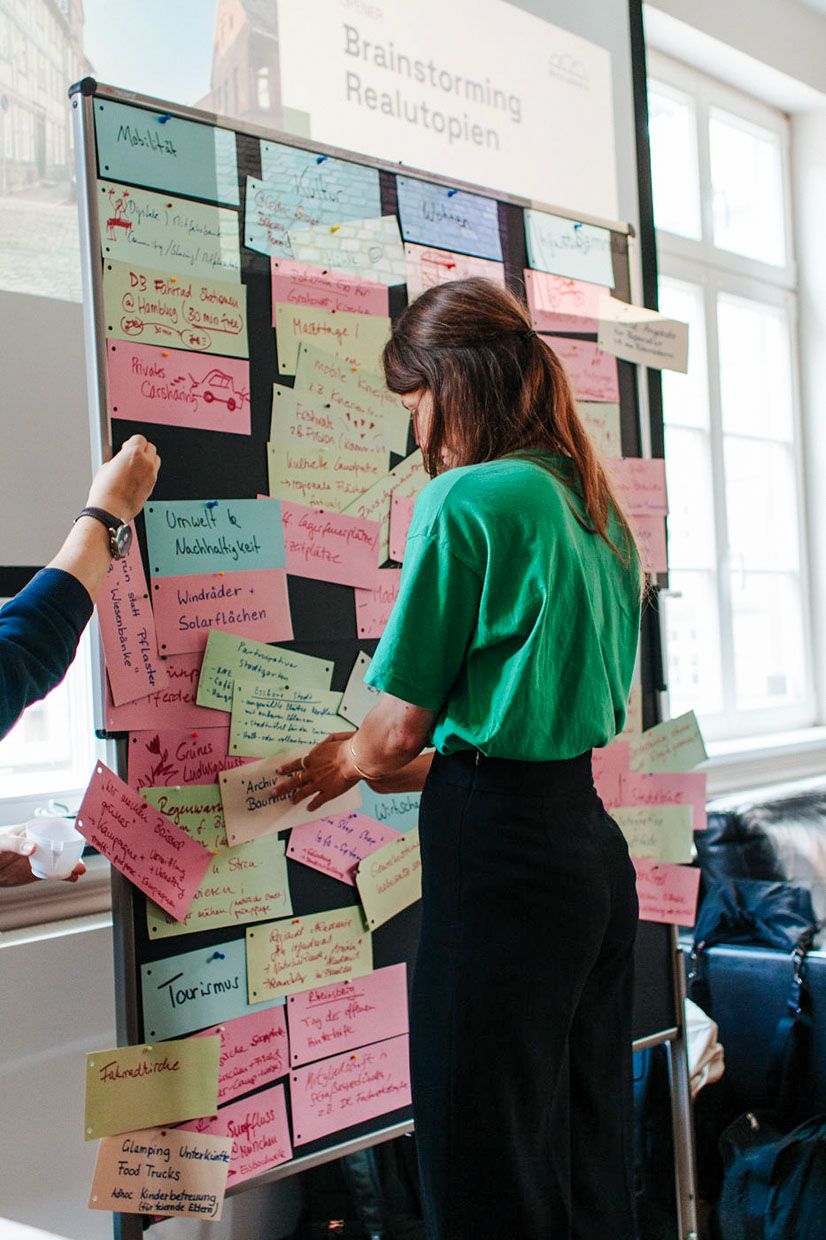
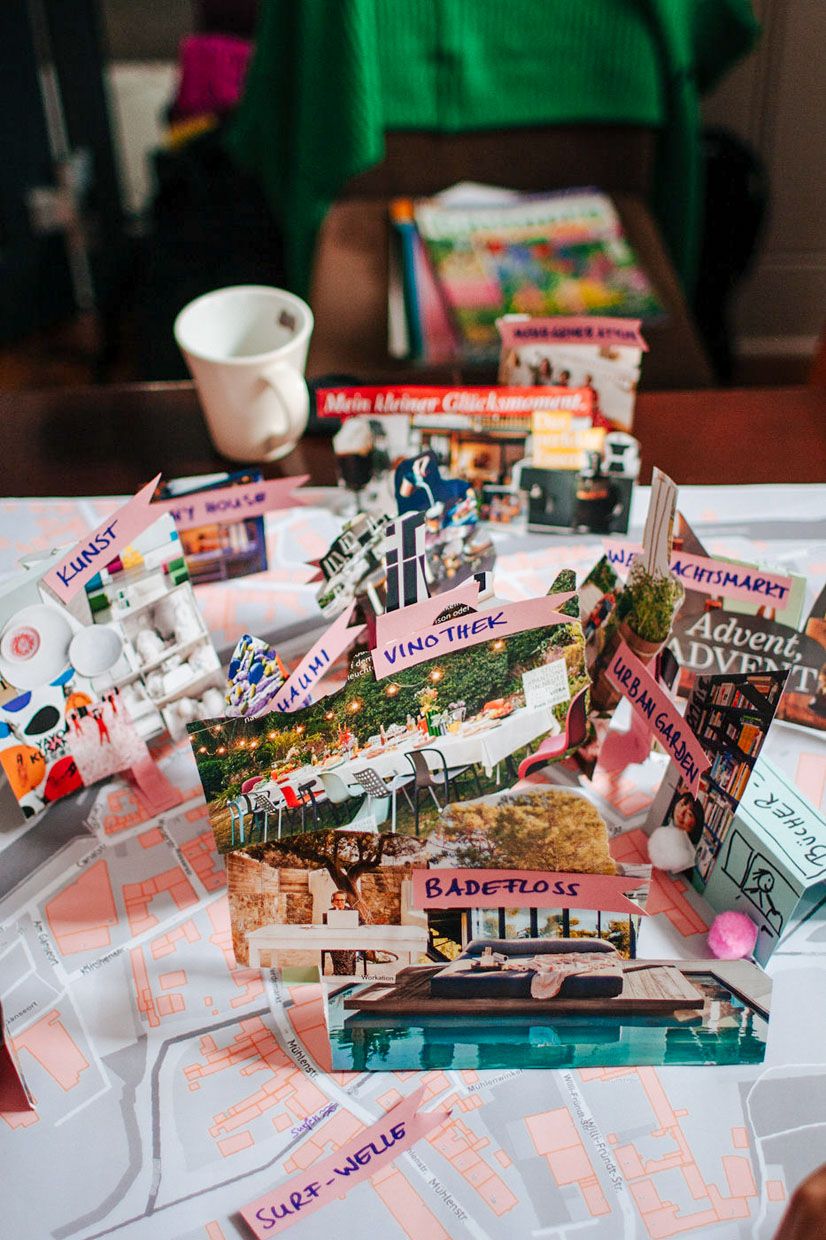
The Pioneers revived vacant properties, launched participatory projects and brought artists into the city. Some Pioneers formed a kind of welcoming agency – the Elblandwerker [Workers in the River Elbe countryside]. In cooperation with the housing association, they offer guest apartments and help people to settle in the area. The original 18 Pioneers who stayed have since grown into a community of almost 400 people, who are also actively involved in urban development.
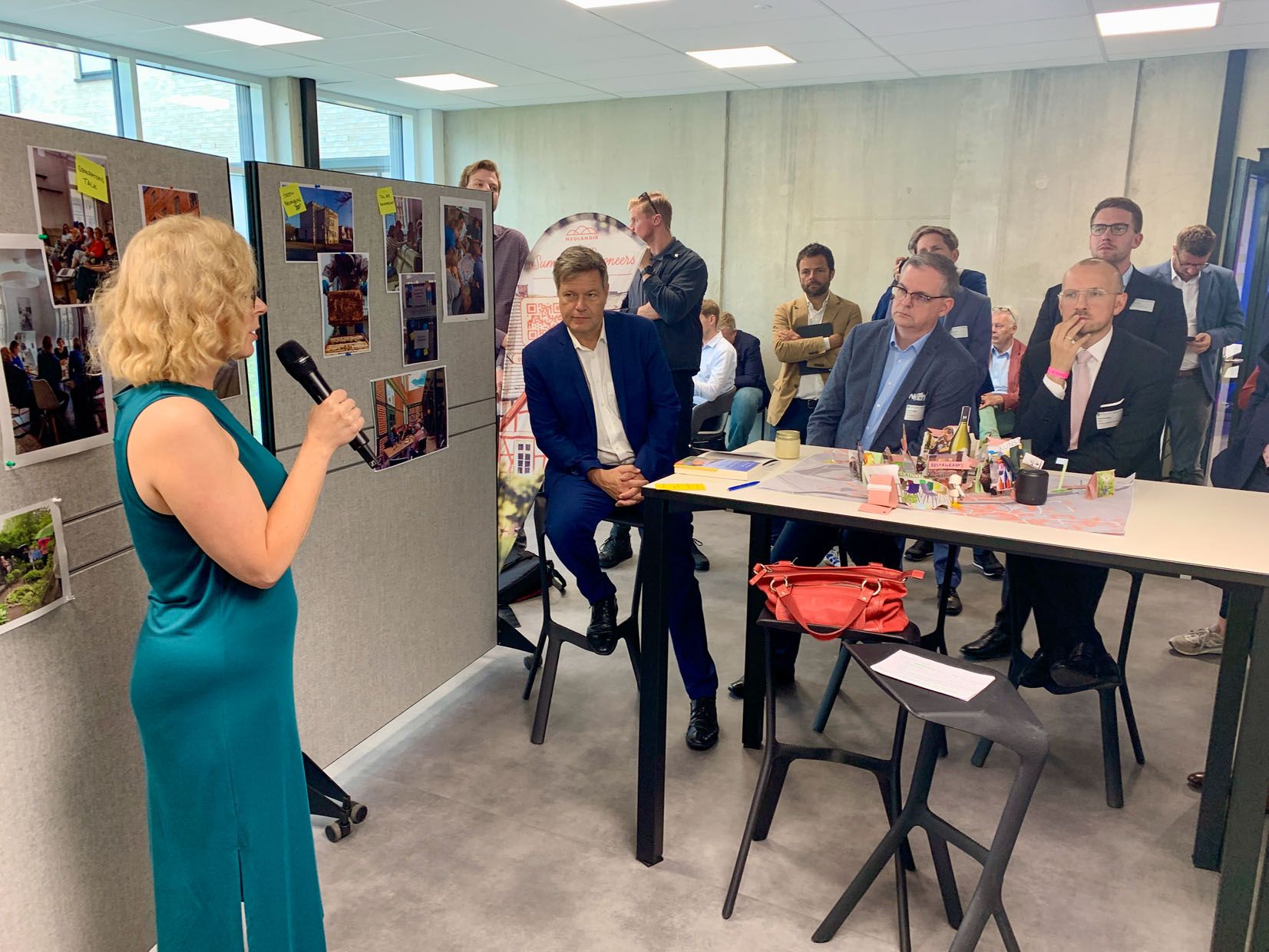
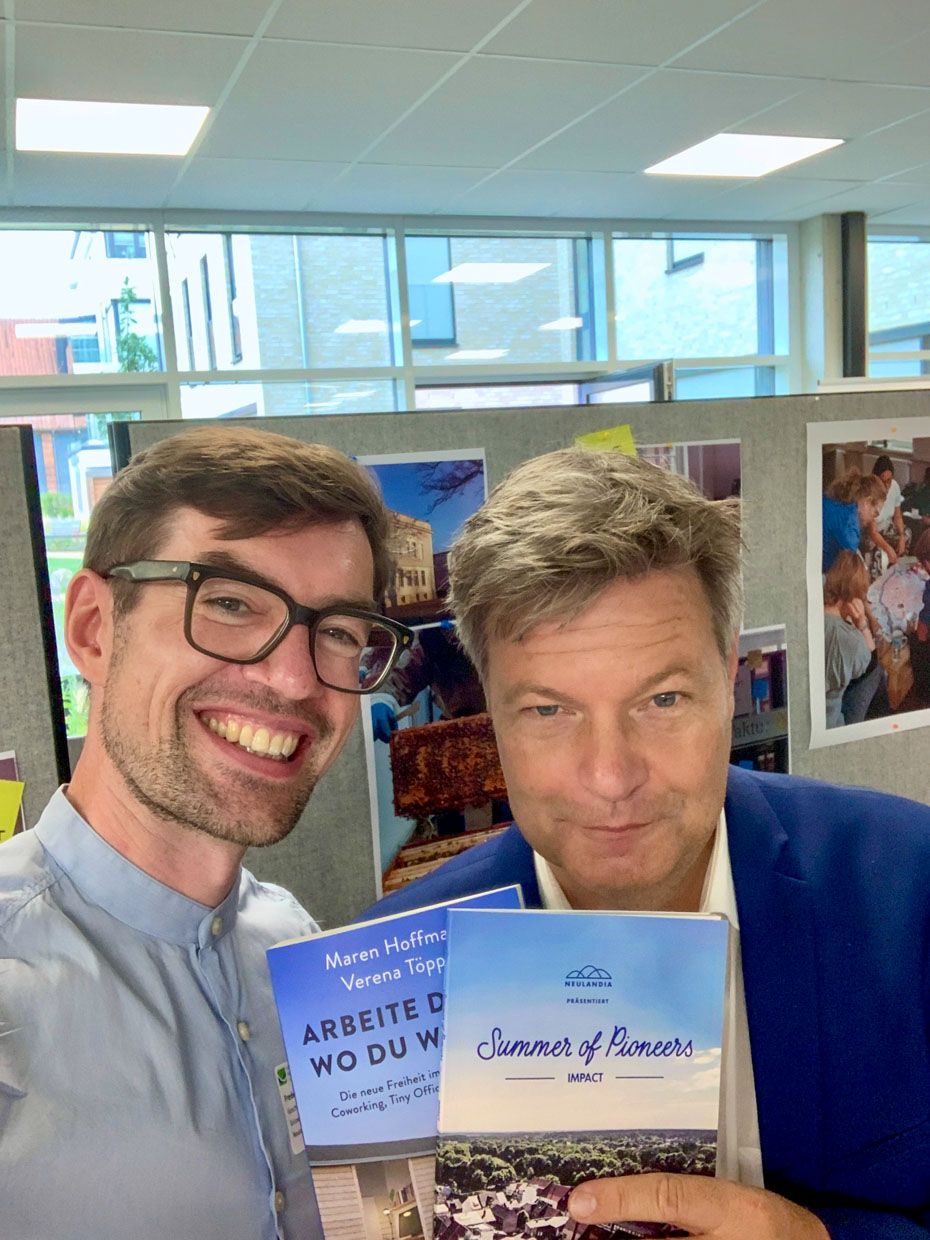
Numerous follow-up projects have brought new players and several million euros in funding to the city. The most recent development in this positive trend is the decision by the Federal Ministry of Transport and Digital Infrastructure to locate the Small Town Academy in Wittenberge. The project will receive ten million euros over five years and is intended to support the development of small towns throughout Germany.
The Neulandia team has recently grown… that looks like big plans for the future. What are you going to tackle next?
Our approach works. After five years, we can really prove that very well. That motivates me to follow the path we have taken. In the future, however, I would like to focus even more on innovative solutions for existing buildings. New construction is currently prohibitively expensive – especially if you want to build in an ecologically and socially responsible way.
We are always looking for impact investors and foundations that are interested in working with us. I am sure that we are working on one of the central issues of our time. The housing crisis brings everything together: ecology, economy, politics and society. Solutions to the housing crisis therefore always solve a multitude of problems at the same time. This is exactly what makes dealing with the topic so exciting and relevant.
What specific role can architecture play in your plans?
I am neither religious nor spiritual. Besides music, for me architecture is the only source of transcendental experience. Not least thanks to HOLIDAYARCHITECTURE and having the good fortune to be able to live in a historical garden city, I have been able to enjoy and compare outstanding architecture not only as an observer but also as a resident (albeit a temporary one).
I am always amazed at how successful design can trigger feelings of happiness and, conversely, how soulless design can immediately make me sad. Successful design does not necessarily have to require opulence and expensive materials. At the risk of sounding a little spiritual: it is the ‘soul’ of rooms and buildings that determine their quality. In addition to architecture, storytelling also plays a major role here. This is where I see the contribution I can make as a non-specialist.
You have travelled around Europe with HOLIDAYARCHITECTURE many times. How do you experience our partners and their houses?
For many years, my wife and I have been spending almost all of our holidays in the holiday homes you have curated. We have never been disappointed. I find it particularly luxurious when we are able to talk to the owners or architects themselves.
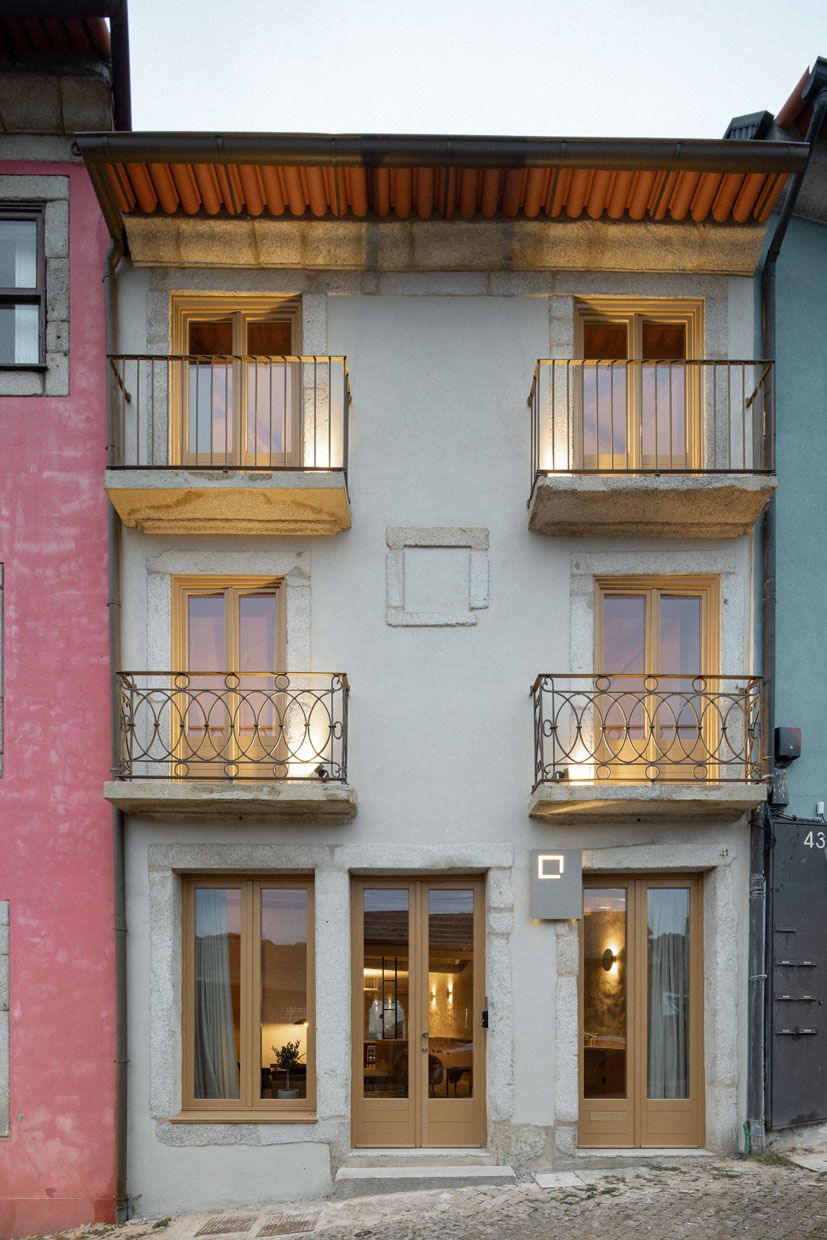
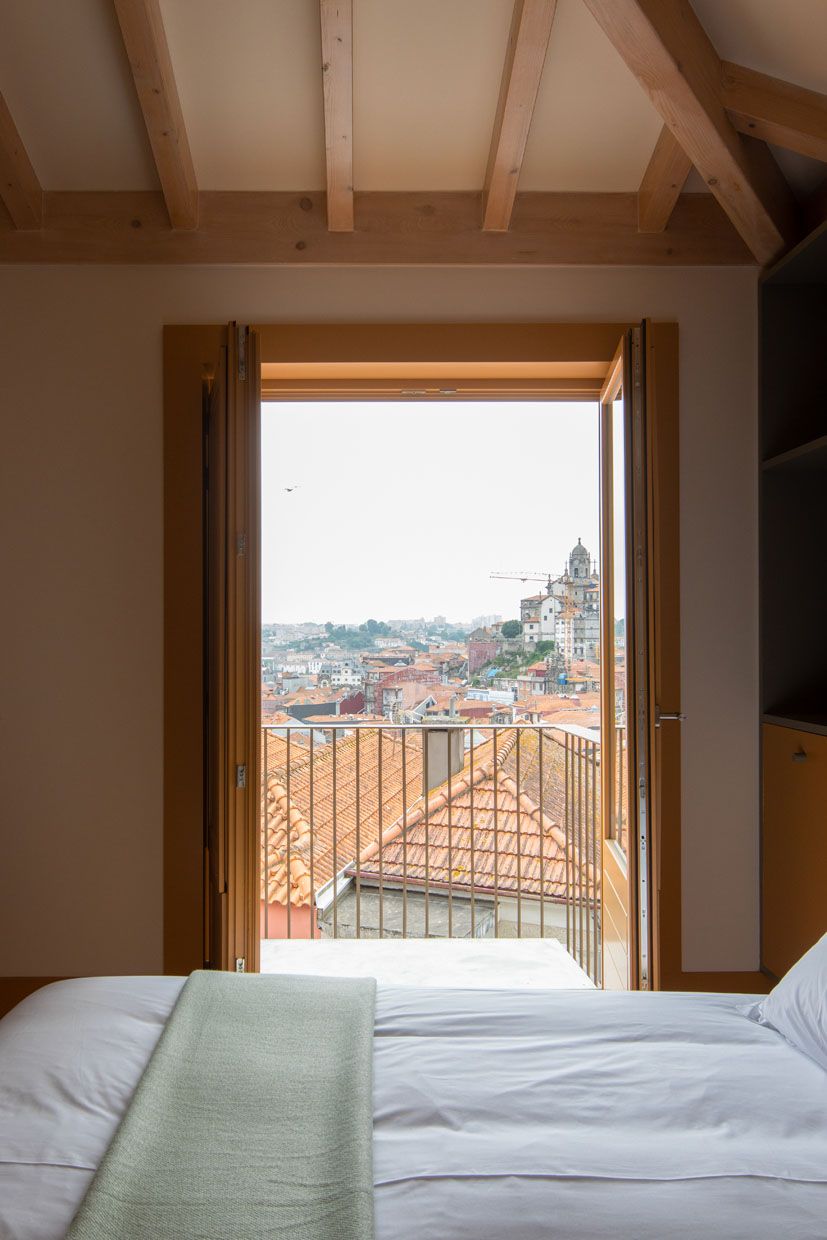
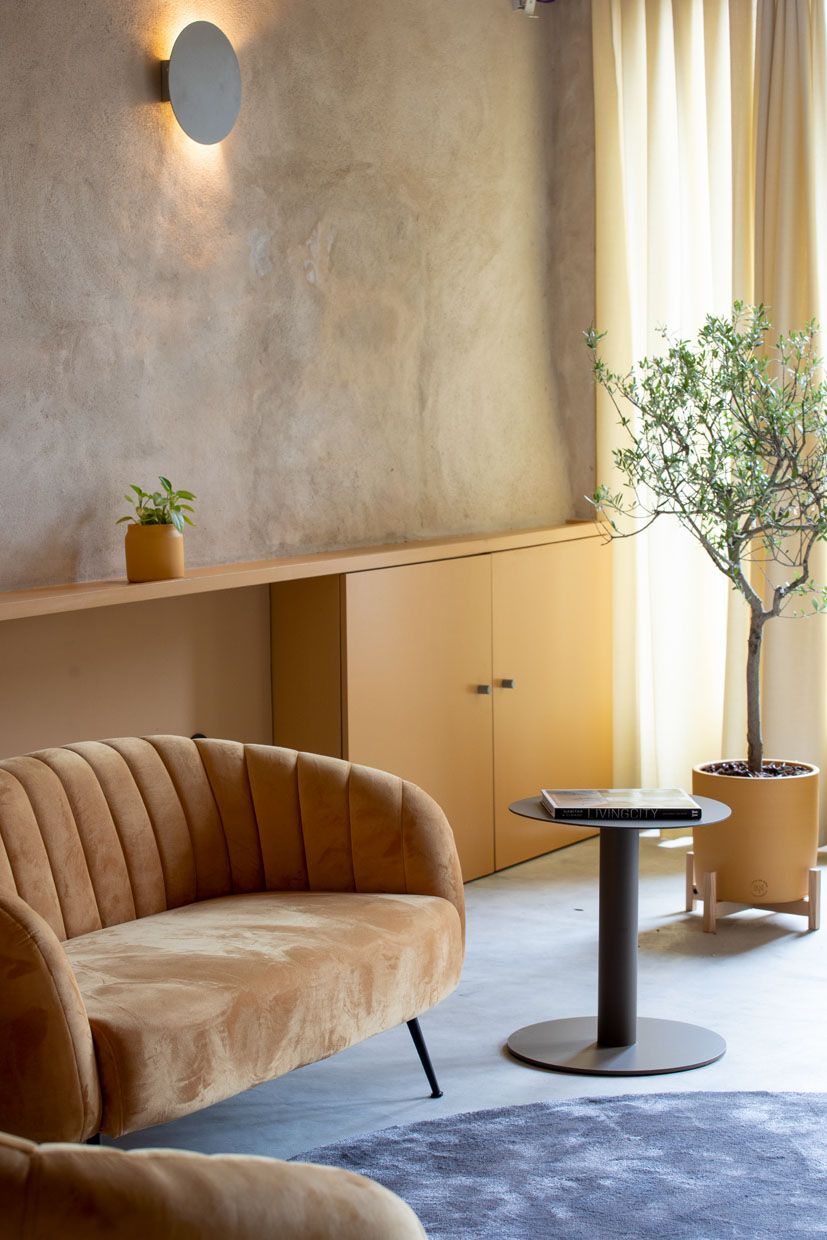
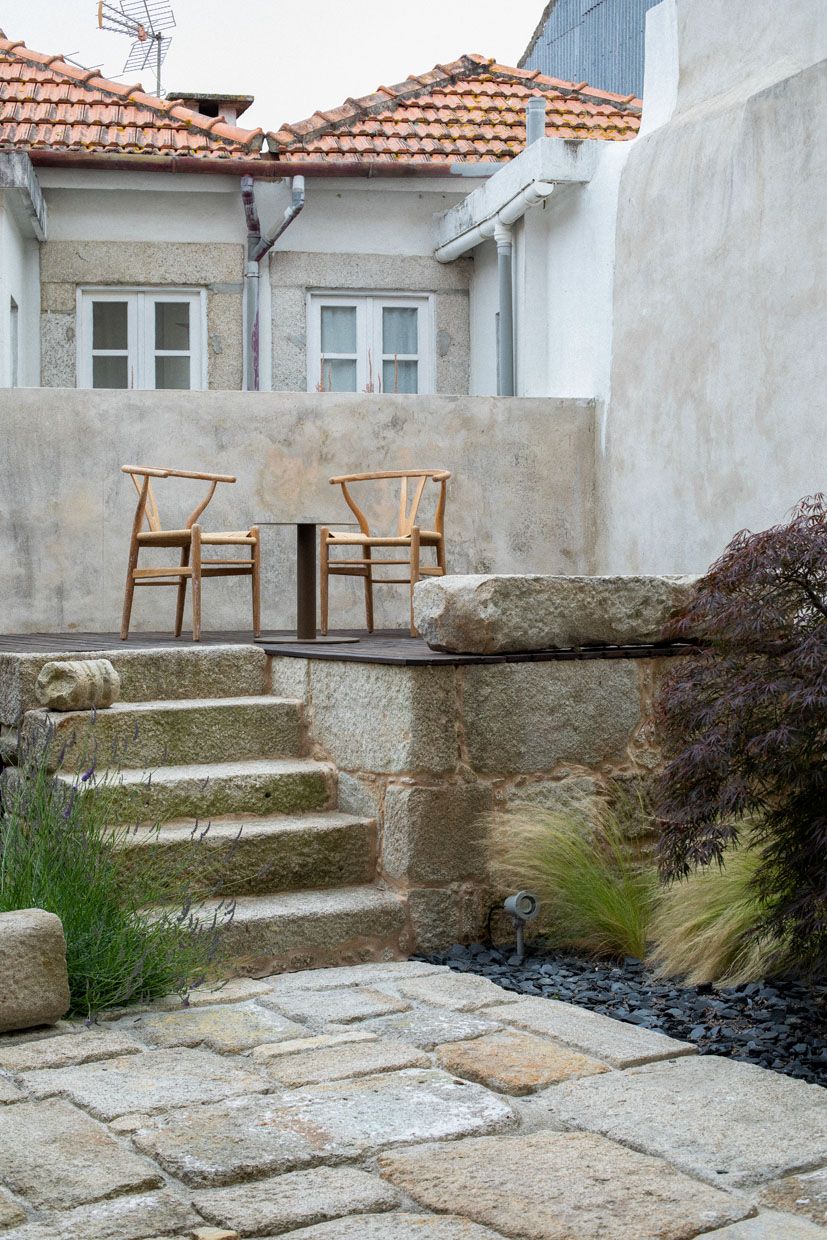
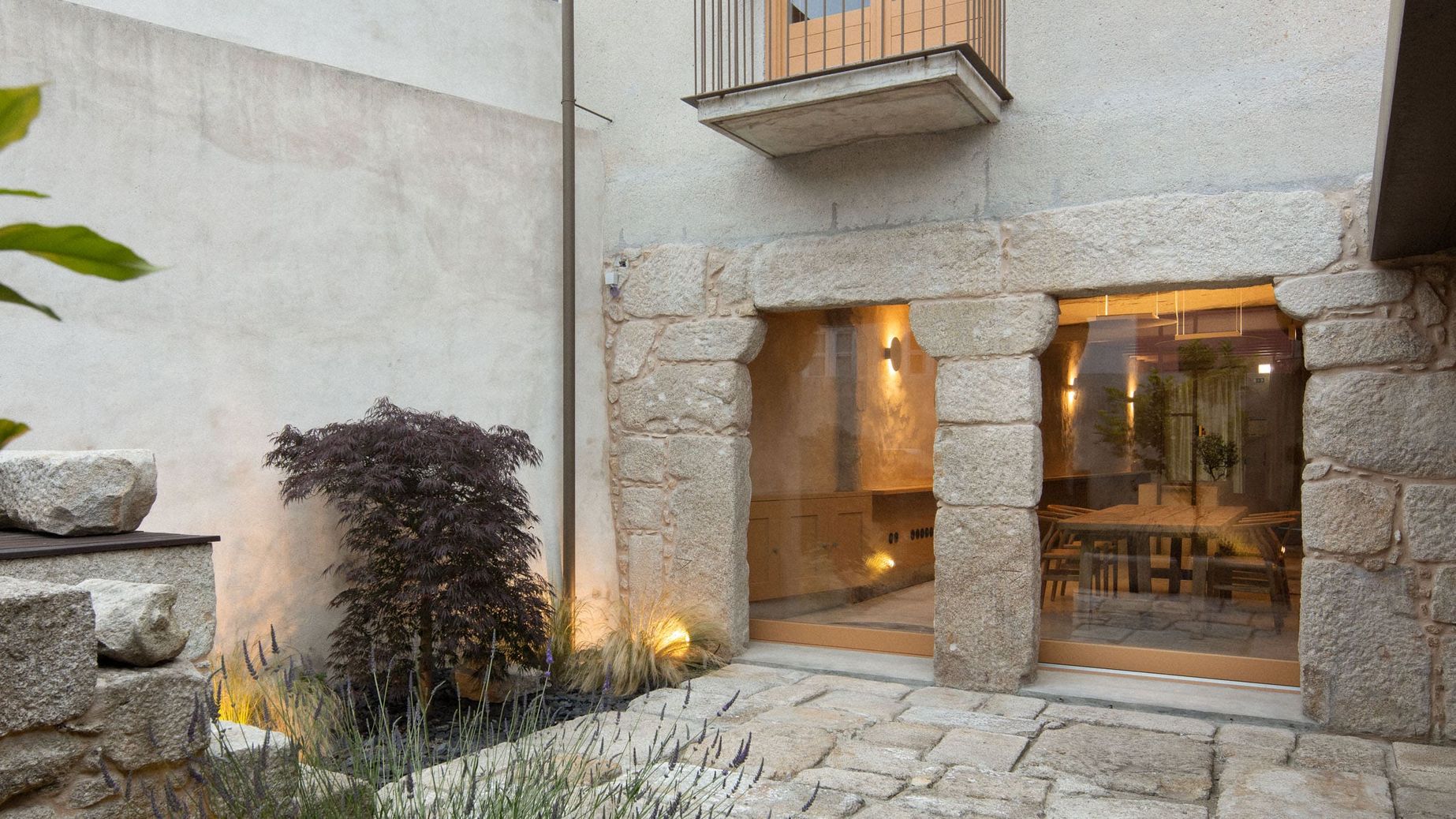
There is one experience I would like to highlight. In Porto (which I would recommend to all lovers of architecture anyway), we stayed at the Na Travessa Suites, which I highly recommend. The hostess Mariana was incredibly welcoming to us and our daughter. She asked in advance what our daughter likes and organised appropriate toys that were already in the room when we arrived. We immediately took a liking to her and the community-based concept of this house.
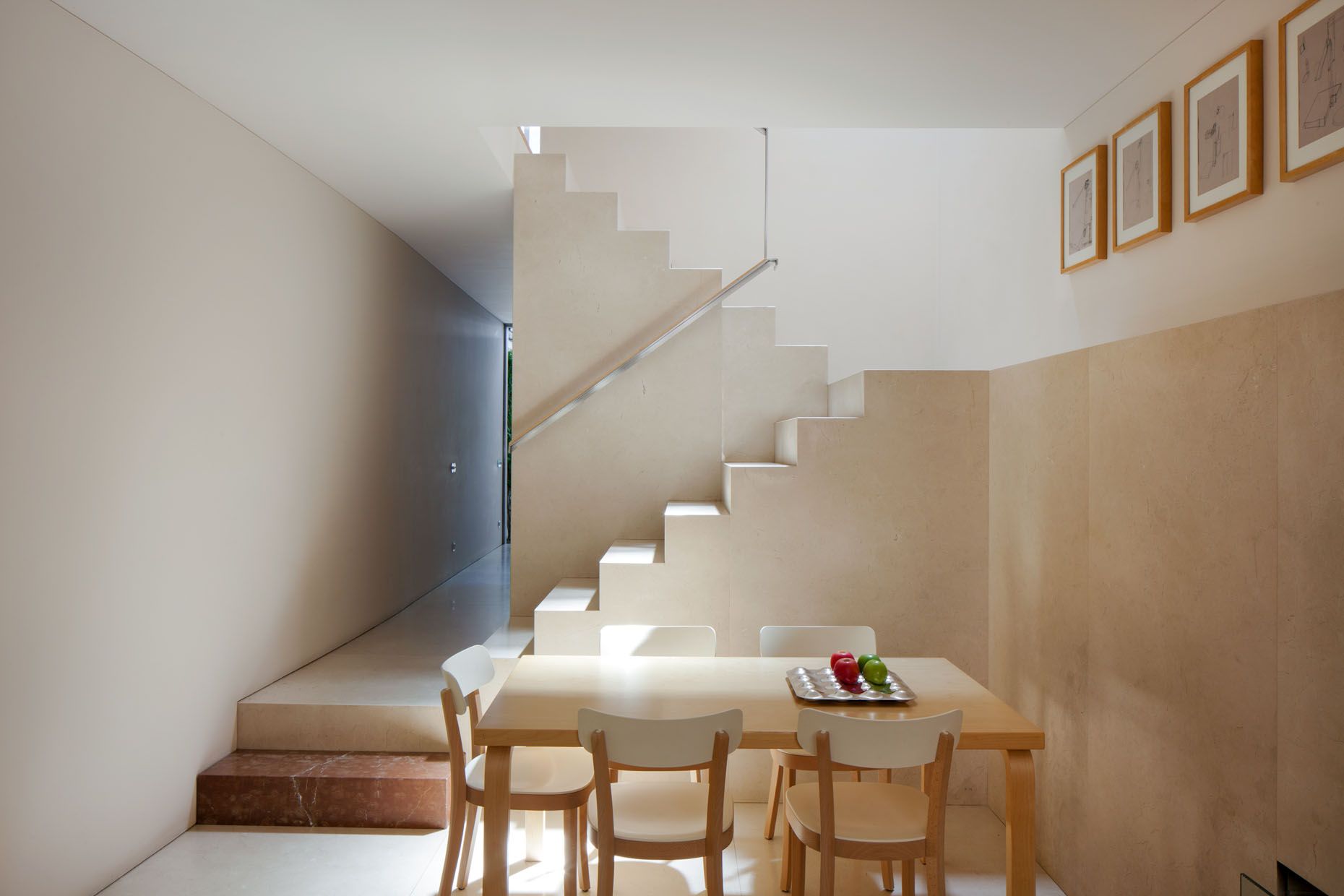
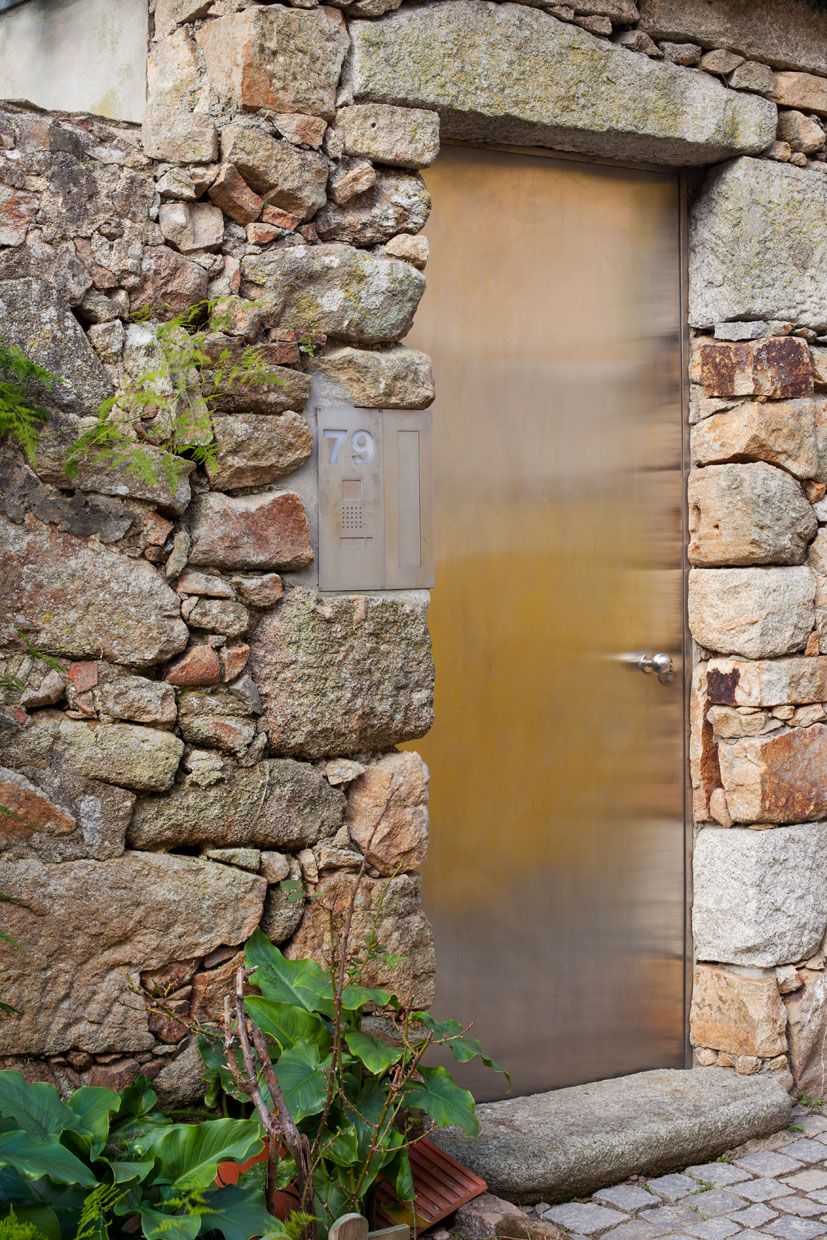
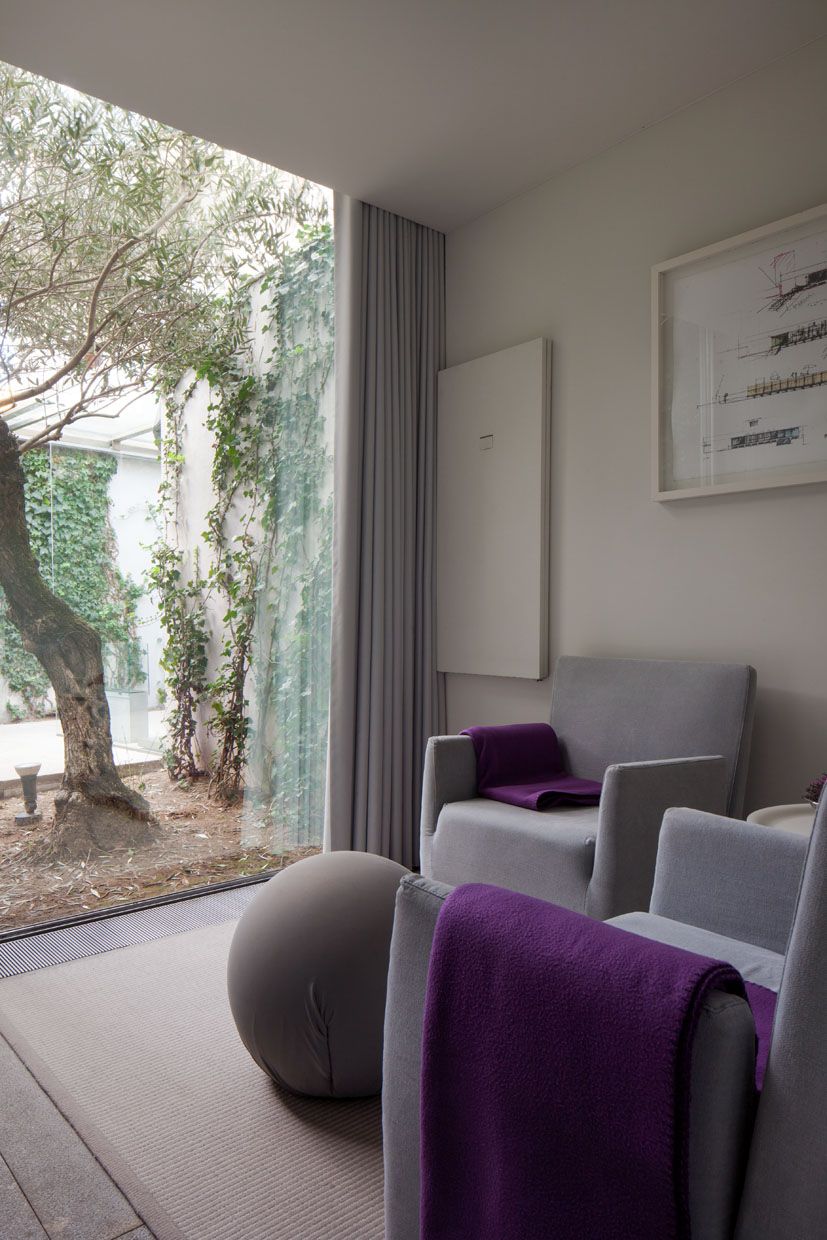
We also had the pleasure of staying in a house designed by Pritzker Prize winner Souto de Moura in Porto. Through de Moura, I became aware of his teacher Alvaro Siza. Both have permanently changed my view of architecture.
Often, HOLIDAYARCHITECTURE is where our holiday planning starts. The destination is arbitrary. The house is the focus. In this way, we have travelled to many places that we would otherwise never have visited.
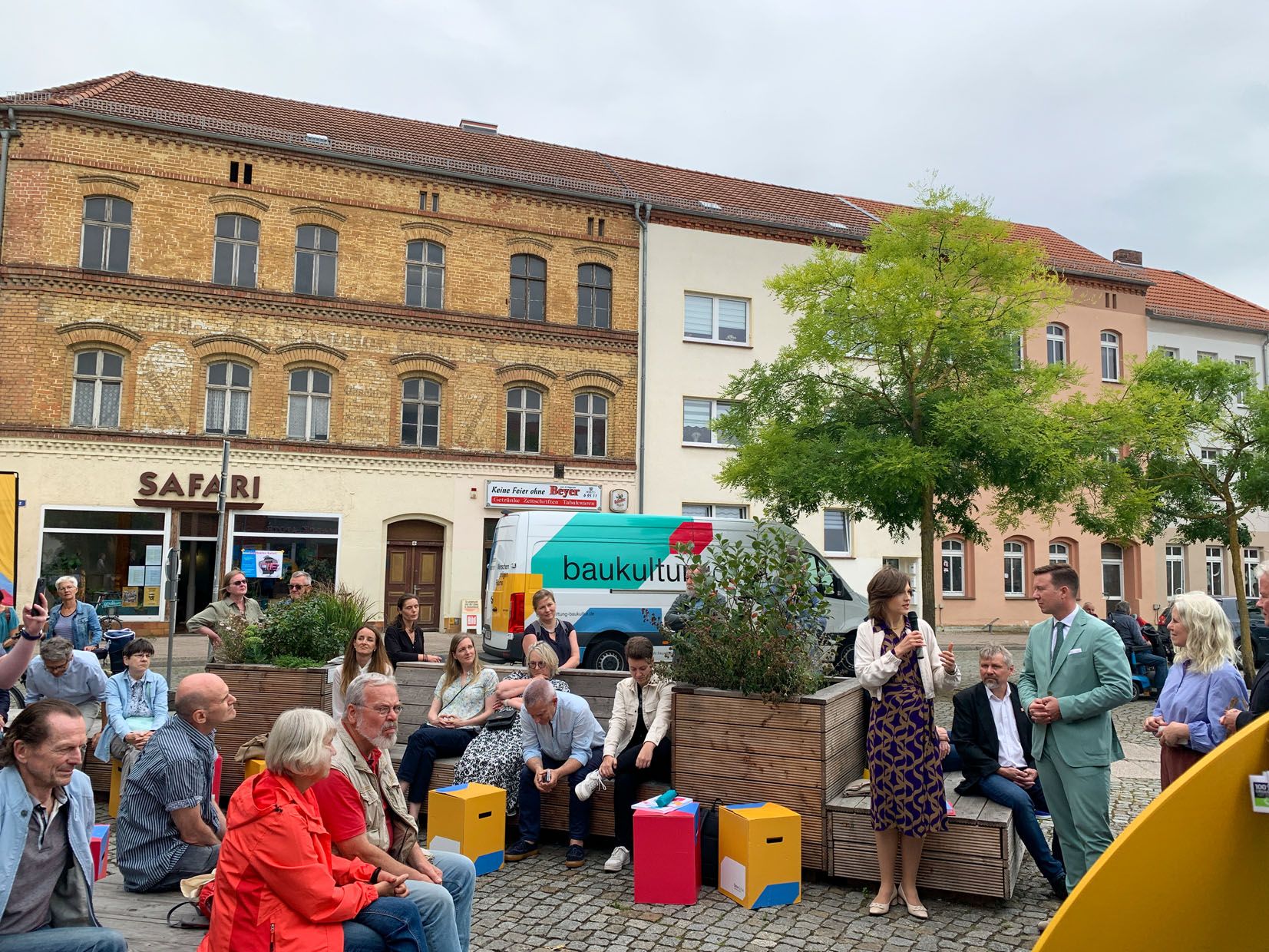
Which initiatives and places should we definitely remember, even apart from Neulandia?
Innovative approaches can be found, for example, at the Überland [Overland] Festival Görlitz. Overall, the tireless work of the Federal Foundation for Building Culture is important. What also impresses me again and again is the active civil culture in Mittweida. Not to forgetting the initiative Nonconform, which not only creates architecture but also participatory spaces of opportunity. The Vielleben [Many Lives] cooperative, with which we are developing the KoDörfer, also deserves attention. I could continue the list for a very long time. There are countless organisations, initiatives and people who are setting new standards and driving change far away from the metropolises.
Personal details
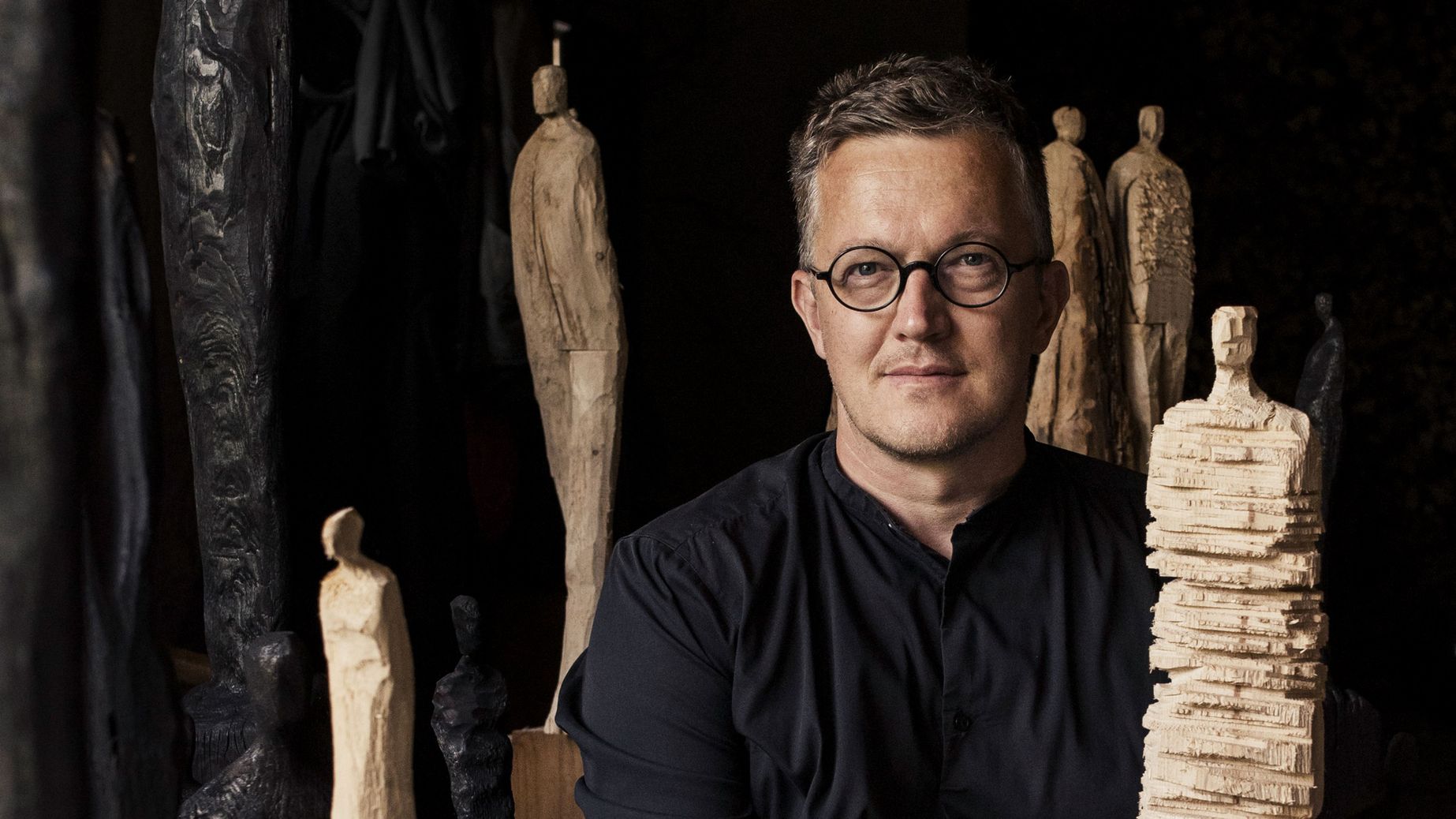
Frederik Fischer grew up in a village, spent his childhood in a small town and then went out into the big wide world. He studied media studies and economics in Hanover, Aarhus, Amsterdam, London and Washington, and co-founded several start-ups in Berlin. However, he is now convinced that the most exciting designs of the future are being created in the provinces. He has been consistently promoting this for years, among other things, as managing director of Neulandia – in particular with the residency project ‘Summer of Pioneers’ and the garden city-oriented KoDorf neighbourhood developments.
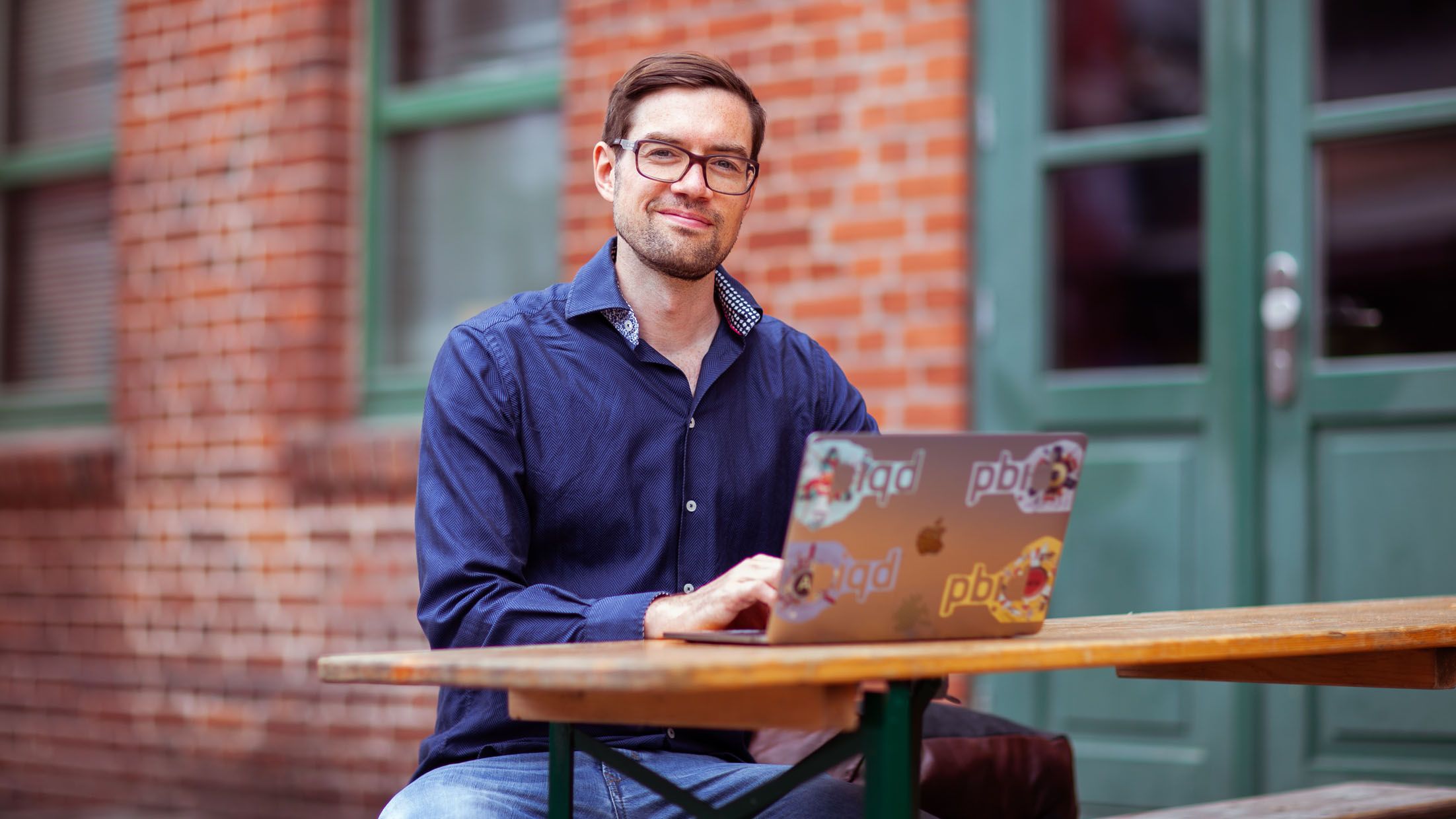
Interview: Ulrich Stefan Knoll
Picture credits: © Fini Ludwig (cover picture), Wiesenburg, © Melanie Adloff (1), KoDorf Wiesenburg, © agmm Architekten (2, 4, 5), aerial view KoDorf Wiesenburg, © Uwe Manteuffel (3), Summer of Pioneers Grabow, © Britta Liermann and Veit Grünert /Bureau Now (6 — 12), Visit by Federal Minister of Economics Robert Habeck to the Summer of Pioneers in Grabow, © Frederik Fischer (13, 14), Na Travessa Suites, © José Campos (15 — 18), Casa1015, © Tiago Casanova (19 — 21), Federal Minister of Building Klara Geywitz and the Baukultur Foundation visiting the Wittenberge Small Town Academy, © Frederik Fischer (22), Frederik Fischer, © Martin Gommel (23)
0 Comments