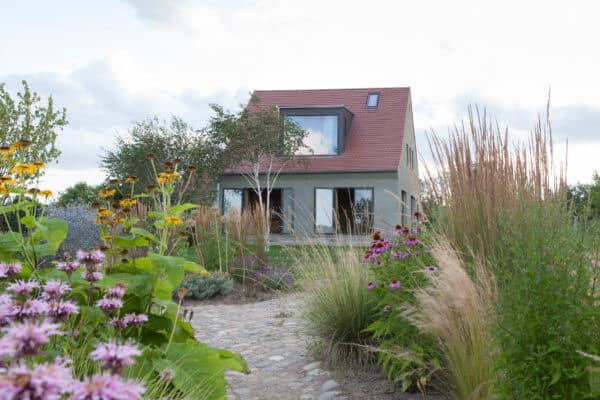
Anchor point for sophisticated souls — The Seehotel Ambach in Caldaro
The Ambach grooves, rocks and swings. It meditates, ponders and smiles silently. According to the constellation of guests, wishes and moods.
This is an article from our archive. It was published in April 2020, so some details may no longer be up to date.
Lizards and dragonflies
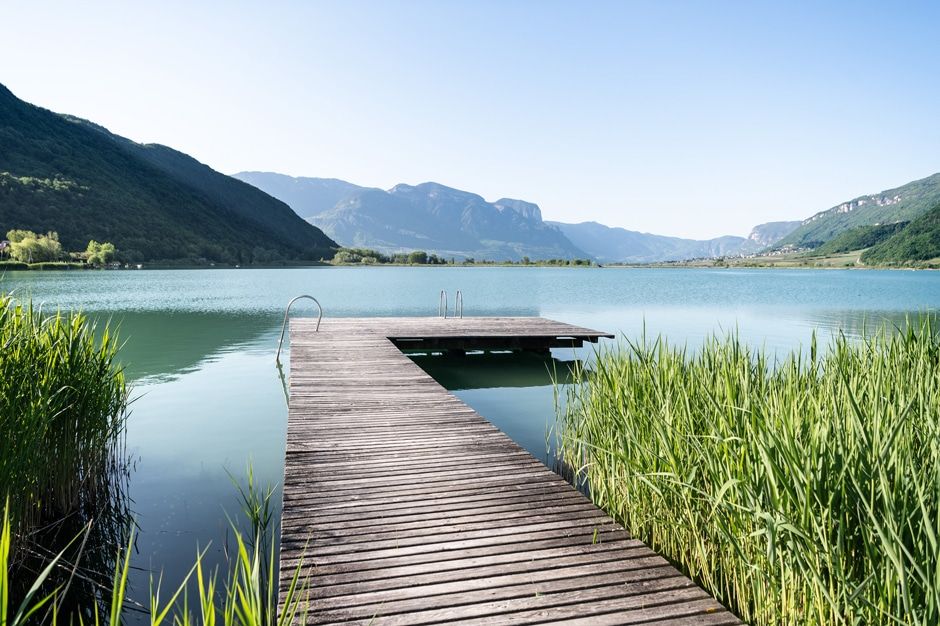
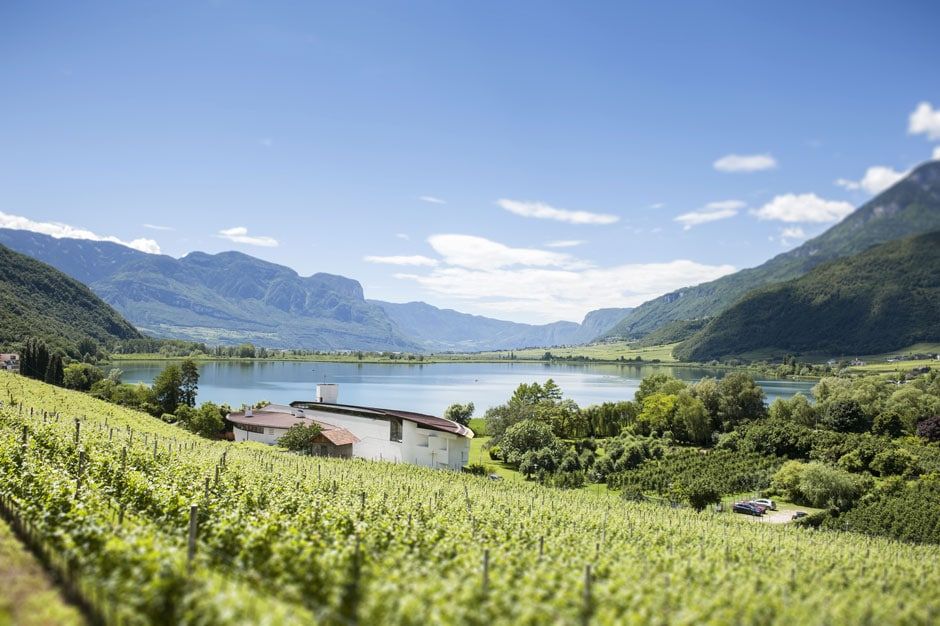
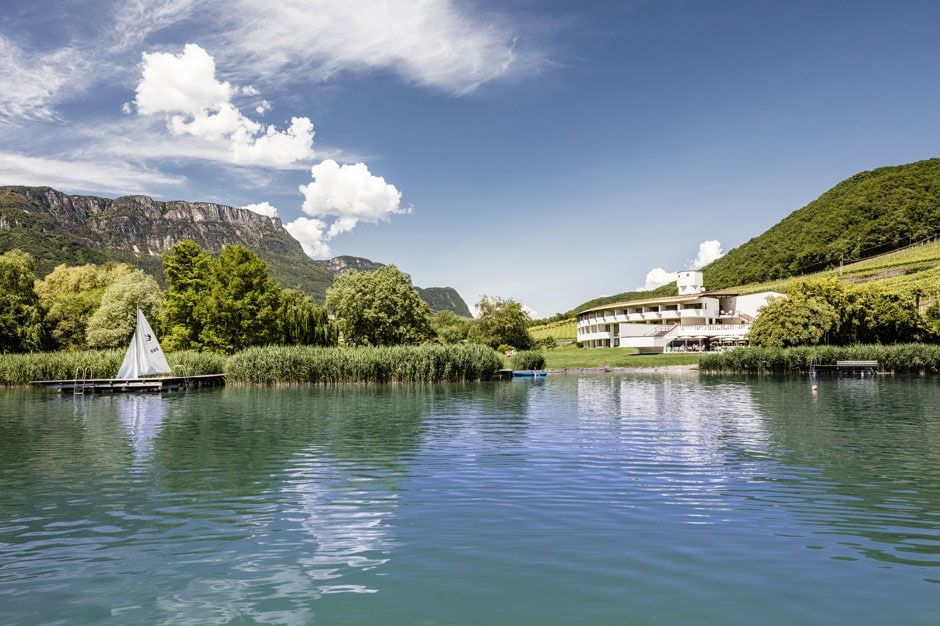
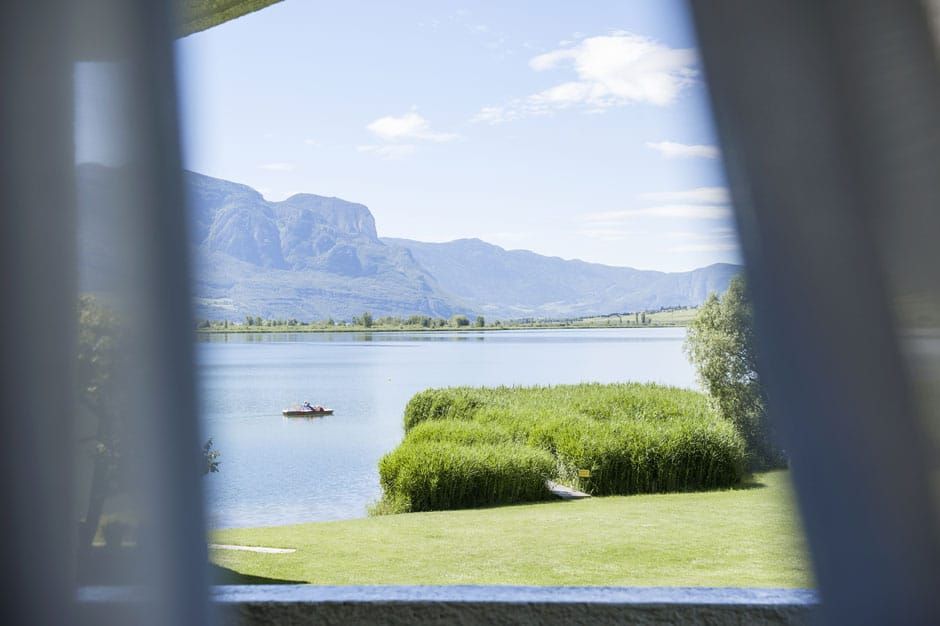
1970, on the north-eastern shore of Lake Caldaro. A man is standing in a wide orchard meadow that stretches down to the water, contemplating the jungle of tall reeds and the smooth surface of the lake sparkling in the sunlight. The water lies very still and reflects the gently undulating vineyard landscape and the massif of the Mendel mountains that dominates the scenery. Every now and then the water surface ripples, the lake giggles and gurgles, then it takes up again its quiet dialogue with the stone giant on the horizon. In the reed jungle birds chirp, dragonflies fly back and forth between the water plants like small propeller planes, lurches and lizards lie in the warming sun.
Even the man stands in silent dialogue — with himself, his ideas, the atmosphere, the landscape and the genius loci of this little piece of South Tyrol, which in the following three years will become the birthplace of a courageous and utterly unique project.
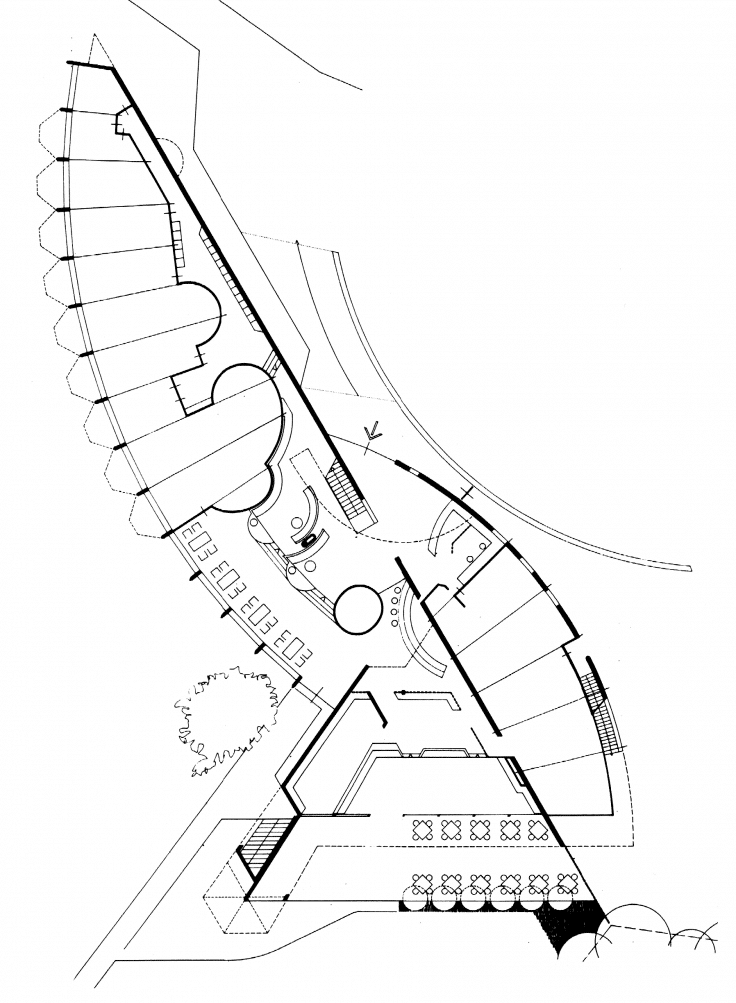
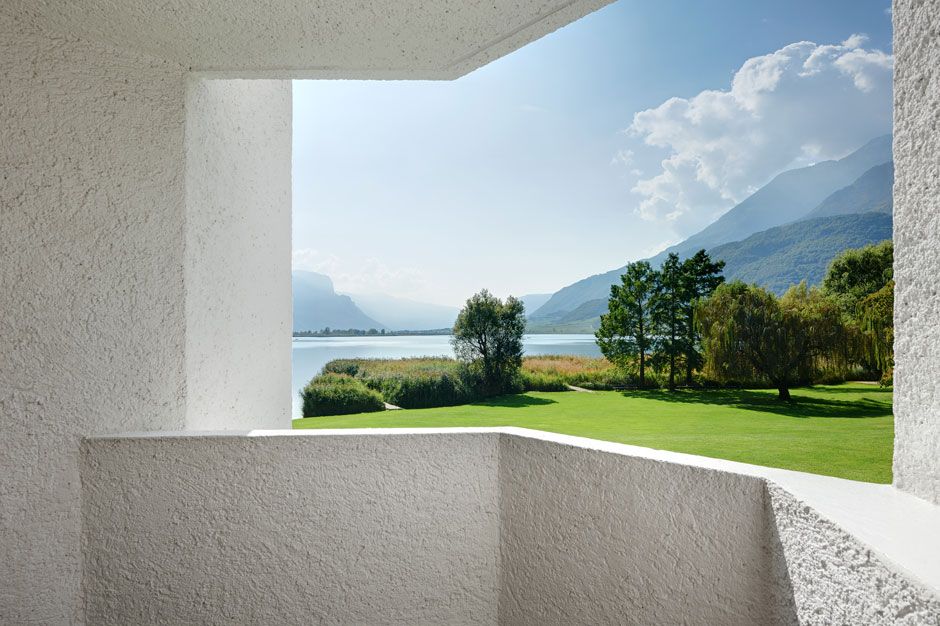
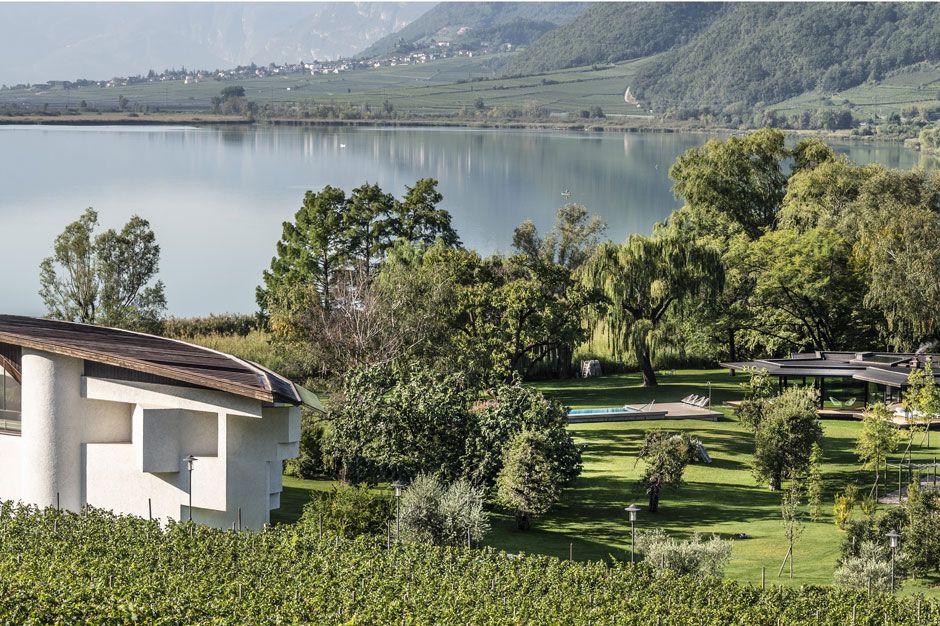
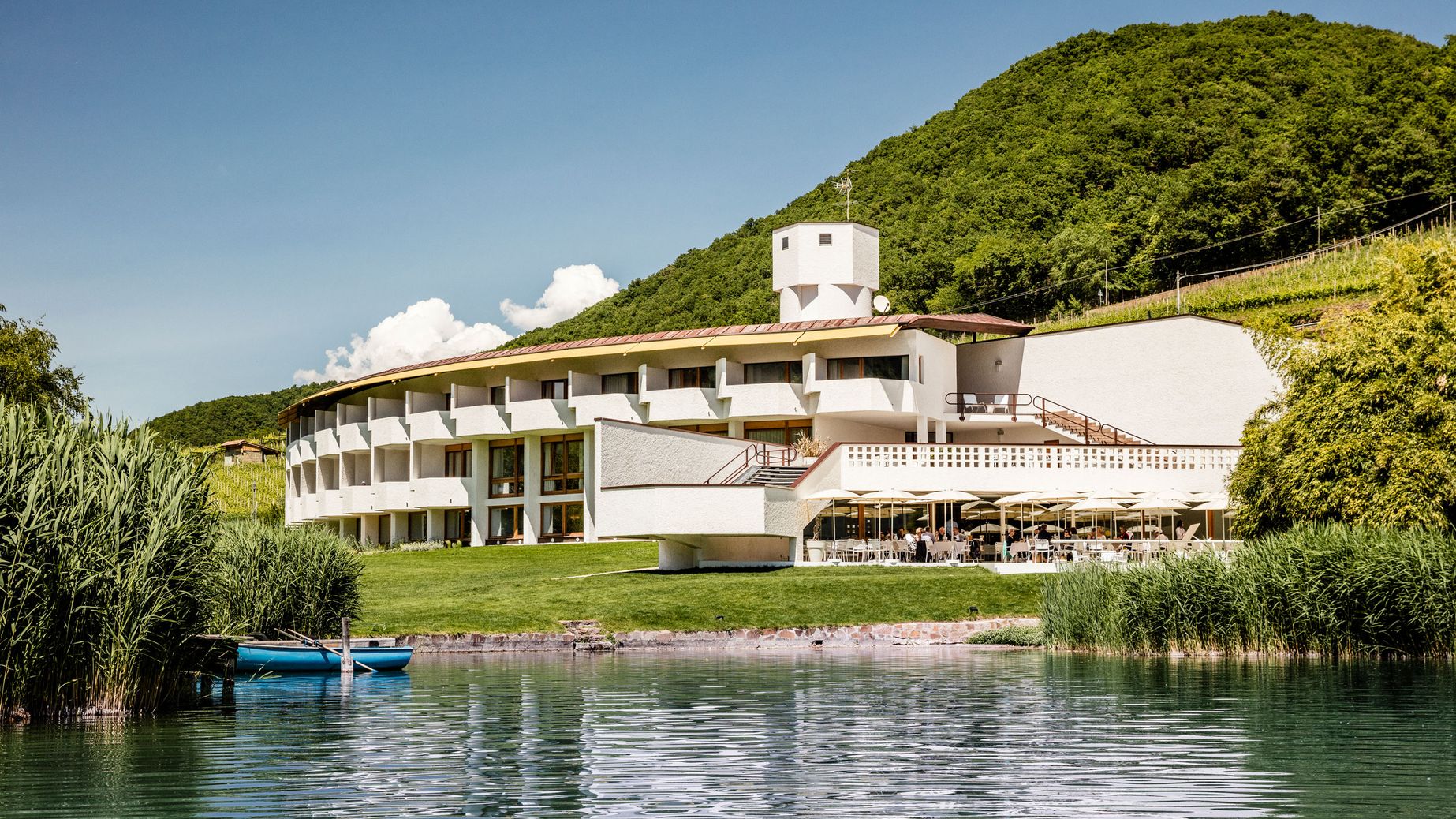
Pure imagination and fictitious, but this is how it might have happened, the first visit of South Tyrolean architect Othmar Barth to the site where he imagined and sketched the Seehotel Ambach and placed it on the lakeside, carefully yet powerfully. The building has been standing here for more than 50 years now — quiet, white, essential. Striking and puristic, expressive and modest at the same time, it devoutly contemplates the landscape that surrounds it.
Anna and the architect
It is thanks to Othmar Barth (1927–2010) that modern architecture has found its way into South Tyrol. And like all pioneers, he first stood in the headwind — and his client with him, not least because innovative building in the Alpine region is always a tightrope walk, since architecture that sits in the free landscape must stand up for itself.
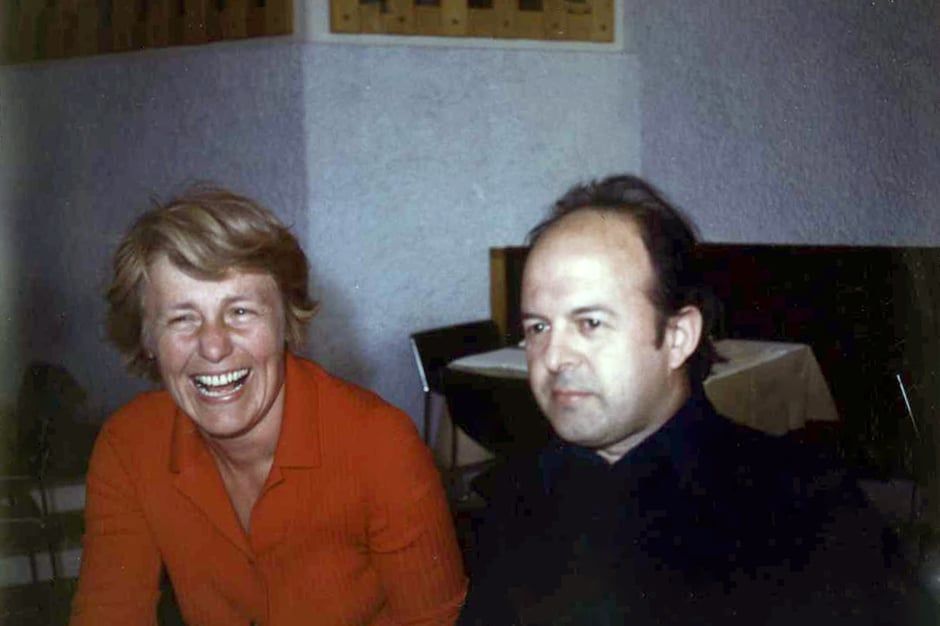
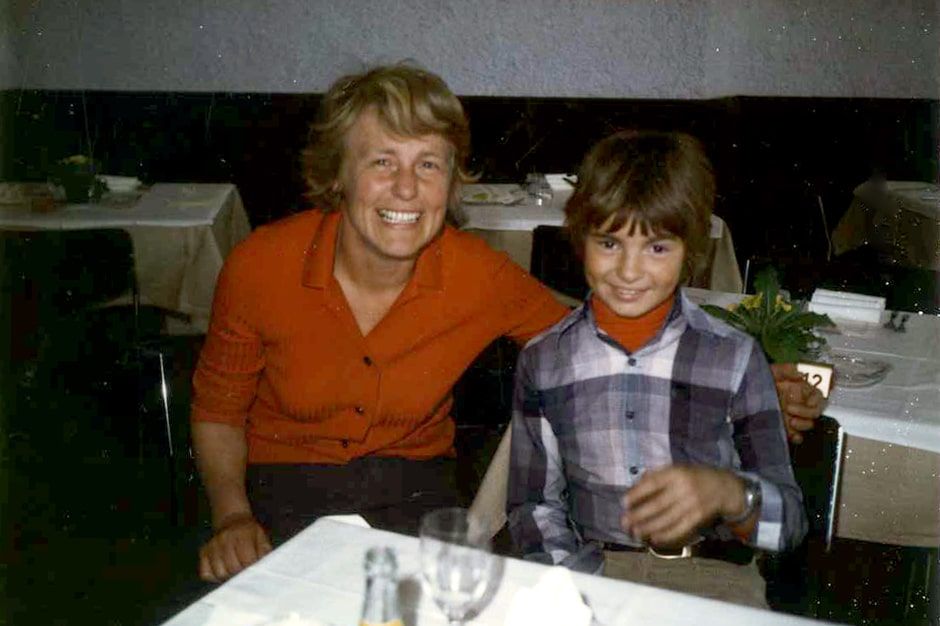
Barth was a friend and the “court architect” of the Ambach-Maran hotelier family, for whom he had already planned the bath and restaurant establishment Gretl am See (and later also the family’s private house in Caldaro). In 1970 Anna Ambach (1926–2014) entrusted him with the architectural interpretation of her vision of aesthetics, hospitality and holiday idyll on the north-eastern shore of the lake. She relied wholeheartedly on the masterful bravura of her architect friend, who considered the Seehotel to be one of his best buildings and who himself was often to be found there as a holiday guest. Anna Ambach moved into the hotel and made it her permanent residence. She enjoyed the spaciousness and spectacular lake view of today’s Suite 73 up to old age.
Opened in 1973, the hotel is the “child” and life’s work of a courageous woman, who had a precise idea of individual guest culture and modern holiday needs already at that time. She was thus far ahead of her time, and what would later become an important source of inspiration for the development of modern architecture in South Tyrol, initially caused sarcasm and indignation: “A stranded ship” on the lakeside, an offence, an outrageous audacity made of concrete. Anna Ambach stood smiling in the headwind, served delighted guests a good glass of wine on the panorama terrace and knew that good things take time. Then architecture lovers discovered the place and the hotel made history.
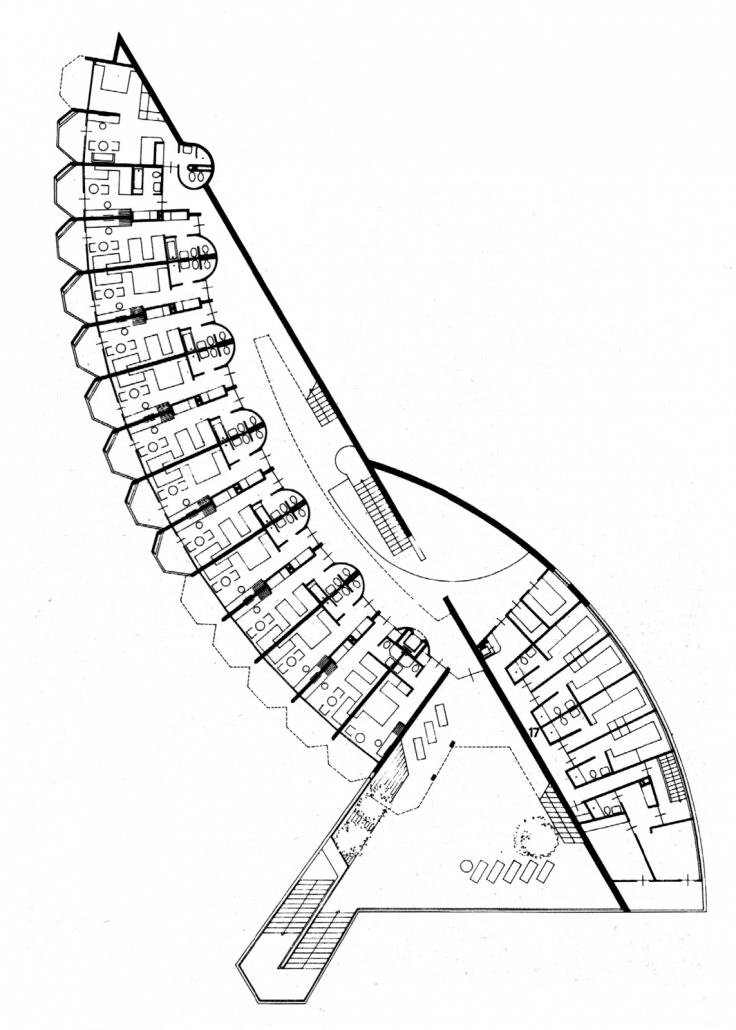
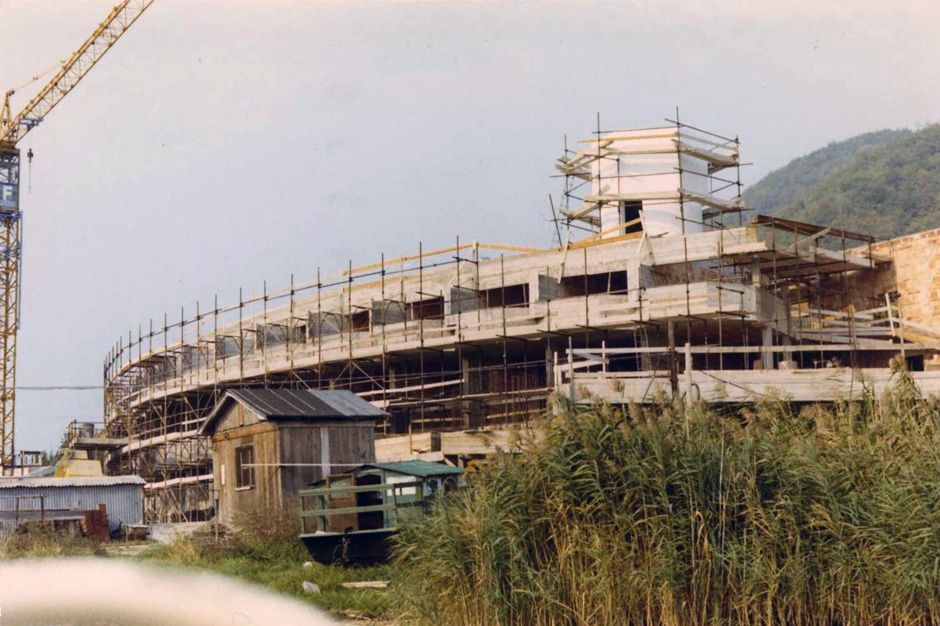
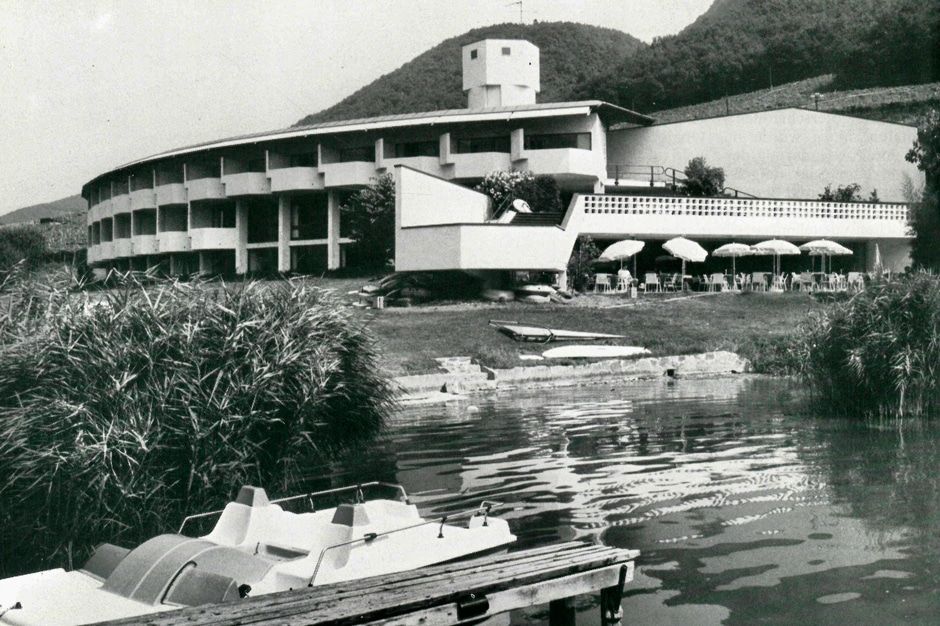
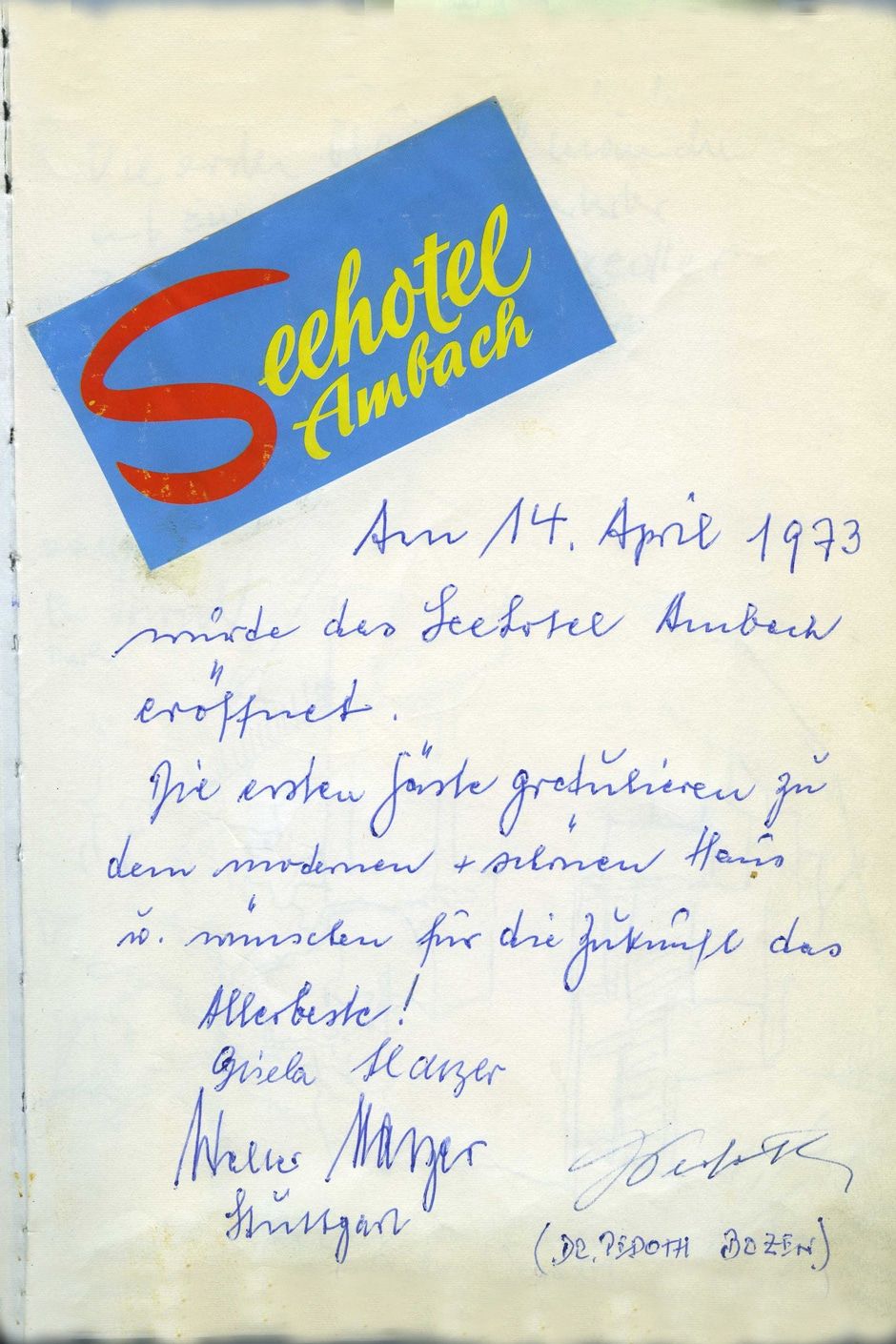
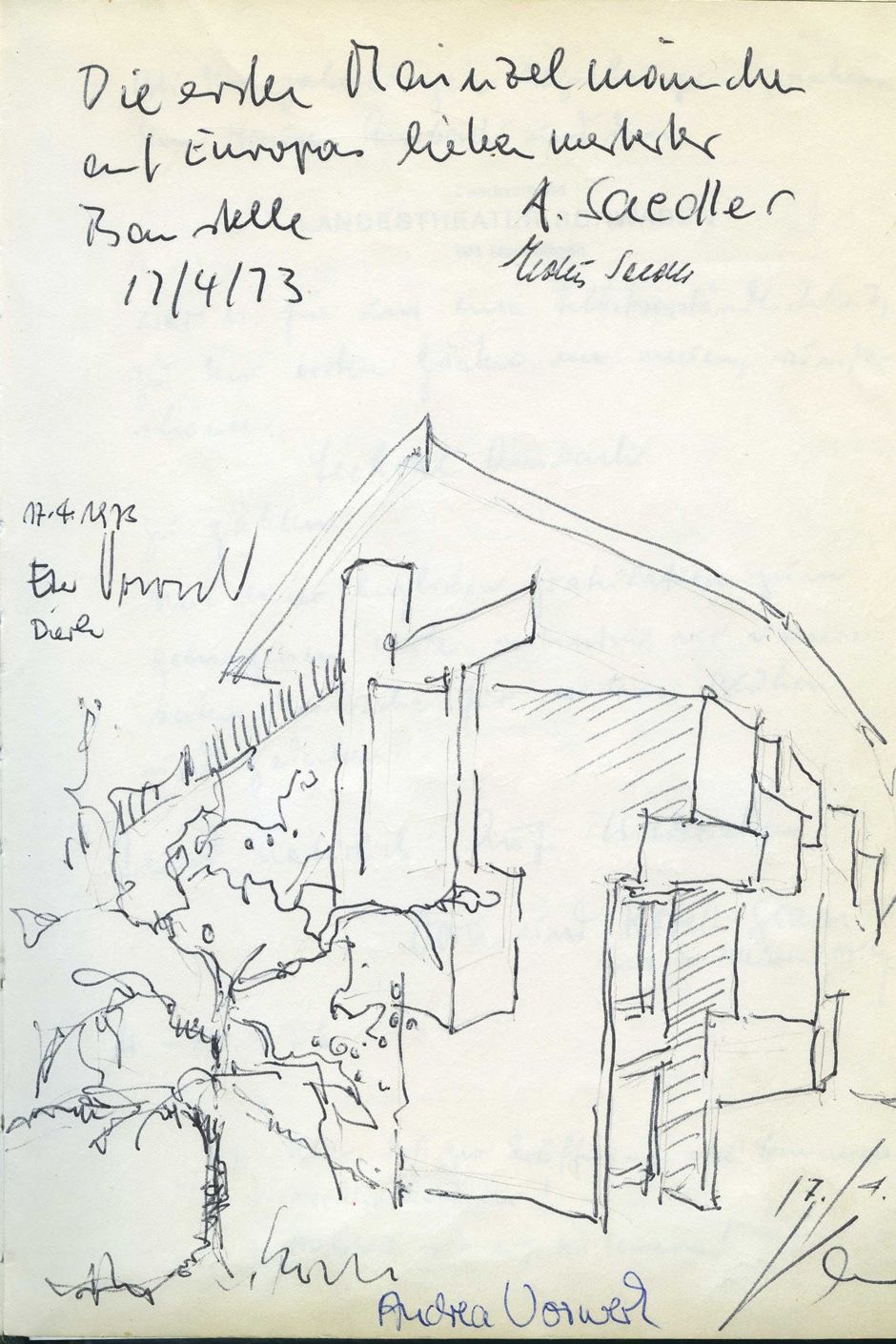
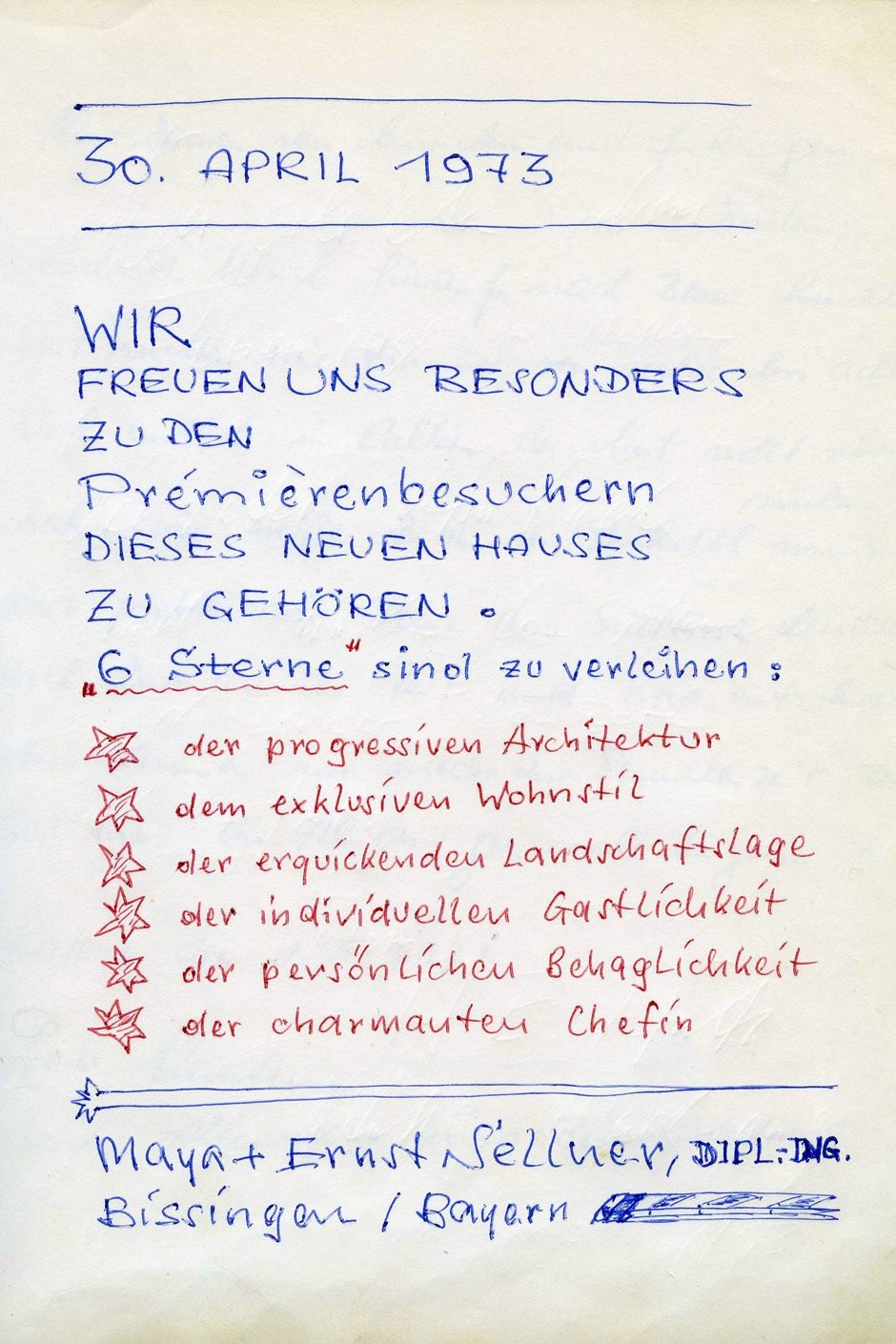
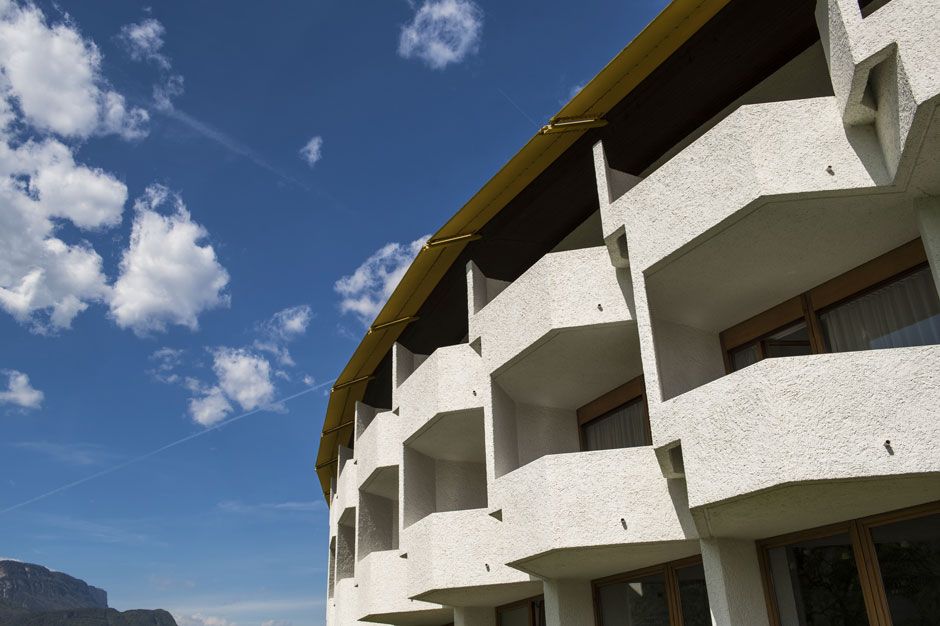
For 40 years the house, where South Tyrolean high society and frequent guests from the north, delighted by the warm hospitality of their hostess, shared the wonderful view of the lake, remained a well-hidden secret. For 40 years Anna Ambach changed (almost) nothing in the house — malicious voices say she had a certain tendency to be a little thrifty: What a luck! No mania for transformation in the name of the latest architectural trends, no tourist standard programme, no kitschy “lederhosen architecture” that misinterprets local tradition and architecture to the point of absurdity. The Ambach is different: it is simple, white, powerful. Modest, quiet, contemplative. Moods, perception of space, light, material, surface, shape and colour become choreographers who masterfully yet subtly stage Caldaro’s natural spectacle. Mayflies cannot create something like this, architectural icons can.
Wander years with surfboard
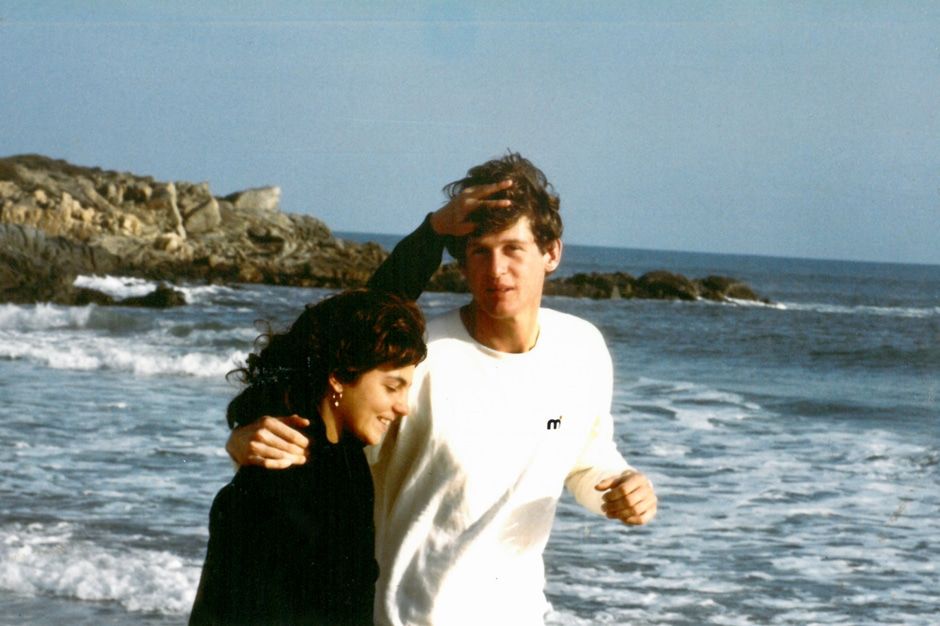
1984, summer Olympics in Los Angeles. Participating: Klaus Maran, three-time world champion in windsurfing, a very young discipline (in May 1967 the first windsurfer glided through the bay of Santa Monica in the USA, in Europe windsurfing is booming not until the 70s). A passion — so the tenor of the “serious sports world” at that time — which only dreamers, freaks and visionaries fall for. Or people who grew up on the warmest bathing lake of the Alps — like Klaus Maran. He meets his future wife Manuela Mascia, several times world champion in ladies windsurfing, in the Italian national team. Surfing gives the son of the long-established Kalterer family of hoteliers the opportunity to turn his back on the South Tyrolean alpine idyll for a few years and to glide through waves, wind and the glamorous surf spots of the world oceans. Wander years with surfboard.
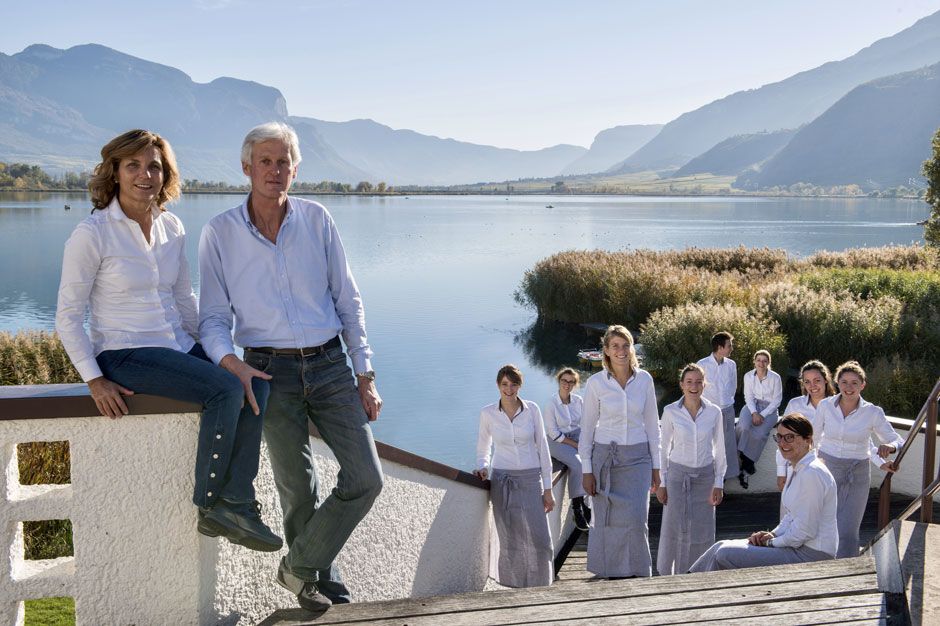
But then he returns from his Grand Tour overseas. Klaus Maran feels drawn back to his homeland, to the lake, which had taught him to “fly” at a very young age. Back to the roots — back to the family tradition, to hospitality, to freshwater. First, Klaus and Manuela take over the restaurant and café Gretl am See, planned by Othmar Barth on the western shore of Lake Kaltern, and establish a lido with a sailing and windsurfing school there. A little later, they re-opened the historic wine bar Seehofkeller overlooking the lake: Here you can still savour the traditional cuisine surrounded by picturesque vineyards and a beautiful alpine scenery.
In 2014 Klaus Maran inherits the life’s work of his aunt Anna: the 40-year-old Seehotel Ambach, the white ship on the lakeside. And Klaus Maran takes up the inheritance, well aware that such a house is destined to become the life’s work of several generations, since: The Ambach is not just a hotel. It is a grandiose work of art, a little miracle that needs to be preserved, cared for and guided into the future.
Preserving and renewing
After 40 years of “Sleeping Beauty slumber”, some modifications in the hotel had become inevitable. The top priority and at the same time the greatest challenge was to preserve the soul of the hotel and Othmar Barth’s architectural legacy and to anchor the Seehotel carefully and without stylistic breaks in the 21st century.
The Marans’ vision of the “new” Seehotel provided plenty of scope for authentic holiday experiences — inside and outside — for a small number of guests. Lake view, peace, relaxation, culinary delights, wellness and movement in and around the element of water, in the midst of soothing nature and an ambience that nourishes the soul.
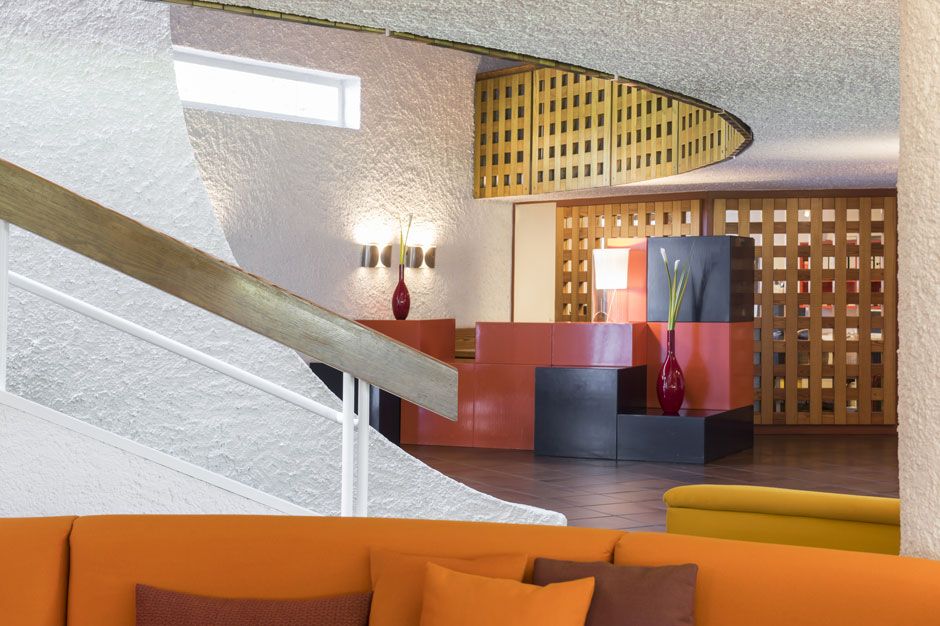
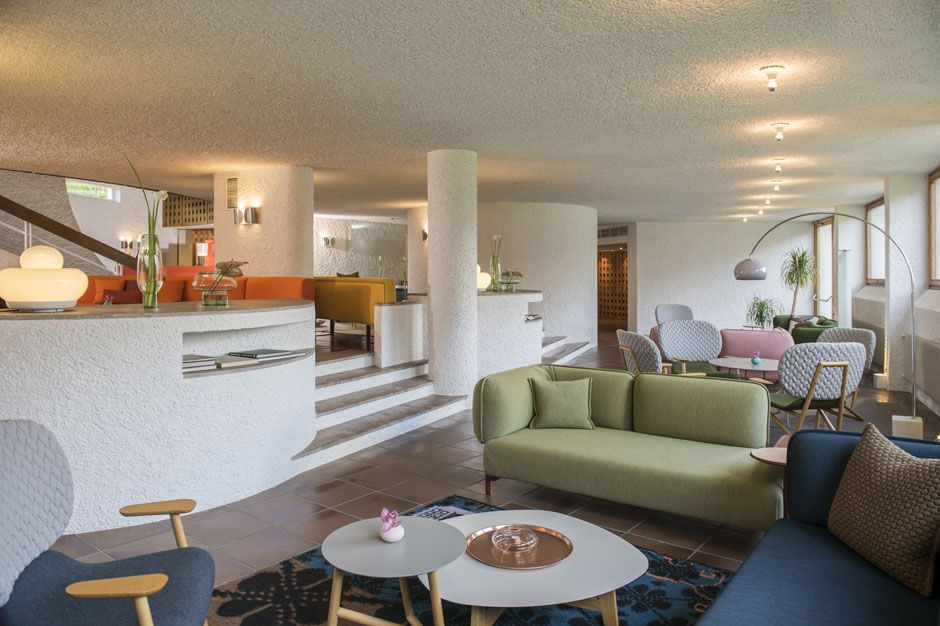
For the modernisation, the hoteliers brought Caldaro architect Walter Angonese on board, whose projects are characterised by great care in dealing with the essence, history and original substance of a building. First of all, the hotel’s building installations were completely renovated, the bathrooms in all rooms and suites were redesigned, Anna’s “apartment” was transformed into the light-flooded Suite 73, and carpets, textiles and upholstery were renewed in the original colour scheme — oxide red, olive green, mustard yellow. Step by step, original pieces have been carefully restored and complemented by contemporary designer furniture and accessories.
Timeless Grandezza
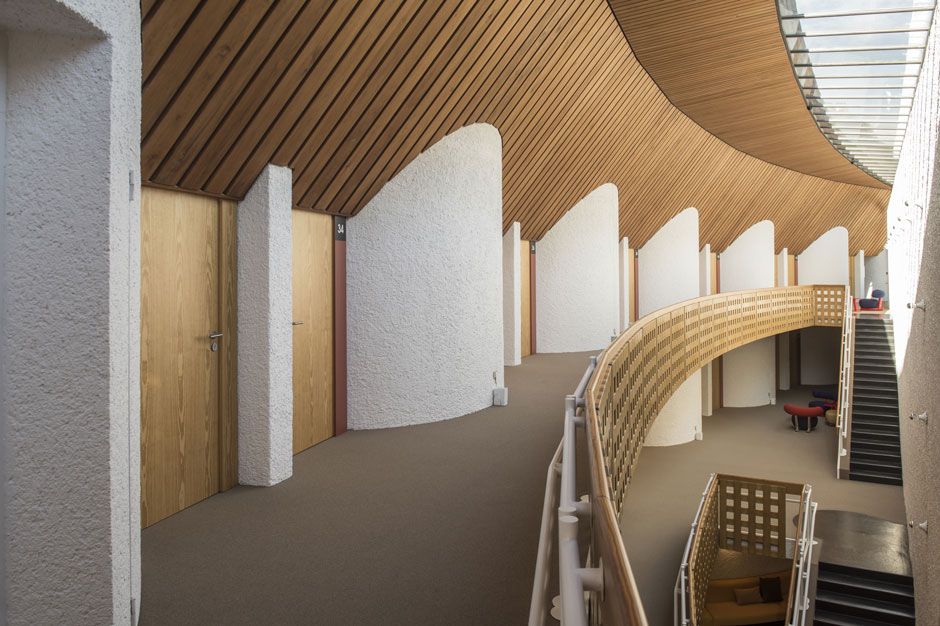
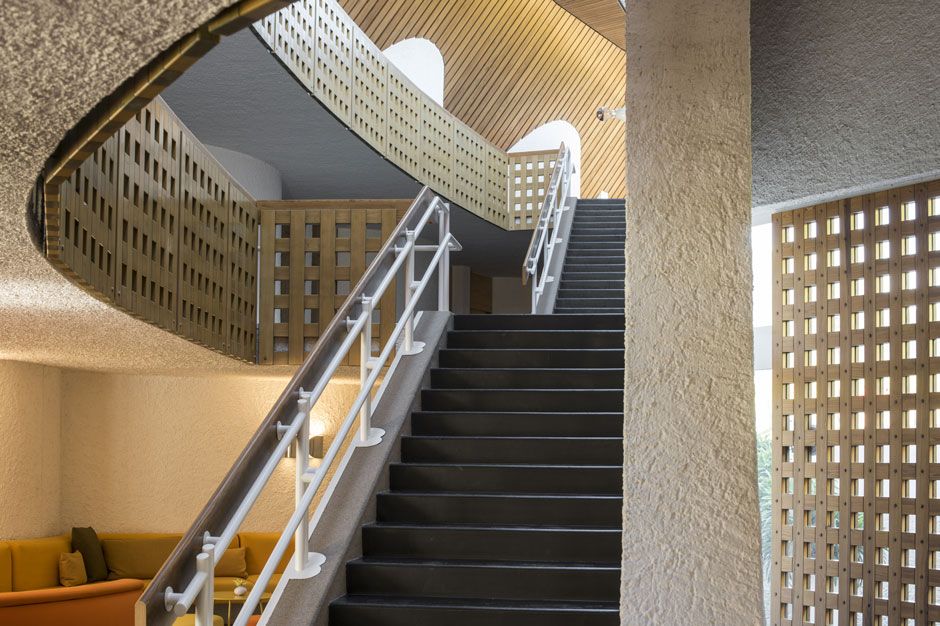
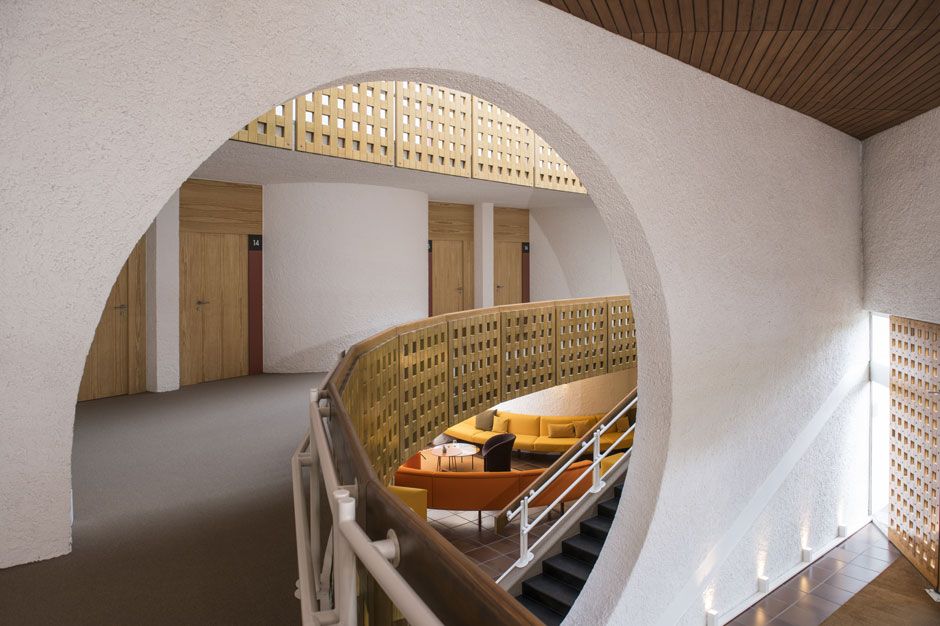
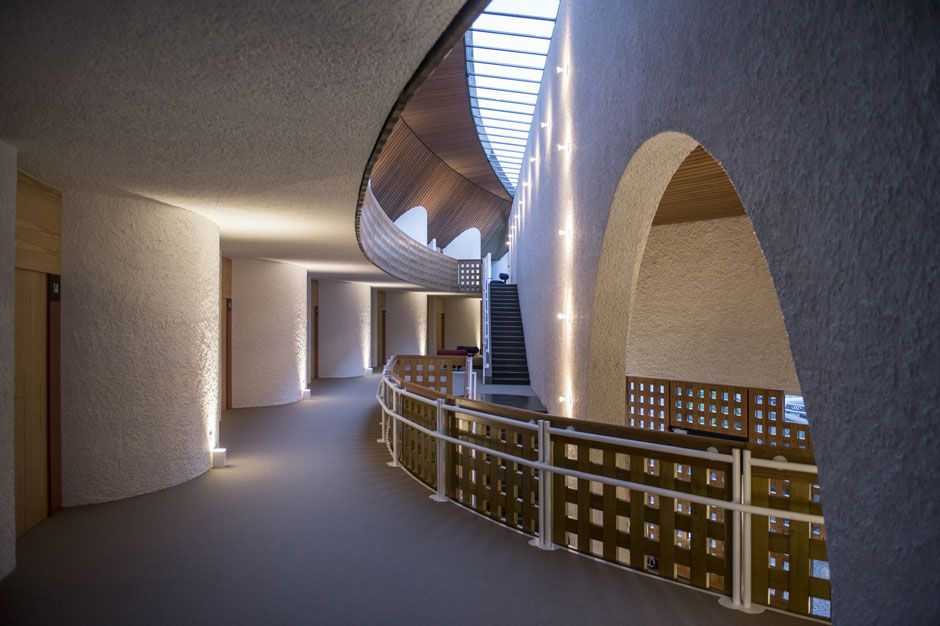
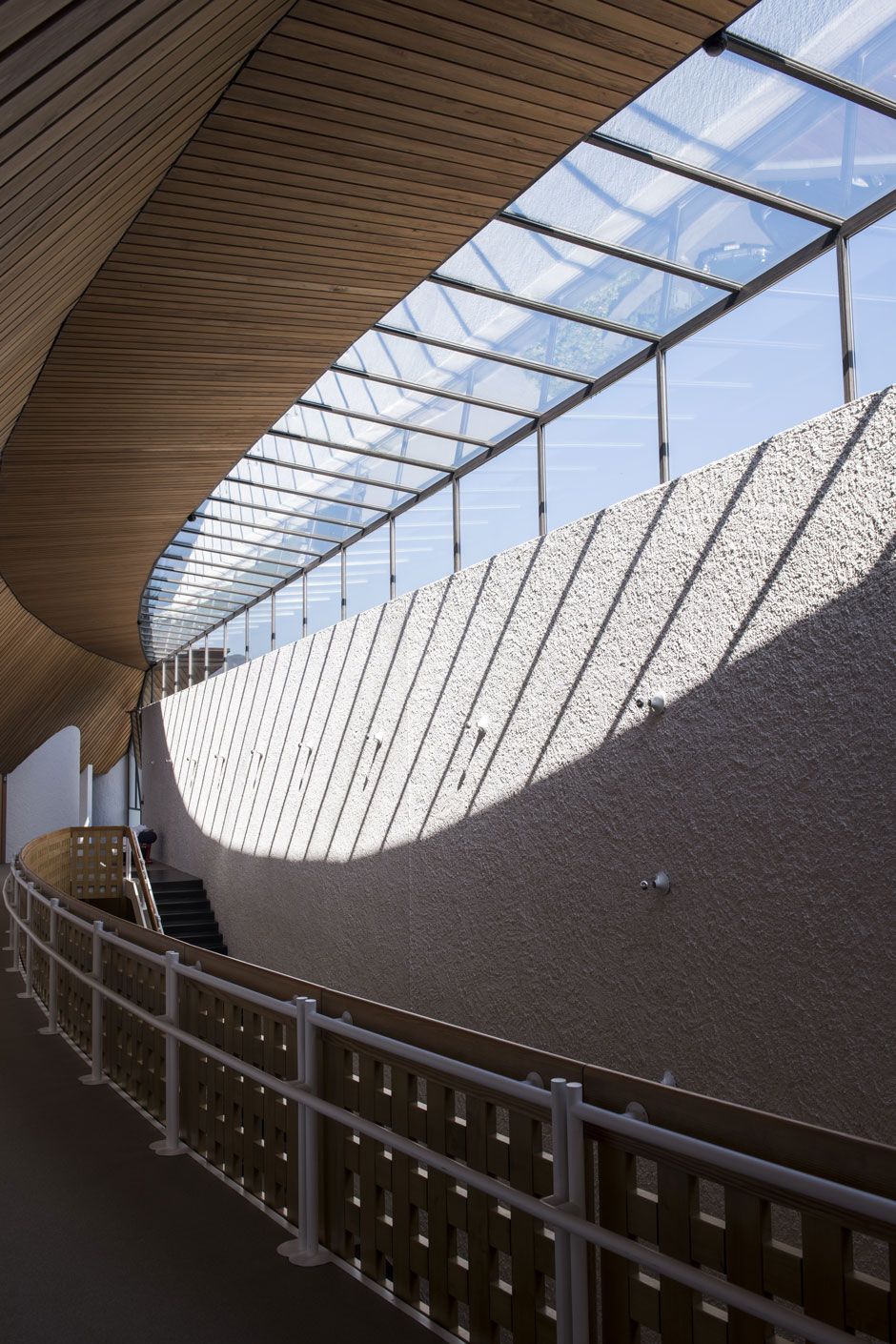
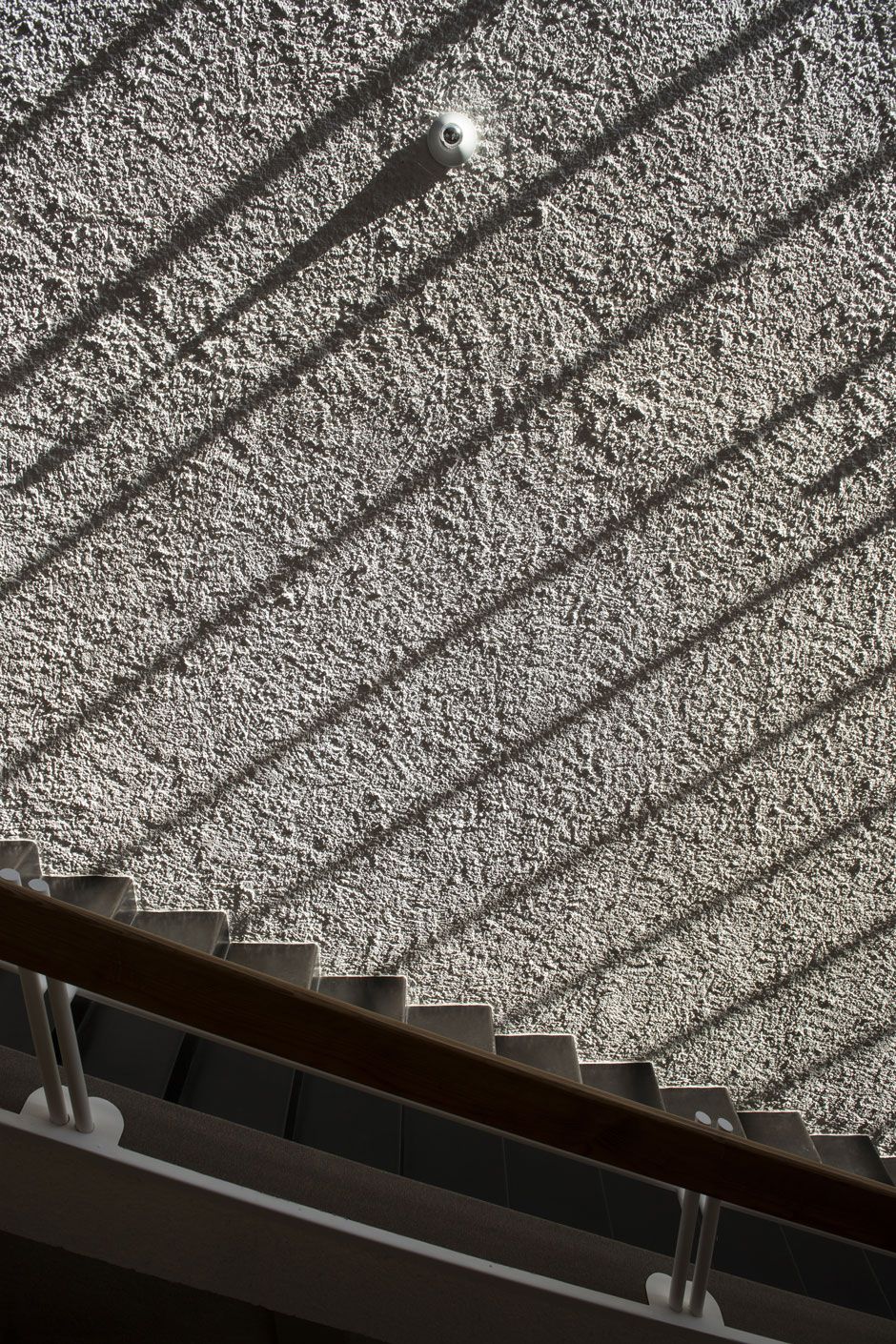
Othmar Barth used the formal language of the early 1970s for his hotel project, but his creative freedom was the main driving force. He let colours and materials, design classics and the spirit of the seventies enter into dialogue with the clear contours of the timeless, purist building. In the wide, open staircase, evocative plays of light and shade on the white-plastered concrete become the protagonists of a spatial experience that is both sacred and mundane at the same time.
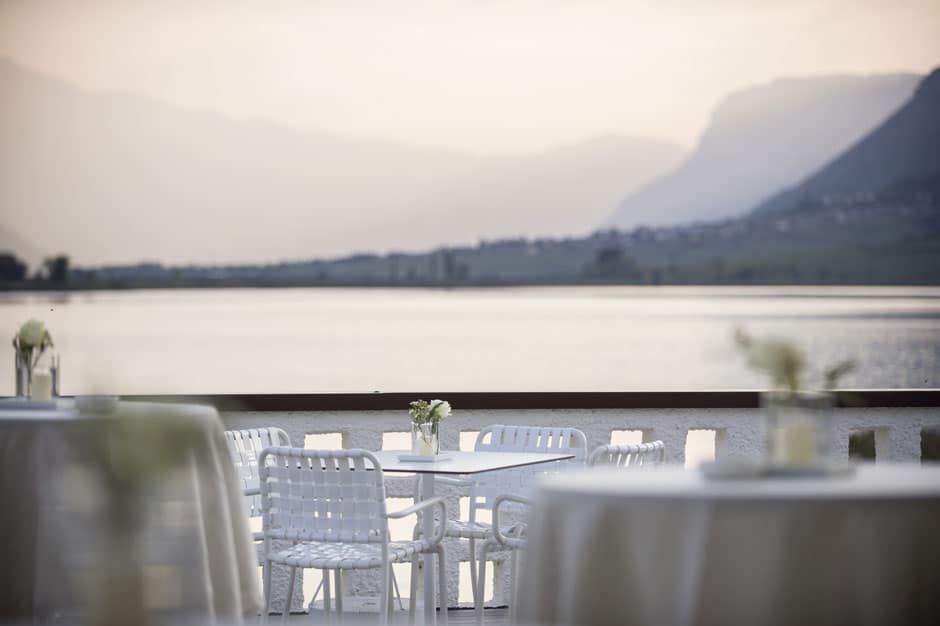
One is almost waiting for Roger Moore aka James Bond in his dinner jacket to step down the wide staircase and enjoy a shaken (not stirred…) Martini on the hotel terrace.
The Marans and Walter Angonese have achieved a further little miracle with the modernisation of the Ambach: they have succeeded in preserving the original substance and spirit of the 1970s, but the house is not a distillate of the 70s. This is a big and important difference. Today’s Ambach takes its hat off to the style icons of the Seventies, it reminds with a wink and also somewhat nostalgic of the time when telephones still had string and dial and music rocked out of round vinyl, but it is and remains timeless. This creates the space in which individual and authentic worlds of experience can unfold in a very relaxed way. Live and let live: in terms of style, content, but also very personally. That makes up the true Grandezza of the Seehotel.
Frog concert
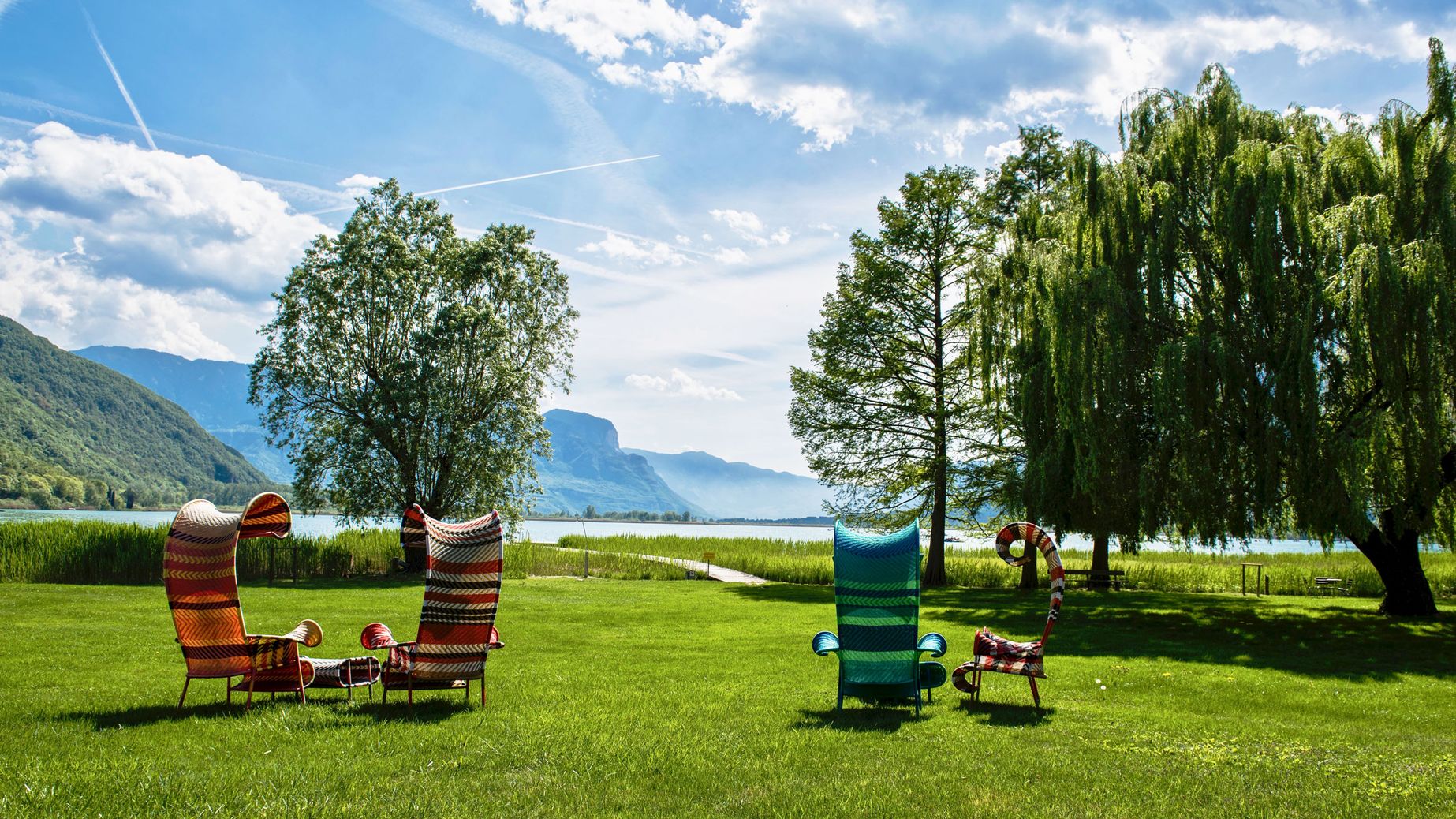
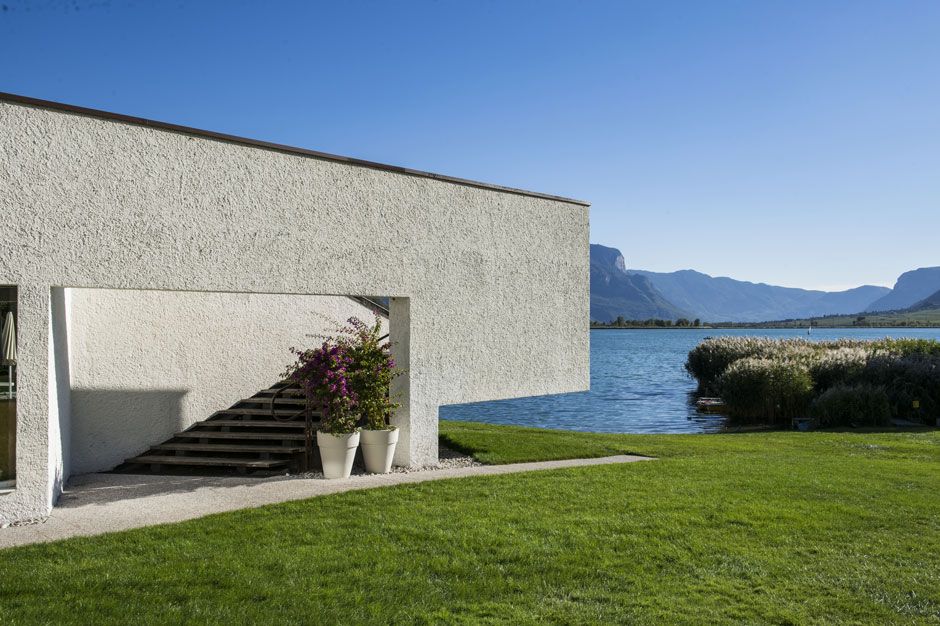
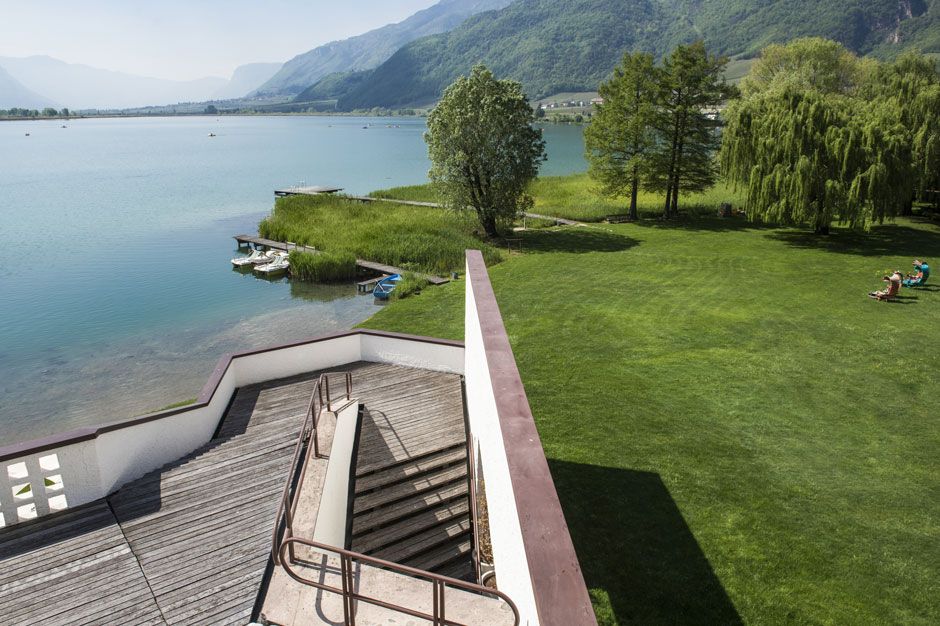
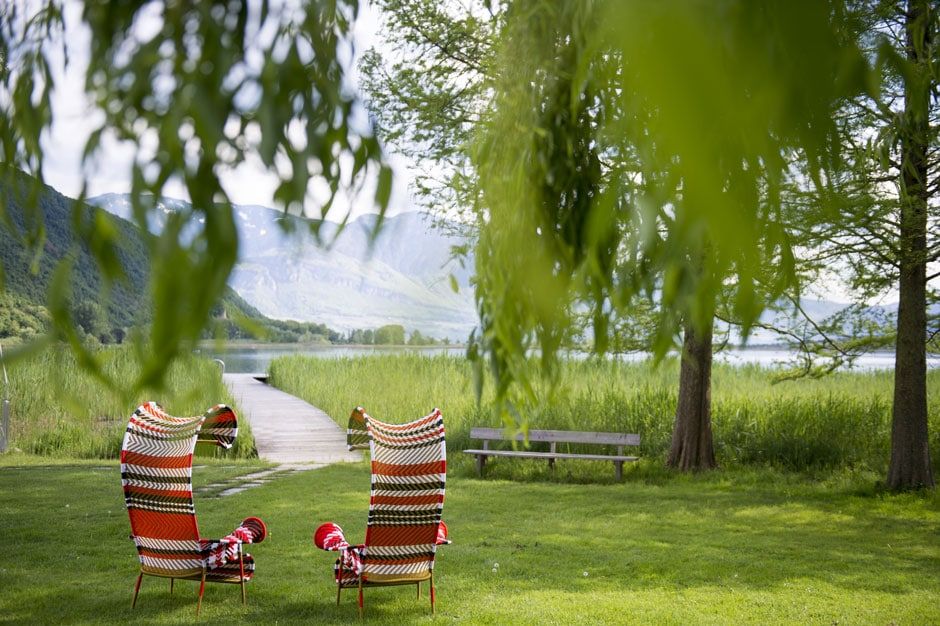
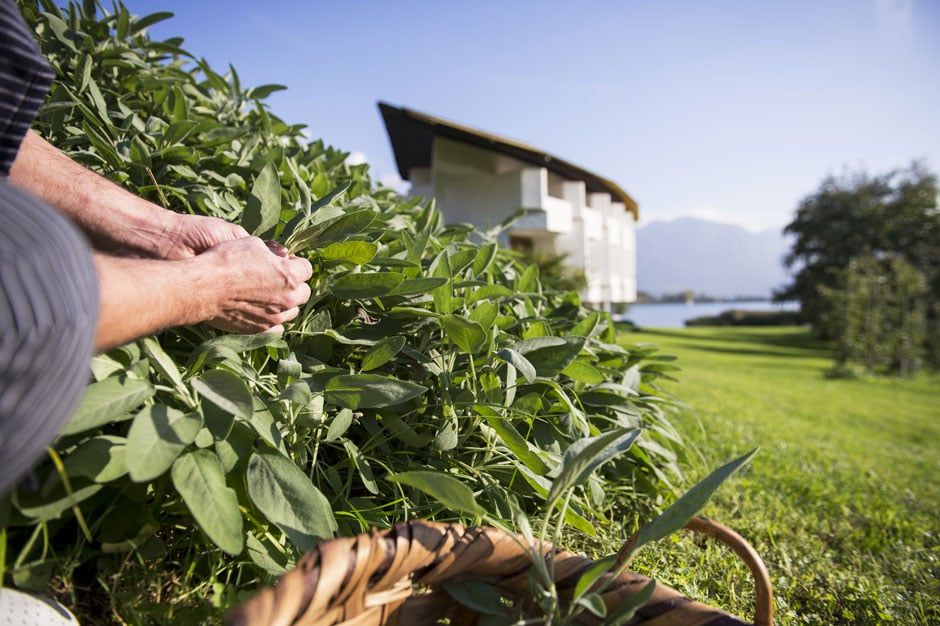
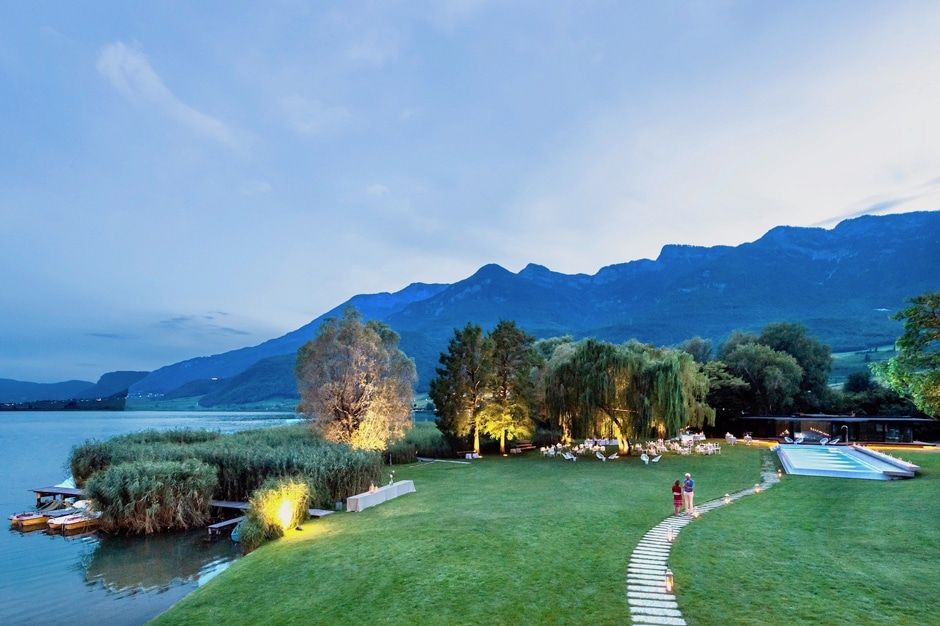
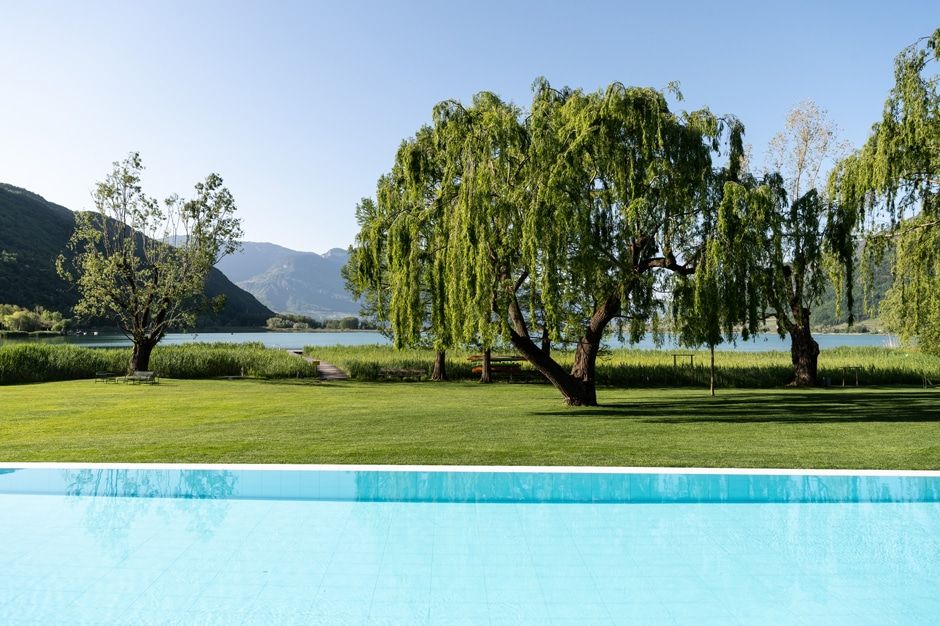
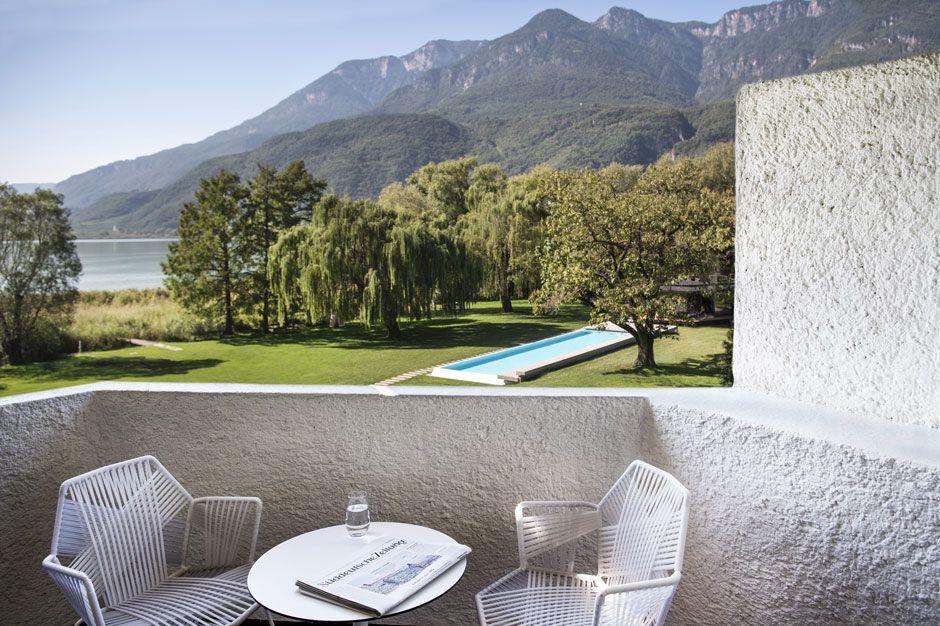
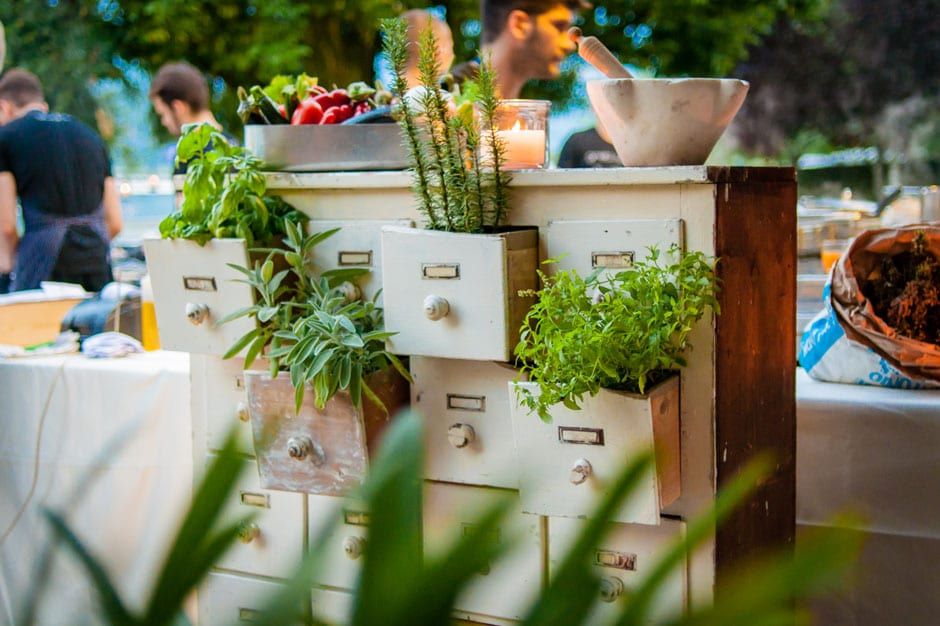
Around the hotel building a vast, Mediterranean park with old, shadow-providing trees and sunny meadows extends, framed by a lush reed vegetation, vineyards, a herb garden and old orchard.
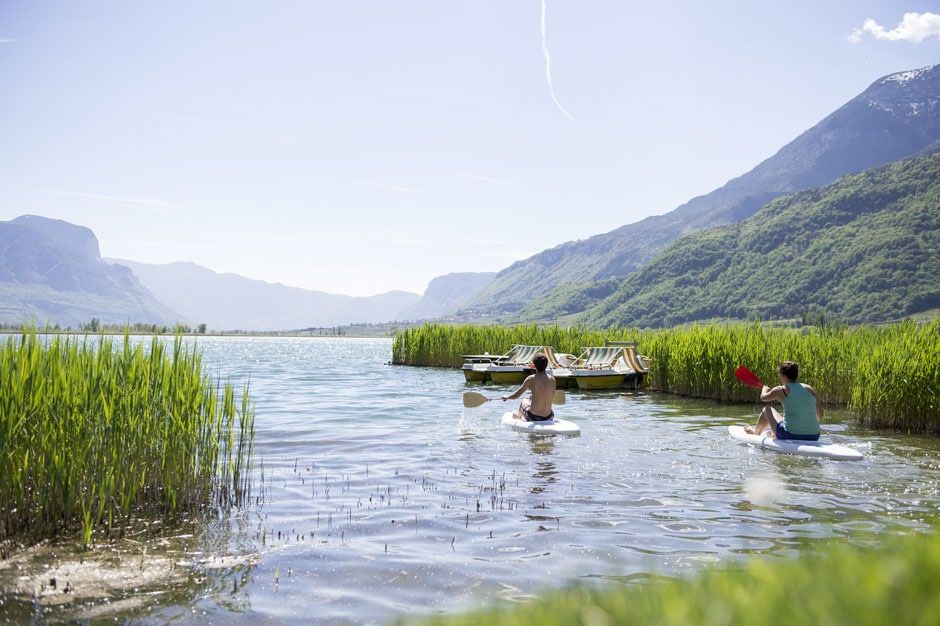
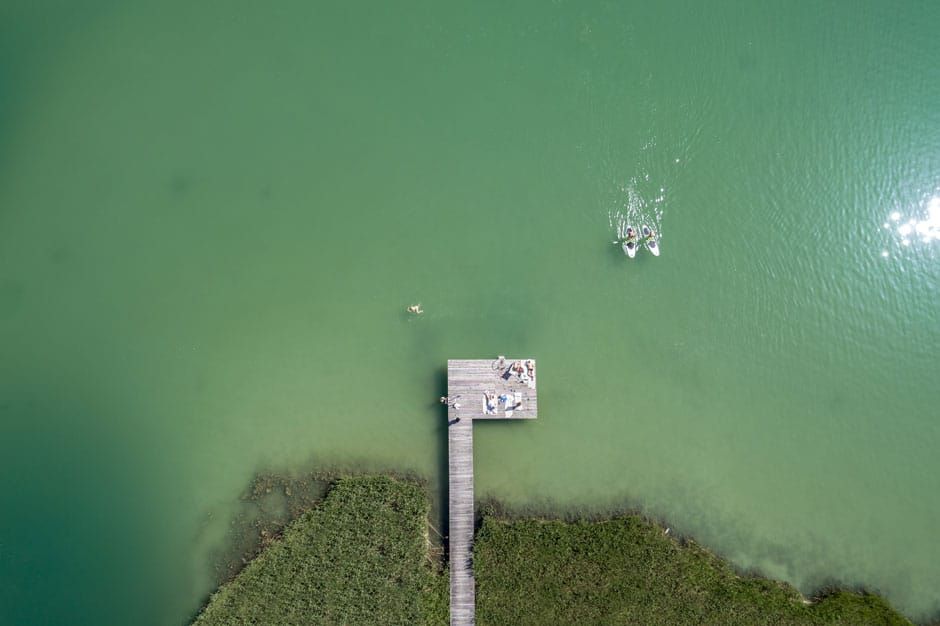
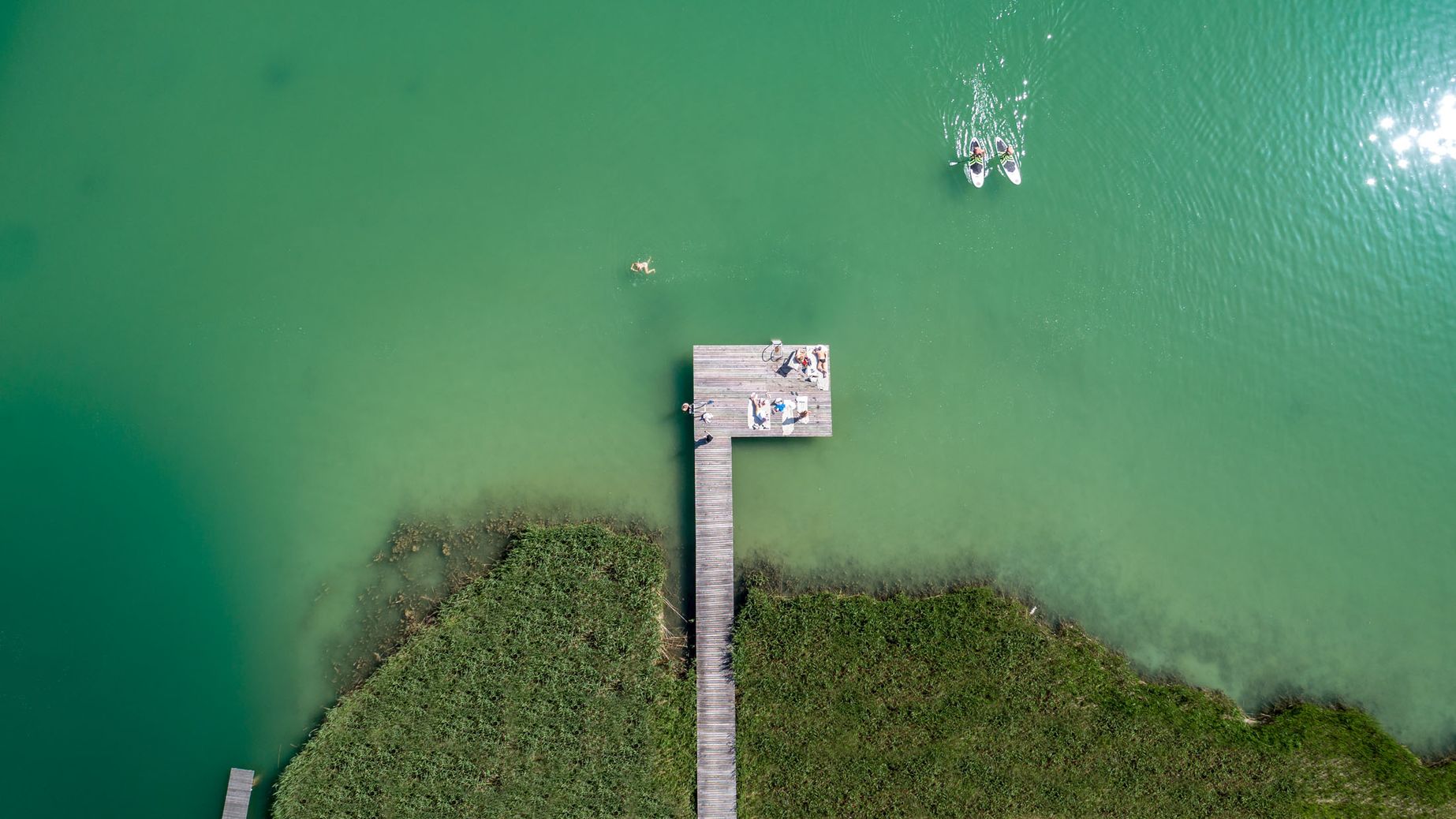
Two wooden walkways lead the guests through the high reeds all the way to the water, and those who look and listen carefully will be amazed at the rich flora and fauna that find their protected habitat here. The reed areas, the lakeside forest and the sub-Mediterranean bush along the shore have been declared a nature reserve. The fact that canoeists carefully pull the paddle out of the water near the shore to avoid getting in the way of the water lilies and dragonflies, is a wonderful proof of how true beauty teaches mindfulness. The animal inhabitants of the lake pay tribute with an enchanting concert in the reed beds.


Bathhouse
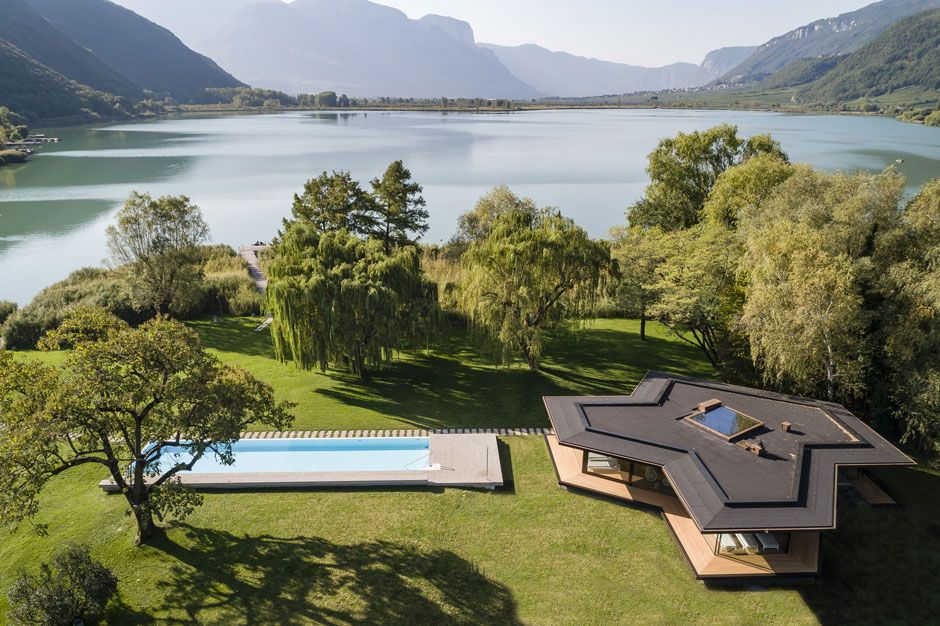
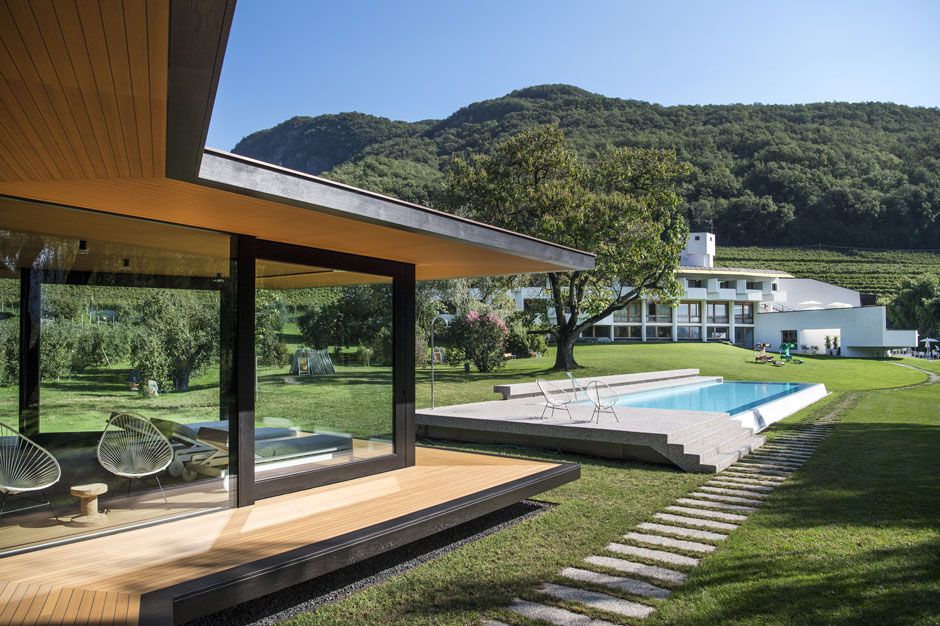
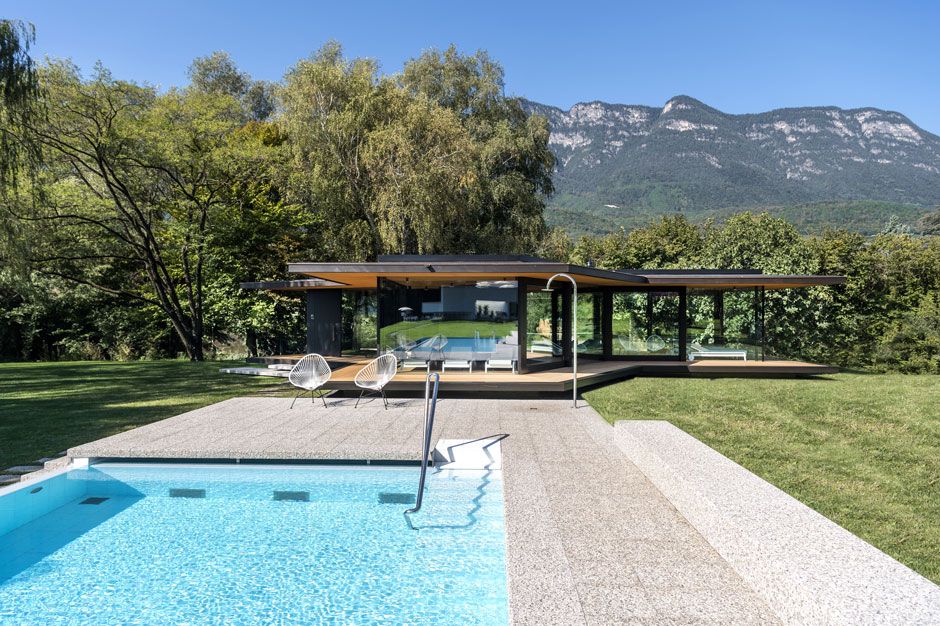
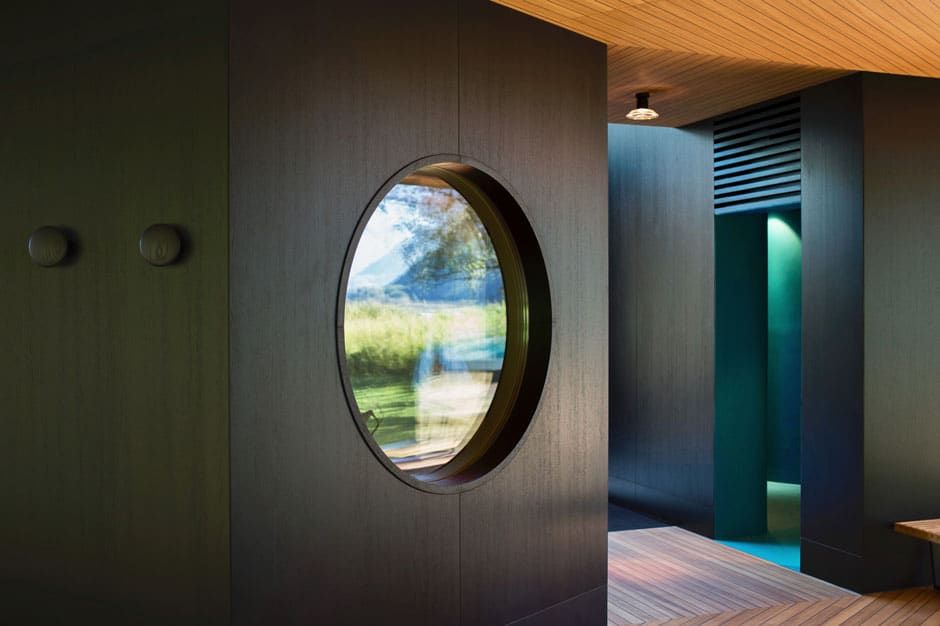
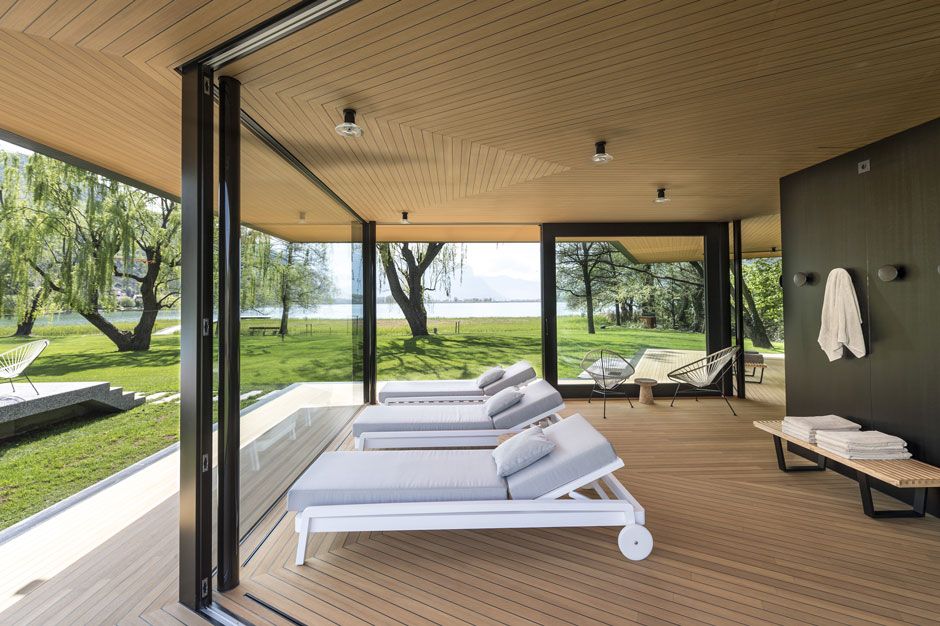
In 2018 Walter Angonese designed, in collaboration with flaim prünster architekten the new bathhouse with a heated outdoor swimming pool in the rear part of the extensive garden, where old willows line the shore zone. As the hotel’s “shadow building” it almost disappears into the garden landscape, yet creates clear connecting axes to Barth’s white building.
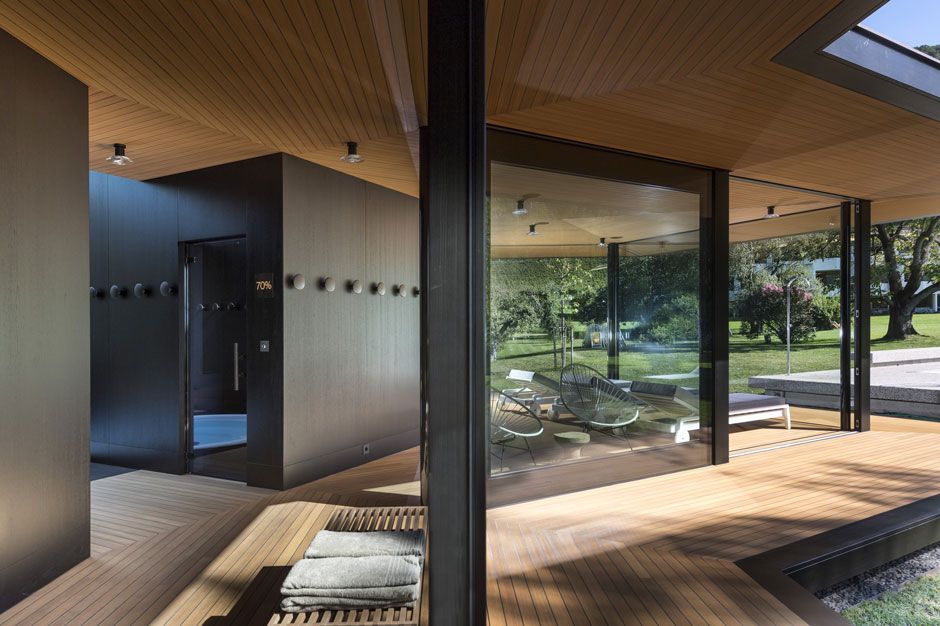
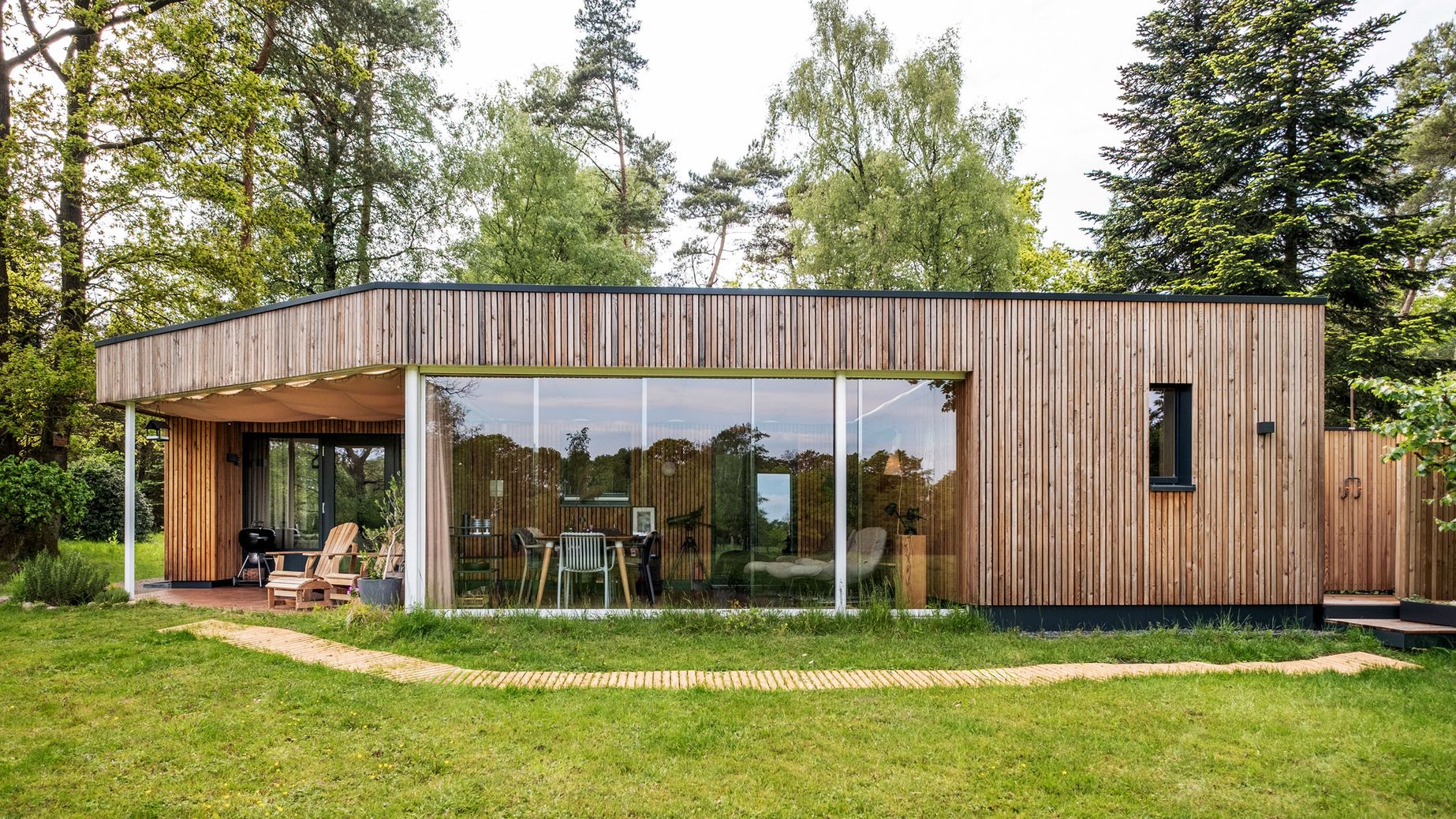
One-storey and almost transparent, the bathhouse “floats” on the extensive meadow like a boat in the water. As a pile construction made of smoothly brushed and oiled wood, it refers to the ship construction. The floor-to-ceiling glass facades and the covered terrace allow an undisturbed view from the lake to the hotel building and over the wine landscape into the distance.
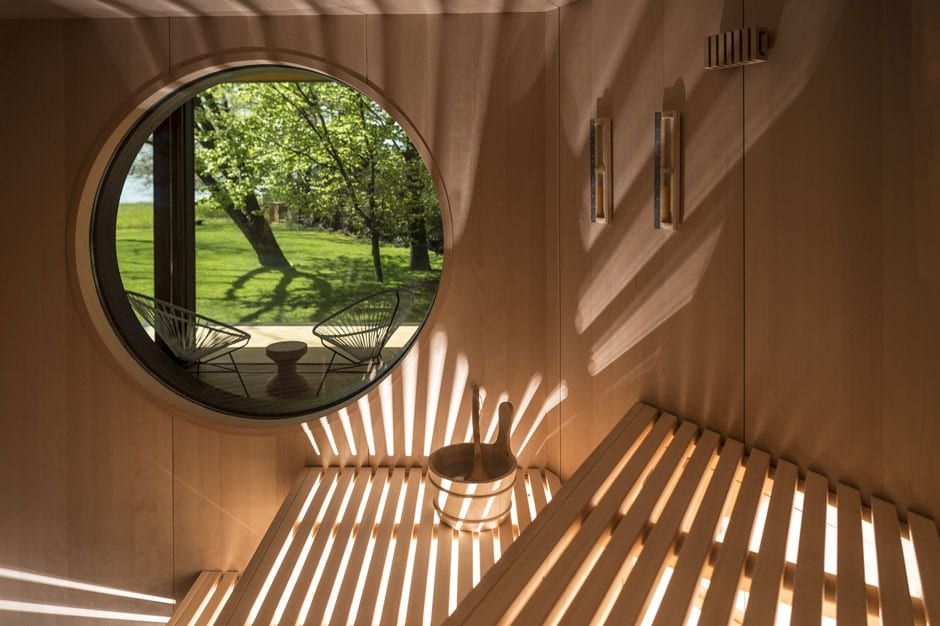
Inside, the bath house is a quiet temple of wellbeing: Finnish sauna, steam bath and “rain room” are grouped around the central whirlpool. A place for soul, senses and divine relaxation.
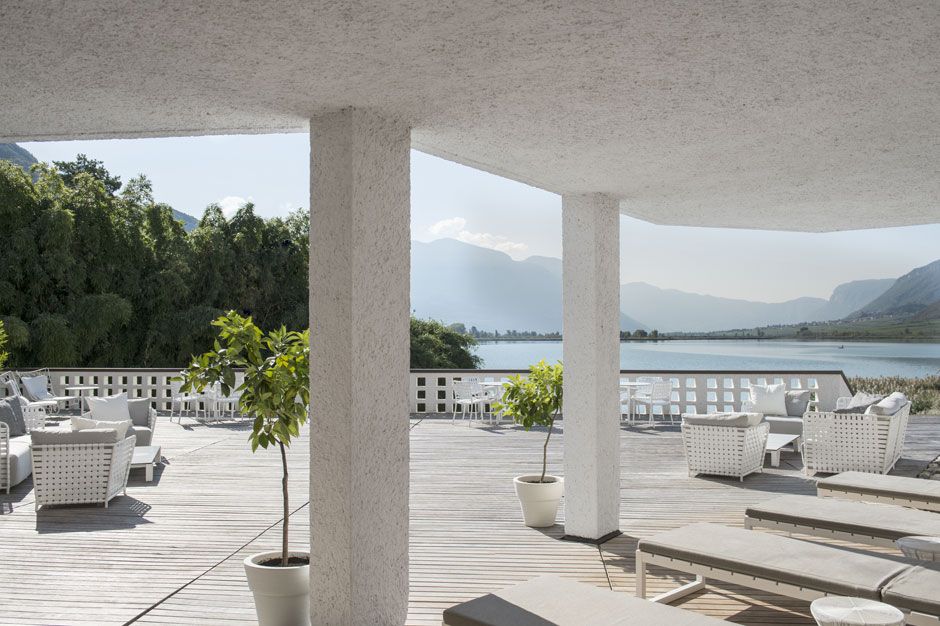
Both architects — Barth and Angonese — demonstrated a high degree of sensitivity in their interaction with nature: the hotel building as well as the bathhouse are clear architectural statements, but they take a back seat and take their role as a “Belvedere”, which leads the view from the inside outwards, very seriously. The Ambach stages the lake landscape like a multi-faceted open-air stage — at any time of day or year. Rooms, stairs, terraces, the glass-fronted spa, the jetties and the garden become box seats of a spectacle that provides an answer to every longing.
Design temple
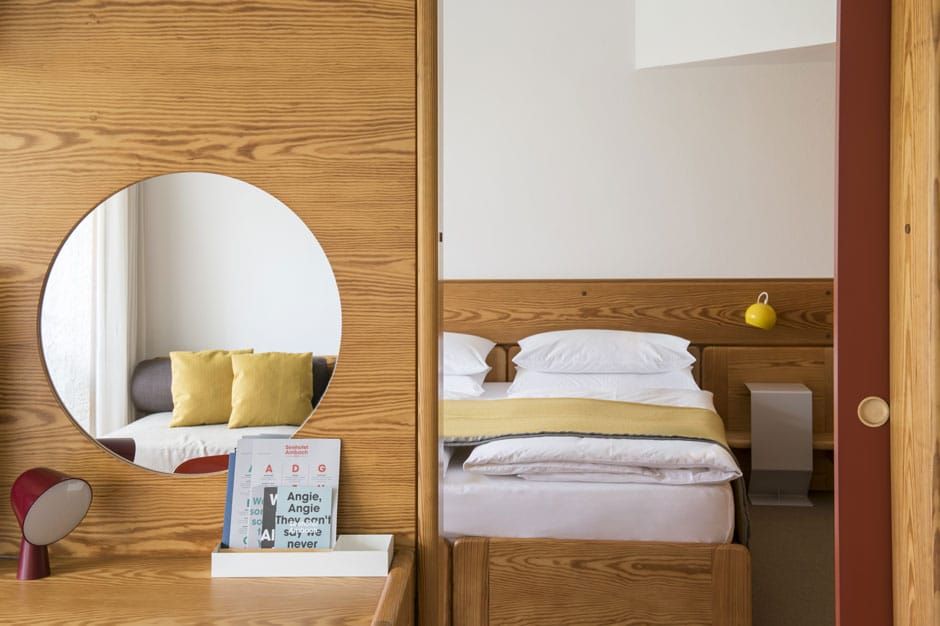
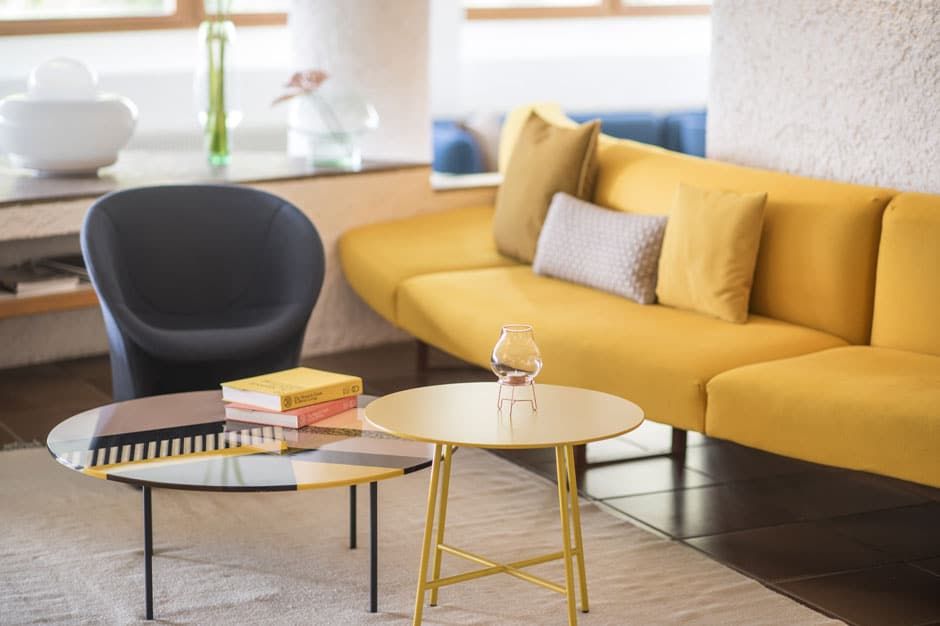
The 28 rooms and 4 suites of the Ambach are both introverted and extroverted at the same time. They are light-flooded retreats and intimate loggias with high glass fronts opening onto the lake. The interior in the mood of the 70s picks up the curved contours of the house façade and the colours and forms of the surrounding nature and its elements.
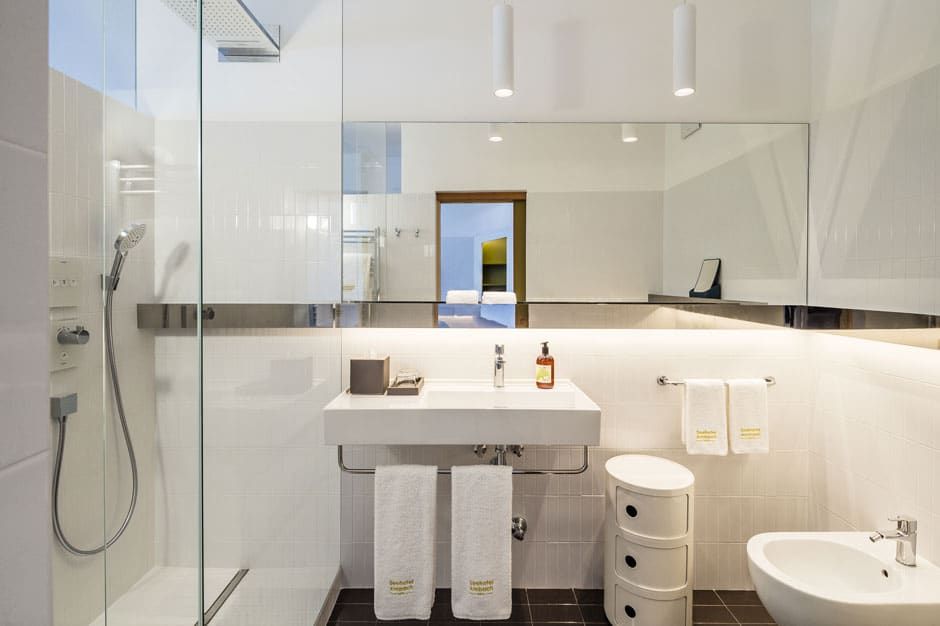
When redesigning the hotel, it was important to the hoteliers that all rooms would be flexibly adapted to different living purposes and usage constellations: young families, writing hermits, late risers and sun bathers. Everyone can find their own piece of happiness here. The new bathrooms are bright, puristic and feature a lot of ceramic. Special accents are thoughtful reminiscences to the master and spiritual father of Ambach.
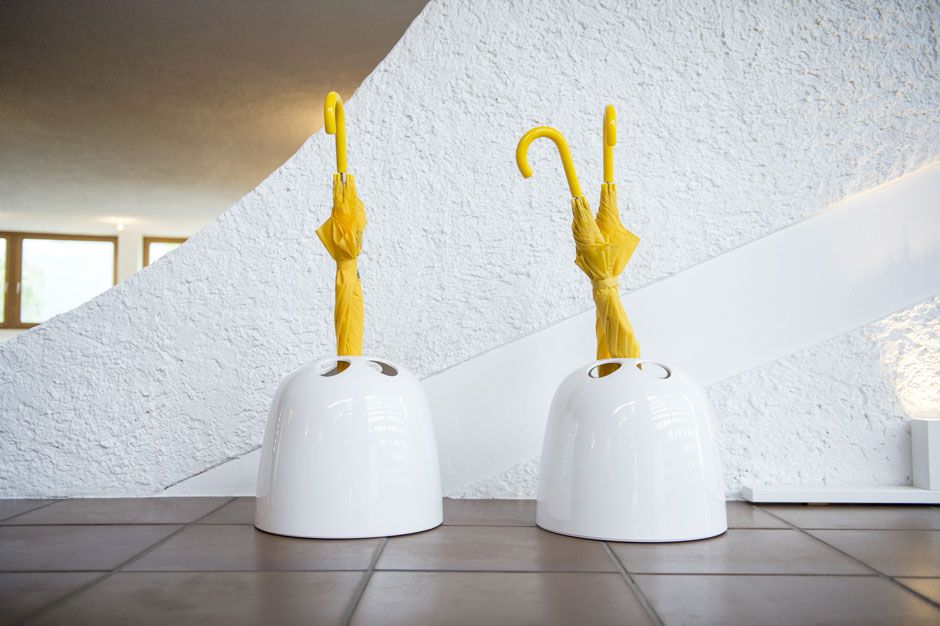
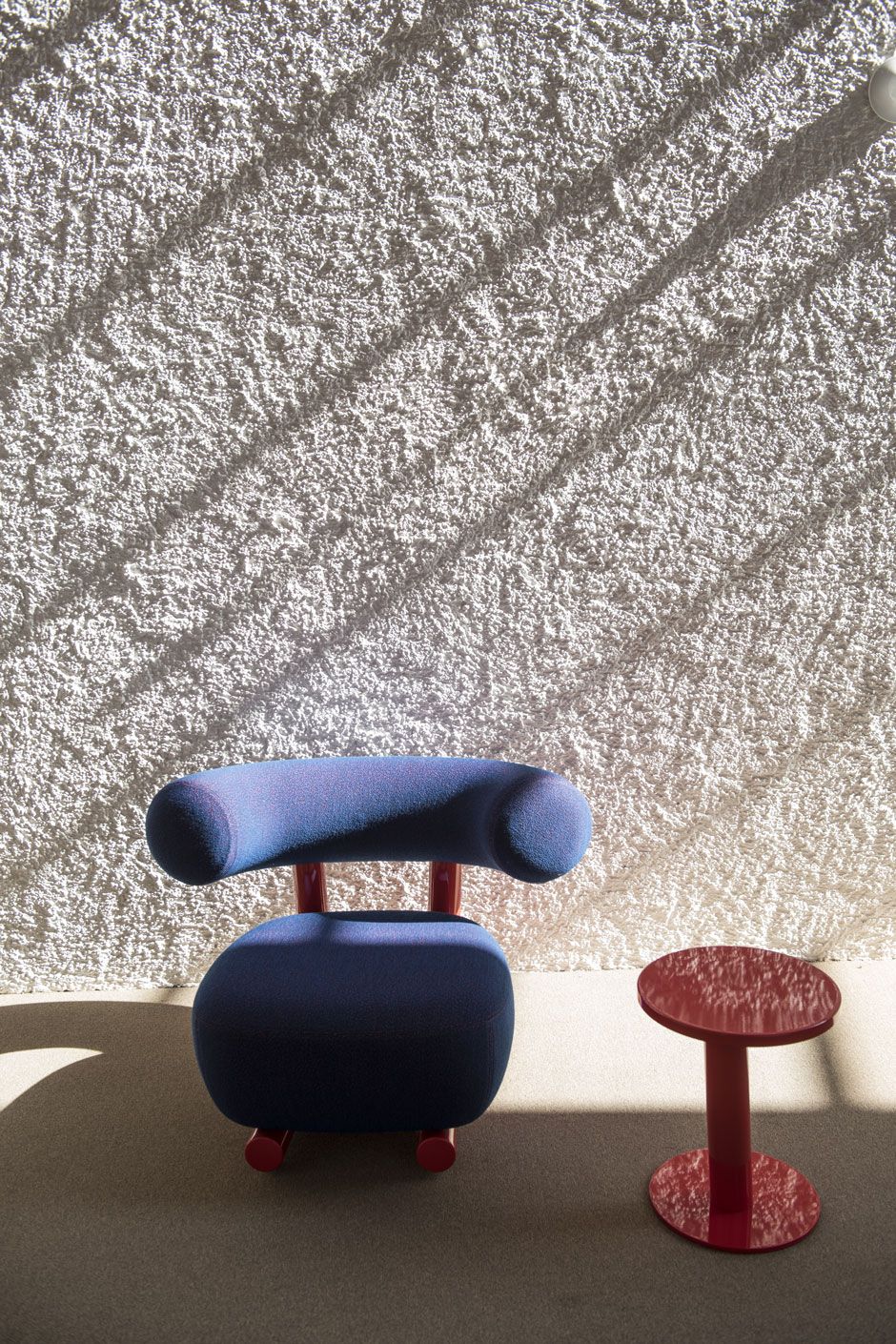
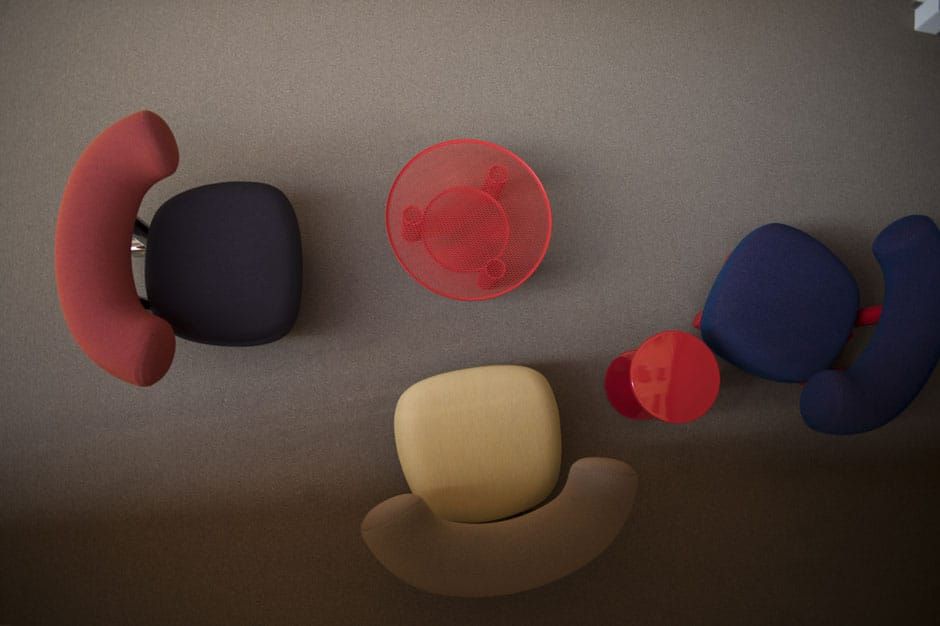
Othmar Barth’s design style still defines the choice of fabrics, lamps and furniture today — down to the smallest detail. Many of the pieces were designed by the architect (and carpenter’s son) himself at that time and were custom-made by local craftsmen. Now classics of Italian modernism and contemporary pieces form a harmonious ensemble.
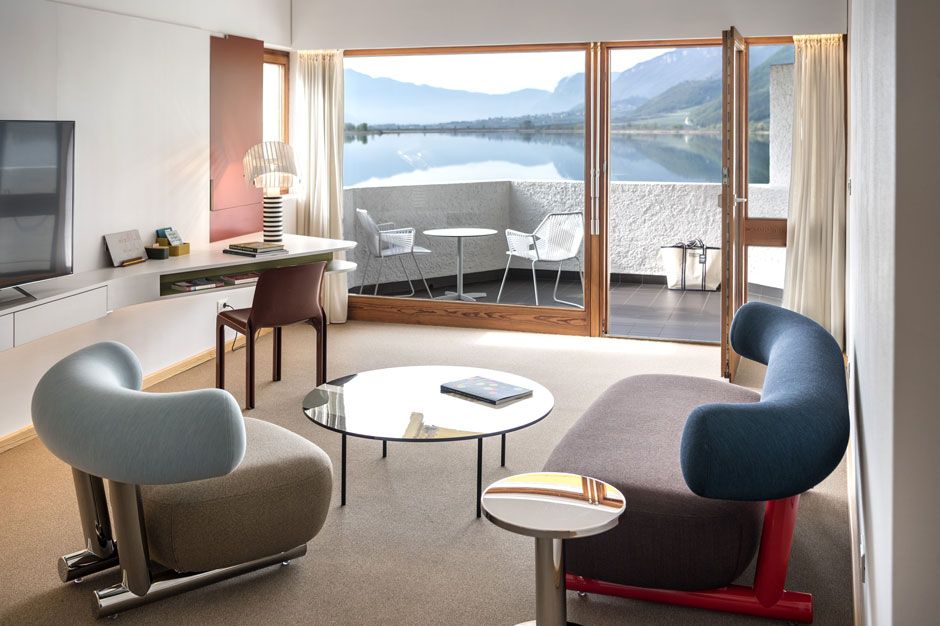
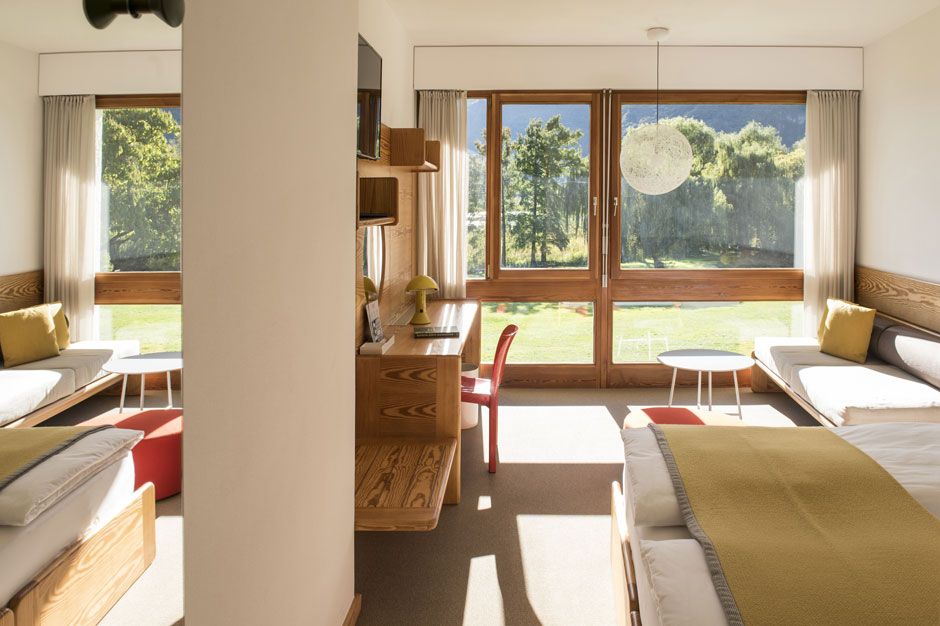
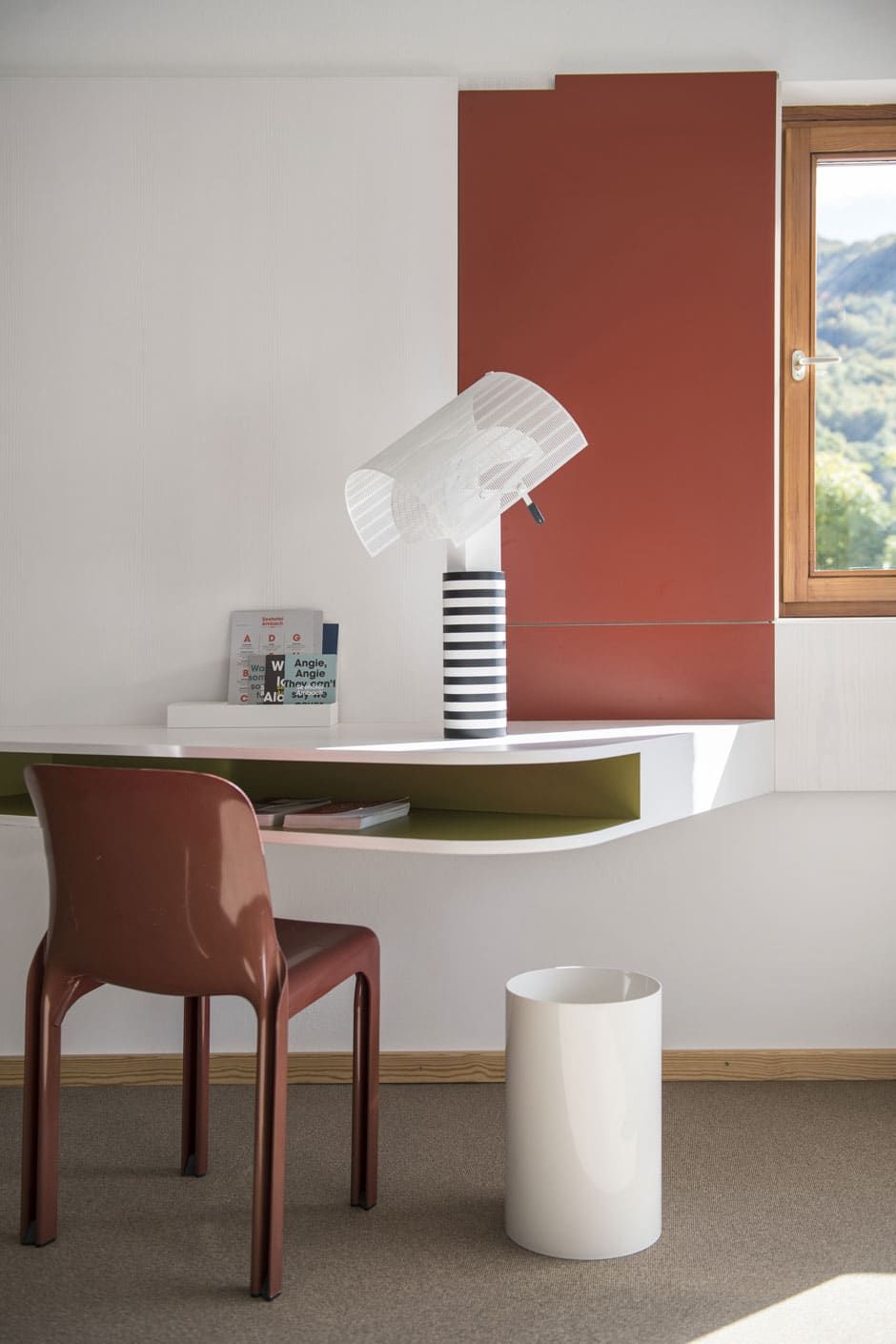
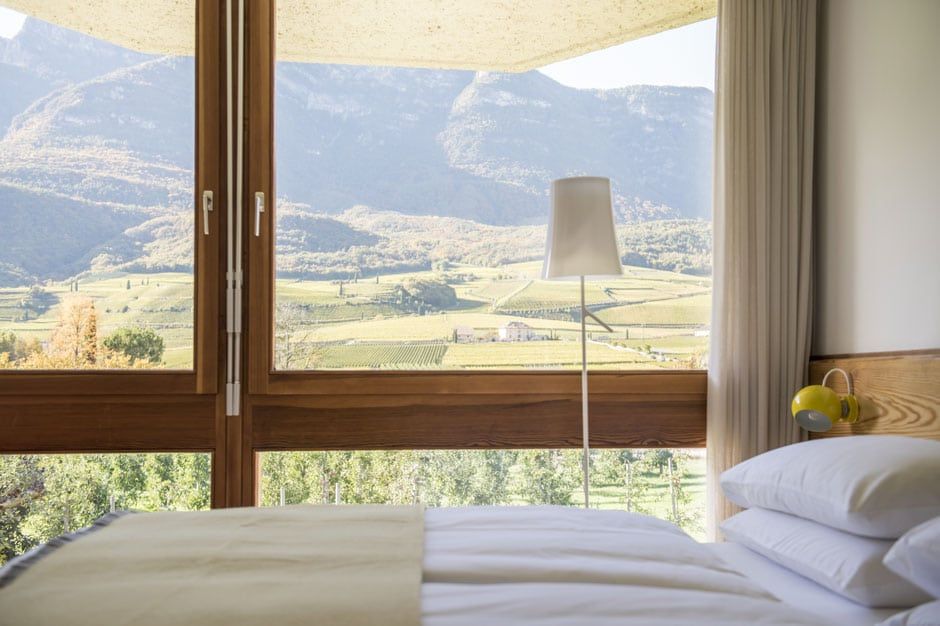
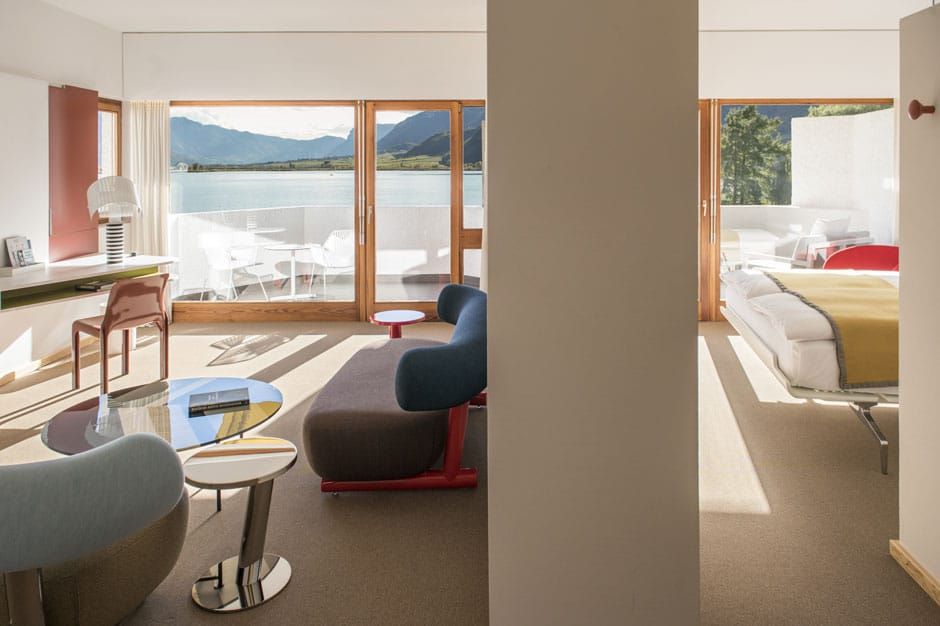
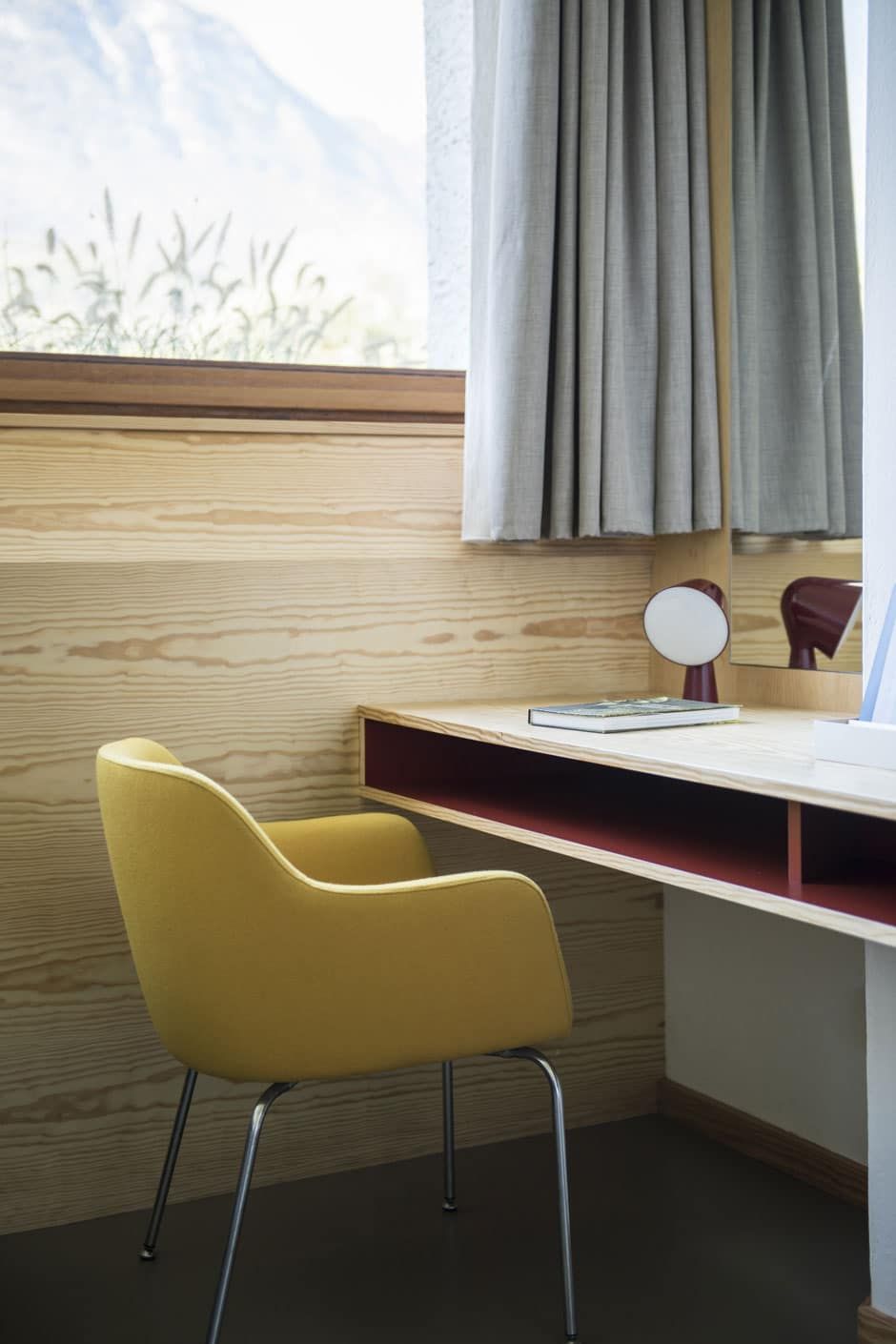
A holiday in the Ambach is international design history made tangible: you sit on Selene, relax in the spaghetti chair, slumber in Alfredo Häberli’s daybed and meditate in Tord Boontje’s garden chair Shadowy. Names like Vico Magistretti, Achille Castiglioni, Emma Gismondi Schweinberger or Patricia Urquiola make the hearts of connoisseurs beat faster.
The Marans’ need for aesthetics is reflected in the house at every turn: lighting, colour scheme, choice of materials and the gentle, attentive manner of accommodating guests creates a thoroughly harmonious atmosphere. In the Ambach style and mood are made tangible through architecture and design and translated into an emphatic, sophisticated hospitality culture capable of pulling out all the stops but without ever becoming too much: Everything here is well balanced, thoughtful, and utterly laid-back.
Sushi by the lake
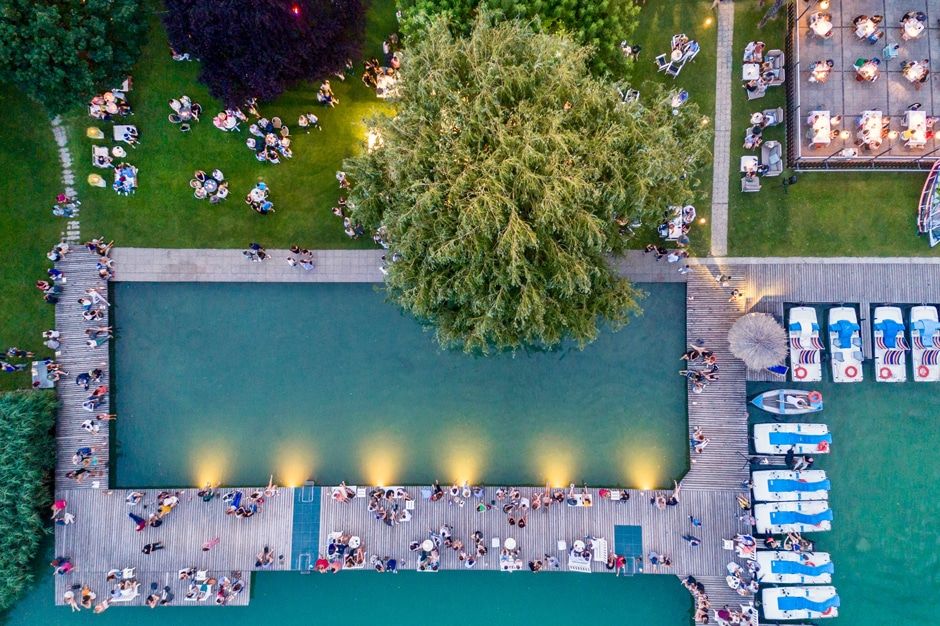
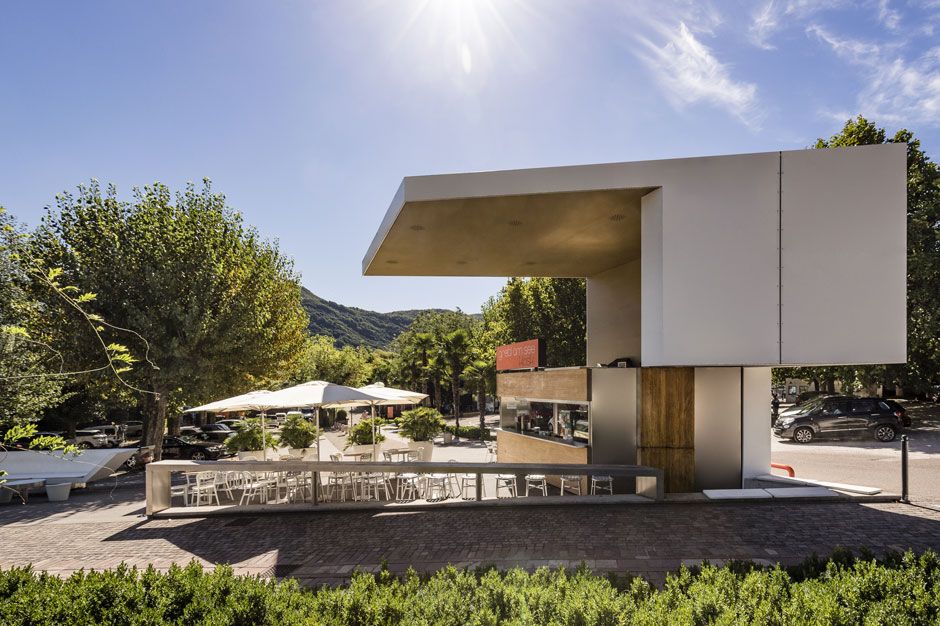
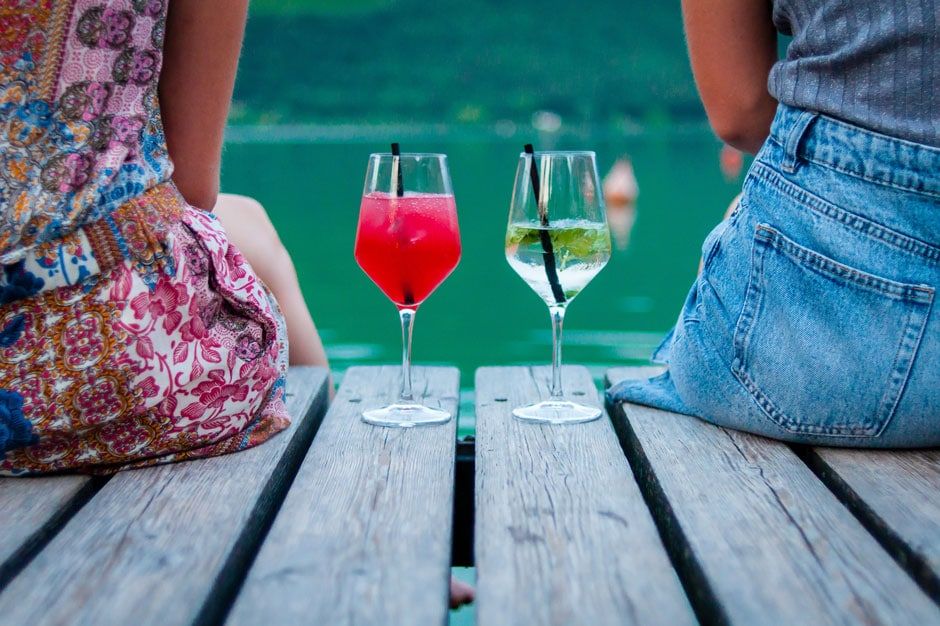
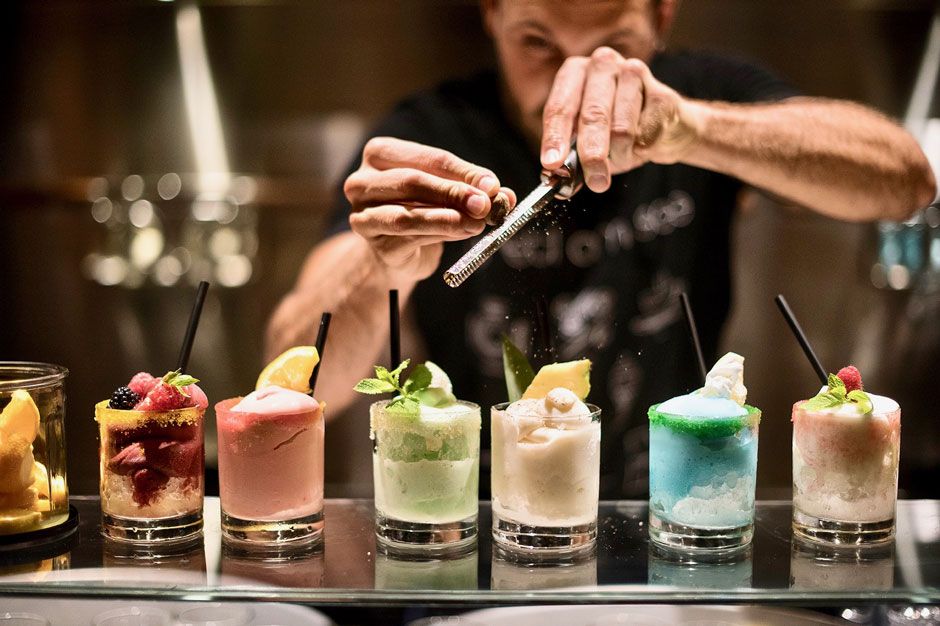
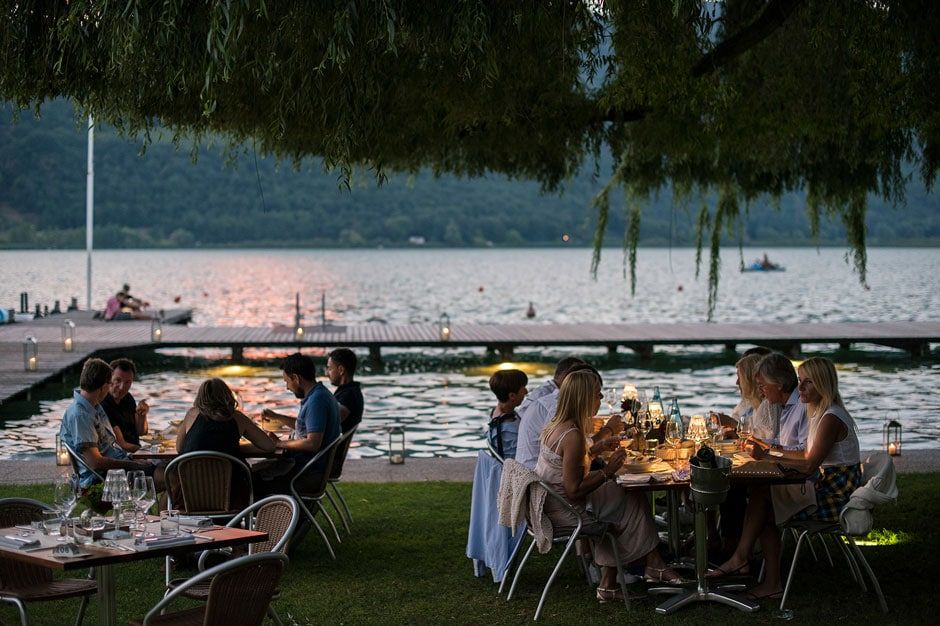
Those who occasionally feel the need for a bustling, cosmopolitan atmosphere will find the right setting in the nearby Gretl am See. Here the third generation of the Maran family blends cosmopolitan spirit and chill-out music with sparkling cocktails and a fine, creative cuisine. A successful and very popular crossover of seaside resort feeling, club ambience and the wonderful lightness of being. Dress code: Free spirit.
A friend of the family, Kurt Hoeretzeder, has perfectly captured the essence of the Gretl am See:
“There is a place in South Tyrol, where many things are possible, that are not compatible in other places. At three o’clock in the afternoon on the lakeside terrace, an elegantly dressed South Tyrolean lady sips the fashionable drink of the season, vividly chatting with her girlfriends, while next to her a guest from the far north peels himself out of his full leather bike outfit at over 30° Celsius. And at the table further back, three illustrious gentlemen from Bolzano discuss important matters. This unconventional constellation of people is probably nowhere to be found in the gastronomic ambience. Here, they live together benevolently.”
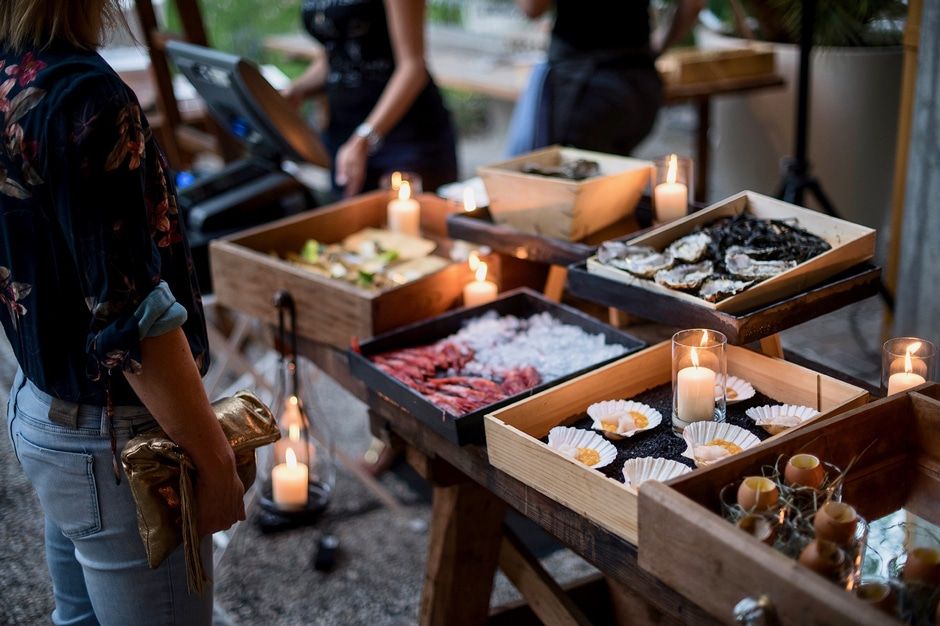
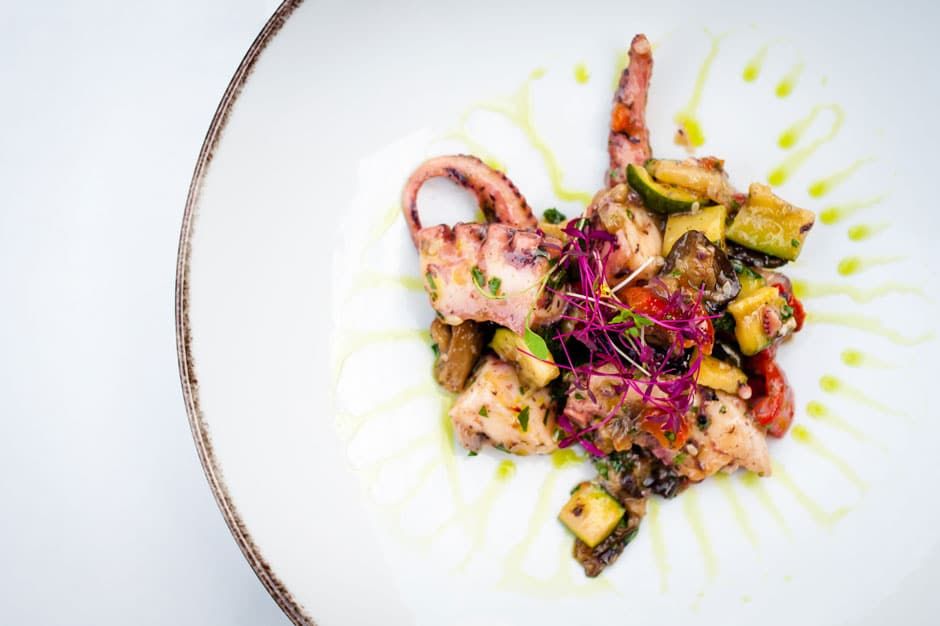
How true. There are not many places in the South Tyrolean mountain idyll that juggle contrasts so masterfully that they merge into a natural unity: urban souls and folk tradition, pedal boat riders and windsurfers, Alpine scenery and melting pot flair, afternoon coffee & sushi by the lake.
One cannot help but notice a genetically inherited gift in the members of the Ambach-Maran family — whether in the first, second or third generation: They are talented at giving dreams and visions — however crazy, utopian or unorthodox they may seem at first — a concrete form and passionate right to exist. Chapeau!
Klaus and Manuela Maran have paid tribute to Anna’s heritage. The Ambach grooves, rocks and swings. It meditates, ponders and smiles silently. According to the constellation of guests, wishes and moods. Then as now the house is an incomparable place: it’s a spectacular spatial sculpture, a design temple, a paradise for soul, spirit and senses, an anchor point for sophisticated souls, an oasis of good living. The list would go on forever, but words will never really do justice to this house. You have to experience it.
Text: Britta Krämer, April 2020
Overview: Here you can find all our HomeStories at a glance! If you want to stay up to date, you can opt-in for our HomeStory-Newsletter here.
The hotel

One Comment
Da bleibt nur noch eine Frage: Wann darf ich hin?