
Stadthaus Arnstadt – A Wunderkammer of sophisticated living
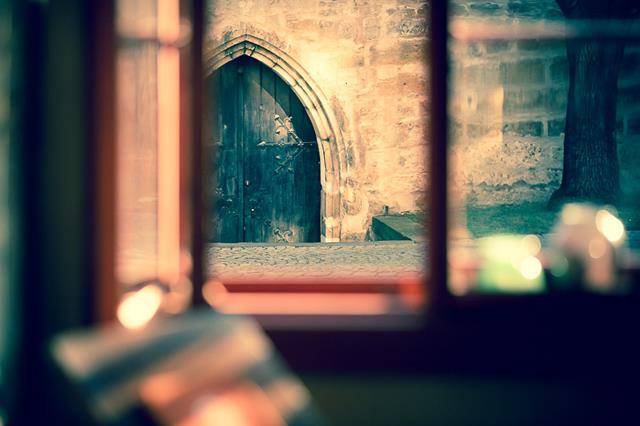
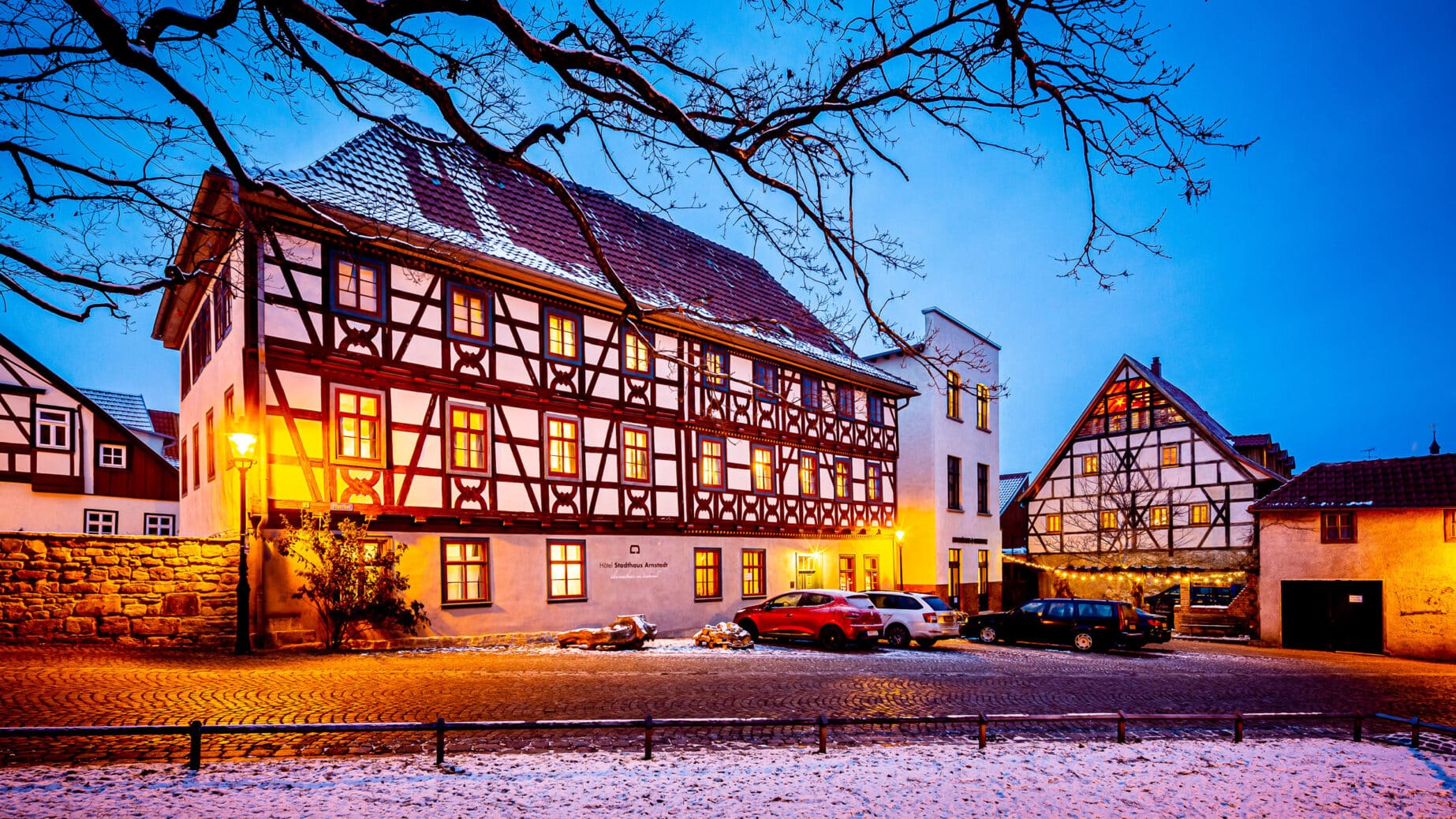
Am Pfarrhof 1, on a picturesque square in the ancient centre of Arnstadt, stands a set of buildings that are listed as historic monuments.
This is an article from our archive. It was published in November 2017, so some details may no longer be up to date.
By Britta Krämer
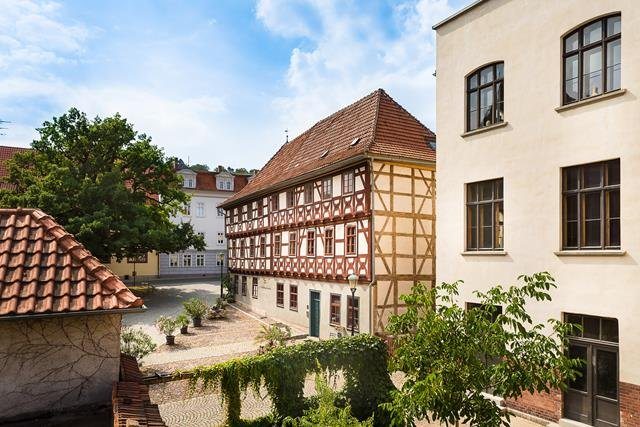
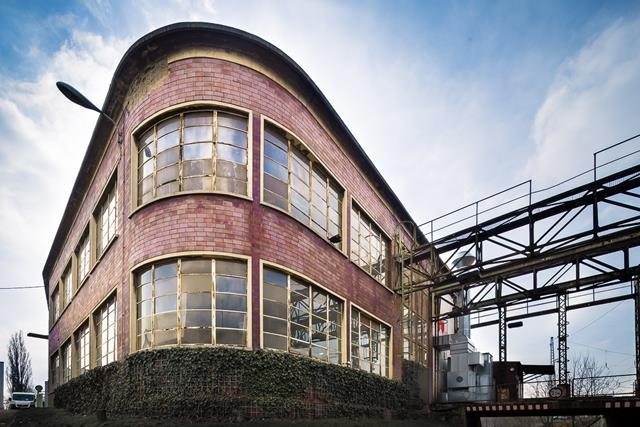
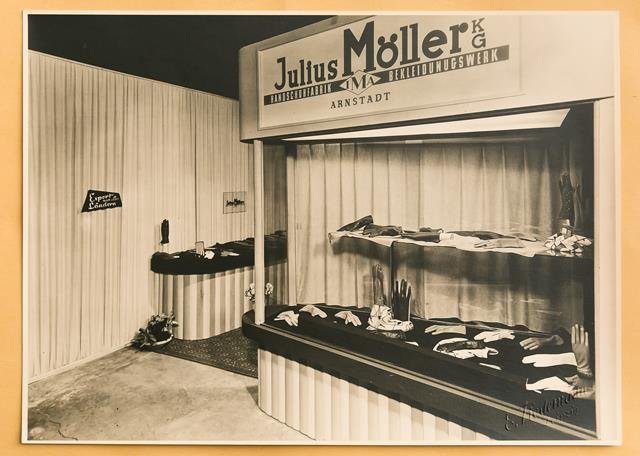
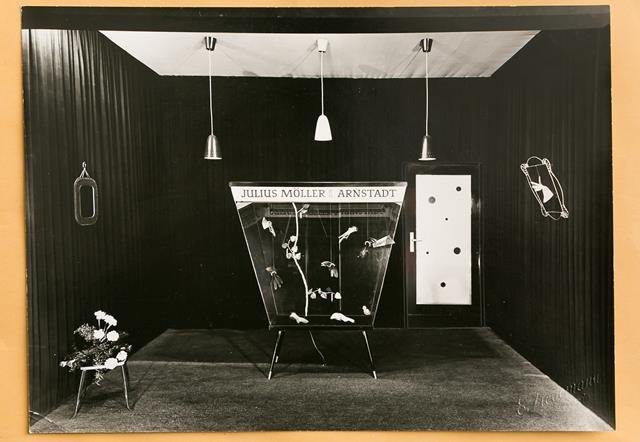
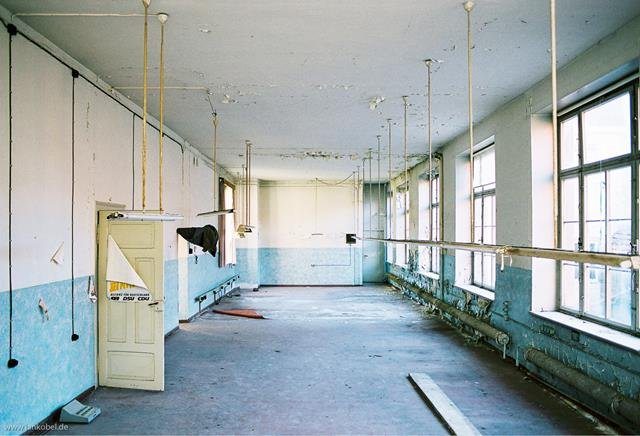
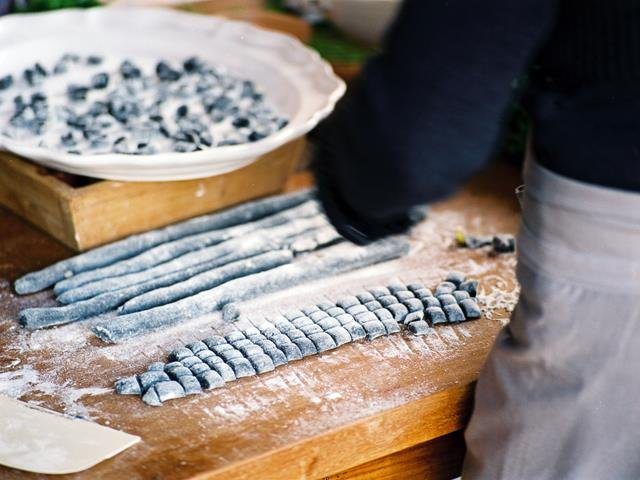
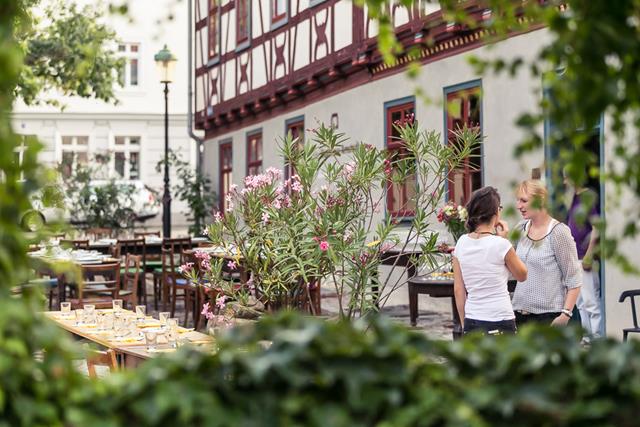
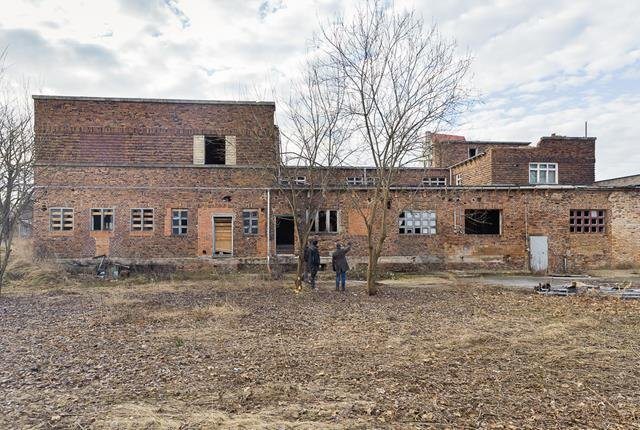
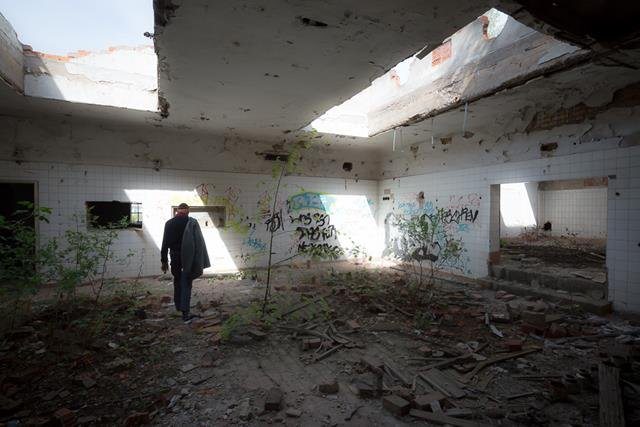
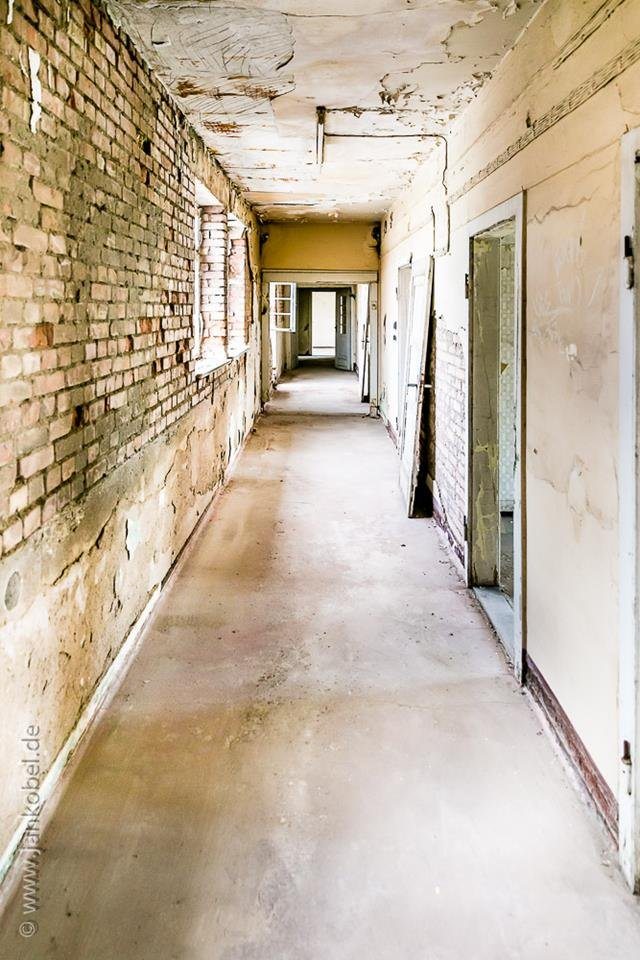
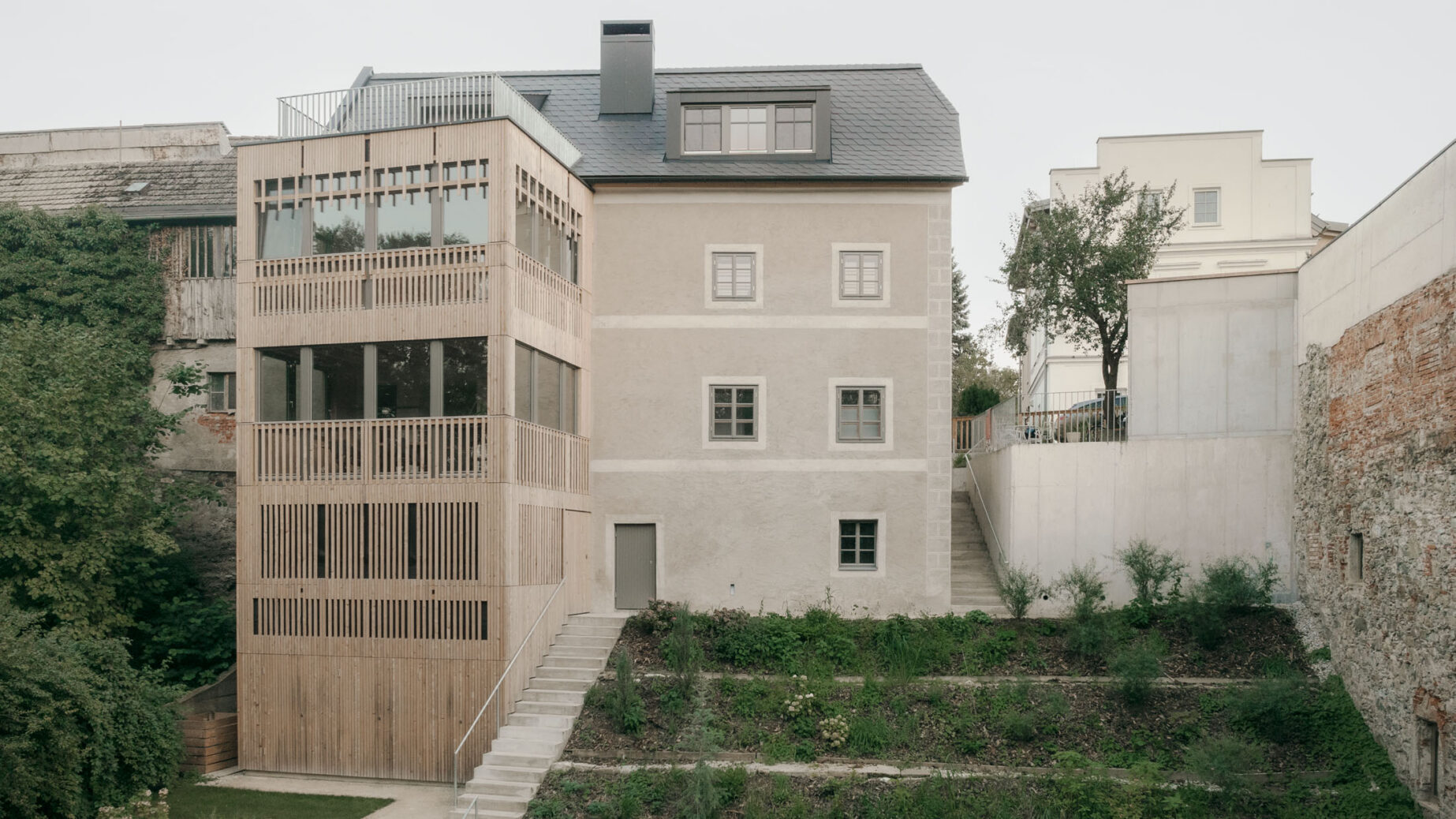
Am Pfarrhof 1, on a picturesque square in the ancient centre of Arnstadt, stands a set of buildings that are listed as historic monuments. They could not be more rich in contrast: a 430-year-old half-timbered house which can look back over a fascinating career and an industrial building dating from 1903. For more than 120 years, from the turn of the century until just after reunification, these two buildings housed the Julius Möller glove factory. Production ceased after German reunification and the buildings stood empty for 15 years, falling into decay until Judith Rüber and Jan Kobel discovered it in 2005 and fell in love with its rugged industrial looks and high light-drenched sewing rooms. They purchased the Möller factory together with the half-timbered house and renovated both buildings with award-winning sensitivity. In 2013 Hotel Stadthaus Arnstadt opened its doors and has been inspiring its guests ever since with its unconventional mix of harmonious architecture, fine cuisine and leisurely cultural experiences. The town house is like an interdisciplinary Wunderkammer of sophisticated living and escapes any tourist categorisation, thank goodness! The hosts alone are responsible for this, due to their tenacious love for the truly beautiful things in life — from Bach to Bauhaus.
Spirit of place
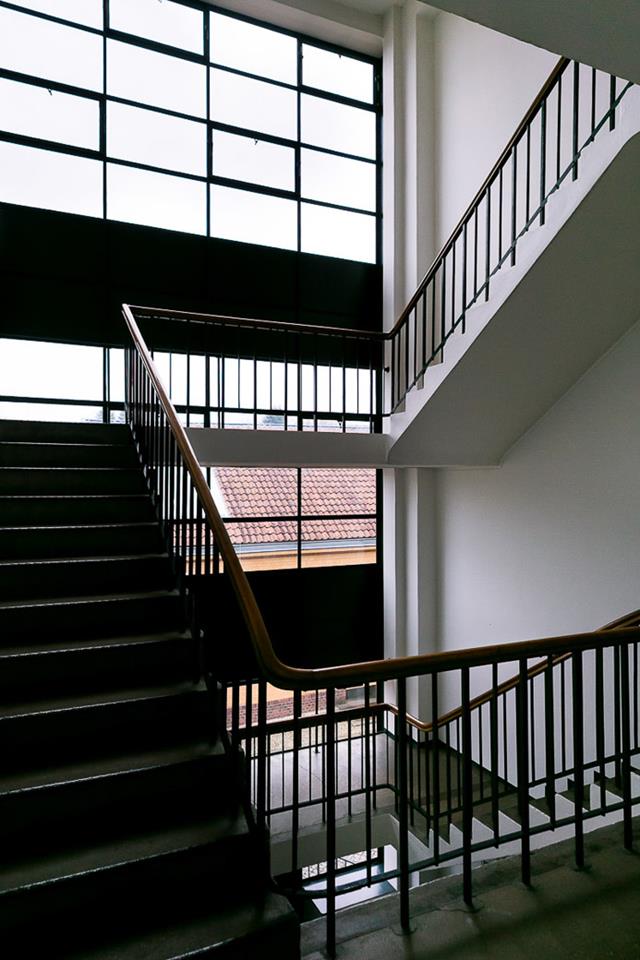
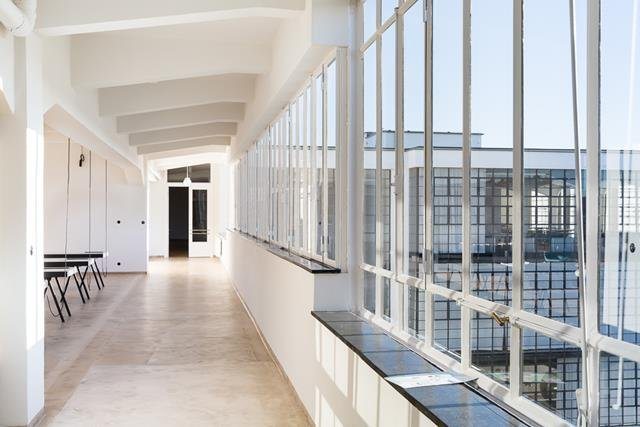
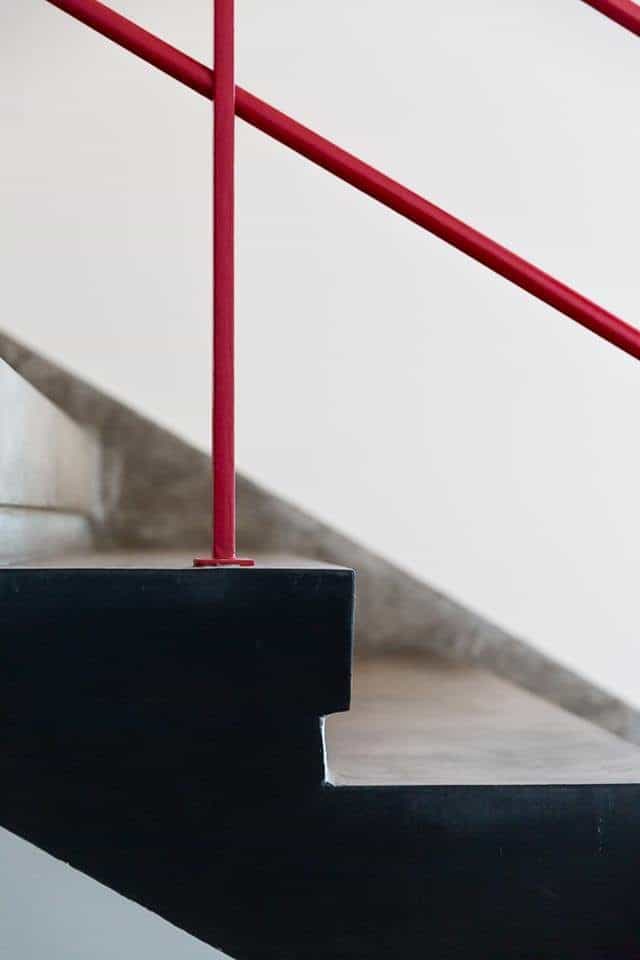
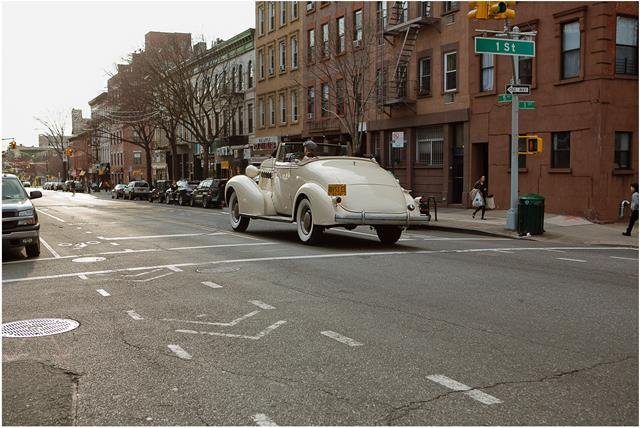
Jan Kobel is a photographer. His images are studies of scenes that, at first glance, seem unspectacular. Industrial buildings, Bauhaus-corridors, Venice without pigeons, New York street life, snapshots of outmoded, common routines. Through just such scenes he creates a haunting and powerful figurative language: it distils the essence of architecture, captures the sense of a place and translates form and patina into poetry. Kobel’s photo series makes the quiet nuances of a moment or motif perceptible and visible.
He and his wife Judith Rüber have collaborated to produce some quite special travel books over recent years which explore destinations that are not only off the beaten track, but they teach the reader the art of idleness and attentive discernment in order to reveal the secrets of Venice, New York or Ibiza on the less frequented paths and from the perspective of their inhabitants. Slow travel in the truest sense of the word. Jan Kobel‘s photos and Judith Rüber’s words describe the destinations through an unfiltered, close-up lens. Cultural diversity, local lifestyles, food delights and daily rituals are brought into focus, become immediate and tangible and leave a lingering, resonant impression. That is exactly the effect that Stadthaus Arnstadt has on its guests.
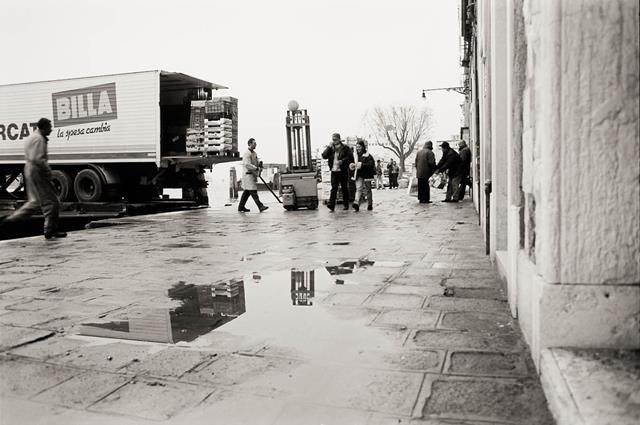
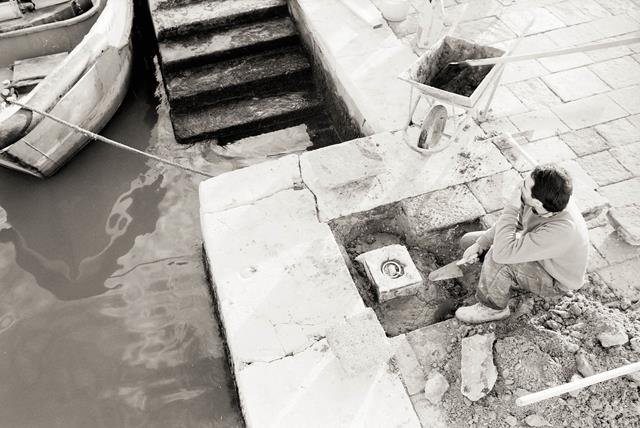
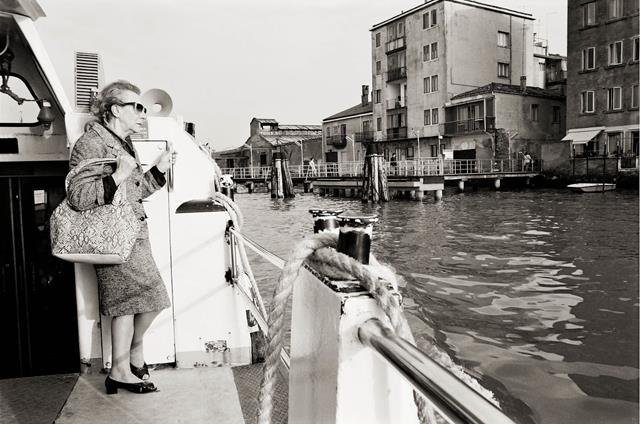
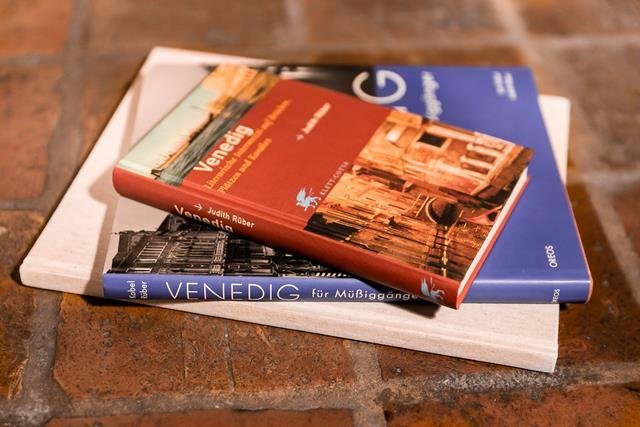
Facets of sophisticated living
When you type in the search word “Arnstadt’, Google spits out Johann Sebastian Bach first and foremost, the Baroque period and the first documented mention of Thuringian Bratwurst. Yet – who would have thought it – this barely scratches the surface of the true character of this place. Arnstadt is an ancient centre of commerce and from time immemorial has been a town open to foreign influences and new perspectives. This can be detected even today. The clear space of its triangular plazas, and the topography of the town in general, are designed for communication and interaction at every corner, creating spaces that are attractive to be in. Arnstadt is in the heart of Thuringia and yet a Mediterranean flavour pervades its streets, coupled with the savoir-vivre of the south, and music, from Bach to jazz.
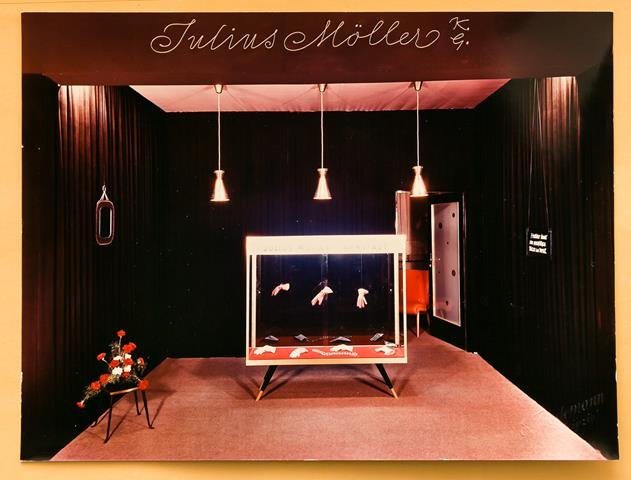
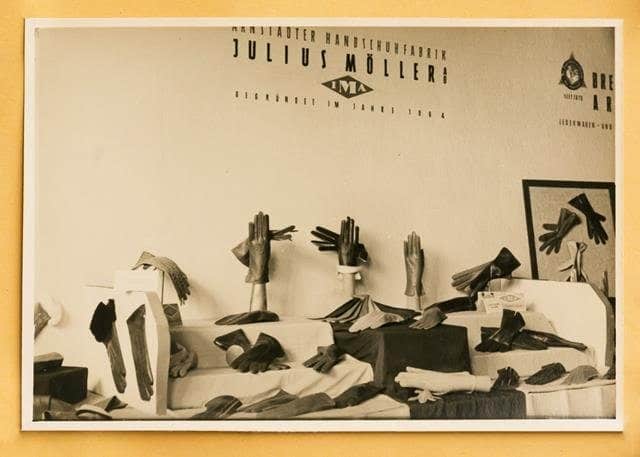
The list of erstwhile inhabitants and owners of the town house reads like a curious smorgasbord of human love for culture: aristocratic chalk cutters, the sisters of an art-loving prince (Johann Sebastian Bach’s employer), a church priest (at whose organ the very same Bach used to sit), numismatists, collectors of rare objects, girls’ boarding school teachers and senior students, and a glove manufacturer who turned the heads of fine Parisian society with his creations in leather.
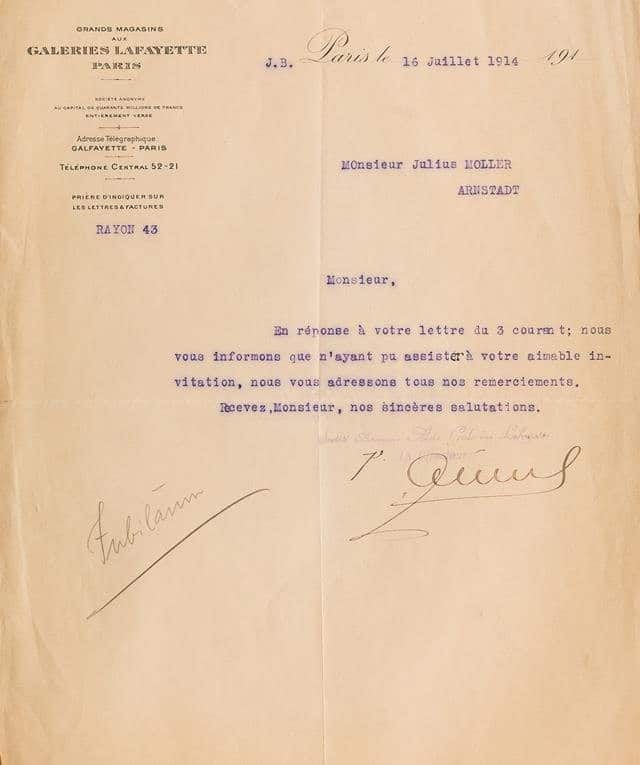
The Möller glove factory made an international name for itself in the 19th century for fine Thuringian leather gloves and the fine Parisian society at the Galleries Lafayette used to queue up for the last word in fashionable handwear made in Arnstadt. After 1990 Julius Möller closed the factory gates for the last time and desolation set in at the premises opposite the Oberkirche (even Johann Sebastian was long out of fashion – even if only temporarily).
Work-flow and Genius Loci
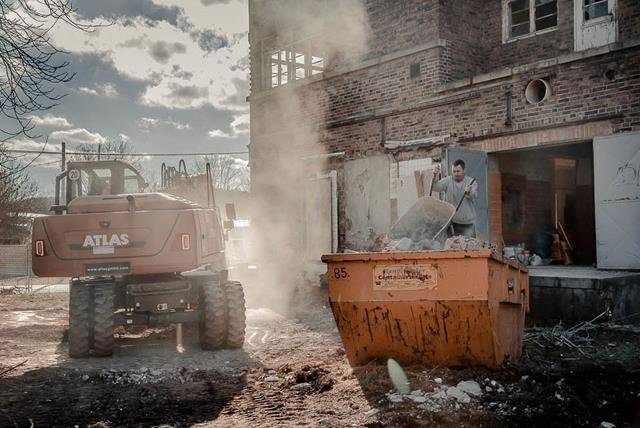
The renovation of the buildings (“The house told us what to do with it”) not only brought some historic architecture sublimely to light, but restored its former function as an urban think tank and a place for artistic and cultural encounters and for the finer things in life. In the Stadthaus, where living and working have always merged seamlessly together, leisurely holidays and inspired work flows are by no means incompatible with one another and the current in-word “Bleisure” is not so much a trend here as simply a part of the spirit of place.
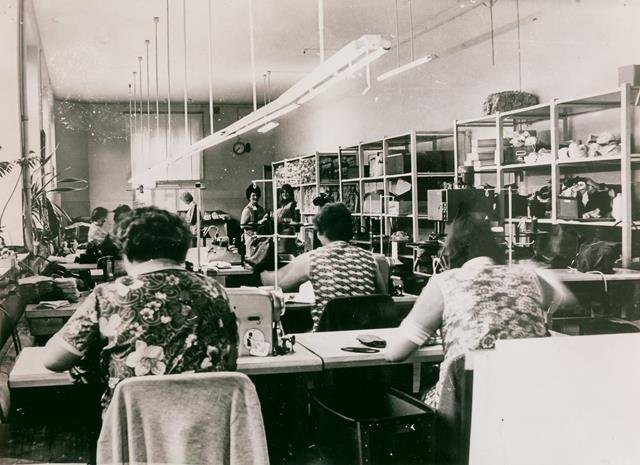
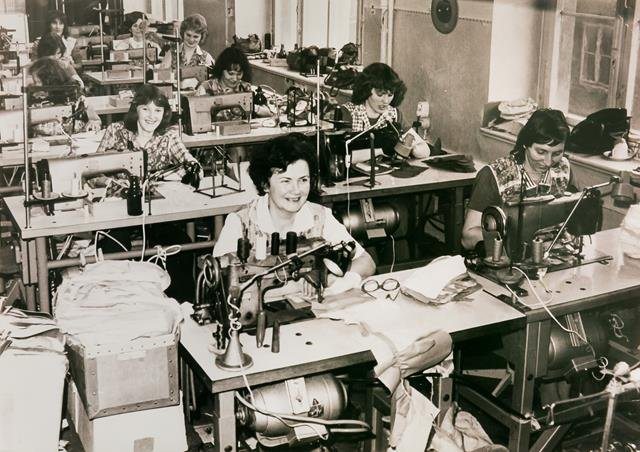
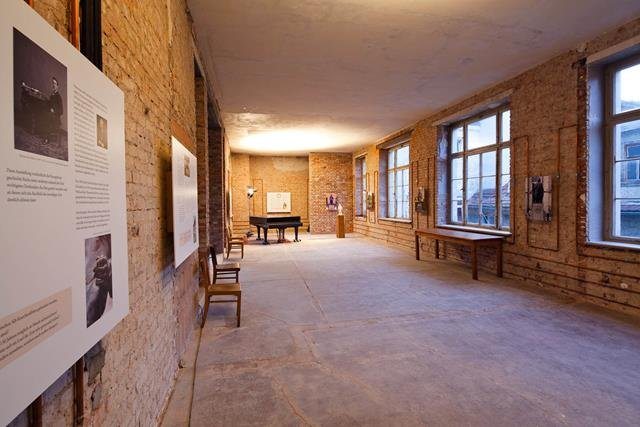
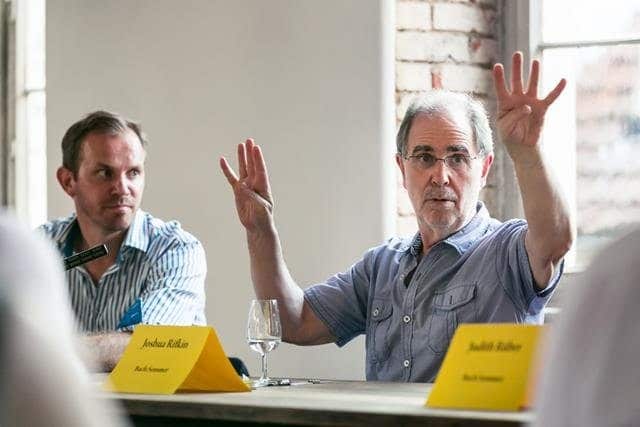
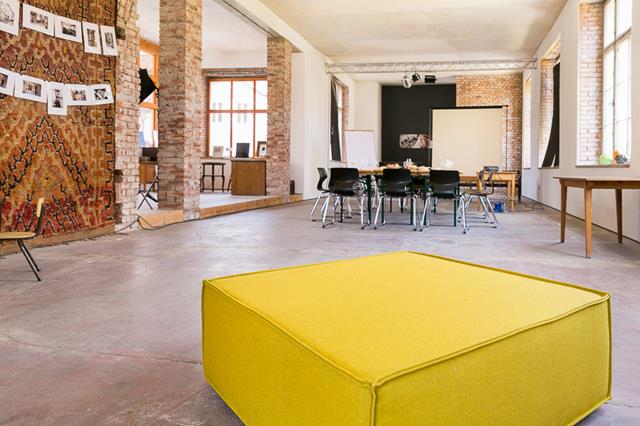
In the airy, light-drenched factory sewing rooms a culture floor — the “Kulturetage” has been created – fitted out to technical perfection and with a Steinway piano at its center – covering the whole range of uses: venue for workshops and seminars, fashion-shoot location and a space for product presentations, concert hall, art gallery, catwalk and photographic studio. A must in August: the events during the Bach:Sommer under the artistic direction of conductor and musicologist Joshua Rifkin. Anyone staying in the Stadthaus will want to spend a lot of time on the art level. Its rugged industrial character sets the tone, as it always has. If you close your eyes, you can hear the even rattle of the sewing machines.
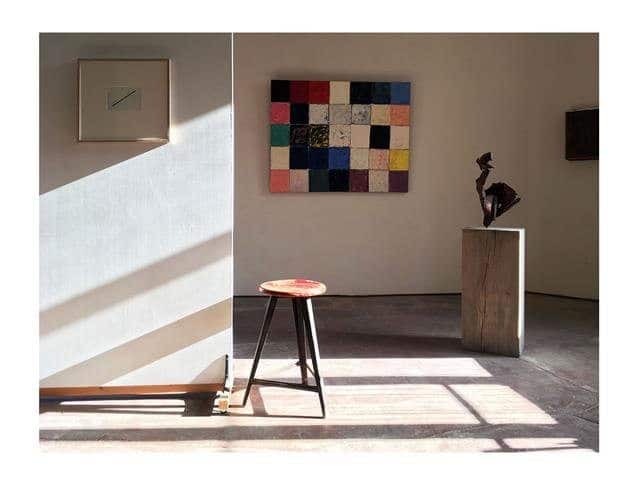
Life in a historic monument with a contemporary edge
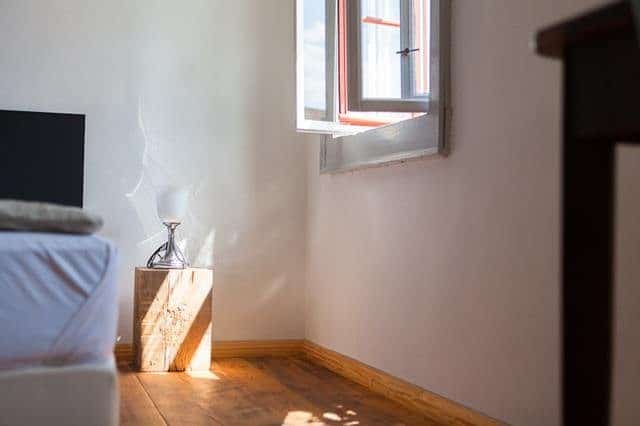
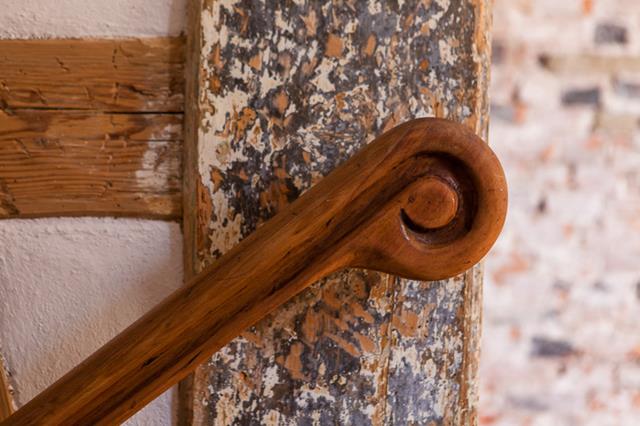
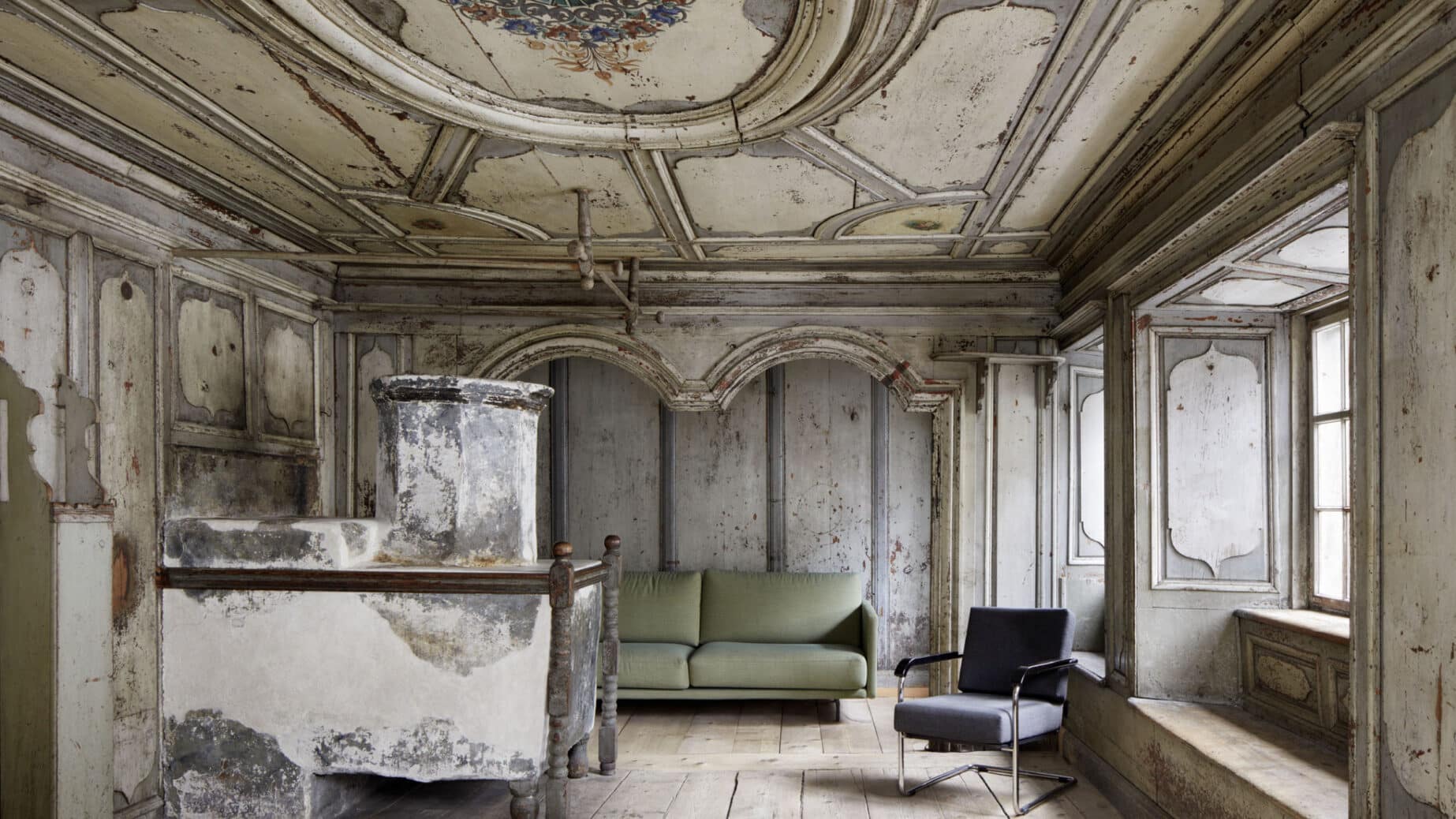
In the inviting communal areas — the former parlour and kitchen — and the six light-suffused bedrooms in the old half-timbered house, the historic fabric of the building has been brought to light and features centre stage. New elements have been harmoniously integrated with the old, in balanced measure so that the original character of the house is still discernible, yet there is no sense of dowdy antiquity. The place drips with history, but there is nothing stale or melancholic about it. Here at Stadthaus Arnstadt, history can be accessed and experienced from a thoroughly modern perspective. Life in a historic monument with a contemporary edge, with the finest sensitivity for harmonious room concepts, divine food and inspiring content.
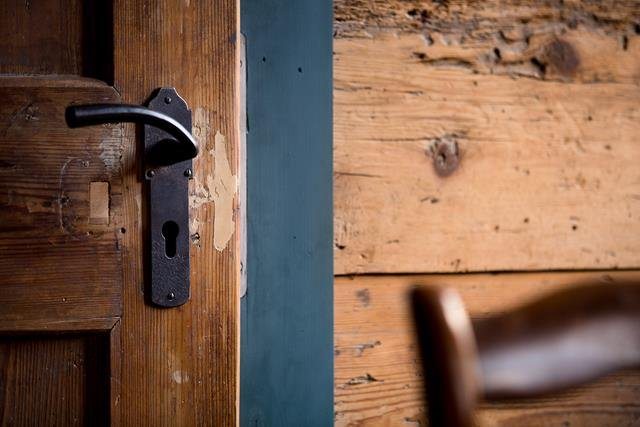
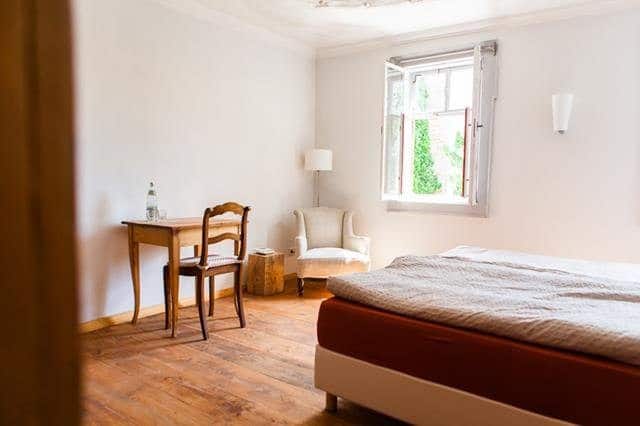
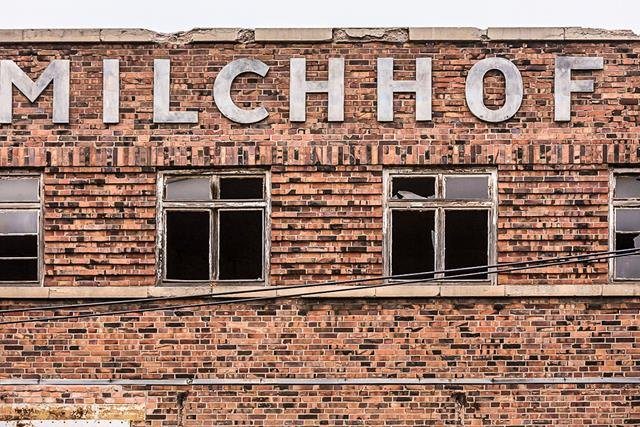
The Milchhof and Bauhaus 2019.
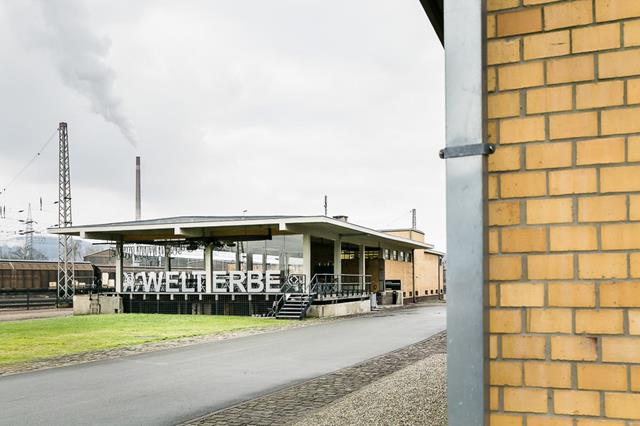
The hoteliers Rüber-Kobel have a weakness for abandoned industrial buildings and for the slumbering potential that often resides in them to become places for architectural and cultural experience. In 2014 Jan Kobel purchased the Arnstadt Milchhof (1928, by architect Martin Schwarz) together with a partner and as a co-shareholder in Baudenkmal Milchhof Arnstadt GmbH, with the aim of restoring the building as an outstanding example of Bauhaus architecture to landmark preservation standards, and of establishing it as a multifunctional art and cultural centre. Jan Kobel sees the future Milchhof closely linked to the Bauhaus movement philosophy: ”Architecture that is not only simple and beautiful, but also optimises work processes, minimises cost, lets light into the building and reflects above all the interests of the people living and working in it”. It is therefore no coincidence that the Milchhof is part of the jubilee programme 100 years of bauhaus to be launched by the Bauhaus association in 2019. By now, the renovation of the groundfloor has made it possible to open it for culture events and architectural tours. The guests of the Stadthaus visit the Milchhof on Sundays together with the new landlords and get quickly aware of its striking atmosphere.
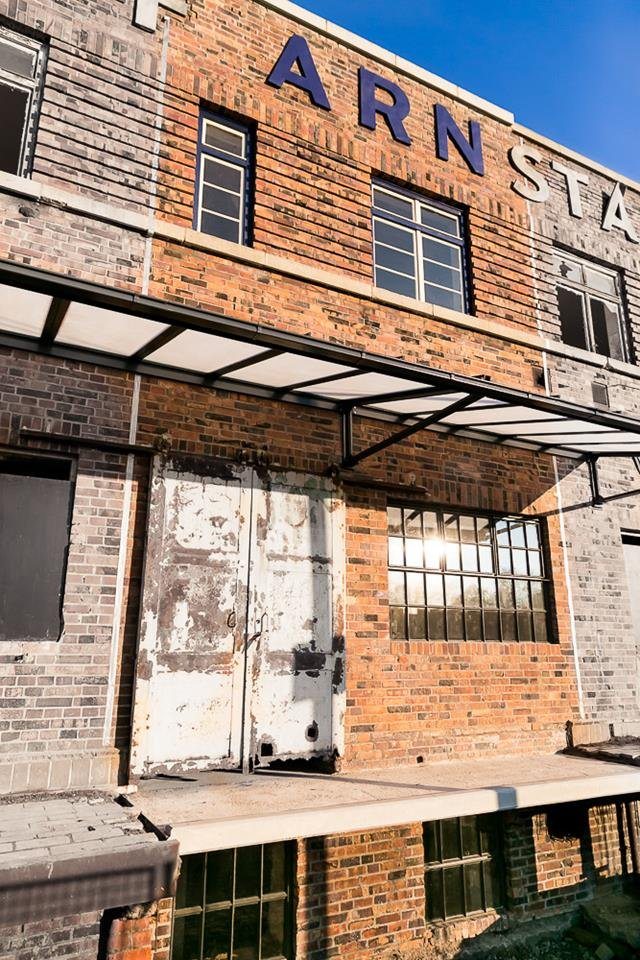
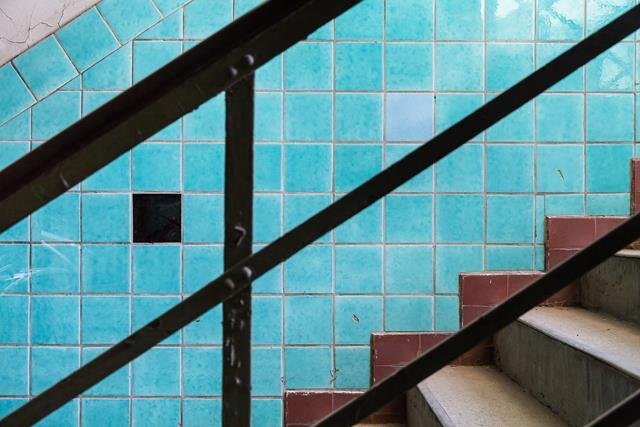
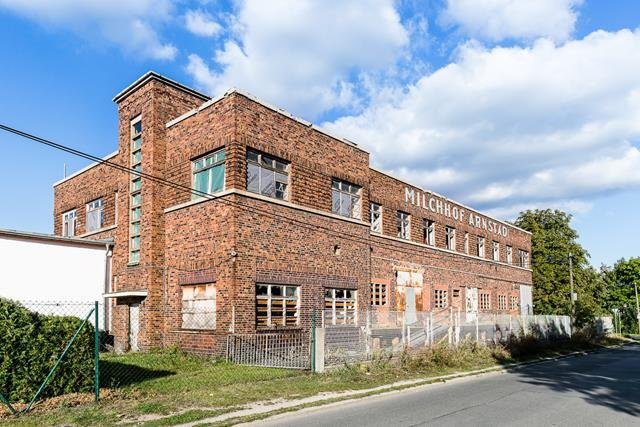
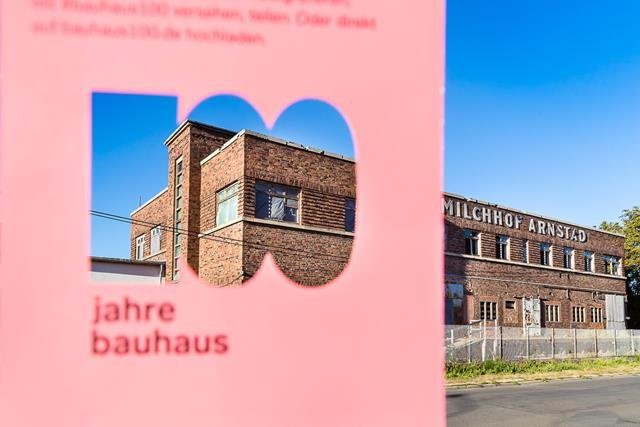
In the award speech for the historic monuments preservation prize of Thuringia, Stadthaus Arnstadt was described as an ‘important nucleus for the development of Arnstadt in terms of urban planning and culture’. Indeed, it would appear that it (as well as its owners!) has taken on the role of a pendulum that is well aware of its centre of gravity and focus, and yet retains the mobility and the drive to be perpetually reaching out in all directions, making its impact in other realms and spheres of activity, and inspiring progress in them. We wait with bated breath to find out what they will do next…
Text: Britta Krämer, November 2017
Picture credits and image rights: Jan Kobel
The hotel

5 Comments
Danke für die Story, in der sich ein an und für sich schon schönes Haus zu einem ganzen Kosmos öffnet. Der “Blick hinter die Fassade” war sehr aufschlussreich und macht Lust gleich aufzubrechen — auf nach Arnstadt!
…wenn ich es nicht mit eigenen Augen, Ohren, Geschmacksnerven und sonstigen Sinnen erlebt hätte…ich würde es für Schönmalerei halten. Die Fotos sind toll! Die Wirklichkeit ist besser.
… tolle Würdigung einer tollen Leistung!
danke an die homestorytellers ‑eigentlich seid Ihr ja Perlentaucher
AUF nach ARNSTADT!
oder gibt es nach diesen fotografischen Augen- und Einblicken noch jemanden der nicht voller Hochachtung für und Neugier auf diese visionären und mutigen Projekte wäre ?
Grandioses Projekt! Die Photos — einfach Klasse…