
Interview with Harry Thaler: “I love challenges!”
His Pressed Chair made the South Tyrolean designer world renowned. We asked him what he would most like to design, why craft is worth the effort, and how he and his wife like the experience of being hosts.
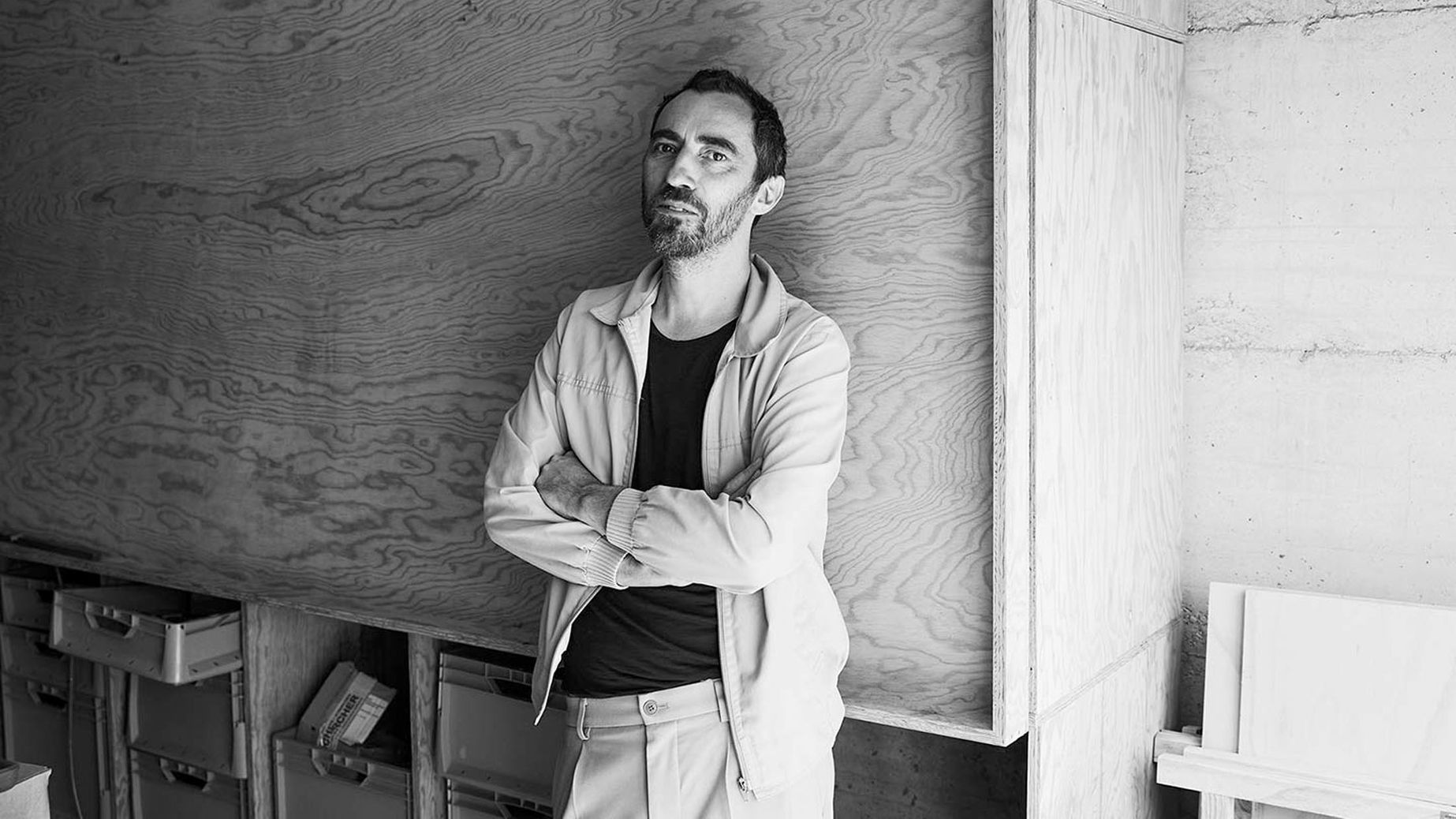
Jan Hamer/Ulrich Stefan Knoll (HOLIDAYARCHITECTURE): Hello Harry. Great that this could work out! Where are we reaching you?
Harry Thaler: In my studio in Lana. Friday afternoons here are relaxed enough for an in-depth conversation.
Jan Hamer (HOLIDAYARCHITECTURE): We are particularly impressed with the incredible breadth of your practice—from interior design all the way to architecture. How did this come about? What was your career trajectory?
Harry Thaler: I grew up in Obermais near Merano. When I was nine, my neighbour, a goldsmith, brought me into his studio during my summer holidays—that is how I developed an interest in the craft. My neighbour opened the doors to a new world for me. After school, I decided to study goldsmithing and did a five-year apprenticeship.
Afterwards, my journey took me to Vienna, then briefly to Sri Lanka, and finally to Pforzheim, a bastion for jewellery design. They also have a university of applied sciences for industrial design. This motivated me to study product design. I wanted to make bigger things. To do this, I had to complete my Abitur, which I did in Rome. From there I went to study in the Design and Art faculty at the University of Bozen. I was already 27 years old at this point and naturally wanted to get my studies over with as soon as possible. But I failed the English exam eight times. So, I packed my bags and headed to London…
Ulrich Stefan Knoll (HOLIDAYARCHITECTURE): So, you grabbed the bull by the horns…
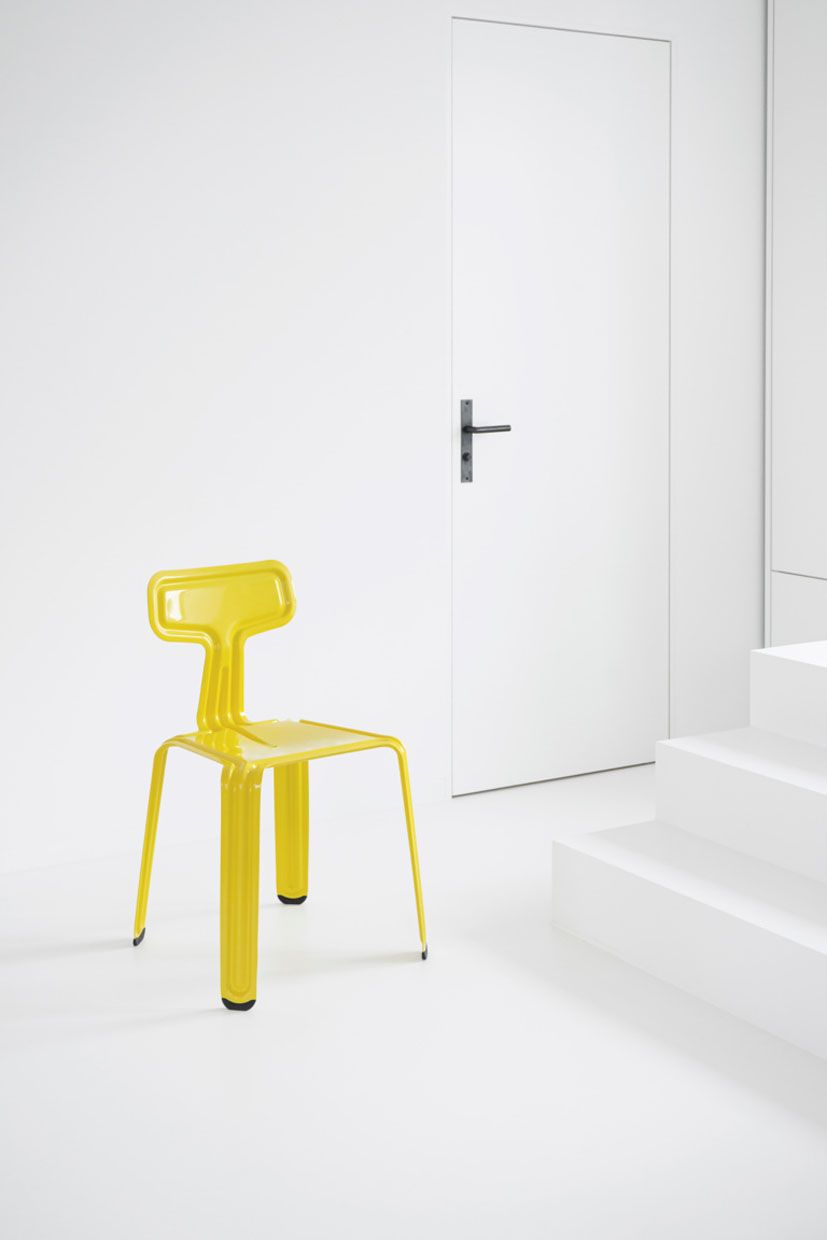
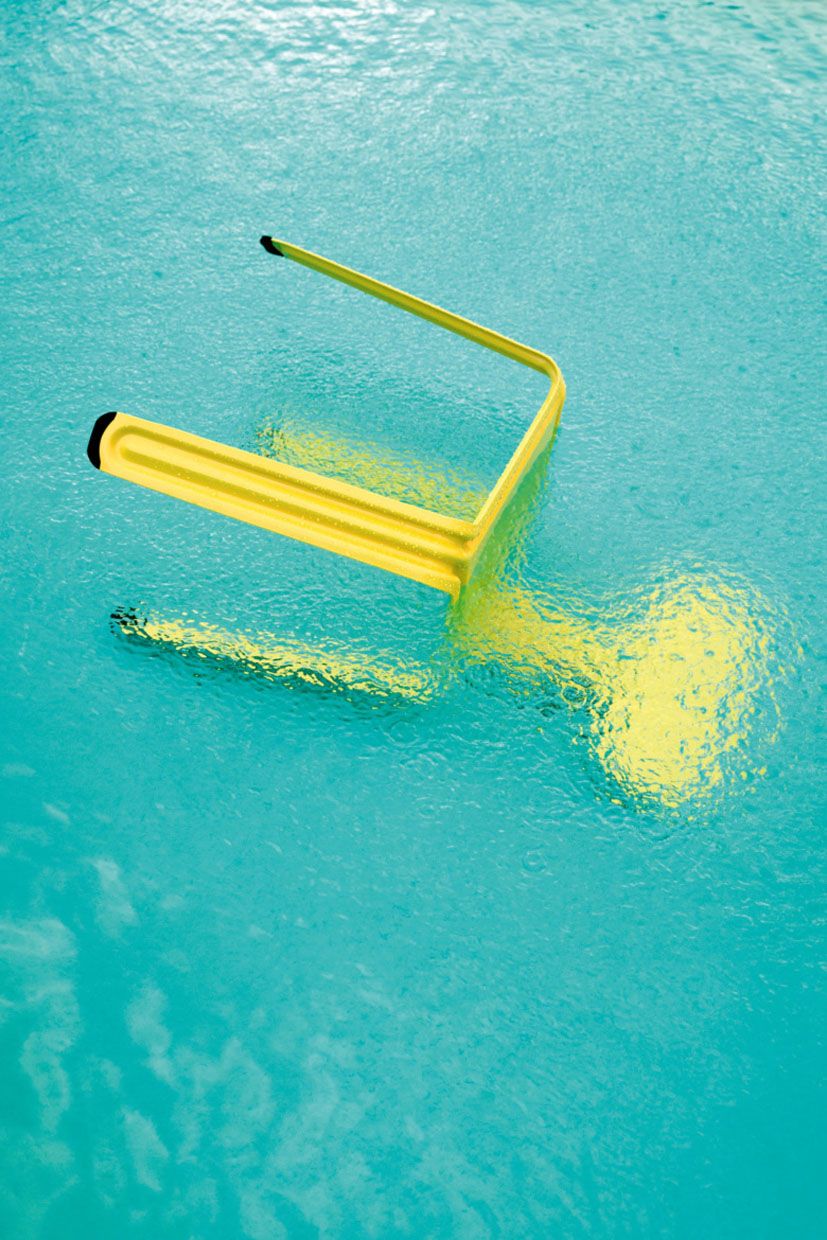
Harry Thaler: Exactly. A good friend of mine, Martino Gamper, who was already familiar with the Design scene, was living in London at the time. I asked him if he could use some help. I took the Royal College of Art entrance exam and worked for him in the meantime. We both founded our studios during this period, and this is when I designed the Pressed Chair. Which was a stroke of luck, of course. I could not have conceived of the chair if I had not studied goldsmithing. You have to know how to bend metal, how to press it.
The chair went into production, was presented in London, appeared in the Cologne trade fair, and was awarded a prize there. It was at this point that Nils Holger Moorman approached me. And that’s when everything took off. From then on, I started getting commissions, for, among other things, an architectural project, a bridge, one for a bicycle, as well as orders in the interior design domain.
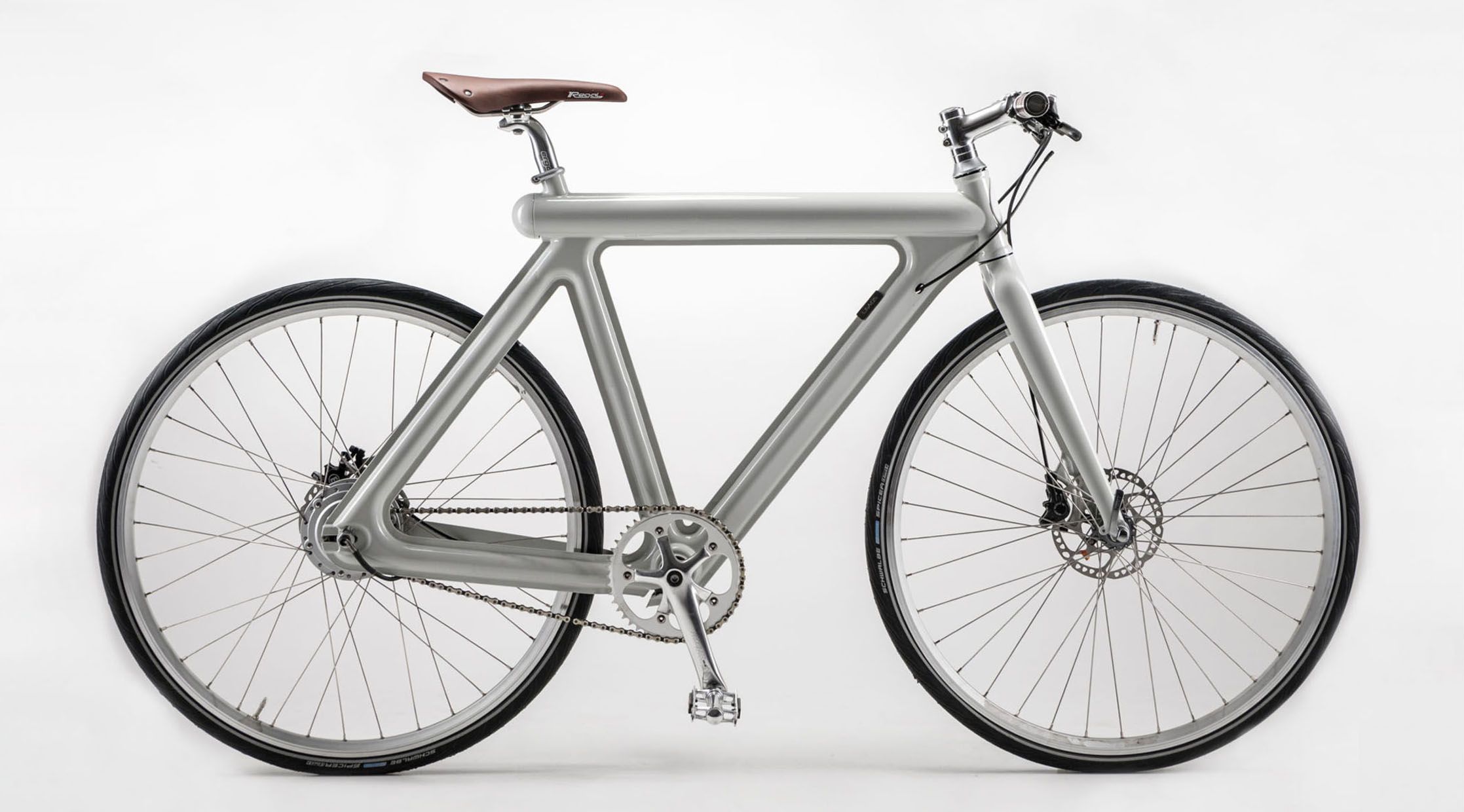
For me, it is always interesting to make new things. If a car manufacturer were to approach me, I would do it in a heartbeat. Because I am interested in such things, one always needs to read up on new things—like the bicycle, for example. The Pressed Bike was created similarly to the chair. But to get the geometry right—given that a bicycle consists of two triangles—was quite exciting and challenging. You have to really grapple with it. I love challenges!
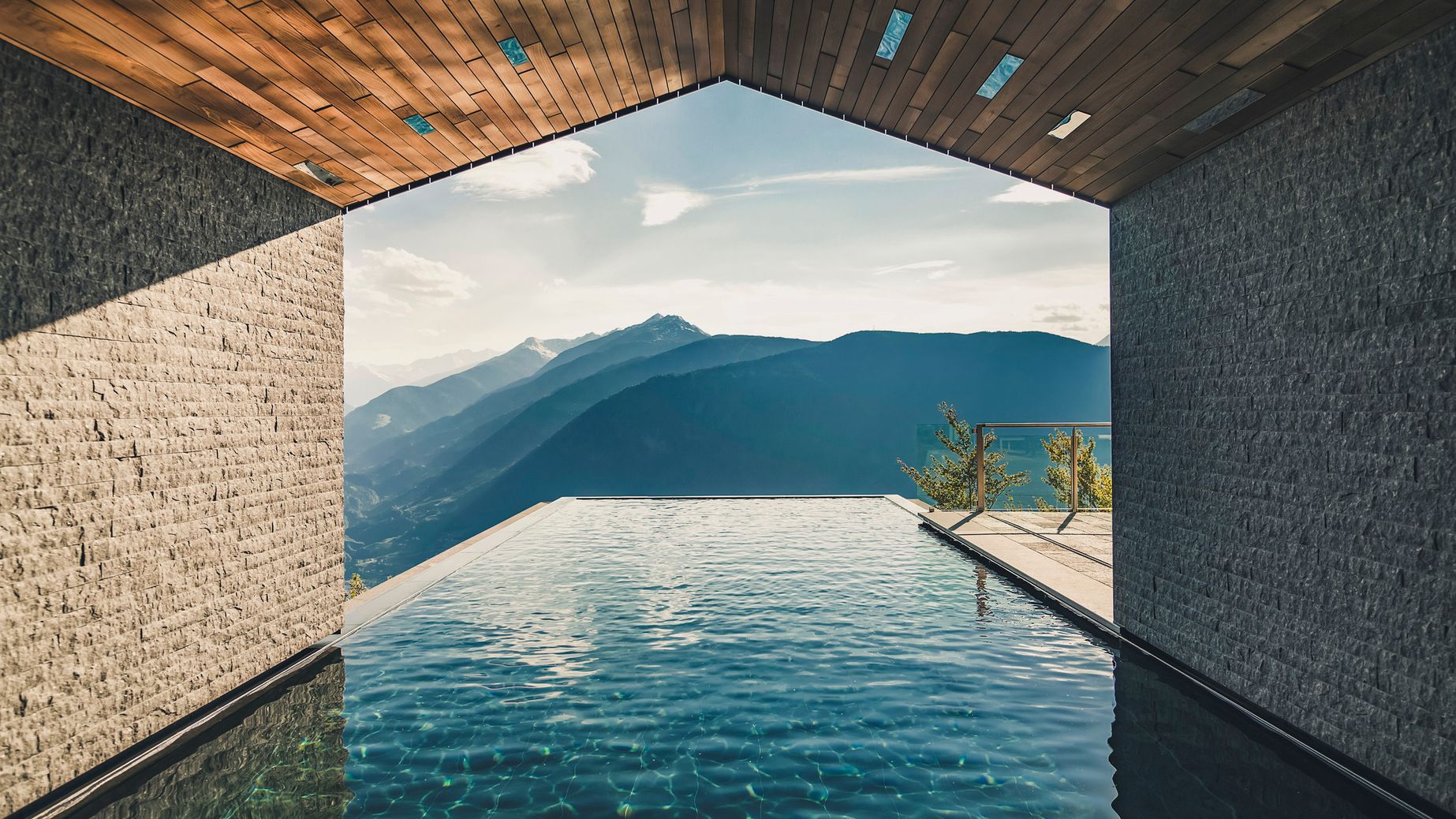
I recently designed a campsite. And the interior design for Monti House, the Hotel Miramonti’s new house.
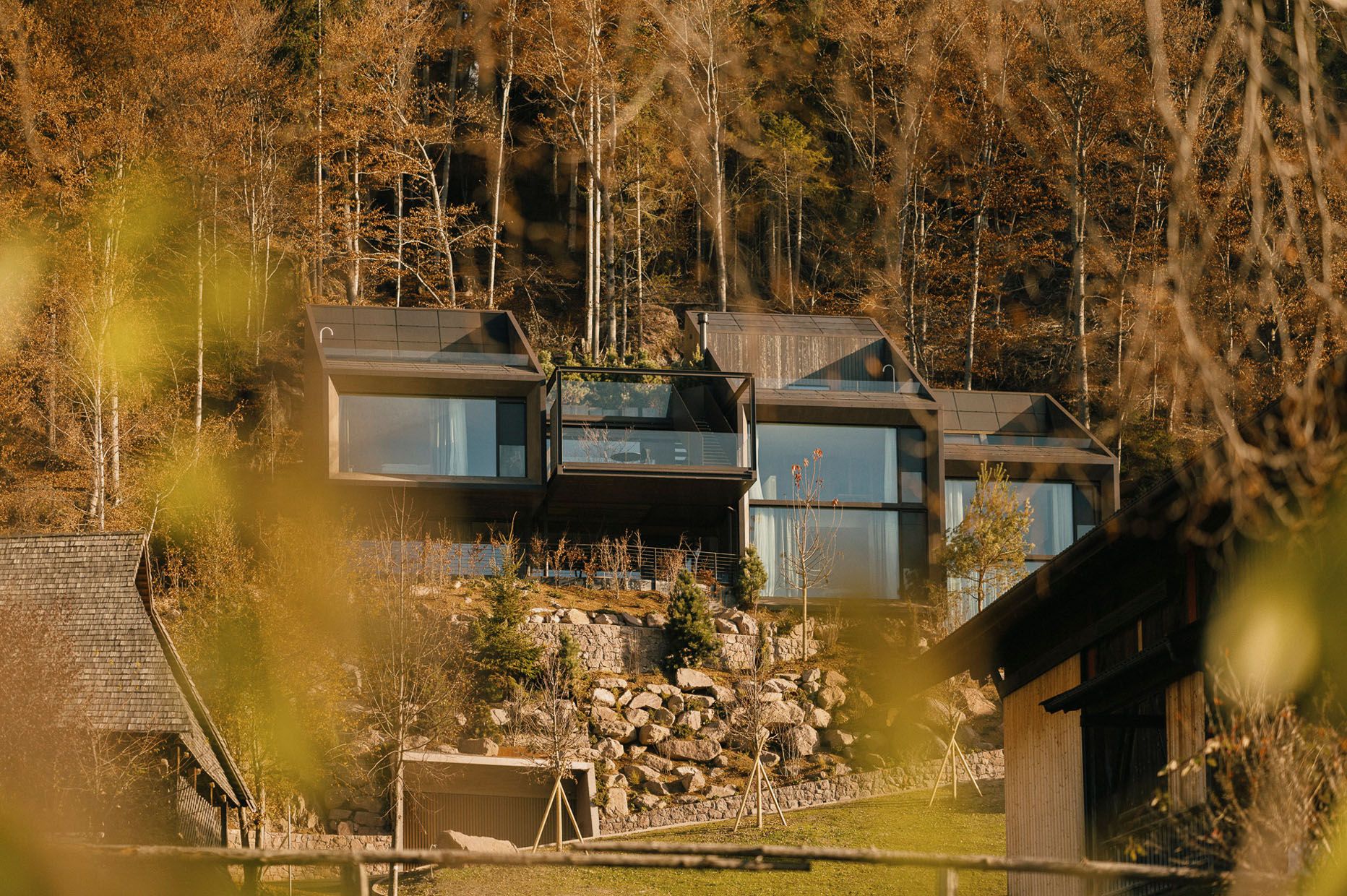
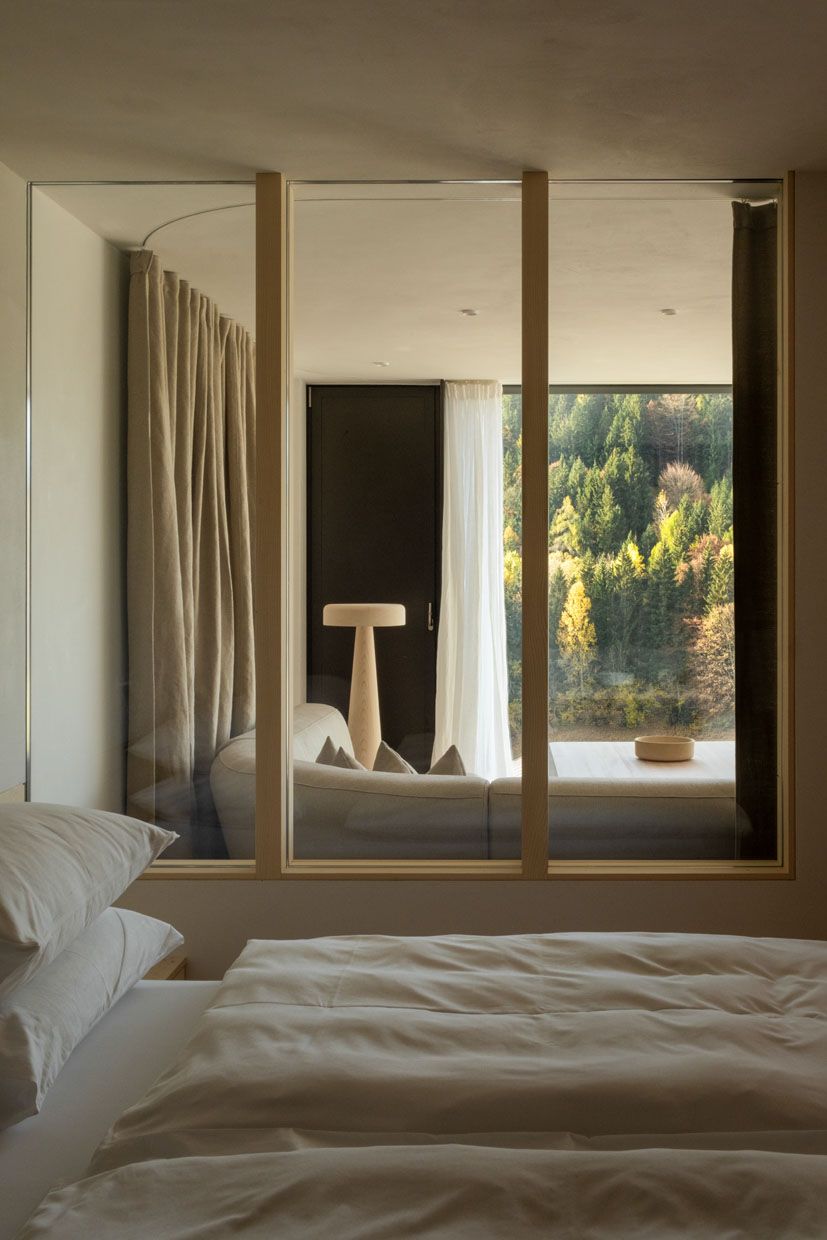
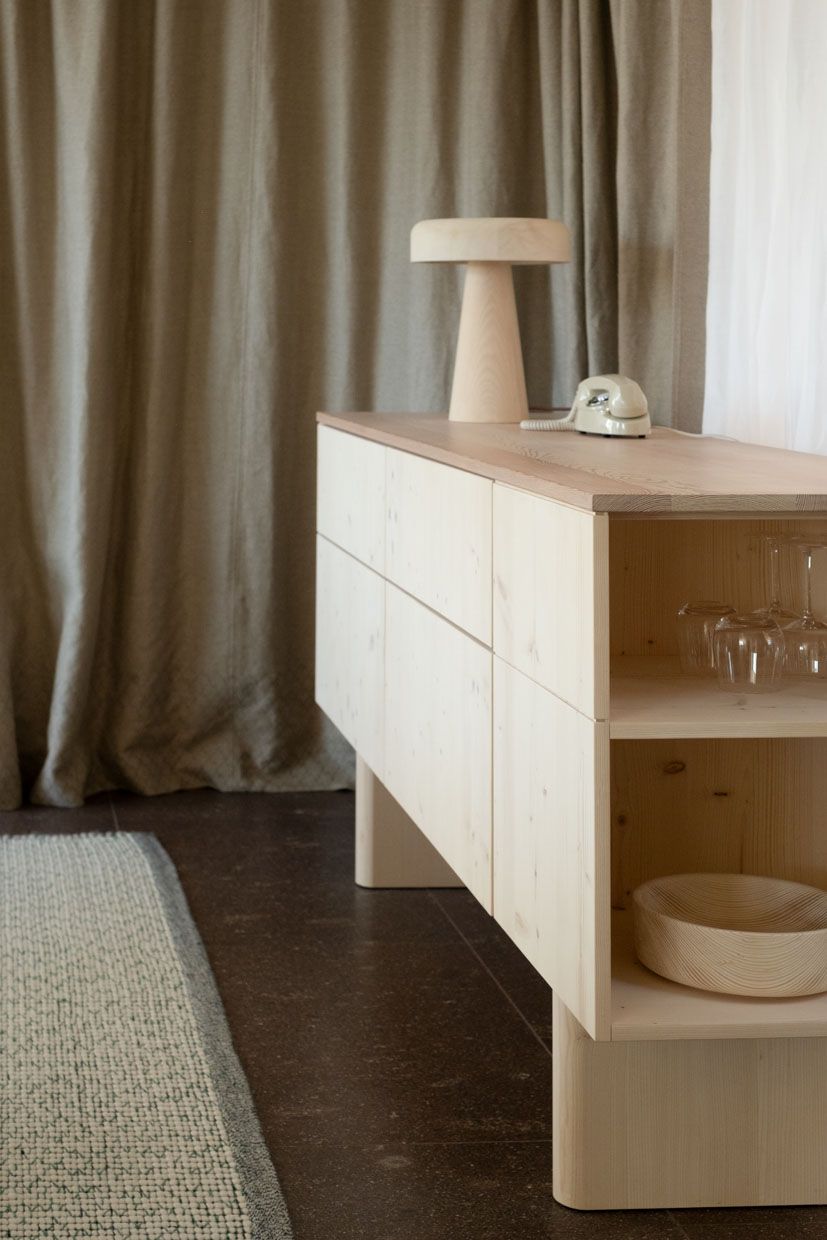
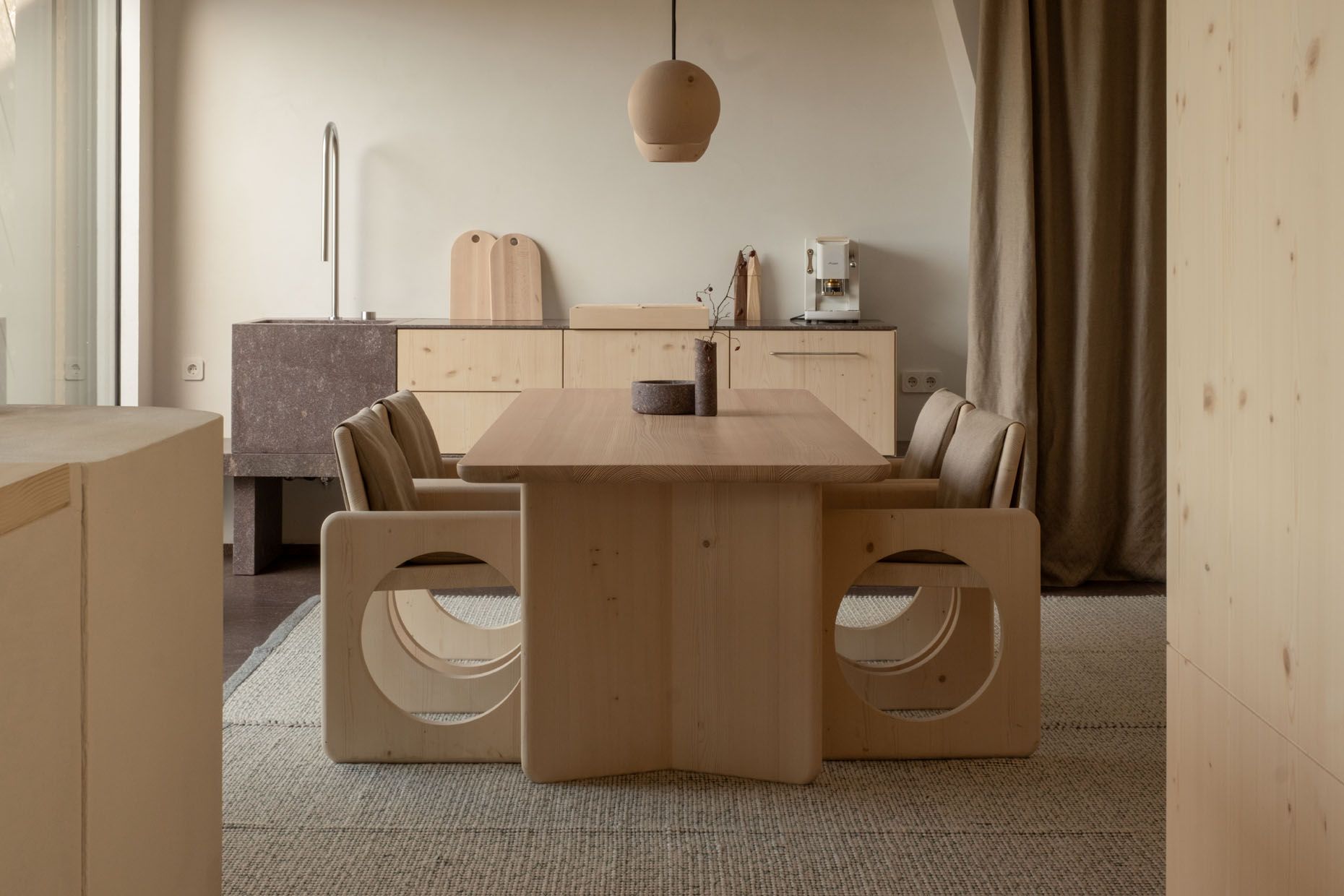
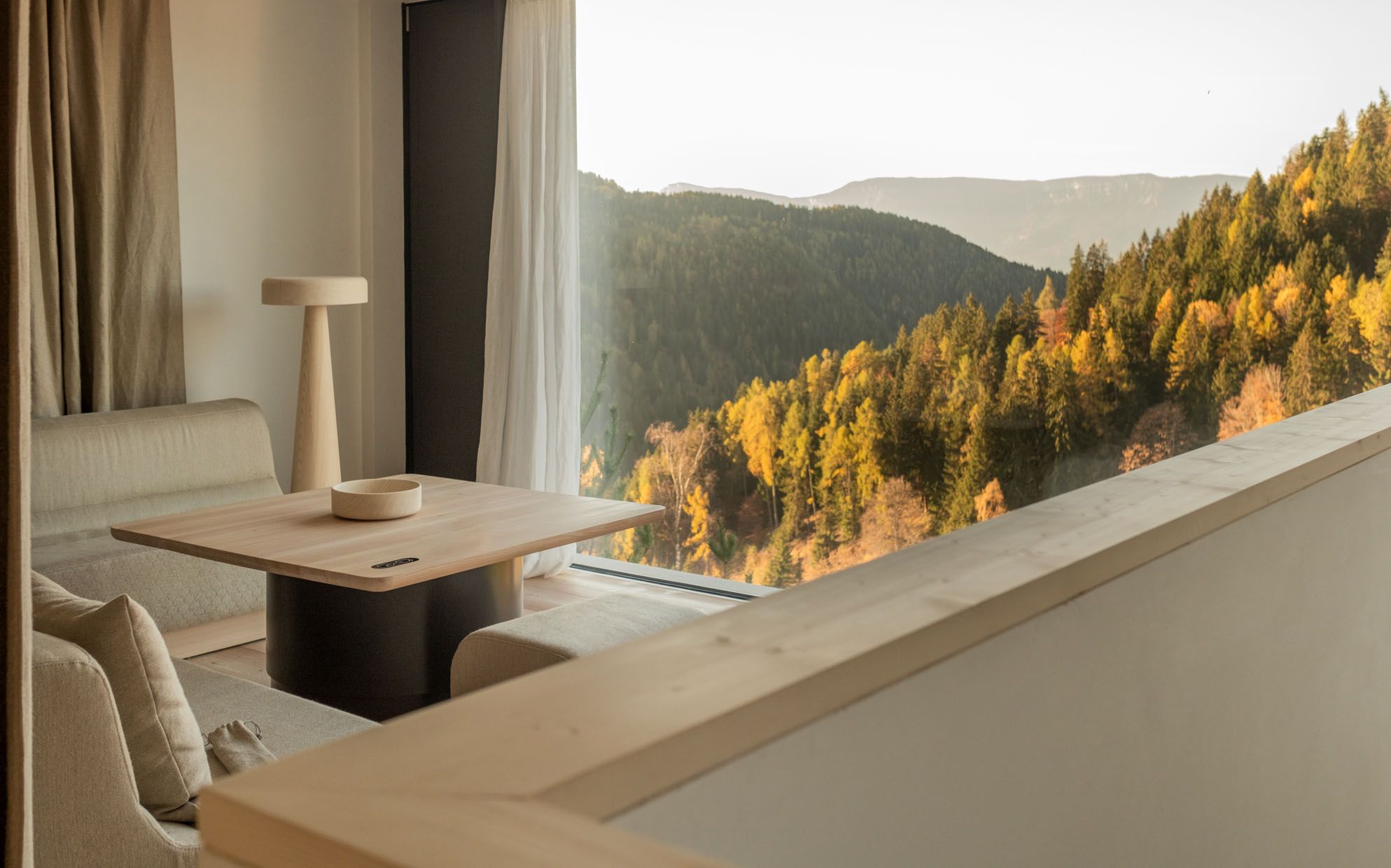
Ulrich Stefan Knoll (HOLIDAYARCHITECTURE): The Miramonti belongs to the HOLIDAYARCHITECTURE network. Carmen and Klaus Alber have been our partners for quite some time. Their new house was just recently featured in AD.
Harry Thaler: Yes, the project has been running for three years. And I was allowed to conceptualize and design everything from scratch. Almost nothing is off the shelf, except the toilets.
Collaborating with people like Carmen and Klaus, who appreciate all the little details, produces a brilliant end result.
Yes, I had already designed some smaller things in the hotel, but this was my first major collaboration with the hotel.
Jan Hamer (HOLIDAYARCHITECTURE): Do you still have to work with an architectural firm, or can you submit your own design in South Tyrol?
Harry Thaler: An architect also has to sign off on the project here. In this case, I worked with the architectural firm that designed the Miramonti. That worked wonderfully. One just has to establish clear parameters for exactly who does what.
Jan Hamer (HOLIDAYARCHITECTURE): That is an impressive development. One gets the impression that your projects are getting bigger and more complex. I believe that your next project is not a car, but something even larger.
Harry Thaler: Even bigger?
A customer from Brixen has come to me because he needs an underground parking structure for his hotel. So, we came up with this proposal, following the motto: how could a parking garage look different?
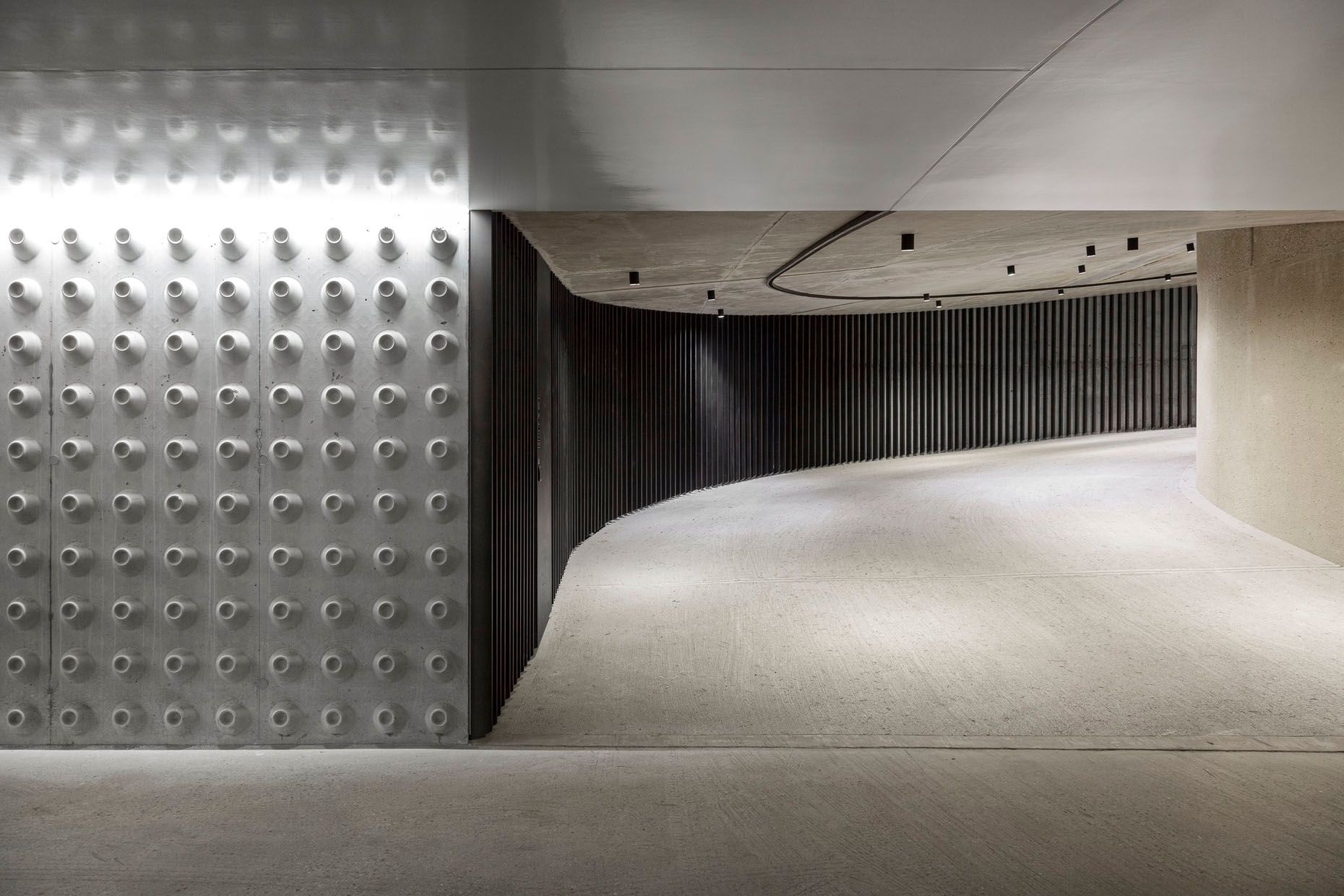
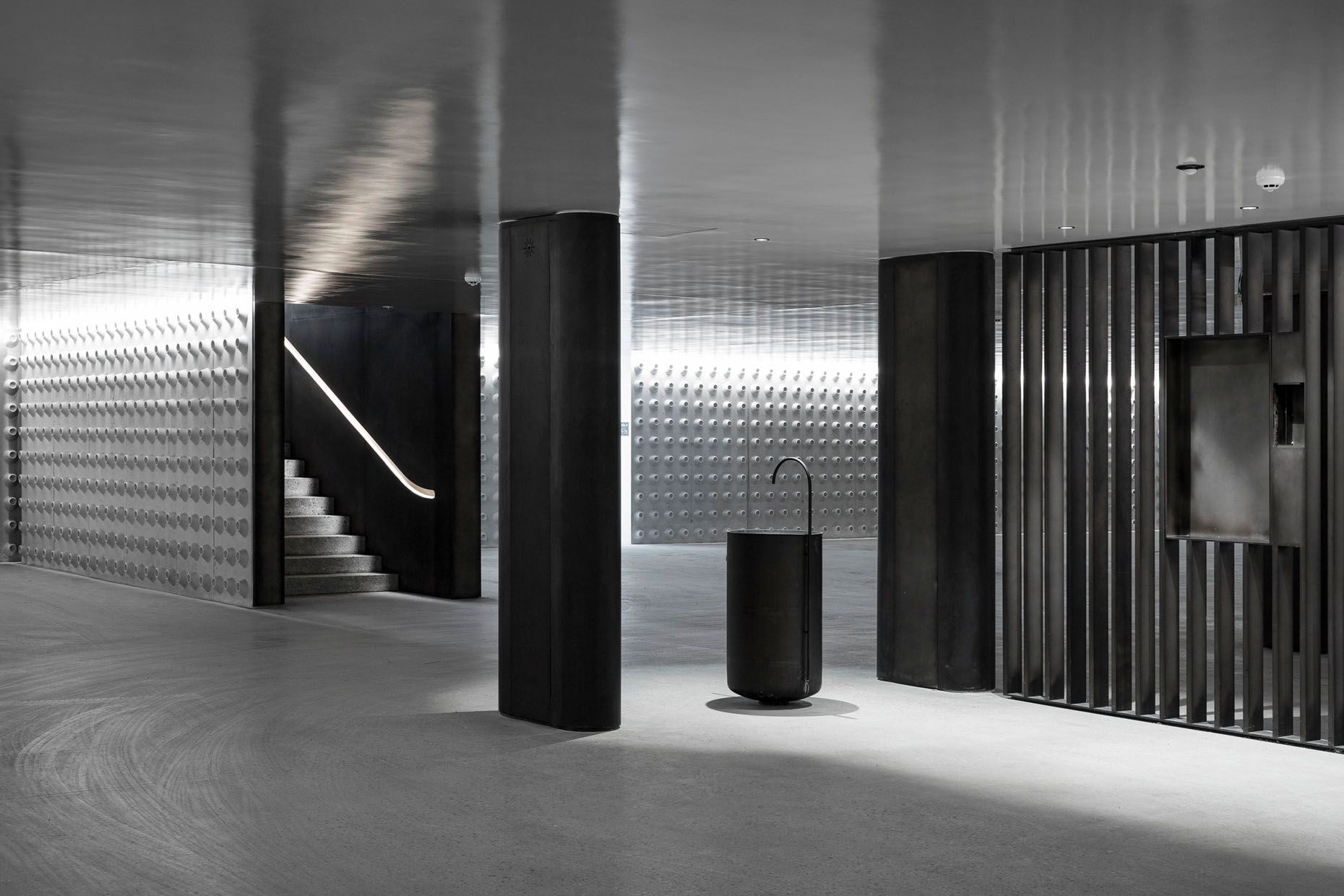
I’m obviously thinking outside the box, since I have never built a garage before … perhaps this might even be an advantage over the architects who think first about urban planning and statics before they get to the design.
I approach this very naively. And then things like this emerge because I am not working with all these constraints.
Jan Hamer (HOLIDAYARCHITECTURE): You mentioned earlier that you still benefit from your experience as a goldsmith. How does this craft, given the scale and dimensions of your projects, still influence your practice?
Harry Thaler: I believe that there are many advantages to having learned a craft, because you build something with your own two hands. One approaches the material and the design completely differently because one is more advanced than, for example, the students that I teach, some of whom have never learned a craft.
You already grasp many processes, including sometimes quite prosaic things.
Jan Hamer (HOLIDAYARCHITECTURE): I must out myself as a self-confessed fan of the Pressed Chair. By now we only use the Pressed Chair in our own holiday apartments.
Harry Thaler: Oh, really?
Jan Hamer (HOLIDAYARCHITECTURE): At first, we had the chair only in one apartment, accompanied by various other wooden chairs. They’re all broken by now. Your chairs remain flawless after seven years, not a thing wrong, even the surface is great—it’s just a brilliant chair. Even with the plastic foot, there are no issues with the floorboards.
Harry Thaler: Thanks. I used a 3D printer to produce some feet with round felt ends for mine. Then they are even quieter.
Jan Hamer (HOLIDAYARCHITECTURE): Topic change. How did the Pressed Bike come about? Was this an extension of the Pressed Chair or did you receive a request?
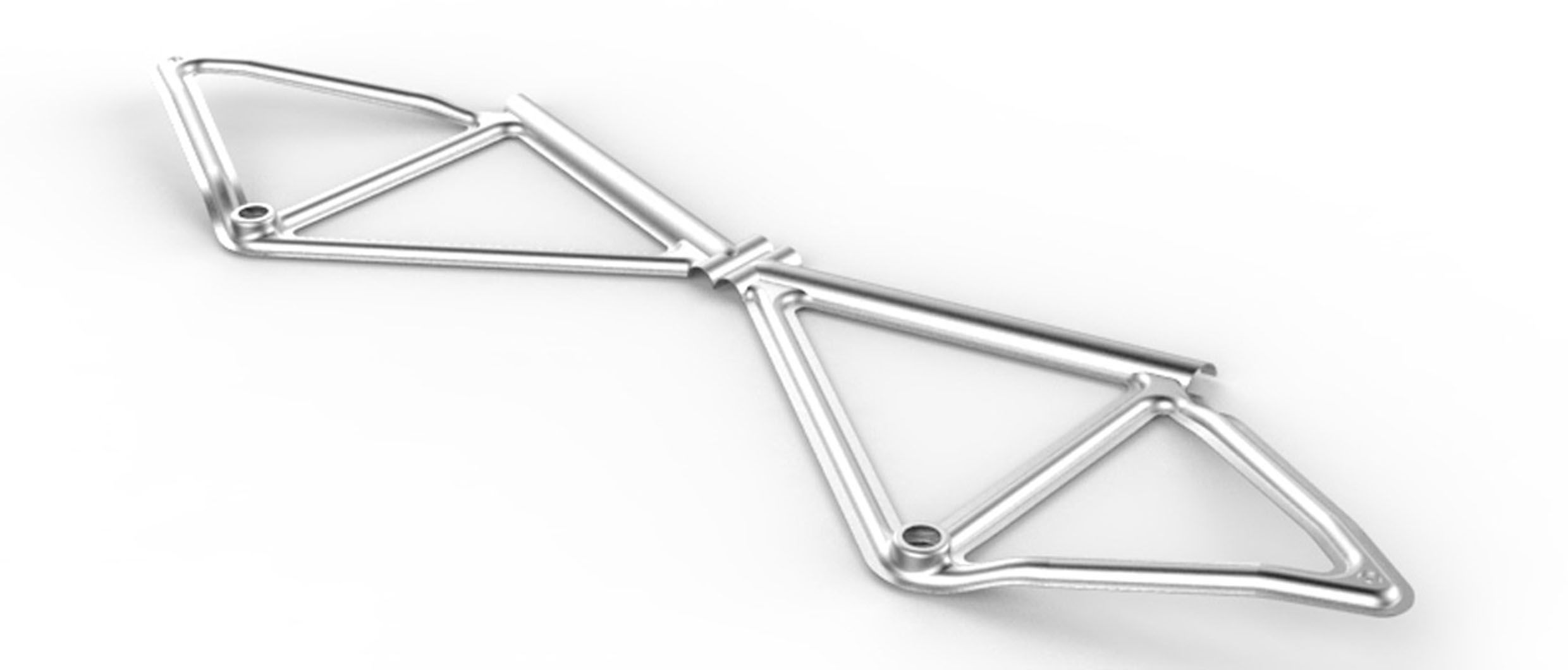
Harry Thaler: That was actually a request. I didn’t have a car in London, since one doesn’t need one there. This is where the idea came from to use the two parts to build the frame like a sandwich. Two half pipes, like the Pressed Chair. With two grooves. When you put them together you get one pipe.
The idea behind both designs was to press the flat steel plate. The two pressed sheets of metal are then put together, but the end result is like a pipe. The original idea was just to glue the final product. But since the engineers found this risky, it is both glued and spot-welded.
Jan Hamer (HOLIDAYARCHITECTURE): I wanted to come back to the topic of camping. What exactly did you do there?
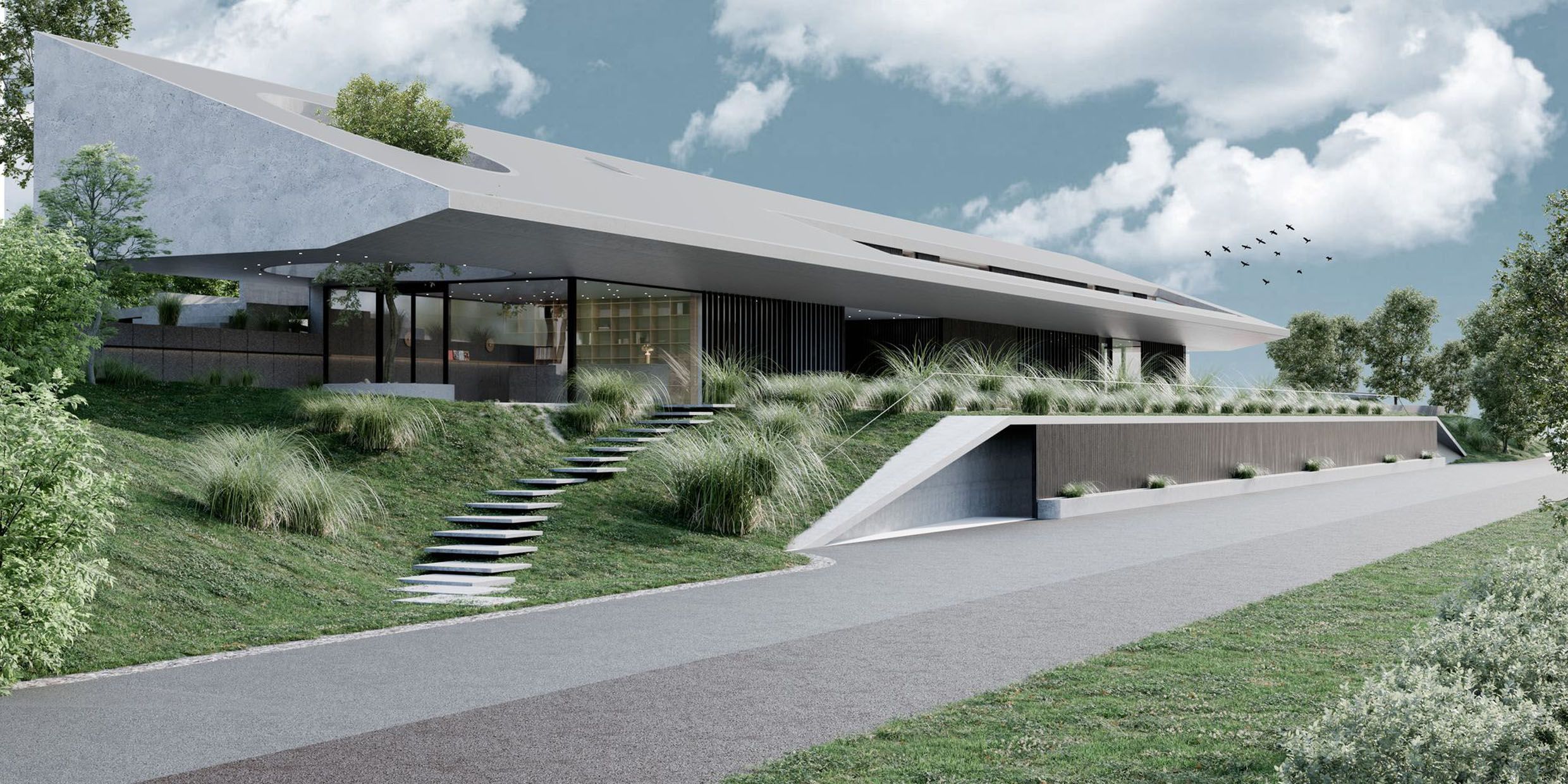
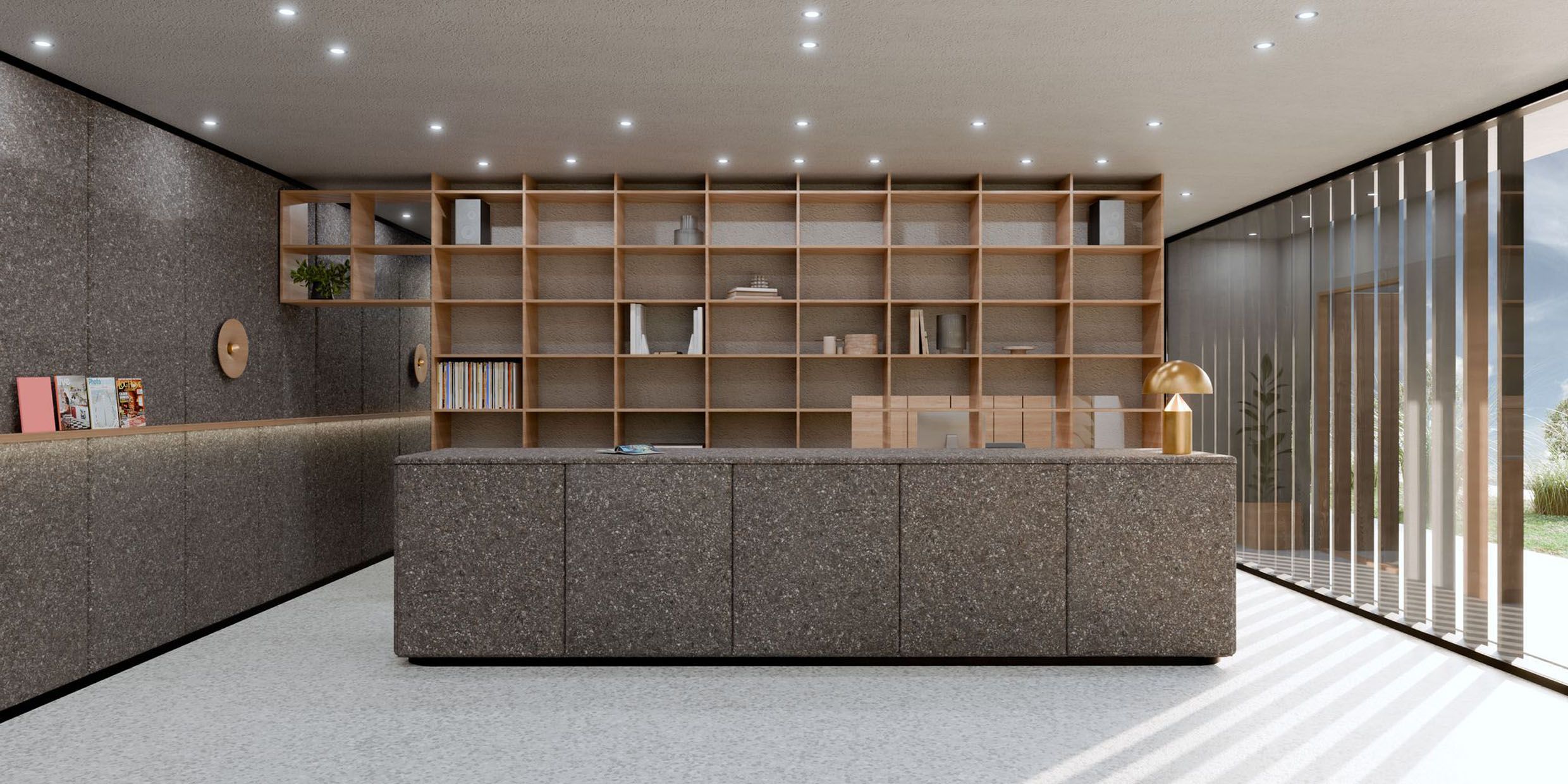
Harry Thaler: Harry Thaler: The project Live Merano Camping is an existing campsite that is being advertised under new management. The new tenant asked me if I could redesign the reception. Or actually just the counter. I instead offered to create an overall concept using my own investment. And that is what got implemented. I also found the details interesting, like the question of the road surface. For this, I worked with a local company to develop a water-permeable asphalt.
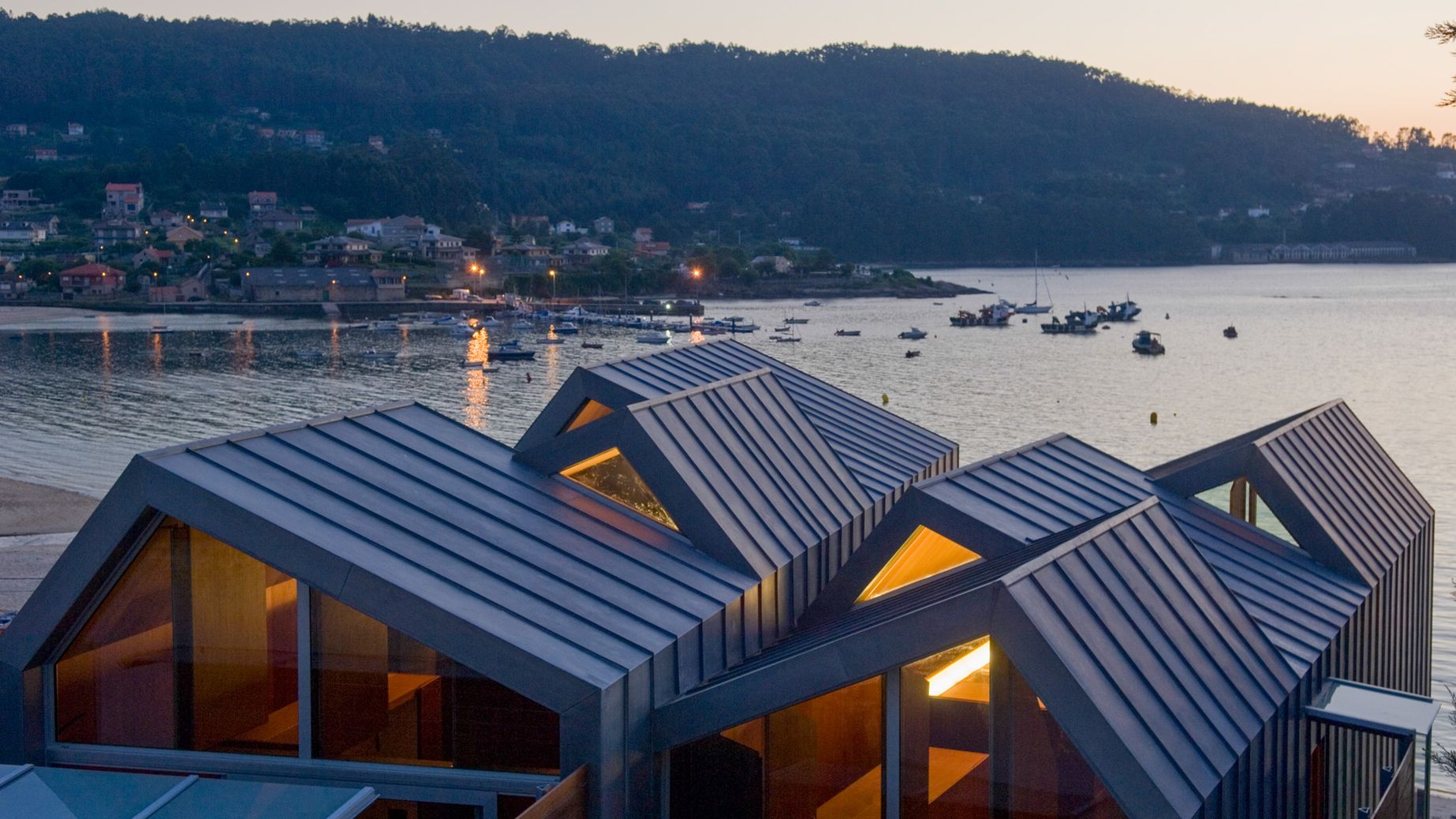
I am developing another campsite near Merano with the same client, complete with a main building, swimming pool, spa, and a small bistro. Landscaping on the terraced grounds was quite the challenge.
Jan Hamer (HOLIDAYARCHITECTURE): Camping isn’t exactly our domain, but it’s definitely a fascinating design task—since everything is simpler and smaller, the essentials require particular care.
Harry Thaler: Exactly.
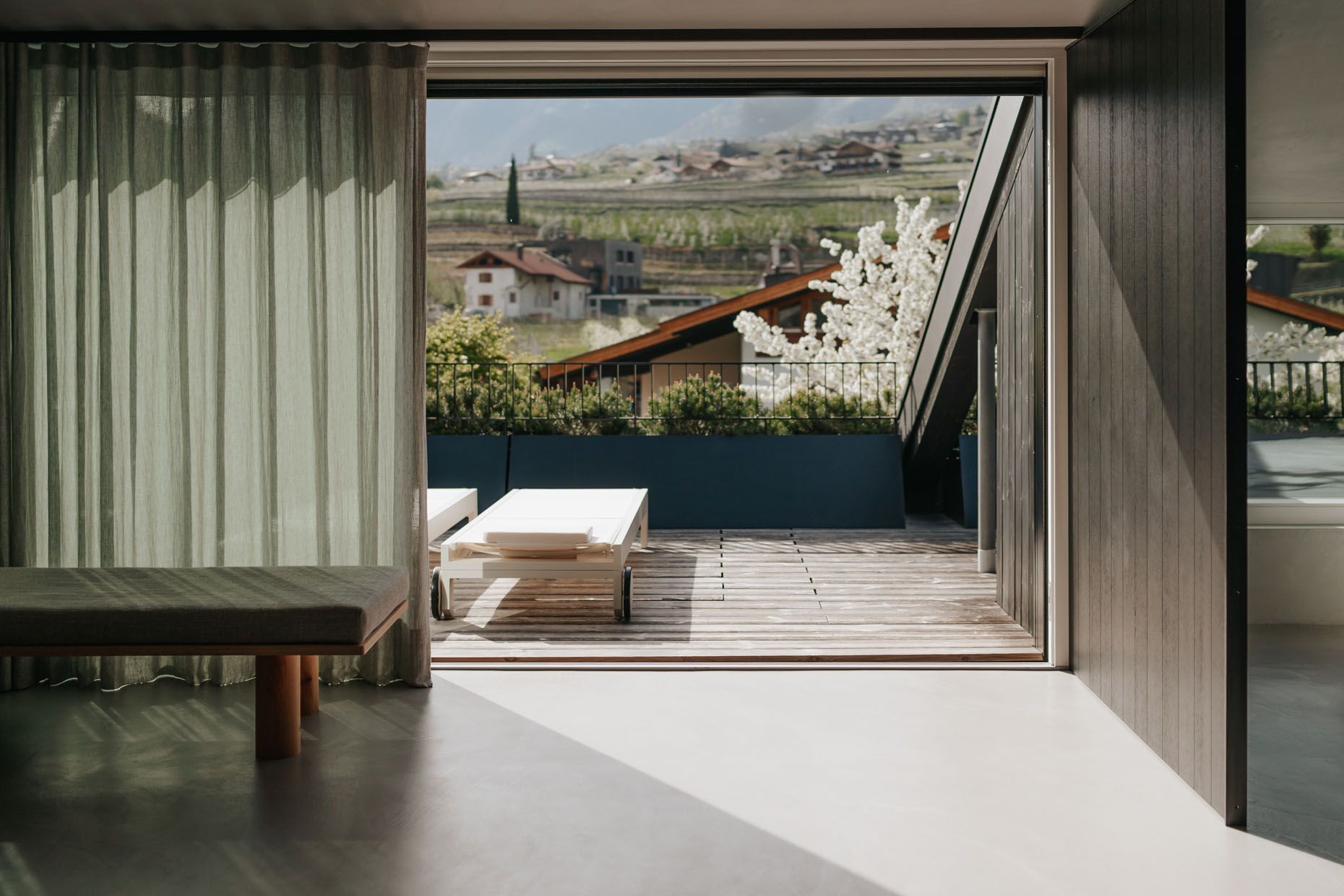
Jan Hamer (HOLIDAYARCHITECTURE): Back to you again. In the meantime, you and your wife have become hosts. How did that come to pass?
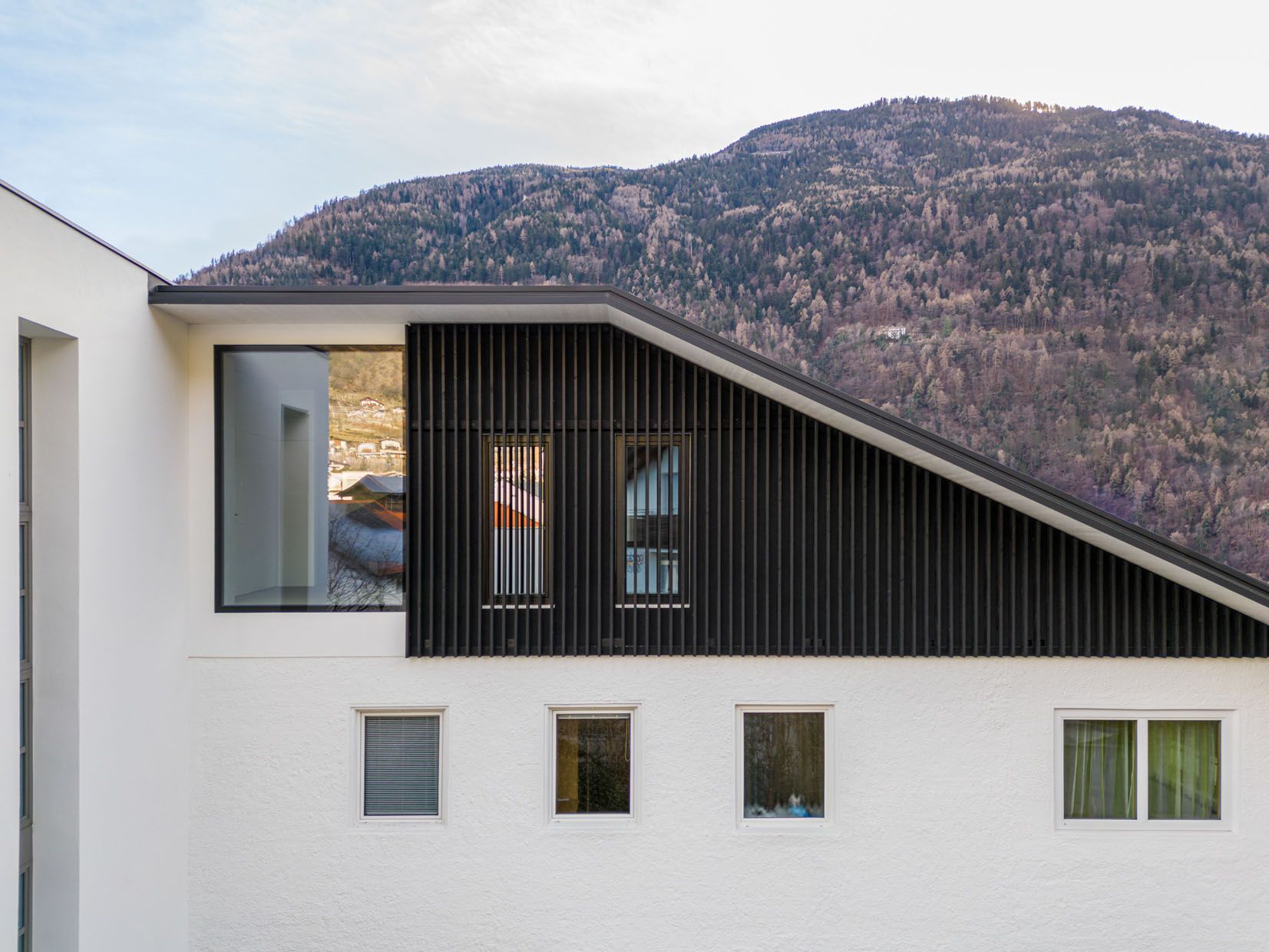
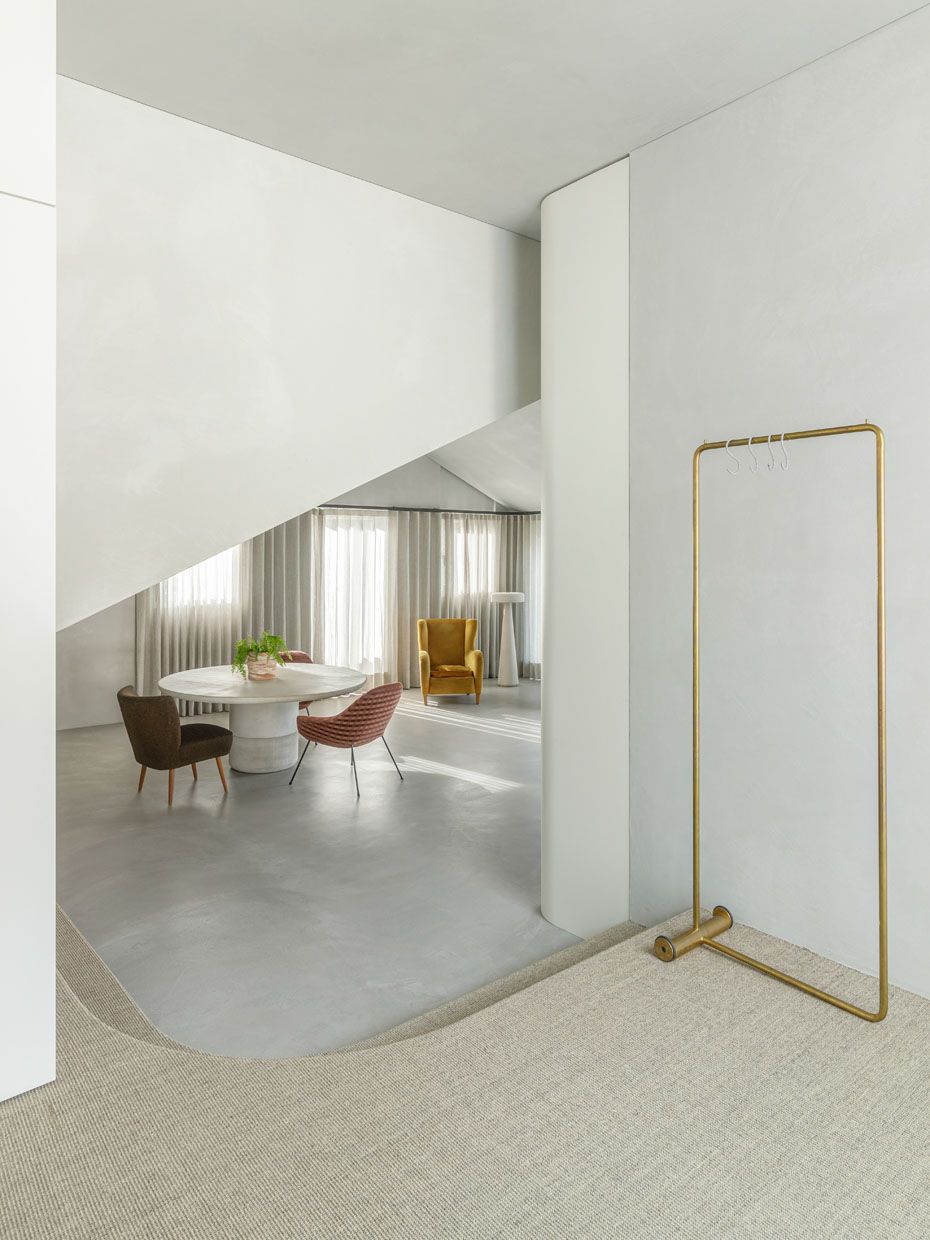
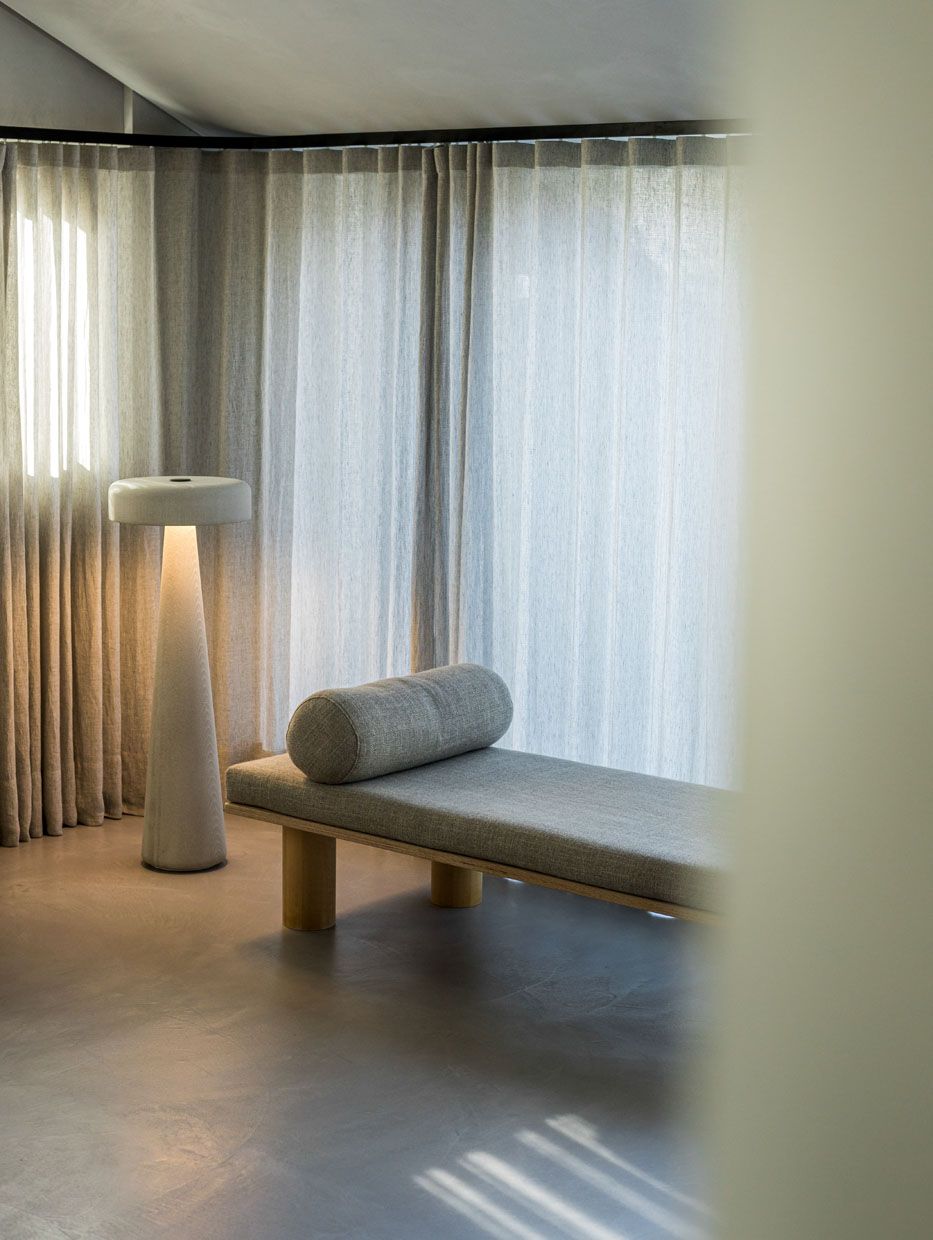
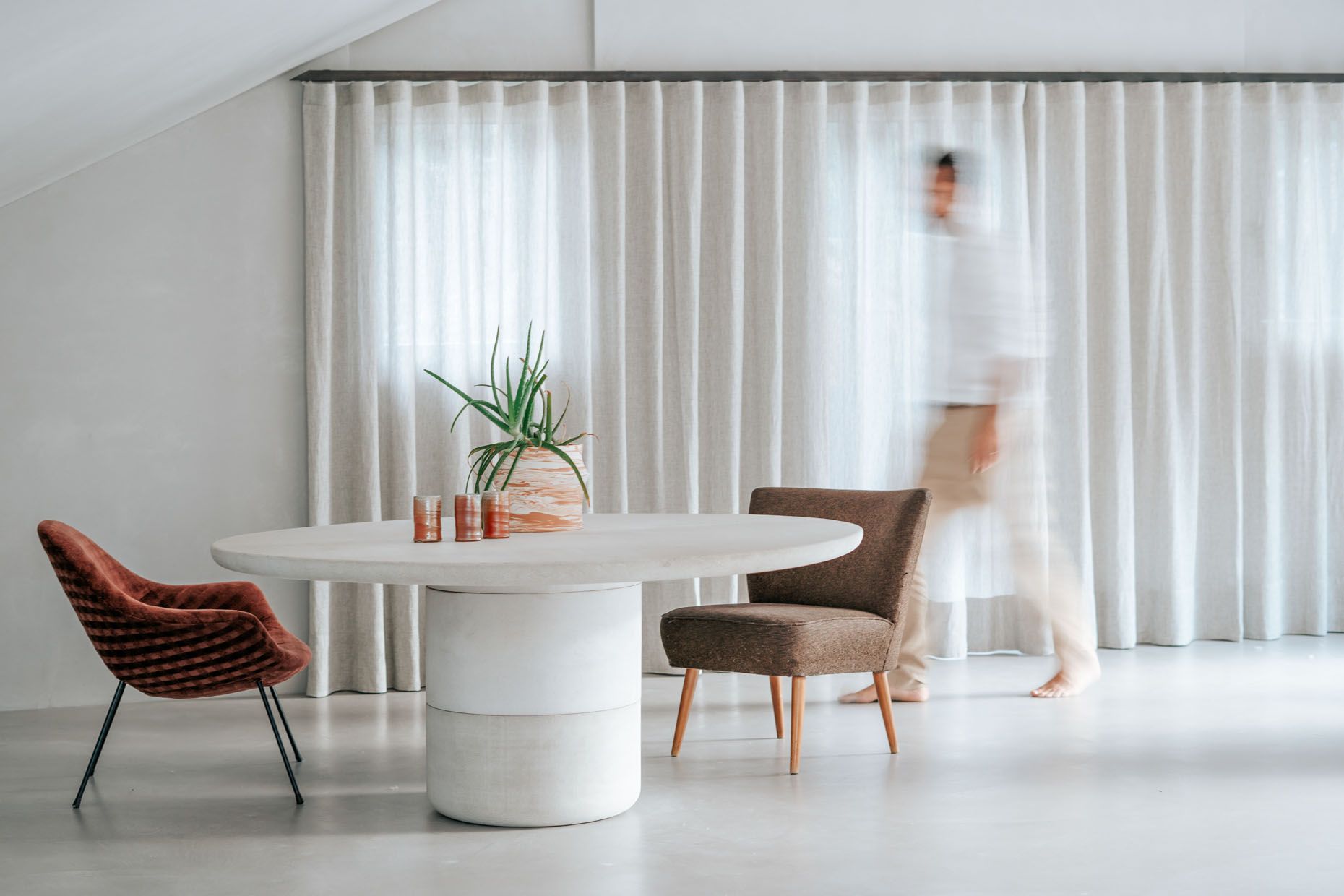
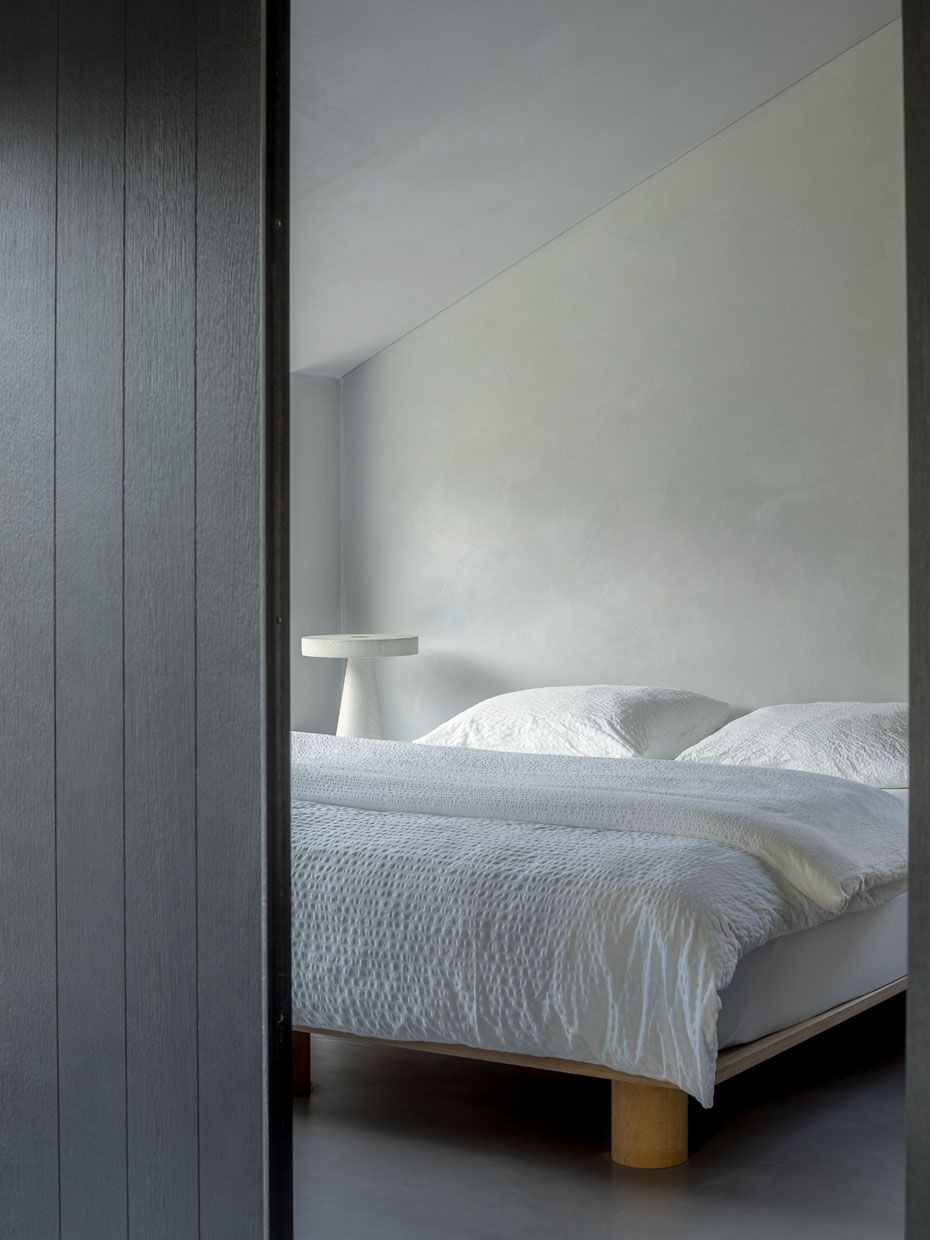
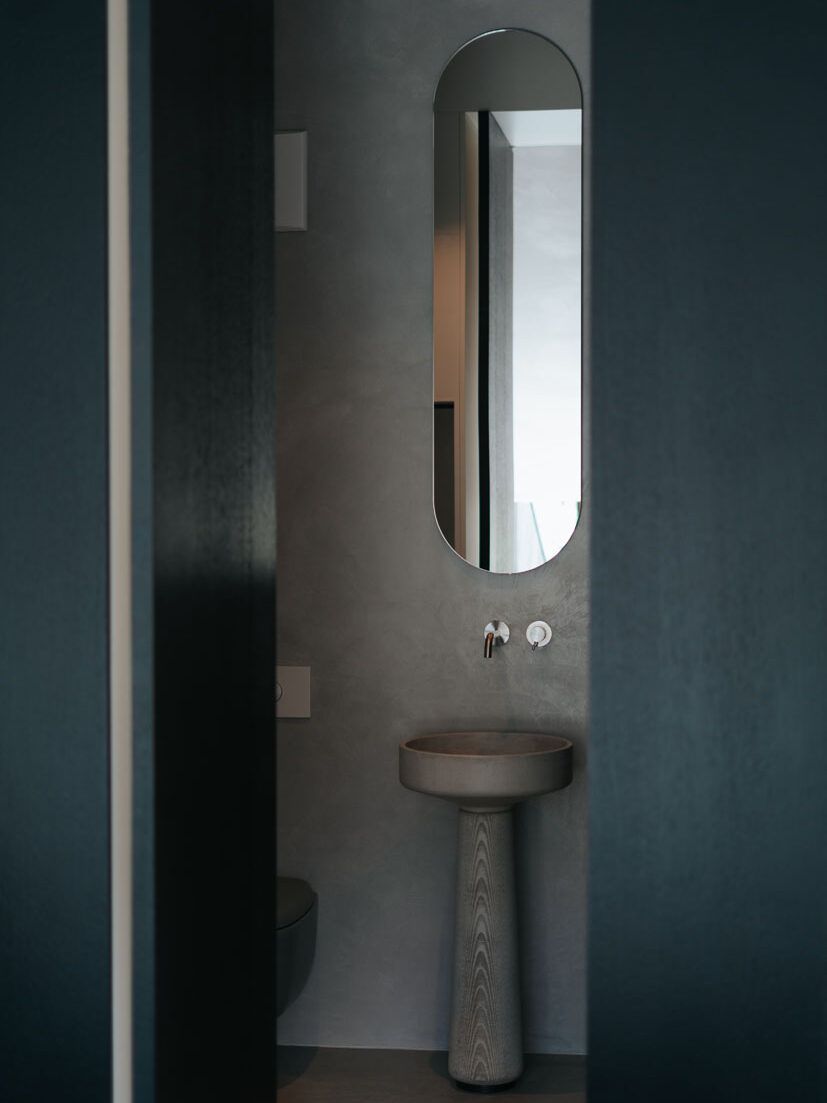
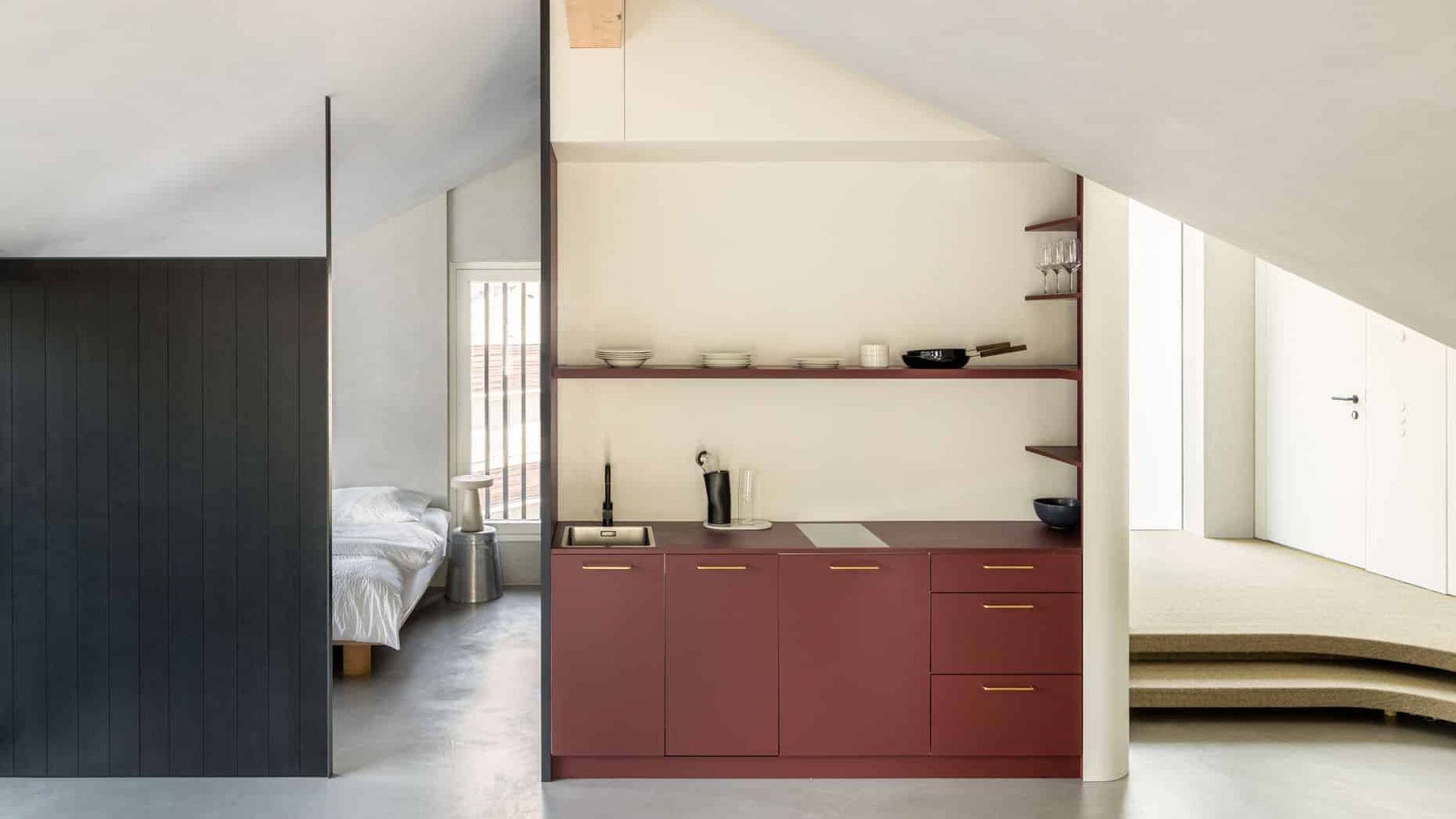
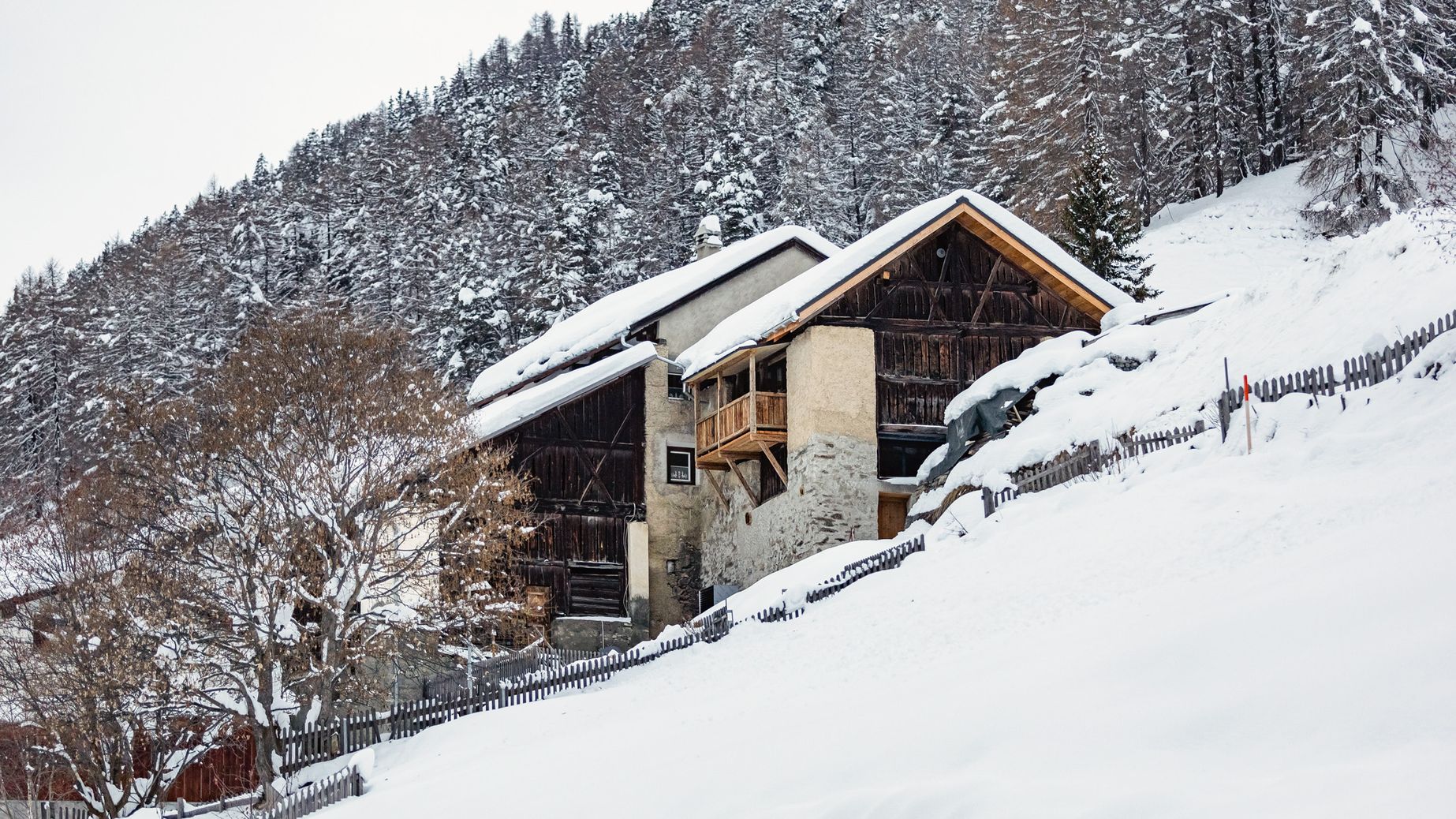
Harry Thaler: We are lucky to live in a new house in the centre of Algund, which used to be a blacksmith’s shop and my wife’s grandparents’ former guesthouse. The house has an older extension from the 1960s. When we returned from London, we decided to renovate the attic apartment.
We did not originally plan for chez mone&harry to be a rental property. We wanted a place where friends visiting from London could stay. And since my wife is active in the art sector as a curator, we frequently invite artists to the apartment, which is a great way to be able to interact more directly.
Eventually we did begin renting it out and since then it has been well booked, at least in the summer months.
The combination with the studio also works well—guests are often also coming here to visit the studio in Lana. This personal interaction is really mutually beneficial, but it isn’t required.
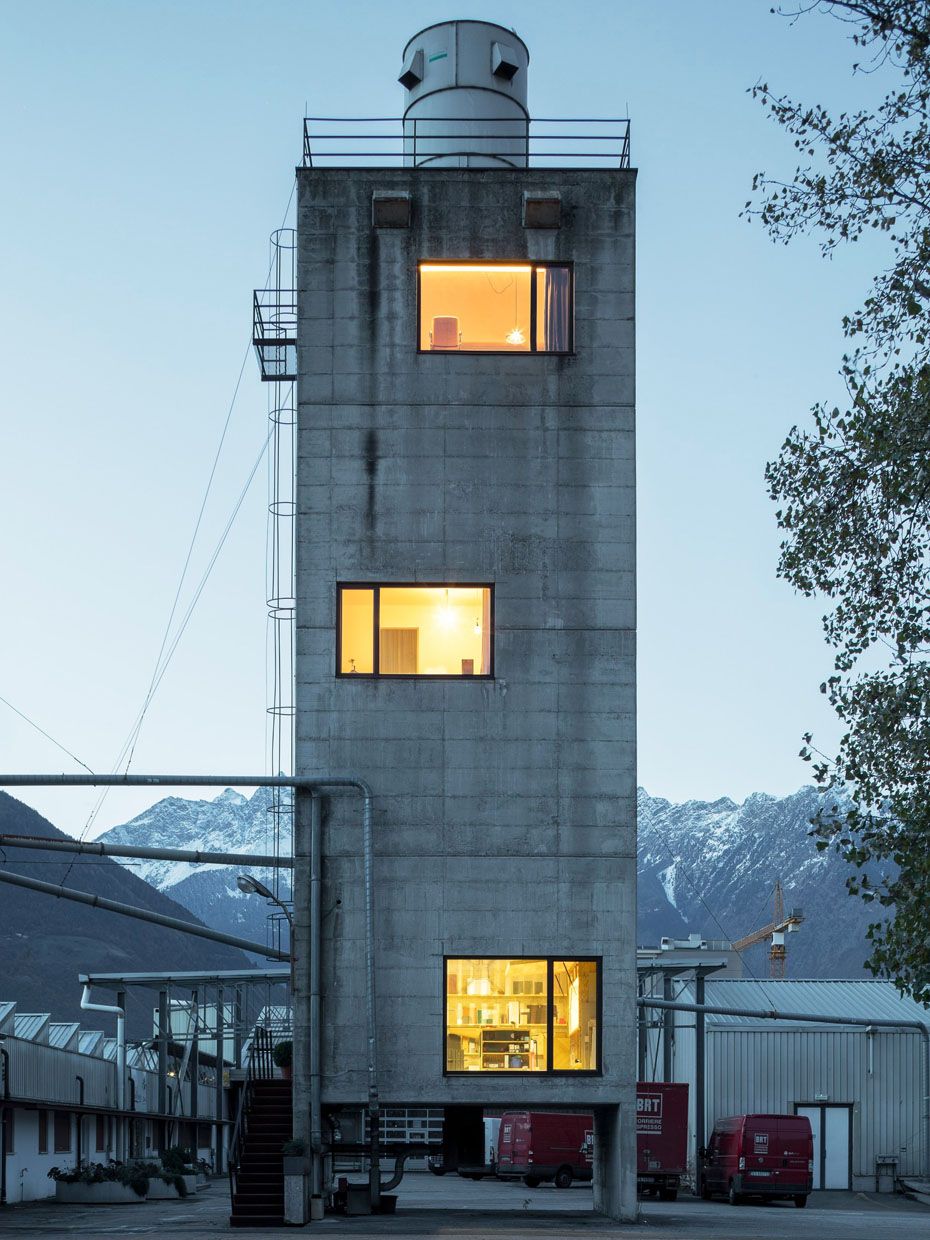
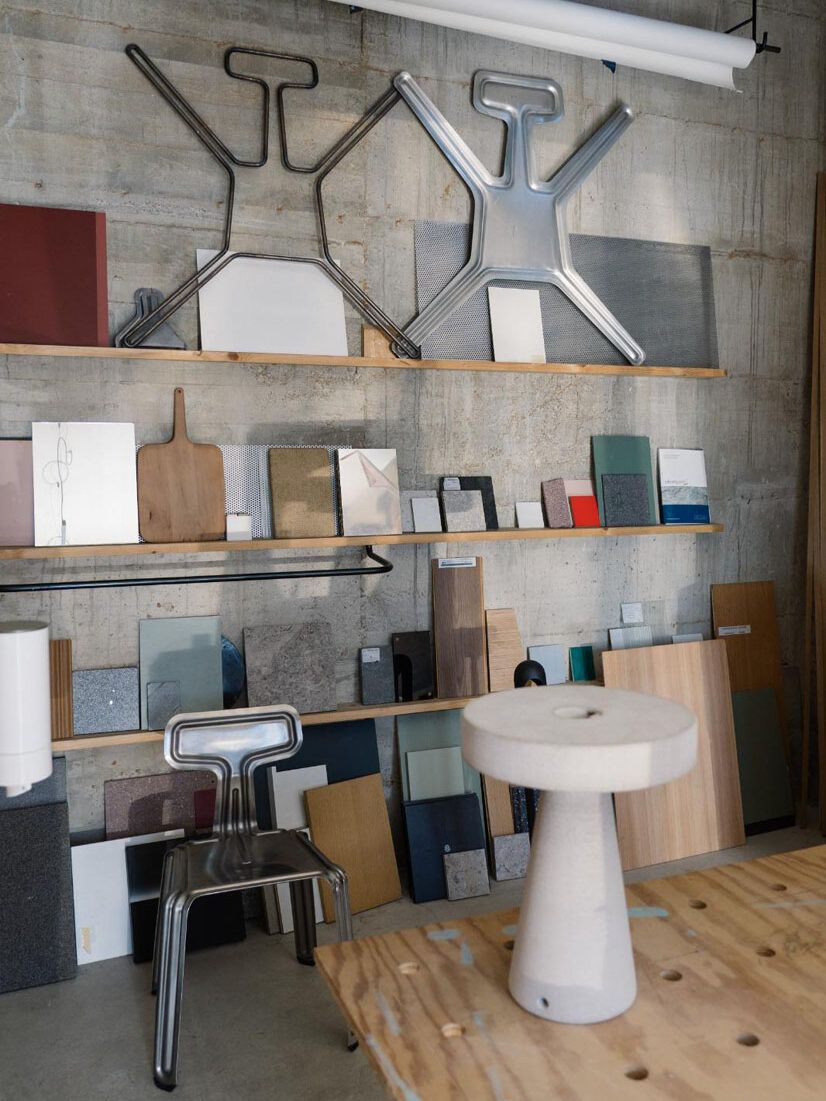
Jan Hamer (HOLIDAYARCHITECTURE): So that really works? Guests actually take you up on your offer to stop by the studio?
Harry Thaler: 80 to 90 percent of those who stop by are architects or designers. You automatically develop a different relationship there.
Ulrich Stefan Knoll (HOLIDAYARCHITECTURE): Was there also an implicit sense that the guest apartment was a kind of extended showroom?
Harry Thaler: To be totally honest, actually no. The guest apartment is more of an experimental space: we are testing the design for the 3D-printed concrete table there. Same with the washbasin and the lamps—all experiments that you don’t really do in everyday life. Similar lamps were then created from the small lamp series, which are now also in the Monti House.
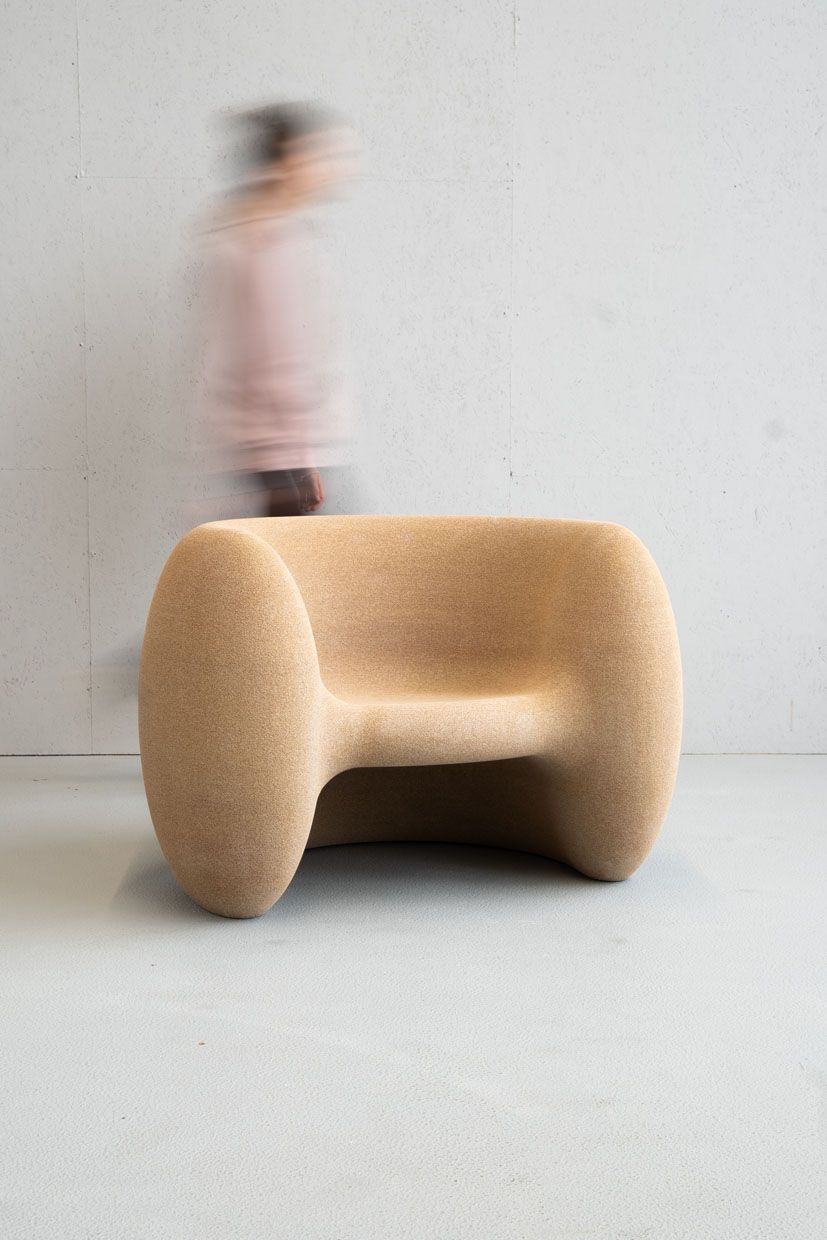
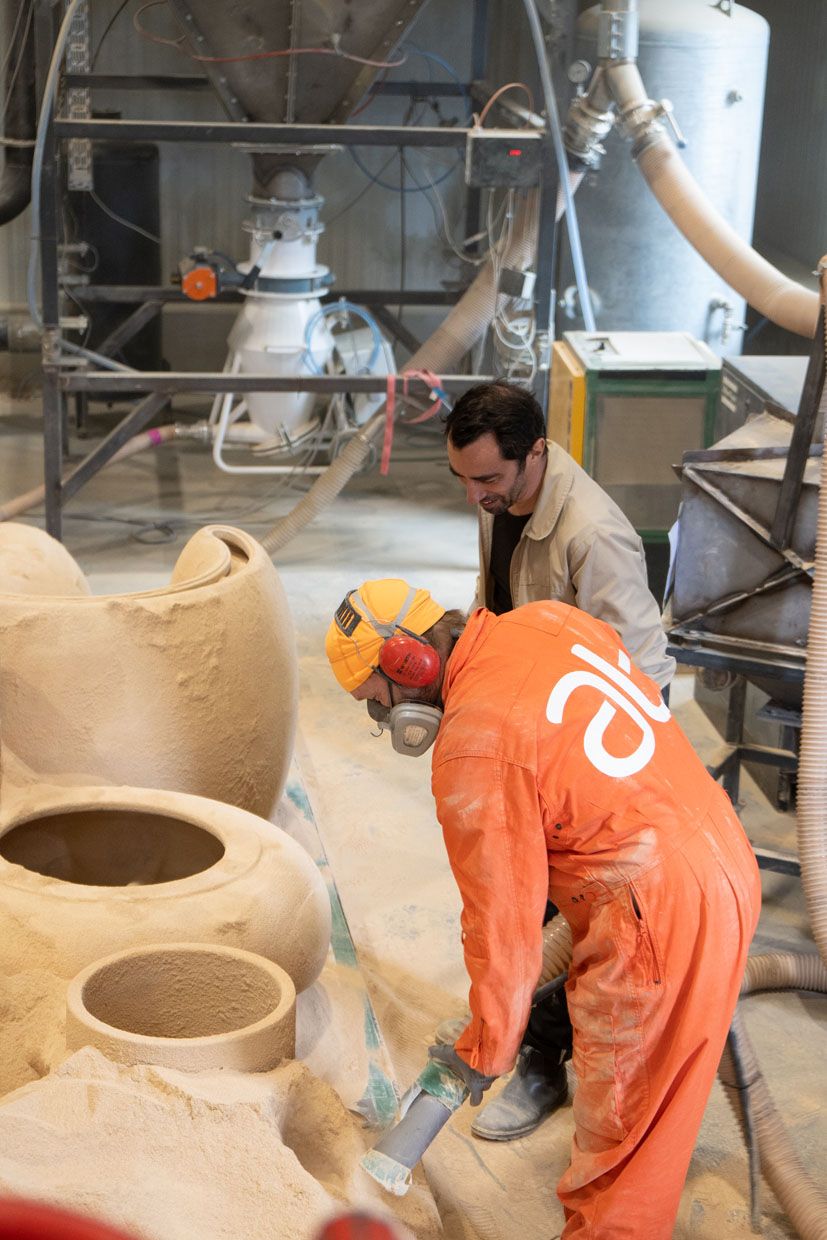
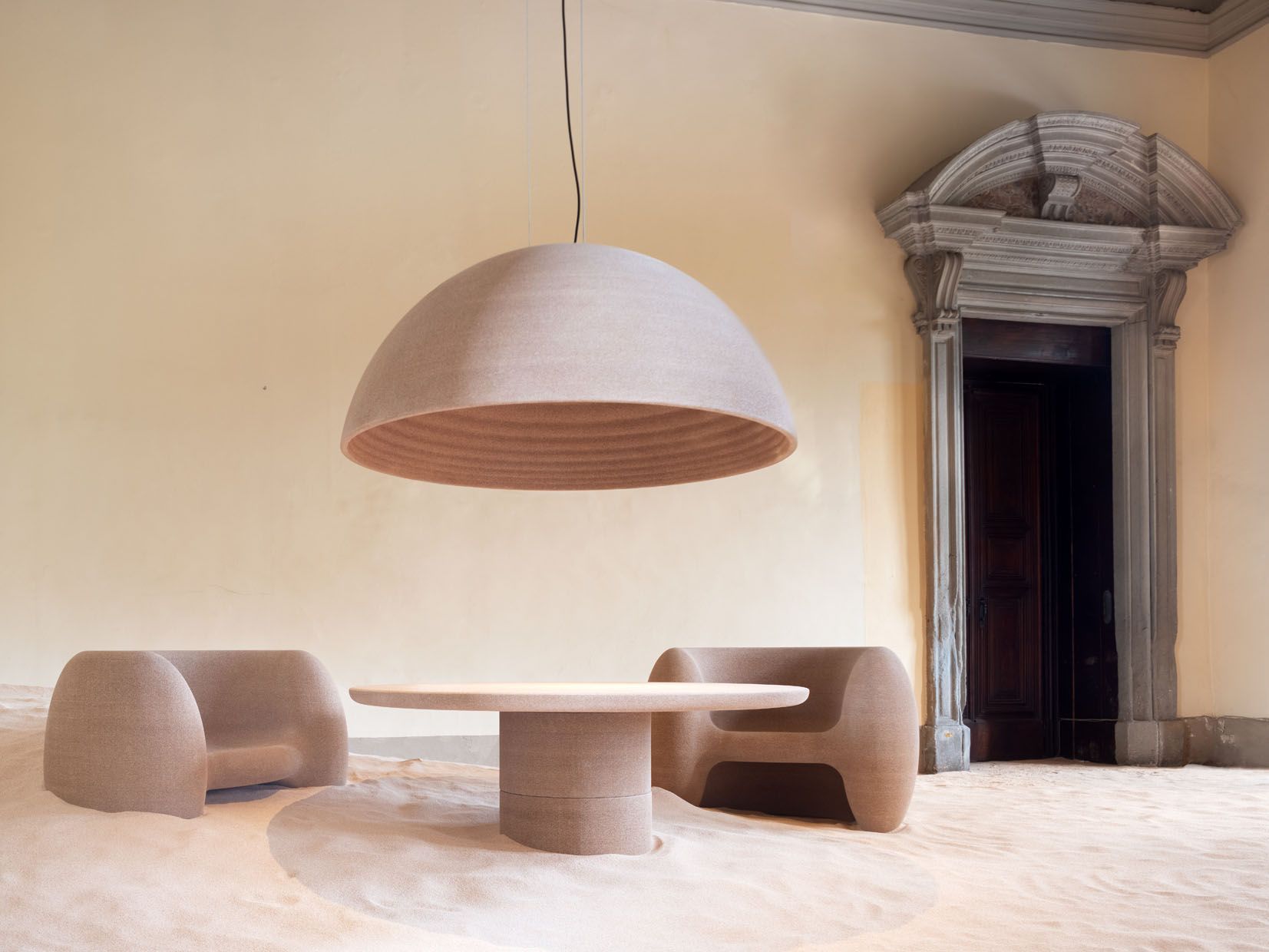
Ulrich Stefan Knoll (HOLIDAYARCHITECTURE): Speaking of 3D printing: that is often your method of choice, isn’t it?
Harry Thaler: Pretty much. The technology just fascinates me. It’s cool because you design something and it’s ready so quickly. For example, the table I mentioned before. It was finished in one night and could be picked up the next day.
Jan Hamer (HOLIDAYARCHITECTURE): What would be your favourite in terms of car design?
Harry Thaler: Probably something smaller. Something like the new Topolino. It seems like all of Milan is driving one. I think the design is fantastic. A two-seater. And you don’t need a driver’s license. You can drive it when you are 15.
Jan Hamer (HOLIDAYARCHITECTURE): Do you have any plans to create another holiday apartment or holiday home?
Harry Thaler: It’s an appealing thought. Building a box on top of the studio would be cool.
But that is hard, if not impossible, in South Tyrol due to “bed limit” policies imposed on the tourism industry—which, as a resident, I naturally support.
We do have another license for our house. So theoretically it would be possible to build another smaller apartment. We’ll see.
Ulrich Stefan Knoll (HOLIDAYARCHITECTURE): You designed the apartment together with your wife?
Harry Thaler: Yes, it was a good collaboration. We came to an agreement on everything, including the materials and textiles. Then I designed the floor plan and furnishings.
Jan Hamer / Ulrich Stefan Knoll (HOLIDAYARCHITECTURE): Thank you for the interview, Harry. We wish you and your wife many more creative ideas and look forward to seeing what else you come up with. We’ll be in touch!
Harry Thaler is a product designer specialising in architectural design. After training as a goldsmith, he completed a Master’s degree in Design Products at the Royal College of Art in London in 2010, where he founded his first studio. He achieved international fame with the ‘Pressed Chair’.
Thaler works with companies such as Nils Holger Moormann, Pulpo, Monocle and Davide Groppi. In addition to product design, he also realises interiors and architectural projects.
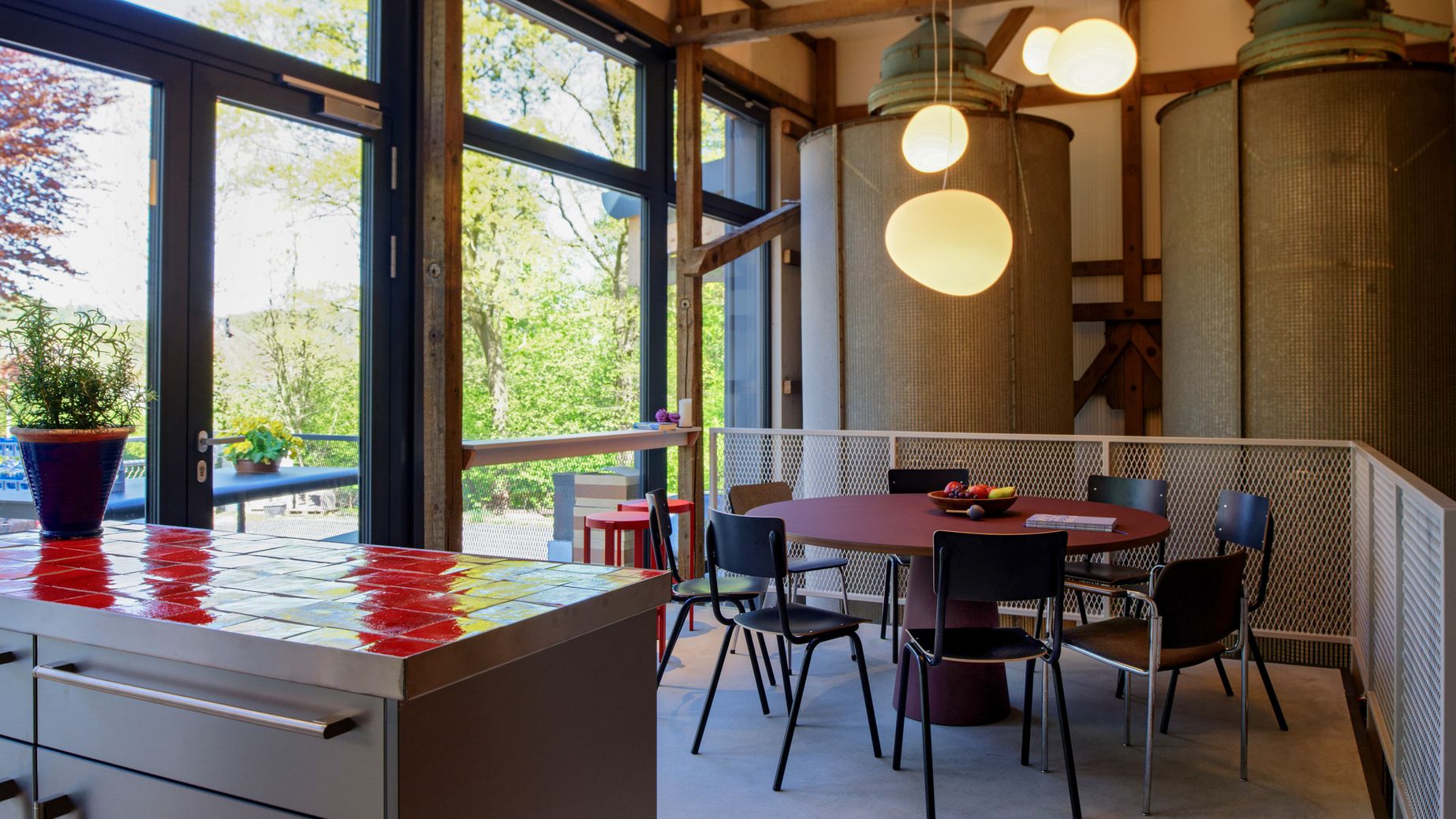
He lives with his family in Merano, South Tyrol, where he has converted a former silo into his studio. From 2016 to 2019 he taught at the Free University of Bolzano. He gives lectures on innovative materials in design processes, for example in Budapest, and accompanies students as part of international workshops and teaching assignments, most recently in Catania.
Interview: The interview was conducted by Jan Hamer and Ulrich Stefan Knoll
Photo credits: Harry Thaler © Stephanie Füssenich (cover photo), Pressed Chair © Jäger & Jäger / Nils Holger Moormann (1, 2), Monti House © Markus Edgar Ruf (3), Monti House © Silje Kverneland (4 – 7), Tiefgarage © Samuel Holzner (8, 9), Pressed Bike © Alex Filz (10, 11), Camping Meran Partschins © Harry Thaler Studio (12, 13), chez mone&harry © Tiberio Sorvillo (14 – 16, 18), chez mone&harry ©Franziska Unterleitner (17, 19, 20), Studio Lana © Davide Perbellini (21), Studio Lana © Jakob Josef (22), Printed Nature © Daniele Ansidei (23 – 25)


0 Comments