
Society. Powers. Design.
We encounter design wherever we go; at the airport, at the corner café and in our own kitchens. The shape and colour of things – no matter how everyday they may be – affect our sense of what looks good. Yet this means that design is far more than merely a formative stylistic device or a designer’s creative idea. It is also a response to social trends, which in their turn influence the further development of design.
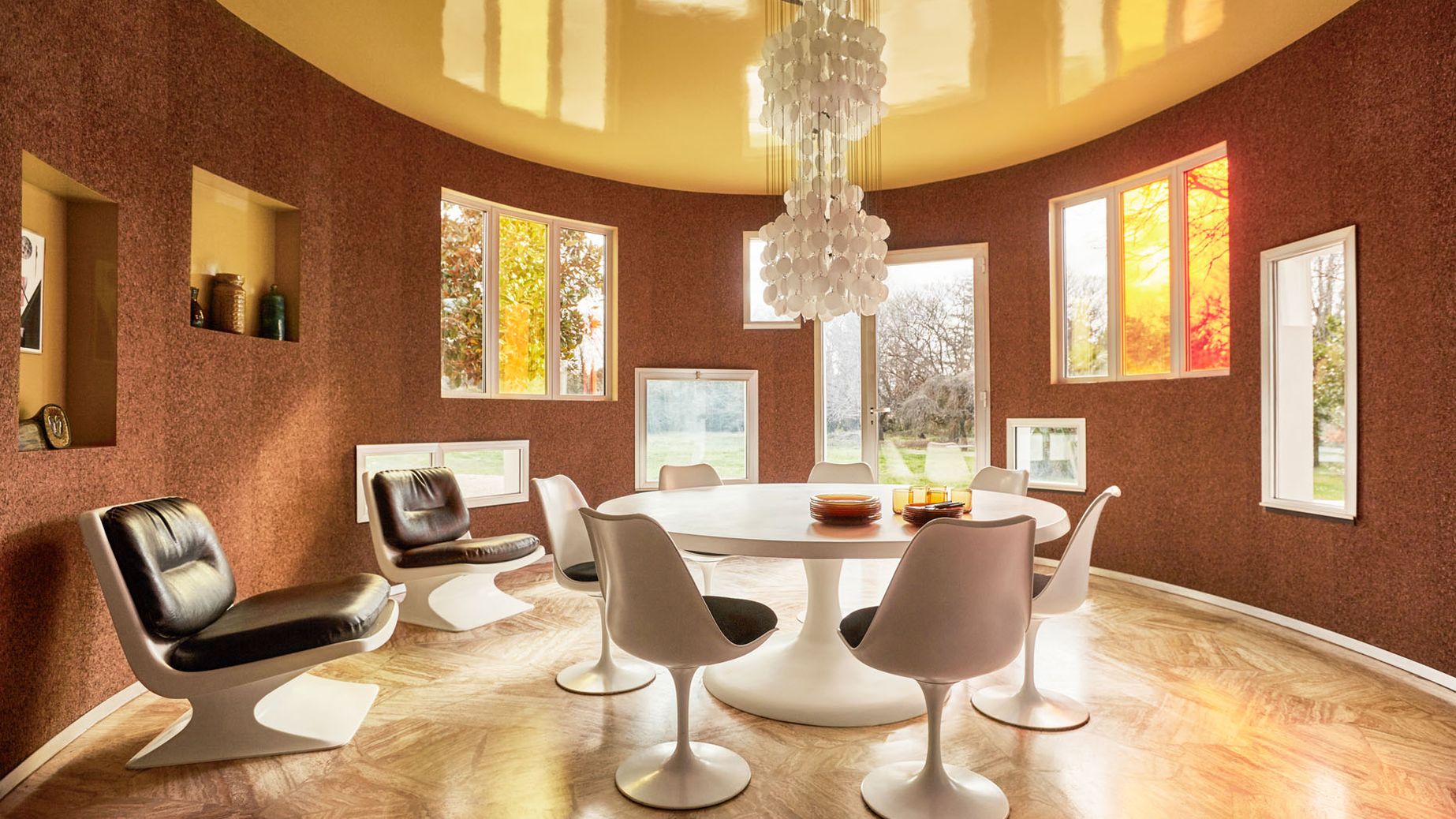
Seeking out an individual style might be compared to searching for a name for your offspring. No sooner have you decided with certainty that you have found the perfect name hardly anyone else has thought of, than you hear it shouted out in the playground on a seemingly continuous loop. A similar feeling creeps over you when you are fitting out your own four walls. Looking for an original idea nowadays involves getting lost in various blogs and clicking from one Instagram post to the next. But ultimately you must face the unavoidable fact that, like in furniture shops or at relevant trade fairs, the innovations they showcase resemble and repeat one another over and over. The colours are the same wherever you go – in short: the tastes of an entire scene seem to follow the same trends. All too often we discover that even items we once thought were original now turn out to be just followers of fashion. It is even more fascinating that, the more often you encounter the same style, your own sense of style adjusts accordingly and your search for unique pieces frequently ends where it started: at the trend items popular wherever you go.
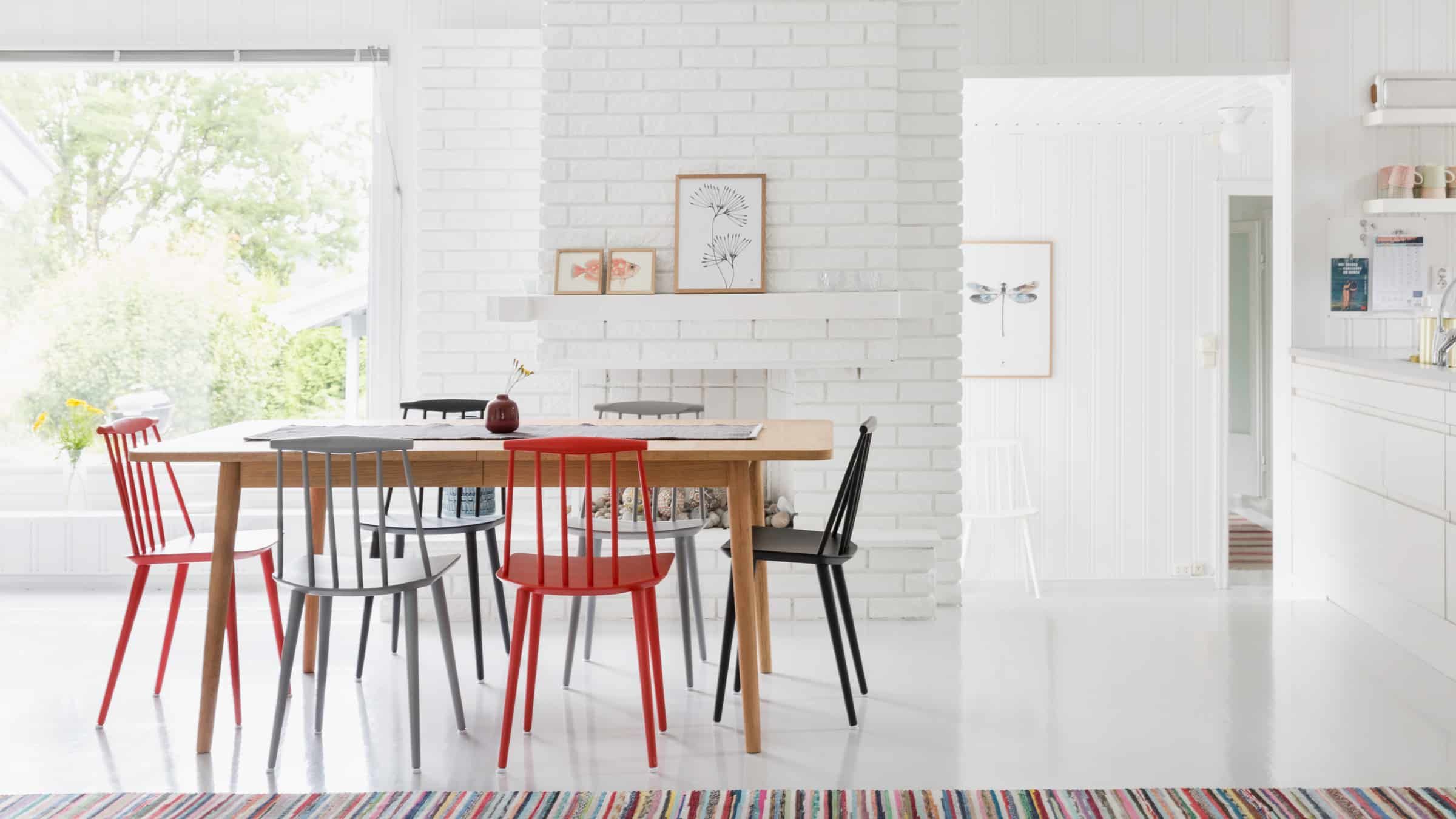
How can it be that you suddenly like things that you didn’t particularly like in the past and so unconsciously follow current trends? Frequently these are short-lived product or fashion trends which disappear into obscurity no sooner than they have emerged, only to re-emerge at some point, and so on it goes. What are particularly interesting, however, are the underlying trends – known as megatrends, which often operate at a global level, paradigm shifts that affect every aspect of our lives, from economy, fashion and product design through to art, literature and music. They describe long-lived phenomena that can prevail for decades, which characterise the spirit of the age and therefore differ from short-term trends and fashions. Changes to the environment, availability of resources or individual needs not only affect social interaction, but also lifestyles, the design of furniture and interior design trends – and these in turn influence the development of design. This mutual interaction between design and society can be observed in almost all eras. The following will only touch on a few, starting with the Bauhaus movement, which had a major influence on subsequent styles of design, as well as on social developments, in the decades following its foundation – an influence that continues to be seen today.
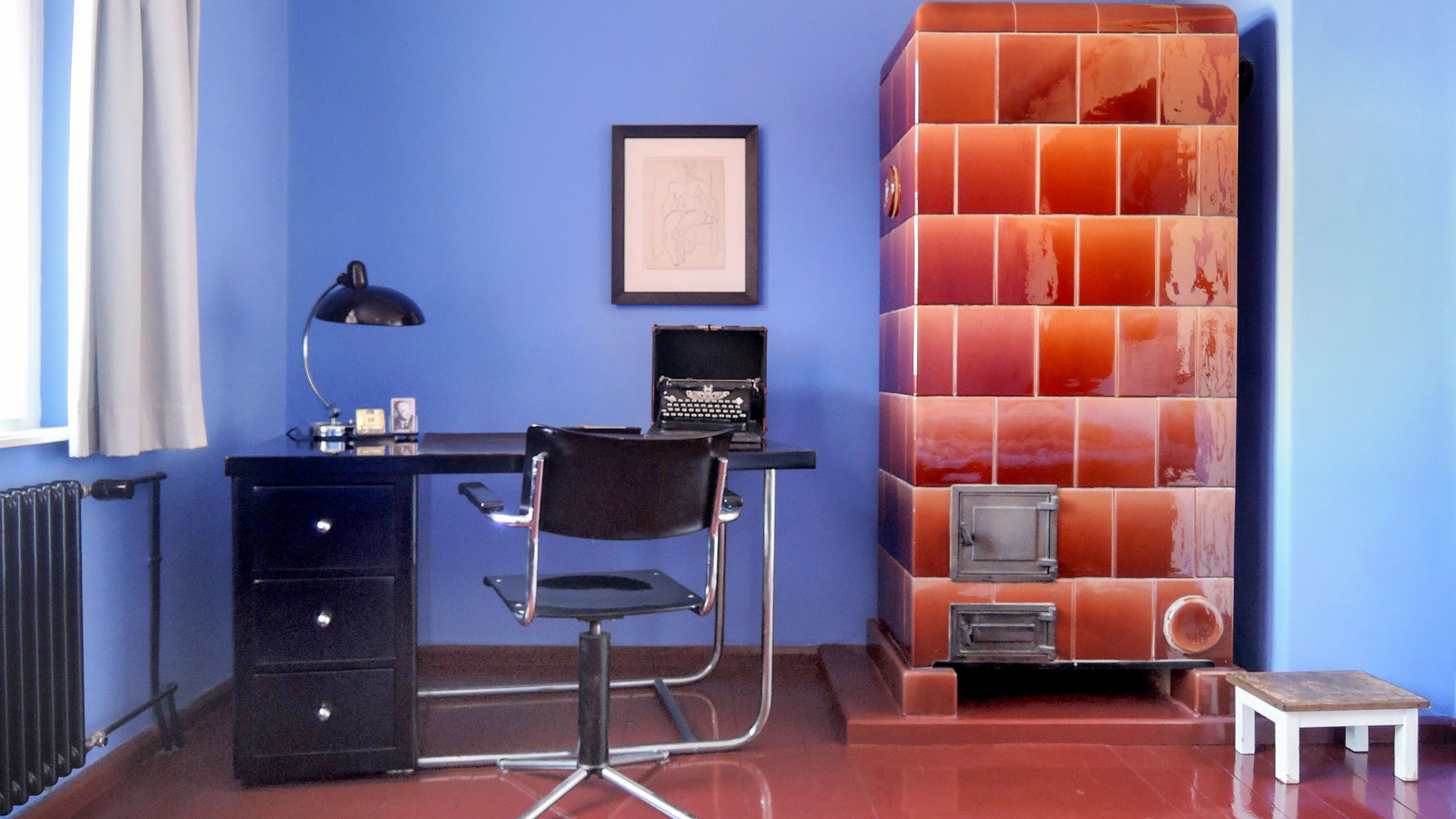
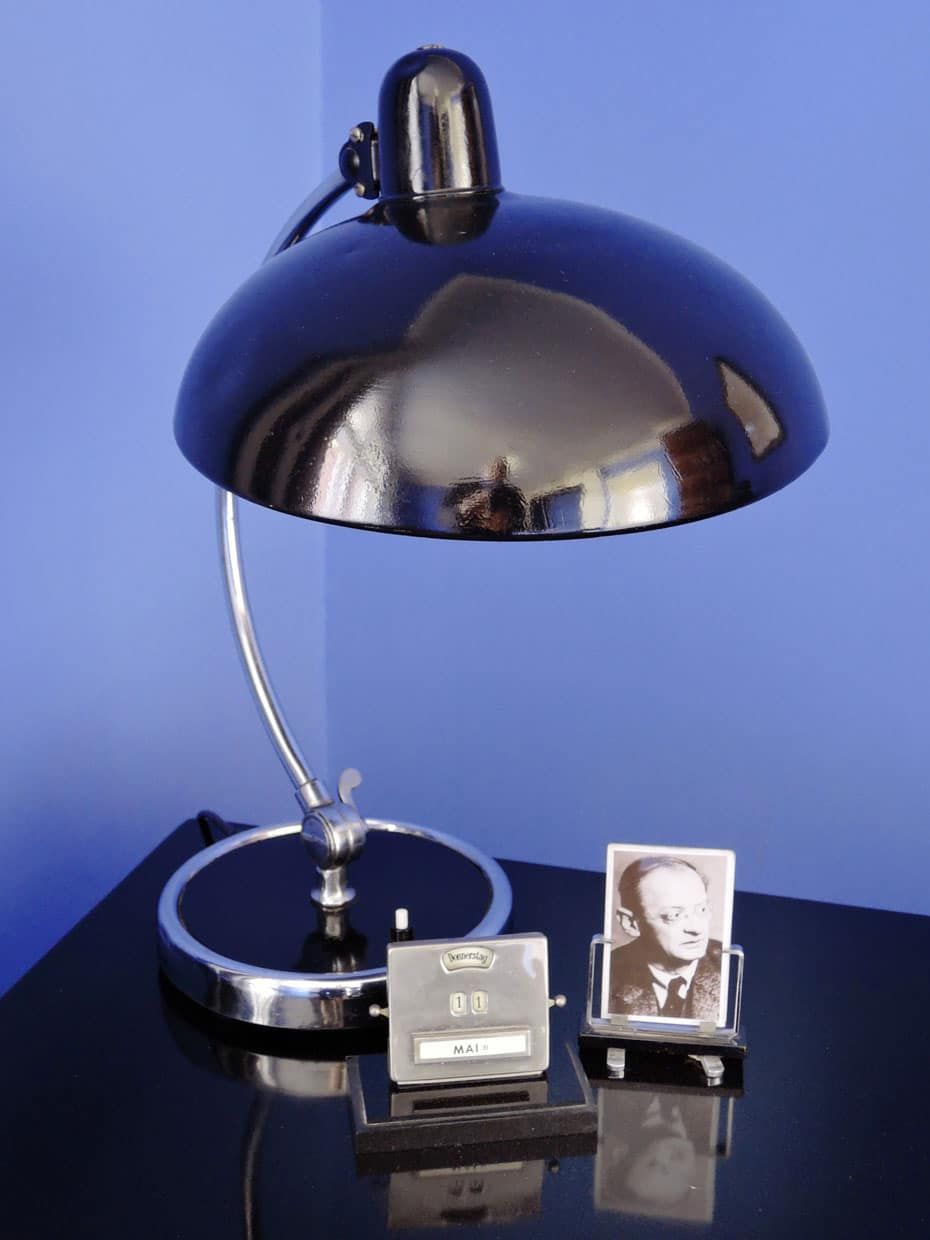
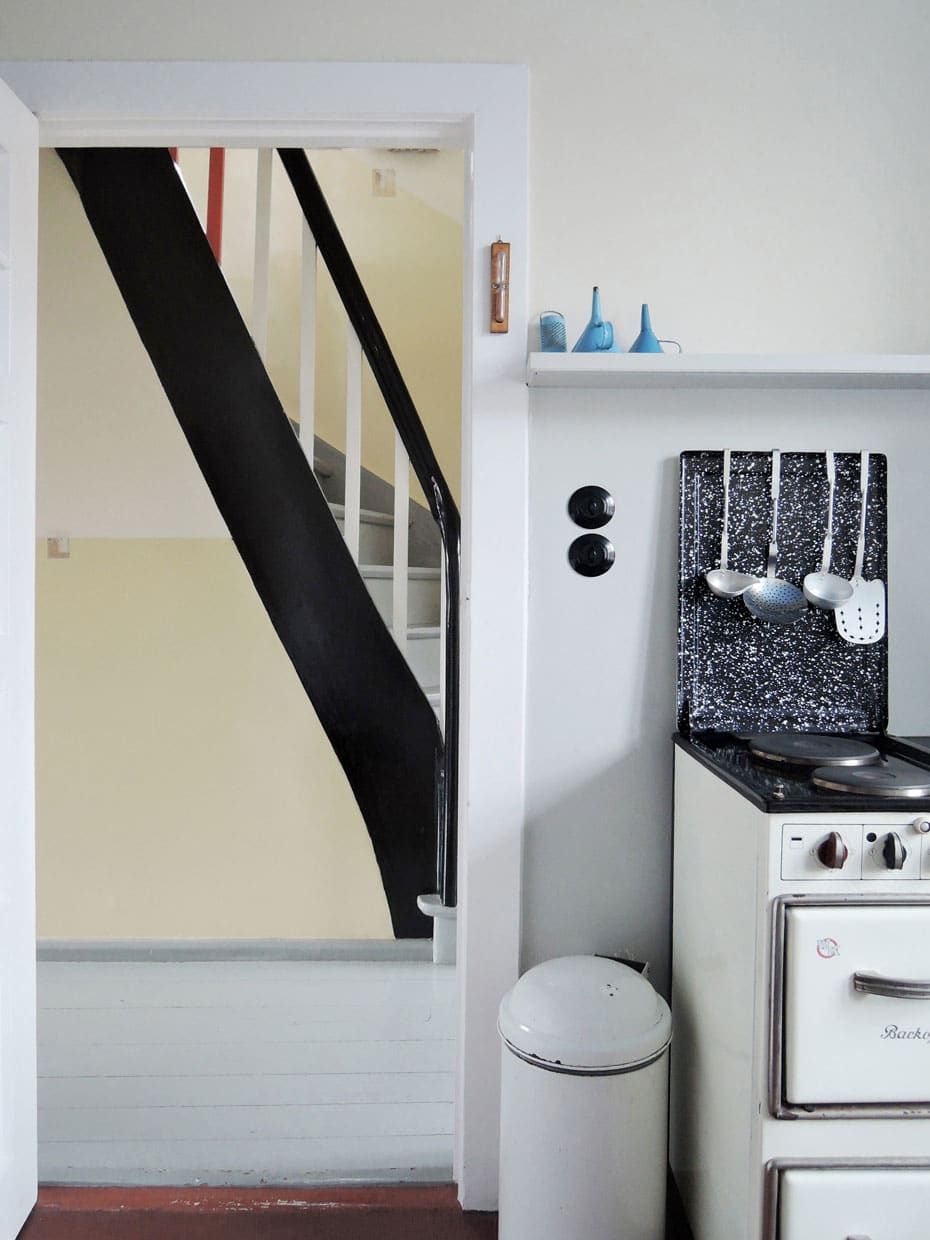
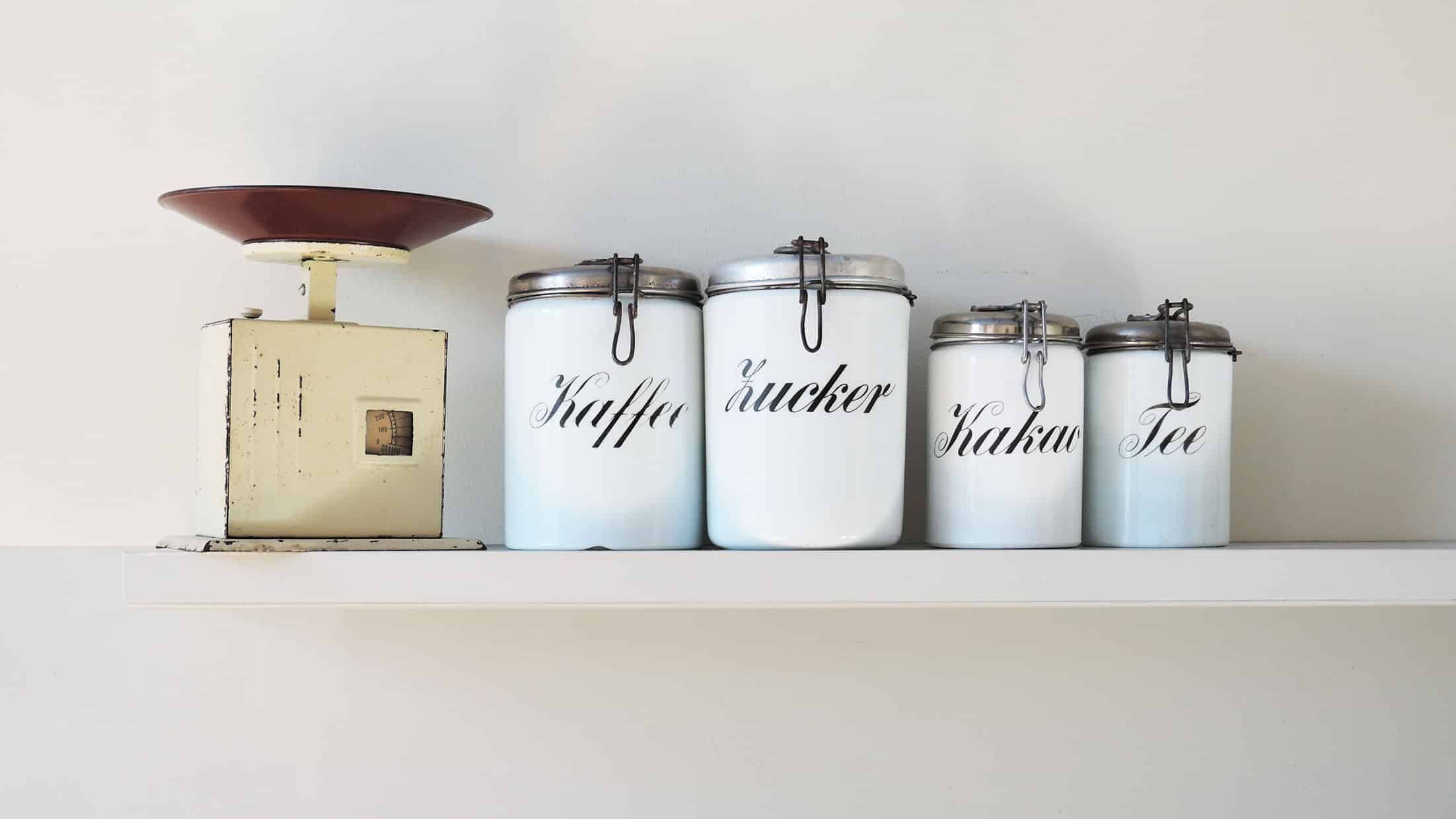
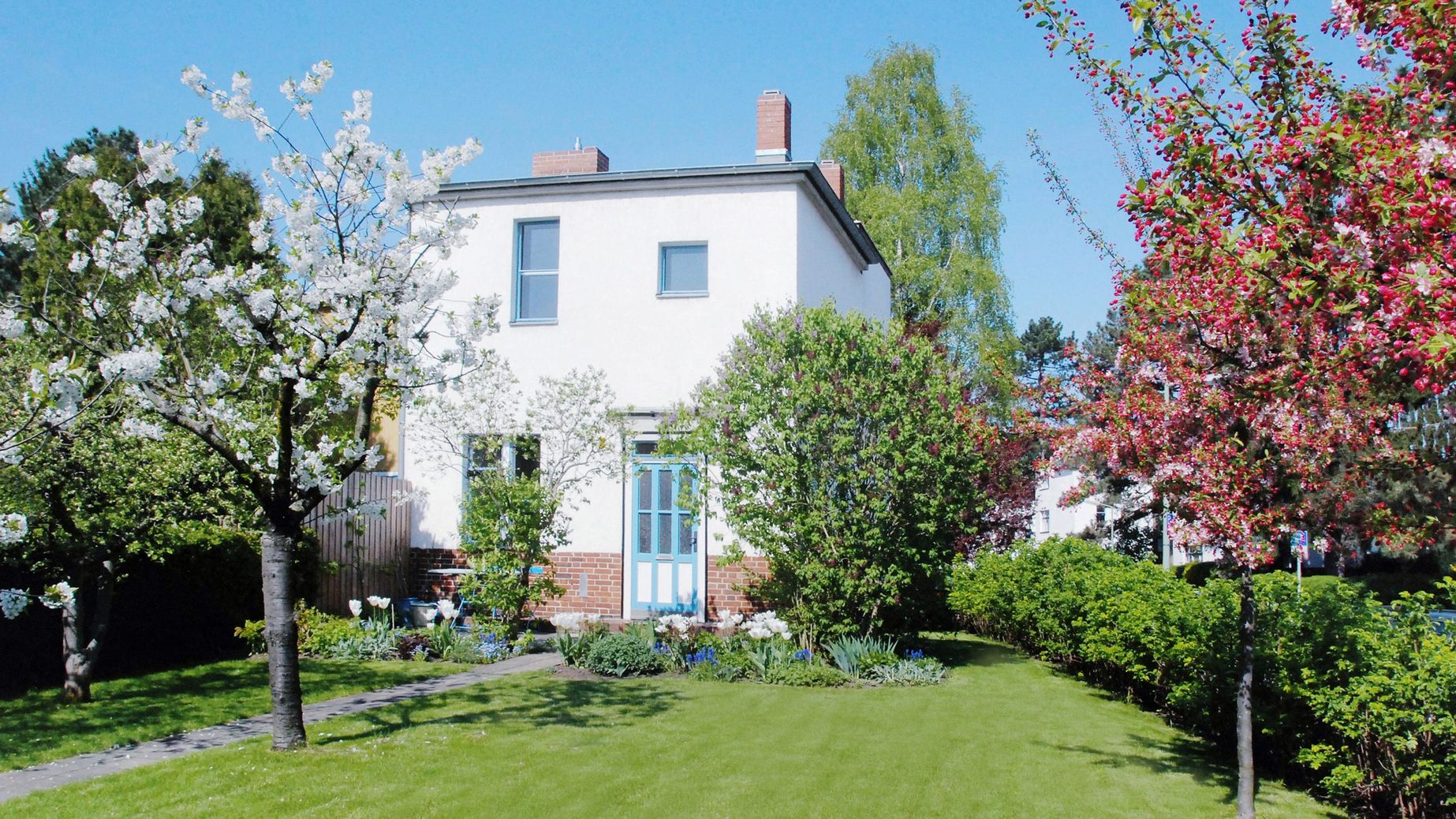
The significance of the Bauhaus school extends far beyond that of an educational institution for art, design and architecture, or the defining approach to interior styling. Bauhaus was rather an artistic, educational and social programme and thereby the expression of social upheaval. The focus was on social change in an age of industrialisation. Bauhaus was intended to be a pioneer in providing an answer to the problems facing contemporary society. The social aspect of production and the development of cheaper furniture, textiles, wallpapers and lamps that were affordable even for the working classes was a central focus, in particular for Walter Gropius’ successor Hannes Meyer in his work at Bauhaus. By endeavouring to create functional and timeless ‘furniture for all’, a pared-down aesthetic style was defined, taking into account all aspects of life. Even a century after Bauhaus came into being, many furniture and product designs from that time still have their place among the most famous classics of design – we only need think of Marcel Breuer’s tubular steel chair or Wilhelm Wagenfeld’s desk lamp. Pieces originally manufactured with the intention of making design accessible to a broad mass of people and which since then have often become affordable only to connoisseurs. In the architectural sphere, cube forms, flat roofs or added-on glass fa.ades harking back to the Bauhaus movement have become indispensable. Nowadays the term Bauhaus is used more and more broadly and much is declared to be in the “Bauhaus” style that has little to do with the original Bauhaus concept. Aside from that, the original Bauhaus approach has indeed had a lasting influence on the development of design, so much so that it is encountered at every turn, usually without us even being aware of the fact.
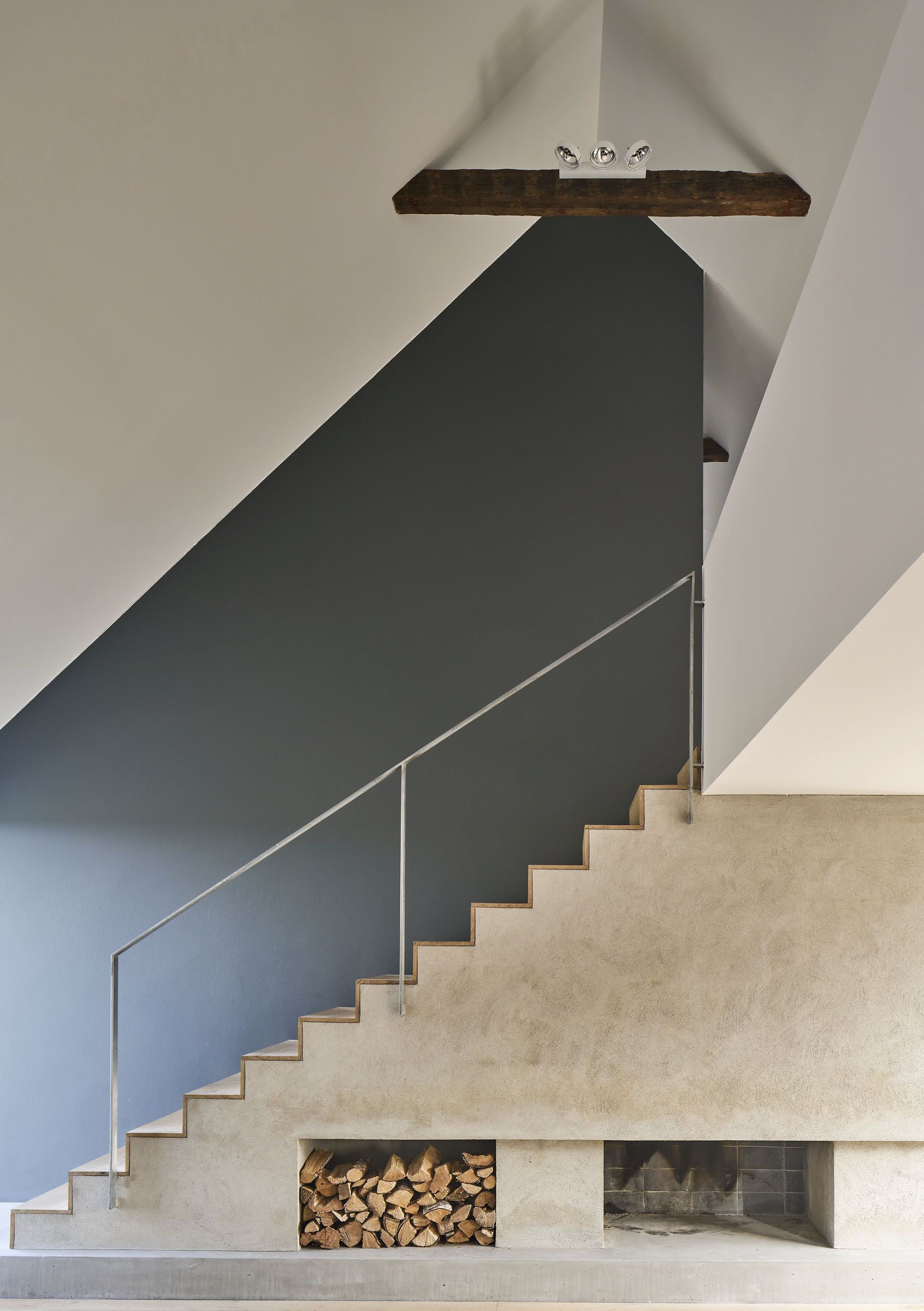
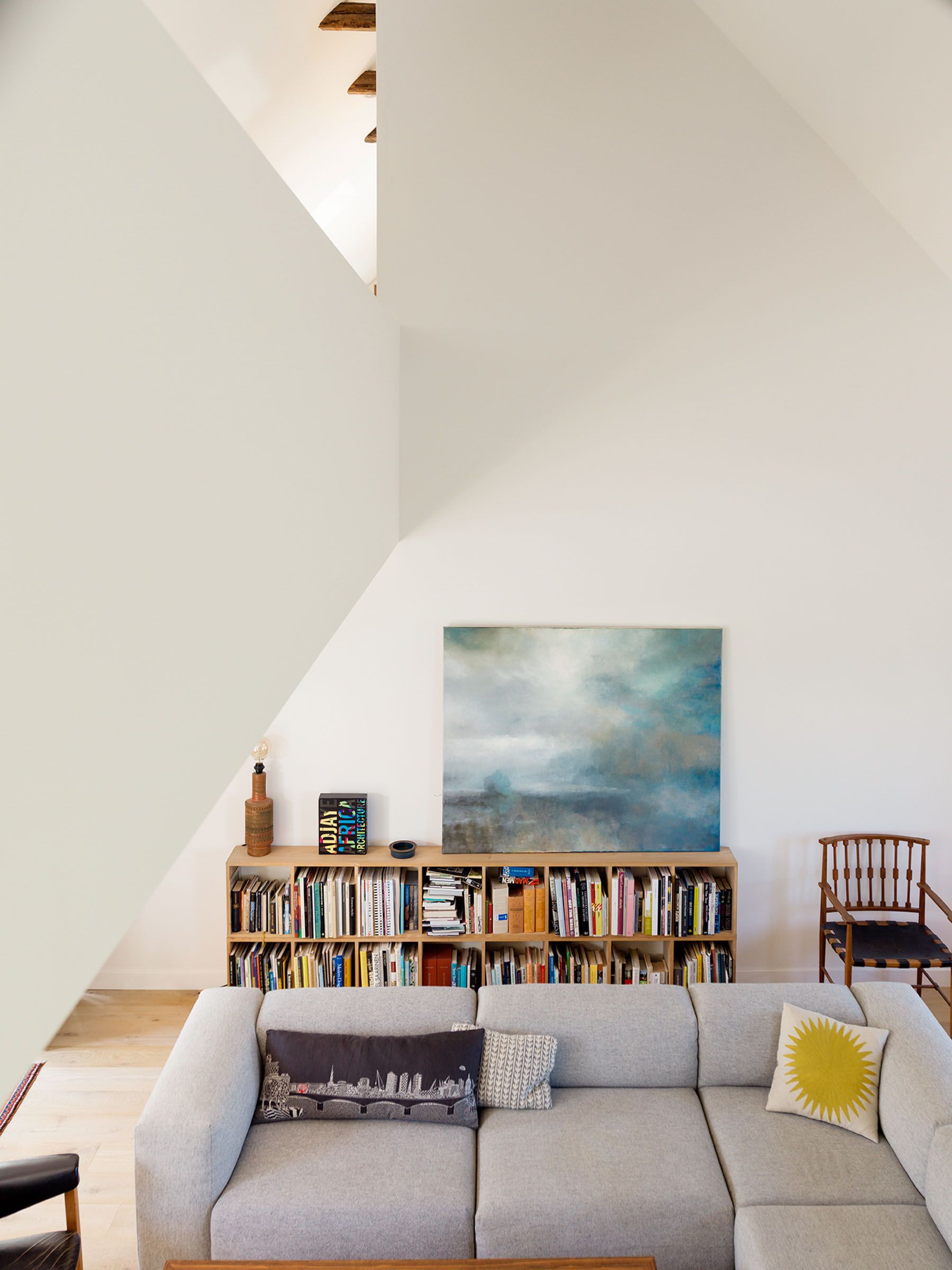
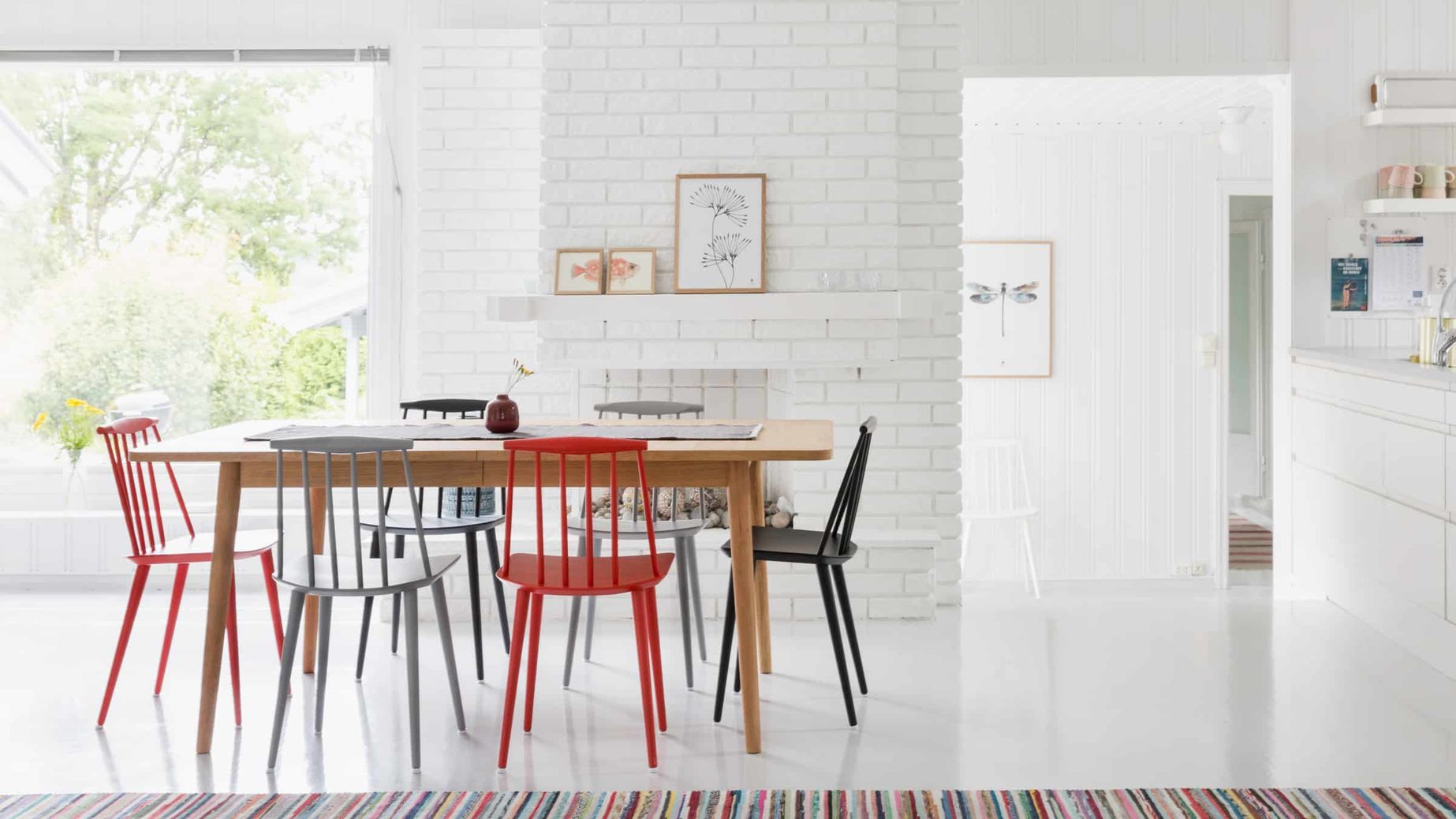
Like Bauhaus, Scandinavian design too is considered the epitome of good design. Even in the 1930s, Finnish designer Alvar Aalto and Danish architects Arne Jakobsen and Verner Panton were creating their own language of form – two decades before Nordic style came into being with its unpretentious formality and aspiration to functionality and focus on affordable mass production. Here too the origin of design is to be found in overriding megatrends: in the emergence of Scandinavian-style social democracy in the 1950s, in the availability of cheap materials and in innovative methods of mass production. Scandinavian design still has great influence on international industrial design. Poul Henningsen’s PH pendant lights seem to hang in every household and in almost every public building in Copenhagen. With clear lines, bright colours, natural materials such as wood and linen and a muted aesthetic that is inviting despite a degree of coolness, the concept of making beautifully designed yet functional objects for every sector of society has been successfully implemented. In particular the style described as Scandinavian home design has been made available to the masses by Swedish furniture store IKEA, which has contributed significantly to the globalisation of Nordic interior design style and the associated lifestyle. For several years, another Scandinavian brand has been defining interior design: the Danish company Hay offers design at affordable prices. IKEA too has collaborated with the Danes – as it has with many other famous designers such as Ilse Crawford or Tom Dixon. Such temporary cooperations mean that design remains accessible to a broad sector of the population.
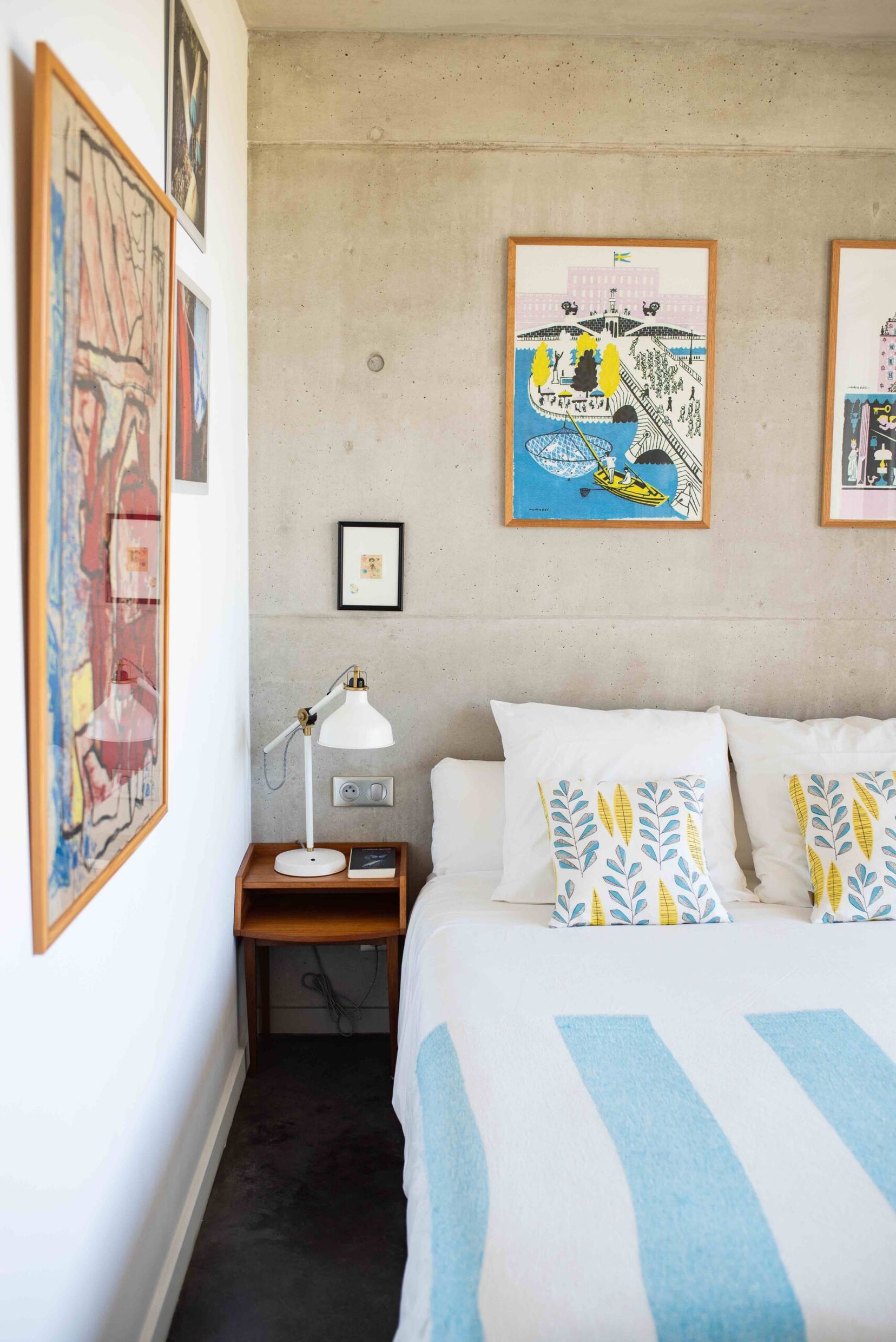
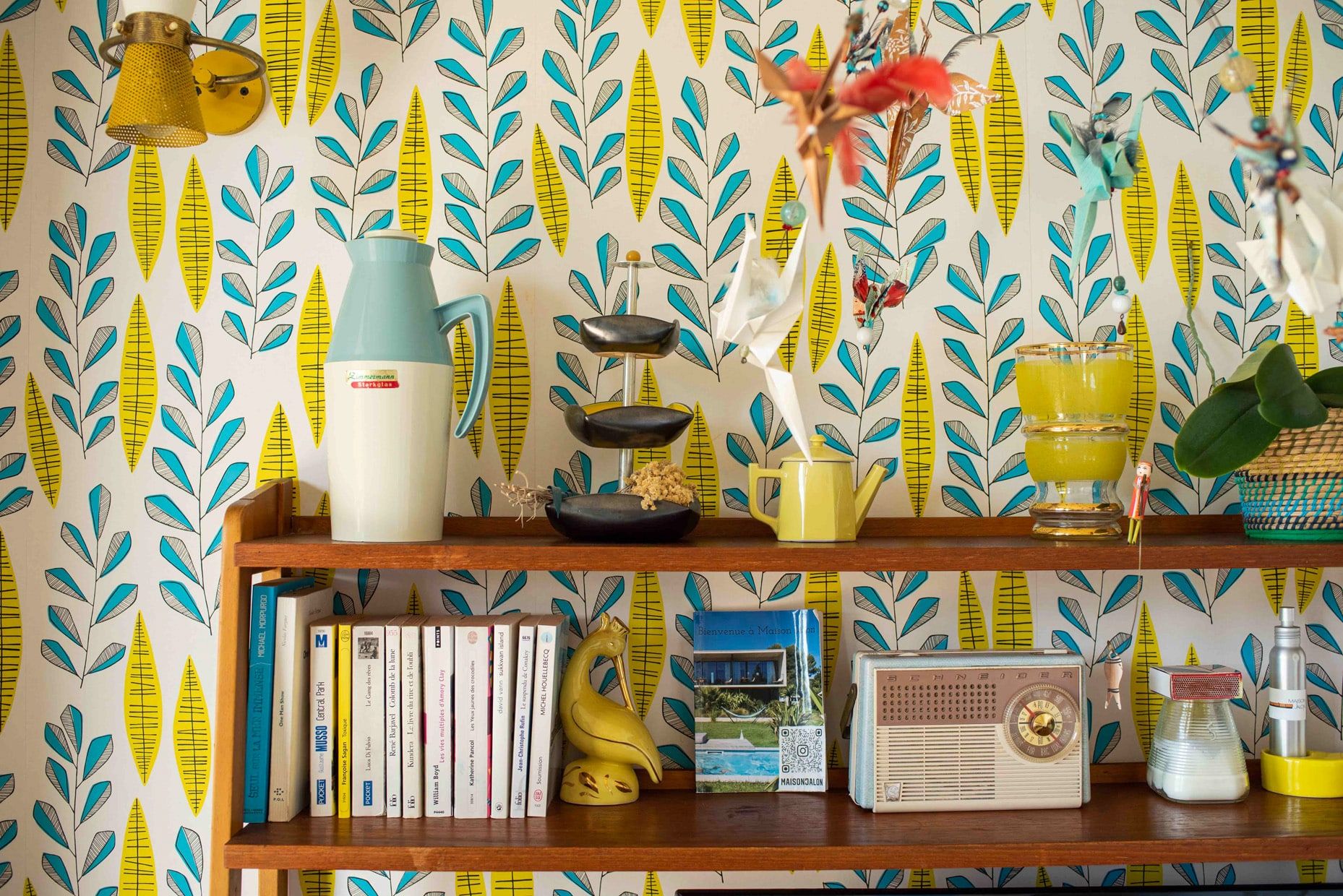
And then there is the ever-recurrent vintage movement which surely everyone has been seduced by at some point, even if it was just a flirtation with a pastel-toned fridge. There is almost nothing that cannot be obtained in a retro variant – from art and fashion through to architecture and technology, literature and music. Evidence of recourse to past aesthetic styles can be seen everywhere. Harking back to previous styles is no new phenomenon but was a principle of expression in design even in historicism and eclecticism. While Nordic design represents the desire for simplicity, the vintage movement and the associated retro trend draw on longings for a time when the world was not yet as multidimensional as it is today. So retro design should be described less as resorting to the past but rather as a continuing development: things do remind us of earlier times, but at the same time express a need for permanence and stability. At the same time nowadays we have the freedom to experience nostalgia without renouncing the comforts of modernism. Some stores offer the best of the old days in a new way and emphasise elegant design and sustainability in its products. In so doing, they strike a chord with an entire generation.
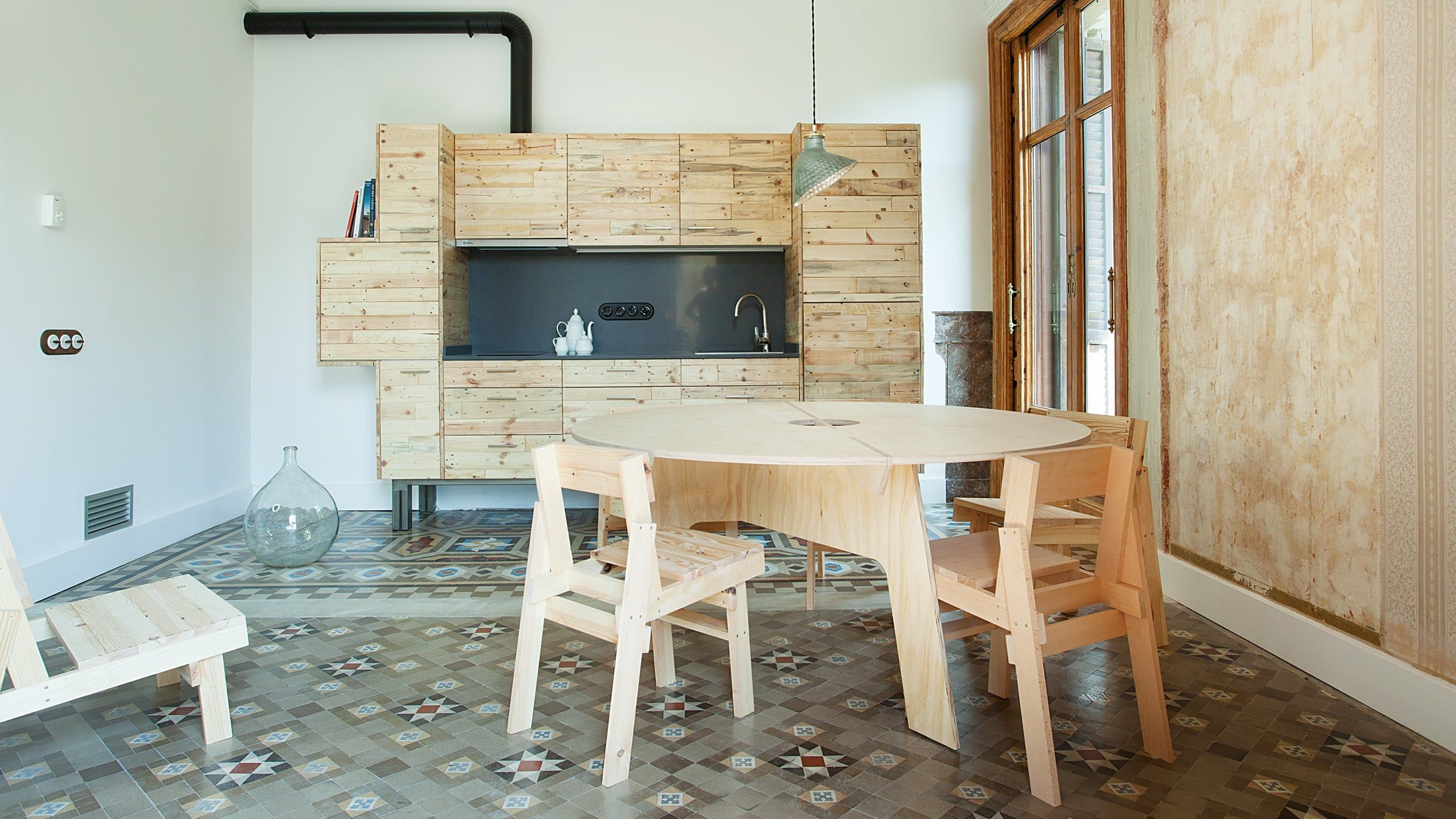
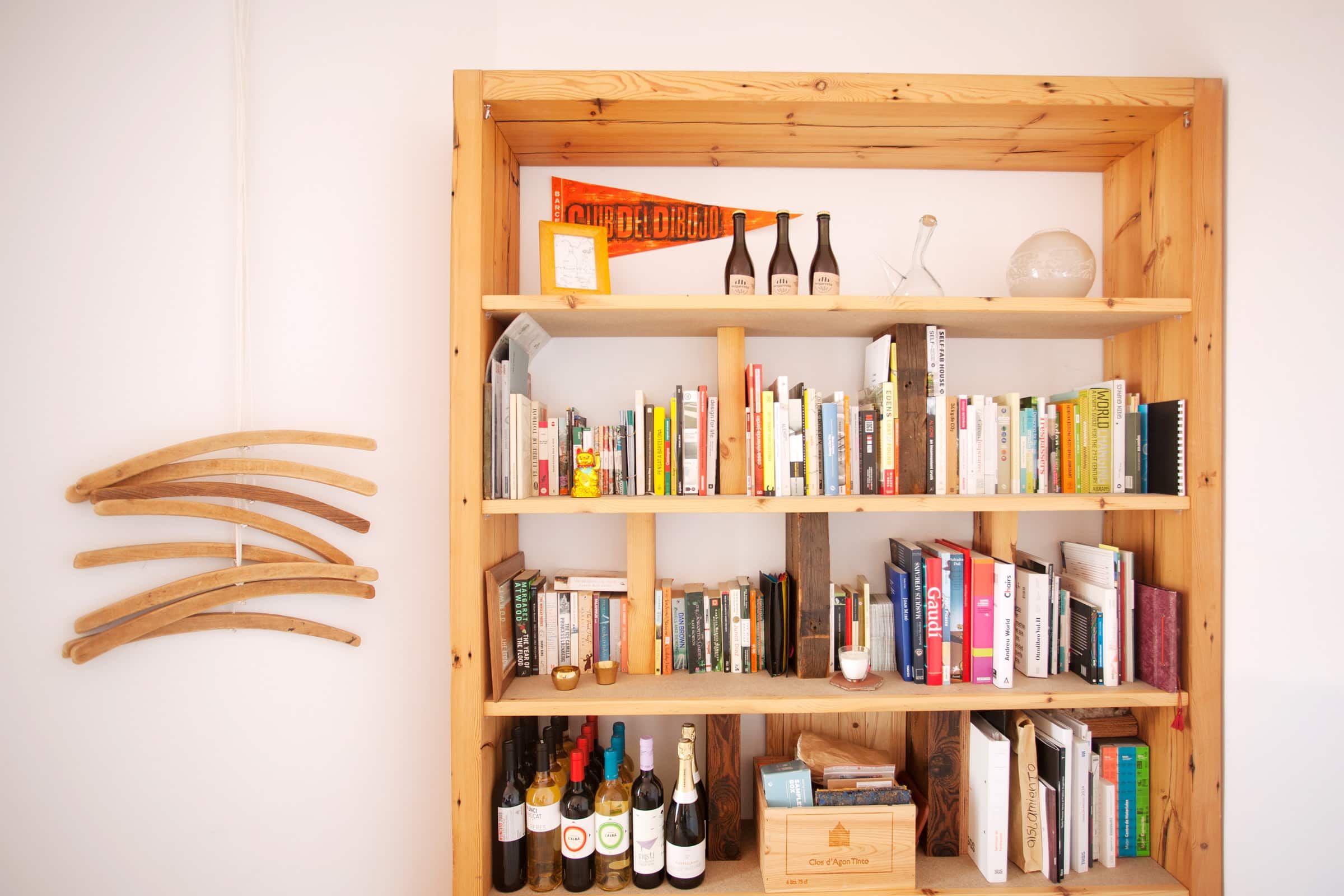
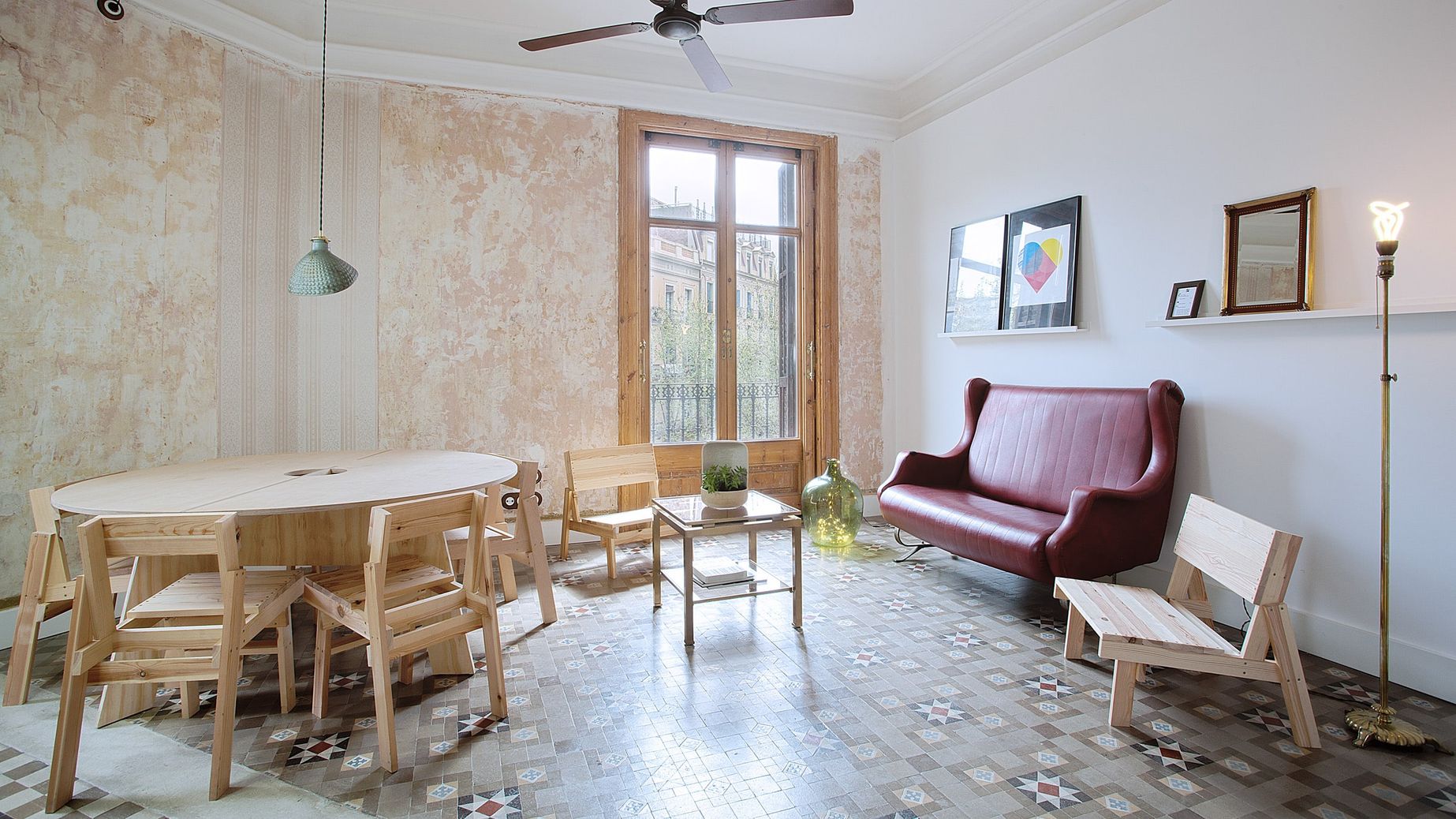
Taking into account social needs and attempting to build ‘furniture for everyone’ is a preoccupation even of young designers. At a time that has turned an entire generation into a throw-away society where the talk is often of ‘must-haves’, which are constantly being reinvented, issues such as sustainability and ecologically compatible design and manufacturing are taking on fresh importance. Designers once again consider themselves more to be shapers of the present and of the future – and thereby of society. Concentration on natural materials, in particular timber, is to be observed not only in architecture, but also in interior design. Social living projects, high-rise buildings with timber fa.ades, self-assembly designer furniture – current social developments such as the growing social divide are being taken into account in the design of the environment without neglecting aesthetic appeal. Ever more frequently nowadays, there are attempts to make design accessible to a broader section of the population. One wonderful example of this – also revisiting the elegant designs of De Stijl and Bauhaus – is offered by Berlin-based architect Le Van Bo: an easy-to-follow guide, inspired by drawings by Gerrit Rietveld, Marcel Breuer, Erich Dieckmann and Mies van der Rohe, facilitates the self-assembly of a simple chair in high-quality materials, representing a way into the world of beautiful everyday design for people who could never hope to afford classic designer pieces. The innovative project of a DIY store for which architect and designer Sigurd Larsen created a self-assembly lounge chair is a part of this movement. Affordable design costing little is becoming – once more – a part of everyday cultural heritage. Nevertheless, designer items such as the chairs of Hans J. Wegner or Arne Jakobsen, or pieces by contemporary designers such as Jasper Morrison or Konstantin Grcic continue to be purchased almost exclusively by a style-conscious target group who do not want to buy off the shelf and are willing to spend a little more money on one-off pieces.
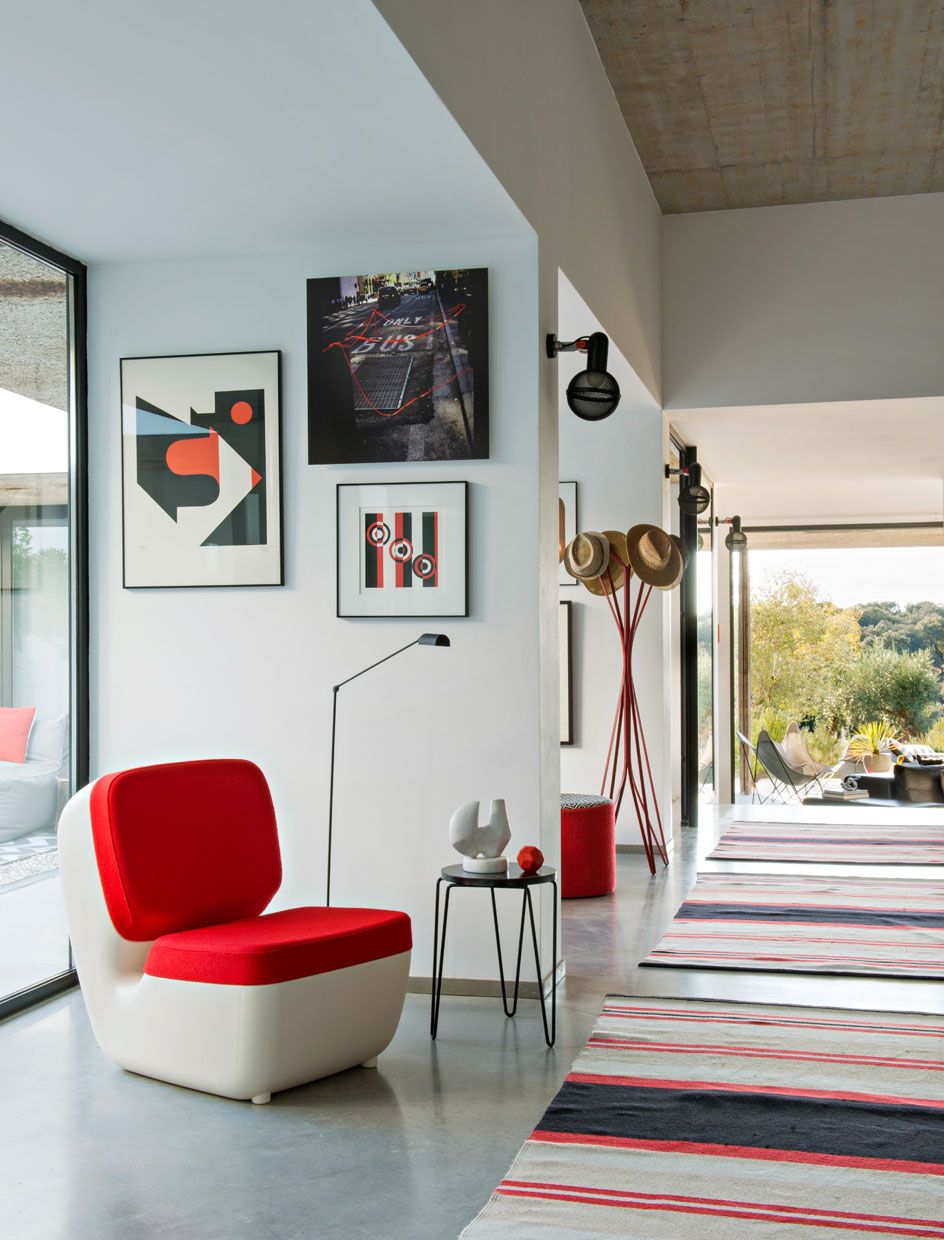
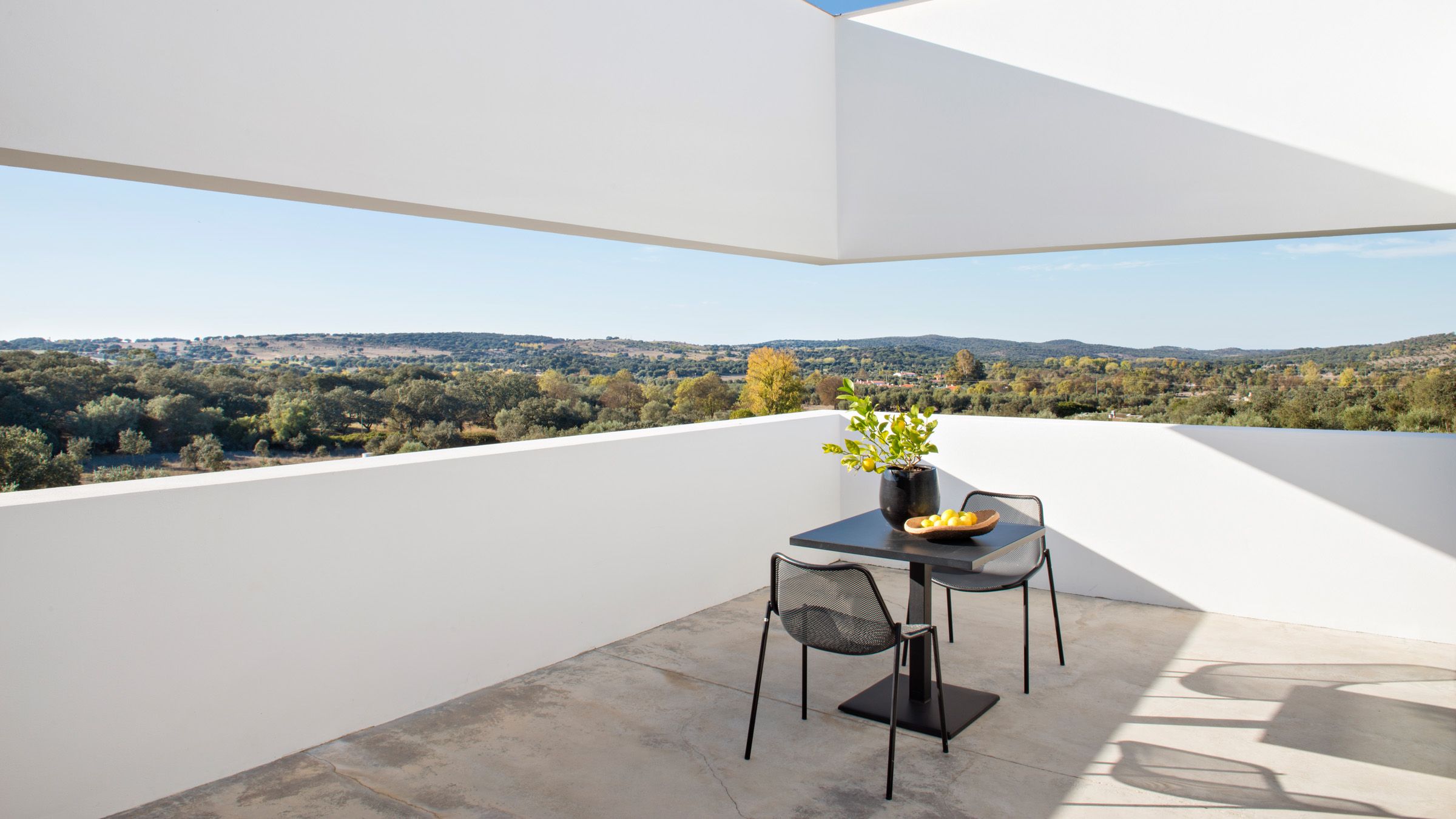
Design even today remains an expression of an attitude that is constantly developing in ever more diverse ways as it interacts with social developments. The speed at which both megatrends and short-lived fashions are perceived and adopted has changed. Private individuals and the so-called influencers on social networks are becoming a source of inspiration. Individualisation of our society and striving for uniqueness is actually a trend opposing this – yet it has nevertheless become a trend. Contemporary movements such as the Danish ‘Hygge’ or Swedish ‘Lagom’ describe lifestyles that are understood to be a reaction to the fast pace of contemporary life. The aim is a sustainable and enjoyable lifestyle – a trend which has now penetrated the world of interior design. Ultimately an abandonment of blind adaptation of what is currently in style/hip is being preached. Everyone should be able to find and live out their own style. Trends – whether these are pastel shades, grid designs or brass lamps – should at most form the basis of a personal style mix. Great emphasis is placed on individuality and uniqueness. This creates a trend that actually forswears trends, and yet is itself one. A wonderful trend indeed as you only ever find that which is truly special by gathering together unique objects and items of furniture, by discovering an interplay between individual pieces, by combining old and new, and by trusting your own aesthetic sense. Only then can good style emerge. And that is the case in all HOLIDAYARCHITECTURE properties, where precisely this wonderful mix can be found: unique compositions of ambitious architecture and individually selected furniture and accessories that make an interior into something really special.
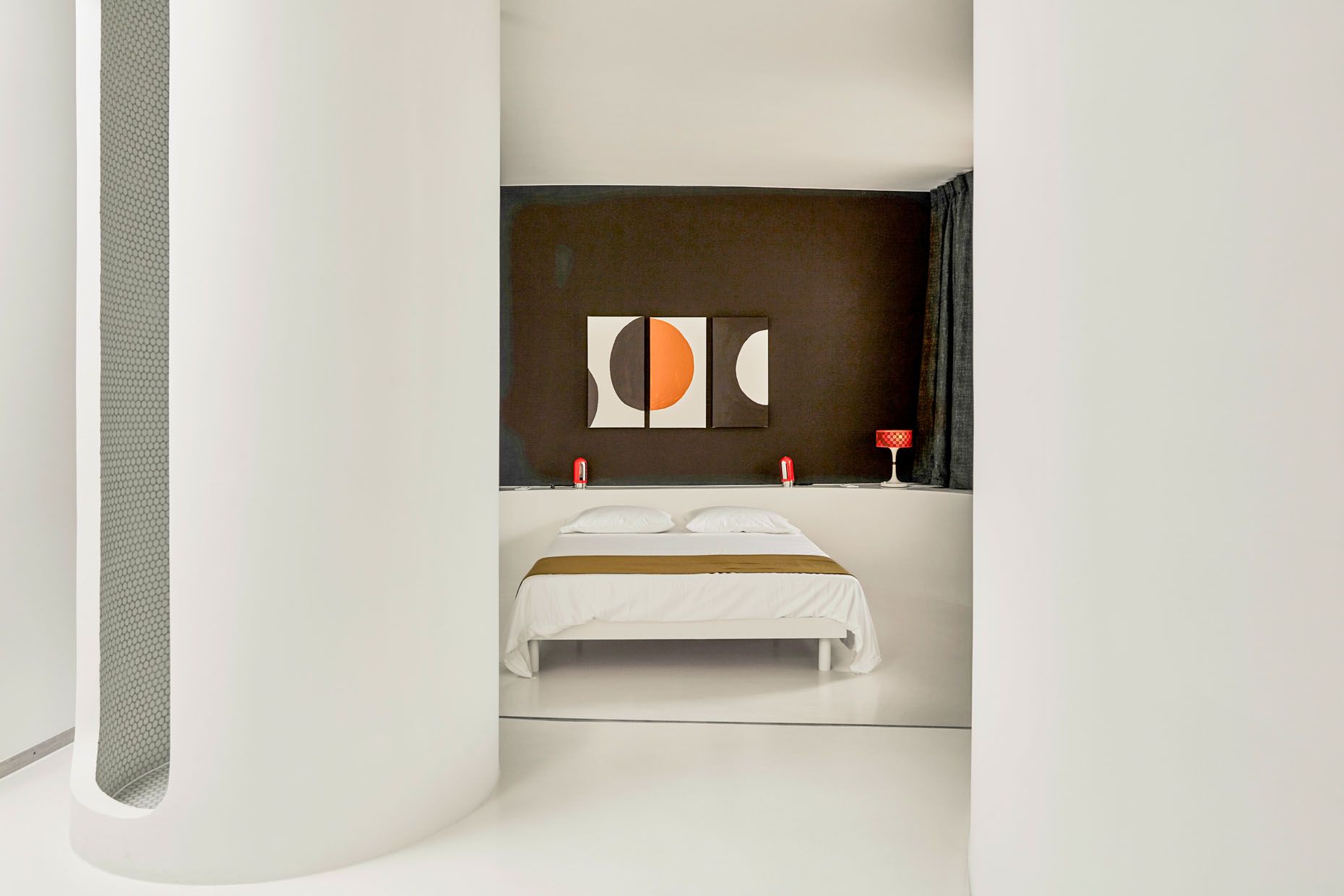
This article first appeared in our book URLAUBSARCHITEKTUR 2019.
Author: Tina Barankay has worked for many years in the fields of design and architecture – combining her passion for aesthetics and form with her extensive experience in public relations and project management. She writes regularly as a freelance author for Urlaubsarchitektur.
Photos: © Serge Benkemoun (Villa Benkemoun — cover photo, 14, 15), © Rita Palanikumar (Vindlyveien — 1), © Ben Buschfeld (Tautes Heim — 2–5), © Ake Eson Lindman (Grams Gård — 6, 7), © Elisabeth Inthavong / Studio Twinky (Maison Jalon — 8, 9), © Carlos Barruz (yök Casa + Cultura, 10,11), © Nicolas Matheus (Villa Extramuros — 12, 13)

0 Comments