The total artist: Tracing the designer and activist César Manrique on Lanzarote
The traces of this visionary, revered by the people of Lanzarote as a kind of island saint, are as enduring as they are exemplary. Future-orientated development – both architectural and touristic – can still be read, studied and enjoyed through his interventions.
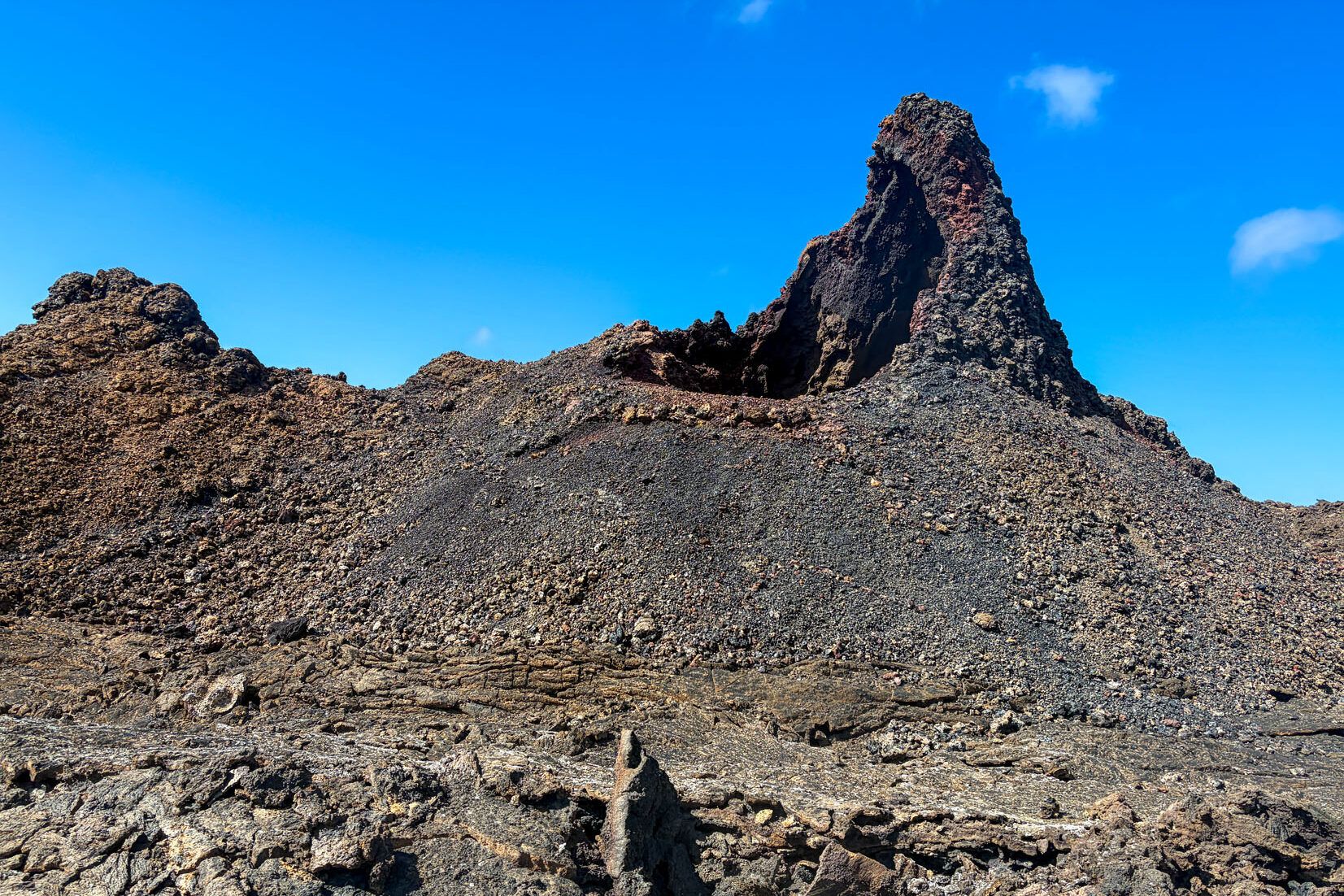
“Prohibida la entrada.” The skull on the barrier leaves no doubt: access to the residence of the diabolical Baron de Lefouet is strictly forbidden. The TV series Timm Thaler oder Das verkaufte Lachen was filmed on Lanzarote in 1979. The glittering villain’s limousine glides menacingly through the bizarre landscape, often described as lunar: barren black lava fields, sometimes finely ground, sometimes piled up into stony prehistoric monsters, between which sulphur-yellow and orange volcanic cones rise some 600 metres above sea level. The Baron, also dressed in black, has cheated Timm out of his laughter; in return, the boy wins every bet. A gold-mounted lava stone dangles from his chest as he strides through the narrow corridors of his underground headquarters of evil – until suddenly the view opens onto the dreamlike, organically expressive white-and-blue pool scenery of his lava grotto.
Unlike the headquarters of the villain Ernst Stavro Blofeld, built into the interior of a volcano and designed by James Bond production designer Ken Adam in 1967 for You Only Live Twice, the fantastical volcanic setting of Timm Thaler was not created in the British Pinewood Studios.
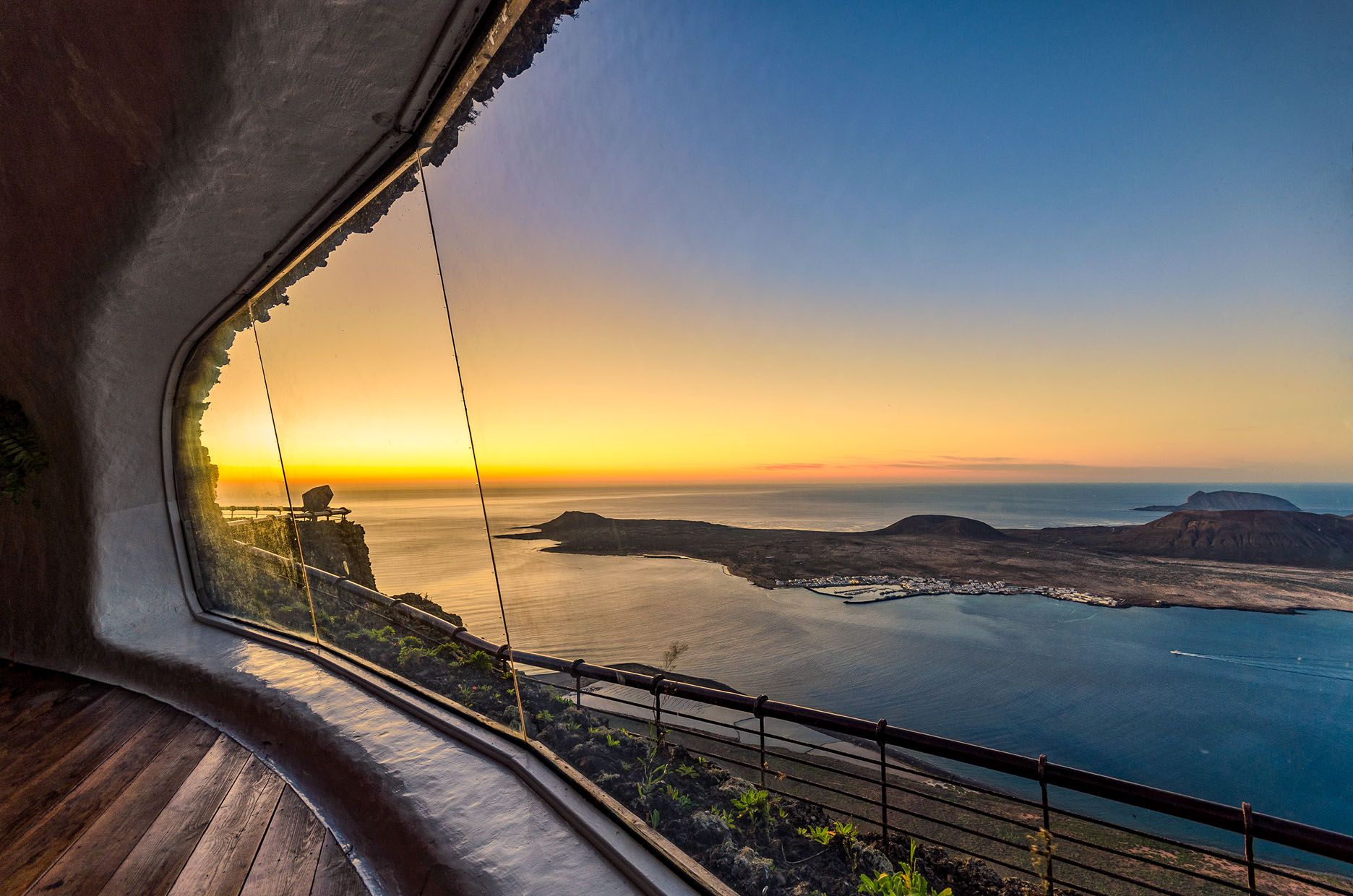
The Jameos del Agua, which – like the Mirador del Rio or the Hotel Salinas – served as filming locations for the Christmas series starring Thomas Ohrner and Horst Frank, are not sets. They are real: César Manrique inscribed his cinematic above- and below-ground spaces, his theatrical pools and gardens, into the island’s topography. And of course, no sinister plots for world domination were hatched here. On the contrary: Manrique’s architecture staged the island’s beauty and ensured that tourism did not overwhelm Lanzarote.
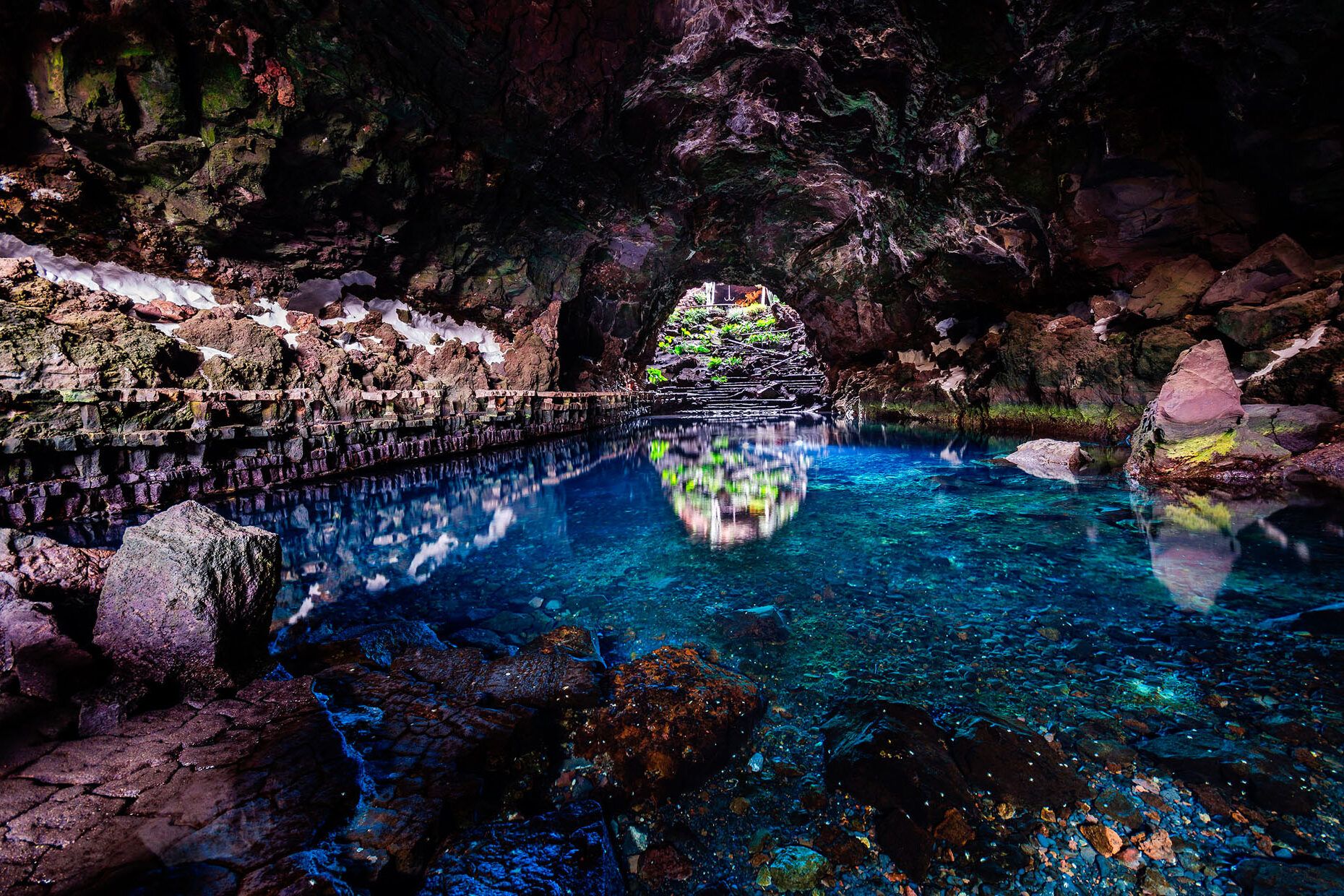
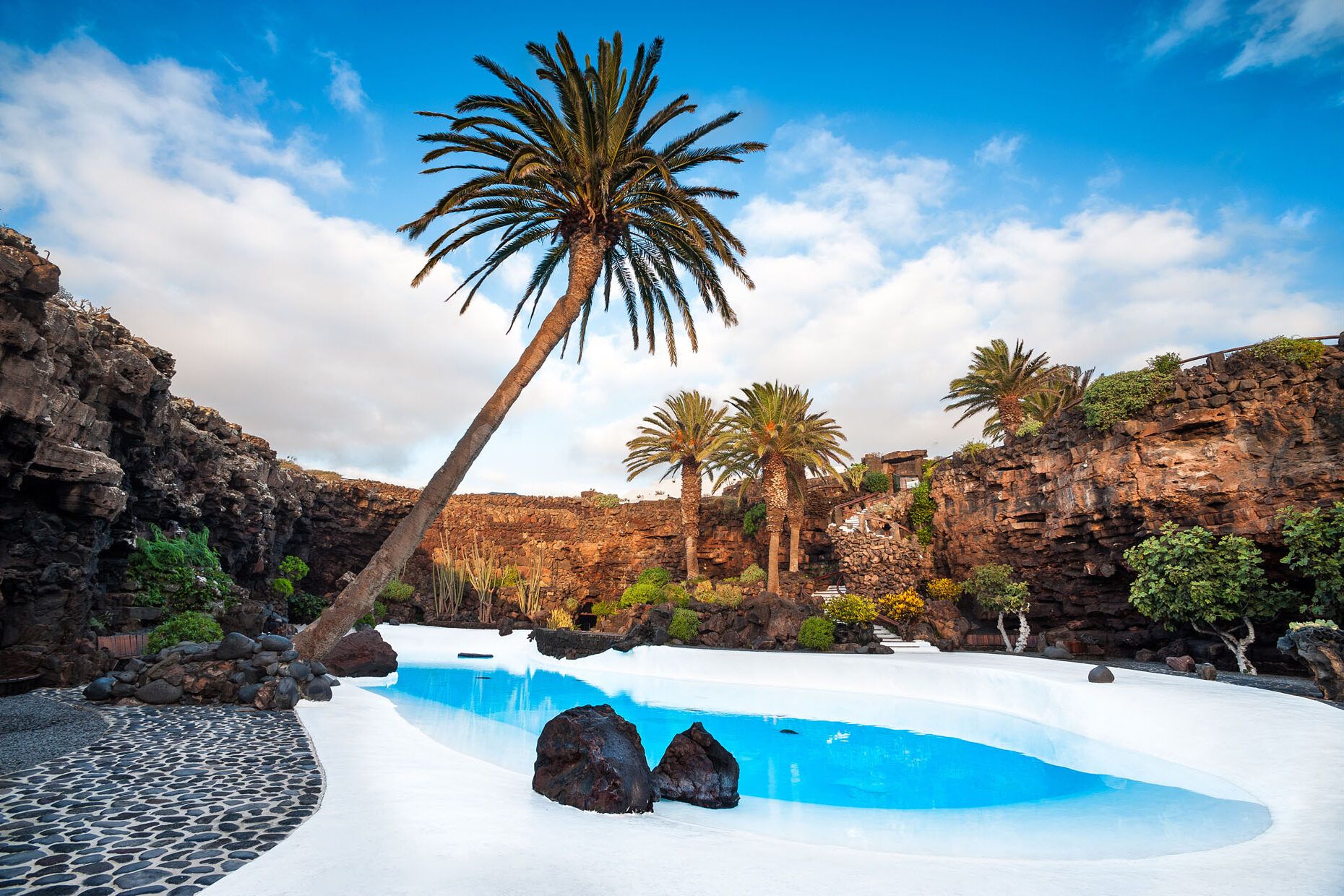
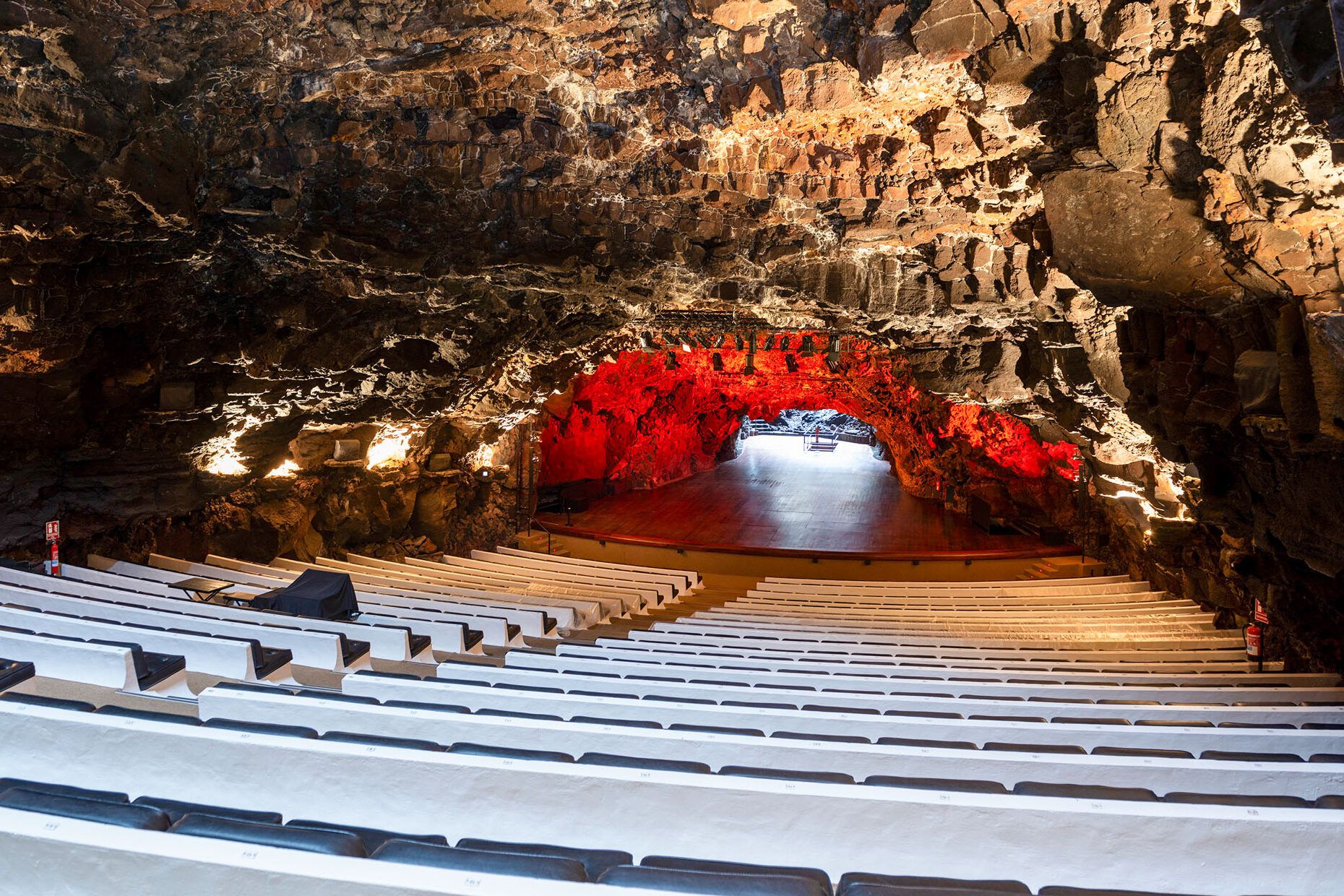
Admission requested: the Jameos del Agua cultural centre – once an illegal rubbish dump in a lava tunnel – is open daily, with its concert cave and volcanic museum, and remains as fascinating today as it was when first broadcast on German television. Only swimming in the pool is prohibited. This privilege was reserved solely for the young lead actor during filming.
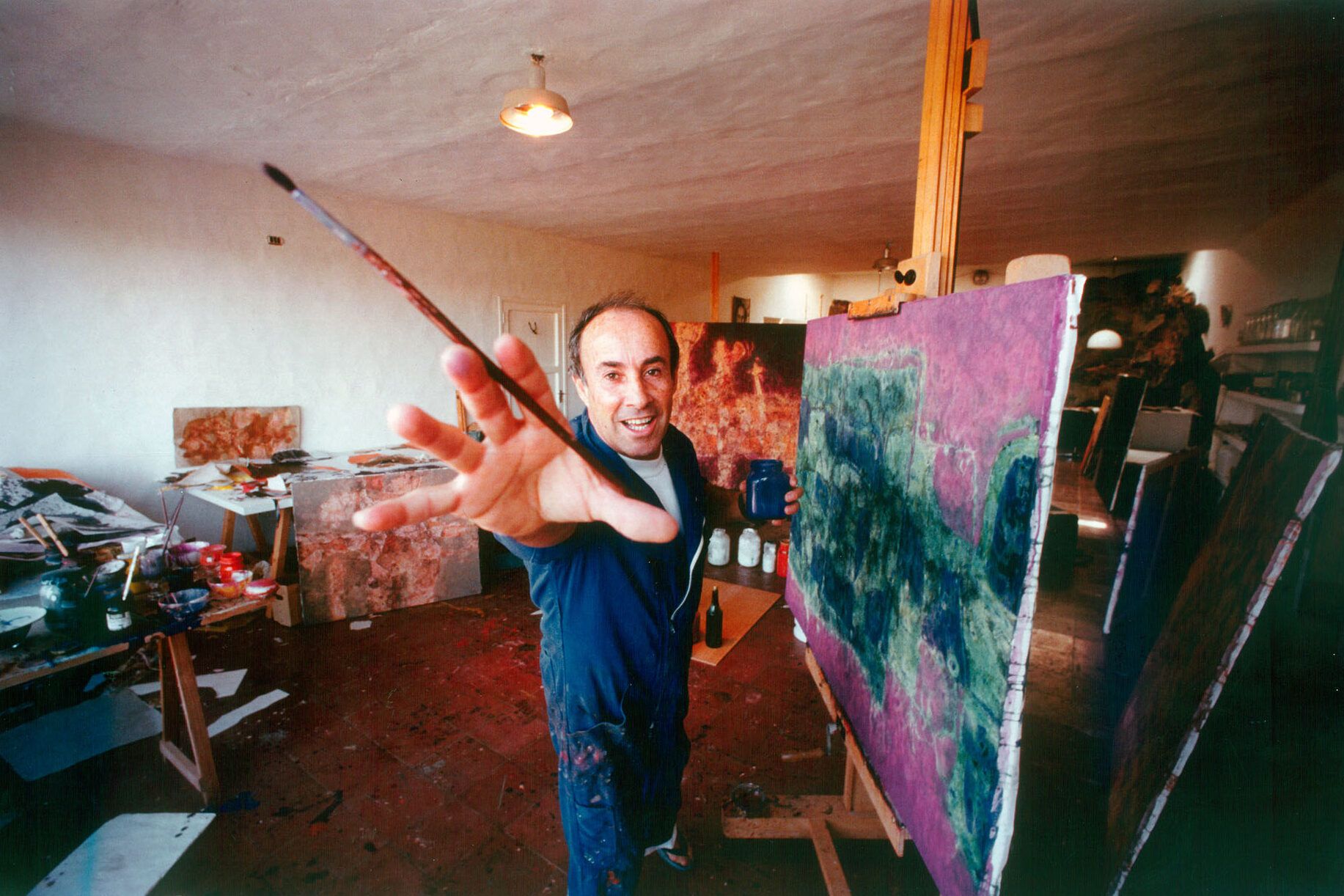
César Manrique was a Lanzaroteño. He was born in 1919 in the island’s capital, Arrecife, where the result of an urban planning scandal still stands today: a 54-metre-high hotel tower rising conspicuously into the sky. Built during his absence, it contradicts everything Manrique stood for and fought against. For he was not only the creator of grand parallel worlds, of powerful or delicately kinetic wind sculptures, expansive paintings and intricate murals. He was also a visionary, an admonisher, an activist. He became a kind of island saint because the island itself was sacred to him. Long before the term overtourism became common, before images of protests by frustrated and angry residents of the Canary and Balearic Islands filled the news, before Dubrovnik banned trolley suitcases and Venice introduced entry fees for tourists, he campaigned for the sustainable development of Lanzarote – without the term sustainability even being in use at the time. Together with his childhood friend Pepín Ramírez Cerdá – who, fortunately, as island president was able to act politically with long-term effect – he defined the guiding principle for all new buildings: no structure should be taller than a fully grown palm tree. That said, the hotel in Arrecife is the only exception.
His father had originally envisaged a career in architecture for him. But Manrique’s creative drive demanded more: he moved to the Academy of Fine Arts in Madrid, where he lived from 1945 to 1964, before relocating to New York. Pop Art and kinetic art fascinated this abstract naturalist; he met Andy Warhol, and photographs with Josephine Baker and Nelson Rockefeller testify to his prominent network.
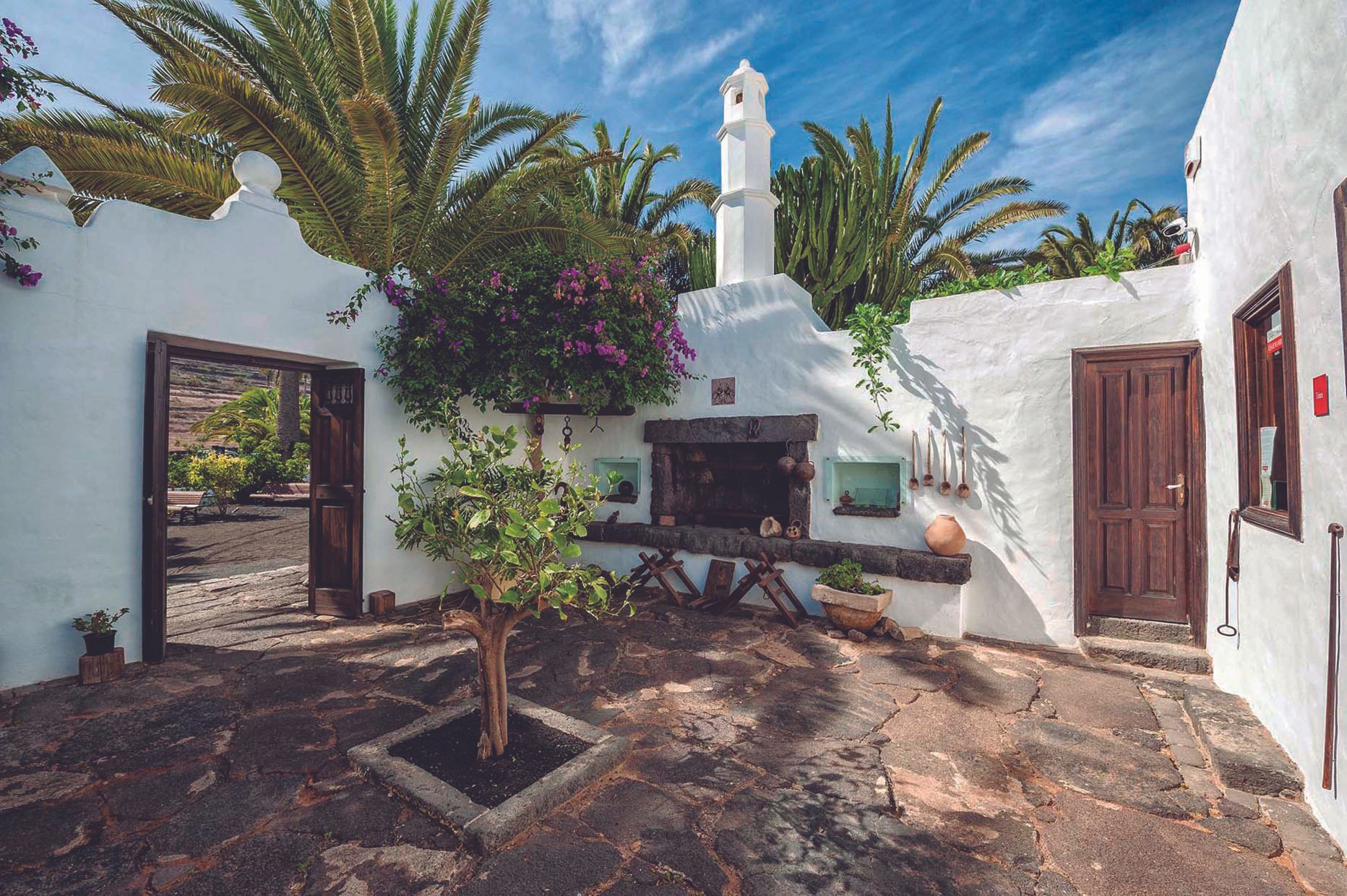
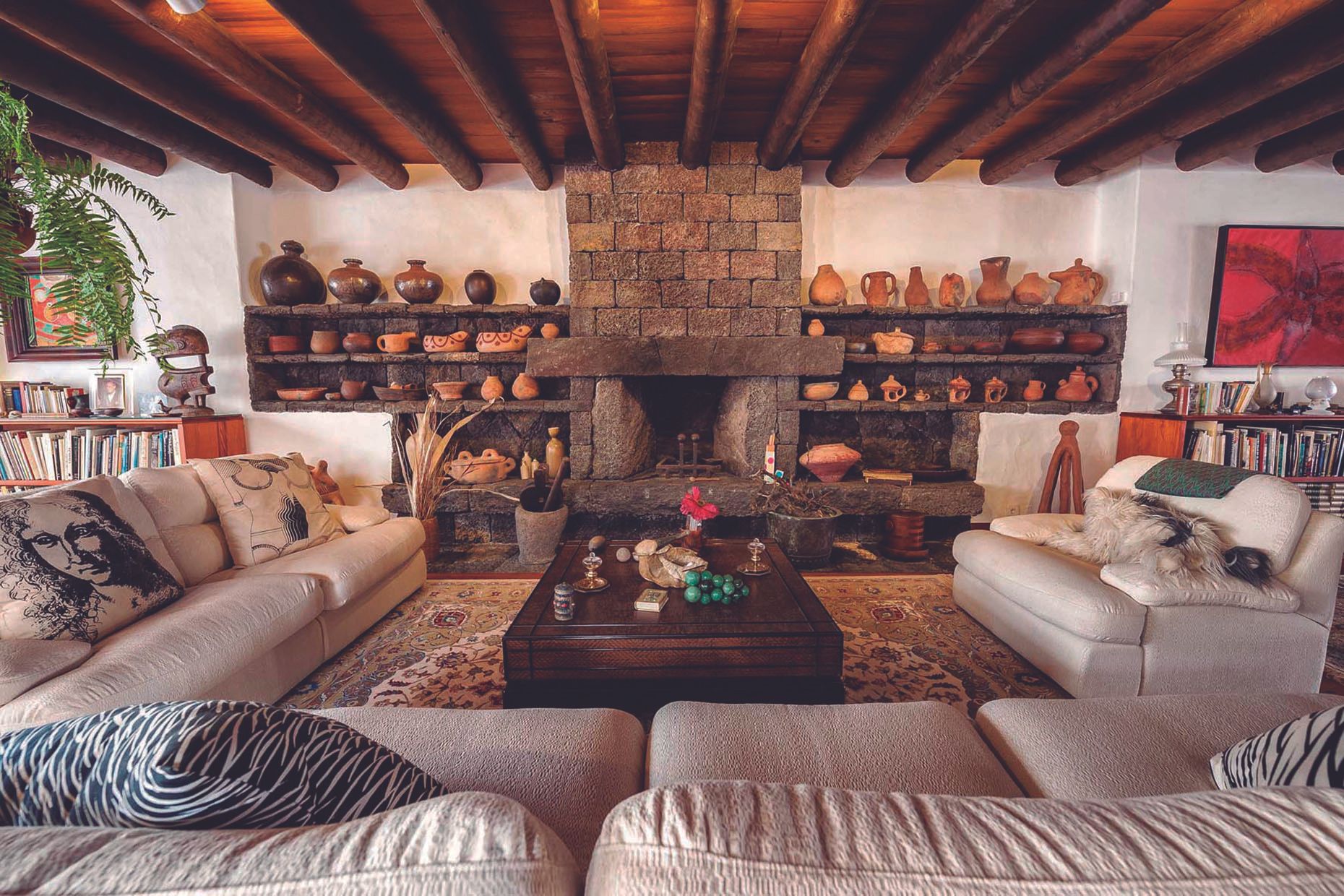
They are displayed, framed in silver, in his house in Haría, where he lived from 1988 until his death. For his homeland and its future never let go of this charismatic man, who liked to be photographed in swimming trunks and whose chilabas and kimonos can be viewed behind glass in his wardrobe: “Artists must concern themselves with urban planning, landscape architecture, carpentry, film, literature, and so on.” And that is precisely what he did after returning from America: he transformed not only the island, but also the way its inhabitants perceived it. He enthused so passionately about the paradise in which they lived that they eventually came to believe it themselves. “He gave us eyes,” says gallery owner Elvira Gonzalez. “He proved that the impossible is possible,” adds writer Juan Cruz. And in a lasting way: Manrique’s “corporate design” has become second nature to many – most houses are freshly whitewashed, and instead of tyres and gas cylinders, geraniums and cacti grow in front gardens. The fact that Lanzarote was declared a UNESCO Biosphere Reserve in 1993 is also due to Manrique’s fight against mass tourism.
Lanzarote is the northeasternmost of the Canary Islands; around 15 million years ago, the volcanic island rose above sea level. The land was fertile until massive eruptions between 1730 and 1736 buried around a quarter of the island under lava. “To be born in this ash-scarred landscape in the middle of the Atlantic is enough to make anyone somewhat sensitive.” In saying “somewhat sensitive”, however, Manrique was understating matters. Conceptually and architecturally, he shaped the island’s tourist infrastructure down to the smallest detail: museums and their exhibits, viewpoints and their bars, roundabouts and their artworks, gardens and their planting, restaurants and their interior design. Obviously, the airport now bears his name, and the car rental company Cabrera Medina uses a logo designed by him. His life ended tragically in 1992 in a car accident – of all places, at a junction without a roundabout.
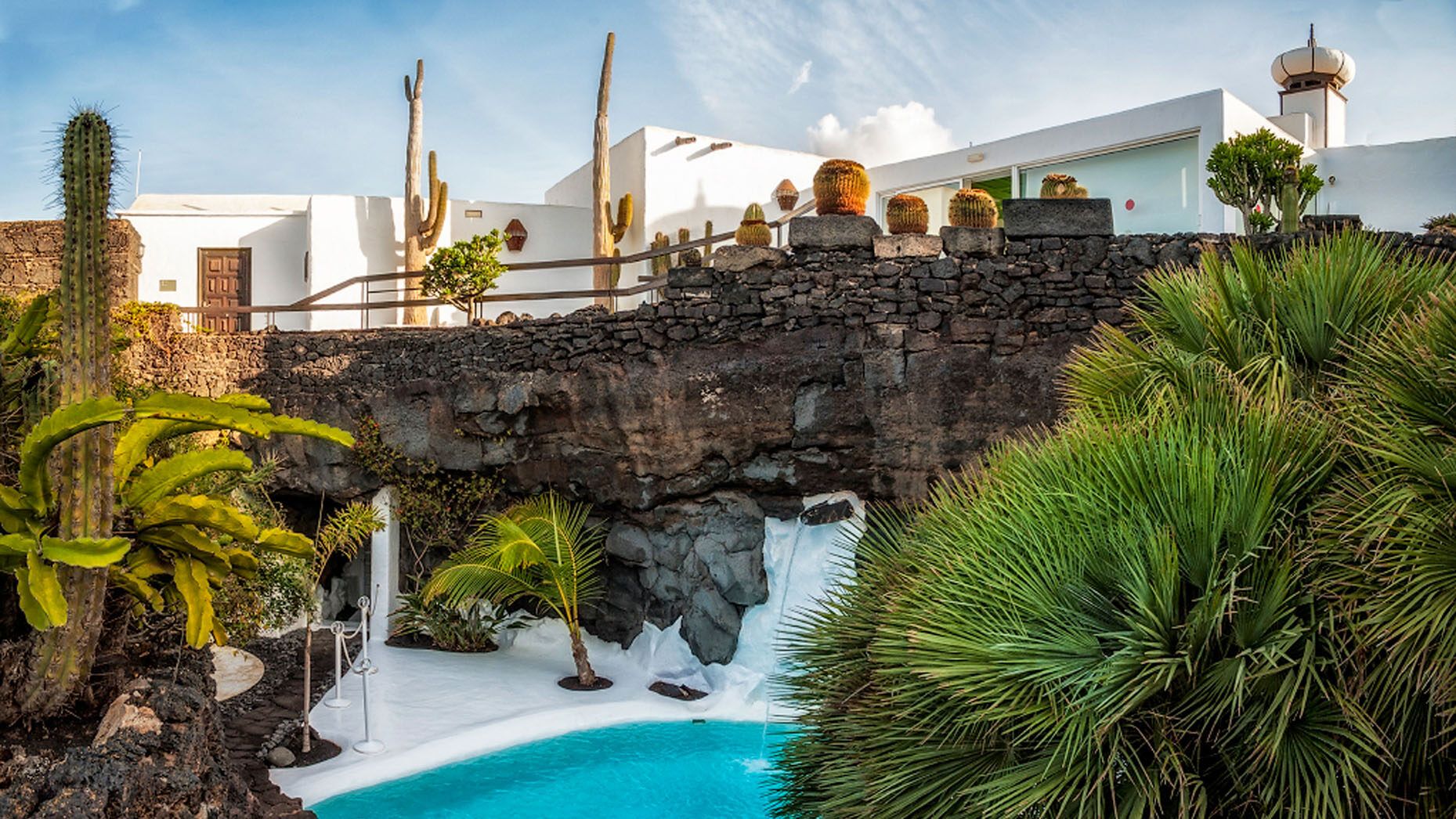
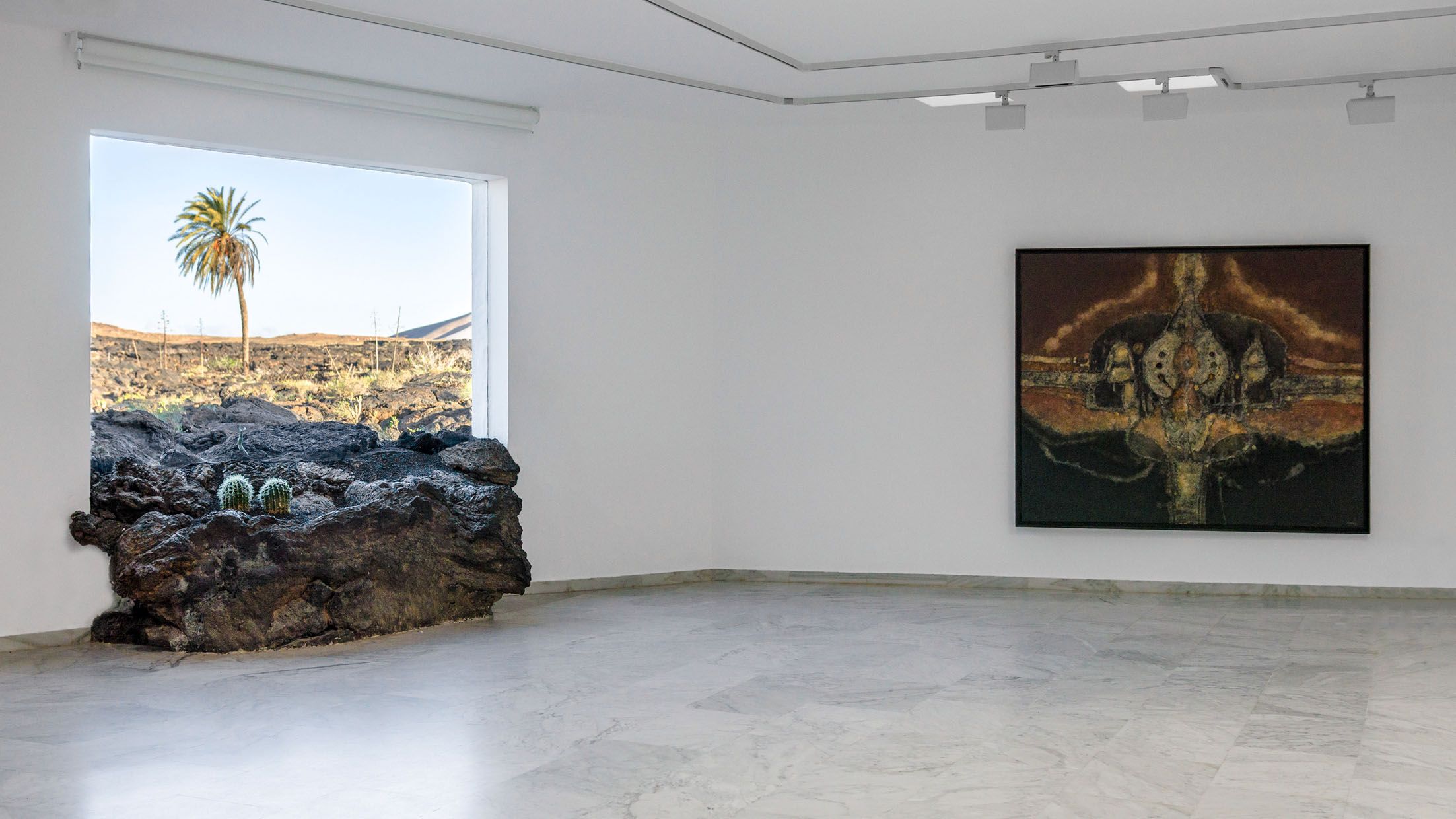
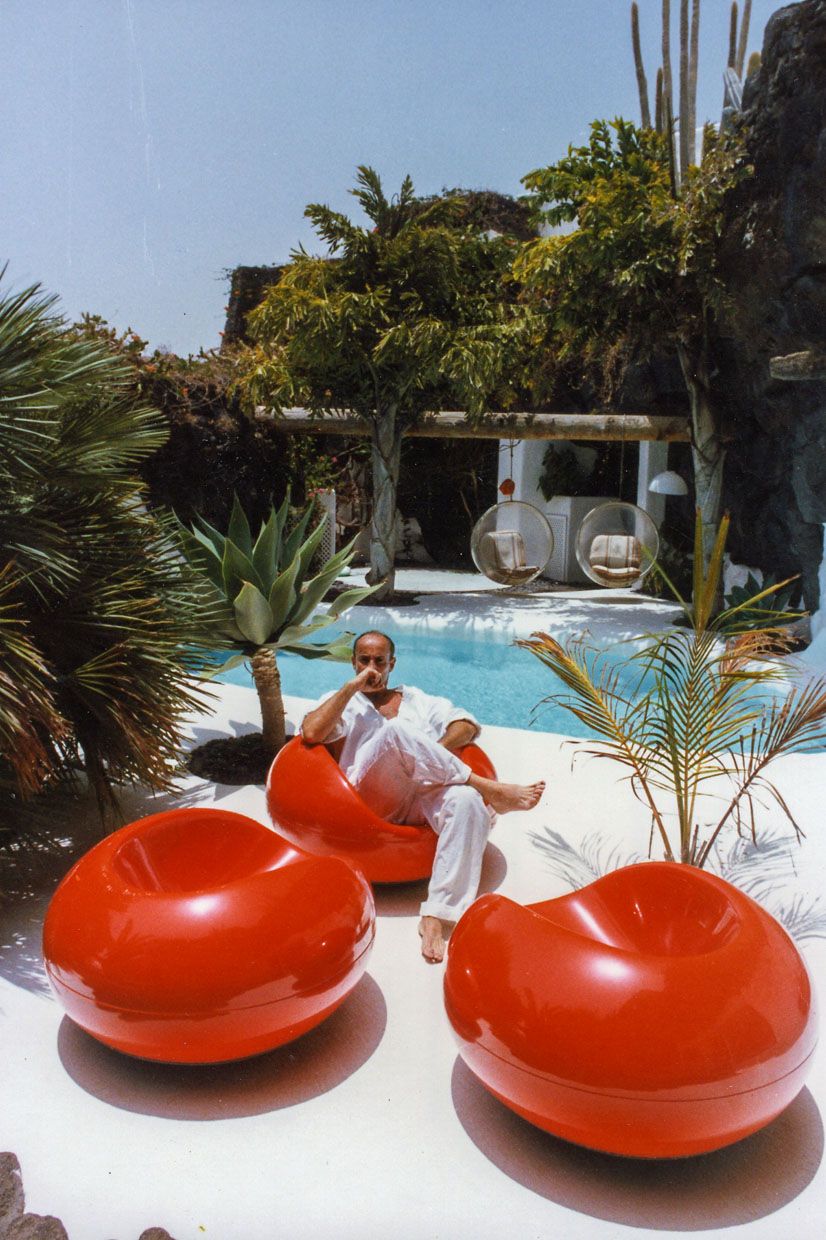
He had been returning from a site visit: the residence in Tahiche he designed in 1966 was to become the headquarters of his foundation and a museum. The 30,000-square-metre plot, entirely covered in lava flows, had been given to him as a gift when he returned from New York – its owner considered it worthless.
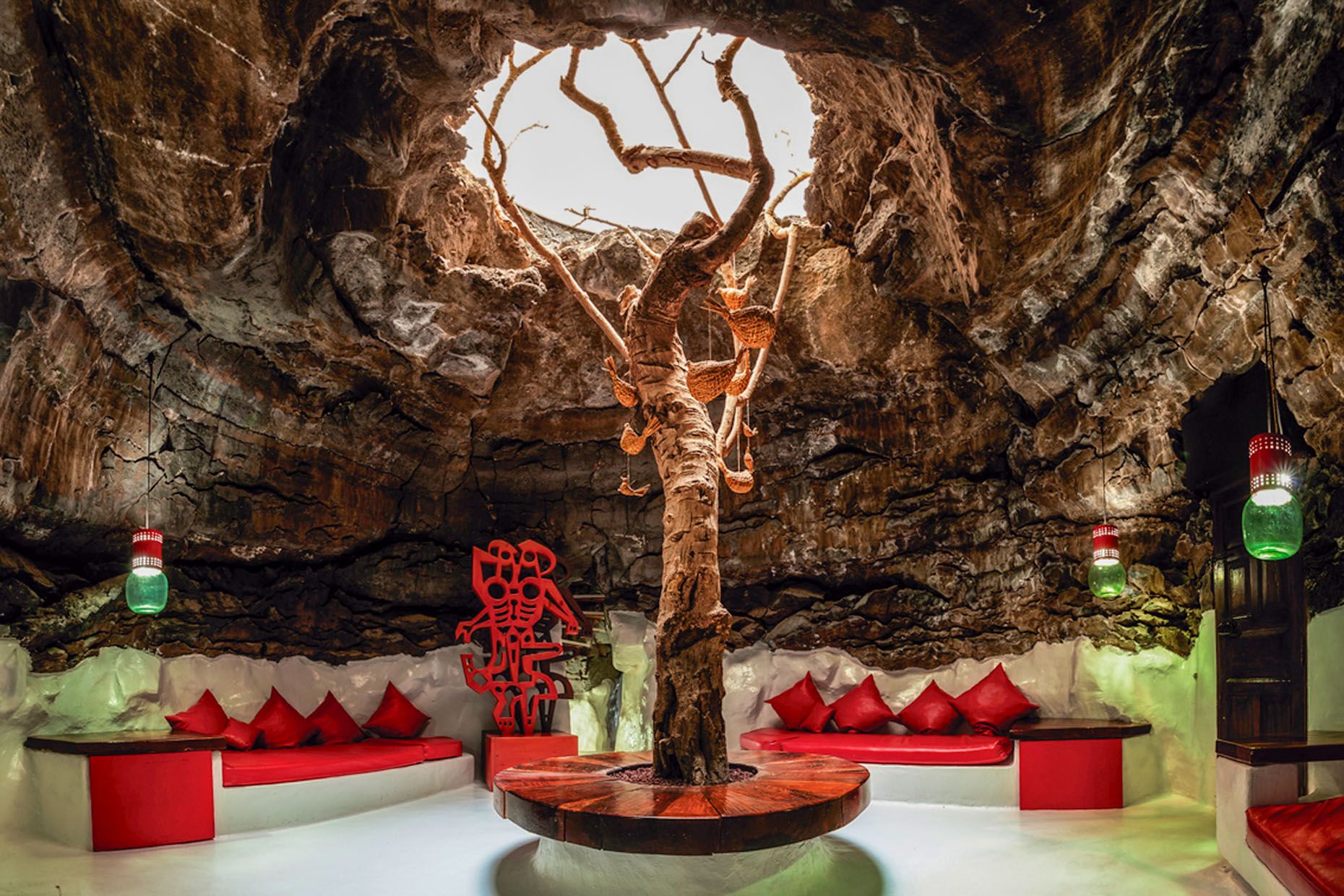
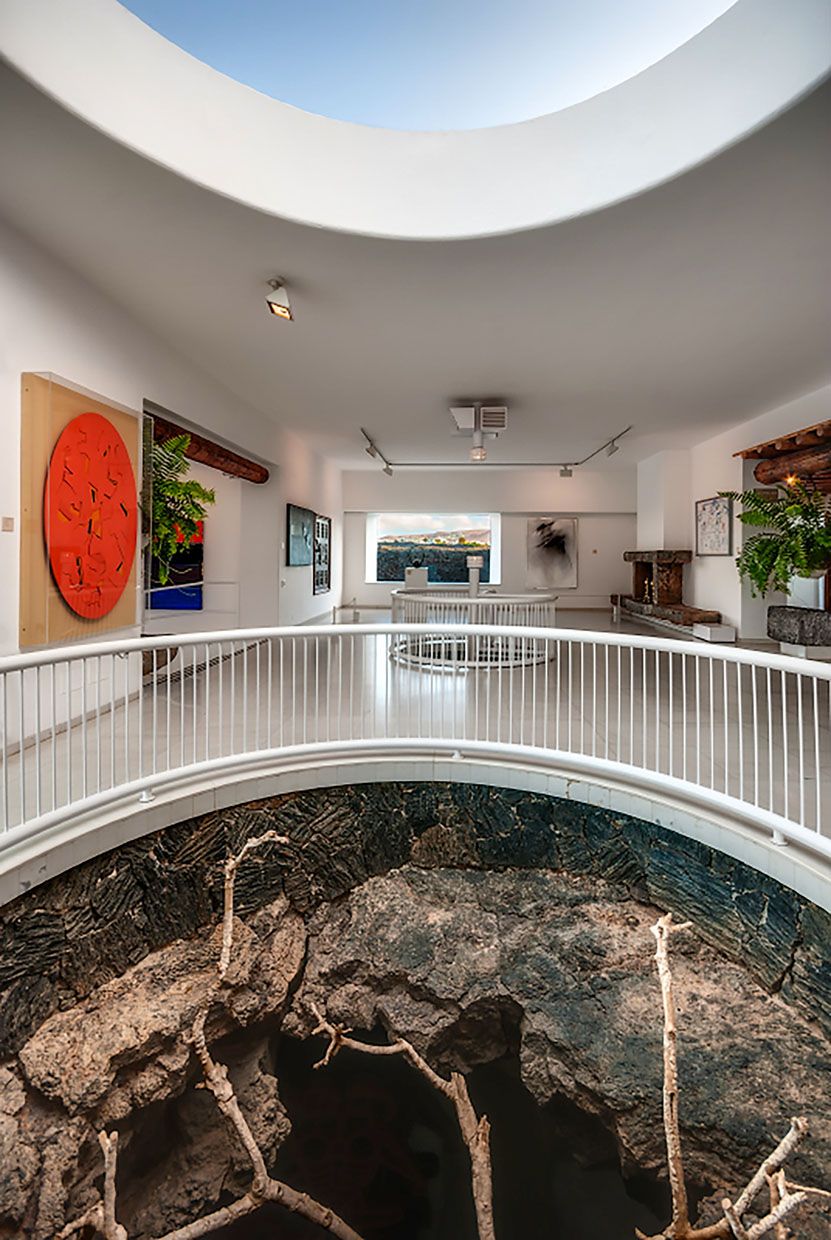
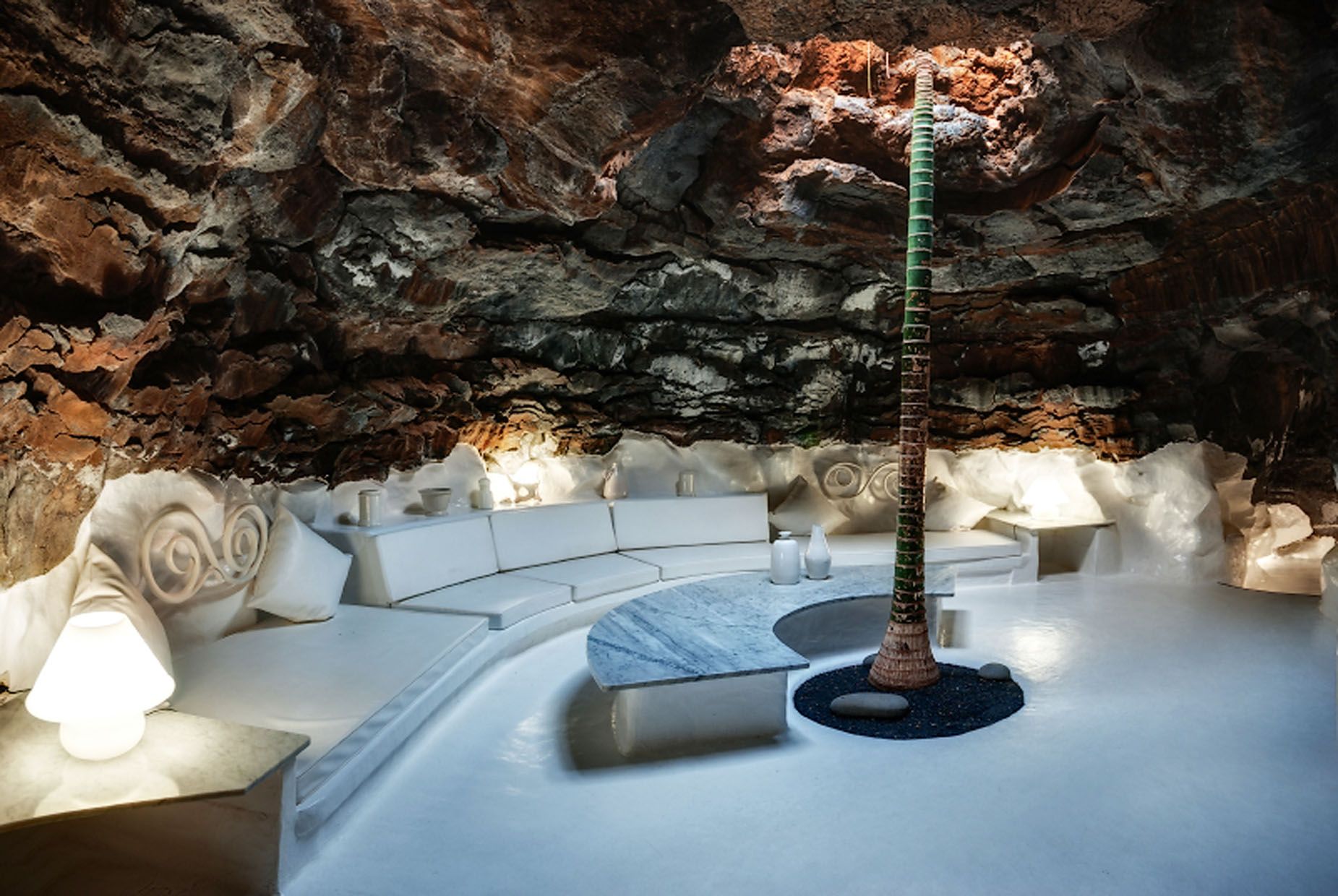
Above ground, still traditionally Canarian, with a courtyard, whitewashed walls and roofs, and green wooden doors and windows, Manrique created a sophisticated underworld in which five volcanic tubes connect to form spectacular, eccentric living spaces: with seating areas, a barbecue, studio, dance floor and, of course, a pool, around which two Bubble and Pastil Chairs by Eero Aarnio still lounge today.
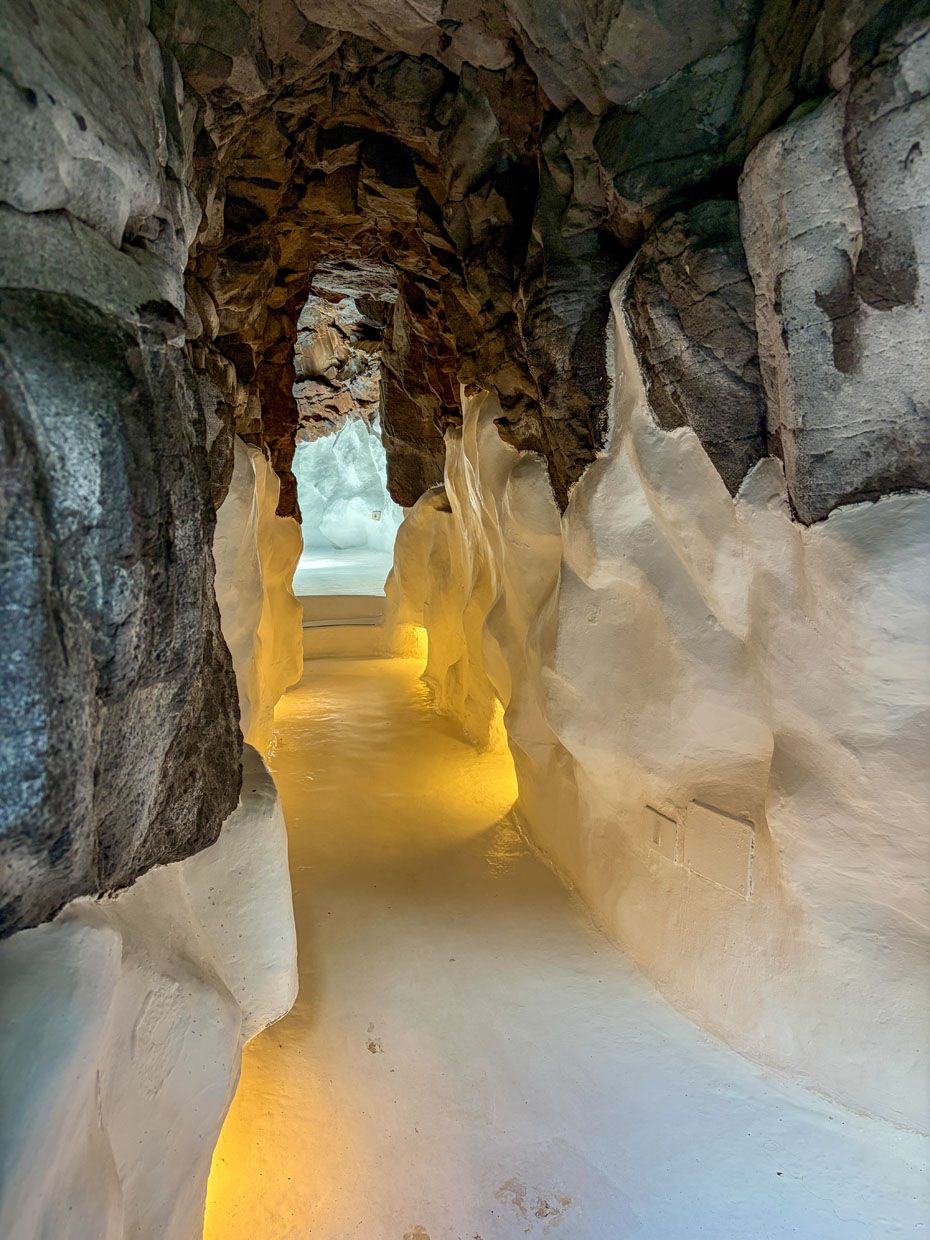
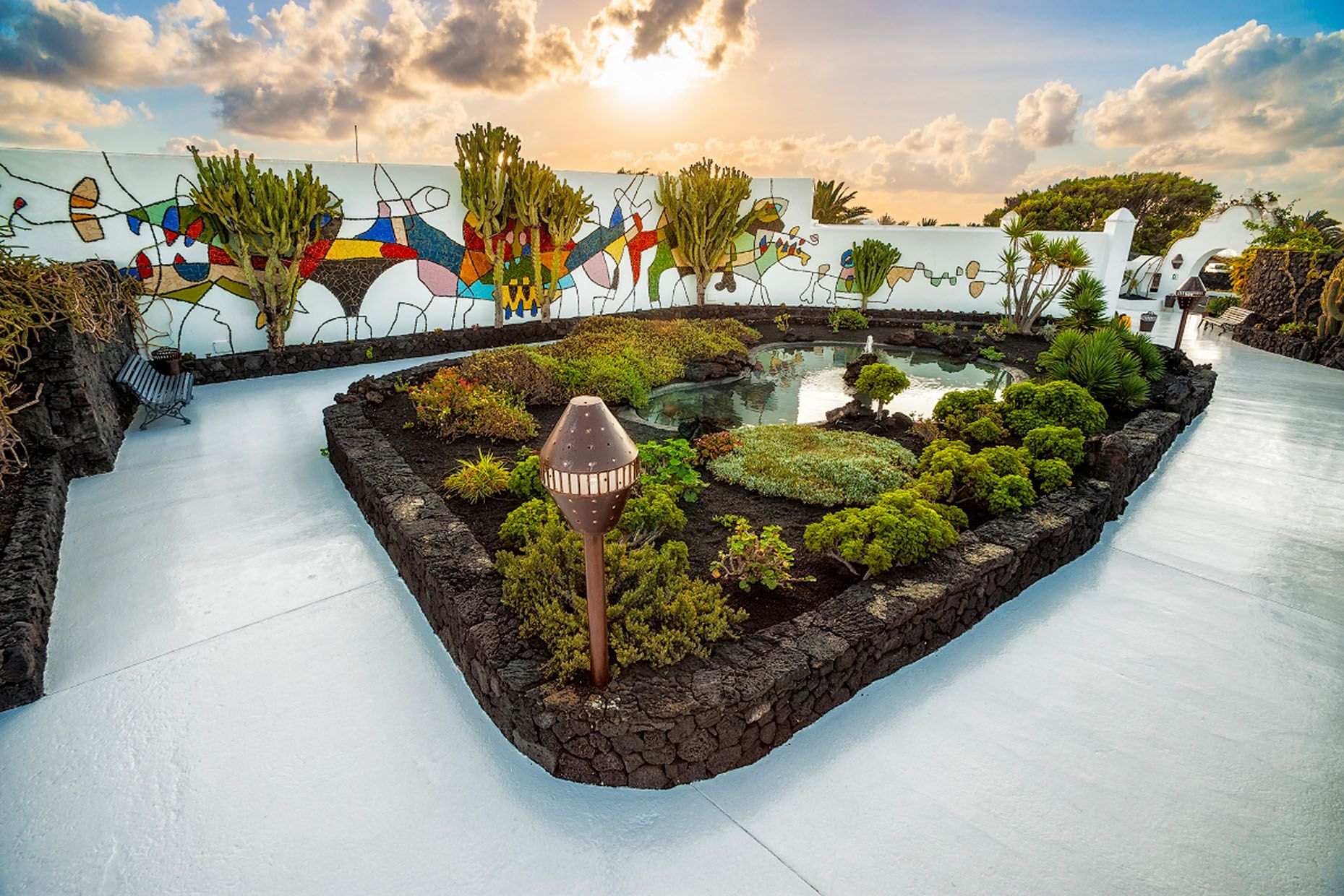
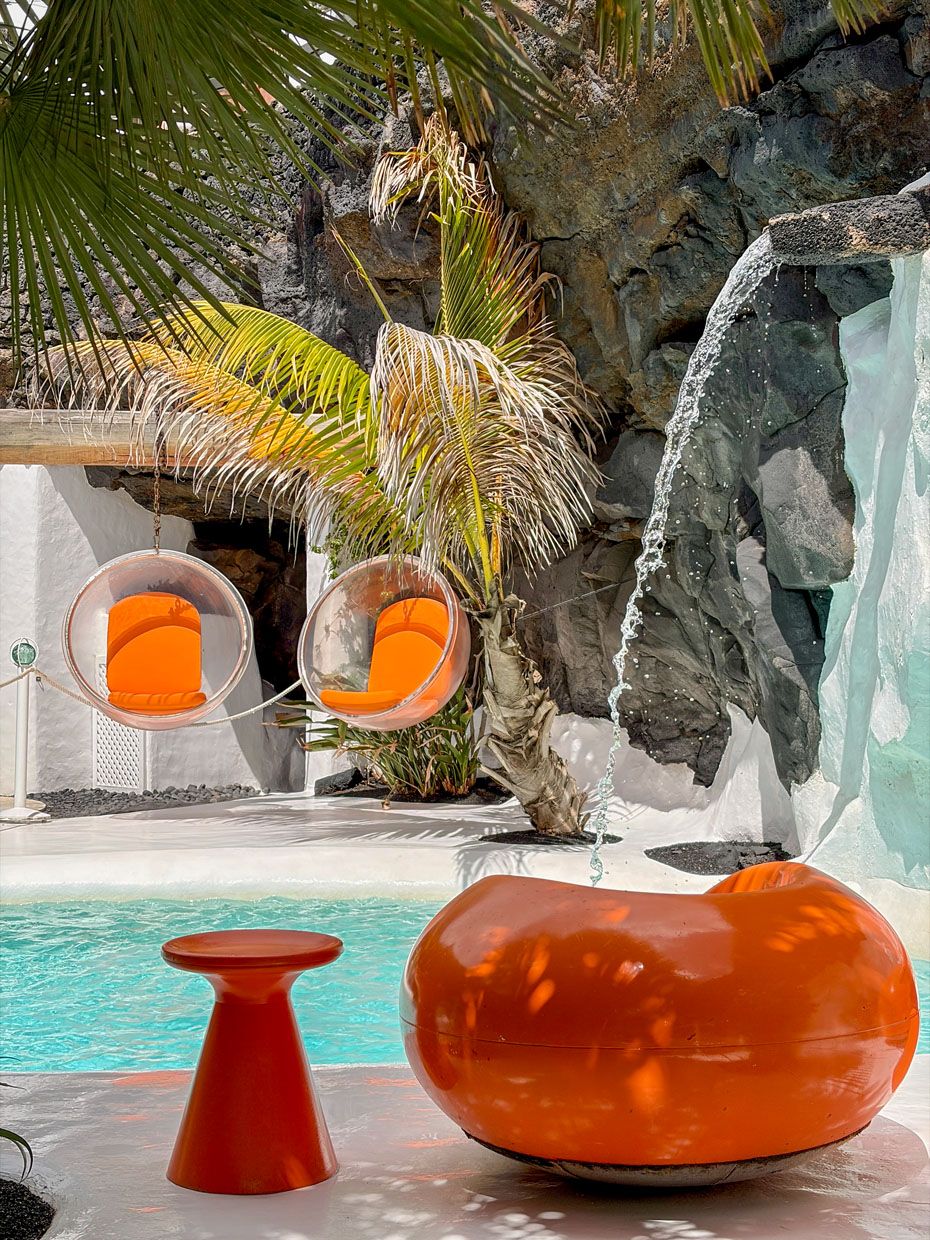
At the time – as photographs and articles in German tabloids attest – there was not only hard work but also hard partying. The party is over: since 1992, the Fundación César Manrique has maintained, managed and used the glamorous property. There is a café and a shop; Manrique’s paintings and collection are on display, as is his political engagement in sound and image. Although the activist artist did not live to see the opening, he himself had planned and overseen the conversion of his house.
According to the calculations of historian Iván Tibor Berend, profits in Spain’s tourism sector rose by 2043% in just 14 years, between 1959 and 1974. During this period, twenty-storey buildings were erected along the beaches, and the mayor of Benidorm travelled to Madrid on a Vespa to secure the legalisation of the bikini. In 1970, the airport in Arrecife opened to international flights.
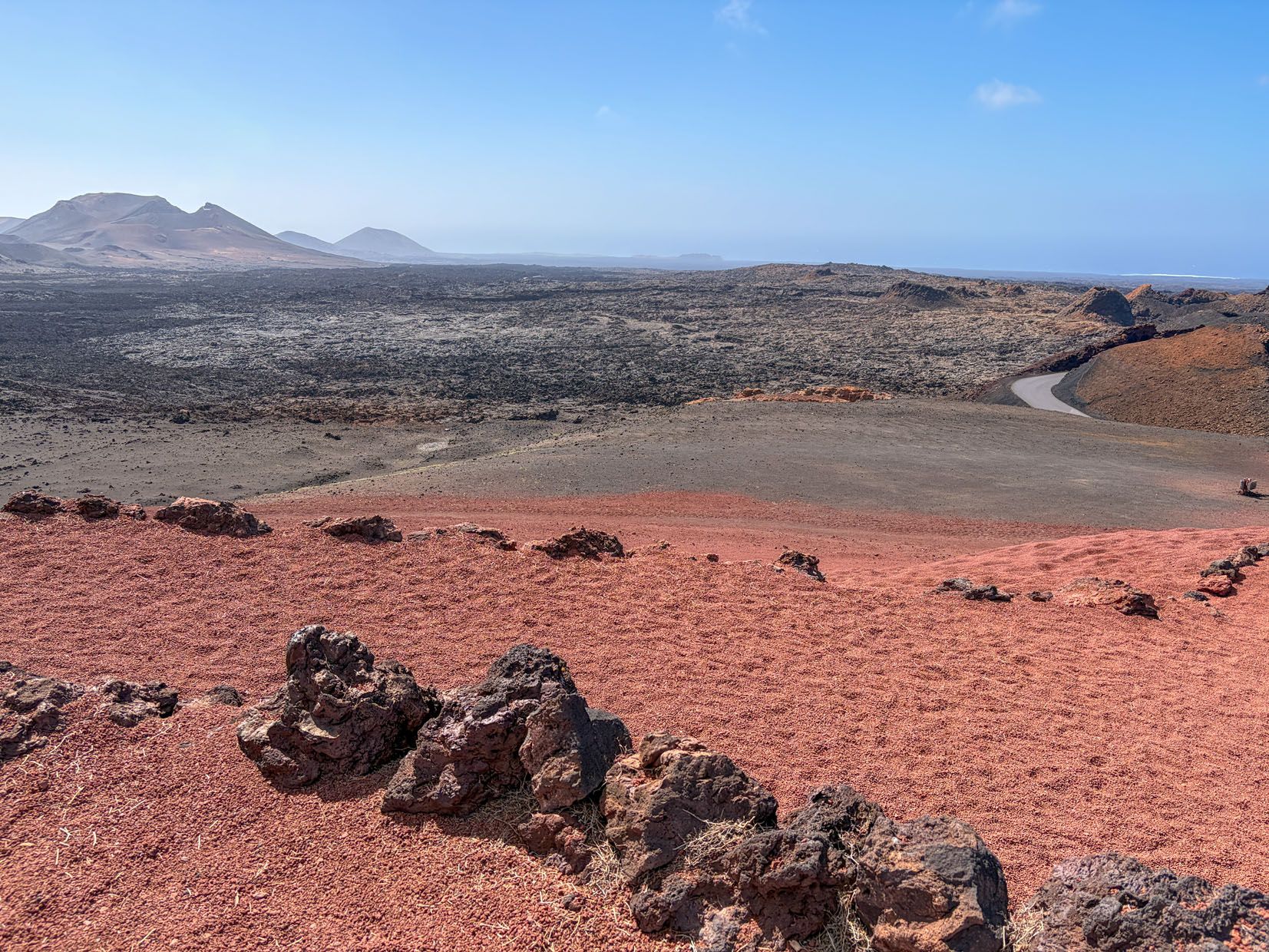
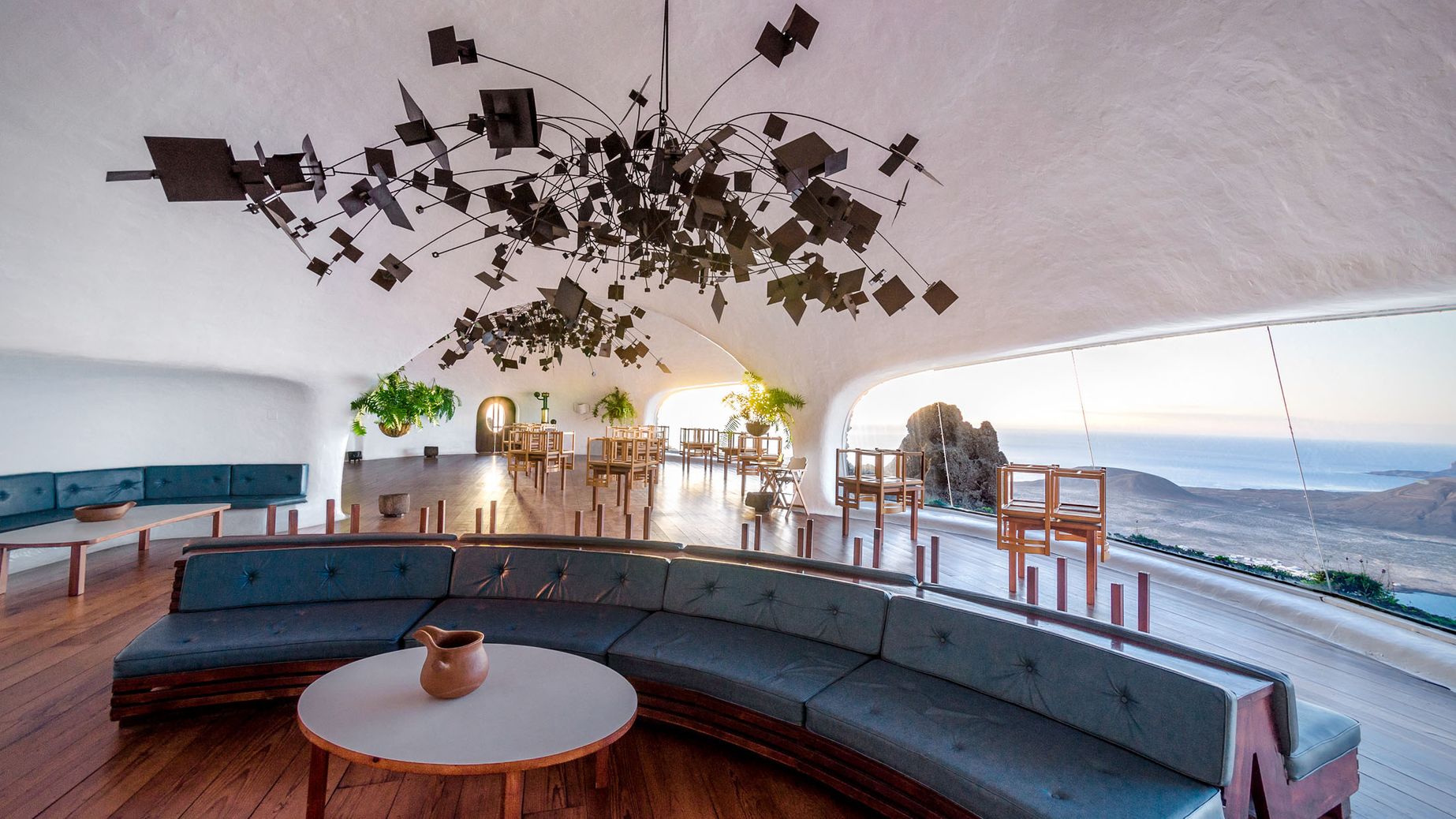
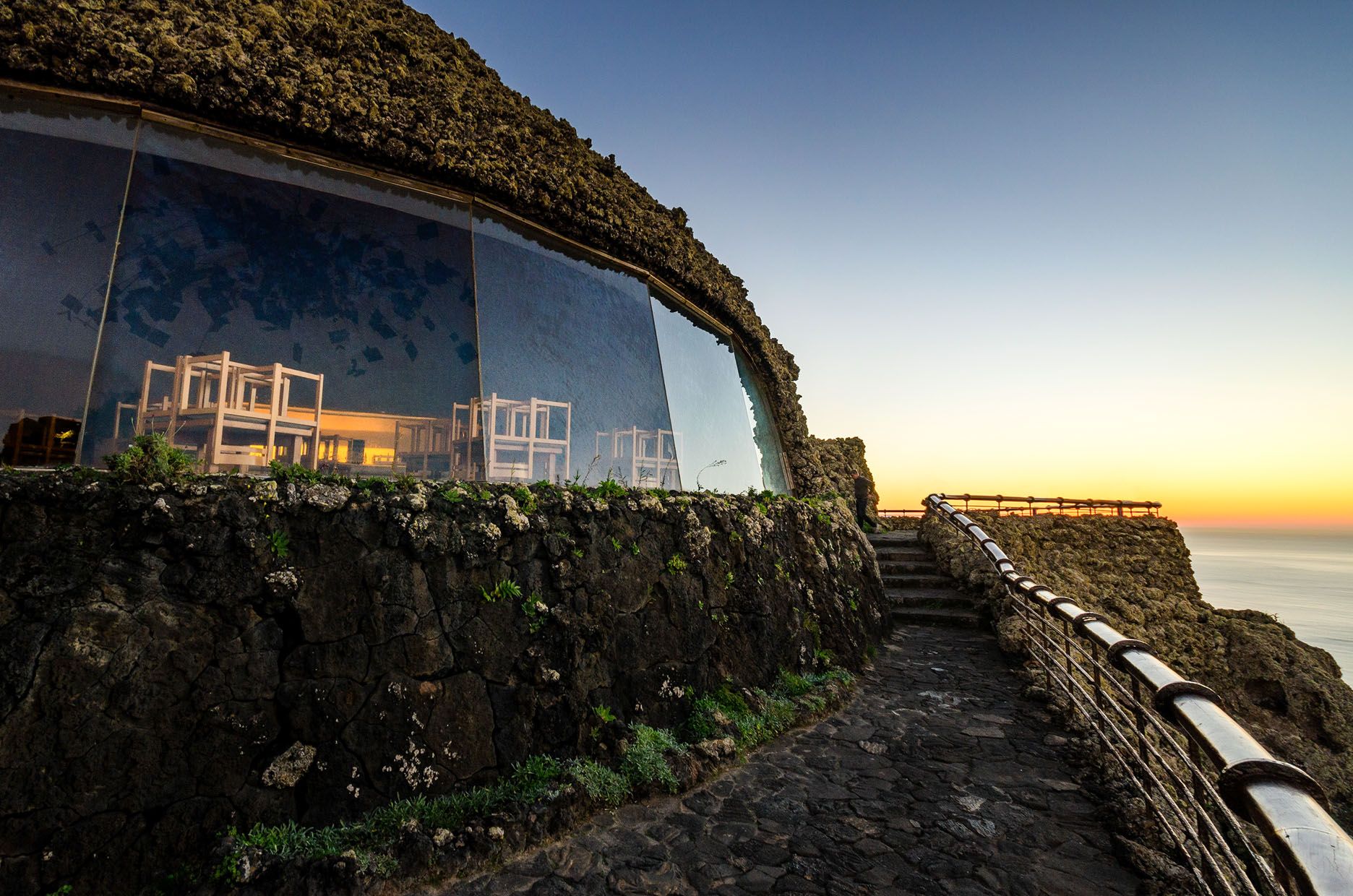
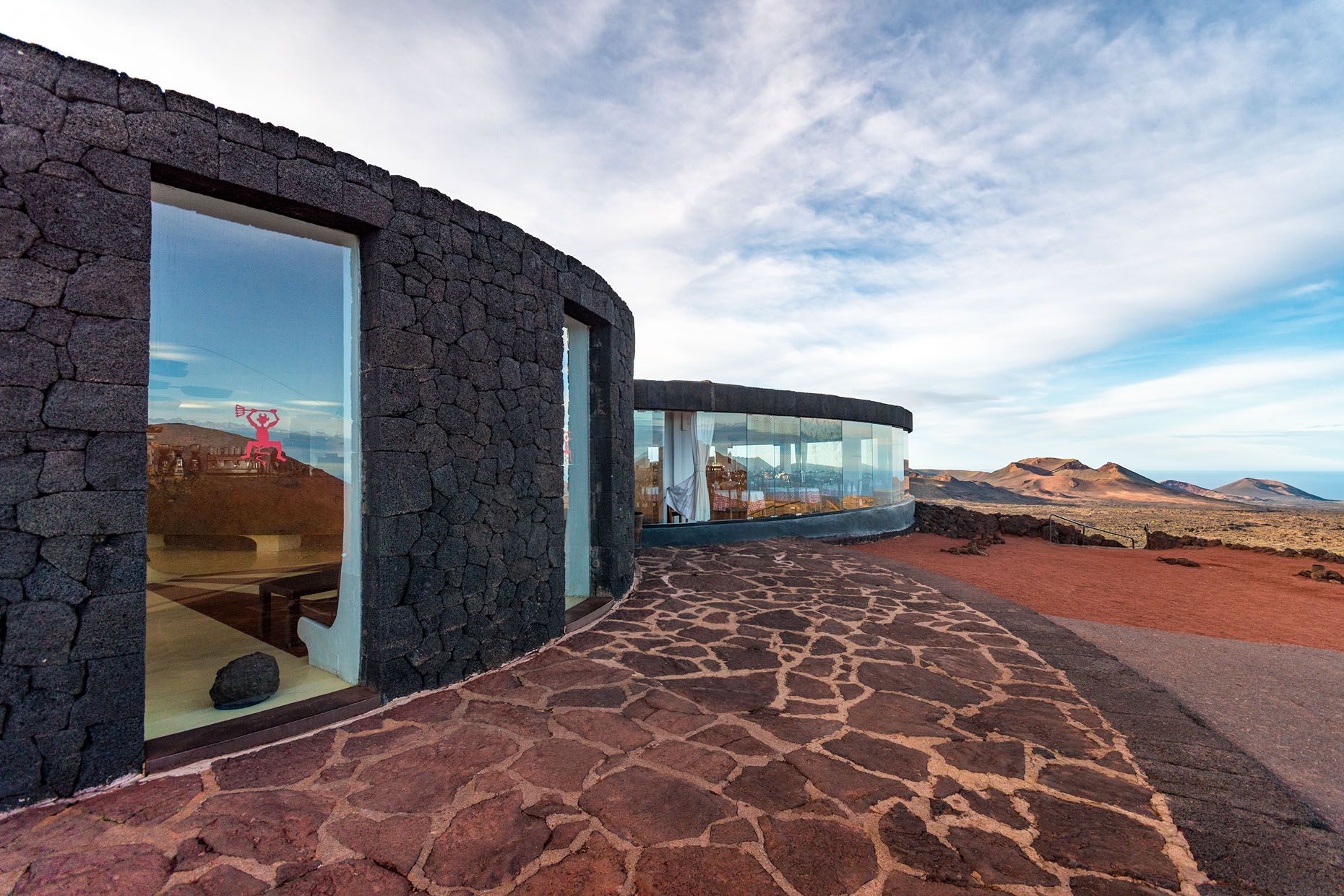
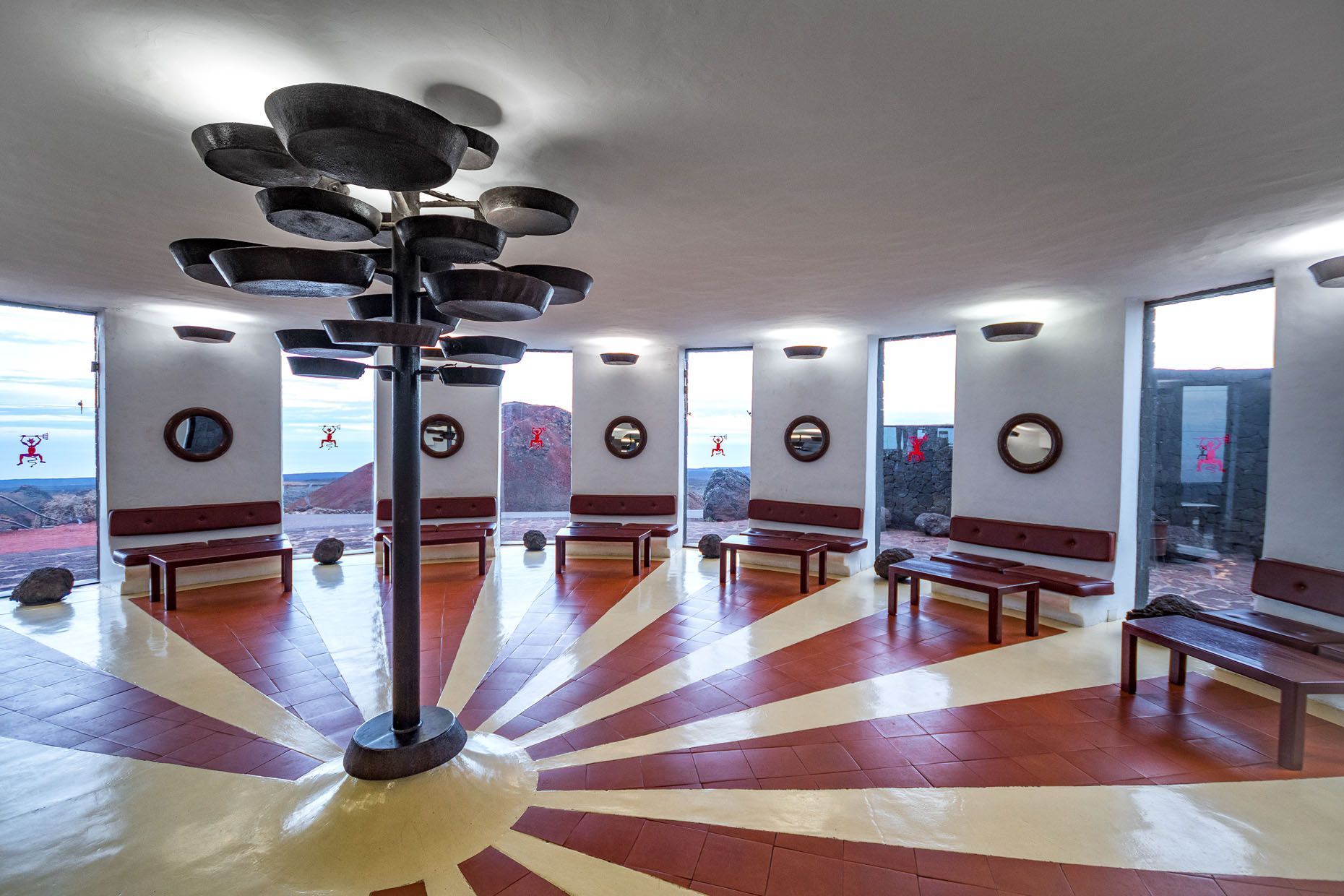
Since then, chickens have been grilled over the steam of an active volcano in the circular Restaurant El Diablo in Timanfaya National Park, amid the Montañas del Fuego. In 1973, Manrique, together with architect Eduardo Cáceres and artist Jesús Soto, built the Mirador del Rio on the Famara cliffs. In 1977, the Jameos del Agua were completed, accommodating 550 auditorium visitors and countless endemic blind albino crabs in a saltwater lagoon. The list of Manrique’s works is long; he confronted tourists head-on with the uniqueness of their destination. Art–nature / nature–art was the term he used for his aesthetic vision, speaking of “total art”, in which paintings, sculptures, urban design and architecture are embedded in nature – and ultimately in society as well.
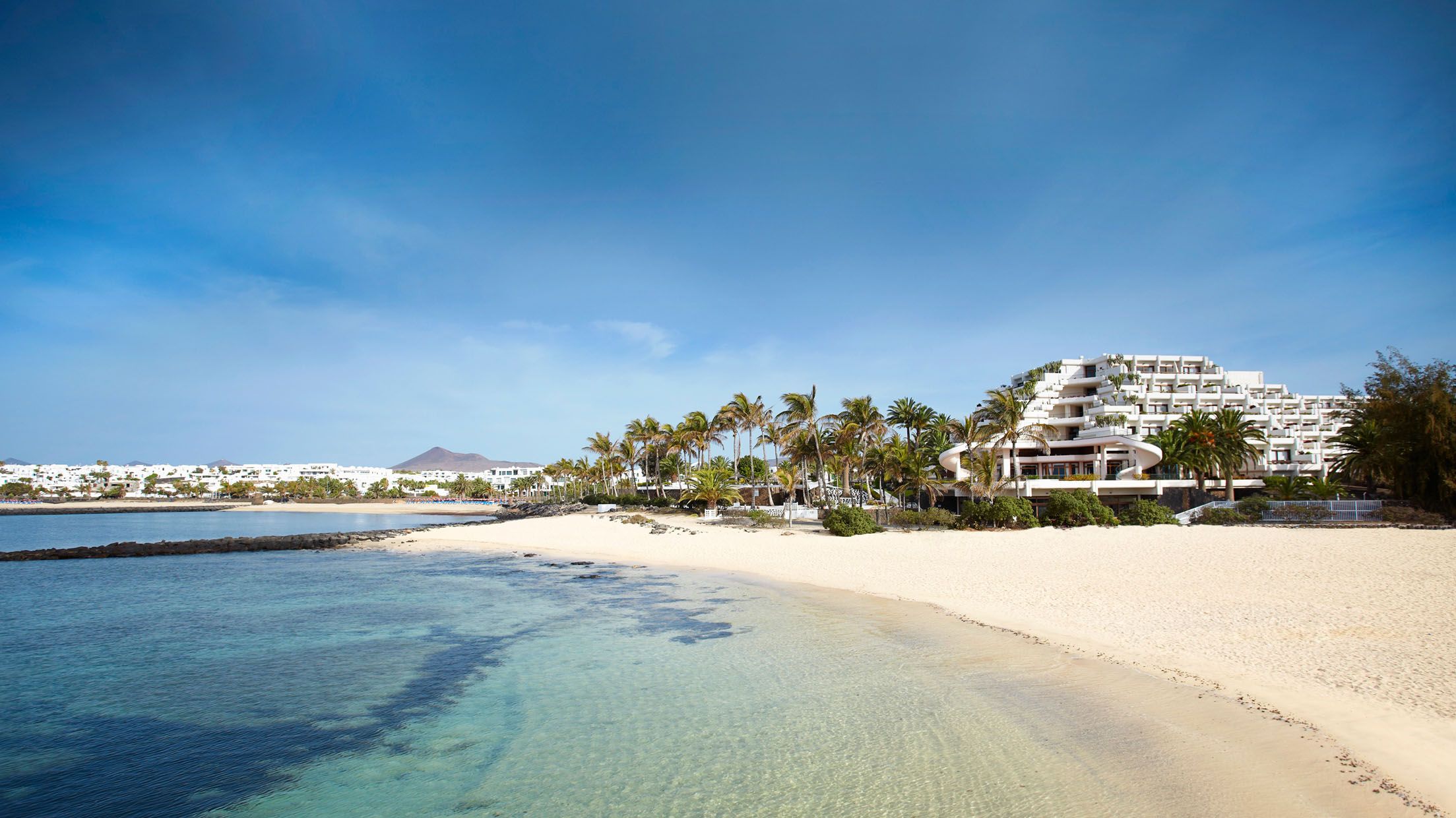
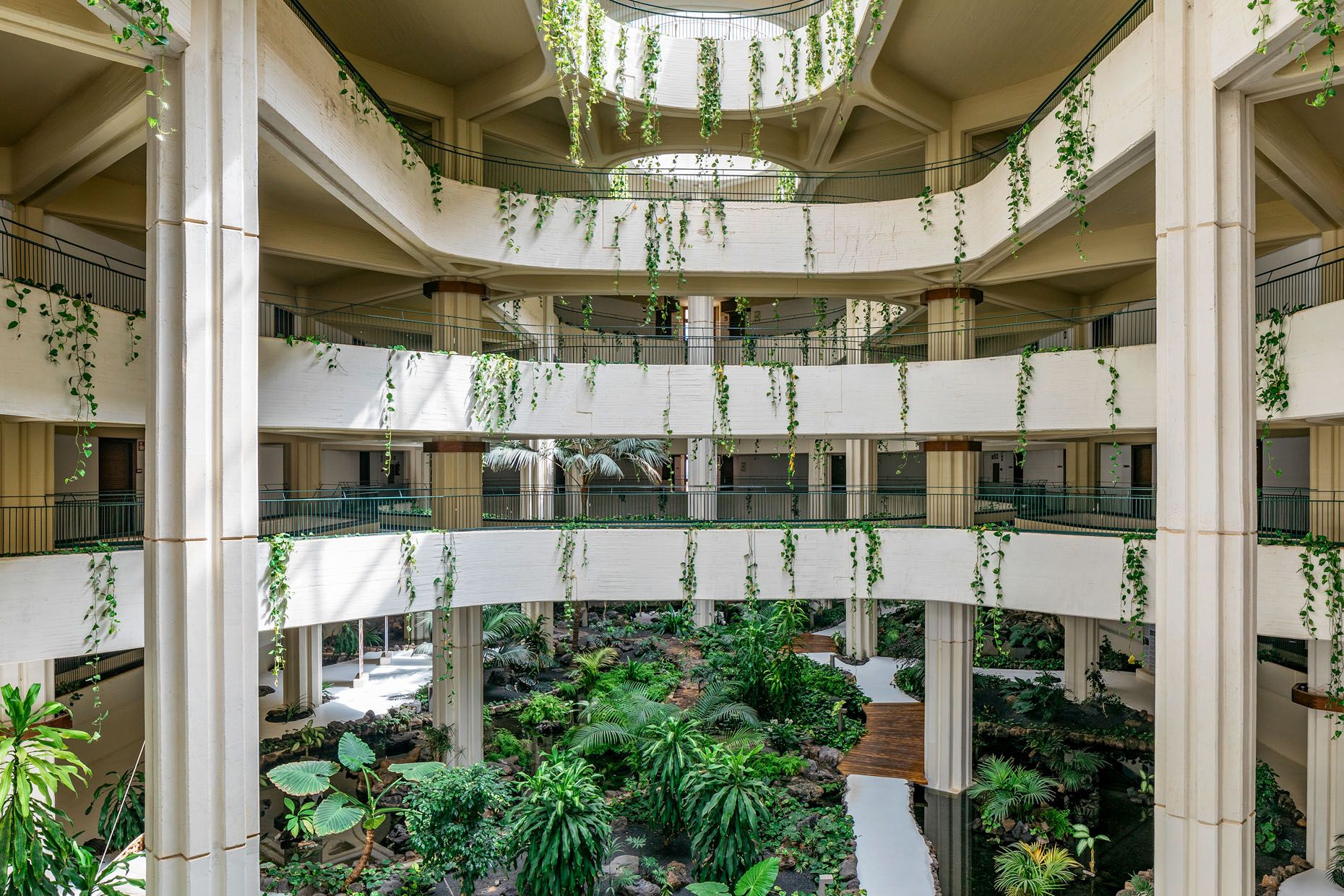
This sense of total art can also be felt in the Hotel Salinas in Costa Teguise, opened in 1977 and now known as Paradisus by Meliá Salinas Lanzarote, a five-star, all-inclusive, adults-only resort. The brutalist building, with its three terraced “fingers” ensuring that all 282 rooms have sea views and that the view from the street towards the water is obstructed as little as possible, was designed by Fernando Higueras. Born in Madrid in 1930, he gained renown for both his paintings and his buildings: in 1966, his so-called “Crown of Thorns” for the Institute of Spanish Cultural Heritage, designed with Antonio Miró Valverde and Rafael Moneo, created a striking landmark in the Spanish capital. “Less is less, and more is more” was his motto, set in opposition to the “asepsis of Mies van der Rohe”.
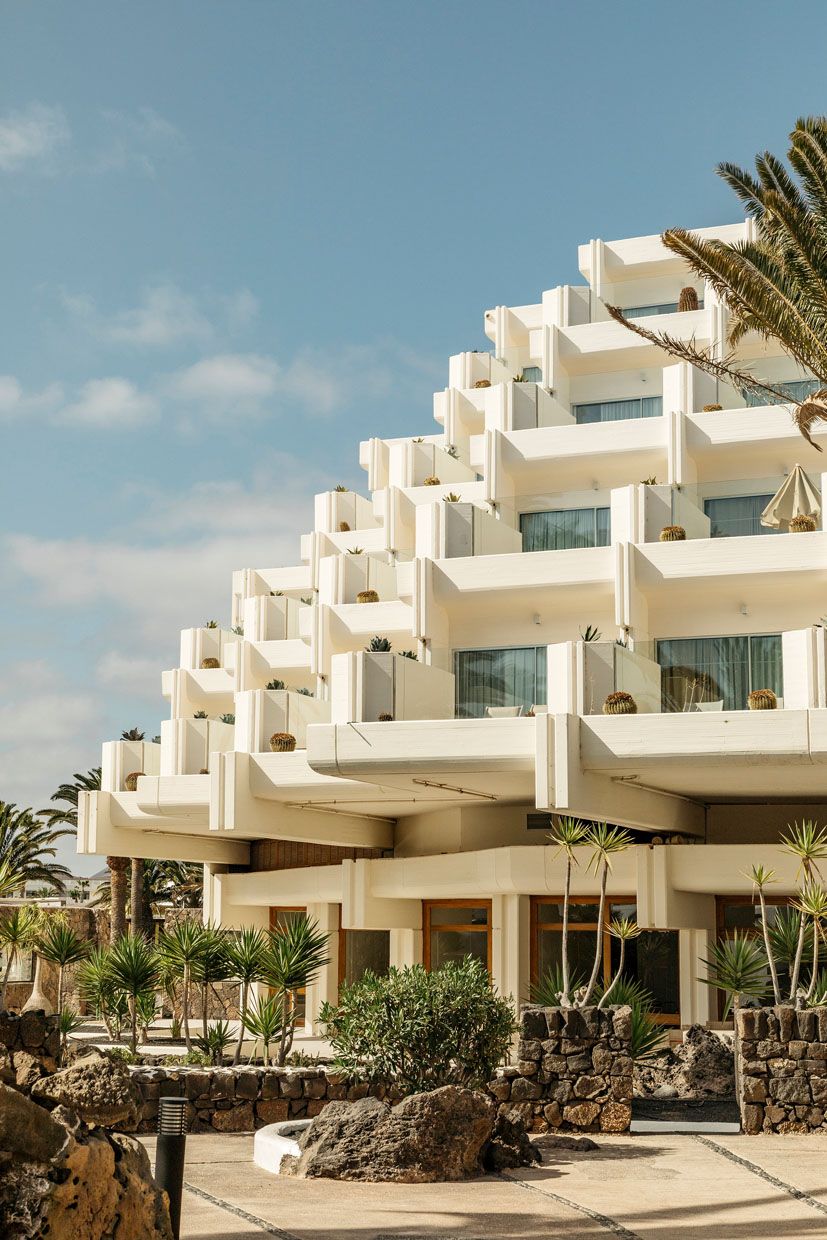
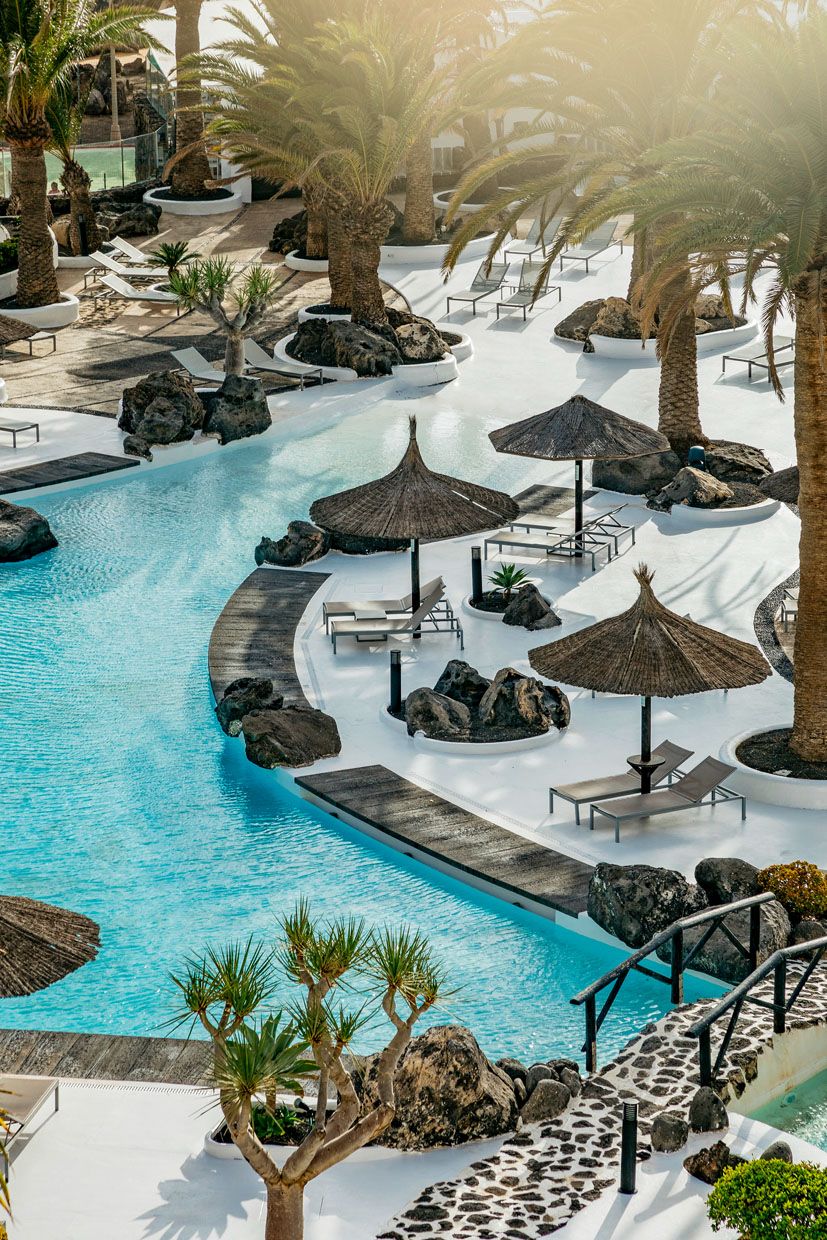
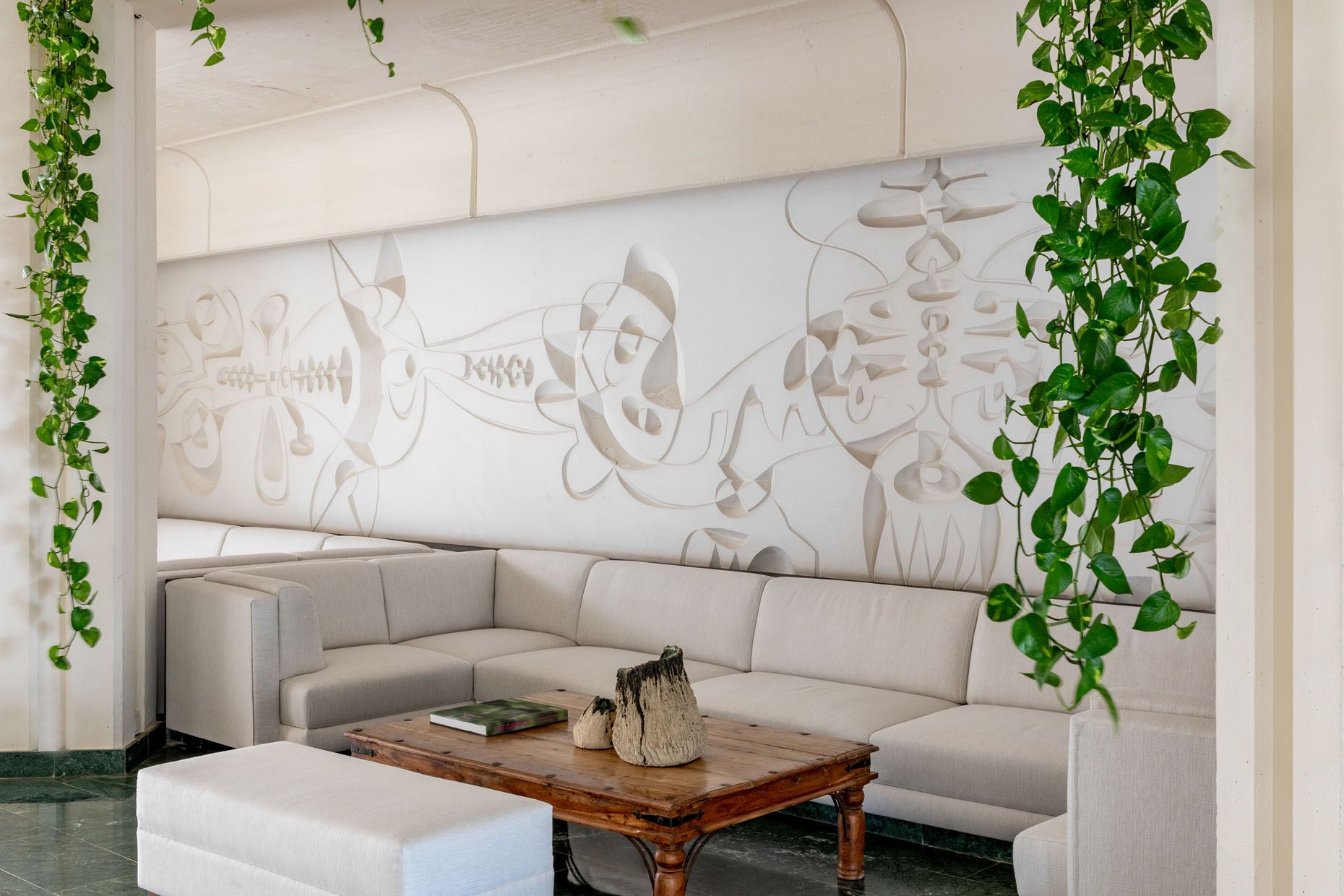
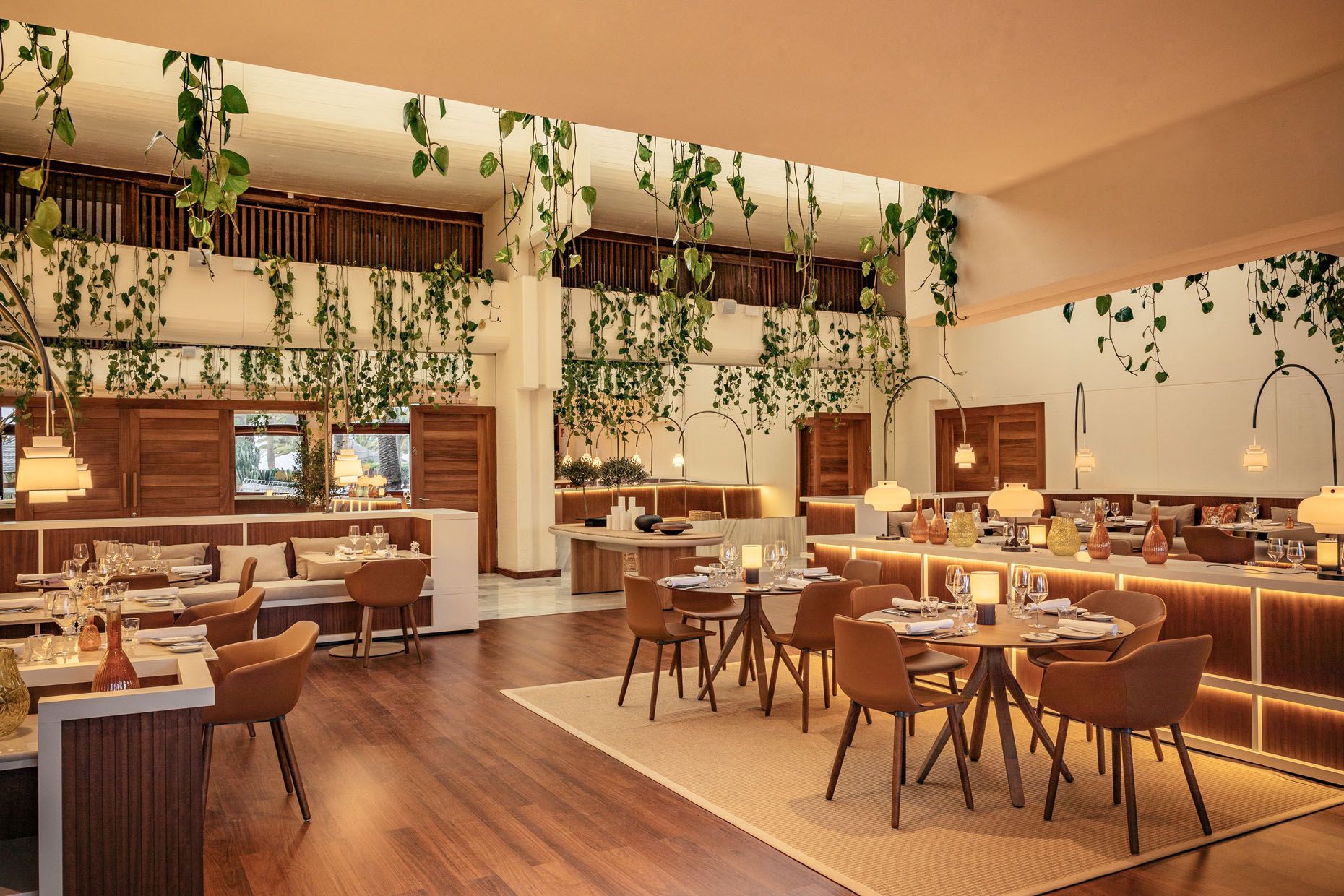
In his friend César Manrique, he found a congenial partner in artistic and architectural creation: Manrique planted – indeed, practically “junglefied” – the hotel’s central open atrium with over 300 plant species, worked on the walls in the lobby and main restaurant, and transformed the garden into a 1,800-square-metre landscape of pools, lava, bridges and sunbathing areas. In 1998, the hotel was declared part of Lanzarote’s artistic and cultural heritage. On the weekly programme of this truly unique hotel, renovated in 2023, one finds – on Thursdays at 4 pm, between SUP Pilates in the pool and a Beatles tribute in the Ginger Bar – the César Manrique tour.
“I have always been full of energy. I am very positive and have a great joy for life.” Would he still be happy on Lanzarote today? His thunderous warnings, delivered through a megaphone as he proclaimed his Manifiesto por la sostenibilidad de Lanzarote (“Manifesto for the Sustainability of Lanzarote”), have lost none of their relevance. Duty-free shops, supermarkets, Irish pubs and Indian restaurants line the promenade at Playa de Las Cucharas in Costa Teguise, one of the island’s three mass-tourism hotspots, framed by cacti and palm trees. At “Heidrun’s Surf Corner”, Paulaner, Franziskaner, Schöfferhofer and German filter coffee are on offer.
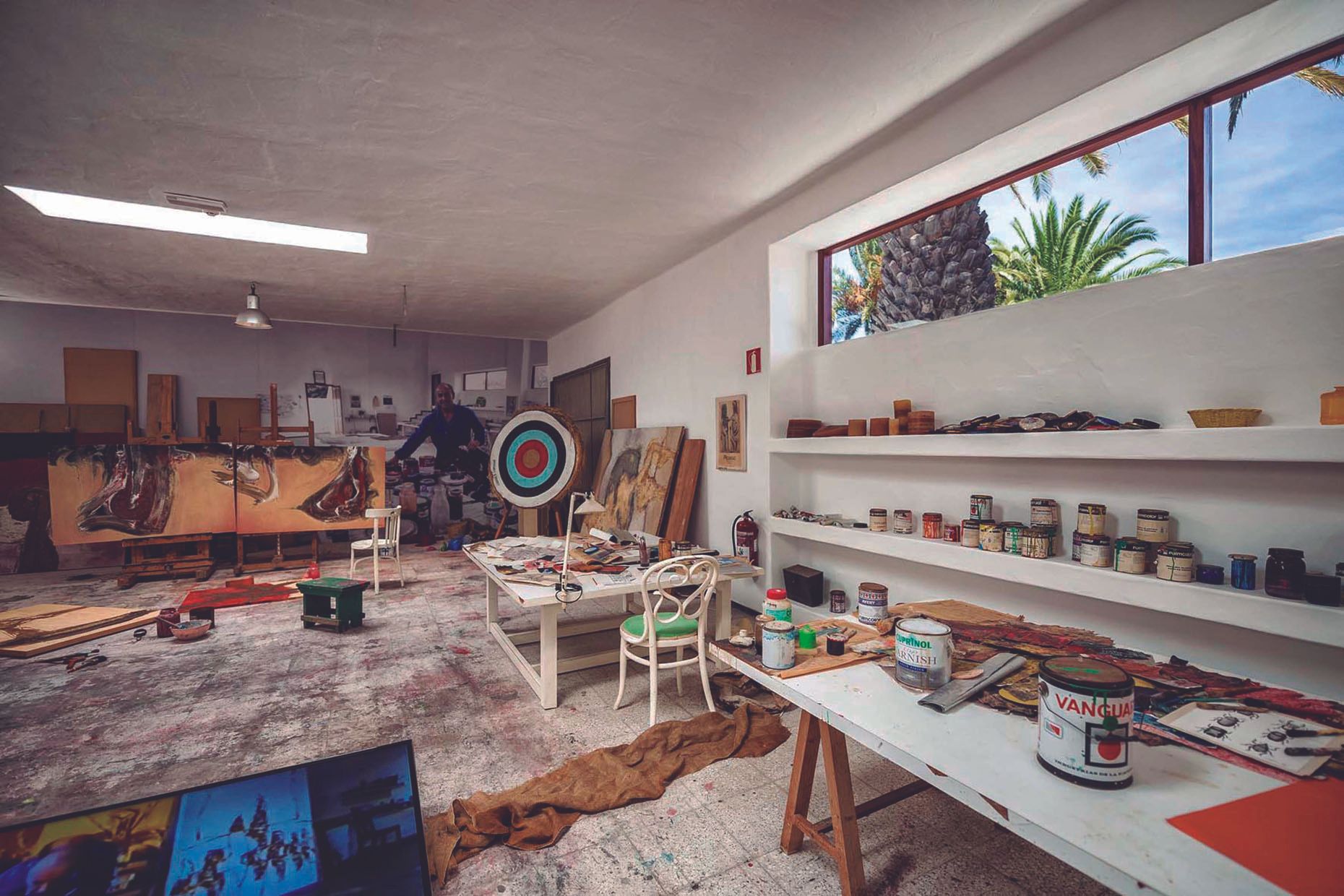
For his house in Haría, he still had plans for extensions and alterations. His studio, housed in an outbuilding, looks as if he had only just stepped out: pigments, tins of acrylic paint, tools and found objects are all in place. It is said that he “left the island half-finished, just like his house”.
In any case, I brought back a set of three small cacti from the Jardín de Cactus, for €9.20. With proper care, they can live up to 200 years – and I am very positive about that. After all, Timm Thaler got his laughter back, and saints continue to have an effect beyond their death.
Text: Katharina Matzig
Photos: Mirador del Rio © Fundación César Manrique (Cover photo), Hotel Paradisus by Meliá Salinas Lanzarote, View © Hotel Paradisus by Meliá Salinas Lanzarote (1), Mirador del Rio © Fundación César Manrique (2/3), Jameos del Agua © Fundación César Manrique (4–6), César Manrique © Fundación César Manrique (7/8), Casa-Museo César Manrique, Haría © Fundación César Manrique (9–11), Fundación César Manrique (Casa del Volcán). © Fundación César Manrique (Cover photo, 12–19) National park Timanfaya © Katharina Matzig (20/23), National park Timanfaya, Restaurant El Diablo © Fundación César Manrique (21/22), Hotel Paradisus by Meliá Salinas Lanzarote © Hotel Paradisus by Meliá Salinas Lanzarote (24–29).
About the author
At the age of eleven, Katharina Matzig fell in love with Timm Thaler – though her decision to study architecture was, presumably, not directly related to the filming locations. Unlike her youthful crush, however, her fascination with Manrique’s extraordinary architecture and the landscape of Lanzarote has endured. As Head of Communications at the Bavarian Chamber of Architects, she is particularly impressed by the visionary’s future-proof foresight and political conviction.

0 Comments