
Ulla Hell: In Dialogue with the Topography – Continuing to Shape the Landscape
The South Tyrolean architect draws her grounded approach and distinctive design language from her deep roots in her homeland, the Dolomites, while new ideas often emerge through exchange within the international network of Plasma Studio.
Hello to South Tyrol! One of your most recent projects is the newly opened Reinhold Messner House in Sexten. How did you come to be commissioned with the redevelopment of the former mountain station?
The idea for a Reinhold Messner museum dates back almost 30 years. At that time, Reinhold Messner and my father-in-law, Willi Rainer, got to know each other. As Reinhold Messner was looking for a site in the South Tyrolean Dolomites, they remained loosely in contact over many years.
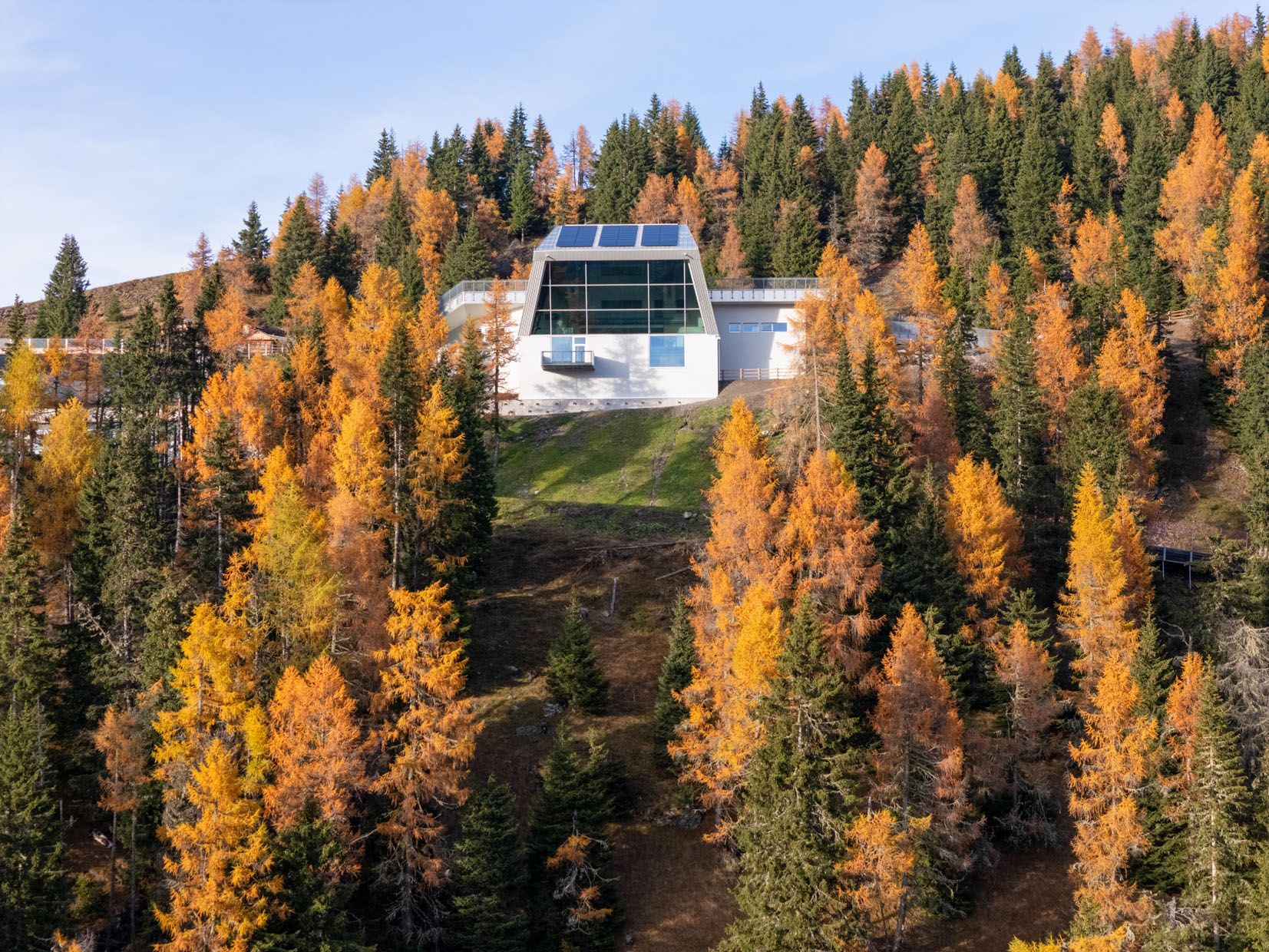
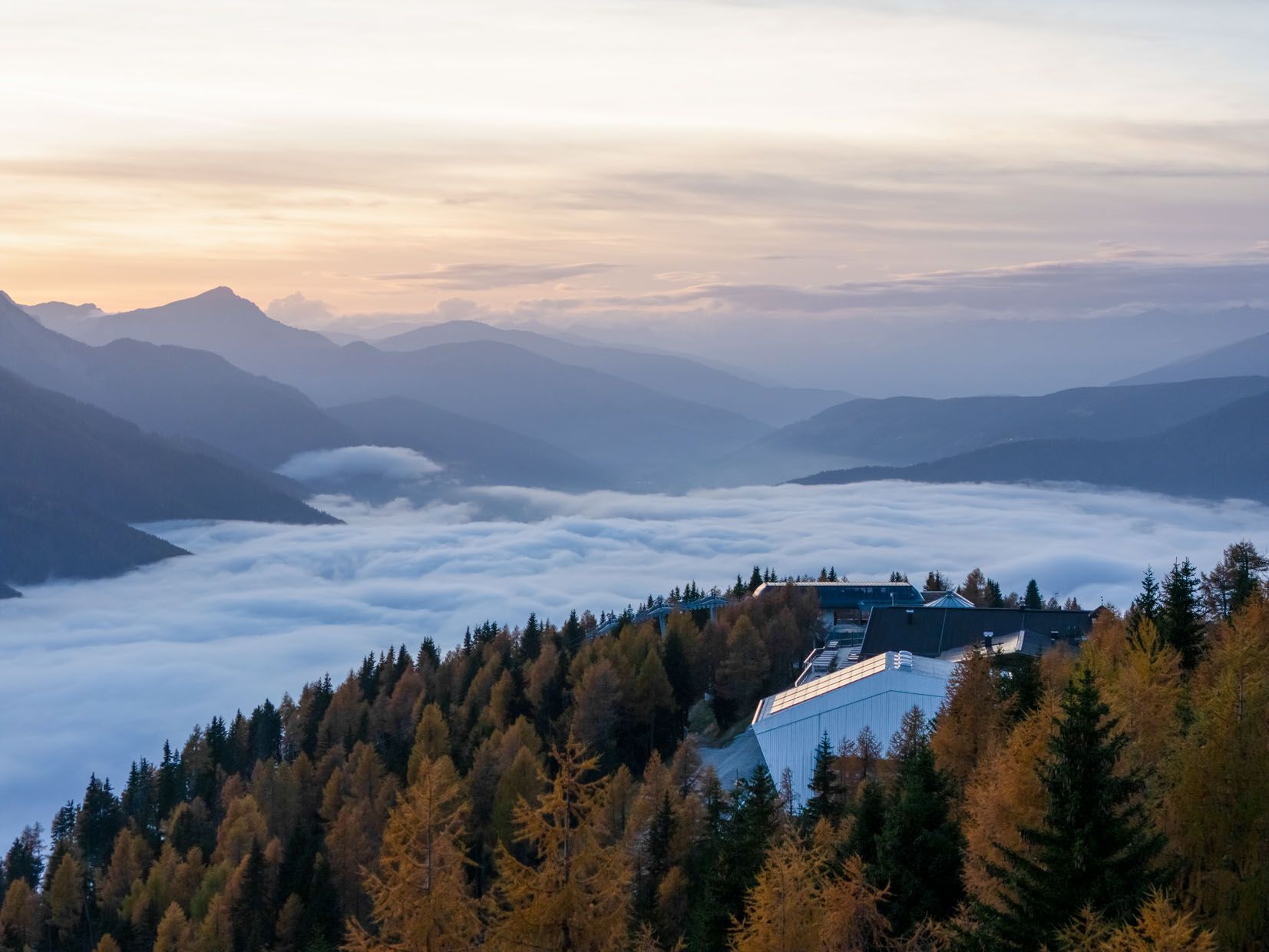
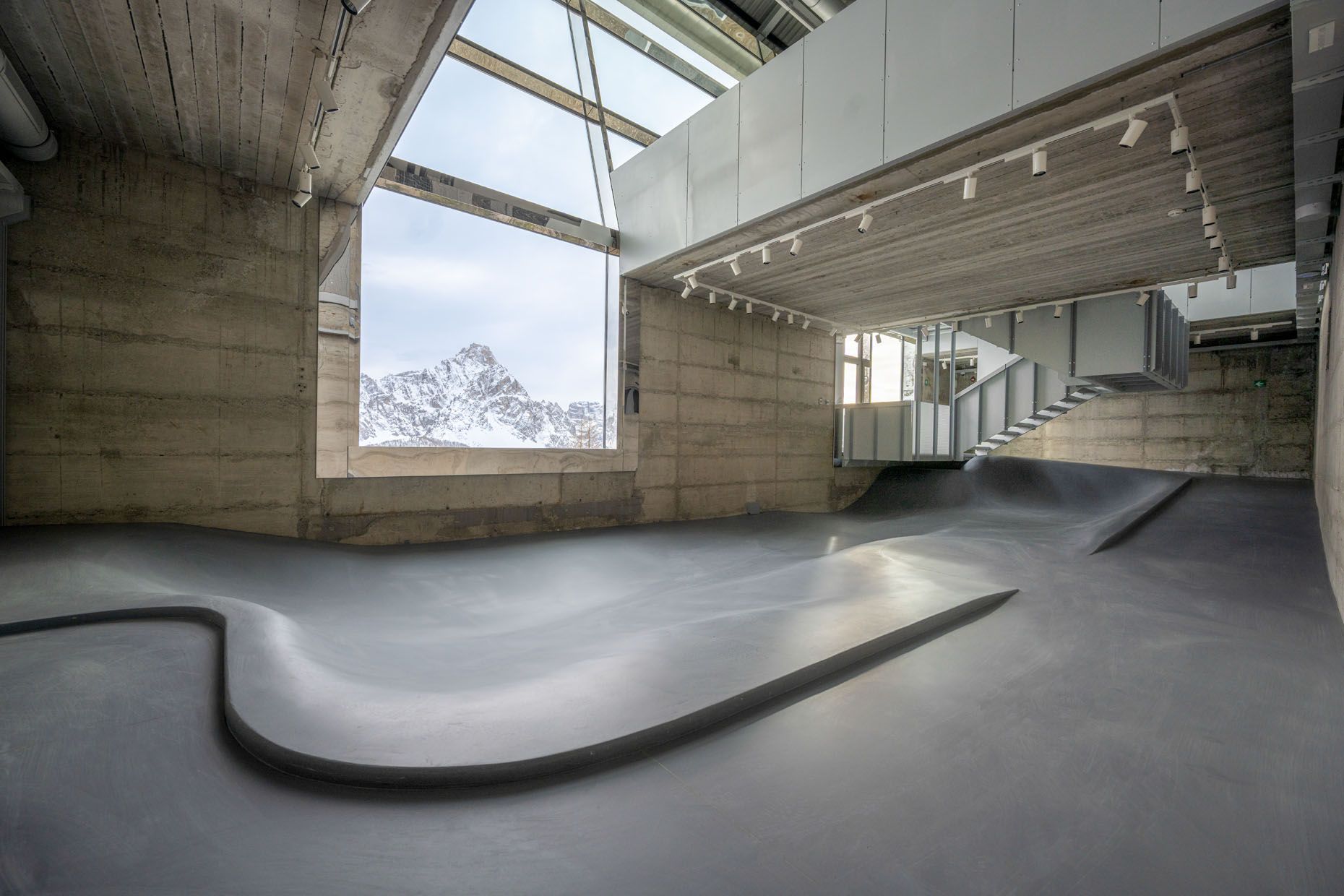
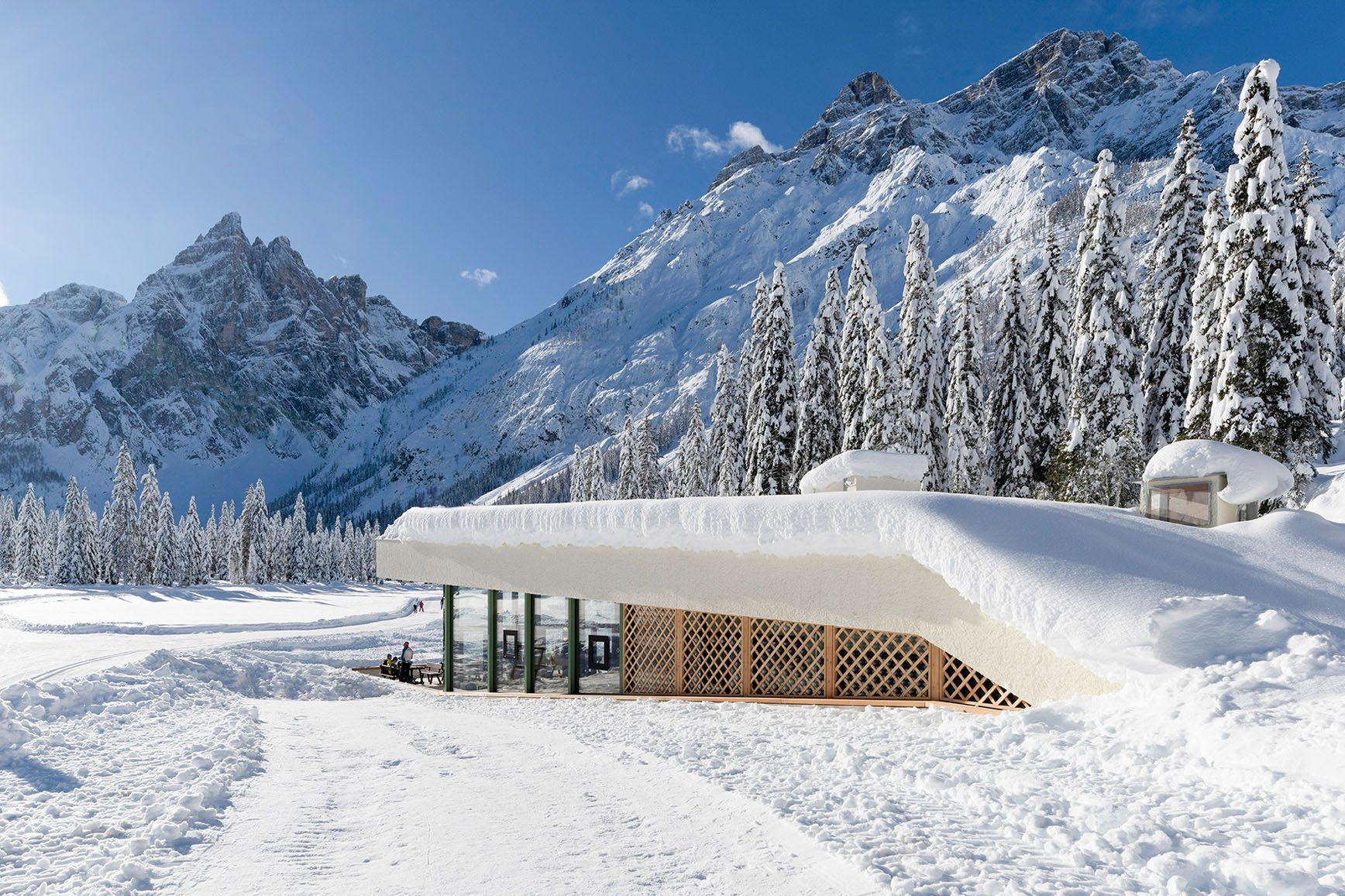
When the cable car station on Monte Elmo, which connects Sexten to the ski area, reached its capacity limits and was replaced by a gondola lift, this old, disused station suddenly became available – complete with a remarkable panoramic window overlooking the Sexten Dolomites. Standing there at 2,000 metres above sea level, you look straight out towards the mountains from a horizontal perspective. The trapezoidal opening captures a 180-degree view stretching from the Veneto to the Puster Valley. Reinhold Messner was enthusiastic, and the cable car operators also welcomed the idea of creating a publicly accessible, cultural building under his direction.
From a regulatory perspective, the project was a huge effort. The legal framework generally requires that when a new cable car station is built, the old one must be demolished. While this makes perfect sense in principle, in this case it was fortunate that the demolition did not happen. The structure is an extremely solid concrete building, anchored 17 metres into the ground by a tension shaft, with walls up to 160 centimetres thick.
As an architect now based in Sexten, and through my father-in-law’s connection to Reinhold Messner, I was entrusted with the project.
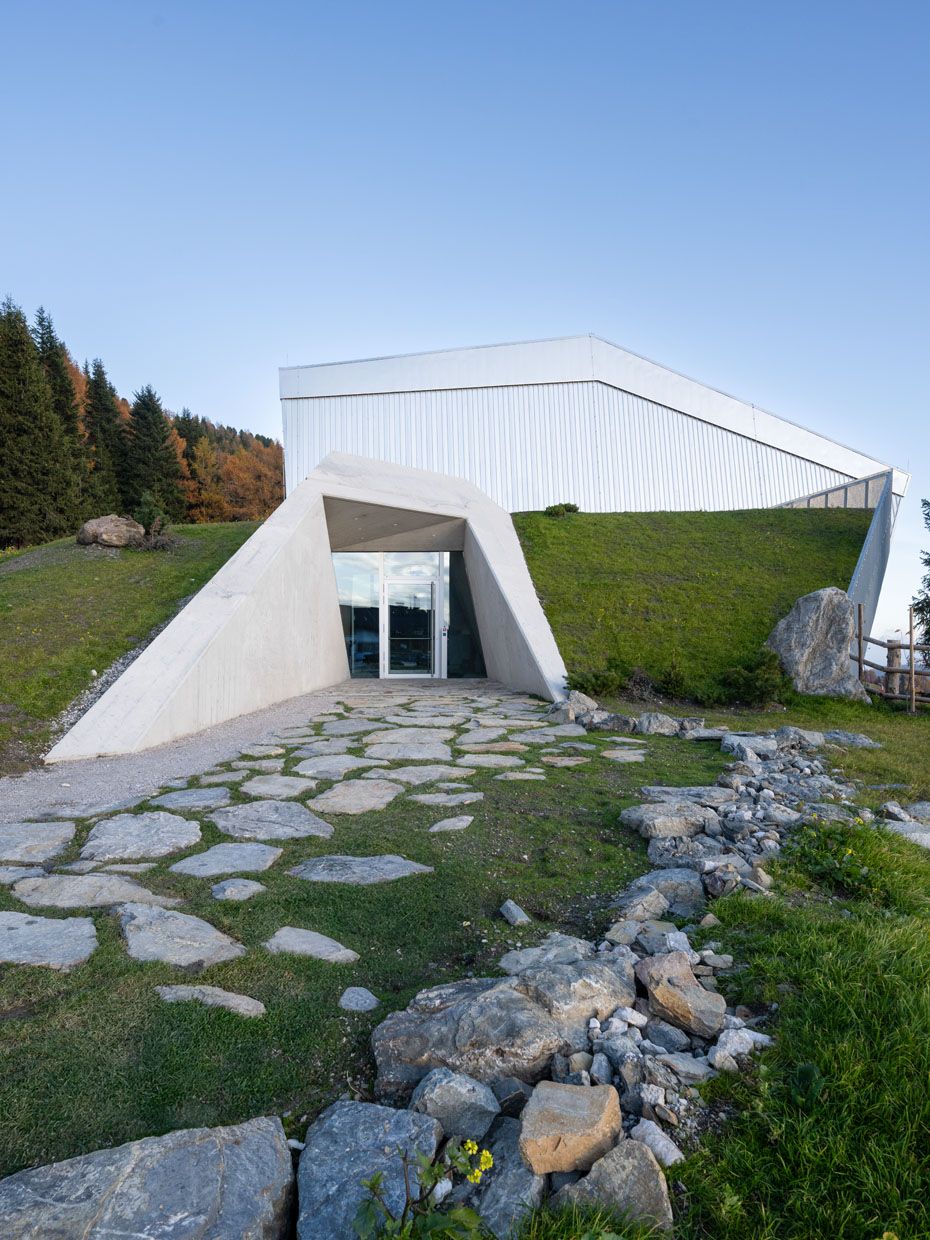
You’ve demolished the station’s former side wings, haven’t you?
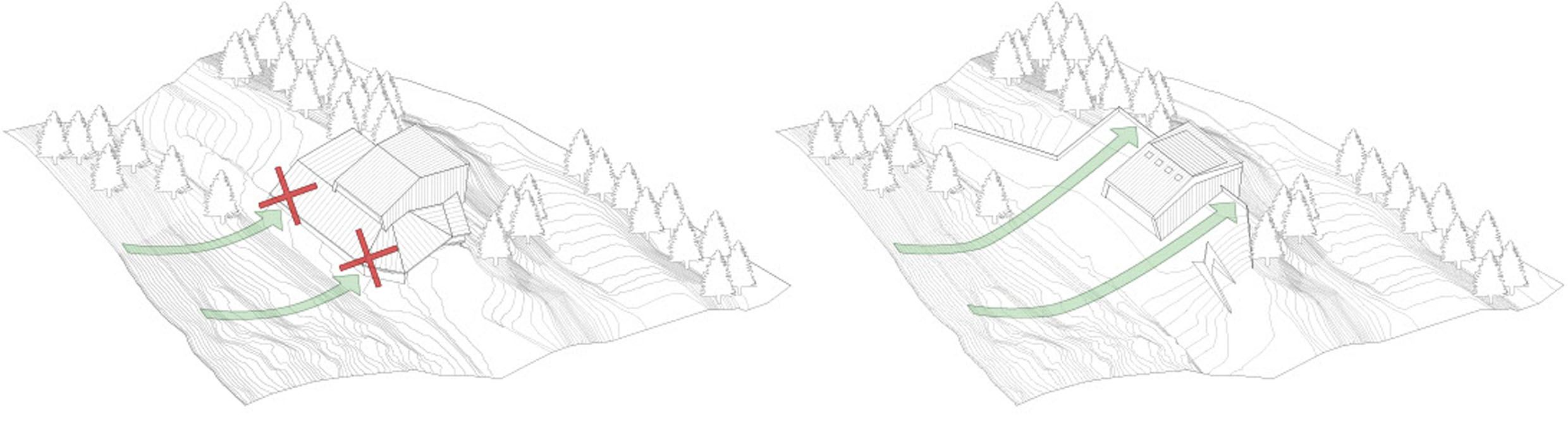
Exactly. The main structure is a very well-proportioned building. Over time, however, a series of small extensions had been added, clustering around it like little growths.
Naturally, it was a major point of discussion for us whether it was legitimate to remove these elements and instead create a new entrance situation, given the fact that we were dealing with an upcycling project.
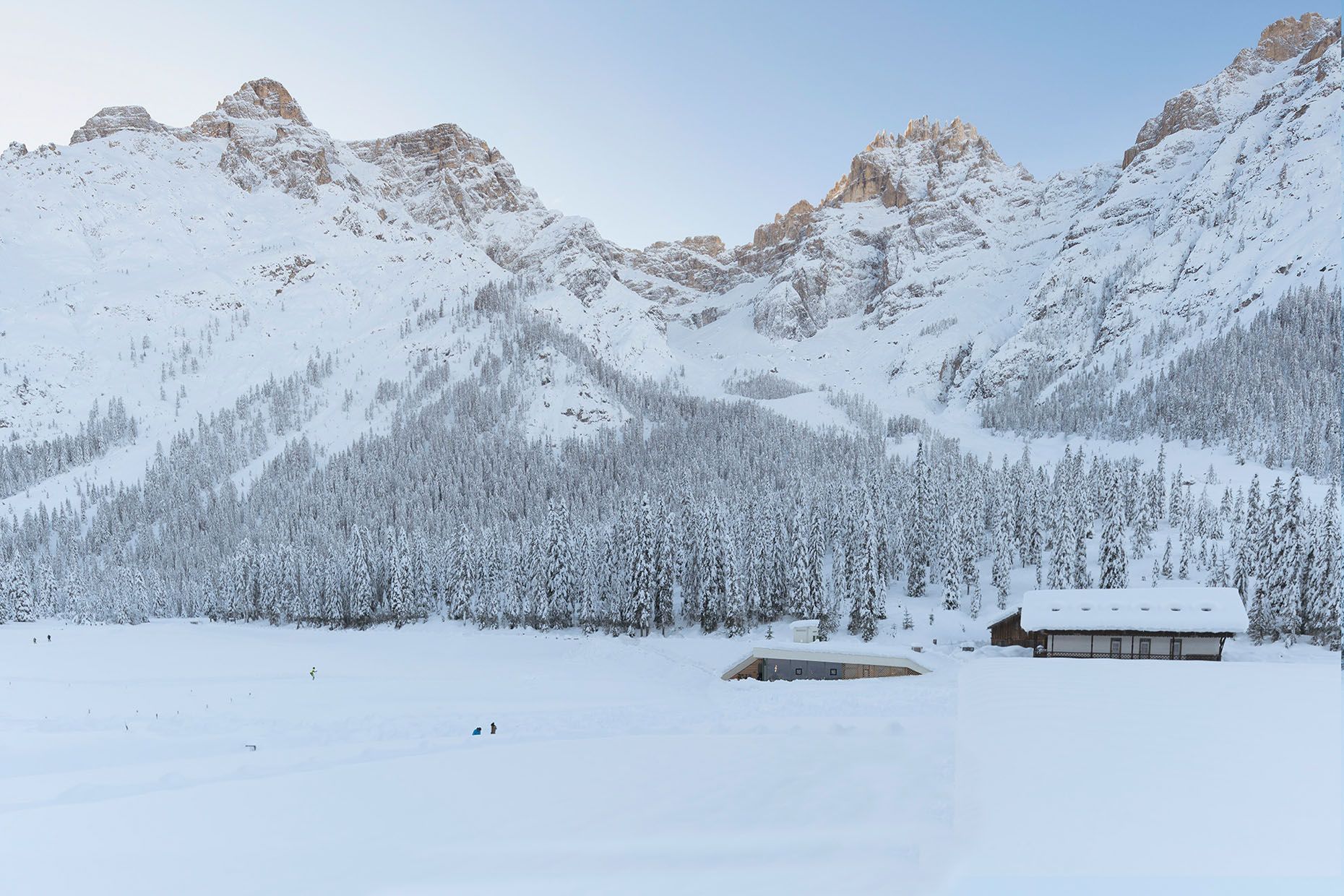
In the end, the decisive factor was once again the landscape. By removing the roofs of the extensions, we were able to introduce a new landscape roof and calm the rather congested overall setting – with the neighbouring self-service restaurant of the lift facilities, a playground full of attractions, and the ski slopes. Those setting out from here towards the Carnic High Route will now find a quiet spot on the far side, with views towards the Veneto and the Sexten Sundial.
The converted building was intended to become a place of storytelling as the Reinhold Messner House – a space that conveys the mountaineer’s values.
How should we imagine such a “place of storytelling”?
Everything you see inside bears the imprint of Reinhold Messner and his wife. They return regularly, bringing new exhibits and arranging them themselves. As I knew from the outset that this would be a kind of work in progress, it was clear that the building had to be able to accommodate whatever the users might choose to do with it over time.
When I first entered the building, it immediately became clear that, alongside the remarkable view, the most fascinating space was the one where the counterweights once moved to enable the lift’s operation.
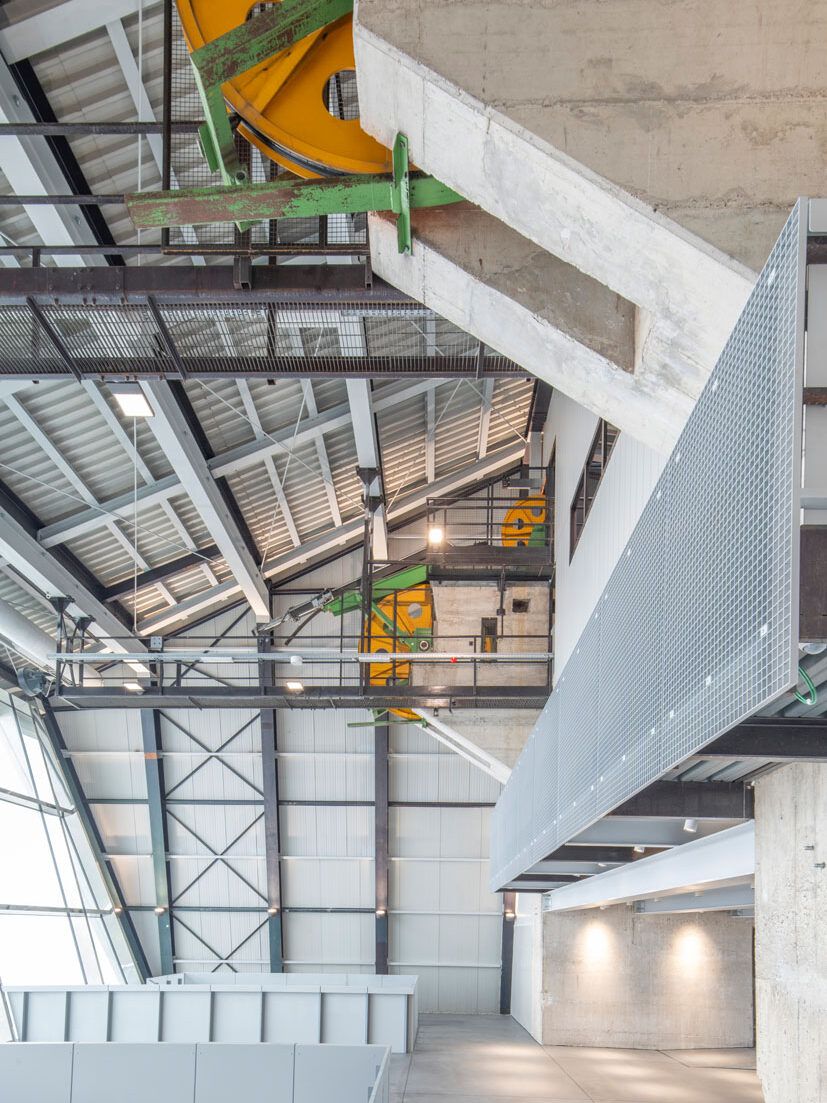
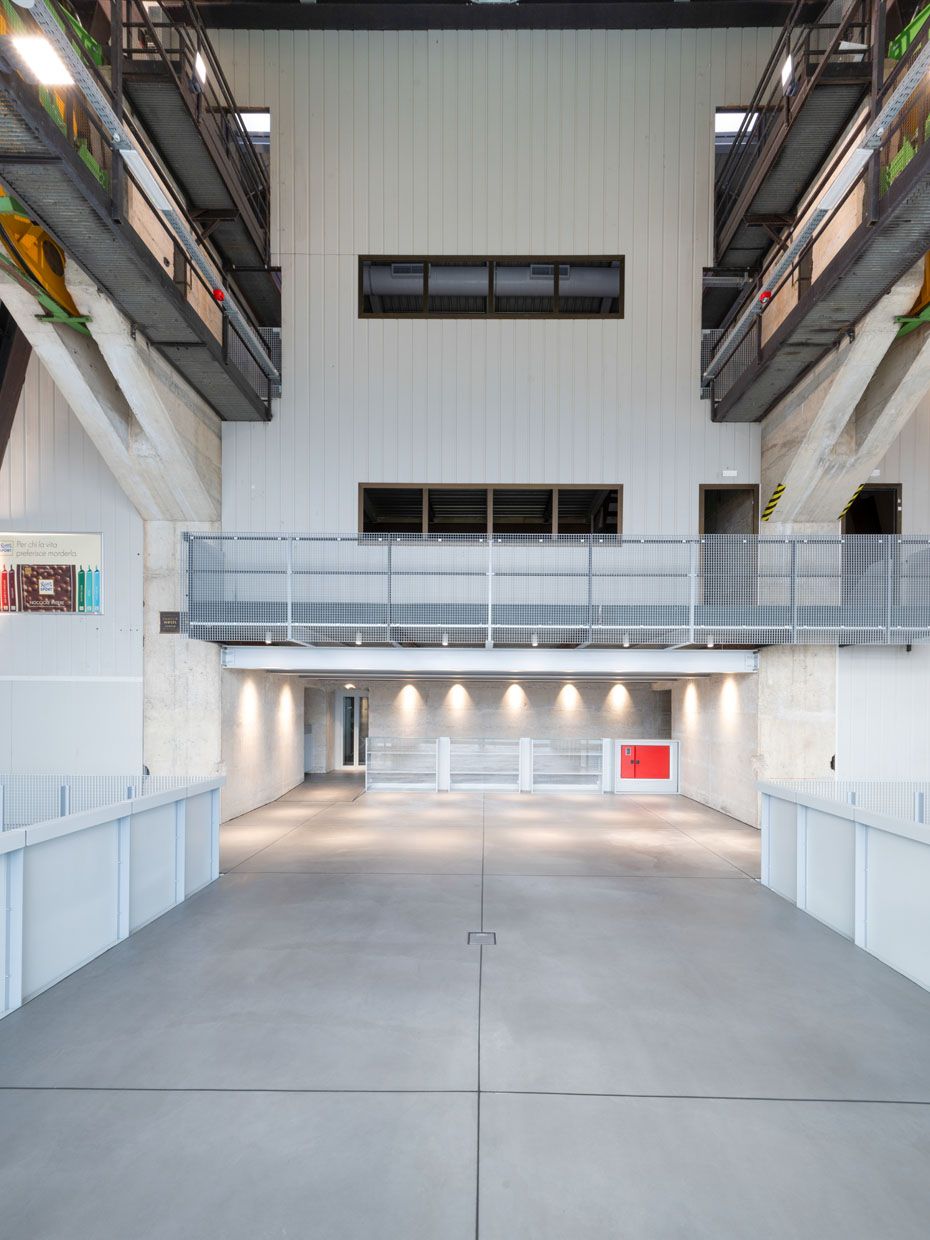
It was therefore important that visitors first see these technically impressive spaces upon entering. This is also where we located the vertical circulation. One descends through the large tension shaft into the building, only then reaching the rooms that were originally situated beneath the cable car entries. To make these accessible to everyone, we had to raise the floor level slightly. Instead of working with ramps, we created a continuous surface reminiscent of a skate park. Only here does the vast, slightly outward-tilting panoramic window fully come into play. And another aspect I found particularly exciting about the project was fire safety …
Wait a minute – it’s rare to hear an architect say that fire safety is exciting!
Yes, it is. Actually, we would have had to coat the entire steel structure with fire-retarding paint or encase it, which would have meant losing the sense of the building’s technical character. Sprinkler systems were not an option anyway due to the lack of water on the mountain.
We eventually found a fire safety engineer who works with a different calculation method. The focus was primarily on escape route planning and determining the maximum number of people allowed in the building. This made it possible for us to preserve the building’s technical origins in a very pure way and make it tangible, while still ensuring the necessary level of safety.
A very beautiful project. Is it well received by the public?
Very much so. Of course, the fact that Reinhold Messner himself is around quite often adds a certain appeal. You can sense on site that most visitors come because they genuinely want to learn more about him. There is, for example, an archive where you can browse through his books and look at photographs. This is very well received. All the aspects that were important to me from the outset were successfully realised in the design. It was also a particularly interesting task to navigate the tension between client and user.
Let’s change the subject: we always follow with great interest the complex around your Family Hotel Rainer and its ongoing architectural development. With Paramount Alma, you once described this as a process of continuous extension.
That’s right. At the moment, too, there are already new plans underway: at Königswarte Strata, we are currently refurbishing the interiors.
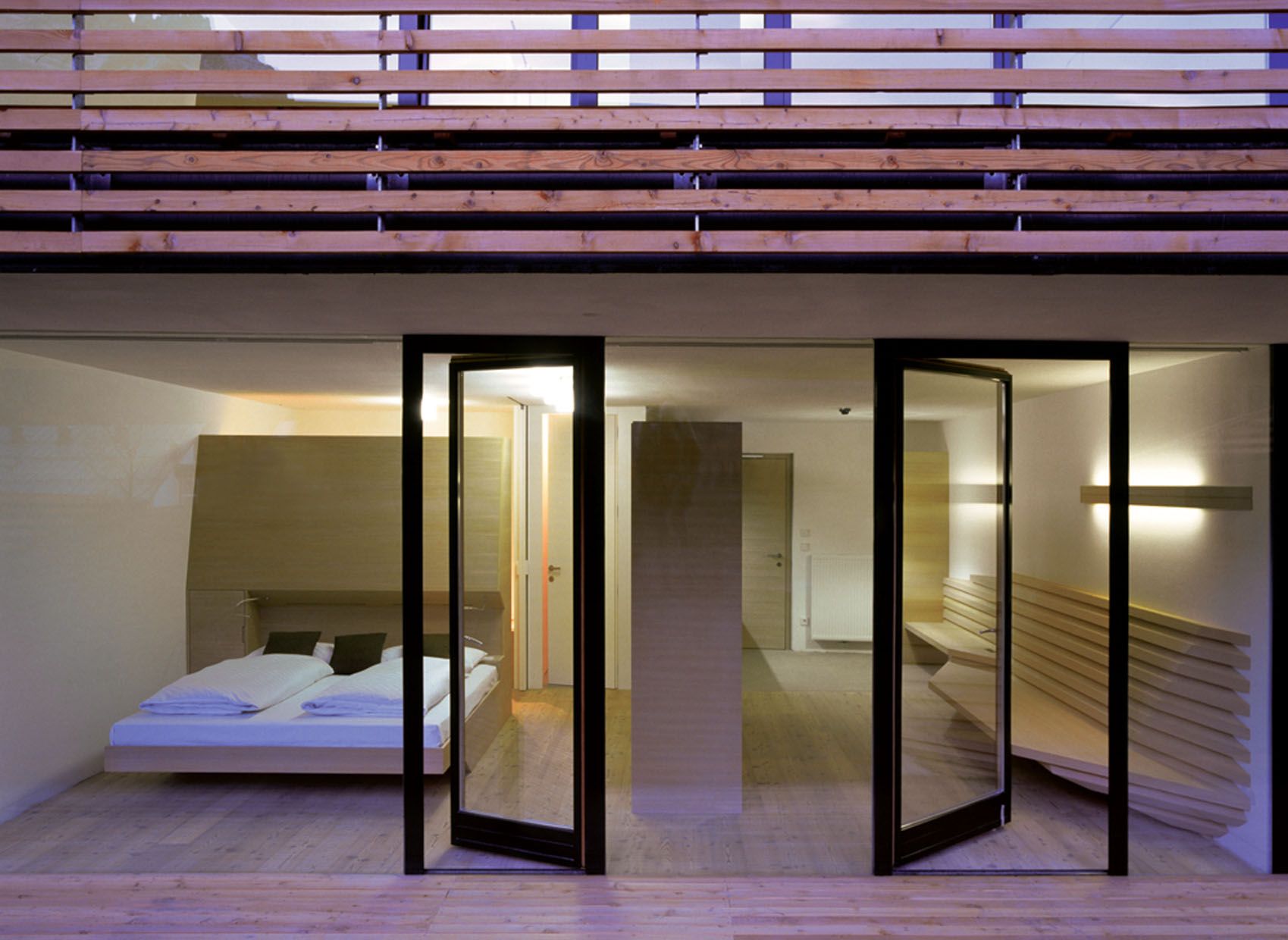
This mainly concerns the oldest rooms and is largely due to the fact that the holiday apartments were not originally designed for family holidays, which has become our core focus over the years. Cooking, too, did not play a particularly significant role at the time. In that respect, guests’ expectations have simply increased.
Will you also be adapting the spatial layout – will you be enlarging rooms, for example?
Not primarily. We already have a number of rooms that are very generous in size and suitable for larger families. In that sense, I believe the current offer is sufficient.
And do you approach all your projects collectively as a family?
Yes, although it is not always easy to work together across several families and generations. Decisions within such a family constellation may take longer, and discussions about quality standards can be more extensive … but it is a conscious choice we have made and one we find stimulating – including the necessary points of friction.
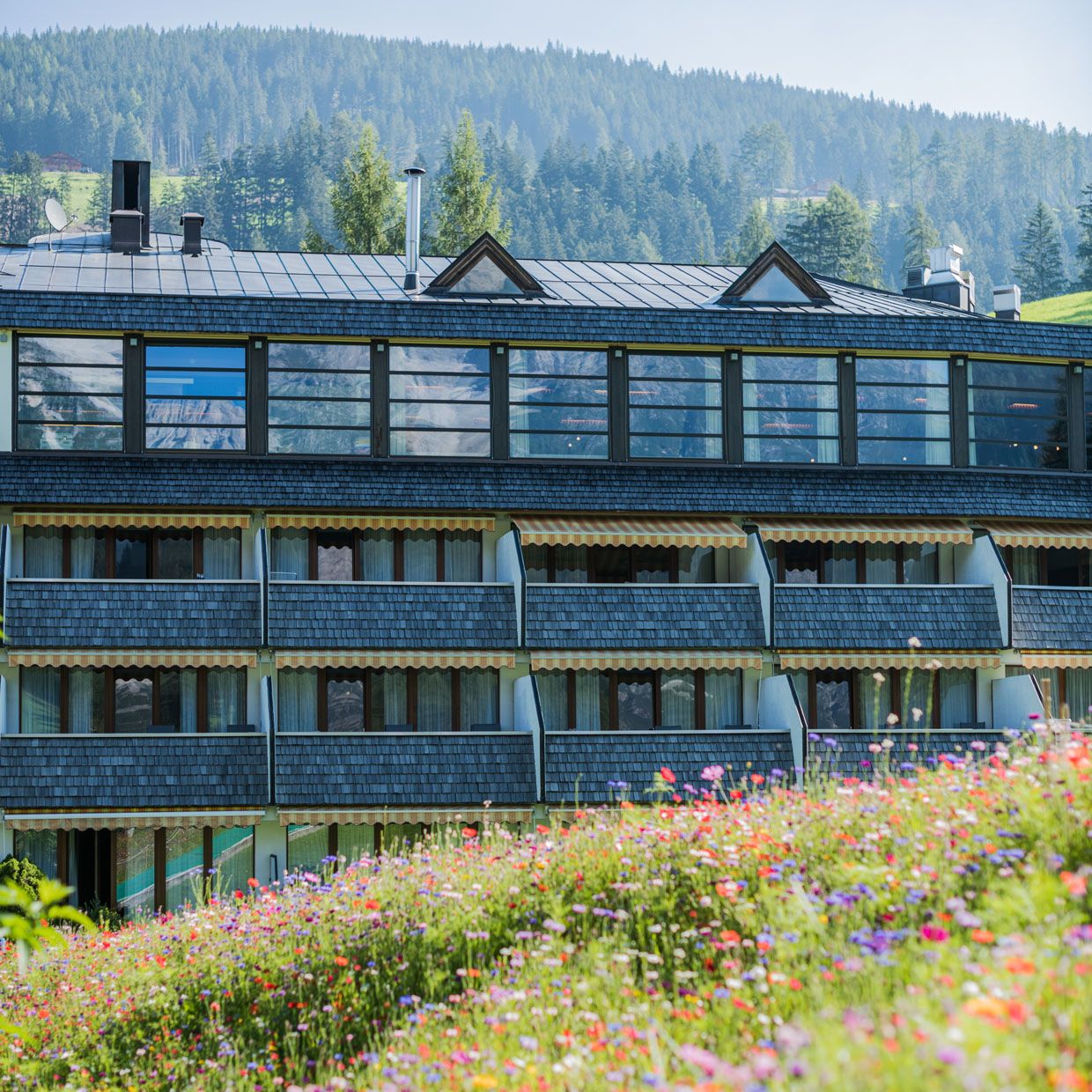
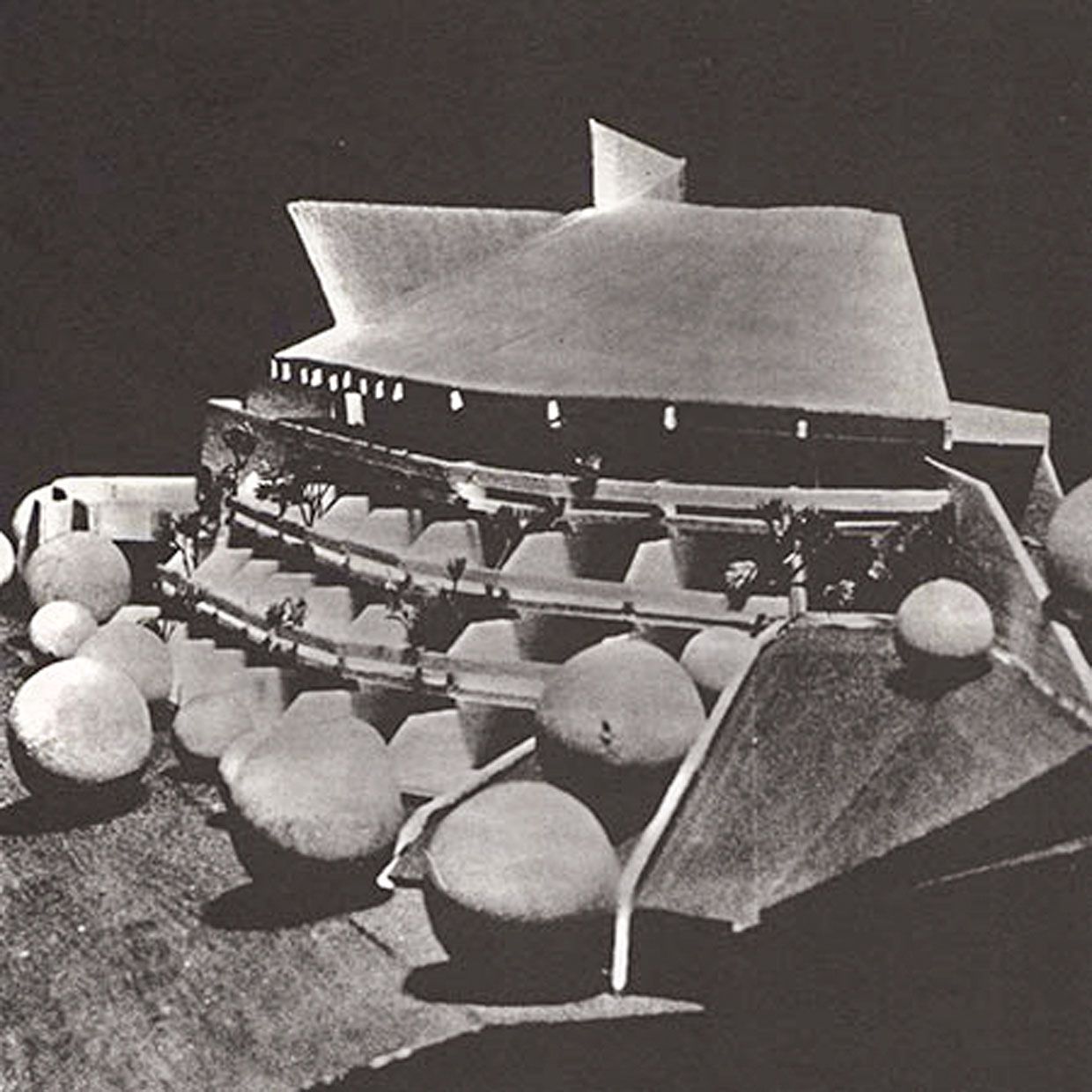
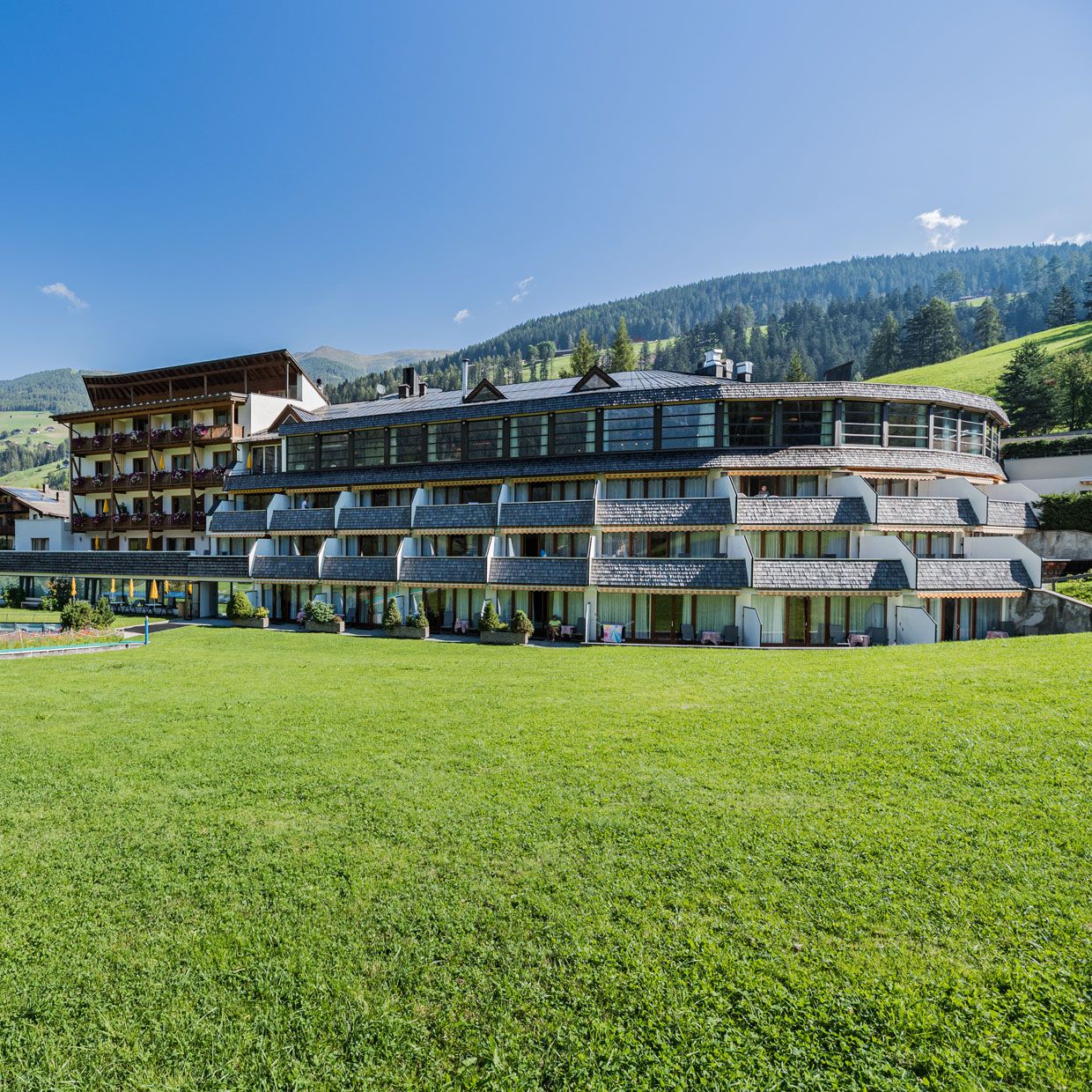
What surprised us during our visit was the existing building from the 1970s, with its wonderful bar and restaurant area, which has a very distinct architectural quality.
At the time, in the mid-1970s, it was one of the earlier examples of timber construction in hotel architecture, and the hall still derives its character from this glulam structure, with its unique atmosphere and sculptural stove.
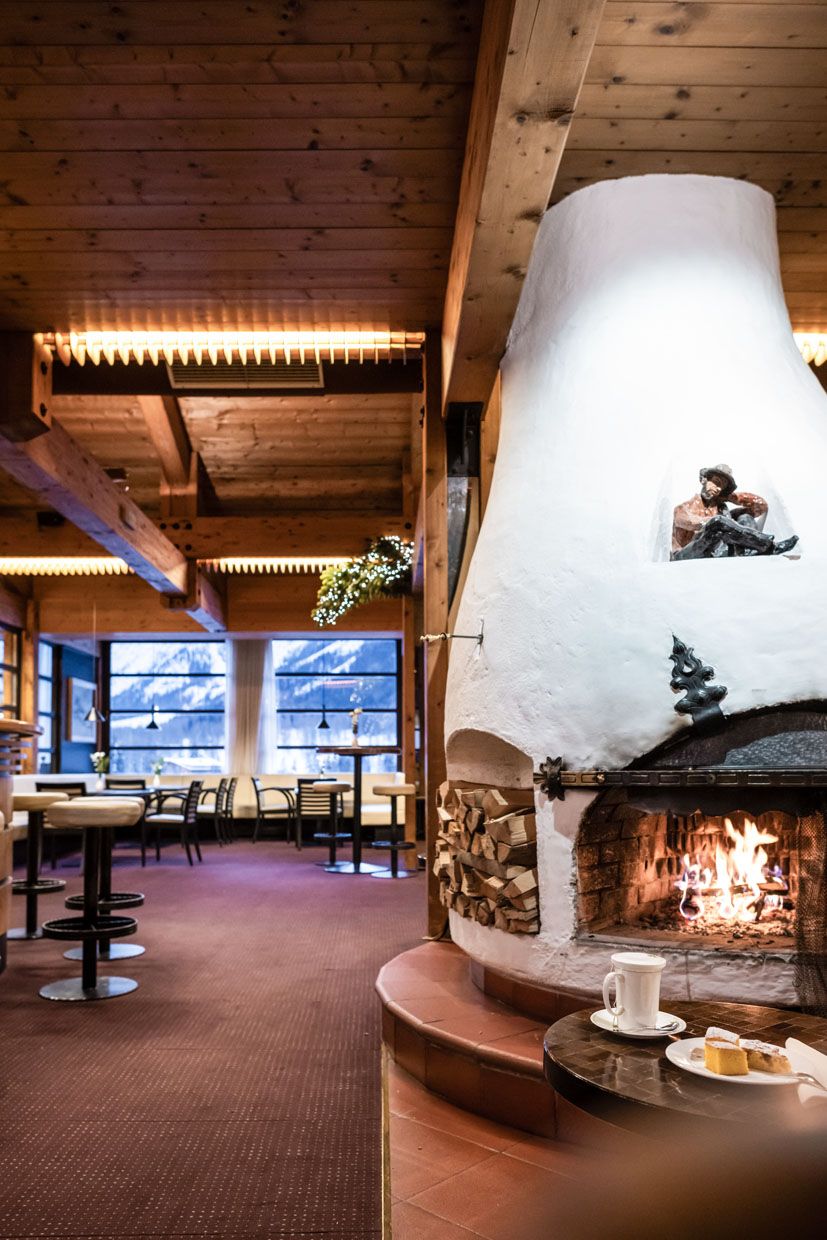
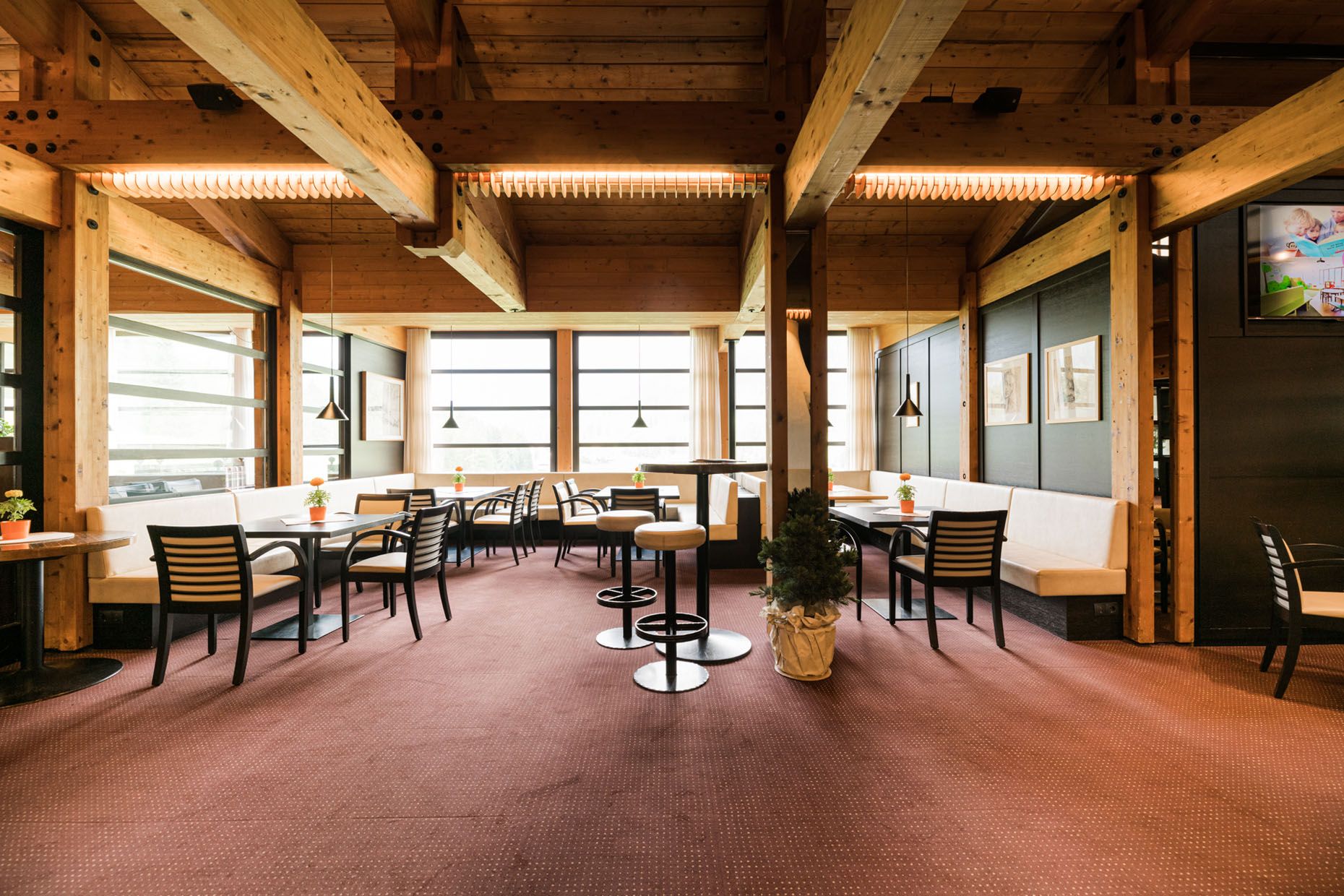
I am doing everything possible to preserve it, because it is the heart of the house – not only in atmospheric terms, but also in relation to the story we have to tell. It was an extraordinarily bold and forward-looking decision by my father-in-law, who in the mid-1970s wanted to expand his small guesthouse and travelled far and wide to find out what he could possibly build. At some point, he came across a very young Austrian architect: Peter Thurner. He had just graduated at the time and designed the project with great commitment and enthusiasm. As my parents-in-law even had to borrow money from guests to realise the project, it represents a special part of our family history – one that absolutely deserves to be preserved.
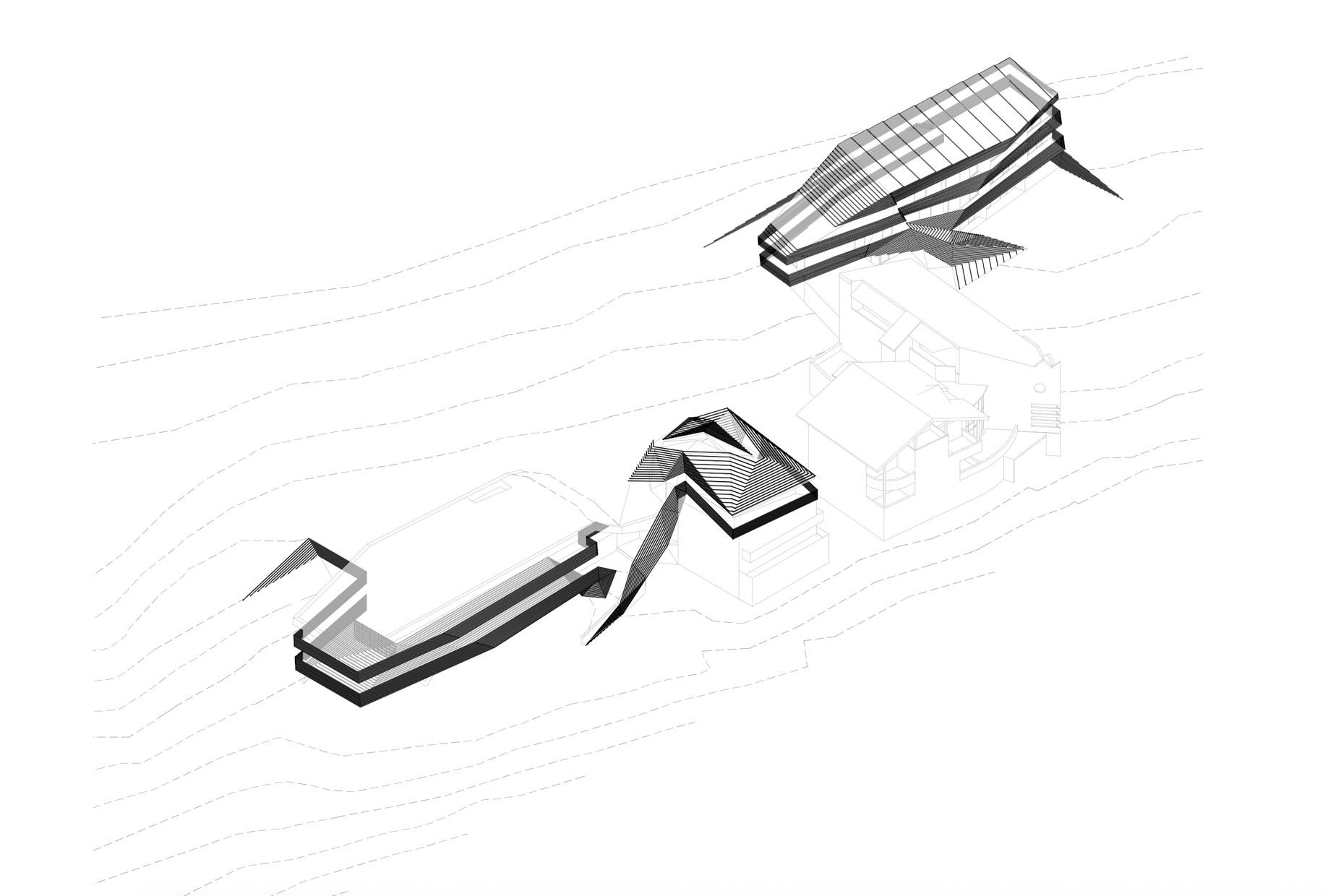
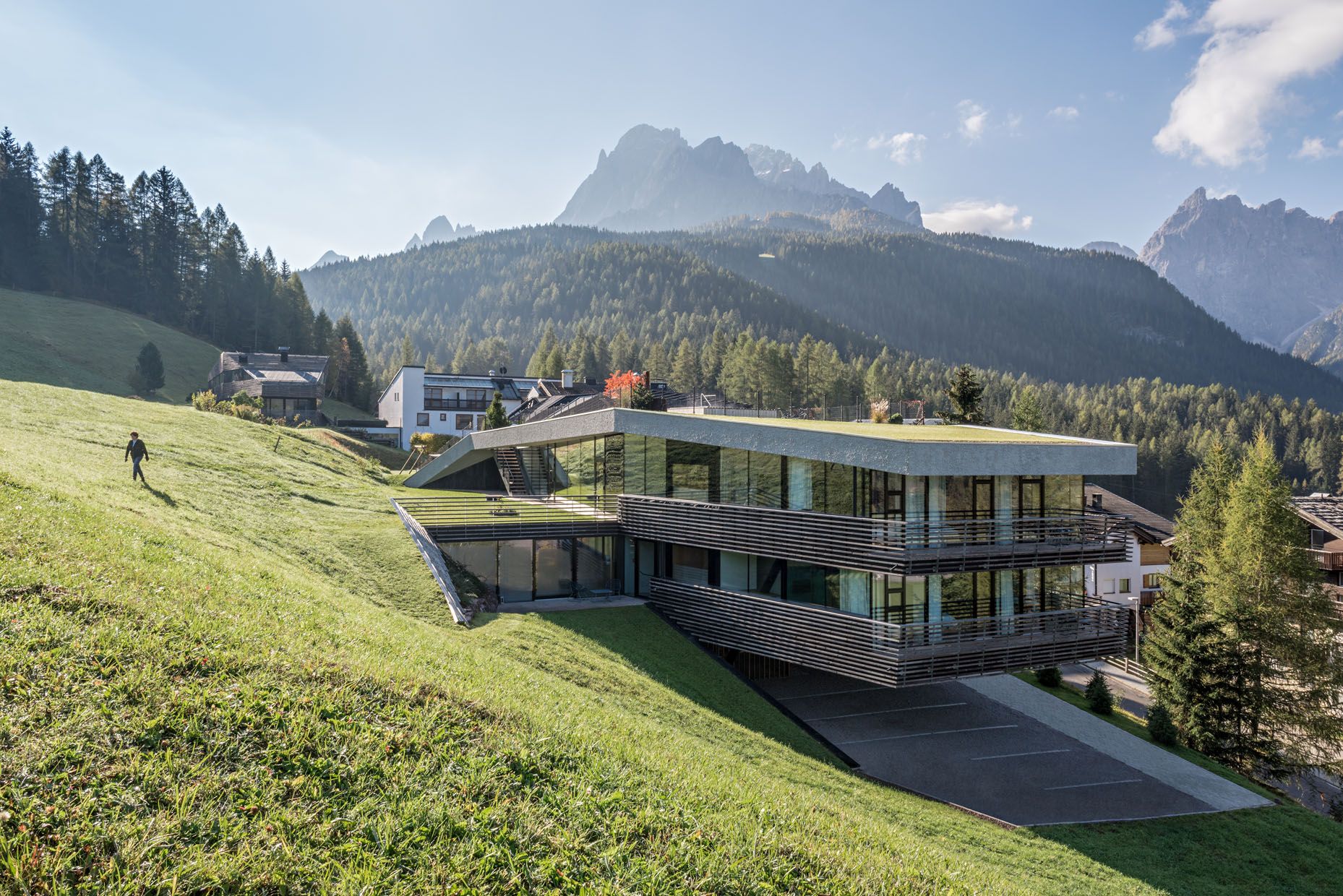
Alongside this, ultra-modern buildings have since been added on the opposite side of the road, with an entirely different architectural language. How did you arrive at this intriguing formal expression?
The older part of Strata was also designed by Peter Thurner. He was actually supposed to design the planned extension as well. However, he felt that this was out of the question and told my father-in-law and my sister-in-law, who runs the hotel, that they had once given him a chance as a young, inexperienced architect – and that now they had a sister-in-law or daughter-in-law who had just completed her architectural studies, and she should be given the same trust and opportunity.
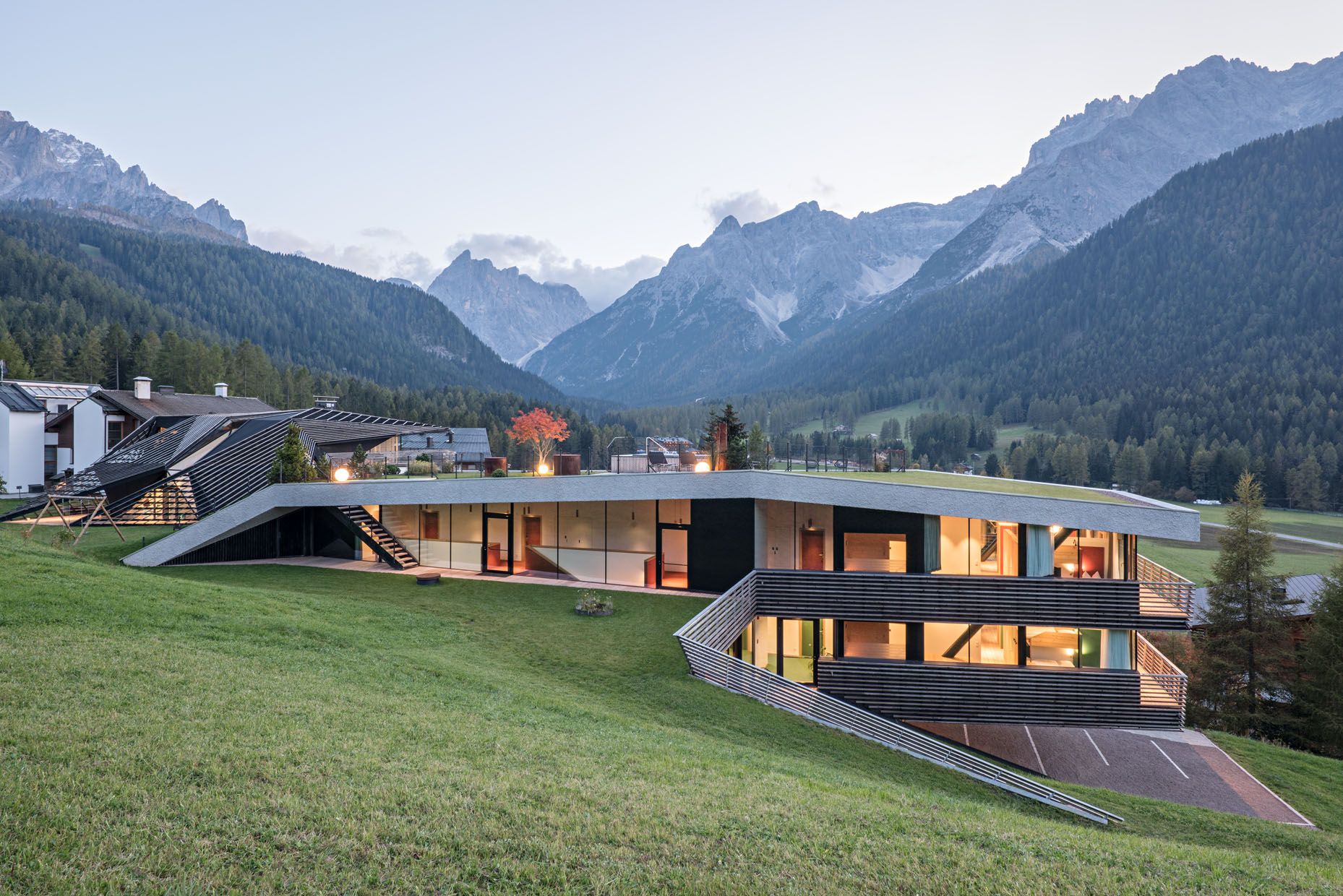
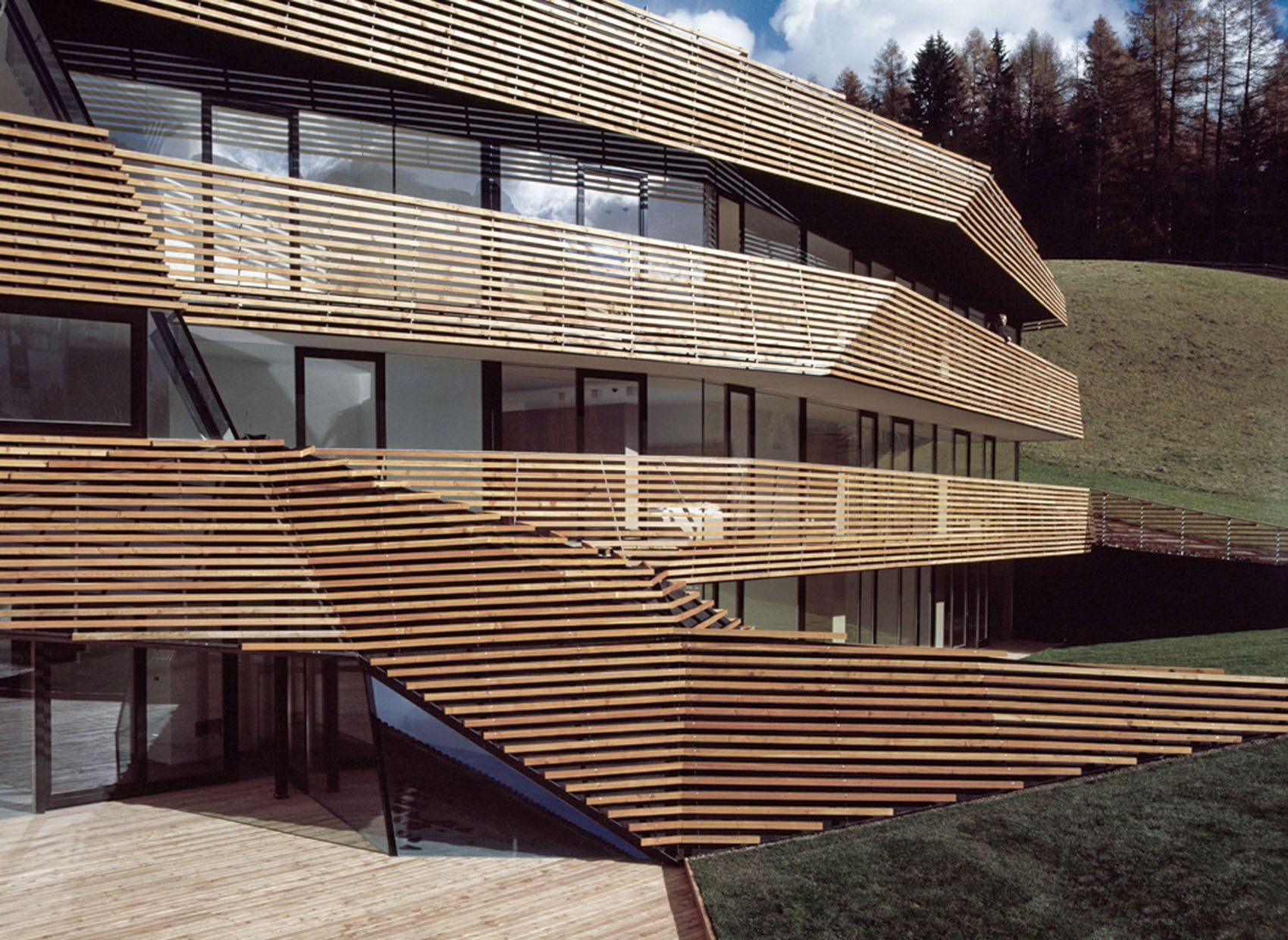
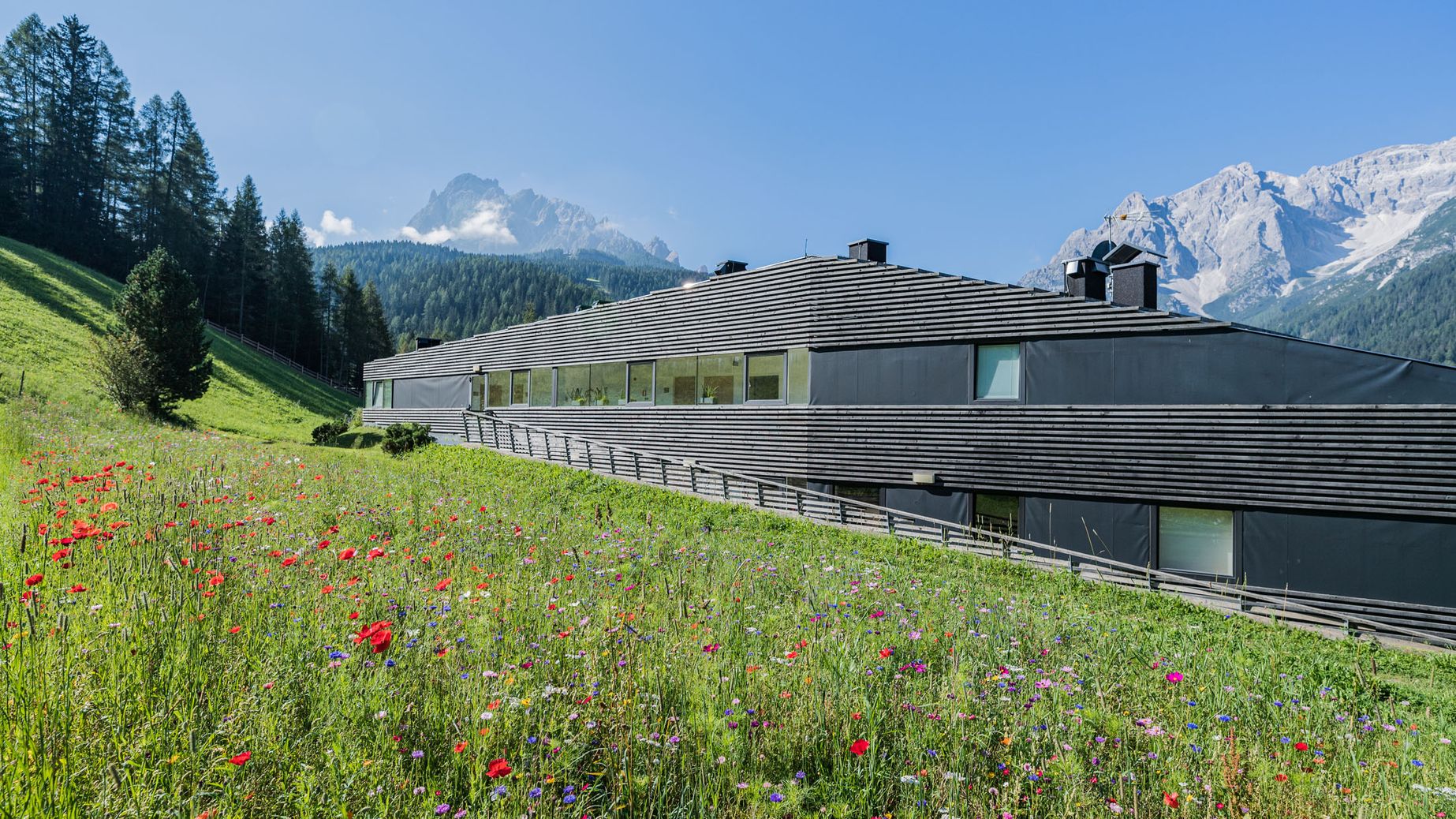
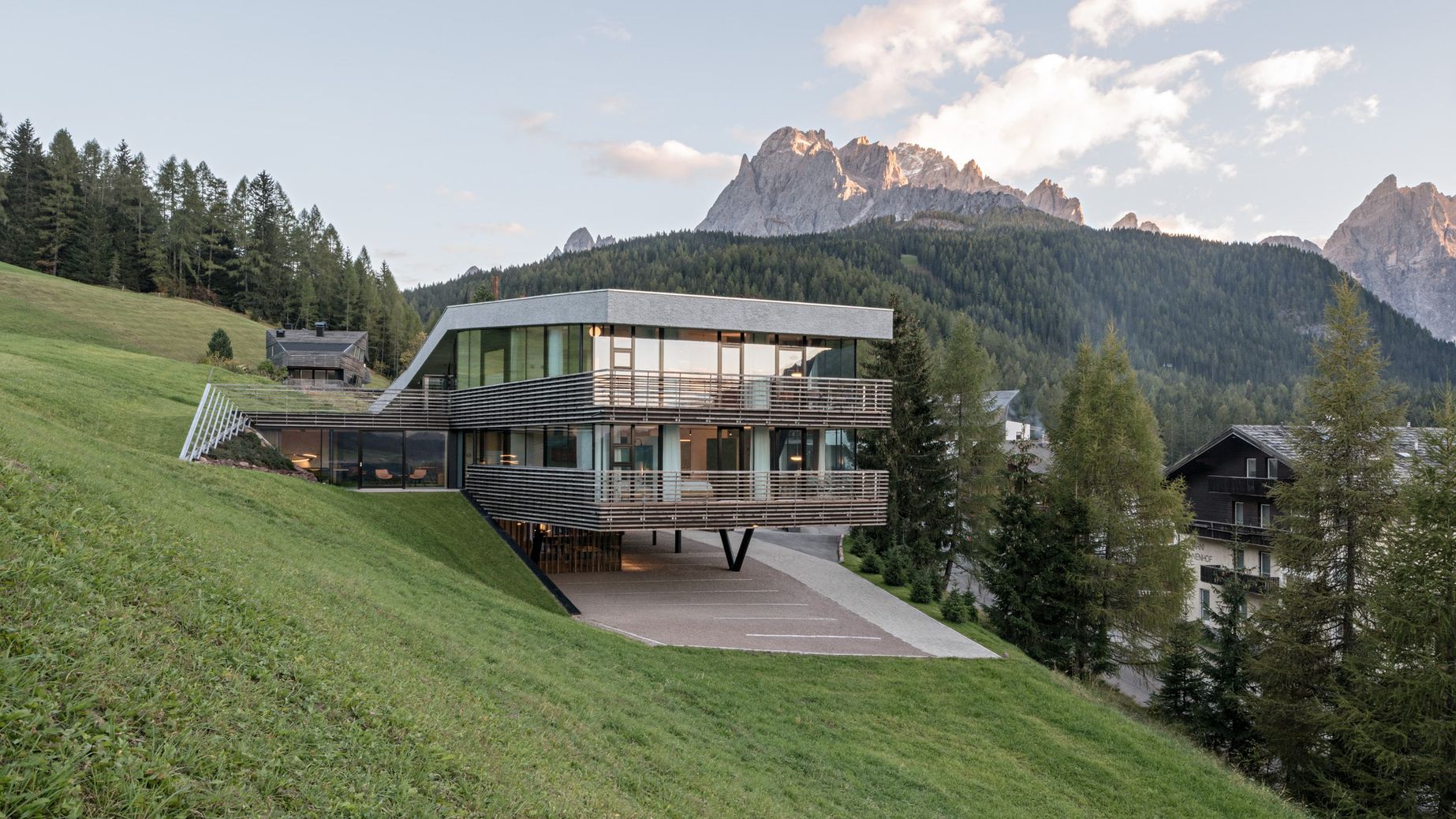
That is how I came to be commissioned, and I tried to design a building for my sister-in-law and brother-in-law that responded to their brief. Alongside the budget, the key factors were the exceptional location with its magnificent views, which needed to be captured, and the desire for wood to be both visible and tangible.
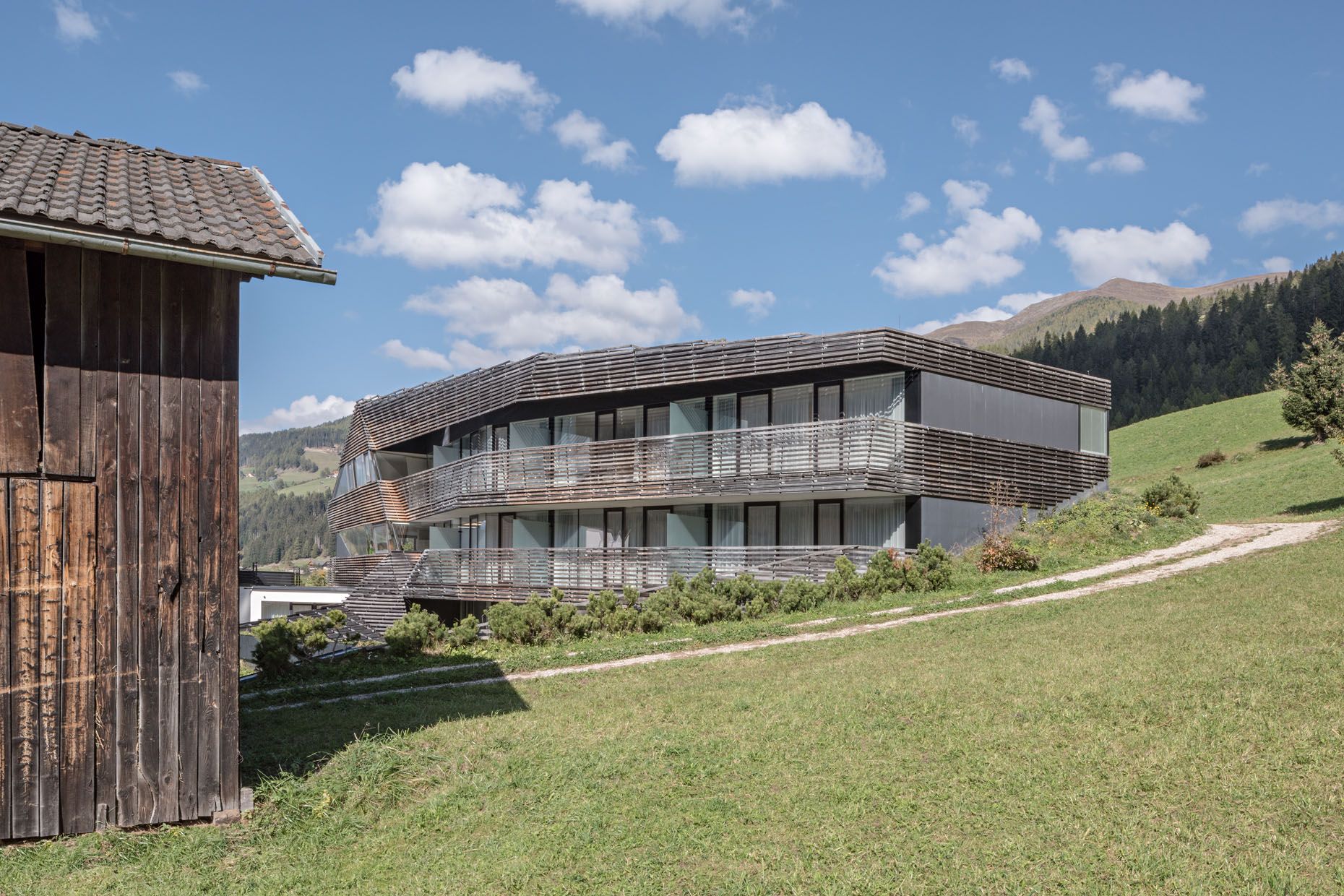
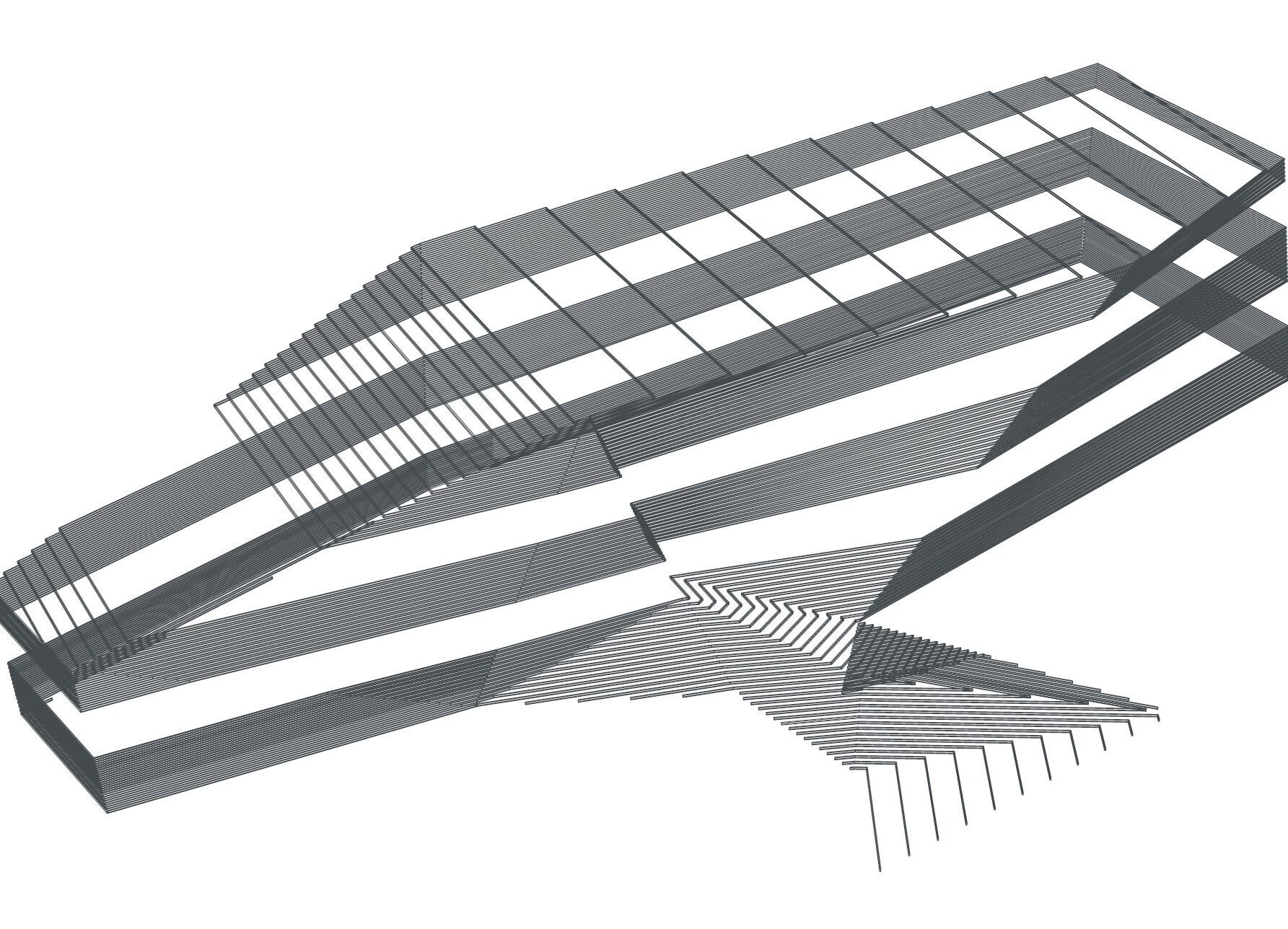
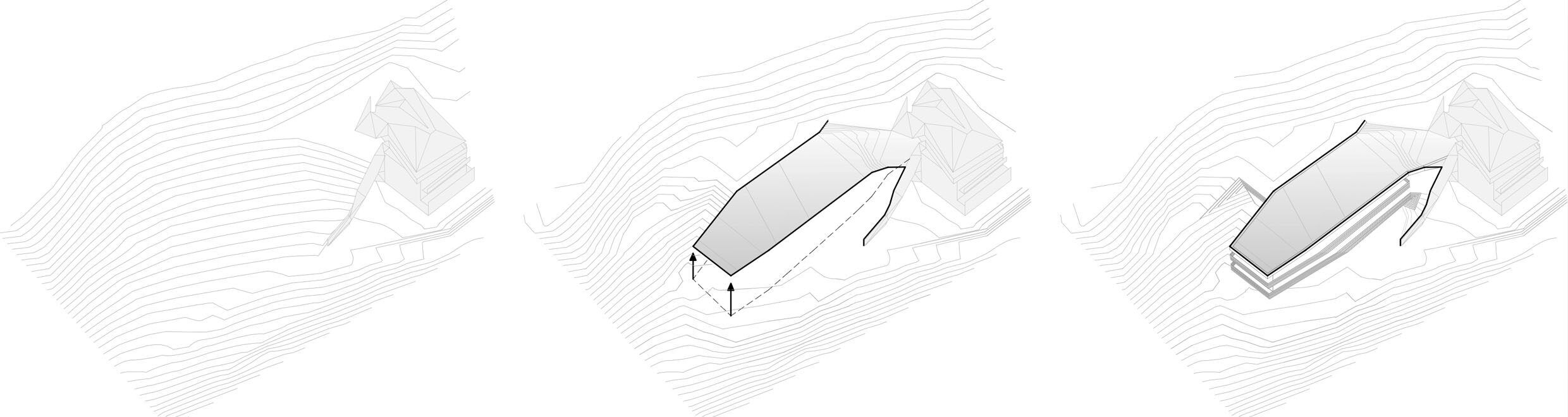
It was important to me to create something that enters into a dialogue with the topography.
That is why we did not simply continue building the existing structure, but instead continued the landscape we found there.
It was a very bold decision on their part because in the end it meant having, under one roof, almost two distinct products with entirely different architectural expressions.
A great story, Peter Thurner really pushed you into it!
Absolutely. I don’t think my father-in-law would otherwise have dared to entrust “this girl” with the entire responsibility – especially as it was, in fact, one of my very first built projects, and I had nothing to show at the time.
Is the concept of “continuing the landscape” one of the central approaches in your projects?
I’m not sure I would describe it as a primary design principle. It is often simply a response to the places where we have had the opportunity to build in dialogue with the topography. The question of which techniques, means and architectural language we can use in that context has always been of great interest to us.
The approach to the surroundings and their influence on massing and form is something we consider highly formative. But on another note: could you tell us a bit more about Plasma Studio? You are not a conventional practice, but rather an international network…
We met in London, but at some point I moved back to South Tyrol – partly because, in the early 2000s, there was strong demand here for architecturally ambitious holiday and tourism projects, and partly because I simply need the proximity to the rocks, to nature, and to being active within it.
My partners Eva and Holger initially remained in London. When we won a competition in China in 2010, they moved there and found a partner in Chuan Wang with whom we could collaborate on equal terms. A few years later, Eva moved to Singapore and Holger to Hong Kong, while we continued collaborating with our partner in Beijing. Since 2007, Peter Pichler, based in Vienna, has also been a permanent member of the team. On average, we work in a group of around eight to ten people.
And how do you actually collaborate in practice, how are decisions made?
The way of working that we all became familiar with during the COVID-19 period has, in fact, always been our way of working. Especially in the early stages of a project, it is very much about exchanging ideas back and forth. The best projects emerge when we manage to collaborate well. Once the project moves into the execution phase, it naturally passes into the hands of one person or another.
As an architect, I want to think in spaces
and remain the director.
So you do manage to exchange ideas sufficiently and engage in discussion?
On the one hand, it is a question of character – how much one is willing to engage in debate. On the other hand, it has to be said that while the demands placed on us as architects are increasing, fees are not. That inevitably affects the willingness to engage in lengthy discussions for economic reasons. I often try to address this by making it clear from the outset that certain services need to be outsourced, so that I still have enough energy and mental space for the actual architectural discussion – rather than merely satisfying regulations or producing yet another certification calculation.
If I were to do everything myself, there would be no time left at the end of the day, and I would no longer be able to think about architecture at all. I would be thinking only in numbers, in regulations, in formulas – not in spaces. As an architect, I ultimately want to remain the director. The ambition must be, and must remain, to keep hold of the threads and retain control of the project. In that sense, I believe it is better for certain aspects to be handled by specialist planners. To be honest, I hope the next generation will approach this a little more intelligently.
How do you generally assess the current situation of building in South Tyrol, also in light of the bed cap – how has the situation in the region developed?
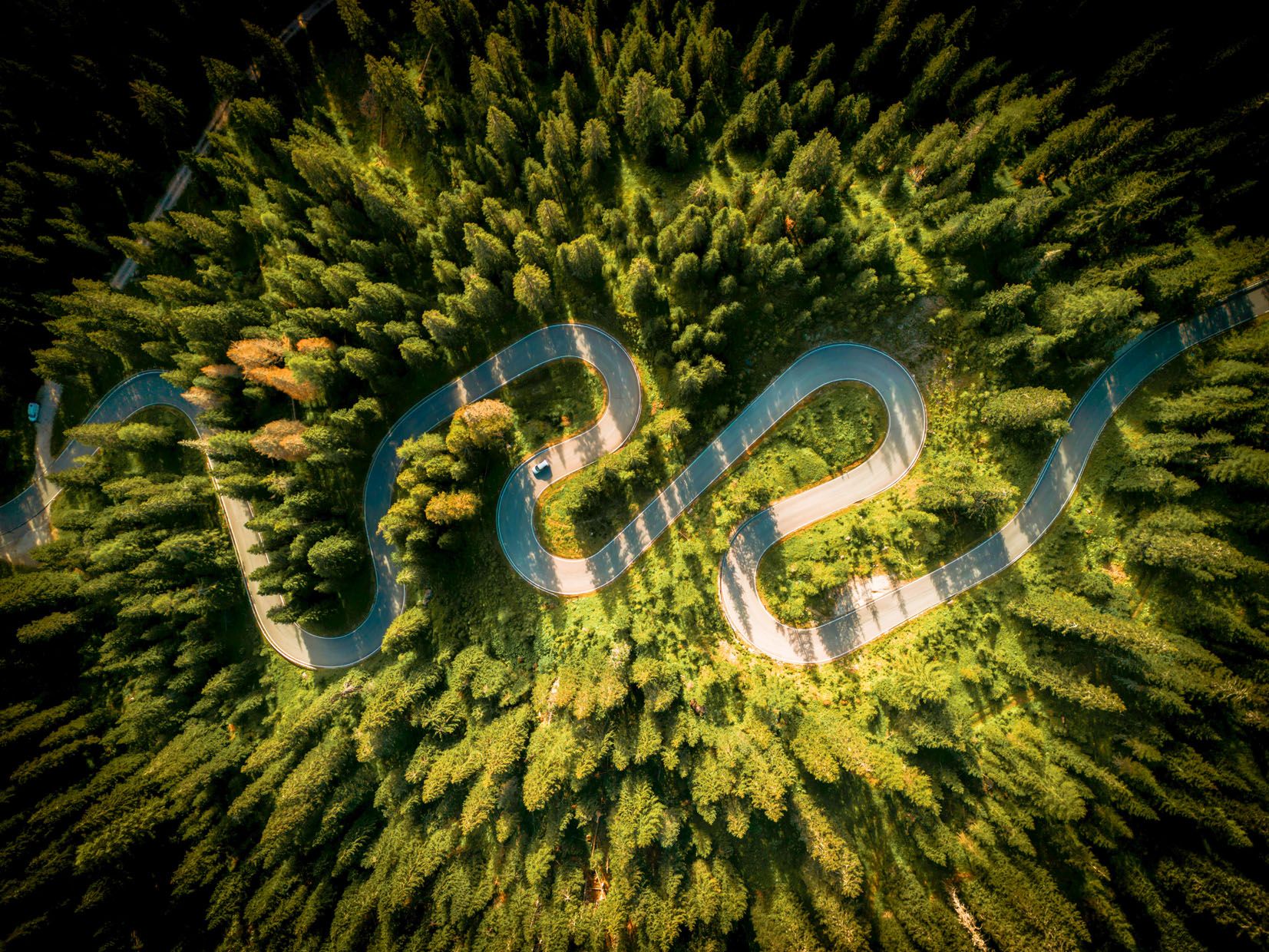
The bed cap is being implemented effectively, which I consider both right and necessary, as South Tyrol has a great deal of unbuildable landscape and the available land is limited. We are characterised by valleys, and accessing a valley requires a road, which in turn has limited capacity – so numerical restrictions are simply essential. What is still missing, however, is a numerical limitation on the number of people present in certain areas, particularly in ski resorts. In my view, this would also require a clear legal framework.
There is, in any case, the new regional spatial planning law, which regulates building in alpine and agricultural green zones and the corresponding land sealing quite strictly – so in that sense, a small brake has already been applied.
Of course, South Tyrol, like many other regions, has an extreme demand for housing, and in this respect we in South Tyrol are not particularly innovative. When it comes to tourism-related construction, we should focus on maintaining quality, caring for the existing building stock, and accepting that, for the time being, further growth is simply not possible. The way things worked over the last 20 years just isn’t feasible any more. We cannot accommodate more people – the routes to reach us are already at capacity.
We completely agree with that. On another note: you have also been involved in the discussion around “women build differently”.
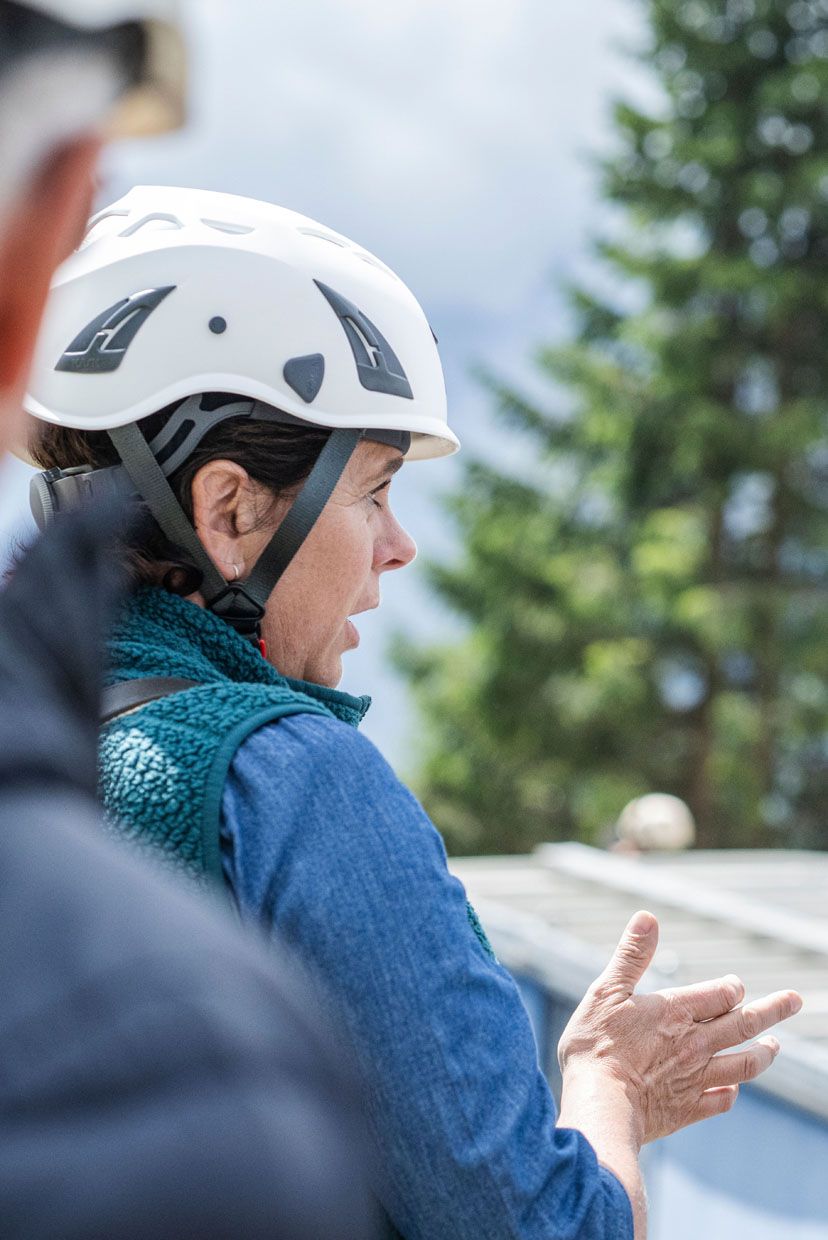
I believe that young female architects still need encouragement to dare to take their place at the forefront of the architectural profession and confidently forge their own path.
In my view, women approach building differently insofar as they tend to have a greater willingness to listen. From my experience, we strive to understand more deeply – and are therefore certainly no less capable partners for a client than an all-male team.
I simply want to highlight paths, because I firmly believe that our profession is compatible with family life and raising children – especially in project-based forms of collaboration.
Although, particularly on construction sites, there is often little understanding for family situations – when the site calls, it’s urgent!
Yes, my children sometimes complain that they have spent too much time on building sites or at trade fairs … but they have grown up all the same. And in any case, our profession is by no means limited to construction sites – we are constantly engaged in solving problems. And I find that a truly fascinating aspect of our work: that we can dedicate ourselves to finding solutions.
That would make a fitting closing statement!
I would also like to thank you for your networking work, which I have followed for many years. What you do is incredibly enriching and valuable for us as hosts. And the guests who come via HOLIDAYARCHITECTURE are quite simply our ideal guests. It is a perfect match.
Thank you for the kind words – and many thanks for the conversation, Ulla!
Ulla Hell studied architecture at the University of Innsbruck, Eindhoven University of Technology and Delft University of Technology. A defining turning point was her time at Ciudad Abierta (Chile) — a radical experimental space at the intersection of architecture, landscape and poetry, which had a lasting impact on her perspective on space.
This was followed by London: at Plasma Studio, Ulla worked alongside the Argentine Eva Castro and the German Holger Kehne on international projects characterised by conceptual clarity and spatial precision. This collaboration gave rise to a connection with the studio — deliberately conceived as a network — that remains a cornerstone to this day.
Then came the deliberate counterpoint: a return to the mountains. Based in Sesto, Ulla Hell now combines international practice with the local context. As a partner at Plasma Studio, she heads the office in South Tyrol and oversees designs on a wide range of scales — from the conceptual approach through to implementation on site. Her work is characterised by consistency, perseverance and a healthy dose of idealism.
In parallel, she taught at the University of Innsbruck until 2022, bringing her perspective and experience to the academic discourse.
Interview: The interview was conducted by Jan Hamer and Ulrich Stefan Knoll.
Photos: Ulla Hell © Harald Wisthaler (cover image), Reinhold Messner Museum © Florian Jaenicke (1/2, 4–7) © Ulla Hell / Plasma Studio (3), Königswarte Strata © Cristobal Palma (8/9) © Hertha Hurnaus (10) © Ulla Hell (11), Family hotel Rainer — Exterior © Harald Wisthaler (12/14), © Private archive Family Rainer (13), Family hotel Rainer — Interior © Alex Filz (15) © Harald Wisthaler (16), Paramount Alma and Königswarte Strata — Topographical context © Ulla Hell (17), Paramount Alma (in the background: Strata) © Hertha Hurnaus (18), Paramount Alma — Topographical context © Ulla Hell (19), Paramount Alma © Hertha Hurnaus (20), Appropriate_Bistro Bergsteiger @ Florian Jaenicke (21/22), Mountain road in the Dolomites © Anton Rosca / Unsplash (23), Ulla Hell © Harald Wisthaler (24)
0 Comments