
Wöltje’s World
Vacancy is a word that wants to be filled with relevance. With the “Happening Places”, Munich's idea architect Gregor Wöltje not only created exciting projects in the Bavarian metropolis, but also made lasting statements with them.
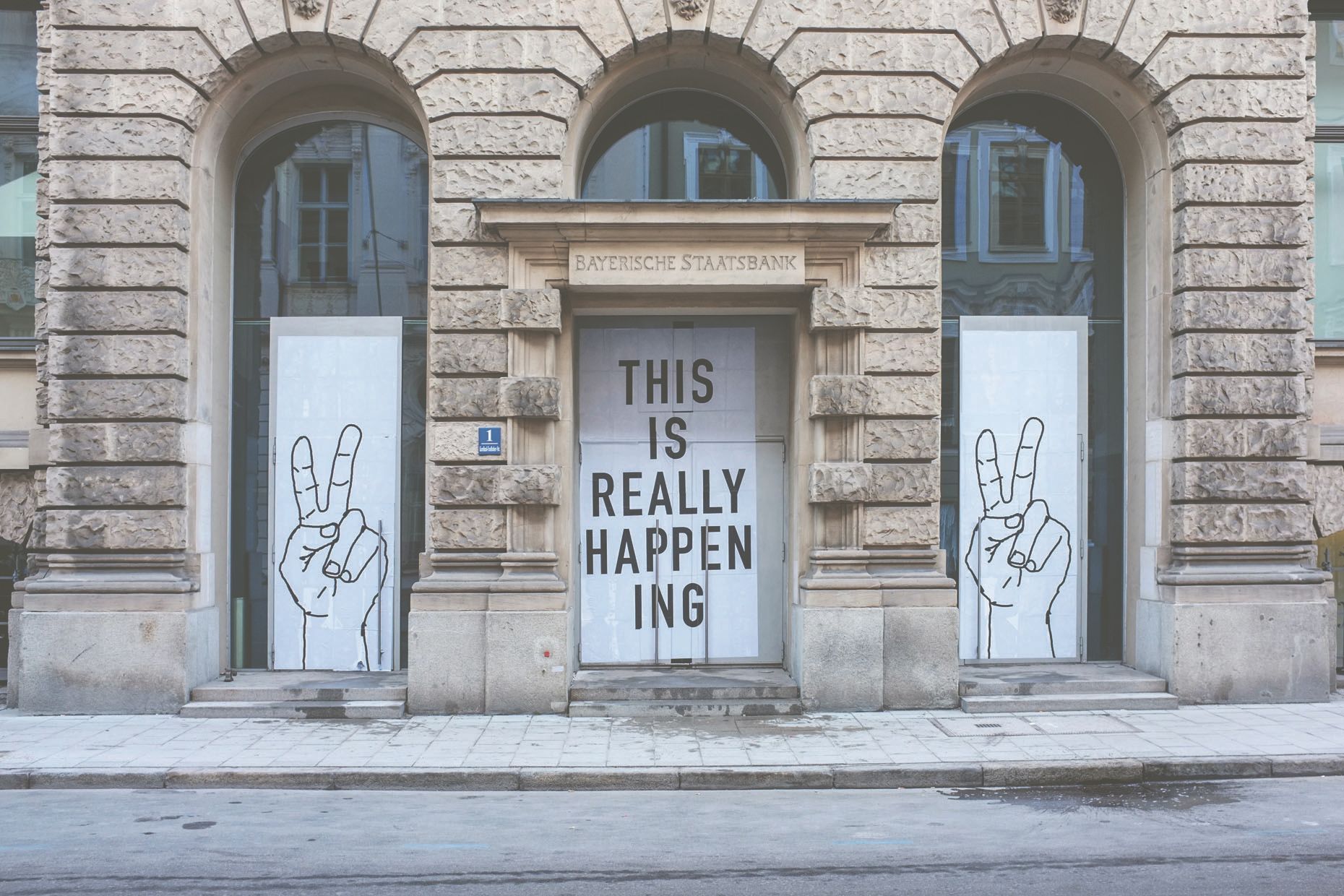
“This is really happening”, in the stairway of the imposing marble staircase of the Bayerische Staatsbank [Bavarian State Bank] assured all non-believers who doubted for a moment whether they were really in the right place. A hip, temporary hotel with a vibrant cultural programme, hidden behind one of the heritage listed façades in Munich’s luxury location? Even the old state bank wouldn’t have expected that.
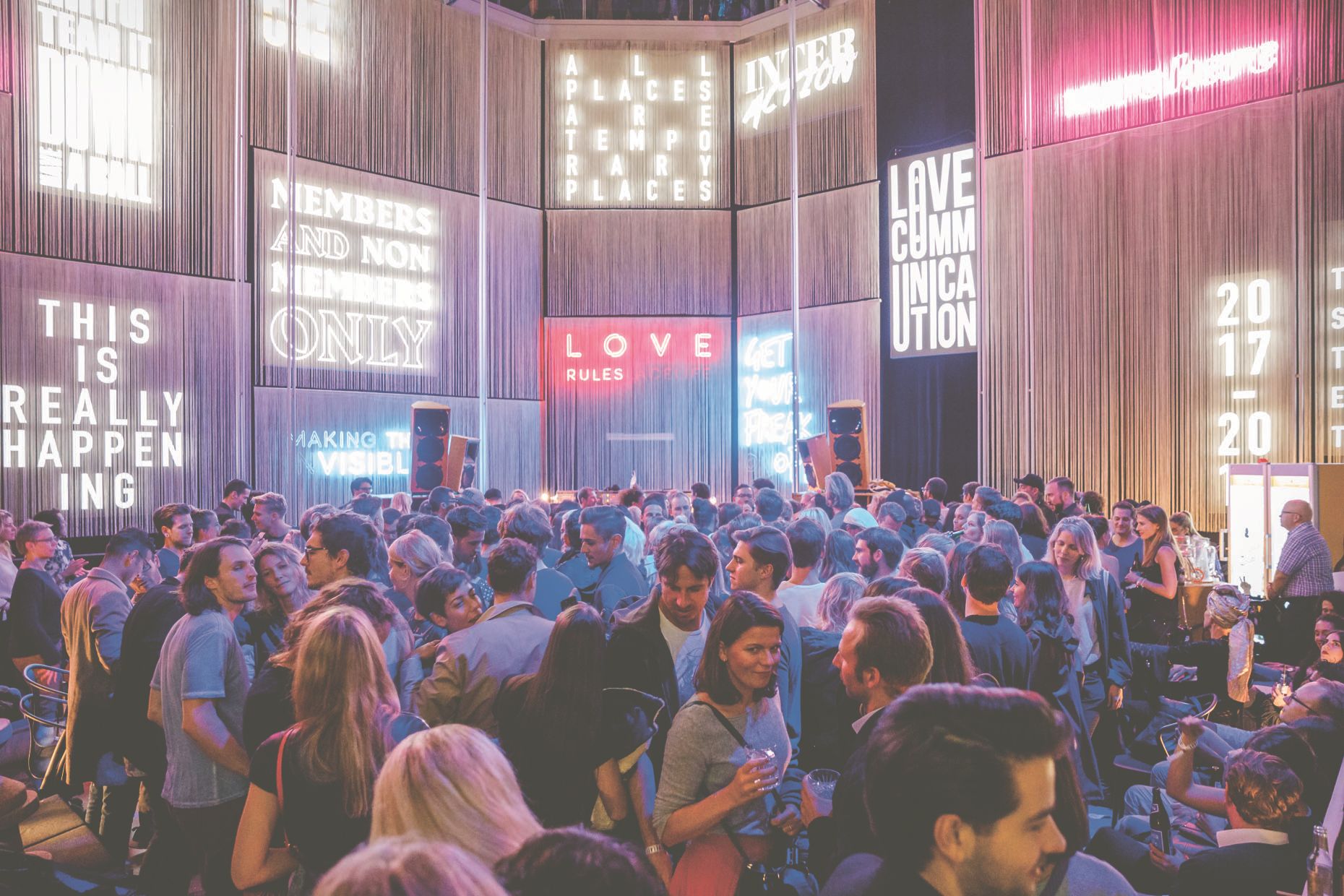
Once in the lobby, a subcultural paradise opened up to the guests on 4800 m2 – a light-flooded, artfully wallpapered, pulsating space with open galleries and a vertical garden. Full of people, laughing, discussing, dancing and clinking glasses at the bar, vegan street food, small to large concerts and exhibitions, pop-up stores and workshops. Those who wanted to stretch their mind and limbs went to yoga, for contemplative moves to the boxing club, and those who were in the mood for something new went to the barber. Not forgetting the extraordinary design of the hotel rooms.
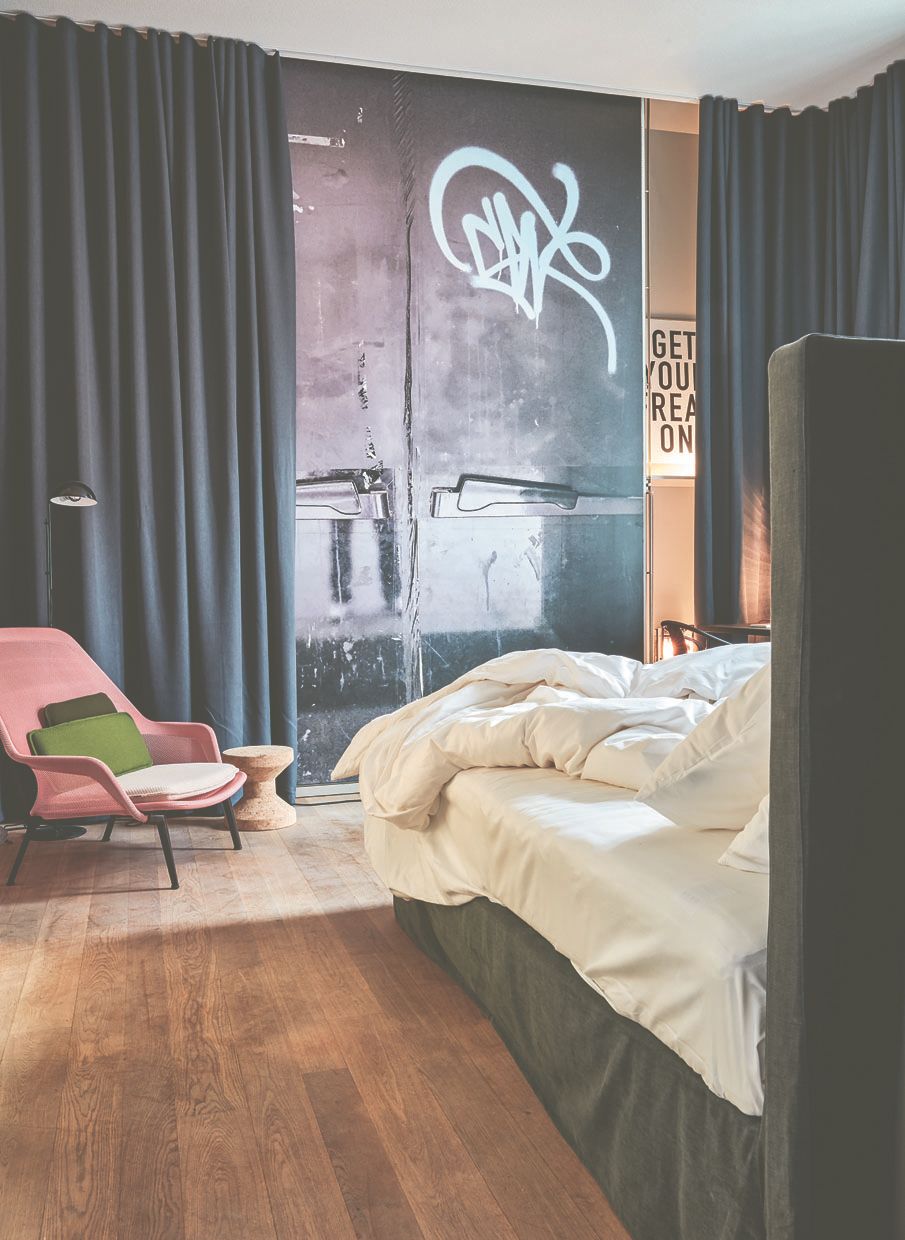
In short: a place that had never existed before in Munich. Welcome to “The Lovelace – A Hotel Happening”. A breath of fresh air for the city, the intensity of which left us breathless with amazement. Everything was completed in a very short time and furnished to a high standard thanks to renowned design and art collaborations, such as the larger-than-life Victory symbol right next to the reception. Two fingers casually stretched upwards, two years of multicultural happening in the world’s first pop-up hotel. A revolutionary idea and a success that not only made history but has since written many sequels.
All places are temporary places.
One of the three lead narrators is Gregor Wöltje, whose passion is still evident when he reports on the rapid creation of “The Lovelace”. What makes a good project for the architect, sustainability expert and idea creator is its infeasibility factor. “Actually, we now only get projects on our desk that no one else wants to touch,” laughs the native of Hanover, who grew up in Munich and then, apart from detours around the world, stayed put. But often the wide world begins right outside one’s own door. Together with the cultural organisers Michi Kern and Lissie Kieser, Gregor has been initiating, developing and designing various Happening Places since 2015, which sound crazy at first and later become indispensable.
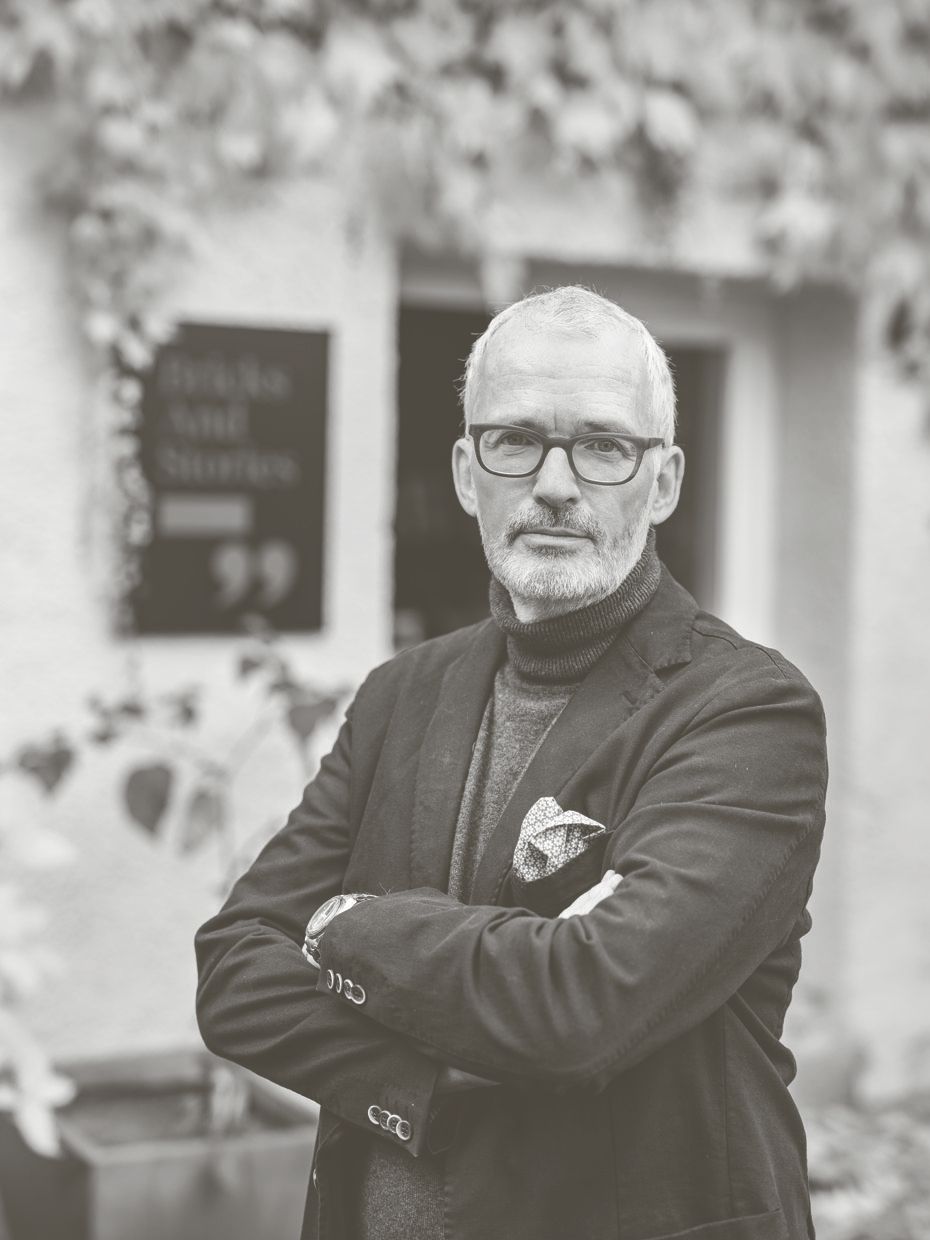
Always with the aim of creating a third place in a cultural or social context where everyone should feel welcome and comfortable, the creator explains the concept: “The projects of ‘This is really happening’ never have a purely financial aspect, but are meant to show how social engagement, culture and placemaking works.” According to Wöltje, nothing is sadder than places that were well-intentioned and then later abandoned because no one visits them. “Our ideas of course have a lot to do with what drives us politically, aesthetically and culturally, but ultimately they emerge from the places themselves, which we don’t want to change .”
We trust the process.
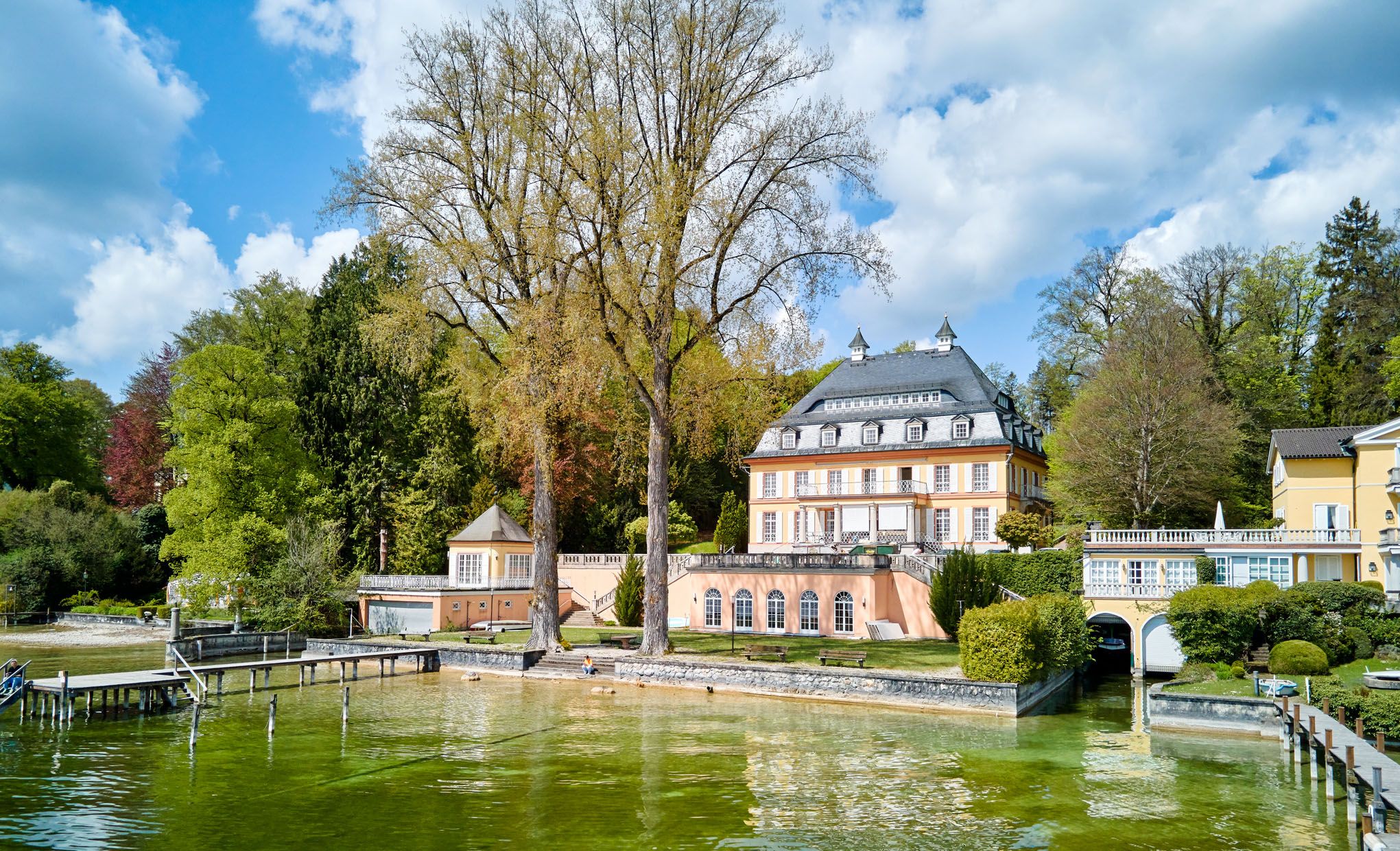
It’s a similar story with his own home. For over twelve years, Gregor Wöltje has lived with his wife Katrein and a colourful patchwork family of seven children and a variety of cats in Possenhofen on Lake Starnberg. The historical Villa Fischer, where the empress’ personal physician once lived, was actually the only empty house around Munich at the time that offered enough space for the large family. A happy coincidence with a lasting summer retreat that is gladly shared with guests. For this purpose, the heritage listed Remise – formerly horse stable and carriage house – was carefully renovated and transformed into three harmonious holiday apartments, in which great emphasis is placed on durability, design and comfort.
There is no masterplan.
The fact that Wöltje can read plans was essential not only for the conversion of his own house, but also for the hotel happening. Otherwise, the graduate architect deviates from the classic floor plan. Even during his studies, his unusual presentations resembled comic-like manifestos rather than deadly-serious concepts. After a year in architecture practice: tabula rasa. He left the tedious designs behind to create entertaining stories for MTV, Burger King or Levi’s with his own advertising agency. But over the years, the advertising world not only inspired plenty of good plots, but also many thought-provoking questions.
Since then, the ideas architect has devoted himself exclusively to stories in the green sector: “Our world of sustainability is a world that lacks ideas, aesthetics and attractiveness.” A state of affairs that Wöltje wants to change. When he happened to meet his old companion Michi Kern again a few years ago, a congenial co-storyteller was found. Since then the two, together with partners, have been developing narratives for the city that is close to their hearts. First with the “Lost Weekend”, a book café with small, fine live acts, followed in 2017 by exciting event locations with “The Lovelace” and the subsequent revival of the heritage listed Reithalle [Riding Arena]. “If the story is good, then it is effective for everyone” – Wöltje knows about the power of storytelling and the catalyst for cooperation. Everything else usually works itself out.
We like to experiment.
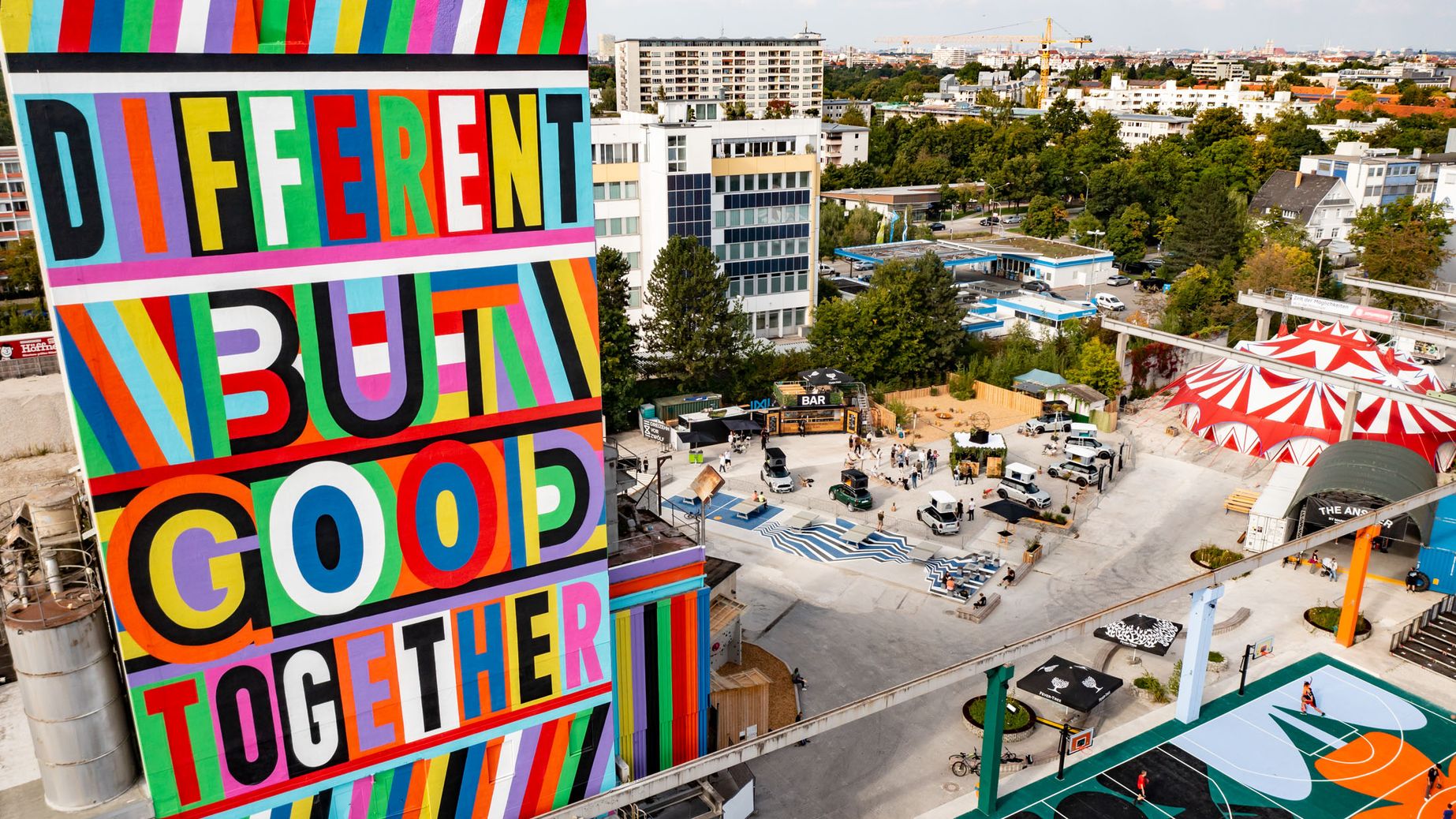
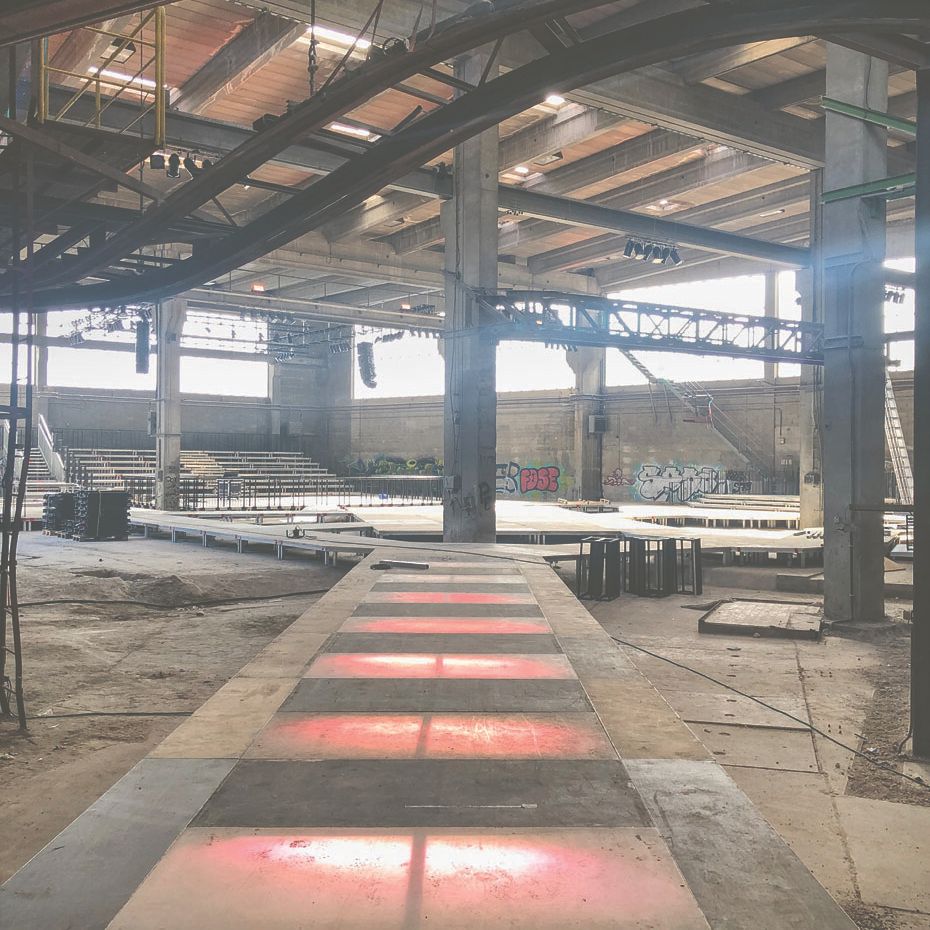
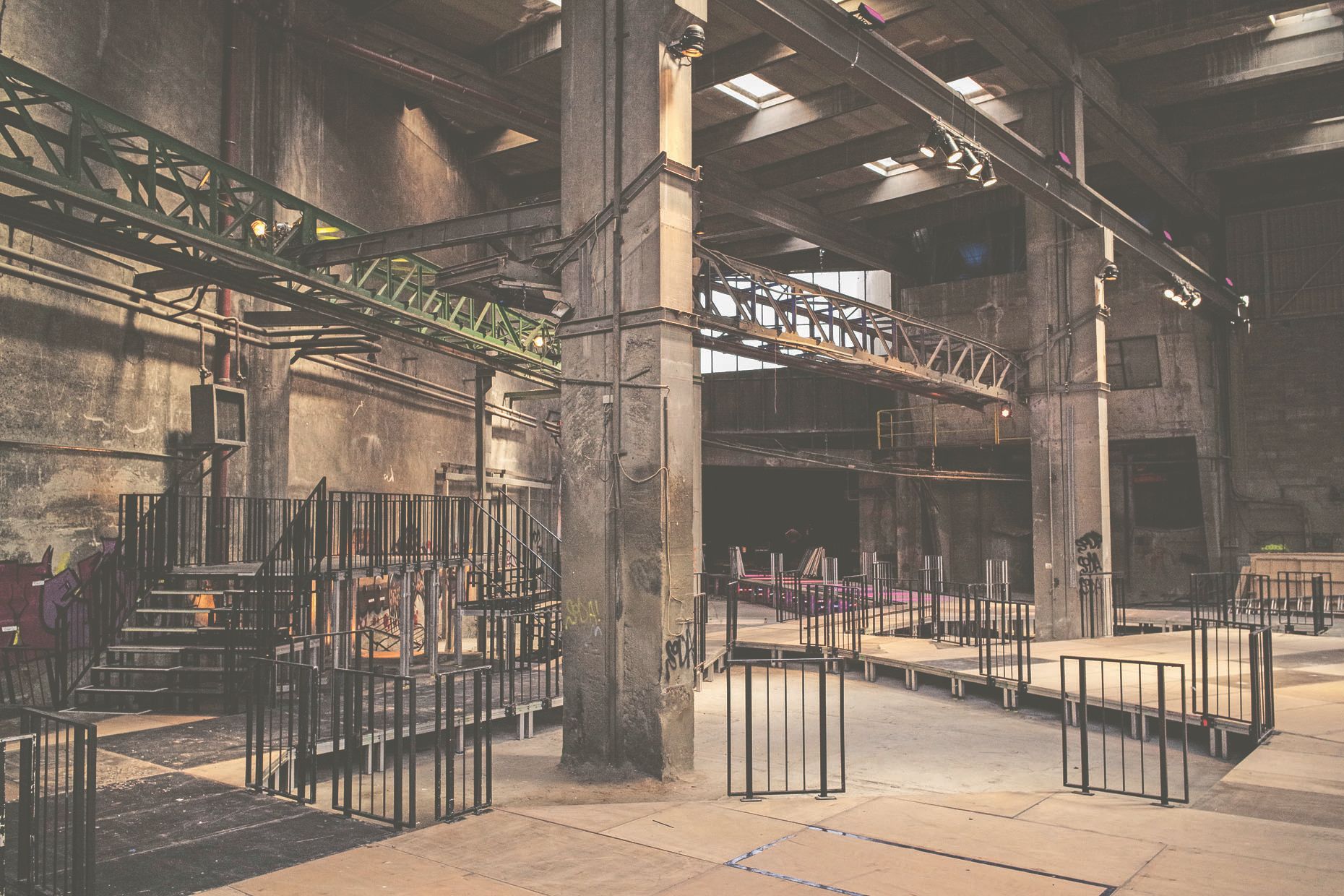
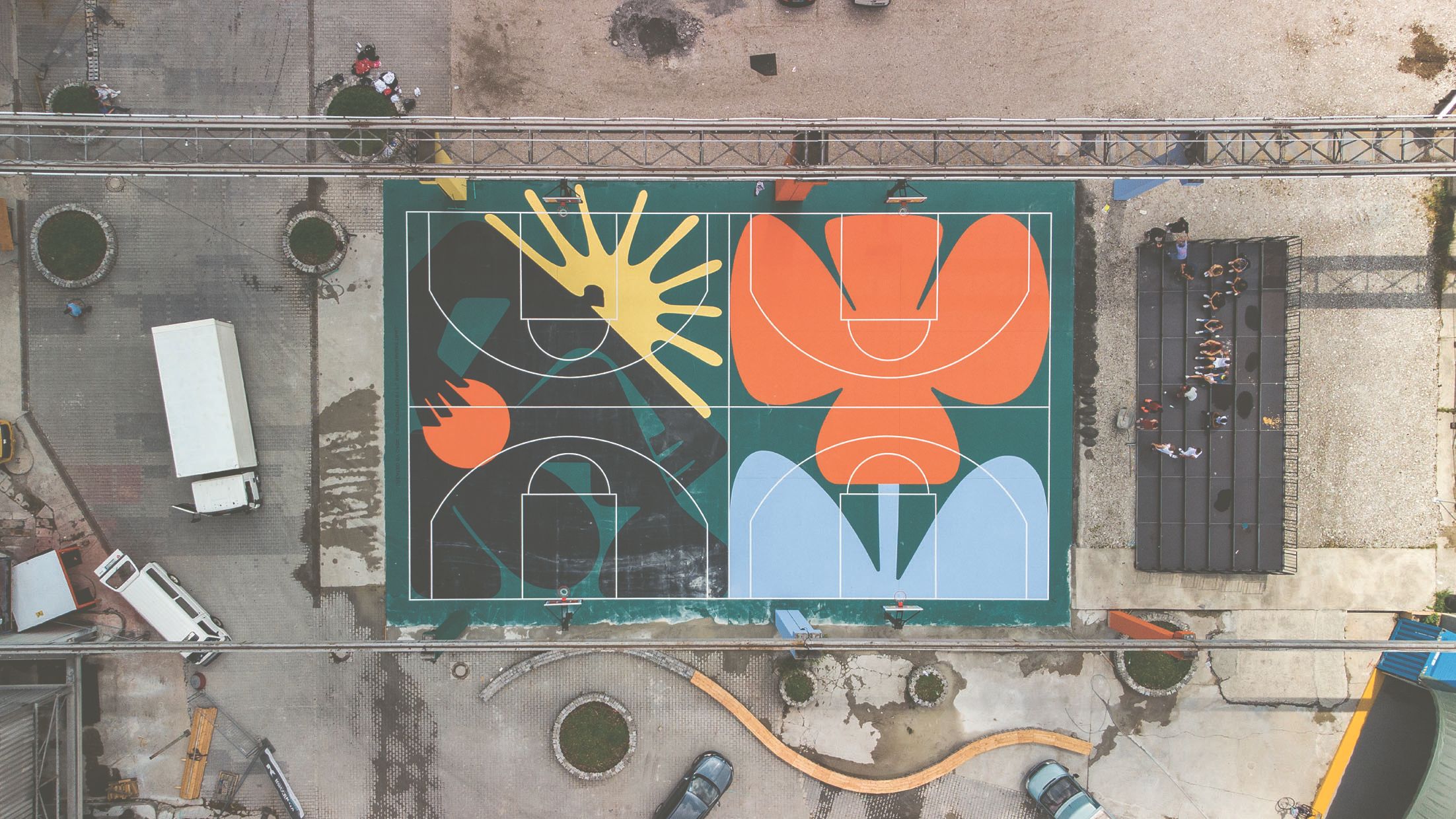
For example, with “Sugar Mountain”: A prelude to a large-scale planned neighbourhood development, in the middle of the pandemic a former concrete factory in Obersendling was to be converted into a huge leisure and art area. A challenging urban development project with an appealing infeasibility factor – just the thing for “This is really happening”. Today, Sugar Mountain is a creative urban experimental space that invites all Munich residents to participate and interact. Whether it’s skating, playing basketball, spraying graffiti or bouldering, whether it’s a concert, open-air cinema, flea market or just to be. The mountain of opportunities is endless, and the interim use concept has become a permanent institution. A great benefit for the neighbourhood and the whole city.
Ever since my school days, I have had the urge to contribute to a good life with good ideas,” recalls Wöltje, who wants to establish a “new normal” with his projects. “The New Normal is an animal-friendly, sustainable and equal one. Everything that can be summed up so nicely under ‘wokeness’. In the majority, we have to make the right decisions. Then the whole thing works itself out anyway. We firmly believe in that.” The way he puts, this spirit of the age sounds anything laboured, but rather effervescent and natural, like an unswerving and unrelenting source of energy that wants to make our interpersonal world warmer and livelier.
We cherish the surprise.
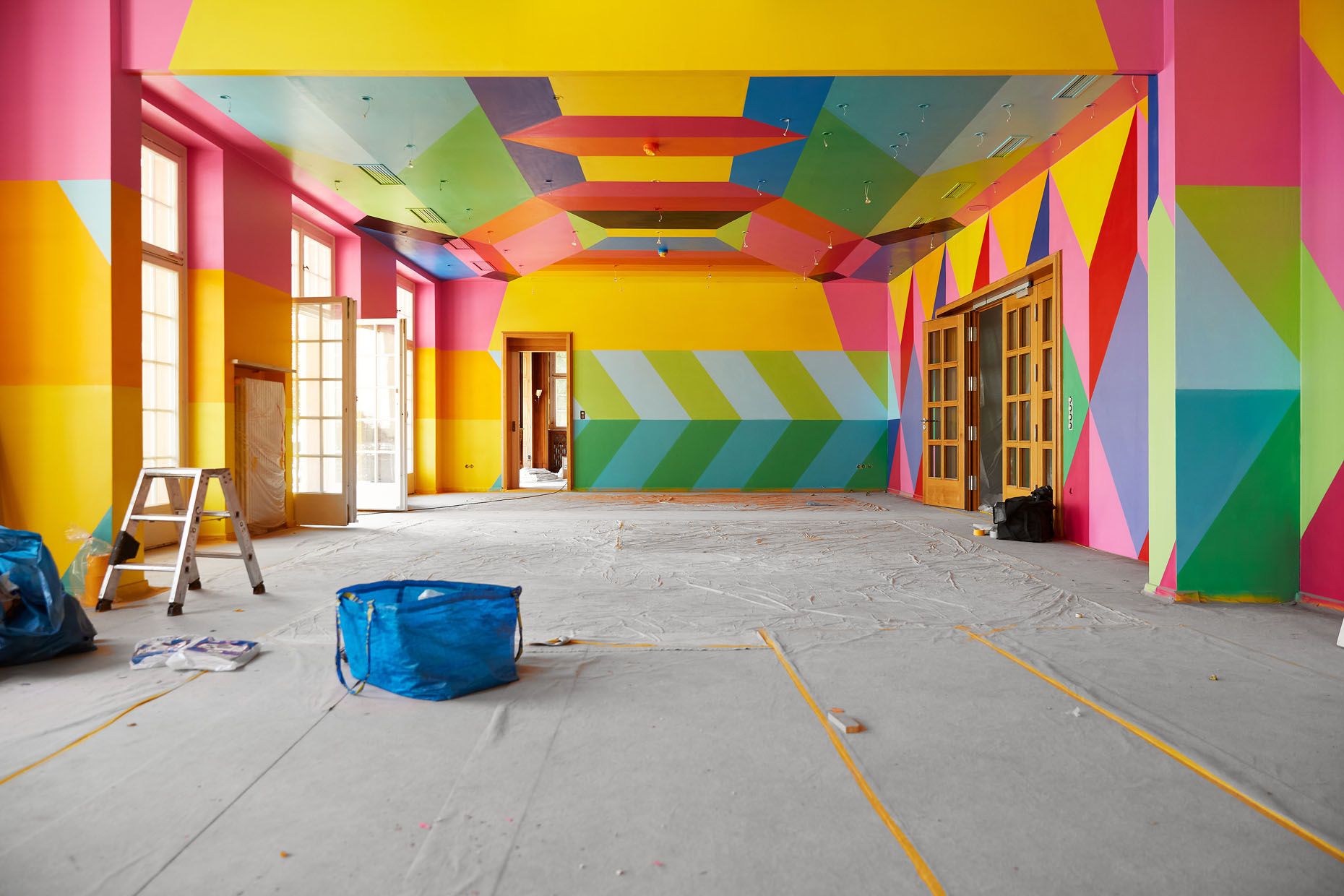
So, it’s no wonder that there is also a non-profit association that has created a very special “happening place” for socially disadvantaged children and young people. Situated directly on the Bavarian Gold Coast, on one of the most beautiful plots of land on Lake Starnberg, the heritage listed Villa Zitzmann, known today as “Villa K”, is a lovingly and artistically designed retreat and colourful adventure playground with future-relevant content. After being vacant for eight years, the old villa was supposed to be transformed into a luxury hotel with a large spa and wellness area.
Instead, Ukrainian and German children have been enjoying the priceless luxury of a peaceful place since 2022. Here, too, love is in the details from top to bottom, all over the place – from the brightly coloured furniture of a former 5‑star hotel to the artistically thought-out colour concept of the individual rooms. In the meantime, the showcase project has been given a 20-year contract. Enough time and space to develop further in a well-founded way. These moments are a gift for Wöltje, because of course not everything always runs as smoothly and easily as it sounds. Every project is a balancing act between reality, high artistic and architectural standards and the budget.
This is just the beginning.
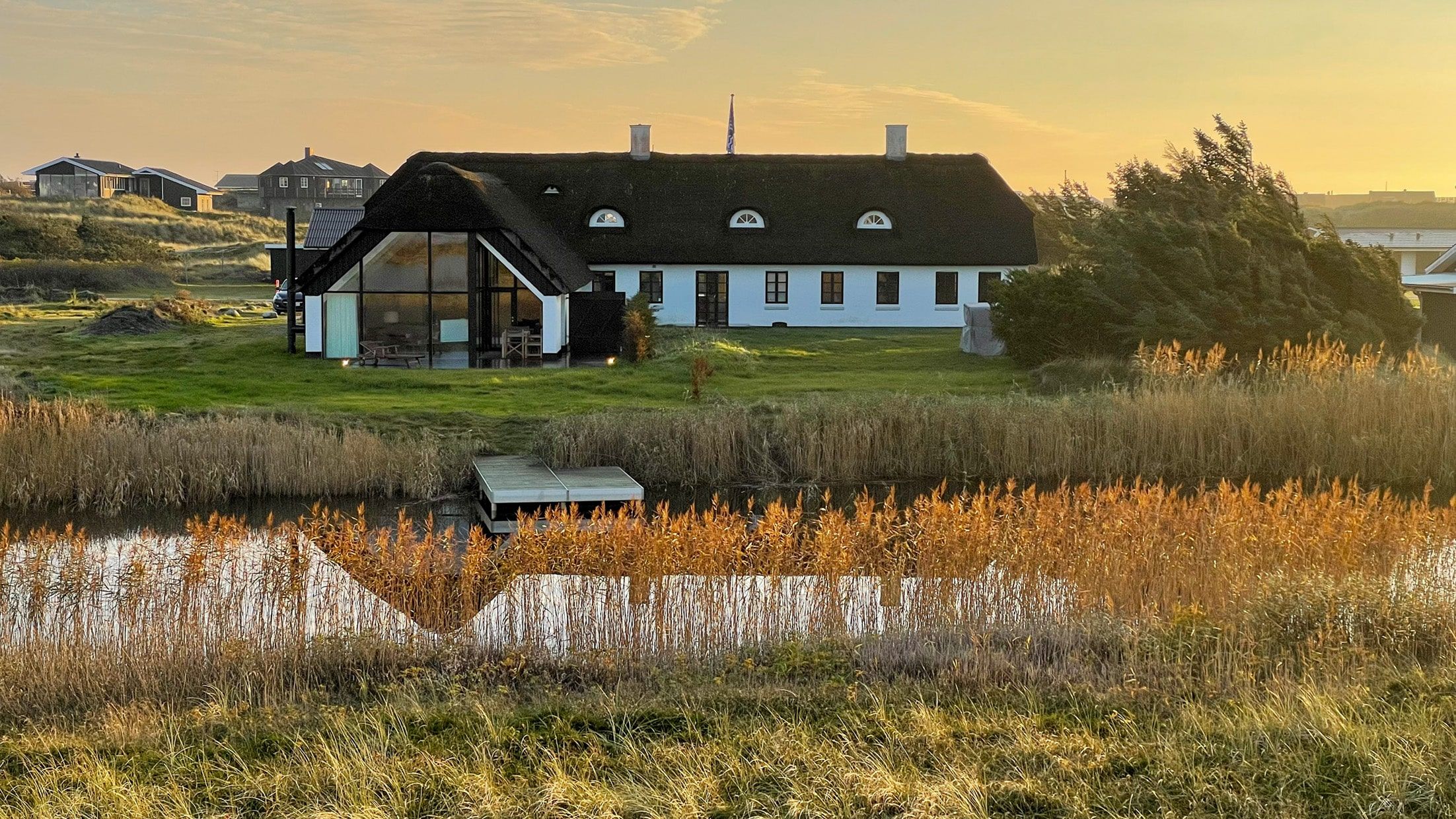
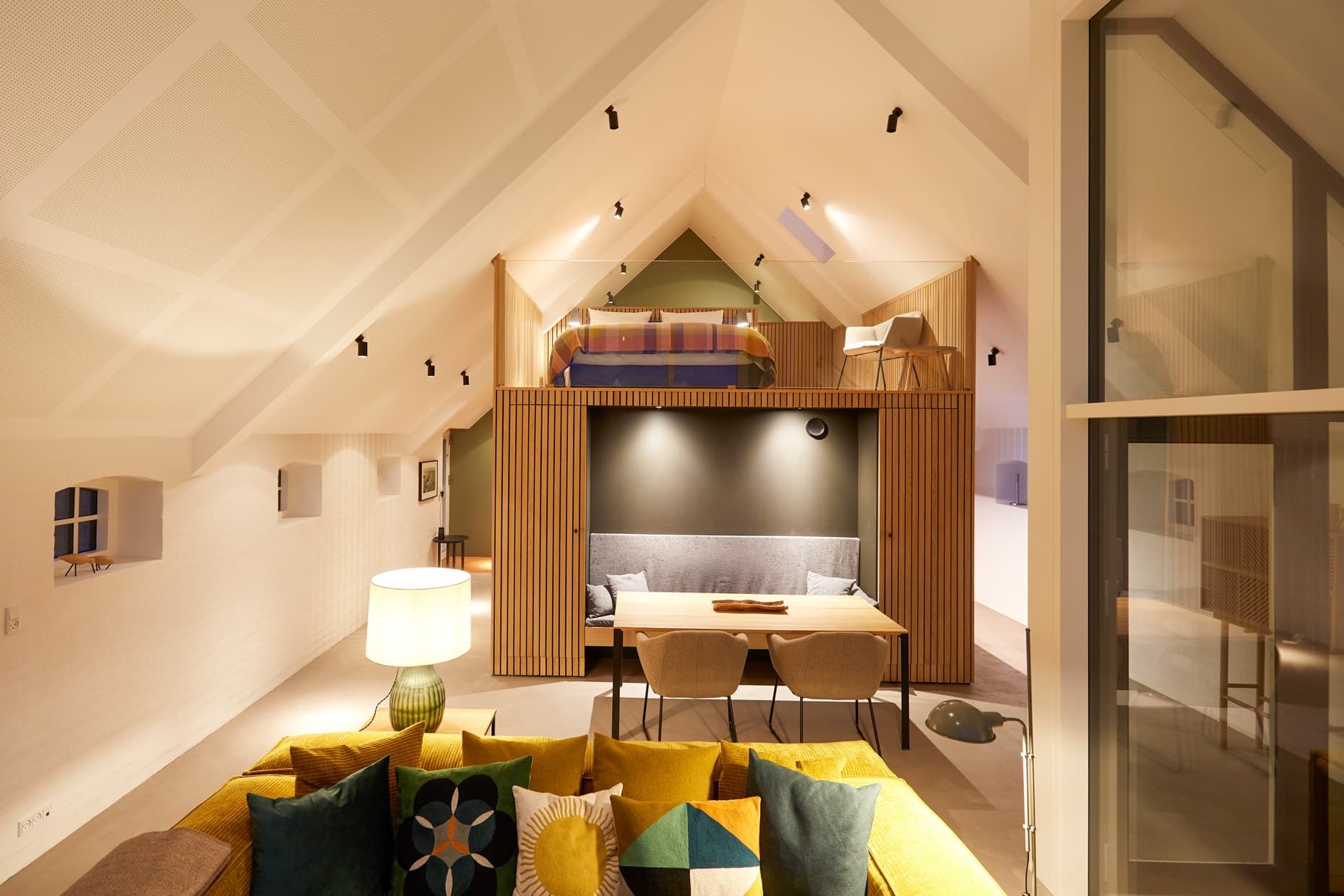
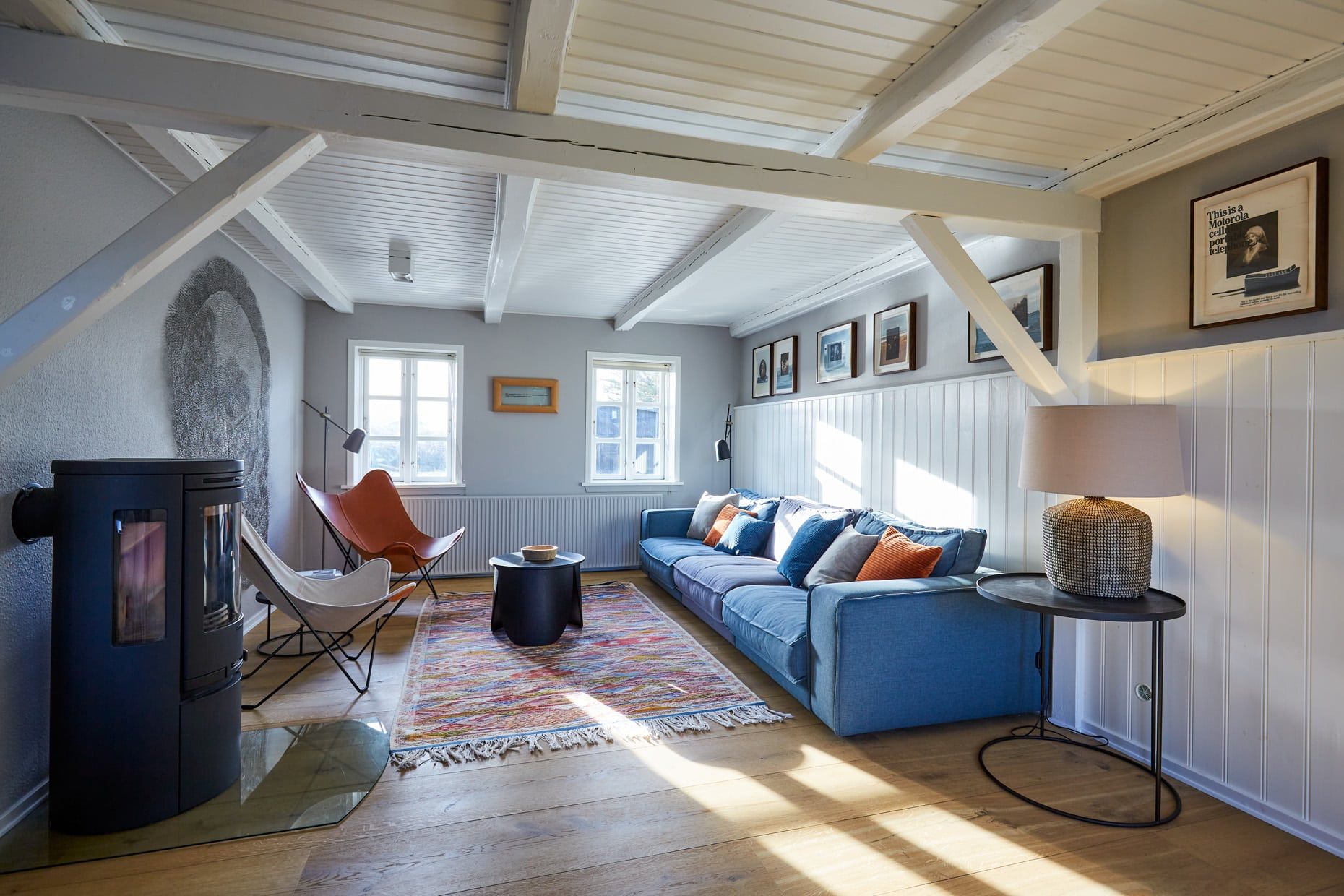
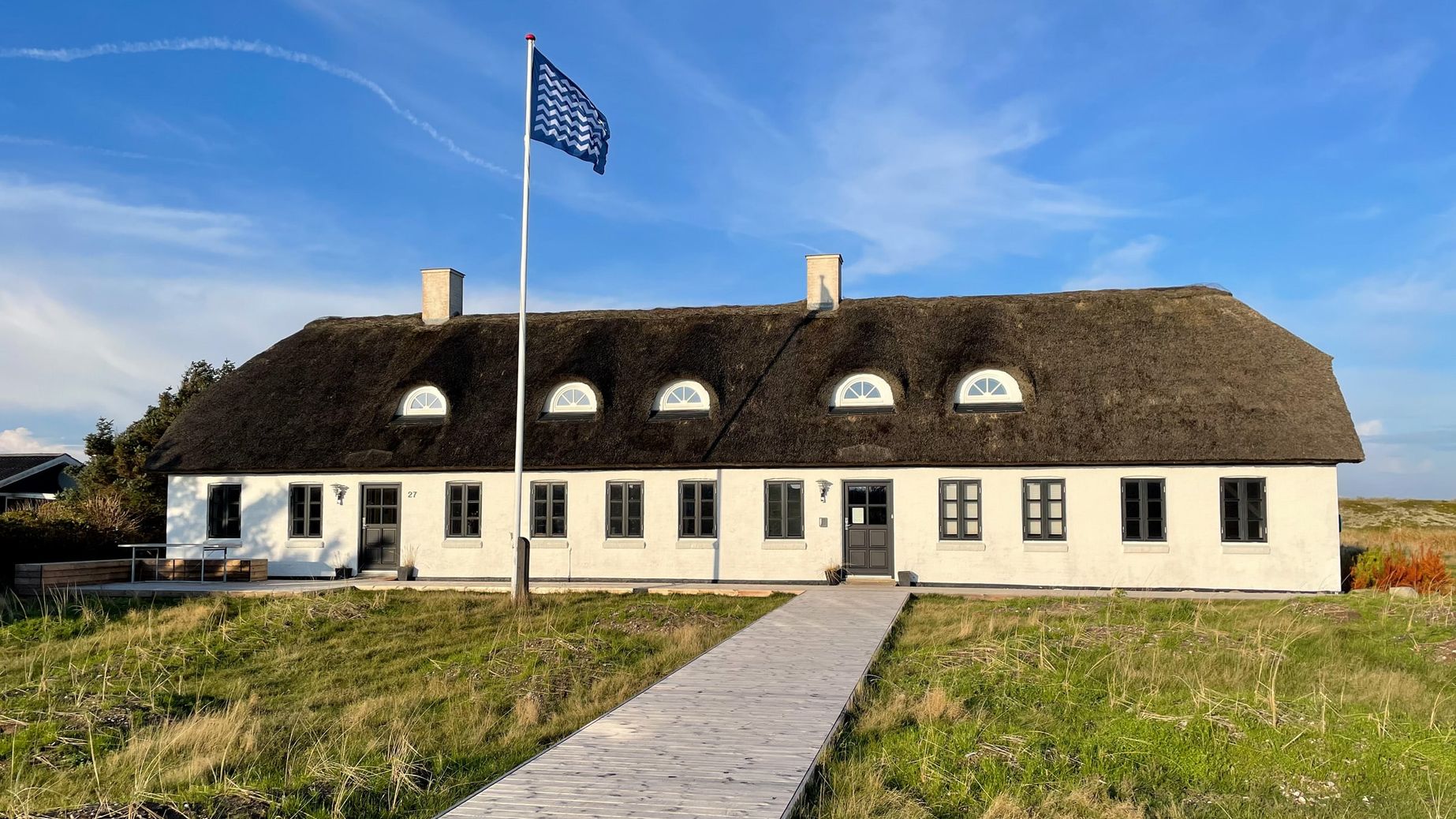
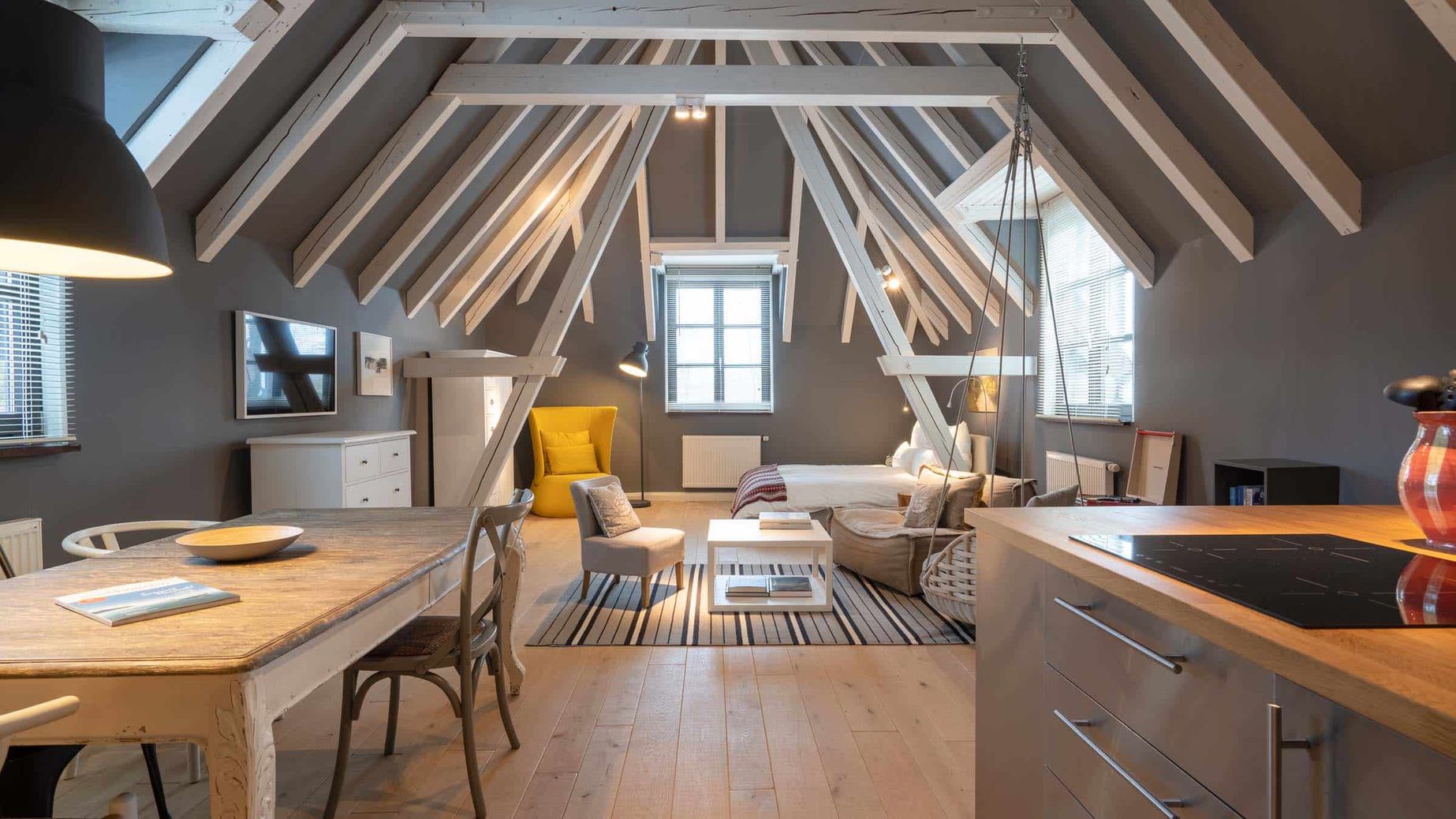
To take a breather in between, they go to the Agger Farmhouse to cool down and unwind. With the conversion and extension of an old farmhouse and barn on the edge of the Thy National Park, the Wöltjes have created another favourite place, which they share not only with friends but with everyone who appreciates the connection with nature. Here, too, the “new normal” can be felt in every corner; it fuses surprising architecture, Scandinavian stylistic confidence and hand-picked art with maximum longevity. This includes new ways of seeing and living – as in the “Magic Box” in the converted Hayloft, a versatile room-in-room solution. As often as possible, Wöltje travels with his family to the wild coast of Denmark to let the salty wind on its endless beaches blow around his exuberant head.
What the creative ideas activist wants for the future of his hometown is more courage and a new urban development plan like the one in Copenhagen: “Where do we want to be in 20 years and what do we have to do to make it work?” In the meantime, Wöltje, Kern and Co. are waking up sleeping cats. For with the “Fat Cat”, as the voluminous building in Gasteig will be called from 2023, the largest subculture centre in Europe will open, offering space and opportunities for all disciplines and art forms. There is no question that there are another ground-breaking “Happening Place” is in the works. Where, however, has not yet been revealed. To be continued.
Text: Julia Hauch
Photos: Design Tower Sugar Mountain Munich © pulse advertising (Titelfoto), The Lovelace © Thomas Mandl (1) © Thomas Kiewning (2) © Steve Herud (3), Gregor Wöltje © Thomas Dashuber (4), Sugar Mountain Munich © Gregor Wöltje (5), © Thomas Mandl (6) © kicks (7), Villa K © Sebastian Dörken (8), © Thomas Dashuber (9), Agger Farmhouse © Tina Stephansen (10 — 12)
This article first appeared in our book publication Places & Visions.
0 Comments