Come on, let′s save a house!
We repeatedly receive enquiries from partners regarding the preservation of buildings worthy of protection. Here you will find a compilation of initiatives and organisations in Europe that are committed to preservation and after-use.
For years now, we have been accompanying our partners in the implementation of projects, often involving buildings worthy of preservation. Their love for listed houses or those threatened by dereliction, industrial monuments and modern classics has repeatedly resulted in astonishing revivals.
Sometimes, however, more extensive support, promotion and advice is needed, and we regularly receive inquiries concerning this. We have therefore compiled a list of initiatives and organisations that are committed to preservation and re-use.
Germany: Deutsche Stiftung Denkmalschutz (“German Foundation for Monument Protection”
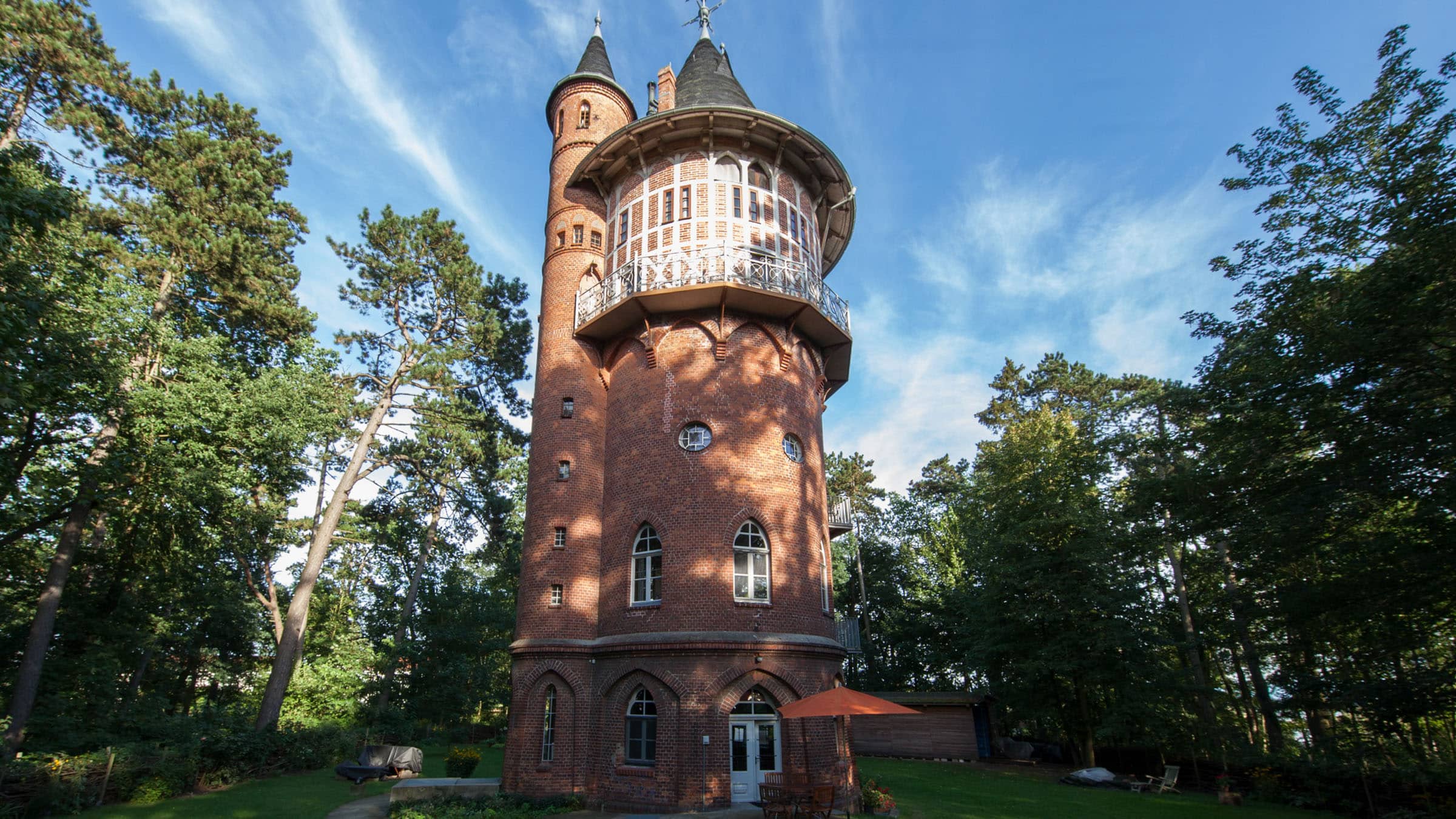
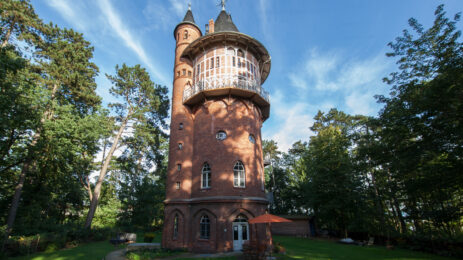
Deutsche Stiftung Denkmalschutz is the largest private initiative for monument conservation in Germany. It has been committed to the preservation of threatened monuments since 1985. Its holistic approach ranges from the emergency rescue of threatened monuments to nationwide campaigns such as the “Tag des offenen Denkmals” (“Open Monument Day”; next date: 11 September 2022). Among the monuments that can be visited on that occasion is the Waren water tower (pictured).
Thanks to the help of more than 200,000 sponsors, the foundation supports several hundred projects every year.
Germany: Stiftung Industriedenkmalpflege und Geschichtskultur („The Foundation for the Preservation of Industrial Monuments and Historical Culture”)
Stiftung Industriedenkmalpflege und Geschichtskultur was established in 1995 as an instrument for coping with structural change in North Rhine-Westphalia. It is the only foundation in Germany dedicated to the preservation of high-ranking industrial monuments – with the aim of saving them from demolition, securing them, making them the subject of scientific research and accessible to the public, and putting them to a new use in keeping with their monument status.
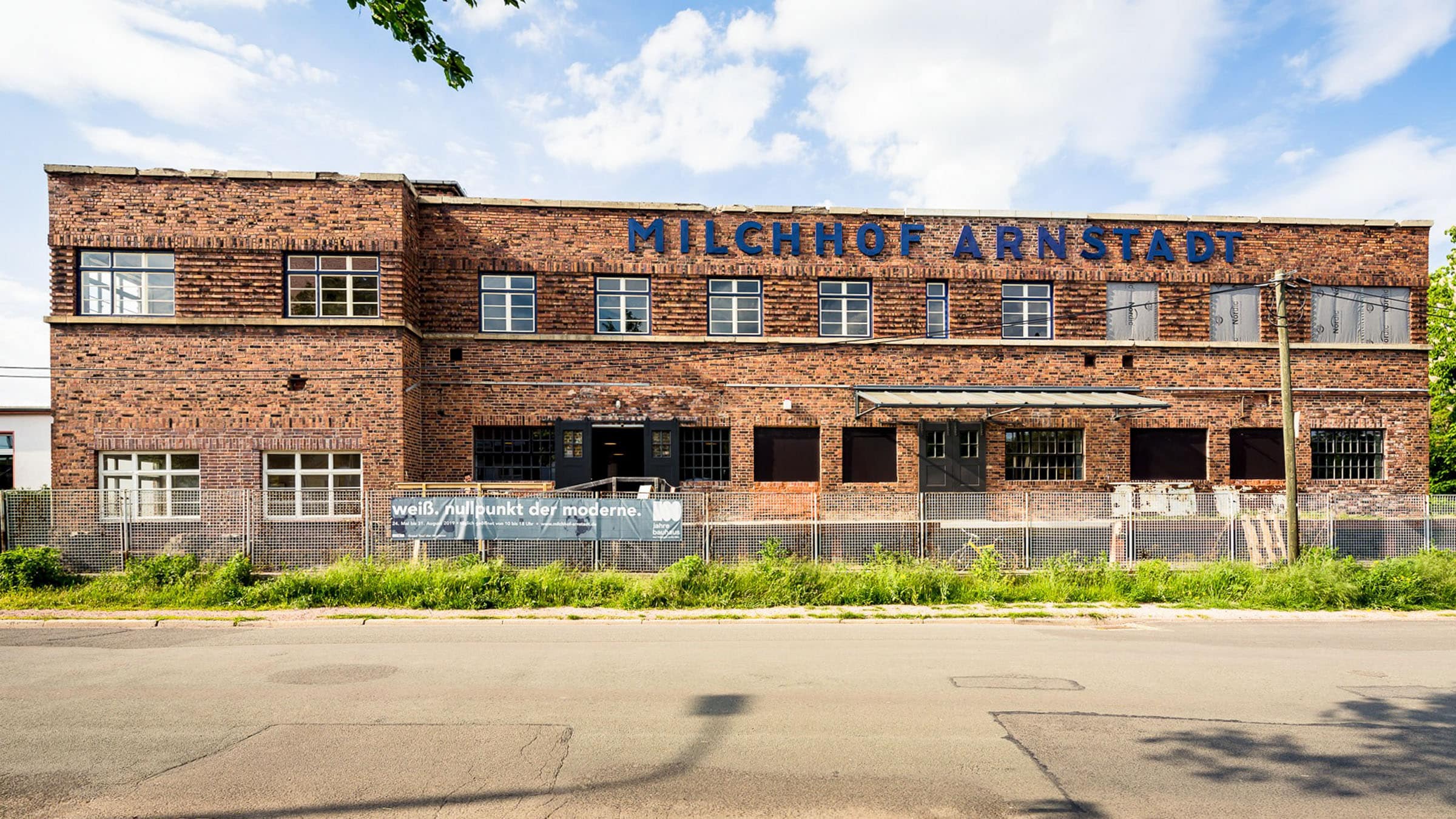
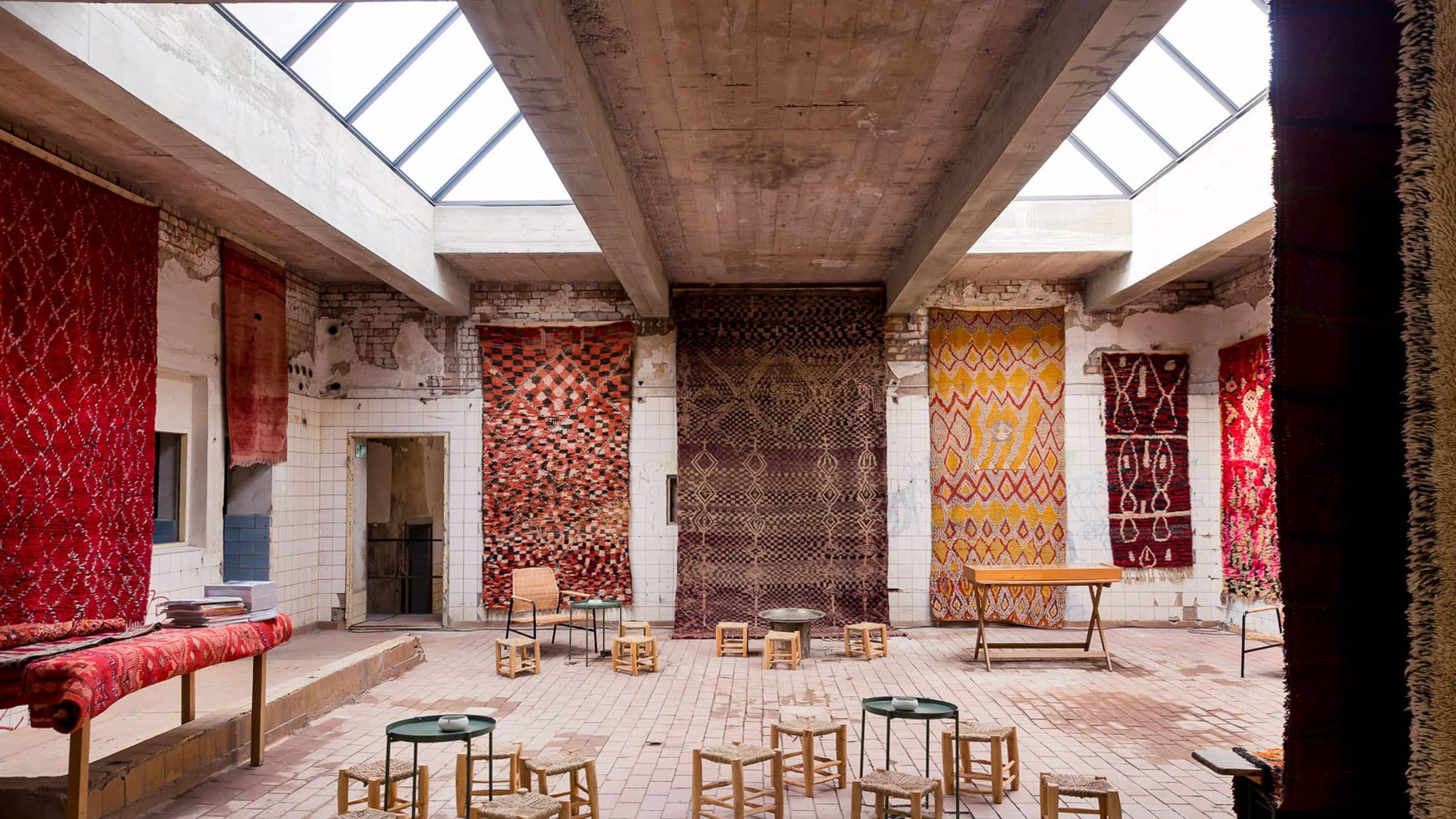
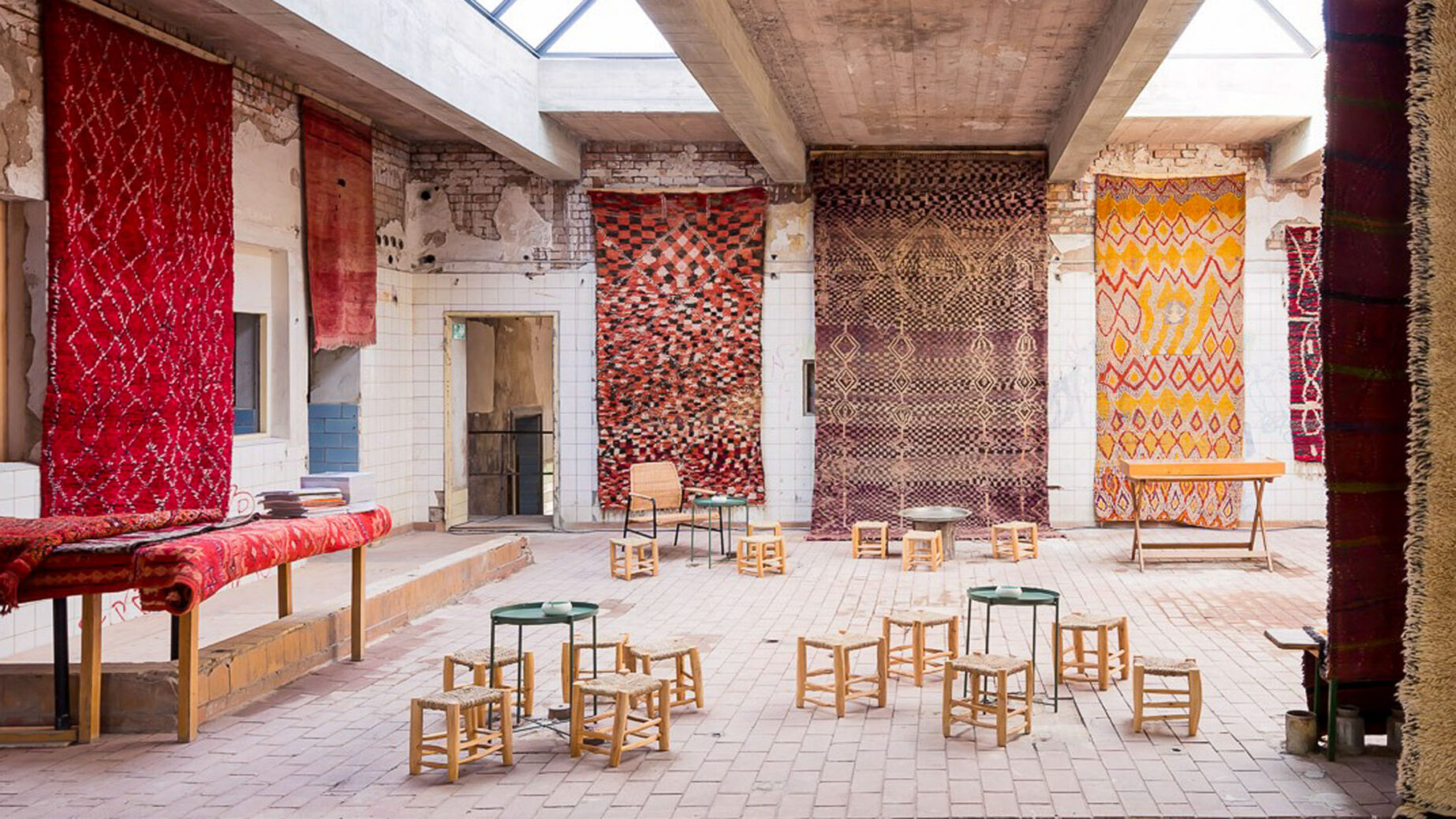
The foundation takes ownership of industrial monuments and gives impulses to integrate the relics of the industrial age into urban development, landscape planning and monument protection concepts as well as into commercial and tourism projects. In Germany, organisations such as the network Industrie. Kultur. Ost or associations such as kulturfabriken.eu are also dedicated to industrial heritage. Our partner Dr. Jan Kobel from Hotel Stadthaus Arnstadt is actively involved in the latter and has founded an association to protect the Milchhof Arnstadt (pictured).
“Nichts ist so uncool wie Neubauten”
Dr. Jan Kobel, Fotograf und URLAUBSARCHITEKTUR-Partner
Great Britain: Landmark Trust
Founded in 1965, The Landmark Trust is one of Britain’s leading conservation charities and is known far beyond the borders of Great Britain.
Although it has no endowment of its own, the Landmark Trust has a 500-strong team that maintains a head office and has regional staff responsible for the day-to-day running of its current 200 buildings.
The aim is to save historic buildings that are in danger of being lost forever. These “landmarks” are sensitively restored and converted into self-catering holiday accommodation. The lettings income in turn supports the preservation and maintenance of the buildings.
Since its beginnings, the Landmark Trust has taken a distinctive approach to its buildings. Rather than imposing modernity upon them, the historic character of each place is brought out. From the choice of buildings, to the details of their fittings and finishes, the Landmark Trust seeks to enhance the beauty of historic structures, rather than simply to remodel them to suit modern requirements.
The buildings are rarely purchased but usually acquired through agreement with the owners who are unable to save them themselves.
Switzerland: Stiftung Ferien im Baudenkmal (“Foundation Holidays at the Heart of Heritage”)
Stiftung Ferien im Baudenkmal, founded in 2005 by the Swiss Heritage Society, is another initiative at the interface of tourism and monument preservation. Throughout Switzerland, the foundation takes over architectural monuments that have fallen into disrepair and are threatened with demolition, restores them sensitively and gives them a secure future as holiday accommodation.
Similar to the Landmark Trust, the carefully restored buildings are made accessible to the public at reasonable prices. The active experience of building culture puts the focus on conveying information about and raising awareness of historical buildings.
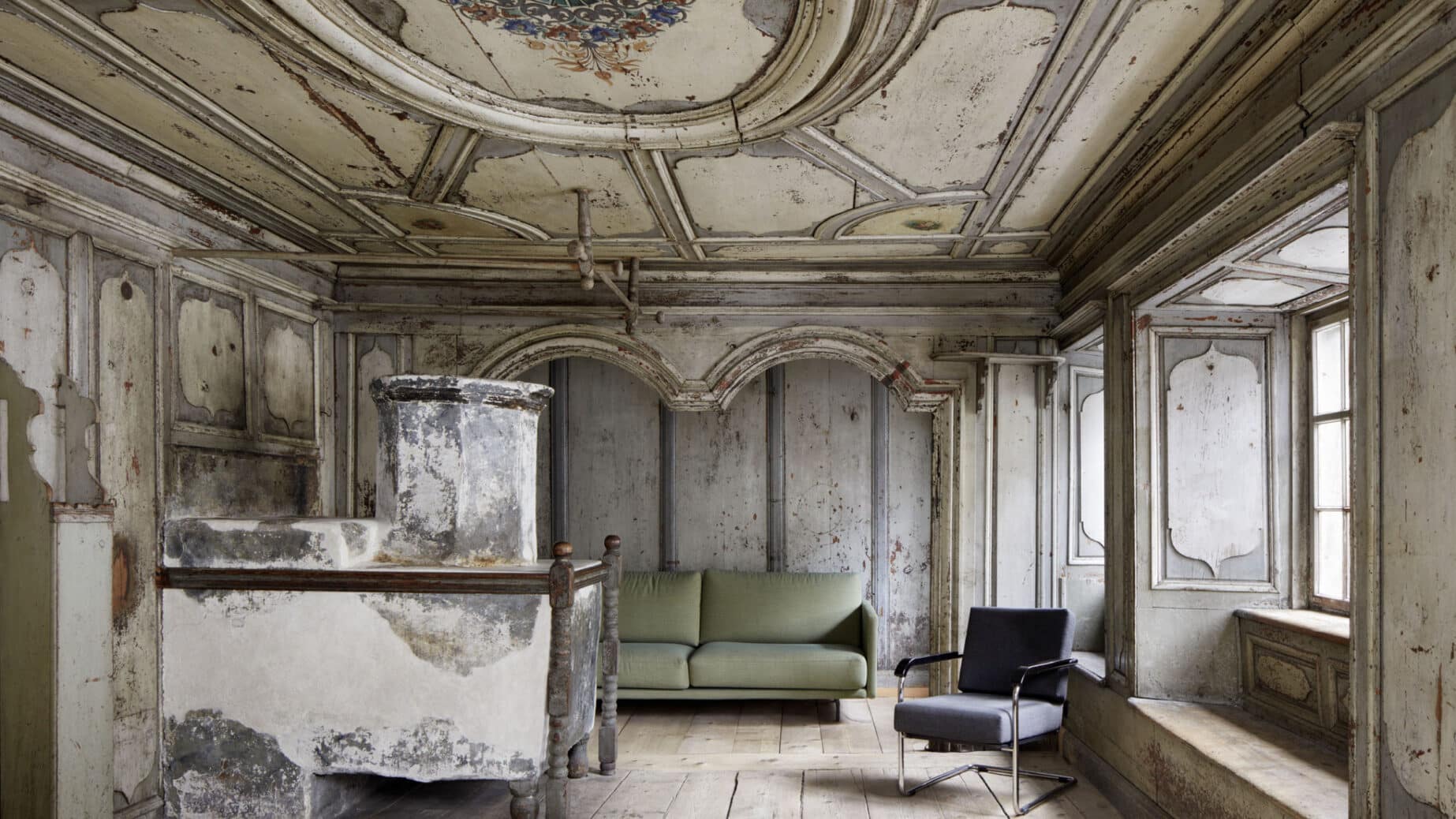
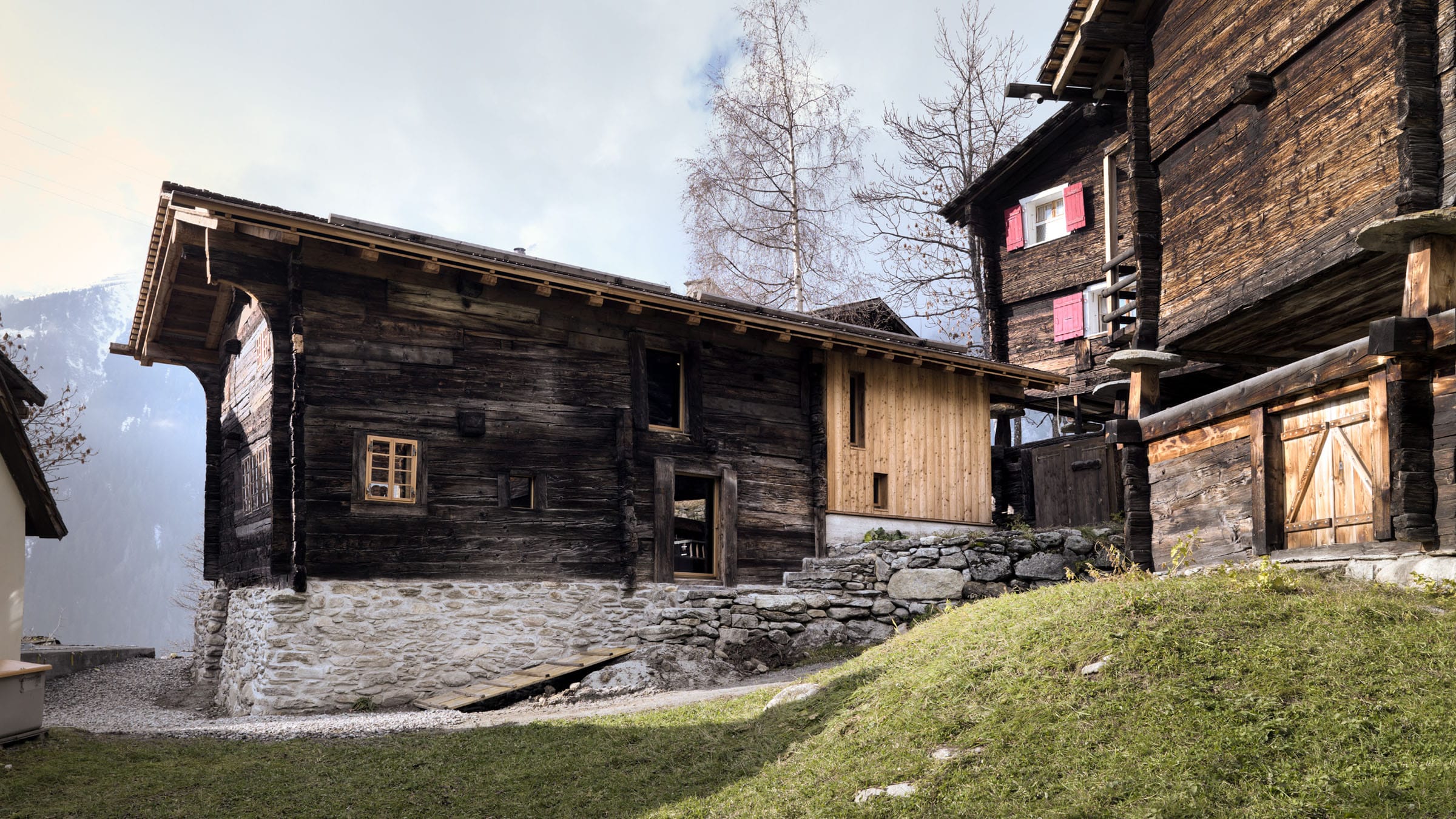
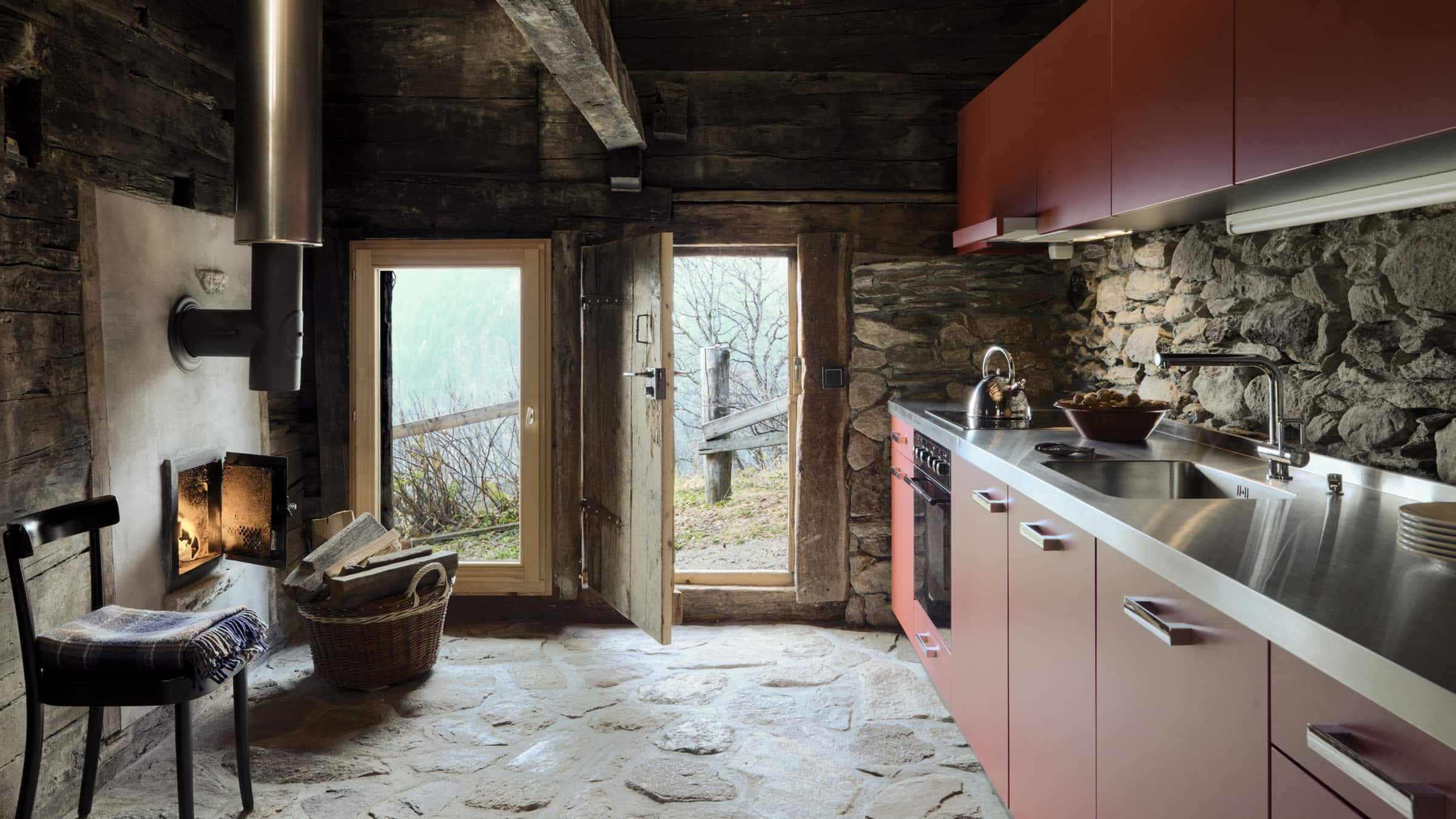
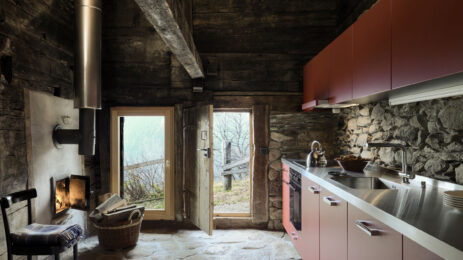
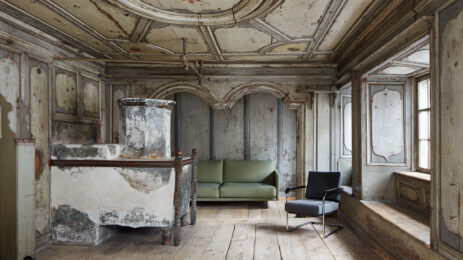
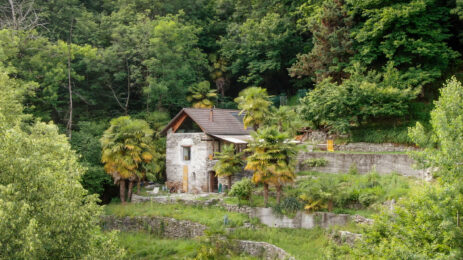
The foundation supplements its diverse offerings with monuments owned by third parties and contributes to their preservation by renting them out. At present, the offer includes 50 buildings in all Swiss cantons. For example, the Huberhaus in Upper Valais (pictured below) or the Türalihus in the Canton of Grisons (picture at the very top).
Switzerland: Edith Maryon Foundation
In 1990, three young men established a non-profit foundation “for the promotion of social housing and workplaces” with only 12,000 Swiss francs – and named it after Edith Maryon, an English sculptress and close associate of Rudolf Steiner, who was already involved in a social housing project a century ago.
To date, the Basel-based, non-profit Edith Maryon Foundation has completed or provided for more than 100 projects, primarily in Switzerland and Germany, but also elsewhere.
The non-profit organisation removes land and properties from speculation, ensures affordable housing or workplaces and supports social and cultural projects.
Wüstenrot Stiftung (Germany)
In the spring of 1921, a group of idealists came together to alleviate the pressing problems of the years of privation after the First World War. In Stuttgart they founded the association “Gemeinschaft der Freunde” (“Community of Friends”), which, according to its statutes, was committed to “the creation of housing and old people’s homes for the general public on a purely charitable, land-reforming basis”.
In 1924, the association began operating as a building society in Wüstenrot. Finally, in 1990, it returned to its original position and transformed itself into an institution in the form of a foundation that serves the common good in a contemporary and future-oriented manner.
Since then, the foundation has been concerned with tangible and intangible cultural heritage. It conceptualises and implements its own projects in the areas of monuments, future issues, city & country, literature, art & culture and education, and it promotes the ideas and projects of other non-profit institutions. The foundation focuses on cultural assets created after 1945.
- Monuments (German only)
- Publications (German only)
Additional recommendations
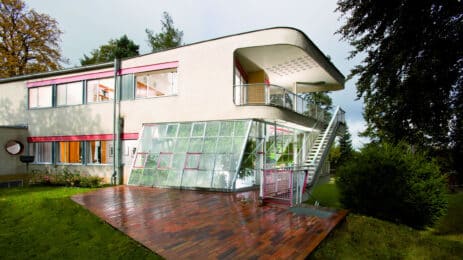
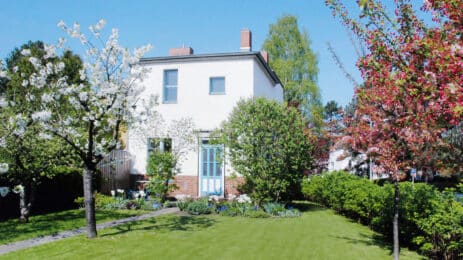
Modern classics such as Haus Schminke, which is run by a foundation, Taut’s Home, designed by Bruno Taut and part of Berlin’s Horseshoe Estate, and many other new and old architectural monuments can be found at our website:
Funding programmes
An overview of funding programmes and funding organisations in Germany are available, among other places, in the funding database (German only) of the Federal Ministry for Economic Affairs and Climate Action.
We would be happy to learn about other organisations and funding programmes that we can add to our list. Please send us a comment on this article or use our contact form.
Text: Ulrich Stefan Knoll, July 2022
Pictures: © Zeljiko Gataric (Titelbild), © Jan Kulke (1, 2,), © Dr. Jan Kobel (3, 4) © Bruno Helbling (5, 6)

7 Comments
In Bayern kümmert sich die Initiative KULTUR ERBE BAYERN um geschichtsträchtige Gebäude und Kulturlandschaftsteile und machen diese zu lebendigen Orten. Die Initiative lebt vom Engagement ihrer Mitglieder, freiwilligen Helfer, Stifter und Spender. Vorbild ist der englische National Trust. Mehr erfahren unter <a href=“https://www.kulturerbebayern.de” target=“_blank” rel=“noopener nofollow ugc”>www.kulturerbebayern.de</a>
Ich hätte in dem Zusammenhang noch ein Berlin-spezifisches Netzwerk. Allerdings handelt es sich hierbei nicht um eine finanzkräftige Stiftung, sondern um ein Wissens- und Lobbynetzwerk ehrenamtlicher Initiativen handelt, das aber seinen Schwerpunkt auf Bewahrung denkmalwerter Anlagen legt. Im September planen wir die Veröffentlichung einer Open Street Map-basierten Roten Liste bedrohter Bauten und Anlagen in Berlin. Hier haben wir knapp 100 Objekte erfasst und liegen derzeit in den letzten Züge der Vorbereitung und Entwicklung – und wir suchen noch weitere Mitstreiter/innen
Auf der Website des KulturerbeNetz findet ihr auch noch weitere Wissenskompendien.
Click here to display content from kulturerbenetz.berlin.
Click here to display content from kulturerbenetz.berlin.
Click here to display content from kulturerbenetz.berlin.
Großartige Idee! Unser Verein kümmert sich darum, dass Klöster nicht leerfallen und behutsam transformiert werden: <a href=“https://zukunftkulturraumkloster.de/” rel=“nofollow ugc”>zukunftkulturraumkloster.de</a>
In the Netherlands you have this organisation which saves interesting and monumental houses:
https://www.hendrickdekeyser.nl
See for example https://www.hendrickdekeyser.nl/overnachten/alle-vakantiehuizen/huis-van-ravesteyn , a house by the modernist architect Sybolt van Ravensteyn
And you probably know already the organisation the iconic houses; https://www.iconichouses.org/
Bei der Renovierung von Baudenkmälern benötigt man zur Ergänzung oder kompletten Erneuerung auch historische Baustoffe. In Deutschland gibt es den Unternehmerverband Historische Baustoffe mit Sitz in St. Georgen. Auf der Internetseite gibt es eine Auflistung mit Mitgliedsbetrieben, die über ganz Deutschland verteilt sind. U.a. gibt es hier Unternehmen die sich auf historische Dachziegel, Feinsteinzeug, Öfen, Dielenböden, handgehauene Balken, historisches Fensterglas, historische Beschläge aus allen möglichen Bauzeiten uvm. spezialisiert haben.
In unseren denkmalgeschützten Ferienhäusern Ickelhaus 1, 2 und 3 haben wir fast ausschließlich auf historische Baustoffe zurückgegriffen. Wenn die Wohnungen einmal nicht vermietet sind, führen wir hier auch gerne unsere Kunden herein, damit sie das alte Baumaterial auch im Wohnkontext sehen können.
Speziell für die Umgebindehäuser in der Oberlausitz empfiehlt sich der Kontakt zur Stiftung Umgebindehaus. Die haben zwar keinen großen Fördertopf, aber einen beachtlichen Wissensschatz und ein sehr hilfreiches Netzwerk für Häuser und Baumaterialien.
In Italien gibt es: FAI, Fondo per l‘ambiente Italiano. So ähnlich strukturiert wie “Stiftung, Ferien im Bauernhof CH”. Gruß, G.Matten, Villa Boffa