Sheltered like in a cocoon: La Colline du Colombier
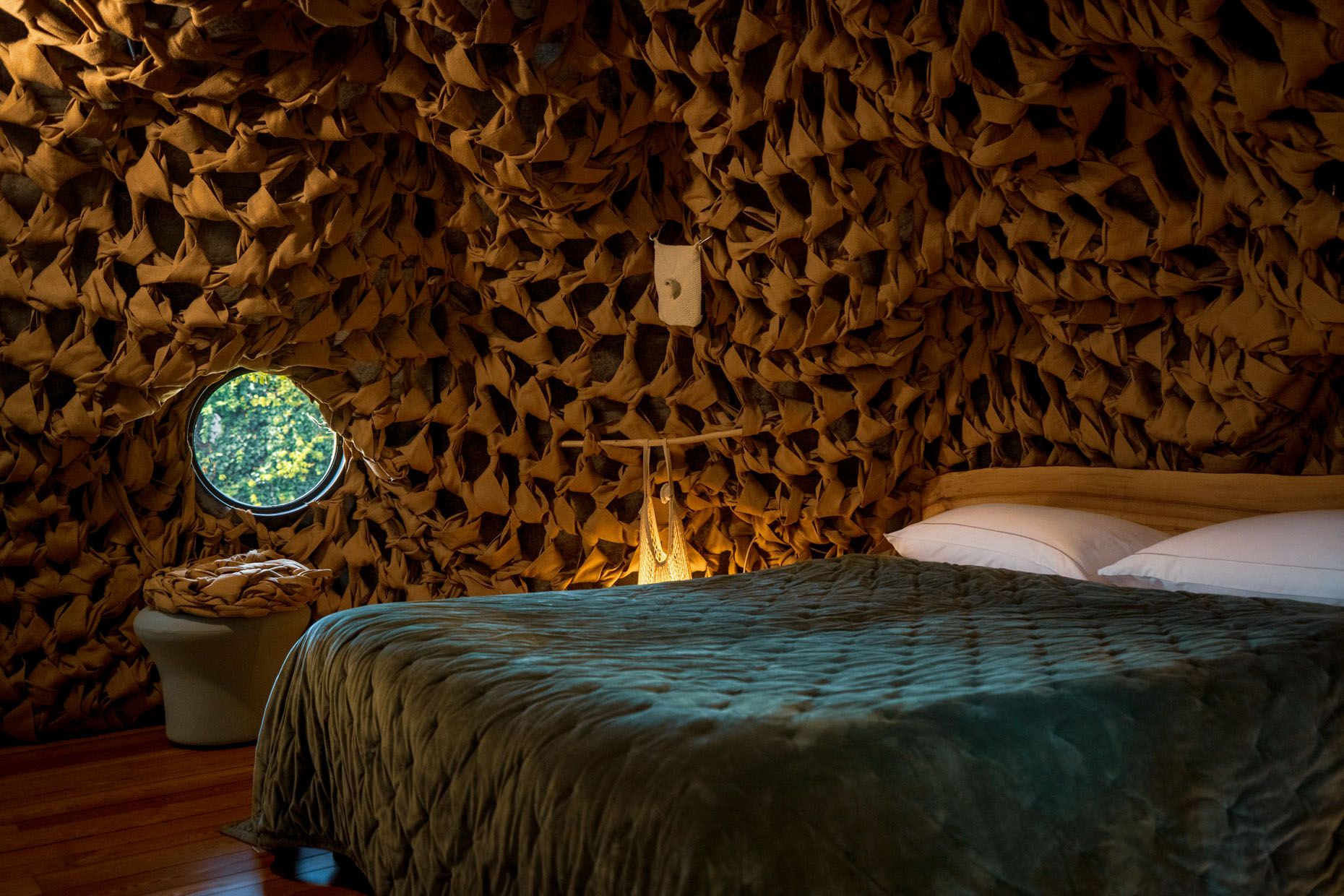
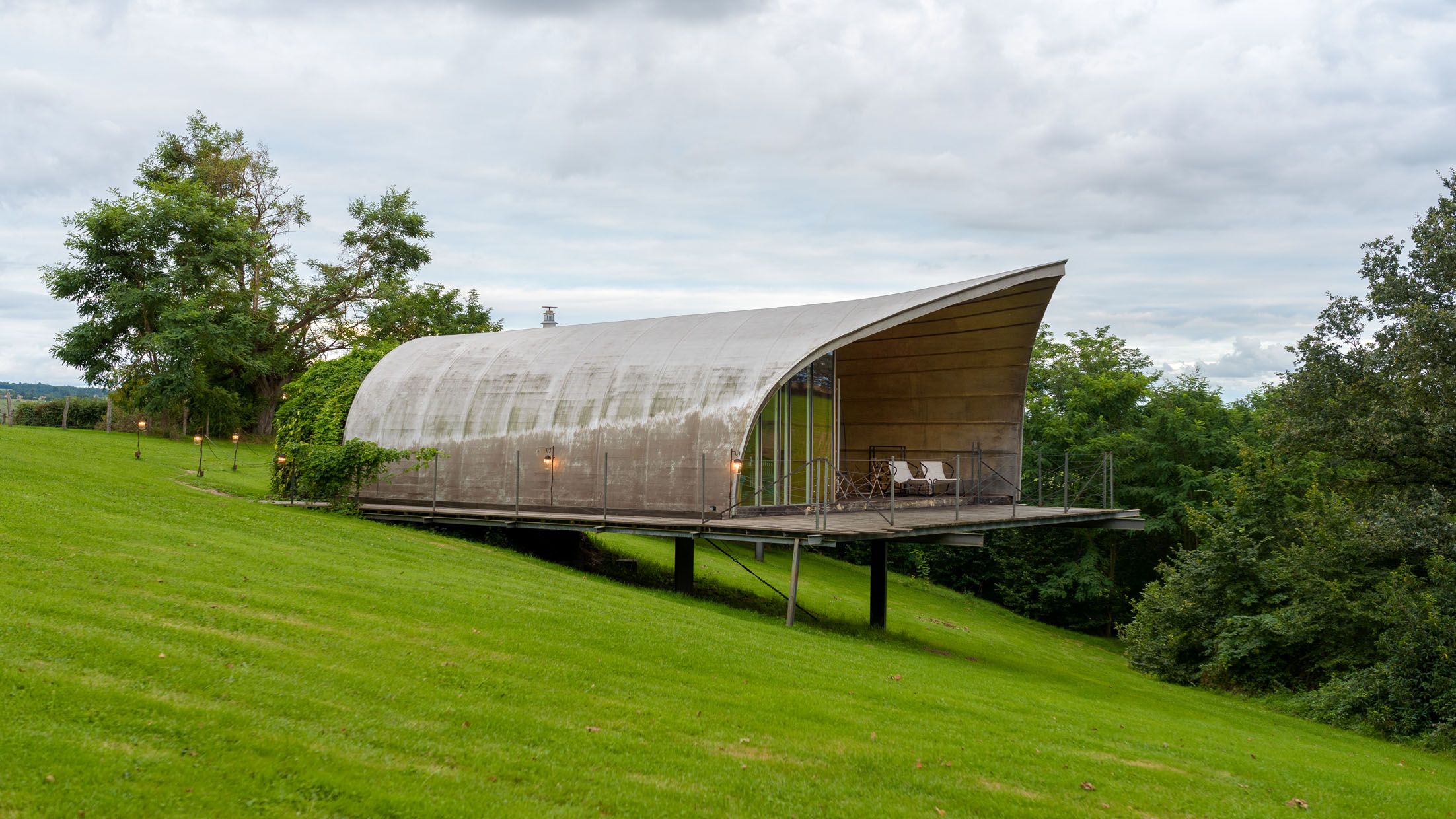
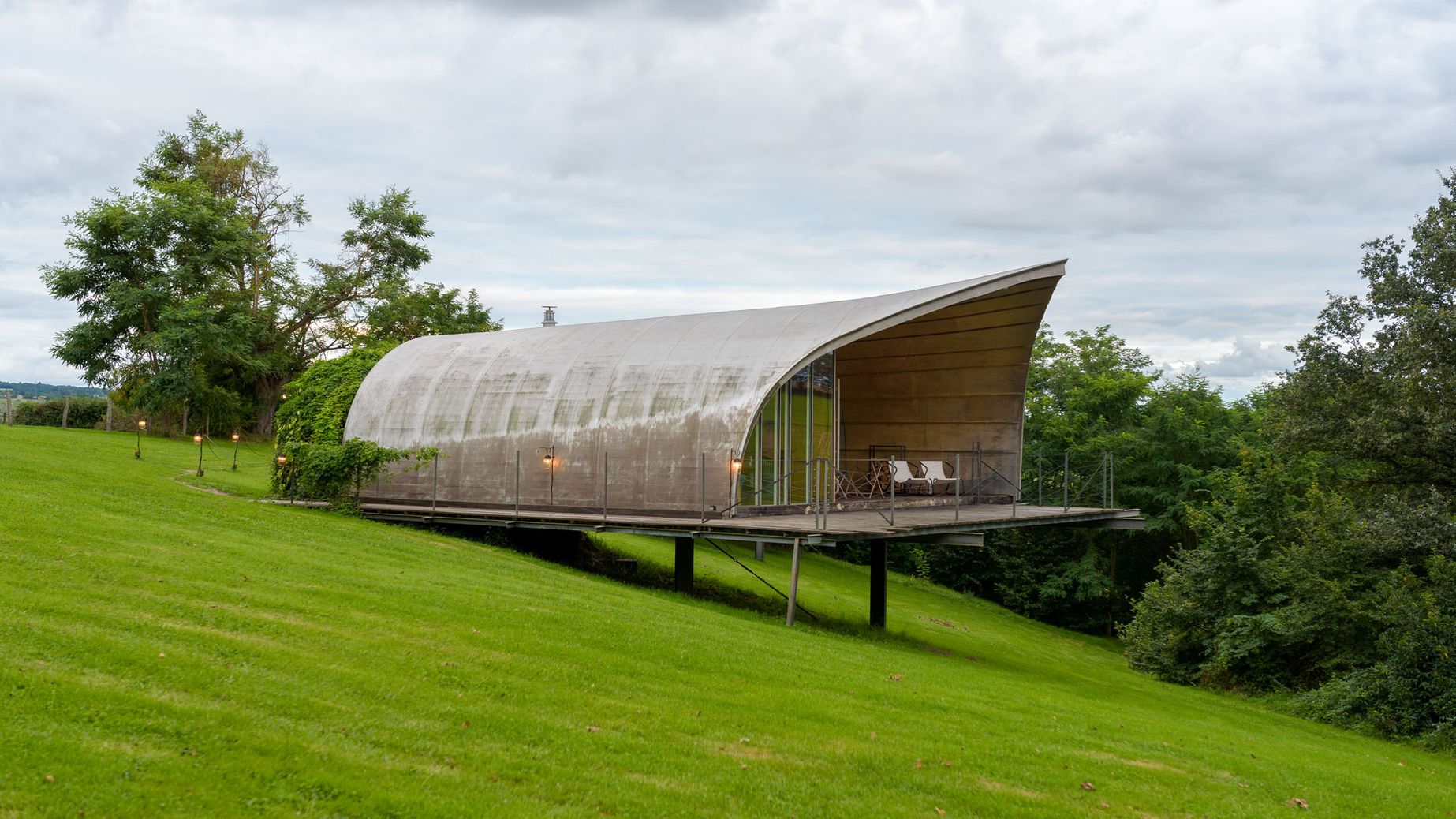
The bedrooms at La Colline du Colombier feel like cocoons, with walls and ceilings lined in a dense weave of fabric panels. In between, a round window opens onto the landscape – a small glimpse to the outside that breaks through the cave-like interior. The sleeping areas are set within the characteristic cadoles, timber-and-steel cabins perched on stilts above the Burgundy countryside. Inspired by traditional winegrowers’ huts, they invite contemplation in the midst of nature.
Located in the Saône-et-Loire region, La Colline du Colombier not only captivates visitors with the experimental ideas of architect Patrick Bouchain: lovers of fine dining can also enjoy haute cuisine at the on-site restaurant run by the Troisgros culinary dynasty.
More about La Colline du Colombier
Natural spectacle in Birkedal
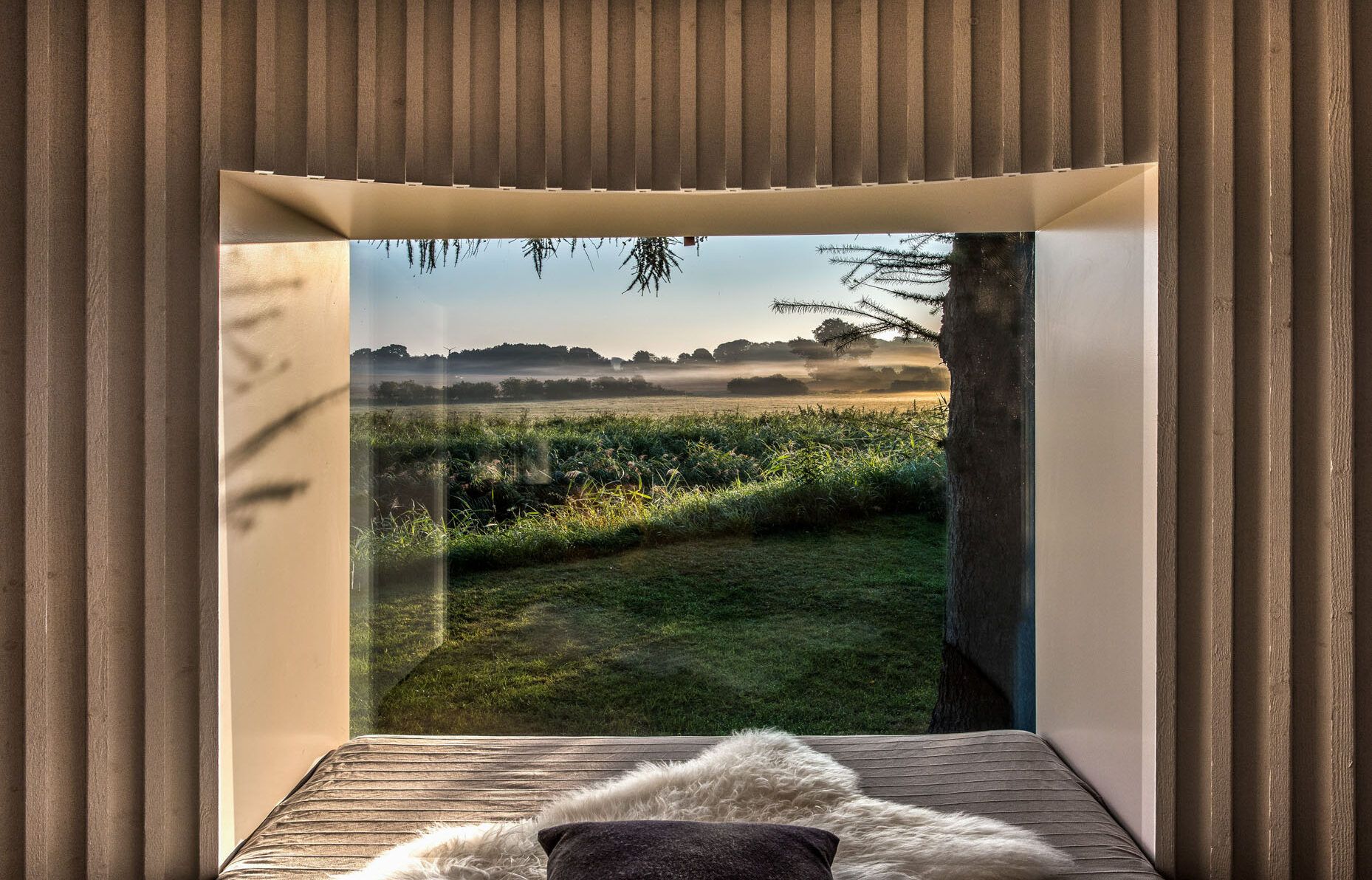
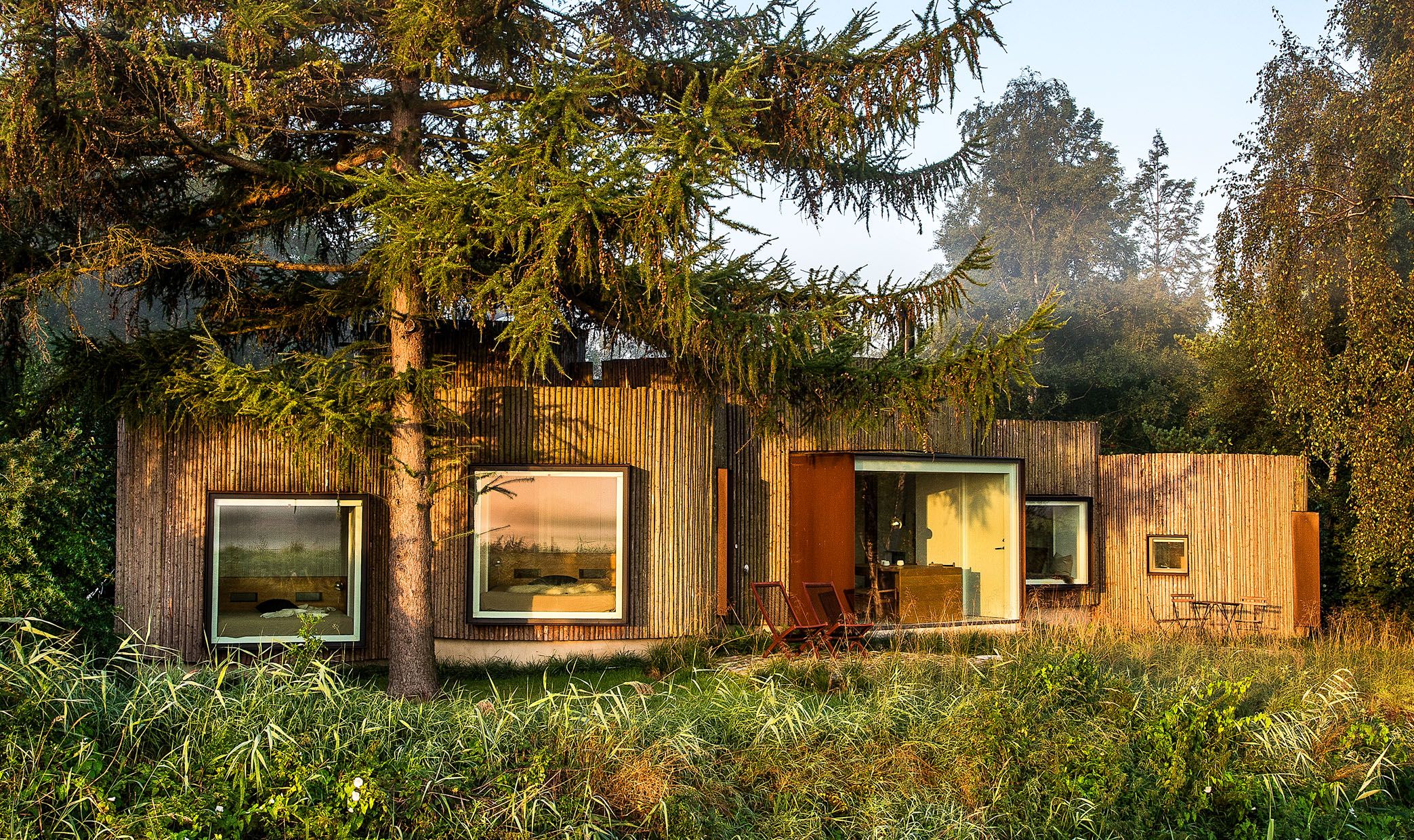
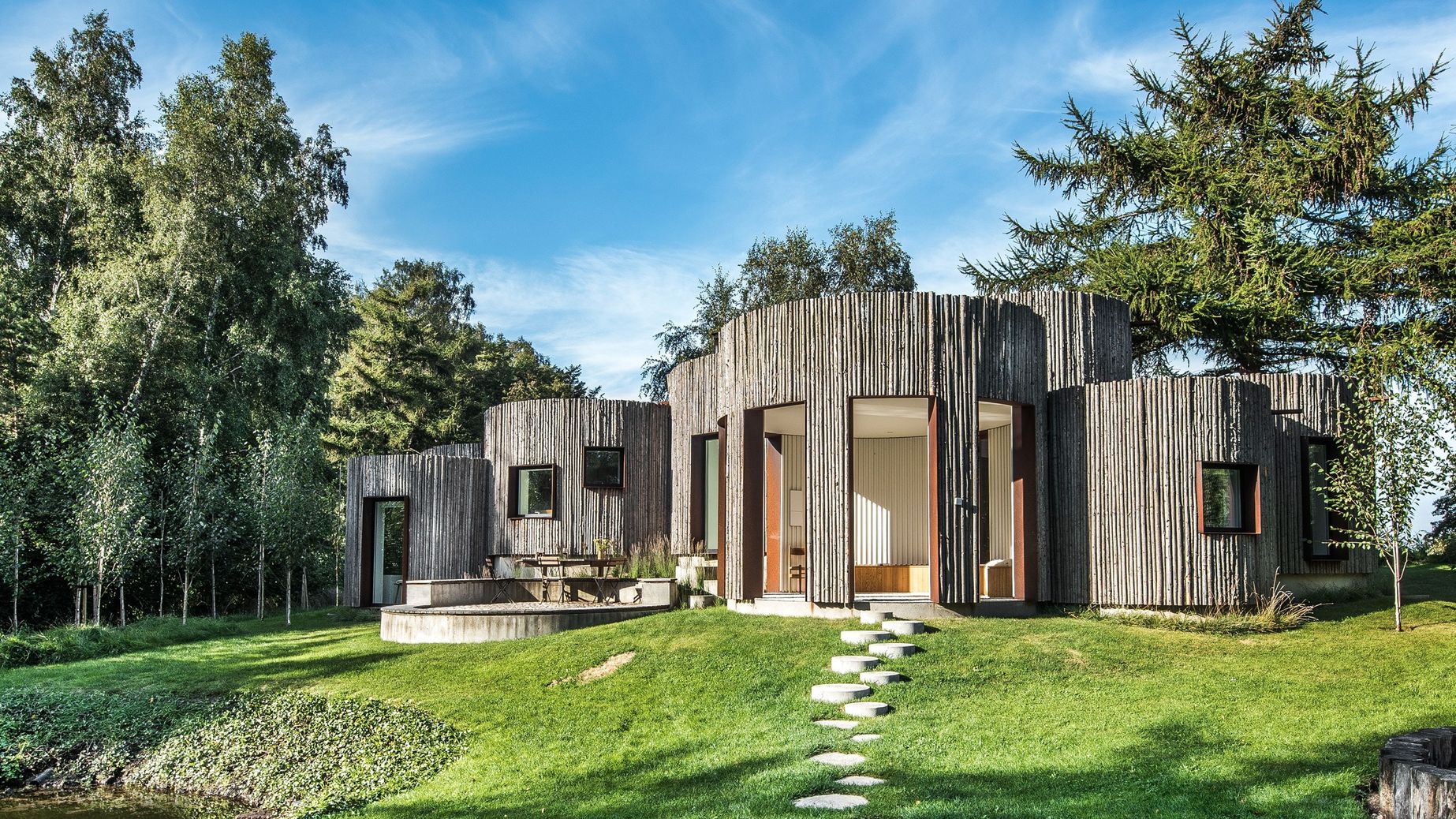
In Birkedal, you wake up to unobstructed views of meadows and forests. Angular window reveals of varying sizes made of Corten steel project from the room envelope, with the mattress positioned directly within the opening. The cut-outs are precisely placed – the bed becomes a stage for the natural spectacle. The building consists of nine interconnected cylindrical rooms, creating a sense of shelter that is particularly tangible in the sleeping areas.
Designed by Jan Henrik Jansen, the holiday home in characteristic timber construction stands on the Danish island of Møn and blends so naturally into its surroundings that it only reveals itself at second glance.
More about Birkedal
Out of time – Kuća Skala
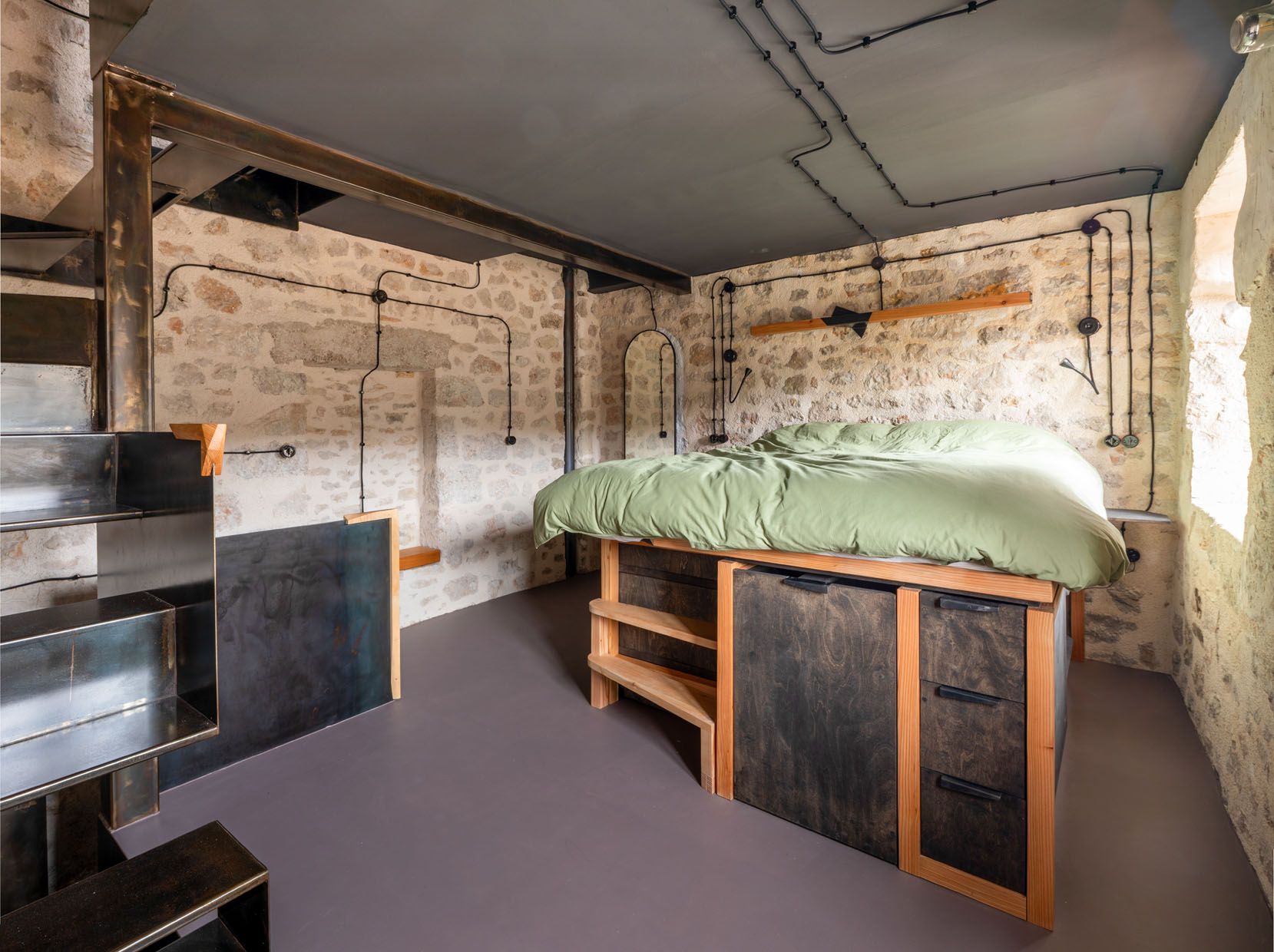
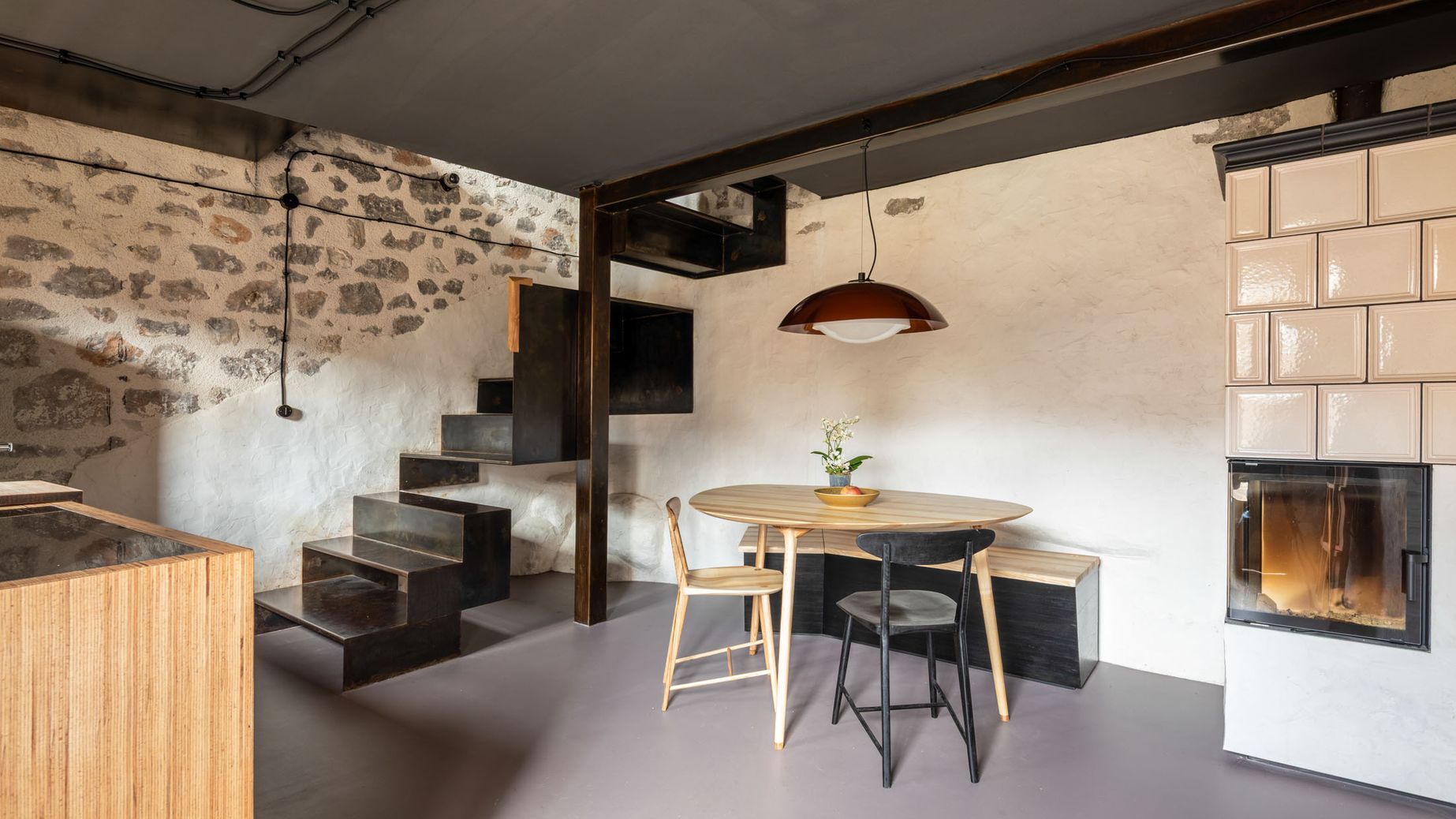
Like a vertical loft, four open levels are stacked one above the other in Kuća Skala. The third level is dedicated to the sleeping area, centred around a bed platform that doubles as a multifunctional piece of furniture with drawers, storage space and a pull-out extra bed. Apart from the essential furnishings, Kuća Skala preserves its history: exposed natural stone walls and cables laid across plaster surfaces appear almost like art installations.
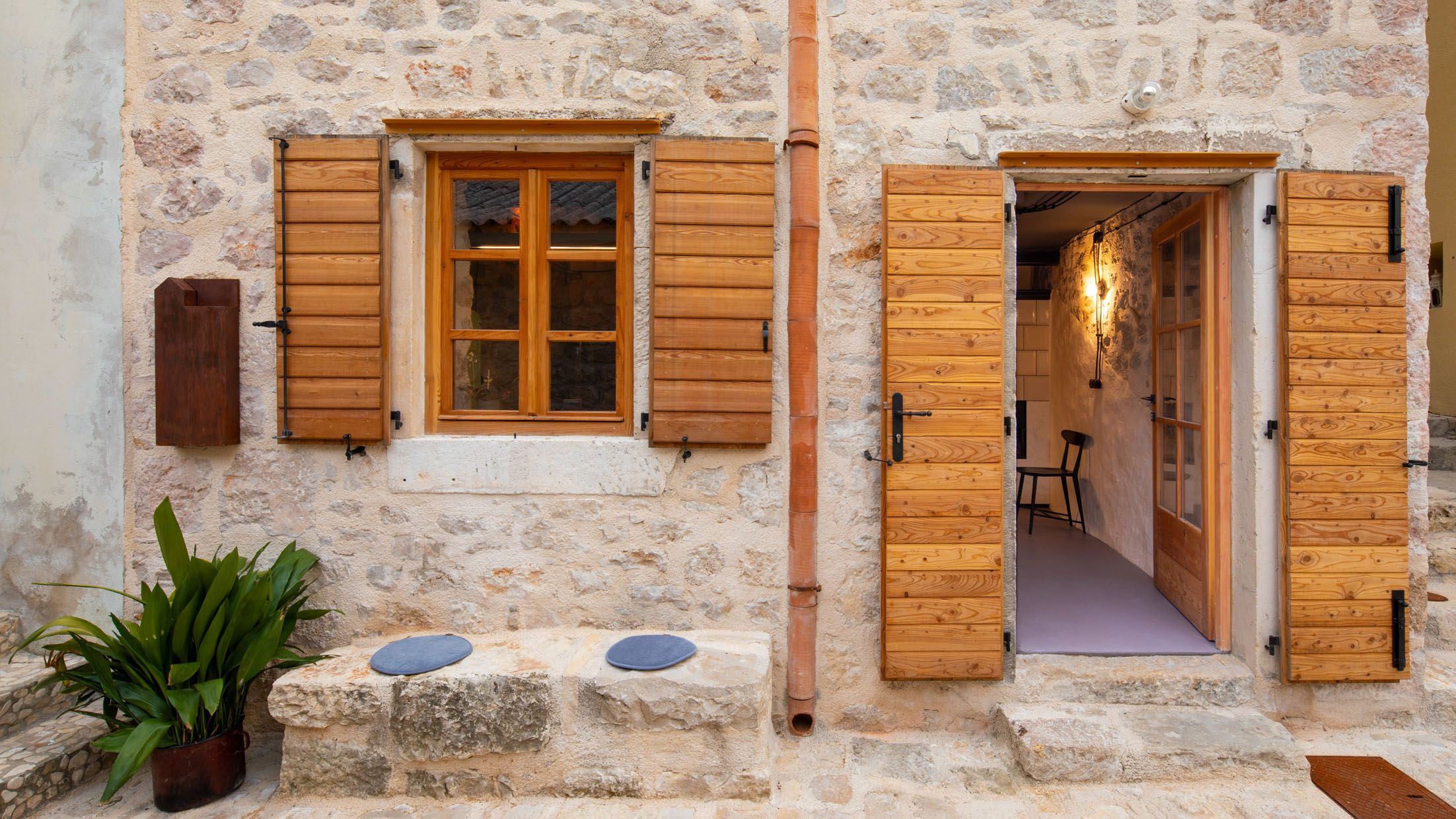
The stone house stands in the listed historic centre of Novigrad. The first coffee in the morning is best enjoyed on the stone bench in front of the house while watching the leisurely activities in the alleyways.
More about Kuća Skala
Staindlhof 1680: a glass bedroom
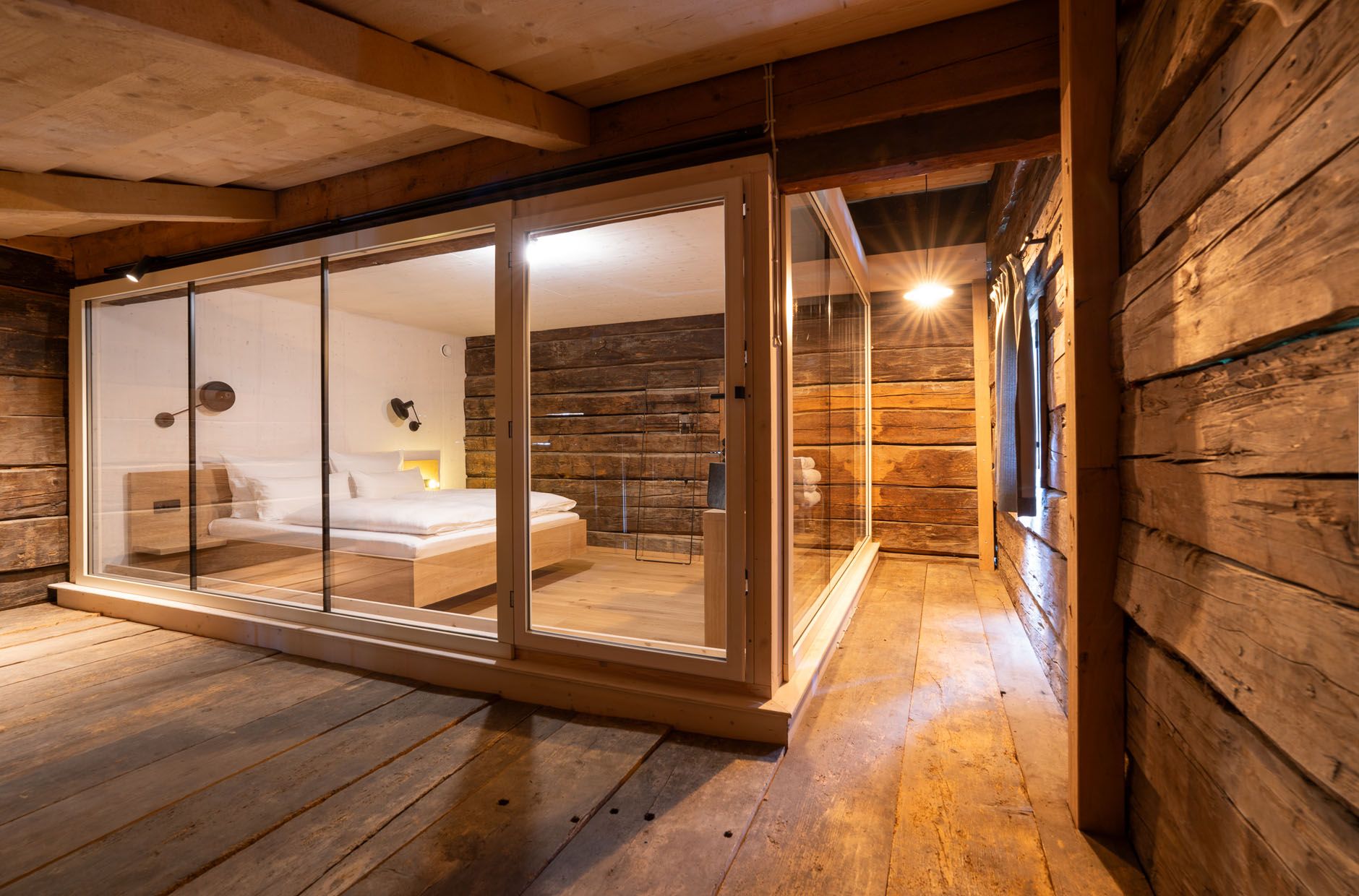
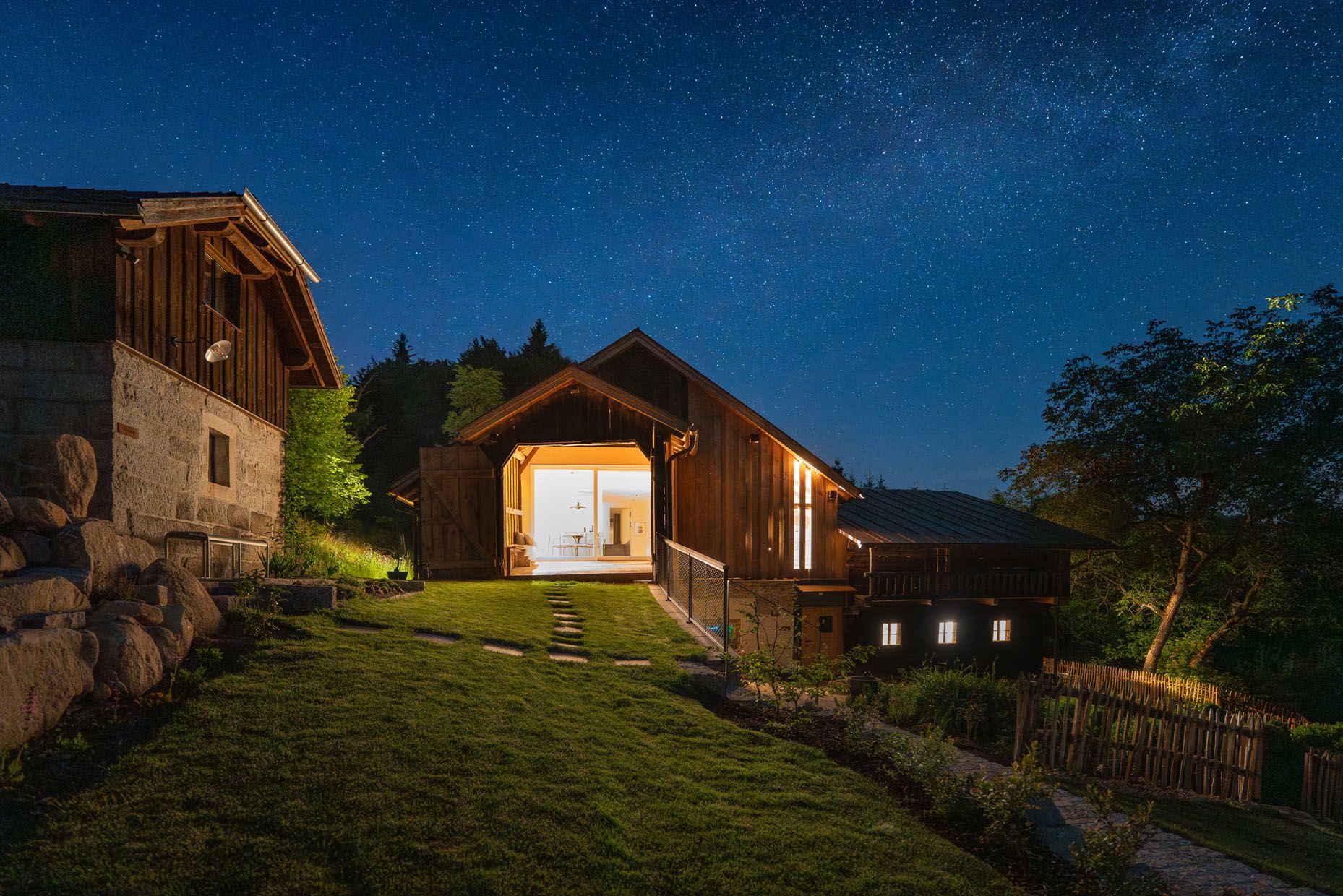
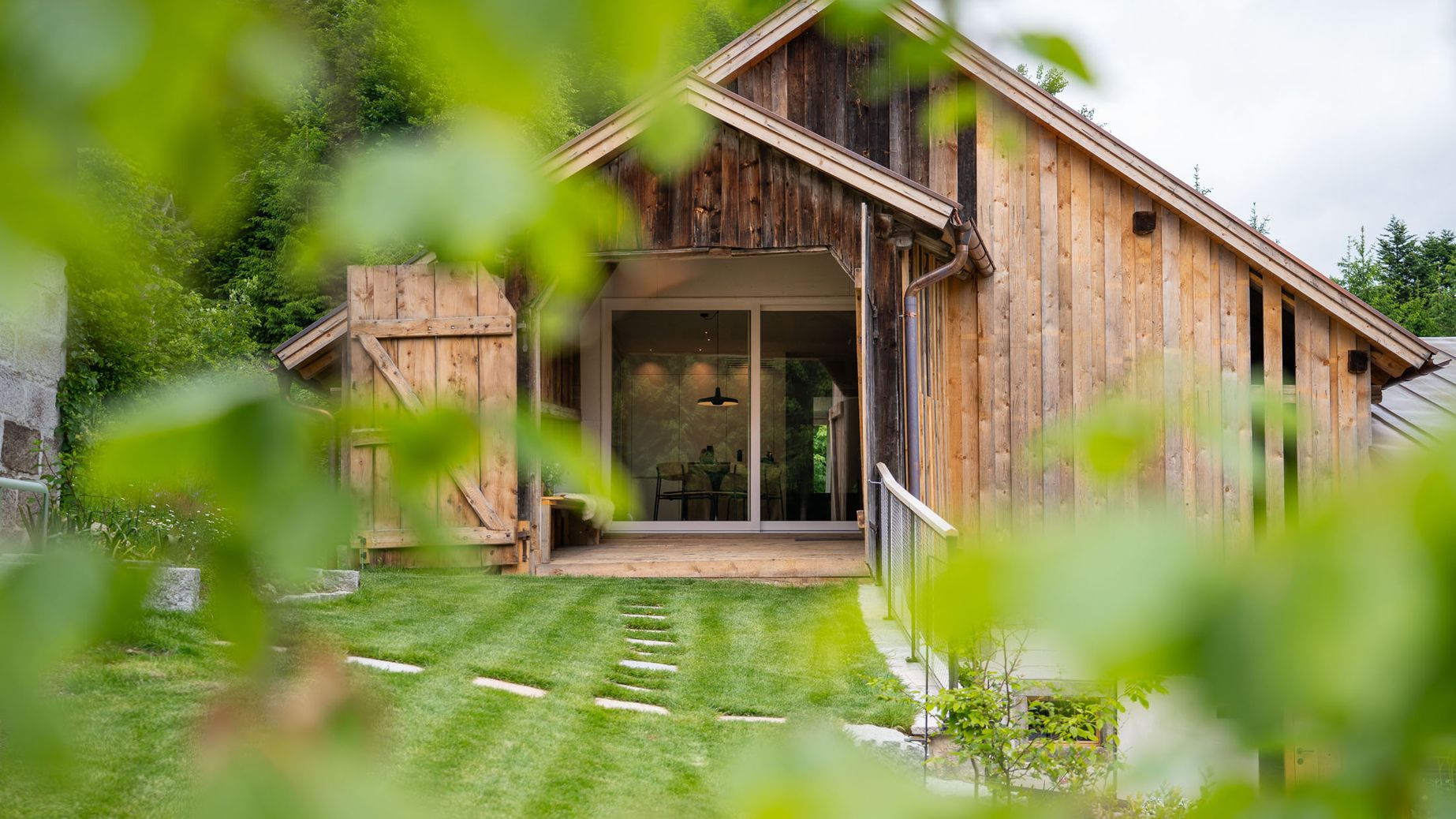
A modern glass cube introduces lightness into the historical fabric of the Staindlhof, built in 1680. During the conversion of the Waldlerhaus, a typical local form of agricultural building, and hay barn into two holiday apartments, new functions were inserted into the existing structure in a house-within-a-house concept. Upstairs in the Waldlerhaus, guests now sleep behind glass, on creaking timber floorboards and surrounded by the massive log walls of the former farmhouse.
Anyone drawn to these exciting transitions between old and new will find the Staindlhof in a secluded location above Waldkirchen in the Bavarian Forest.
More about Staindlhof 1680
Freeform with a view – bed above the Tinnetal valley
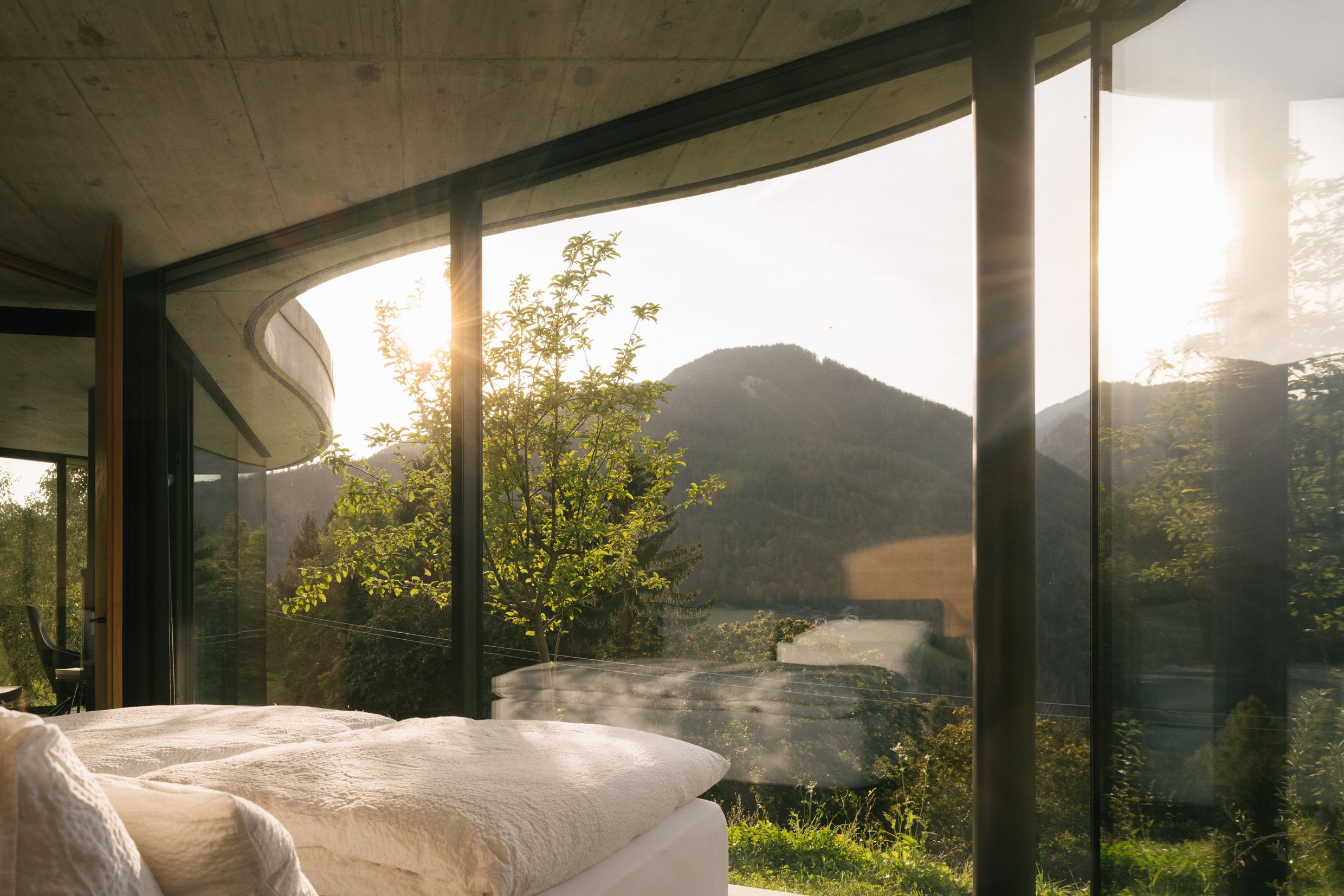
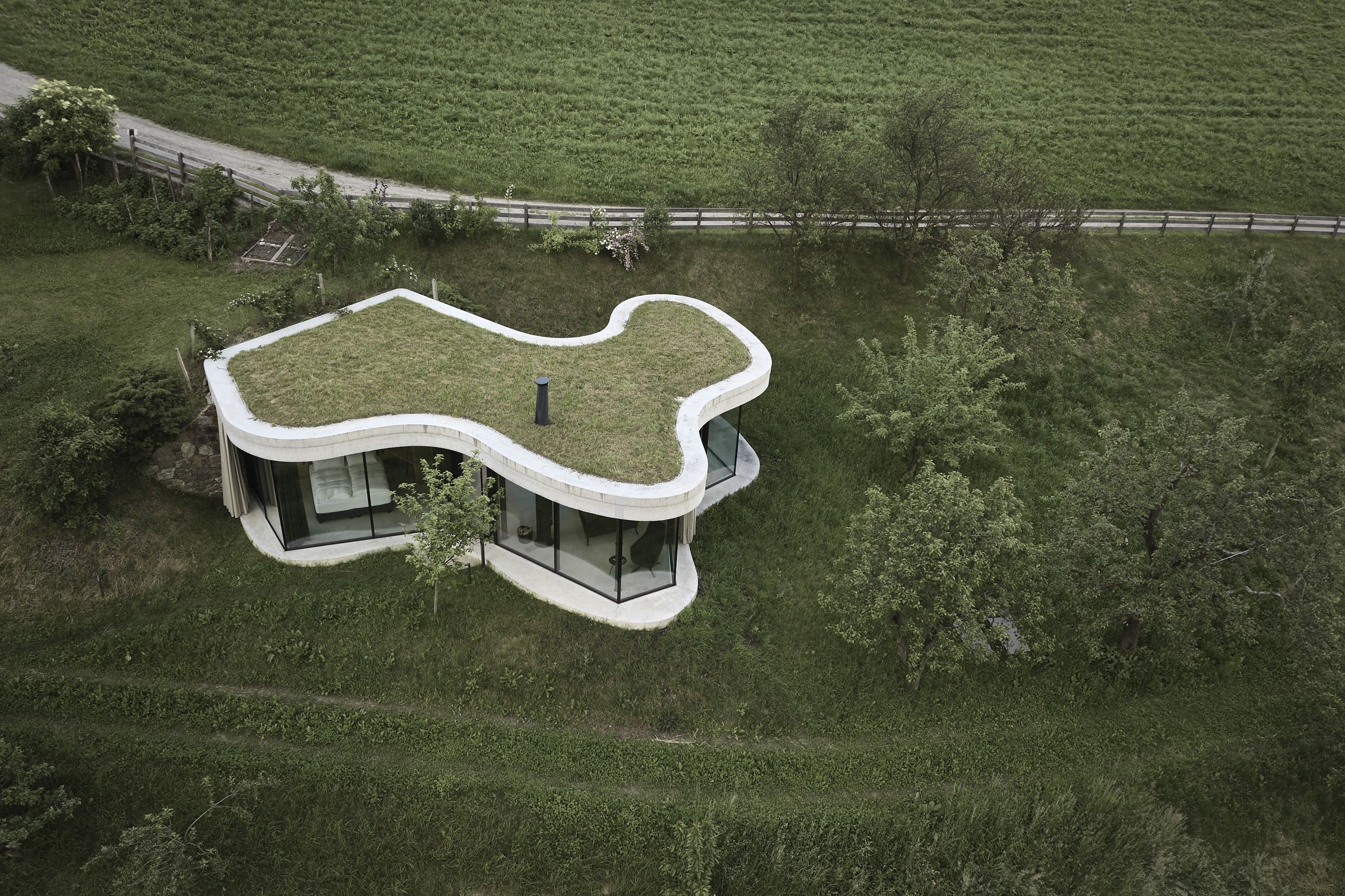
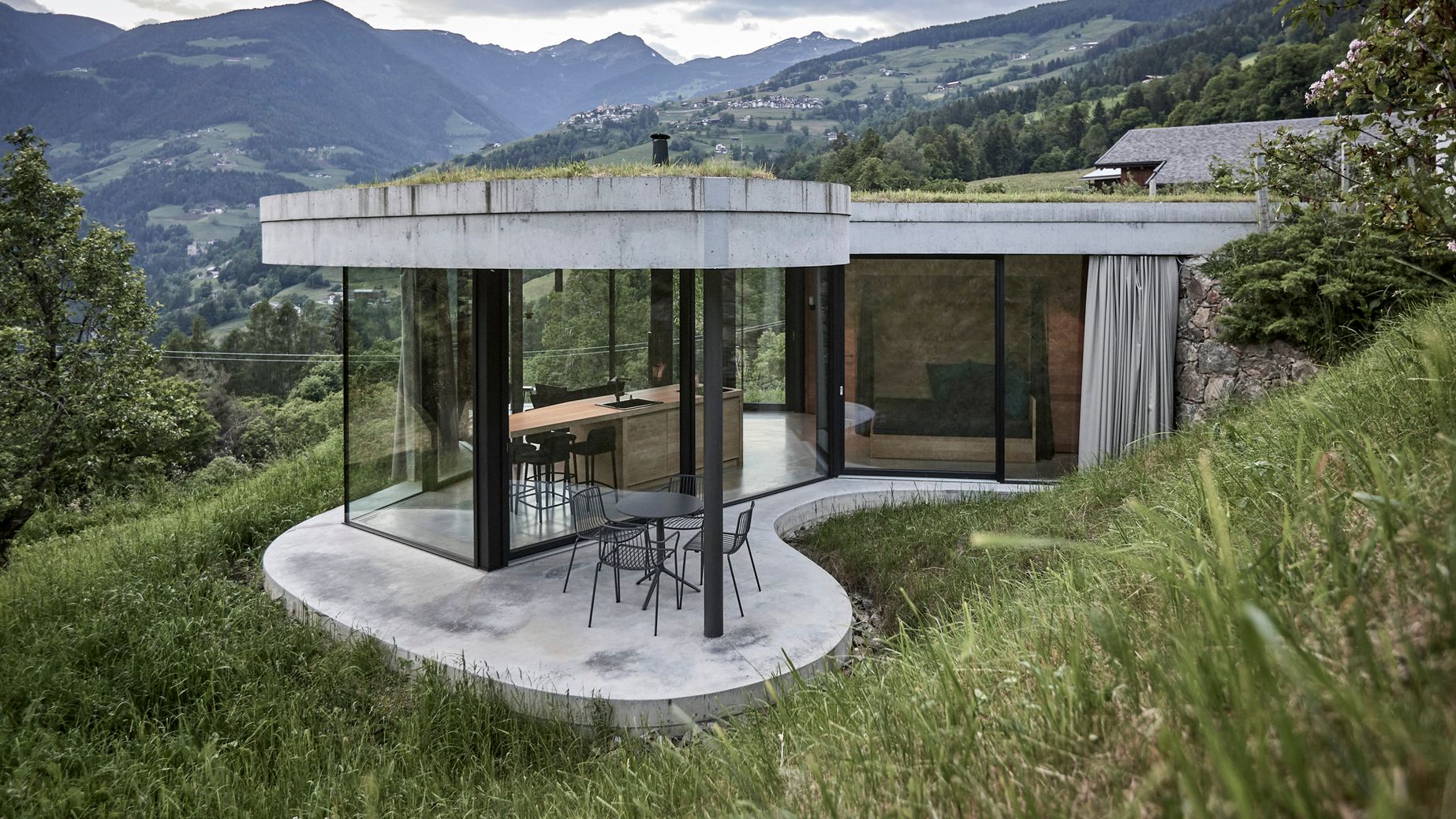
A glass volume set within nature yet offering a sense of protection. Alongside his own organic farm, architect Martin Gruber designed a free-form structure of concrete and glass whose outer shell echoes the surrounding topography. A twenty-metre glass façade wraps around the building, allowing the landscape to flow through it. The interior design and furnishing is deliberately neutral and pared back so that the focus remains on the essential: the view of nature.
Freiform is situated below the village of Verdings, nestled in the South Tyrolean mountains. From the bedroom, a sweeping panorama opens up over the Tinne Valley.
More about Freiform
Slumber between the dunes and the sea
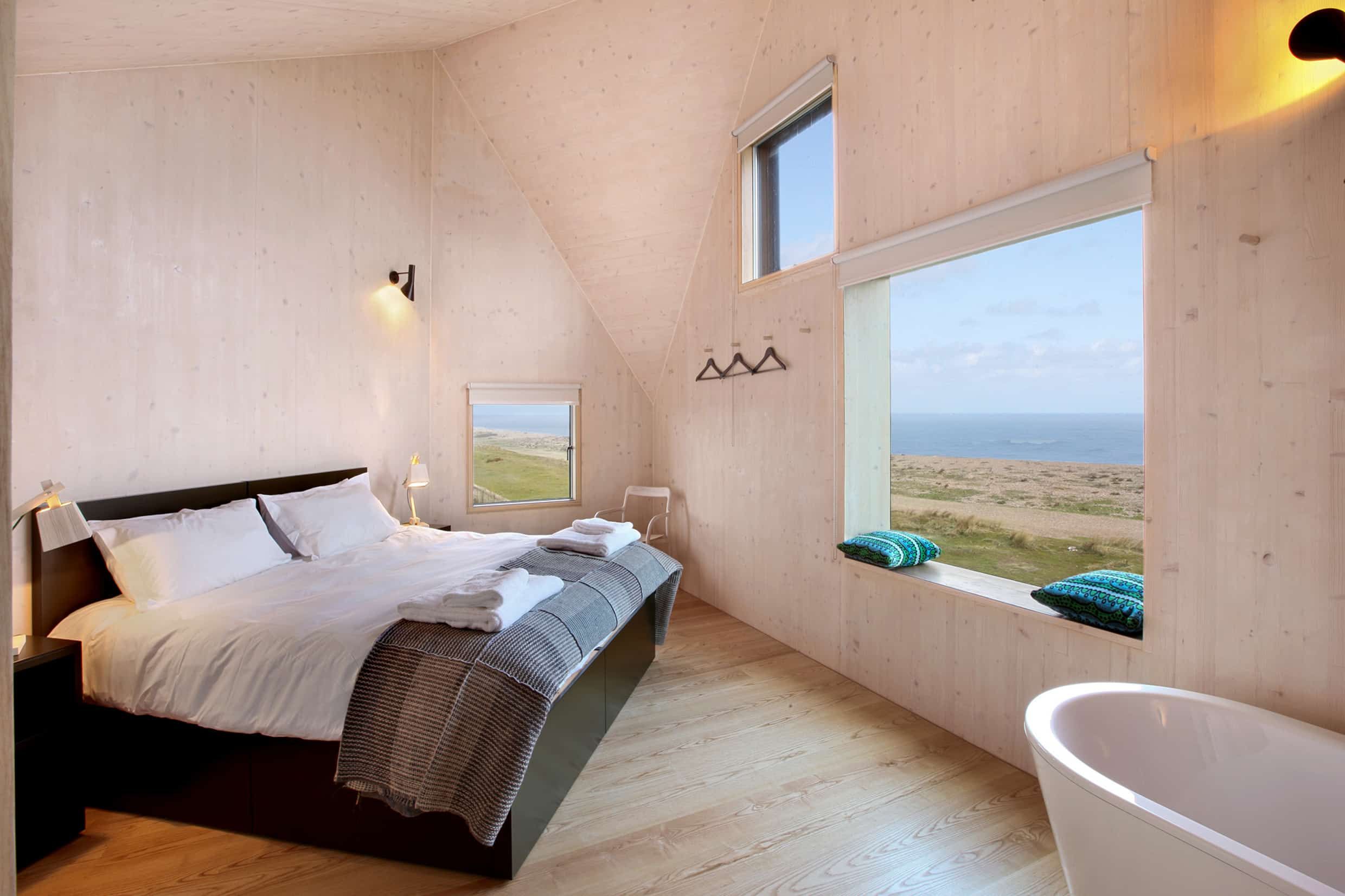
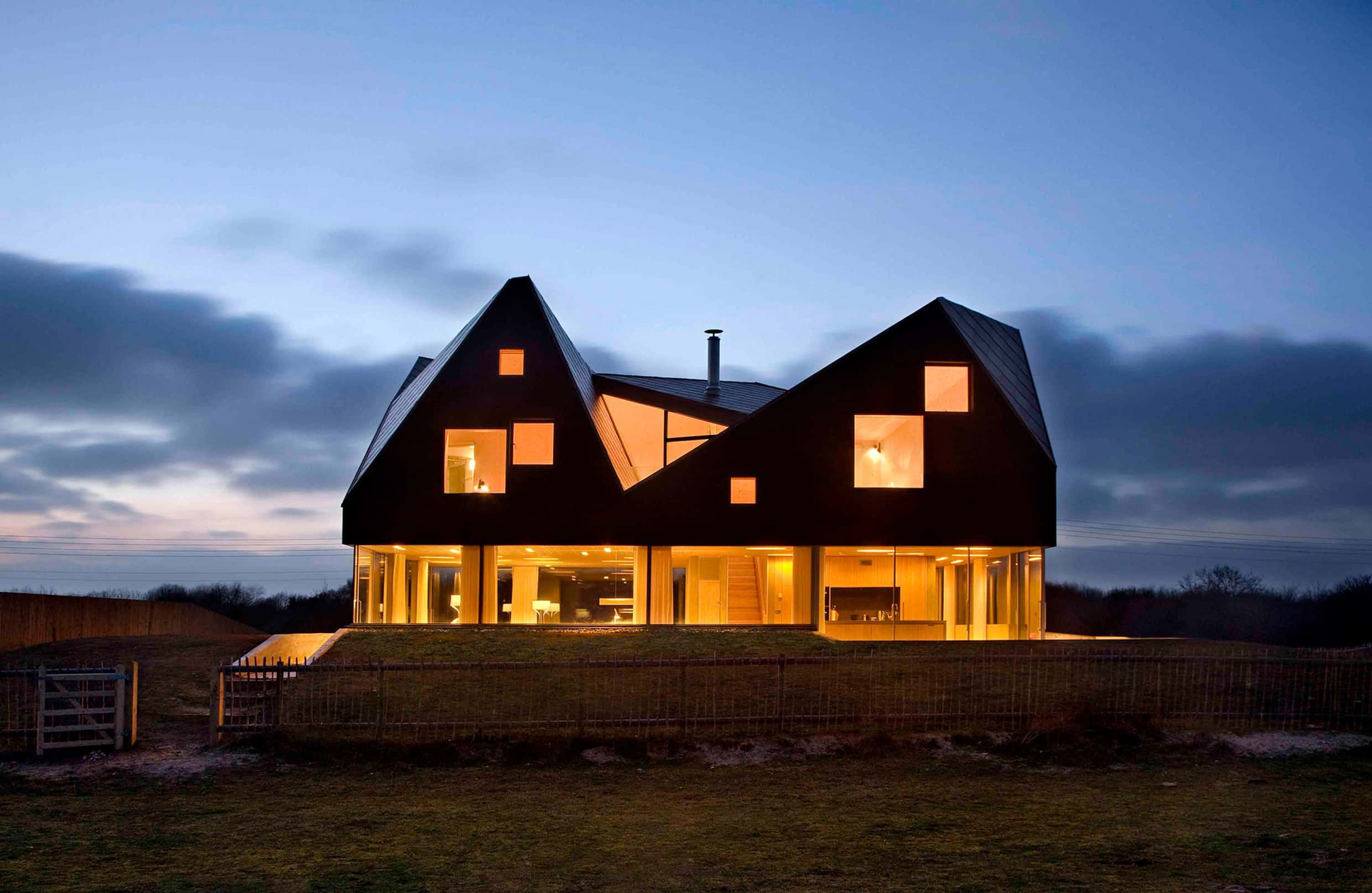
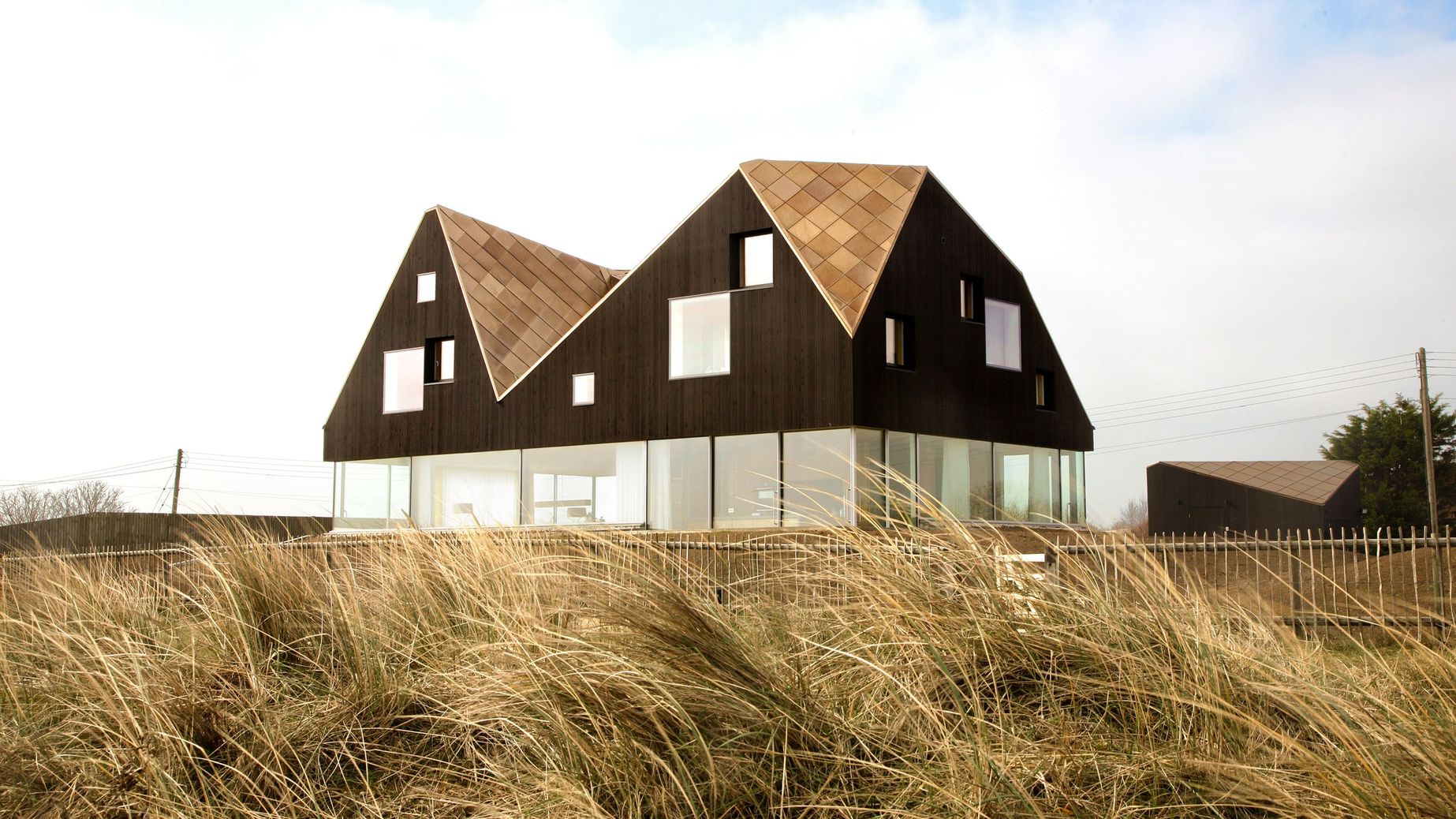
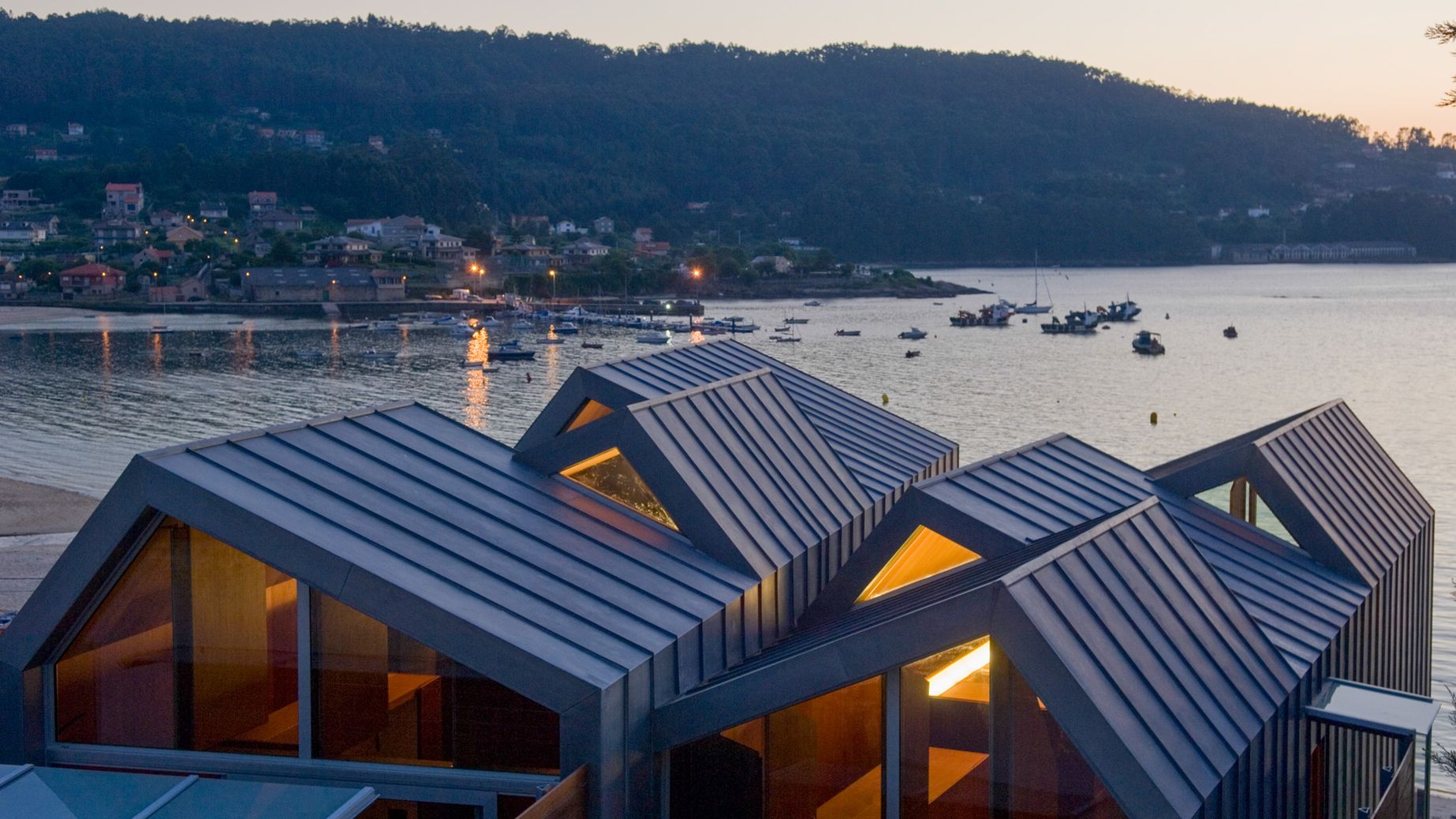
Like a stranded ship, the Dune House is nestled among gentle dunes behind the tidal flats. Inspired by local building traditions, the roof stands out with a distinctive contemporary character. Rising above a fully glazed ground floor, the roofscape appears almost to float. Each of the four gables contains a bedroom with a freestanding bathtub – both offering views across the dunes and the sea.
The Dune House is part of the Living Architecture portfolio and is located near the village of Thorpeness in Suffolk, on England’s east coast.
More about The Dune House
Sleep well – in the alcove
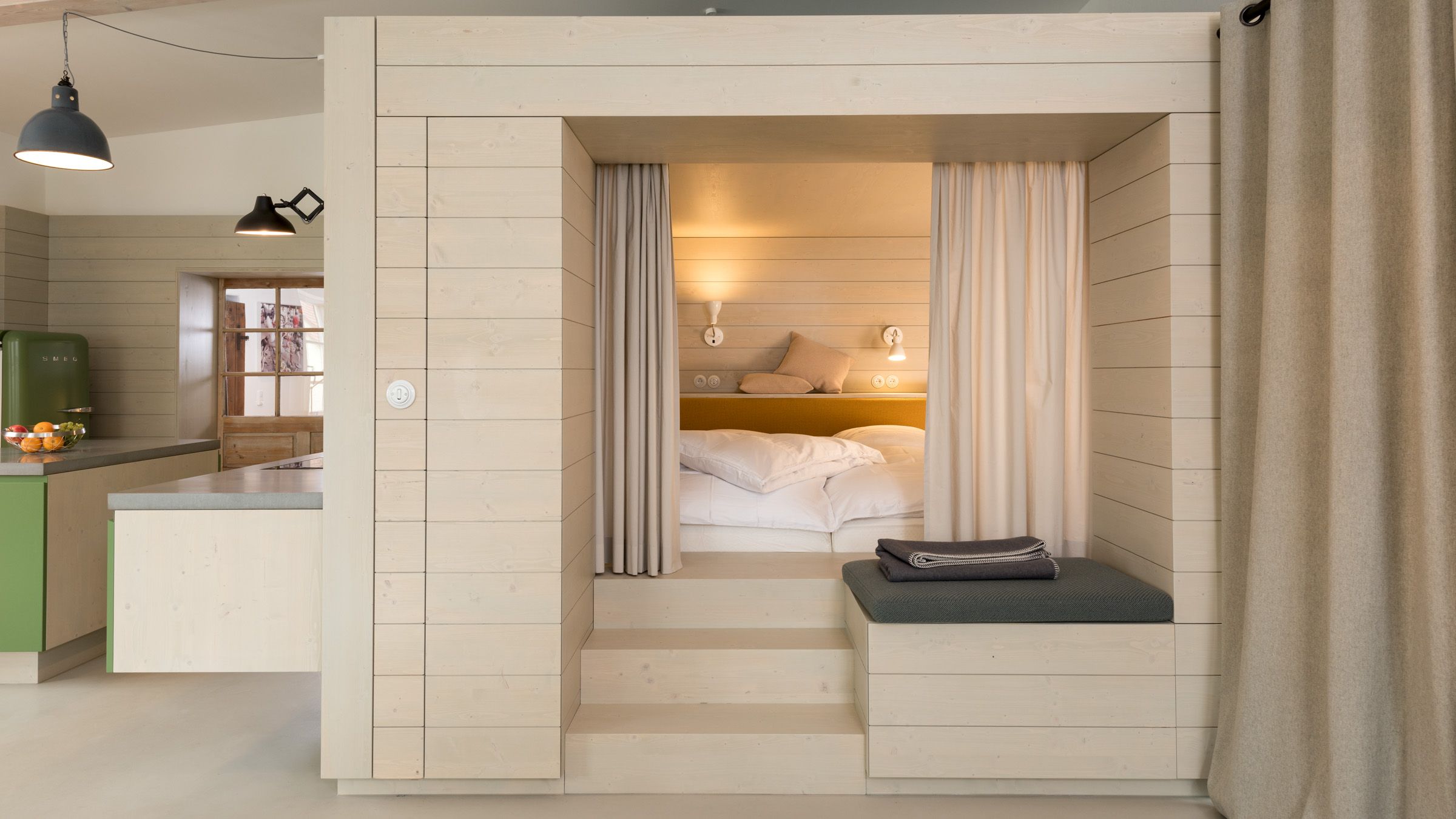
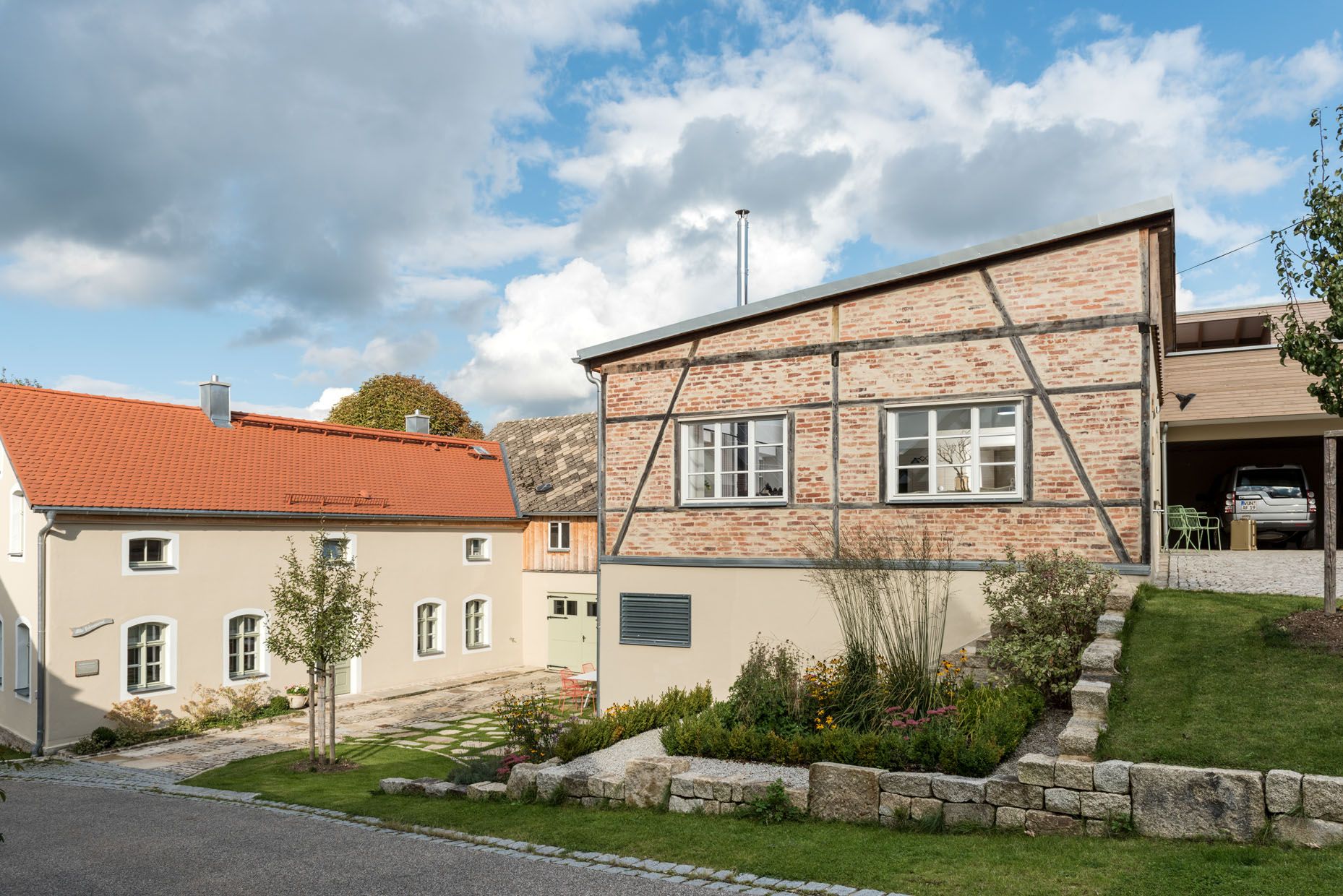
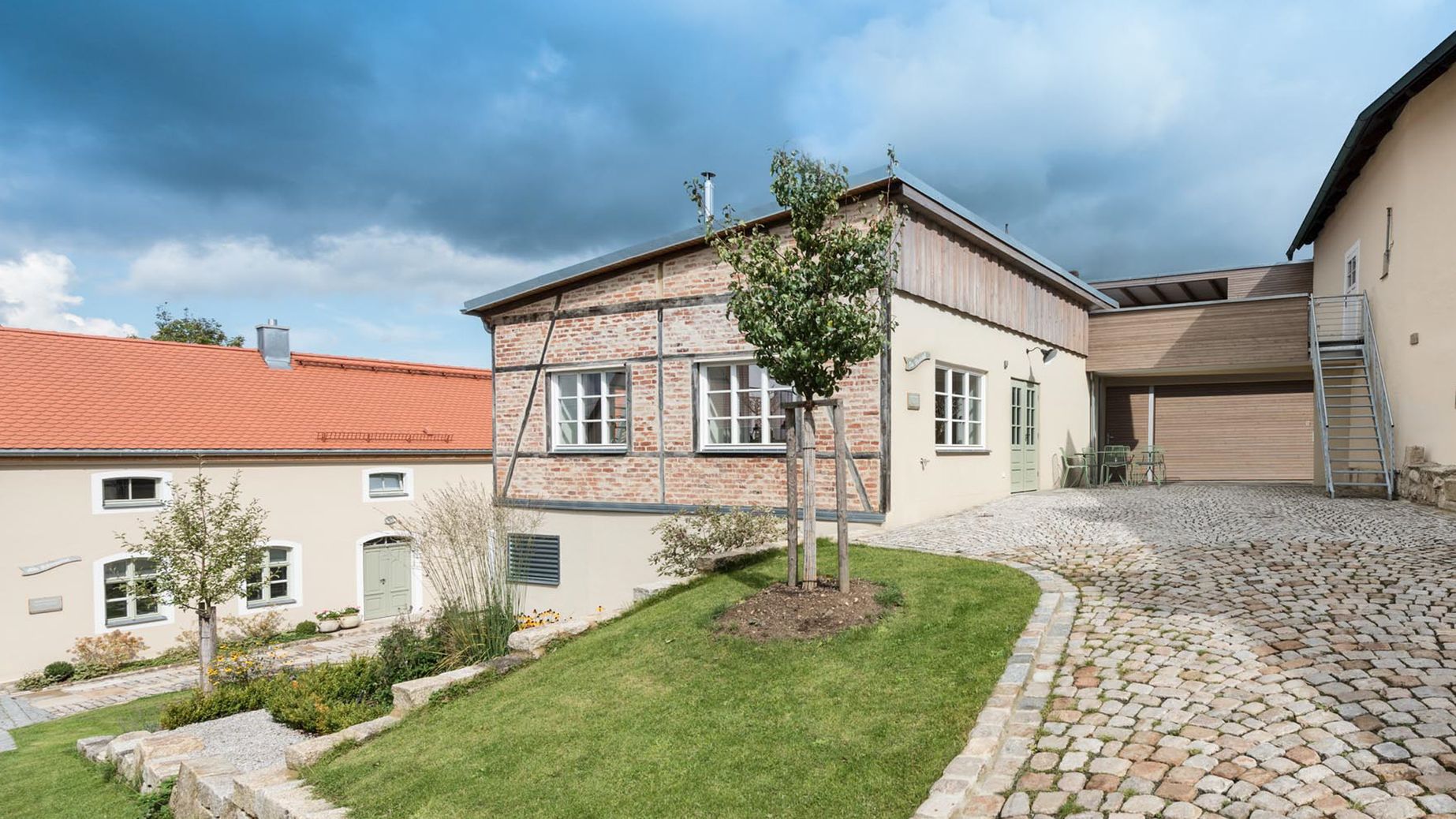
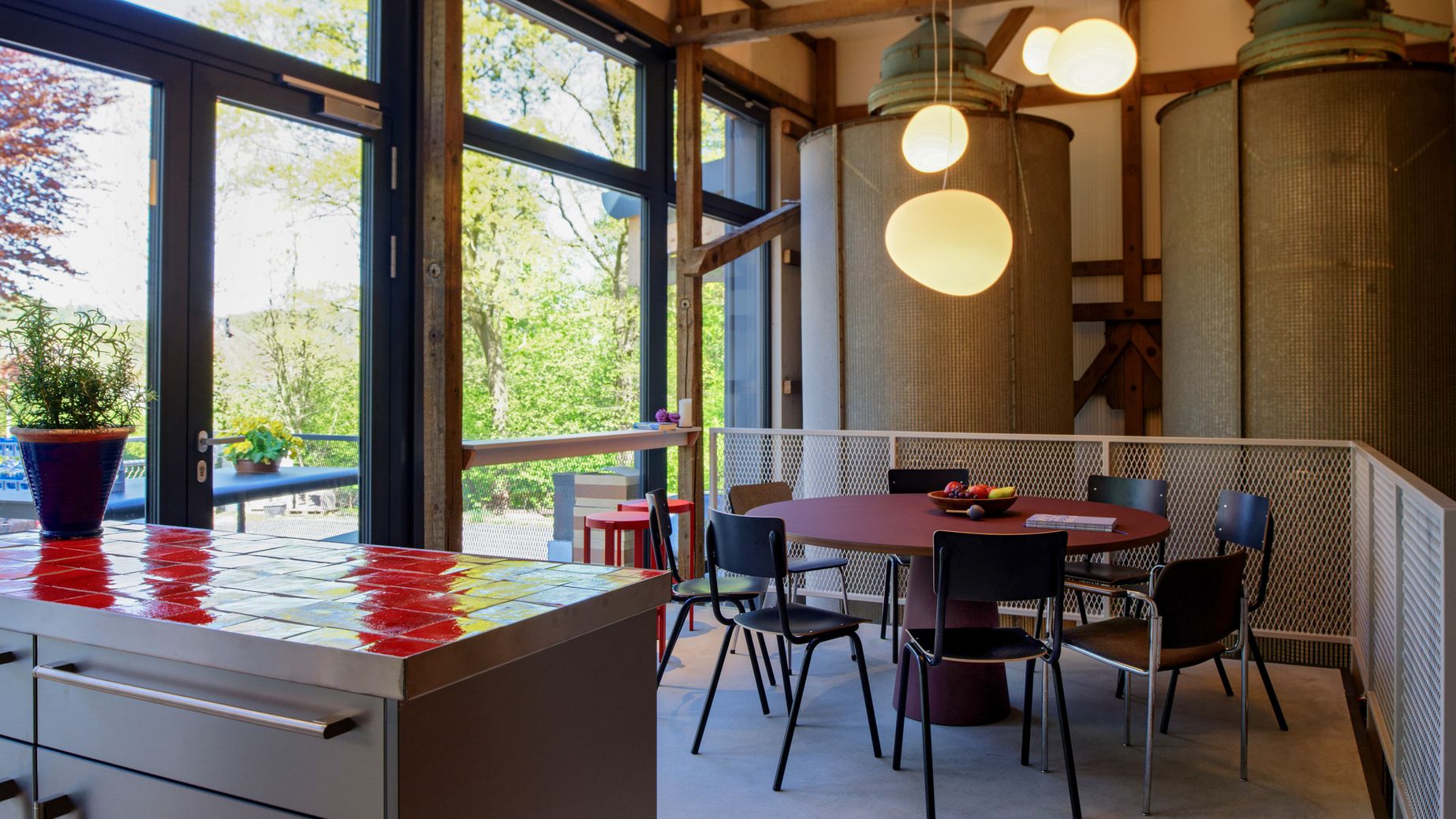
A carefully conceived interior design concept transforms an old workshop in the Fichtel Mountains into a holiday loft for four. The space remains perceptible in its entirety while custom-built fittings made of spruce divide it into various zones. The sleeping area is integrated as an alcove: reached via three steps, with curtain and seating platform. Its slightly raised position and side enclosures make it feel like an island within the open floor plan – protected yet still part of the whole.
A bed island, roof terrace sauna and play barn for children complete the offer at the Alte Schreinerei Werkstatt in Hohenberg an der Eger, right on the Czech border.
More about Alte Schreinerei Werkstatt
Minimalism in the Cyclades: Tinos Hearts
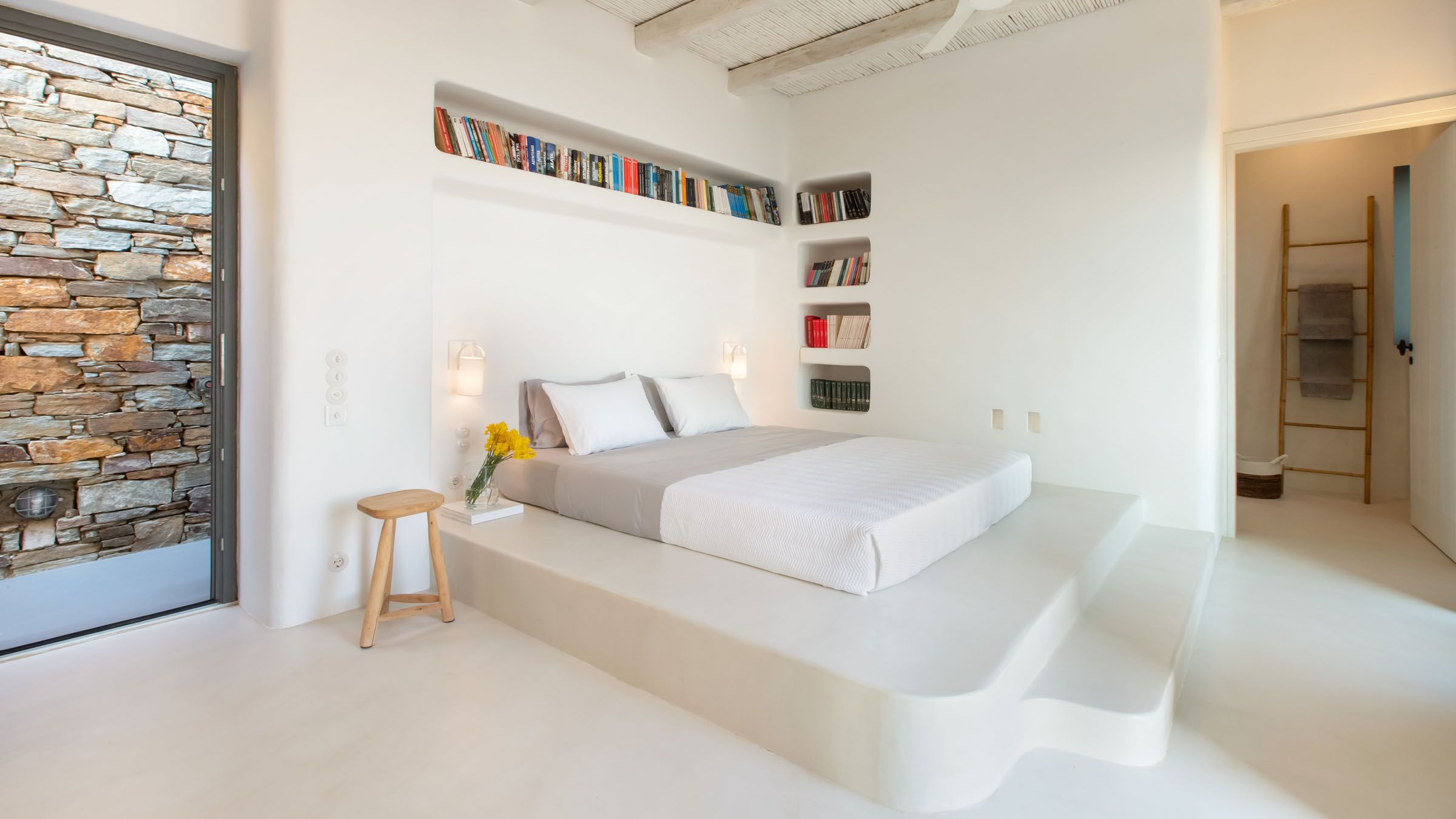
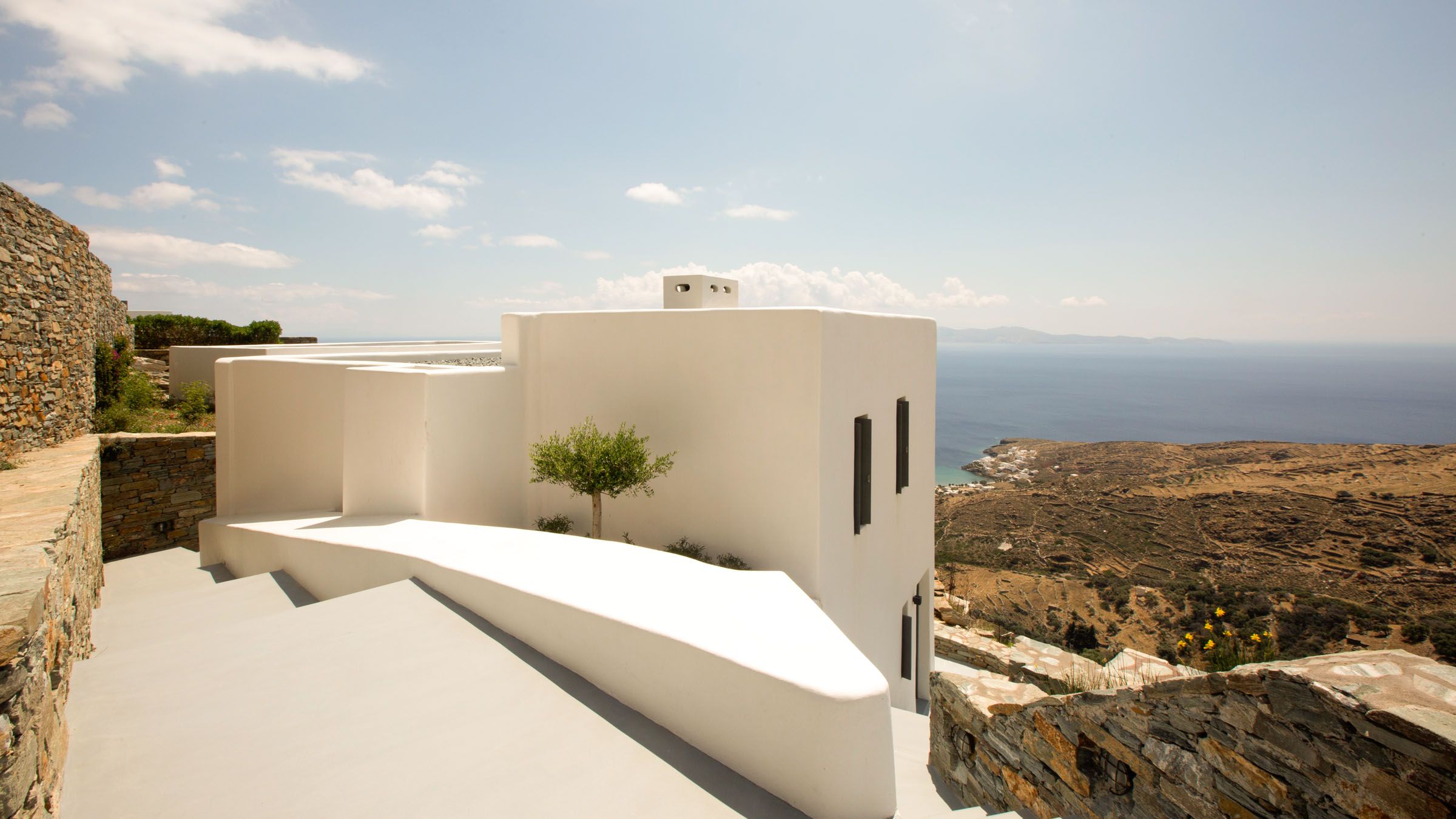
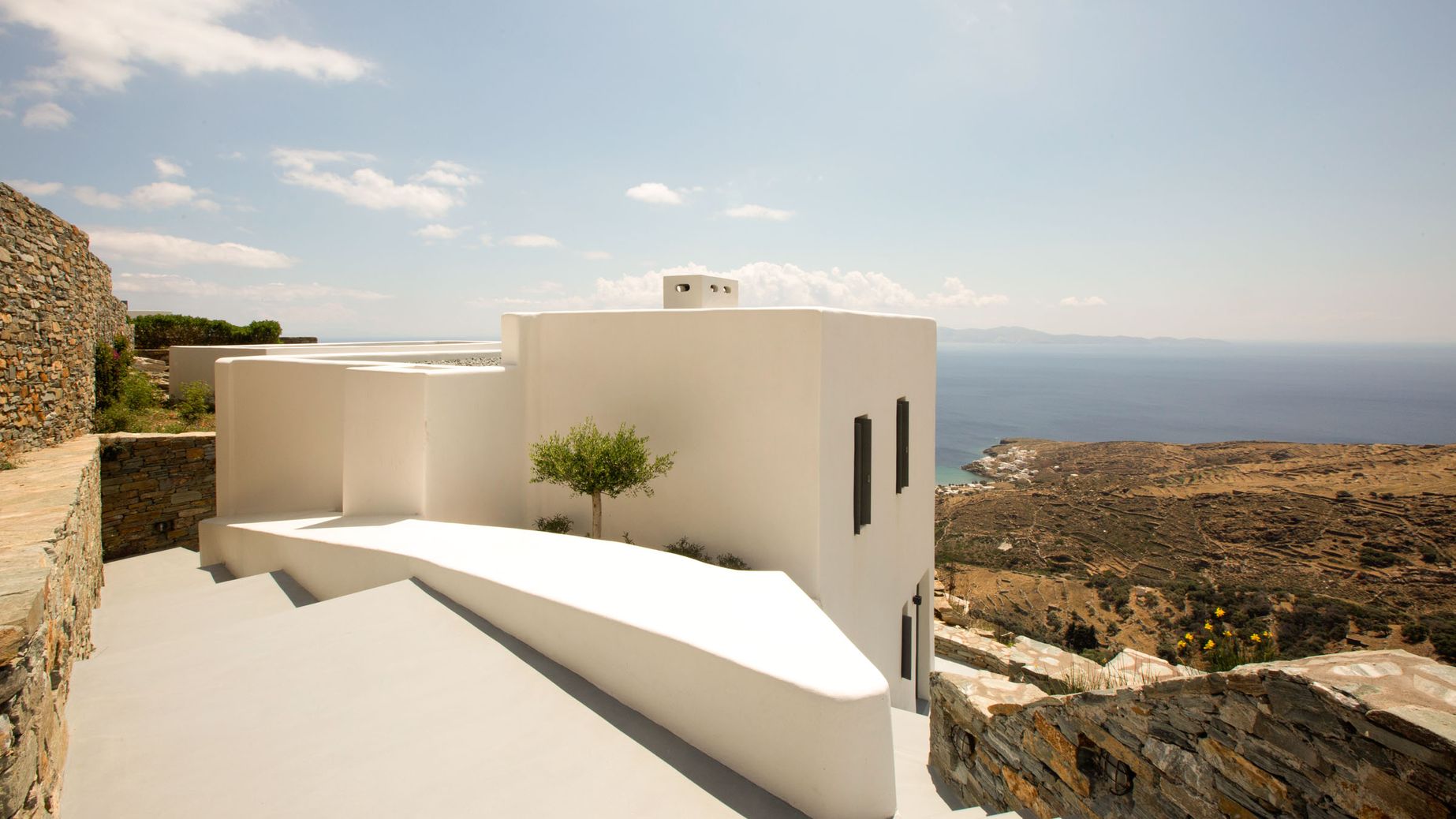
White-rendered cubic volumes and a purist design define the twin villas Tinos Hearts, a contemporary interpretation of traditional Cycladic architecture. The minimalist interior exudes calm and clarity, which is particularly noticeable in the bedrooms with slightly raised bed platforms that step down to the floor. Their smooth, organic forms resemble sculptures in the room.
The villas are located in the village of Kardiani in the south of the Cycladic island of Tinos. Due to their hillside location, the terraces offer sweeping views of the Aegean Sea.
More about Tinos Hearts
Text: Christiane Weidemann
Photos: nedimshoots via unsplash.com (cover image), Jordan Bard & Felix Ledru (La Colline du Colombier), Jesper Ray (Birkedal), Tom de Gay (Kuća Skala), Sylvie Thierbach (Staindlhof 1680), Tobias Kaser & Andreas Tauber (Freiform), Living Architecture (The Dune House), Alexander & Antonia Feig (Alte Schreinerei Werkstatt), Louisa Nikolaidou Photography (Tinos Hearts)


0 Comments