
Kultur Gut Hasselburg – a symphony of architecture and music
Between the Baltic Sea and the Holsteinische Schweiz [Holstein Switzerland] Nature Park there is a fully preserved 18th century estate that is an impressive symbiosis of heritage listed and modern brick architecture, offering a holiday in the countryside and first-class musical enjoyment.
Overture.
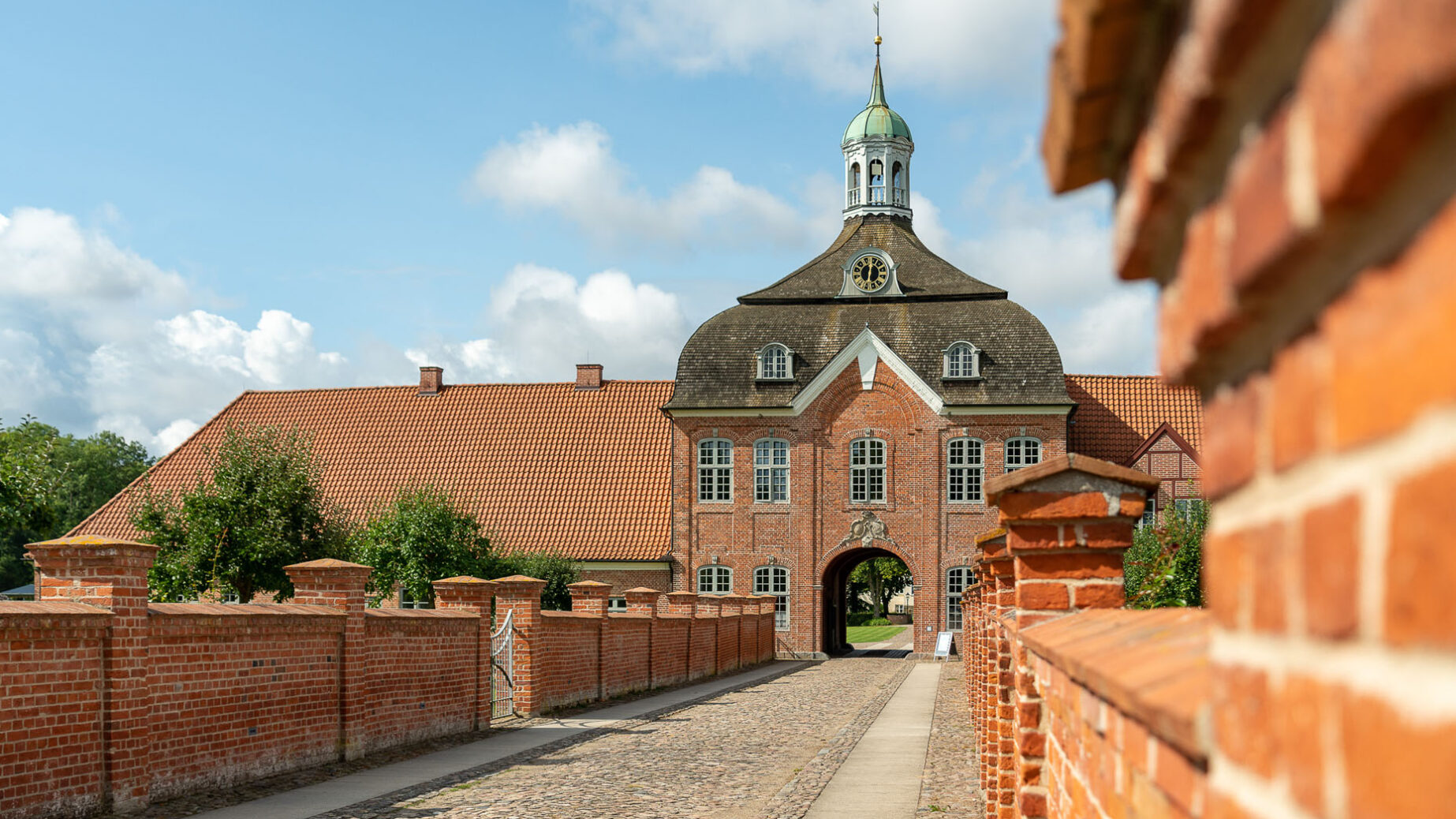
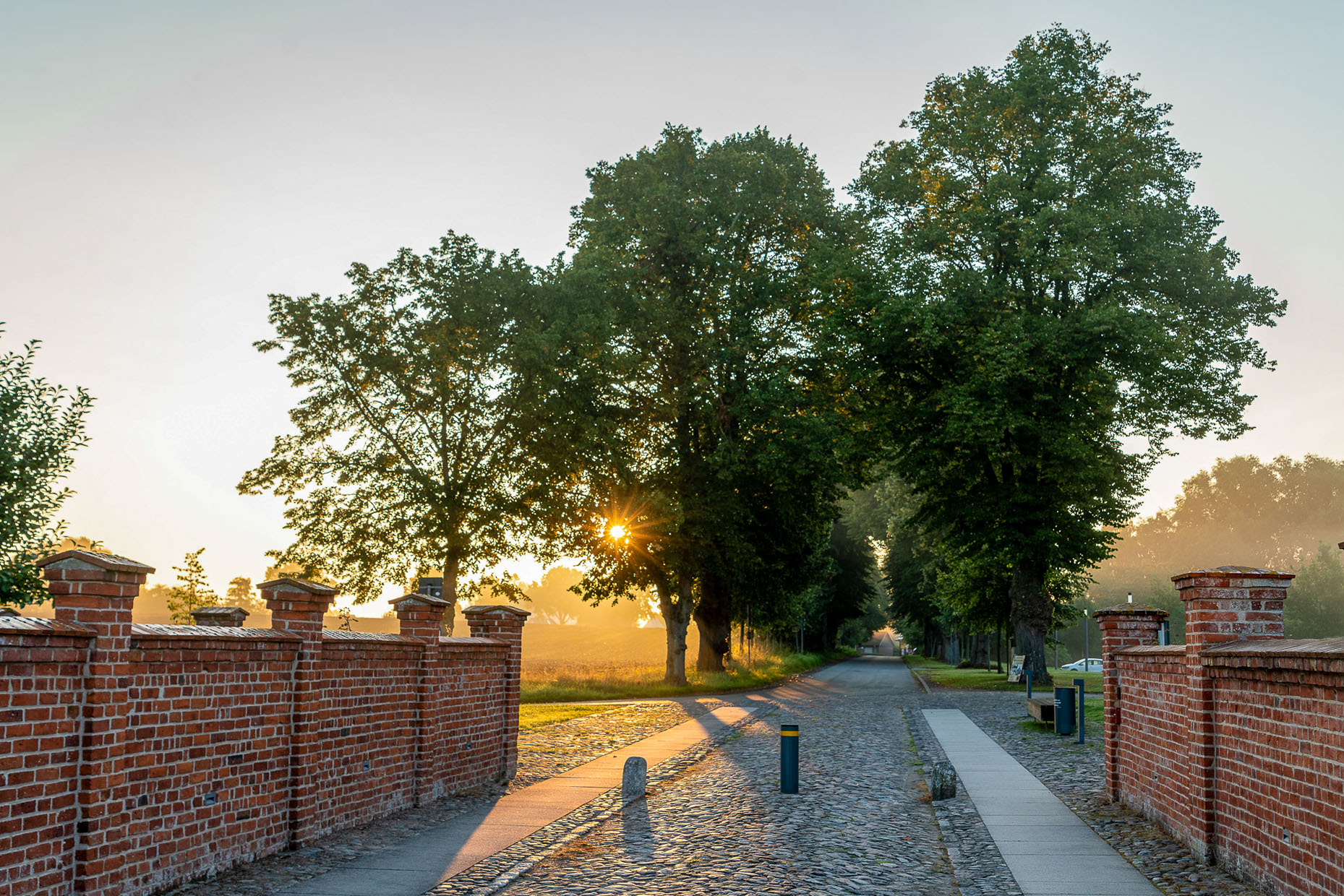
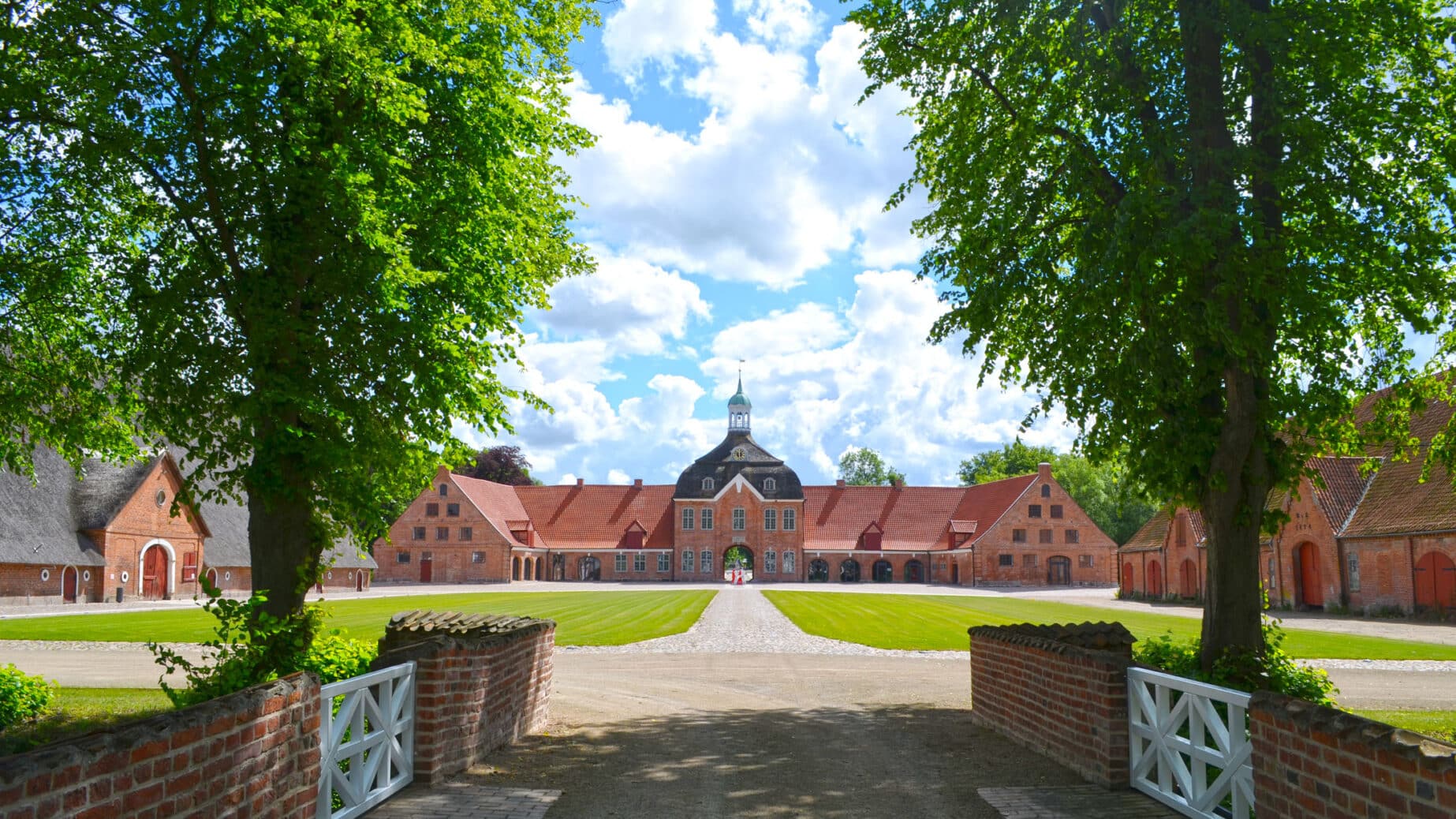
“Architecture is solidified music” – With the words of the philosopher Friedrich Wilhelm Joseph Schelling in my head, I set off northwards to a place where music and architecture form a passionate union. Passing endless fields, meadows and tree-lined avenues, gliding seemingly weightlessly over the gentle hills that the Ice Age once left behind here, I turn off the country road full of expectation and follow the 300m long avenue of linden trees. At the end of the avenue, the curtain of leaves opens and I find myself at the “gateway to music”. It feels like the moment when the conductor raises his baton: expectant silence.
The only thing missing now is the Potsdamer Turmbläser [Potsdam Tower Brass Musicians] who appear in my mind’s eye when I see the dome of the tower house and announce the arrival of new guests with a bright fanfare of sounds. Instead, birds chirp merrily in the orchards in front of the entrance. A cobbled path lined with red brick walls leads directly through the gatehouse into another world. Like most visitors entering the Kultur Gut Hasselburg [Cultural Estate Hasselburg] for the first time, without thinking I stopped in my tracks.
Endless worlds of water.
Massive glaciers once set the tone in Ostholstein[East Holstein]. They left behind a landscape rich in contrasts, which today makes the region in the north-eastern tip of Schleswig-Holstein one of the most popular holiday regions in Germany. In summer, sun-seekers besiege the beaches of the traditional Baltic seaside resorts: Timmendorfer Strand, Scharbeutz, Grömitz – names that bring back childhood memories. Who hasn’t built a sandcastle here or searched for Hühnergöttern, the lucky black and white stones with a hole in them? Flat sandy beaches alternate with rugged cliffs, and beach chairs provide protection from brisk breezes.
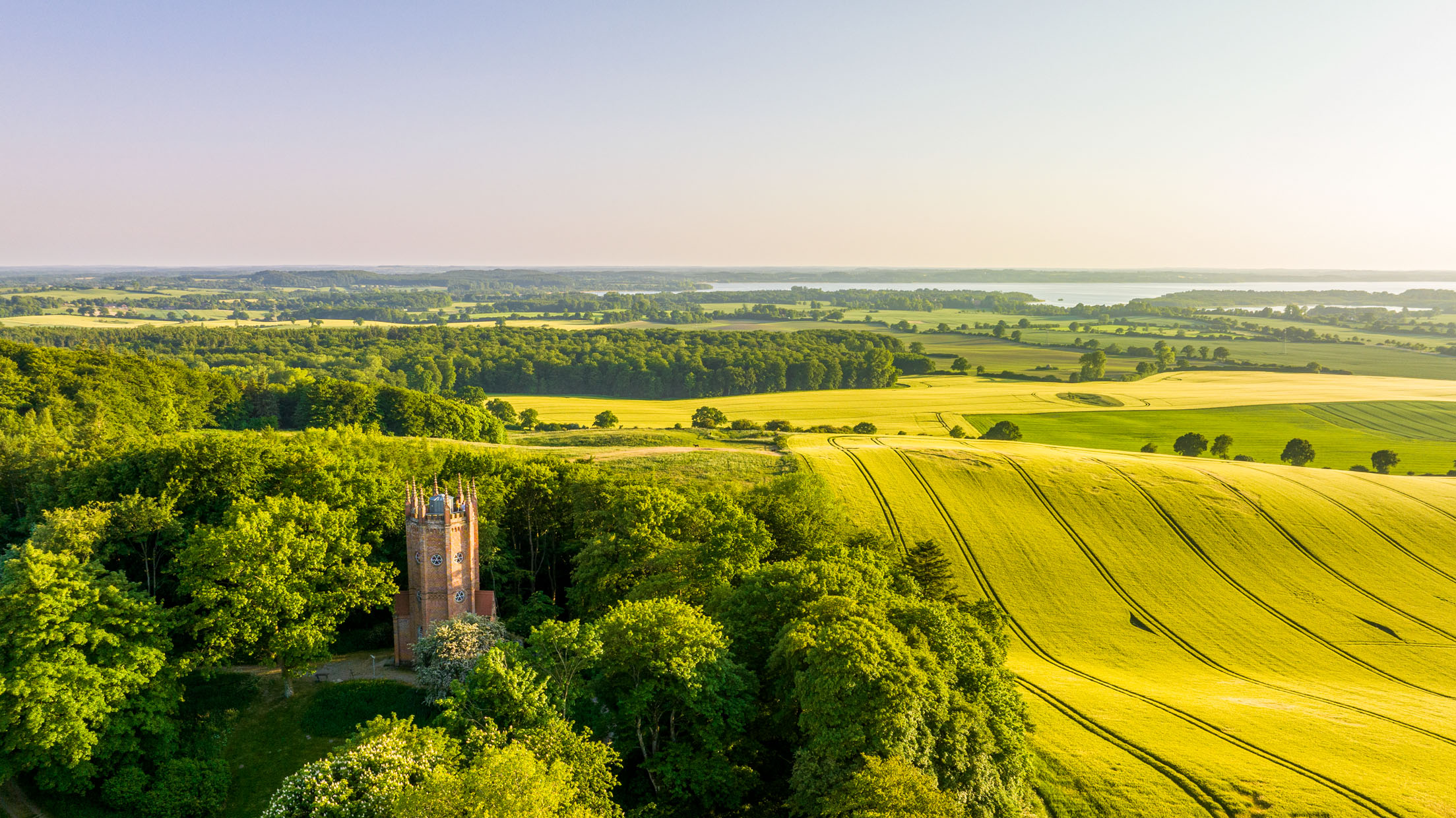
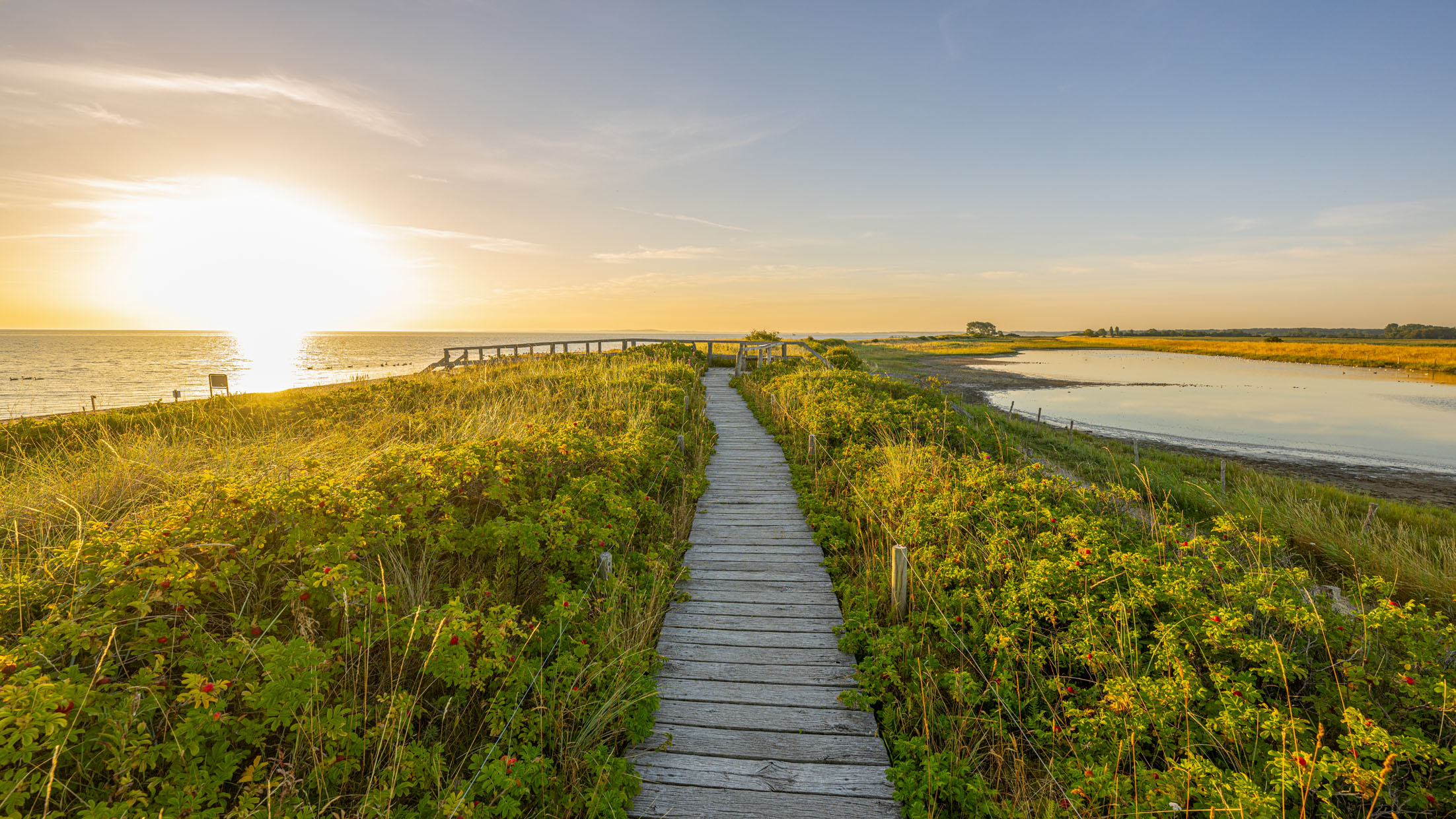
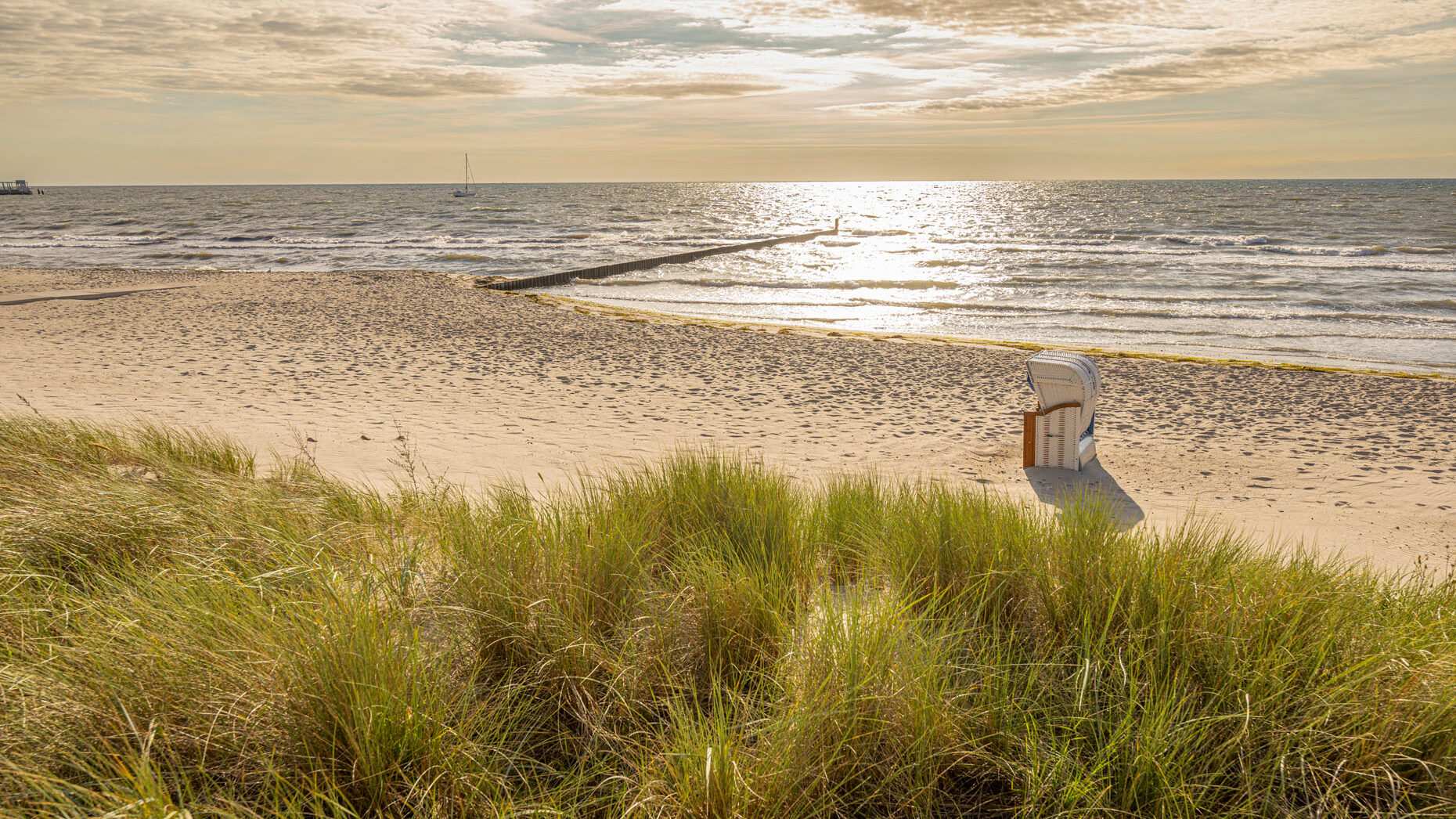
In the hinterland, the Holsteinische Schweiz Nature Park beckons with its picturesque hills, over 200 crystal-clear inland lakes and typical Knicks, free-growing hedgerows that are environmentally protected and once divided up the fields. Alpine challenges are nowhere to be found in this region. The Bungsberg hill with its 168 metres, the highest elevation in Schleswig-Holstein, can be climbed quickly and effortlessly. On the other hand, you will come across water everywhere and find beautiful swimming spots by bike, on foot or by canoe and, with a bit of luck, a sea eagle circling in the sky.
The water plays an important role. While it attracts tourists today, maritime trade brought prosperity in the past. The nearby Hanseatic city of Lübeck, once the most important trading centre in Northern Europe, sent ships across the entire Baltic Sea. Today, Lübeck is a tourist highlight with its seven church towers and the famous Holsten Gate, and a stroll through the alleyways of the Old Town Island, which is a UNESCO World Heritage Site, is just as worthwhile as a visit to the European Hanseatic Museum.
Between the Nature Park and the Baltic Sea coast, where the landscape is rather flat, you can find the manor houses typical of the region. A signposted cycle tour takes you past the life of a bygone era when noble families were in charge and hundreds of farm labourers tended the fields and livestock on the farms. Many farms still belong to renowned families. Not so the Kultur Gut Hasselburg, which the Hamburg-based Stahlberg Foundation acquired in 2010 and renovated over more than a decade. A stroke of luck from an architectural and historical perspective.
From moated castle to cultural estate.
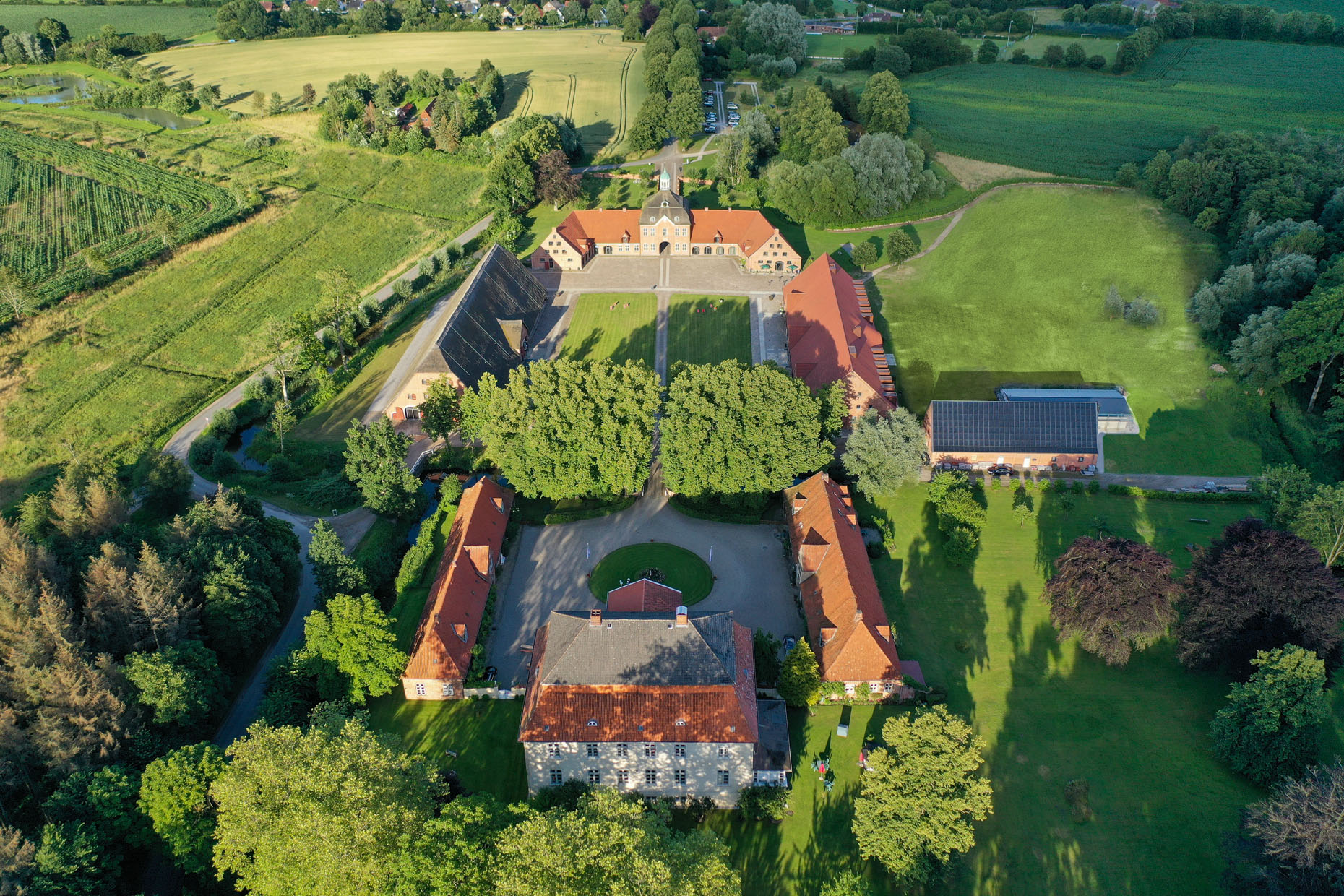
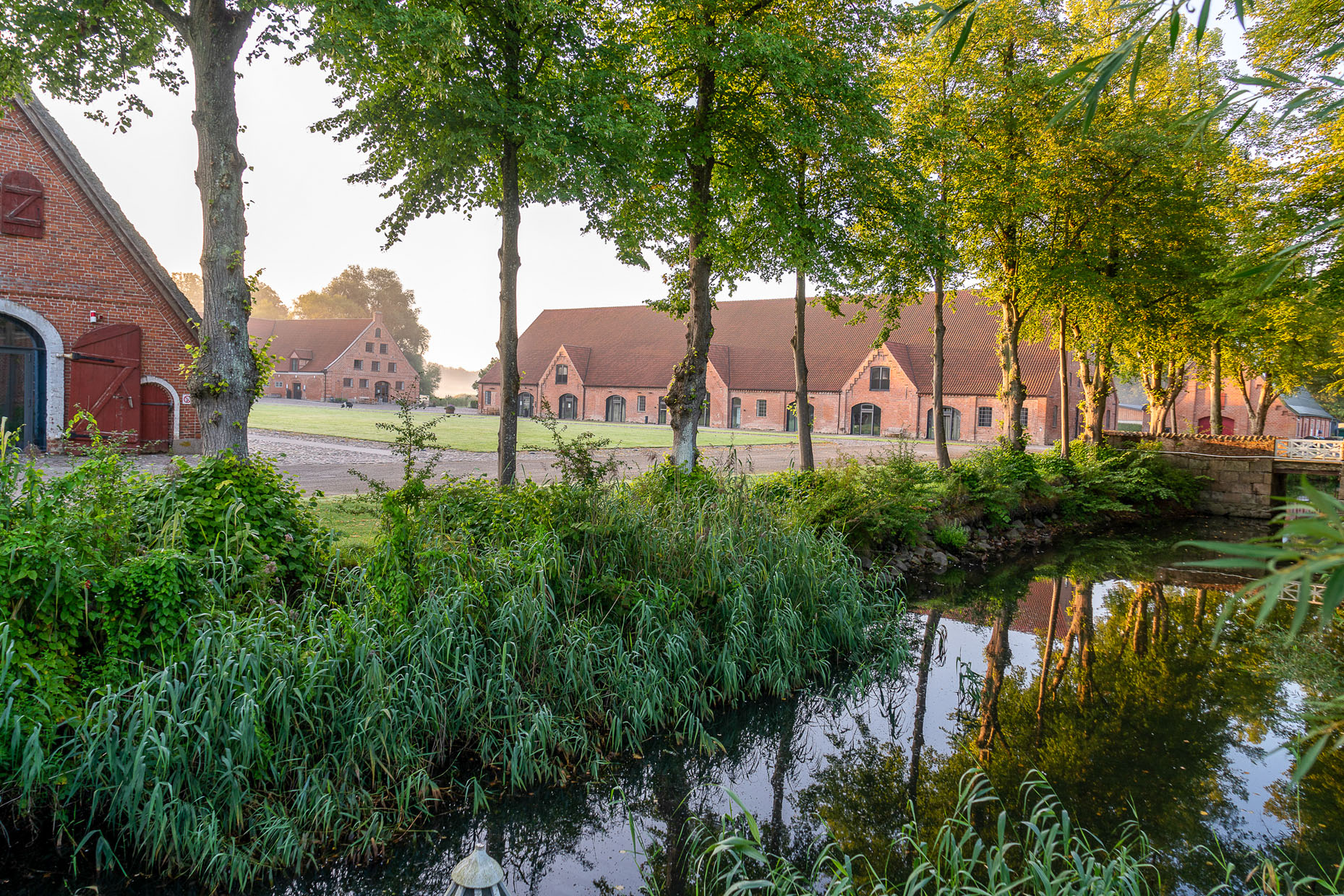
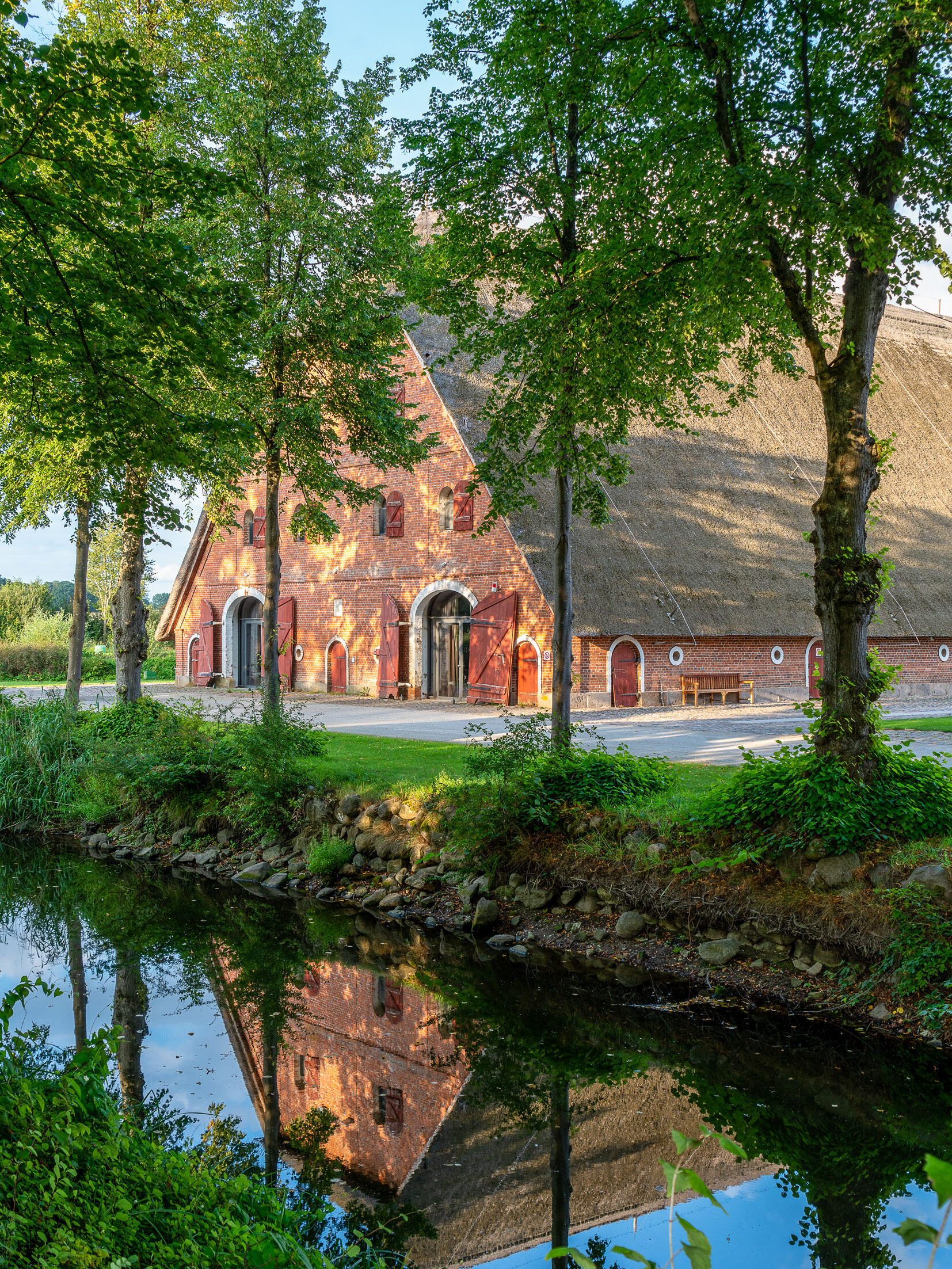
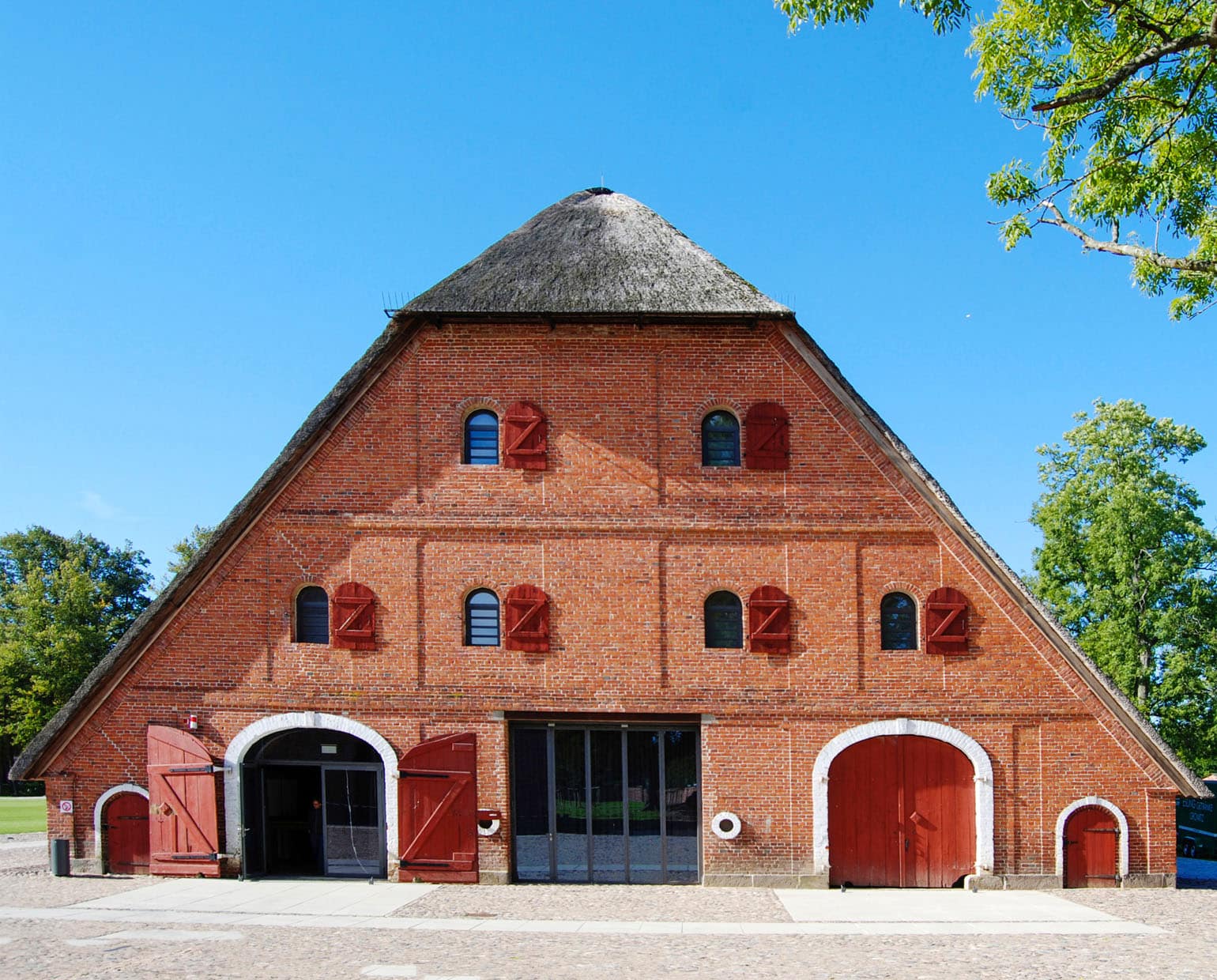
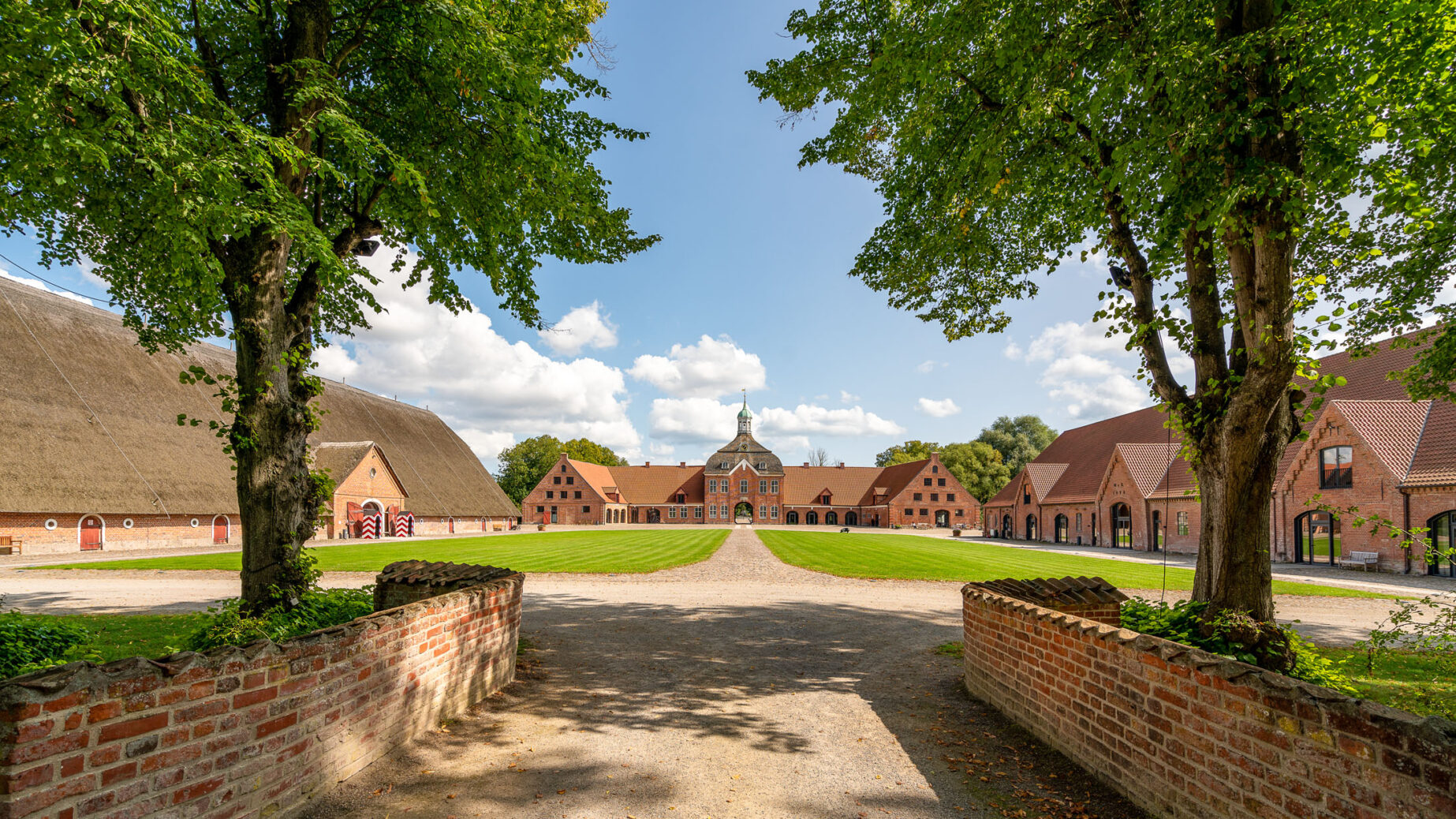
The 18th century manor house is still in its original form today: No building has been demolished or altered over the centuries. A rarity. The symmetrical structure is also unique. The gatehouse, together with the Kuhhaus [North German for cowshed] and the large thatched-roof barn, form the former farming section. Opposite this, hidden behind trees and a moat, is the manor house with cavalier houses on both sides.
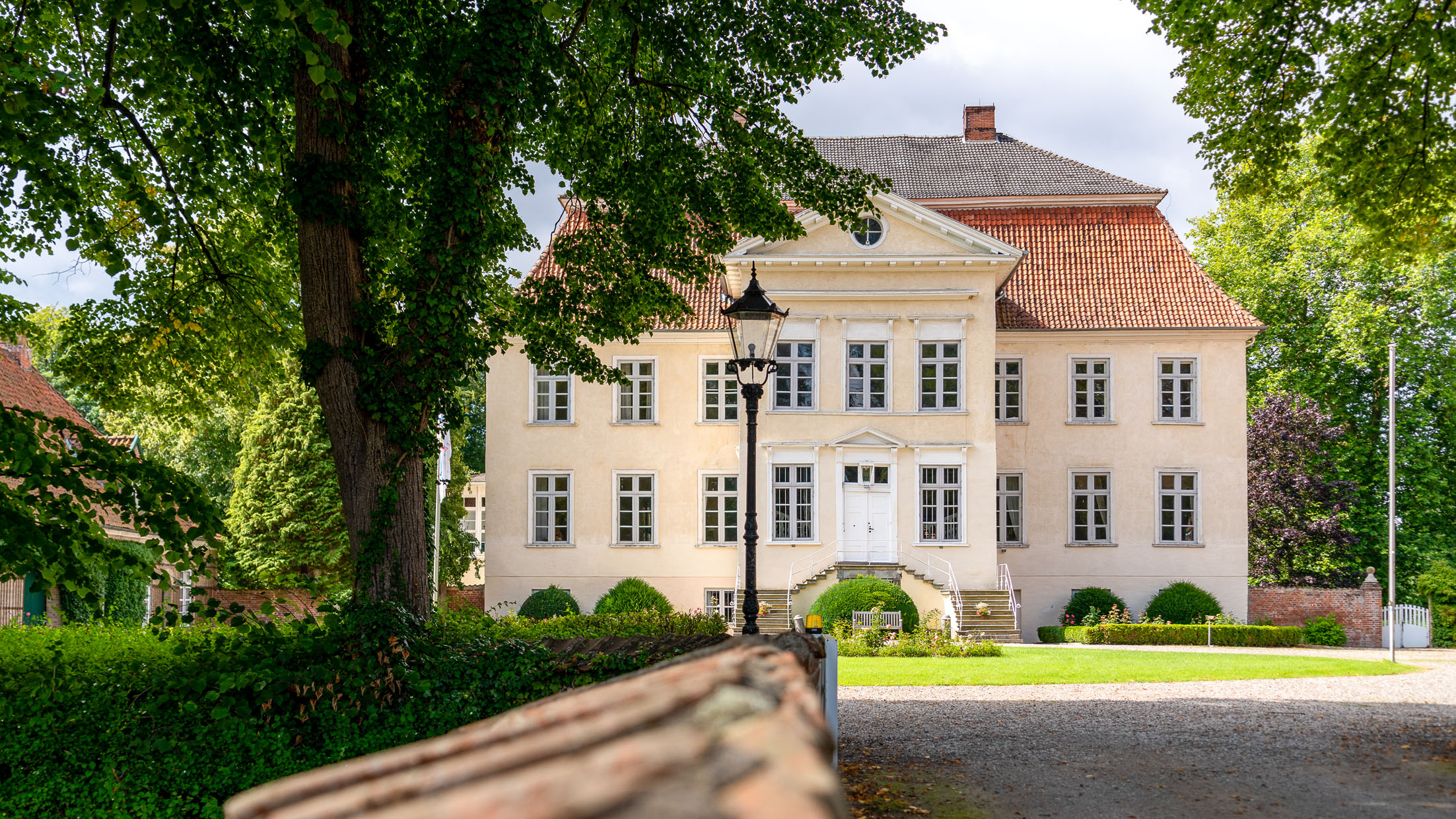
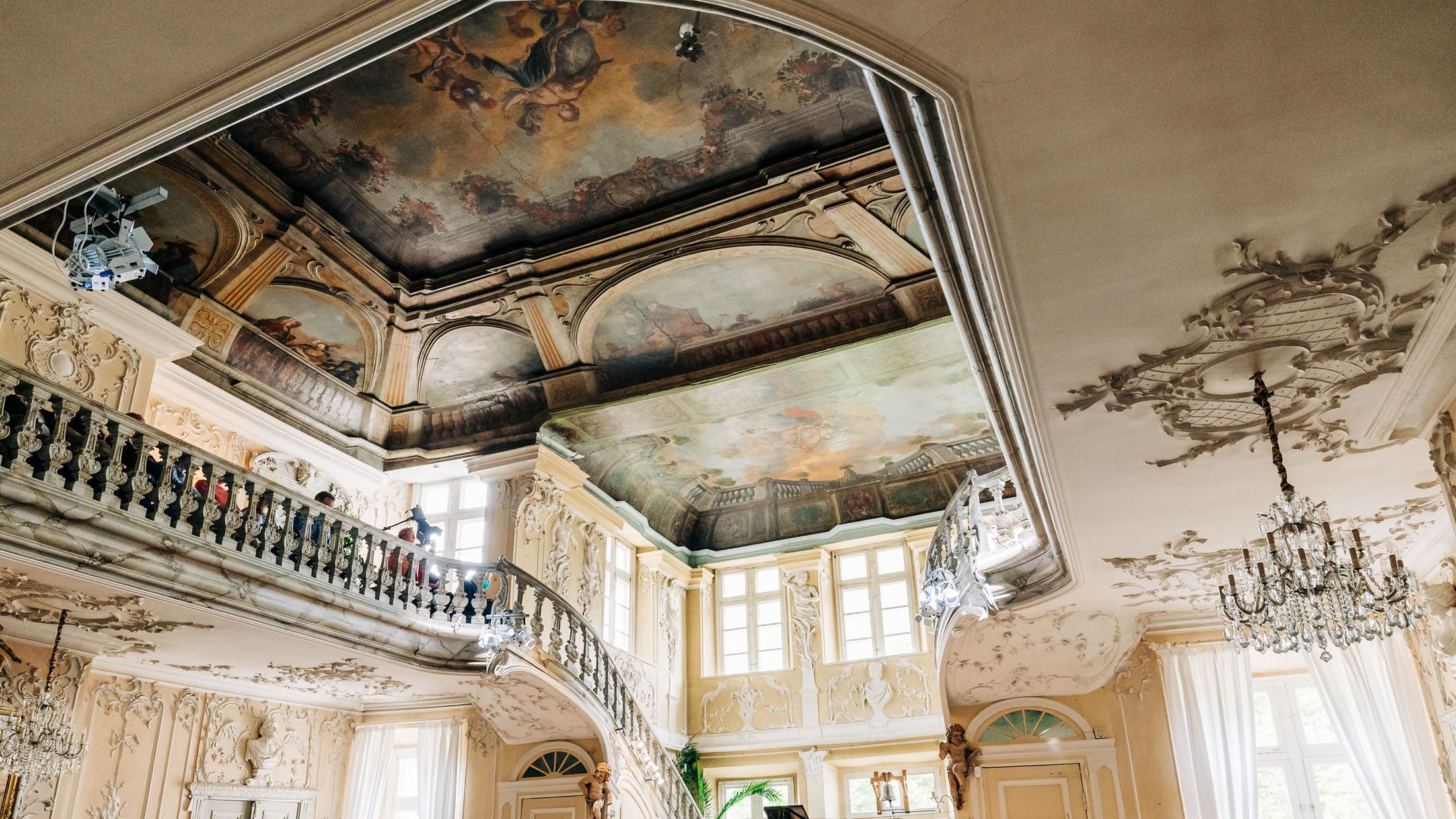
At the beginning of the 18th century, the late Baroque manor house replaced the former moated castle “Hasselborgia”, whose origins date back to the 13th century. The festive hall with its illusionistic ceiling painting is a living testimony to Baroque interior design in Schleswig-Holstein and served as a concert hall both then and now. In 1763, it was the Eutin court architect Georg Greggenhoffer who gave the estate its unmistakable appearance. The gatehouse with its golden clock tower and round-arched turrets is considered his masterpiece and the largest and most elegant in the region.
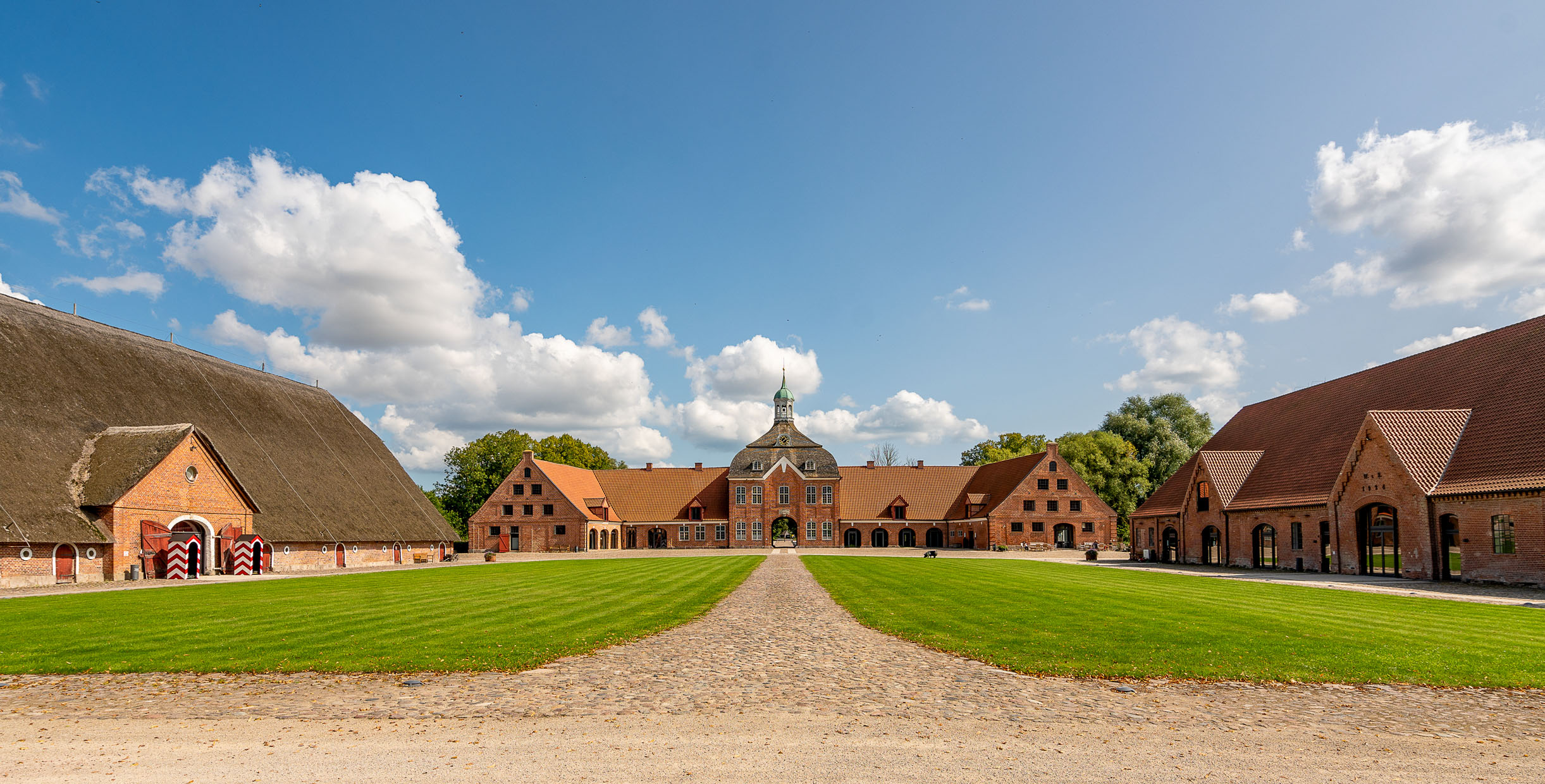
Visitors who enter the Hasselburg estate for the first time are often speechless. Some walk round the football pitch-sized square in amazement, others stop and then head straight for the pig in the meadow, which turns out to be a piece of art with a bench. It is the mixture of emptiness and size that fascinates. The buildings face each other like groups of instruments in an orchestra, each taking its place a little diva-like, setting the scene, but also knowing that it cannot shine without the others.
Sound and thatch.
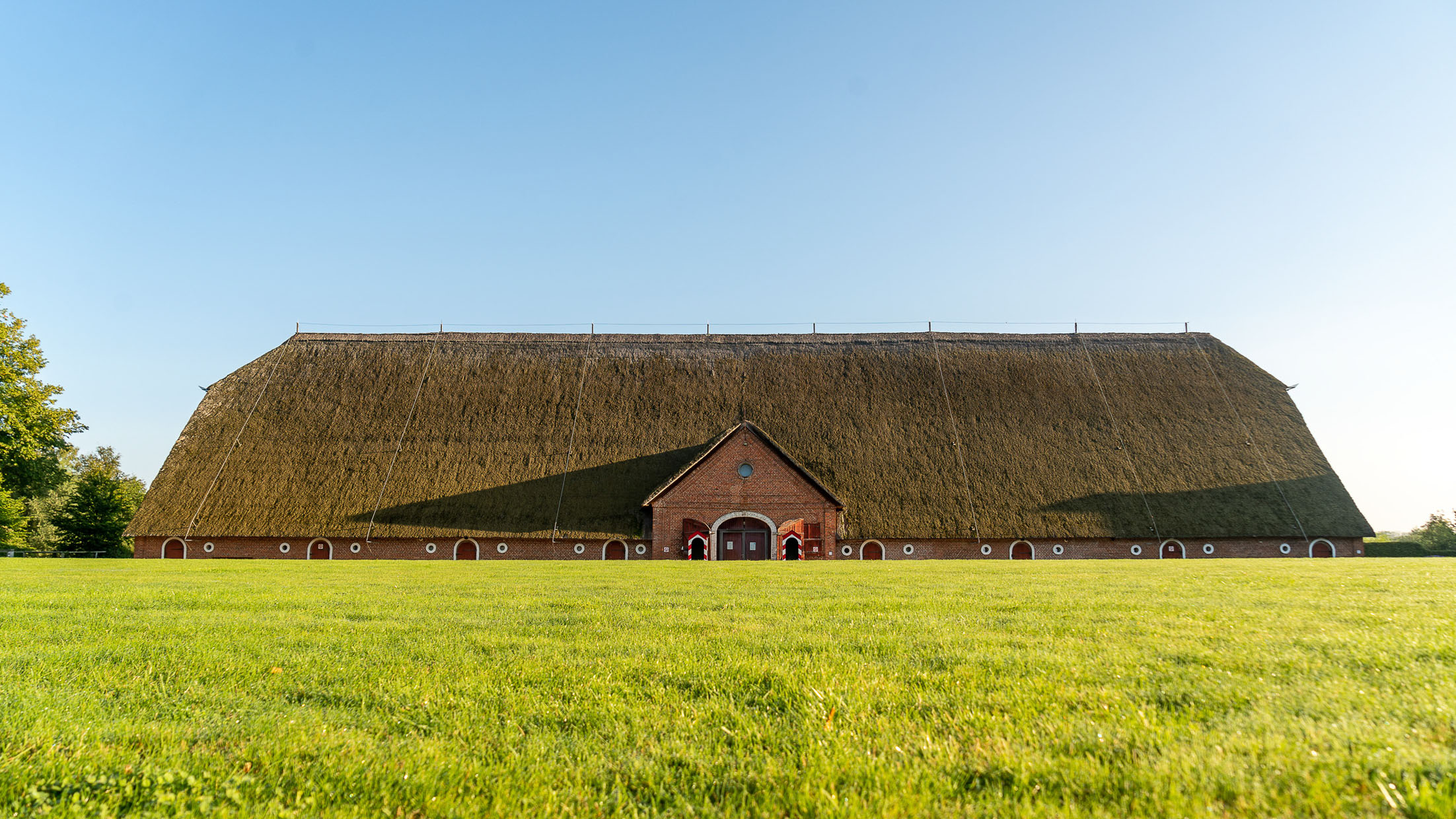
I, too, wonder where to start. Thankfully, the host himself answers this question for me. Constantin Stahlberg, PhD in economics, musician and composer, leads me to the barn with the largest thatched roof in Germany.
It was pure chance that brought Constantin Stahlberg to the Hasselburg estate in the municipality of Altenkrempe, not far from Neustadt in Holstein, in 2010. He says he was a little taken by surprise by the opportunity to acquire the estate. Anyone who gets to know him immediately realises that he is not one of those people who can be taken by surprise. But he was enthusiastic. He was used to taking risks from his time as an entrepreneur. He was fascinated by the beauty of the ensemble and the uniqueness of the location. And his musical heart was already filling the rooms with sound while the rotten wooden beams were still standing on shaky ground.
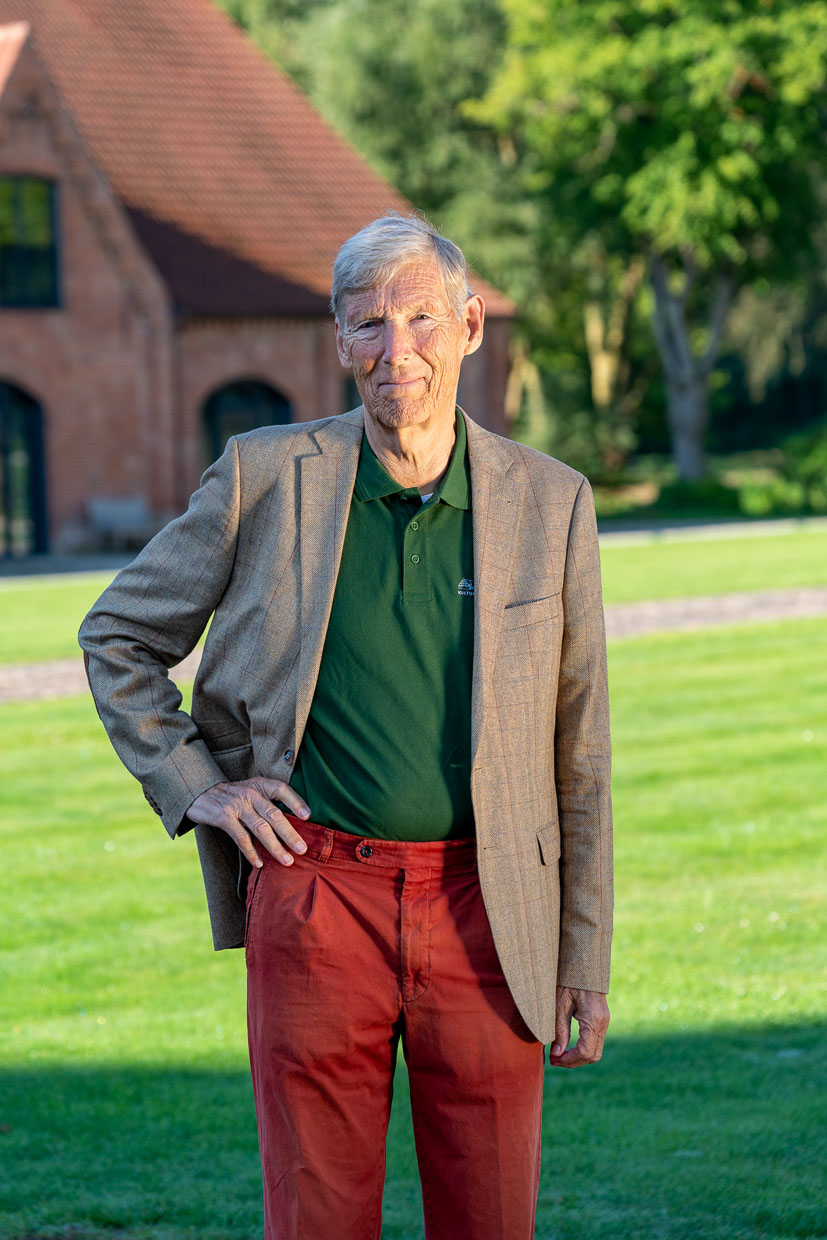
Perhaps it was also Constantin Stahlberg’s genes that motivated him to turn Hasselburg into a place of music and culture. As the son of a Silesian landowner’s family, he grew up in Hamburg, where his parents had fled after the end of the Second World War. At the kitchen table or at family gatherings, life on the former family estate – as well as making music together – was always present. Even at a young age, he played and organised concerts in unusual places. For the Stahlberg Foundation, which he set up in 2002 to promote youth and cultural projects as well as the preservation of historical buildings, he had found an ideal location in Hasselburg, not realising what an adventure he was embarking on.
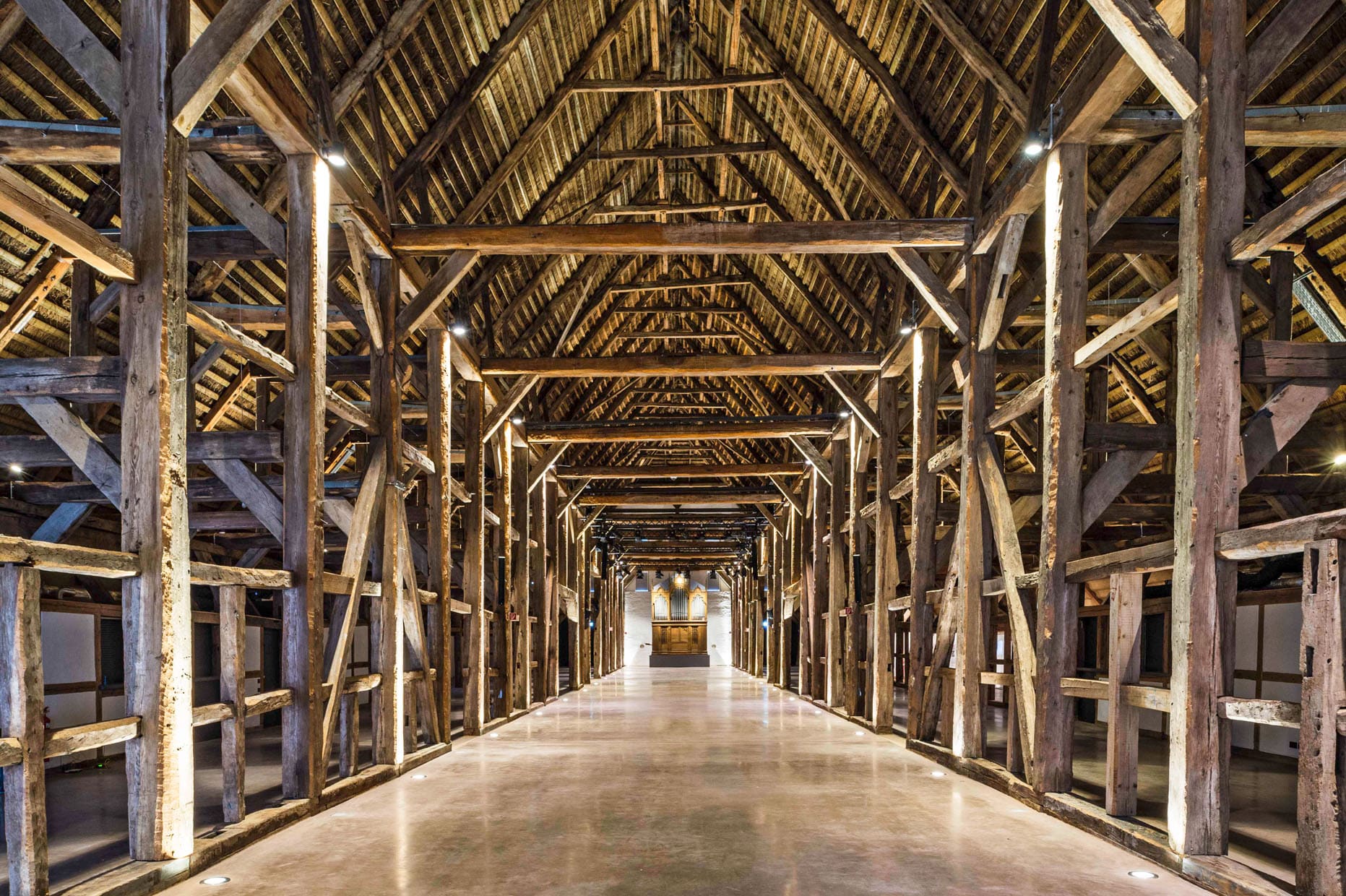
We enter the barn from the gable end and my gaze automatically wanders upwards. The 24 metre high roof ridge and the thatch visible from the inside seem to float above the historical wooden structure. From a distance, the organ at the end of the 74 metre long hall looks like an altar: Oak Cathedral – that’s what the building is called. The name is fitting. There is a smells of straw and yet everything looks modern. The grey screed floor and the professional trusses for lighting and sound technology bear witness to its current use as a concert hall, in which, the experienced musician adds with a mischievous smile, every little inaccuracy can be heard. Thatch swallows sound.
Reconstruction in three acts.
Every great journey begins with the first step, Marco Polo is supposed to have said before he set off eastwards on his sailing ship. The renovation of the dilapidated buildings and the conversion into today’s Kultur Gut Hasselburg did not take quite as long as the journey of the famous Venetian. But it is still a life’s work. Step one, the renovation of the concert barn, was in retrospect the easiest part of the task. The large, thatched roof was re-done on one side and the old foundations were replaced. To do this, the barn was excavated in sections and the field stones were replaced with concrete strip foundations. The large quantities of excavated material are now hidden under the hills of the meadow surrounding the estate.
An economically viable concept was needed to establish the Kultur Gut Hasselburg as a music and cultural centre. From the outset, this envisaged a two-pronged use: as a venue for events and as a holiday destination. These two worlds should interact and benefit from each other. This was the start of step two: the refurbishment of the gatehouse. Nine holiday apartments, eleven guest rooms and a café are located in the former horses’ stables, where the stewards organised the staff in the Borgstube [servants’ hall] and where the workshops and blacksmiths once stood.
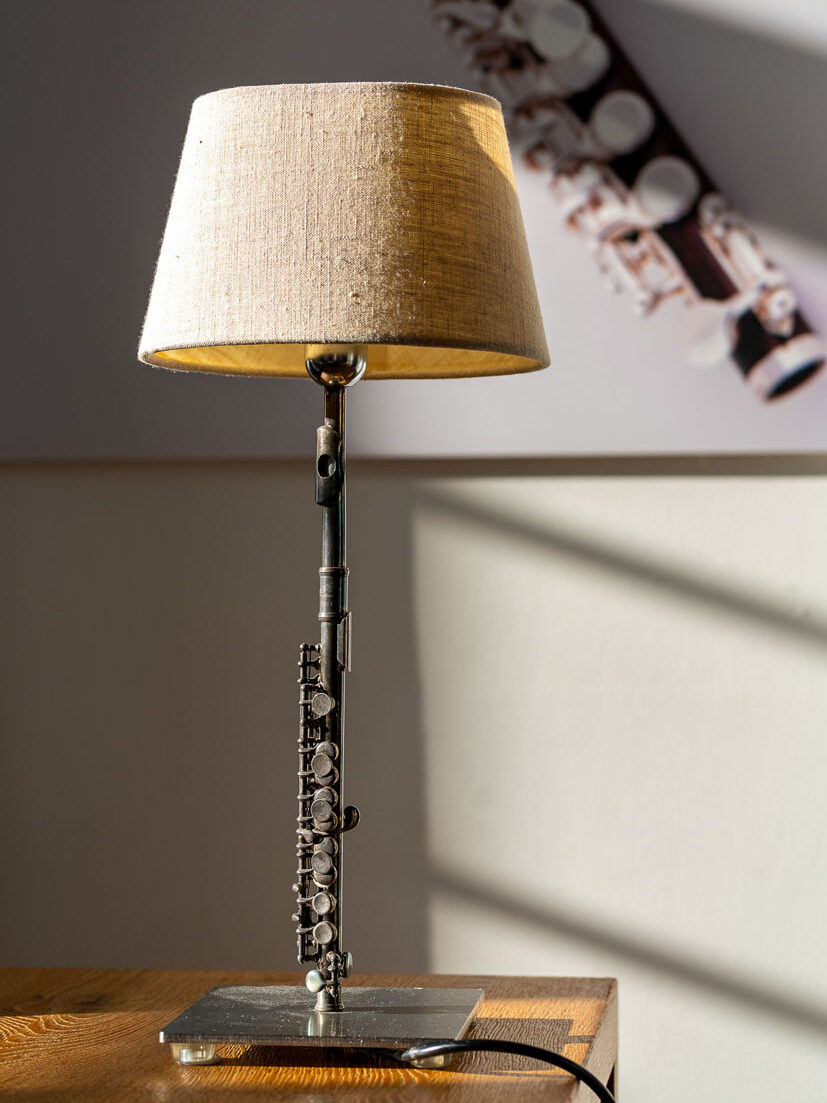
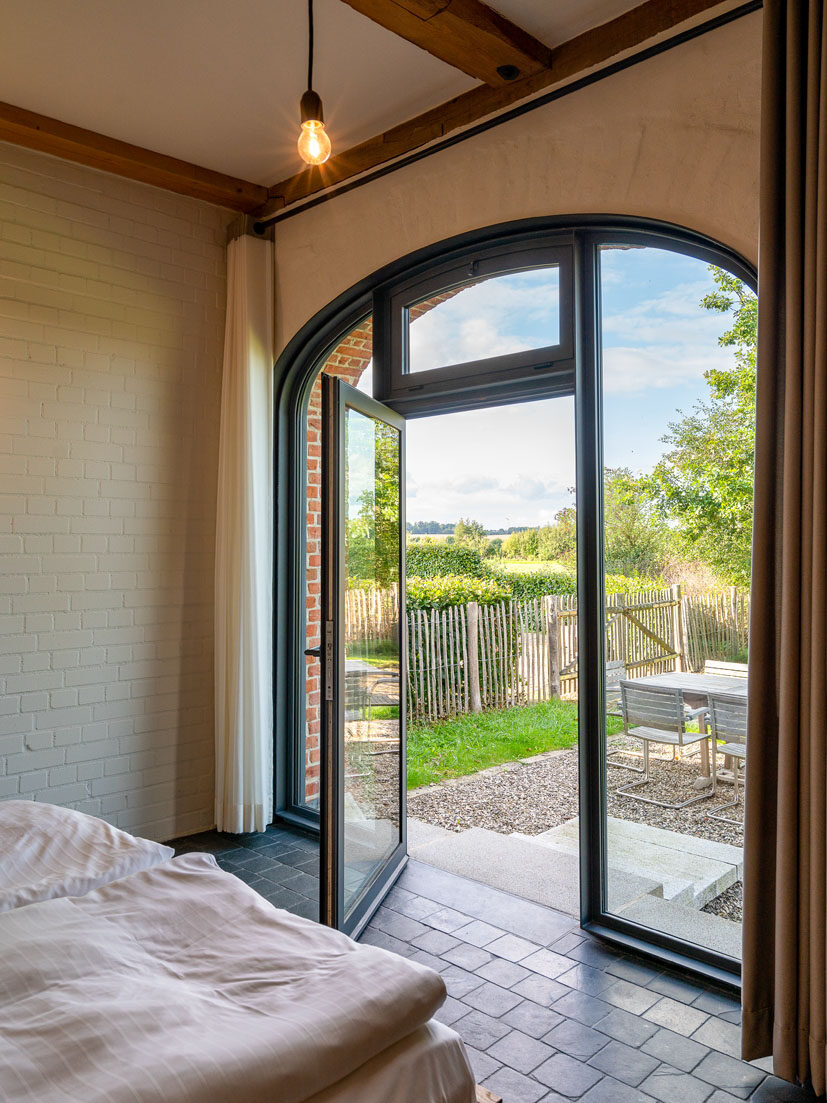
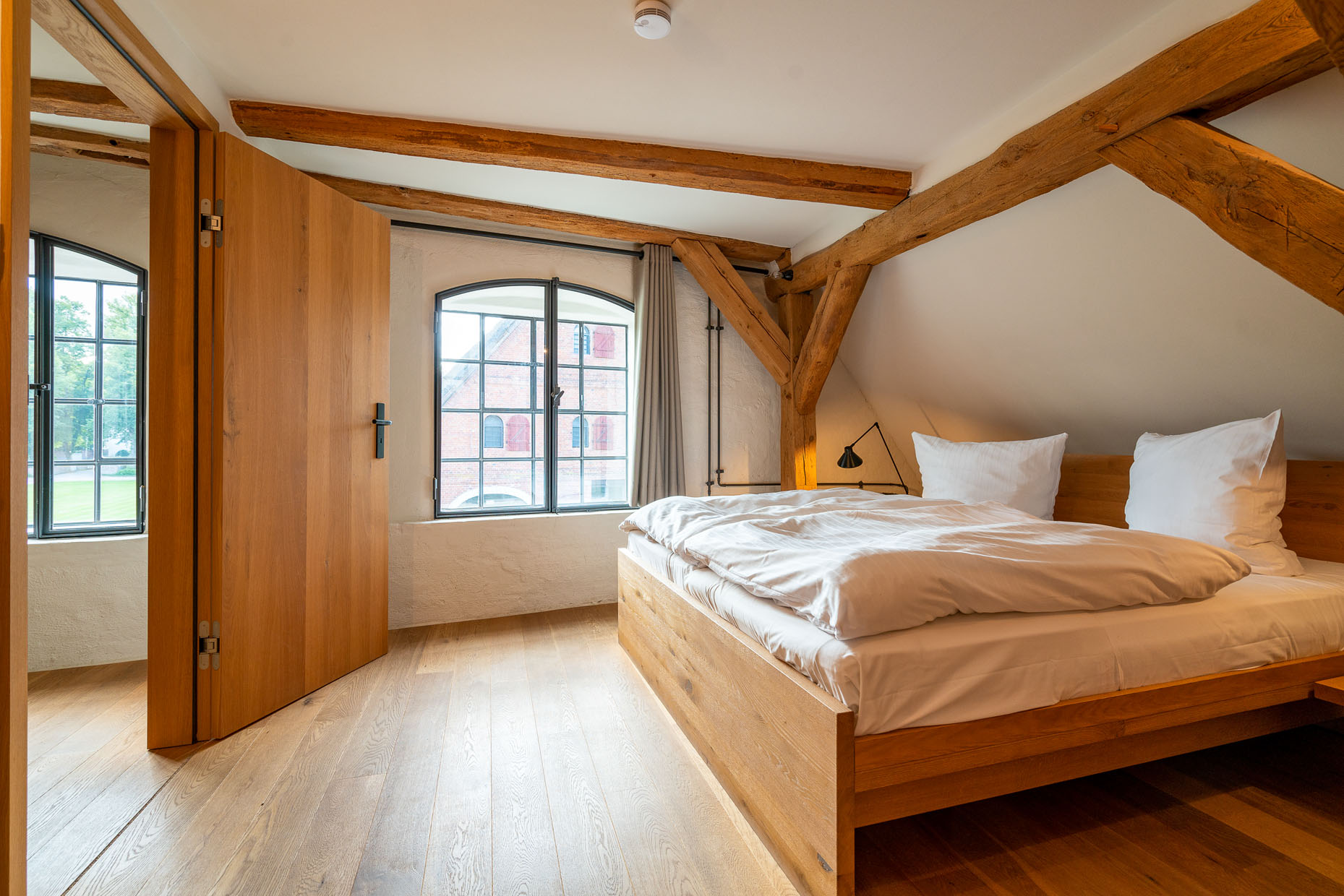
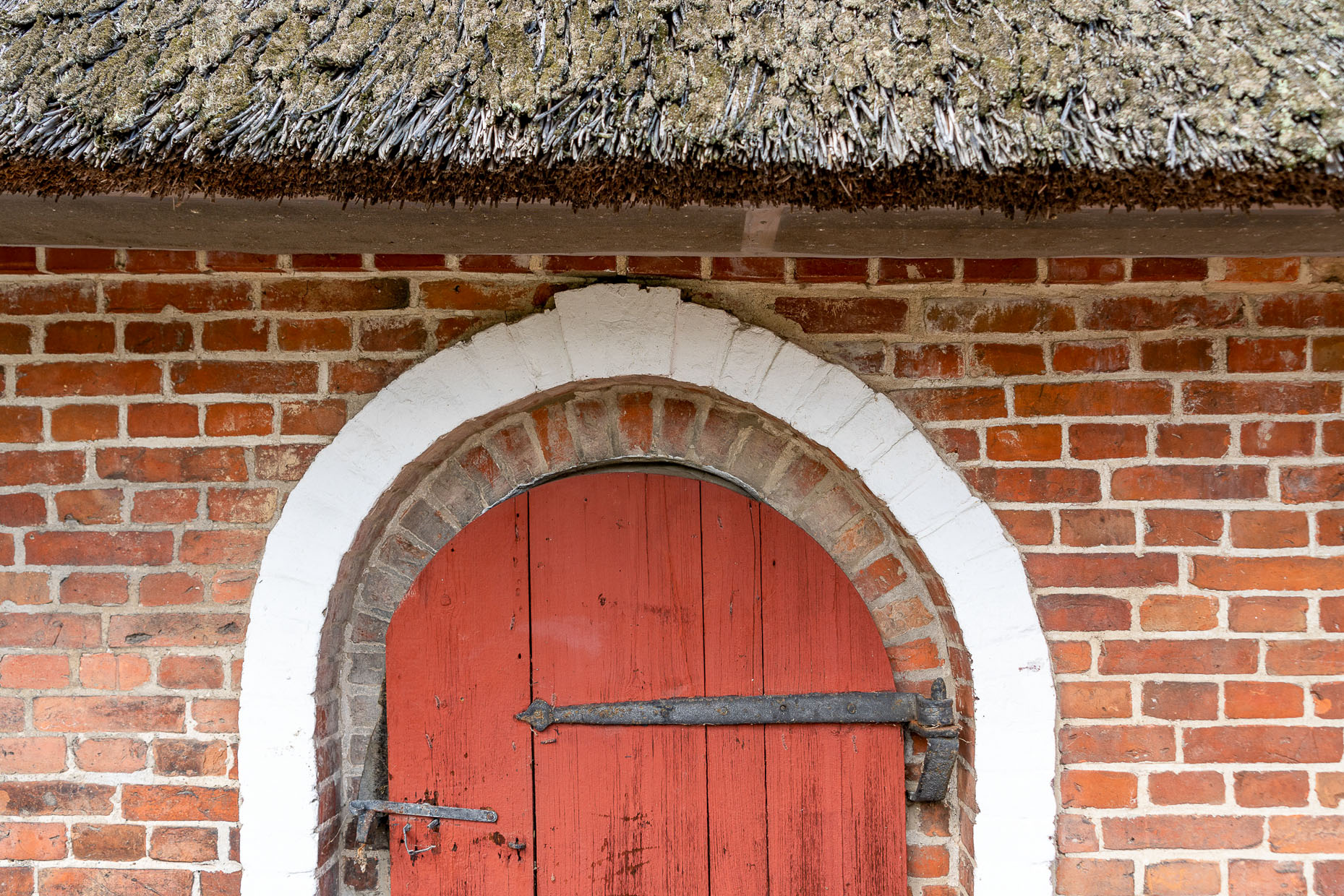
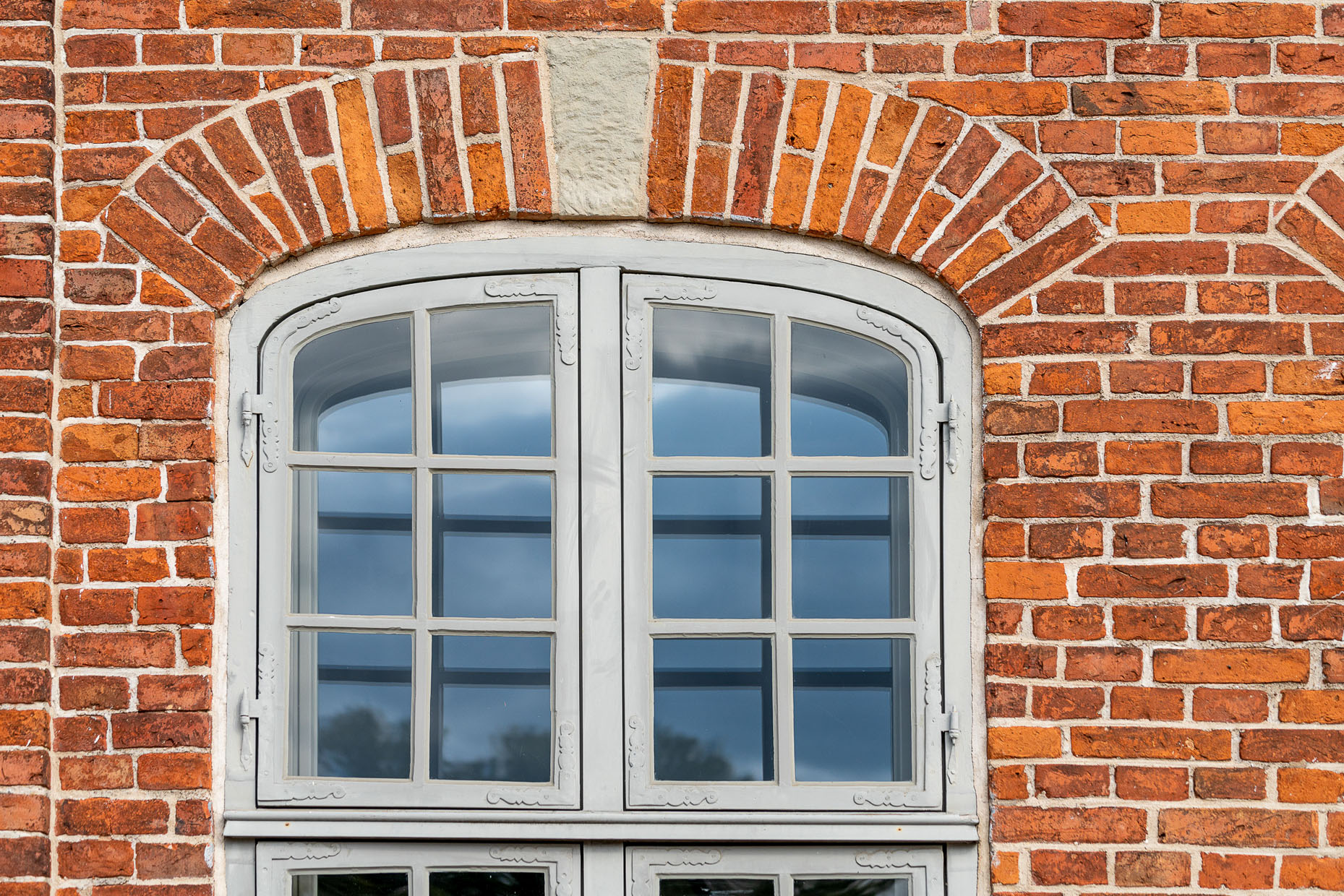
In 2015, the gatehouse was honoured with the Schleswig-Holstein BDA Award and the Heritage Listed Building Protection Award for its high-quality refurbishment in keeping with its listed status. Hamburg architects BIWERMAU left the historical elements visible and took the original functions into consideration. The new function is barely recognisable from the outside. The refurbished historical windows and the brick façade shine in their former splendour. Only the large wooden doors on the ground floor have been replaced by glass surfaces.
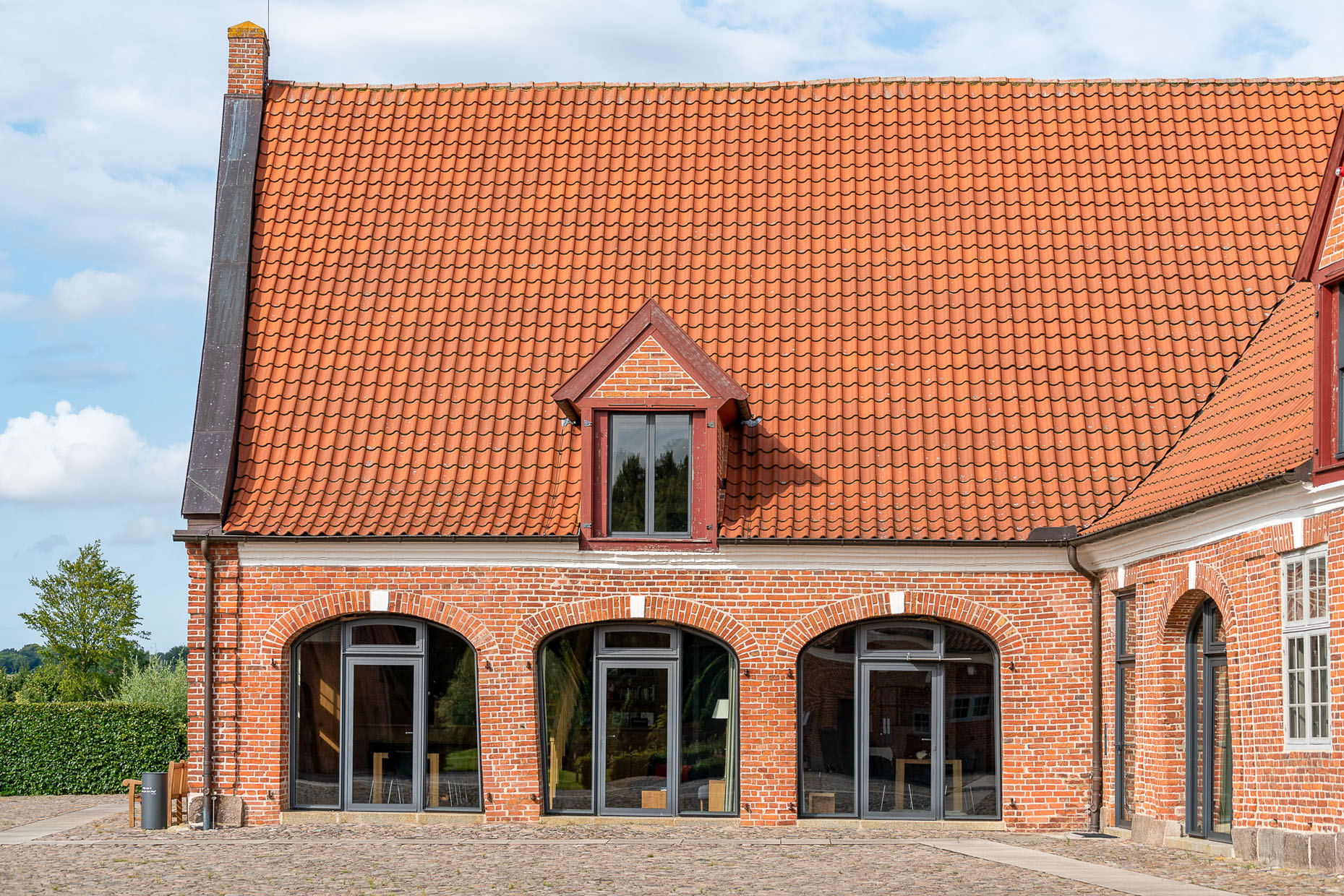
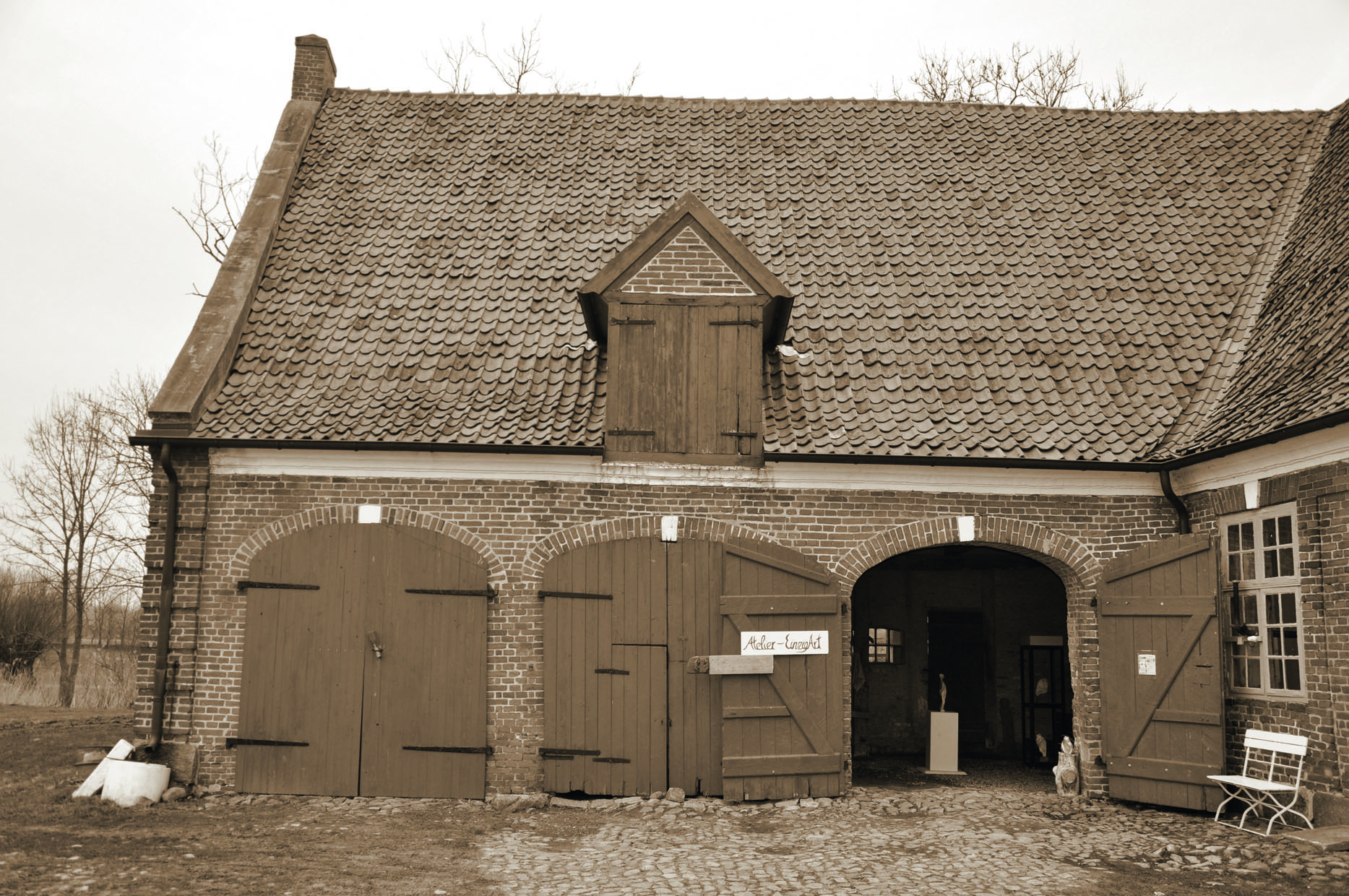
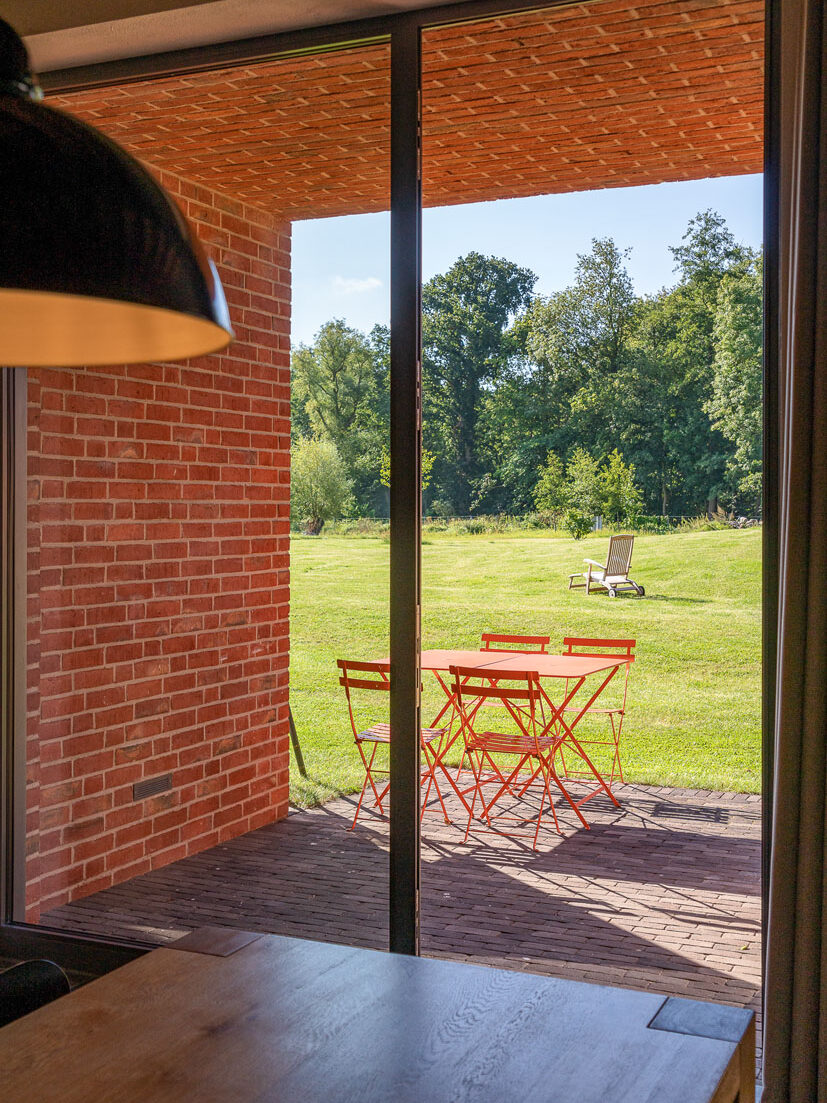
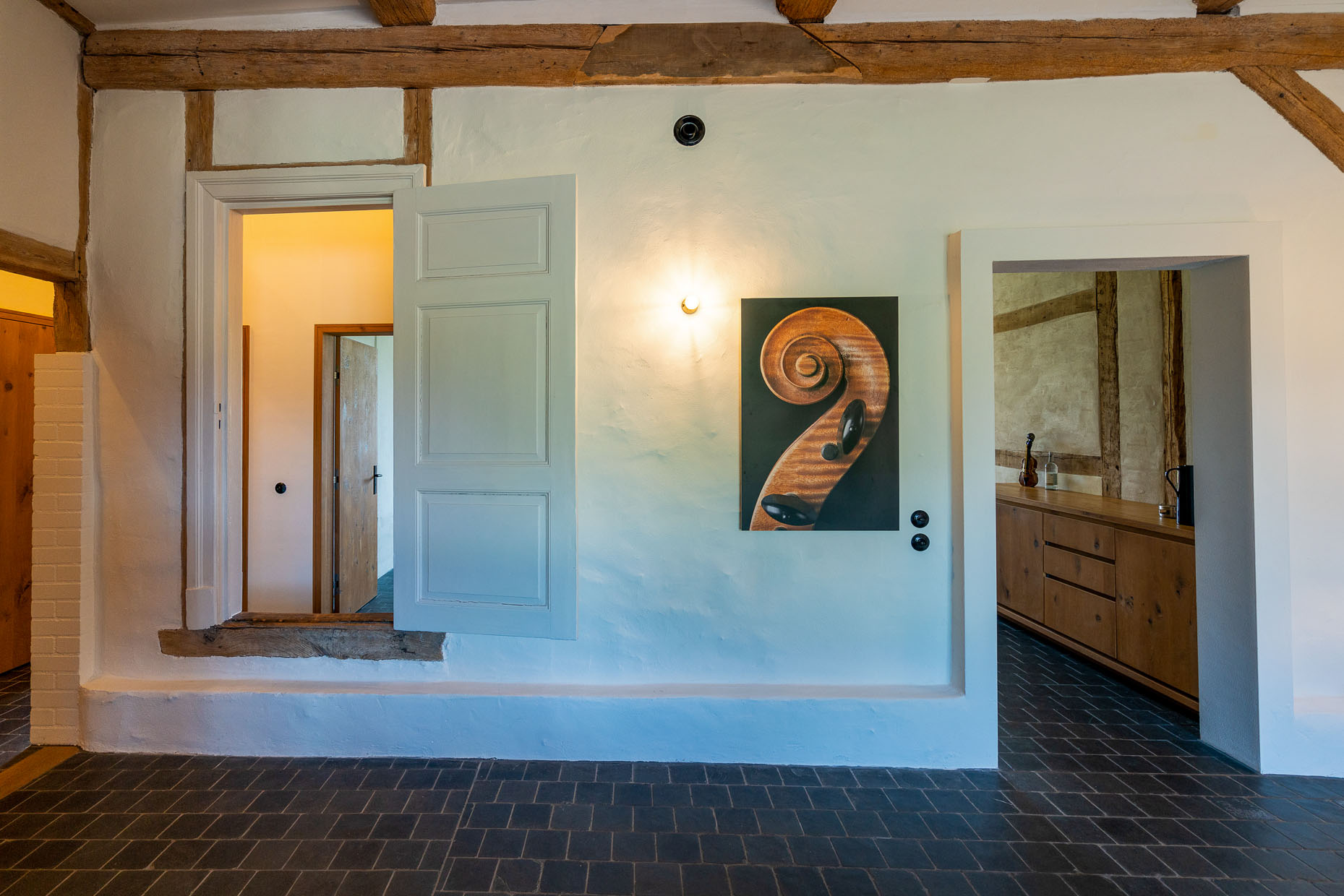
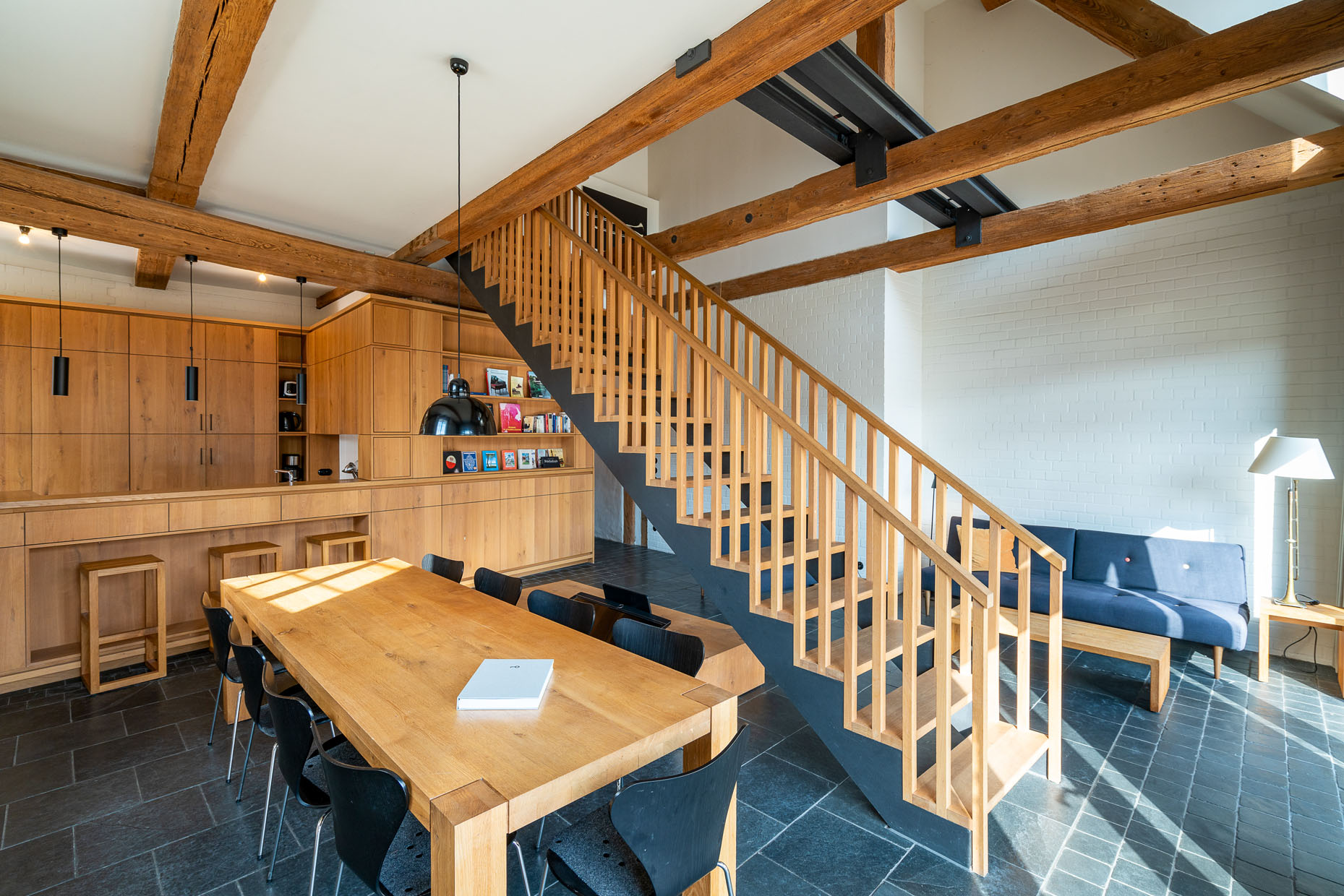
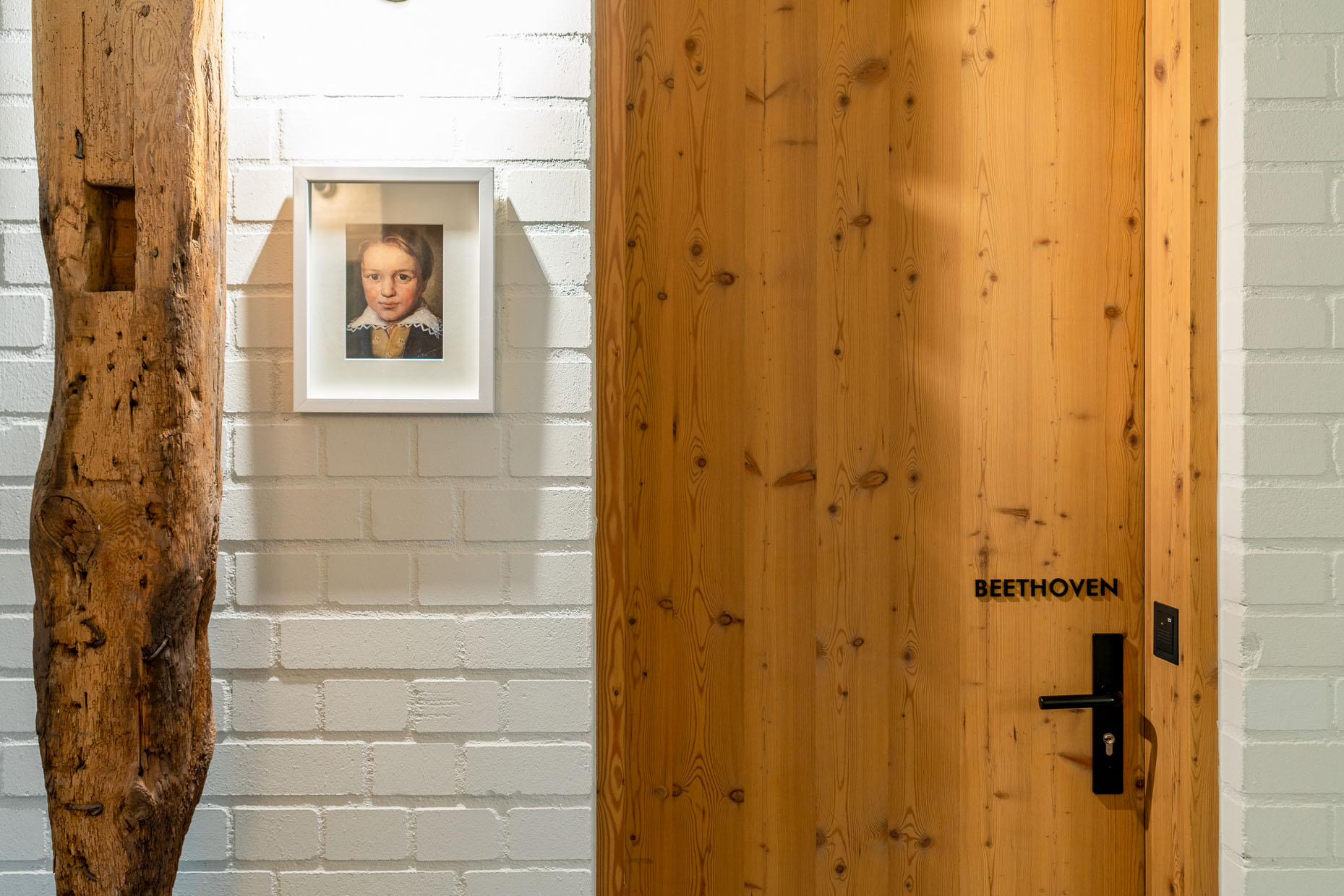
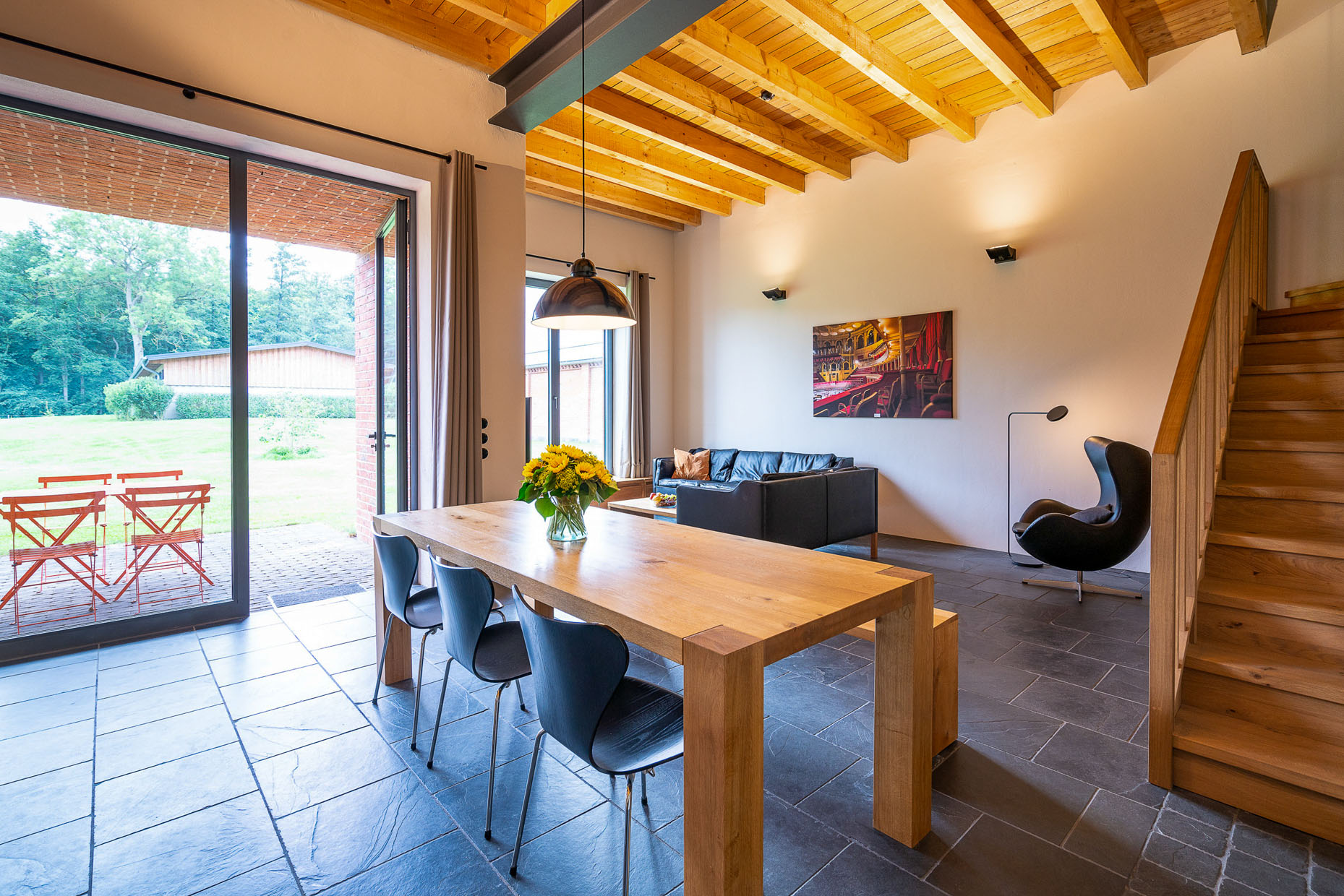
Behind them are generously proportioned holiday apartments named after musical instruments. Dark grey stone floors, white, partly unplastered brick walls and custom-made kitchens and furniture made of oak wood create a modern flair. In the former horse stable, notched and nibbled wooden posts tell of the former inhabitants. Now you can sleep in Beethoven or Chopin, the guest rooms named after composers.
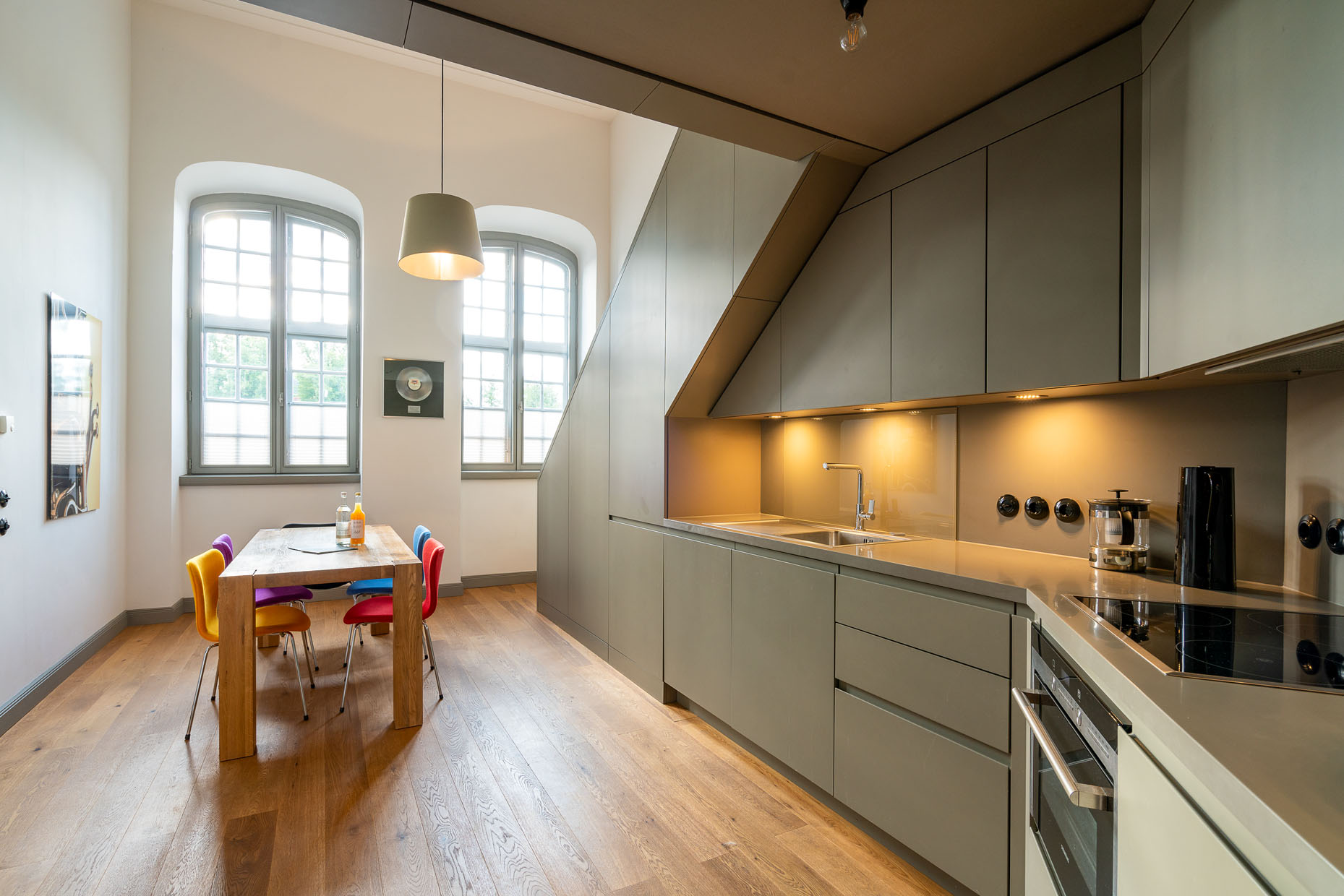
In the apartments in the Turmhaus [Tower House], which exude a loft atmosphere with their modern kitchen and staircase fittings, it is worth taking a look at the entrance area: On the floor the Gotland limestone slabs from the Swedish island of Visby bear witness to the beginnings of the “Ur-Hanse” [Original Hanseatic League]. They were an important trading product for centuries and can still be found in many old houses in the region today.
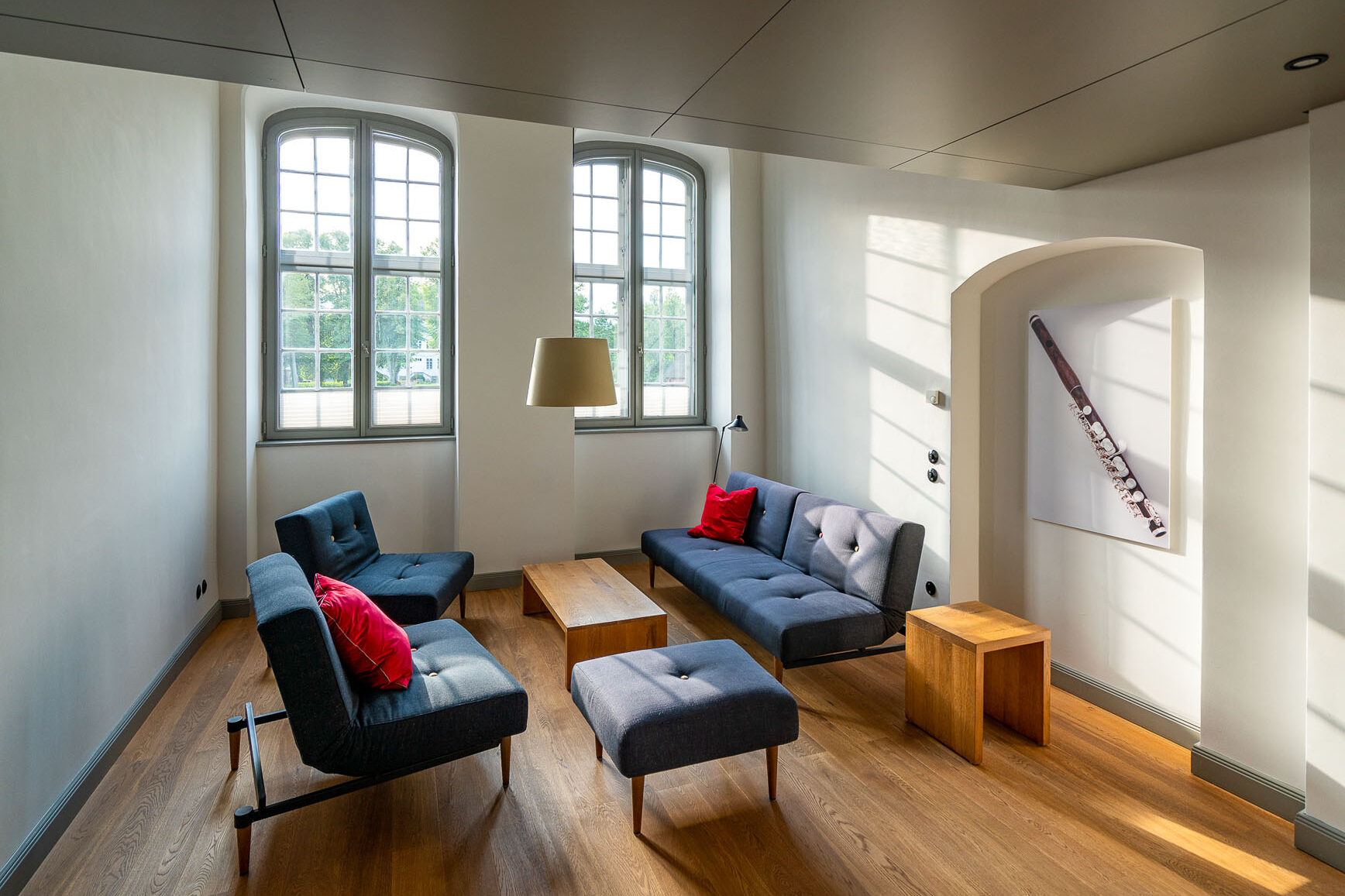
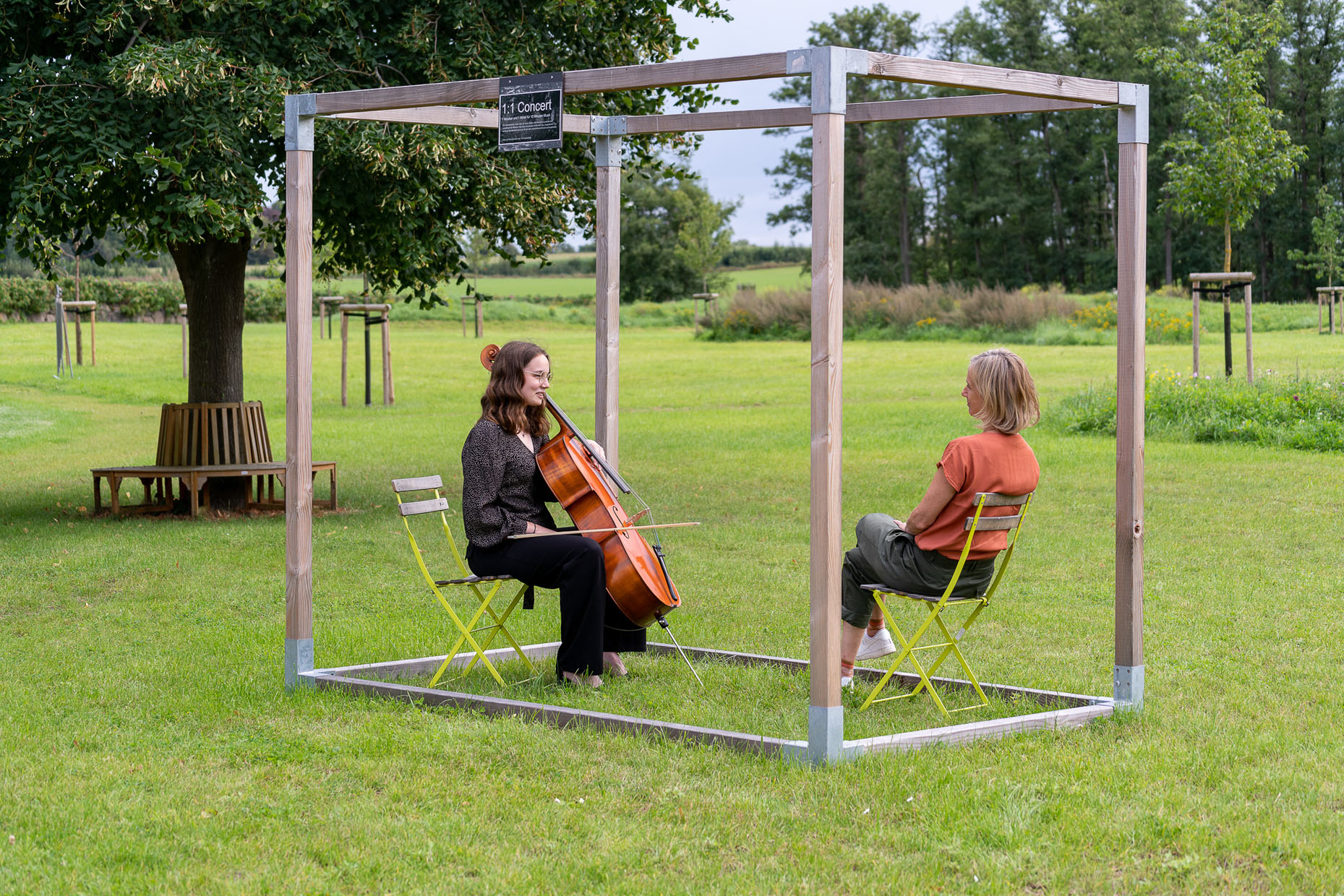
With the completion of the concert barn and the gatehouse in 2014, the Kultur Gut became a holiday resort offering musical programmes. In addition to the numerous public concerts, up-and-coming, talented young musicians live and work on the estate thanks to residency scholarships from the Stahlberg Foundation. They present the pieces they have prepared in front of large audiences and, on request, at one-to-one concerts for interested holidaymakers.
The Grand Finale.
Now only the last piece of the puzzle was missing: the Kuhhaus. Due to its poor structural condition, the heritage authority agreed to its demolition on the condition that the two gable ends and the courtyard façade be preserved. A sketch with just a few lines was enough to inspire the client for the new building. The architect Henrik Gruß from the Hamburg architectural firm Beissert + Gruß added a further axis of symmetry to the existing central one, placed the Kuhhaus in a spatial relationship with the barn and at the same time connected the inner courtyard with the park side.
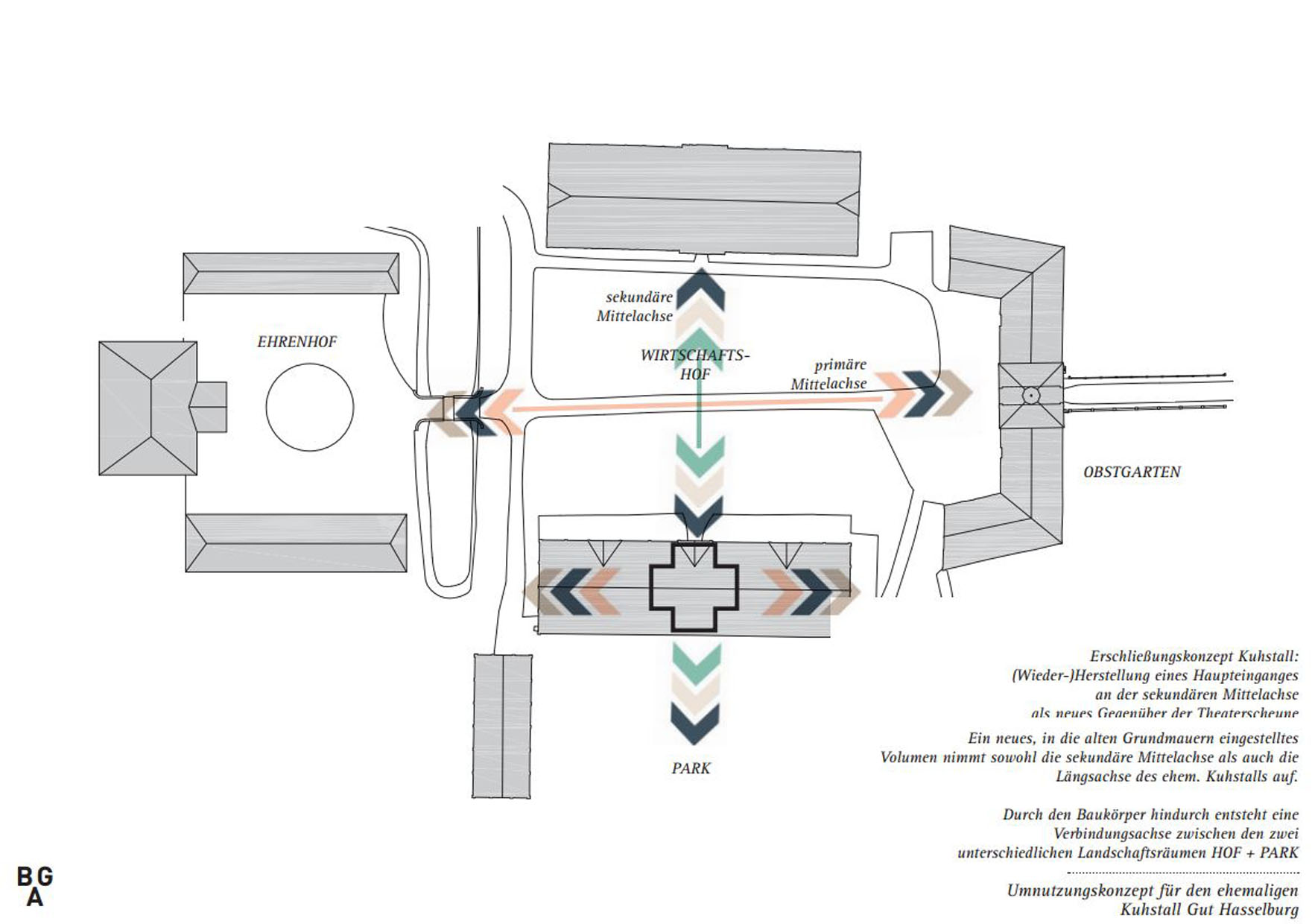
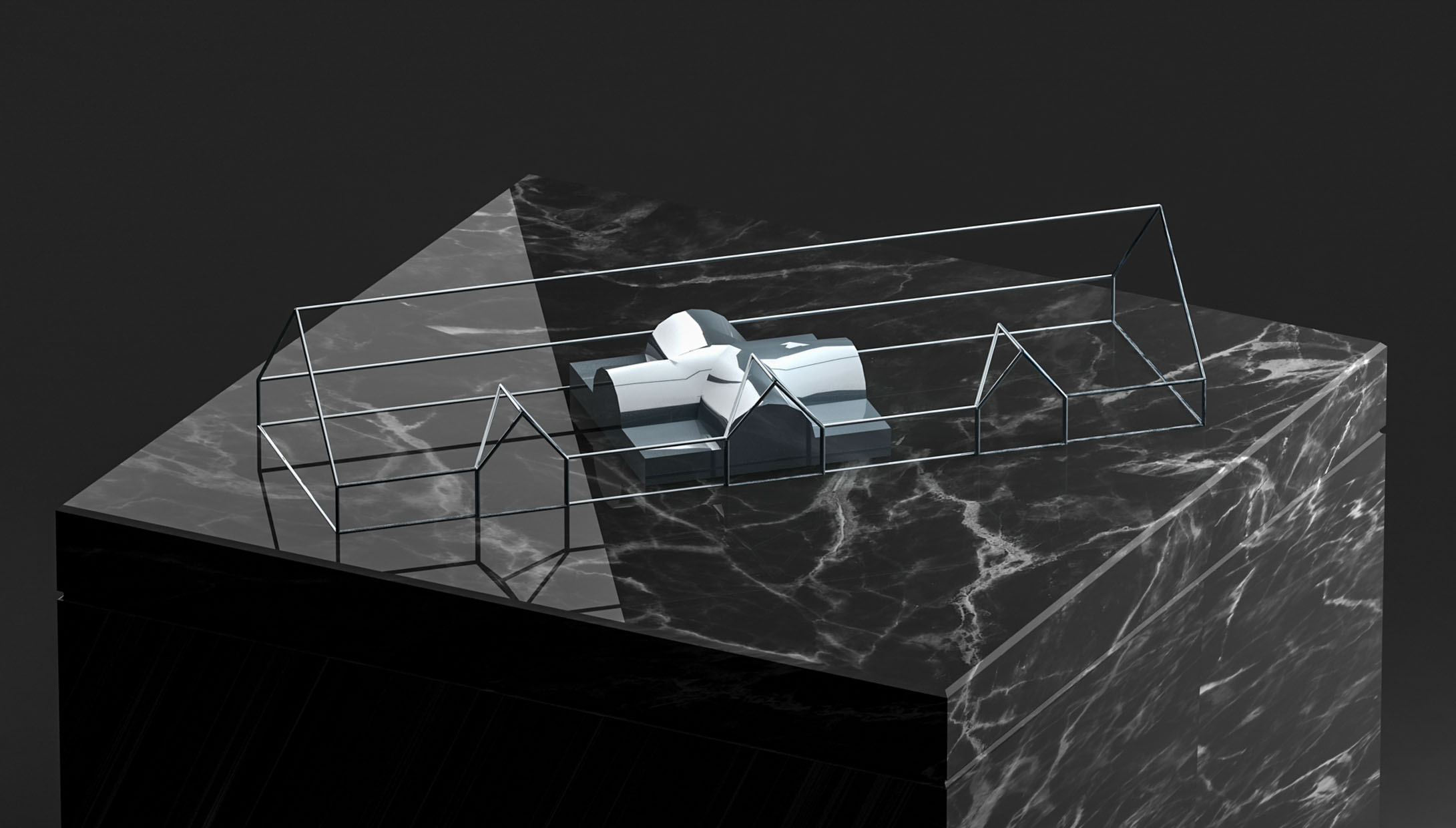

He transferred the motif of intersecting axes to a centrally located concert hall. The play with the sacred cross shape – not entirely unintentionally – forms a counterpoint to the wooden cathedral.
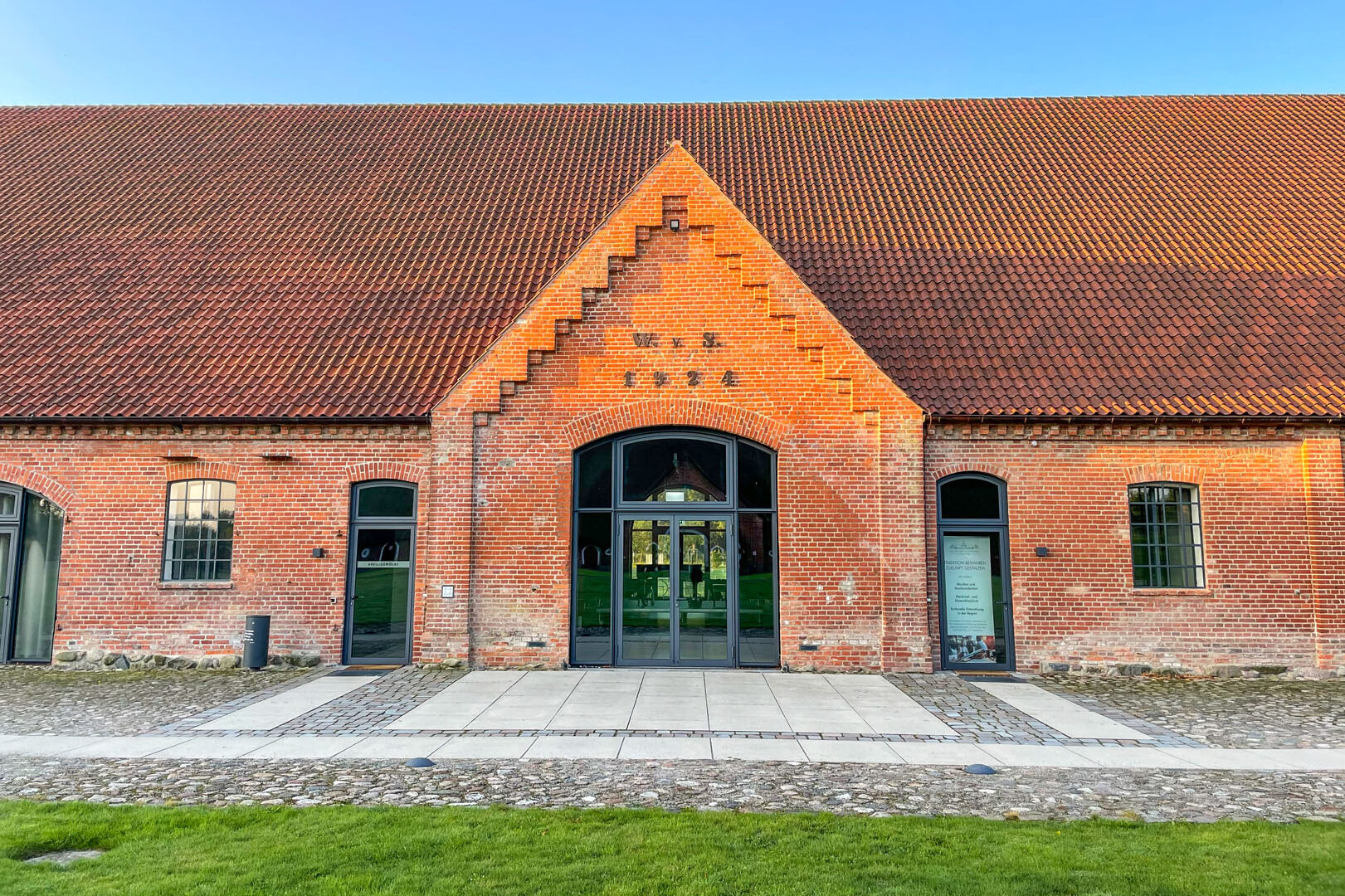
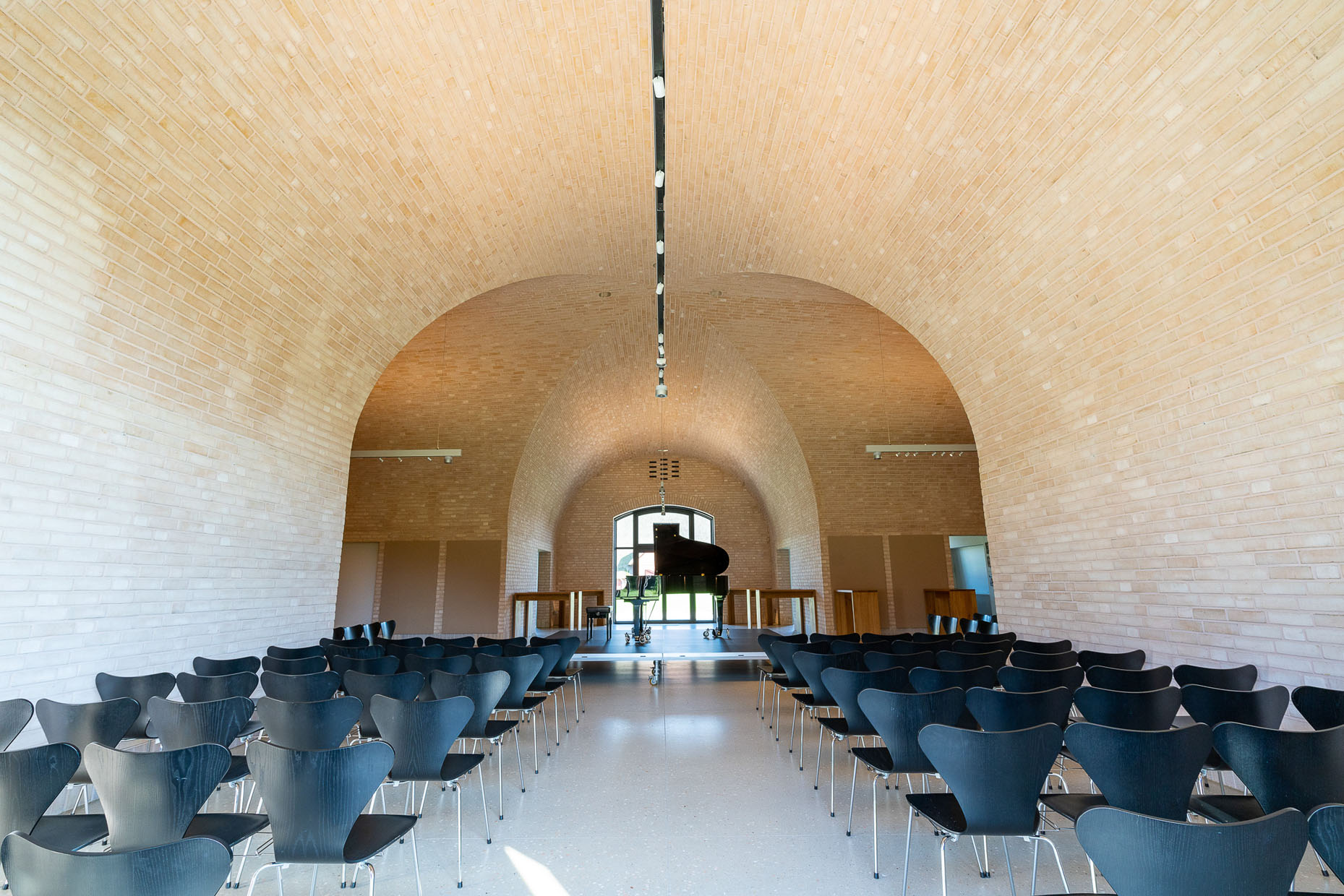
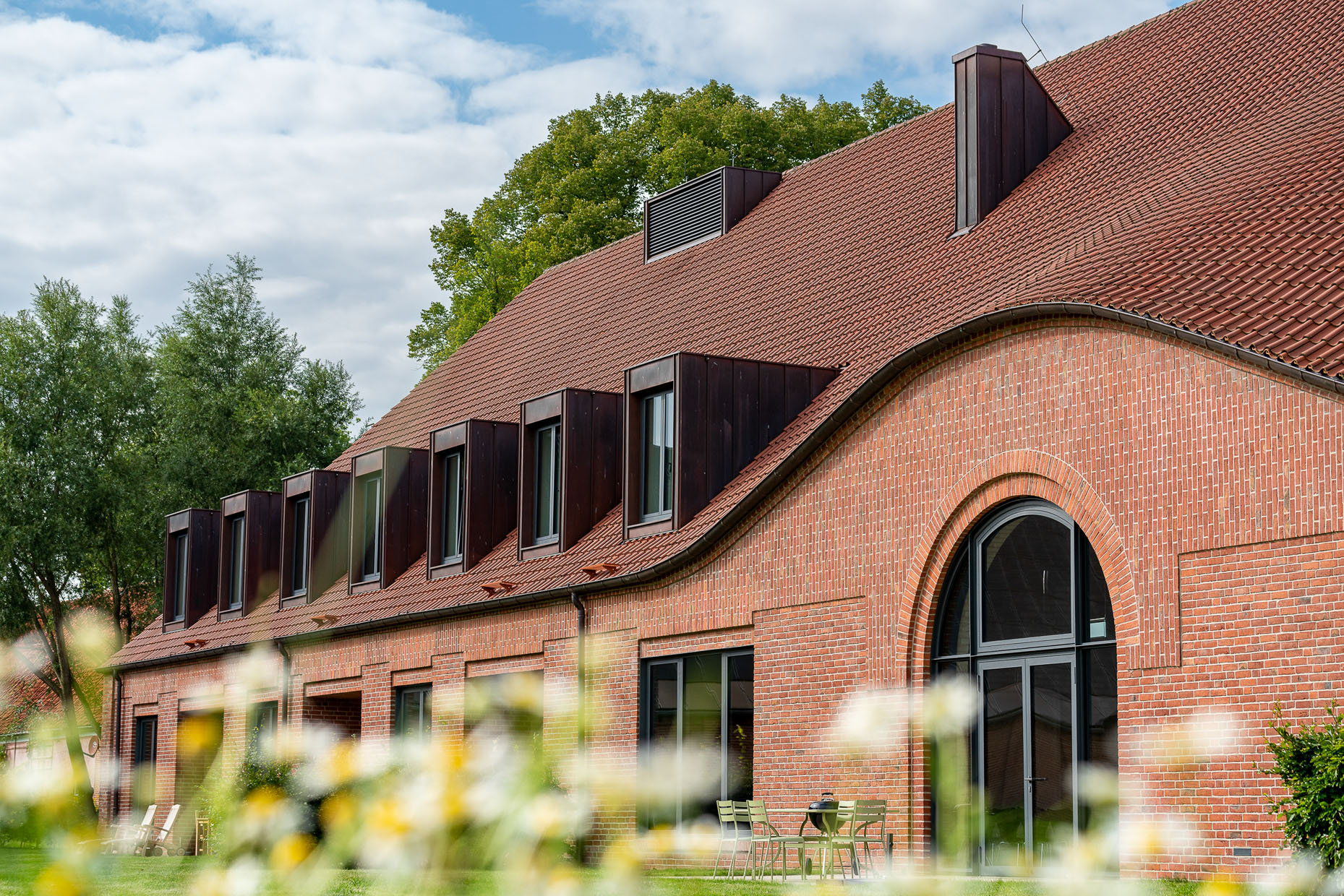
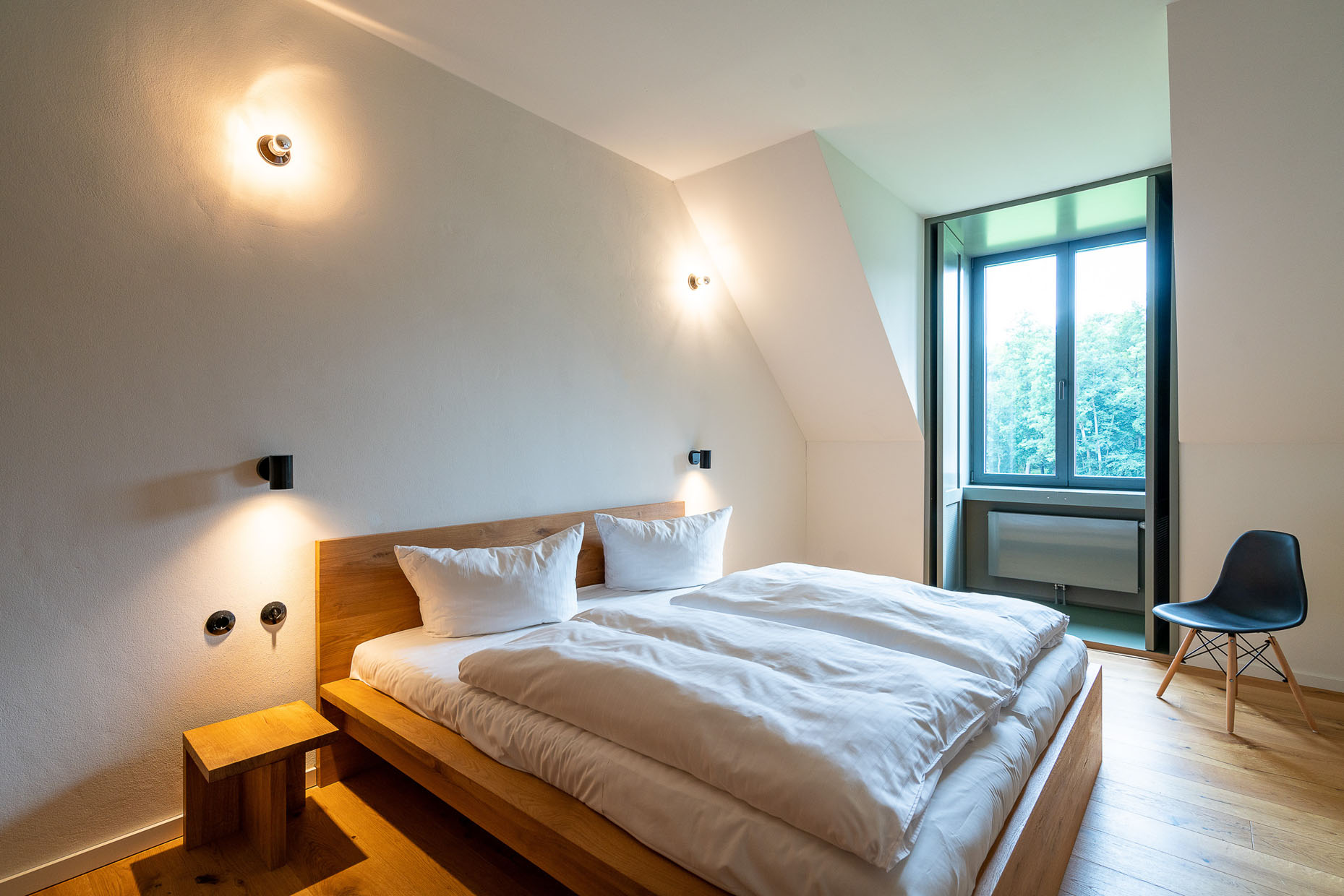
The result is surprising and was also honoured with the BDA Prize Schleswig-Holstein. The exciting architectural narrative, added by the new building, has been highly praised. Its centrepiece is the cross-shaped concert hall made of Danish clinker bricks, where the four end stones meet precisely in the middle. Even if this is hardly noticeable, it is the result of precise preliminary planning, in which all the stone positions were already taken into consideration and milled into the negative mould of the timber formwork. Seven maisonette holiday apartments have been created at the rear, which benefit from the free play of dormers, loggias and large window areas. The materials and the colour concept in the apartments are similar to those of the gatehouse.
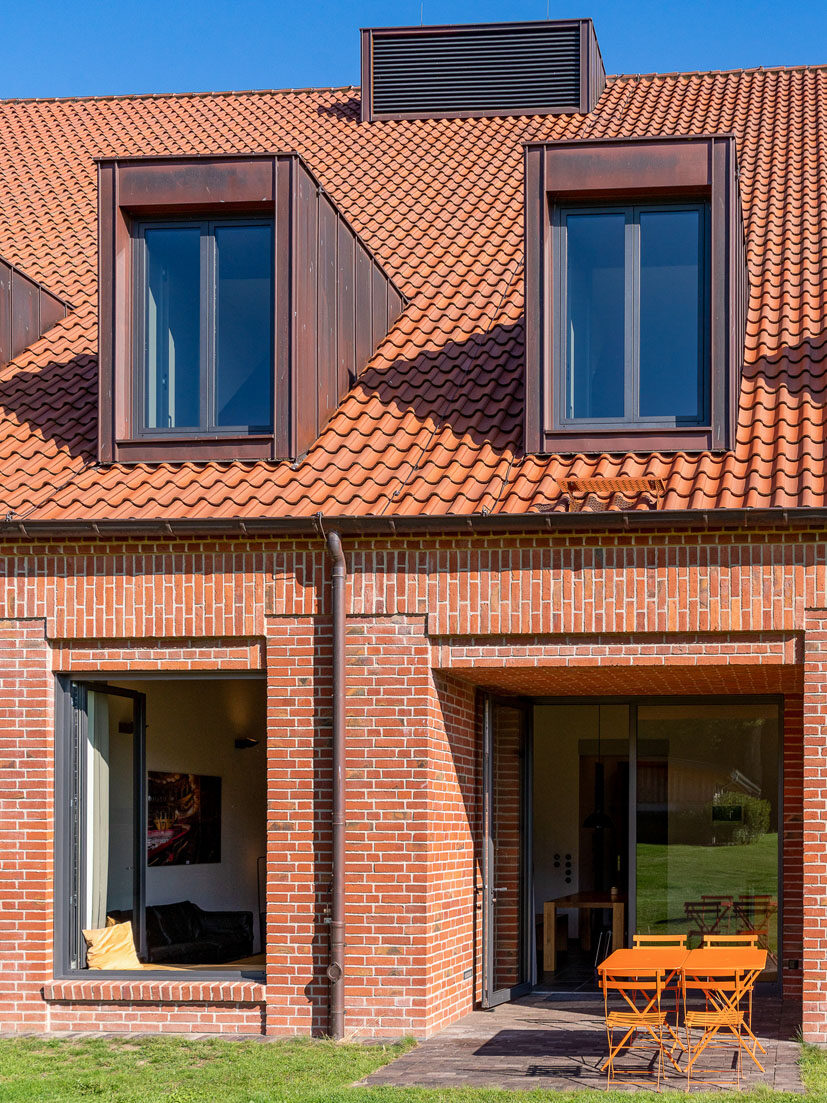
Hidden worlds.
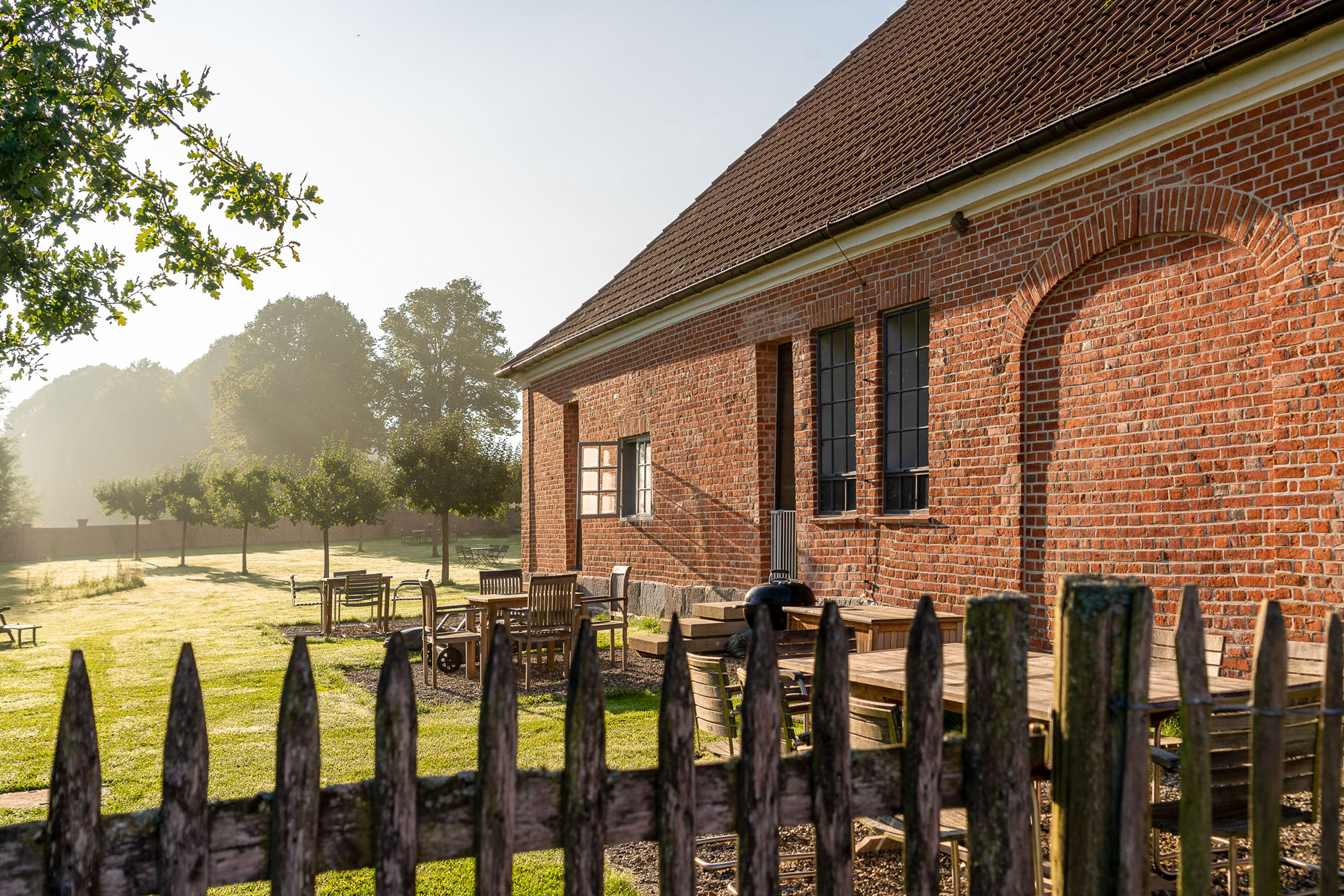
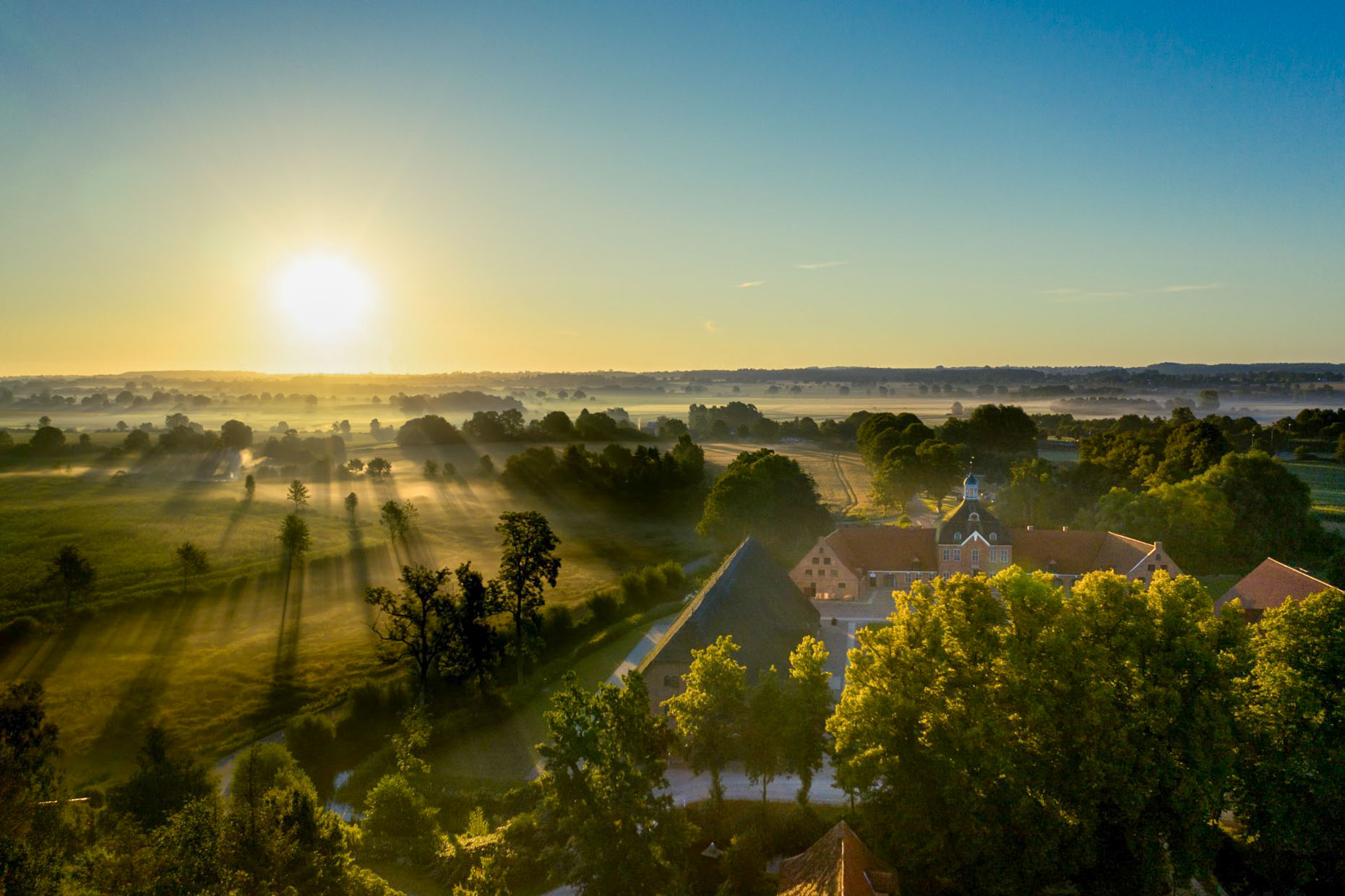
Speaking of the back of the building: As with records, the real treasures are sometimes hidden on the flip side. At Kultur Gut Hasselburg, it is also the A‑side, the historical estate complex, that fascinates and draws everyone’s attention. But it is only the reverse side that makes the diversity of the place comprehensible and, as it were, more approachable. On my morning walk around the estate, as the first rays of sun slowly push through the mist, I get to know the Kultur Gut in a different light.
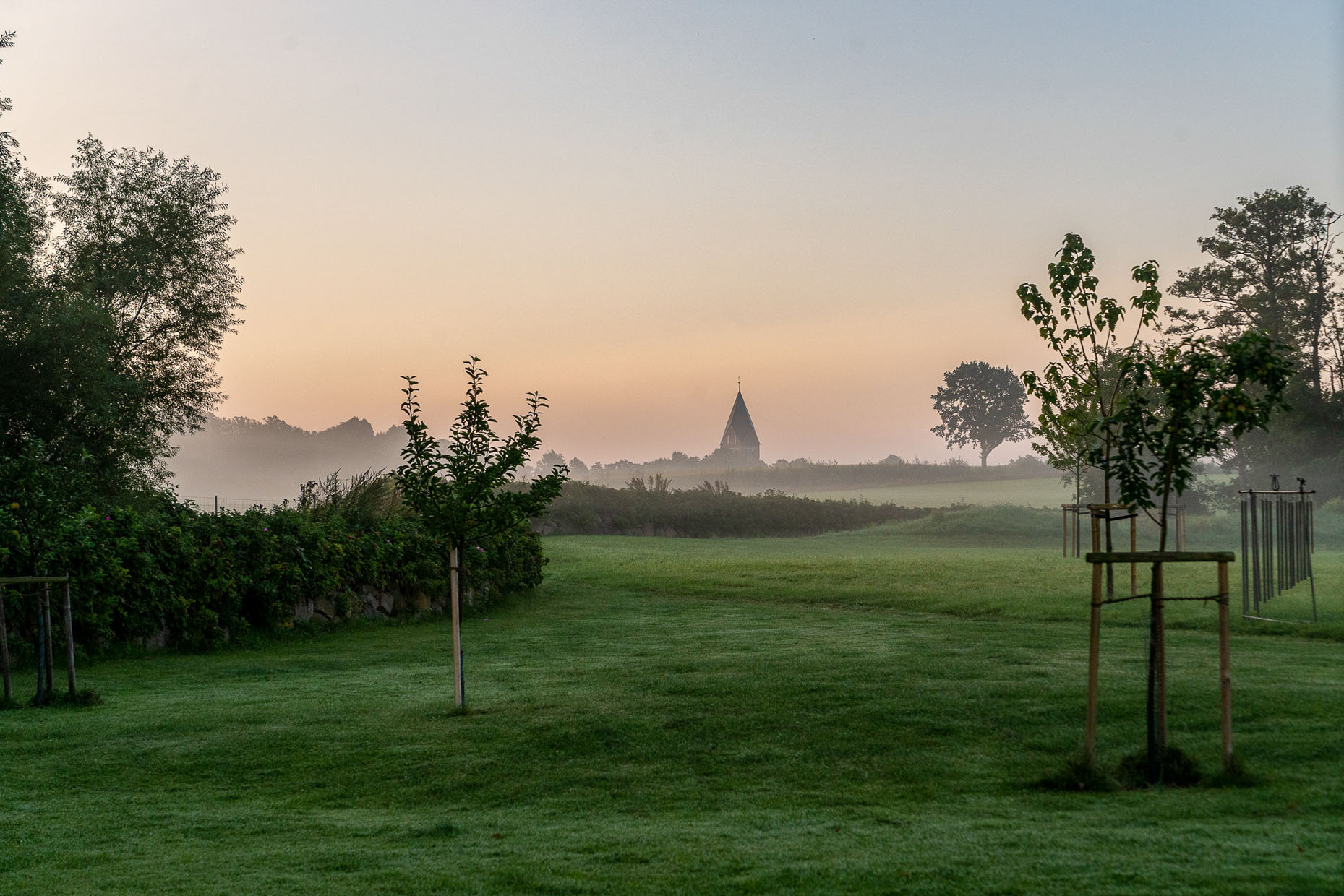
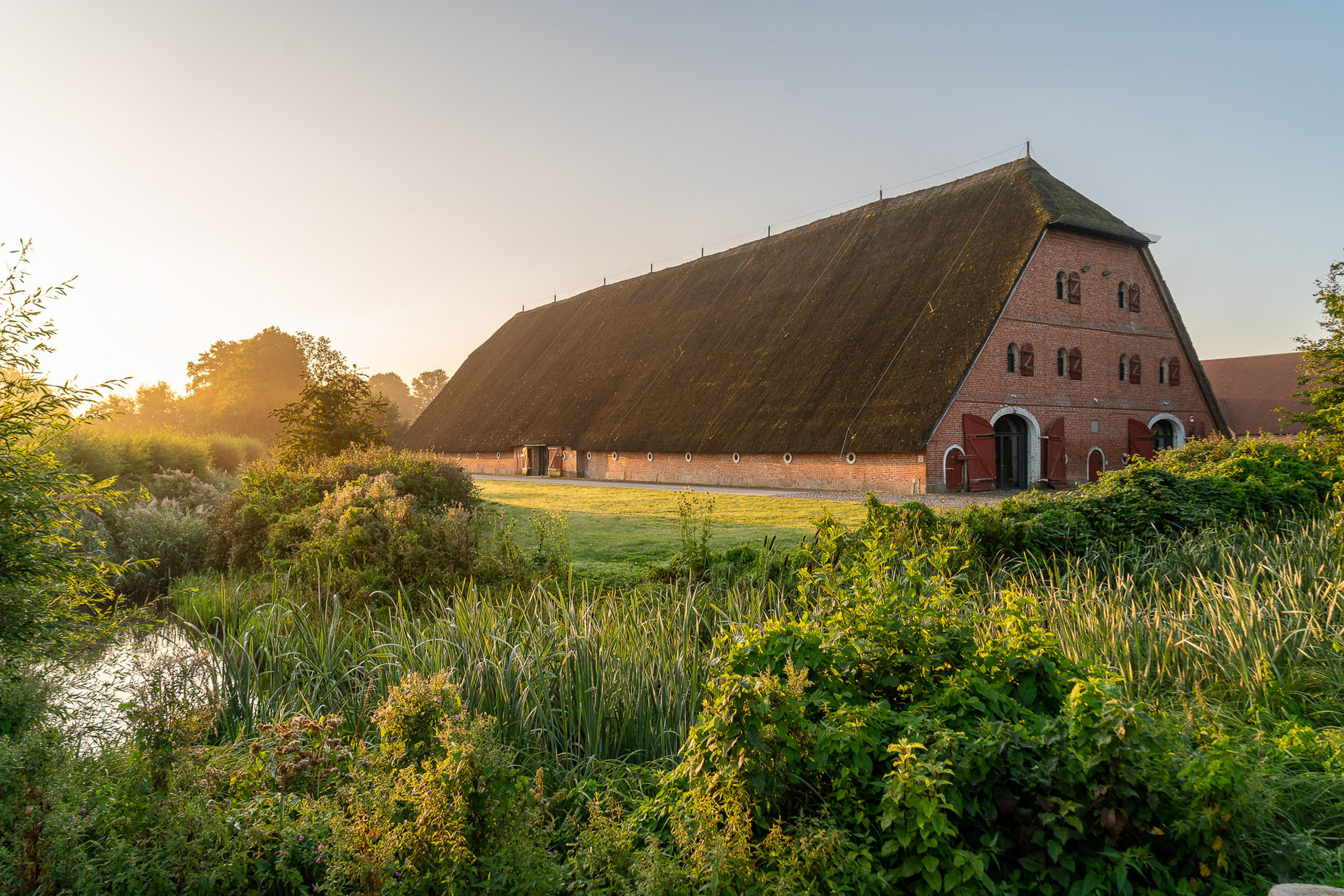
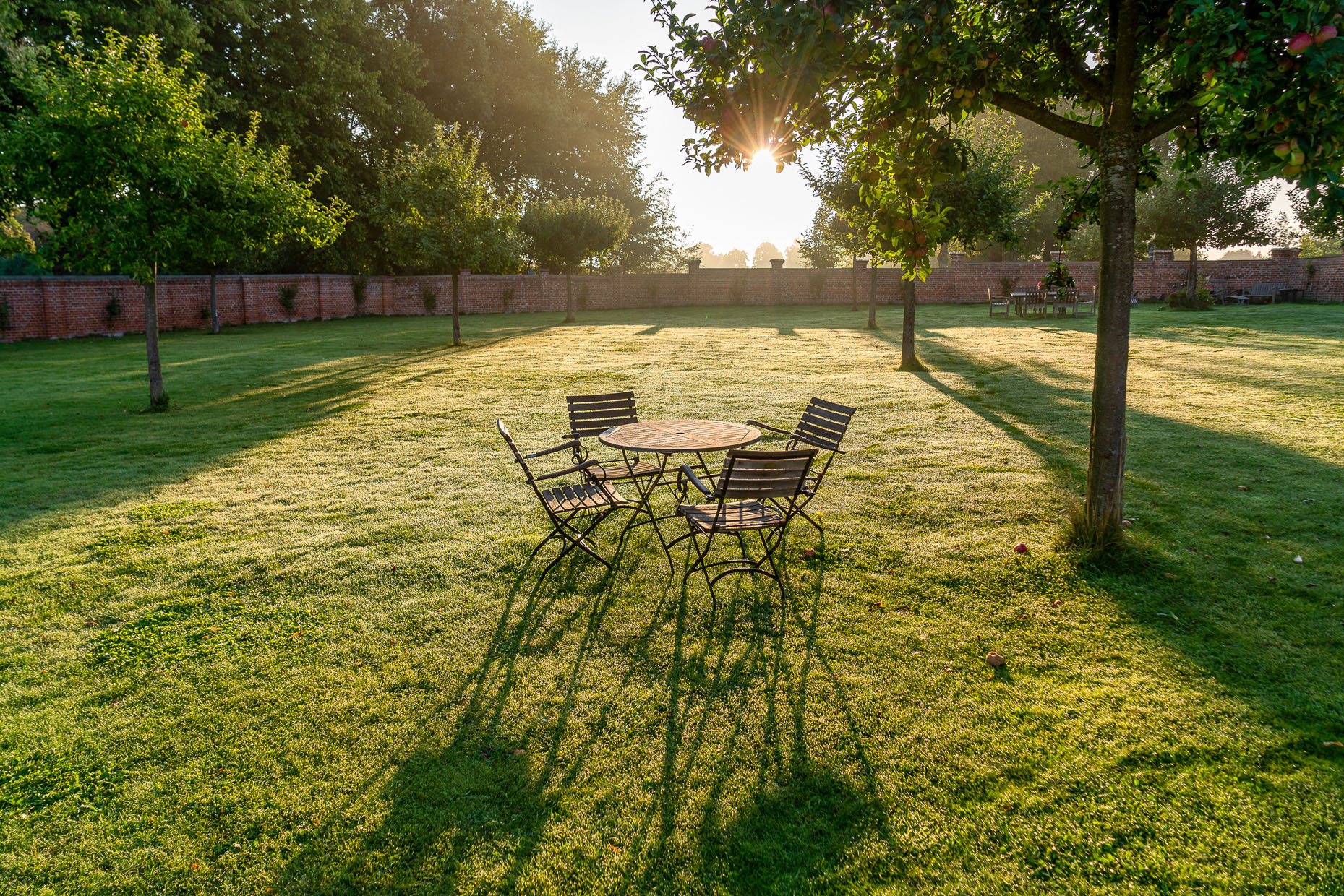
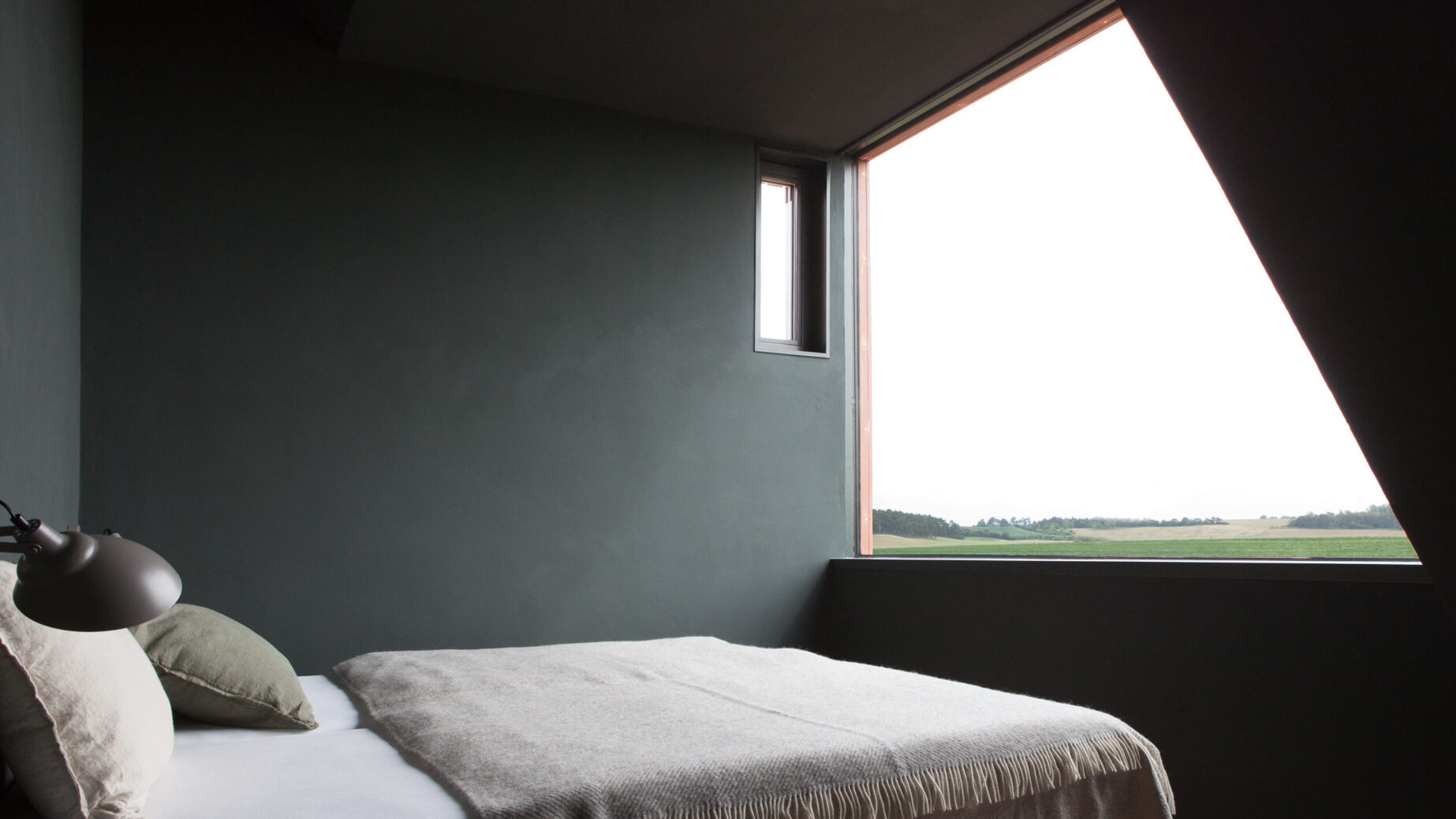
The monumental brick architecture dissolves into numerous cosy little gems. From the terraces of the holiday apartments, with a bit of luck you can see wild geese flying past on the horizon. This hidden B‑side belongs solely to the overnight guests. From your bed, you can look out over apple trees or across the large car park to the church tower of the Altenkrempe Basilica. The barn sways cosily through the reeds and the Kuhhaus is reflected in the moat. Peace and space dominate. The estate seems endlessly distant and I feel like losing myself in a book on a deckchair in the orchard meadow. The decision between the two worlds, the contemplative exterior and the energetic interior, can be made at any time with just a few steps.
Allegro con brio – with joie de vivre and joy.
It is thanks to the Stahlberg Foundation and its founder Constantin Stahlberg that the estate’s long history has not ended as a derelict ruin. However, the renovation of the buildings was only the first step. Filling them with life is the real task. And so every year, music-loving guests flock to the concerts of the Chamber Music Festival and the Chamber Music Competition. Things get much more colourful in August. Then people sit on deckchairs and blankets on the large lawn in the courtyard, have picnic baskets open and enjoy the music and the hustle and bustle. These “Music Festivals in the Countryside”, which take place on the estate as part of the Schleswig-Holstein Music Festival, bring together music connoisseurs and holidaymakers, city dwellers and neighbours. Absolutely in the spirit of the cultural mediator. He says that bringing music and culture to the rural region and taking responsibility for the community in the process probably has something to do with his upbringing. He and his team still have plenty of ideas. In addition to regular concerts, a community festival, a St Nicholas event with the Potsdamer Turmbläser and piano concerts for children at Christmas take place. There will be a circular trail with outdoor musical instruments and weatherproof boxes for the one-to-one concerts. The gateway to music will continue to be wide open for anyone who wants to immerse themselves in the world of sound – whether on holiday or just for a concert. Allegro con brio: with joie de vivre and joy.
Text: Anke Frey, February 2024
Photos: © Anita Back, Robert Meyer, Anke Frey, Beissert + Gruss Architekten, Constantin Stahlberg, Ferdinand Graf von Luckner, Stahlberg Stiftung, www.ostsee-schleswig-holstein.de / Oliver Franke (Fotos 4 – 6)
The house
Read more HomeStories
0 Comments