
The silent East Algarve — A road trip in pictures
From the Spanish border to Faro stretches the quiet, untouched Sandalgarve - its beauty takes your breath away. Seja inspirado!
This is an article from our archive. It was published in July 2019, so some details may no longer be up to date.
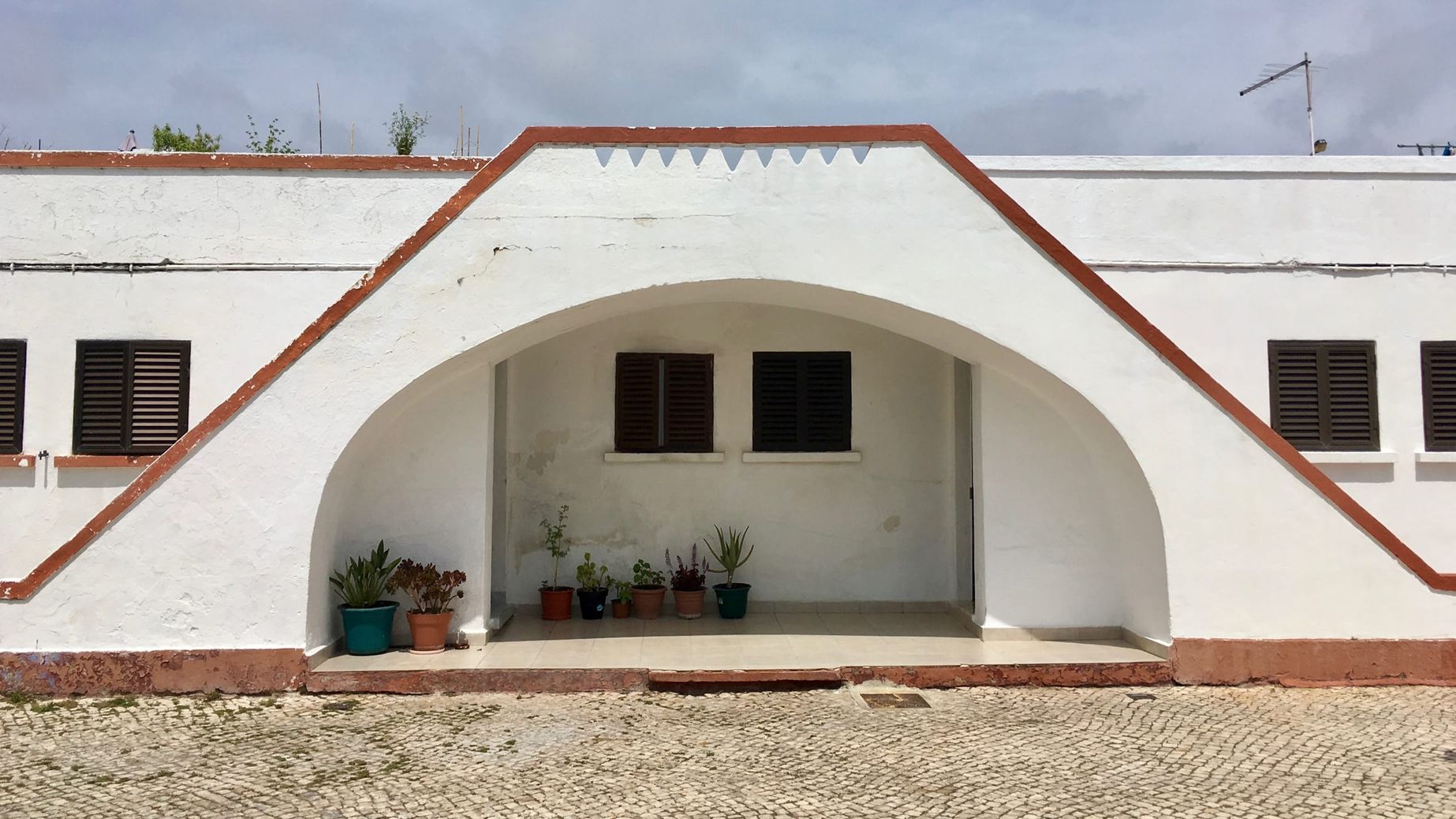
The Algarve, the southernmost strip of Portugal, has established itself as a popular year-round destination thanks to its spectacular coastline with an intriguing interplay of rugged cliffs and fine white, almost endless sandy beaches, as well as the certainty of most sunny days in all regions of Europe. Although the temperatures of the Atlantic Ocean only invite you to swim from May to October, the many hours of sunshine ensure a wonderfully mild climate even in winter. While the western Algarve is strongly developed for tourism (and the building boom has unfortunately caused quite some atrocities here), the eastern part has preserved its unspoilt character.
From the Spanish border to Faro, the capital of the Algarve, stretches the quiet, untouched Sandalgarve. Here countless little pearls and great treasures are hidden: slumbering villages and small islands, warm-hearted people, an enchanting cuisine, noble cultural cities and a coastal stretch whose beauty takes your breath away. Therefore, this road trip can never satisfy the claim of documenting all the places worth seeing in the eastern Algarve, but it can allow — very personal — glimpses into this wonderfully quiet corner of Portugal. Seja inspirado!
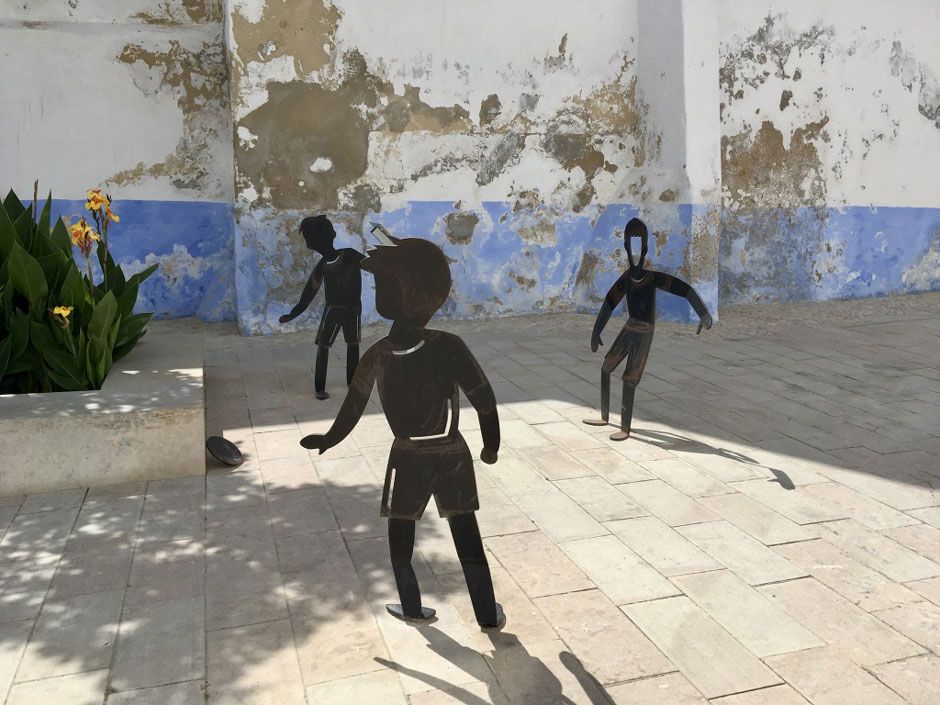
“Dentro de nós há uma coisa que não tem nome, essa coisa é o que somos.”
“Inside us there is something that has no name, that something is what we are.”
José Saramago
Ria Formosa
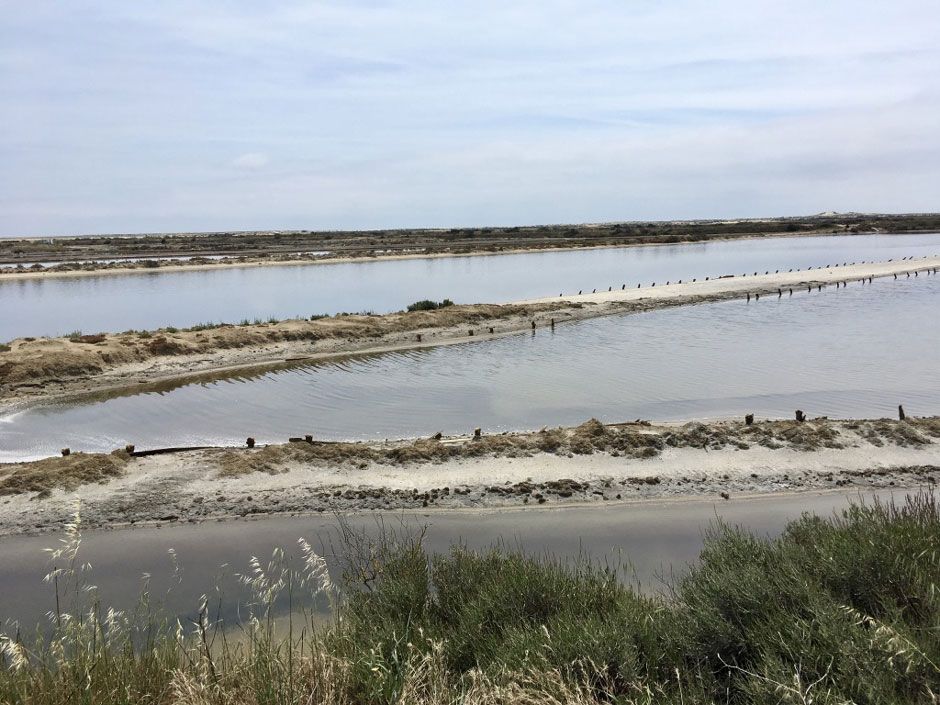
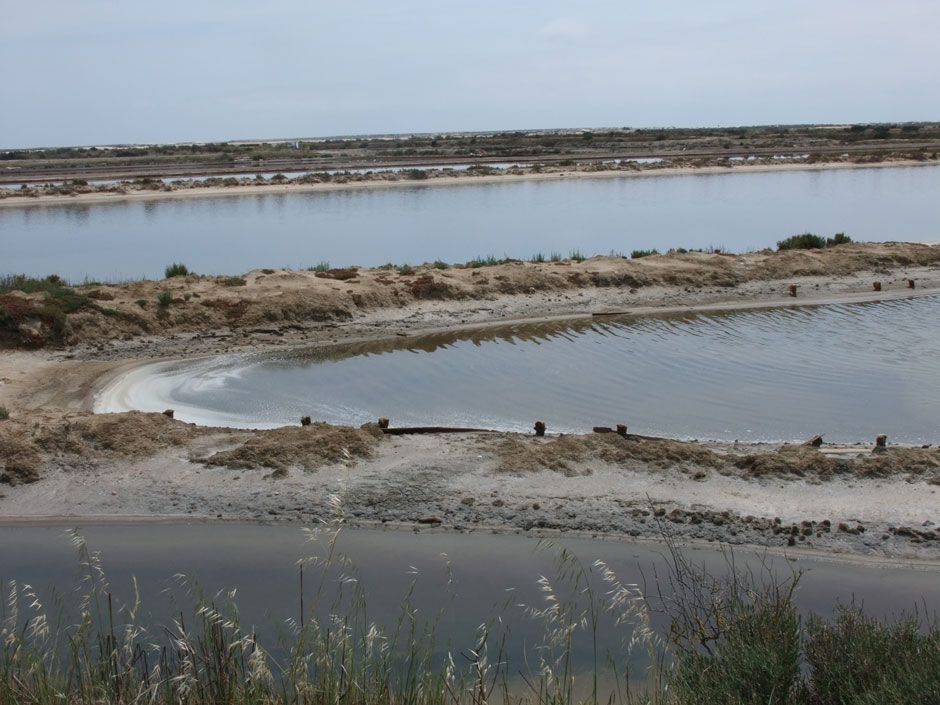
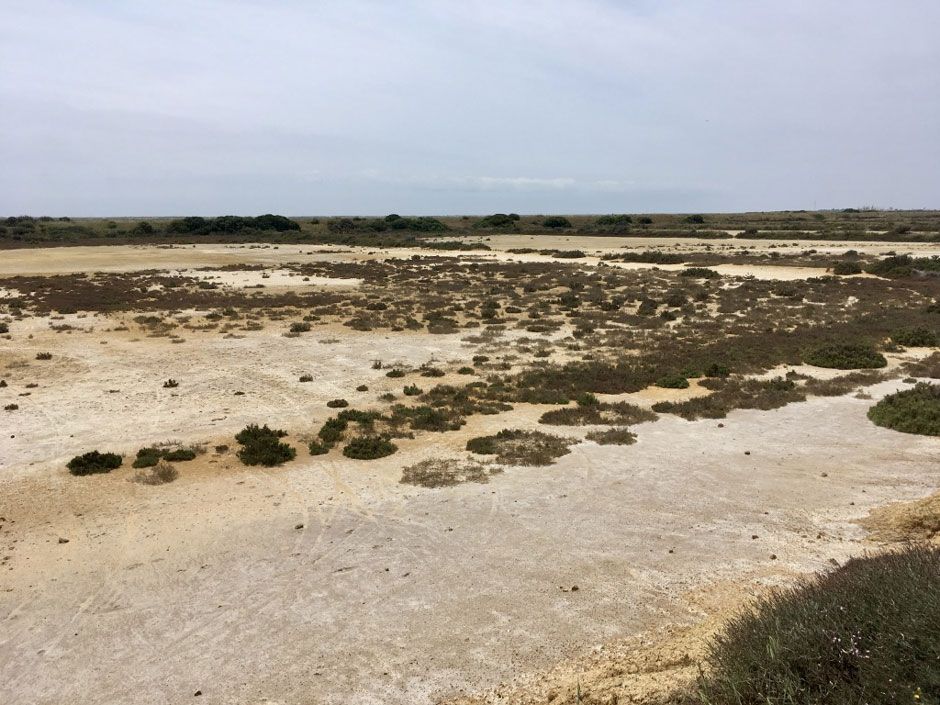
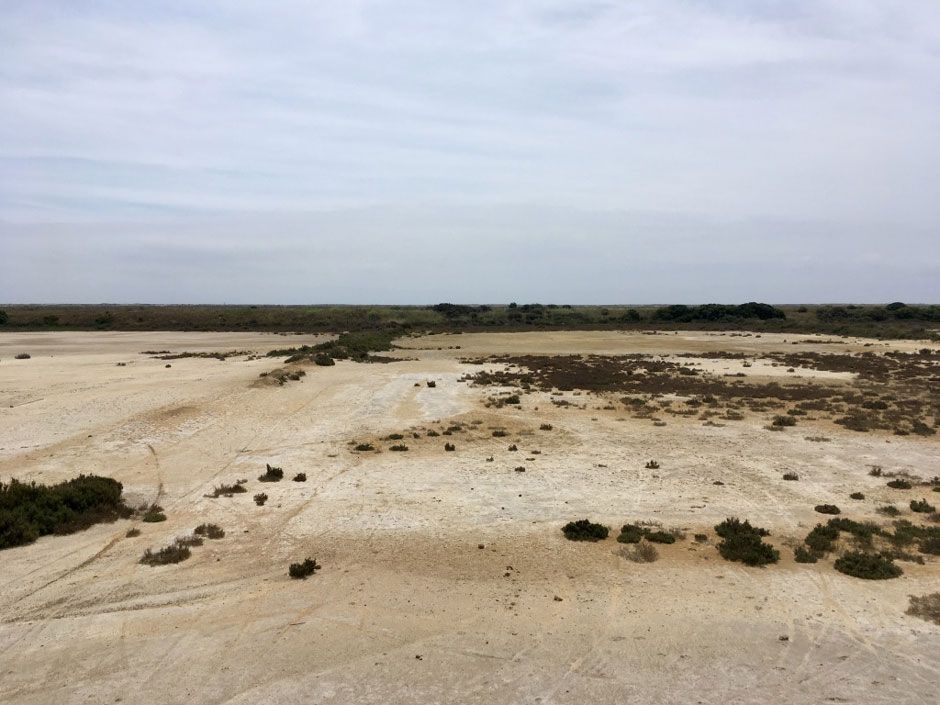
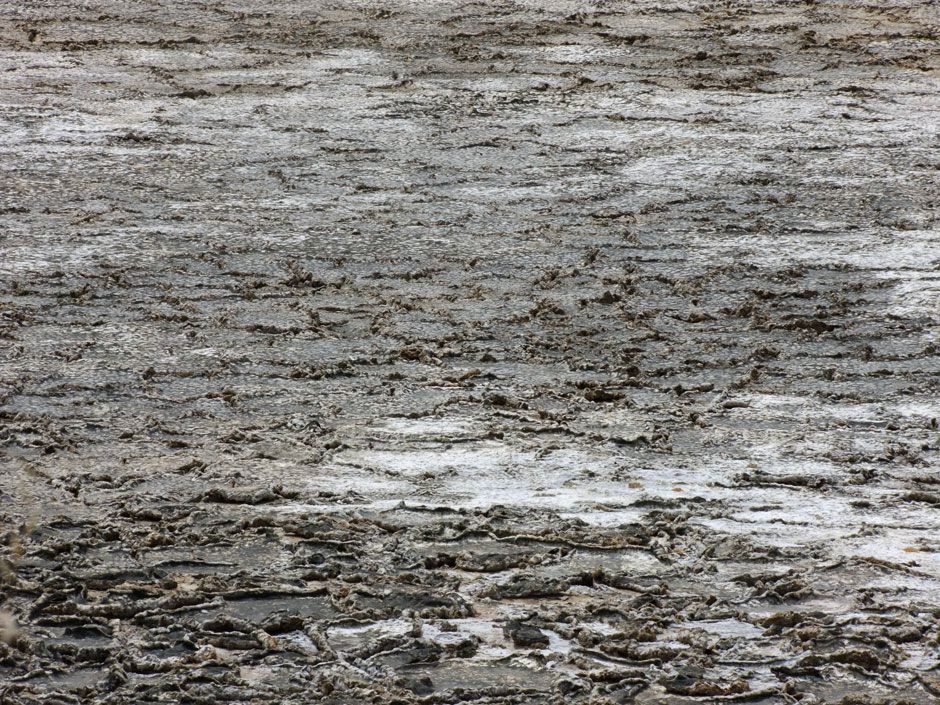
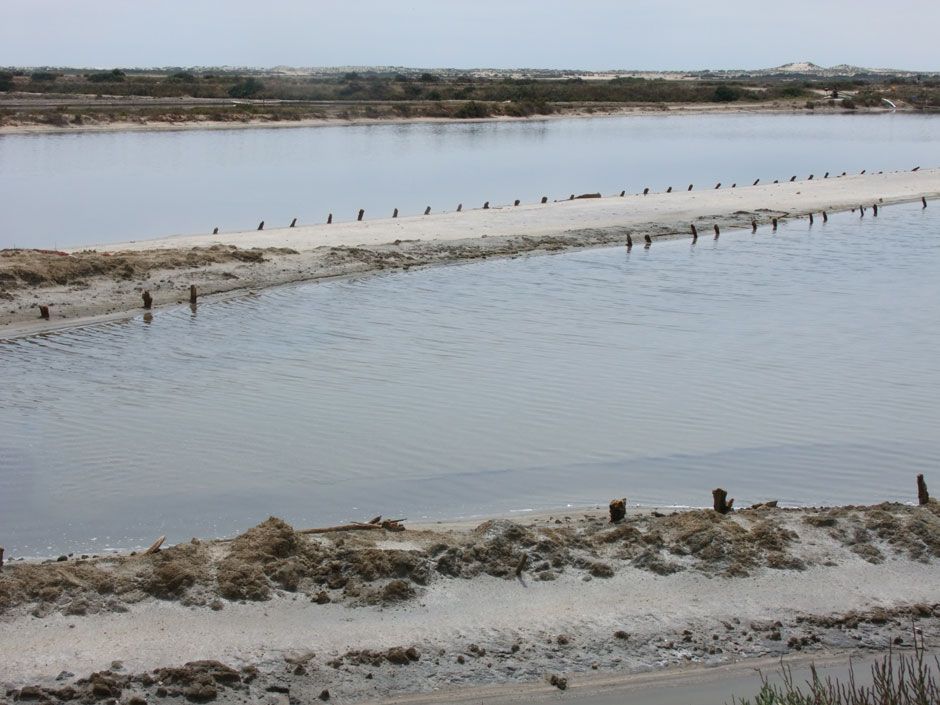
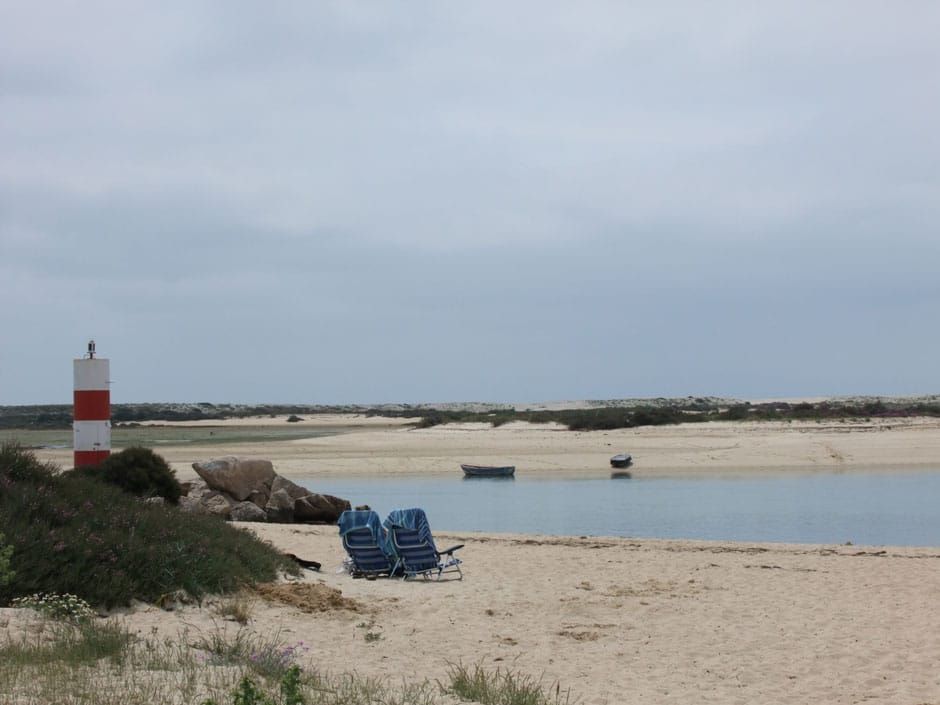
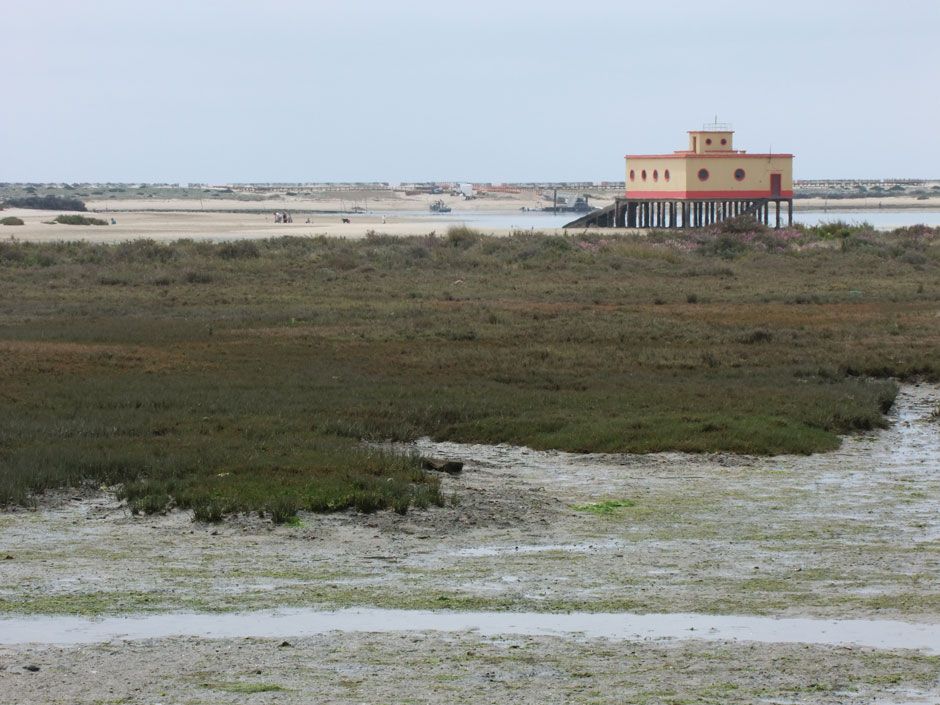
Portugal — according to the country’s Ministry of Culture — has seven wonders: As Sete Maravilhas de Portugal. The Ria Formosa Nature Park in the Eastern Algarve is one of them and makes this name a credit. An impressive archaic landscape characterised by mud flats, salt flats, mussel fields and a great variety of flora and fauna. A chain of islands and peninsulas shields the lagoons from the open Atlantic. Crayfish crawl through the sand in their thousands and the song of the water birds in the morning and at sunset is a symphony. Wind, currents and tides constantly change the face of this lagoon landscape and those who take the time to observe quietly witness an incomparable natural spectacle.
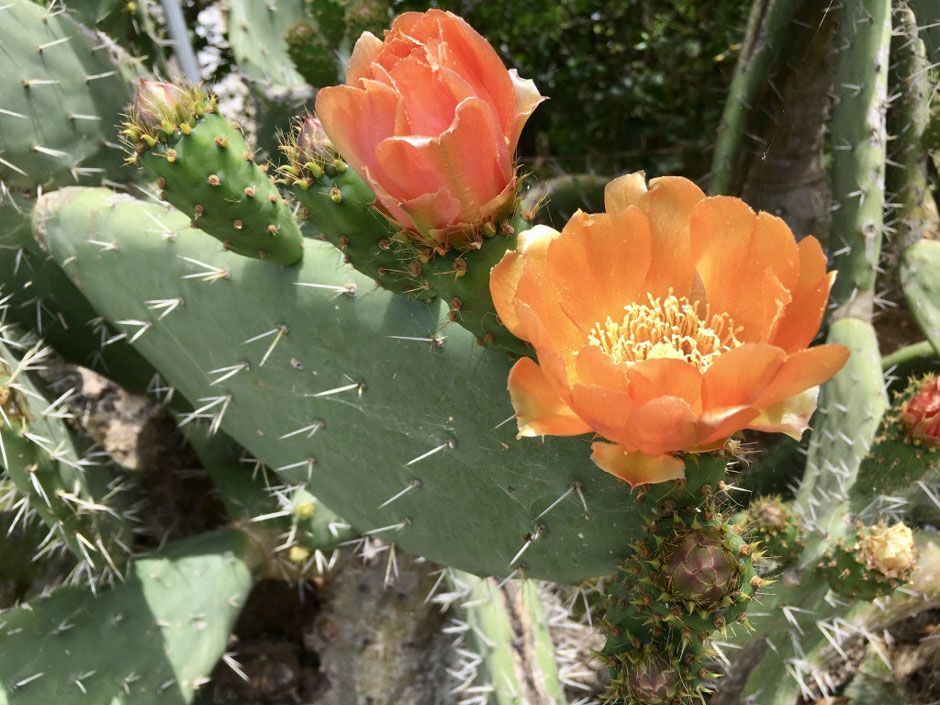
Fuseta
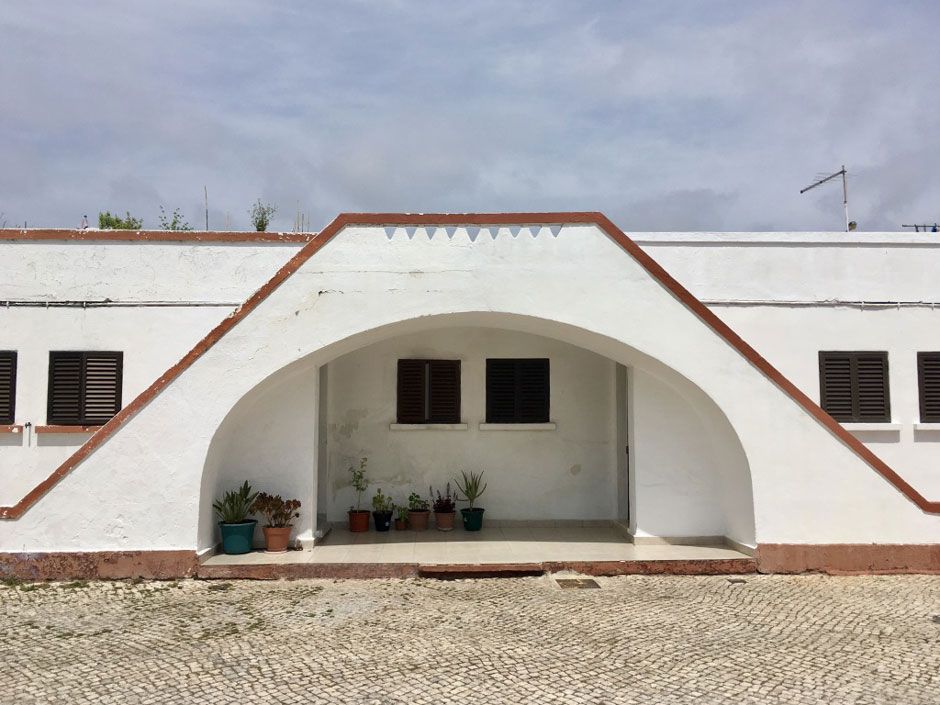
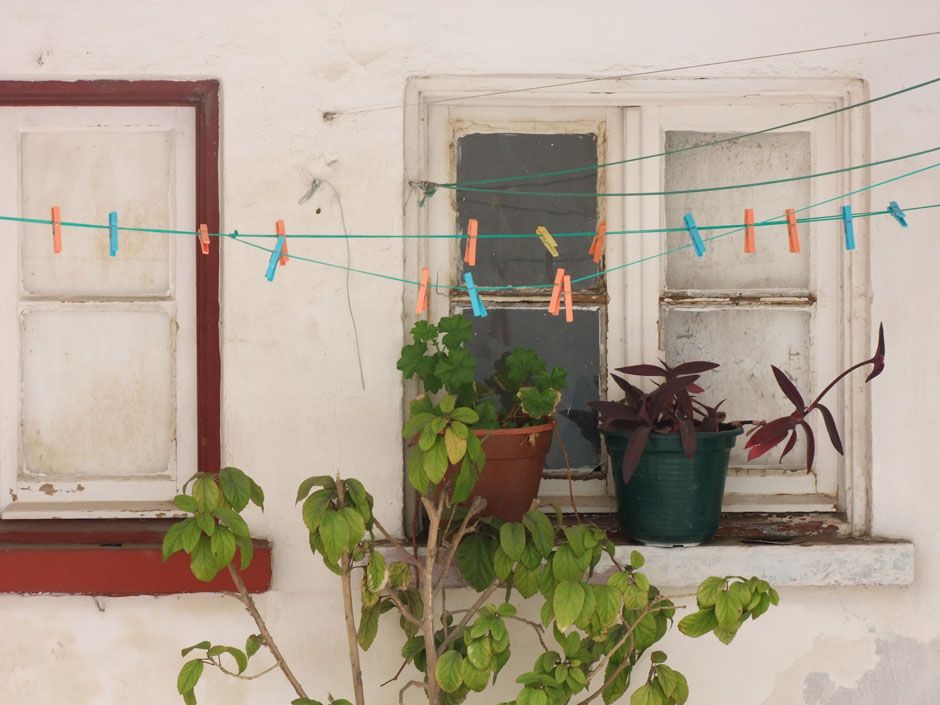
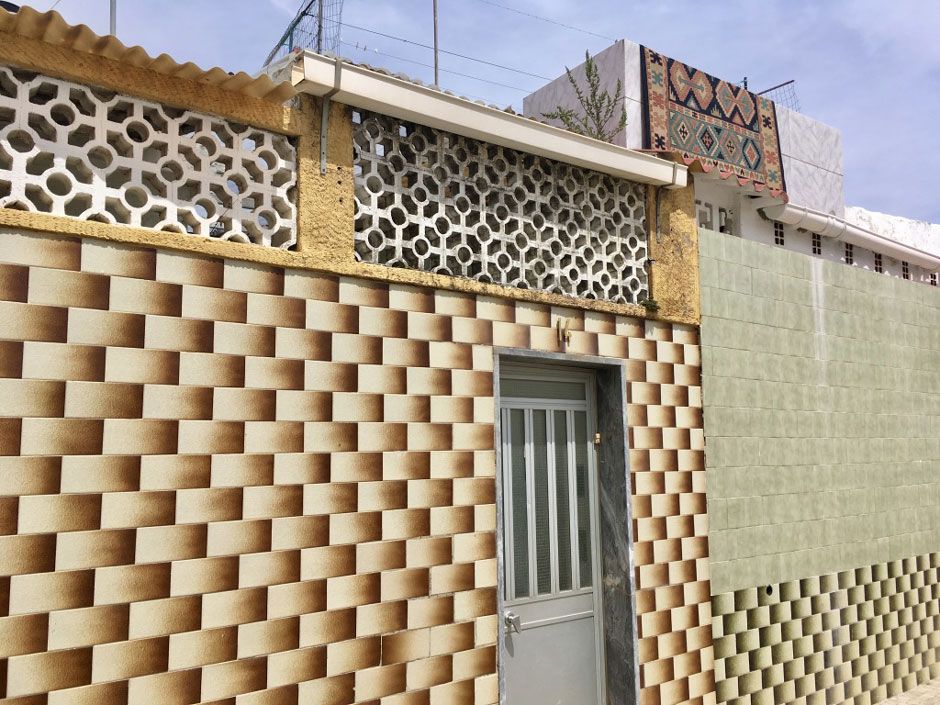
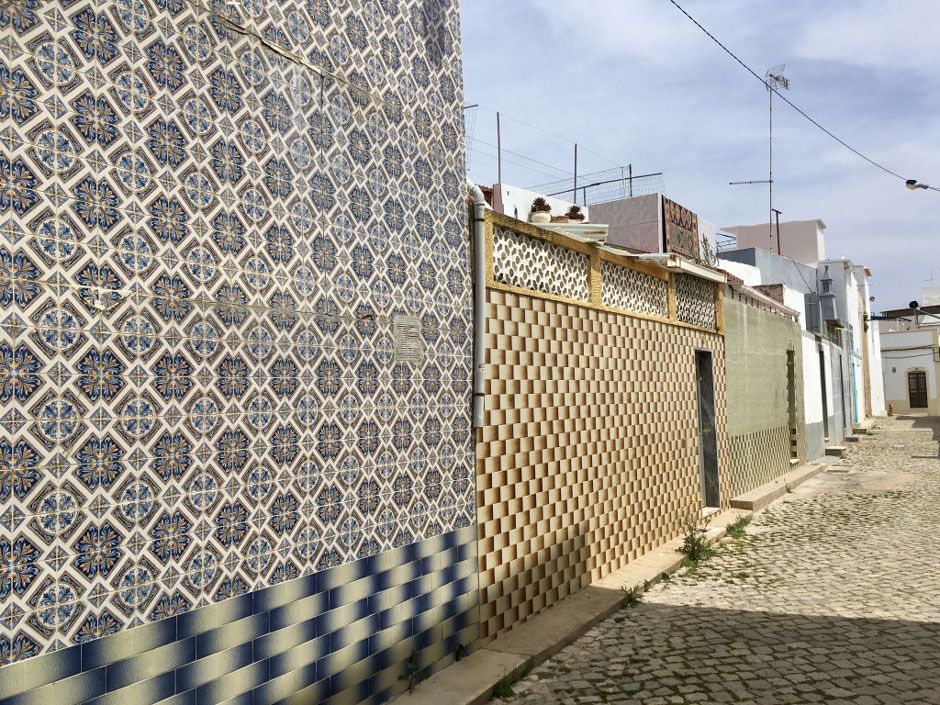
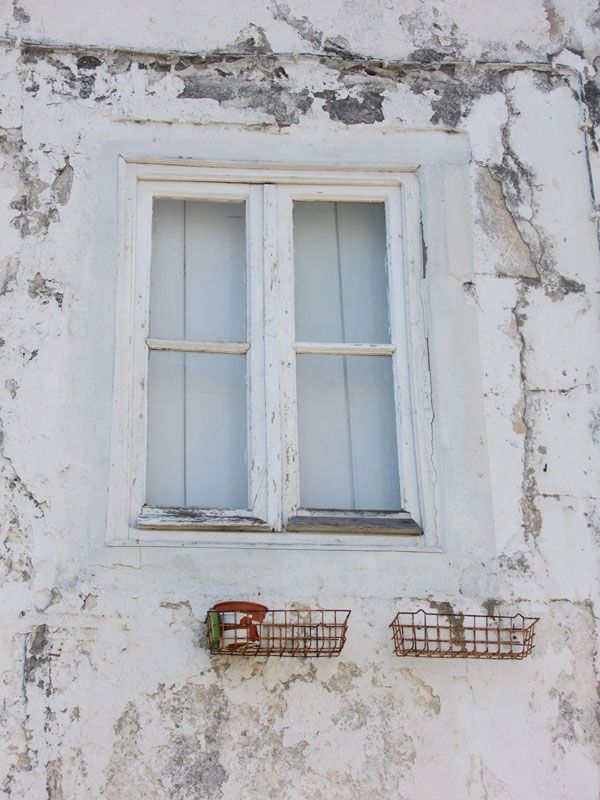
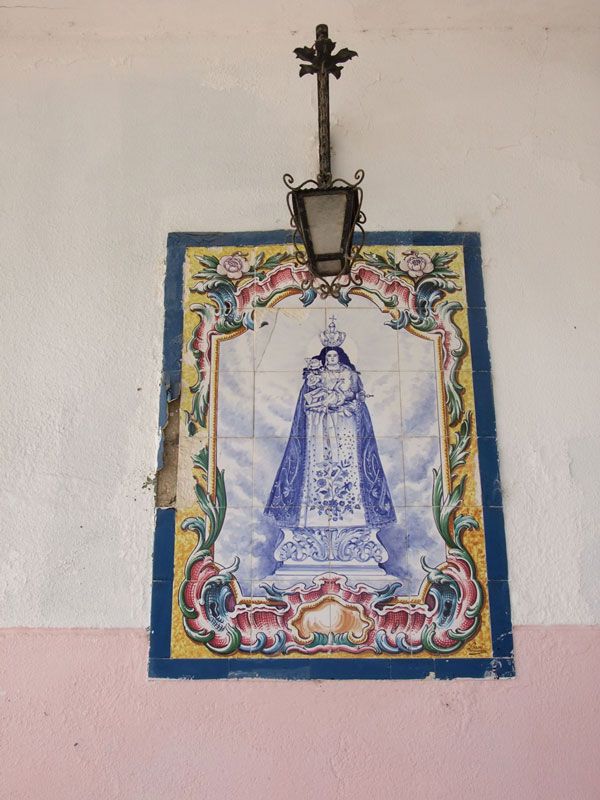
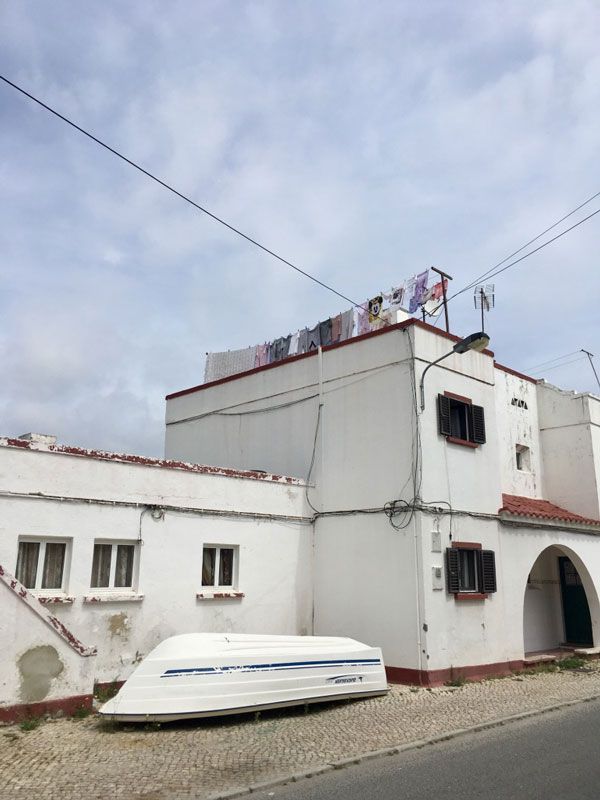
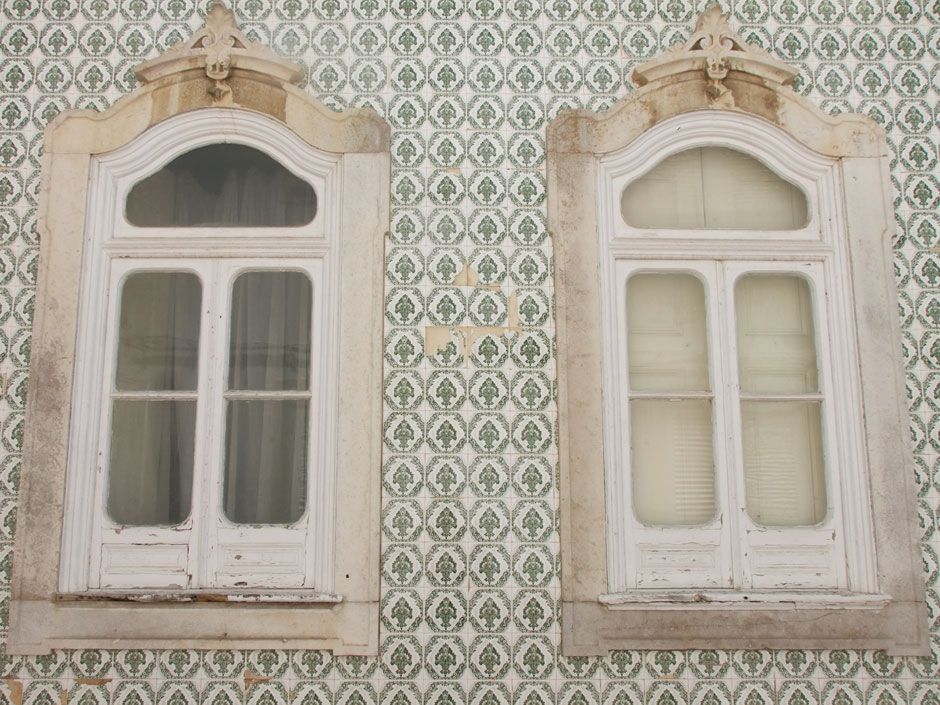
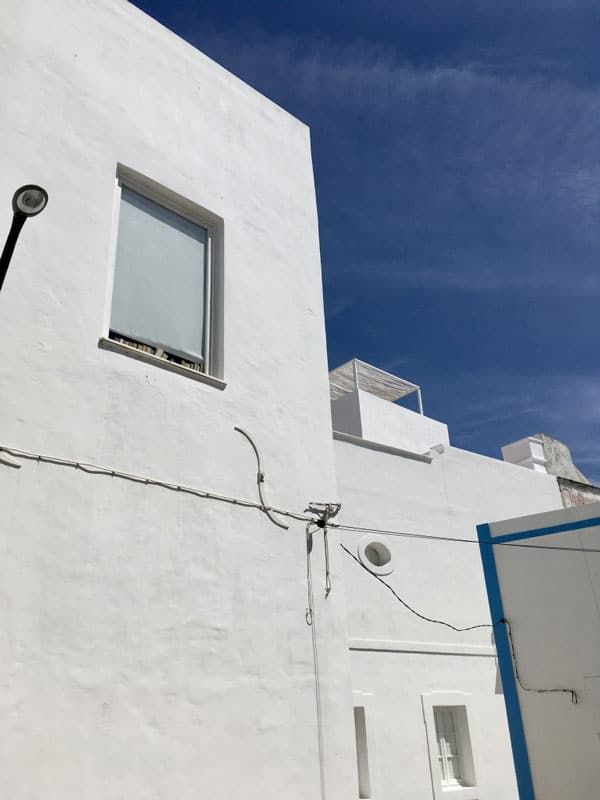
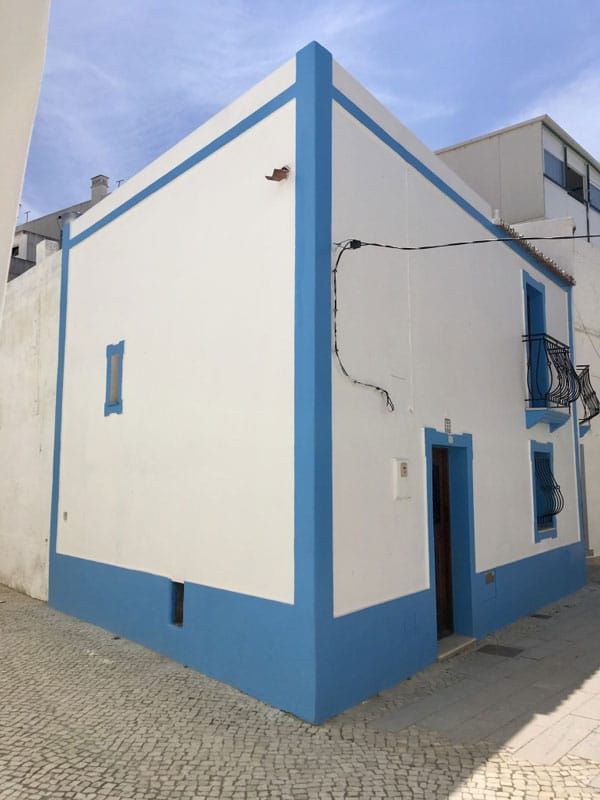
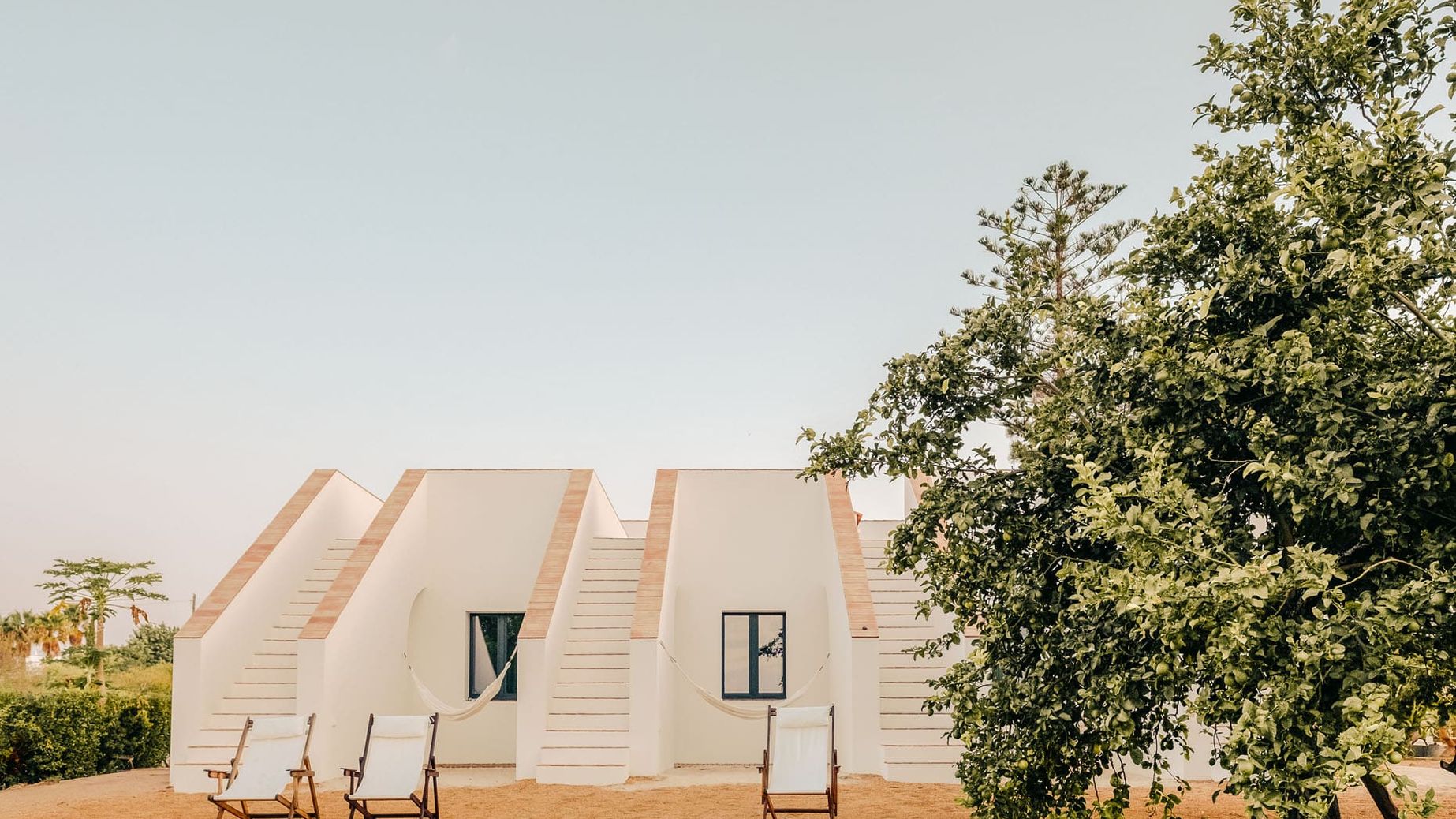
The fishing village Fuseta is situated directly on the scenic lagoon Ria Formosa. The village was created from a few huts where the fishermen stored their equipment in former times. The narrow streets of the old town are lined with low, white washed or tiled little houses that provide shade to each other. The influence of Moorish architecture is still visible everywhere: Cubic forms, flat, accessible roofs, each accessible via two staircases (one staircase per family). On the roof terraces hang fish, tomatoes and laundry to dry in the sun.
Home away from home
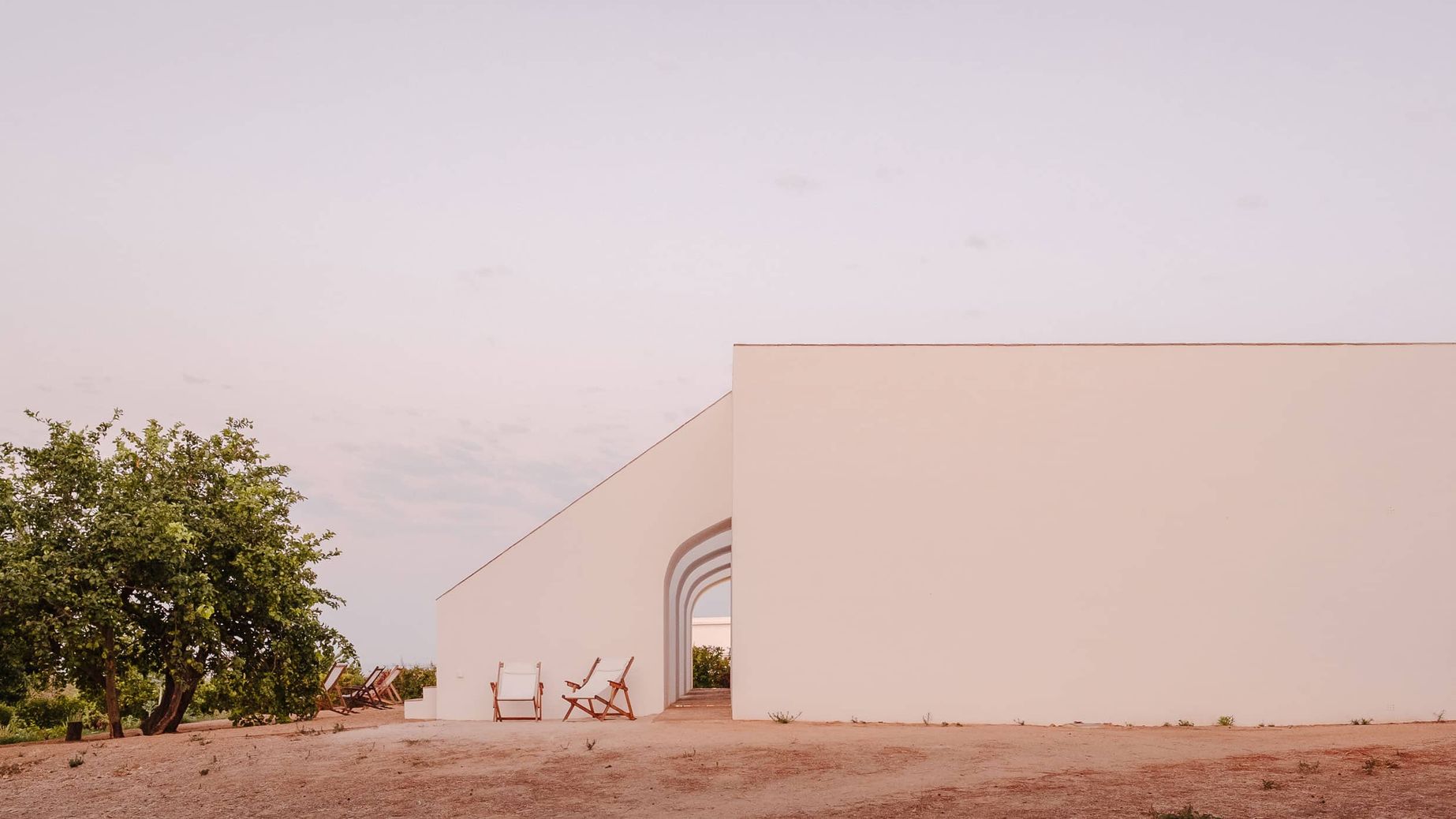
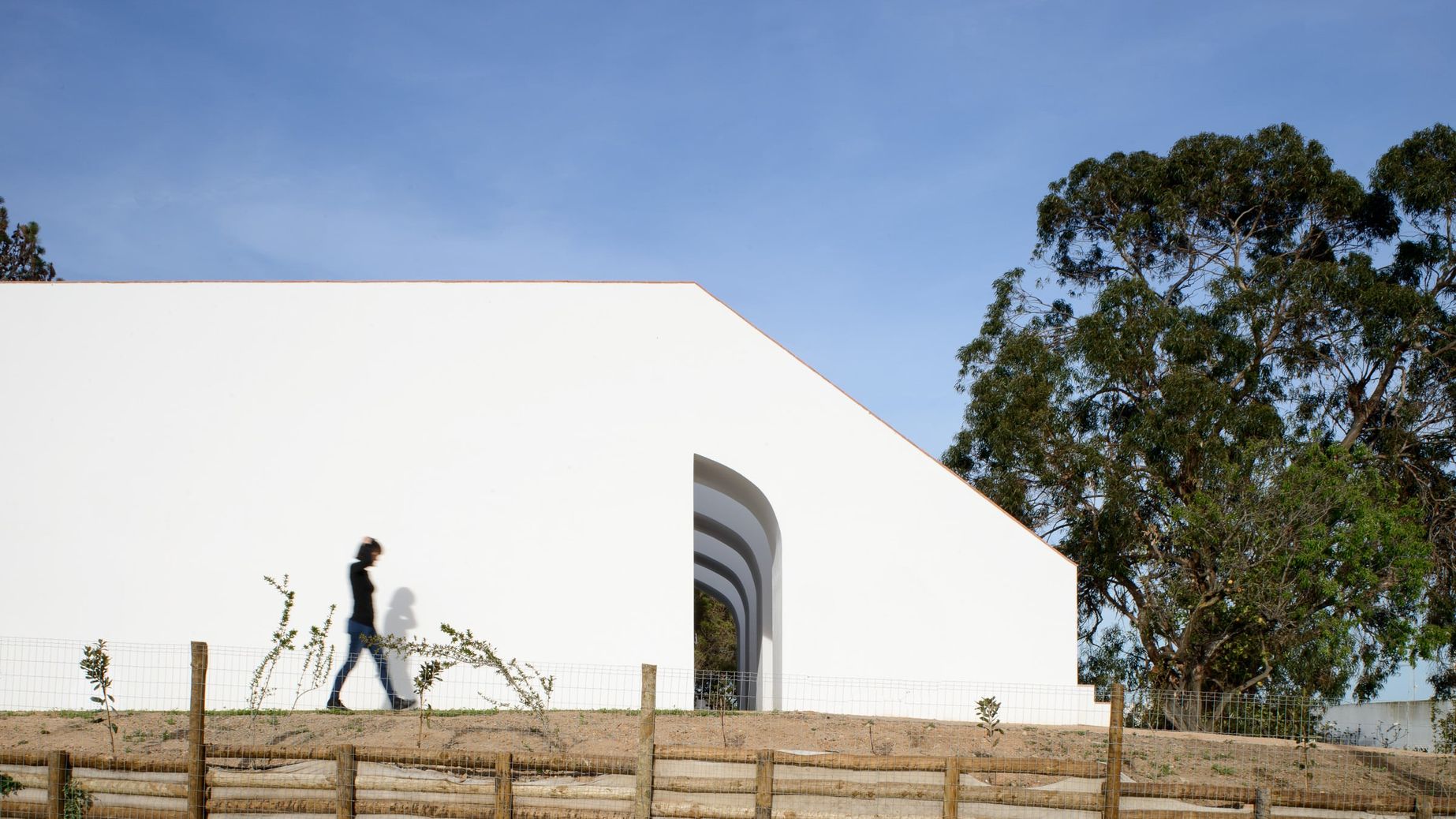
In the heart of the natural wonder of Rio Formosa stands a simple, white house. Peacefully and attentively, it gazes out at mudflats, sandbanks, salt works and at the past of a family whose history and lifestyle is embedded in this very place, a family that is remembered here and whose story continues to be spun with care.
The friendly hosts Fernando and Nuno seem to be equipped with small, invisible antennas: You never have to express your wishes and needs here, the two always anticipate you in the most suitable way: guest empathy at its best!
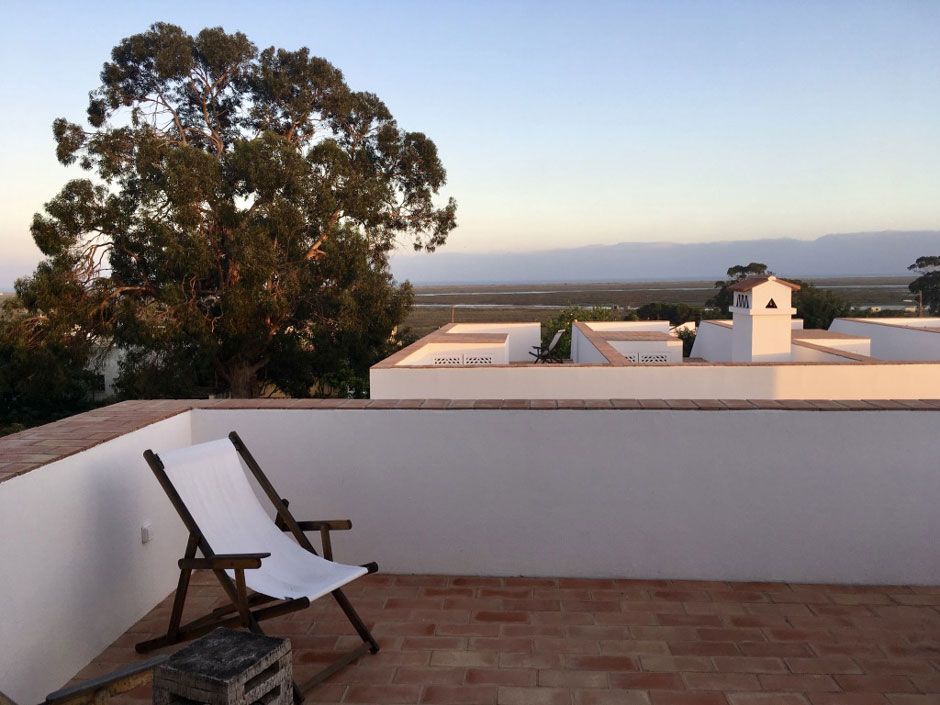
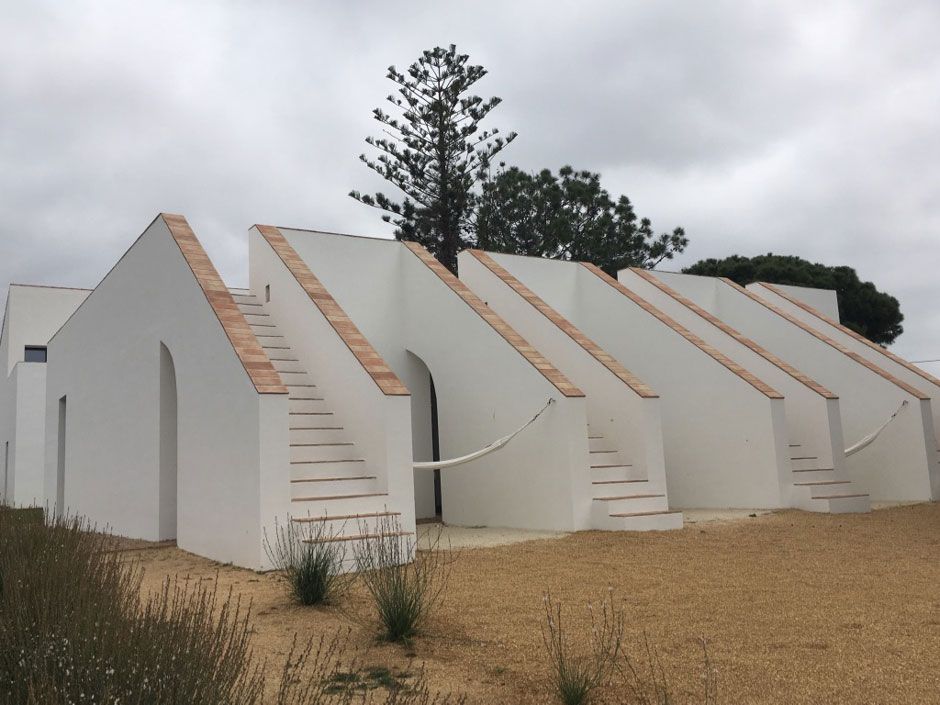
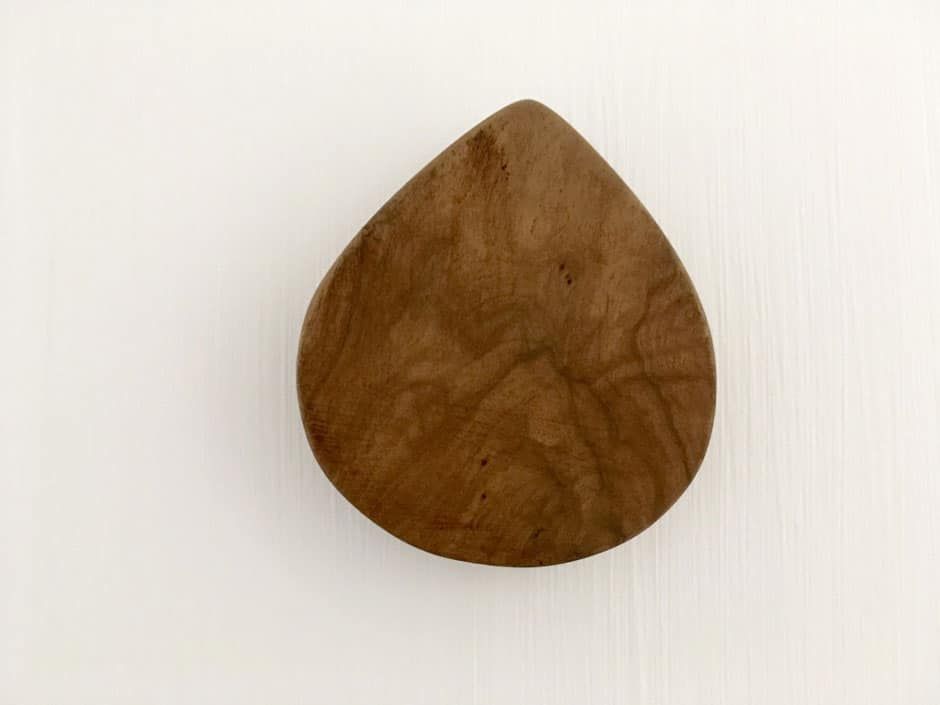
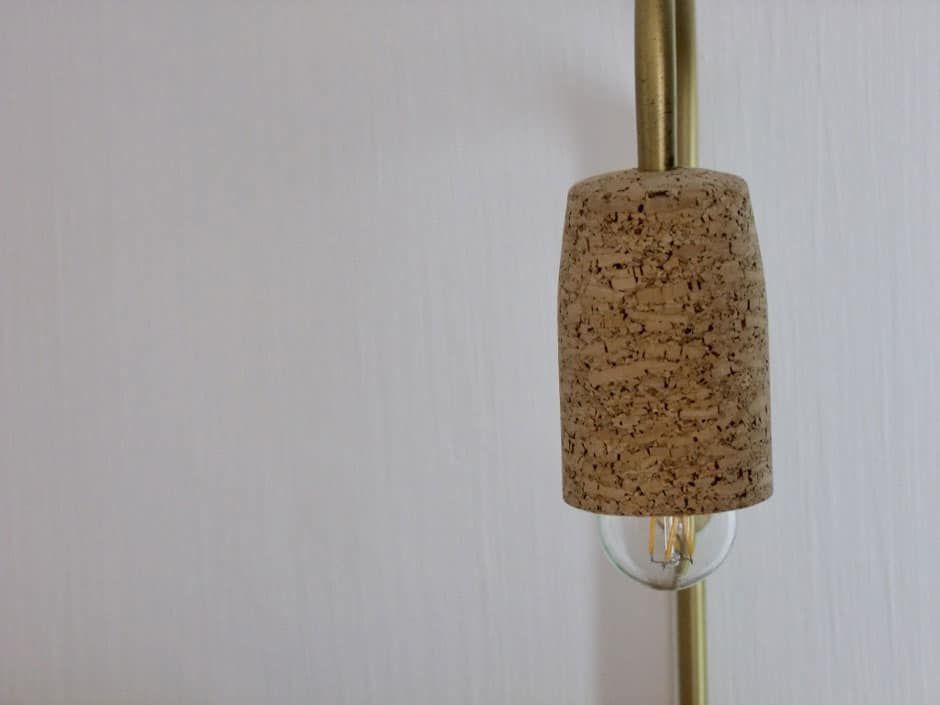
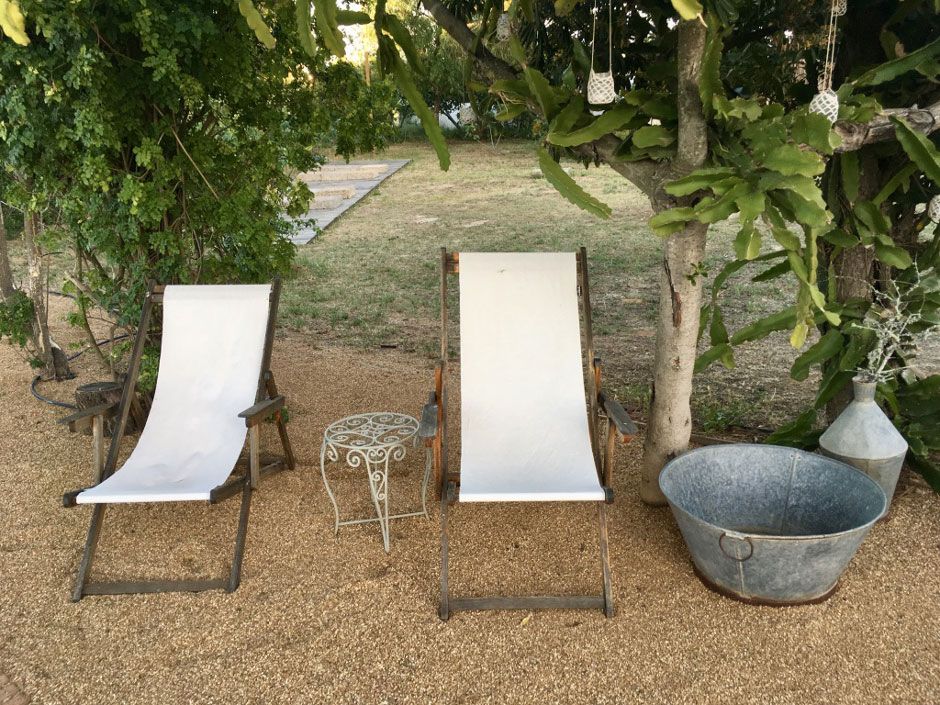
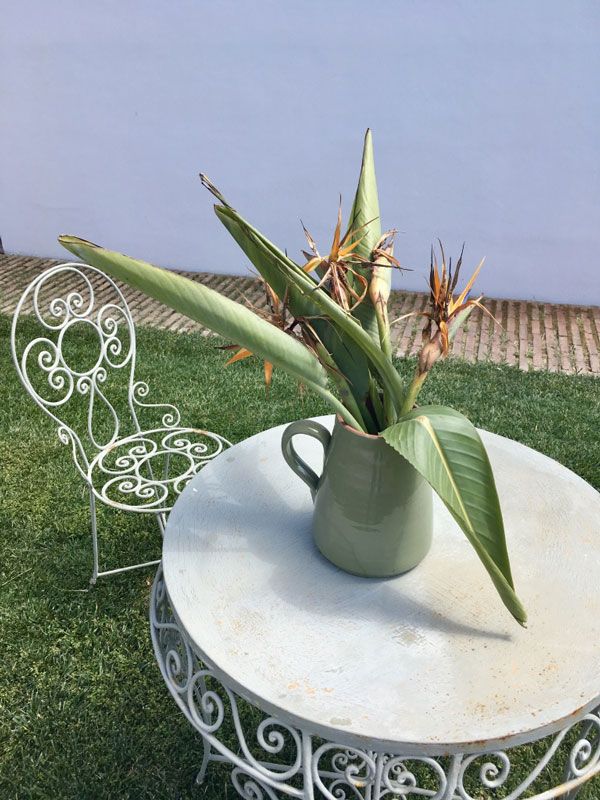
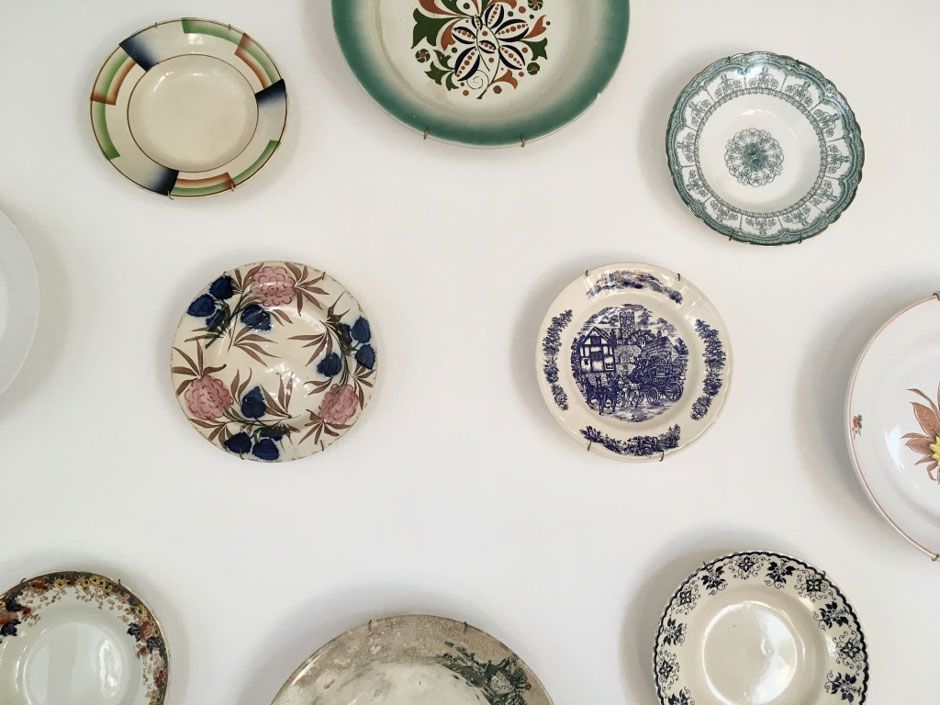
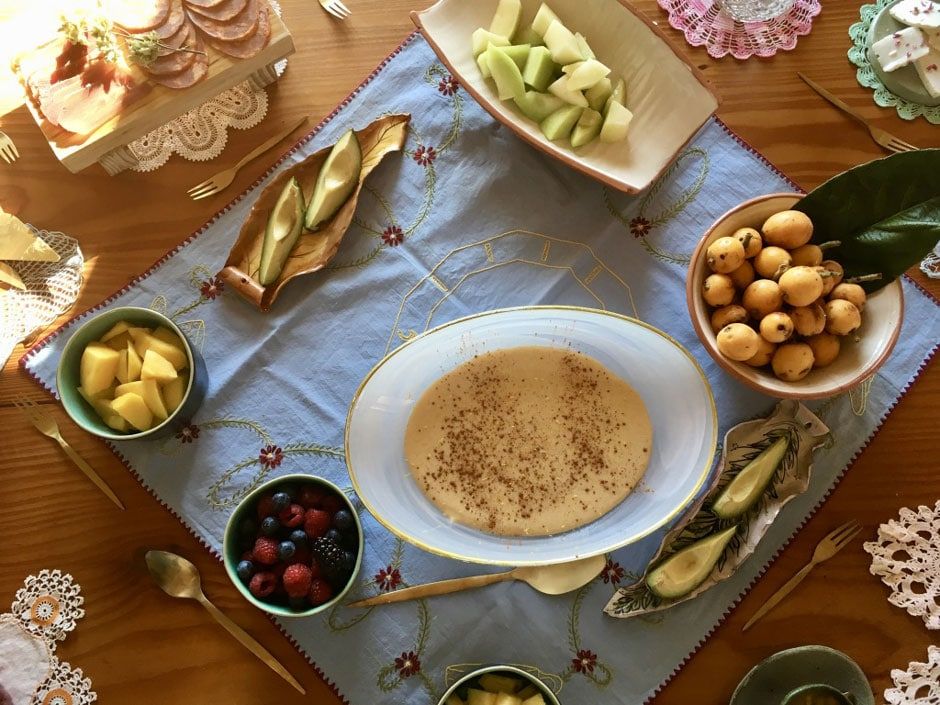
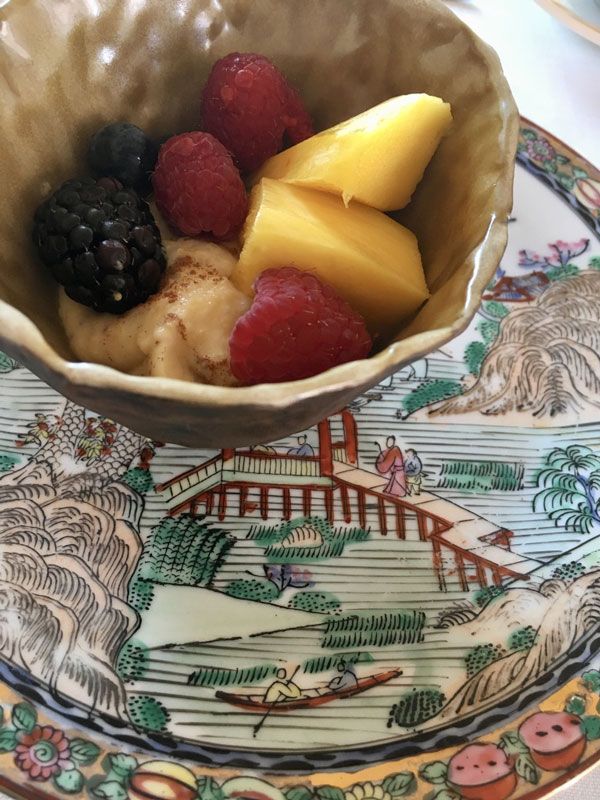
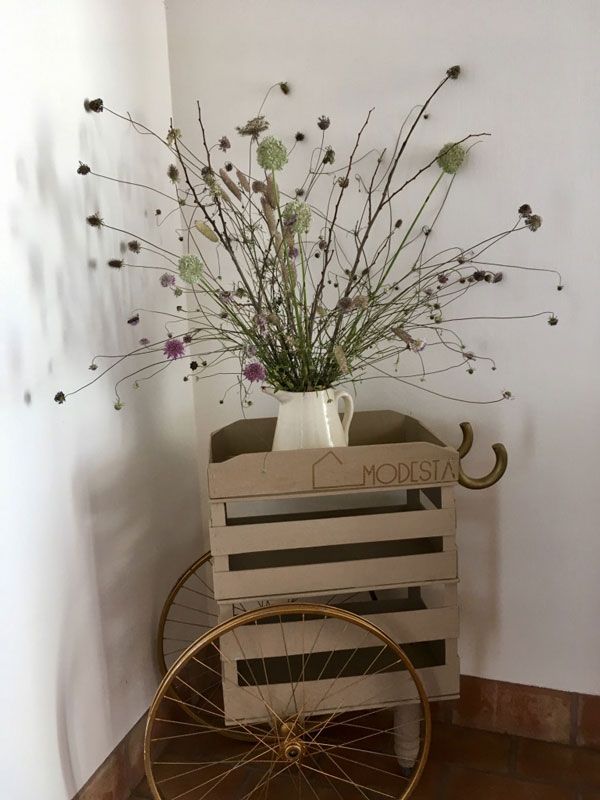
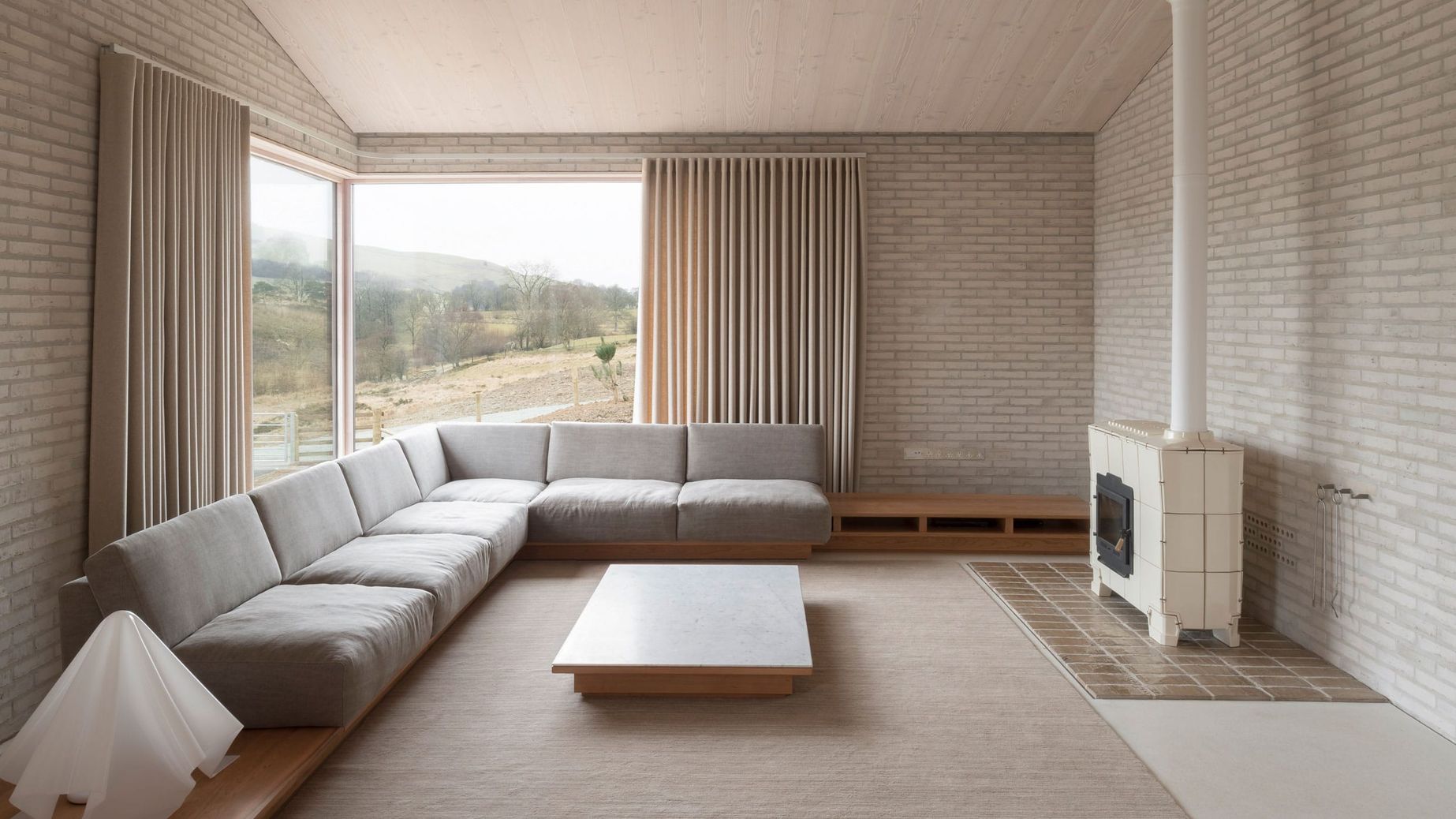
The Casa Modesta — my blissful homebase during my stay in Portugal — is a country house hotel with nine guest rooms, private patios with hammocks, rooftop terraces with broad horizons, fig and almond trees, an organic vegetable garden and a pool with a sun deck. Grandmother Carminda and Nuno conjure up the magic in the kitchen, and meals are enjoyed together at the long table in the dining room. The plain interior of the rooms steers your attention towards the few carefully placed items of traditional local crafts, as well as to the interplay between light and shade, between inside and outside. This leaves sufficient space for the thing that the Casa Modesta does in such a unique way; the atmosphere it creates is a harmonious synthesis of puristic architecture and a warm family environment. The breakfast is a poem.
Cacela Velha
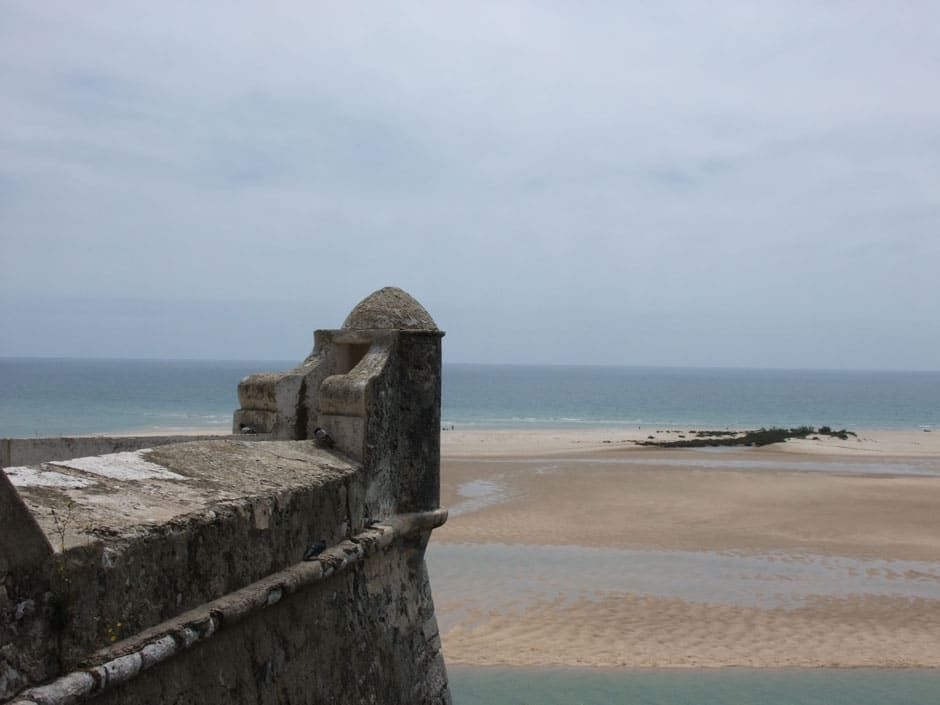
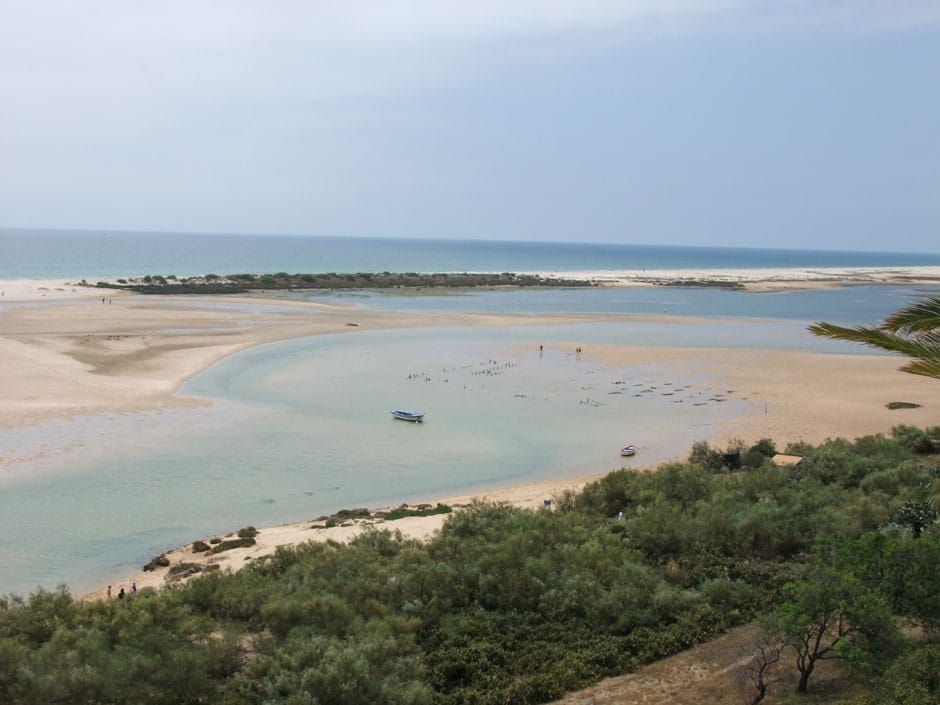
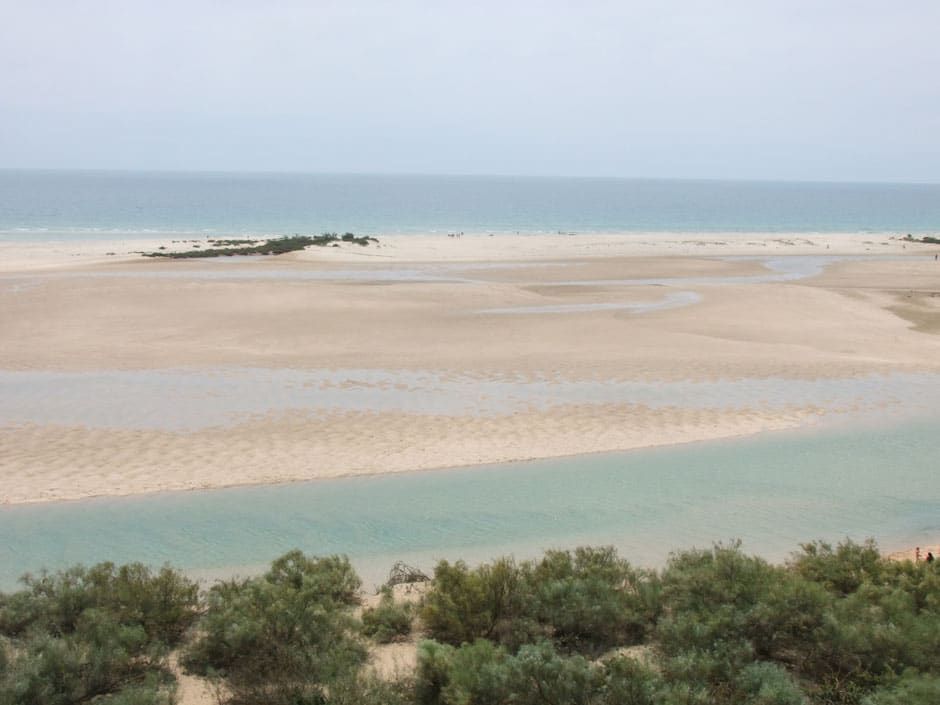
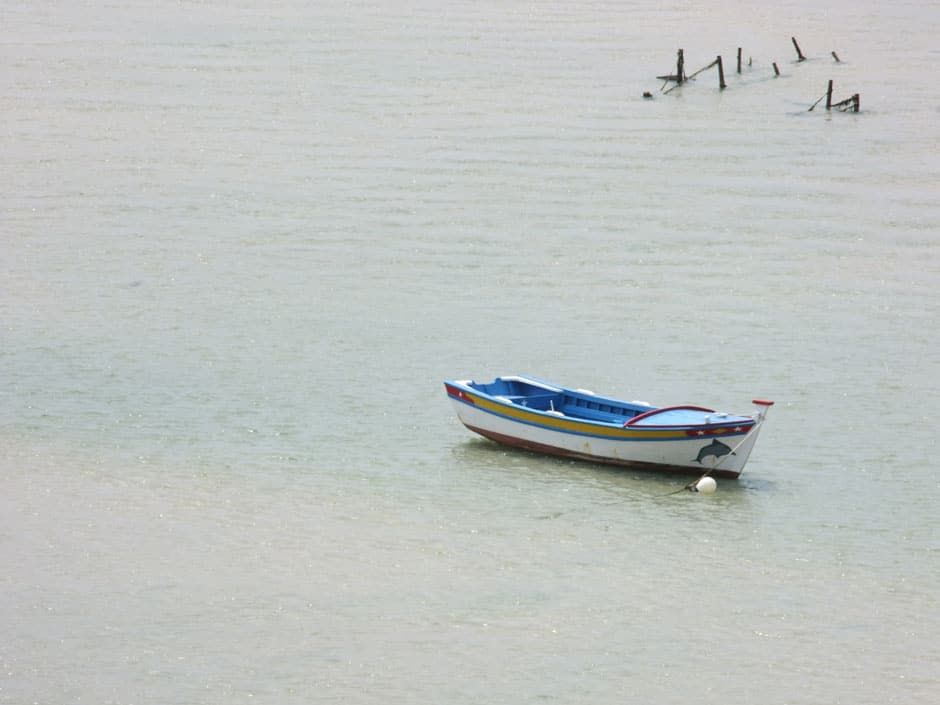
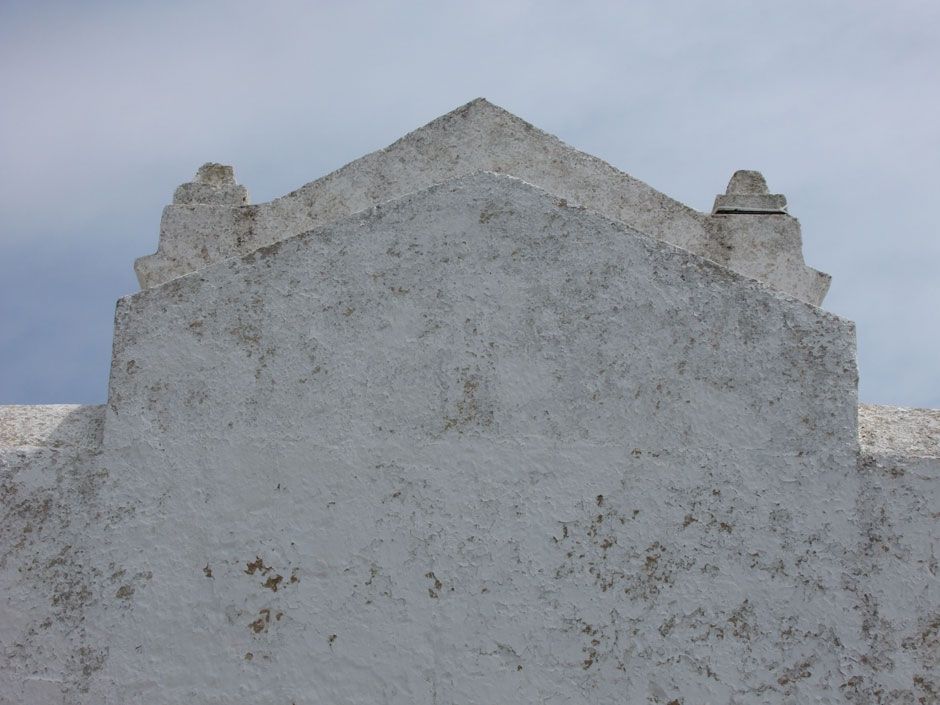
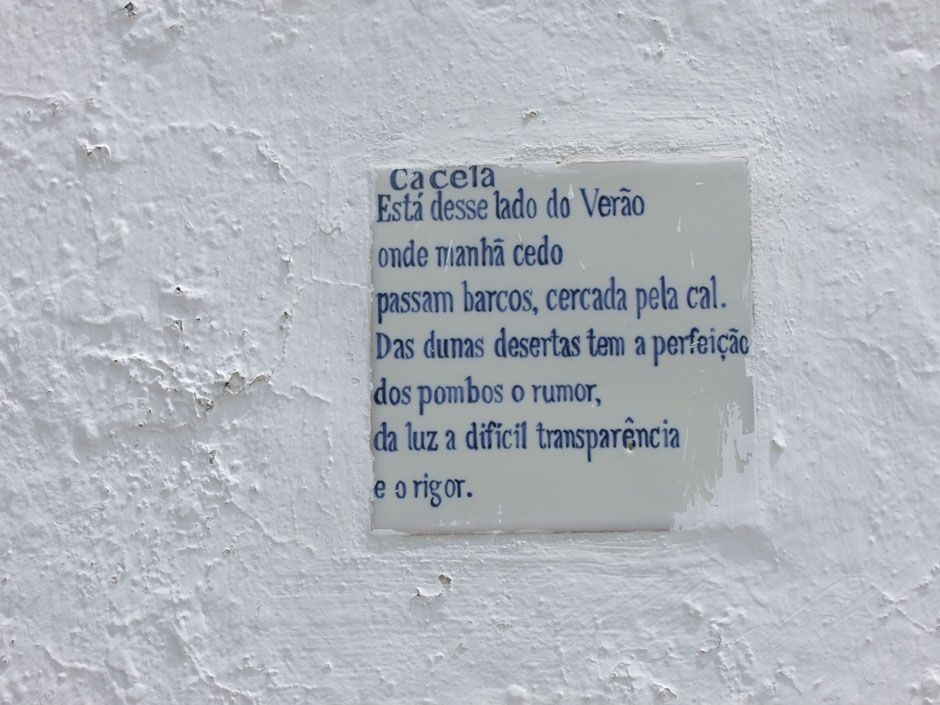
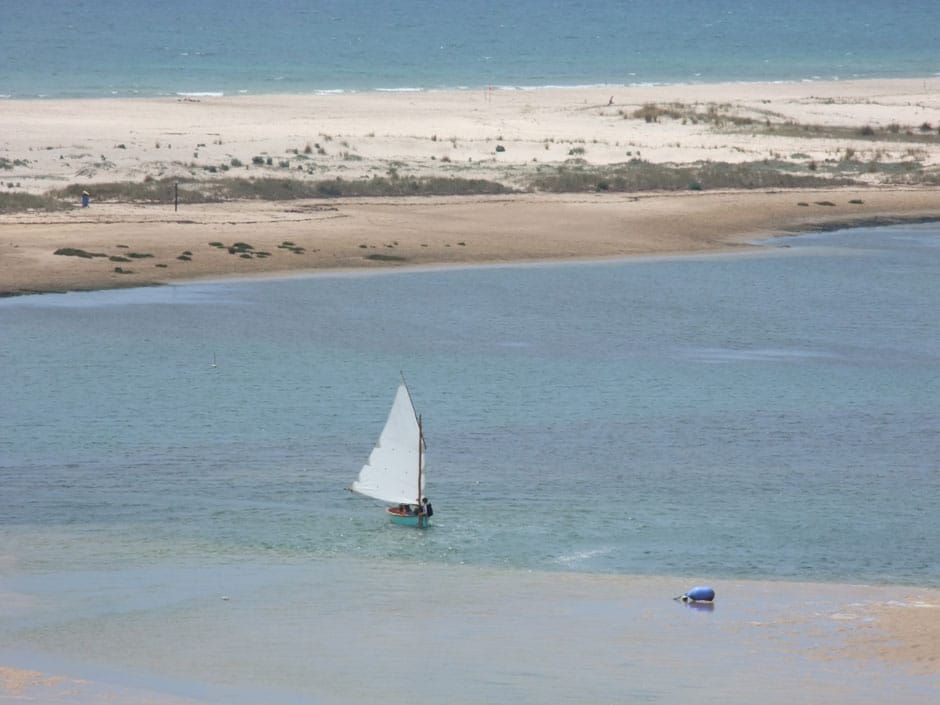
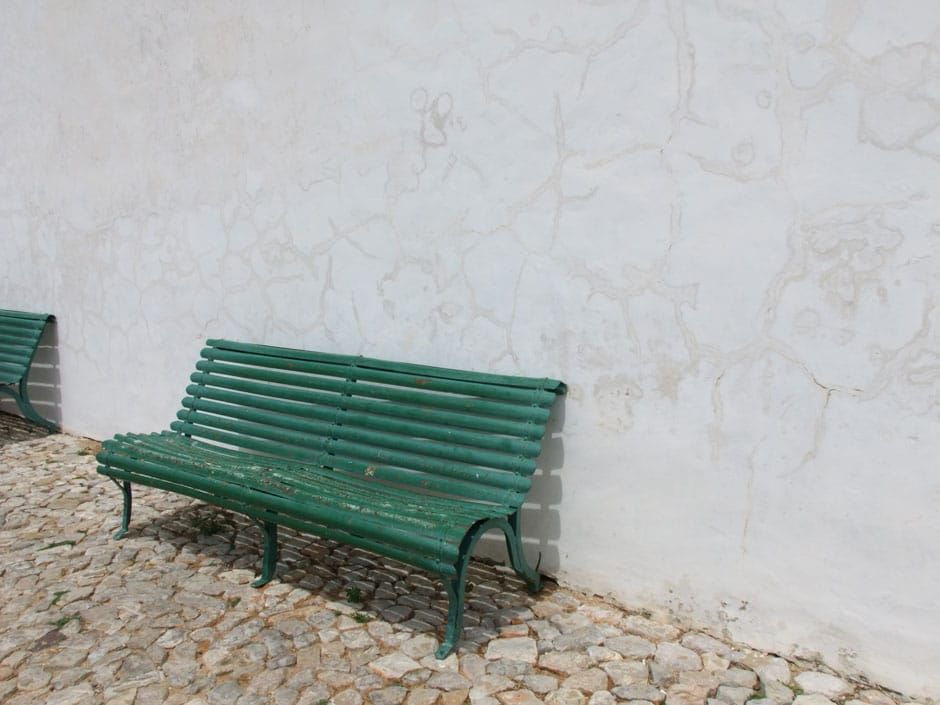
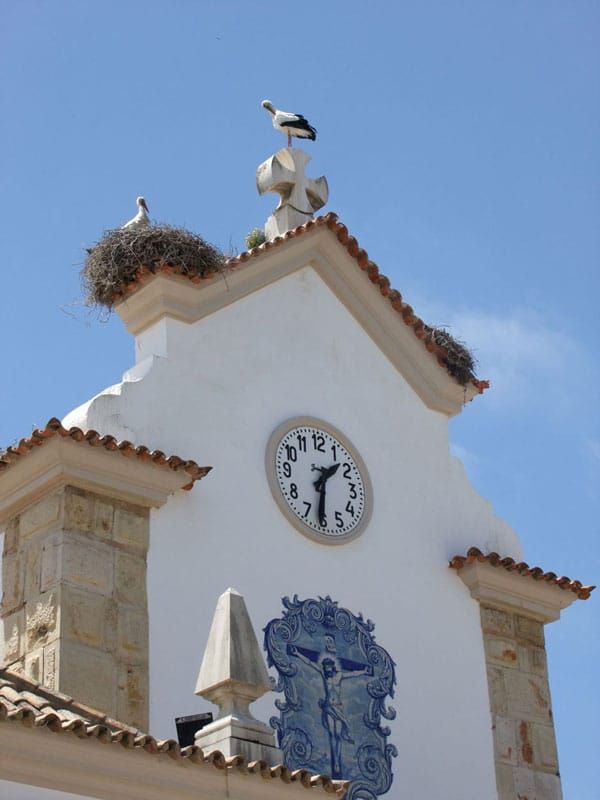
On a hill with breathtaking views over the shallow waters of the Ria Formosa and sheer endless, bright sandy beaches lies the fortress-like village of 40 inhabitants. In the Middle Ages notorious pirate nest, today a few whitewashed houses with idyllic gardens nestle around the picturesque village square. From the benches right next to the church you can only do one thing: enjoy the view in awe and wonder.
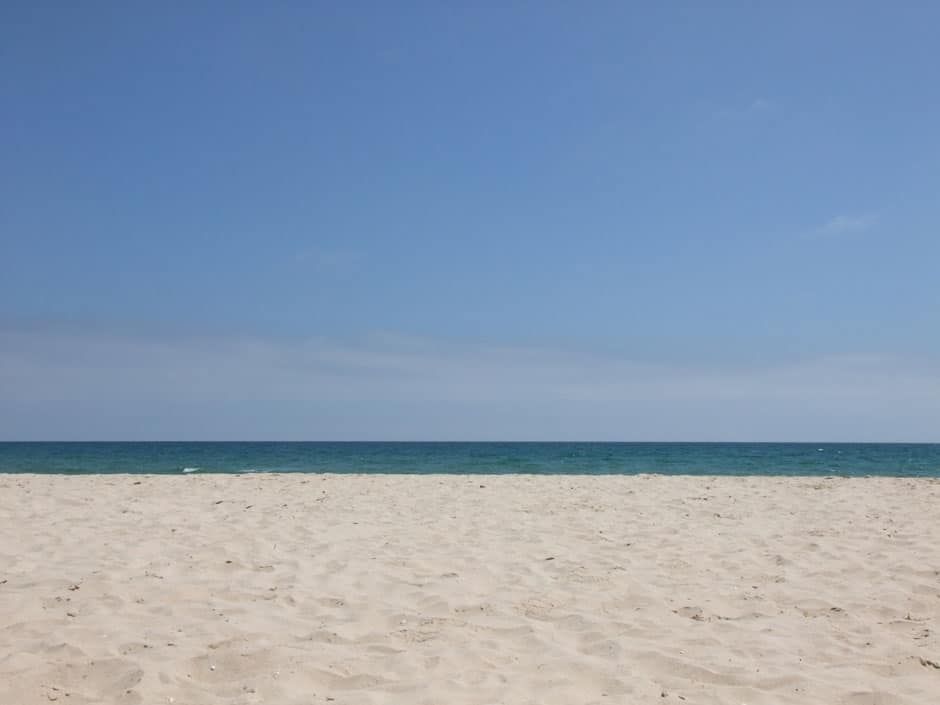
Olhão
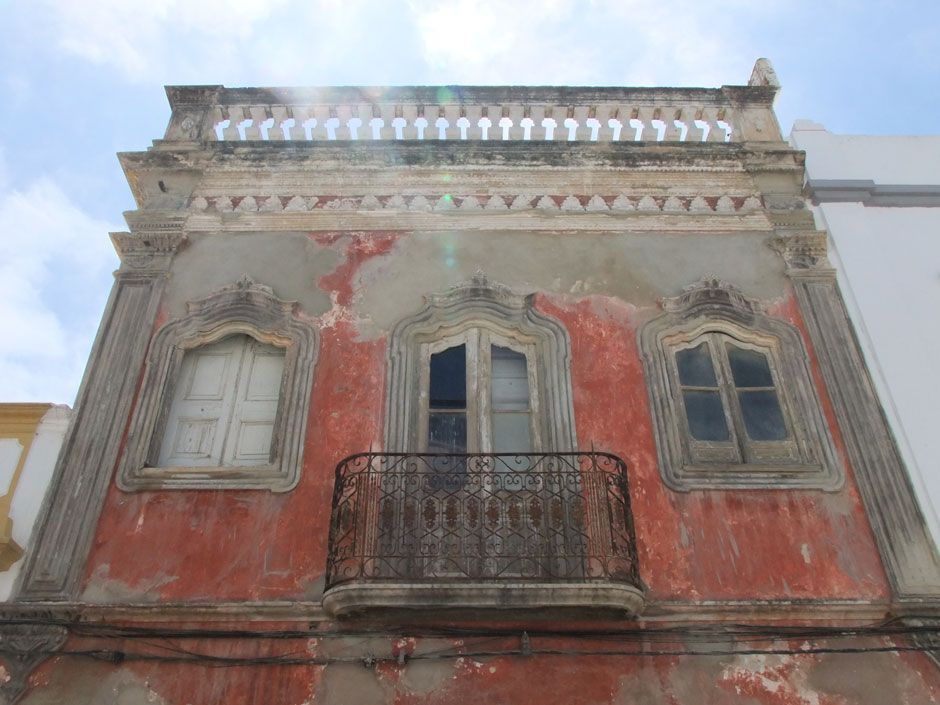
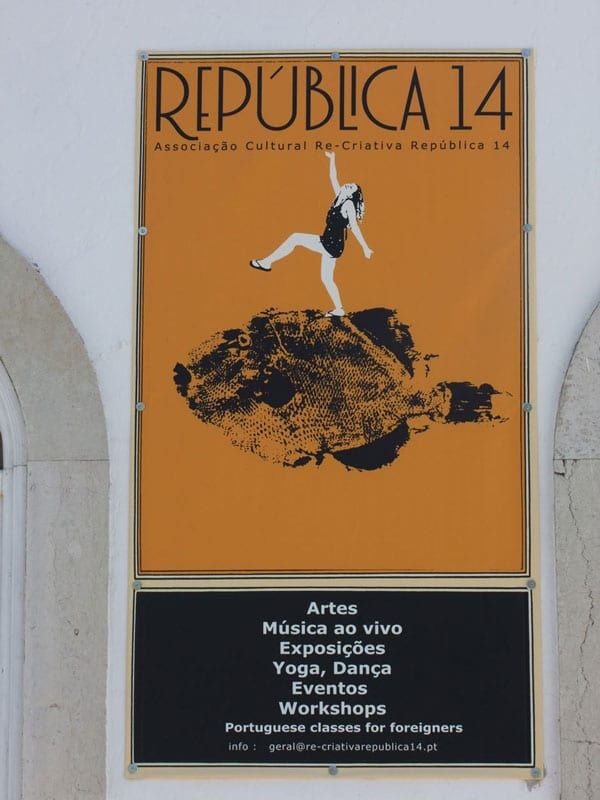
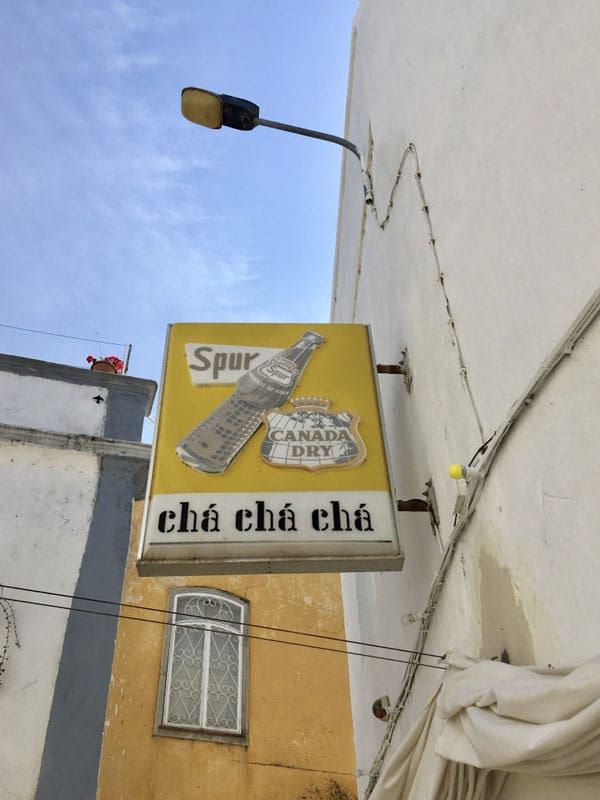
This lively coastal town, located in the heart of the Ria Formosa Natural Park, is only a 15 minute drive from Faro and has the largest fishing port in the Algarve. The winding old town has the flair of a medina and is characterised by its very own style, inspired by the Arabic architecture of North Africa: cube-shaped buildings with a flat roof, on which a smaller cube was placed in case of larger space requirements.
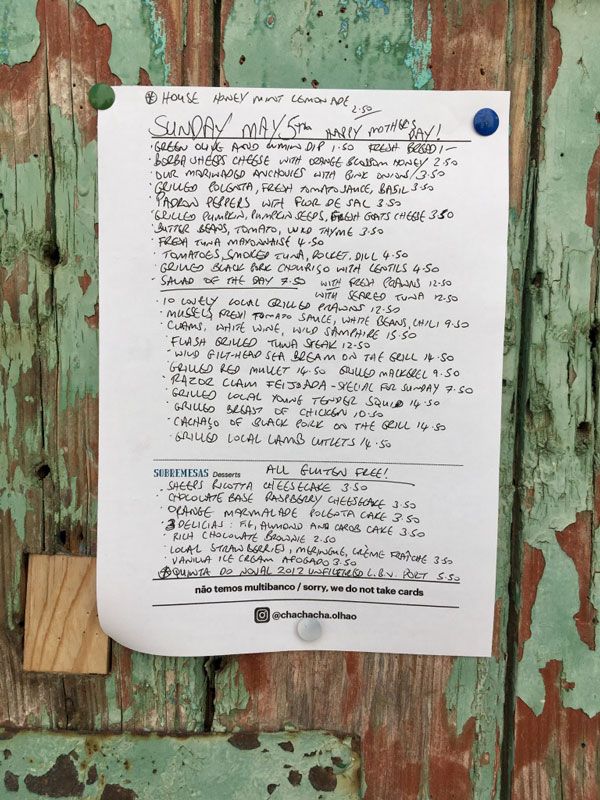
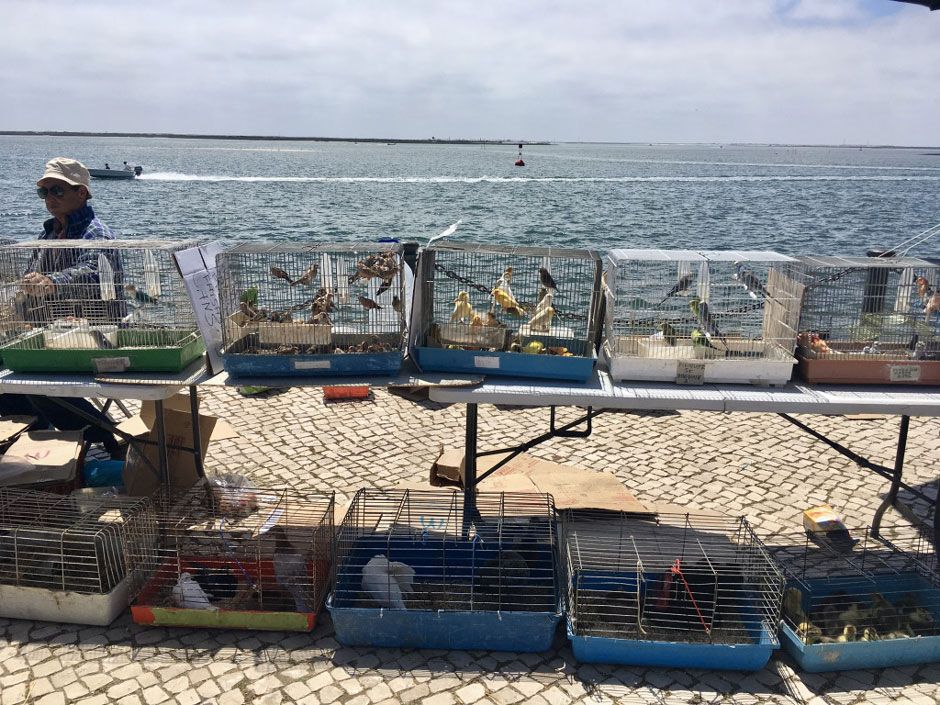
The market halls of Olhão offer a great selection of freshly caught fish and seafood, while the farmer’s market with local products along the promenade lets visitors immerse themselves in the Portuguese way of life every Saturday.
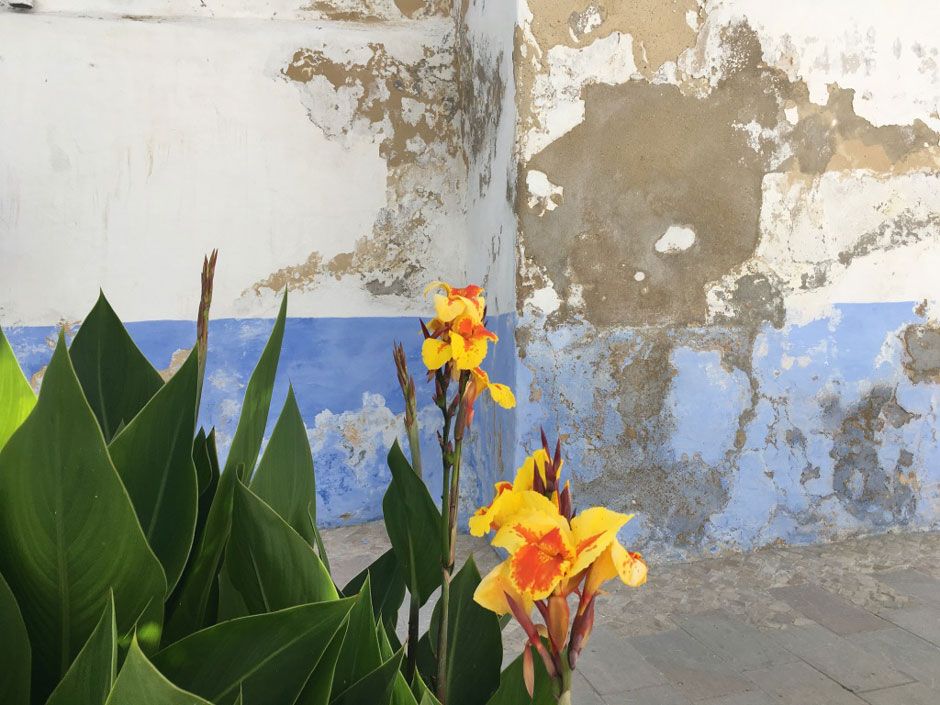
Today, fishing is still the first source of income for many inhabitants, but the beauty of the coastal town has spread and the desire for a bright white holiday home with a cubic roof terrace and a wide view over the lagoon has become reality for many alemães or inglês. Nevertheless, Olhao has kept its quiet charm and is guarded like a rare pearl by its inhabitants — the local ones as well as those who have settled in.
A little further west: Capela do Monte
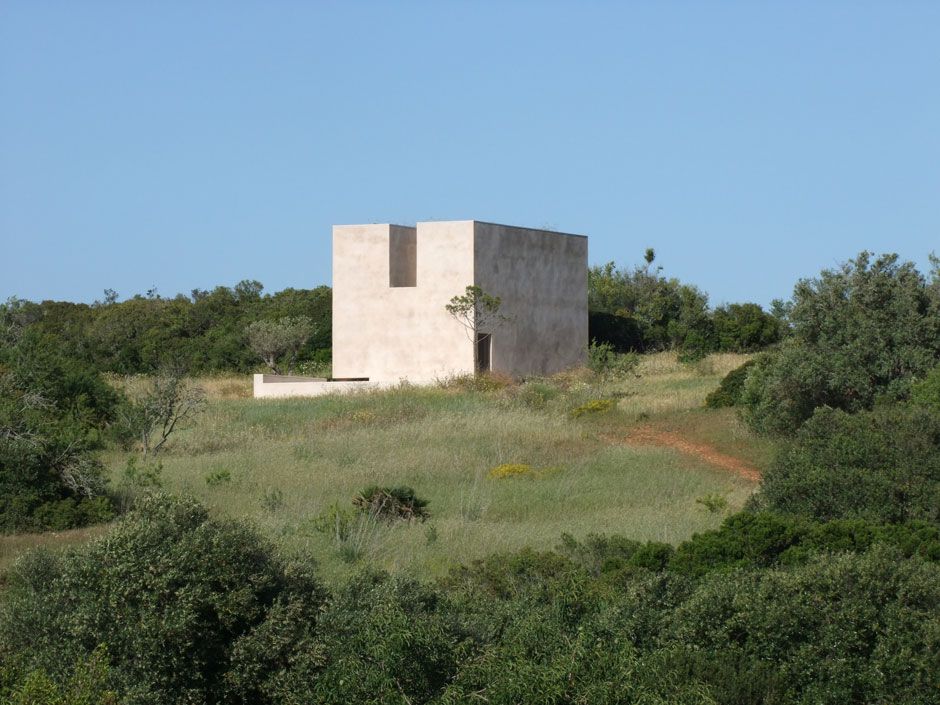
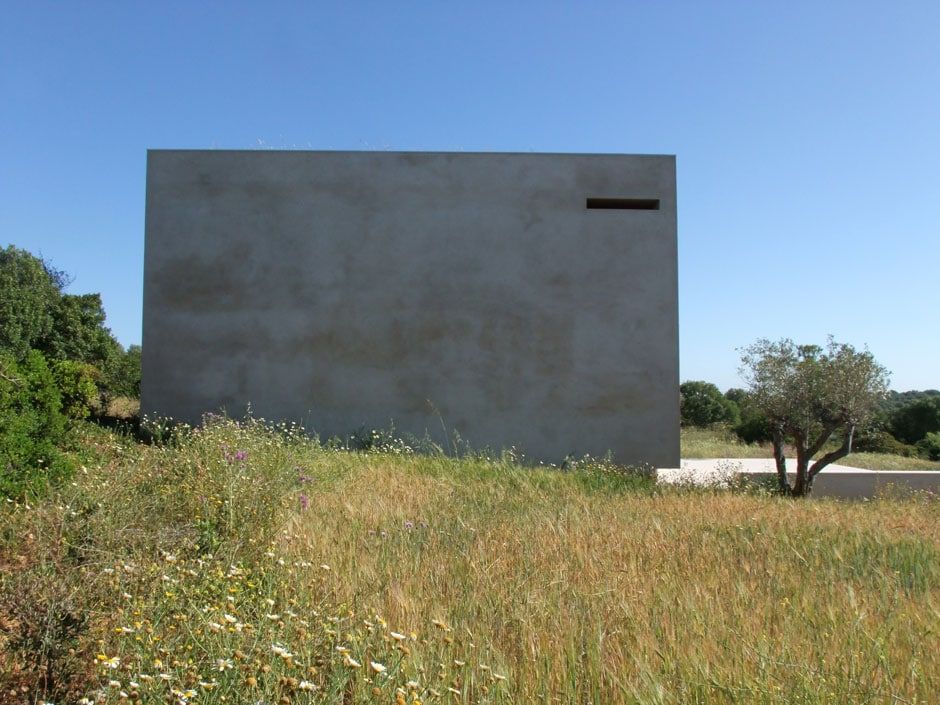
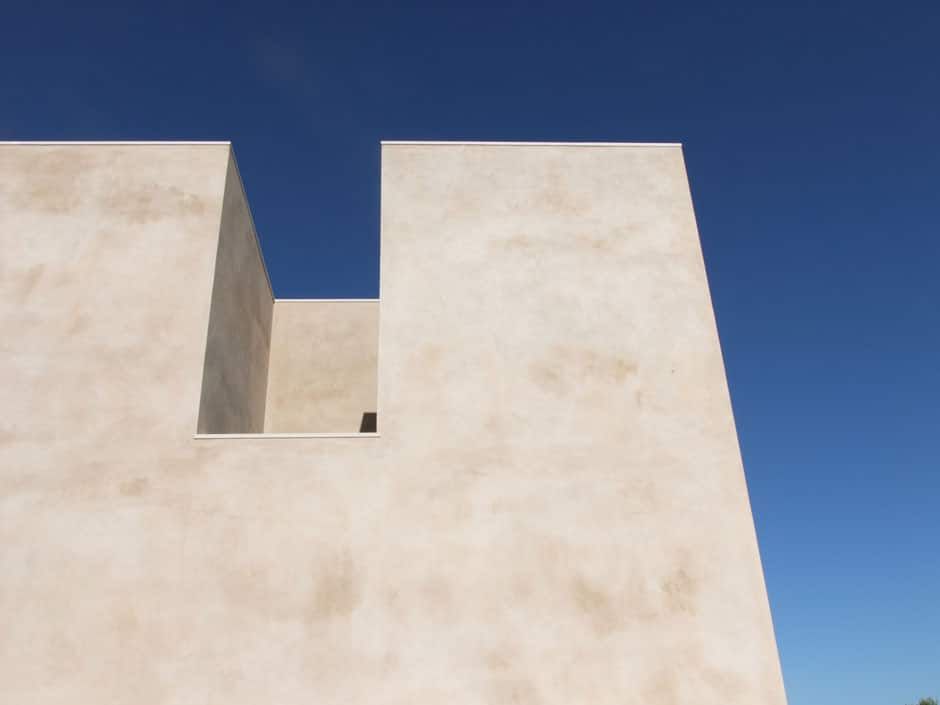
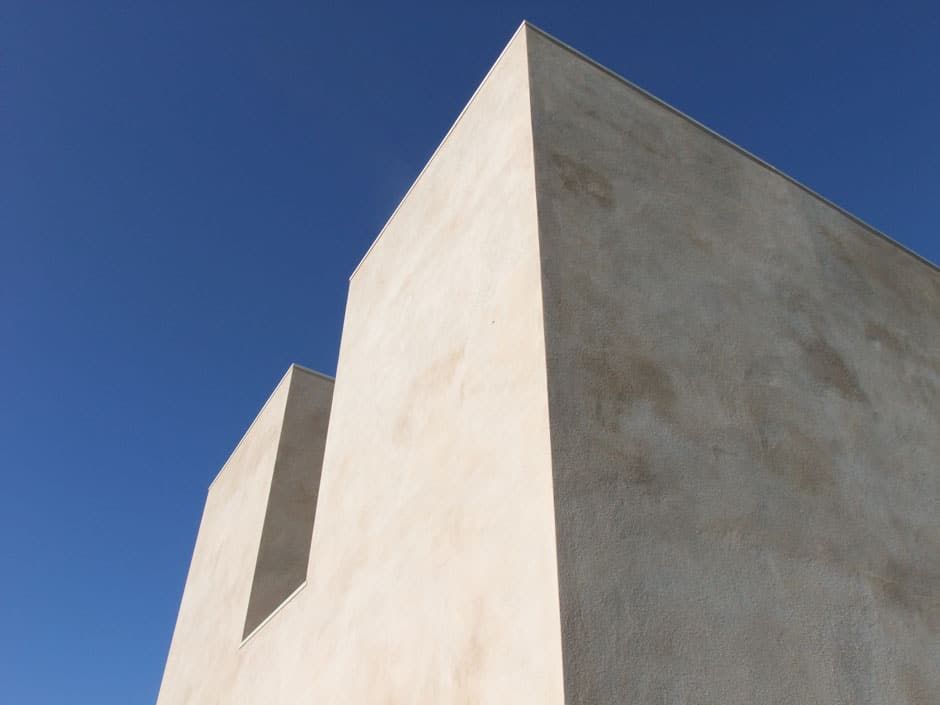
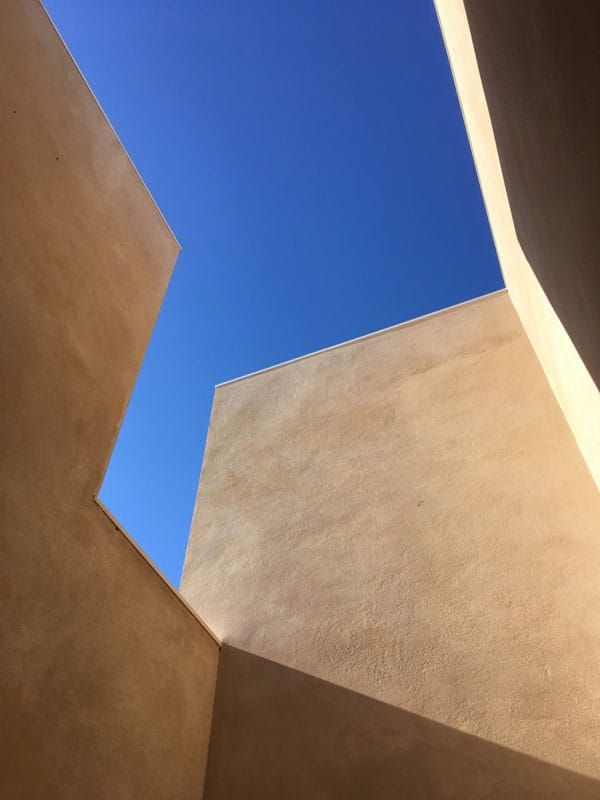
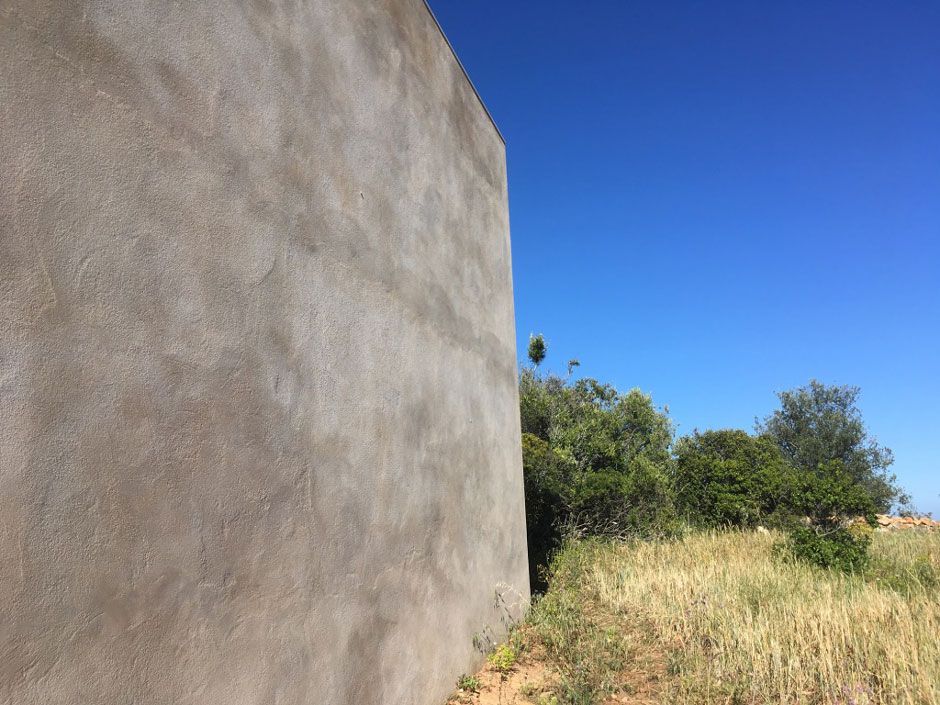
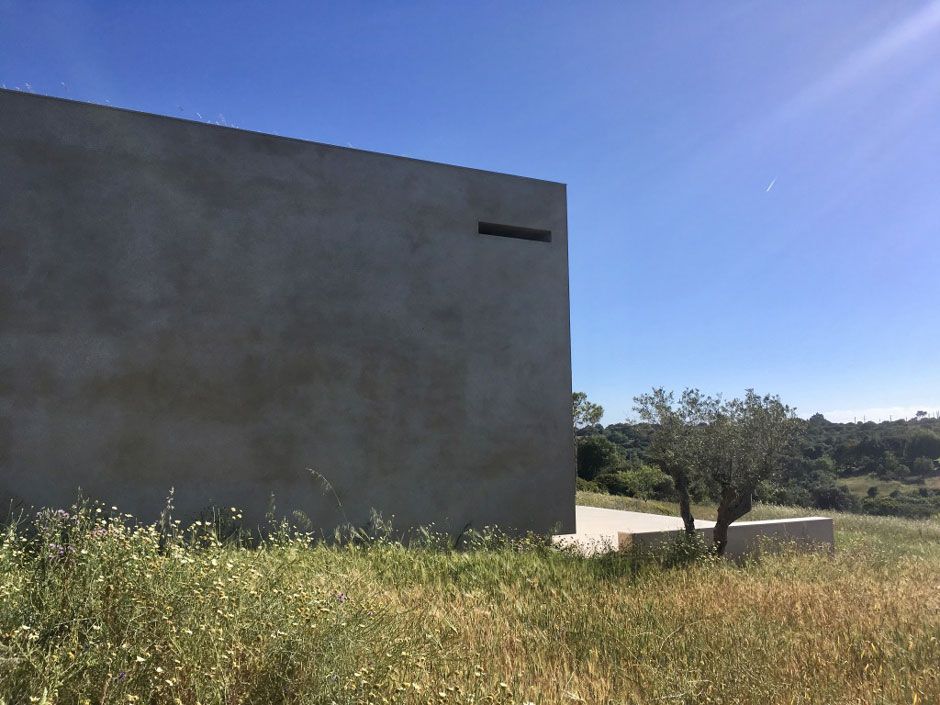
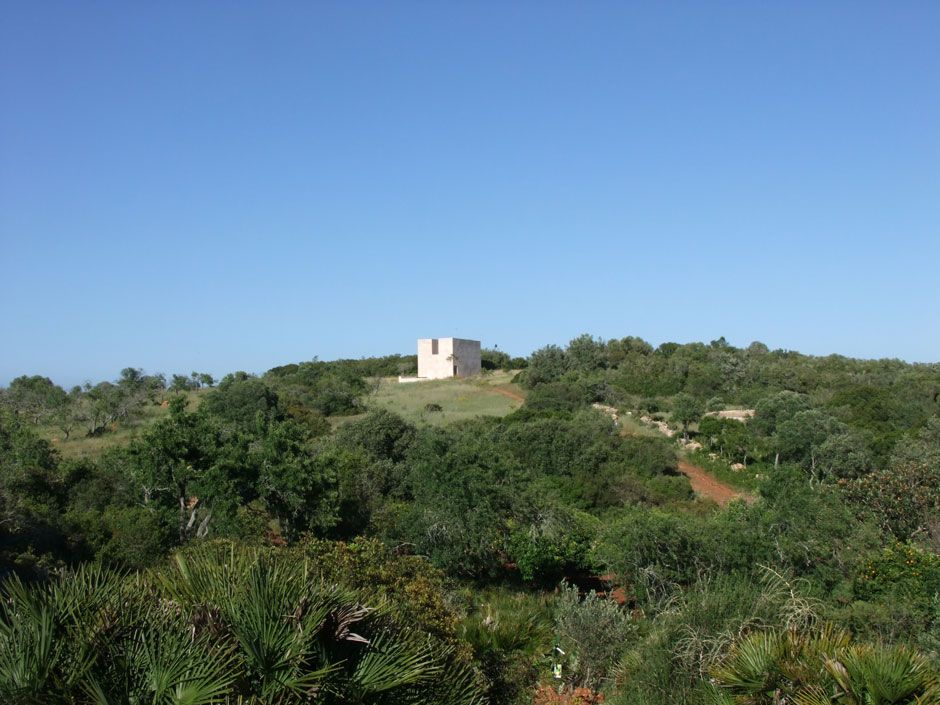
The Portuguese architect and Pritzker prize winner Álvaro Siza Viera has placed a modest cube in the untouched hinterland of the Algarve, not far from the charming town of Barão de São João: La Capela do Monte (“Hillside Chapel”). The contemplative aura of the chapel immediately transcends to the visitor, its silent yet powerful presence is breathtaking.
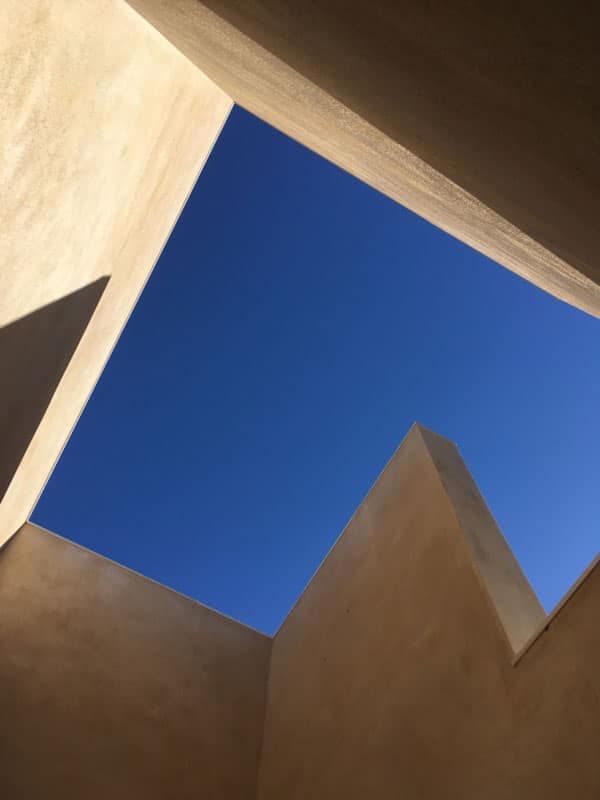
The building was designed in order to function without electricity, heating or running water. The only access — the vestibule, open at the top, with tiles painted by Siza with biblical scenes, becomes a projection surface during the day for suggestive plays of light and shadow, accentuating the straight edges of the architecture. The entirely white interior of the chapel is strictly minimalist and reduced to the essential elements, all made of bright wood: a bench, a few chairs, the altar and a stylized cross — all designed by the architect.
Images and text: Britta Krämer, July 2019
Overview: Here you can find all our HomeStories at a glance! If you want to stay up to date, you can opt-in for our HomeStory-Newsletter here.
The place
4 Comments
Traumhafte Bilder! Ein einfach malerischer ort
alle stimmungen fotografiert, alles an den wegen und alles abseits aller hauptwege beschrieben,
alles was ” innen ” ( saramago ) bedeutung hat, licht erhält. ganz toll, danke. johannes maximilian mueller
Großartig. Macht Lust, sofort loszudüsen — und diese herrlichen Slow-Spots zu genießen
Vielen Dank für die Einstimmung! Sehr schöne Bilder!