La Darbia on Lake Orta – Kaleidoscope of bliss
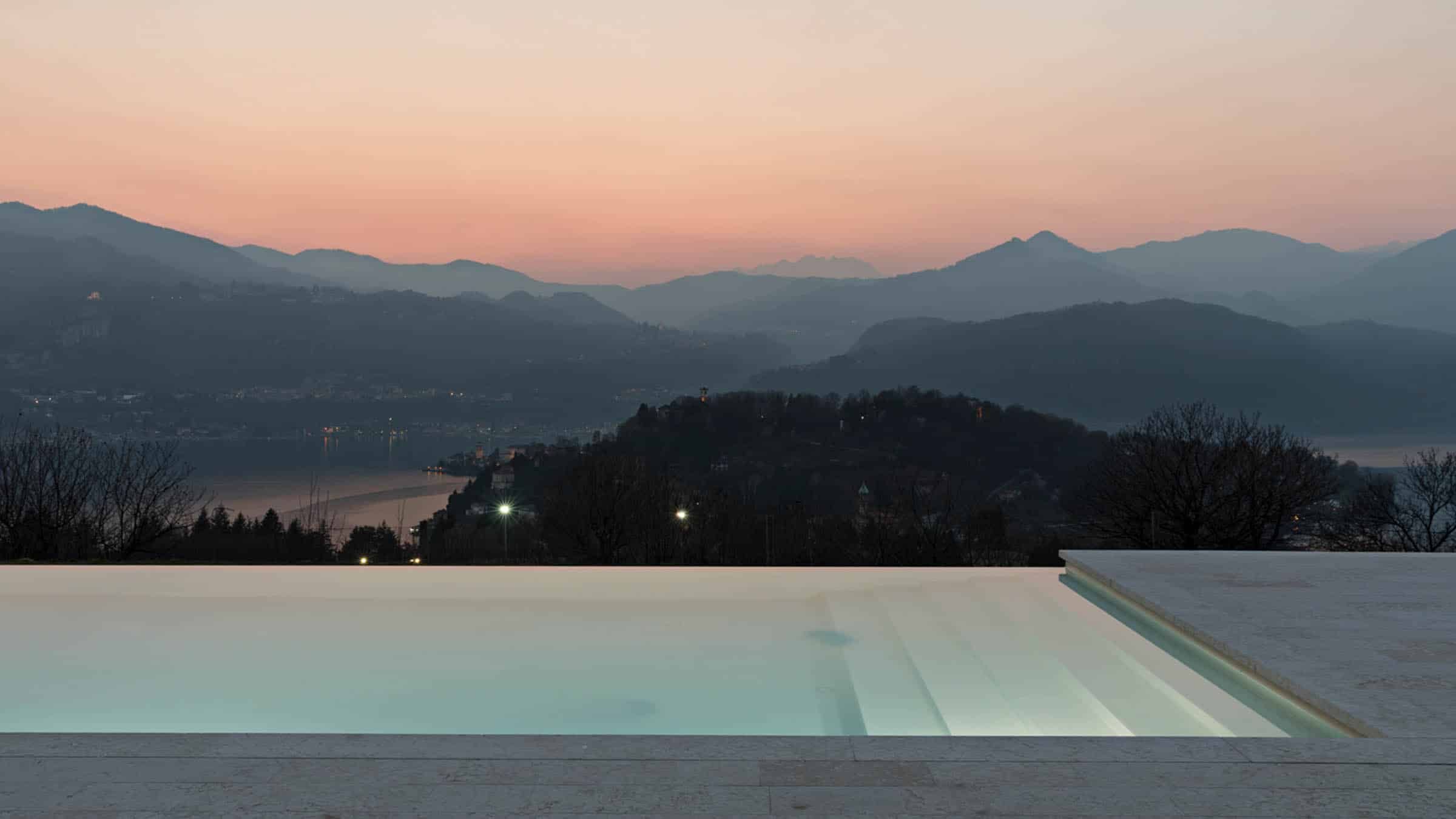
Wine architects and a poet's muse. With a beguiling panorama of Lake Orta in Piedmont, La Darbia sits relaxed above it all. As if incidental, the property pulls out just about all the stops of the good life: it's all the fault of the people involved here. And the lake's of course.
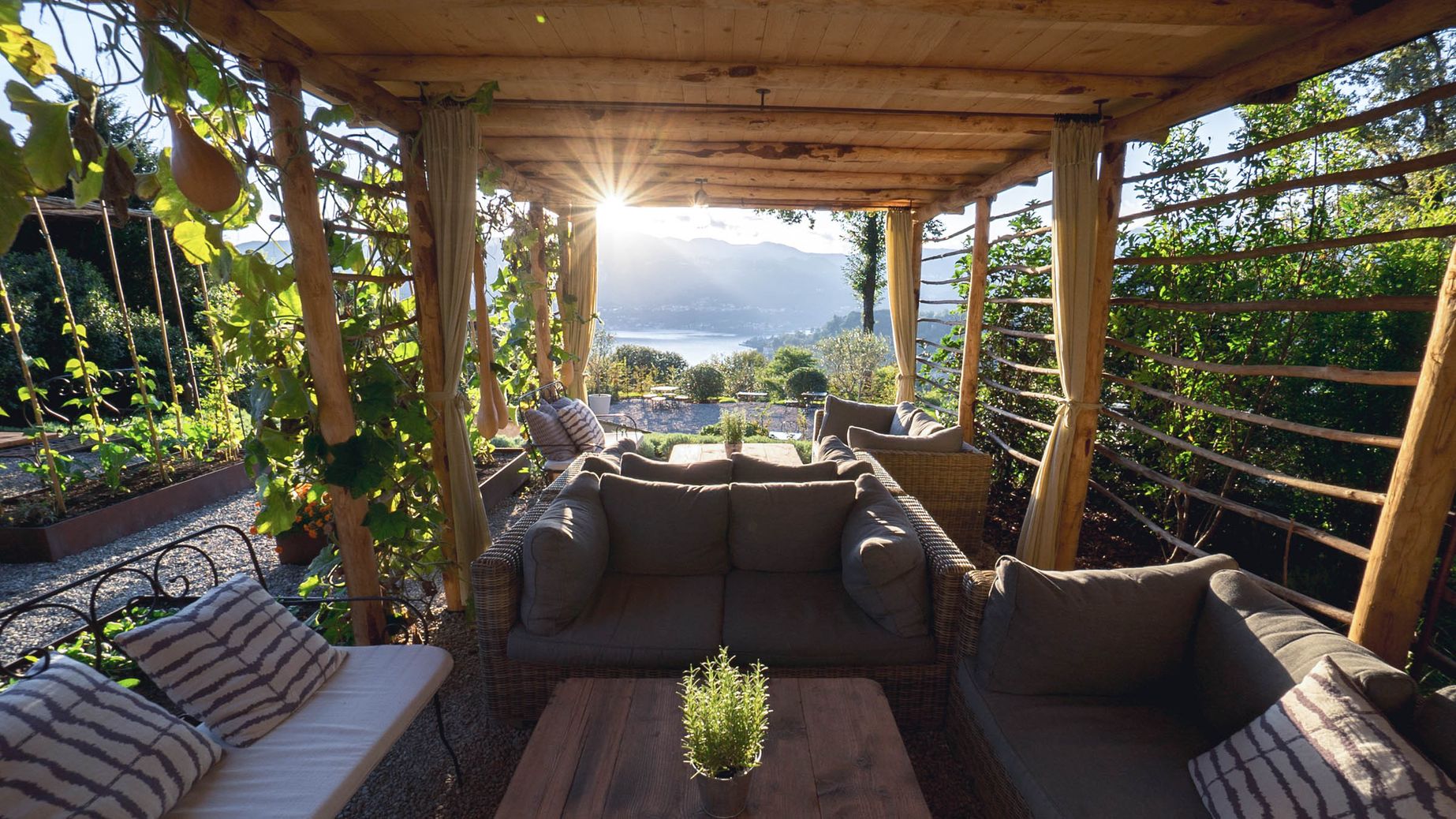
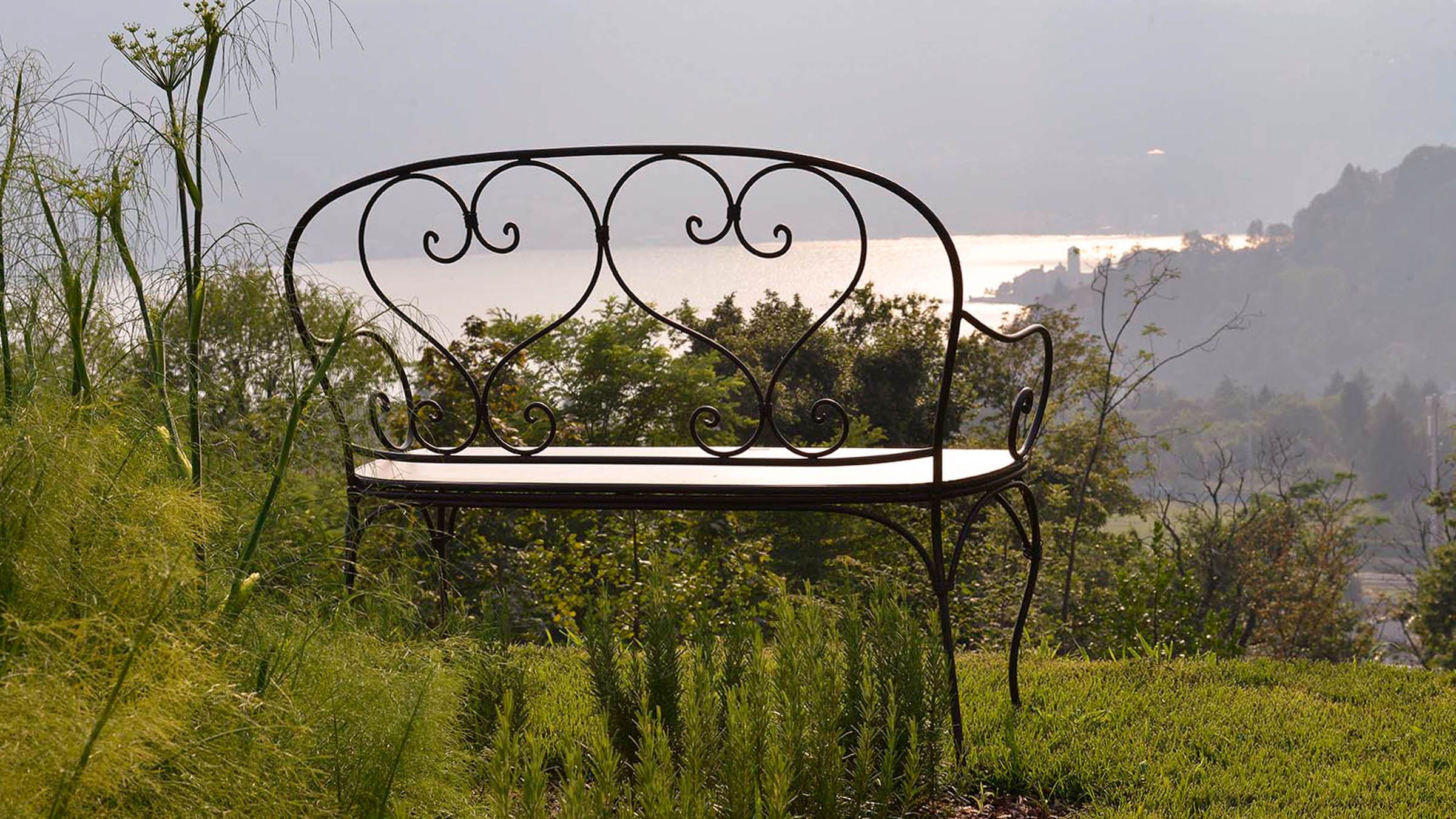
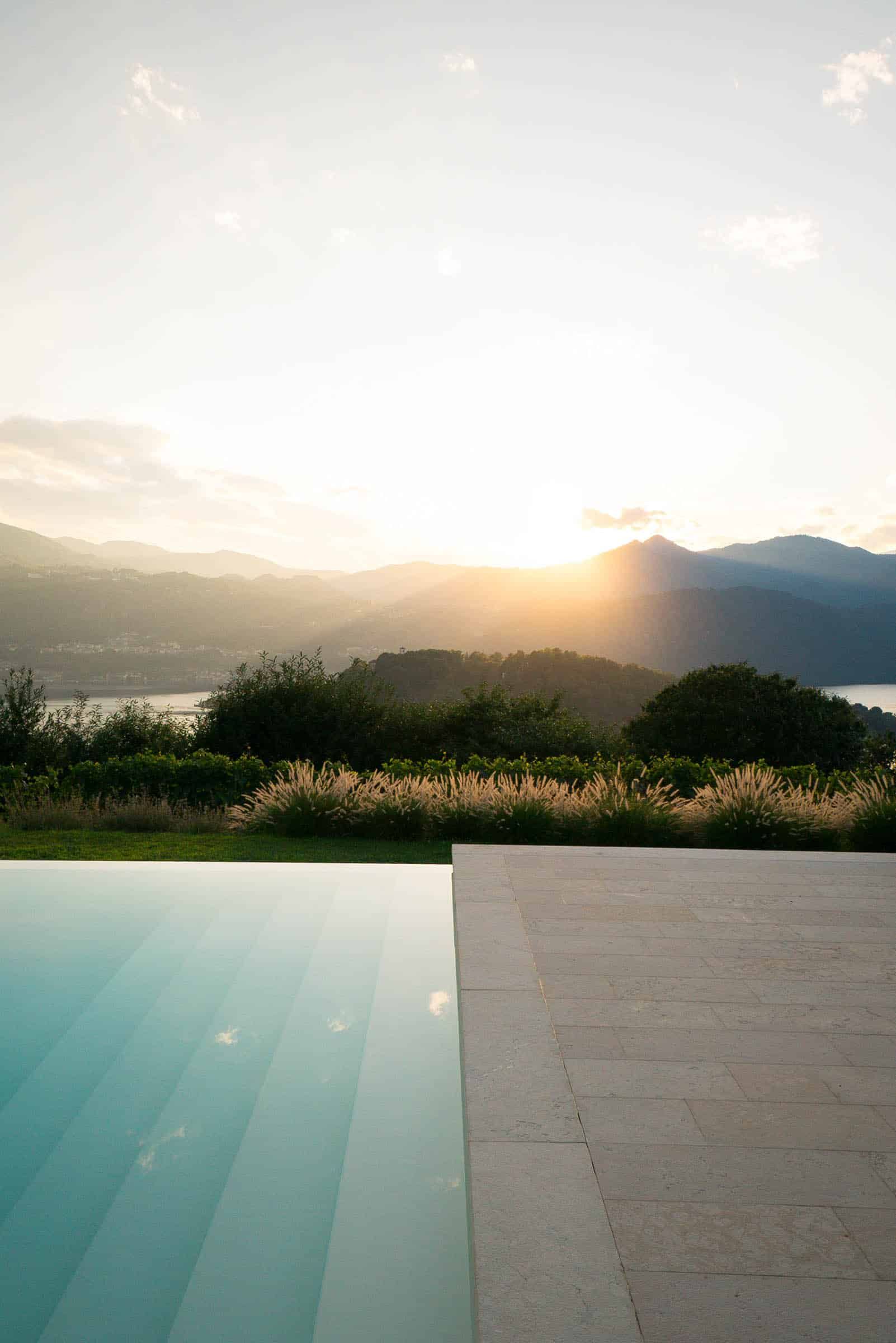
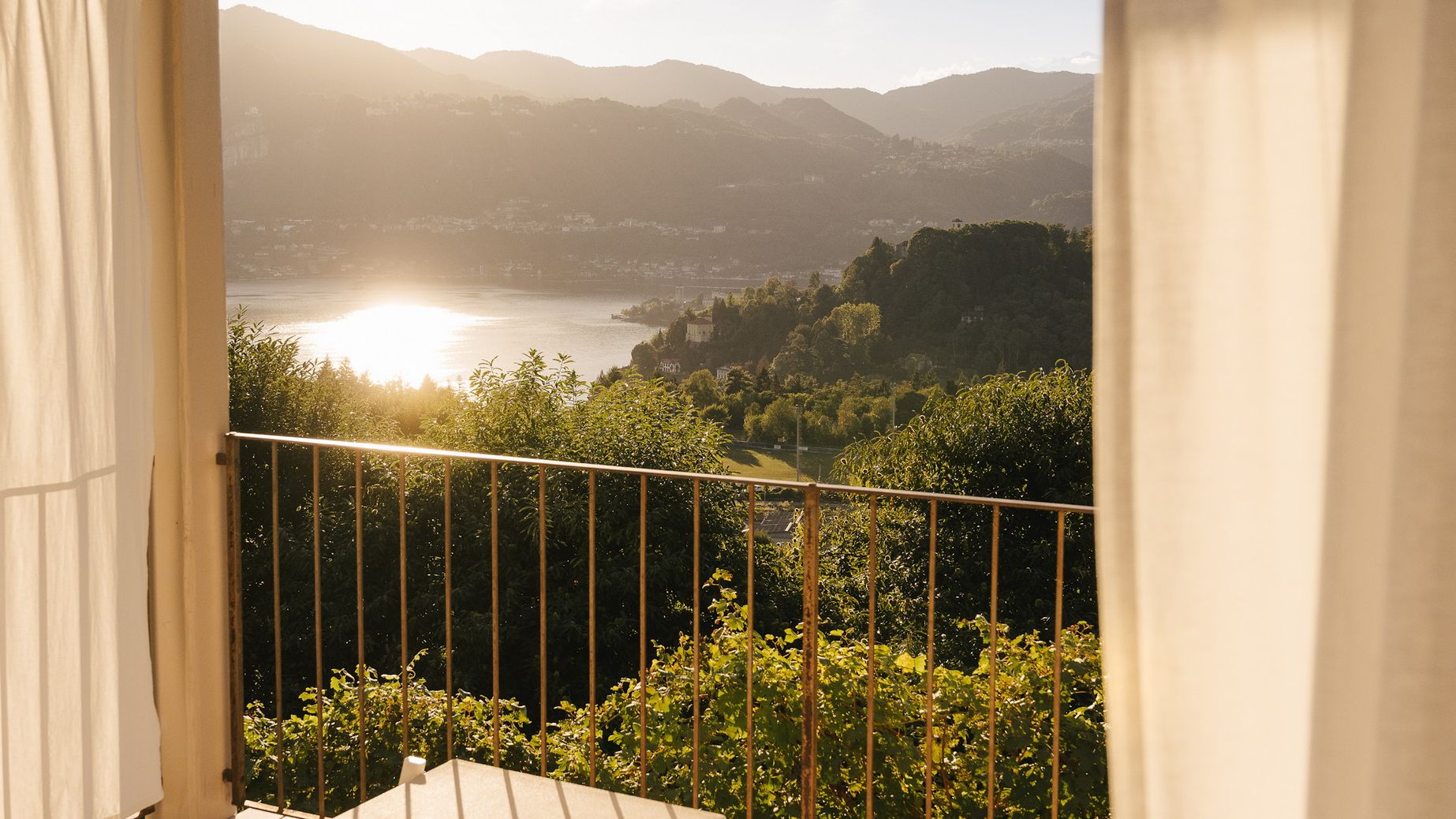
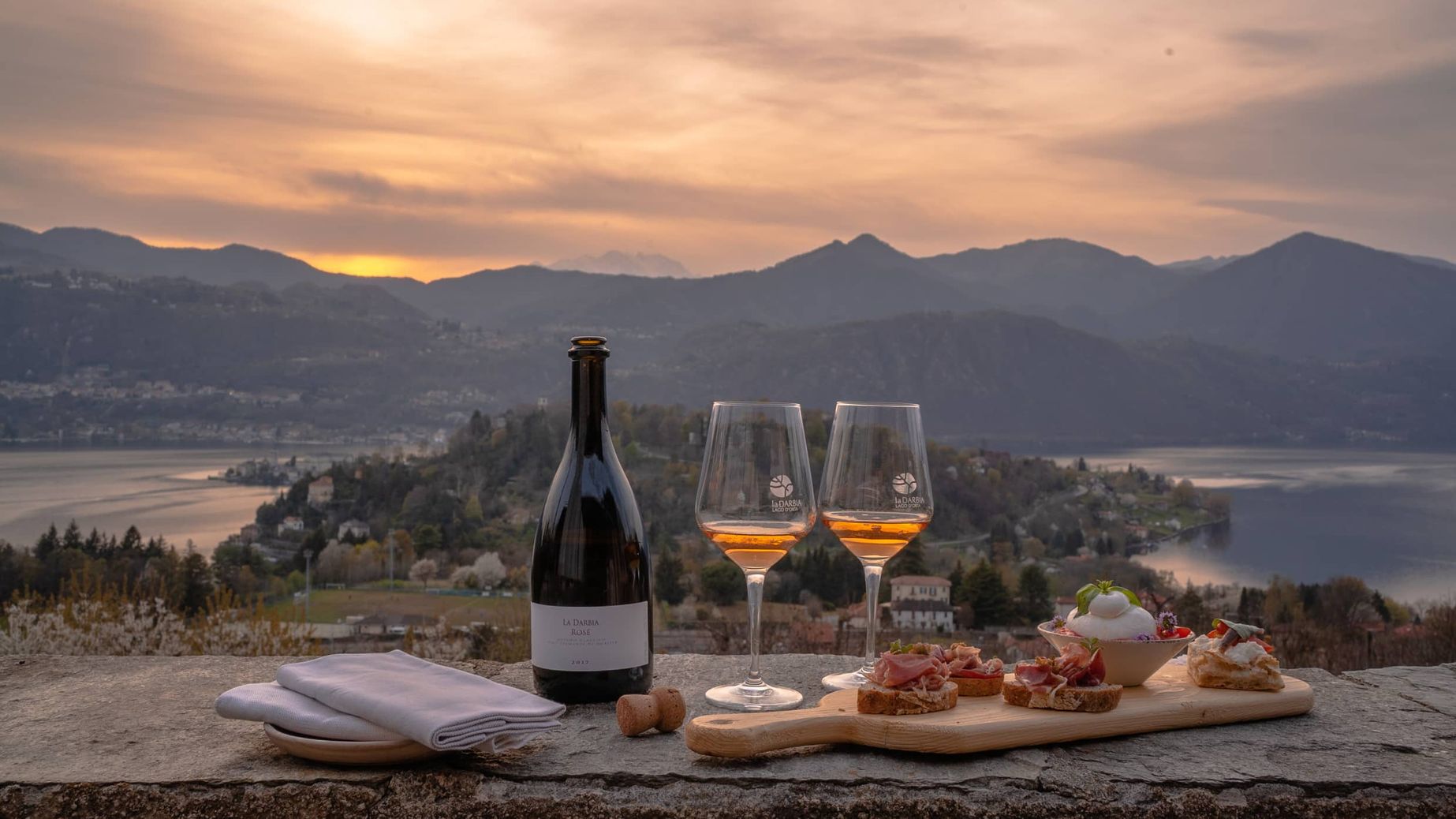
“If there was one thing we didn’t have in mind, it was to become hoteliers”, laughs Gian Carlo Primatesta, still a little incredulous at the vagaries of life. Architects in “normal” everyday work, he and his brother Matteo have ventured into unknown territory and transformed an abandoned rural settlement into a quiet holiday retreat that will make your senses dance: With a breath-taking panorama of Piedmont’s Lake Orta, La Darbia towers above everything and willingly shares this box seat with its guests. The property is celebrating its tenth anniversary this month and anyone who has ever sat on the bench in the vineyard, lost in the view of the dreamy lake with a fine glass of rosé in their hand, has found a piece of happiness. How good that life sometimes knows better!
Alpine-Mediterranean Tête-à-Tête
Only an hour north of Milan and not far from Novara and the Swiss border, the narrow, barely 13 km long Lake Orta shimmers in the lee of Monte Rosa, framed by the contrasting landscape of Piedmont. Quiet and peaceful, the silhouette of the second highest peak in the Alps rises 4634 metres into the sky, and on the surrounding terraced hills vineyards and small villages bask in the sun in an idyllic hillside setting. The mountain peaks are still covered in snow, but in the secluded gardens of historic villas along the lakeshore, magnolias and camellias are already blossoming.
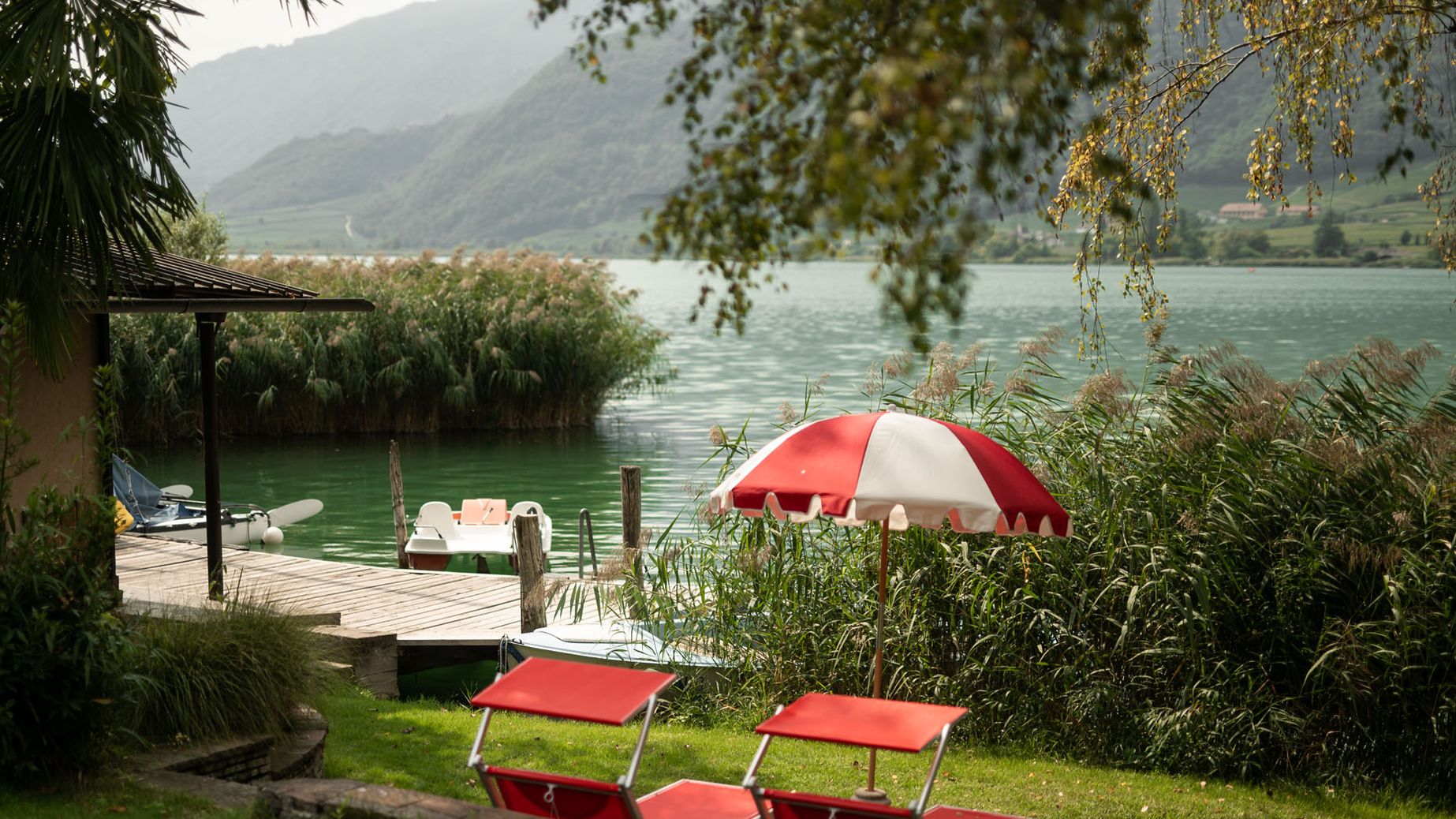
The Belle Époque gave Lago d’Orta and its picturesque lakeside towns eclectic buildings and beautiful promenades. If you stroll along the water, you will constantly come across small landing stages, boathouses and scenic belvederes.
Lake Orta is considered one of the most romantic lakes in Italy, but few people know it and flock to its better-known and larger “brothers” Lake Maggiore and Lake Como. A fairy godmother seems to have placed an invisible cloak over the piccolo lago, lifted only for those with a taste for quiet beauty. The horizon is near and far at the same time, and in the morning soft mists bathe the landscape in a magical light. Lake Orta seems at peace within itself and emanates a sense of contemplation, serenity and freedom.
Genius Loci
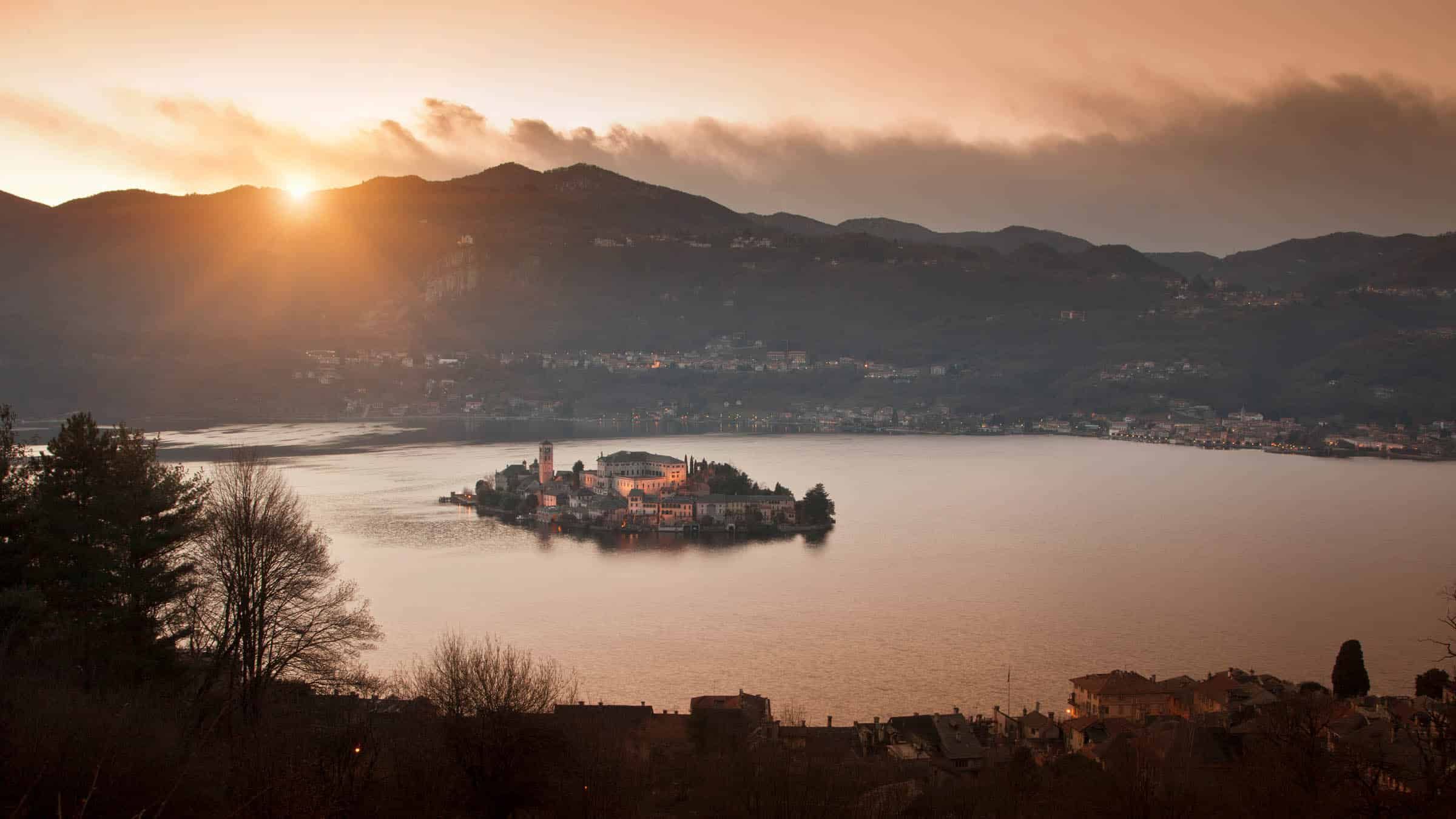
Lago d’Orta is a romantic manifesto. And yet it never seems kitschy, never ostentatious. The lake, whose light has thousands of facets, has a quiet elegance that does not need the loud notes to impress. Sobrio as the Italians would say. Simple and therefore intriguingly beautiful. And mysterious, like the small monastery island of San Giulio, which seems to float gracefully on the lake. If you wander along its Via del Silenzio – the path of silence – the very essence of this corner of Piedmont reveals to you directly and lingers on for a long time.
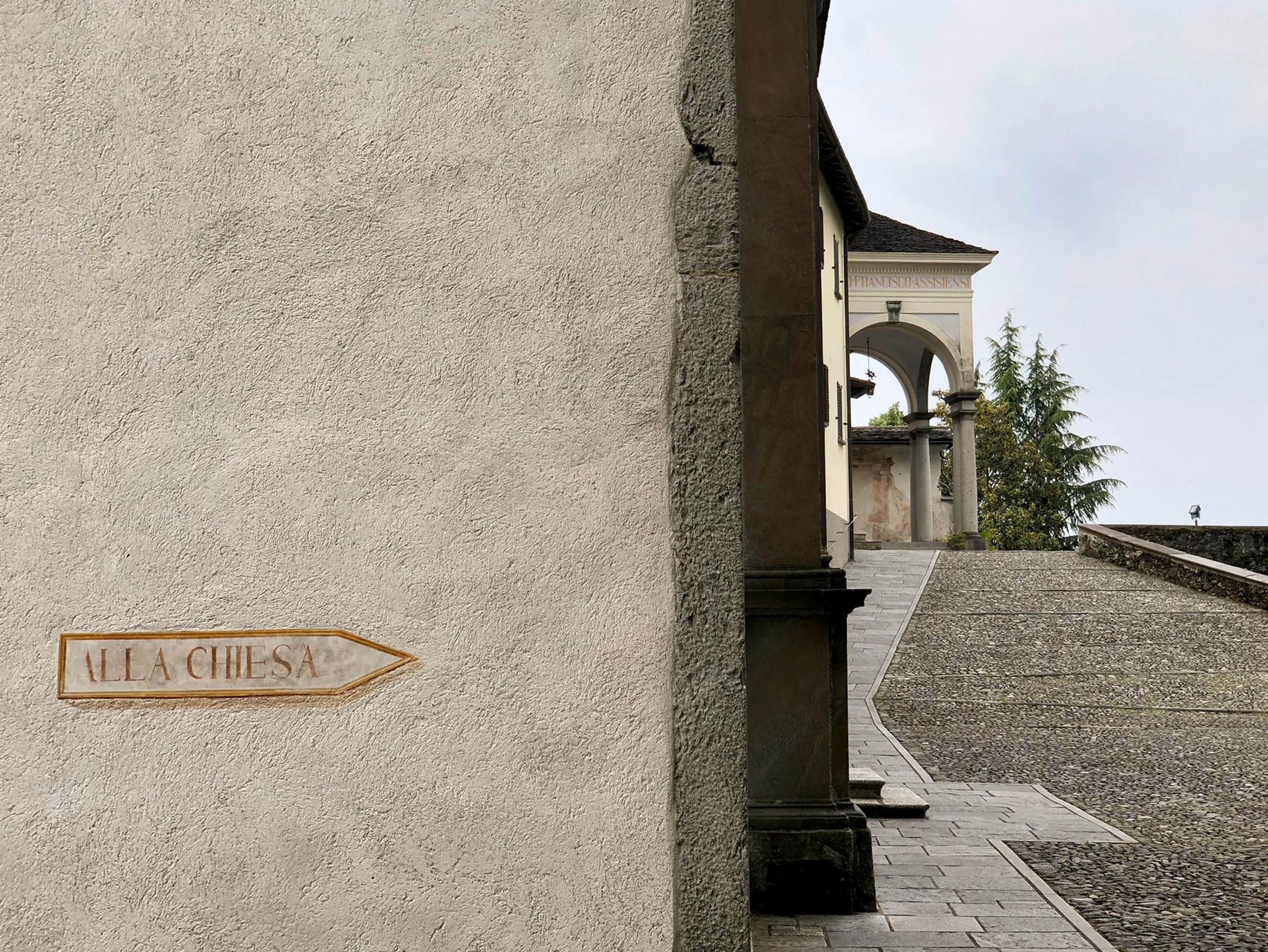
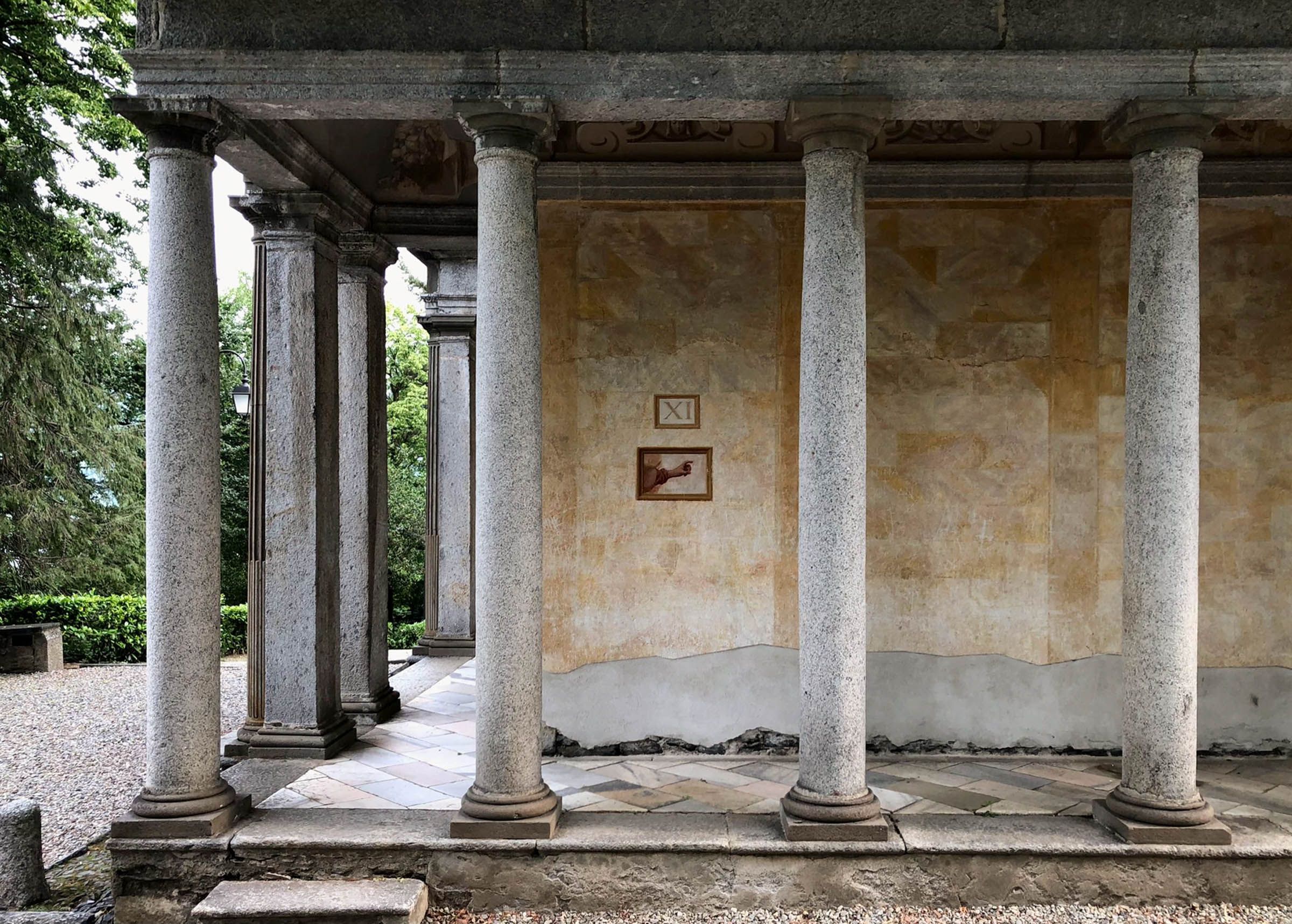
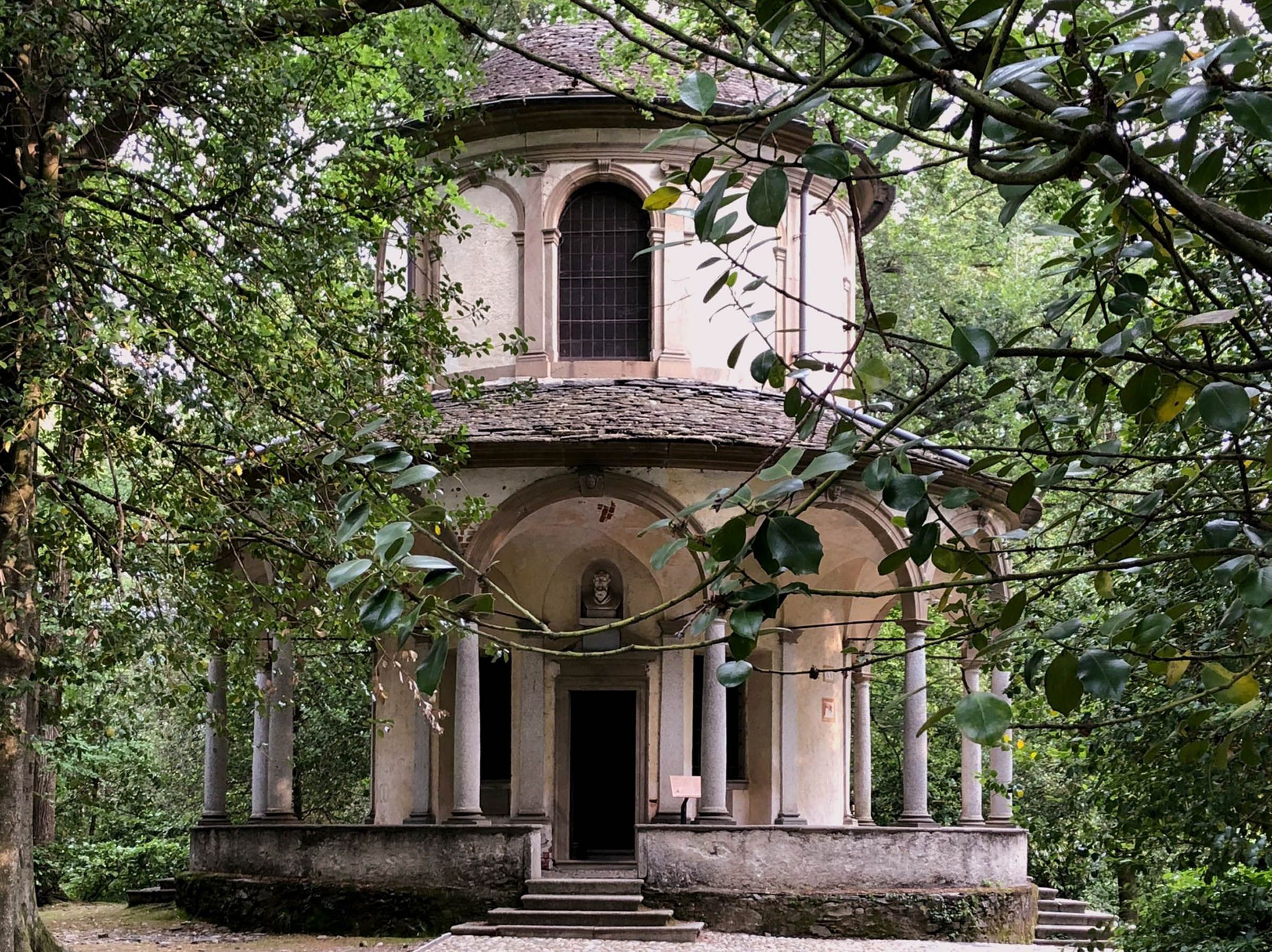
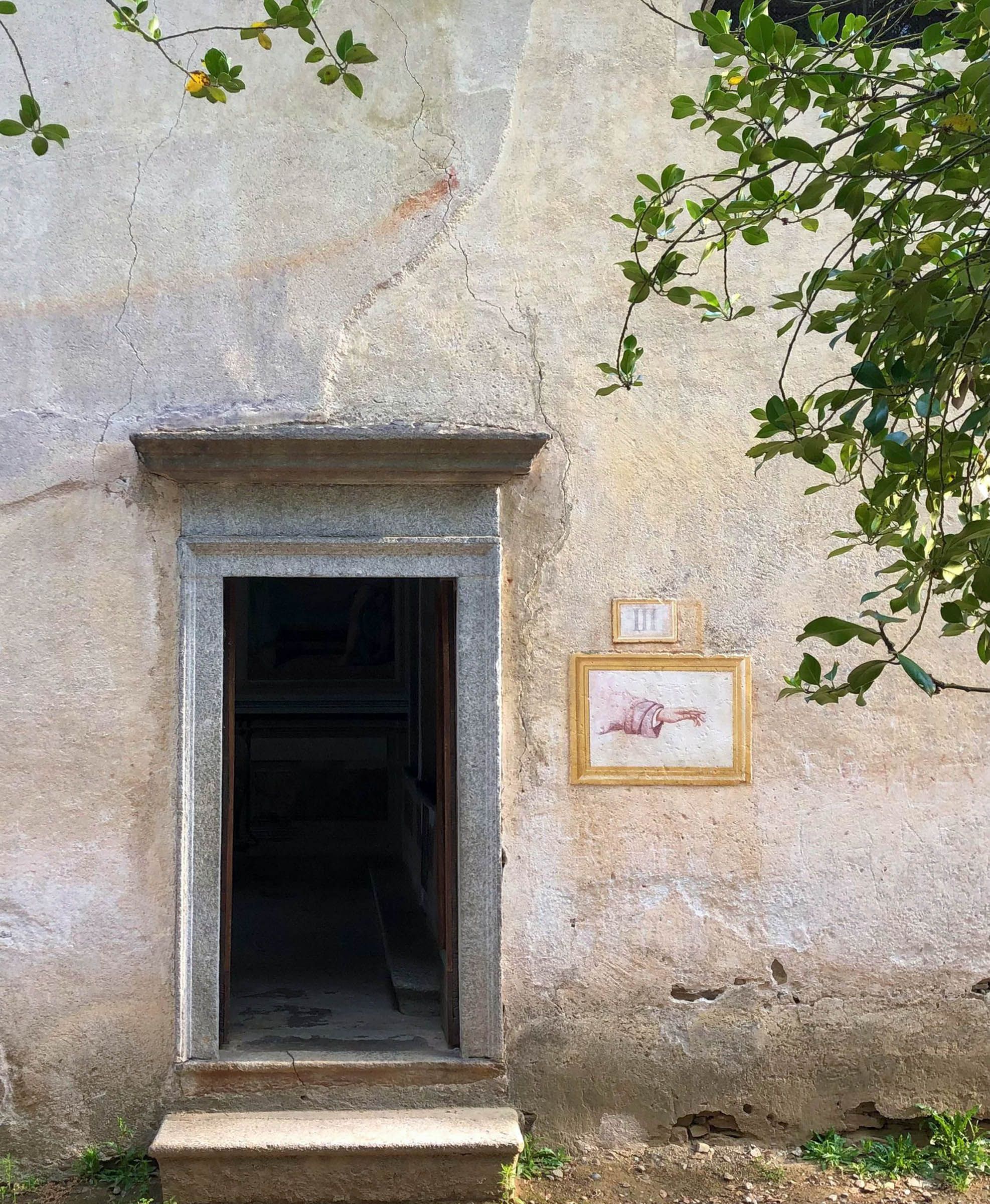
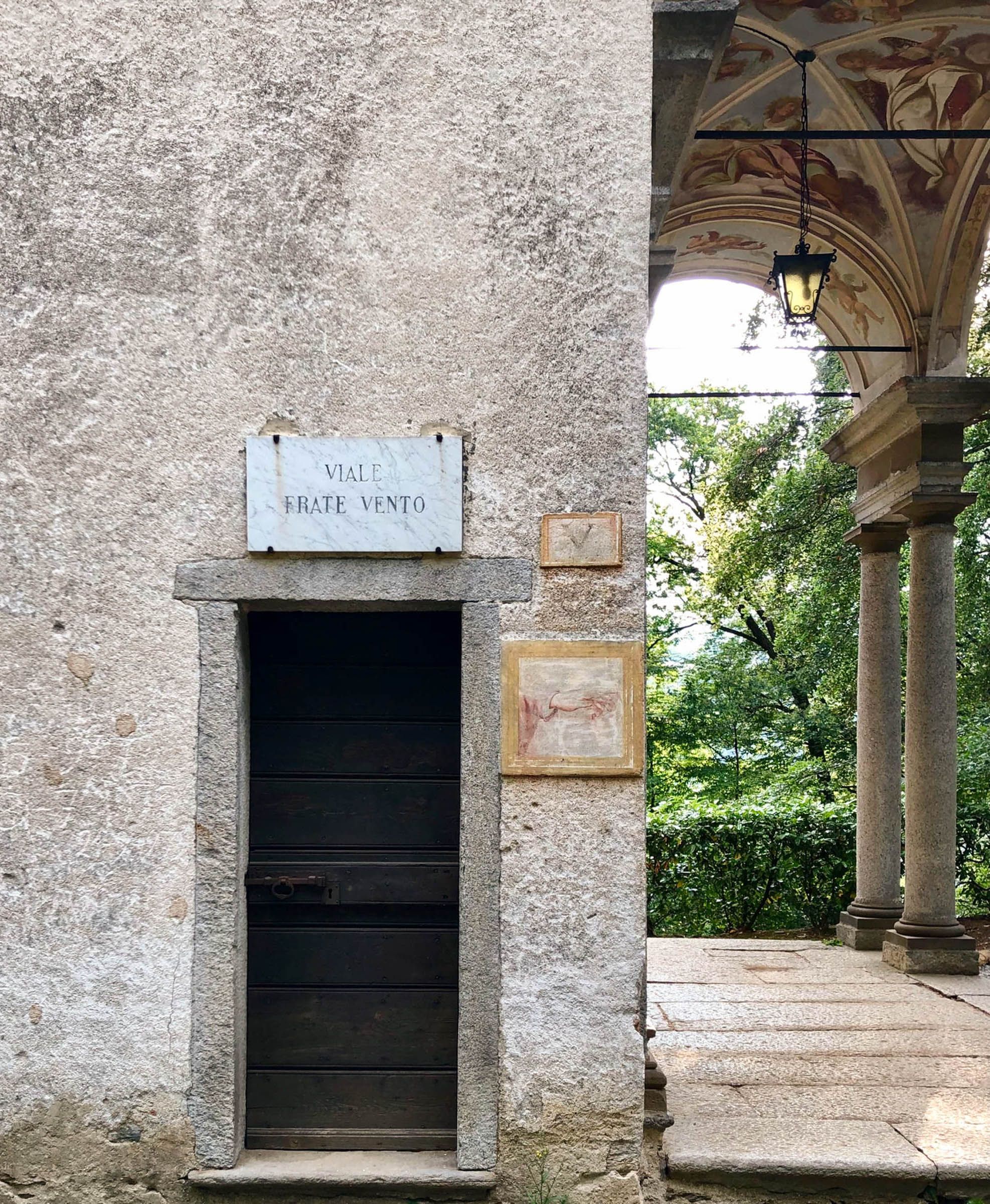
Above the eastern shore of the lake, at an altitude of 400 metres, lies the Sacro Monte d’Orta, one of the nine Sacred Mountains of Northern Italy, all of which together have been declared a Unesco World Heritage Site. The architecture and atmosphere of the pilgrimage site, built between 1590 and 1785, is impressive: In the midst of a lush, landscaped park, 20 chapels of different stylistic periods form a spiral circular path and tell of the life and miracles of Francis of Assisi. A walk here is a truly meditative experience, a sacred moment of the harmonious interplay of architecture, nature and genius loci.
Poet’s Muse
Lord Byron, Nietzsche and Balzac, like many other intellectuals and artists at the turn of the century, were inspired by the siren-like beauty of Lake Orta, and the mood of the time is still in the air. Imagine the three of them at a literary rendezvous on the lake: turn-of-the-century conversations, philosophical digressions, many a realist-romantic disagreement. Then a sip of good, round Nebbiolo wine loosens the tongue, opens the heart and the poet-philosophers sigh in unison. It is said that Friedrich Nietzsche – in 1882 – kissed Lou Andreas Salomé, the woman who inspired him to write Thus Spoke Zarathustra, on the Sacro Monte, which unsettled him so much that he wrote of his life in retrospect in two sections: “before Orta” and “after Orta”. Whether Lou or the lake setting was the more beguiling muse remains a mystery.
Patina
Orta San Giulio, a town of 1136 people on the east side of the lake, is a revelation. Time seems to have simply stood still here at some point. Medieval and baroque architecture, colourful house façades and numerous frescoes bear witness to the prosperity of a comparatively peaceful past: In the course of its history, Orta was pillaged only once, in 1524, by the Sforza clan of Milan.
At the entrance to the village, the Moorish façade of the fabulous Villa Crespi attracts everyone’s attention; here Italy’s most popular star chef Antonio Cannavacciuolo delights gourmet palates from all over the world.
From here you can walk to the car-free old town, which juts out into the lake as a peninsula. Directly on the waterfront, on the picturesque Piazza Motta, stands the legendary Albergo Orta, which has been closed for over 20 years and exudes – silent and still – the fascinatingly decadent charm of the Belle Époque. Behind the patina-covered façades, you can sense the glamorous, nostalgic atmosphere of a Grand Budapest Hotel: Wes Anderson would have had a field day with this setting!
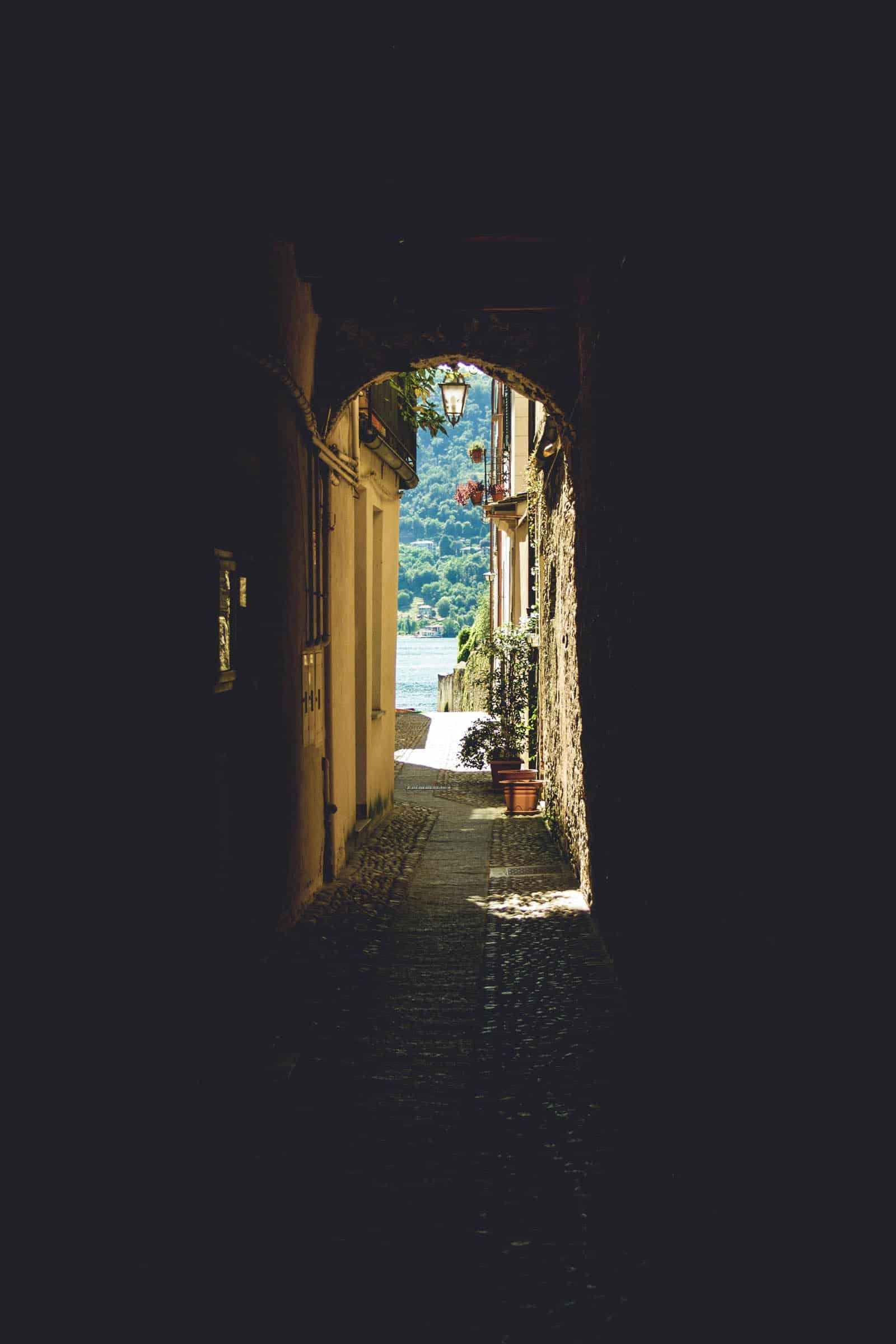
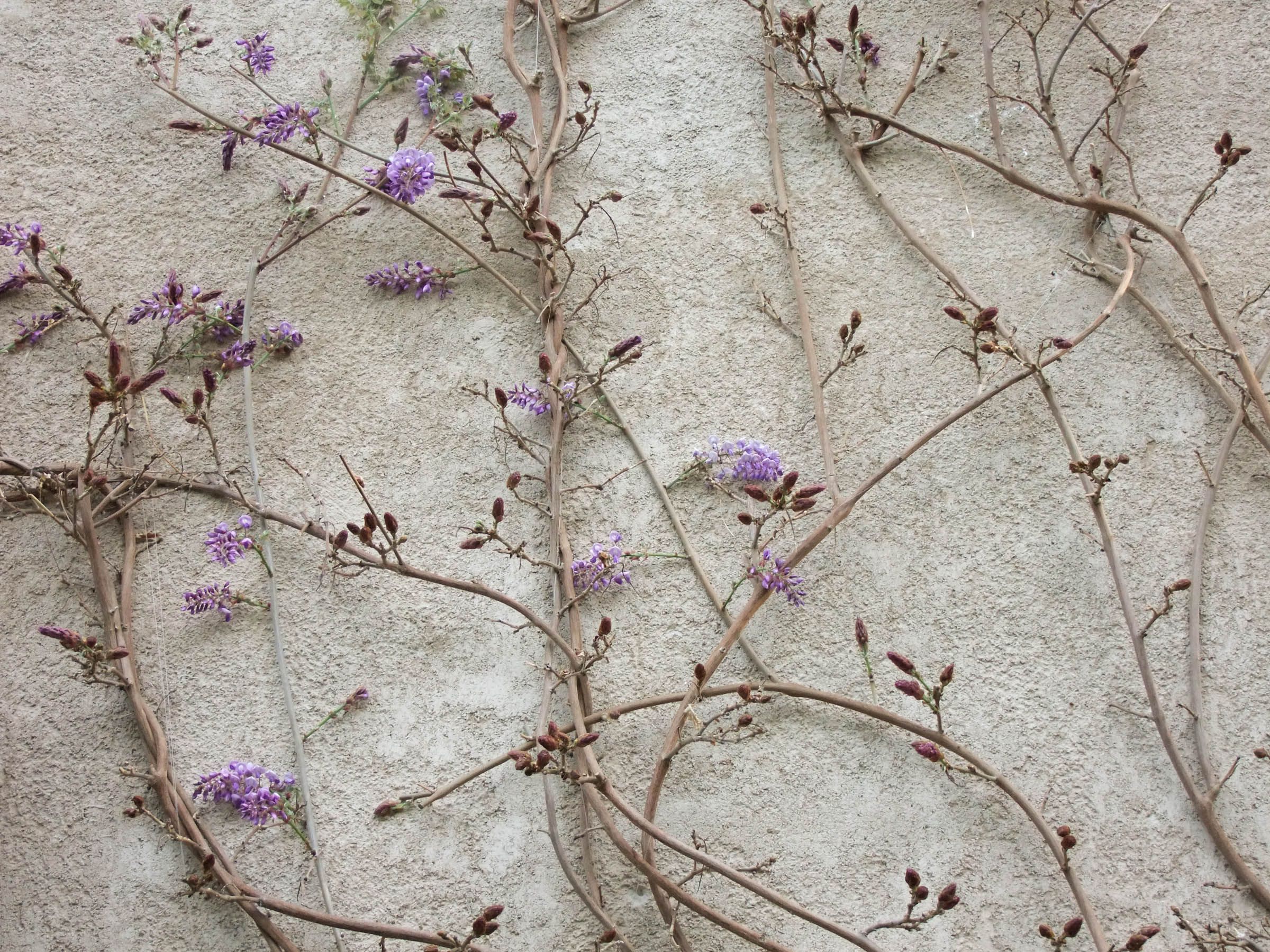
The waterfront promenade leads past gracefully aged palazzi in the midst of almost exotic vegetation. Everyday Italian life takes place on the piazza and is – why so? – so much more scenic than elsewhere: At the landing stages, whistling, the ferrymen wait to ferry tourists and locals to the little monastery island, old women gossip together on benches in the shade of the chestnut trees, cats sleep on sun-warmed stones. The few visitors stroll pensively through narrow, cobbled alleys where ivy and wisteria have conquered the peeling house fronts. Again and again, glimpses of the lake reveal picturesque new vistas.
Orta manages without a sense of time – that is both charming and salutary. The ancient town coat of arms symbolises the idea of the hortus conclusus, which was widespread in the Middle Ages, and shows Orta as a protected garden that invites contemplative lingering. A quiet, timeless place for spirit and soul. A little further up the slope, enthroned above the lake, is yet another blissful place, an oasis, a poem: La Darbia.
Wine architects
Matteo and Gian Carlo Primatesta have their roots in the small village of Ameno on a hill above Orta. The climate here is mild, the soil fertile. They grew up here, with a view of the omnipresent lake, influenced by the rural culture of Piedmont, its traditions and everyday rituals that mean one thing above all: hard work, dedication and a deep respect for nature. Time passed, the boys became passionate architects who have made a name for themselves with exceptional wine architecture, industrial buildings and touristic projects right on the water’s edge. The portfolio of their STUDIOPRIMATESTA features an illustrious international clientele, but they don’t make a lot of noise about it. Still waters run deep.
Wine is the second great passion that Matteo and Gian Carlo share. “The love of wine has deep roots in our family. Our grandparents were farmers, and our childhood was marked by the cycles of nature, its elements, colours and flavours. The most exciting time of the year was the grape harvest: Family and friends gathered in the vineyards in the warm October sun and the transformation of the ripe grapes into fine wines was wondrous alchemy for us. The desire to make our own wine one day must have crept unconsciously into our minds and hearts at that time.”
In 2008, the brothers were offered the opportunity to buy the completely delapidated Darbia estate with its ruined tower. At first they were not the least bit interested: too much work in their own daily architectural routine, their families had children… But suddenly the long-cherished dream of their own vineyard slipped back into their consciousness, and there was more: “One balmy summer evening we looked out from our house onto the lake and the island of San Giulio. And suddenly there was this question, this vision: Why not revive the rural past of La Darbia and transform the place into a holiday retreat that connects with the essence of this corner of Piedmont? La Darbia is situated on the most beautiful slope of the eastern shore of the lake, from here the lake and Isolotto are at their best, the view is simply spectacular. And thanks to the relatively flat topography, it was quite conceivable to plant vines here.” All it took was a brief, brotherly exchange of glances. In December 2010, the construction work began.
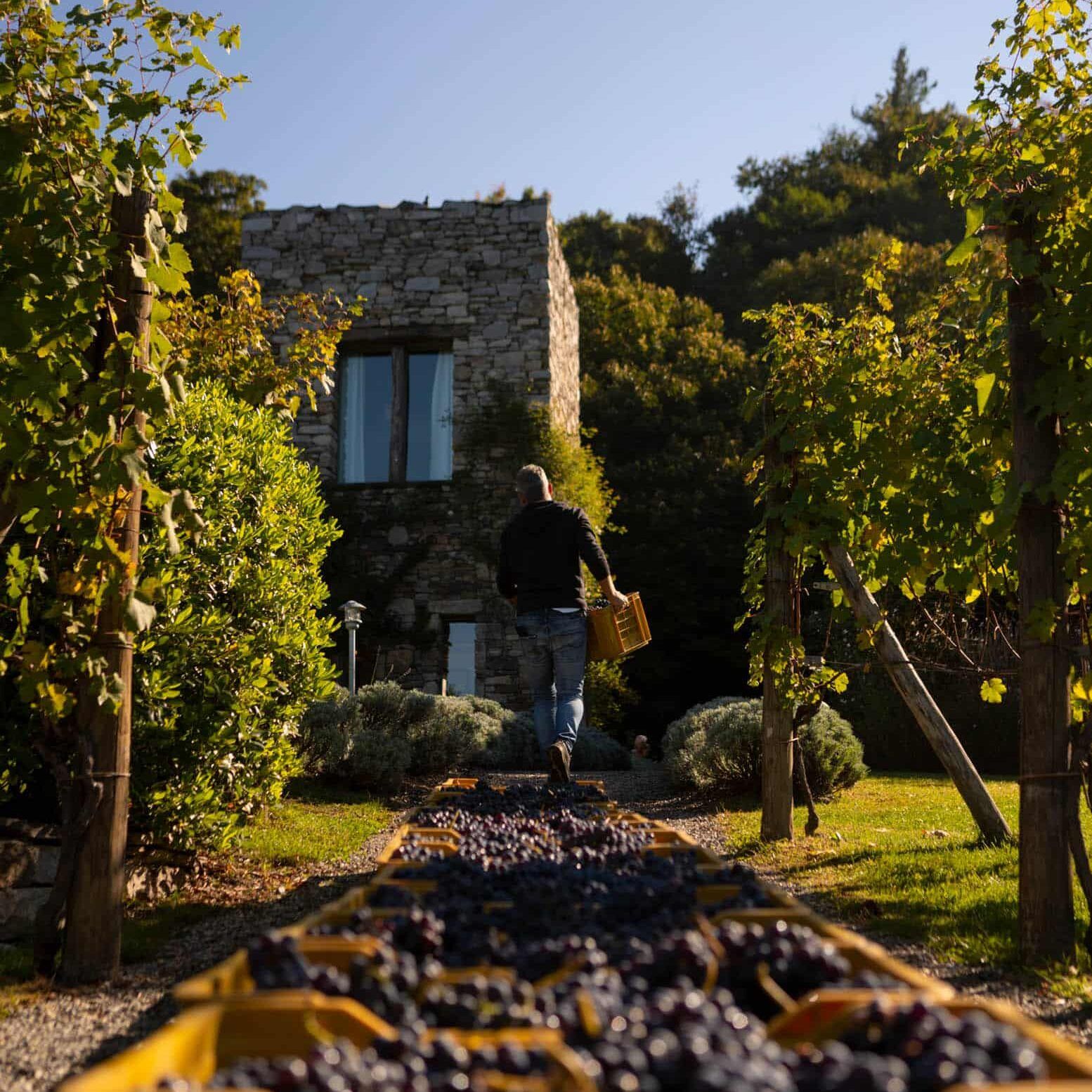
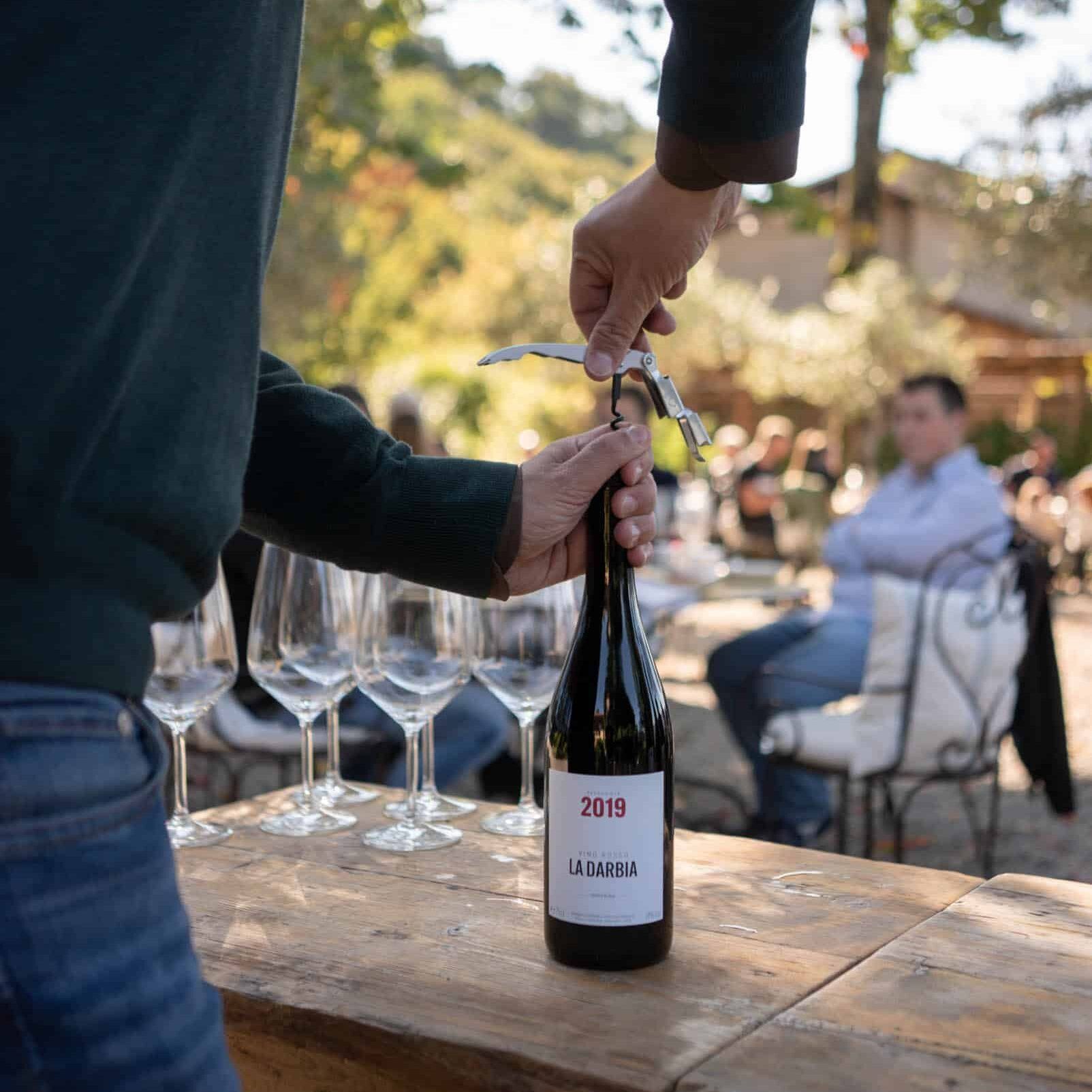
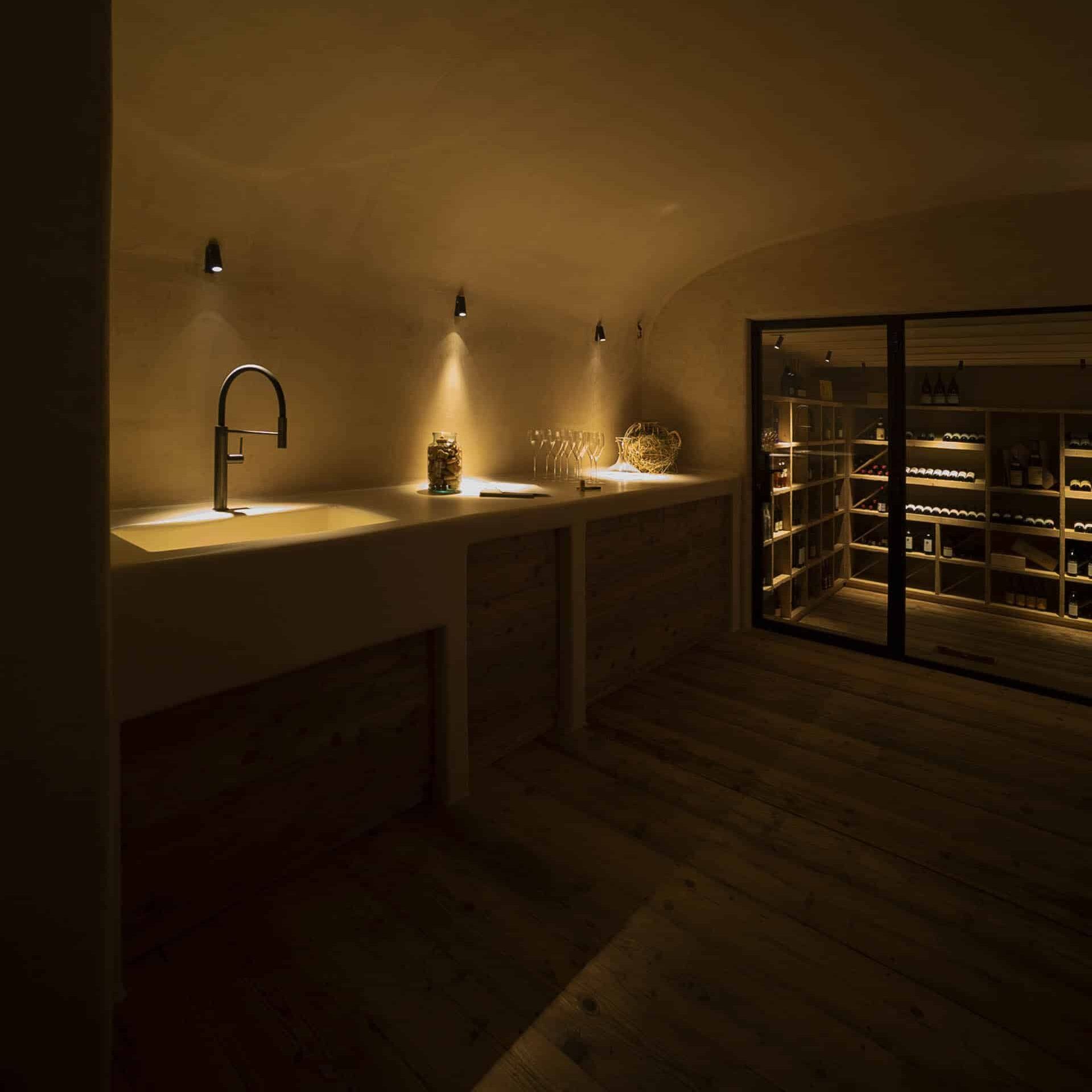
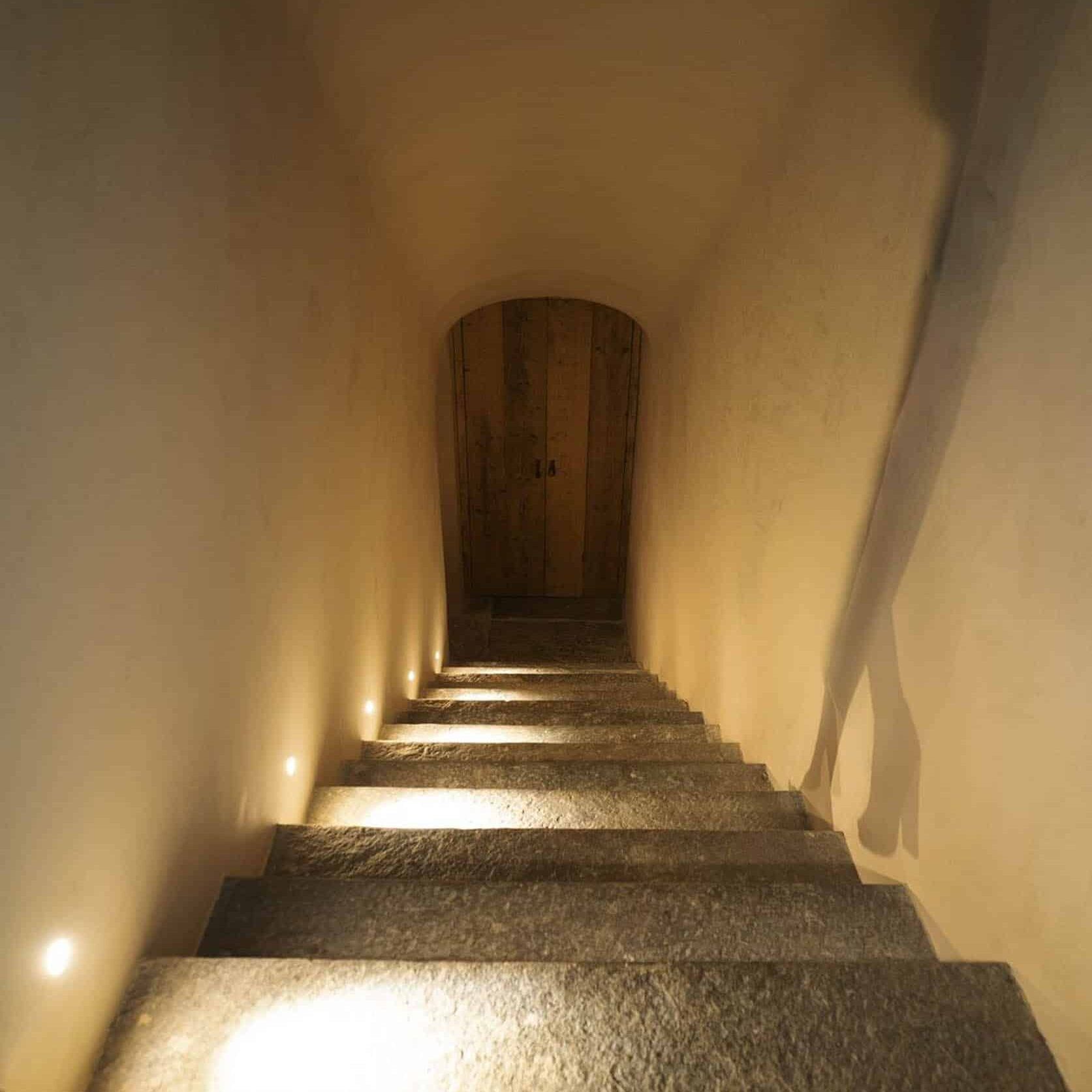
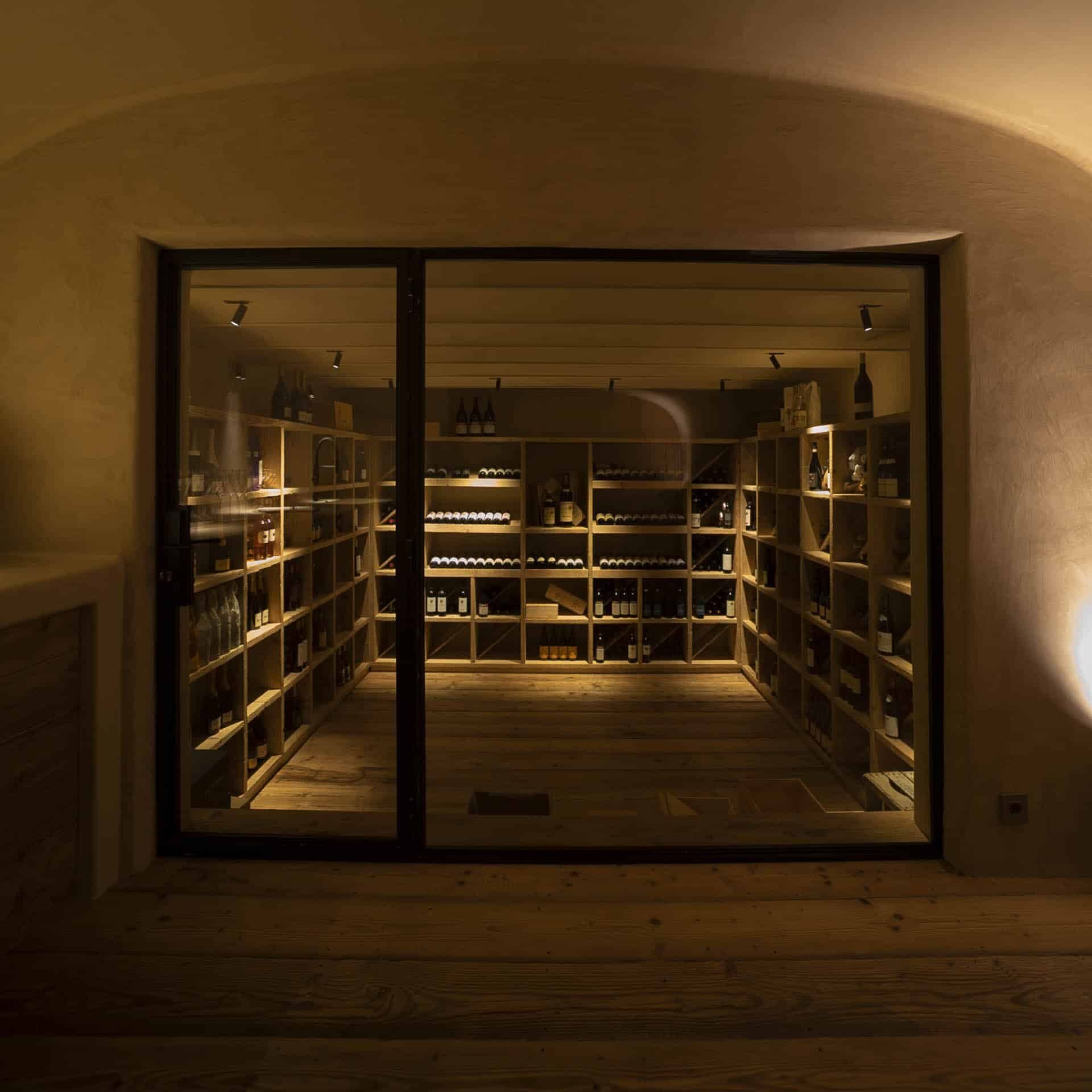
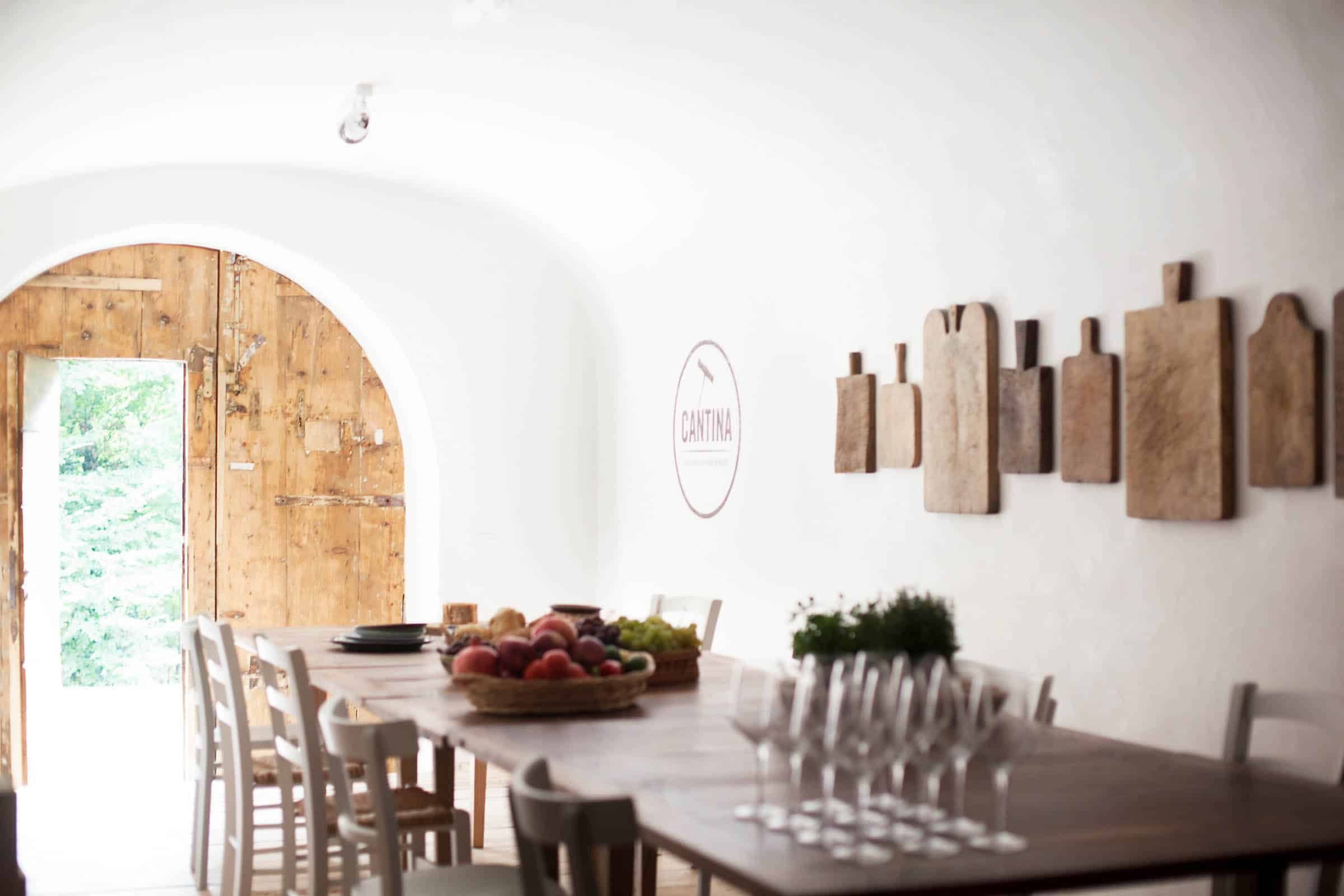
During the work, traces of an old, terraced vineyard, estimated to date back to the 18th century, was uncovered. After the structural interventions were completed, the brothers began – finally – to plant their own vineyard. Today, they produce a small, fine quantity of red wine and their own Brut Rosé Metodo Classico from the local Nebbiolo grape variety, which joins an astonishing selection in the charming wine cellar – designed by STUDIOPRIMATESTA: an “Italian Journey” – from Friuli to Sicily – with more than 100 labels. Wine lovers will go weak at the knees here.
Tower stories
La Darbia is situated above Orta in the middle of an extensive forest and park with centuries-old chestnuts, hornbeams and maples. Where holiday pleasures are enjoyed today, there was originally a small rural settlement that was farmed until the post-war period — mainly with vines and a plantation of apple, chestnut, walnut and persimmon trees.
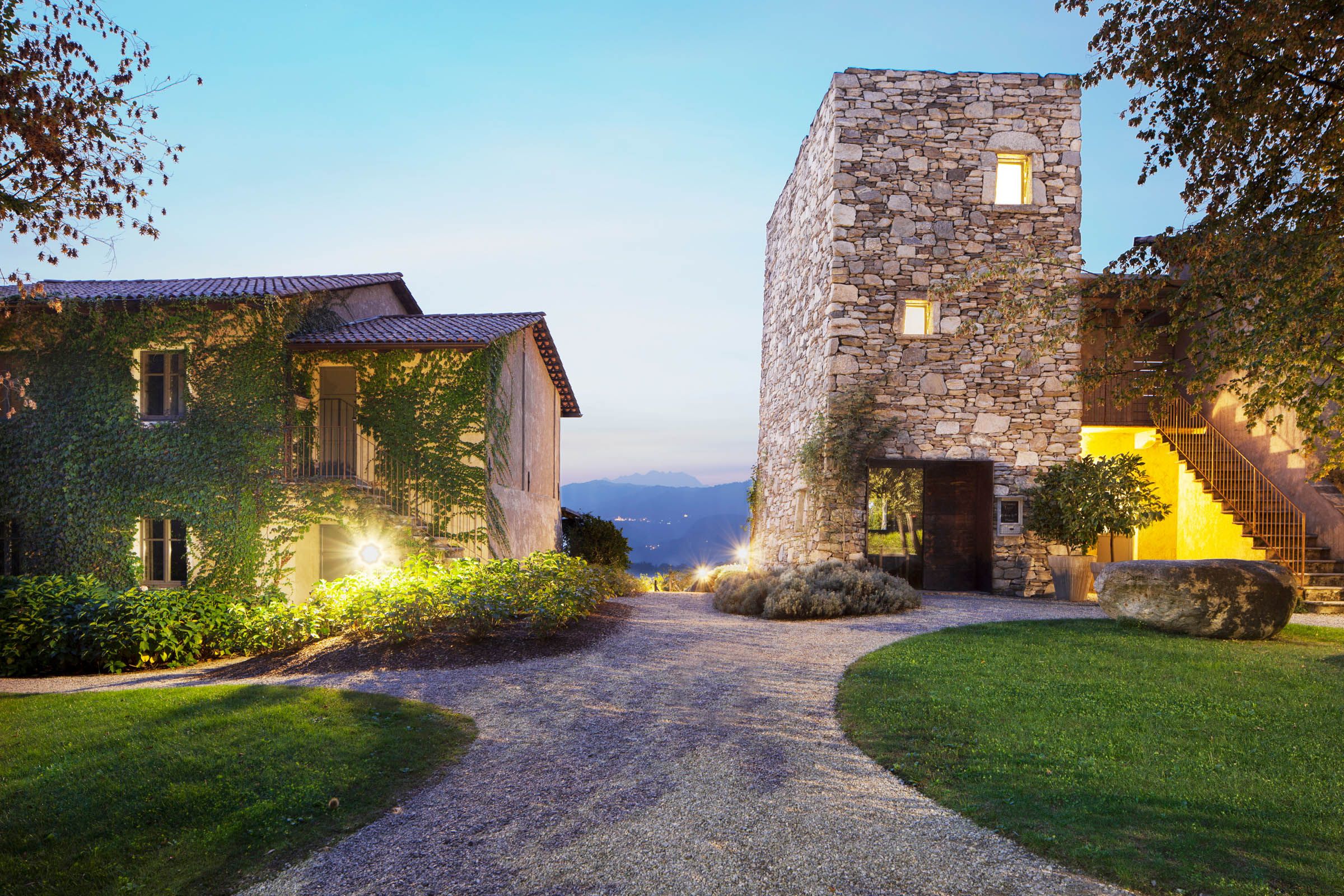
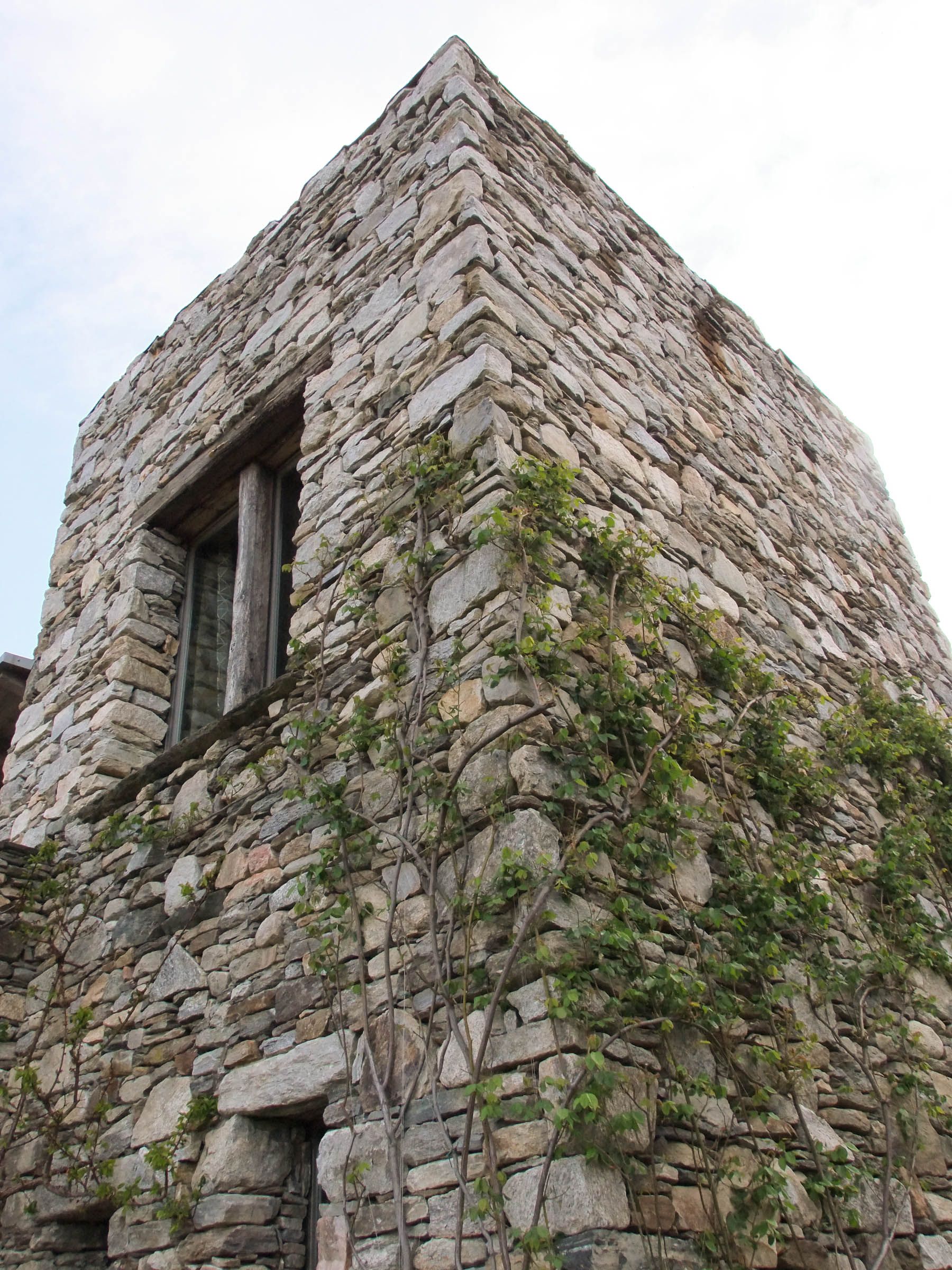
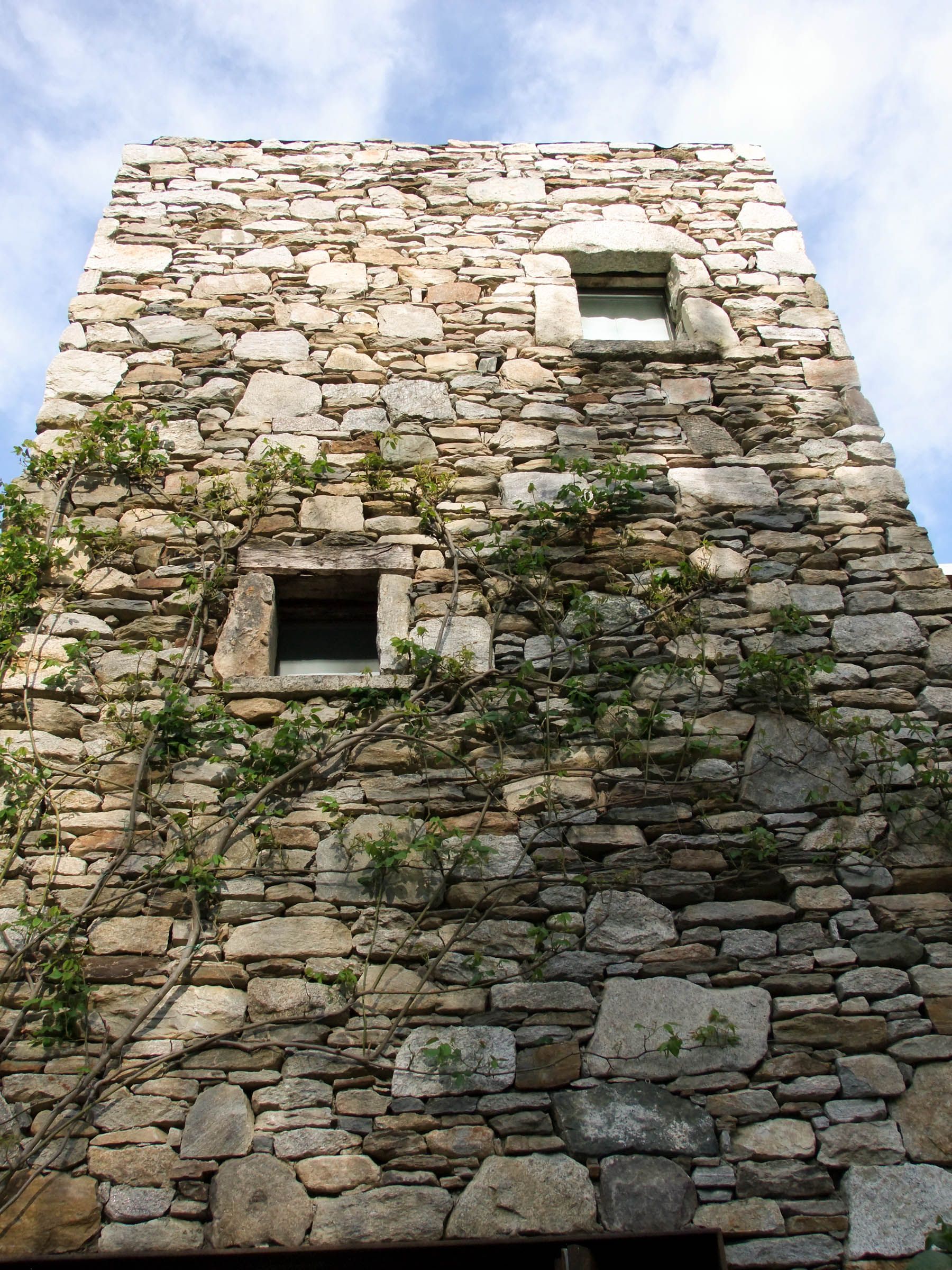
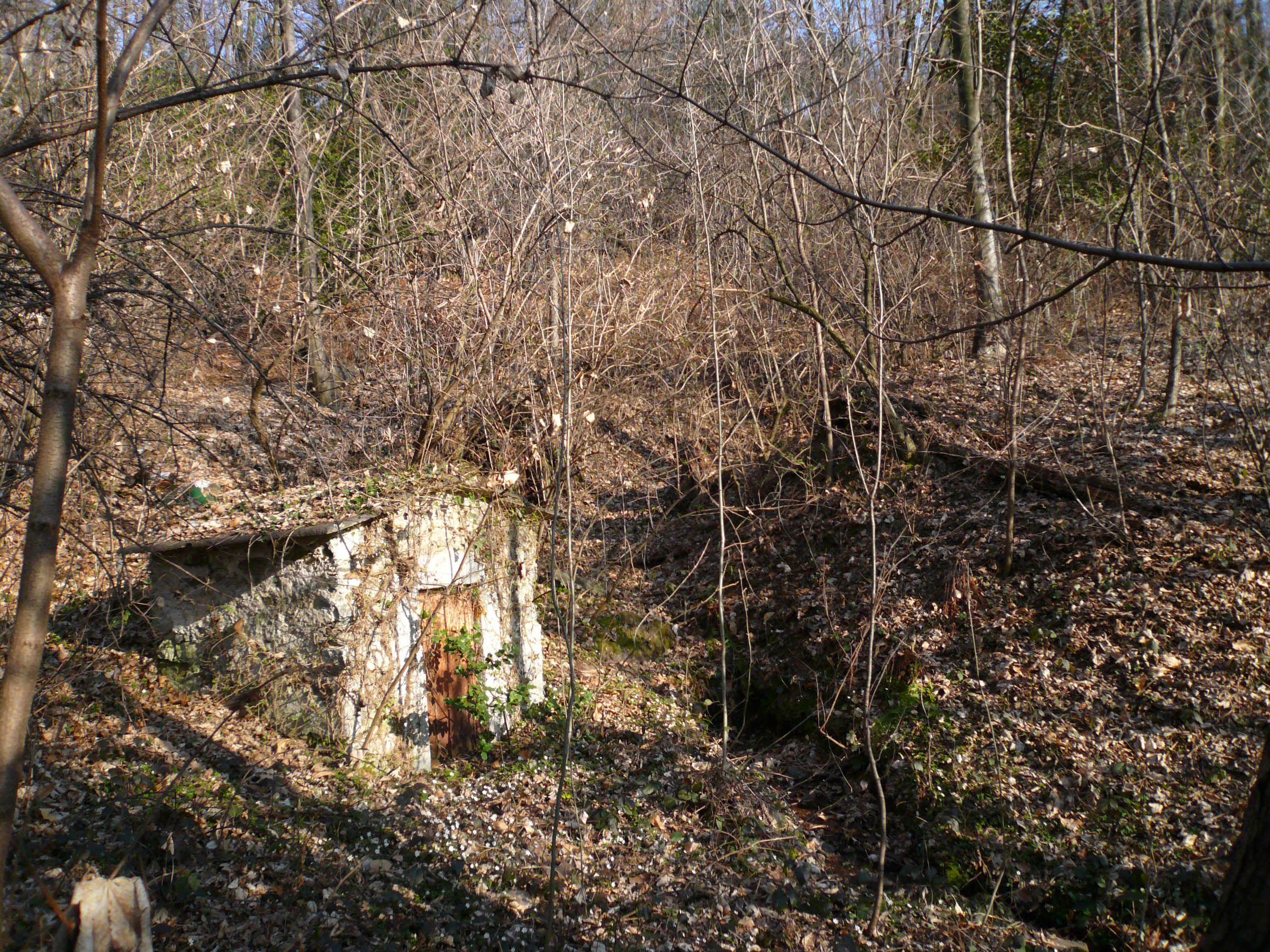
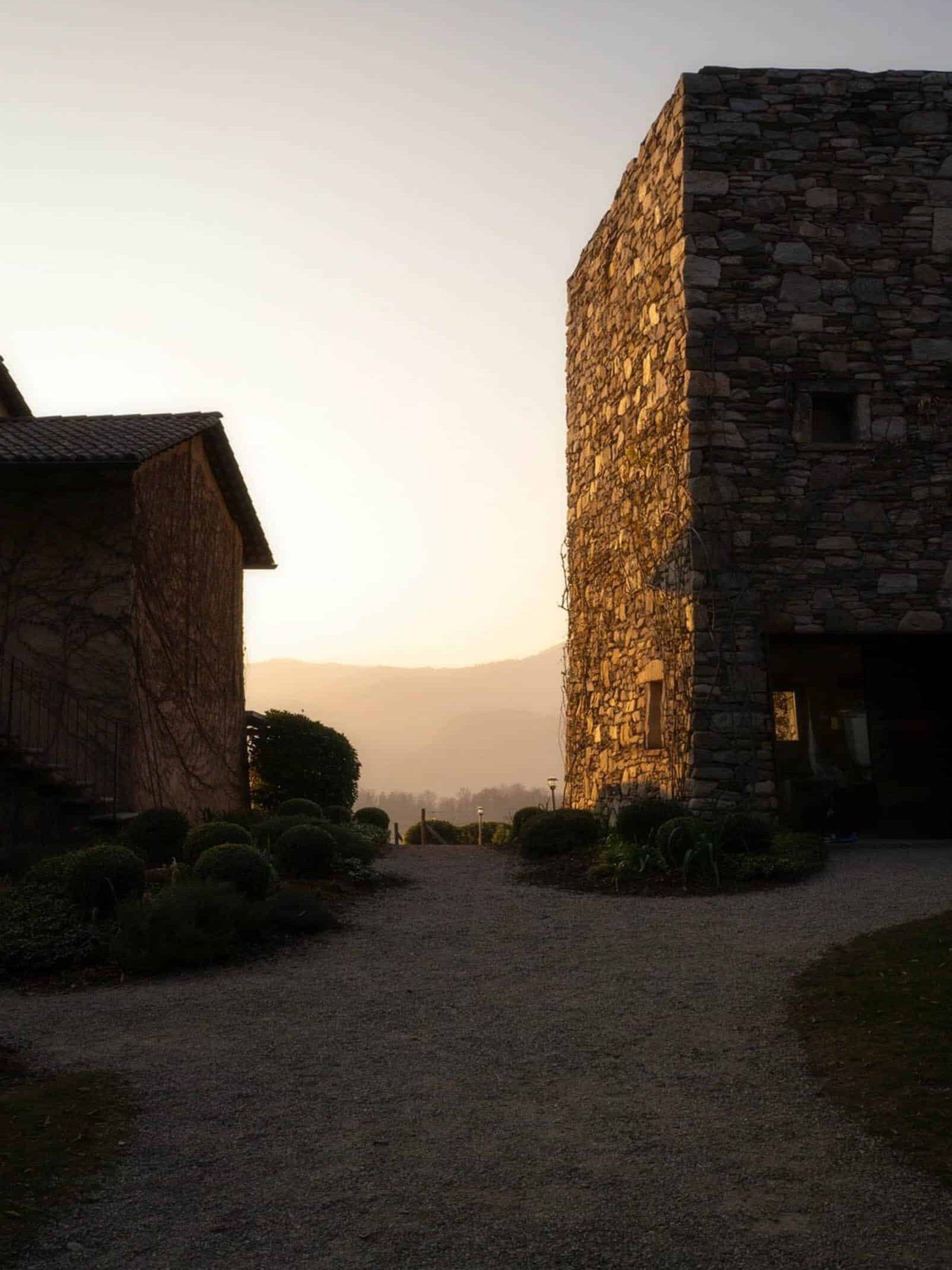
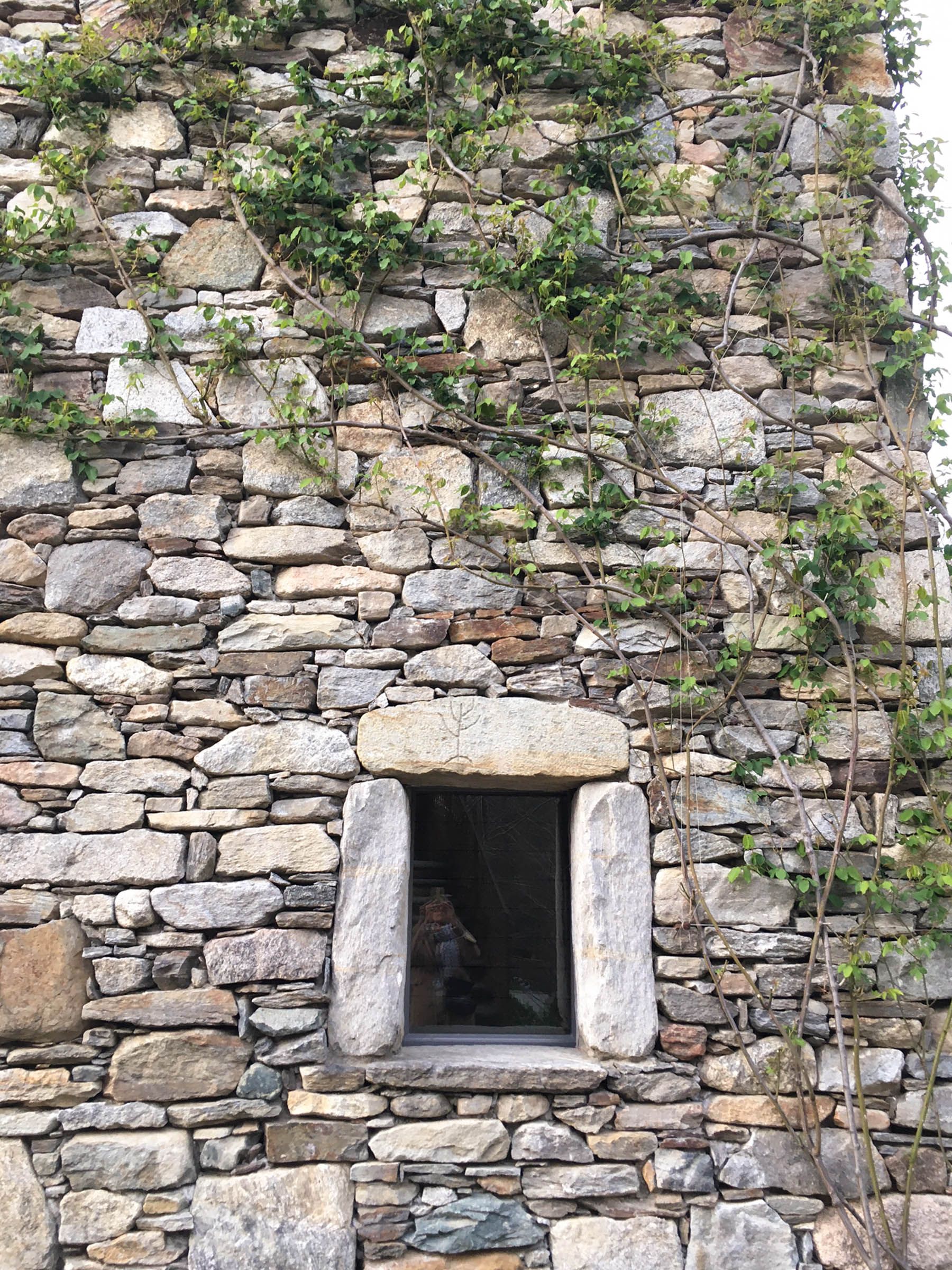
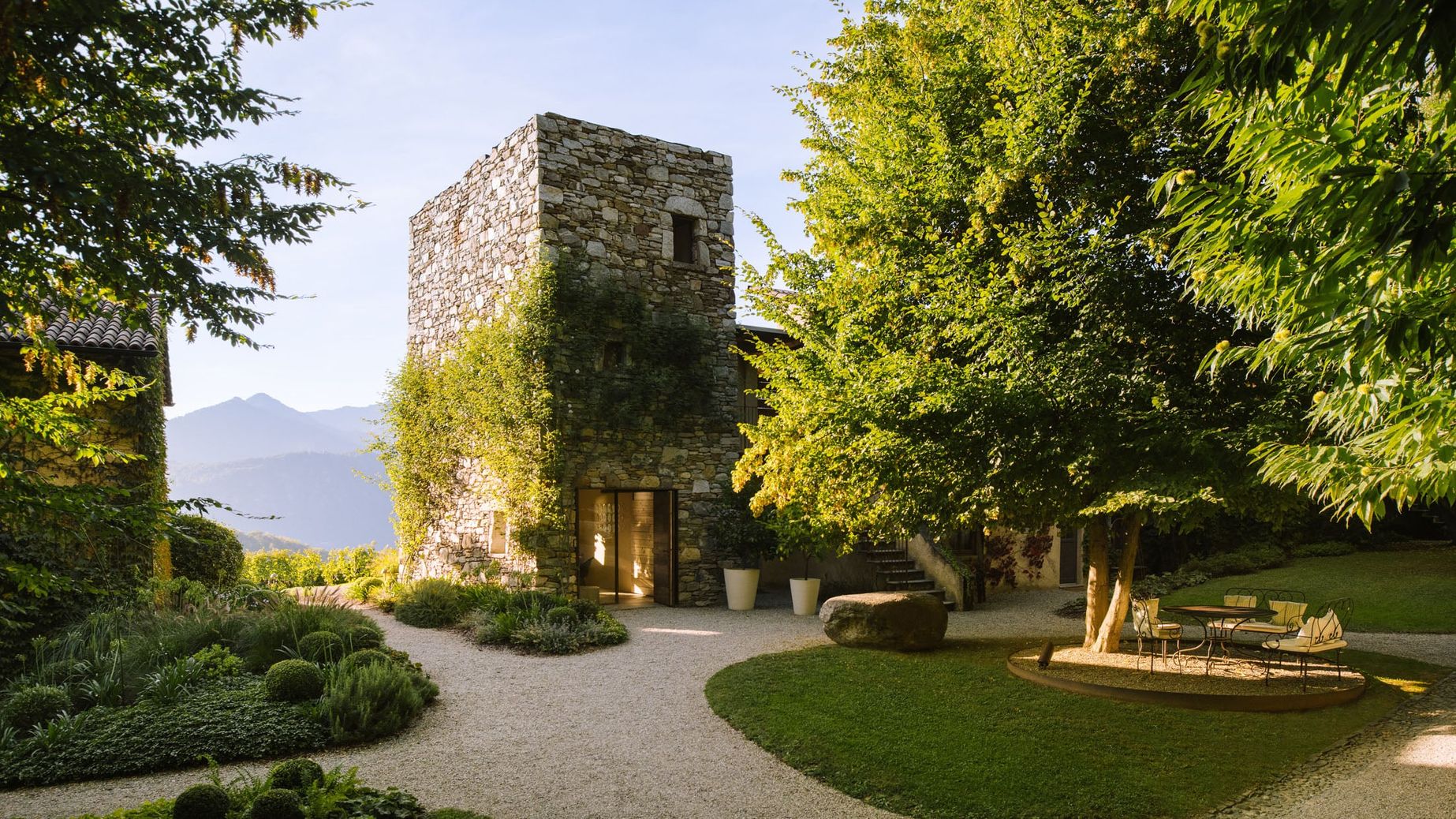
The emblem of La Darbia is the simple stone tower, its grey granite touching blue sky. Three storeys high, the tower contains the reception at the bottom and an apartment with a Rapunzel feeling and cinematic view at the top. Looking at the unadorned building, you are reminded of medieval fortresses and noble knights singing their serenades to aloof ladies. But the original function of the tower was different – far less romantic, but all the more deeply rooted in the rural culture of Piedmont: The so-called roccolo was a botanical-architectural construction for catching birds that originated in Piedmont from the 15th century onwards and became widespread throughout the foothills of Upper Italy in the 18th and 19th centuries. The “stone hunter’s stand” was framed by a labyrinthine network of bushy trees: not so easy to fly out of here again. With the official ban on bird hunting, the stone towers lost their meaning and purpose and, conquered by vegetation, just like Sleeping Beauty, were sent to sleep. One was lucky and was kissed awake. The reward followed promptly: Deep in the forest of Darbia, the brothers uncovered a small miracle – an aqueduct overgrown by undergrowth, whose spring originates directly on the property. The naturally pure drinking water gushes reliably from the fountains of the resort even in times of general water scarcity.
Essence
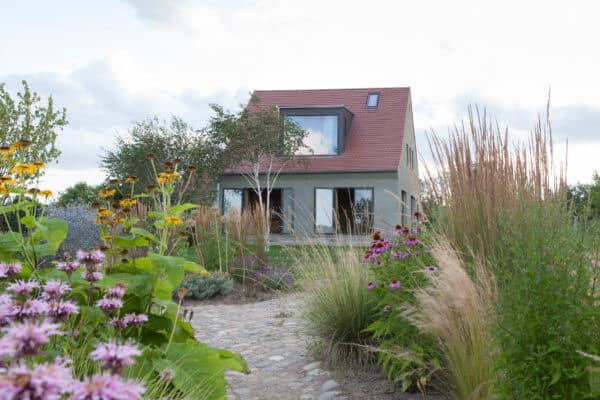
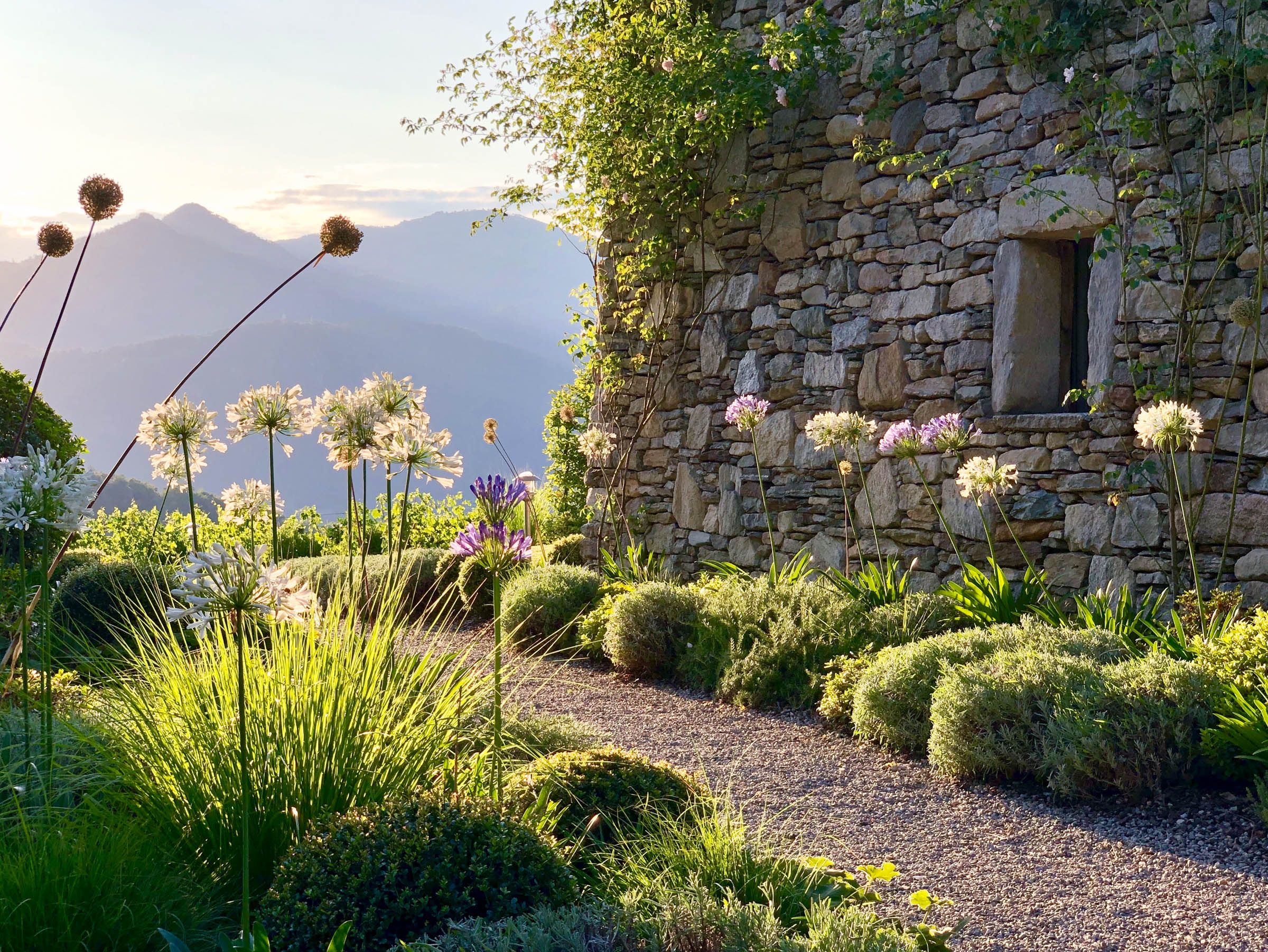
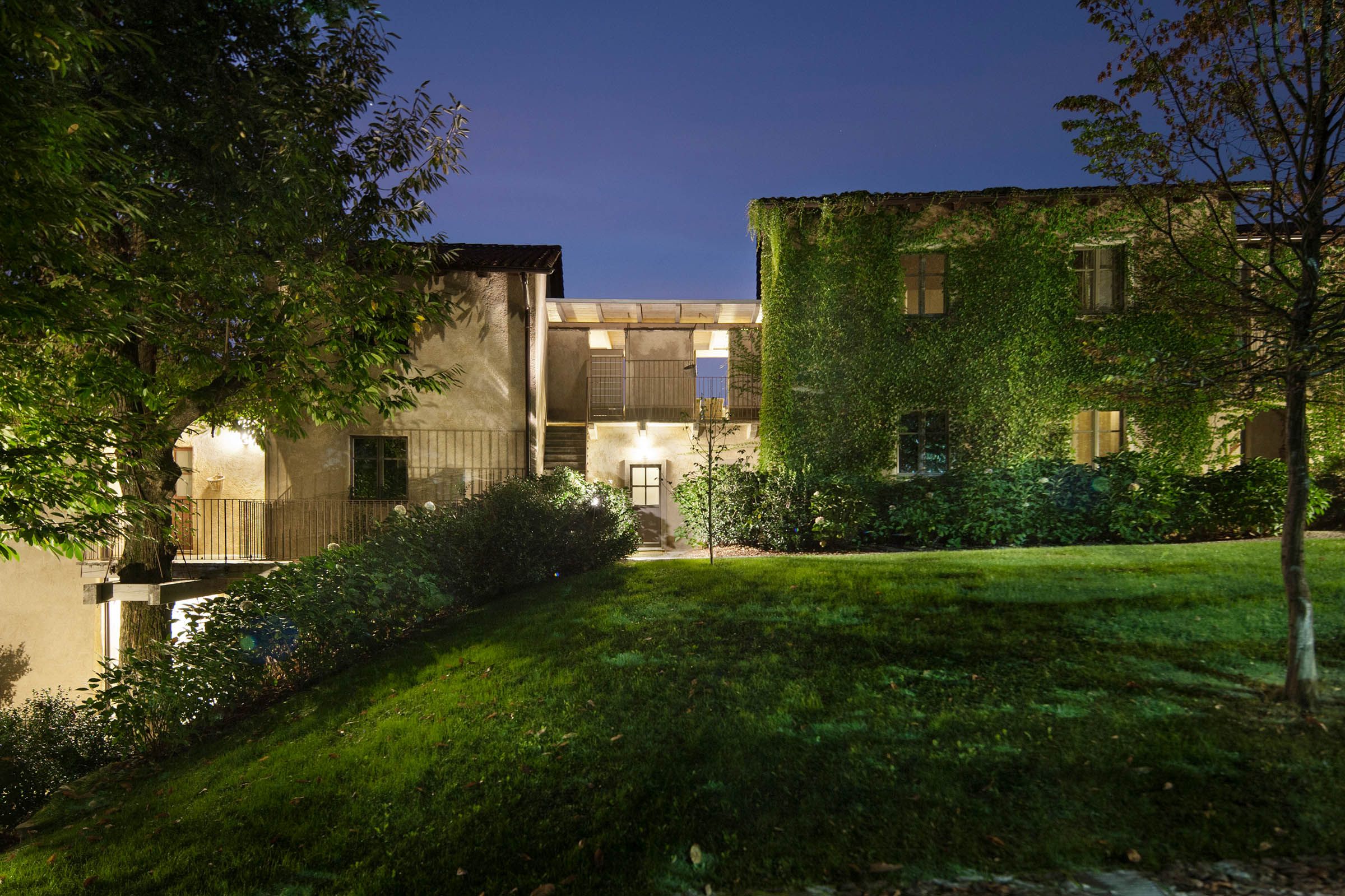
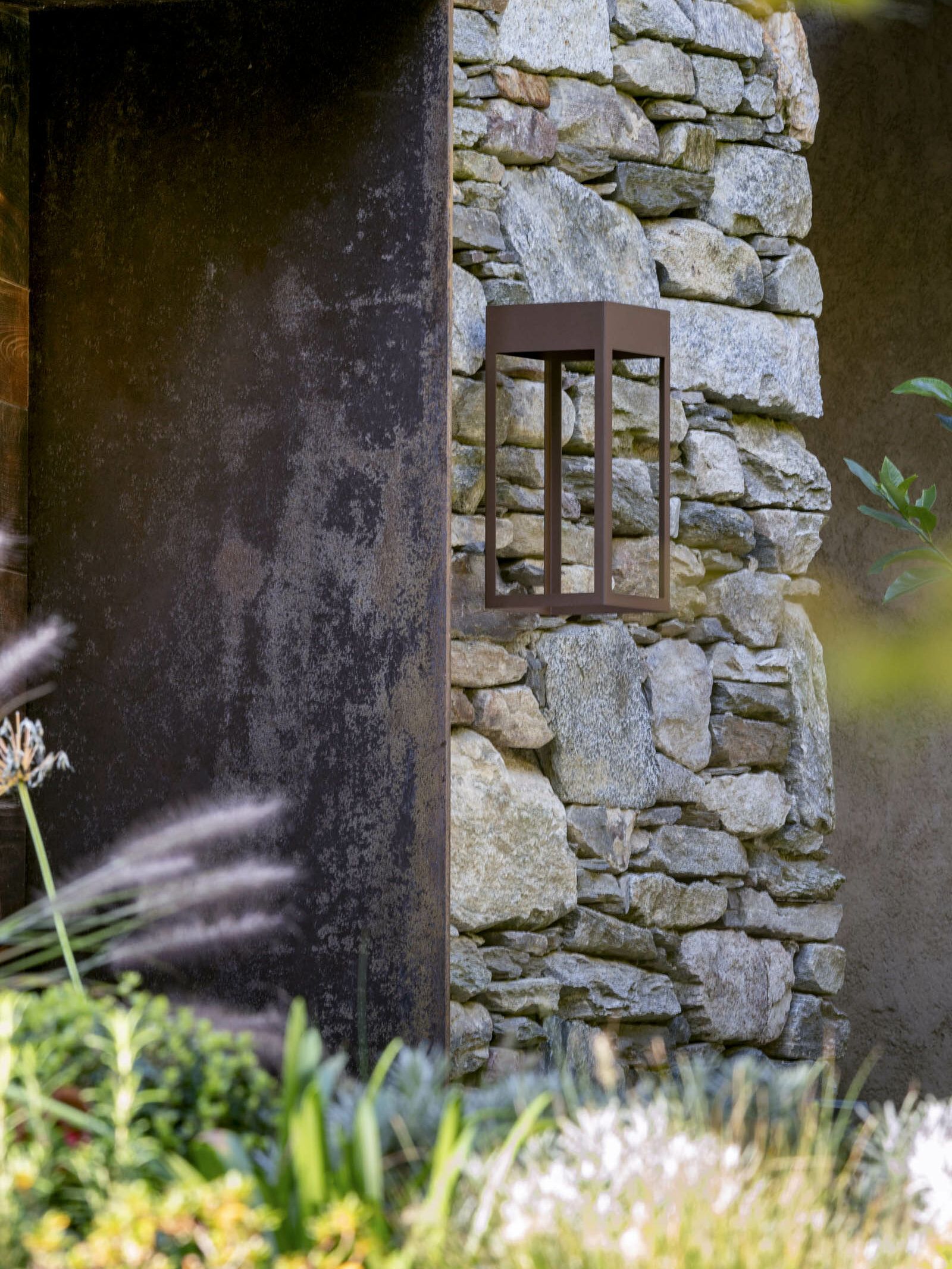
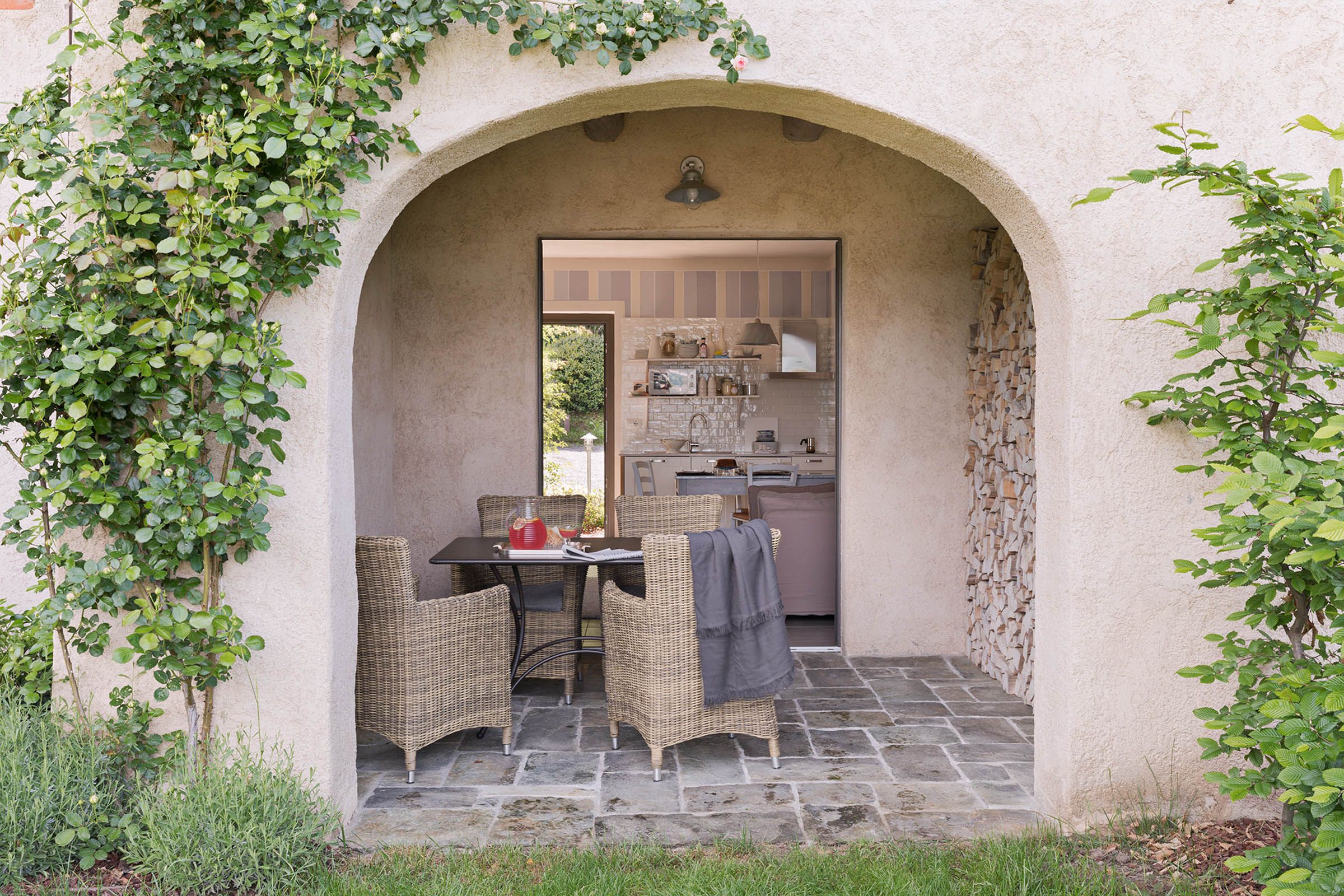
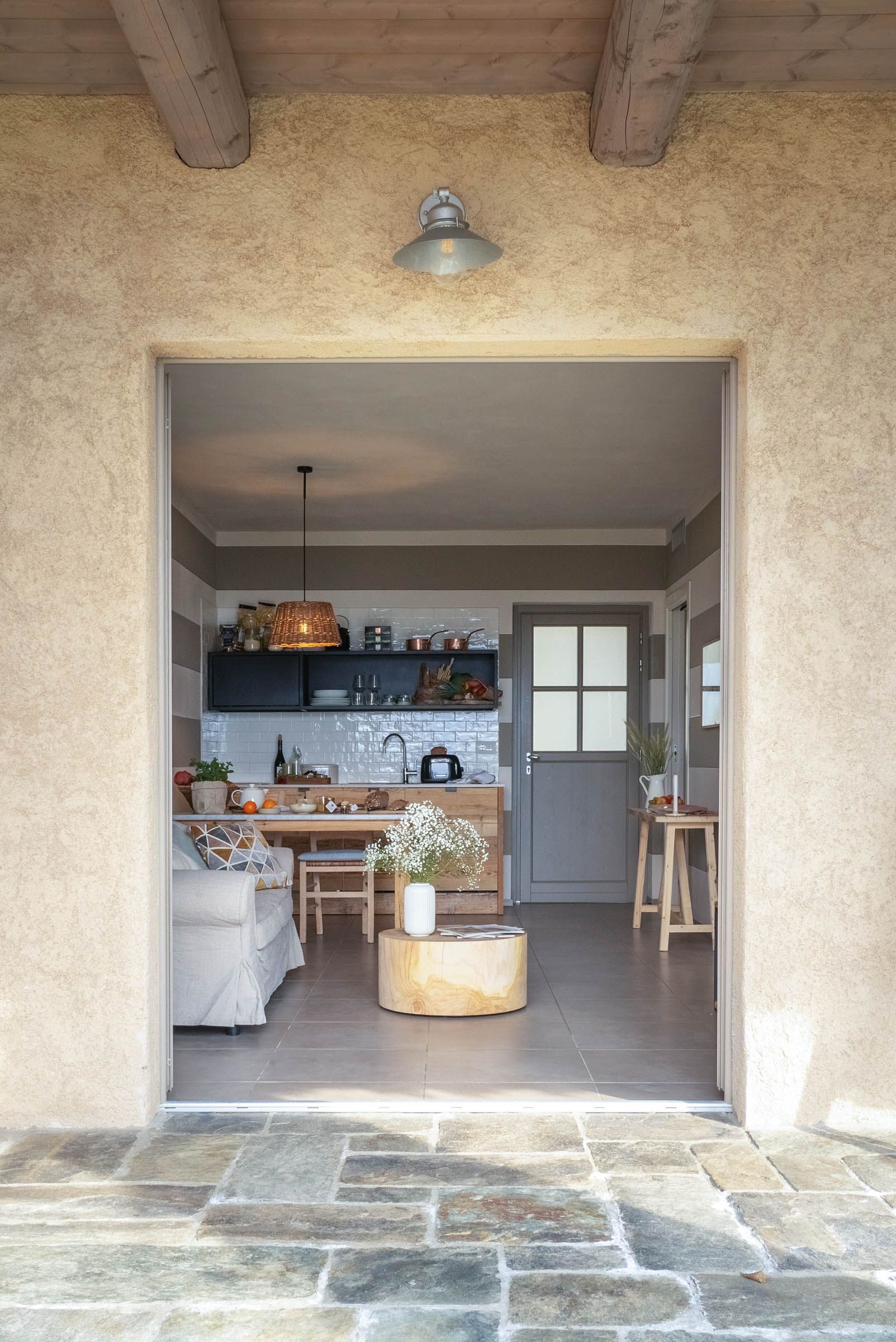
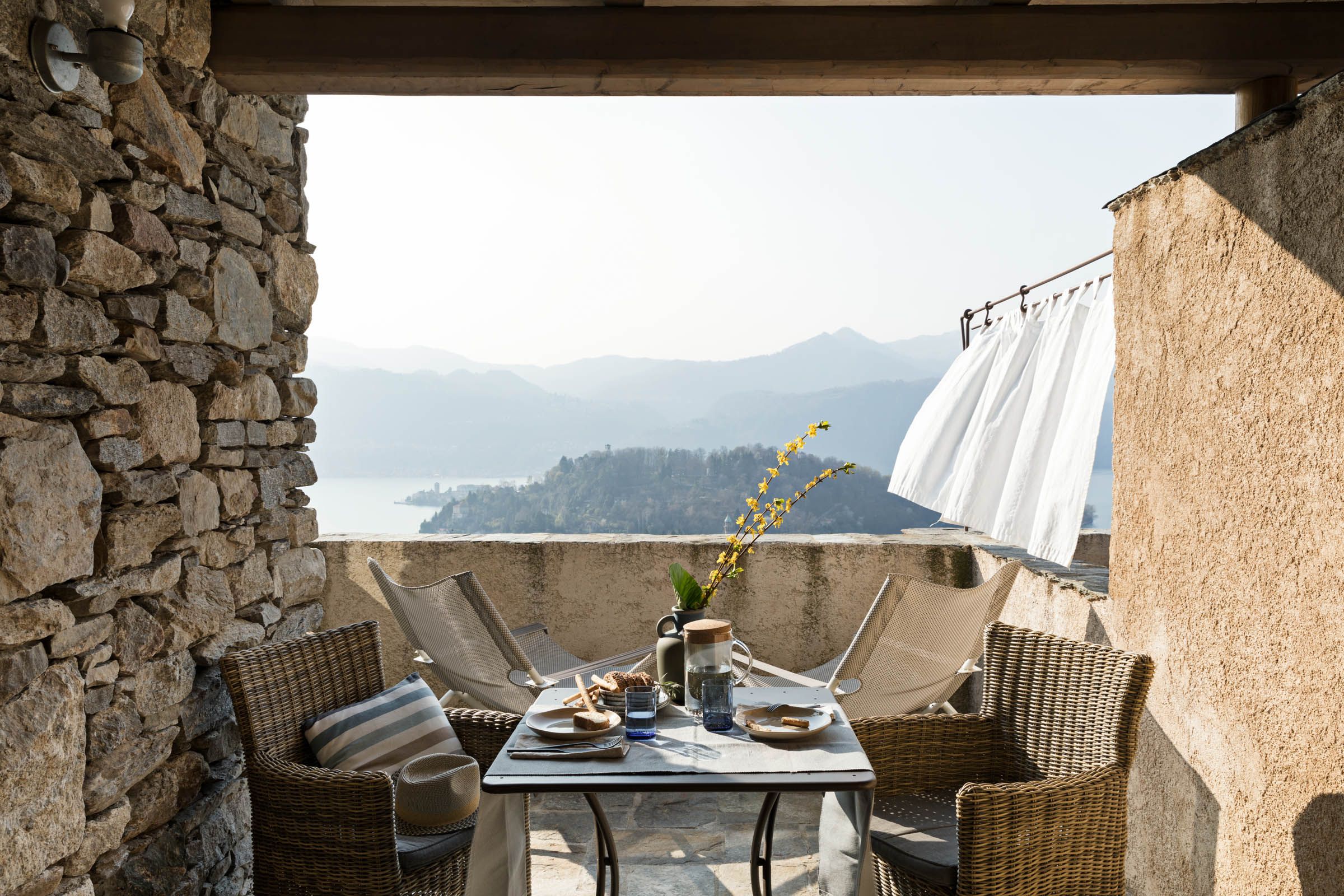
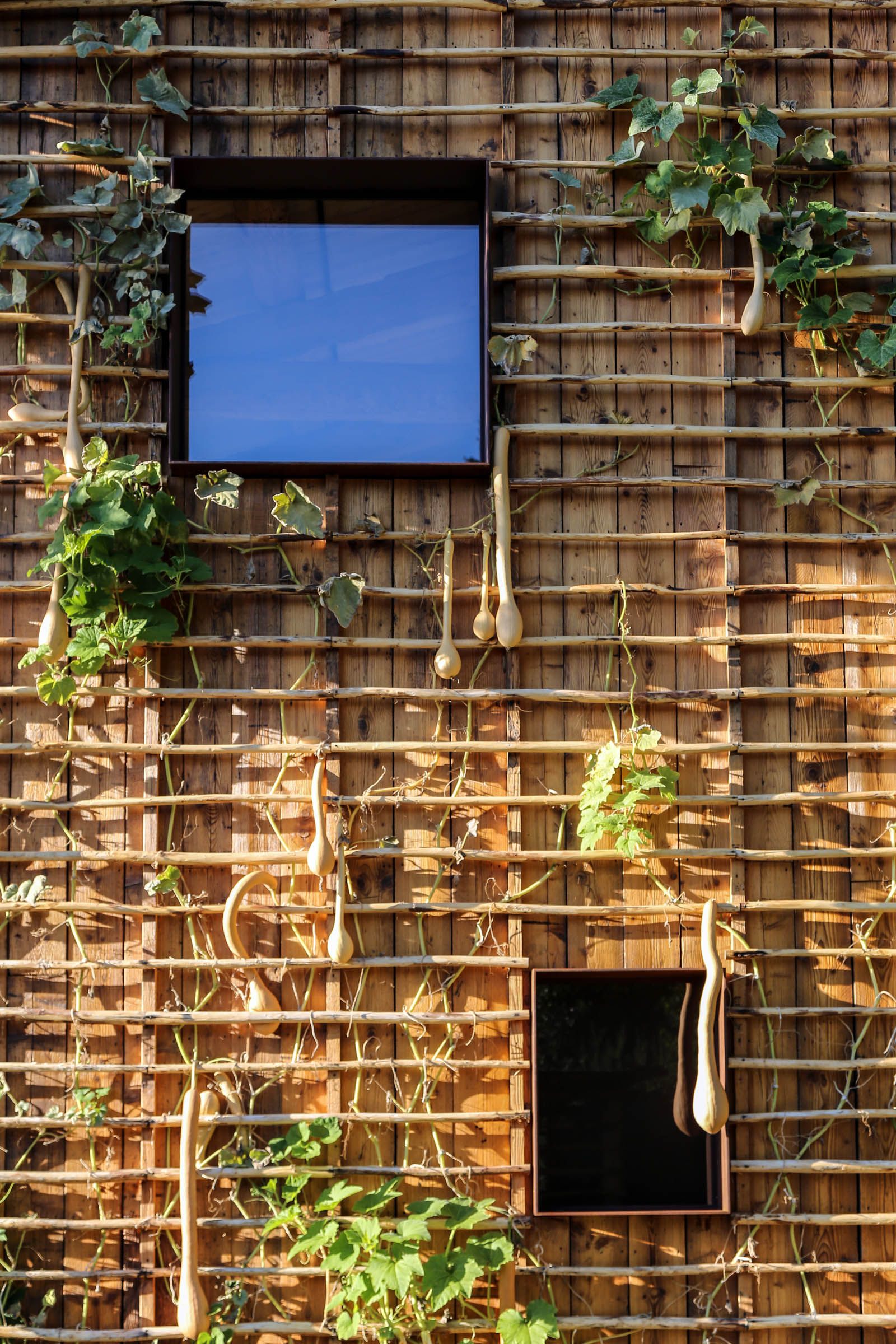
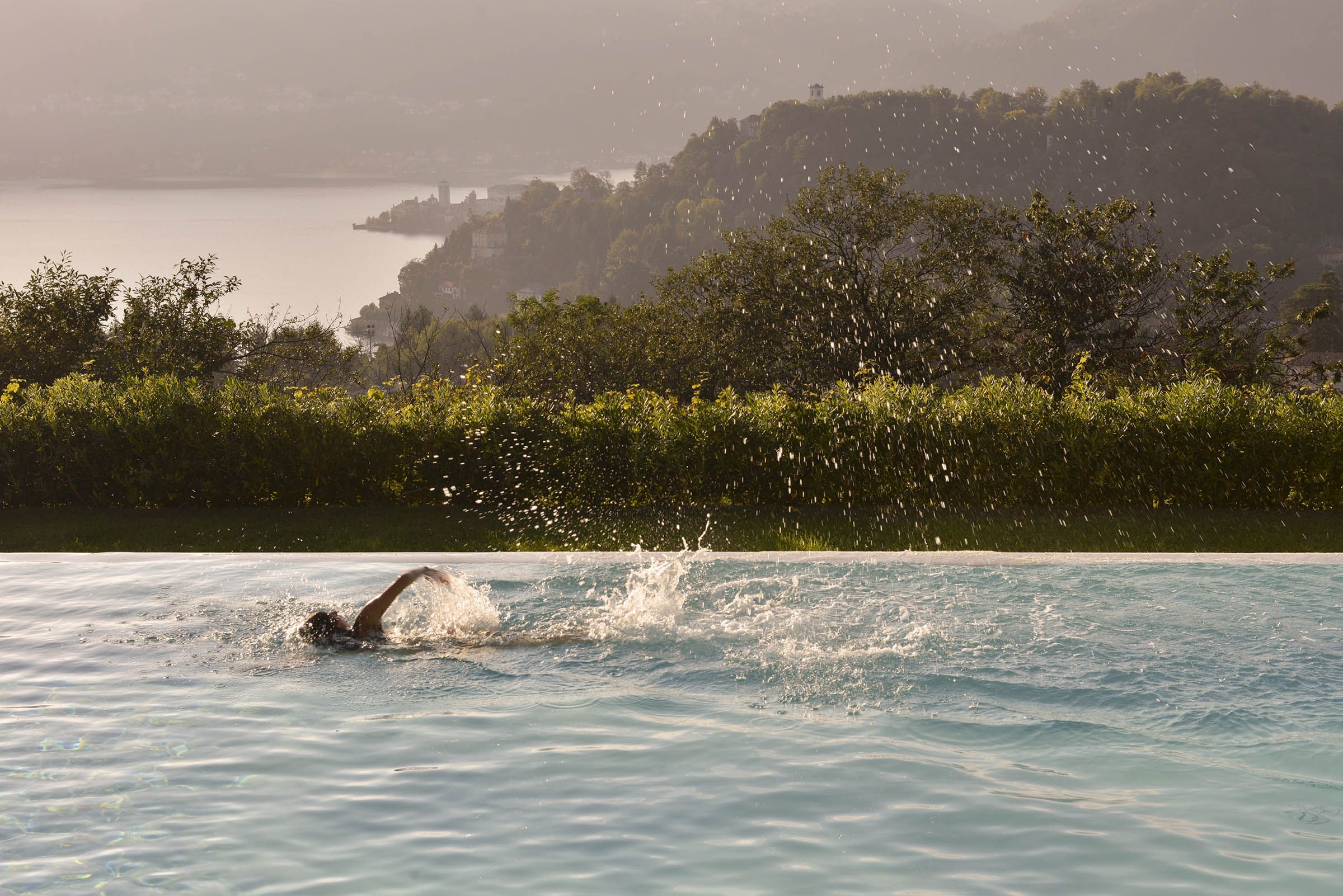
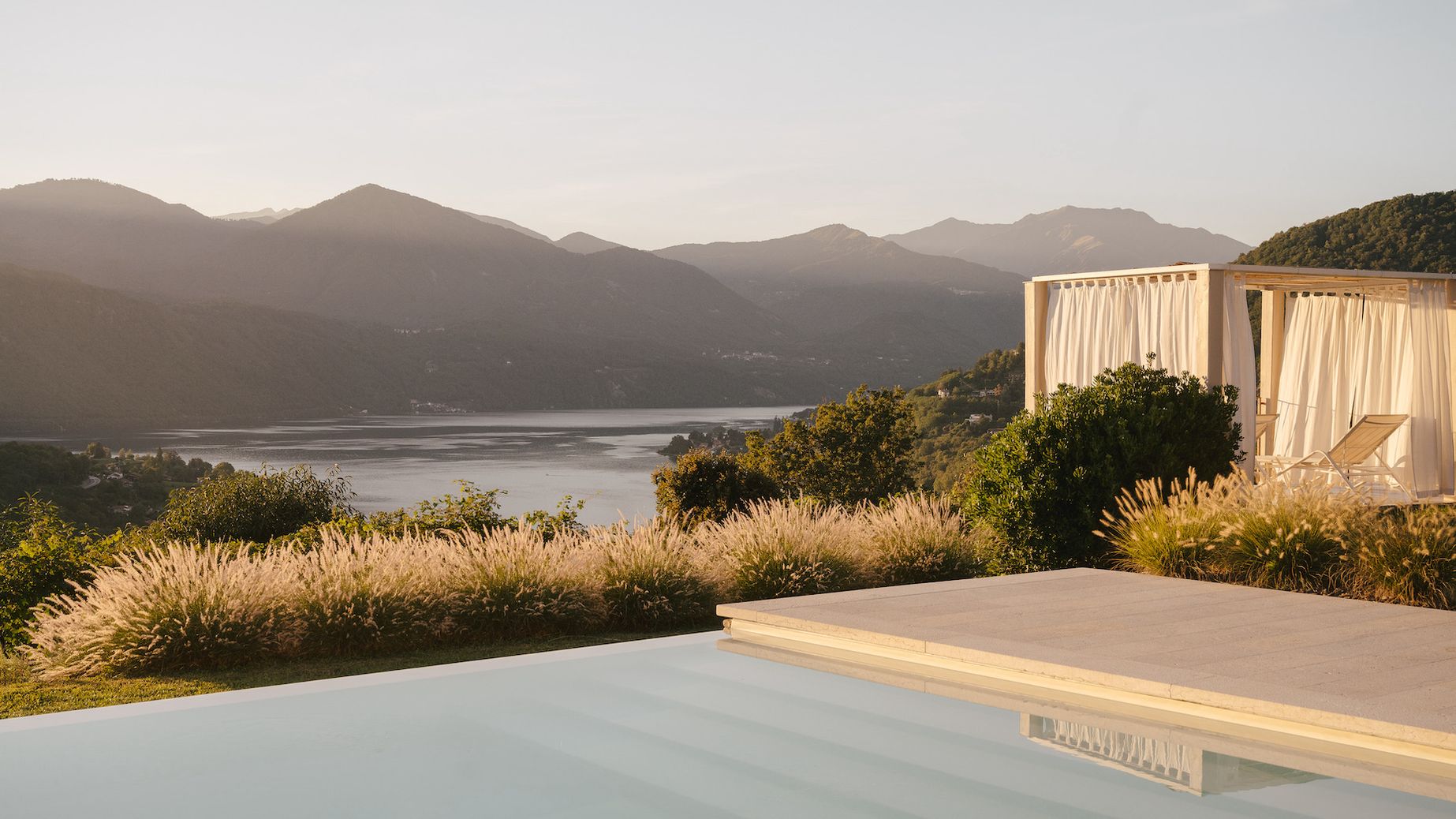
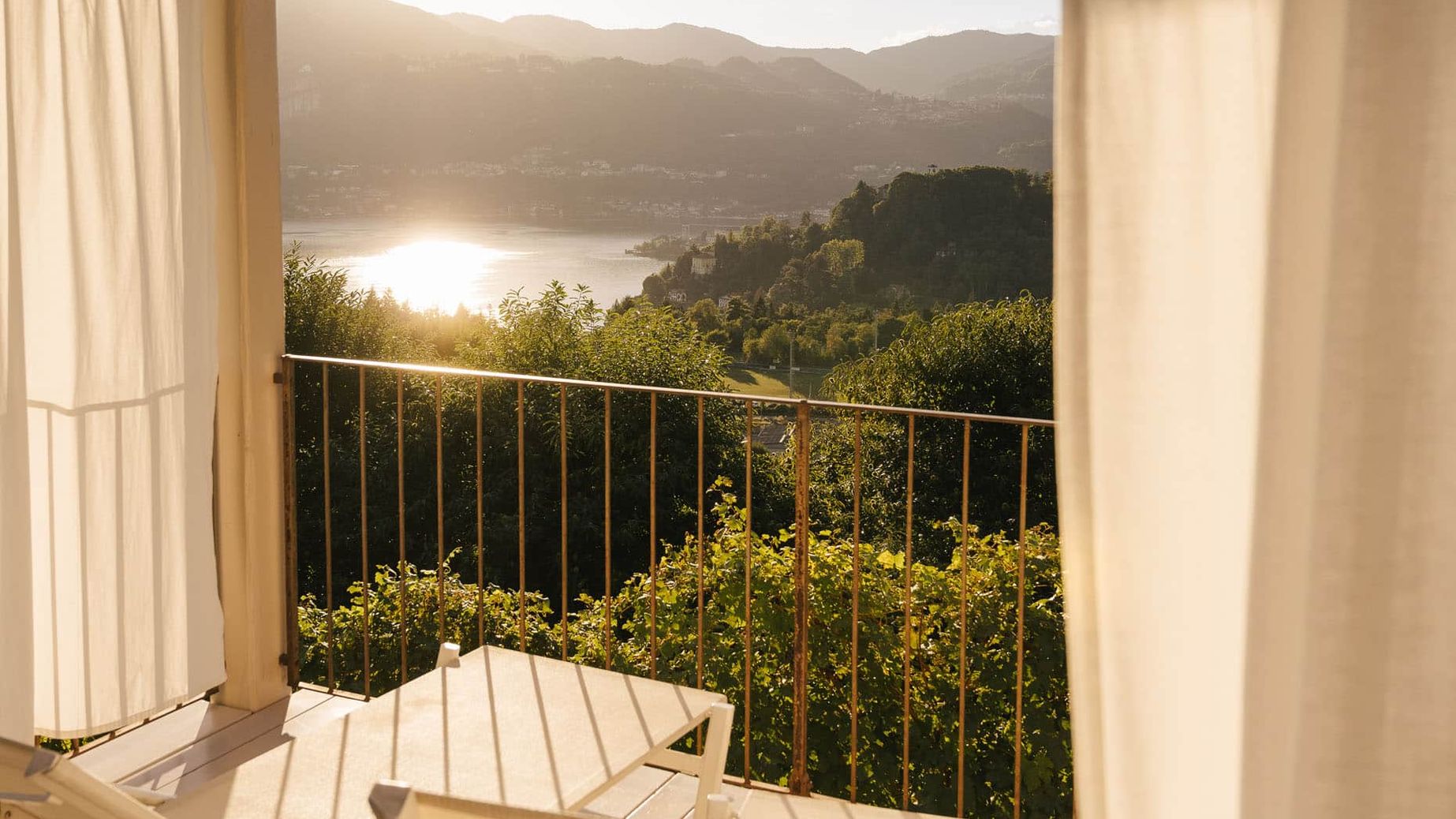
The crumbling tower has been rebuilt; all other buildings are new. The architecture of Darbia reflects the heritage of vernacular structures, adapting it carefully and in silent dialogue with the lake. The essence of this stretch of land, its cultural history and rural typologies became the leitmotif of the project, both architecturally and in terms of content. The chromatic concept of the interiors picks up on the nuanced colour palette of nature, while the pale beige façades echo rural archetypes, broken only here and there by the calm grey of compact blocks of split granite. Introverted towards the forest and overgrown with ivy, all the apartments open onto the garden with vineyard and saltwater pool. From here, the view wanders all the way to the lake and Monte Rosa.
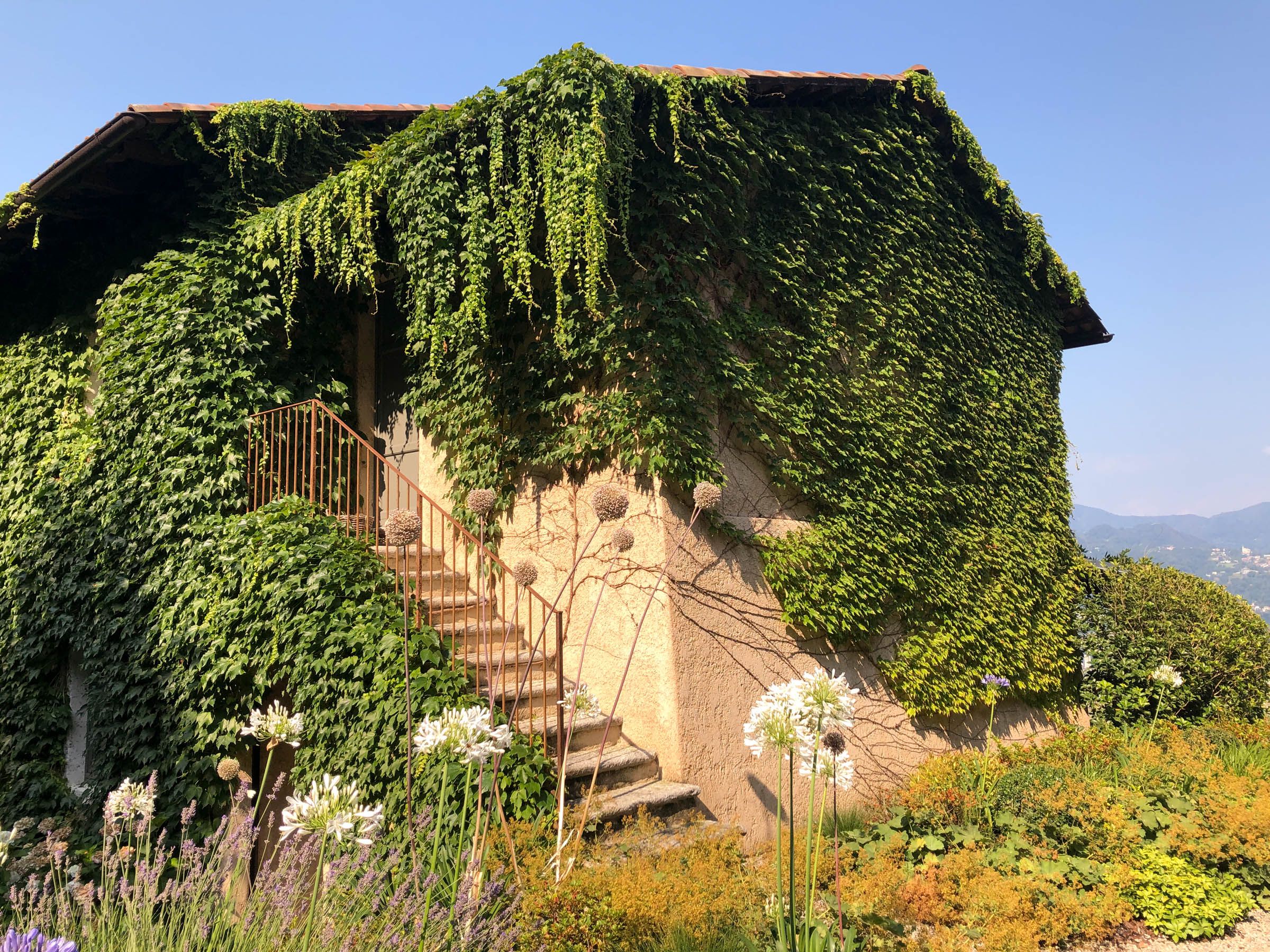
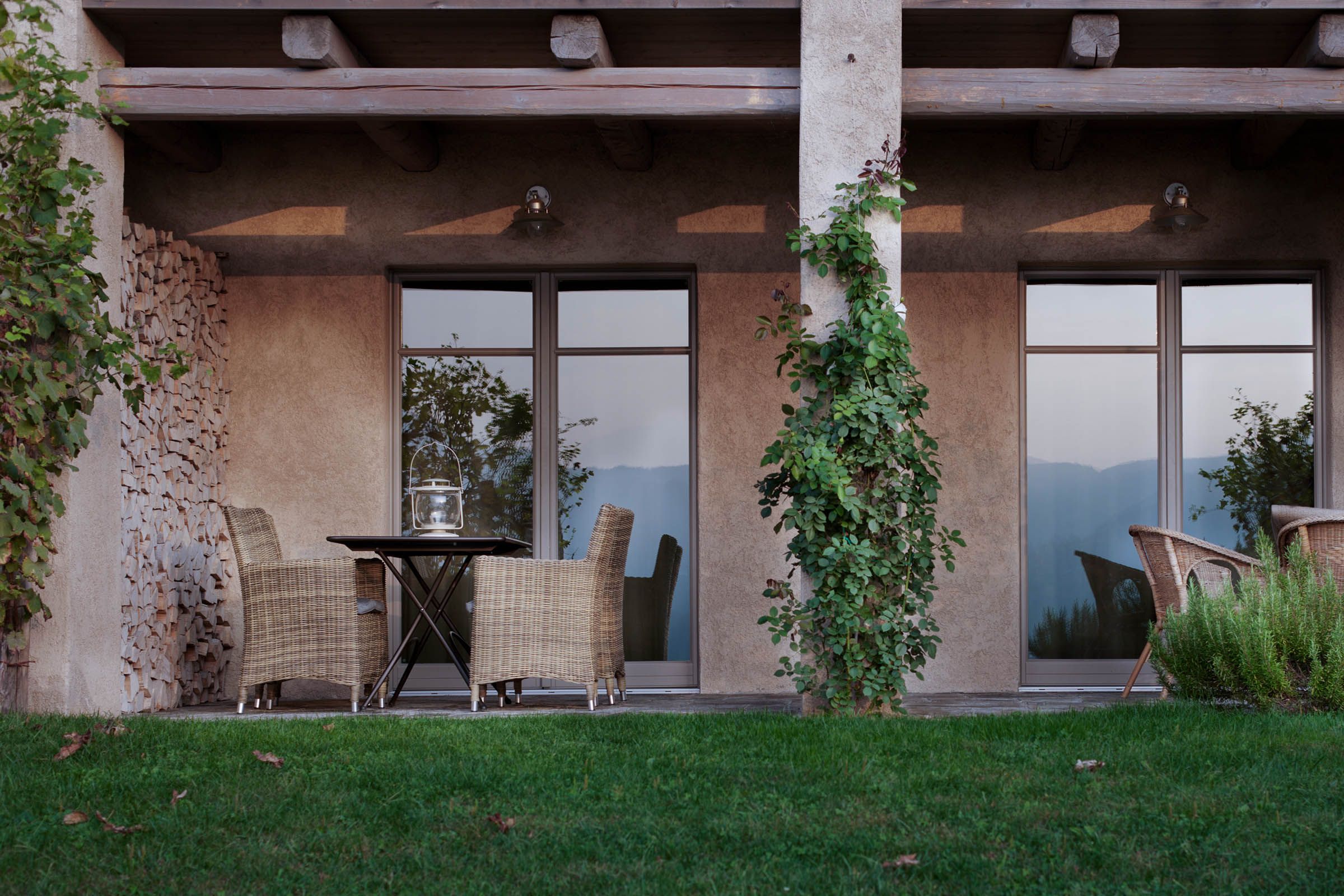
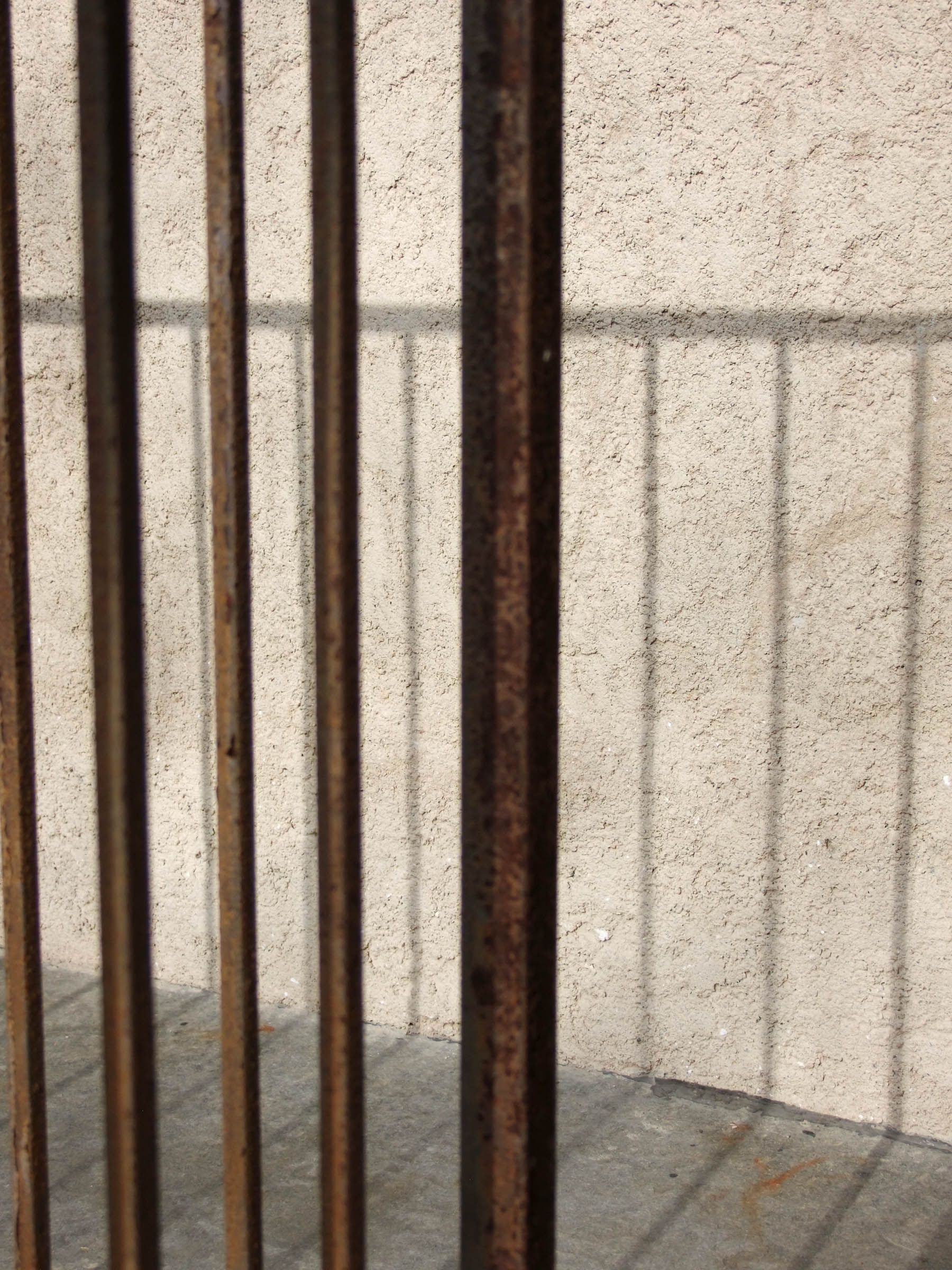
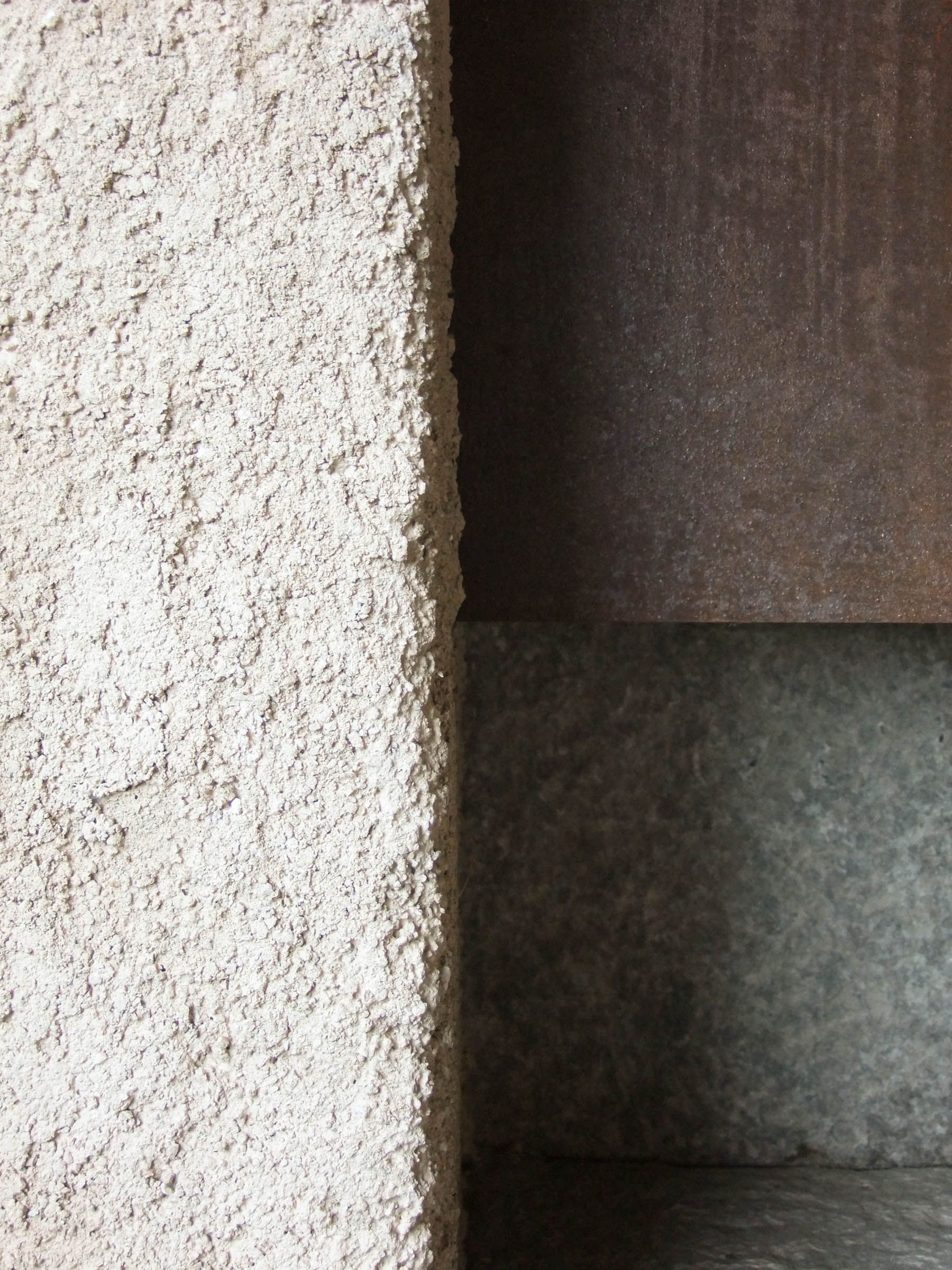
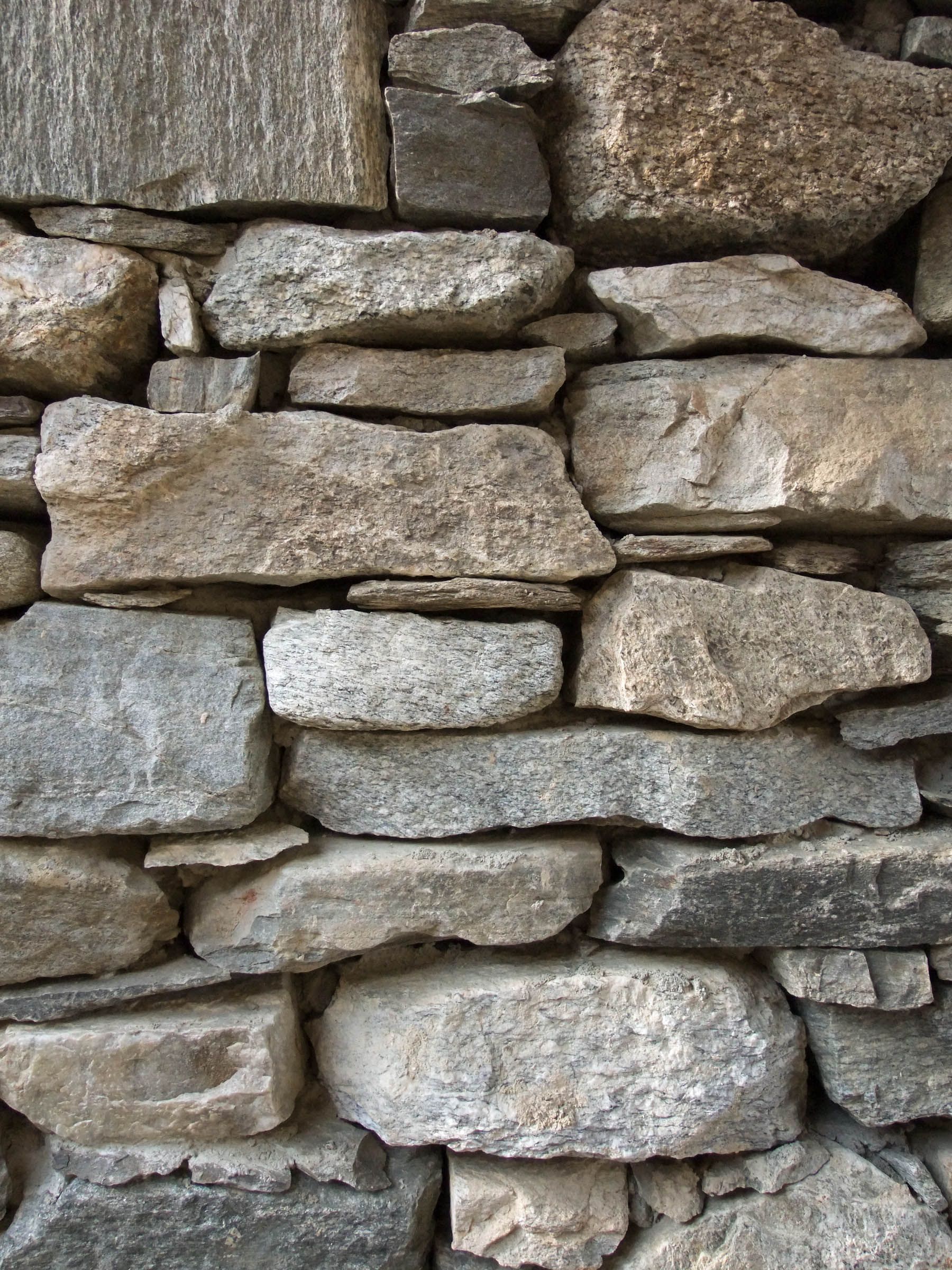
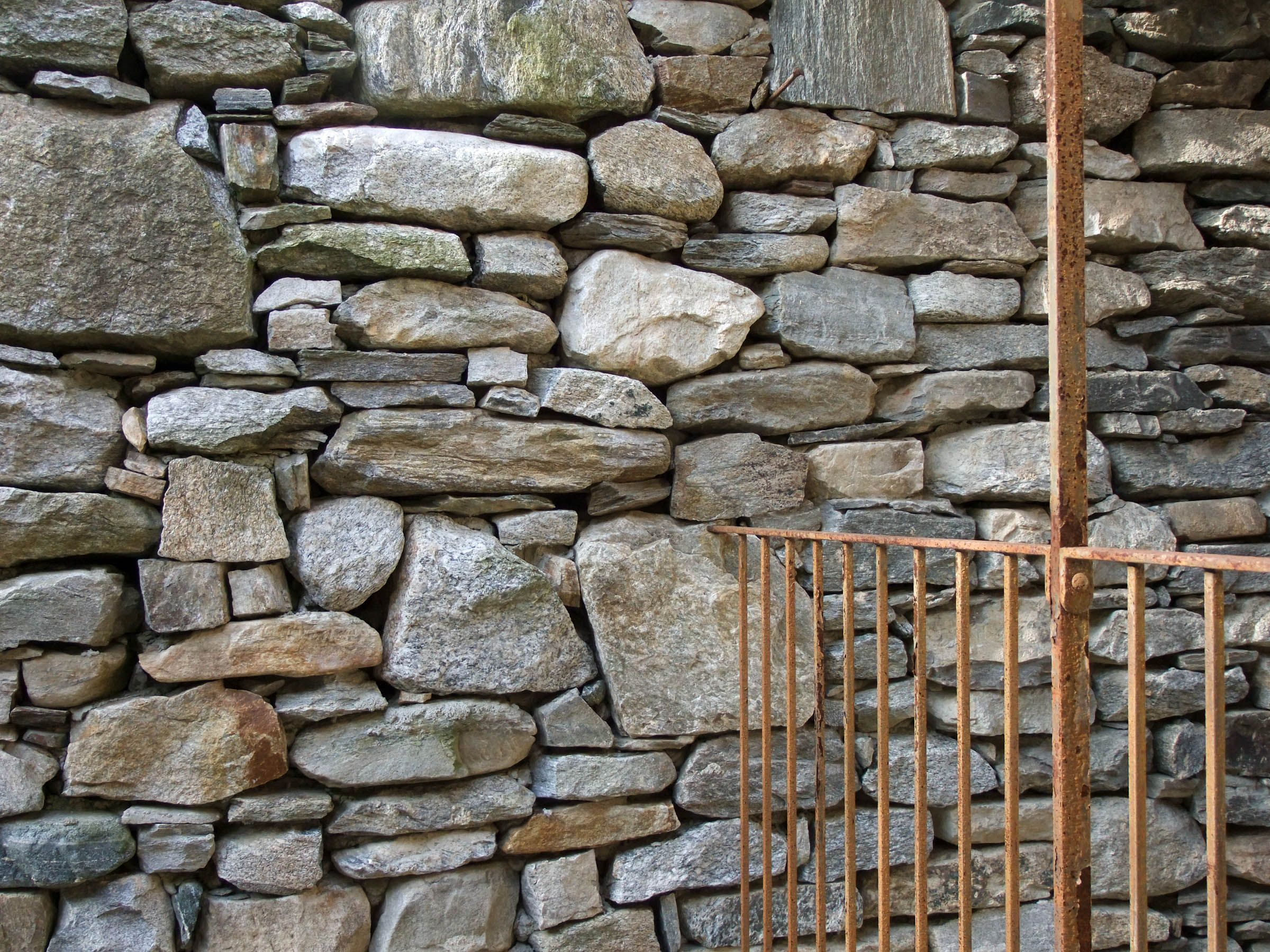
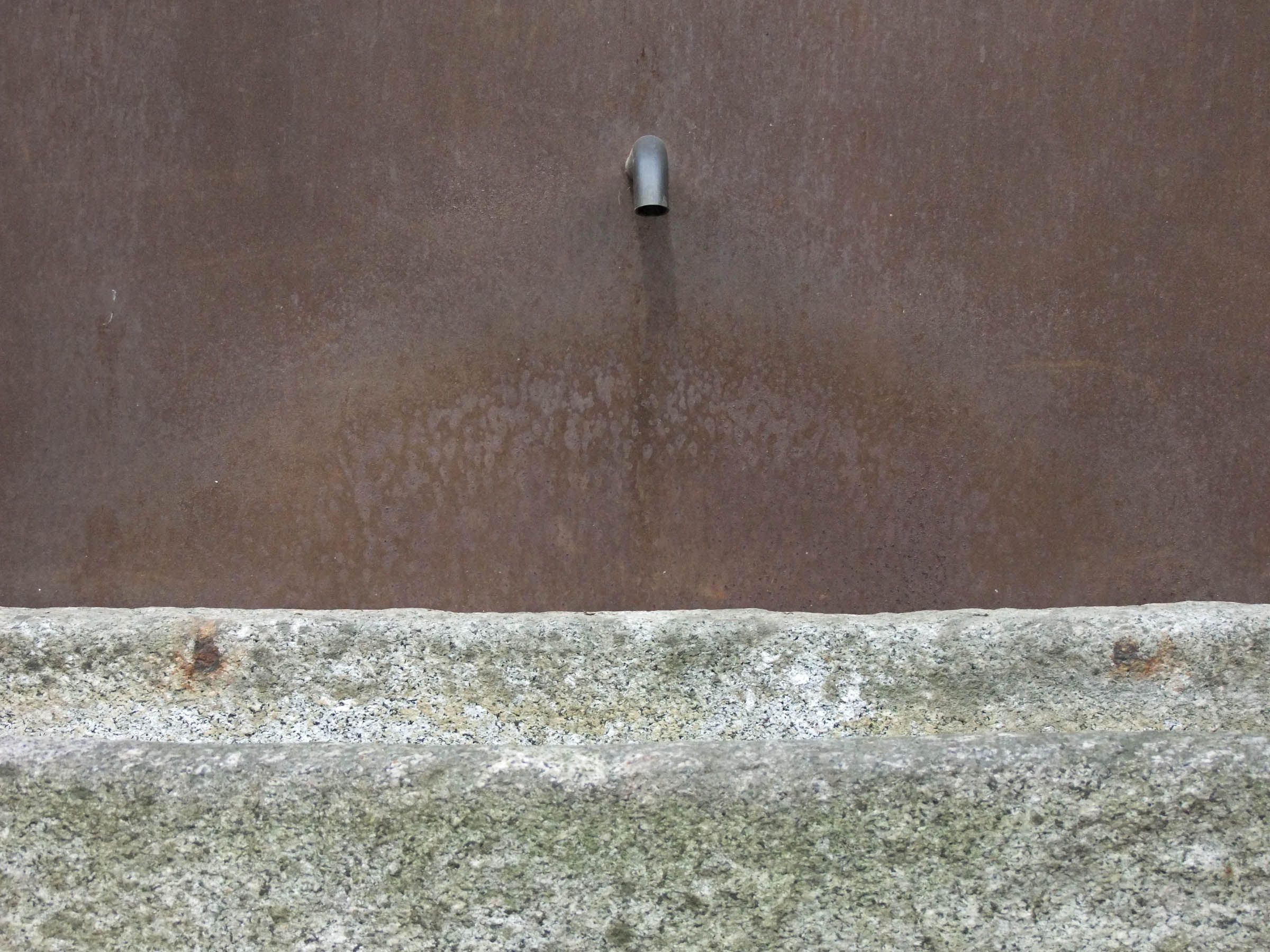
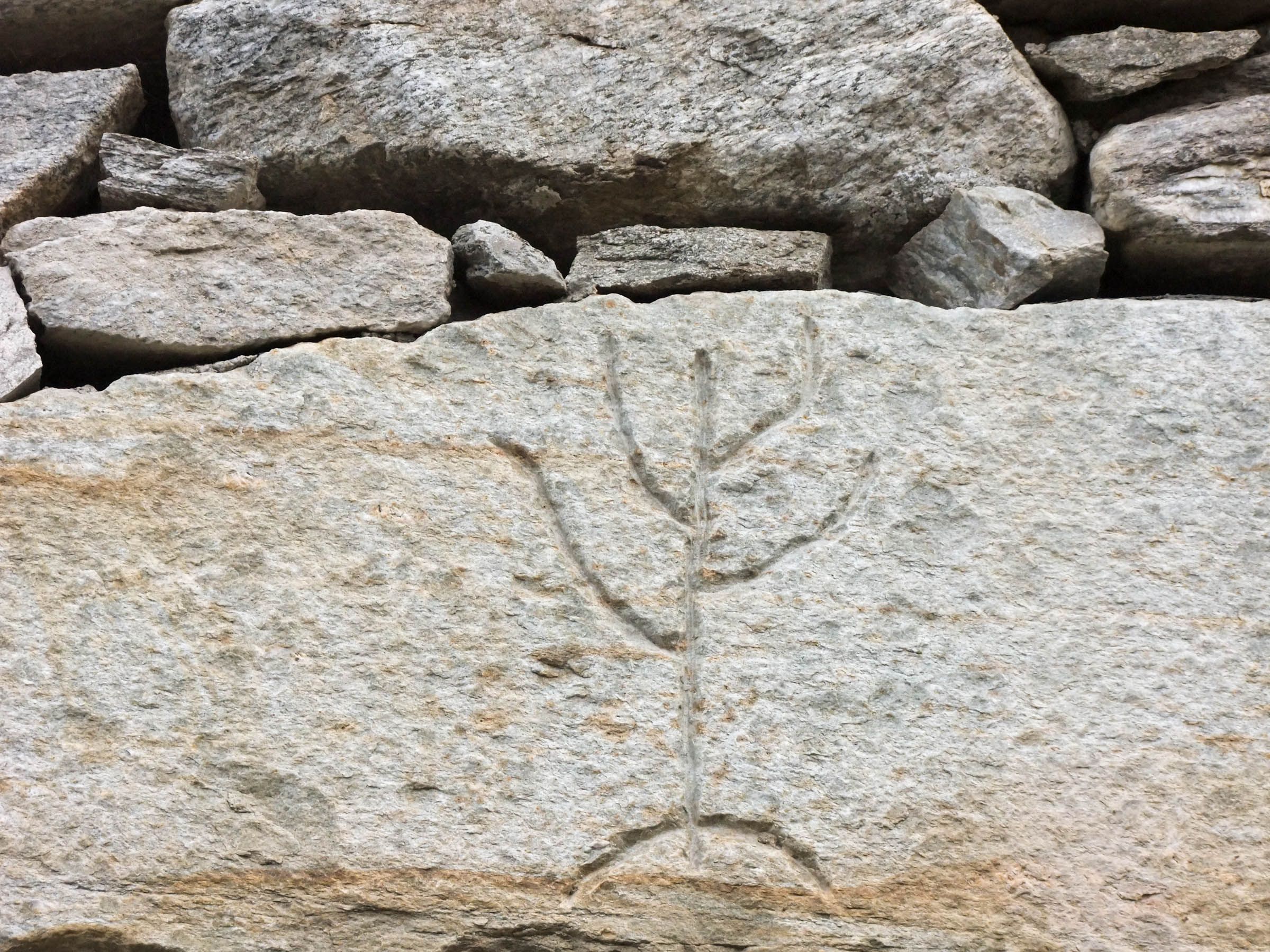
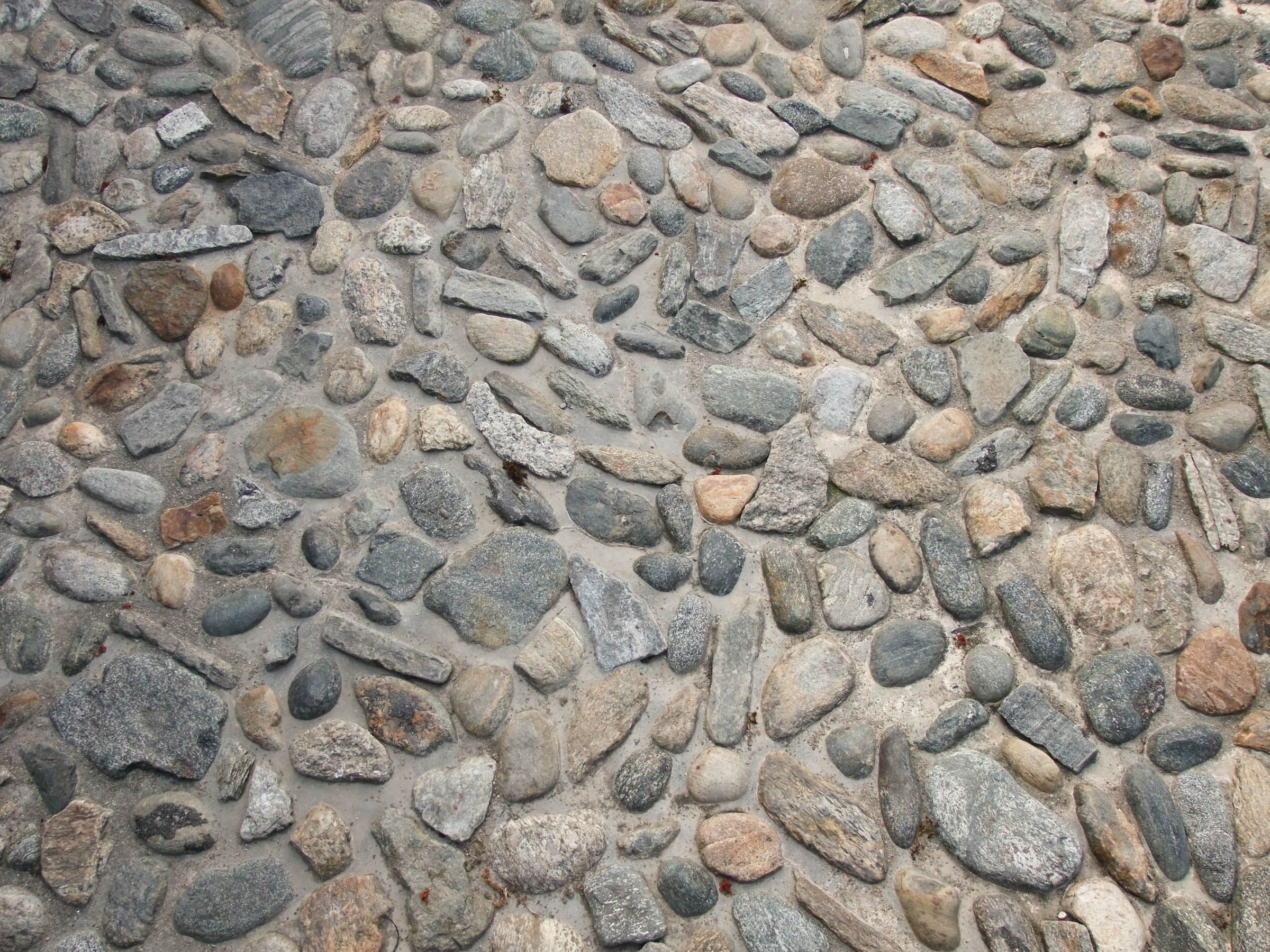
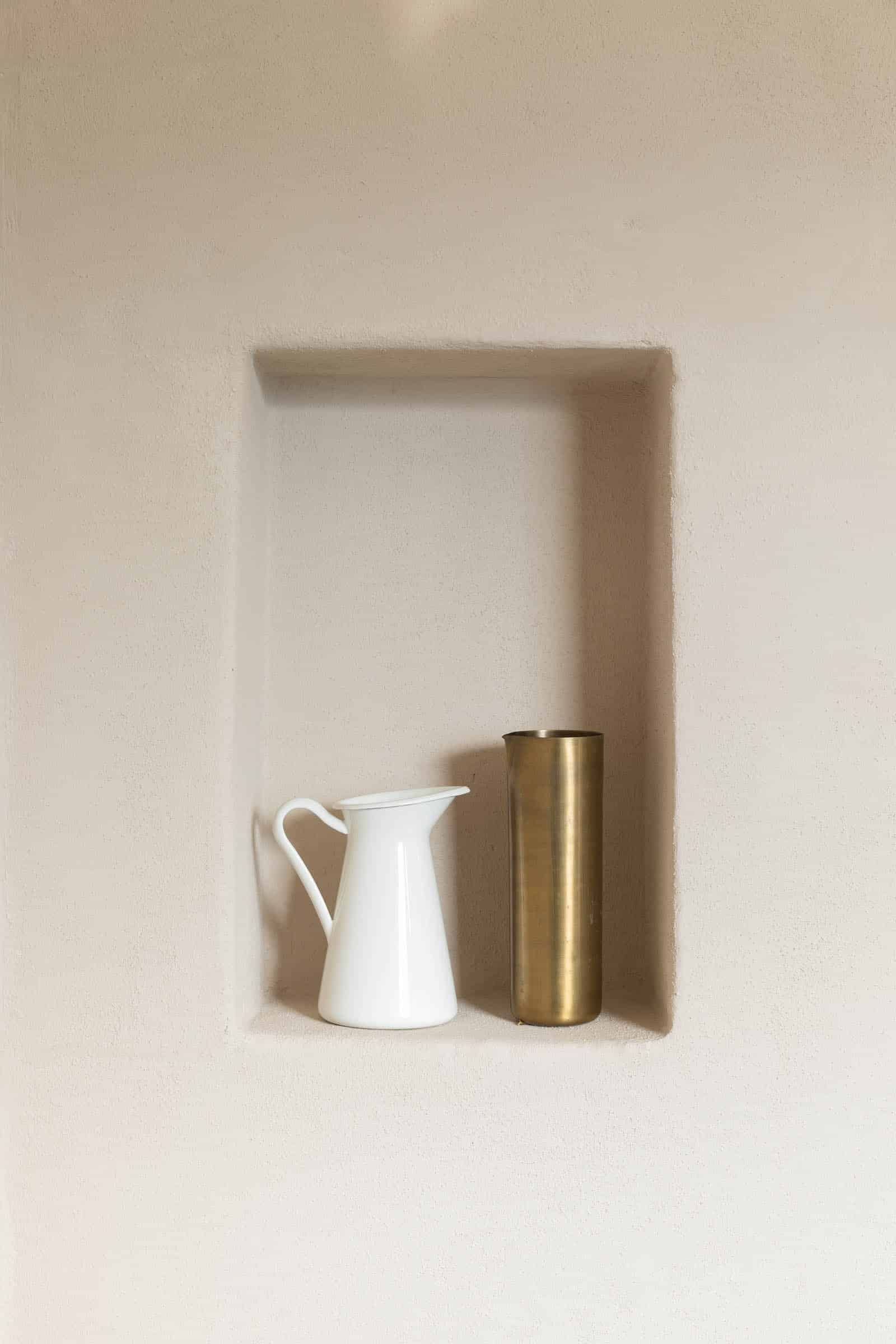
The complex reflects the simple formal language of rural buildings and integrates local materials, Mediterranean vegetation and unadorned handicrafts. You walk over stone floors made of split gneiss, over traditional cobblestones and monolithic steps made of hand-hewn rock. Instinctively, you feel the need to touch all the surfaces: rough stone and solid wood, smooth lime plaster and and Corten steel. La Darbia is – also – a haptic experience. The planning approach focuses on addressing all the senses holistically without becoming noisy or strenuous. This is what makes this place so special: the architecture gives peace and space, like a sensually tangible kindness.
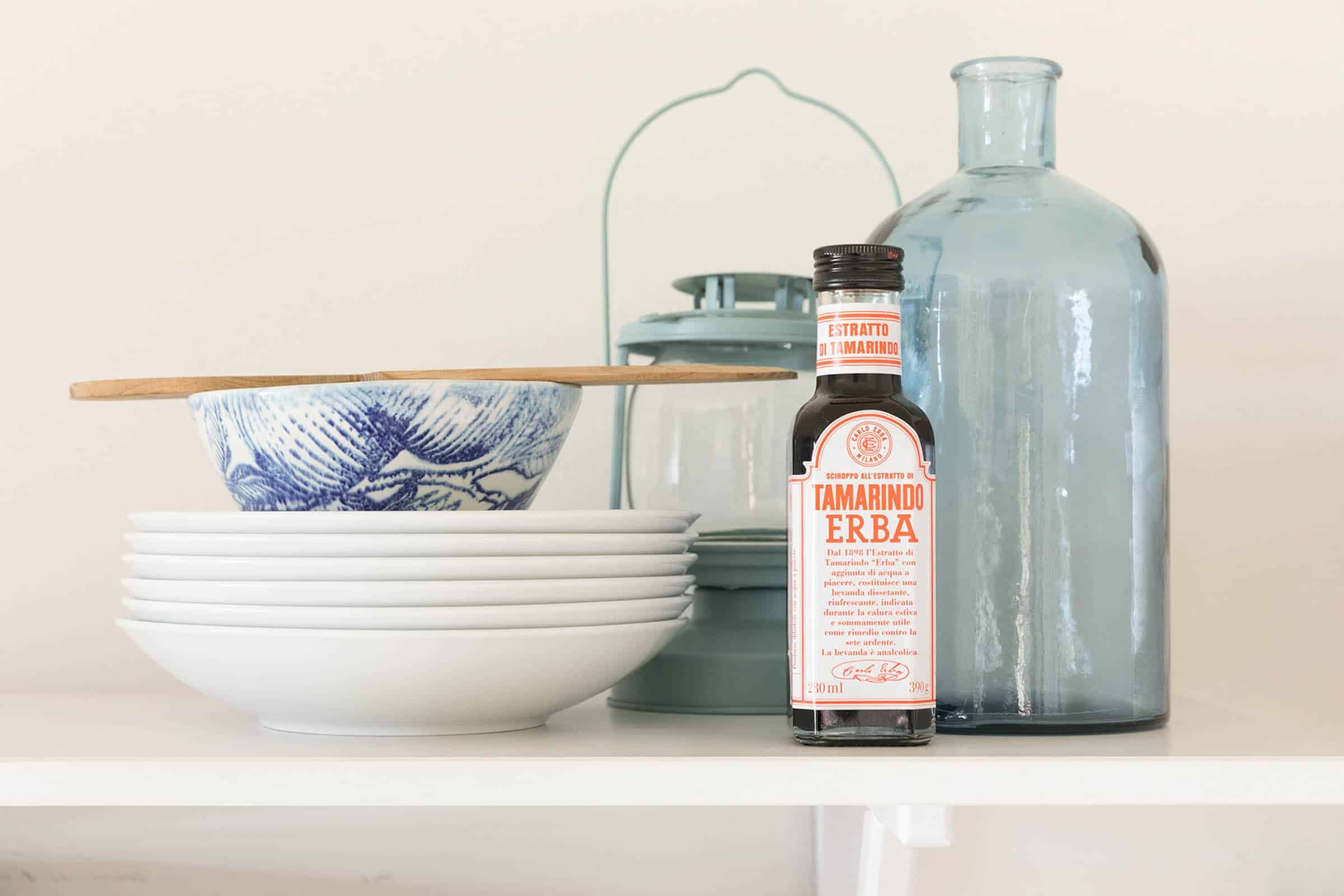
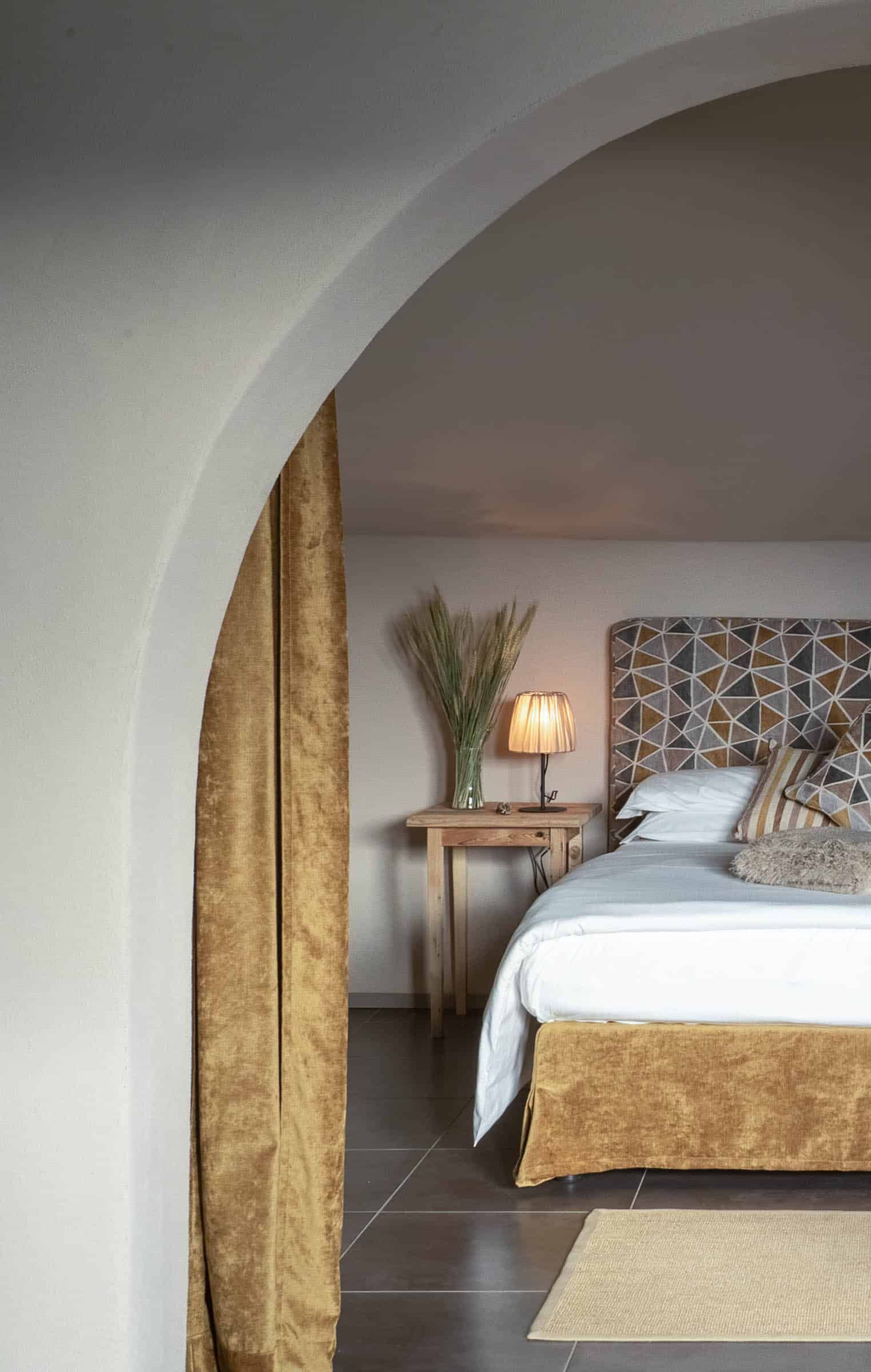
For the 10th anniversary, all 20 holiday apartments were restyled and now shine in new splendour. The interior design plays with quiet, local aesthetics and masters the balancing act between reduction and sophistication. Rural elements and simple elegance with a pinch of “retro” combine in a harmonious synthesis and integrate – carefully measured and almost “plastic free” – contemporary comfort. Each apartment is different – inside and out. Their names – “Buongiorno Rosa” [Good Morning Rosa], “Frate Sole” [Brother Sun] or “A.D. 1880” – bring their rural past back to life, and those who follow the traces of their (hi)story, will delve deeper into the essence of La Darbia and its people. For just like Lake Orta, so are the people here: Filled with gentleness, silence and depth.
In the sparse forest that protectively surrounds the property boundaries of La Darbia, old hornbeams and chestnut trees stand silent and still, providing cool shade and wholesome, green tranquillity. As in the landscape parks of the 19th century, you stroll through the Darbia estate and wait for the soul to begin to resonate. And it does.
Rituals
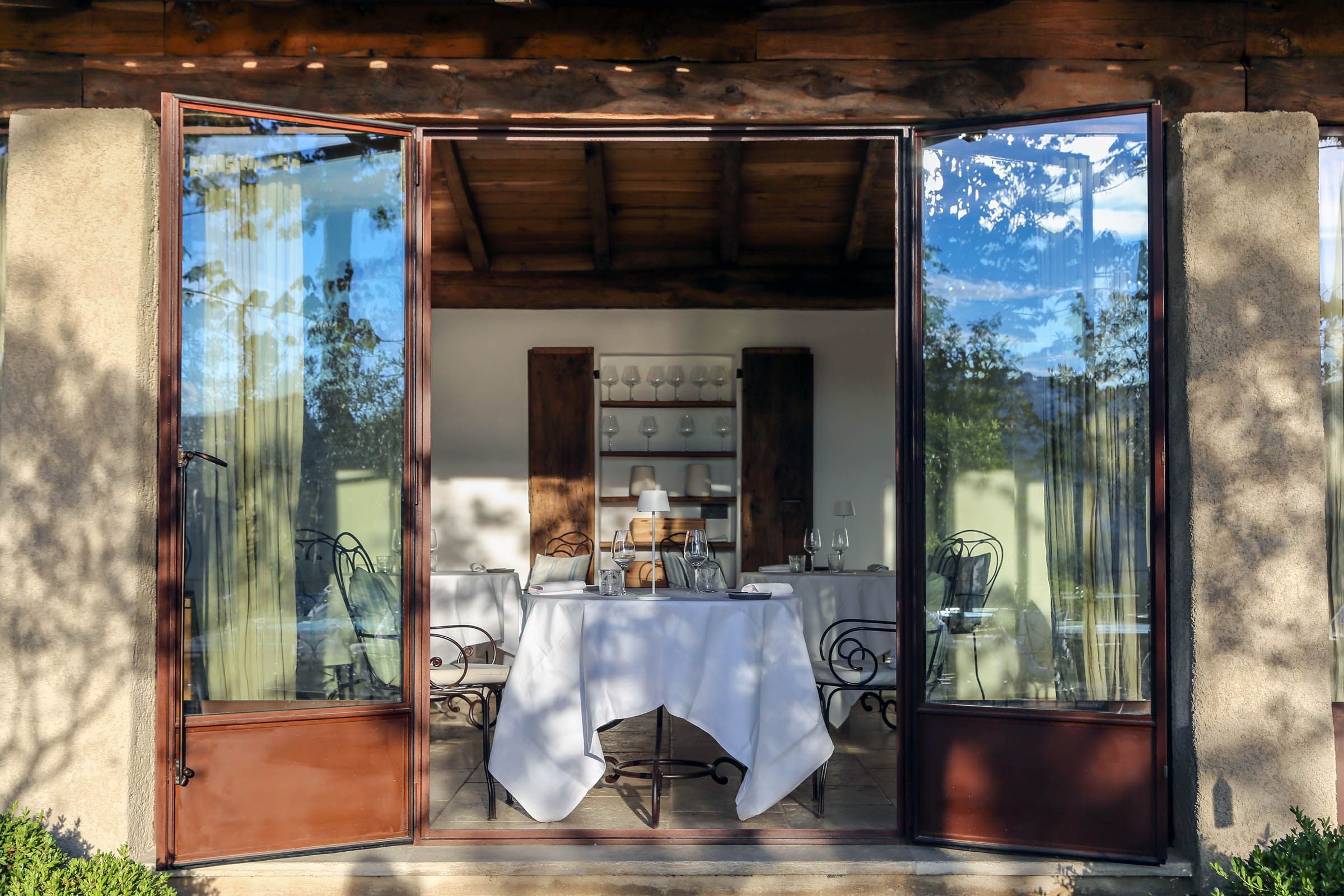
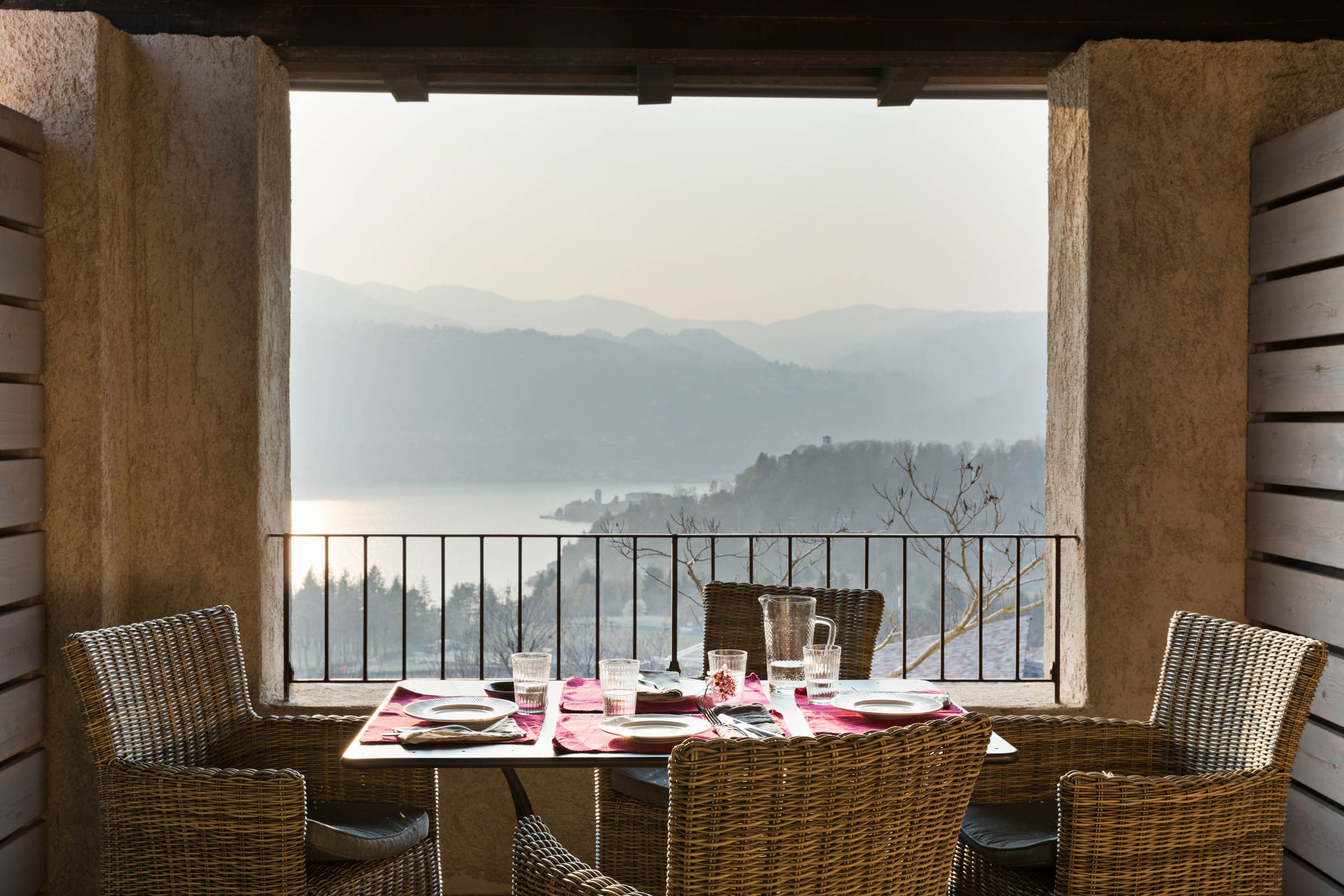
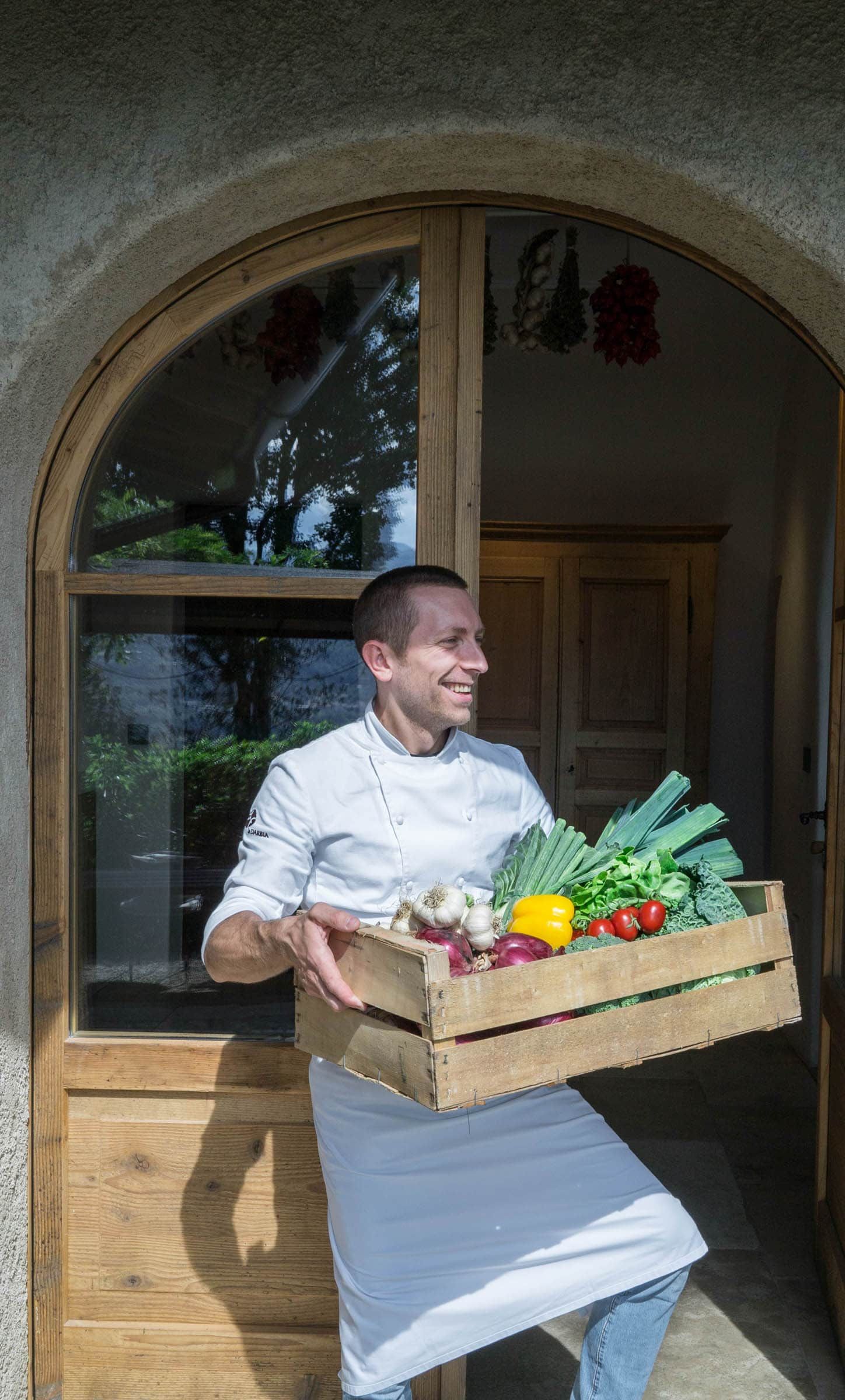
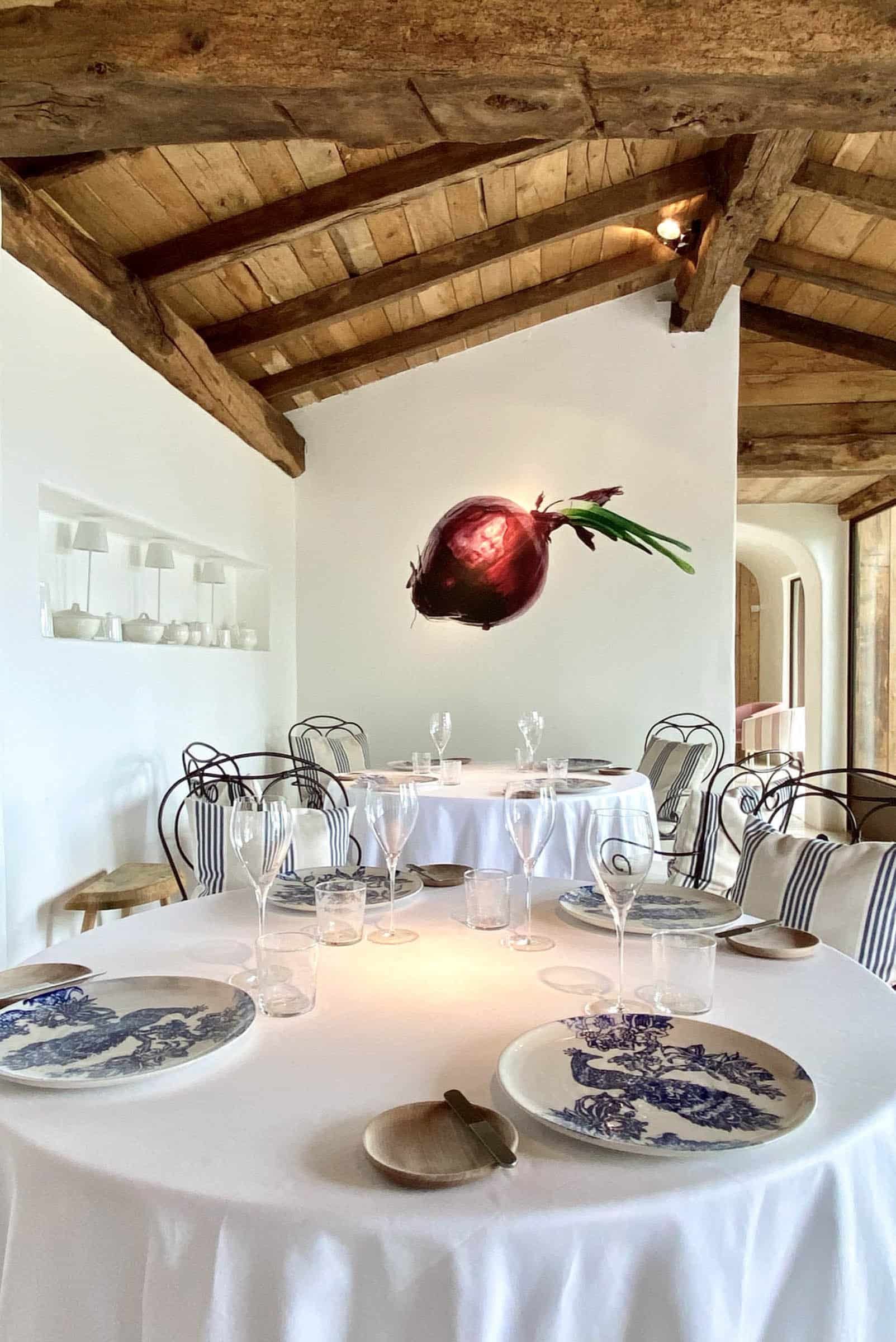
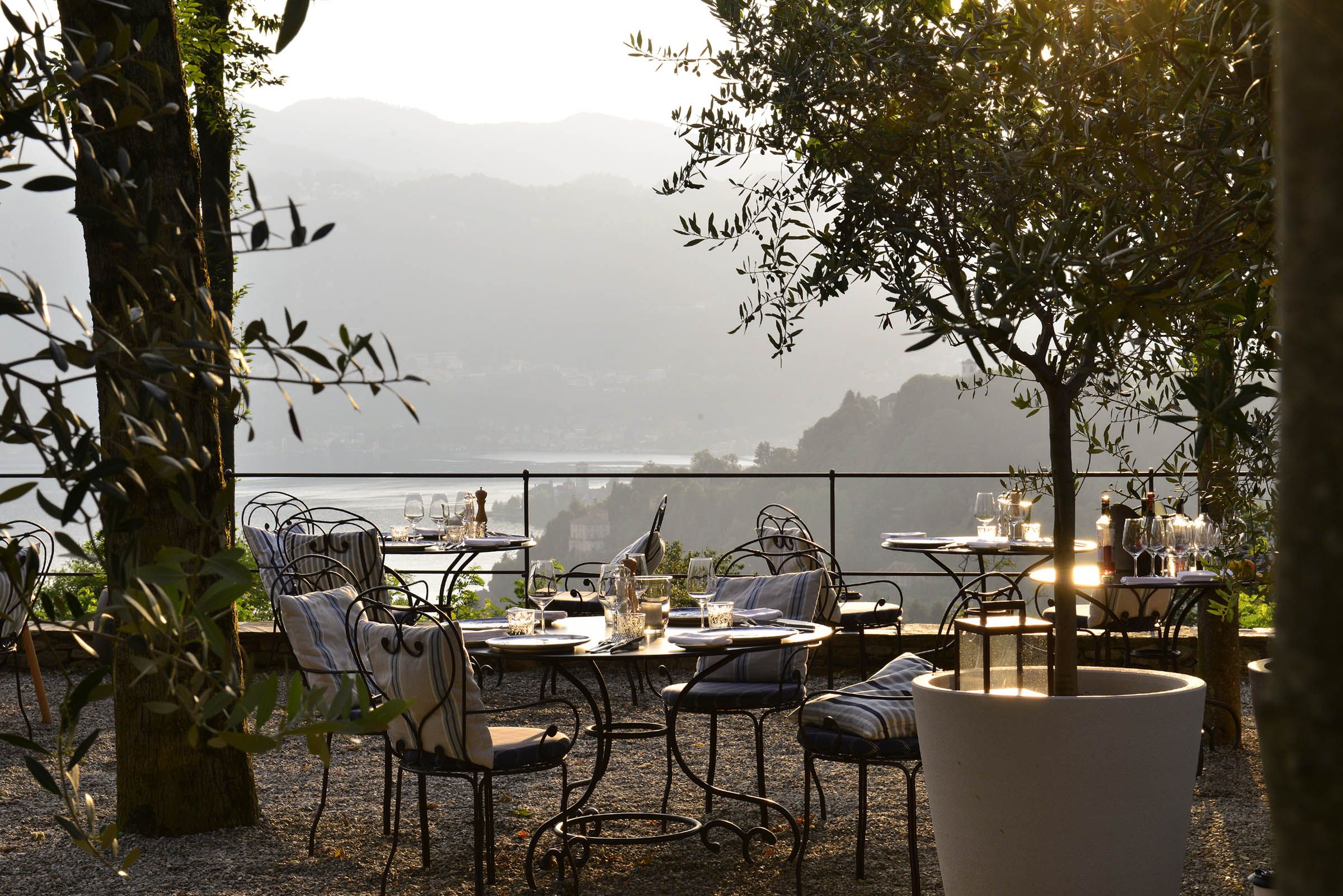
Matteo Monfrinotti, young but with a remarkable curriculum, rocks the open kitchen in the on-site restaurant La Cucina. Open in the truest sense of the word, because lo chef himself has a yarn with the guests at the table and recommends the appropriate menu choice, then with focussed moves and a perfectly coordinated team conjures up culinary masterpieces on the plates. In the meantime, the guests enjoy the view of the lake, which the dining room stages through its floor-to-ceiling glass doors. Words are utterly inadequate to describe the cuisine, which is both high culinary art and a deep nod to the rural tradition of Piedmont. If you let your gaze wander through the dining room, where guests and locals feast at table beside table, you notice a general slowing down of movements. Forks are brought to mouths reverently, wine is swirled and tasted with pursed lips; it grows quiet at the table, the faces – even those of the children! – look enraptured and also a little astonished at the unexpected gustatory fireworks.
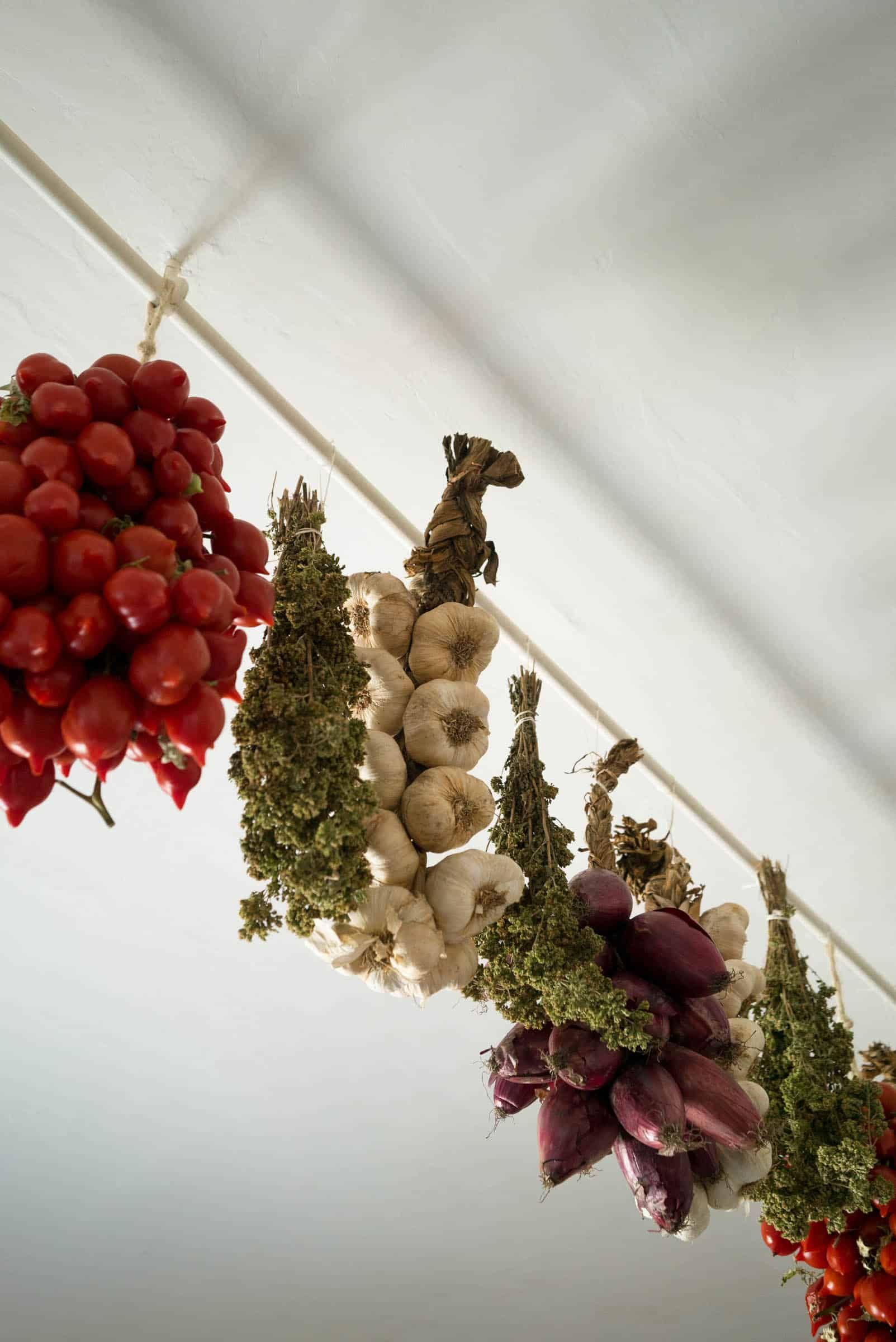
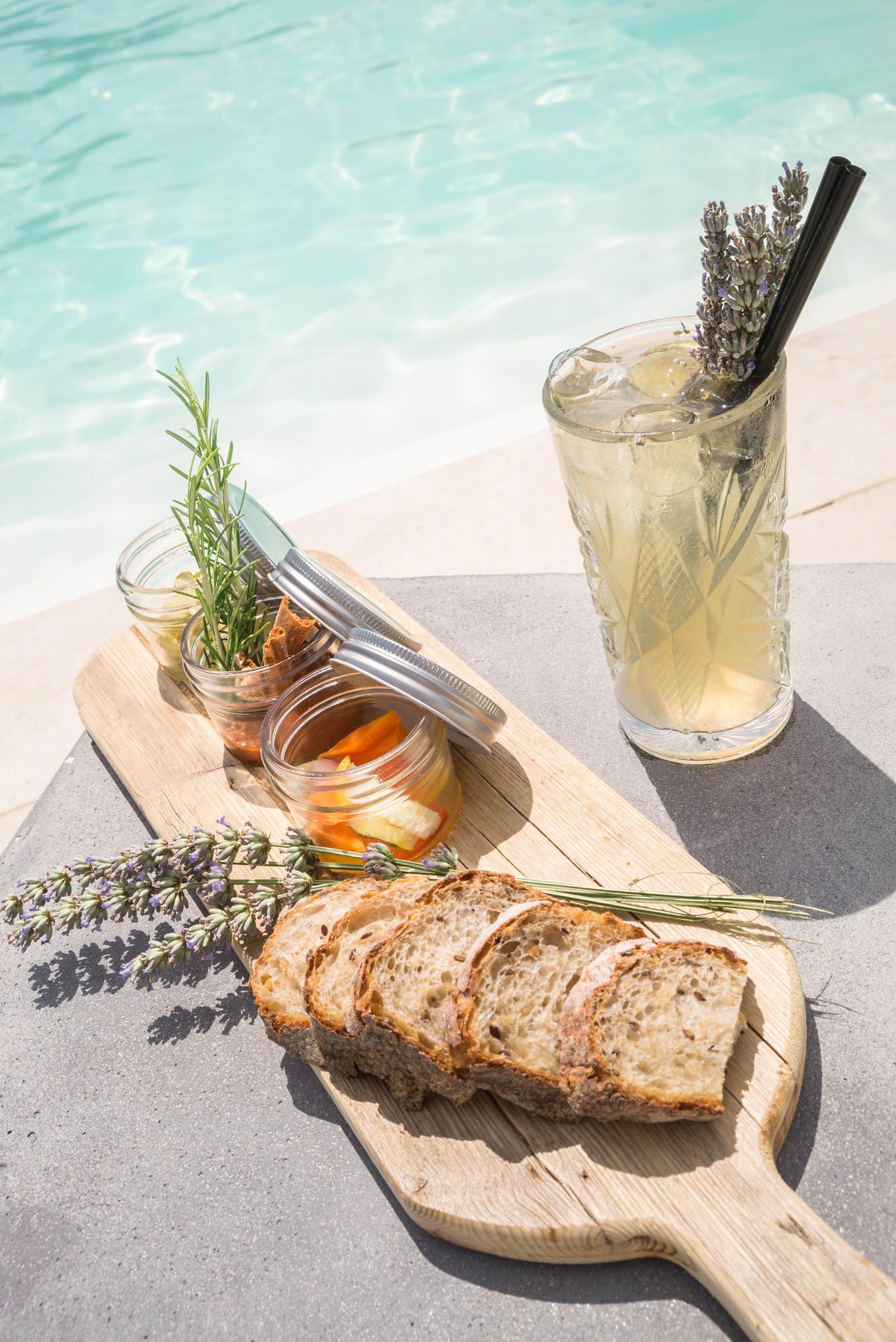
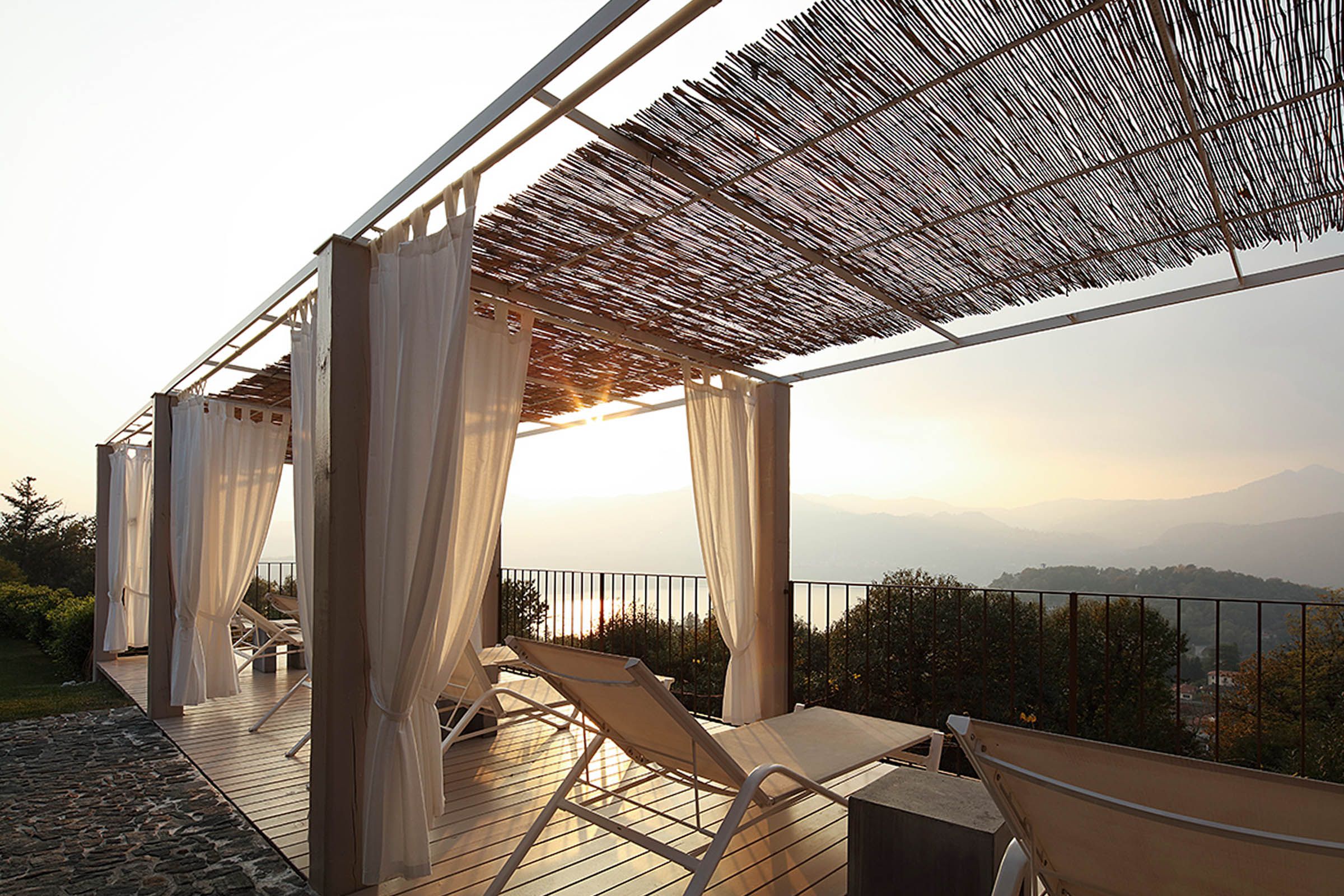
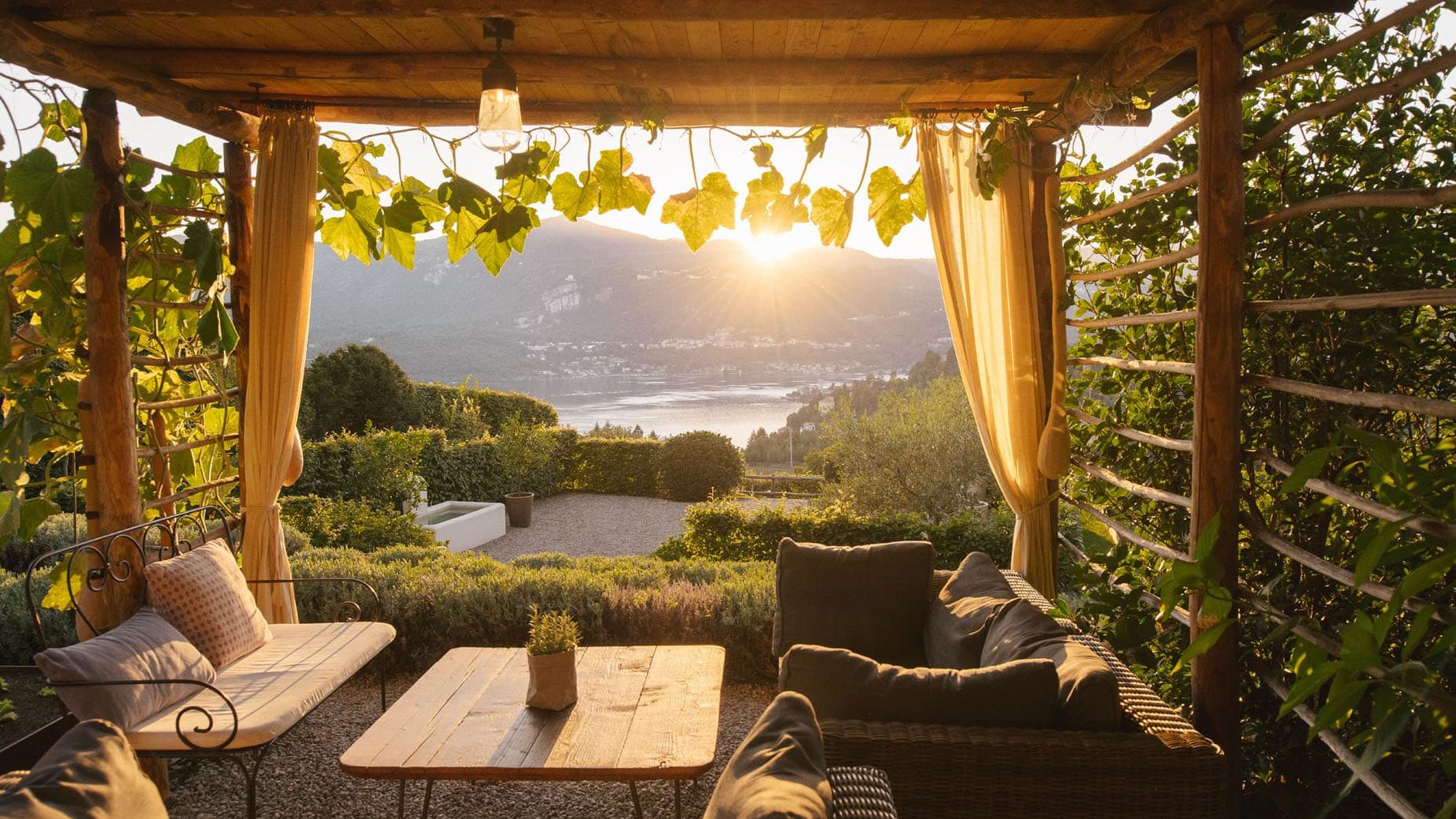
In the warm season, the Garden of Eden makes its way into La Darbia: The private outdoor area of each apartment, the tastefully designed restaurant terrace and the idyllic seating islands amidst the raised beds of the Mediterranean orto biologico become the setting for must-have holiday rituals: a morning cappuccino while the first rays of sunlight illuminate the Monte Rosa and the ringing of the bells from the Sacro Monte, quiet reading time in the shade of the old chestnut trees, a masterfully mixed cocktail as an aperitif, followed by a fine candlelit dinner or an evening of good conversation at the long table under the pergola. Mysterious and peaceful: the lake. The gods must be in love.
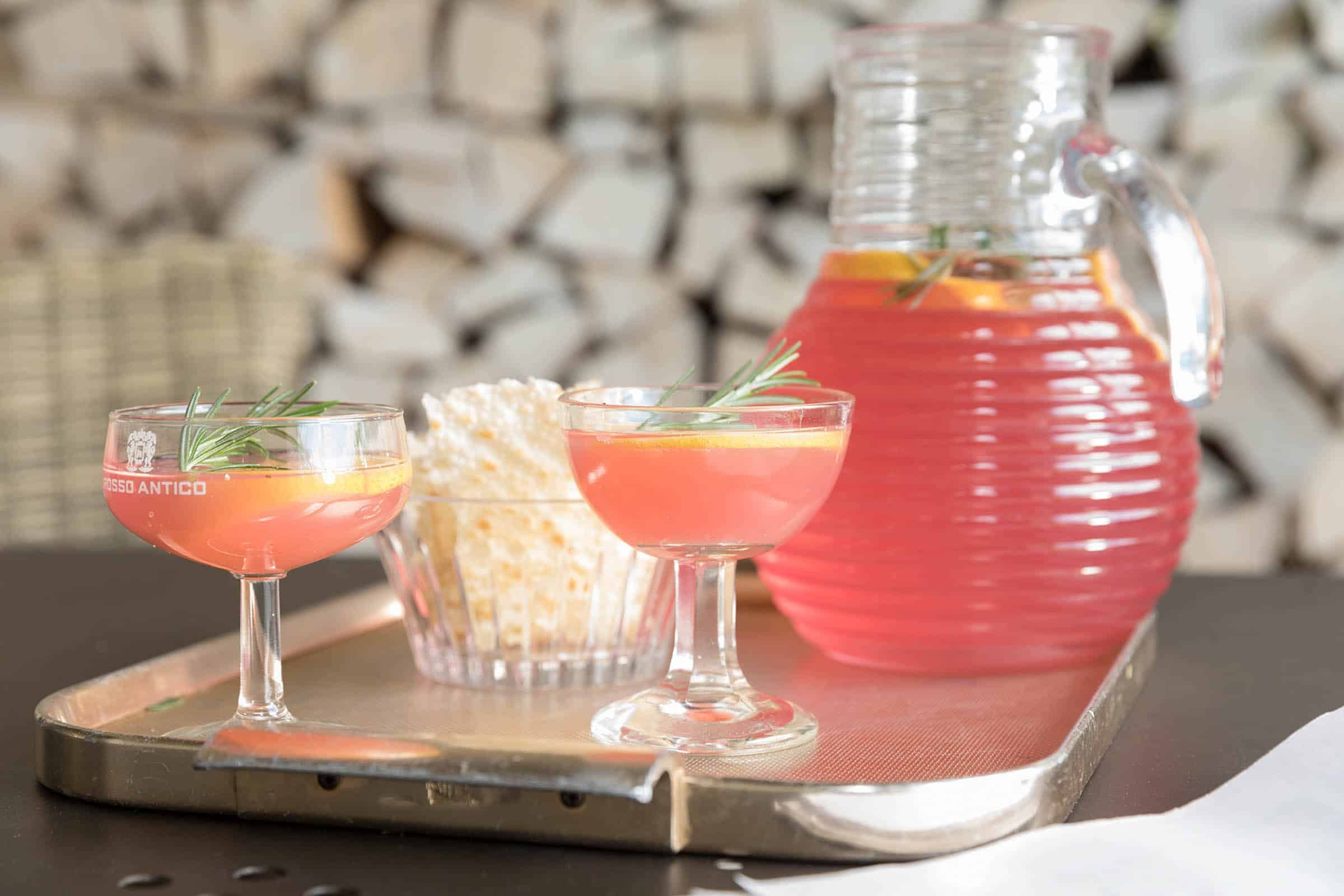
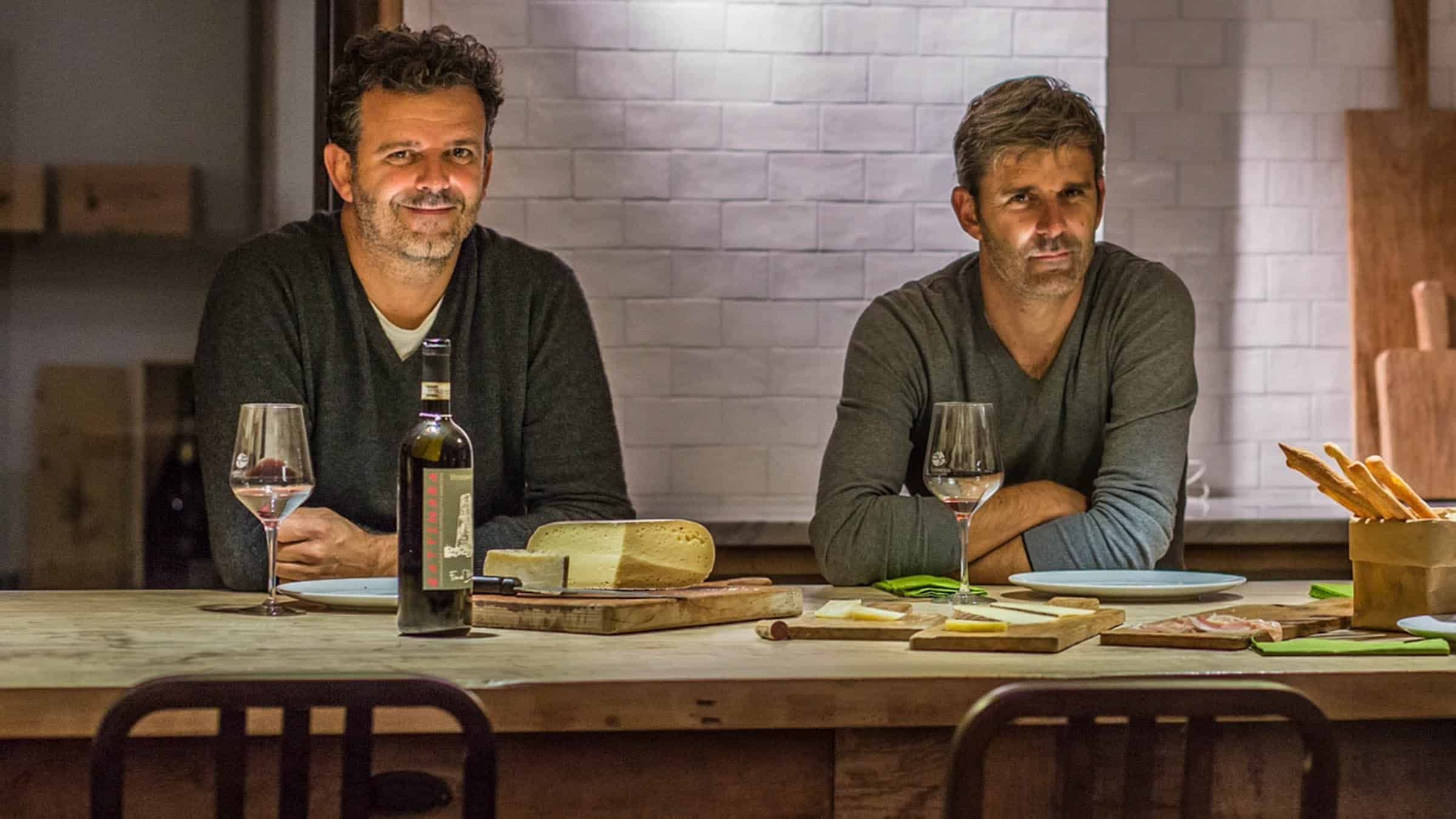
With the opening of La Darbia, the Primatesta brothers have ventured into hitherto unknown territory: the hotel business. The fact that the role of hosts initially fell to them was another lucky coincidence of life and provided a convivial “sideline” to being architects, which – for the past 10 years – has experienced a revival every Wednesday evening. We won’t give any more away, but maybe just this: Gian Carlo cuts Parma ham with zen-like devotion, Matteo carefully pours fine wines into the glasses and both of them get that twinkle in their eyes…
Iconic
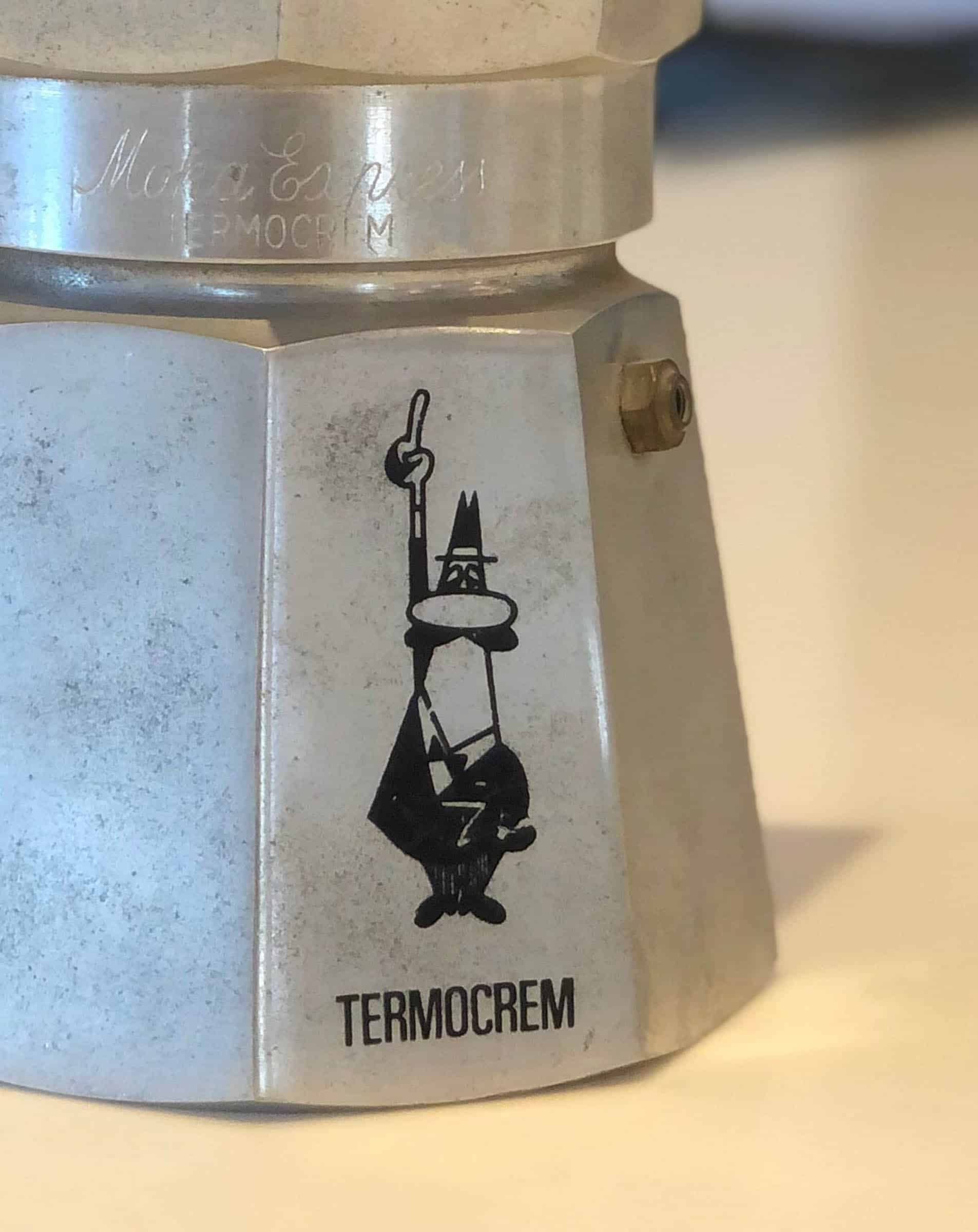
Speaking of shining eyes. The small, mysterious lake not only inspired Nietzsche to great literary creations, it has also written design history. The artisanal processing of metal has a centuries-old tradition here, and almost every style-loving kitchen in the Western world is likely to have an icon from Lago d’Orta – from the legendary kettle with the little red bird to elegant fittings and that octagonal diva made of aluminium that became the epitome of the Italian way of life. From the 1920s onwards, legendary family businesses such as Alessi, Bialetti and Fantini settled around the lake and exported il made in Italy around the globe; today, style purists from all over the world make a pilgrimage to the design temples on Lake Orta. The fact that only a few of the legendary brands are still family-owned is a sign of our times, but the local craftsmanship is as authentic and close to the place as ever.
Human dimension
La Darbia unfolds its charm quietly, and that is due to the people who shape this place. Everywhere you turn, it’s relaxed, it’s right and it resonates. The need for relationships, for inspiration, lies dormant in all of us. When we encounter places and people that make something in us vibrate, the value of life sets in. That is resonance. That is what makes us human. The hosts of the Darbia have internalised this principle, have emphatic antennae for the voices and lifestyles of their guests, and so what doesn’t always work elsewhere succeeds here quite naturally: the relaxed coexistence of different guest constellations and holiday needs. In this way, La Darbia eludes any kind of tourist pigeonholing and just does everything a little differently. More beautiful somehow, and lighter.
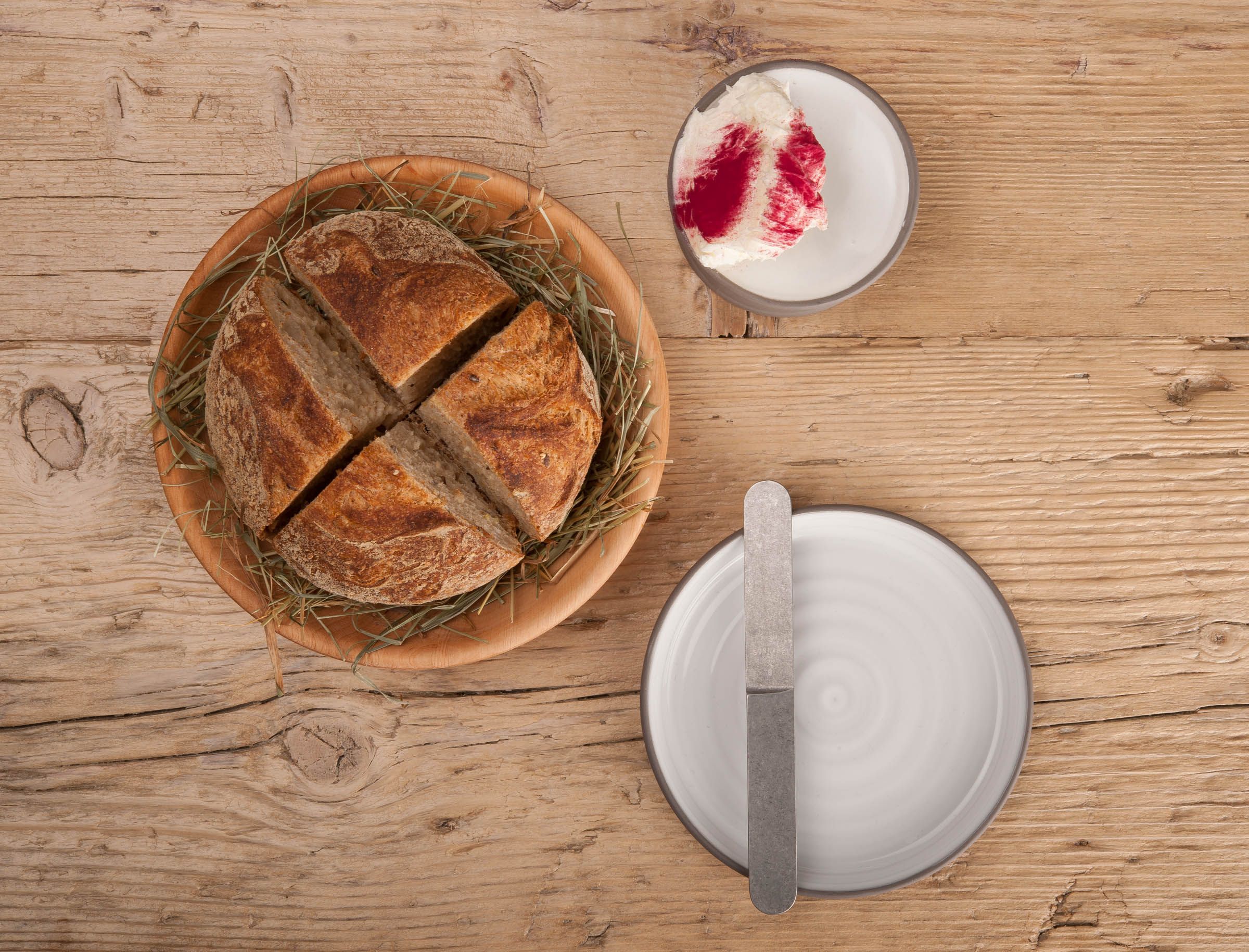
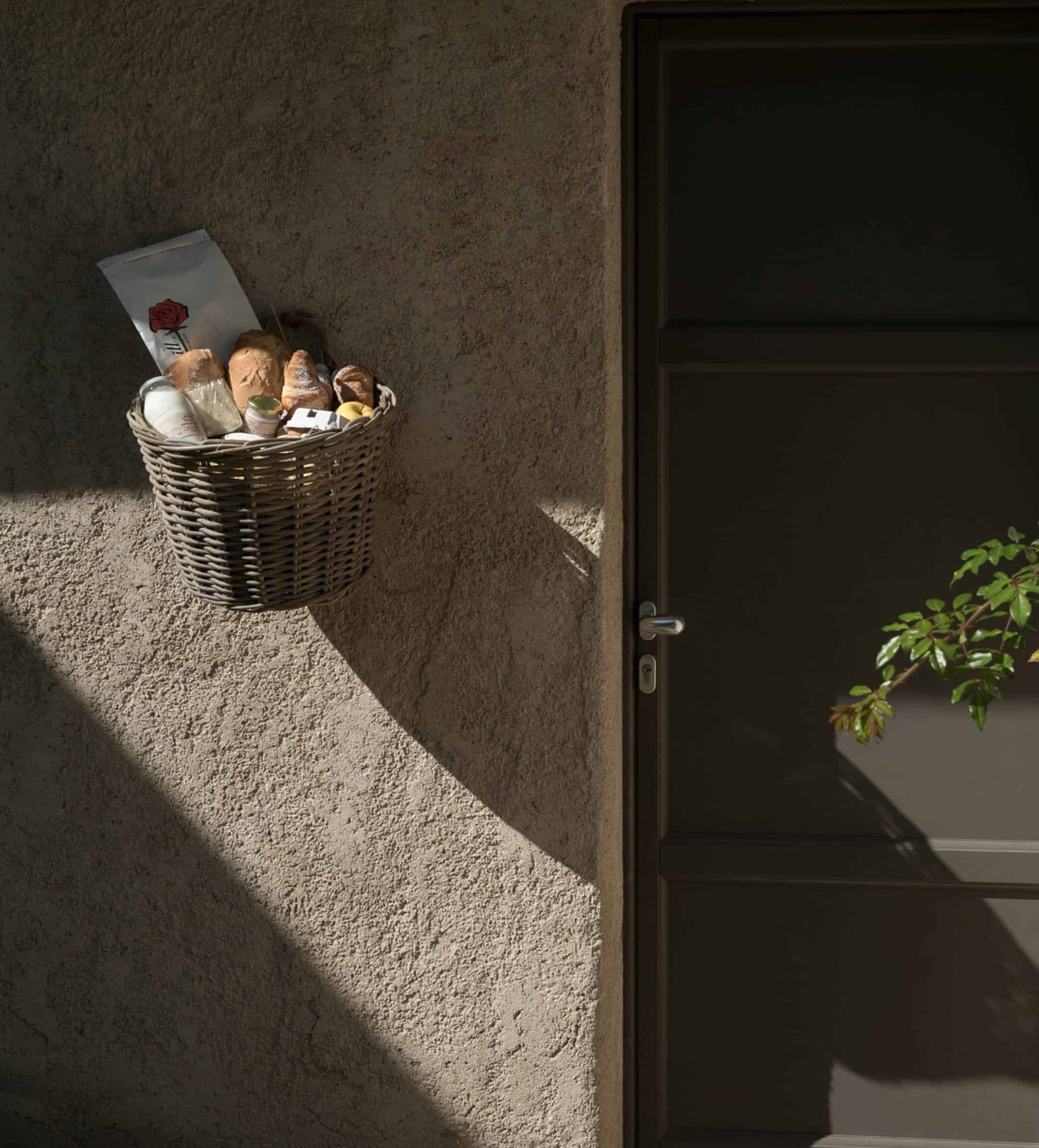
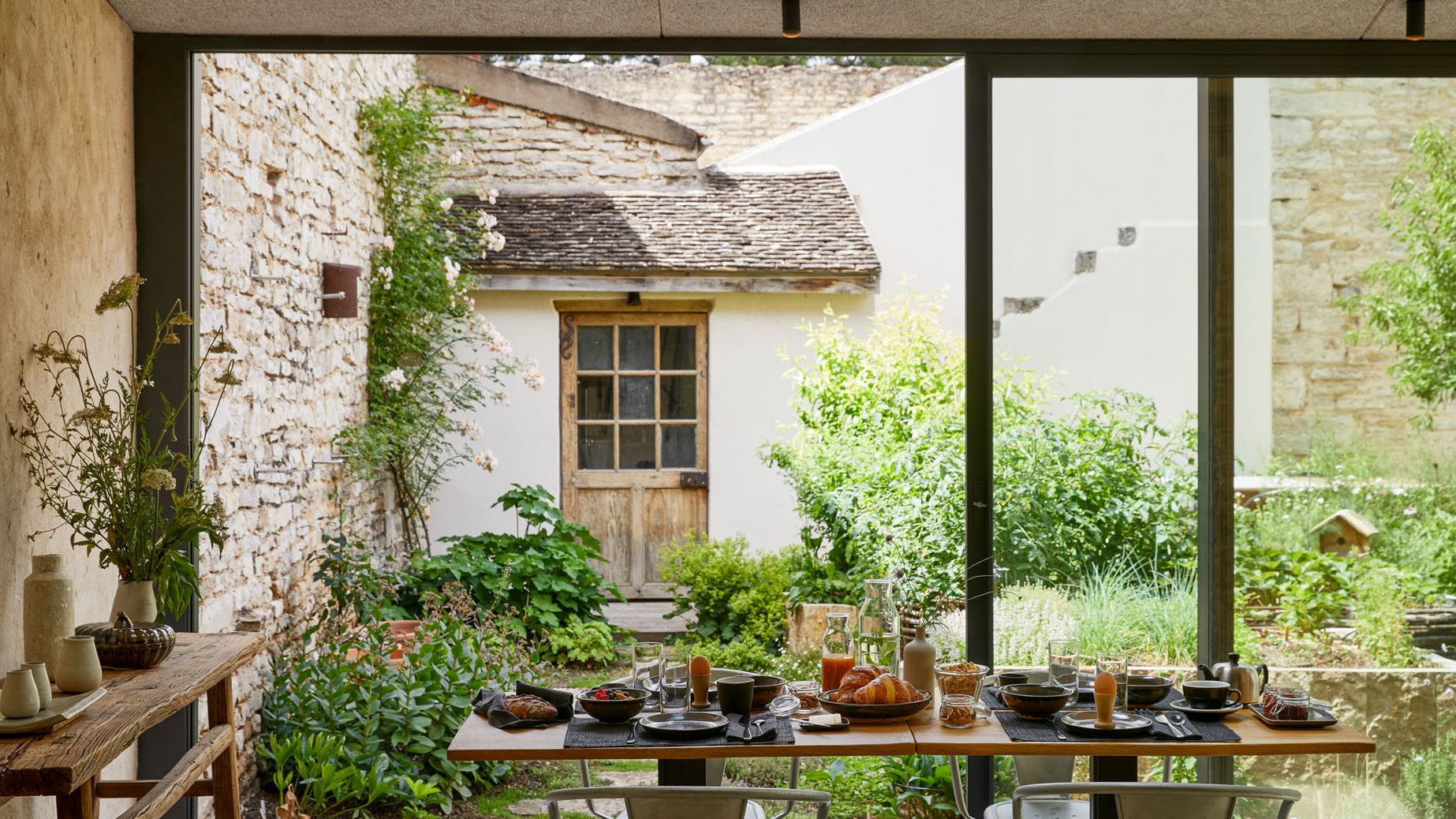
The human dimension of the Darbia, the eye-to-eye encounter with the guests, the big ones as well as the little ones, is the essential impulse that sets in motion a perpetuum mobile of mindfully conceived and deeply enjoyed holiday moments: The shared grape harvest; the heavenly hay-scented breakfast basket delivered directly to the apartment door every morning; quiet retreats and warm encounters; the fantastic playground with a flying fox. Or simply a friendly chat with Matteo, Gian Carlo, Angela or Federico. As if they had all the time in the world. Well, they take it. And that feels good and real.
Text: Britta Krämer, May 2022
Photos: Alessandro Erbetta, Lewis Darby via Unsplash, Walter Zerla, Bruno Pulici, Laura Fantacuzzi, Pier Maulini, Sanne Motza, Christian Brandstätter, Gian Carlo and Matteo Primatesta, Britta Krämer
Overview: Here you will find all HomeStories at a glance! If you want to stay up to date on a monthly basis, you can subscribe to our HomeStory newsletter here.
The house

2 Comments
Man möchte direkt losreisen! Vielen Dank für die umfassende wie einfühlsame Vorstellung des Hauses.
Toller Beitrag und trifft es ziemlich gut. Wir waren schon 6 mal im La Darbia magico. Leider muß man sagen das die Preise für die Übernachtung langsam aber sicher in Regionen verschoben werden die nur schwerlich zu rechtfertigen sind.