
Centro de Portugal
The Portuguese cities of Aveiro and Ílhavo impress with form, colour and function. A stroll past coastal buildings and canals, across educational campuses, through museums and industrial quarters.
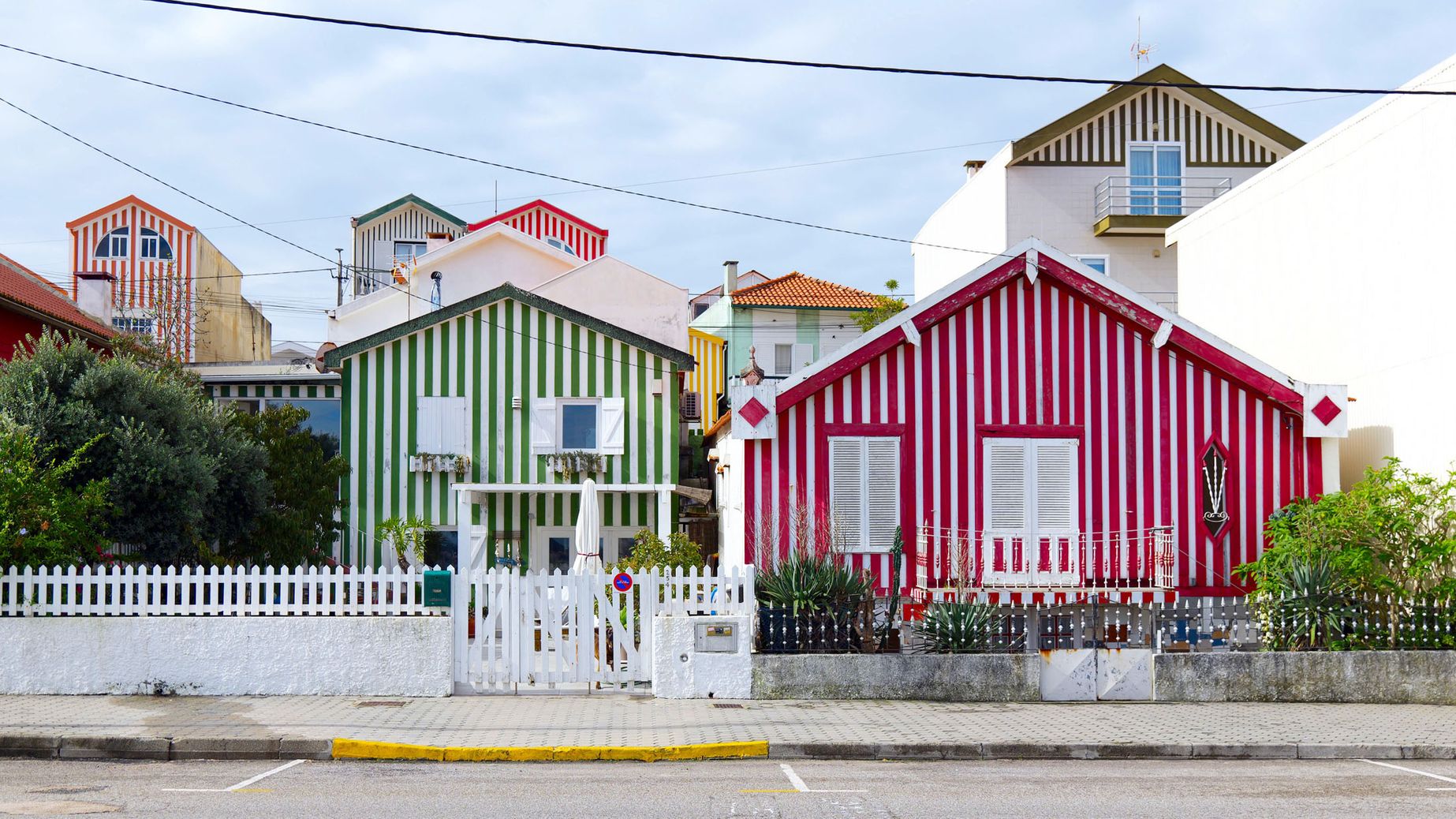
Aveiro and Ílhavo, located in Portugal’s Centro region, are like two siblings with distinct personalities. Nestled between the Atlantic Ocean, salt marshes and lagoon, they uniquely blend history, craftsmanship and building culture. The pace is unhurried, the atmosphere marked by serenity. There’s no rush, no clamour – both places embody pure deceleration. Aveiro presents itself as a city of water, Art Nouveau and colourful fishermen’s houses, while Ílhavo offers a refined porcelain quarter, angular museum buildings and bold architecture around its city hall. Together, they lend the region a distinctive architectural profile.
The geographic location between Coimbra and Porto, surrounded by a vast river delta, has shaped the region’s economic and cultural development for centuries. Here, the Rio Vouga flows into the Atlantic, forming a flat lagoon landscape that provides ideal conditions for both salt production and fishing. Cod fishing was a key industry, shaping the cities’ structures, their sense of identity and their built environment.
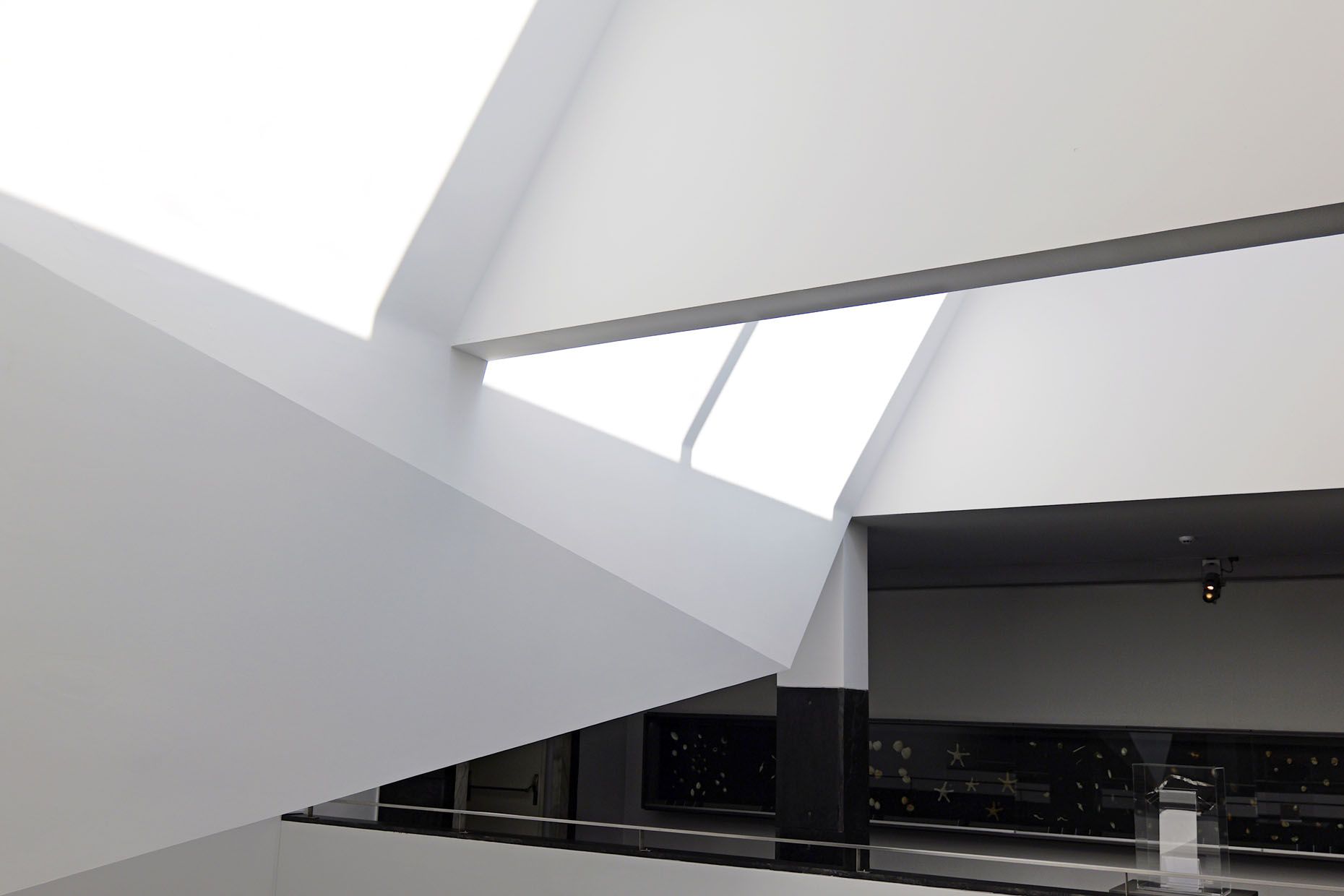
The Museu Marítimo de Ílhavo still commemorates this era with the last fully preserved cod-fishing vessel.
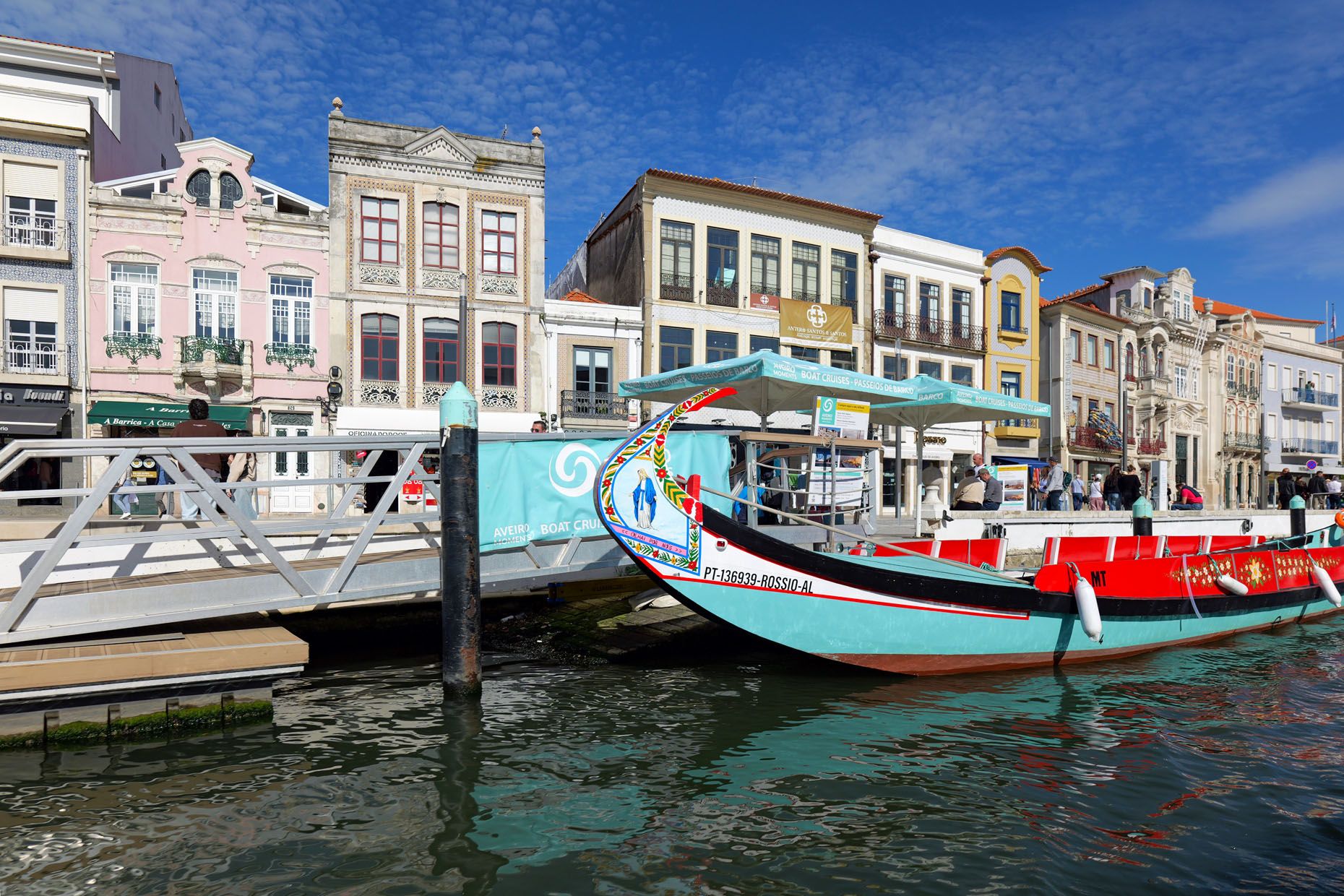
In Aveiro, the grandeur of the Belle Époque meets contemporary university architecture. Lined up along the central canal in the city centre are Art Nouveau villas with curved balconies, floral reliefs and ornate ironwork. Many of these façades were built in the early 20th century, a time when the city thrived on the fish trade. Today, Aveiro is part of an international network dedicated to preserving Art Nouveau heritage.
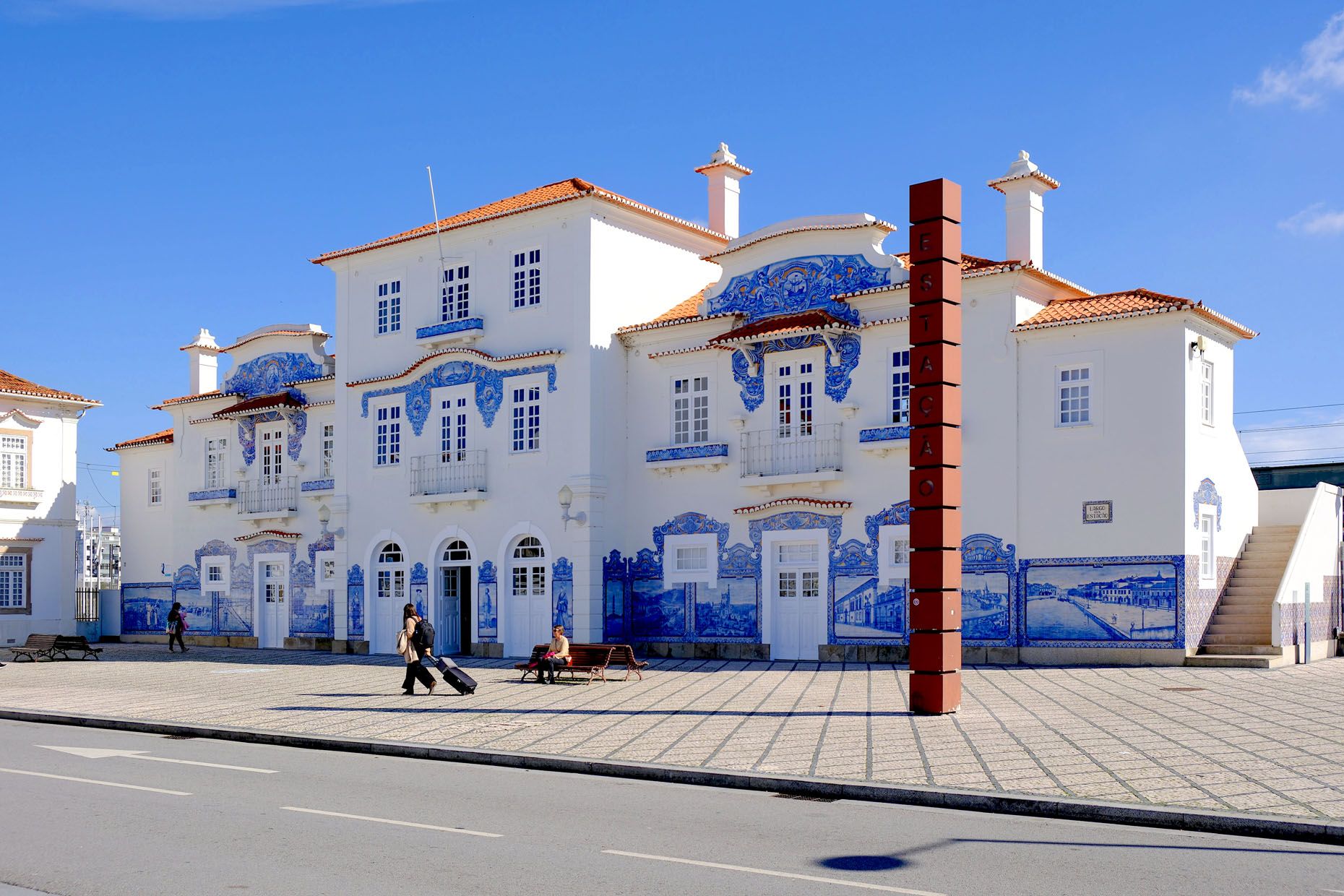
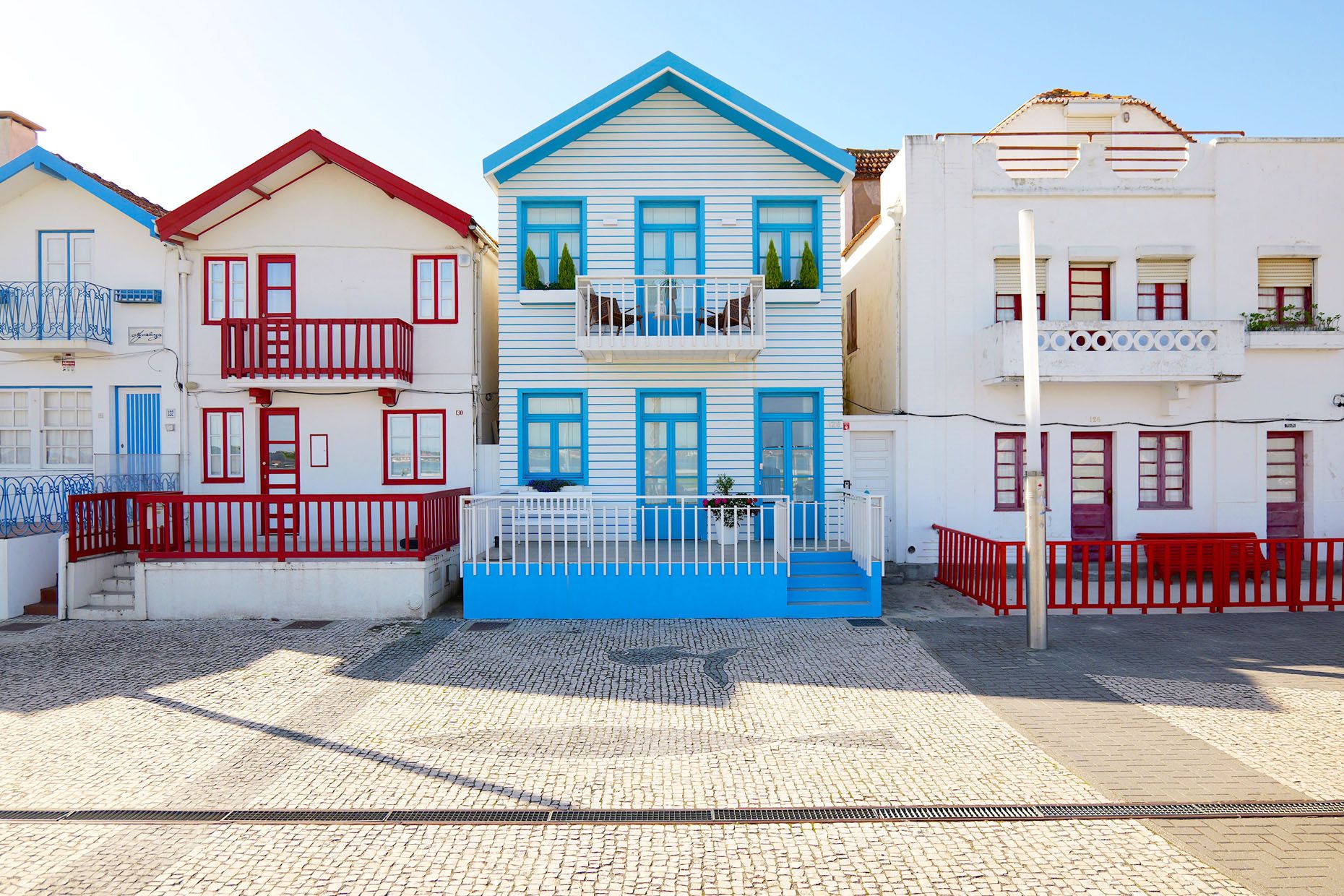
A must-see: Costa Nova. The striped, colourful wooden houses along the Atlantic coast were originally used as storage facilities and accommodation for fishermen. Today, they combine tradition with symbolism – their colours once served as orientation aids in the coastal fog. Many have meanwhile been converted into holiday homes. The proximity to the lagoon and dune landscape adds to their charm.
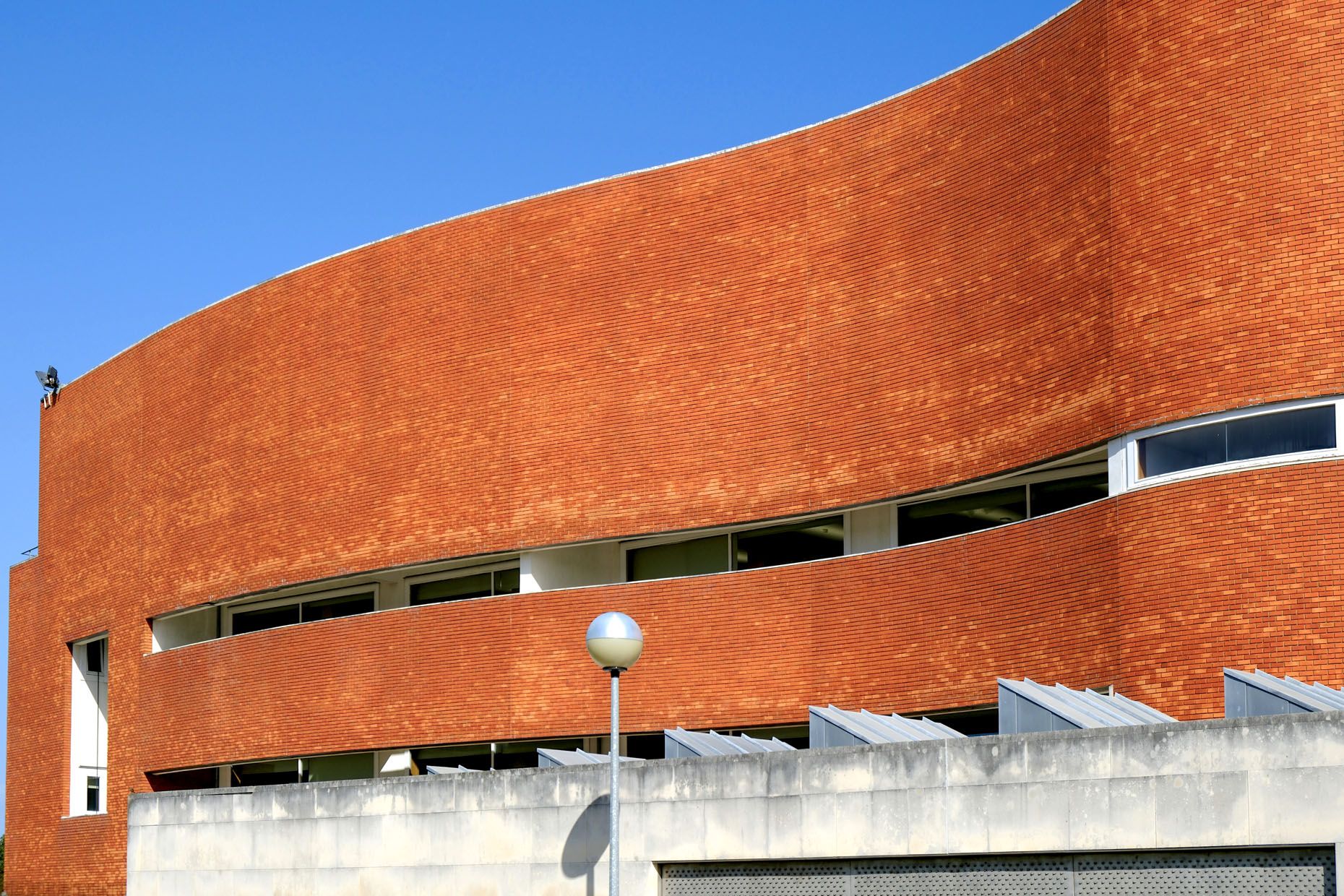
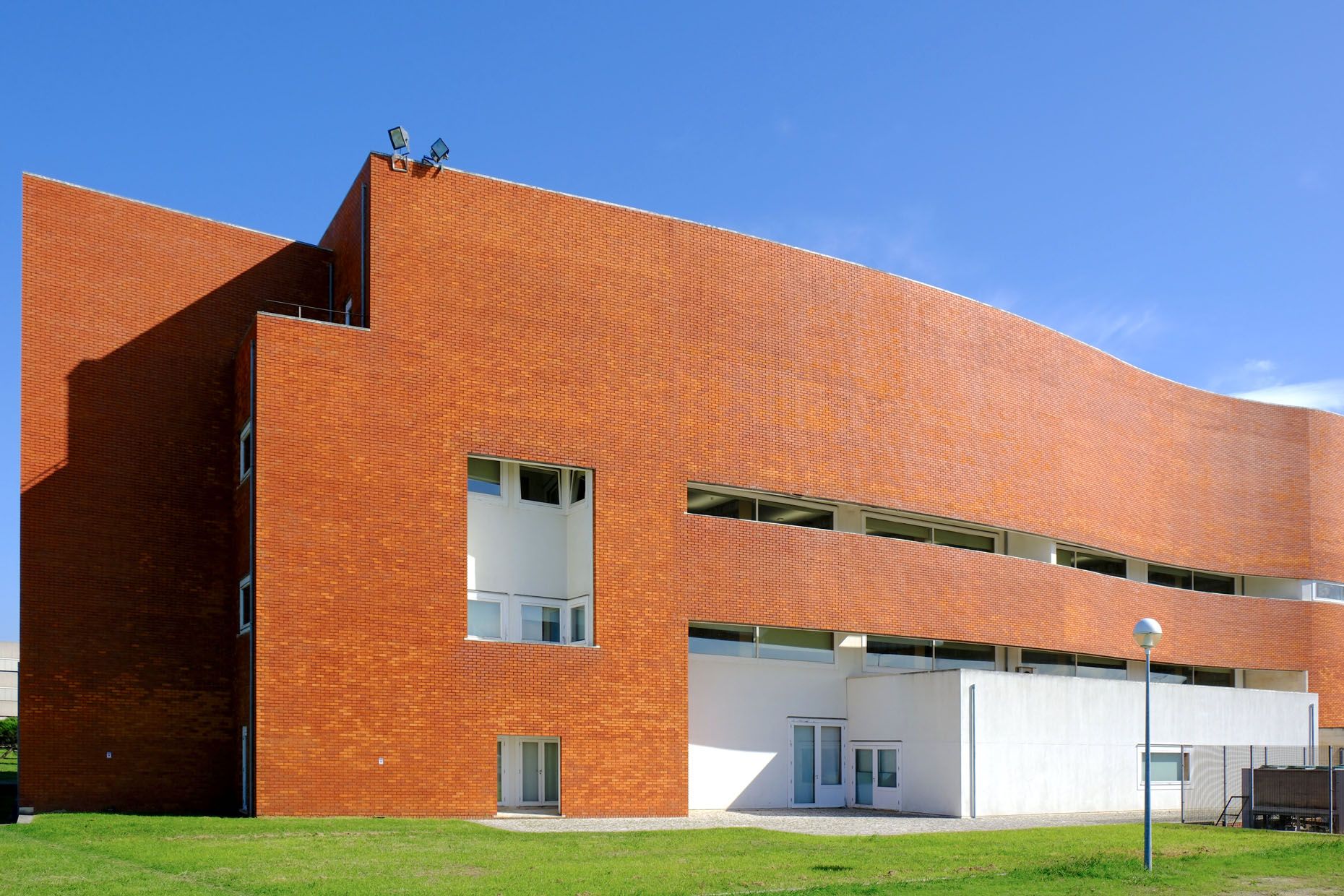
Just a few kilometres inland, the University of Aveiro stands out as a milestone in 20th-century educational architecture. Since the 1980s, the campus has evolved with the contributions of numerous Portuguese architects. Particularly iconic: the university library by Álvaro Siza Vieira (1994), a building of clear geometry, exposed concrete and a continuous horizontal opening that directs the views across the salt pans. Siza deliberately positioned the building to also create spaces for contemplative retreat. The careful interplay of space, material and light makes the library a placid masterpiece. Other university buildings also blend into the coherent design concept of the campus. A planned new building (from 2024) will continue this dialogue between architecture and landscape. Today, the university is a place for architectural experimentation of international renown.
In Ílhavo, architecture takes a different but equally consistent form. The Vista Alegre district, since 1824 home to the porcelain manufacturer of the same name, blends industrial heritage with housing and museum architecture. In the 19th century, the company built not only manufacturing facilities but also housing, a school, church and theatre – forming a works district with its own identity.
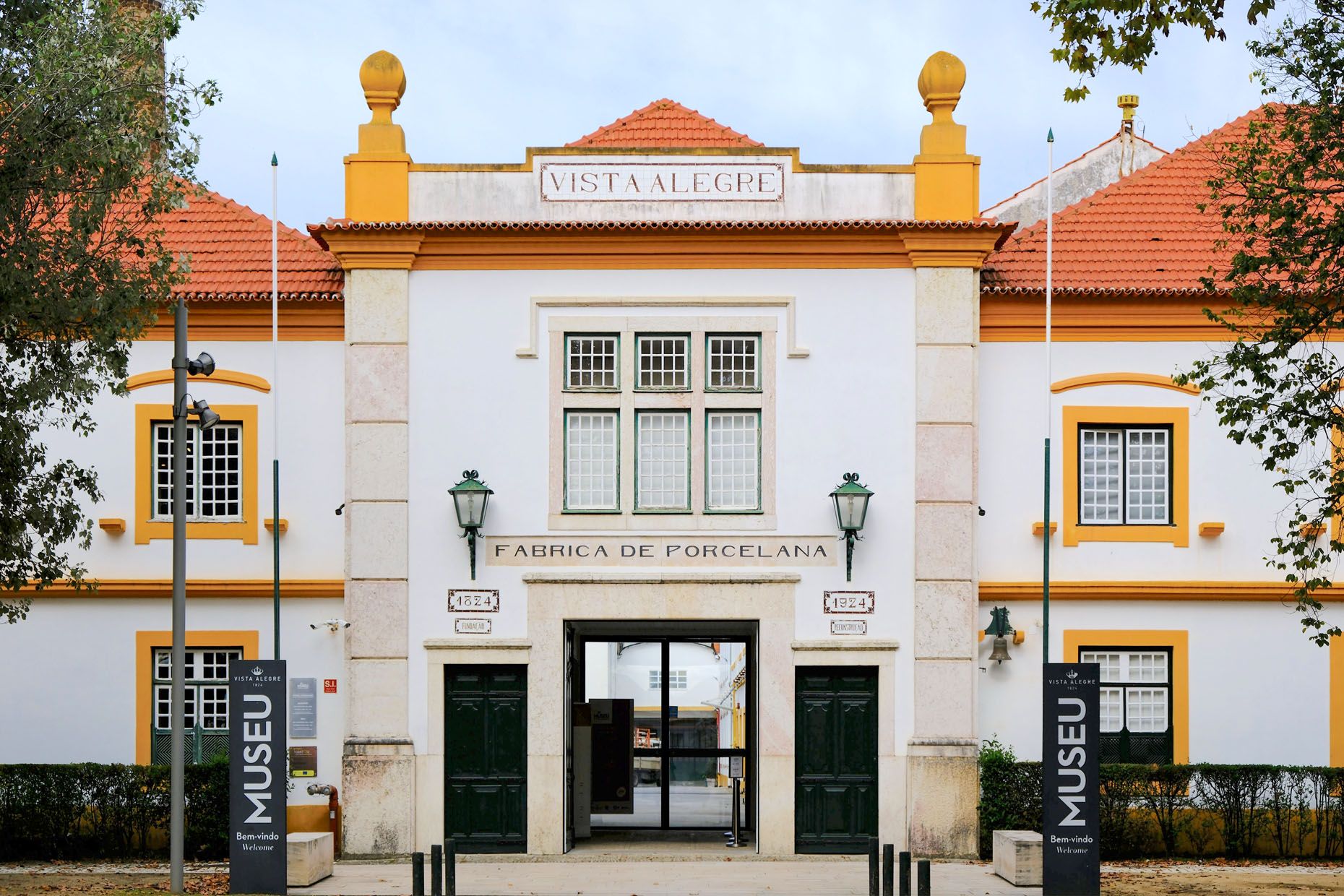
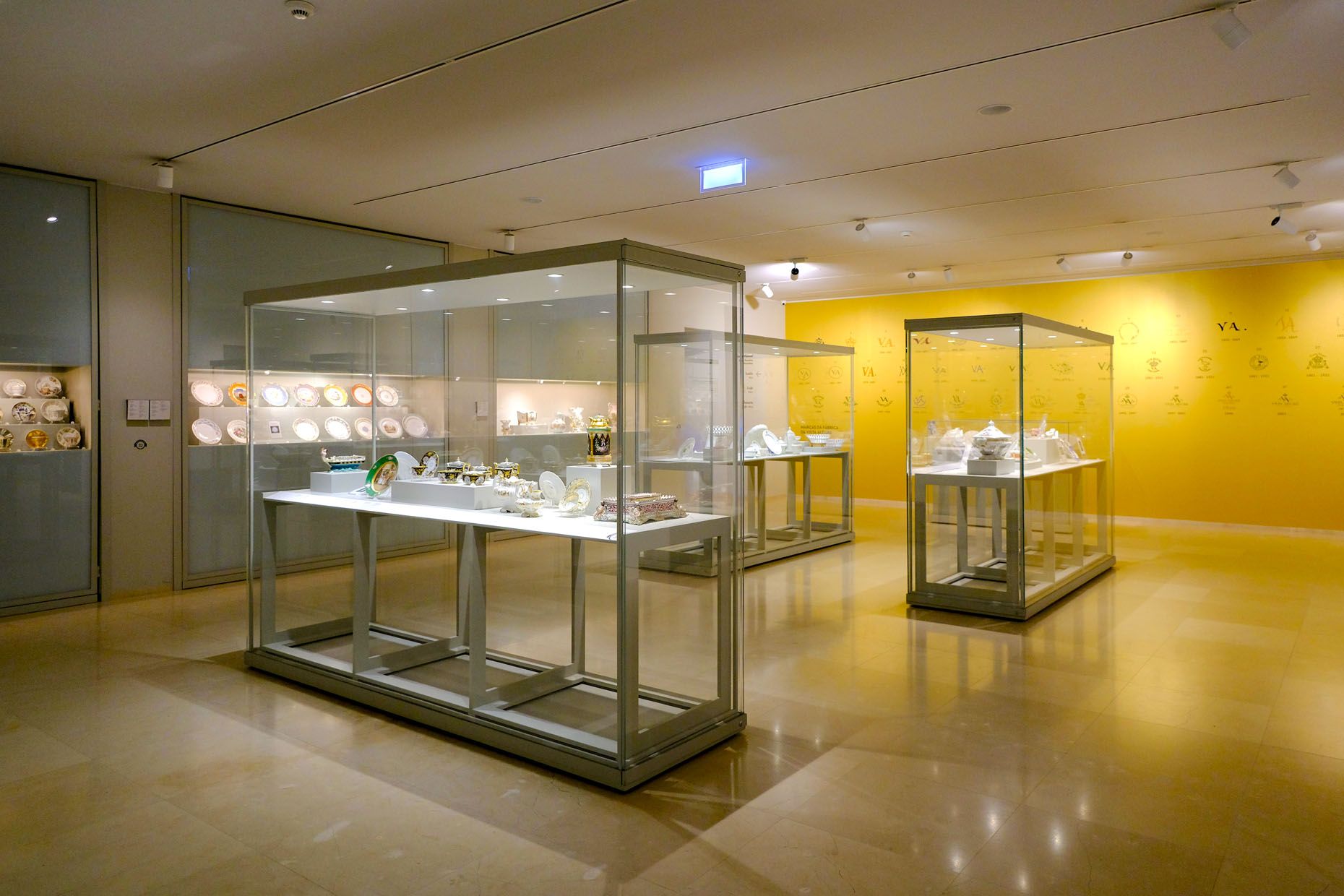
ARX Portugal Arquitectos have built the Vista Alegre Museum as a bridge between tradition and the present day. In former industrial halls and newly inserted volumes, the architects present a museum that showcases not only the history of porcelain but also the quality of Portuguese architecture.
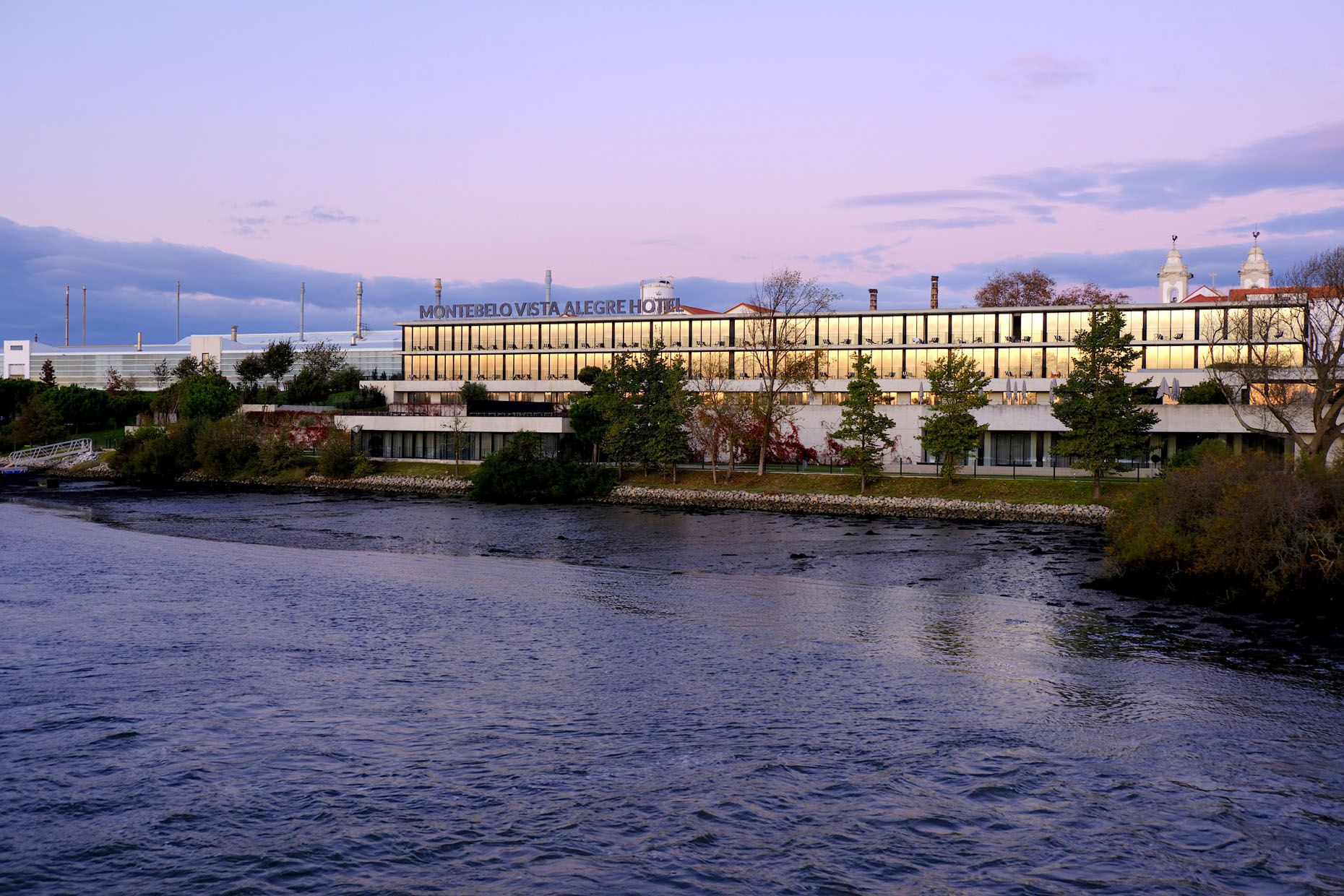
In the immediate vicinity: the Hotel Montebelo Vista Alegre (Laforma, 2015), housed in a historical palace, combines comfort with the history of the porcelain manufactory. Vista Alegre has shaped the industrial and cultural self-image of the region since 1824. Today, it is a premium international brand that unites design, manufactory and museum.
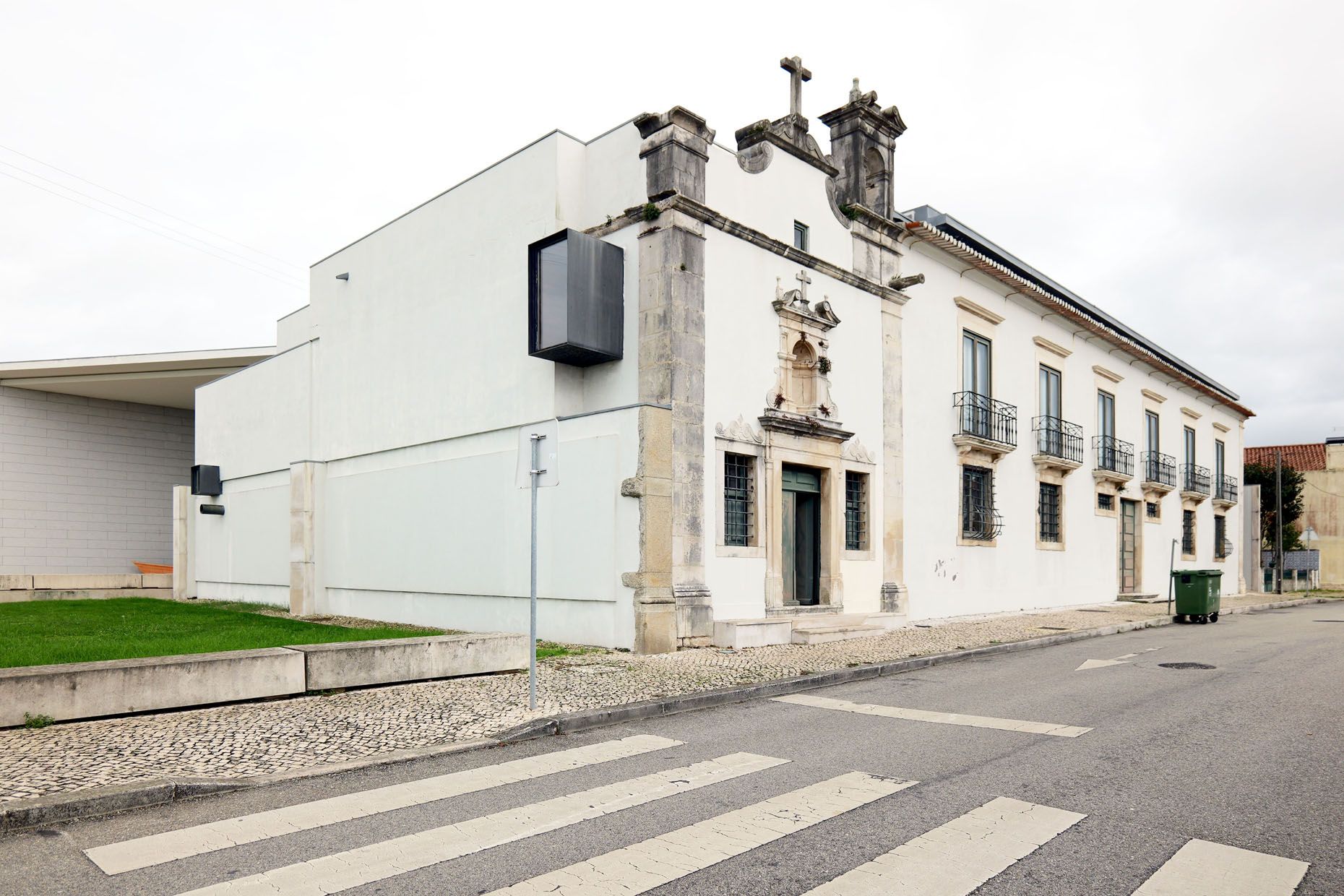
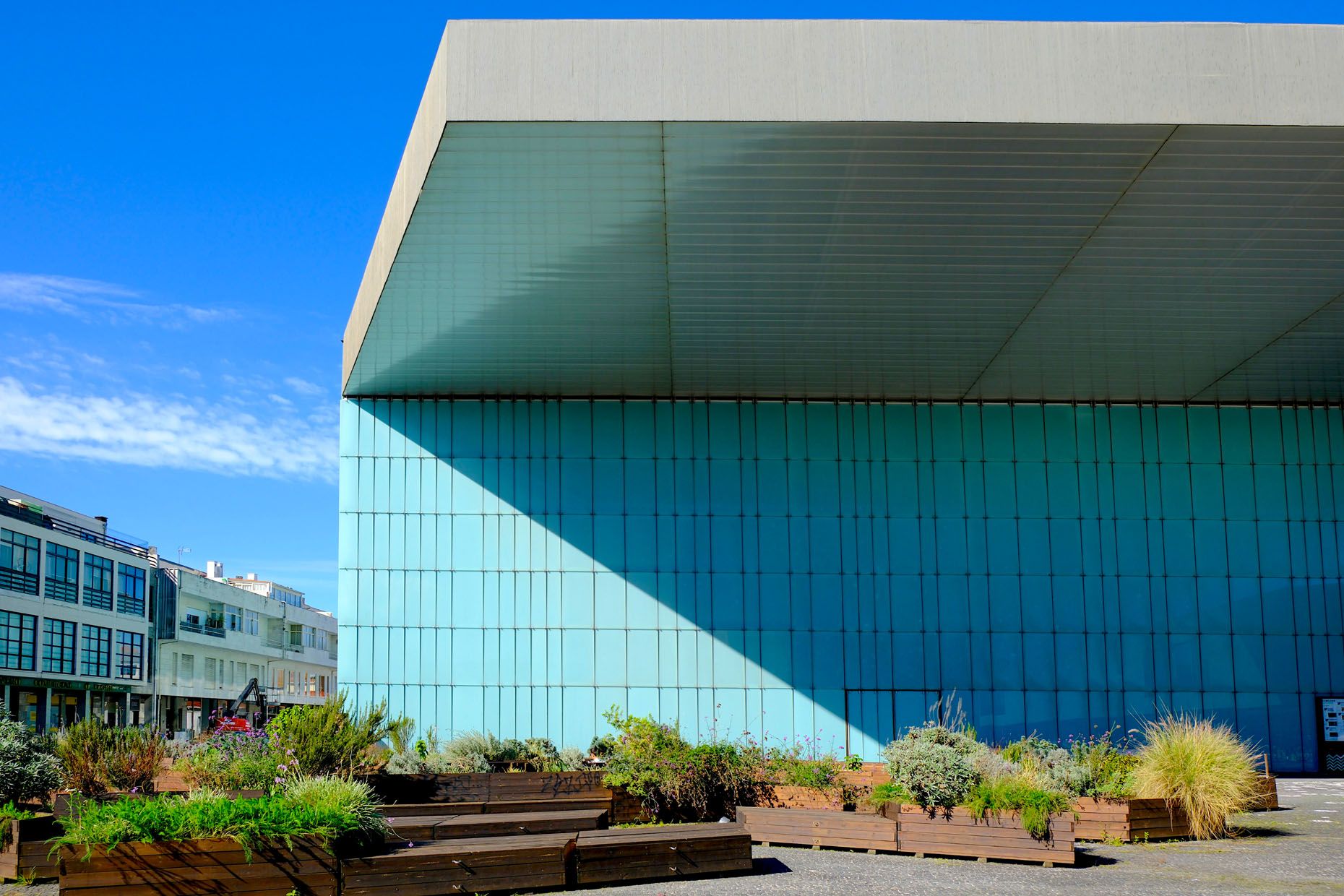
Ílhavo’s city centre boasts further architectural contrasts. The City Library, also by ARX, was nominated for the Mies van der Rohe Award. Just a short walk away, the Cultural Center of Ílhavo (Ilídio Ramos, 2008) stands as a monumental cube with sharp edges.
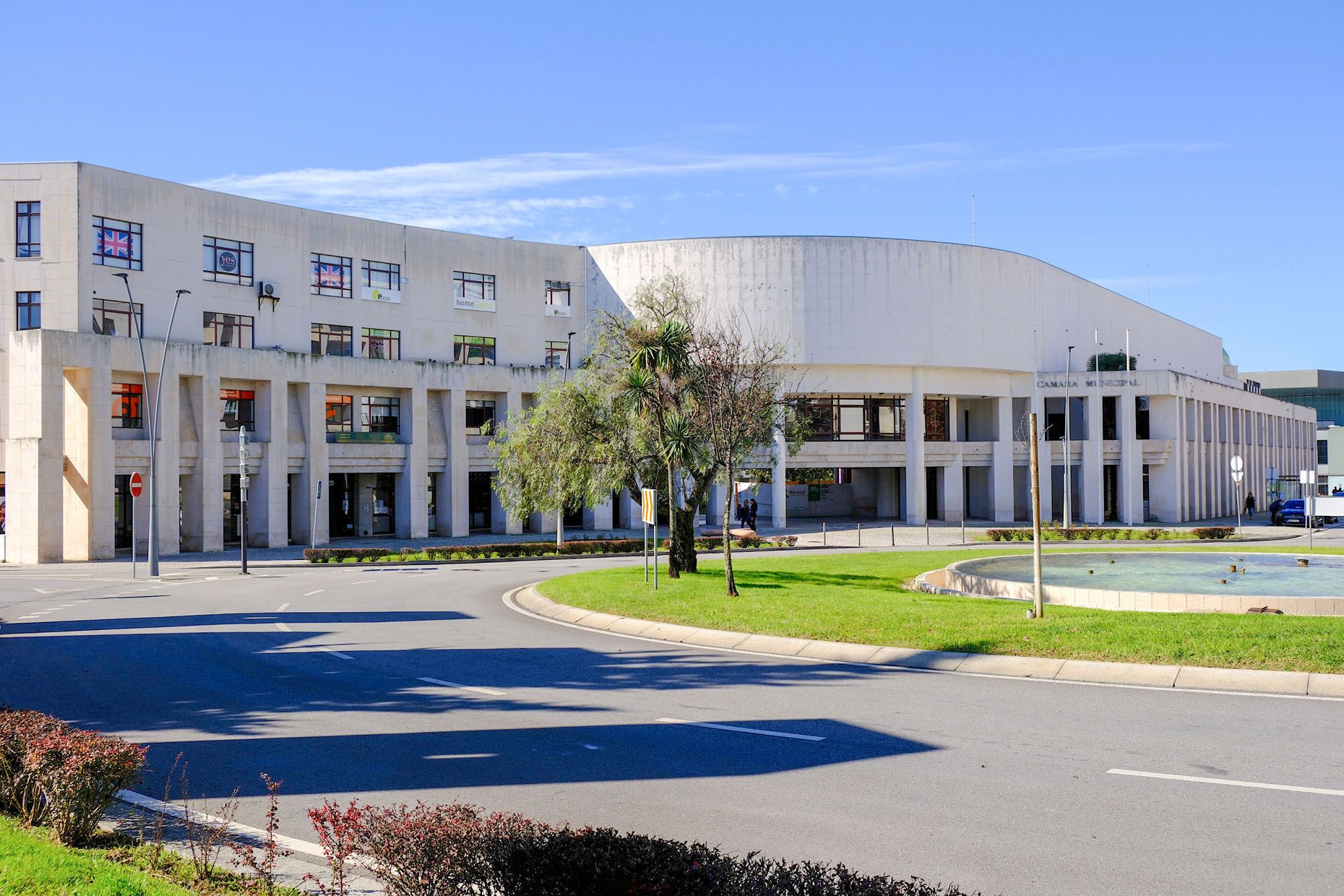
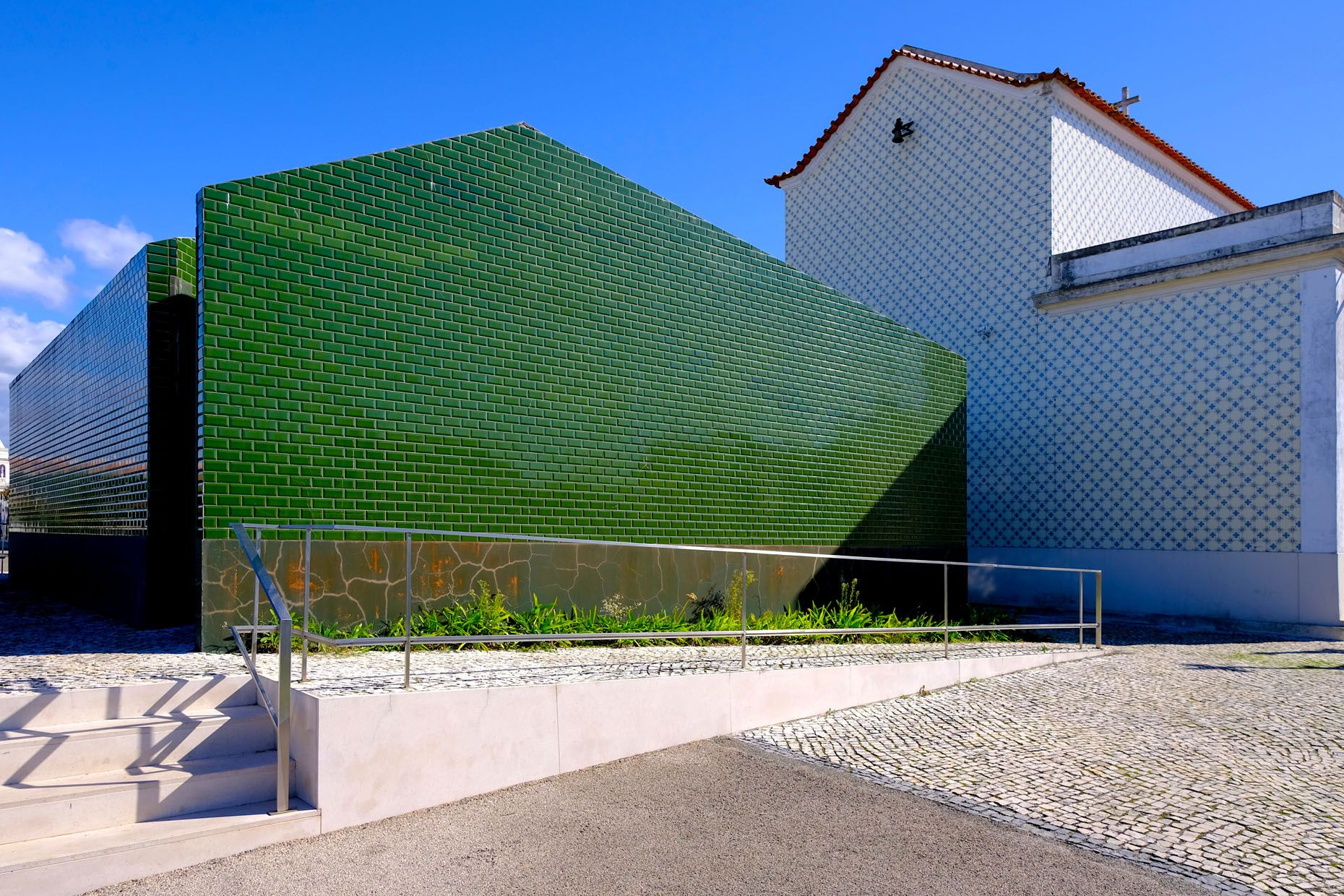
Not far from there, the city hall surprises with its massiveness and generous open plazas. Scattered among these are smaller residential buildings – and perhaps the most aesthetically designed public toilet in Portugal: the cemetery restroom by M2 Senos Arquitectos, clad in green-glazed ceramic tiles and featuring a refined lighting design.
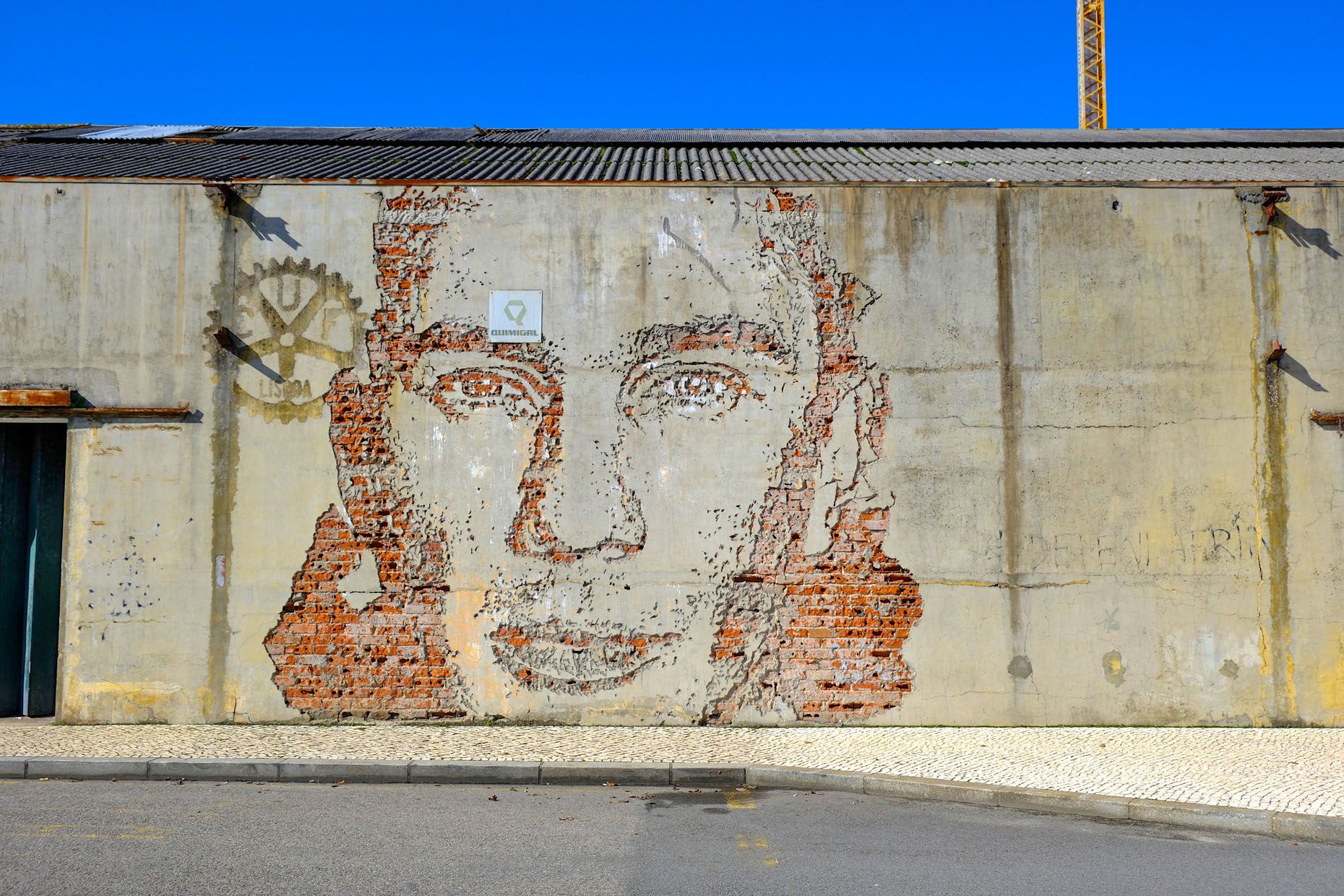
Not only architecture but also other creative forms of expressions define the cityscapes of Aveiro and Ílhavo. Particularly striking is the high quality of Portuguese mural art. Whether abstract, poetic or narrative – large-scale murals are an integral part of the streetscape. They combine traditional craft with contemporary design and lend even inconspicuous buildings a new presence. This, in turn, resonates with the definition of building culture in both cities. Because in both, tranquillity, spaciousness and a slow rhythm of life prevail. Architecture and urban development here are not born in noise but in calm dialogue with their surroundings and history – focused and with ample room for design quality. At the same time, both cities are opening up more and more to contemporary stimuli: cafés, design shops, cultural programmes and new culinary offerings reveal that life here may be quiet but by no means backward. Tourism is developing in a measured way and benefits from a mix of authenticity, good accessibility and high quality of stay.
Aveiro and Ílhavo demonstrate the extent to which Portuguese architecture is shaped by the interplay of landscape, craftsmanship, function and history. Whether in the shadow of Art Nouveau façades, between striped fishermen’s houses or in dialogue with concrete and porcelain: architecture here does not strive for spectacle but offers a precise response to location, climate and history – open to contemplation, reflection and experience.
Text: Jan Dimog
Photo credits: © Hendrik Bohle and Jan Dimog / thelink.berlin
Author info
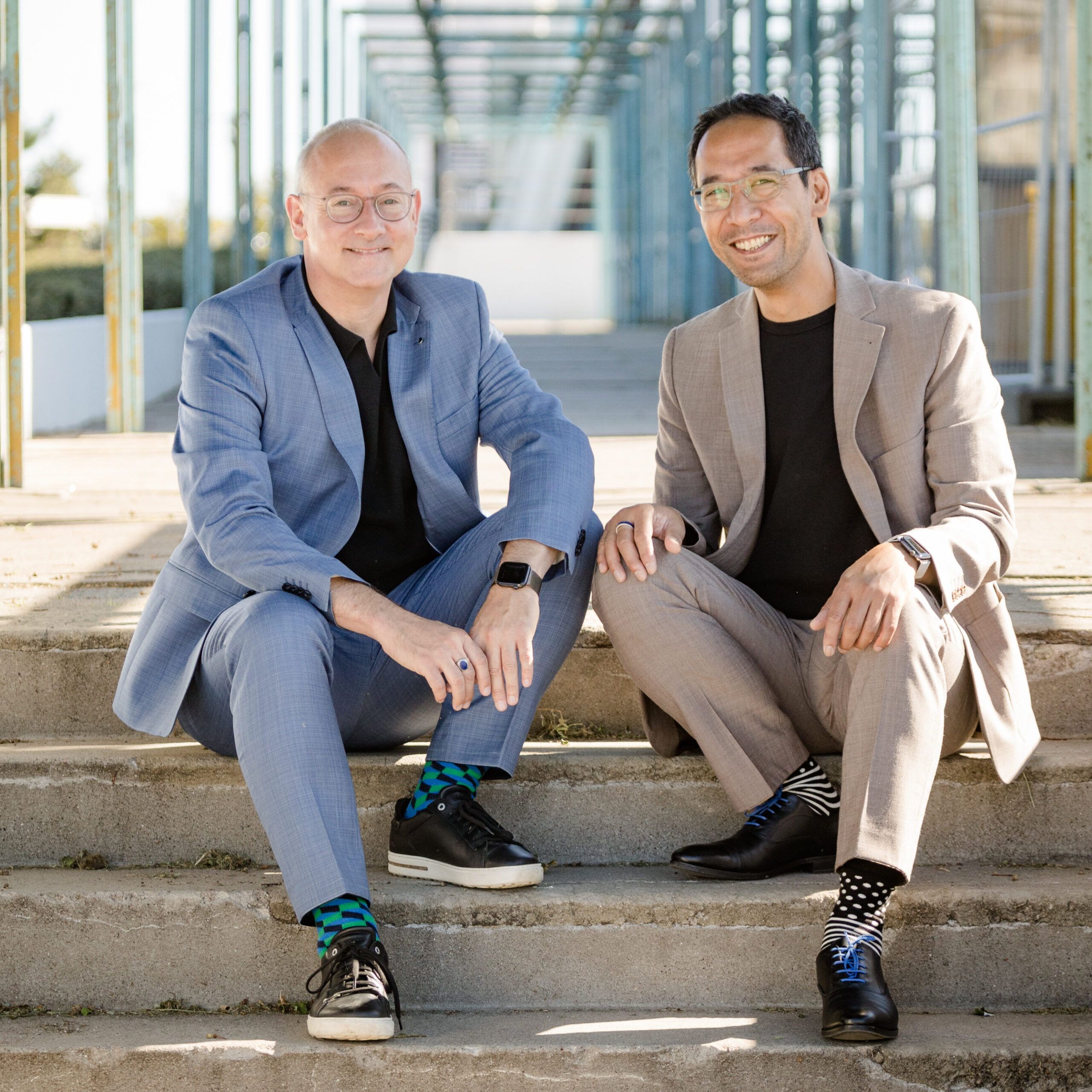
Journalist Jan Dimog runs a digital magazine on building culture together with architect Hendrik Bohle. On thelink.berlin they have been telling about their discoveries in Europe for years, especially about the connections between people and architecture.
When they are not on the road, they curate high-profile exhibitions, such as the travelling exhibition on Arne Jacobsen’s architecture.
URLAUBSARICHITEKTUR Houses in northern Portugal
0 Comments