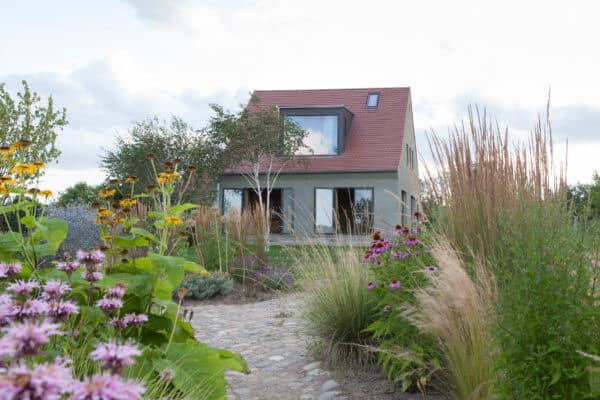
The empathetic traveller: A conversation about what makes us feel alive
Luca Giannini is a creative cosmonaut. At home in Sicily, Rome and Bologna, his travel experiences and a deep empathy for places manifest in meaningful yet silent works and projects.
Bologna-born Luca Giannini is a modern Leonardo da Vinci. With the lightness and ease of a cosmonaut, he navigates across disciplines and destinations and reconciles them harmoniously: art, design, architecture, craftsmanship and photography. Myth and matter, sea and land, symbol and archetype, space and time. At home in Sicily, Rome and Bologna, but in a way wherever a place makes his soul vibrate, his travel experiences and a deep empathy for places manifest in meaningful yet silent works and projects.
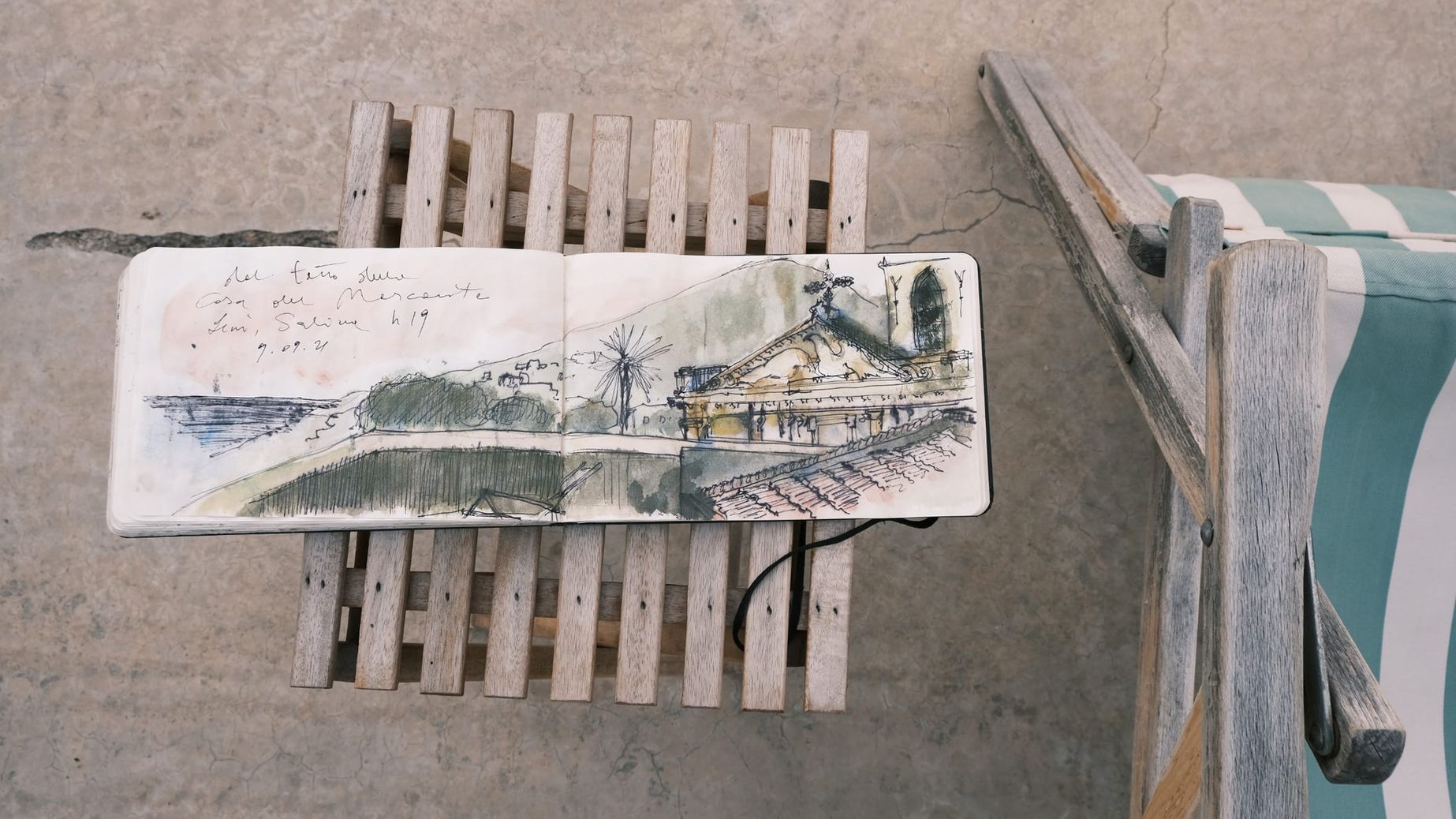
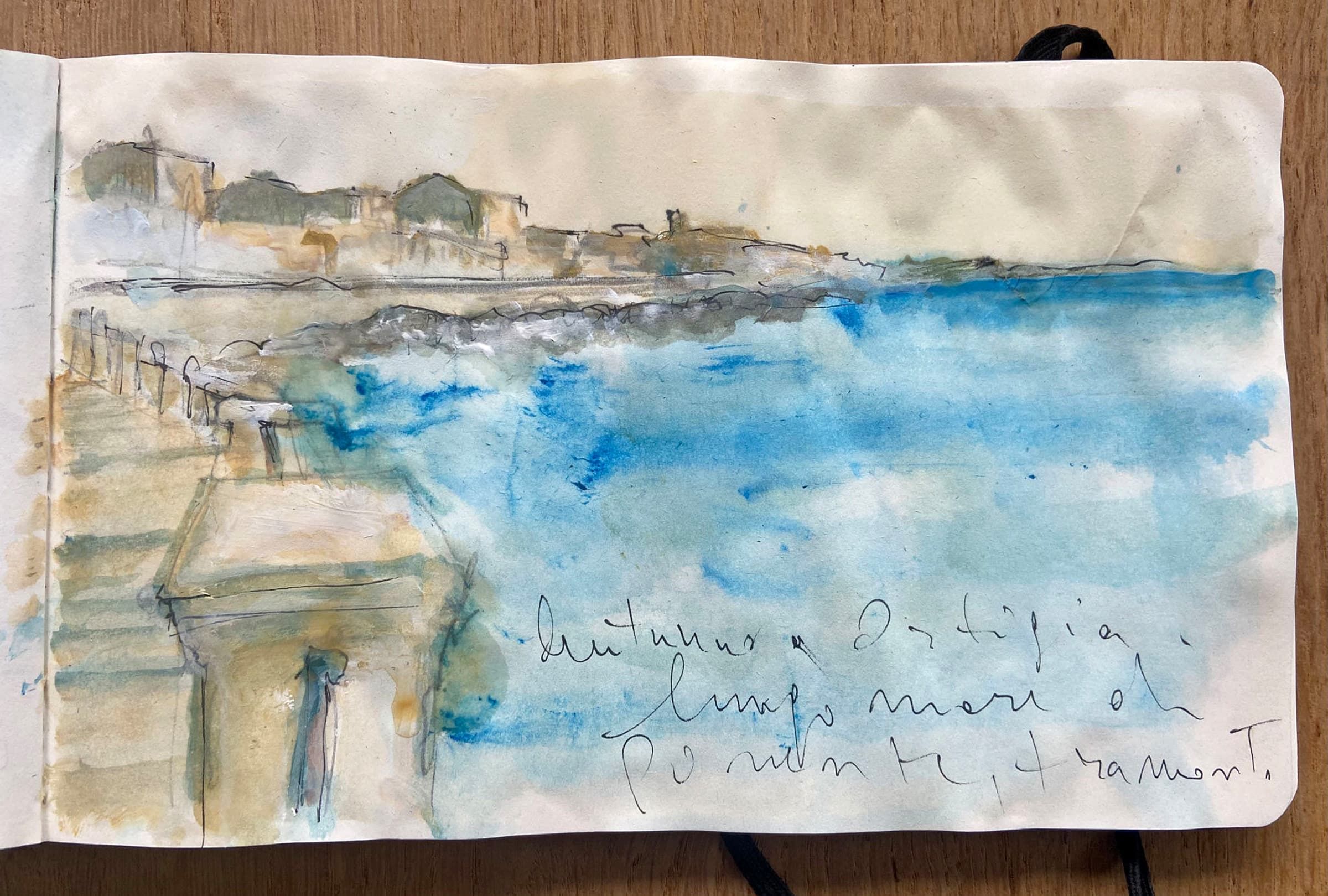
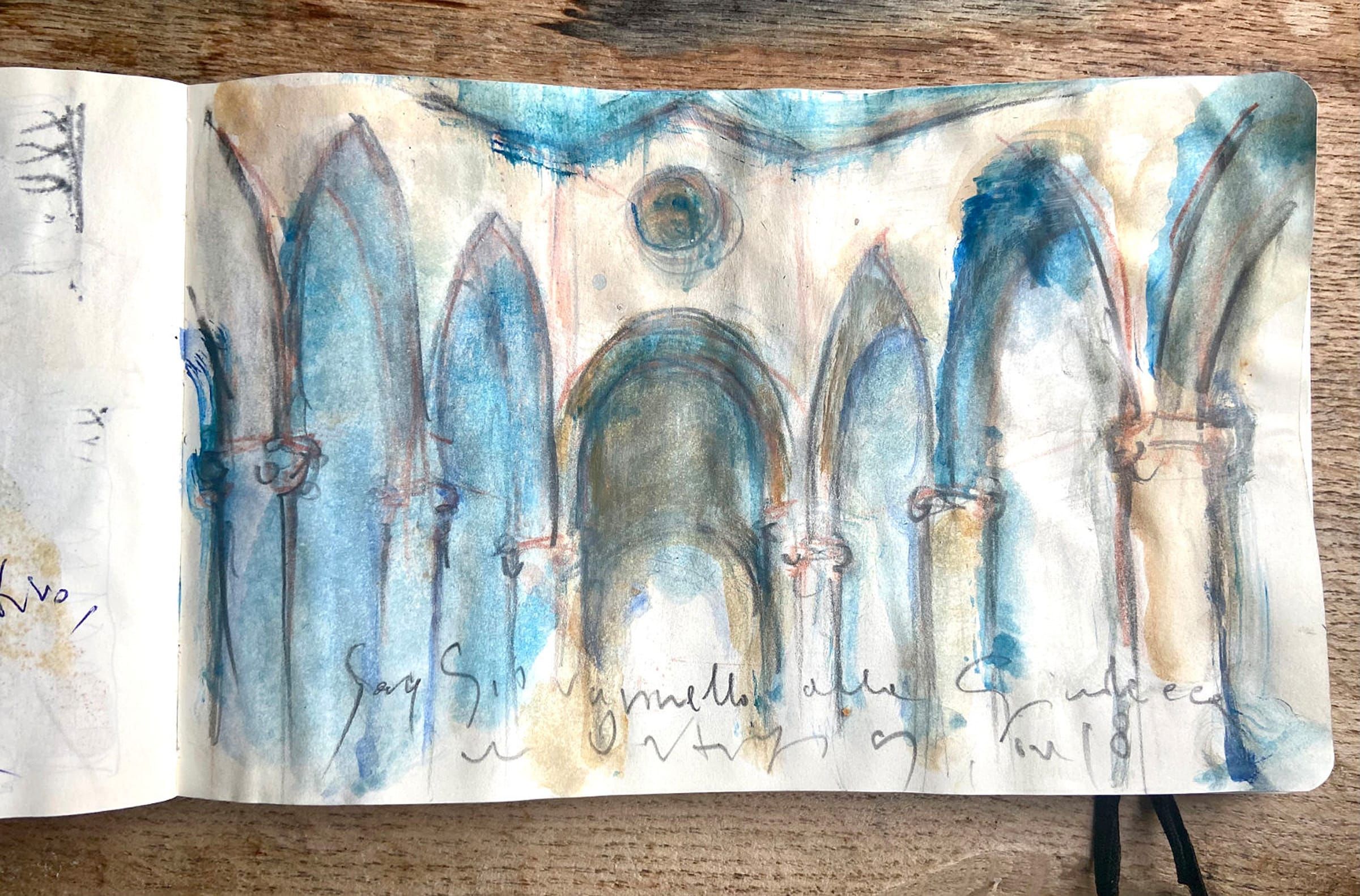
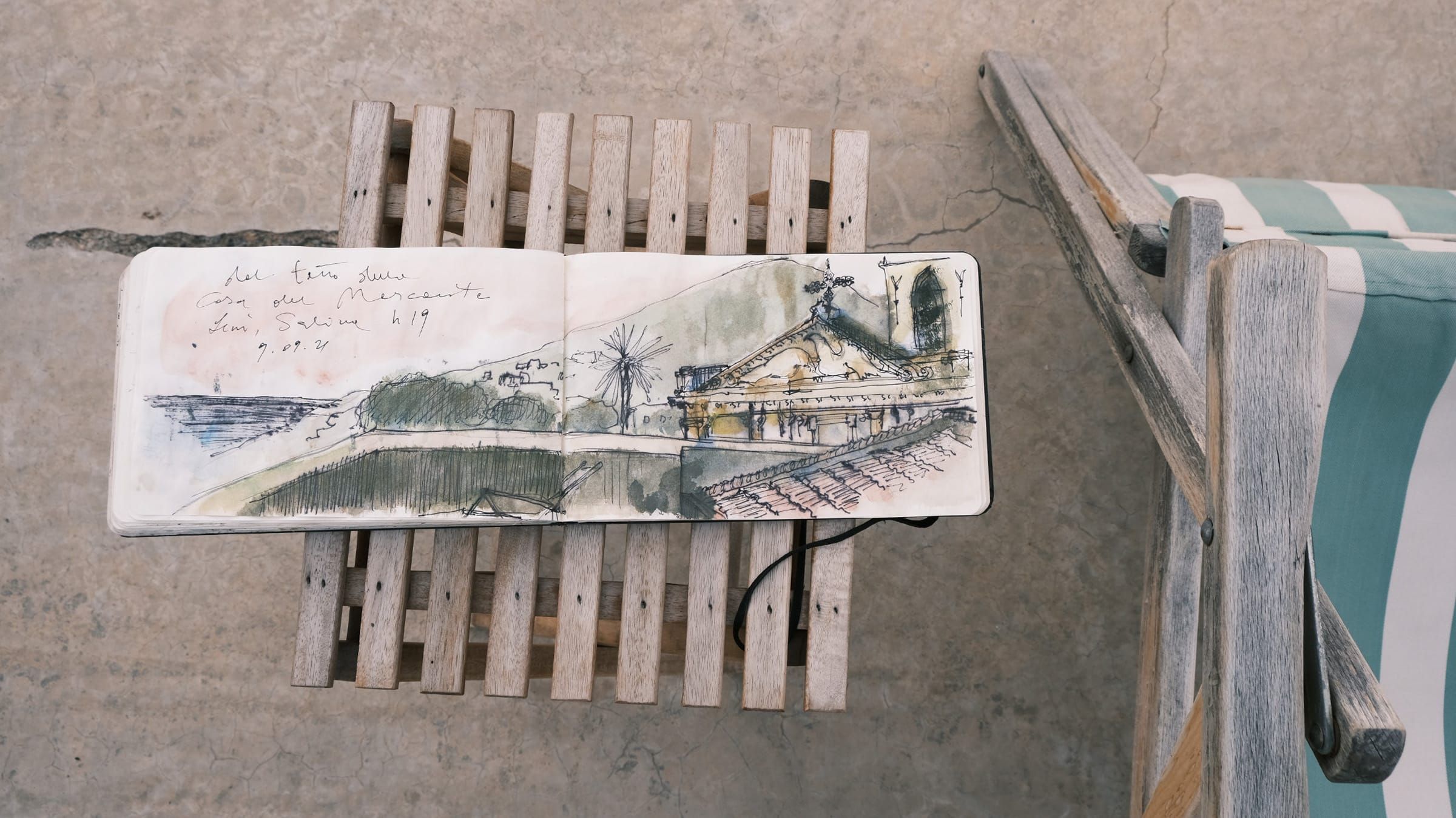
His “Taccuini di viaggio” — truly inspiring travel journals — reveal a most subtle take on places: Hidden corners, unexpected perspectives, moods of light, patina and whispered secrets. A sensation, a déjà vu, a casual encounter and all the stories and messages that arise out of stillness.
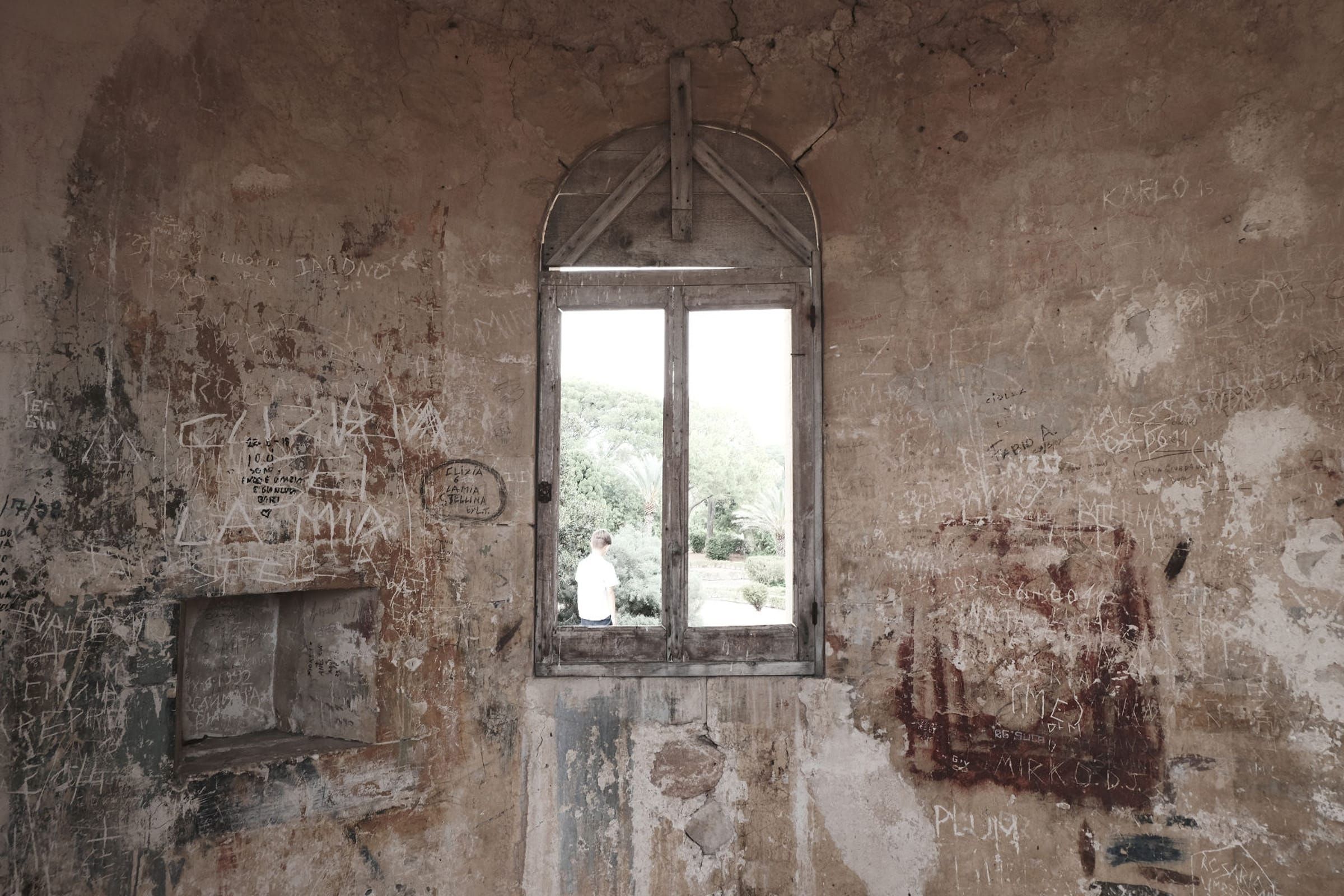
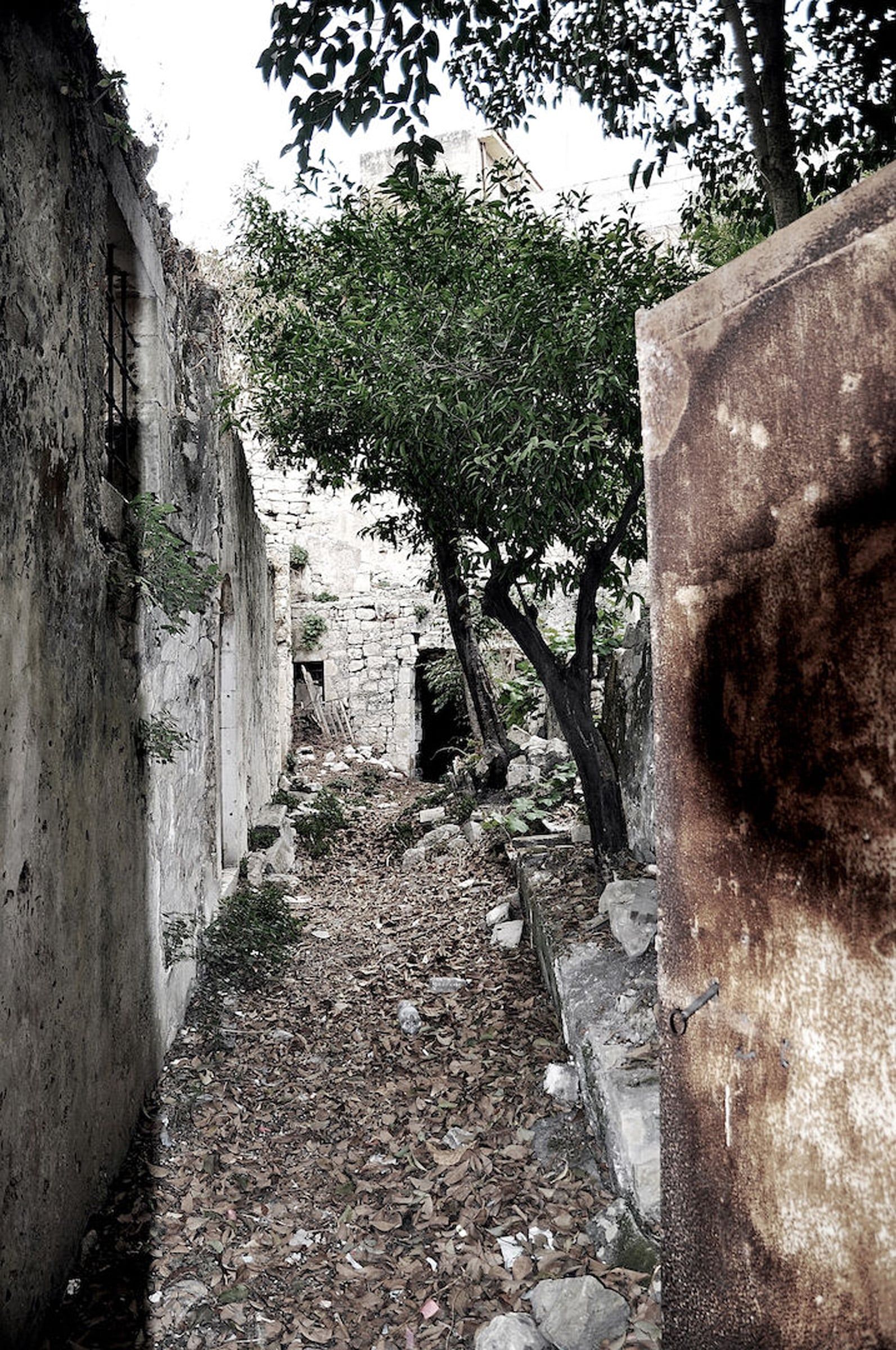
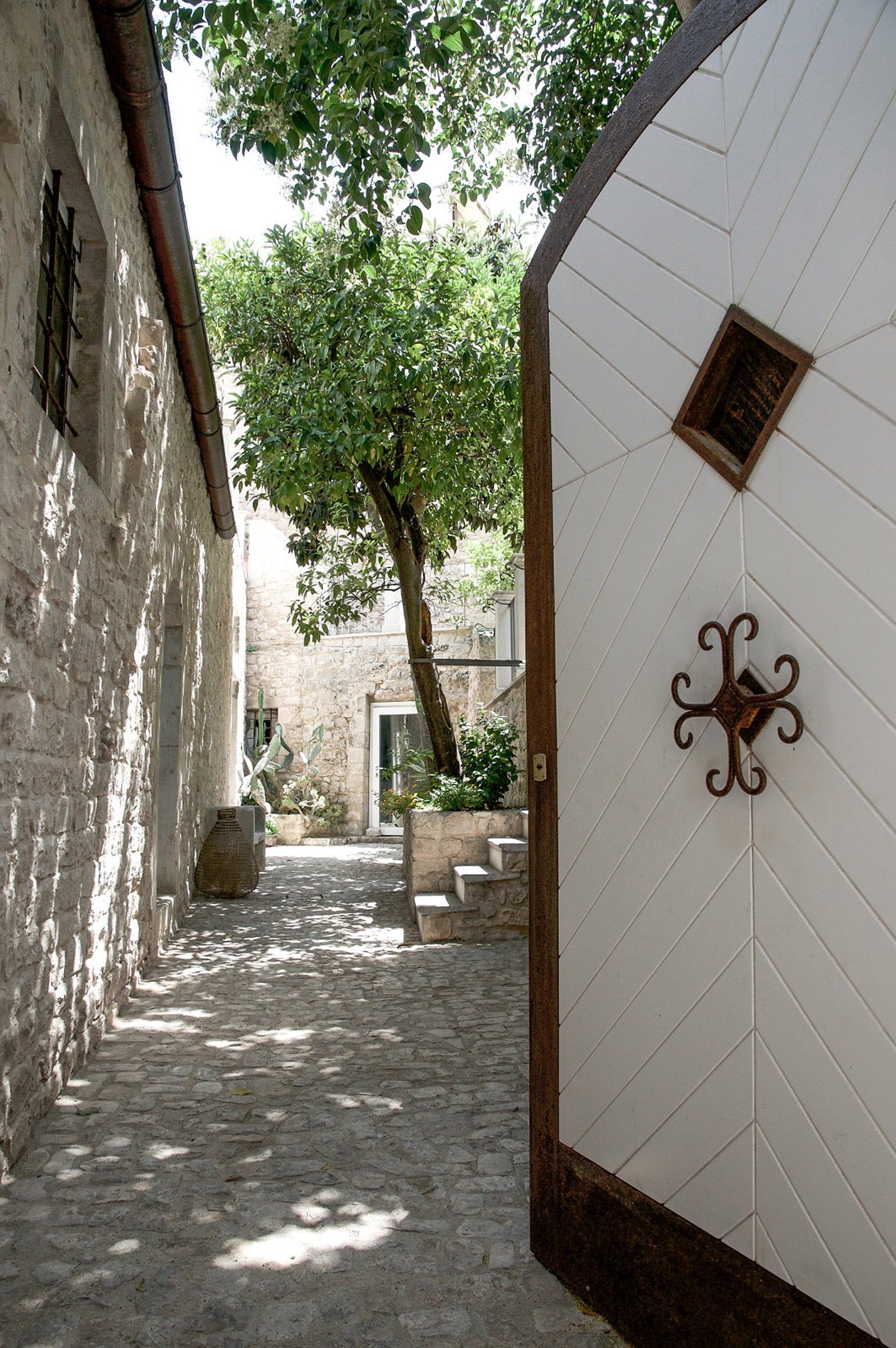
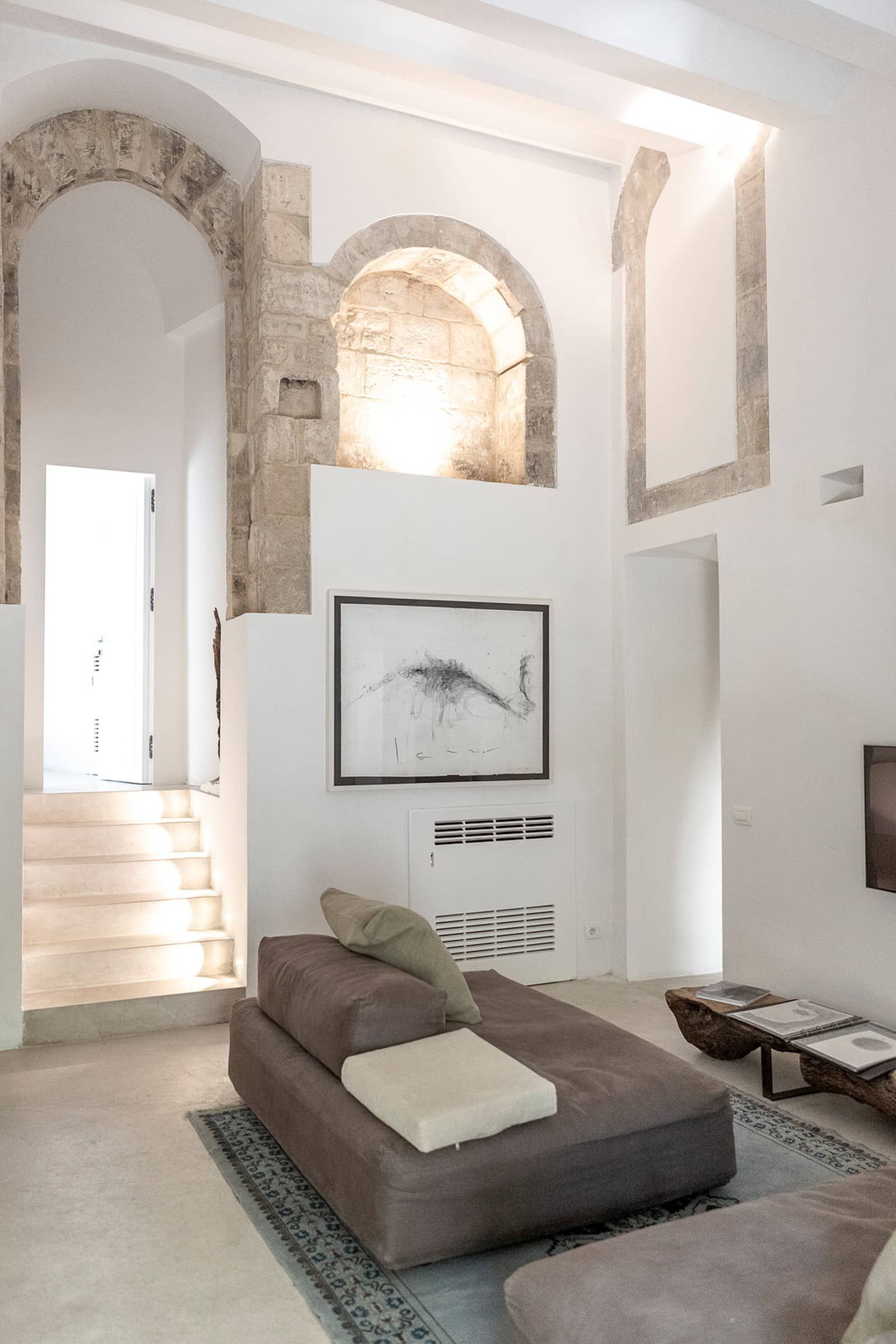
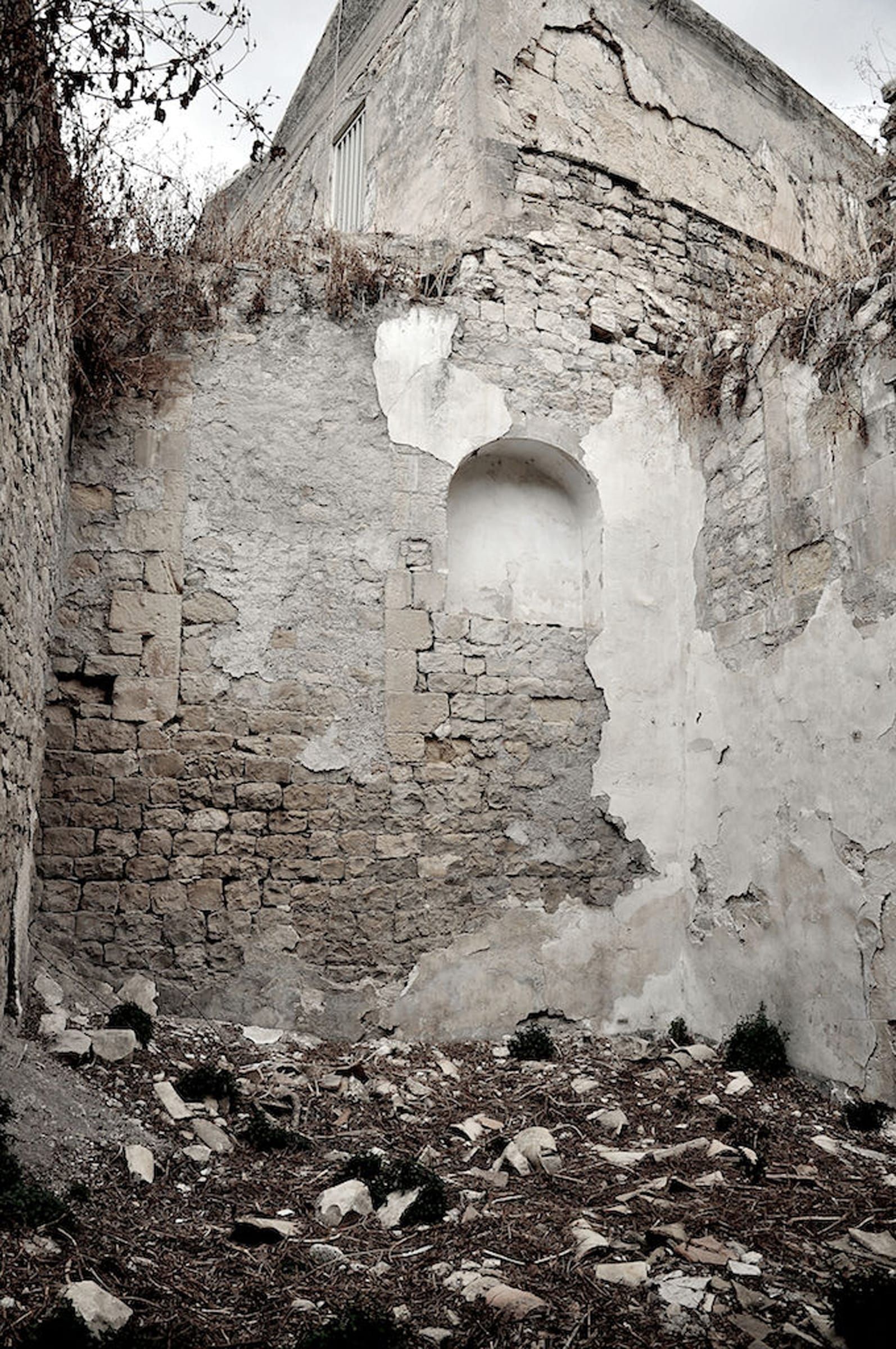
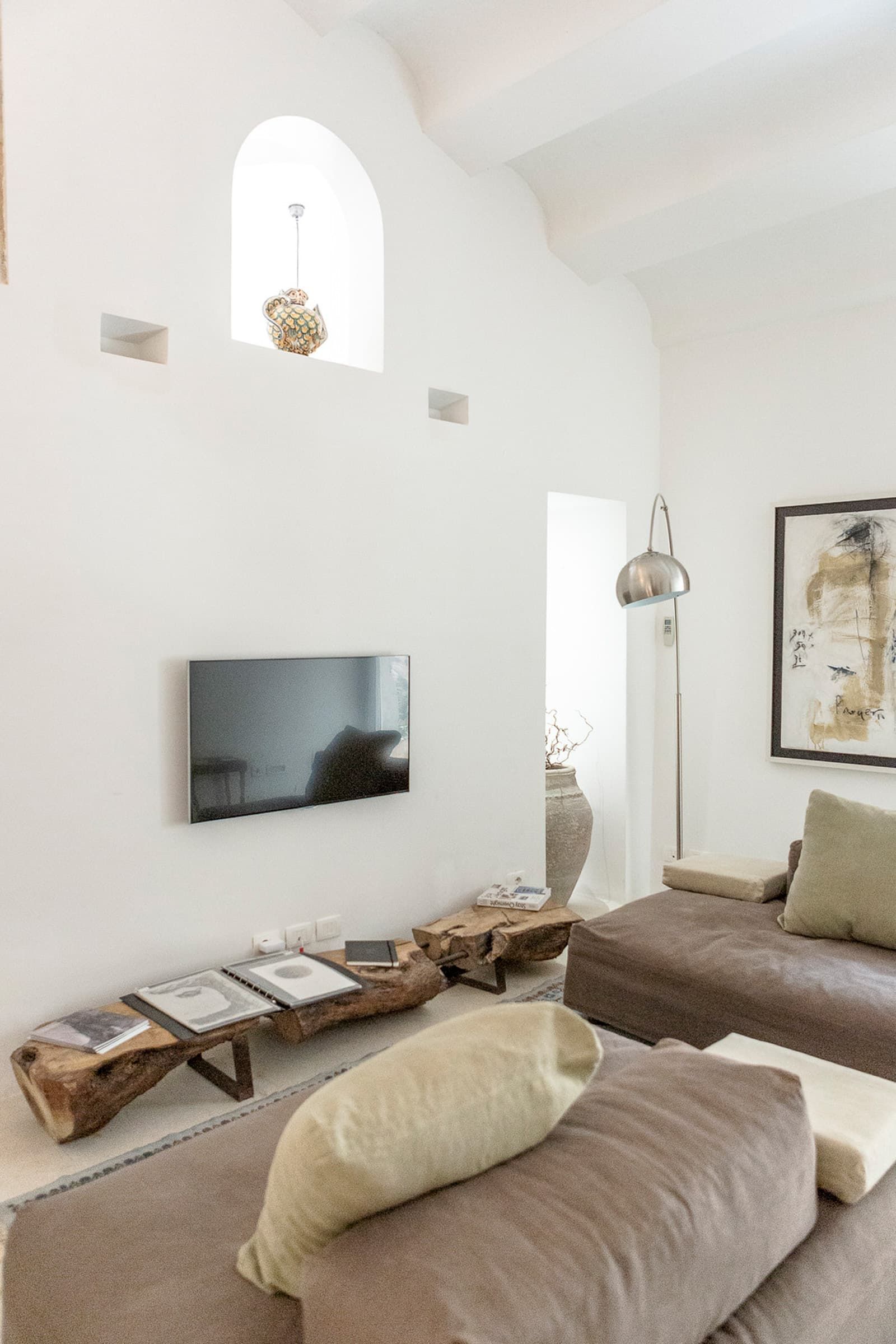
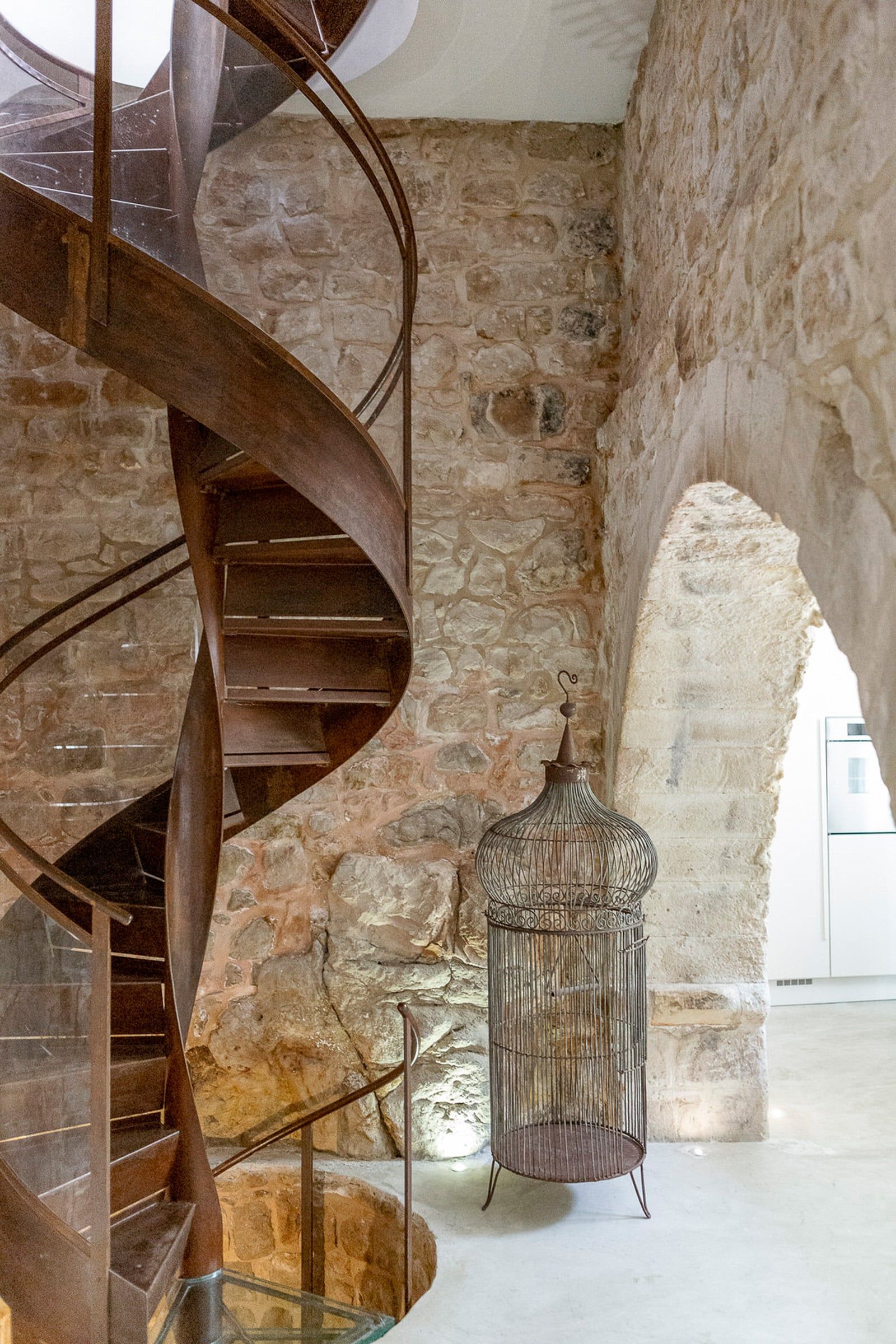
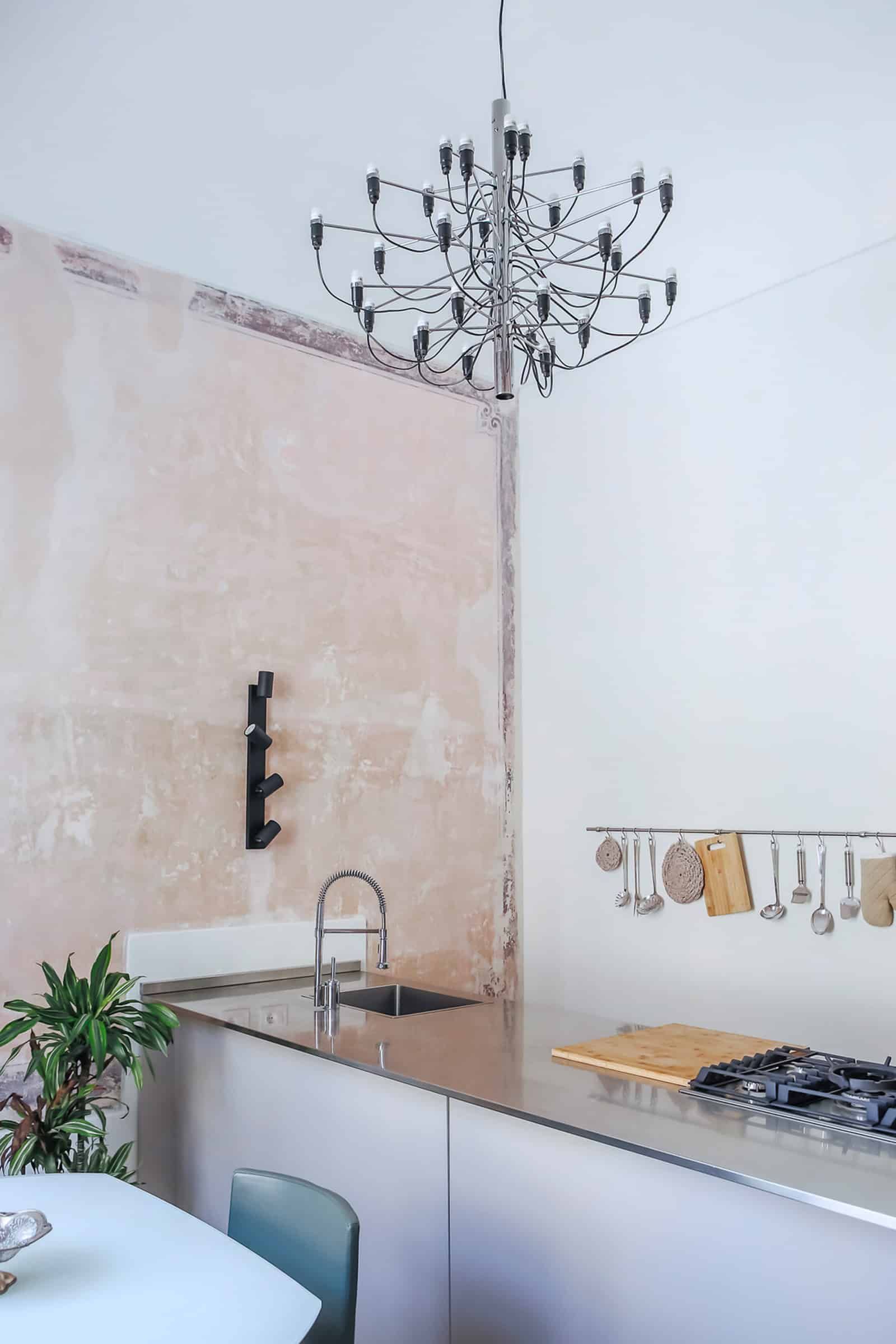
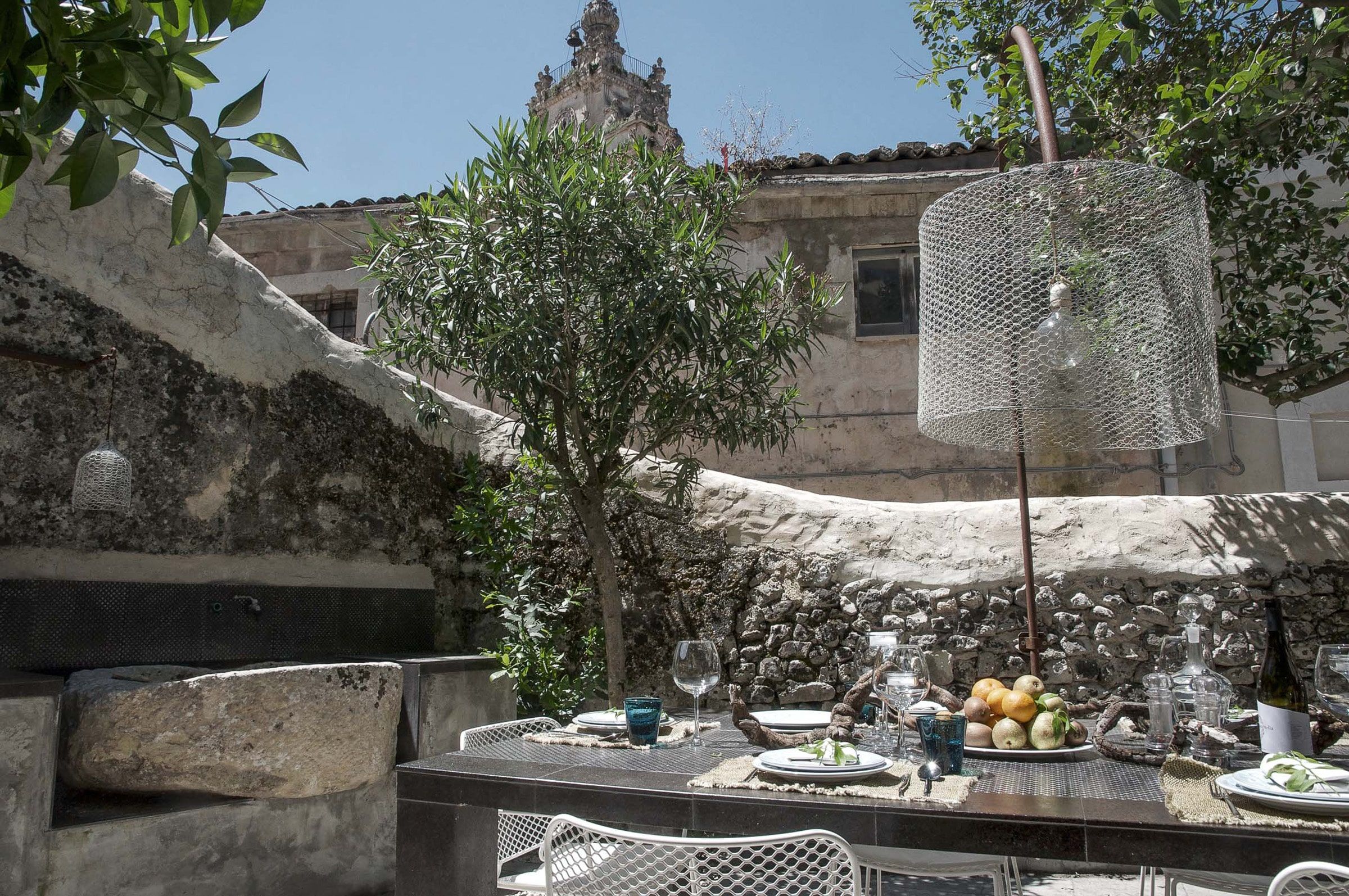
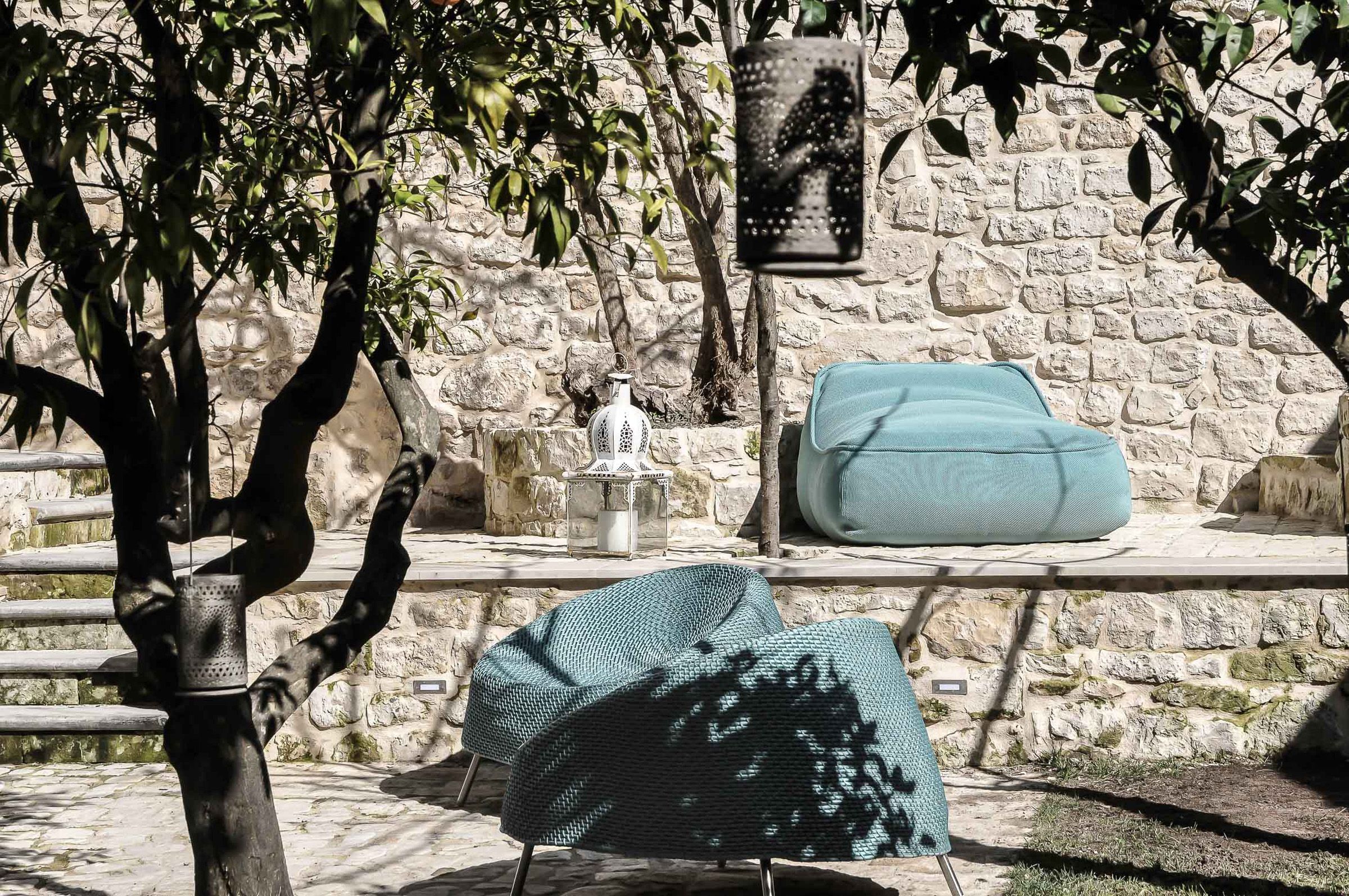
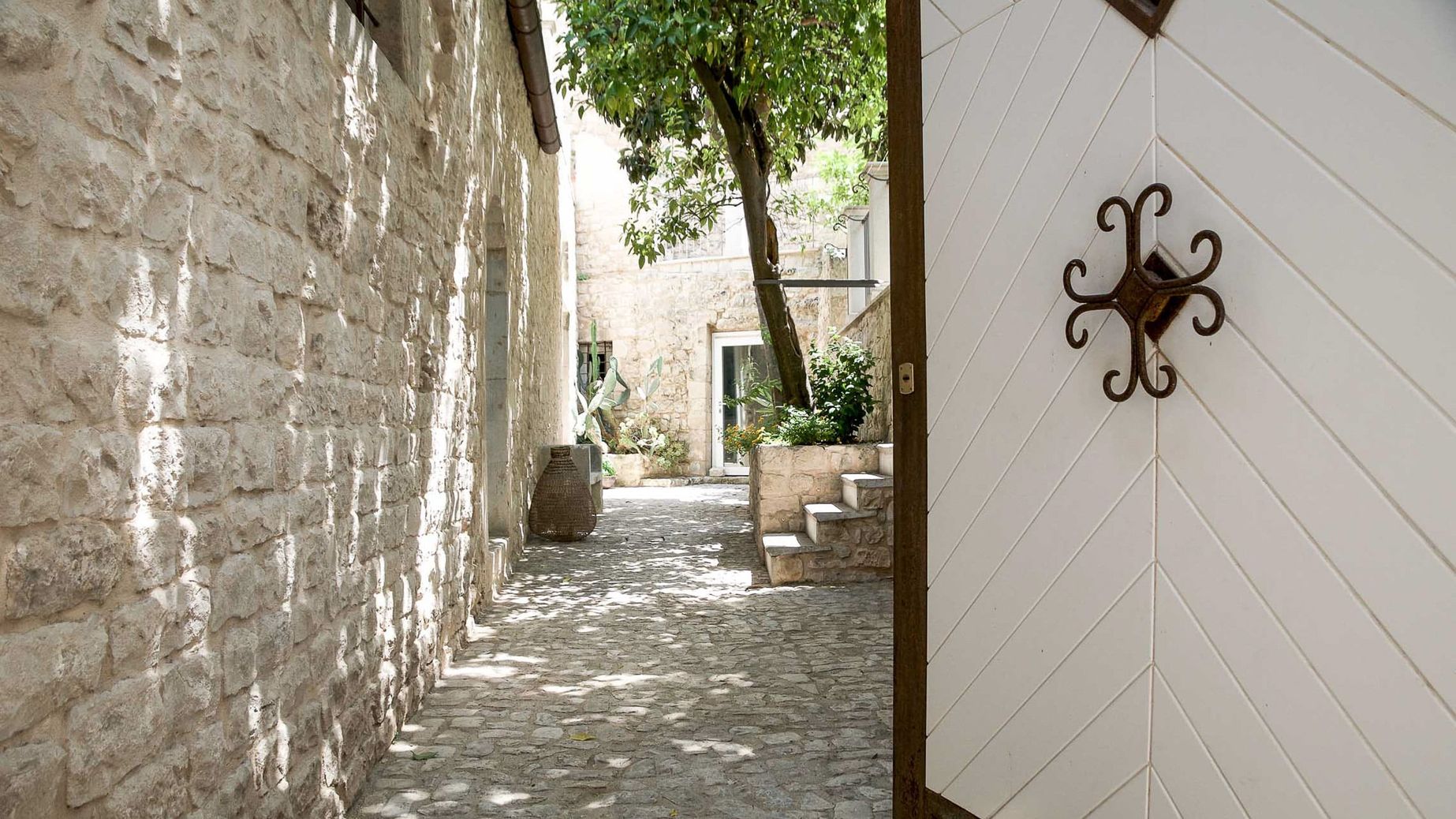
In Sicily, Luca welcomes his guests in houses that — once abandoned, dilapidated ruins — hold a whole cosmos all within — and are thoroughly imbued with the light and soul of the south: Residenza Hortus and Casa Sabir.
I met Luca in Rome for an interview on a spring-like day in January. The result was a long, inspiring chat about the nature of places, their treasures and revelations. About the South and the longing for the sense and spirit of the Grand Tour. About boundaries and border crossers, islands and freedom, about the passion of travelling and very personal intents. In short: A conversation about what makes us feel alive. Take your time.
The essence of places, their historical, symbolic and emotional “charge”, play a central role in your art and projects. Why do we feel so deeply connected to certain places?
Our soul does not vibrate in the same way in every place. Rather, we resonate most strongly with those places that hold up a mirror to us, in which we discover intrinsic parts of ourselves. Places whose sublime energy allows us to sense the common thread, the larger context of our human existence; which invite us to pause, contemplatively listen and observe and which match our search for freedom and purpose. We become “empathic” with these places, etymologically we “suffer” with them, because their unique nature corresponds with our innate sensibility.
Places that particularly appeal to me are “border places”, where the dividing line between elements or between peoples becomes apparent: Along borders, nature is known to produce the greatest biodiversity, cultures contaminate and enrich each other and create new, more interesting forms of existence.
I have an innate affinity with the Mediterranean. In this reservoir of myths and archetypes, all of which have something to do with my own origins, I feel closest to myself. And on the islands, where, at the junction between the limitation of the land and the infinity of the sea, the deeper meaning of human history unfolds more easily to me.
The objectivity of a place is pure abstraction, because we always create a subjective, very personal perception through our senses and our mind. The story of a place is always revealed to us in a very individual way, just as every travel experience is thoroughly personal. My way of travelling and narrating a place is born out of the desire to establish a relationship, to share a common feeling. My approach to reality is poetic, through emotional images, from which a vision emerges.
Your creative path has concrete geographical references. Which are your coordinates of inspiration?
Basically, I am a photosynthetic person, light activates my visions. My life so far has been a gradual approach to the South, which I associate with a certain disposition of the soul: the need for light, the acceptance of chaos and the unpredictable, the sensorial experience of a world where nature is more rugged, intense, capable of extremes and rich in boundaries and contrasts. Here I dive into the complex history of the Mediterranean, where ancient memories and archaic knowledge are rooted and where history, far beyond the dust of museums, finds its role in the daily life of the inhabitants.
Bologna, my hometown, with its soft, pastel light and its noisy straightforwardness, has taught me a lyrical approach to things and a sense of hospitality. Rome, with its bustling chaos that anticipates the south, with the vastness of its horizons, its thousand identities, lush baroque backdrops, peeling surfaces and its time-worn stones, was the “midwife” of my growth as an artist interested in matter, signs and symbols.
The Sicily of Modica, Syracuse and the Noto Valley, with its already Africa-like chalky light and colour-laden shadows, is a playground of opposing elements, contrasting yet complementary energies, a permeable borderland of Mediterranean cultures. It was here that I first heard the call of abandoned places and the desire to breathe new life into them by opening them up to hospitality. This is where my project Anime a Sud was born more than 15 years ago.
Painting, sculpture, architecture, design, photography and all their intersections. Your works and projects embrace a myriad of disciplines and reveal manifold layers of meaning. And yet they always remain clear, simple and silent.
Our time has become exaggerated with distinctions and specialisations. In the past, by contrast, the architect was also an engineer, thinker, craftsman, artist, traveller and astronomer. He was familiar with the movements of the stars, the properties of matter, the rules of geometry, the canons of aesthetics and the principles of philosophy.
It’s true, I wander between disciplines too, because essentially, as with travel, I am concerned with crossing borders, because it unlocks and amplifies the possibilities of dialogue.
My approach to the architecture of a place is all artistic, treating it like a sculpture, exploring it in its directions, in its volumes, paying attention to the variation of light, striving for the balance of fullness and emptiness, exploring the delicate equilibrium between adding and subtracting that defines the perfection of a space. As long as I have the feeling that an environment is not clarified or a work is not really finished, I feel a kind of imbalance, an almost physical discomfort, because my design approach is basically physiological: in a well-arranged ambience or in front of a properly-executed work, my body relaxes and I feel good. Matter also plays an important role in this.
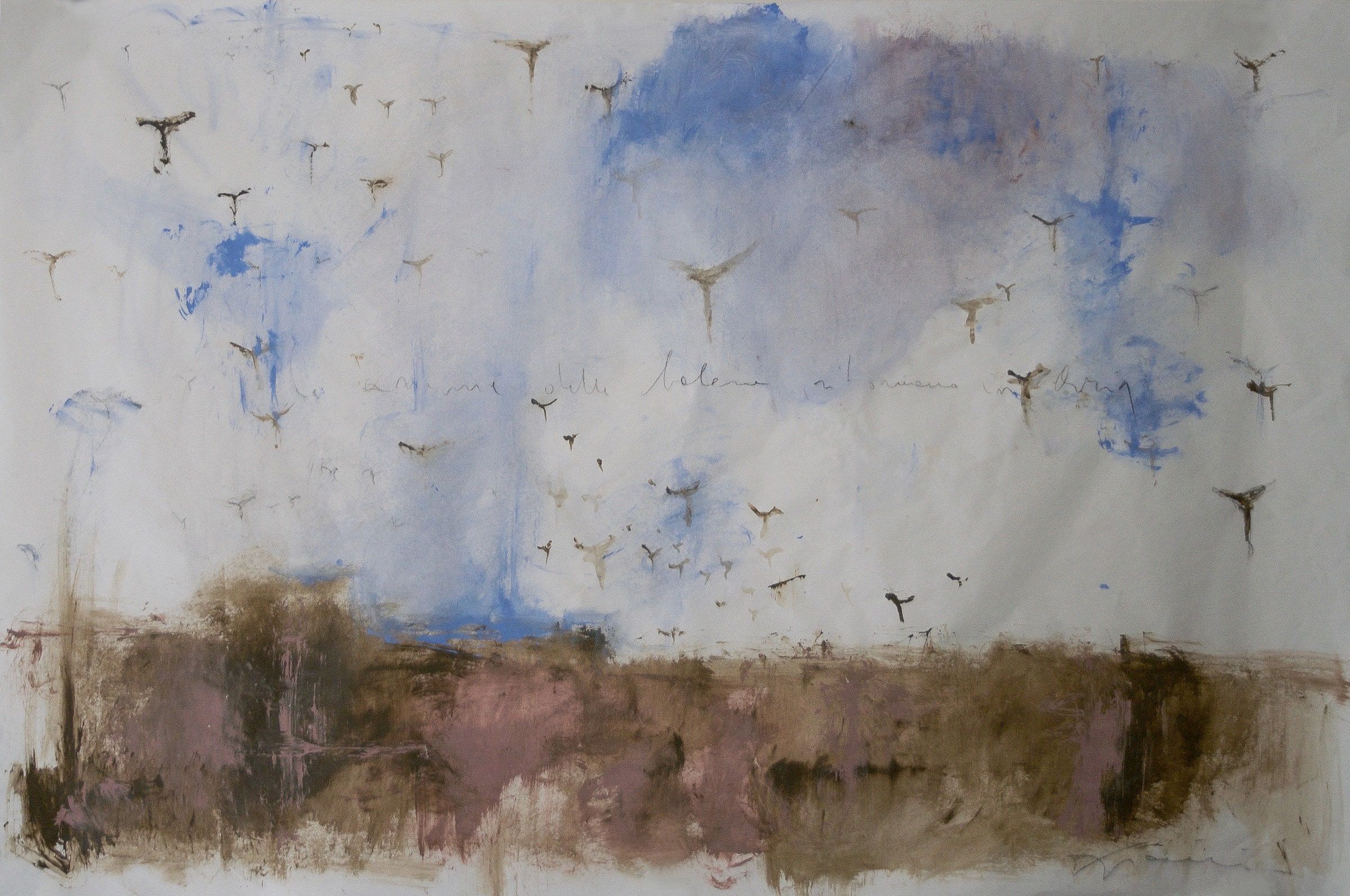
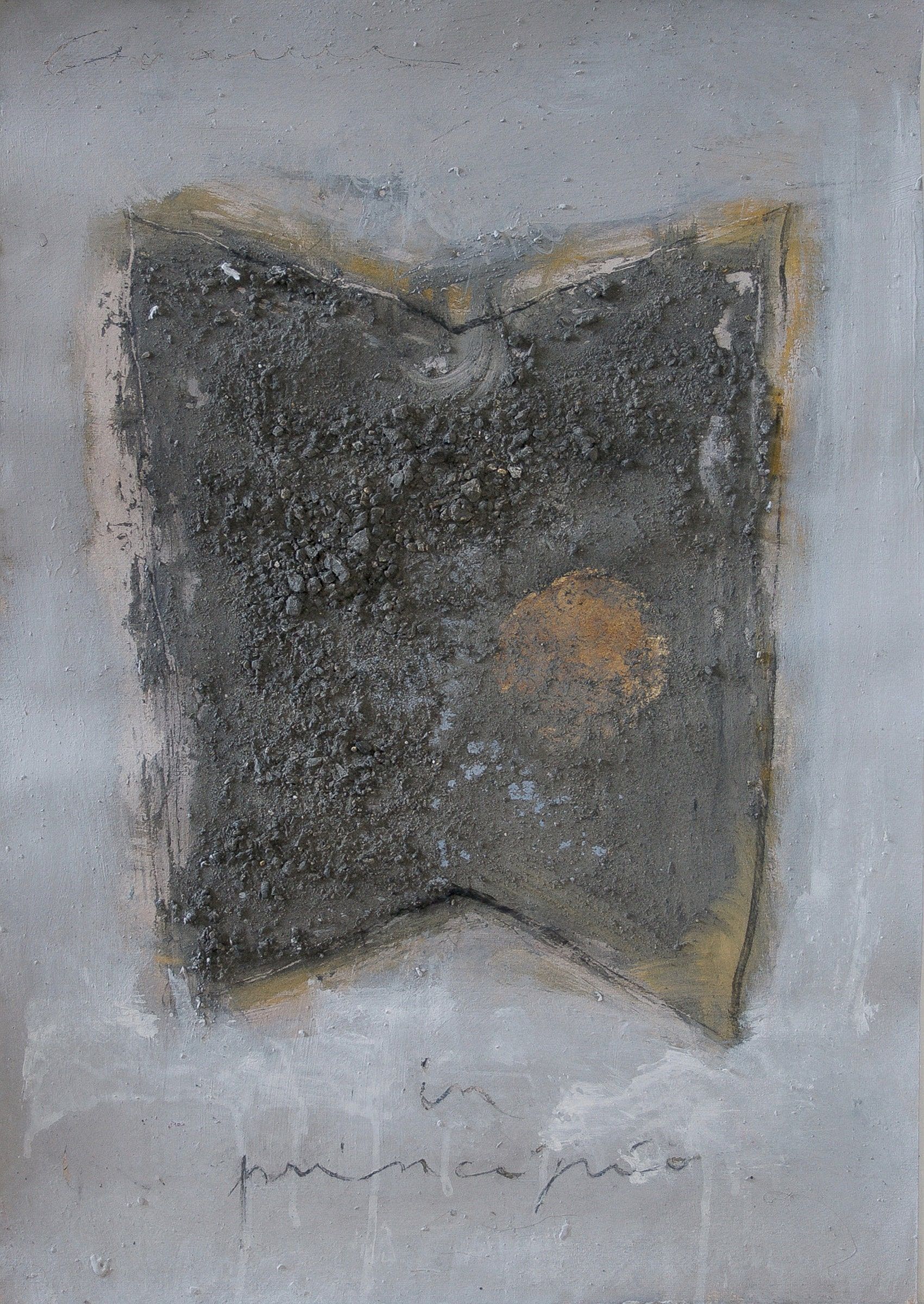
My artistic works revolve around Mediterranean symbols (the amphorae), myths of origin (the Garden of Eden, the Ark, the cosmic egg, the stellar constellations), maps and routes of real or imaginary journeys (the maps of the new worlds) and forms related to the ecological crisis of our Earth (whales, planets). They are matter-related works in which one can witness and trace the different stratifications, the indecision, hesitation and the changes of direction. Ultimately, our lives are shaped in the same way and are individual and unique. I see no sense in copying, imitating and standardising — no matter what discipline.
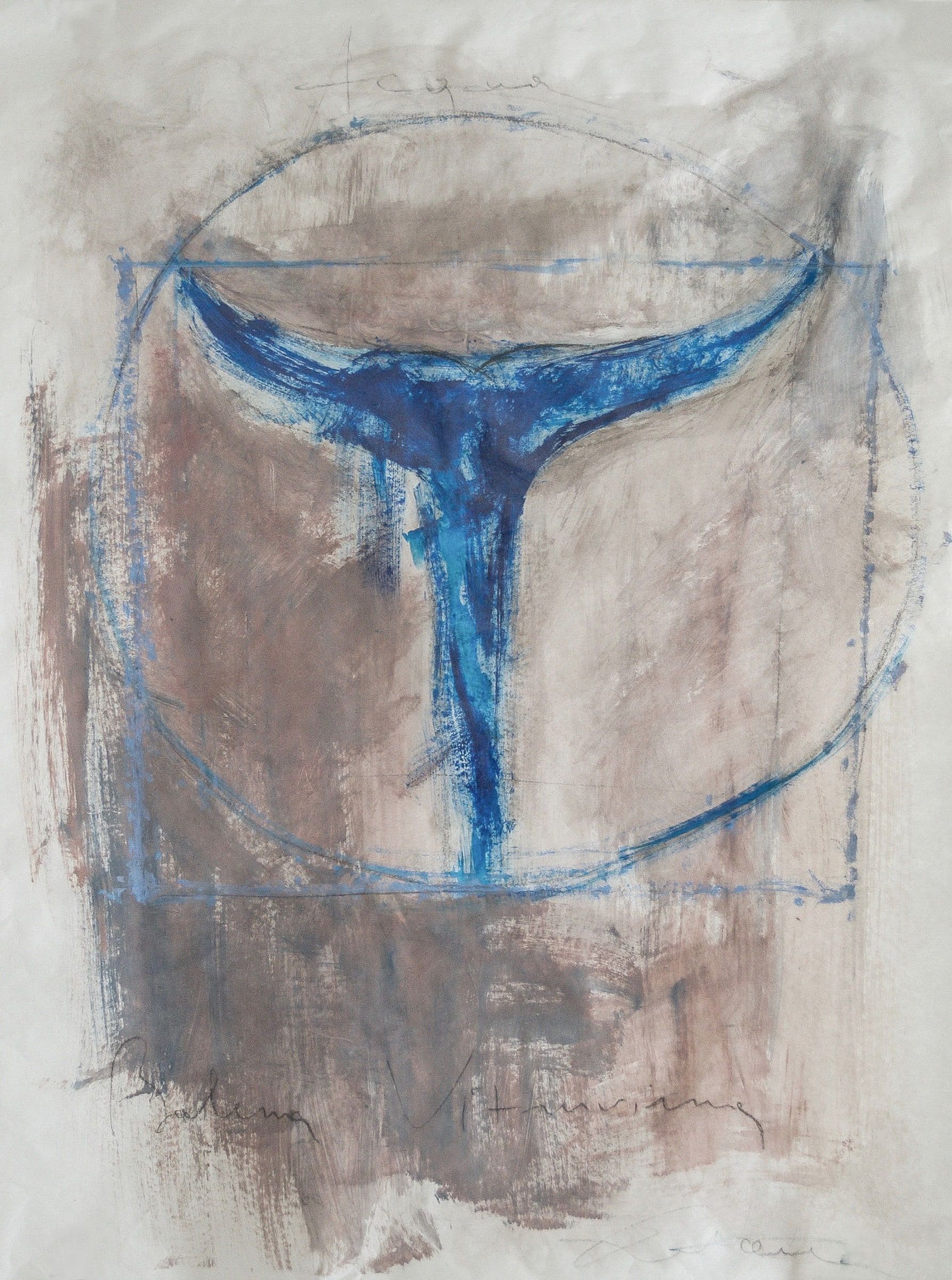
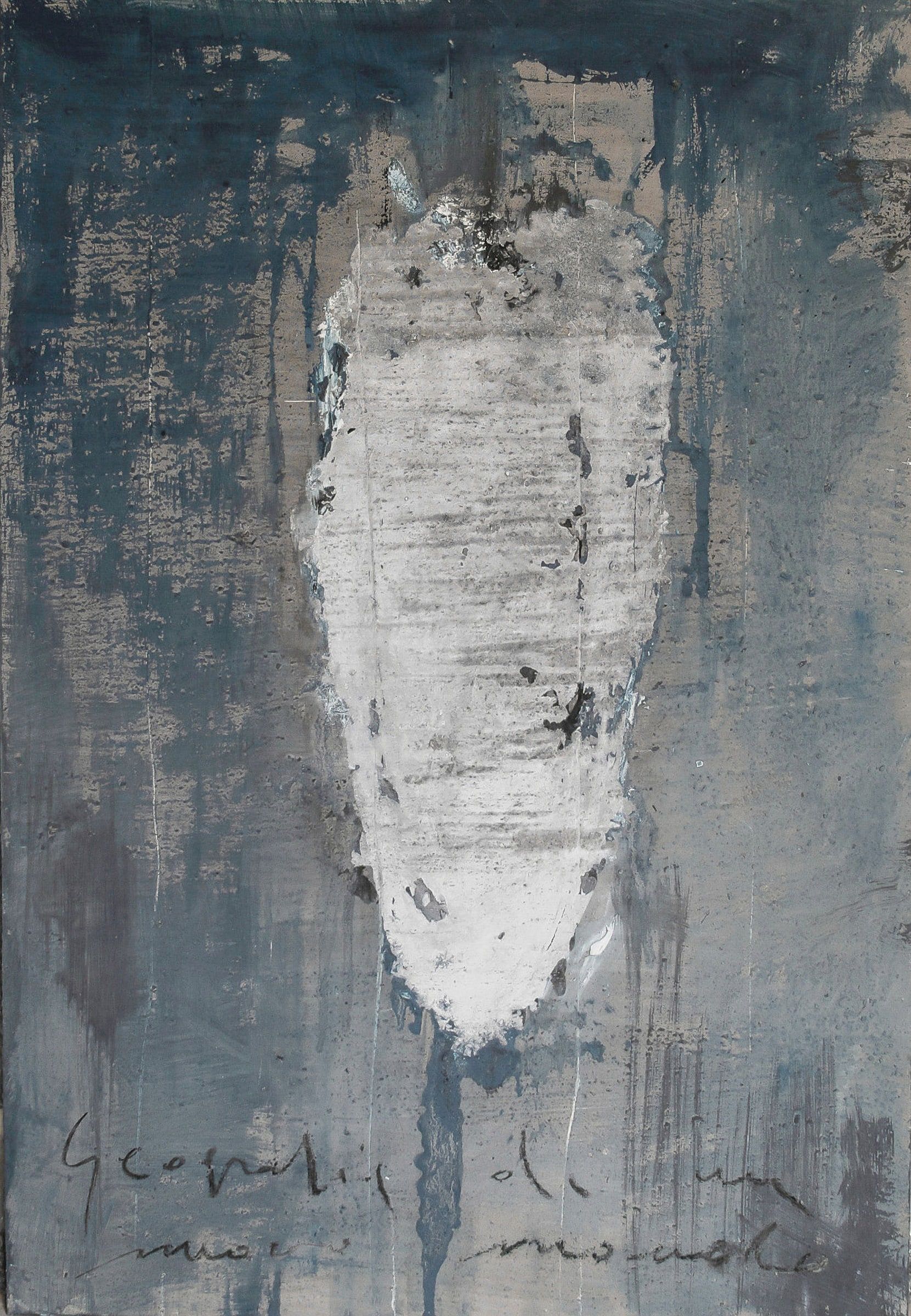
Materials should be presented according to their true nature and used close to their place of origin. The design should be about finding independent solutions that refer to the symbols and traditions of a place. The projects I design are always highly craft-related, they aim to convey a sense of uniqueness and allow us to understand where they are rooted. These projects see the character of a place, its inhabitants and their talents, its stones, stories and colours as the key elements.
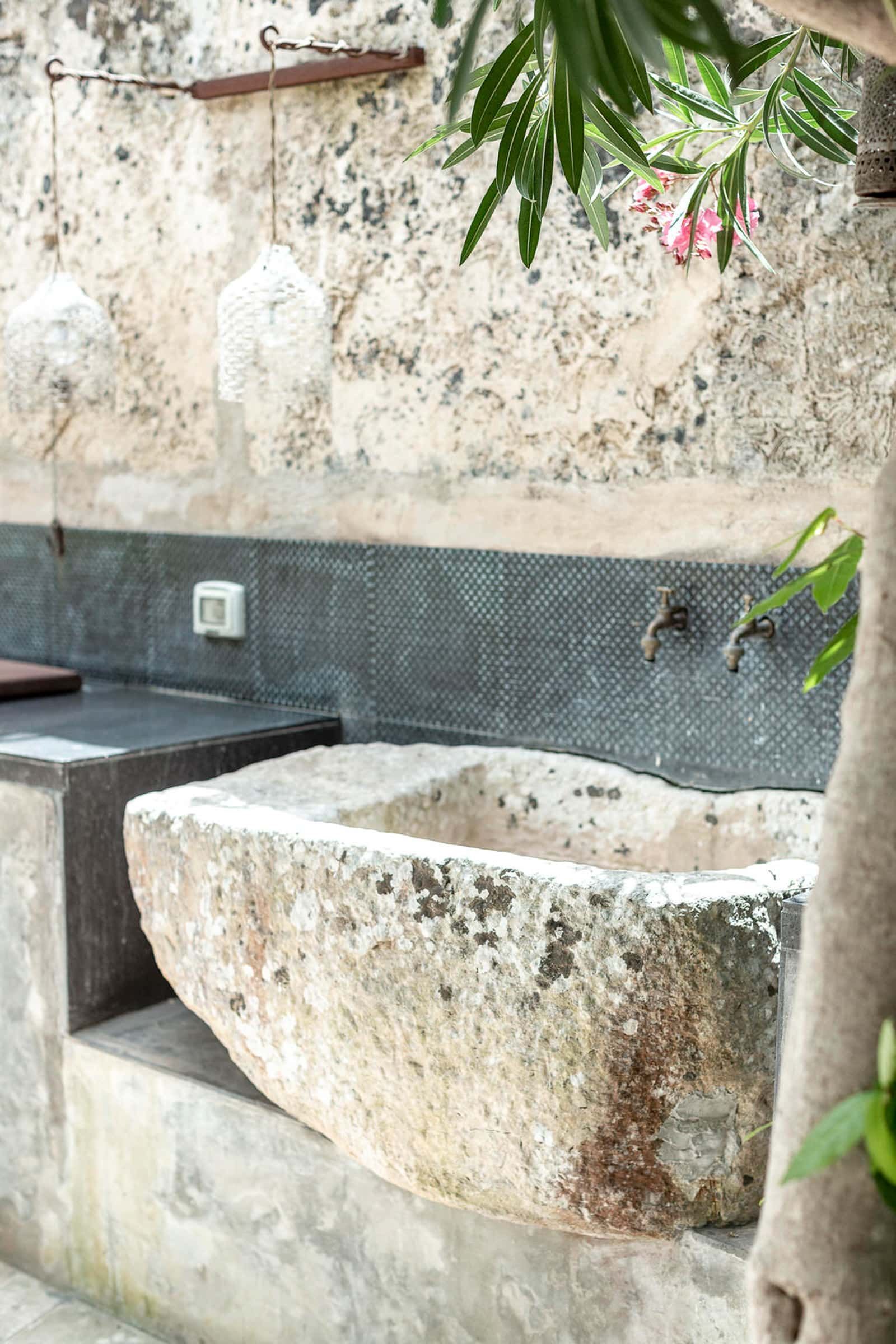
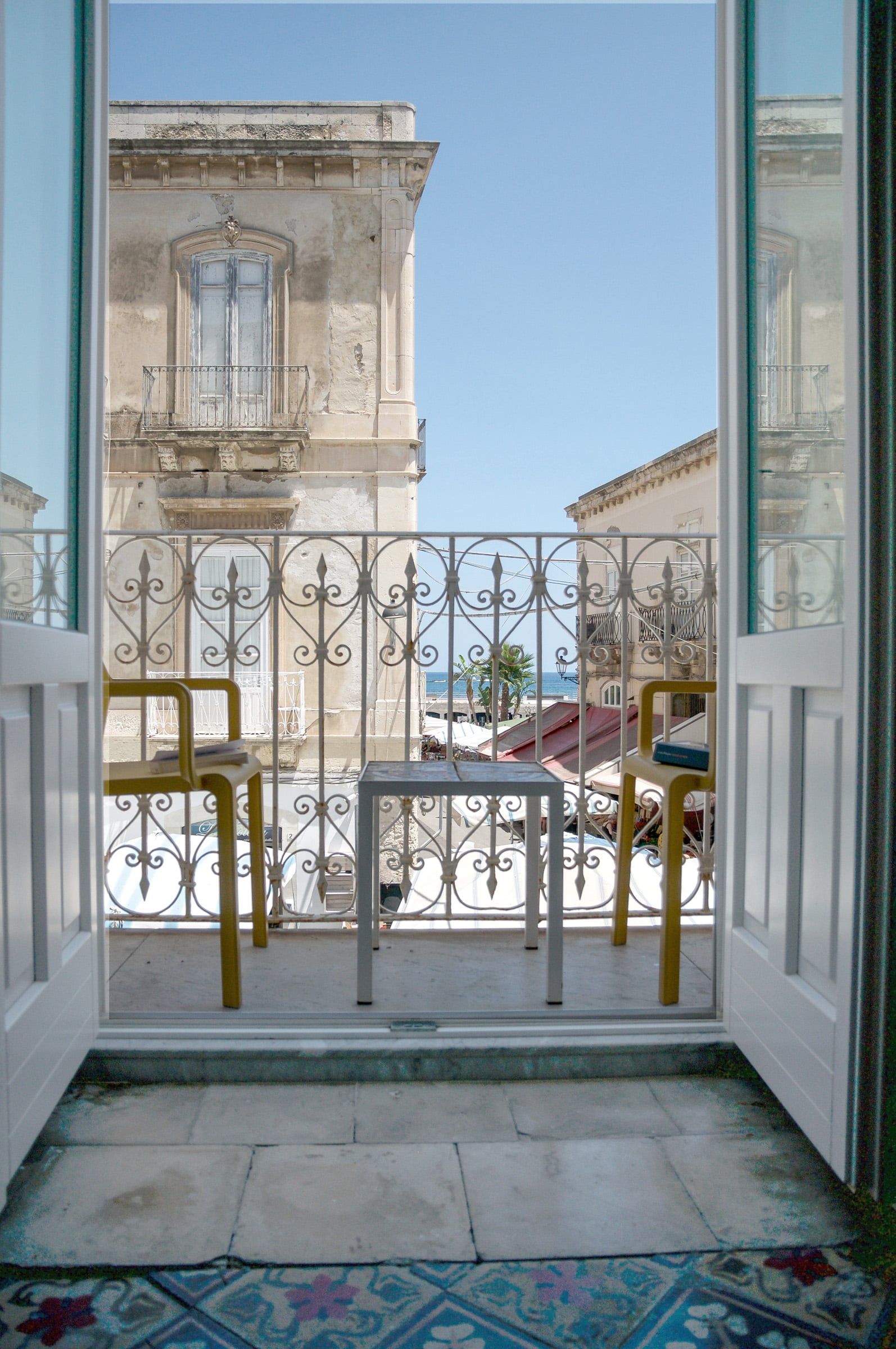
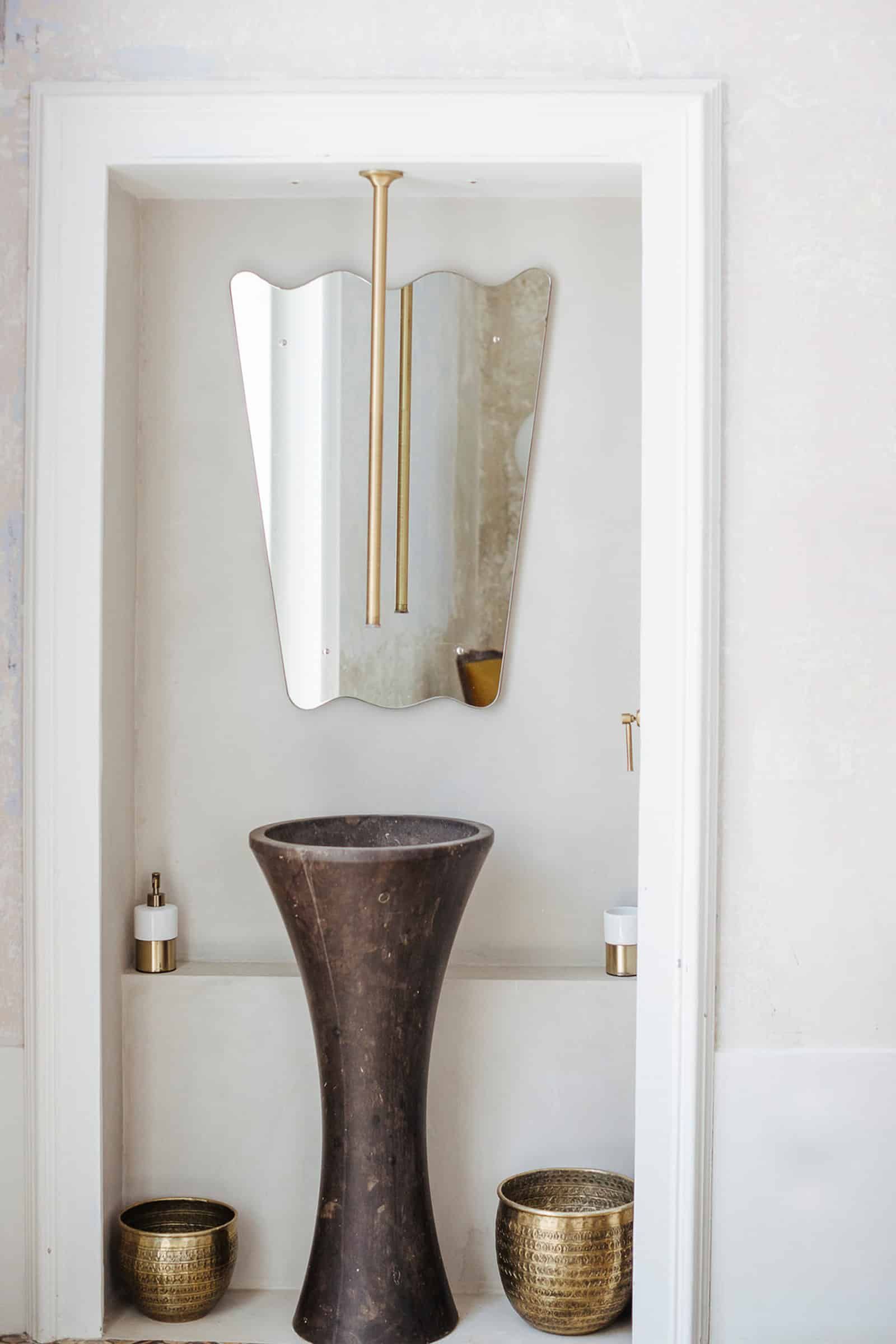
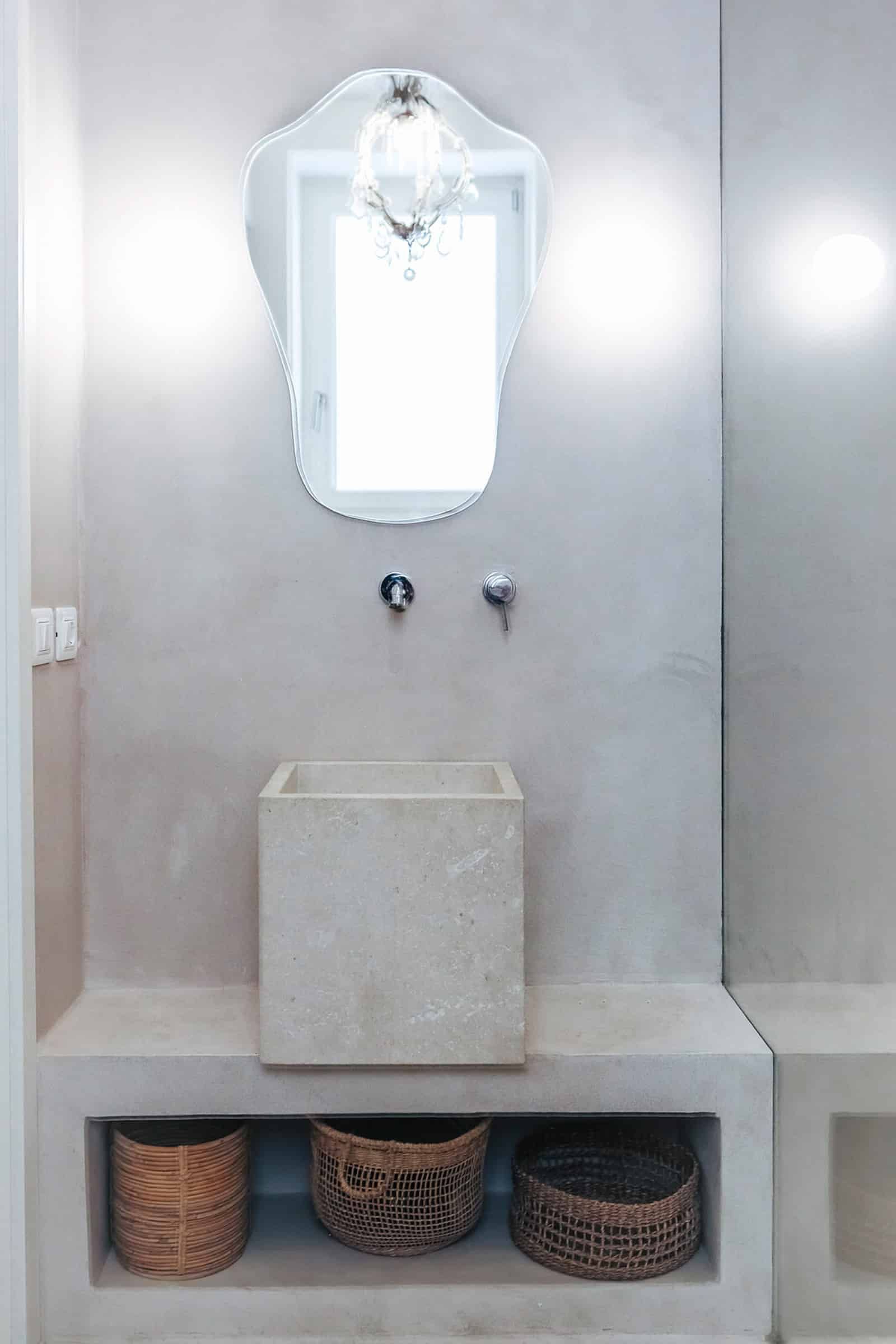
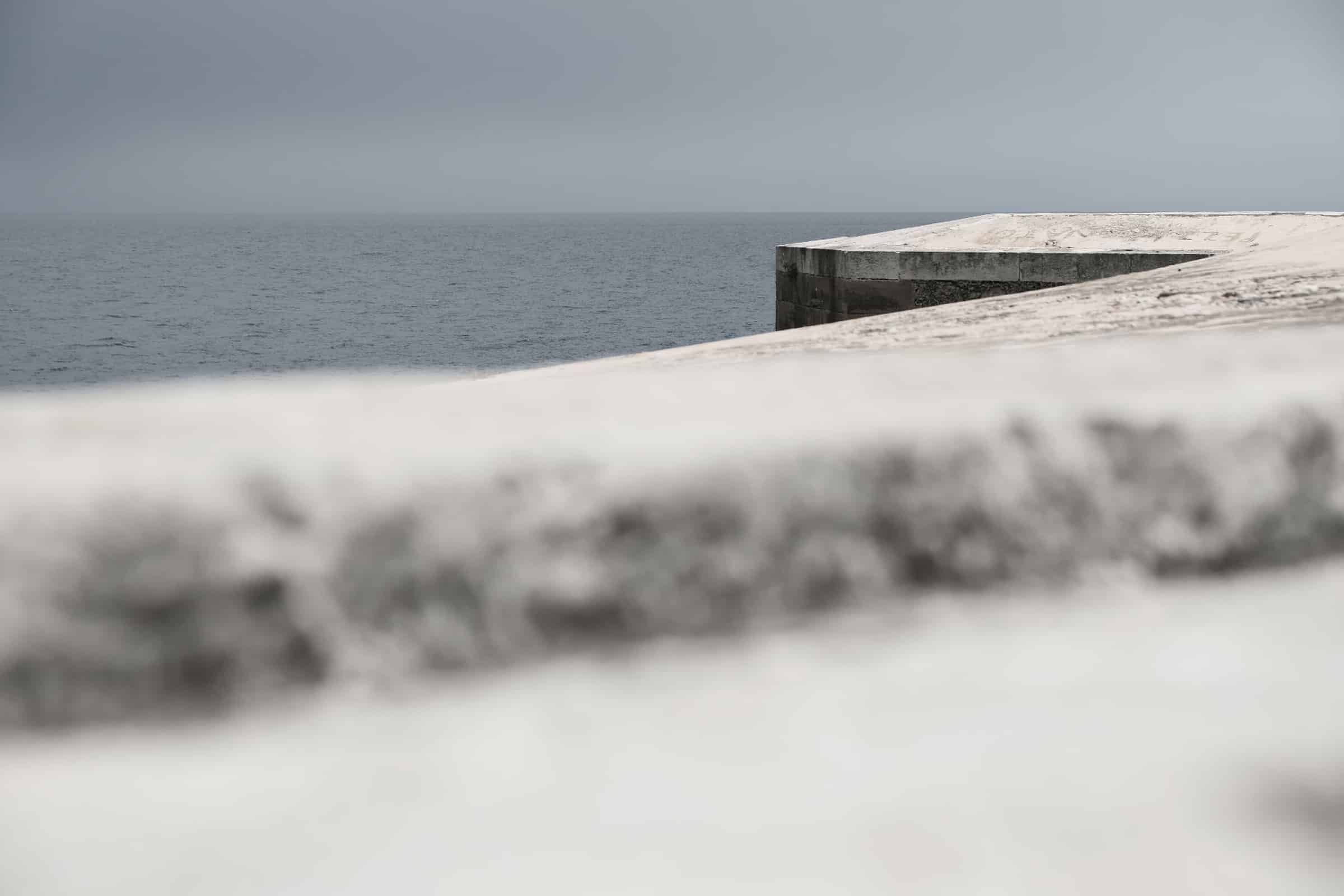
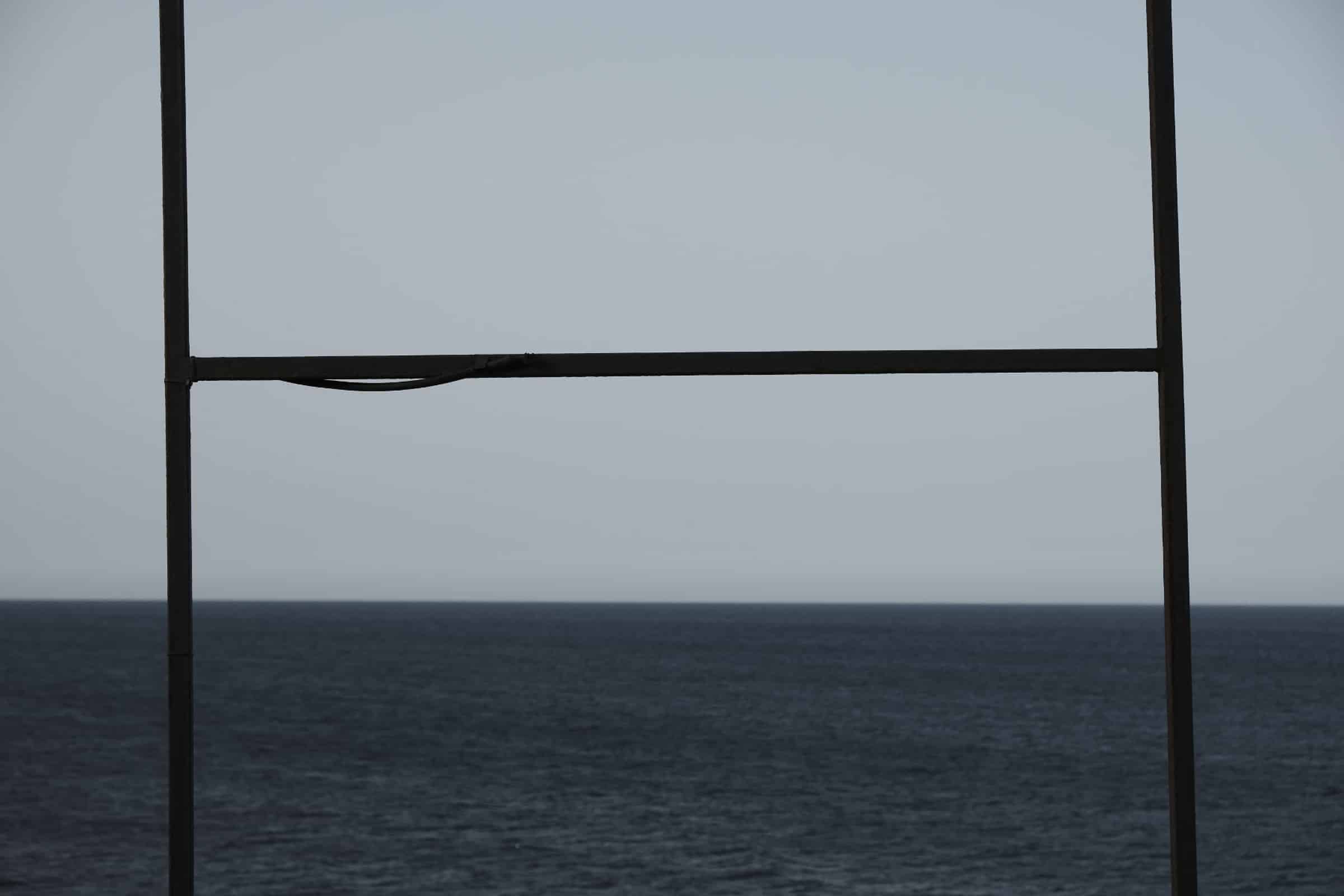
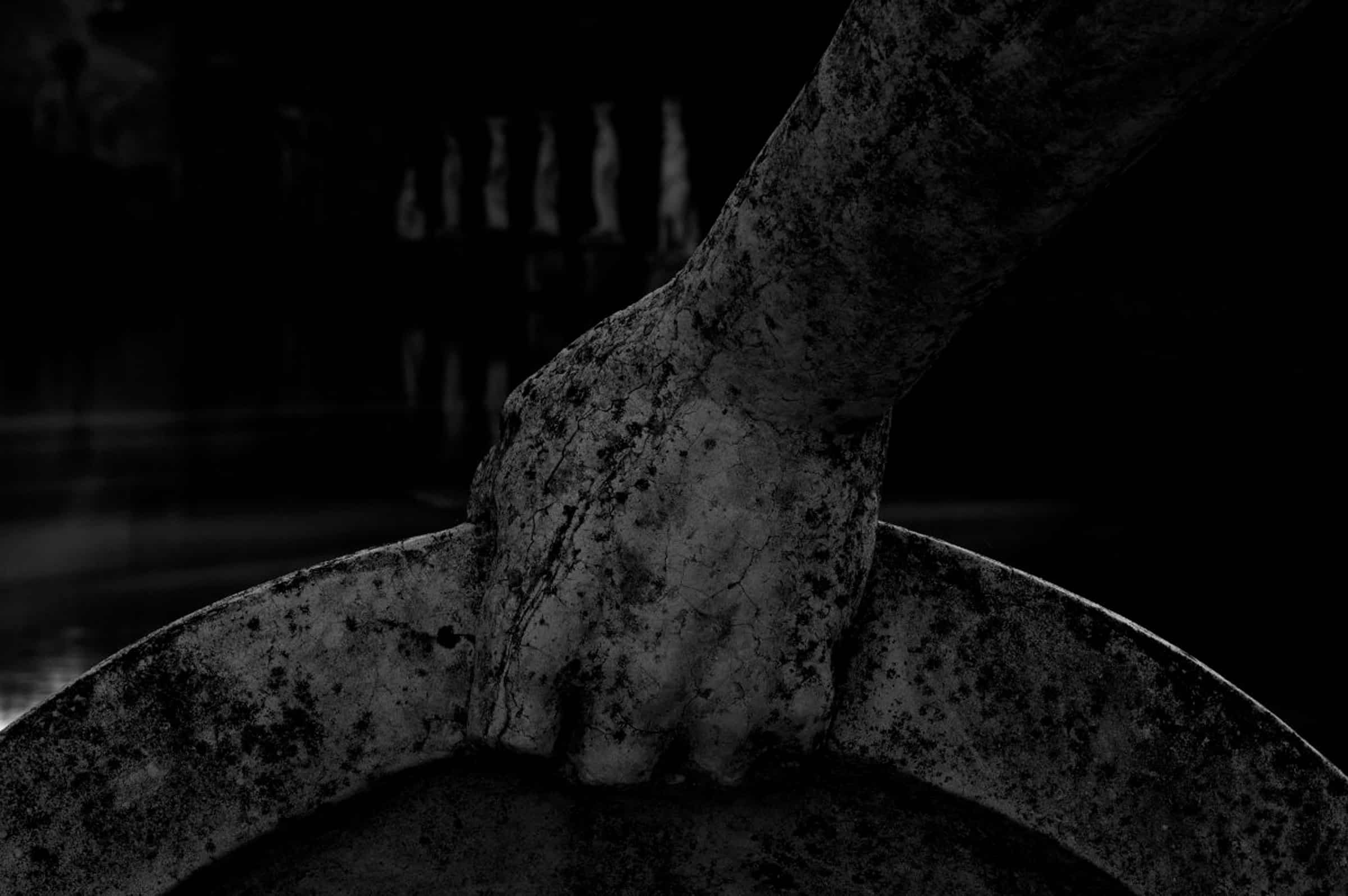
In a similar way, I work with photography. I want to capture the mystery of a place, what is hidden and not obvious. I am interested in shadows as much as in light, in the balance of masses and matter, in the imaginary signs that emerge from perspectives.
You bring abandoned places back to life. By doing so, the memory of these places is of great relevance.
Revitalising a place is about ethics and our planet. Not wasting new terrain, safeguarding natural resources and making a ruin or abandoned building accessible to the community are ecological and social issues I have always been concerned with. Bringing a place back to life also has a ritual meaning: it’s a tribute to the genius loci. The ancients received messages and premonitions from the world around them and assimilated them on a symbolic level as well. They knew that not all places on earth were the same, but that energies were concentrated in certain places where nature gave rise to its particularities, and it was in these places that they built temples and sanctuaries or marked the border lines of cities.
In his book “The Soul of Places”, the American philosopher and psychologist James Hillman, in conversation with Italian architect and author Carlo Truppi, states that places have a memory, and that restoring a place also means healing an amnesia, making up for an erased memory:
“It is as if they had asked to be abandoned, to suffer marginalisation only to be fully re-discovered, thus revealing their deeper identity. Through this, they become real: Places one can say were born twice.”
Tuning in to a place is closely connected to time. I like to stay in one place for a long time to allow my imagination to unfold. Heidegger said: “Poetically man dwells”. Dreams and visions are the catalyst for restoring a place and infusing the function of dwelling with poetry.
Your “Taccuini di viaggio”, which you create for personal pleasure and as commissioned work, portray the intimate character of places like Syracuse, Salina, Essauira and others. They capture everyday life and apparently insignificant facets with an attentive eye. For me, leafing through and reading your “sketched narratives” was as if I had been given a key to each place, as if I had wandered through it myself and made its mood become my own.
When I read travel literature, I am always amazed by how much the connection to a place and the people living there depends on the time, the mindful observation that one dedicates to it. It stands in clear contrast to the frenetic pace of our society, the abuse of visual communication, the bulimia of images, the superficial and stereotypical representation of places. Last minute, 24h business trips, short holidays, no time for travel preparation. The speed of changing places prevents us from arriving with the necessary mood and mind-set, and very often we are so saturated with ready-made information that we miss the chance to really get in touch with our destination.
Being in touch with a place means feeling and sensing it, depositing emotions in it and receiving vibrations from it. This requires a state of calm, a receptive attitude, an egalitarian interaction between us and the place. In this way, it will no longer be passively consumed, but rather become an active source of sensations and inspiration.
Modern society has drastically shortened the time spent travelling and turned it into a vacation, which etymologically comes from “vacare”, i.e. “to be absent”. A lack, therefore, an absence. Today, our frenetic daily life is compensated with total disconnection on holiday. The travellers of the past, on the other hand, travelled for the sake of travelling, they were always very present: the senses were active and focused and they were intent, indeed eager! to absorb all the messages of a place.
The ancient Romans called otium the time opposed to negotium, but attributed to it an equally useful role in the cultivation of the mind. The travellers who embarked on the Grand Tour knew that they were about to embark on an extraordinary educational experience and that when they returned months or even years later, they would have become different people. They also knew that the journey could involve unforeseen events, they had the time and the will to surrender to them and to even learn from them. Experiences that we can no longer allow ourselves in this hyper-regulated world that feeds our fears with the utopia of zero risk.
My travel notebooks are, in a way, emotional decoders: in the places I like to narrate in pictures and words, I first pause, take my time, put aside my prejudices and judgement in order to perceive what the place is trying to tell me with its soft, subtle voice.
Sketching a place is in itself a way of slowing down to allow the light to change its properties, to discover hidden details, to sharpen the senses and perceive more subtle scents and sounds. Sometimes there is even the chance of an unexpected encounter that leads to a deeper and more authentic knowledge of the place. Ultimately, a place tells as much about me as I do about it, and through the place I also speak about myself.
You have formulated eight principles for yourself that are firmly anchored in your everyday life. They read like a personal manifesto, a bucket-list of mindfulness.
- Free myself from the superfluous and at the same time preserve what enriches me in terms of function and beauty;
- Make time, matter and the rhythm of nature meaningful to me again;
- Nourish myself well — physically with healthy food and spiritually with projects that express my inherent potential;
- Find the balance between concreteness and dream;
- Cultivate constructive and enriching relationships and separate myself from those that interfere with my principles.
- Let fear not rule my decisions and non-decisions;
- Travel consciously, according to spiritual affinity and inner disposition, with a soul that is open to sensitivity;
- Each day, make mindful choices that protect the planet;
These eight principles are an important exercise for me to enrich my life. They concern my natural predispositions, my visions, my hopes, but also my limitations, which I would like to work on.
They involve my relationship with possessions and the focus on essential needs that are really important for my soul. They refer to my body and soul, both of which want to be nourished in the most natural, healthy and balanced way.
They describe the blurred line between my quest for lightness and the dictates of gravity, between dream and vision that guide my gaze into the distance and rational diligence that is necessary to manifest the dream within a creative project.
They regard my “relational hygiene” in order to recognise constructive relationships and keep away the toxic ones. They focus on how I deal with fear and its frightening, limiting and misleading effects, with the acceptance of mistakes and the ability to see opportunity behind adversity.
They apply to my way of travelling, my ability to deal with the unexpected, the right relation to time, the training of the physiological perception of places in order to recognise those that convey harmony, and to listen without prejudice to the people I meet.
And they involve my daily interaction with my environment, the sense of responsibility for what I leave behind, what I take away or change, and the conscious actions and decisions that arise from this.
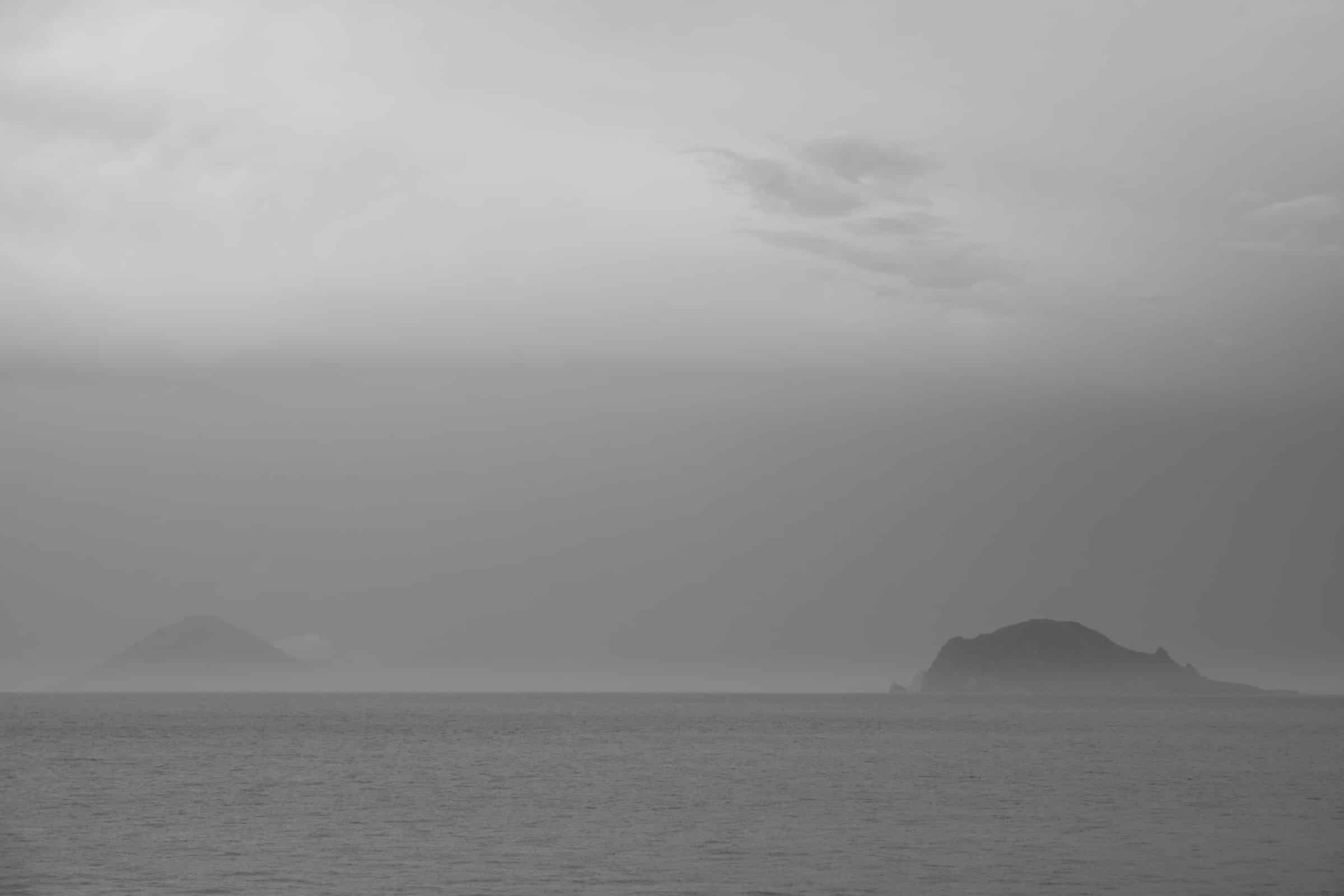
Whilst reading these principles, I find myself thinking of the islands: of their ambiguous dimension of shelter and prison, which are both an invitation to stay and an imperative to leave. I think of the strong sense of delimitation that characterises them, of their humble aspirations, of the creative energy, of their role as catalysts for negative and positive emotions. I think of their genuine products of land and sea, of their ability to absorb the background sounds of our noisy civilisation, the relation to loneliness and one’s own fears. For me, islands are a laboratory of insight and self-awareness.
Interview and text editing: Britta Krämer, January 2022.
Credits: Luca Giannini, Erica Brenci Studio
The houses
4 Comments
Dieses Interview ist an sich schon eine Grand Tour und enthält weit mehr kostbare Anregungen als viele “Bibeln der Selbstfindung”! Ich habe nach der Lektüre auch einen Grundsatz für mich formuliert: “Nimm dir Zeit, all die Orte und Menschen, die du bereits zu kennen glaubst, so zu betrachten, als wäre es das erste Mal.”
Danke Luca Giannini für dieses Feuerwerk aus klugen Denkanstößen und großartiger Ästhetik! Danke an Urlaubsarchitektur dafür daß ihr den gebührenden Raum für solche Beiträge schafft!
Was für ein wundervoller Text! Er hat mir einiges, an besonderen Orten Erlebtes, in Worte gefasst und verständlicher gemacht. Danke!
Danke für den Beitrag, der aufgrund seiner Tiefgründigkeit dazu inspiriert, wieder “langsamer” unterwegs zu sein, sprich: das Umgebende wirken zu lassen und noch genauer hinzusehen. Sich einzulassen erscheint mir ganz wesentlich und fordert mich zur Rückbesinnung auf die Essenz des Reisens auf. Zudem: Der multidisziplinäre Ansatz öffnet so viele (Gedanken-)Welten — es ist eine Freude in das Interview einzutauchen. Grazie mille!
This is one of the most fascinating things I’ve read recently, I felt guided by this person’s dimensional way of moving through the world, I learned from it! And think of what might happen in the world if more people would endeavor to live with and within the eight guiding principles. Thank you Britta for this.