Sigurd Larsen: Architecture Is More Than the Shell
Architect Sigurd Larsen sees himself as a designer of form – accordingly, his concepts often extend far beyond the mere building shell. Find out below what attracts him to hospitality projects and what strategies he has developed for various locations and requirements.
Hello to Berlin – it’s great you’ve found the time! You’ve designed an impressively broad range of accommodation in different countries – what is the essence of your experience so far when it comes to hospitality projects?
I think we’re quite good at persuading our clients that we should be building an experience – and that this means doing things guests don’t necessarily have at home.
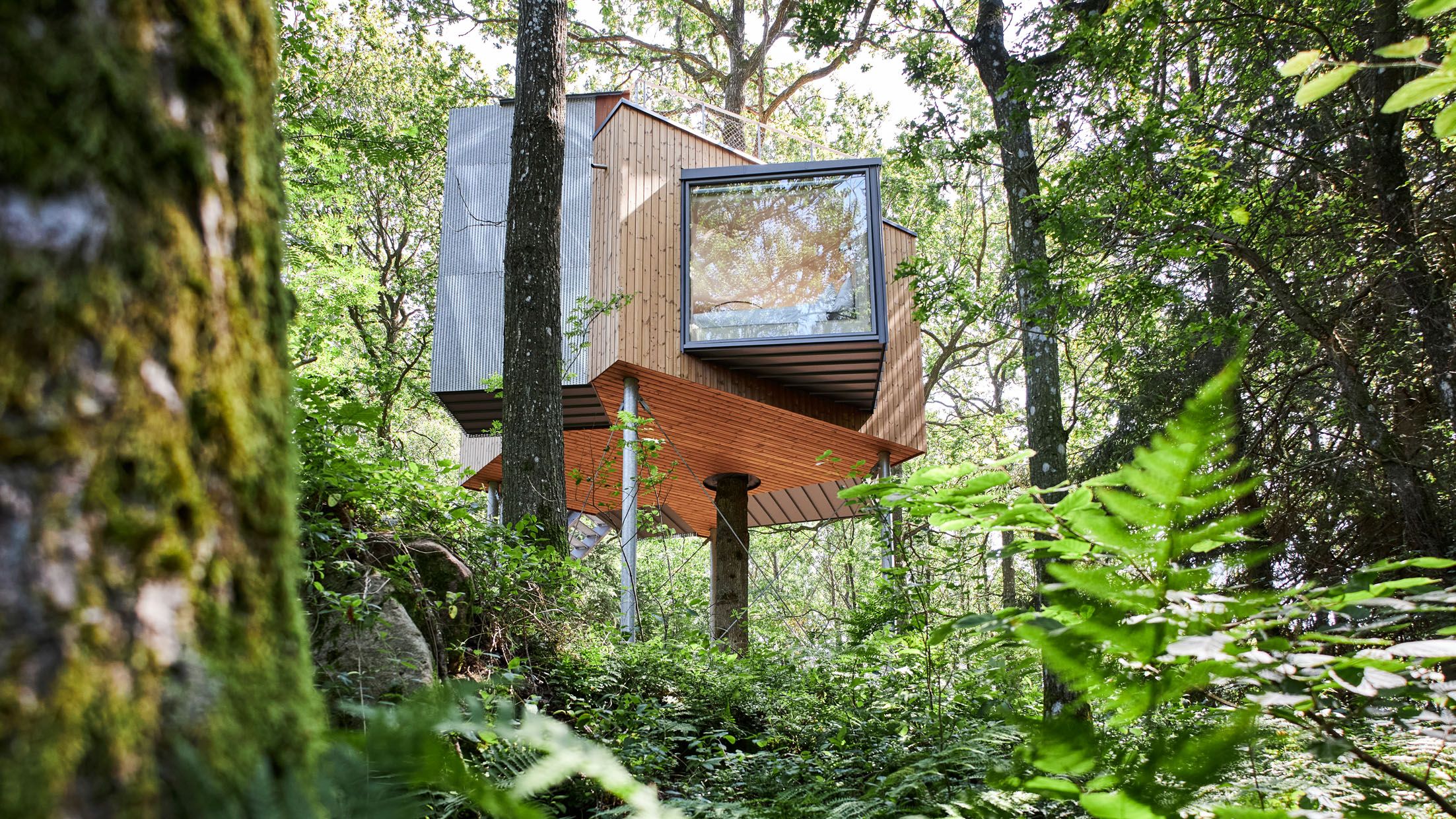
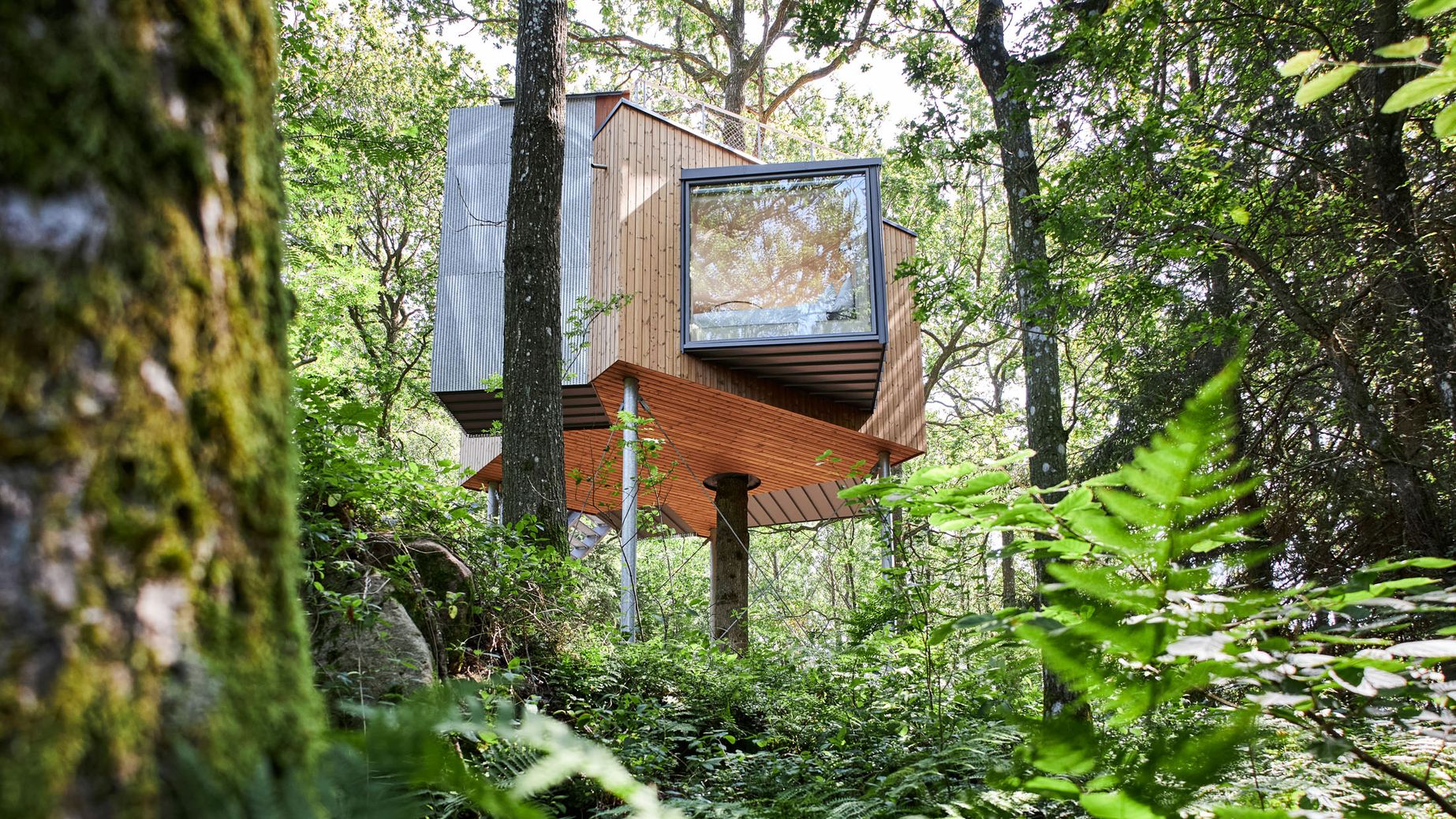
For example: at the Treetop Hotel in Denmark, the shower is mounted on the façade in a metal box – so even in winter, at minus 10 degrees, it’s an outdoor shower. In other words, we make guests shower outside. The Danes enjoy that anyway, and so far no one has complained. Our challenge was to work out how to prevent frost damage to the installation.
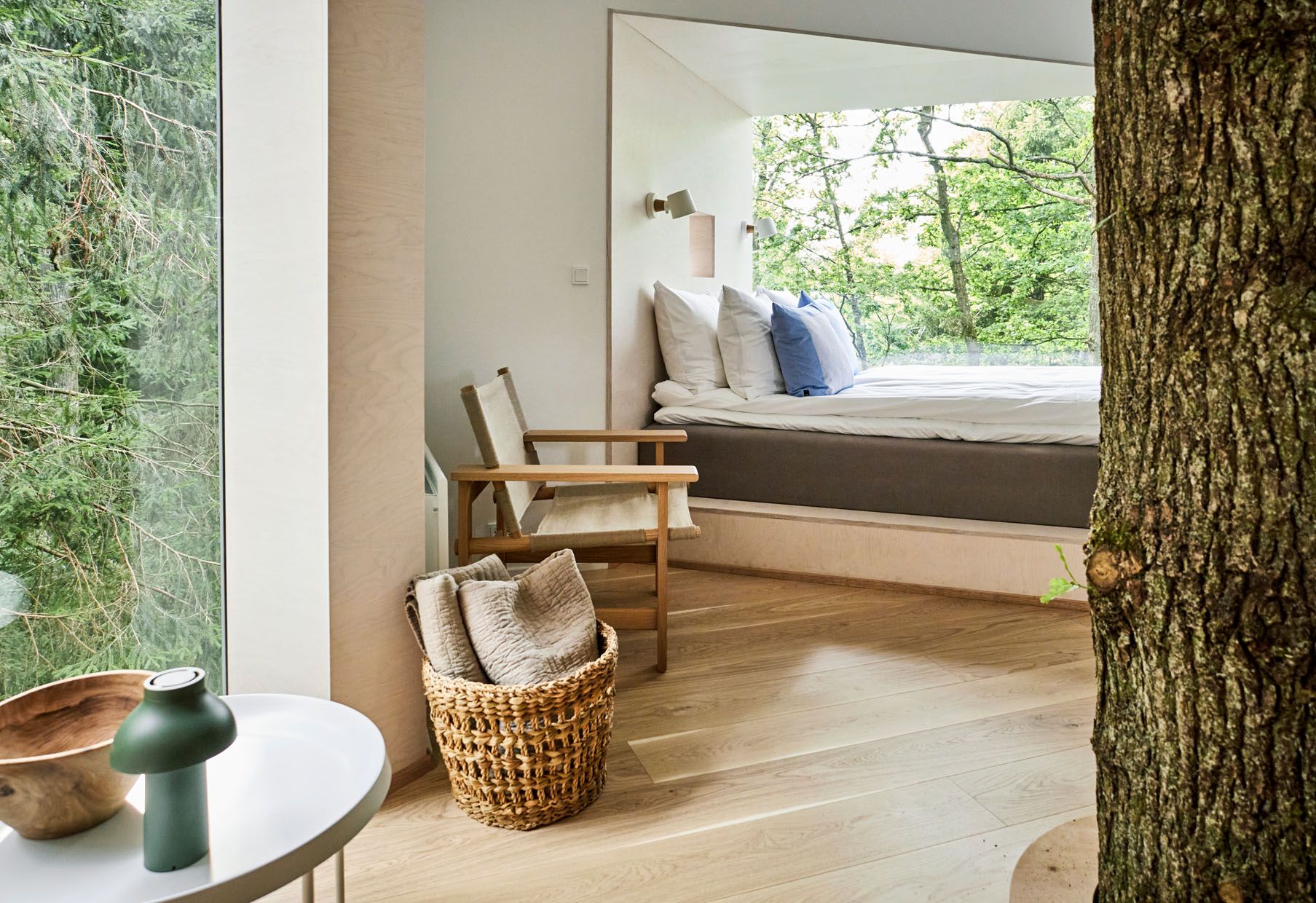
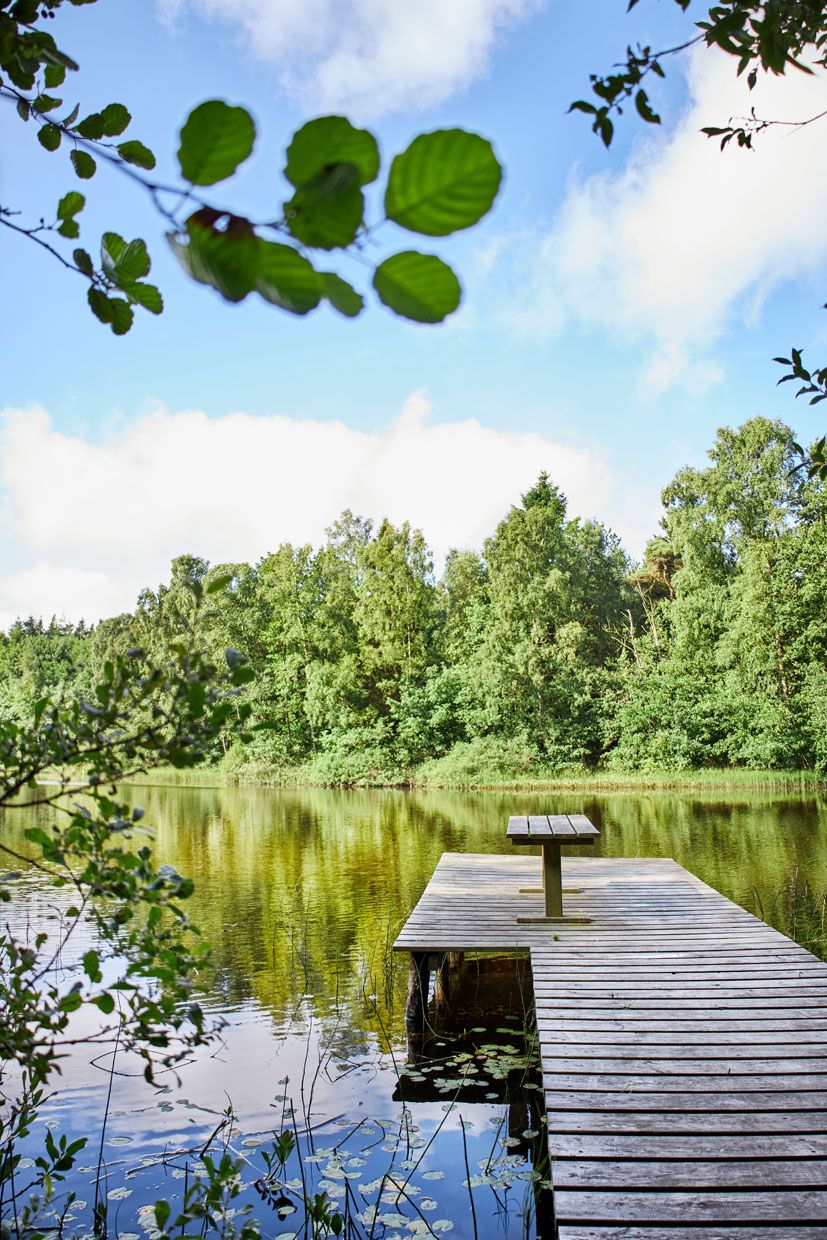
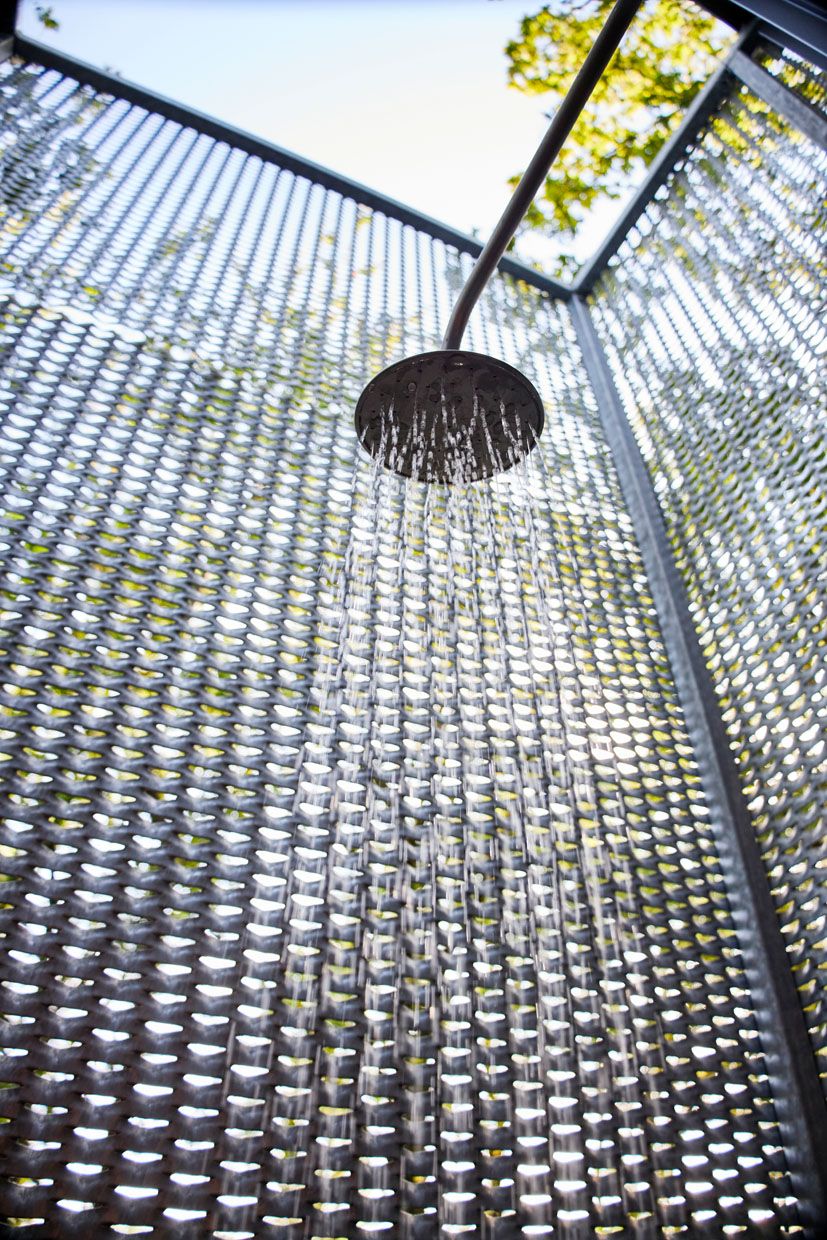
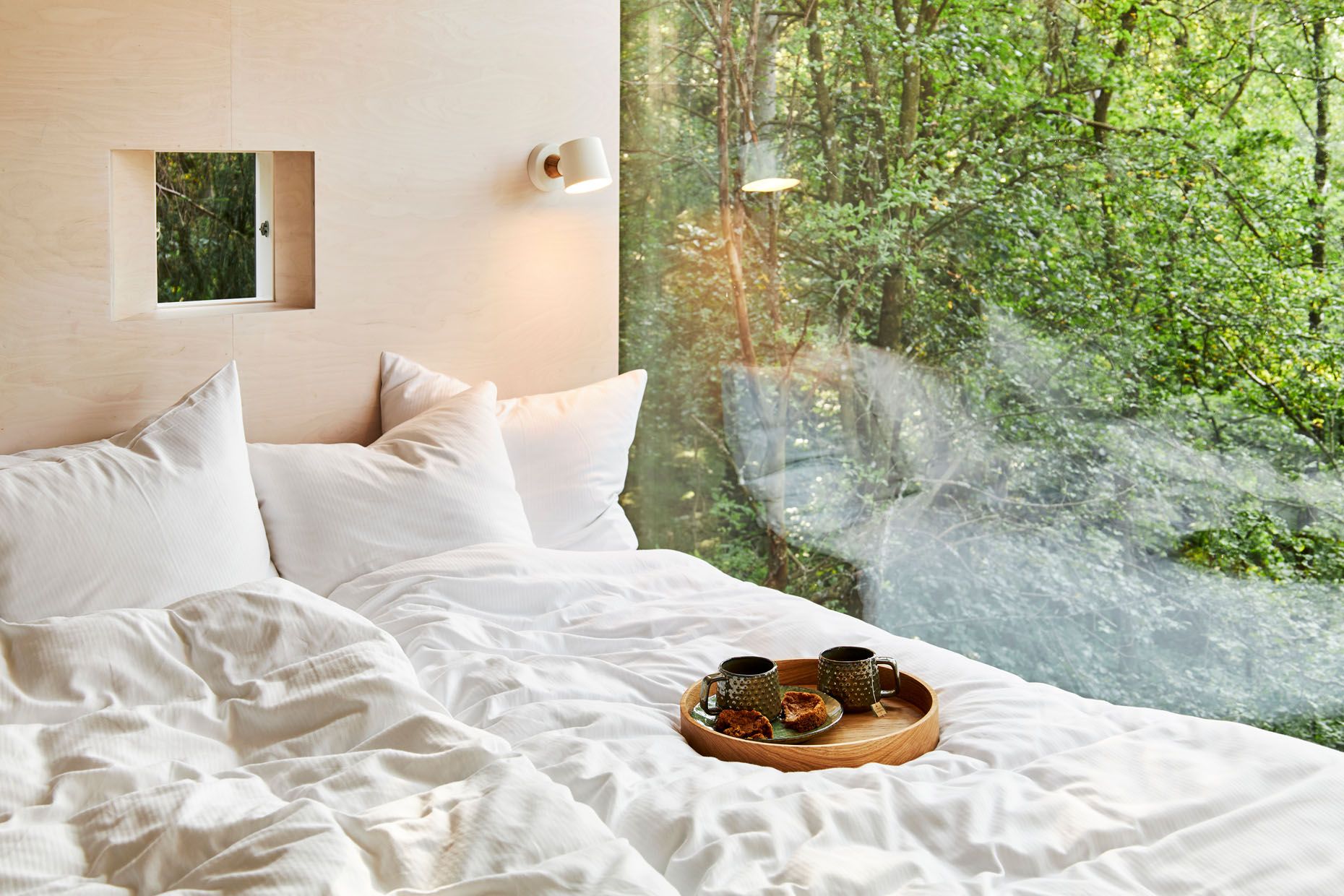
Or another example: we position the bed in a bay window so that you can look out in every direction. The entire concept is oriented towards the visitors’ perspective – not the heating system or the placement of sockets. That comes later and is usually resolved fairly quickly.
So we focus on questions such as: What would people like to see here? What don’t they have at home? What is already unique when you visit the website of a hotel or holiday house? After all, you first encounter images on a website, and those images have to make potential guests start dreaming. Or, put differently: you have to be able to see yourself in a situation, in a house. And that is the situation we design and build. I find that incredibly exciting.
Does that mean, consequently, that you develop each and every project entirely individually?
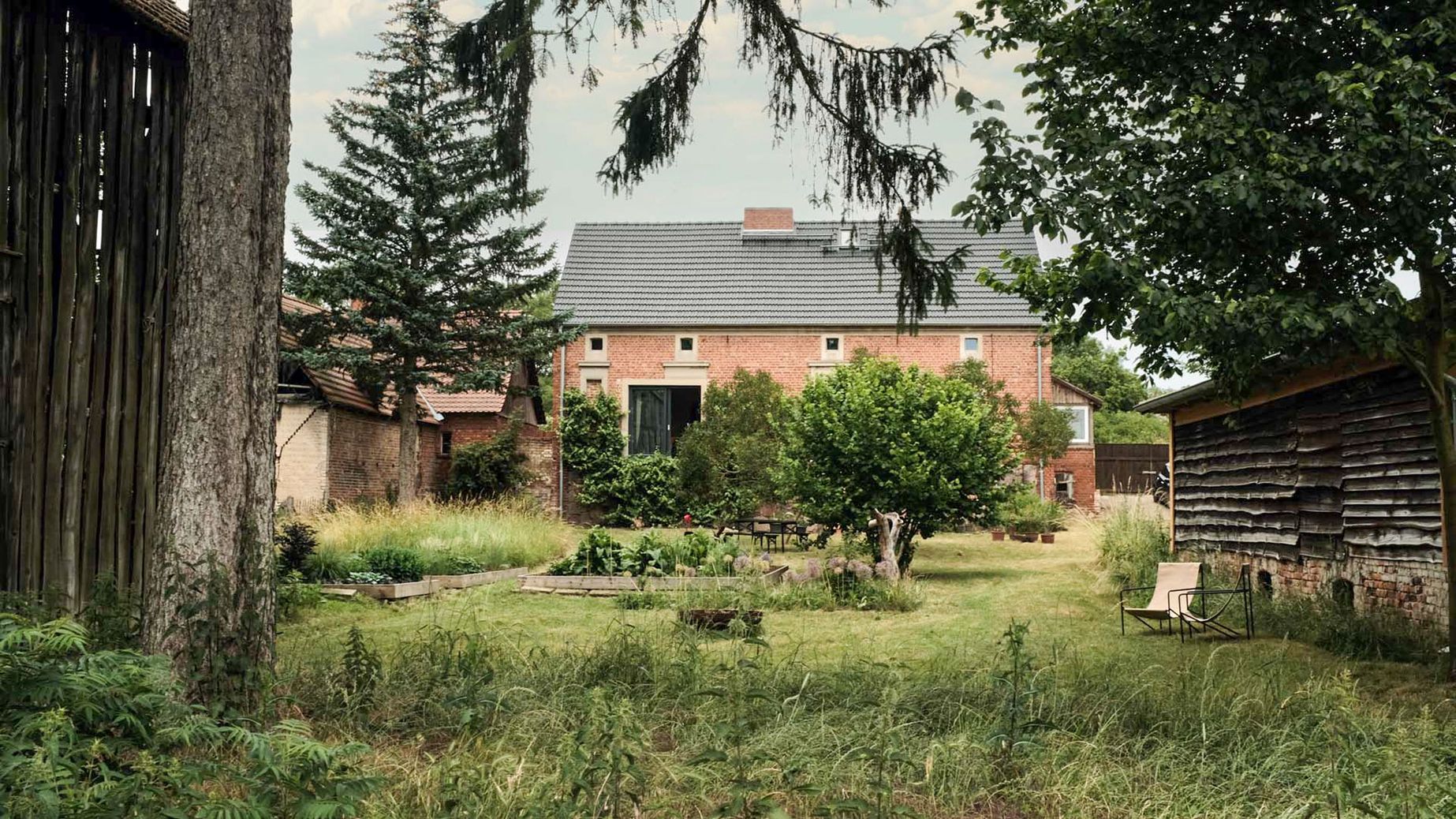
Absolutely, yes. That often results naturally from the geographical location alone. Are we building in Brandenburg, in the Spreewald, in a forest in Denmark, on rocks in Greece? Each location involves entirely different building cultures and climate zones. Local know-how is also crucial: because expertise in stone construction is incredibly strong in Greece, we don’t build with timber there – unlike, for example, in Austria.
The only project that is a bit out of the ordinary is the Raus Cabins, which could theoretically be built in many other locations. Have you made an agreement that this won’t happen, or how exactly does that work?
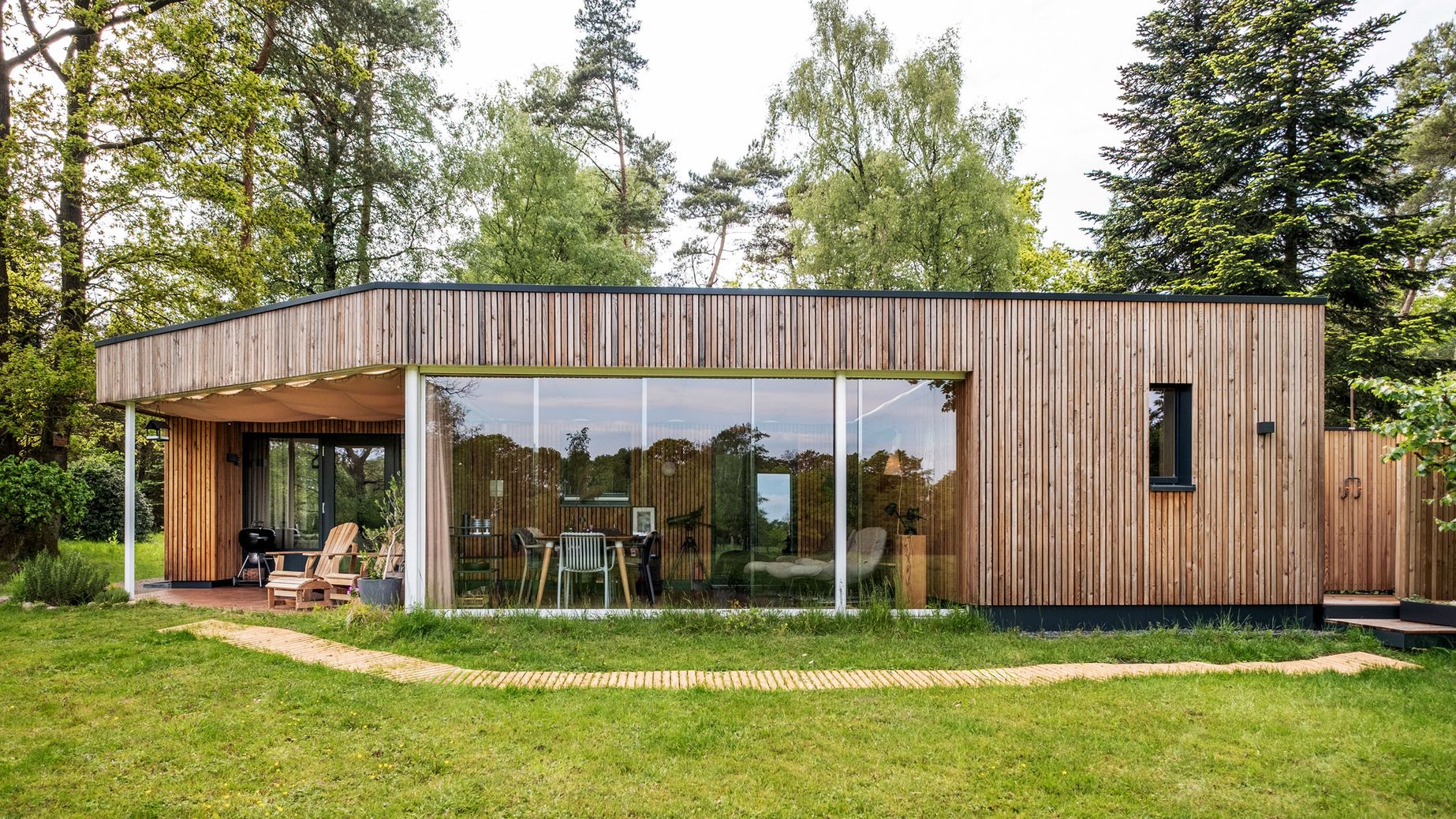
That’s right – it’s essentially a design without a specific context, which is unusual for an architect. The cabins were initially conceived as something that could be placed anywhere, and yet you still have to consider what is universal in a setting. For the Raus Cabins, the key constraint was transportability. In other words, motorway regulations determined how high and how wide they could be.
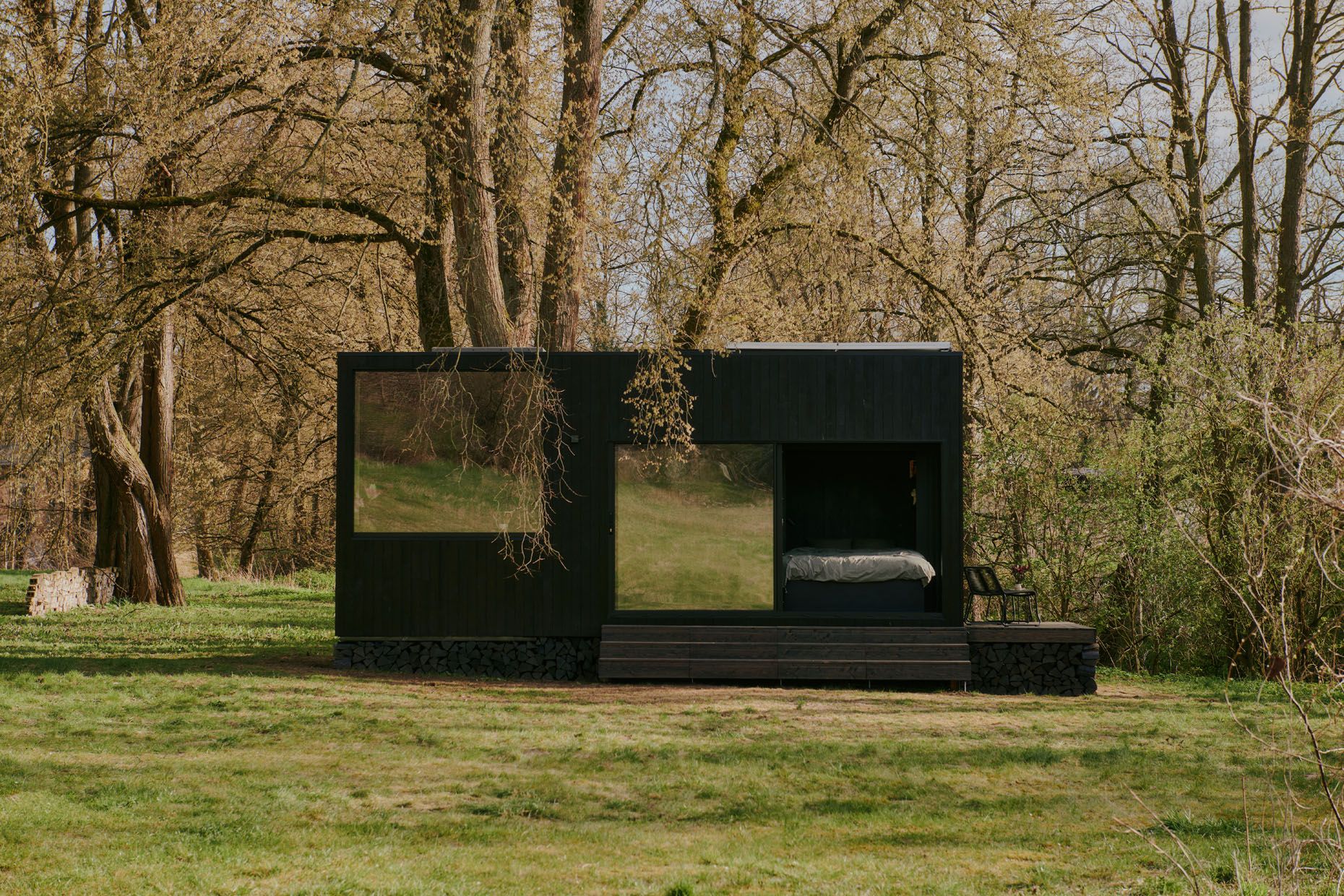
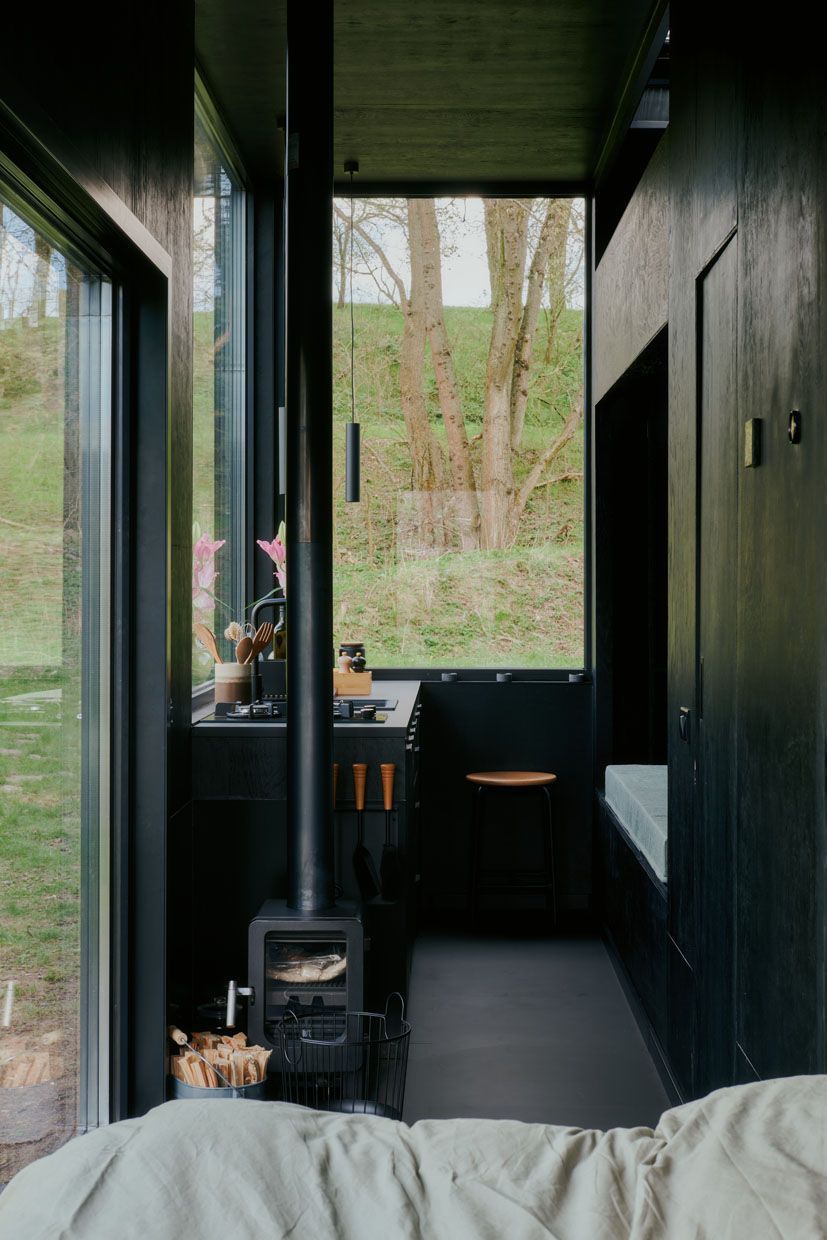
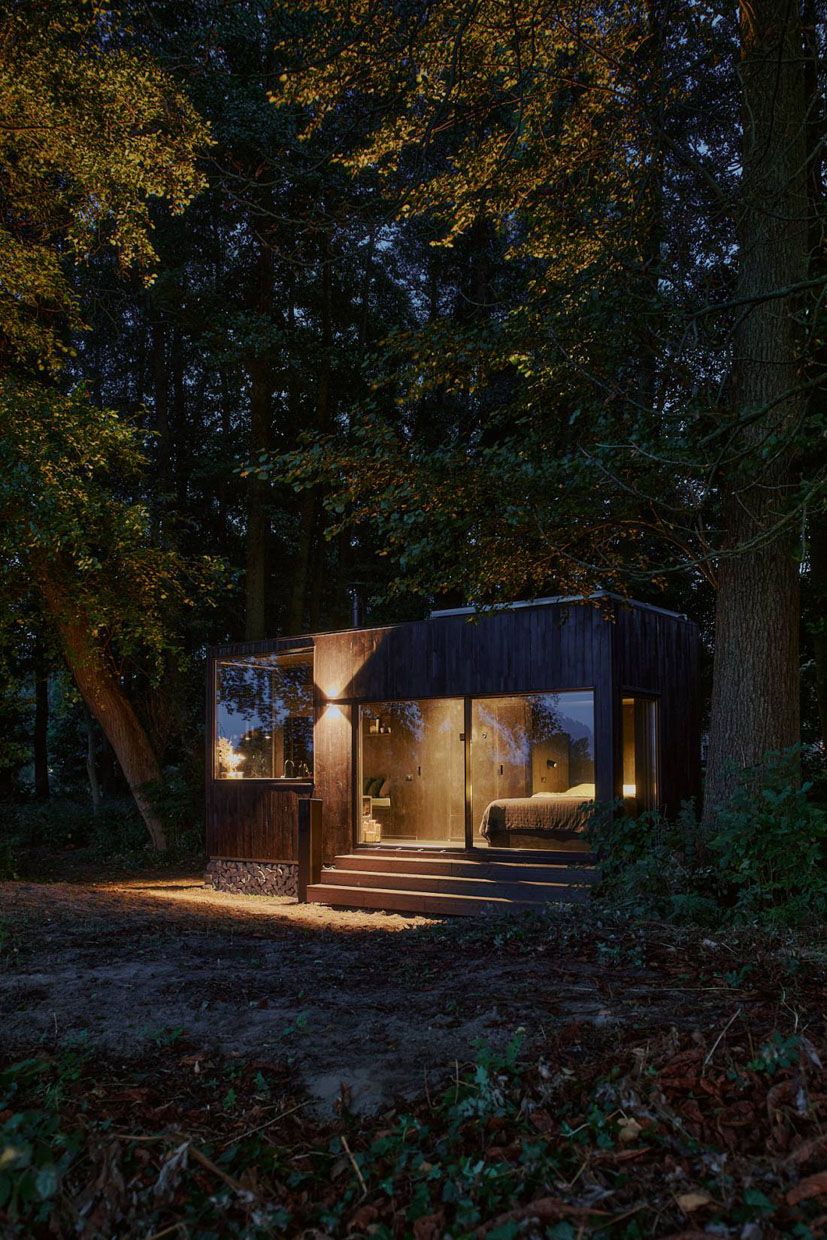
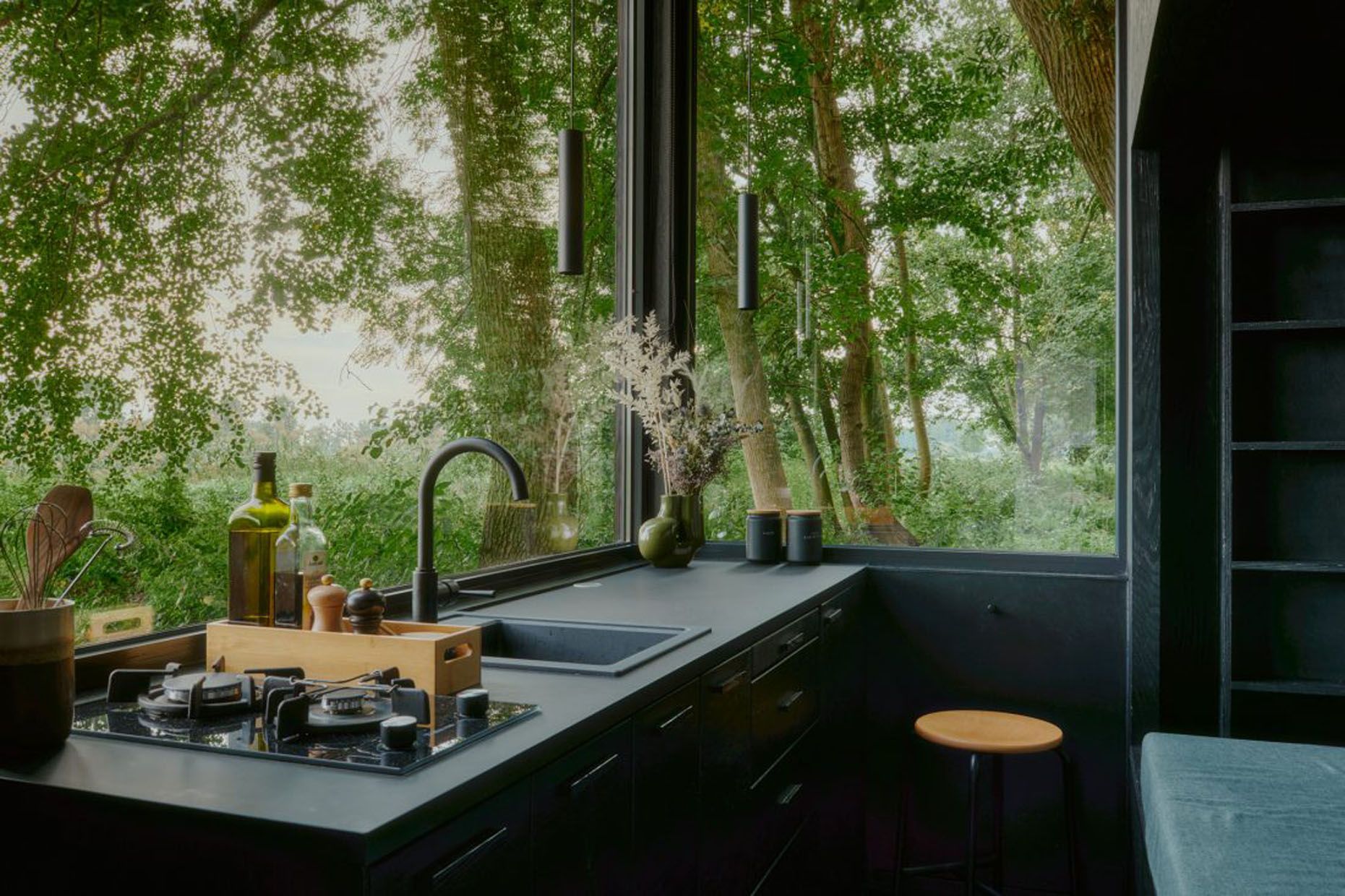
In case several cabins are placed on the same plot, we designed them with a front façade featuring windows and a rear façade without. This makes them easier to position in relation to one another, ensuring that each guest can still feel as though they are alone in the forest.
Are the hospitality projects you’ve realised also relevant in terms of acquiring new clients? Do they generate further enquiries?
They do. That’s the advantage of a public building – you reach a great number of people. As a result, there is a lot of exchange. For me personally, it’s also a different situation compared to a single-family house project. With such commissions, too, I often remain in contact afterwards, but I no longer really see the house or its development. With hotels, you are usually involved for the long term anyway.
This year alone I’m giving seven lectures on hospitality architecture. It’s a field in which it’s very rewarding to work as an architect. The level of interest is high and the subject itself carries a positive connotation. Audiences leave in a good mood – and I’ve only been talking about beautiful things.
Indeed, we know that very well! Could you explain how this very special concept with two oversized inhabitable furniture at the Dortmannhof came about?
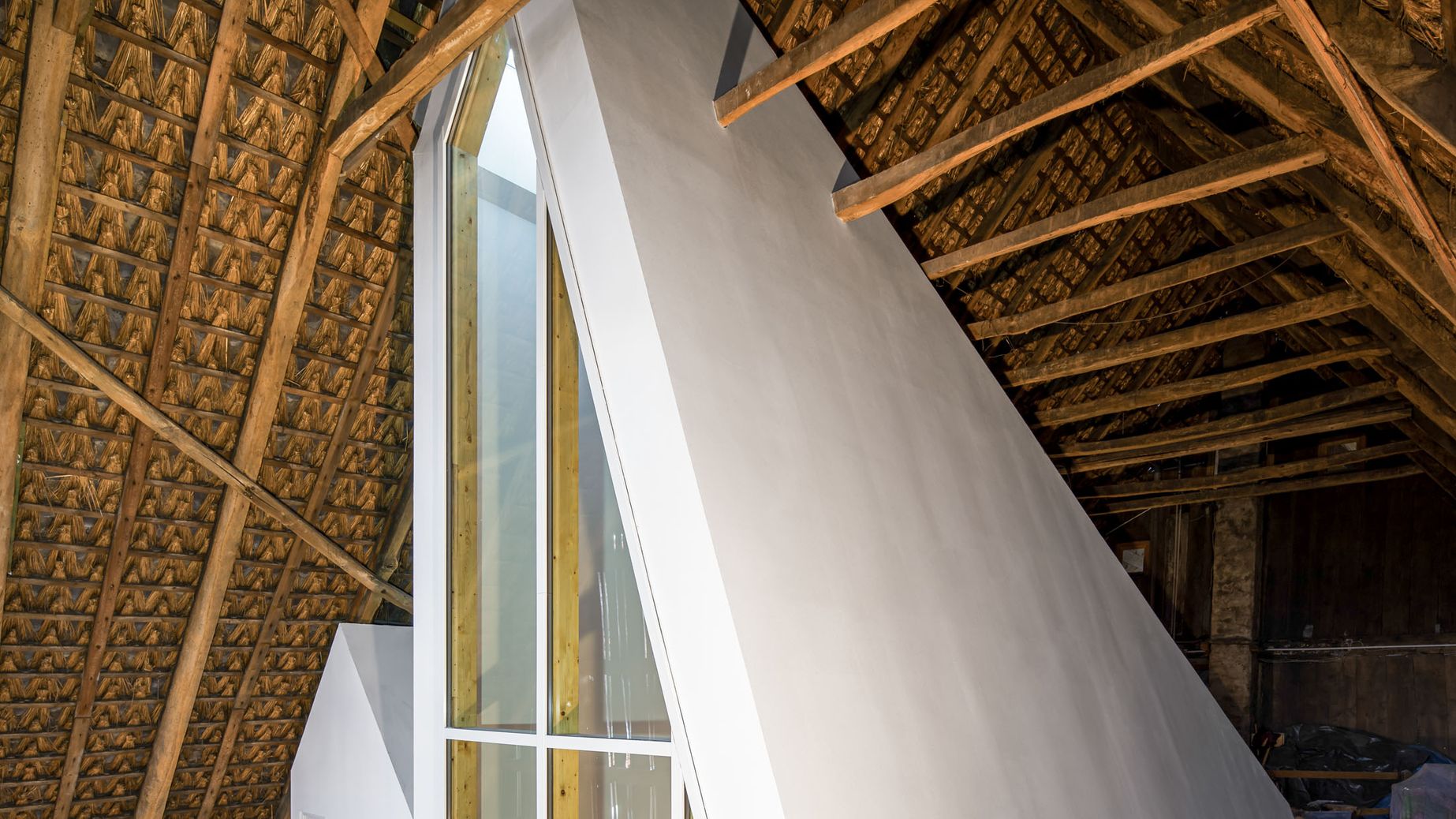
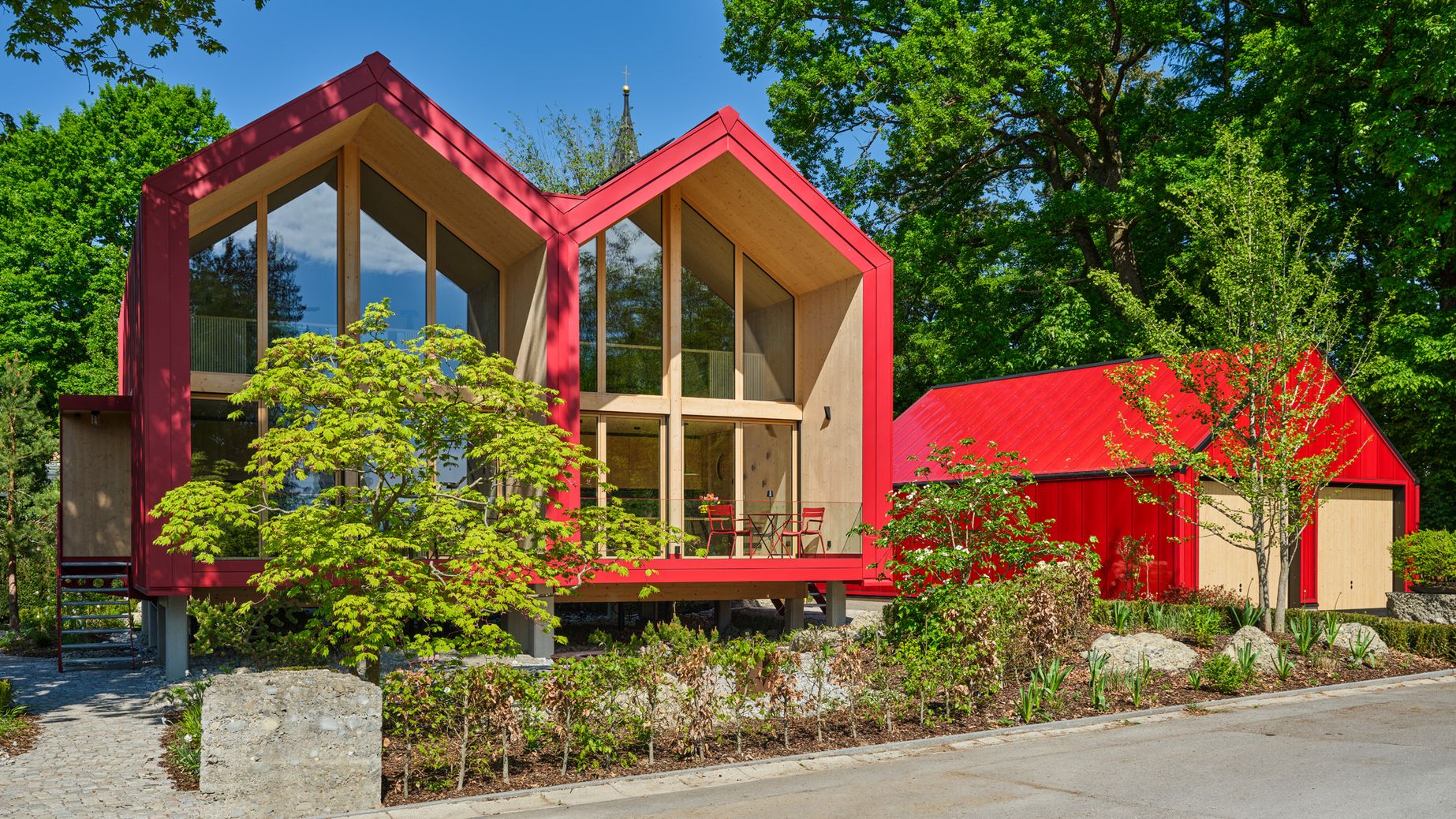
I can still picture it clearly when I first stood inside the barn. Two hundred years old, landmarked, twelve metres high, with a central aisle and the former animal stalls to the left and right. Of course, all of that had to remain exactly as it was. Because the space was very dark, the idea was that the future rooms would have to reach upwards towards the light. We had managed to obtain permission to insert two windows on the far side of the roof slope. So everything had to grow up towards them – like a sunflower.
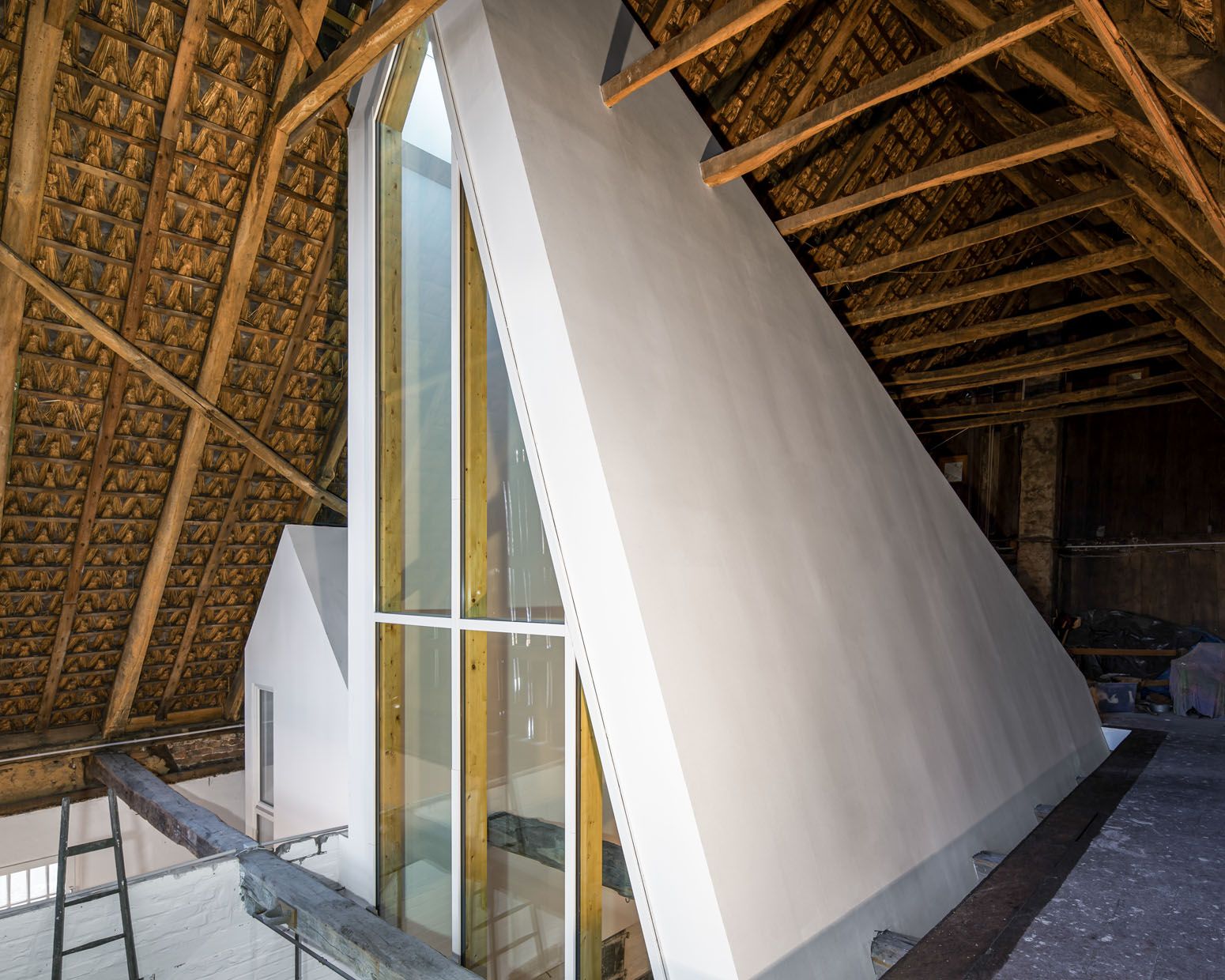
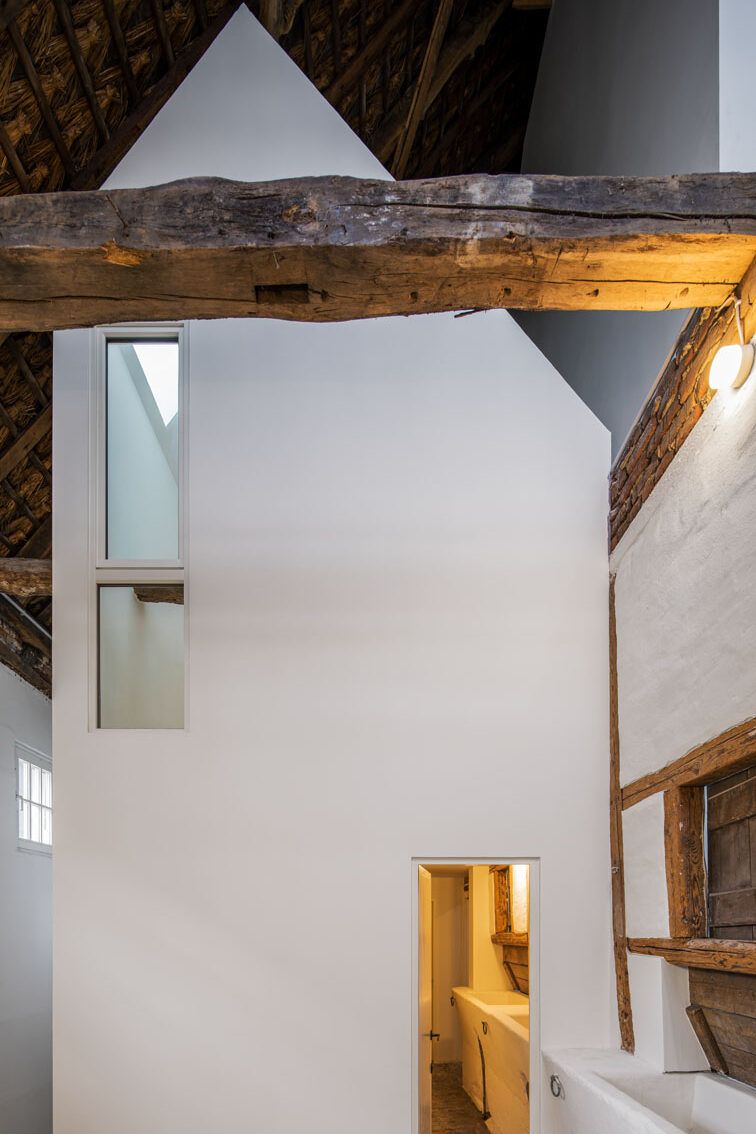
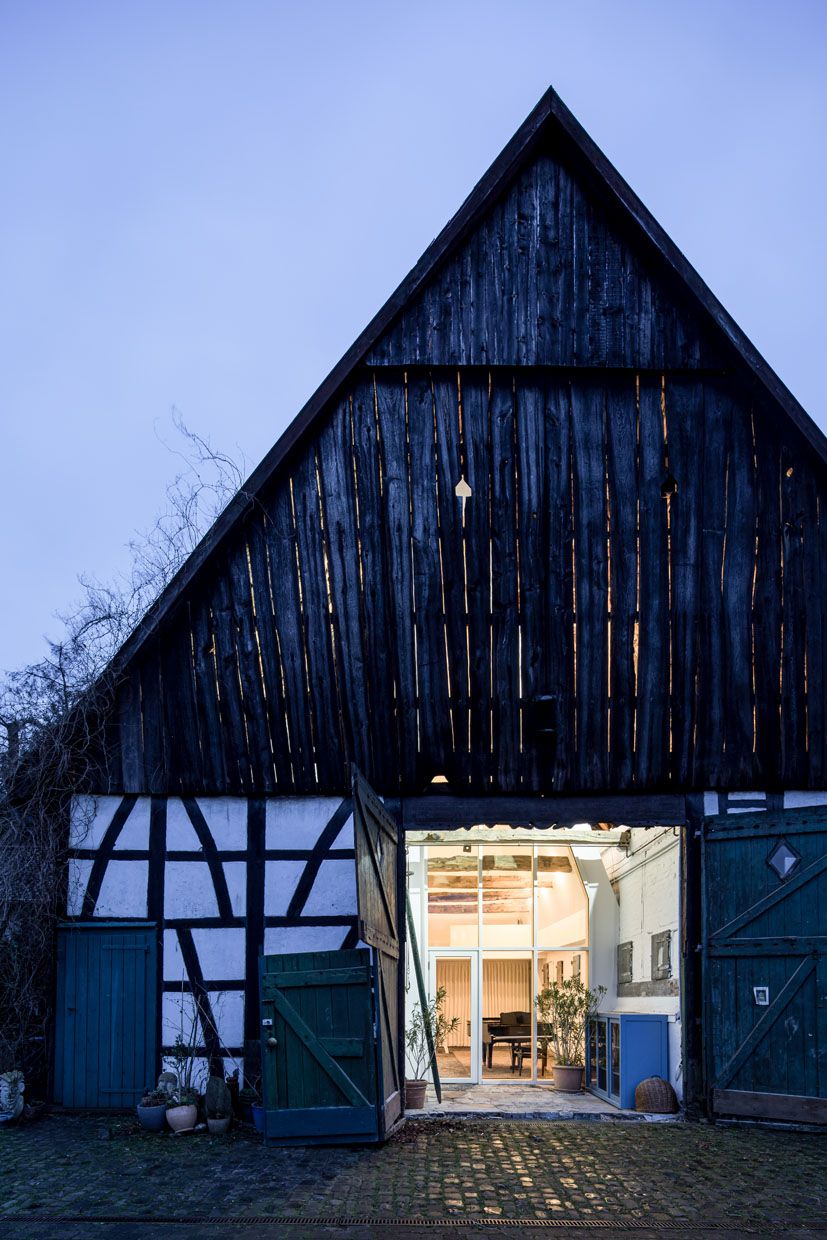
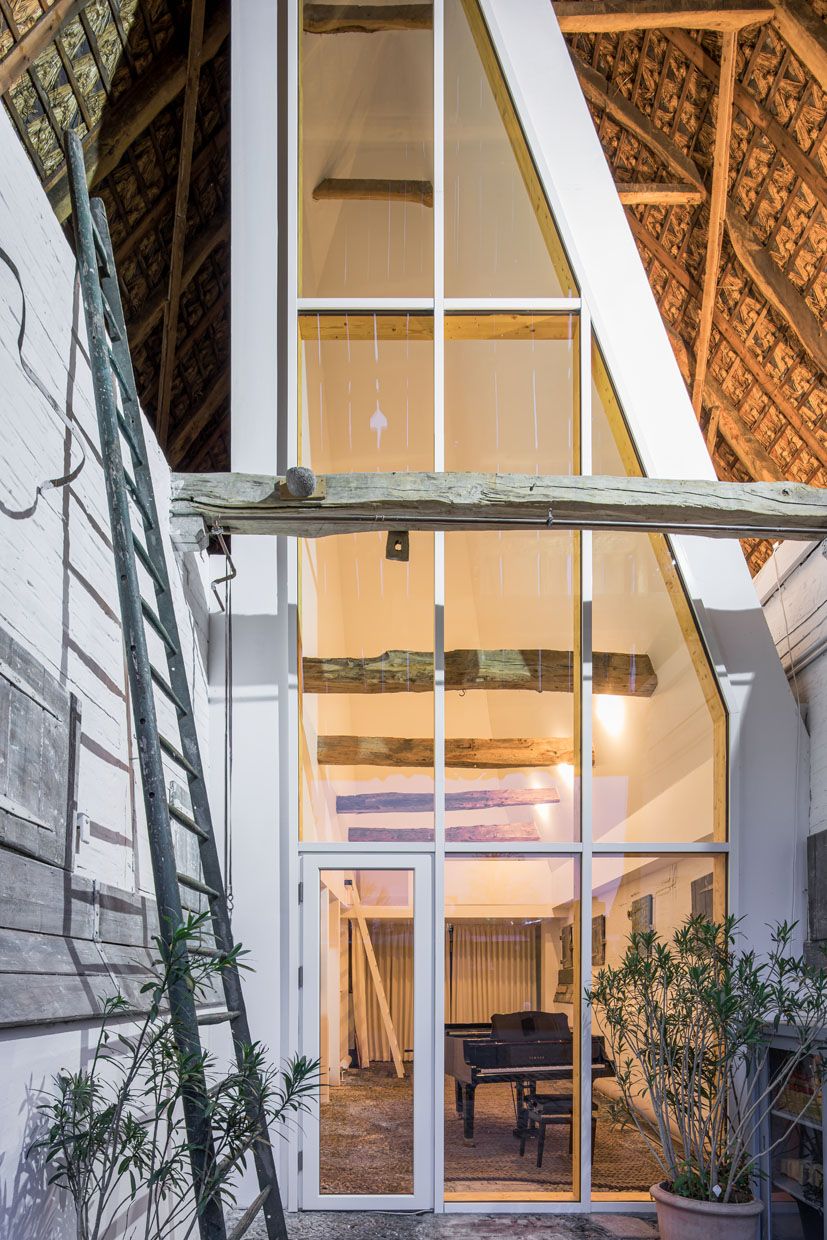
In order to achieve sufficient daylighting, one of the inhabitable structures had to be eleven metres high, the other seven metres. The rest of the design language more or less developed on its own: in both cases, we only had a limited footprint. In the case of the room with the grand piano, it was also important that our client, a classical musician, would have enough space to teach local children or rehearse with his small ensemble.
This proved to be an excellent solution from a heritage conservation perspective as well, and it was very well received by the authorities: the inhabitable structures can be completely removed, the typology of the hall house remains tangible, and no historical elements were removed or concealed. That’s also why you find details such as beams running right through a room.
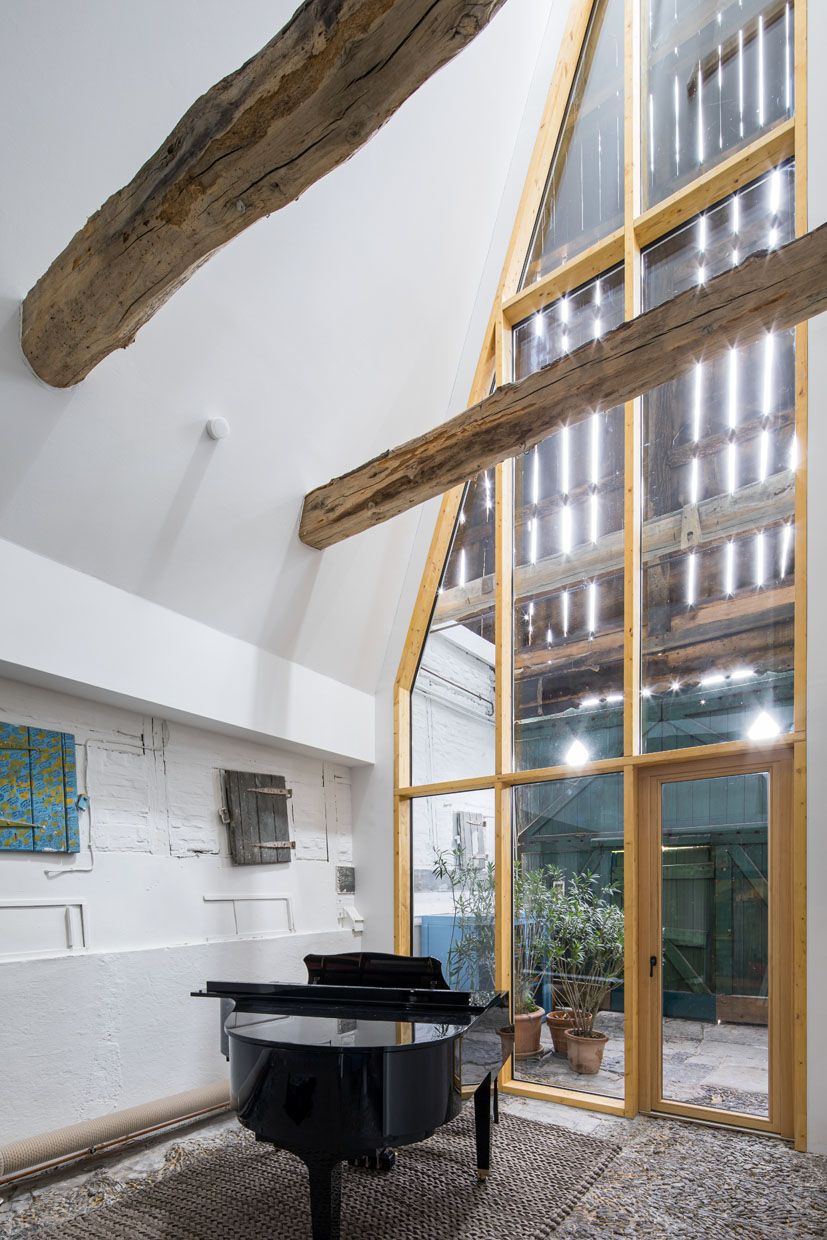
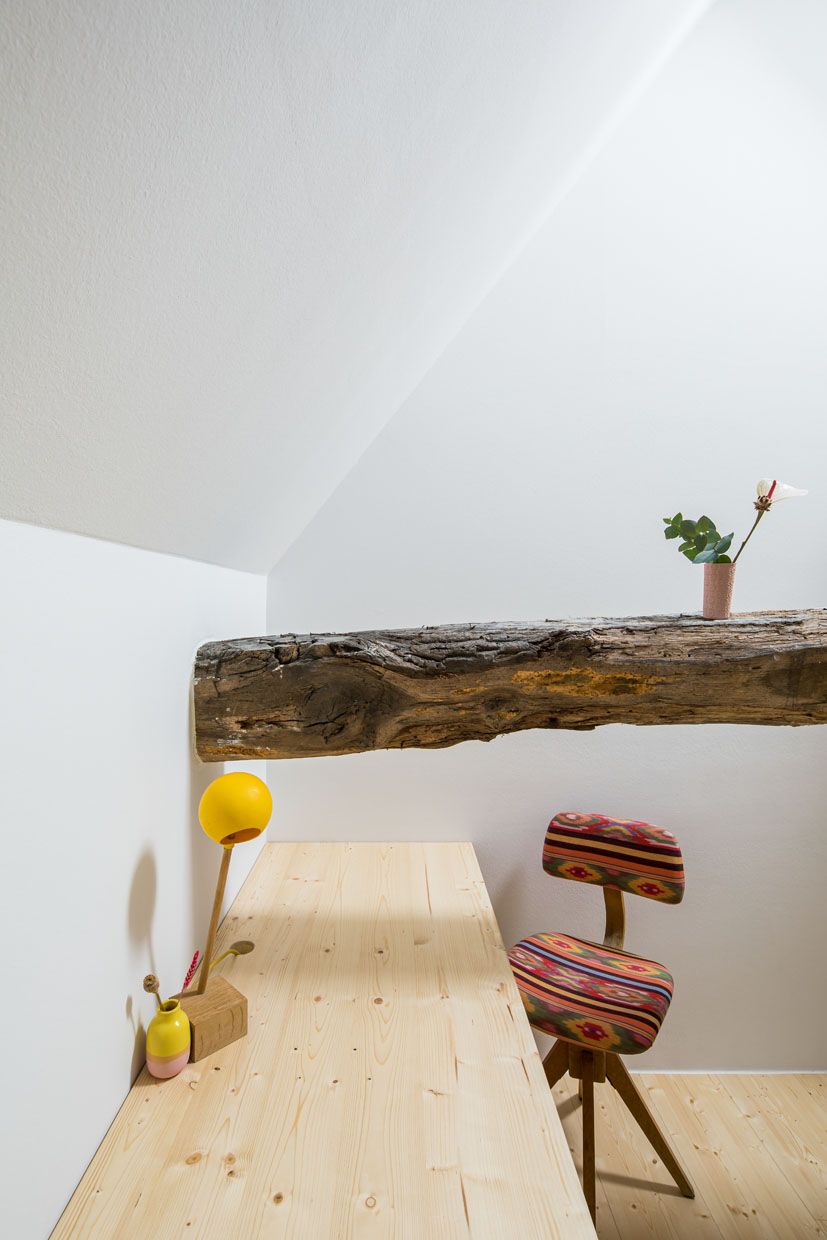
Does the form of this house-within-a-house solution also influence the acoustics?
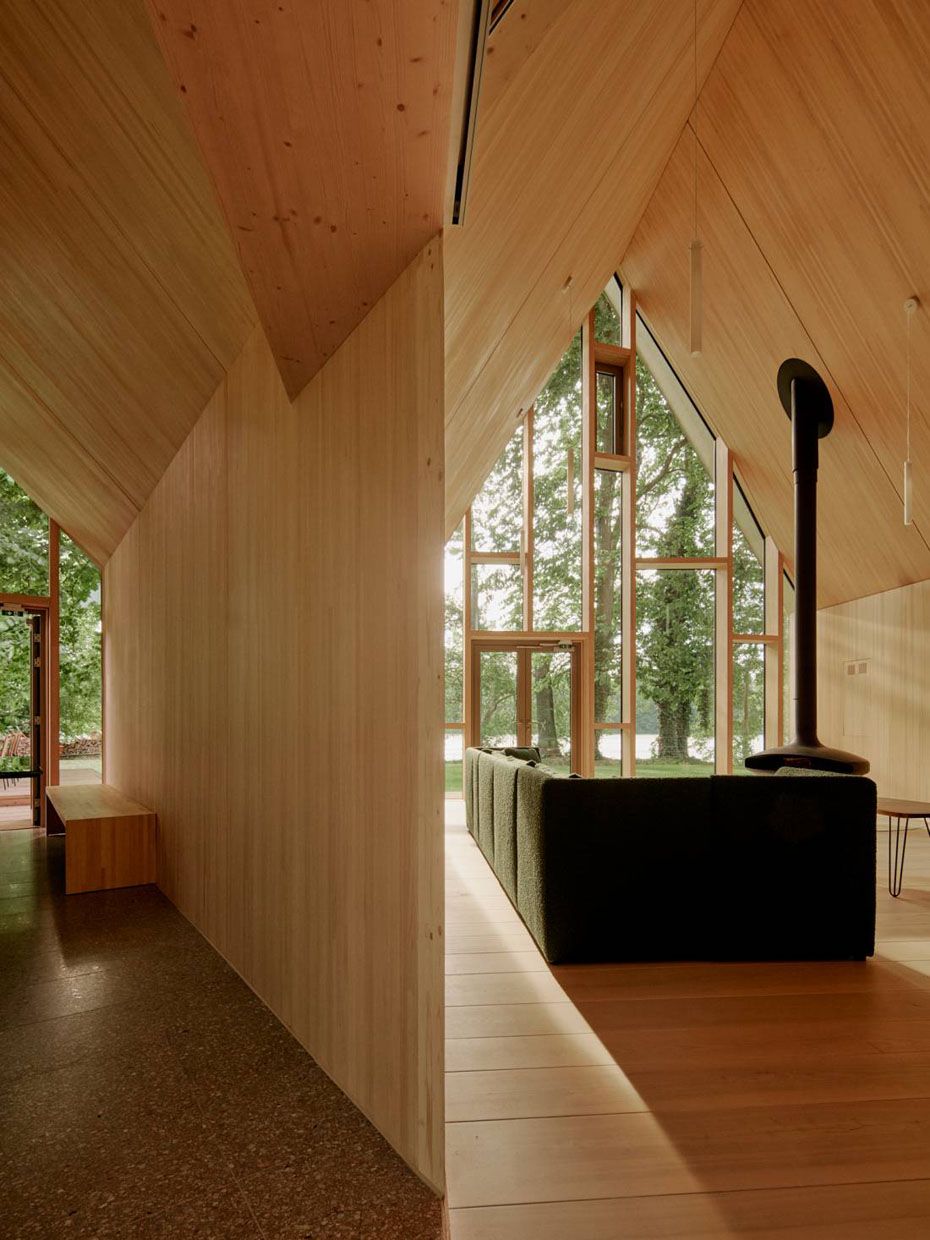
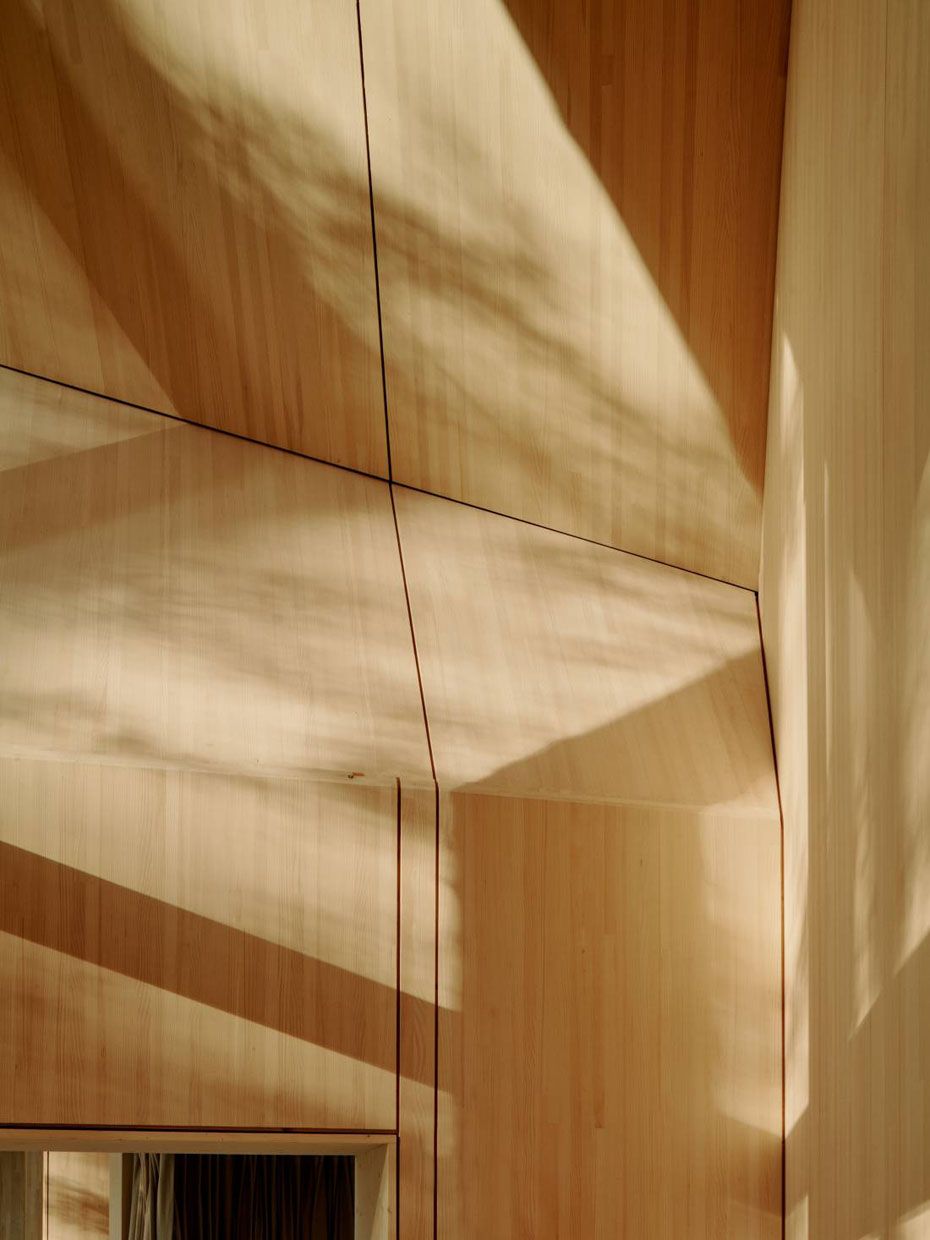
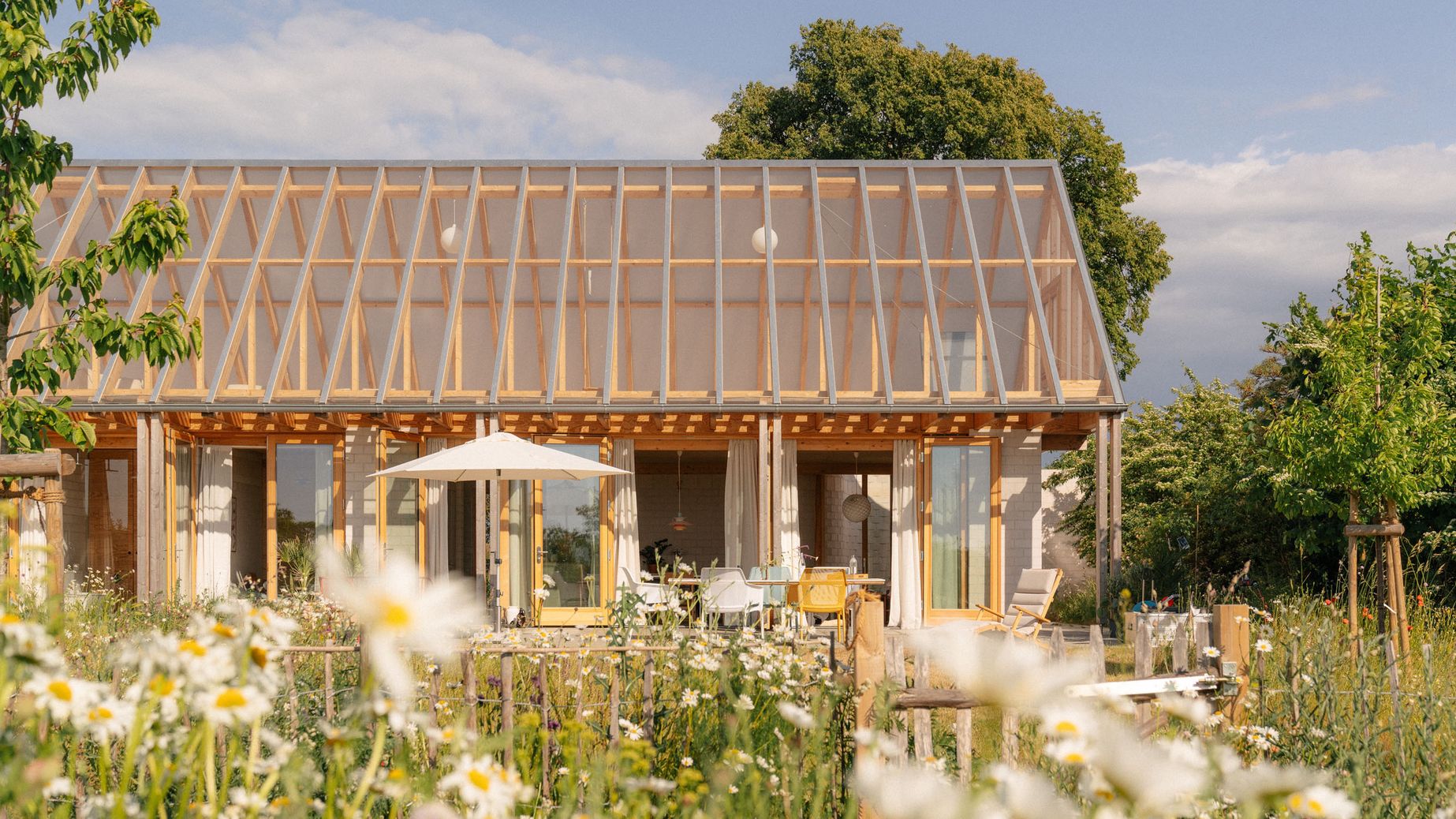
It does indeed. If you avoid constructing parallel walls, this usually has a very positive effect. The acoustics are extremely good. We applied a similar principle at The Lake House in Berlin. The acoustics there turned out so well that the Berliner Philharmonic rehearsed and gave concerts in this space. And we achieved all that entirely without sound engineers.
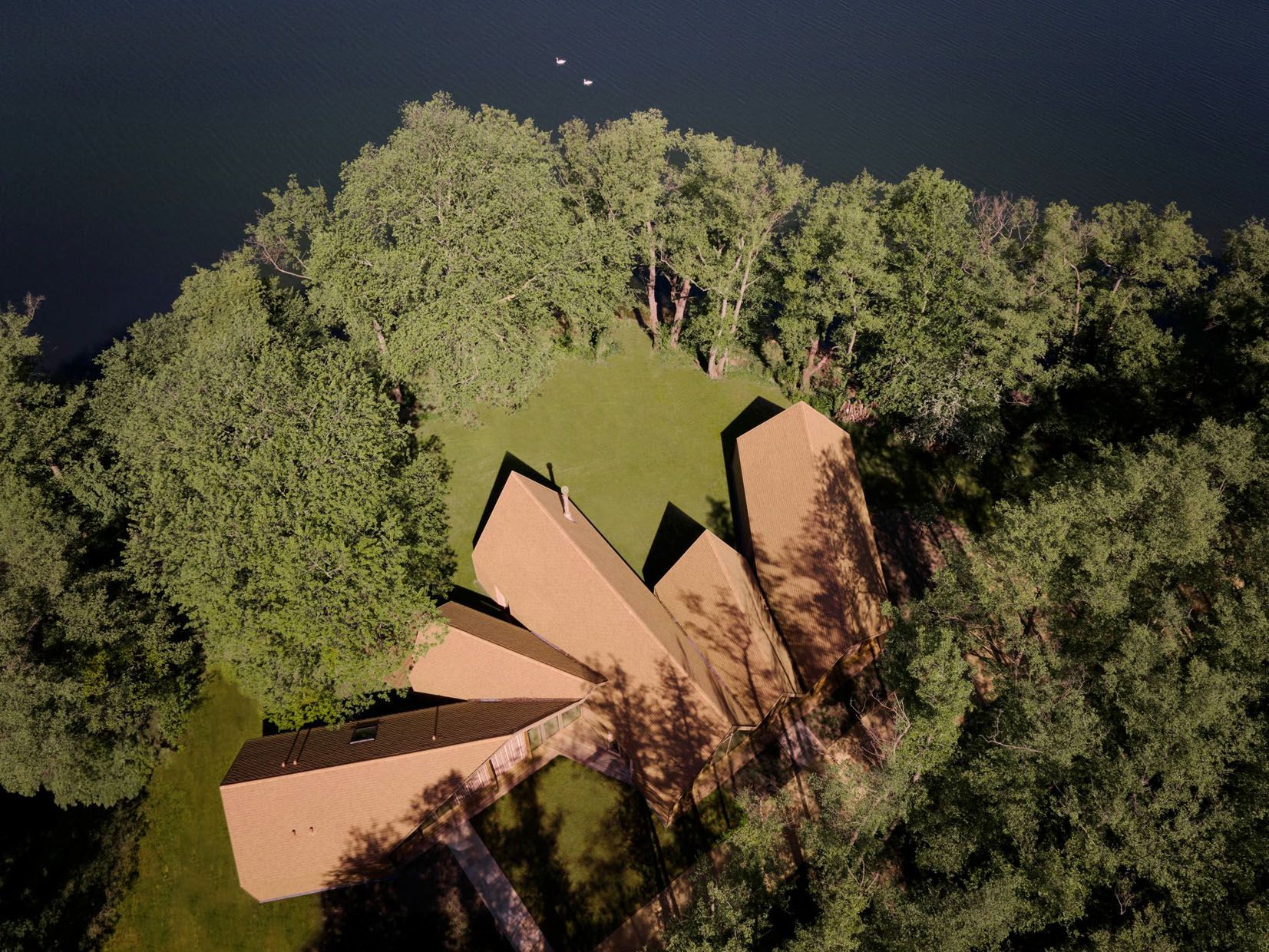
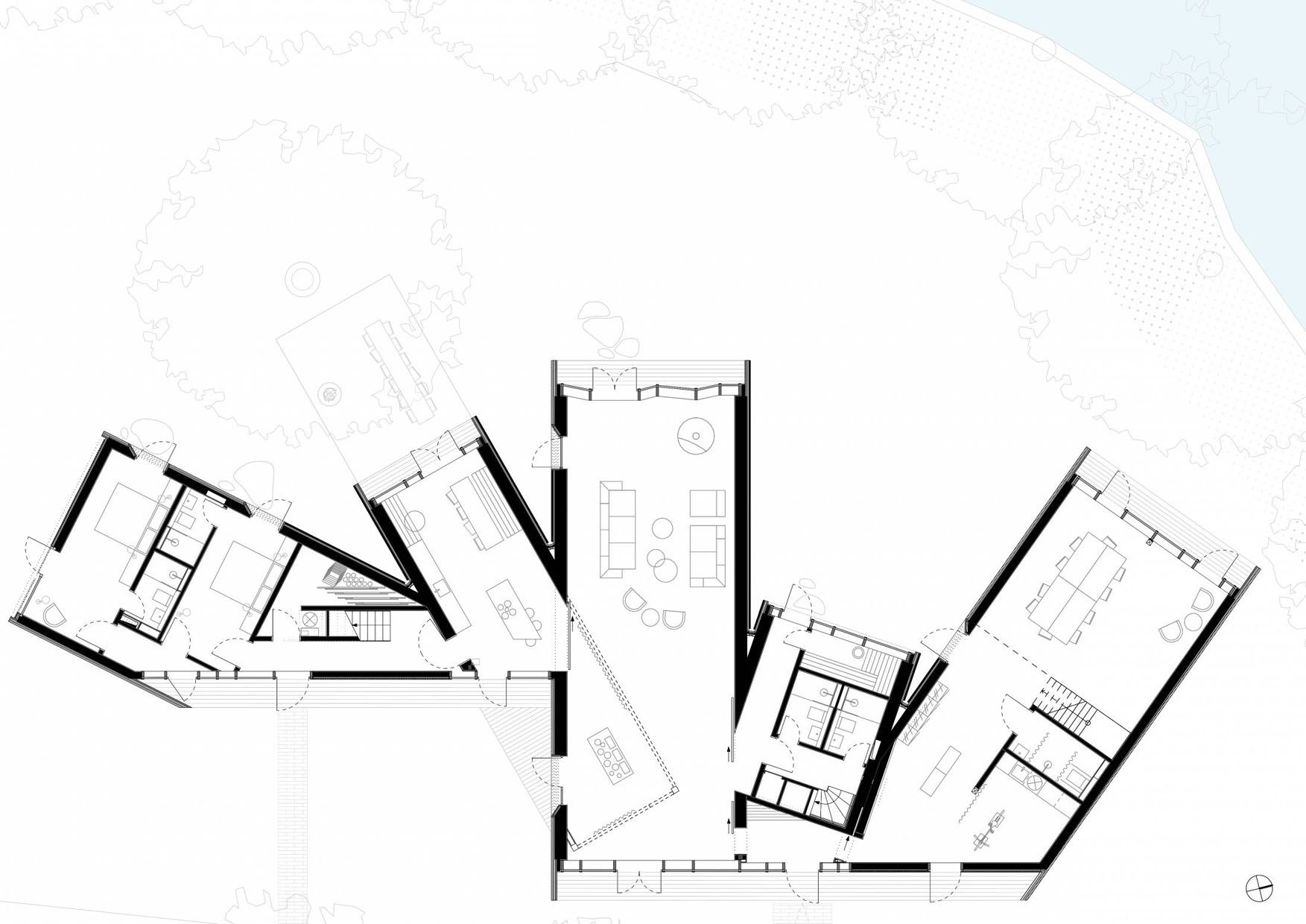
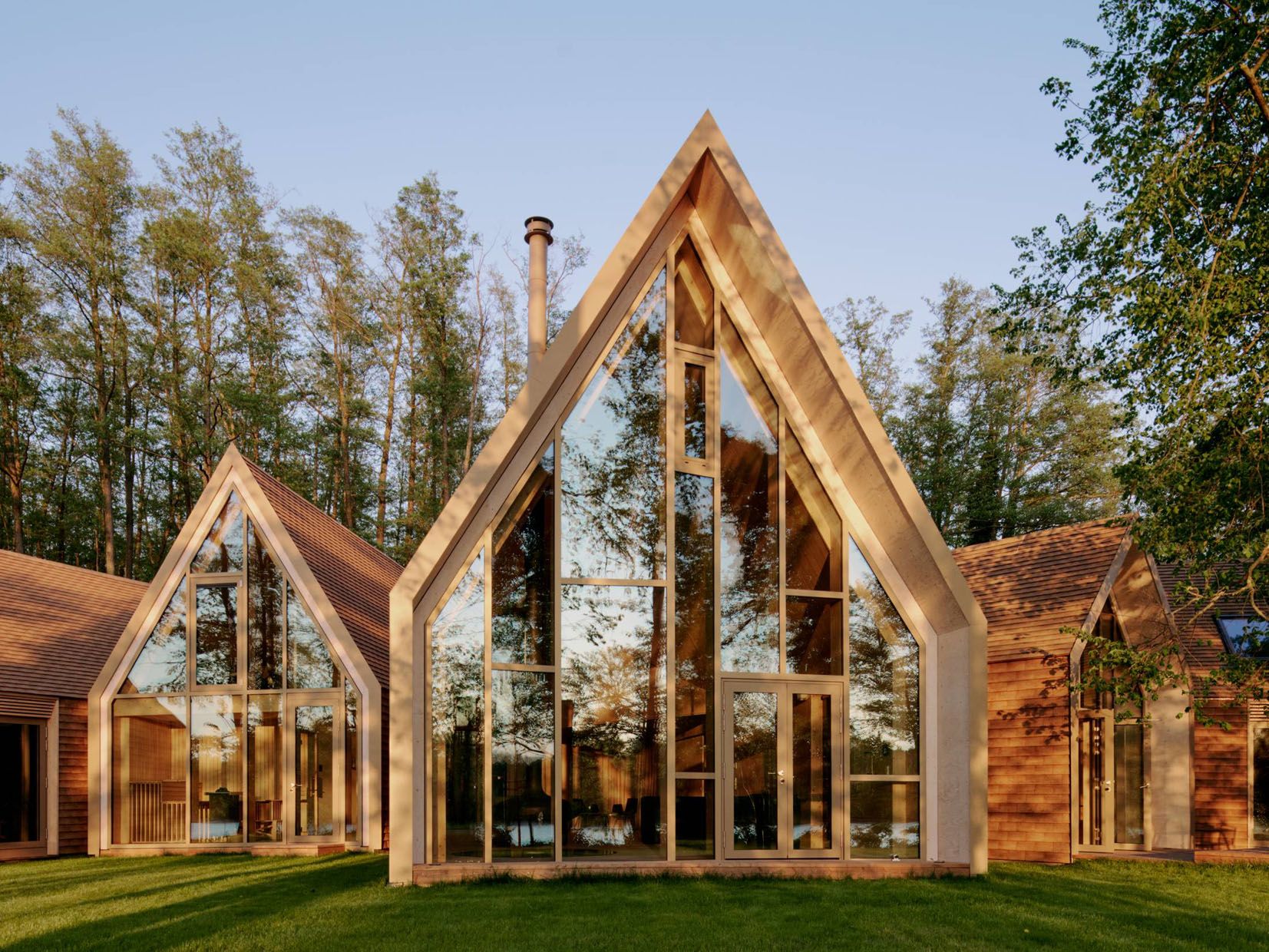
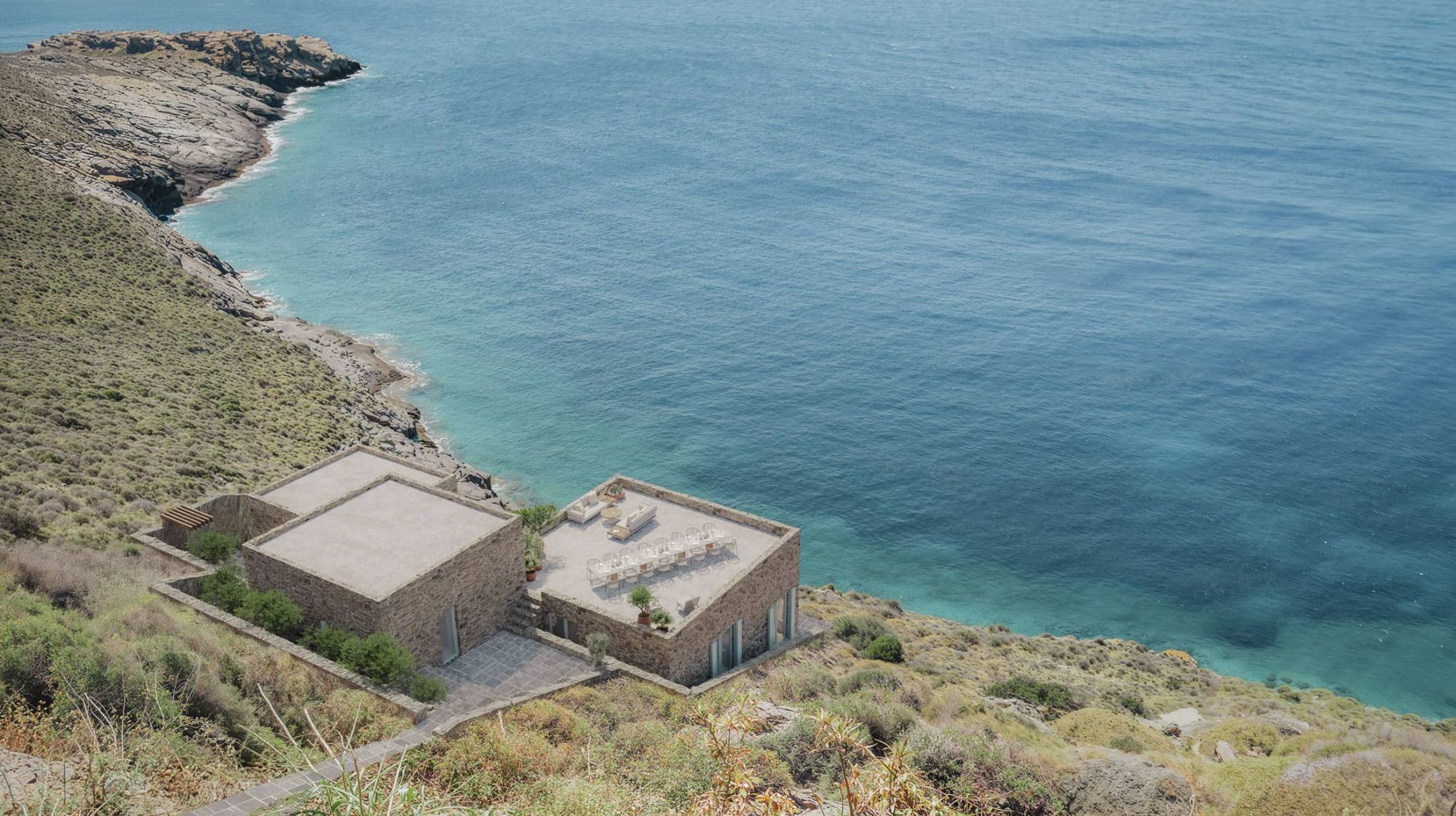
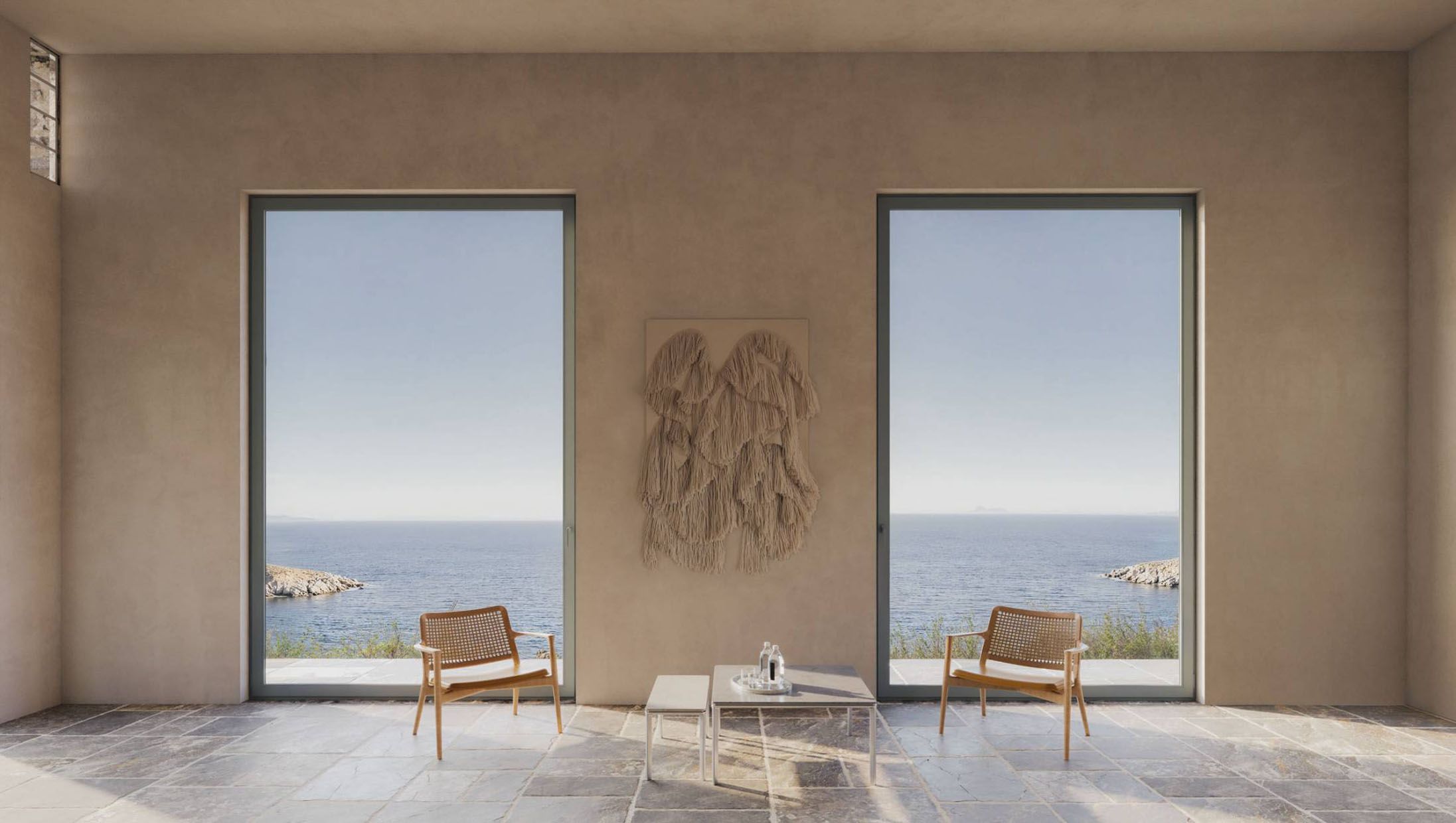
We’re curious to hear how things are progressing with one of your other recent projects, the Cliff House, which you are currently planning for VIPP on the Greek island of Kythnos. The holiday house will operate under a co-ownership model – have all future owners already been found?
VIPP is handling the search for co-owners themselves. But it seems to be going very well – ten out of twelve owners have already been secured. To be honest, I hadn’t expected it to happen so quickly. My assumption was that we’re currently in a period when potential buyers tend to act cautiously. But that doesn’t seem to be the case.
We would say the price is attractive.
At first, I wasn’t entirely sure either, as I had no prior experience in that respect. But I compared it with the costs for our own holiday house on the same island. And one shouldn’t forget that the Cliff House accommodates not just two people but up to eight.
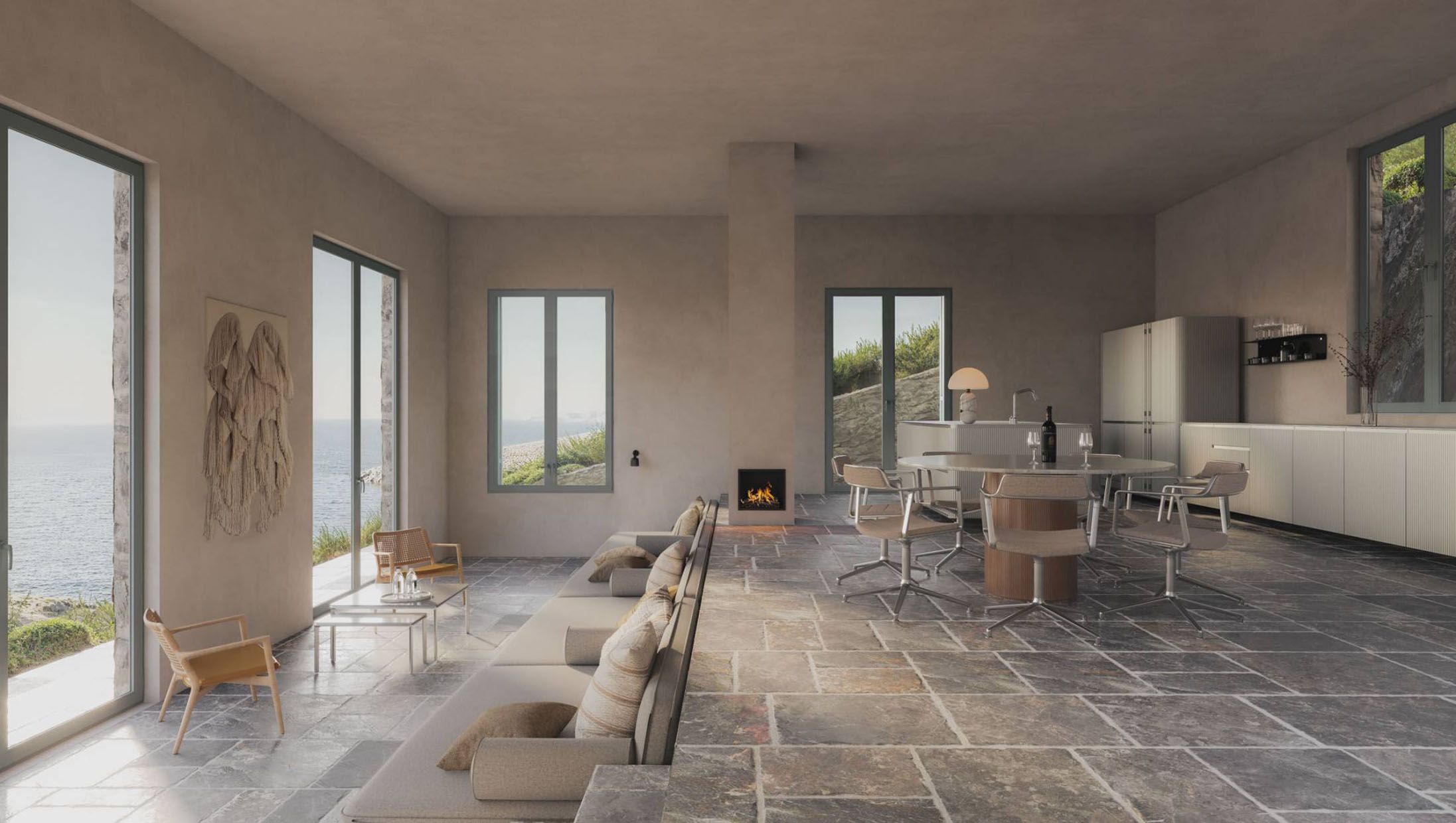
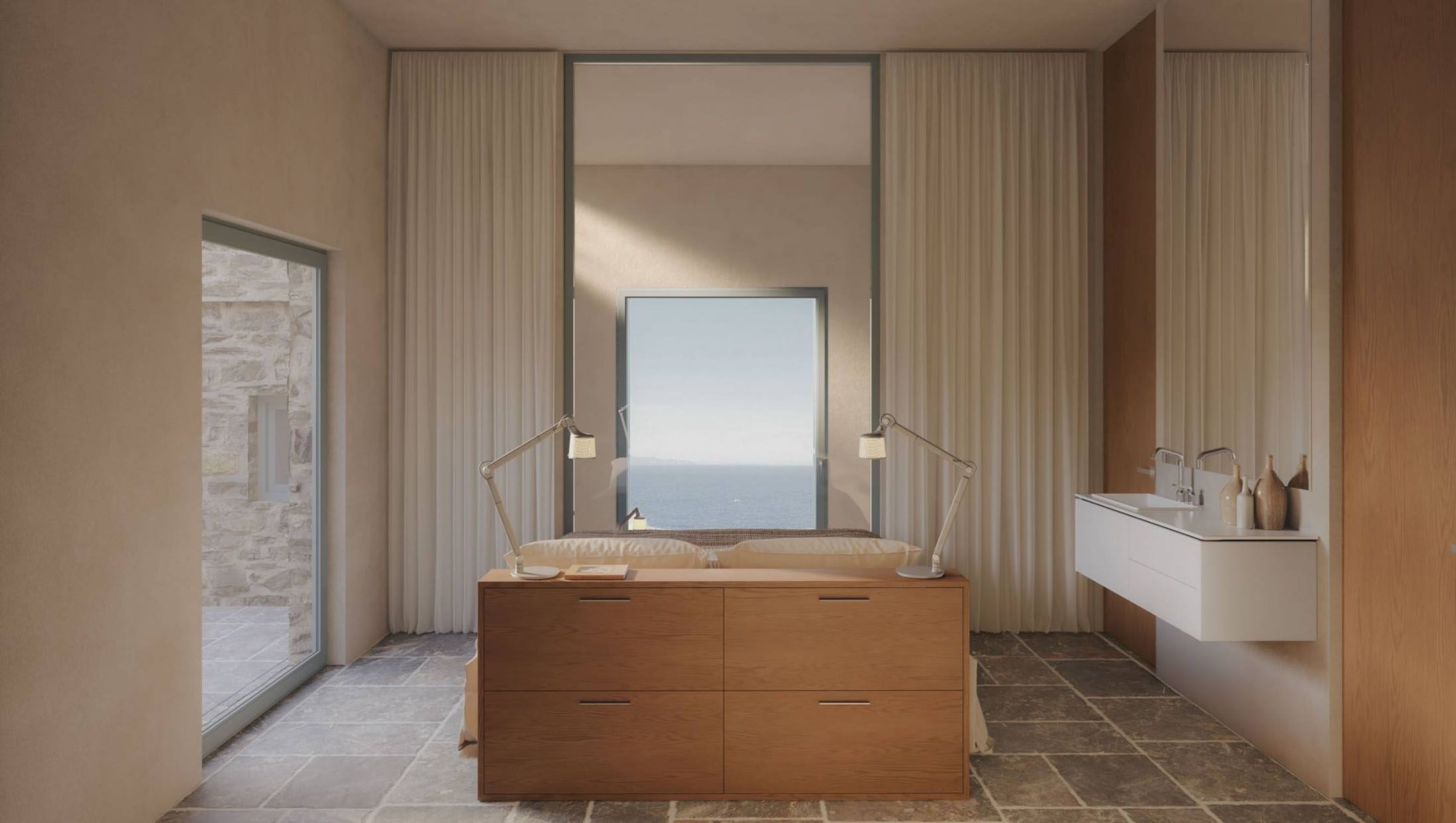
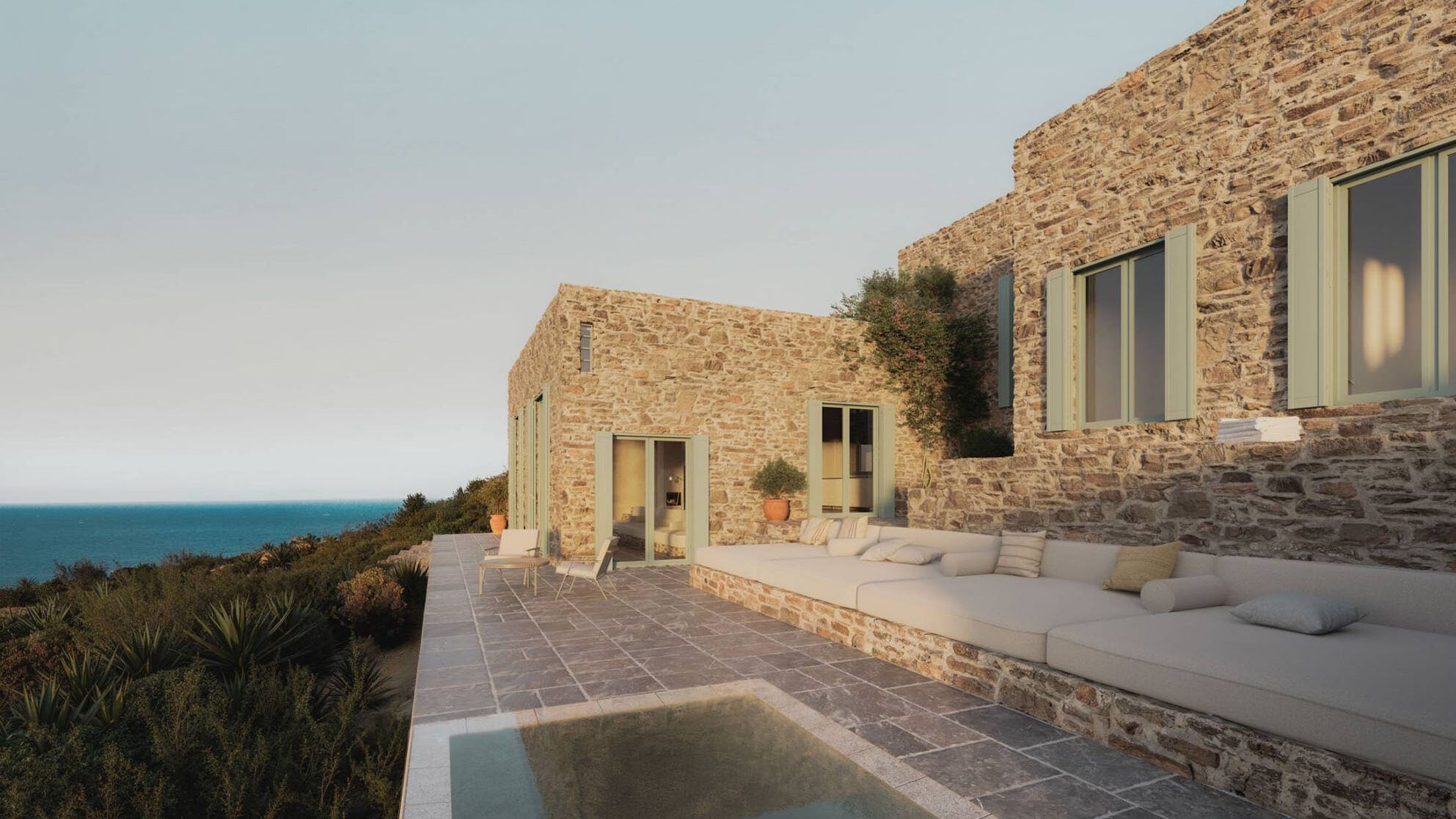
So, you’ll be able to start building soon?
VIPP actually began construction a year ago – the skeleton is already in place, meaning the entire concrete structure. Completion is scheduled for May 2027.
Is the co-ownership model likely to be continued elsewhere?
Yes, absolutely. Given how positive the response has been, VIPP will certainly want to continue this model. There’s even the idea of converting my own holiday house on the island and incorporating it into the new model. That would make sense for me as well, since I’m rarely able to spend more than a month a year there myself. What is not an option for me, however, is not having a house on Kythnos at all (smiles) – I just love being there.
How did you end up in Greece – and on this particular island?
It was a slightly crazy idea, because I had only been to Greece once before, during my studies – so I had no particular connection to this country. A few years ago, when we started looking for a plot for our own holiday house, we were initially interested in Brandenburg. That’s the case for many Berliners. But within our budget, we would only have been able to realise something very modest there. At some point, we started thinking about a sea view and Greece. So, on my second visit, I was already viewing plots. In order to be able to travel easily even in winter, I drew a radius around Athens and started searching there. An island isn’t the most practical in terms of journey, but our longing for the sea and open horizons was strong. And I was born on an island myself. I know – and love – that particular feeling.
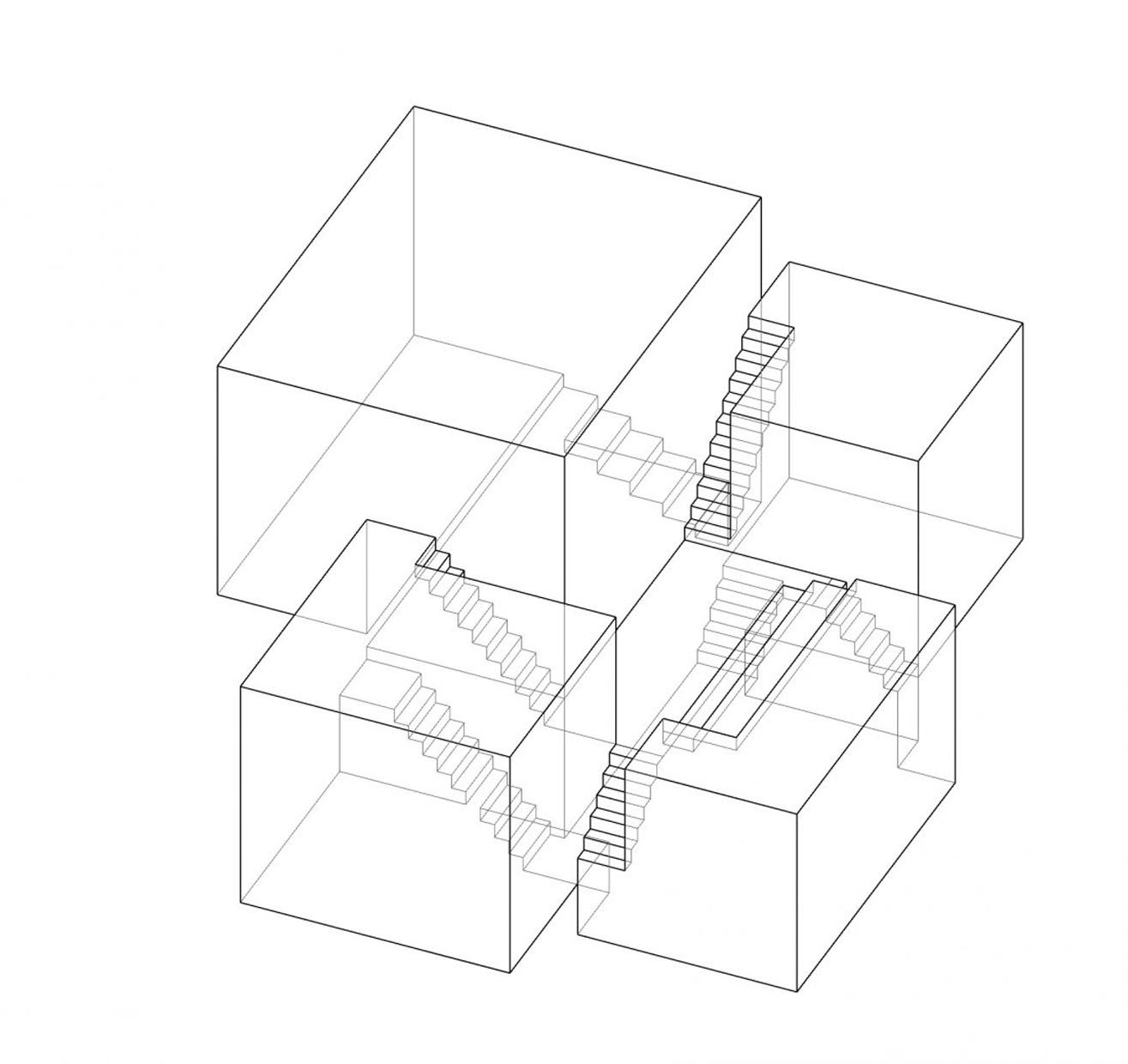
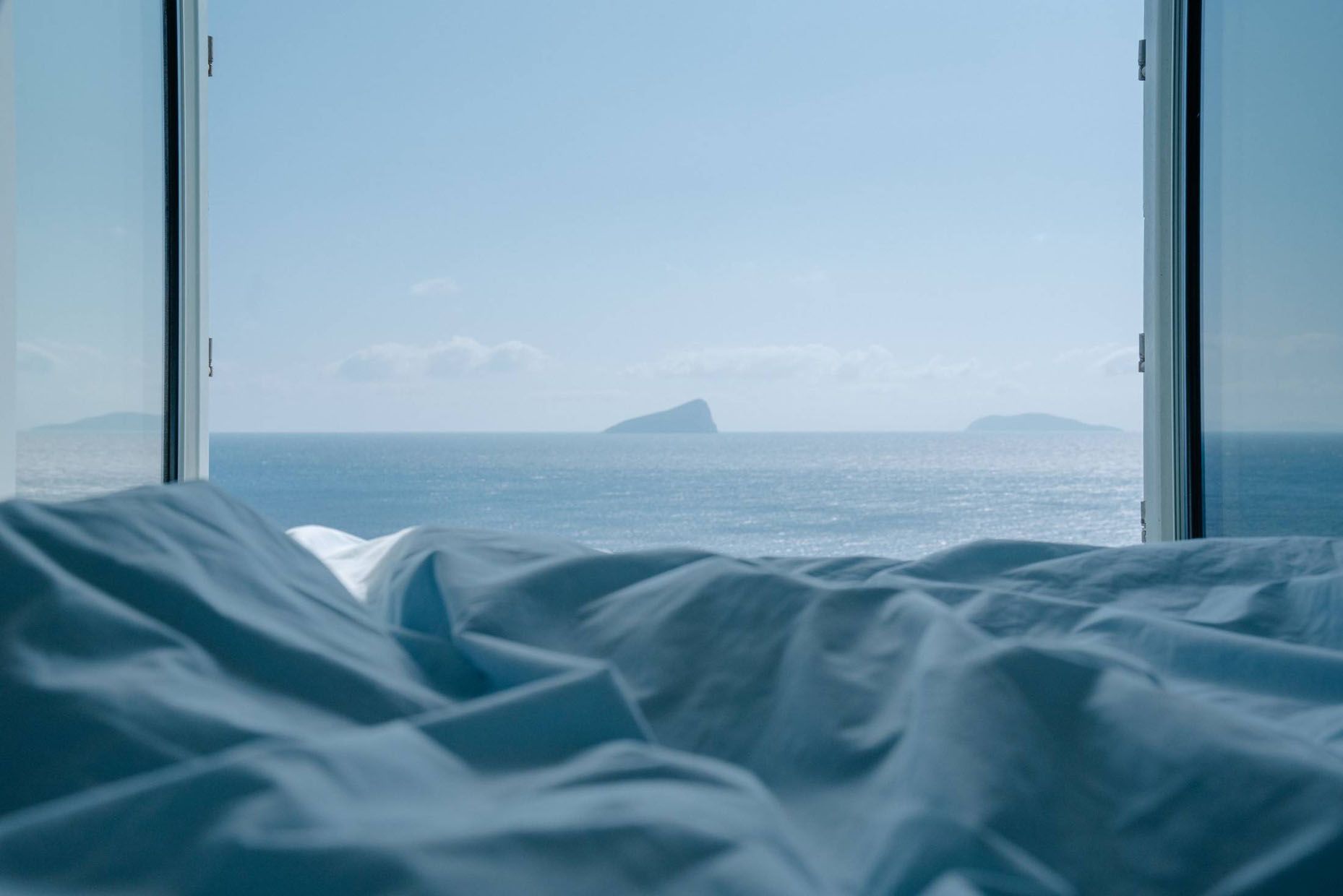
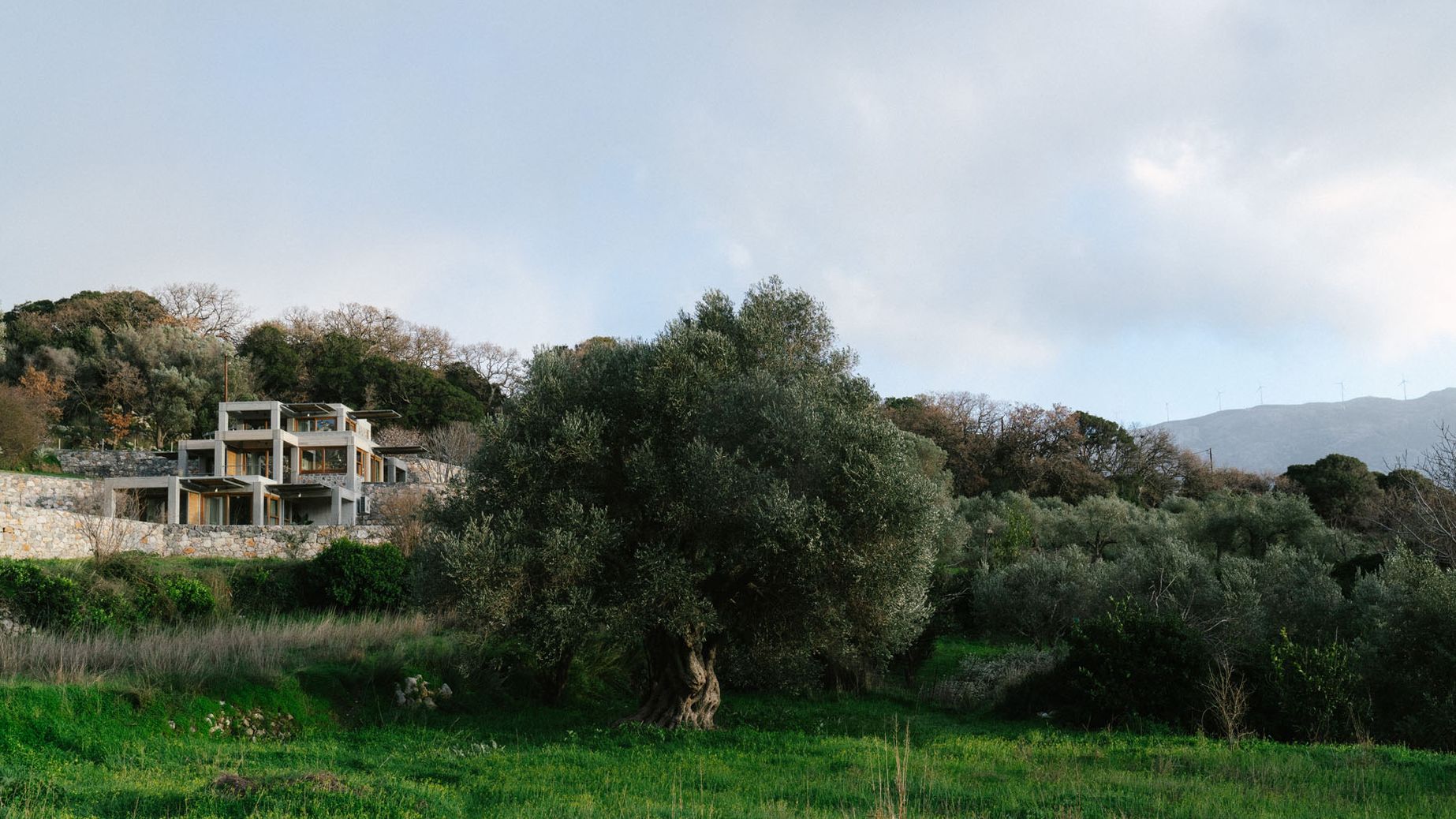
We chose Kythnos because the plot was simply exceptional. Not in a prime location, but set in the middle of a small peninsula with unobstructed views in three directions. Perfect for a house with a guesthouse – at Piperi House you can reorient yourself from waking up to the sundowner, and it never becomes boring.
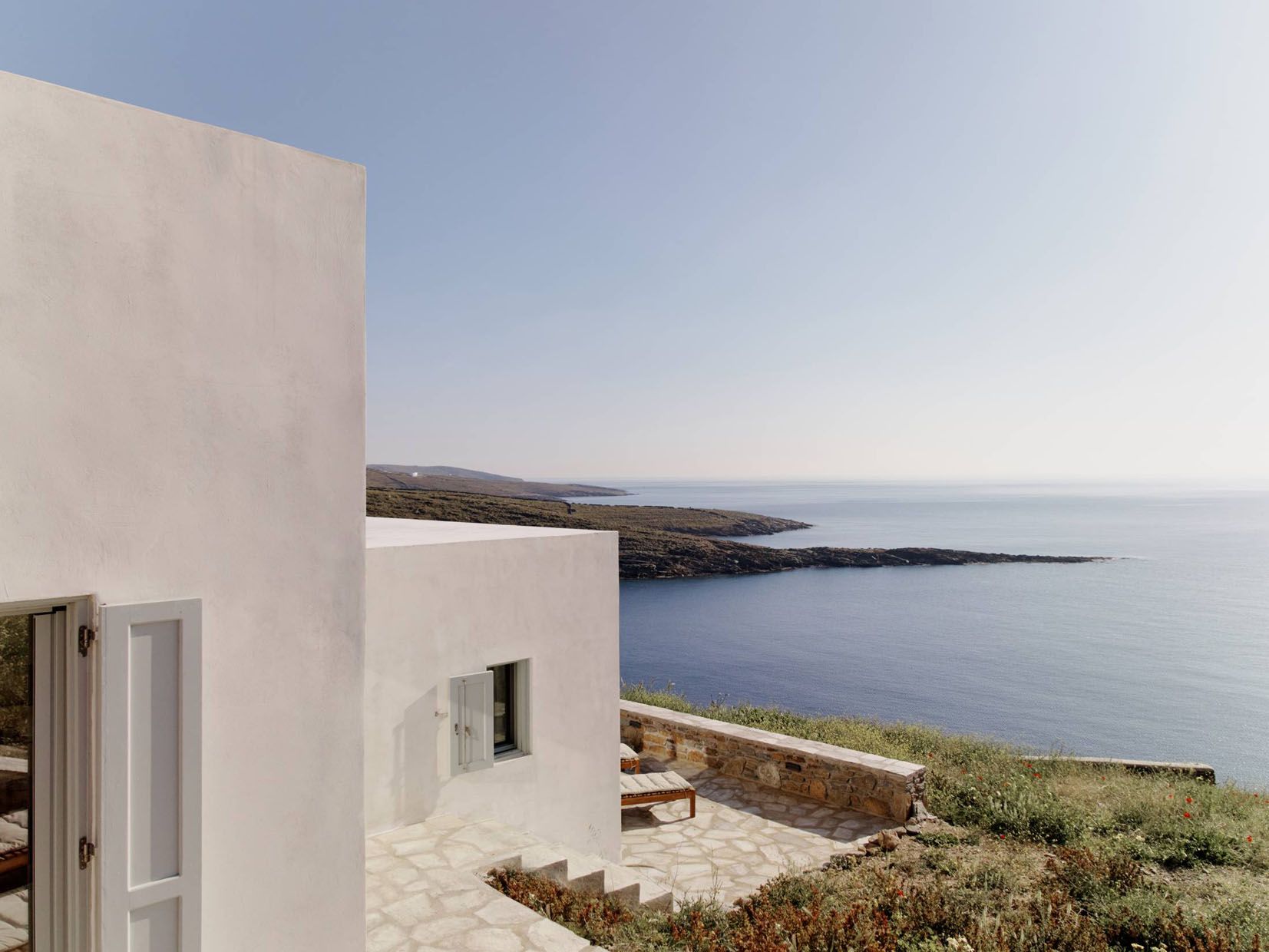
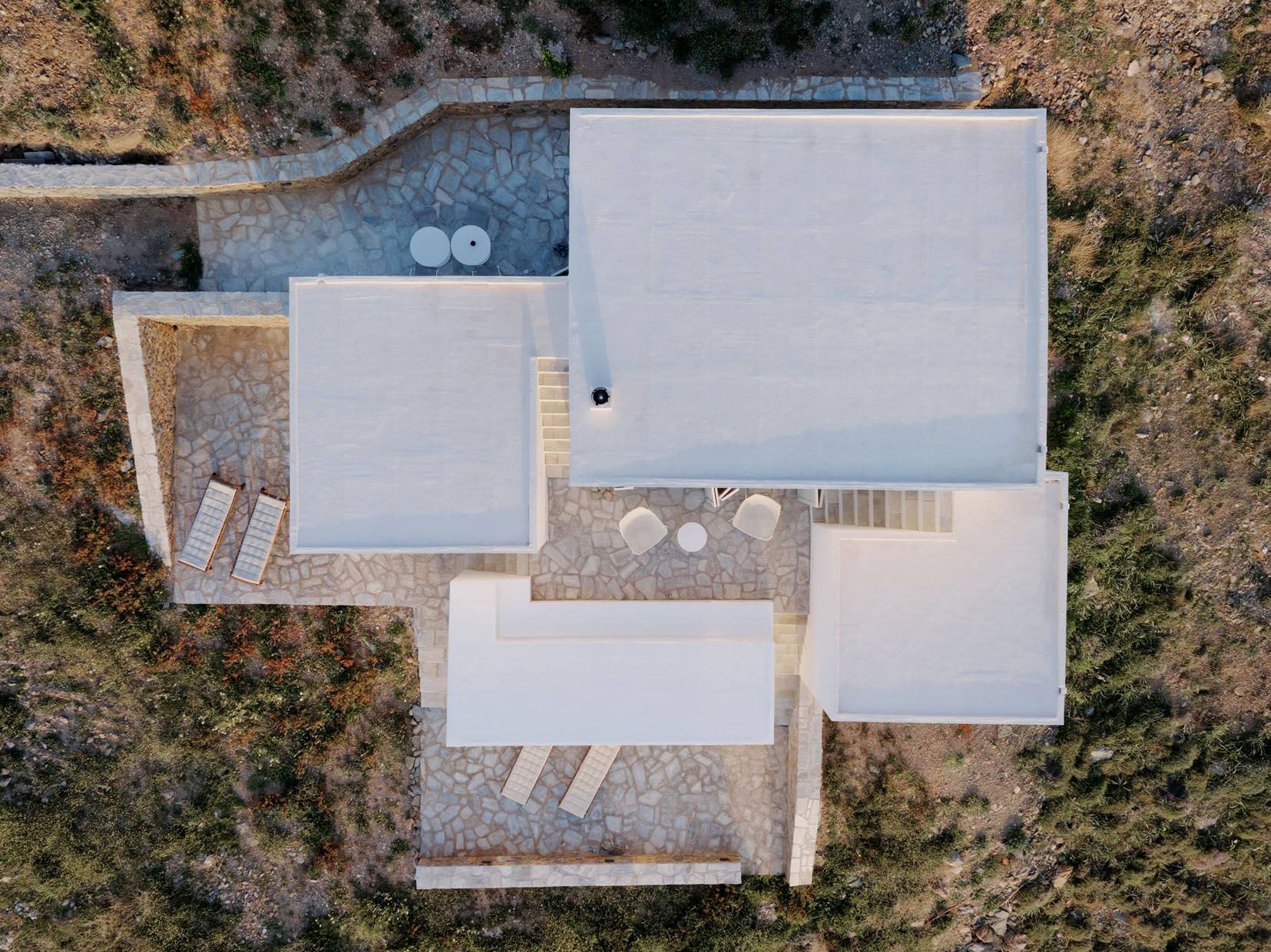
A very beautiful house, we think. How far is it from the Cliff House?
Just up over the hill and down the other side – you can reach it in ten minutes.
What makes Kythnos special to you?
The island is kind of cool because there’s an everyday atmosphere to it. Many locals live there; there’s a sense of normality, and it isn’t overly developed for tourism. But don’t worry – especially in summer, there are plenty of restaurants.
How did the connection with Kaspar Egelund of VIPP come about – did you know each other before the project?
No, we didn’t. But he became aware that I had already built on the island. And of course, we’re both Danish – so we quickly got talking and got on well. Kaspar is a very dynamic person, and I’m not someone who enjoys endlessly discussing contingencies and worst-case scenarios either; I prefer to look for possibilities. In that respect, too, we understand each other very well.
Was your holiday house the first project in which you also acted as your own client, or had you built something for yourself before?
I’d only renovated our flat here in Kreuzberg – that’s it. Starting from scratch as we did with the holiday house, including furnishing the entire house, is something else entirely.
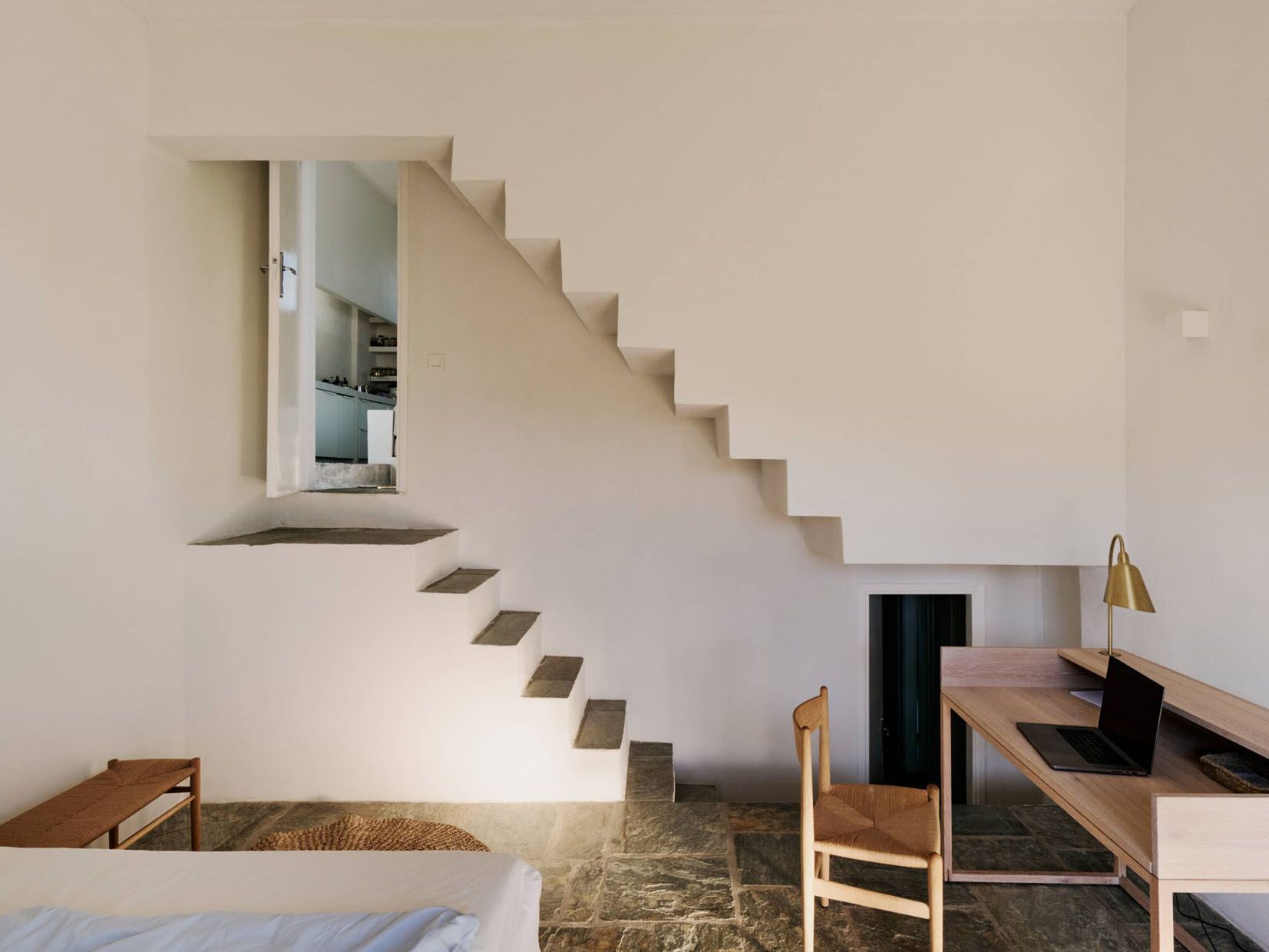
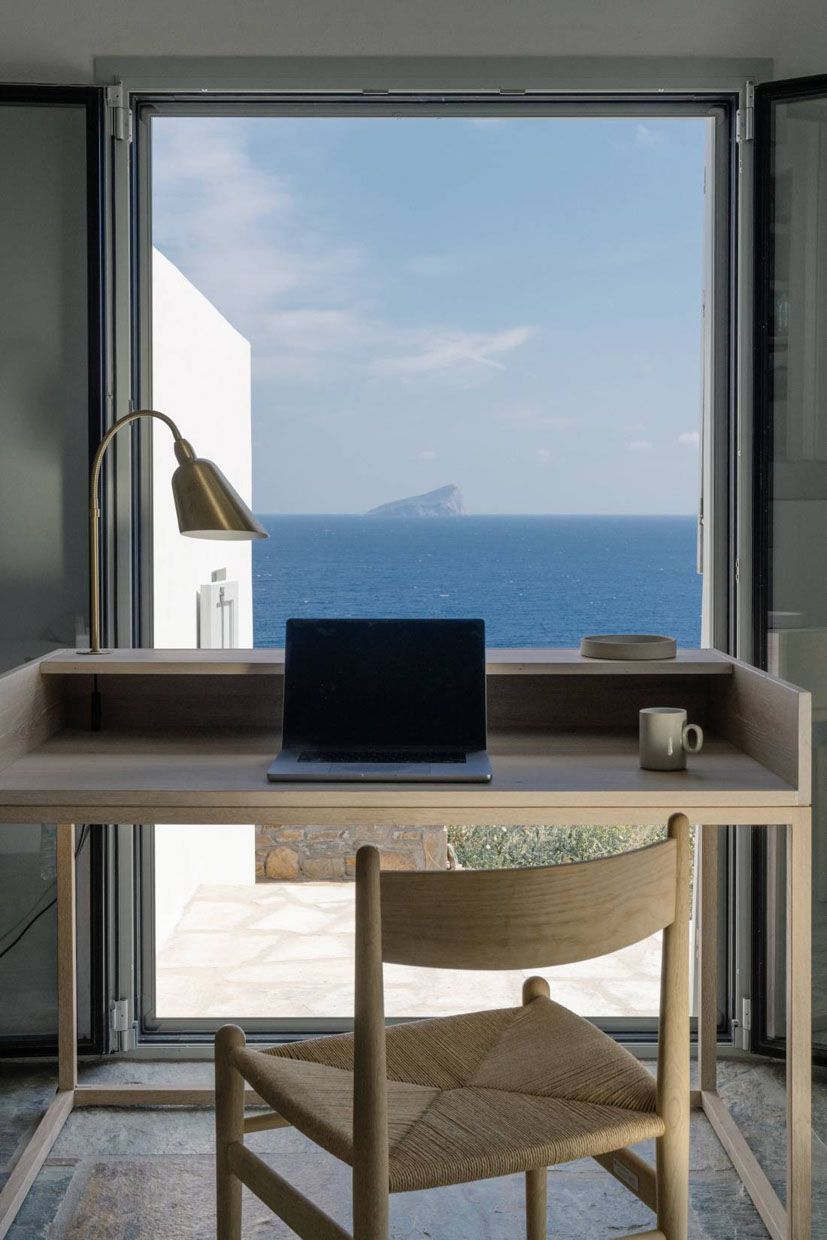
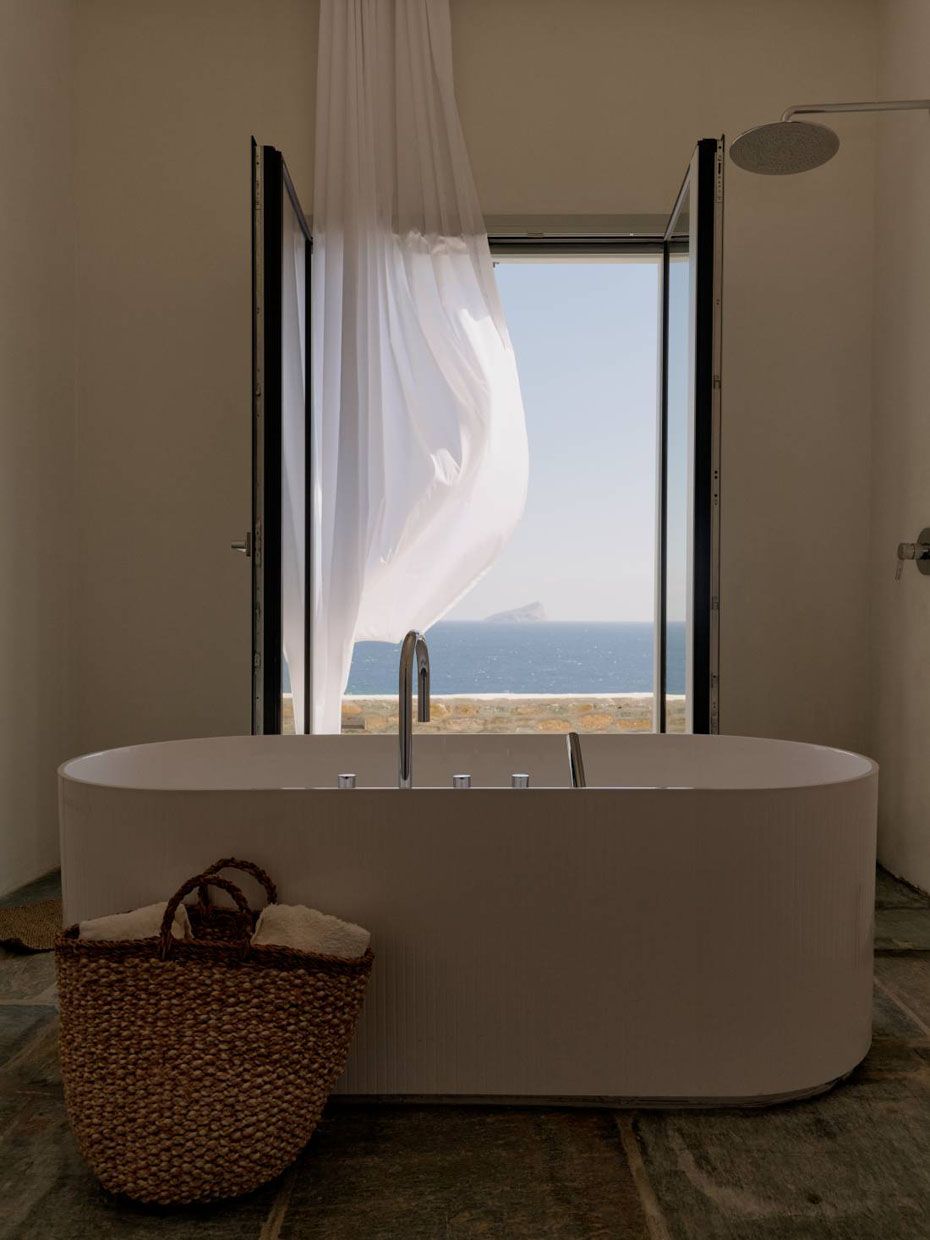
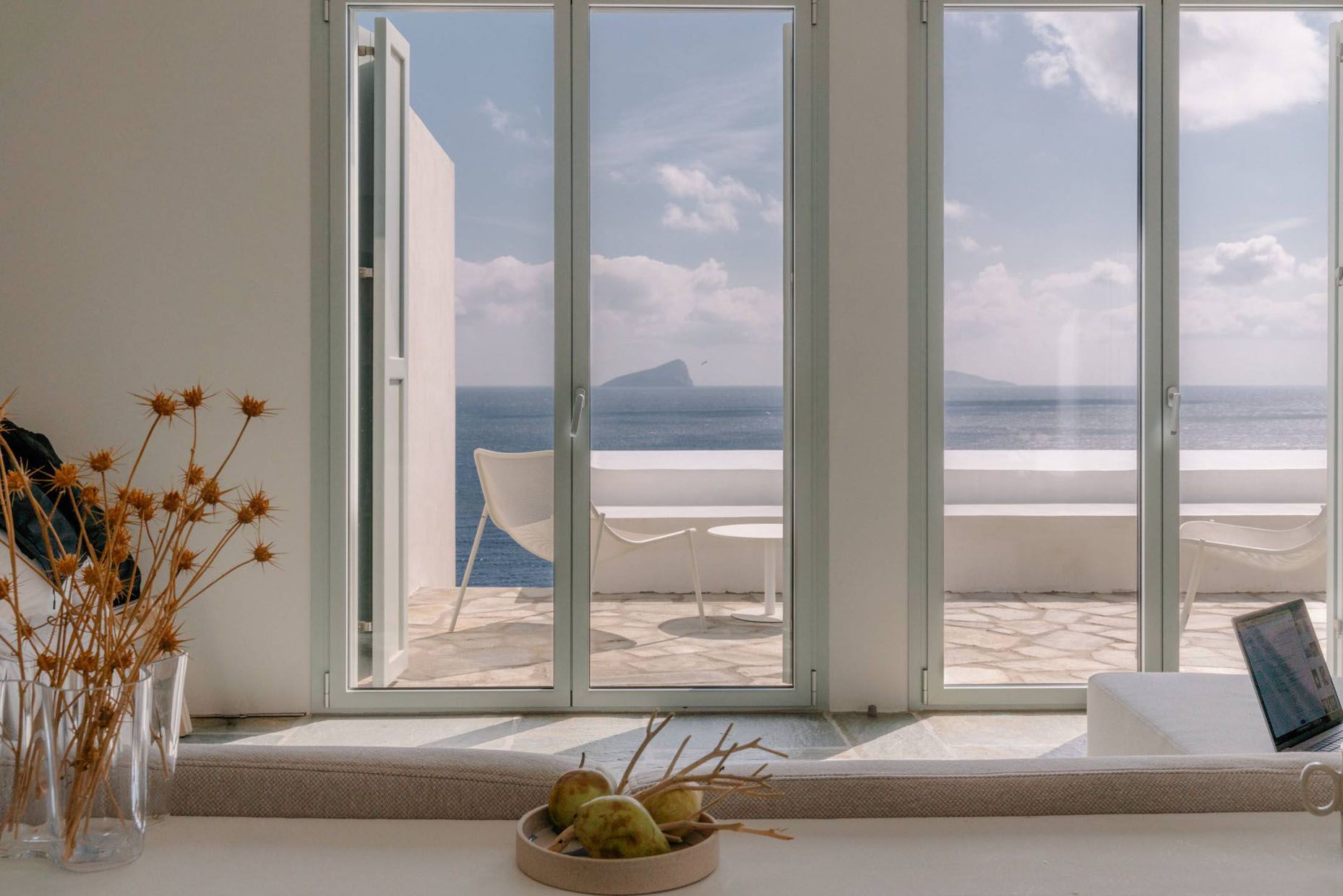
Our home has evolved gradually since childhood – with things we’ve brought back from Denmark, Austria and elsewhere and integrated over time. There are also many of my own furniture designs, including prototypes. In short, there’s no overarching concept behind it; it has simply developed over the decades.
So it’s quite exciting to plan and furnish a holiday house from scratch. The interior follows a coherent concept, which probably makes it more aesthetically consistent. You consider more carefully what is really important and what you actually need. Of course, you bring in your own taste and style – but in a different way than at home.
Yes, that’s a classic challenge for many hosts: furnishing a house so that it’s “finished” and doesn’t grow organically over time.
In my view, the trick is not to see it as finished. You establish a basis that allows you to sleep, cook, host guests and so on.
I see this, for example, with the library in the holiday house, which continues to grow and now requires more space than we originally planned. The same applies to artworks. And this is certainly also true for the outdoor areas. This entire winter we extended the pergola and built new stone benches because we realised that at certain times of day you want to sit in particular spots. Since the plot is very large, we’ll probably never be finished – and that’s a good thing.
How are you getting on with local craftspeople and the construction process? What has been your experience of building in Greece, on a small island?
It’s different, of course – if only because I arrived there as an outsider with a different cultural and linguistic background. You have to become a bit streetwise. Sometimes I simply step back and let our local engineer take the lead; I’ve been working with him since 2018. He helped me with the building permit, manages the sites and knows how to motivate the craftspeople.
Finding him was, in a way, a coincidence. When I bought the plot for my holiday house, I was spending quite some time in Athens. At a friend’s party I met someone who knew him and mentioned that he was from the island and occasionally had construction projects there. My experience is that sometimes you just have to show up somewhere, tell everyone what you’re looking for – and things tend to fall into place quite quickly.
We’re curious to see how things continue in Greece! How do you view the issue of bureaucracy in building regulations in Germany?
There have been plenty of interviews recently with architects complaining about German legislation. This is because, over the past 170 years, a few paragraphs have been added after every “accident”. What nobody has done is tidy it up. My hope is that AI might one day create an overview that no human can accomplish anymore. Then perhaps we’ll have building regulations that comprise 80 pages instead of 1,600. That would be fantastic.
We’re somewhat sceptical, though we would certainly welcome it. Another topic: you’re both an architect and a designer – do those roles carry equal weight for you?
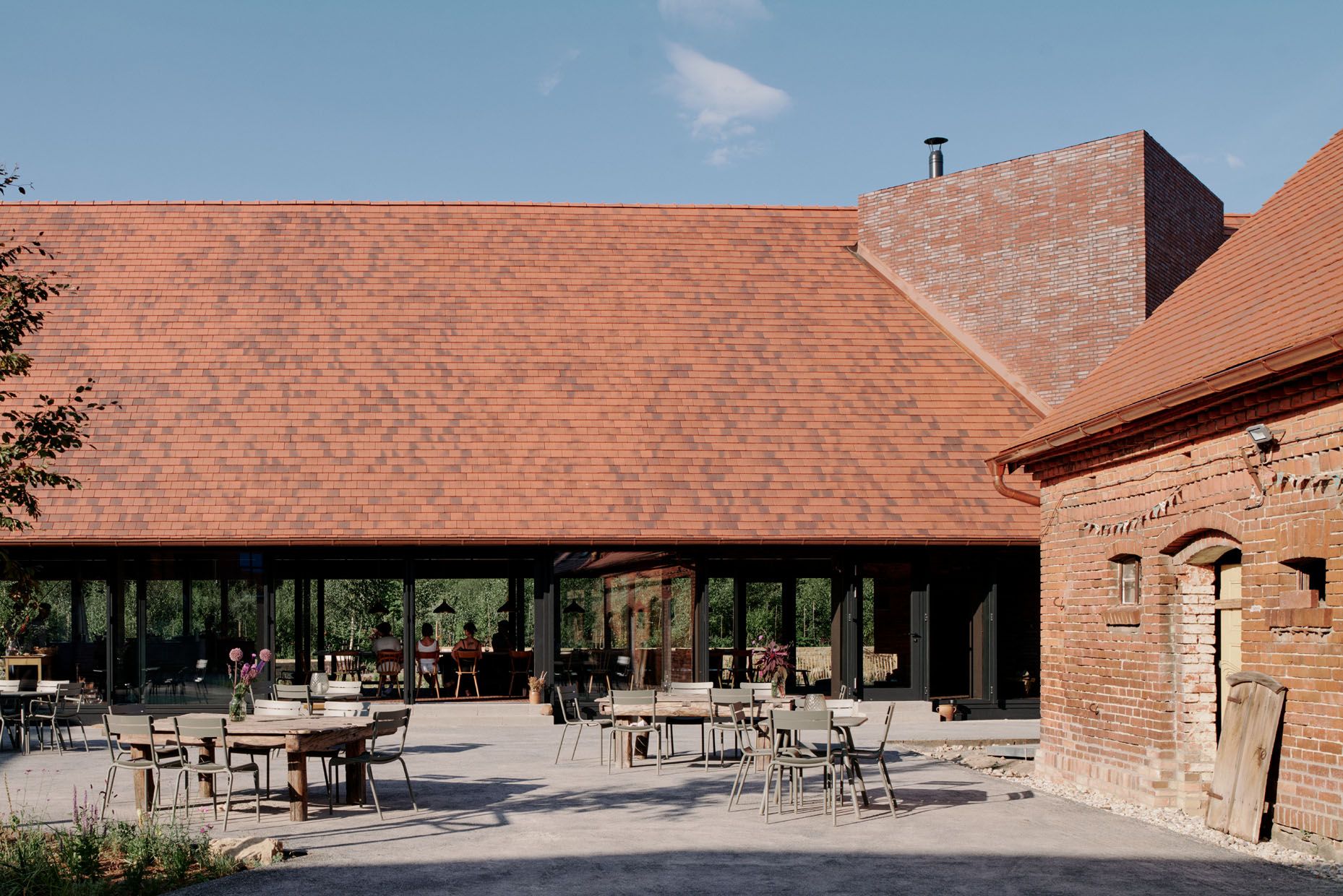
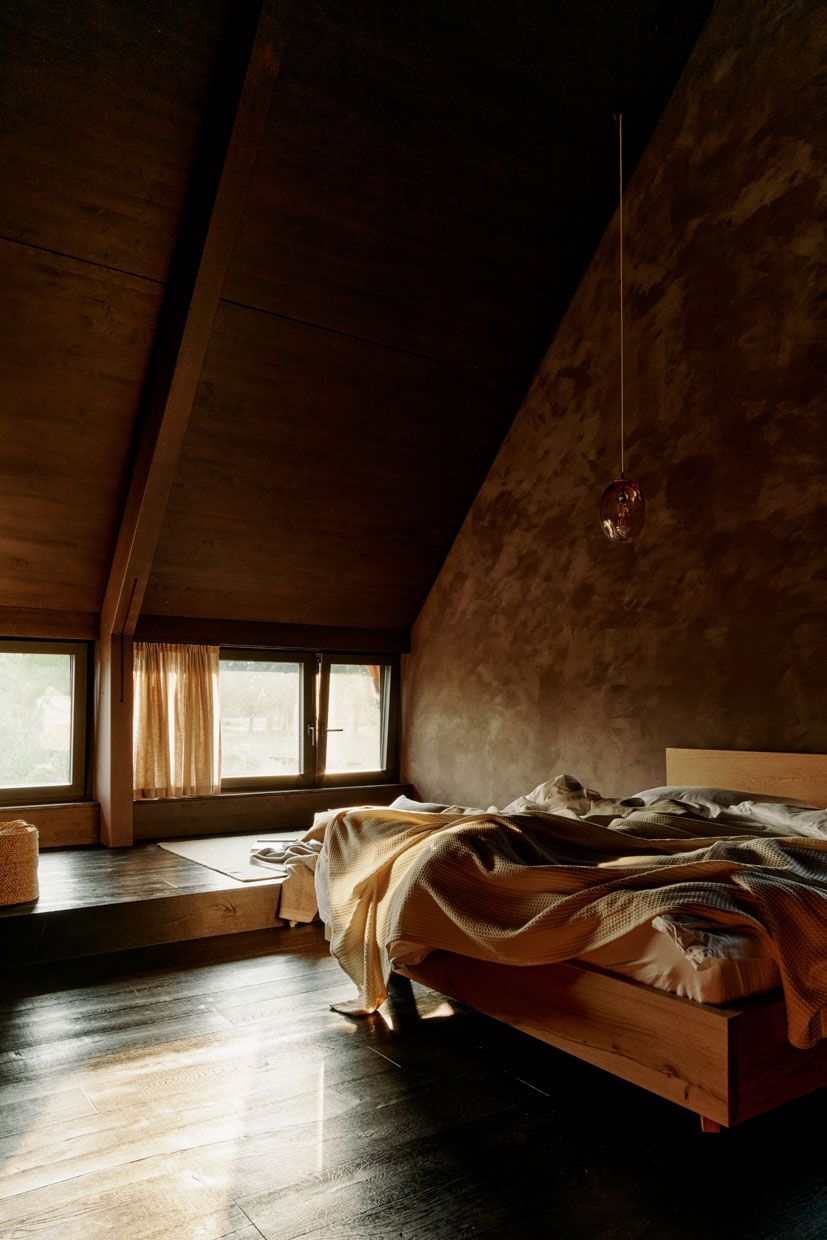
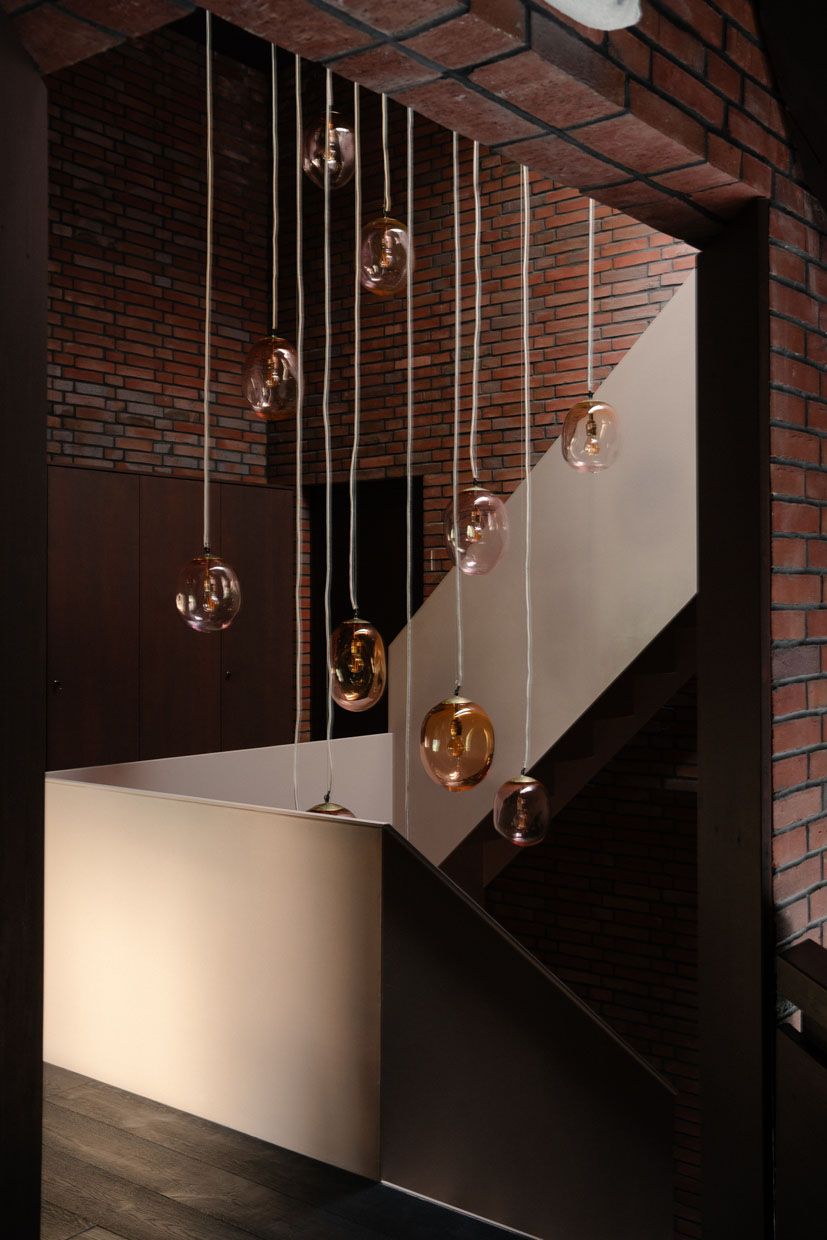
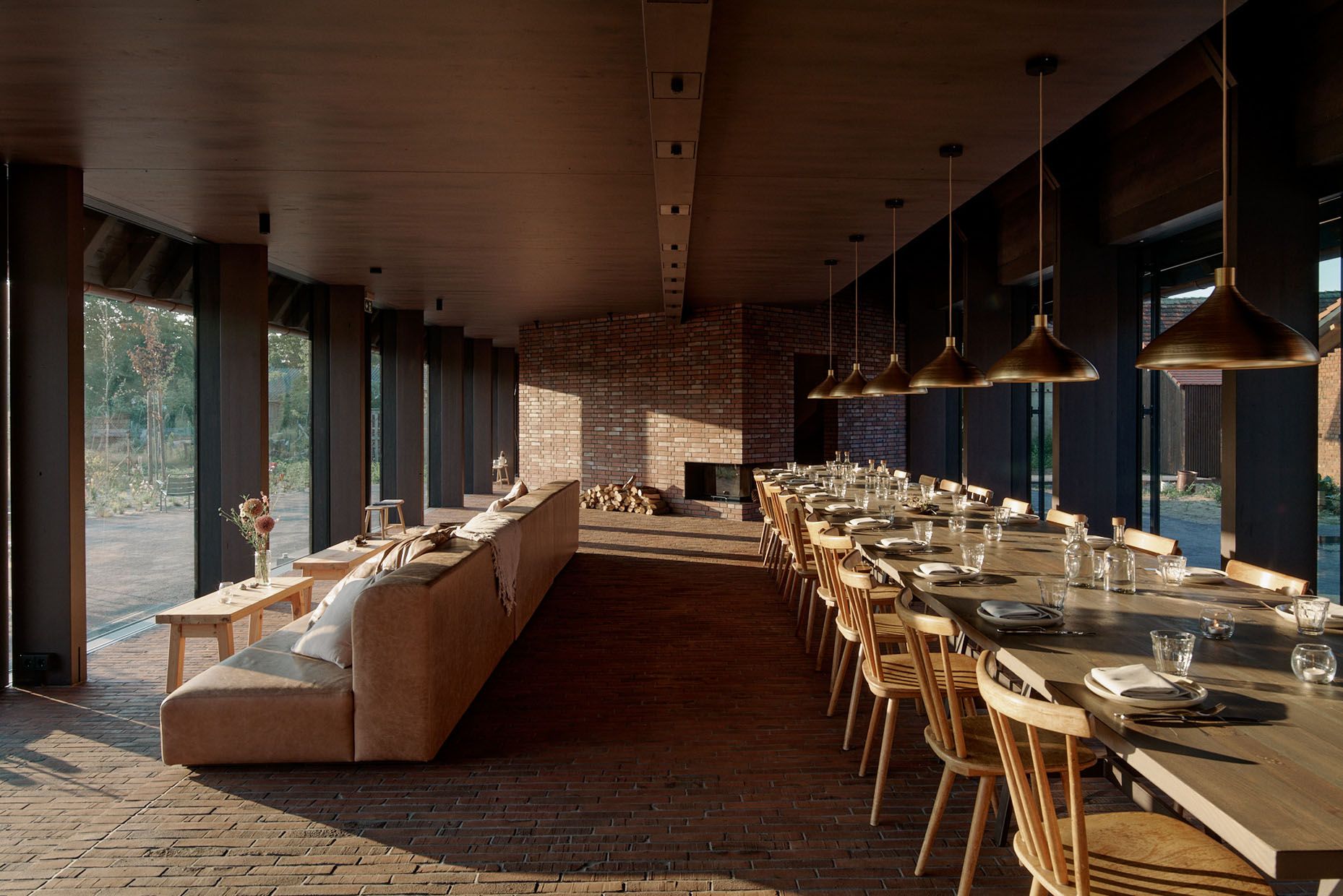
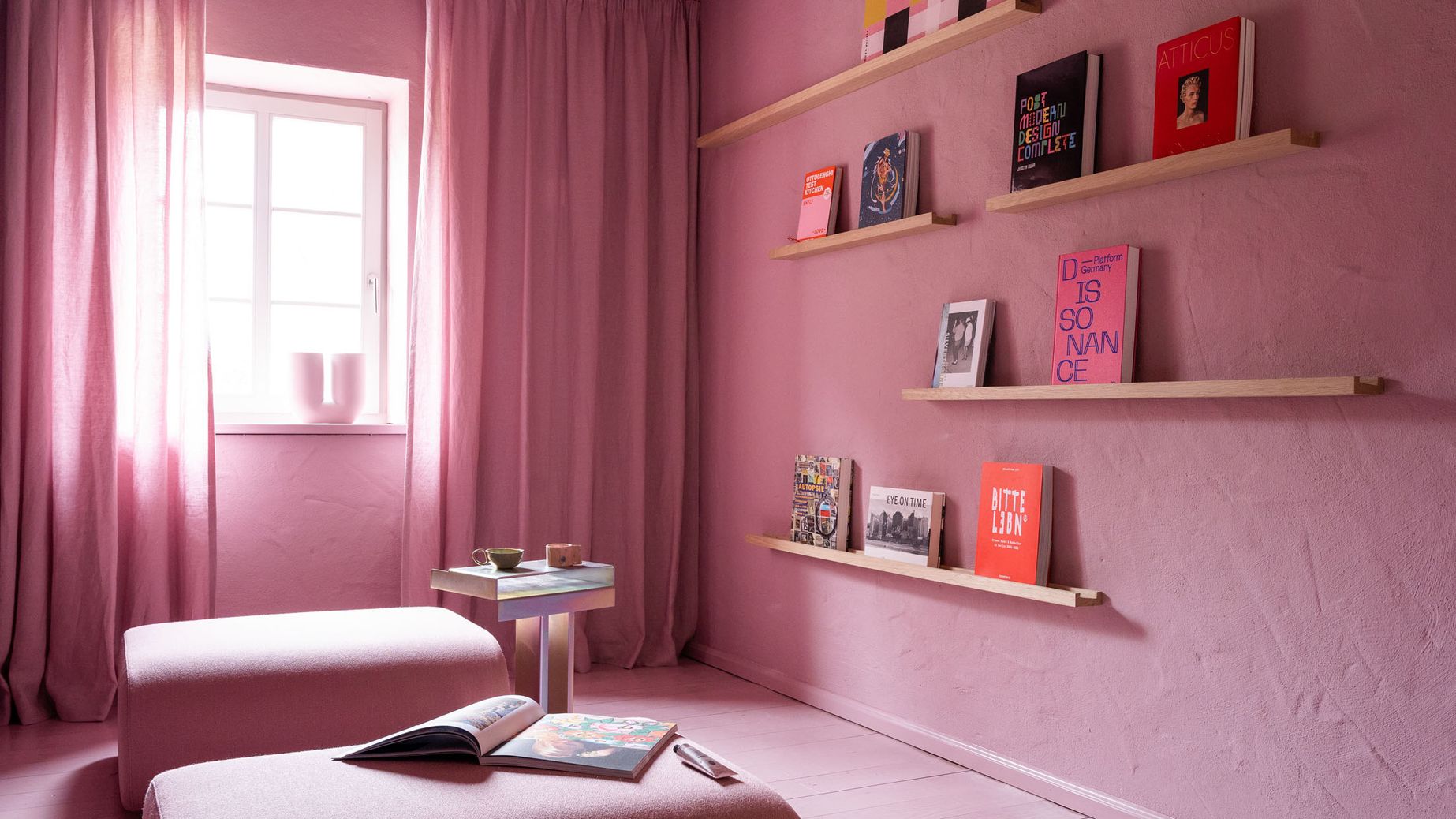
In that respect, I’m a typically Danish architect. For generations, we’ve seen ourselves as designers of form for everything. It feels entirely natural to me that an architect designs everything – from curtain rails and door handles to buildings, urban planning and garden design. Conversely, it would feel unnatural to stop and say: now all I do is the shell and the interior designer can take care of the rest. Accordingly, we executed projects such as the Michelberger Farm or The Lake House as Gesamtkunstwerke – complete works of art.
Are you also commissioned directly as a designer?
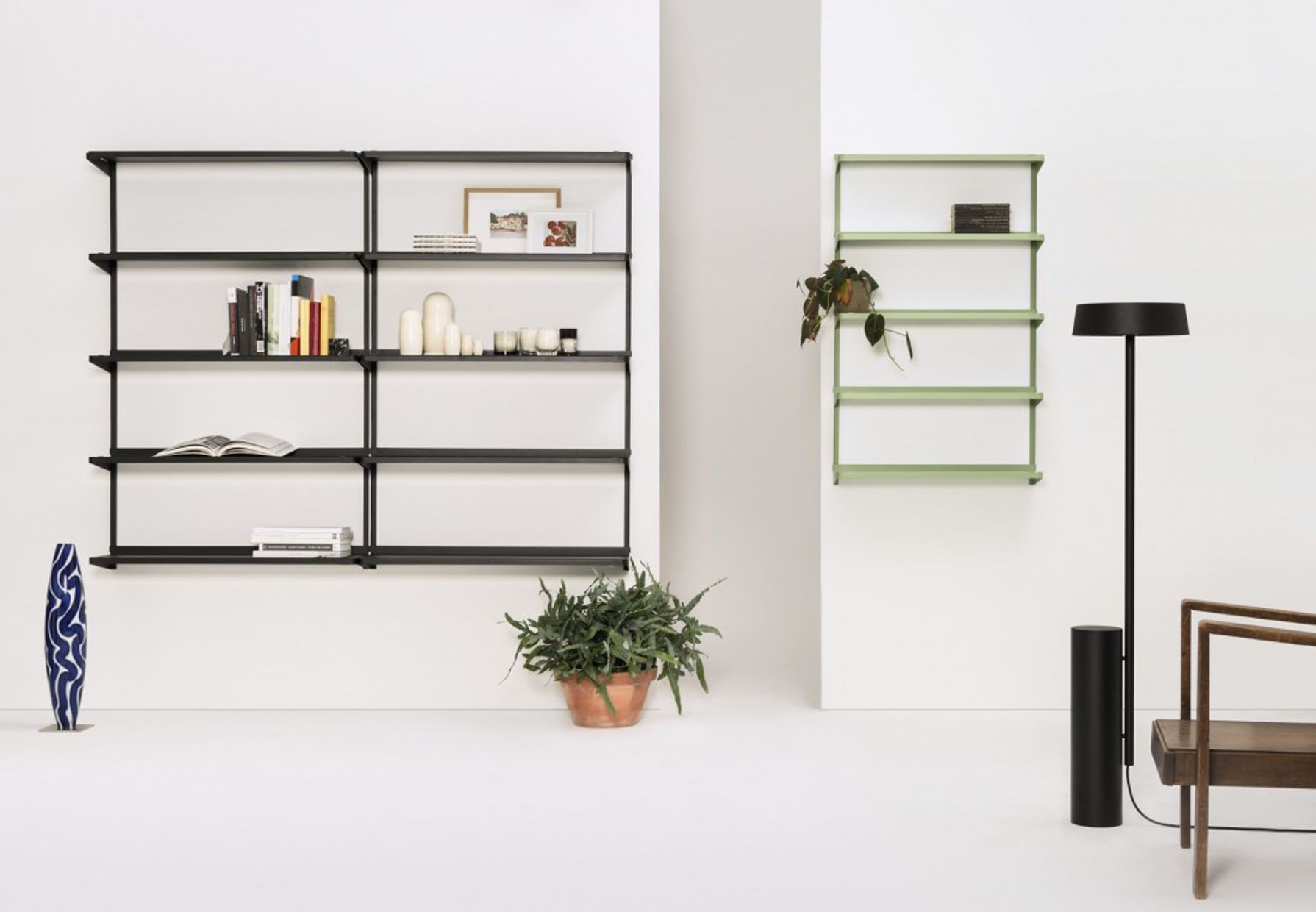
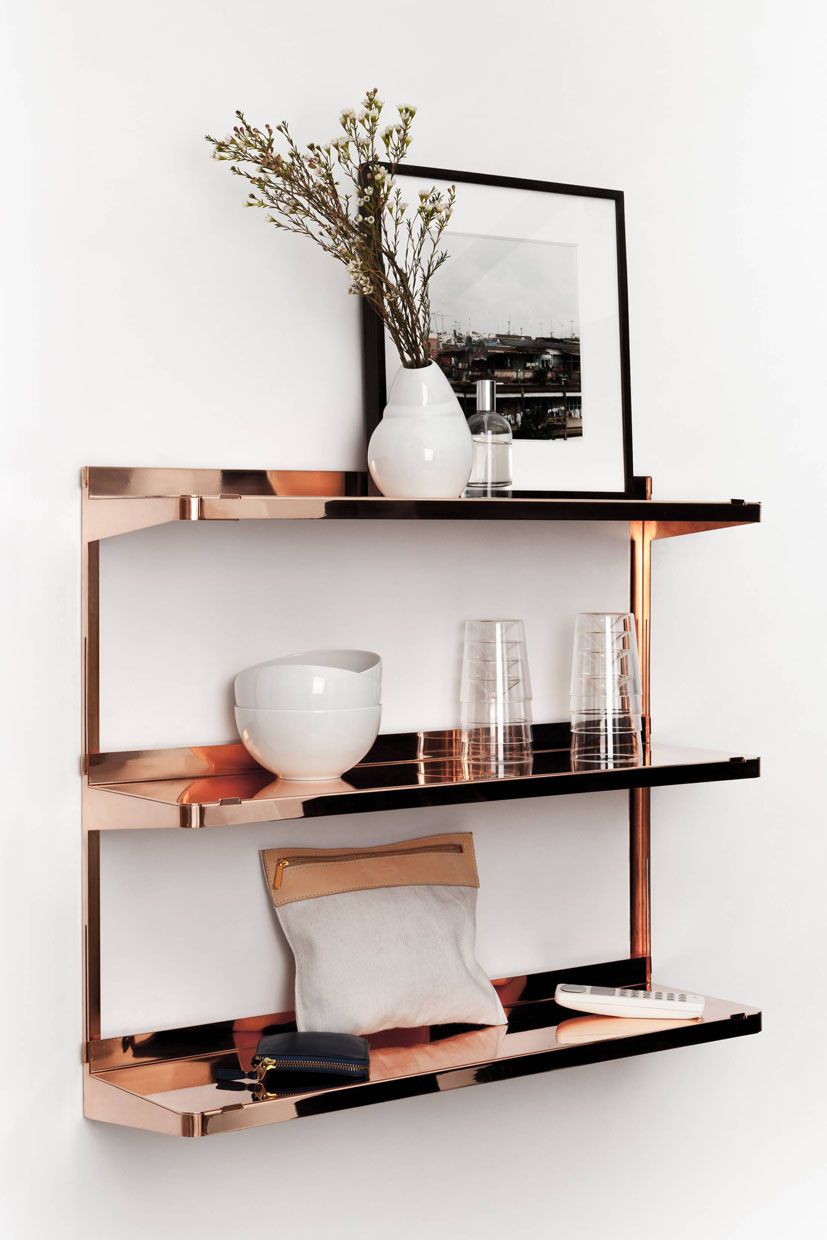
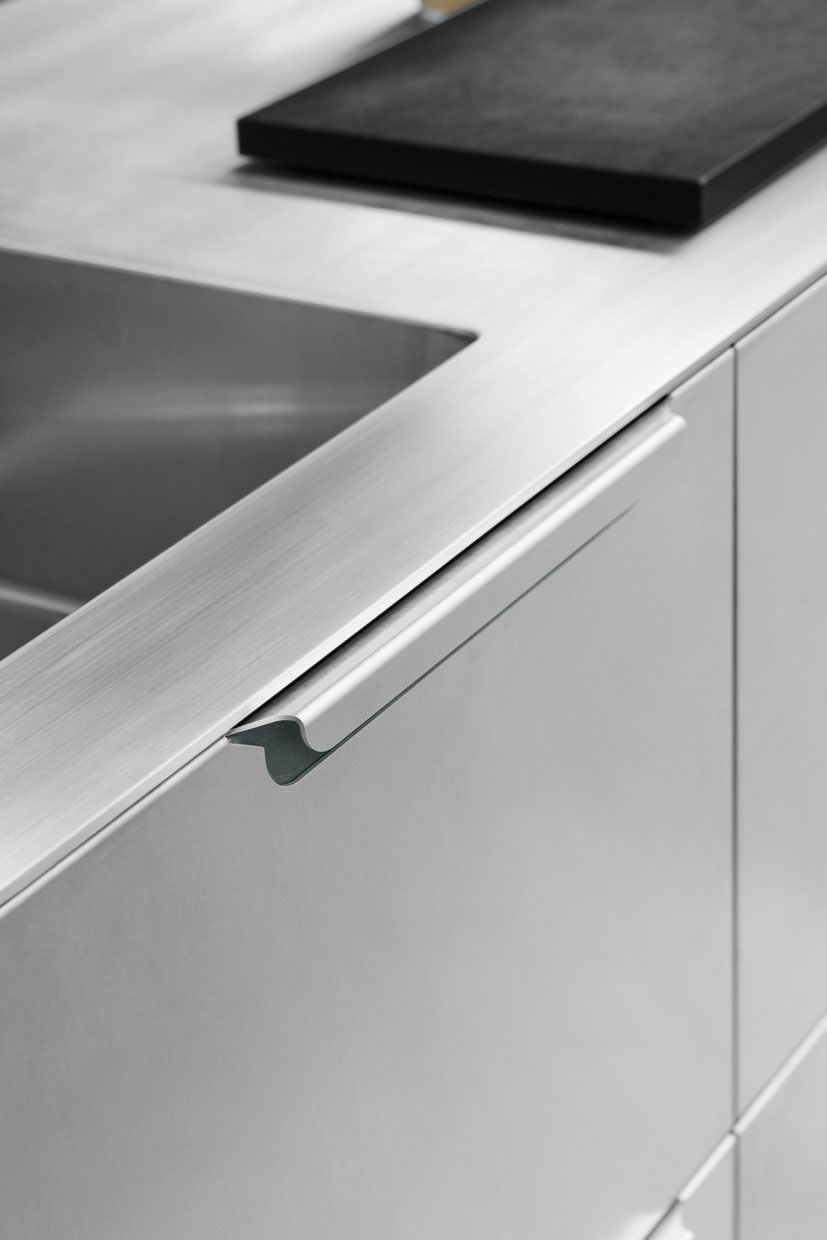
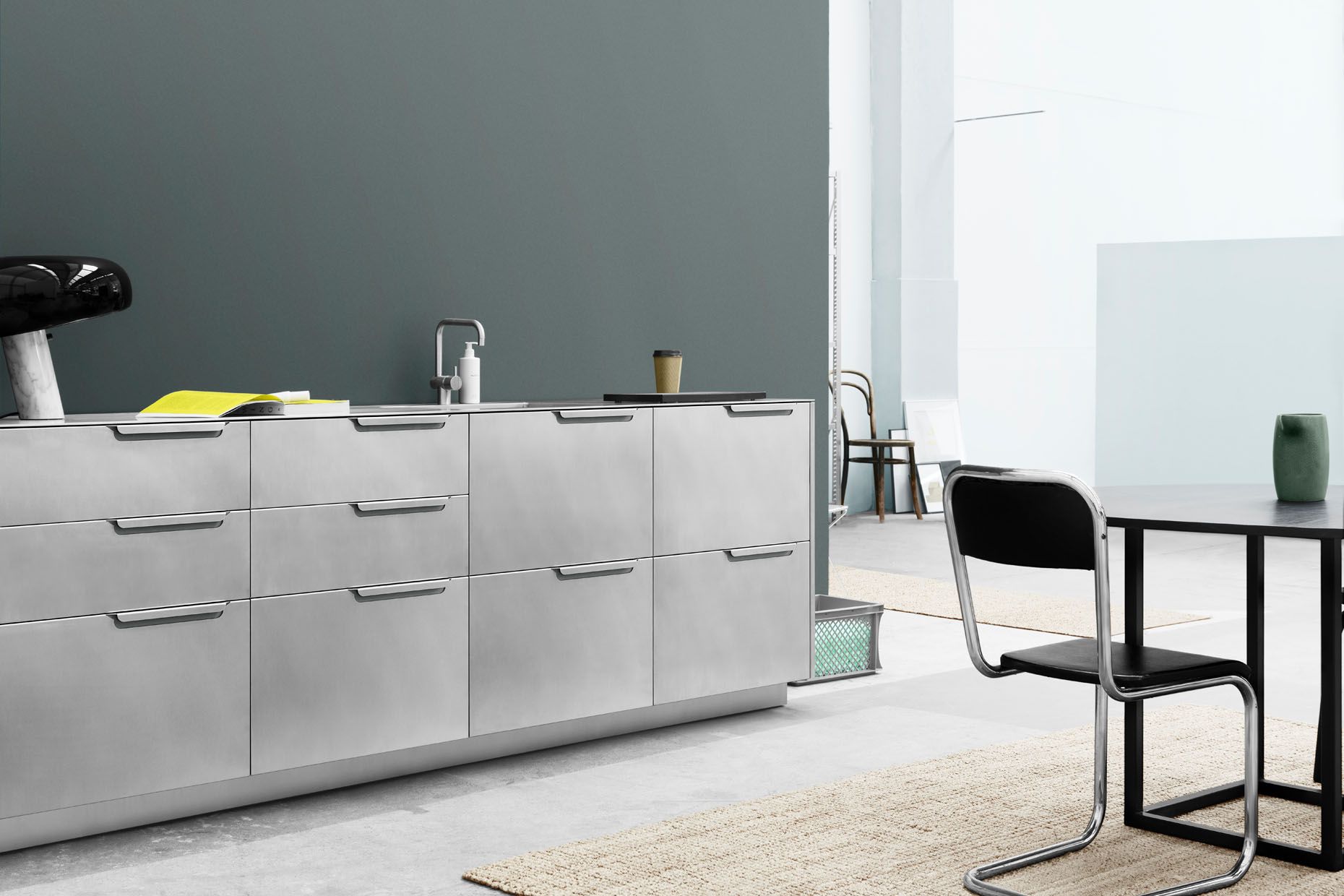
That does happen, of course. For example, we designed shelving systems für New Tendency here in Berlin, or a kitchen for Reform.
In principle, I do that parallel to the architectural work. Since a building project takes up far more time, in reality I may only spend around five per cent of my time on design topics – but I enjoy it enormously. And naturally, you see results much more quickly. It’s also amusing how often you meet people who own one of those pieces – how a design object multiplies itself thousands of times. I also very much enjoy working in much greater detail during the design process than is usually the case in architecture. I find this obsession with details fascinating.
Is there something you would particularly like to design or plan that no one has yet approached you about?
I actually dream of planning multi-family housing on a larger scale. It would be exciting, for instance, to realise 50 apartments at once, because then it’s not just the individual flat that is interesting, but also the relationships between the units, the outdoor and communal spaces, and the circulation areas. Since I have already planned quite a number of hotel and hospitality projects, enquiries tend to come from that field.
Like Volker Staab, who often says in his lectures that people apparently only trust him to design museums and laboratories …
Yeah, sort of. Although I would be very happy to design a museum. But for that, I would probably have to enter architectural competitions.
So you mainly work through direct commissions and do not participate in public tenders?
In my earlier positions at Topotek 1, OMA, MVRDV and also at COBE, I was very frequently involved in competitions. Perhaps I became somewhat disillusioned by this experience. When I founded my own practice, I initially preferred to work on a smaller scale. The advantage is that the projects actually get built and that we remain involved right through to handover. I also find the direct exchange with clients at one table and the joint development of concepts motivating in terms of our creative freedom.
You have also been teaching as a professor at Berlin International University for years – how do you balance teaching and office work?
After 12 years of teaching, I have currently taken a three-year sabbatical from my professorship. During that time, my practice has grown steadily, especially recently – so not only has my role within the office changed, but my presence has become even more necessary in order to stay focused.
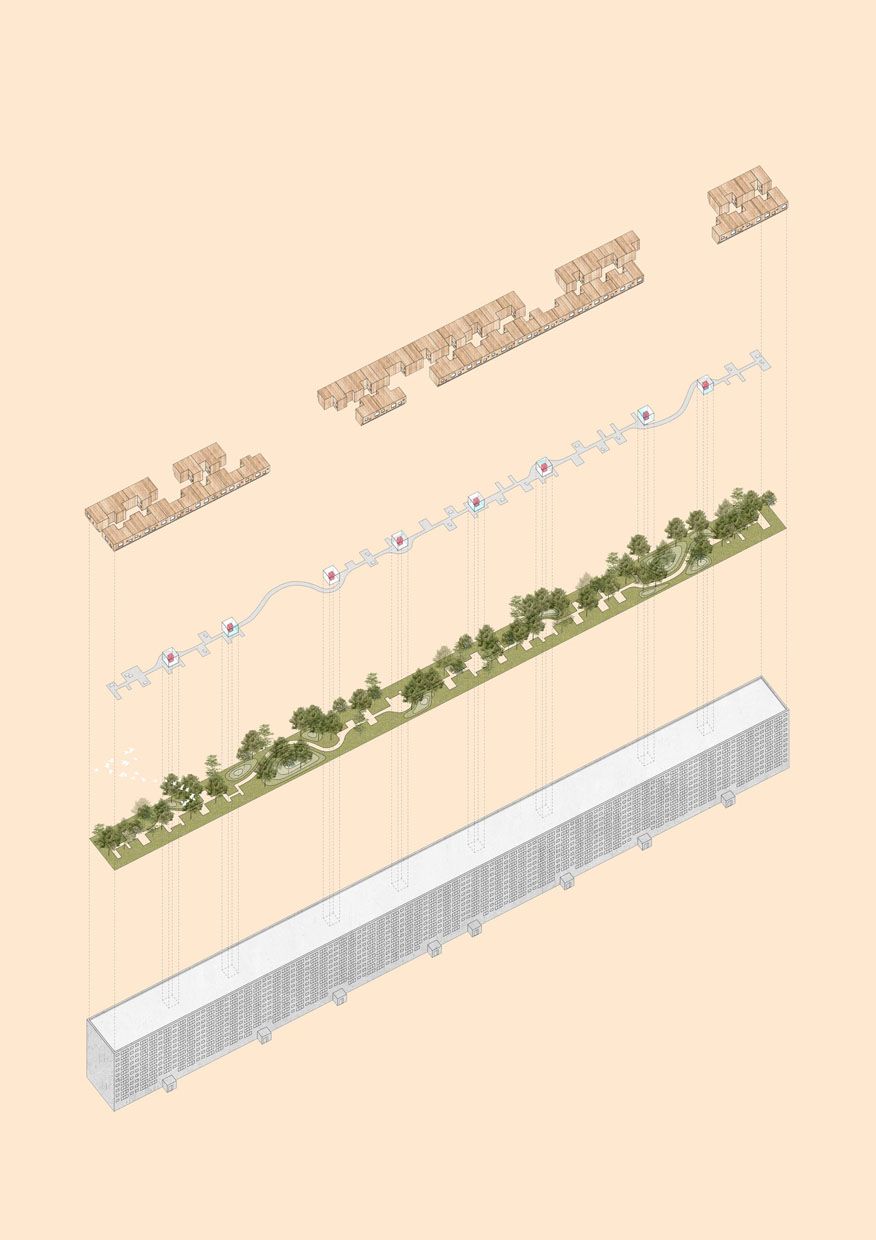
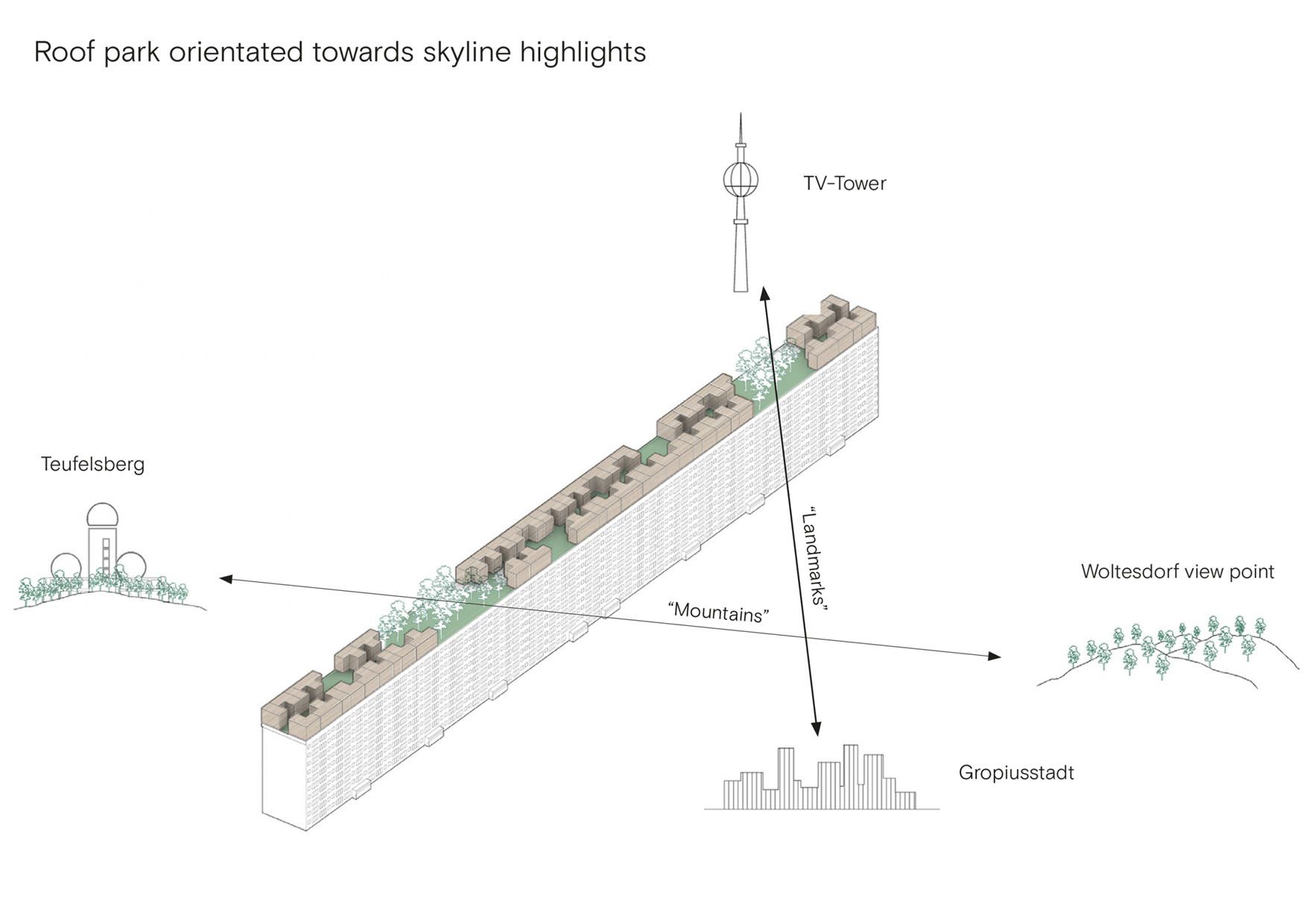
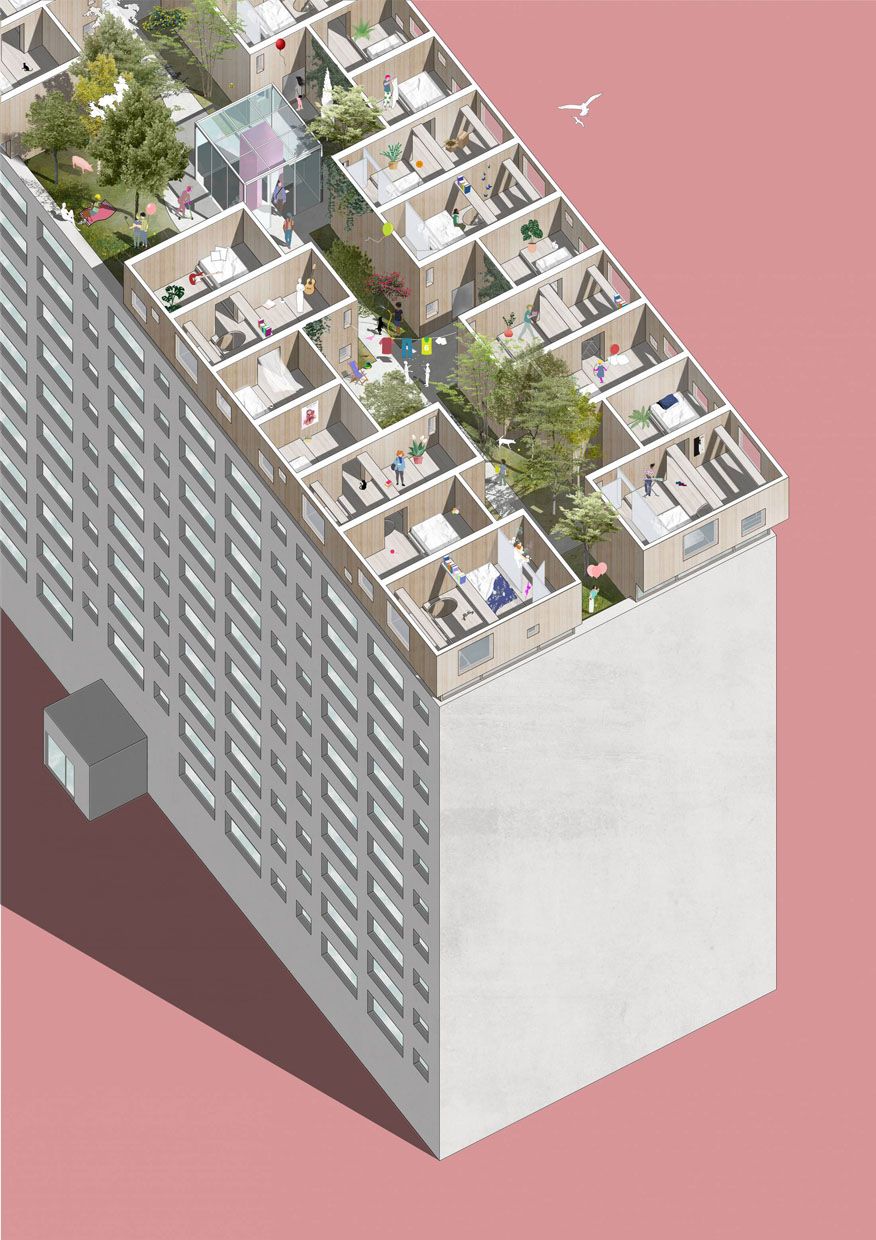
Final question: what became of the model project Dachkiez, with which you addressed the activation of flat roofs on prefabricated housing blocks in Berlin – has it been realised in the meantime?
We submitted the vision ten years ago for an ideas competition and won. It has not yet been built, but we presented it at the Venice Biennale, it continues to circulate steadily in the press, and it is currently being exhibited at the Dresden City Museum. So the idea – which is still looking for a client – lives on! If you know anyone, send them my way. I’m always happy to talk about the project.
We will. Thank you very much for the fascinating insights, Sigurd!
Sigurd Larsen is founder of Sigurd Larsen Design & Architecture, an award-winning practice based in Berlin. Since 2010, the studio has designed and built houses, hotels and public schools in Denmark, Germany, Austria, France, Greece and New York.
Since 2016, Sigurd Larsen is Professor at Berlin International University of Applied Sciences, where he explores building design and visual communication through teaching and research.
Previously, Sigurd Larsen worked at OMA Rem Koolhaas in New York, MVRDV in Rotterdam, COBE in Copenhagen and Berlin, and Topotek1 in Berlin.
He holds a Master’s degree from the Royal Academy of Fine Arts, School of Architecture in Copenhagen. He is also a member of the Association of German Architects (BDA) and the Berlin Chamber of Architects.
Further houses by Sigurd Larsen at HOLIDAYARCHITECTURE
Interview: The conversation was conducted by Jan Hamer and Ulrich Stefan Knoll.
Photos: Sigurd Larsen © Noel Richter (Cover photo), Løvtag Bornholm © Nina Malling (1–5), Raus Cabins © Noel Richter (6–9), Dortmannhof © Christian Flatscher (10–15), The Lake House © Tobias König, Julian Kuhnke & Michael Romstöck / KKROM Services (16–19), Visualisations Cliff House © Sigurd Larsen Design & Architecture (20–24), Piperi House © Tobias König, Julian Kuhnke & Michael Romstöck / KKROM Services (25–32), Michelberger Farm © Tobias König / KKROM Services (33–36), Click Shelves © New Tendency (37/38), Kitchen for Reform © Reform Furniture UG (39/40), Dachkiez © Sigurd Larsen Design & Architecture (41–43)

0 Comments