
Provençal Symphony – (Architectural) Art and Landscape
Azure blue sea, dazzling lavender fields, gentle pine hills and golden shimmering vineyards – the Provence Côte d’Azur region enchants in many ways. On the road to four places where art, culture and landscape merge into a symphony.
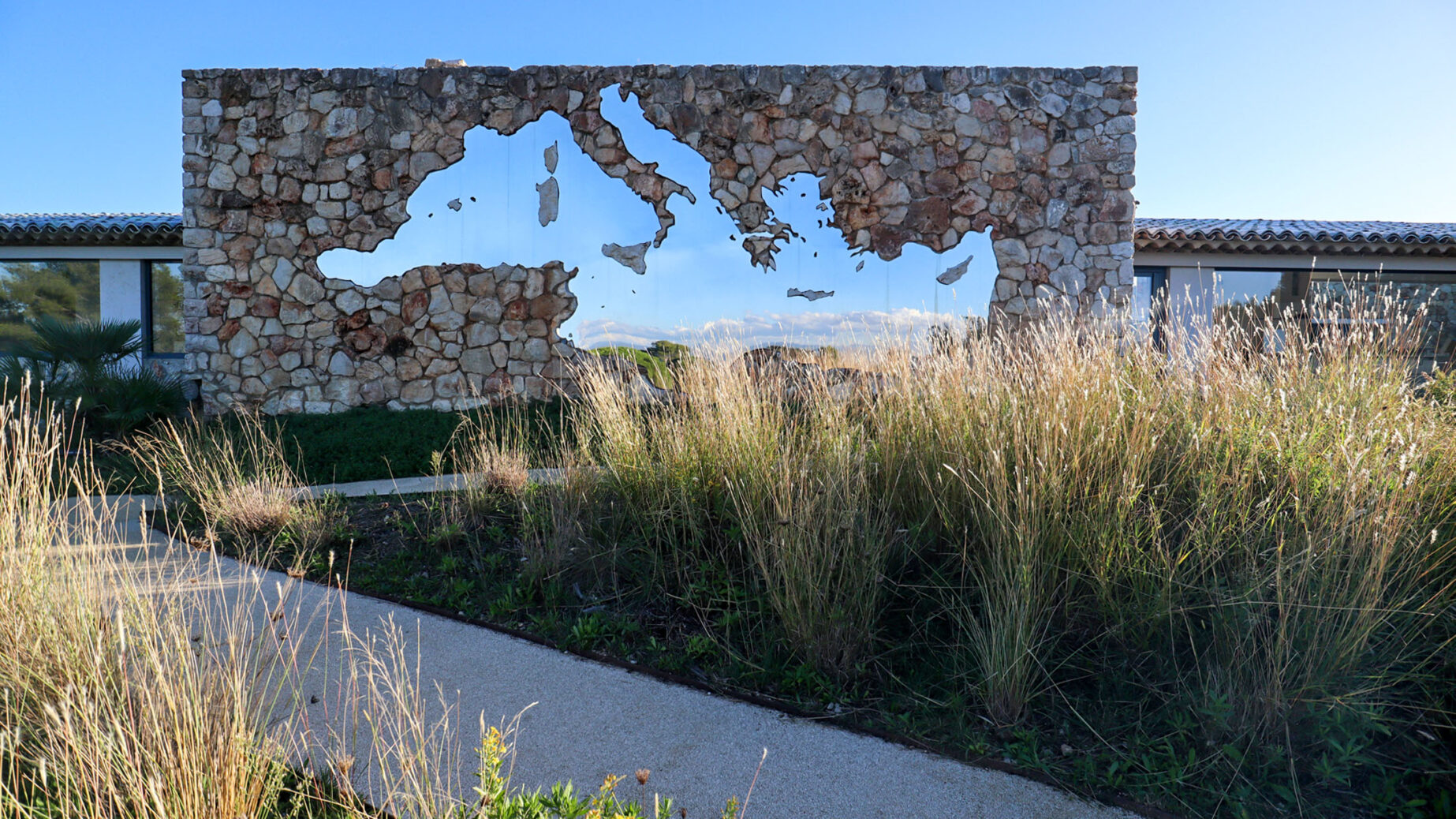
Villa Noailles
Above the winding old town of Hyères, steep steps lead up to paradise. In the mid-1920s, Viscount de Noailles had a garden landscape with carefully selected plant arrangements laid out on broad terraces on the south side of the Les Maurettes mountain range.
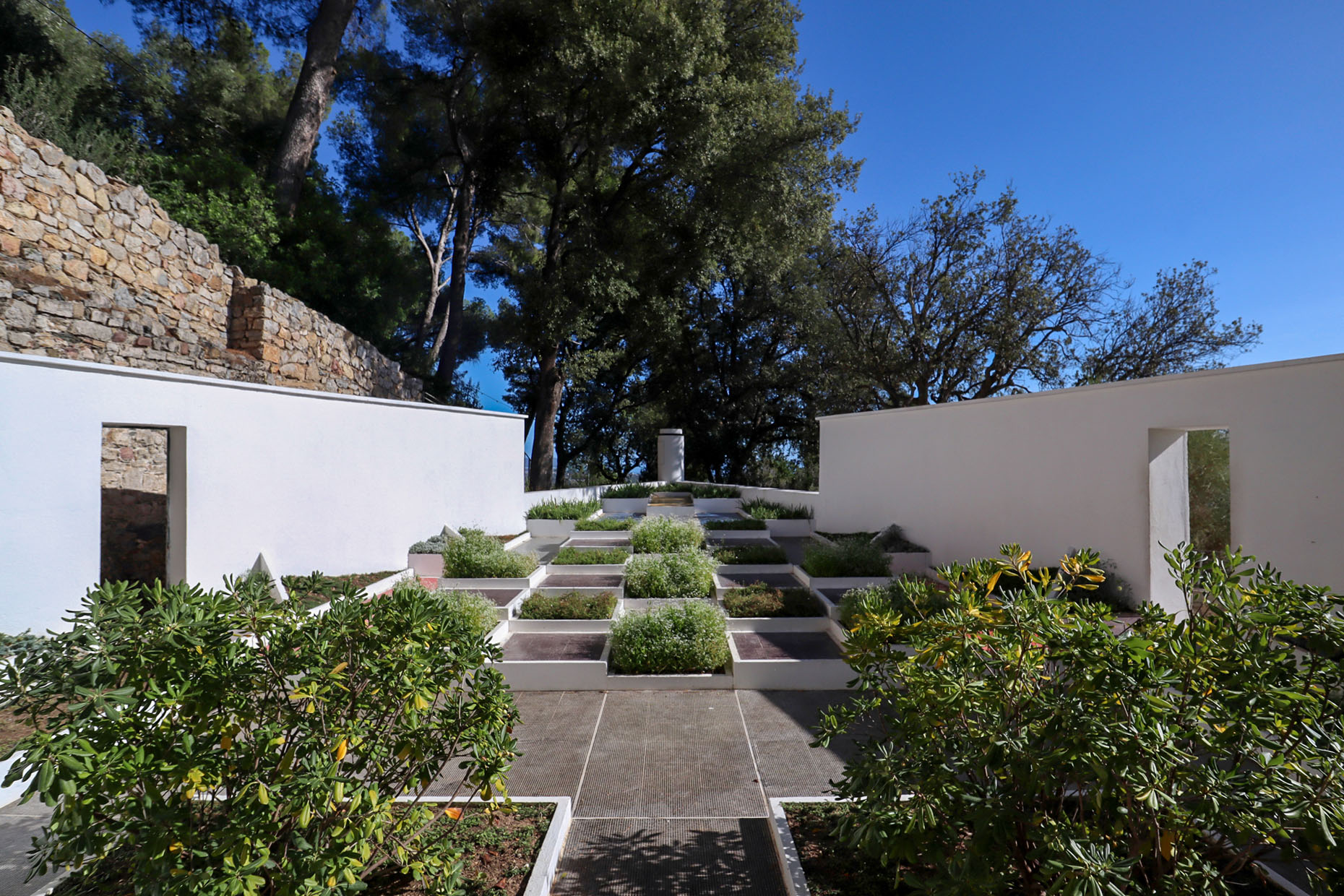
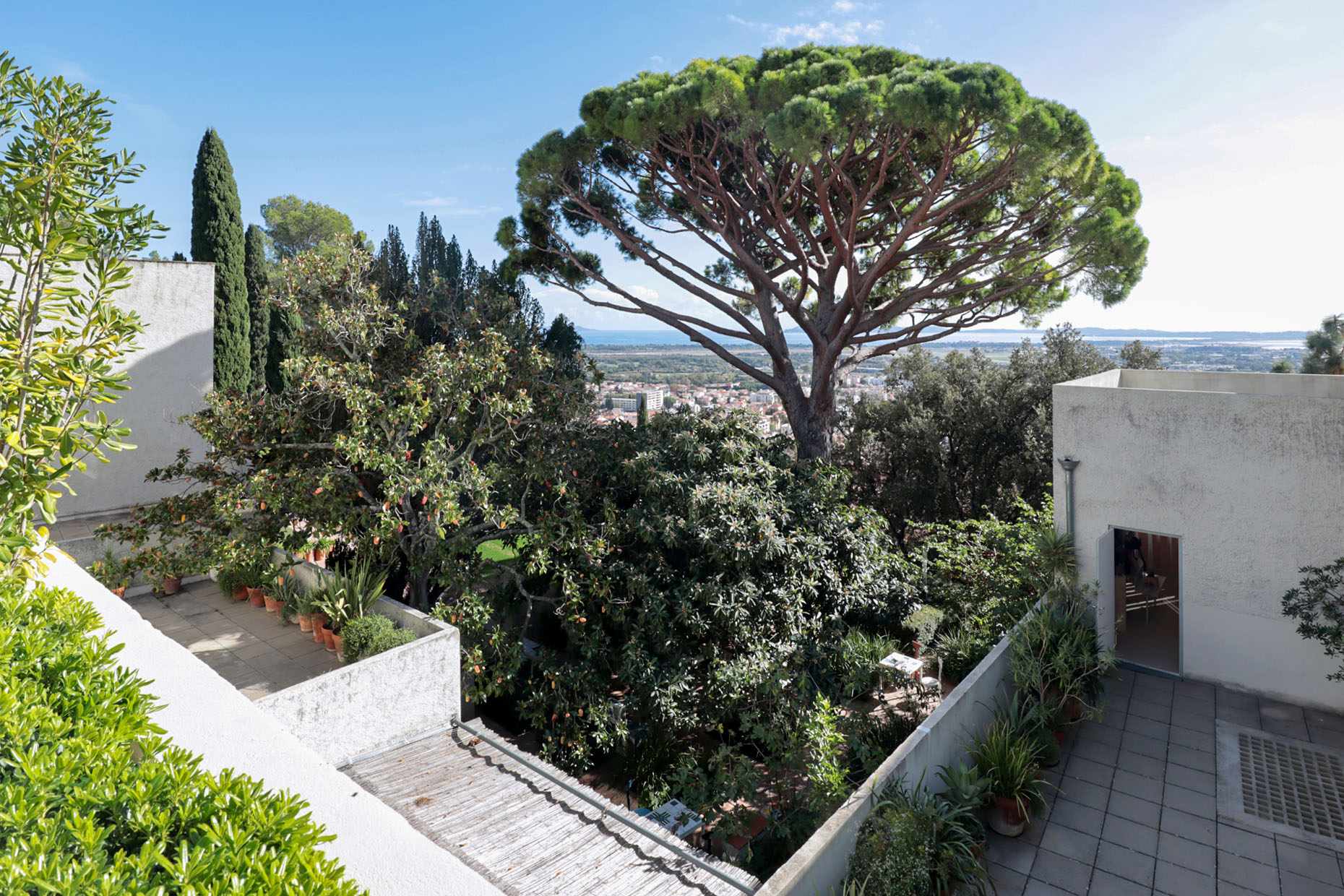
Charles and his wife Marie-Laure de Noailles had inherited the property and initially commissioned the young architect Robert Mallet-Stevens to build a modest winter residence. While the work was still in progress, the clients, wealthy Parisian intellectuals, asked for several extensions. Among them was a swimming pool with retractable glass façades, a sports hall and various terraces where guests could enjoy boisterous parties.
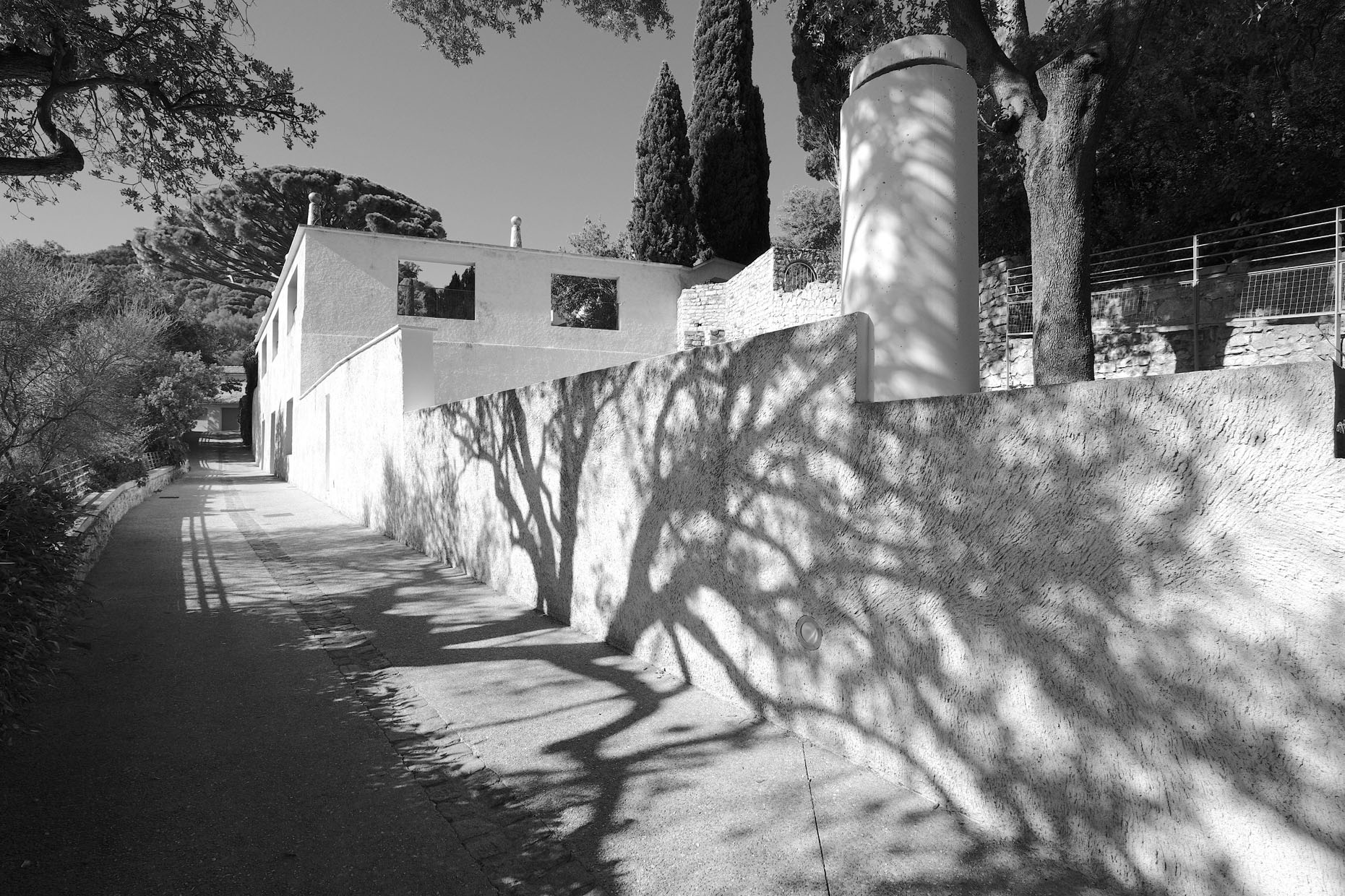
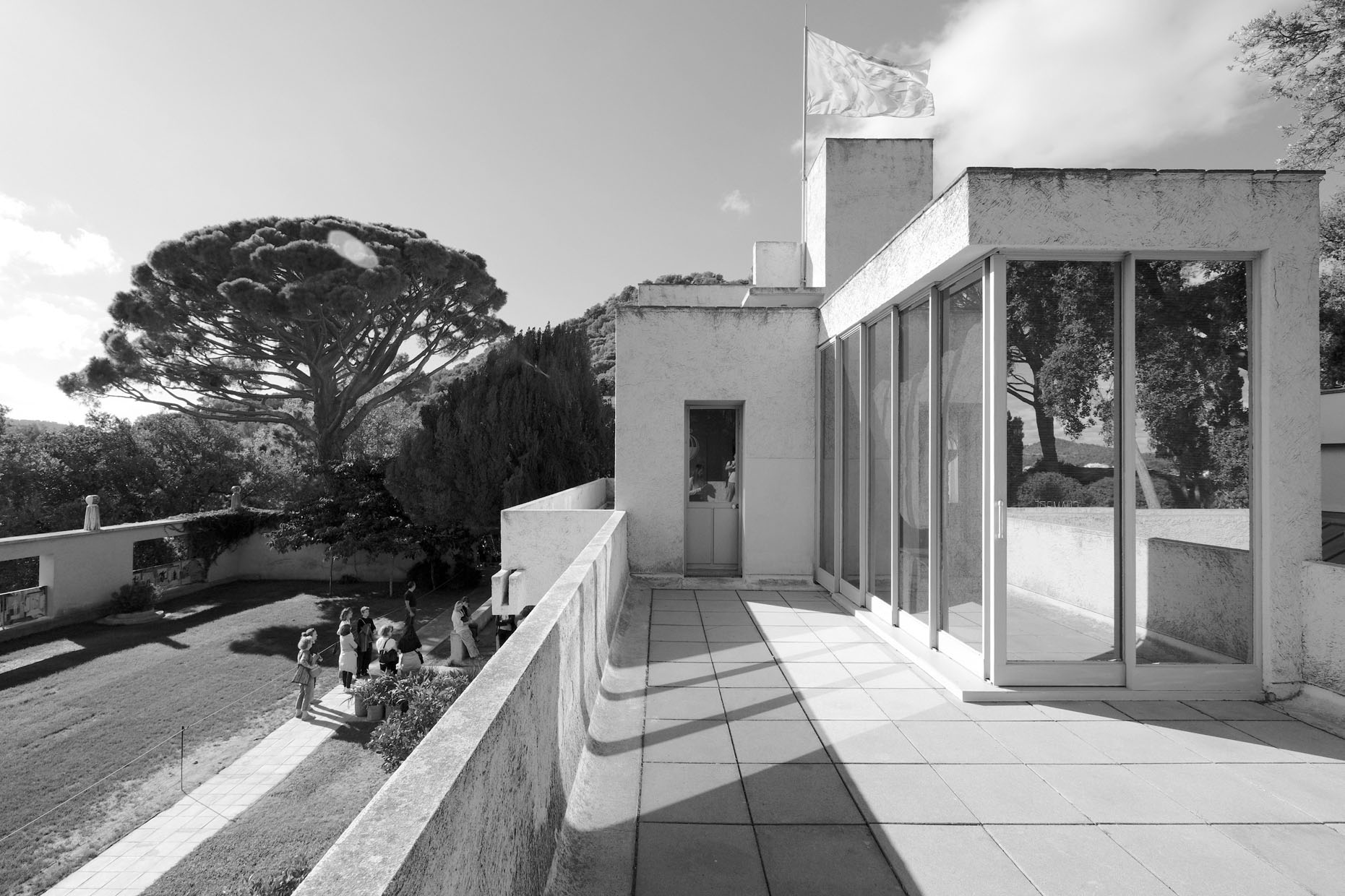
In the southwest, Armenian landscape architect Gabriel Guévrékian added a “cubist garden.” The estate quickly became a hotspot of the international fashionable society in the 1930s. There was an endless coming and going of personalities from the worlds of art, fashion, design and literature, including international artists such as Luis Buñuel, Man Ray and Salvador Dalí. After a long period of vacancy, the villa was extensively restored in 1996. Today, the avant-garde property is a French cultural monument. It hosts the International Festival of Fashion, Photography and Accessories [BM1] in Hyères and, since 2006, the Design Parade – with a branch in the old episcopal residence on Cours Lafayette in the neighbouring city of Toulon.
Fondation Carmignac
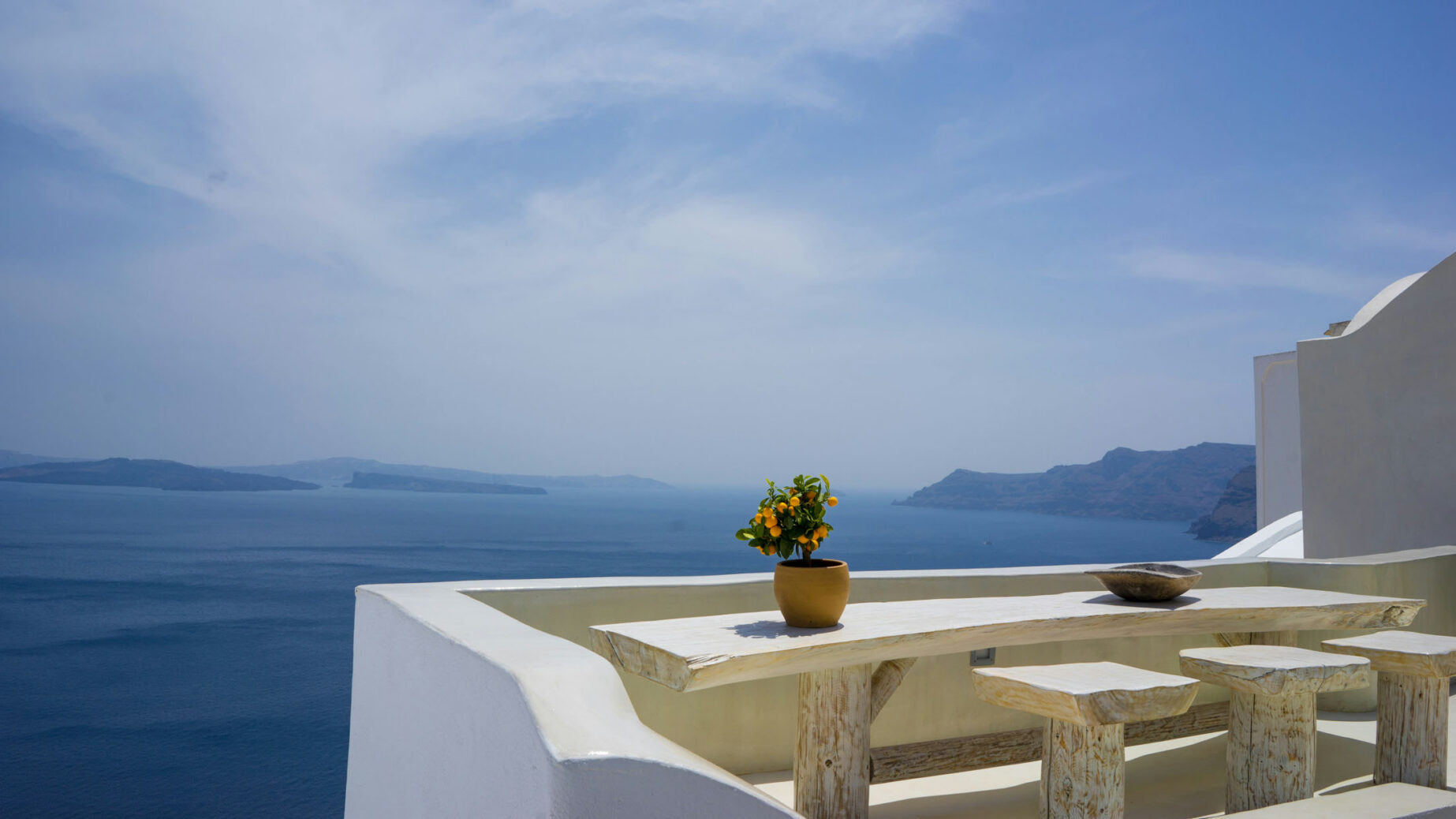
From Villa Noailles, the eye wanders to the golden cliffs of the Îles d’Hyères. The group of island is almost entirely under nature conservation. Its beaches are among the most beautiful in Europe. A place of peace and contemplation.
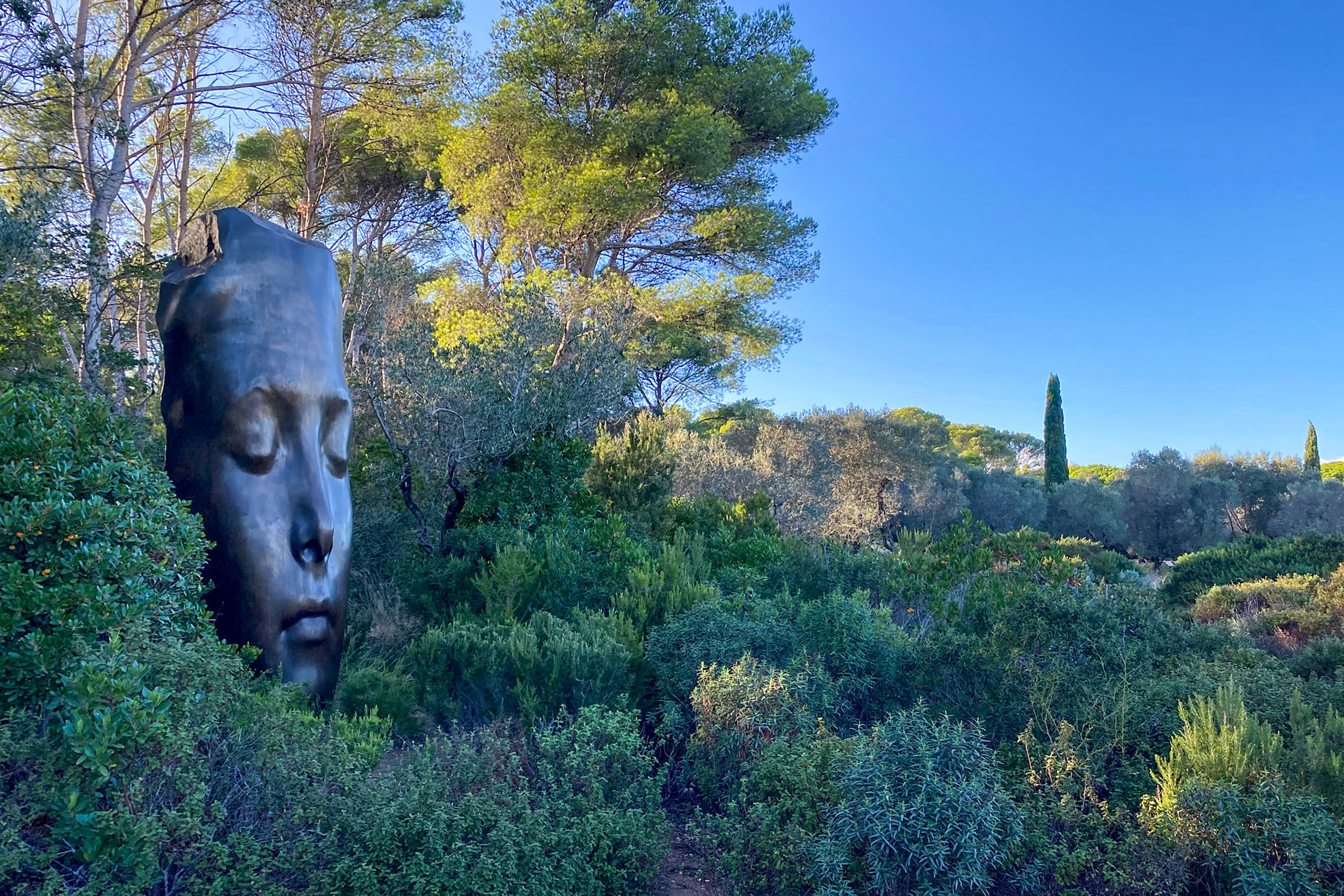
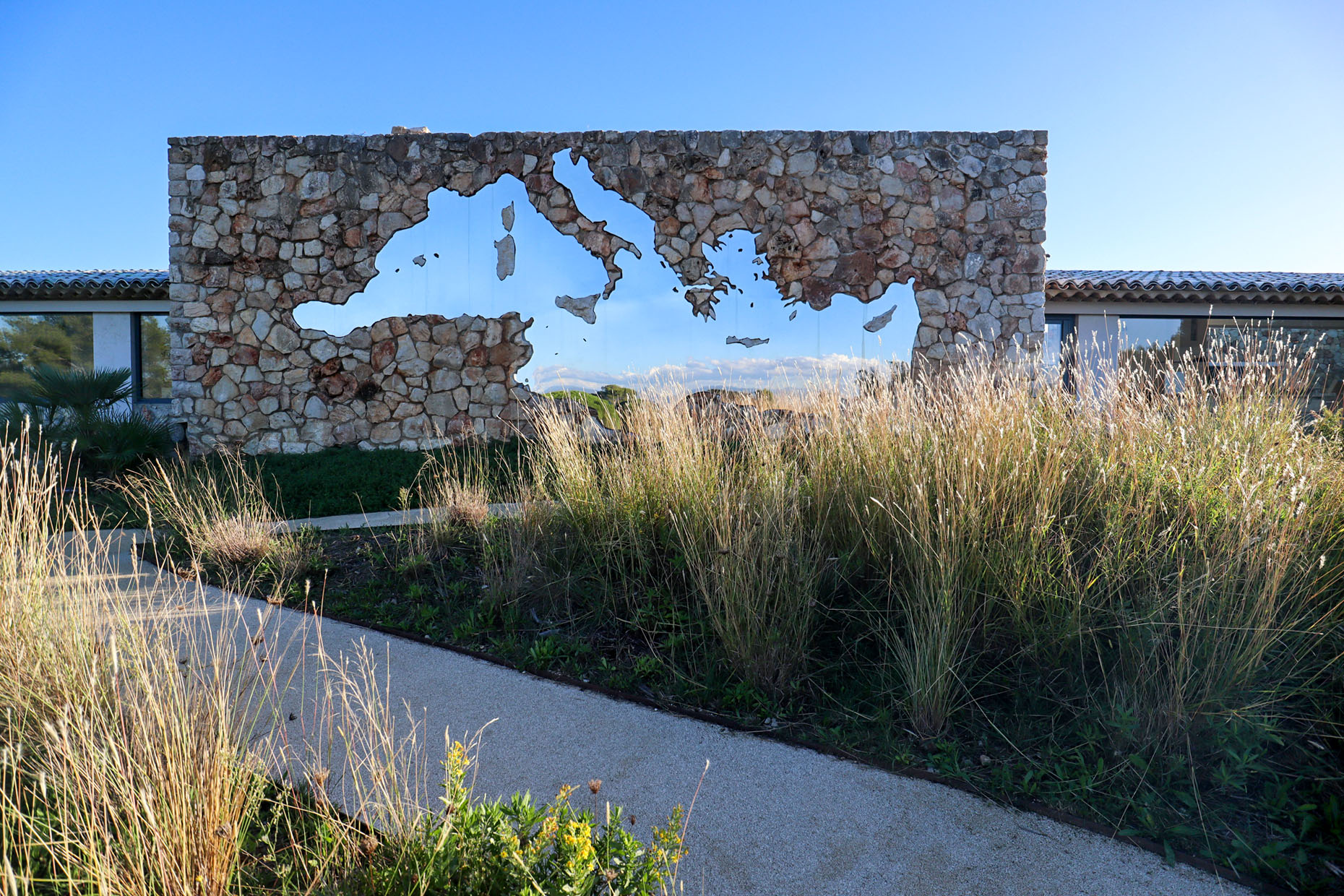
French art collector Edouard Carmignac had been looking for exactly such a place to display annual temporary exhibitions, along with some permanent installations – far away from the everyday hustle and bustle of the city. In 2018, he opened his private art collection on the main island of Porquerolles. The journey there is part of the ritual of inner reflection, for the twelve-square-kilometre island can only be reached by boat. The starting point is Port de la Tour Fondue in the nearby bay. Dozens of yachts sway in the harbour of the small village with 300 inhabitants. There is no trace of traffic noise, as all the islands are car-free. The unpaved footpath to the Fondation is lined with pine and eucalyptus trees, before a wide, prominent iron gate welcomes guests after about twenty minutes. Lockers are placed among the trees. Bags and other baggage should stay outside, leaving the mind and thoughts free for art. Admission is limited, so guests encounter only a few people on the 2,000-square-kilometre estate, the centrepiece of which sits on a hill.
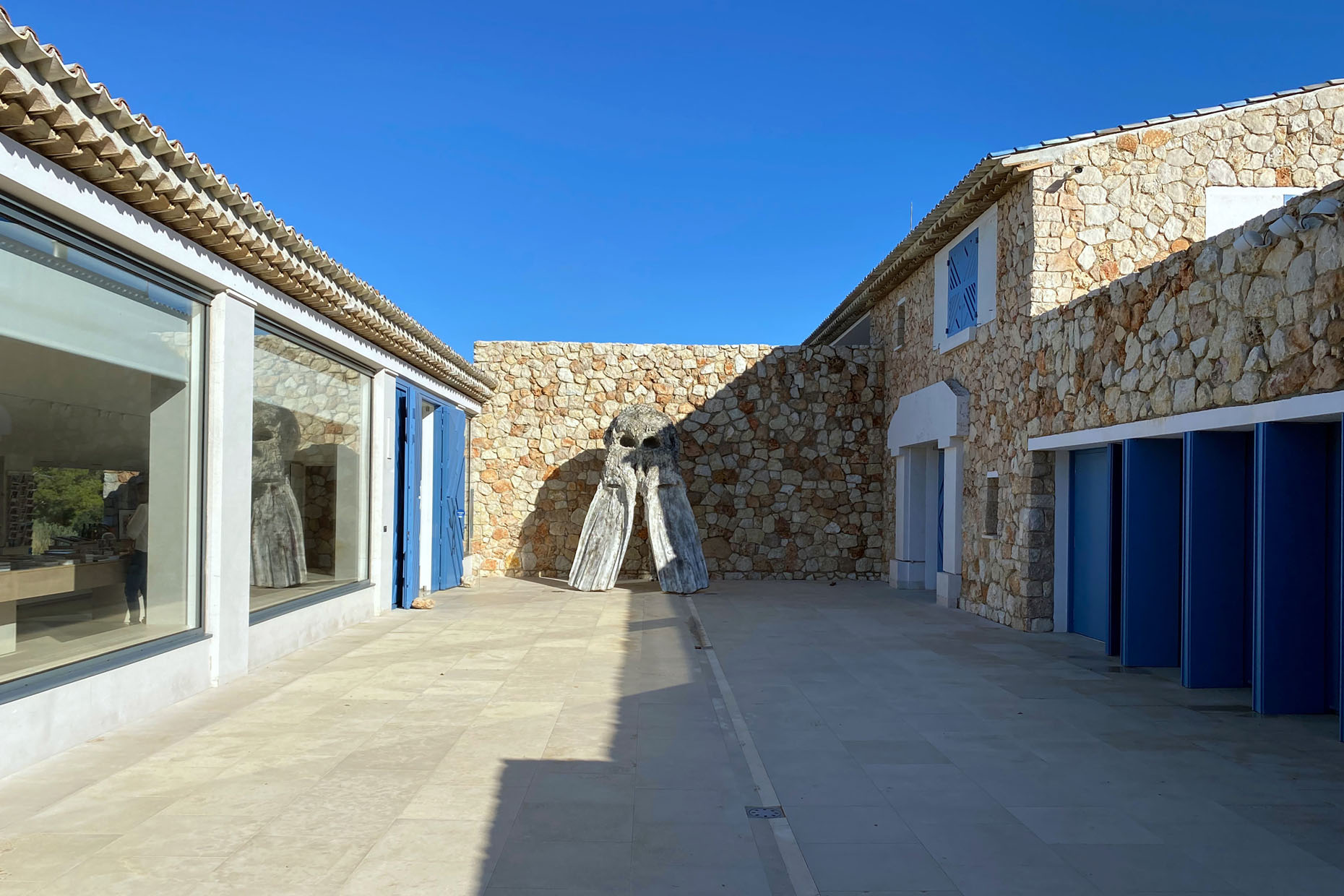
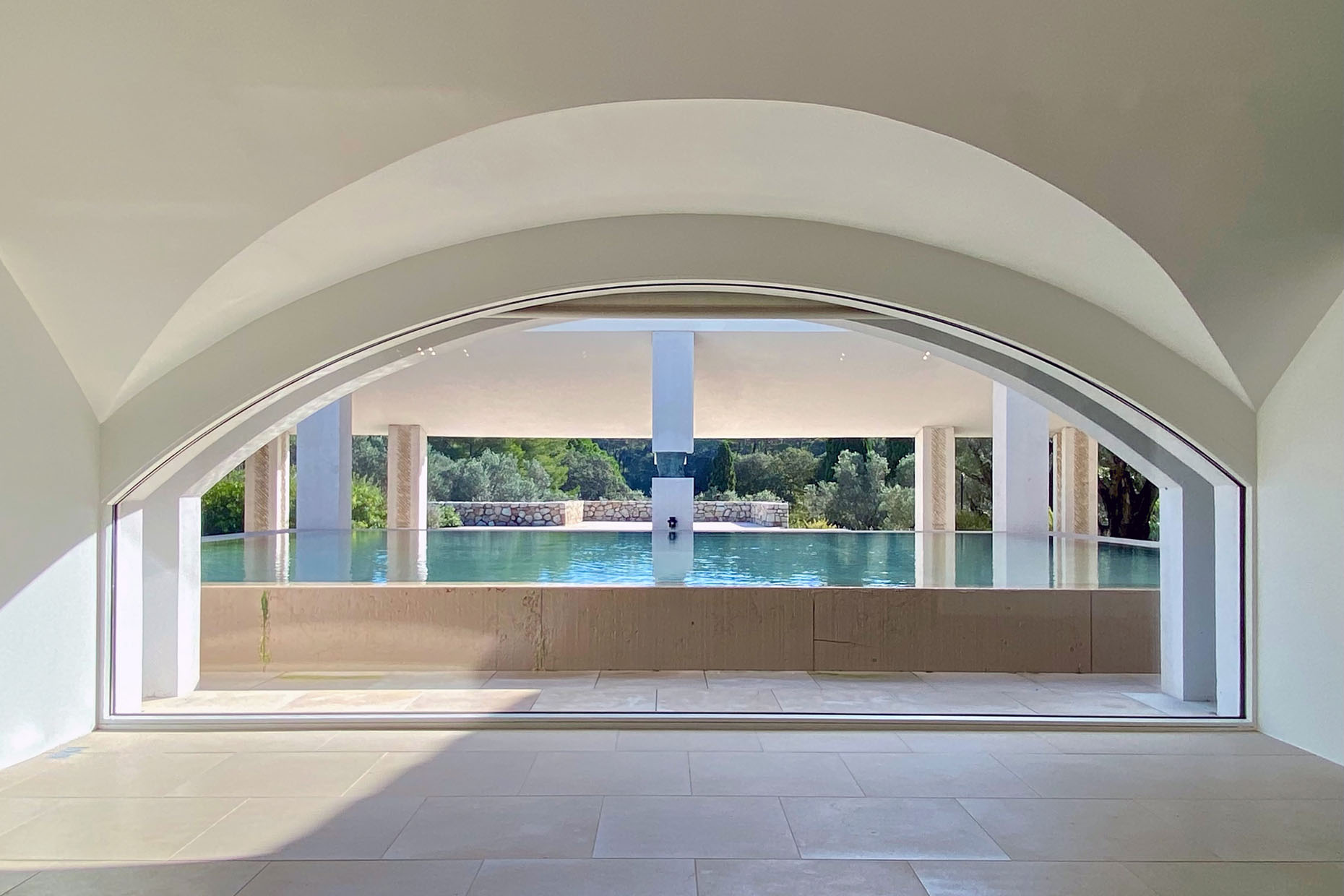
Carmignac had the former Provençal country estate, which architect Henri Vidal had already converted into a residence, transformed into a museum. Due to nature conservation regulations, the exhibition rooms are located underground. A glass ceiling spans the central courtyard, through which sunlight filters into the space through a water basin above it. It bathes the rooms in a spherical light. Outside, the sculptures and installations among the vineyards, olive trees and oleanders of the landscape park almost appear as supporting actors. All the senses are addressed: it smells, rustles and scrunches. This comprehensive experience of art in nature makes Fondation Carmignac a true art retreat.
Château Bonisson
Change of scene: The scent of rosemary and lavender fills the air. Honey-coloured light flows down the hills. Montagne Sainte-Victoire towers above it all.
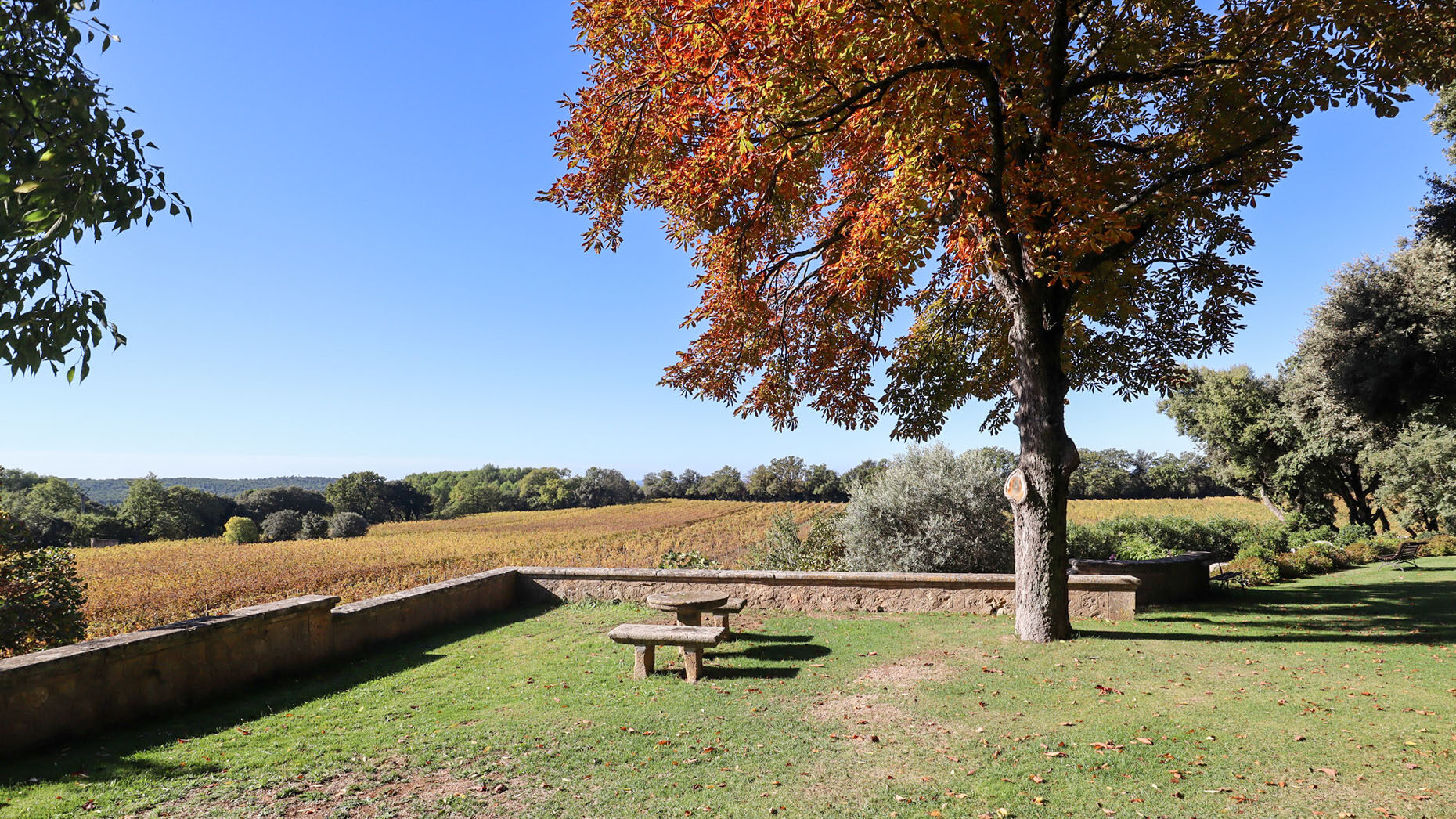
Paul Cézanne was already fascinated by the massif. He painted “his” mountain no less than eighty-seven times. Rognes is the name of the small municipality in Provence around 120 km northwest of Hyères.
Here, Victoire Le Dorze and her father Christian found an enchanted country estate in 2017, which they transformed into a place of art and viniculture. “Château Bonisson is also a story of a wonderful father-daughter adventure,” Christian Le Dorze enthuses during our visit. “The two of us share a passion for naturalness and authenticity.”
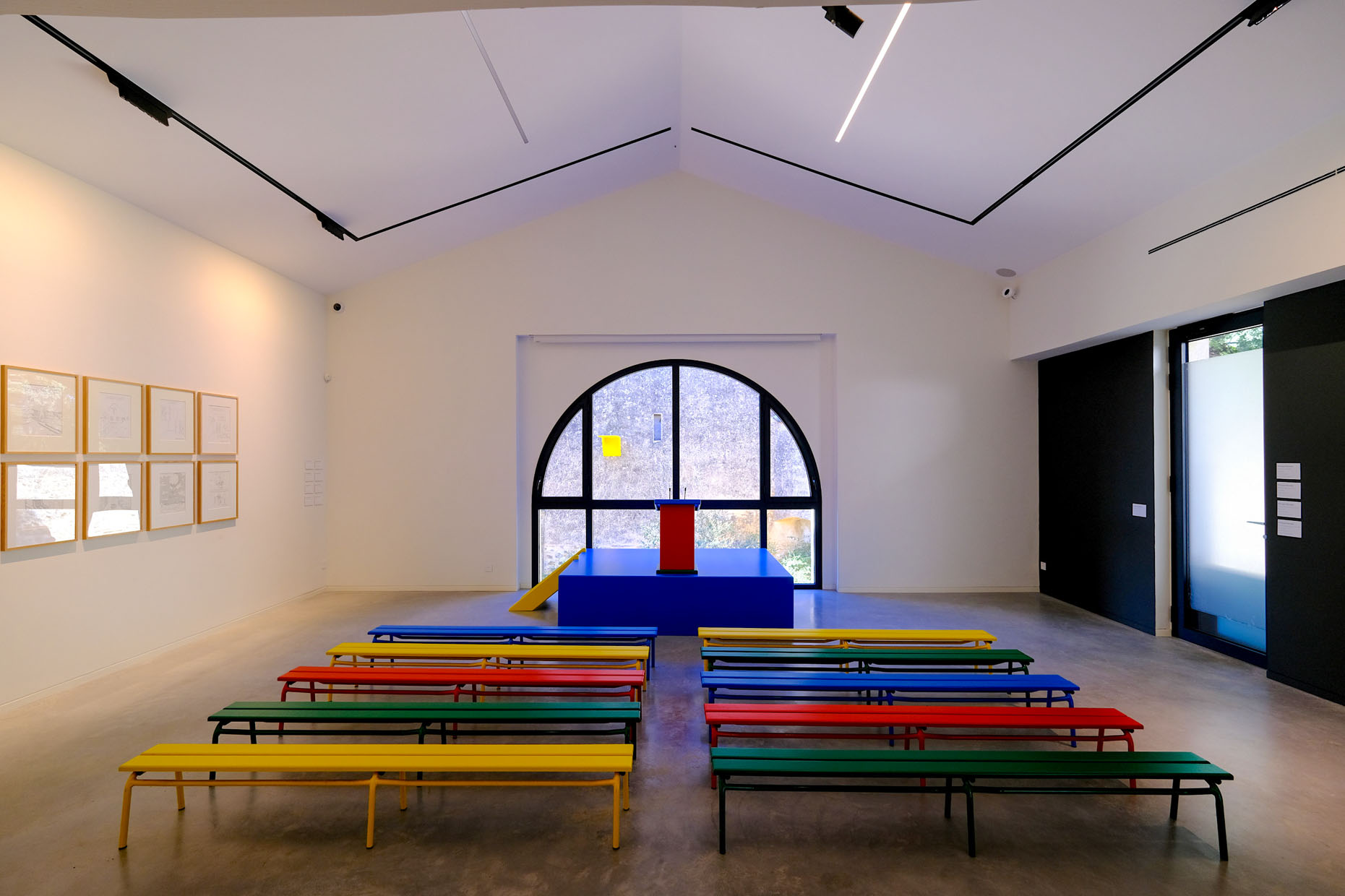
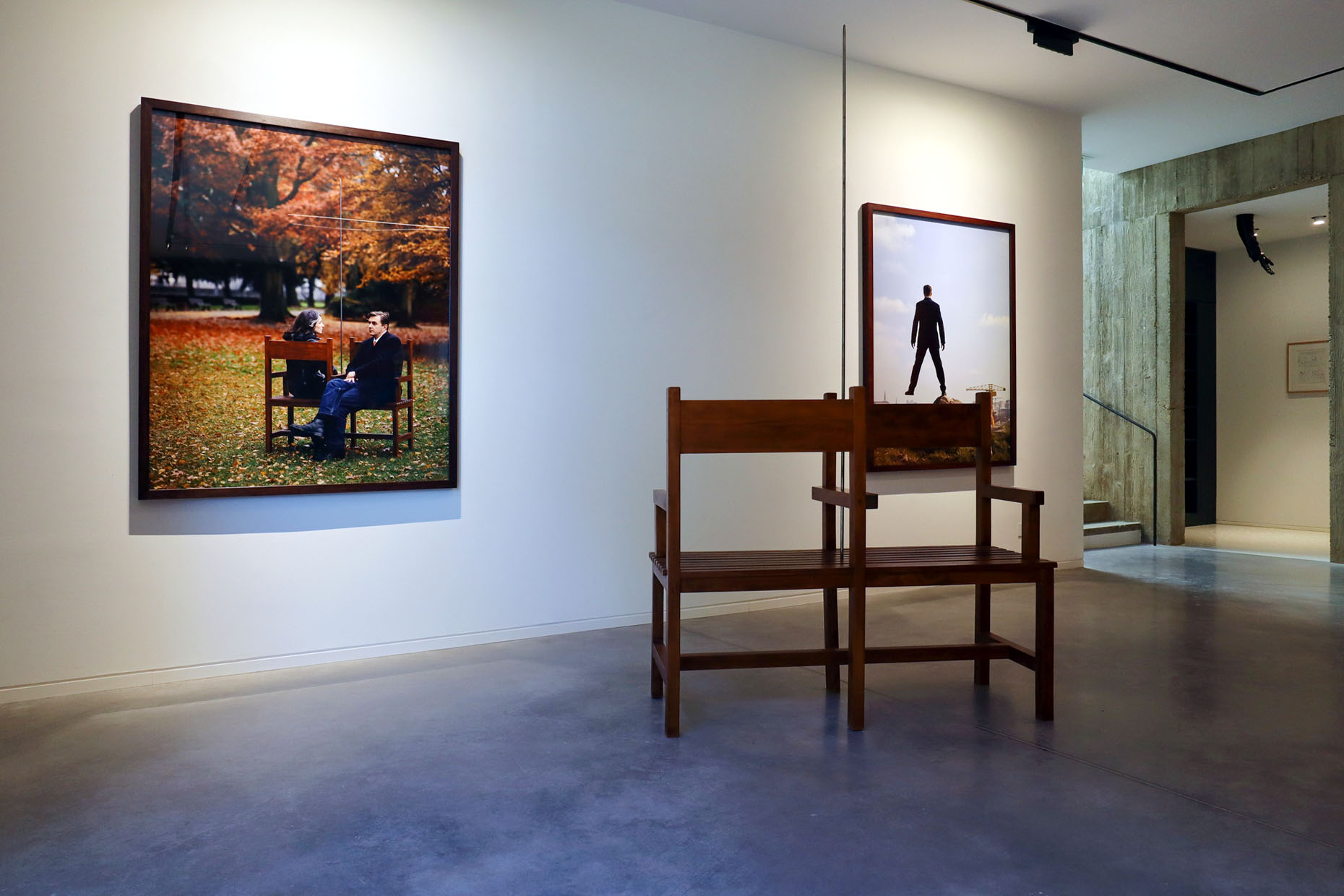
They renovated the property, converted it to organic farming and, at the end of 2020, added a contemporary art gallery. The gallery showcases French and international artists. Through their support and four exhibitions per year, the Bonisson Art Center aims to not only promote their works but also the careers of the artists and make them accessible to a broader audience.
Château La Coste
Just a few kilometres further, Château La Coste relies on Pritzker power. Nowhere else in Provence are more laureates united.
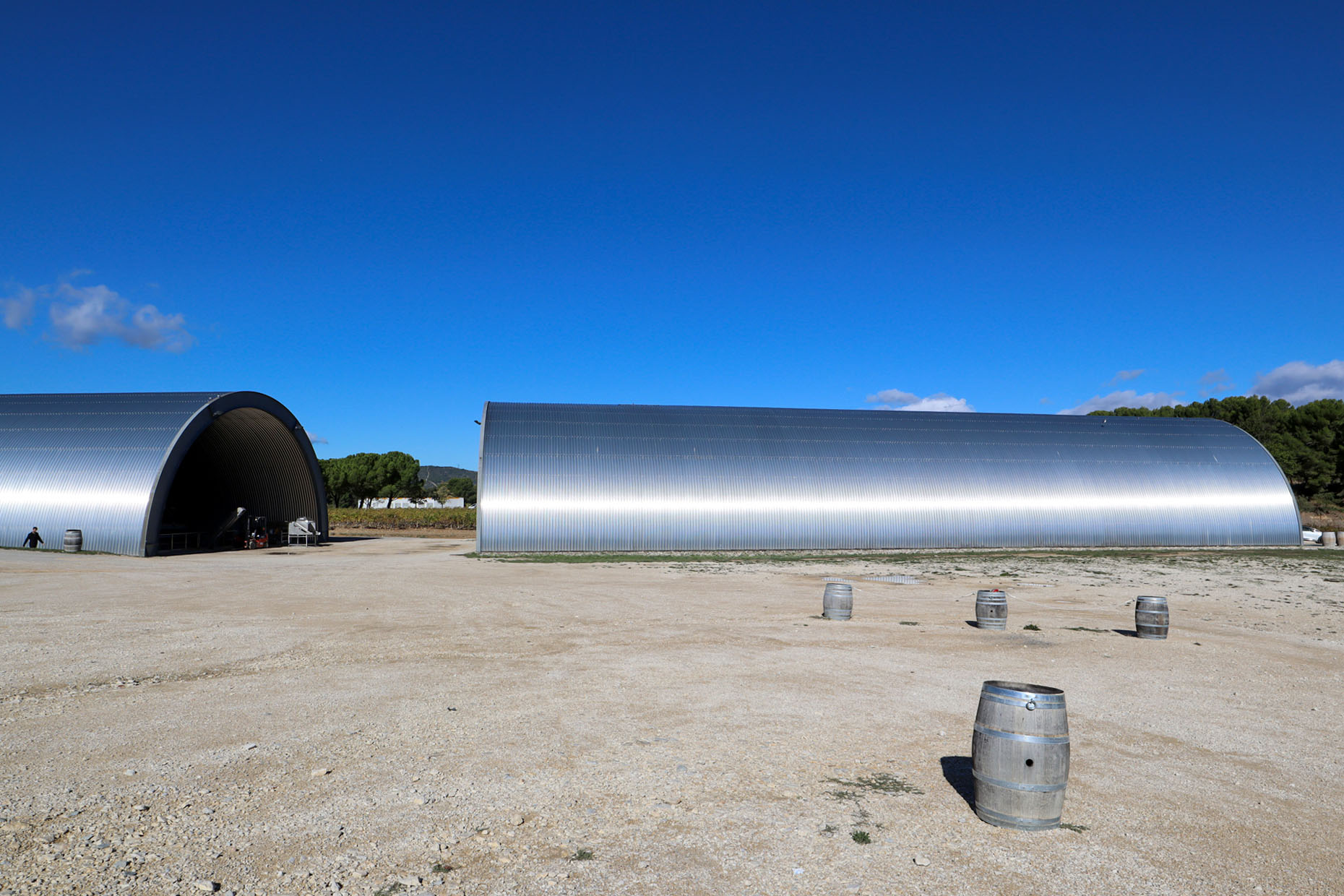
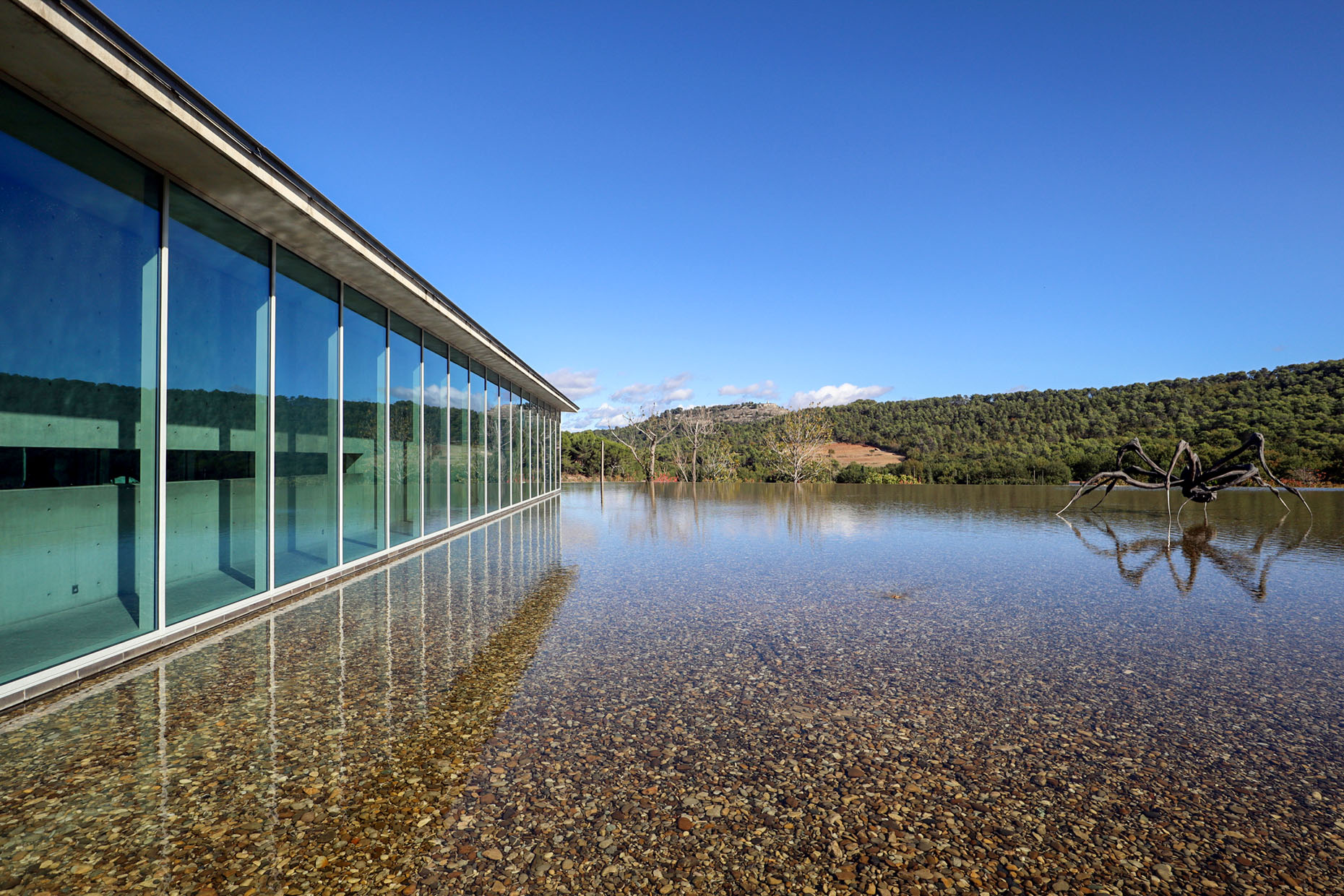
Just a few kilometres further, Château La Coste relies on Pritzker power. Nowhere else in Provence are more laureates united. The vineyard estate in Le Puy Sainte Réparade is no longer a hidden gem. What started some fifteen years ago with two ten-metre-high steel barrels is now a large enterprise and an open-air museum of international (architectural) artists. Jean Nouvel built the first two halls for wine production. A minimalist reception building by Tadao Ando followed soon after – made of concrete, of course. He also conceived the master plan of the entire complex.
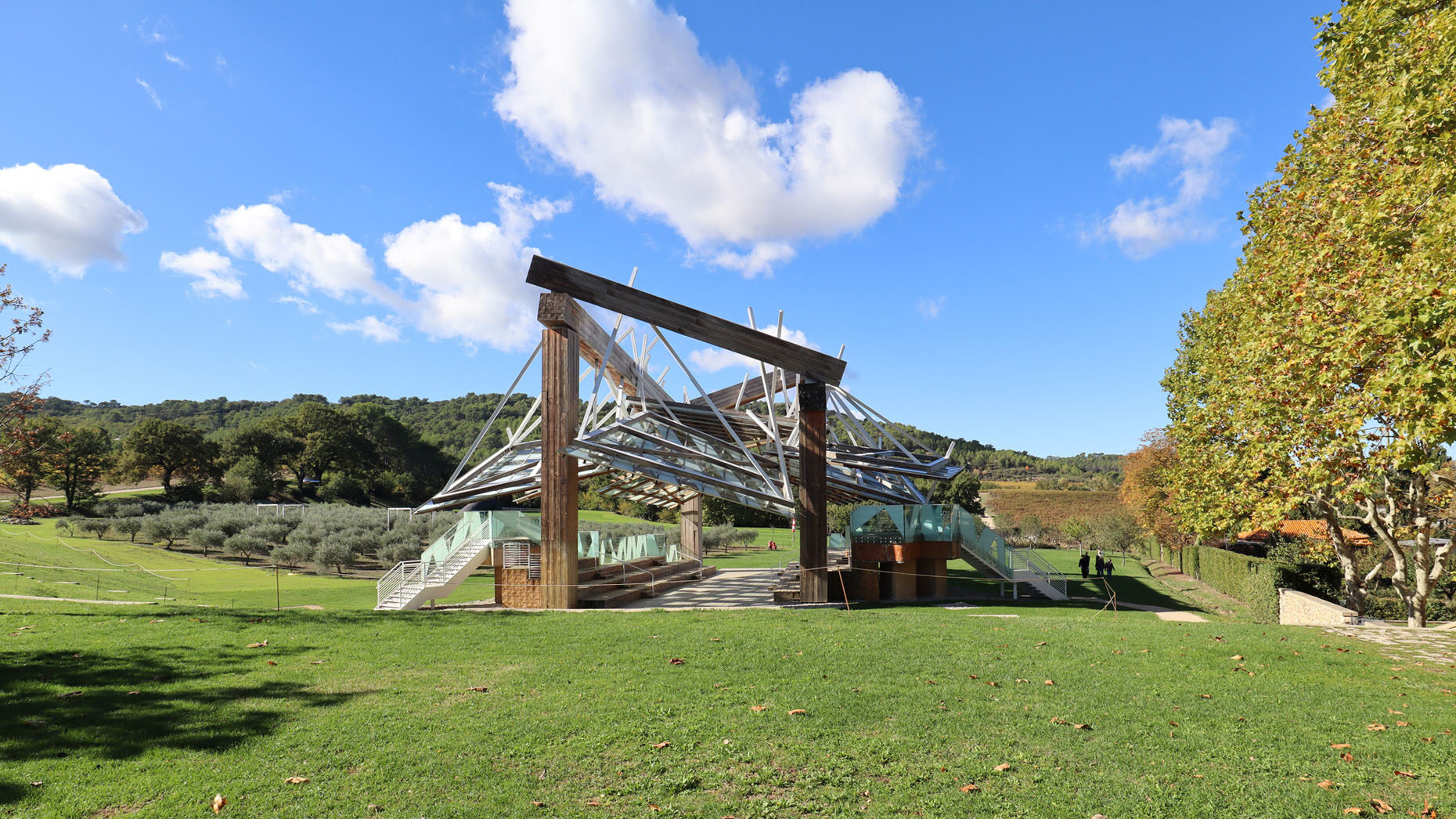
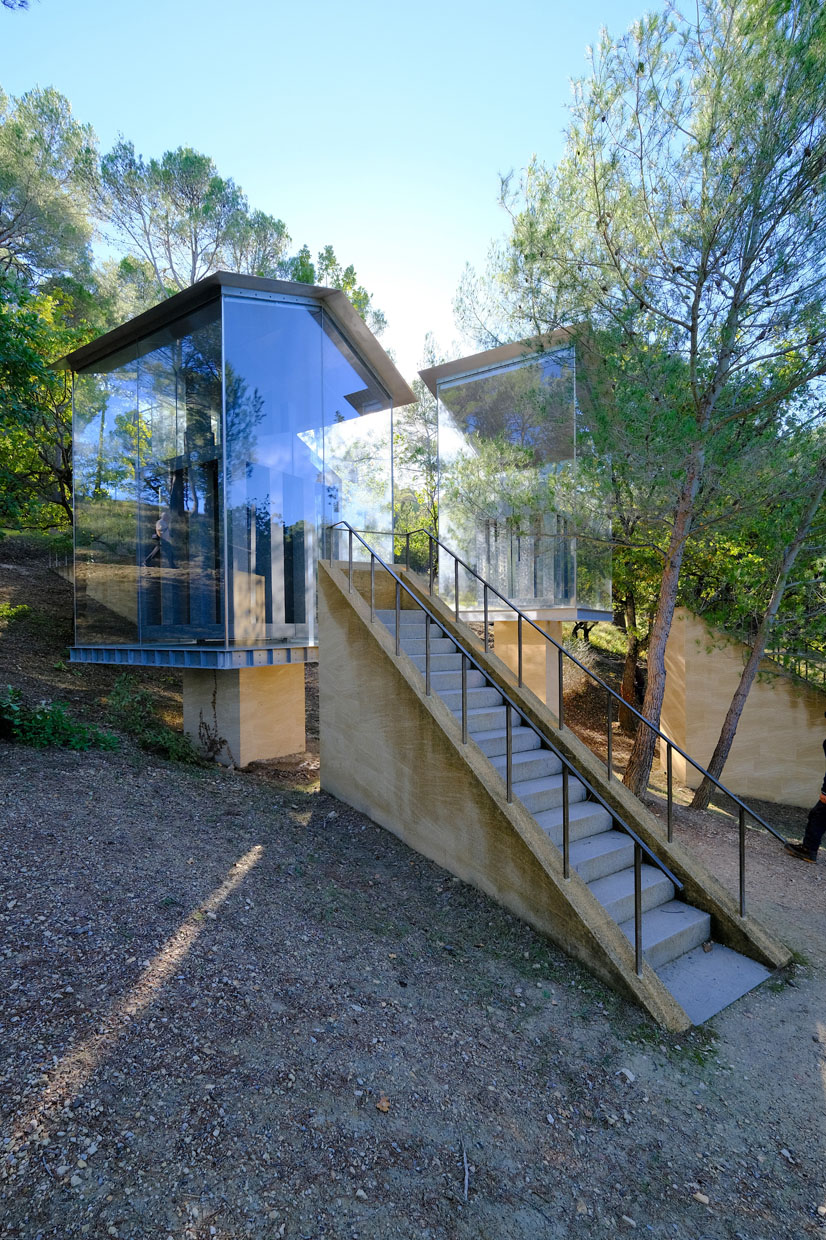
Today, the art and architecture trail through the vineyards takes visitors past buildings by Jean Prouvé, Kengo Kuma, Jean-Michel Wilmotte, Renzo Piano, Frank O. Gehry and Richard Rogers. Most recently, a gallery by Oscar Niemeyer was opened. His snow-white pavilion elegantly slides through the Vermentino vines. The architecture is complemented by art installations that discreetly blend into the landscape, including works by Louise Bourgeois, Alexander Calder, Hiroshi Sugimoto, Yoko Ono and Bob Dylan. Here, too, architecture and art combine into a Provençal symphony of the senses.
Text: Hendrik Bohle, thelink.berlin
Photos: © Hendrik Bohle / © Jan Dimog, thelink.berlin
Note — HOLIDAYARCHITECTURE Houses in the South of France:
- Maison Jalon
- House B
- Mas des Rouges Gorges
- Villa Jones
- Villa Benkemoun
- Mas les Clos Souris
- Villa Nyland
Author info:
Architect Hendrik Bohle runs a digital magazine on building culture together with journalist Jan Dimog. On thelink.berlin they have been telling about their discoveries in Europe for years, especially about the connections between people and architecture.
When they are not on the road, they curate high-profile exhibitions, such as the travelling exhibition on Arne Jacobsen’s architecture.
0 Comments