
Repurposed
There are countless heritage-listed buildings throughout Europe that have been given a new lease of life in recent years. In many cases, special holiday accommodation has been created in the process. Here is a small selection.
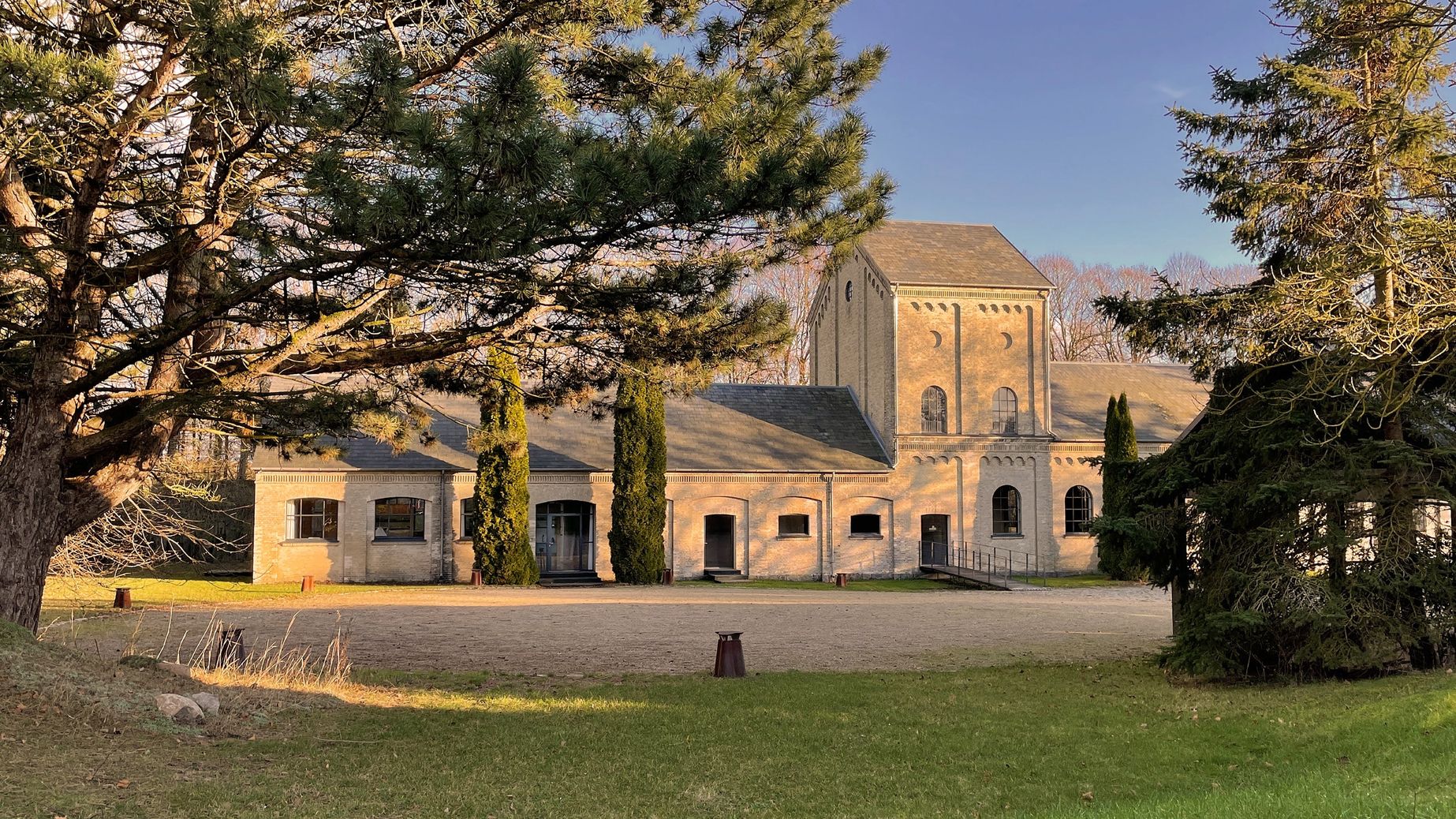
Culture in the former juice factory
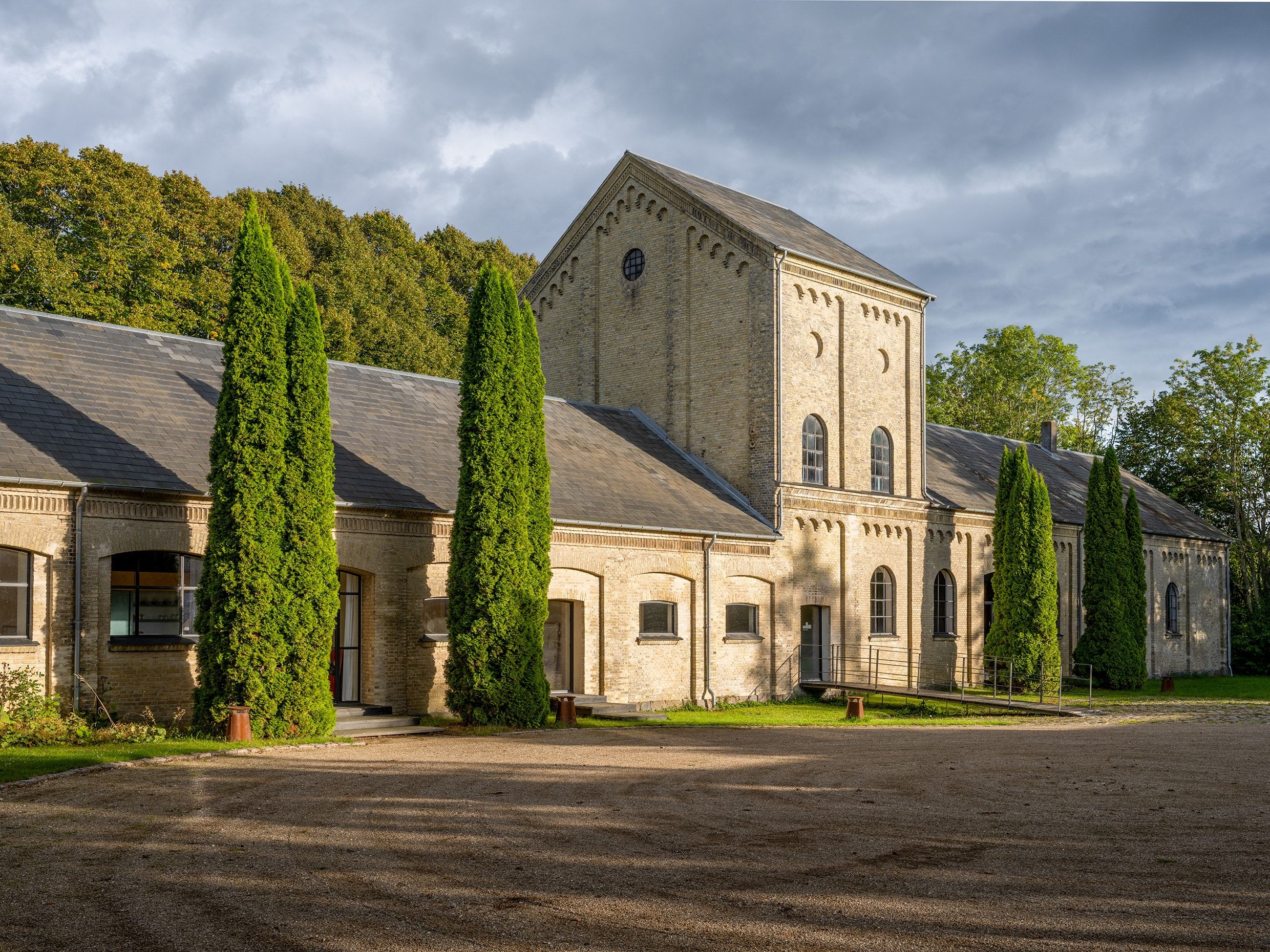
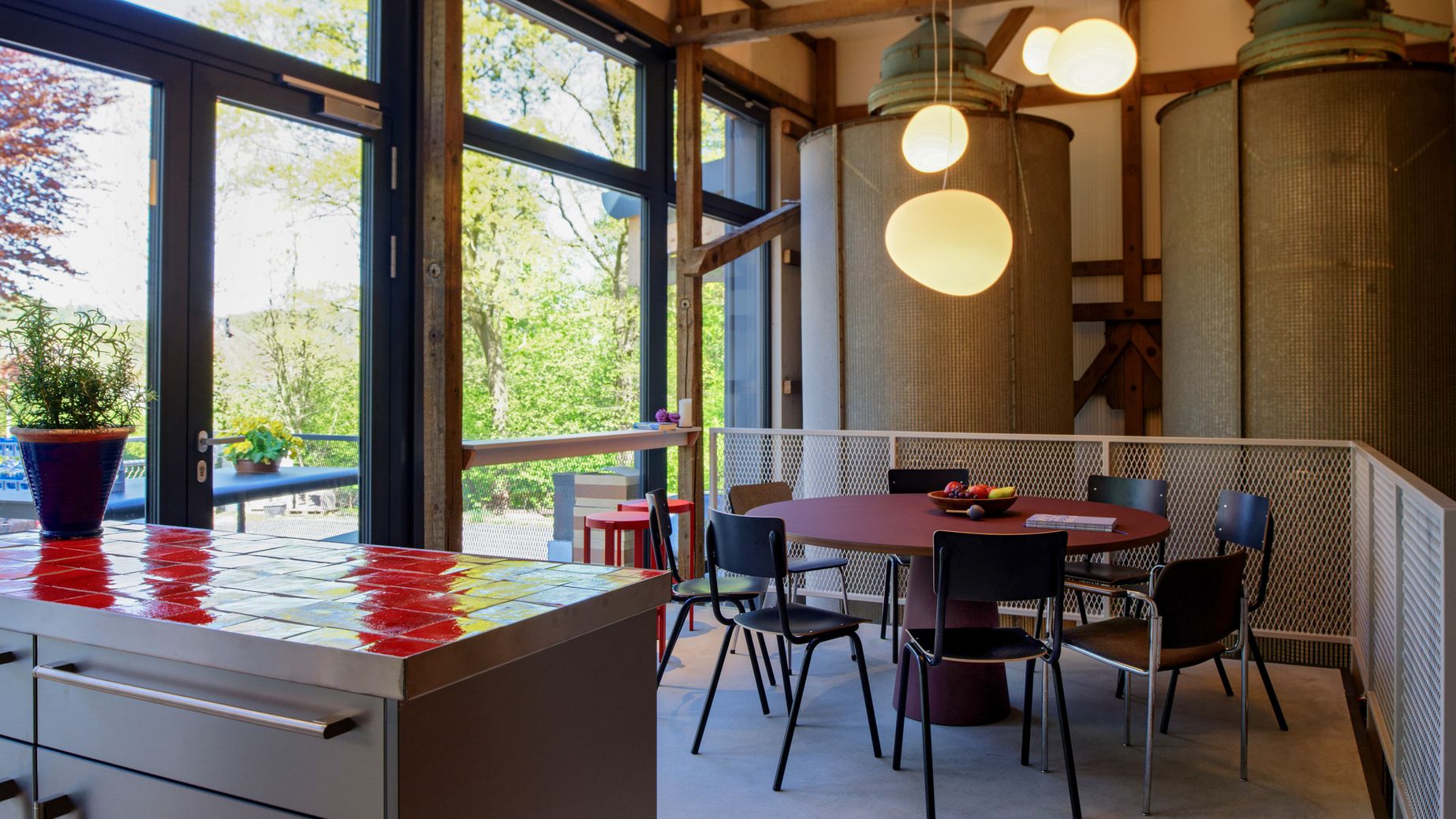
Built in 1884, the juice factory in the west of the Danish island of Møn used to process sugar beet – today you can spend your holiday, celebrate parties or attend events in the former industrial buildings made of light-coloured clinker brick. The Saftstationen was completely renovated in 2019 – the focus was on preserving the charm of the old factory. The result is two holiday apartments for two people each, with simple, bright interiors in the Scandinavian style. Elements specifically designed for the property create a special atmosphere. Concerts and other cultural events are regularly held in the adjoining ballroom, which can also be hired for private parties.
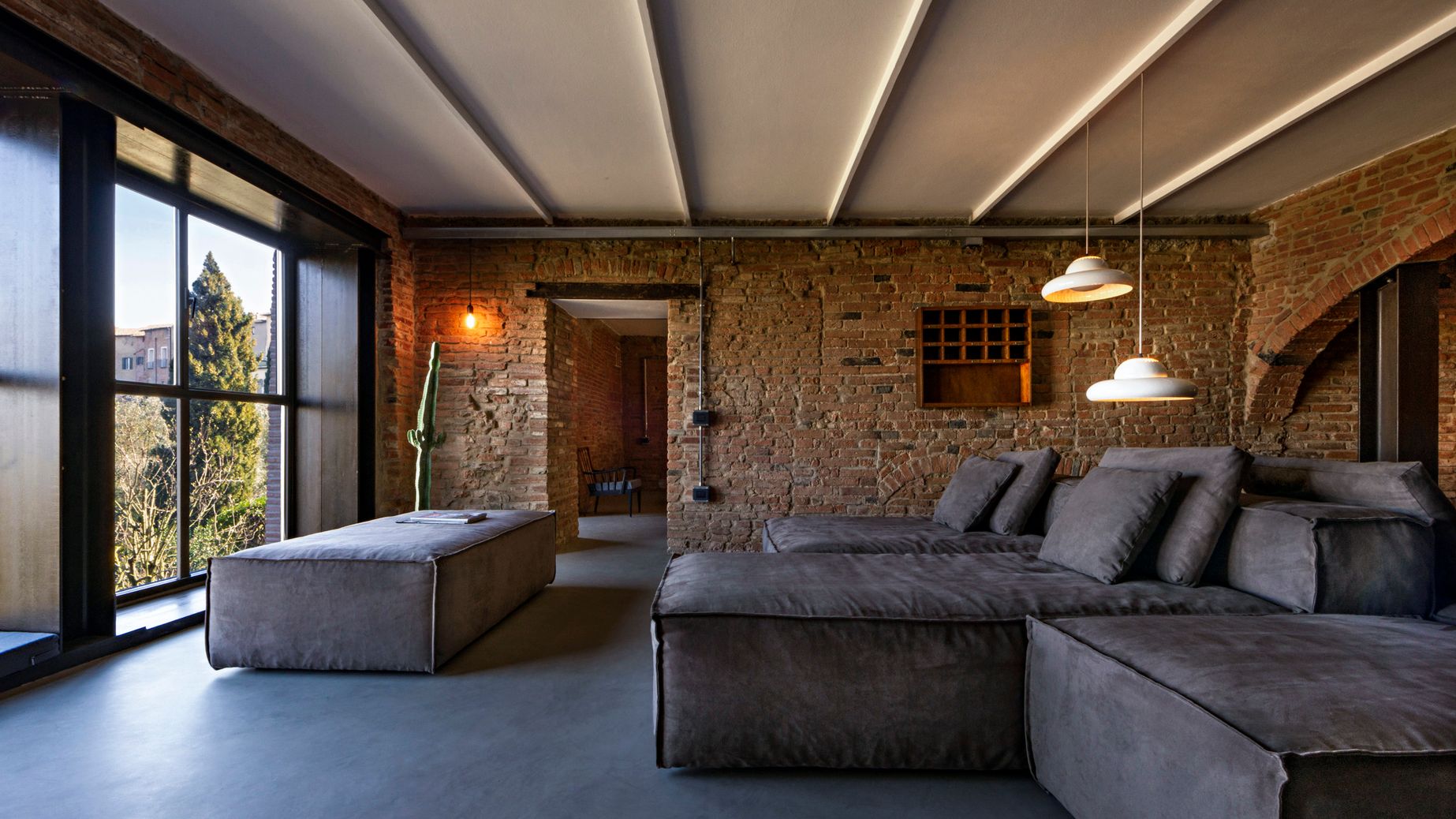
Umamma – The Apartment
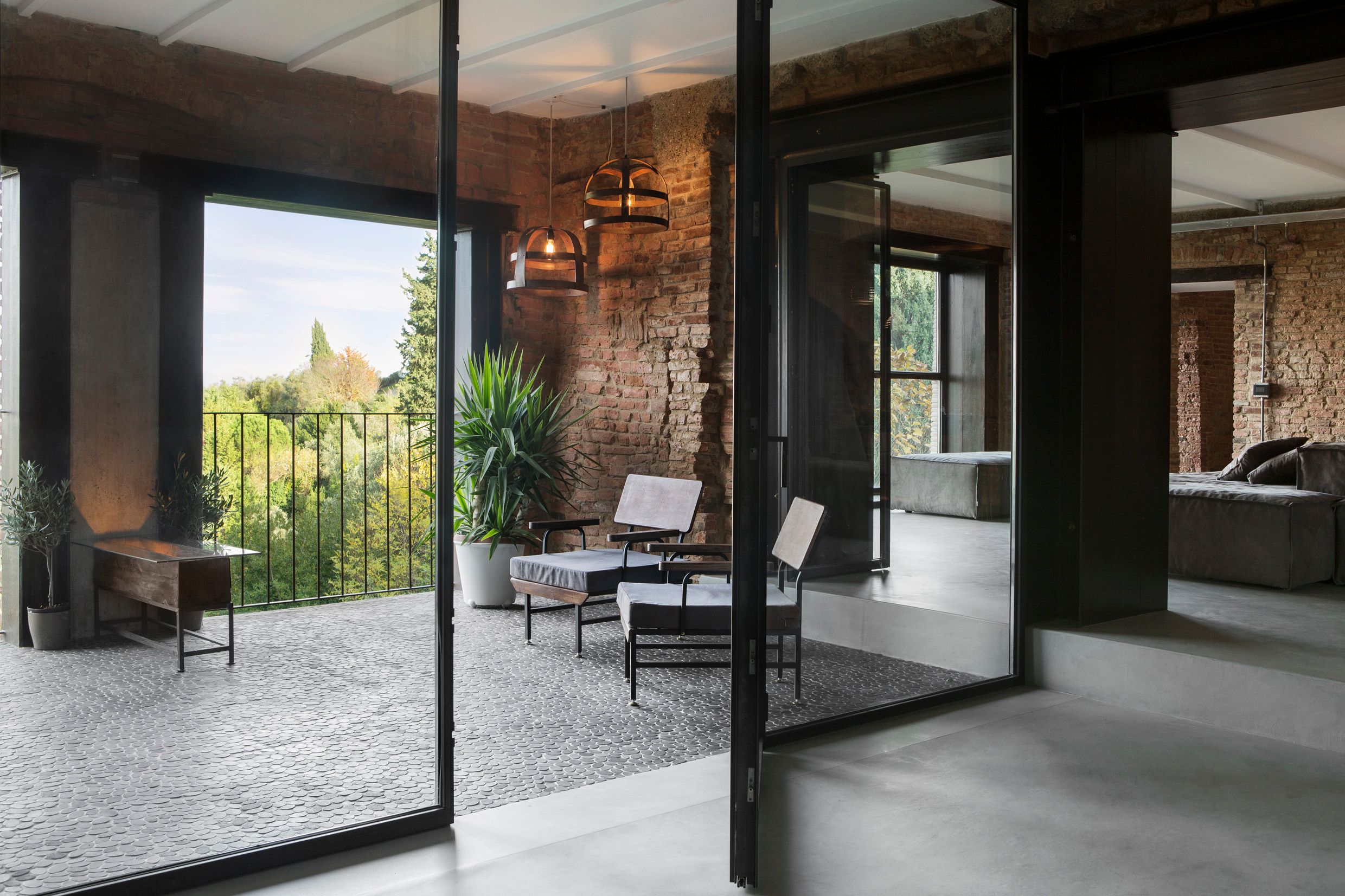
‘Umamma!’ – this Italian exclamation of astonishment escapes many a guest as they enter the apartment in the small Tuscan town of San Miniato: the 230 square metre space is an unusual and harmonious blend of the Middle Ages an industrial style. Old brick walls and vaults are combined with modern, industrial elements such as steel-framed windows and glass walls. It took seven years to complete the restoration of the 16th century palazzo, restore the original structure and uncover the historical materials in the rooms. Today, the modern interior exudes an air of nonchalance that is further emphasised by the historical setting. And Umamma – once upon a time, this was indeed the home of light industry, among other things.
Living in the Convento Olhão
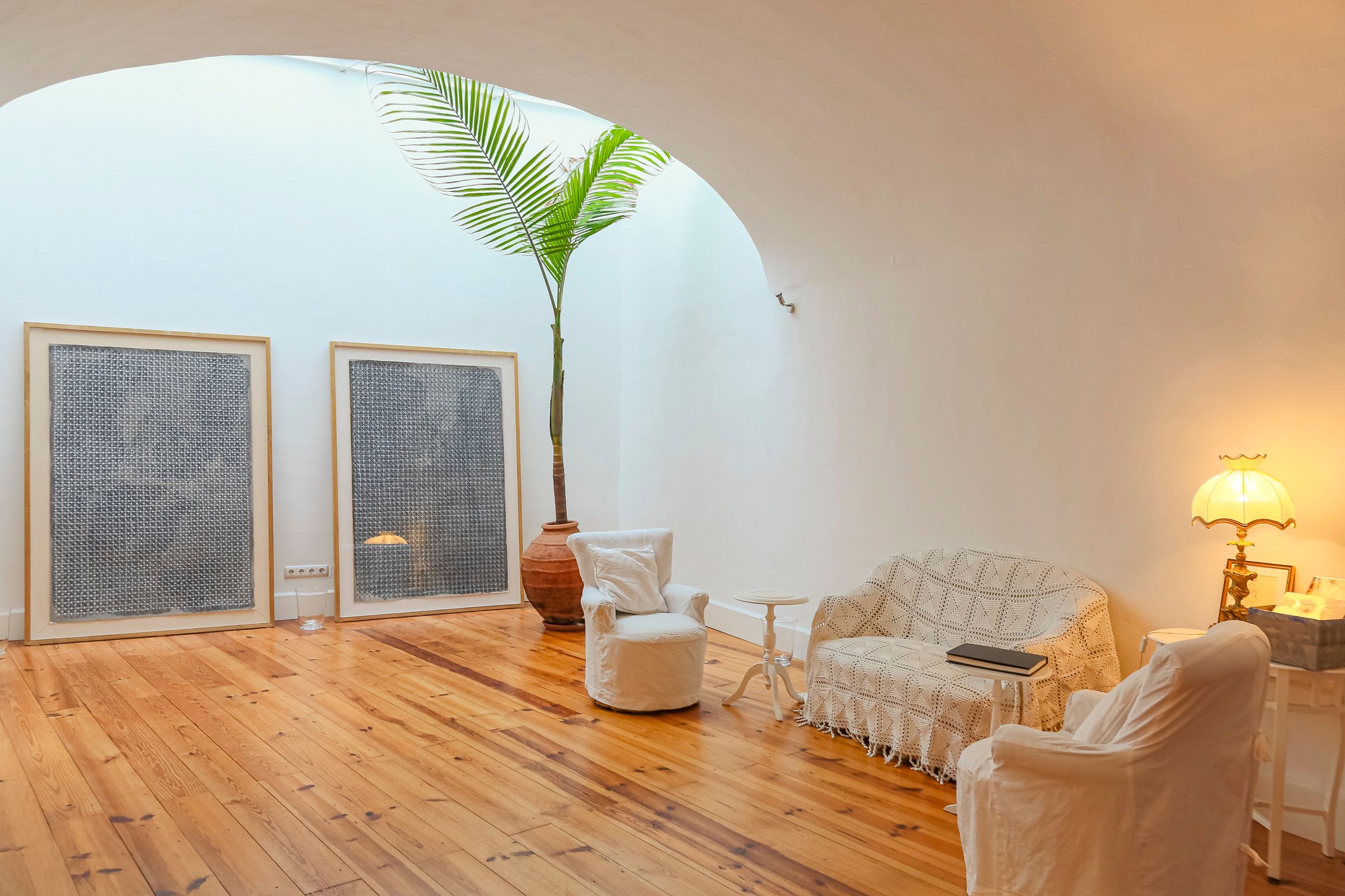
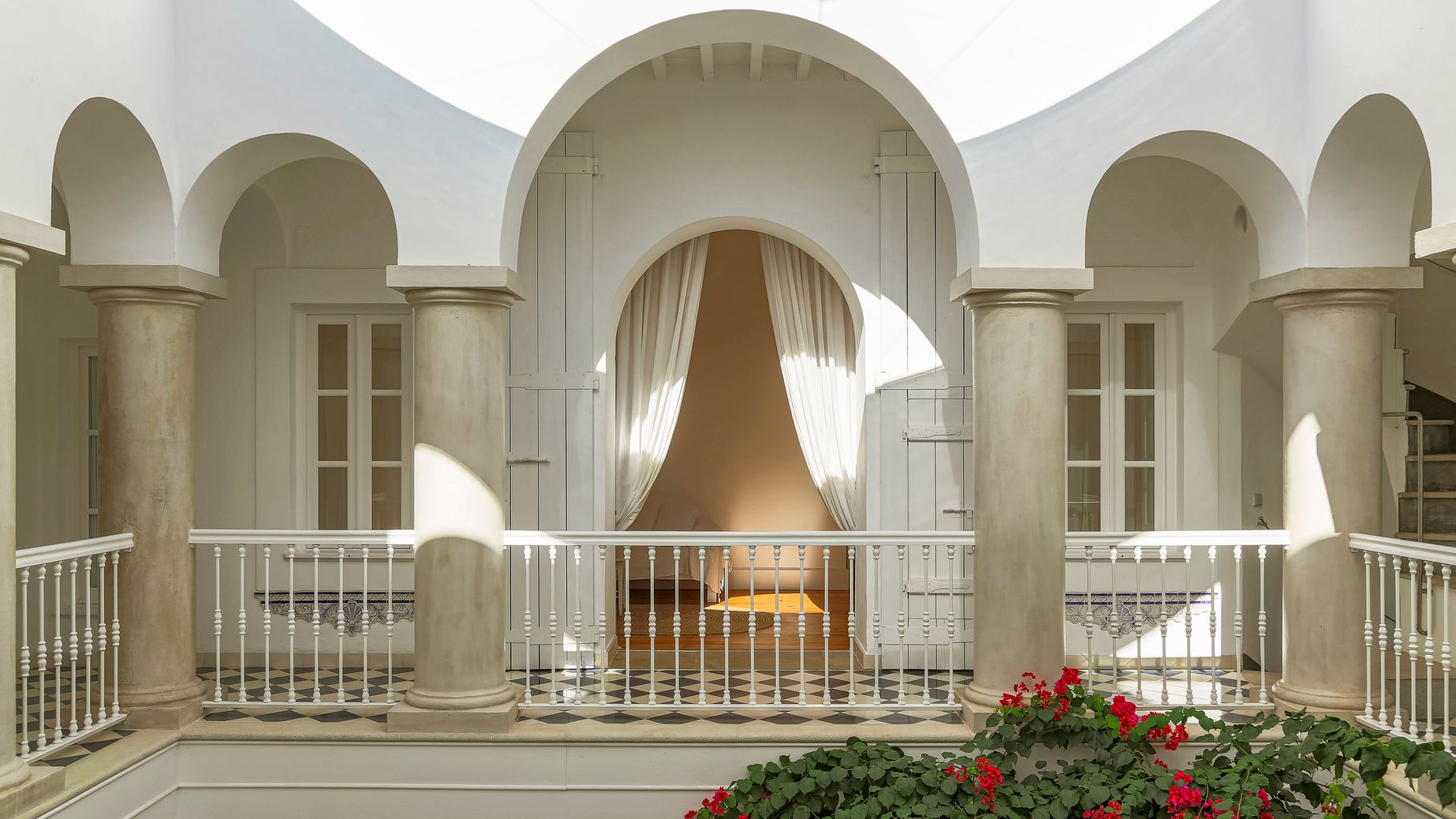
The Convento Olhão [Olhão Convent] offers a peaceful oasis in the old centre of the Portuguese town of Olhão. Although the name suggests otherwise, the building was once used as a hostel for women who worked in the fishing industry – the architecture and tranquil ambience of today’s B&B are nevertheless reminiscent of a convent. Rather inconspicuous from the outside, once you enter, an inner courtyard lined with colonnades opens upwards over two floors, with a fountain splashing in the centre. Inspired by the Moorish style, the former dormitories, now the guest rooms, are grouped around the courtyard. Both the exterior and interior are kept in plain white, while the minimalist furnishings emphasise the historic character of the house.
Time out in the old grind and polish factory
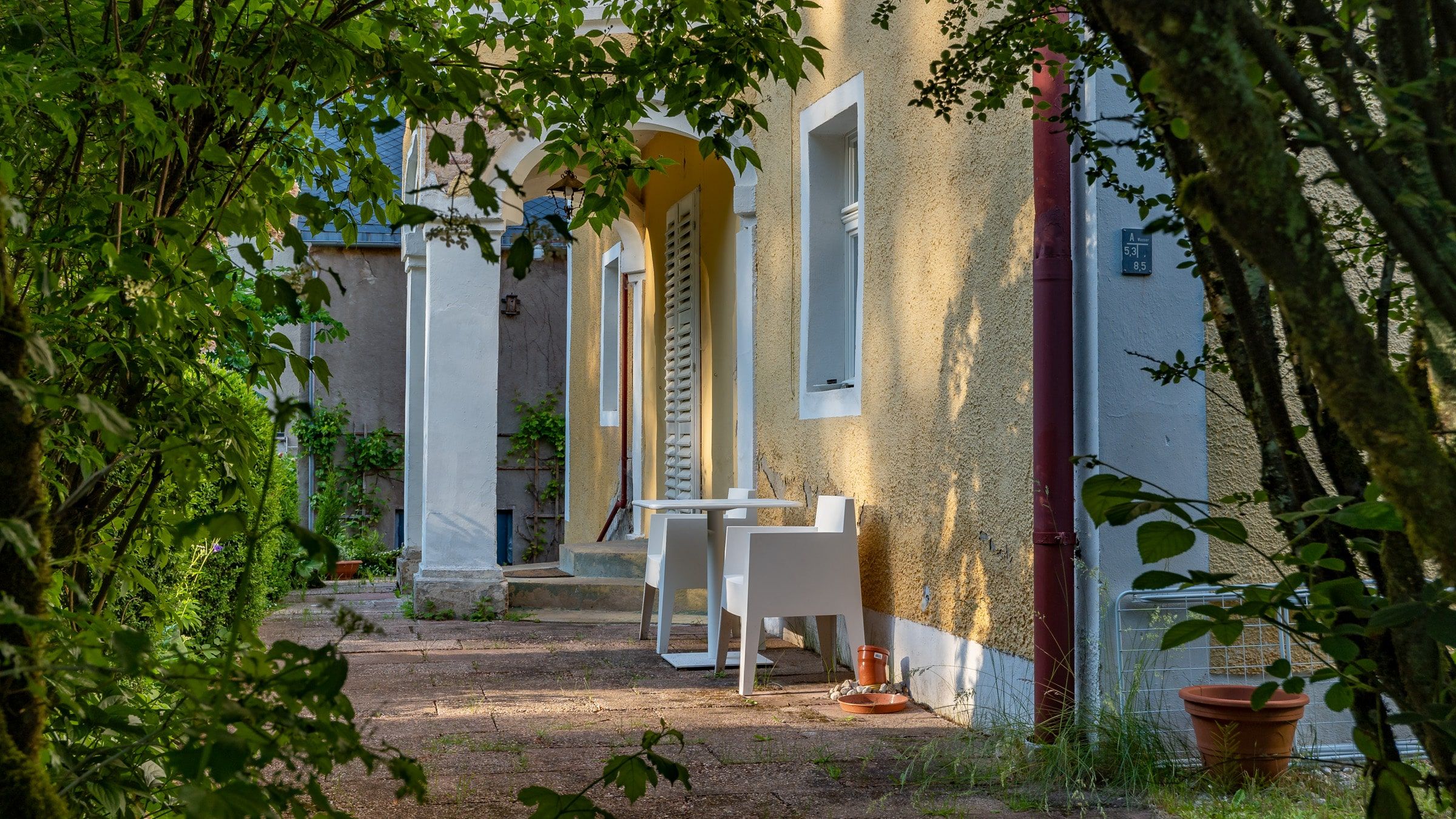
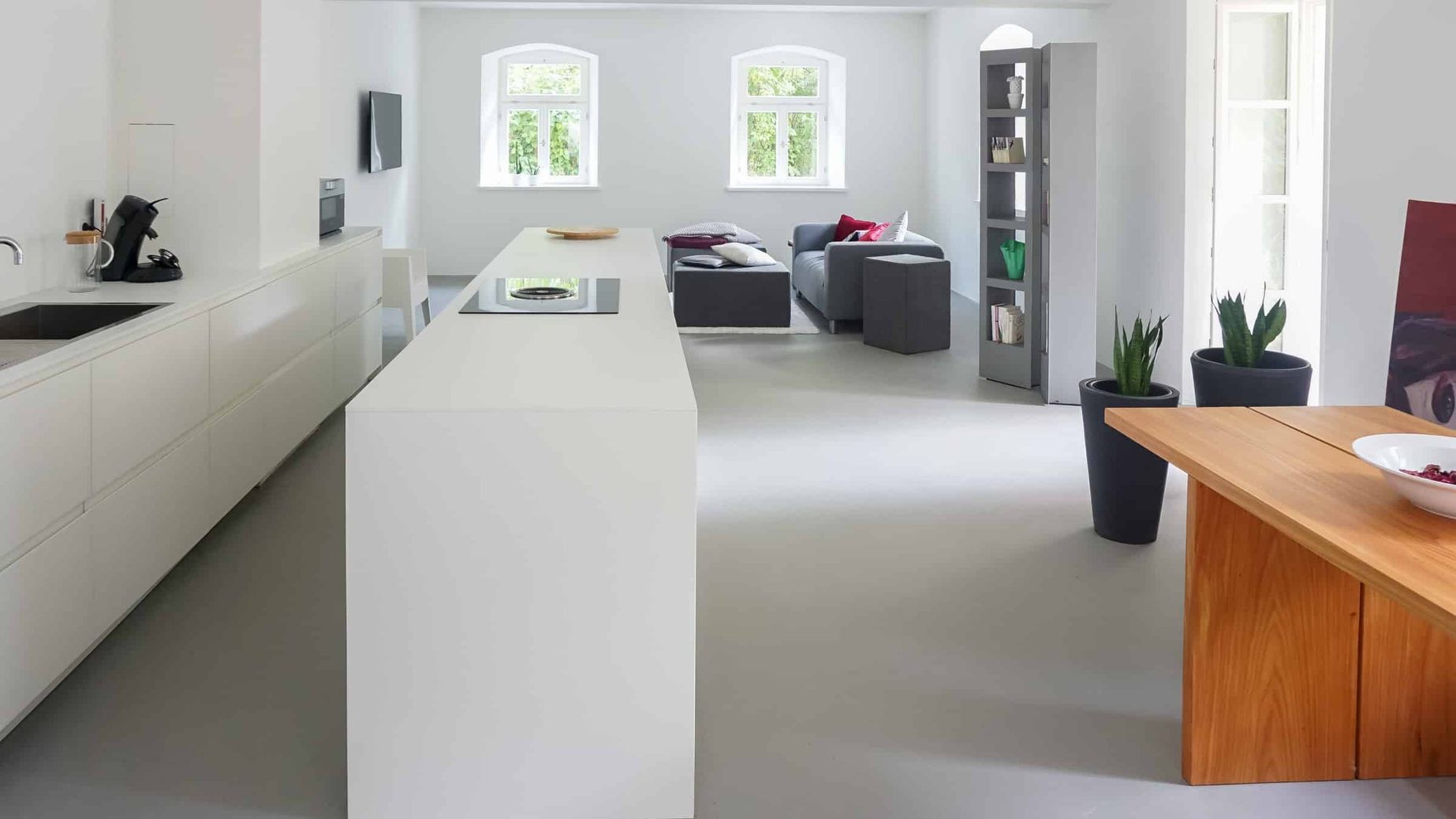
The heritage-listed former glass grinding and polishing works in Murnthal in the Upper Palatinate is located in a spacious, lush park with mature trees. Until the beginning of the 20th century, the region was known for its grinding works – today you can find pure nature here. The historical buildings of the three-sided Mittermurnthal holiday apartments are now home to two holiday apartments named ‘Schleif’ [Grind] and ‘Polier’ [Polish], which are both puristically and stylishly furnished. One offers space for two people, the other for two adults and two children – in both, the comfortable furnishings, the minimalist interior and the historical building structure form a harmonious whole.
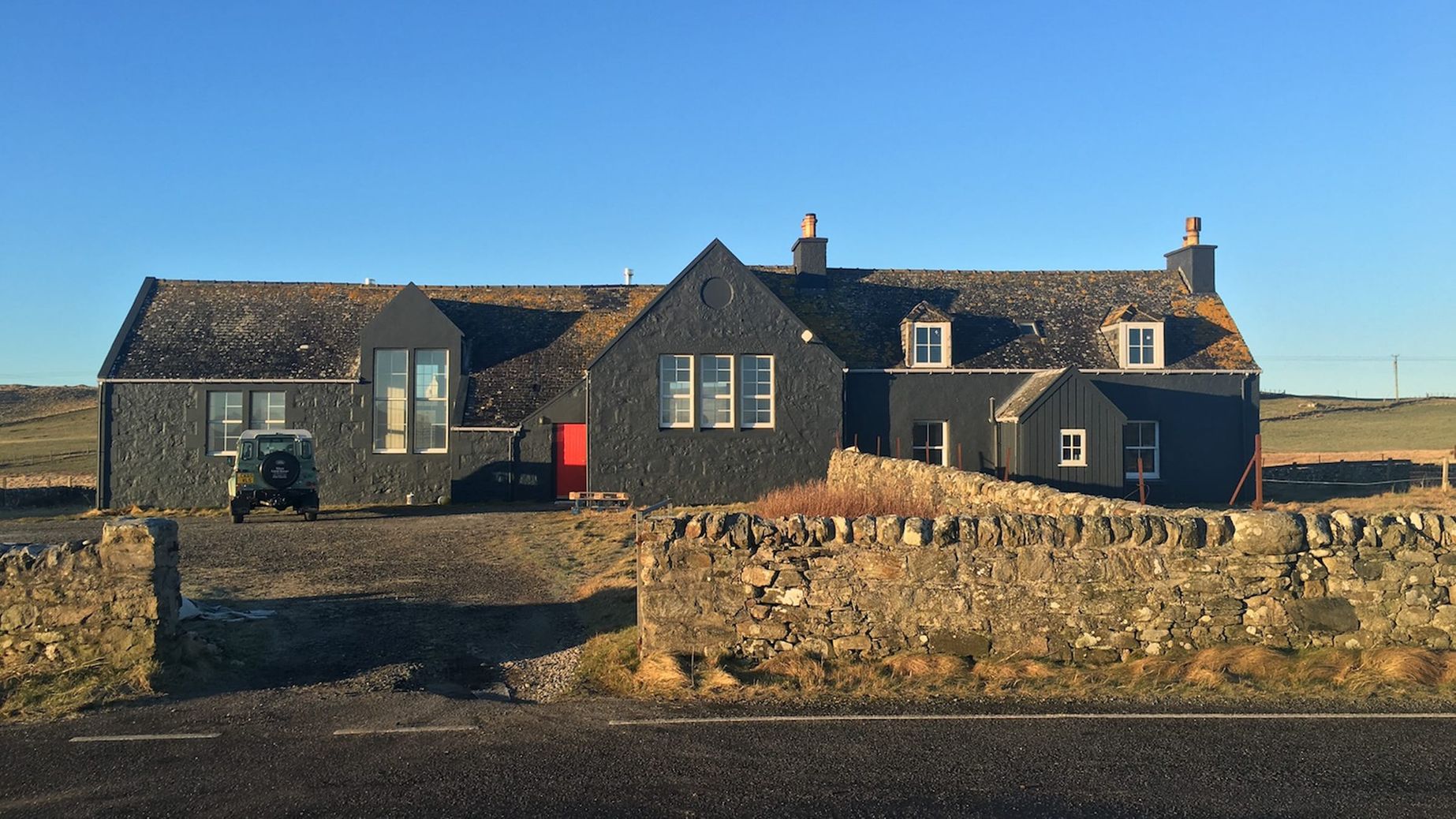
Holidays in the old Schoolhouse
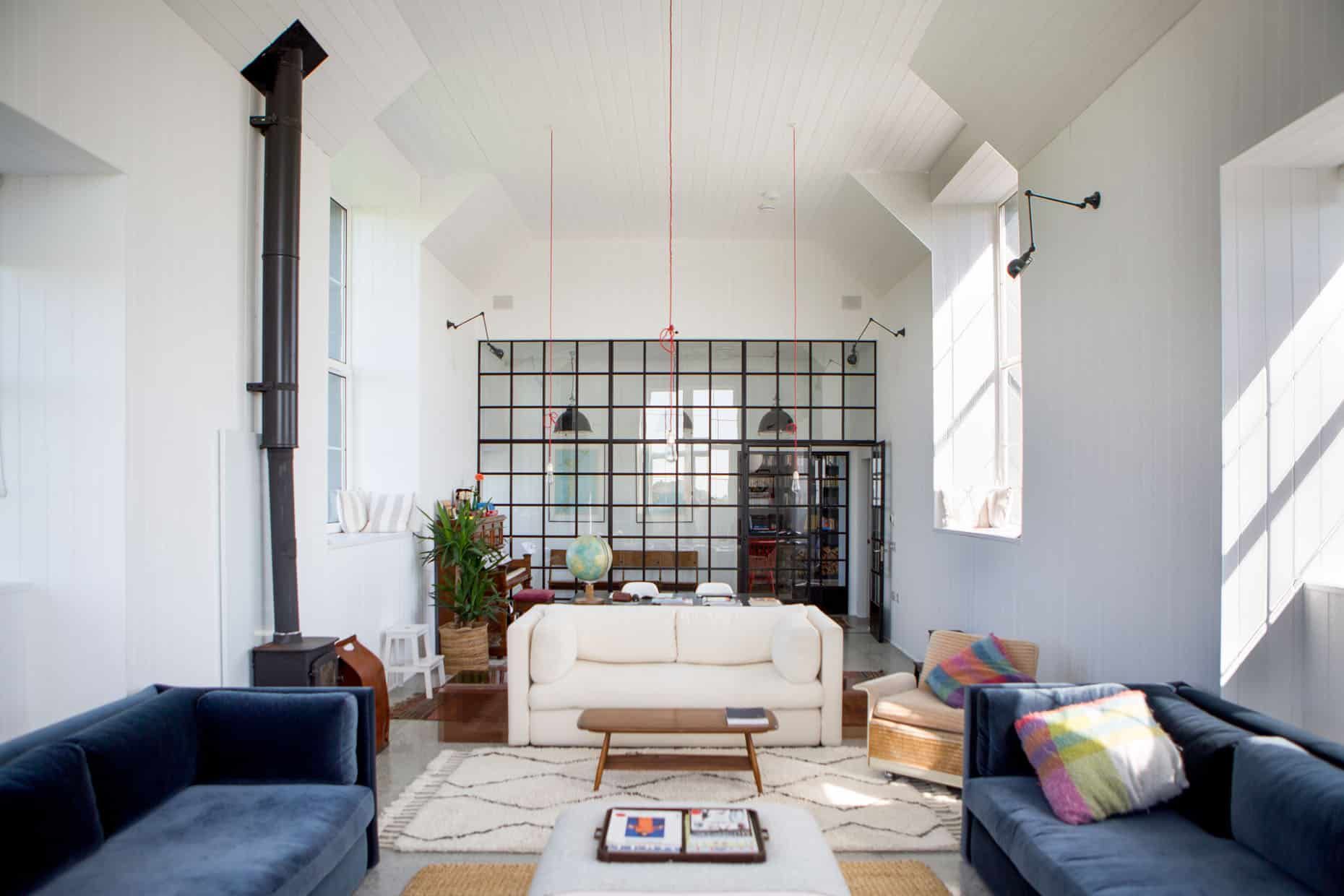
The children of North Uist used to go to school here – today the Tigharry Schoolhouse in the west of Scotland is now a modern holiday home. The 19th century schoolhouse is surrounded by fields and meadows, just a ten-minute walk from the beach. The former classrooms and dining room have been converted into living quarters, while the neighbouring cottage – formerly the teachers’ home – houses four large bedrooms and the bathrooms. With concrete floors and glass walls, the interiors, which open up to the roof, have an almost loft-like feel, while old floorboards and white wooden panelling create a warm atmosphere. The interior is a mixture of vintage pieces and modern furniture.
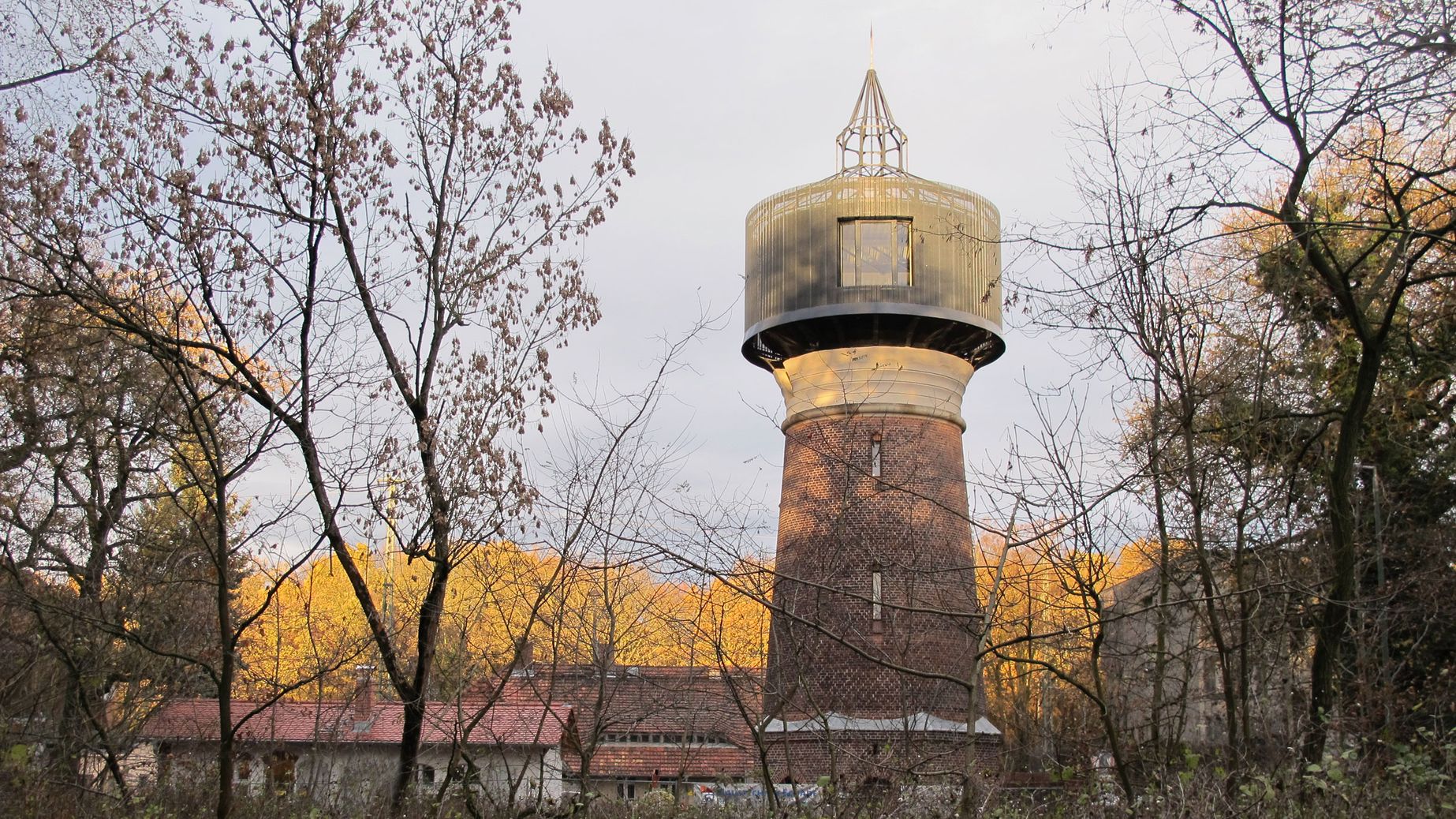
Water tower in Potsdam
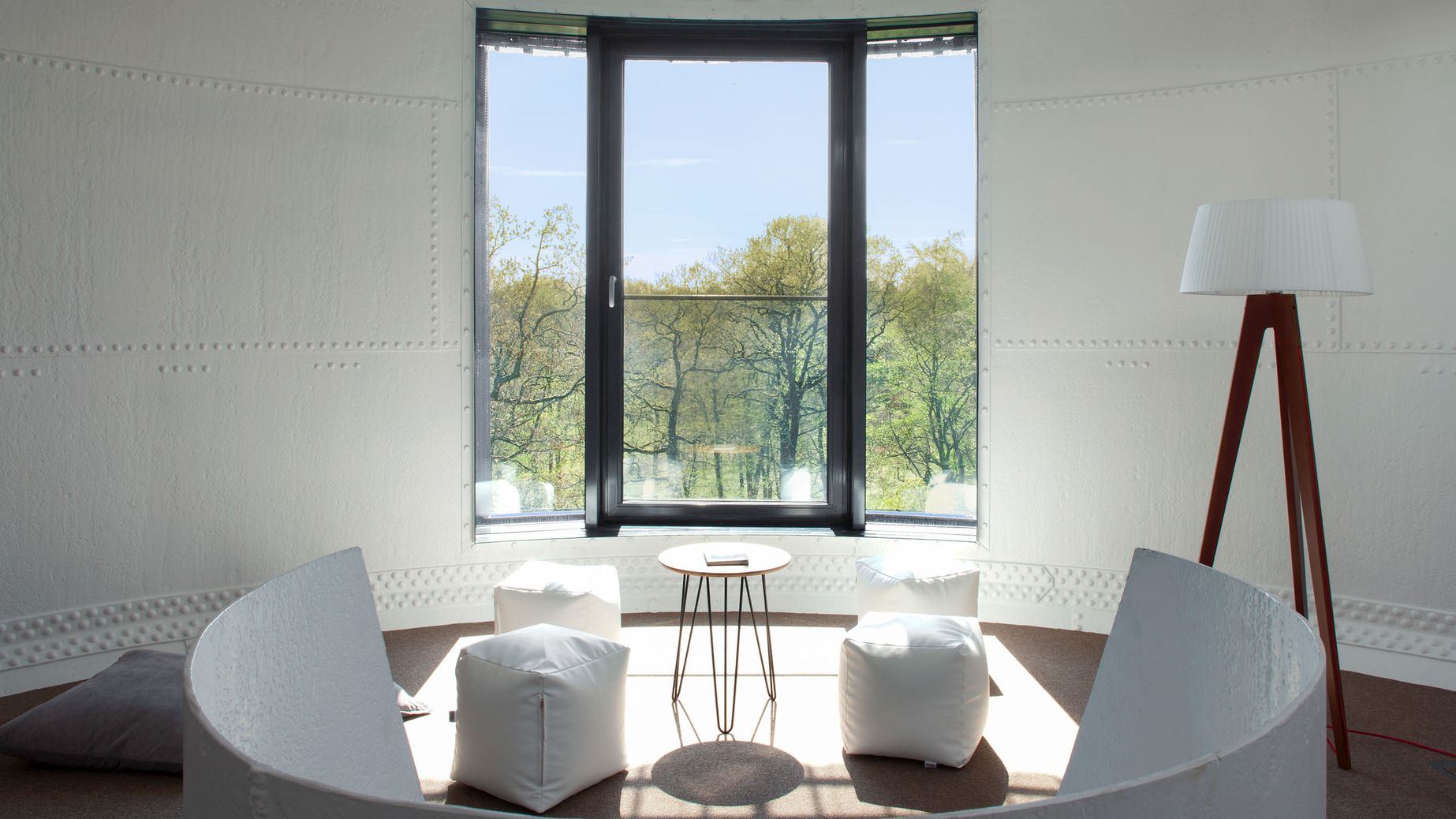
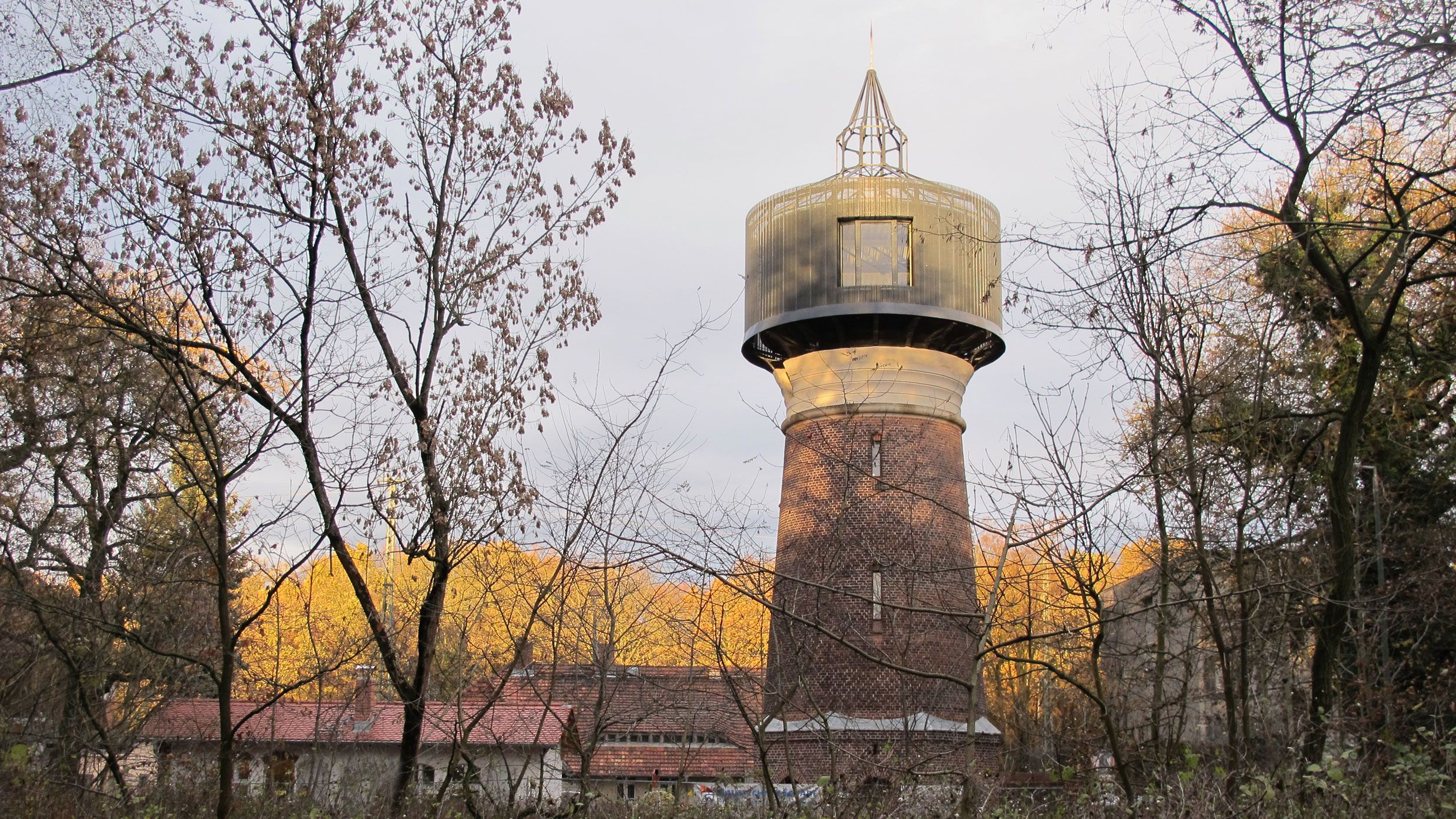
Just a few minutes’ walk from Sanssouci Park, adjacent to the wildlife park, is Potsdam’s old water tower. It was built at the beginning of the last century at the former imperial railway station and was used to supply water to steam locomotives. Following renovation, the historical building now contains a holiday apartment that extends over six floors and a roof terrace – climbing stairs is part of the living experience, as it were. The modern and sleek interior of the water tower in Sanssouci Park creates a successful contrast to the preserved historical details such as the raw brick walls, the old iron staircases, the domed ceiling on the ground floor and the water tank with original fittings.
In the footsteps of the cloth merchants
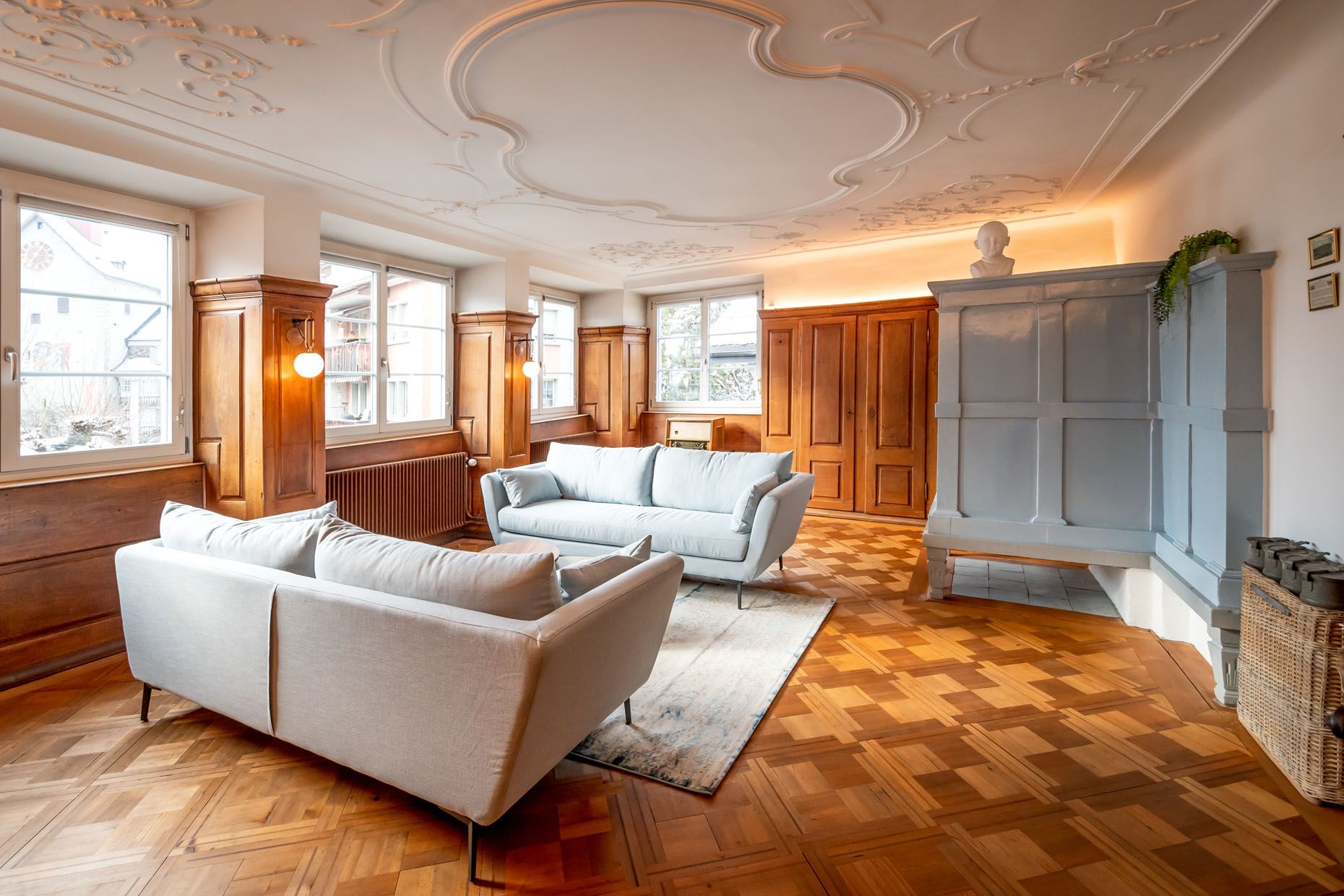
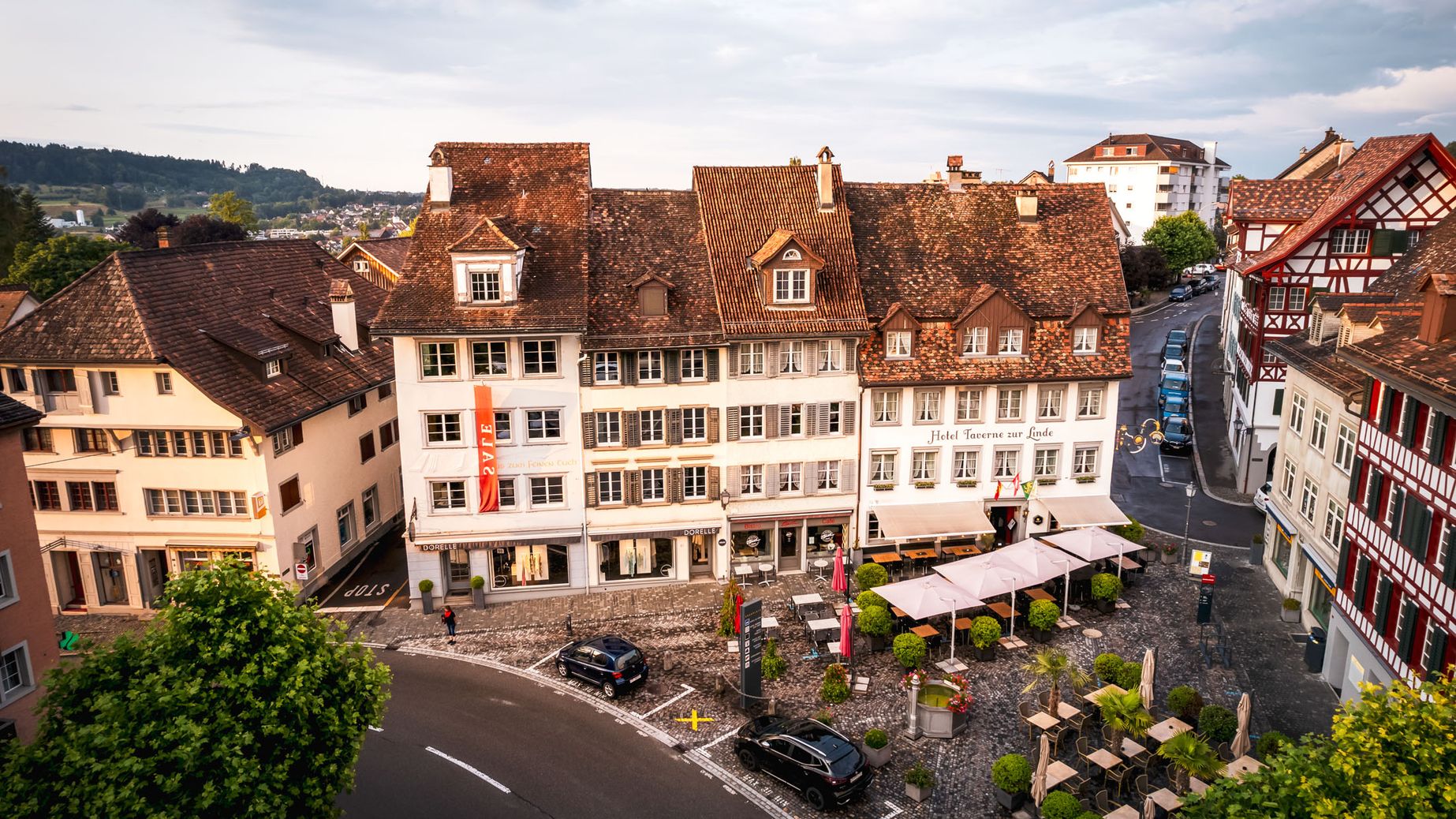
The four townhouses on Grubplatz in the Baroque town of Bischofszell in eastern Switzerland were once home to cloth merchants, craftsmen, innkeepers and Bischofszell dignitaries – until they became the property of Jacob Christoph Wehrlin’s family in 1808. The apartment block located here today is named after him: Jacob 1808. In the course of the remodelling, two of the old houses were connected on all levels. The charm of the historical building fabric with its stucco ceilings, wood panelling and half-timbered walls was preserved and complemented by modern furnishings. Each of the five apartments tells its own story: from the ‘Wirtshaus’[Inn] to the ‘Sattlerei’ [Saddlery] and the ‘Tuchhändler’, [Cloth Merchant] each one is a lovingly curated one-off.
Loft in the former shop
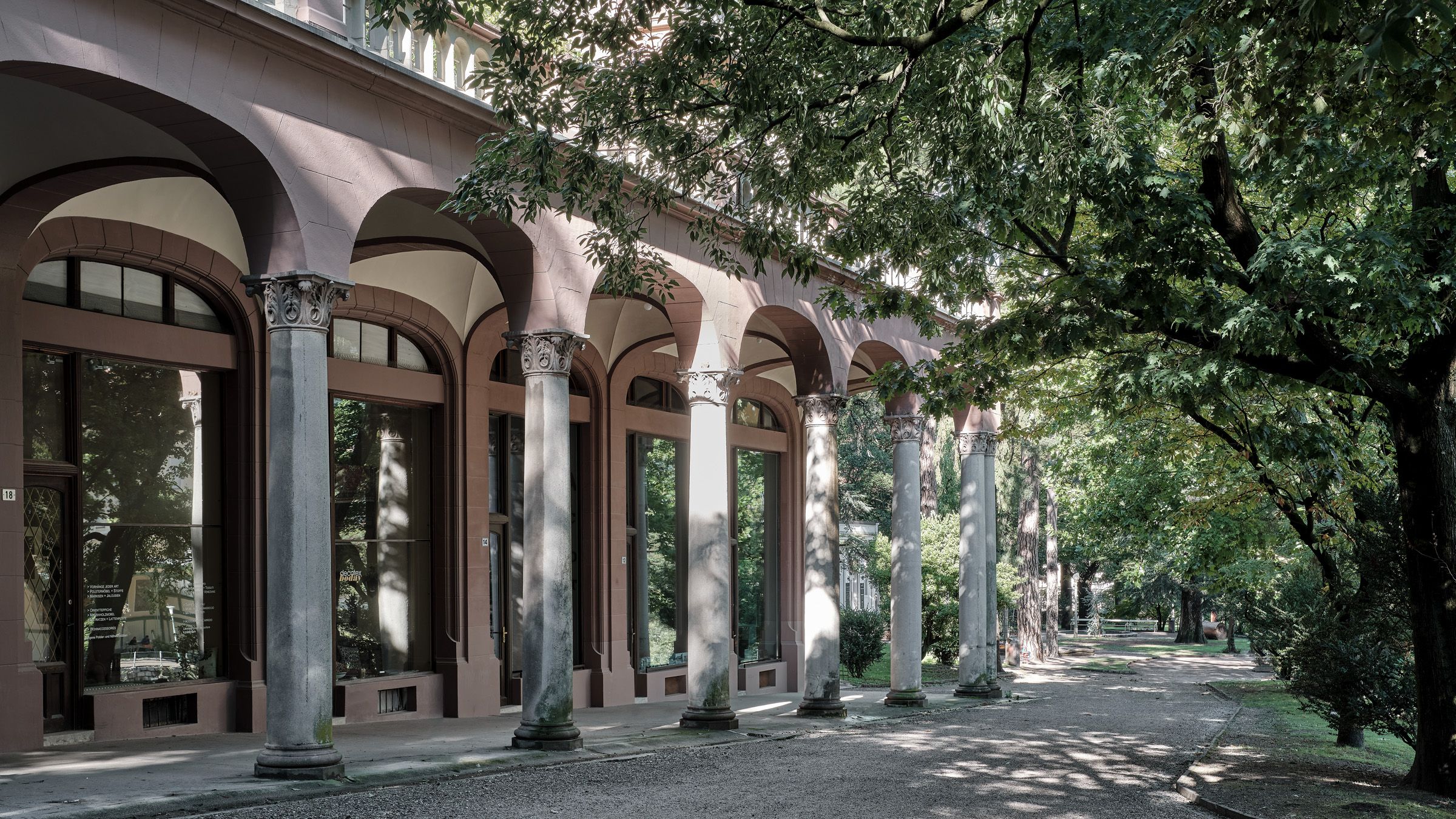
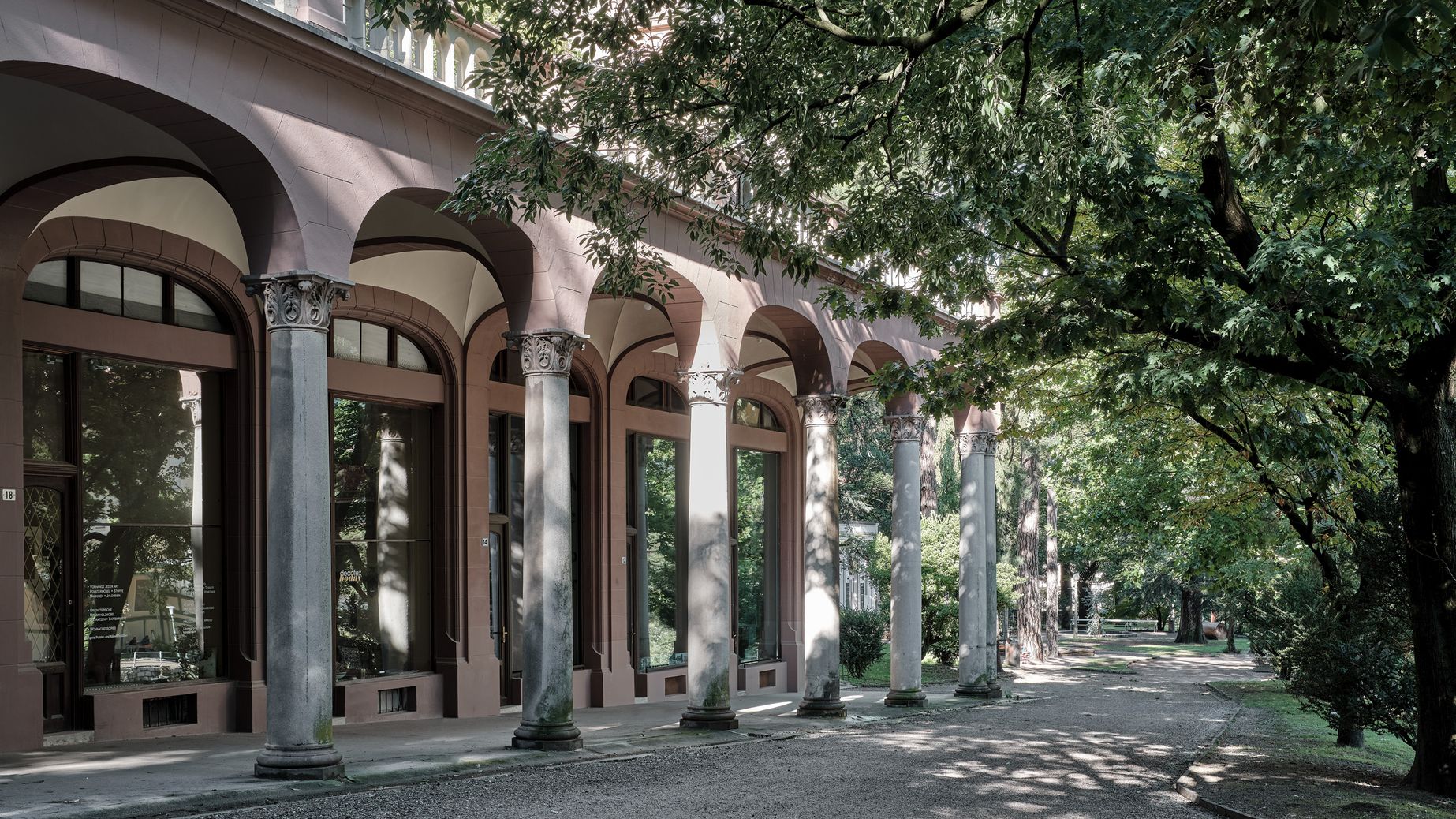
The heritage-listed three-winged residential and commercial building in Merano’s Elisabeth Park, built at the beginning of the 20th century, is considered one of the most important buildings in the history of the spa town. The architect Markus Scherer not only has his office in the ensemble but has also converted a former shop into an extraordinary holiday apartment. The Parcloft with a direct view of the Passer River and the Wandelhalle [Pump Room] on the opposite bank extends over two levels and combines historical architecture with contemporary design – oak and Viennese wicker cabinets meet glass block walls and vintage Thonet chairs meet furniture specially designed for the loft.
Extraordinary celebrations in the old School
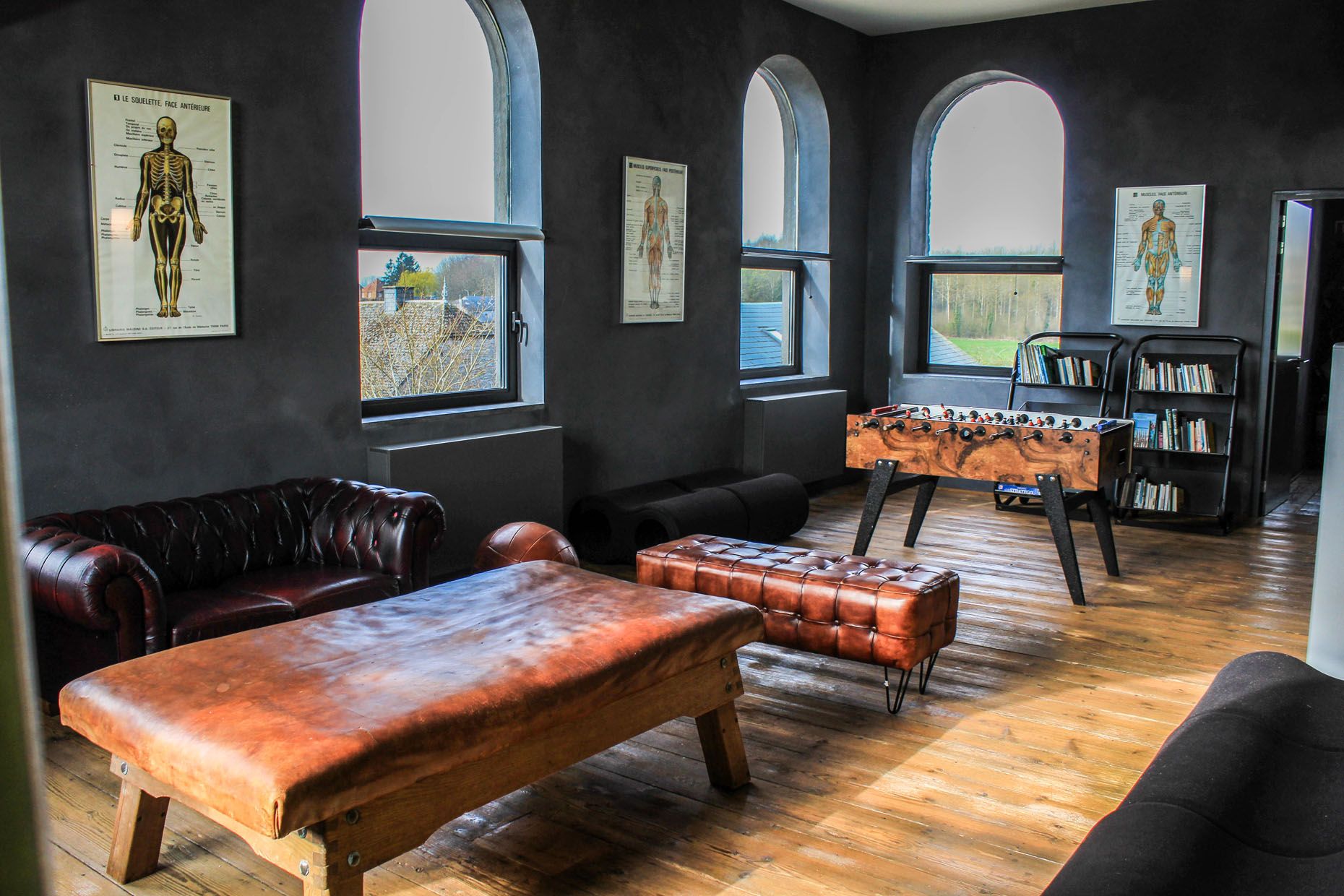
The old schoolhouse in the Belgian province of Namur offers a charming setting – whether for holidays or celebrations. In La Classe, a three-storey building with a brick façade built in 1863, there is plenty of room for families and groups of up to 21 people. The historical building structure lends the rooms a charm of their own – together with the high-quality furnishings and numerous design pieces, this creates an extraordinary ambience. The interior makes repeated humorous reference to the school theme: in the open kitchen with large dining table and lounge area, school chairs in different colours hang on the wall, in the common room there is old gym equipment, and school blackboards can be found everywhere, both indoors and outdoors.
Celebrations in the old dye works
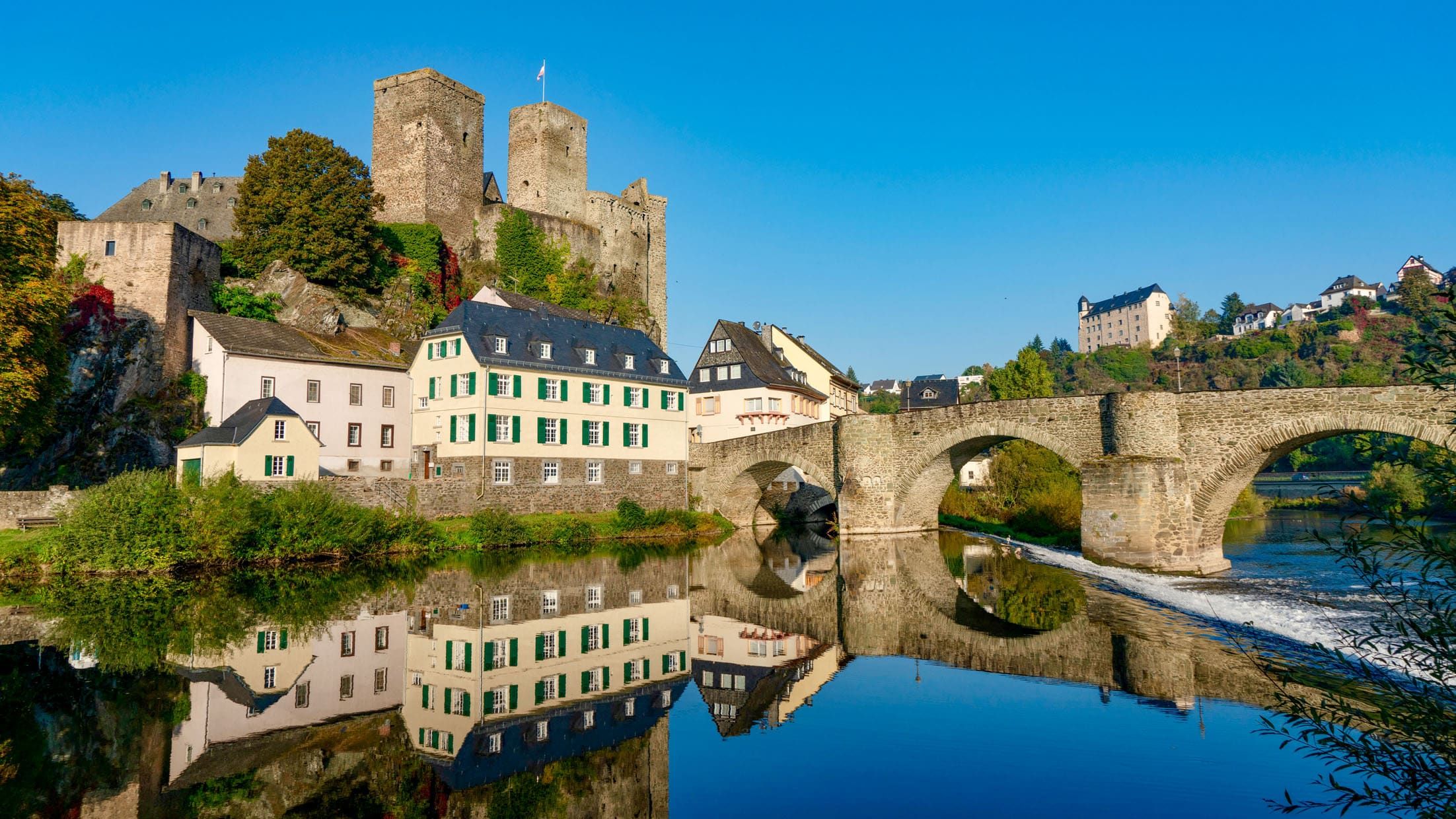
In the early Middle Ages, the Merovingians washed their laundry in the river here, and later the first dye works in the Hessian castle town of Runkel was founded at this point on the Lahn River. Today, the heritage-listed Alte Färberei Runkel [Old Dye Works] dating back to 1928 offers space for groups of up to 30 people – whether for (family) celebrations or workshops. In the modern and minimalist guest house, there are five double rooms, two triple rooms and a room with a dormitory under the roof. A large room on the ground floor can be used for dining and living or as a seminar or party room. Today, the Lahn is preferably used for a refreshing swim instead of washing clothes – at least by good swimmers.
Text / Compilation: Tina Barankay
Photos: © Wirth Alonso Architects (Wasserturm am Park Sanssouci, also cover photo), © Egon Gade (Saftstationen), © Andrea Vierucci (Umamma), © Theo Gould (Convento Olhão), © Mannhart Wolfgang (Mittermurnthal), © Cara Forbes (Tigharry Schoolhouse), © Marco Wüst (Jakob 1808), © Davide Perbellini (Parcloft), © Alexandre de Radiguès (La Classe), © Ingmar Kurth (Alte Färberei Runkel)

0 Comments