Passa Tempo
Italy // Marche
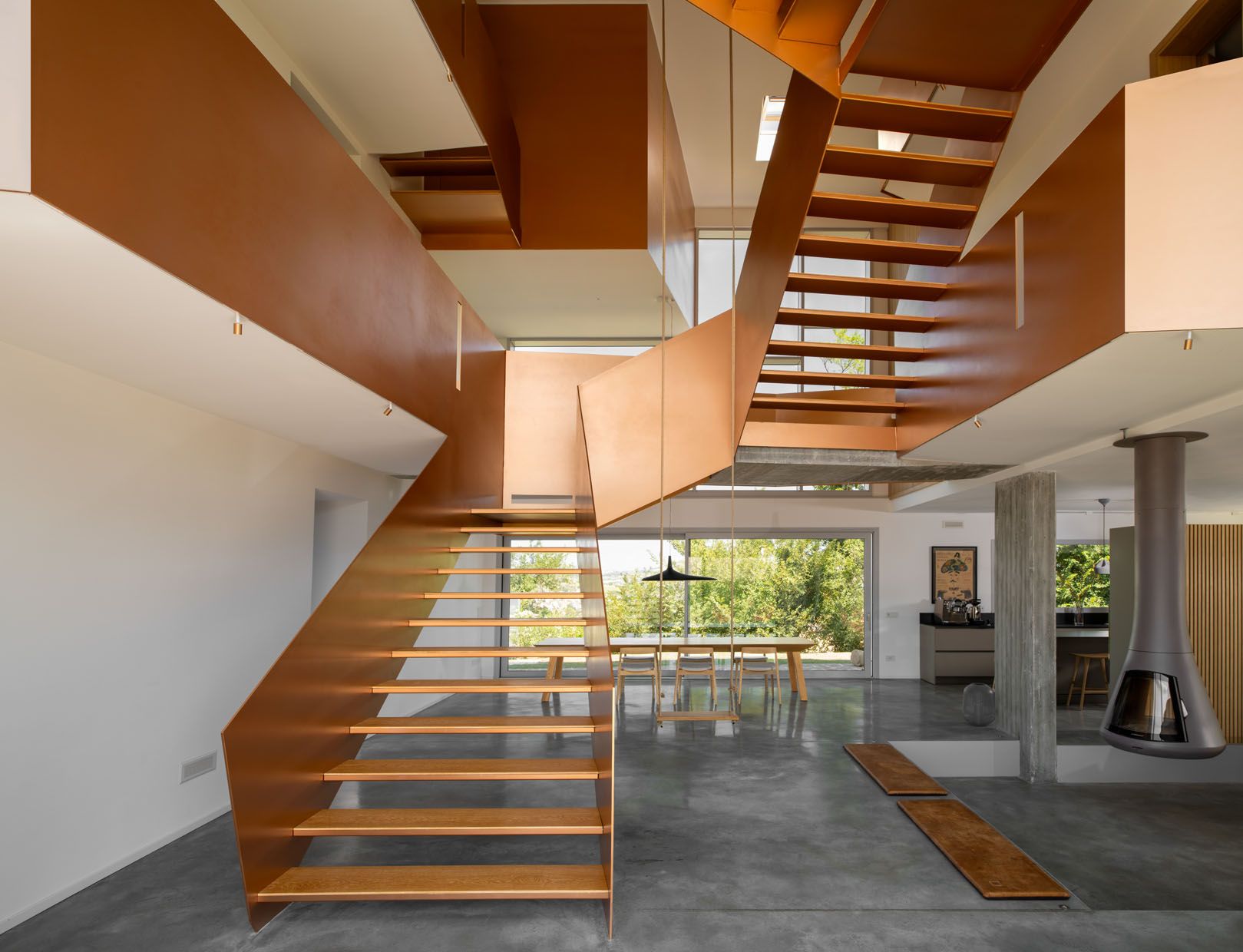
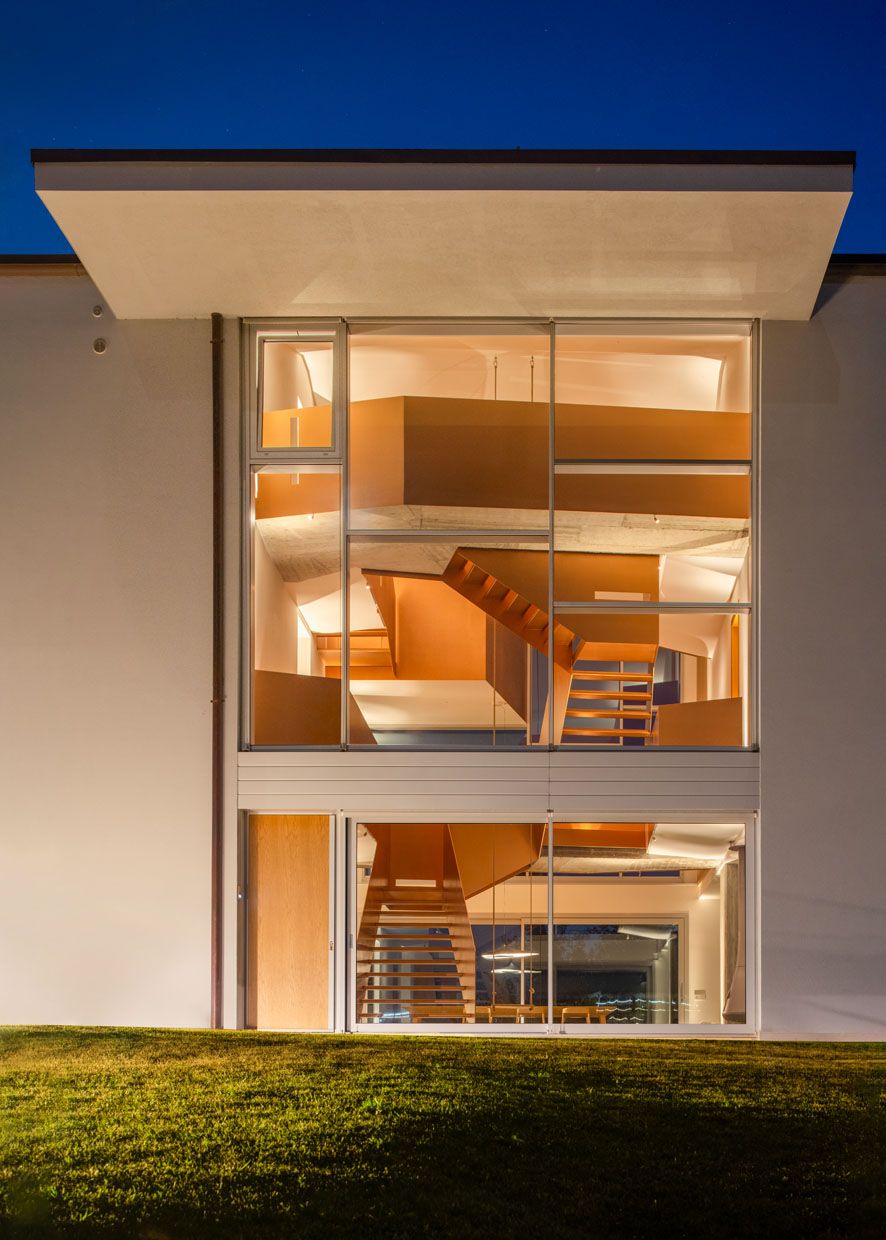
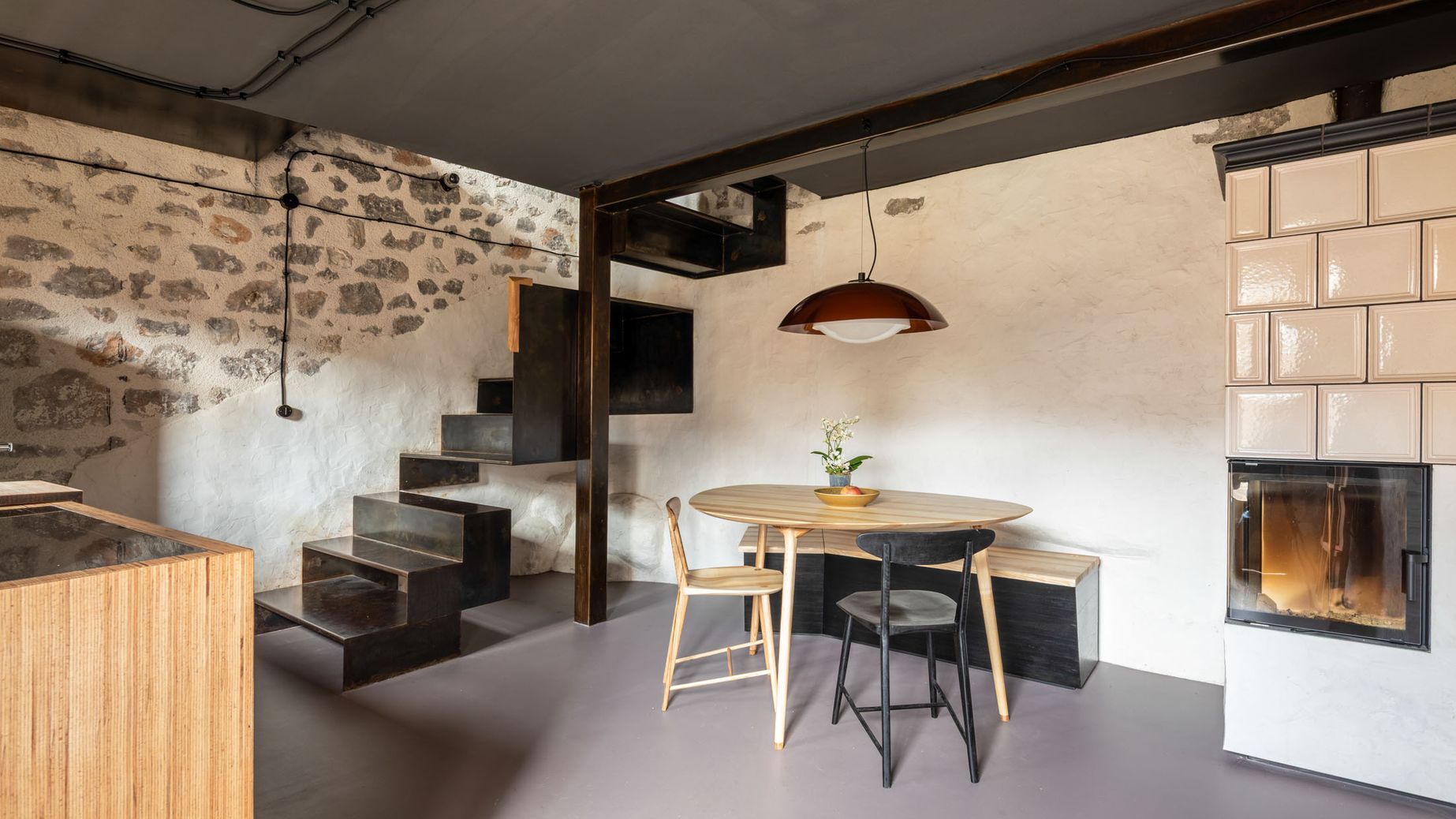
At Passa Tempo, a sculptural steel staircase marks the transition from rural country house to contemporary living space. The typical farmhouse in the hilly Marche region has been converted into a generous retreat by architecture firm mgark. At its centre: a void extending across three floors that echoes its former use as a stable. A freestanding steel staircase has been inserted into this space, winding its way up the centre of the room like a sculptural element. It replaces the previous exterior staircase and links the house’s communal areas with the private retreats above. All around: the untouched landscape between Osimo and Montefano – a quiet co-player in the architectural composition.
More about Passa Tempo
Amtsalon
Germany // Berlin
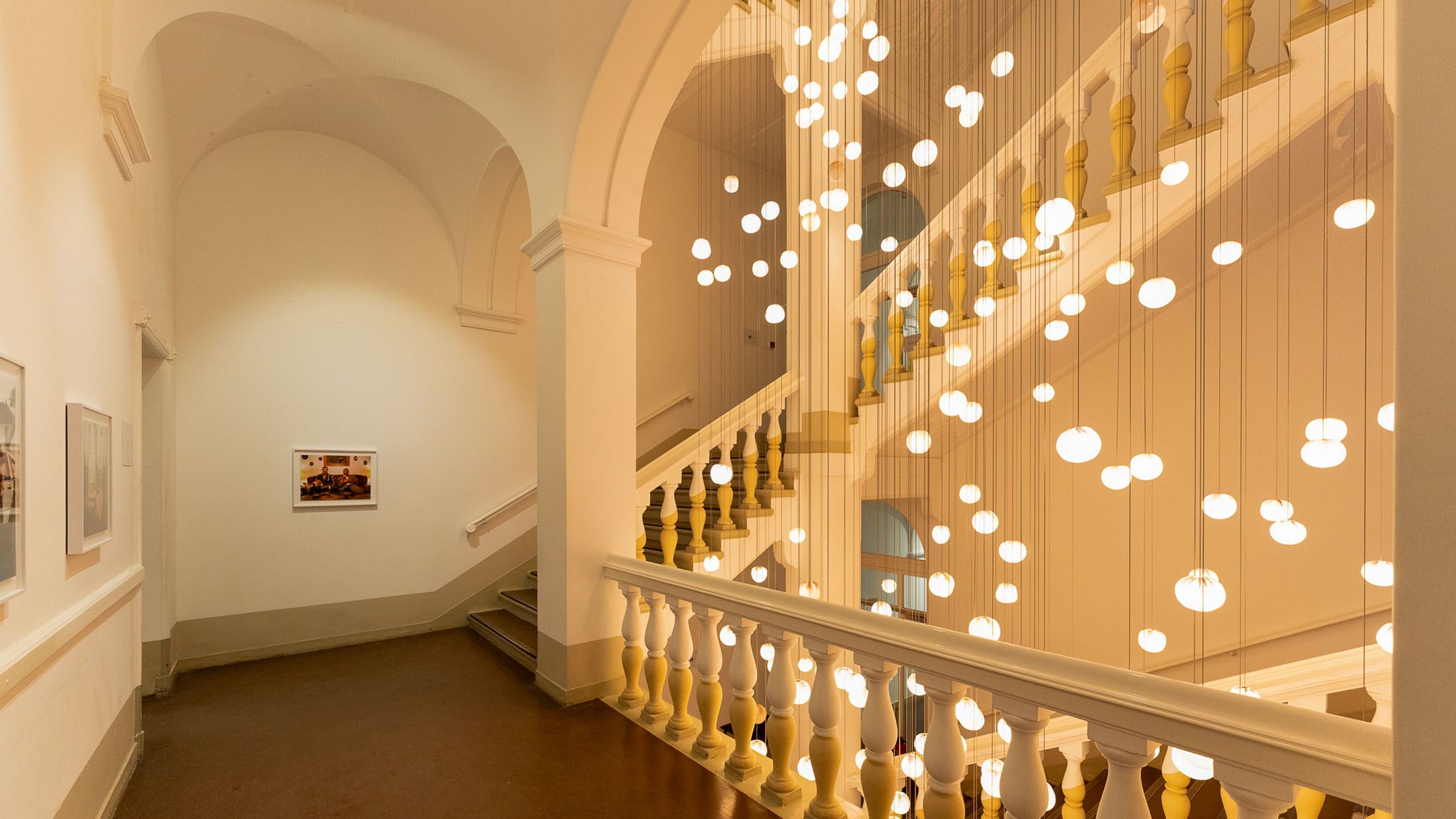
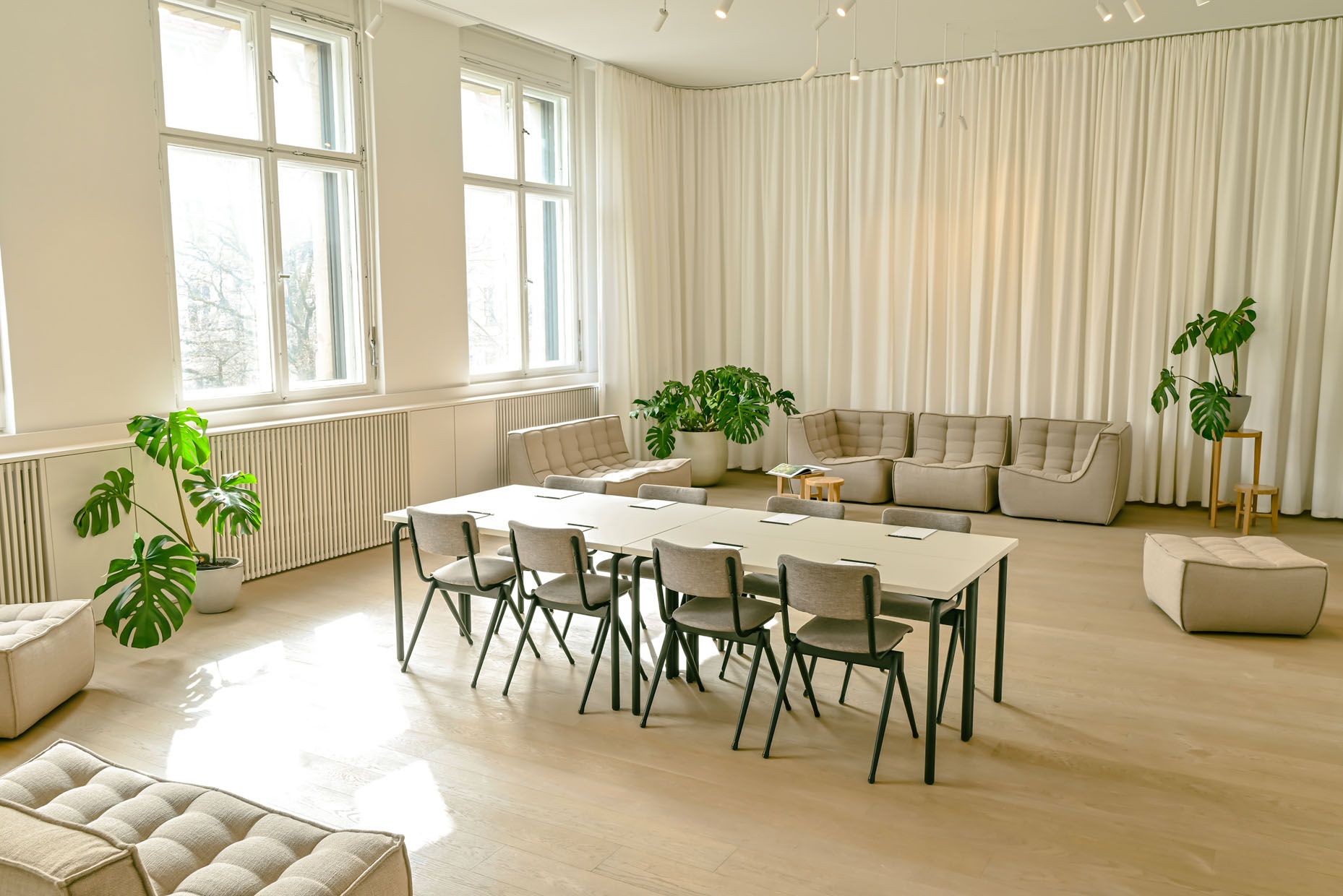
A former courthouse transformed into a venue for art and cultural projects – this is the Amtsalon in Berlin. The listed building with a green backyard is located on Kantstrasse in Berlin’s Charlottenburg district and was built in 1896. Grüntuch Ernst Architekten have carefully transformed it into a multidisciplinary project space. Twenty rooms of varying sizes, the foyer, and the imposing historical staircase are now available for exhibitions and events. For a time, the building also housed Showroom 79 of luminaire manufacturer Bocci – the spectacular lighting installation in the stairwell has remained: hundreds of glowing glass spheres reinterpret the baroque fabric of the building and turn the ascent into an almost meditative experience.
More about Amtsalon
The Long House
England // Norfolk
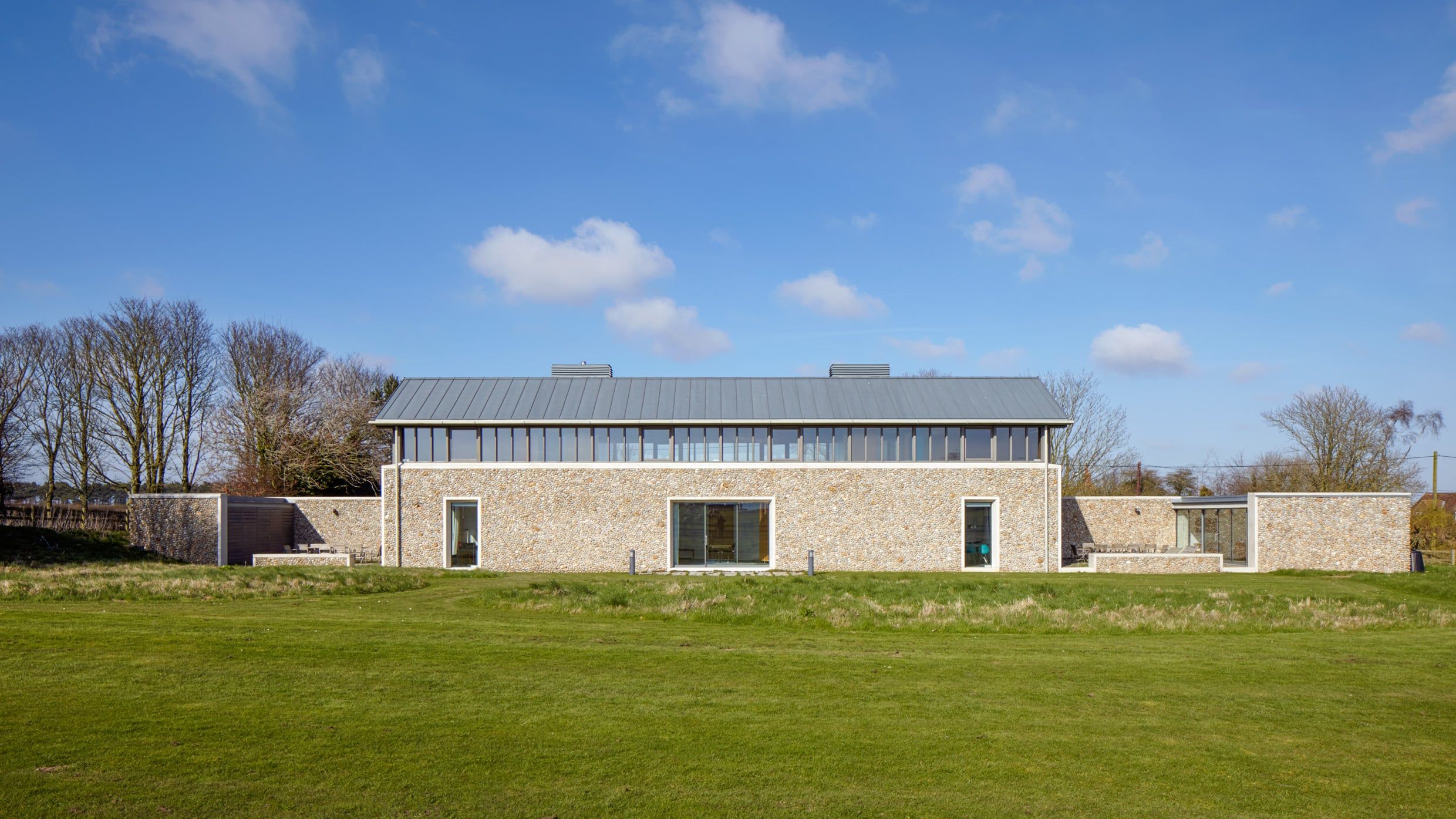
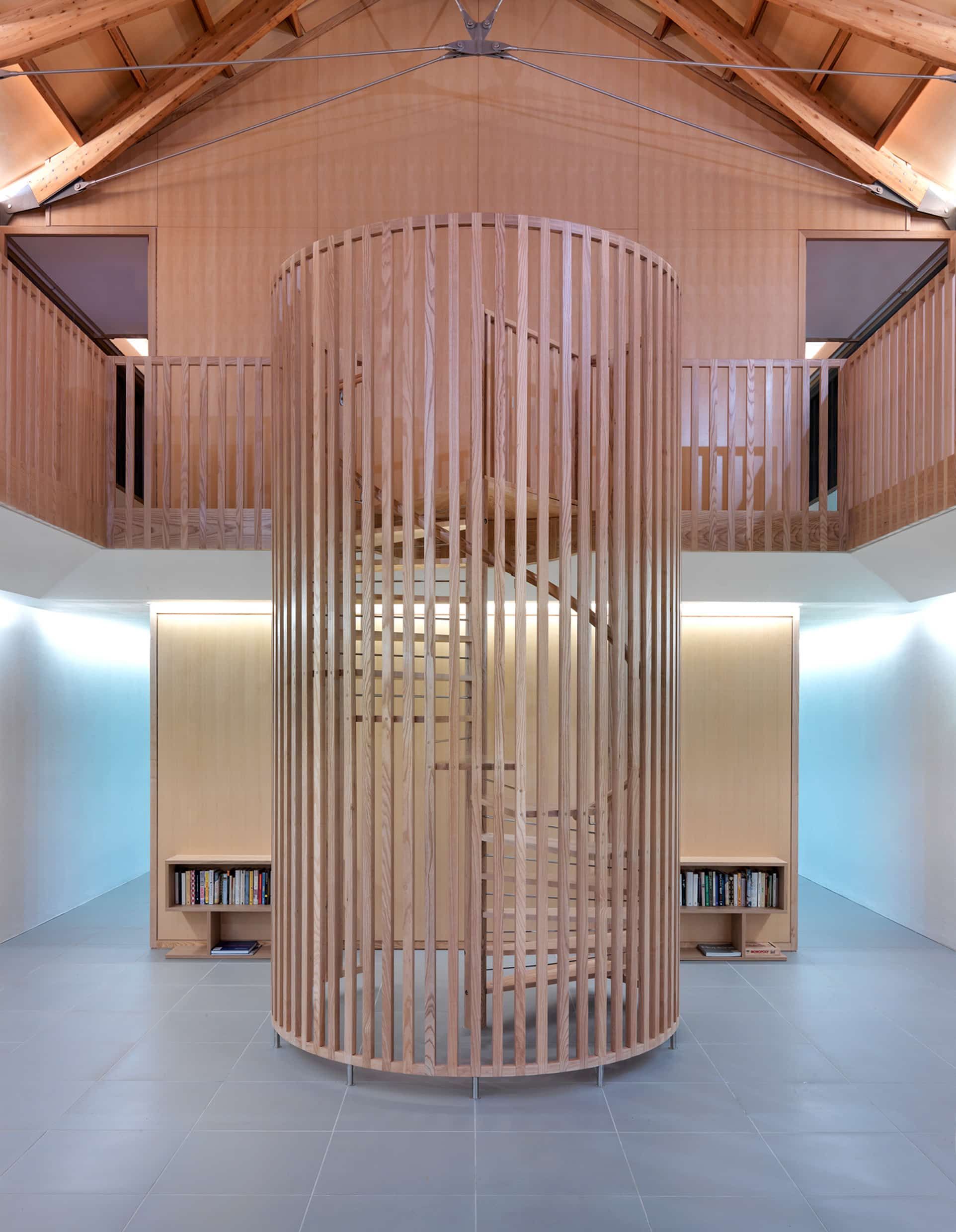
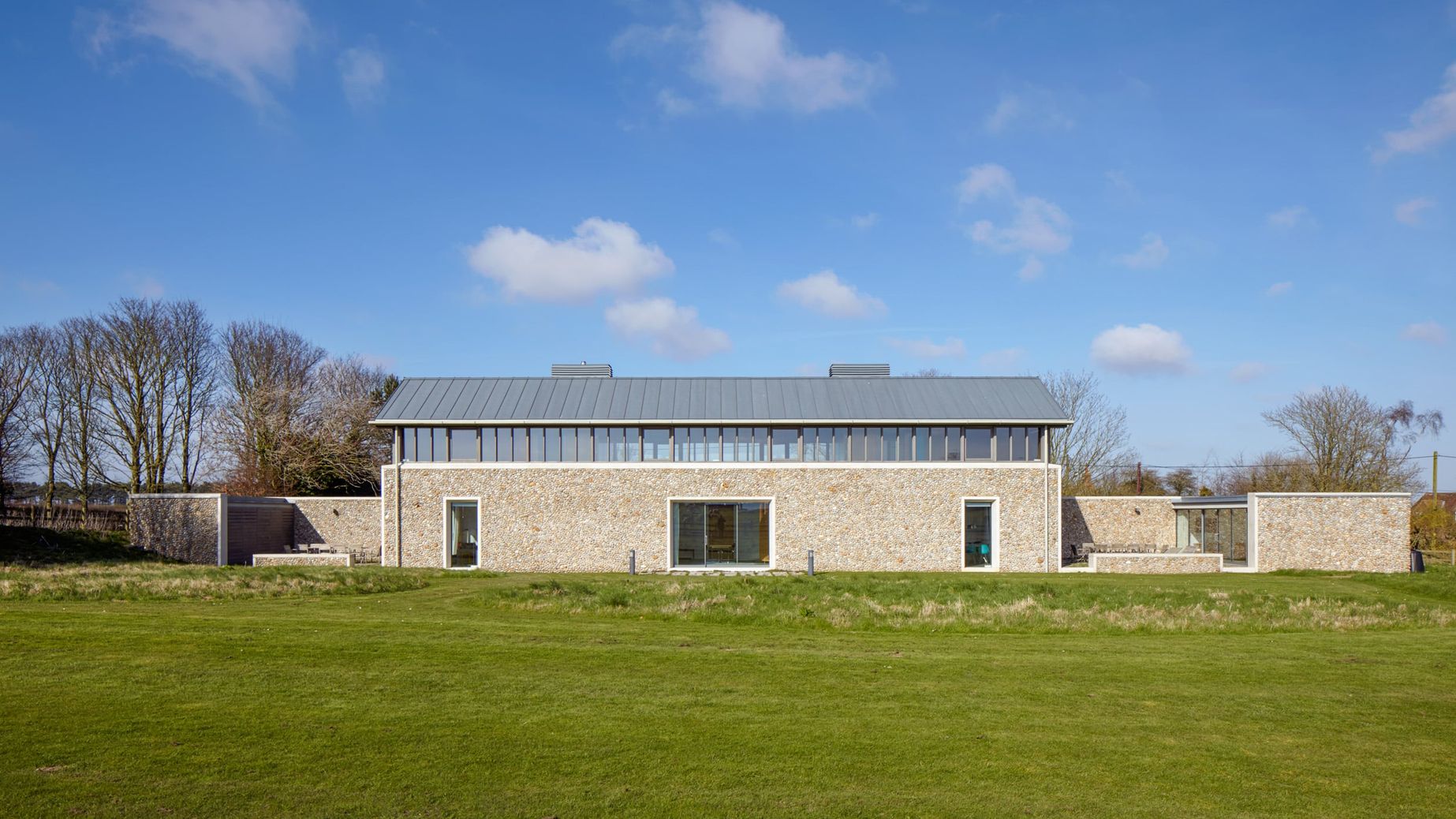
At The Long House by Hopkins Architects, a timber spiral staircase becomes the sculptural centrepiece of a holiday home on England’s east coast. The freestanding stairs connect the ground floor with a gallery level in the house’s open main space. Encased in a cylindrical timber volume, it feels like a piece of furniture, fitting seamlessly into the minimalist spatial concept while lending the central hall a sense of almost sacred calm. Its gentle curve stands in contrast with the building’s strict geometry – and thus appears to be a calm anchor point in the open space.
More about The Long House
Villa Winternitz
Czech Republic // Prague
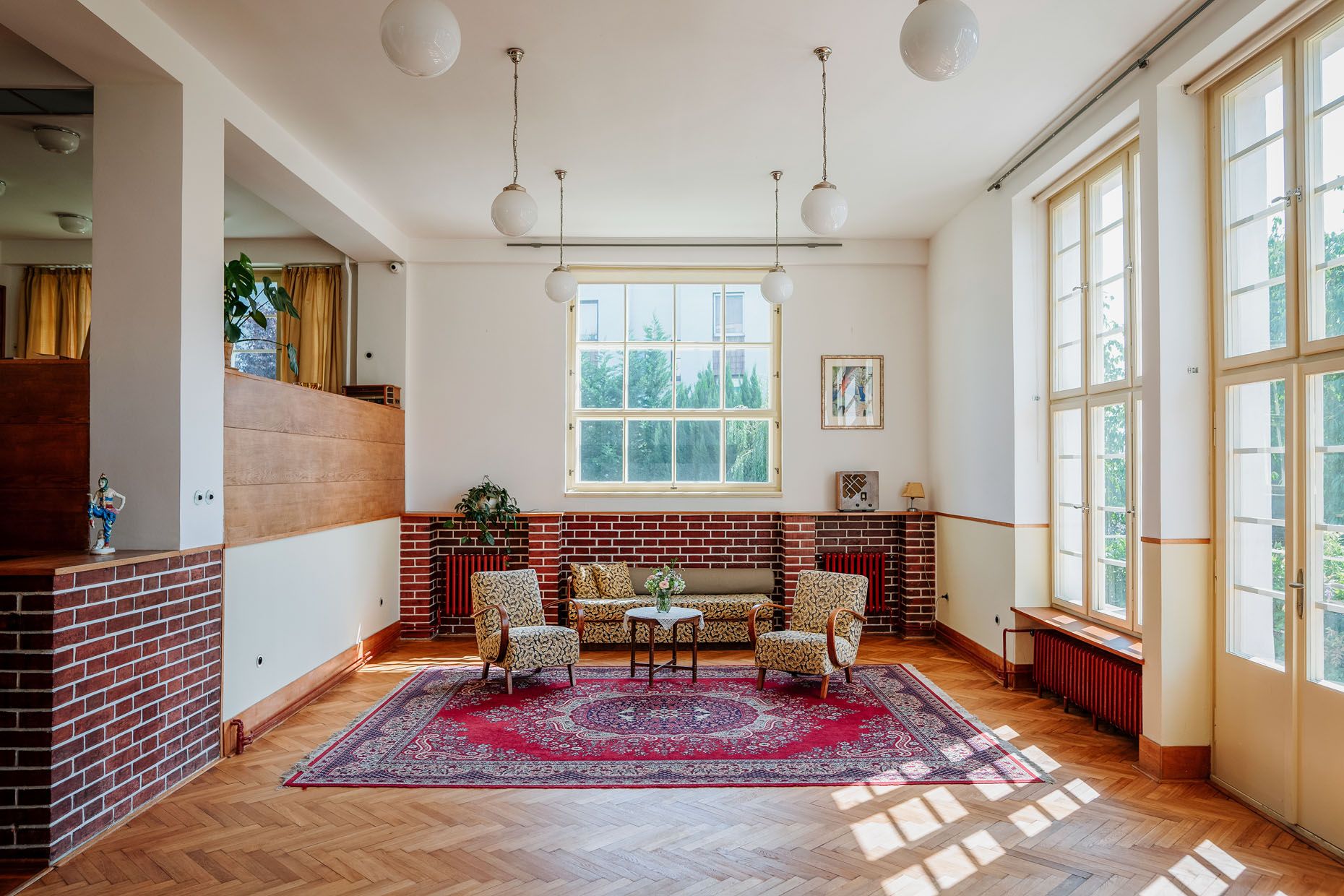
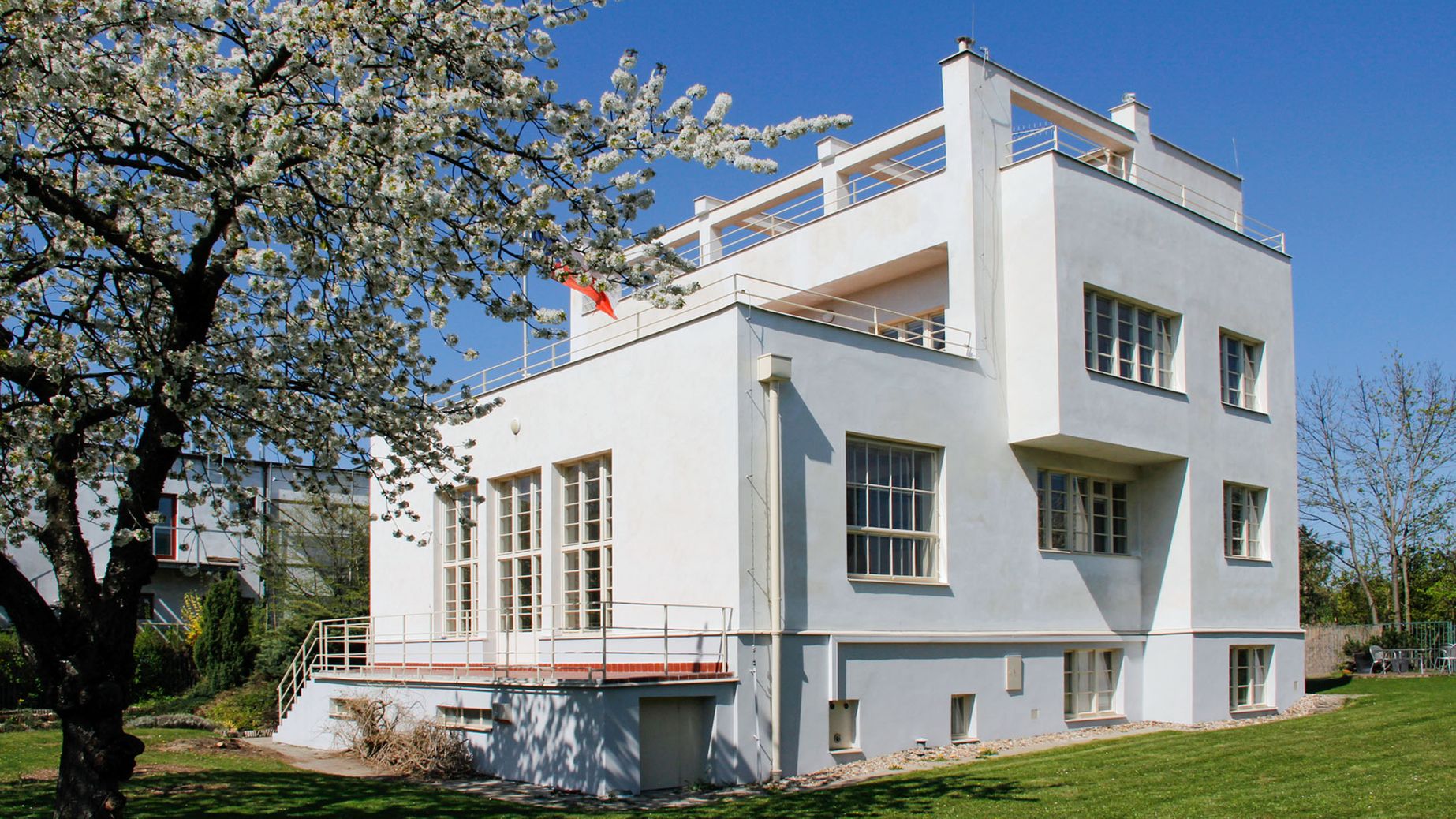
In Villa Winternitz, built in 1932, Adolf Loos implemented his characteristic “Raumplan” – a concept that breaks with traditional floor levels in favour of a flowing system of interlocking spatial volumes and ceiling heights. The staircase plays a key role in this: rather than simply leading from the bottom to the top, it reveals a continuous spatial structure. From an inconspicuous side entrance, a first staircase leads to the double-height salon, the heart of the villa. Further stairs lead almost imperceptibly to the study, dining room and sleeping areas, each with different ceiling heights. Openings in the walls reveal surprising sightlines, sometimes across several levels. To this day, Villa Winternitz offers a vivid experience of how Loos created a new understanding of space – modern, functional and ahead of his time.
More about Villa Winternitz
La Casa di Bru
Italy // Apulia
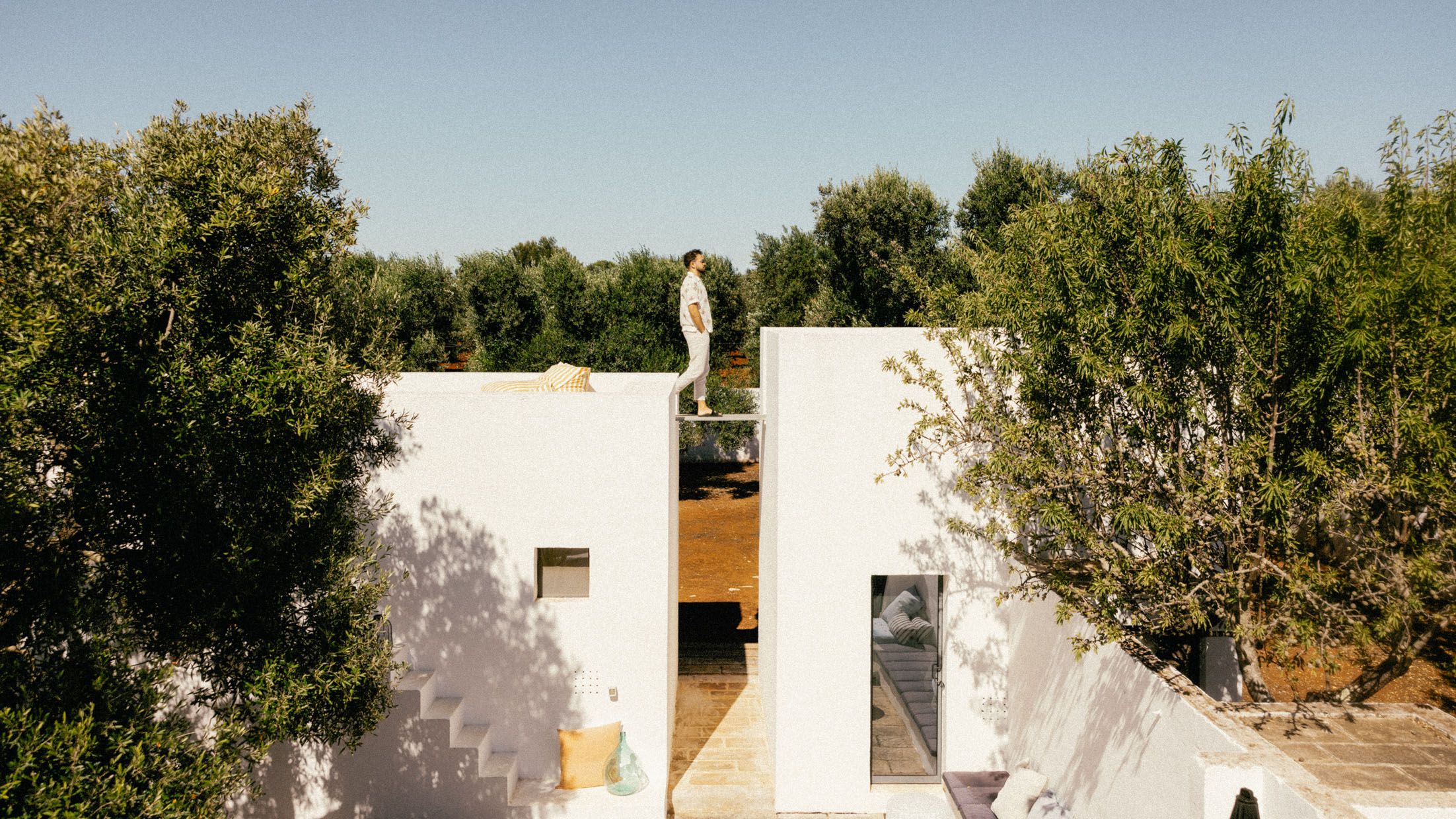
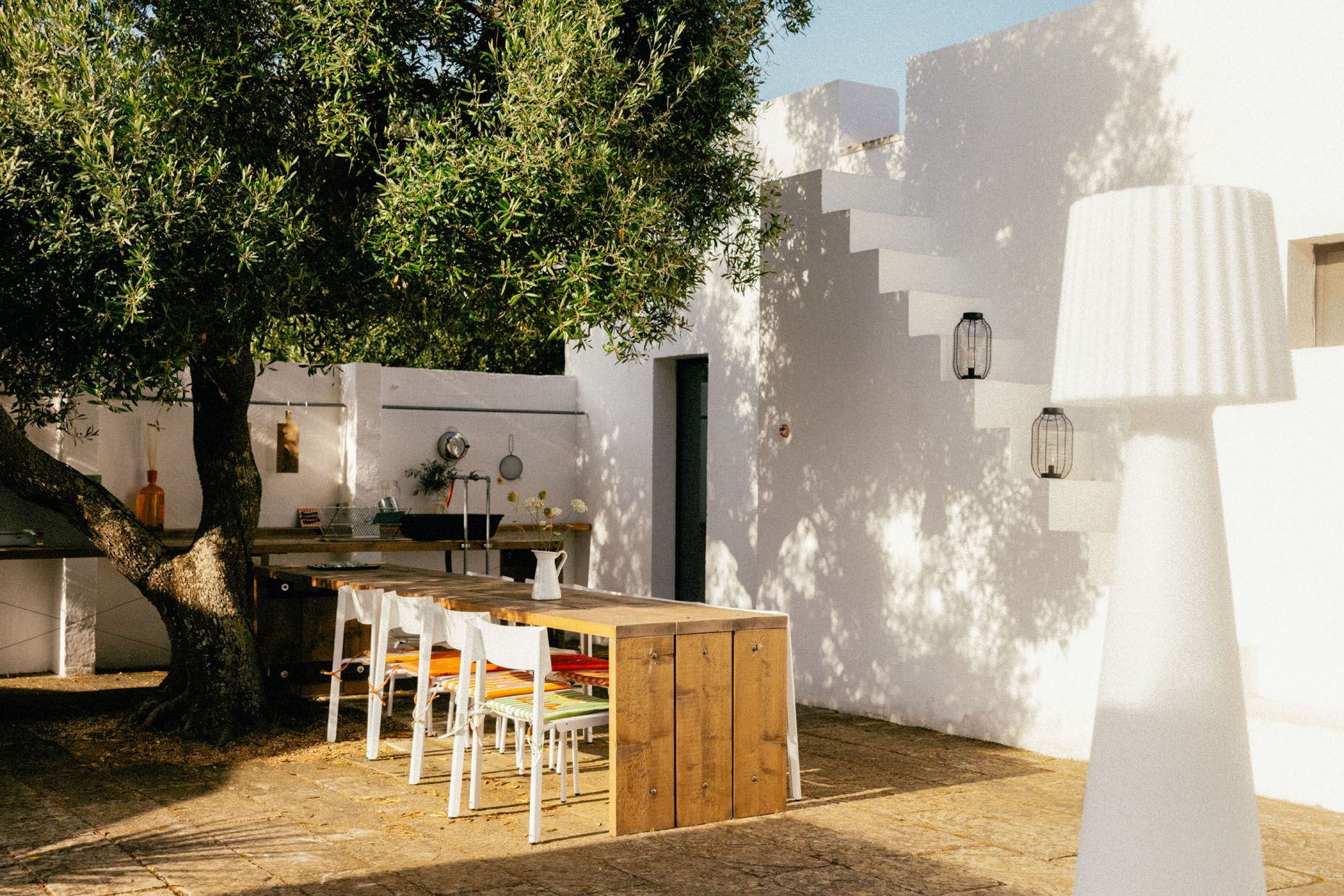
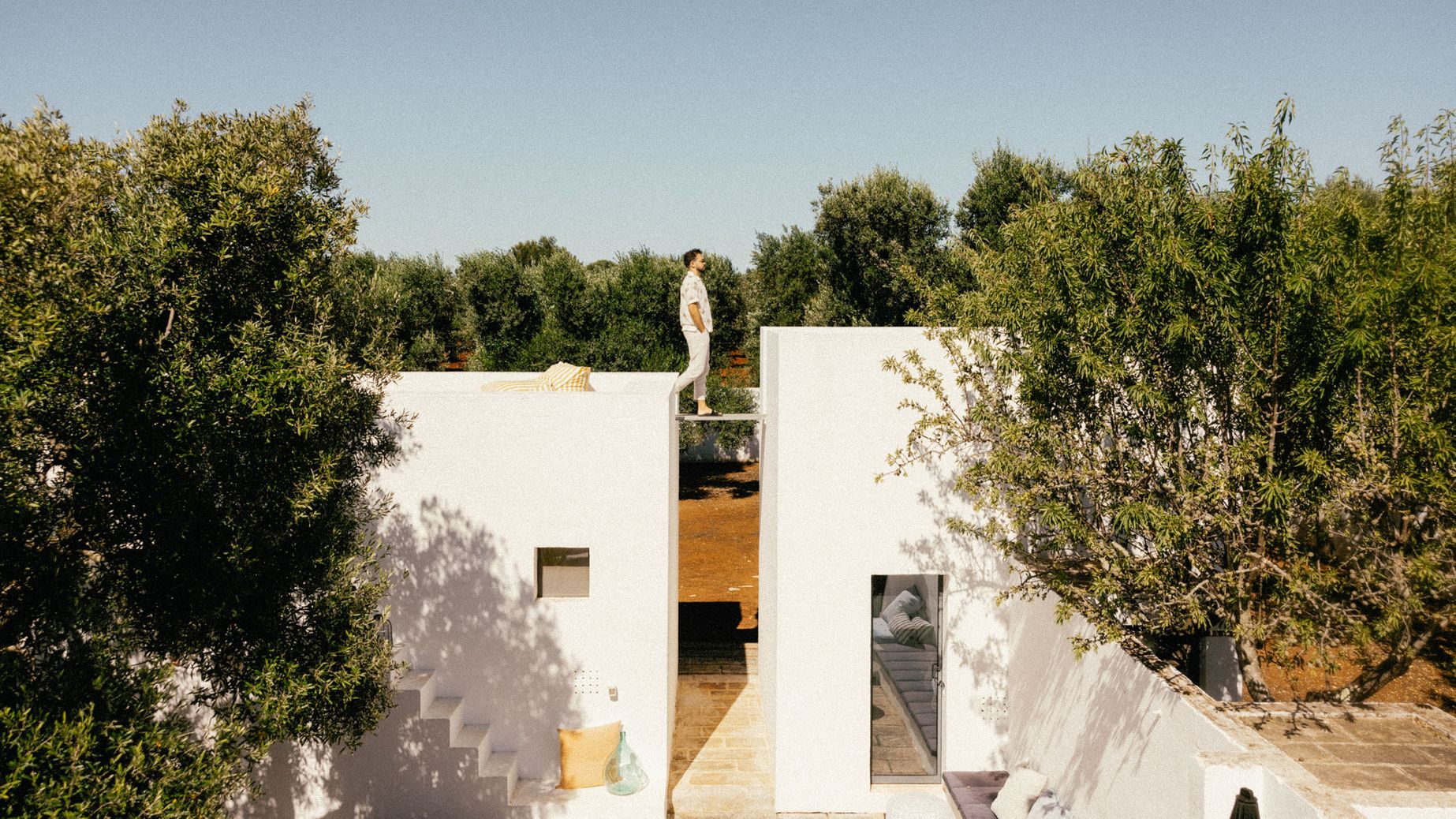
Life in southern Italy largely takes place outdoors. In this spirit, La Casa di Bru features an exterior flight of stairs that leads to one of the main house’s most beautiful spots: the rooftop terrace, with views over olive groves and the Apulian landscape. Here, guests can enjoy the sunset or simply soak in the tranquillity of the surroundings. The narrow, irregular steps give the stairs a handcrafted character, typical of the region. The whitewashed steps appear to grow directly from the wall – making the stairs a charming detail that enhances La Casa di Bru’s special atmosphere.
More about La Casa di Bru
Casa Raslei
Switzerland // Ticino
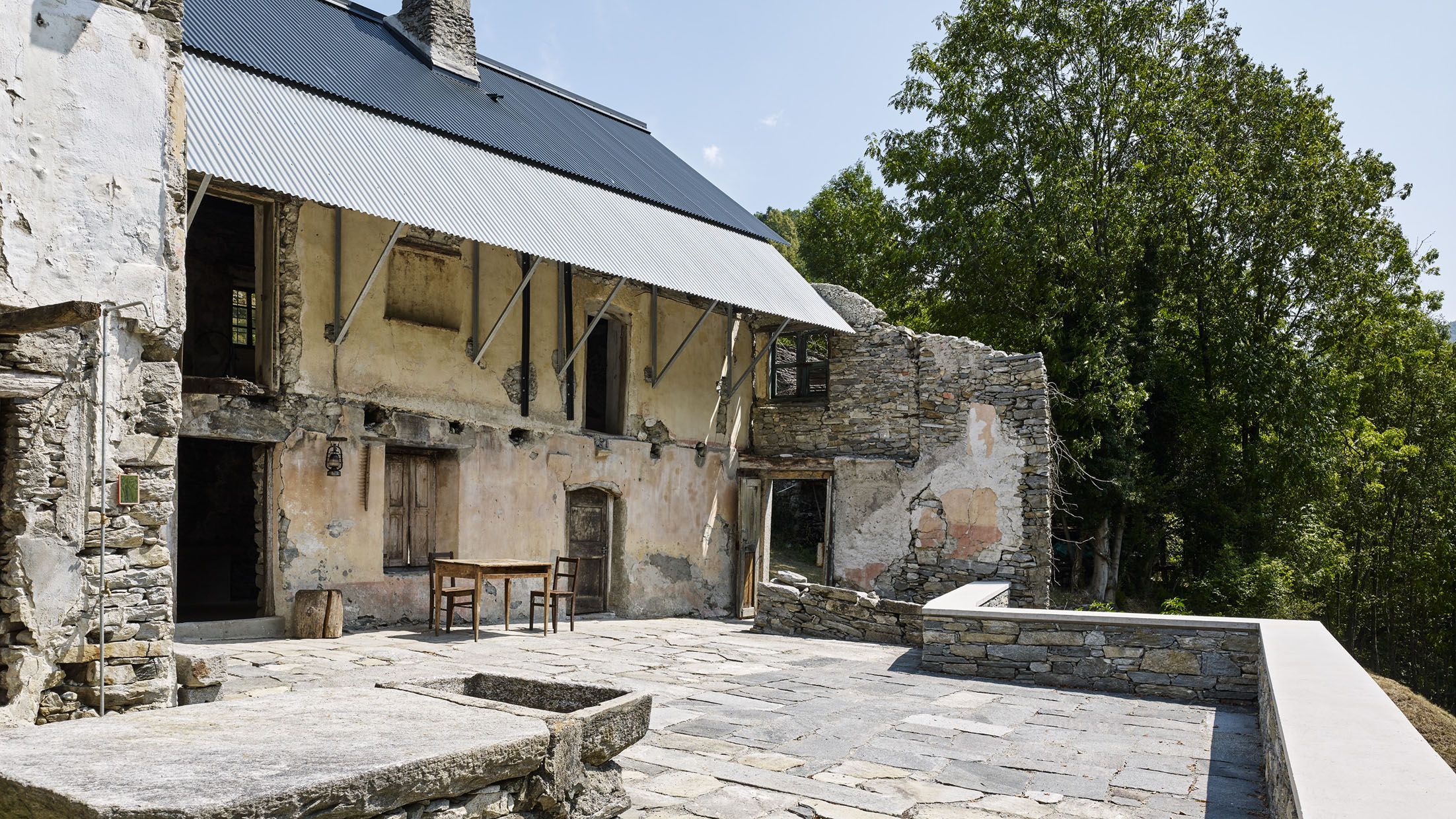
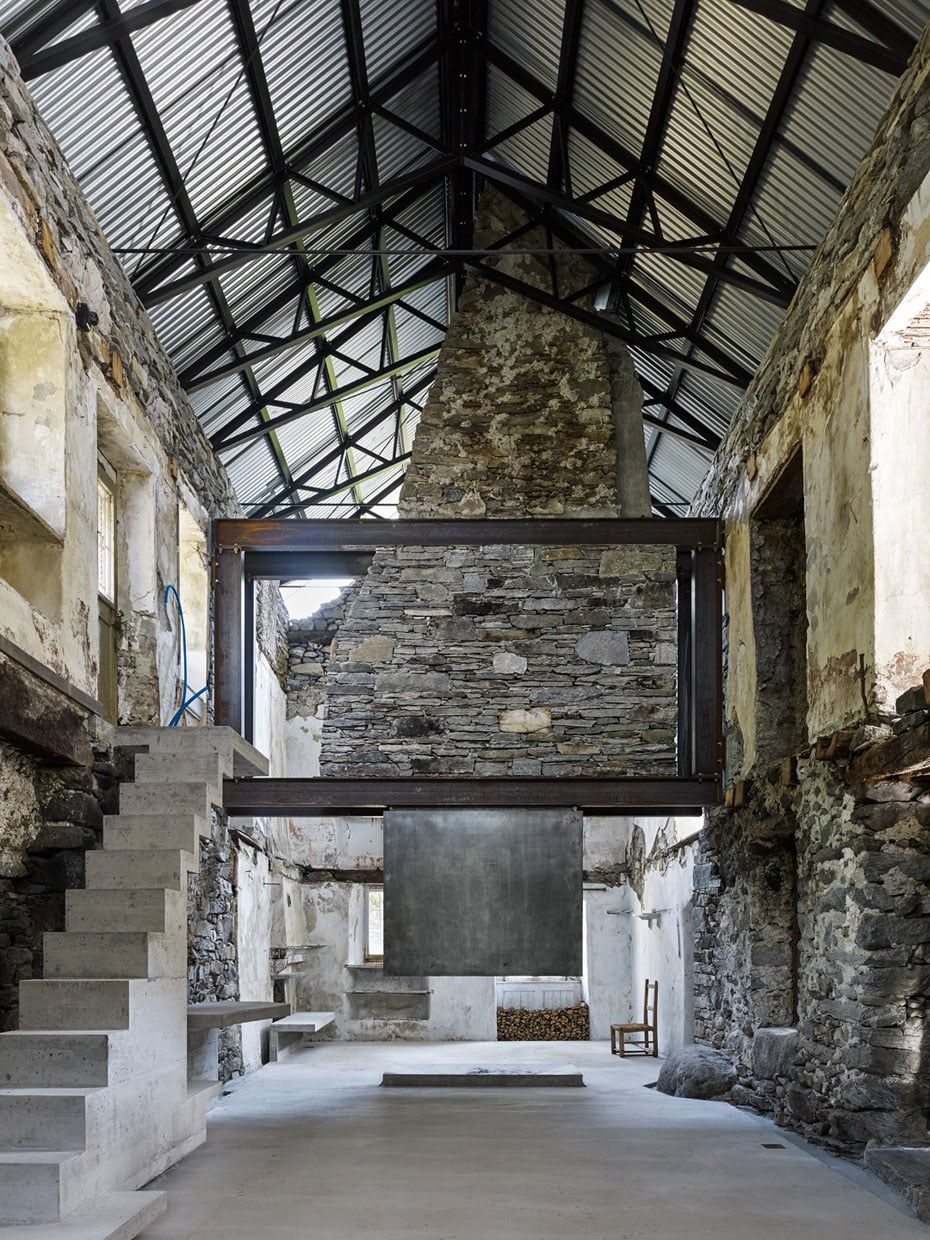
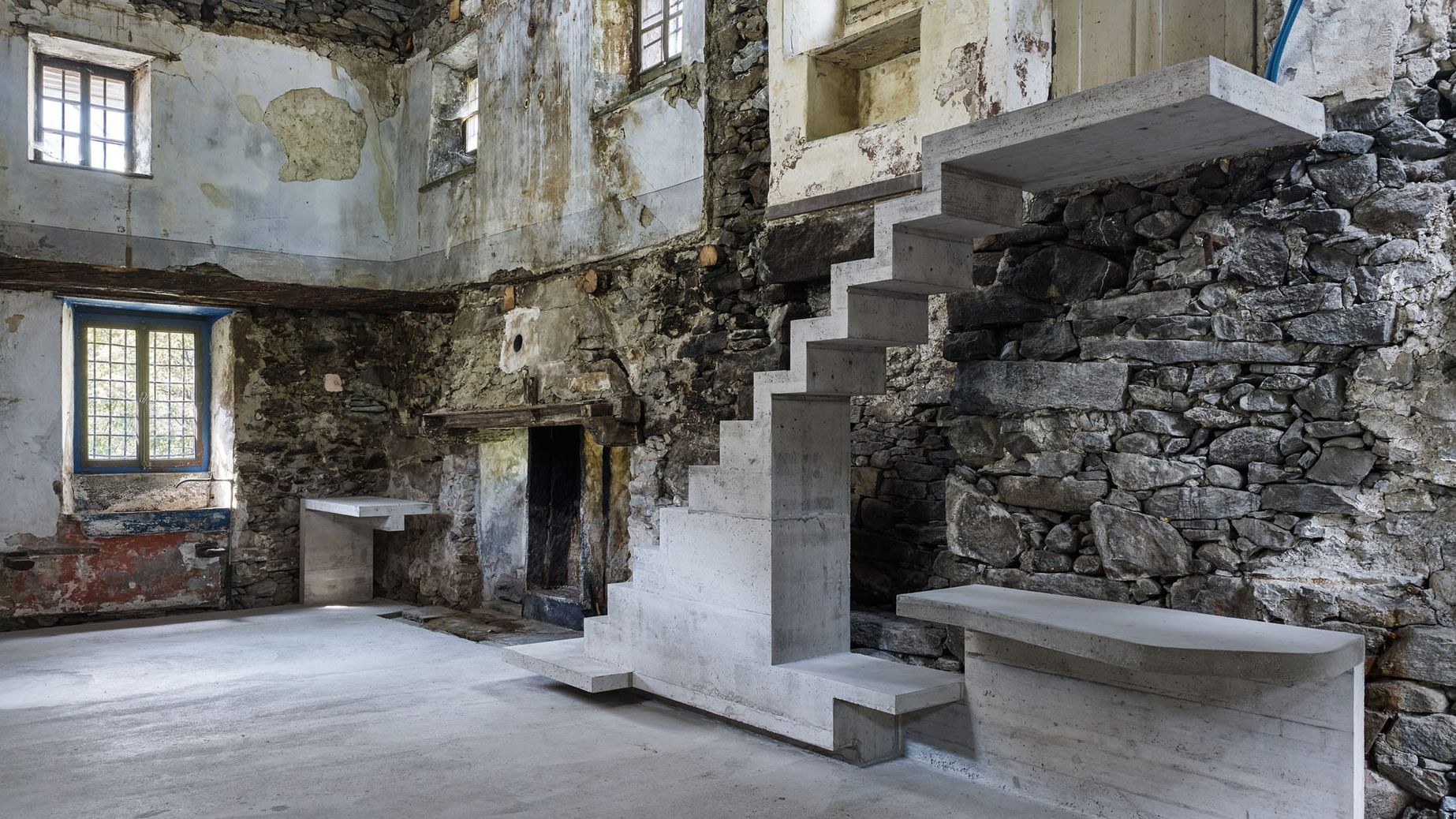
Dismantling rather than new construction: With simple means, Buchner Bründler Architekten have preserved the identity of a site steeped in history. Casa Raslei is an ensemble of old stone houses nestled in the wild landscape of the Onsernone Valley. The buildings stood empty for almost ten years before being transformed into a habitable retreat with a summer house, a winter parlour, and a bathhouse. The formerly fragmented layout of the summer house was opened up to form a two-storey hall, allowing individual elements to stand out like objects. Particularly striking: the in-situ concrete stairs, which now lead to nowhere – and gains its sculptural presence precisely because of this.
More about Casa Raslei
Denkmal Karlstadt
Germany // Middle Franconia
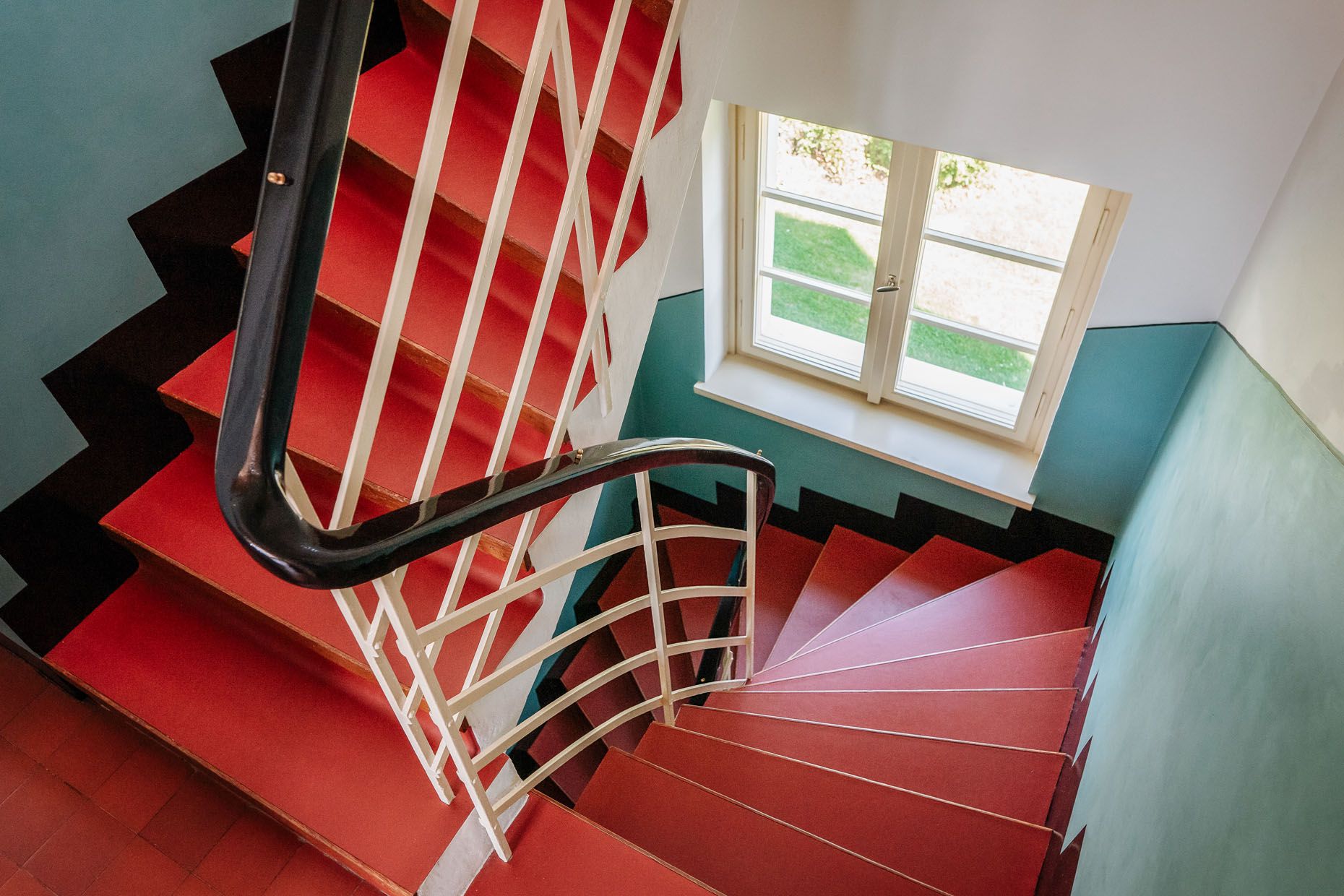
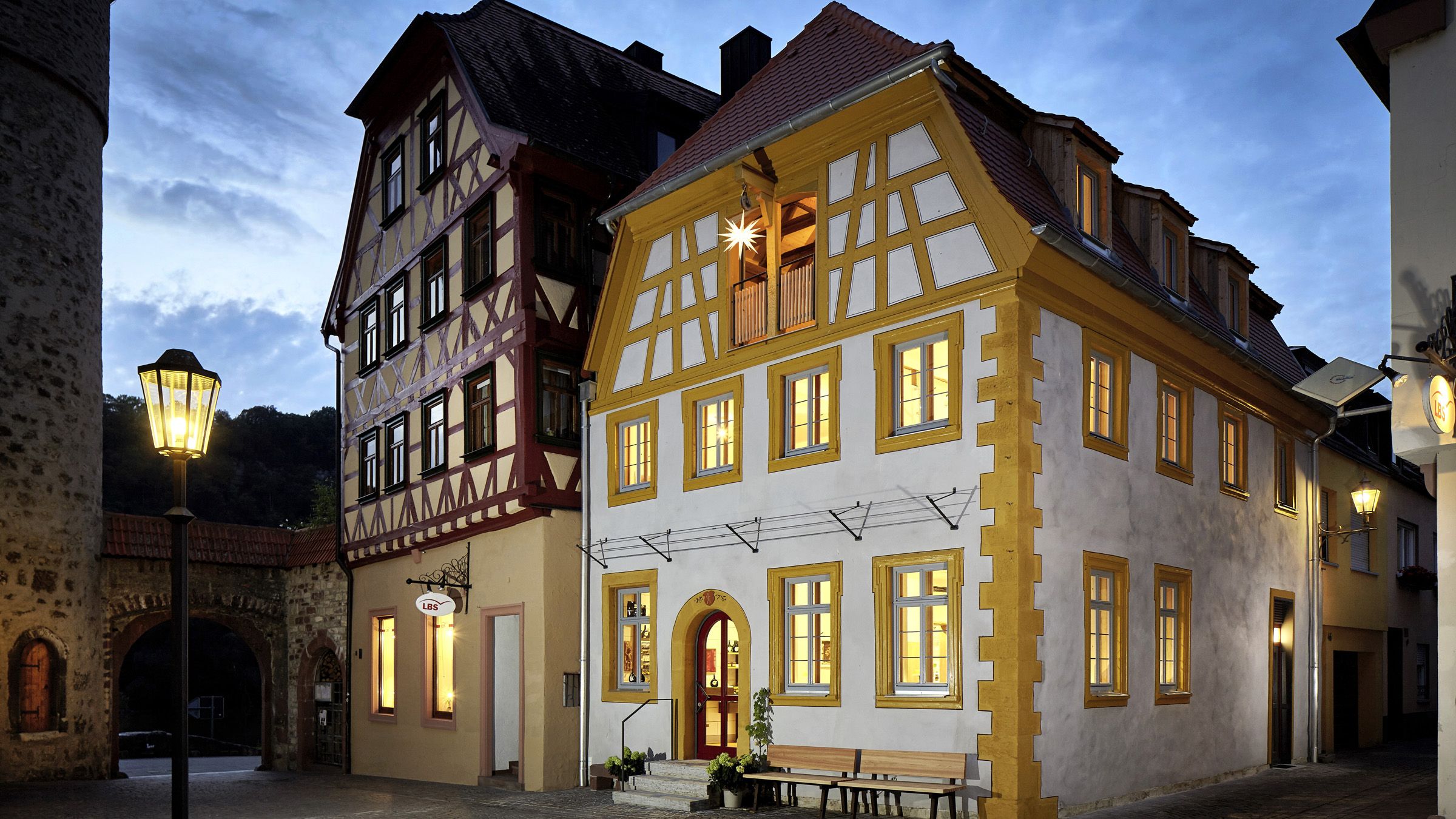
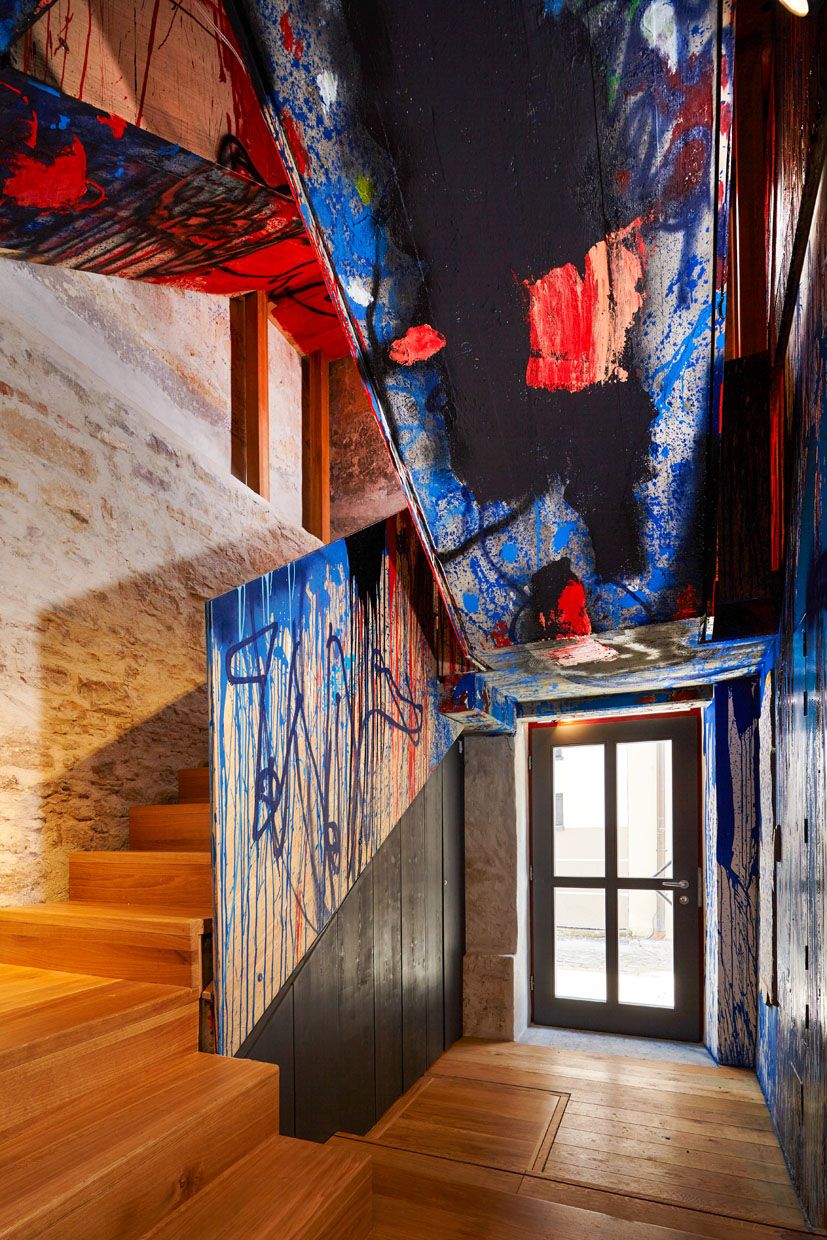
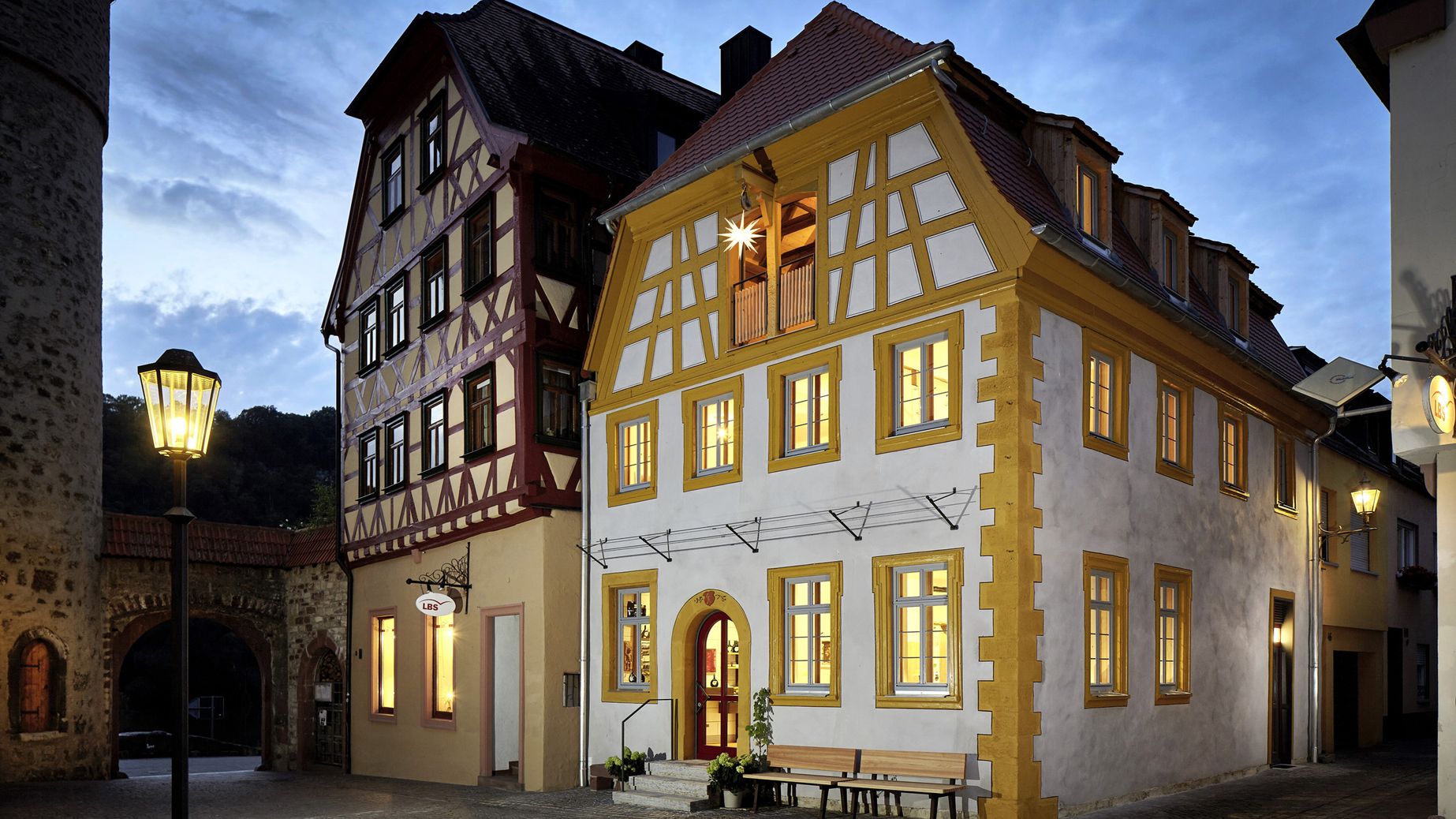
At Denkmal Karlstadt, a newly built staircase replaces a demolished part of the building – and becomes a walkable artwork. Architect Alfred Wiener and the artist duo Mutsuo Hirano and Thomas Lange designed the stairwell as a deliberate contrast to the craftsmanship of the 16th century. On the way up from the café on the ground floor to the two holiday flats above, visitors encounter rising, expressive colour gradients, mostly created with lime casein paints on exposed concrete with formwork marks and a balustrade made of wooden picture panels. Over time, the work will develop a patina – and thus become part of the house’s own history.
More about Denkmal Karlstadt
Jardin Urbain Paris
France // Paris
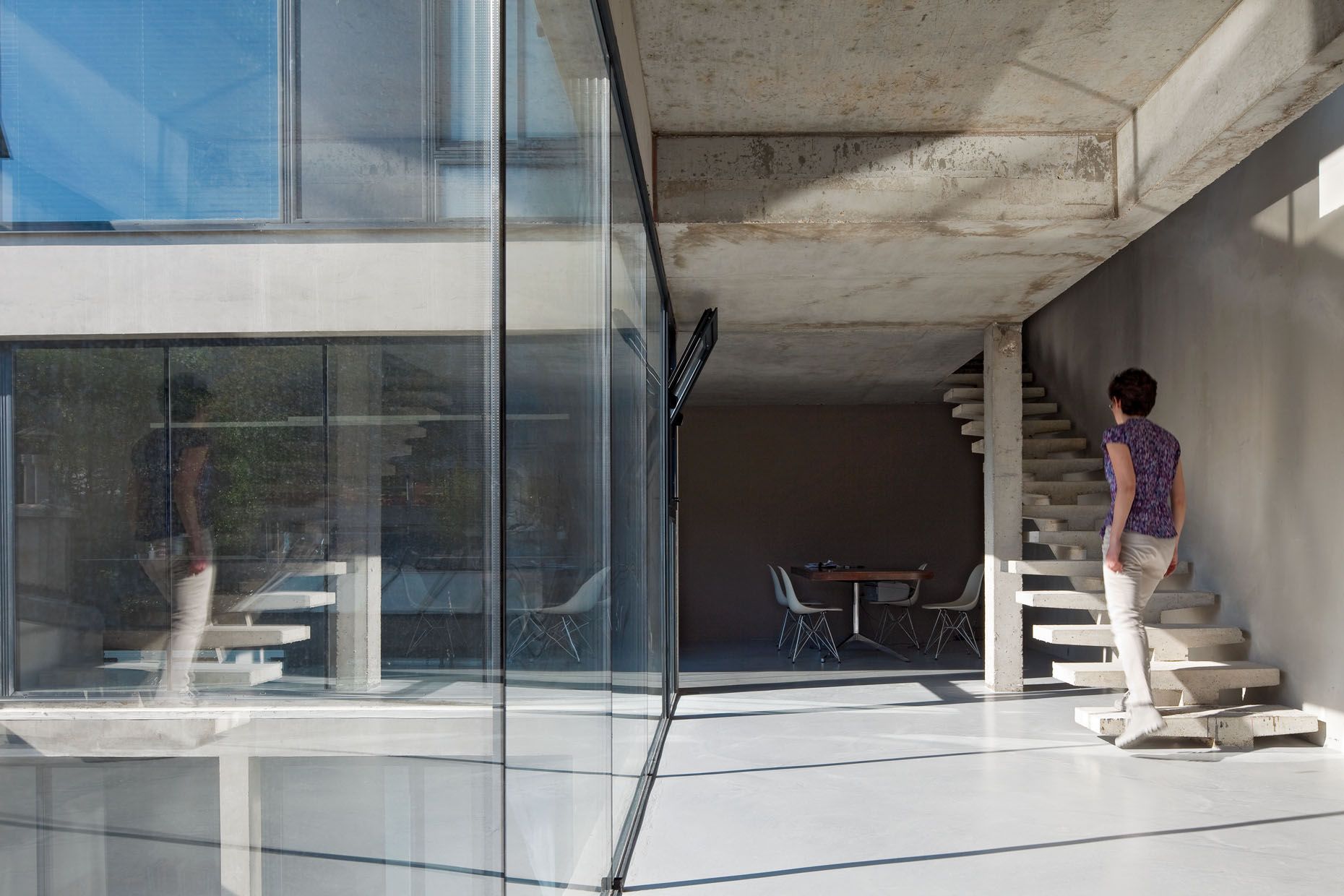
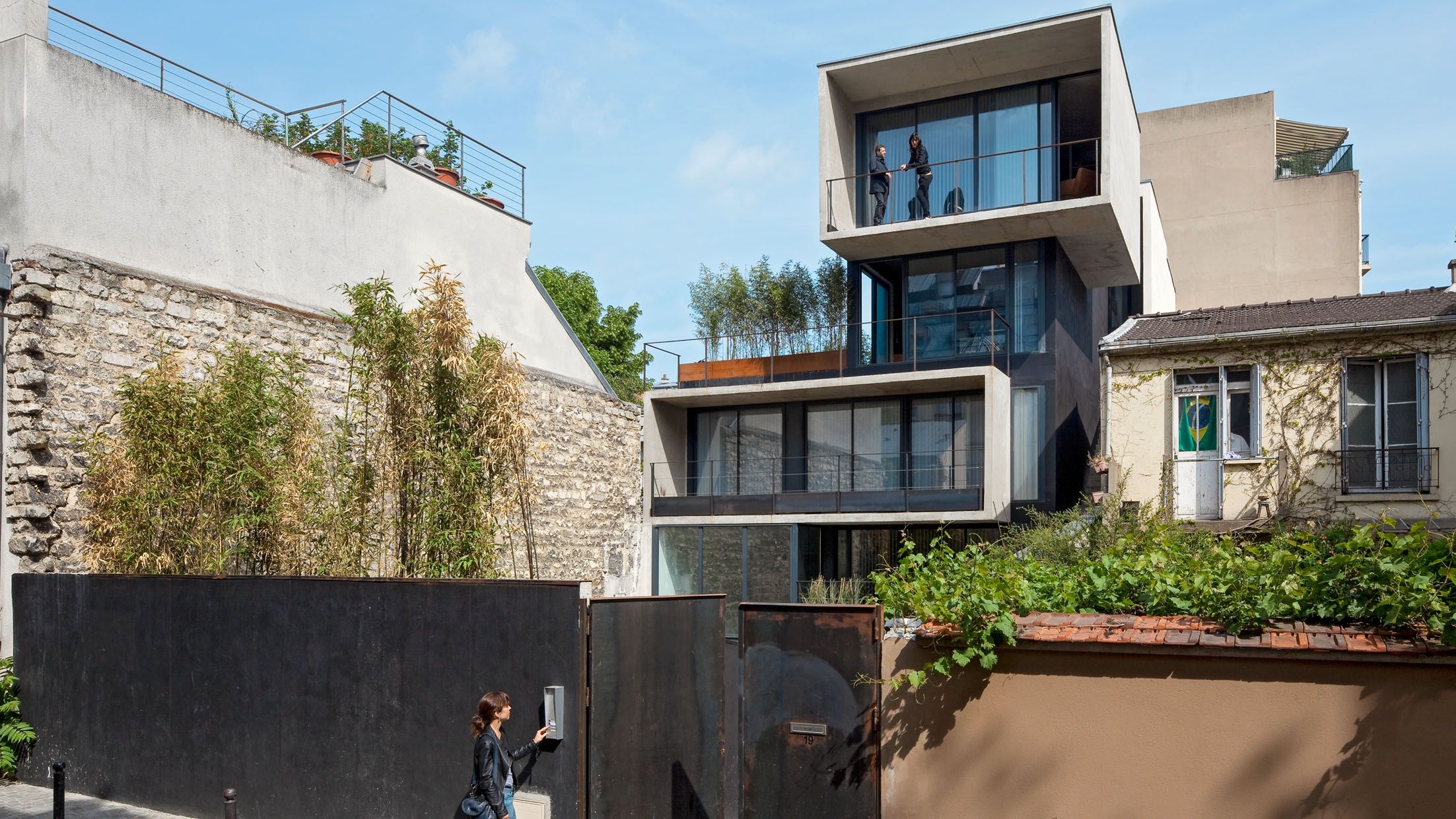
As part of a compact urban ensemble with stacked residential units, the apartment Jardin Urbain Paris welcomes guests via an open concrete staircase. An architectural highlight is the cantilevered concrete staircase inside – built without risers, it appears light and almost floating. It connects the spacious living area on the ground floor with the more private bedrooms and workspace upstairs, while its clean contours emphasise the apartment’s loft-like character. The interplay of raw concrete on the lower floor and warm wood on the upper level creates a clear yet exciting contrast of materials.
More about Jardin Urbain Paris
Kuća Skala
Croatia // Novigrad
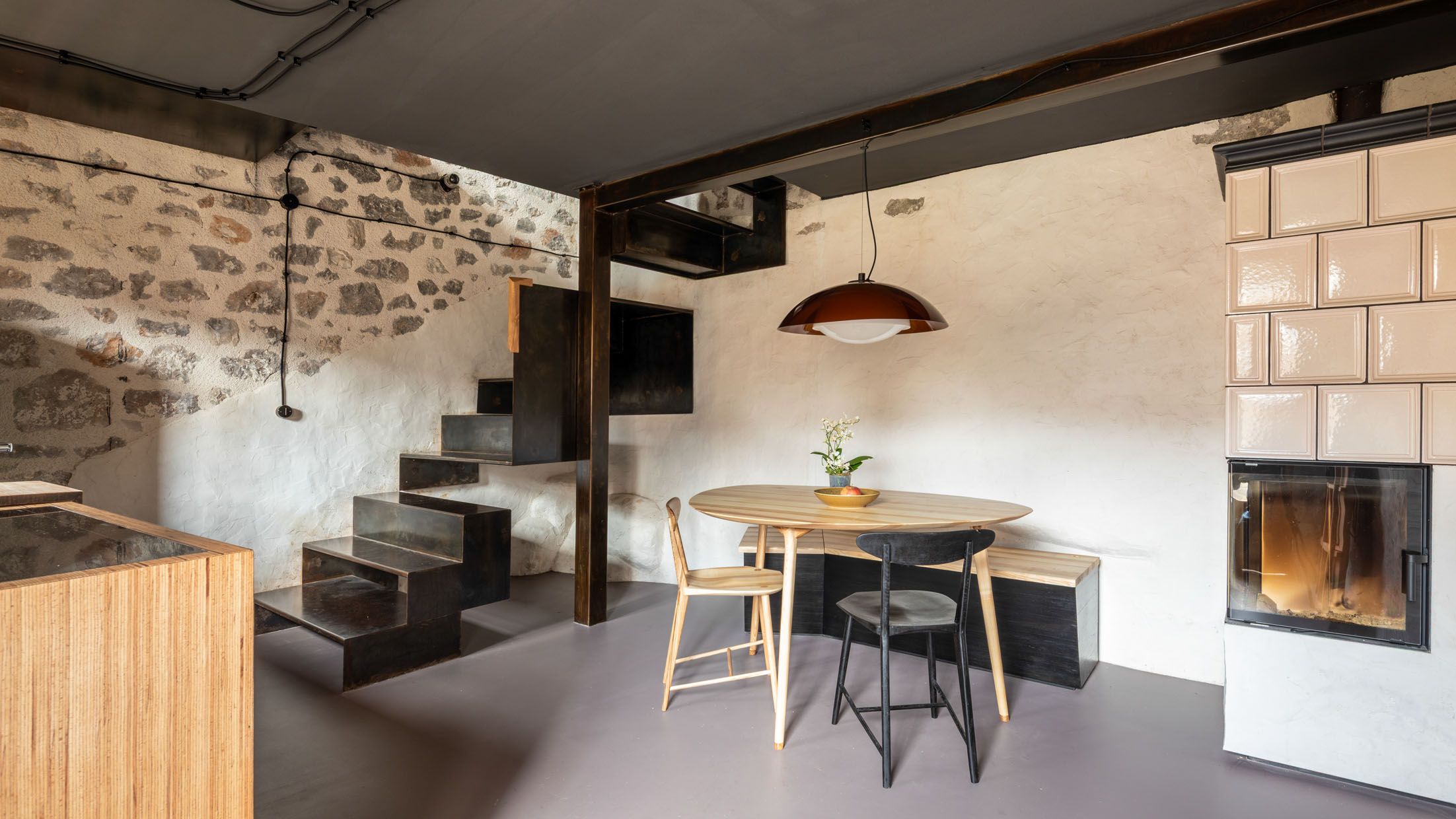
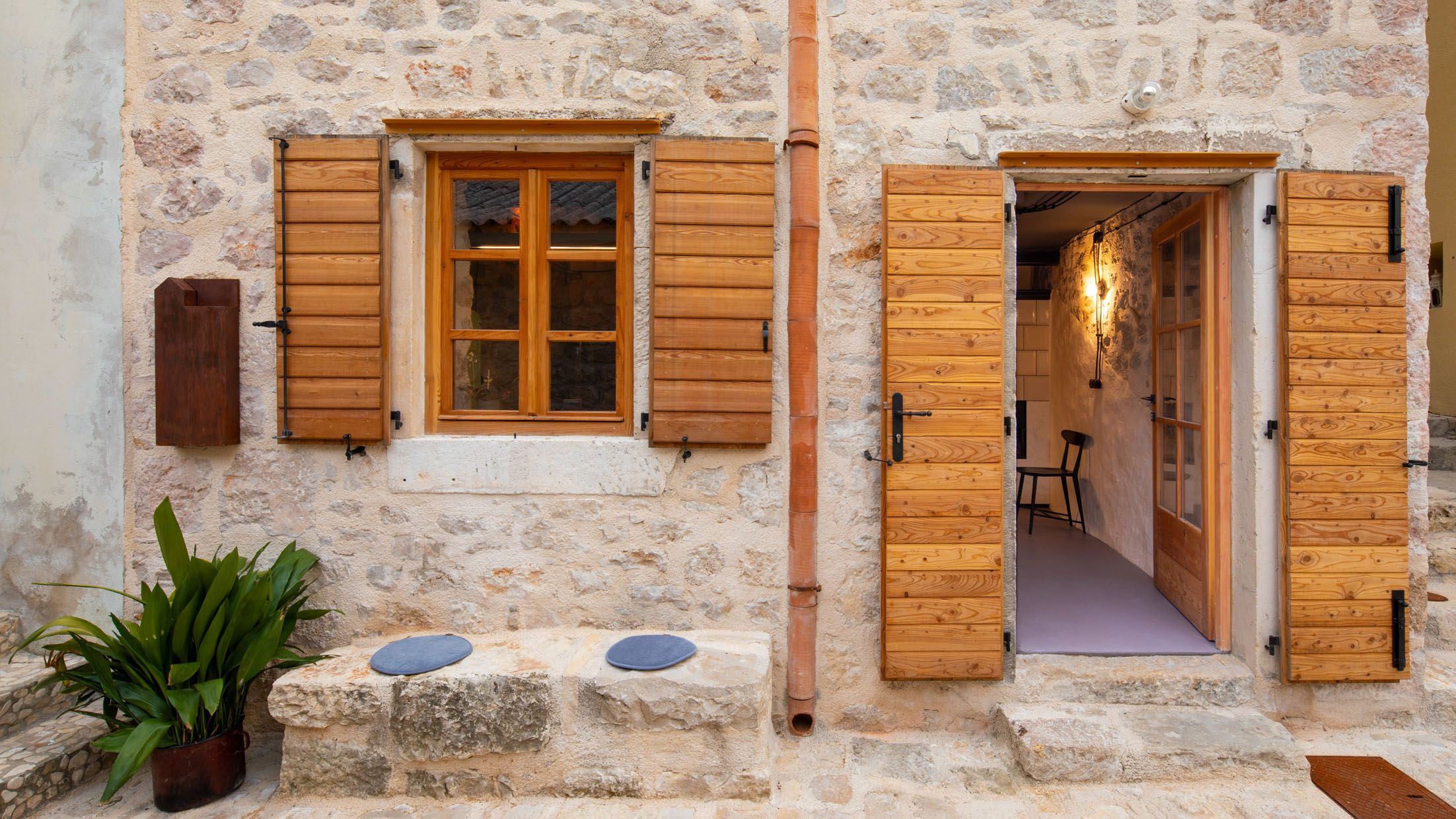
Kuća Skala – the “House of Stairs” – is a narrow 1930s building in Dalmatia, converted by architect and designer Boris Kajmak. Like a vertical loft, four open levels are stacked above one another. At its core: a black steel staircase. It provides access to the rooms while also serving as sculpture, shelf, and seating. Inspired by the step-filled streets of Novigrad’s historic centre, the staircase takes on a starring role here, too. “Moving between the four levels on the black steel stairs is a pleasure,” a guest writes, “like strolling through an exhibition.”
More about Kuća Skala
Grams Gård
Sweden // Österlen
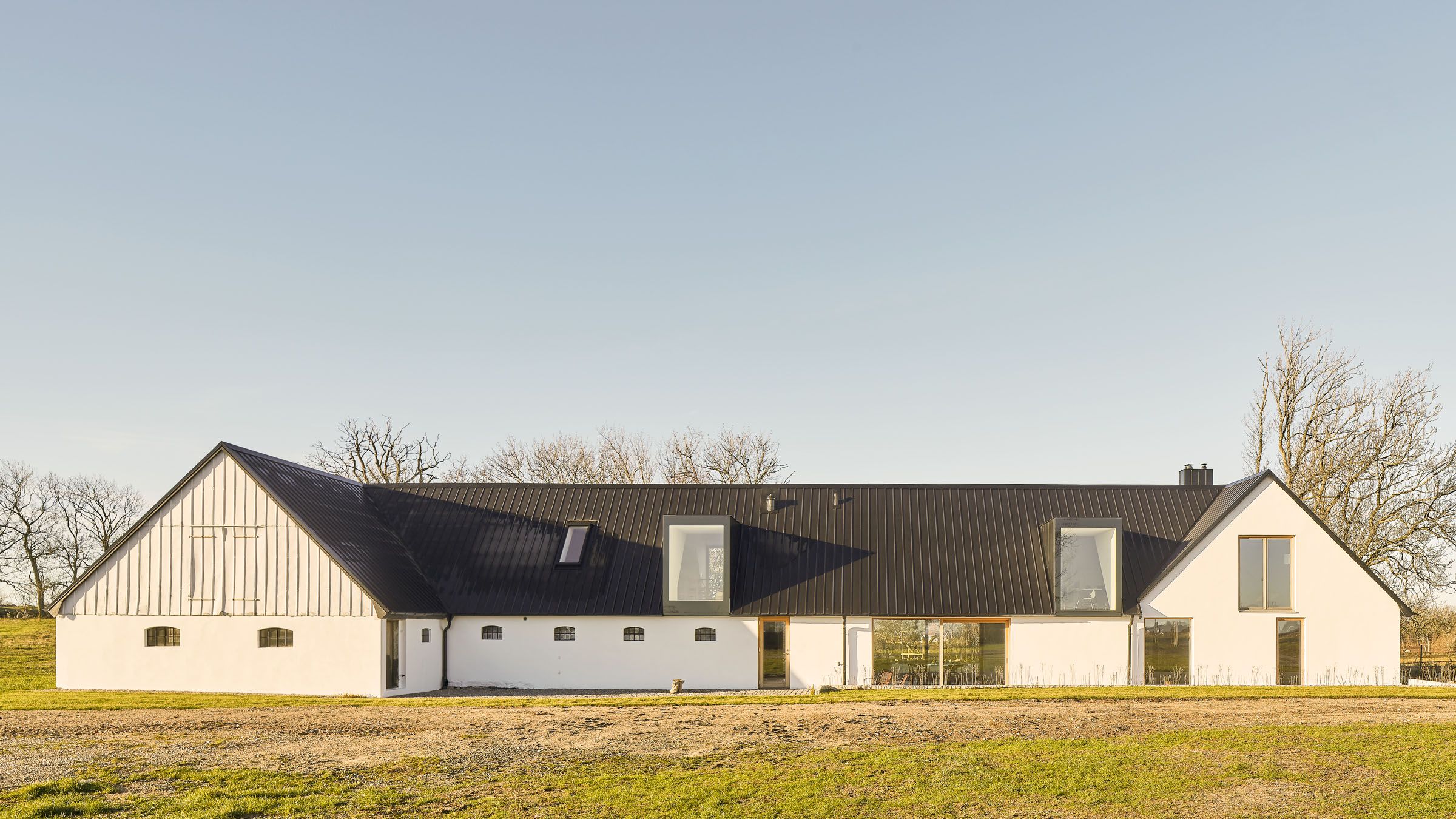
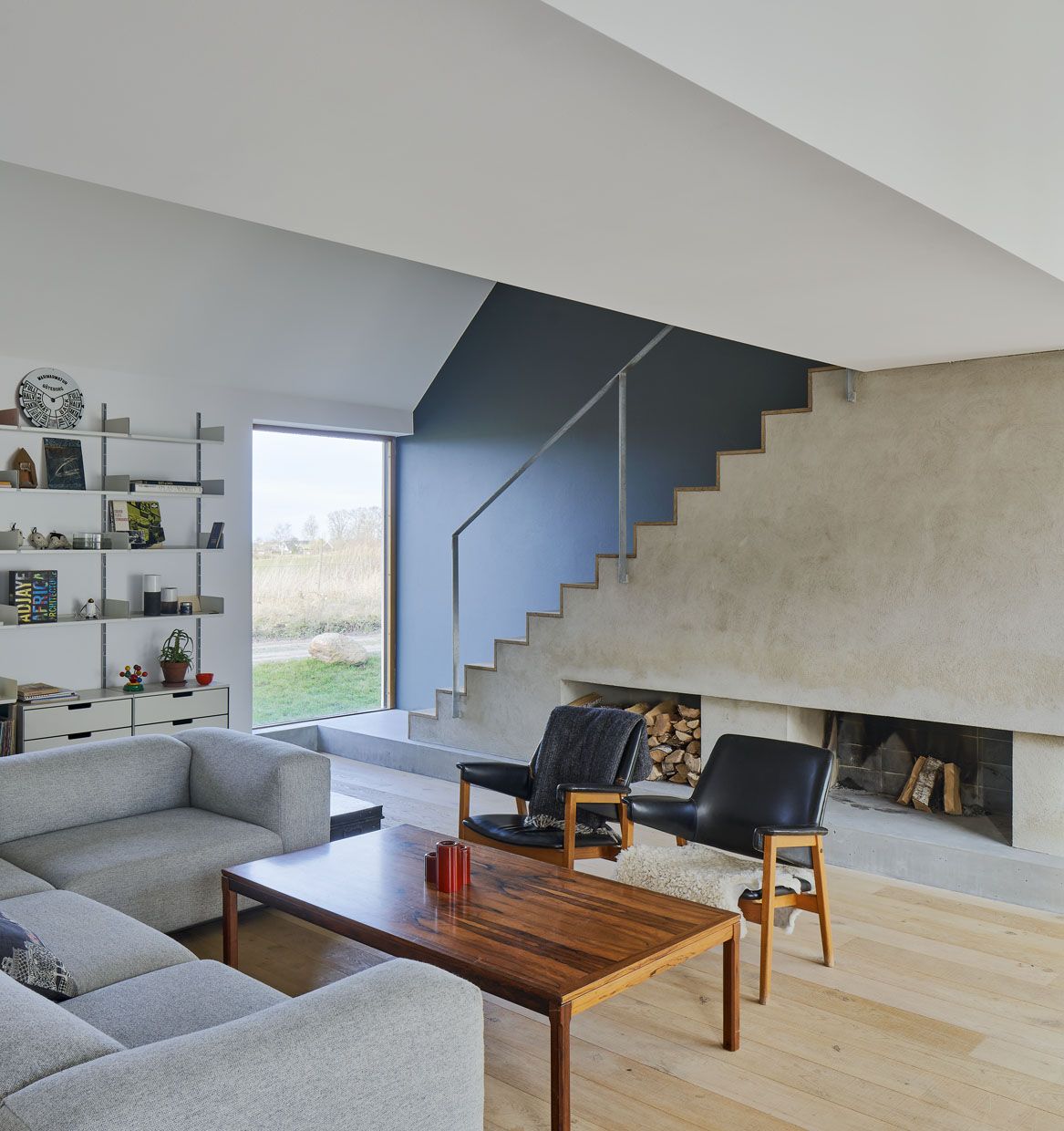
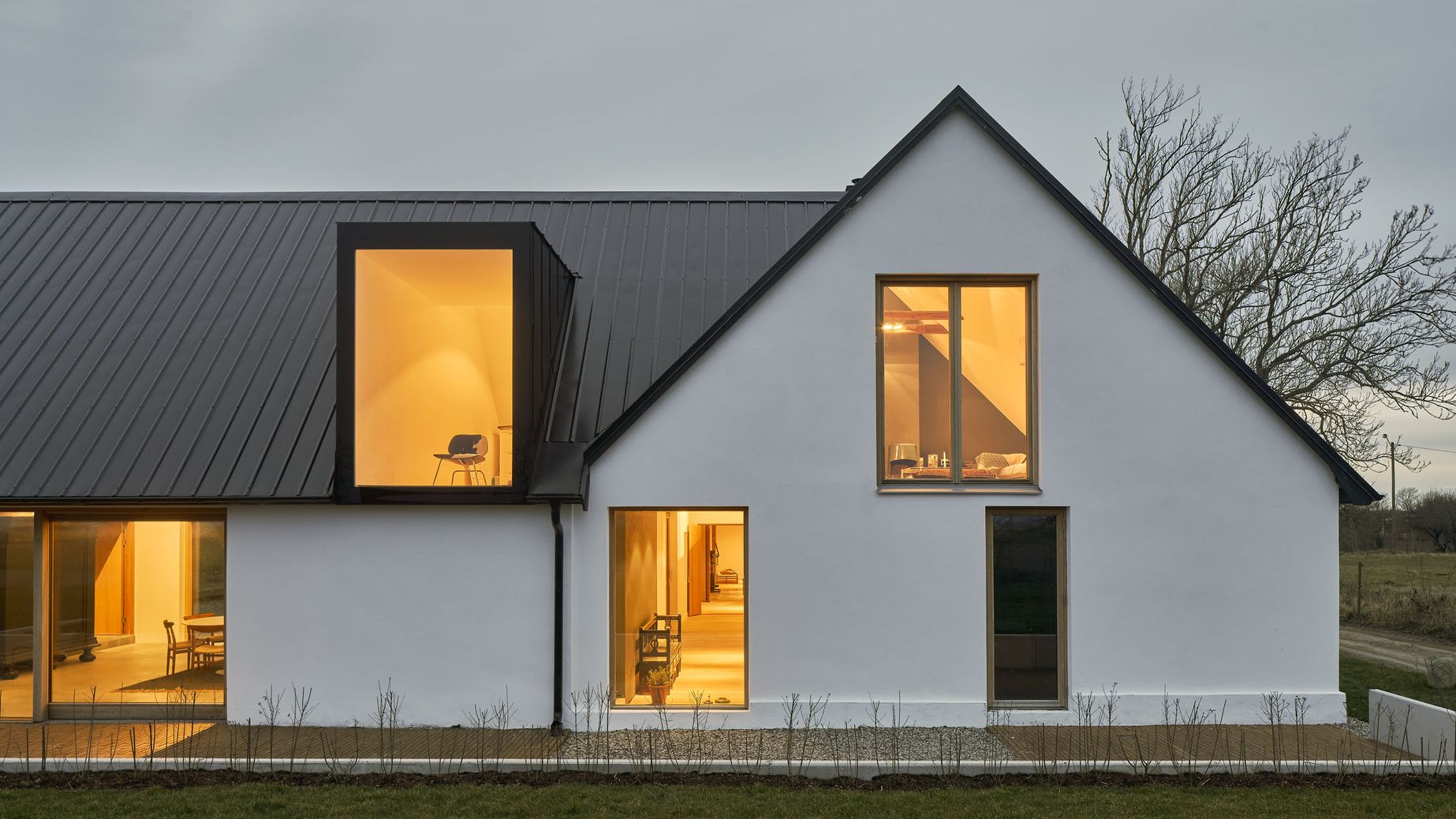
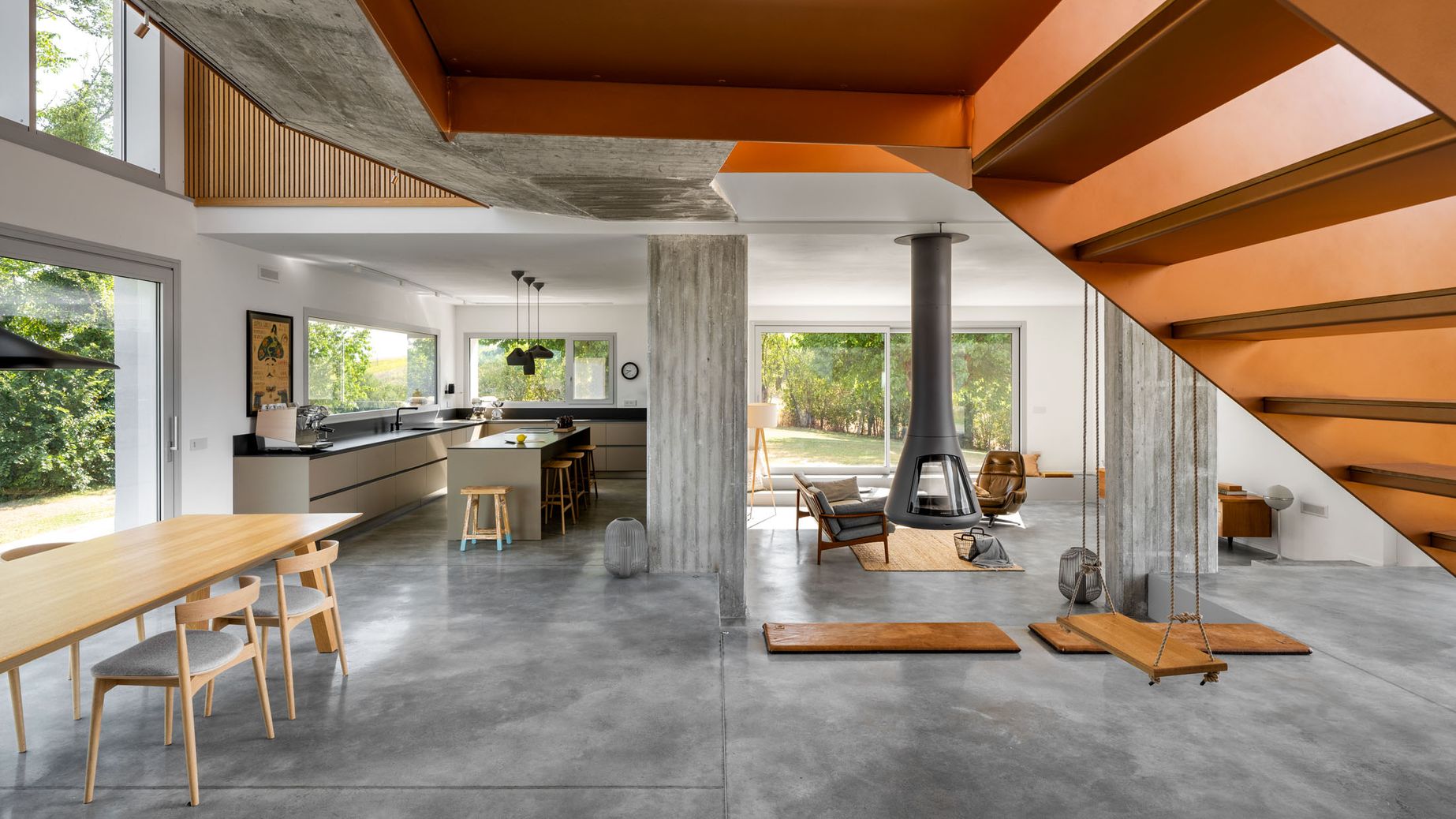
In Grams Gård, a former farmstead in Sweden’s southern coastal region of Skåne, the conversion into a holiday home has been achieved with finely composed transitions. The Swedish-British architecture duo Ia Hjärre and Andy Nettleton created a concrete staircase in the main apartment that leads from the open-plan living area to the attic, which provides three bedrooms. The raw flight of stairs contrasts deliberately with the historical structure. The former hayloft – now a 50-square-metre studio – is accessed from the courtyard via a steel staircase. Light and almost floating, it connects the levels with ease, blending naturally into the overall architectural composition.
More about Grams Gård
Text / Compilation: Christiane Weidemann & Anne-Birga Niepelt
Photos: Jukan Tateisi via unsplash.com (Cover picture), Matteo Natalucci Studio (Passa Tempo), Ansgar Schwarz & Nilos Frakou (Amtsalon), Living Architecture UK (The Long House), David Cysar, Karolina Koštialová & Tereza Kunderová (Villa Winternitz), Maximilian Pohler (La Casa di Bru), Georg Aerni (Casa Raslei), Jochen Schreiner (Denkmal Karlstadt), Frank Salama (Jardin Urbain Paris), Tom de Gay (Kuća Skala), Ake E:Son Lindman (Grams Gård)




0 Comments